

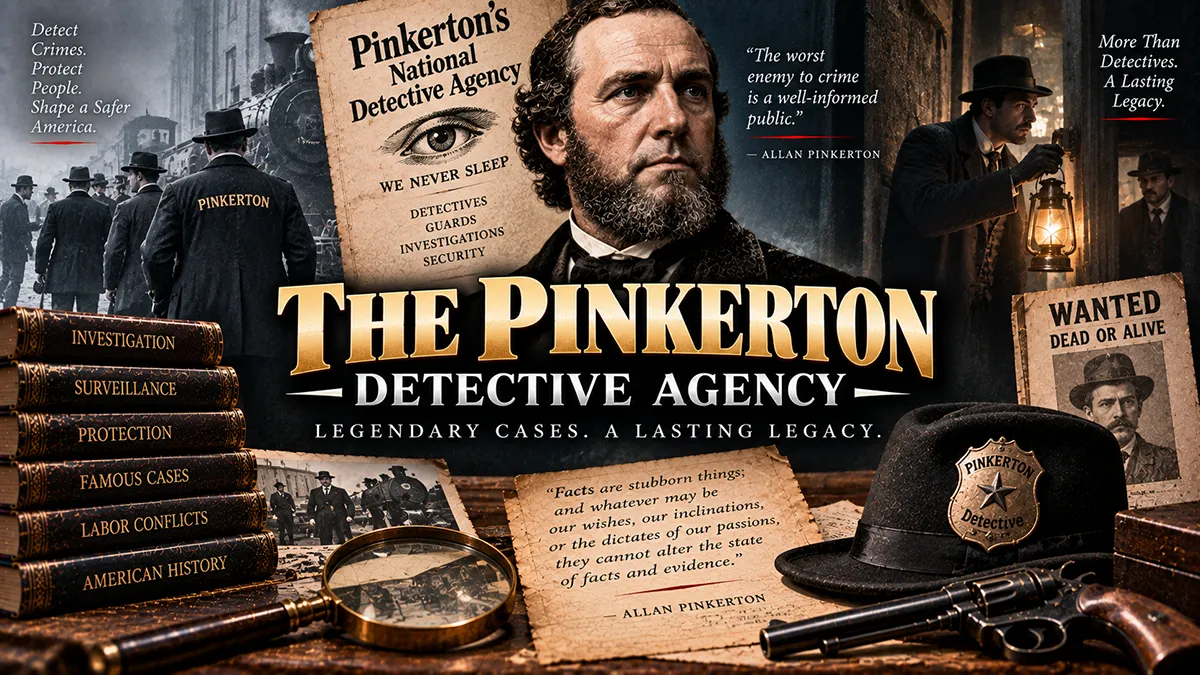
Long before the FBI existed, there was a private eye with an open-eye logo and a chilling slogan: “We Never Sleep.” That was the Pinkerton National Detective Agency, and for nearly a century it sat at the center of America’s biggest manhunts, labor wars, and political intrigues. It chased outlaws, guarded presidents, infiltrated secret societies, and became so powerful that Congress eventually passed a law specifically to rein it in.
But who were the Pinkertons, really? Pop culture has turned them into everything from noble crime-fighters to hired thugs, and the truth is a lot messier and more interesting than either extreme. This guide walks through the agency’s real history, its most legendary cases, and what happened to the Pinkertons once the Wild West gave way to the modern corporate world.
TL;DR: The Pinkerton detective agency was a real, privately owned crime-fighting and security firm founded in 1850 that shaped American law enforcement, labor history, and pop culture — and while it never became the FBI, a version of it still operates today as a corporate security consultancy.
Who Were the Pinkertons?
The Pinkertons were operatives of the Pinkerton National Detective Agency, a private firm founded by Scottish immigrant Allan Pinkerton in Chicago in 1850. Unlike modern police departments, the Pinkertons were not government employees. They were hired guns, investigators, and spies who worked for whoever could pay: railroads, banks, express companies, industrialists, and even the federal government during wartime.
So what were the Pinkertons in practical terms? Think of them as a hybrid of private investigators, bodyguards, undercover spies, and armed security contractors, all operating under one brand. At their peak, agent Pinkerton operatives had files on more suspected criminals than any government agency in the country, giving the firm outsized influence over how crime was tracked and prosecuted in the 19th century.
This private, for-profit structure is also why the Pinkertons became so controversial. Because they answered to paying clients rather than the public, Pinkerton men were sometimes deployed less like detectives and more like private armies, especially during labor disputes. That tension between crime-fighting hero and corporate enforcer runs through almost every legendary case on this list.
From Cooper’s Shop to Crime-Fighting Empire: How the Agency Began
Allan Pinkerton wasn’t originally a detective at all. He was a barrel maker (a cooper) near Chicago who stumbled into law enforcement after helping catch a gang of counterfeiters in the late 1840s. That reputation got him appointed as a deputy sheriff and later Chicago’s first police detective.
In 1850, Pinkerton partnered with a Chicago attorney to form the North-Western Police Agency, which soon became known simply as Pinkerton’s National Detective Agency. It was one of the first organizations of its kind in the United States, offering investigative services to railroads and express companies that had no other way to police long stretches of track and shipping routes.
That early business model, essentially private policing for private industry, set the template the agency would follow for the next hundred years. It also explains why so much of Pinkerton detective agency history is tangled up with railroads, banks, and industrial labor, rather than the street-level crime we associate with police work today.
21 Legendary Cases and Moments in Pinkerton Detective Agency History
Here are the cases and turning points that defined the Pinkerton detectives, for better and for worse. Some are triumphs of clever detective work; others are cautionary tales about what happens when private companies wield police-like power.
1. The Adams Express Company Embezzlement (1858)
One of Allan Pinkerton’s first major cases involved investigating a large sum of money that had gone missing while in transit with the Adams Express Company. Using undercover operatives and careful surveillance rather than brute intimidation, Pinkerton’s team helped trace the theft back to an employee within the company.
The case was a showcase for the agency’s signature style: patient, methodical, undercover investigation rather than simple interrogation. It helped establish Pinkerton’s reputation among railroads and shipping firms as the detective agency to call when large sums of money disappeared on the move.
2. The Baltimore Plot (1861)
As president-elect Abraham Lincoln traveled toward his inauguration, Pinkerton was hired by a railroad company to investigate potential sabotage along the route. His operatives claimed to uncover a conspiracy to assassinate Lincoln as his train passed through Baltimore, prompting a secretive change of route.
Historians have debated for over a century how serious this alleged plot actually was, and some accounts suggest Pinkerton may have overstated the danger to boost his own reputation. Still, the episode cemented Pinkerton’s connection to Lincoln and launched the agency into national fame almost overnight.
3. Kate Warne and the Birth of Undercover Work
In 1856, Allan Pinkerton hired Kate Warne, widely credited as the first female detective in the United States. She played a key role in the Baltimore Plot investigation, reportedly posing as a Southern sympathizer to gather intelligence from Confederate circles.
Warne’s success helped convince Pinkerton that female operatives could access information male detectives simply could not. This willingness to innovate, rather than stick to convention, became one of the agency’s genuine historical strengths, even as later chapters of Pinkerton history grew far murkier.
4. Allan Pinkerton, Union Spymaster
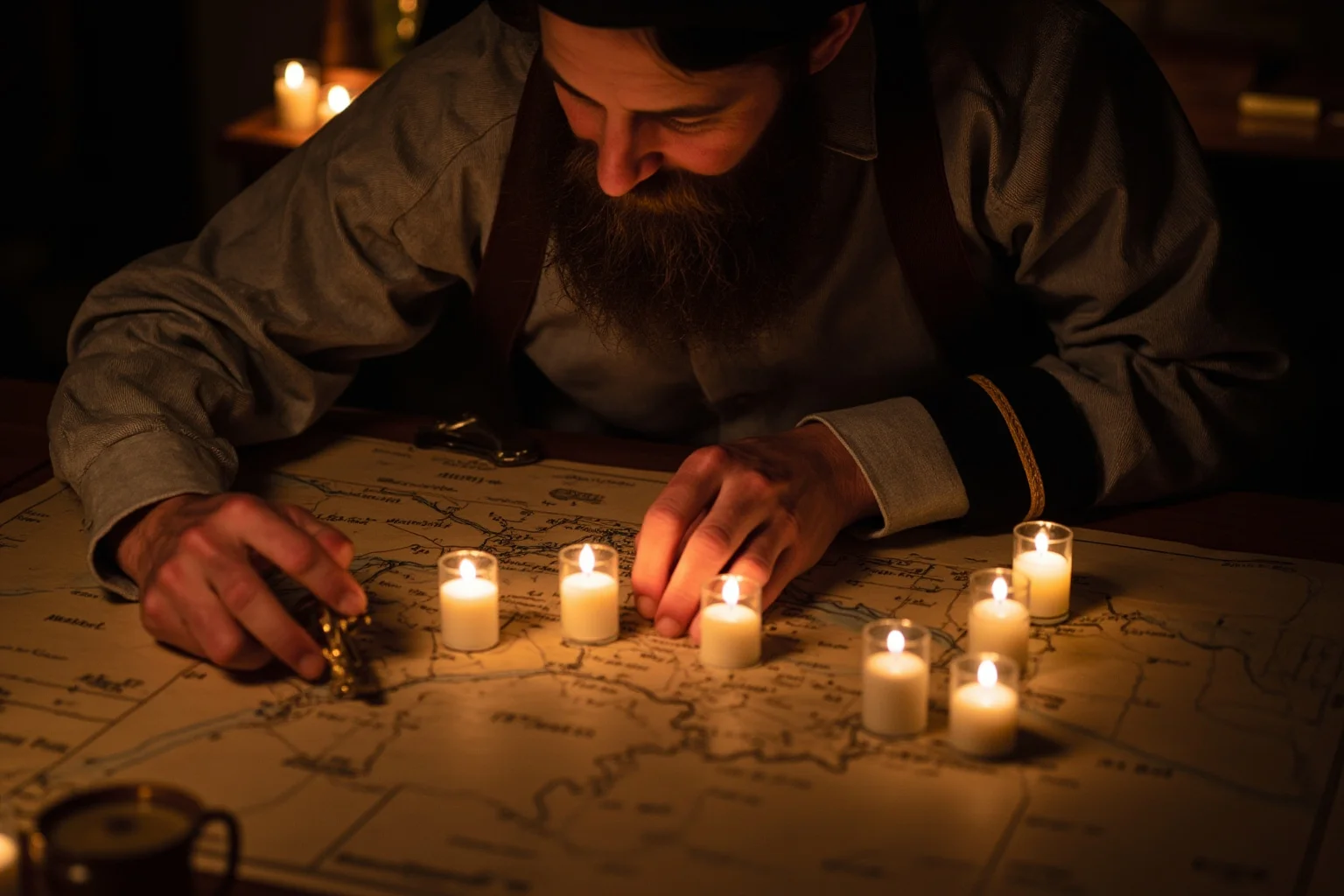
During the Civil War, Pinkerton headed an intelligence-gathering operation for General George McClellan, sometimes operating under the alias “Major E.J. Allen.” His network gathered information on Confederate troop movements and supported early Union counterintelligence efforts.
However, Pinkerton’s estimates of enemy troop strength were often criticized as wildly exaggerated, arguably contributing to McClellan’s overly cautious battlefield decisions. It’s a reminder that even legendary detective agencies could get things badly wrong when the stakes were highest.
5. The Reno Gang and America’s First Train Robbers
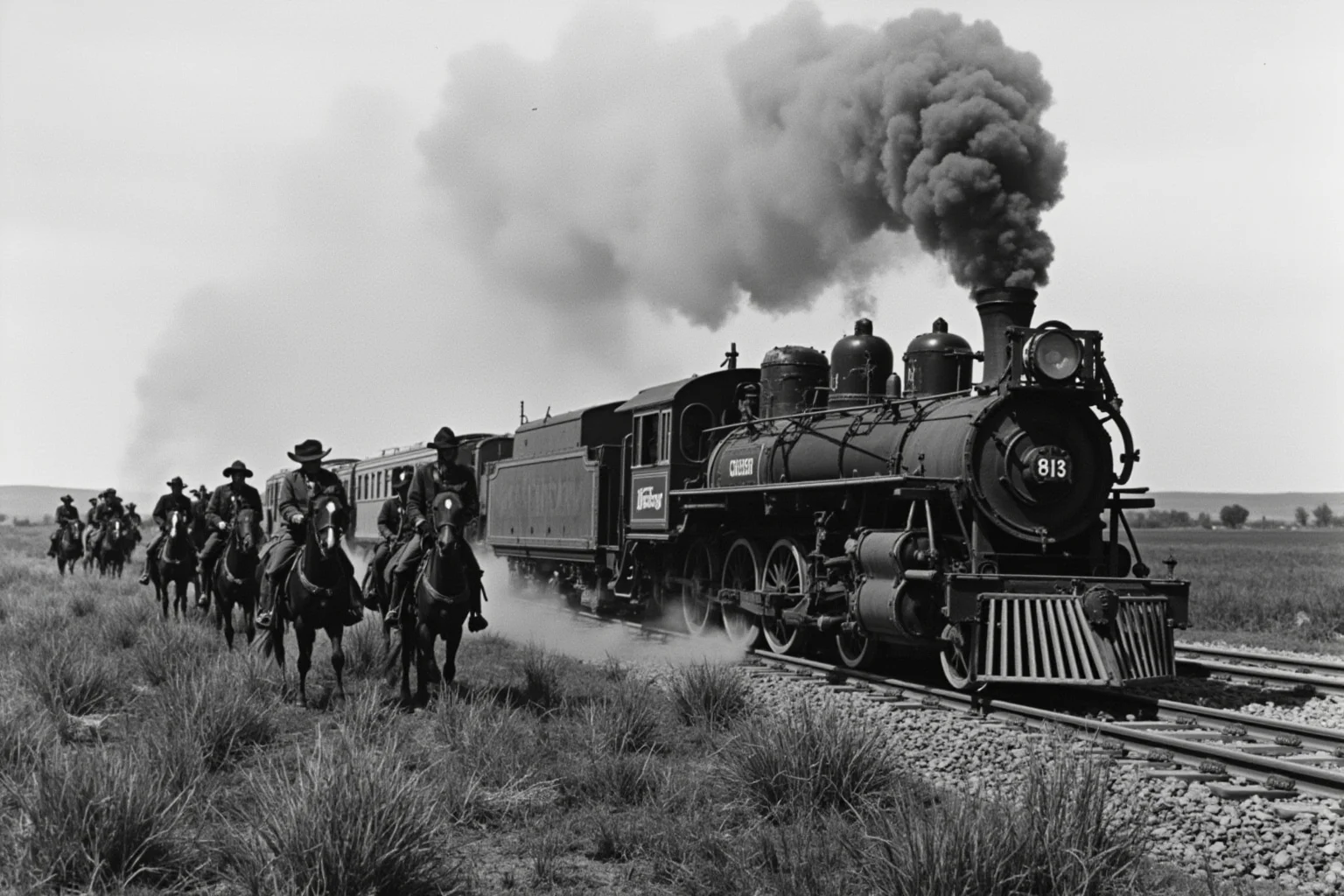
In 1866, the Reno Gang carried out what is often described as the first robbery of a moving train in U.S. history, striking in Indiana. Pinkerton agents were brought in to track down the gang over the following two years, working alongside local authorities.
The pursuit ended grimly in 1868 when a group of vigilantes lynched several captured gang members in New Albany, Indiana, before they could stand trial. The case highlighted both the agency’s growing skill at tracking organized outlaw gangs and the lawless violence that often accompanied frontier justice.
6. The Hunt for Jesse James and the James-Younger Gang
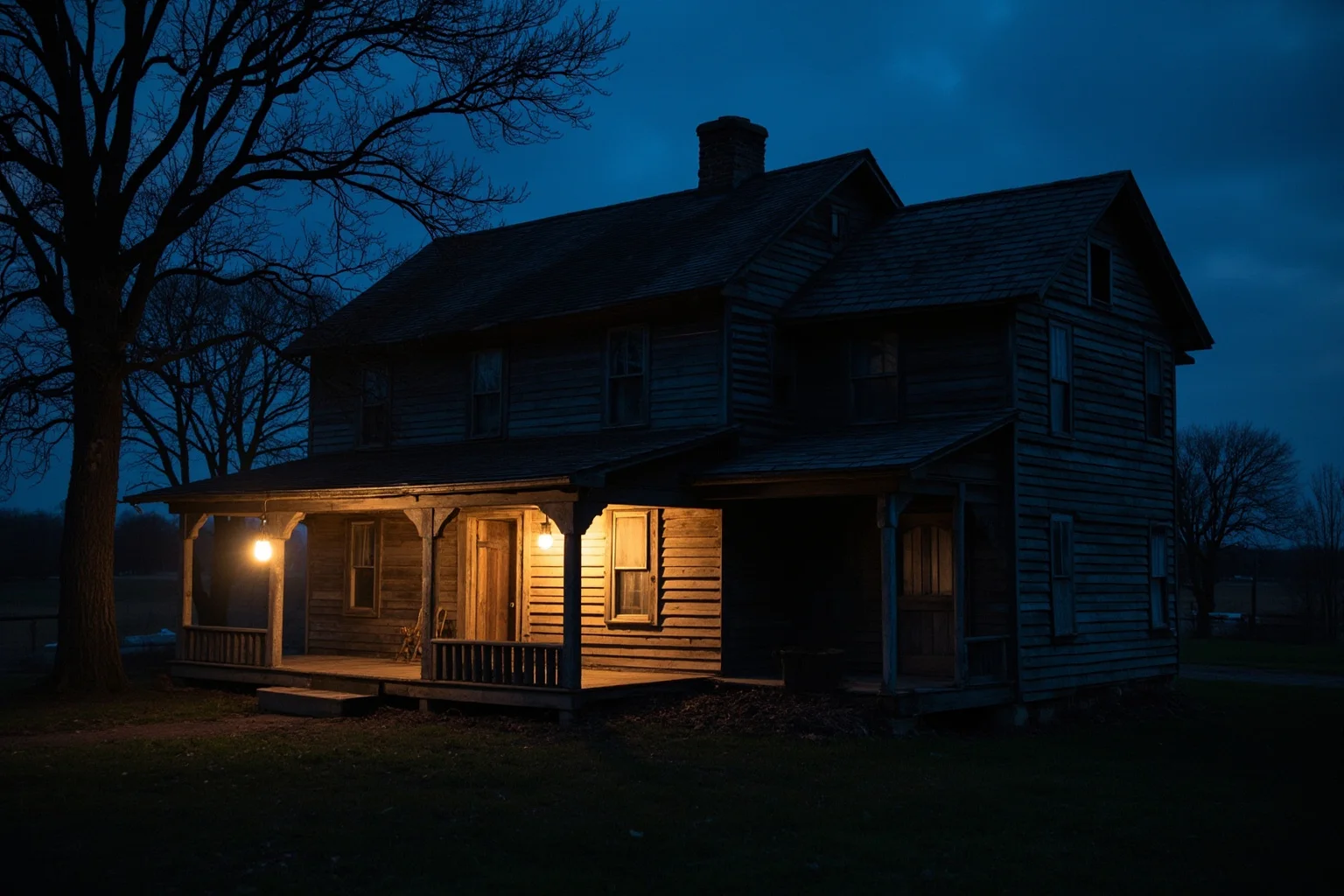
After Pinkerton detective Joseph Whicher was killed in 1874 while investigating the James-Younger Gang, Allan Pinkerton reportedly took the pursuit of Jesse James personally. In January 1875, Pinkerton operatives raided the James family farm in Missouri, a raid that went badly wrong.
The raid killed Jesse’s young half-brother and seriously injured his mother, drawing widespread public criticism of the agency’s tactics. The backlash was so severe that it arguably helped turn Jesse James into a folk hero rather than the villain the Pinkertons had hoped to expose.
7. Infiltrating the Molly Maguires
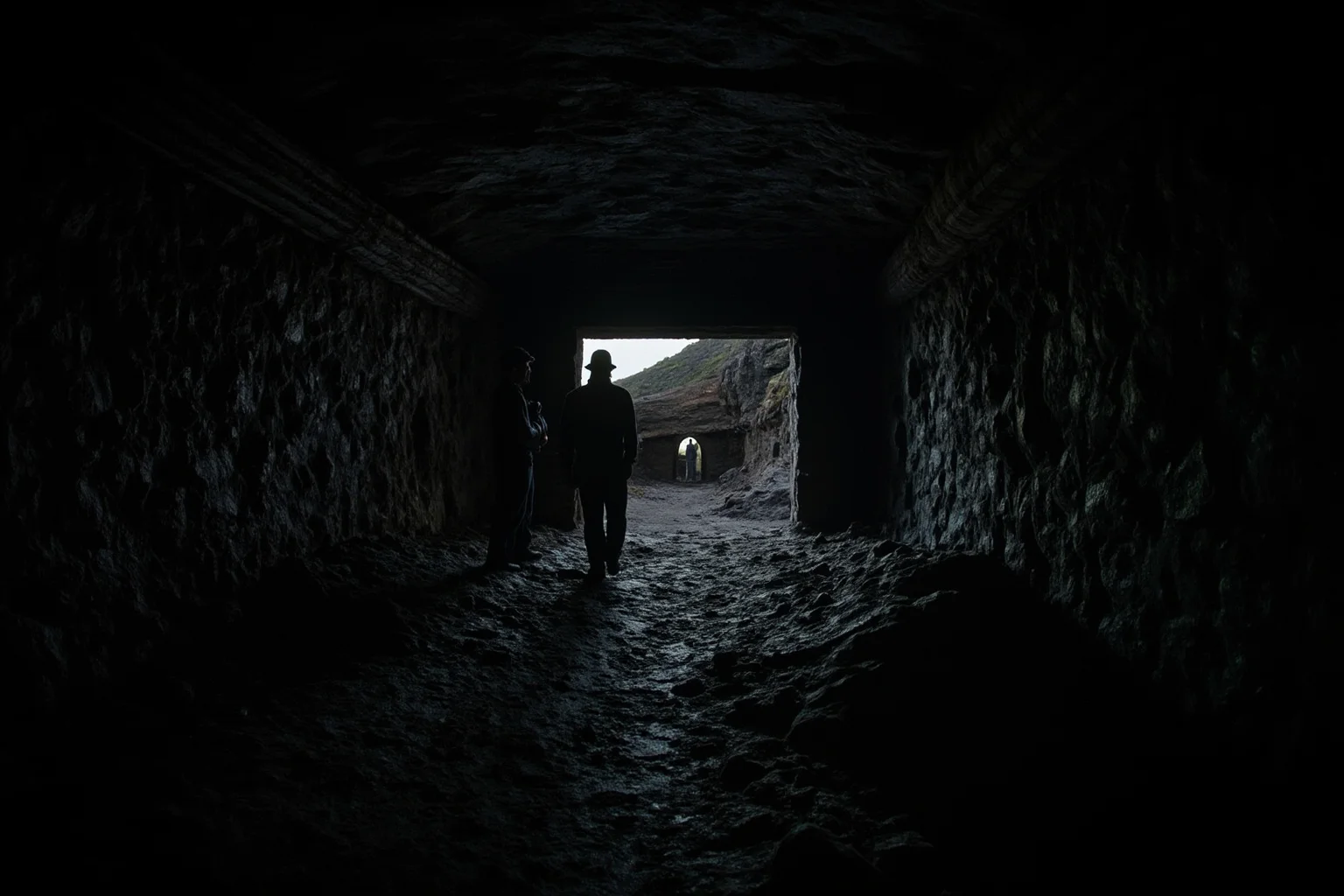
In the 1870s, Pinkerton operative James McParland spent years undercover infiltrating the Molly Maguires, a secret Irish-American organization active in Pennsylvania’s anthracite coal region. His testimony formed the backbone of a series of trials against alleged members.
The resulting convictions led to a wave of executions in 1877, including a single day sometimes remembered as the “Day of the Rope.” The case remains controversial because it relied so heavily on one undercover informant’s word, raising lasting questions about due process in Pinkerton-led investigations.
8. The Great Railroad Strike of 1877
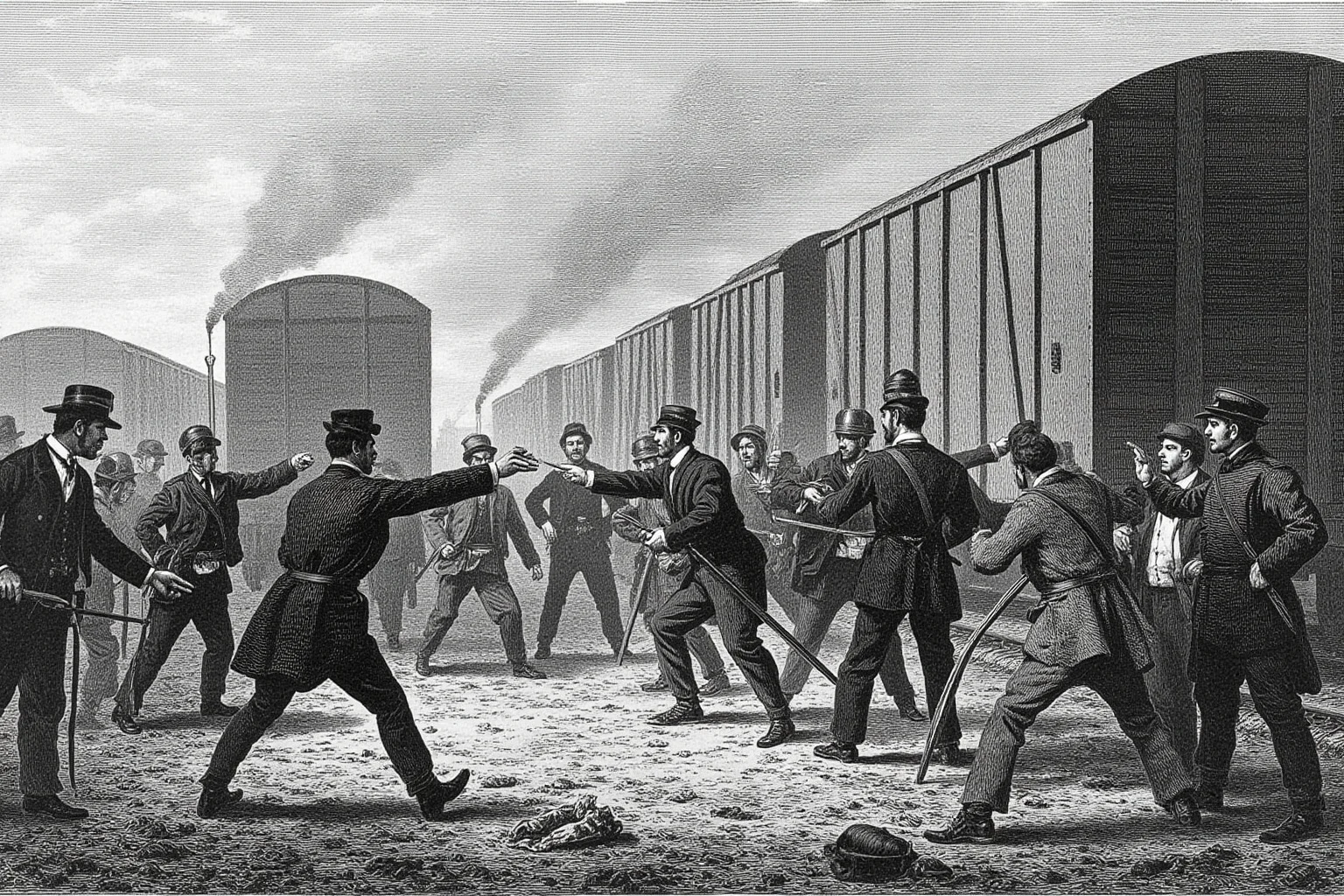
As railroad workers walked out across the country in 1877 to protest wage cuts, several rail companies hired Pinkerton detectives and guards to protect property and monitor strike organizers. This was an early sign of the agency’s shift toward labor-related work.
The strike turned violent in multiple cities, and while the Pinkertons weren’t the sole cause of the unrest, their presence set a pattern that would define the agency’s reputation for decades: management’s enforcers, not the workers’ friend.
9. The Homestead Strike and the Battle of Homestead (1892)
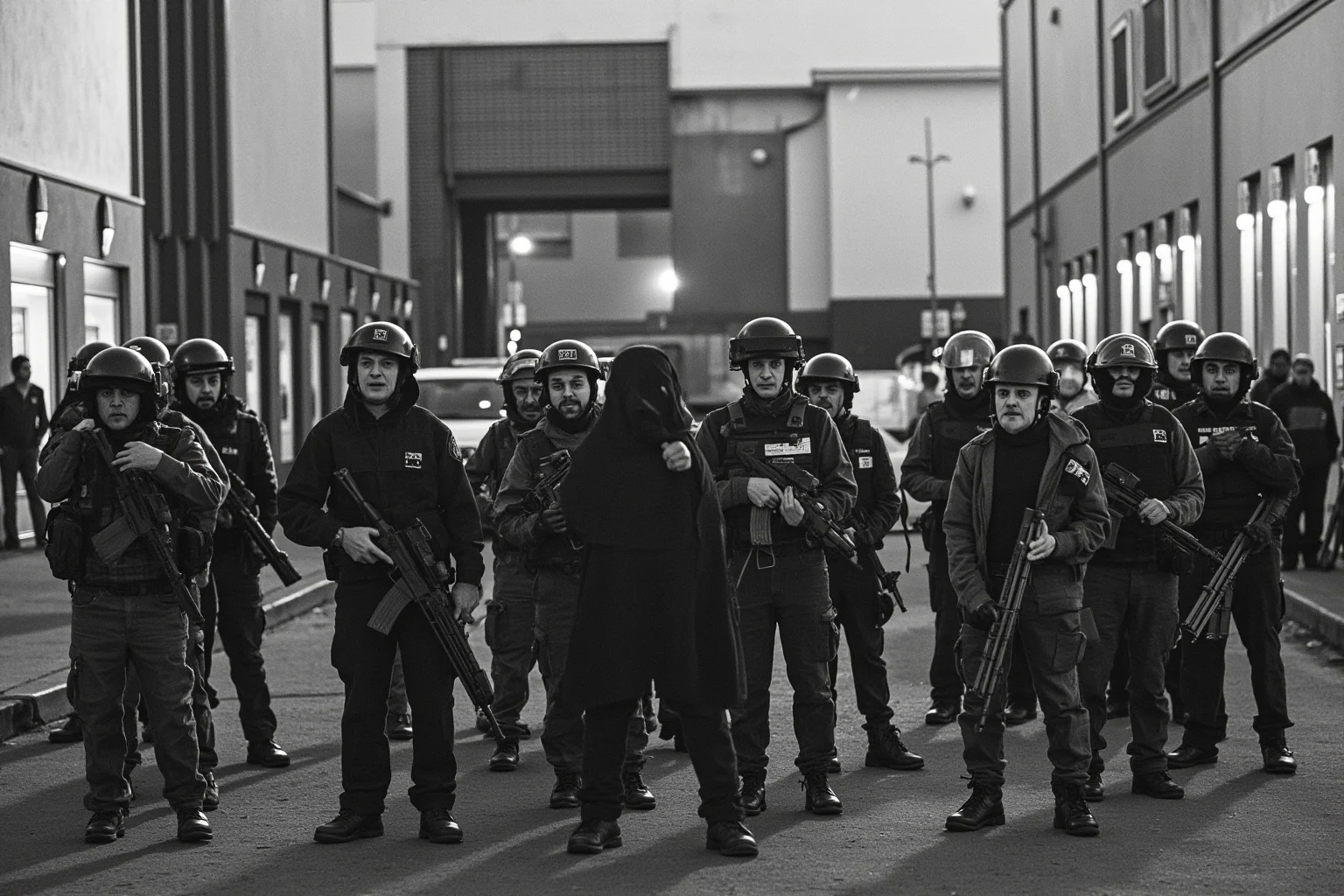
This is arguably the most infamous case in all of Pinkerton history. Carnegie Steel hired around 300 Pinkerton agents to secure its Homestead, Pennsylvania plant during a bitter labor dispute with striking steelworkers.
On July 6, 1892, an armed confrontation broke out between the Pinkerton force and strikers, leaving several people dead on both sides in what became known as the Battle of Homestead. Public outrage over the bloodshed permanently damaged the agency’s public image and made “Pinkerton men” a byword for corporate strikebreaking.
10. The Anti-Pinkerton Act of 1893
The backlash from Homestead was severe enough that Congress took legislative action. In 1893, lawmakers passed what became known as the Anti-Pinkerton Act, restricting the federal government from hiring Pinkerton-style private agencies for law enforcement functions.
This law is a rare example of a private company’s actions directly shaping federal legislation, and it remains on the books in modified form today. It’s also one of the clearest pieces of evidence that the Pinkertons were, in fact, very real and very influential.
11. The Coeur d’Alene Mining Wars
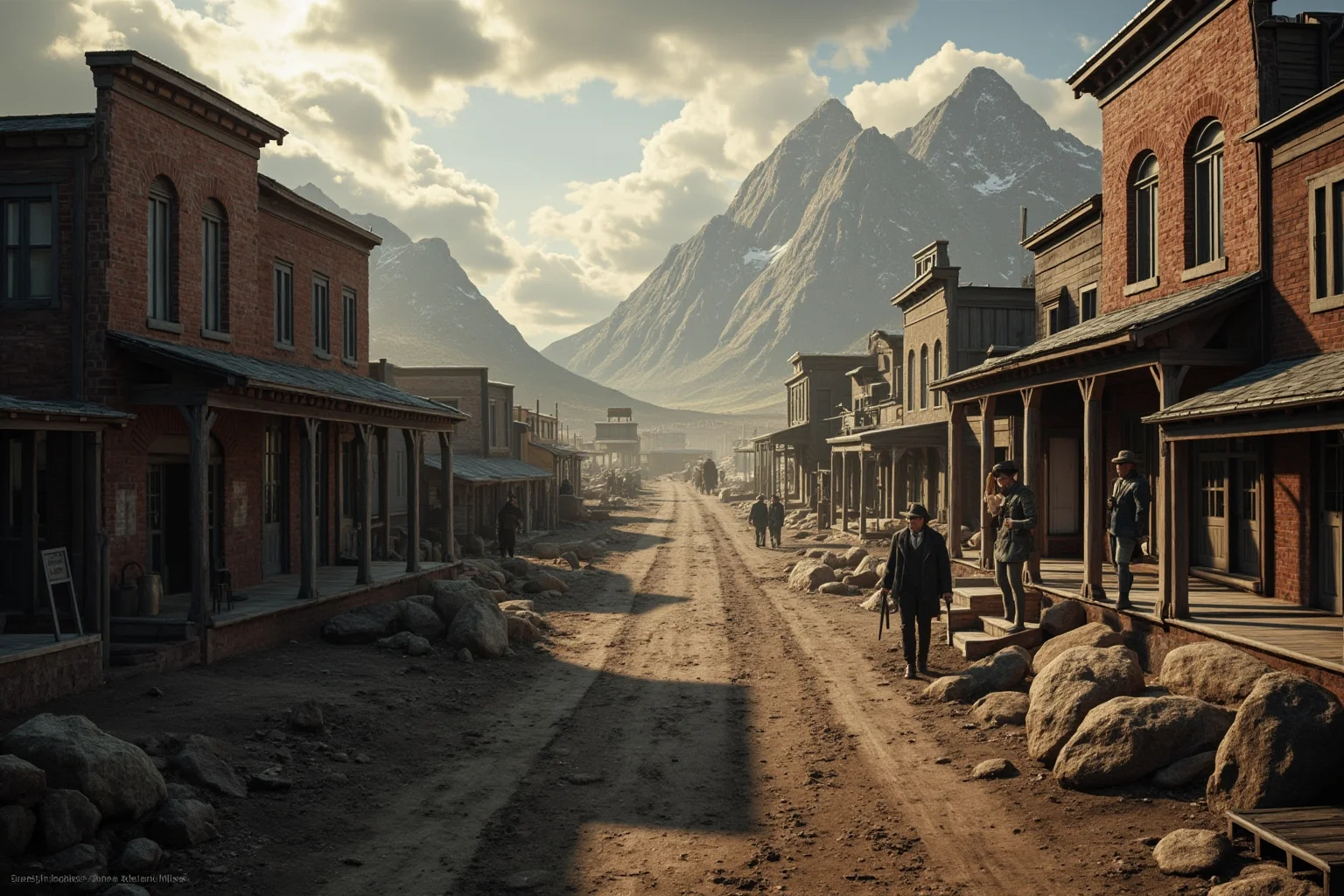
Throughout the 1890s, Idaho’s Coeur d’Alene mining district saw repeated violent clashes between mine owners and the Western Federation of Miners. Pinkerton and other private agency operatives were used by mine owners for surveillance and, at times, infiltration of union organizing efforts.
These conflicts fed a growing narrative across the American West that private detective agencies were less about solving crimes and more about suppressing organized labor. That narrative would resurface dramatically just over a decade later.
12. The Steunenberg Assassination and the Haywood Trial
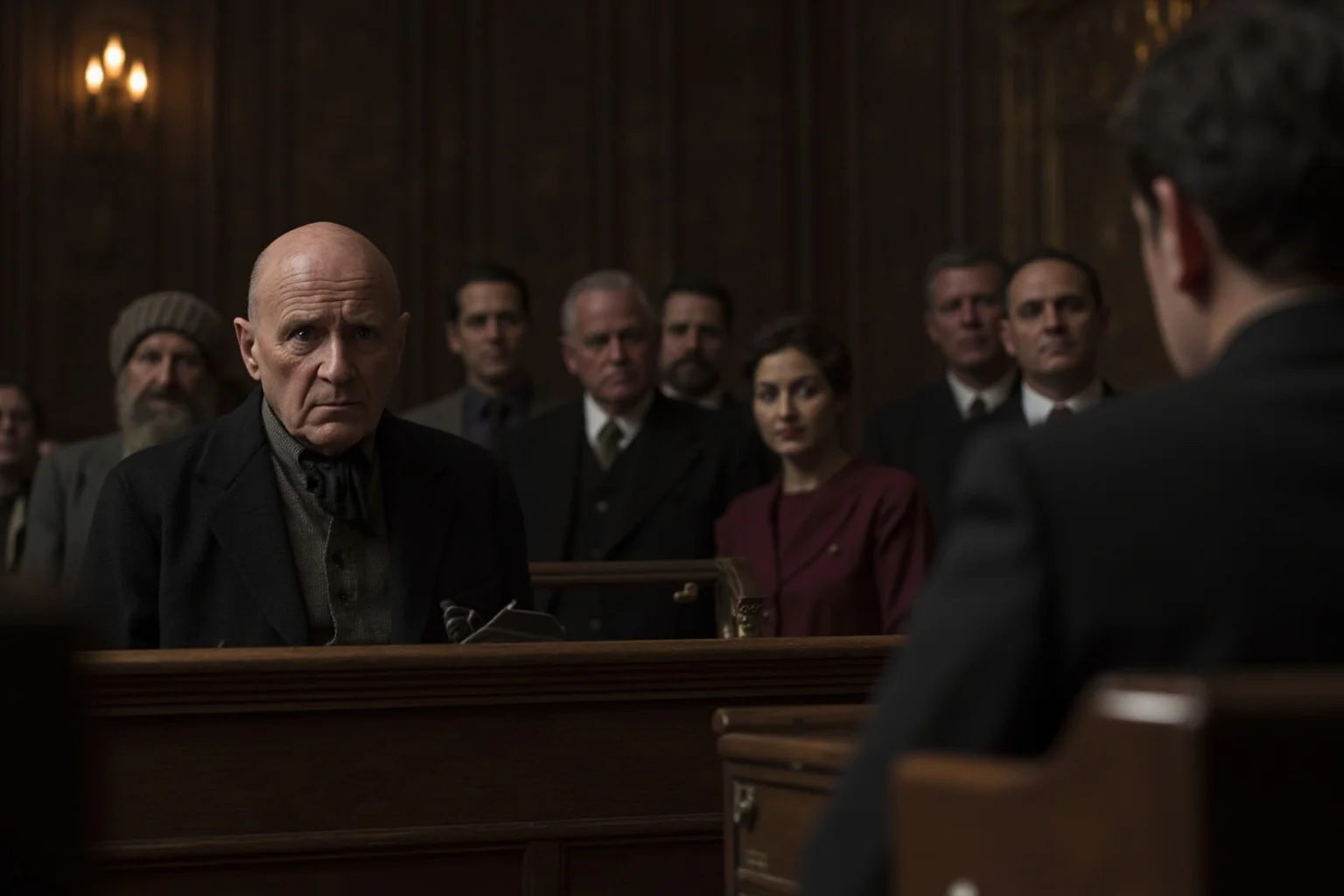
In December 1905, former Idaho Governor Frank Steunenberg was killed by a bomb at his home. Pinkerton detective James McParland, the same operative behind the Molly Maguires case decades earlier, led the investigation and secured a confession from bomber Harry Orchard.
Orchard’s confession implicated leaders of the Western Federation of Miners, including Big Bill Haywood, who stood trial in 1907. Famed attorney Clarence Darrow defended Haywood and won an acquittal, dealing a public blow to McParland’s methods and the agency’s credibility in labor cases.
13. Charlie Siringo and the Pursuit of Butch Cassidy’s Wild Bunch
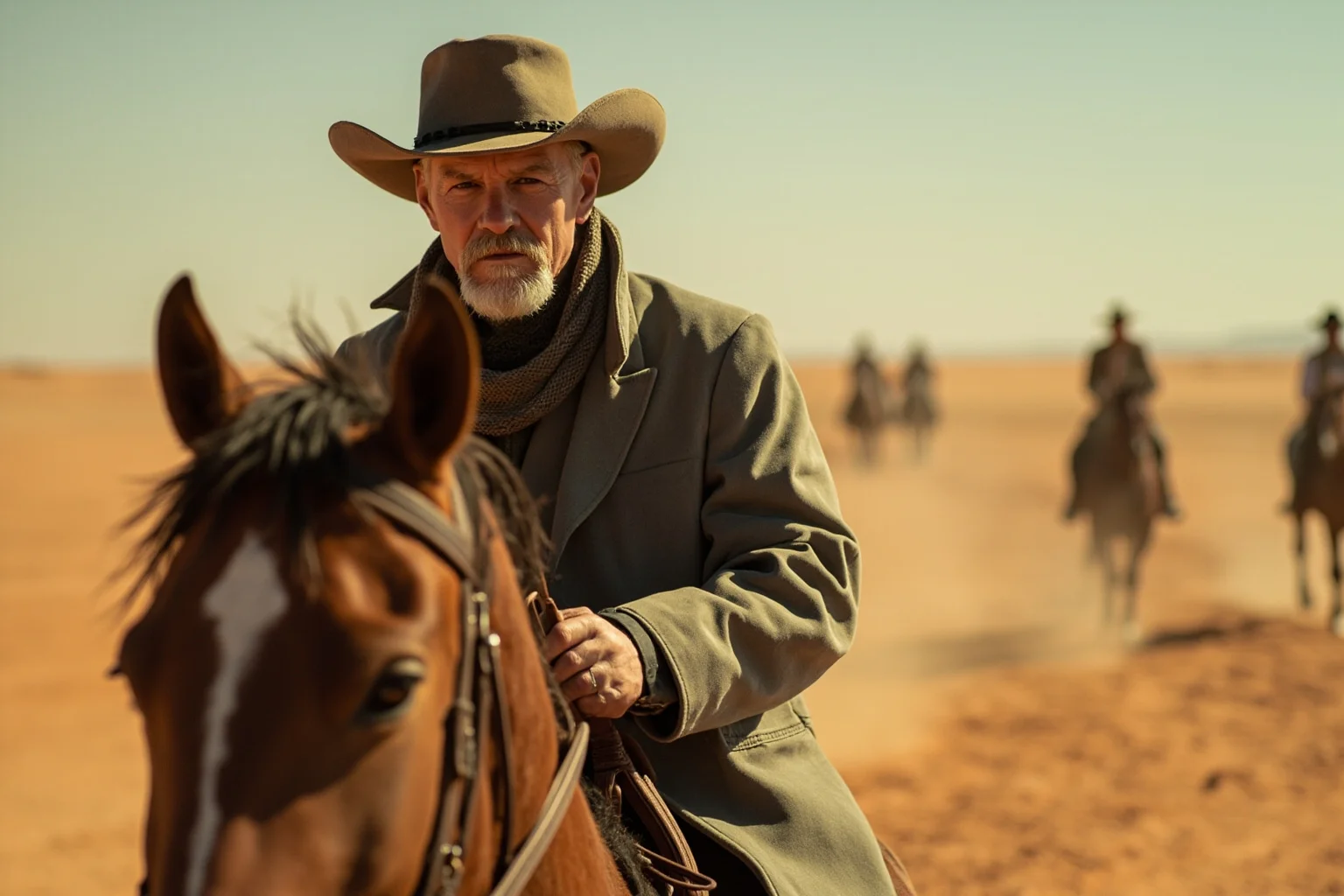
Operative Charlie Siringo spent years as a Pinkerton detective chasing western outlaws, including Butch Cassidy and the Wild Bunch, across remote stretches of the American frontier. His work took him through some of the last great manhunts of the Old West era.
Siringo later wrote memoirs about his time as a Pinkerton man, and the agency reportedly pressured him over the years to avoid revealing internal methods and client names. His books remain a rare firsthand window into what daily life as a Pinkerton detective actually looked like.
14. The Origin of the “Private Eye” Nickname
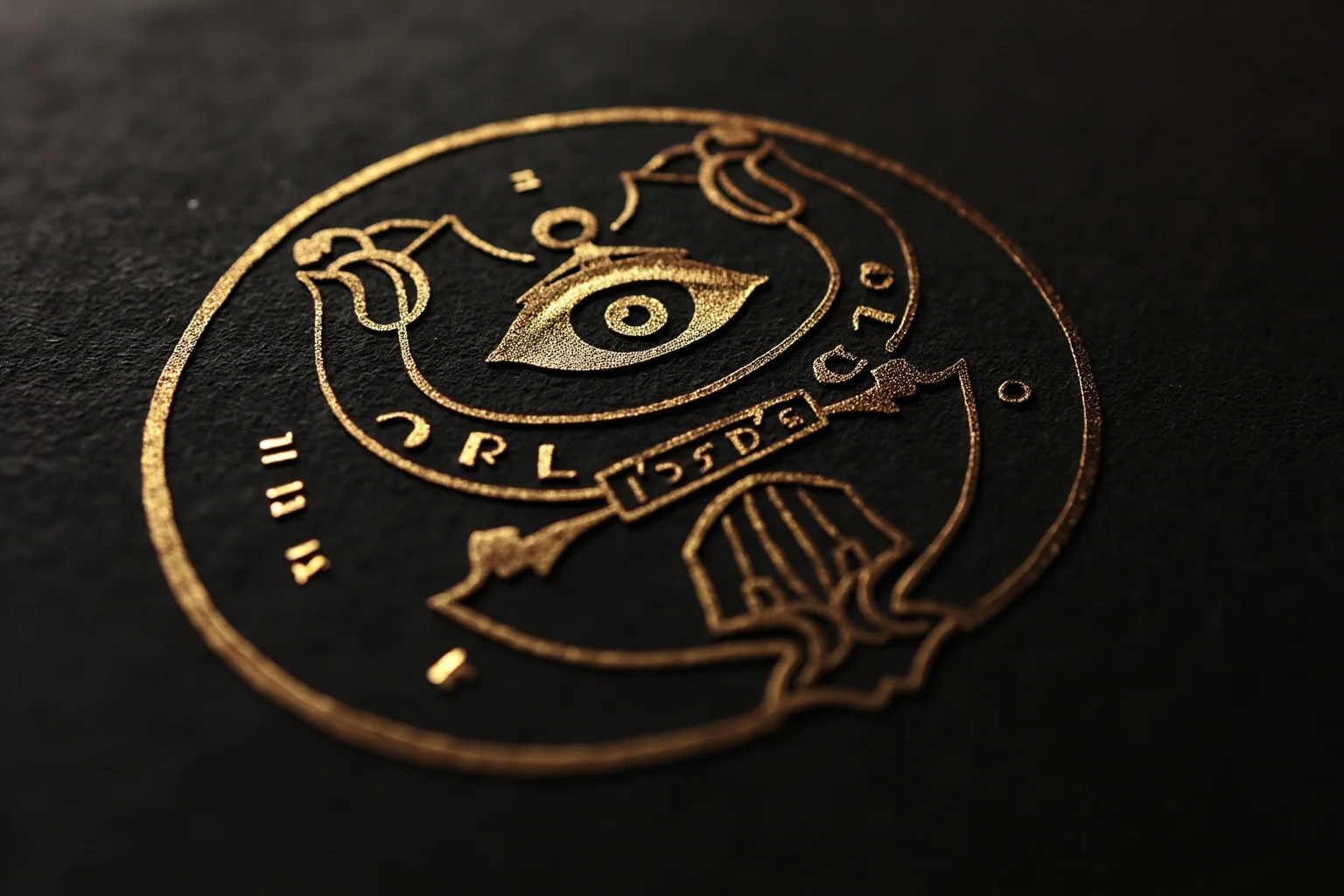
Pinkerton’s company logo, an unblinking open eye above the slogan “We Never Sleep,” became one of the most recognizable brand images of the 19th century. Many historians and word-origin researchers credit this logo as the likely inspiration for the term “private eye.”
While the exact linguistic history isn’t perfectly documented, the association is strong enough that it’s repeated constantly in dictionaries and detective fiction alike. It’s a small but telling detail about just how deeply the Pinkerton detective agency shaped American culture and language.
15. Protecting the Rails: Pinkertons as Railroad Police
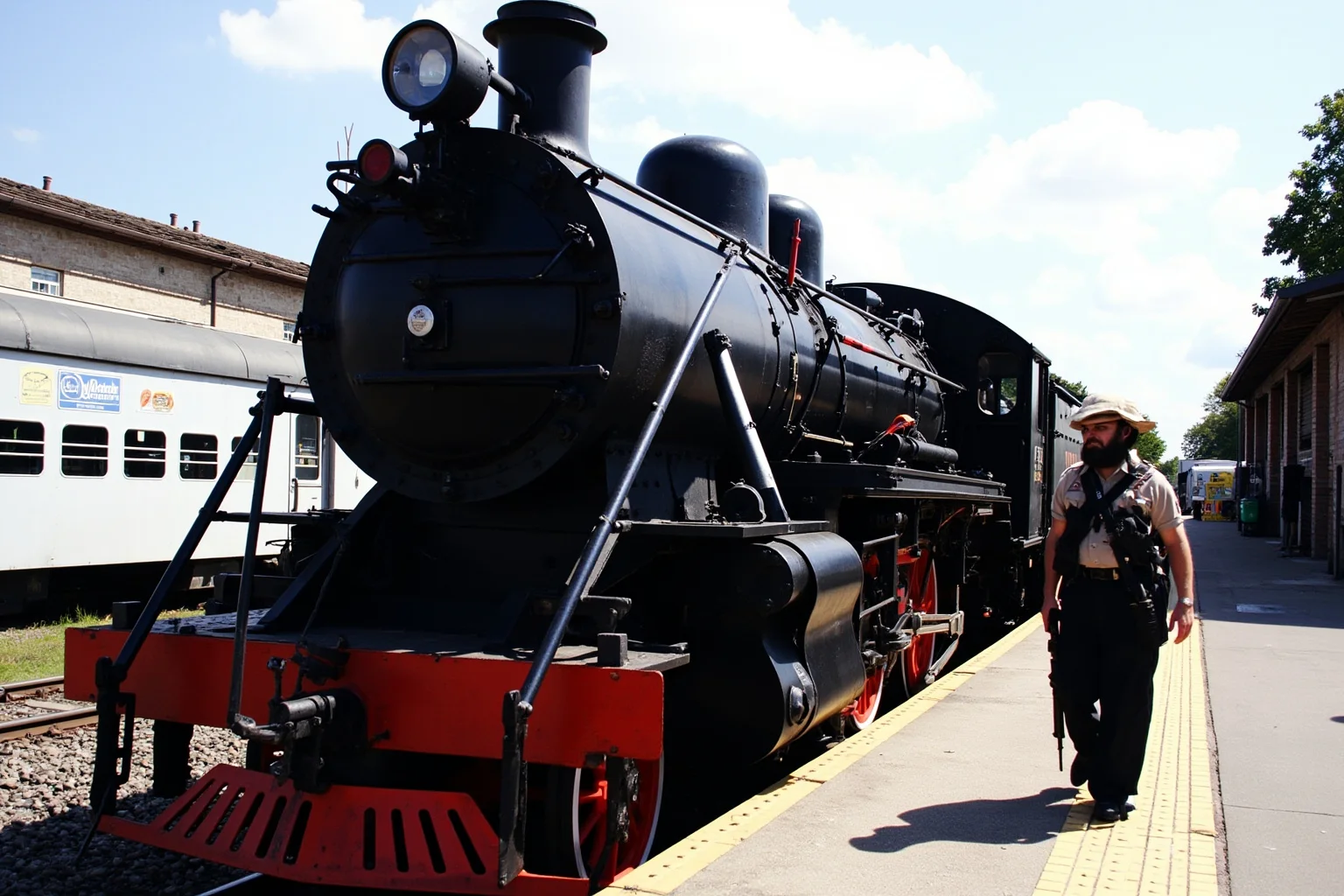
Long before dedicated railroad police departments existed, railroads across the country contracted Pinkerton agents to guard shipments, investigate thefts, and patrol rail yards. This role effectively made the agency one of the first large-scale private security forces in American history.
This railroad work was less dramatic than chasing outlaws or foiling assassination plots, but it was the steady, unglamorous backbone of the agency’s business for decades. It’s also a big part of why so many Wild West train-robbery cases eventually crossed paths with Pinkerton detectives.
16. The Sons of Pinkerton Take Over
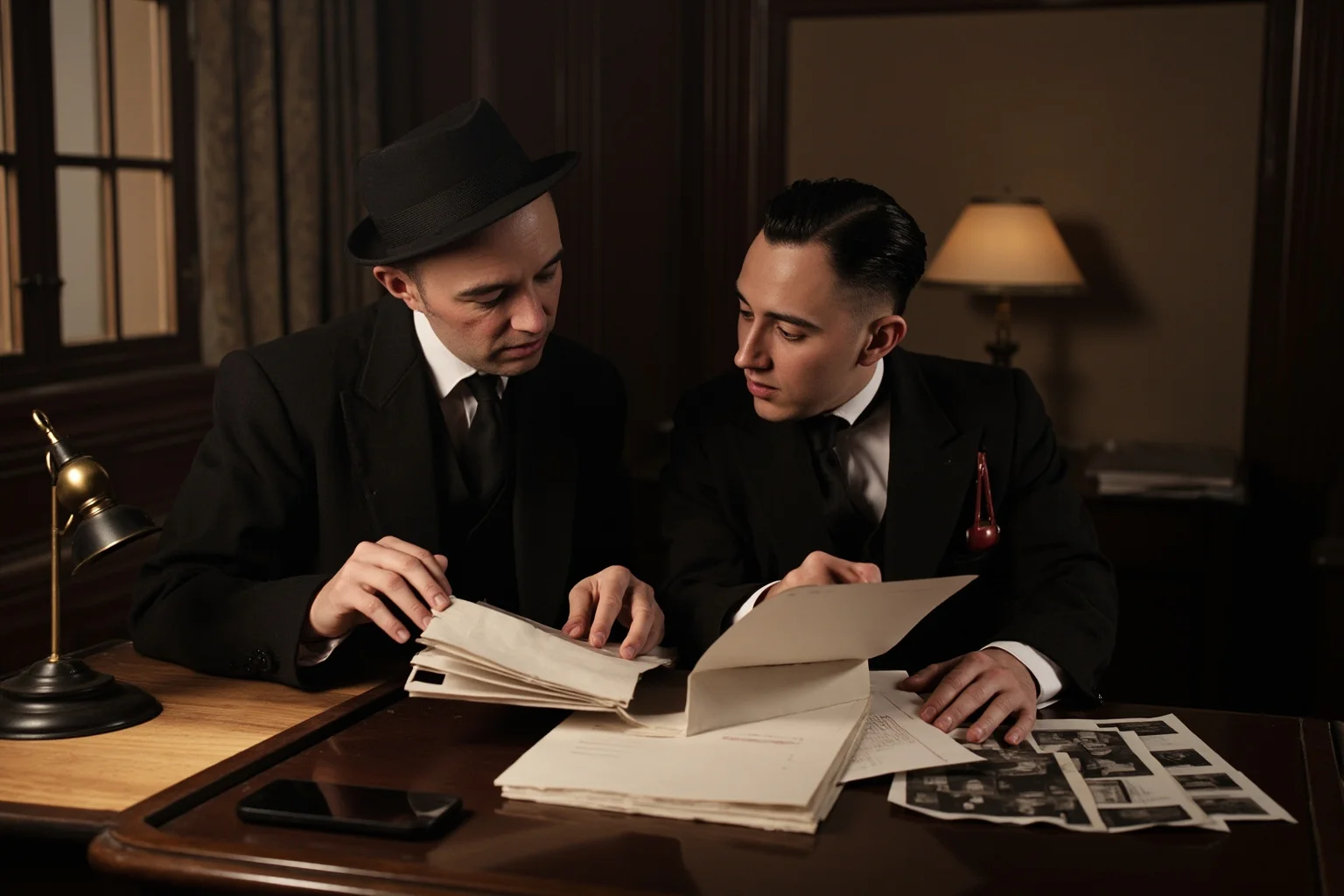
After Allan Pinkerton’s death in 1884, his sons Robert and William Pinkerton took control of the agency and expanded its operations significantly. Under their leadership, the company built an enormous “rogues’ gallery” of criminal photographs and records, one of the largest private criminal databases in the country at the time.
This centralized record-keeping system was ahead of its time and influenced how later law enforcement agencies approached organized criminal record-keeping. It’s one of the more overlooked but genuinely important contributions in Pinkerton agency history.
17. Pinkertons in Fiction and Pop Culture

The real-life fame of Pinkerton detectives fed directly into a boom in detective fiction during the late 19th and early 20th centuries. While Sherlock Holmes was inspired primarily by other real figures, the broader public fascination with professional detectives owed a great deal to the Pinkertons’ celebrity.
More directly, a 2014 television series called “The Pinkertons” dramatized Kate Warne and the agency’s early cases, blending real history with fictionalized storytelling. If you’ve wondered how much of “the Pinkertons” in pop culture reflects real life, the honest answer is: some of the outline is true, but most of the dialogue and specific scenes are invented for entertainment.
18. Corporate Security in the Early 20th Century
As the Wild West era faded, the Pinkertons increasingly shifted toward corporate investigations, insurance fraud cases, and industrial security work, even as the public’s fascination with lawbreakers shifted toward the most notorious gangsters of the 20th century who would soon dominate headlines during Prohibition. This period saw the agency quietly becoming less of a frontier legend and more of a conventional business security firm.
This transition mattered because it kept the company financially alive well into the 20th century, even as its more dramatic outlaw-chasing days became history. It also set the stage for the corporate identity the company holds today.
19. The La Follette Committee Hearings
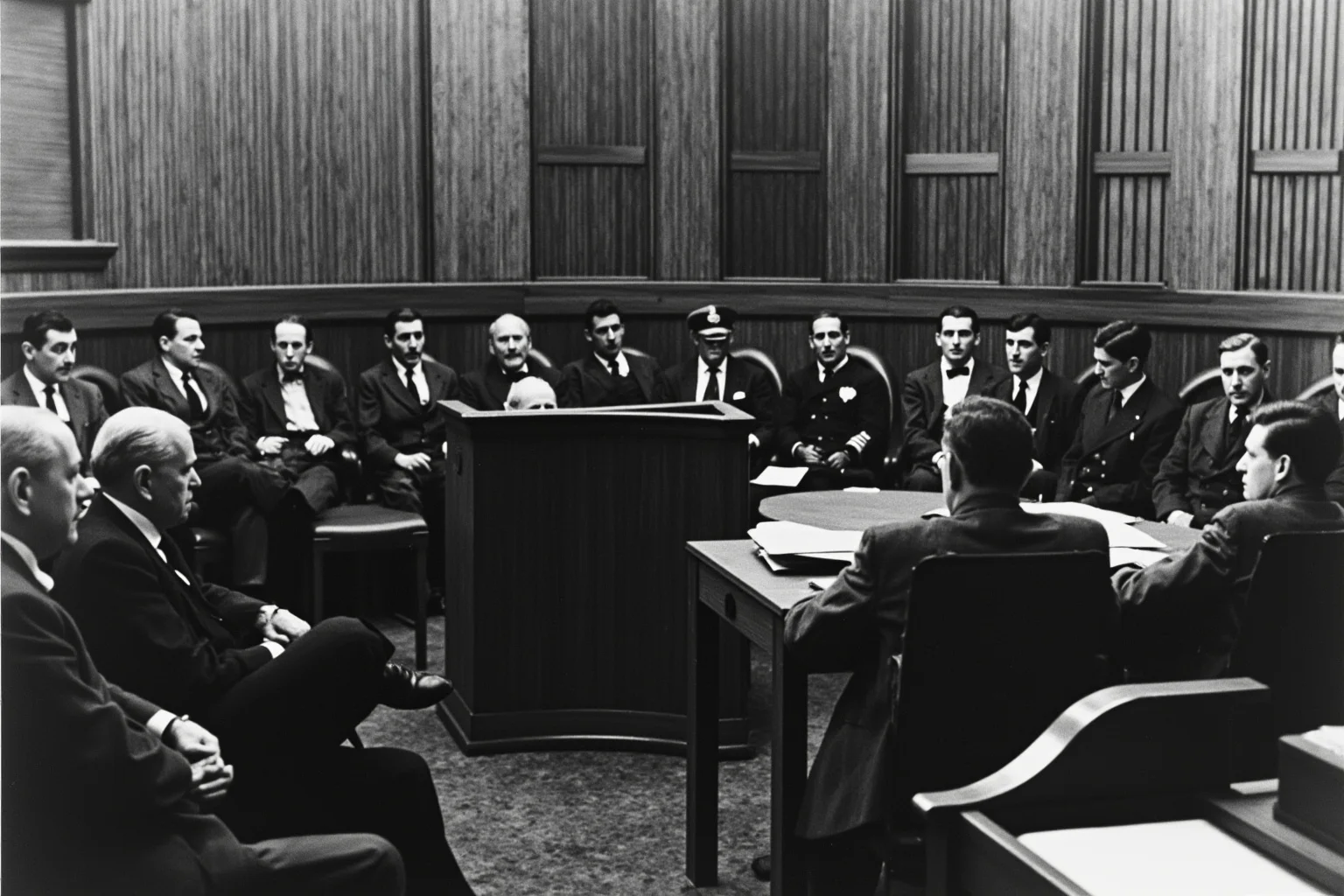
Between 1936 and 1940, a U.S. Senate committee led by Senator Robert La Follette Jr. investigated corporate abuses of civil liberties, including the widespread use of private detective agencies to spy on labor unions. The Pinkerton agency was named prominently in these hearings.
Facing intense public and political pressure, Pinkerton’s publicly announced it would end its labor espionage services around 1937. This marked the effective close of the agency’s most controversial chapter, decades after Homestead had first damaged its reputation.
20. Pinkerton’s Inc. and the Securitas Merger

By the late 20th century, the company had been reorganized as Pinkerton’s Inc., focused mainly on security guard services, investigations, and corporate risk consulting. In 1999, Swedish security firm Securitas AB acquired Pinkerton’s Inc., folding it into a much larger global security conglomerate.
This merger is often the answer to “what happened to the Pinkertons”: the agency didn’t disappear, it was absorbed into a larger modern security company. The Pinkerton name, however, was kept alive as a distinct brand rather than erased entirely.
21. Agent Pinkerton Today: Risk Management, Not Manhunts

Today, Pinkerton operates as a corporate risk management and consulting brand under the Securitas umbrella, offering services like executive protection, brand protection, and corporate investigations. There is no badge, no arrest power, and no Wild West manhunt involved.
Modern “Pinkerton men” are corporate security consultants, not gunslingers chasing outlaws across state lines. It’s a quiet, professionalized legacy, but it is a direct continuation of the agency Allan Pinkerton founded back in 1850.
Did the Pinkertons Become the FBI?
This is one of the most common myths surrounding the agency, so let’s clear it up directly: no, the Pinkertons did not become the FBI. The Federal Bureau of Investigation was created in 1908 as the Bureau of Investigation within the U.S. Department of Justice, and it has always been a government agency, not a private company.
The confusion likely comes from real historical overlap rather than any actual merger. Pinkerton’s pioneering use of detailed criminal records and standardized investigative methods influenced how government law enforcement agencies, including the early FBI, approached their own work. Some former Pinkerton operatives may have gone on to government law enforcement roles, but the agency itself remained a private company throughout its history.
What Happened to the Pinkertons?
Unlike a lot of famous 19th-century institutions, the Pinkertons didn’t collapse or vanish. Instead, they evolved. Public backlash after events like the Homestead Strike, combined with legislation like the Anti-Pinkerton Act and later scrutiny from the La Follette Committee, forced the agency to abandon its most controversial labor-spying practices by the late 1930s.
From there, the company gradually reshaped itself around corporate security, insurance investigations, and private risk consulting, business lines that were far less politically explosive than strikebreaking. That slow pivot is really the answer to what happened to the Pinkertons: they traded outlaw chases and picket-line confrontations for boardrooms and corporate contracts.
Is the Pinkerton Detective Agency Still Around Today?
Yes, in a modern form. After the 1999 acquisition by Securitas AB, the Pinkerton name continued as a specialized brand focused on corporate risk services rather than general detective work. So if you’re asking whether the Pinkerton detective agency is still around, the honest answer is that the brand survives, even though the company operates very differently than it did in Allan Pinkerton’s era.
What do the Pinkertons do now, exactly? Today’s Pinkerton primarily serves businesses, offering services like threat assessment, executive protection, employee screening, and brand and intellectual property protection. It’s a far cry from chasing Jesse James through Missouri farmland, but it’s a legitimate continuation of the original company’s mission to protect clients’ interests.
Are the Pinkertons Real? Separating Fact From Fiction
Given how often the Pinkertons show up in movies, novels, and TV dramas, it’s a fair question: are the Pinkertons real, or is this mostly Wild West legend? The agency was absolutely real, and its documented cases, court records, congressional hearings, and company archives leave little doubt about that.
What’s less reliable is how the agency is often portrayed in fiction. The Pinkertons’ real life involved plenty of genuine detective work, but also plenty of ethically messy corporate strikebreaking that doesn’t always make it into the more heroic pop-culture versions of the story. A good rule of thumb is to enjoy the fictionalized “Mr. Pinkerton” detective stories as entertainment, while treating the actual historical record, court documents, and congressional testimony as the real source of truth.
Final Thoughts on the Pinkerton Legacy
The Pinkerton detective agency’s history is really two stories running in parallel. One is a genuinely groundbreaking tale of undercover investigation, pioneering female detectives, and criminal record-keeping that influenced law enforcement for generations. The other is a cautionary story about what happens when private companies are handed police-like power with little public accountability.
Both stories are true, and both are essential to understanding who the Pinkertons actually were. The next time you hear someone mention “agent Pinkerton” in a movie or novel, you’ll know there’s a surprisingly complicated, very real history standing behind that dramatic detective-agency mystique.
Frequently Asked Questions
What is the Pinkerton detective agency history in brief?
The Pinkerton National Detective Agency was founded in Chicago in 1850 by Allan Pinkerton. It grew from investigating railroad theft into a major force in Civil War intelligence, outlaw manhunts, and labor disputes, before evolving into a modern corporate security and risk consulting brand under Securitas.
Who were the Pinkertons?
The Pinkertons were private detectives and security agents employed by the Pinkerton National Detective Agency, a for-profit company rather than a government law enforcement body. They worked for railroads, banks, industrialists, and at times the federal government, handling everything from criminal investigations to strikebreaking.
Are the Pinkertons real, or mostly a legend?
The Pinkertons were entirely real, with extensive documented history including court cases, congressional hearings, and company records. Fictional portrayals in movies and TV shows often dramatize or simplify real events, so it's best to treat pop-culture versions as loosely inspired rather than historically accurate.
Did the Pinkertons become the FBI?
No, the Pinkertons never became the FBI. The FBI began in 1908 as a government agency within the Department of Justice, while the Pinkerton agency always remained a privately owned company. Pinkerton's investigative methods influenced later law enforcement practices, but the two organizations never merged.
What happened to the Pinkertons after the Homestead Strike?
Public backlash after the 1892 Homestead Strike, along with the 1893 Anti-Pinkerton Act and later Senate hearings in the 1930s, forced the agency to end its controversial labor-spying and strikebreaking work by around 1937. The company then shifted toward corporate security and insurance investigation work.
Is the Pinkerton detective agency still around today?
Yes, in a modified form. Securitas AB acquired Pinkerton's Inc. in 1999, and the Pinkerton brand continues today as a corporate risk management and security consulting firm rather than a general detective agency.
What do the Pinkertons do now?
Today's Pinkerton organization focuses on corporate security services such as executive protection, threat assessment, employee screening, and brand or intellectual property protection for businesses, rather than criminal investigations or manhunts.
What were the Pinkertons originally hired to do?
The agency was originally hired mainly by railroads and express companies to investigate theft and fraud along shipping and rail routes. Over time, its work expanded to include Civil War intelligence gathering, outlaw pursuit, and eventually labor dispute security.

Alex Warren
Related Articles





