

History is full of moments when ordinary people were pushed to the absolute edge of human endurance and somehow found a way back. Some froze on mountainsides, some drifted for months on open ocean, and some walked out of jungles and deserts against every reasonable odd. These aren’t campfire tales exaggerated for effect — they’re documented, real-life survival stories, though a few have details historians still debate.
What follows is a tour through some of the greatest survival stories ever recorded, plus a look at the famous survivalists who’ve built careers studying how people endure the wild, and a few of the best survival fiction books inspired by real ordeals like these.
TL;DR: From Antarctic ice to Andean peaks, these verified true survival stories show just how far the human will to live can stretch when everything else is stripped away.
What Makes a Survival Story “Unbelievable”?
Not every dramatic tale of survival holds up under scrutiny. Some accounts, especially older ones passed down through decades of retelling, have been polished, exaggerated, or outright fabricated over time.
A truly credible survivor’s story usually has supporting evidence: rescue records, medical documentation, corroborating witnesses, or physical evidence recovered later. Throughout this list, we’ve tried to flag where a story is well-documented versus where parts remain disputed or unverifiable, because a good myth-busting approach matters even when the underlying story is genuinely remarkable.
With that in mind, here are 21 of the most incredible survival stories in history, drawn from polar expeditions, plane crashes, open oceans, deserts, and mountains around the world.
1. Ernest Shackleton and the Endurance Crew

In 1914, Sir Ernest Shackleton set out to cross Antarctica, but his ship, the Endurance, became trapped in pack ice and was eventually crushed. His 28-man crew camped on drifting ice floes for months before sailing lifeboats to the remote, uninhabited Elephant Island.
From there, Shackleton and five others made an extraordinary 800-nautical-mile voyage across the Southern Ocean in a small open boat, the James Caird, to reach South Georgia Island. They then had to cross the island’s unmapped, glacier-covered mountains on foot to reach a whaling station.
Against overwhelming odds, every single member of the expedition survived. It remains one of the most famous survival stories in polar history, and a benchmark for leadership under extreme pressure — one reason Shackleton is still counted among history’s most recognized figures.
2. Juliane Koepcke’s Fall From the Sky

In 1971, a 17-year-old German-Peruvian woman named Juliane Koepcke was flying over the Peruvian rainforest when her plane, LANSA Flight 508, was struck by lightning and broke apart mid-air. Still strapped into her seat, she fell roughly two miles into the dense jungle canopy below.
Remarkably, Koepcke survived the fall with a broken collarbone, a torn ligament, and a deep gash on her arm. Drawing on knowledge from growing up near a research station, she followed a stream downriver for eleven days, eventually finding loggers who helped her reach medical care.
She was the only survivor among more than 90 passengers and crew. Her account remains one of the most studied real-life survival stories in aviation history.
3. The Miracle of the Andes
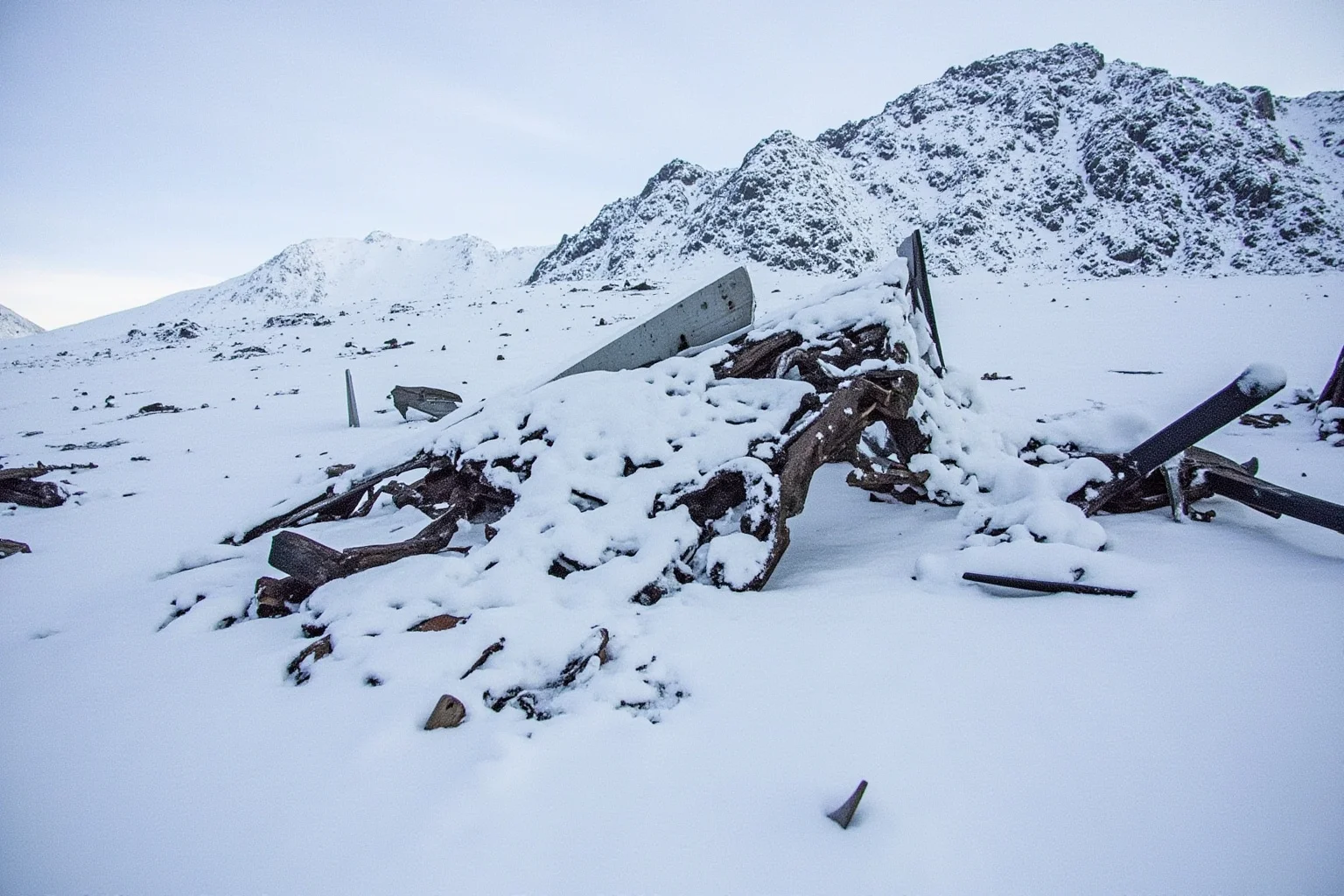
In October 1972, a plane carrying a Uruguayan rugby team and their supporters crashed into the remote Andes mountains. Sixteen of the original 45 people aboard survived more than 70 days at high altitude with almost no food, freezing temperatures, and an avalanche that buried the wreckage further.
To survive, the group made the harrowing decision to eat the flesh of deceased passengers, a fact they later spoke about openly and without shame given the circumstances. Two of the survivors, Nando Parrado and Roberto Canessa, eventually trekked for ten days across the mountains to find help.
Their story became known worldwide as the “Miracle of the Andes” and was later documented in books and films. It stands as one of history’s most sobering examples of what survival can demand.
4. Poon Lim’s 133 Days at Sea
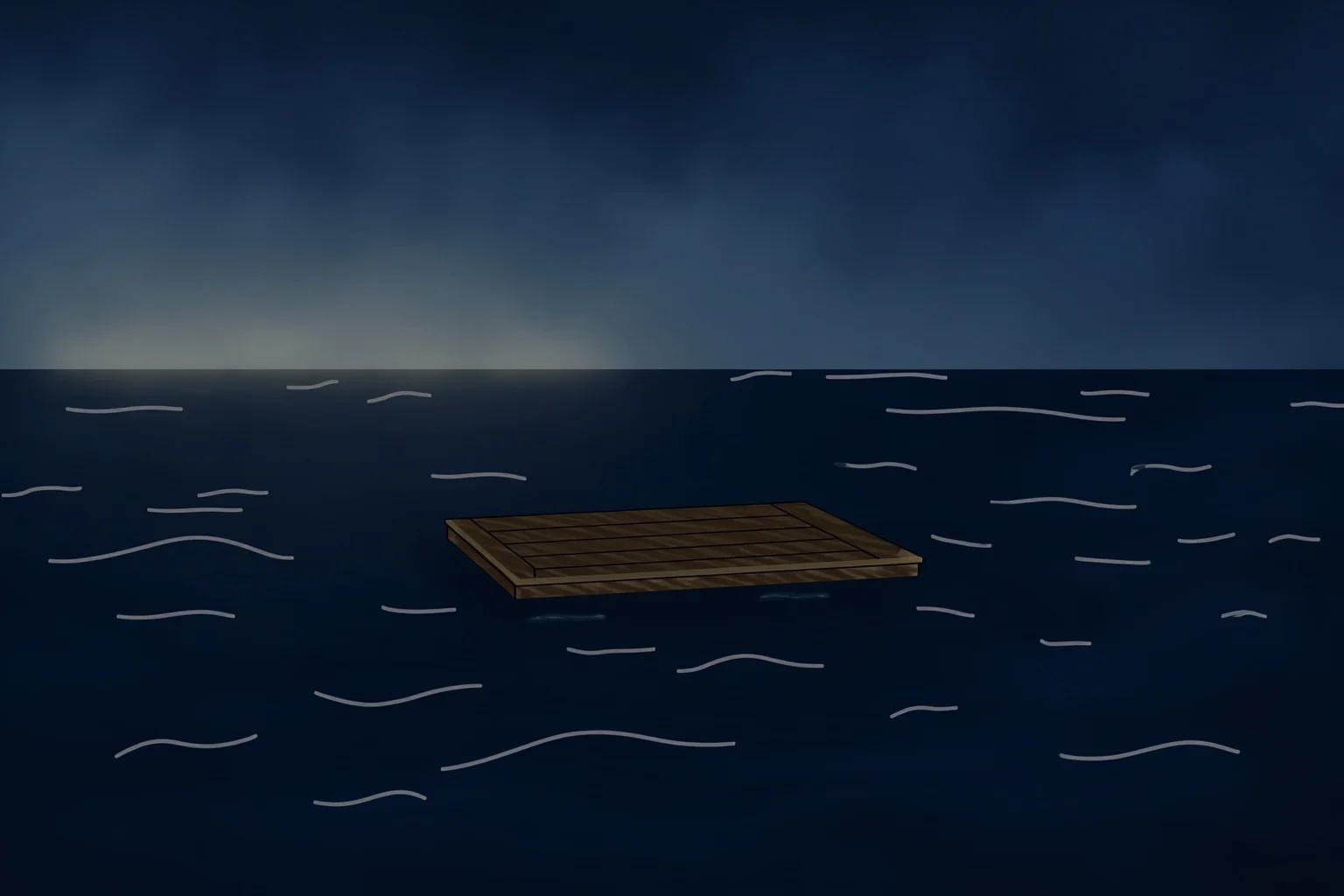
In 1942, Chinese sailor Poon Lim was aboard a British merchant ship torpedoed by a German U-boat in the Atlantic. He managed to reach a small wooden raft equipped with only basic rations, and drifted alone for 133 days before being rescued by fishermen off Brazil.
During that time, he rationed supplies, caught rainwater, and even fashioned tools to catch fish and a passing seabird for food. His endurance set a record recognized by Guinness World Records for the longest survival on a raft alone.
Lim’s story is frequently cited as one of the greatest survival stories of the Second World War, a quiet feat of resourcefulness far from any battlefield headline.
5. José Salvador Alvarenga’s 438-Day Ordeal
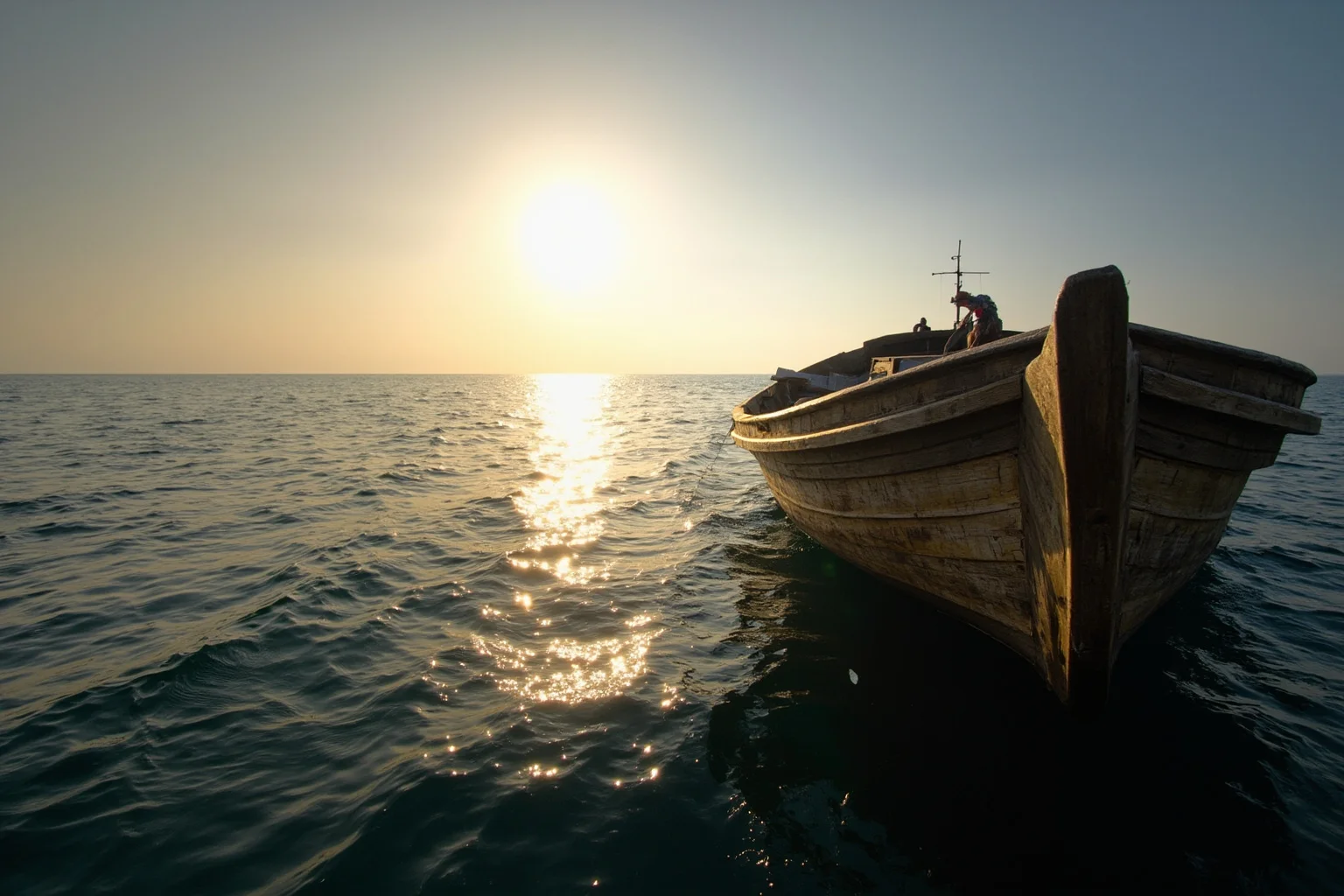
In 2012, Salvadoran fisherman José Salvador Alvarenga set out from Mexico on a fishing trip that went badly wrong when a storm disabled his boat’s motor. He drifted across the Pacific for a reported 438 days, eventually washing ashore in the Marshall Islands, thousands of miles from where he started.
Alvarenga claimed to have survived on raw fish, birds, turtle blood, and rainwater. Some details of his account were later questioned by journalists and researchers, and parts of his timeline remain difficult to independently verify.
Even with that uncertainty, drift modeling by oceanographers supported the plausibility of such a journey. It remains one of the craziest survival stories of the modern era, verified in its broad strokes even if some specifics stay debated.
6. Hugh Glass and the Grizzly Bear
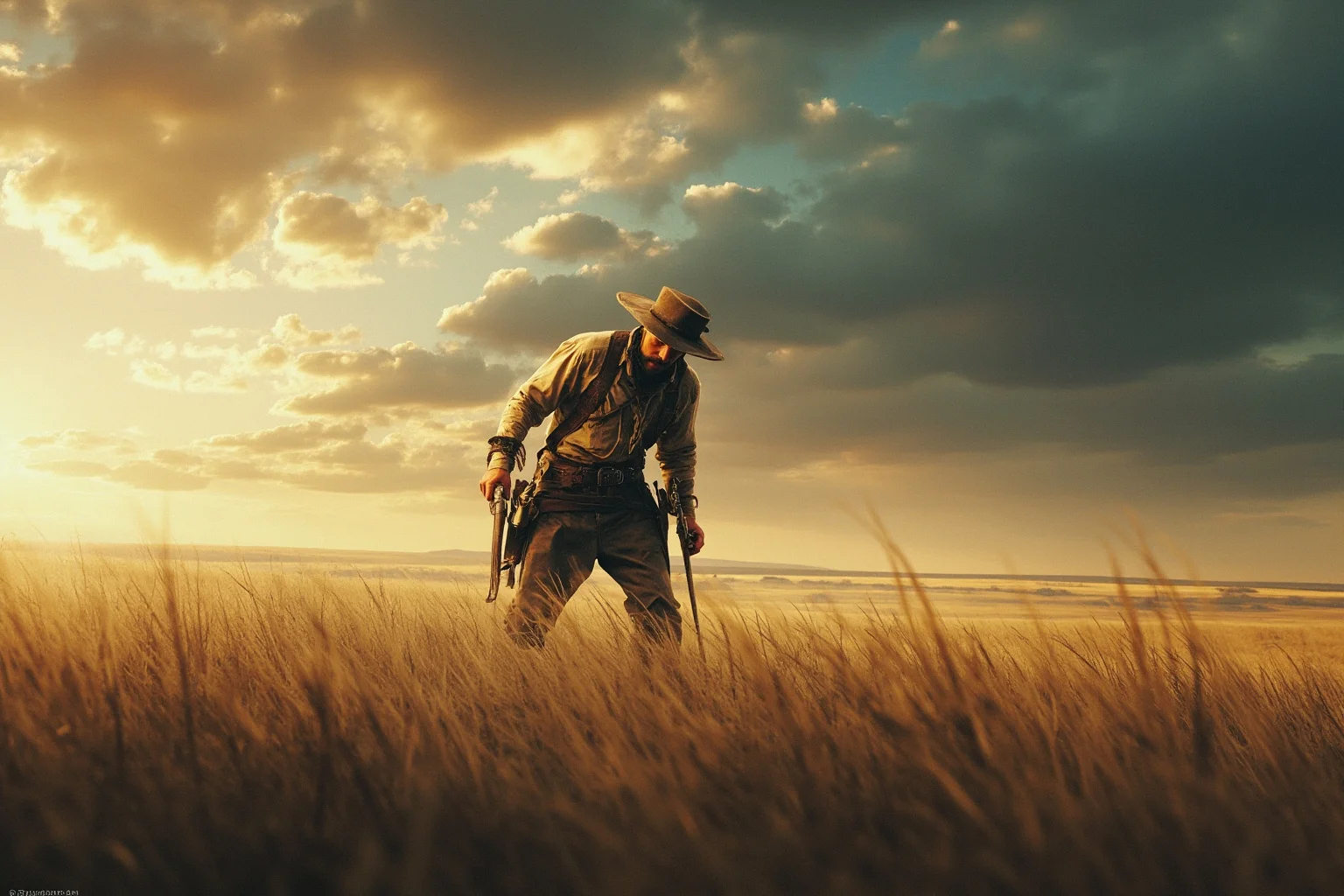
Hugh Glass was a 19th-century American frontiersman who, in 1823, was severely mauled by a grizzly bear while scouting near the Grand River in present-day South Dakota. His companions, believing he would die, reportedly abandoned him with minimal supplies.
According to frontier legend, Glass regained consciousness and crawled and walked roughly 200 miles to reach the safety of Fort Kiowa, surviving on berries, roots, and whatever small game he could catch. The story later inspired the film “The Revenant.”
Historians note that many specifics of Glass’s journey come from secondhand frontier accounts written years later, so some embellishment is likely. Still, the core outline of his survival is broadly accepted by historians of the American fur trade era.
7. Douglas Mawson’s Solo Trek Across Antarctica
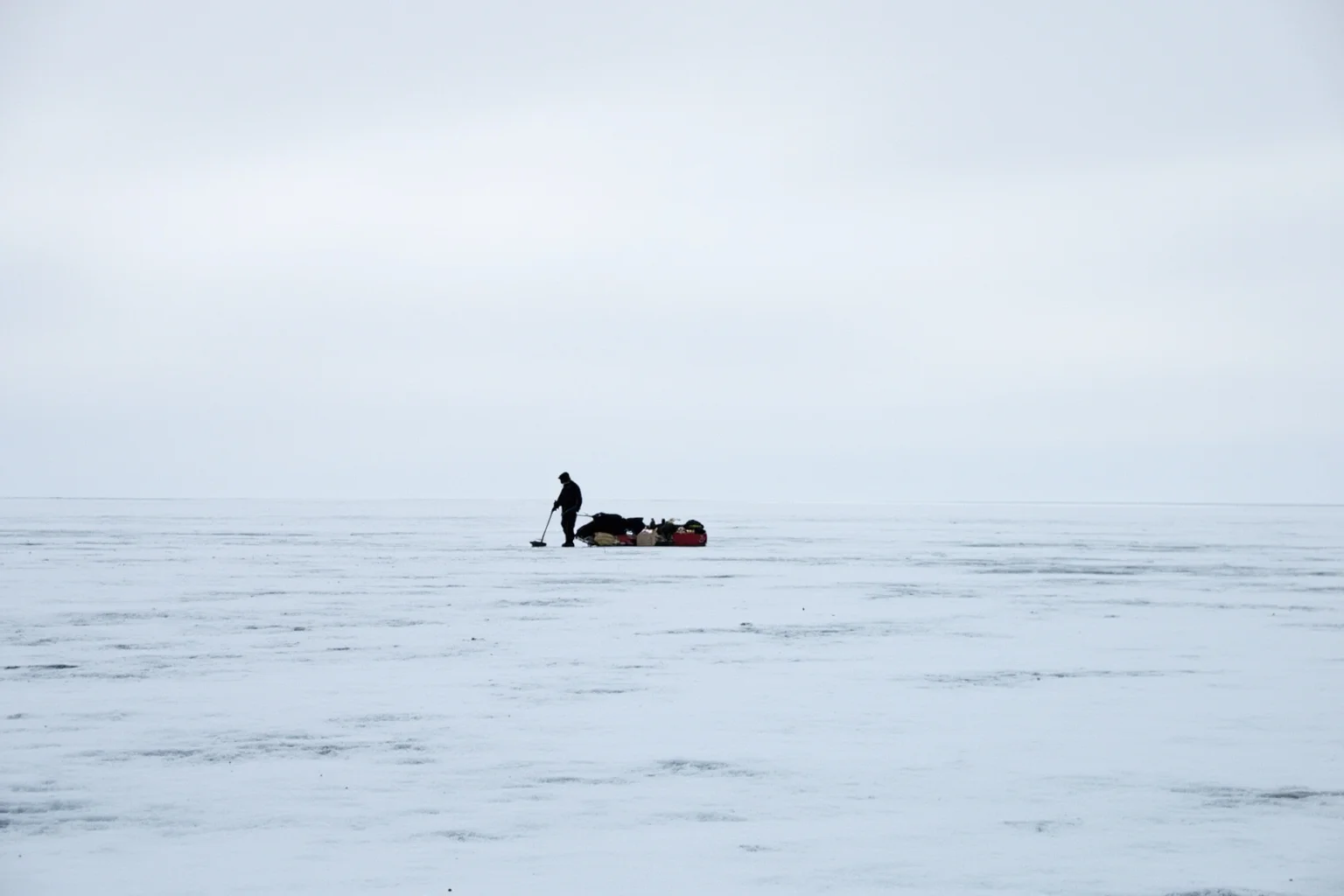
During the 1911-1914 Australasian Antarctic Expedition, geologist Douglas Mawson set out on a sledging trip with two companions. One man died in a crevasse fall along with most of the sled dogs and vital supplies, and the second later died from illness likely linked to vitamin A poisoning from eating dog liver.
Mawson was left utterly alone, hundreds of miles from base camp, with failing equipment and dwindling food. He continued on foot, at one point falling into a crevasse himself and hauling himself out using a rope tied to his sledge.
He eventually reached the coast, only to watch his ship sail away just before his arrival, forcing him to wait out another Antarctic winter. Mawson’s ordeal is considered one of the most incredible survival stories in polar exploration.
8. Ada Blackjack, the Reluctant Arctic Survivor
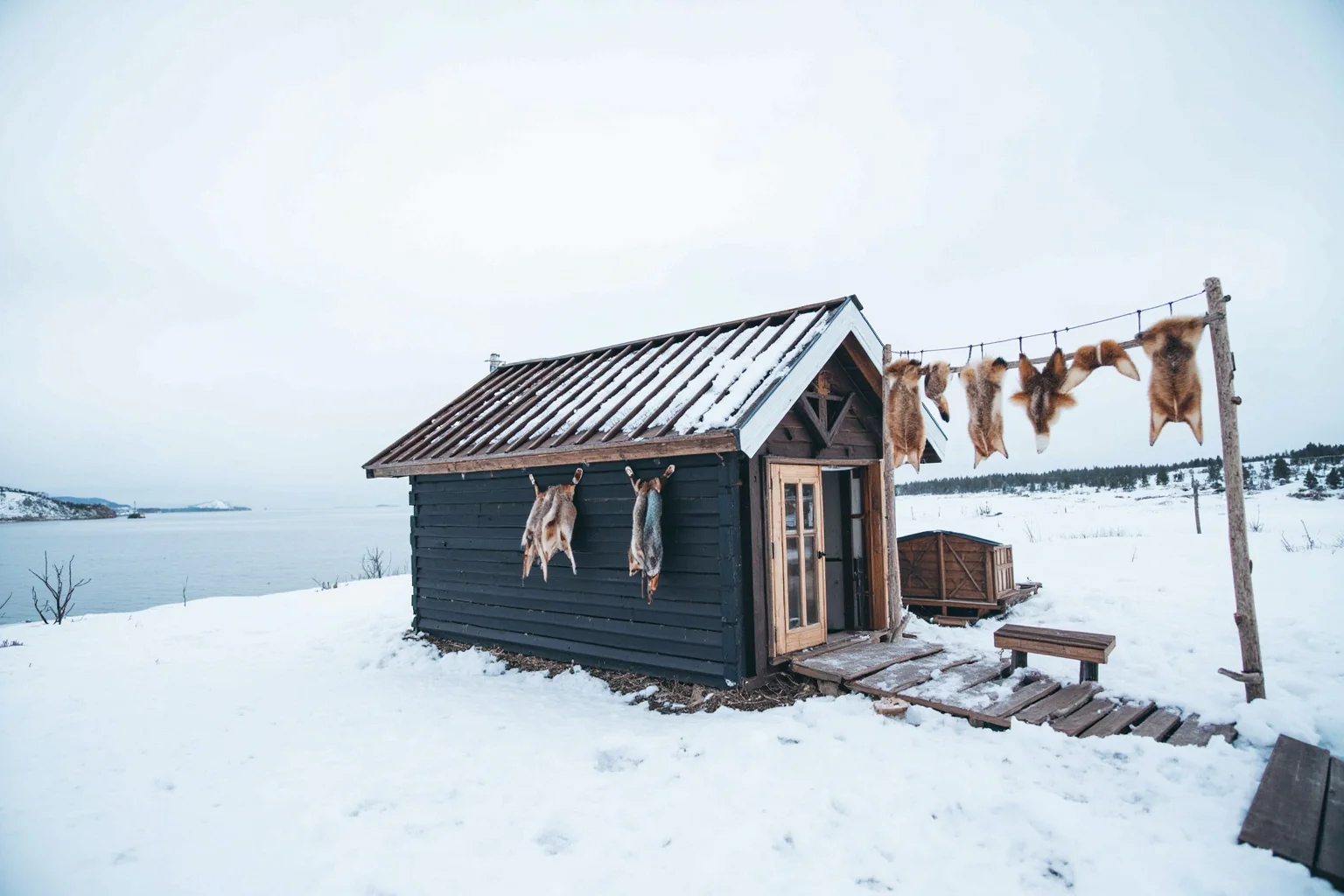
In 1921, Ada Blackjack, an Iñupiat seamstress, joined a poorly planned expedition to claim Wrangel Island in the Arctic for Canada, largely because she needed the wages. She wasn’t an experienced outdoorswoman, but she was the only member of the four-person stranded party to survive.
After her companions died from starvation and scurvy, or vanished while trying to cross the ice for help, Blackjack taught herself to trap foxes, shoot birds, and build shelter. She held out alone for months until a rescue ship arrived in 1923.
Her story received far less attention than male-led expeditions of the era, but it stands as one of history’s most remarkable individual survival stories.
9. Louis Zamperini’s Raft and POW Ordeal
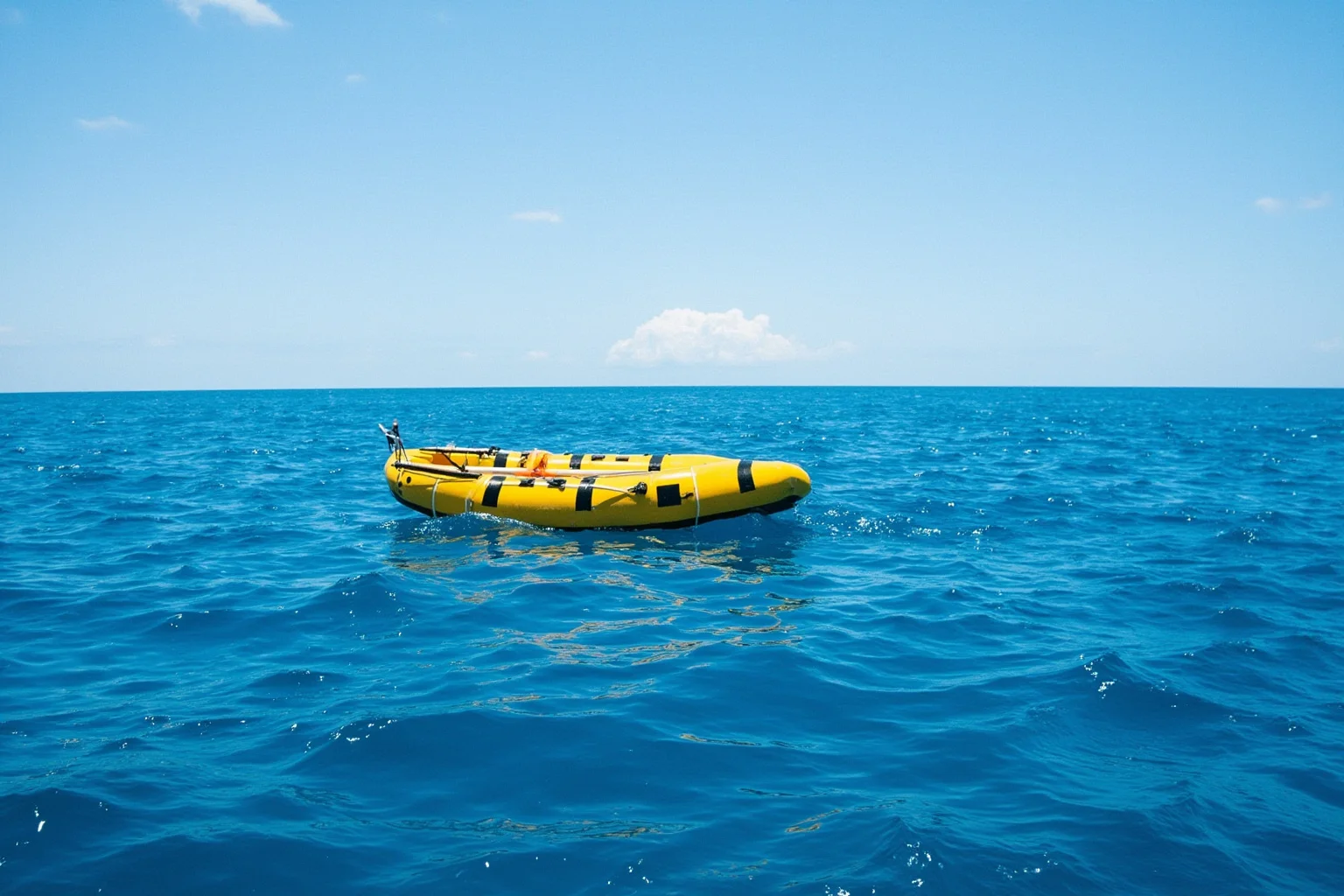
Louis Zamperini was a U.S. Army Air Forces bombardier whose plane crashed into the Pacific Ocean in 1943 during a search mission. He and two crewmates survived on a small raft for 47 days, fending off sharks and enduring starvation and dehydration before drifting into Japanese-controlled waters.
Captured by Japanese forces, Zamperini then spent over two years as a prisoner of war, enduring brutal treatment in multiple camps. He survived to return home after the war and later became the subject of the bestselling book and film “Unbroken.”
His combined ordeal at sea and in captivity, along with his later message of forgiveness toward his former captors, makes his account one of the most extraordinary true survival stories of World War II — and places him among historical figures who changed the world for the better.
10. Steven Callahan’s 76 Days Adrift
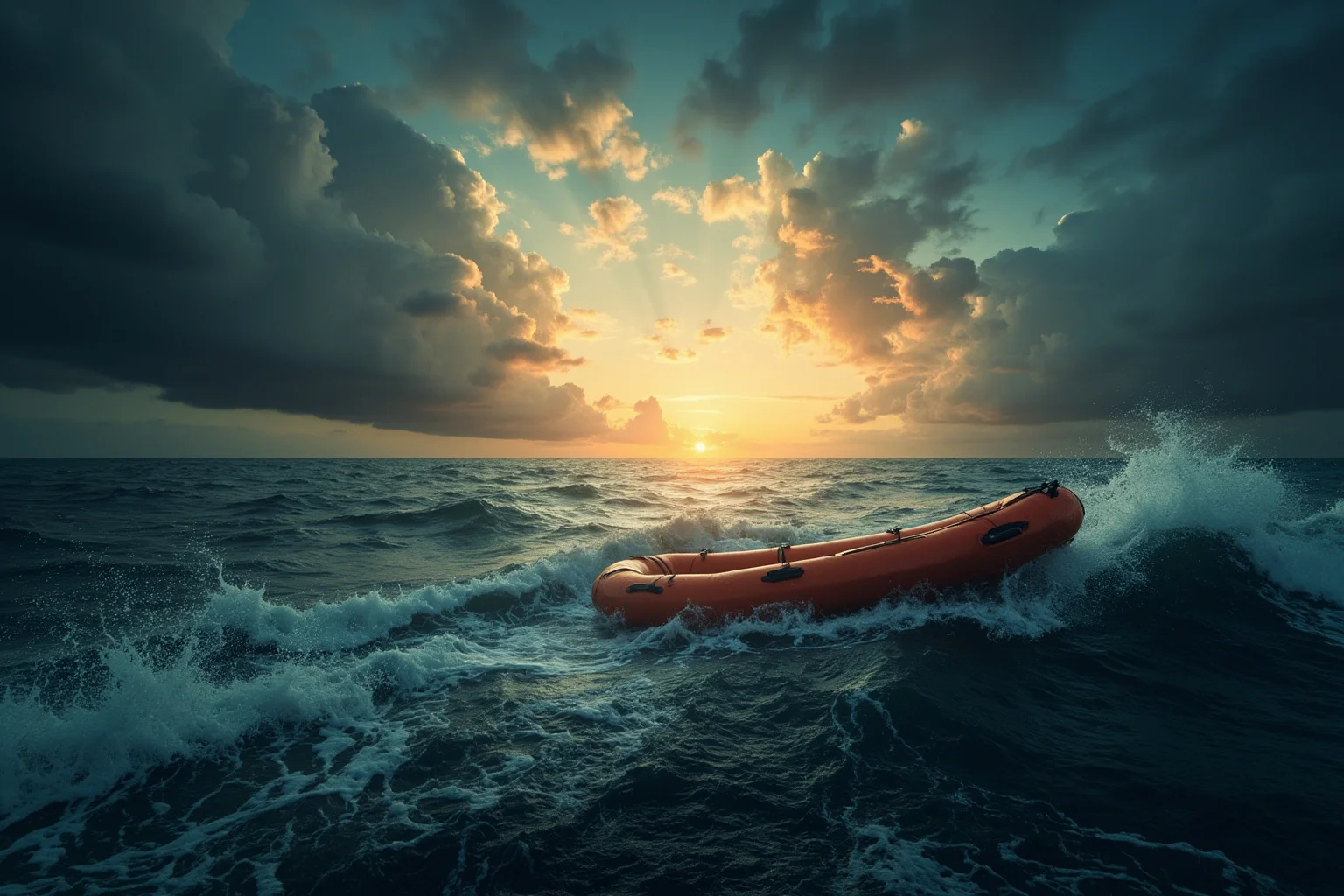
In 1982, American sailor Steven Callahan was crossing the Atlantic solo when his small sailboat sank, likely after striking a whale or floating debris. He escaped into a small inflatable life raft with limited supplies and survived 76 days adrift before being rescued near Guadeloupe.
Callahan used a spear gun to catch fish, collected rainwater, and carefully rationed his dwindling supplies while battling sunburn, saltwater sores, and exhaustion. He later documented the experience in his book “Adrift,” which remains a touchstone in survival literature.
His meticulous account, based on notes he kept during the ordeal, makes it one of the best-verified real-life survival stories of solo ocean survival.
11. Yossi Ghinsberg Lost in the Amazon

In 1981, young backpacker Yossi Ghinsberg was traveling through the Bolivian Amazon with a small group when the party split up during a dangerous river crossing. Ghinsberg found himself alone, injured, and without proper supplies deep in the rainforest.
He survived roughly three weeks by eating small fruits, enduring insect swarms, and battling infections, all while trying to navigate his way toward a river that might lead to civilization. He was eventually found, weak but alive, by one of his original travel companions who had organized a search.
Ghinsberg later wrote about the experience in his book “Jungle,” which was adapted into a film of the same name.
12. Aron Ralston’s Canyon Amputation

In 2003, canyoneer Aron Ralston was hiking alone through Utah’s Bluejohn Canyon when a boulder shifted and pinned his right arm against a canyon wall. He was trapped for five days with limited water and food, unable to free himself despite exhausting every option.
Facing death, Ralston made the decision to break his own forearm bones and amputate his trapped arm using a dull multi-tool knife. He then rappelled down a cliff face and hiked several miles before encountering hikers who alerted rescuers.
His story was later adapted into the film “127 Hours,” and remains one of the most visceral examples of self-rescue in modern survival history.
13. The Chilean Miners’ 69 Days Underground
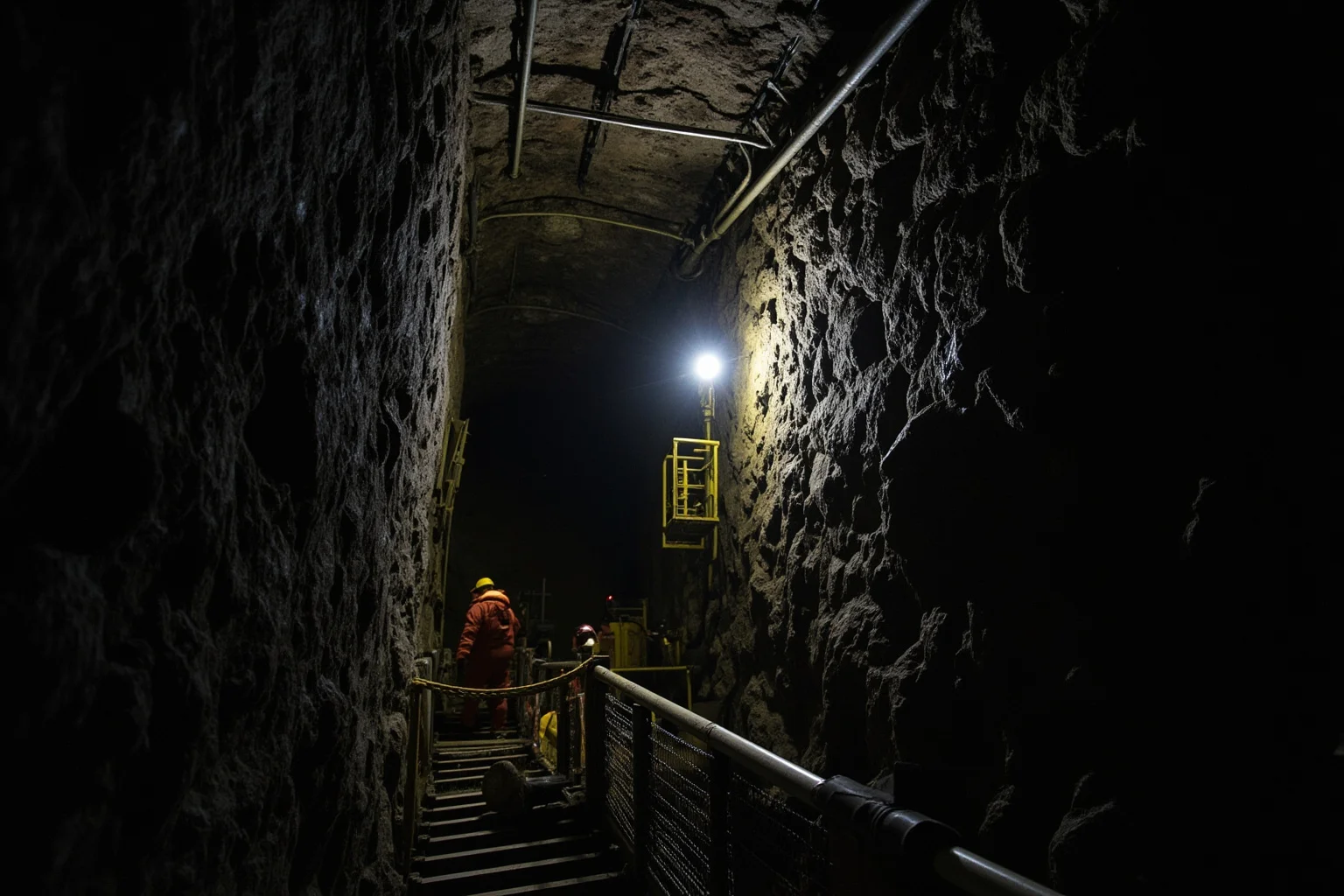
In August 2010, 33 miners were trapped roughly 2,300 feet underground after a collapse at the San José copper and gold mine in Chile. They survived for 17 days before rescuers even confirmed they were alive, rationing minimal emergency food supplies in the darkness.
Once contact was established through a narrow borehole, engineers spent weeks drilling a rescue shaft while sending down food, water, and communication lines. All 33 miners were eventually brought to the surface one by one in a specially designed capsule, 69 days after the collapse.
The rescue was broadcast live around the world and remains one of the most celebrated group survival stories in modern history.
14. Beck Weathers and the 1996 Everest Disaster
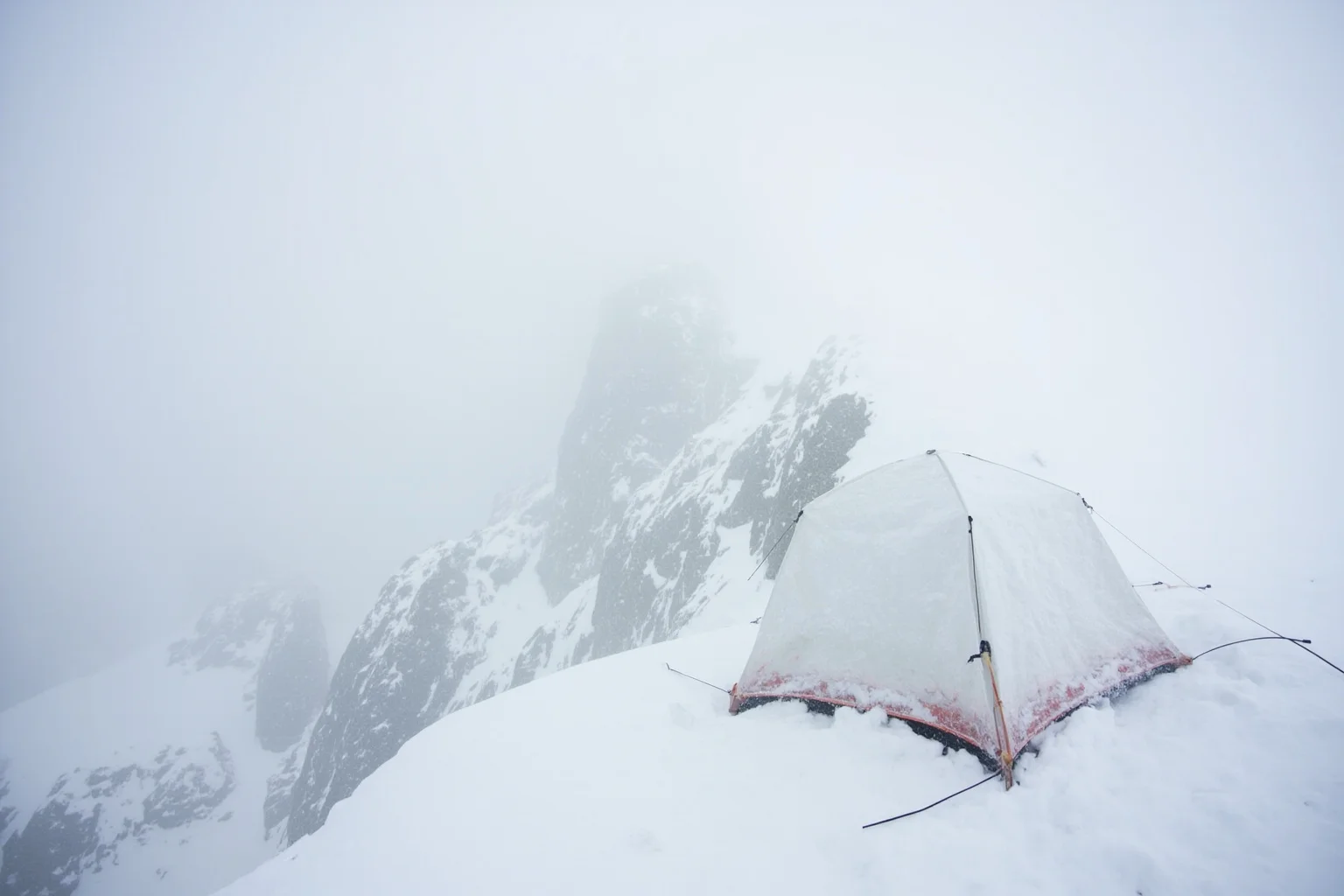
During the deadly May 1996 Mount Everest storm, Texas pathologist Beck Weathers became snow-blind and was left for dead by fellow climbers, twice, as a blizzard raged near the summit. Eight climbers died in the storm overall, one of the deadliest events in the mountain’s history.
Weathers regained consciousness lying in the snow, severely frostbitten, and managed to stagger back into camp on his own, stunning his fellow climbers. He survived, though he lost his right arm, several fingers, and part of his nose to frostbite.
His account was featured in Jon Krakauer’s book “Into Thin Air” and later dramatized in the film “Everest.”
15. Anna Bågenholm’s Frozen Heart
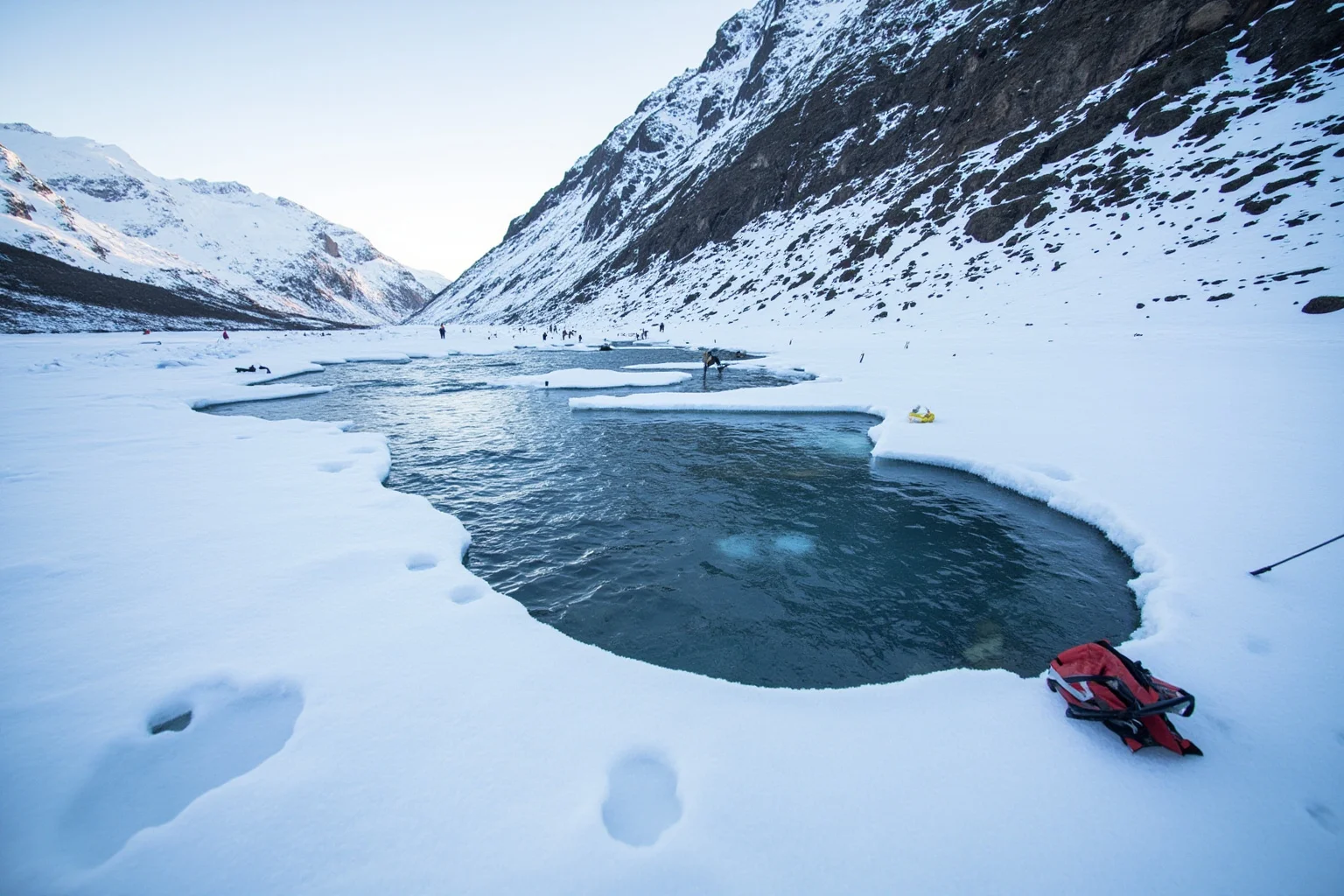
In 1999, Norwegian medical student and skier Anna Bågenholm fell through ice into a frozen stream while skiing, becoming trapped upside down in an air pocket beneath the ice for around 80 minutes. Her body temperature dropped to roughly 13.7 degrees Celsius, one of the lowest core temperatures ever recorded in a survivor.
When rescuers finally freed her, her heart had stopped entirely. Doctors used cardiopulmonary bypass to slowly rewarm her blood, and she was gradually revived over several hours.
Bågenholm made a near-full recovery and returned to practicing medicine. Her case remains a landmark in hypothermia survival research.
16. Mauro Prosperi’s Sahara Ordeal

In 1994, Italian former police officer Mauro Prosperi was competing in the grueling Marathon des Sables ultramarathon across the Sahara Desert when a sandstorm blew him wildly off course. He wandered the desert for nine days, drinking his own urine, bat blood, and eating bats he caught in an abandoned shrine, at one point attempting suicide out of desperation.
He eventually stumbled upon a nomadic family who helped nurse him back to health after he had lost significant body weight and suffered severe dehydration and liver damage. Remarkably, Prosperi later returned to compete in the same race in subsequent years.
His ordeal is often cited among the most incredible survival stories tied to endurance sports gone wrong.
17. Ricky Megee’s Outback Survival
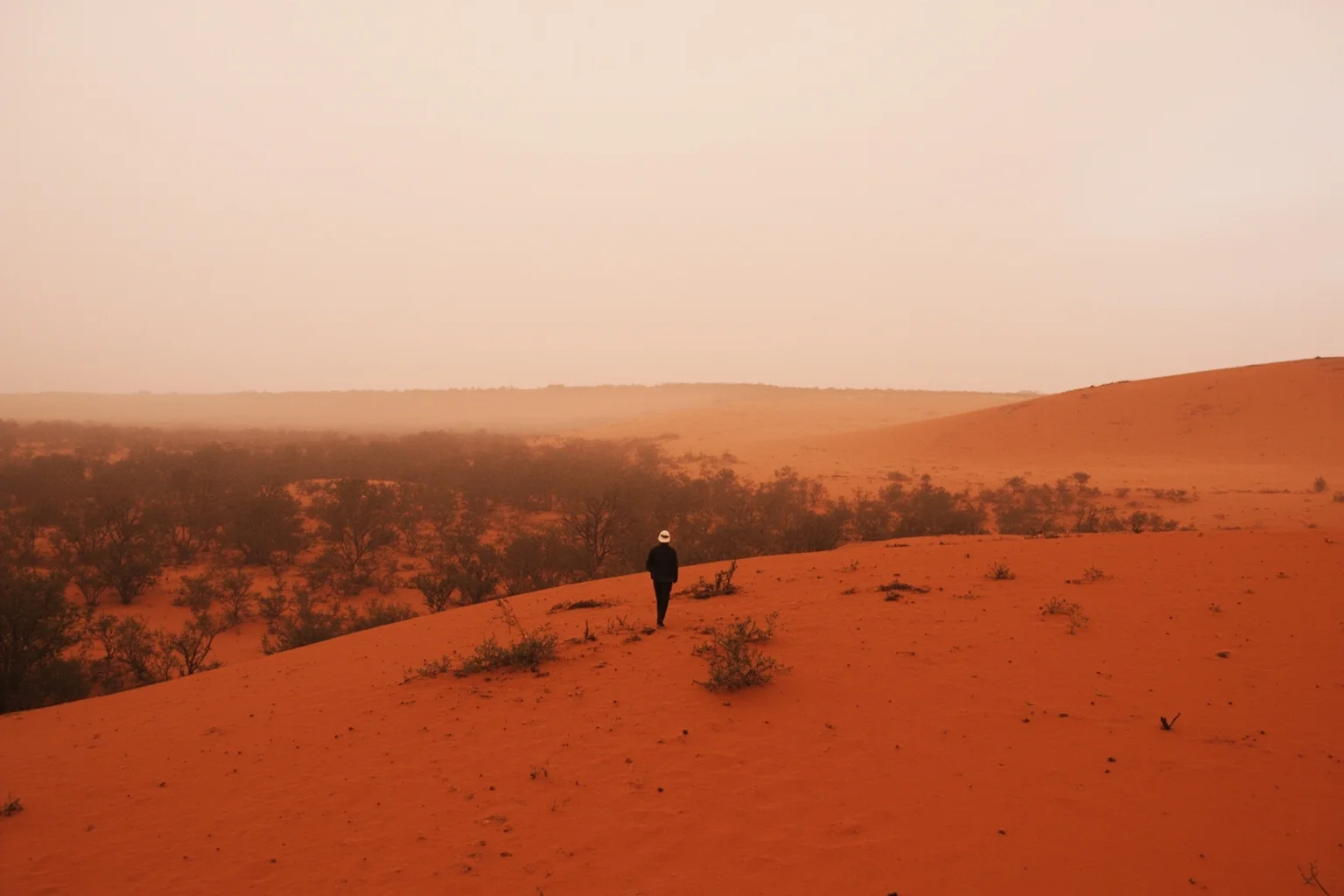
In 2006, Australian man Ricky Megee claimed he was drugged, robbed, and left stranded in the remote Northern Territory outback. He said he survived roughly ten weeks by eating frogs, grasshoppers, and leeches while losing nearly half his body weight before cattle station workers eventually found him.
His account drew skepticism from some investigators who questioned parts of his story, and no one was ever charged in connection with the alleged robbery. Even so, his extreme physical condition upon rescue supported the claim that he had genuinely spent an extended period surviving alone in harsh terrain.
The case is a useful reminder that even well-covered survival stories can carry unresolved questions.
18. Vesna Vulović’s Fall From the Sky
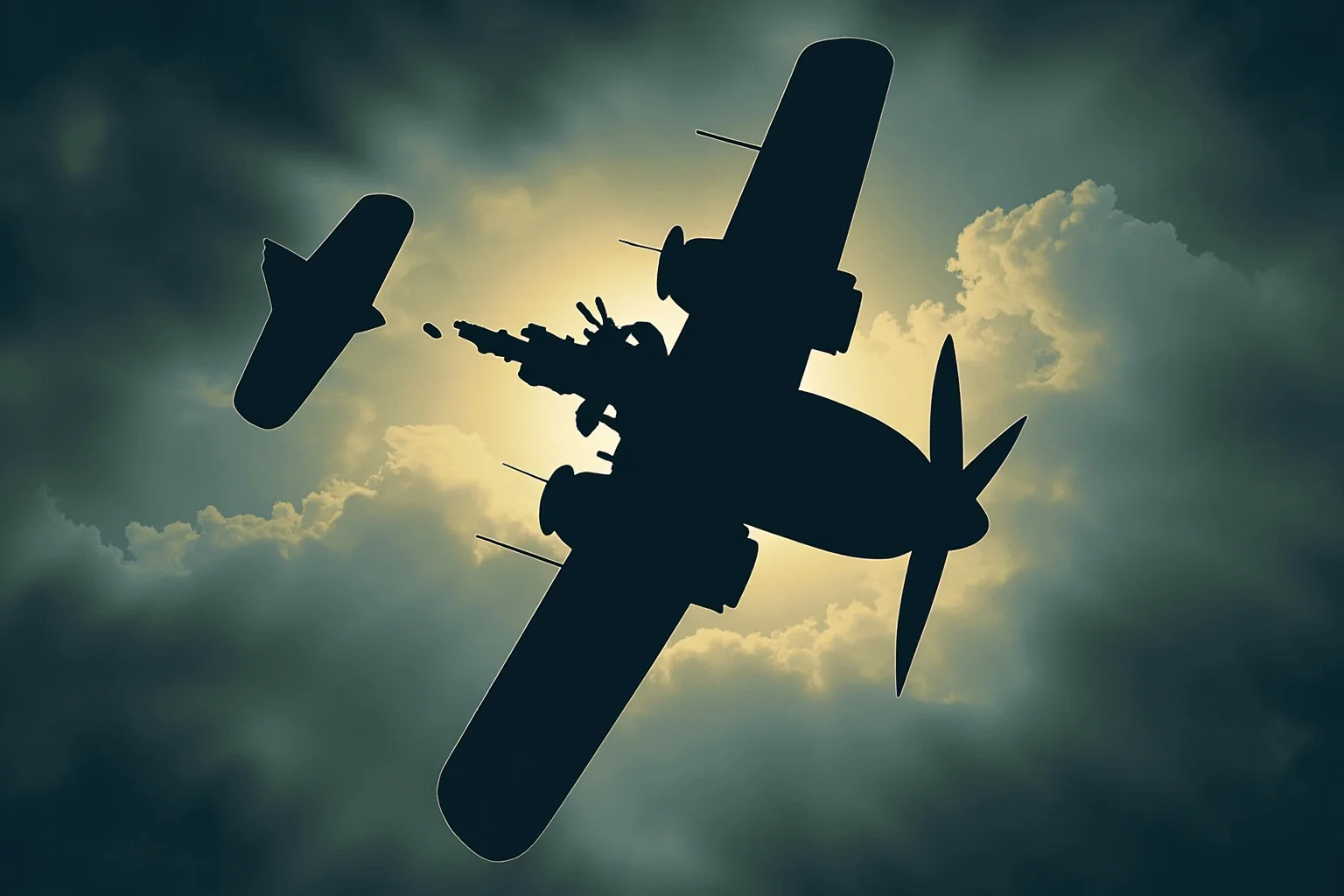
In January 1972, Yugoslav flight attendant Vesna Vulović was aboard JAT Flight 367 when an explosion, later linked to a bomb, tore the aircraft apart at high altitude over Czechoslovakia. She was the only person aboard to survive, reportedly falling with a section of the fuselage before landing on a snow-covered, sloped hillside that likely cushioned the impact.
Her case has long been cited as a Guinness World Record for surviving the highest fall without a parachute, though some aviation researchers have since questioned the exact altitude of the explosion. Vulović suffered severe injuries, including a fractured skull and temporary paralysis, but recovered and eventually walked again.
Whatever the precise altitude, her survival remains one of the most extraordinary documented cases in aviation history.
19. The Long Walk: Myth or Miracle?

In 1956, former Polish army officer Slavomir Rawicz published “The Long Walk,” claiming he had escaped a Siberian gulag in 1941 and walked more than 4,000 miles through Siberia, Mongolia, the Gobi Desert, Tibet, and over the Himalayas to reach India. For decades, it was treated as one of the greatest survival stories of the twentieth century.
Later research, including interviews and archival digging by journalists, suggested Rawicz had actually been released from Soviet custody under an amnesty rather than escaping, and that the walk itself may have been based on other men’s accounts he later claimed as his own. The book’s publisher eventually acknowledged the story was likely fictionalized, at least in part.
The episode is a good reminder to approach even famous survival stories with healthy skepticism until they’re independently corroborated.
20. The Whaleship Essex Survivors
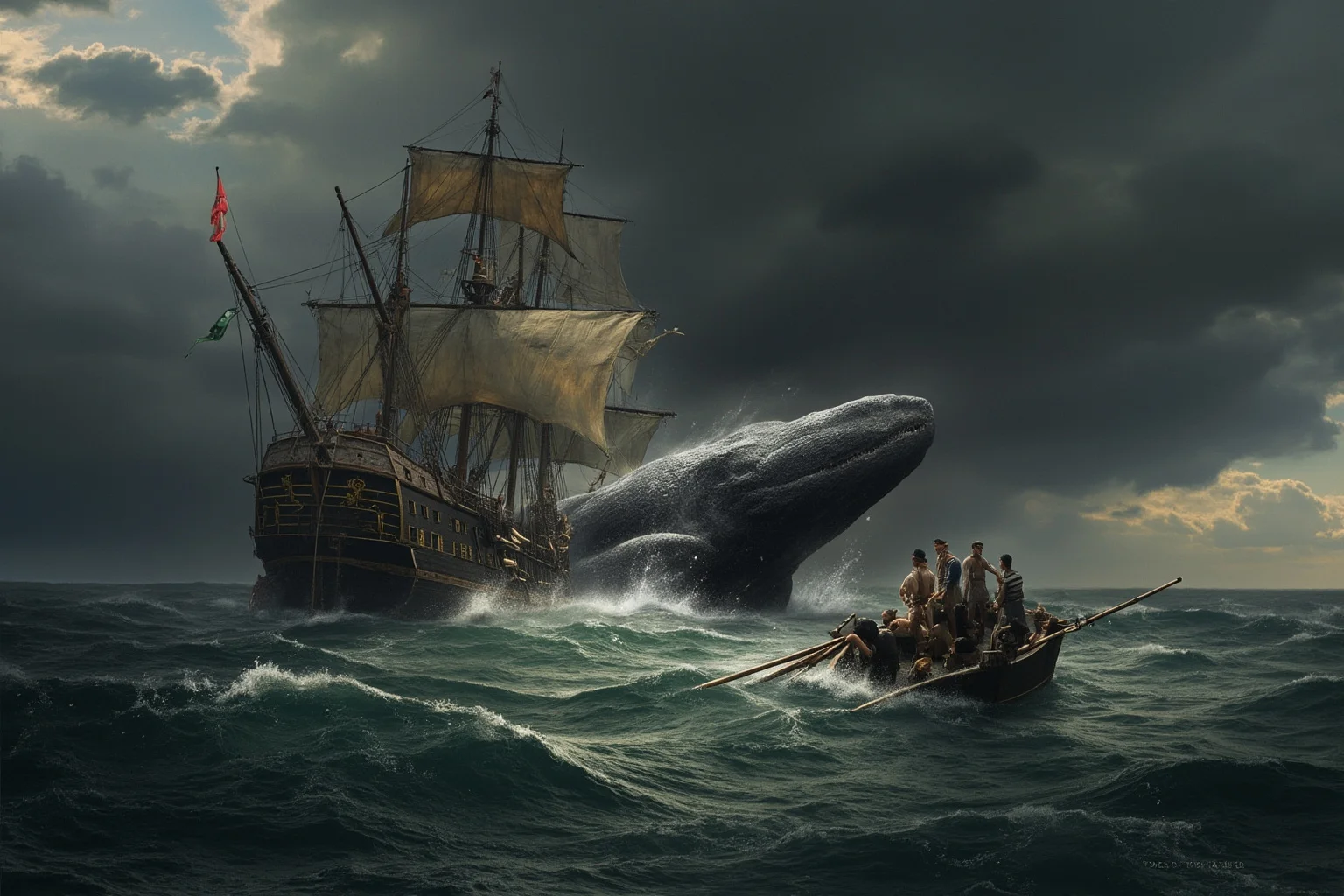
In 1820, the American whaling ship Essex was rammed and sunk by a sperm whale in the Pacific Ocean, an event that later helped inspire Herman Melville’s “Moby-Dick.” The 20 surviving crew members set off in small whaleboats, choosing to sail toward South America rather than nearby islands rumored to have cannibals, a decision that added months to their journey.
Over the following three months, the crew endured starvation so severe that survivors eventually resorted to eating those who died, and some drew lots to decide who would be sacrificed to keep the rest alive. Only eight of the original 20 crew members survived to be rescued.
It remains one of the darkest and most well-documented true stories of survival at sea in maritime history.
21. The Donner Party’s Sierra Nevada Winter
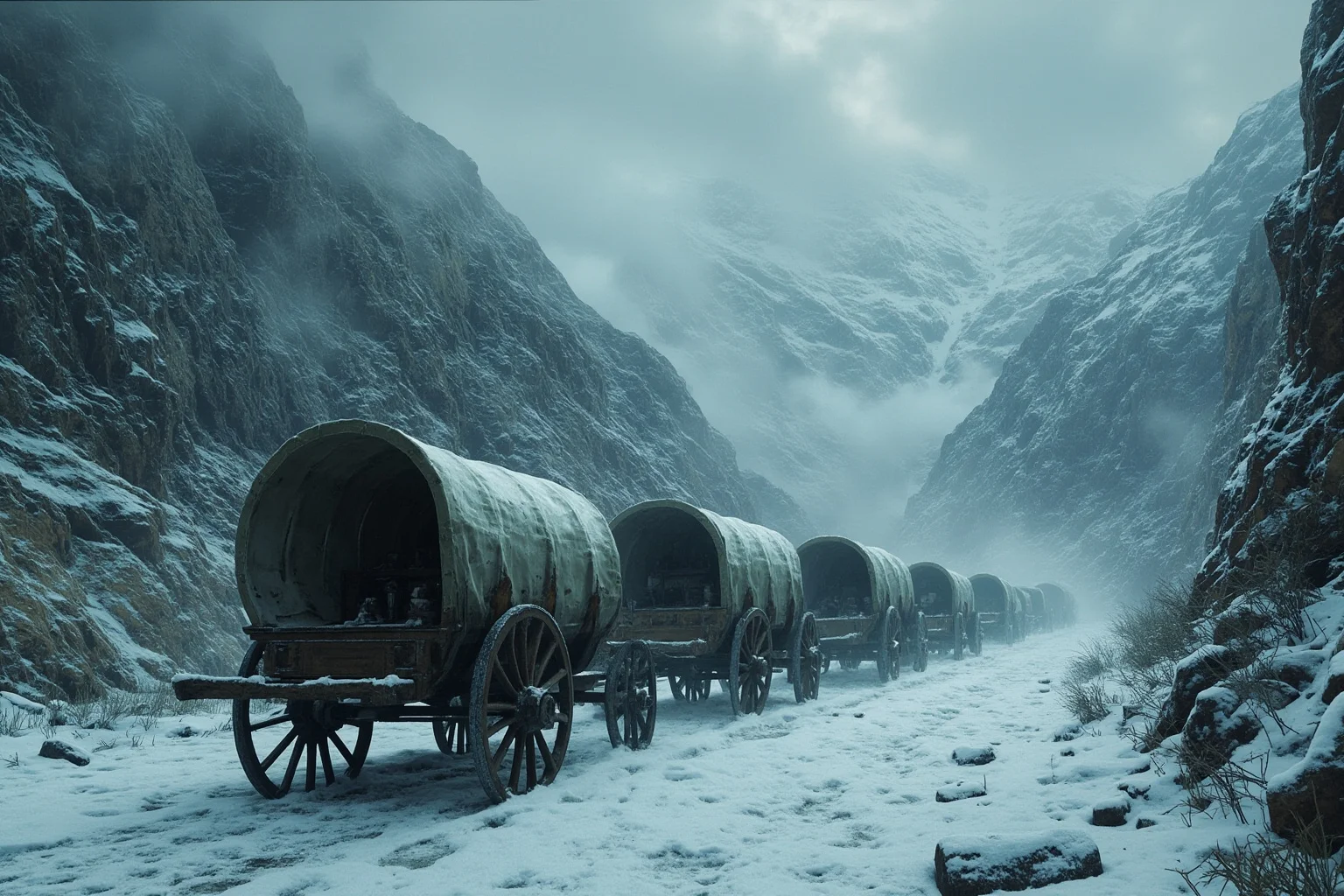
In 1846, a group of American pioneers known as the Donner Party attempted to reach California by wagon train but took a poorly advised shortcut that delayed them into the harsh winter months. They became trapped by heavy snowfall in the Sierra Nevada mountains, with supplies running out fast.
Of the roughly 87 members of the party, only about 48 survived the winter, and historical accounts, along with later archaeological evidence, confirmed that some survivors resorted to eating the flesh of those who had already died. The tragedy became a cautionary tale about westward expansion and poor trail planning.
It remains one of the most infamous stories about survival in American frontier history, still studied by historians and archaeologists today.
Famous Survivalists Who Turned Endurance Into a Life’s Work
While the stories above are about people thrust into survival situations they never chose, a separate group of famous survivalists have built careers around teaching wilderness skills deliberately. Bear Grylls, a former British Special Forces reservist, became globally known through television shows demonstrating survival techniques in extreme environments, though some segments have been criticized over the years for staging certain scenarios.
Les Stroud, known as “Survivorman,” took a different approach by filming himself alone in the wild without a crew, aiming for a more unfiltered depiction of real survival struggles. Canadian bushcraft instructor Mors Kochanski and American educator Dave Canterbury have also influenced modern survival training through books and courses focused on practical wilderness skills rather than entertainment.
These figures aren’t survivors of true random emergencies in the way Shackleton or Koepcke were, but they’ve helped popularize the skills that make real survival stories more survivable in the first place.
Best Survival Fiction Books Inspired by Real Ordeals
If true survival stories leave you wanting more, fiction has drawn heavily from real events to create some of the most gripping stories about survival ever written. Yann Martel’s “Life of Pi” follows a boy adrift at sea with a tiger, echoing real accounts of ocean survival like Callahan’s and Alvarenga’s ordeals.
Daniel Defoe’s “Robinson Crusoe,” often considered one of the earliest works of survival fiction, was loosely inspired by the real marooning of Scottish sailor Alexander Selkirk in the early 1700s. Gary Paulsen’s “Hatchet” and Jack London’s short story survival classic “To Build a Fire” remain staples for readers first discovering the genre, distilling wilderness danger into tightly focused narratives.
For something closer to real events, Jon Krakauer’s “Into Thin Air” and “Into the Wild” blend journalism with narrative tension, sitting right on the line between fiction-style storytelling and documented nonfiction. Together, these books show why survival stories, whether true or imagined, continue to captivate readers across generations.
What These Stories Teach Us About the Human Will to Live
Across centuries, continents, and completely different circumstances, these famous real-life survival stories share a few common threads. Rationing scarce resources, staying mentally occupied, and refusing to give up on small, achievable goals appear again and again, whether the setting is Antarctic ice or a Peruvian rainforest.
Many of these survivors also point to a specific reason they refused to quit, whether it was a family waiting at home or simple stubborn defiance. That psychological anchor shows up so consistently across unrelated cases that survival researchers consider it one of the strongest predictors of who makes it and who doesn’t.
At the same time, some of the most repeated stories, like Rawicz’s Siberian walk, remind us that not every legendary account holds up to scrutiny. Separating verified history from embellished legend doesn’t make these stories less compelling; if anything, it makes the ones that hold up even more remarkable.
Frequently Asked Questions
What are some real-life survival stories from history?
Some of the most well-documented survival stories real life has produced include Ernest Shackleton's Antarctic expedition, Juliane Koepcke's fall from a disintegrating plane into the Amazon, the 1972 Andes plane crash survivors, and the 2010 Chilean mining rescue. Each is supported by rescue records, medical documentation, or survivor testimony gathered shortly after the events.
Is 127 Hours based on a true story?
Yes. The film is based on Aron Ralston's real 2003 ordeal in Utah's Bluejohn Canyon, where he was trapped by a boulder for five days before amputating his own arm to escape. Ralston later documented the experience in his memoir of the same name.
What is the longest a person has survived lost at sea?
Chinese sailor Poon Lim holds a widely recognized record of surviving 133 days alone on a raft after his ship was torpedoed in 1942. A more recent and less independently verified claim comes from José Salvador Alvarenga, who reported drifting for 438 days across the Pacific in 2012 and 2013.
Who are some famous survivalists today?
Bear Grylls and Les Stroud ("Survivorman") are among the best-known modern survivalists, having built television careers around demonstrating wilderness survival techniques. Bushcraft educators like Mors Kochanski and Dave Canterbury are also influential figures in survival training, though in a more instructional than entertainment-focused capacity.
What are the best survival fiction books to read?
Popular choices include Yann Martel's "Life of Pi," Daniel Defoe's "Robinson Crusoe," Gary Paulsen's "Hatchet," and Jack London's short story "To Build a Fire." Many of these were directly inspired by real historical survival accounts, blending fiction with real wilderness danger.
Are all famous survival stories completely true?
Not always. Some widely circulated accounts, like Slavomir Rawicz's claimed walk out of Siberia in "The Long Walk," have been challenged by later research and are now considered partly or largely fictionalized. It's always worth checking whether a dramatic survival story has independent corroboration before treating every detail as verified history.

Alex Warren
Related Articles





