
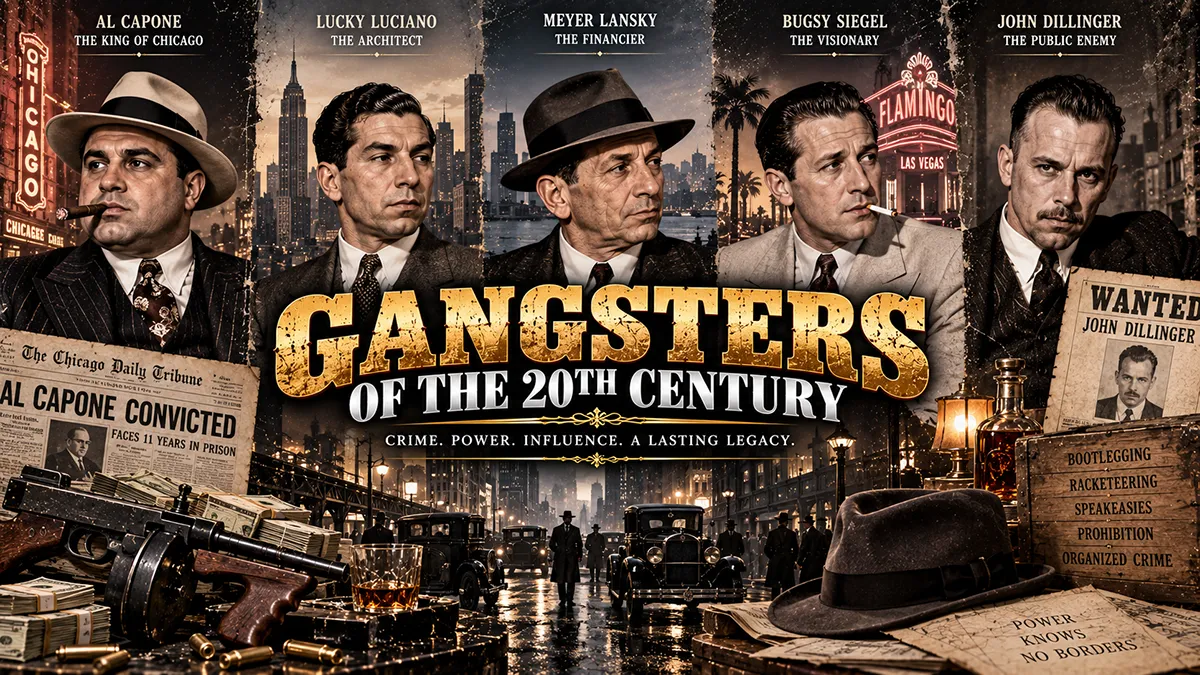
Fedoras, tommy guns, backroom deals, and blood feuds — the image of the classic American gangster is so baked into pop culture that it can be hard to separate the legend from the actual history.
But behind the movie shorthand were real men and women who built criminal empires, corrupted police departments and city halls, and occasionally became folk heroes despite committing genuinely brutal acts.
This guide walks through the most notorious gangsters of the 20th century, from the Prohibition-era mob bosses who built the modern American mafia to the Harlem numbers queens, Depression-era outlaws, and Teflon Dons who followed them.
Along the way, we’ll separate documented history from Hollywood myth, and look at the gangs, nicknames, and slang that shaped how we still talk about organized crime today.
TL;DR: The 20th century’s most notorious gangsters — from Al Capone and Lucky Luciano to John Gotti and Whitey Bulger — built vast criminal empires through bootlegging, racketeering, and violence, and their true stories are often stranger and grimmer than the movies suggest.
What Does “Gangster” Actually Mean?
The word gangster simply means a member of a gang engaged in organized crime, but the term has picked up a lot of baggage since it first became common in early 20th-century American newspapers.
A mobster is technically a gangster who belongs to “the mob” — shorthand for the Italian-American Mafia or a similarly structured syndicate. A mafioso is a made member of an actual Mafia family, complete with formal induction rituals.
Over the decades, journalists and gangsters themselves coined dozens of other words for gangster: wiseguy, made man, goon, hood, hoodlum, racketeer, capo, don, kingpin, and button man are just a few.
Some of these terms describe rank (a capo supervises soldiers; a don or boss runs an entire family), while others are just slang for any violent gangster or street-level enforcer.
It’s also worth noting that “gangster” covers a lot of very different types of criminals. There’s the organized, hierarchical mobster tied to a crime family; the freelance bank-robbing outlaw of the Depression era; the drug-trafficking kingpin of the later 20th century; and the street gangster affiliated with a neighborhood crew rather than a formal syndicate. They’re often lumped together in pop culture, but their organizations, motives, and methods could be quite different.
The Prohibition Era: Birthplace of the Modern Mob
When the 18th Amendment banned alcohol in 1920, it accidentally created the perfect business opportunity for ambitious criminals. Bootlegging was enormously profitable, and the gangs that controlled the supply of illegal liquor grew richer and more organized than almost any street gang before them.
This is the world most people picture when they hear “1920s mafia” or “mobsters of the 1920s” — sharp suits, speakeasies, and gang wars fought with newly available automatic weapons.
Early crime bosses of the 1920s like Arnold Rothstein and Johnny Torrio built the financial and organizational blueprint that later mobsters would follow, treating crime less like street brawling and more like a business, complete with territory-sharing agreements and a chain of command.
By the time Prohibition ended in 1933, a new generation of gangsters — including several names on this list — had used bootlegging profits to move into gambling, loan-sharking, and labor racketeering.
The Great Depression, meanwhile, produced a different kind of outlaw: the rural, gun-toting bank robber who became a folk hero to some struggling Americans even as the FBI hunted them as public enemies.
Gangsters in the 1930s like John Dillinger and Bonnie and Clyde operated very differently from the buttoned-up city mobsters, but they captured headlines just as effectively.
The Most Notorious Gangsters of the 20th Century
This is not a scientific ranking so much as a tour through the individuals whose crimes, trials, and reputations shaped how the public understands organized crime. It spans Prohibition-era bootleggers, Depression-era outlaws, Mafia dons, and the street-level bosses of Harlem and beyond.
1. Al Capone
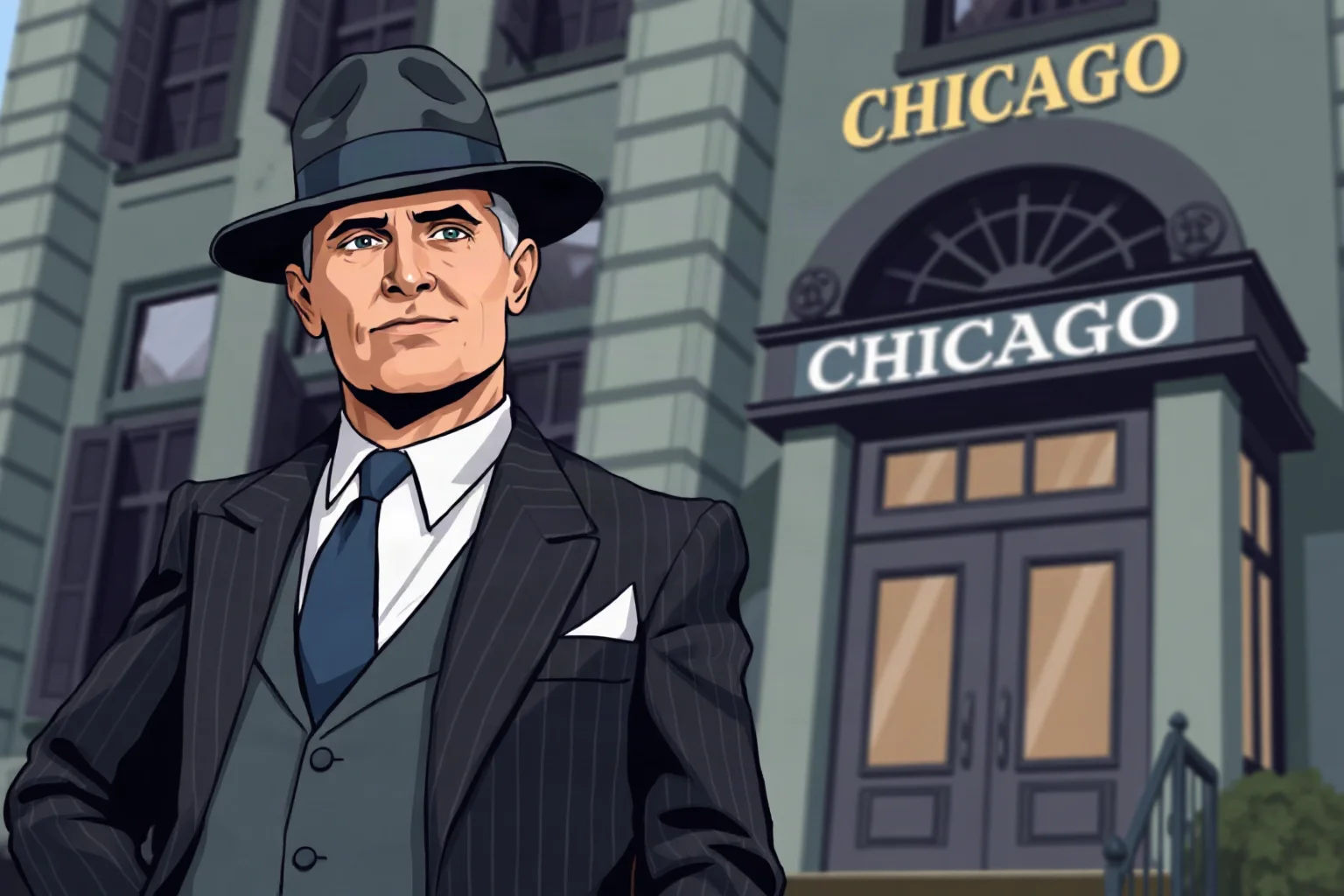
No list of famous gangsters starts anywhere but here. Al “Scarface” Capone ran the Chicago Outfit through the height of Prohibition, allegedly controlling breweries, speakeasies, and gambling dens across the city while dodging murder charges tied to the 1929 St. Valentine’s Day Massacre.
Capone was never convicted of the violence he was linked to. Instead, federal prosecutors got him on tax evasion in 1931, a case that became the template for how the government would eventually take down other crime bosses who couldn’t be pinned on violent charges alone.
2. Charles “Lucky” Luciano
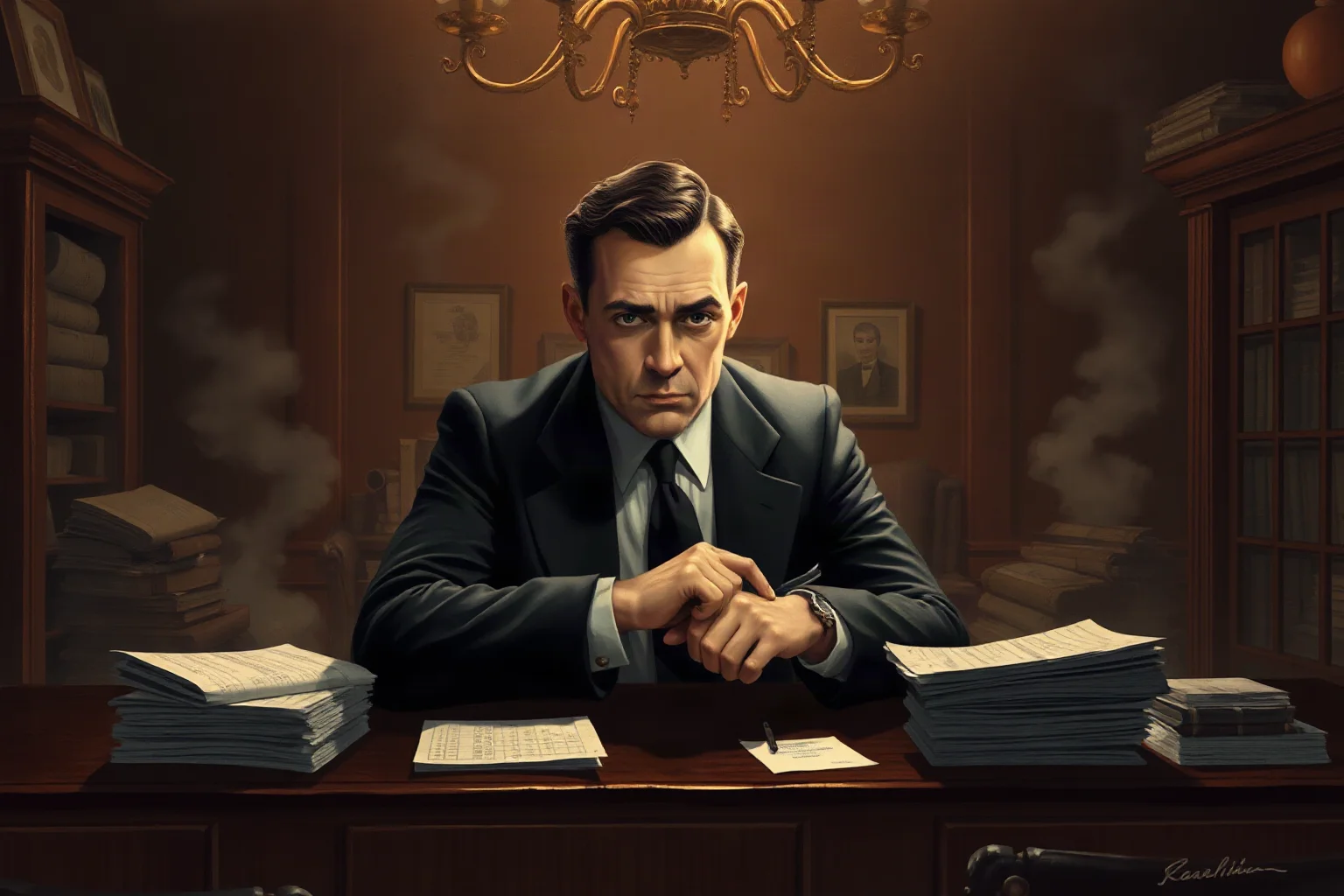
Luciano is often credited as the architect of the modern American Mafia. After a bloody power struggle known as the Castellammarese War, he helped establish “the Commission,” a governing body meant to reduce open warfare between New York’s crime families.
He organized the city’s underworld into the Five Families structure that still gets referenced in mafia history today. Convicted on prostitution-related charges in 1936, Luciano was later deported to Italy, where he continued to influence American organized crime from a distance.
3. Meyer Lansky
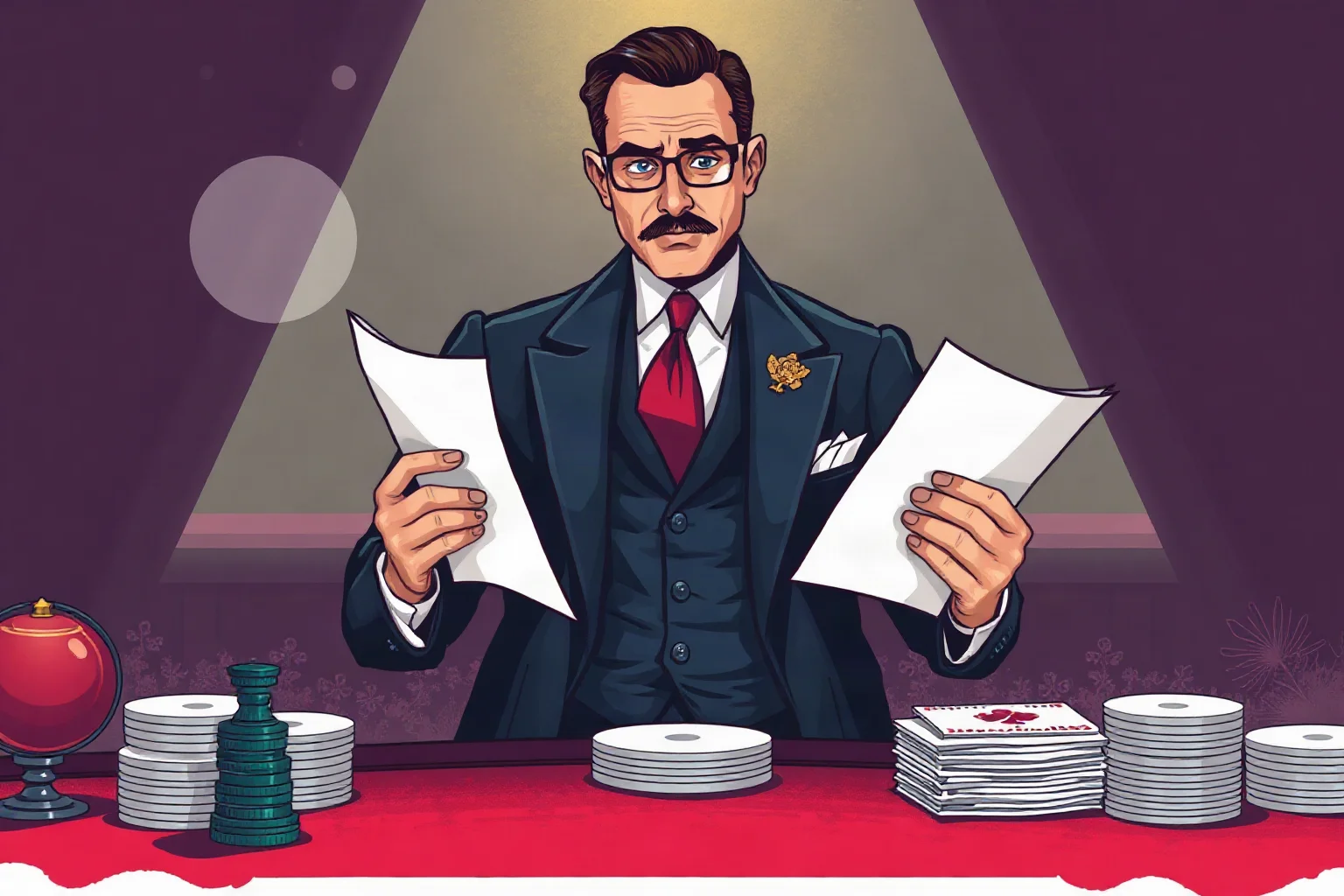
Known as the mob’s accountant, Meyer Lansky was less interested in violence than in building financial systems that could launder and grow illegal profits. He partnered closely with Luciano and helped develop offshore banking arrangements and casino operations in Cuba, using strategies not unlike those pioneered by legitimate banking dynasties such as the Rothschild family.
Lansky became one of the rich gangsters whose wealth reportedly outlasted his criminal career, though the exact size of his fortune has long been the subject of exaggeration and myth. He died in 1983 without ever being convicted of a major crime, a fact that only added to his legend.
4. Bugsy Siegel
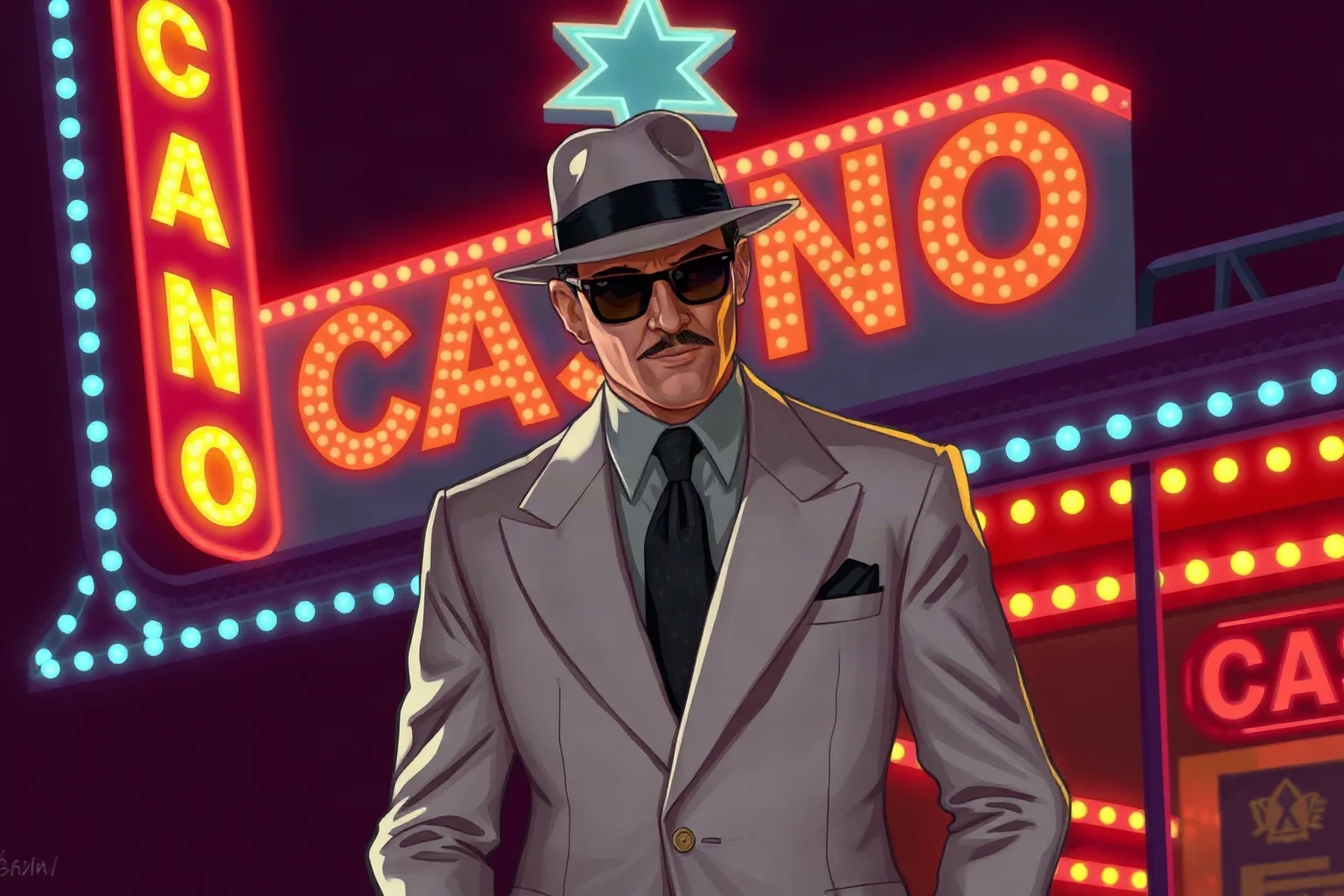
Benjamin “Bugsy” Siegel is remembered today as one of the founding figures behind Las Vegas as a gambling destination. He oversaw construction of the Flamingo Hotel in the mid-1940s, using mob financing to build what became a blueprint for the Strip.
Siegel’s volatile temper and overspending on the Flamingo reportedly angered his partners. He was shot and killed in Beverly Hills in 1947, a murder that was never officially solved.
5. John Dillinger
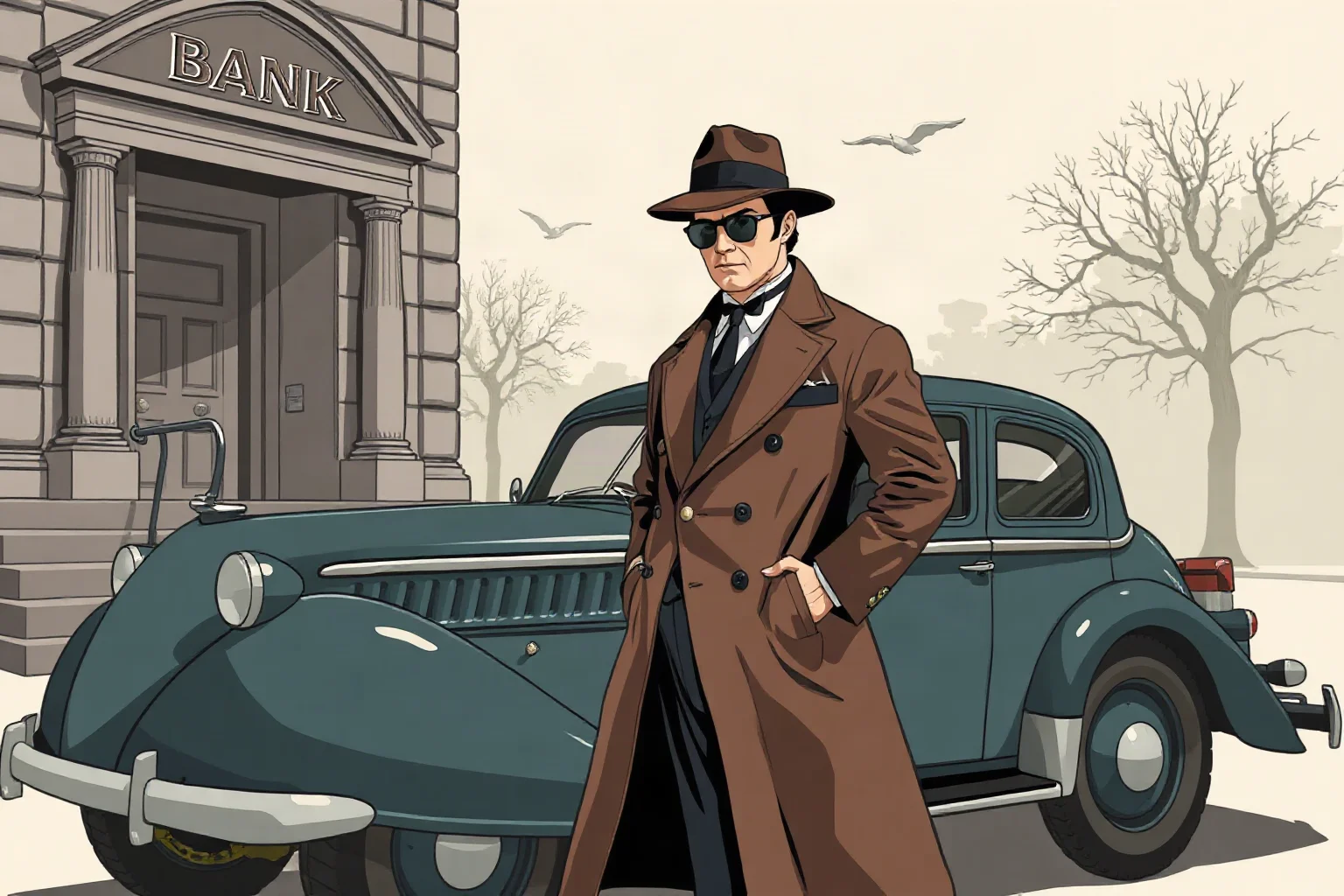
Dillinger was the most famous bank robber of the Depression era and the FBI’s first “Public Enemy Number One.” His gang robbed dozens of banks across the Midwest between 1933 and 1934, and his repeated jail escapes made him a folk anti-hero to some Americans hit hard by the economic collapse.
He was shot and killed by federal agents outside a Chicago movie theater in 1934. His story remains one of the defining accounts of gangsters in the 1930s and the government’s escalating war against them.
6. Baby Face Nelson
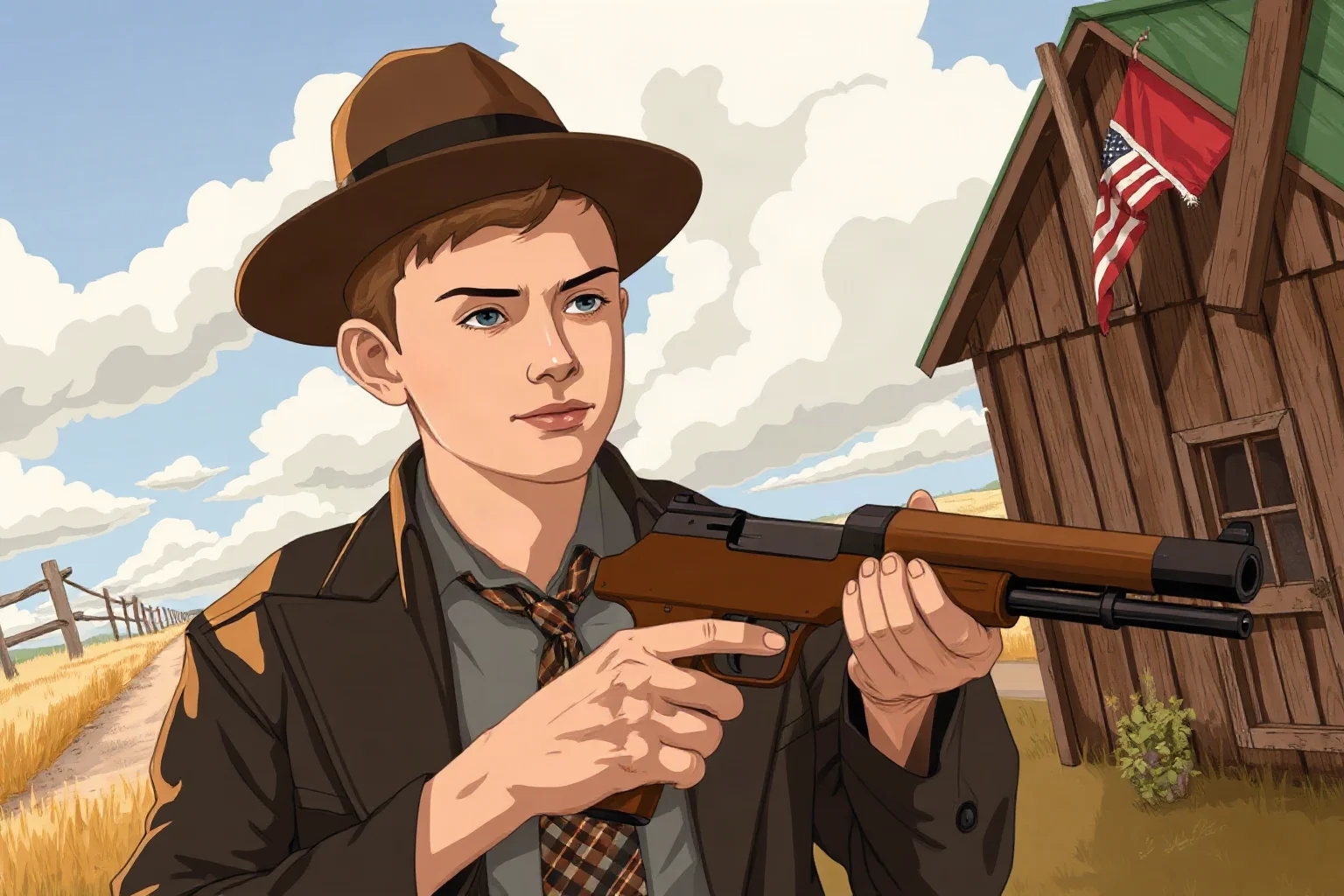
Lester Gillis, better known as Baby Face Nelson, ran with Dillinger’s gang before going out on his own. He’s remembered as one of the more violent gangster figures of the era, credited with killing more FBI agents than any other criminal of his time.
Nelson died in a shootout with federal agents in November 1934, just months after Dillinger’s death closed out one of the bureau’s most intense manhunts.
7. Bonnie and Clyde
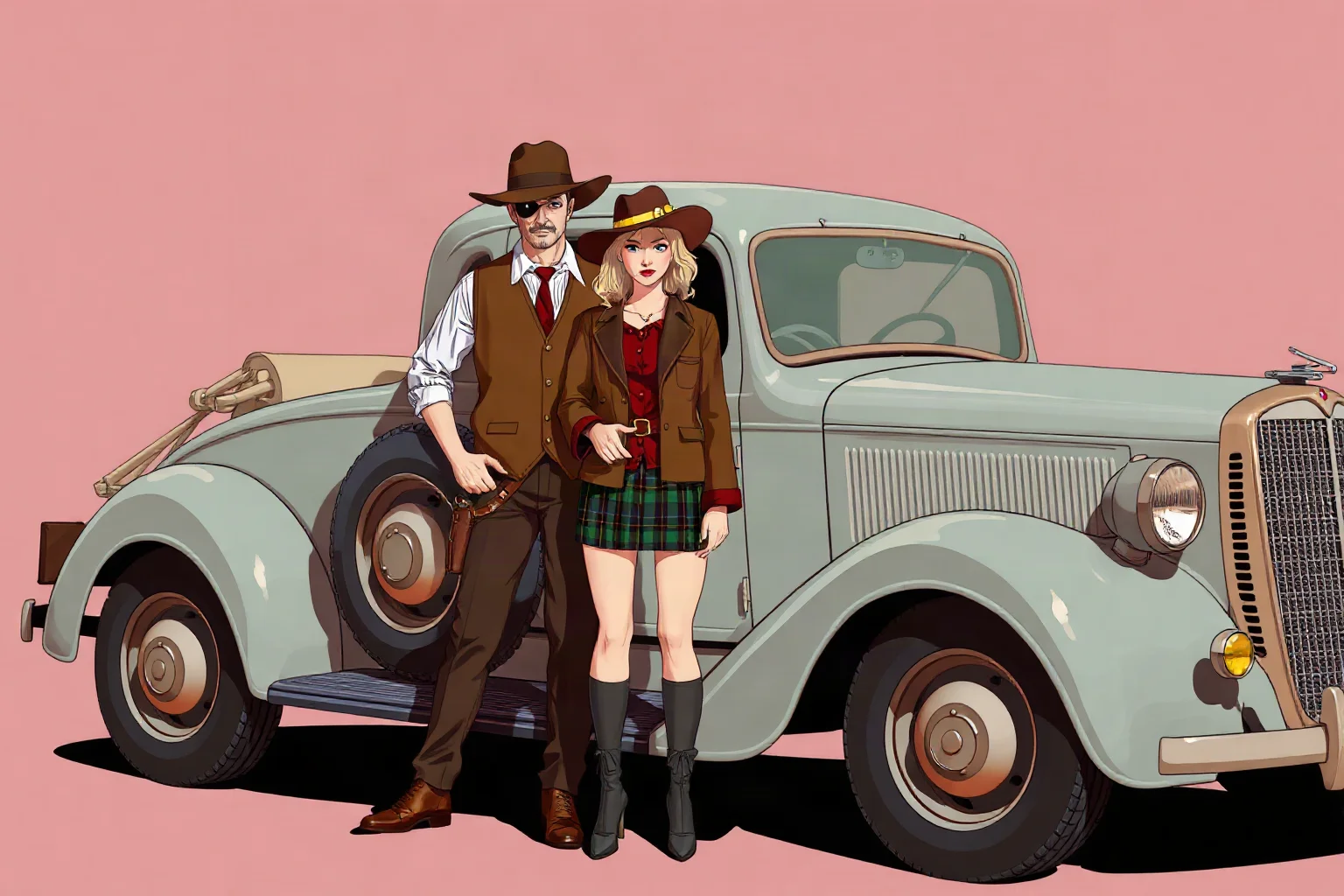
Bonnie Parker and Clyde Barrow led a small gang on a two-year crime spree across the central United States, robbing small stores and gas stations as often as banks. Their reputation was built as much on newspaper photographs and public fascination as on the actual scale of their crimes.
The couple was killed in a police ambush in Louisiana in 1934. Their story remains one of the most retold in American crime history, partly because it blurred the line between violent criminals and doomed romantic outlaws.
8. Dutch Schultz
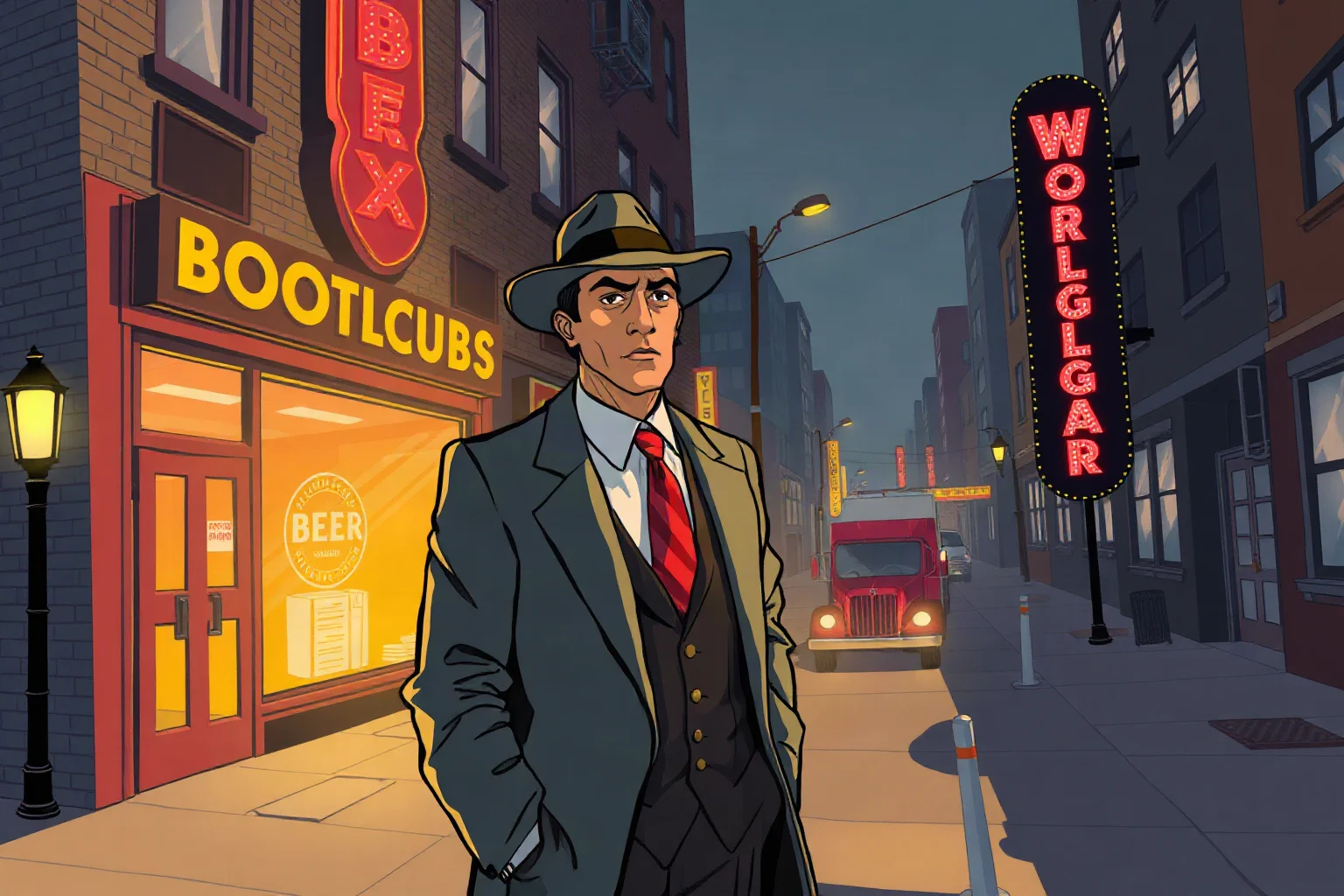
Arthur “Dutch Schultz” Flegenheimer built a bootlegging and numbers-racket empire in New York during Prohibition. He was known for his short temper and his relentless legal battles, having survived multiple tax evasion prosecutions.
His ambitions reportedly put him at odds with the emerging Commission, and he was fatally shot in a Newark restaurant in 1935 in what many historians believe was a mob-ordered hit.
9. Vito Genovese
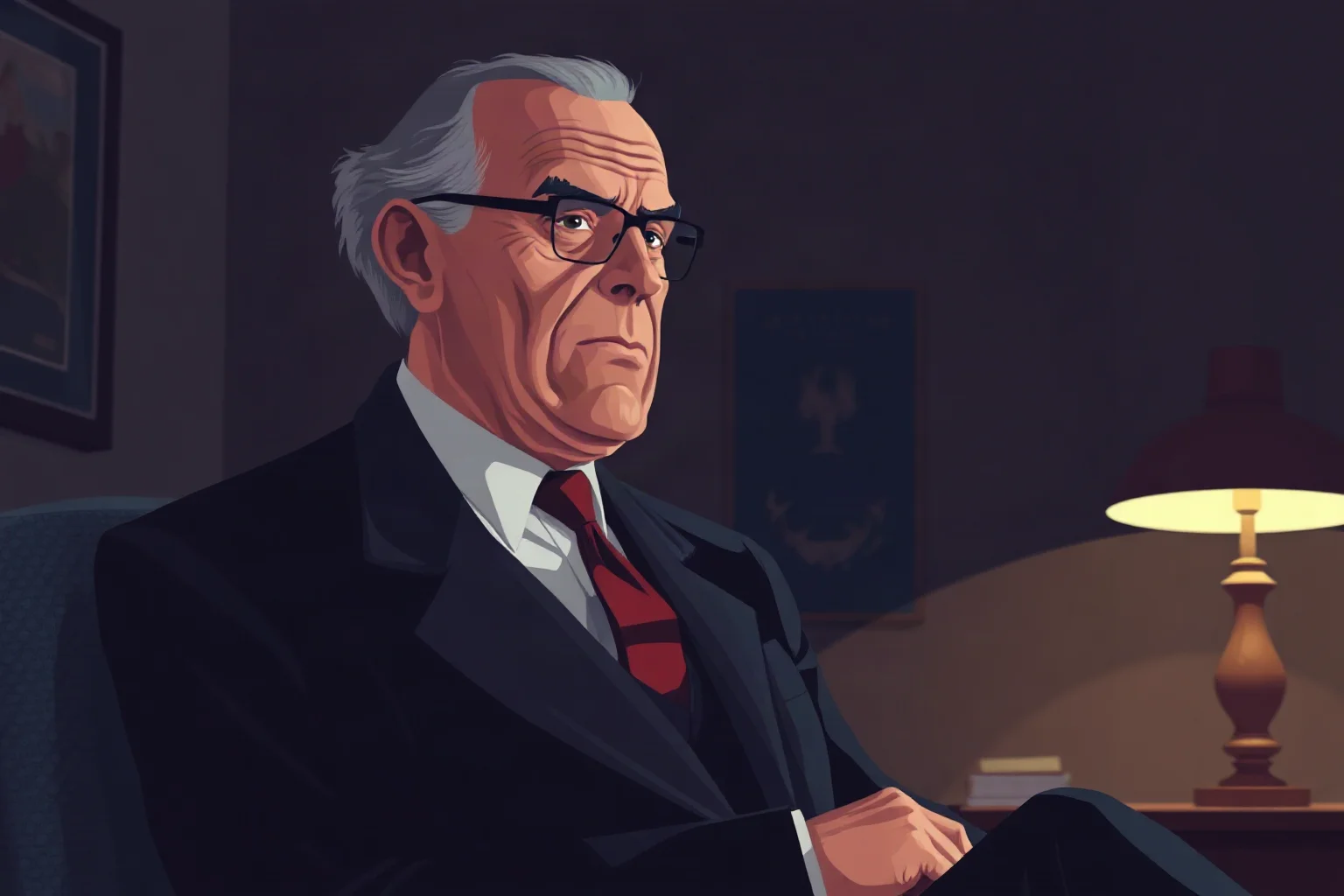
Vito Genovese eventually took over the crime family that still bears his name, after years of maneuvering that included time spent hiding out in Italy to avoid a murder charge. He was known as one of the more ruthless mob leaders of his generation.
Genovese was convicted on narcotics charges in 1959 and spent the rest of his life in federal prison, but he reportedly continued directing family business from behind bars.
10. Carlo Gambino
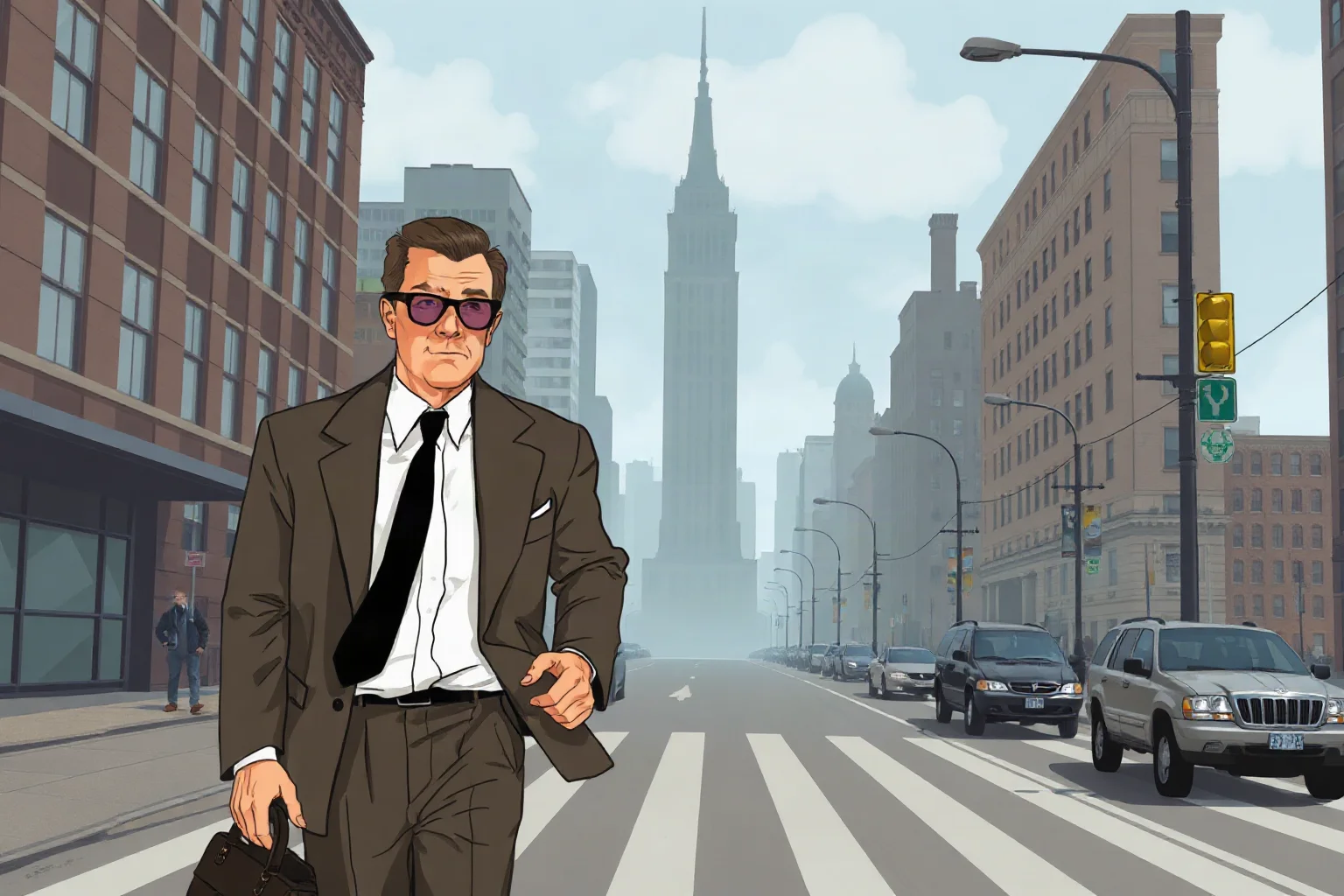
Carlo Gambino led the crime family that would carry his name for decades after him, becoming one of the most powerful mob bosses in New York during the 1950s and 60s. Unlike flashier gangsters, Gambino cultivated a low profile and avoided prosecution for most of his life.
His quiet, business-first approach became a model for other bosses who wanted to avoid the kind of attention that toppled men like Capone.
11. John Gotti
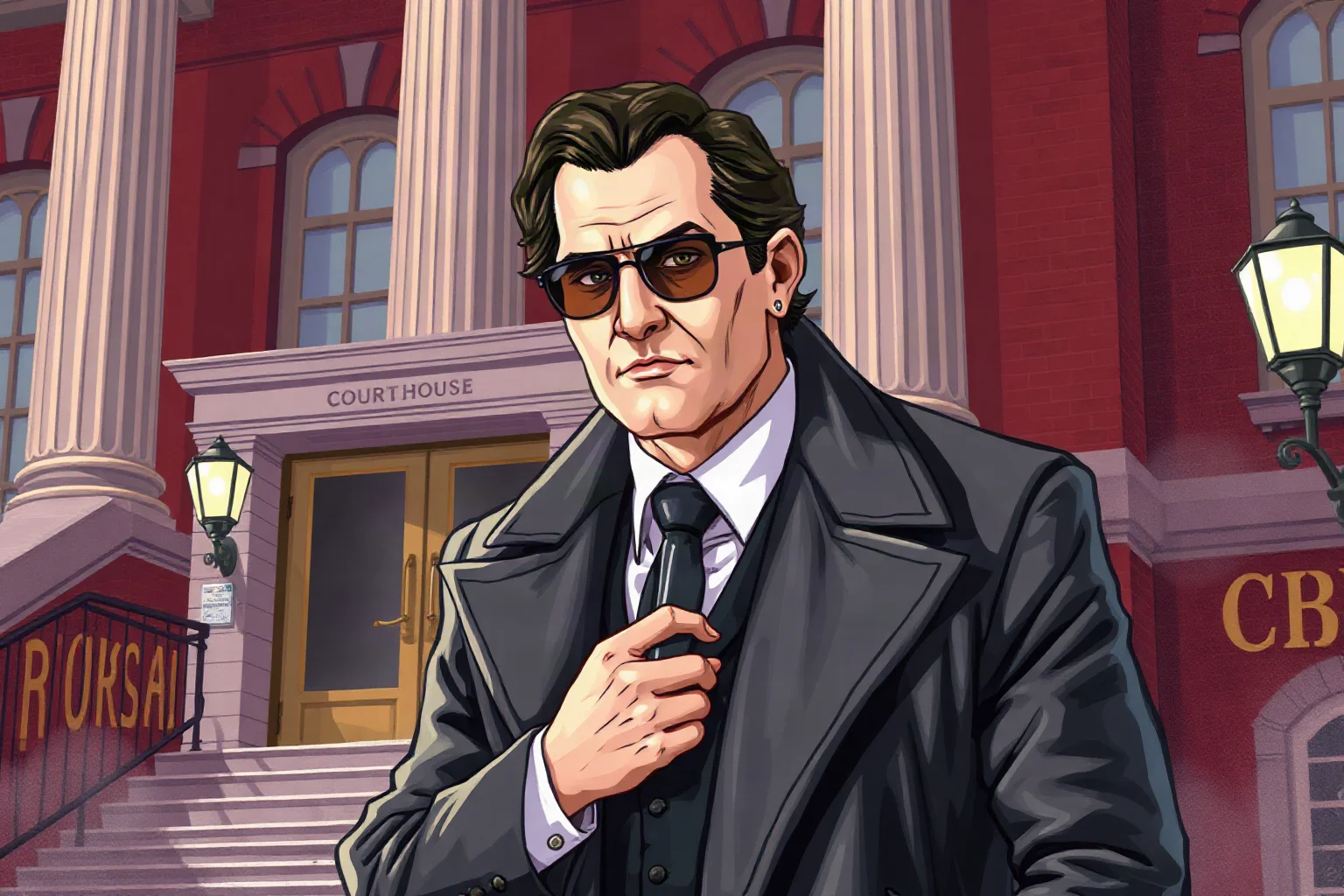
John Gotti took over the Gambino family in the 1980s after the killing of his predecessor, Paul Castellano. Known as “The Teflon Don” for repeatedly beating criminal charges, Gotti cultivated a flashy, media-friendly image that broke from decades of mob tradition.
His luck ran out in 1992, when he was convicted on federal racketeering charges, largely thanks to secret recordings and testimony from his own underboss. He died in prison in 2002.
12. Whitey Bulger
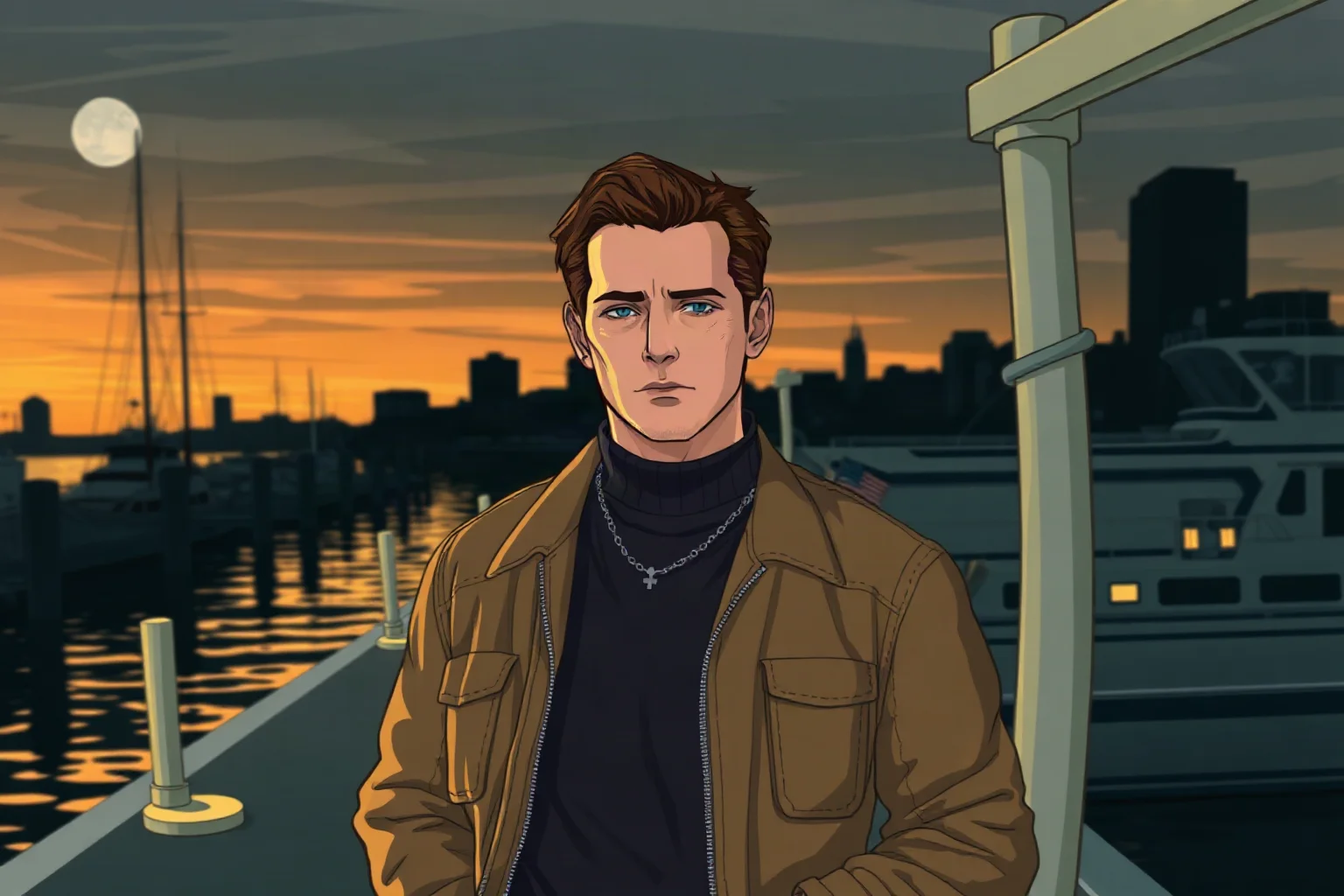
James “Whitey” Bulger led Boston’s Winter Hill Gang while simultaneously working as an FBI informant, a double life that let him operate largely unchecked for years. The scandal that followed his exposure remains one of the most damaging in FBI history.
Bulger spent 16 years as a fugitive before being captured in 2011. He was convicted in 2013 on charges connected to multiple murders and later died in prison in 2018.
13. Frank Lucas
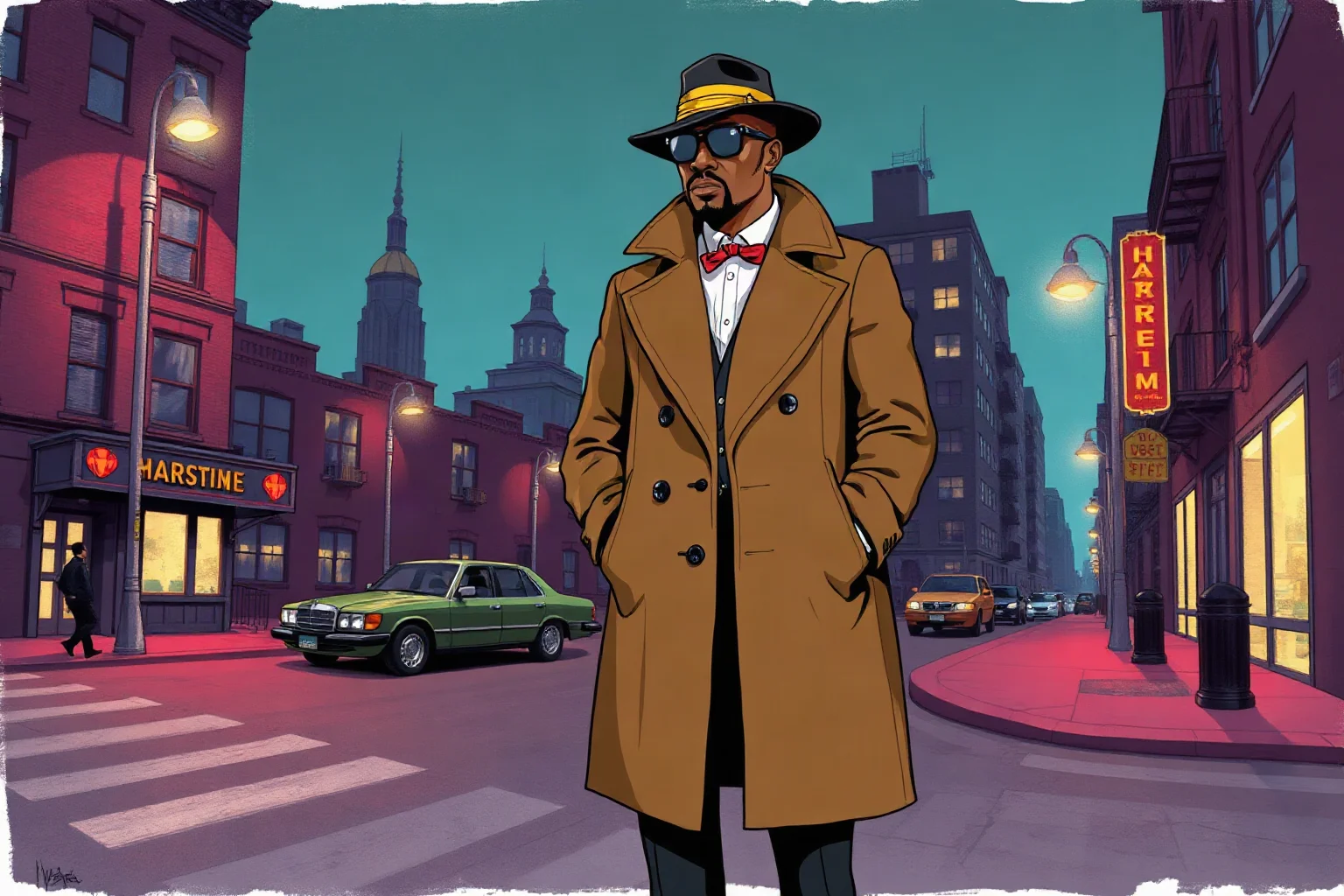
Frank Lucas became one of Harlem’s most powerful heroin traffickers in the late 1960s and 1970s, reportedly importing narcotics through international smuggling networks. His story, later dramatized in the film “American Gangster,” mixed verified fact with details that Lucas himself may have exaggerated over the years.
He was arrested in 1975 and later cooperated with authorities, providing information that led to numerous other convictions.
14. Bumpy Johnson
Ellsworth “Bumpy” Johnson was one of Harlem’s most influential Black mobsters, controlling numbers rackets and maintaining an uneasy working relationship with the Italian-American mafia for decades. He was known for a code of conduct that reportedly earned him respect even among rivals.
Johnson mentored younger Harlem criminals, including Frank Lucas, and remains one of the most recognized names among Black gangsters of the 20th century.
15. Stephanie St. Clair
Known as “Queenie,” Stephanie St. Clair ran one of Harlem’s most successful numbers-running operations in the 1920s and 30s, at a time when it was almost unheard of for a woman to control a criminal enterprise of that scale. She famously fought off attempts by Dutch Schultz to muscle into her territory.
St. Clair is one of the earliest documented examples of a female gangster holding real power in American organized crime, and her story is often cited in discussions of notorious female gangsters of the era.
16. Virginia Hill
Virginia Hill worked as a courier and confidante for several major mob figures, including Bugsy Siegel, during the 1930s and 40s. Her 1951 testimony before a Senate committee investigating organized crime made her one of the most publicly recognizable women connected to the American mafia.
Hill maintained she knew little about the mob’s finances, but her lifestyle and connections suggested otherwise, and she remains a key figure in any honest account of women in organized crime.
17. Sam Giancana
Sam Giancana led the Chicago Outfit through much of the late 1950s and 1960s, expanding its reach into gambling operations in Cuba and elsewhere. He’s also linked, though with claims that remain disputed and unproven, to associations with figures in national politics during that period.
Giancana was murdered in his home in 1975, shortly before he was scheduled to testify before a Senate committee, and the case was never officially solved.
18. Joe Bonanno
Joe Bonanno founded and led the crime family that bears his name, and unusually for a mob boss, he later published a memoir discussing his life in organized crime. His attempt to expand his influence over other families in the 1960s triggered an internal mafia conflict nicknamed the “Banana War.”
Bonanno survived the conflict and lived to old age, dying in 2002, having outlasted most of his contemporaries.
19. Arnold Rothstein
Known as “The Brain,” Arnold Rothstein was a New York gambler and financier widely believed to have helped fix the 1919 World Series, though the full extent of his involvement remains debated by historians. He served as a mentor figure to younger criminals, including Luciano and Lansky, teaching them to treat crime as a business.
Rothstein was shot during a card game dispute in 1928 and died soon after, but his influence on the next generation of organized crime was already well established.
20. Jack “Legs” Diamond
Jack “Legs” Diamond was a Prohibition-era bootlegger notorious for surviving multiple assassination attempts, which earned him a reputation as nearly indestructible. His luck finally ran out in 1931, when he was shot and killed in Albany, New York.
Diamond’s flashy lifestyle and repeated brushes with death made him one of the more colorful, if less powerful, gangsters of the 1920s and early 30s.
21. George “Machine Gun” Kelly
George Kelly earned his nickname from his signature weapon and his role in a series of armed robberies and a high-profile kidnapping in 1933. Contrary to popular belief, some historians note his “Machine Gun” reputation was partly built up by his own wife for publicity purposes rather than reflecting the true scale of his violence.
Kelly was captured later that year and spent the rest of his life in federal prison, dying in 1954.
22. Frank Costello
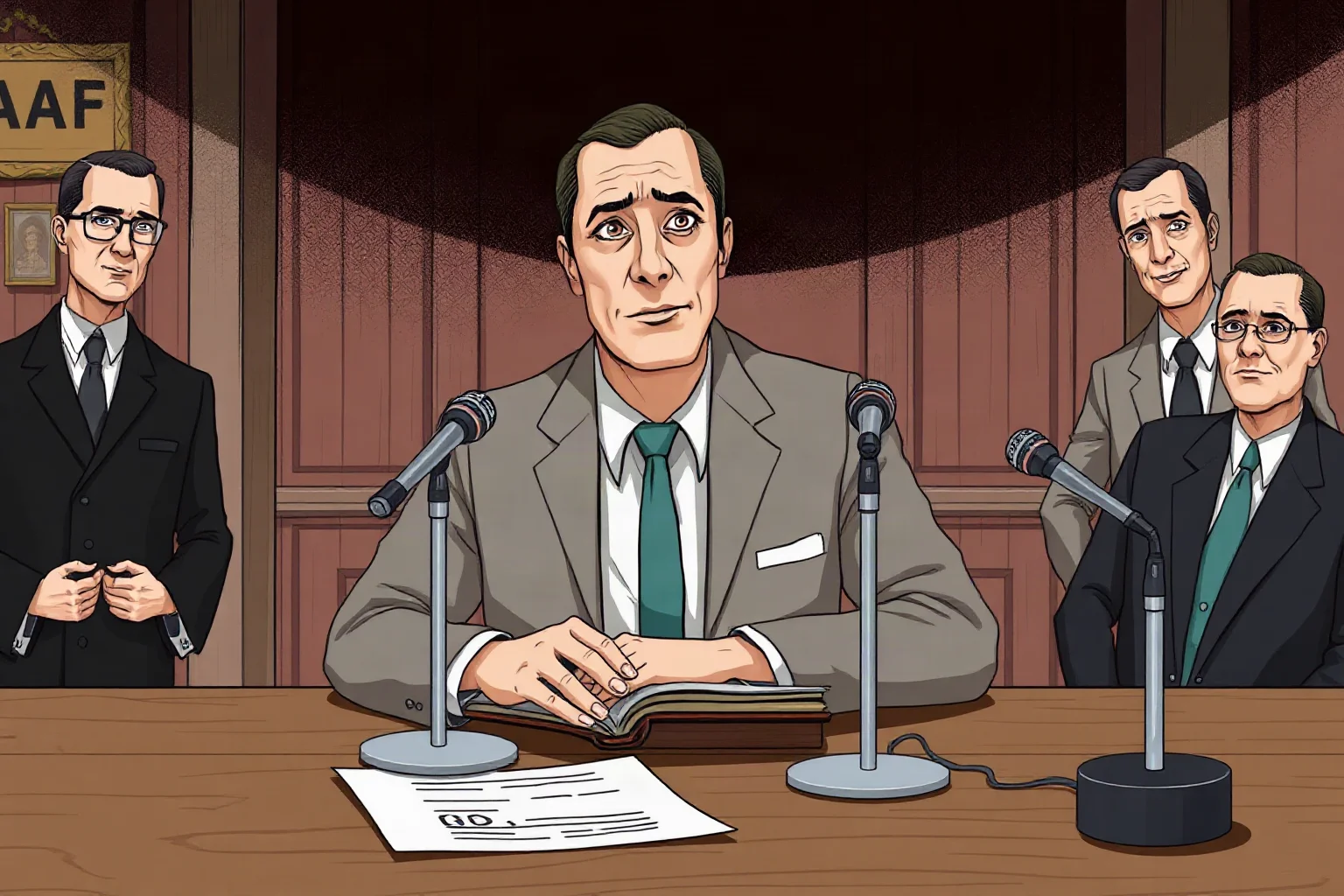
Known as “The Prime Minister of the Underworld,” Frank Costello was famous for his political connections and his preference for bribery and influence over open violence. He led the Luciano family for years after Luciano’s deportation, running gambling operations with a businessman’s caution.
Costello’s 1951 testimony before a televised Senate hearing, during which cameras famously filmed only his hands, made him one of the most recognizable mob boss names of his era.
23. Pablo Escobar
While most of this list focuses on American organized crime, Pablo Escobar’s Medellín Cartel represented one of the most powerful and violent criminal organizations in modern history on a global scale. At his peak in the 1980s, Escobar controlled a massive share of the cocaine entering the United States and was, by some estimates, one of the wealthiest criminals in the world, rivaling the fortunes of some of the richest and most powerful families in history.
His war against the Colombian government and rival cartels killed thousands of people, and he was killed in a shootout with Colombian security forces in 1993.
Famous Gangs and Crime Families You Should Know
Behind most of these individual names stood larger organizations, and understanding them helps explain how 20th-century organized crime actually functioned. New York’s “Five Families” — the Gambino, Genovese, Lucchese, Bonanno, and Colombo families — formed the backbone of the American mafia’s East Coast power structure for decades, governed loosely by the Commission that Luciano helped create.
Chicago had its own dominant organization, the Chicago Outfit, built by Al Capone’s mentor Johnny Torrio and later run by Capone himself, then by successors like Sam Giancana. Beyond Italian-American organized crime, other groups left their own mark on American history, including Jewish-American syndicates led by figures like Lansky and Dutch Schultz, and Harlem’s numbers-running operations led by Bumpy Johnson and Stephanie St. Clair.
It’s worth noting that when people search for the biggest gangs in the U.S. or the world today, they’re often asking about something different from the mid-century mafia: modern street gangs like the Bloods, Crips, and MS-13, or international crime syndicates like the Sicilian Mafia, Japan’s Yakuza, and various Latin American cartels. These groups operate with different structures and in different eras than the Prohibition-era mobs, but they’re part of the same broader story of organized crime adapting to new opportunities.
Gangster Names, Nicknames, and Slang
Part of what makes this era of history so endlessly fascinating is the language itself. Real mobster names often came paired with vivid nicknames tied to appearance, habits, or reputation — Scarface, Legs, Bumpy, Machine Gun, The Brain, The Teflon Don. These weren’t just colorful branding; nicknames often served practical purposes, helping members avoid using legal names during conversations that police might be listening to.
Some of the most recognizable mafia and mobster last names in American history — Capone, Luciano, Genovese, Gambino, Bonanno, Colombo, Costello, Gotti — became so associated with organized crime that they still shape how fiction writers name gangster characters today. Popular culture has run with this legacy, giving us fictional gangster names like Tony Montana, Michael Corleone, and Tony Soprano, all clearly inspired by real historical figures on this list.
Myth vs. Reality: Busting Common Gangster Legends
The stereotypical image of the gangster — fedora, tommy gun, growled one-liners — comes largely from 1930s Hollywood films that dramatized real events for entertainment. Real mob bosses like Carlo Gambino deliberately avoided that look, dressing plainly and avoiding attention specifically because flash attracted police scrutiny.
Many “facts” about famous gangsters are also exaggerated or unverified, often because the men themselves encouraged rumors to build their reputations. Claims about exact fortunes, secret political connections, or precise body counts should generally be treated as historically disputed rather than settled fact, even when they show up repeatedly in books and documentaries.
It’s also a myth that organized crime disappeared after the Gotti era. Federal RICO prosecutions weakened the traditional Five Families considerably starting in the 1980s and 90s, but modern organized crime — from drug cartels to international trafficking networks — continues to operate today, just under different structures and in different regions.
The Legacy of 20th-Century Gangsters
What makes these stories endure isn’t just the violence, but the way these figures exploited gaps between law, economics, and public appetite, whether for alcohol during Prohibition or narcotics decades later. Their empires were built on genuine business instincts as much as brutality, which is part of why names like Capone and Luciano remain among the most recognized historical figures still studied today.
At the same time, it’s worth remembering the real human cost behind the legend. Behind every nickname and headline was a trail of violence, corruption, and destroyed communities, particularly in neighborhoods like Harlem and the South Side of Chicago, where organized crime’s presence shaped decades of local history. Understanding these gangsters honestly means holding both truths at once: the fascinating business history and the genuine harm they caused.
Frequently Asked Questions
Who were the most famous mobsters and gangsters in the 1920’s?
The 1920s were dominated by Prohibition-era bootleggers and early mob organizers, including Al Capone in Chicago, Arnold Rothstein and Dutch Schultz in New York, and Charles "Lucky" Luciano, who was beginning to build the organizational structure that later became the American Mafia's Commission.
What’s the difference between a gangster and a mobster?
Gangster is a broad term for anyone involved in organized criminal activity, while mobster specifically refers to a member of an organized crime syndicate, most often the Italian-American Mafia. All mobsters are gangsters, but not all gangsters belong to a formal mob organization.
Who is considered the most feared gangster in the world?
There's no single agreed-upon answer, since fear depended heavily on era and region, but figures like Al Capone, John Gotti, and Pablo Escobar are frequently cited due to the scale of violence and territory their organizations controlled.
Were there any famous female gangsters?
Yes. Stephanie St. Clair ran a major numbers operation in Harlem during the 1920s and 30s, and Virginia Hill was a well-known courier and confidante to several major mob figures. Female involvement in organized crime was less publicized than men's but was very real.
What is the biggest gang in the United States today?
Estimates vary by source and methodology, but street gangs like the Bloods, Crips, and MS-13, along with prison-based organizations, are commonly cited among the largest and most widespread criminal gangs operating in the U.S. today, distinct from the mid-20th-century Mafia families.
Are any famous mobsters still alive today?
Most of the major Prohibition-era and mid-century mob figures have died, but some individuals connected to organized crime from the 1970s through 1990s remain alive, often having served lengthy prison sentences or entered witness protection after cooperating with authorities.
Why did the American Mafia decline after the 1980s?
Aggressive use of the federal RICO Act allowed prosecutors to target entire crime families rather than individual crimes, combined with high-profile informants like Sammy "The Bull" Gravano, which weakened the Five Families' power significantly through the 1980s and 1990s.

Alex Warren
Related Articles