
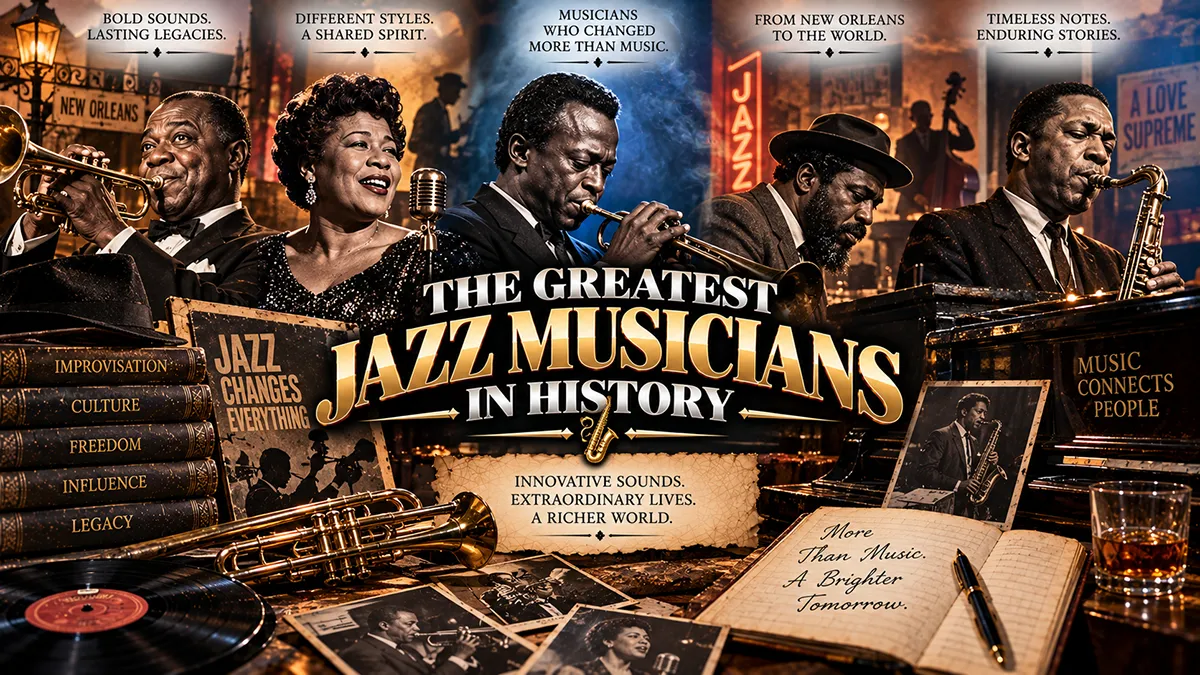
Jazz has never belonged to just one person, one city, or one decade. It grew out of Black American musical traditions in the late 19th and early 20th centuries, absorbing blues, ragtime, gospel, and brass-band marches, then spent the next hundred years mutating into swing, bebop, cool jazz, free jazz, and fusion. Along the way, a remarkable cast of musicians pushed the music forward, each one bending it into something no one had heard before.
Sorting out the “greatest” jazz musicians of all time is part history lesson and part bar-room argument, since jazz fans have been debating rankings since the music was invented. What follows is a carefully researched tour through the artists whose influence is genuinely undeniable, backed by recordings, documented innovations, and the respect of their peers rather than internet folklore.
TL;DR: No single person invented jazz, but the 25 musicians below, from Louis Armstrong and Duke Ellington to Ella Fitzgerald and John Coltrane, are the ones whose innovations still define what jazz sounds like today.
What Actually Makes a Jazz Musician “Great”?
Before diving into the list, it’s worth busting a common myth: jazz was not invented by a single genius in a single moment. It emerged gradually in cities like New Orleans, Chicago, and New York, shaped by countless musicians whose names never made it into the history books.
Greatness in jazz usually comes down to a combination of things. Did the musician change how their instrument was played? Did they influence the generations who came after them? Did their recordings hold up, decades later, as essential listening rather than historical curiosities?
The artists on this list all pass that test in different ways. Some were virtuoso instrumentalists, some were visionary composers, and some were singers who redefined what a jazz vocalist could do. Together, they represent the backbone of any serious answer to “who are the greatest jazz artists of all time.”
The Greatest Jazz Musicians in History
This list moves roughly chronologically, tracing jazz from its 1920s roots through swing, bebop, and beyond. It includes famous jazz singers as well as instrumentalists, because a list of jazz legends that ignores vocalists is missing half the story.
1. Louis Armstrong
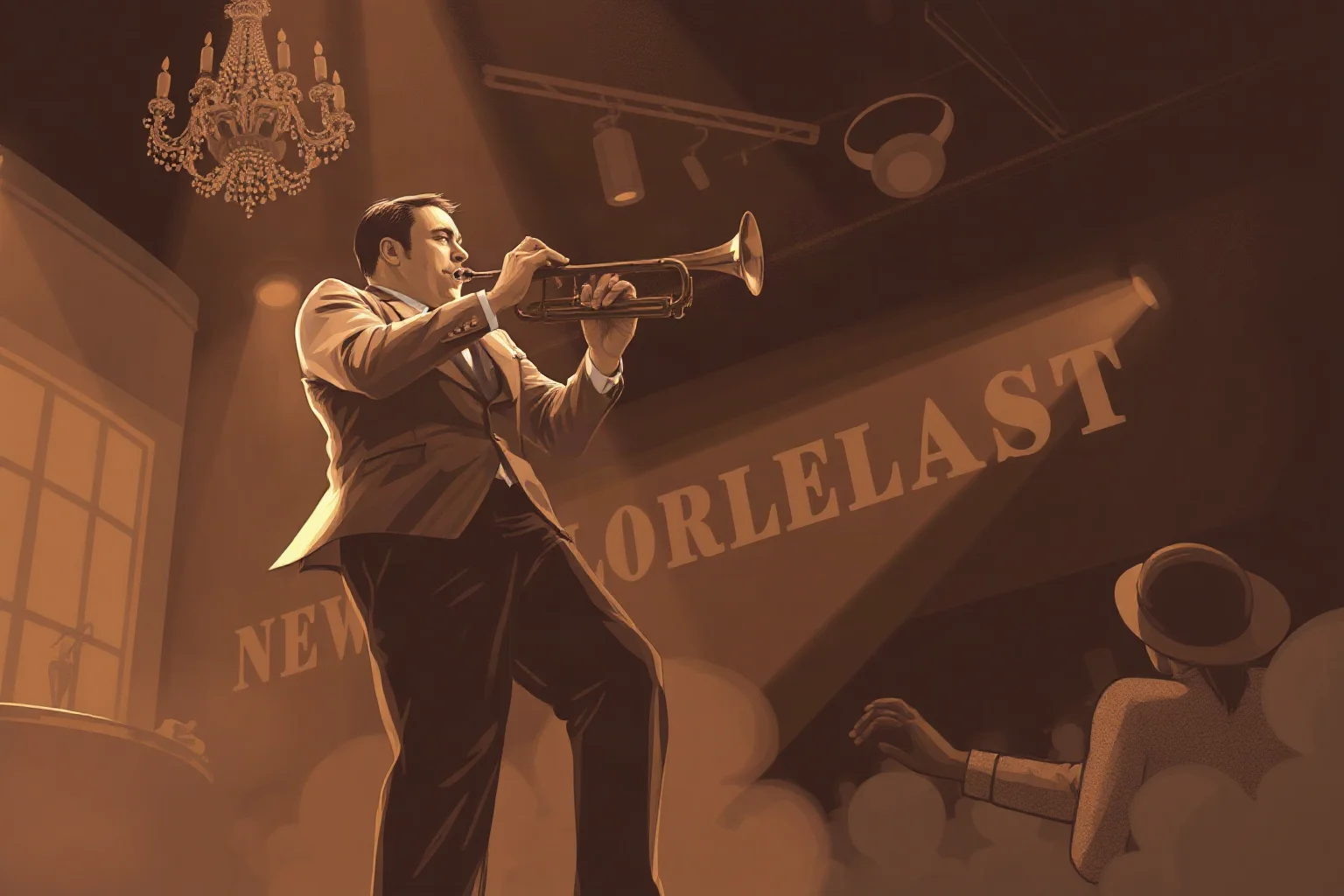
Louis Armstrong is often called the most famous jazz musician in history, and for good reason, standing alongside some of history’s most recognized figures regardless of field. His trumpet playing in the 1920s, especially with his Hot Five and Hot Seven bands, helped shift jazz from ensemble-based New Orleans style toward featuring the improvising soloist.
Armstrong’s gravelly singing voice was just as influential as his horn, popularizing scat singing and a relaxed, swinging phrasing that vocalists still borrow from today. He remained a beloved public figure well into the 1960s, proving jazz could be both serious art and popular entertainment.
2. Duke Ellington
Duke Ellington led one of the great big bands for nearly 50 years and composed an enormous catalog, including “Take the A Train” and “Mood Indigo.” He treated his orchestra as an instrument in itself, writing parts tailored to the specific musicians in his band.
Ellington resisted being boxed into any single style, moving fluidly between swing, blues, and orchestral concert works. Many historians consider him the most significant composer jazz has produced, not just a bandleader.
3. Jelly Roll Morton
Jelly Roll Morton was one of the first jazz musicians to formally notate his compositions, bridging the gap between ragtime and early jazz in New Orleans. He sometimes overstated his own role, even claiming to have “invented” jazz, which most historians treat as self-promotion rather than fact.
What’s verifiable is his lasting influence: his 1920s recordings with the Red Hot Peppers are considered essential documents of early jazz arranging. He helped prove that jazz could be composed with the same care as any classical piece.
4. Bessie Smith
Bessie Smith was billed as the “Empress of the Blues,” and while she’s usually filed under blues rather than jazz, her recordings sit right at the intersection of both genres. She frequently performed with jazz musicians, including a young Louis Armstrong, blending blues phrasing with jazz accompaniment.
Her powerful, emotionally direct singing style influenced nearly every jazz and blues vocalist who followed her. Smith’s commercial success in the 1920s also helped prove there was a huge audience for Black musical artistry on record.
5. Bix Beiderbecke
Bix Beiderbecke was one of the most celebrated white jazz musicians of the 1920s, known for a lyrical, softer cornet tone that contrasted with the hot, aggressive style common at the time. He died young, at 28, but his influence on later “cool” style trumpeters was significant.
Beiderbecke is a useful reminder that famous jazz musicians of the 1920s came from mixed backgrounds, even though the genre’s roots and greatest innovations remained overwhelmingly rooted in Black musical culture. His story is often romanticized, so it’s worth separating the real recordings from the myth of the doomed jazz-age prodigy.
6. Count Basie
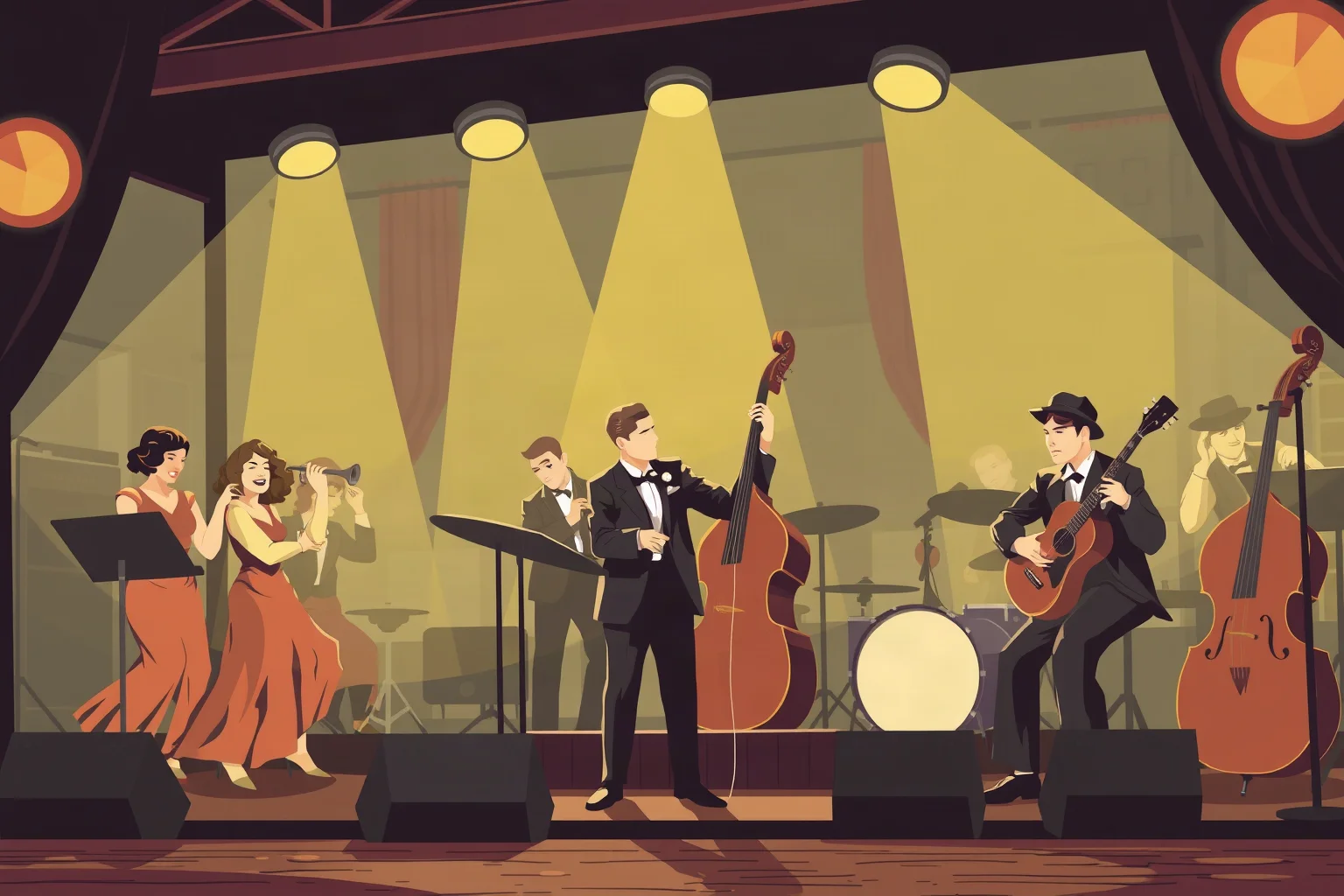
Count Basie’s band, formed in Kansas City, became one of the defining swing-era orchestras thanks to its relaxed, riff-based style and an incredible rhythm section. Basie himself played piano with remarkable economy, often letting silence do as much work as notes.
His band served as a finishing school for major soloists and helped define what “swing” actually feels like on a bandstand. Basie’s influence stretched into later decades, as his band’s approach shaped big-band writing for years afterward.
7. Benny Goodman
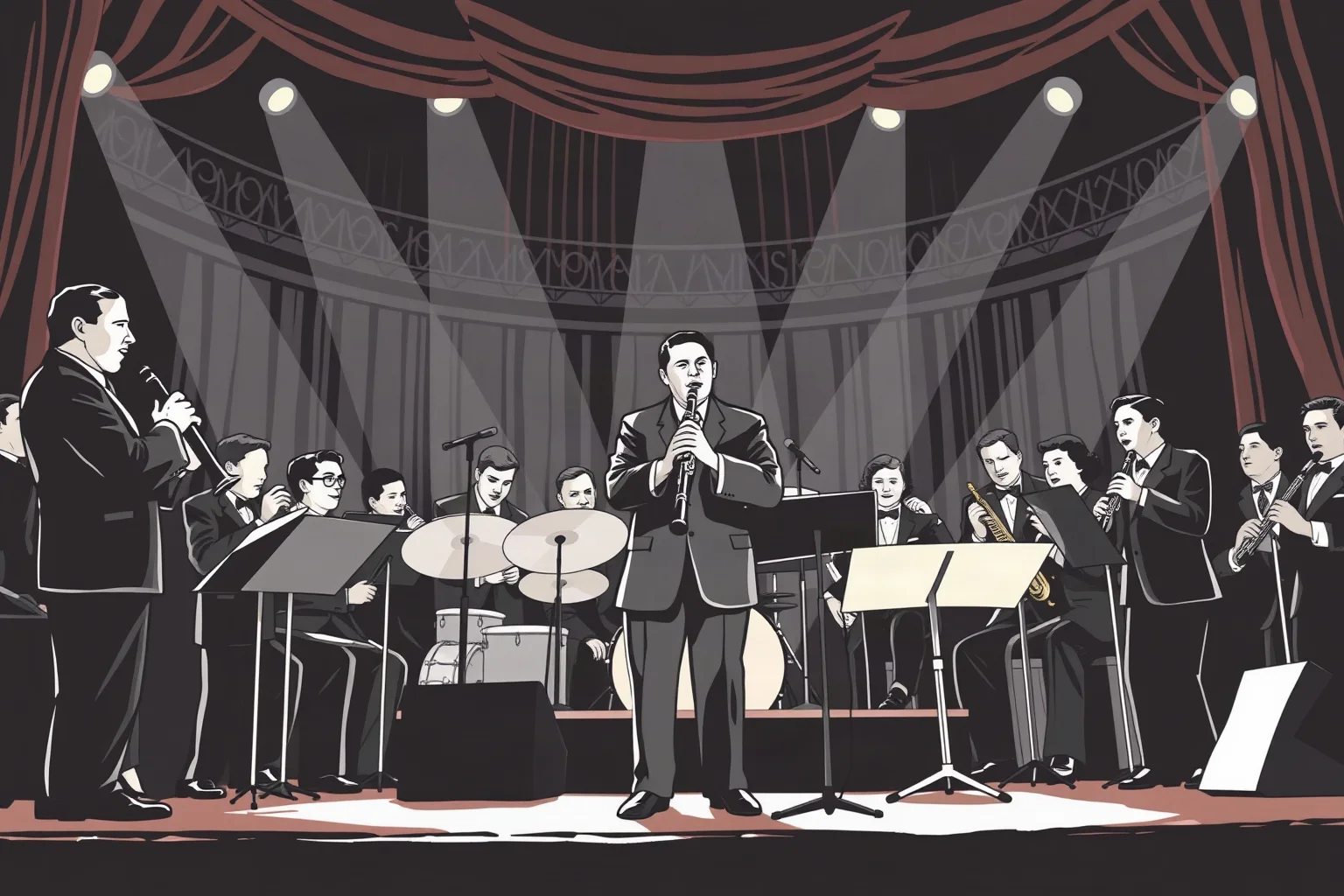
Benny Goodman was crowned the “King of Swing” in the 1930s, and his hugely popular band helped bring jazz into mainstream American culture. It’s a myth, though, that Goodman invented swing music single-handedly. He popularized a style that Black bandleaders like Fletcher Henderson had already been developing.
Goodman deserves real credit for his clarinet virtuosity and for leading one of the first racially integrated jazz groups to perform publicly, a genuinely significant step during the segregation era. His commercial success also opened doors, even if the credit for swing’s creation belongs to a wider community of musicians.
8. Billie Holiday
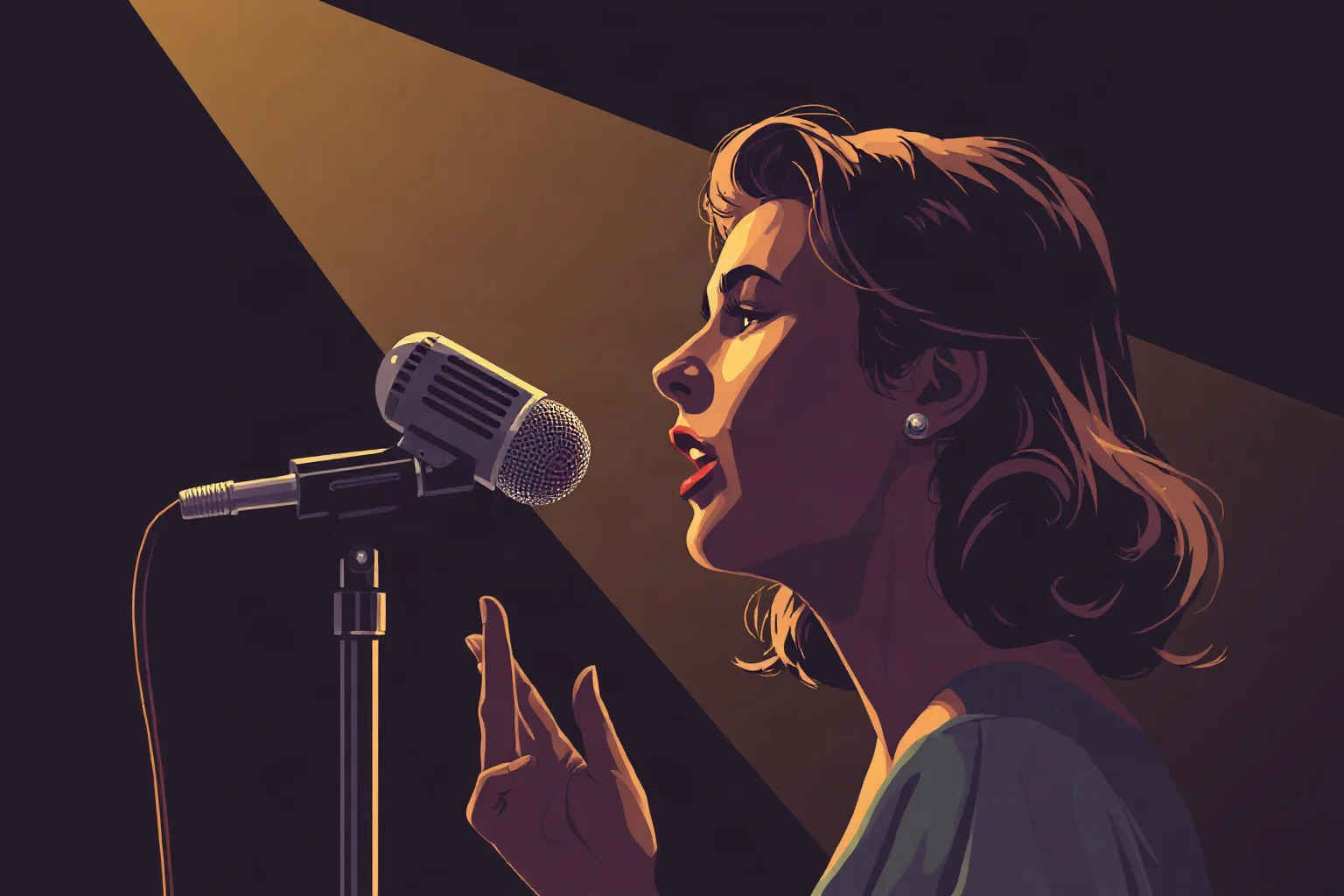
Billie Holiday remains one of the most famous jazz singers of all time, known for her intensely personal phrasing and her ability to bend a melody around the emotional weight of a lyric. Her recording of “Strange Fruit,” a stark protest song about lynching, is one of the most powerful political statements in American music history.
Holliday’s life was marked by hardship, including addiction and personal struggle, and some popular accounts have exaggerated or sensationalized details of her story over the years. What’s not in dispute is her recorded legacy, which continues to influence jazz and pop vocalists alike.
9. Ella Fitzgerald
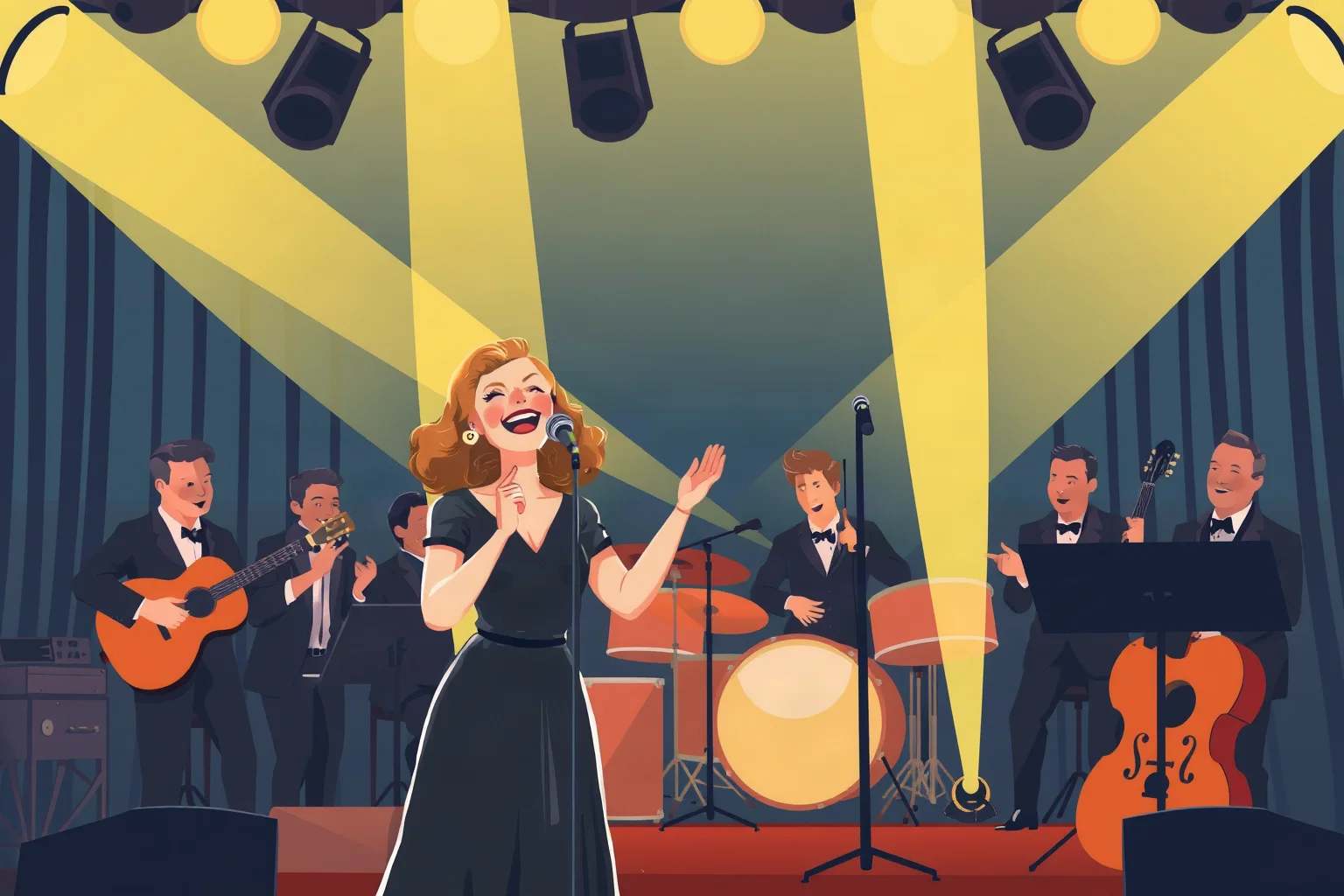
Ella Fitzgerald is frequently named the greatest female jazz singer in history, celebrated for her pure tone, flawless pitch, and dazzling scat improvisation. Her “Songbook” album series, recording the work of composers like Gershwin and Cole Porter, became a definitive interpretation of the Great American Songbook.
Fitzgerald broke through significant racial and gender barriers in the entertainment industry during the 1930s and 1940s. Her combination of technical precision and joyful musicality makes her a constant answer to “who is the most famous jazz musician” whenever the question includes vocalists.
10. Charlie Parker
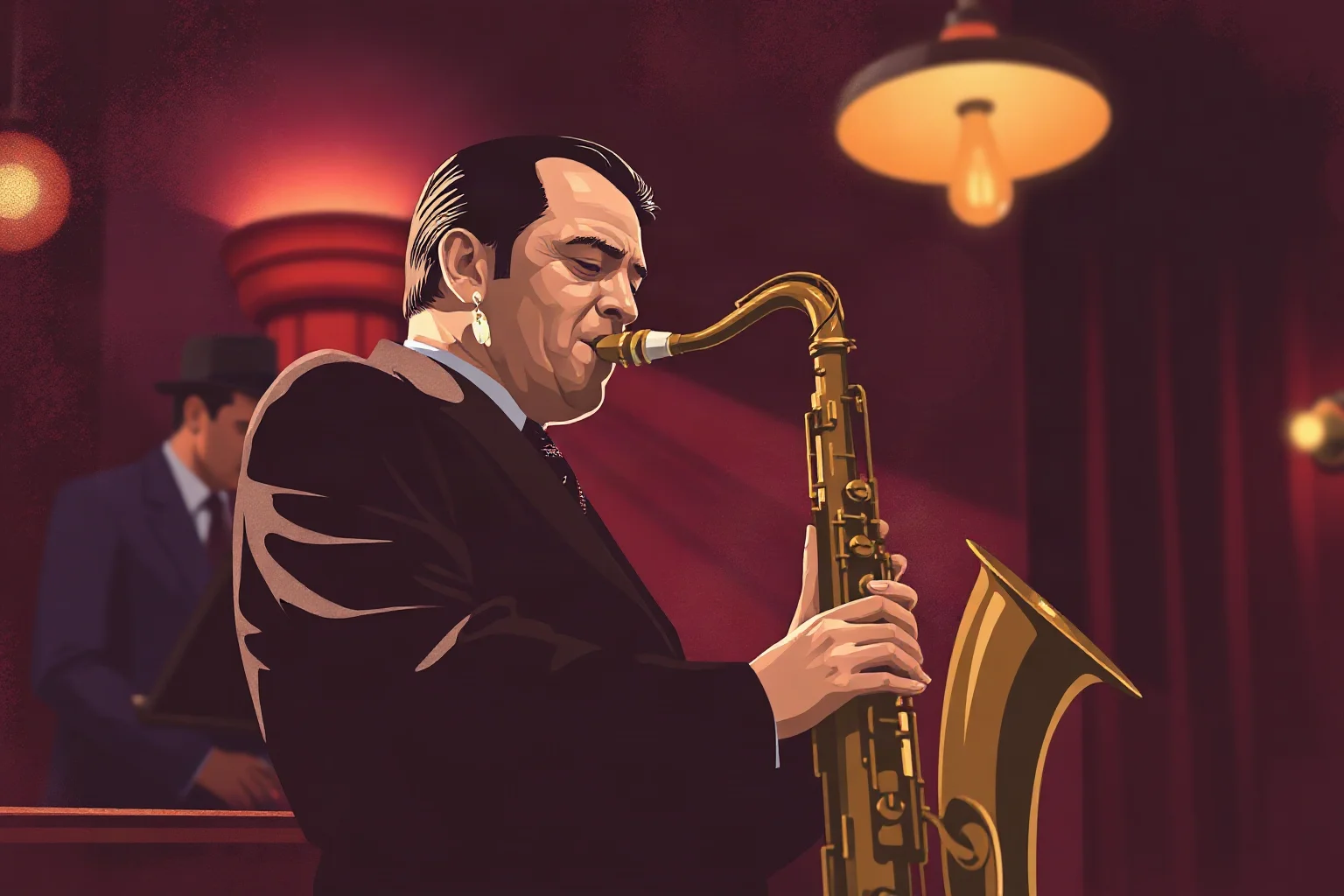
Charlie Parker, nicknamed “Bird,” was a central architect of bebop alongside Dizzy Gillespie, developing a lightning-fast, harmonically adventurous alto saxophone style in the 1940s. Bebop shifted jazz away from dance music and toward a more complex, listening-focused art form.
Parker’s personal struggles with addiction are well documented, but his musical innovations are the reason he’s remembered. His improvisational vocabulary became the foundation that later saxophonists, from John Coltrane to Sonny Rollins, built upon.
11. Dizzy Gillespie
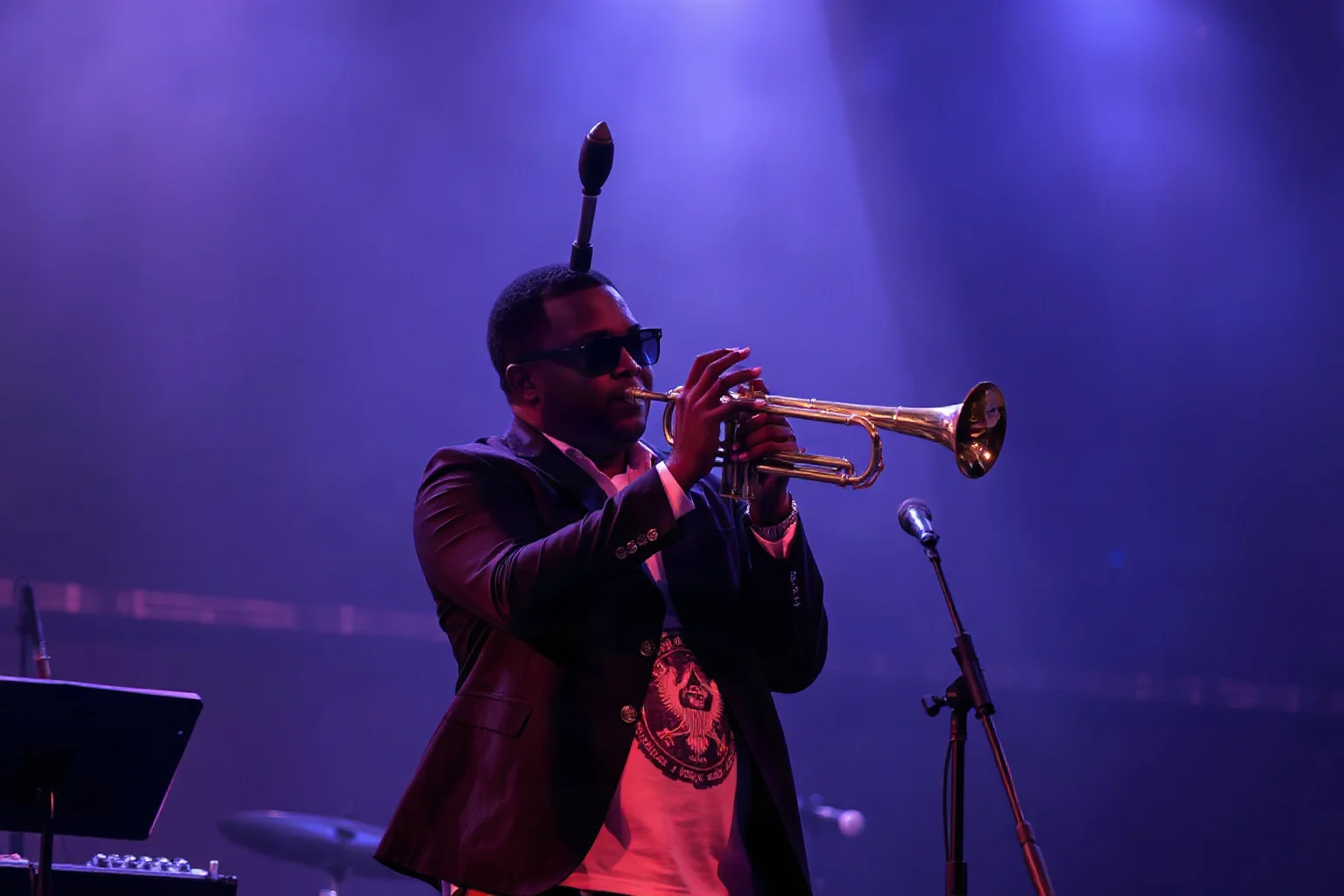
Dizzy Gillespie was Charlie Parker’s essential partner in creating bebop, bringing a virtuosic trumpet style and a deep interest in Afro-Cuban rhythms to jazz. His distinctive bent trumpet bell, famously the result of an accident at a party, became one of the most recognizable images in jazz.
Gillespie was also a natural showman and bandleader, helping bebop reach wider audiences without losing its complexity. He later became an important ambassador for jazz, touring internationally and fusing Latin rhythms into the American jazz tradition.
12. Thelonious Monk
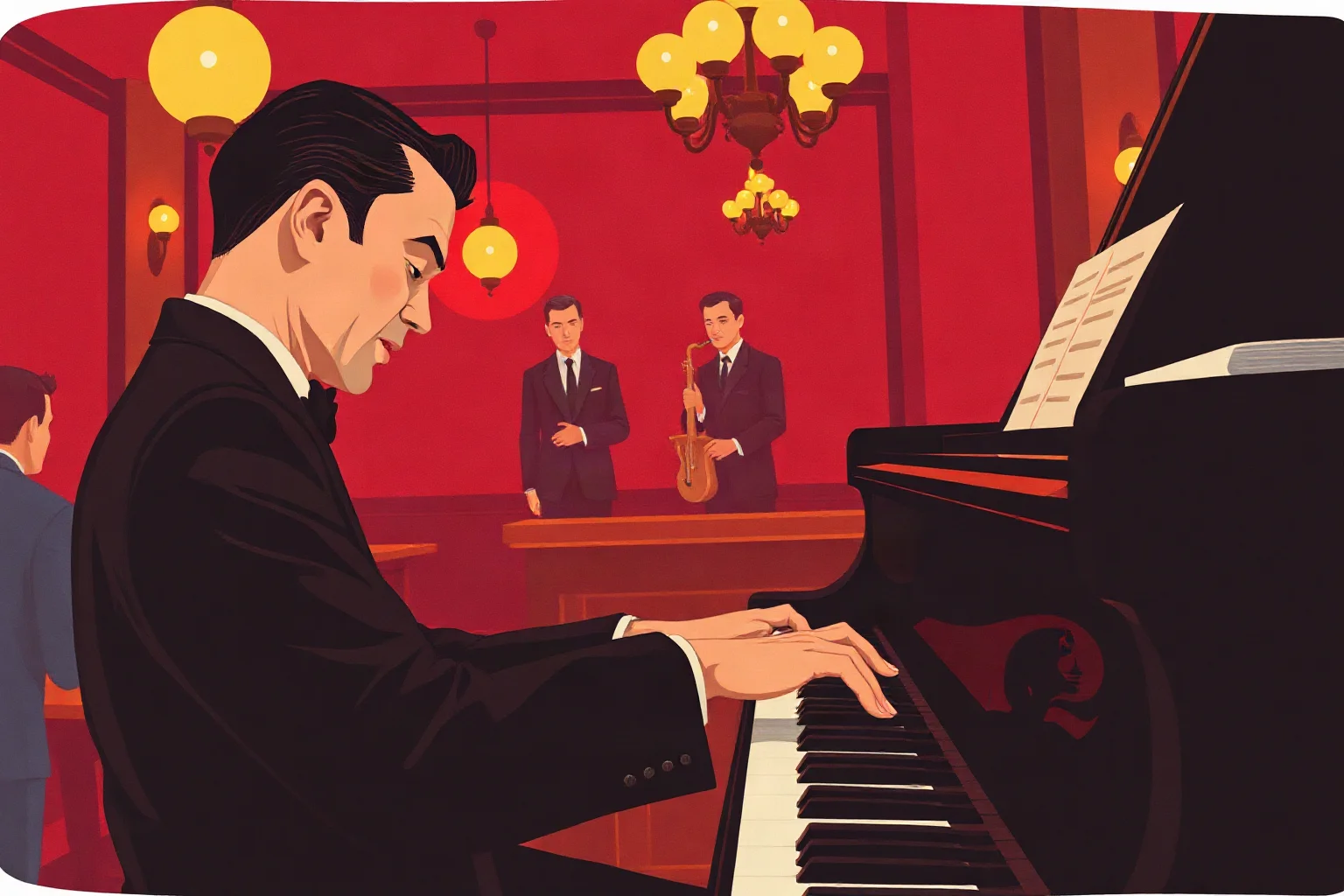
Thelonious Monk composed some of jazz’s most enduring standards, including “Round Midnight” and “Straight, No Chaser,” using angular melodies and unconventional harmony that initially confused some critics. His piano style, full of unexpected pauses and dissonant clusters, was often misunderstood as “wrong” playing rather than deliberate and original.
Monk’s compositions are now considered essential parts of the jazz repertoire, studied by musicians as carefully as classical pieces. His influence proves that jazz greatness doesn’t always require flashy technique, sometimes it just requires a completely original musical mind.
13. Sarah Vaughan
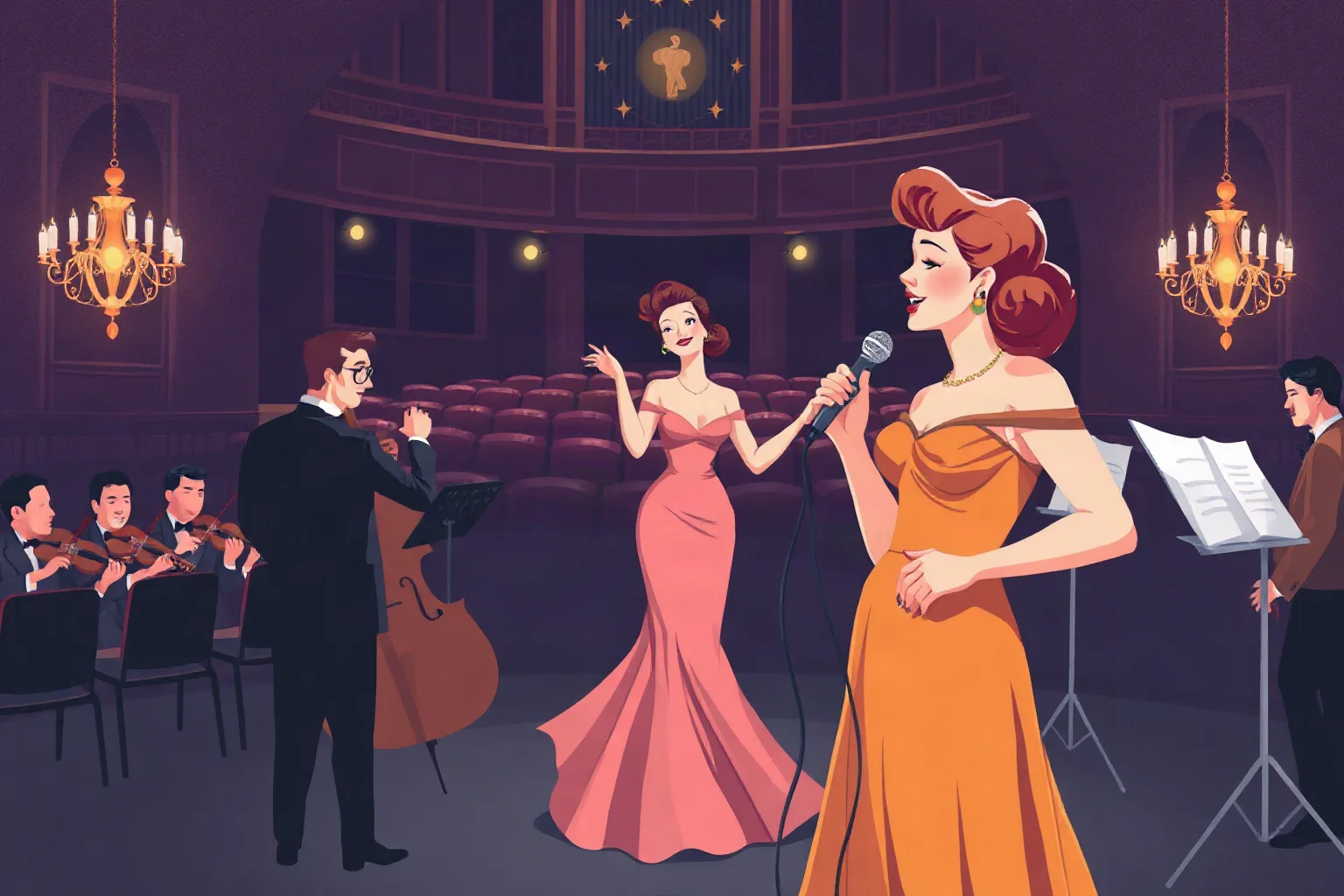
Sarah Vaughan, sometimes called “Sassy” or “The Divine One,” had a remarkable vocal range and operatic control that set her apart from other jazz singers of her era. She moved comfortably between bebop-influenced improvisation and lush, romantic ballad singing.
Vaughan’s technical ability was so advanced that some critics initially treated her as more of a classical-adjacent novelty than a jazz artist, a framing modern listeners have largely rejected. Today she’s recognized as one of the greatest jazz singers of all time, full stop.
14. Miles Davis
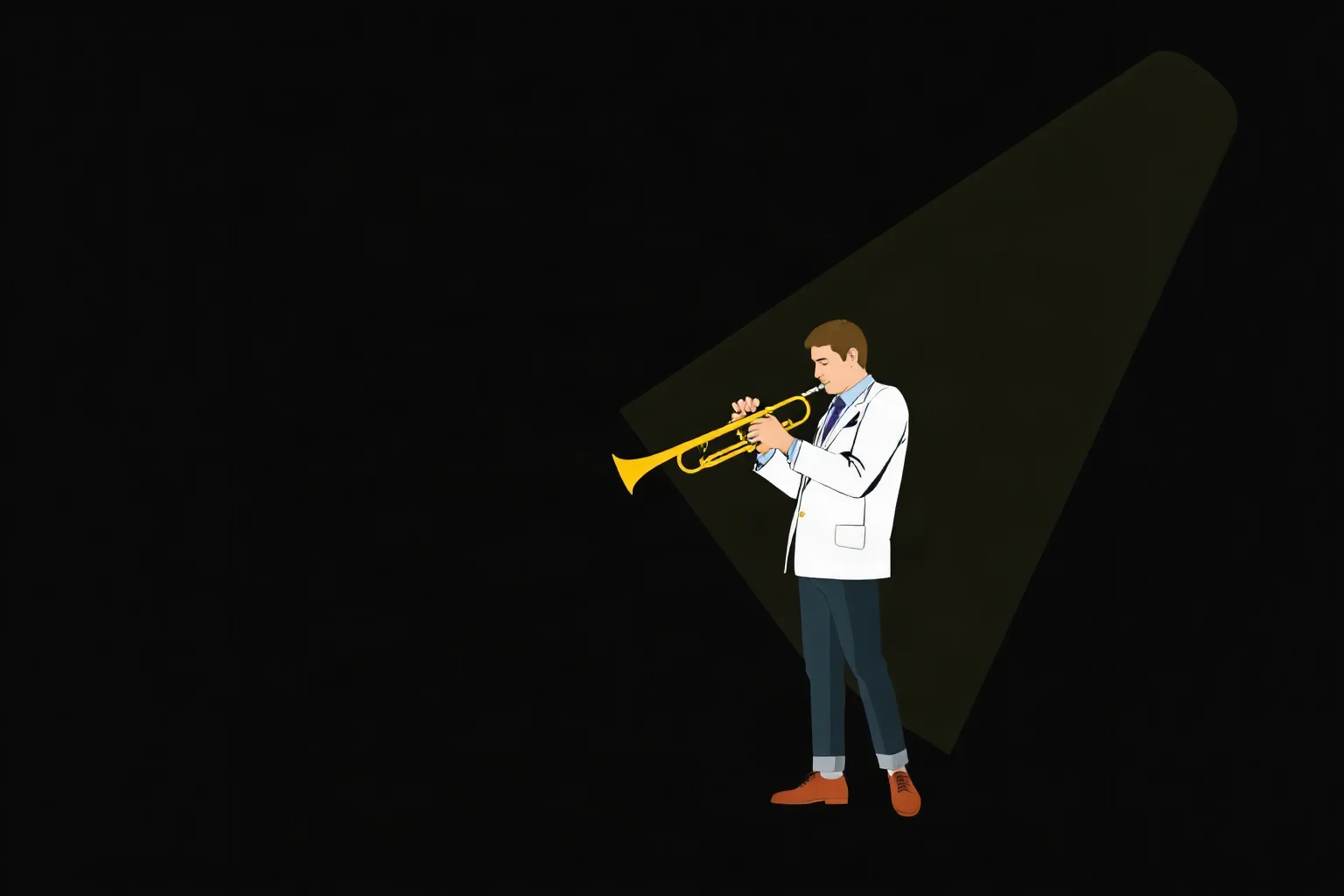
Miles Davis is arguably the single most influential jazz musician of the second half of the 20th century, reinventing his sound roughly every decade. He helped pioneer cool jazz with “Birth of the Cool,” modal jazz with “Kind of Blue,” and jazz-rock fusion with “Bitches Brew.”
“Kind of Blue,” released in 1959, remains the best-selling jazz album of all time and a common entry point for new listeners. Davis’s restless reinvention is a big part of why he’s still cited whenever people discuss the most influential jazz musicians in history.
15. John Coltrane
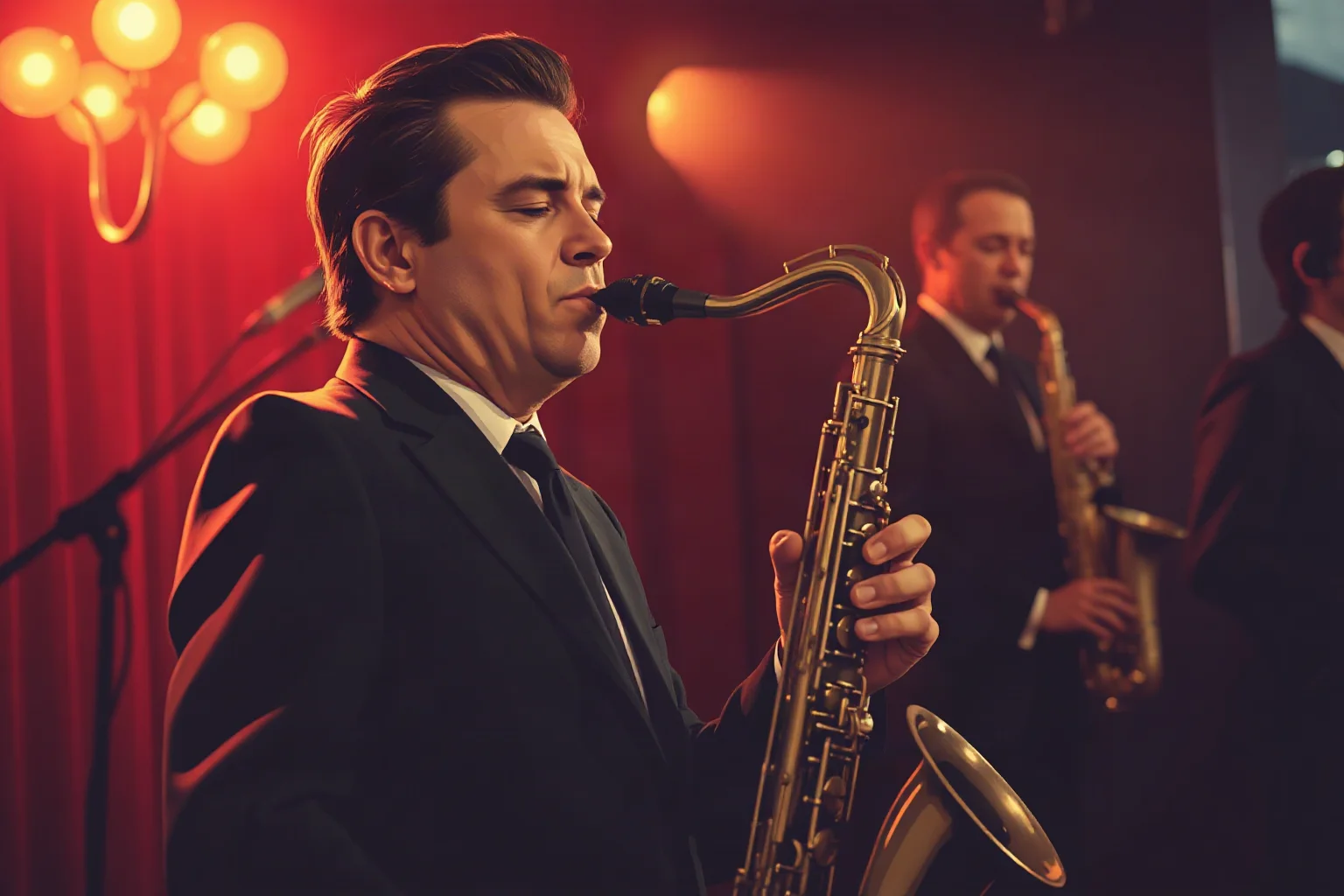
John Coltrane pushed saxophone playing into new spiritual and technical territory, developing his famous “sheets of sound” approach and later exploring free jazz and modal improvisation. His 1965 album “A Love Supreme” is widely regarded as one of the most personal and spiritually driven recordings in jazz history.
Cotrane’s relentless practice ethic became legendary among musicians, though some of the specific anecdotes about his practice hours have grown into exaggerated folklore over time. What’s certain is the depth of his recorded catalog, which continues to shape how saxophonists approach improvisation.
16. Charles Mingus
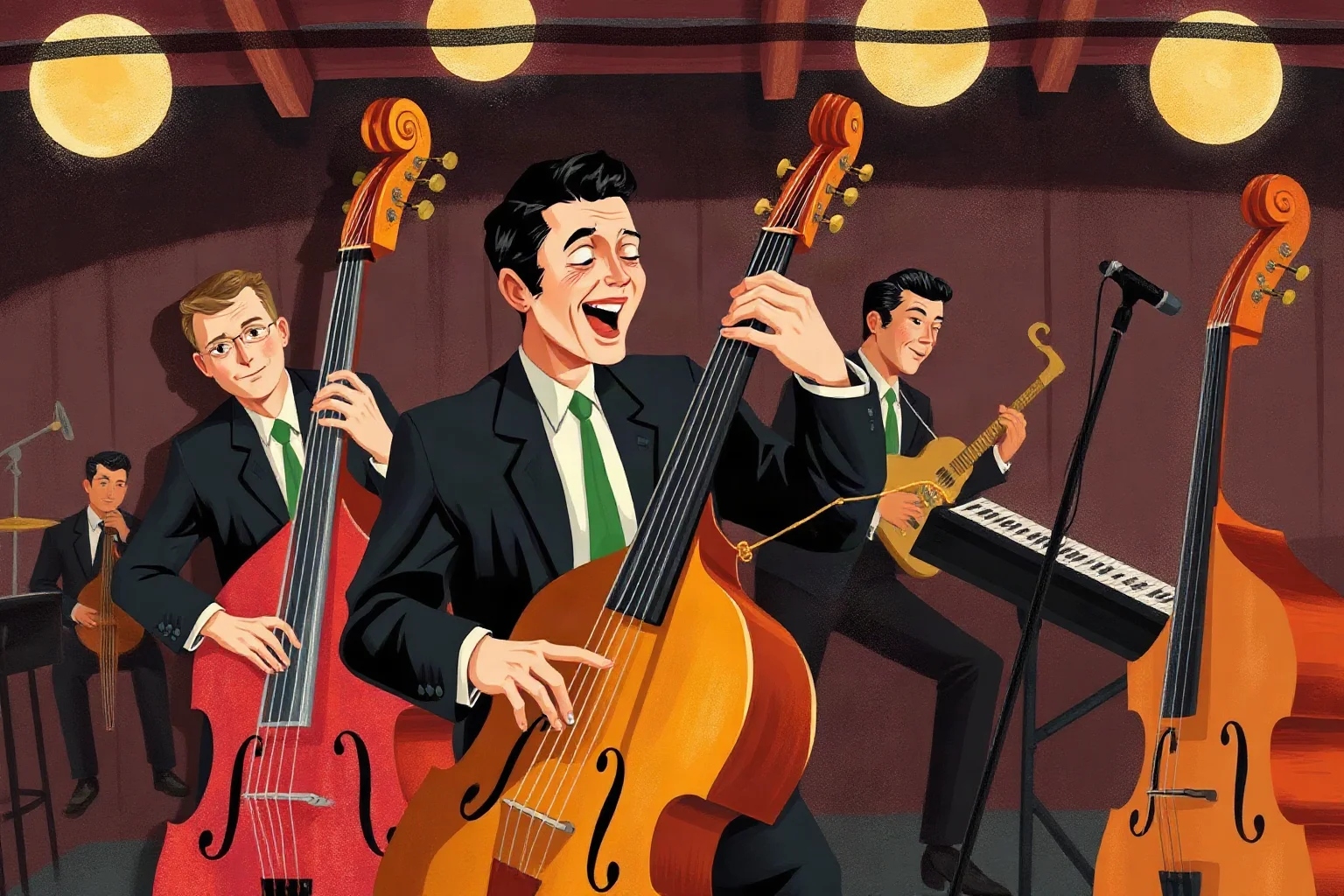
Charles Mingus was a virtuoso bassist, a fiery bandleader, and one of jazz’s most ambitious composers, blending blues, gospel, and orchestral complexity into pieces like “Goodbye Pork Pie Hat.” He was known for demanding intensity from his musicians, sometimes stopping performances mid-song to correct the band.
Mingus used his music explicitly to comment on racism and injustice, most notably in “Fables of Faubus,” a protest against a segregationist Arkansas governor. His combination of technical mastery and social conscience makes him one of the great jazz musicians whose work still feels urgent.
17. Art Blakey
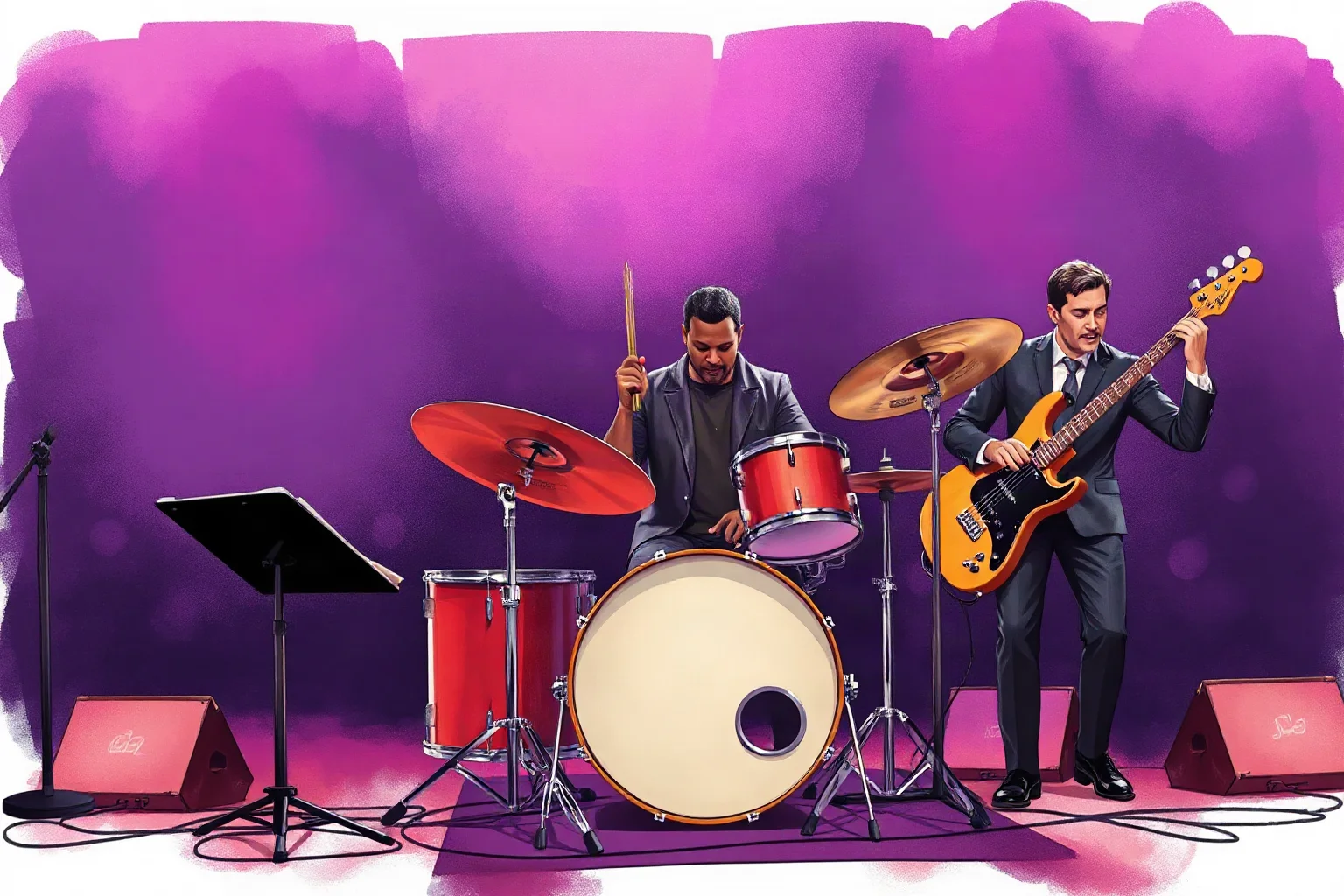
Art Blakey was a powerhouse drummer whose band, the Jazz Messengers, functioned for decades as a finishing school for young jazz talent. Musicians including Wayne Shorter, Freddie Hubbard, and Wynton Marsalis all passed through his lineup at some point.
Blakey’s driving, press-roll-heavy drumming style helped define hard bop, a grittier, blues-rooted reaction to the more cerebral sounds of cool jazz. His talent for mentoring younger musicians arguably shaped jazz’s next generation as much as his own playing did.
18. Bill Evans
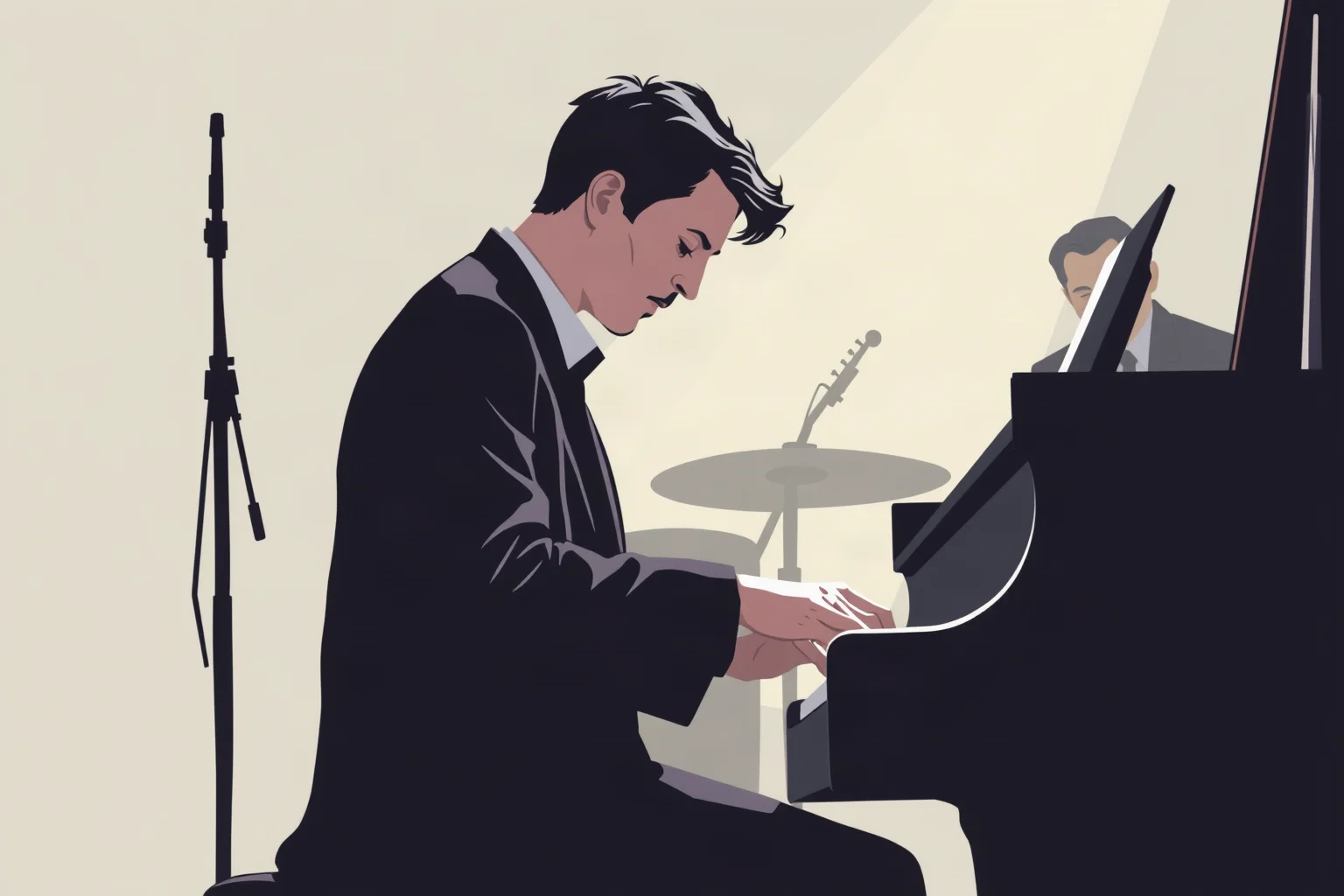
Bill Evans brought a harmonically rich, introspective touch to jazz piano, drawing on impressionist classical composers like Debussy and Ravel. His trio recordings with bassist Scott LaFaro and drummer Paul Motian reimagined the piano trio as a genuinely interactive conversation rather than a soloist backed by rhythm.
Evans played a key role on Miles Davis’s “Kind of Blue,” contributing to its modal approach, though the album’s writing credits and Evans’s exact contribution have been a subject of some historical debate. His gentle, lyrical style influenced countless pianists who followed, from Herbie Hancock to Keith Jarrett.
19. Django Reinhardt
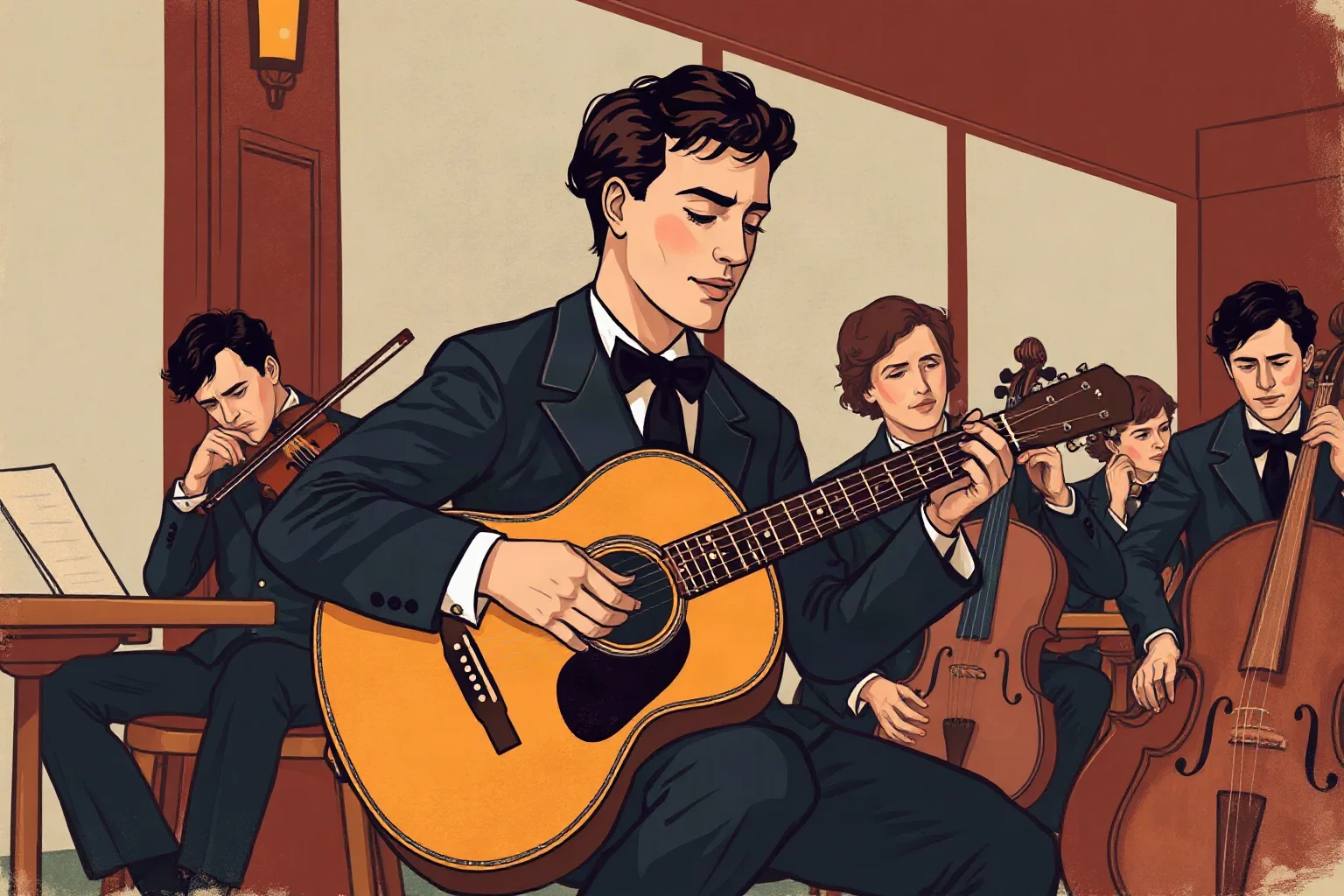
Django Reinhardt was a Belgian-born Romani guitarist who became one of the first major European jazz musicians, co-founding the Quintette du Hot Club de France in the 1930s. Remarkably, he developed his fluid, virtuosic style after two fingers on his left hand were badly injured in a fire, a story that’s well documented rather than exaggerated.
Reinhardt’s melding of American jazz with French musette and Romani folk traditions created “gypsy jazz,” a style still actively performed today. He remains one of the few non-American musicians consistently ranked among the greatest jazz artists of all time.
20. Chet Baker
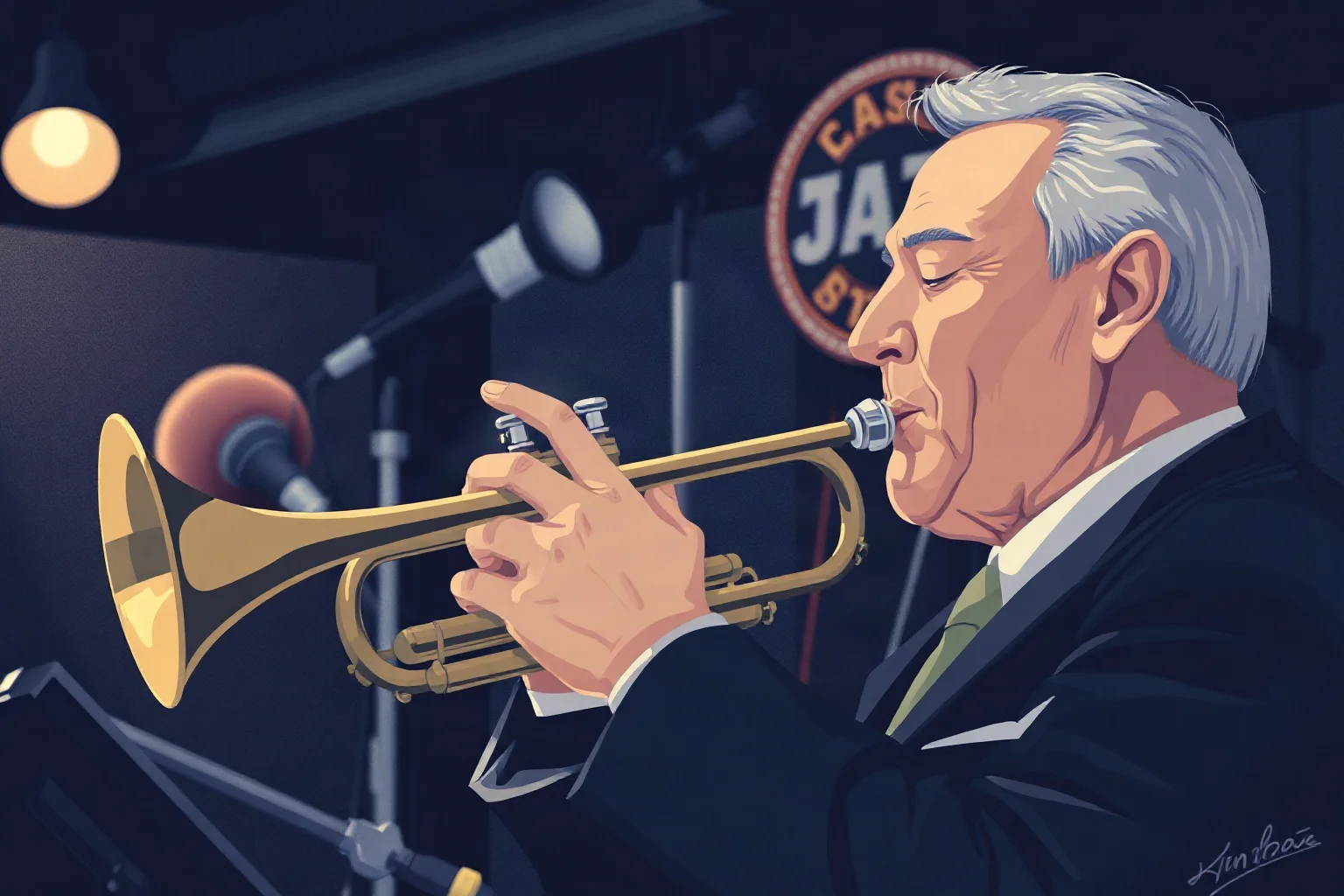
Chet Baker rose to fame in the 1950s for his warm, understated trumpet tone and his soft, breathy singing voice, becoming a defining figure of West Coast cool jazz. His boyish good looks made him a jazz-world celebrity, though his career was later disrupted by drug addiction.
Baker’s recordings, especially with the Gerry Mulligan Quartet, showed that jazz didn’t have to be loud or aggressive to be emotionally powerful. His life has been mythologized in film and biography, so it’s worth separating the well-documented musical achievements from some of the more sensationalized tabloid-style retellings of his personal struggles.
21. Nina Simone
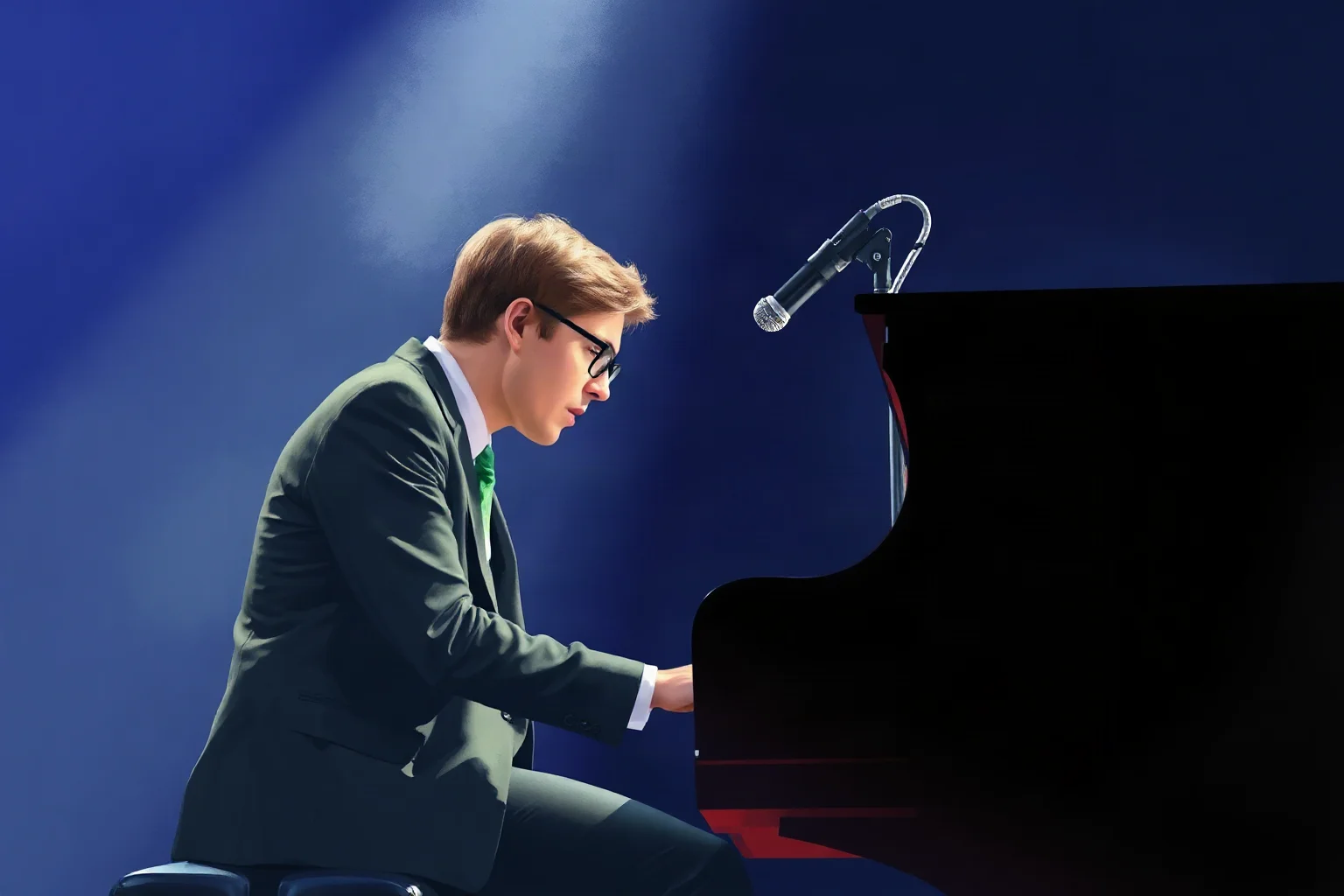
Nina Simone trained as a classical pianist before turning to jazz, blues, and folk, blending all three into a style entirely her own. Songs like “Sinnerman” and “Mississippi Goddam” fused musical sophistication with direct, unflinching commentary on civil rights and racial injustice, placing her among the Black women historical trailblazers whose art doubled as activism.
Simone resisted being labeled purely a jazz musician, and her catalog genuinely spans multiple genres, but her jazz-rooted piano technique and phrasing keep her firmly part of this conversation. She remains one of the most powerful and famous jazz artists to use music explicitly as protest.
22. Herbie Hancock
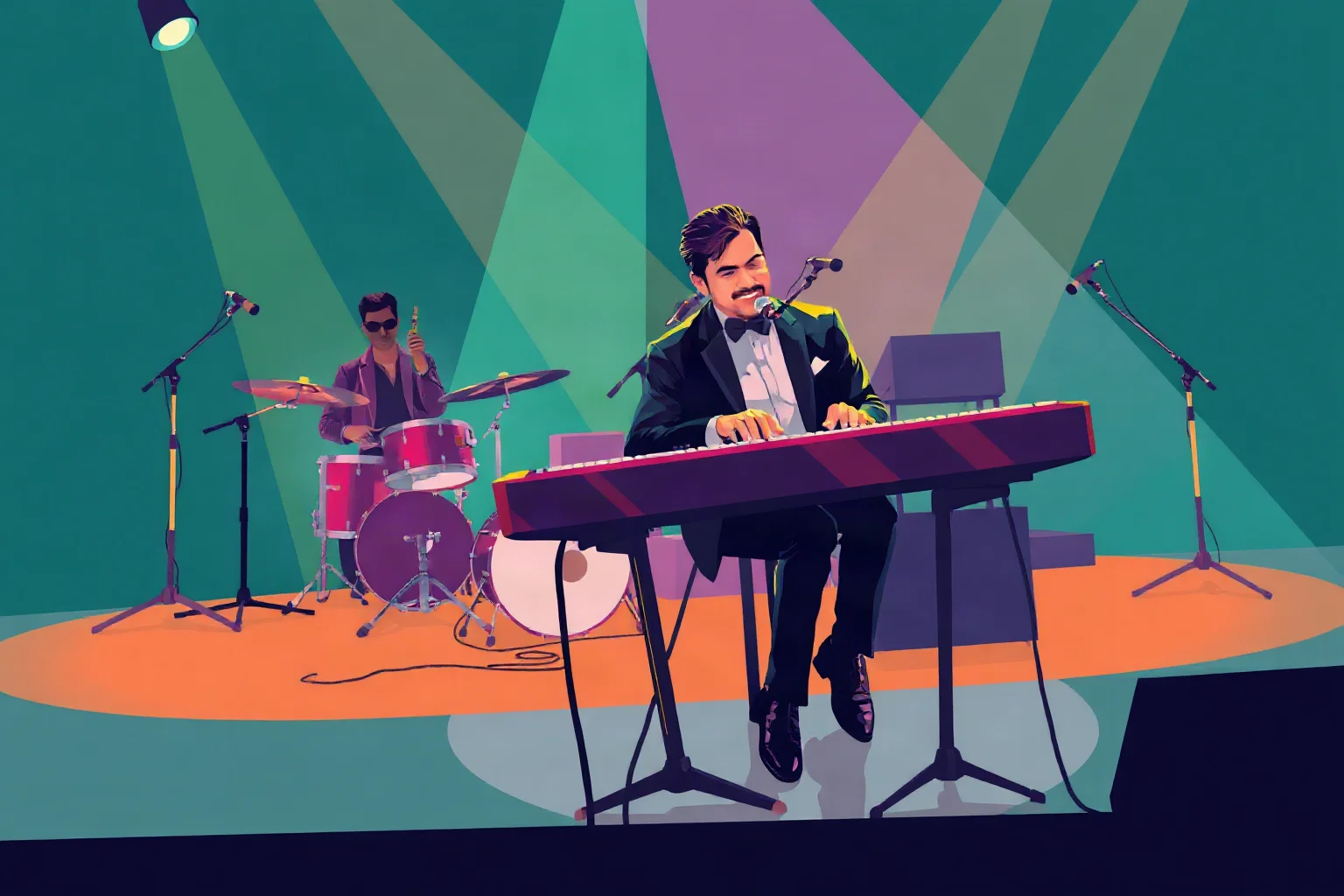
Herbie Hancock came up through Miles Davis’s influential 1960s quintet before launching a solo career that moved fluidly between acoustic jazz, funk, and electronic experimentation. His 1973 album “Head Hunters” helped popularize jazz-funk fusion and brought jazz sensibilities to a much younger, wider audience.
Hancock’s willingness to embrace new technology, including synthesizers and later digital production, shows that jazz greatness isn’t only about tradition. His long career demonstrates how jazz musicians could evolve alongside popular music rather than standing apart from it.
23. Wayne Shorter
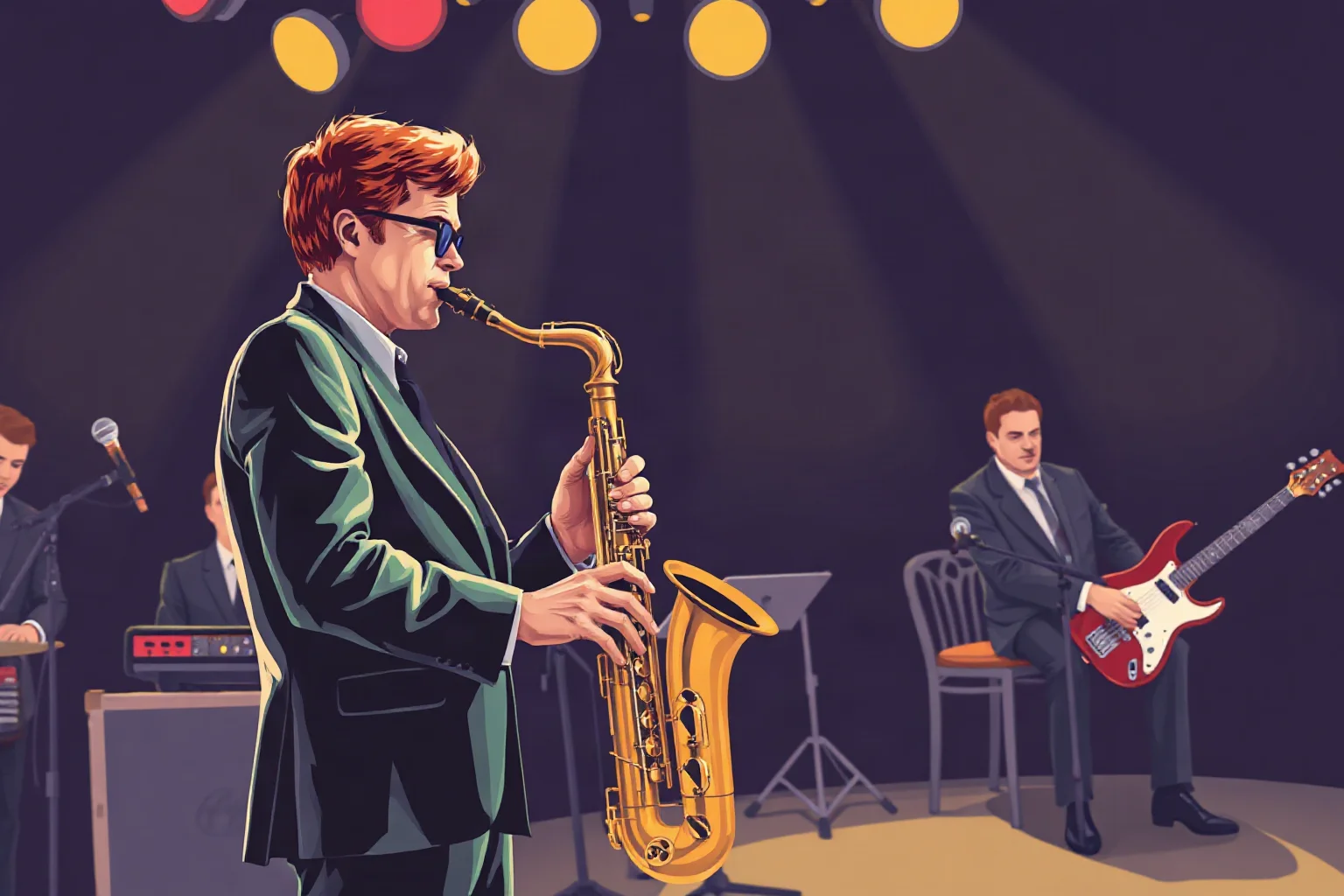
Wayne Shorter was a defining voice on tenor and soprano saxophone, first with Art Blakey’s Jazz Messengers, then with Miles Davis’s quintet, and later as co-founder of the fusion group Weather Report. His compositions, including “Footprints” and “Speak No Evil,” are considered among the most sophisticated writing in the jazz repertoire.
Shorter’s ability to move between hard bop, modal jazz, and fusion without losing his distinct voice earned him deep respect among fellow musicians. He’s often cited by other jazz artists as one of the most quietly influential composers of the postwar era.
24. Ornette Coleman
Ornette Coleman challenged jazz’s harmonic rulebook entirely with his 1959 album “The Shape of Jazz to Come,” helping launch the free jazz movement. His approach abandoned fixed chord changes in favor of collective improvisation guided by melody and feeling rather than strict harmony.
Coleman’s music was controversial when it first appeared, with some critics dismissing it as noise rather than genuine innovation, a reaction that’s since been widely reconsidered by jazz historians. His influence on avant-garde and experimental jazz that followed is hard to overstate.
25. Stan Getz
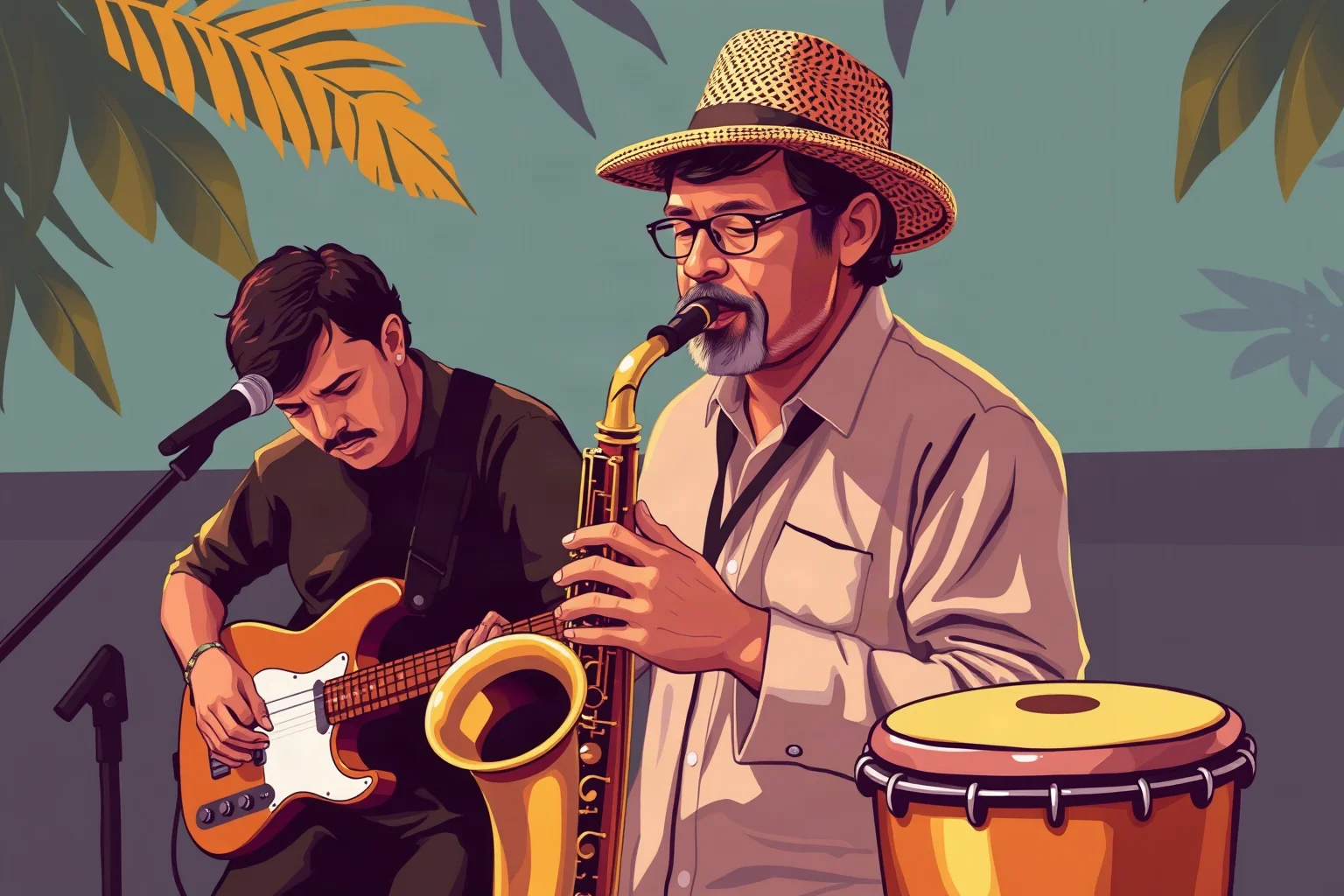
Stan Getz was known for his warm, lyrical tenor saxophone tone, first through cool jazz in the 1950s and later through his role in popularizing bossa nova in the United States. His 1964 album “Getz/Gilberto,” recorded with Brazilian musicians João Gilberto and Antônio Carlos Jobim, introduced millions of American listeners to Brazilian jazz.
Getz’s smooth, melodic approach made jazz saxophone accessible to listeners who might have found bebop’s speed intimidating. His crossover success shows how jazz musicians have repeatedly expanded the genre’s audience by absorbing outside musical traditions.
Why These Jazz Legends Still Matter Today
What connects Louis Armstrong’s 1920s recordings to Ornette Coleman’s 1960s experiments isn’t a single style, it’s a shared willingness to push an American art form somewhere new. Every musician on this list took real risks, often facing criticism or commercial resistance for doing so.
Jazz’s history is also inseparable from the broader story of Black American culture, migration, and civil rights, and it’s worth being cautious about narratives that flatten that history into simple, tidy myths. The genre absorbed contributions from European, Latin American, and Caribbean musical traditions too, which is part of why it kept evolving rather than freezing into one fixed sound.
Listening to these artists in rough chronological order is one of the best ways to actually hear jazz’s evolution rather than just read about it. From Armstrong’s joyful trumpet solos to Coltrane’s spiritual intensity to Hancock’s funk experiments, the through-line is curiosity, and a refusal to settle for what jazz was already assumed to be.
Frequently Asked Questions
Who is generally considered the most famous jazz musician of all time?
Louis Armstrong is most often named the most famous jazz musician in history, thanks to his groundbreaking 1920s trumpet recordings and his decades-long career as a beloved public entertainer. Duke Ellington and Miles Davis are frequently mentioned as close contenders, especially for their compositional and stylistic influence.
Who are considered the jazz music best artists across different eras?
There's no single agreed-upon ranking, but the artists most consistently named among the jazz music best artists include Louis Armstrong, Duke Ellington, Ella Fitzgerald, Charlie Parker, Miles Davis, and John Coltrane. Each represents a different era and style, from 1920s New Orleans jazz through bebop and modal jazz.
Who made jazz popular in the United States?
No single person made jazz popular; it spread through a combination of factors, including Louis Armstrong's star power, Duke Ellington's big-band success, radio broadcasts, and Benny Goodman's mainstream swing-era popularity in the 1930s. It's a myth that any one musician single-handedly created or popularized the genre, since jazz grew out of a wide community of musicians in New Orleans and other cities.
Who are three famous male and female jazz legends?
Three famous male jazz legends include Louis Armstrong, Duke Ellington, and Miles Davis. Three famous female jazz legends include Ella Fitzgerald, Billie Holiday, and Sarah Vaughan, all celebrated for their distinct vocal styles and lasting influence on jazz singing.
What were two great jazz musicians of the bebop period?
Charlie Parker and Dizzy Gillespie were the two central figures of the bebop movement in the 1940s. Together they developed the fast, harmonically complex style that shifted jazz away from dance music and toward a more improvisation-focused art form.
Can you name three other famous jazz musicians beyond the most obvious names?
Beyond the household names, Thelonious Monk, Charles Mingus, and Art Blakey are three widely respected jazz musicians. Each made distinct contributions, Monk through unconventional composition, Mingus through ambitious blues-rooted orchestration, and Blakey through mentoring generations of players in his Jazz Messengers.
Who were the most popular jazz artists of the 1920s?
Louis Armstrong, Jelly Roll Morton, Bessie Smith, and Bix Beiderbecke were among the most popular and influential jazz-era musicians of the 1920s. This period, often called the Jazz Age, saw the music move from New Orleans dance halls into recordings and radio broadcasts nationwide.
What is the difference between a jazz legend and a merely famous jazz artist?
The label 'jazz legend' is typically reserved for musicians whose innovations changed how the genre itself is played or understood, such as Charlie Parker's role in creating bebop. A famous jazz artist may have had commercial success or wide recognition without necessarily reshaping the music's direction in the same lasting way.

Alex Warren
Related Articles