
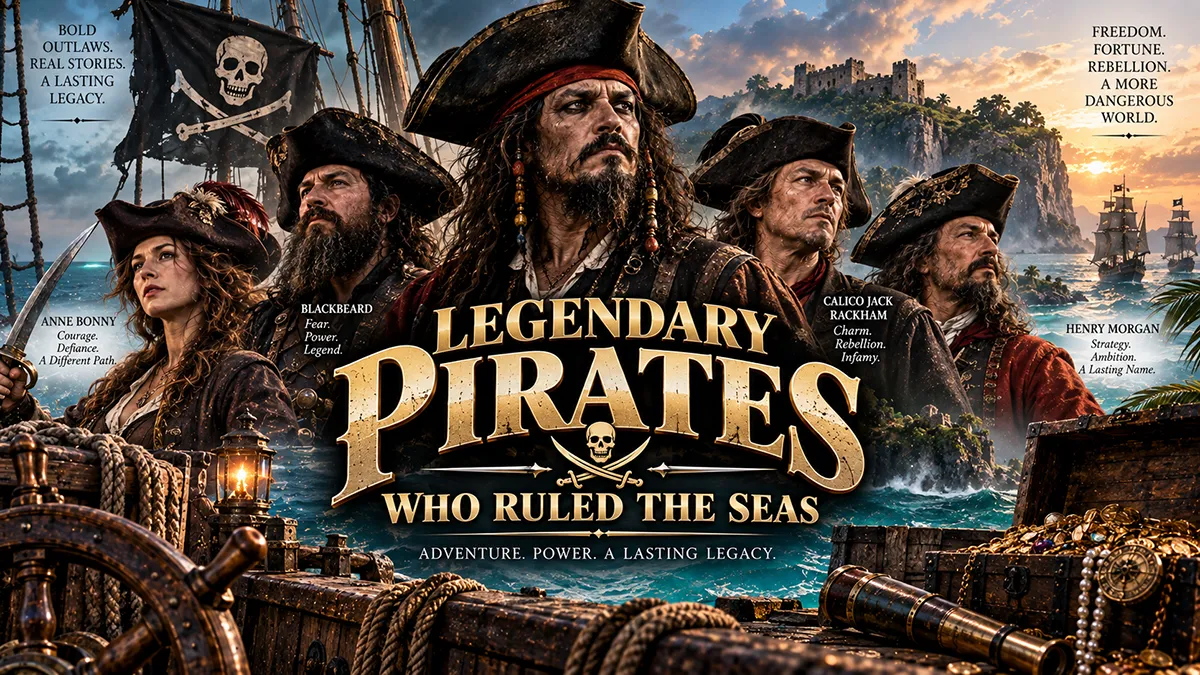
Blackbeard, Anne Bonny, Captain Kidd — these names conjure instant images of skull-and-crossbones flags, buried treasure, and swashbuckling duels on the deck of a galleon. But how much of what we picture actually happened, and how much is pure Hollywood invention layered on top of a much messier, grittier reality?
This guide separates the real pirates of history from the fictional pirates who borrowed their names and reputations. We’ll walk through the most famous pirate names ever recorded, explain what made each one notorious, and show how the legends of the Caribbean, the Barbary Coast, and the South China Sea still shape pop culture today.
TL;DR: From Blackbeard’s smoke-wreathed beard to Ching Shih’s fleet of 1,800 ships, real historical pirates were stranger, smarter, and often more ruthless than their fictional counterparts — this guide sorts documented fact from centuries of exaggeration.
What Are Pirates Known For, Really?
When people ask what pirates are known for, the honest answer is a mix of genuine daring and a lot of romanticized myth. Piracy was, at its core, armed robbery at sea — a brutal and often short-lived career driven by poverty, war, and the collapse of naval employment after conflicts like the War of the Spanish Succession.
The so-called Golden Age of Piracy, roughly 1650 to 1730, produced most of the notorious pirates we still talk about. Many operated out of havens like Nassau in the Bahamas or Madagascar, preying on merchant shipping rather than treasure galleons, which were rarer and better defended than movies suggest.
It’s also worth noting the blurry line between pirates and privateers. Privateers like Francis Drake operated with government backing against enemy nations, while pirates acted independently — though the label often depended on whose side was doing the labeling.
Most pirate crews also operated under written codes, known as pirate articles, which divided plunder, banned gambling on some ships, and set rules for compensation if a crew member was injured. Walking the plank, meanwhile, has almost no solid documentation from the era and appears to be largely a later fictional flourish.
Real Historical Pirates Who Ruled the Seas
These are the real pirates in history whose exploits are backed by court records, ship logs, colonial correspondence, and contemporary accounts. Some were executed, some vanished, and a few even died peacefully — a rare feat in this line of work.
1. Blackbeard (Edward Teach)
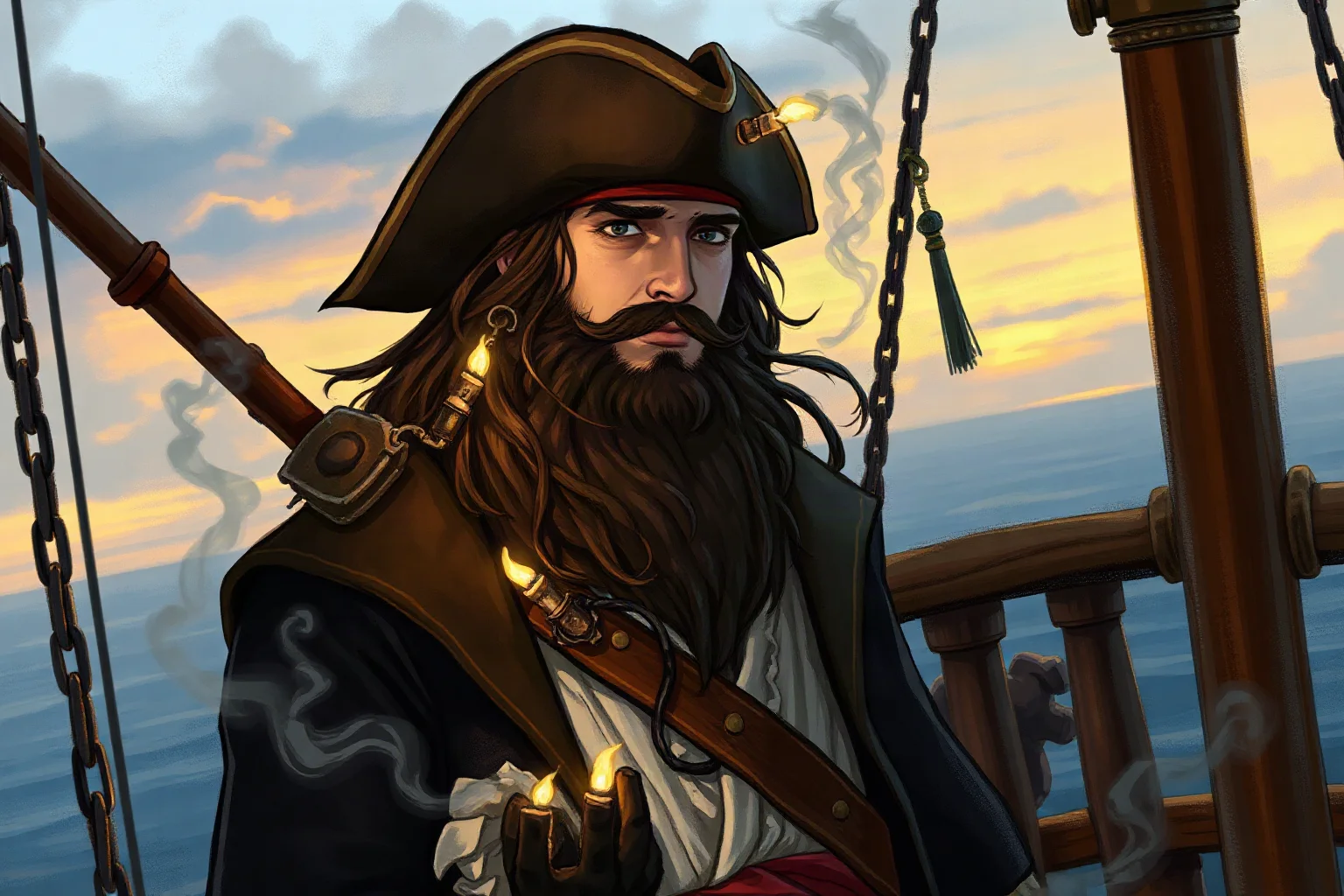
No list of famous pirate names is complete without Blackbeard, the most iconic pirate captain of the Golden Age. Operating off the American colonies and Caribbean around 1716–1718, he commanded the Queen Anne’s Revenge and reportedly wove lit fuses into his beard to appear more terrifying during boardings.
Despite his fearsome image, historical accounts suggest Blackbeard preferred intimidation over bloodshed whenever possible. He was killed in 1718 during a battle with Lieutenant Robert Maynard off North Carolina, an event well documented in colonial records.
2. Anne Bonny
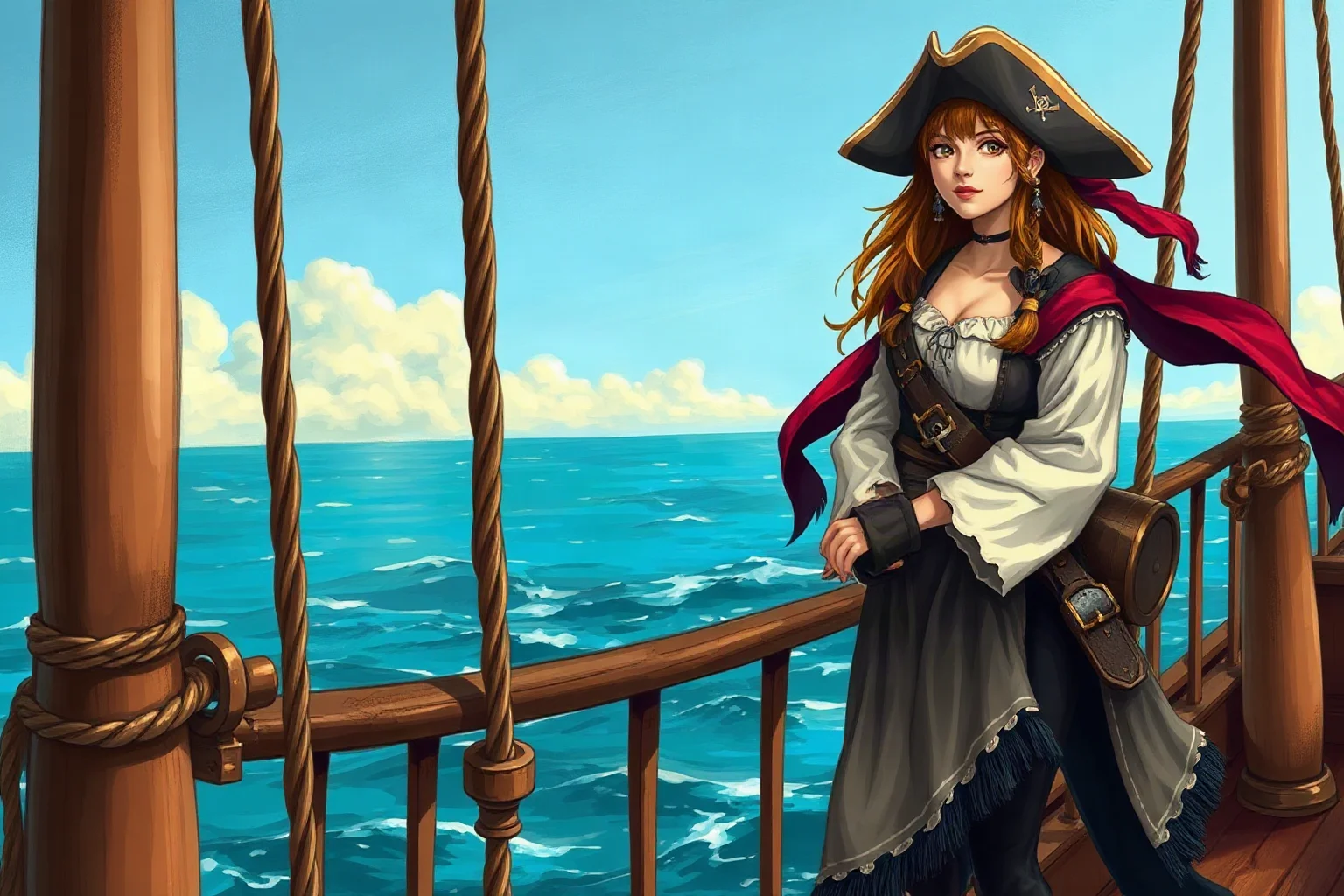
Anne Bonny is one of the few well known pirates who was a woman, and her story survives largely through the 1724 book “A General History of the Pyrates,” attributed to Captain Charles Johnson. She sailed with Calico Jack Rackham in the Caribbean and reportedly fought fiercely during their final battle in 1720.
Captured near Jamaica, Bonny avoided execution because she was pregnant at the time of sentencing. What happened to her afterward remains genuinely unclear, and historians caution against treating later legends about her fate as confirmed fact.
3. Mary Read
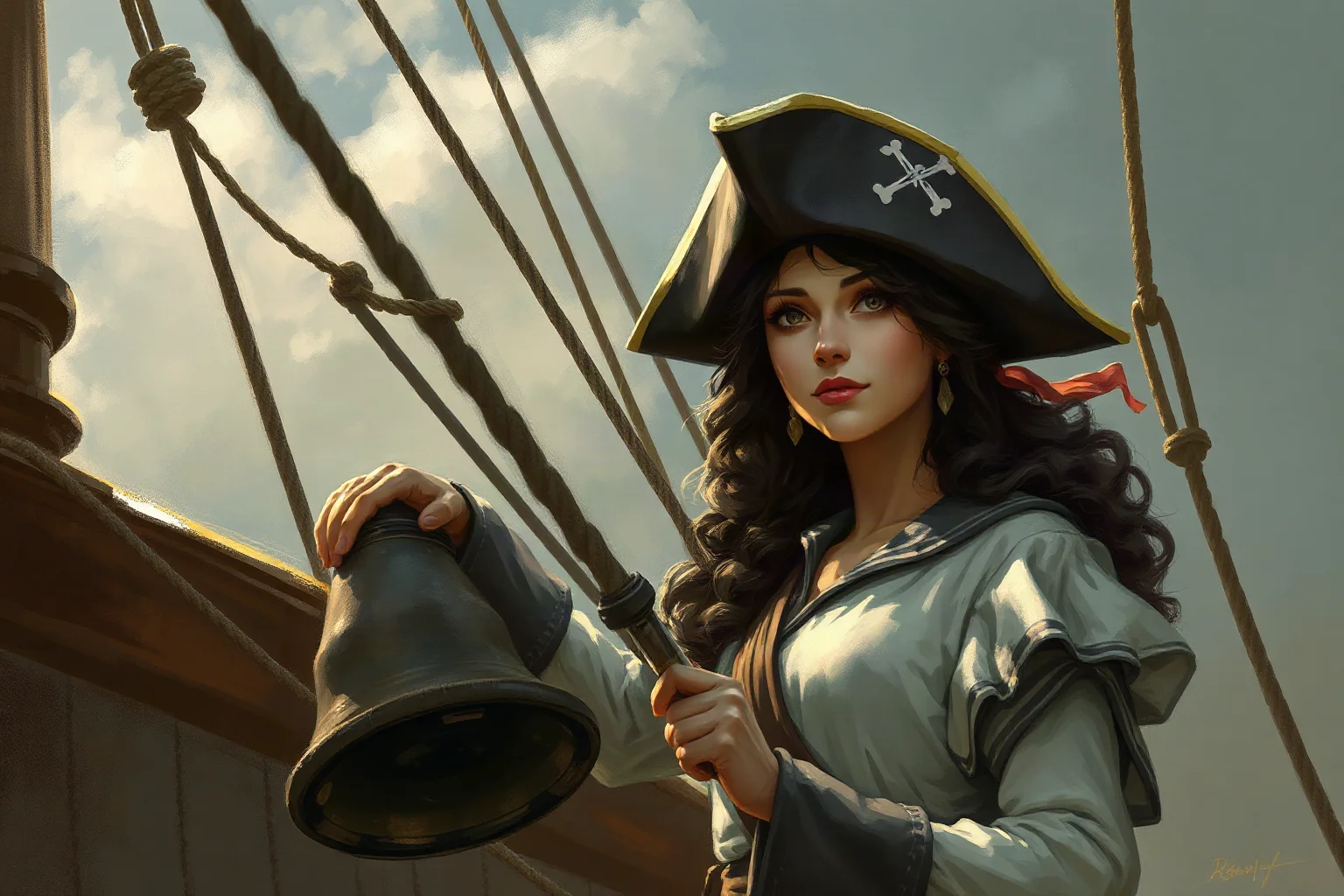
Mary Read fought alongside Anne Bonny aboard Rackham’s ship, having spent years disguised as a man in both military and maritime service before turning to piracy. Contemporary accounts describe her as skilled and combative, standing her ground even as most of the crew reportedly fled below deck during their capture.
Read was convicted alongside Bonny in 1720 but died in prison before facing execution, according to period records. Her story remains one of the best-documented examples of women in the pirate world.
4. Calico Jack Rackham
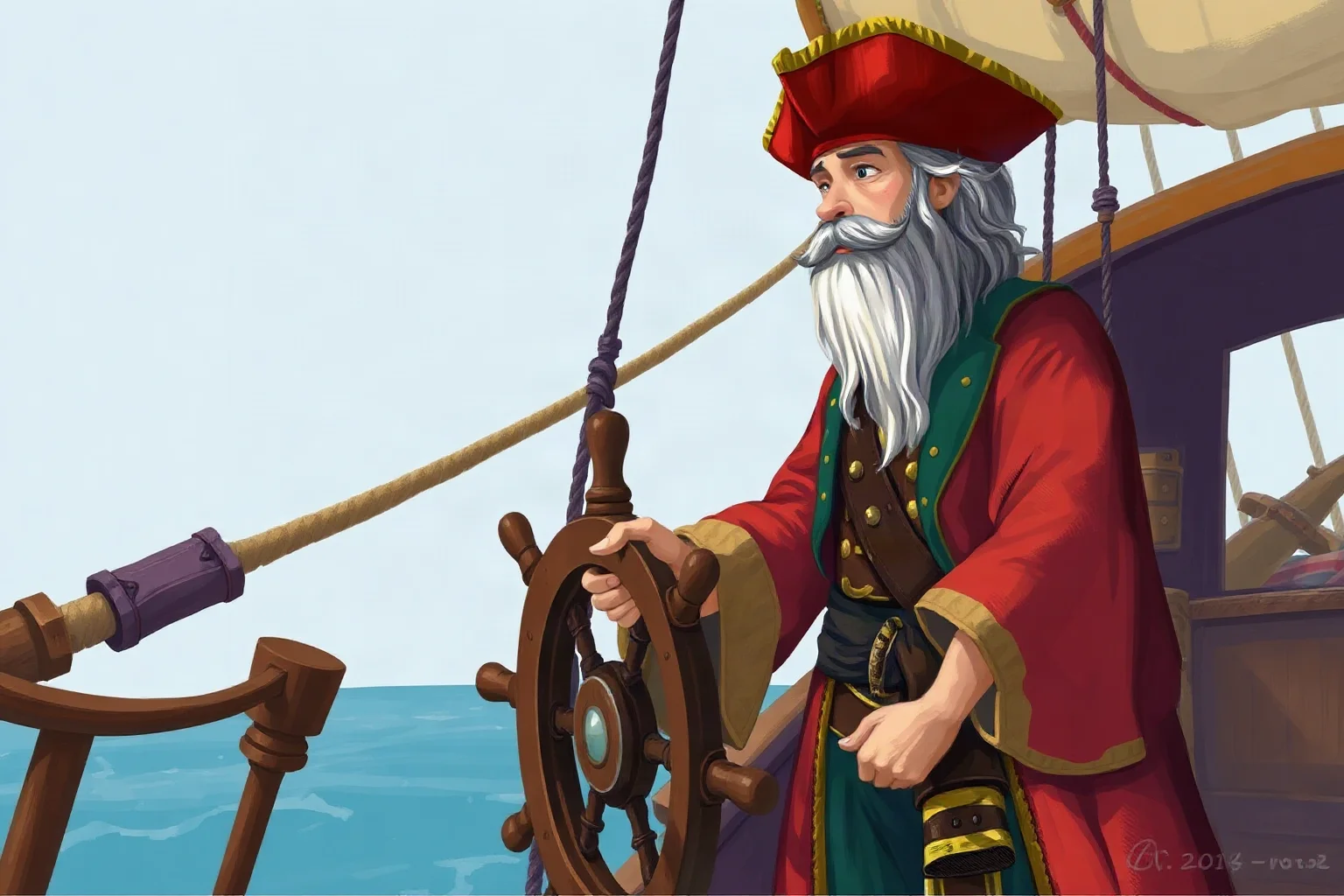
John “Calico Jack” Rackham earned his nickname from his colorful calico clothing rather than any particular ferocity in battle. He’s most remembered today for captaining the ship that carried Anne Bonny and Mary Read, two of history’s most famous female pirates.
Rackham was captured off Jamaica in 1720 and hanged shortly after, his body reportedly displayed on a small island near Port Royal as a warning to other sailors. It’s a grim but historically typical fate for pirates caught by colonial authorities.
5. Bartholomew Roberts (Black Bart)
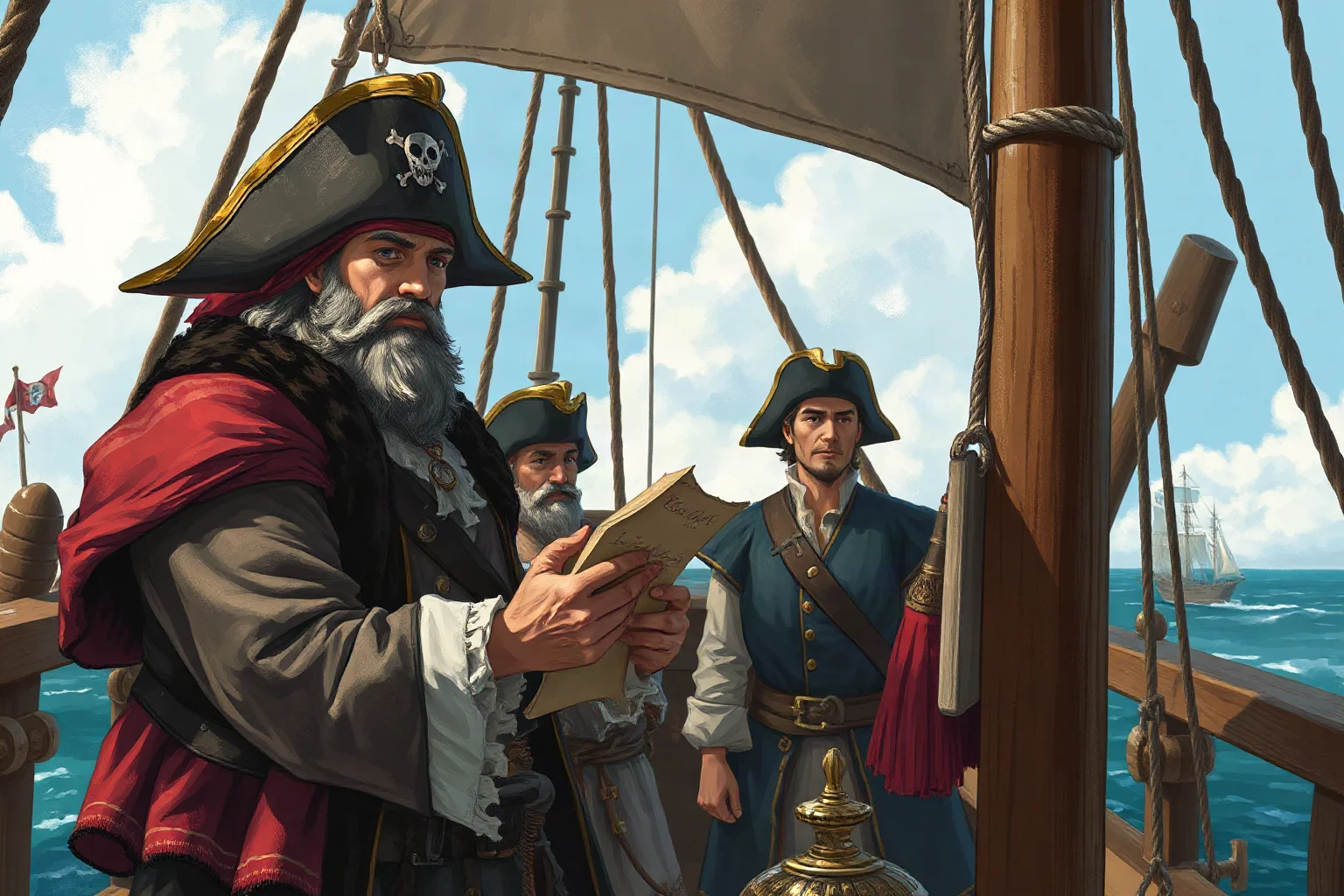
Measured by ships captured, Bartholomew Roberts may be the most successful pirate in history, credited with taking around 400 vessels off West Africa, the Caribbean, and North America between 1719 and 1722. The Welsh captain also drafted one of the most detailed surviving pirate codes, covering everything from gambling bans to compensation for injuries.
Roberts died in a fierce naval engagement off the coast of Gabon in 1722, reportedly still standing at the helm when he was struck. His death effectively marked a turning point in the Royal Navy’s crackdown on piracy.
6. Henry Morgan
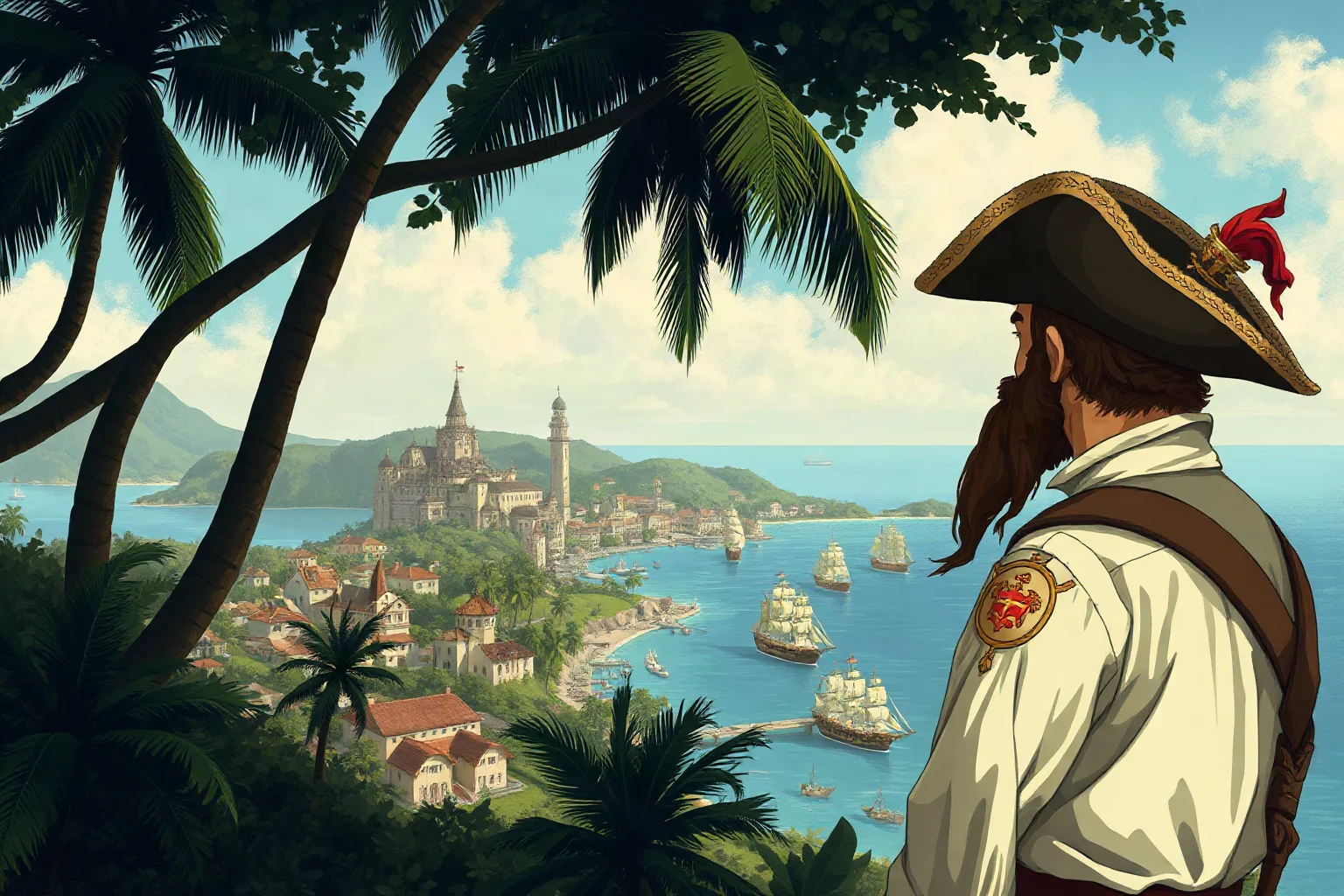
Henry Morgan blurred the line between pirate and privateer more than almost anyone else on this list. Commissioned by English colonial authorities, he led daring raids against Spanish territory, most famously sacking Panama City in 1671.
Rather than facing the gallows, Morgan was later knighted and appointed lieutenant governor of Jamaica, a striking example of how official backing could turn piracy into a respectable career. His story is a useful reminder that “pirate” and “hero” often depended on which country you asked.
7. William Kidd (Captain Kidd)
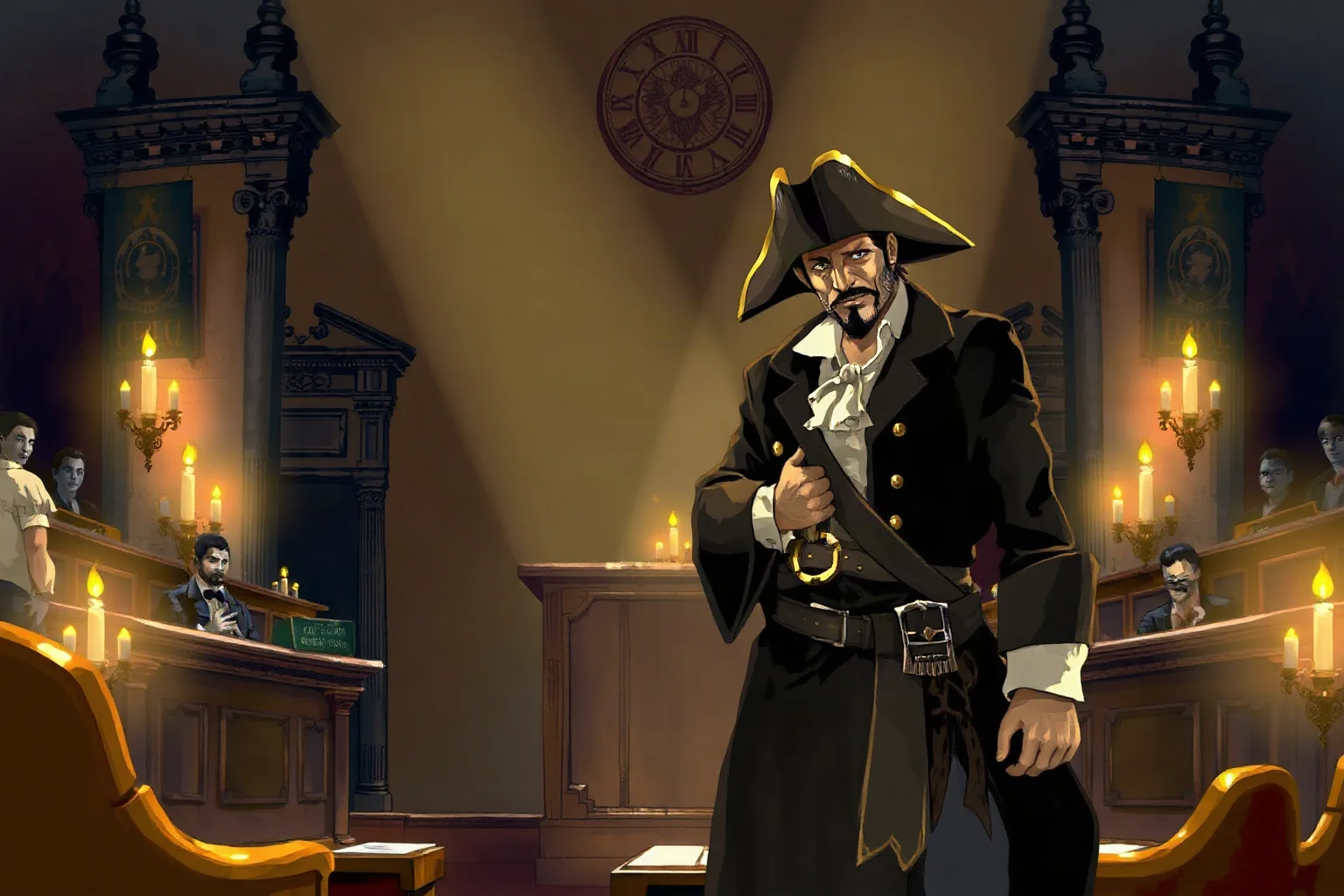
William Kidd set sail as a privateer with a legal commission to hunt pirates and enemy French ships, yet he was later tried and executed for piracy in London in 1701. Historians still debate whether Kidd was genuinely guilty or a scapegoat caught between powerful investors and shifting colonial politics.
His name nonetheless became shorthand for buried treasure legends, most of which have no solid historical backing. Captain Kidd remains one of the most famous pirates of history precisely because of that unresolved controversy.
8. Grace O’Malley
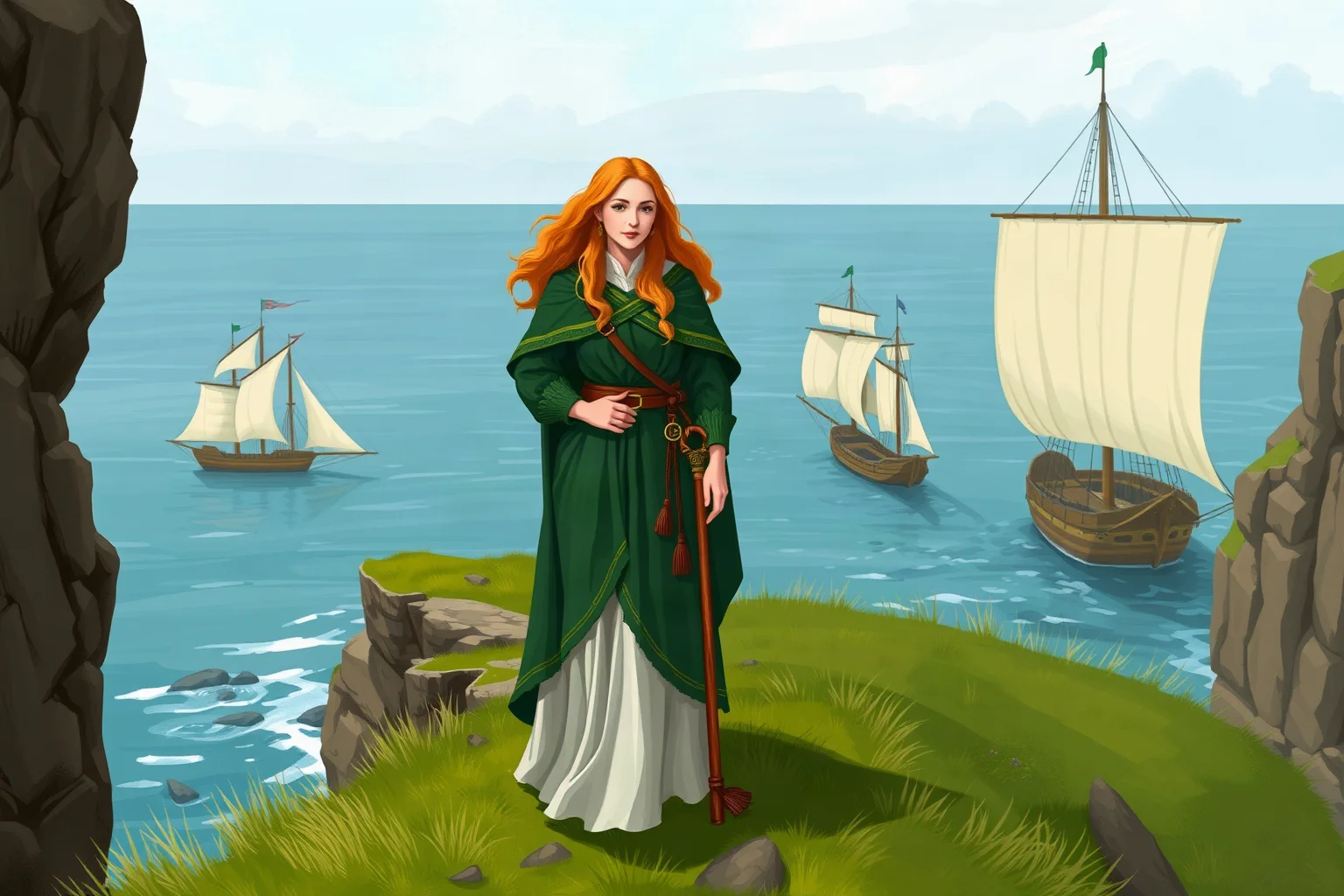
Grace O’Malley, sometimes called the Pirate Queen of Connacht, led fleets and clan forces along Ireland’s west coast in the 16th century, well before the classic Golden Age of Piracy. She combined maritime raiding with genuine political leadership, reportedly negotiating directly with Queen Elizabeth I in 1593.
Records of that meeting come from later accounts and should be read with some caution, but O’Malley’s broader career as a seafaring clan leader is well supported by Irish and English documentation. She stands out as one of the earliest notable pirates whose power came from land as much as sea.
9. Ching Shih (Cheng I Sao)
Few names deserve the title “most powerful pirate in history” more than Ching Shih. After her husband Zheng Yi died in 1807, she took command of a pirate confederation estimated at 1,800 ships and up to 70,000 fighters along the South China Coast.
Rather than dying in battle, Ching Shih negotiated an amnesty with the Chinese government in 1810, retired with her wealth intact, and lived out her later years running a gambling house. Her scale of command dwarfs every Caribbean pirate on this list.
10. Samuel Bellamy (Black Sam)
Samuel Bellamy commanded the Whydah Gally, and by some estimates amassed one of the largest pirate fortunes of the era in a career lasting barely a year. His ship sank in a storm off Cape Cod in 1717, and its wreck was rediscovered in 1984, giving archaeologists rare physical evidence of Golden Age piracy.
Bellamy’s brief but lucrative run makes him a favorite example when people ask what made certain pirates so famous so quickly. The Whydah remains one of the most studied pirate shipwrecks in North America.
11. Sir Francis Drake
Francis Drake is technically a privateer rather than a pirate, since he sailed under English royal backing against Spanish targets in the late 1500s. Spain, understandably, saw things differently and considered him a pirate outright.
Drake’s circumnavigation of the globe and raids on Spanish treasure ports made him one of the most famous captains in history, privateer label or not. His career shows just how thin the line between piracy and state-sanctioned warfare could be.
12. Jean Lafitte
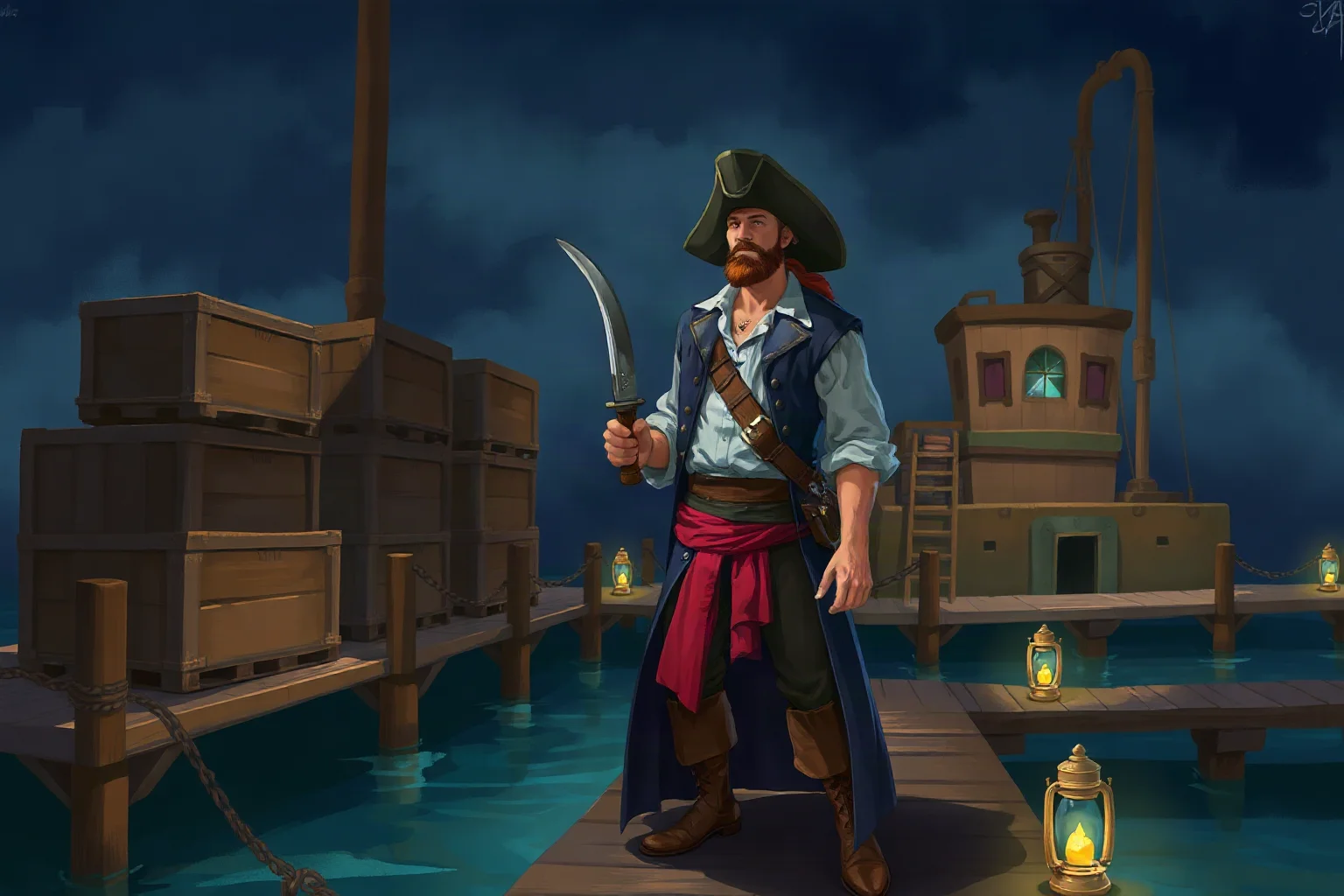
Jean Lafitte ran a smuggling and privateering operation out of Louisiana in the early 1800s, based around Barataria Bay near New Orleans. Despite his outlaw activities, he offered his ships and men to General Andrew Jackson during the Battle of New Orleans in 1815.
That unlikely alliance earned Lafitte a pardon from the United States government, an ending few pirates ever achieved. His story remains a popular one in Gulf Coast history and folklore.
13. Stede Bonnet
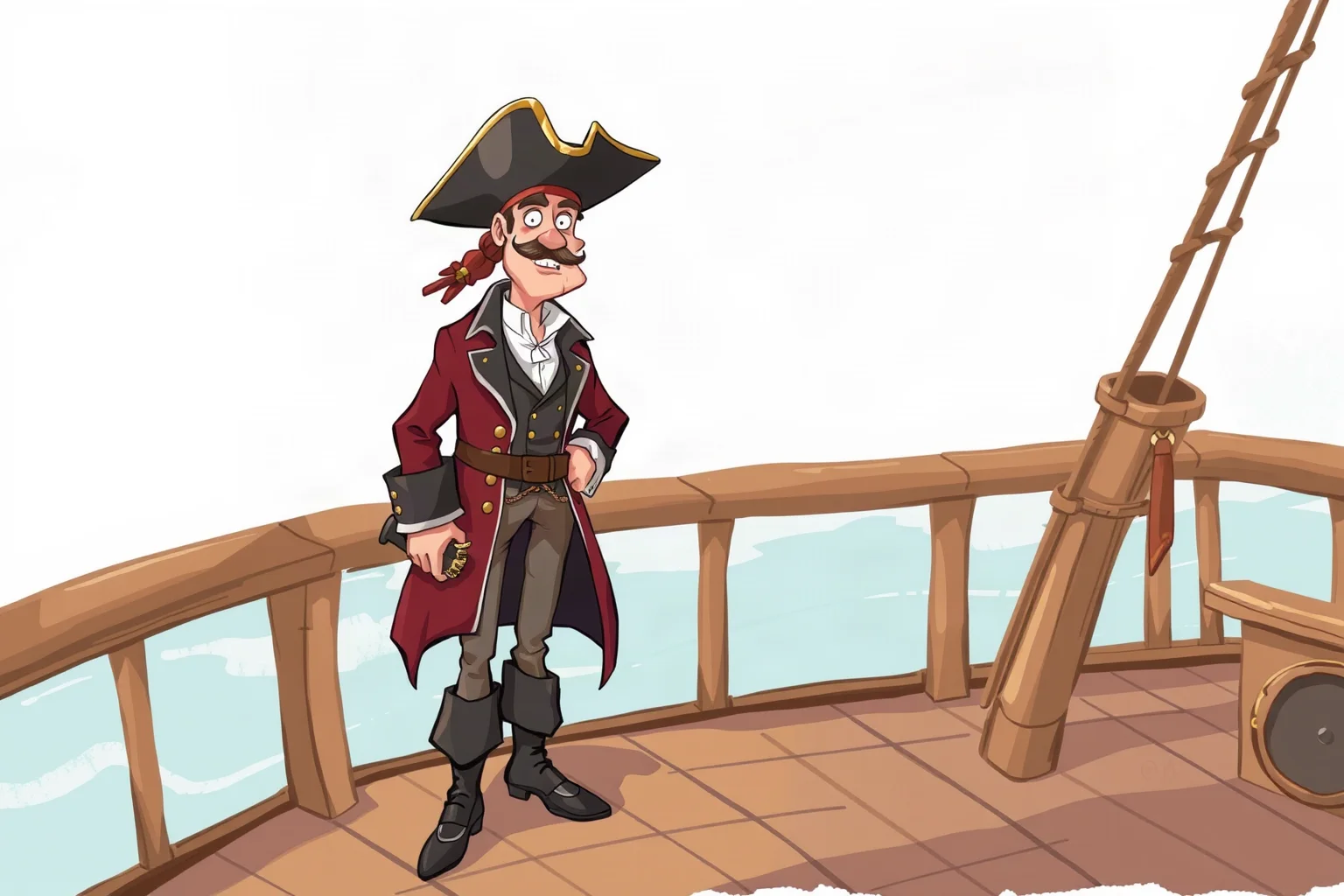
Known as the “Gentleman Pirate,” Stede Bonnet was a wealthy Barbadian landowner who abandoned his estate to become a pirate captain around 1717, reportedly buying his own ship rather than earning it through mutiny or plunder. He briefly sailed alongside Blackbeard, who is said to have taken advantage of Bonnet’s inexperience at sea.
Bonnet was captured and hanged in Charleston, South Carolina, in 1718. His unusual path from landed gentry to the gallows makes him one of the more distinctive names of famous pirates from the era.
14. Charles Vane
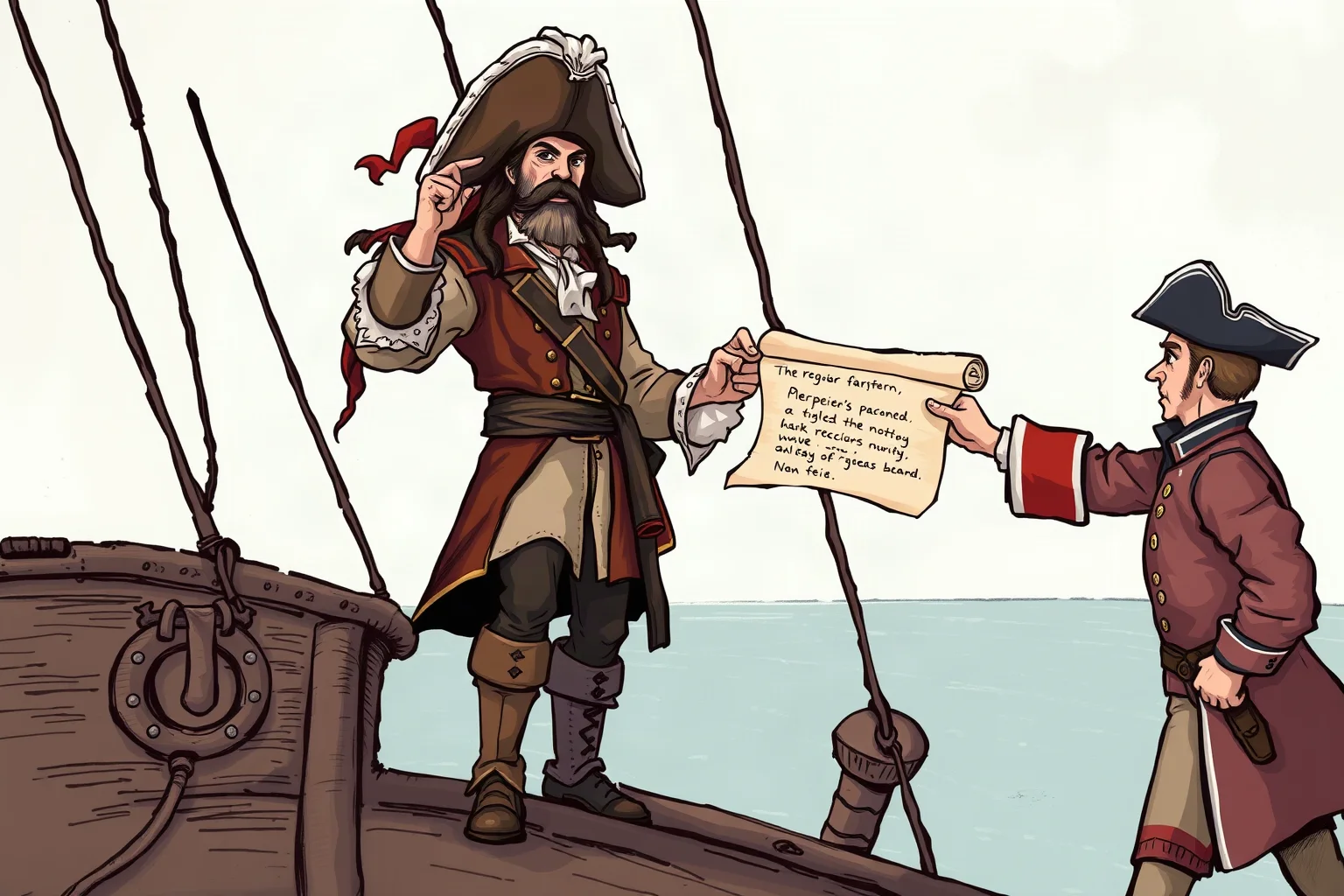
Charles Vane was a Bahamas-based pirate notorious for refusing the 1718 royal pardon offered to Caribbean pirates willing to give up the trade. He continued raiding shipping even as former colleagues accepted amnesty and went straight.
Vane was eventually captured and hanged in Jamaica in 1721. His defiance made him something of a folk anti-hero among pirates who resented British attempts to shut down their trade.
15. Edward Low
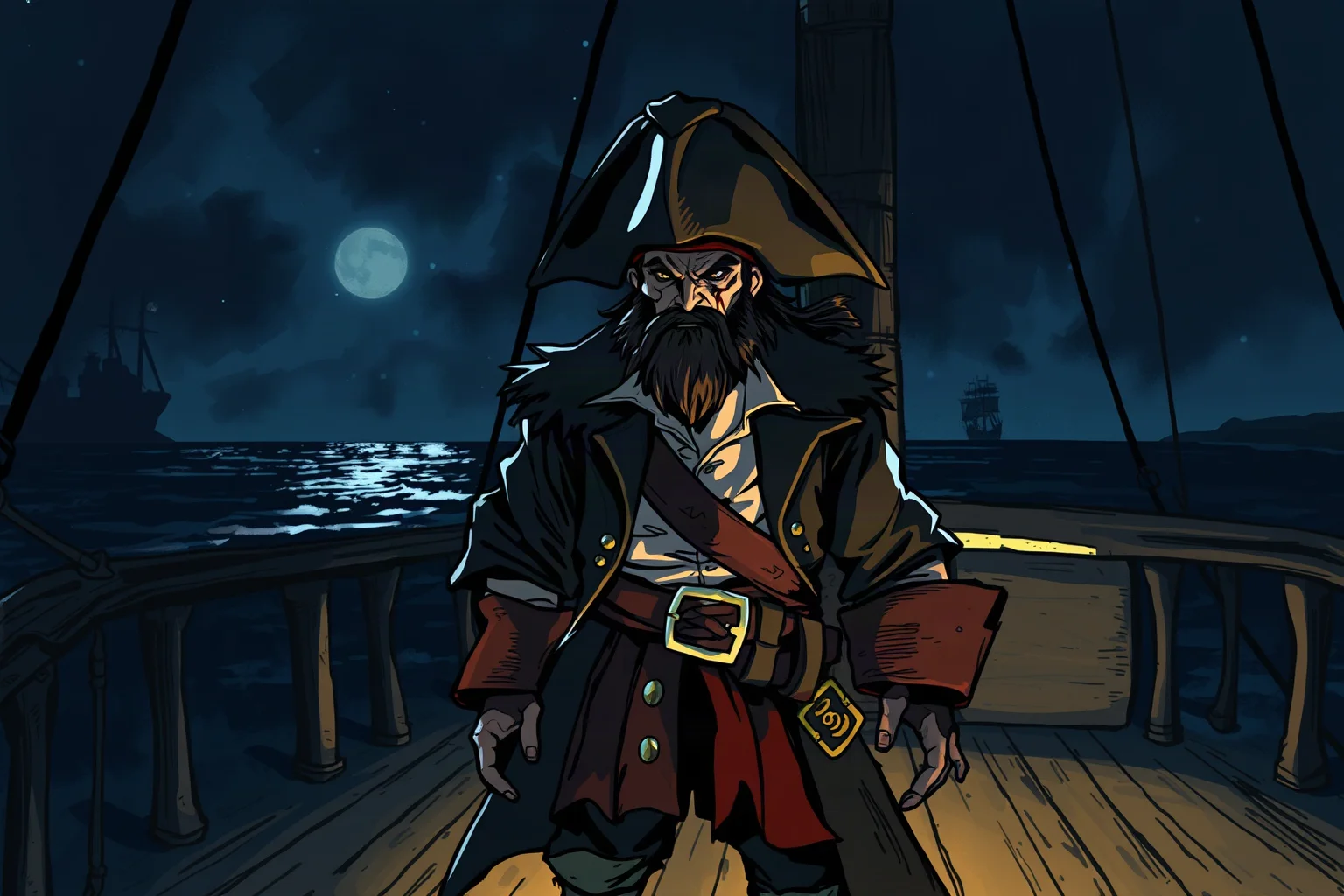
Edward Low earned a reputation as one of the most infamous pirates for his extreme cruelty toward captives, according to multiple contemporary accounts. His crew reportedly operated under an unusually harsh code even by pirate standards.
Low’s fate is genuinely uncertain — he disappeared from historical record around 1724, with later stories about his death remaining unverified. That mystery, paired with his brutal reputation, keeps him a recurring name in pirate history.
16. Thomas Tew
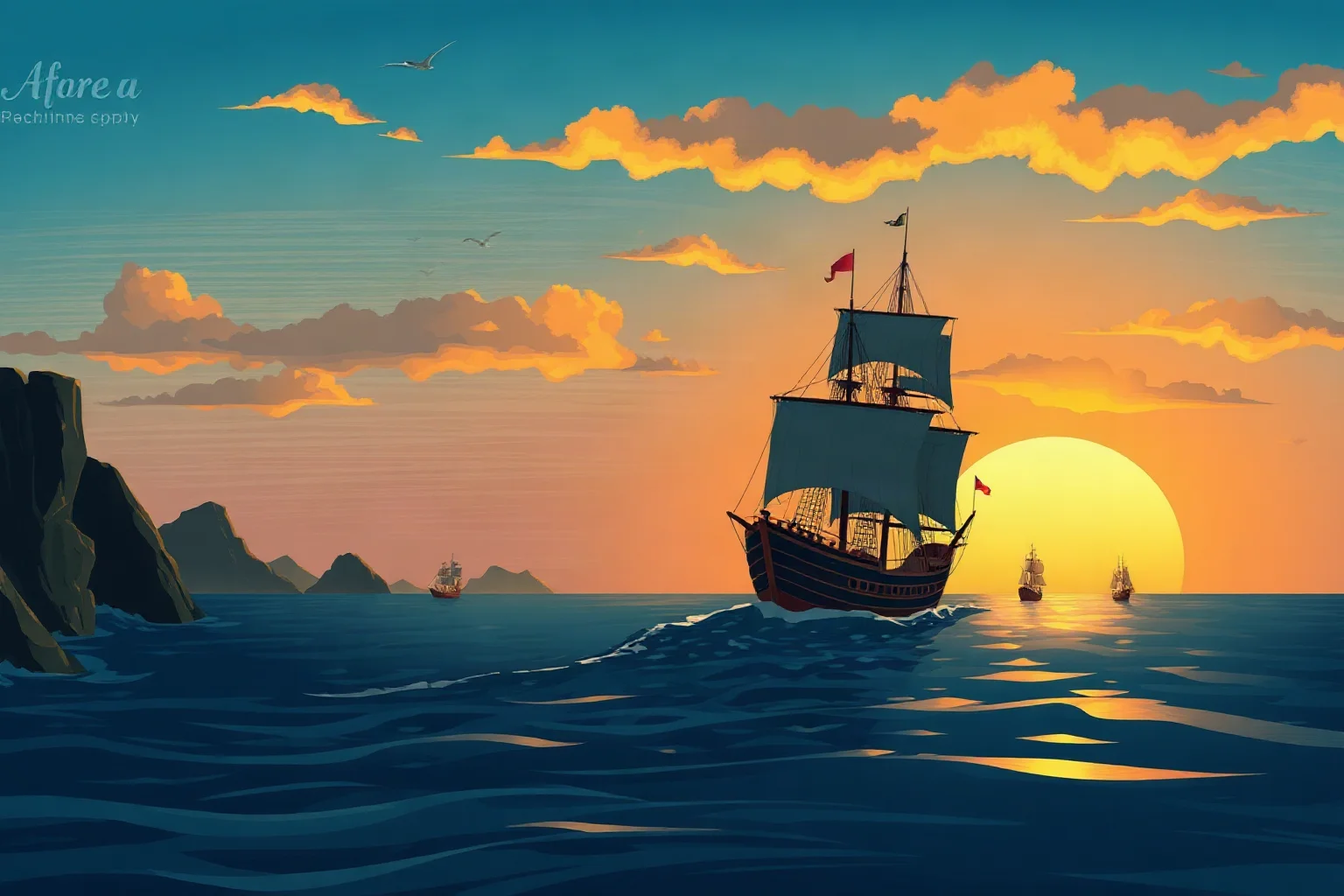
Thomas Tew helped pioneer what became known as the Pirate Round, a long-distance route from the American colonies around Africa to raid ships in the Indian Ocean and Red Sea. His successful 1693 voyage inspired other captains to follow the same path in search of Mughal treasure ships.
Tew was killed in 1695 during an attack on a heavily armed vessel near the Red Sea. His influence on later pirate routes outlived his short career by decades.
17. Klaus Störtebeker
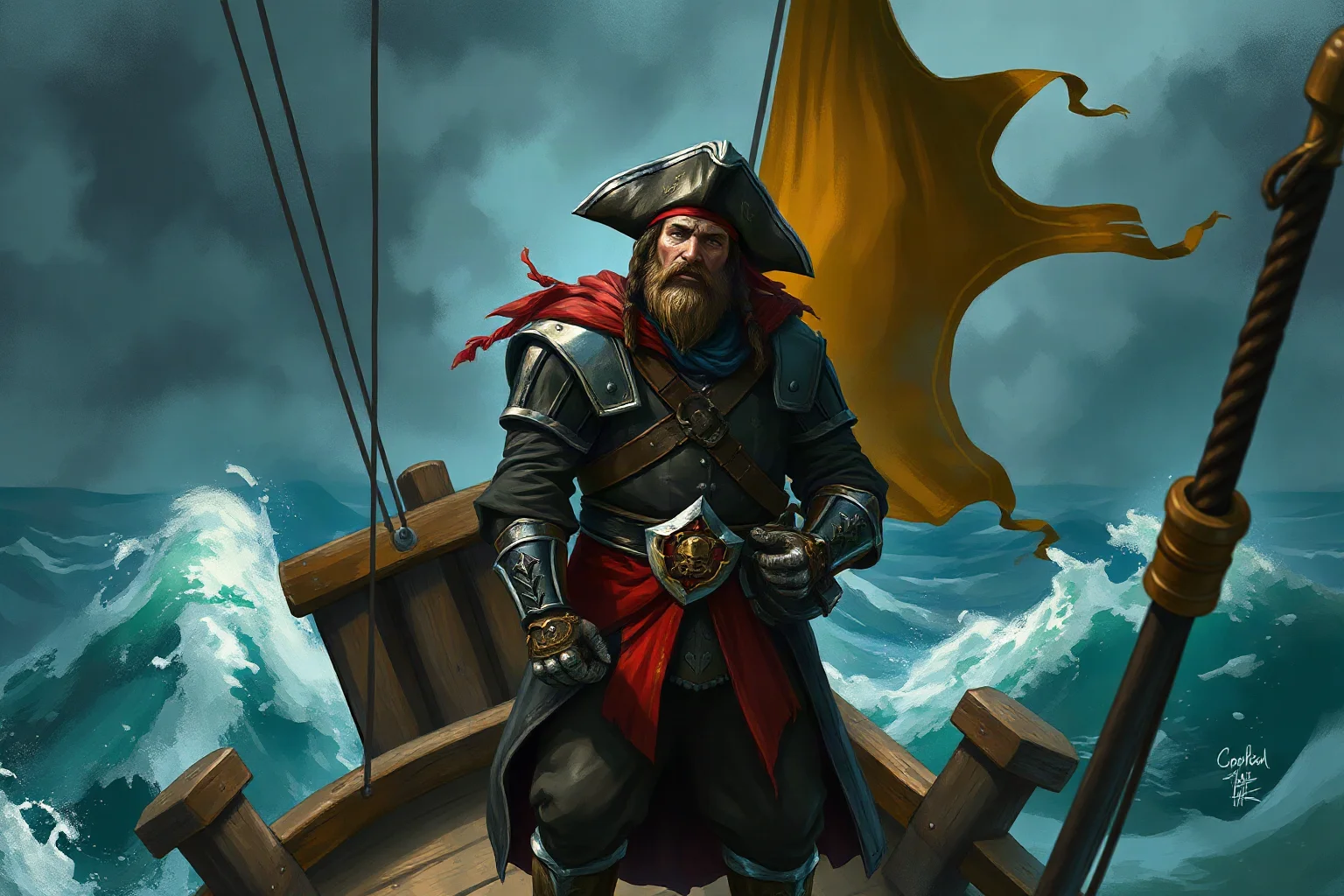
Long before the Caribbean’s Golden Age, Klaus Störtebeker led the Victual Brothers, a pirate confederation raiding shipping in the Baltic and North Seas in the late 1300s. German and Scandinavian sources describe him as one of the most formidable pirates of the medieval period.
He was captured and executed in Hamburg in 1401, and his story has since grown into local legend, with some details likely embellished over centuries of retelling. Historians treat the more dramatic legends about his execution with healthy skepticism.
18. Zheng Yi
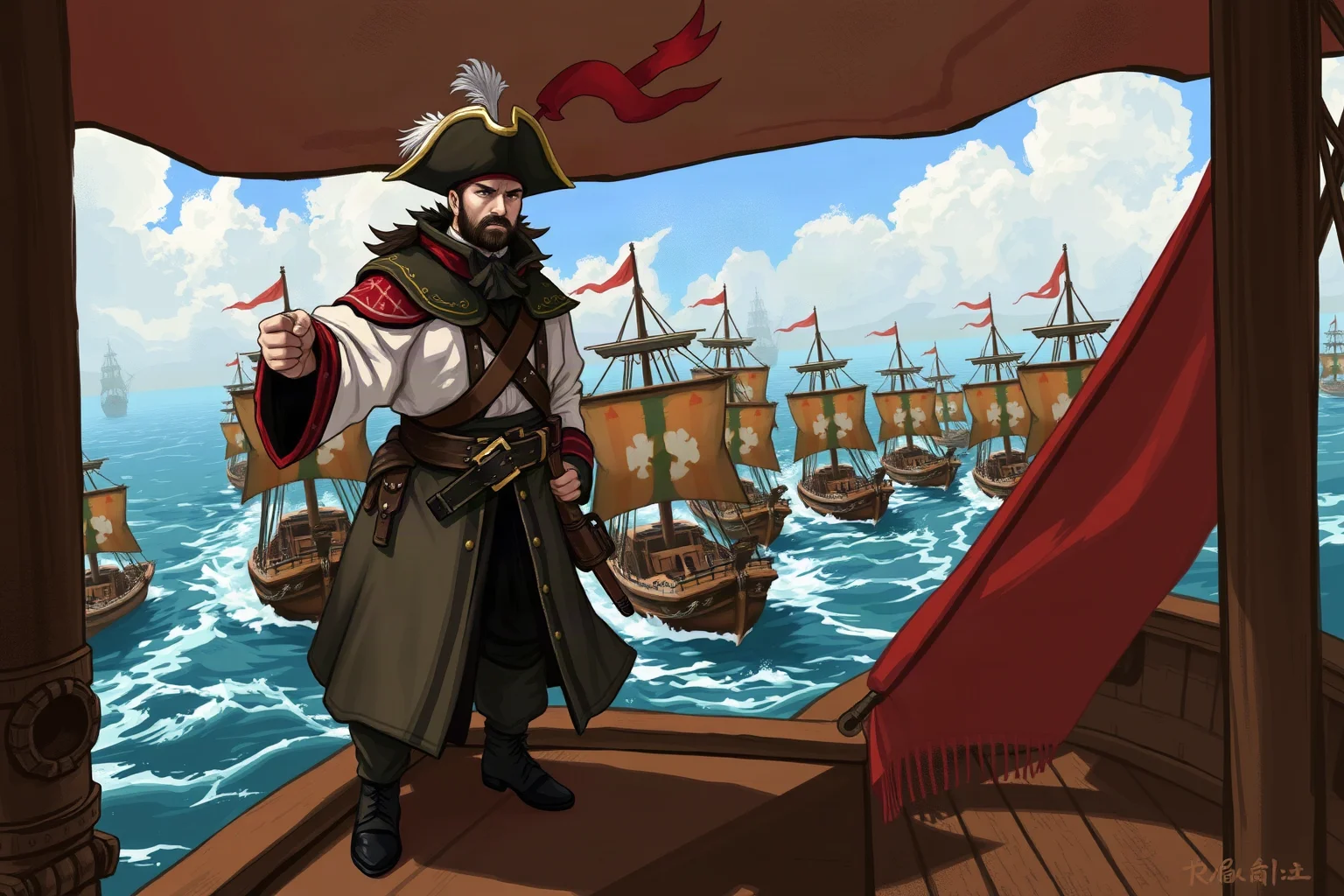
Zheng Yi built the pirate confederation that his wife, Ching Shih, would later command at even greater scale. Operating along the South China Coast in the early 1800s, he unified rival pirate fleets into a single, disciplined force.
His death in 1807 — accounts vary on the exact circumstances — left the confederation to Ching Shih, who expanded it dramatically. Together, the pair represent one of the largest and most organized pirate operations in history.
19. Olivier Levasseur (La Buse)
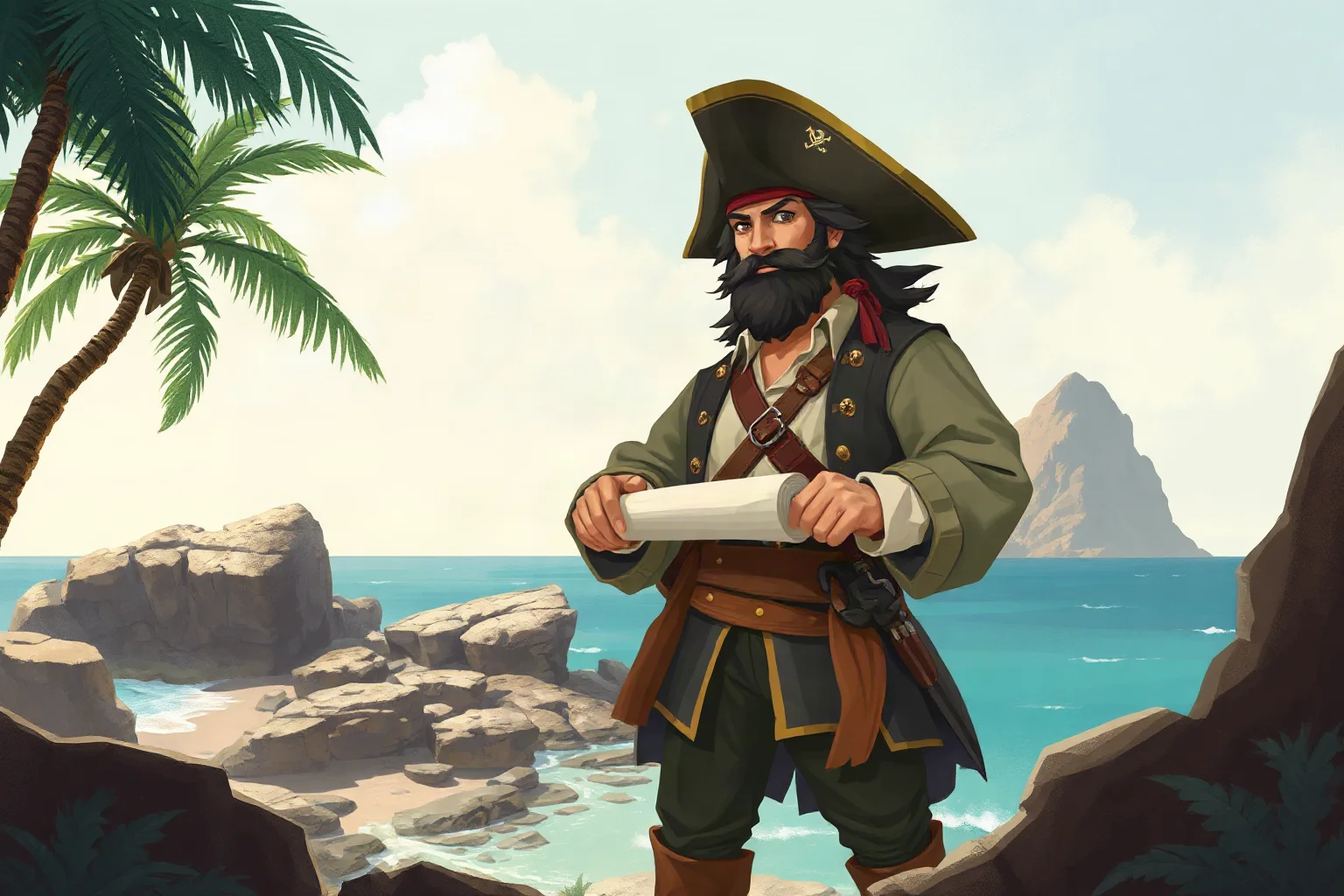
Known as La Buse, or “The Buzzard,” Olivier Levasseur operated in the Indian Ocean in the early 1700s, targeting shipping around Madagascar and the Mascarene Islands. He was captured and executed on Réunion Island in 1730.
Legend holds that he threw a cryptogram to the crowd at his execution, supposedly pointing to hidden treasure — a claim that has never been verified and should be treated as folklore rather than fact. Treasure hunters still search for it today, largely on the strength of that unconfirmed story.
20. Benjamin Hornigold
Benjamin Hornigold helped establish Nassau as a pirate stronghold and is notable for mentoring a young Edward Teach before Teach became Blackbeard. Hornigold later accepted the 1718 royal pardon and switched sides, becoming a pirate hunter for the British.
His transition from pirate captain to pardoned privateer reflects how fluid pirate careers could be near the end of the Golden Age. Hornigold reportedly died in a shipwreck around 1719, shortly after switching allegiances.
Famous Fictional Pirates in Pop Culture
Alongside the real historical pirates, fiction has given us its own famous pirate characters, many of them loosely inspired by the names above. These figures shaped how most people picture pirates today, for better or worse.
21. Captain Jack Sparrow
Played with theatrical flair in the Pirates of the Caribbean films, Captain Jack Sparrow is arguably the most recognizable fictional pirate of the 21st century. His character borrows visual cues from real Golden Age pirates while leaning fully into comedic, larger-than-life fiction.
22. Long John Silver
Long John Silver comes from Robert Louis Stevenson’s 1883 novel “Treasure Island,” and he essentially invented the modern template for the charming-but-dangerous pirate. His peg leg, parrot, and cunning duplicity influenced nearly every fictional pirate that followed.
23. Captain Hook
Captain Hook, from J.M. Barrie’s “Peter Pan,” is less a historically grounded pirate and more a gothic villain archetype, complete with a hook hand and obsessive vendetta. He remains one of the most famous pirate names in children’s literature and stage productions worldwide.
24. Captain Hector Barbossa
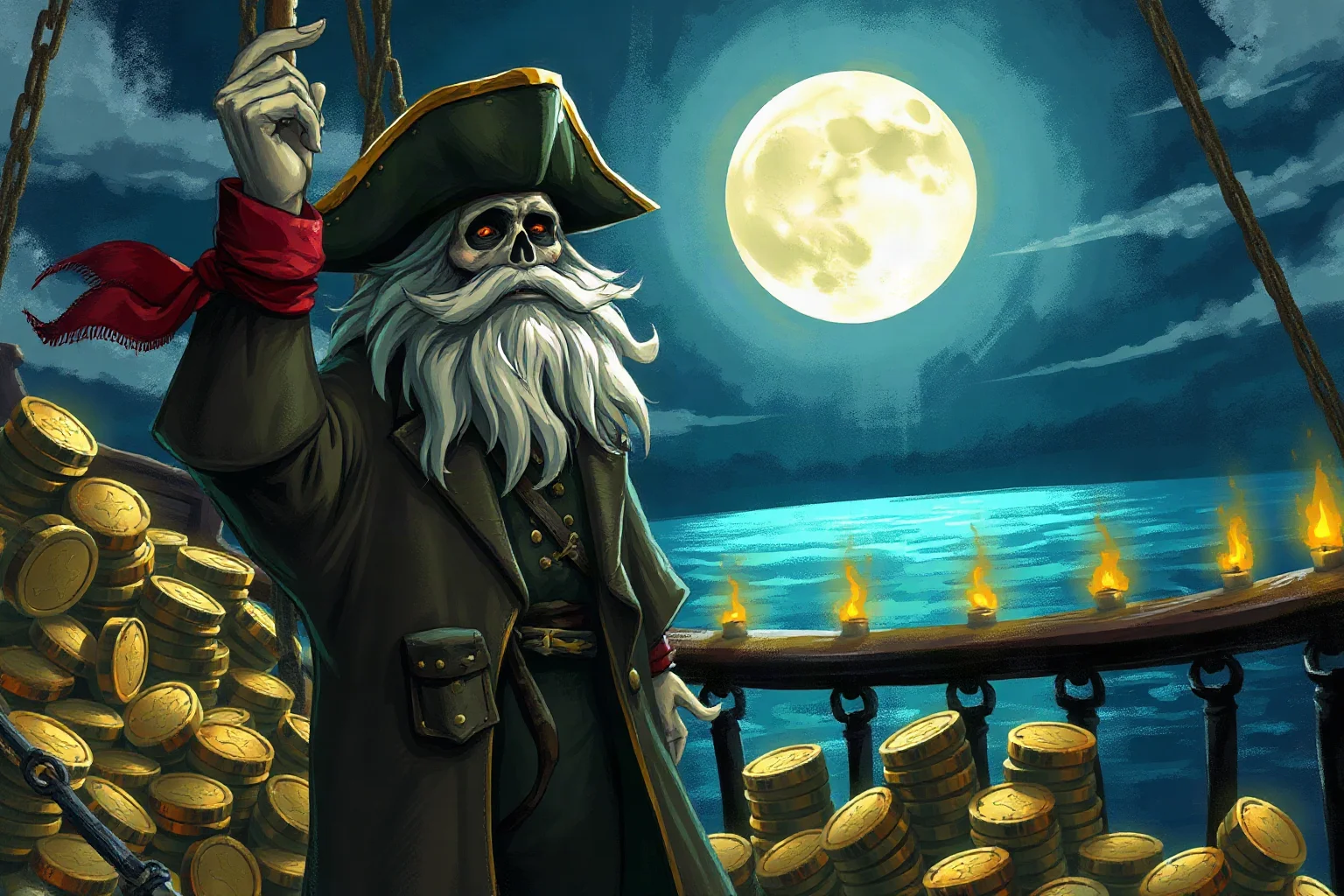
Another Pirates of the Caribbean staple, Captain Barbossa represents the more menacing, supernatural side of fictional piracy, tangled up with cursed gold and undead crews. His rivalry with Jack Sparrow anchors much of the franchise’s plot.
25. Monkey D. Luffy
From the wildly popular manga and anime series “One Piece,” Monkey D. Luffy leads a fictional pirate crew on a quest for ultimate treasure and freedom on the high seas. His global popularity shows that the appeal of pirate stories hasn’t faded, even in modern, highly stylized fiction.
Famous Pirate Ships Worth Knowing
Pirate captains are only half the story — their ships often became just as legendary. Blackbeard’s Queen Anne’s Revenge, Bartholomew Roberts’ Royal Fortune, and Samuel Bellamy’s Whydah Gally are among the most documented vessels of the Golden Age, with the Whydah’s wreck offering rare physical evidence of pirate life.
William Kidd’s Adventure Galley and Thomas Tew’s Amity also feature heavily in colonial records tied to the Indian Ocean’s Pirate Round. Each ship tells part of the larger story of how these crews operated, moved plunder, and occasionally met their end in storms or battle.
The Legacy of History’s Most Famous Pirates
Asking who was the greatest pirate in history depends heavily on how you measure success. By ships captured, Bartholomew Roberts stands near the top; by sheer scale of command, Ching Shih is arguably unmatched in recorded history.
What’s clear is that real pirates of history were shaped by desperation, opportunity, and the chaotic edges of colonial trade, not simple villainy or adventure for its own sake. Many crews included escaped sailors, freed or escaped enslaved people, and outcasts with few other paths to survival.
The fictional pirates on this list, meanwhile, endure because they distill that chaotic history into something more digestible and entertaining. Between the documented court records and the swashbuckling films, there’s a genuinely fascinating story about power, survival, and life on the edges of empire — one that’s still being uncovered by historians and archaeologists today.
Frequently Asked Questions
What were real pirates in history actually known for?
Real pirates in history were known for attacking merchant shipping, operating under written codes that divided plunder fairly, and thriving in the chaotic aftermath of colonial wars when many sailors lost naval jobs. Much of the swashbuckling imagery from movies, like walking the plank, has little solid documentation from the actual Golden Age of Piracy.
Who is the most famous pirate of all time?
Blackbeard (Edward Teach) is generally considered the most famous pirate of all time in Western pop culture, thanks to his fearsome appearance and well-documented final battle in 1718. Globally, Ching Shih arguably commanded far greater power, leading a fleet of roughly 1,800 ships in the early 1800s.
Who was the most successful pirate in history?
By number of ships captured, Bartholomew Roberts is often cited as the most successful pirate in history, taking around 400 vessels during his career. By scale of command and wealth, Ching Shih's pirate confederation in China was arguably even more successful, and she also retired safely under a negotiated amnesty.
Did female pirates like Anne Bonny and Mary Read really exist?
Yes, Anne Bonny and Mary Read were real women whose piracy and 1720 trial are documented in colonial records and the contemporary 1724 book attributed to Captain Charles Johnson. Some later details about their lives have been romanticized over time, so it's worth separating the documented court record from later legend.
What’s the difference between a pirate and a privateer?
A privateer operated with official government authorization to attack enemy ships during wartime, while a pirate acted independently and outside the law. In practice, the line often blurred, since figures like Francis Drake and Henry Morgan were celebrated at home as privateers while being branded pirates by rival nations.
Is Captain Jack Sparrow based on a real pirate?
Captain Jack Sparrow is a fictional character created for the Pirates of the Caribbean films and isn't based on one specific historical pirate. His look and mannerisms borrow loosely from Golden Age piracy in general, blending real historical texture with theatrical invention.

Alex Warren
Related Articles