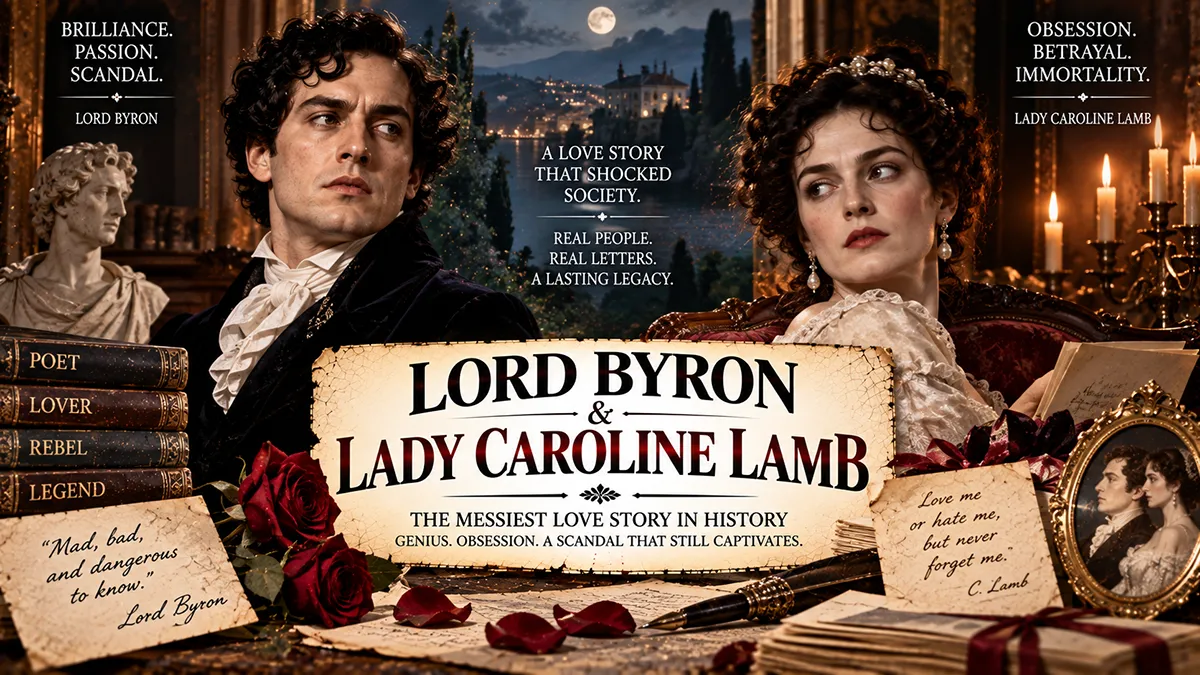
Regency England had plenty of scandals, but none quite as loud, as public, or as strange as the affair between Lord Byron and Lady Caroline Lamb.
It burned hot for only a few months in 1812, yet it left behind a wrecked marriage, a scandalous novel, a famous three-word verdict on Byron’s character, and a tangle of myths that still get repeated as fact today.
This is the real story, sorted into the moments and myths that made it so unforgettable, with the exaggerations and misconceptions untangled from what actually happened.
TL;DR: Lord Byron and Lady Caroline Lamb had a brief, wildly public 1812 affair that scandalized London high society, inspired her famous line calling him “mad, bad, and dangerous to know,” and ended in a bitter feud, a tell-all novel, and a legacy still tangled in myths (including one that wrongly links Byron directly to Queen Victoria).
1. Who Was Lady Caroline Lamb, Born Caroline Ponsonby?
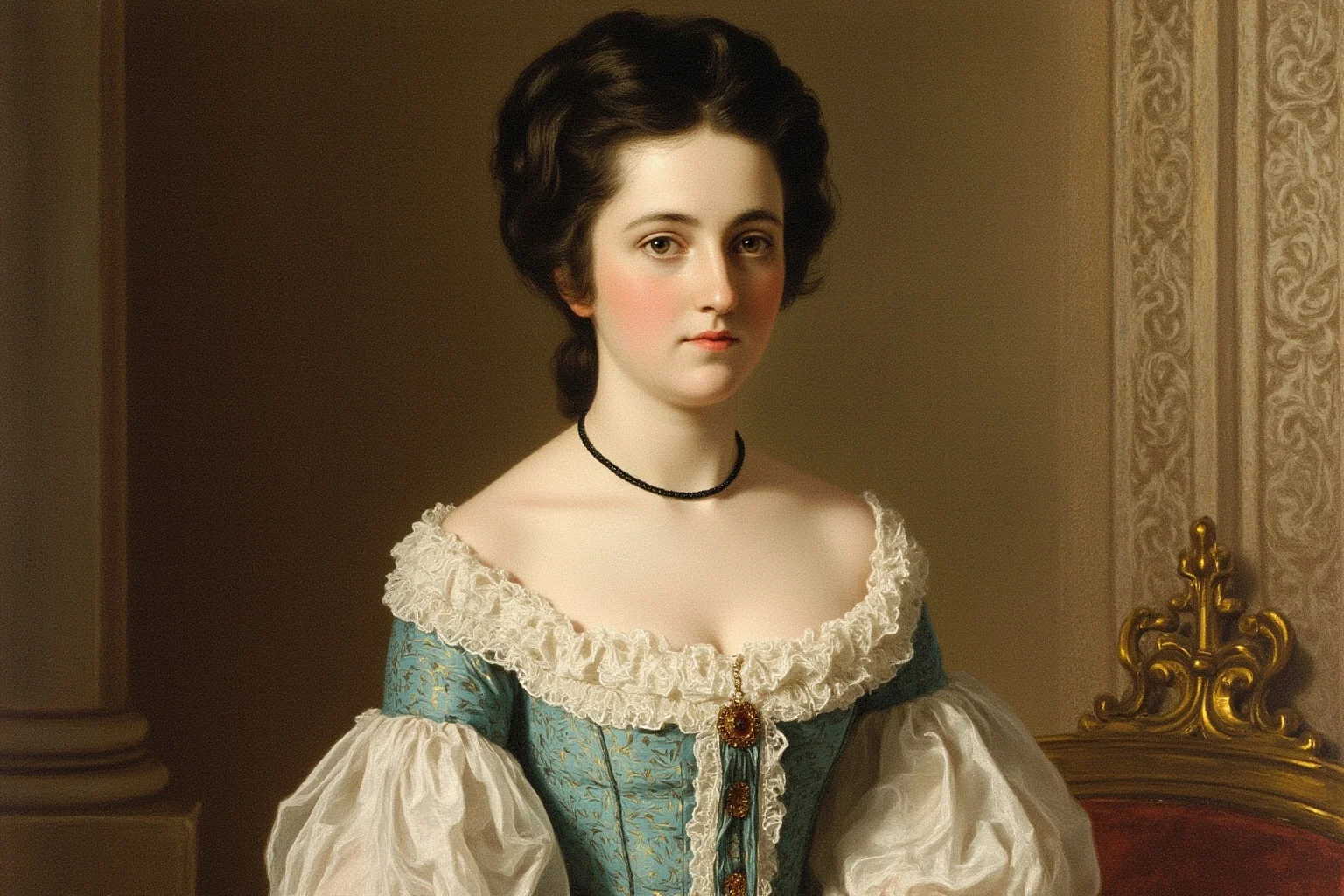
Lady Caroline Lamb started life as Caroline Ponsonby, born in 1785 into one of the most connected aristocratic families in England. Her father was Frederick Ponsonby, 3rd Earl of Bessborough, and her mother was Henrietta Spencer, sister of the famous Georgiana, Duchess of Devonshire, one of the era’s most powerful women in history and a famous political hostess in her own right. That made Caroline Ponsonby a niece by marriage to one of the great political hostesses of the age.
She grew up surrounded by wealth, wit, and gossip, largely raised at Devonshire House in London. It was an upbringing that produced a clever, restless, emotionally intense woman who never quite fit the polite mold Regency society expected of aristocratic wives.
2. A Childhood Inside the Devonshire House Set
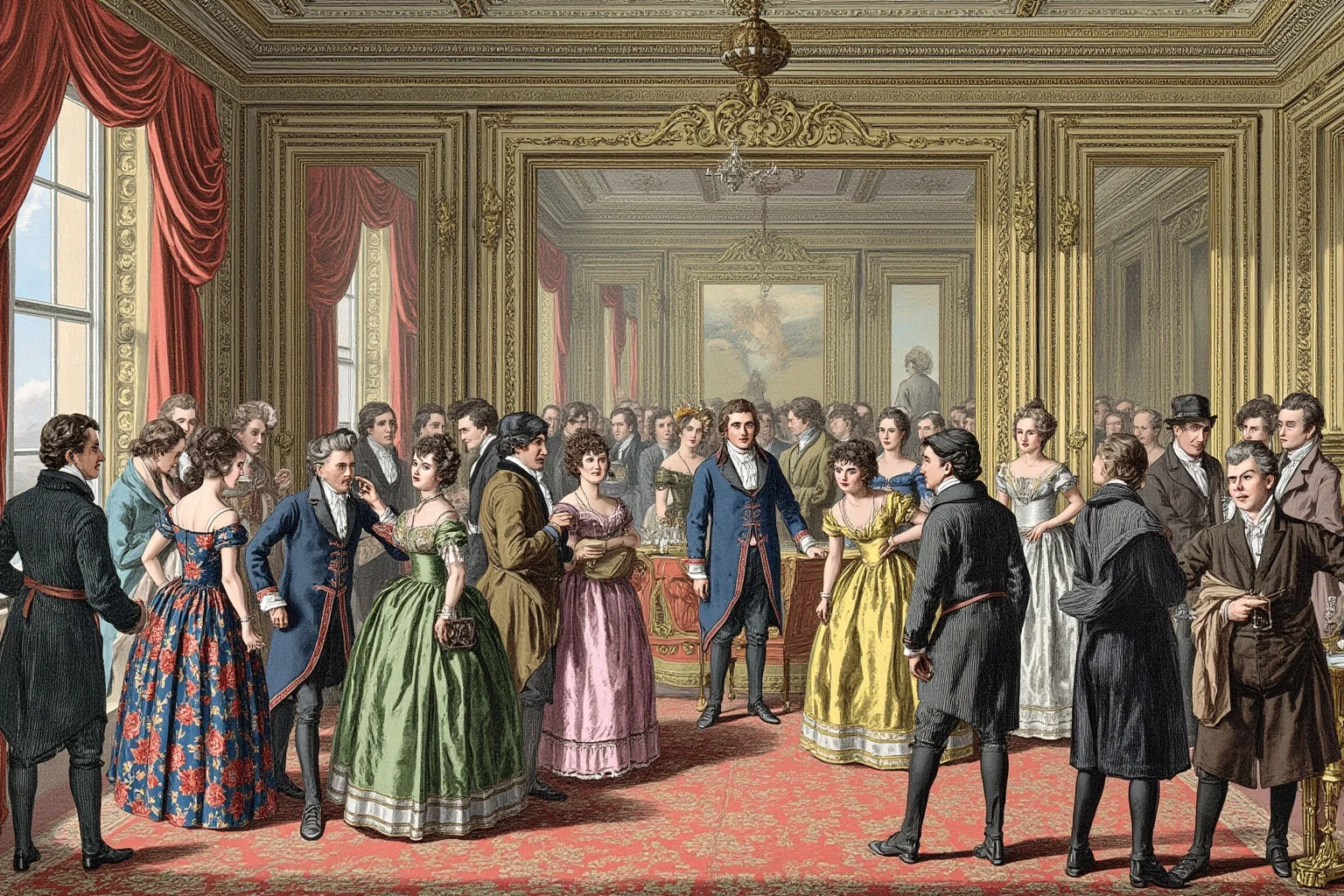
Caroline’s early years were spent among the so-called Devonshire House set, a glittering circle of Whig aristocrats known for political intrigue, love affairs, and lavish entertaining. She was reportedly high-spirited and difficult to educate in any conventional sense, and later biographers have suggested she may have had what we’d now recognize as a mood or nervous disorder, though no confirmed clinical diagnosis exists from her own era.
What’s certain is that she was raised to expect a life of drama and importance. She got both, just not in the way anyone around her expected.
3. Her Marriage to William Lamb
In 1805, Caroline married William Lamb, a rising barrister and politician who would later become Lord Melbourne and, eventually, Queen Victoria’s first prime minister. Their marriage began as a genuine love match by most contemporary accounts, and William was known for his patience and good humor.
The couple had a son together, Augustus, who suffered from severe developmental disabilities and epilepsy, a private grief that weighed heavily on Caroline throughout her adult life. By the time she met Lord Byron in 1812, the marriage had already cooled into something more complicated than the romance it started as.
4. Who Was Lord Byron Before the Scandal Broke
George Gordon Byron, the 6th Baron Byron, arrived in London society in 1812 as a literary sensation practically overnight. The publication of the first cantos of “Childe Harold’s Pilgrimage” made him instantly famous, giving the reading public its first taste of the brooding, restless “Byronic hero” archetype he would spend his life embodying both on the page and off it.
He was handsome, lame from a childhood condition he was self-conscious about, sharp-tongued, and already developing a reputation for reckless personal conduct. London society was primed to be fascinated by him before Caroline Lamb ever laid eyes on him.
5. The Fateful First Meeting in 1812
Lady Caroline Lamb and Lord Byron met in the spring of 1812, introduced through the overlapping social circles of London’s aristocracy. According to the accounts that survive, Caroline initially dismissed him after glimpsing him from a distance, reportedly finding him unremarkable at first sight.
That impression didn’t last. Once they were formally introduced and began talking, an intense mutual fascination took hold almost immediately, and within weeks the two were the talk of every drawing room in London.
6. “Mad, Bad, and Dangerous to Know”

This is the line most people know Caroline Lamb for, and it’s one of the most quoted descriptions in English literary history. After getting to know Byron better, she reportedly wrote in her journal that he was “mad, bad, and dangerous to know” — a verdict that turned out to be remarkably accurate given what followed.
The phrase has outlived nearly everything else about her, which is a little unfair, since Caroline Lamb was a writer, socialite, and complicated historical figure in her own right, not just the source of one famous zinger about a more famous man.
7. The Real Age Gap Between Caroline and Byron
One detail people often get backwards is the Caroline-Byron age gap. Caroline Lamb was born in 1785, while Byron was born in 1788, which means she was actually about two and a half years older than him, not younger as is sometimes assumed. When their affair began in 1812, Caroline was around 26 or 27, and Byron was 24.
It’s a modest age difference by any standard, and nowhere near as dramatic as some retellings imply. The real scandal was never about their ages; it was about the fact that both of them were reckless, and Caroline was already married.
8. A Very Public Obsession
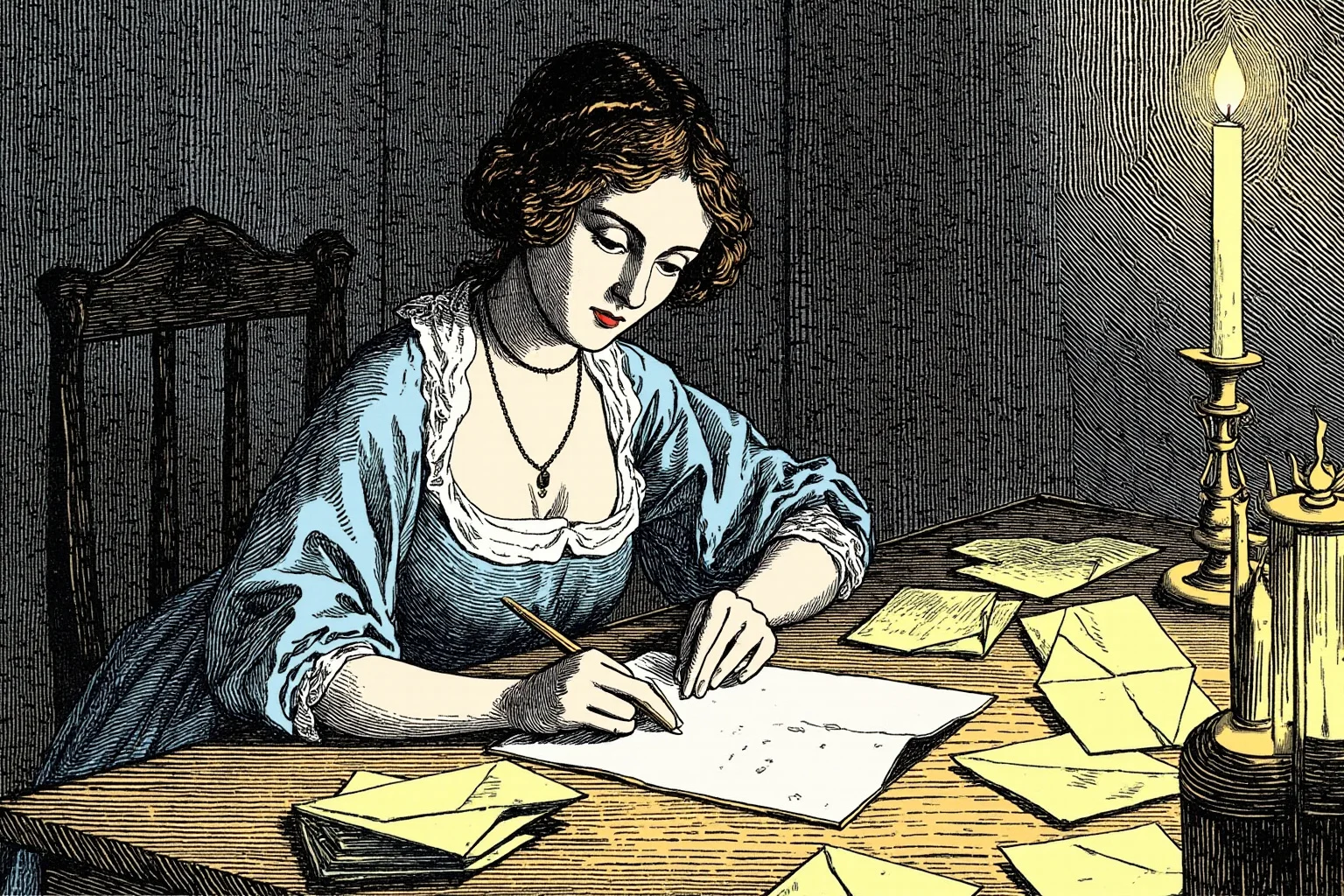
What set this affair apart from countless other Regency indiscretions was how utterly indiscreet it was. Caroline made little effort to hide her feelings, sending Byron passionate letters, showing up uninvited at his lodgings, and behaving in ways that scandalized even a social scene fairly used to affairs conducted with at least a veneer of discretion.
Byron, for his part, seemed to enjoy the attention at first, flattered by the intensity of it even as it started to become a liability to his own reputation. Society watched the whole thing unfold in real time, gossiping over every new development.
9. The Page-Boy Disguise and Other Scandals
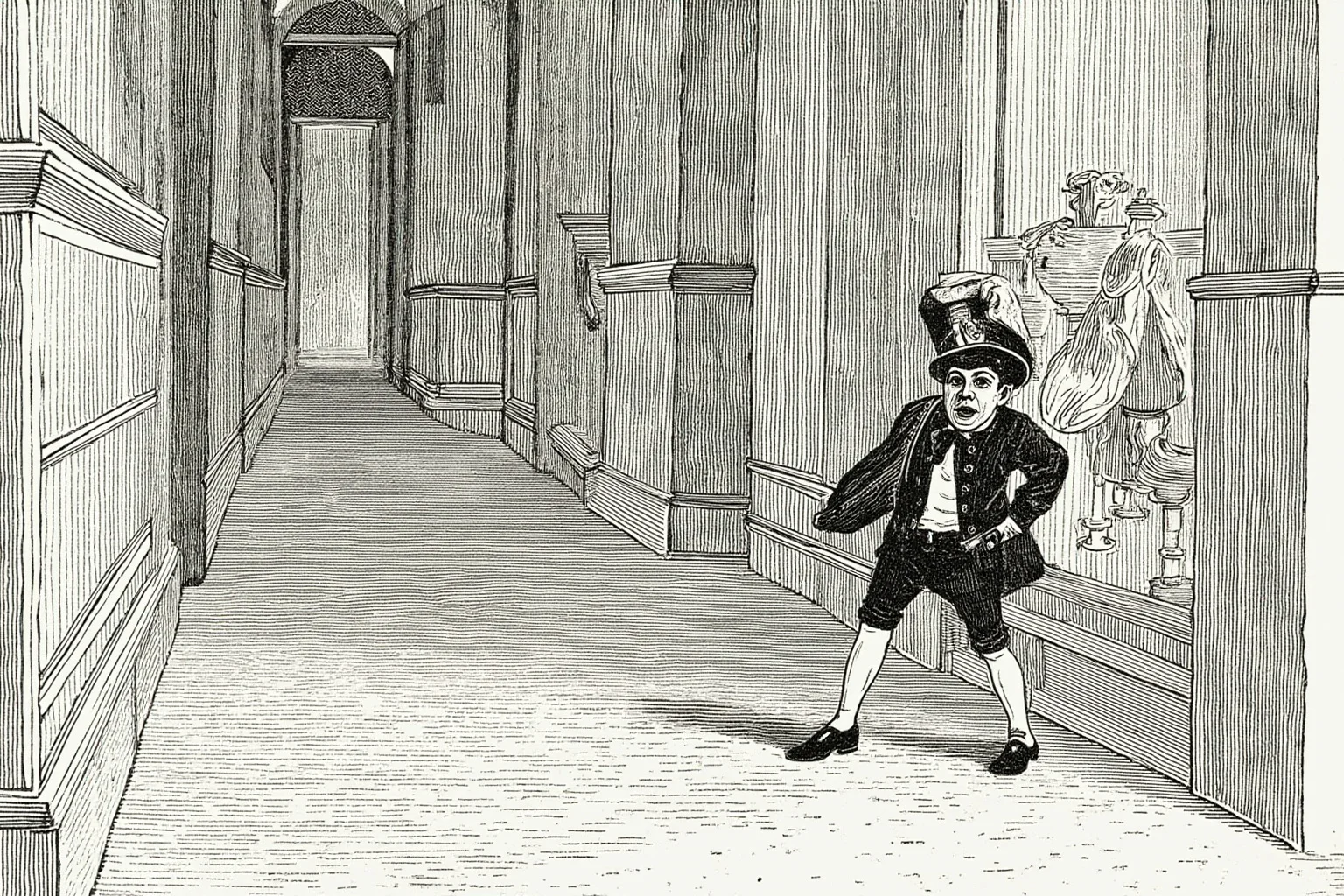
Among the stories that have survived about Caroline’s pursuit of Byron, one of the most repeated is that she disguised herself as a page boy in order to gain access to him, a story that appears in multiple biographical accounts of the affair. Whether every detail of that particular episode is exactly as later retold, it captures the reckless, theatrical lengths Caroline was willing to go to in order to stay close to him.
Her behavior grew increasingly erratic as the affair progressed, including reports of self-harm during emotional confrontations, most notably an incident involving a broken glass at a party. These episodes alarmed even her own family and fueled the growing sense that the affair was spiraling out of control.
10. The Breakup Byron Wanted, Caroline Refused
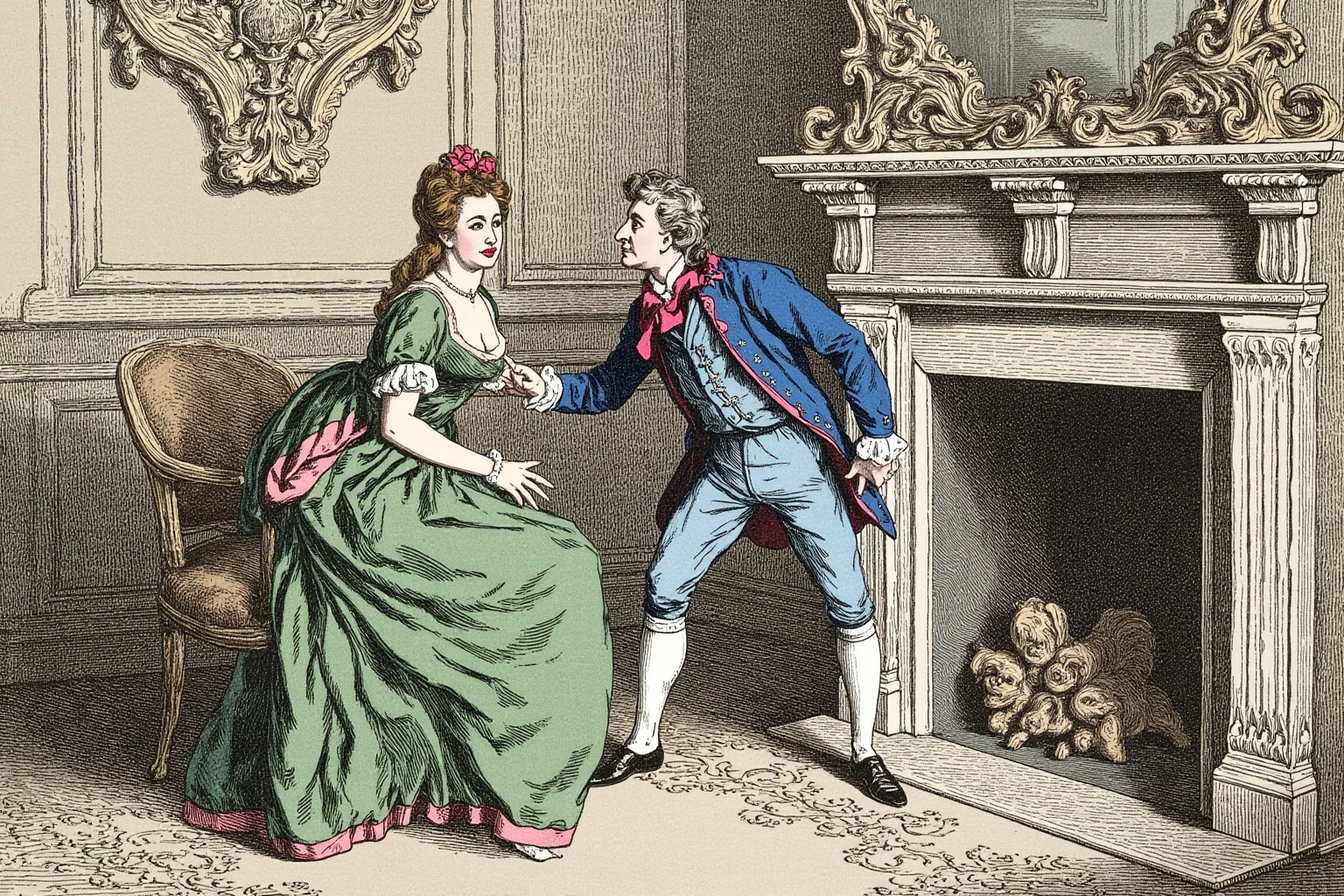
By the autumn of 1812, Byron had grown tired of the intensity and the public embarrassment, and he began trying to end things. Caroline, however, did not accept the breakup gracefully, refusing to let go even as Byron moved on to other relationships, including one with the older, more socially cautious Lady Oxford.
The end of the affair dragged out over months rather than ending cleanly, with Caroline continuing to write to Byron and attempt contact long after he’d made his intentions to separate clear. It was a slow, humiliating unraveling played out in front of all of London.
11. The Bonfire at Brocket Hall
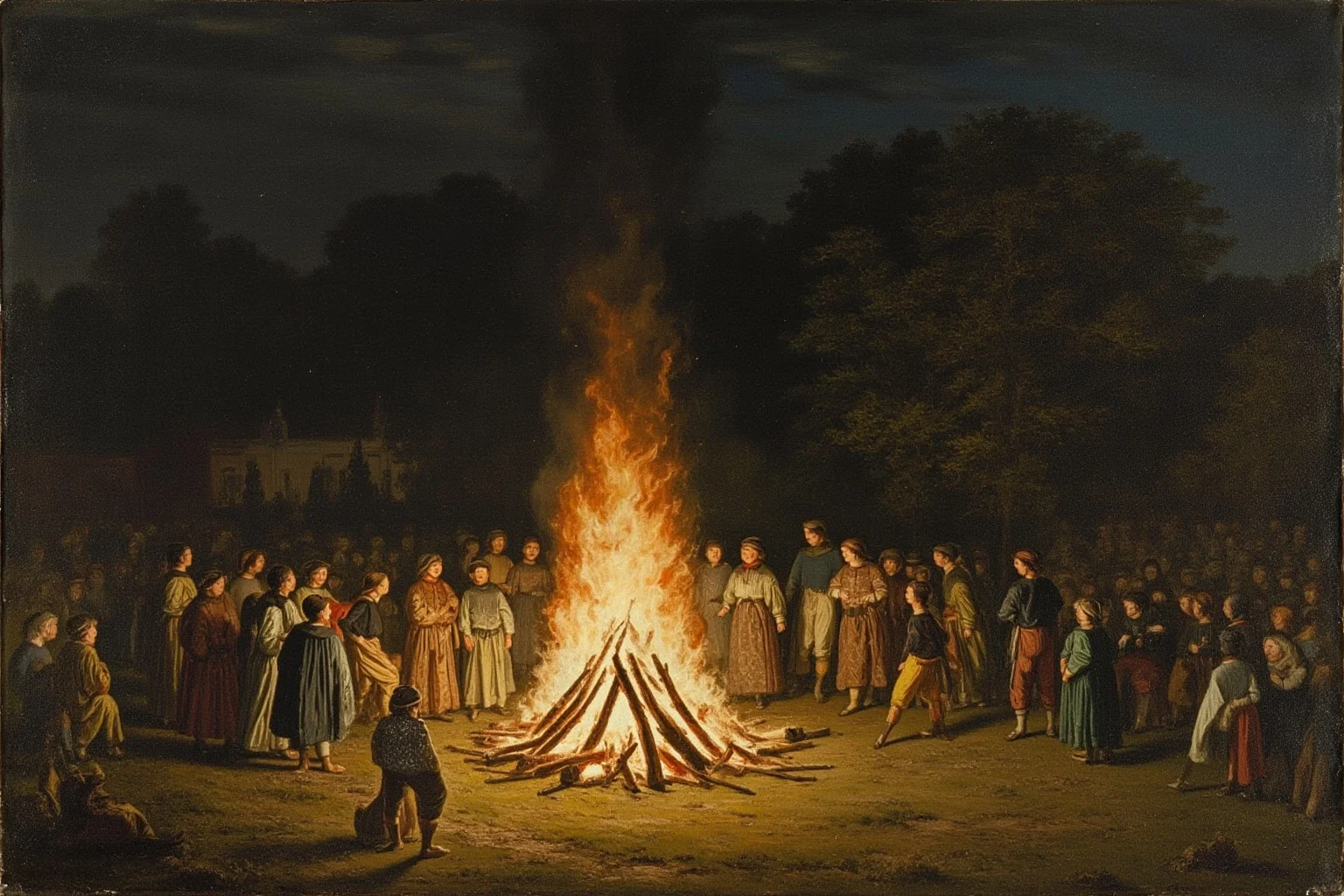
One of the most enduring images from this saga is the bonfire Caroline reportedly staged at Brocket Hall, the Lamb family estate, where she burned Byron’s letters and effigies of him in a dramatic public ritual, allegedly having local girls dance around the flames. Accounts of the exact staging vary between sources, but the core event, some form of theatrical letter-burning ceremony aimed at Byron, is well documented in the biographical record of the period.
It’s the kind of story that sounds almost too dramatic to be true, yet it fits perfectly with everything else we know about how publicly and theatrically Caroline processed her heartbreak. Whatever the precise choreography, it cemented her reputation as the wronged woman who refused to suffer quietly.
12. Glenarvon: Caroline’s Literary Revenge
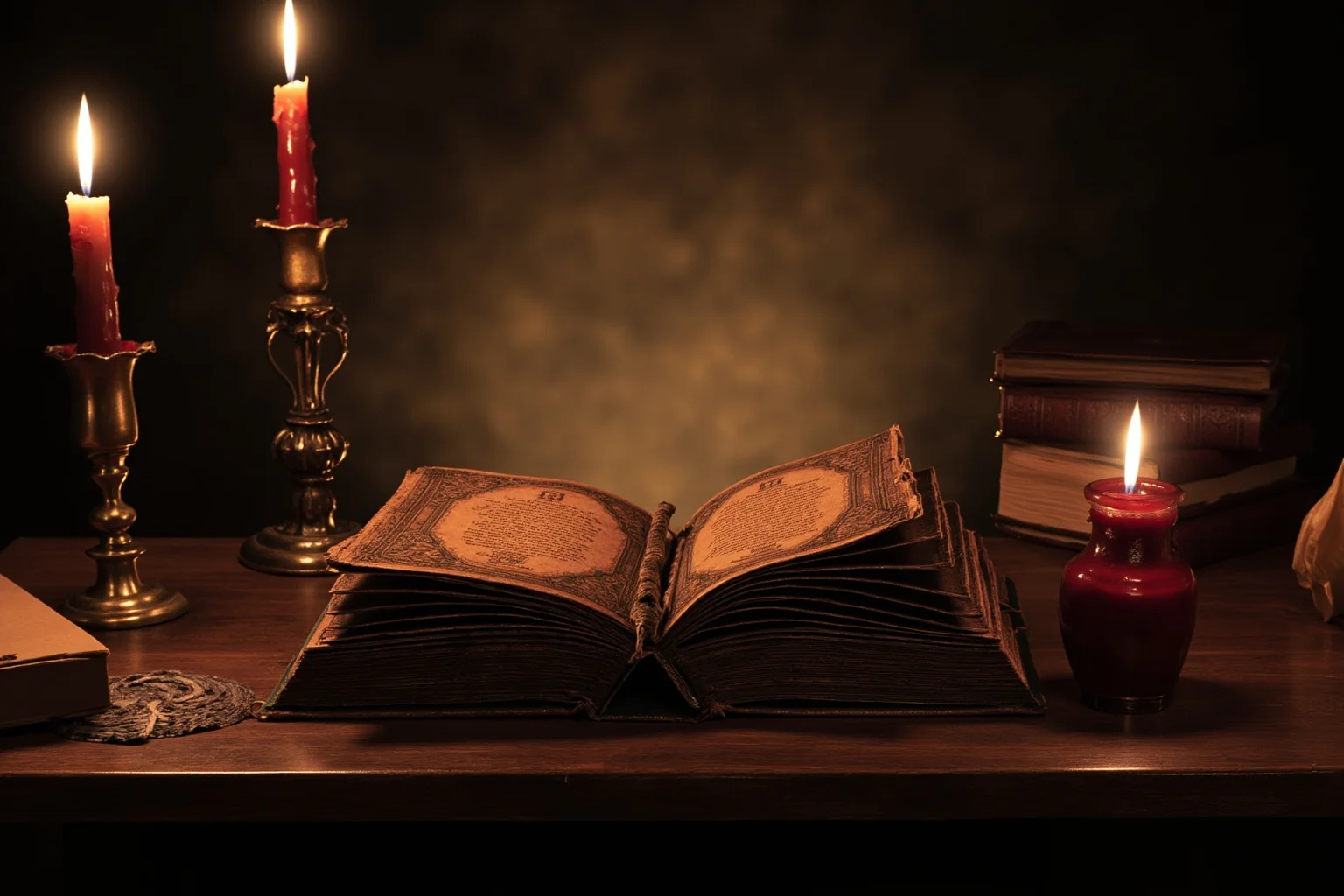
In 1816, Caroline Lamb published “Glenarvon,” a gothic novel featuring a thinly disguised, deeply unflattering portrait of Byron in the character of Clarence de Ruthven. The novel also skewered several other real figures from London society, all recognizable enough that it caused a fresh wave of scandal on top of the original affair.
The book was a commercial curiosity precisely because of the gossip value, and it remains one of the clearest examples in English literary history of a jilted lover getting the last word in print. Byron himself is said to have reacted with a mixture of amusement and irritation rather than genuine devastation, treating the novel as more of a nuisance than a wound, though the surviving record of his exact private reaction is limited.
13. How Byron Actually Reacted to the Novel
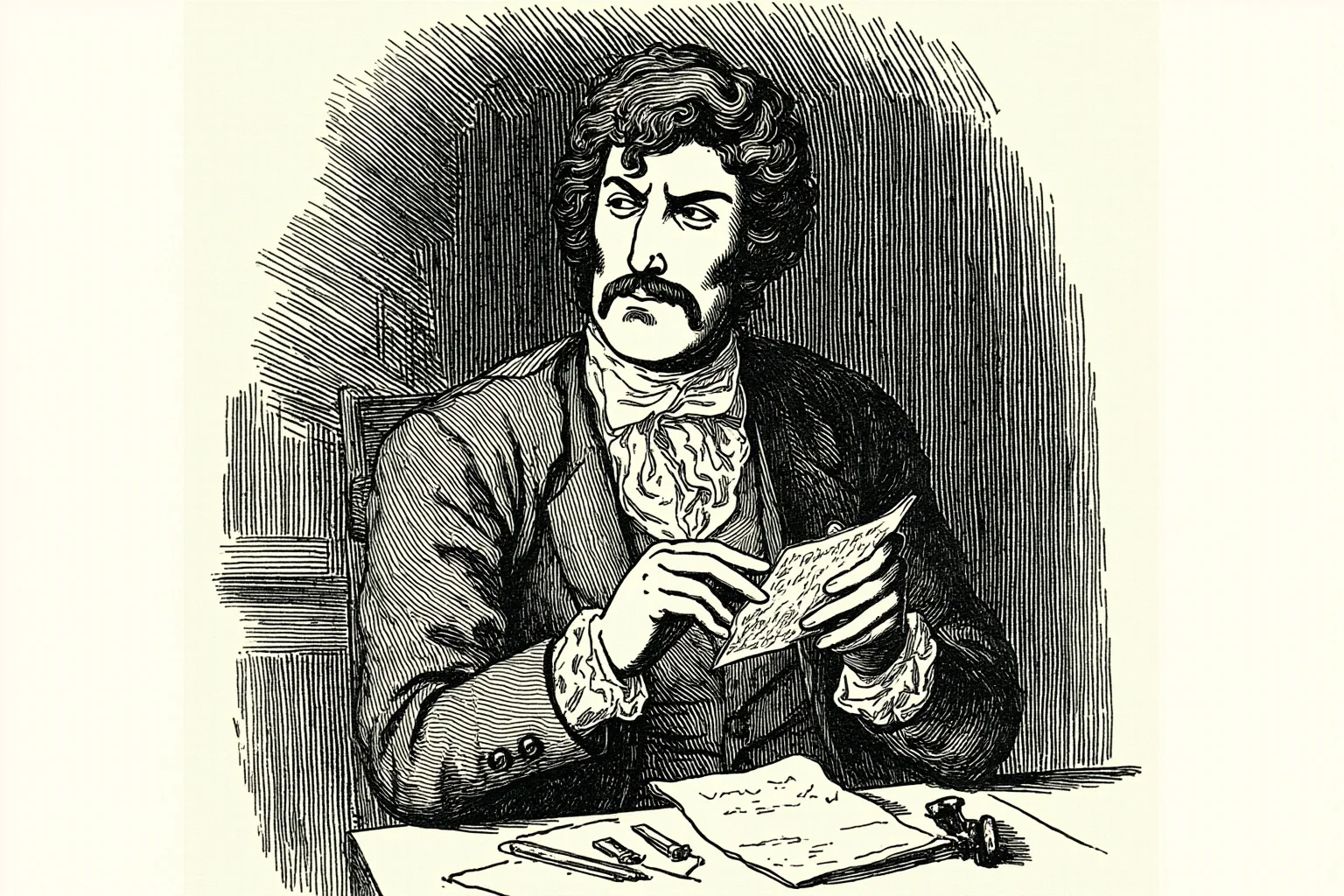
It’s worth separating fact from legend here, because “Glenarvon” is often described as though it destroyed Byron’s reputation, when in reality his own conduct did far more lasting damage to his standing than Caroline’s novel ever did. Byron had already cultivated a scandalous public image, and readers largely understood the book for what it was: a former lover’s dramatized score-settling.
Byron left England for good in 1816, the same year the novel was published, but his departure was driven by a combination of debt, the collapse of his marriage to Annabella Milbanke, and rumors about his personal conduct, not primarily by Caroline’s book. The timing is coincidental more than causal.
14. William Lamb’s Remarkable Patience
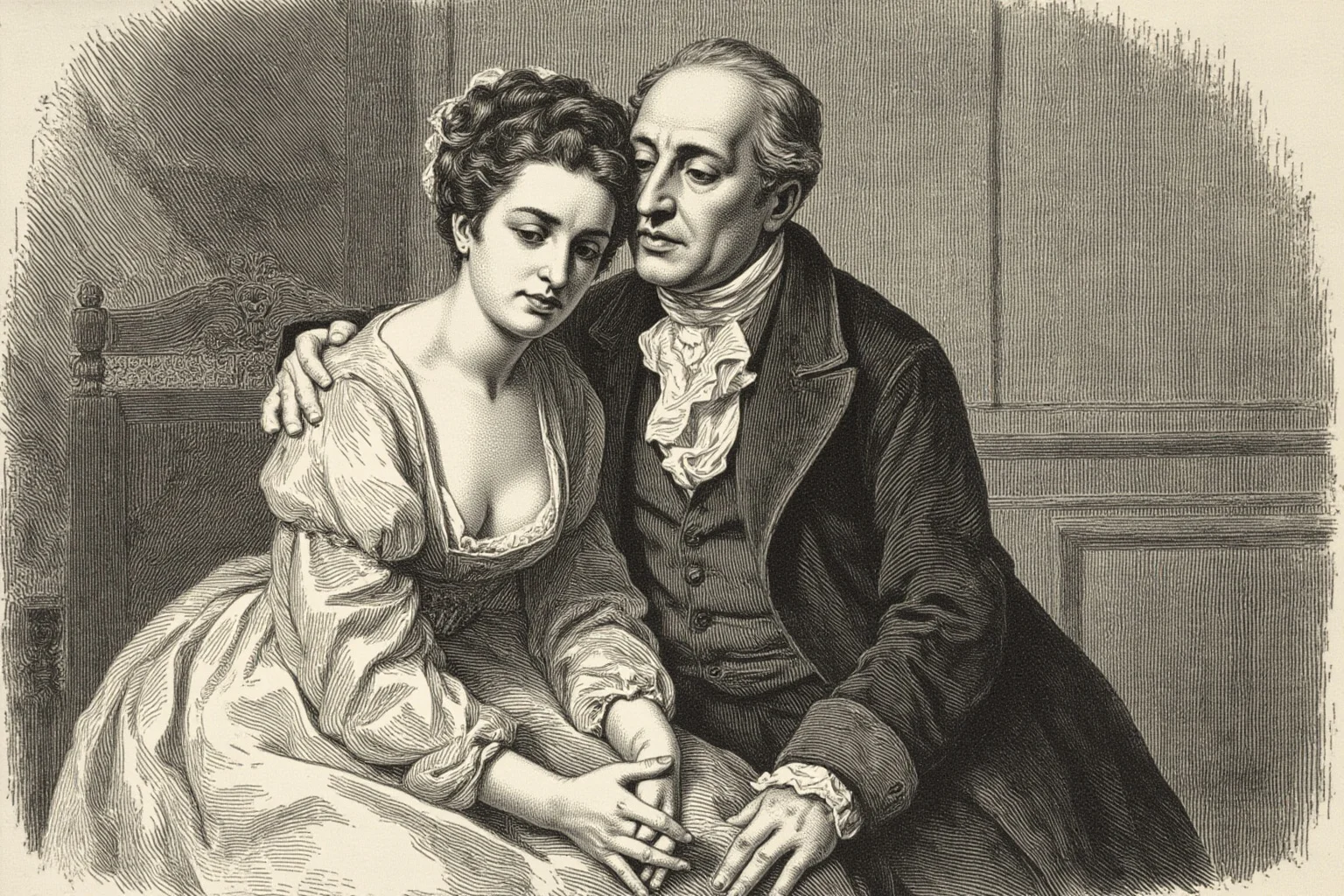
Throughout the entire affair and its aftermath, William Lamb showed an almost startling amount of patience toward his wife. Rather than immediately ending the marriage, as many husbands in his position might have, he stood by Caroline for years, even as her behavior became increasingly erratic and publicly humiliating to him.
The couple did eventually undergo a formal separation in 1825, largely at the urging of Caroline’s own family, who felt the marriage had become unsustainable. Even then, William continued to visit her and maintained a degree of concern for her wellbeing until her death.
15. Caroline’s Unraveling
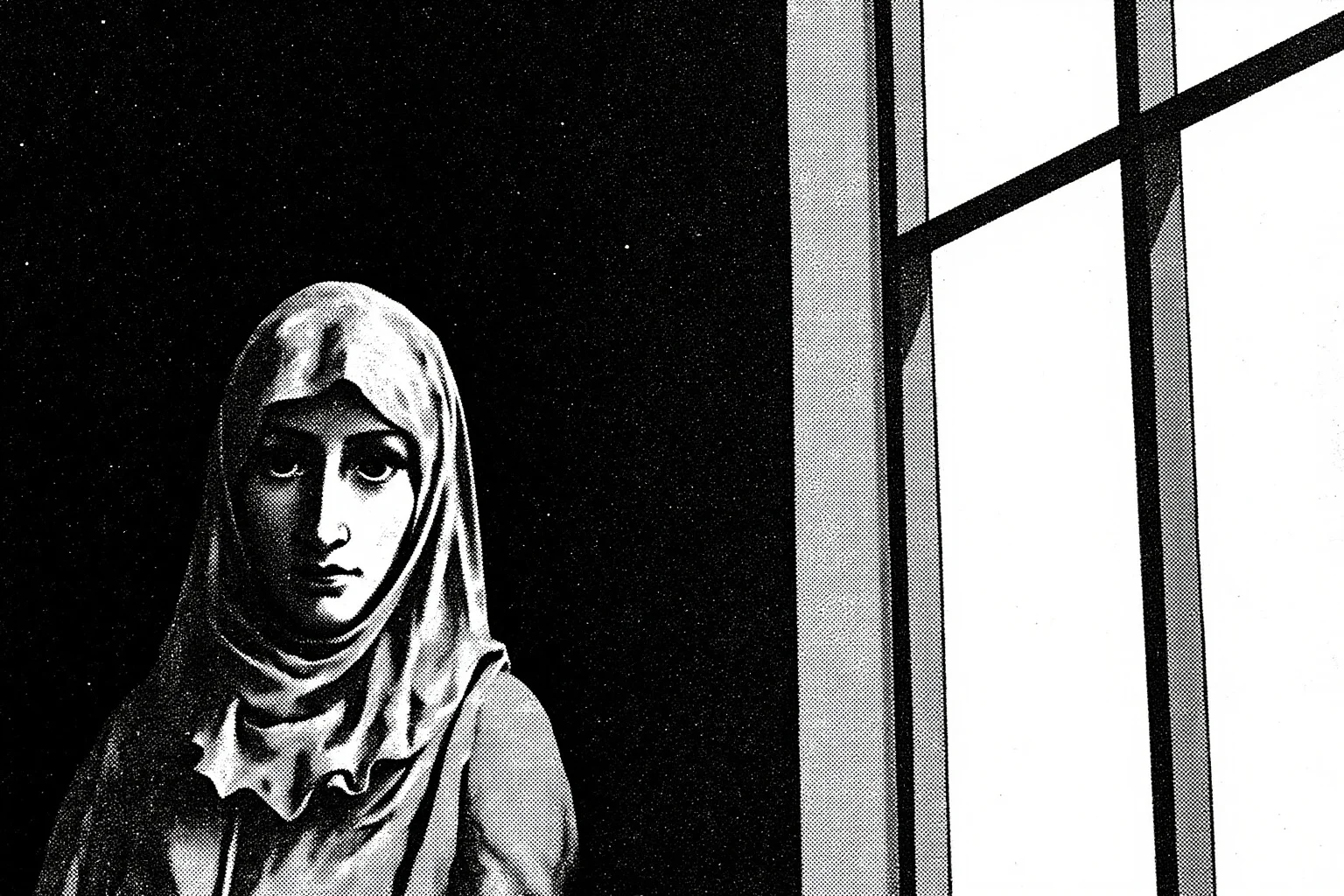
In the years following the Byron affair, Caroline’s mental and physical health declined steadily, worsened by heavy use of laudanum and alcohol, both common but dangerous coping mechanisms in Regency-era England. Her writing continued, including further novels, but her public reputation never recovered from the events of 1812 and the fallout from “Glenarvon.”
Friends and family described her behavior as increasingly unpredictable during this period, and she became something of a cautionary tale used by Regency society to warn against unchecked passion and public impropriety, an unfair reduction of a genuinely complicated woman into a moral lesson.
16. Byron’s Own Scandals and Self-Exile
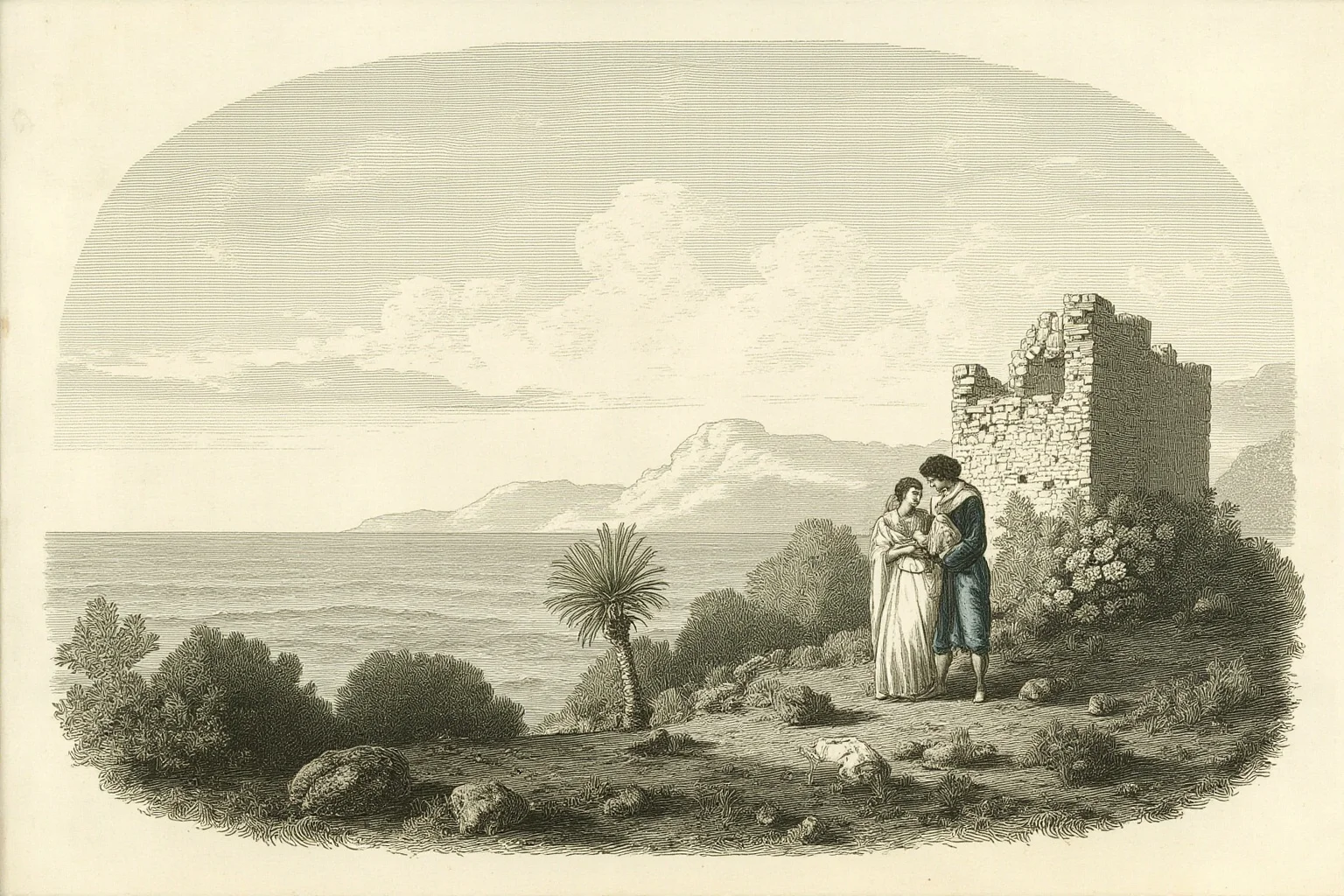
While Caroline’s reputation crumbled at home, Byron’s life abroad became its own saga of scandal, including rumors surrounding his relationship with his half-sister Augusta Leigh and a string of affairs across Italy and Greece. He never returned to England after leaving in 1816, living out his remaining years on the Continent as one of Europe’s most famous literary celebrities and most notorious personalities.
His fame only grew during this exile, fueled by continued poetry output including “Don Juan,” and by his eventual involvement in the Greek war of independence, where he became something of a romantic hero to supporters of the Greek cause.
17. The Funeral Procession That Broke Her
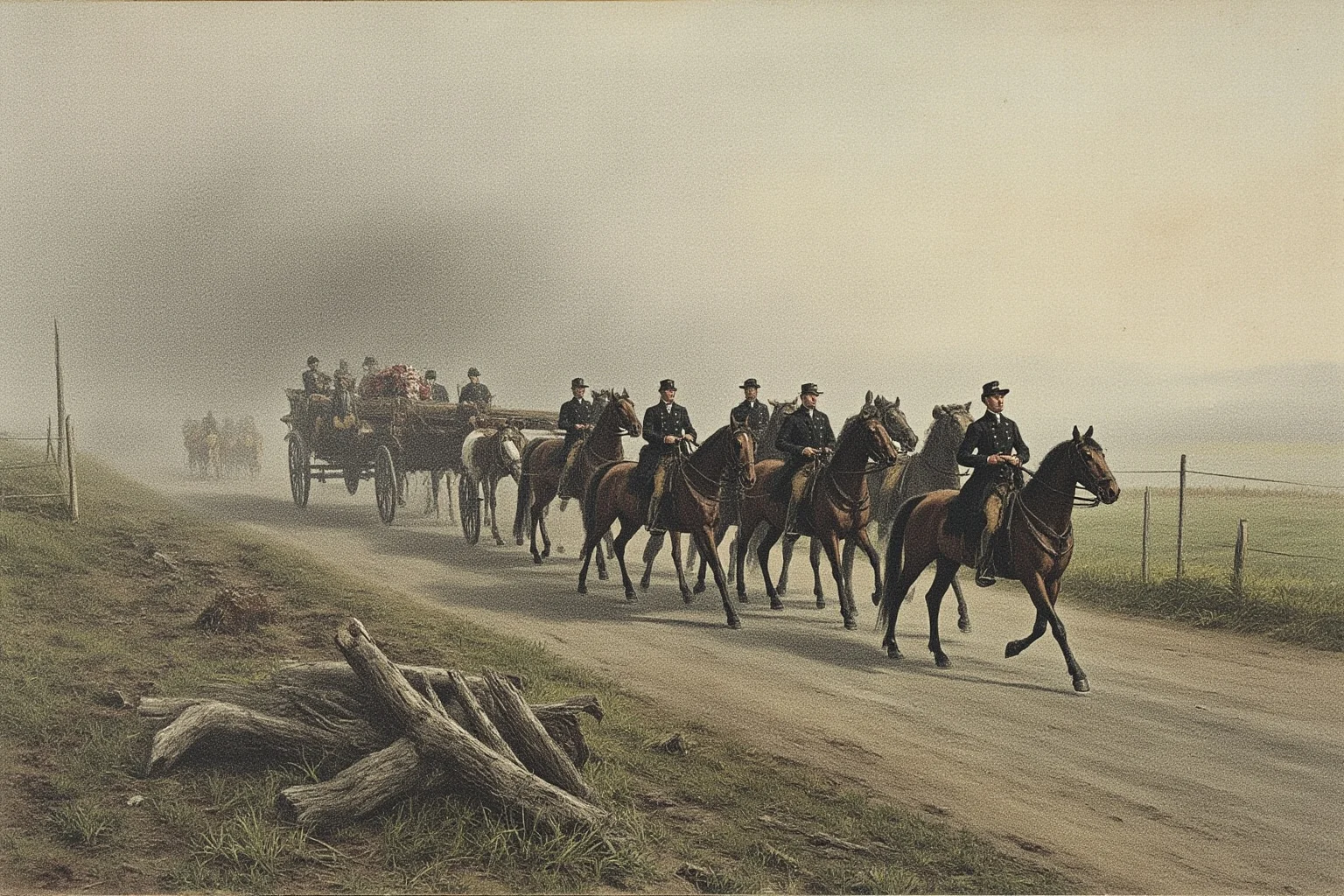
One of the most poignant, well-documented anecdotes from Caroline Lamb’s later life involves Byron’s funeral. After Byron died in 1824, his body was transported back to England for burial, and his funeral cortege passed through Hertfordshire, near where Caroline was living.
By most accounts, Caroline encountered the funeral procession unexpectedly, not knowing in advance that it would pass her way, and the shock of realizing whose coffin it was reportedly caused her to collapse. It’s a genuinely tragic detail, whatever else one makes of the messiness that came before it, and it speaks to how much Byron still meant to her more than a decade after their affair ended.
18. Caroline Lamb’s Death in 1828
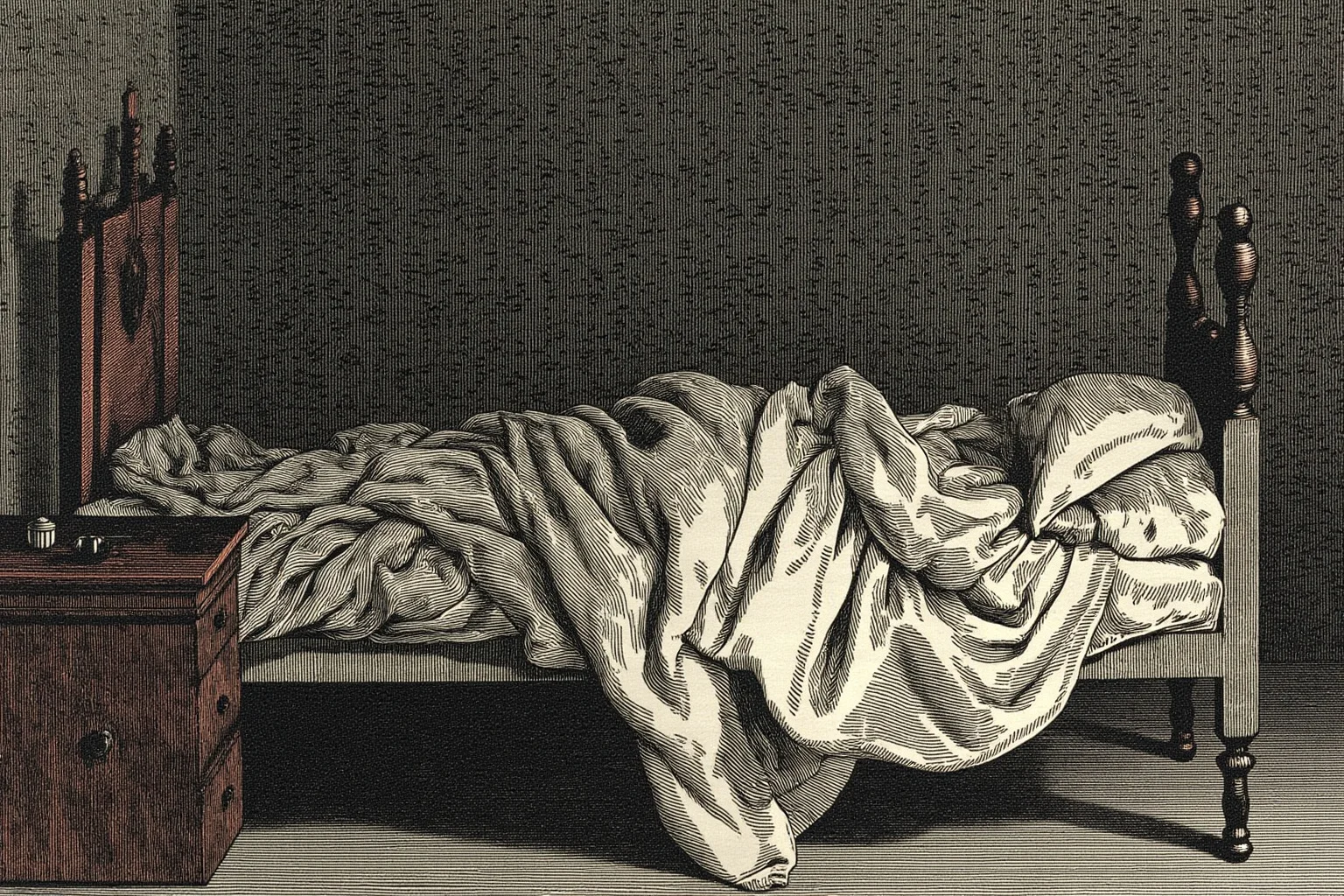
Lady Caroline Lamb died in January 1828 at the age of 42, with William Lamb reportedly at her side despite their years of separation. Her health had been failing for some time, worsened by years of substance use and the emotional toll of her turbulent life.
Her death received relatively muted attention compared to the enormous scandal of her younger years, a quiet ending for a woman whose life had been anything but quiet. She’s remembered today less for her own writing and more for the three-word phrase she coined about Byron, though her novels remain of genuine interest to historians of Regency literature.
19. William Lamb Becomes Lord Melbourne
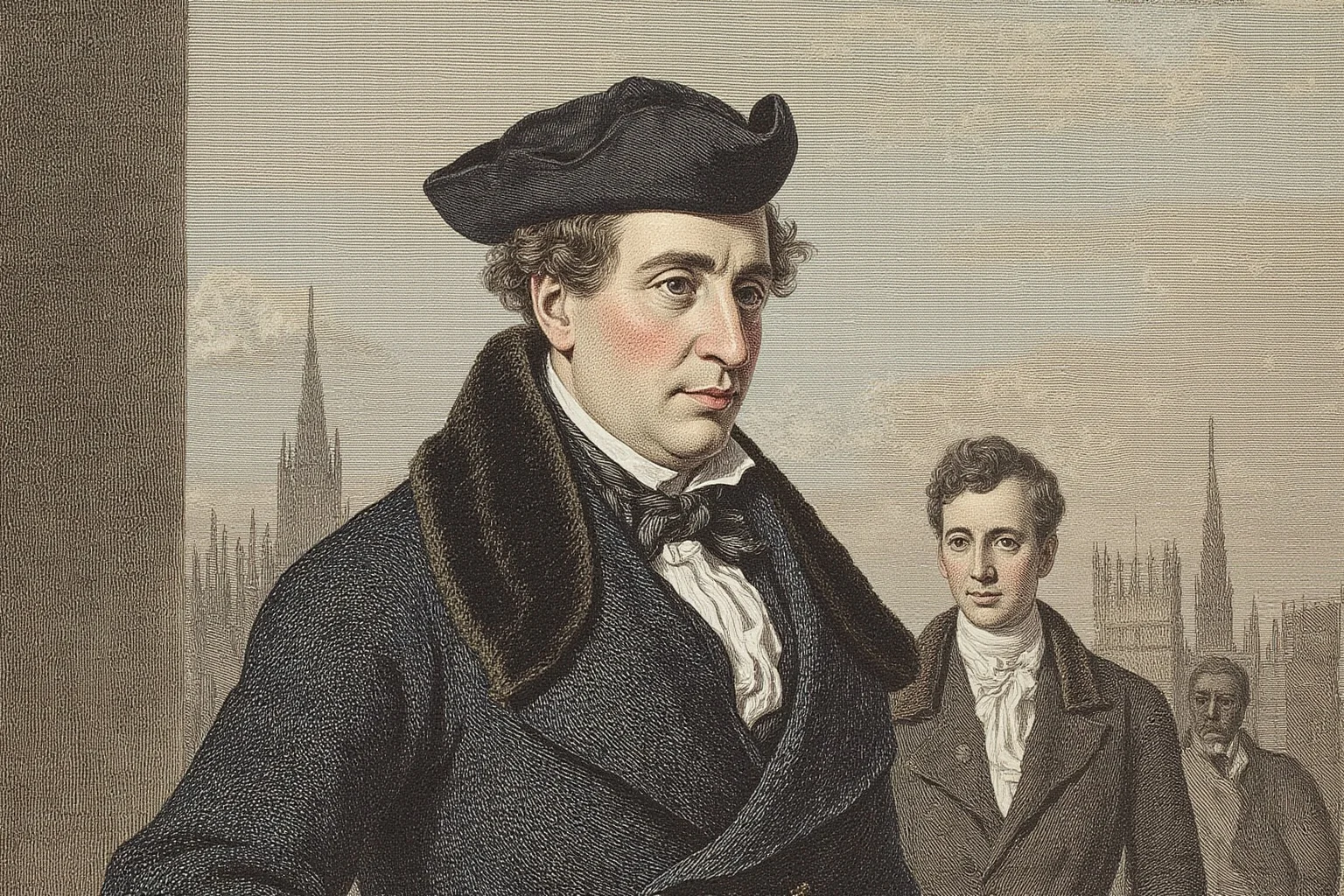
After Caroline’s death, William Lamb’s political career continued to rise. He inherited the title of 2nd Viscount Melbourne in 1829 and went on to serve as Prime Minister of the United Kingdom, first from 1834, and again from 1835 to 1841.
In this second term especially, Melbourne became a hugely important figure in the life of the young Queen Victoria, one of history’s most powerful women, who came to the throne in 1837. He served as her first prime minister and something close to a political mentor and father figure during the earliest, most uncertain years of her reign.
20. Did Lord Byron and Queen Victoria Ever Cross Paths?
This is where a lot of confused search queries about “Lord Byron and Queen Victoria” come from, and it’s worth clearing up directly. Byron died in 1824, thirteen years before Victoria became queen in 1837, and she was only five years old at the time of his death, so the two never met and had no direct relationship of any kind.
The real connection is indirect, running through William Lamb, Lord Melbourne, Caroline Lamb’s husband, who became Victoria’s trusted first prime minister years after both Byron and Caroline had died. It’s a genuinely interesting historical thread, just not the one many people assume when they first search for the connection.
21. The Legacy of History’s Messiest Love Story
More than two centuries later, the affair between Lord Byron and Lady Caroline Lamb still gets cited as one of the great scandals of Regency England, and for good reason. It had nearly everything: fame, obsession, public humiliation, a revenge novel, and a genuinely tragic ending involving a funeral procession neither party could have planned.
It also gave English literature one of its most quoted lines about a difficult man, courtesy of a woman who deserves to be remembered as more than just the person who said it. Caroline Ponsonby Lamb was reckless, brilliant, and deeply unhappy in ways that Regency society had little patience for, and her story remains a compelling, cautionary window into just how unforgiving that world could be toward women who refused to play by its rules.
The Bottom Line
The Byron-Lamb affair wasn’t really a love story in the traditional sense; it was closer to a public unraveling that both parties, willingly or not, performed in front of all of London. Untangling the myths from the documented facts doesn’t make the story any less dramatic, it just makes it a truer, more human one.
Caroline Lamb wasn’t simply a scorned woman with a good one-liner, and Byron wasn’t simply a villain in her story. They were two famous, flawed people whose brief collision left a mark on English cultural history that has outlasted nearly everyone involved, including, ironically, the marriage that survived it.
Frequently Asked Questions
What is the connection between Lord Byron and Queen Victoria?
There isn't a direct one. Byron died in 1824, when Victoria was just five years old and still 13 years away from becoming queen, so the two never met. The real link is indirect: Lady Caroline Lamb's husband, William Lamb, later became Lord Melbourne and served as Queen Victoria's first and most trusted prime minister, years after both Byron and Caroline had died.
Who was Lady Caroline Lamb?
Lady Caroline Lamb, born Caroline Ponsonby in 1785, was an English aristocrat, novelist, and socialite best remembered for her scandalous 1812 affair with Lord Byron. She was married to politician William Lamb, later Lord Melbourne, and later wrote the novel "Glenarvon," which satirized Byron and London society.
What was the age difference between Caroline Lamb and Lord Byron?
Caroline Lamb was actually the older of the two. She was born in 1785 and Byron in 1788, making her roughly two and a half to three years older than him. When their affair began in 1812, she was around 26-27 and he was 24.
Why did Lady Caroline Lamb call Byron ‘mad, bad, and dangerous to know’?
Caroline reportedly wrote this line in her journal after getting to know Byron personally following their introduction in 1812, capturing both his magnetic appeal and his volatile, reckless personality. The phrase became one of the most famous character assessments in English literary history and has outlived almost everything else associated with her.
Did Caroline Lamb and Lord Byron ever get married?
No. Caroline was already married to William Lamb when her affair with Byron took place, and Byron himself later married Annabella Milbanke in 1815. The Byron-Lamb relationship was an extramarital affair, not a marriage, though it caused enough scandal that many people mistakenly assume otherwise.
What happened to Caroline Lamb after her affair with Byron ended?
Caroline's mental and physical health declined over the following years, worsened by substance use and ongoing public scandal, particularly after she published "Glenarvon" in 1816. She reportedly collapsed after unexpectedly encountering Byron's funeral procession in 1824 and died in 1828 at age 42, with her estranged husband William Lamb at her side.

Alex Warren
Related Articles