

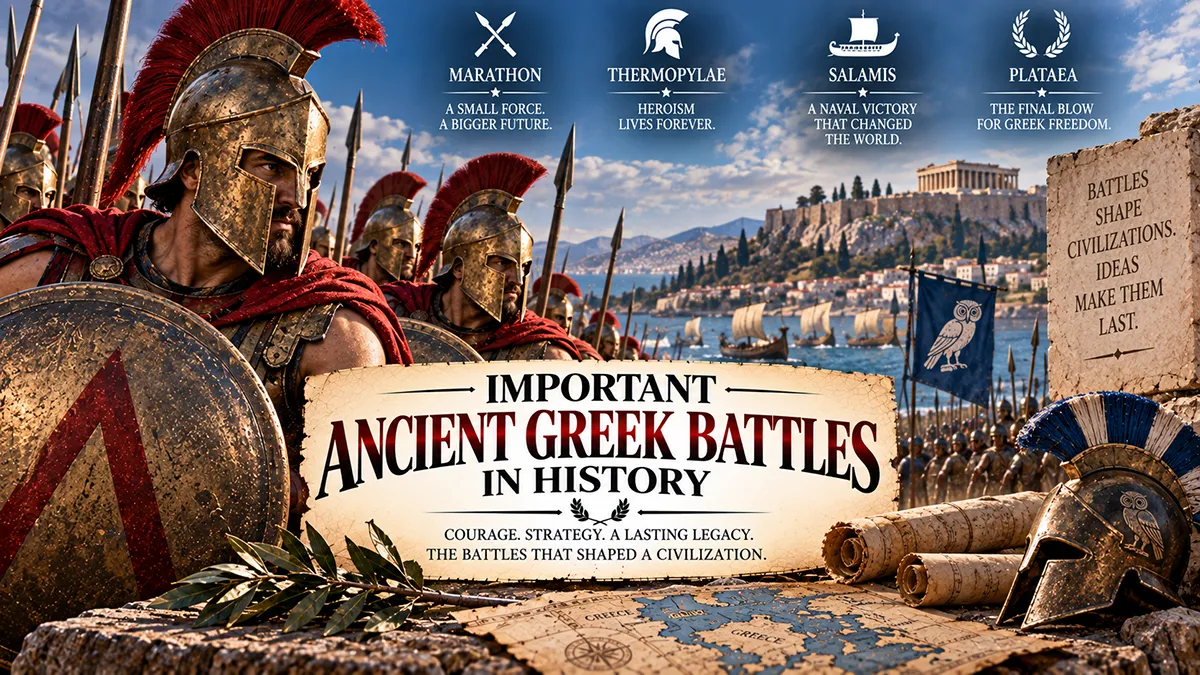
Ask most people to picture ancient Greek warfare and they’ll probably imagine a wall of shields, a narrow mountain pass, and 300 Spartans holding off an empire.
That image isn’t wrong, exactly, but it’s only a tiny sliver of a much bigger story. The wars of ancient Greece span centuries, dozens of city-states, and conflicts that reshaped the ancient Mediterranean world long before Rome ever entered the picture.
From the sun-scorched beaches of Marathon to the dusty plains of Gaugamela, these battles weren’t just clashes of spears and shields. They decided whether Greek culture, philosophy, and political ideas would survive, spread, or vanish entirely.
This guide walks through the major events in Greek history that mattered most, separates verified fact from popular myth, and shows how ancient Greek battlefields still echo through Western culture today.
TL;DR: The wars of ancient Greece, from the Persian invasions to the conquests of Alexander the Great, produced some of history’s most decisive battles and permanently shaped the course of Western civilization.
What Made Ancient Greek Warfare Unique
Ancient Greek warfare wasn’t a single unified system. It was a patchwork of independent city-states, each with its own army, tactics, and reasons for fighting. Greece at war usually meant Greeks fighting other Greeks, with outside invaders like Persia acting as rare unifying threats.
The backbone of most Greek armies was the hoplite, a citizen-soldier who fought in a tight formation called the phalanx. Armed with a large round shield, a spear, and bronze armor if he could afford it, the hoplite’s strength came from standing shoulder to shoulder with his neighbors. Break the line, and the whole formation was vulnerable.
Naval power mattered just as much as land battles, especially for Athens. Triremes, fast oar-powered warships, allowed Greek city-states to project power across the Aegean Sea and fight wars far from home. Understanding both the phalanx and the trireme is essential to understanding almost every entry on this list.
The Greco-Persian Wars
The Greco-Persian Wars, fought in the early 5th century BCE, are where most people’s mental map of ancient Greek battles begins. A coalition of Greek city-states faced down the vastly larger Persian Empire, and the outcome was far from guaranteed at the time.
1. Battle of Marathon (490 BCE)
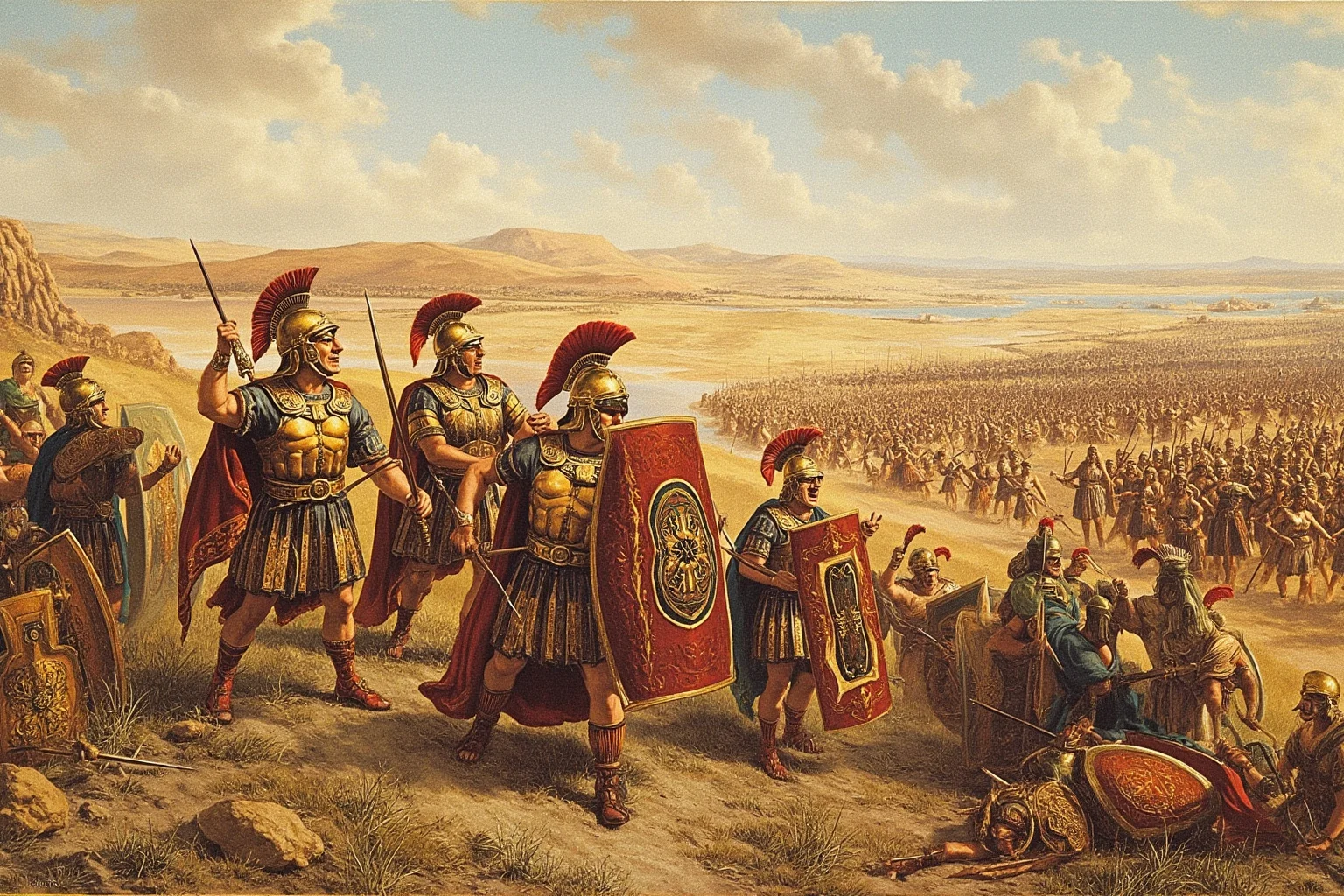
Marathon is often treated as the birth moment of Greek military confidence. An outnumbered Athenian force, with help from Plataea, met the invading Persian army on the plain of Marathon and won a decisive victory. The Athenian general Miltiades is credited with the tactical plan that broke the Persian center.
The legend of a runner sprinting to Athens to announce victory before collapsing dead is a popular story, but historians generally treat it as a later embellishment rather than a confirmed historical event.
What is well documented is that the battle bought Athens over a decade before Persia returned in force. It remains one of the most historic battles in world history for good reason.
2. Battle of Thermopylae (480 BCE)
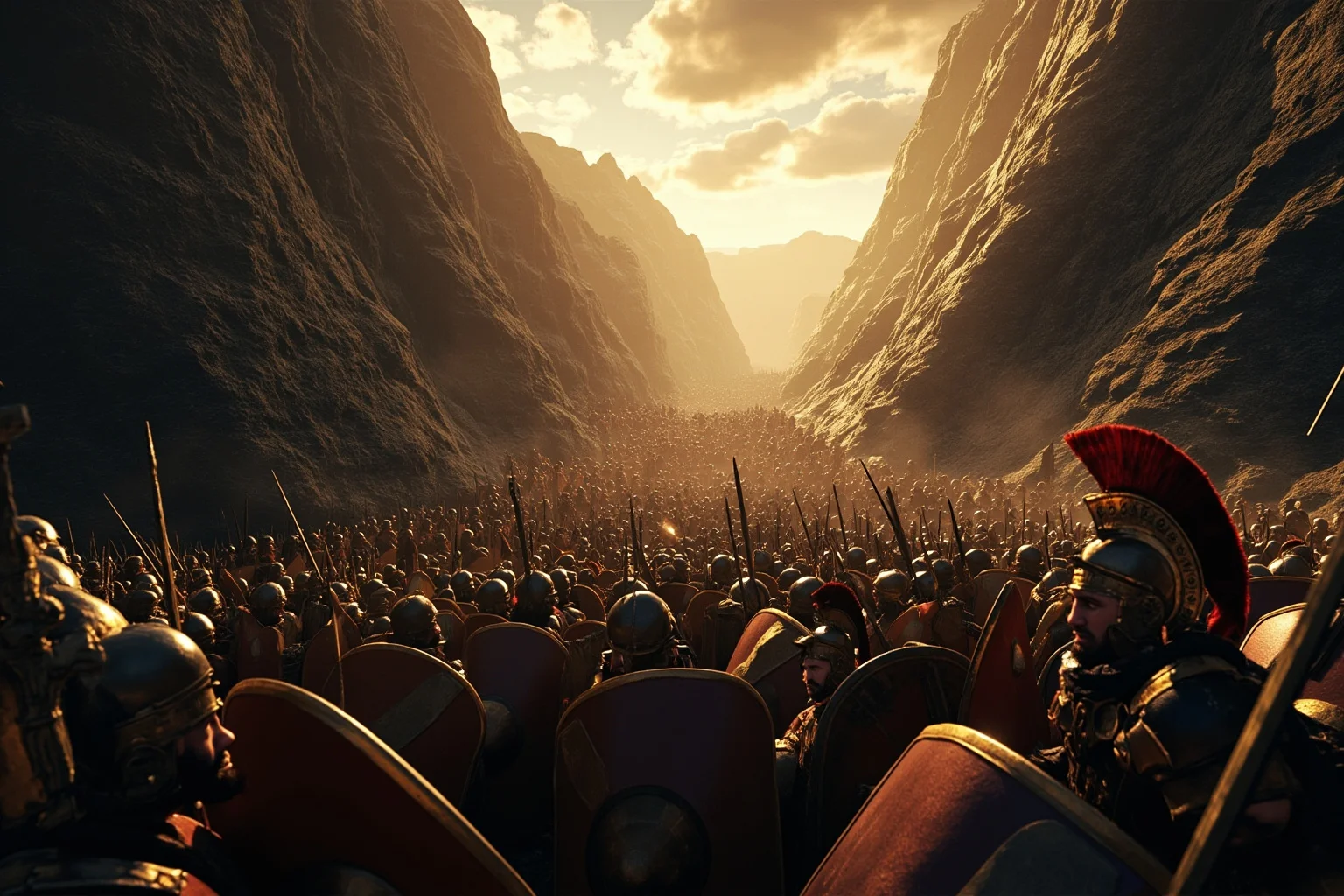
Thermopylae is probably the most mythologized battle on this entire list. A small allied Greek force, led by the Spartan king Leonidas, held a narrow coastal pass against Xerxes’ massive Persian army for three days. The stand was not a myth, but the popular image of exactly 300 Spartans acting completely alone is misleading.
Thousands of other Greek allies fought and died there too, and the Spartans were eventually outflanked rather than simply overwhelmed. The delay still mattered enormously, giving other Greek forces crucial time to prepare. It’s a genuine ancient Greek battle worth remembering accurately, not just cinematically.
3. Battle of Artemisium (480 BCE)
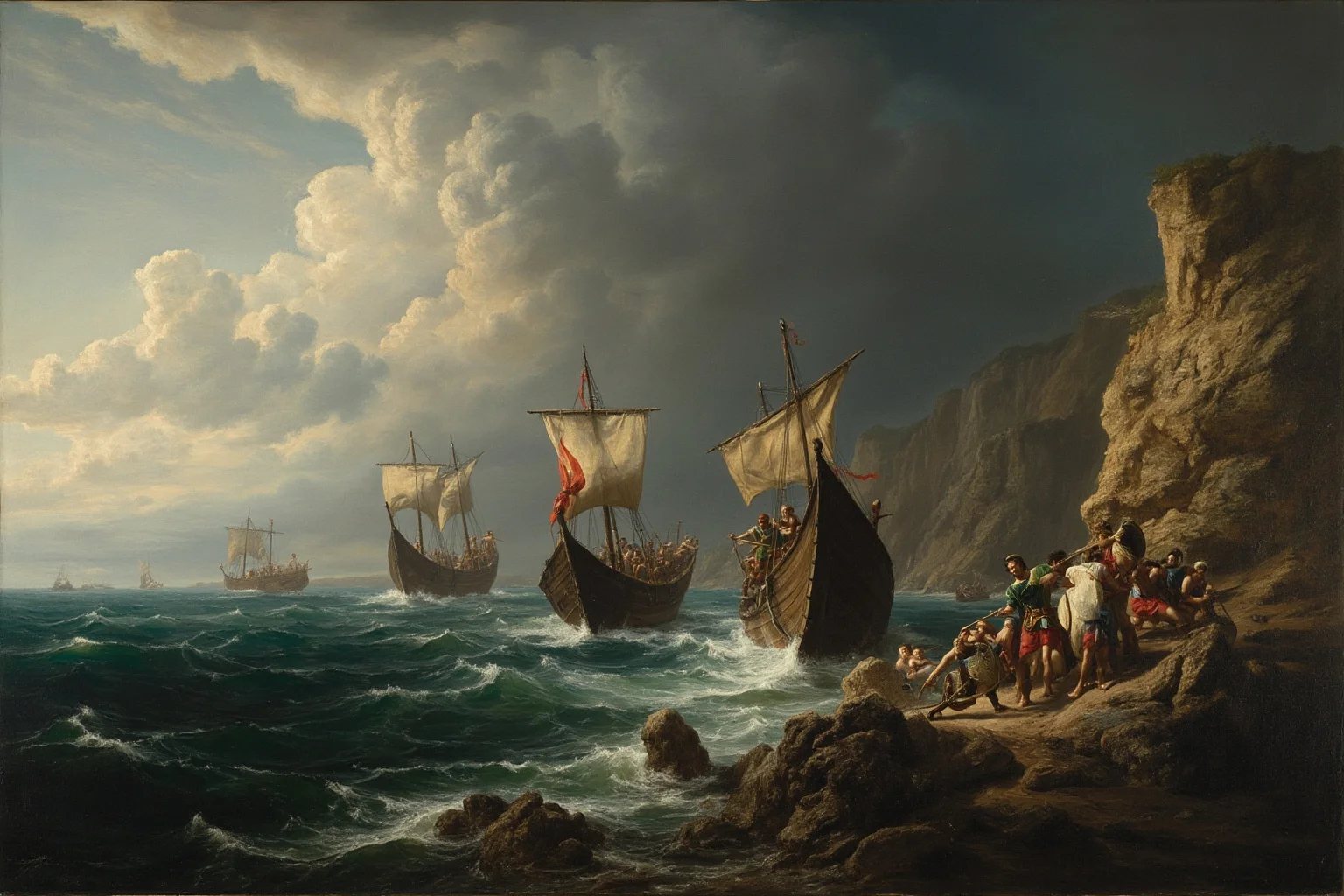
Fought at sea around the same time as Thermopylae, Artemisium was a series of naval engagements between the Greek and Persian fleets. Neither side achieved a clear victory, but the Greek navy avoided destruction while inflicting real damage on Persian ships. When news of Thermopylae’s fall arrived, the Greek fleet withdrew in good order.
This battle rarely gets the attention Thermopylae does, but it was strategically important. It preserved the Greek navy for the far more decisive confrontation still to come at Salamis.
4. Battle of Salamis (480 BCE)
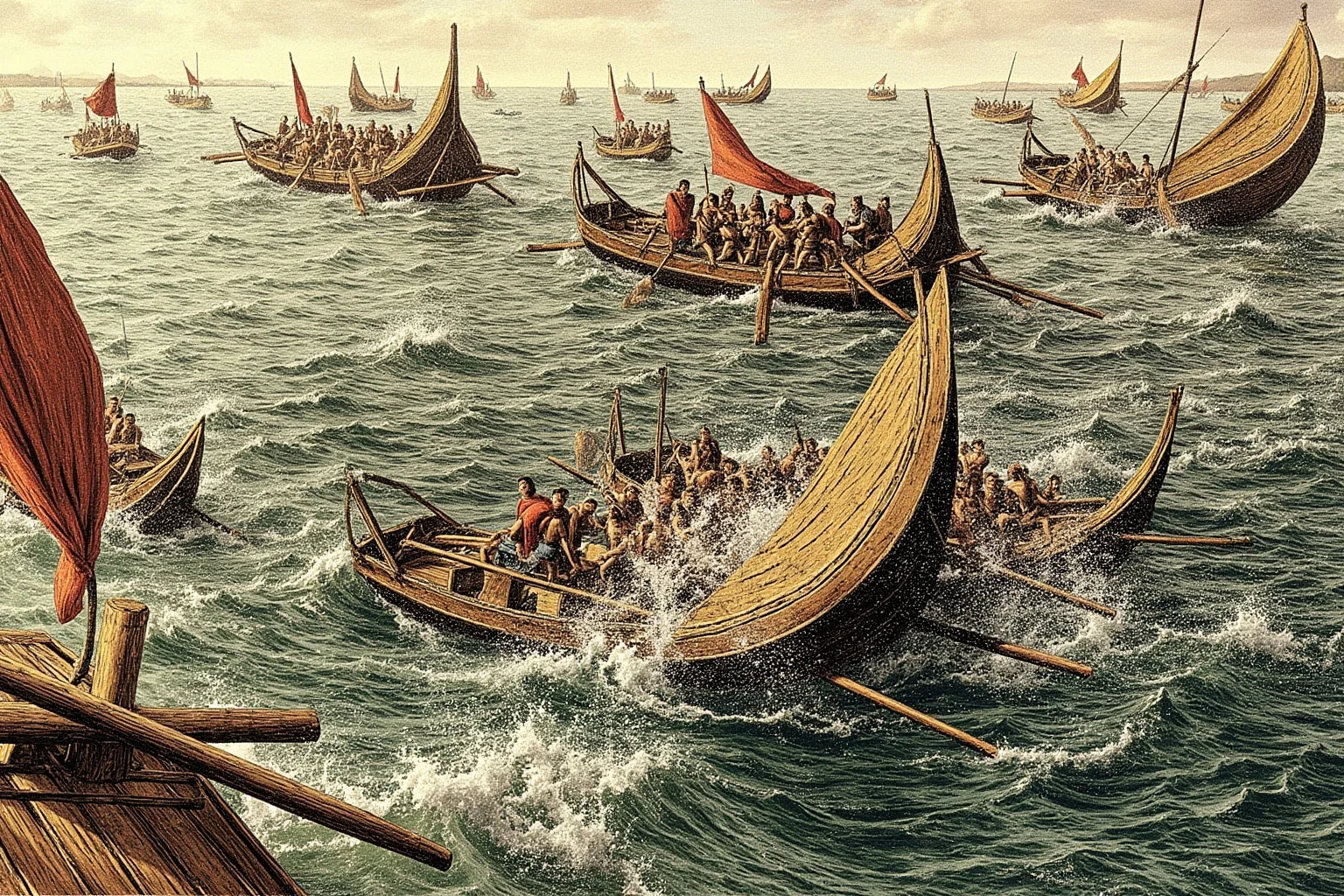
Salamis is arguably the single most important naval battle in ancient Greek warfare. The Athenian statesman Themistocles lured the larger Persian fleet into the narrow straits near the island of Salamis, where the Greeks’ smaller, more maneuverable ships had a decisive advantage. The Persian fleet was shattered.
Xerxes reportedly watched the defeat from a nearby hillside before retreating with much of his army back toward Asia. Salamis effectively ended the immediate Persian threat to mainland Greece and shifted momentum firmly toward the Greek alliance.
5. Battle of Plataea (479 BCE)
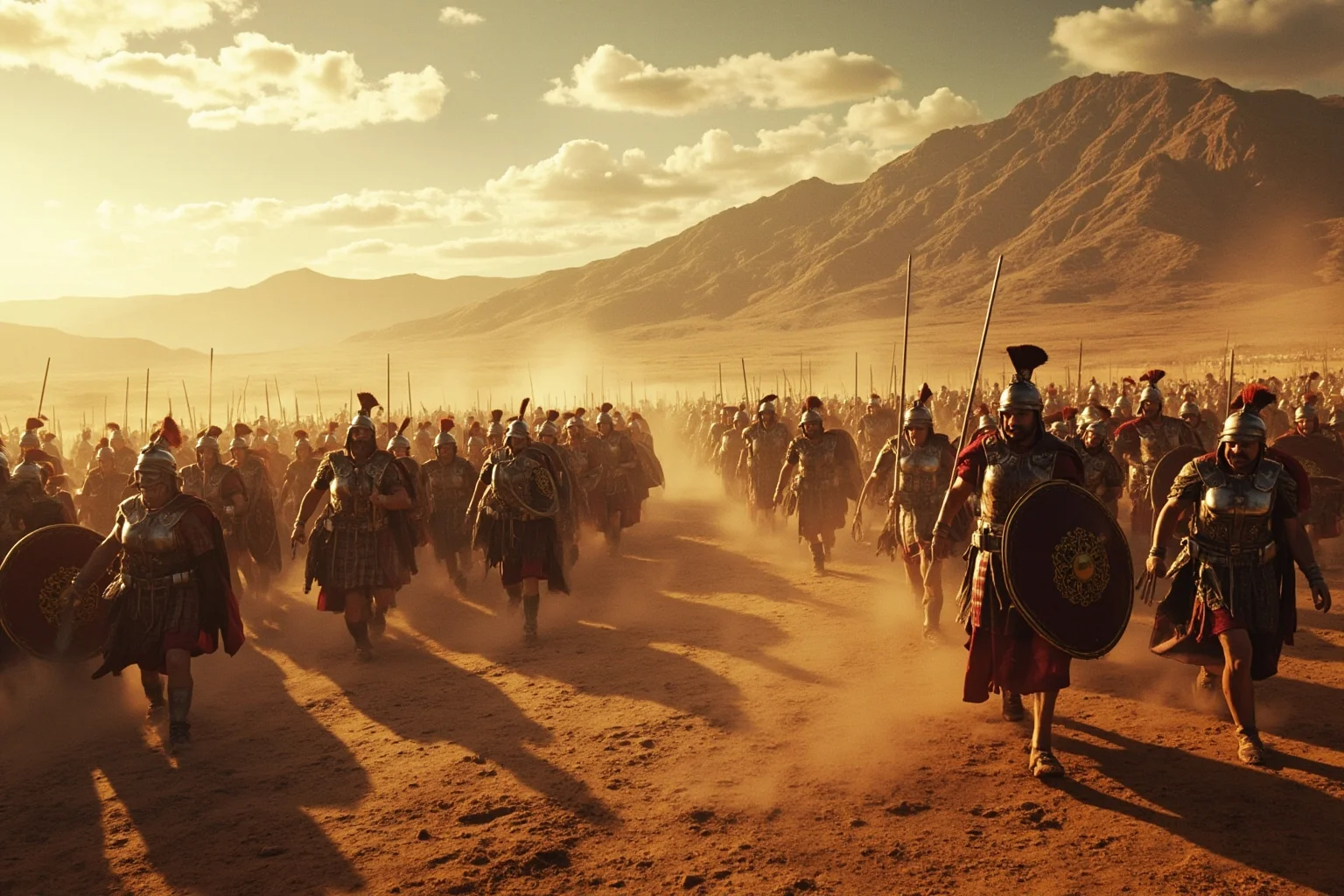
Plataea was the largest land battle of the Greco-Persian Wars and is often considered the final blow against the Persian invasion. A combined Greek army, with Sparta playing a leading role, defeated the remaining Persian land forces under the general Mardonius. Mardonius himself was killed in the fighting.
This victory effectively ended Persia’s attempt to conquer mainland Greece. It’s one of the most consequential yet underrated battles in ancient Greece, often overshadowed by Thermopylae and Marathon in popular memory.
6. Battle of Mycale (479 BCE)
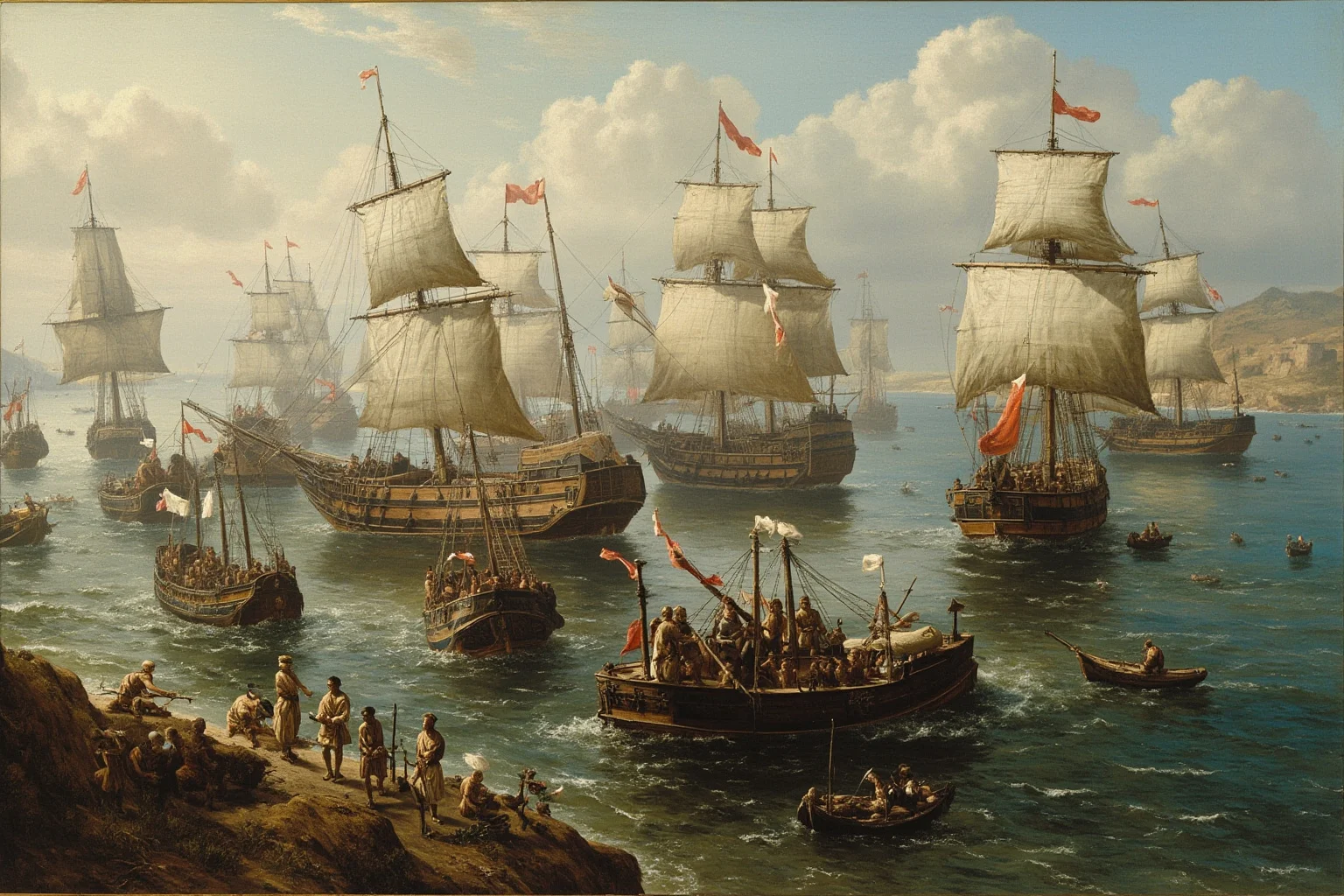
Fought on the same day as Plataea according to ancient sources, Mycale was a Greek naval and land victory on the coast of Asia Minor. It effectively destroyed what remained of Persian naval power in the region. Together, Plataea and Mycale marked the true turning point of the entire war.
Mycale also opened the door for Greek city-states in Asia Minor to rebel against Persian rule. This set the stage for the next phase of Greek expansion and rivalry.
7. Battle of the Eurymedon (469 BCE)
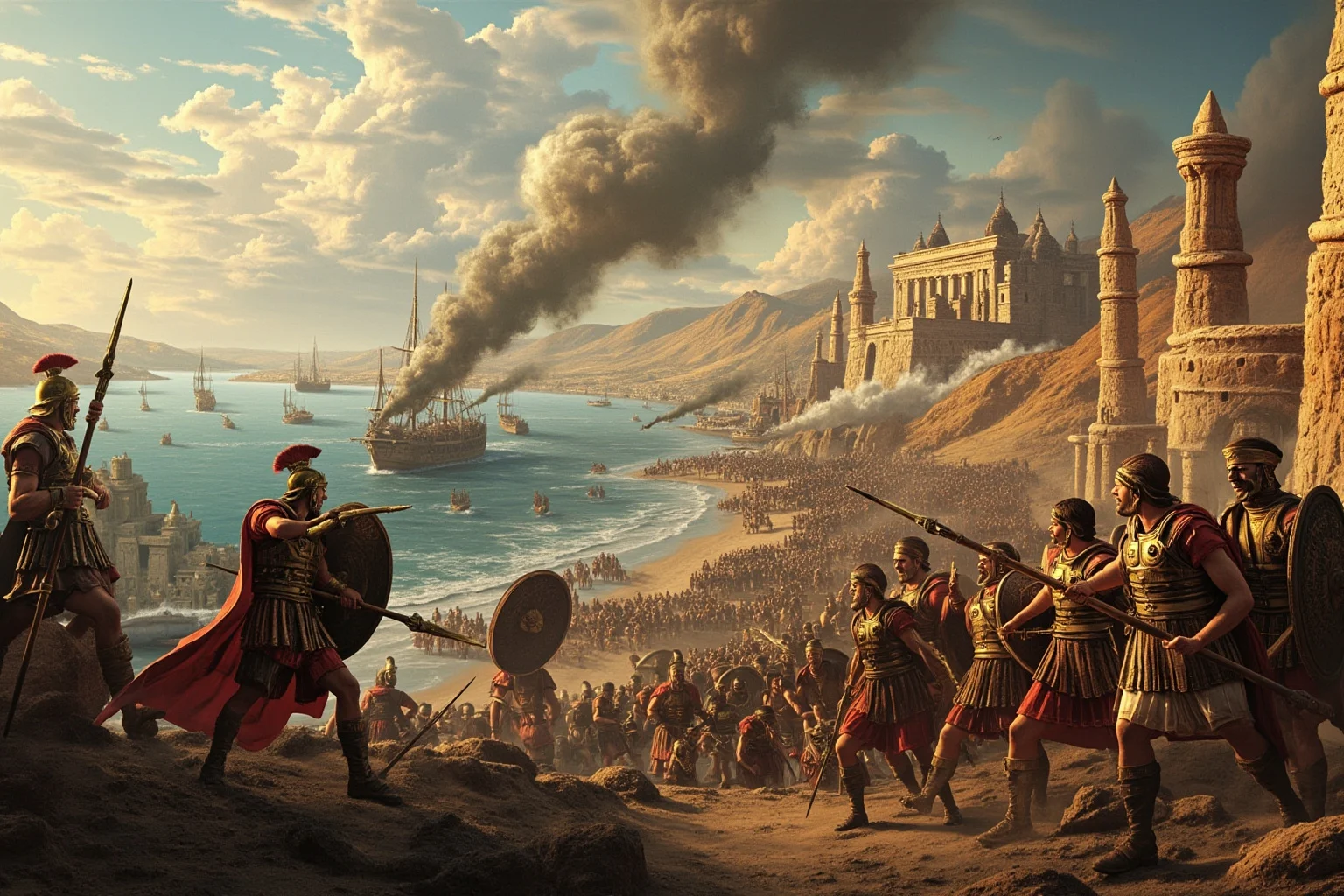
A decade after the main Persian invasion ended, Athens continued pressing the advantage. At the Eurymedon River, the Athenian general Cimon won a combined land and sea victory against Persian forces in Asia Minor. It further weakened Persian influence along the Aegean coast.
This battle also boosted Athens’ prestige and helped justify its growing leadership over the Delian League. That leadership would eventually cause serious friction with Sparta.
The Peloponnesian War: Greece Turns on Itself
After defeating Persia together, Greek city-states turned their attention back to each other. The rivalry between Athens and Sparta escalated into the Peloponnesian War, one of the most destructive wars in ancient Greece and a conflict extensively documented by the historian Thucydides. Here are the important battles in the Peloponnesian War worth knowing.
8. Battle of Sybota (433 BCE)
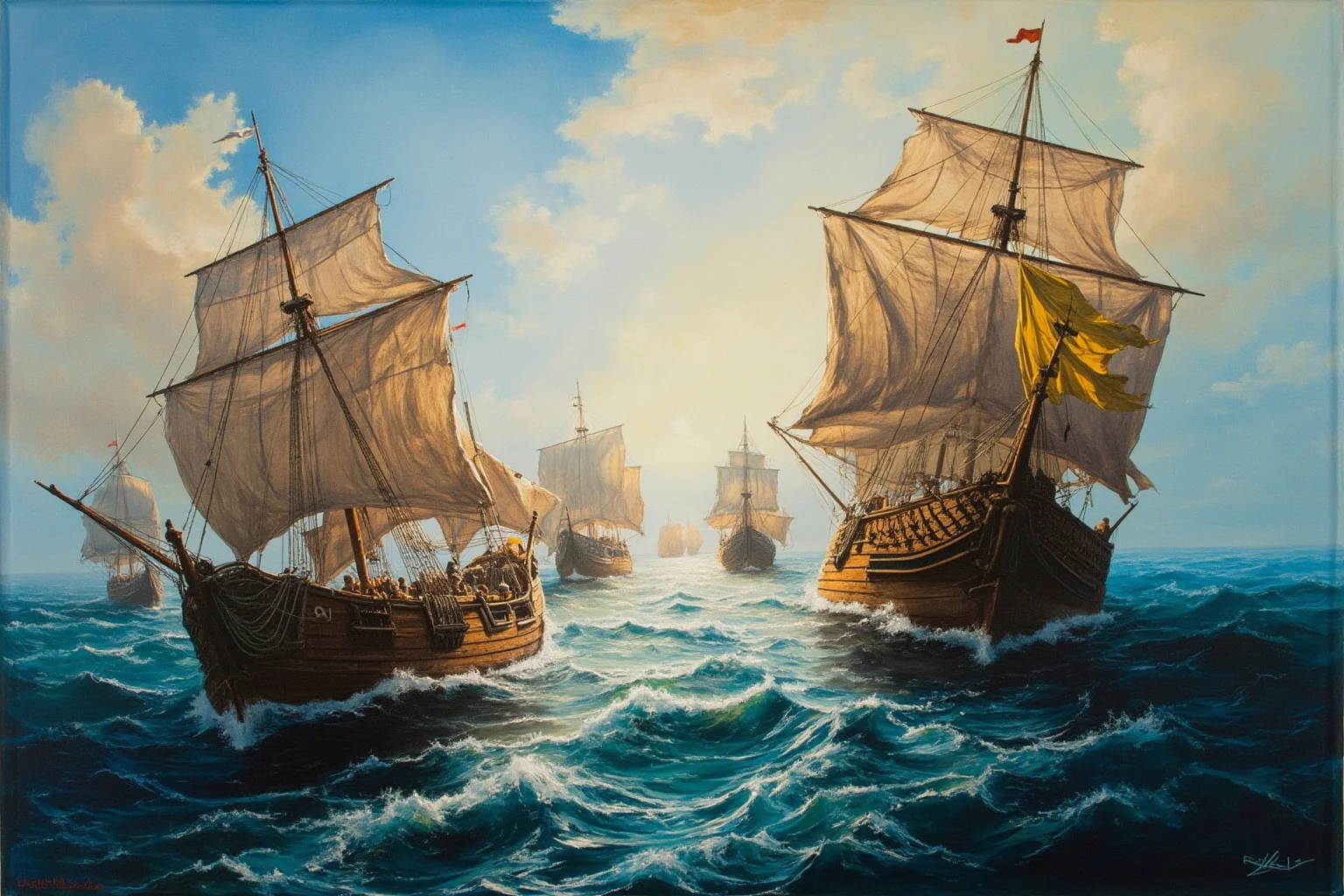
Sybota was technically fought just before the Peloponnesian War officially began, but it helped trigger it. Athens backed Corcyra against Corinth in a naval clash that alarmed Sparta and its allies. It’s a good reminder that ancient Greek wars often grew out of tangled alliances rather than single clean causes.
The battle itself was inconclusive, but its political fallout was anything but. It pushed Corinth toward demanding Spartan intervention against Athenian expansion.
9. Battle of Potidaea (432 BCE)
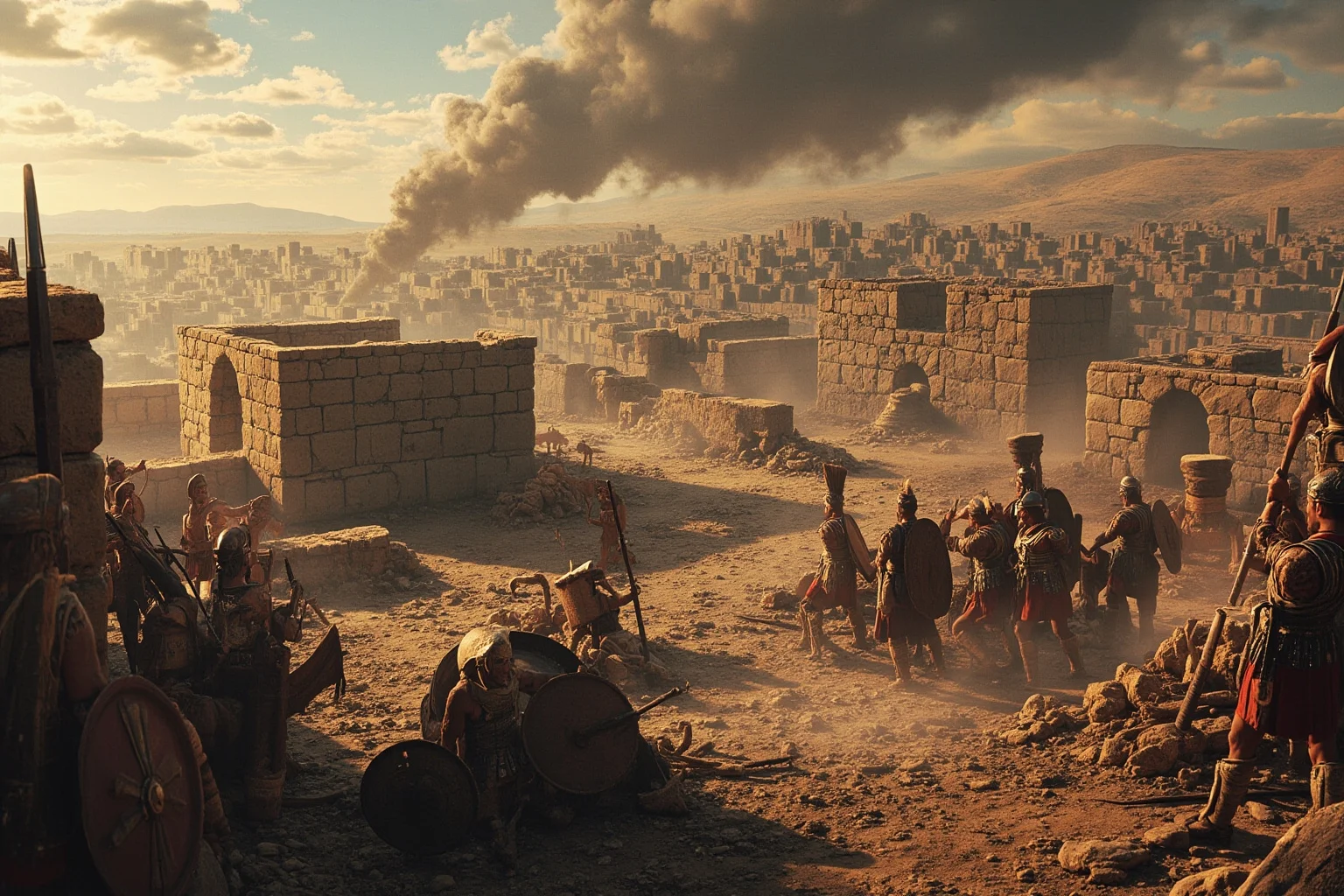
Potidaea was a siege rather than a pitched field battle, but it was one of the direct sparks of the Peloponnesian War. Athens besieged the city after it revolted with Corinthian and Spartan encouragement. The siege dragged on for over two years before Athens finally took the city.
The cost in money and manpower foreshadowed how grinding this war would become. It also hardened the divide between the Athenian and Spartan spheres of influence.
10. Battle of Delium (424 BCE)
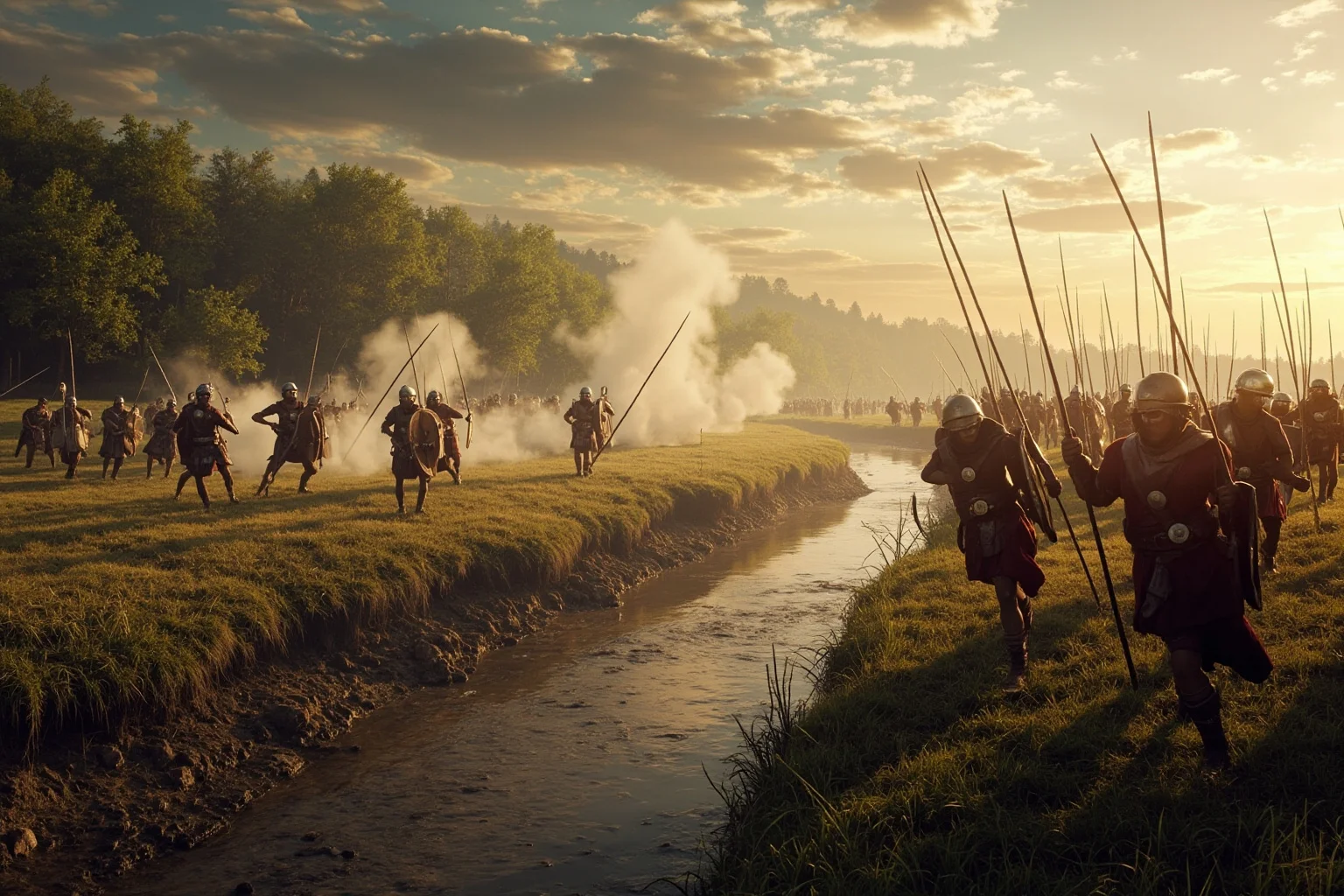
Delium was a significant land battle in which Thebes, fighting alongside other Boeotian forces, decisively defeated an Athenian invasion force.
The philosopher Socrates is said to have fought in this battle as an Athenian hoplite, according to later ancient sources. Athenian losses were heavy and damaged their momentum in the wider war.
The defeat showed that Athens’ land forces were far less reliable than its navy. It reinforced a pattern that would define much of the conflict.
11. Battle of Amphipolis (422 BCE)
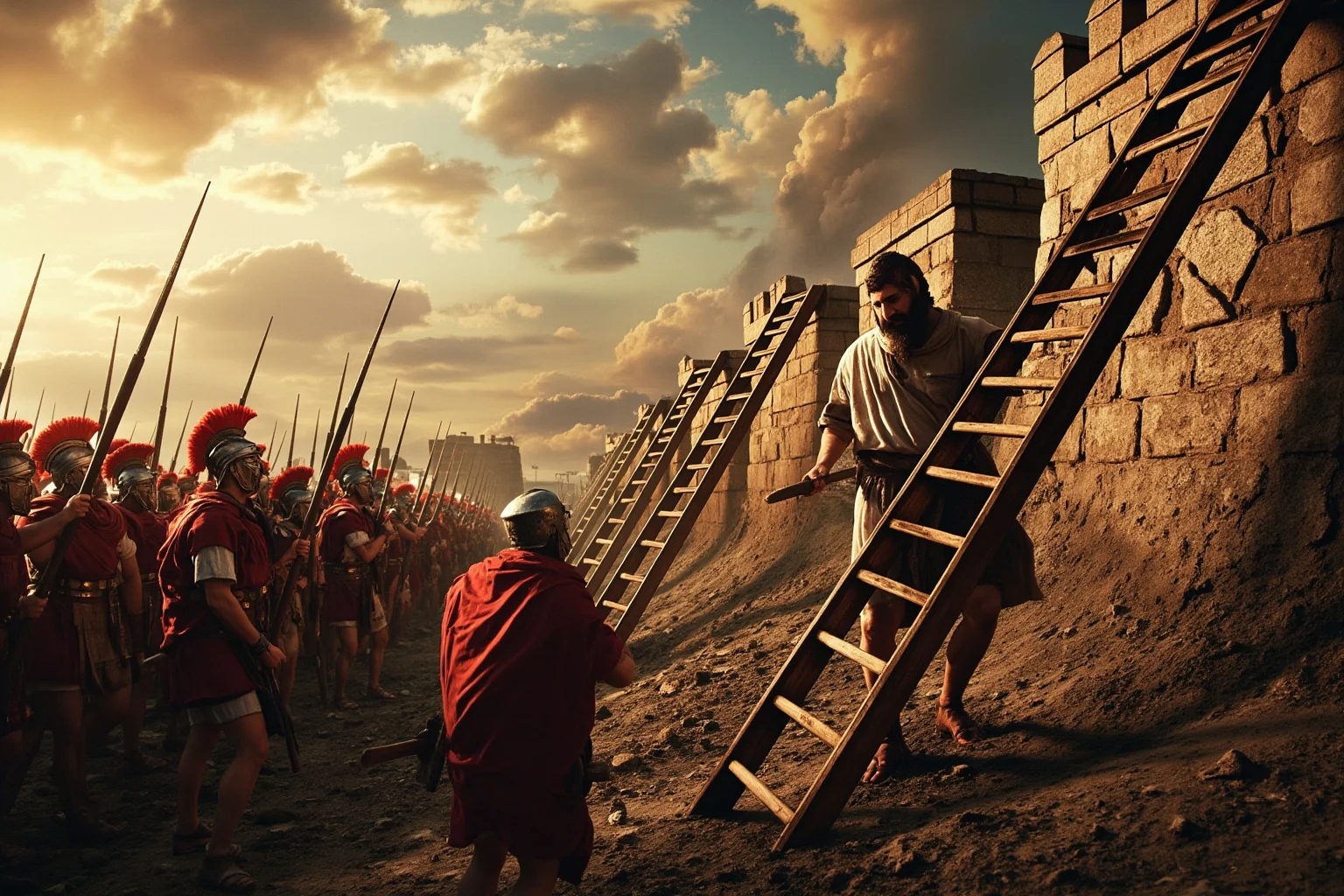
Amphipolis was a fiercely contested northern city whose control seesawed between Athens and Sparta. In the battle fought there, the Spartan general Brasidas won a tactical victory but died from his wounds shortly after.
On the Athenian side, the historian Thucydides himself had commanded nearby forces and was later criticized for the outcome.
The deaths of key leaders on both sides, including the Athenian general Cleon, opened the door to a temporary peace. That peace, known as the Peace of Nicias, would not last long.
12. Battle of Mantinea (418 BCE)
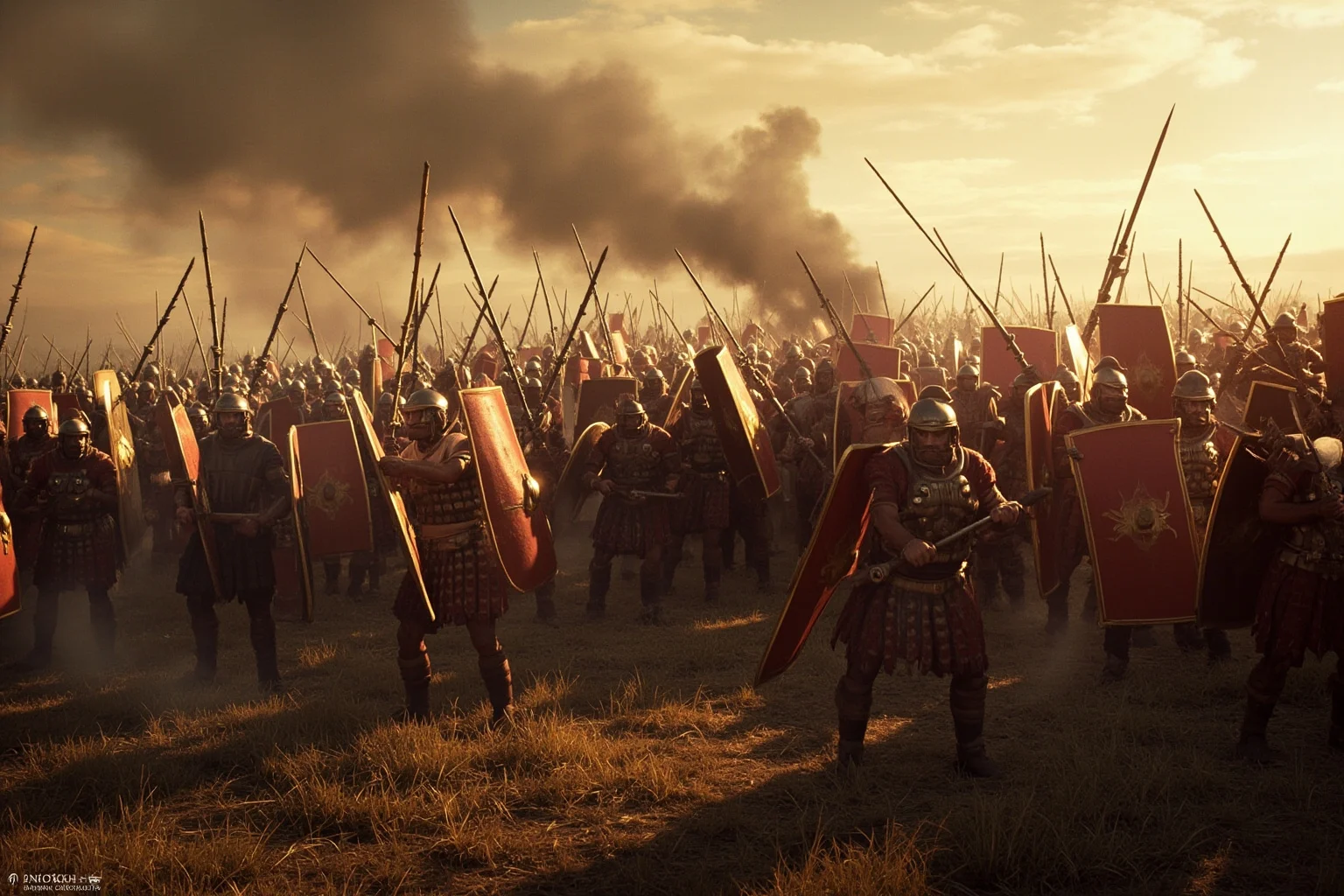
This first Battle of Mantinea was the largest land battle fought between Greek city-states during the entire Peloponnesian War. Sparta led a coalition that decisively defeated an alliance including Argos, Athens, and other city-states. The victory restored Sparta’s battered reputation after earlier setbacks.
It also demonstrated the enduring strength of Spartan-style hoplite discipline on open ground. Few armies could match Sparta in a straightforward land engagement.
13. Sicilian Expedition and Siege of Syracuse (415–413 BCE)
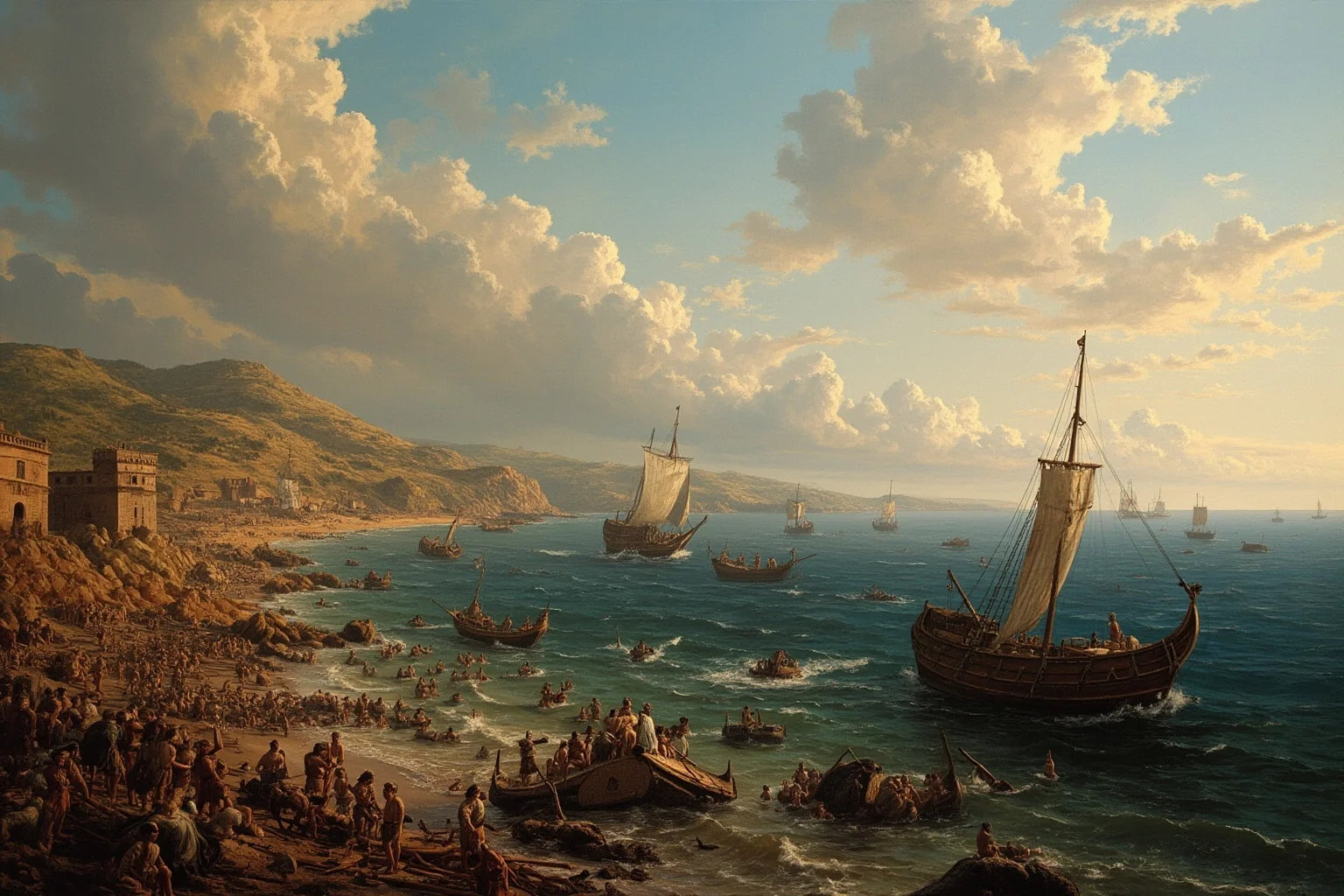
Athens’ invasion of Sicily was one of the most disastrous military gambles in ancient Greek history. Intended to weaken Syracuse and expand Athenian influence, the campaign instead ended in the near-total destruction of the Athenian expeditionary force. Thousands of soldiers were killed or captured.
The defeat crippled Athens’ manpower and treasury at a critical point in the war. Many historians view it as the turning point that ultimately doomed Athens’ chances of winning the Peloponnesian War outright.
14. Battle of Aegospotami (405 BCE)
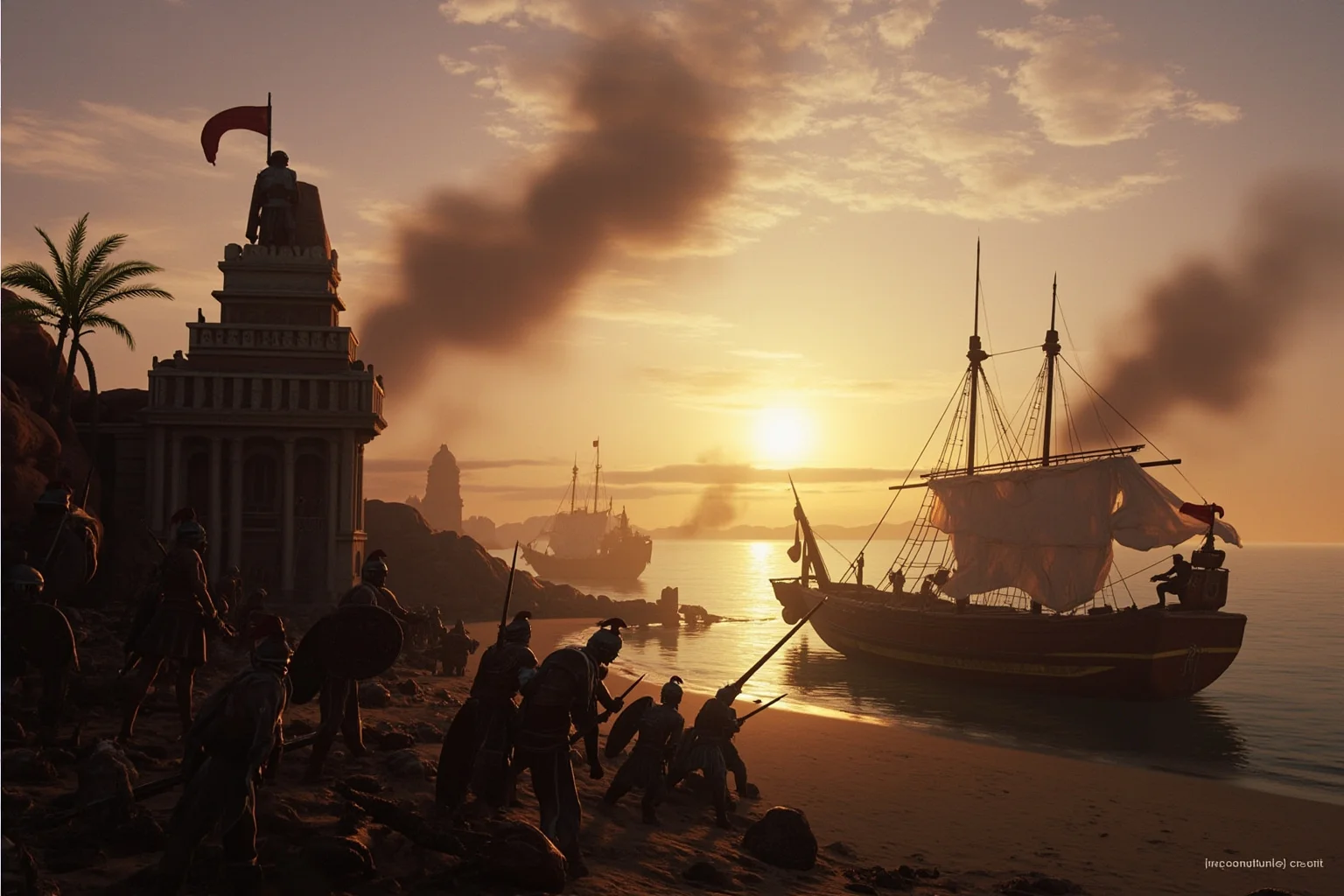
Aegospotami was the naval battle that effectively ended the Peloponnesian War. The Spartan commander Lysander destroyed the Athenian fleet, largely by catching it off guard while beached and undermanned. With its navy gone, Athens could no longer import grain or project power.
Athens surrendered the following year, ending nearly three decades of intermittent warfare. Sparta emerged as the dominant power in Greece, though not for long.
Sparta’s Fall and the Rise of Thebes
Spartan dominance after the Peloponnesian War proved short-lived. Other city-states, resentful of Spartan control, began fighting back within just a few decades.
15. Battle of Cnidus (394 BCE)
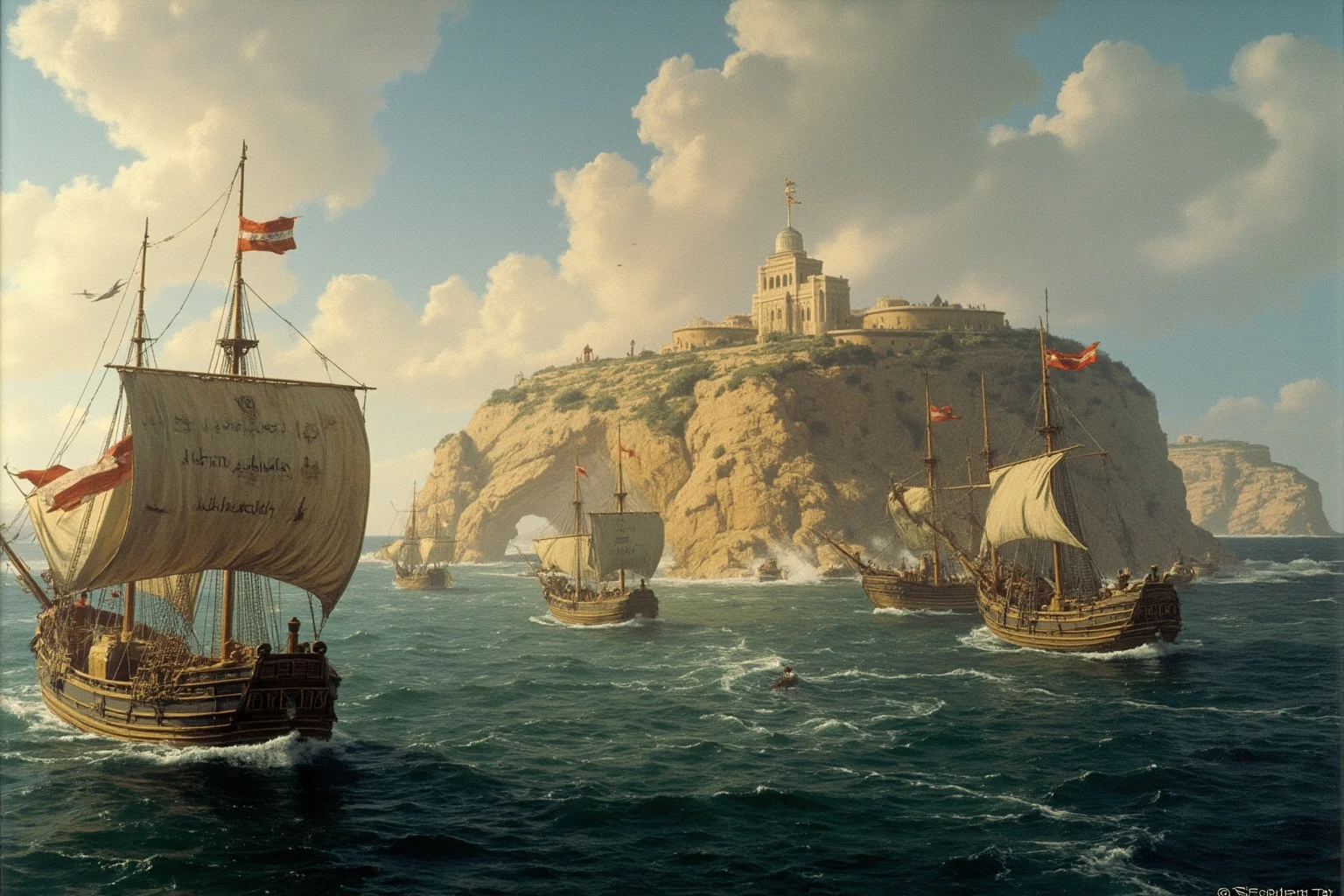
During the Corinthian War, a combined Athenian and Persian-backed fleet defeated Sparta’s navy off Cnidus. It’s a striking example of how quickly alliances shifted in Greek warfare, with Persia now backing Athens against Sparta. The defeat badly damaged Spartan naval ambitions in the Aegean.
This battle is less famous than others on this list, but it shows how interconnected Greek and Persian politics remained even after the Persian Wars ended. Old enemies became convenient allies when it suited them.
16. Battle of Leuctra (371 BCE)
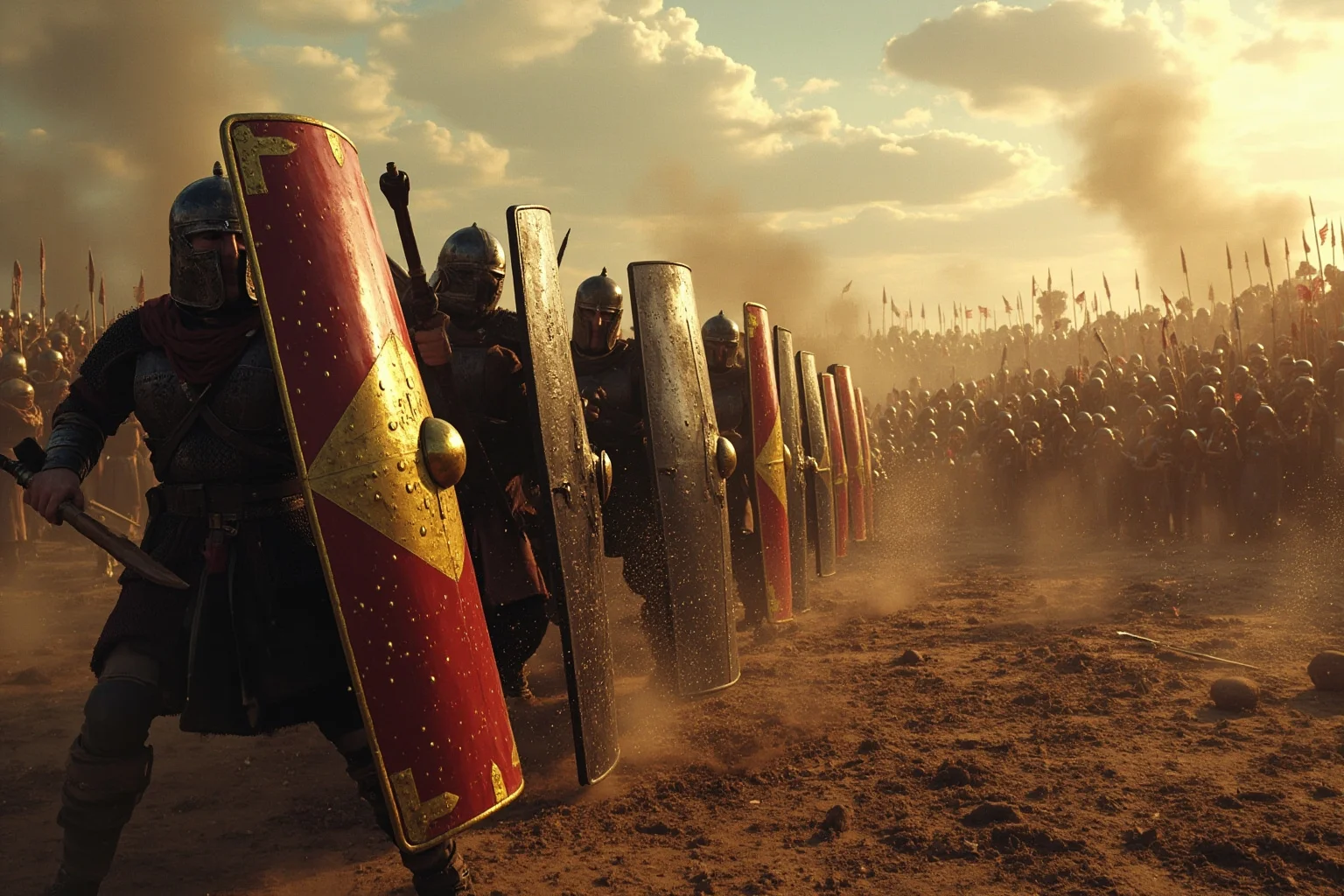
Leuctra shattered the myth of Spartan invincibility on land. The Theban general Epaminondas used an innovative deepened phalanx formation to crush a Spartan-led army, killing a Spartan king in the process. It was a tactical revolution in ancient Greek warfare.
The defeat triggered a broader decline in Spartan power and influence across the Peloponnese. Thebes briefly became the leading military force in Greece as a direct result.
17. Battle of Mantinea (362 BCE)
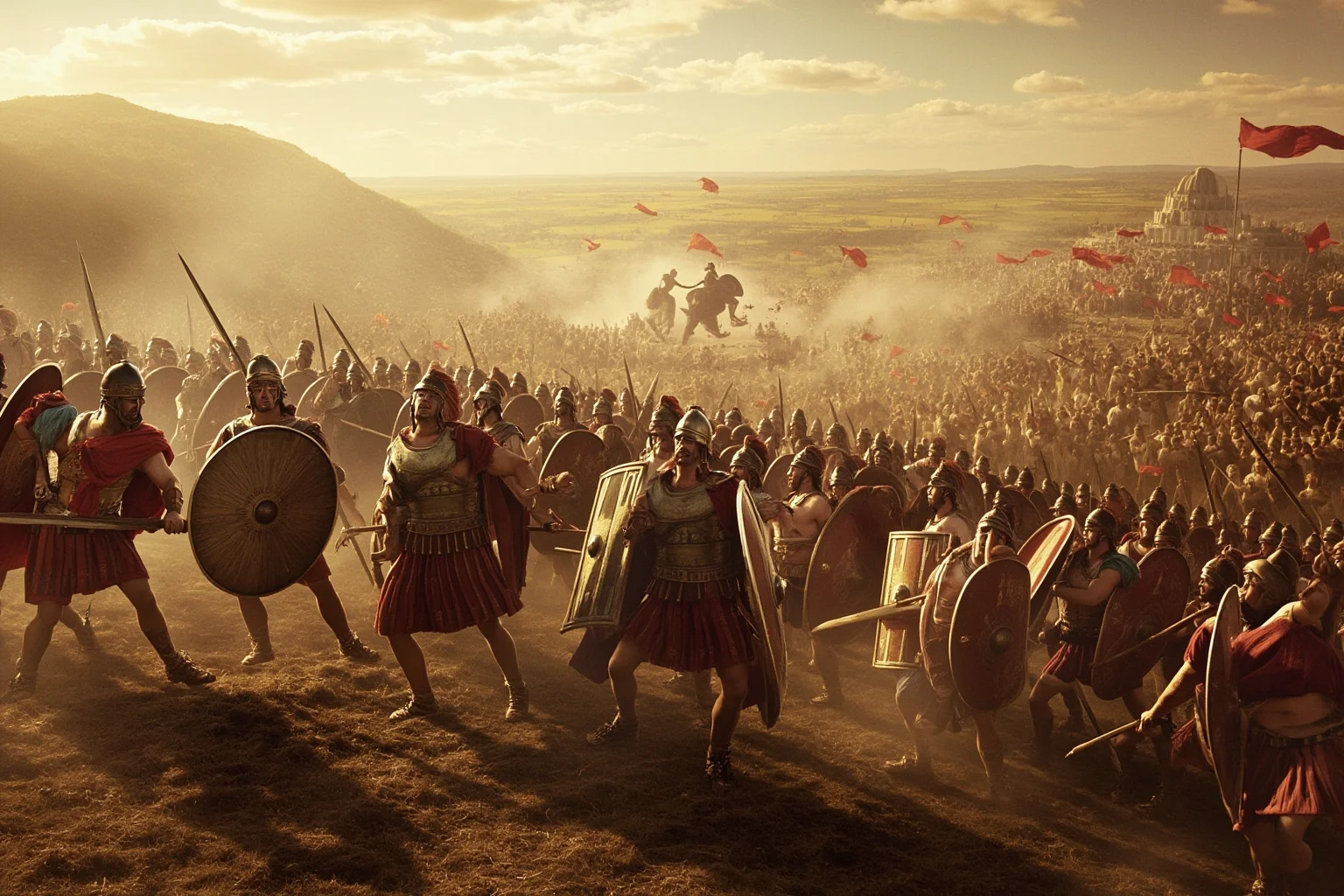
This second Battle of Mantinea pitted Thebes against a coalition of Spartan, Athenian, and other allied forces. Epaminondas again used clever phalanx tactics to win the field, but he was killed during the battle. His death robbed Thebes of the leadership needed to consolidate its dominance.
The result was a strategic stalemate that left no single city-state strong enough to dominate the others. This power vacuum set the stage for a new force rising in the north: Macedon.
The Rise of Macedon and Alexander’s Conquests
While the Greek city-states exhausted themselves fighting one another, the kingdom of Macedon grew stronger under King Philip II. His son, Alexander the Great, would go on to lead campaigns that reshaped the ancient world far beyond Greece’s borders.
18. Battle of Chaeronea (338 BCE)
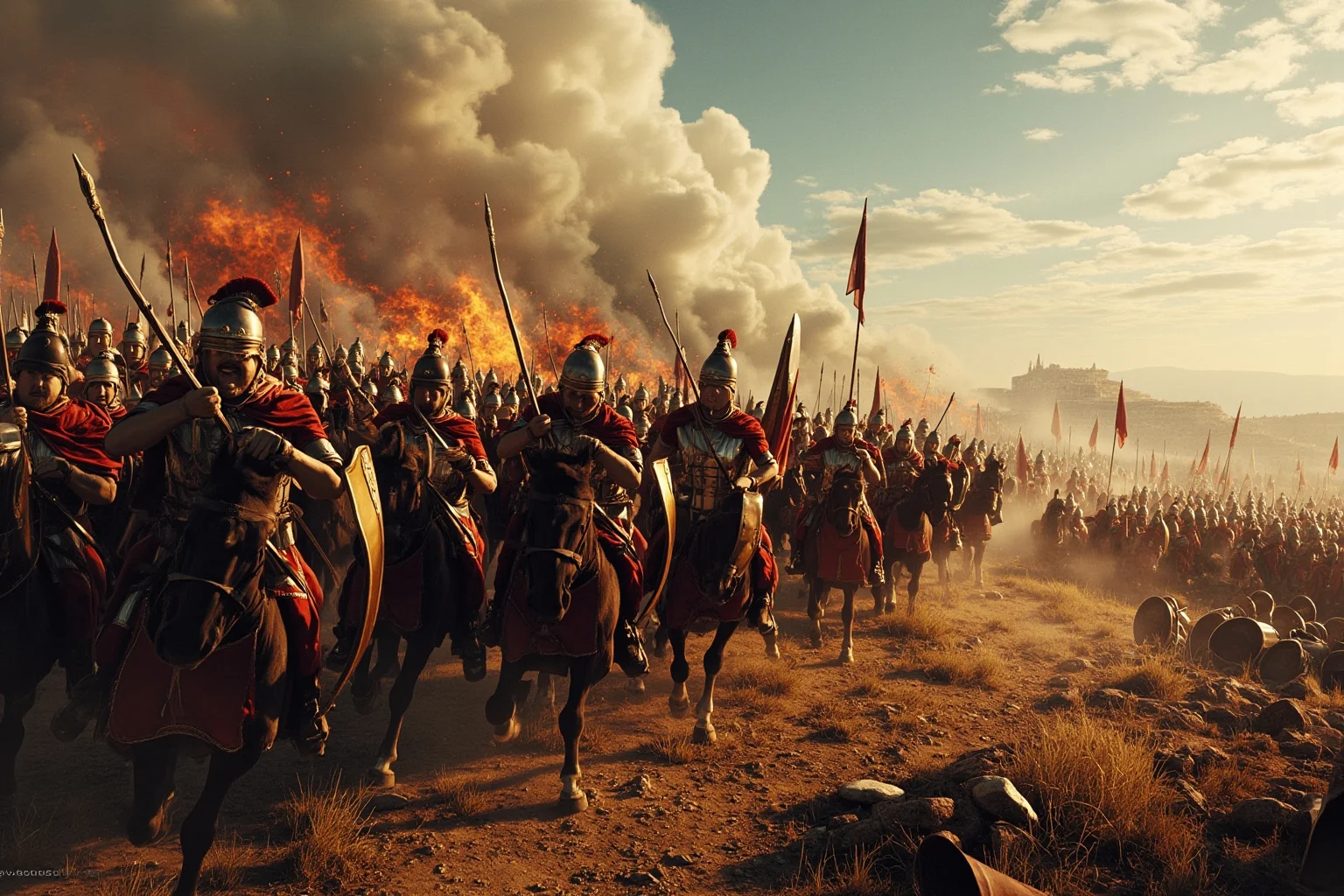
Chaeronea marked the end of independent Greek city-state power as the dominant force in Greece. Philip II’s Macedonian army decisively defeated a coalition led by Athens and Thebes. A young Alexander reportedly commanded the cavalry that broke the elite Theban Sacred Band.
After this defeat, most Greek city-states were forced into the League of Corinth under Macedonian leadership. It’s a pivotal but often overlooked entry among the major historical events in ancient Greece.
19. Battle of the Granicus (334 BCE)
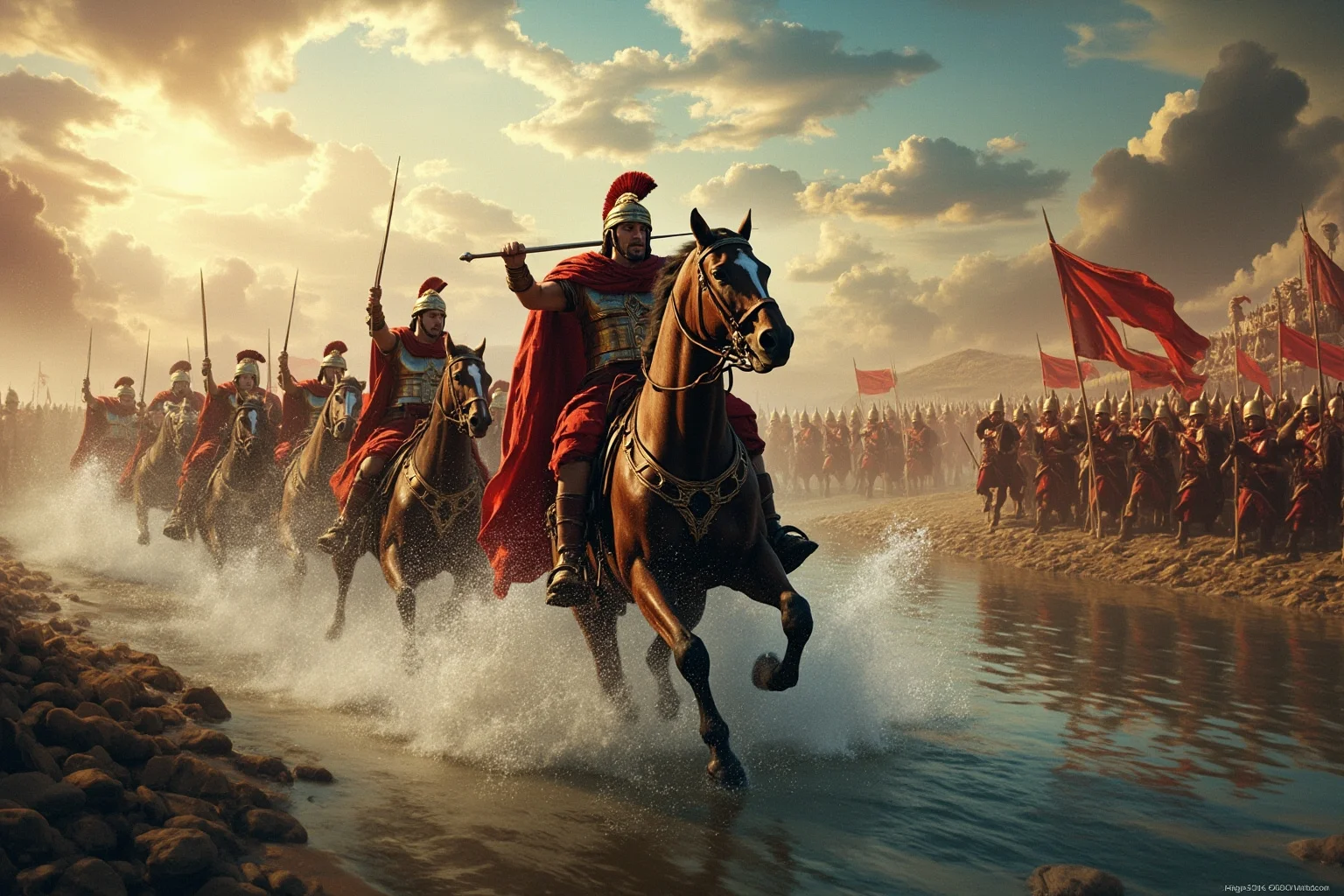
Granicus was Alexander the Great’s first major battle against the Persian Empire after crossing into Asia. Leading a largely Macedonian and Greek army, he defeated Persian forces near the Granicus River in modern-day Turkey. It was an aggressive, personally risky performance from the young king.
The victory opened up Asia Minor to Macedonian control. It also signaled that Alexander intended to fight Persia head-on rather than cautiously.
20. Battle of Issus (333 BCE)
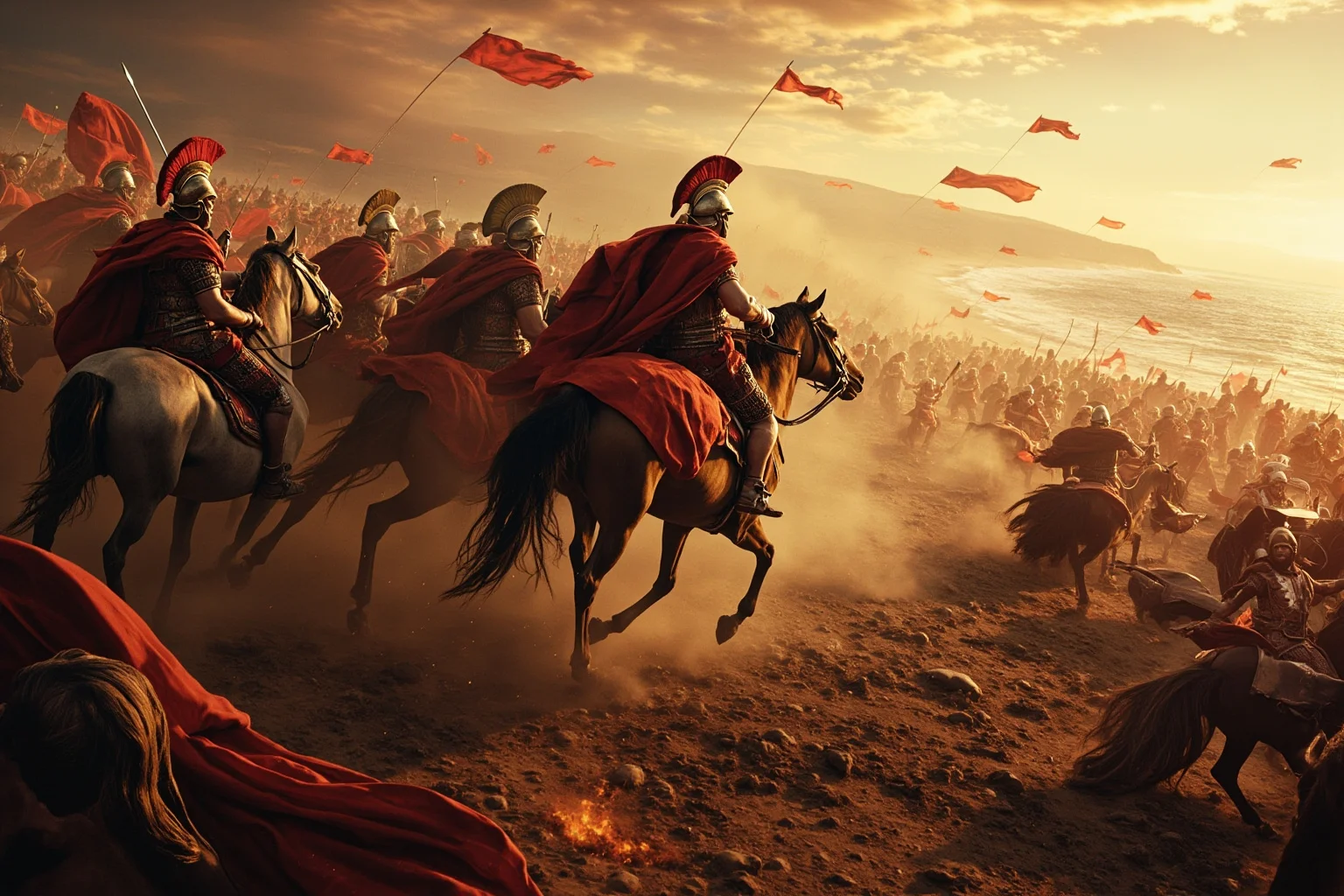
At Issus, Alexander faced the Persian King Darius III directly for the first time. Despite being significantly outnumbered, Alexander’s forces broke the Persian line, and Darius fled the battlefield. Darius’s family was captured, a major propaganda and morale blow to the Persian Empire.
Issus proved that Alexander’s smaller, disciplined army could beat Persia’s much larger forces through superior tactics. It set up the eventual showdown that would decide the fate of the Persian Empire.
21. Battle of Gaugamela (331 BCE)
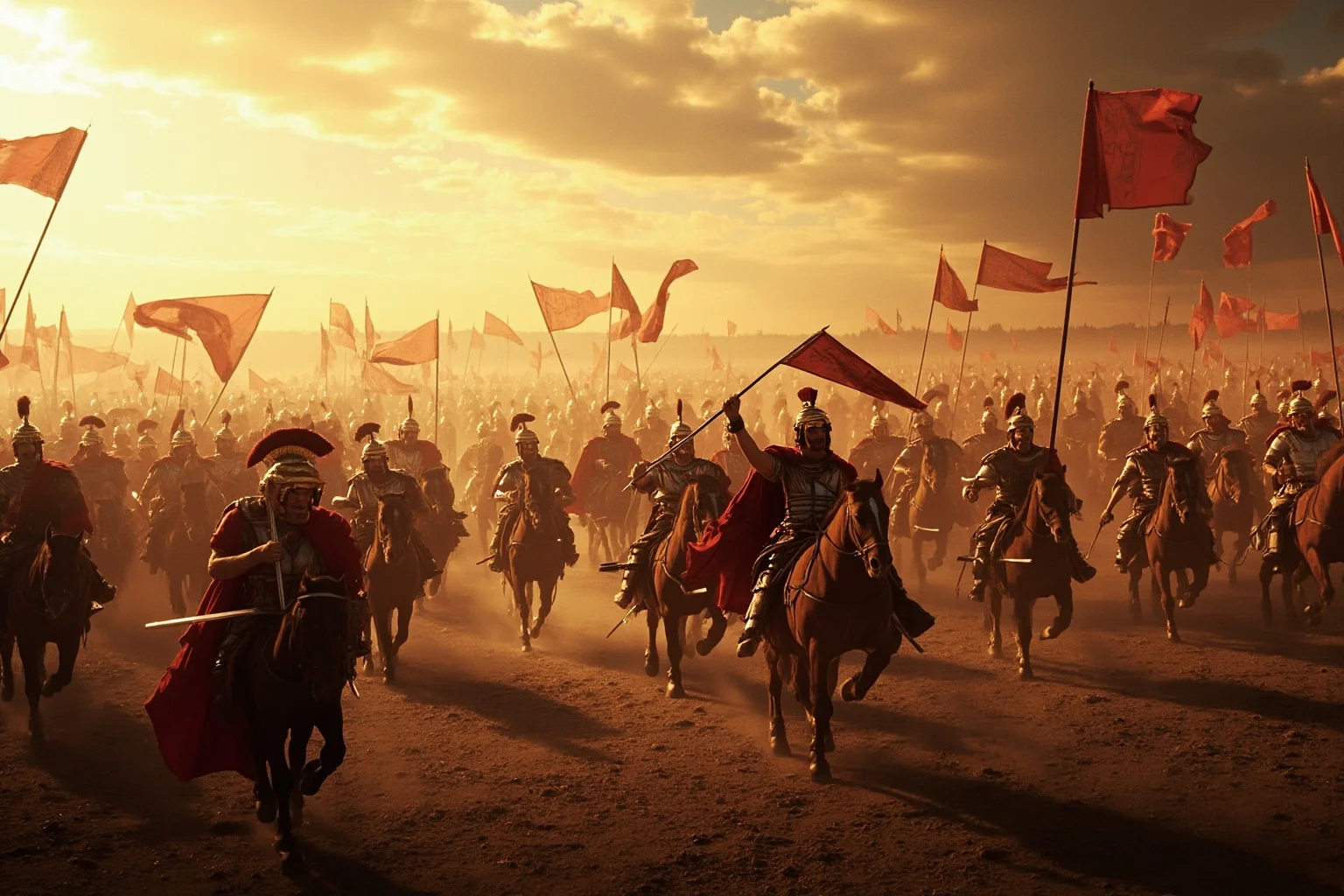
Gaugamela was the decisive confrontation between Alexander and Darius III. Fighting on open ground that favored Persia’s larger numbers and chariots, Alexander still managed to outmaneuver and rout the Persian army through disciplined tactics and battlefield adaptability. Darius fled again and was later killed by his own subordinates.
This victory effectively ended the Achaemenid Persian Empire as a ruling power, making Gaugamela one of the great turning points in history where a single battle reshaped an empire’s fate. It marked the high point of Greek and Macedonian military dominance in the ancient world.
22. Battle of the Hydaspes (326 BCE)
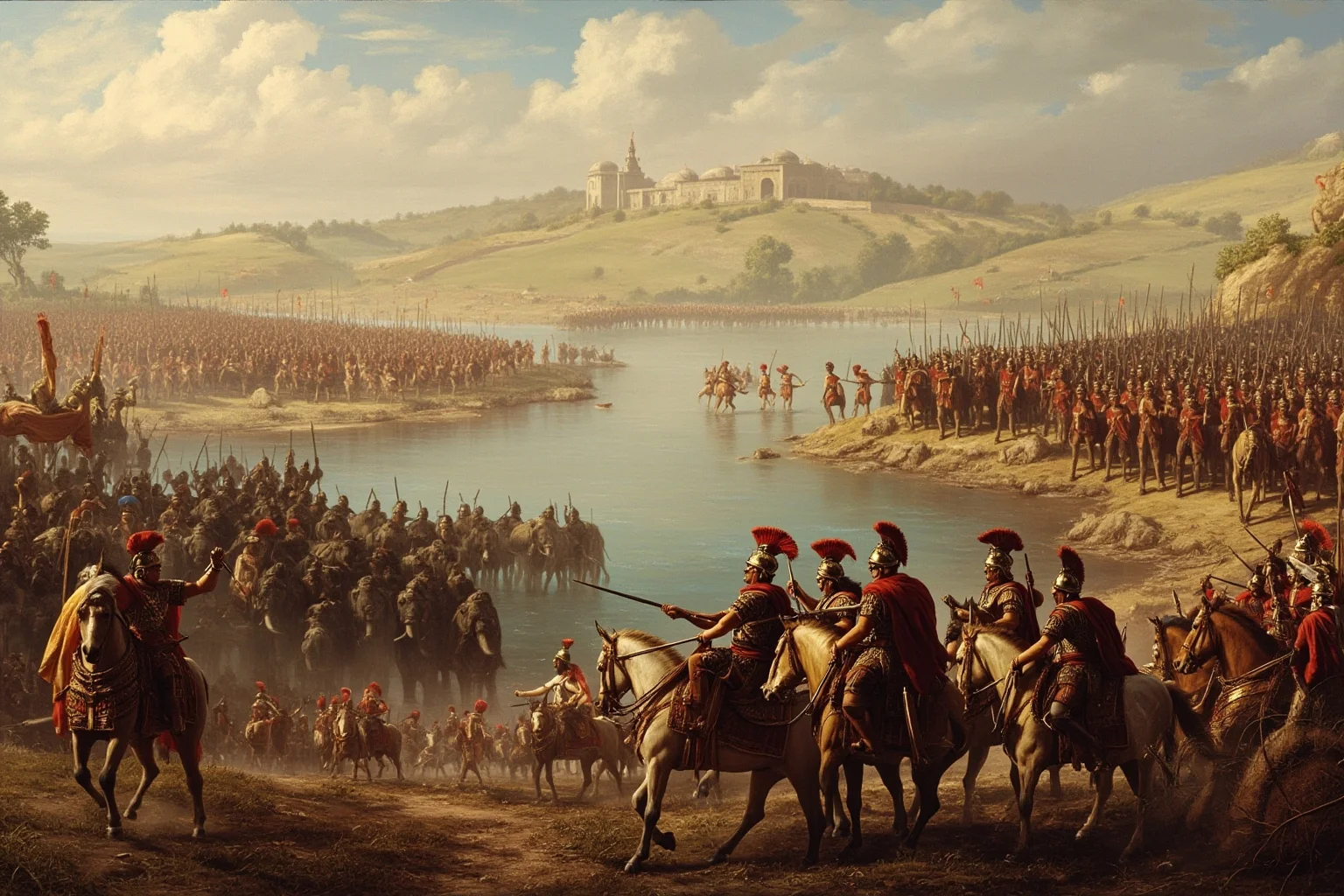
Far from Greece itself, the Battle of the Hydaspes in modern-day Pakistan showed the outer limits of Alexander’s campaign. His forces defeated King Porus, whose army included war elephants that posed a real tactical challenge. It was one of the costliest victories of Alexander’s entire campaign.
Exhausted and increasingly resistant, Alexander’s troops soon refused to march further east. The battle marked both the edge of Macedonian expansion and the beginning of the campaign’s slow return westward.
Legendary Battles Beyond the History Books
Not every famous clash from ancient Greece comes from a historical record. Greek mythology is full of dramatic battles that shaped how the Greeks understood their own origins, even though these stories aren’t treated as verified historical events.
23. The Trojan War and the Titanomachy
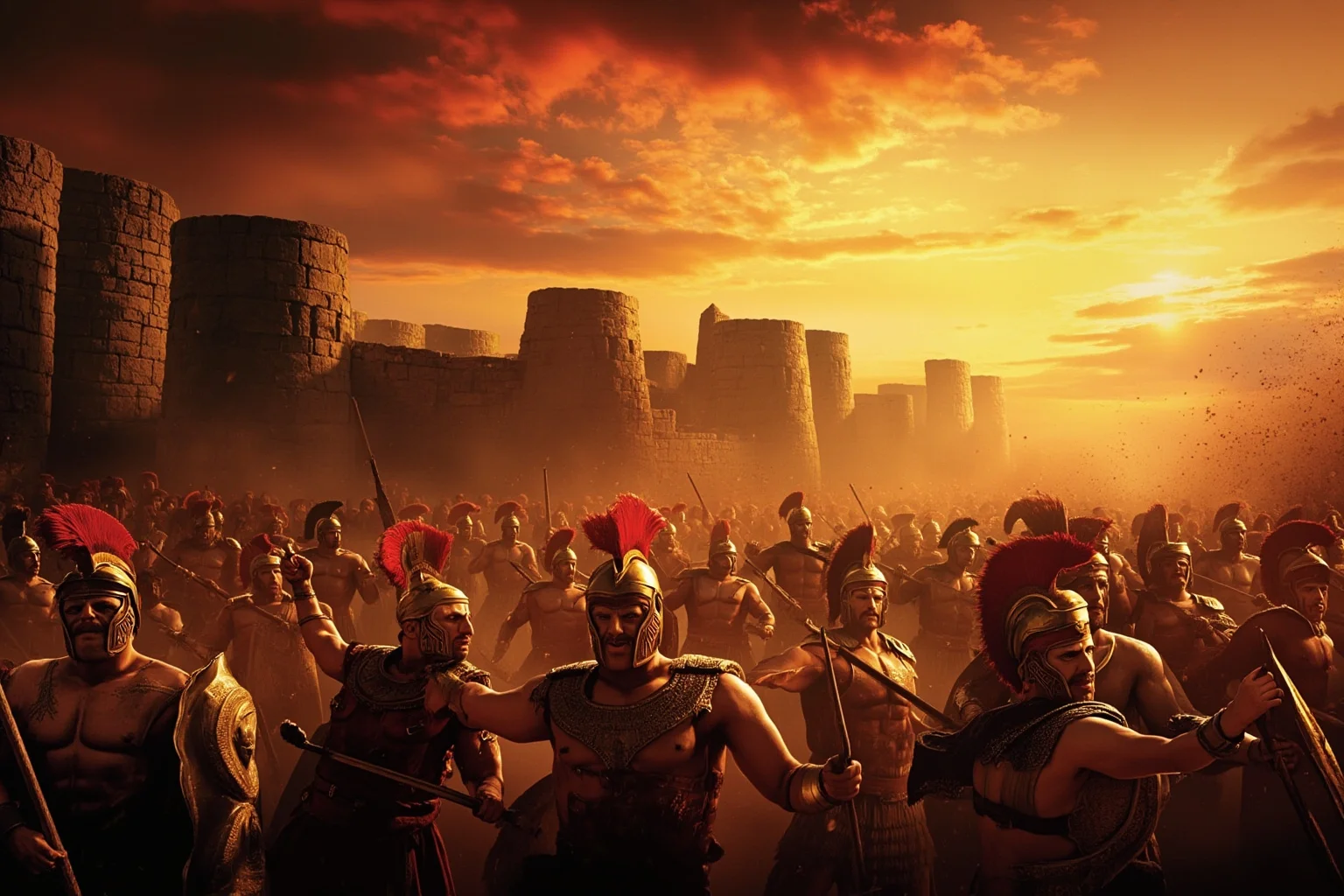
The Trojan War, immortalized in Homer’s Iliad, describes a decade-long siege of Troy sparked by the abduction of Helen. Archaeological evidence suggests a real city at Troy experienced destruction around the plausible timeframe, but historians generally agree the poetic version, including the gods’ direct involvement, is legend rather than documented fact. It remains one of the most influential battles in Greek mythology regardless of its historical accuracy.
Even further back in mythological time sits the Titanomachy, the war between the Olympian gods and the earlier generation of Titans. This cosmic battle explained, in mythic terms, how Zeus and the Olympians came to rule. Both stories mattered enormously to Greek identity and are worth knowing alongside the real wars of ancient Greece, even though they belong to a different category of history entirely.
The Legacy of Greece’s Wars
Looking back across these battles in ancient Greece, a few patterns stand out clearly. Greek warfare was rarely simple, with shifting alliances, internal rivalries, and outside powers all playing a role in nearly every major conflict, a pattern that echoes across other major wars throughout history.
The idealized, simplified versions of battles like Thermopylae make for great storytelling, but the fuller history is usually more complicated and more interesting.
These wars also did more than decide short-term political winners. They spread Greek language, architecture, and philosophy across a huge swath of the ancient world, particularly following Alexander’s conquests, making them some of the historical events that quietly reshaped the entire world.
Understanding ancient Greek warfare means understanding much of what shaped the wider Mediterranean and Near Eastern world for centuries afterward.
Whether you’re drawn to the underdog stand at Thermopylae, the naval genius of Salamis, or the tactical innovations at Leuctra, these battles remain some of the most studied conflicts in military history. They’re proof that the wars of ancient Greece were never just about Greece itself.
Frequently Asked Questions
What were the main wars of ancient Greece?
The major wars of ancient Greece include the Greco-Persian Wars (roughly 499–449 BCE), the Peloponnesian War between Athens and Sparta (431–404 BCE), the rise of Theban power against Sparta in the early 4th century BCE, and the Macedonian conquests under Philip II and Alexander the Great in the late 4th century BCE. Each of these conflicts reshaped the balance of power among Greek city-states and, eventually, across the wider ancient world.
What was the most important battle in ancient Greek history?
Historians often point to the Battle of Salamis (480 BCE) as the most decisive, since the Greek naval victory there effectively ended the Persian invasion of mainland Greece. Other strong contenders include Marathon, Plataea, and Gaugamela, each of which marked a major turning point in its respective conflict.
How long did the Peloponnesian War last, and what were its most important battles?
The Peloponnesian War lasted from 431 to 404 BCE. Its most important battles and campaigns include Delium, Amphipolis, the two Battles of Mantinea, the disastrous Sicilian Expedition, and the final naval defeat at Aegospotami, which forced Athens to surrender.
Were the battles in Greek mythology, like the Trojan War, based on real events?
Archaeological evidence shows there was a real city at Troy that suffered destruction around a plausible timeframe for the legendary war, but historians treat the detailed story in Homer's Iliad, including direct divine intervention, as legend rather than verified history. The Trojan War and stories like the Titanomachy are best understood as mythology that reflects Greek cultural beliefs rather than documented battles.
Did 300 Spartans really fight alone at Thermopylae?
No. While a Spartan-led force under King Leonidas did make a famous last stand, thousands of other Greek allied soldiers fought alongside them, and the total defending force was significantly larger than 300 at the outset. The popular image of an isolated Spartan-only stand is a simplification of a more complex historical event.
What weapons and tactics defined ancient Greek warfare?
Most ancient Greek armies relied on hoplites, citizen-soldiers fighting in a tight shield formation called the phalanx, armed with spears and round shields. Naval power, especially fast oar-driven ships called triremes, was equally important for city-states like Athens, while later Macedonian armies under Philip II and Alexander combined phalanx infantry with strong cavalry forces.
How did Alexander the Great’s battles connect to earlier Greek wars?
Alexander's campaigns against Persia, including the battles of Granicus, Issus, and Gaugamela, were framed partly as continuing the earlier Greco-Persian Wars fought over a century before. His victories ultimately toppled the same Persian Empire that mainland Greek city-states had fought off decades earlier at Marathon and Salamis.

Alex Warren
Related Articles





