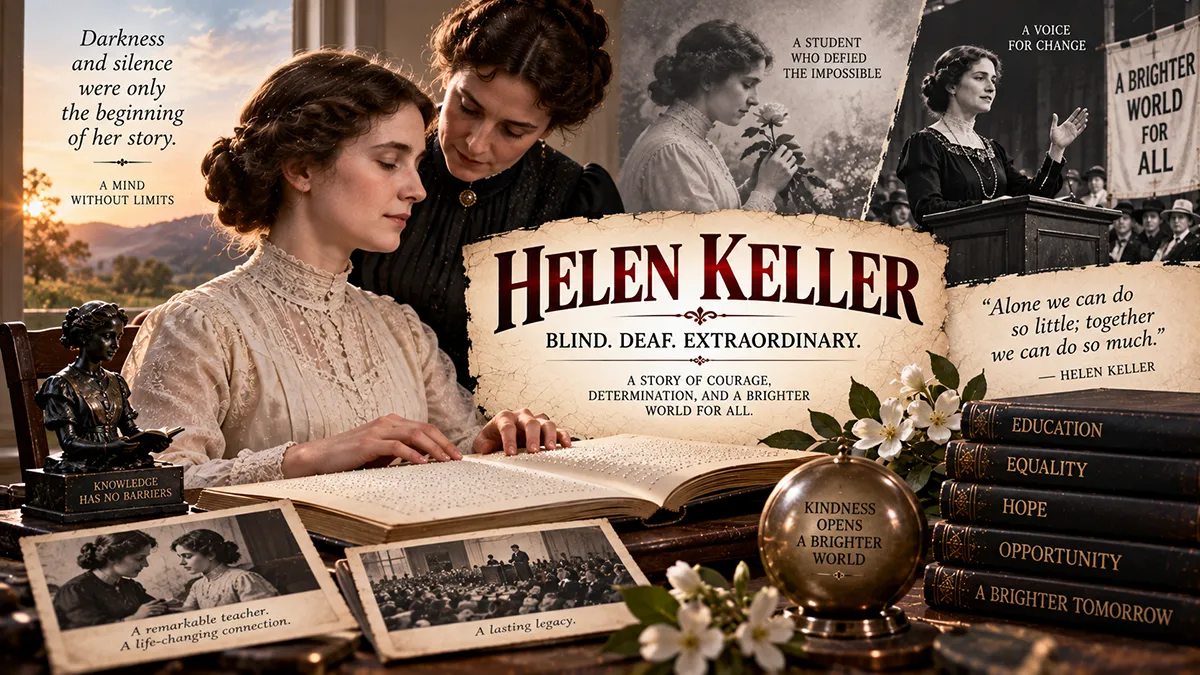
Few names in history carry the symbolic weight of Helen Keller. Ask someone to picture a famous blind and deaf woman, and hers is almost always the only name that comes to mind. But behind the simplified textbook version of her story — the water pump, the miracle worker, the inspirational quotes — is a much richer and more complicated life than most people realize.
Helen Keller wasn’t just a symbol of overcoming adversity. She was a real, complex, occasionally controversial woman who graduated college, wrote a dozen books, campaigned for workers’ rights, co-founded a major civil liberties organization, and met a dozen U.S. presidents.
Along the way, a lot of myths have crept into her story — about how she lost her senses, whether she could speak, and even whether she was “real” at all. Let’s separate the documented history from the internet folklore.
TL;DR: Helen Keller lost her sight and hearing to a severe childhood illness before she turned two, yet went on to graduate from college with honors, author a dozen books, and become one of the 20th century’s most influential activists and public figures.
Who Was Helen Keller?
Helen Adams Keller was born on June 27, 1880, in Tuscumbia, Alabama, to a hearing and sighted family. As an infant, she was reportedly healthy, developing, and even said a few early words before her second birthday. Her extraordinary life would later make her the most famous deafblind person in American history.
She lived to be 87 years old, passing away on June 1, 1968. That’s nearly nine decades — a lifespan long enough to make people wonder how she compares to the oldest people ever recorded in history, even though she falls well short of the supercentenarian record.
Instead, she lived a remarkably long and active life for someone born in the 19th century with significant disabilities and limited medical support.
How Did Helen Keller Become Blind and Deaf?
This is one of the most searched questions about her, and the honest answer is: historians aren’t entirely sure. At 19 months old, in early 1882, Helen contracted a sudden, severe illness that her family’s doctor at the time described only as “brain fever.” It came with a very high fever and lasted several days.
That vague 19th-century diagnosis has led modern researchers to speculate about the actual cause. The two most commonly proposed culprits are scarlet fever and bacterial meningitis, both of which were capable of causing exactly this kind of rapid-onset blindness and deafness in young children during that era.
However, no surviving medical record definitively confirms which illness it actually was, so anyone claiming certainty about “what caused Helen Keller’s blindness and deafness” is going beyond the historical evidence.
What we do know for certain is that Helen was not born deaf and blind. She was a sighted, hearing baby who lost both senses suddenly in toddlerhood after this illness swept through her body and, according to family accounts, nearly took her life.
Did Helen Keller Have Usher Syndrome?
Because Usher syndrome is the most common genetic condition that causes combined deafness and blindness, people naturally wonder if it explains Helen Keller’s case. It’s a reasonable question, but the timeline doesn’t fit well.
Usher syndrome is congenital, meaning it’s present from birth, and its vision loss (caused by retinitis pigmentosa) typically develops gradually over years or decades rather than appearing suddenly.
Helen’s deafness and blindness both arrived abruptly during an acute febrile illness, which points much more strongly toward an infectious cause like meningitis or scarlet fever rather than an inherited condition.
Most medical historians consider Usher syndrome an unlikely explanation for her case, though without her original medical records, nobody can rule it out with total certainty.
Was Helen Keller Completely Blind and Deaf?
Yes. By all reliable historical accounts, Helen Keller experienced total, permanent loss of both sight and hearing following her illness. She described her own experience as living in total darkness and silence for the rest of her life.
Some biographers note she may have retained a faint ability to distinguish light from darkness in one eye for a short time afterward, but this detail is inconsistently reported and shouldn’t be treated as confirmed fact.
As for “what did Helen Keller see” in any functional sense — the answer is essentially nothing. She navigated, learned, and communicated entirely through touch, smell, vibration, and eventually, finger-spelled language.
She also never regained her sight or hearing. There was no late-life surgery, no miracle recovery, and no partial restoration of either sense. The idea that she “got her sight back” is a myth with no historical basis.
Similarly, effective hearing aids as we know them today didn’t exist during her lifetime, and even modern hearing technology wouldn’t have restored hearing lost to profound nerve damage of the kind she experienced.
Was Helen Keller Really Mute? Untangling the “Deaf-Mute” Label
This is where a lot of confusion comes from, and it’s worth clearing up carefully. Helen Keller is very often described online as having been “blind, deaf, and mute,” and older sources sometimes used the term “deaf-mute” as a catch-all label. But that label is misleading and considered outdated and inaccurate by modern standards.
Helen was not born unable to speak, and she wasn’t mute in the sense of being physically incapable of producing speech. Like many children who lose their hearing very early in life, she lost the ability to speak clearly simply because she could no longer hear her own voice or the speech of others around her to model it.
Speech is a learned skill reinforced by hearing feedback, and without that feedback, a young child’s ability to form intelligible words naturally fades.
Remarkably, Helen later relearned to produce speech as a teenager with the help of a teacher named Sarah Fuller at the Horace Mann School, using a technique now known as the Tadoma method, where she placed her fingers on a speaker’s lips, jaw, and throat to feel the vibrations of speech.
She did learn to talk, and people close to her could understand her, though her pronunciation remained difficult for unfamiliar listeners throughout her life.
So while it’s technically true that Helen Keller was functionally mute for a period in early childhood, calling her simply “mute” as an adult overlooks the real speech she worked incredibly hard to develop.
The Internet Myth: Was Helen Keller Even Real?
In recent years, a strange internet joke has circulated claiming Helen Keller “wasn’t real” or that there’s no real “proof of Helen Keller.”
This started largely as satire and internet humor rather than genuine historical skepticism — not unlike the tongue-in-cheek “was Joan of Arc real” debates that circulate about other famous historical women — but it’s worth addressing directly since so many people search for it sincerely.
Helen Keller is one of the most extensively documented public figures of her era. She appears in countless photographs, in a 1919 silent film about her own life called Deliverance, in newsreel footage, in recordings of her public speeches, and in her own extensive body of published writing.
She has verified academic records from Radcliffe College, government records including a Presidential Medal of Freedom, and decades of newspaper coverage documenting her travels, speeches, and activism.
In short, she is about as well-documented a historical figure as it’s possible to be, and the “wasn’t real” meme is exactly that — a meme, not a serious historical claim.
Was Helen Keller the First Deafblind Person to Achieve Fame?
Helen Keller is often ranked among the most recognized historical figures of all time, and she’s certainly the most famous deafblind woman in history, but she wasn’t the first deafblind person to receive an education or public recognition.
That distinction generally goes to Laura Bridgman, an American woman born decades earlier who was educated at the Perkins Institution for the Blind under Samuel Gridley Howe.
Bridgman’s success proved that deafblind children could be taught language and reasoning, and her methods directly influenced how Anne Sullivan later approached teaching young Helen.
So while Helen Keller wasn’t literally the first deafblind person to overcome her disabilities, she became by far the most famous, most accomplished, and most globally influential one.
Helen Keller’s Most Incredible Feats and Achievements
Now that the medical and factual record is straight, it’s time to focus on what actually made Helen Keller extraordinary: everything she went on to accomplish. Here are more than twenty of her most remarkable achievements, organized roughly by era and area of her life.
Breaking Through: Communication and Education
1. Learning Her First Word Through Touch
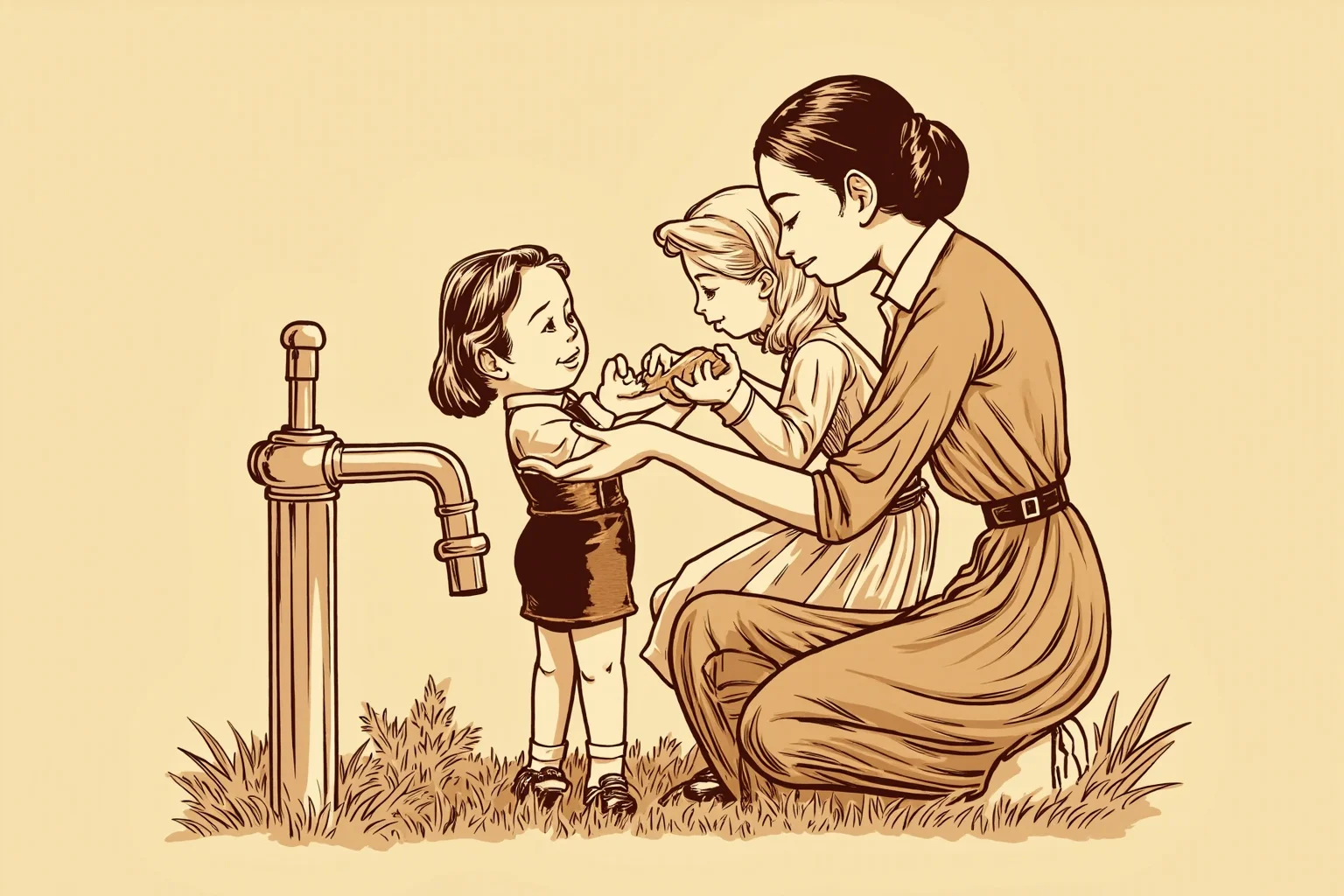
In March 1887, when Helen was six years old, a 20-year-old teacher named Anne Sullivan arrived at her family home in Alabama. Within weeks, Sullivan famously spelled the word “water” into Helen’s hand while cool water ran over her other hand from a pump, and something clicked. Helen later described this moment as the instant she understood that everything has a name.
2. Mastering the Manual Alphabet and Braille

From that breakthrough, Helen rapidly learned finger-spelling, the tactile manual alphabet used to communicate letter by letter into her palm. She also learned to read and write Braille, the raised-dot writing system invented decades earlier by Louis Braille, which became her primary way of reading books.
3. Learning to Speak With Her Voice
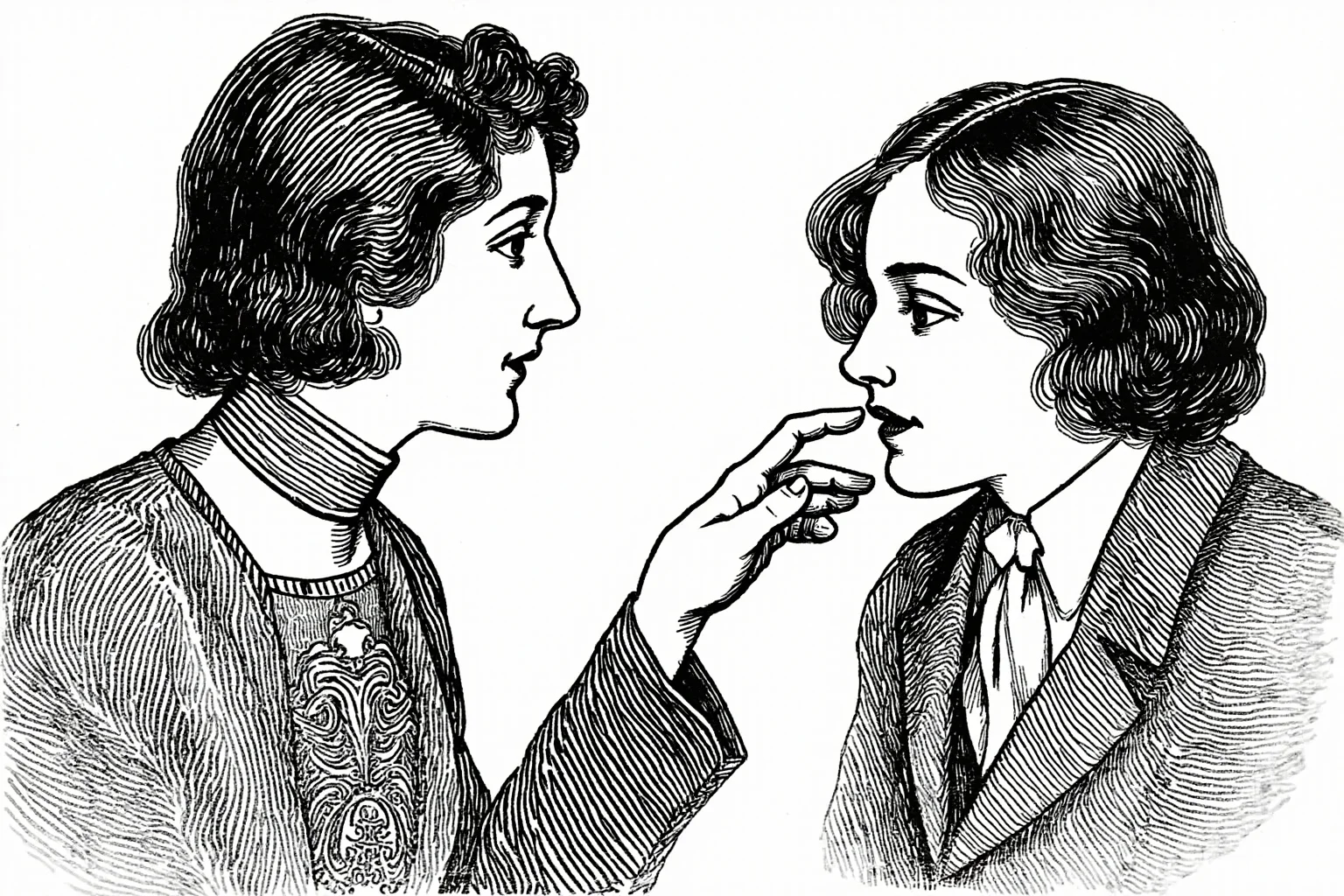
As a teenager, Helen worked intensively with speech teacher Sarah Fuller to learn spoken language using the Tadoma method of feeling vibrations from a speaker’s face and throat. It was slow, difficult work, but she succeeded in producing intelligible speech, something many assumed impossible for someone who had been deaf since infancy.
4. Preparing for and Passing College Entrance Exams
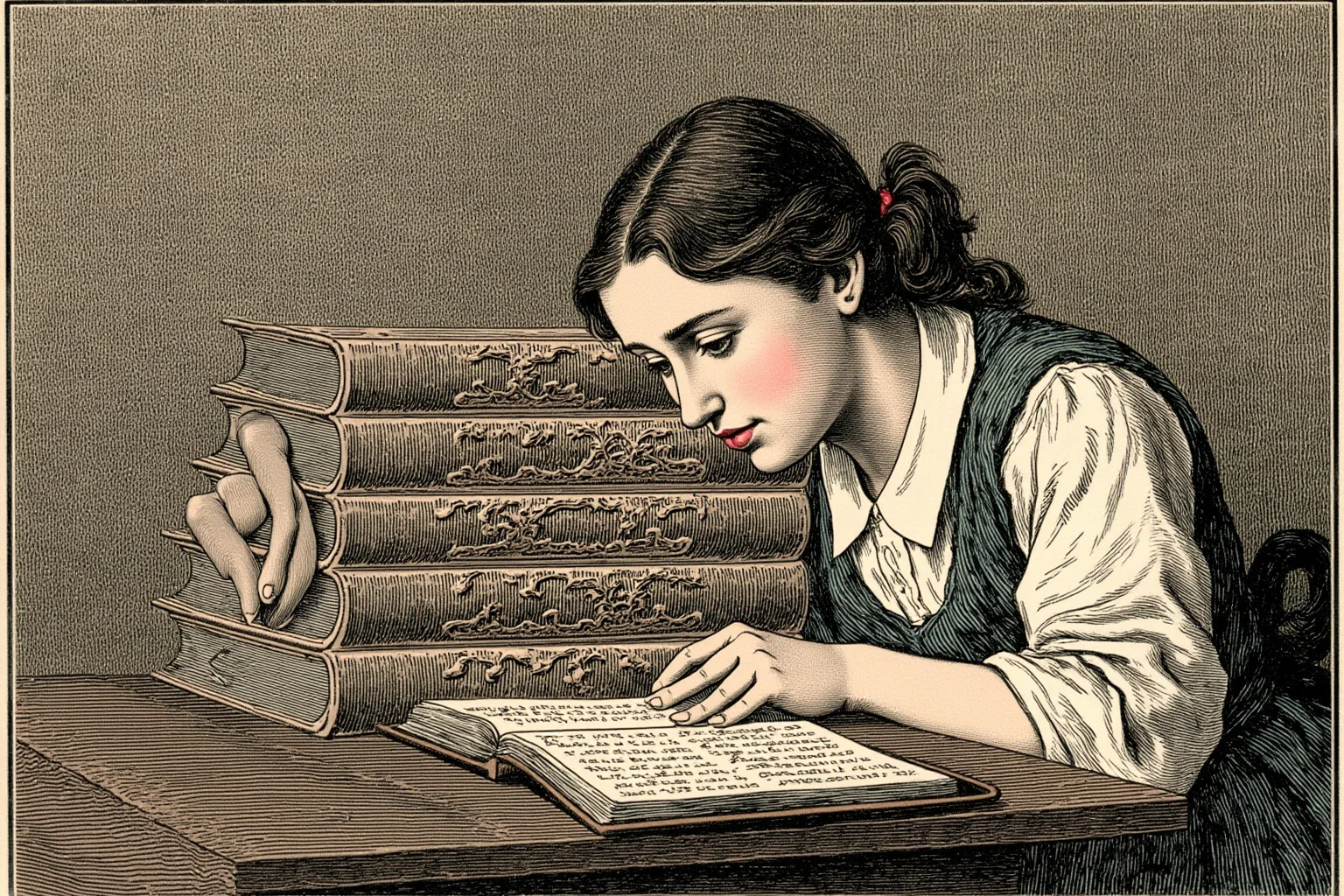
Helen attended the Cambridge School for Young Ladies and Perkins Institution to prepare academically for college, an enormous undertaking given that most instructional materials weren’t adapted for deafblind students. She passed her Radcliffe entrance examinations, proving her academic ability was on par with any sighted, hearing student of her generation.
5. Becoming the First Deafblind Person to Earn a Bachelor’s Degree
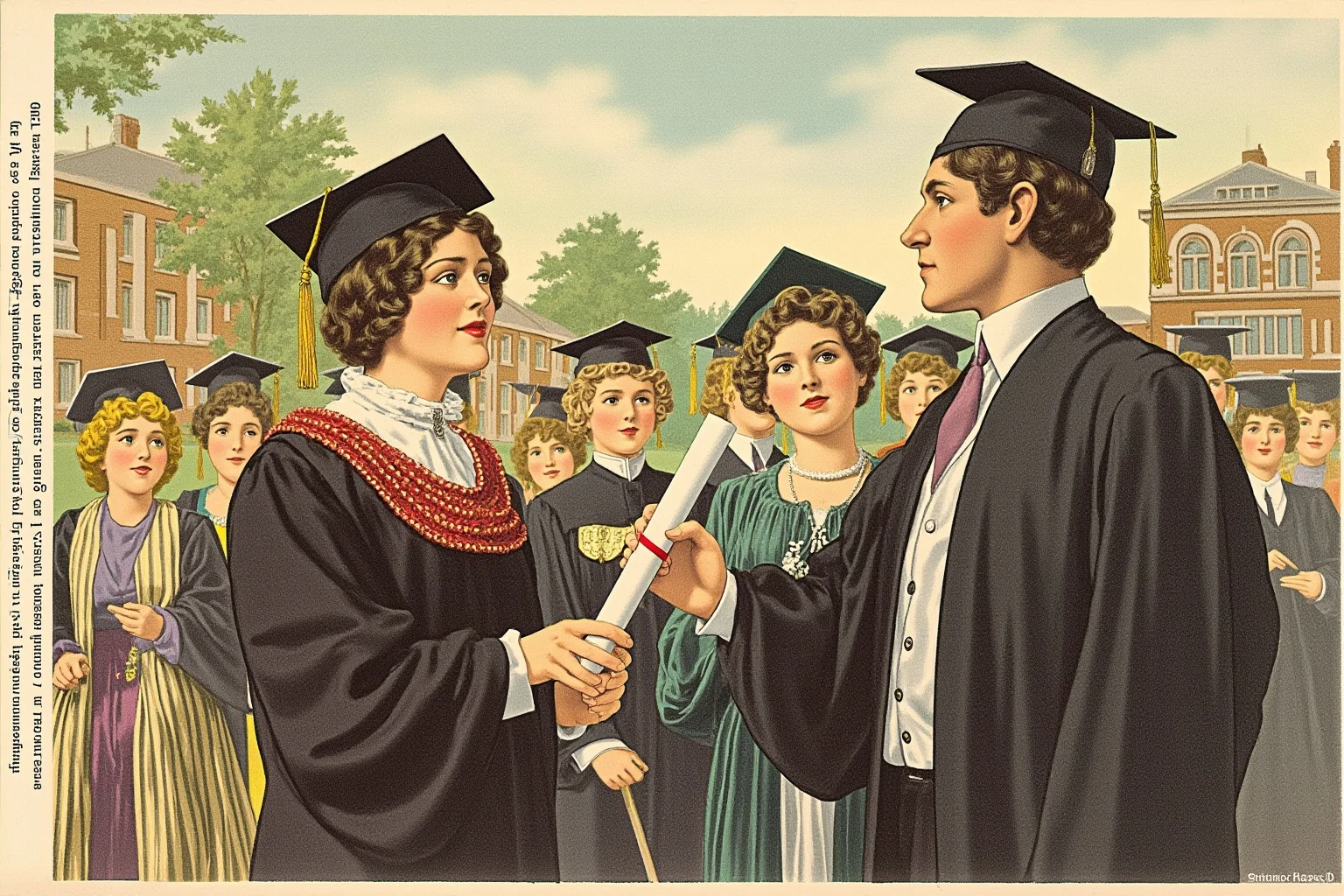
In 1904, Helen graduated cum laude from Radcliffe College, becoming the first deafblind person known to earn a Bachelor of Arts degree. Anne Sullivan attended every class alongside her, translating lectures into her palm in real time.
6. Learning Multiple Languages

Beyond English, Helen studied French, German, Latin, and Greek, reading texts that had been transcribed into Braille or embossed print. Language study of this depth was demanding even for sighted students, let alone someone accessing every text entirely through touch.
Building a Literary Career
7. Publishing The Story of My Life
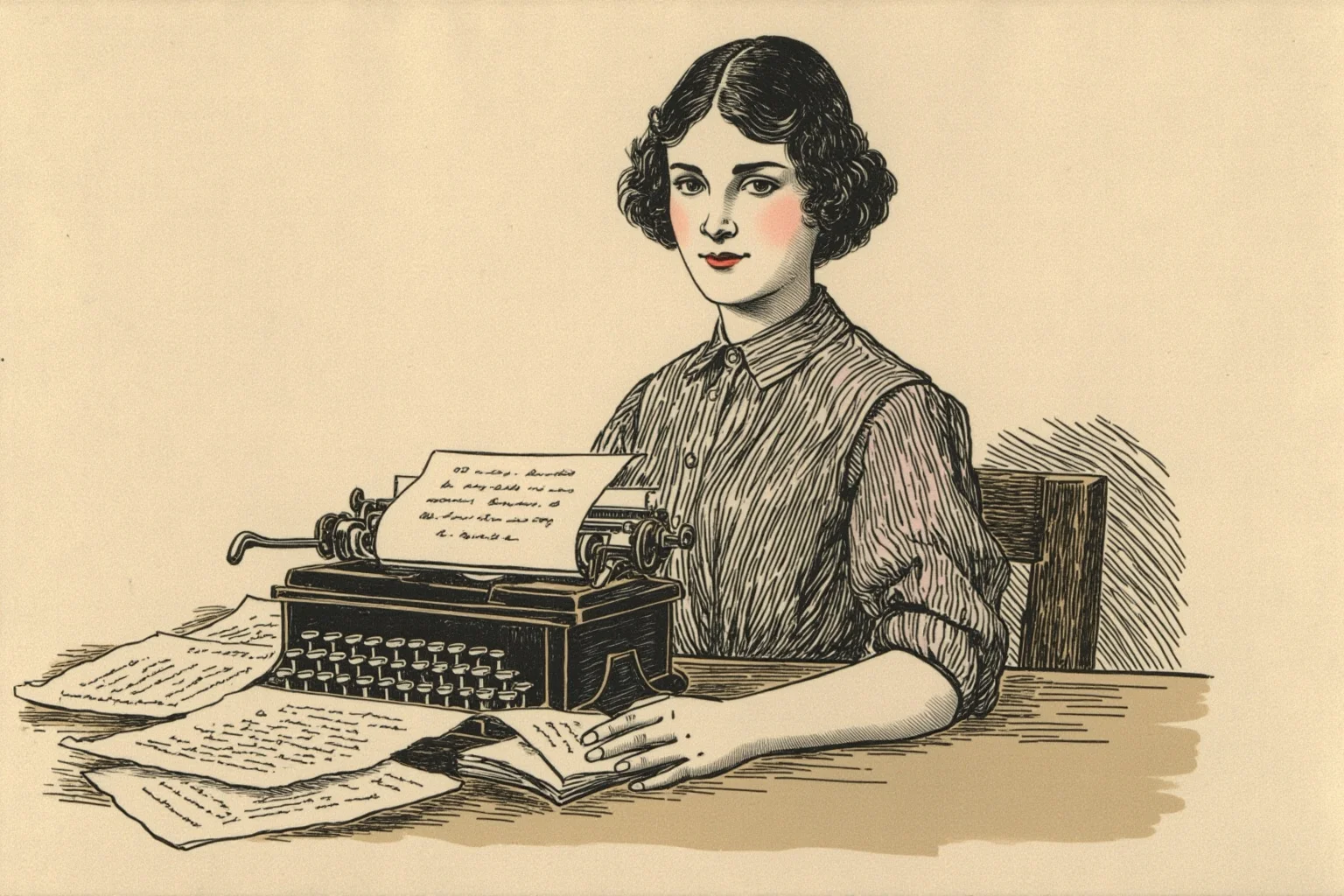
While still a student at Radcliffe, Helen wrote and published her autobiography, The Story of My Life, in 1903. It became an enduring classic, translated into dozens of languages, and remains her best-known written work.
8. Writing a Dozen Books and Hundreds of Essays

Helen went on to author around a dozen books over her lifetime, including The World I Live In, Out of the Dark, and Midstream: My Later Life, along with hundreds of articles and essays. Her writing covered everything from her personal philosophy to social and political commentary.
9. Becoming a Respected Political Essayist
Beyond memoir, Helen used her writing to argue for social causes, publishing essays on poverty, labor conditions, and disability rights in major magazines and newspapers. Editors and readers didn’t always agree with her politics, but her intellectual seriousness was rarely in doubt.
Taking the Stage and Screen
10. Becoming a Celebrated Public Speaker
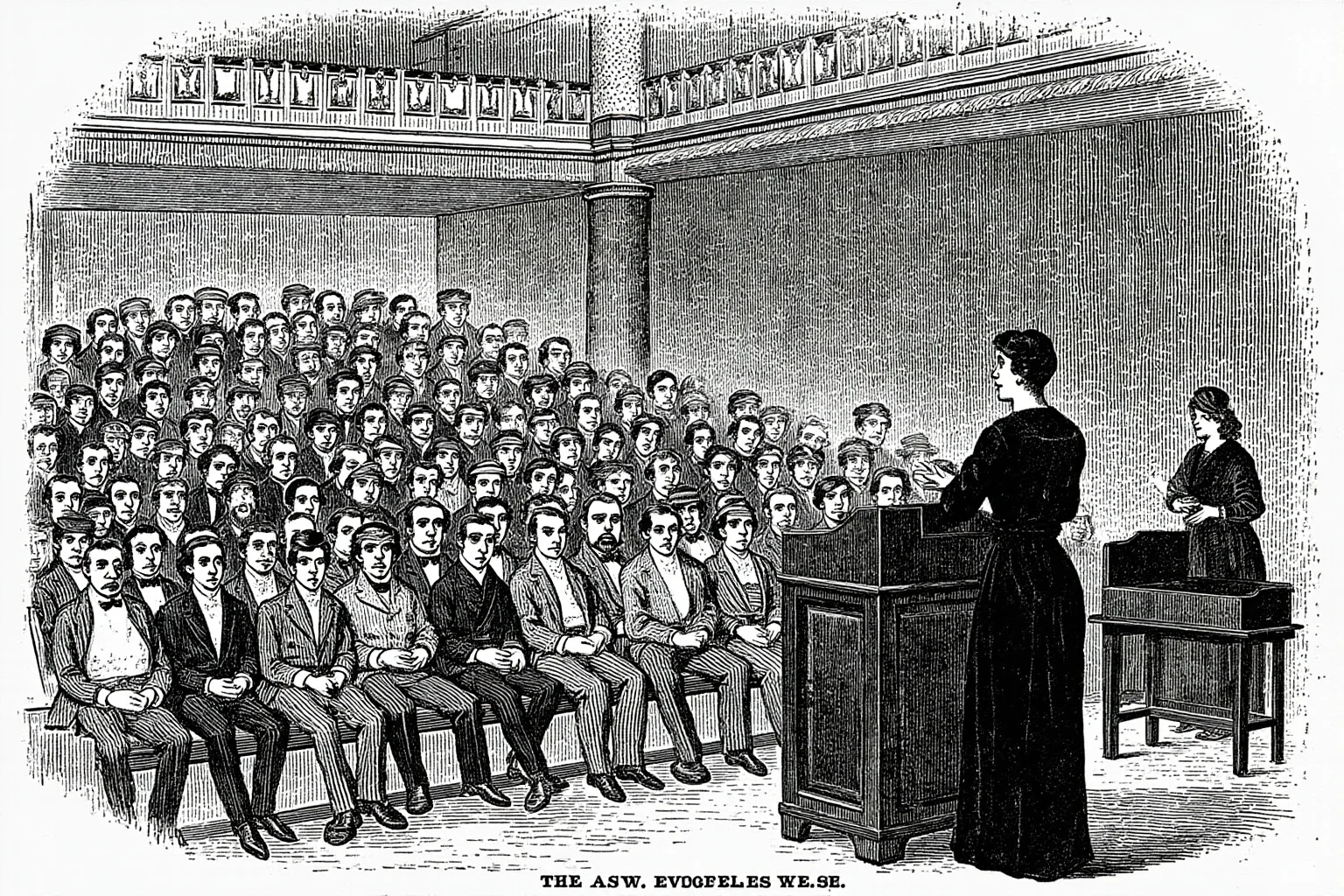
Despite the physical challenges of public speaking with a speech pattern many found difficult to understand at first, Helen toured extensively, lecturing to large audiences with Anne Sullivan or later assistant Polly Thomson interpreting her words for the crowd. She became one of the most sought-after speakers of her era on disability and social issues.
11. Starring in a Silent Film About Her Own Life
In 1919, Helen appeared as herself in Deliverance, a silent biographical film dramatizing her life story. It’s a rare and remarkable piece of surviving footage that helps confirm just how well-documented her life really was.
12. Performing on the Vaudeville Circuit
In the 1920s, Helen and Anne Sullivan performed a question-and-answer act on the vaudeville circuit, a popular form of variety theater at the time. Audiences were fascinated to watch her answer live questions, demonstrating her communication abilities firsthand.
Activism That Changed the World
13. Advocating for Women’s Suffrage
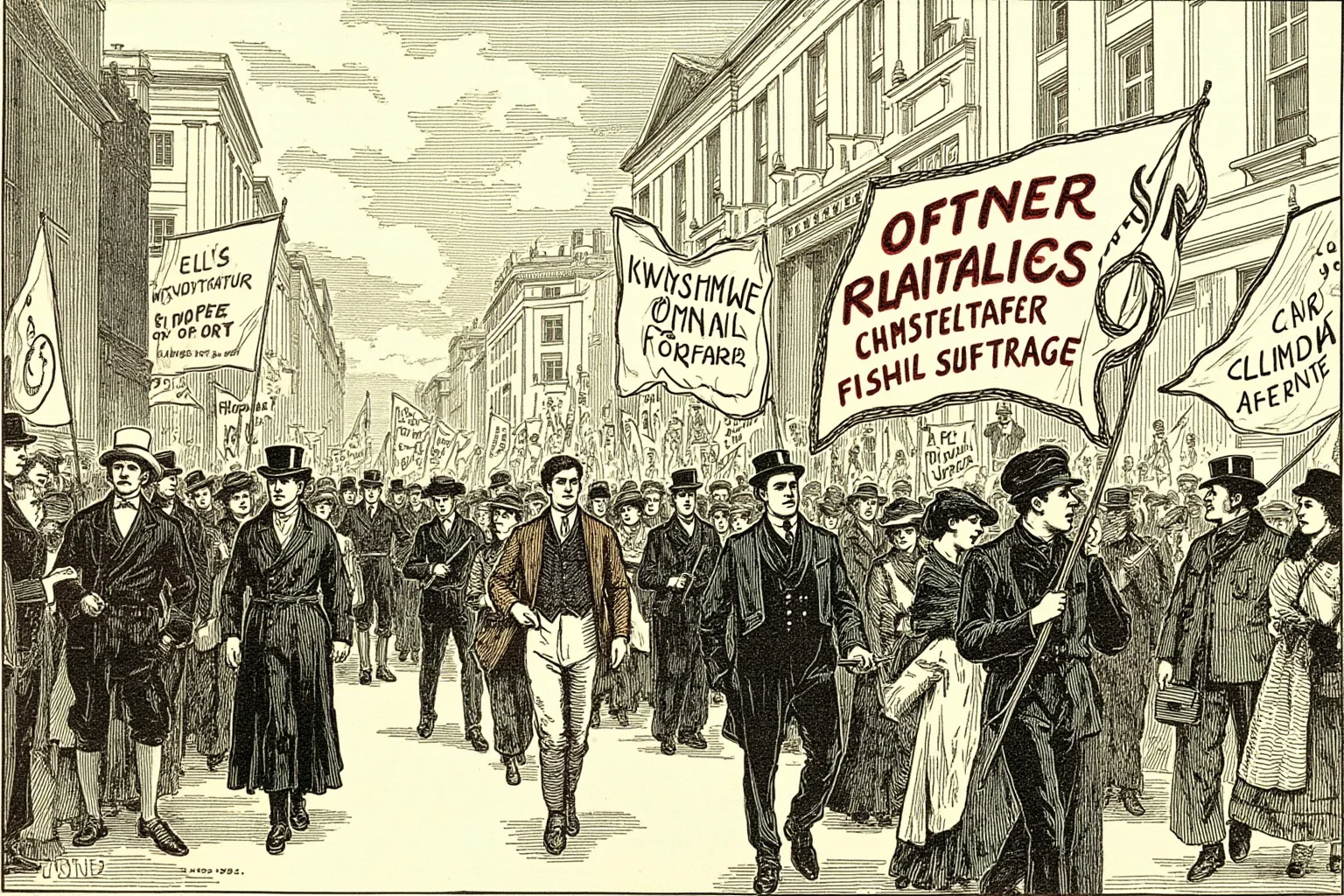
Helen was an outspoken supporter of women’s right to vote, lending her fame and credibility to the suffrage movement in the early 20th century. She saw the fight for women’s political voice as deeply connected to broader struggles for equality.
14. Co-Founding the American Civil Liberties Union
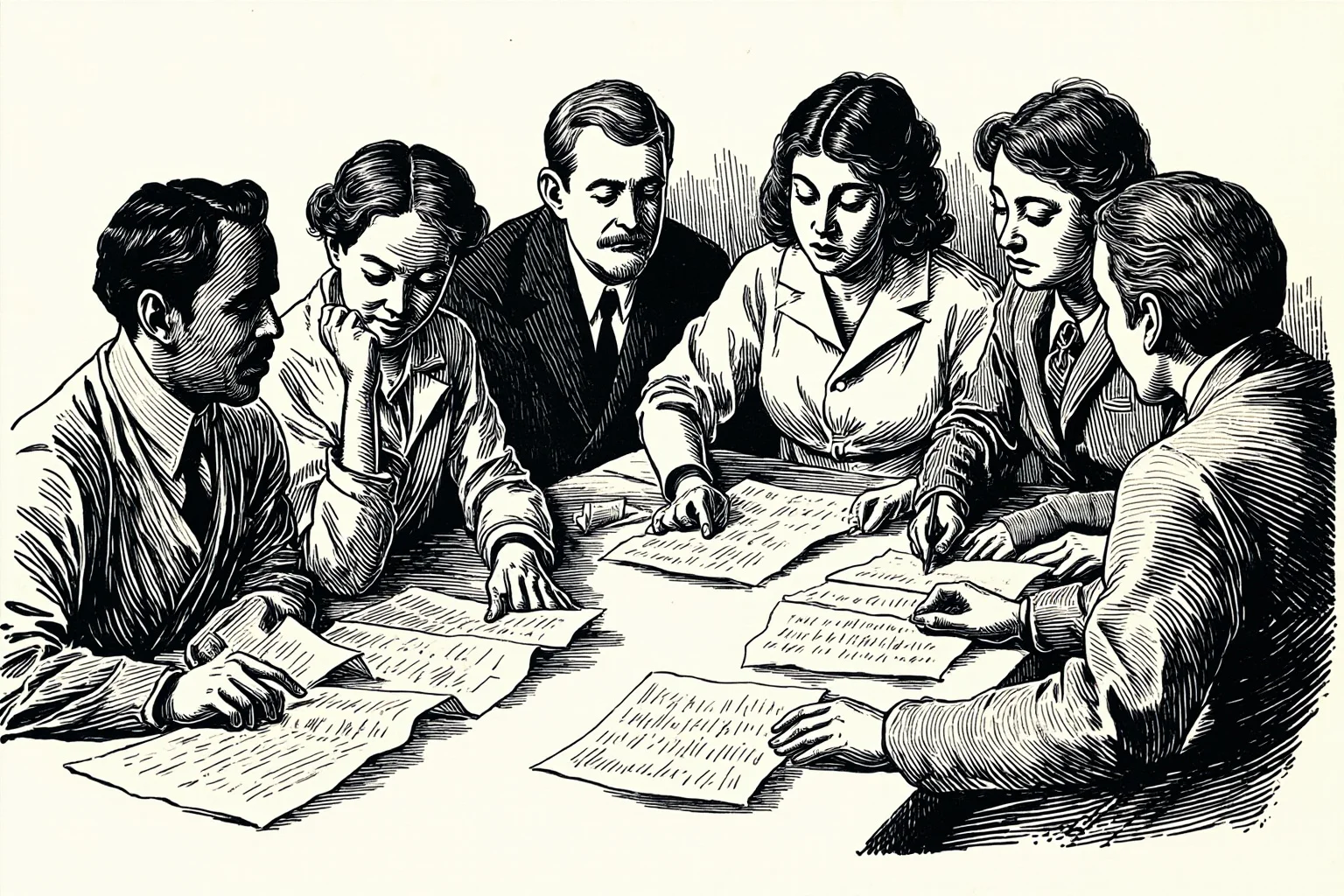
In 1920, Helen was among the founding members of the American Civil Liberties Union, an organization still active today defending constitutional rights in the United States. Her involvement reflected her lifelong commitment to civil liberties beyond disability issues alone.
15. Championing Workers’ Rights
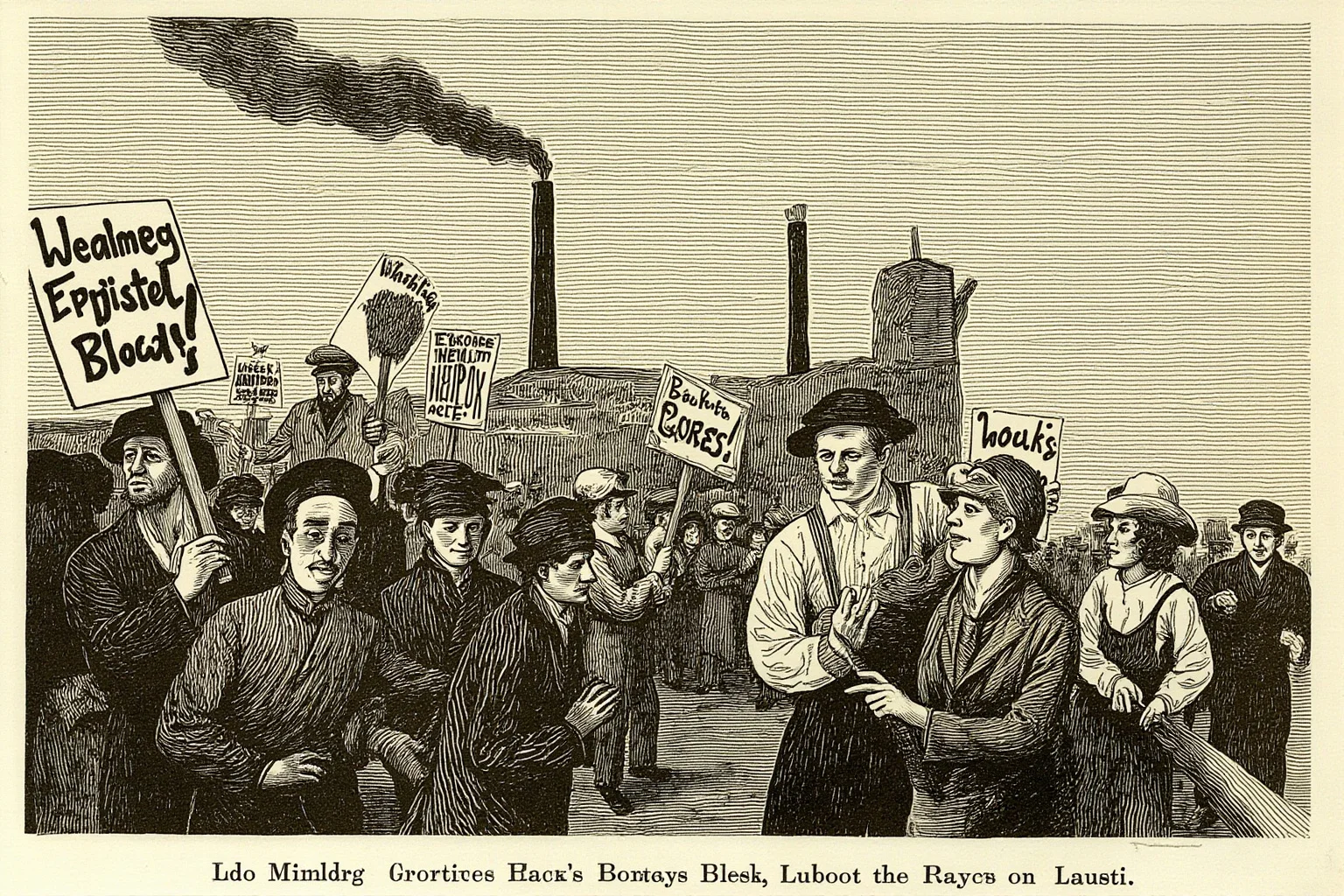
Helen was a committed socialist for much of her adult life and joined the Socialist Party of America in 1909. She wrote and spoke in support of labor unions, workers’ rights, and economic reform, positions that made her a controversial figure to some newspapers of the time.
16. Fighting for Disability Rights Worldwide

Helen traveled to dozens of countries advocating for better education, resources, and rights for blind and deafblind people, working closely with organizations like the American Foundation for the Blind. Her international advocacy helped shift public attitudes toward disability during the mid-20th century.
17. Helping Establish an International Organization Still Active Today
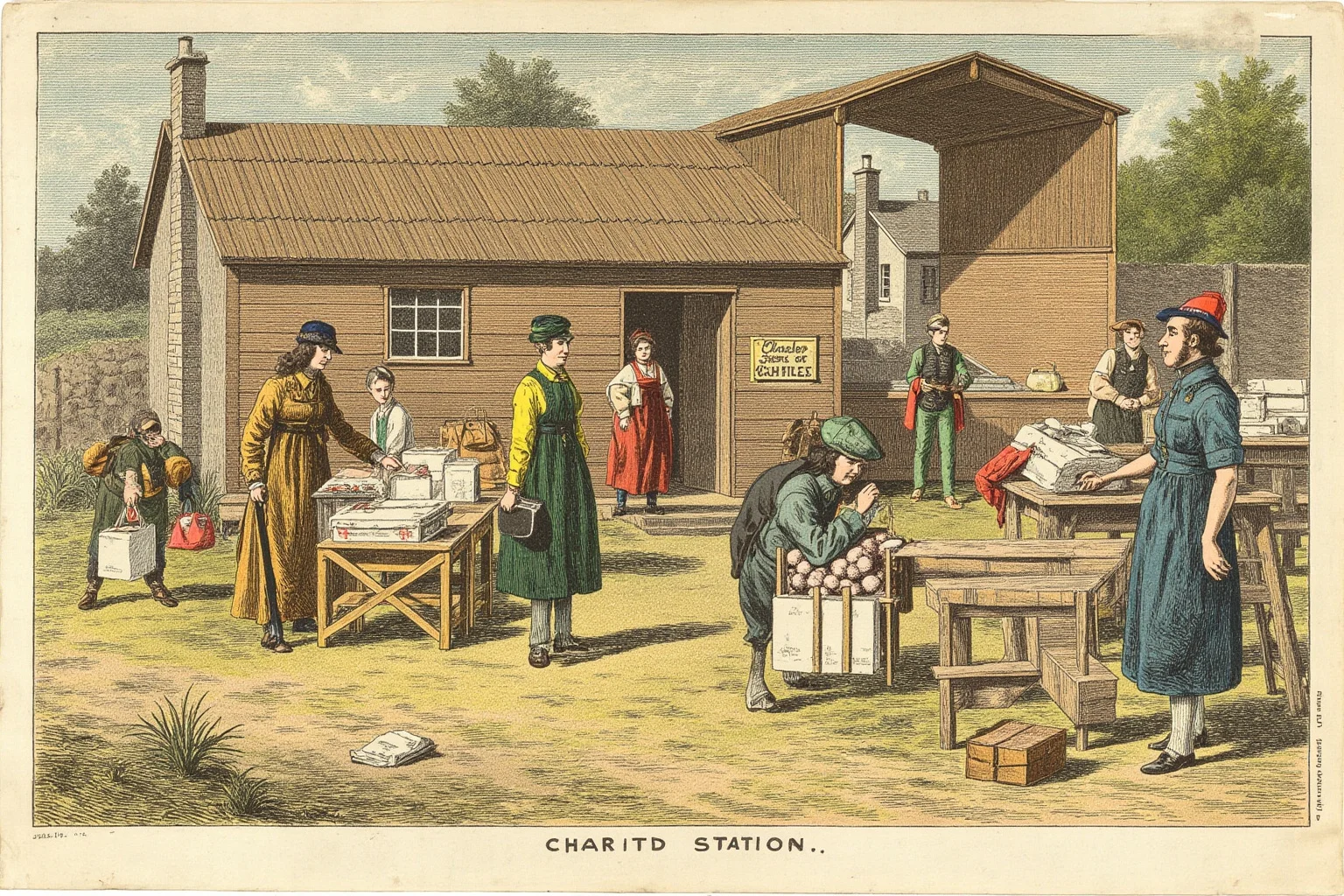
Helen helped found what became Helen Keller International, an organization originally focused on aiding blinded soldiers after World War I. The organization still operates globally today, working on preventable blindness and malnutrition.
18. Promoting Braille Literacy and Accessible Education
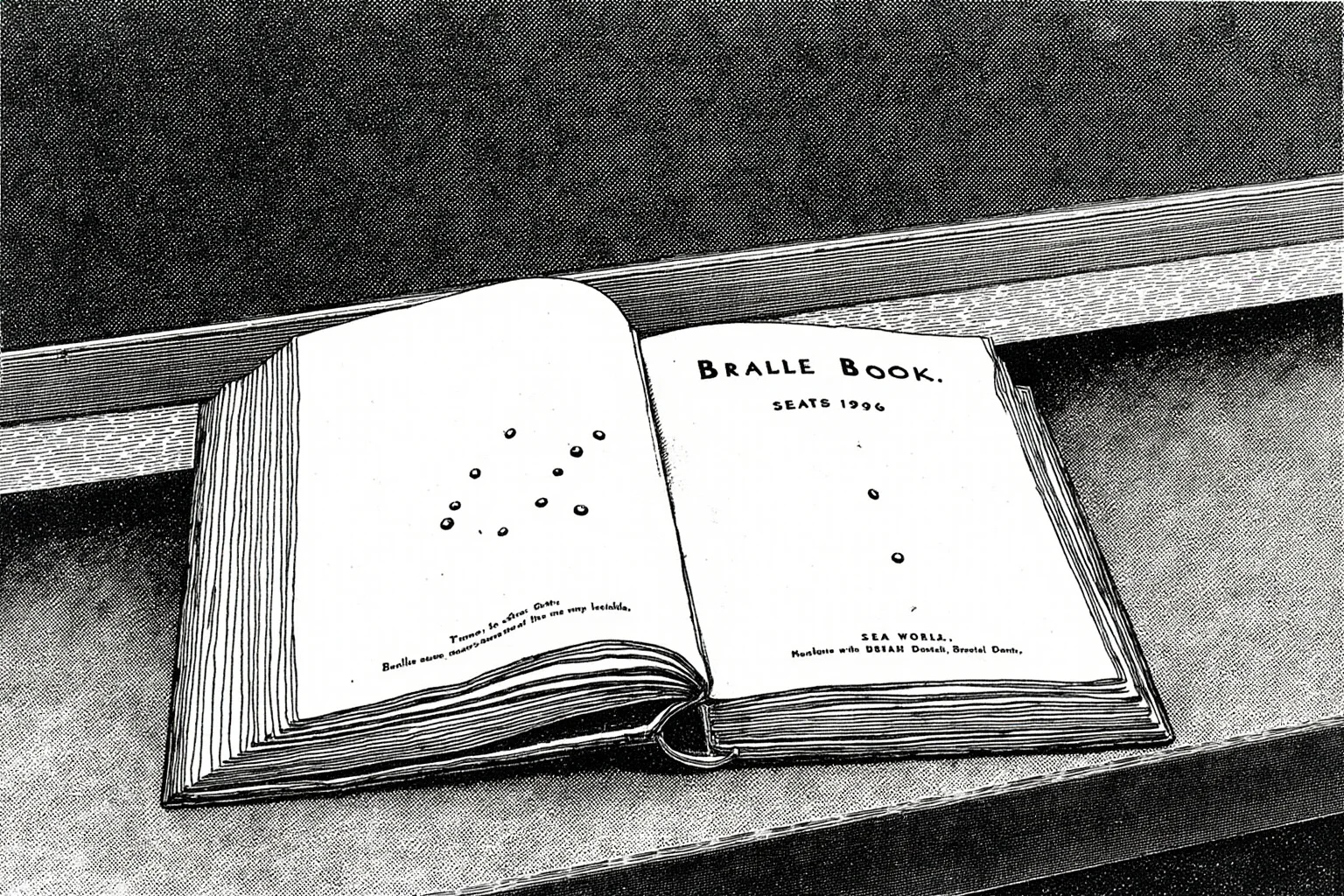
While Helen Keller did not invent Braille — that credit belongs to Louis Braille, who developed the system in France in the 1820s — she became one of its most powerful public advocates. Her lifelong promotion of Braille literacy helped expand access to books and education for blind people across the world.
Recognition on the World Stage
19. Meeting a Dozen U.S. Presidents
Over her lifetime, Helen Keller met every U.S. president from Grover Cleveland through Lyndon B. Johnson, a span covering roughly 70 years and around a dozen administrations. Few private citizens in American history have had that level of sustained access to the nation’s highest office.
20. Receiving the Presidential Medal of Freedom
In 1964, President Lyndon B. Johnson awarded Helen the Presidential Medal of Freedom, one of the highest civilian honors in the United States. It formally recognized decades of advocacy, writing, and public service.
21. Being Linked to the Nobel Peace Prize

Helen Keller is sometimes described online as a Nobel Prize winner, but there’s no confirmed, verifiable record of her ever receiving a Nobel Prize of any kind. This appears to be a persistent myth rather than documented fact, and it’s worth treating the “Helen Keller Nobel Prize” claim with real skepticism until solid evidence surfaces.
22. Being Named Among the Century’s Most Admired Figures

In a 1999 Gallup poll asking Americans about the most widely admired people of the 20th century, Helen Keller was included among the notable names selected, cementing her place among history’s most powerful and admired women. It reflected just how deeply her story had embedded itself in American cultural memory decades after her most active years.
23. Inspiring The Miracle Worker

Helen’s early life with Anne Sullivan became the basis for The Miracle Worker, a play by William Gibson that debuted on Broadway in 1959 and was adapted into a feature film in 1962. It introduced her story, and the famous water pump scene, to entirely new generations.
The Lasting Legacy of Helen Keller
Helen Keller’s life resists the simplified, inspirational-poster version so often told about her. She wasn’t just a symbol of overcoming adversity; she was a working writer, a controversial political activist, and a globally recognized public figure who used her fame deliberately to push for change. Her obstacles were real and severe, but so was her agency in choosing how to respond to them.
Understanding the accurate history — how she actually lost her sight and hearing, what “mute” really meant in her case, and which achievements are documented fact versus internet myth — makes her story more impressive, not less.
A woman who lost both sight and hearing before age two went on to graduate from a top university, publish a dozen books, help found a major civil rights organization, and shake hands with a dozen American presidents. That’s not a fairy tale. That’s history, and it holds up remarkably well under scrutiny.
Frequently Asked Questions
Is it true that Helen Keller was mute?
Not exactly. Helen Keller lost most of her ability to speak clearly as a toddler because she could no longer hear her own voice after becoming deaf, not because she was physically incapable of speech. As a teenager, she relearned to talk with the help of teacher Sarah Fuller using the Tadoma method, so calling her simply 'mute' as an adult overlooks the speech she worked hard to develop.
Did Helen Keller have Usher syndrome?
Most historians consider this unlikely. Usher syndrome is a congenital condition with gradual vision loss over years, while Helen's blindness and deafness both appeared suddenly during an acute illness at 19 months old, pointing more toward an infection like meningitis or scarlet fever.
How did Helen Keller lose her sight and hearing?
At about 19 months old, Helen contracted a severe illness her family's doctor described only as 'brain fever.' Modern historians believe it was likely scarlet fever or bacterial meningitis, though no surviving medical record confirms the exact cause.
Was Helen Keller born blind and deaf?
No. She was born a sighted, hearing infant in 1880 and lost both senses suddenly after a severe illness before her second birthday.
Did Helen Keller invent Braille?
No, Braille was invented by Louis Braille in France in the 1820s, decades before Helen Keller was born. Keller learned to read and write in Braille and became one of its most passionate global advocates, but she did not create the system.
Did Helen Keller ever get her sight or hearing back?
No. There is no historical evidence that Helen Keller ever regained her sight or hearing through surgery, treatment, or any other means. She remained blind and deaf for the rest of her life after her childhood illness.
Did Helen Keller win a Nobel Prize?
There is no verified record confirming that Helen Keller received a Nobel Prize. While the claim circulates online, it appears to be a myth rather than a documented historical fact.
Was Helen Keller completely blind and deaf?
Yes, by reliable historical accounts she experienced total, permanent loss of both sight and hearing. She described living in complete darkness and silence for the remainder of her life.
How old was Helen Keller when she died?
Helen Keller was born on June 27, 1880, and died on June 1, 1968, meaning she lived to be 87 years old.
Was Helen Keller the first deafblind person to become famous?
No. Laura Bridgman, educated decades earlier at the Perkins Institution, is generally considered the first deafblind American to receive a formal education and public recognition. Helen Keller, however, became by far the most famous and influential deafblind person in history.

Alex Warren
Related Articles