
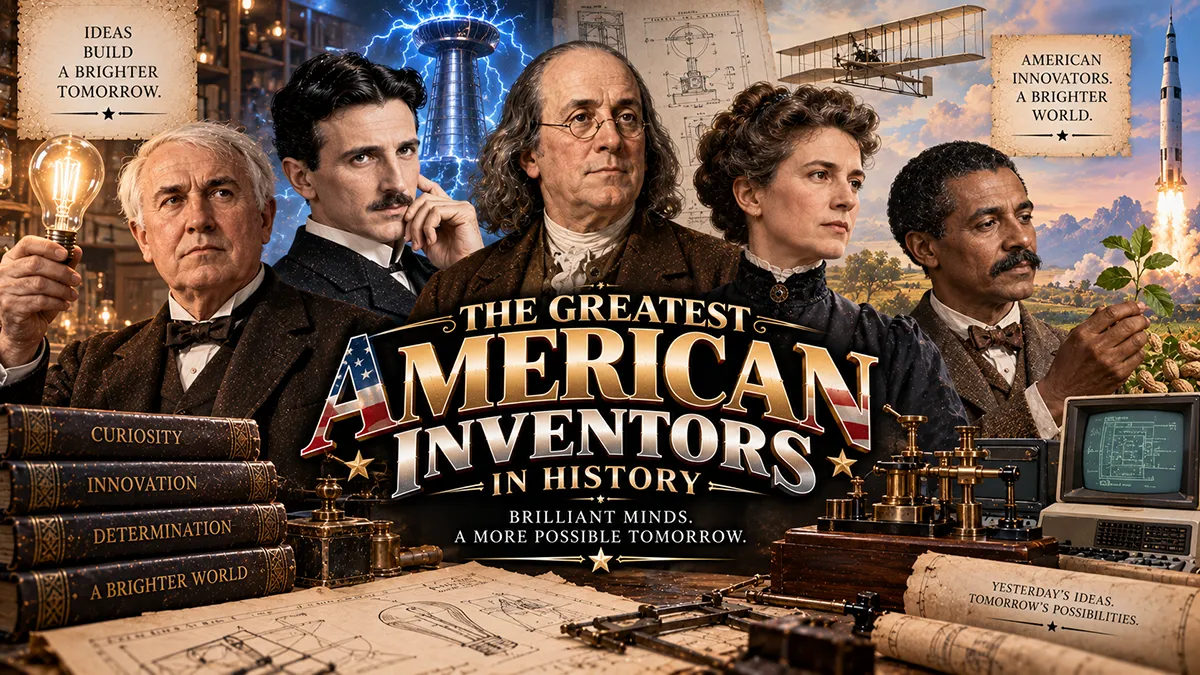
Ask most people to name a famous inventor, and you’ll probably hear Thomas Edison, Benjamin Franklin, or the Wright Brothers within about five seconds — three of the most recognized historical figures in American memory.
That’s no accident — American inventors have shaped everyday life more than almost any other group in modern history, from the light bulb in your lamp to the phone in your pocket.
But the real story of American innovation is bigger, messier, and more interesting than the textbook version.
It includes overlooked women, Black inventors denied patents because of their race, Native American engineers who worked on the space program, and more than a few inventors who got credit for things they didn’t actually do alone. This list covers the inventors and inventions that built modern America — and clears up a few myths along the way.
TL;DR: America’s greatest inventors — from Franklin and Edison to Hopper and Kwolek — turned bold ideas into the light bulbs, telephones, airplanes, and computer chips that built modern life, though the real history is more collaborative (and less myth-perfect) than the legends suggest.
Who Invented Inventing? A Quick Word on Ancient Innovators
Before diving into American names, it’s worth answering a tongue-in-cheek but oddly common question: who invented inventing? The honest answer is nobody — humans have been solving problems with tools, fire, and clever tricks since prehistory.
Ancient inventors in Mesopotamia, China, Egypt, and the Indus Valley gave us the wheel, writing, the printing press, and irrigation long before the United States existed.
This matters because American innovation didn’t spring from nowhere. It built on centuries of global engineering, science, and craftsmanship. Understanding that context helps explain why so many “American” inventions were really American refinements of older ideas, turned into practical, mass-market products.
What Makes an Inventor “American,” Anyway?
Here’s a myth worth busting right away: not every great American inventor was born in the United States. Nikola Tesla was born in modern-day Croatia. Alexander Graham Bell was born in Scotland. Both became naturalized U.S. citizens and did their most famous work on American soil, which is why they’re almost always included on lists of great American inventors.
Citizenship, immigration, and timing all complicate the idea of a “pure” national inventor list. For this article, “American inventor” means someone who lived, worked, and invented primarily within the United States — whether they were born there or arrived later in search of opportunity. That’s a big part of the American inventions story in itself.
The Greatest American Inventors in History
This is not an exhaustive list — no single article could cover every notable inventor from America’s 250-plus years of history. Instead, this is a curated look at the inventors and their inventions that had the biggest, most lasting impact, arranged roughly by era.
1. Benjamin Franklin
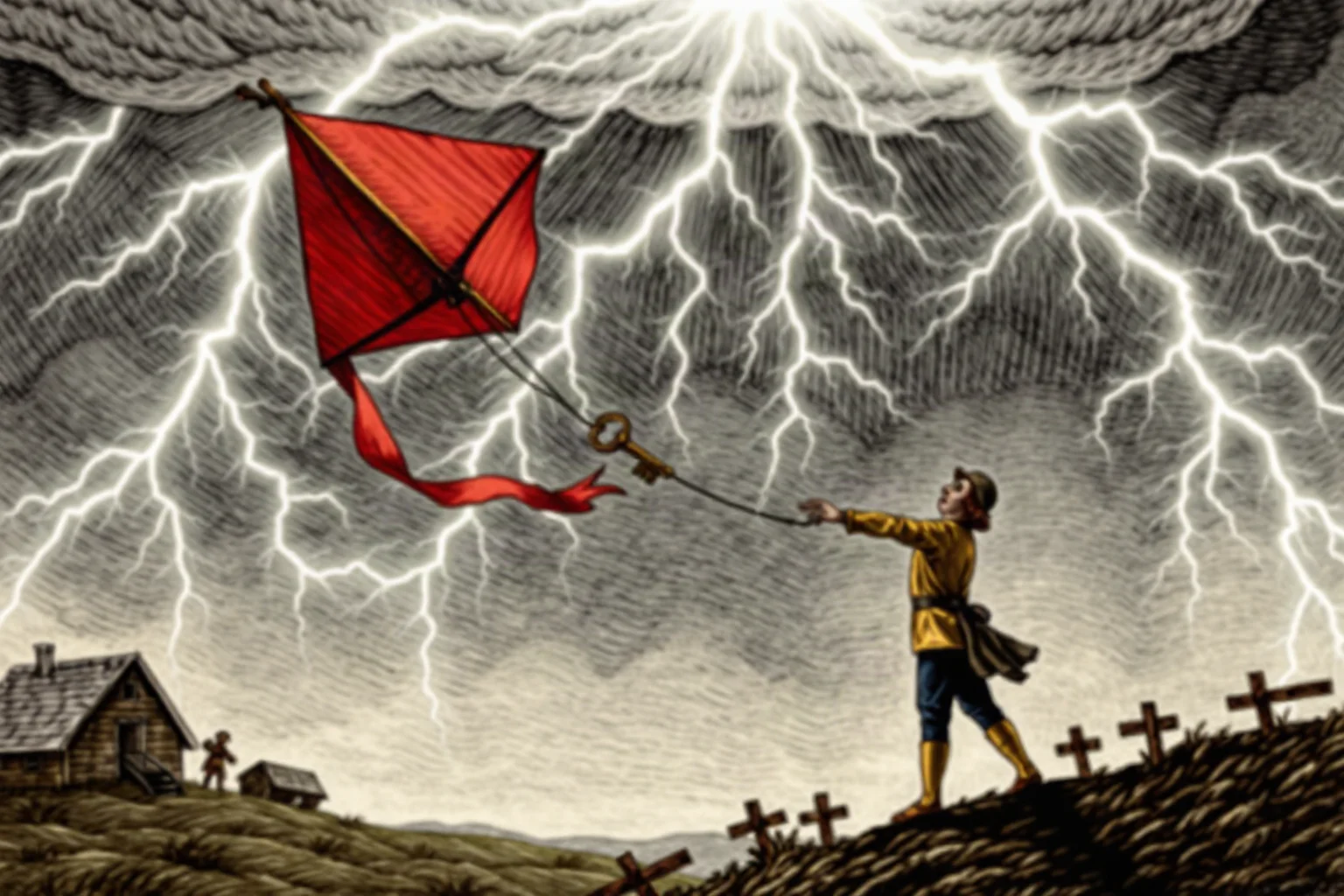
Franklin is the closest thing America has to a founding father of invention. His famous 1752 kite experiment helped demonstrate the electrical nature of lightning, and he went on to invent the lightning rod, bifocal glasses, and a more efficient wood-burning stove.
He never patented any of his inventions, believing they should be shared freely for the public good. That generosity is part of why Franklin is remembered as much for his character as for his creations, and why he’s a fixture on lists of the smartest people in history.
2. Eli Whitney
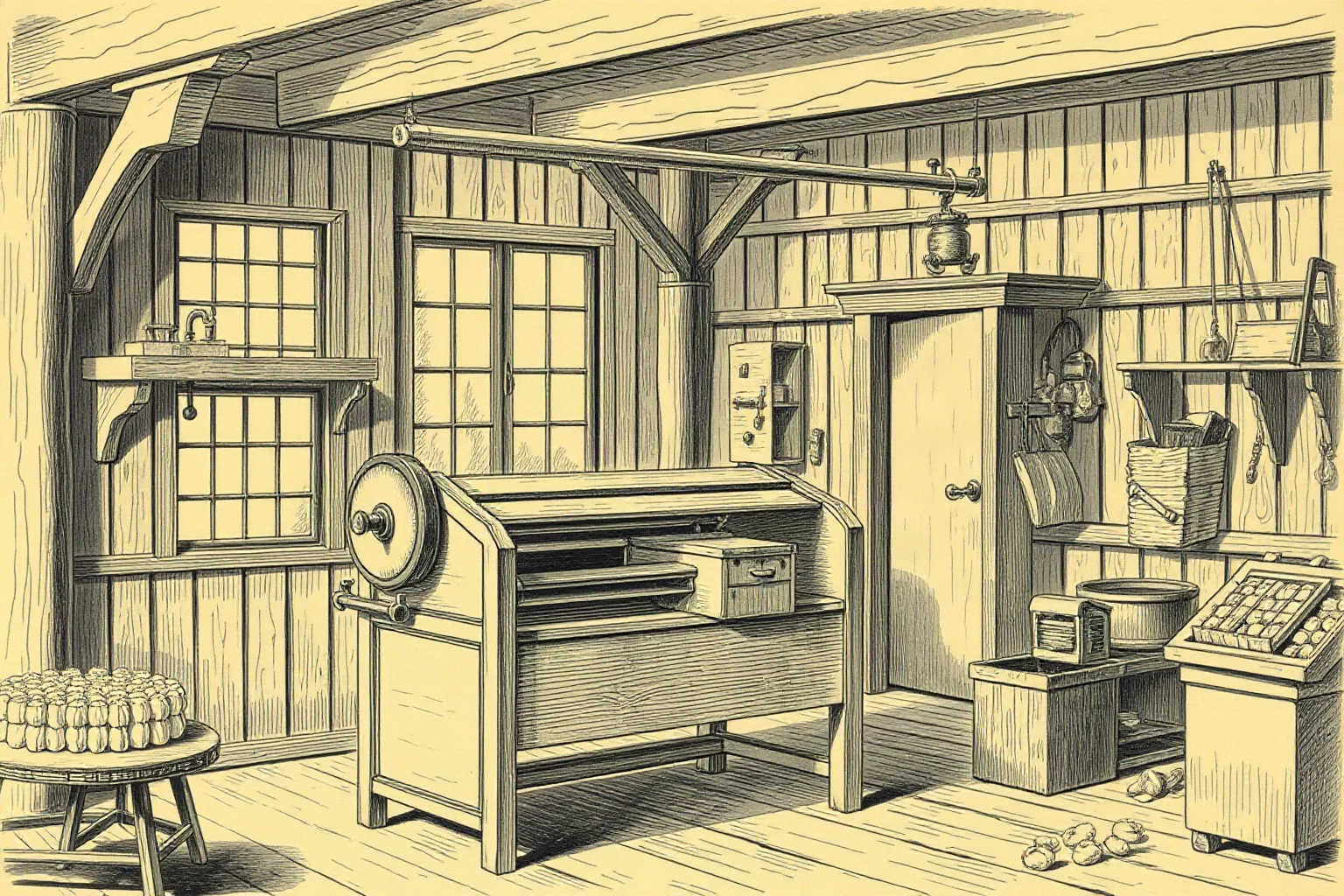
Whitney is best known for the cotton gin, patented in 1793, which mechanized the separation of cotton fibers from seeds. The invention dramatically increased cotton production but also, tragically, entrenched and expanded slavery in the American South.
Whitney later helped pioneer what’s sometimes called the American System of Manufacturing — using interchangeable, standardized parts to build muskets faster and more reliably. That approach later became the backbone of American industry.
3. Samuel Morse
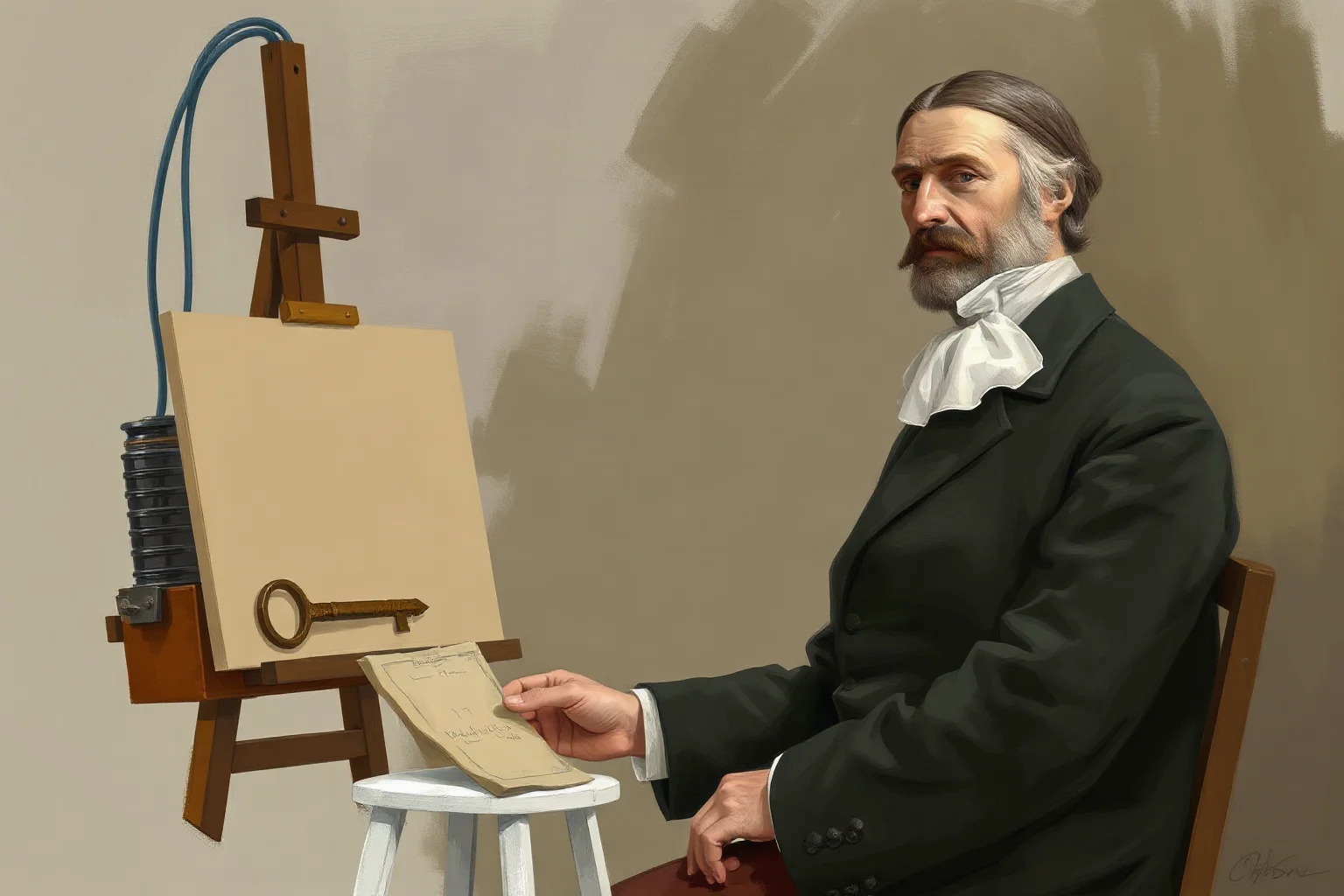
Before he was an inventor, Samuel Morse was a professional portrait painter, which makes him a favorite answer for the “American artist inventor” trivia and crossword clues. He shifted careers and developed the single-wire telegraph system along with the code that bears his name.
The first public long-distance telegraph message, sent in 1844 between Washington, D.C., and Baltimore, effectively launched instant long-distance communication in the United States.
4. Elias Howe
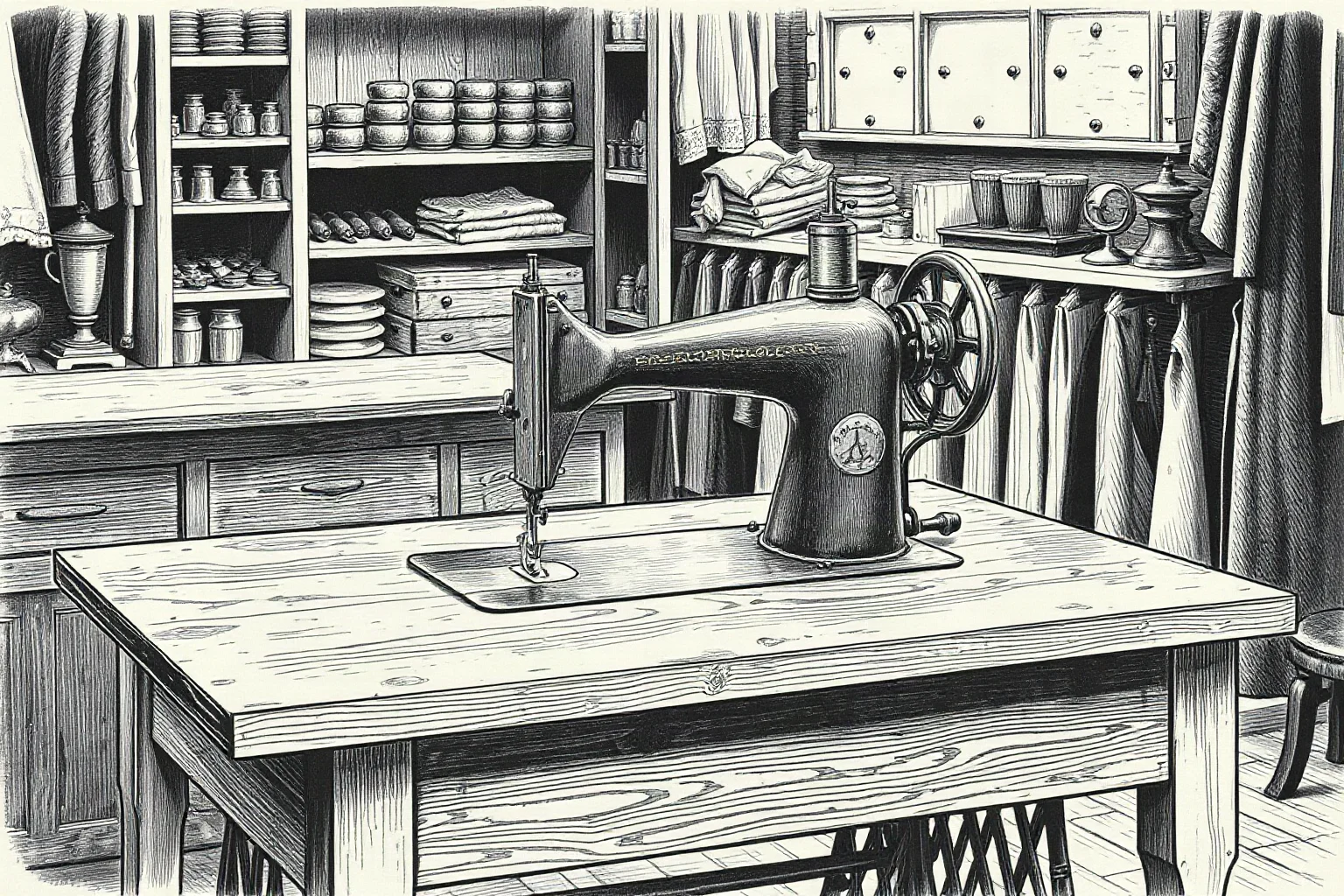
Elias Howe patented a practical lockstitch sewing machine in 1846, one of the key inventions of the 1800s that transformed clothing production. His design became the subject of a long, bitter patent fight with fellow inventor Isaac Singer.
That rivalry is a good reminder that many “solo genius” invention stories were actually crowded races between multiple inventors working on similar problems at once.
5. Charles Goodyear
Goodyear spent years experimenting — and going deep into debt — before discovering the vulcanization process that turned raw rubber into a durable, weatherproof material in 1839. Vulcanized rubber made tires, hoses, and waterproof goods possible.
Despite the company that later bore his name, Goodyear died in debt in 1860, never fully profiting from his own invention.
6. Elijah McCoy
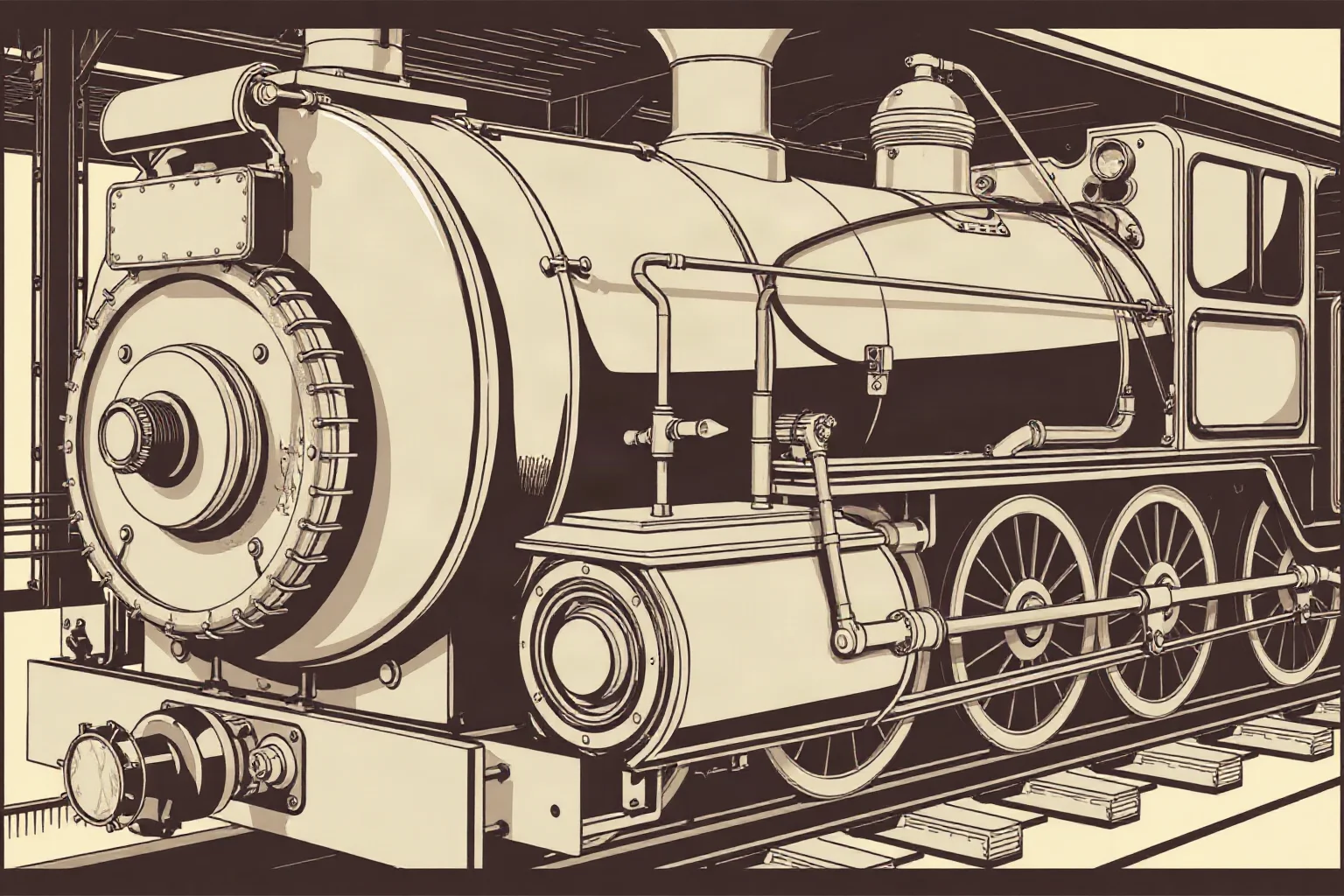
Elijah McCoy, the son of formerly enslaved parents who escaped to Canada, became a prolific engineer and inventor in the United States. He patented an automatic lubricating device for steam engines that kept trains and machinery running without constant manual stops.
His devices worked so well that some buyers reportedly insisted on “the real McCoy” instead of cheaper imitations — a phrase many historians link to his reputation, though the exact origin of the idiom is debated.
7. Lewis Latimer
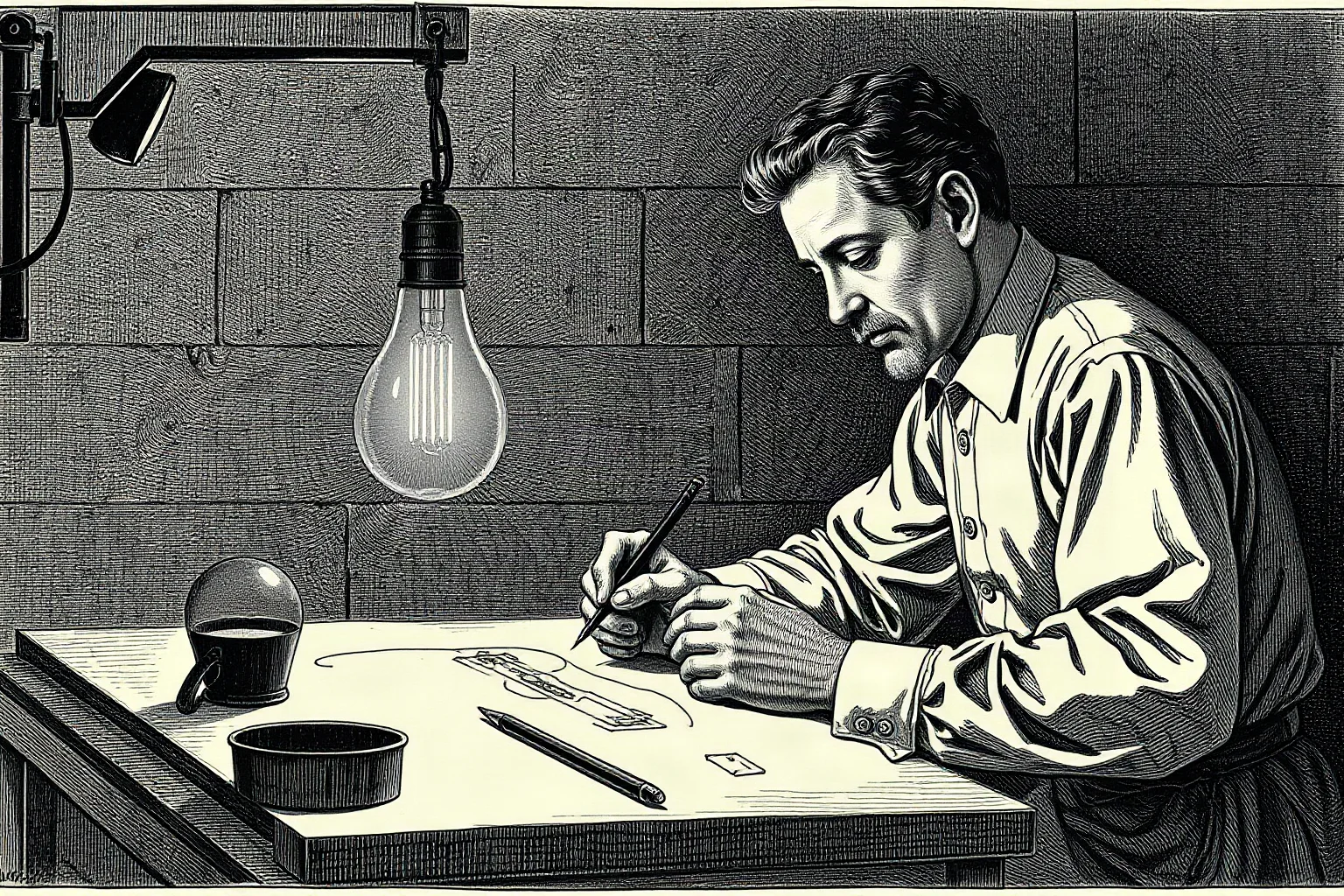
Lewis Latimer, the son of formerly enslaved parents, worked as a draftsman and inventor whose carbon filament patent in 1881 made light bulbs longer-lasting and cheaper to produce. He worked directly with both Alexander Graham Bell and Thomas Edison over the course of his career.
Latimer’s contributions are a key reason historians push back on the idea that Edison invented the light bulb single-handedly.
8. Alexander Graham Bell
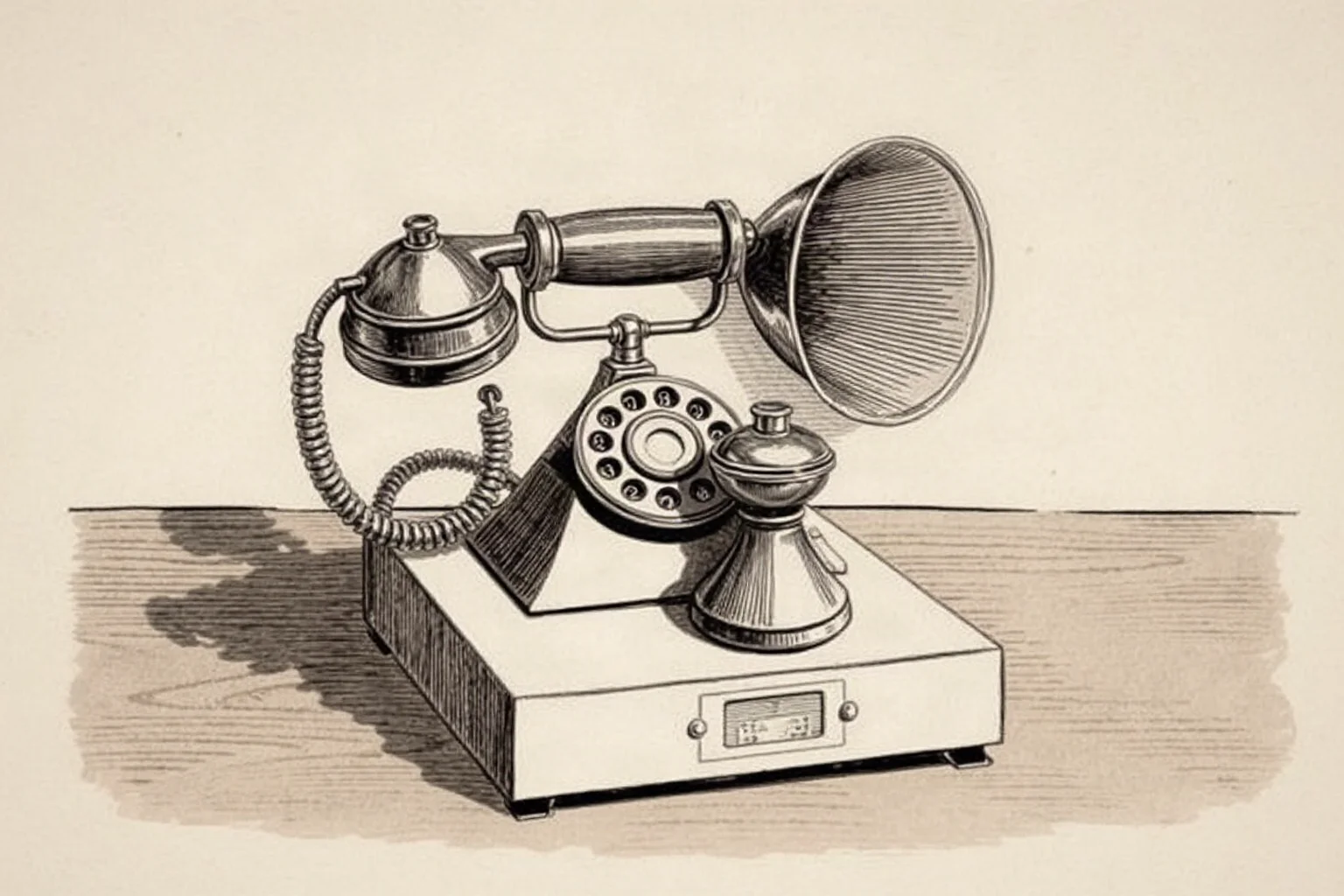
Bell is credited with patenting the first practical telephone in 1876, though he wasn’t the only inventor working on voice transmission at the time. Elisha Gray filed a competing patent claim the very same day, and historians still debate exactly how the two efforts compared.
Bell went on to found the company that eventually became AT&T, cementing his legacy as one of the most famous American inventors and scientists of the 19th century.
9. Thomas Edison
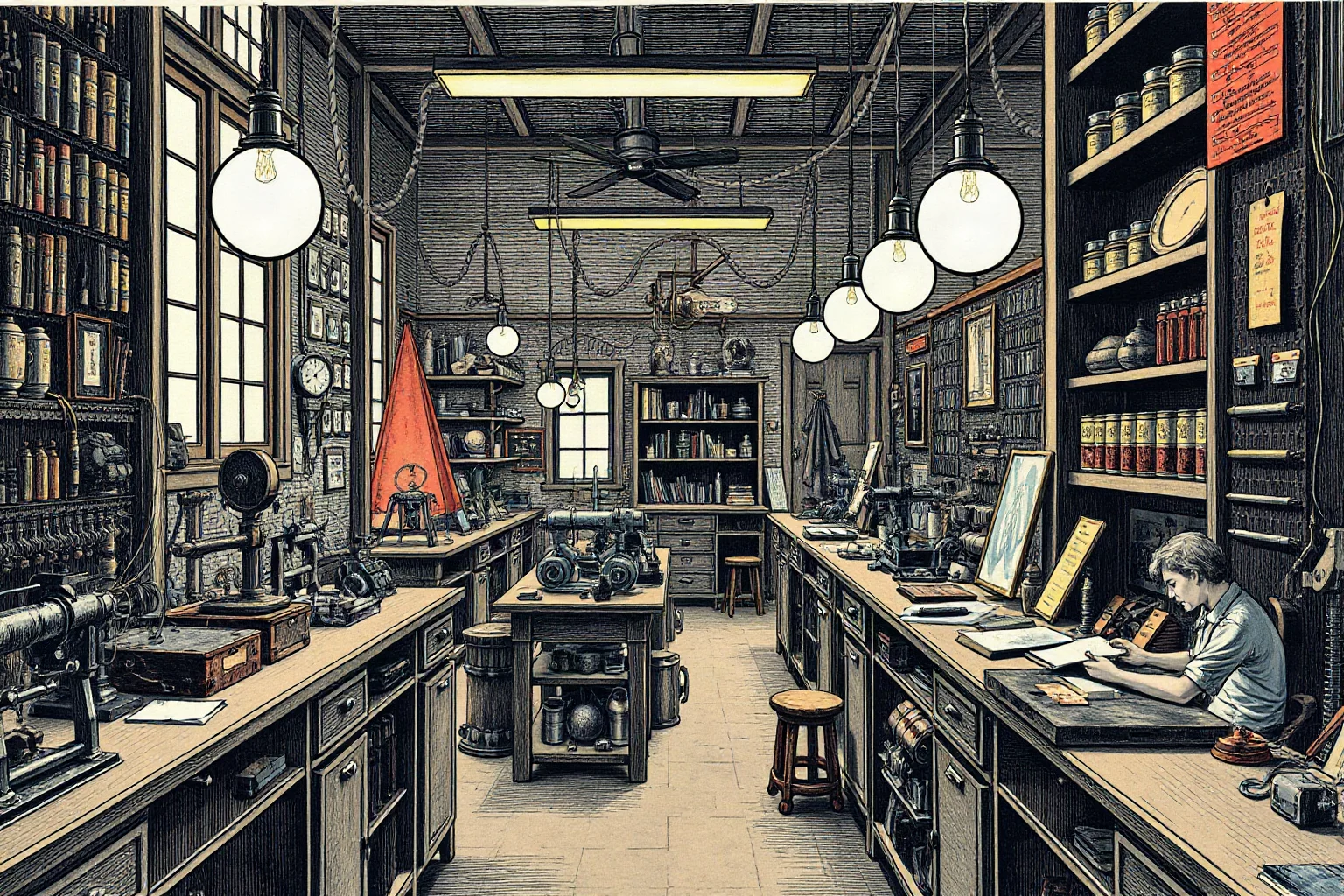
Edison holds more U.S. patents than almost anyone in history, with roughly 1,093 to his name. He’s most famous for a practical, long-lasting incandescent light bulb, the phonograph, and motion picture technology.
But the myth of Edison as a lone genius doesn’t hold up well. He ran a large research lab in Menlo Park, New Jersey, staffed with engineers and machinists like Lewis Latimer, and he improved on earlier bulb designs rather than inventing the concept from scratch.
10. George Westinghouse
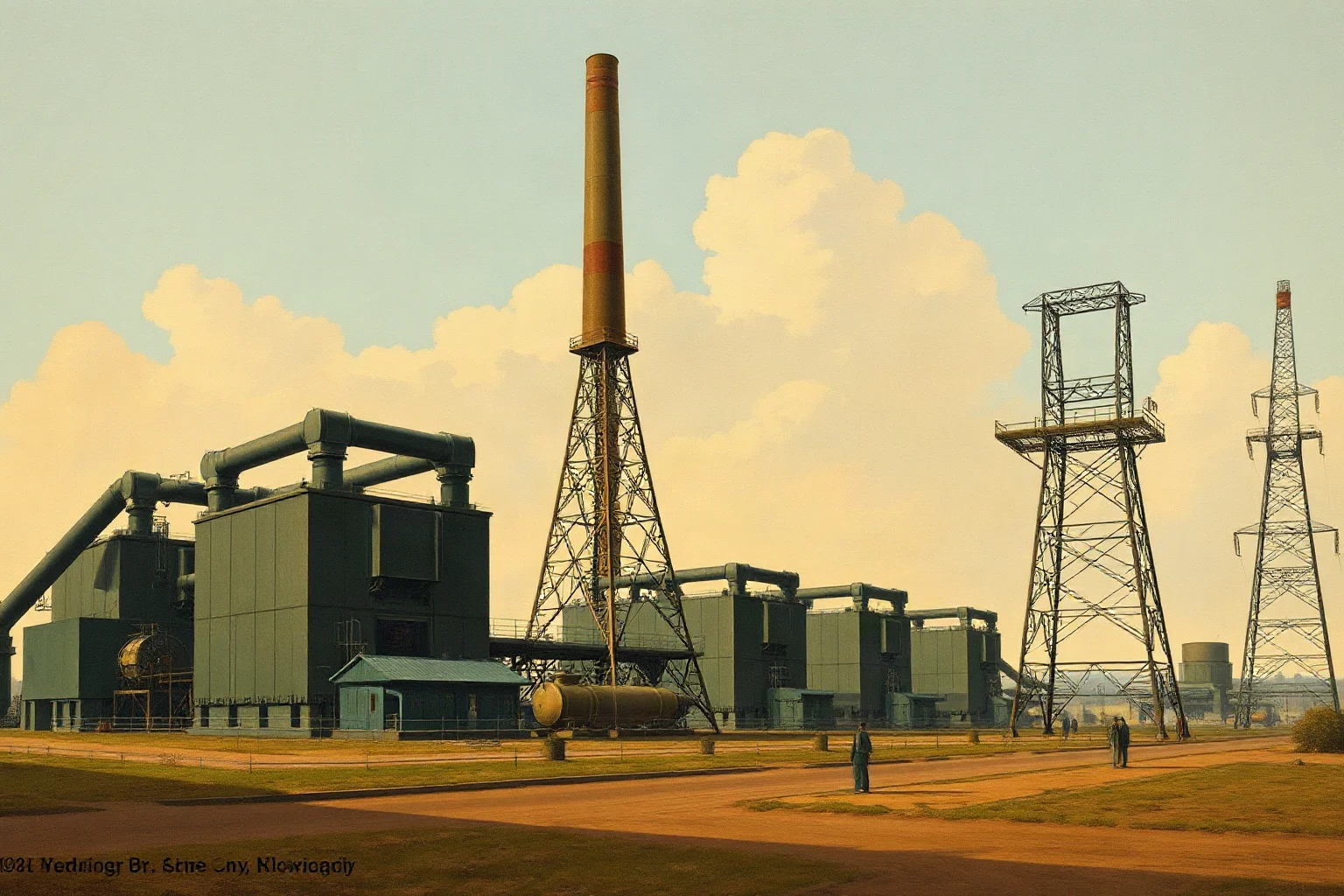
Westinghouse championed alternating current (AC) electricity during the famous “War of the Currents” against Edison’s direct current (DC) system in the late 1800s. Working with Nikola Tesla’s patents, Westinghouse helped build the power infrastructure that ultimately became the U.S. standard.
This rivalry, playing out during the Gilded Age, shaped how electricity was generated and delivered across the entire country.
11. Nikola Tesla
Born in the Austrian Empire and later a naturalized U.S. citizen, Tesla developed the AC induction motor and held key patents behind modern alternating current power systems. He also experimented with wireless transmission, radio technology, and early robotics.
Tesla died in 1943 with relatively little money, but decades later became one of the most famous inventors of all time in pop culture, often mythologized well beyond his documented achievements — including inflated claims about his intellect that echo the debates found in lists of historical geniuses with the highest estimated IQs.
12. Margaret Knight
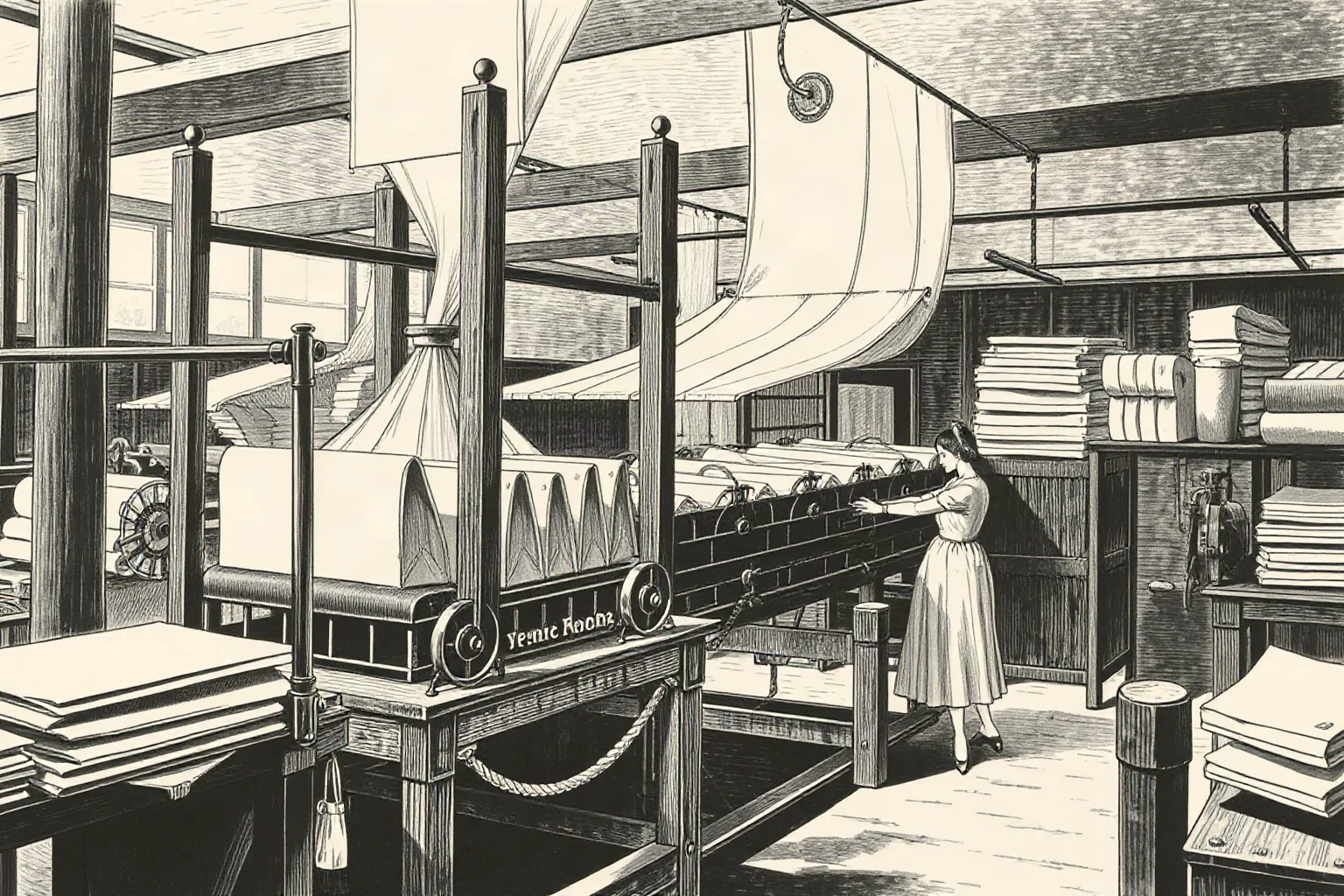
Margaret Knight patented a machine in 1871 that folded and glued flat-bottomed paper bags, the same basic style still used today. A man had reportedly tried to steal her design and patent it first, claiming a woman couldn’t have invented such a mechanical device — Knight fought and won the legal battle.
She went on to hold over twenty patents during her lifetime, making her one of the most notable women inventors of the 19th century.
13. Granville Woods
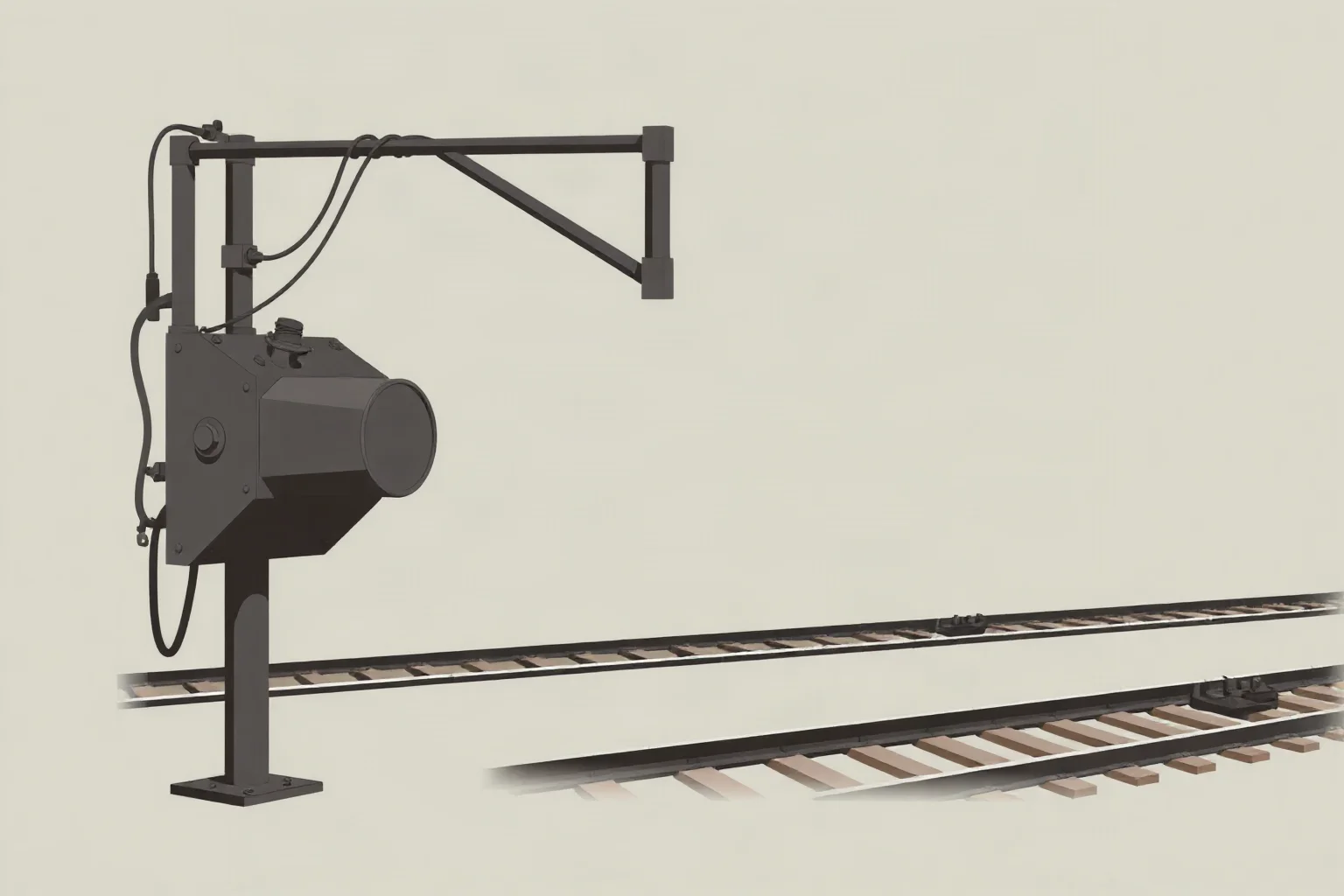
Granville Woods, sometimes called “Black Edison” by contemporaries, held around 50 patents related to railway and telegraph technology. His induction telegraph system let moving trains communicate with stations, a major safety improvement.
Woods successfully defended his patents against legal challenges, including from Edison’s own company, reinforcing his standing as a serious inventor rather than a footnote.
14. Wright Brothers (Orville and Wilbur Wright)
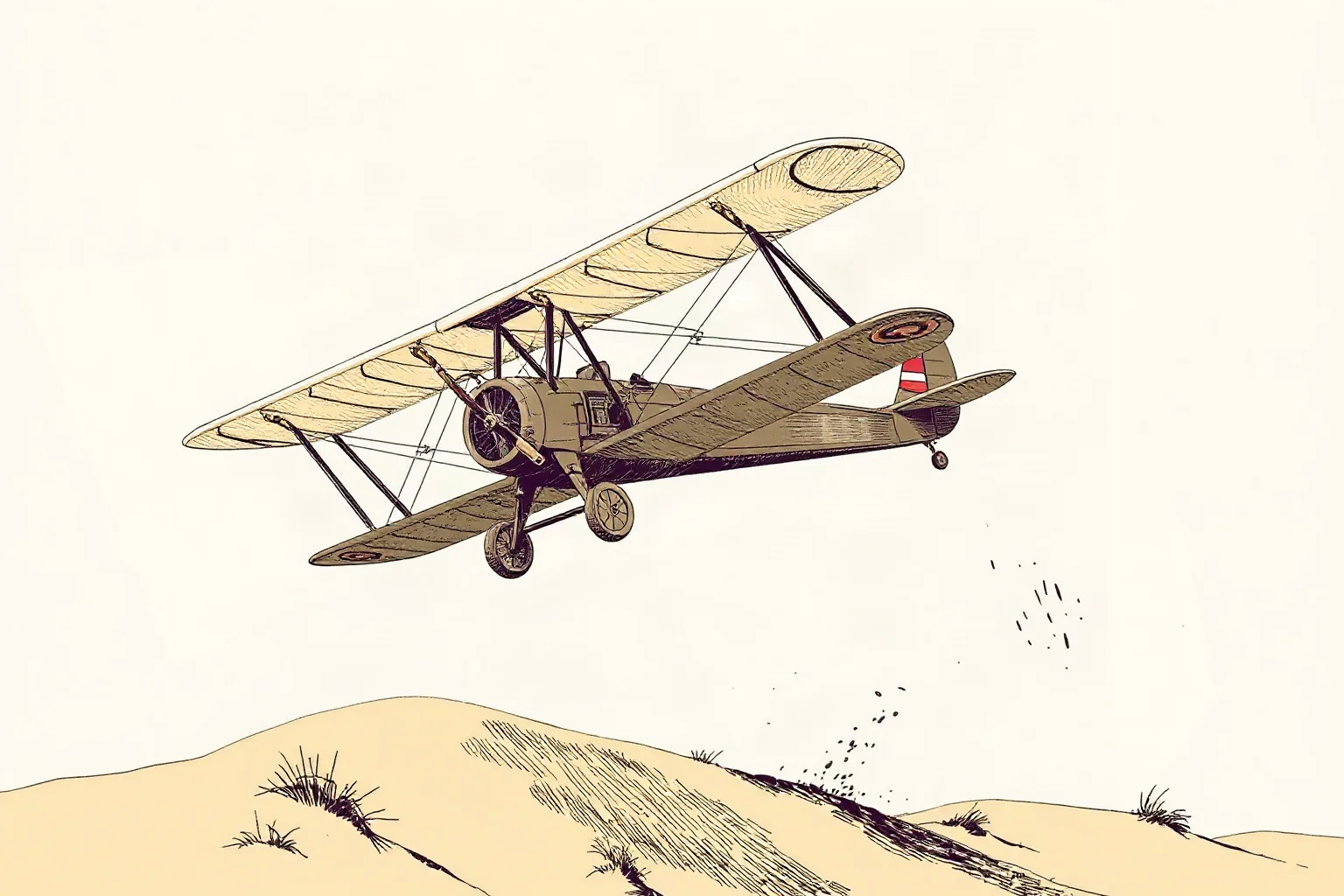
Orville and Wilbur Wright achieved the first sustained, controlled, powered flight of a heavier-than-air machine near Kitty Hawk, North Carolina, in December 1903. Neither brother had a college degree; they ran a bicycle shop and taught themselves aerodynamics through methodical trial and error.
Their success came after years of testing gliders and studying birds, not a single flash of inspiration — a pattern common among the greatest inventors in history.
15. George Washington Carver

Carver was both a scientist and an inventor, best known for developing hundreds of practical uses for peanuts, sweet potatoes, and soybeans. His agricultural research helped struggling Southern farmers diversify away from cotton after decades of soil depletion.
Contrary to a popular myth, Carver did not invent peanut butter — that product existed before his research — but his work on crop rotation and soil health had a lasting impact on American agriculture.
16. Garrett Morgan
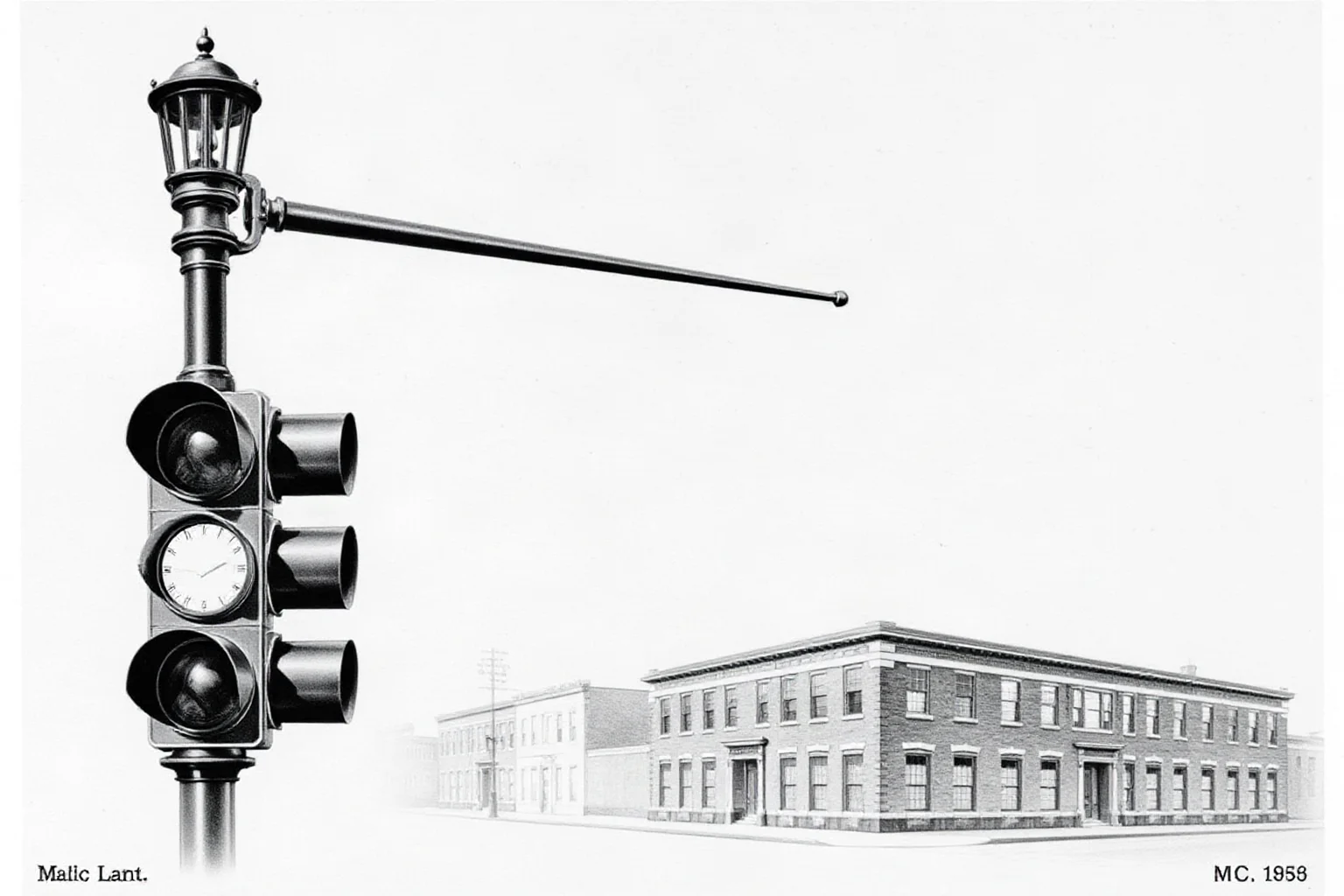
Garrett Morgan, the son of formerly enslaved parents, invented an early three-position traffic signal in 1923 and a smoke hood that became a precursor to modern gas masks. He personally used his smoke hood to help rescue workers trapped in a 1916 tunnel disaster in Cleveland.
Morgan’s inventions addressed real, urgent safety problems in rapidly industrializing American cities.
17. Henry Ford
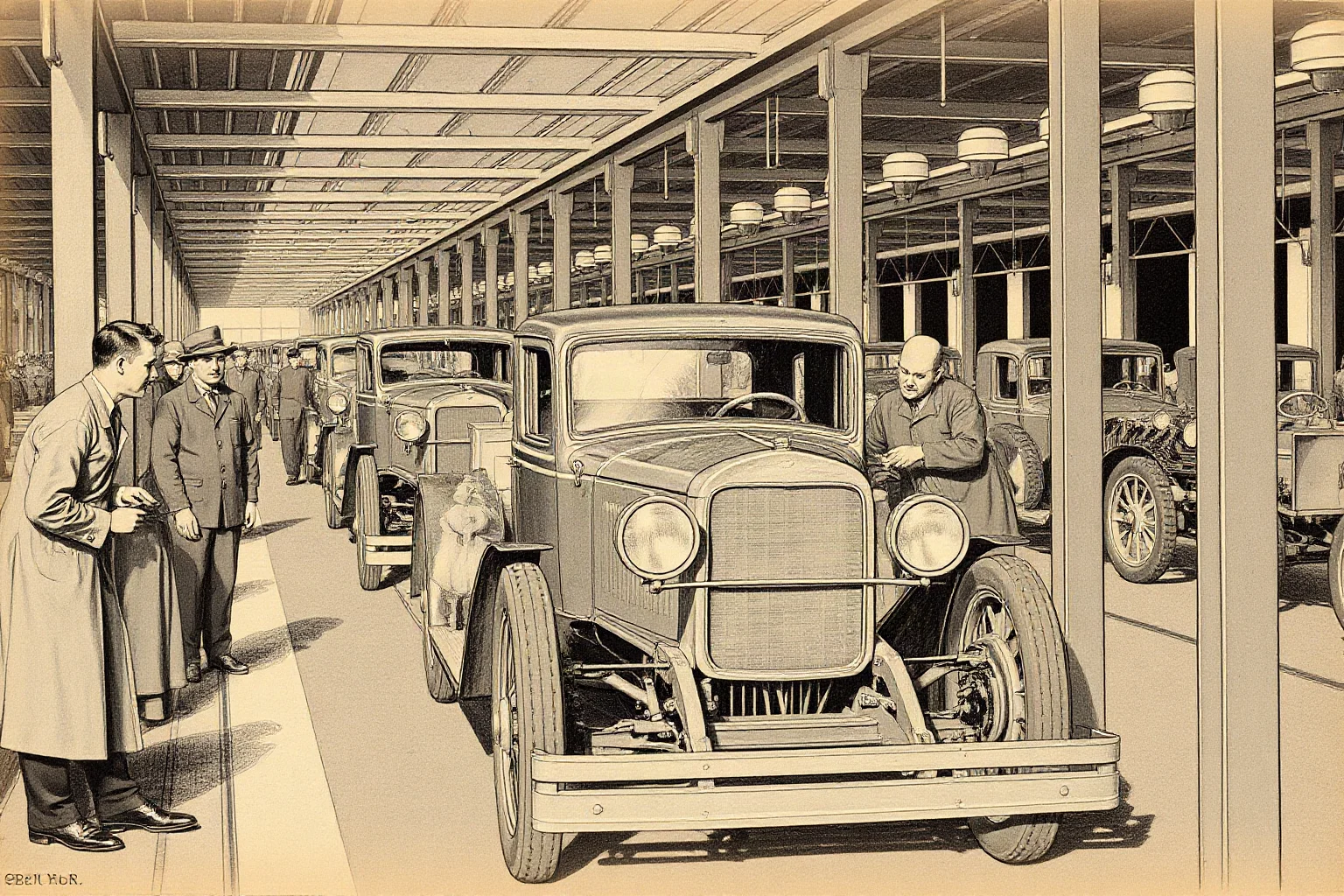
Henry Ford didn’t invent the automobile — that credit generally goes to European engineers like Karl Benz decades earlier. What Ford did invent was a refined, moving assembly line process that made car production dramatically faster and cheaper.
The Ford Model T, launched in 1908, became affordable enough for average American families, fundamentally reshaping transportation, cities, and daily life across the country.
18. Willis Carrier

Willis Carrier designed the first modern air conditioning system in 1902, originally to control humidity in a Brooklyn printing plant. The technology later expanded into homes, offices, and cars, reshaping where and how Americans could comfortably live and work.
Air conditioning is a strong contender for one of the most quietly transformative American inventions of the 20th century, enabling major population growth across the hot southern United States.
19. Mary Golda Ross
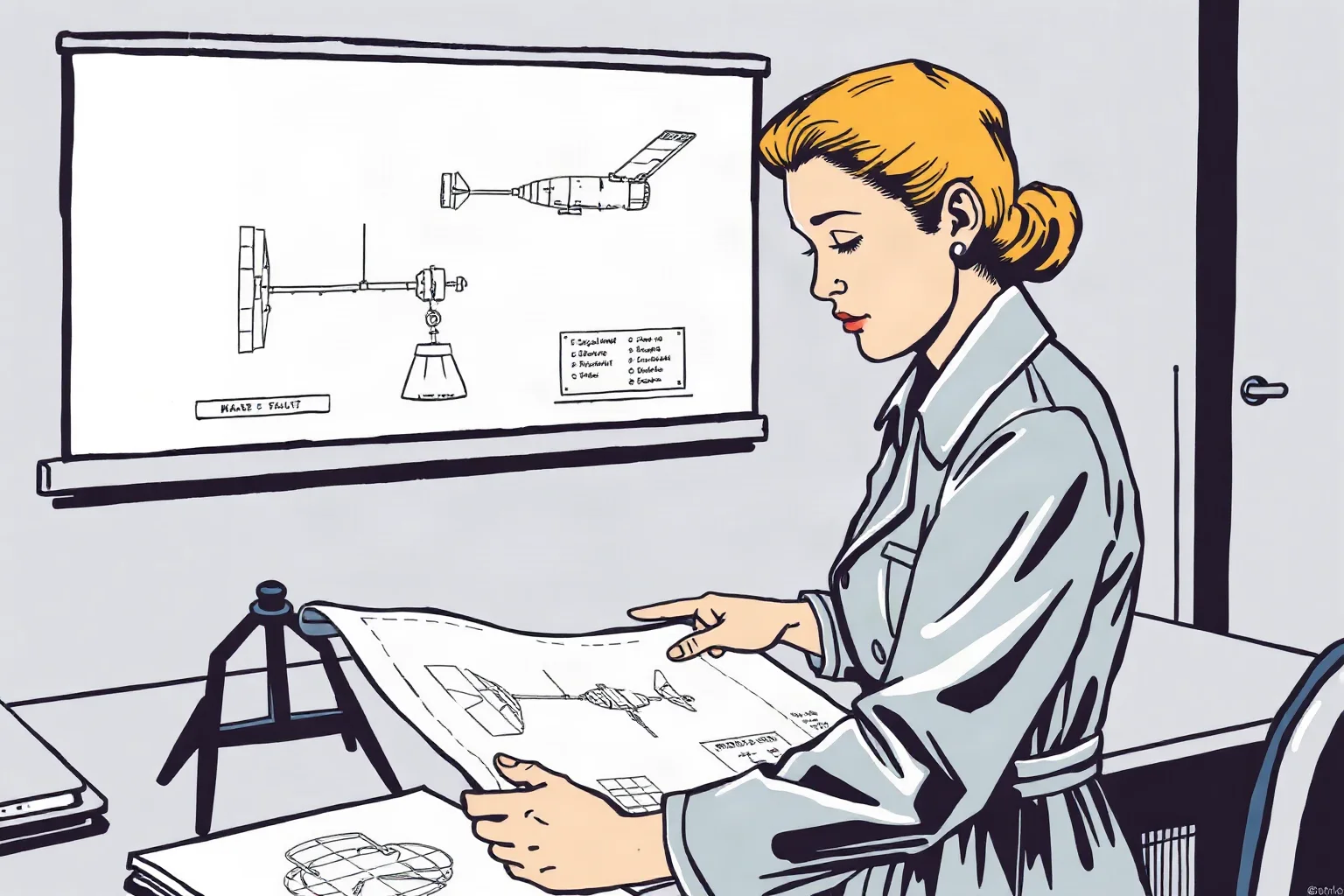
Mary Golda Ross, a member of the Cherokee Nation, became the first known Native American female engineer and one of the founding engineers at Lockheed’s secretive Skunk Works division. She worked on early designs for space flight and satellite systems during the 1940s and 1950s.
Ross is one of the most significant American Indian inventors and engineers in U.S. history, though her contributions went largely unrecognized outside aerospace circles for decades.
20. Philo Farnsworth
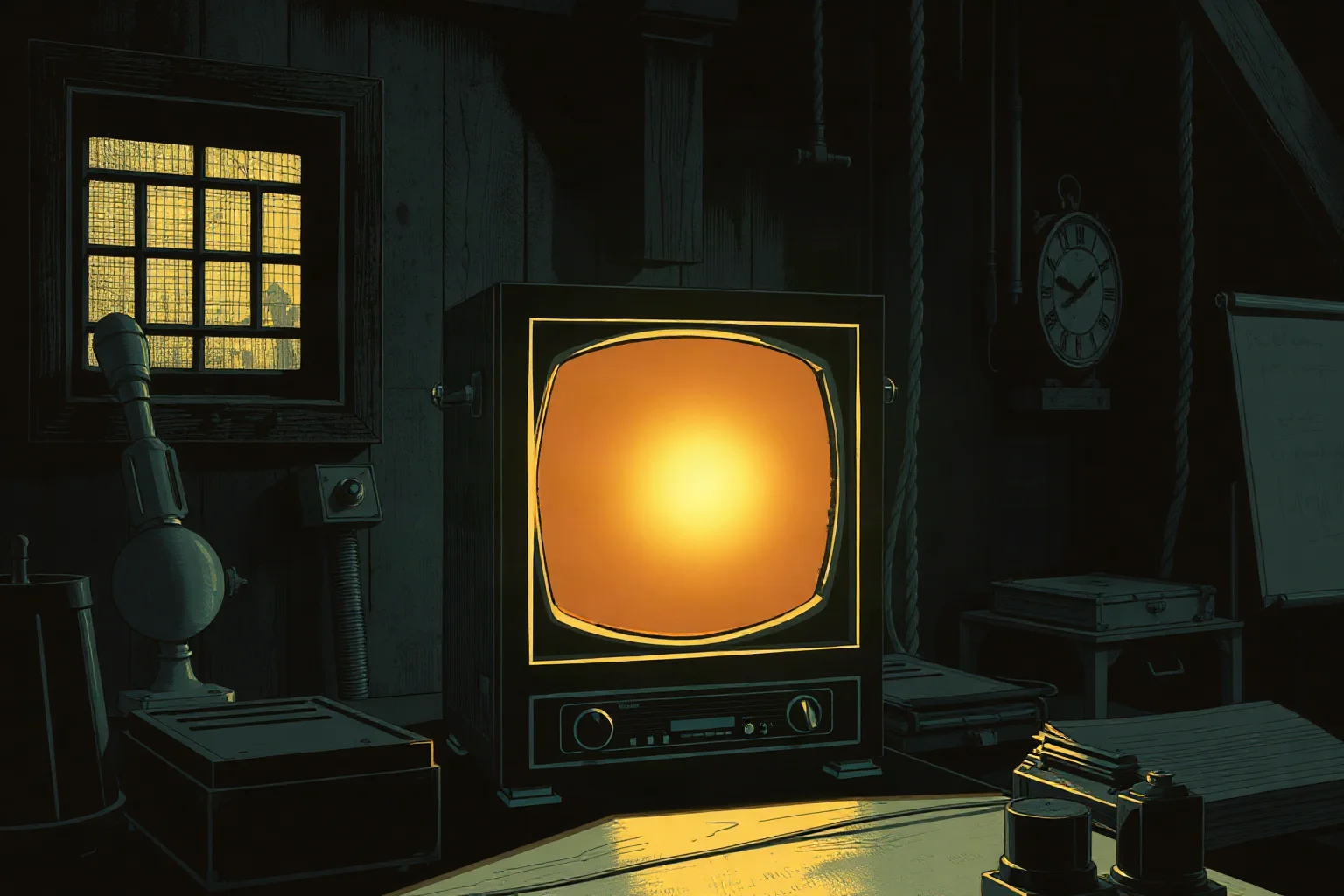
Philo Farnsworth designed a working fully electronic television system in 1927, reportedly while still a teenager sketching diagrams for a high school teacher. He later fought a lengthy patent battle with the radio company RCA over rights to the technology.
Farnsworth eventually won recognition and royalties, though RCA’s marketing power meant the company got far more public credit for popularizing television.
21. Edwin Land
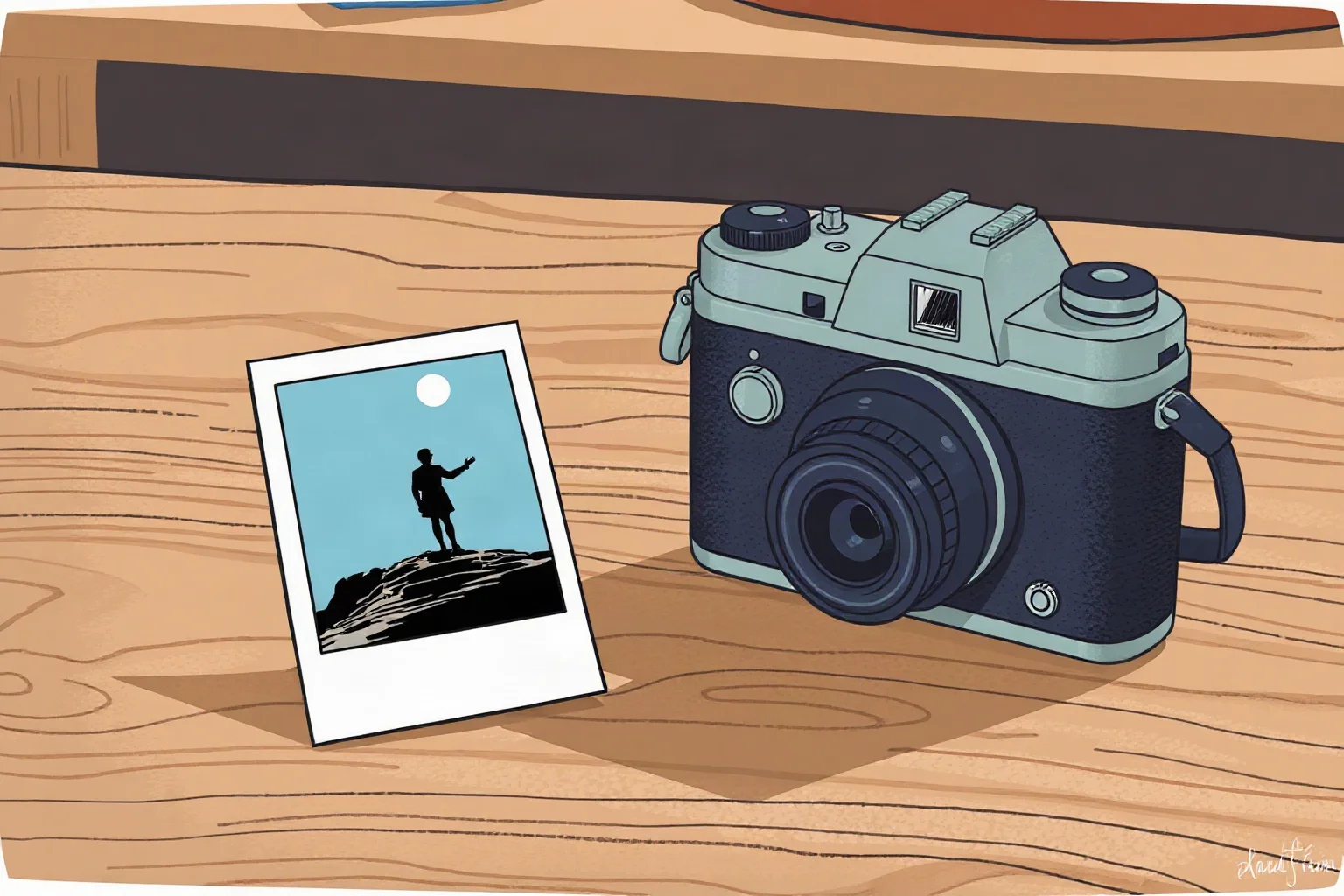
Edwin Land co-founded Polaroid and invented instant photography, unveiling the first instant camera in 1948 after his young daughter reportedly asked why she couldn’t see a photo right away. Land held over 500 patents by the end of his career.
His instant-film technology remained a dominant American invention in consumer photography for decades before digital cameras took over.
22. Grace Hopper
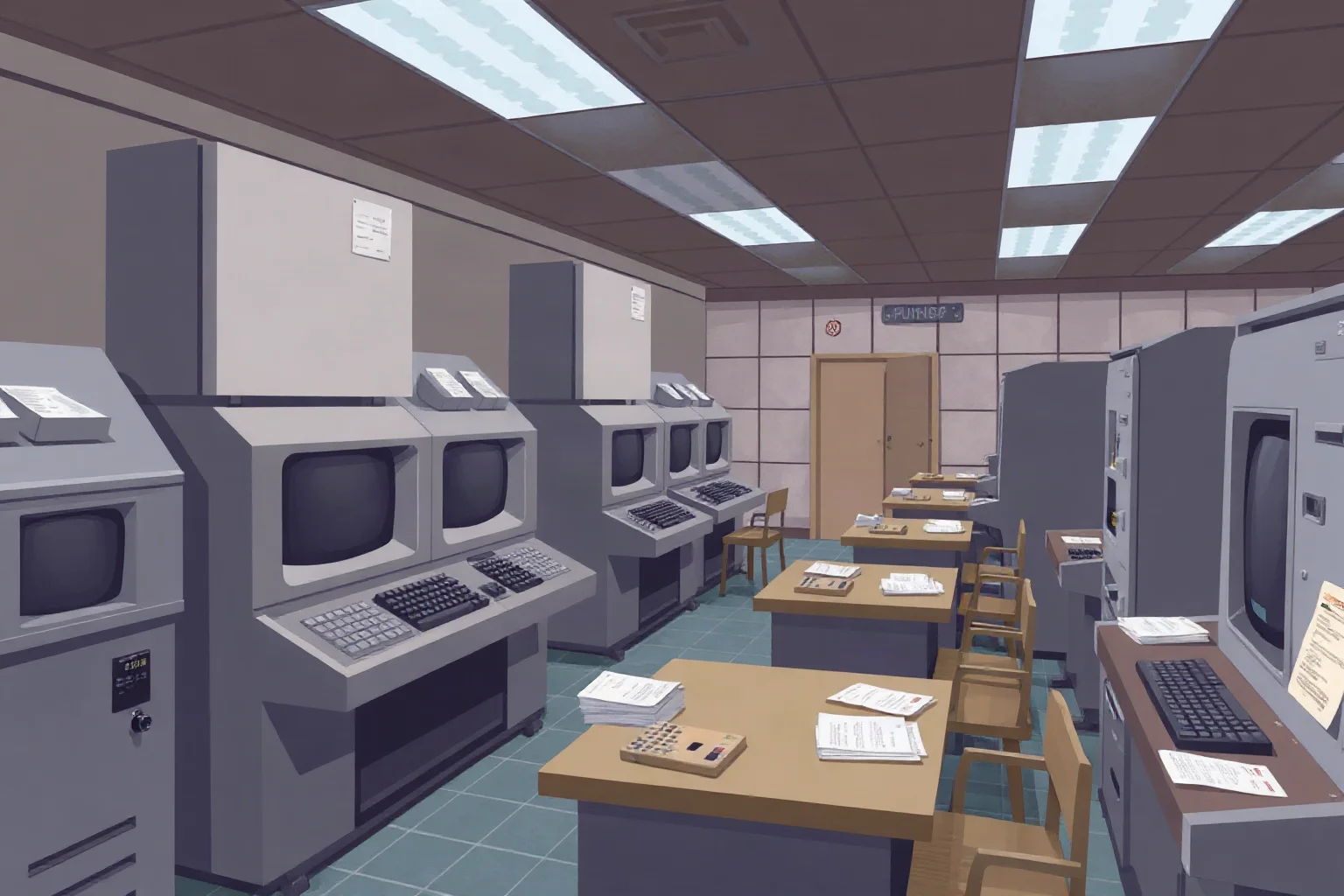
Grace Hopper, a U.S. Navy rear admiral and computer scientist, helped develop one of the first compilers and pushed for programming languages that used English-like commands instead of pure machine code. Her work directly influenced the creation of COBOL, a language still used in banking and government systems today.
Hopper is frequently cited among the most important American scientists and inventors in computing history, especially for making programming more accessible.
23. Robert Noyce and Jack Kilby
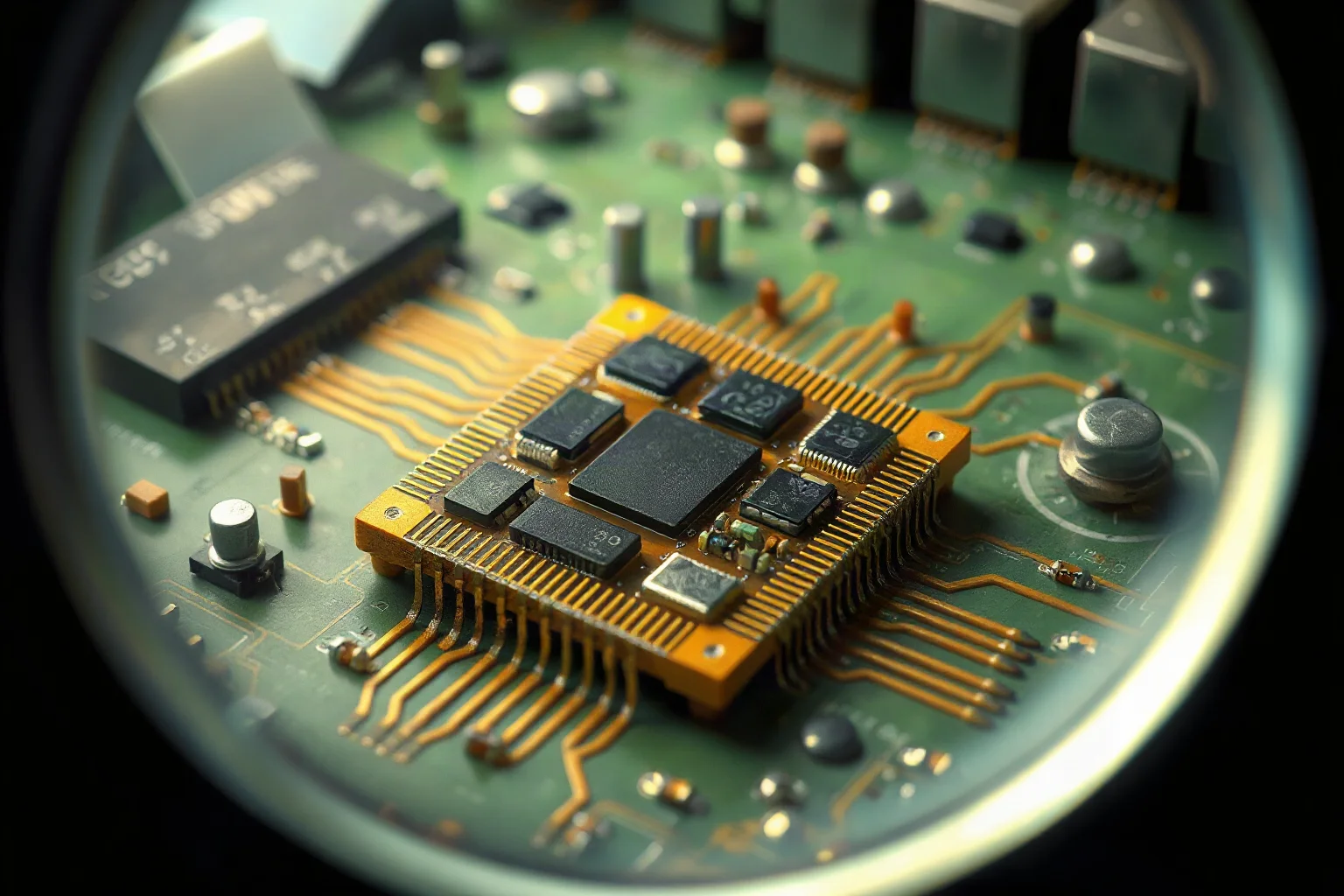
Working separately in 1958 and 1959, Jack Kilby at Texas Instruments and Robert Noyce at Fairchild Semiconductor each developed key elements of the integrated circuit, or microchip. Their overlapping breakthroughs are a textbook example of how major inventions often emerge from parallel competition rather than one lone genius.
The integrated circuit became the foundation of virtually every modern computer, phone, and digital device, making both men towering figures among 20th-century tech inventors.
24. Stephanie Kwolek
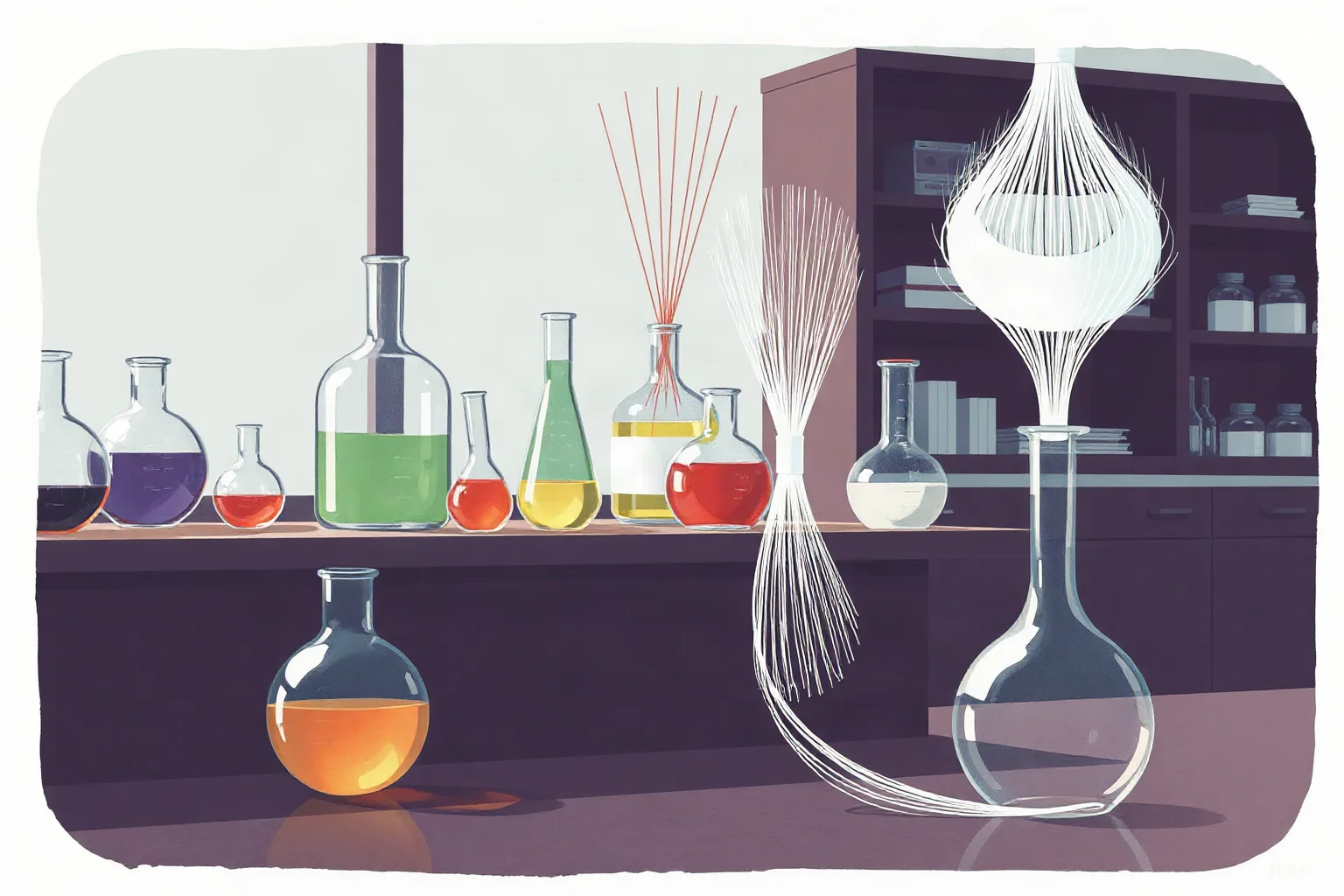
Stephanie Kwolek, a chemist at DuPont, discovered the polymer that became Kevlar in 1965 while researching lightweight, strong fibers for possibly replacing steel in tires. Kevlar turned out to be far more famous for a different use: bulletproof vests and protective gear.
As one of the notable inventors of the 1960s, Kwolek’s discovery has saved thousands of lives among police officers and soldiers worldwide.
25. Steve Wozniak and Steve Jobs
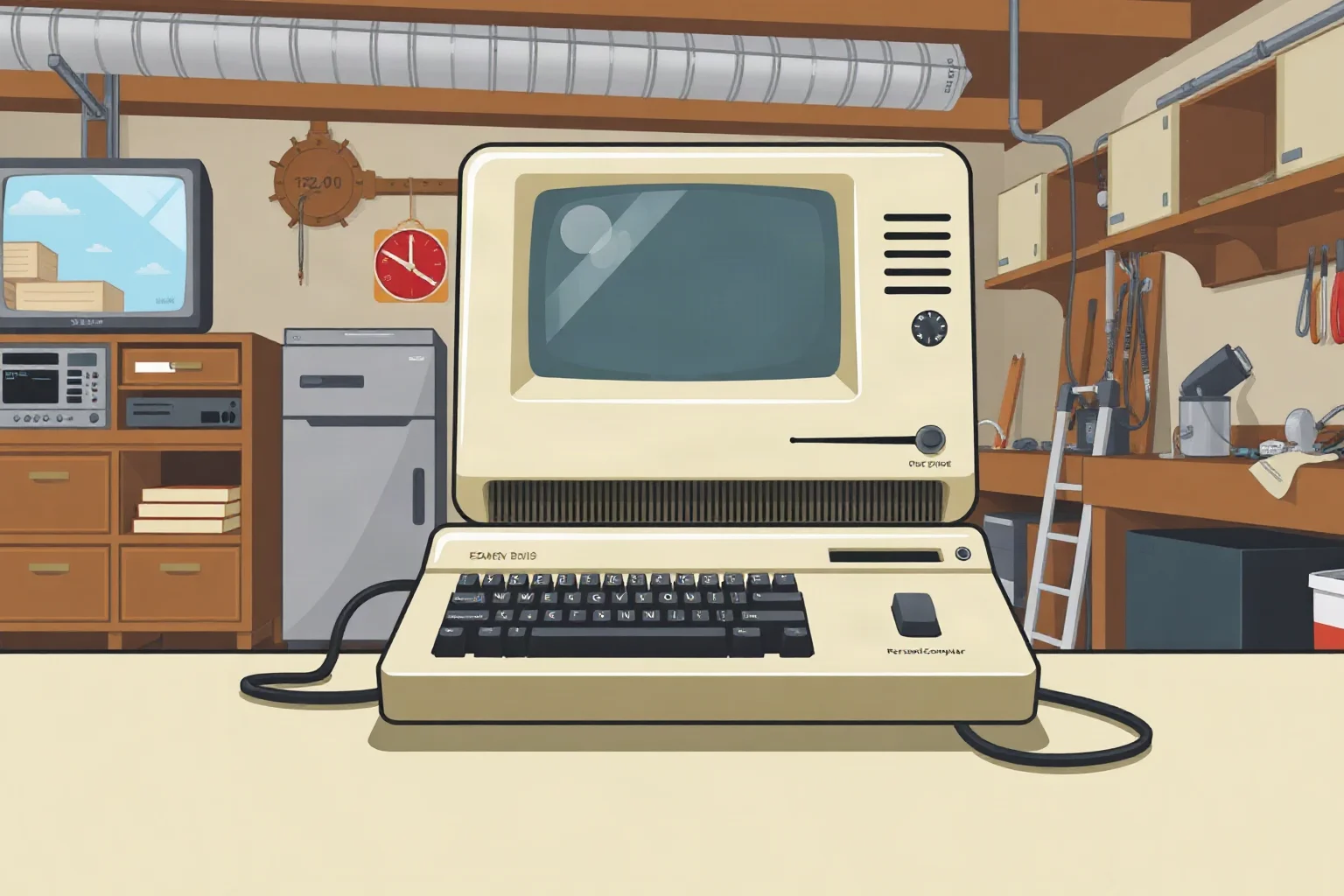
Steve Wozniak designed the core hardware behind the Apple I and Apple II computers in the mid-1970s, while Steve Jobs drove the vision, design sensibility, and business strategy that turned Apple into a household name. Together they helped move personal computers out of hobbyist garages and into everyday American homes.
Their partnership represents a more modern model of invention — part engineering, part design, part marketing — that many 20th and 21st century American innovators have followed since.
Inventions in the US That Changed Everyday Life
Not every important American invention has a single famous name attached to it. The steel plow, developed by John Deere in 1837, transformed farming across the Midwest by cutting through thick prairie soil that older iron plows couldn’t handle. The GPS system, developed by U.S. military and government researchers starting in the 1970s, now guides everything from cars to smartphones.
The internet itself grew out of ARPANET, a U.S. Department of Defense research project from the late 1960s, built by teams of engineers rather than one inventor. These collective inventions are a useful reminder that some of the greatest US inventions were institutional achievements, not single “eureka” moments.
American Indian Inventors and the Fight for Recognition
Native American contributions to invention and engineering are often left out of mainstream lists, despite a long history of innovation.
Indigenous nations developed sophisticated agricultural techniques, canoe and kayak engineering, and medicinal plant knowledge long before European contact — part of the broader, often overlooked story of who really discovered America first — much of which was later adopted and commercialized without credit.
In the modern era, figures like Mary Golda Ross broke barriers in aerospace engineering while carrying her Cherokee heritage into a field that offered little visibility to Native professionals at the time. Recovering and highlighting these stories is an ongoing project for historians, and it’s a reminder that “famous inventor” status has often depended as much on access and recognition as on the invention itself.
Modern-Day Inventors Carrying the Torch
Invention didn’t stop with the 20th century. Contemporary tech inventors continue developing everything from mRNA vaccine platforms to reusable rockets, lithium-ion battery improvements, and everyday tools like the USB port, credited to a team led by engineer Ajay Bhatt in the 1990s.
Many modern inventors work in large teams inside universities, startups, and corporate labs rather than alone in a workshop. That’s a real shift from the Edison-era model of the solitary genius, even though the popular image of a lone inventor tinkering in a garage still shapes how people picture the greatest inventors of all time.
Why These Inventors Still Matter Today
The inventors on this list didn’t just create individual products — they built the infrastructure of modern American life, from the power grid to personal computing. Studying them also means correcting the record on some persistent myths, like the idea that Edison worked alone or that Ford invented the automobile itself.
The real history of American invention is more collaborative, more diverse, and frankly more interesting than the simplified textbook version. It includes immigrants, formerly enslaved inventors, self-taught engineers, and women who had to fight just to get their names on their own patents.
That fuller picture doesn’t make these achievements smaller. If anything, it makes the story of American innovation a lot more human — and a lot more worth remembering accurately.
Frequently Asked Questions
What are some famous inventors and inventions from American history?
Some of the most famous inventors and inventions in American history include Thomas Edison (the practical light bulb and phonograph), Alexander Graham Bell (the telephone), the Wright Brothers (powered flight), Henry Ford (the moving assembly line), and Grace Hopper (early computer programming). Each of these inventions had a lasting, transformative effect on daily life in the United States and beyond.
Who is considered the greatest inventor of all time?
There's no single agreed-upon answer, since 'greatest' depends on impact, originality, and field. Thomas Edison is often named due to his sheer number of patents (over 1,000), but historians increasingly credit his lab team, including Lewis Latimer, rather than crediting Edison alone.
Who really invented the light bulb?
Thomas Edison didn't invent the concept of the incandescent light bulb from scratch — earlier inventors like Humphry Davy and Joseph Swan had already experimented with similar ideas. Edison's real achievement, along with contributions from Lewis Latimer's improved carbon filament, was creating a longer-lasting, commercially practical version.
What are some of the most important things Americans invented?
Major American inventions include the telephone, the light bulb's practical commercial form, powered airplane flight, the assembly line, air conditioning, the integrated circuit, and the personal computer. Many of these built on earlier global research but were refined and commercialized in the United States.
Were there notable American Indian inventors in history?
Yes. Mary Golda Ross, a member of the Cherokee Nation, was a pioneering aerospace engineer who worked on early spaceflight technology at Lockheed in the mid-20th century. Native American nations also developed important agricultural, medicinal, and engineering innovations long before European contact, though these contributions are often underrepresented in mainstream history.
Who are some famous inventors from the Gilded Age and early 1900s?
The Gilded Age and early 20th century produced inventors like Thomas Edison, George Westinghouse, Nikola Tesla, and the Wright Brothers. This period saw rapid industrialization, electrification, and the rise of powered flight, making it one of the most productive eras in American invention history.
What’s the difference between an inventor and a scientist?
A scientist typically focuses on understanding how or why something works through research and experimentation, while an inventor applies knowledge to create new devices, processes, or products. Many historical figures, like George Washington Carver and Benjamin Franklin, worked as both scientist and inventor at once.
Are there famous modern-day American inventors?
Yes, invention continues today through engineers and scientists working on batteries, medical technology, aerospace, and computing, often as part of large research teams rather than solo inventors. Modern innovation tends to be more collaborative and corporate than the lone-genius model associated with 19th-century inventors.

Alex Warren
Related Articles