
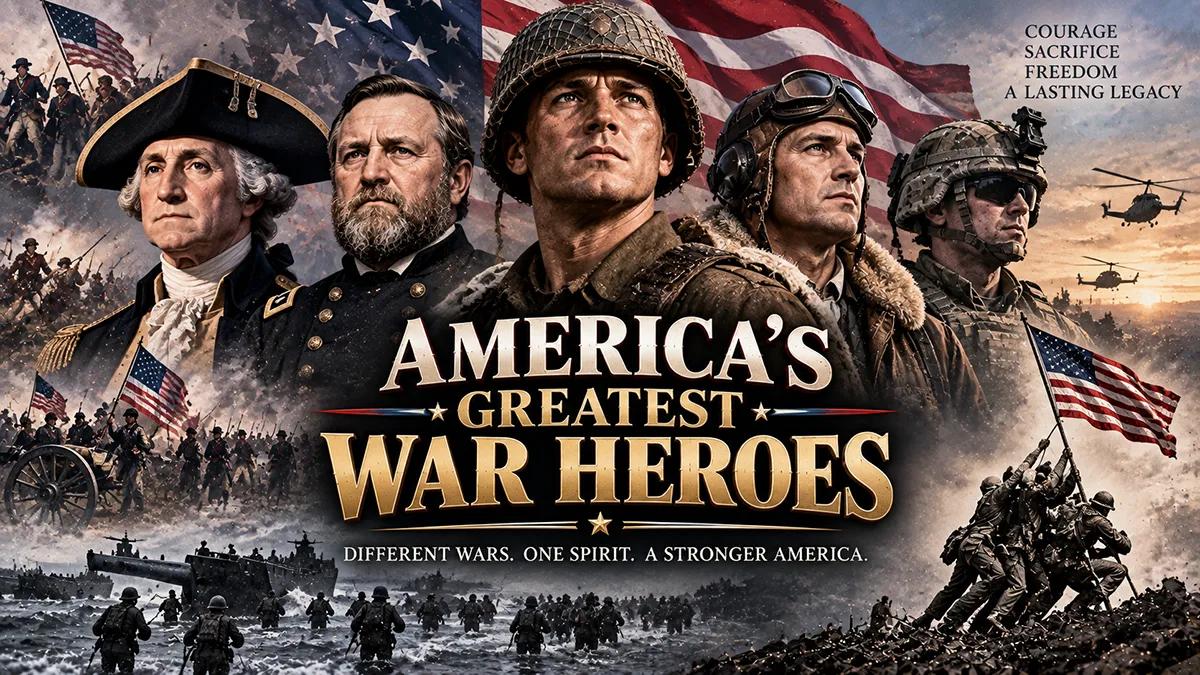
Every country has its legends, but the United States has a peculiar habit of turning ordinary people into extraordinary symbols almost overnight. A farmer becomes a general. A boxer’s son becomes the most decorated soldier of a world war.
A football player trades his helmet for an Army Ranger’s uniform. There’s always that one guy in war who runs toward the danger everyone else is running from, and America has produced more than its share of them.
This list isn’t about turning flesh-and-blood soldiers into flawless action-movie characters. It’s about looking honestly at the men and women who actually did the extraordinary things, separating the documented history from the campfire legend, and giving credit where it’s earned.
These are some of the heroes of the US that historians, veterans, and ordinary Americans agree deserve to be remembered accurately.
TL;DR: From the Revolutionary War to the modern era, these 24 American soldiers and service members performed documented acts of courage that changed battles, saved lives, and shaped the country’s identity as a nation of war heroes.
What Actually Makes Someone a War Hero?
Hollywood loves a clean narrative, but real heroism is usually messier and more human than the movies suggest. A war hero, in the most grounded sense, is someone who performed an act of extraordinary courage, sacrifice, or leadership under combat conditions, often at serious risk to their own life. The US military formalizes this with the Medal of Honor, the nation’s highest award for valor, but plenty of heroism has gone unrecorded or unrecognized for decades.
It’s worth saying clearly: being a soldier in America has never automatically meant being a hero, and that’s not an insult to the millions who served honorably. Most service members who deploy never fire a shot in anger, and many who perform heroic acts never get a medal or a headline. The people on this list stand out because their actions were documented, verified, and in most cases formally recognized by military records.
Who Did the United States Actually Fight In These Wars?
Before diving into individual heroes, it helps to understand the scale of what these people were up against. In World War II, the United States fought as part of the Allied powers against the Axis powers — primarily Nazi Germany, Fascist Italy, and Imperial Japan — across two massive theaters of war in Europe and the Pacific. Symbols of that alliance, like the joined flags of the US, Britain, the Soviet Union, and China, became shorthand for the Allied cause during the war.
The numbers involved are staggering. Roughly 16 million Americans served in the US armed forces during World War II, out of a global total of well over 100 million military personnel mobilized by all combatant nations combined. In World War I, around 4.7 million Americans were mobilized, with roughly 2 million actually deployed to France before the war ended in November 1918.
Those figures matter because they put individual acts of heroism in perspective. Out of millions of ordinary soldiers doing an extraordinarily hard job, a small number did something so far beyond the call of duty that their names survived long after the battlefields went quiet.
Revolutionary War Heroes
1. George Washington
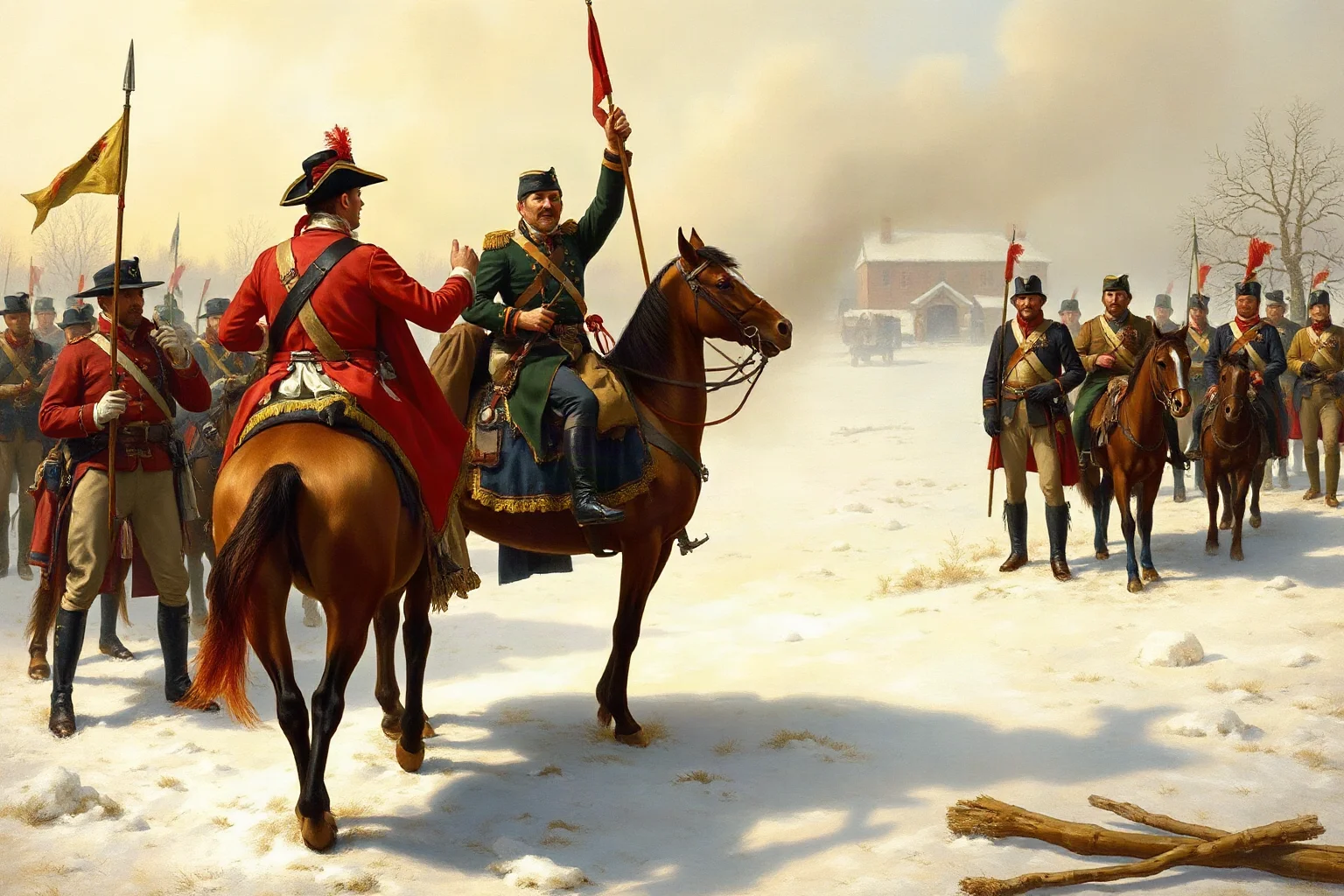
George Washington isn’t just the first President; he’s arguably the closest thing the country has to an official national hero of the United States, and one of the most recognized historical figures America has ever produced. As commander of the Continental Army, he held together a poorly supplied, often outnumbered force through brutal winters and repeated defeats, ultimately outlasting the British Empire. His restraint in refusing near-monarchical power after the war cemented his legendary status just as much as his battlefield leadership.
2. Nathan Hale
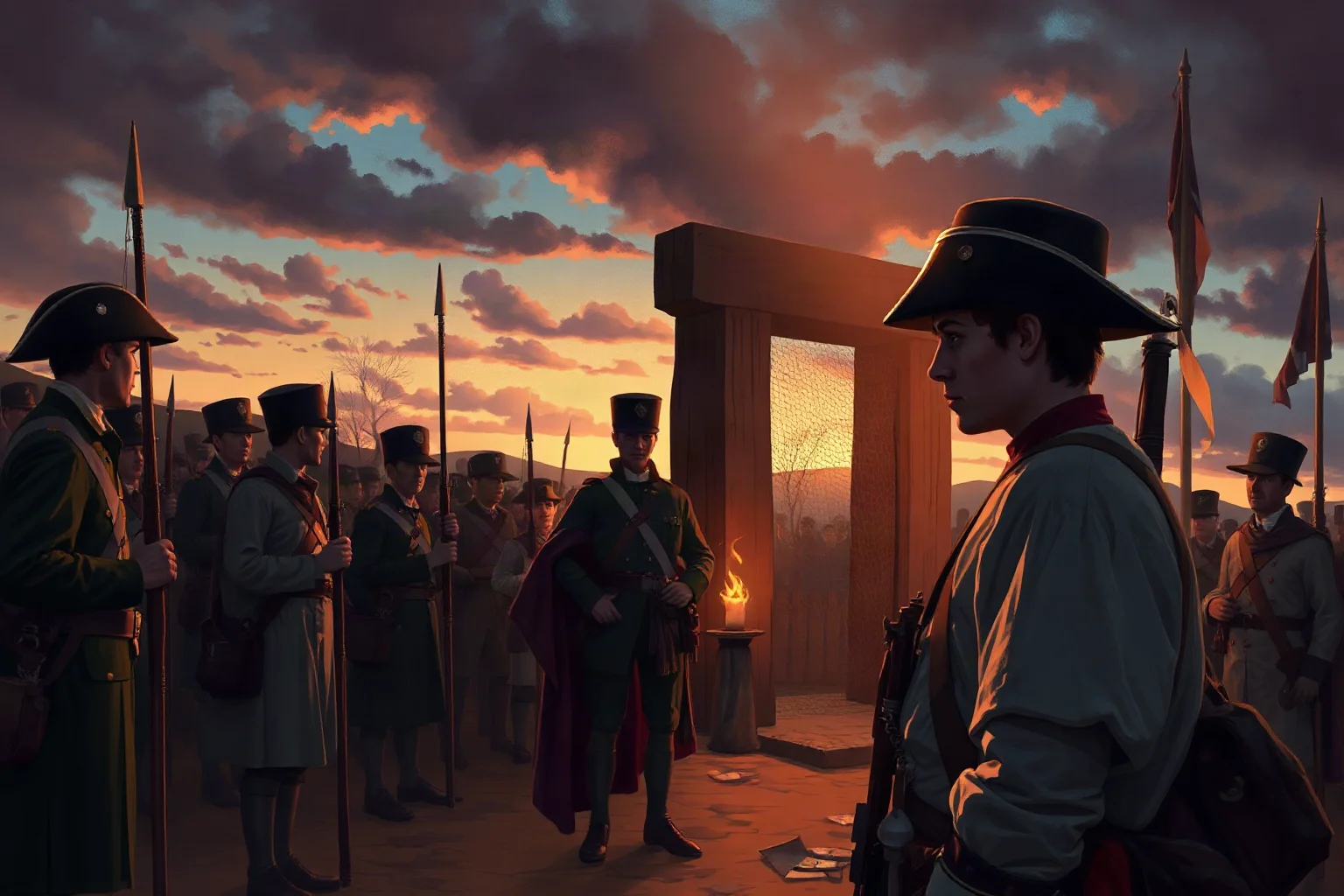
Nathan Hale was a young Continental Army officer who volunteered for a dangerous spying mission behind British lines on Long Island in 1776. He was captured and executed without trial, reportedly meeting his death with calm defiance and words expressing regret at having only one life to give for his country. Historians note the exact wording has never been verified beyond doubt, but Hale’s willingness to accept near-certain death for the cause made him an enduring symbol of American sacrifice.
Civil War Heroes
3. Harriet Tubman
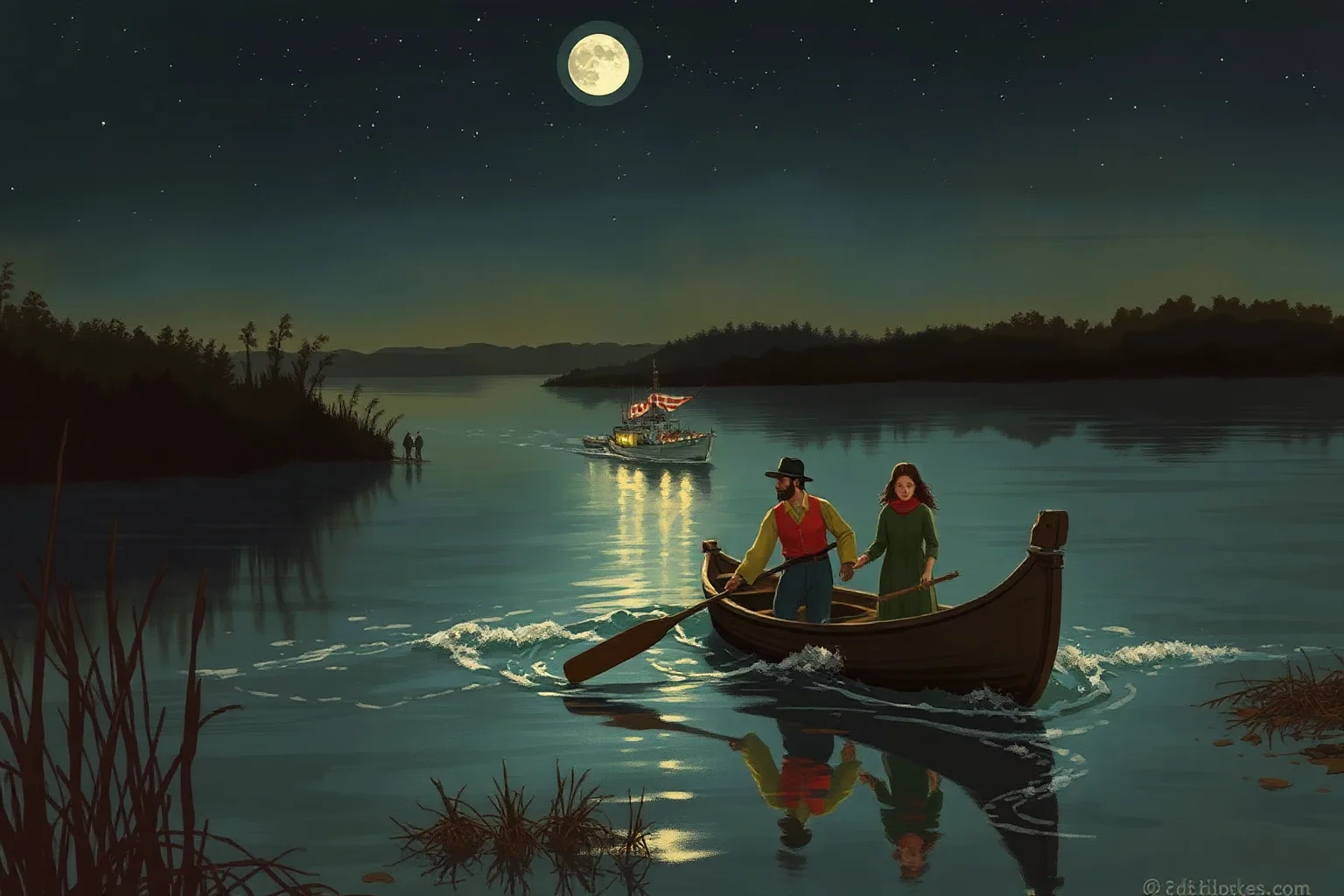
Most people know Harriet Tubman as a conductor of the Underground Railroad, but she was also an armed Union scout and spy during the Civil War. In 1863, she helped lead the Combahee River Raid, a military operation that freed more than 700 enslaved people in South Carolina. She is widely credited as the first woman to plan and lead a US military operation.
4. Robert Gould Shaw
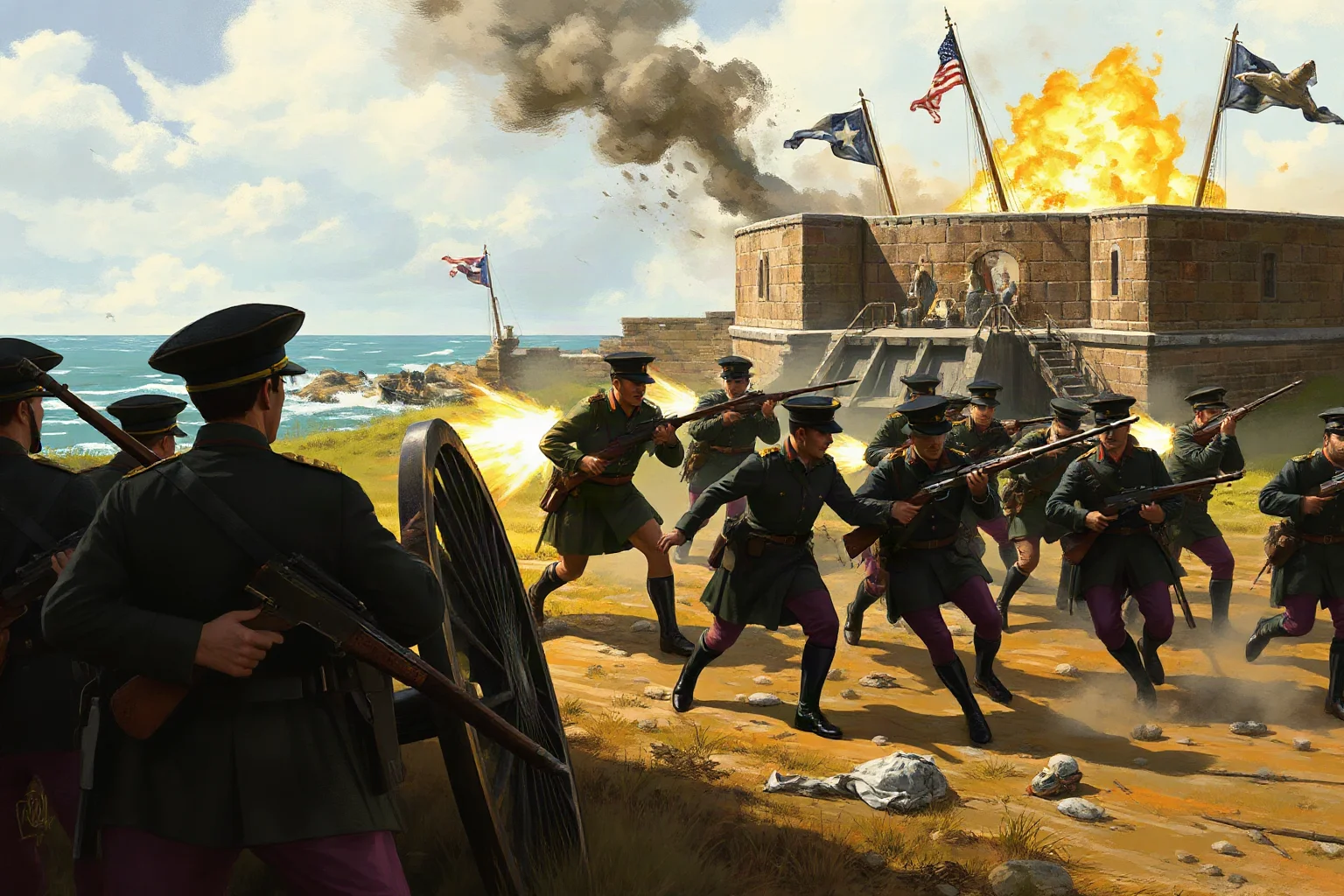
Colonel Robert Gould Shaw commanded the 54th Massachusetts Infantry, one of the first official Black regiments in the Union Army. He was killed leading his men in the assault on Fort Wagner in July 1863, a battle that, despite its heavy losses, proved Black soldiers could fight with the same courage as any other unit. His story remains one of the most cited examples of leadership among heroes from the Civil War.
5. Mary Edwards Walker
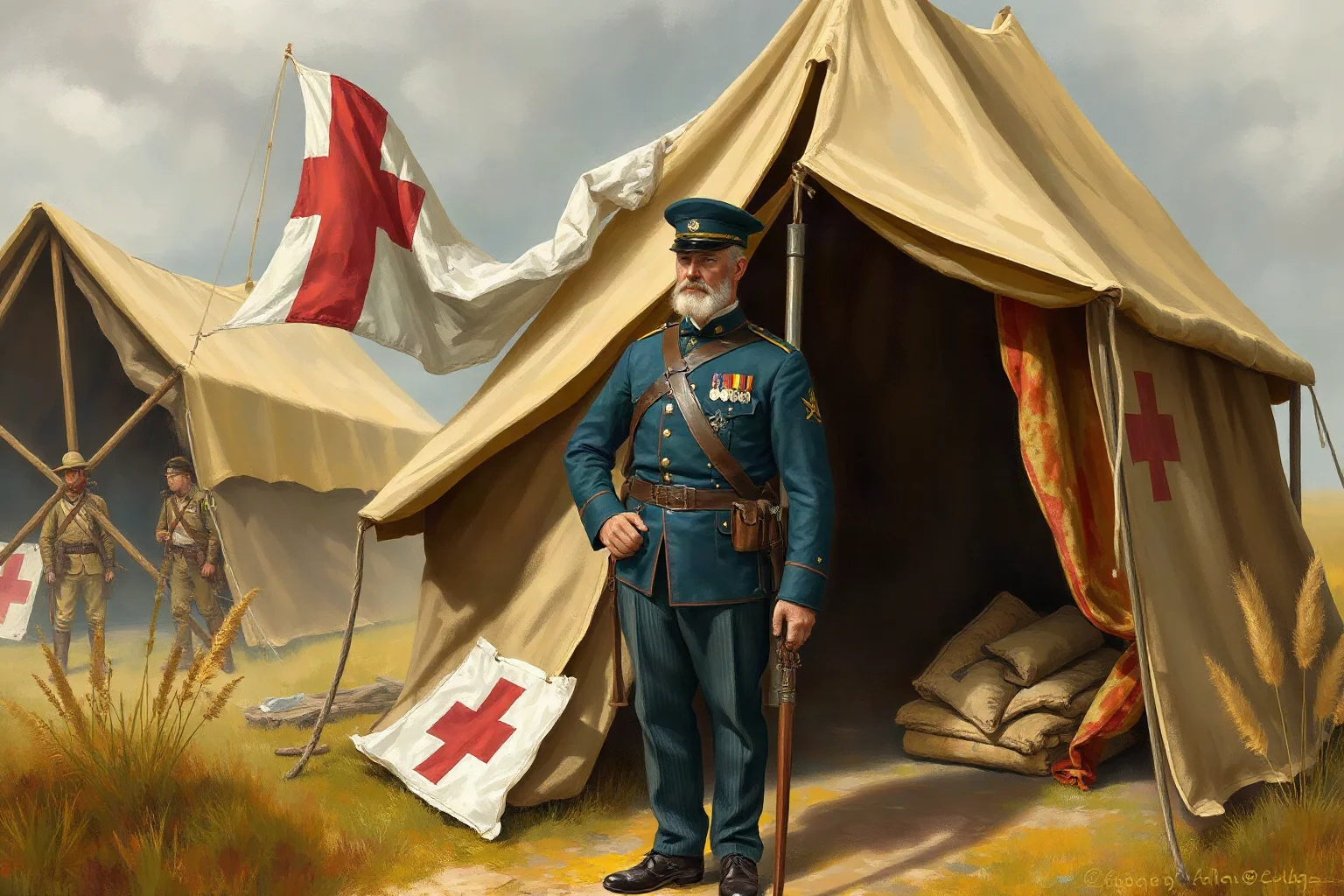
Mary Edwards Walker served as a surgeon for the Union Army, treating wounded soldiers on and near the battlefield despite resistance to women serving in medical roles at the time. In 1865, she became the only woman in American history to be awarded the Medal of Honor. Her medal was controversially revoked in 1917 during a records review and posthumously restored in 1977.
6. Ulysses S. Grant
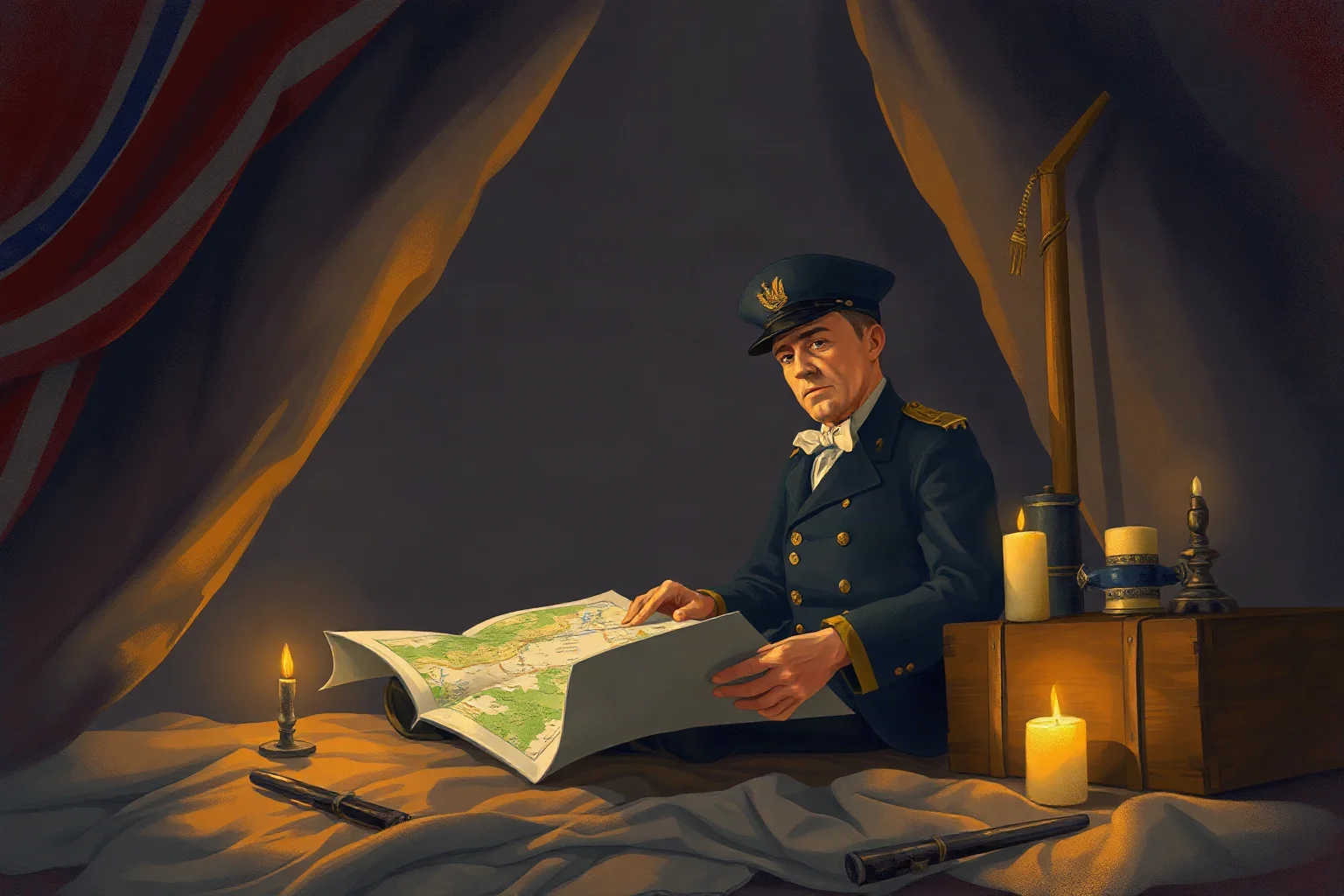
Ulysses S. Grant rose from a struggling former officer to General-in-Chief of the Union Army, eventually accepting Robert E. Lee’s surrender at Appomattox in 1865. His willingness to absorb heavy casualties in pursuit of decisive victories was controversial then and remains debated by historians now. Whatever the criticism, his strategic persistence is widely credited with ending the war.
World War I Heroes
7. Alvin C. York
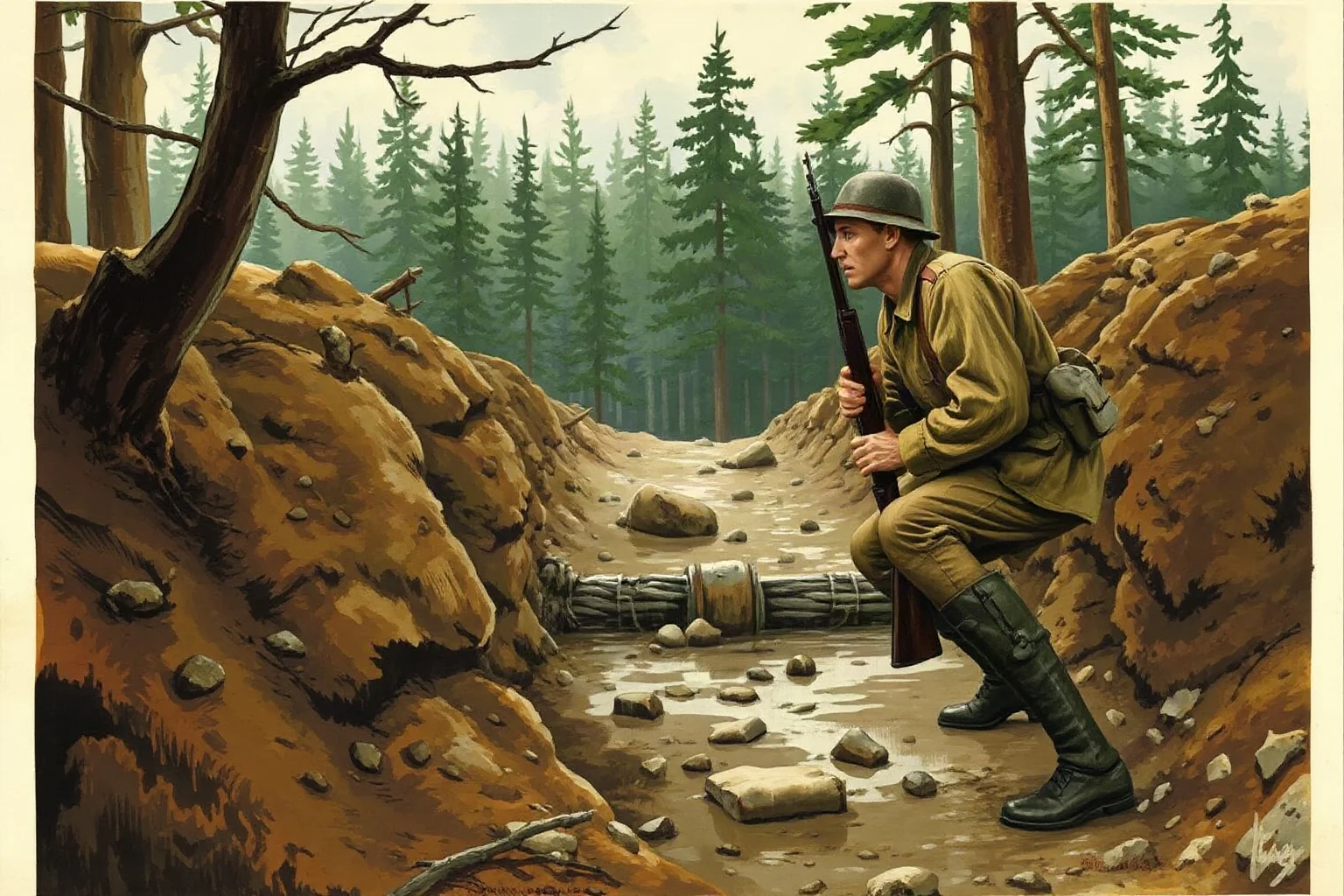
Sergeant Alvin C. York became one of the most famous soldiers of the Great War after an October 1918 action in the Meuse-Argonne offensive. Leading a small group of men, he silenced German machine gun positions and captured over 100 enemy soldiers in a single engagement. He received the Medal of Honor and became a household name across America almost overnight.
8. Eddie Rickenbacker
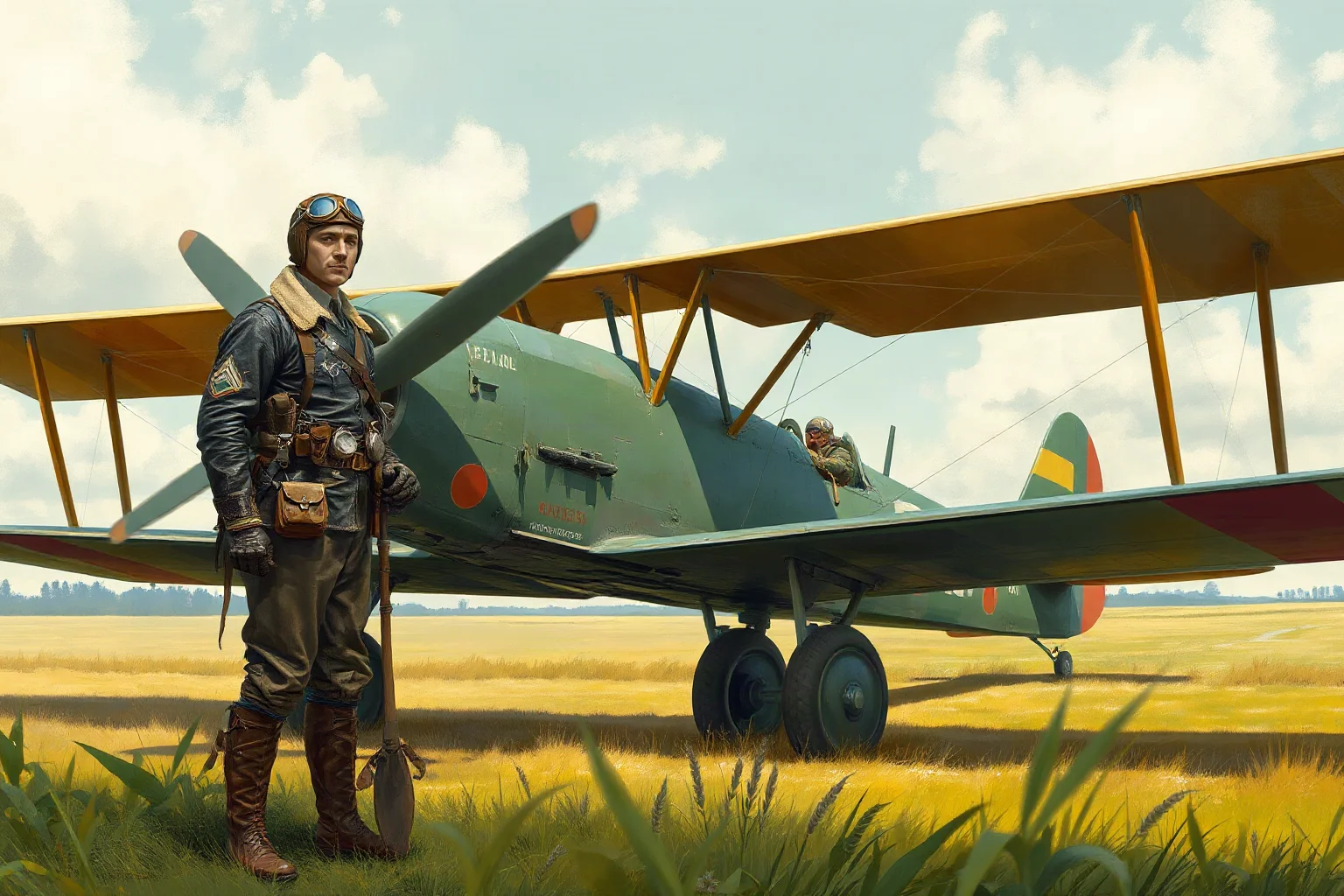
Eddie Rickenbacker was America’s top flying ace of World War I, credited with 26 aerial victories while flying for the US Army Air Service. A former race car driver, he brought the same nerve and precision to aerial combat that he’d shown on the track. He later received the Medal of Honor for his wartime actions and went on to a prominent career in aviation.
9. Henry Johnson
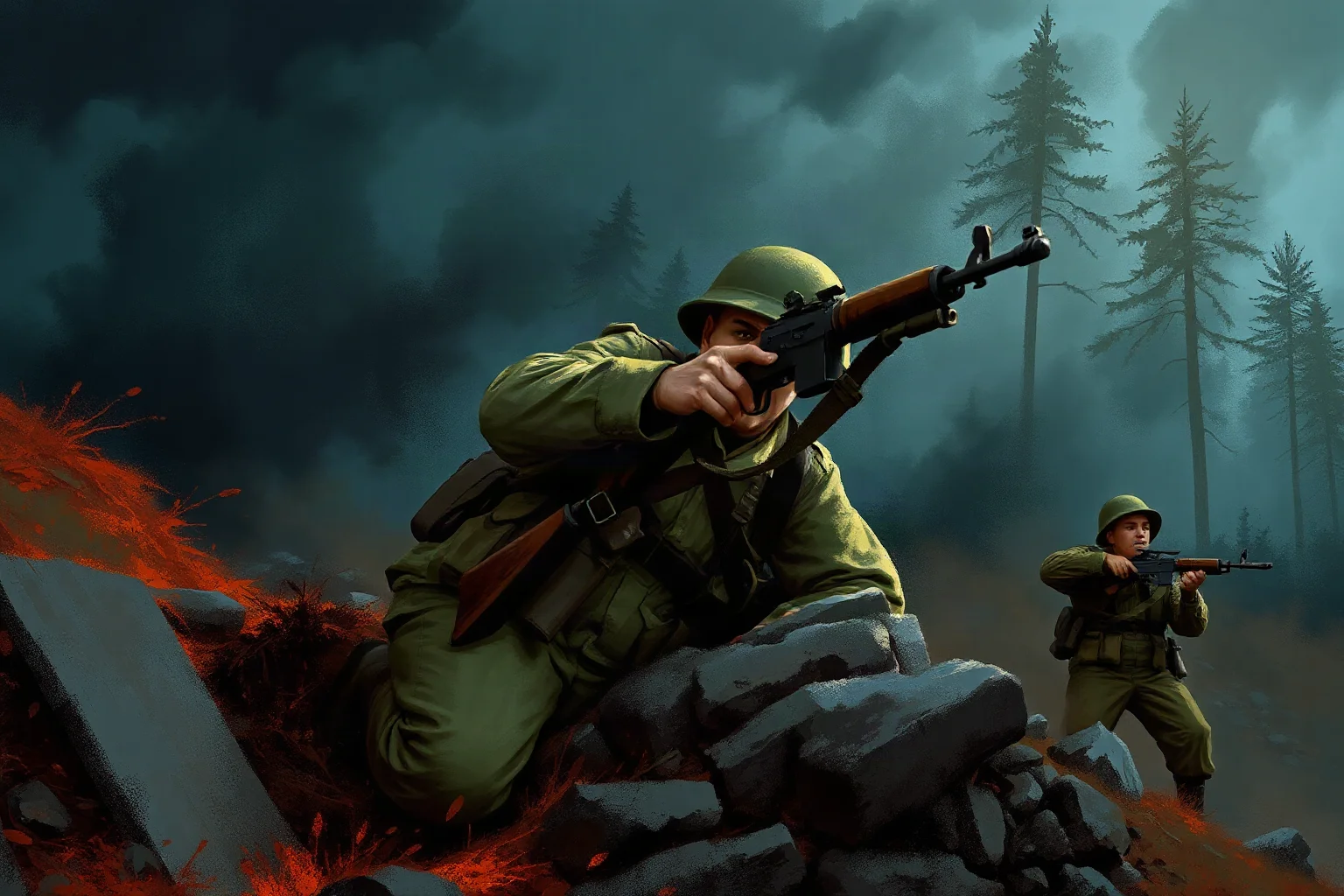
Henry Johnson served with the 369th Infantry Regiment, known as the Harlem Hellfighters, one of the first African American combat units sent to France. In May 1918, he single-handedly fought off a German raiding party using a knife and rifle after running out of ammunition, saving a fellow soldier’s life in the process. Despite his heroism, Johnson didn’t receive the Medal of Honor until 2015, nearly a century later, highlighting how racial bias delayed recognition for many Black soldiers of the era.
World War II Heroes
10. Audie Murphy
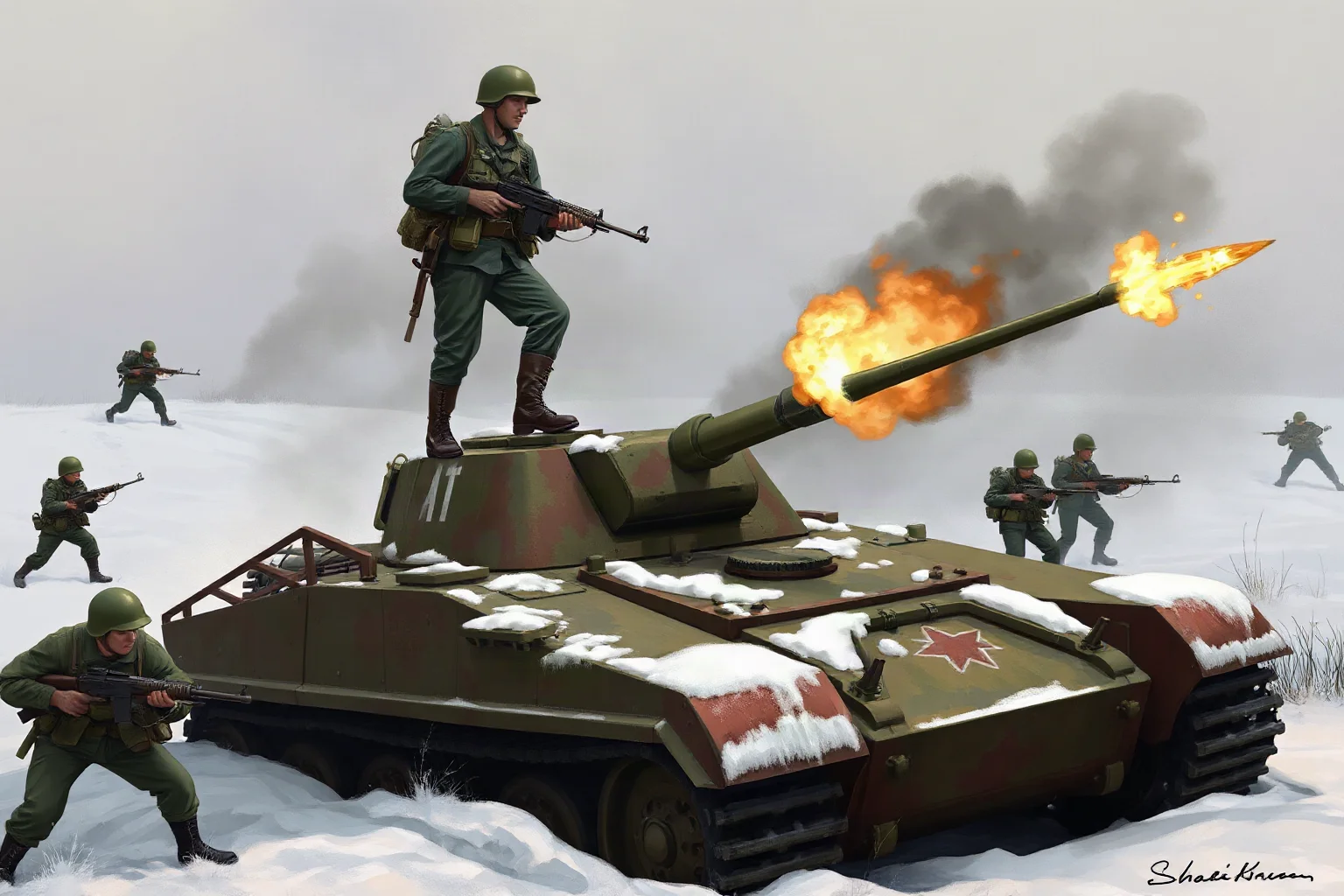
Audie Murphy is widely regarded as the most decorated American soldier of World War II. Near Holtzwihr, France, in January 1945, he held off an entire company of German infantry and tanks virtually alone, using a burning tank’s machine gun after his own unit was forced back. He survived the war to become a Hollywood actor, often playing soldiers on screen not far removed from what he’d actually lived through.
11. Desmond Doss
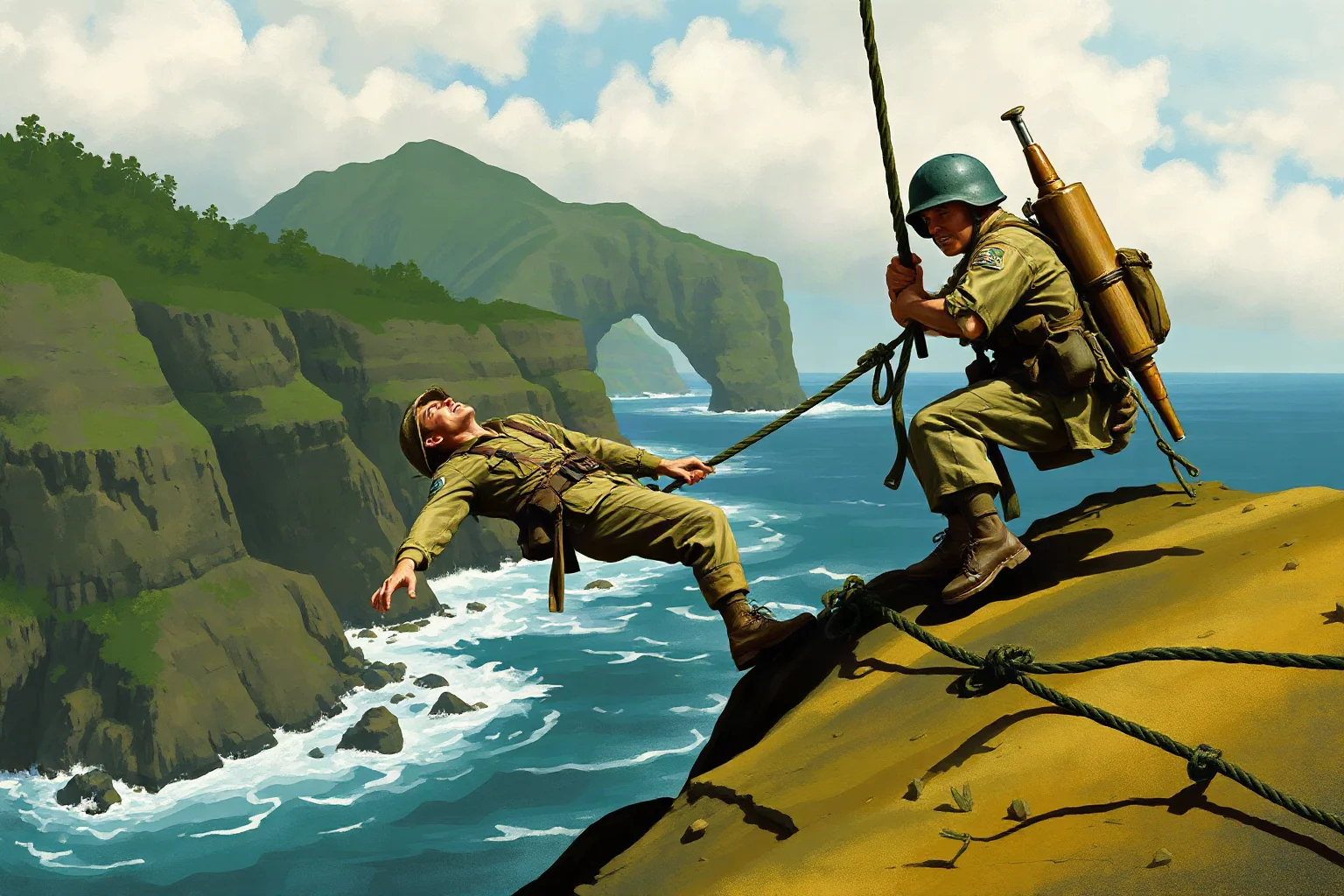
Desmond Doss was a conscientious objector who refused to carry a weapon into combat on religious grounds, serving instead as a combat medic. During the brutal Battle of Okinawa in 1945, he single-handedly rescued approximately 75 wounded soldiers, lowering many of them down a cliff face known as the Maeda Escarpment, or “Hacksaw Ridge.” He became the first conscientious objector in American history to receive the Medal of Honor.
12. John Basilone
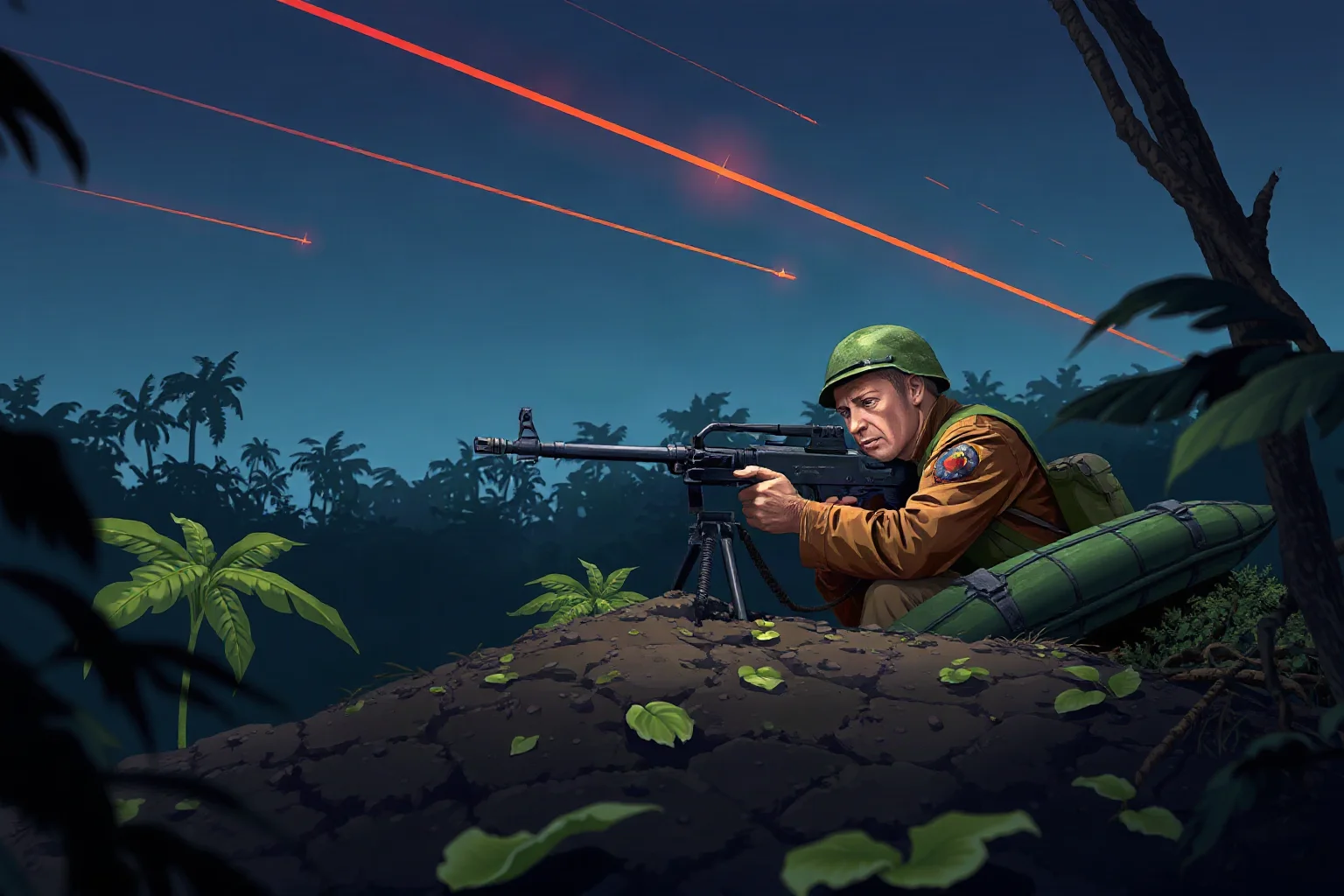
John Basilone earned the Medal of Honor for single-handedly defending a critical position during the Battle of Guadalcanal in 1942, holding off waves of Japanese attackers with a machine gun. Rather than stay stateside as a celebrated hero, he requested a return to combat and was killed leading Marines during the invasion of Iwo Jima in 1945, earning a posthumous Navy Cross. He remains one of the most respected names among Marine Corps war heroes.
13. Ira Hayes
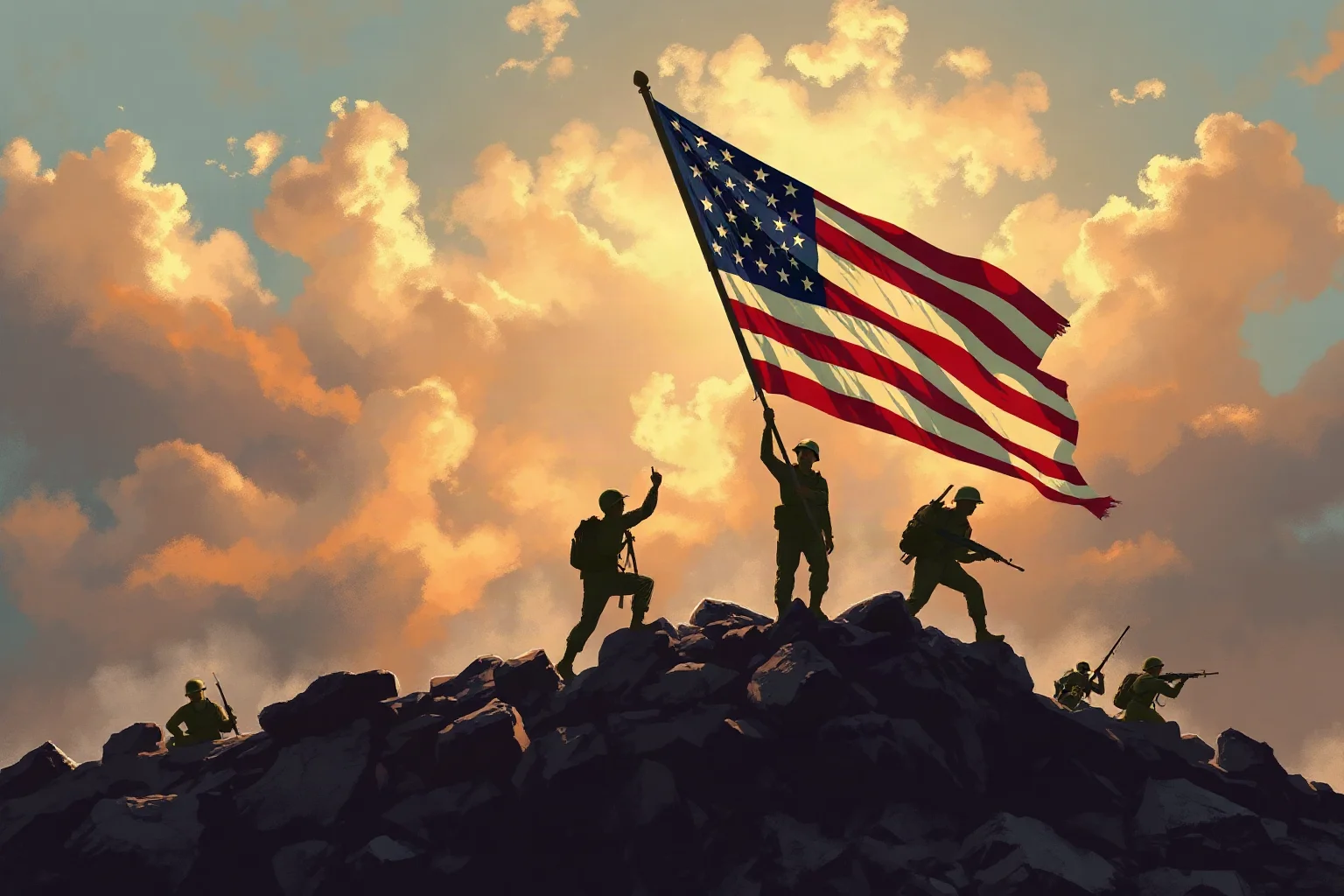
Ira Hayes, a Pima Native American from Arizona, was one of six Marines photographed raising the American flag atop Mount Suribachi during the Battle of Iwo Jima. The photograph became one of the most iconic images of World War II and later the basis for the Marine Corps War Memorial. Hayes struggled with fame after the war, and his story is often used to illustrate the complicated toll heroism can take long after the battle ends.
14. Jimmy Doolittle
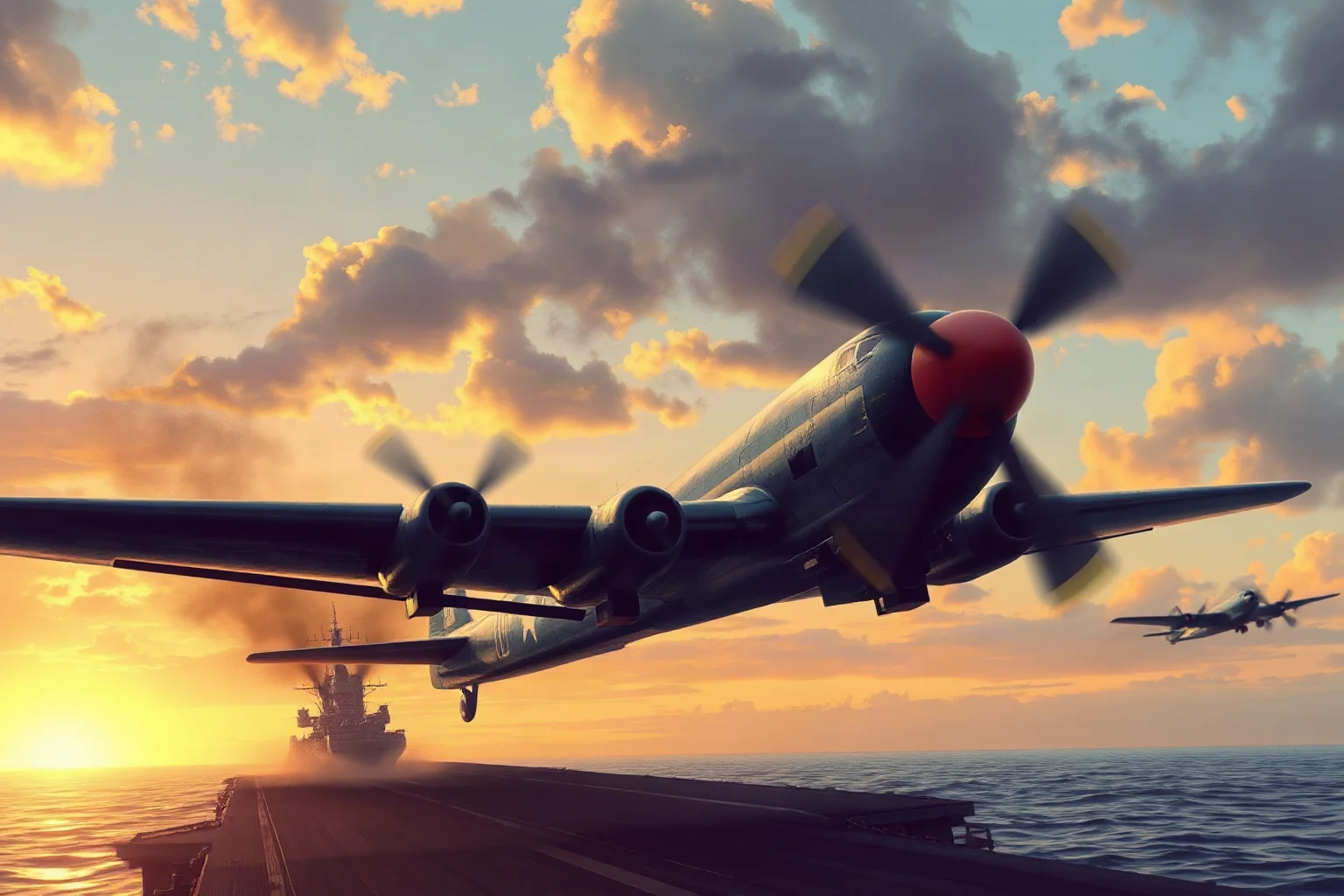
Lieutenant Colonel Jimmy Doolittle led the daring 1942 raid on Tokyo, launching Army bombers from an aircraft carrier for the first time in history despite the enormous risk involved. The Doolittle Raid caused limited physical damage but delivered a massive psychological blow to Japan and a huge morale boost for Americans just months after Pearl Harbor. He received the Medal of Honor for planning and leading the mission.
15. Dwight D. Eisenhower
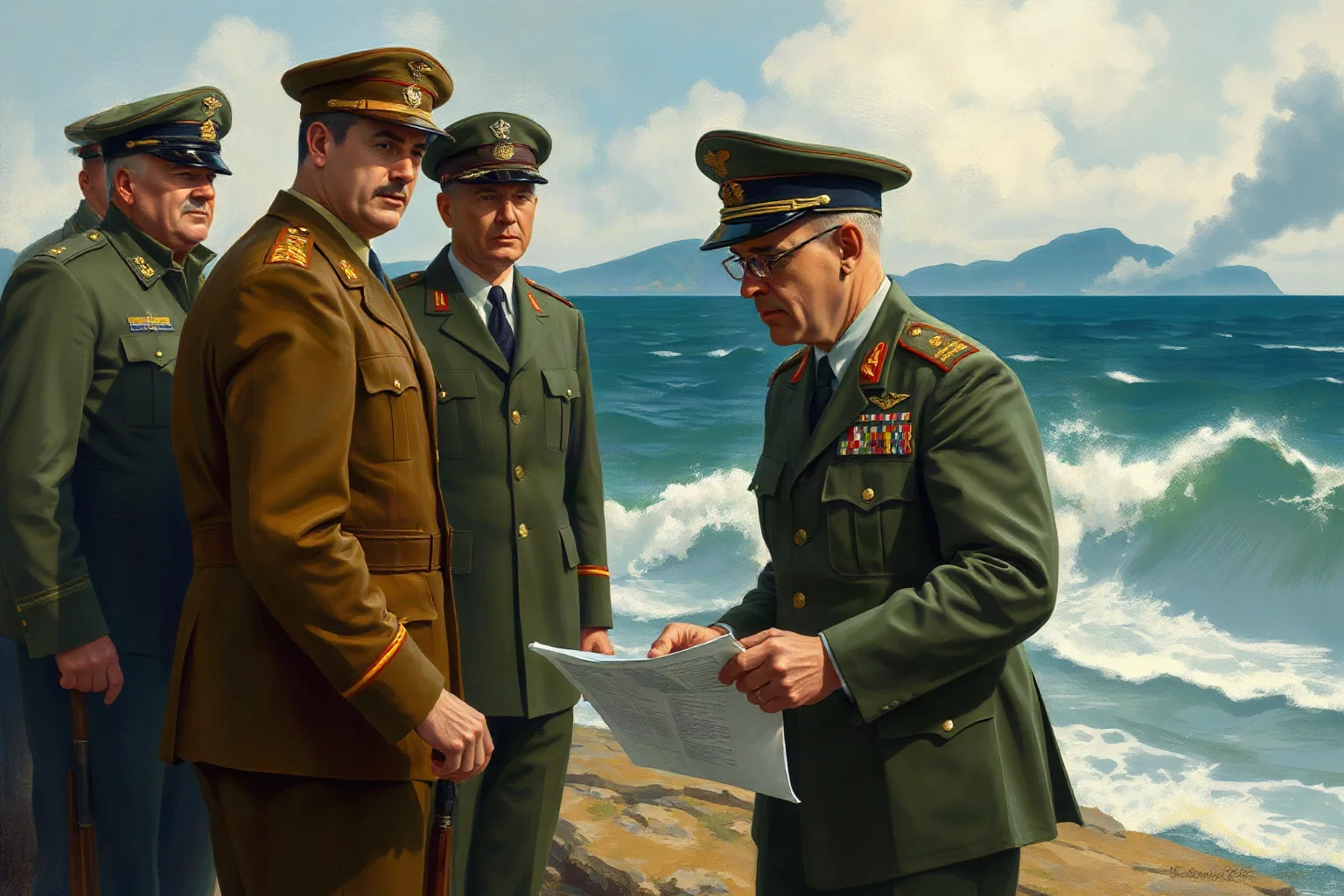
Dwight D. Eisenhower served as Supreme Commander of the Allied Expeditionary Force, overseeing the D-Day invasion of Normandy in June 1944. Coordinating American, British, and Canadian forces across a famously difficult logistical and political landscape, he helped orchestrate the beginning of the end for Nazi Germany. He later became the 34th President of the United States, one of the clearest examples of a wartime leader translating heroism into national leadership, and today he remains among the most famous names in American history.
16. The Tuskegee Airmen
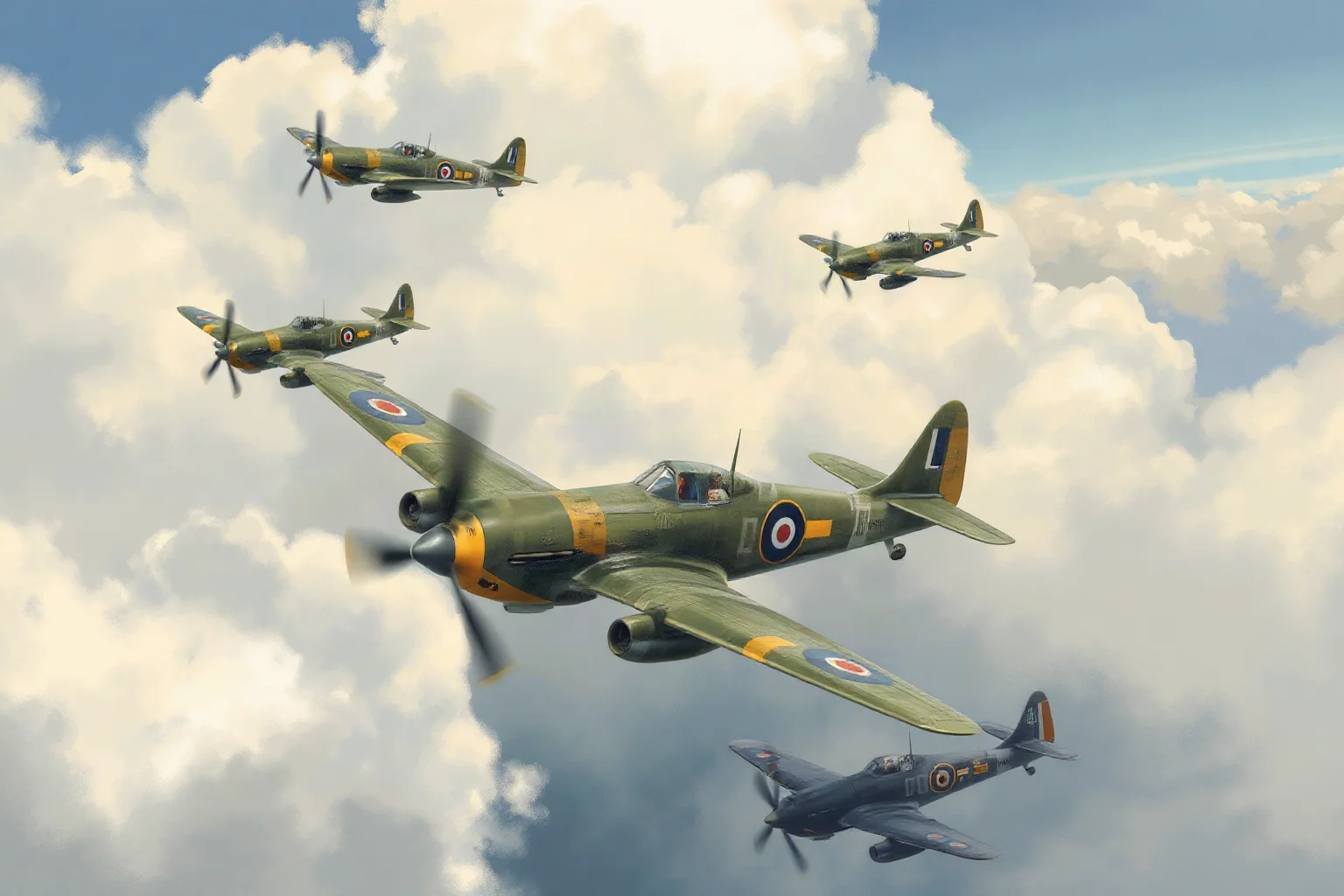
The Tuskegee Airmen were the first African American military aviators in US history, flying combat missions over North Africa and Europe as part of the 332nd Fighter Group. They flew thousands of missions escorting bombers and gained a strong reputation for reliability, all while serving in a still-segregated military back home. Their service became a major catalyst for the eventual desegregation of the US armed forces in 1948.
17. The Navajo Code Talkers
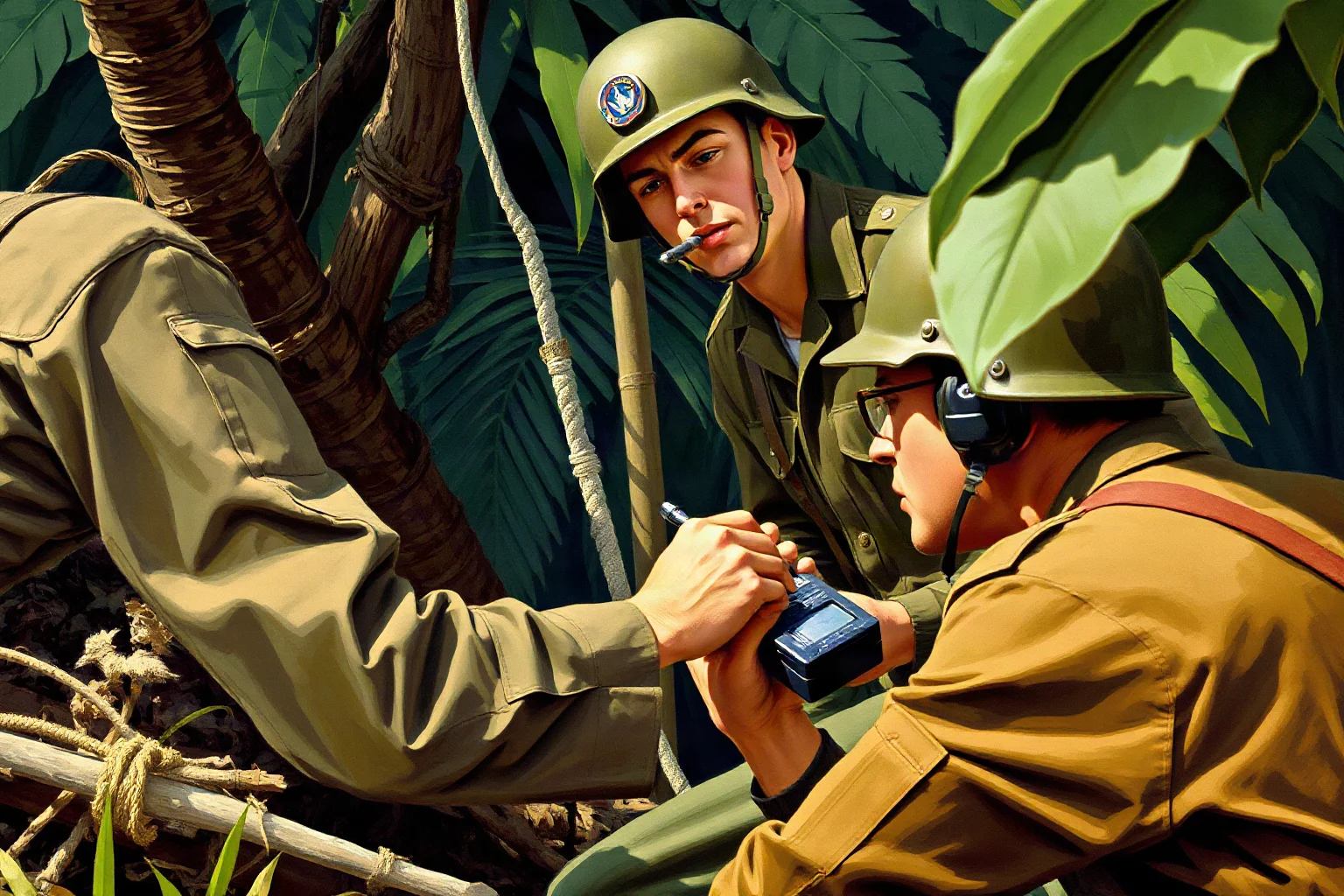
The Navajo Code Talkers used their native language to create a code that Japanese cryptographers never managed to break during the Pacific War. Serving in Marine Corps units across major battles including Iwo Jima and Guadalcanal, they transmitted critical battlefield communications with speed and total security. Their contribution remained classified for decades and wasn’t fully honored publicly until years after the war ended.
18. Chester Nimitz
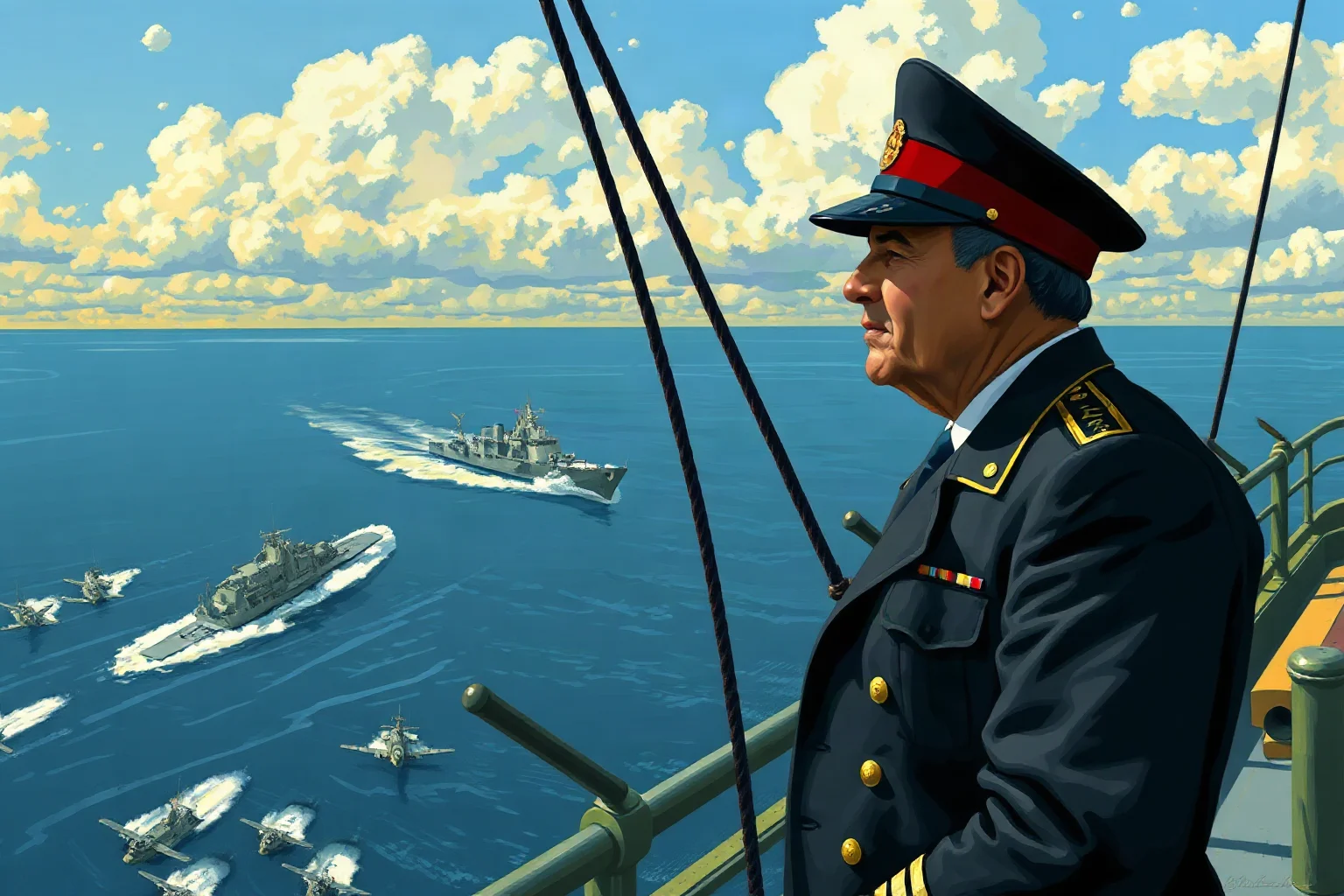
Admiral Chester Nimitz commanded US naval forces in the Pacific theater, overseeing major victories including the pivotal Battle of Midway in 1942. His strategic patience and willingness to trust his commanders on the ground helped turn the tide of the Pacific War against Japan. Nimitz later signed the Japanese surrender documents aboard the USS Missouri in 1945 on behalf of the United States.
Korean and Vietnam War Heroes
19. Lewis Millett
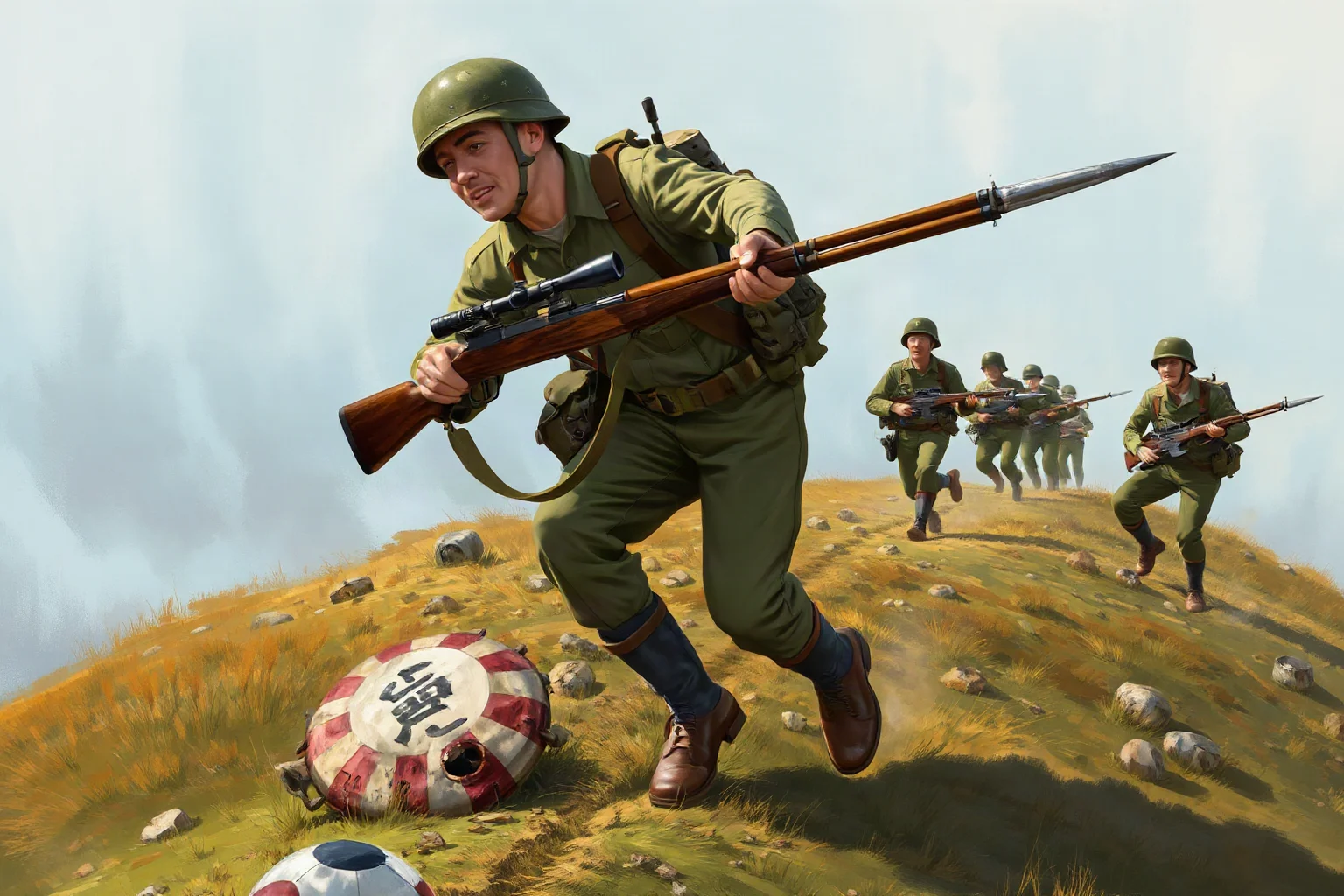
Colonel Lewis Millett led one of the last documented American bayonet charges in history during the Battle of Hill 180 in Korea in February 1951. The charge overwhelmed Chinese and North Korean positions and became legendary within the Army for its sheer audacity. He received the Medal of Honor for the action and continued serving in the military for decades afterward.
20. Hiroshi Miyamura
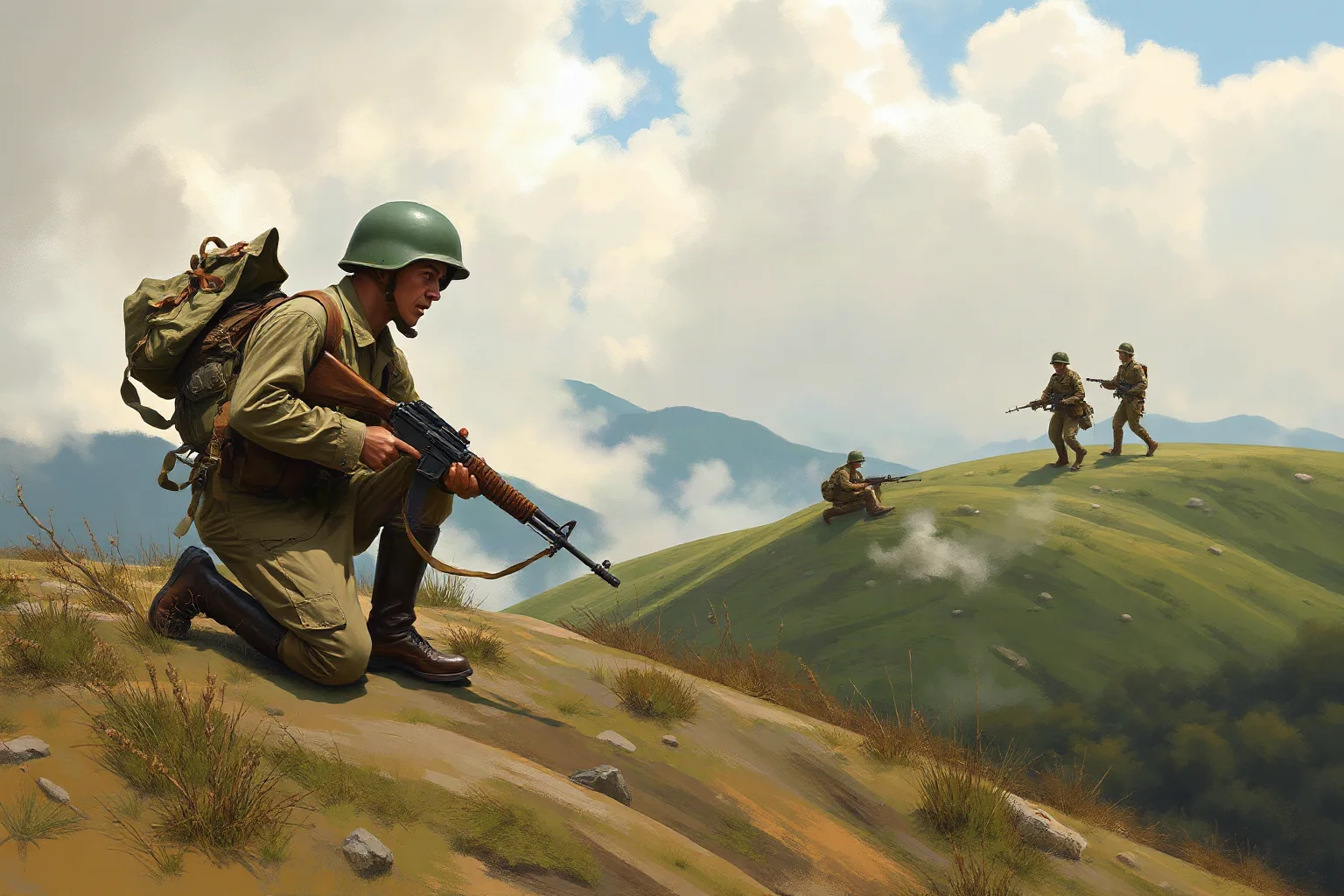
Hiroshi Miyamura was a Japanese American soldier who single-handedly held off attacking Chinese forces in Korea in 1951, allowing his unit to withdraw safely before he was wounded and captured. He spent over two years as a prisoner of war before his Medal of Honor was even publicly announced, since officials feared disclosure might endanger him in captivity. His story is a powerful reminder that some of America’s bravest soldiers served the country while their own families faced discrimination at home.
21. Roy Benavidez
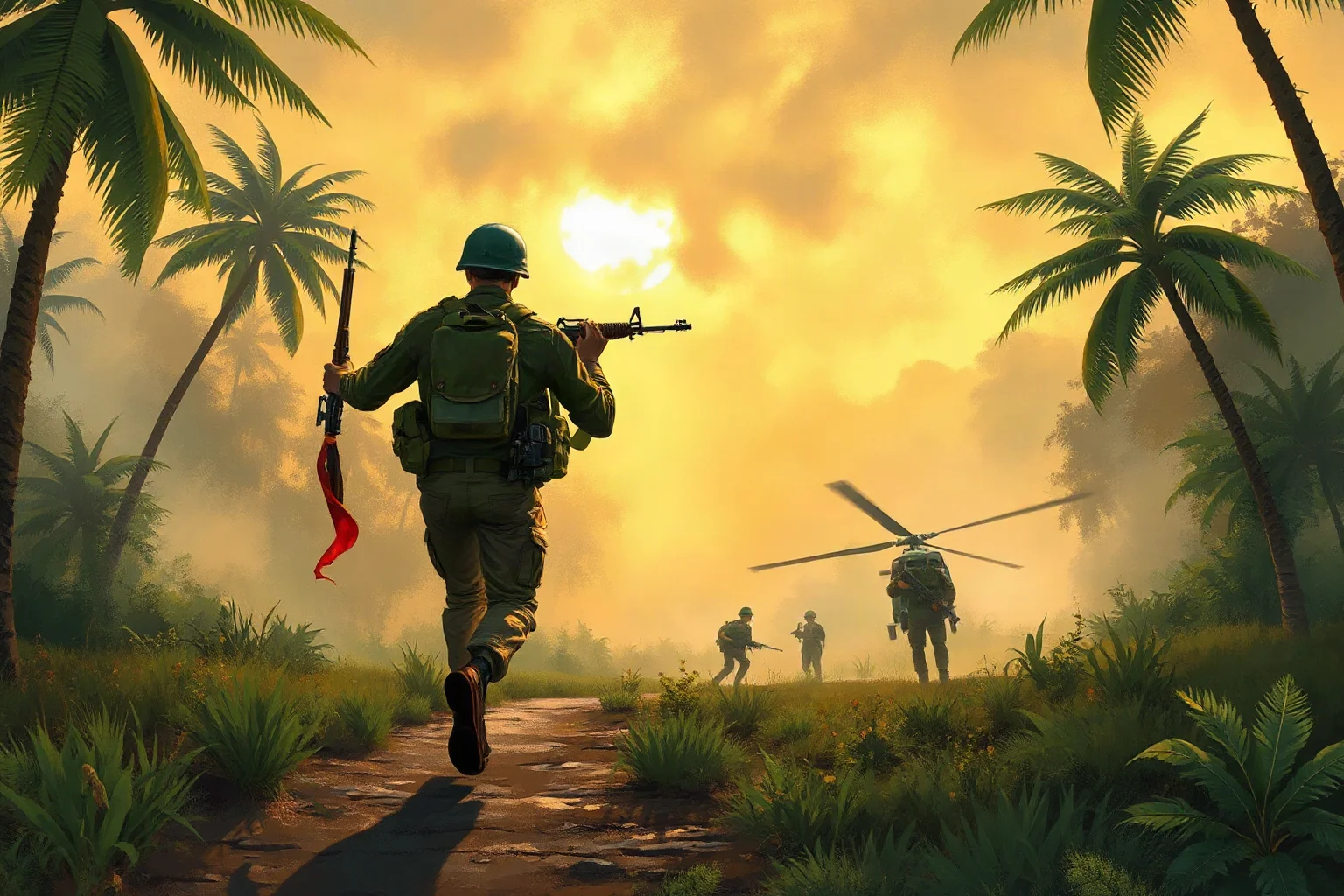
Master Sergeant Roy Benavidez ran unarmed into a firefight in Vietnam in 1968 to rescue a Special Forces team trapped by a much larger enemy force. Wounded repeatedly during the extraction, he continued fighting and organizing the rescue until every survivor was aboard an evacuation helicopter. His Medal of Honor was upgraded from a lesser award years later after additional witness testimony confirmed the scale of what he’d done.
22. Sammy L. Davis
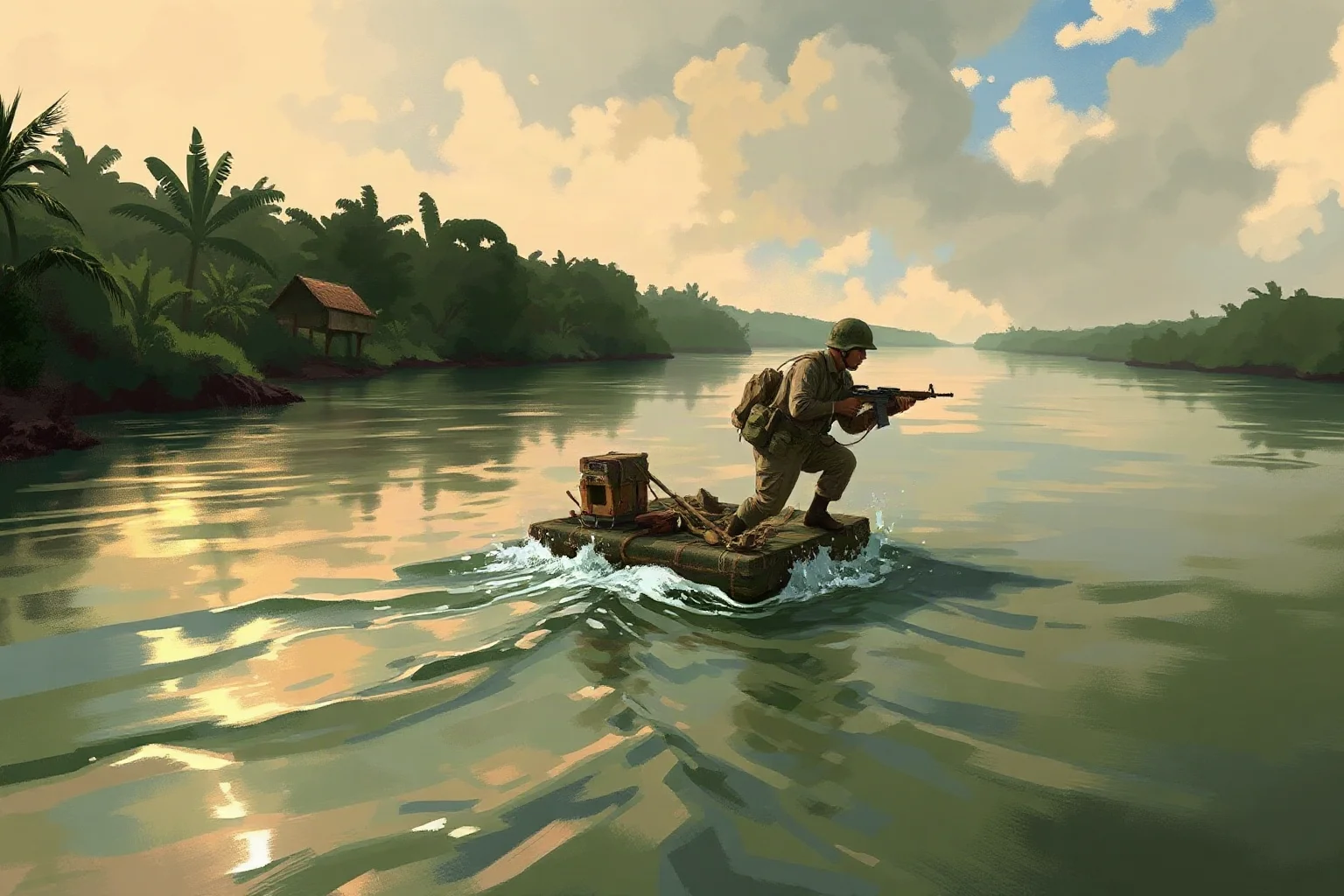
Sammy L. Davis was manning an artillery position at Fire Support Base Cudgel in Vietnam in 1967 when it came under heavy attack from a much larger force. Wounded and unable to swim, he crossed a river on an air mattress to rescue three wounded American soldiers stranded on the far bank. His Medal of Honor action later inspired scenes in the film “Forrest Gump,” though Davis himself, not a fictional character, is the real war hero behind the story.
Modern-Era American Heroes
23. Pat Tillman
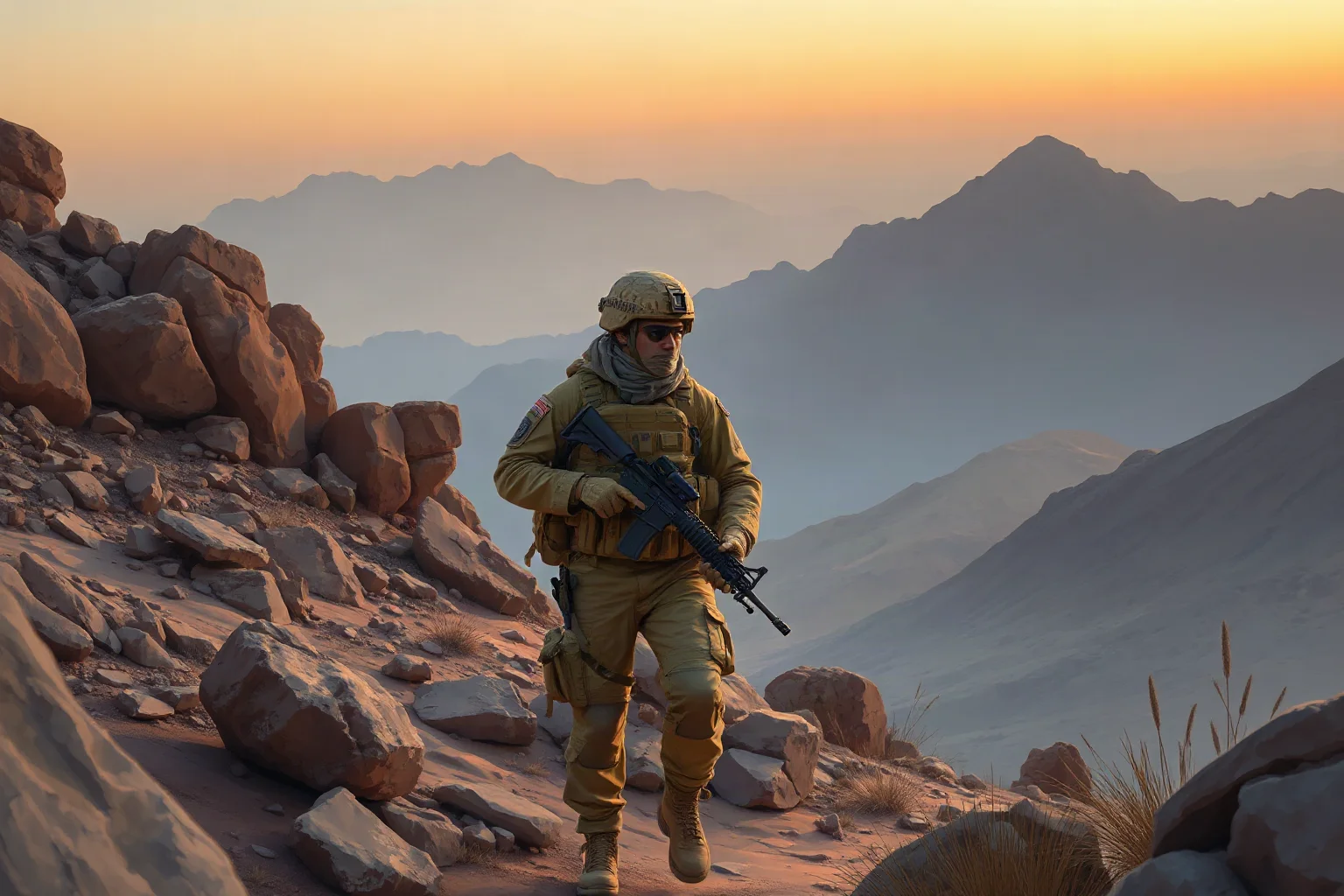
Pat Tillman walked away from a lucrative NFL career after the September 11 attacks to enlist as an Army Ranger, eventually serving in Afghanistan. He was killed in 2004, and the Army initially reported he died fighting enemy combatants, a version later revealed to be inaccurate after an investigation confirmed his death was caused by friendly fire. His family’s push for the truth became almost as important to his legacy as his military service, a genuine lesson in why myth-busting matters even when it complicates a hero’s story.
24. Chris Kyle
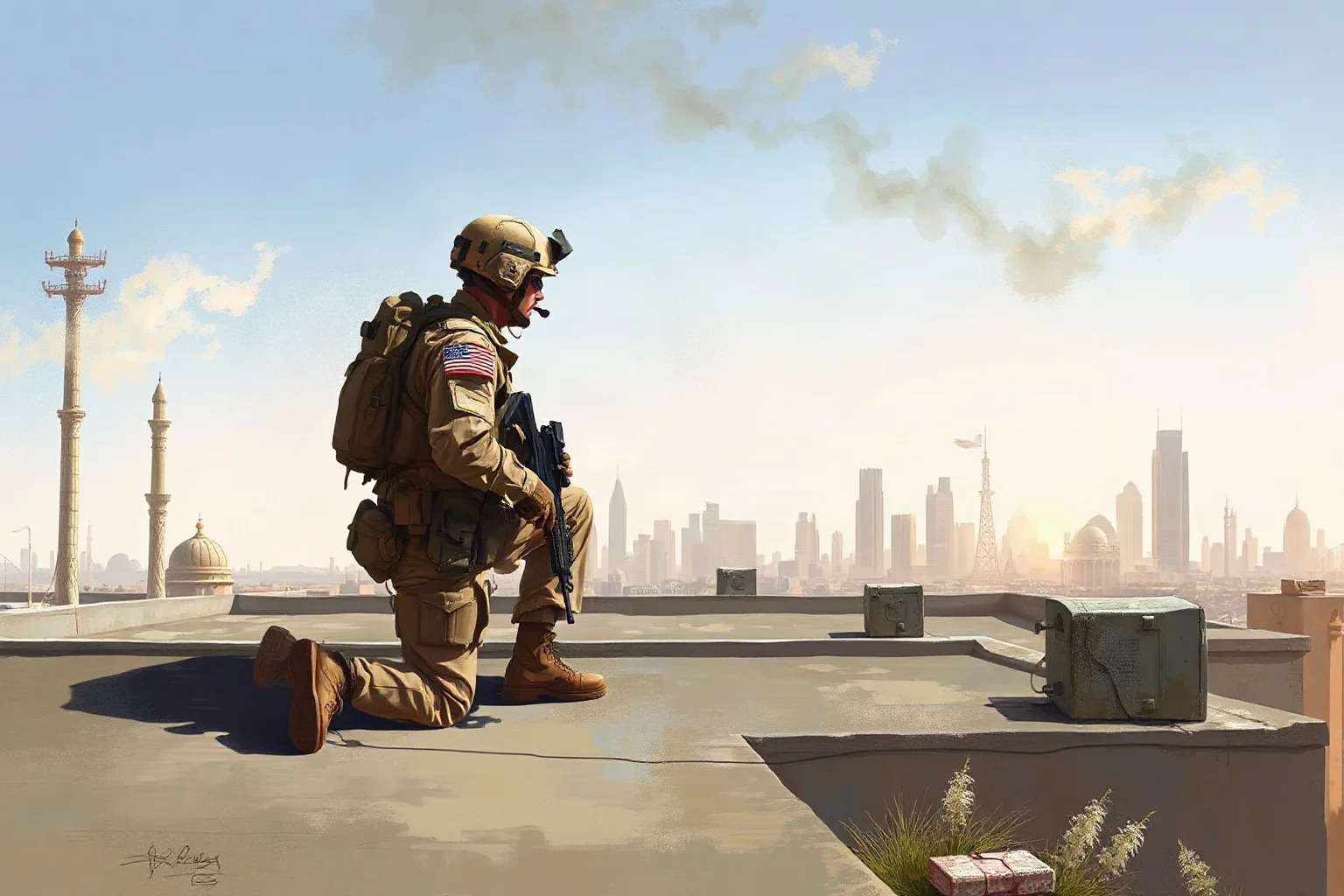
Chris Kyle served four tours as a Navy SEAL sniper in Iraq and was officially credited by the Pentagon with 160 confirmed kills, among the highest counts documented for an American sniper. He wrote about his service in the bestselling memoir “American Sniper,” which was later adapted into a major film. Kyle was killed in 2013 by a fellow veteran he was trying to help, a tragic postscript that underscores how the toll of war often follows soldiers long after they come home.
Honoring America’s Heroes Today
These 24 names are only a small sample of the millions of Americans who have worn a uniform in defense of the country since 1775. For every well-known name on this list, there are countless others whose stories were never documented, whose medals were lost to time, or whose heroism simply went unwitnessed. That doesn’t make their sacrifice any smaller.
Memorial Day and Veterans Day exist specifically to make sure the country doesn’t let that collective memory fade, even for the soldiers whose names never made it into a textbook. Museums, military archives, and oral history projects continue to uncover new details about heroes of the second world war, the Great War, and more recent conflicts every year. Even now, historians are still confirming overlooked acts of courage from World War II and Korea that went unrecognized for decades because of bureaucratic delay or, in some cases, plain prejudice.
What ties all of these figures together isn’t superhuman ability; it’s an ordinary person choosing to act when the stakes were as high as they get. That’s a far more honest definition of heroism than anything Hollywood tends to offer, and it’s exactly why these stories deserve to be told accurately rather than simplified into legend.
Frequently Asked Questions
Who are some of the most famous heroes of the US?
Some of the most widely recognized heroes of the US include George Washington, Audie Murphy, Harriet Tubman, Alvin York, Desmond Doss, and Roy Benavidez. Each earned lasting recognition through documented acts of courage in combat, ranging from the Revolutionary War through Vietnam, rather than through myth or exaggeration.
Who did the United States fight in World War 2?
The United States fought as part of the Allied powers against the Axis powers, which primarily consisted of Nazi Germany, Fascist Italy, and Imperial Japan. American forces fought in two major theaters: the European theater against Germany and Italy, and the Pacific theater against Japan.
How many American soldiers fought in World War 2?
Approximately 16 million Americans served in the US armed forces during World War 2. Globally, historians estimate that well over 100 million military personnel from all combatant nations were mobilized during the war.
How many US soldiers fought in WWI?
Around 4.7 million Americans were mobilized for World War I, with roughly 2 million of them deployed to France before the war ended in November 1918. The US entered the war relatively late, in April 1917, compared to European powers.
Is there an official national hero of the United States?
The United States does not have a single, officially designated national hero the way some countries do. George Washington is often considered the closest equivalent due to his role leading the Continental Army and later serving as the first President.
Does America have the best military in the world?
The United States consistently ranks among the most powerful militaries in the world based on defense spending, technology, and global reach, according to independent defense indices. Whether it's definitively the "best" depends on the criteria used, since factors like troop readiness, alliances, and specific combat scenarios all vary.
What qualifies someone as a war hero in American history?
There's no single legal definition of a war hero, but the term is generally used for service members who performed extraordinary acts of courage, sacrifice, or leadership under combat conditions. The Medal of Honor is the closest formal recognition, awarded for valor that goes well beyond the normal call of duty.

Alex Warren
Related Articles