Say the words “Middle Ages” and most people picture the same handful of images: castles, knights, plague doctors, maybe a jousting tournament.
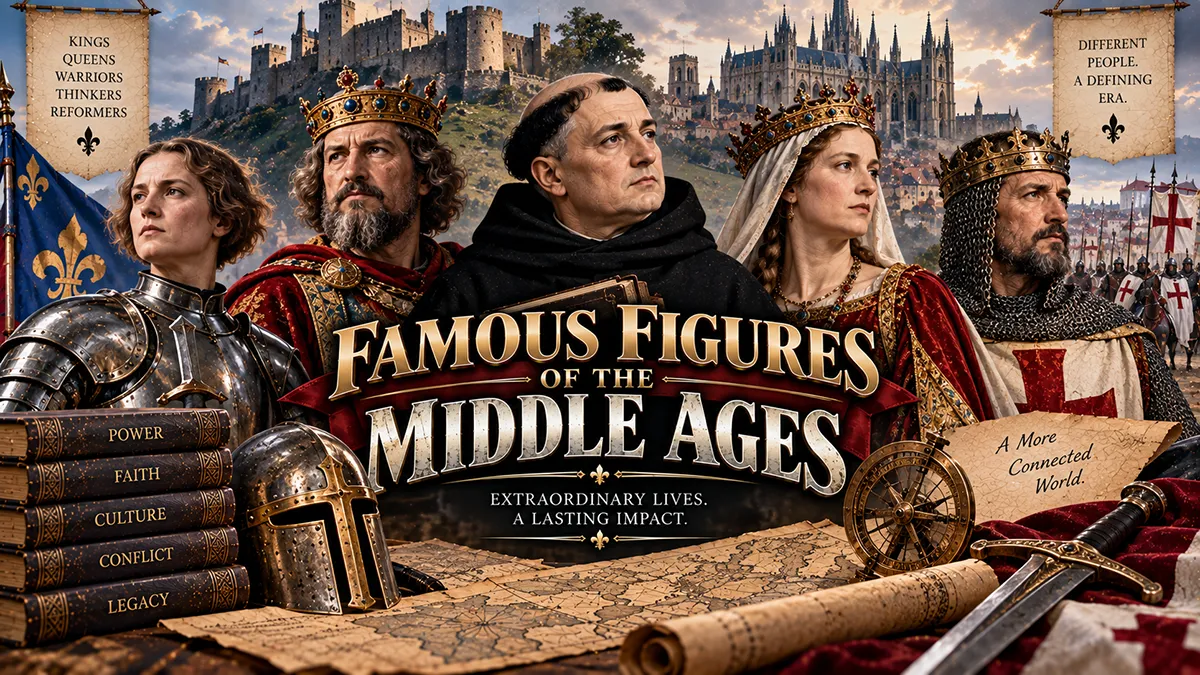
But the thousand-year stretch of history we call medieval times — roughly 500 to 1500 CE — produced an extraordinary cast of real people whose decisions, ideas, and art still shape the world today.
This guide walks through the famous medieval figures who actually earned their place in the history books, from warrior kings and crusading queens to poets, painters, and philosophers.
Along the way, we’ll also look at what everyday life was like for the ordinary people of medieval times — the nobles, peasants, and clergy who never made it into a single chronicle but kept the whole system running.
TL;DR: From warrior kings and crusading queens to visionary artists and legendary outlaws, these 25 famous figures of the Middle Ages show just how varied, brilliant, and complicated medieval life really was.
So, Who Were the People of the Middle Ages, Really?
Historians generally date the Middle Ages from the fall of the Western Roman Empire in 476 CE to around 1500 CE, when the Renaissance and early modern period took hold in Europe.
That’s roughly a thousand years, which is far too long a stretch to lump into one lifestyle or one “type” of person. Medieval period people in the year 600 lived very differently from medieval people in the year 1400.
Broadly, historians split the era into the Early Middle Ages (500–1000), the High Middle Ages (1000–1300), and the Late Middle Ages (1300–1500). Europe during this time was fragmented into kingdoms, duchies, and city-states rather than the unified nations we know today. Society was also organized in a strict hierarchy, often called the feudal system, which shaped almost everything about how people in the Middle Ages lived and worked.
Medieval Nobles, Peasants, and the Social Ladder
At the top of medieval society sat monarchs — kings, queens, and emperors — who claimed authority partly through military power and partly through the idea that their rule was divinely sanctioned.
Just below them came the nobility: dukes, earls, counts, and barons who held land granted by the crown in exchange for loyalty and military service. A nobleman in medieval times wasn’t just wealthy; he was legally bound to raise troops, administer justice, and answer to a higher lord in a chain that eventually led back to the monarch.
Noblewomen are often left out of the story, but many medieval noblewomen ran vast estates, managed finances, and negotiated marriages that shaped international politics. Eleanor of Aquitaine, whom we’ll meet below, is one of the clearest examples of just how much power a noblewoman could wield — a distinction that puts her among history’s most powerful women.
The clergy formed another powerful class. Bishops, abbots, monks, and nuns controlled much of medieval Europe’s land, education, and literacy, since monasteries were often the only places books were copied and preserved. This is why so many important people in medieval history — scholars, theologians, and even some scientists — came from religious institutions.
But here’s the myth-busting part: most people during the Middle Ages were neither nobles nor clergy. The vast majority were peasants and serfs who farmed the land, paid dues to their local lord, and rarely traveled far from the village where they were born. Free peasants had more legal rights than serfs, who were legally tied to the land they worked, but both groups made up the backbone of the medieval economy.
Towns added another layer to this picture. As trade grew in the High Middle Ages, merchants and craftsmen organized into guilds, and towns became home to blacksmiths, weavers, and bakers who didn’t fit neatly into the noble-clergy-peasant structure.
Entertainment existed too — traveling minstrels, jesters, and the trade guilds who performed “mystery plays” were essentially the actors in the Middle Ages, staging religious dramas in town squares for audiences who had no theaters or printed scripts.
What Names Did People Use in the Middle Ages?
If you’re hunting for authentic names from the Middle Ages, naming conventions of the era offer some great clues. Many medieval names came from the Bible or popular saints, which is why John, William, Thomas, Margaret, Alice, and Agnes appear constantly in medieval records across Europe.
Among nobility, Germanic and Frankish names carried extra prestige — think Charles, Frederick, Henry, Matilda, and Eleanor. Surnames weren’t standardized the way they are today; instead, people were often identified by their father’s name, their occupation, or where they lived, like “John Baker” or “Robert of York.” These naming patterns are part of why names for the Middle Ages still feel so distinct from modern names — they reflect a world built around family lineage, faith, and local identity rather than personal branding.
With that social and cultural backdrop in mind, let’s meet 25 of the most famous people of the Middle Ages — men and women whose actions, art, and ideas still echo through history.
1. Charlemagne (c. 747–814)
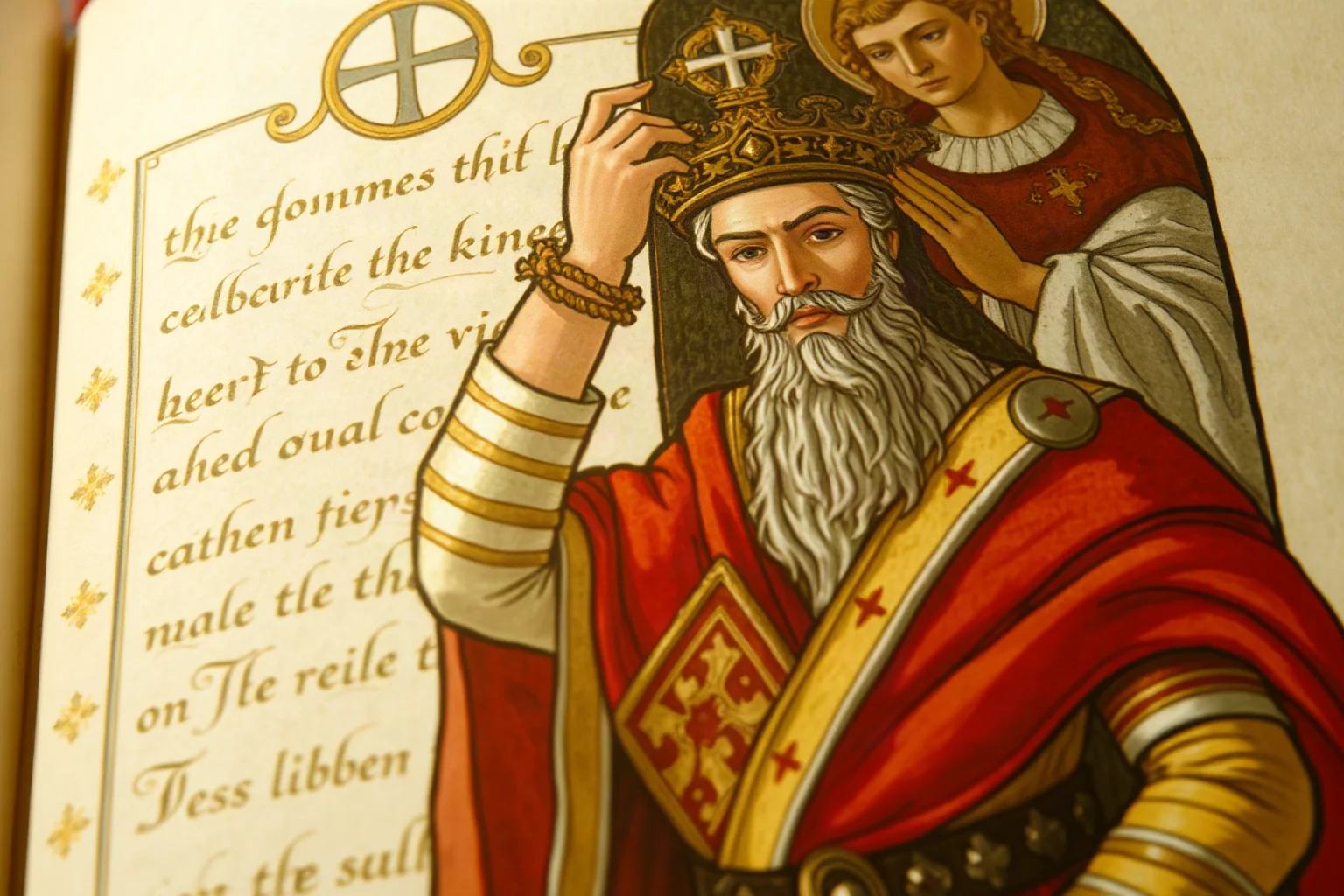
Charlemagne, King of the Franks, united much of Western Europe under his rule and was crowned Holy Roman Emperor by Pope Leo III in 800 CE. His reign sparked what historians call the Carolingian Renaissance, a genuine revival of learning, art, and manuscript production after centuries of decline.
He’s frequently cited as one of the most important leaders of the Middle Ages precisely because his empire set the template for medieval kingship — a Christian ruler backed by the church, presiding over a patchwork of loyal nobles.
2. William the Conqueror (c. 1028–1087)
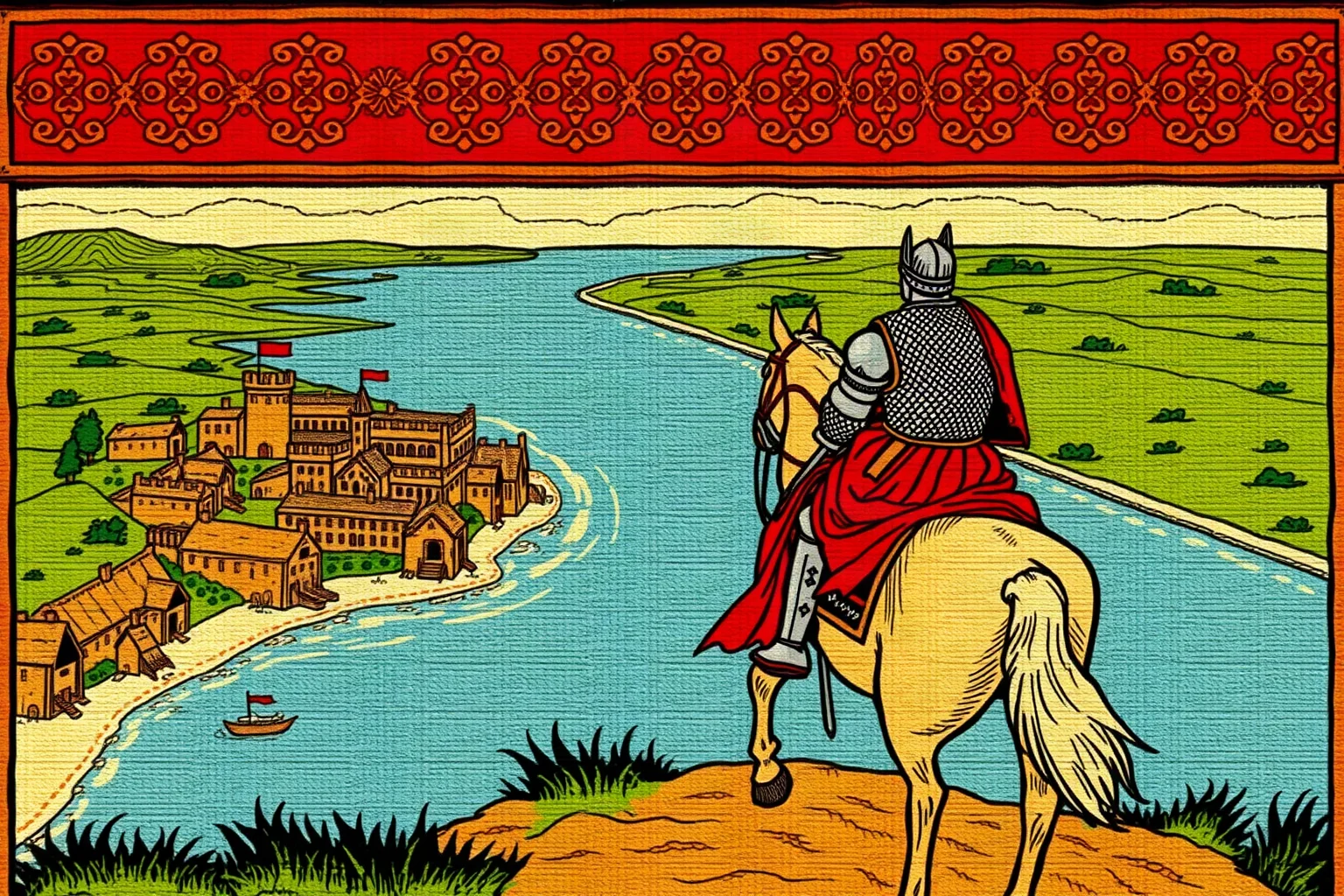
As Duke of Normandy, William crossed the English Channel in 1066 and defeated King Harold II at the Battle of Hastings, permanently altering the course of English history. His victory brought Norman French language, culture, and feudal structures into England almost overnight.
William later commissioned the Domesday Book, a sweeping survey of English land and property that remains one of the most detailed administrative records to survive from medieval Europe.
3. Eleanor of Aquitaine (c. 1122–1204)
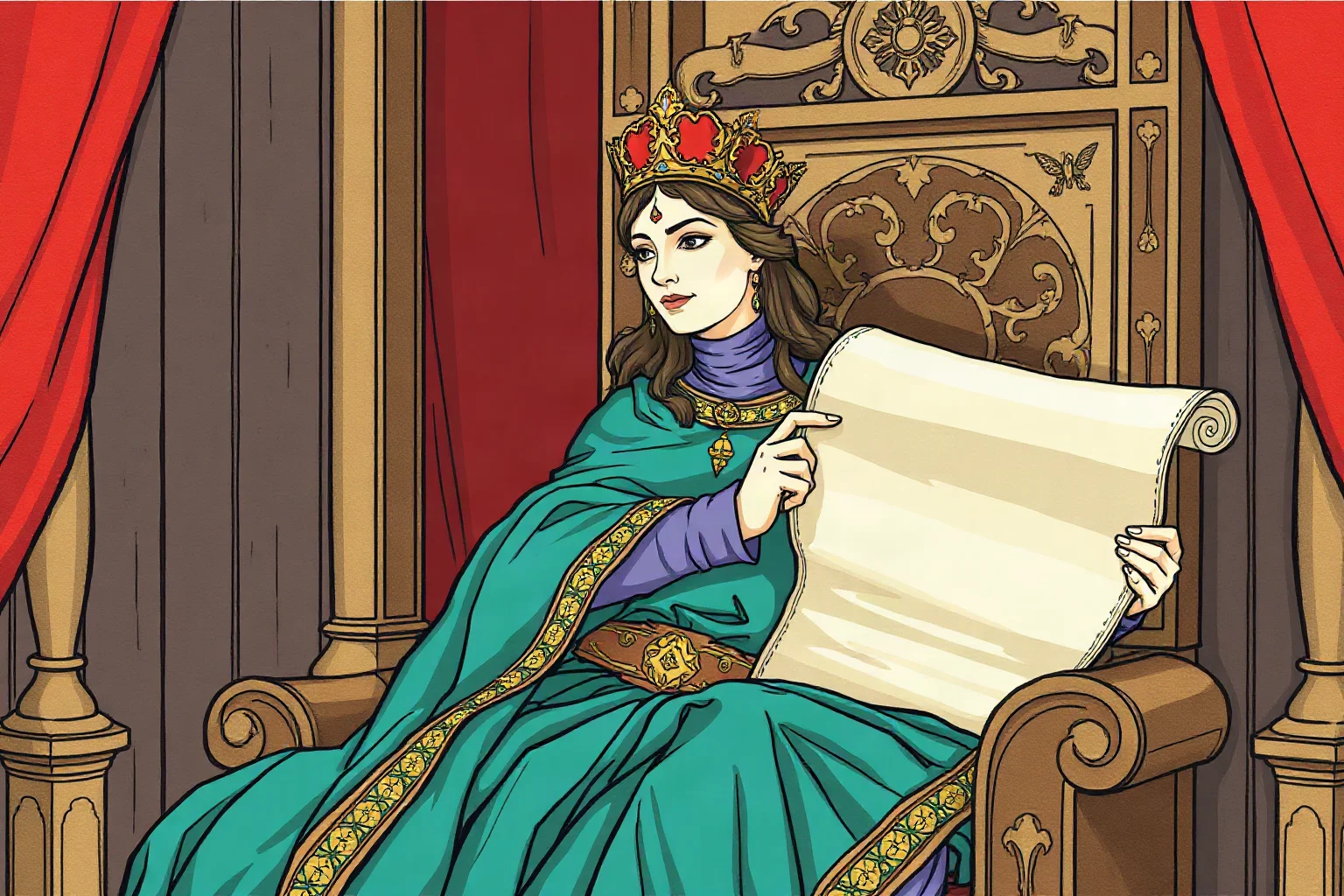
Eleanor inherited the Duchy of Aquitaine in her own right, making her one of the wealthiest and most powerful noblewomen in medieval Europe. She married King Louis VII of France, then later King Henry II of England, and was mother to two English kings, Richard I and John.
She’s a favorite example when people ask what a nobleman in medieval times — or in this case, a noblewoman — could actually accomplish. Eleanor ruled territories, patronized troubadour poetry, and even led troops during the Second Crusade.
4. Richard the Lionheart (1157–1199)
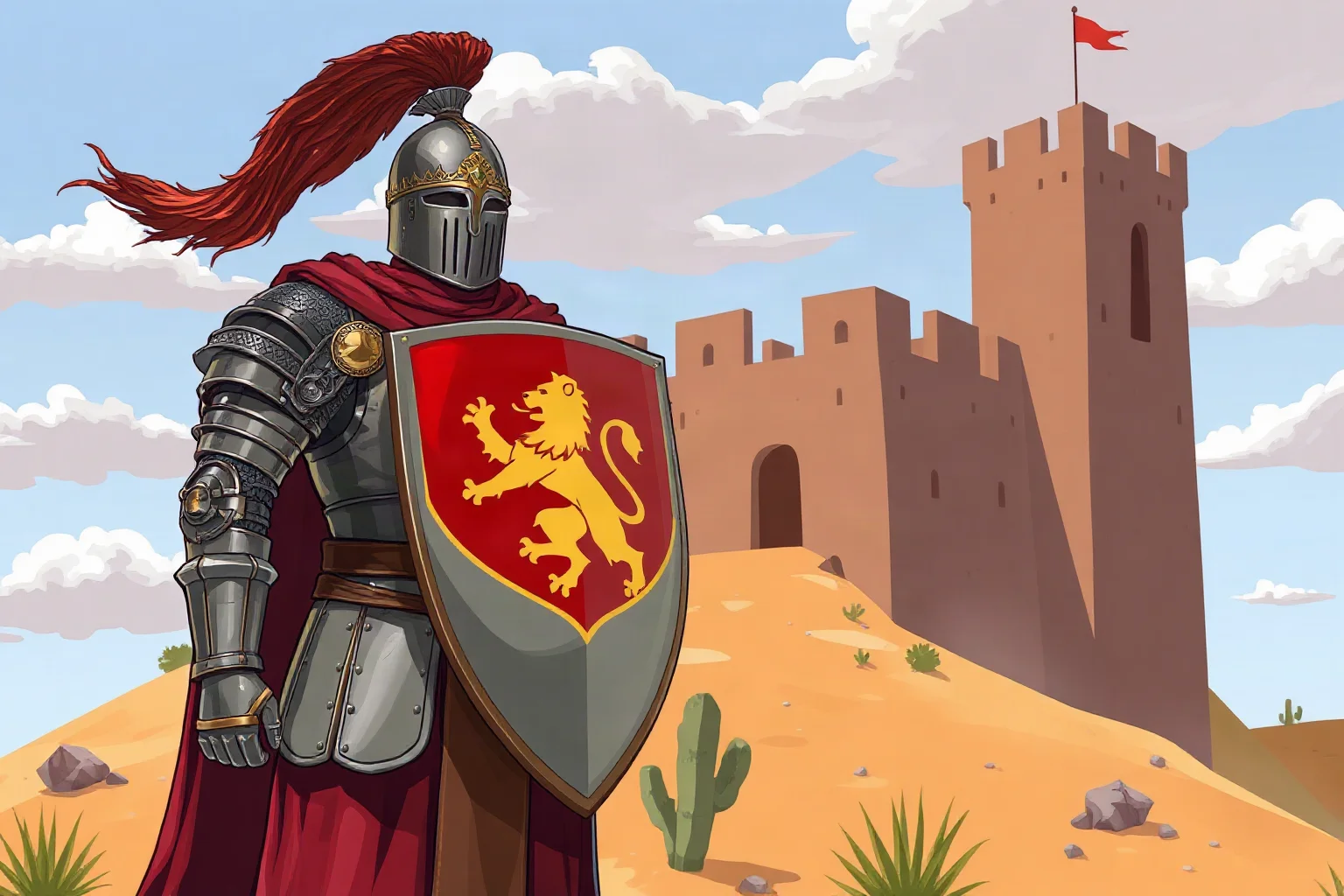
Richard I of England earned his nickname through his reputation as a fierce and skilled military commander, particularly during the Third Crusade. He fought Saladin’s forces to a standstill in the Holy Land and negotiated a truce that allowed Christian pilgrims access to Jerusalem.
On his way home from the Crusades, Richard was captured and held for a massive ransom, an episode that became legendary in English folklore and later inspired countless medieval hero tales.
5. Saladin (1137–1193)
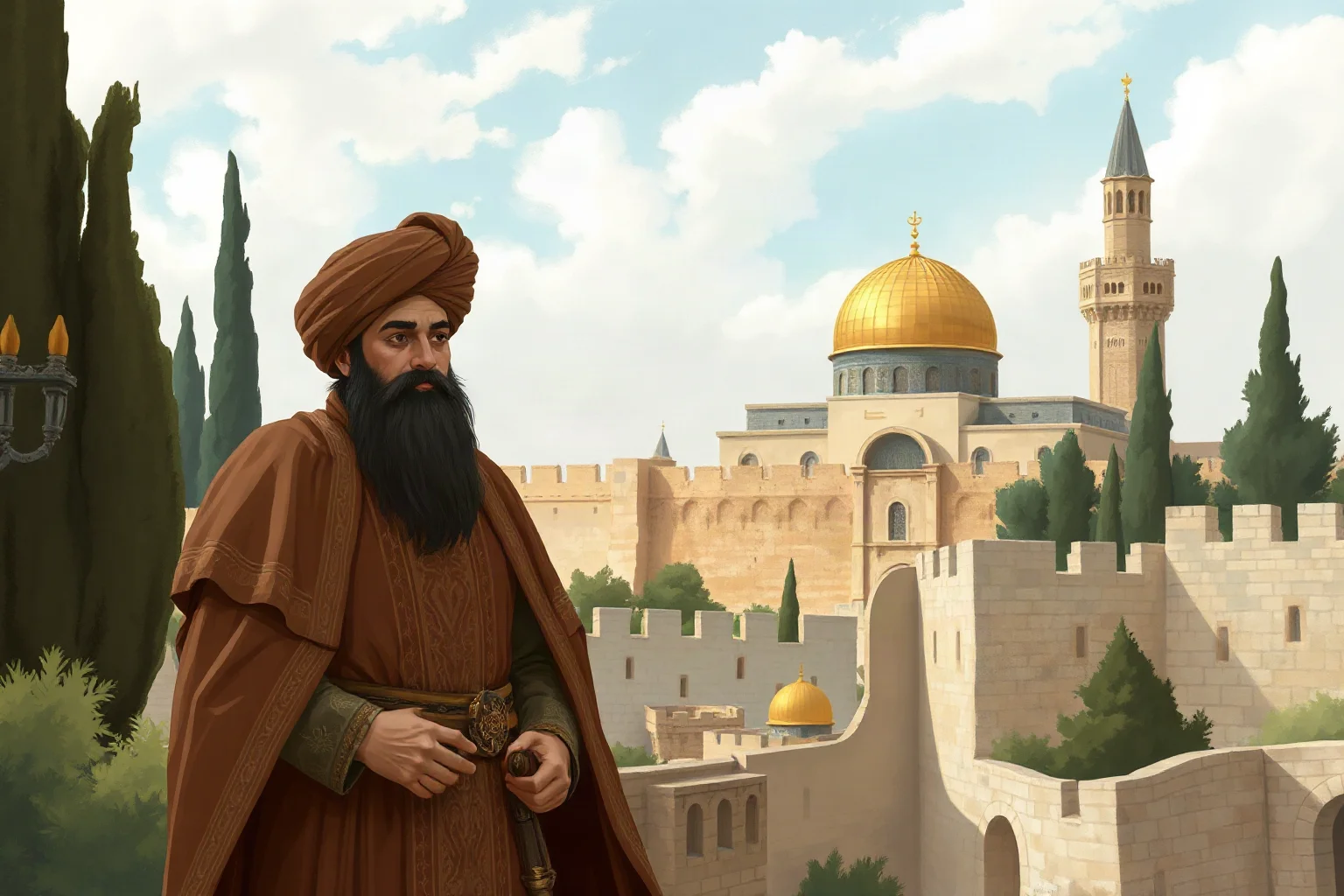
Saladin, born Yusuf ibn Ayyub, united Egypt, Syria, and other territories under Ayyubid rule and recaptured Jerusalem from Crusader forces in 1187. Even European chroniclers of the time, who were his enemies, often described him as honorable and chivalrous.
His rivalry and eventual truce with Richard the Lionheart during the Third Crusade remains one of the most studied relationships in medieval military history.
6. Joan of Arc (1412–1431)
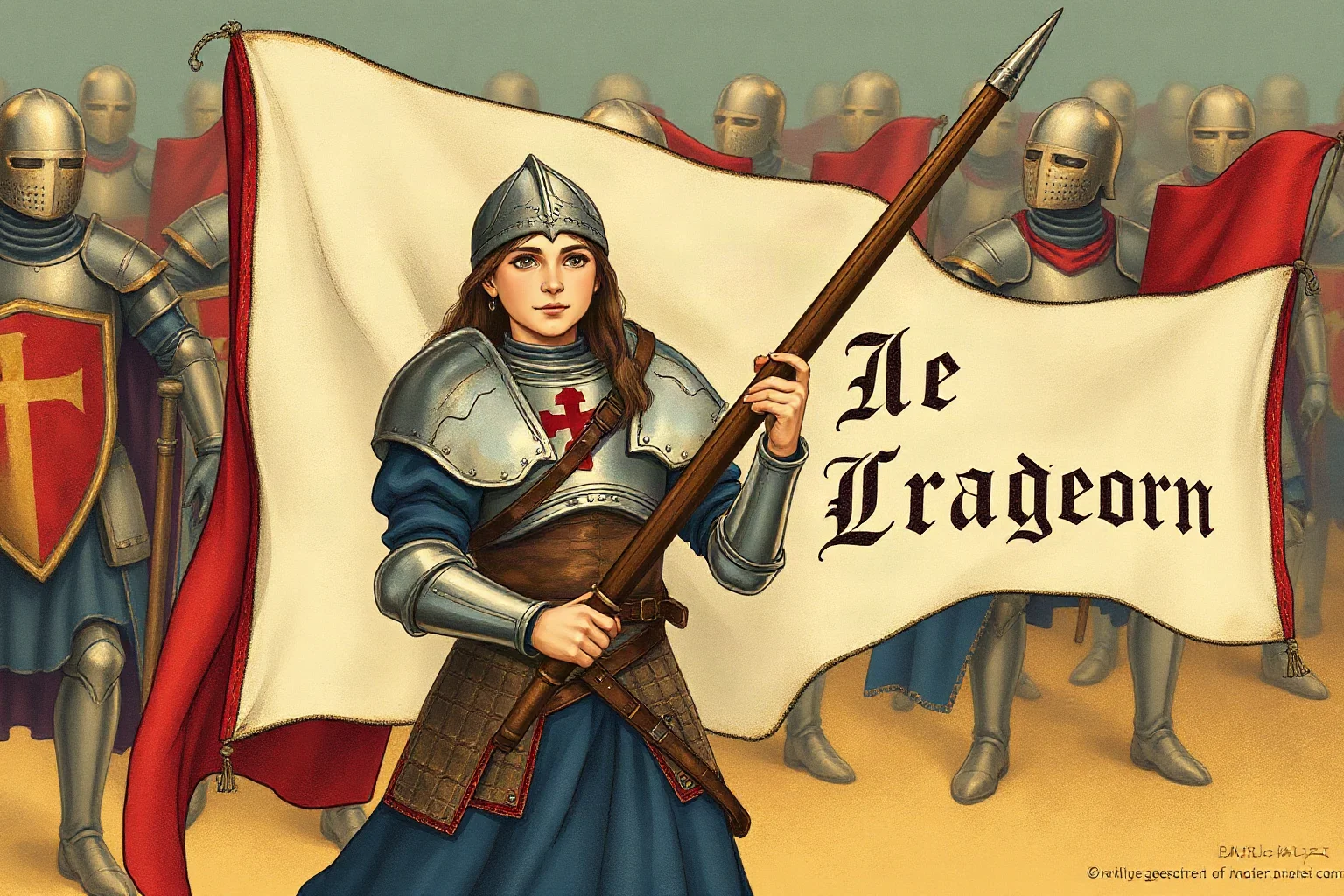
Joan was a peasant girl from Domrémy, France, who claimed to receive divine visions instructing her to support Charles VII’s claim to the French throne during the Hundred Years’ War. Remarkably, she convinced the French court to let her lead troops, and her presence helped turn the siege of Orléans in France’s favor.
She was captured, tried for heresy by an English-aligned court, and burned at the stake at just nineteen years old. She was later declared innocent and eventually canonized as a saint, making her one of the most famous medieval figures in European history.
7. El Cid (Rodrigo Díaz de Vivar, c. 1043–1099)
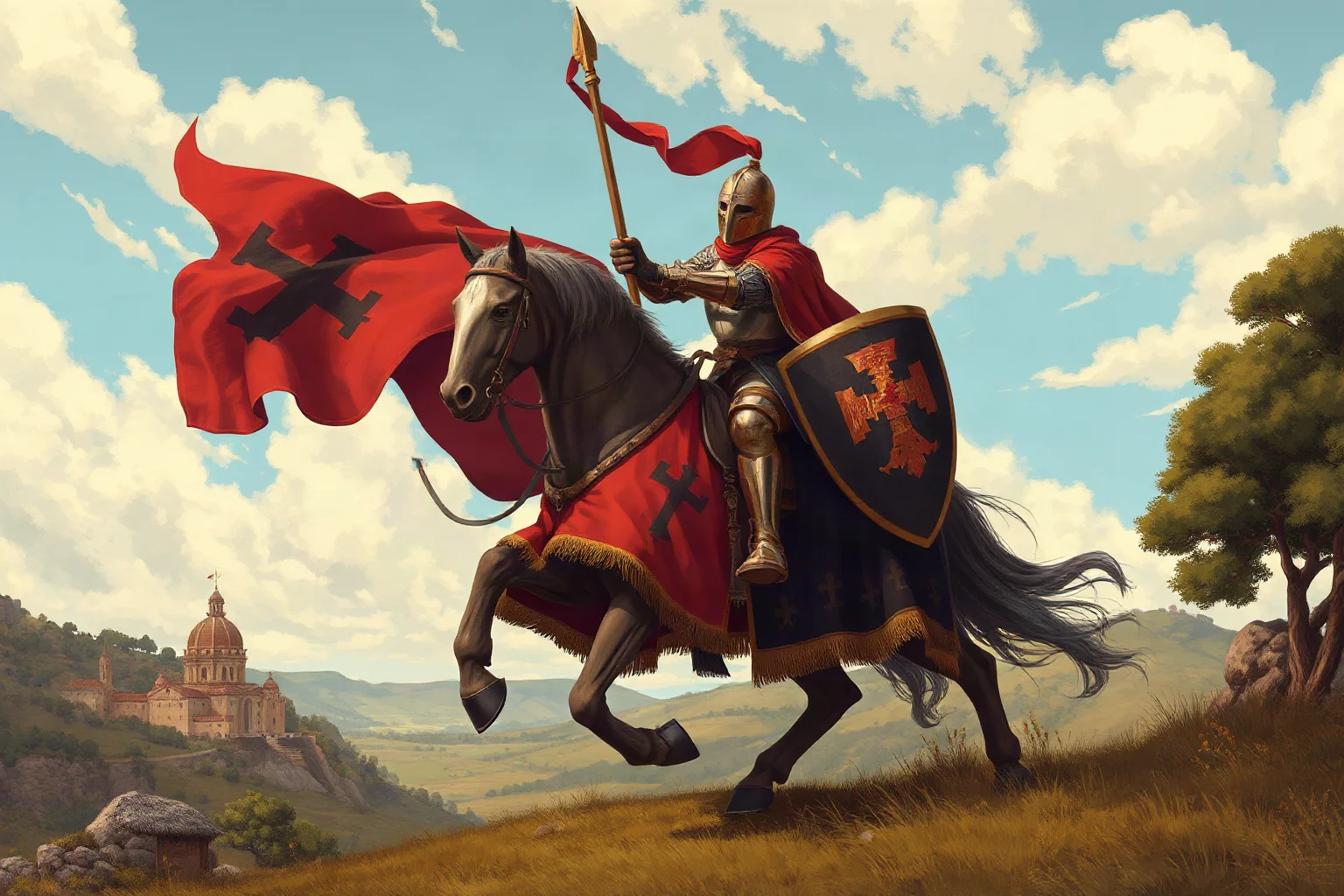
El Cid was a Castilian nobleman and mercenary commander who fought for both Christian and Muslim rulers at different points in his career, a reflection of the complex political landscape of medieval Spain. His military exploits, especially his capture of Valencia, made him a legendary figure in Spanish history.
He became the subject of an epic poem, “El Cantar de Mio Cid,” which cemented his status as a national hero and one of the more famous medieval characters of the Iberian Peninsula.
8. Frederick Barbarossa (1122–1190)
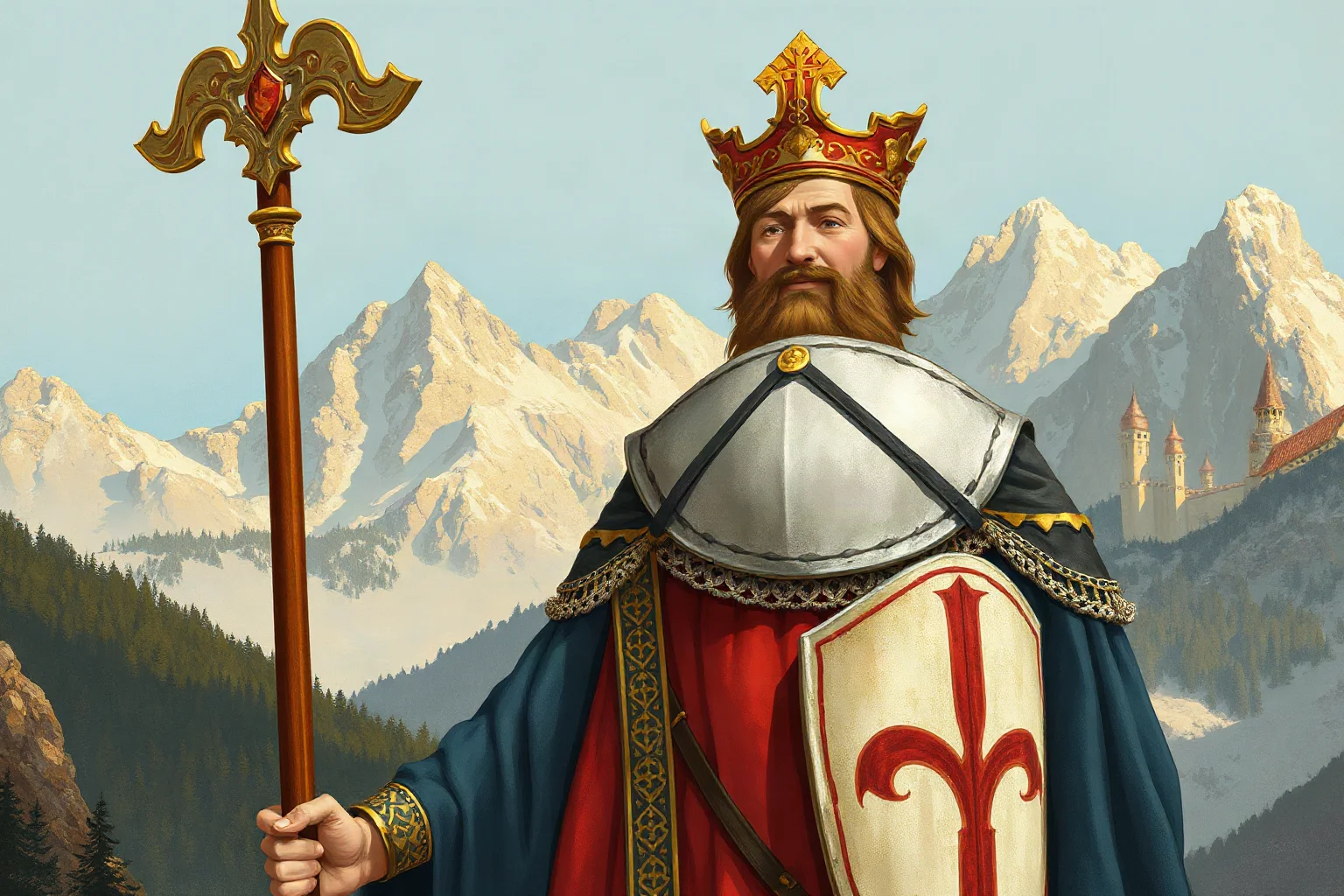
Frederick I, known as Barbarossa for his reddish beard, ruled as Holy Roman Emperor and spent much of his reign trying to reassert imperial authority over the fractious cities of northern Italy. His long conflict with the Papacy and Italian city-states illustrates the constant power struggle between medieval church and state.
He died while leading forces during the Third Crusade, reportedly drowning while crossing a river in Anatolia, a death that shocked his contemporaries.
9. Thomas Becket (1119–1170)
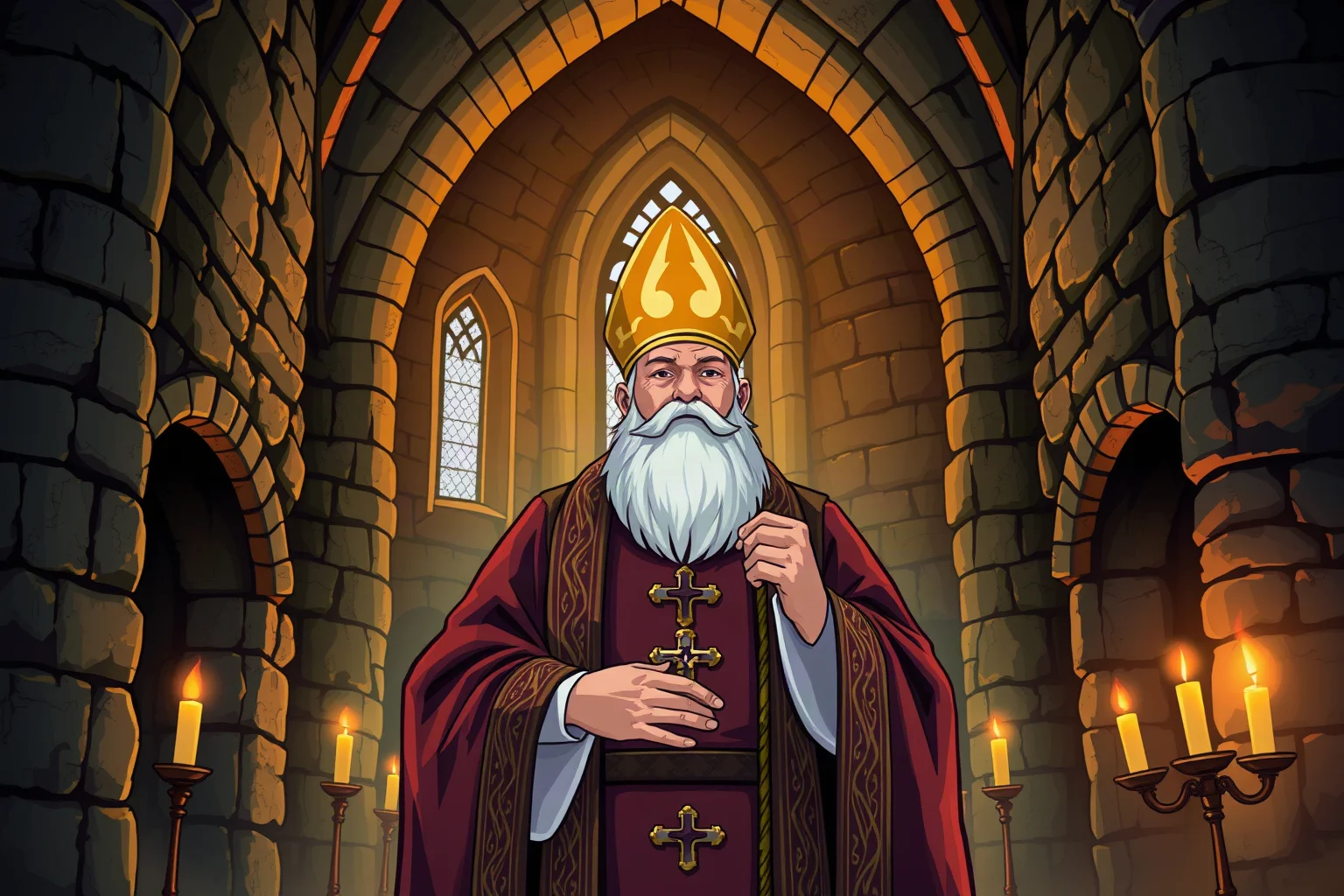
As Archbishop of Canterbury, Becket clashed repeatedly with his former friend King Henry II over whether church officials should be tried in royal or church courts. The conflict escalated until four of Henry’s knights murdered Becket inside Canterbury Cathedral in 1170.
His martyrdom turned Canterbury into one of medieval Europe’s most important pilgrimage sites — the very pilgrimage that frames Geoffrey Chaucer’s “Canterbury Tales.”
10. Thomas Aquinas (1225–1274)
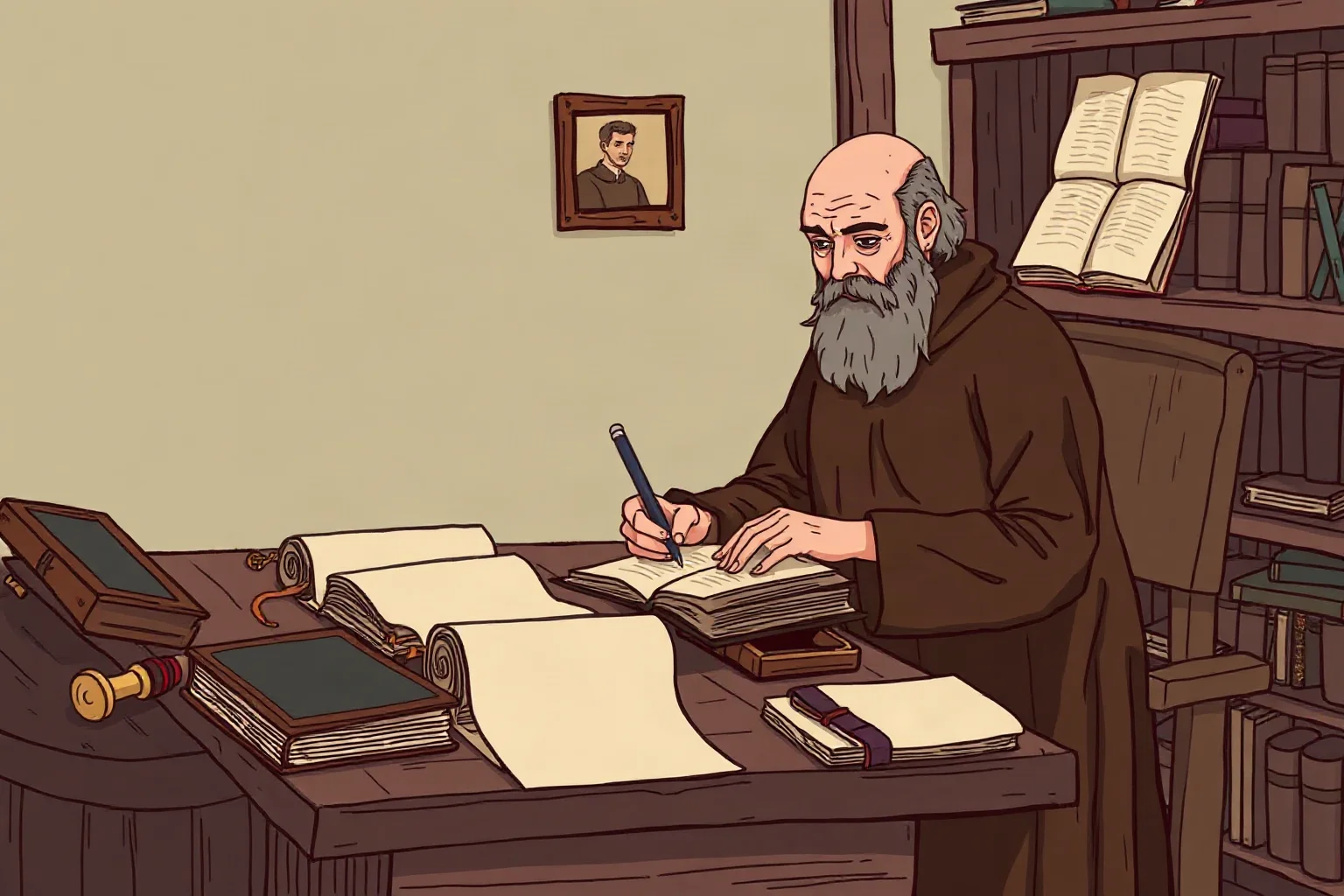
Thomas Aquinas was an Italian Dominican friar and one of the most influential medieval scholars, known for blending Aristotelian philosophy with Christian theology. His massive work, the “Summa Theologica,” attempted to reconcile faith and reason and remains a cornerstone of Catholic thought, earning him a lasting place among history’s most renowned philosophers.
Aquinas is a go-to answer whenever people ask about important people in medieval history who shaped Western intellectual life far beyond their own century.
11. Hildegard of Bingen (1098–1179)
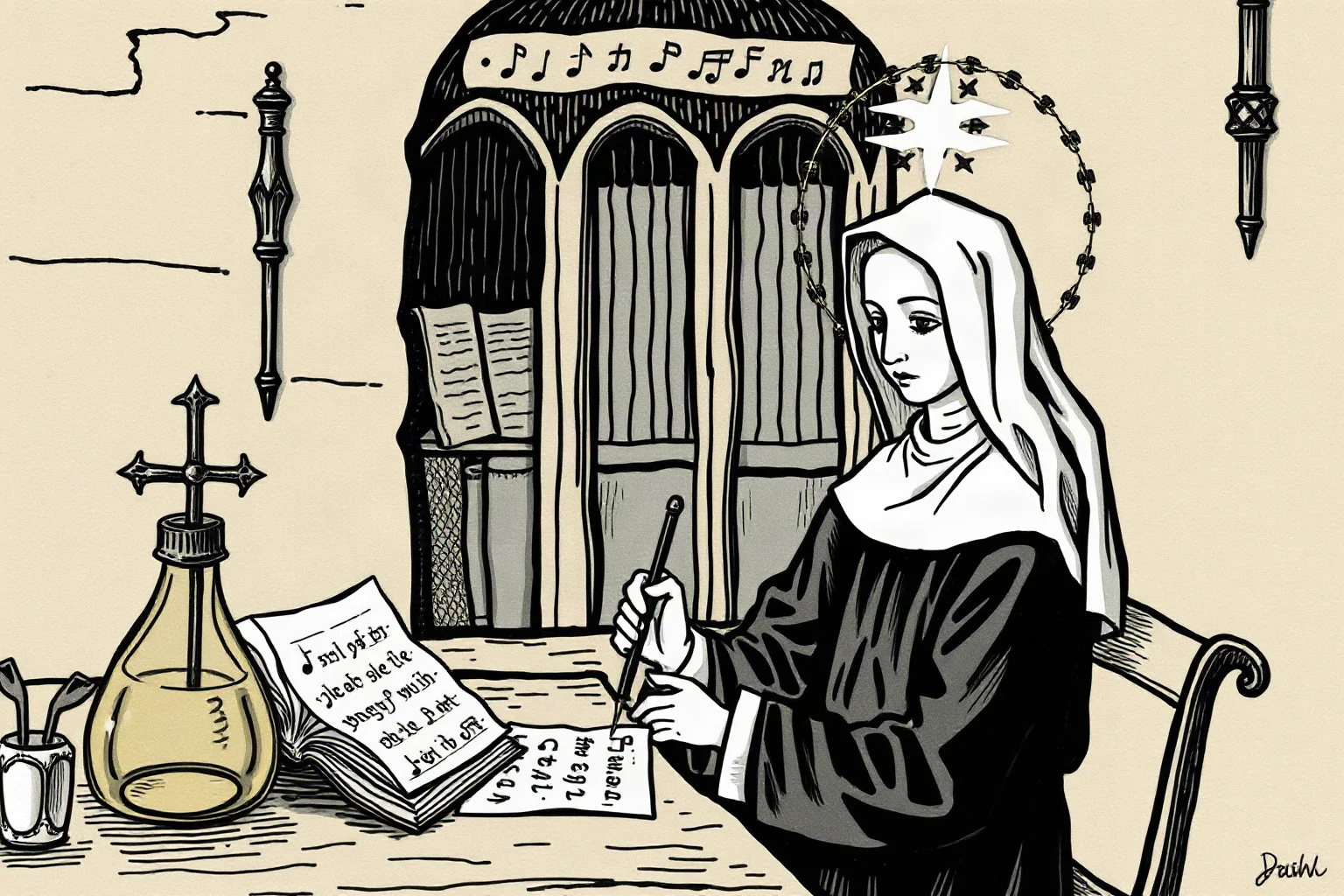
Hildegard was a German Benedictine abbess, composer, writer, and mystic whose surviving works cover theology, medicine, botany, and music. She’s remembered as one of the few medieval women whose original writings and compositions survive in such volume.
Her visionary theological texts and musical compositions are still studied and performed today, making her a standout among famous medieval people, especially women, whose voices are harder to find in the historical record.
12. Dante Alighieri (1265–1321)
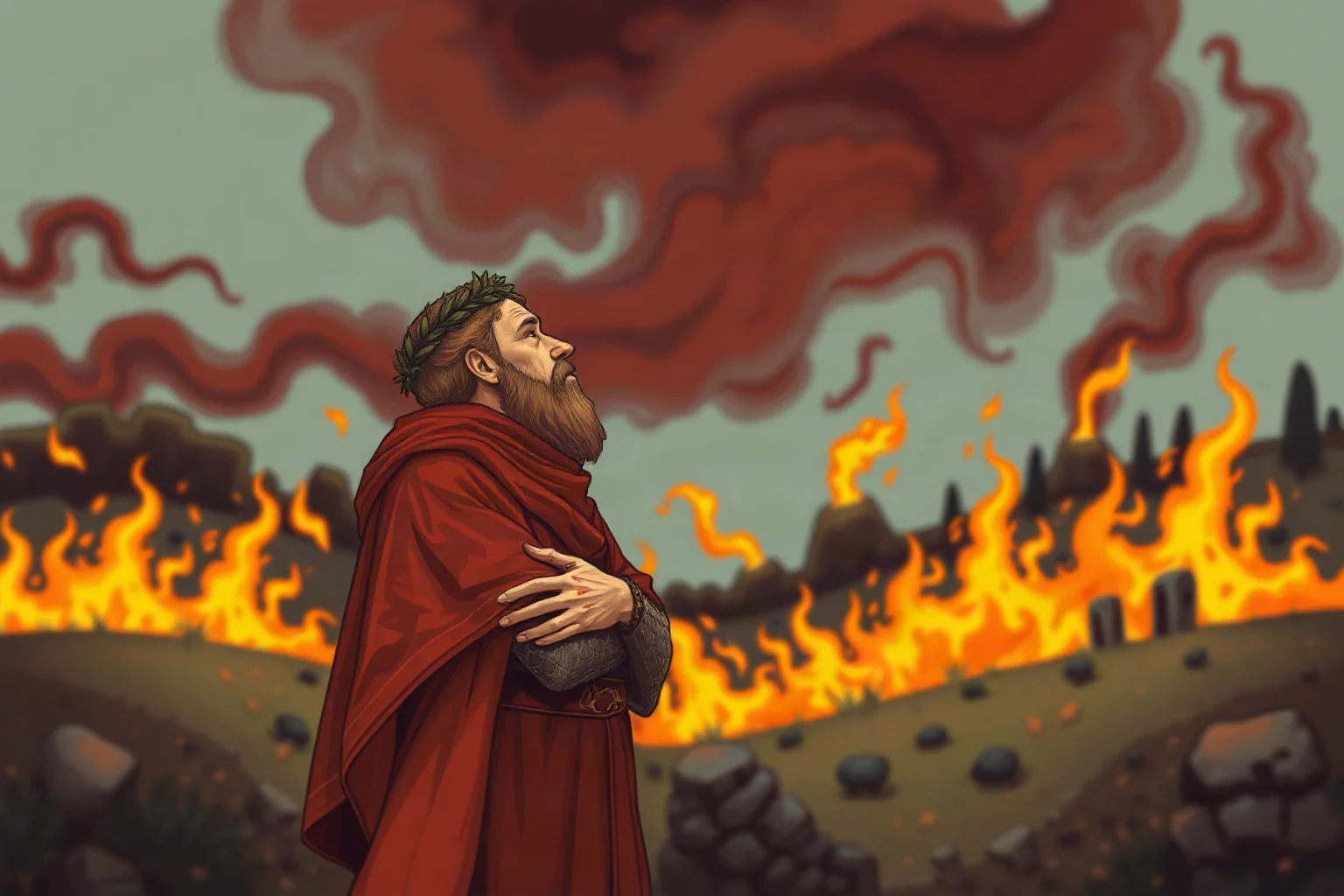
Dante was an Italian poet best known for “The Divine Comedy,” an epic journey through Hell, Purgatory, and Heaven that remains one of the most influential works in Western literature. He wrote in the Tuscan dialect rather than Latin, a choice that helped establish the foundation of modern Italian.
His political exile from Florence shaped much of his later writing, blending personal grievance with sweeping theological and philosophical ideas.
13. Geoffrey Chaucer (c. 1343–1400)
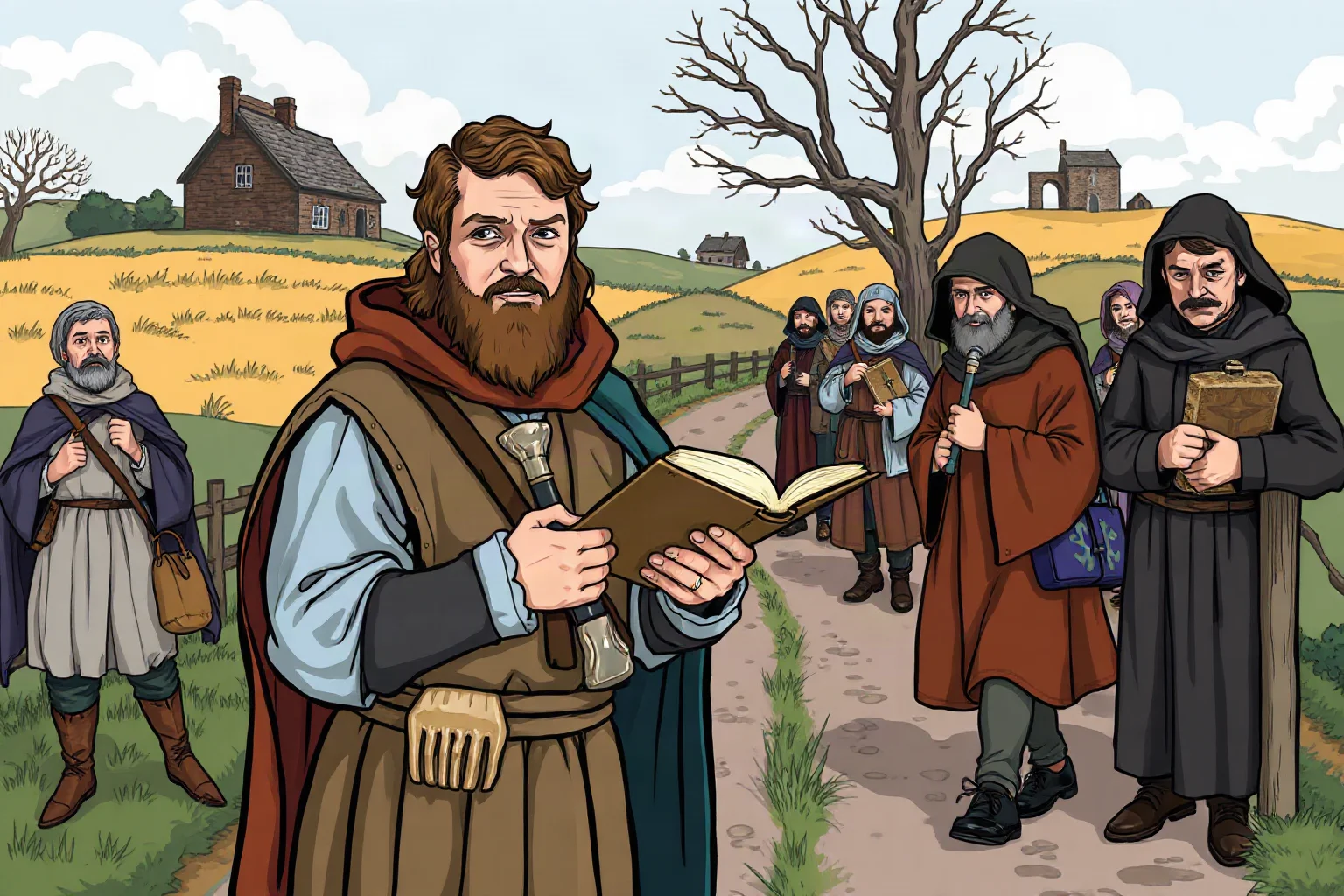
Chaucer is often called the father of English literature thanks to “The Canterbury Tales,” a collection of stories told by pilgrims traveling to Becket’s shrine. The work offers a vivid, often funny cross-section of medieval English society, from knights and nuns to millers and merchants.
Beyond writing, Chaucer worked as a civil servant and diplomat, giving him firsthand insight into the different classes of people in medieval times that populate his stories.
14. Marco Polo (1254–1324)
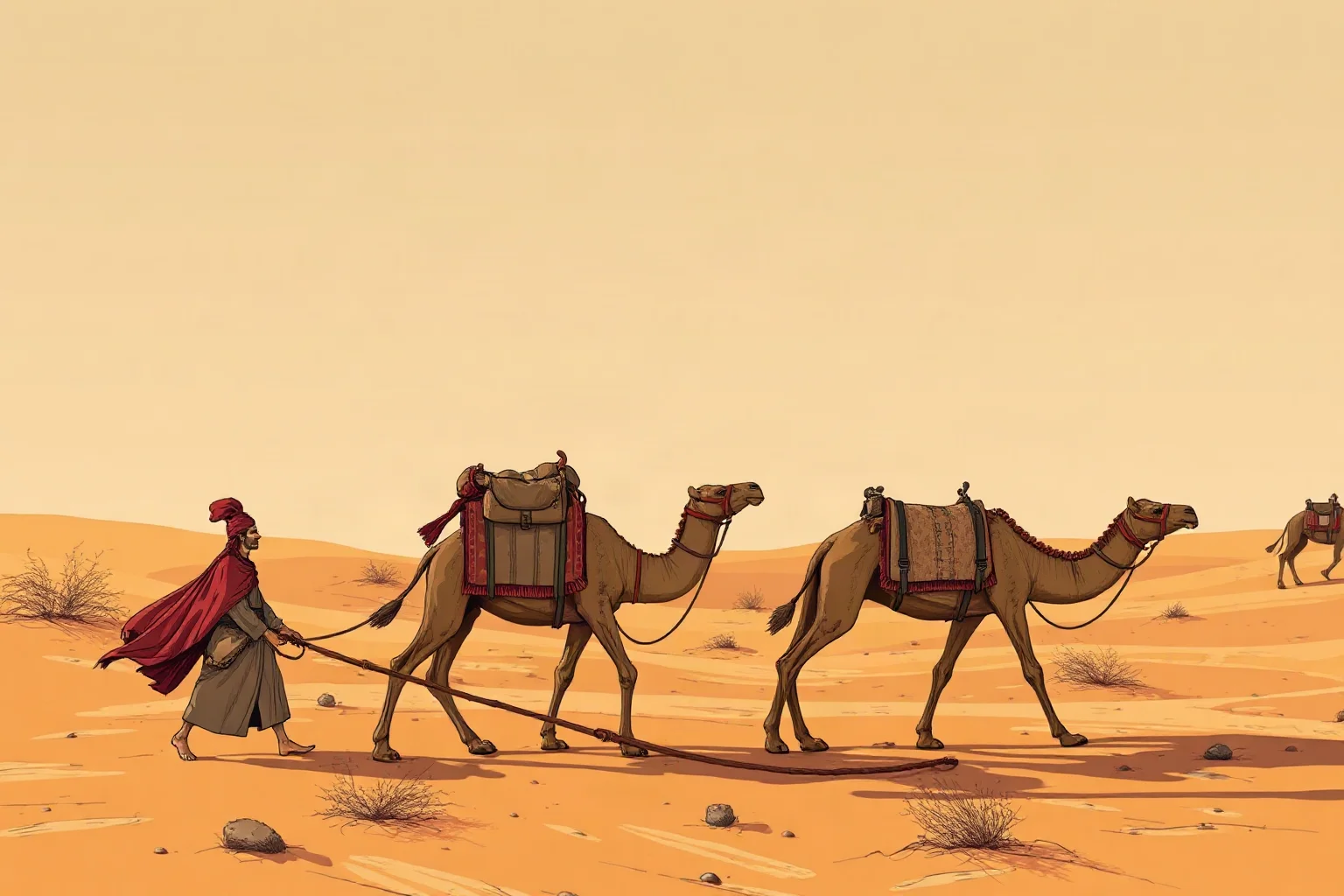
Marco Polo was a Venetian merchant who traveled the Silk Road to the court of Kublai Khan in Mongol-ruled China, spending years in Asia before returning to Europe. His account, “The Travels of Marco Polo,” introduced many Europeans to details of Asian geography, culture, and trade for the first time.
Historians still debate how much of his narrative was firsthand experience versus embellishment or secondhand reporting, but its influence on European exploration is undeniable.
15. Giotto di Bondone (c. 1267–1337)
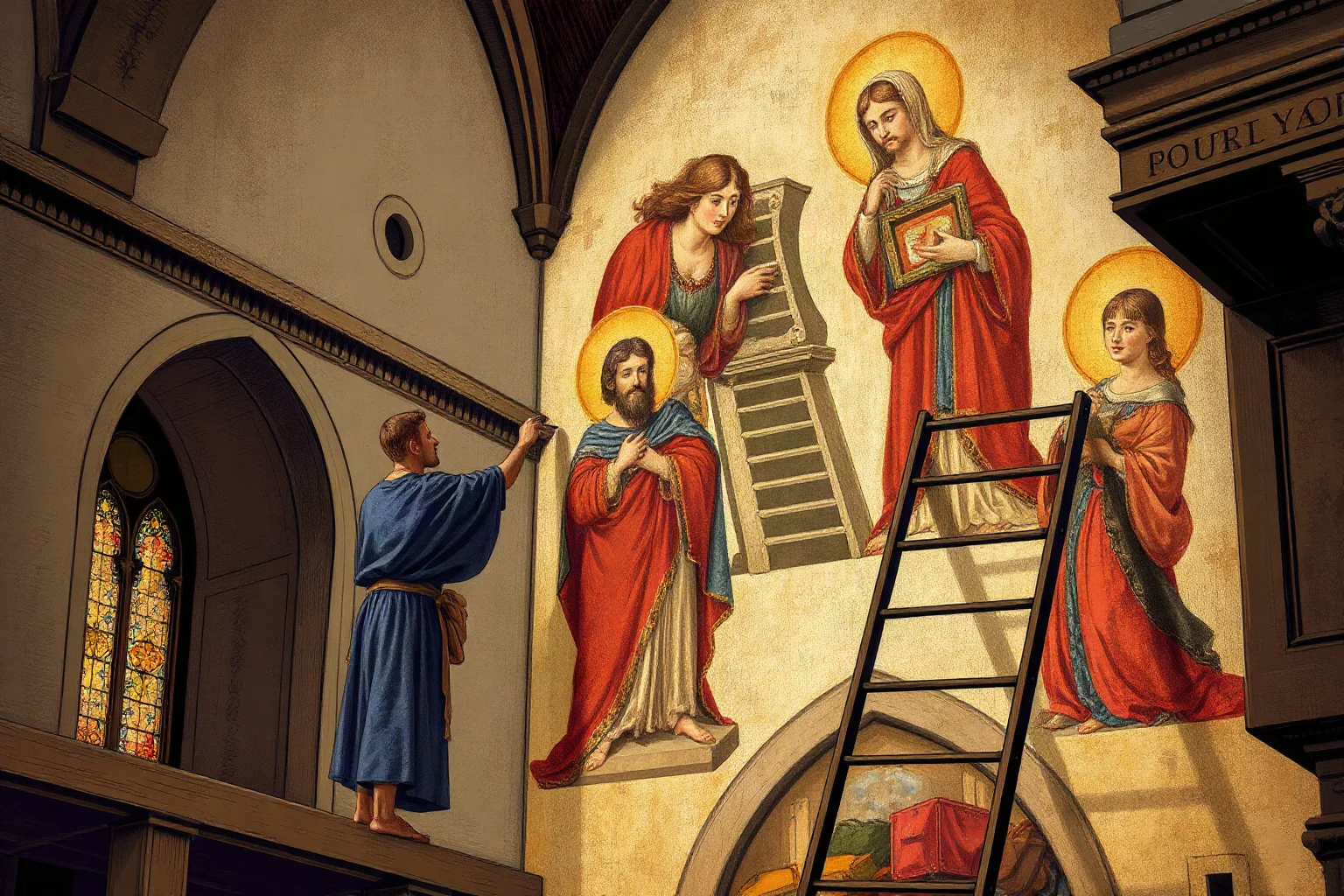
Giotto was a Florentine painter widely credited with breaking away from the flat, stylized art of the earlier medieval period toward a more naturalistic, three-dimensional style. His frescoes in the Scrovegni Chapel in Padua are considered a turning point in Western art history.
As one of the most famous medieval artists, Giotto is often described as a bridge figure between medieval and Renaissance painting.
16. Jan van Eyck (c. 1390–1441)
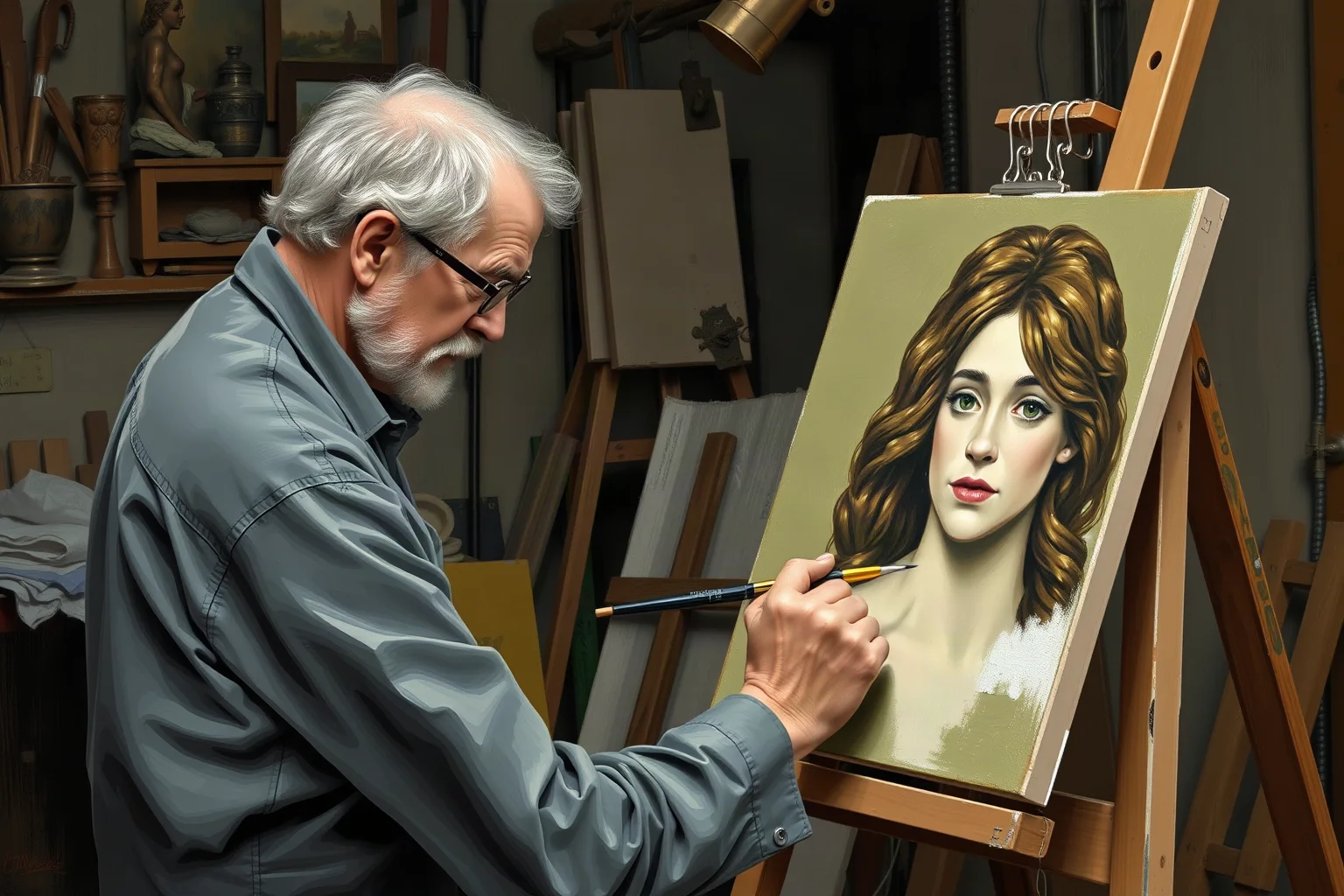
Jan van Eyck was an early Netherlandish painter renowned for his mastery of oil paint and astonishing attention to detail, visible in works like “The Arnolfini Portrait” and the Ghent Altarpiece. His technique allowed for richer color and finer detail than most of his predecessors ever achieved.
He remains a favorite answer to “who were the famous medieval artists” questions, since his work marks the technical high point of Northern European medieval painting.
17. Johannes Gutenberg (c. 1400–1468)
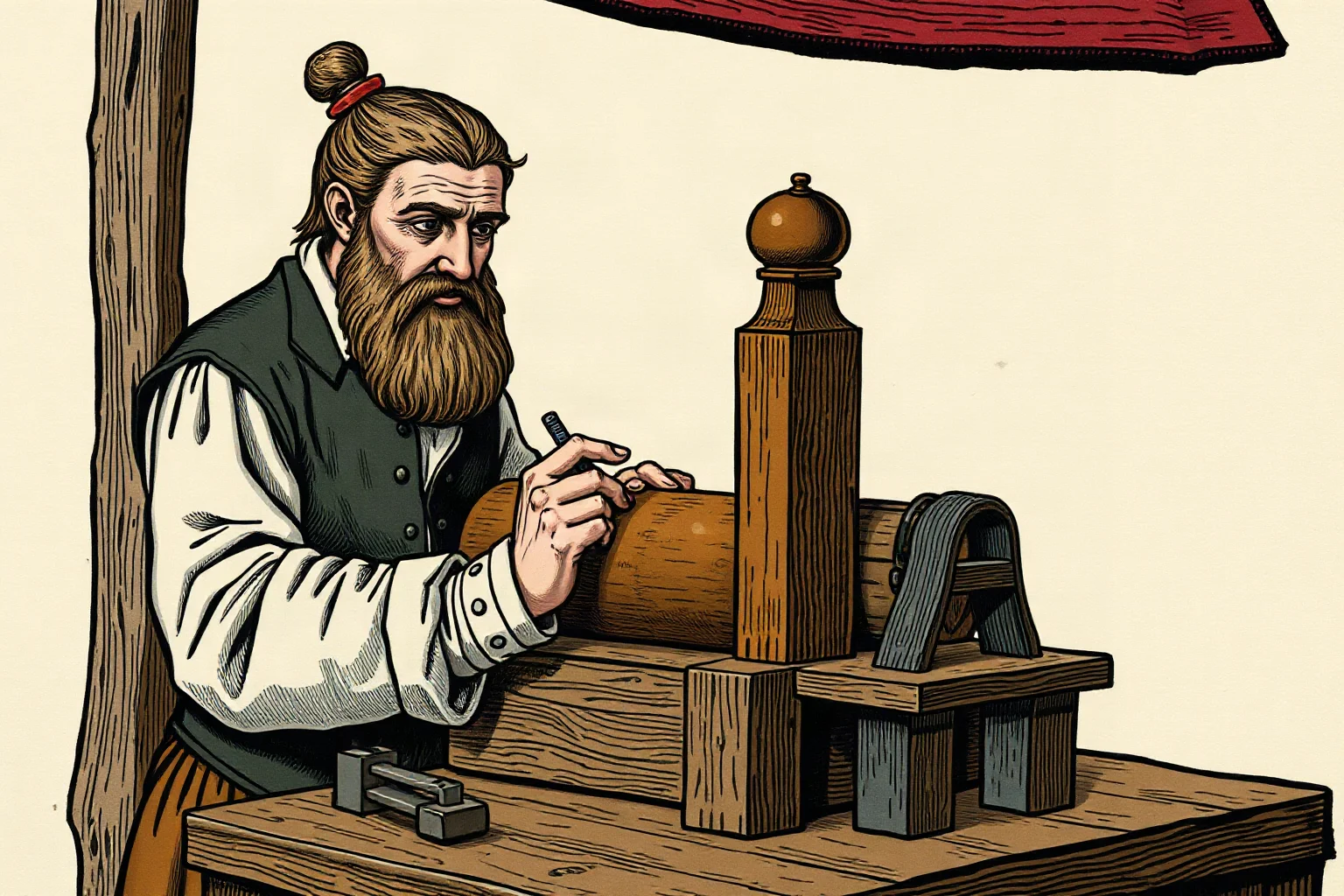
Gutenberg, a German goldsmith and inventor, developed the movable-type printing press in the 1440s, revolutionizing how information spread across Europe. His most famous project, the Gutenberg Bible, demonstrated the technology’s potential for mass-producing texts with remarkable consistency.
His invention helped set the stage for the Reformation and the Renaissance, effectively helping to close out the medieval period he was born into.
18. Vlad III “the Impaler” (1431–1476)
Vlad III, Voivode of Wallachia, earned a fearsome reputation for his brutal treatment of enemies, including the impalement executions that gave him his nickname. He ruled during a turbulent period of conflict with the Ottoman Empire and rival nobles in what is now Romania.
Centuries later, his name and reputation inspired Bram Stoker’s fictional Count Dracula, though it’s worth noting the historical Vlad and the vampire novel are very different things — a classic case of medieval history blurring into legend.
19. King Arthur (Legendary)
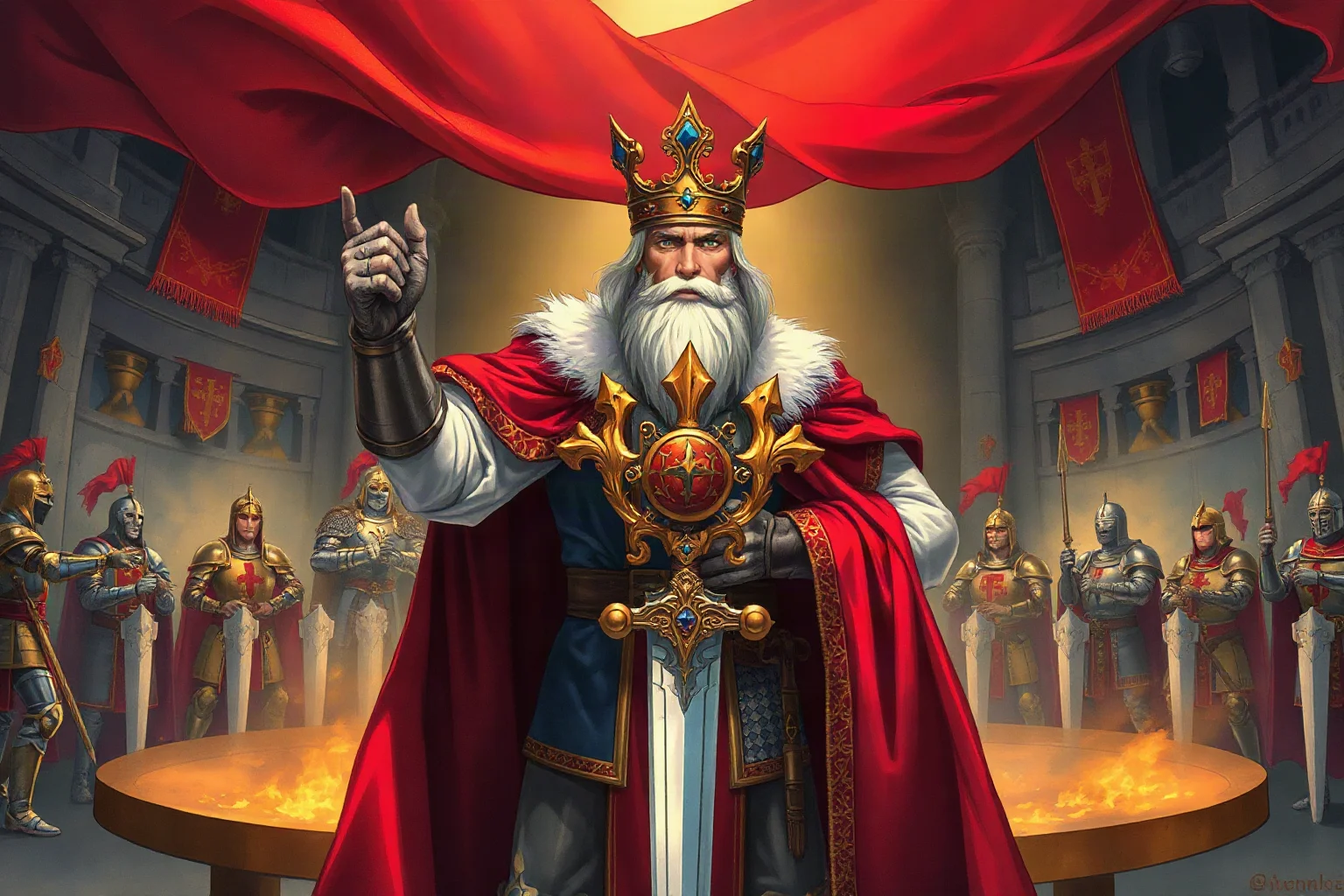
Stories of King Arthur, his sword Excalibur, and the Knights of the Round Table have captivated audiences since medieval writers like Geoffrey of Monmouth and later Sir Thomas Malory popularized the legend. Arthur is often imagined as the ultimate medieval hero, ruling a golden-age Camelot.
Here’s the myth-busting truth: there’s no solid archaeological or contemporary historical evidence that an Arthur ruled Britain as described in the tales. He may be loosely inspired by a real post-Roman British leader, but the Arthur we know today is largely a literary creation built up over centuries.
20. Robin Hood (Legendary)
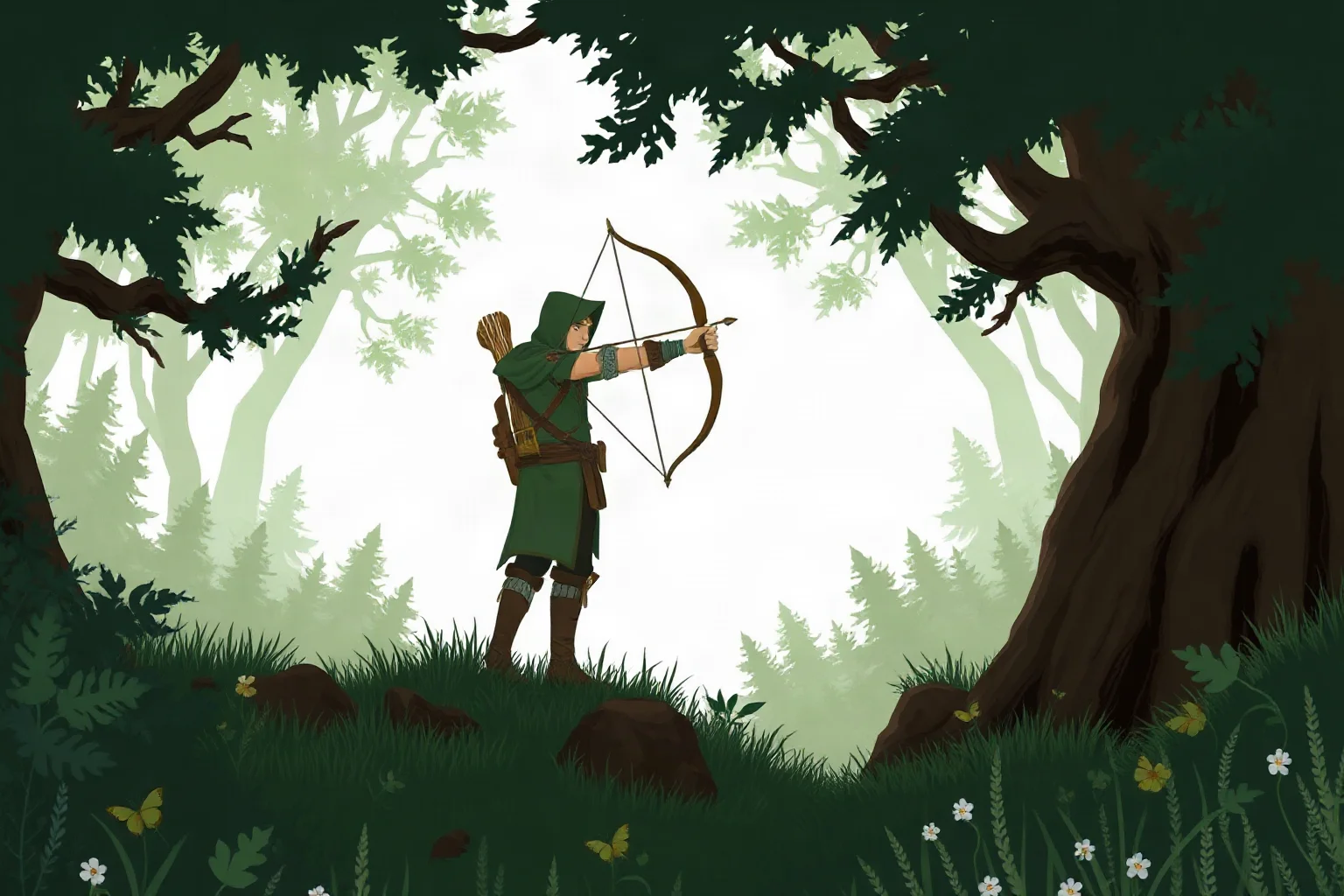
Robin Hood, the outlaw who robbed from the rich to give to the poor, first appears in English ballads from the 14th and 15th centuries, set in and around Sherwood Forest. He’s become one of the most enduring middle ages characters in popular culture, symbolizing resistance against corrupt authority.
Most historians believe Robin Hood is a composite folk figure rather than a single real person, pieced together from oral tradition rather than a documented biography. That doesn’t make the legend any less powerful — it just means the “real” Robin Hood was likely many storytellers’ invention combined.
21. Leonardo da Vinci (1452–1519)
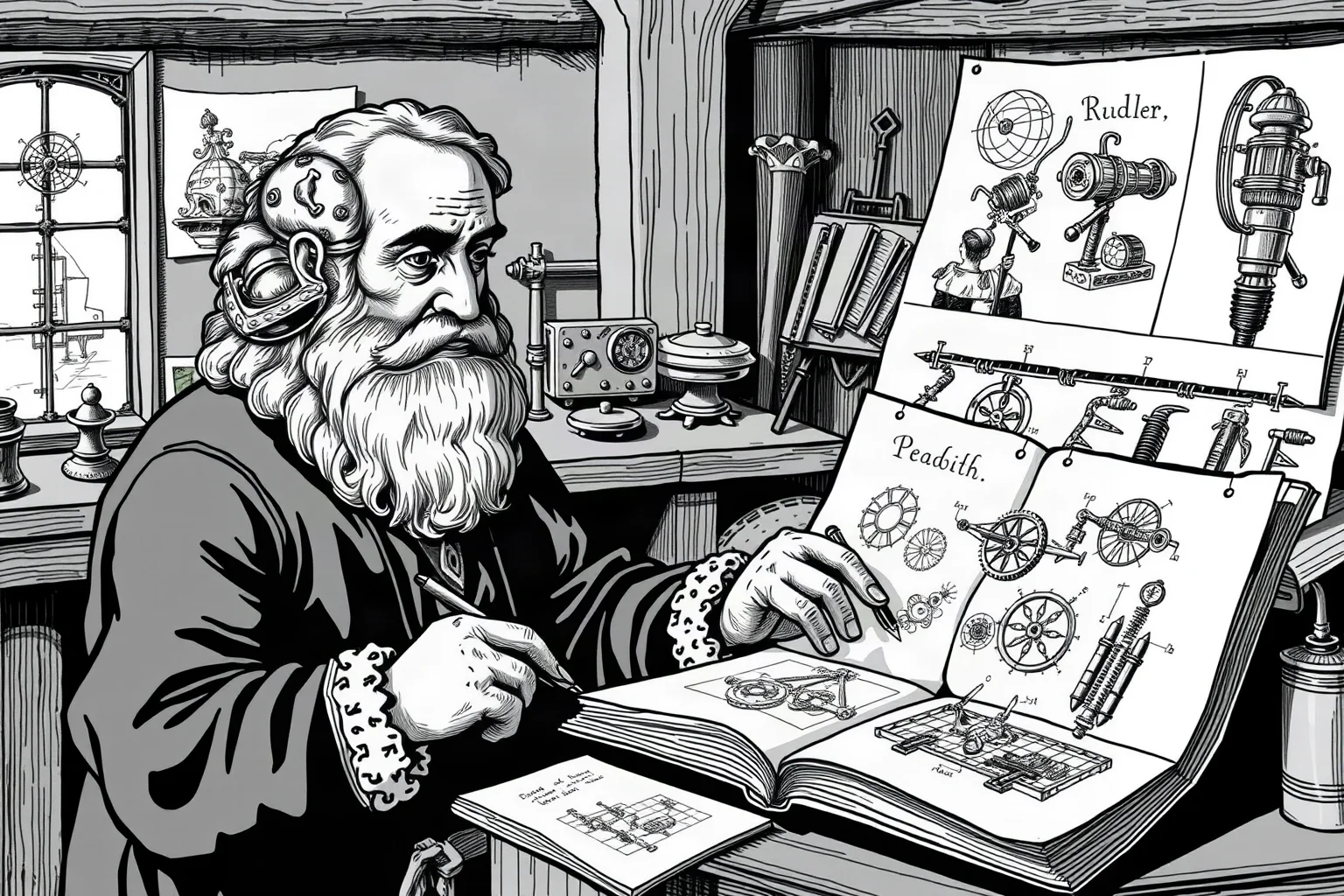
Leonardo da Vinci is usually remembered as a Renaissance figure, but he was born right at the tail end of the medieval period and embodies the transition between the two eras. As a painter, inventor, engineer, and anatomist, his work on pieces like the “Mona Lisa” and “The Last Supper” changed the trajectory of Western art, and his sheer range of talent is a big reason he’s still named among the smartest people in history.
His notebooks, filled with sketches of flying machines and human anatomy, show a mind actively pulling Europe out of medieval habits of thought and into a new age of observation and inquiry.
22. Christopher Columbus (1451–1506)
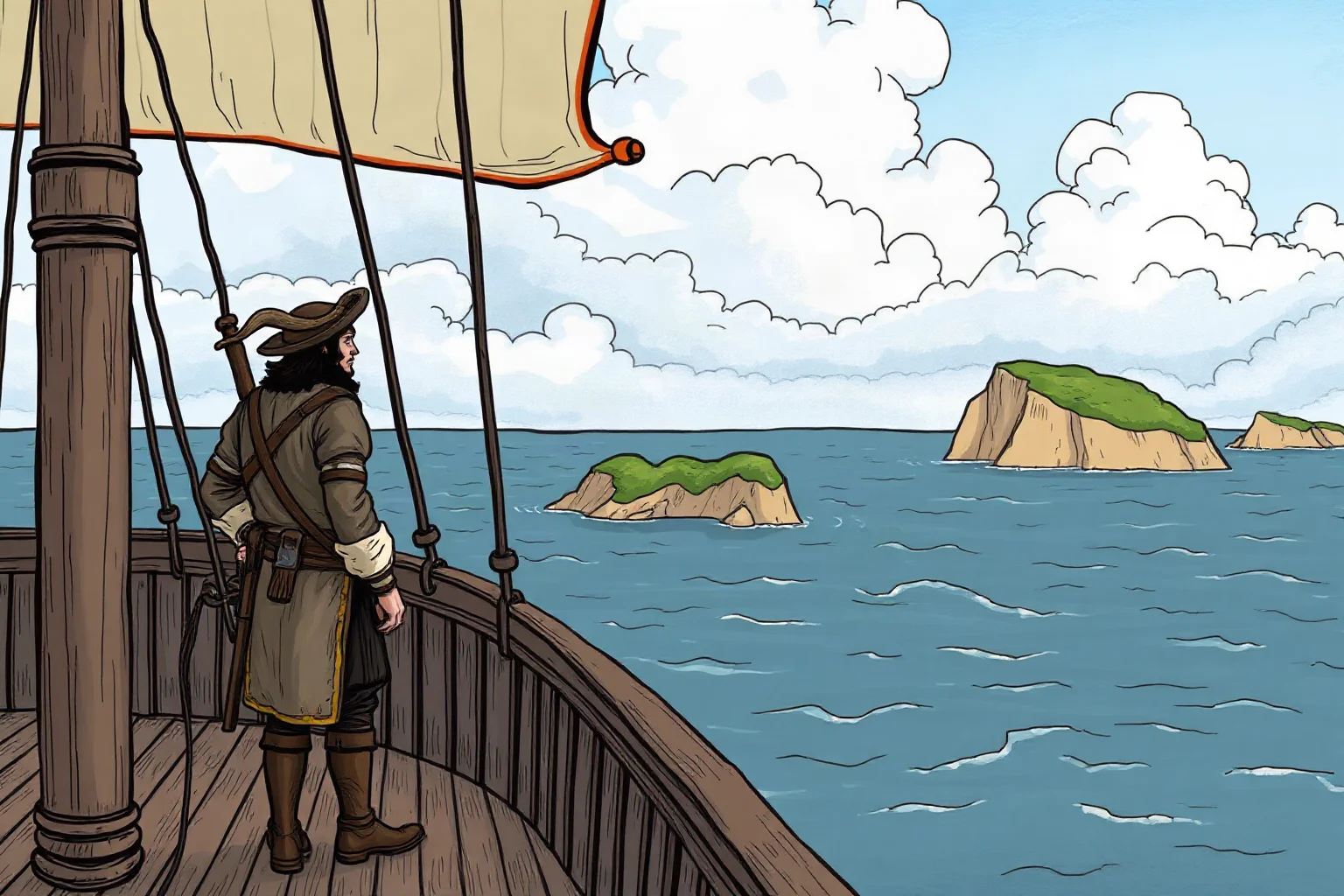
Columbus, a Genoese navigator sailing under the Spanish crown, led four voyages across the Atlantic beginning in 1492, initiating sustained contact between Europe and the Americas. His expeditions mark one of the traditional bookends historians use to signal the end of the medieval period.
Columbus’s legacy is genuinely complicated; his voyages reshaped global history, but they also triggered devastating consequences for Indigenous peoples in the Americas, a fact modern historians are careful not to gloss over.
23. Henry VIII (1491–1547)
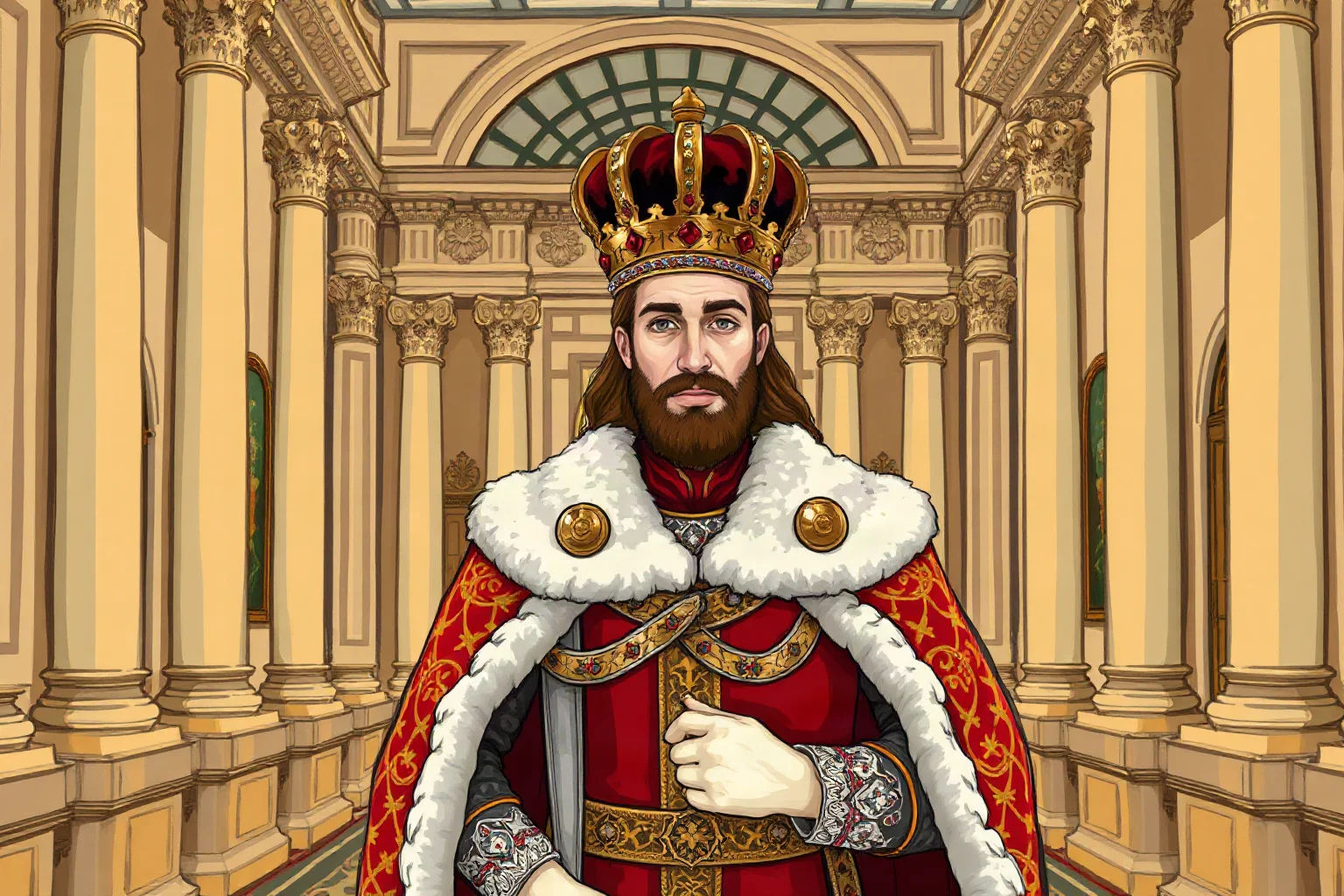
Henry VIII, King of England, is famous for his six marriages and his dramatic break from the Roman Catholic Church, which led to the creation of the Church of England. His reign in the early-to-mid 1500s reshaped English religion, politics, and monastic land ownership almost overnight.
As one of the most recognizable famous people in the 1500s, Henry’s decisions rippled through English society for generations, well past the end of his own life.
24. Martin Luther (1483–1546)
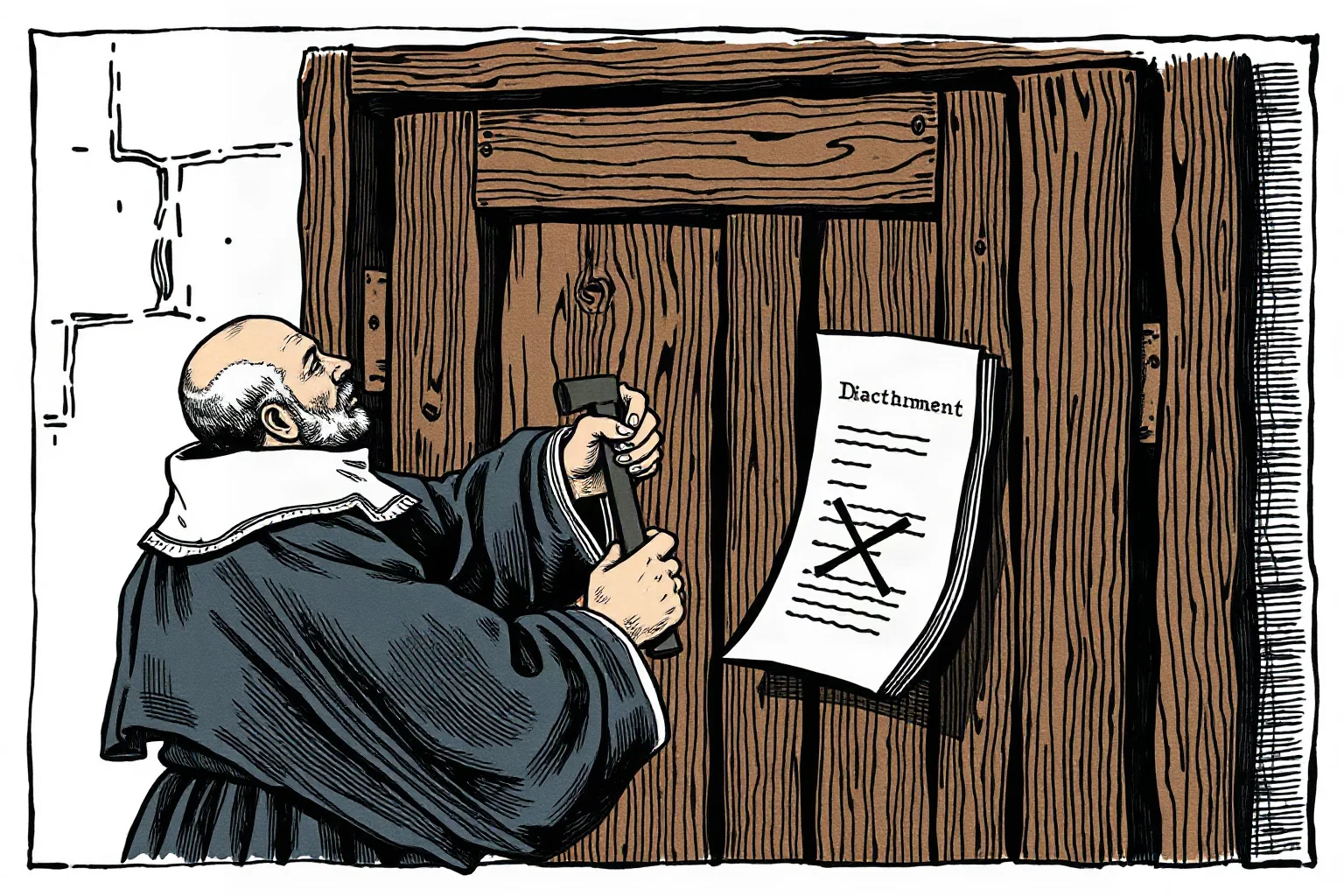
Martin Luther, a German monk and theologian, published his Ninety-Five Theses in 1517, criticizing church practices like the sale of indulgences and igniting the Protestant Reformation. His later translation of the Bible into German made scripture accessible to ordinary readers for the first time in their own language.
Luther’s challenge to papal authority permanently split Western Christianity and reshaped the religious map of Europe for centuries to come.
25. Elizabeth I (1533–1603)
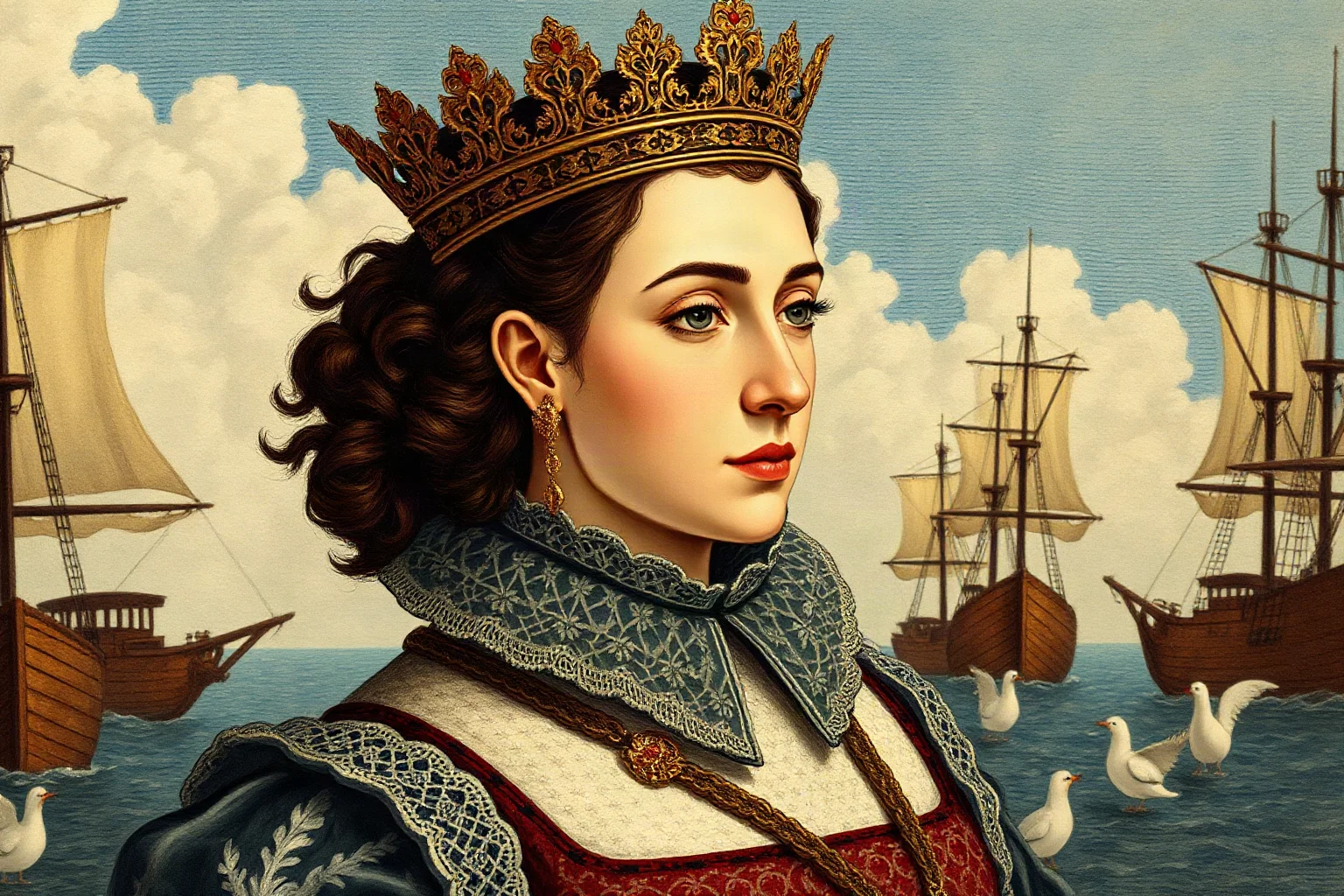
Elizabeth I, Queen of England, presided over a period often called the Elizabethan Age, marked by relative stability, naval expansion, and a flourishing of English literature and theater. Her reign saw the English defeat of the Spanish Armada in 1588, a defining moment in European naval history.
While she reigned slightly after the traditional medieval period ended, Elizabeth is frequently included among famous people from the 1500s who inherited — and reshaped — the political world medieval monarchs before her had built.
Common Myths About Medieval People, Busted
One of the most persistent myths is that everyone in medieval times died around age 30. In reality, average life expectancy figures were dragged down heavily by high infant and childhood mortality; someone who survived to adulthood had a reasonable chance of living into their 50s, 60s, or beyond.
Another myth is that the Middle Ages were uniformly “dark,” ignorant, and stagnant. As the figures above show, this was a period of genuine scientific inquiry, philosophical debate, architectural innovation, and artistic achievement — the term “Dark Ages” is largely considered outdated and misleading by modern historians.
Finally, plenty of people assume every medieval person was either a knight, a king, or a starving peasant with no agency. The truth is far more textured: merchants, artisans, scholars, performers, and clergy all carved out distinct roles, and social mobility, while limited, wasn’t impossible, especially in growing towns and cities.
Final Thoughts on the People Who Shaped the Middle Ages
The Middle Ages weren’t a single flat backdrop for knights and castles — they were a thousand years of real people making consequential choices, from Charlemagne’s empire-building to Joan of Arc’s battlefield leadership to Gutenberg’s printing press. Each figure on this list represents a different facet of medieval life: political power, religious devotion, artistic innovation, or simply enduring legend.
Understanding these famous medieval figures also helps make sense of the millions of ordinary people of medieval times whose names never survived in any record. Their labor, faith, and daily choices built the world these famous figures ruled over, painted, wrote about, and occasionally burned to the ground. Together, they remind us that history is never just about the people at the top — it’s about everyone who lived through it.
Frequently Asked Questions
Who were the people of medieval times?
The people of medieval times spanned a wide social hierarchy, including monarchs, nobles, clergy, merchants, artisans, and, most commonly, peasant farmers. The vast majority of the population worked the land as free peasants or serfs, while nobles and clergy held most of the wealth, land, and political power across medieval Europe.
Who is considered the most famous person from the Middle Ages?
There's no single definitive answer, but figures like Charlemagne, Joan of Arc, and William the Conqueror are among the most frequently cited famous medieval people due to their outsized impact on European political history.
What time period is considered the Middle Ages?
Historians generally date the Middle Ages from around 476 CE, when the Western Roman Empire fell, to roughly 1500 CE, when the Renaissance and early modern era began taking hold across Europe.
What did most ordinary people do during the Middle Ages?
Most people during the Middle Ages were peasant farmers who worked the land, either as free tenants or as serfs bound to a lord's estate. Only a small fraction of the population belonged to the noble or clergy classes.
What made someone a nobleman in medieval times?
A nobleman in medieval times typically held land granted by a monarch in exchange for loyalty and military service, a relationship known as vassalage. Nobles were responsible for governing their territory, administering justice, and providing knights or soldiers when called upon by their king.
Was King Arthur a real historical figure?
There's no solid archaeological or contemporary evidence confirming King Arthur existed as described in medieval legend. Some historians think he may loosely draw on a real post-Roman British military leader, but the Arthur of Camelot and the Round Table is largely a literary creation built up over centuries.
Who are some famous medieval artists worth knowing?
Giotto di Bondone and Jan van Eyck are two of the most influential famous medieval artists, known respectively for pioneering naturalistic fresco painting in Italy and mastering detailed oil painting techniques in Northern Europe.
Did medieval people really only live to around 30 years old?
That's a common misconception. Average life expectancy statistics were heavily skewed by high infant and child mortality rates; people who survived childhood in medieval times often lived well into their 50s or 60s.

Alex Warren
Related Articles