
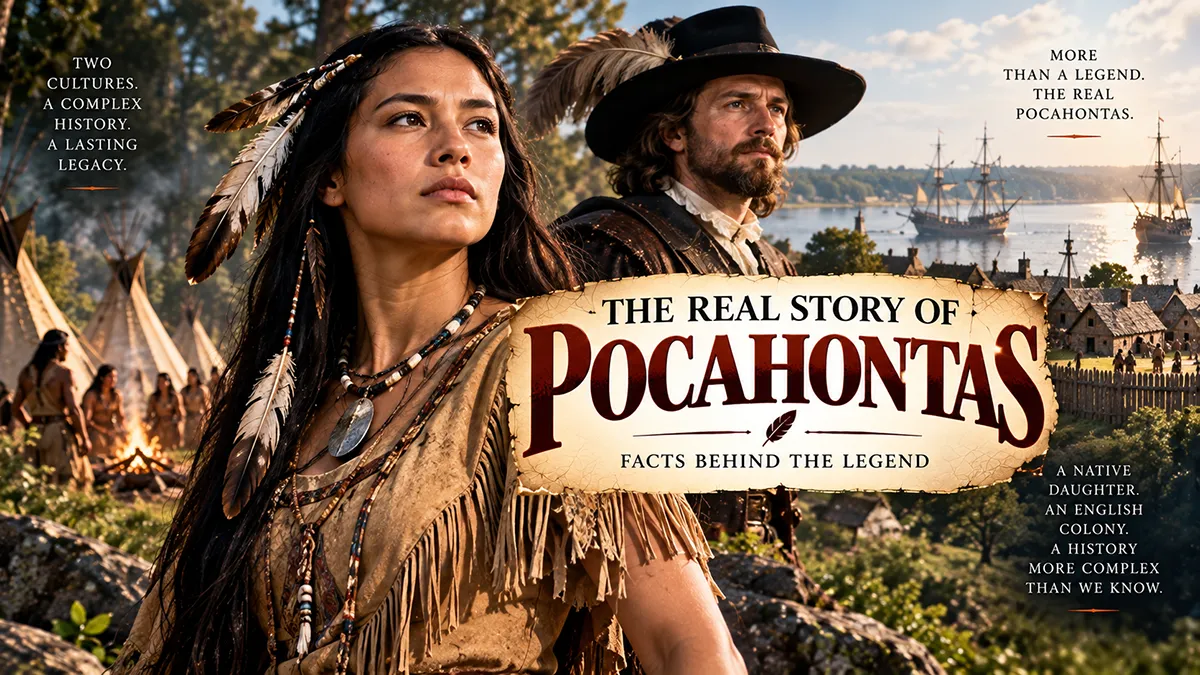
Most people meet Pocahontas as an animated heroine who falls in love with a dashing English explorer, talks to trees, and sings about the color of the wind. It’s a beautiful film, but it’s almost entirely fiction.
The real Pocahontas was a real Indigenous girl caught in one of the most consequential collisions in American history, and her actual life story is far stranger, sadder, and more remarkable than Hollywood ever let on.
So was Pocahontas real? Absolutely — she’s one of the best-documented Indigenous women of the early colonial era, appearing in English records, letters, and even a royal court diary.
But separating the historical Pocahontas from the legend takes some myth-busting. Below are 22 facts that lay out the true story, drawn from the actual historical record rather than the fairytale version most of us grew up with.
TL;DR: Pocahontas was a real Powhatan woman born around 1596 who was taken hostage as a teenager, married an English colonist, and died in England at about age 20 — a life shaped far more by survival and diplomacy than by any romance with John Smith.
Pocahontas Fact File: Quick Snapshot
Before diving into the full list, here’s the essential background information in one place. Her real name was Matoaka, and Pocahontas was actually a childhood nickname. She was born around 1596 near present-day Virginia and died in March 1617 in Gravesend, England, at roughly 20 or 21 years old.
Her father was Powhatan (Wahunsenacawh), paramount chief of the Powhatan Confederacy, and her one confirmed husband was English tobacco planter John Rolfe, not John Smith. She had one son, Thomas Rolfe, and only one image of her was ever made during her lifetime. Keep these basics in mind as you read on, because almost every one of them gets distorted in popular culture.
1. Her Real Name Wasn’t Pocahontas
The woman history remembers as Pocahontas was actually named Matoaka, and she may also have gone by Amonute. Pocahontas was a childhood nickname given by her community, generally translated as something like “playful one” or “mischievous one.”
Among the Powhatan, personal names carried spiritual significance and were often kept private from outsiders. English colonists likely only ever knew her by the nickname, which is why it’s the name that survived into history.
2. Yes, Pocahontas Was a Real Historical Person
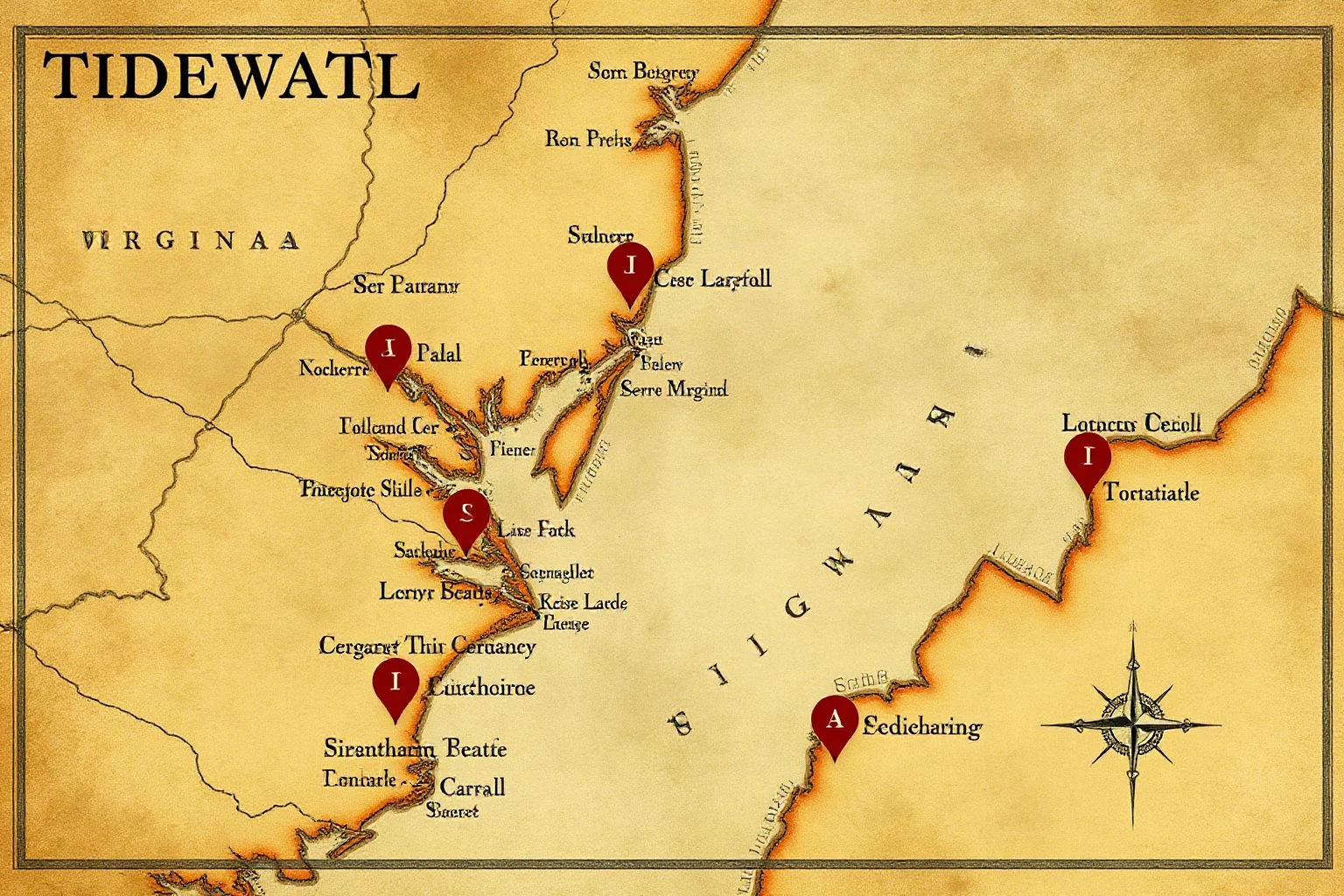
With so many cartoonish and romanticized versions floating around, it’s fair to ask: is Pocahontas a real person, or is she folklore? The answer is clear: she was a real historical figure, documented in English colonial records, personal letters, and even the accounts of a royal court.
She’s not a legend invented later like Paul Bunyan or Johnny Appleseed. Multiple contemporaries wrote about meeting her, and her marriage, travel, and death were all recorded at the time by named eyewitnesses.
3. She Was Born Around 1596, Though the Exact Date Is Unknown
No birth certificate or church record survives for Pocahontas, so historians estimate her birth year at around 1596 based on later accounts of her apparent age. This makes her roughly 10 to 12 years old when Jamestown colonists arrived in Virginia in 1607.
Because Powhatan communities didn’t keep written birth records in the English sense, this date is an educated estimate rather than a documented fact. Most reputable historical sources place her birth in the mid-1590s in the Tidewater region of Virginia.
4. Her Father Was a Powerful Paramount Chief
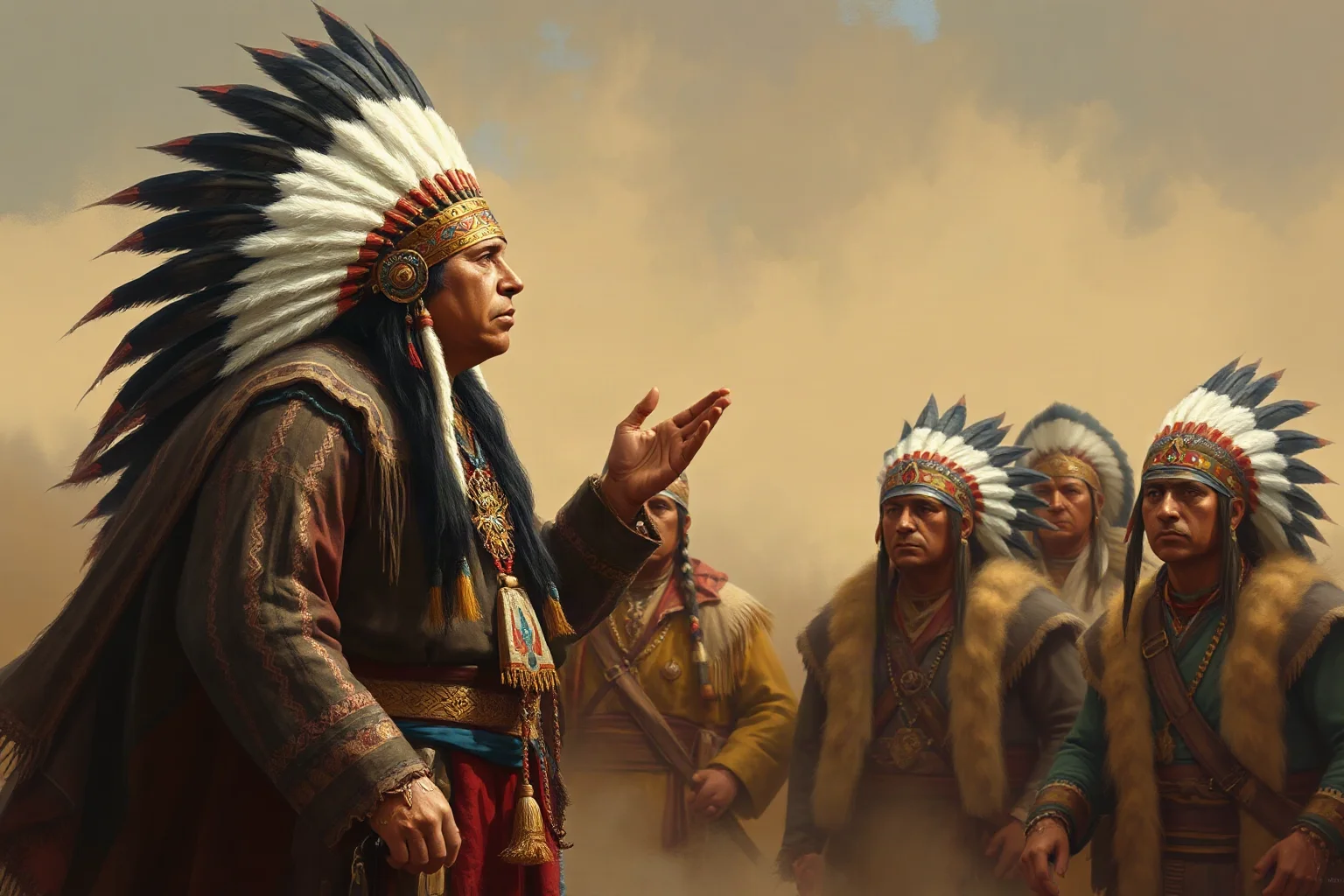
Pocahontas was the daughter of Powhatan, whose real name was Wahunsenacawh. He was the paramount chief of the Powhatan Confederacy, known to its own people as Tsenacomoco, which united around 30 Algonquian-speaking groups across Tidewater Virginia.
This was not a small band but a sophisticated political and military alliance with thousands of people. Pocahontas grew up as the daughter of one of the most powerful Indigenous leaders in the region, which shaped how the English colonists treated her.
5. Her Childhood Looked Nothing Like the Movie
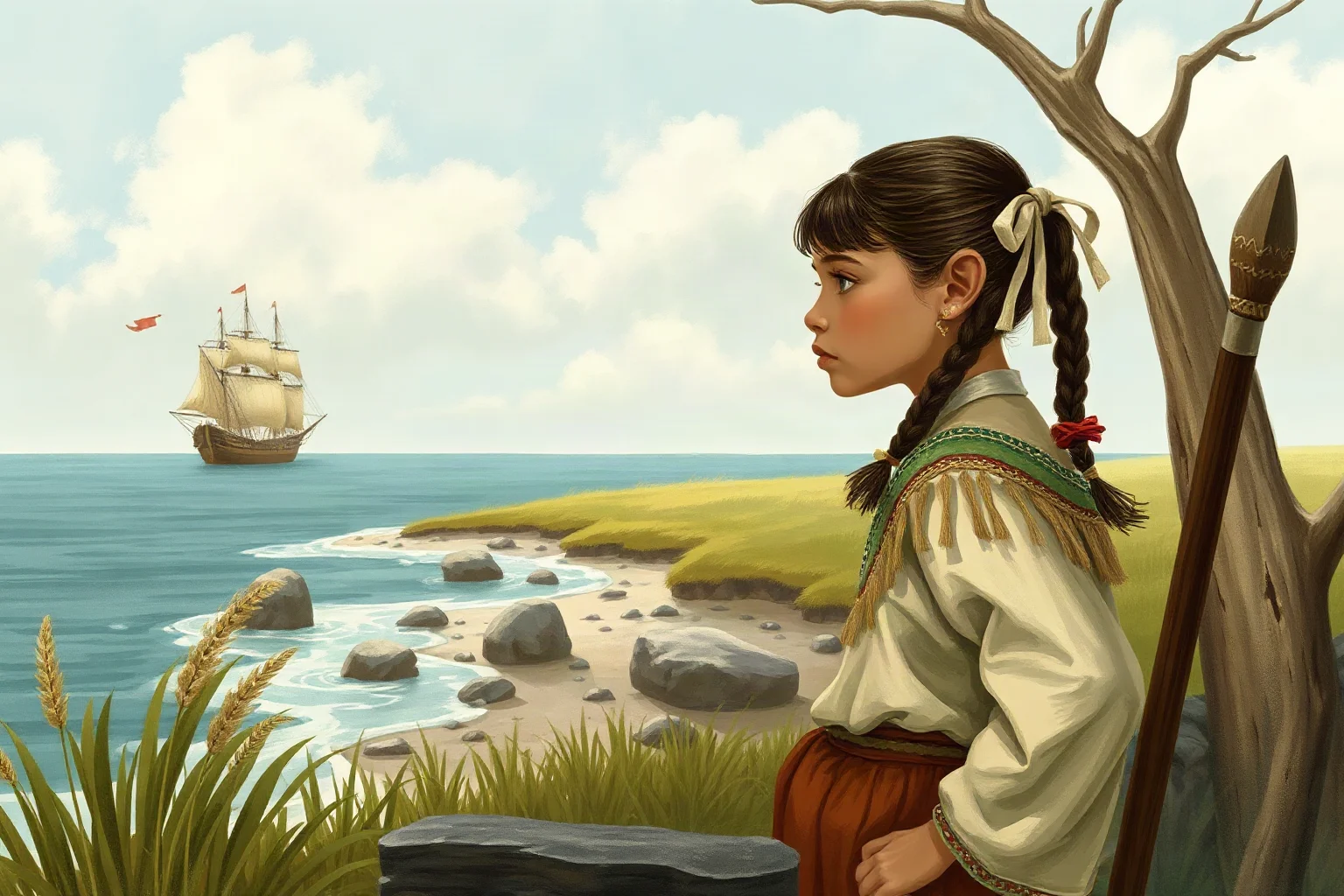
Pocahontas’s childhood was spent within a highly structured Powhatan society built around farming, fishing, hunting, and seasonal movement between villages. Girls in her position would have learned to process food, make textiles, and understand the diplomatic customs that governed relationships between Powhatan towns and outsiders.
There’s no historical evidence of talking animals or mystical spirit guides, of course. What the record does show is a girl embedded in a complex political world from a very young age, since her father’s status made her a person of interest to English colonists almost immediately.
6. She Met John Smith in 1607 — But She Was Just a Child
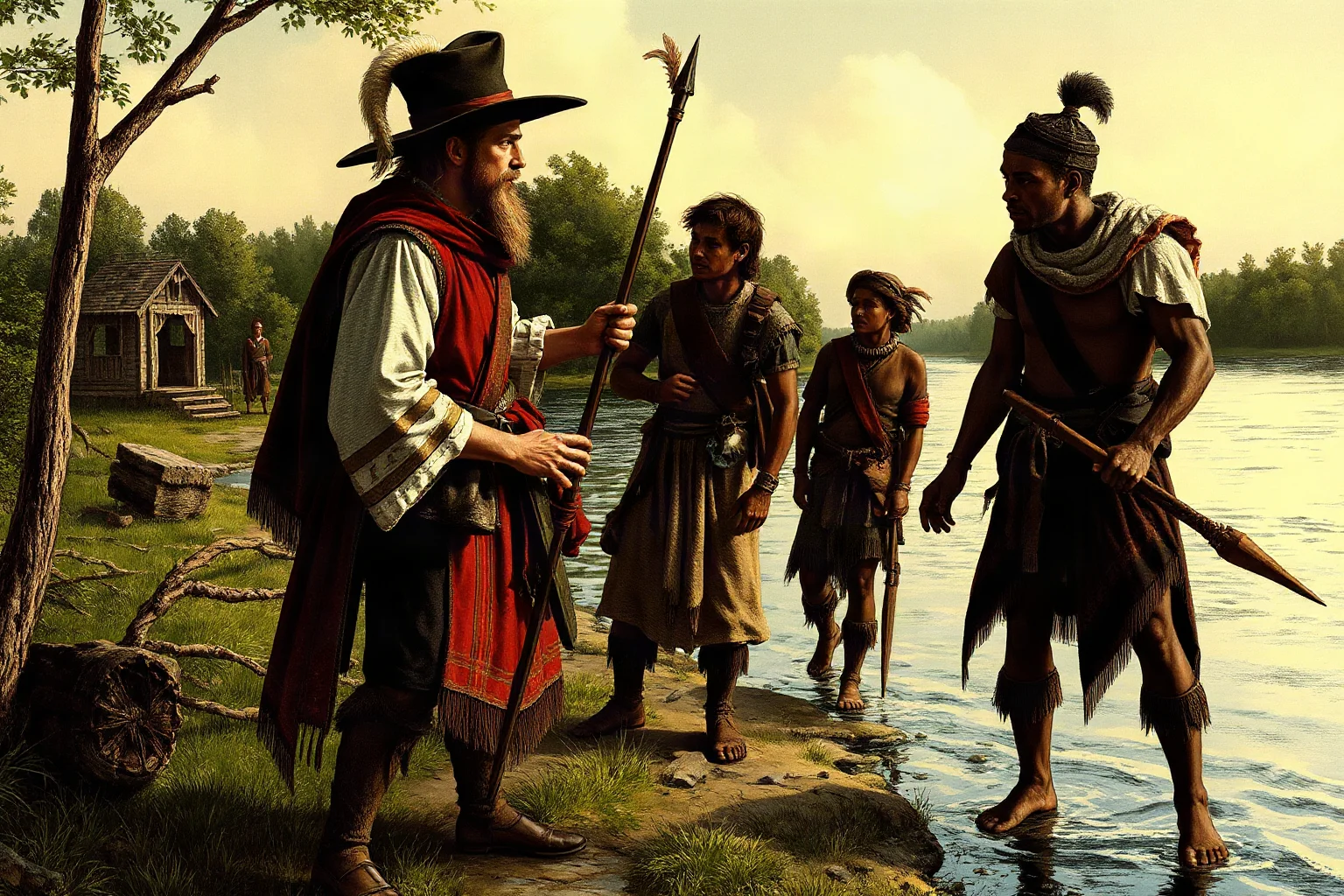
One of the most persistent myths is that Pocahontas and John Smith pochahontas story was a romance between two young adults. In reality, when Smith arrived at Jamestown in 1607, Pocahontas was about 10 or 11 years old, and Smith was around 27.
Any relationship between them, based on the actual historical record, was that of a curious child interacting with foreign visitors to her father’s territory. There is no credible historical evidence of a romantic relationship, and most historians treat the idea as a later invention.
7. The Famous “Rescue” Story Comes From Only One Source
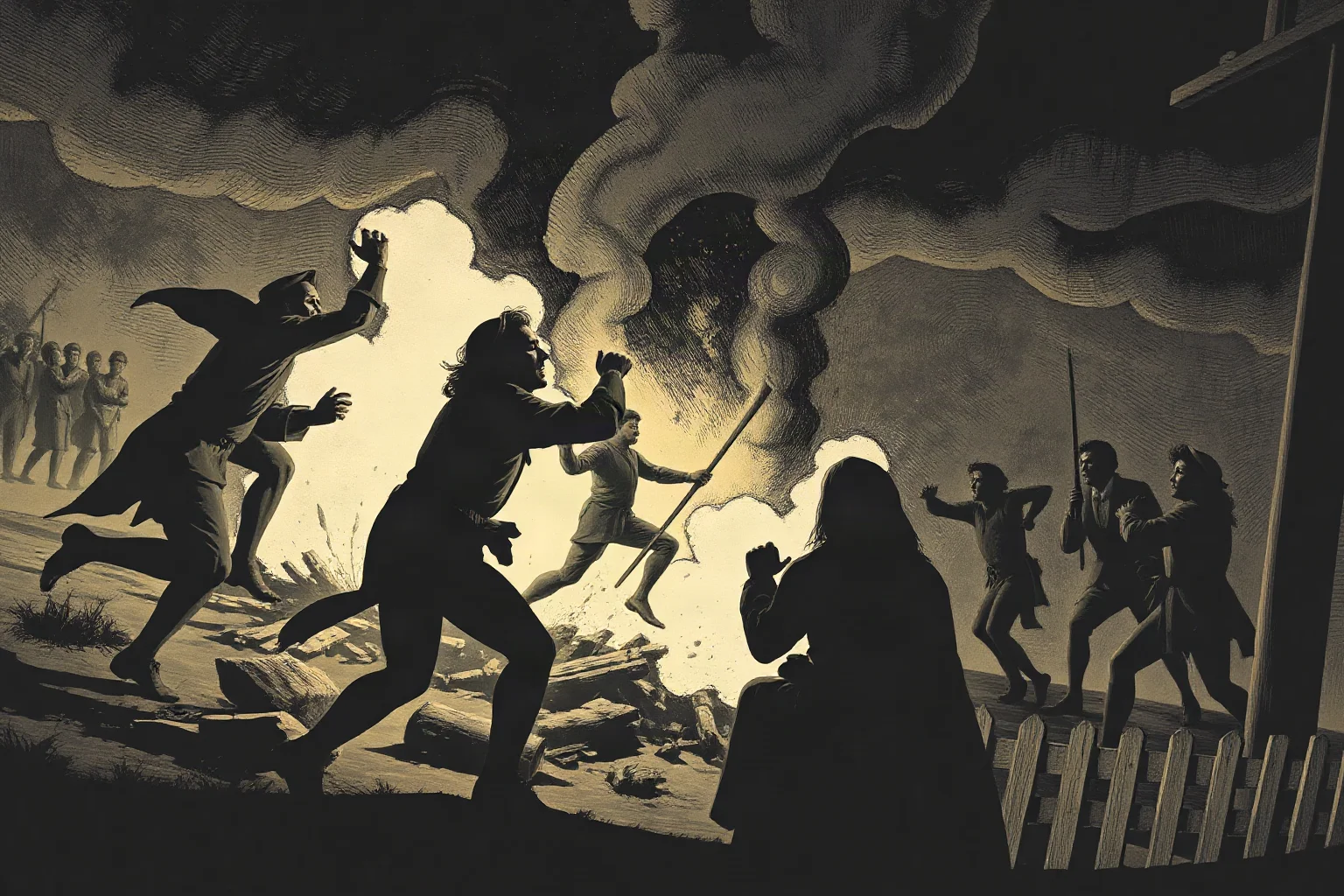
The dramatic tale of Pocahontas throwing herself between John Smith and an executioner’s club comes entirely from Smith’s own writing. Notably, Smith didn’t mention this rescue in his earlier, more detailed 1608 account of his capture.
The story only appeared in his 1624 book, published years after the events and after Pocahontas herself had died. Many historians view it with real skepticism, suggesting Smith may have exaggerated or dramatized events, possibly borrowing narrative conventions common in captivity tales of the era.
8. There’s No Real Evidence Pocahontas and John Smith Were Ever a Couple
Given how central this romance is to popular culture, it’s worth stating plainly: the historical evidence for a Pocahontas and John Smith romance simply doesn’t exist. Smith left Virginia in 1609, and by his own account, their interactions were limited and businesslike, centered on trade and negotiation between colonists and Powhatan leaders.
When the two later crossed paths again in England in 1616, Smith described a formal, somewhat awkward encounter, not a rekindled love affair. The romantic pairing is a 20th-century storytelling invention, not historical fact.
9. She Was Taken Hostage by the English in 1613
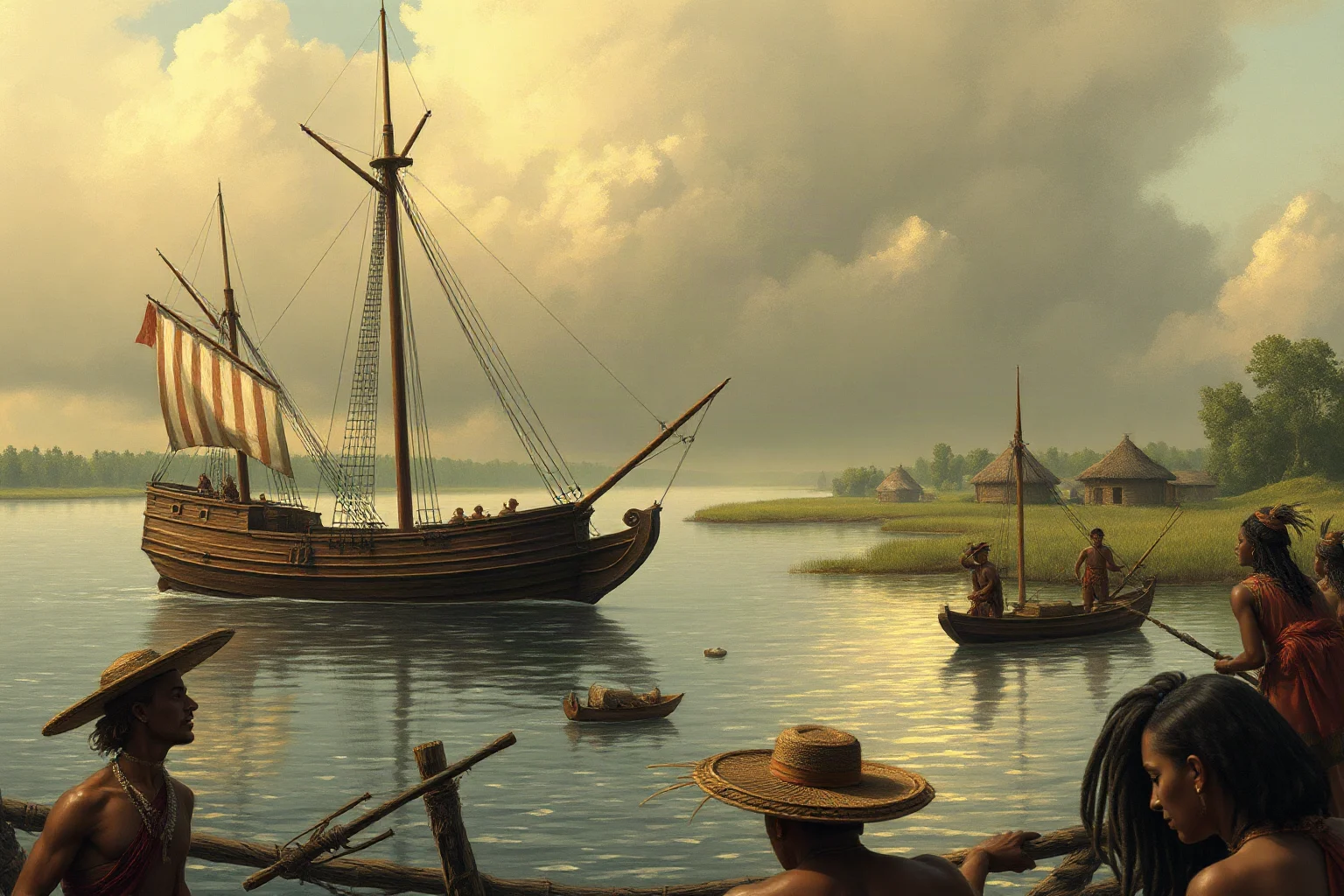
In 1613, English captain Samuel Argall captured Pocahontas near the Potomac River during escalating conflict now known as the First Anglo-Powhatan War. She was held as a hostage at Jamestown and later at Henricus, used as leverage to pressure her father into returning English prisoners, weapons, and stolen tools.
This is one of the most important and most often overlooked facts about Pocahontas: her defining adult relationship with the English began not with romance, but with captivity. It was a calculated act of war, not friendship.
10. During Captivity, She Was Taught English Customs and Christian Doctrine
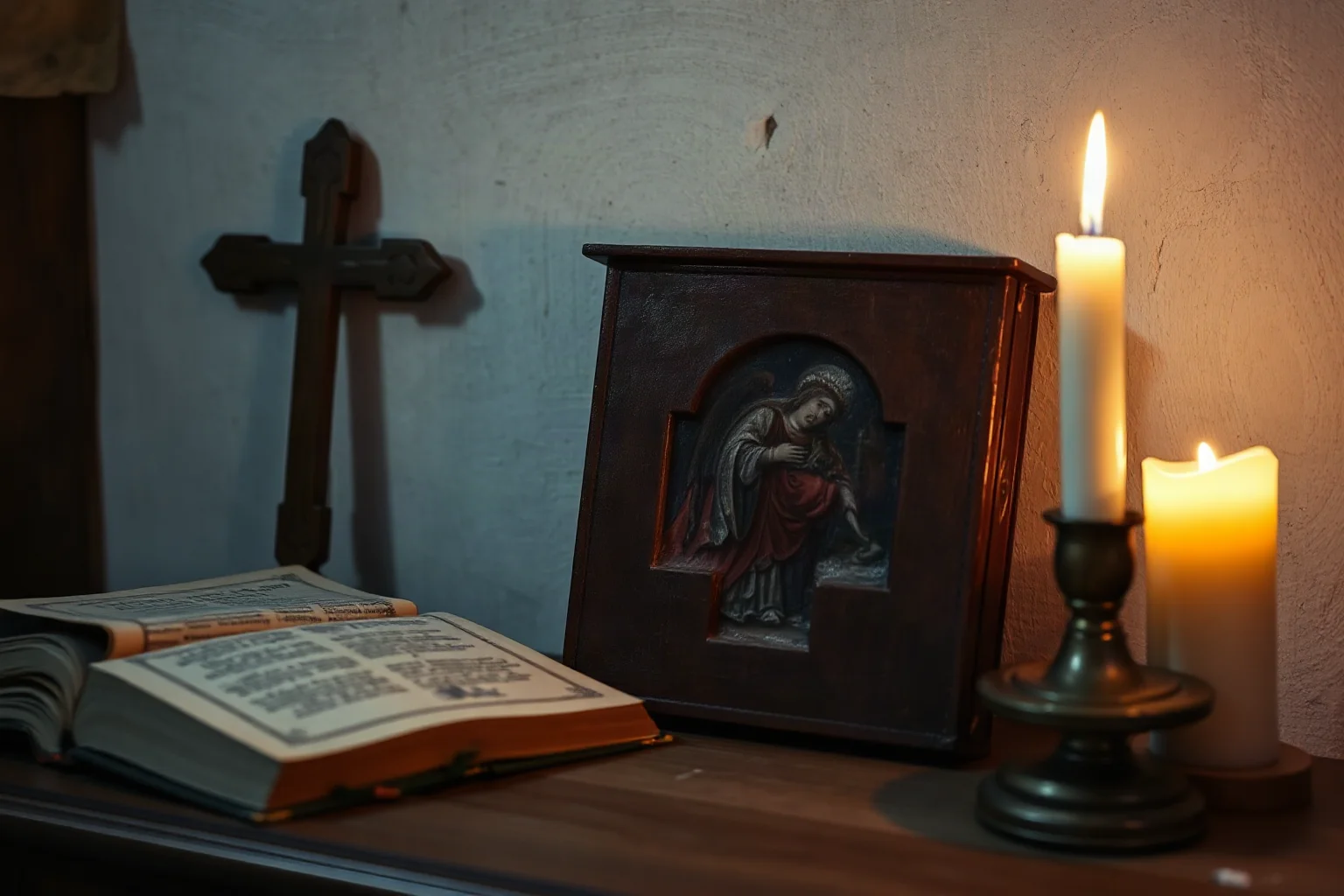
While held by the colonists, Pocahontas received religious instruction from Reverend Alexander Whitaker, who taught her Christian doctrine and English language and customs. This period functioned as an informal education, reshaping her outward identity to fit English expectations of a “civilized” convert.
She was baptized into the Anglican faith and given the Christian name Rebecca. This transformation was heavily publicized back in England as proof that colonization could “civilize” Native peoples, a narrative the Virginia Company was eager to promote.
11. She Converted to Christianity and Took the Name Rebecca
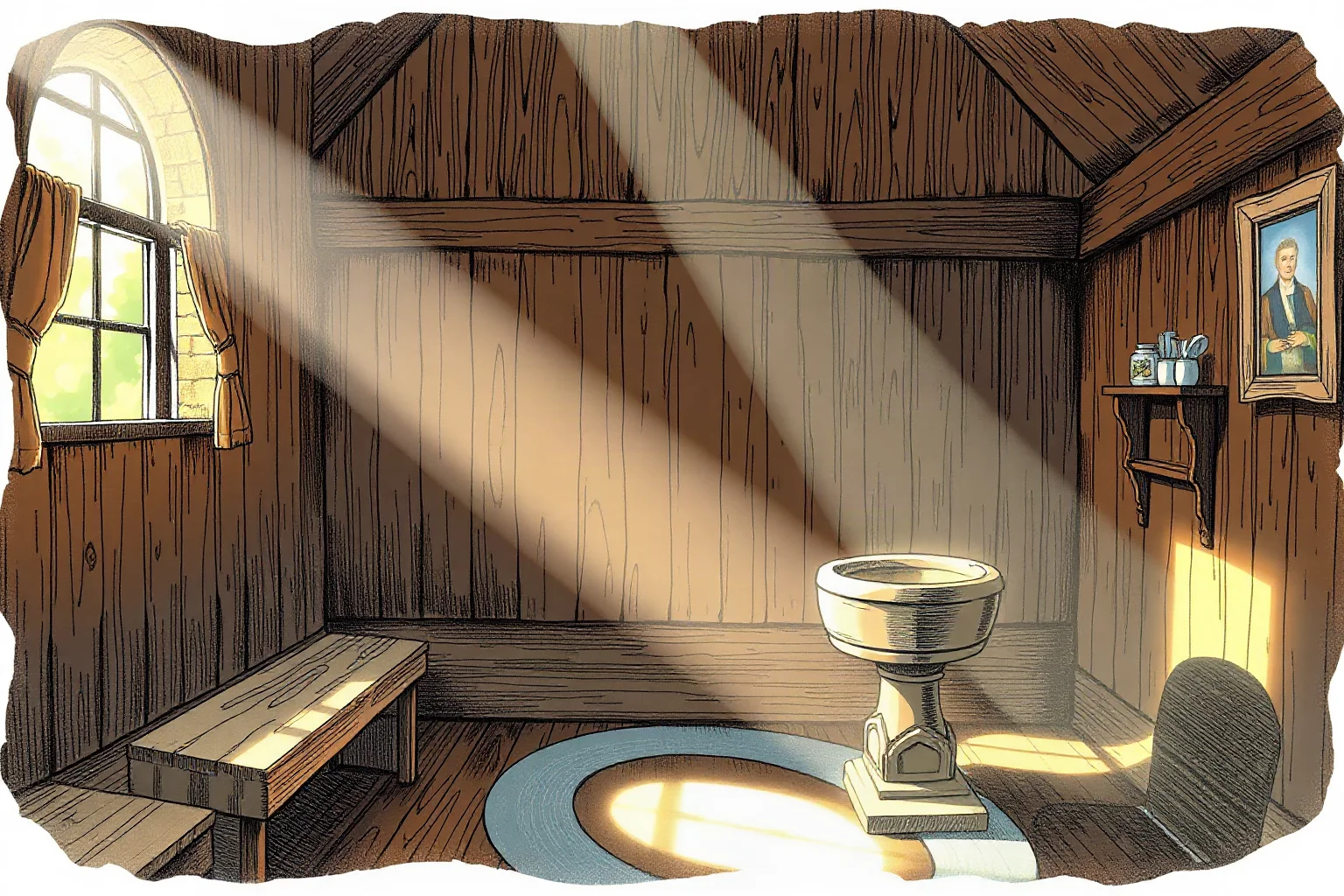
After months of instruction, Pocahontas was baptized and took the name Rebecca, a name chosen for its biblical associations. From this point forward, English records typically referred to her as Rebecca Rolfe rather than Pocahontas.
Whether her conversion reflected genuine faith, practical survival strategy, or some mixture of both is something historians still debate. What’s certain is that it was used extensively as propaganda to justify the colonial project to audiences back in England.
12. She Married John Rolfe, Not John Smith
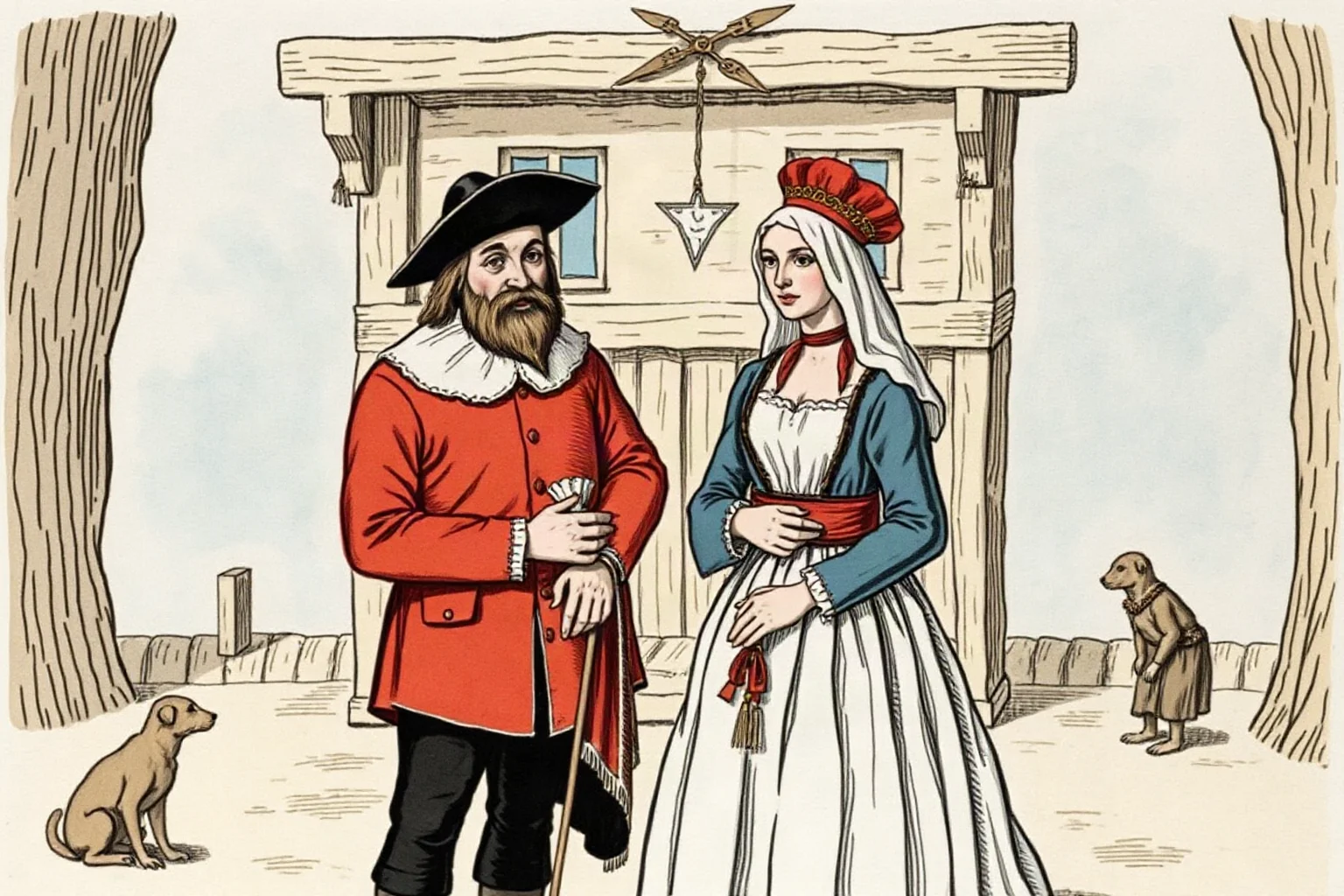
In April 1614, Pocahontas married John Rolfe, an English tobacco planter, not John Smith as the Disney film implies. This marriage is one of the most solidly documented events in her life, recorded by colonial authorities and referenced in multiple contemporary letters.
Rolfe himself wrote to the Virginia governor explaining his reasons for the marriage, citing both personal affection and the potential benefit to the colony. It remains the only confirmed marriage most historians accept without dispute.
13. She May Have Had an Earlier Husband Named Kocoum
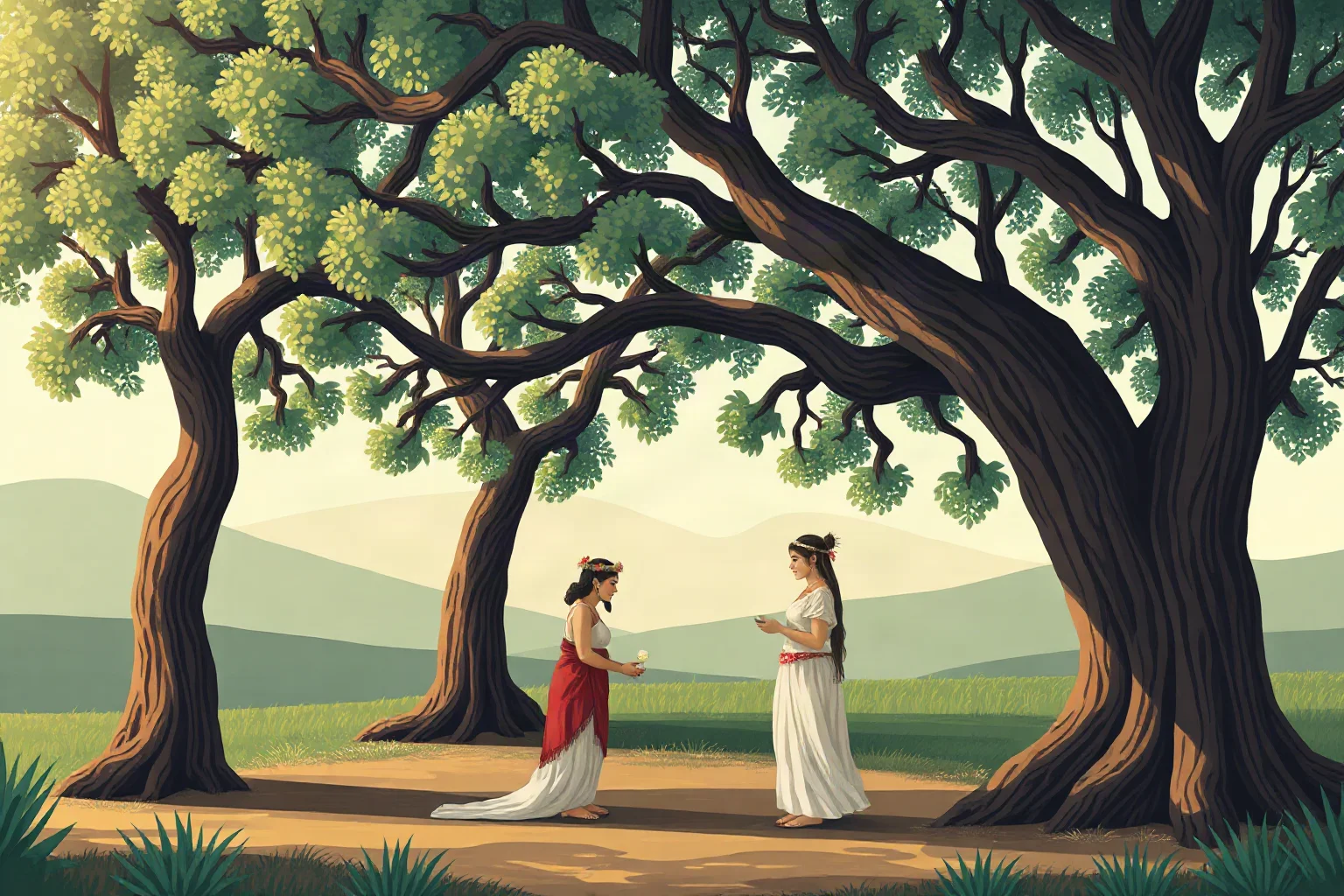
Some historical accounts, including notes from colonist William Strachey, suggest Pocahontas may have already been married to a Powhatan man named Kocoum before her capture. Details about this marriage are thin and disputed among historians, and some scholars question the reliability of Strachey’s account.
If true, it would mean Pocahontas’s later marriage to Rolfe wasn’t simply a first romance, but a second marriage forged under captivity and political pressure. This remains one of the murkier corners of the historical record.
14. Her Marriage Briefly Brought Peace Between Two Warring Sides
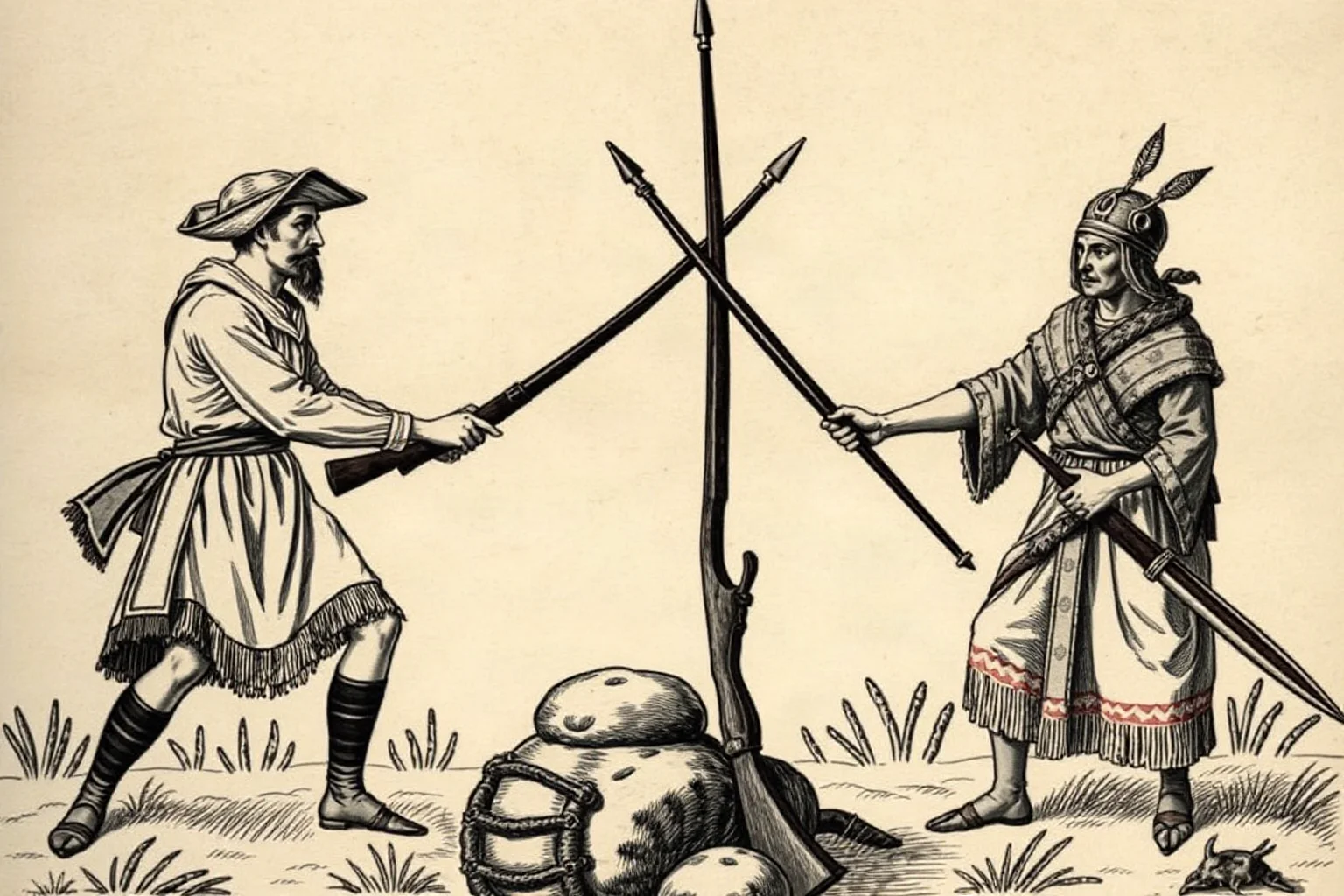
Pocahontas’s marriage to Rolfe helped end the First Anglo-Powhatan War, ushering in a period historians often call the “Peace of Pocahontas.” For a few years, hostilities between Jamestown colonists and the Powhatan Confederacy eased considerably.
This is a major answer to the question of why Pocahontas was important: her marriage functioned as a real diplomatic bridge, however fragile, between two societies locked in violent conflict over land and resources. It’s arguably her single most consequential real-world act.
15. She Had a Son Named Thomas Rolfe
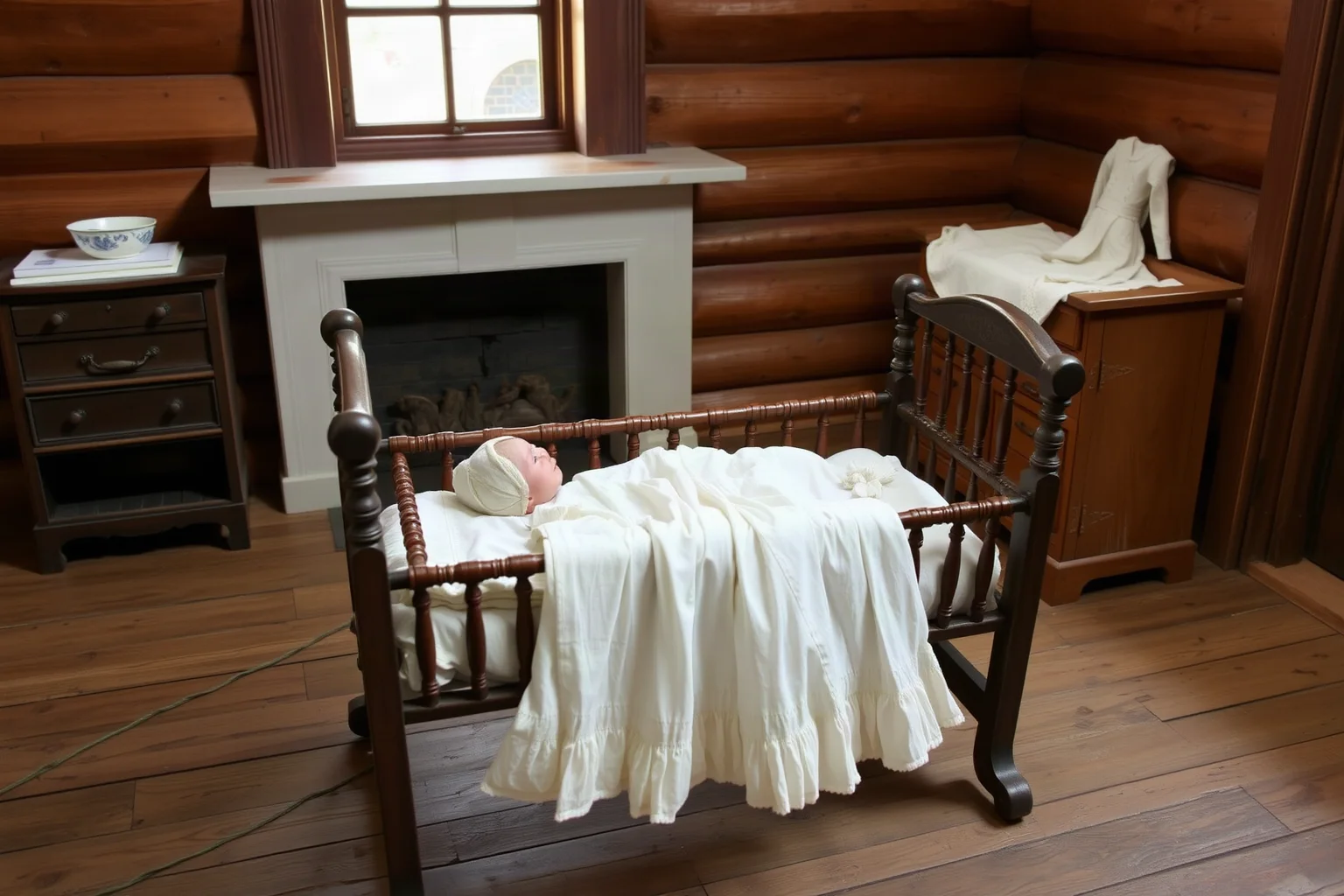
In January 1615, Pocahontas gave birth to a son, Thomas Rolfe. He would later become an important figure in colonial Virginia in his own right, eventually returning to the colony as an adult after being raised partly in England.
Through Thomas, Pocahontas has documented descendants stretching for generations into Virginia’s colonial elite. Several prominent American families have historically claimed lineage back to Pocahontas through this single son.
16. She Sailed to England as a Symbol of Colonial Success
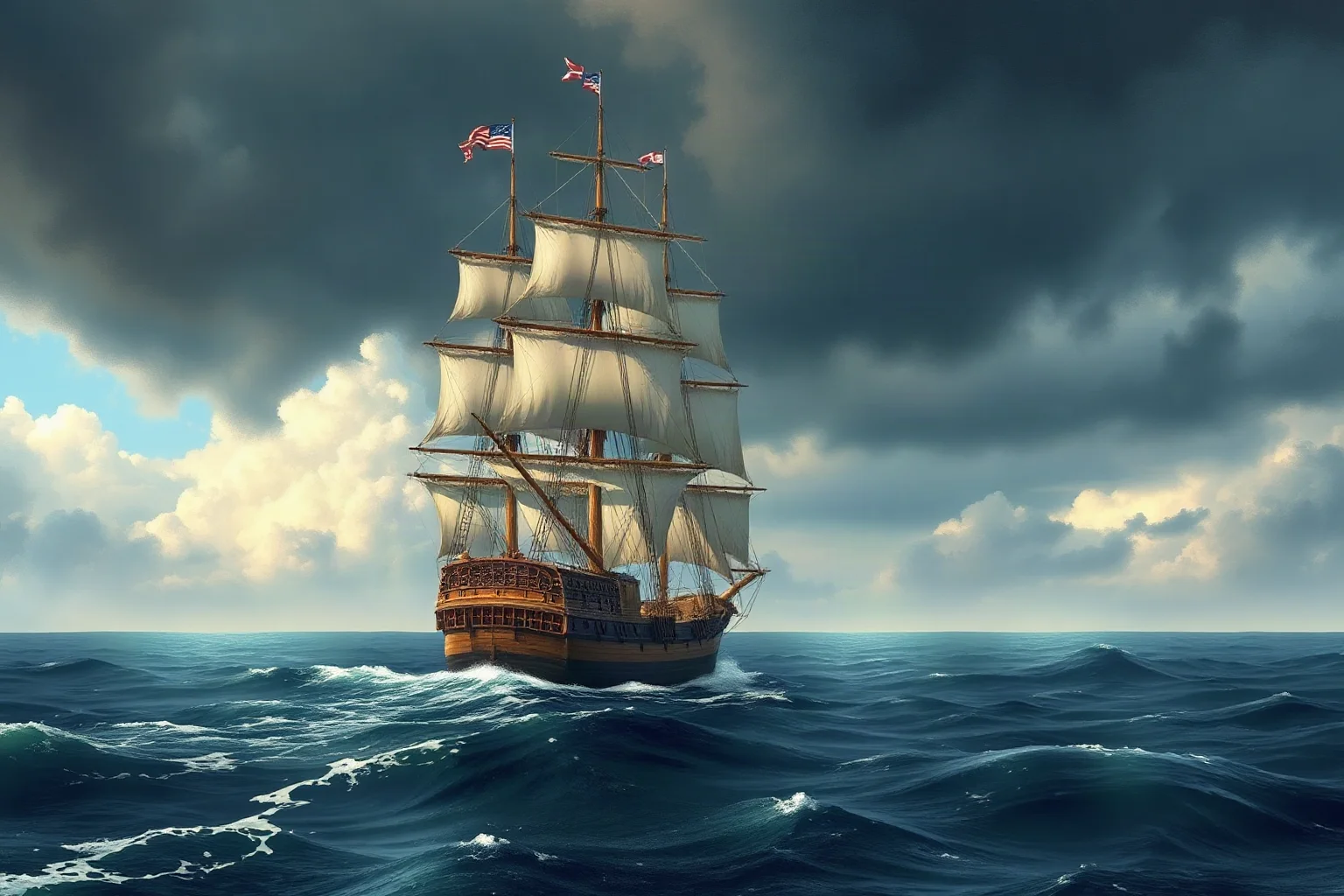
In 1616, Pocahontas traveled to England with Rolfe, their son Thomas, and a delegation of Powhatan companions, sponsored by the Virginia Company. The trip’s real purpose was to drum up investment and confidence in the struggling Jamestown colony back home.
She was marketed almost like a living advertisement, proof that Indigenous peoples could be converted and “civilized” under English influence. It’s a stark example of how her identity was used for political and financial purposes far beyond her own control.
17. She Was Treated as a Celebrity at the Royal Court
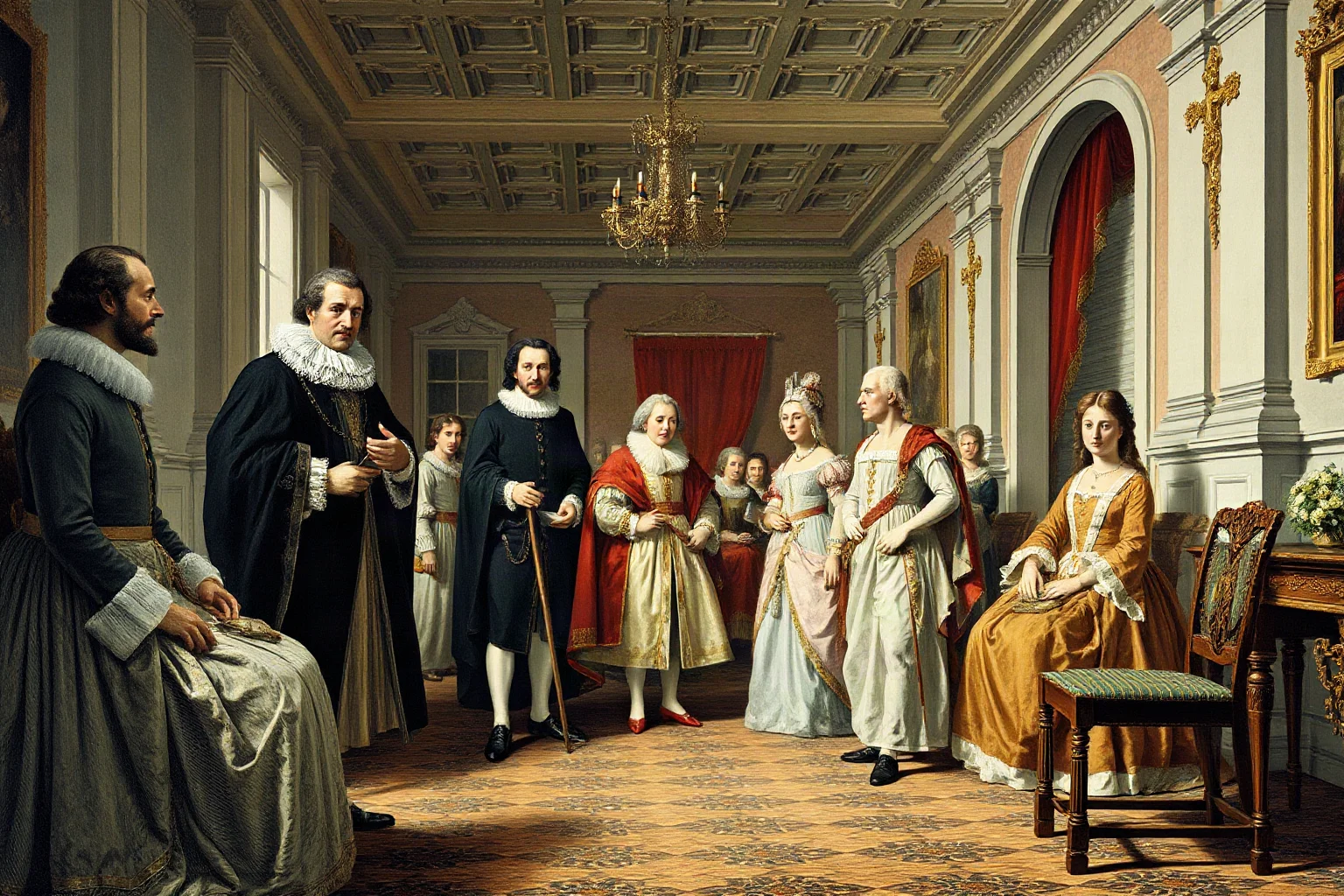
While in England, Pocahontas was received with genuine fascination, meeting members of the aristocracy and attending a royal court masque in January 1617 alongside King James I and Queen Anne. Newspapers and letters of the time discuss her with a mix of curiosity and condescension typical of the era.
She was presented publicly as “Lady Rebecca,” dressed in formal English clothing, and treated as visiting nobility rather than a hostage or captive. It was likely an overwhelming experience, given how far removed it was from her life back in Tsenacomoco.
18. Only One Image of Her Face Exists From Her Lifetime
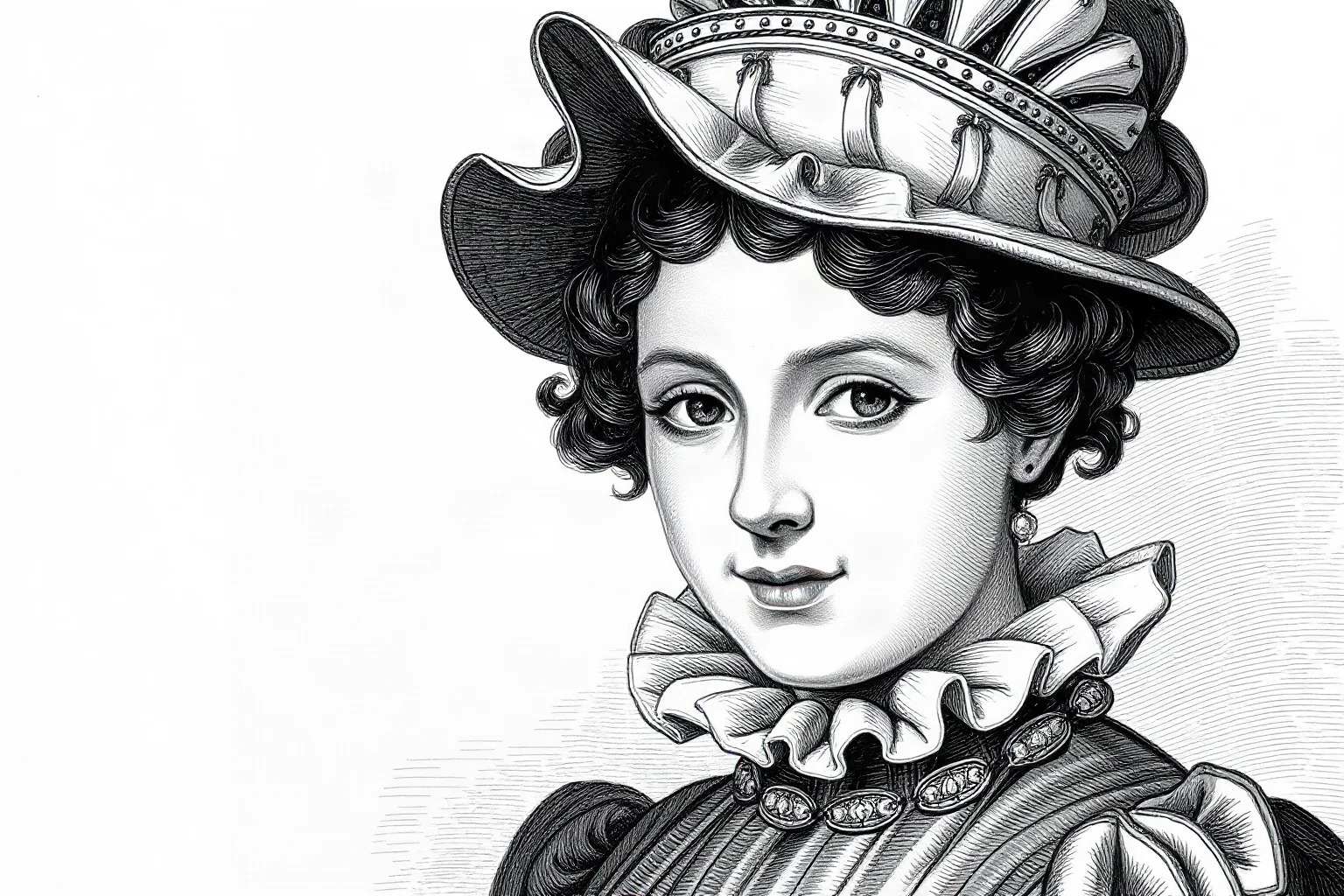
If you’ve ever wondered what the real Pocahontas actually looked like, the honest answer is: we mostly don’t know. The only portrait made during her actual lifetime is a 1616 engraving by Simon van de Passe, showing her in formal English dress and an elaborate hat.
Every other painting, illustration, or animated depiction created since is an artist’s imagination, not a historical likeness. This single engraving remains historians’ best real link to her actual face.
19. She Died in England at Around 20 or 21 Years Old
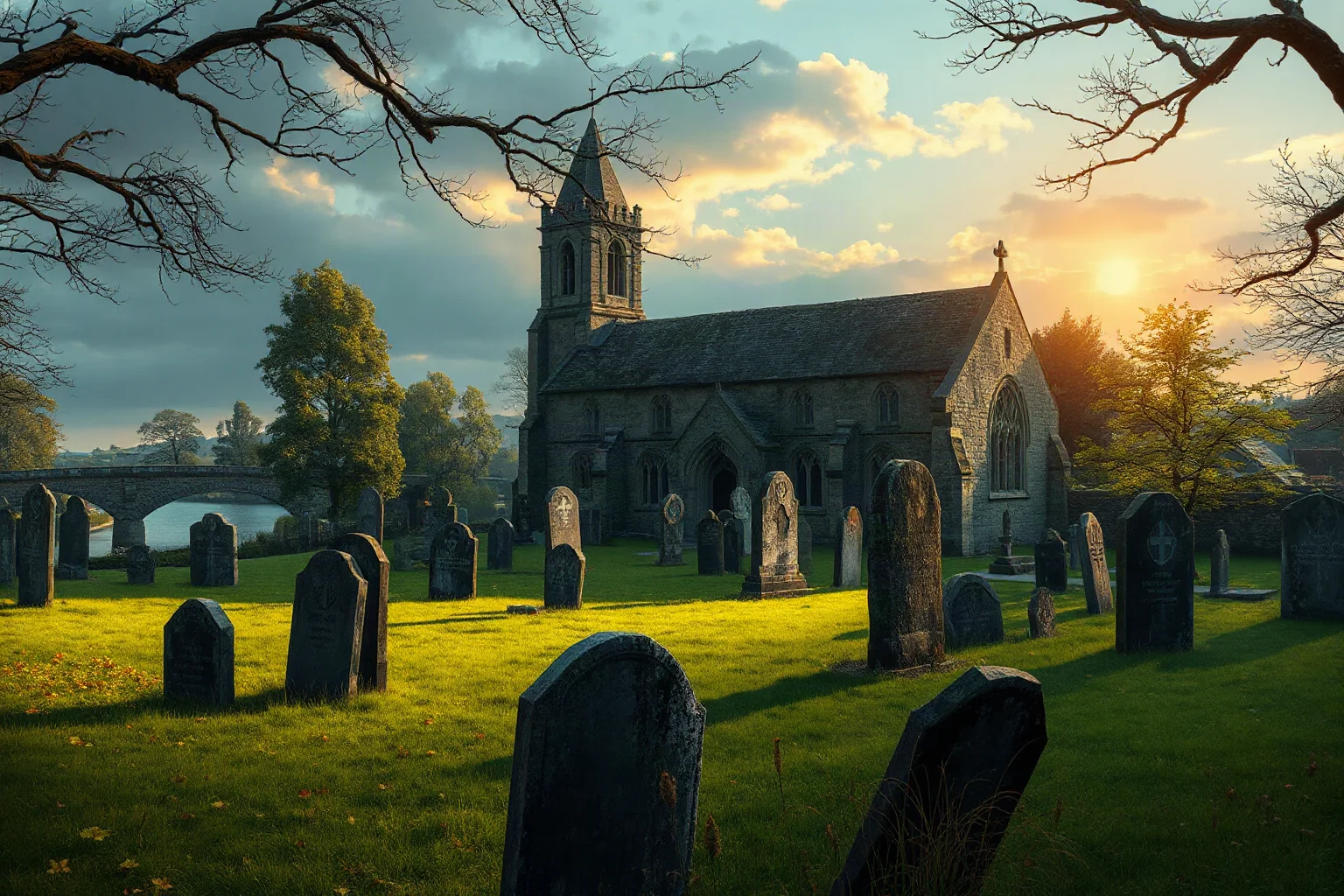
So how old was Pocahontas when she died? Based on the estimated birth year of around 1596, she was likely about 20 or 21 years old. She died in March 1617 in Gravesend, England, just as her ship was preparing to sail back to Virginia.
The exact cause of death is unknown, though historians have proposed pneumonia, tuberculosis, or dysentery as possibilities given the symptoms described at the time. She was buried at St. George’s Church in Gravesend, though the exact location of her grave was lost after later church renovations.
20. Her Death Came Right Before She Was Set to Return Home
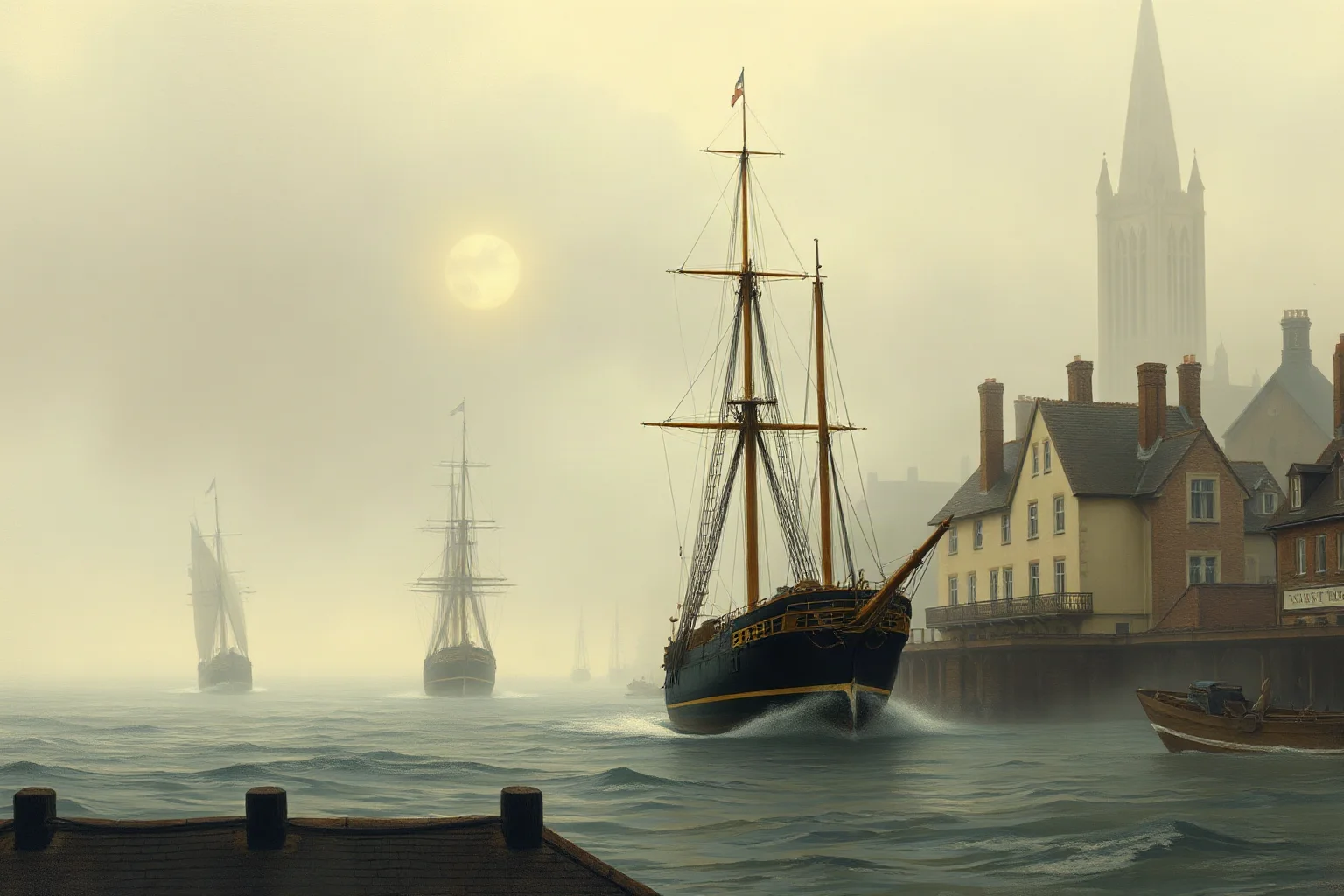
There’s a particularly heartbreaking detail in the real story of Pocahontas: she fell ill and died just as her family was boarding the ship meant to carry them back across the Atlantic to Virginia. She never got the chance to see her homeland again after nearly a year abroad.
Her son Thomas Rolfe was also ill during this period and was left behind in England to recover, meaning Pocahontas died without her husband and child both by her side in the way they had traveled together. It’s a quietly tragic end to a life defined by other people’s plans for her.
21. Peace Didn’t Survive Her Death
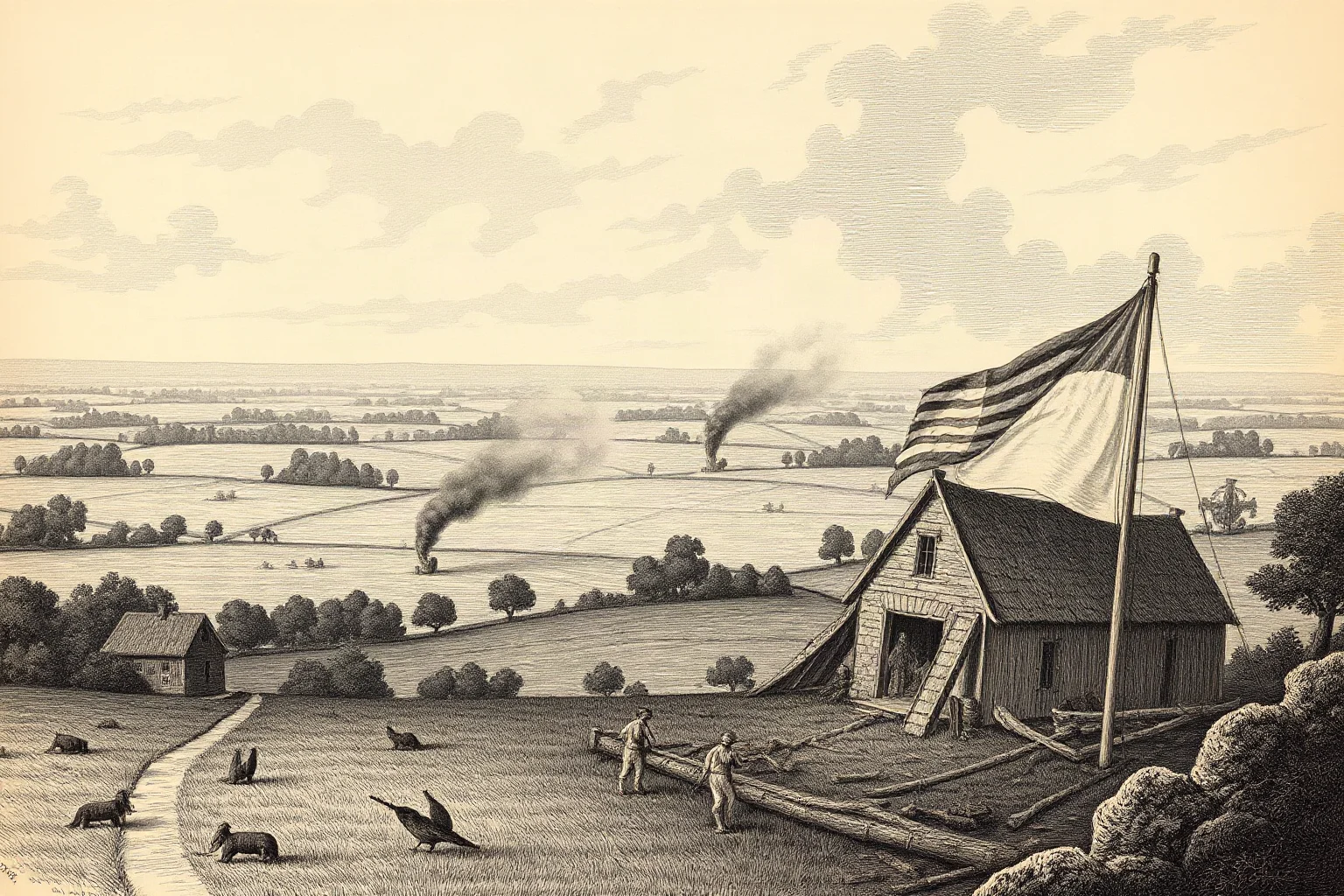
What really happened to Pocahontas’s legacy back home wasn’t a happy ending. Her father Powhatan died in 1618, and tensions between colonists and the Powhatan Confederacy escalated again under his successor, Opechancanough. This culminated in the devastating Second Anglo-Powhatan War beginning in 1622, when the fragile peace her marriage had helped create fully collapsed.
The “Peace of Pocahontas” turned out to be a temporary pause rather than a lasting resolution. Her personal diplomacy couldn’t outlast the deeper colonial pressures driving conflict over land and resources in Virginia.
22. Disney’s Version Is Historically Inaccurate on Almost Every Point
The 1995 animated film compresses years into weeks, ages Pocahontas up into a grown woman, and invents a mutual, adult romance with John Smith that has no basis in the historical record. It also skips over her captivity, conversion, marriage to Rolfe, and death entirely.
When people ask about pocahontas historical accuracy in relation to the movie, the honest answer from historians is that the film is a loose, romanticized inspiration rather than a retelling. It’s a beautifully animated film, but it shouldn’t be mistaken for the true story of Pocahontas.
Why Her Real Story Still Matters
The true story of Pocahontas is ultimately less a fairytale and more a case study in how colonization actually worked: through diplomacy, captivity, propaganda, and the exploitation of a young woman’s identity for political gain. Understanding who Pocahontas really was means recognizing her as a Powhatan girl thrust into extraordinary circumstances far beyond her control, not a cartoon princess chasing romance.
Her real legacy lies in the peace her marriage briefly created, the descendants who carry her bloodline today, and the sobering reminder of how colonial powers used Indigenous individuals as symbols. That’s a far more powerful story than any movie musical number, and it’s one worth knowing accurately.
Frequently Asked Questions
How old was Pocahontas when she died?
Pocahontas was likely around 20 or 21 years old when she died in March 1617. Because her exact birth date was never recorded, historians estimate her age based on accounts describing her as a child of about 10 or 11 when Jamestown colonists arrived in 1607.
Was Pocahontas a real person?
Yes, Pocahontas was a real historical figure, not a legend or myth. She appears in numerous contemporary English records, including colonial accounts, personal letters, and documentation of her time at the royal English court.
Who was Pocahontas?
Pocahontas, whose real name was Matoaka, was the daughter of Powhatan, paramount chief of the Powhatan Confederacy in what is now Virginia. She became a central figure in early English-Powhatan relations after being taken hostage in 1613 and later marrying colonist John Rolfe.
Did Pocahontas marry John Smith?
No, Pocahontas never married John Smith. She married English tobacco planter John Rolfe in 1614; there is no credible historical evidence that she and Smith had a romantic relationship.
What is Pocahontas famous for?
Pocahontas is famous for her role as a young hostage and later diplomatic bridge between the Powhatan Confederacy and English colonists at Jamestown. Her marriage to John Rolfe temporarily eased hostilities, and her later trip to England made her one of the first Indigenous Americans widely known in Europe.
What year was Pocahontas born?
Historians estimate Pocahontas was born around 1596, based on descriptions of her apparent age in colonial records, since no birth record survives.
What really happened to Pocahontas?
Pocahontas was captured by the English in 1613, converted to Christianity, married John Rolfe, and traveled to England in 1616 as a symbol of colonial success. She died there in 1617, likely of illness, just before her planned return voyage to Virginia.
Is the Disney movie Pocahontas historically accurate?
No, the 1995 Disney film takes major liberties with the true story, most notably inventing a romantic relationship with John Smith and portraying Pocahontas as an adult woman rather than the child she actually was in 1607. It omits her captivity, conversion, marriage to John Rolfe, and death entirely.

Alex Warren
Related Articles