
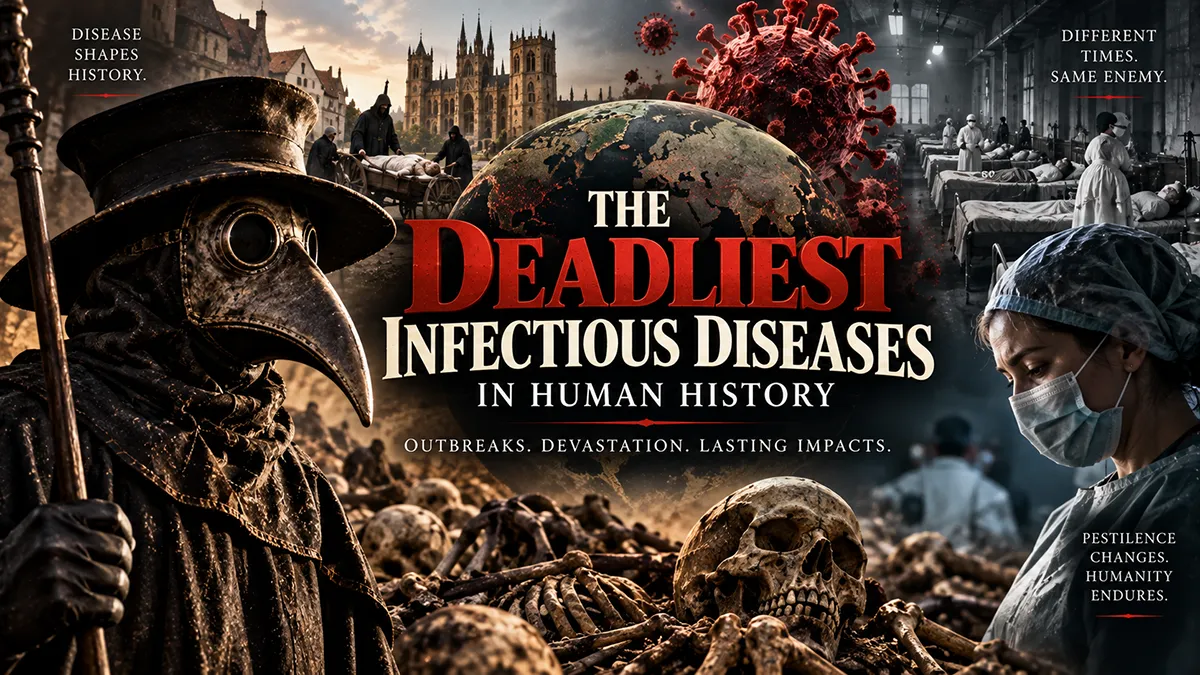
Ask ten people what the worst disease in the world is, and you’ll probably get ten different answers. Some will say cancer, others will say whatever virus dominated the last news cycle.
But when historians and epidemiologists talk about the truly deadliest diseases in human history, they’re usually talking about infectious diseases — the plagues, pandemics, and quiet killers that have shaped civilizations, ended empires, and rewritten the course of human population growth.
This isn’t a list built on fear or clickbait. It’s built on documented death tolls, historical records, and the hard lessons humanity has learned (and sometimes forgotten) about contagion. Some of these diseases are ancient history. Others are still actively killing people today, which is exactly why understanding them matters.
TL;DR: Across history, diseases like smallpox, the Black Death, the 1918 flu, HIV/AIDS, malaria, and tuberculosis have killed more humans than any war, and several of these threats haven’t actually gone away.
What Makes a Disease Truly ‘Deadly’?
When people ask what the most dangerous disease is, they’re usually mixing up a few different ideas without realizing it. A disease’s mortality rate — the percentage of infected people who die — is different from how many total people it has killed throughout history.
Rabies, for example, has one of the highest mortality rates of any known disease once symptoms appear, but it has killed far fewer people overall than malaria or tuberculosis.
Virulence, contagiousness, and total death toll are also three separate things worth untangling. A disease can be extremely virulent (fast-acting and severe) without being especially contagious, or wildly contagious without killing many of the people it infects.
The diseases on this list earned their place through some combination of scale, lethality, historical impact, and in several cases, all three at once.
It’s also worth busting a common myth upfront: the “worst” disease in history isn’t necessarily the one with the scariest reputation. Ebola terrifies people, and rightly so, but it has killed a tiny fraction of the number of people that malaria or tuberculosis kill every single year. Fear and actual death toll don’t always line up.
Ranking History’s Deadliest Diseases
The diseases below are ordered with a mix of historical death toll, mortality rate, and overall historical impact in mind, rather than a single strict metric. Together, they represent the deadliest infectious diseases in history — the ones that have most shaped how humans live, travel, and think about illness.
1. Smallpox
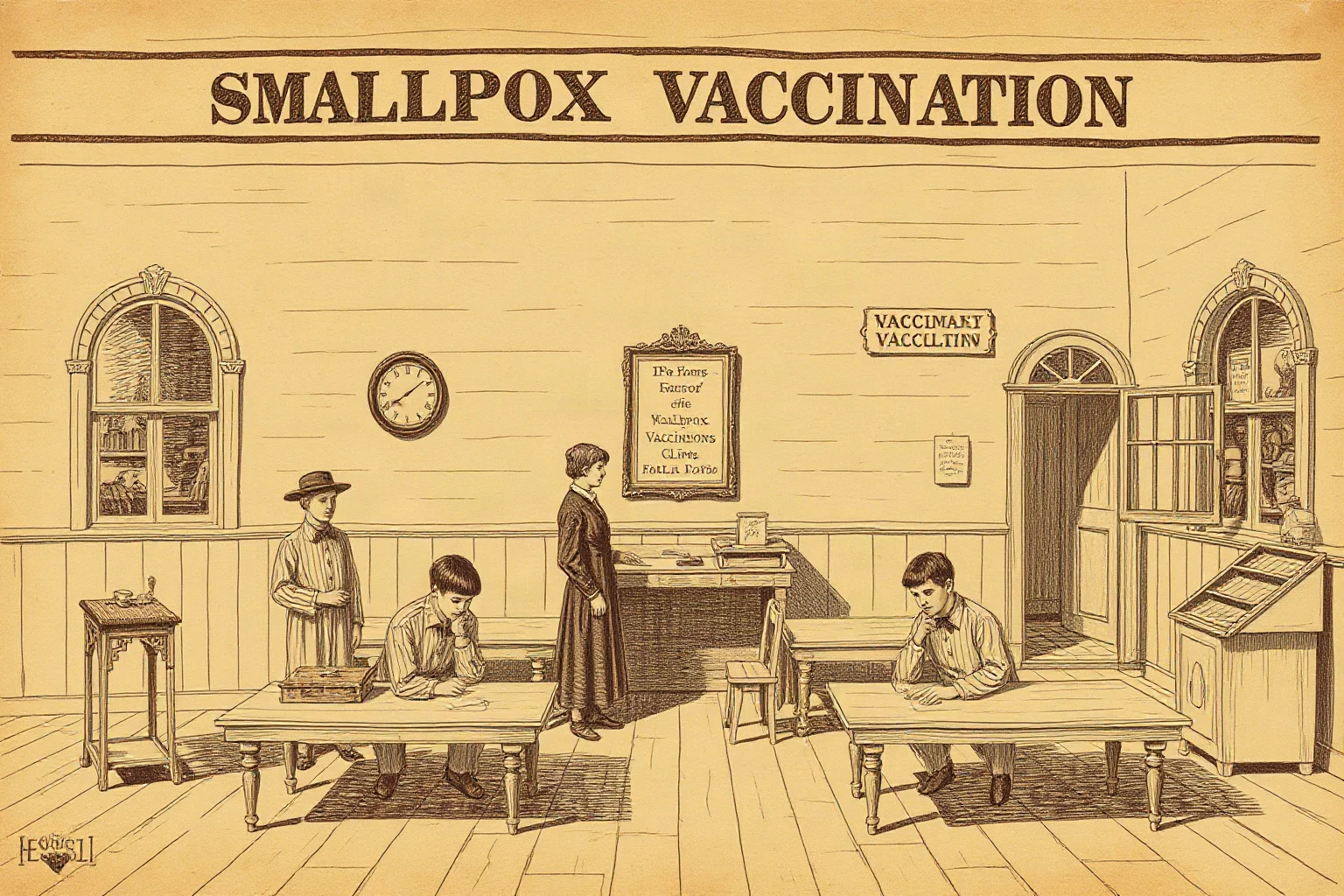
Smallpox is frequently cited as the deadliest disease in history, and the numbers back that up. The variola virus is estimated to have killed around 300 million people in the 20th century alone, before a global vaccination campaign led by the World Health Organization eradicated it in 1980.
It’s the only human disease ever fully eradicated, which is a remarkable public health achievement. Historians also note that smallpox devastated Indigenous populations in the Americas after European contact, though exact death tolls from that period are estimates rather than precise counts, since record-keeping was inconsistent and the disease often traveled ahead of colonizers themselves.
2. The Black Death (Bubonic Plague)
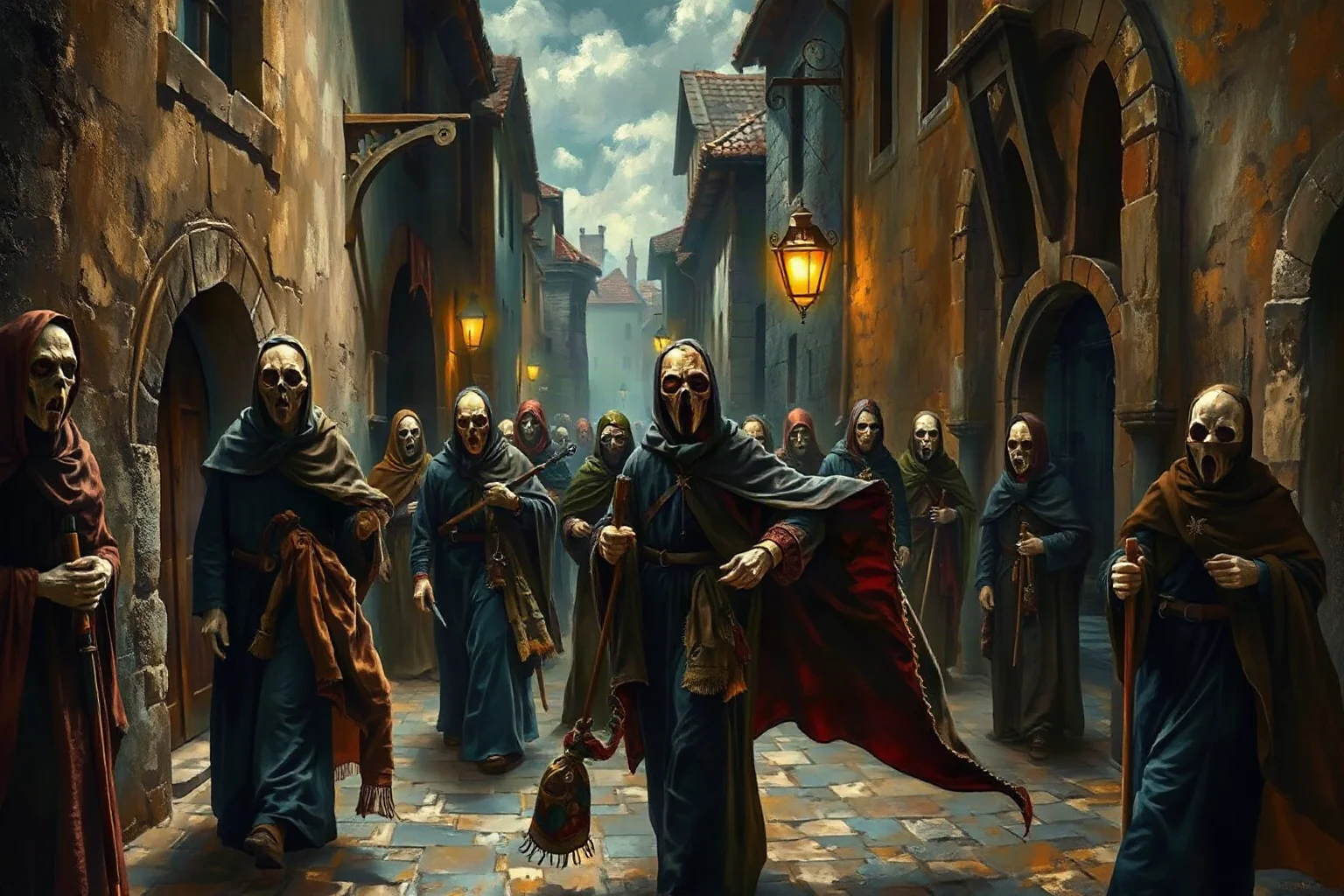
When people ask what the worst disease in history was, many historians point straight to the Black Death. Caused by the bacterium Yersinia pestis and spread mainly by fleas on rats, it swept through Europe, Asia, and North Africa between 1347 and 1351.
Estimates suggest it killed somewhere between 25 and 50 million people, wiping out roughly a third to sixty percent of Europe’s population depending on the region. Plague didn’t disappear after that first wave, either — it returned in smaller outbreaks for centuries, and the same bacterium still causes rare cases of plague today, treatable with modern antibiotics.
3. The 1918 Spanish Flu
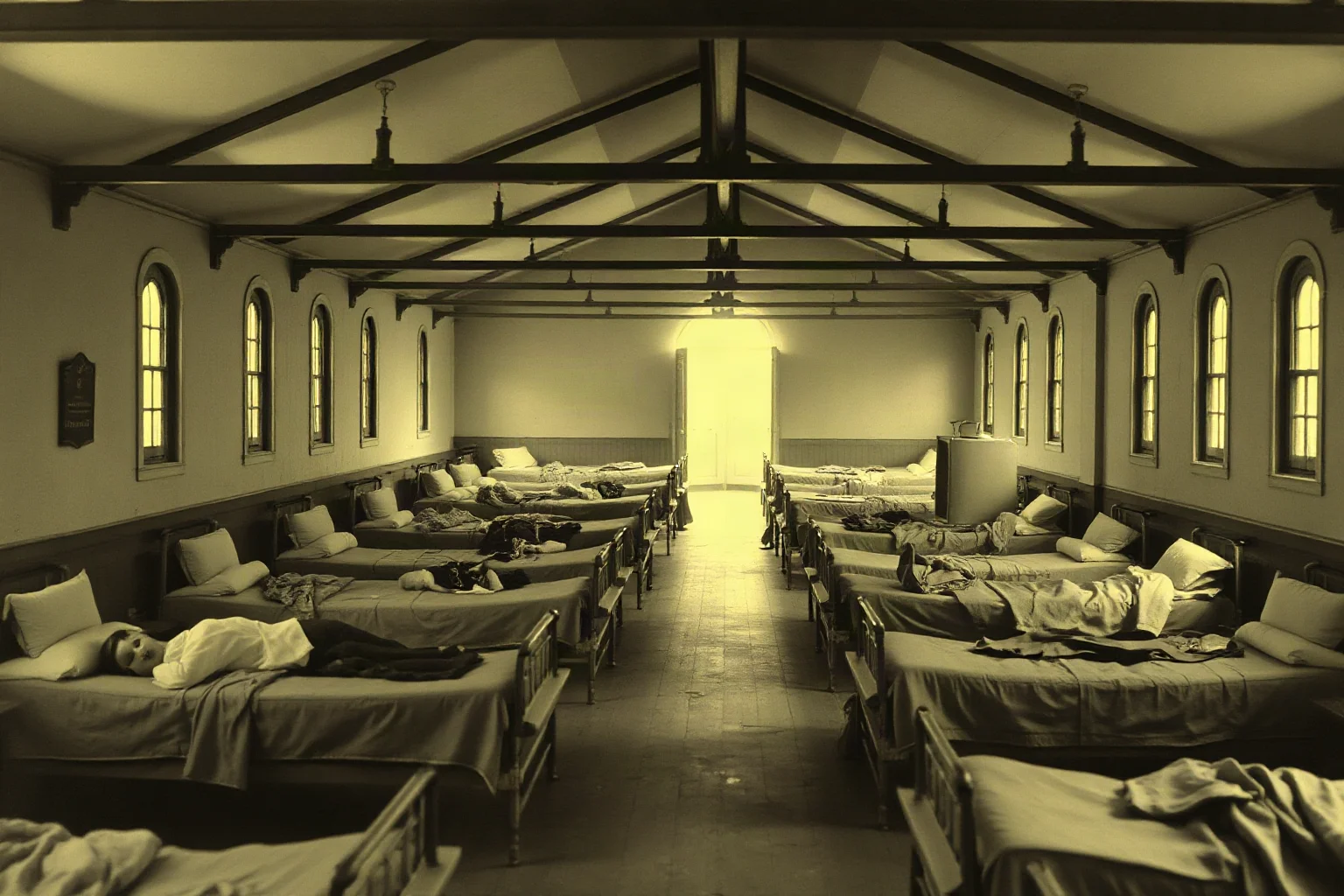
The 1918 influenza pandemic remains one of the most deadly pandemics in history, and arguably the deadliest virus in history in terms of sheer speed and reach. It infected an estimated third of the world’s population and killed somewhere between 17 and 50 million people, with some estimates running even higher.
What made it especially unsettling was its tendency to kill young, otherwise healthy adults rather than just the very old or very young. It struck in the final year of World War I, spreading rapidly along military and trade routes across a war-weary world.
4. HIV/AIDS
HIV/AIDS has killed more than 40 million people worldwide since it was first identified in the early 1980s, according to UNAIDS estimates. For much of the 20th century’s final decades, an HIV diagnosis was effectively a death sentence, particularly before antiretroviral therapy became widely available in the mid-1990s.
Today, with proper treatment, people living with HIV can expect near-normal lifespans in many parts of the world. But access to that treatment remains deeply uneven globally, which is why HIV/AIDS is still considered one of the most dangerous illnesses of the modern era rather than a solved problem.
5. Malaria
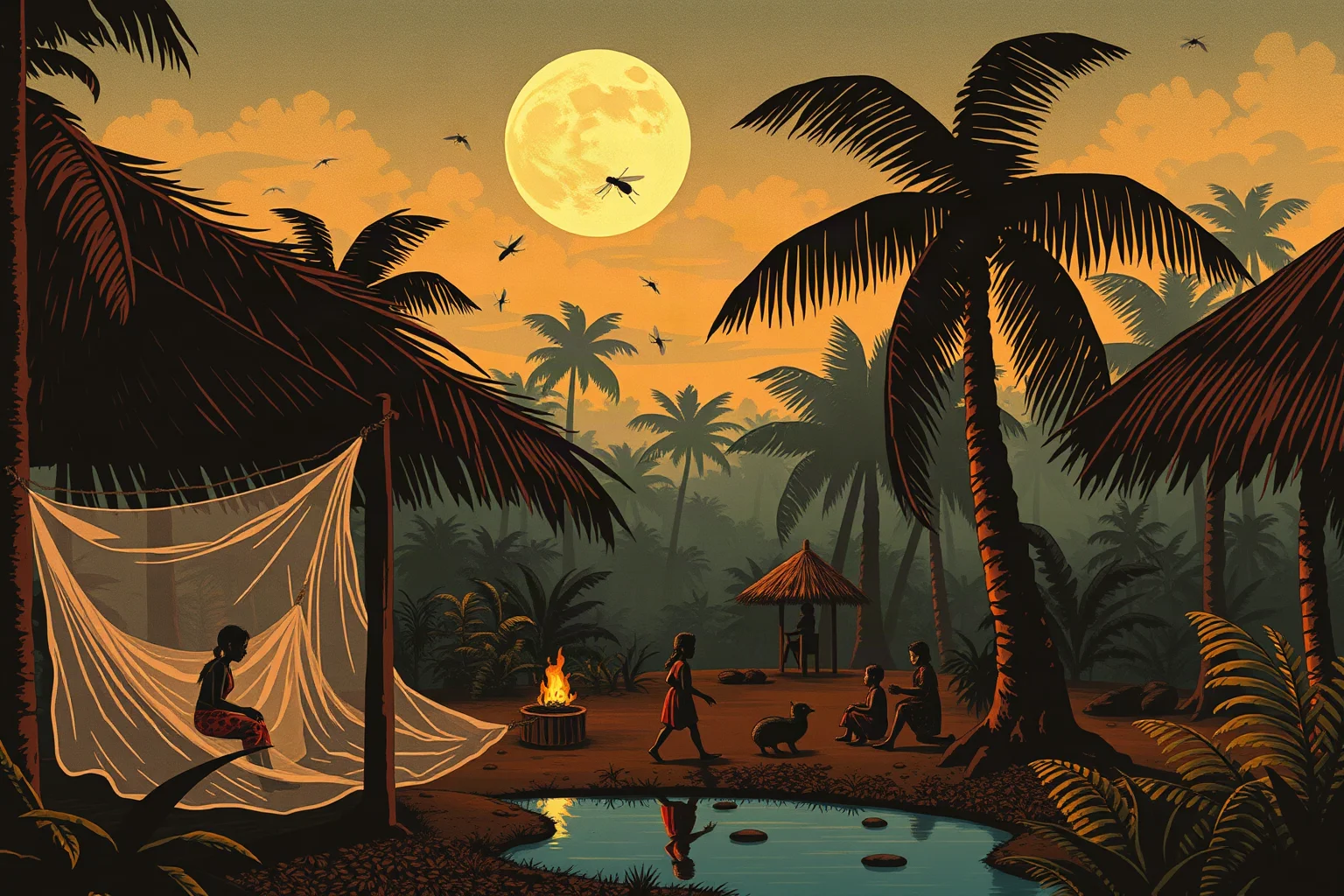
Malaria doesn’t get the same dramatic headlines as Ebola or smallpox, but some researchers argue it may have killed more humans throughout history than any other single disease. It’s caused by Plasmodium parasites transmitted through mosquito bites, and it has haunted tropical and subtropical regions for thousands of years.
Even now, the World Health Organization estimates malaria kills roughly 600,000 people every year, the majority of them young children in sub-Saharan Africa. That ongoing toll is a major reason malaria still ranks among the deadliest infectious diseases worldwide today.
6. Tuberculosis

Once known as “consumption” or the “white plague,” tuberculosis has been a persistent killer for millennia, with evidence of the disease found in Egyptian mummies. Some historians estimate it has killed over a billion people in the past two centuries alone.
TB remains the leading infectious-disease killer in the world today, causing over a million deaths annually according to the WHO. It’s a sobering reminder that some of history’s oldest diseases never actually left.
7. Cholera

Cholera is a fast-moving, waterborne bacterial disease that can kill within hours if untreated through severe dehydration. Seven distinct cholera pandemics have swept the globe since 1817, some killing hundreds of thousands of people across Asia, Europe, and the Americas.
The disease also has a notable place in medical history: physician John Snow’s investigation of a London cholera outbreak in 1854 helped establish that the disease spread through contaminated water, a breakthrough moment for modern epidemiology.
8. Measles
Measles is often underestimated as a threat because a vaccine has existed since the 1960s, but before that, it killed millions of children worldwide every single year. It’s also astonishingly contagious — among the most contagious diseases known, capable of lingering in the air of a room for hours after an infected person leaves.
Globally, measles still kills well over 100,000 people annually, mostly young children in areas with low vaccination coverage. It’s a clear example of how quickly a controllable disease can become dangerous again when immunization rates slip.
9. Typhus
Epidemic typhus, spread by body lice, has a long and grim history of following war, famine, and overcrowding wherever they go. It devastated Napoleon’s army during the disastrous 1812 retreat from Russia, killing far more soldiers than combat did.
Typhus outbreaks also plagued prisons, refugee camps, and trenches throughout the 19th and early 20th centuries. Improved sanitation and delousing measures eventually brought it under control in most of the world, though it hasn’t been entirely eliminated.
10. Typhoid Fever

Typhoid fever, caused by the bacterium Salmonella typhi, spreads through contaminated food and water and was a major killer in cities before modern sanitation systems existed. It’s perhaps most famous today because of “Typhoid Mary” Mallon, an asymptomatic carrier in early 1900s New York whose case helped the public understand that healthy-looking people could still spread disease.
The disease still infects an estimated 11 million people a year globally, according to public health estimates, primarily in regions lacking clean water infrastructure.
11. Yellow Fever

Yellow fever is a mosquito-borne viral disease that shaped colonial history in ways many people don’t realize. Outbreaks devastated European colonizers and enslaved populations throughout the Caribbean and Americas, and the disease significantly slowed construction of the Panama Canal until mosquito-control measures were implemented.
A safe and effective vaccine has existed since the 1930s, but yellow fever still causes tens of thousands of deaths annually in parts of Africa and South America where vaccination coverage is incomplete.
12. Ebola

Ebola virus disease is one of the most feared illnesses in the modern world, largely because of its severe symptoms and high case fatality rate, which has ranged from roughly 25% to 90% depending on the outbreak and access to care. The 2014–2016 West African epidemic was by far the largest on record, killing over 11,000 people.
Despite its terrifying reputation, Ebola’s total historical death toll remains far lower than diseases like malaria or tuberculosis. It’s a strong example of how a disease can dominate headlines without necessarily being among history’s biggest killers by sheer numbers.
13. COVID-19
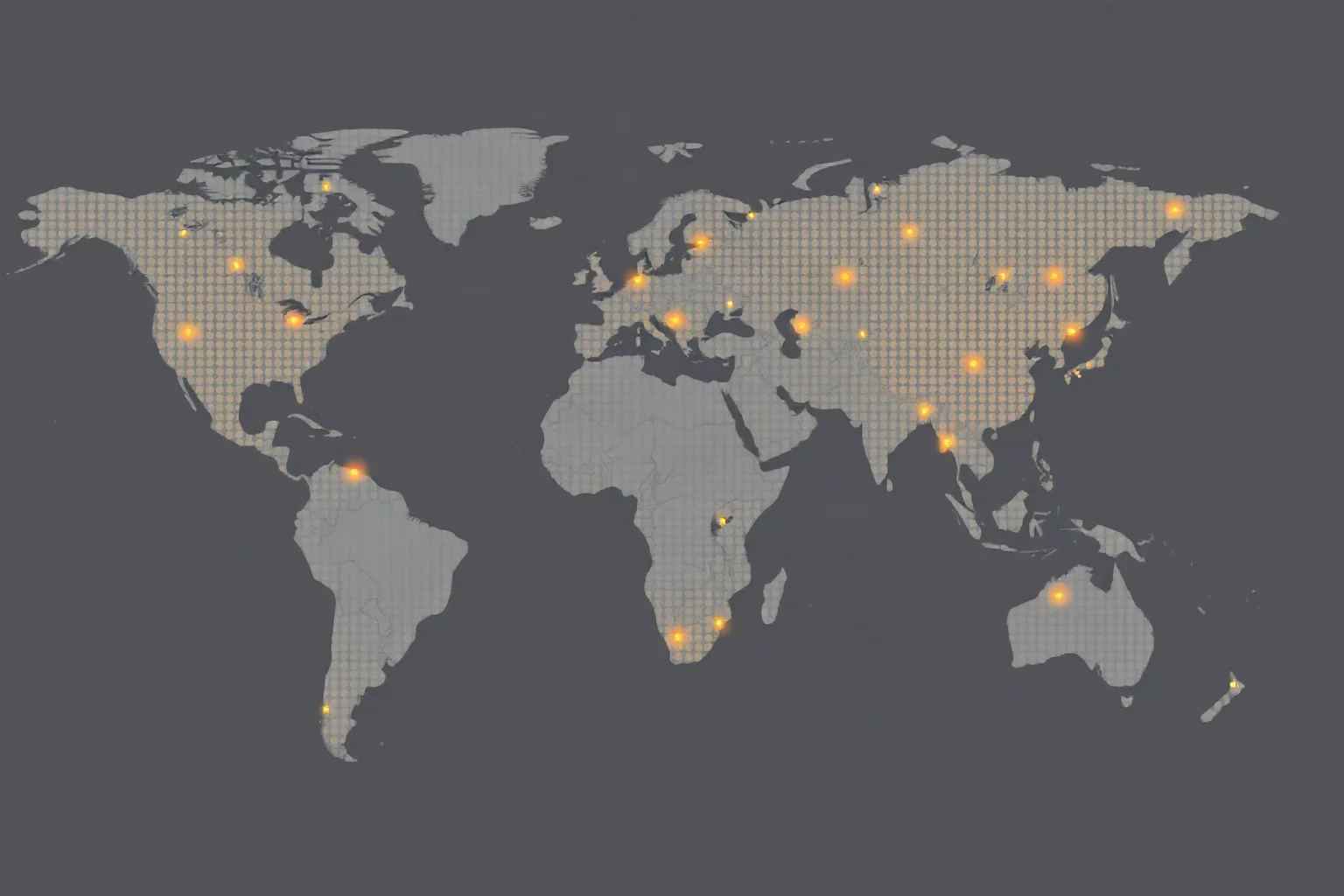
COVID-19, caused by the SARS-CoV-2 virus, is the most recent entry on this list and a reminder that new deadly diseases can still emerge in the modern, connected world. The World Health Organization had recorded over 7 million confirmed deaths as of the mid-2020s, while excess mortality estimates — which try to account for undercounted and indirect deaths — suggest the true toll was considerably higher.
Beyond the death toll, COVID-19 reshaped global public health policy, vaccine development timelines, and how societies think about pandemic preparedness. It stands as a stark example that pandemics aren’t purely a historical phenomenon.
14. Polio
Poliovirus terrified 20th-century parents because of its tendency to cause sudden, permanent paralysis, primarily in children. Major epidemics swept through the United States and Europe in the first half of the century, filling hospital wards with children in iron lung machines.
The development of the Salk and Sabin vaccines in the 1950s transformed polio from a widespread terror into a nearly eradicated disease, with only a handful of countries still reporting wild cases today. It remains one of public health’s great success stories.
15. Rabies
If you’re looking for the disease with the highest mortality rate, rabies is usually the answer. Once symptoms appear, rabies is fatal in essentially all untreated cases — making it one of the most lethal diseases known, even though it’s rarely transmitted between humans.
The good news is that rabies is almost entirely preventable with prompt post-exposure vaccination after a bite from an infected animal. The World Health Organization estimates it still kills around 59,000 people a year, mostly in parts of Asia and Africa where access to treatment is limited.
16. Diphtheria

Diphtheria was once one of the most common causes of childhood death in the world, caused by a bacterium that produces a toxin damaging the throat and heart. Before an effective antitoxin and later a vaccine were developed, diphtheria epidemics could kill a significant share of infected children in a community.
Widespread vaccination has made diphtheria rare in most developed countries today. Outbreaks still occur in regions with gaps in immunization coverage, underscoring how quickly “historical” diseases can resurface.
17. Dysentery

Dysentery, whether caused by bacteria or amoebas, has quietly killed more soldiers throughout history than many battles ever did. During the American Civil War and World War I, contaminated water and poor field sanitation made dysentery one of the deadliest common diseases in military camps.
It remains a serious cause of death in areas without clean water and sanitation infrastructure today, particularly among young children. Simple oral rehydration therapy has dramatically reduced its lethality where it’s available.
18. Whooping Cough (Pertussis)

Whooping cough is a highly contagious bacterial respiratory infection that was once a leading cause of infant death worldwide. Its violent coughing fits, which give the disease its name, can be dangerous or fatal for babies too young to be fully vaccinated.
The pertussis vaccine dramatically reduced deaths starting in the mid-20th century, but outbreaks still occur periodically, especially in communities with declining vaccination rates.
19. Syphilis

Syphilis swept through Renaissance Europe starting in the late 1400s, earning the nickname “the Great Pox” for its disfiguring symptoms. Left untreated, it can progress through several stages over years or decades, eventually causing severe organ and neurological damage in its late, tertiary stage.
The exact origins of syphilis in Europe are still debated among historians, and some claims about its spread should be treated as theories rather than settled fact. Modern antibiotics make syphilis fully curable today, though it remains a significant sexually transmitted infection worldwide.
20. Leprosy (Hansen’s Disease)
Few diseases carry the historical stigma that leprosy does, despite being far less deadly than most entries on this list. Caused by a slow-growing bacterium, Hansen’s disease progresses gradually and was historically met with isolation, exile, and “leper colonies” rather than medical treatment.
Modern multidrug antibiotic therapy can cure leprosy today, and it’s far less contagious than historical fear suggested. It’s included here not for its death toll, but because it’s one of the most famous diseases in history and a powerful example of how fear can outpace actual danger.
Are We Safer Today Than Our Ancestors?
In many ways, yes — vaccines, antibiotics, clean water systems, and modern epidemiology have tamed diseases that once wiped out huge portions of entire populations. Smallpox is gone. Polio is nearly gone. Diseases that once killed a third of Europe are now treatable with a course of antibiotics.
But the list above also shows that “deadly disease” isn’t purely a topic for history books. Malaria, tuberculosis, and HIV/AIDS still kill millions of people every year, and COVID-19 proved that entirely new pandemic threats can still emerge with little warning. The deadliest diseases in history aren’t a closed chapter; they’re an ongoing reminder of how fragile public health progress can be without continued investment.
Final Thoughts
There’s no single, universally agreed-upon answer to which disease is the “worst” in the world, because it depends on whether you’re measuring total deaths, mortality rate, contagiousness, or historical disruption. What’s clear is that infectious diseases have killed far more humans throughout history than wars, and several of the deadliest ones are still active threats today.
Understanding this history isn’t meant to be alarming for its own sake. It’s a reminder of why vaccination programs, clean water access, and public health funding matter — because every disease on this list was, at some point, considered unstoppable, until it wasn’t.
Frequently Asked Questions
What is the most dangerous disease?
There's no single official answer, because "dangerous" can mean different things. If you're measuring by mortality rate, rabies is often cited as the most dangerous, since it's nearly always fatal once symptoms appear. If you're measuring by total historical death toll, malaria, tuberculosis, and smallpox are usually considered the most dangerous diseases in human history.
What is the deadliest disease in the world?
By historical death toll, smallpox is often called the deadliest disease in history, estimated to have killed around 300 million people in the 20th century before its eradication in 1980. In terms of diseases still active today, malaria and tuberculosis each kill hundreds of thousands to over a million people annually.
What was the deadliest virus in history?
Smallpox and the 1918 Spanish flu are the two viruses most commonly cited as the deadliest in history, based on their staggering death tolls and global reach. Smallpox is estimated to have killed hundreds of millions over the 20th century alone, while the 1918 flu killed an estimated 17 to 50 million people in about two years.
What disease has killed the most humans in history?
Many historians and public health researchers point to malaria as having killed more humans across history than any other single disease, given how long it has affected tropical and subtropical populations. Tuberculosis and smallpox are also frequently cited contenders, depending on the time period considered.
What disease has the highest mortality rate?
Rabies has one of the highest mortality rates of any known disease, killing nearly everyone who develops symptoms without receiving prompt post-exposure treatment. However, rabies is preventable with timely vaccination after exposure, and it has caused far fewer total deaths historically than more widespread diseases like malaria.
What was the worst disease in history in terms of overall impact?
The Black Death (bubonic plague) is frequently considered the worst disease event in history in terms of sudden societal impact, killing an estimated 25 to 50 million people between 1347 and 1351 and reshaping Europe's economy, labor structure, and demographics for generations.
Is the disease that is most virulent always the deadliest?
No, and this is a common misconception. Virulence refers to how severe or fast-acting a disease is in an infected person, while total death toll depends on how many people actually catch it. Ebola is highly virulent with a high case fatality rate, but it has killed far fewer people overall than less dramatic diseases like tuberculosis or malaria.
Are any of history’s deadliest diseases still a threat today?
Yes, several of them are very much still active. Malaria, tuberculosis, and HIV/AIDS collectively kill millions of people every year, and COVID-19 demonstrated that entirely new pandemic-level diseases can still emerge in the modern world.

Alex Warren
Related Articles