
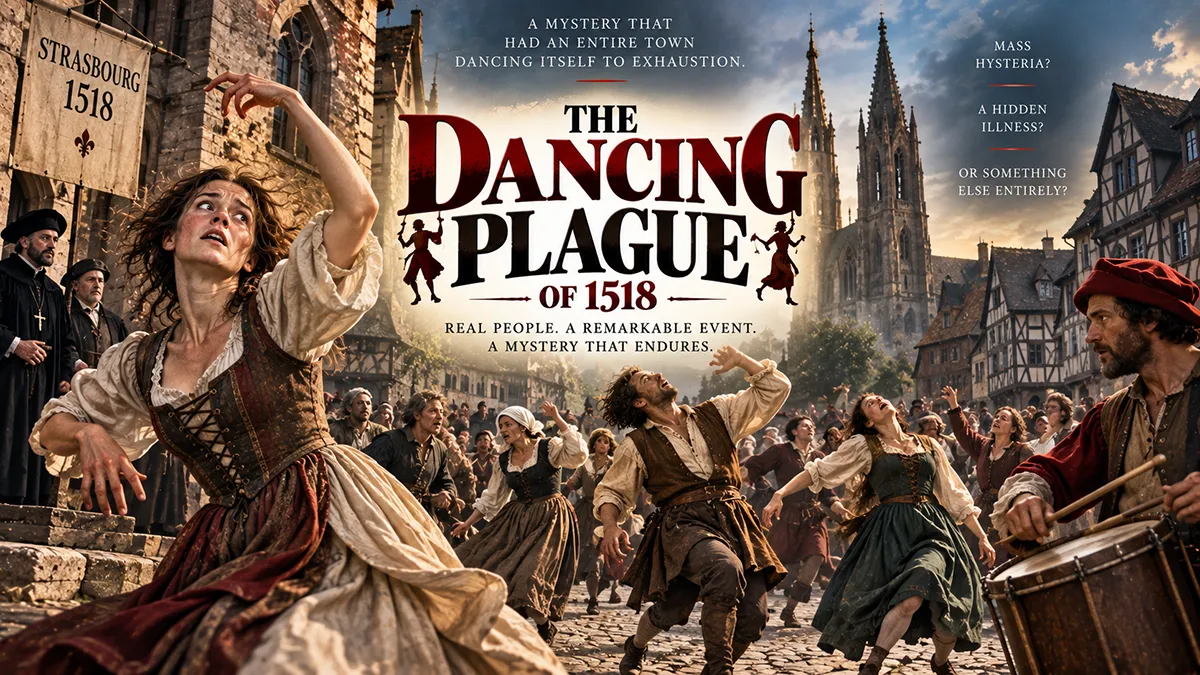
Imagine walking through the streets of a medieval city and seeing dozens of people dancing without music, without rest, and without any apparent control over their own bodies. Some collapsed from exhaustion.
Some reportedly danced until they died. This isn’t a scene from a horror film — it’s a documented event from the summer of 1518 in Strasbourg, a free imperial city in the Holy Roman Empire.
The dancing plague of 1518 remains one of history’s strangest and most debated medical mysteries. Historians agree the event happened, but the why is still argued over five centuries later.
Below, we break down what actually happened, separate documented fact from popular myth, and walk through the leading theories about what caused this bizarre dancing sickness.
TL;DR: In the summer of 1518, hundreds of people in Strasbourg danced uncontrollably for days or weeks at a time in a real, well-documented event now known as the dancing plague — and historians still debate whether ergot poisoning, mass psychogenic illness, or extreme stress was to blame.
1. What Was the Dancing Plague of 1518?

The dancing plague of 1518 was an outbreak of compulsive, uncontrollable dancing that struck the city of Strasbourg over several weeks. Contemporary accounts describe men and women dancing in the streets, seemingly unable to stop themselves, for days at a stretch. It’s often described as a case of “dancing sickness” or “dancing disease,” though it wasn’t a plague in the biological sense of an infectious pathogen.
Instead, it belongs to a strange category of historical events sometimes called dance epidemics or dancing manias. The 1518 outbreak is the best-documented example, which is why it dominates the history books and search results today.
2. It Started With One Woman: Frau Troffea
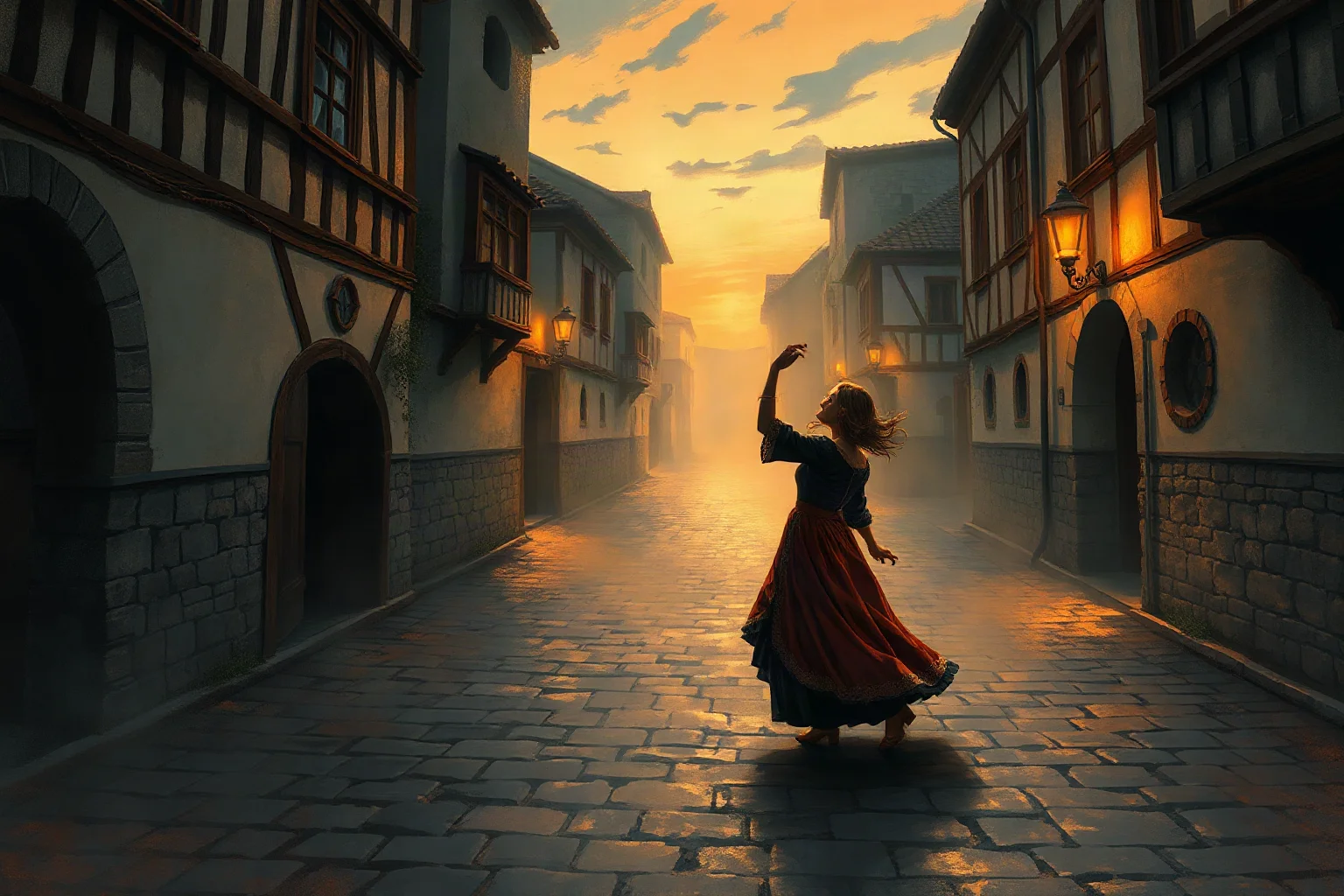
According to city records and later historical accounts, the outbreak began in July 1518 with a woman remembered as Frau Troffea. She reportedly stepped into a street in Strasbourg and began to dance, seemingly without music or obvious reason, and continued for days.
Within about a week, dozens of other residents had reportedly joined her, dancing in the same fevered, compulsive way. Historian John Waller, who has written extensively on the event, notes that this pattern of one person triggering a much larger group response is a hallmark of what researchers now call mass psychogenic illness.
3. Where Was the Dancing Plague? Strasbourg, Alsace
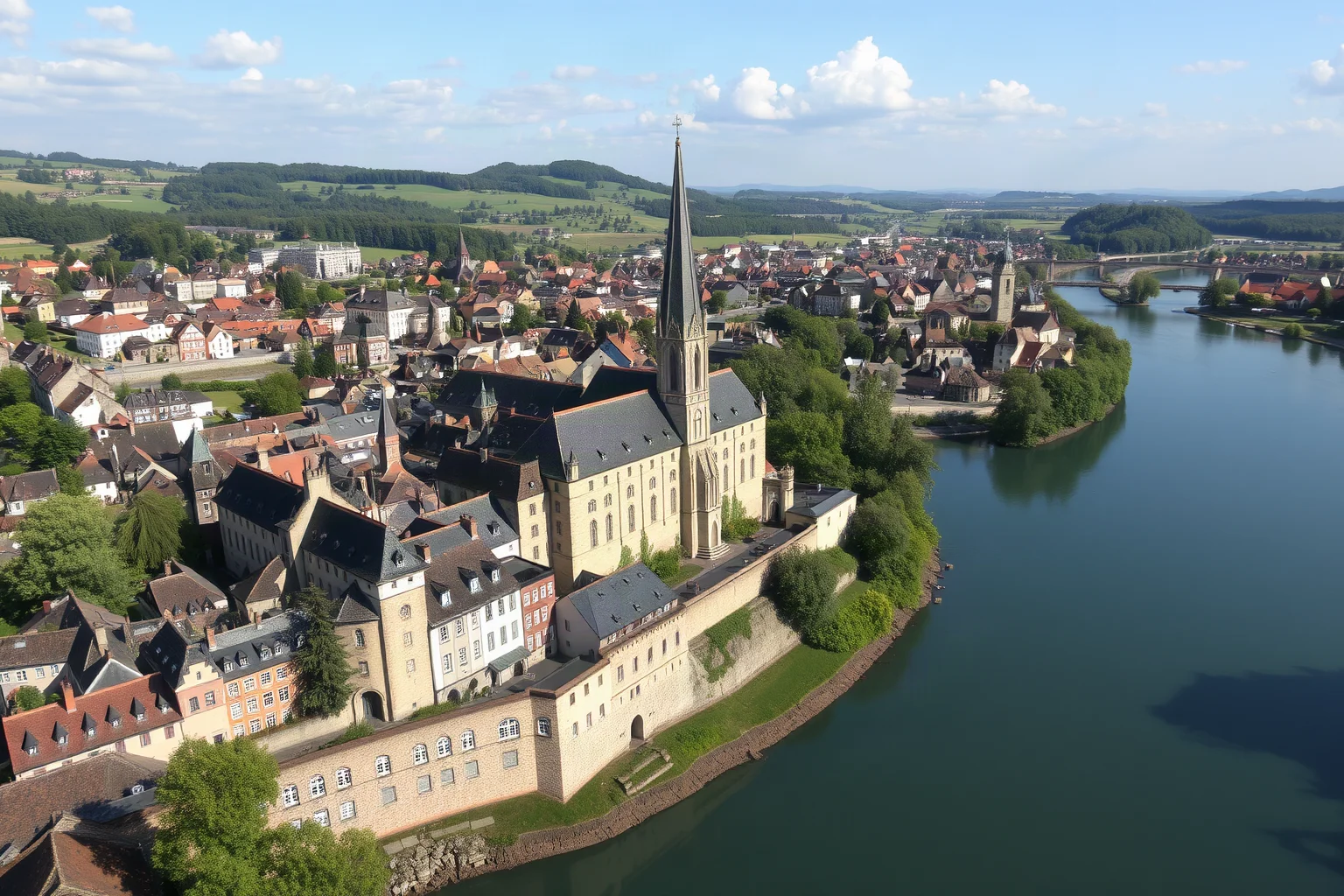
Strasbourg in 1518 was a prosperous, densely populated city on the Rhine, part of the Holy Roman Empire and now located in modern-day France. It’s the specific answer to “where was the dancing plague” — this wasn’t a widespread pandemic across Europe, but a localized outbreak centered on one city.
That said, Strasbourg wasn’t the only place this kind of event occurred. Similar, smaller dancing outbreaks had struck towns along the Rhine Valley in earlier centuries, which we’ll cover further down.
4. The Dancing Spread Like Wildfire
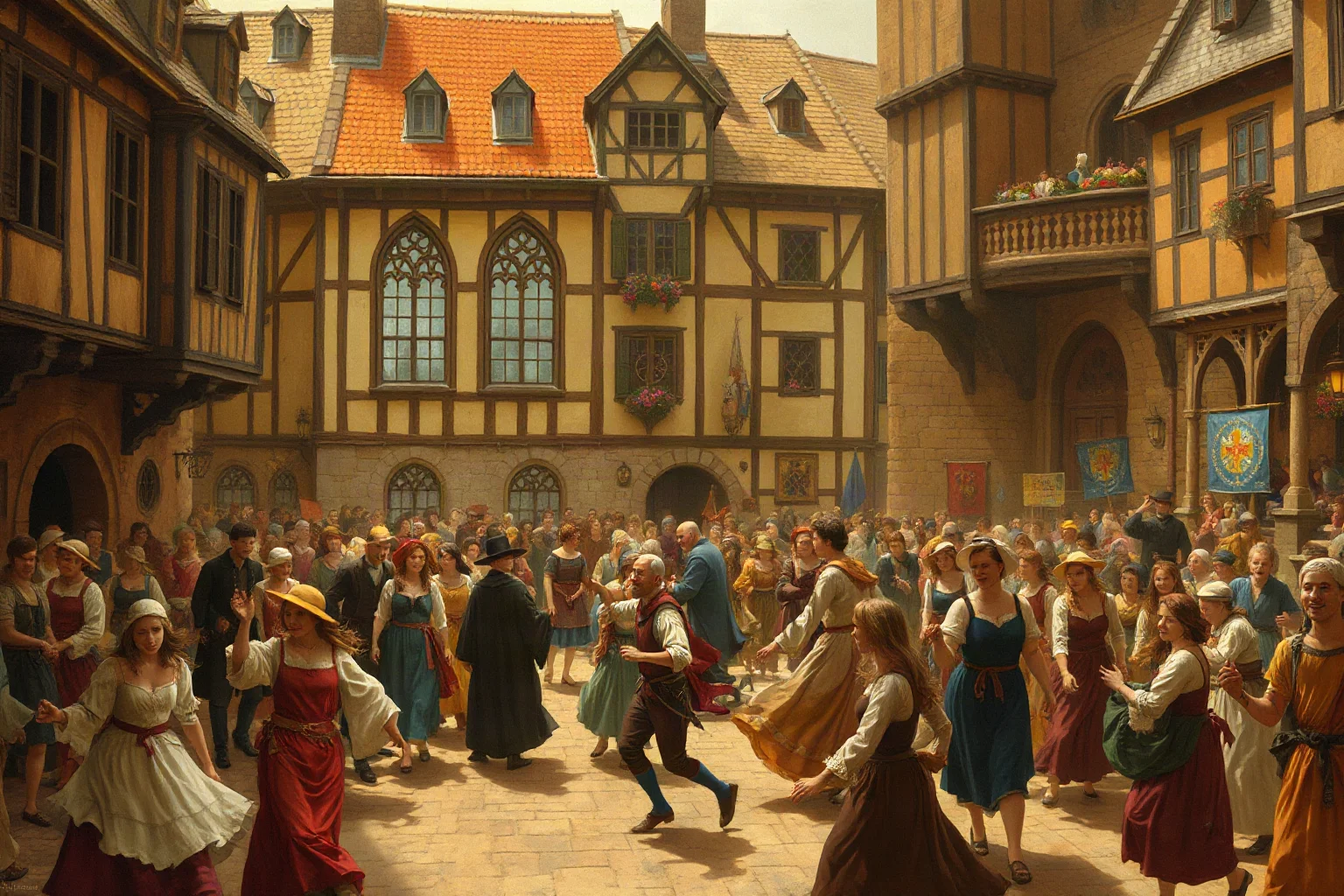
Within a month, contemporary chronicles suggest the number of afflicted dancers had grown into the hundreds. People danced in the streets, in marketplaces, and reportedly even inside chapels, moving for hours or days with little rest.
Witnesses described dancers with bleeding feet, exhausted expressions, and an apparent inability to stop even when they wanted to. The scale and visibility of the event made it impossible for city authorities to ignore.
5. How Many People Died During the Dancing Plague?
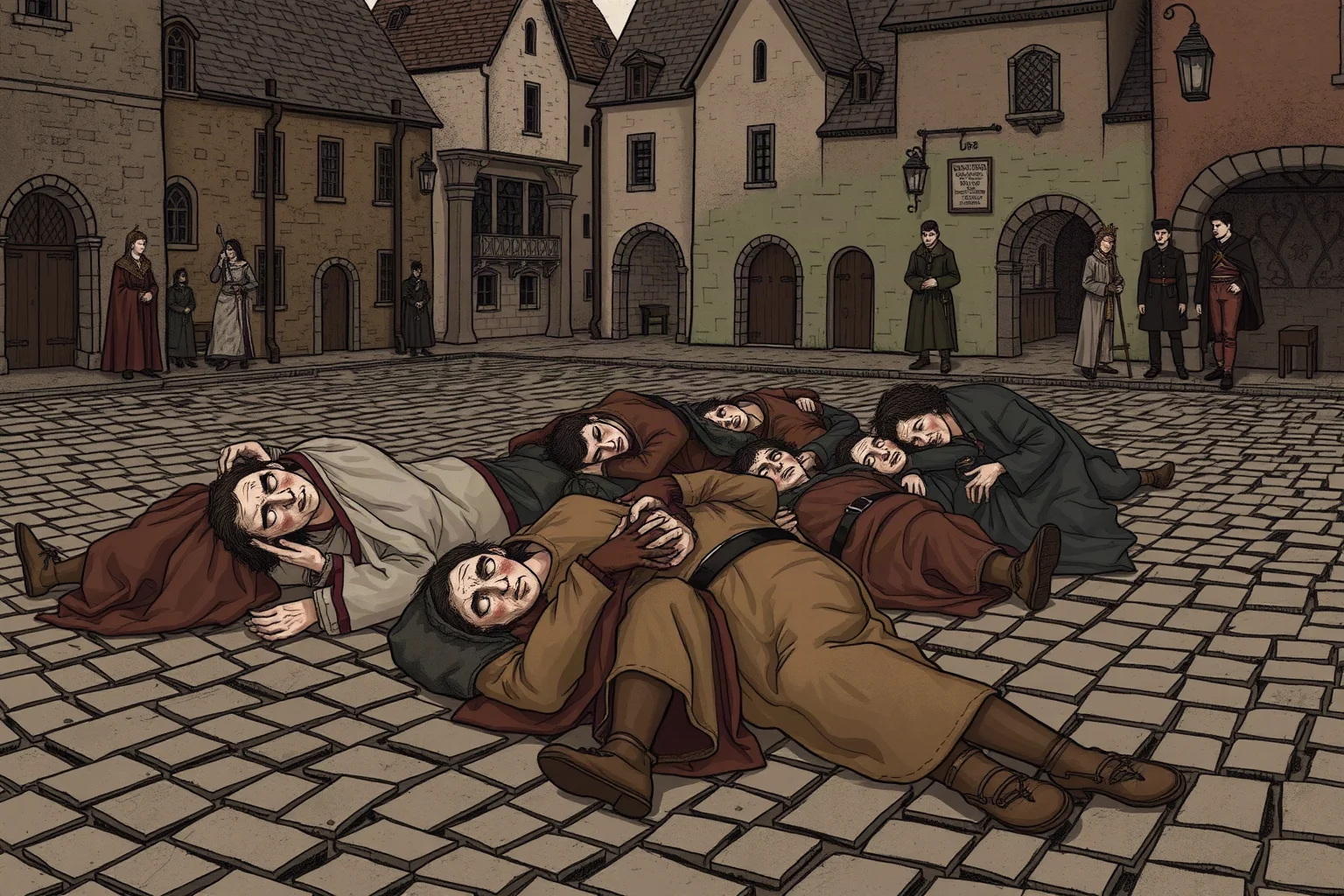
One of the most searched questions about this event is how many people died during the dancing plague. Historical sources are frustratingly vague here — city records mention that some dancers died, largely attributed to exhaustion, heart attacks, or strokes brought on by days of continuous physical exertion.
Modern historians are cautious about citing a precise death toll, since surviving records don’t offer a reliable count. What we can say with confidence is that the event was severe enough, and dangerous enough, to alarm civic and religious leaders into taking drastic action.
6. City Officials Thought Dancing Was the Cure
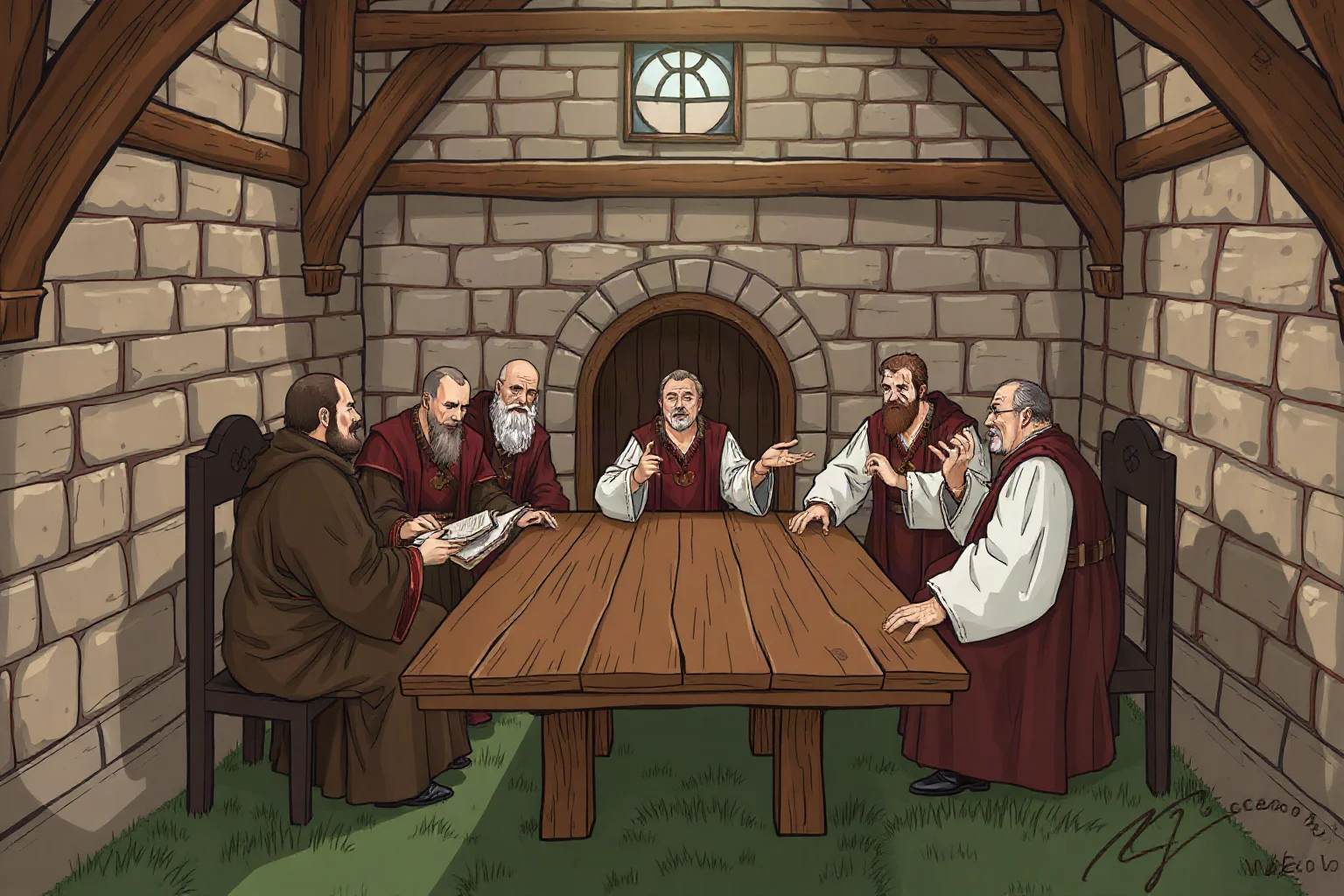
Here’s where the story takes a strange turn. Strasbourg’s town council, along with local physicians, initially believed the dancing was caused by “overheated blood” — a medical explanation rooted in the era’s humoral theory of medicine.
Their prescribed treatment was almost unbelievable by modern standards: more dancing. Officials reasoned that if the afflicted danced continuously, they would eventually sweat out the illness and recover.
7. Musicians Were Hired to Keep the Dancers Moving

Acting on that theory, the city council cleared space in marketplaces and guild halls, built temporary wooden stages, and paid musicians to play for the dancers around the clock. The intent was to help them “dance through” the affliction faster.
It’s a genuinely remarkable piece of civic history — a local government mobilizing real public resources to fight a medical crisis with a live band. Unfortunately, the plan backfired badly.
8. The Chosen Cure Made Things Worse
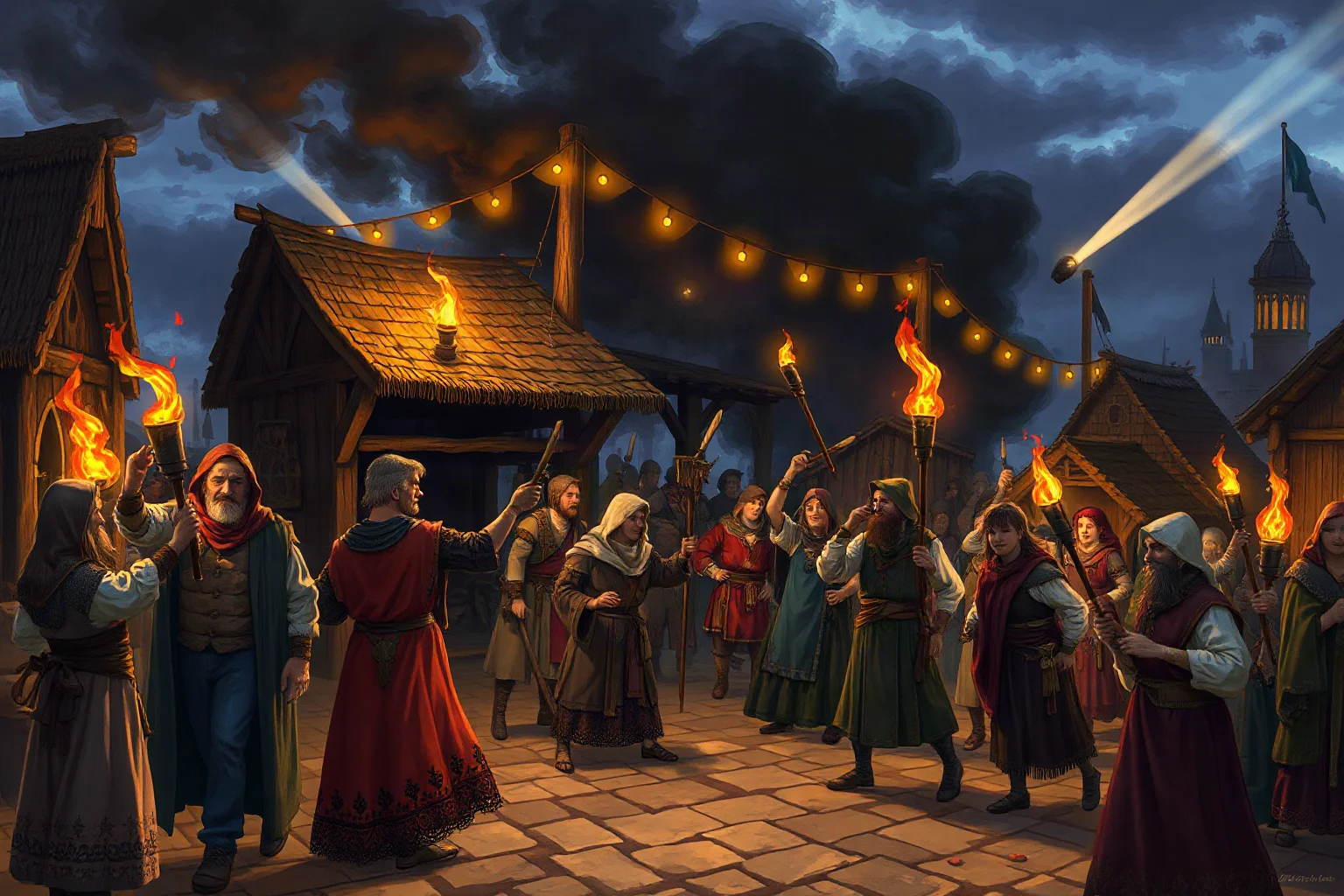
Rather than curing anyone, the constant music and dedicated dance floors seem to have encouraged even more people to join in. Historians such as John Waller argue this is a textbook case of a stress response spreading through social suggestion — the sanctioned dancing spaces likely amplified the outbreak instead of easing it.
By the time officials realized their mistake, the music had stopped, but the dancing sickness had already taken firm hold of the city.
9. Dancers Were Taken to the Shrine of Saint Vitus
When the music-based cure failed, city and church leaders shifted to a religious explanation. Many in Strasbourg came to believe the affliction was a curse sent by Saint Vitus, a martyr associated in local folklore with dance and nervous afflictions.
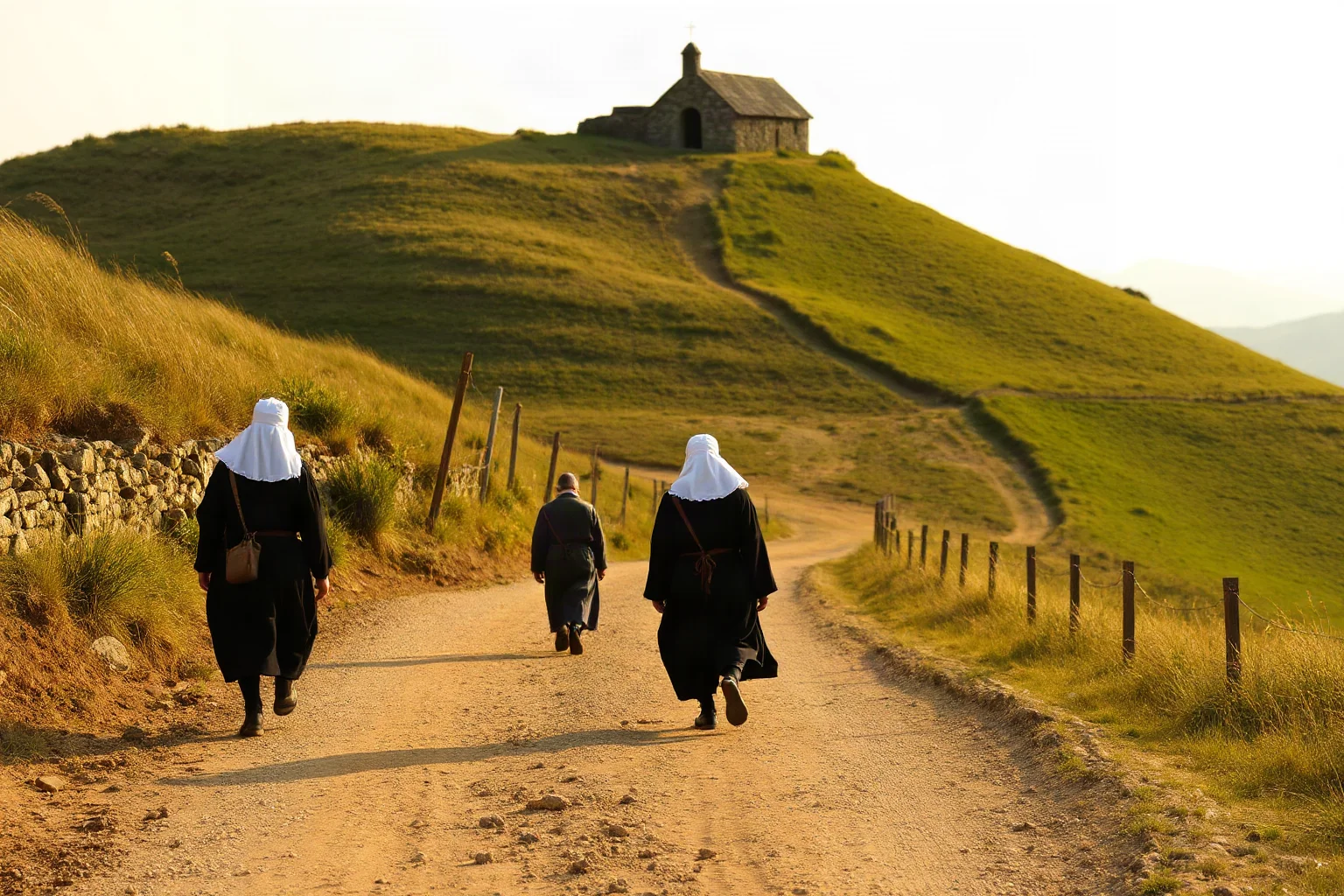
Afflicted dancers were reportedly transported to a shrine dedicated to Saint Vitus near Saverne, where they underwent religious rites, including having their feet ceremonially placed in red shoes and being led around a wooden statue of the saint. Following these rituals, many of the dancers reportedly calmed down, and the epidemic gradually subsided over the following weeks.
10. This Wasn’t the First “Dancing Plague” in History
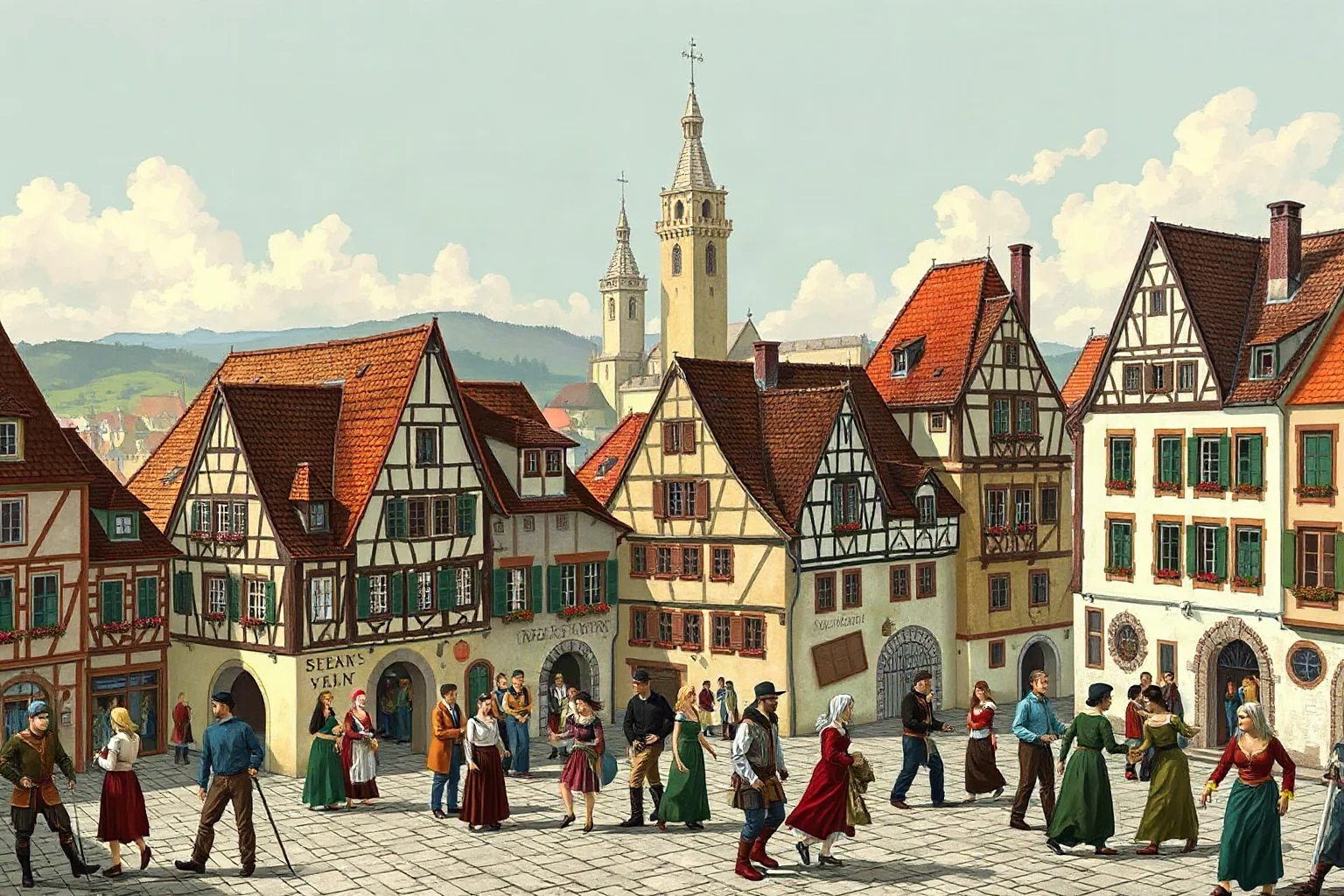
The 1518 outbreak is the most famous, but it wasn’t unique. A similar and well-documented dancing mania struck Aachen (in modern Germany) in 1374, then spread to neighboring towns along the Rhine, including Cologne and Strasbourg itself.
Smaller outbreaks were recorded across the medieval and early modern Rhine Valley over the following century and a half. This pattern of recurring episodes is part of why historians treat the phenomenon as a real, recognized medical and social event rather than a one-off legend.
11. The Legend of St. John’s Dance and St. Vitus’s Dance
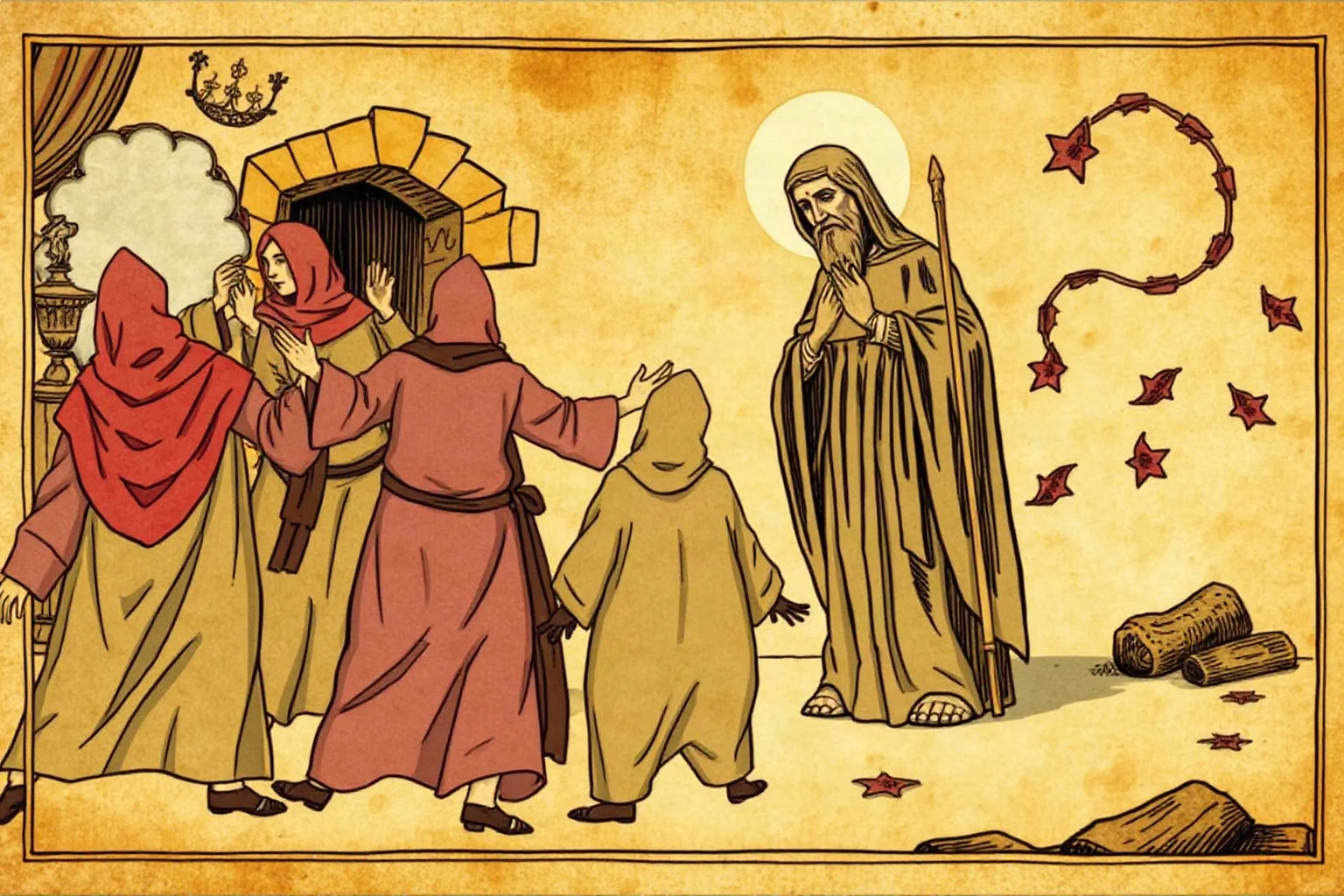
Medieval Europeans gave this affliction different names depending on the region and era, including “St. John’s Dance” and “St. Vitus’s Dance.” Both names tie the condition to specific saints’ feast days and folk beliefs about divine punishment or blessing.
The name “St. Vitus’s Dance” stuck around long after the medieval dancing outbreaks stopped. It was later borrowed by physicians to describe an unrelated neurological condition, which we’ll get to shortly.
12. Theory One: Ergot Poisoning

One popular explanation for the dancing plague is ergot poisoning. Ergot is a toxic fungus that grows on damp rye and other grains, and it can produce convulsions, hallucinations, and spasms in people who eat contaminated bread.
The theory is intriguing, but most historians today consider it unlikely to fully explain the 1518 outbreak. Ergot poisoning typically causes severe convulsions and impaired blood flow to the limbs rather than the sustained, coordinated, days-long dancing described in Strasbourg’s records — and it’s very difficult to sustain complex rhythmic movement for days while poisoned by ergot alkaloids.
13. Theory Two: Mass Psychogenic Illness (Mass Hysteria)
The leading modern explanation is mass psychogenic illness, sometimes called mass hysteria dance behavior. This is a documented psychological phenomenon in which extreme stress manifests as involuntary physical symptoms that spread through a group, often triggered by seeing others exhibit the same behavior.
Historian John Waller, in his book “A Time to Dance, a Time to Die,” argues this is the most plausible explanation for Strasbourg’s outbreak. He points to the timing — 1518 followed years of famine, disease, and social upheaval in the region — as a plausible trigger for widespread psychological distress.
14. Theory Three: Extreme Stress and Famine

In the years leading up to 1518, the Alsace region had suffered from severe famine, crop failures, and outbreaks of disease, including smallpox and syphilis. Peasants and city dwellers alike faced real, grinding hardship and fear of death.
This context matters. Waller and other historians suggest that chronic stress, malnutrition, and a regional folk belief that Saint Vitus could curse people with compulsive dancing may have combined to produce a genuine psychogenic outbreak — one where the mind’s response to unbearable stress took a physical, socially “contagious” form.
15. Theory Four: Religious Cult Frenzy
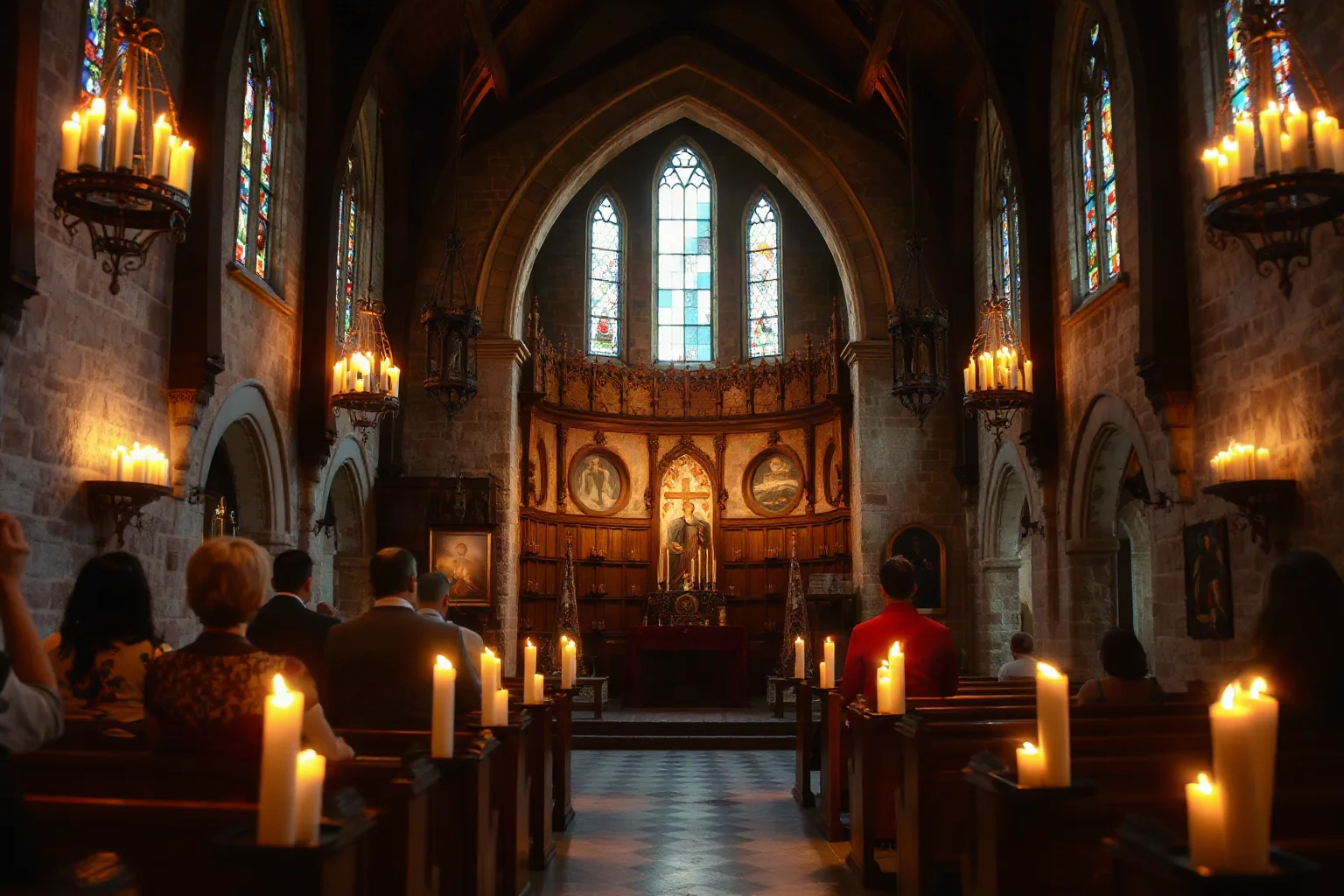
A related theory points to religious fervor rather than pure psychological stress. Some scholars suggest that dancing manias were tied to ecstatic religious practices or cult-like devotional behavior, where dancing was seen as a form of penance or spiritual release tied to saints associated with affliction and healing.
This theory overlaps with the stress-and-suggestion explanation rather than replacing it. Strong regional beliefs about Saint Vitus’s power to curse or cure likely shaped how the crisis unfolded and why the shrine pilgrimage seemed to help.
16. What Doctors at the Time Believed
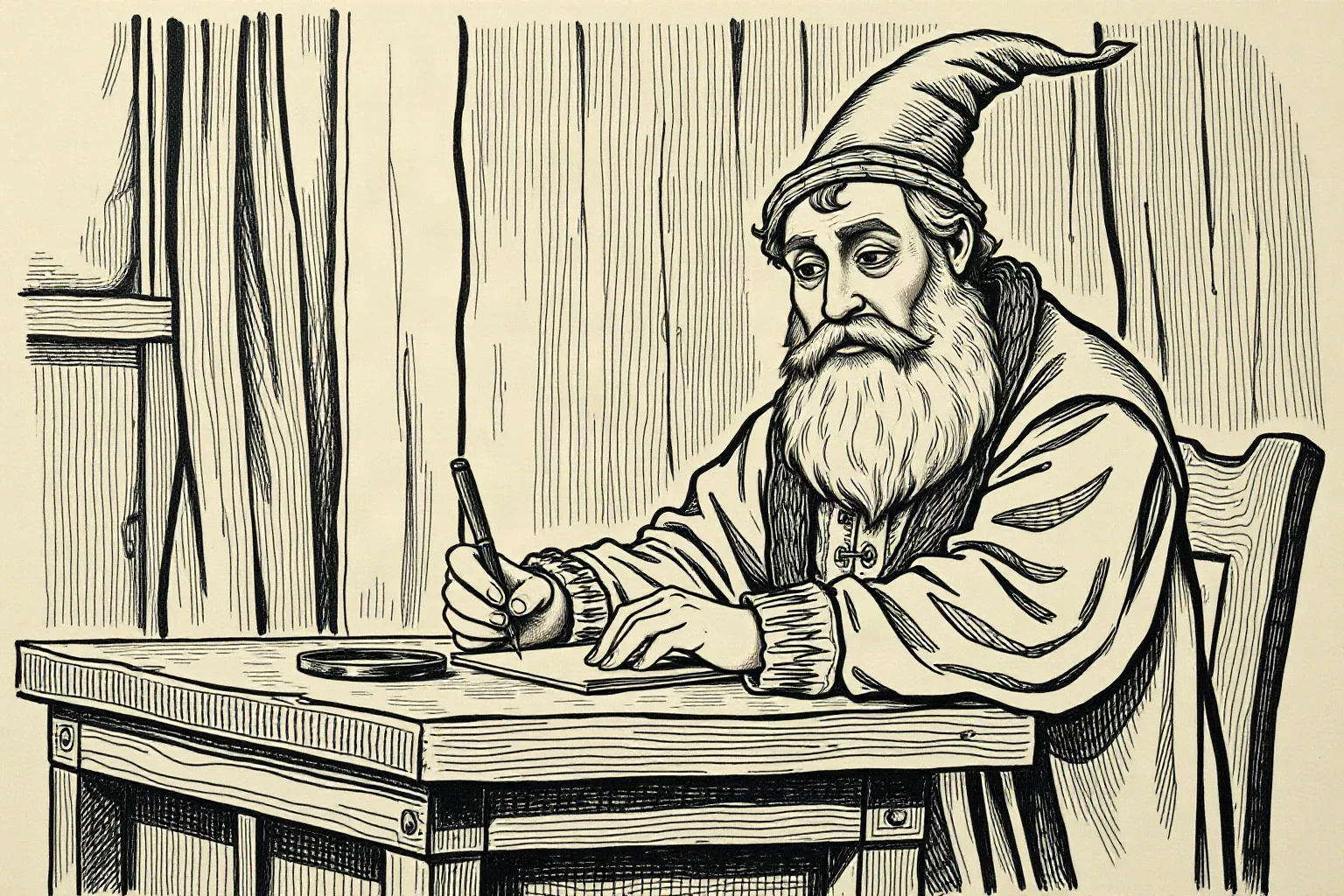
The Swiss physician and alchemist Paracelsus, who wrote about the Strasbourg outbreak decades after it occurred, offered his own theory. He argued the affliction was rooted in a form of hysteria connected to lewdness and moral corruption rather than divine curse, reflecting the era’s tendency to moralize illness, especially in women.
Paracelsus’s account is one of the few near-contemporary written sources historians have to work with, though it was written after the fact and reflects his personal medical theories rather than an eyewitness clinical record. It’s a useful reminder that even “historical” explanations of the event were shaped by the biases of their authors.
17. Was the Dancing Plague of 1518 Real? Evaluating the Evidence

So, was the dancing plague real, or is it exaggerated folklore? The consensus among historians is that something real and significant did happen in Strasbourg in 1518. Multiple independent sources — including city council records, physicians’ writings, and chronicler accounts — describe the event, which gives it far more credibility than a simple legend.
What’s less certain is the precise scale, the exact death toll, and the underlying medical cause. Modern retellings sometimes exaggerate details or state contested theories as settled fact, so it’s worth treating specific numbers and causes with healthy skepticism even while accepting that the core event occurred.
18. Why the Dancing Plague Faded by Autumn 1518
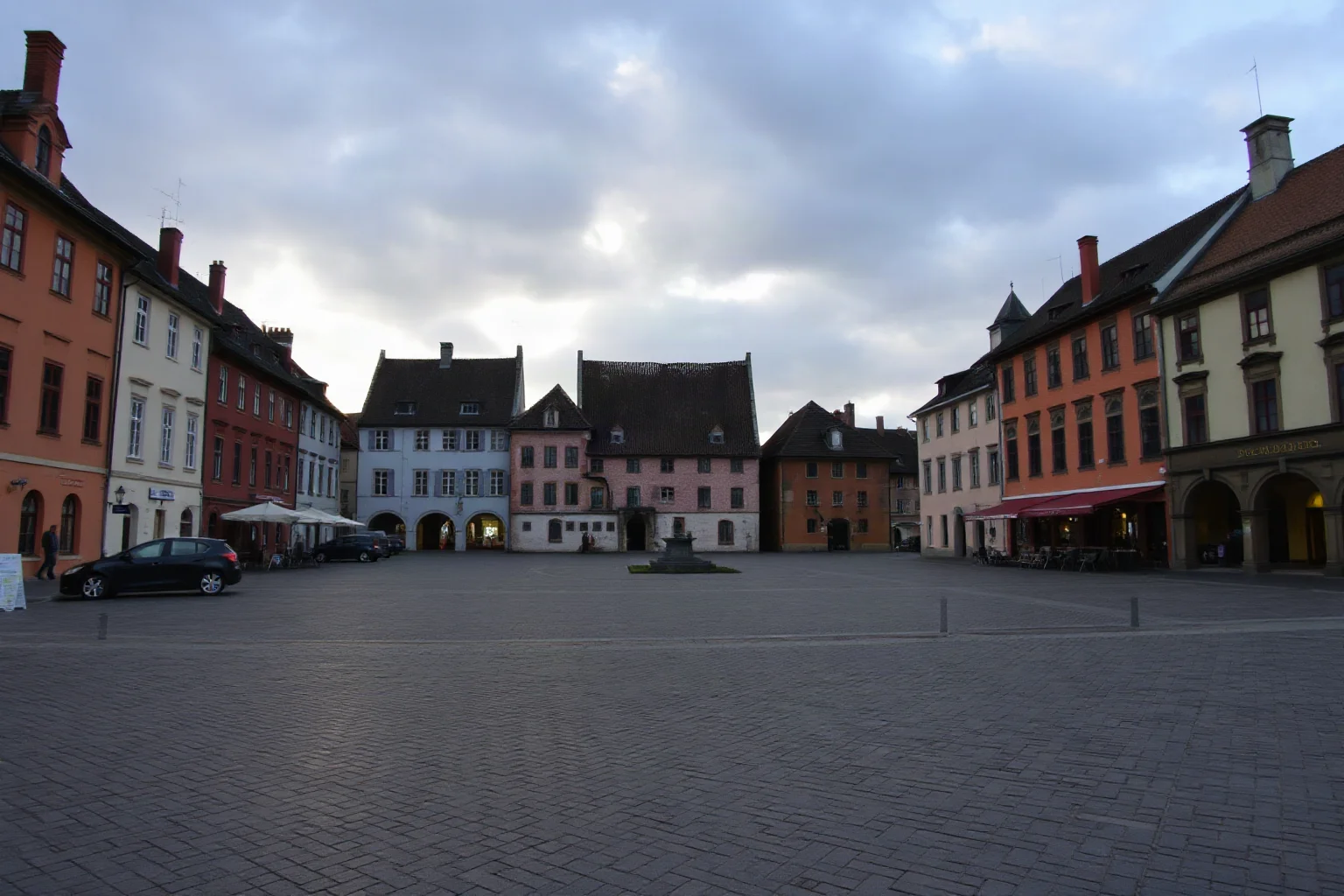
By September 1518, contemporary records suggest the outbreak had largely subsided. The shift away from public dance floors and music, combined with the religious pilgrimage to the Saint Vitus shrine, likely played a role in ending the social contagion.
If mass psychogenic illness is indeed the correct explanation, removing the environmental triggers — the crowds, the music, the shared belief that dancing was expected — would naturally allow the episode to run its course. Without a new “infected” cluster to keep the behavior spreading, the affliction gradually died out.
19. Chorea and the Medical Legacy of “Dancing Sickness”
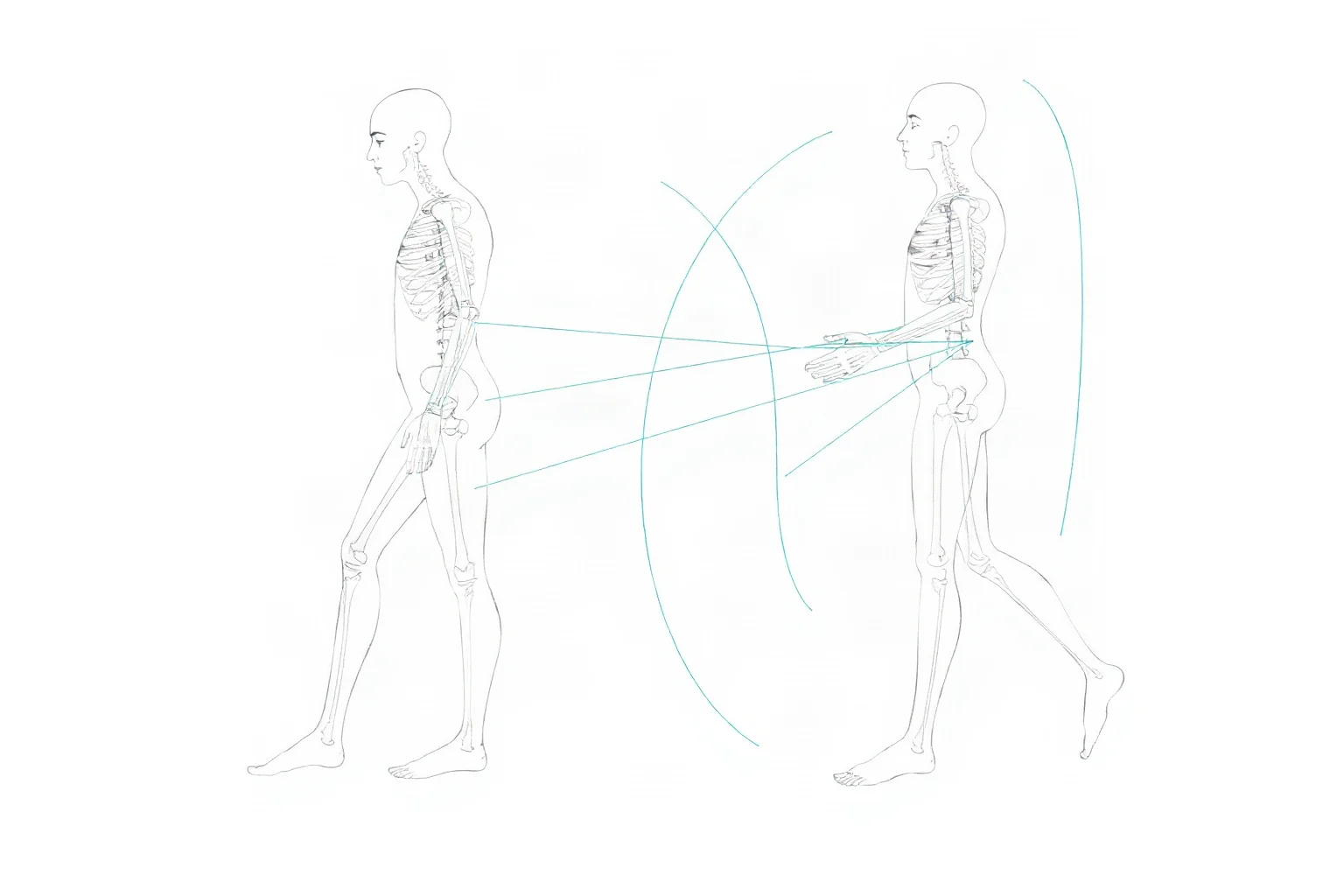
Centuries later, the name “St. Vitus’s Dance” was repurposed by physicians to describe Sydenham’s chorea, a neurological condition marked by involuntary, jerky movements, often linked to rheumatic fever in children. It’s important to note this is a distinct, well-understood medical condition and not a continuation of the medieval dancing plague.
The borrowed name has caused some confusion online, with the two conditions sometimes conflated. Medically speaking, chorea is a specific neurological symptom, while the 1518 dancing plague is best understood as a historical mass psychogenic event.
20. Similar Mass Hysteria Events Throughout History

The Strasbourg outbreak isn’t the only documented case of mass psychogenic illness spreading through a community. The Tanganyika laughter epidemic of 1962, which began among schoolgirls in what is now Tanzania and caused uncontrollable laughing and crying that spread to thousands of people, is one of the better-known modern parallels.
Other documented cases include outbreaks of fainting, twitching, or shaking spreading through schools and factories, typically under conditions of high stress or close social contact. These modern, well-studied cases lend credibility to the psychogenic explanation for what happened in 1518, since they show the same basic pattern can occur in populations far removed from medieval religious beliefs.
21. The Dancing Plague in Pop Culture
The strange, almost cinematic nature of the dancing plague has made it a recurring reference point in books, documentaries, music, and even fiction. John Waller’s history book brought renewed public attention to the event, and it regularly turns up in “strange history” articles and video essays.
It has also inspired creative works directly: a rock band performing under the name “Dancing Plague” has used the event as its namesake, drawing on the eerie, theatrical imagery of the outbreak. It’s a good example of how a genuine historical mystery can take on a life of its own in modern art and media, so long as audiences remember the underlying history is more nuanced than the legend.
22. What the Dancing Plague Teaches Us About Crowd Psychology

Whatever the exact cause, the dancing plague of 1518 remains a powerful case study in how extreme stress, social pressure, and shared belief can produce very real, very physical symptoms across a large group of people. It’s a reminder that the mind and body are deeply connected, and that collective behavior can spread in ways that are hard to predict or control.
Modern researchers studying mass psychogenic illness still look back to Strasbourg’s outbreak as a foundational historical case. It shows that “mass hysteria” isn’t just a dismissive old-fashioned label — it describes a genuine, recurring pattern in human psychology that continues to show up, in different forms, right up to the present day.
The Bottom Line
The dancing plague of 1518 sits in a fascinating space between documented history and enduring mystery. We know, with reasonable confidence, that a real outbreak of compulsive dancing struck Strasbourg, that city officials responded with music and dedicated dance floors, and that the episode eventually ended after a religious pilgrimage and the withdrawal of public dancing spaces.
What we don’t know for certain is the precise medical or psychological mechanism behind it, or the exact number of people affected and lost. That mix of solid documentation and lingering uncertainty is exactly what makes this one of the most enduringly fascinating episodes in medieval history — a true story strange enough that it barely needs any exaggeration at all.
Frequently Asked Questions
What was the dancing plague of 1518?
The dancing plague of 1518 was a real historical event in Strasbourg in which hundreds of people reportedly danced uncontrollably, sometimes for days at a time, without any clear medical cause. City records, physicians' writings, and chronicler accounts document the episode, though the exact cause is still debated by historians.
Was the dancing plague real?
Yes, historical records including Strasbourg's city council documents and contemporary physicians' accounts confirm that a real outbreak of compulsive dancing occurred in 1518. What remains uncertain is the precise cause and the exact number of people affected, since surviving records are incomplete.
What caused the dancing plague?
There's no single confirmed cause. Leading theories include mass psychogenic illness triggered by extreme stress and famine, religious fear tied to Saint Vitus folklore, and, less convincingly according to most historians, ergot poisoning from contaminated rye bread.
Where was the dancing plague?
The best-documented dancing plague occurred in Strasbourg, a city in the Alsace region then part of the Holy Roman Empire (in modern-day France) in 1518. Earlier, smaller dancing outbreaks were also recorded in other towns along the Rhine Valley, including Aachen in 1374.
How many people died during the dancing plague?
Historical sources mention that some dancers died, likely from exhaustion, strokes, or heart attacks after days of continuous physical exertion, but no reliable overall death toll survives in the records. Modern historians avoid citing a specific number because the evidence simply doesn't support a precise count.
How long did the dancing plague of 1518 last?
The outbreak began in July 1518 and had largely subsided by around September of that year, meaning it lasted roughly one to two months. Individual dancers reportedly danced continuously for days before collapsing from exhaustion.
Is there a dancing plague band?
Yes, the strange history of the event has inspired musicians, including a band performing under the name "Dancing Plague," which draws on the eerie imagery of the 1518 outbreak for its identity. This is a modern artistic reference rather than any historical connection to the original event.
What is the difference between the dancing plague and chorea (St. Vitus’s Dance)?
The medieval dancing plague and the medical condition later named St. Vitus's Dance (Sydenham's chorea) share a name but are not the same thing. Chorea is a well-understood neurological condition causing involuntary jerky movements, often linked to rheumatic fever, while the 1518 dancing plague is best explained as a historical case of mass psychogenic illness.
Did music and dancing actually cure the dancing plague?
No — city officials in Strasbourg hired musicians and built dance stages believing continuous dancing would help sufferers recover, but this approach appears to have made the outbreak worse by encouraging more people to join in. The episode only faded after officials stopped the public music and dancers were taken on a religious pilgrimage to a shrine of Saint Vitus.

Alex Warren
Related Articles