When people search for the most rich woman in history, they often expect a simple ranked list with precise dollar amounts. The reality is far more complicated and far more fascinating. Comparing wealth across centuries, continents, and currencies is an exercise in historical detective work rather than simple arithmetic.
Some of the richest women of all time controlled entire national treasuries as monarchs. Others built fortunes from scratch as merchants, investors, and entrepreneurs. Whether you call them the richest lady in the world of their era or simply remarkable historical figures, their stories reveal that women have been accumulating wealth for thousands of years.
TL;DR: From pharaohs who controlled gold mines to self-made millionaires who started with nothing, the richest women in history built and commanded wealth across millennia — though direct comparisons across eras remain more art than science.
Why Ranking Historical Wealth Is Nearly Impossible
Before diving into this list, it is worth explaining why a precise ranking of the richest women in history is essentially impossible. Ancient economies did not use dollars, and concepts like net worth did not exist in the way we understand them today. A pharaoh who controlled Egypt's gold mines was wealthy in ways that cannot be converted to modern currency.
Many of the women on this list controlled state wealth rather than personal wealth. The line between a monarch's personal fortune and the national treasury was often blurry or nonexistent. When a queen directed the resources of an entire kingdom, assigning a personal net worth becomes an exercise in speculation rather than accounting.
This list is therefore arranged chronologically rather than by estimated wealth. Each entry describes the sources and scale of the woman's wealth based on available historical evidence. Some figures are well-documented, while others rely on inference and context. We have noted where claims are debated or uncertain.
1. Hatshepsut: The Pharaoh Who Opened Egypt's Trade Routes
Hatshepsut ruled as pharaoh of Egypt from roughly 1479 to 1458 BCE, during the Eighteenth Dynasty. She was not merely a queen consort — she assumed the full titles and powers of a pharaoh, governing one of the wealthiest civilizations the ancient world had ever seen, and she ranks among history's most powerful women. Egypt's gold mines, agricultural surpluses, and control of Nile trade made her one of the most rich woman figures of the ancient era.
Her most famous economic initiative was the trade expedition to the Land of Punt, around 1477 BCE. This venture brought back gold, ebony, ivory, leopard skins, and living myrrh trees. The reliefs at her mortuary temple at Deir el-Bahari depict this expedition in remarkable detail, showing the sheer volume of goods that flowed into Egypt under her command.
Hatshepsut also commissioned an extensive building program, including her magnificent mortuary temple and obelisks at Karnak. These projects required enormous resources and demonstrated the wealth she controlled. While we cannot assign a dollar figure to her fortune, the scale of her projects and trade initiatives places her among the richest women in history.
2. Cleopatra VII: The Last Pharaoh of Egypt
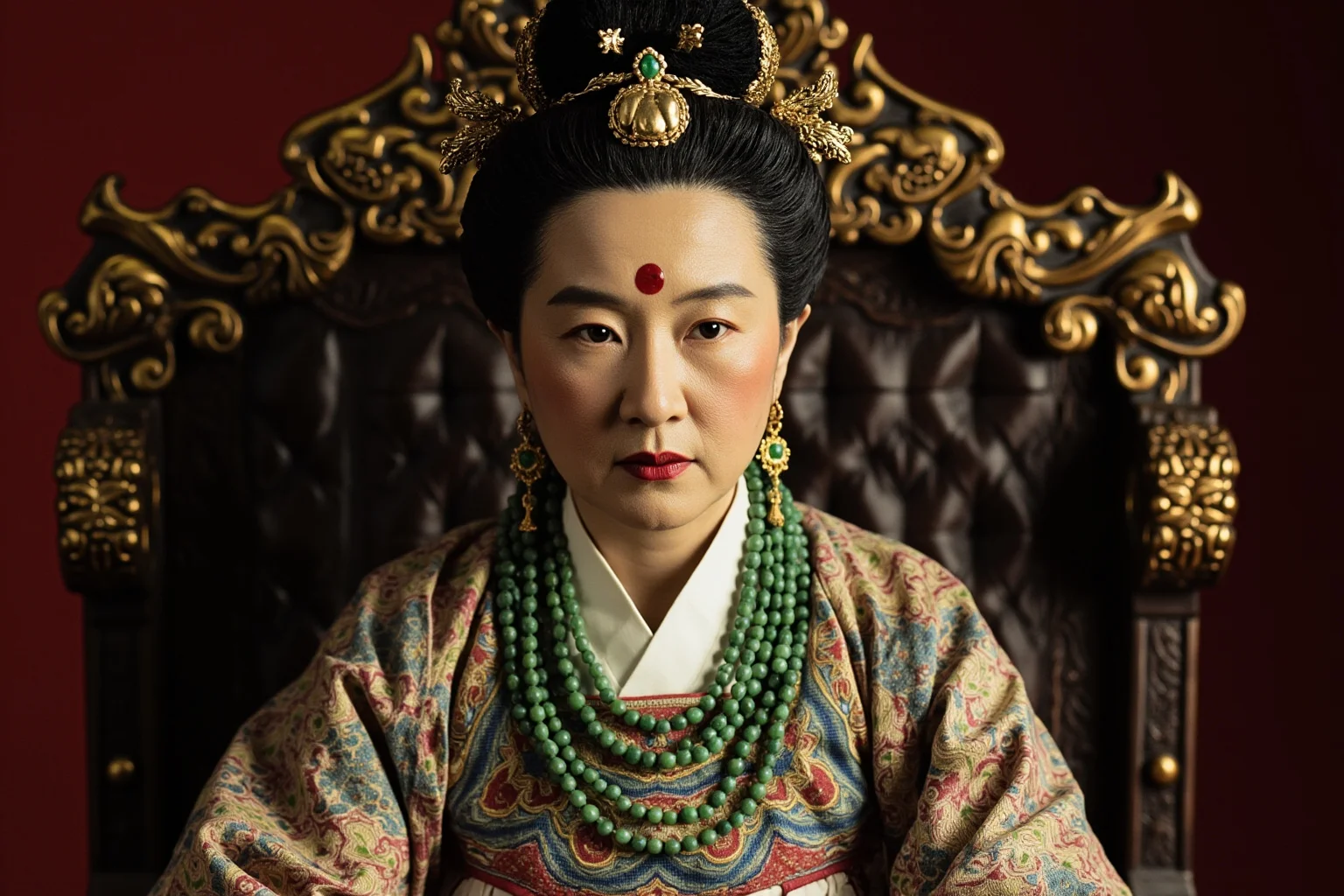
Cleopatra VII (69–30 BCE) is frequently cited when people ask who is the richest woman ever. As the last active ruler of the Ptolemaic Kingdom of Egypt, she controlled a nation that was the breadbasket of the Mediterranean and a major source of gold. Egypt's wealth under her rule was legendary, attracting the attention of Rome's most powerful men.
Estimates of Cleopatra's personal wealth vary wildly, and historians caution against accepting specific figures. Some modern sources have estimated her net worth in the hundreds of billions when adjusted for inflation, but these numbers are highly speculative. What is well-documented is that Egypt's annual revenues during her reign were substantial, and she had personal access to vast resources.
Her relationships with Julius Caesar and Mark Antony were as much strategic as they were romantic. These alliances helped preserve Egyptian independence and wealth for decades. When she died in 30 BCE, Egypt's treasury fell to Rome, and Octavian's victory celebration reportedly displayed enormous wealth seized from her kingdom.
3. Empress Lü Zhi: China's First Powerful Empress Dowager
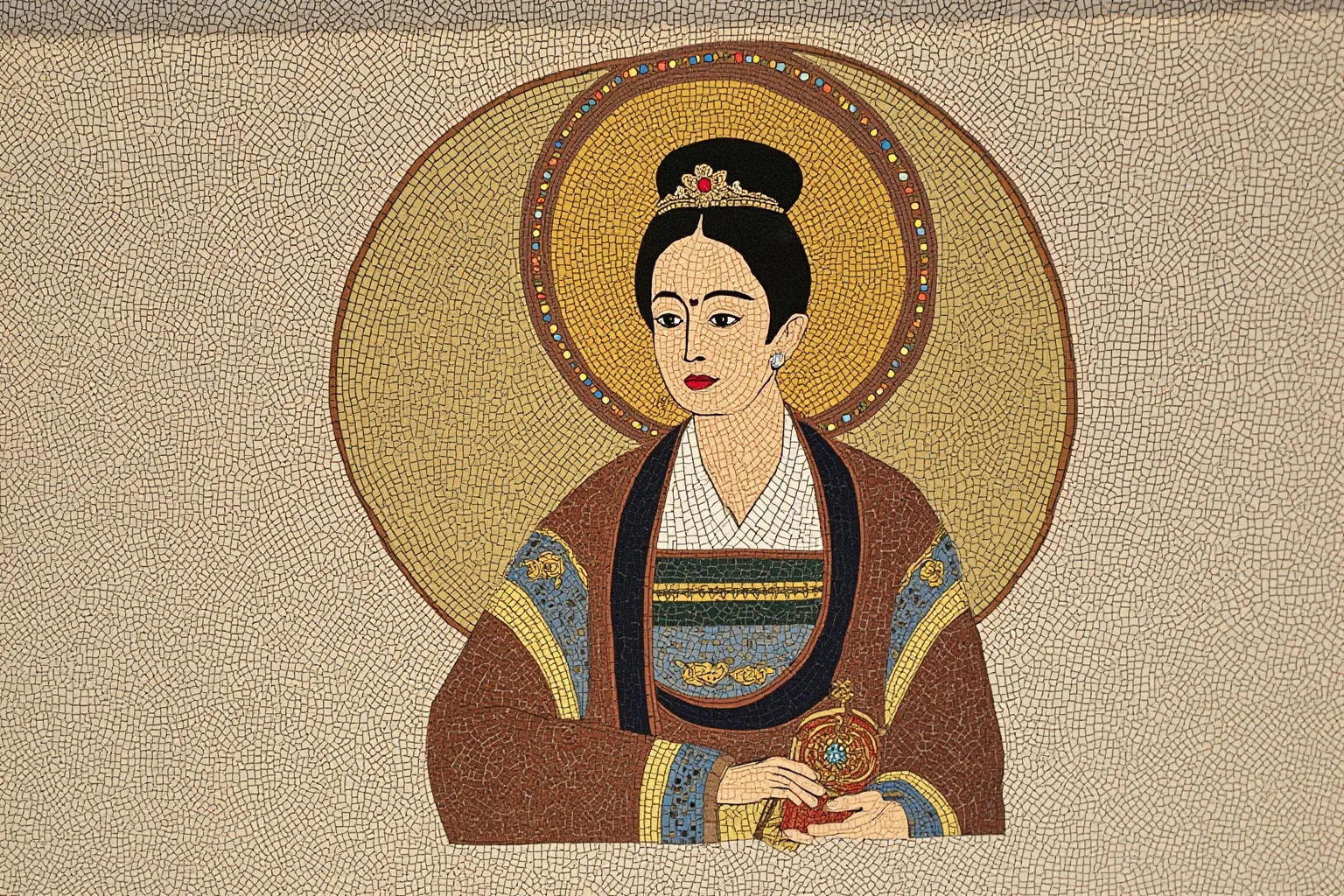
Empress Lü Zhi (241–180 BCE) was the wife of Emperor Gaozu, the founder of the Han Dynasty. After his death in 195 BCE, she served as regent and effectively ruled China for fifteen years. During this time, she controlled the imperial treasury of one of the largest and wealthiest empires in the ancient world.
The Han Dynasty oversaw a flourishing economy driven by agriculture, silk production, and the expanding Silk Road trade. As the most powerful person in China, Lü Zhi had access to resources that few women in history could match. She appointed family members to key positions and consolidated political power with ruthless efficiency.
Historians debate whether her wealth should be considered personal or institutional, since Chinese imperial treasuries were technically state property. However, the practical distinction was often meaningless when a ruler had total control. Lü Zhi's influence over Han China's economy makes her one of the most rich woman figures of the ancient world.
4. Empress Theodora: From Circus Performer to Byzantine Power
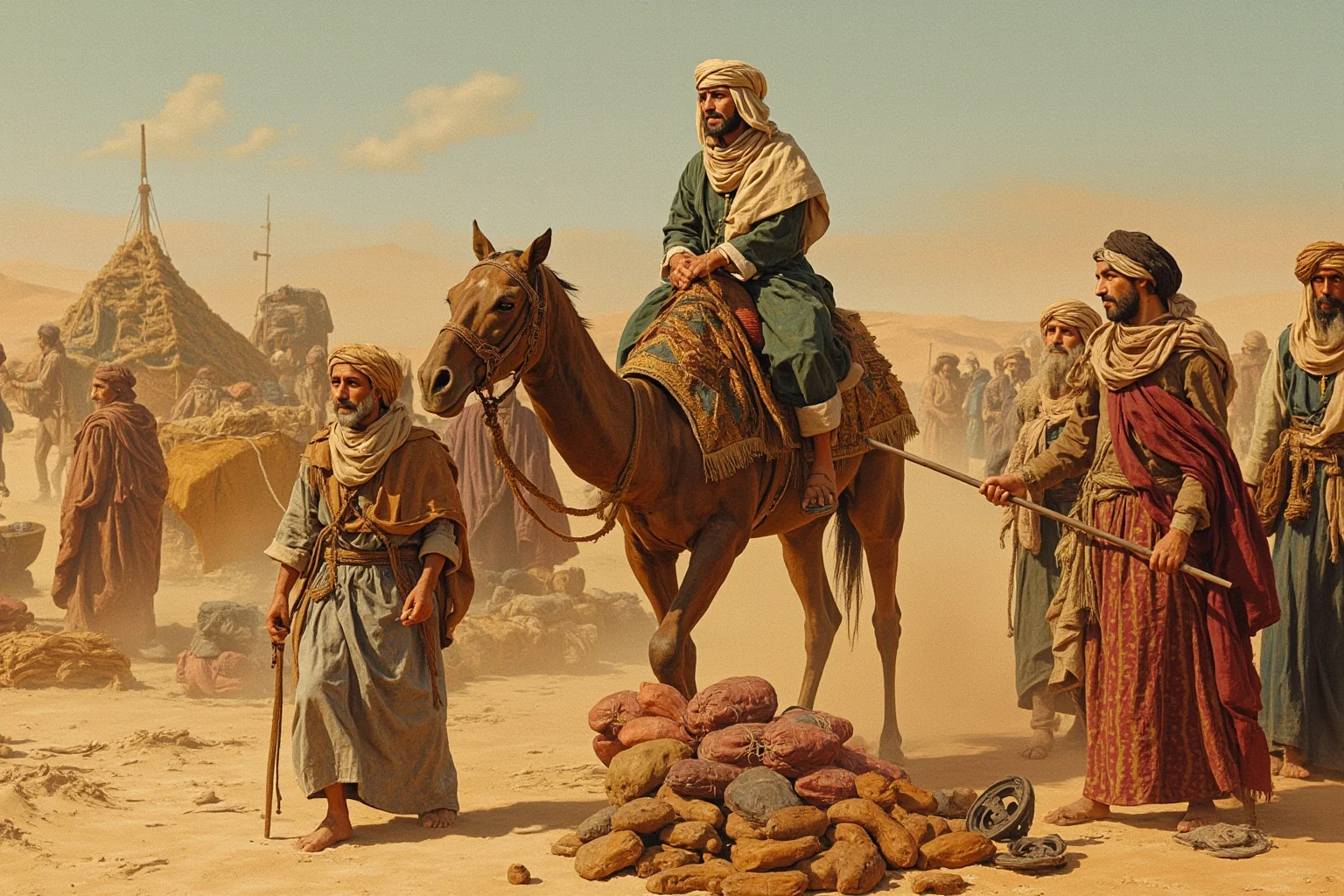
Empress Theodora (c. 500–548 CE) rose from humble origins as an actress and courtesan to become one of the most influential women in Byzantine history. She married Justinian I, who would become one of the most powerful emperors of the Eastern Roman Empire. Together, they ruled from Constantinople, the wealthiest city in Europe for centuries.
The Byzantine Empire under Justinian and Theodora controlled vast trade networks connecting Europe, Asia, and Africa. The imperial treasury collected taxes from millions of subjects and controlled the lucrative silk trade. Theodora wielded significant influence over imperial finances and policy, co-ruling in ways that were unusual for a woman of her era.
She used her wealth and power to build churches, monasteries, and hospitals across Constantinople. The Hagia Sophia, completed during their reign, was one of the most expensive construction projects in history. Theodora's personal story — from poverty to unimaginable imperial wealth — makes her one of history's most remarkable examples of upward mobility.
5. Khadija bint Khuwaylid: The Merchant Queen of Mecca
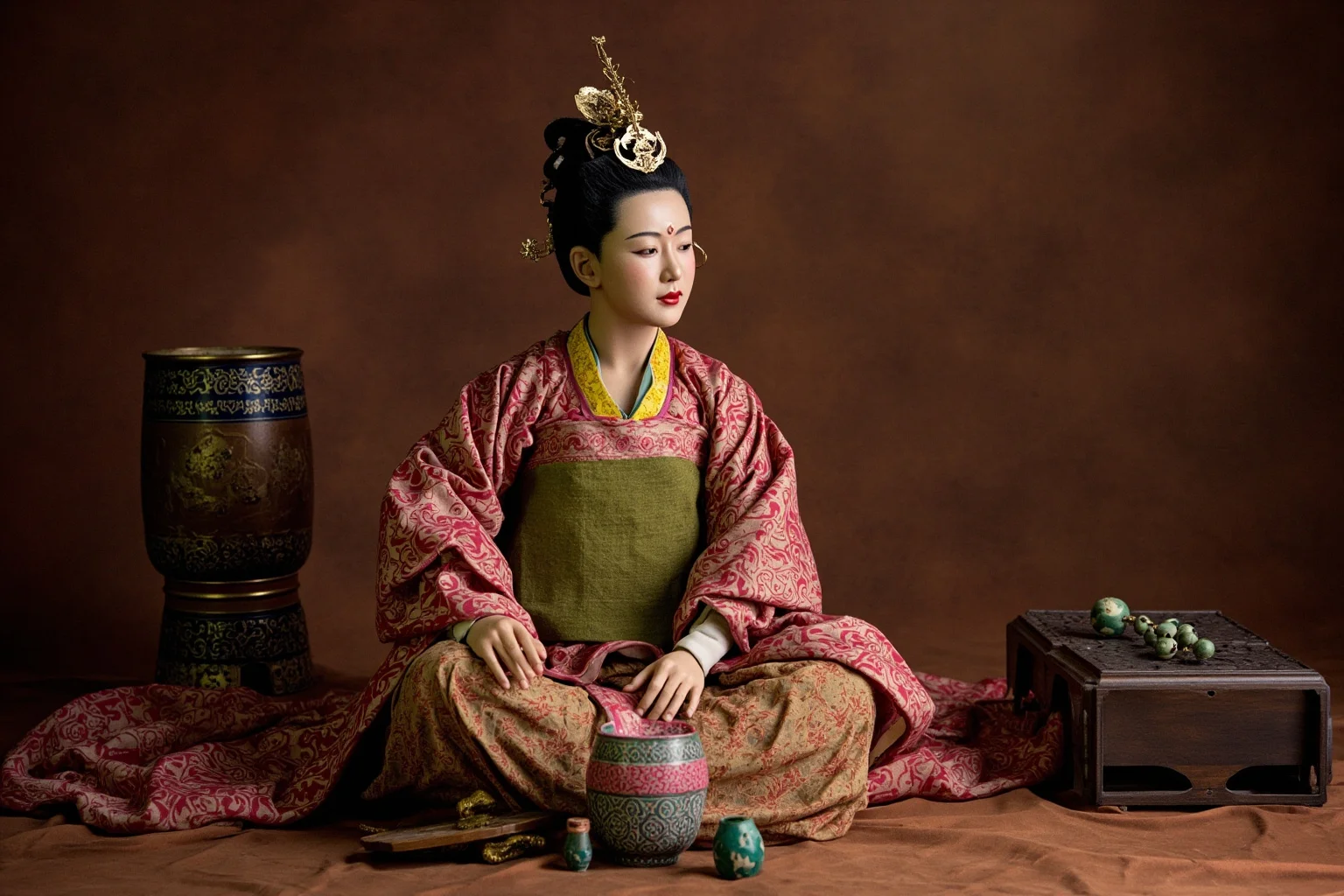
Khadija bint Khuwaylid (555–619 CE) was a remarkably successful merchant in pre-Islamic Arabia. She inherited wealth from her father and two previous marriages, then built a trading enterprise that spanned the Arabian Peninsula and beyond. Her caravans traveled to Syria and Yemen, dealing in goods ranging from leather to spices.
She was widely known as the "Princess of Quraysh" and the "pure one" for her character and business reputation. At a time when women in many societies could not own property, Khadija independently managed her wealth and employed agents to conduct trade on her behalf. She was, by many accounts, the wealthiest woman in Mecca.
Khadija's wealth enabled her to support her husband Muhammad financially after their marriage. This support was crucial during the early years of Islam, when the new faith's followers faced persecution and economic boycotts. Her story demonstrates that women could build extraordinary commercial fortunes in the ancient world, even outside of royal courts.
6. Wu Zetian: China's Only Female Emperor
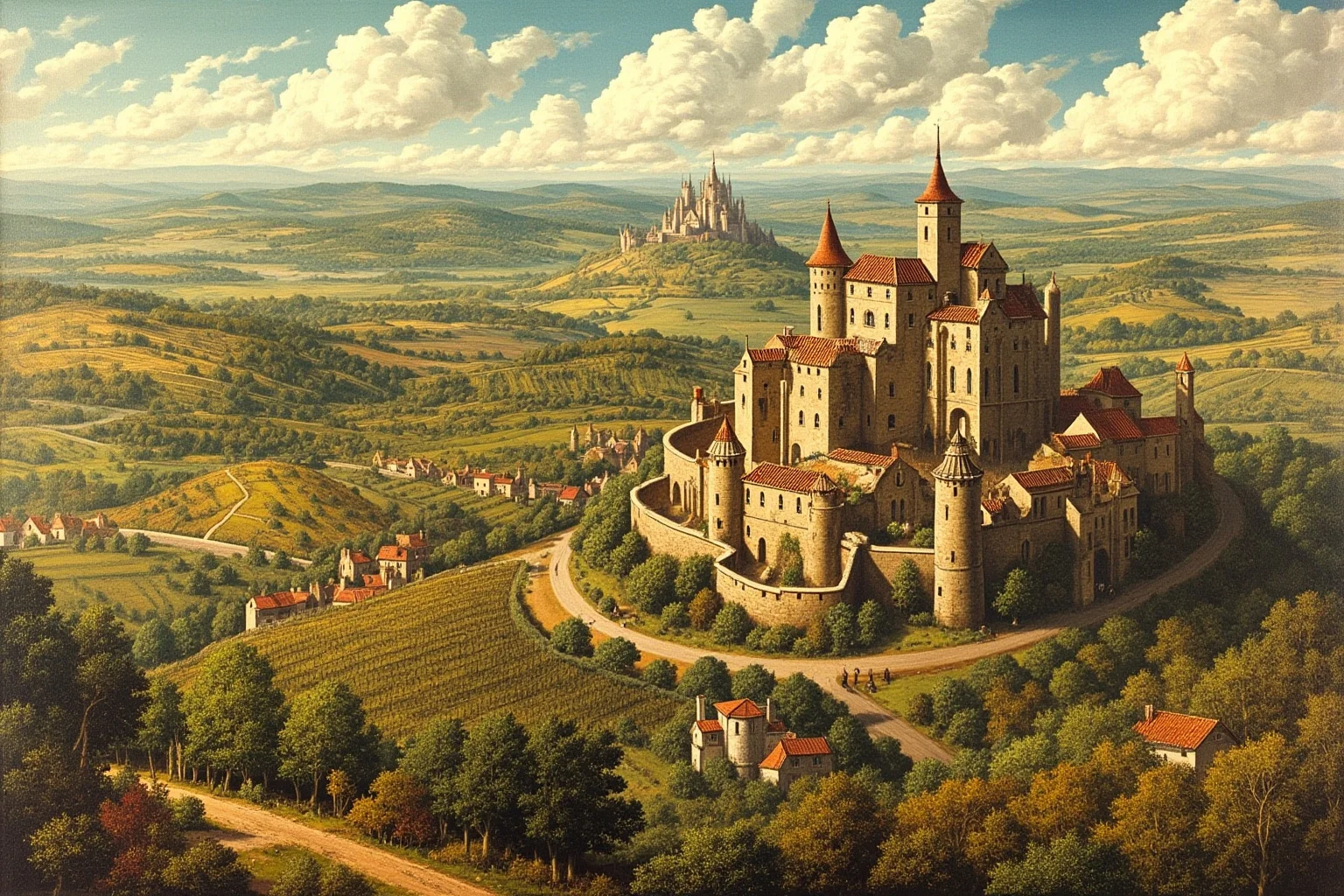
Wu Zetian (624–705 CE) achieved something no other woman in Chinese history ever did. She founded her own dynasty, the Zhou, and ruled as emperor — not empress consort or regent — from 690 to 705 CE. During her reign, she controlled the full resources of the Tang Empire, one of the wealthiest and most powerful states in the world.
The Tang Dynasty was a golden age of Chinese civilization, with flourishing trade along the Silk Road, a sophisticated bureaucracy, and a booming agricultural economy. Wu Zetian's government expanded the empire's borders, reformed the civil service examination system, and promoted Buddhism on a grand scale. All of this required and reflected enormous state wealth.
As emperor, she had personal access to the imperial treasury and the tributes of neighboring kingdoms. She commissioned massive Buddhist projects, including statues and temples that still stand today. Whether one calls her the 1st richest woman in the world of her era or simply one of the most powerful, her control over Tang China's resources was extraordinary.
7. Eleanor of Aquitaine: The Duchess Who Owned Half of France
Eleanor of Aquitaine (1122–1204) inherited the Duchy of Aquitaine, one of the largest and wealthiest regions in medieval France. At age fifteen, she controlled more territory than the King of France himself. She married first Louis VII of France and then Henry II of England, making her queen of both nations at different points in her life.
Her lands in Aquitaine produced wine, agricultural goods, and trade revenues that made her independently wealthy. This personal wealth gave her political leverage that few medieval women possessed. She even financed and participated in the Second Crusade, raising and equipping her own contingent of soldiers.
Eleanor's wealth and lands became a source of conflict between the English and French crowns for generations. Her sons, including Richard the Lionheart and King John, fought over the inheritance she had brought to the English throne. She remains one of the richest women of all time by any measure of land and income.
8. Razia Sultana: The Woman Who Ruled Delhi
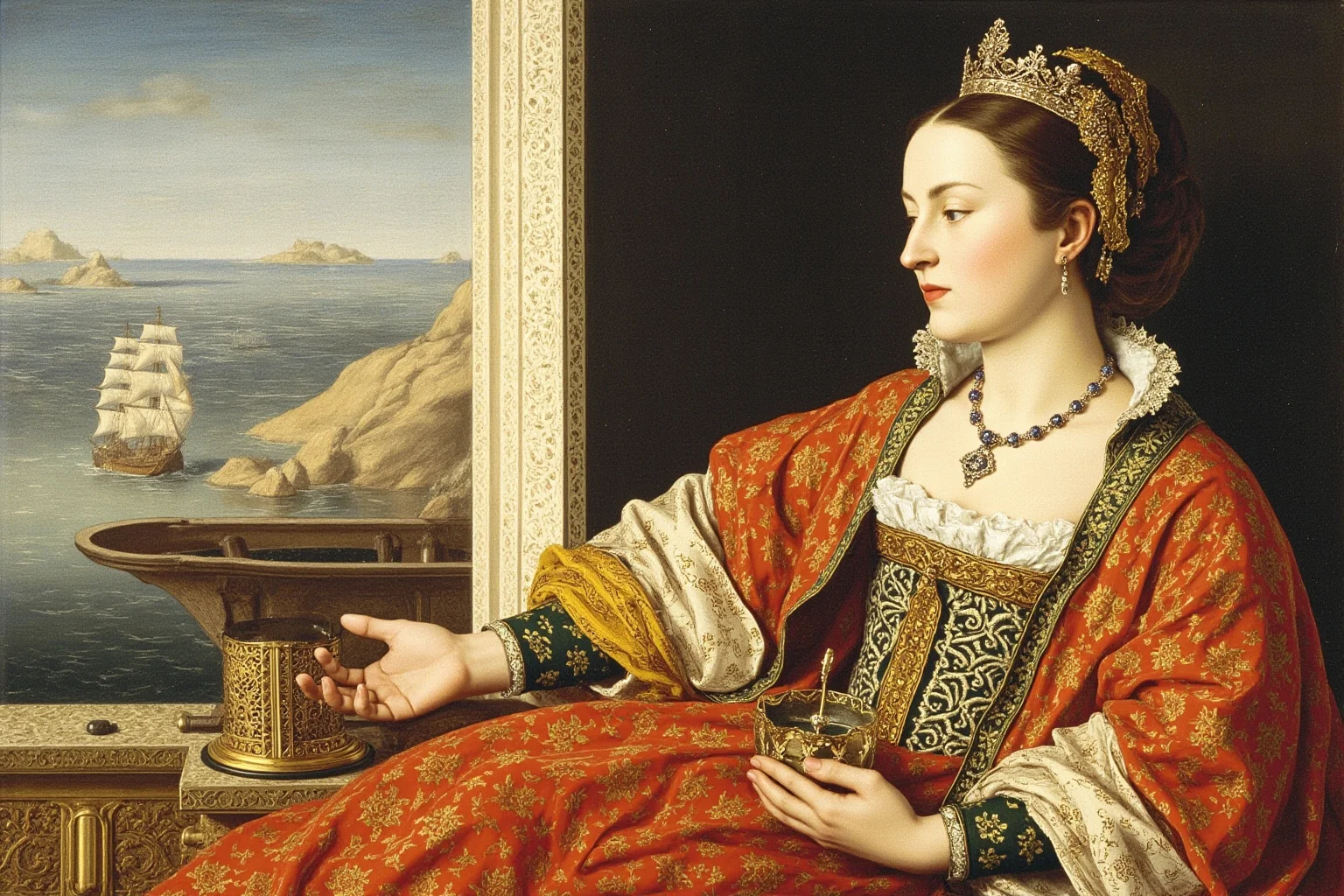
Razia Sultana (1205–1240) was the only woman to ever sit on the throne of the Delhi Sultanate. She ruled from 1236 to 1240, controlling one of the wealthiest and most powerful Islamic states of the medieval era. The Delhi Sultanate collected enormous tax revenues from the fertile Gangetic plains and controlled lucrative trade routes.
Her accession was unusual — her father, Sultan Iltutmish, named her as his successor over her brothers. This decision reflected her demonstrated competence in governance and administration. During her brief reign, she attempted to reform the administration and was noted for maintaining order and justice.
Razia's control of the Sultanate's treasury gave her access to wealth that rivaled any contemporary ruler. She minted coins in her own name, a clear symbol of sovereign financial authority. Though her reign was short and ended violently, she demonstrated that women could command both political power and economic resources in the medieval Islamic world.
9. Isabella I of Castile: The Queen Who Funded Columbus
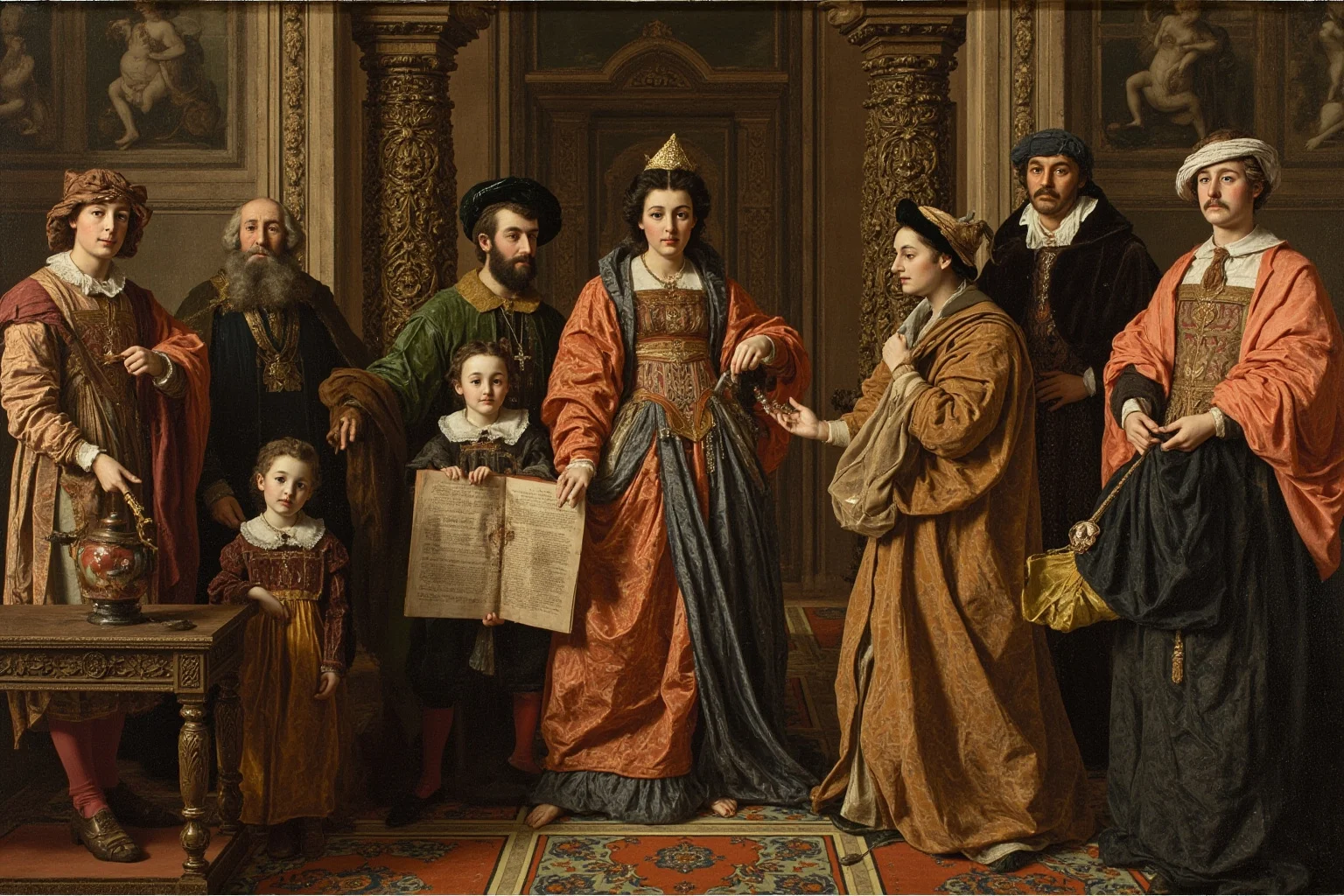
Isabella I of Castile (1451–1504) reigned over one of the most powerful kingdoms in medieval Europe. She and her husband Ferdinand II of Aragon unified Spain and oversaw the completion of the Reconquista. Her personal wealth and the resources of Castile funded Christopher Columbus's 1492 voyage, which opened the door to Spain's vast New World empire.
Castile's treasury benefited from wool exports, mining, and agricultural revenues. Isabella personally controlled significant estates and revenues separate from the crown's holdings. She reformed the currency system, reduced corruption in tax collection, and directed resources toward her political and religious objectives.
The wealth that flowed from the Americas after 1492 would eventually make Spain the richest nation in Europe. While Isabella did not live to see the full extent of this windfall, she set the policies in motion that created it. Among European monarchs of her era, she is often discussed as a candidate for richest queen in the world.
10. Catherine de' Medici: Banking Fortune Meets French Crown
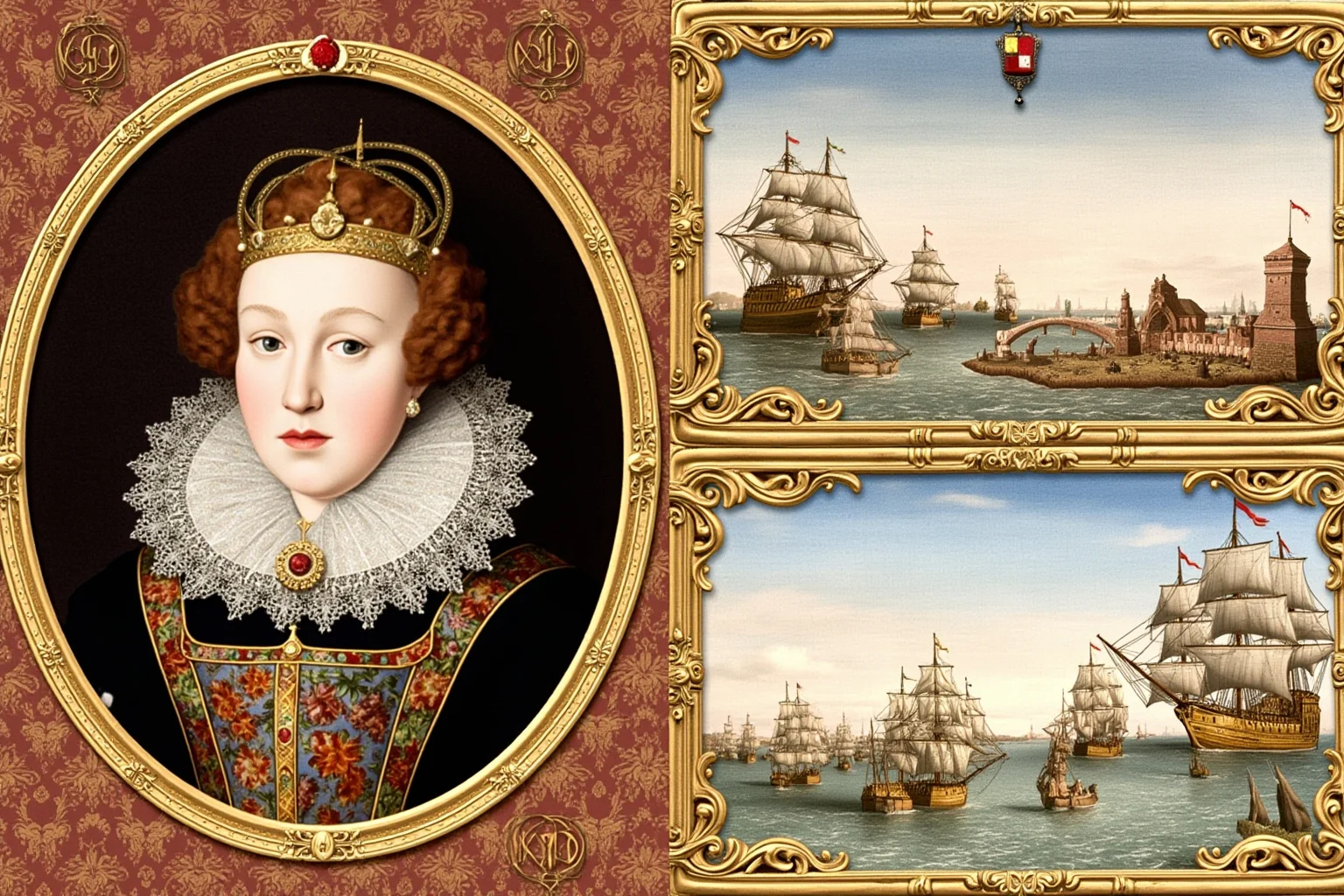
Catherine de' Medici (1519–1589) brought the wealth of Europe's most famous banking family to the French crown. She married Henry II of France and later served as regent for three of her sons. The Medici Bank had been the wealthiest financial institution in Europe, and Catherine's connections to this fortune shaped her political power — a family saga explored in our guide to the richest and most powerful families throughout history.
As queen and then queen mother, Catherine controlled substantial personal estates and revenues. She spent lavishly on building projects, court spectacles, and political patronage. Her famous châteaux in the Loire Valley, including Chenonceau, were architectural symbols of her wealth and influence.
Historians debate how much Medici wealth Catherine actually controlled versus how much was tied up in family institutions. The Medici Bank had declined from its peak by her time, but the family's accumulated art, property, and political connections remained formidable. She was undeniably one of the richest women of her century.
11. Elizabeth I: The Virgin Queen's Financial Independence
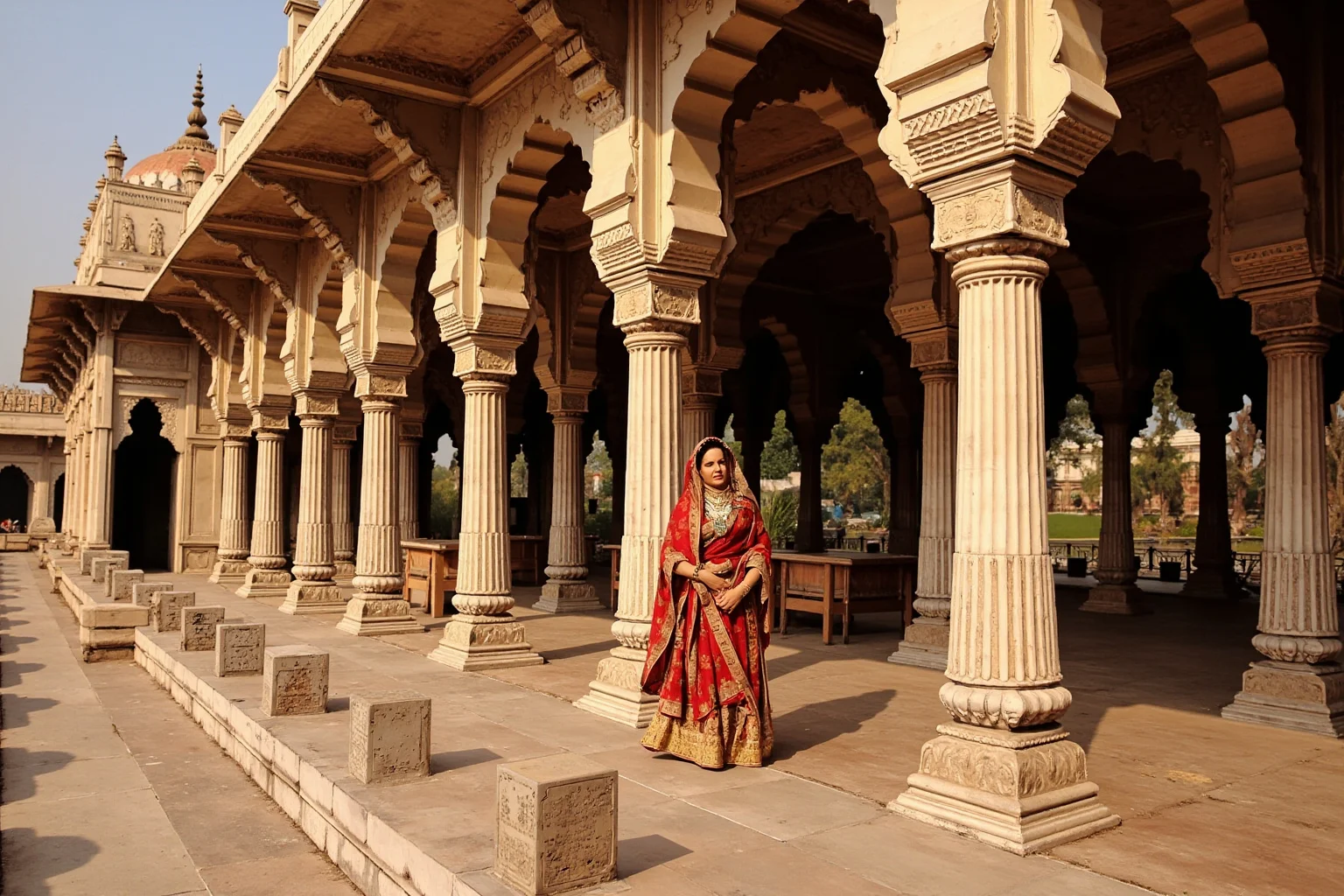
Elizabeth I of England (1533–1603) inherited a relatively poor kingdom and left it significantly wealthier. Her reign saw the expansion of English trade, the founding of the East India Company, and the defeat of the Spanish Armada. She controlled the royal treasury with a famously careful hand, earning a reputation for frugality.
Elizabeth's personal wealth came from crown lands, customs duties, and parliamentary grants. She also received lucrative gifts from courtiers and foreign ambassadors. Her refusal to marry meant she never had to share or transfer her wealth to a husband — an unusual situation for a woman of her era.
Despite her careful management, Elizabeth's later years saw increasing financial strain from wars and aging infrastructure. She occasionally sold crown lands to raise funds, a practice that reduced long-term royal income. Even so, she remained one of the richest women in history throughout her forty-four-year reign.
12. Nur Jahan: The Mughal Empress Who Minted Coins
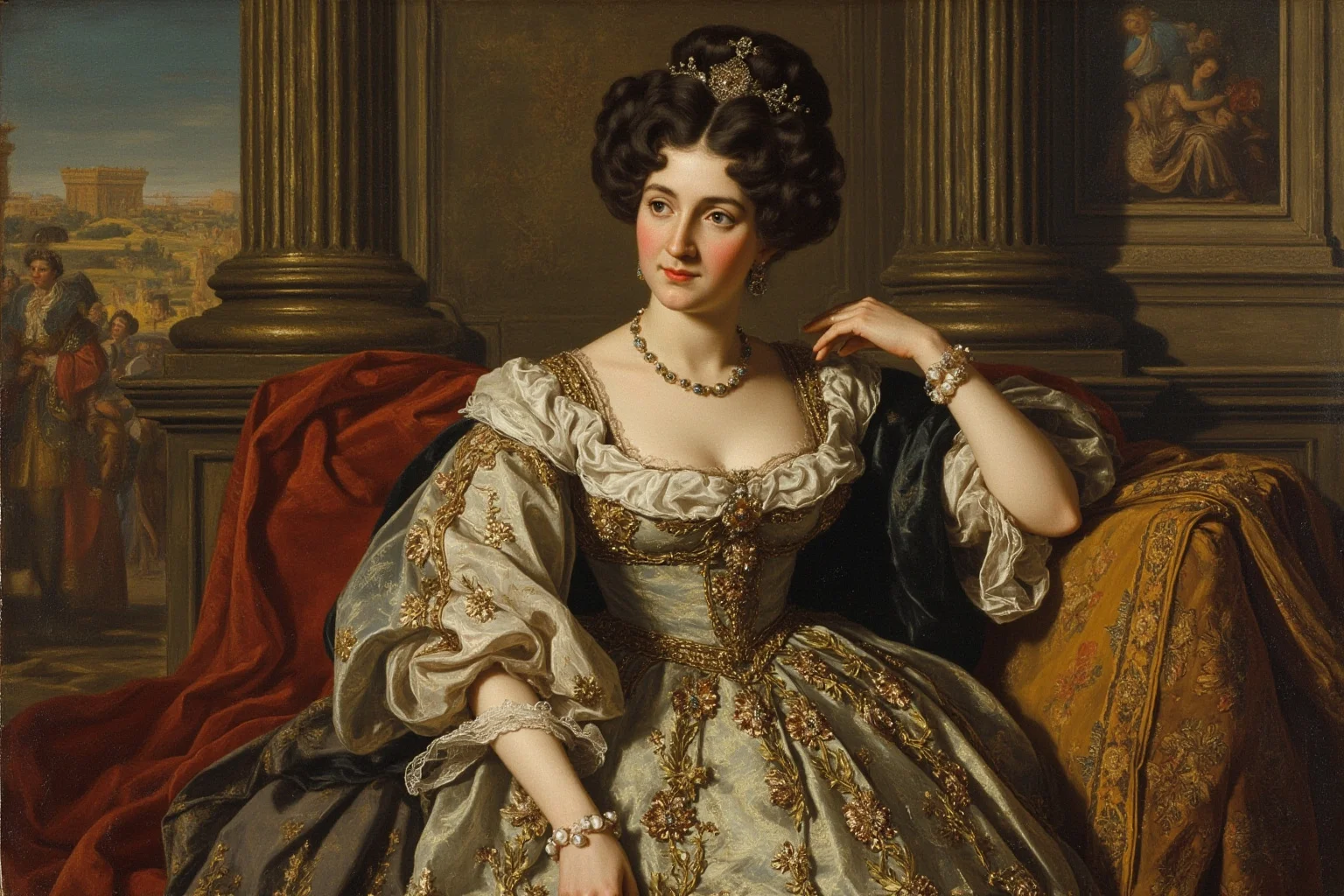
Nur Jahan (1577–1645) was the most powerful woman in the Mughal Empire, ruling de facto alongside Emperor Jahangir. She was the only Mughal empress to have coins minted in her name, a privilege normally reserved for the emperor. This honor symbolized her extraordinary financial and political authority.
The Mughal Empire under Jahangir was one of the wealthiest states in the world, controlling the rich agricultural lands of northern India and lucrative trade routes. Nur Jahan managed imperial finances, oversaw land grants, and even conducted her own trade in silk and perfumes. She owned workshops and had a monopoly on certain luxury goods.
She also designed gardens, commissioned buildings, and organized royal hunts that displayed imperial wealth. After Jahangir's death, she was sidelined politically but retained significant personal property. Her story shows how a woman could amass both political power and personal wealth in the Mughal court.
13. Maria Theresa: The Empress Who Ruled an Empire
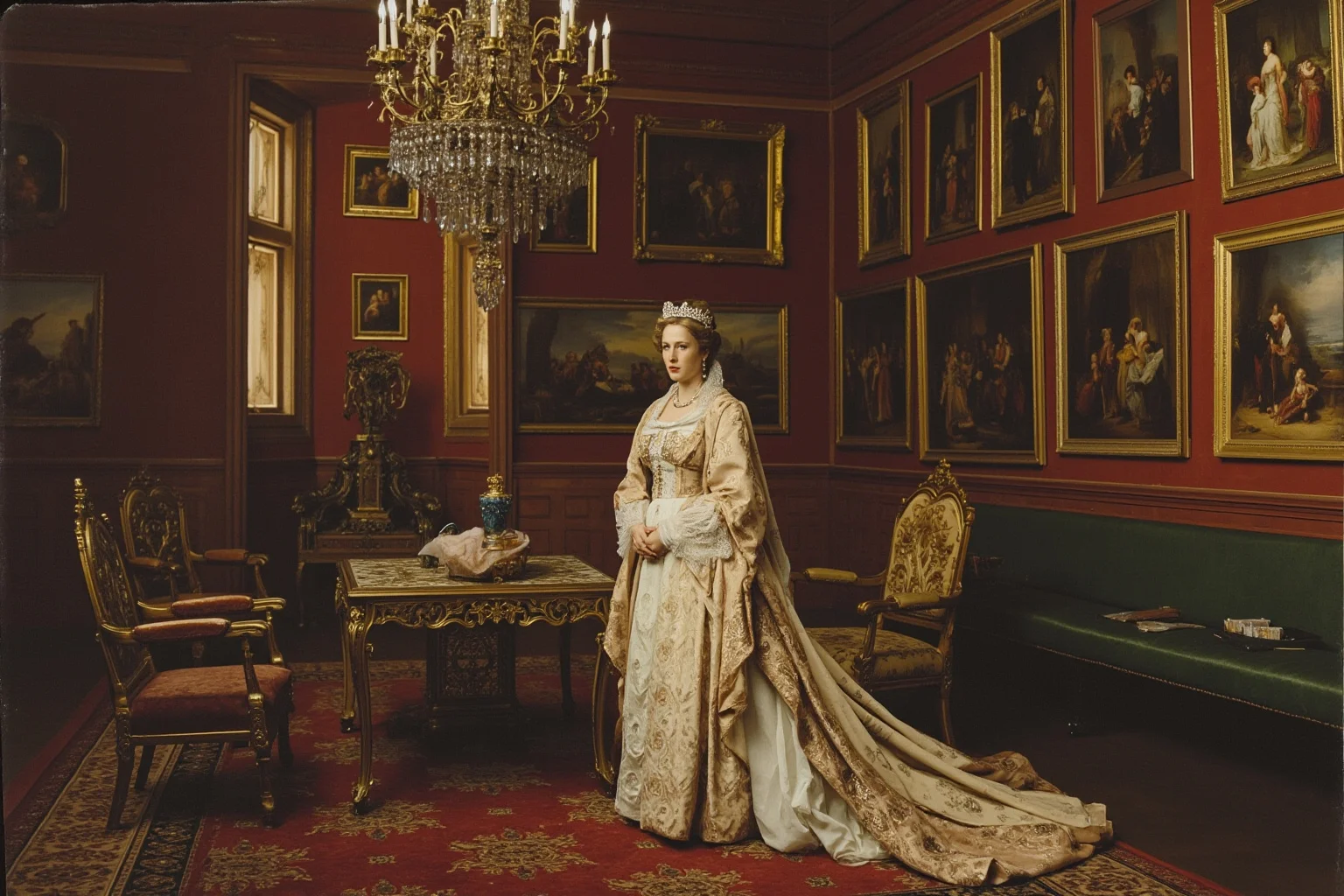
Maria Theresa (1717–1780) ruled the Habsburg domains for forty years, controlling territories that included Austria, Hungary, Bohemia, and parts of Italy and the Netherlands. She was the only woman to ever hold the title of Holy Roman Empress in her own right. Her domains generated enormous revenues from agriculture, mining, and trade.
She inherited an empire in crisis, facing the War of Austrian Succession immediately upon her accession. Through determination and political skill, she held her territories together and implemented significant reforms. She reformed the tax system, created a standing army, and improved government administration across her diverse lands.
Maria Theresa's personal wealth was intertwined with state resources, as was typical for monarchs of her era. She controlled palaces, estates, and art collections that were among the finest in Europe. Her economic reforms increased the prosperity of her realms, making her one of the richest women in history by any measure.
14. Catherine the Great: Russia's Expanding Empire

Catherine the Great (1729–1796) ruled Russia for thirty-four years, transforming it into a major European power. She expanded the empire's borders significantly, adding Crimea, parts of Poland, and territory along the Black Sea. These conquests brought new tax revenues, resources, and trade opportunities into the Russian treasury.
She was a prolific collector of art, amassing one of the world's greatest collections. The Hermitage Museum began as her personal collection, housed in a wing of the Winter Palace. Her art purchases alone represented spending on a scale that few individuals in history could match.
Catherine also encouraged foreign investment and economic development in Russia. She founded new cities, promoted education, and supported the expansion of Russian industry. Her personal control over state resources and her vast art collection place her among the richest women of all time.
15. Martha Washington: The Wealthiest First Lady in US History

Martha Washington (1731–1802) is widely considered the richest first lady in US history. She inherited substantial wealth from her first husband, Daniel Parke Custis, one of the wealthiest plantation owners in Virginia. When Custis died in 1757, Martha inherited his estate, which included thousands of acres of land and hundreds of enslaved people.
Her wealth made her an attractive match for George Washington, who married her in 1759. She brought significant property and resources to the marriage, enhancing Washington's social and economic standing. As First Lady, she maintained a household that reflected her wealth and status, though she was noted for her relatively modest personal tastes.
The question of who is the richest housewife of all time could arguably include Martha Washington. She managed a vast household and estate while her husband was away at war and during his presidency. Her wealth, however, was built on the institution of slavery, a fact that complicates any assessment of her legacy.
16. Marie Antoinette: Wealth, Myth, and Reality
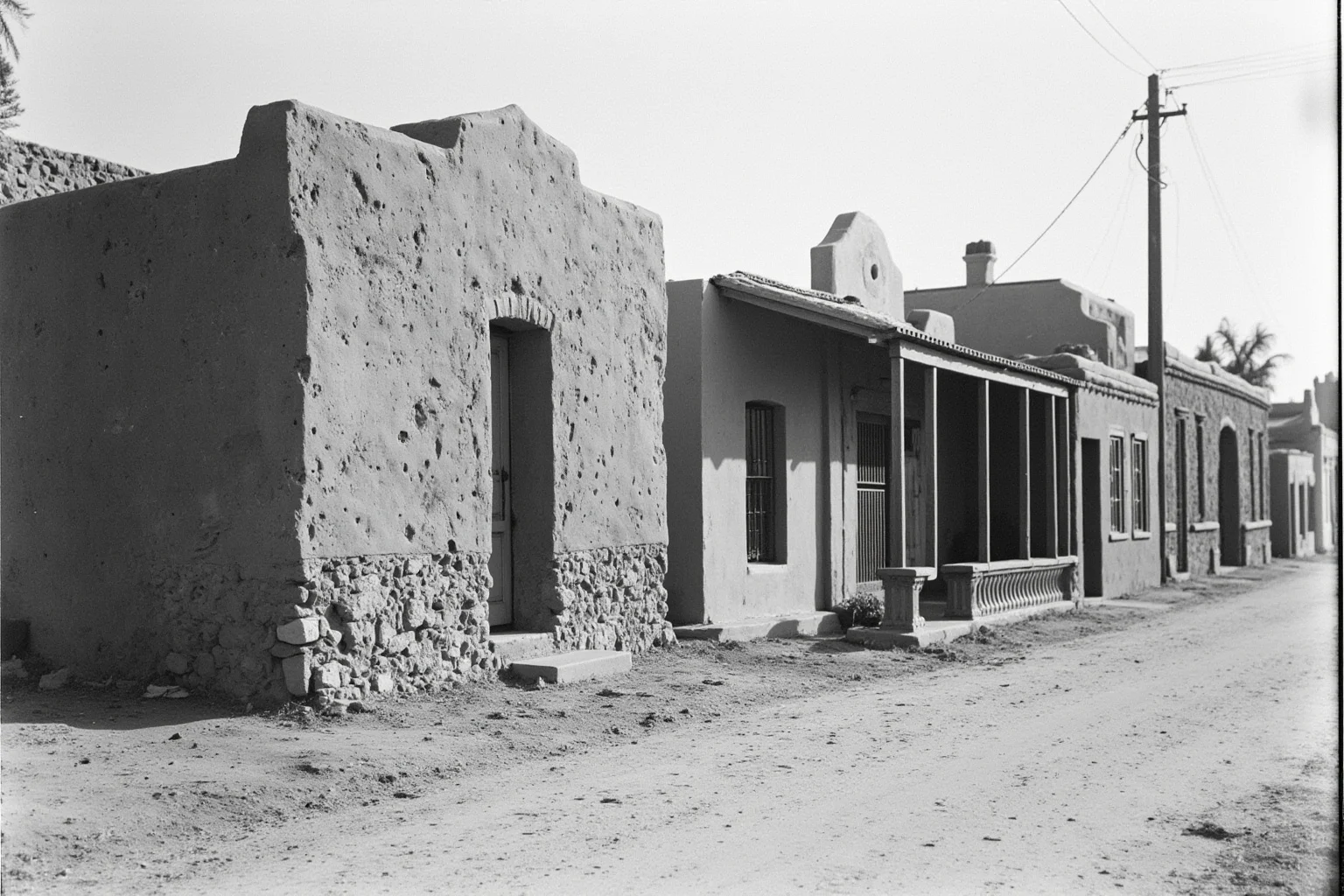
Marie Antoinette (1755–1793) is often remembered as the epitome of royal extravagance. As Queen of France, she lived in the Palace of Versailles and enjoyed luxuries that most people could not imagine. Her reputation for spending, however, was heavily shaped by propaganda and political enemies rather than documented fact.
The famous "Let them eat cake" quote was never actually said by her. It appeared in Rousseau's writings before she even arrived in France. Similarly, many of the spending scandals attributed to her were exaggerated or fabricated by pamphleteers seeking to discredit the monarchy.
That said, Marie Antoinette did enjoy significant personal wealth as queen. She had her own estate, the Petit Trianon, and spent money on fashion, entertainments, and renovations. However, her personal spending was modest compared to the overall French state budget. The myth of her as the most rich woman of her era says more about revolutionary politics than historical reality.
17. Mary Ellen Pleasant: The Mother of Civil Rights in California
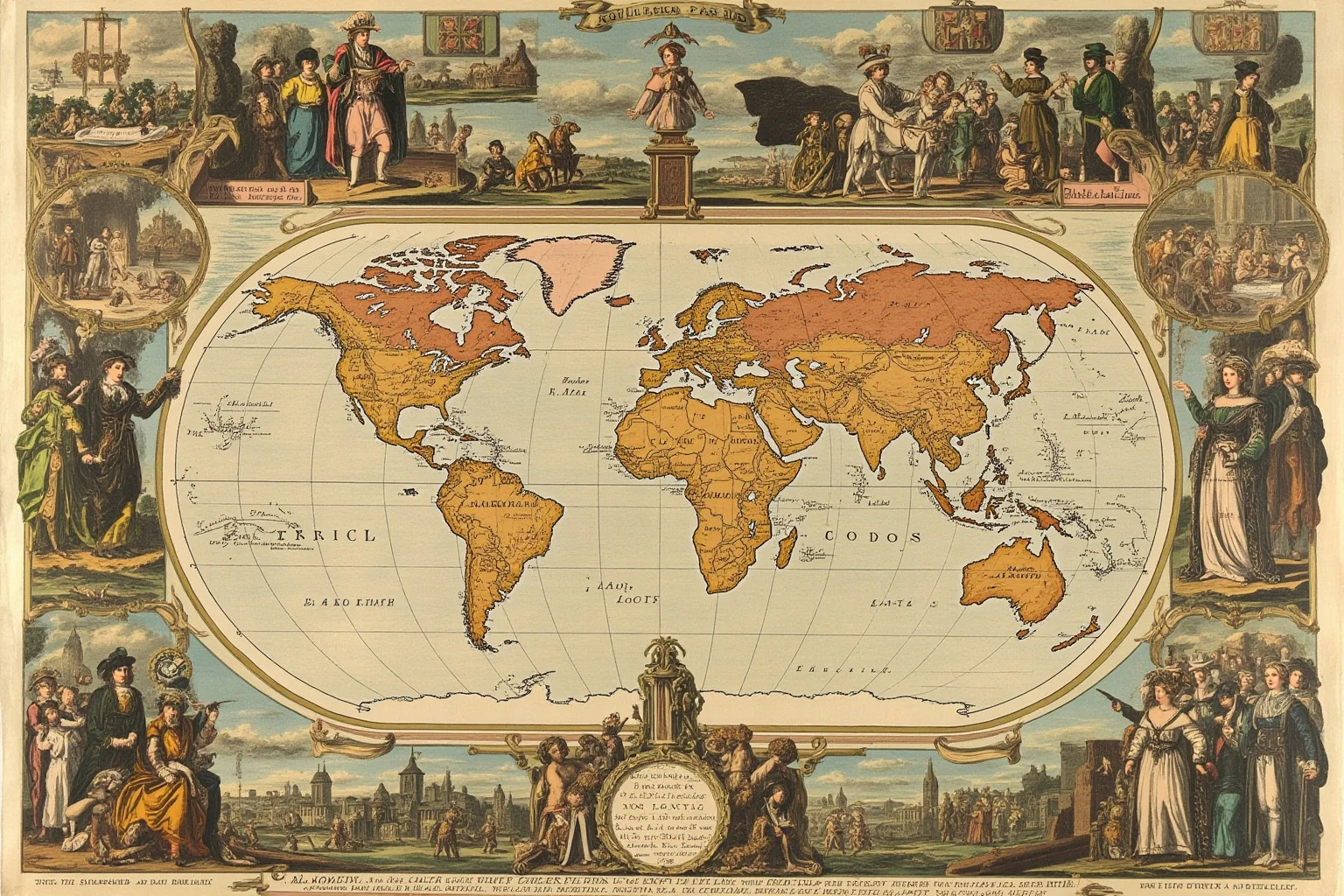
Mary Ellen Pleasant (1814–1904) was one of the most remarkable self-made women in American history. She built a fortune estimated at $30 million (equivalent to roughly $1 billion today) through investments, business ventures, and strategic relationships. She was also a dedicated abolitionist who used her wealth to fund the Underground Railroad.
Pleasant's exact origins are unclear, as she deliberately obscured her early life. She worked as a domestic servant and then as a businesswoman, investing in real estate, mining stocks, and restaurants in San Francisco. She partnered with wealthy white businessmen who served as fronts for her investments, allowing her to build wealth despite the racial barriers of the era.
Her wealth enabled her to fund legal battles against segregation in California. She supported the case that eventually desegregated San Francisco's streetcars in the 1860s. Though her fortune was later diminished by legal battles and changing social conditions, she remains one of the most extraordinary examples of a self-made wealthy woman in American history.
18. Biddy Mason: From Enslaved Woman to Real Estate Magnate
Biddy Mason (1818–1891) was born into slavery and died a wealthy real estate investor in Los Angeles. Her journey from bondage to financial independence is one of the most remarkable wealth-building stories in American history. She walked from Mississippi to California as an enslaved woman before successfully suing for her freedom in 1856.
As a free woman in Los Angeles, Mason worked as a nurse and midwife, saving her earnings carefully. She invested her savings in real estate in what was then a small and growing town. Her investments in downtown Los Angeles property proved extraordinarily prescient, as the city expanded rapidly in the following decades.
Mason used her wealth to fund charities, establish a church, and support her community. She was known for feeding the poor and visiting prisoners. Her fortune, estimated at around $300,000 at her death (roughly $9 million today), was built entirely through her own labor and investment decisions. She represents the most inspiring kind of wealth story on this list.
19. Queen Victoria: Empress of the World's Wealthiest Nation
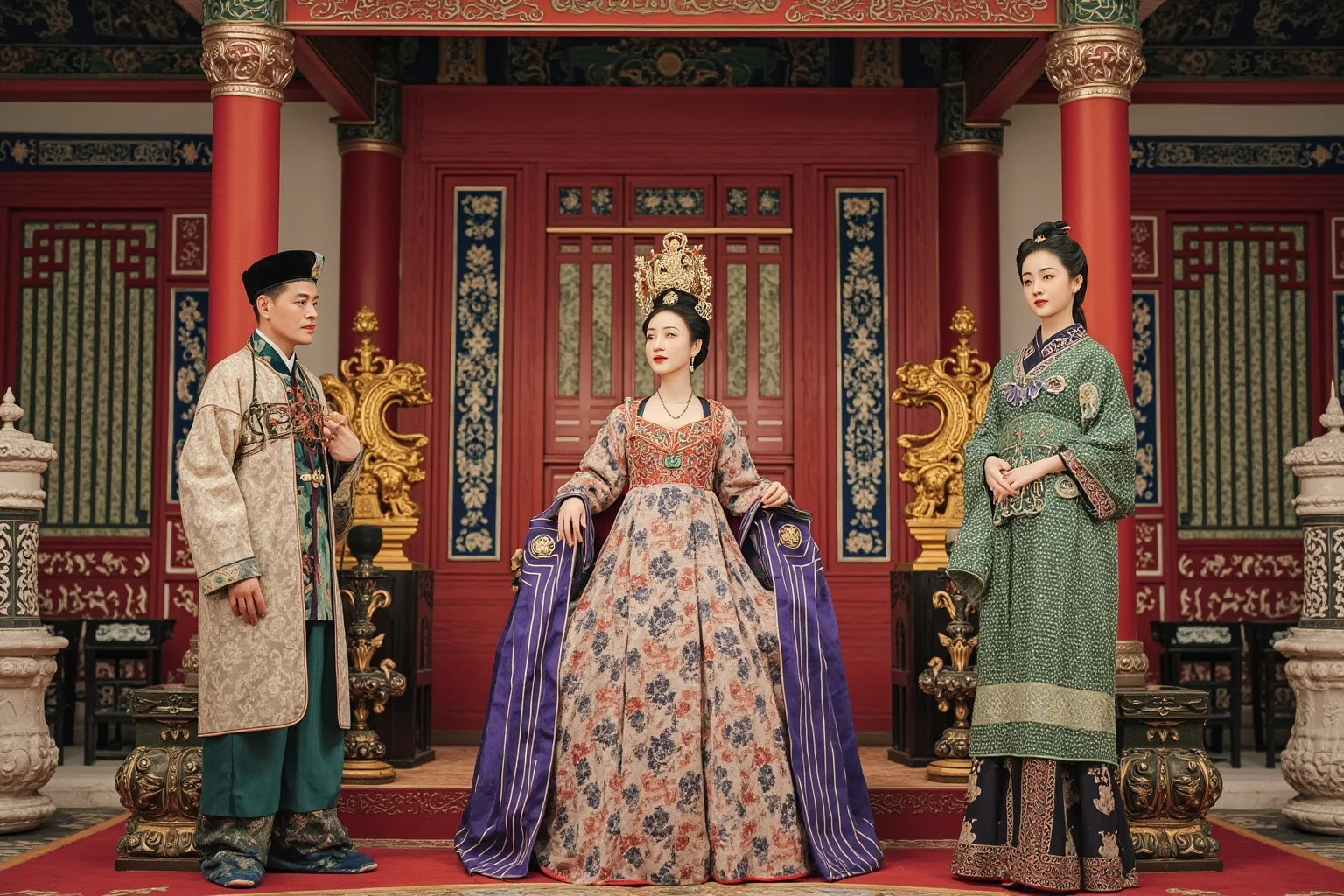
Queen Victoria (1819–1901) reigned during the height of the British Empire, when Britain was the wealthiest nation on Earth. The Industrial Revolution transformed the British economy, creating unprecedented prosperity. As monarch, Victoria oversaw an empire that spanned the globe and controlled a quarter of the world's population.
Her personal wealth was substantial, derived from crown lands, parliamentary grants, and private investments. She was known to be financially careful, accumulating a significant personal fortune over her long reign. Her investments in railways and other industrial ventures proved highly profitable.
Victoria's wealth, while enormous, was modest compared to the resources of the empire she represented. She was one of the richest women in history, but she was also a constitutional monarch with limited direct control over state finances. Her wealth was real, but it was inseparable from the imperial system that generated it.
20. Hetty Green: The Witch of Wall Street
Henrietta "Hetty" Green (1834–1916) was one of the wealthiest women in American history and arguably the richest woman in the world during her lifetime. She inherited money from her family and then multiplied it through shrewd investing in bonds, real estate, and railroads. At her death, her fortune was estimated at between $100 million and $200 million, equivalent to roughly $2 to $5 billion today.
Green was famous for her extreme frugality, which earned her the nickname "The Witch of Wall Street." She wore the same black dress daily, argued over small expenses, and reportedly refused to pay for medical treatment for her son, leading to the amputation of his leg. Her penny-pinching was legendary and often mocked in the press.
Despite her eccentricities, Green was a serious and successful investor. She specialized in buying undervalued assets during financial panics, lending money to desperate banks and governments at high interest rates. When people ask who is the richest housewife of all time, Hetty Green — who was married but managed her own fortune independently — is a strong candidate.
21. Empress Dowager Cixi: China's Controversial Power Broker
Empress Dowager Cixi (1835–1908) effectively controlled China for nearly fifty years from behind the throne. She managed the imperial household and influenced state policy through a series of emperors. The Qing Dynasty's treasury, while declining, still controlled vast resources from one of the world's largest economies.
Cixi was notorious for her spending on personal luxuries, including elaborate banquets, jewelry, and the restoration of the Summer Palace. Historical accounts describe extravagant expenditures, though some come from political enemies and may be exaggerated. The famous marble boat at the Summer Palace, often cited as a symbol of her extravagance, was a real structure but its cost is debated.
She controlled the imperial household budget, which was separate from the state treasury and quite large. This gave her access to funds that few women in history could match. Whether she was the richest woman ever in absolute terms is debatable, but her financial power within the Qing court was unquestionable.
22. Madam C.J. Walker: America's First Self-Made Female Millionaire
Sarah Breedlove, known as Madam C.J. Walker (1867–1919), is widely recognized as the first self-made female millionaire in the United States. She was born to formerly enslaved parents in Louisiana and worked as a laundress before developing a line of hair care products for Black women. Her business, the Madam C.J. Walker Manufacturing Company, employed thousands of women across the country.
Walker built her fortune through direct sales, training agents, and strategic marketing. She created a network of saleswomen who sold her products door to door, providing economic opportunities for Black women in the early twentieth century. Her company's headquarters in Indianapolis became a center of Black entrepreneurship and community pride.
She used her wealth to fund philanthropy, support civil rights causes, and build a mansion in Irvington, New York. When she died in 1919, her estate was valued at roughly $600,000 to $1 million, though the total value of her business assets was likely higher. She remains one of the most inspiring figures among the richest women in history.
What These Stories Reveal About Wealth and Women
The richest women in history defied the constraints of their eras to build, inherit, and command extraordinary fortunes. Some were born into royalty and controlled national treasuries. Others started with nothing and built commercial empires through ingenuity and determination. Their stories span thousands of years and every inhabited continent.
Comparing their wealth directly is nearly impossible. A pharaoh controlling Egypt's gold mines, a medieval duchess owning half of France, and a Wall Street investor with a portfolio of bonds operated in completely different economic systems. Any attempt to rank them by net worth requires so many assumptions that the exercise becomes more misleading than illuminating.
What unites them is not a specific dollar amount but a pattern of determination. Whether they were monarchs, merchants, or entrepreneurs, these women found ways to acquire and deploy wealth in systems that often worked against them. Their legacies remind us that women have been economic actors throughout history, even when the record books preferred to ignore them.
When people search for the top 10 richest women on earth today, they find billionaires whose fortunes are measured precisely in real time. Historical wealth is harder to quantify, but the women on this list were arguably more powerful and wealthy than any modern billionaire. They commanded armies, funded voyages of discovery, and shaped the economic destiny of entire civilizations.
Frequently Asked Questions
Who is the richest female in the world?
Today, the richest woman is typically a billionaire heiress or businesswoman whose net worth fluctuates with stock prices. In historical terms, the richest woman ever is impossible to determine with certainty. Cleopatra VII is frequently cited because she controlled Egypt's entire economy, but converting ancient wealth to modern dollars requires so many assumptions that any specific figure is speculative. Other strong candidates include Hatshepsut, Wu Zetian, and Catherine the Great, each of whom controlled vast national resources.
Who was the richest first lady in US history?
Martha Washington is widely considered the richest first lady in US history. She inherited a substantial estate from her first husband, Daniel Parke Custis, including thousands of acres of land and hundreds of enslaved people. Adjusted for inflation, her wealth would rank her among the wealthiest Americans of her era. No other First Lady has come close to her personal fortune.
Who is the richest housewife of all time?
If 'housewife' means a married woman who managed a household, Hetty Green is a strong candidate. She was married but independently managed a fortune estimated at $100–200 million (roughly $2–5 billion today) through investing in bonds, real estate, and railroads. Martha Washington also qualifies, as she managed a vast plantation household while her husband was away at war and during his presidency.
Was Cleopatra really the richest woman ever?
Cleopatra is often cited as the richest woman in history, but this claim is difficult to verify. She controlled Egypt's economy, which was one of the wealthiest in the ancient world, but her personal wealth versus state wealth is unclear. Some estimates place her net worth in the hundreds of billions of modern dollars, but these figures are highly speculative. She was undoubtedly one of the wealthiest women of her era, but calling her the richest woman ever requires assumptions that historians cannot confirm.
Can we accurately compare wealth across different historical periods?
No, direct wealth comparisons across centuries are not reliable. Economic systems, currencies, and concepts of property ownership varied enormously over time. A medieval queen who owned half of France and a Wall Street investor with a portfolio of bonds operated in completely different financial worlds. Any ranking of historical wealth by modern dollar amounts is inherently speculative and should be treated as an educated guess rather than settled fact.

Alex Warren
Related Articles