When you hear the word "dynasty," you might picture ancient emperors ruling from gilded palaces or European monarchs waging centuries-long wars. But the concept of dynastic power is far broader, spanning every continent and thousands of years of human governance. From ancient dynasties that built monumental architecture to modern political dynasties that shape democratic nations, ruling families have left an indelible mark on civilization.
These dynasty examples span ancient China, medieval Europe, the Islamic world, and modern America. Each entry represents a different dynasty that changed the course of history through conquest, cultural achievement, or political innovation. Whether you are looking for a specific example of a dynasty or seeking to understand dynastic power across eras, these family dynasties tell the story of human governance.
TL;DR: From ancient Egypt's Ptolemies to modern America's Kennedy and Bush families, political dynasties have shaped governance, culture, and borders for thousands of years across every inhabited continent.
1. The Julio-Claudian Dynasty (27 BCE – 68 CE)
Rome's first imperial dynasty set the template for hereditary rule in the Western world. Founded by Augustus after the fall of the Roman Republic, this family dynasty included five emperors: Augustus, Tiberius, Caligula, Claudius, and Nero. The name "Julio-Claudian" reflects the merging of two aristocratic Roman families into a single ruling line.
The Julio-Claudians transformed Rome from a republic into a dynastic empire, establishing systems of governance that endured for centuries. Their reign saw massive territorial expansion across Europe, North Africa, and the Near East. They also oversaw monumental construction projects, including the Colosseum's predecessor and extensive road networks.
While later historians often focused on their scandals and intrigues, the dynasty's administrative innovations were equally significant. They professionalized the Roman bureaucracy and established precedents for imperial succession that influenced European governance for millennia. The dynasty ended with Nero's suicide in 68 CE, plunging Rome into a brief civil war.
2. The Han Dynasty (202 BCE – 220 CE)
The Han Dynasty stands as one of the most consequential ancient dynasties in Chinese history. Founded by Liu Bang, a peasant-turned-emperor, it lasted over 400 years with a brief interruption by the Xin Dynasty. The Han era so defined Chinese identity that the majority ethnic group in China still calls itself "Han."
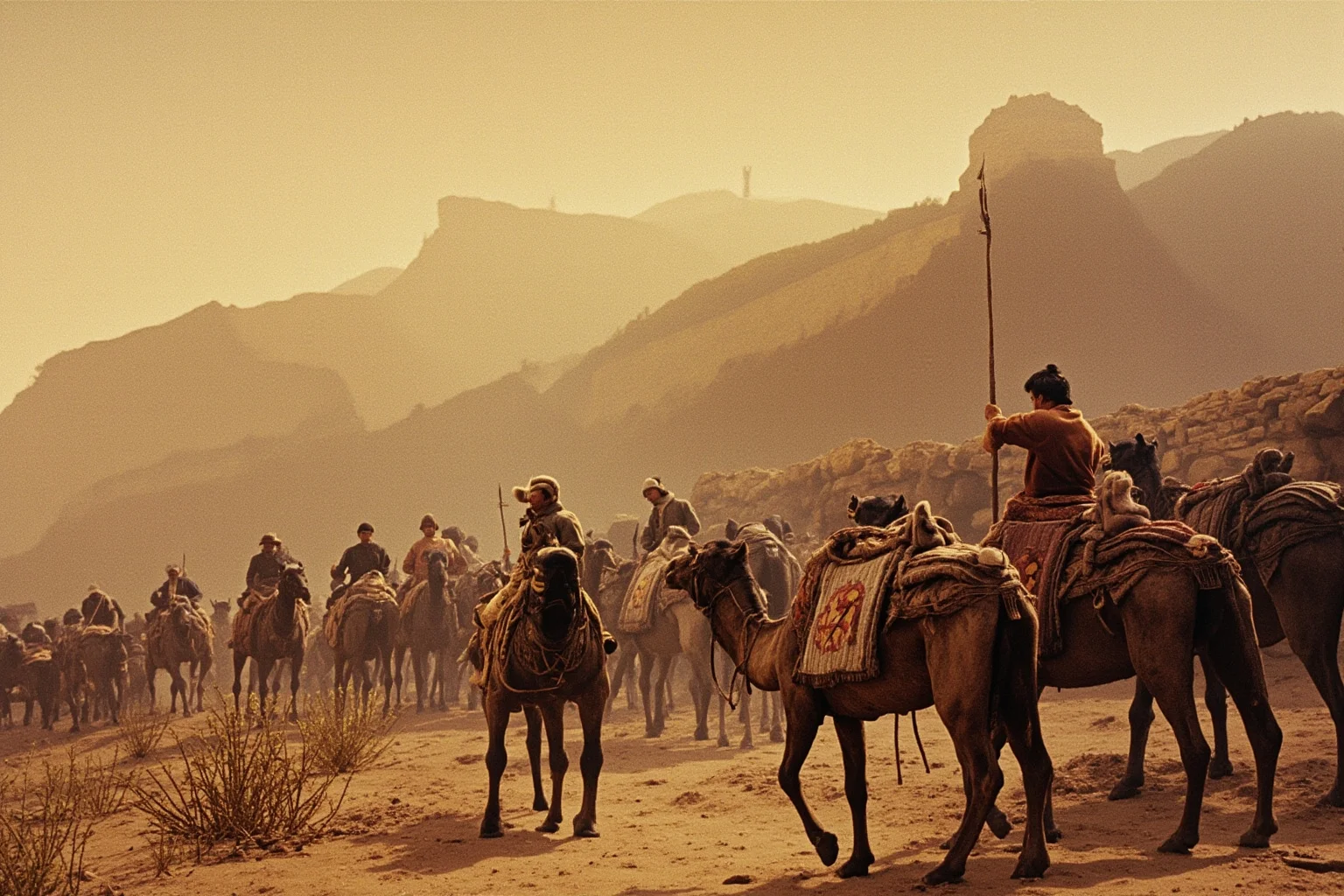
Han rulers established Confucianism as the state philosophy, a decision that shaped Chinese governance for millennia. The dynasty also oversaw the Silk Road's opening, connecting China to the Mediterranean world and transforming global trade. This network facilitated the exchange of goods, ideas, and technologies across thousands of miles.
The Han period produced remarkable technological innovations, including paper, the seismograph, and significant advances in astronomy and mathematics. The dynasty's civil service examination system created a merit-based bureaucracy that influenced Chinese administration for centuries. Han military campaigns expanded China's borders into Central Asia, Korea, and Vietnam.
3. The Tang Dynasty (618 – 907 CE)
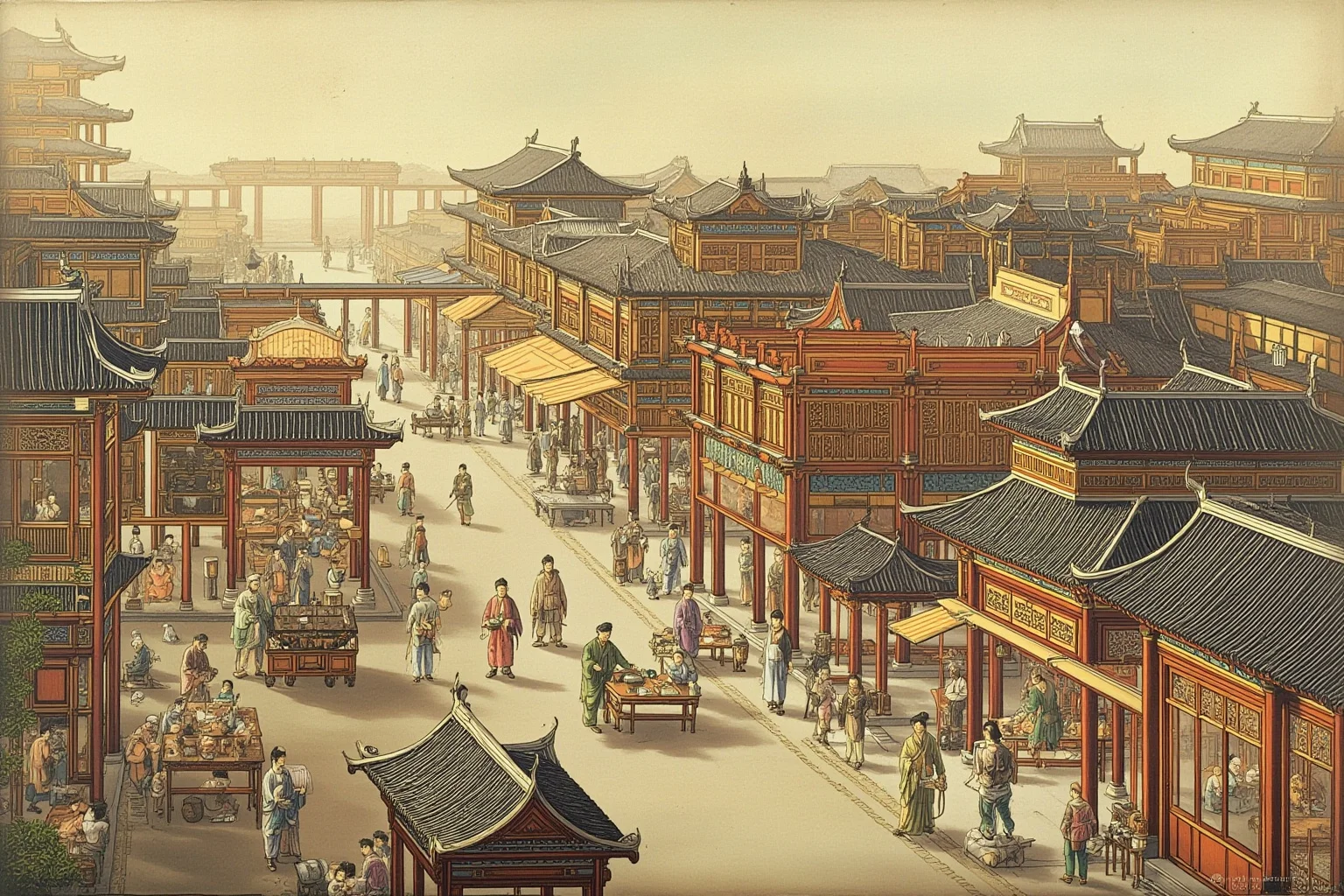
The Tang Dynasty is widely considered a golden age of Chinese civilization. Under Tang rule, China experienced unprecedented cultural flourishing, territorial expansion, and economic prosperity. The dynasty's capital at Chang'an was the most populous city in the world, with over one million residents.
This power dynasty attracted traders, diplomats, and scholars from across Asia, making Chang'an a cosmopolitan hub of exchange. Buddhist monks, Islamic merchants, and Nestorian Christians all established presences in the capital. The dynasty's relative religious tolerance allowed multiple faiths to coexist and influence Chinese culture.
Tang poets like Li Bai and Du Fu produced works still revered as masterpieces of world literature. The dynasty's legal codes and administrative structures influenced neighboring kingdoms in Korea, Japan, and Vietnam. Tang innovations in woodblock printing spread knowledge more widely than ever before.
4. The House of Habsburg (1273 – 1918)
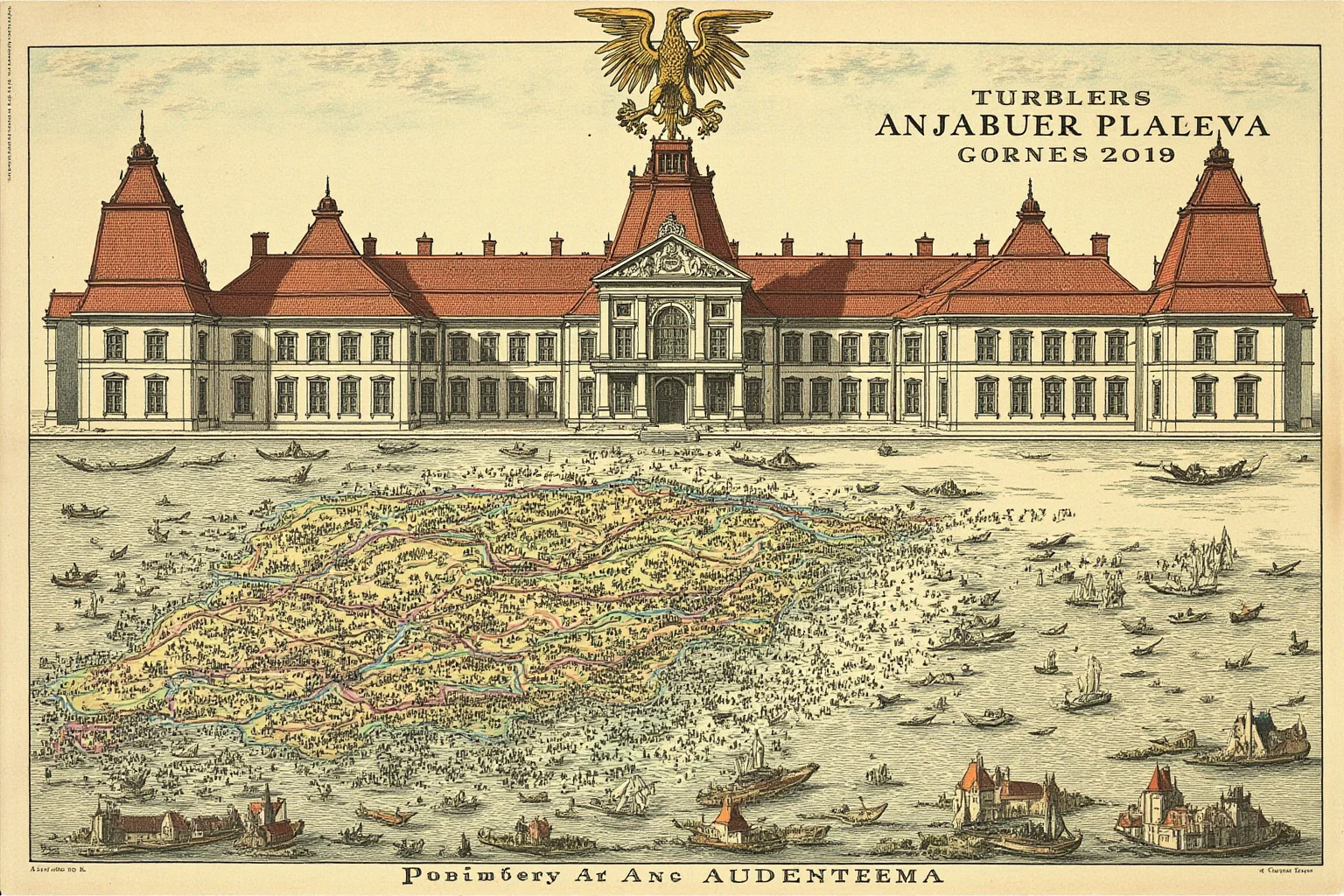
Few dynasty names evoke European dominance quite like the Habsburgs. At their height, they ruled the Holy Roman Empire, Spain, Austria, Hungary, and parts of Italy and the Netherlands. Their influence shaped European politics, religion, and borders for over 600 years.
The Habsburgs famously expanded their territory through strategic marriages rather than military conquest. This approach gave rise to the saying that others wage war while happy Austria marries. The dynasty's marital politics united vast territories under a single family's control, creating a transcontinental empire.
The Habsburgs played central roles in the Counter-Reformation, the Thirty Years' War, and the defense of Christian Europe against Ottoman expansion. Their reign ended with World War I, which dissolved the Austro-Hungarian Empire. The dynasty's cultural legacy includes Vienna's palaces, Spain's colonial empire, and enduring political borders across Europe.
5. The Ming Dynasty (1368 – 1644 CE)
The Ming Dynasty marked China's return to Han Chinese rule after the Mongol-led Yuan Dynasty. Founded by Zhu Yuanzhang, a former Buddhist monk and rebel leader, the Ming era was one of dramatic cultural and political achievement. Zhu's rise from poverty to emperor remains one of history's most remarkable personal stories.
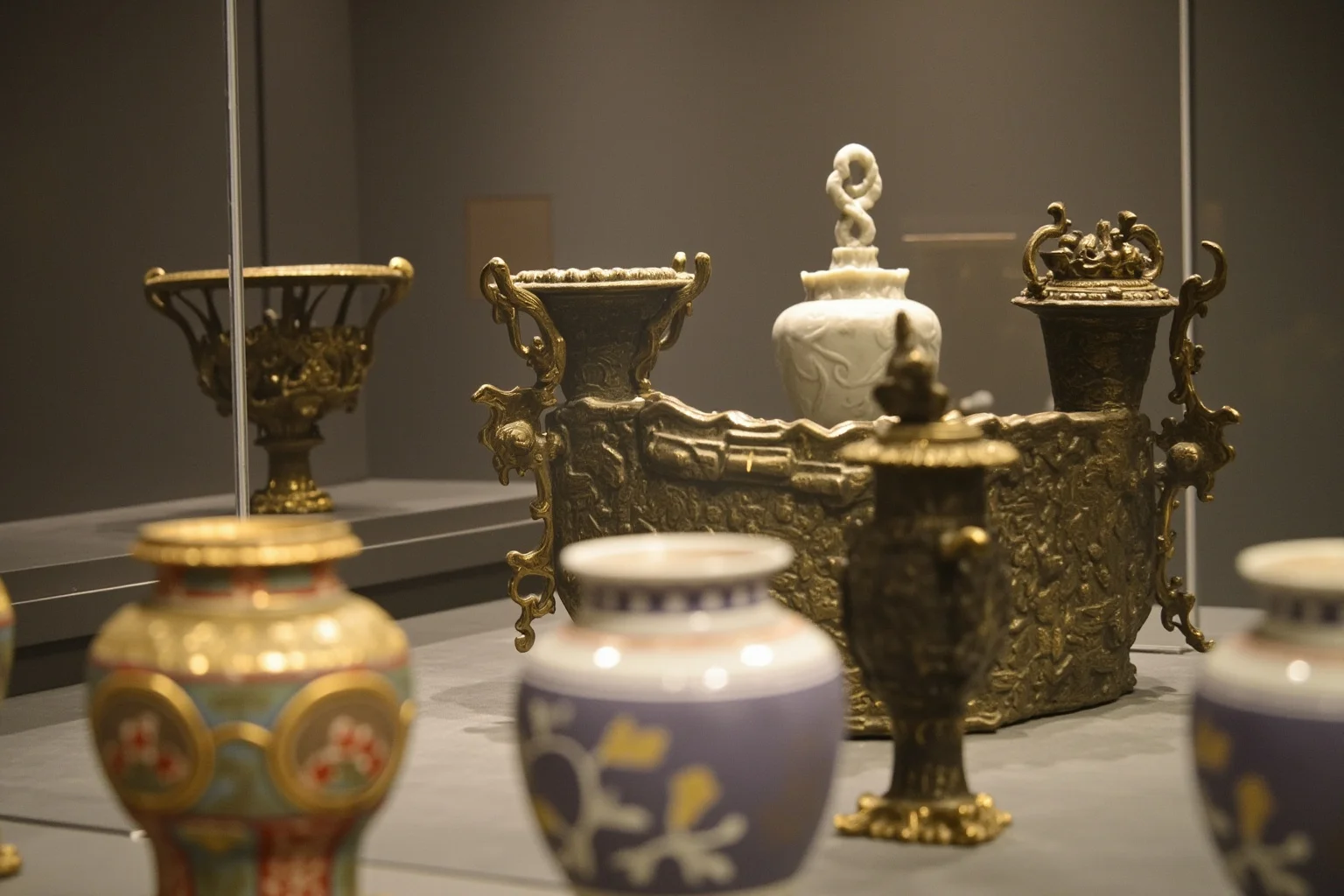
Ming emperors oversaw the construction of the Forbidden City, one of the world's most iconic palace complexes. The dynasty also reinforced and expanded much of the Great Wall to its current recognizable form. Ming porcelain became one of the world's first truly global luxury commodities, exported to markets across Asia, Africa, and Europe.
The dynasty launched massive naval expeditions under Admiral Zheng He, whose fleets reached as far as East Africa. These voyages demonstrated Chinese technological superiority in shipbuilding and navigation. However, later Ming emperors restricted maritime exploration, a decision that some historians argue contributed to China's later relative decline.
6. The Qing Dynasty (1644 – 1912 CE)
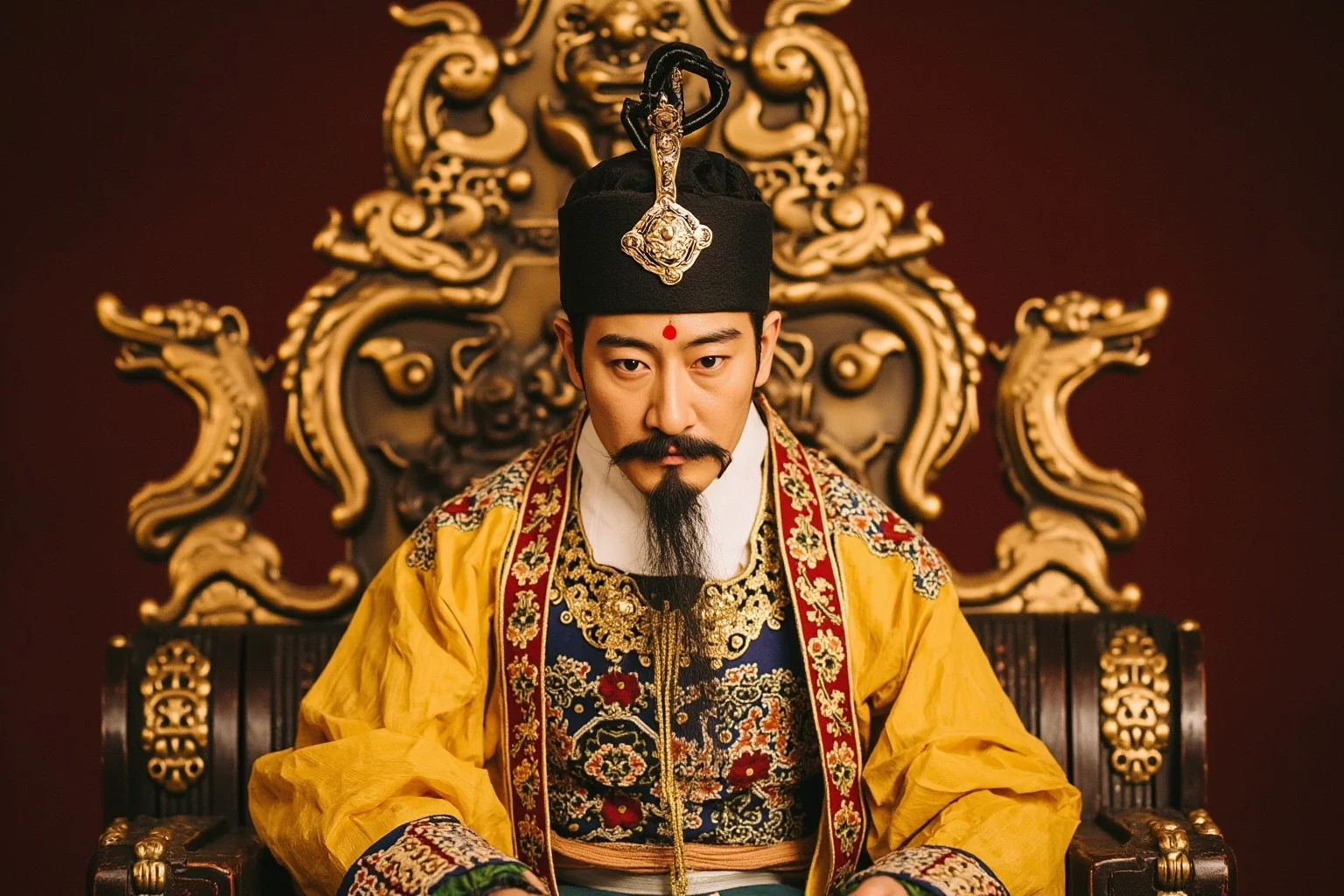
The Qing was China's last imperial dynasty and its second foreign-led one, established by the Manchu people. It ruled over a vast territory that roughly corresponds to modern China's borders. The Qing emperors expanded China's territory to its greatest historical extent, incorporating Tibet, Xinjiang, and Mongolia.
Under early Qing emperors like Kangxi and Qianlong, China reached unprecedented territorial and population heights. Kangxi ruled for 61 years, making him one of the longest-reigning monarchs in world history. The dynasty's early years saw relative stability and prosperity, with agricultural innovations supporting rapid population growth.
However, the dynasty's later years were marked by internal rebellion, foreign incursions, and the devastating Opium Wars. The Taiping Rebellion alone killed an estimated 20 to 30 million people. The 1912 revolution ended over 2,000 years of imperial Chinese rule and established Asia's first republic.
7. The Ptolemaic Dynasty (305 – 30 BCE)
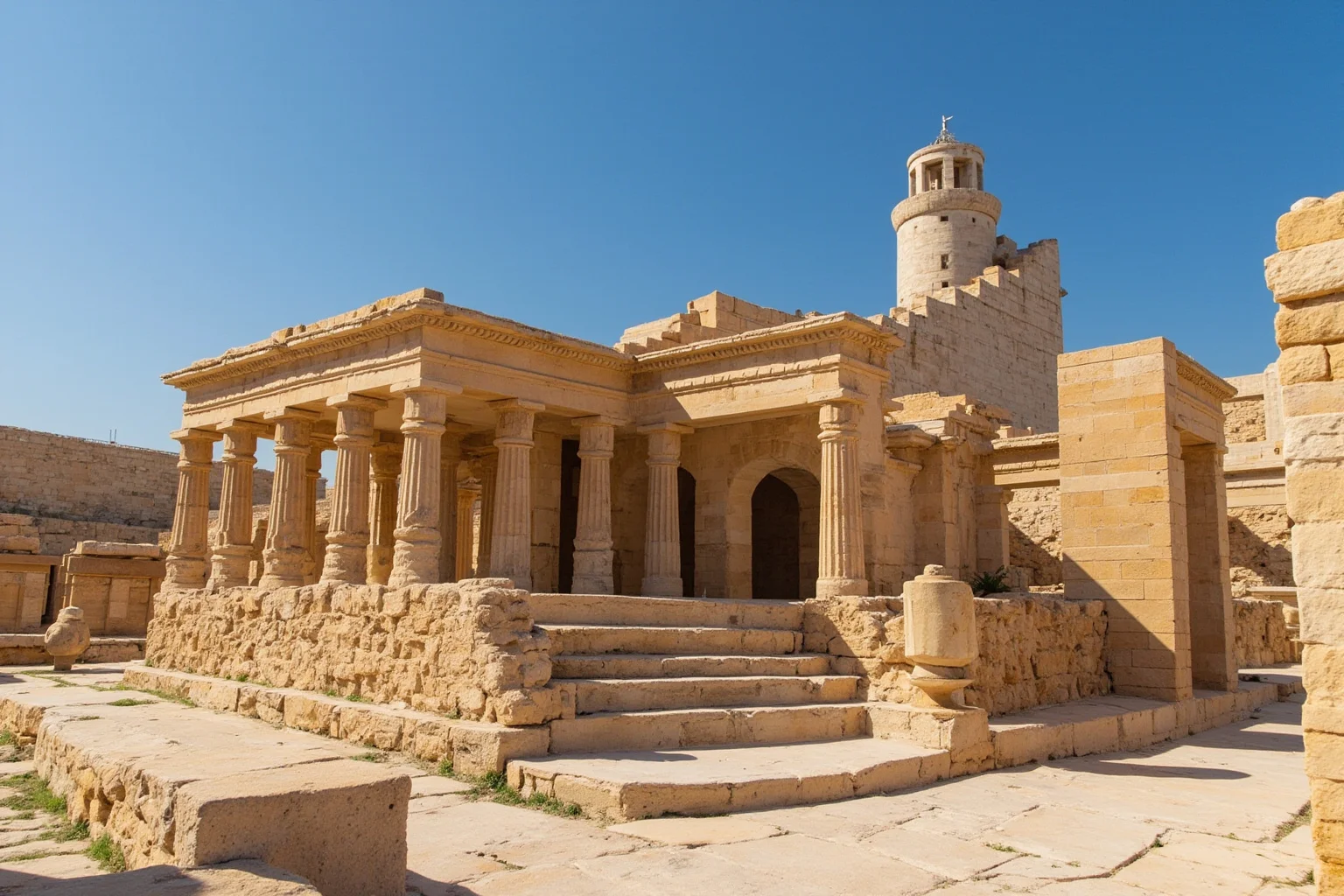
The Ptolemaic Dynasty ruled Egypt for nearly 300 years after Alexander the Great's conquest. Founded by Ptolemy I, one of Alexander's generals, it was the final dynasty of independent Egypt. The Ptolemies presented themselves as pharaohs to the Egyptian people while maintaining Greek culture and language.
Cleopatra VII, the dynasty's most famous ruler, was ethnically Greek rather than Egyptian. She was also the first Ptolemaic ruler to learn the Egyptian language, demonstrating political savvy. Her romantic and political alliances with Julius Caesar and Mark Antony are among history's most famous relationships.
The Ptolemies made Alexandria a center of learning, housing the legendary Great Library and attracting scholars from across the Mediterranean. The dynasty's support for science and mathematics produced advances that influenced later Islamic and European scholarship. Cleopatra's defeat by Octavian in 30 BCE marked the end of both the dynasty and independent Egypt.
8. The House of Tudor (1485 – 1603)
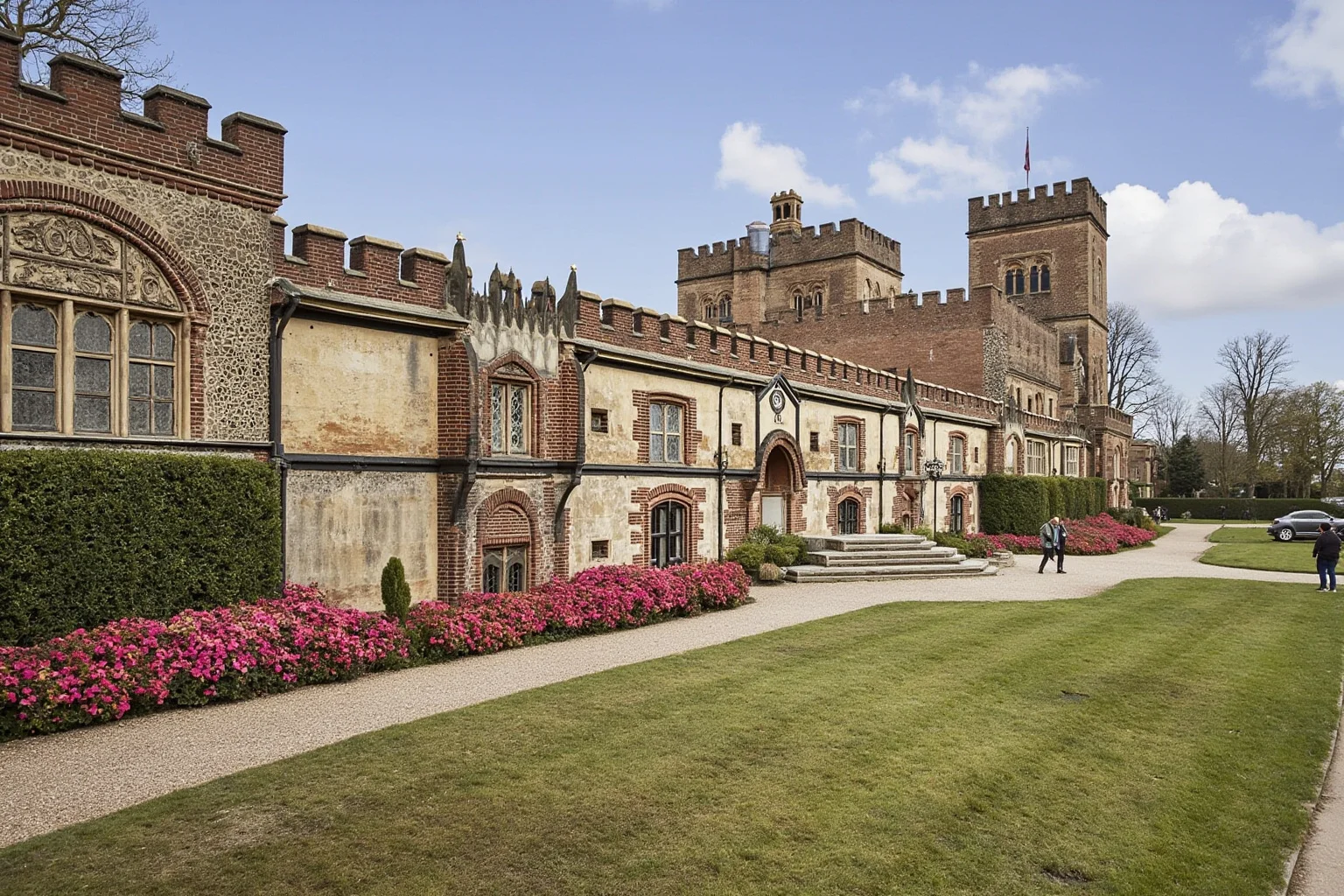
The Tudor dynasty transformed England from a medieval kingdom into a Renaissance power. Founded by Henry VII after the Wars of the Roses, the Tudors ruled for just 118 years but left an outsized legacy. The dynasty's relatively short reign belies its enormous impact on English religion, politics, and culture.
Henry VIII's break with Rome established the Church of England, fundamentally altering English religion and politics. His six marriages and the resulting succession crisis shaped the dynasty's entire trajectory. The dissolution of the monasteries redistributed vast wealth and land across England.
Elizabeth I's reign saw a golden age of exploration, literature, and naval power. The defeat of the Spanish Armada in 1588 established England as a major maritime power. The Tudor era also intensified English colonization of Ireland, with consequences that persist today.
9. The House of Bourbon (1589 – 1830)
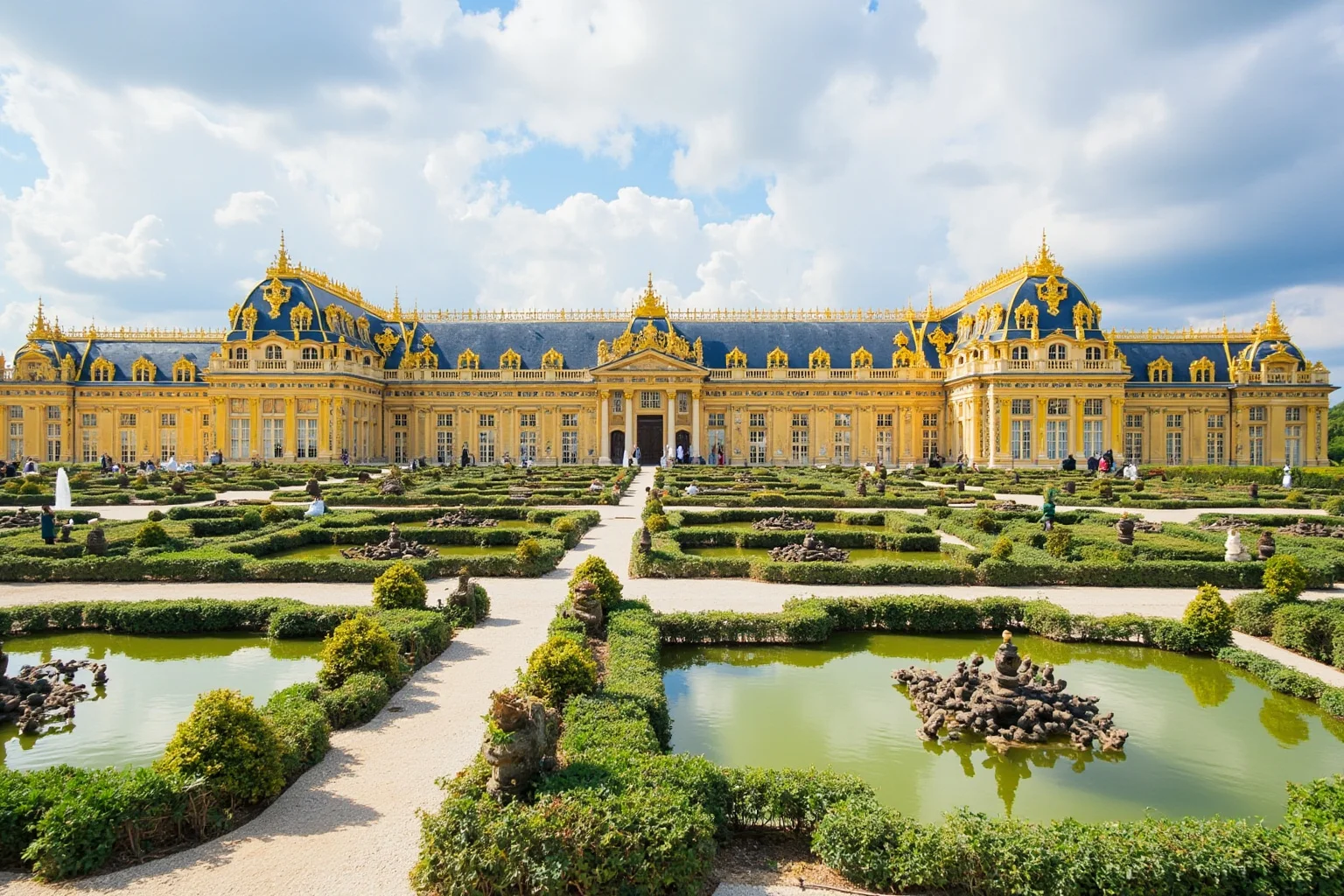
The Bourbons ruled France and parts of Spain, Italy, and Latin America for centuries. In France, their reign included the absolutist era under Louis XIV, the Sun King, who built the palace at Versailles. Louis XIV's 72-year reign remains the longest of any sovereign monarch in recorded history.
The French Revolution toppled the Bourbons in 1789, executing Louis XVI and Marie Antoinette. The dynasty returned briefly after Napoleon's defeat, ruling until the July Revolution of 1830. Bourbon branches also ruled Spain, Naples, and Parma, with the Spanish branch continuing today.
The Bourbons shaped European politics, architecture, and colonial expansion across the Americas. Their patronage of the arts produced magnificent châteaux and supported luminaries like Molière. The dynasty's colonial ventures established French presence in North America, the Caribbean, and India.
10. The Romanov Dynasty (1613 – 1917)
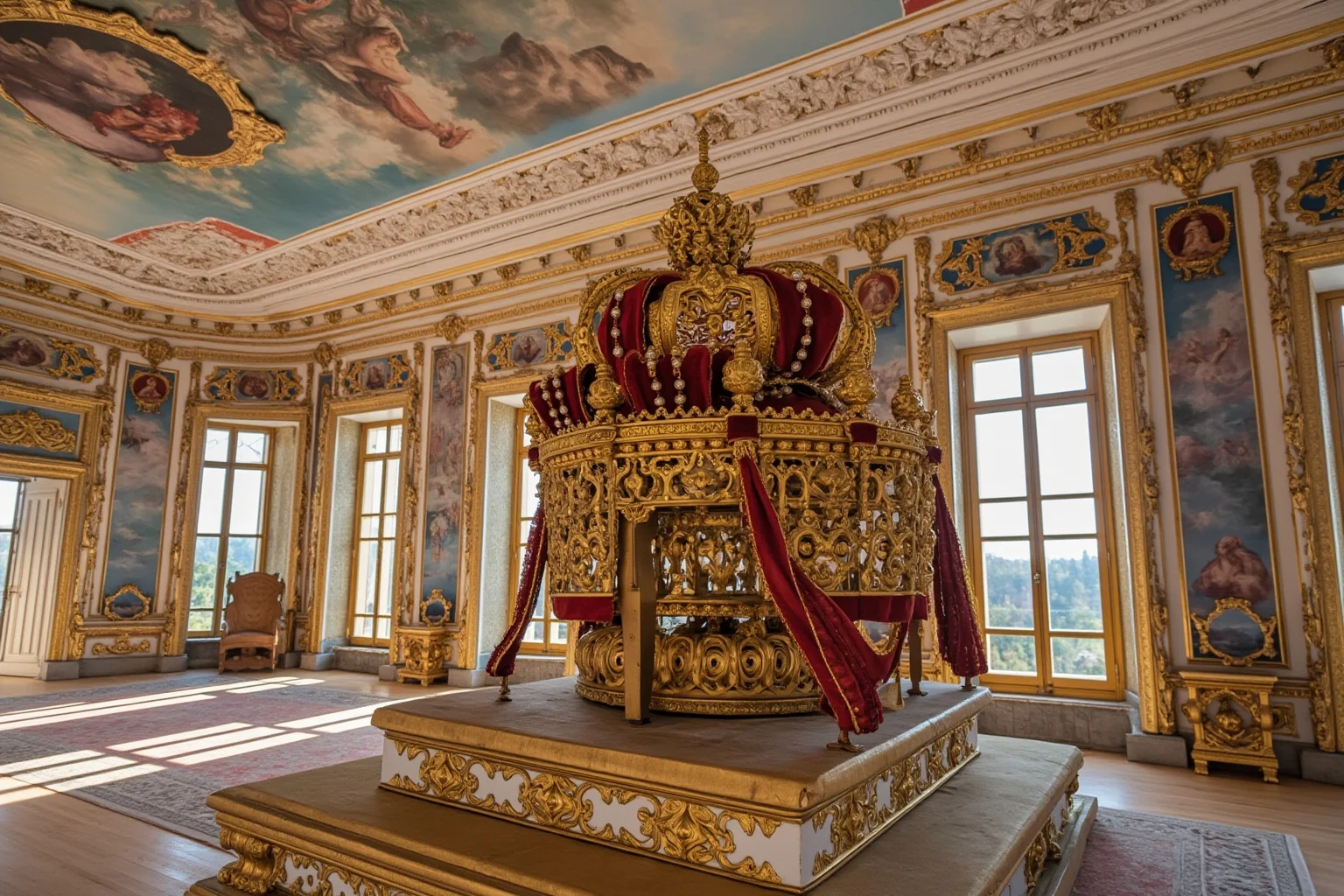
The Romanovs ruled Russia for over 300 years, transforming it from a medieval principality into a modern empire. Founded after the Time of Troubles, the dynasty began with Mikhail Romanov's election in 1613. The Romanovs would guide Russia through its transformation into a European great power.
Peter the Great founded St. Petersburg and built a navy, forcibly modernizing Russia along Western lines. Catherine the Great, a German-born Romanov by marriage, expanded the empire and corresponded with Enlightenment philosophers. Under their rule, Russia became a dominant force in European politics.
The dynasty's end was equally dramatic and violent. Nicholas II's abdication in 1917 ended centuries of Romanov rule. The Bolsheviks executed the tsar and his family the following year, ending the dynasty definitively and ushering in the Soviet era.
11. The Ottoman Dynasty (1299 – 1922)
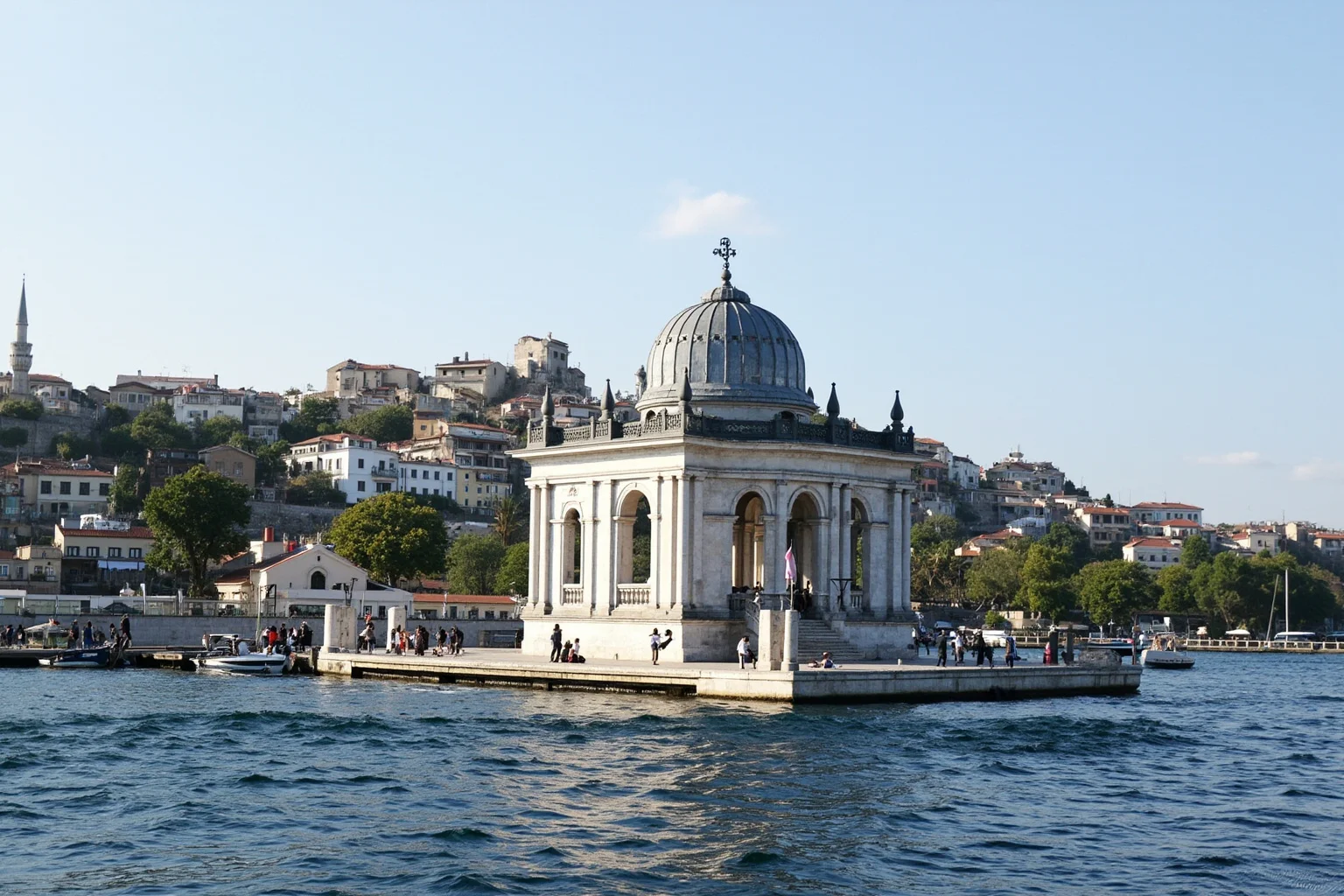
The Ottoman Dynasty was one of the longest-ruling dynasties in history, spanning over 600 years. At its peak, the Ottoman Empire controlled territory across three continents: Europe, Asia, and Africa. The dynasty's longevity and reach made it one of history's most significant dynastic empires.
Suleiman the Magnificent presided over the empire's golden age, overseeing legal reforms, architectural achievements, and military expansion. The Ottoman sultans also served as caliphs, giving them religious authority over much of the Islamic world. Their legal system, based on Islamic law, governed a diverse multi-ethnic empire for centuries.
The dynasty's dissolution after World War I redrew the map of the Middle East. The subsequent partition of Ottoman territories created many modern Middle Eastern nation-states. The dynasty's cultural legacy includes magnificent architecture, cuisine, and administrative practices that endure across the former empire.
12. The Maurya Dynasty (322 – 185 BCE)

The Maurya Dynasty was the first empire to unify most of the Indian subcontinent. Founded by Chandragupta Maurya, it reached its zenith under his grandson Ashoka the Great. The dynasty's administrative innovations influenced Indian governance for centuries.
Ashoka's conversion to Buddhism and his policy of non-violence after the brutal Kalinga War made him one of history's most remarkable rulers. His edicts, carved on pillars and rocks across India, represent some of the earliest examples of state-sponsored moral governance. These inscriptions provide valuable historical records of ancient Indian society.
The Mauryan Empire's administrative system, including its network of spies and civil servants, was described in the Arthashastra, an ancient political treatise. The dynasty's support for Buddhism helped spread the religion across Asia. After Ashoka's death, the empire gradually declined, but its cultural and political influence endured.
13. The Mughal Dynasty (1526 – 1857)
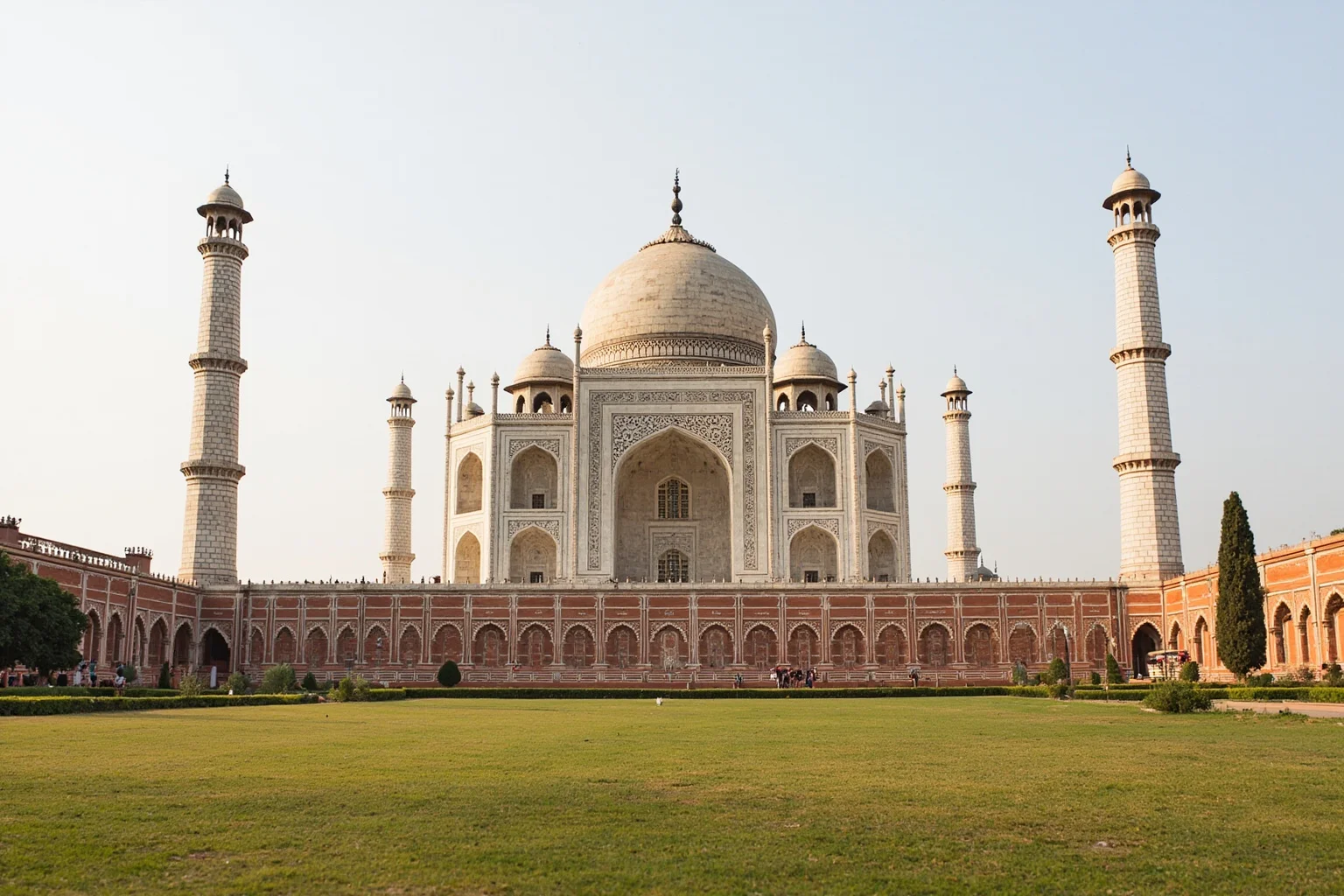
The Mughals ruled most of India for over 300 years, blending Persian, Turkic, and Indian cultures. Founded by Babur, a descendant of both Genghis Khan and Timur, the dynasty created some of the world's most stunning architecture. The Mughal period is considered one of India's most culturally rich eras.
Shah Jahan commissioned the Taj Mahal as a tomb for his wife Mumtaz Mahal, creating one of history's most recognizable buildings. Akbar the Great implemented policies of religious tolerance that were remarkably progressive for their time. He abolished the jizya tax on non-Muslims and married Hindu princesses to cement political alliances.
The Mughal economy was among the world's largest, with manufacturing and trade flourishing under stable governance. The dynasty's later years saw decline due to internal strife and the rising power of European trading companies. The British exile of the last Mughal emperor in 1857 marked the formal end of the dynasty.
14. The Capetian Dynasty (987 – 1328)
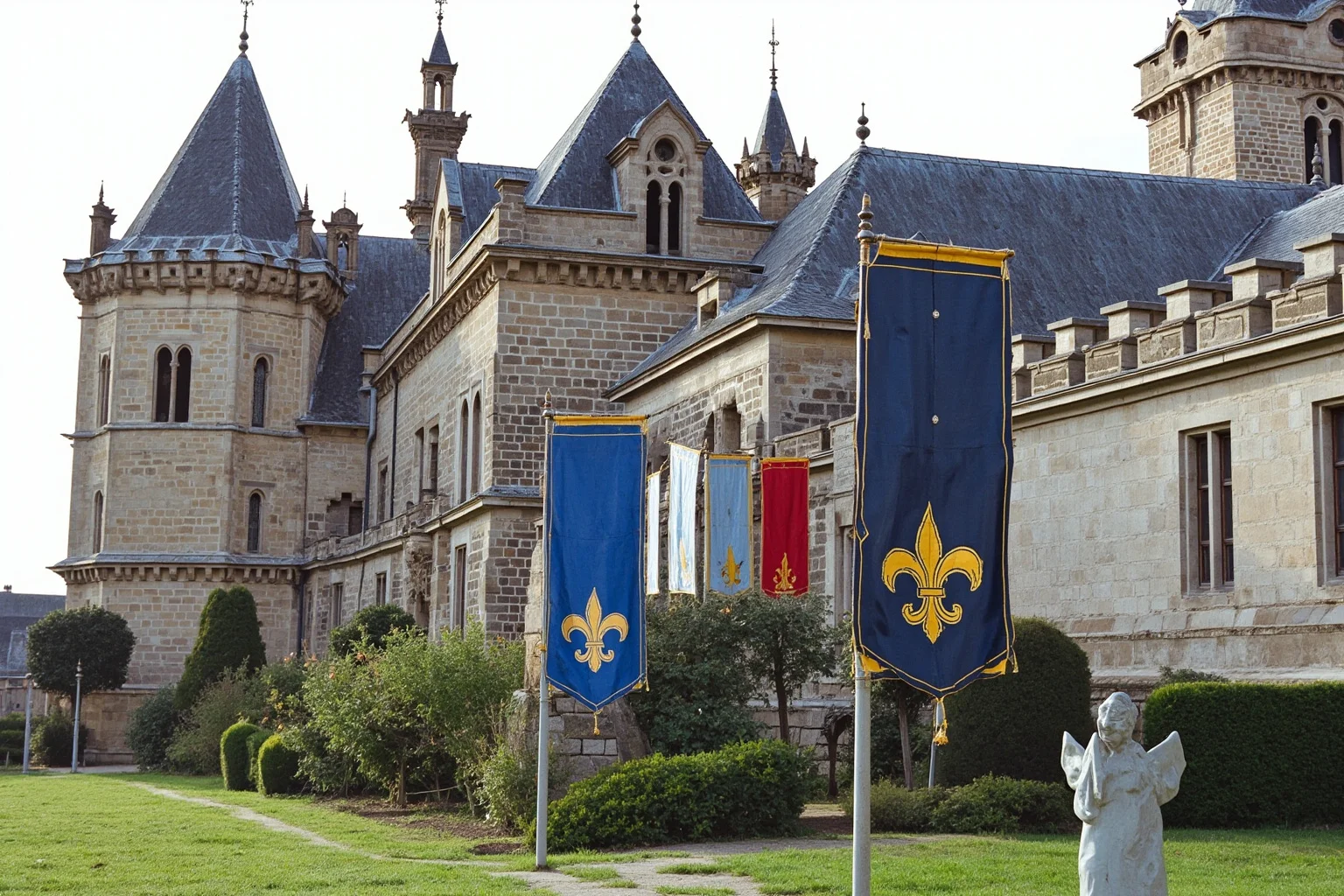
The Capetian Dynasty laid the foundation for the French nation-state. Hugh Capet's election as king in 987 began a line that would rule France directly or through cadet branches for nearly 1,000 years. The dynasty's longevity gave France a stability that many European kingdoms lacked.
The direct Capetian line ended in 1328, but cadet branches like the Valois and Bourbon continued the dynasty's influence. Their concept of hereditary kingship helped define European monarchy as an institution. The Capetians developed the administrative and legal systems that would characterize French governance for centuries.
Notable Capetian rulers included Philip II Augustus, who expanded royal territory, and Louis IX, who was later canonized as a saint. Philip IV the Fair centralized power and clashed dramatically with the Knights Templar. The dynasty's legacy includes the foundations of French law, administration, and national identity.
15. The House of Medici (1434 – 1737)
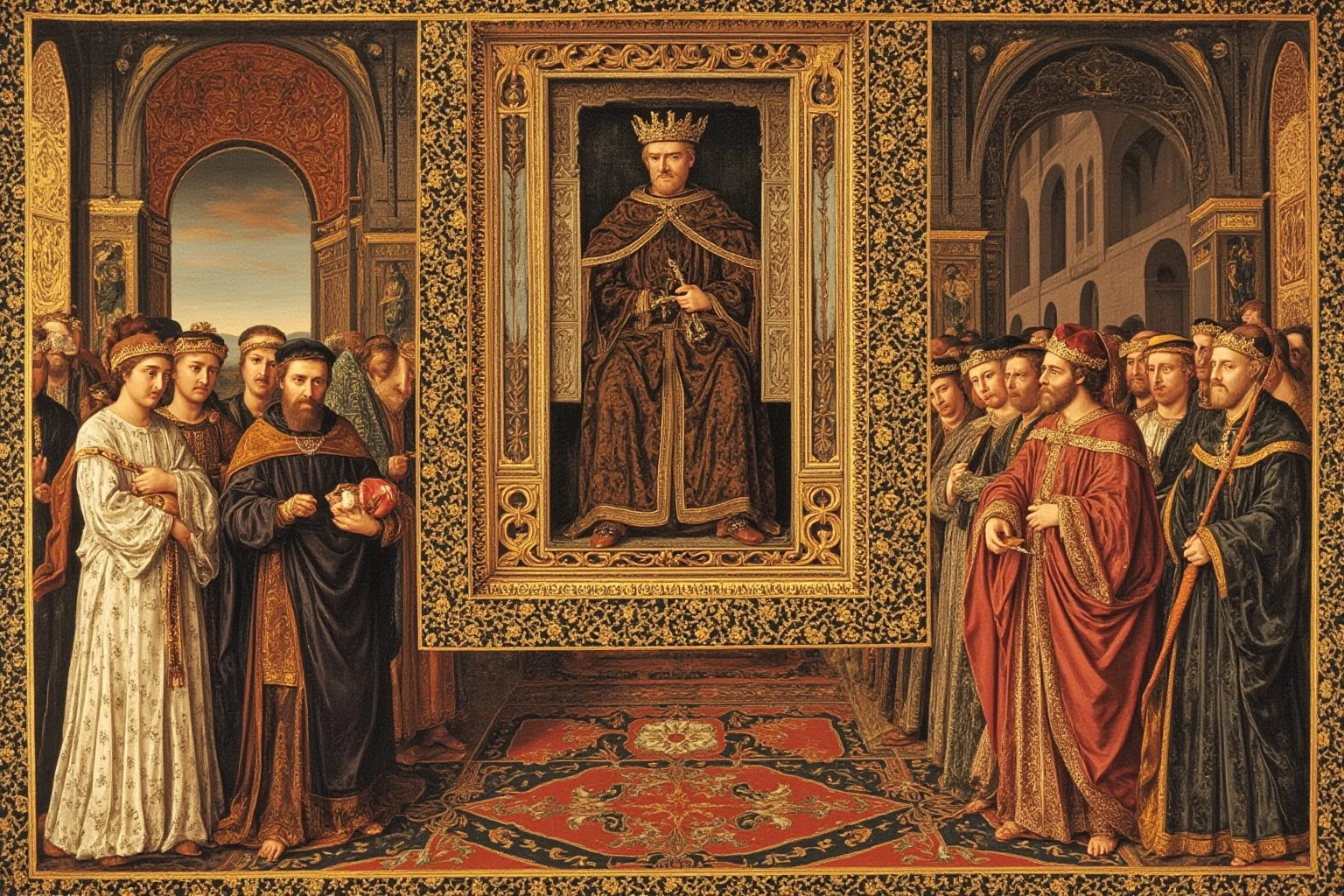
The Medici family dynasty dominated Florence and Tuscany for centuries, though they were bankers rather than kings initially. Their wealth and patronage fueled the Italian Renaissance, funding artists like Michelangelo and Botticelli. The Medicis demonstrated how financial power could translate into political dynasties without traditional royal bloodlines.
The family produced four popes and two queens of France, expanding their influence far beyond Florence. Cosimo de' Medici and his grandson Lorenzo the Magnificent became models of enlightened patronage. Their support for scholars, architects, and artists created some of Western civilization's greatest masterpieces.
Medici banking innovations, including double-entry bookkeeping and international branch networks, helped shape modern finance. The family's patronage of architecture transformed Florence into a Renaissance showcase. Their villas and churches, designed by architects like Brunelleschi, still define the city's skyline.
16. The Carolingian Dynasty (751 – 987)
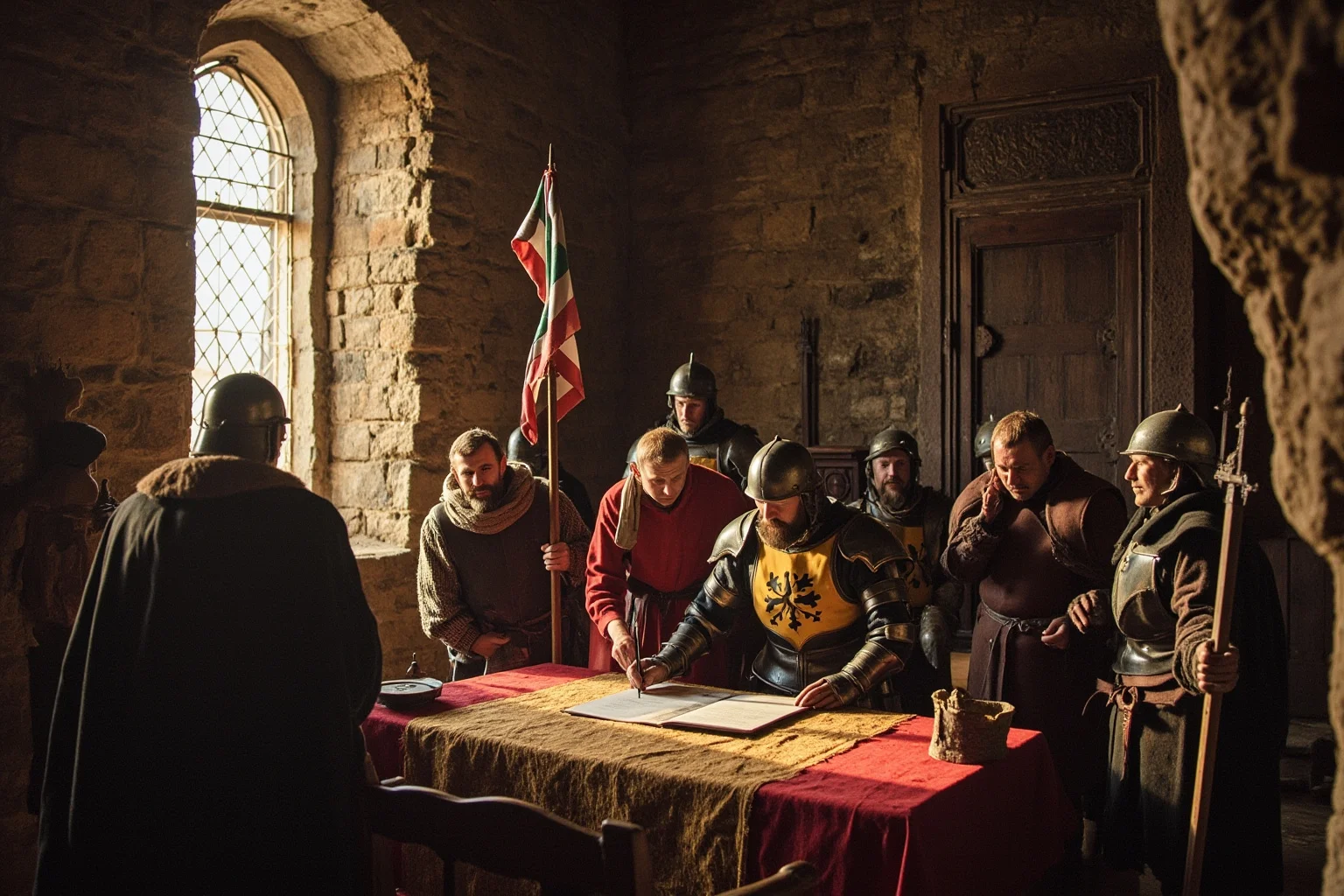
The Carolingian Dynasty, founded by Pepin the Short, unified much of Western Europe under Charlemagne. Crowned Holy Roman Emperor in 800 CE, Charlemagne's reign marked a revival of learning and administration after centuries of post-Roman decline. The dynasty's name derives from Charlemagne's Latin name, Carolus Magnus.
The Carolingian Renaissance preserved classical knowledge through systematic manuscript copying and educational reform. Charlemagne promoted literacy among clergy and established schools across his empire. Though most of these manuscripts were lost over time, enough survived to preserve much of Latin literature.
The Carolingian administrative system, with counts governing local regions and royal inspectors called missi dominici, influenced feudal governance. The empire fragmented after Charlemagne's death, eventually dividing into what would become France and Germany. The dynasty's legacy shaped the concept of a united Europe that persists today.
17. The House of Plantagenet (1154 – 1485)
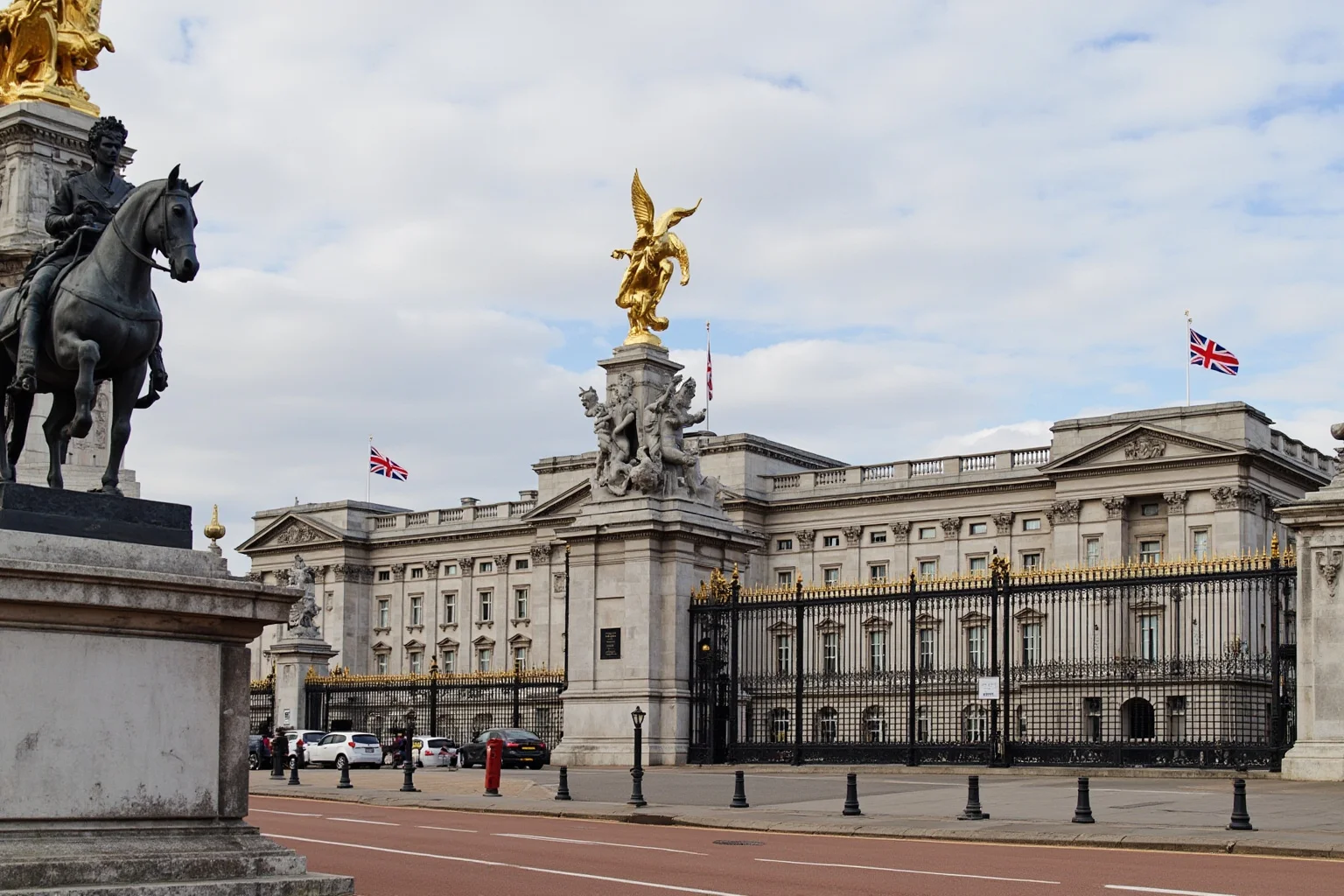
The Plantagenets ruled England for over 300 years, overseeing some of the most pivotal events in English history. Founded by Henry II, the dynasty's lands stretched from the Scottish border to the Pyrenees. The Plantagenet era defined much of England's legal, political, and cultural development.
Their reign included the signing of Magna Carta in 1215, which established that even kings were subject to law. The dynasty also fought the Hundred Years' War with France, a conflict that shaped both nations' identities. Plantagenet kings like Edward I developed parliamentary institutions that influenced representative government worldwide.
The dynasty's internal conflicts, particularly the Wars of the Roses, eventually led to their downfall. The rivalry between the Houses of Lancaster and York, both Plantagenet branches, consumed England for decades. Henry Tudor's victory in 1485 ended Plantagenet rule and began the Tudor dynasty.
18. The House of Windsor (1917 – Present)

The House of Windsor is the current British royal family, renamed from the House of Saxe-Coburg and Gotha during World War I. The name change reflected anti-German sentiment during the war and created a distinctly British identity. While their political power is now largely ceremonial, their cultural influence remains significant.
The Windsors have navigated the transition from empire to constitutional monarchy, adapting to dramatic social change. King George VI's leadership during World War II bolstered the family's public standing, a wartime role comparable to that of other wartime leaders. Queen Elizabeth II's 70-year reign made her one of the longest-serving monarchs in history.
The family continues to serve as a unifying symbol for the United Kingdom and Commonwealth nations. However, they have also faced challenges, including public scrutiny, family conflicts, and debates about the monarchy's relevance. The Windsor dynasty represents perhaps the most visible modern example of a ruling family adapting to democratic governance.
19. The House of Saud (1932 – Present)
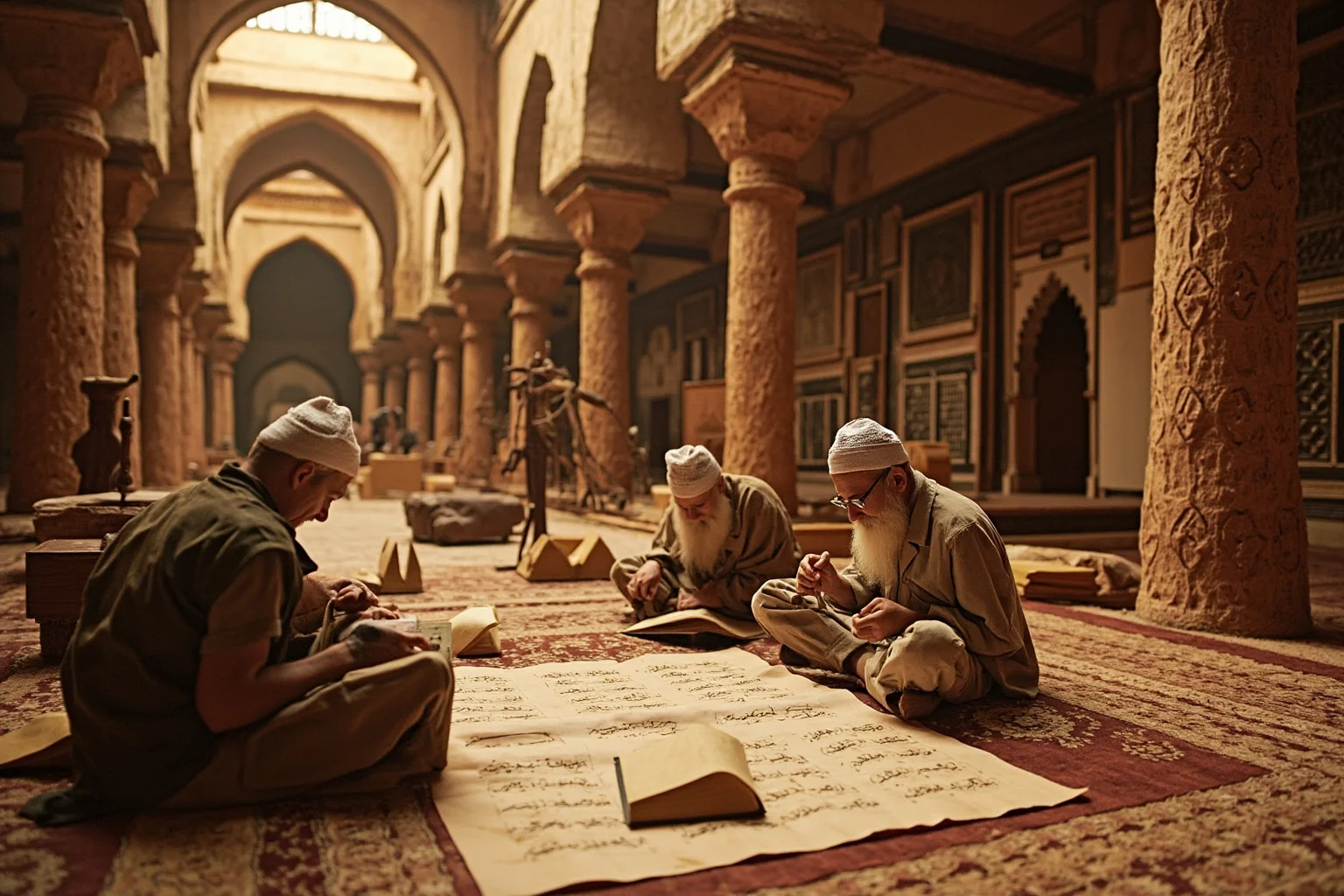
The House of Saud founded modern Saudi Arabia in 1932 under Abdulaziz Ibn Saud. This family dynasty controls one of the world's most oil-rich nations and the holy cities of Mecca and Medina. The dynasty's religious authority and energy resources give it extraordinary global influence.
The Saudi dynasty's alliance with religious leaders, formalized in the 18th century, shapes the kingdom's governance to this day. The discovery of oil in 1938 transformed the family from desert rulers into one of the world's wealthiest dynasties. Saudi oil policy affects global energy markets and international relations.
Succession within the family remains a closely watched political process, with power passing among Ibn Saud's many sons. Crown Prince Mohammed bin Salman's recent reforms have reshaped Saudi society and the dynasty's direction. The House of Saud remains one of the most powerful ruling families in the modern world.
20. The Abbasid Caliphate (750 – 1258 CE)

The Abbasid Caliphate succeeded the Umayyads and oversaw Islam's golden age of science and culture. The Abbasids moved the capital from Damascus to Baghdad, which became the world's largest and most cosmopolitan city. Their revolution against the Umayyads reshaped the Islamic world's political and cultural geography.
Scholars at the House of Wisdom translated Greek, Persian, and Indian texts, preserving knowledge that later fueled the European Renaissance. Abbasid mathematicians developed algebra, while physicians advanced medical science significantly. The caliphate's intellectual achievements influenced mathematics, astronomy, medicine, and philosophy for centuries.
The Mongol destruction of Baghdad in 1258 ended the dynasty's political power in one of history's most devastating conquests. The siege killed an estimated 200,000 to 800,000 residents and destroyed the Great Library. Abbasid cultural and scientific achievements, however, endured through the scholars and texts that survived.
21. The Kennedy Family (20th – 21st Century)

The Kennedys are perhaps the most famous political dynasties in the US. Joseph Kennedy Sr. built a fortune and positioned his sons for high office, beginning with John F. Kennedy's presidency in 1961. The family's Irish Catholic background made their rise a symbol of American immigrant success.
JFK's presidency, cut short by his assassination in 1963, inspired a generation of public service. Robert Kennedy served as attorney general and senator before his own assassination during his 1968 presidential campaign. Ted Kennedy served in the Senate for nearly 47 years, making him one of the longest-serving senators in American history.
The Kennedy family's political influence extends beyond elected office to advocacy, journalism, and public service. Multiple family members have held state and federal positions across several generations. Their combination of wealth, charisma, and tragedy has made them an enduring American dynasty.
22. The Bush Family (20th – 21st Century)

The Bush family represents one of the most significant modern political dynasties in America. Prescott Bush served as a US Senator from Connecticut, establishing the family's political credentials. His son George H.W. Bush served as president, and grandson George W. Bush also reached the presidency, making them the second father-son presidential pair after the Adams family.
The family's influence spans both political offices and extensive business connections in the oil industry. George H.W. Bush also served as vice president, CIA director, and ambassador before his presidency. Jeb Bush served as governor of Florida, further extending the family's political footprint.
The Bush dynasty illustrates how political dynasties can function within democratic systems. Their network of donors, advisors, and allies gave them influence far beyond any single election. The family's foreign policy legacy, particularly the Iraq War, remains a subject of intense historical debate.
23. The Roosevelt Family (19th – 20th Century)
The Roosevelts produced two of America's most transformative presidents: Theodore Roosevelt and Franklin D. Roosevelt. Though distant cousins, both reshaped American government and foreign policy in profound ways. The Roosevelt family, of Dutch origin, had been prominent in New York politics since the colonial era.
Theodore's progressive reforms included trust-busting, conservation of public lands, and food safety regulation. FDR's New Deal responded to the Great Depression with unprecedented government programs. His leadership during World War II positioned the United States as a global superpower.
Eleanor Roosevelt extended the family's influence into human rights advocacy as a diplomat and First Lady, ranking among history's most powerful women. She chaired the committee that drafted the Universal Declaration of Human Rights. The Roosevelt legacy demonstrates how a family dynasty can shape national policy across multiple generations and political parties.
Why Dynasties Still Matter
Understanding dynastic power helps us grasp how political influence passes through families across generations. Whether ruling ancient empires or navigating modern democracies, these families shaped the world we inherited. Their stories reveal both the achievements and the dangers of concentrated inherited power.
The word "dynasty" has even expanded beyond politics into sports and business contexts. Fans debate the best NFL dynasties, while corporate analysts track family-controlled business empires across the globe. Yet the core concept remains unchanged: power that persists across generations through family ties.
How many dynasties were there throughout history? Scholars have cataloged hundreds of ruling families across civilizations, from tiny kingdoms to vast empires. A complete list of dynasties would fill many volumes, and all the dynasties combined represent thousands of years of human governance.
These dynasties in history represent only a fraction of the ruling families that have governed human societies. Every dynasty in history offers lessons about leadership, succession, and the tension between merit and birthright. From ancient pharaohs to modern political families, the dynasty remains one of history's most enduring institutions.
Frequently Asked Questions
What is an example of a dynasty?
A classic example of a dynasty is China's Ming Dynasty (1368–1644), which was ruled by the Zhu family for nearly 300 years. The Ming emperors oversaw the construction of the Forbidden City, launched naval expeditions under Admiral Zheng He, and established governance systems that influenced China for centuries. Other well-known dynasty examples include the Romanovs of Russia and the Tudors of England.
How many dynasties were there in history?
Scholars have identified hundreds of dynasties throughout recorded history, spanning every inhabited continent. China alone had over 20 major dynasties across more than 2,000 years, while Europe, the Middle East, and South Asia each hosted dozens more. A comprehensive list of dynasties would fill multiple volumes of historical reference.
What are some famous dynasty names?
Some of the most famous dynasty names include the Habsburgs, Romanovs, Tudors, Bourbons, and Ottomans in Europe and the Middle East. In Asia, the Han, Tang, Ming, and Qing dynasties of China, along with the Mughals of India, are among the most widely recognized. The Medicis of Florence are also among the most celebrated famous dynasties for their Renaissance patronage.
Are there political dynasties in the US?
Yes, political dynasties in the US include the Kennedy, Bush, and Roosevelt families. While these families do not hold hereditary office, their concentrated wealth, political connections, and name recognition have given them outsized influence across multiple generations. The Adams family, with John Adams and John Quincy Adams as father-son presidents, was one of America's earliest political dynasties.

Alex Warren
Related Articles