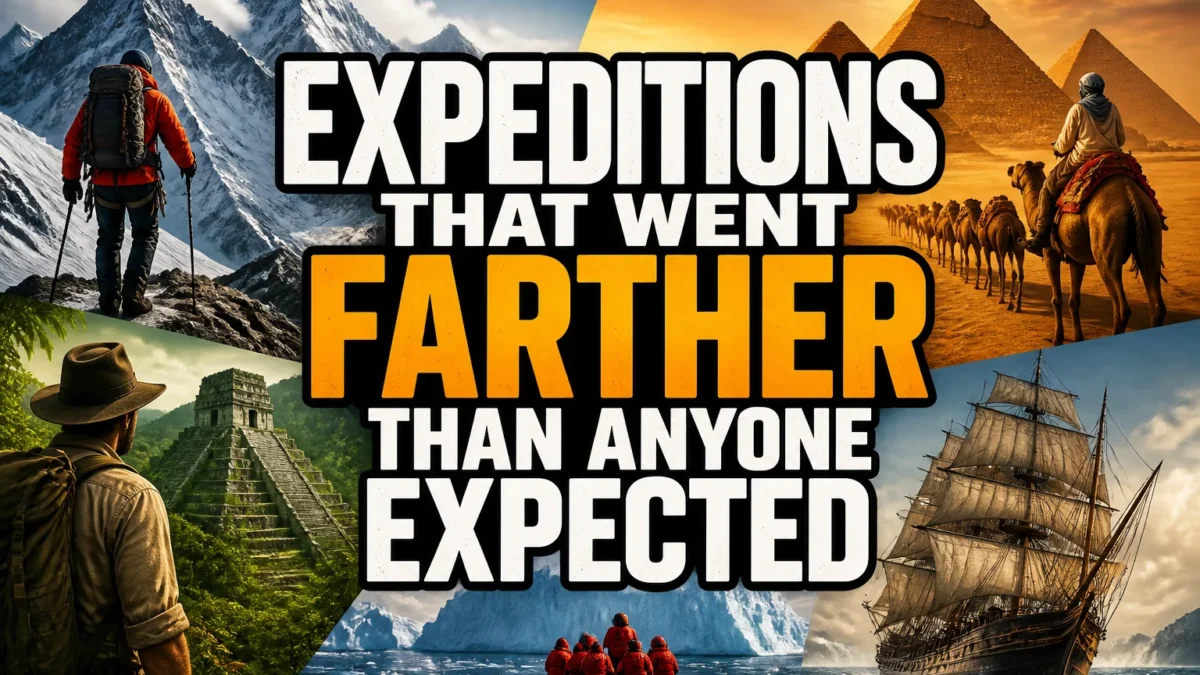
Expedition history is full of plans that outgrew their original maps. Some teams set out to find a trade route, a river, or a blank spot on the chart, and then kept going far beyond the point anyone thought they would stop. Looking at these historical expeditions in sequence reveals a simple pattern.
Ambition, accident, and bad assumptions about geography often pushed explorers past their official goals. The result is a long list of journey examples that became famous because they outran their instructions.
TL;DR: The most memorable expedition history is filled with journeys that outgrew their original goals, from Alexander reaching India to Voyager entering interstellar space.
Why the History of Expeditions Is Full of Overshoot
Explorers rarely left home with a blank check. They had orders, patrons, and a planned turn-back point.
That turn-back point often disappeared at the first sight of an unknown river or coastline. In many cases, continuing was safer or more useful than retreating.
1. Alexander the Great’s March to India (334–323 BC)
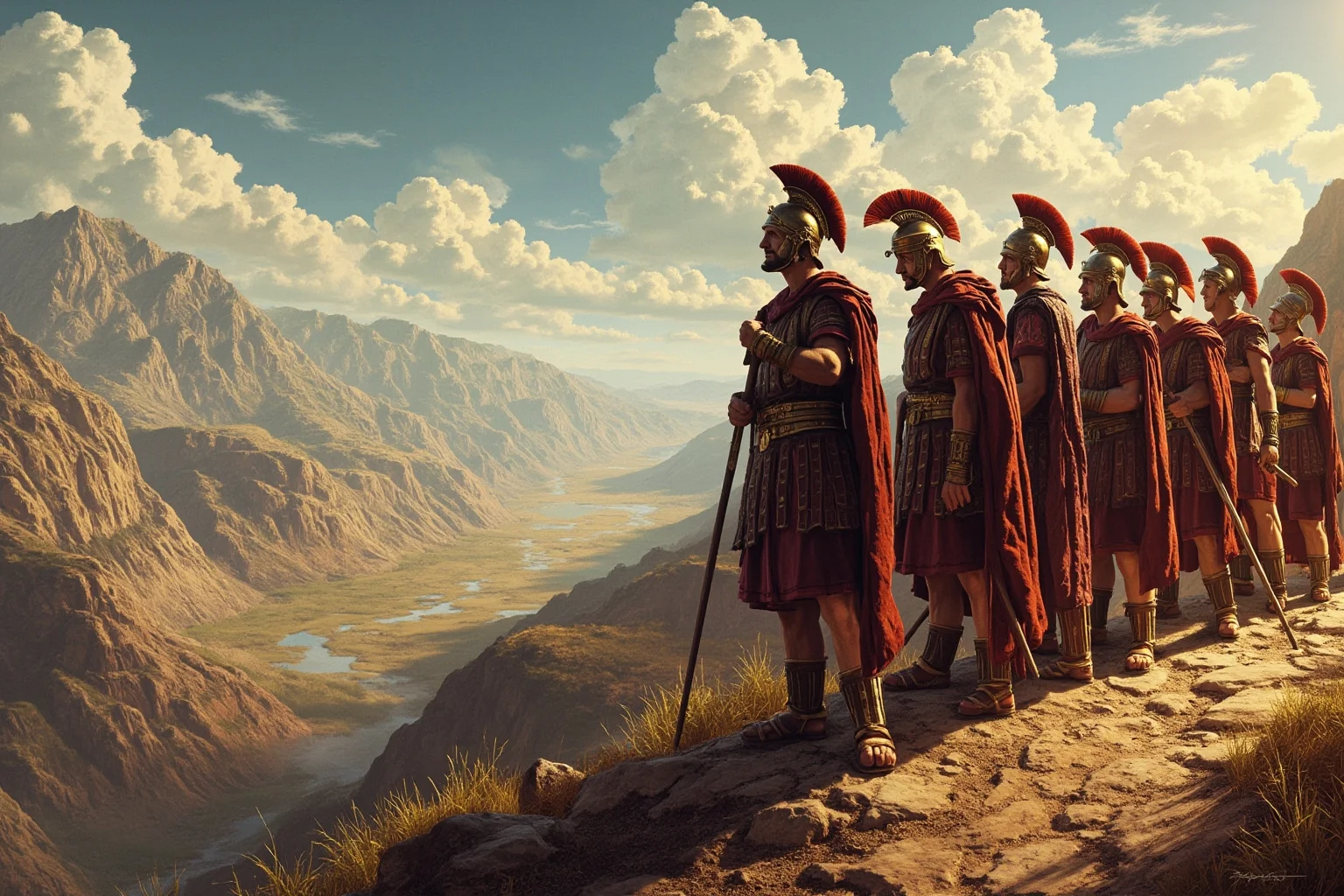
Alexander began with a plan to punish Persia for past invasions of Greece. After victories at Issus and Gaugamela, he kept pushing east through the Persian heartland and beyond the edges of the Greek world. His supply lines stretched, but the army continued into Bactria and Sogdiana.
His troops reached the Indus Valley, where exhausted veterans finally refused to go farther. The campaign created a connected Hellenistic world from the Mediterranean to northwest India. It remains one of the most extreme long-distance military expeditions of the ancient world.
The cultural effects were even larger than the route itself. Greek art, coinage, and urban planning spread into Central Asia and northwestern India for centuries. Those changes help explain why Alexander’s march still stands at the head of many histories of expeditions.
2. Zheng He’s Treasure Fleets (1405–1433)
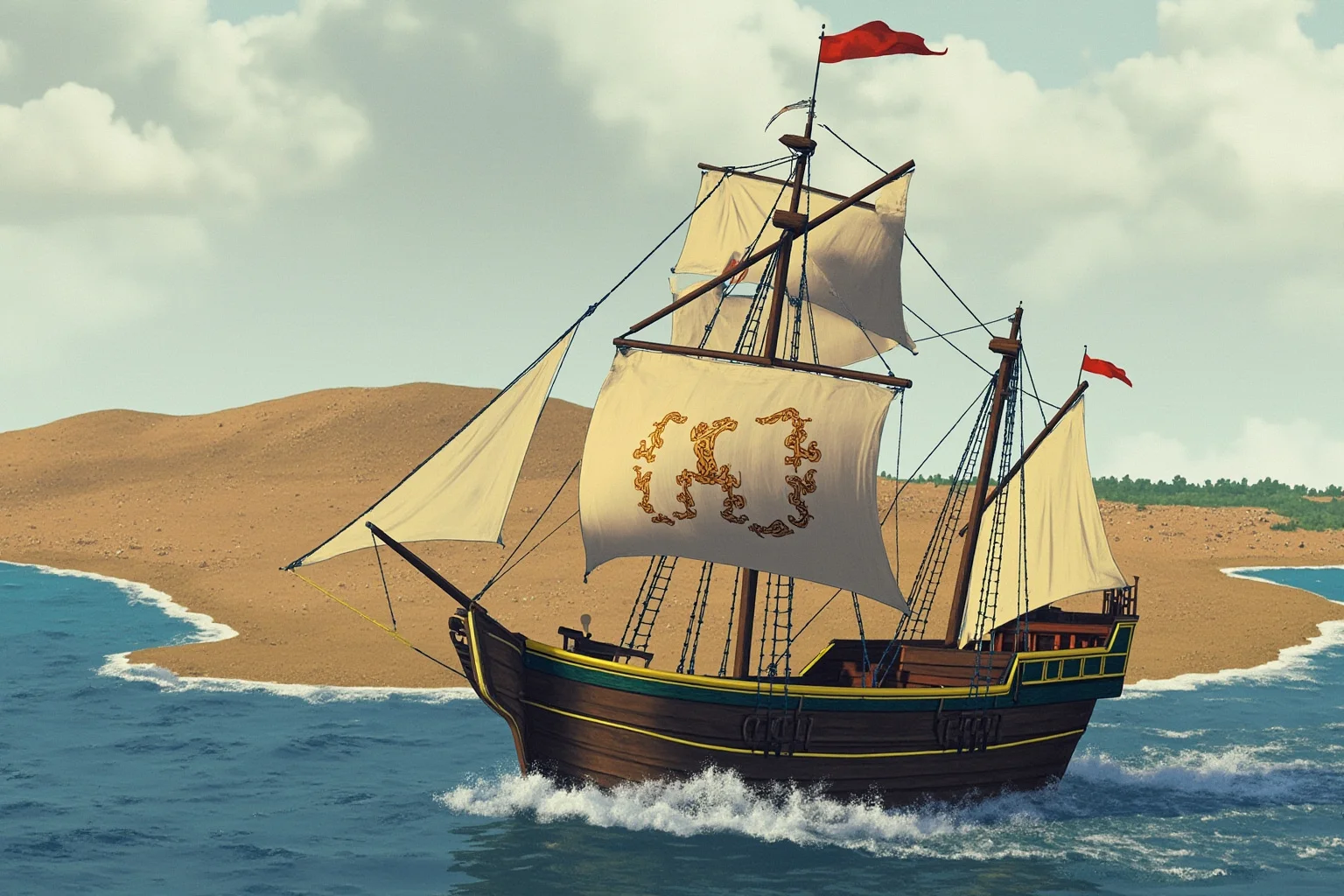
The Ming court sent Zheng He to display Chinese power across Southeast Asia and the Indian Ocean. His armadas sailed far beyond the ports officials initially expected to visit, reaching the Swahili coast of East Africa and the Red Sea. The treasure fleets moved thousands of people across long ocean routes decades before European age-of-sail voyages matched them.
These journeys demonstrated that long-range maritime power could project influence without permanent colonies. After the 1430s, China’s inward turn ended the treasure fleet era. The maps and reports from the voyages reshaped Chinese knowledge of the Indian Ocean world.
The expeditions also revealed how quickly a powerful state could stop a long-distance program. Scholars still debate whether the fleets were meant for trade, diplomacy, or prestige. Their geographic range, however, is not in doubt.
3. Norse Voyages to Vinland (c. 1000)
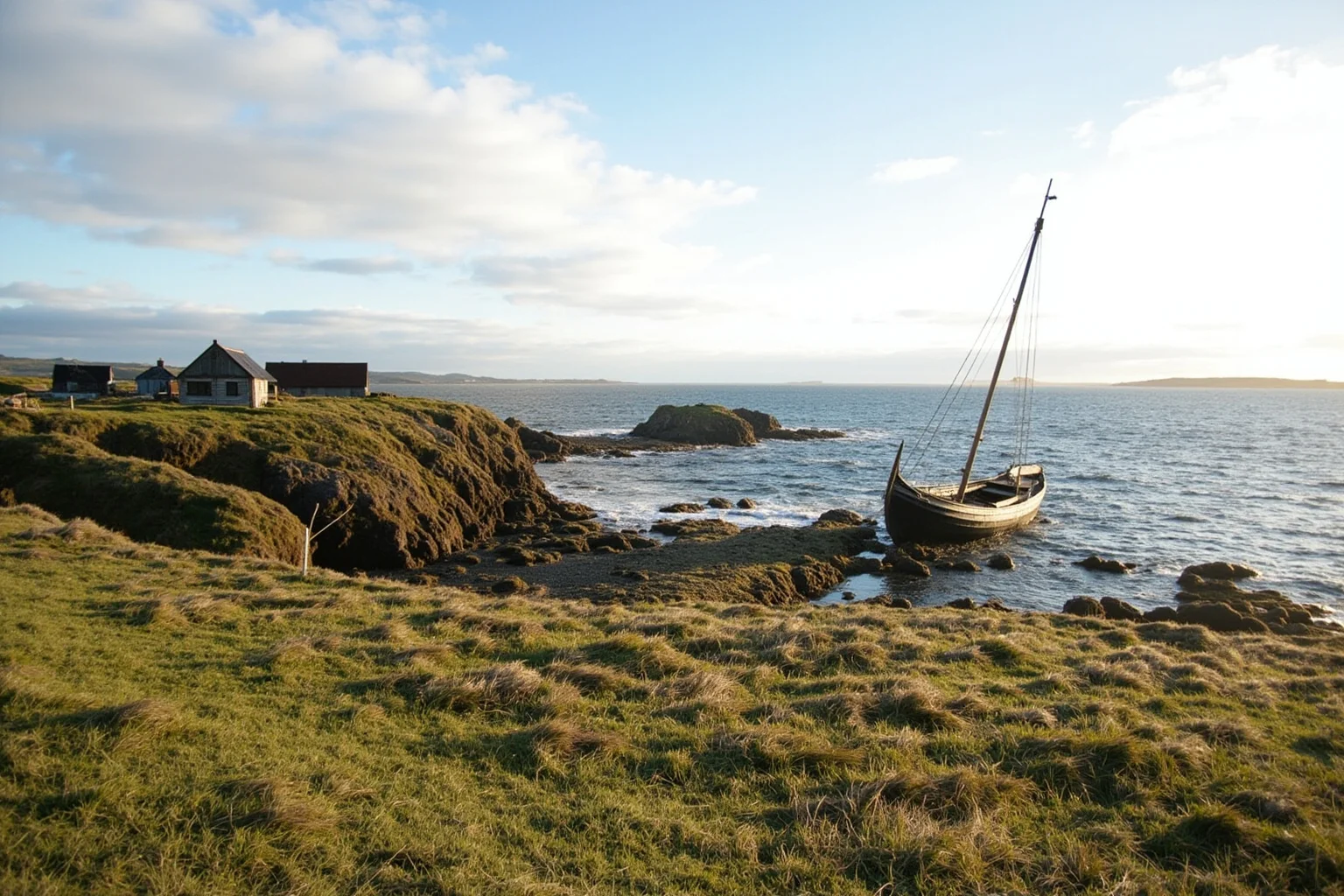
Greenland settlers sailed west for timber and new hunting grounds, but they found a coast that did not match their mental maps. Archaeological evidence at L’Anse aux Meadows in Newfoundland confirms a Norse encampment around the year 1000. That placed Norse crews in North America centuries before Columbus.
The site was a short-lived way station rather than a lasting colony. Even so, it proved how far the North Atlantic network had already expanded. The voyages to Vinland are among the clearest early examples of expeditions exceeding the known world.
Written sagas mix memory and legend, so details remain uncertain. What archaeology shows is that Norse sailors had the range to reach continental North America. Their failure to stay probably had less to do with distance than with numbers and local conflict.
4. Marco Polo’s Journey to the Mongol Court (1271–1295)
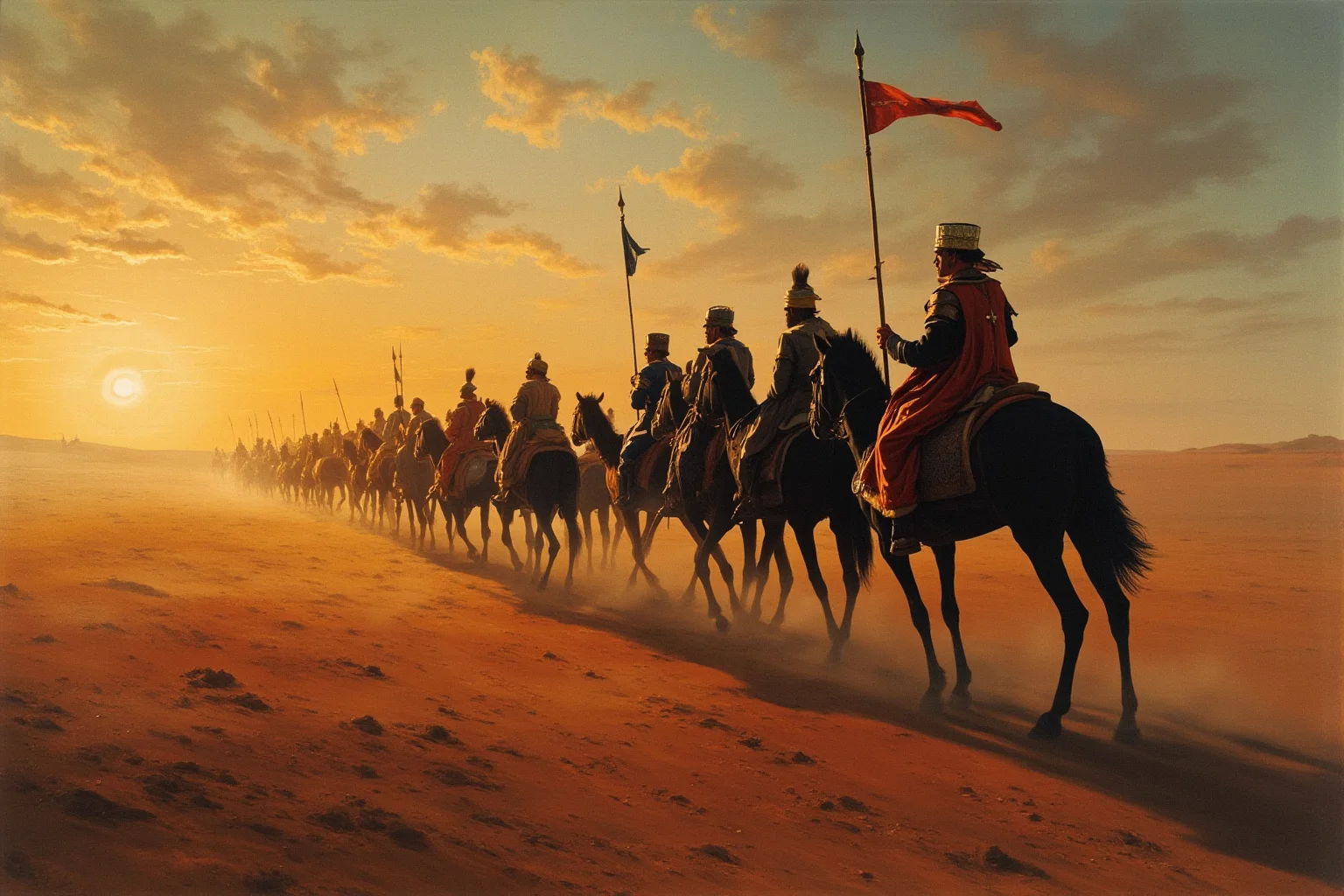
Marco Polo left Venice expecting a trading mission through Mongol-controlled Asia. He stayed away for more than two decades and traveled deep into China, serving at the court of Kublai Khan. His account gave Europeans a much larger mental map of Asia, even though later readers debated its accuracy.
The journey became a landmark in the history of expeditions because it connected two distant commercial worlds. It also encouraged merchants and mapmakers to imagine routes beyond the Silk Road’s old endpoints. Polo’s book shaped European ideas about the East for centuries.
Some modern scholars question whether Polo reached every place he described. The text may include secondhand stories and literary invention. Even so, its effect on European geography was real and lasting.
5. Ibn Battuta’s Twenty-Nine-Year Journey (1325–1354)
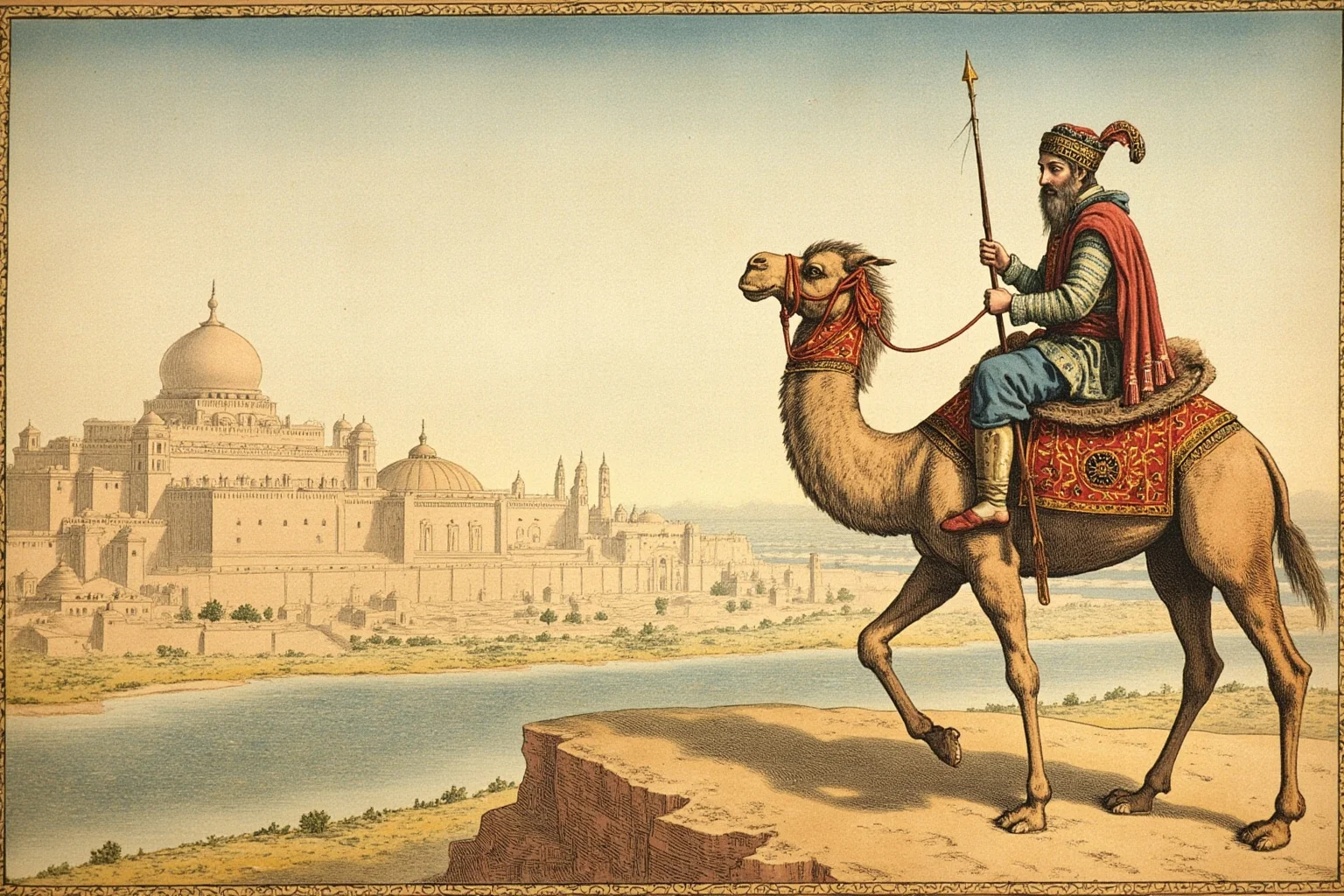
Ibn Battuta left Morocco for the hajj but did not go home for nearly three decades. He traveled through North Africa, the Middle East, Central Asia, India, Southeast Asia, and China, then crossed the Sahara to West Africa. Historians estimate his routes covered more ground than any known traveler before the age of steam.
His travels show that long expedition culture existed far beyond Europe. They also reveal how Islamic networks of law, trade, and pilgrimage let a single traveler move across enormous distances. Ibn Battuta’s memoir remains a major source for fourteenth-century Eurasia and Africa.
Unlike many medieval travel accounts, his book contains detailed observations of courts, cities, and customs. Scholars still use it to reconstruct the Indian Ocean world. The journey was not a single expedition, but a lifelong pattern of moving past every expected endpoint.
6. Columbus’s First Atlantic Crossing (1492)
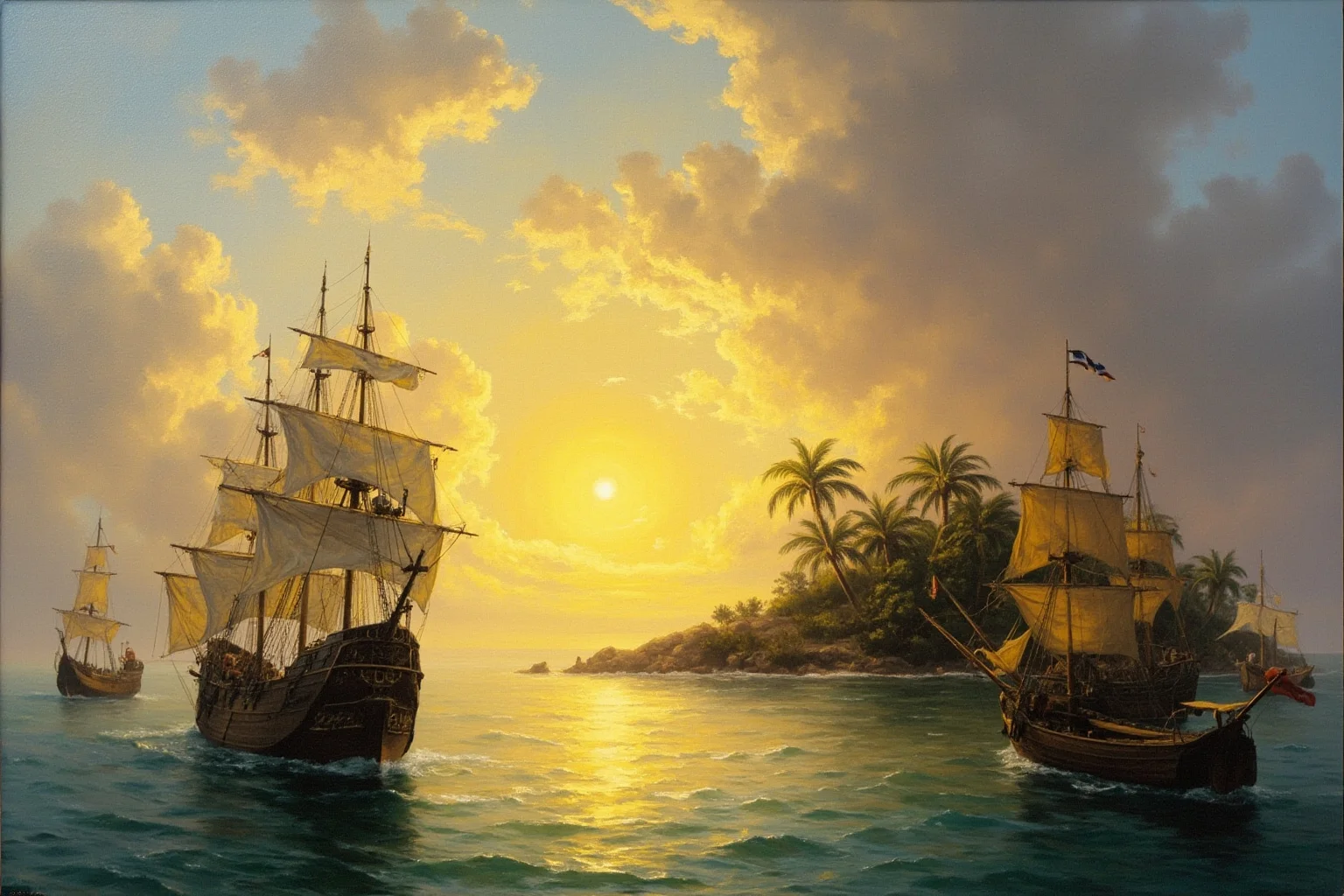
Columbus expected to reach East Asia after a relatively short sail west from Iberia. Instead, he made landfall in the Caribbean and opened sustained contact between Europe and the Americas. The voyage did not go where its leader intended, but it went farther in consequence than any mapmaker had prepared for.
It is one of the clearest expedition examples of a plan being overtaken by a much larger discovery. The return voyage sparked a wave of Atlantic crossings and colonial claims. Columbus himself continued to believe he had found parts of Asia.
The human cost of that contact was enormous for Indigenous peoples. Disease, enslavement, and colonial violence followed the first crossing. That legacy makes Columbus’s voyage a complicated subject in any honest expedition history.
7. The Magellan–Elcano Circumnavigation (1519–1522)
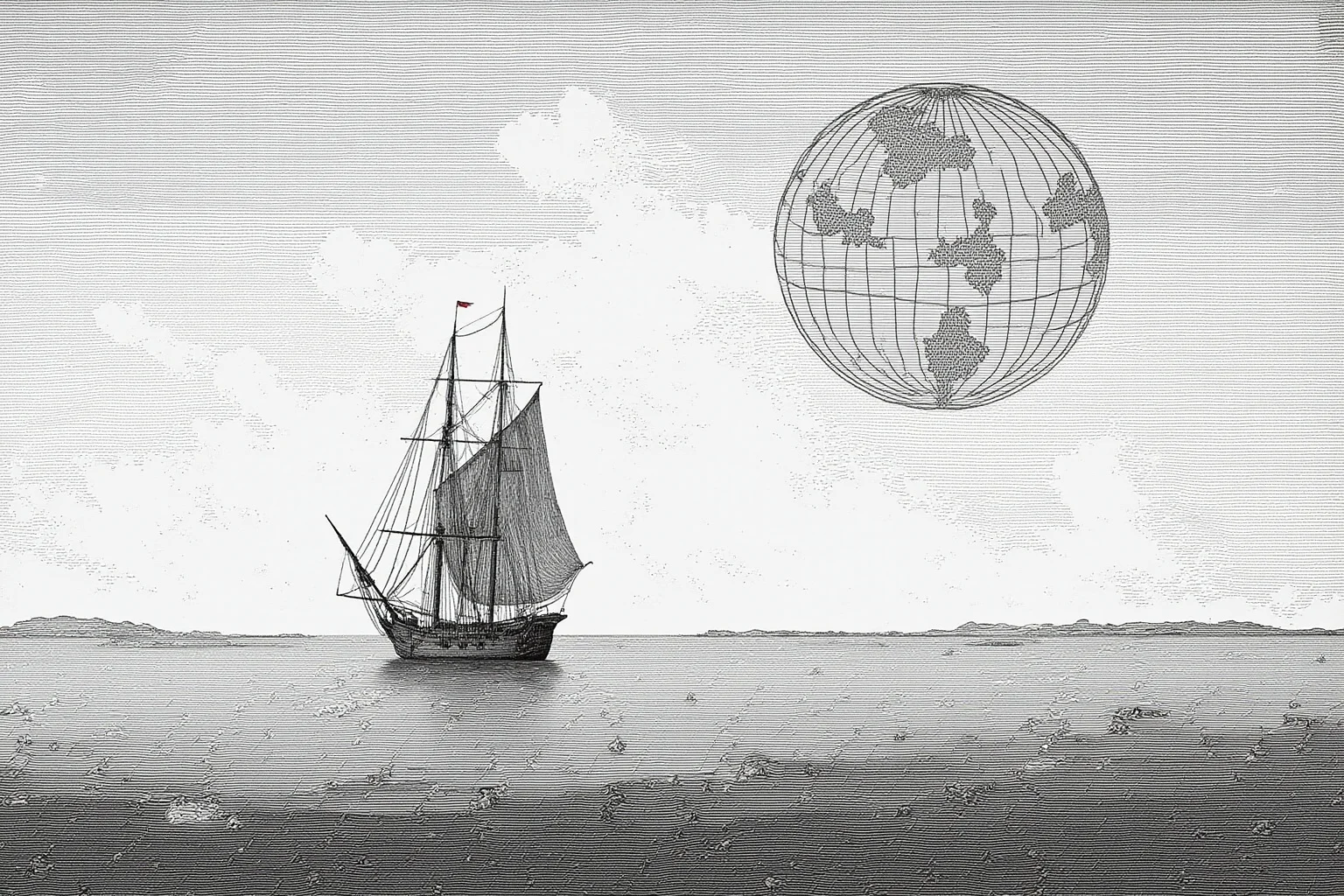
The fleet left Spain aiming to find a western route to the Spice Islands. After Magellan’s death in the Philippines, Juan Sebastián Elcano led the surviving crew onward across the Indian Ocean and around Africa. The voyage proved the scale of the globe by sailing all the way around it.
The original commercial goal was surpassed by a geographic result no one planned. It remains one of the most severe long expedition feats of the age of sail. Of the roughly five ships and hundreds of men who left, only one ship and a small crew returned.
The circumnavigation changed how Europeans understood the Pacific’s size. It also made clear that the globe was larger than many maps suggested. The route became a model for later global voyages.
8. Cabeza de Vaca’s Walk from Florida to Mexico (1528–1536)
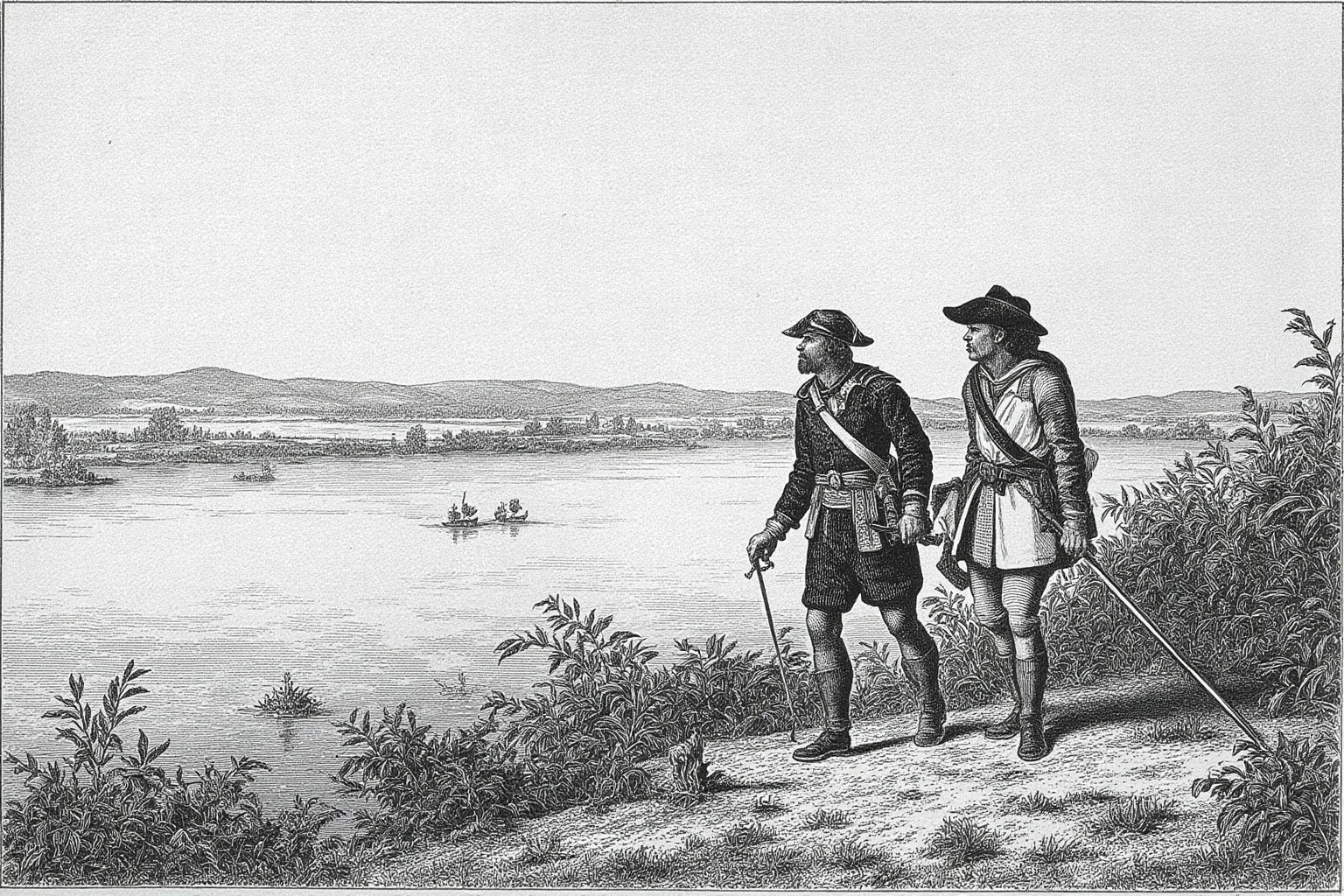
The Narváez expedition collapsed on the Gulf Coast, leaving a handful of survivors stranded in unfamiliar terrain. Álvar Núñez Cabeza de Vaca and three companions spent years walking west through what is now the U.S. South and Southwest. By the time they reached Spanish settlements in Mexico, they had crossed a continent without ships or supply lines.
Their report reshaped Spanish ideas about North America’s interior. It described dense Indigenous societies, bison herds, and landscapes that later expeditions would seek to exploit. The walk became one of the most unexpected survival journeys in expedition history.
Cabeza de Vaca’s account is also valuable for what it records about Native peoples. He survived by adapting to local food, medicine, and trade networks. The story is less about conquering distance than about moving through human geography.
9. Coronado’s Search for Quivira (1540–1542)
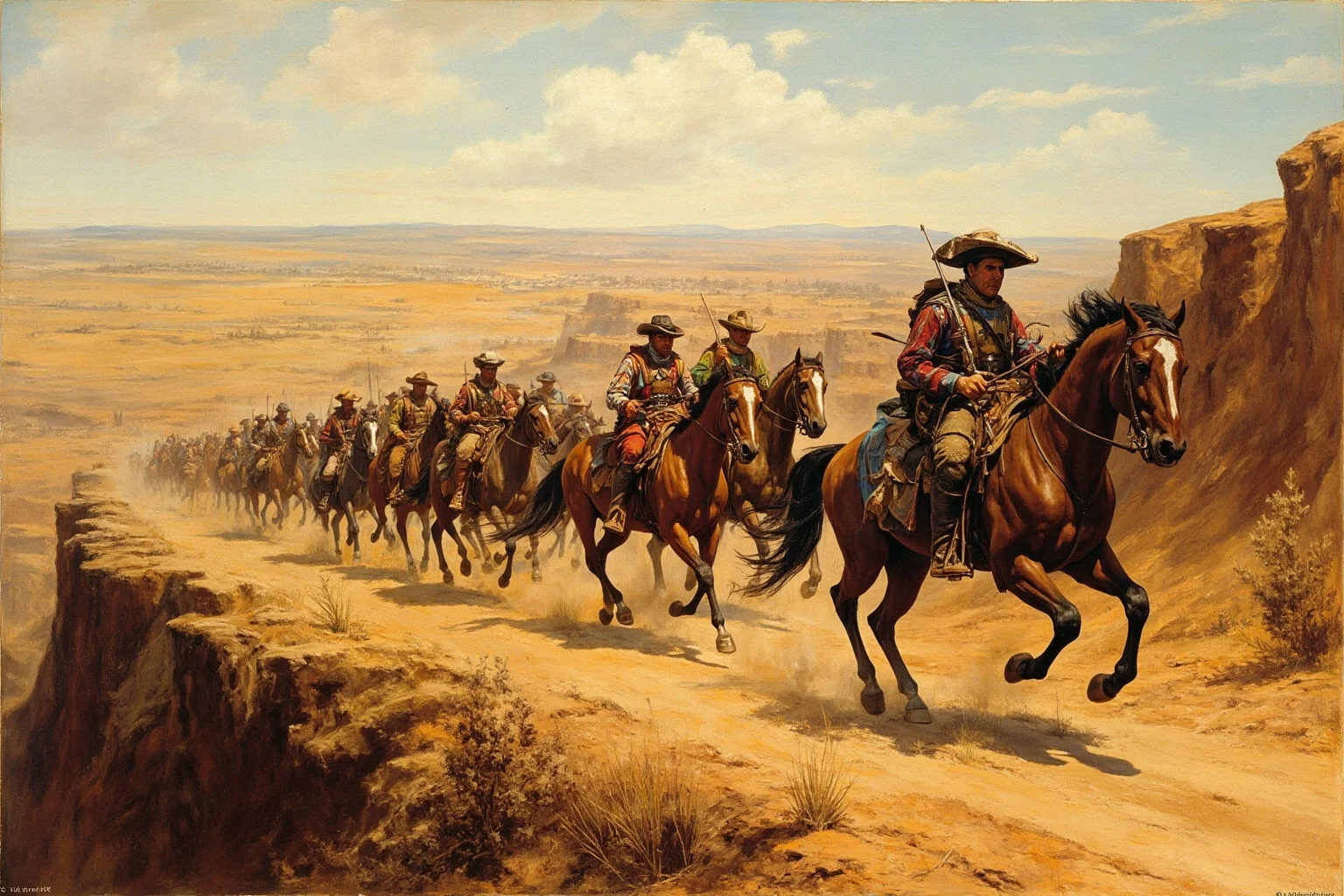
Francisco Vázquez de Coronado left Mexico to find the fabled Seven Cities of Gold. He led his force north through the Southwest and onto the Great Plains, reaching what is now Kansas. No golden cities existed, but the expedition mapped an enormous interior region and recorded Plains peoples and bison.
The journey went much farther than Spanish authorities had expected for a treasure hunt. It also weakened the myth of golden cities and forced Spanish planners to treat North America as more than a mining frontier. The route became part of the larger history of expeditions into the continental interior.
Coronado’s failure did not stop Spanish expansion, but it changed its direction. The expedition left detailed descriptions of Pueblo communities and Plains lifeways. Those records remain important to historians and descendant communities.
10. De Soto’s Long March Through the Southeast (1539–1542)
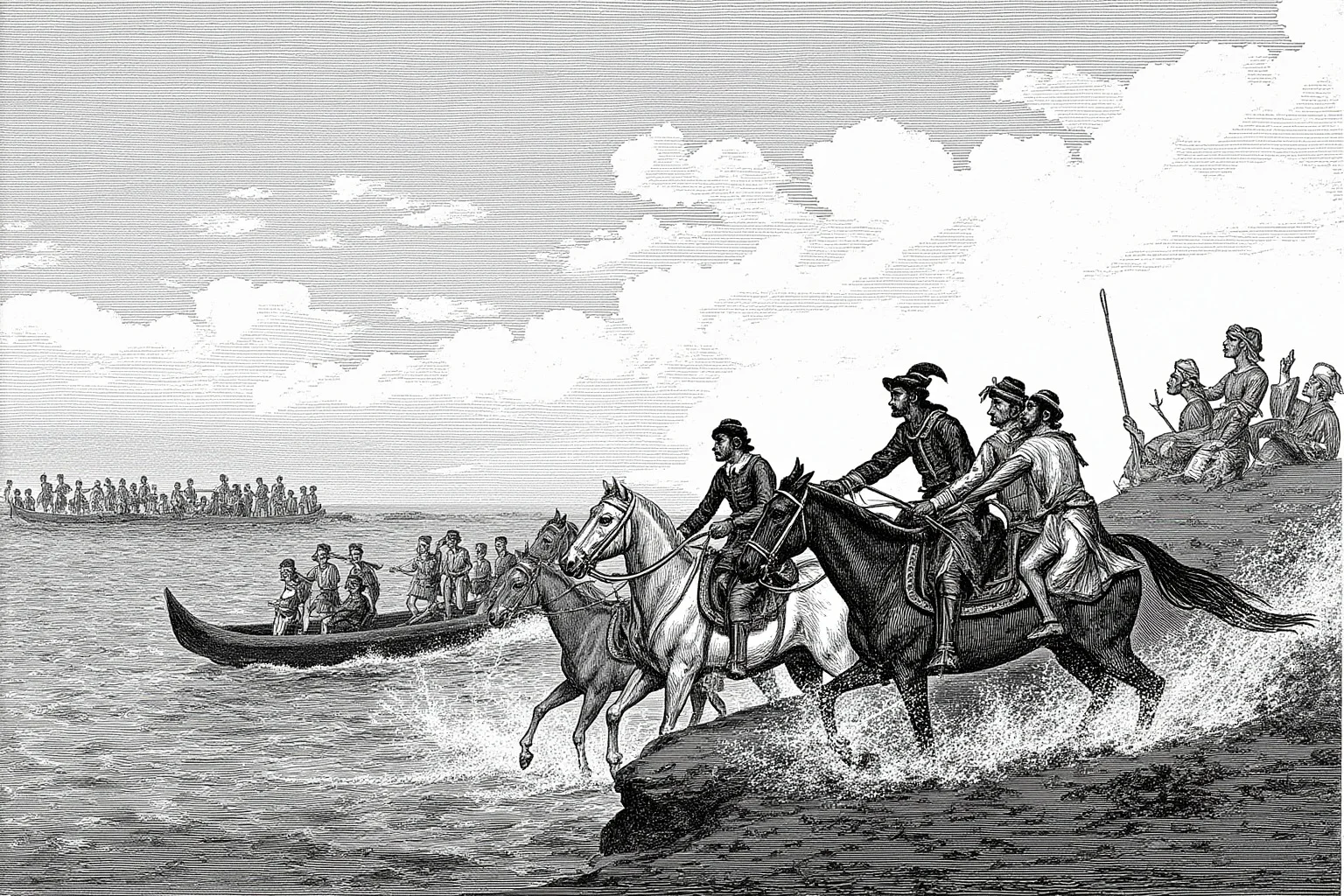
Hernando de Soto’s expedition landed in Florida hoping to find wealth and a passage to the Pacific. The force fought and marched through the Southeast, crossed the Mississippi River, and continued into present-day Arkansas and Louisiana. De Soto died on the route, and the survivors eventually floated down the Mississippi to the Gulf.
The journey revealed just how large and densely populated the interior was. It also spread disease and violence through Indigenous communities, with consequences that outlasted the expedition. Modern historians treat it as both a feat of persistence and a record of colonial harm.
The survivors’ accounts changed European maps of the lower Mississippi Valley. They showed a network of large towns and agricultural societies, not an empty wilderness. That evidence contradicts older myths about a sparsely settled pre-contact South.
11. Orellana’s Descent of the Amazon (1541–1542)
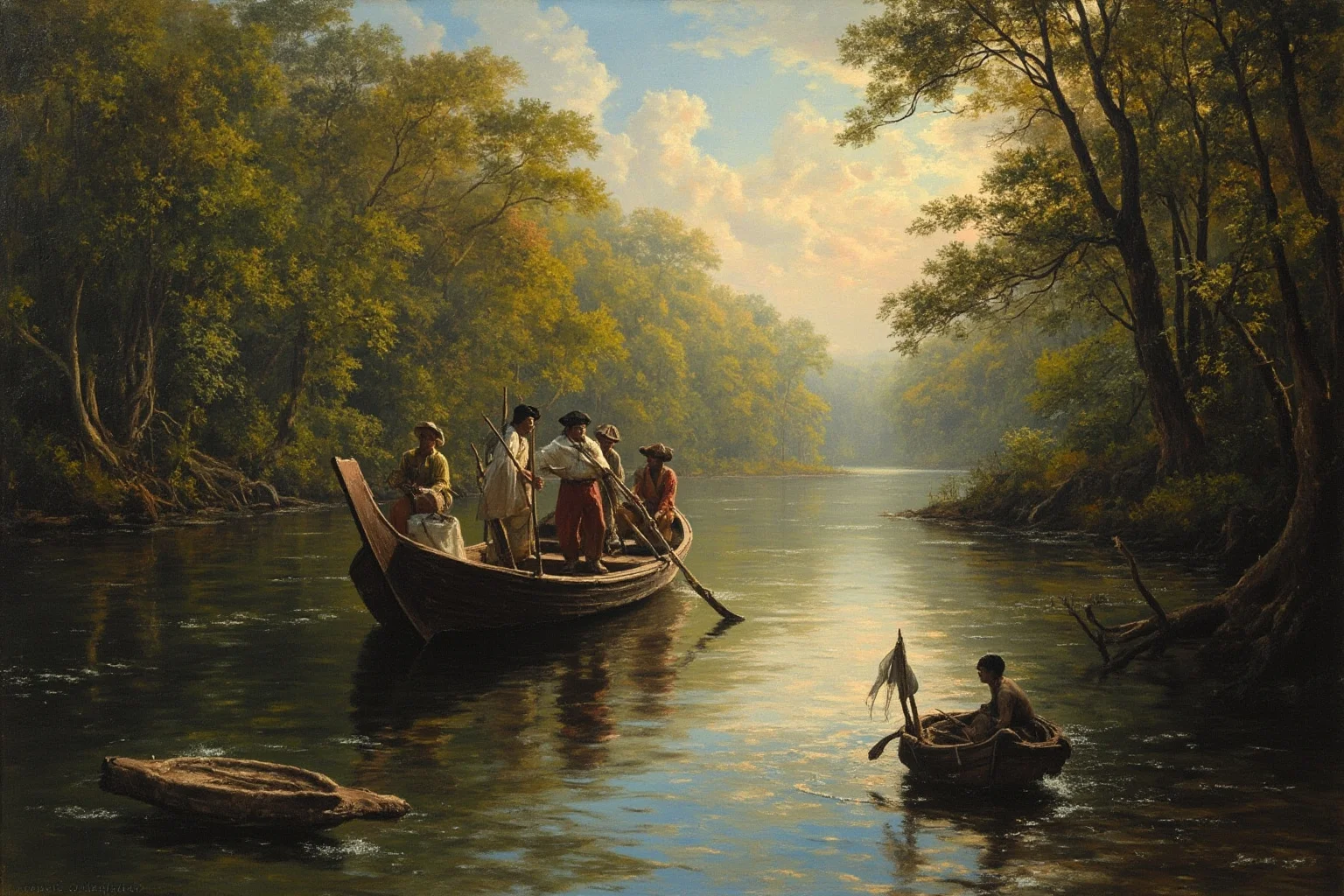
Francisco de Orellana started as part of a Spanish expedition searching for cinnamon and gold east of the Andes. When supplies failed, he went downstream to seek help and never rejoined the main group. He and his crew traveled the full length of the Amazon River to the Atlantic, proving that the continent could be crossed by water.
It was an accidental route that turned into one of the great river expeditions in history. The journey also produced early European descriptions of the dense Amazonian world. Its name came from reports of women warriors, though modern historians treat those stories with caution.
Orellana’s descent showed how rivers could connect the Andes to the Atlantic. It opened a transportation corridor that later colonizers would use heavily. The expedition’s most surprising result was the scale of the Amazon itself.
12. Bering’s Second Kamchatka Expedition (1733–1743)
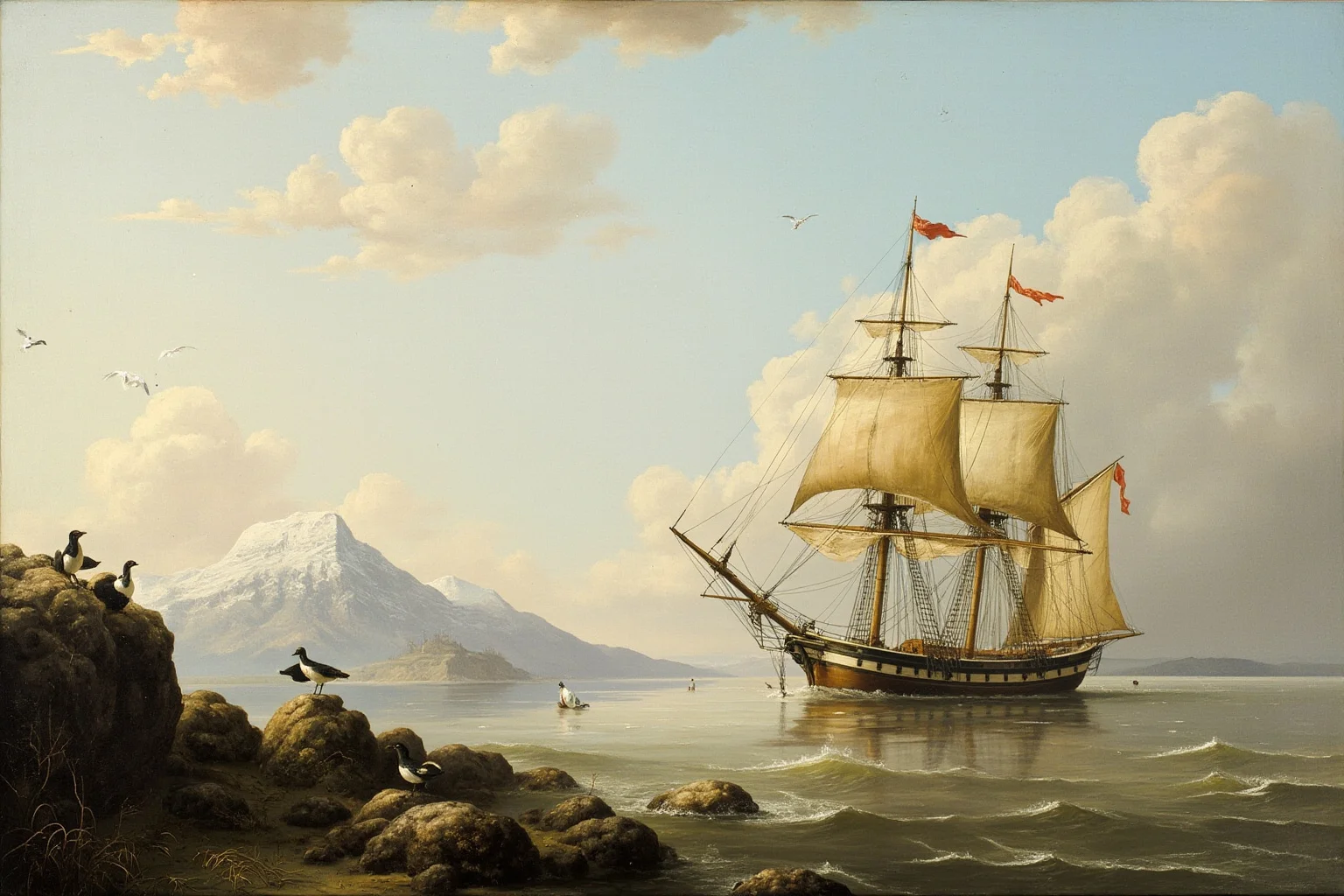
Russia launched an enormous scientific and naval effort to map Siberia and the northern Pacific. Vitus Bering’s ships reached the coast of Alaska, confirming that Asia and North America were separate continents. The expedition also gathered huge natural history collections and mapped thousands of miles of coastline.
Its geographic reach exceeded what the imperial court had originally envisioned. The effort was so sprawling that it lasted a decade and involved thousands of participants. It made the North Pacific legible to Russian administrators and later explorers.
The expedition also drew Siberia into global scientific networks. Scholars in Europe used its maps, specimens, and reports for decades. Its scale helps explain why Russia became a major Pacific power.
13. Cook’s First Pacific Voyage (1768–1771)
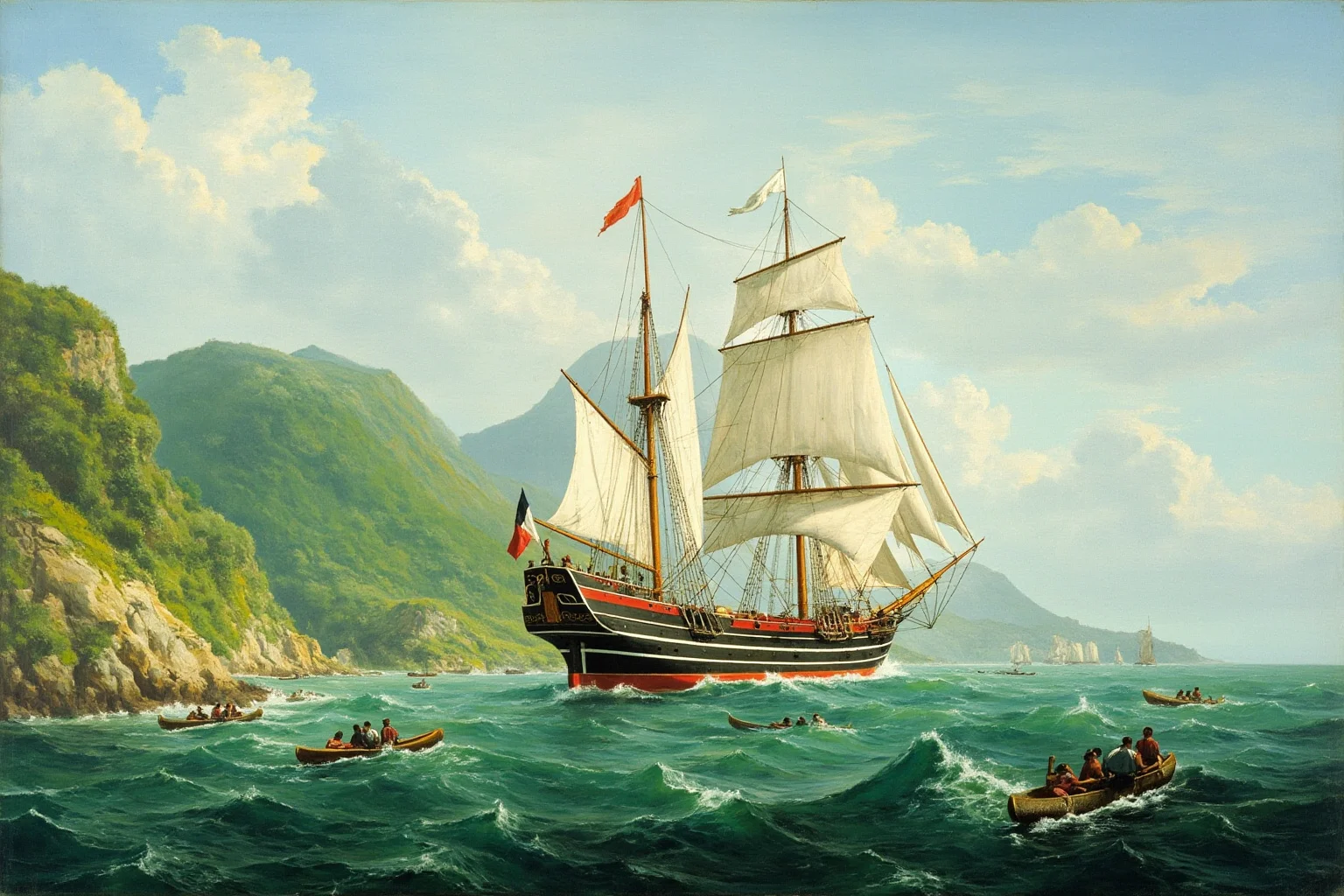
James Cook’s ship Endeavour left England mainly to observe the transit of Venus from Tahiti. Sealed orders then sent him south and west to search for the long-rumored southern continent. He charted New Zealand and the eastern coast of Australia, sailing far beyond the route any Royal Navy plan had publicly described.
The voyage set a new standard for scientific navigation and coastal mapping. It also brought back detailed botanical and astronomical observations. Cook’s later voyages would extend the model into the Pacific and toward both polar regions.
The first voyage pushed Britain toward claiming eastern Australia. It also corrected many speculative features on European maps. Cook’s charts were so accurate that they remained in use for generations.
14. Lewis and Clark’s Transcontinental Trek (1804–1806)

Thomas Jefferson expected the Corps of Discovery to find a practical water route to the Pacific. Instead, the expedition crossed the Rockies by land, descended the Columbia River, and wintered on the Pacific coast. The journals mapped the Missouri and Columbia drainage systems and documented peoples, plants, and animals across the new Louisiana Purchase.
It became the most famous U.S. example of a long expedition that outgrew its original instructions. The route was too rugged for easy commerce, but the scientific and diplomatic results were lasting. Lewis and Clark’s return in 1806 gave the young republic a detailed picture of its western half.
The expedition also strengthened U.S. claims to the Pacific Northwest. However, it entered lands that were already home to many nations. Modern readings treat the journals as scientific records and as documents of colonial ambition.
15. Franklin’s Lost Arctic Expedition (1845–1848)
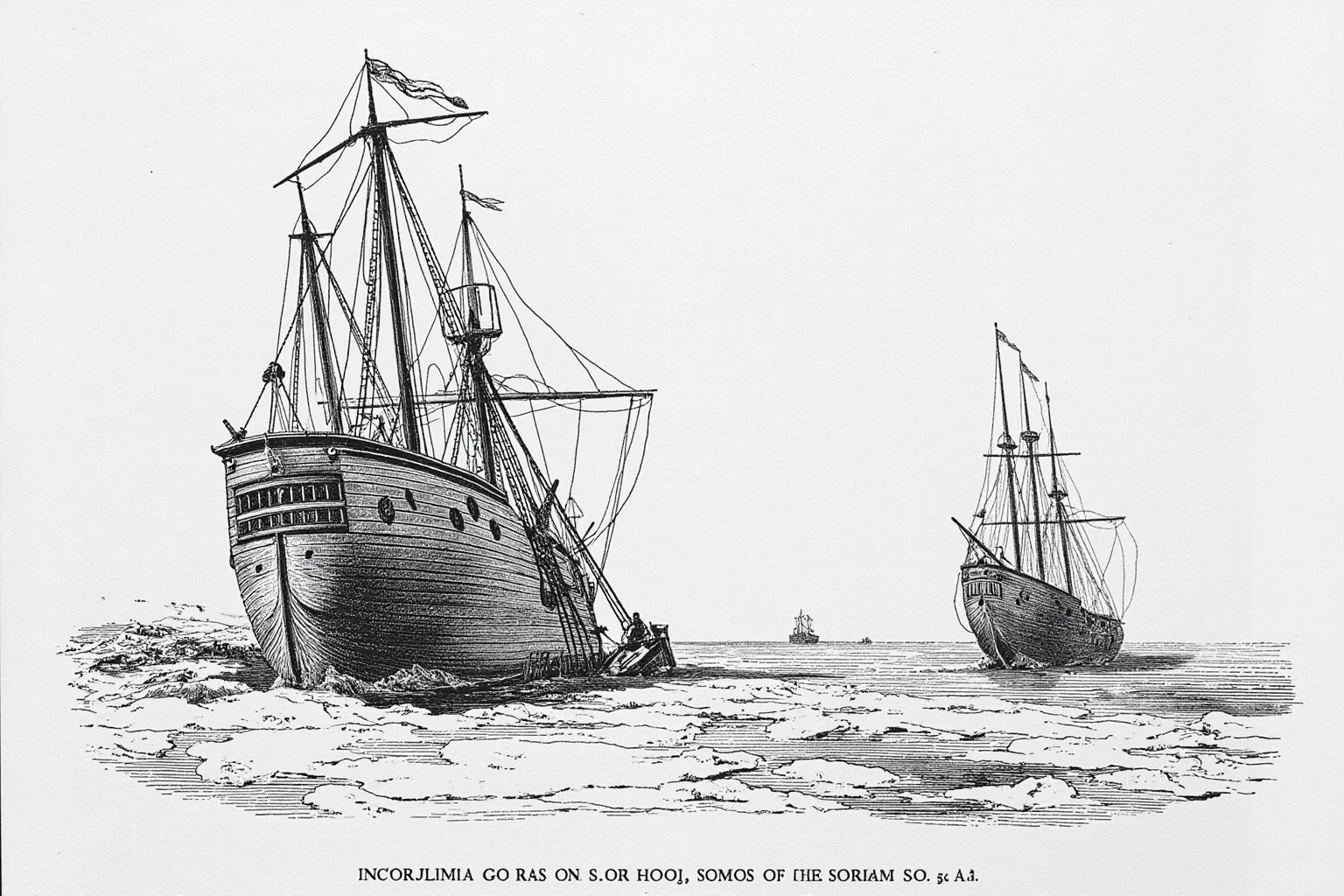
Sir John Franklin’s ships entered the Canadian Arctic seeking the Northwest Passage. They went deeper into the archipelago than most earlier Royal Navy expeditions had managed, but became trapped in ice. The entire crew was lost, and rescue searches eventually mapped much of the region.
Ironically, a disaster did more to chart Arctic waters than many successful voyages had. Inuit testimony later helped locate the final positions of the ships. The lost expedition remains a warning about how fast Arctic plans can fail even when technology looks strong.
The Franklin searches also changed how Britain funded polar science. Many rescuers returned with new knowledge of Arctic coastlines and magnetic conditions. That knowledge came at a terrible human cost.
16. Burke and Wills Crossing Australia (1860–1861)
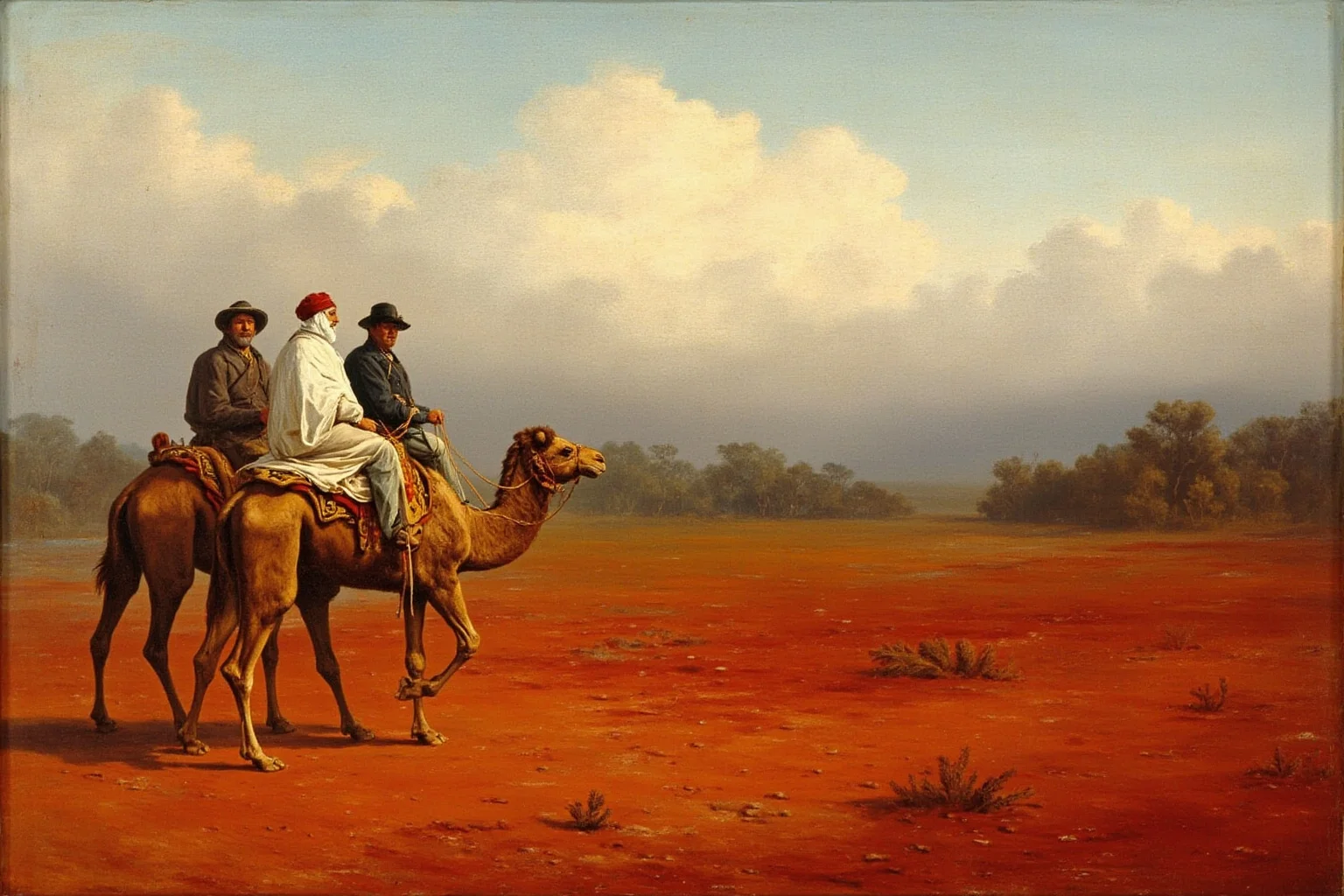
The Victorian Exploring Expedition set out to cross Australia from Melbourne to the Gulf of Carpentaria. Robert O’Hara Burke and William Wills reached the northern coast’s mangrove fringe, proving a south-to-north overland route existed. They and several others died on the return journey.
The expedition was a national tragedy, but it dramatically expanded knowledge of the interior. Later investigators also learned from its failure to maintain reliable supply depots. It remains one of the most debated long expeditions in Australian history.
The crossing showed that the continent could be traversed, but not easily. Its cost raised serious questions about haste and leadership. Those debates shaped later Australian exploration.
17. Nansen’s Fram Drift and the Dash North (1893–1896)
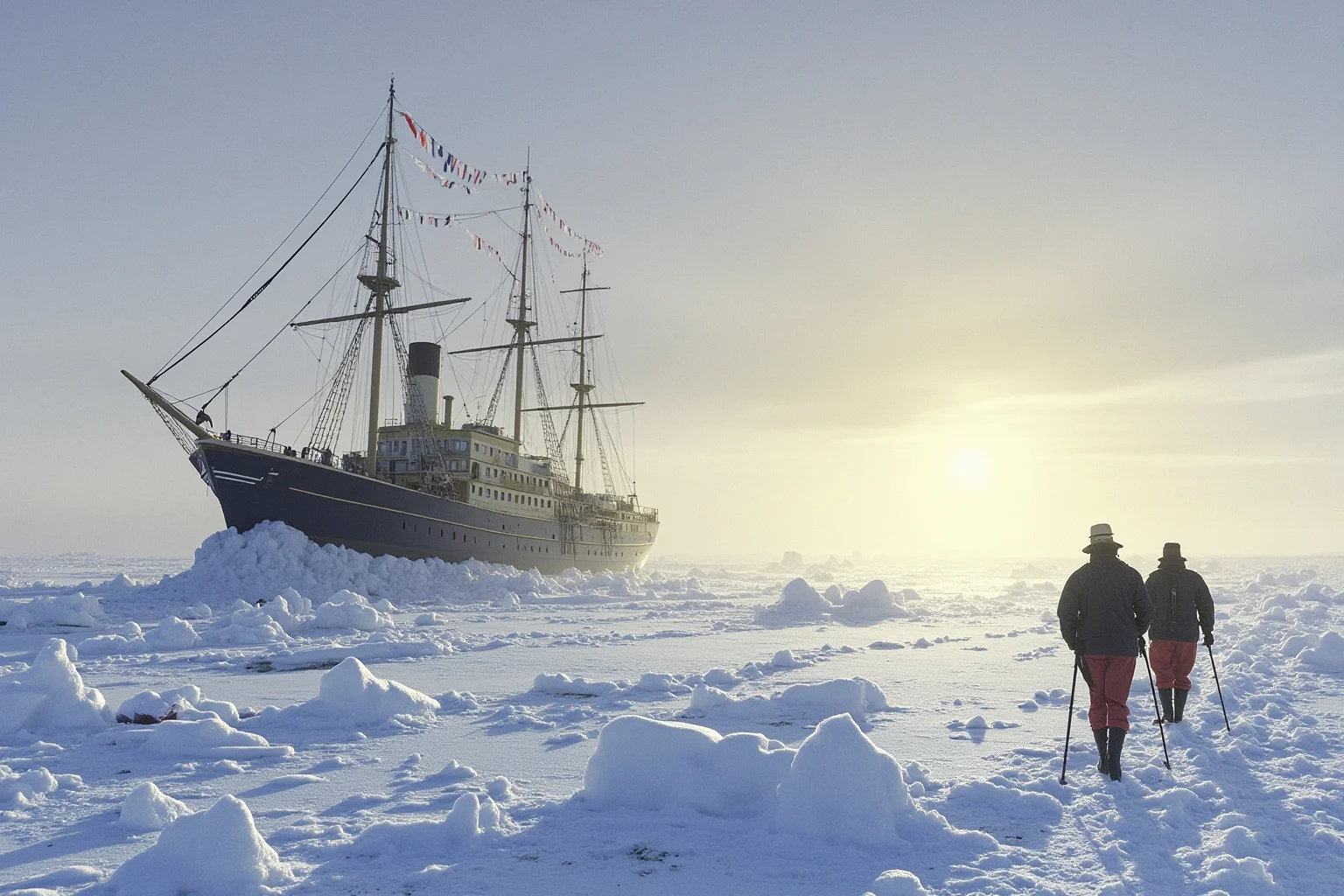
Fridtjof Nansen deliberately let his ship freeze into Arctic ice to study ocean currents. After the drift moved too slowly, he and Hjalmar Johansen left the ship and skied toward the North Pole with dogs and kayaks. They set a new farthest-north record before retreating to Franz Josef Land.
The expedition showed that survival at extreme latitude was possible with the right methods. Nansen’s careful planning and use of indigenous Arctic techniques influenced later polar explorers. The Fram’s drift also produced valuable data on ocean circulation.
Nansen proved that a polar expedition could be designed as a scientific project rather than a race. His approach became a template for twentieth-century exploration. The journey was long in time and distance, but its thinking traveled even farther.
18. Amundsen’s Northwest Passage (1903–1906)
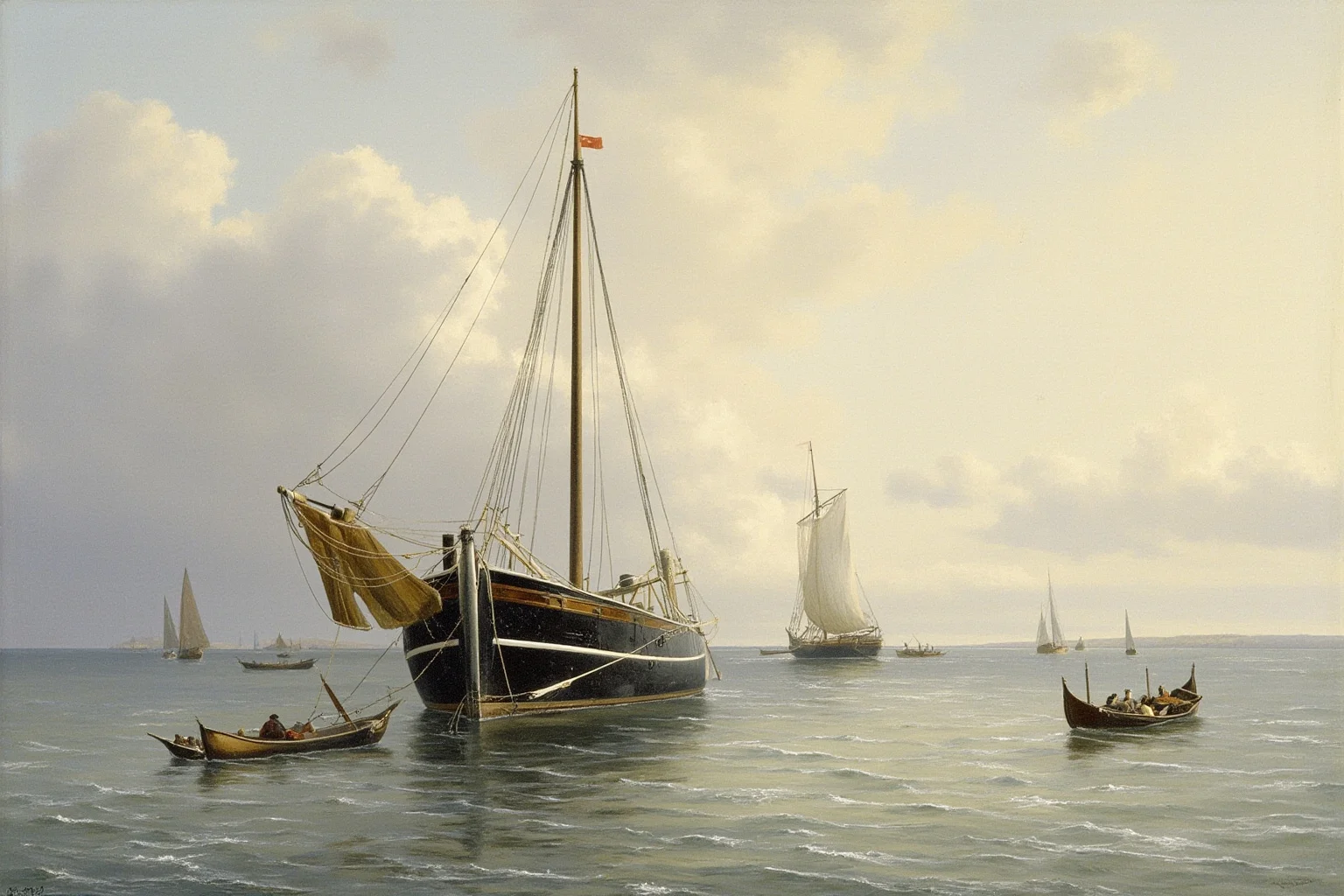
Roald Amundsen took a small herring boat through the Canadian Arctic over three winters. He completed the Northwest Passage, a goal that had destroyed earlier British expeditions. The key was learning Inuit survival skills and traveling lightly.
It was a long expedition in time rather than raw distance, but it solved a geographic puzzle centuries old. The voyage proved that small crews with local knowledge could succeed where large naval expeditions had failed. Amundsen later applied the same lessons to reaching the South Pole.
The Northwest Passage itself was not yet useful for regular shipping. Its geographic significance was still enormous. The expedition also built trust between Amundsen and Arctic communities whose knowledge he used.
19. Shackleton’s Endurance Expedition (1914–1917)
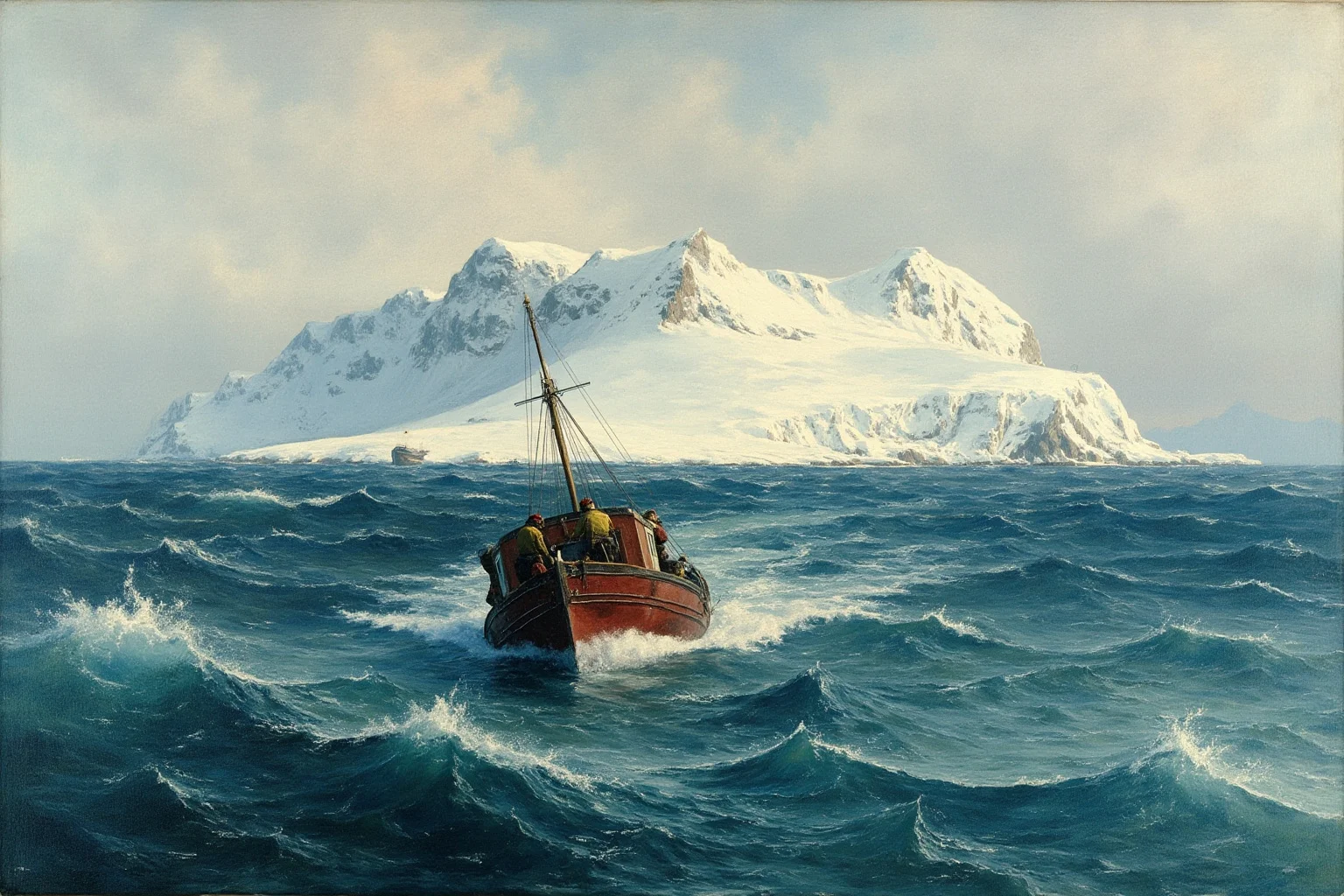
The plan was to cross Antarctica from the Weddell Sea to the Ross Sea. The ship Endurance was crushed before the crossing began, leaving the crew stranded on ice and then on remote islands. Shackleton’s open-boat journey to South Georgia and the rescue of all his men became the defining story of the expedition.
The mission failed its original goal but went farther in endurance and leadership than anyone expected. Not a single life was lost during the ordeal. The expedition reshaped the way people think about failed polar journeys.
The Endurance story also shows how a long expedition can become famous for what it survived. The ship itself was later found in 2022 at the bottom of the Weddell Sea. The discovery renewed interest in the expedition’s crew and their daily struggles.
20. Apollo 8’s Lunar Orbit (1968)
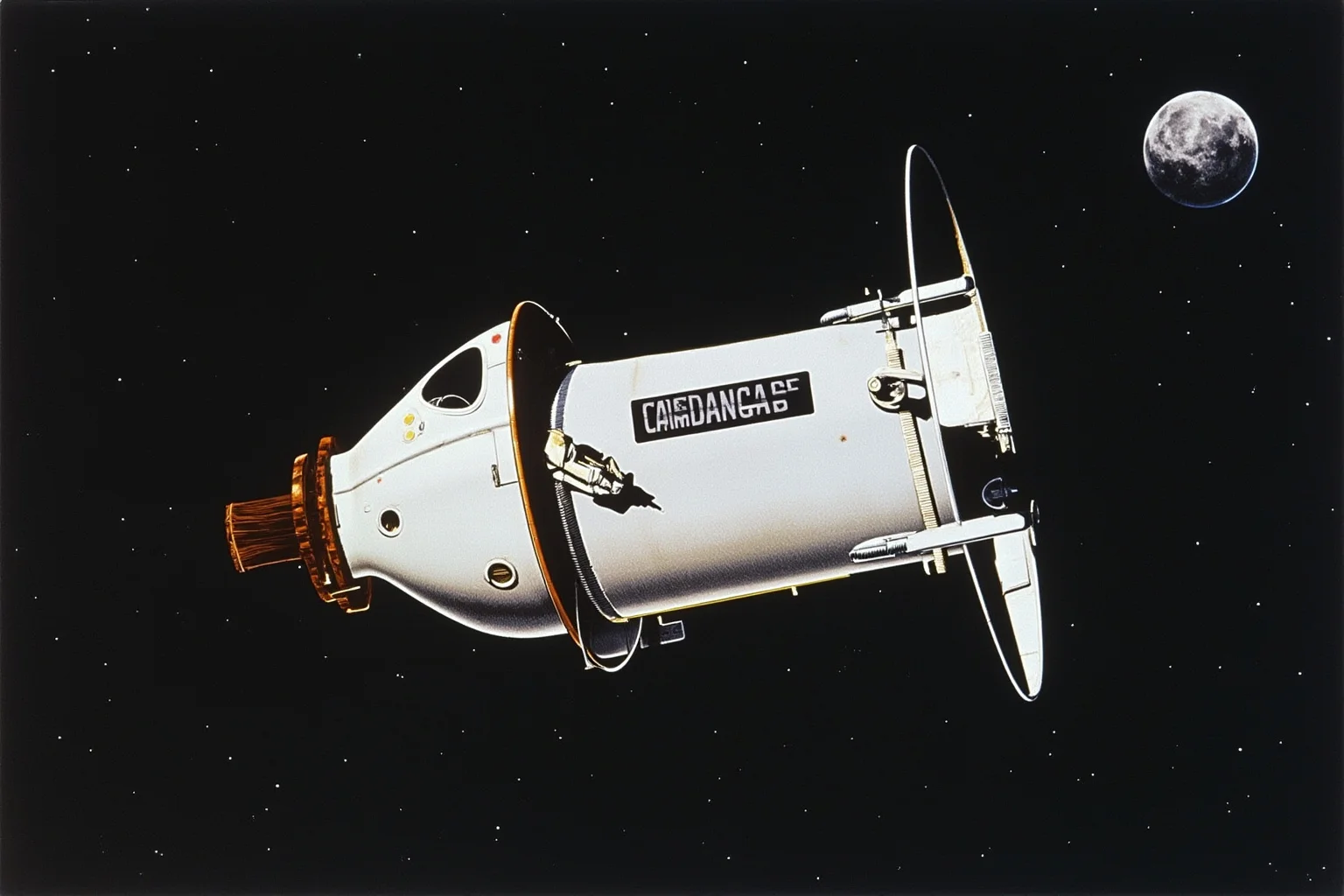
NASA originally planned Apollo 8 as a low Earth orbit test. In late 1968, the mission was changed to send three astronauts around the Moon, the first humans to leave Earth orbit. The crew circled the Moon and returned safely, proving navigation and communication for future lunar landings.
It was a sudden leap farther from Earth than any human had ever been. The mission also produced the famous Earthrise image, which shifted public perspectives on the planet. Apollo 8 turned a routine test into a milestone in expedition history.
The mission’s success depended on thousands of engineers and a compressed schedule. It showed that the United States could reach lunar orbit before the end of the 1960s. The flight set up Apollo 11’s landing less than a year later.
21. Voyager 1 and 2’s Interstellar Journey (1977–Present)
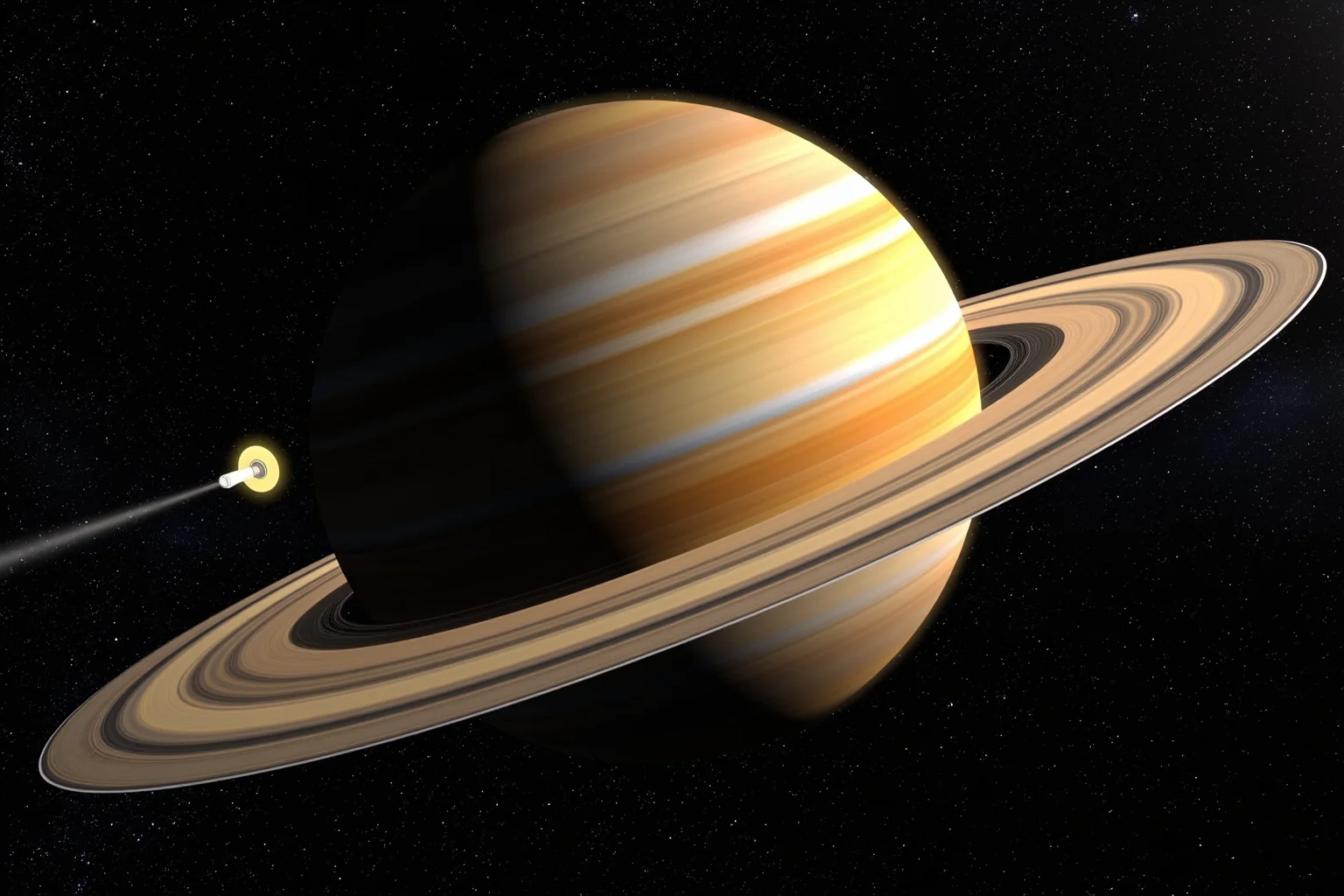
The Voyager probes were designed for a four-year tour of the outer planets. They succeeded so well that NASA kept them running through extended missions. Both spacecraft have now crossed into interstellar space, billions of miles beyond their original targets.
They are the longest-distance expedition examples in human history, carrying golden records beyond the solar system. The probes still return data decades after launch. No human-built object has traveled farther from Earth.
Voyager’s findings transformed planetary science. The probes discovered active volcanoes on Io, new details of Saturn’s rings, and the structure of the heliosphere. Their continuing signals are a quiet reminder that a long expedition can last longer than its designers ever expected.
22. Opportunity Rover on Mars (2004–2018)
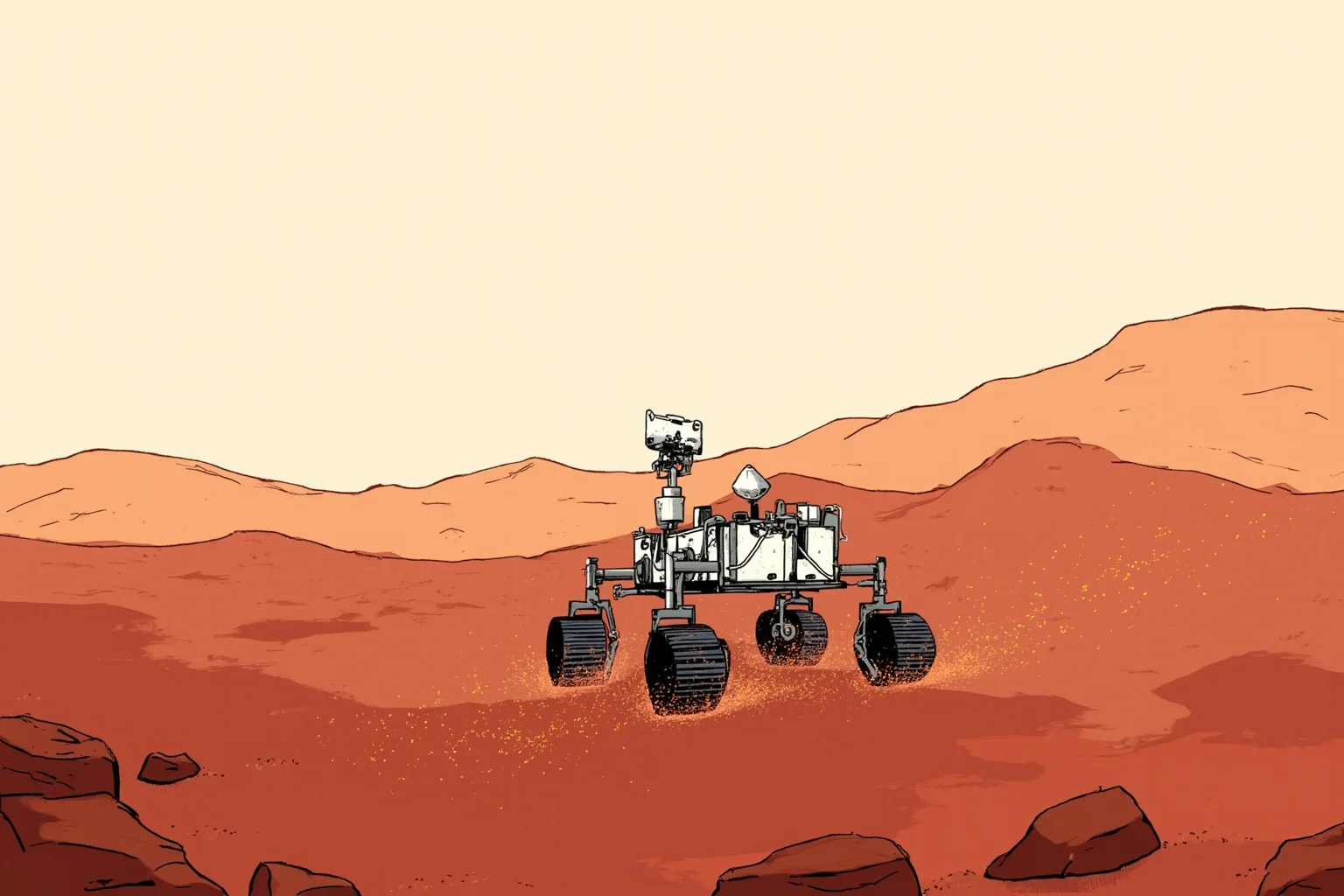
NASA designed the Opportunity rover for a 90-sol mission on Mars. It operated for more than 14 Earth years and drove over 28 miles, far beyond its planned range. The rover found evidence that liquid water once existed on the Martian surface.
Its longevity turned a short engineering test into one of the most productive long expedition missions in planetary science. Opportunity’s route across Meridiani Planum gave scientists a long continuous geological sample. The rover stopped communicating in 2018 after a planet-wide dust storm.
The mission changed how engineers plan Mars surface operations. It proved that solar-powered rovers could survive far longer than expected in harsh conditions. Opportunity’s decade and a half of work became a benchmark for robotic exploration.
Overshoot Is a Feature, Not a Bug
Most long expeditions did not fail when they passed their original goals. They often became more valuable because they kept moving.
But farther than expected is not always heroic. For many Indigenous peoples, the arrival of expeditions that pushed past their own maps brought violence, disease, and loss.
Any honest expedition history has to hold both truths together. The same journey can be a scientific milestone and a source of harm.
What Unexpected Distance Really Changes
Going farther than expected changed more than maps. It changed how governments funded voyages, how scientists understood Earth, and how ordinary people imagined the world beyond their horizon.
These historical expeditions also remind us that distance is never just physical. The deepest discoveries often came from crews pushed past their original plans by ice, illness, or ambition.
The examples of expeditions above follow a common arc. A specific goal gives way to a larger geographic reality, and the journey becomes more important than the original prize.
Frequently Asked Questions
Describe three significant outcomes of the Long Bell Expedition
The Long Bell Expedition is often described in historical sources as having three significant outcomes. It produced detailed surveys of remote timber stands, exposed the limits of extraction without rail or port access, and pushed the Long-Bell Lumber Company to invest in planned mill towns rather than isolated frontier camps.
What makes a journey part of expedition history?
A journey becomes part of expedition history when it combines a defined goal, distance from home, and measurable geographic or scientific results. Travel for trade or pilgrimage can count, but expeditions usually imply organized planning, record keeping, and a return or final report.
What are some famous historical expeditions that went farther than planned?
Lewis and Clark reached the Pacific despite looking for a water route, Magellan’s fleet circled the globe on a spice mission, and the Voyager probes left the solar system after a four-year tour. Each began with a smaller plan and expanded as conditions changed.
Why do long expedition plans often fail at the original goal?
Early maps understated distances and sometimes invented features. Leaders also followed rivers, coastlines, and rumors, which pushed them into new territory. Survival needs and political ambition often mattered more than the original instructions.
Are there modern examples of expeditions that went farther than expected?
Yes. Apollo 8 sent humans around the Moon on a mission originally planned for low Earth orbit. The Opportunity rover lasted more than 14 years instead of 90 days, and the Voyager probes continue to transmit from interstellar space.
How should we evaluate expeditions that achieved great distance but caused harm?
Modern scholarship treats them as both scientific milestones and colonial or military projects with real human costs. Indigenous perspectives and local records are essential for balancing older heroic narratives.

Alex Warren
Related Articles