
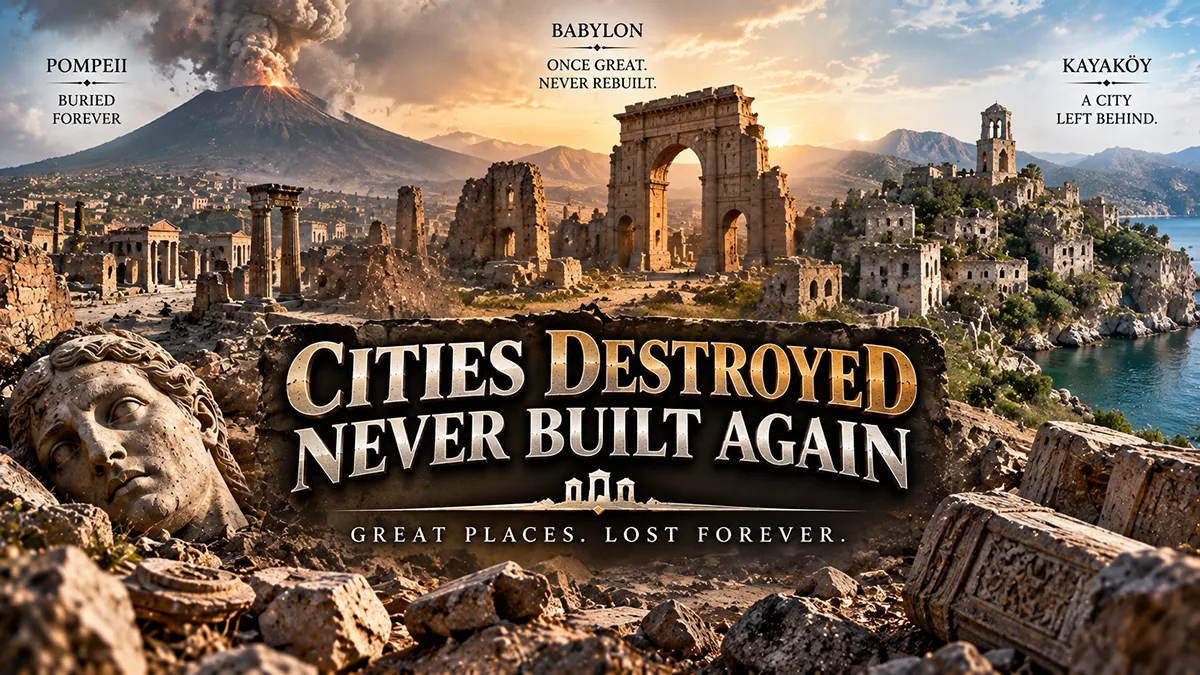
Walk through almost any old European capital today and you’re walking through layers of destruction — fires, sieges, bombs — all rebuilt over and over until barely a scar remains.
But history is also full of the opposite story: cities so thoroughly wrecked, abandoned, or cursed by circumstance that no one ever bothered, or was able, to rebuild them at all.
Some were flattened by war. Others were swallowed by earthquakes, buried by ash, or quietly deserted as rivers shifted and trade routes moved on.
This list rounds up 22 of the most striking examples of a destroyed city or town that stayed destroyed — the real ruined cityscapes behind the myths, plus a look at what the Bible actually says about a few famously flattened places.
We’ll separate documented history from legend along the way, because plenty of these stories have picked up exaggerations over the centuries.
TL;DR: Dozens of once-thriving cities — from Pompeii to Vijayanagara to Merv — were destroyed by war, disaster, or slow abandonment and simply never rose again, leaving ruins that still shape how we picture a broken-down city today.
What Actually Happens When a City Is “Never Rebuilt”
Before diving into the list, it’s worth understanding why some destroyed towns come back within a generation while others vanish for good. Rebuilding takes more than willpower — it takes water, farmland, trade routes, and political reasons to bother. When a river changes course, a harbor silts up, or a conquering power resettles the population elsewhere, a city destroyed once can simply lose its reason to exist.
War is the most dramatic cause, but it’s rarely the only one. Earthquakes, floods, disease, and economic collapse have erased just as many settlements as invading armies. Many of the places below were finished off by a mix of causes, not one single dramatic event, even though popular retellings often flatten the story into a single villain or disaster.
Ancient Cities Lost to War and Disaster
1. Pompeii and Herculaneum — Buried in a Single Afternoon
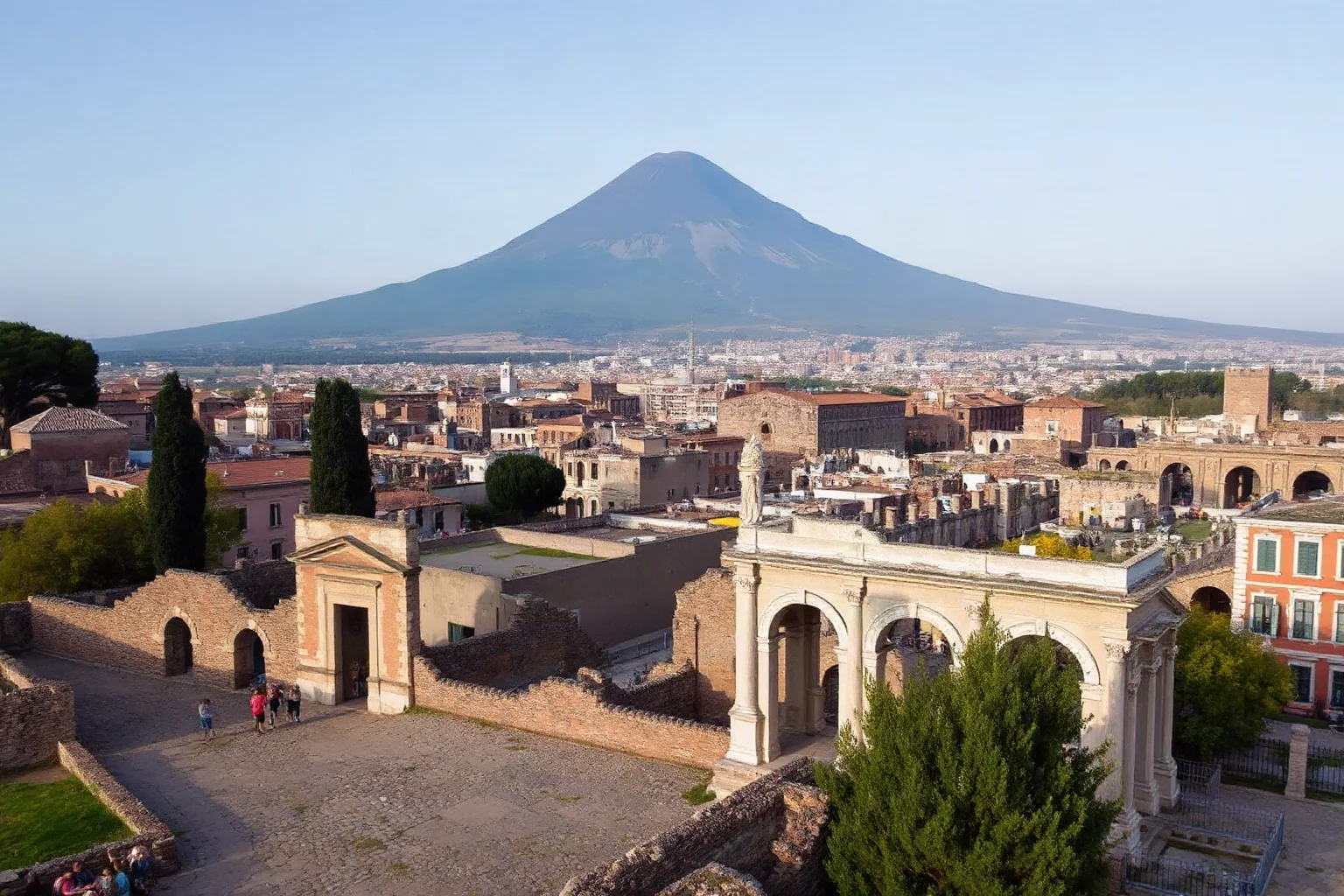
In 79 AD, Mount Vesuvius erupted and buried these two Roman towns near modern Naples under ash, pumice, and superheated gas. Herculaneum was hit by fast-moving pyroclastic flows, while Pompeii was smothered more gradually in falling debris. Neither was ever resettled in its original form; the ruins were rediscovered largely intact in the 18th century, preserved almost like a snapshot of Roman daily life.
2. Carthage — The Myth of the Salted Earth
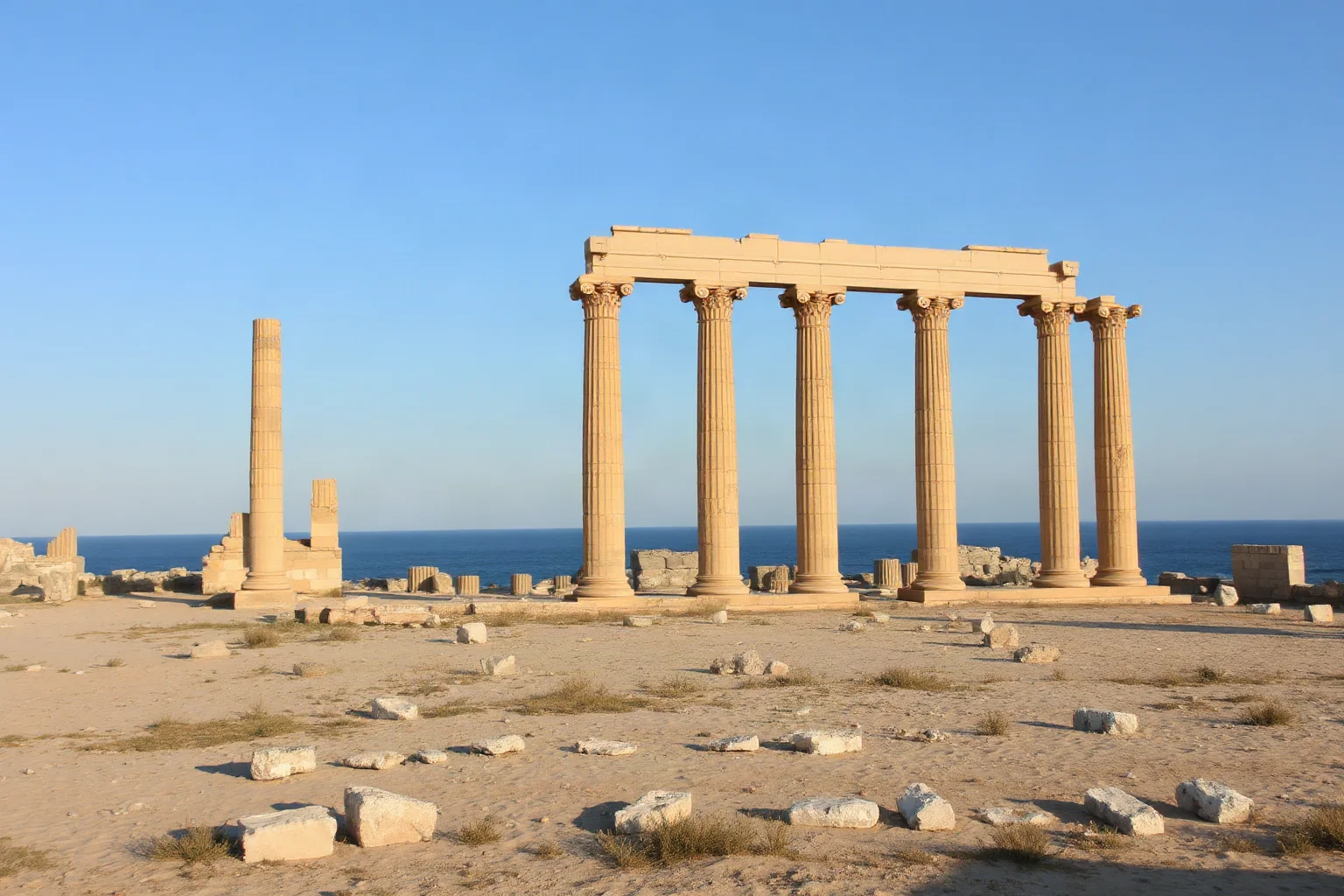
Rome destroyed Carthage in 146 BC at the end of the Third Punic War, razing the city and enslaving or killing much of its population. There’s a popular legend that Roman soldiers salted the earth so nothing would ever grow there again — but historians have never found ancient evidence for that specific detail, and it’s widely considered a later embellishment. The original Punic city was indeed never rebuilt, though Romans later founded a new Roman colony nearby using the same name, which is a different story entirely.
3. Troy — A City Destroyed Many Times Over
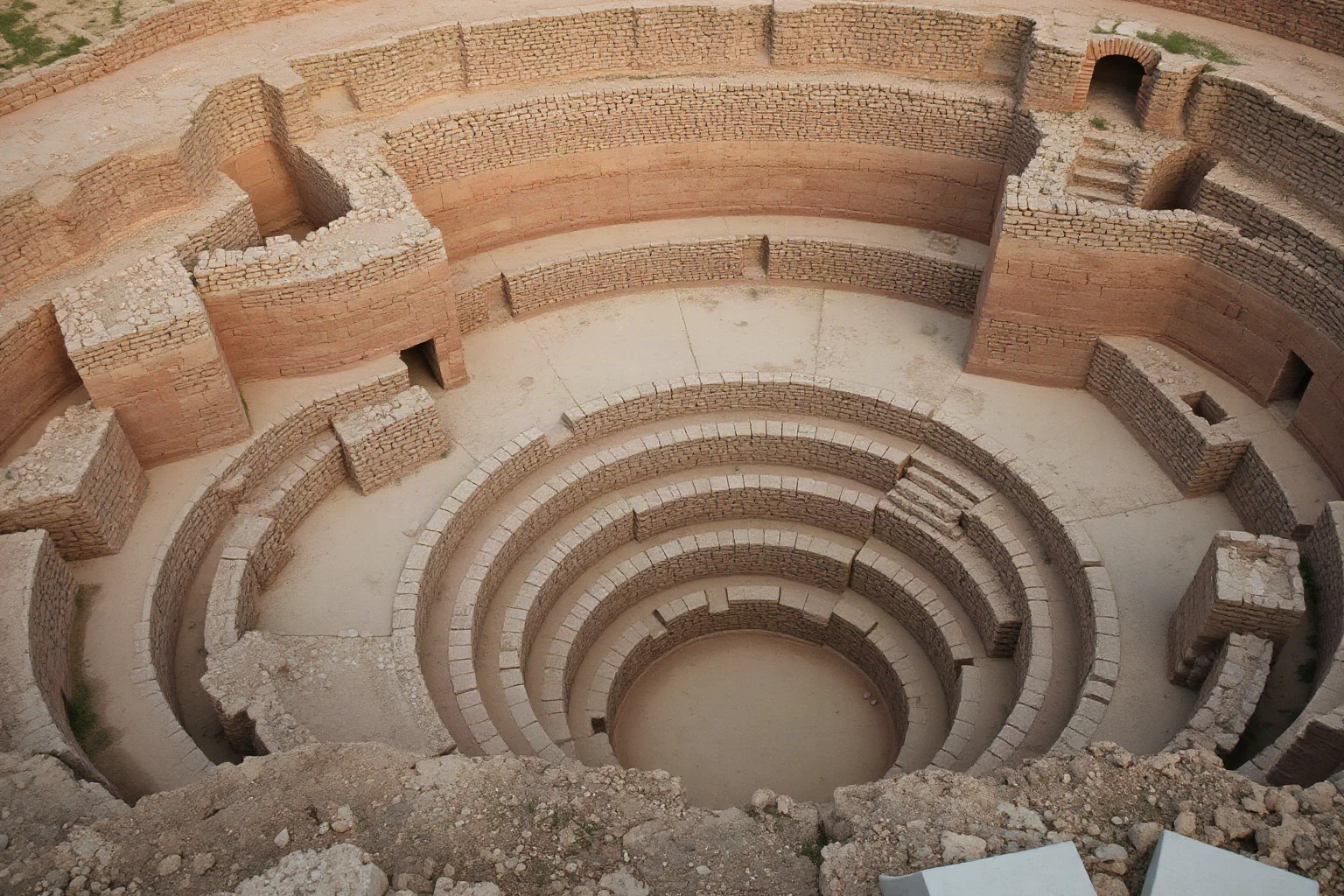
Archaeologists digging at Hisarlik in modern Turkey found not one Troy but several cities built on top of each other, each destroyed and replaced over centuries. The layer known as Troy VII shows signs of fire and violence around the 12th century BC, which some scholars connect to the legendary Trojan War described by Homer. Whether that specific war happened as described is still debated, but the site itself was eventually abandoned for good in late antiquity.
4. Nineveh — Assyria’s Capital, Erased in 612 BC
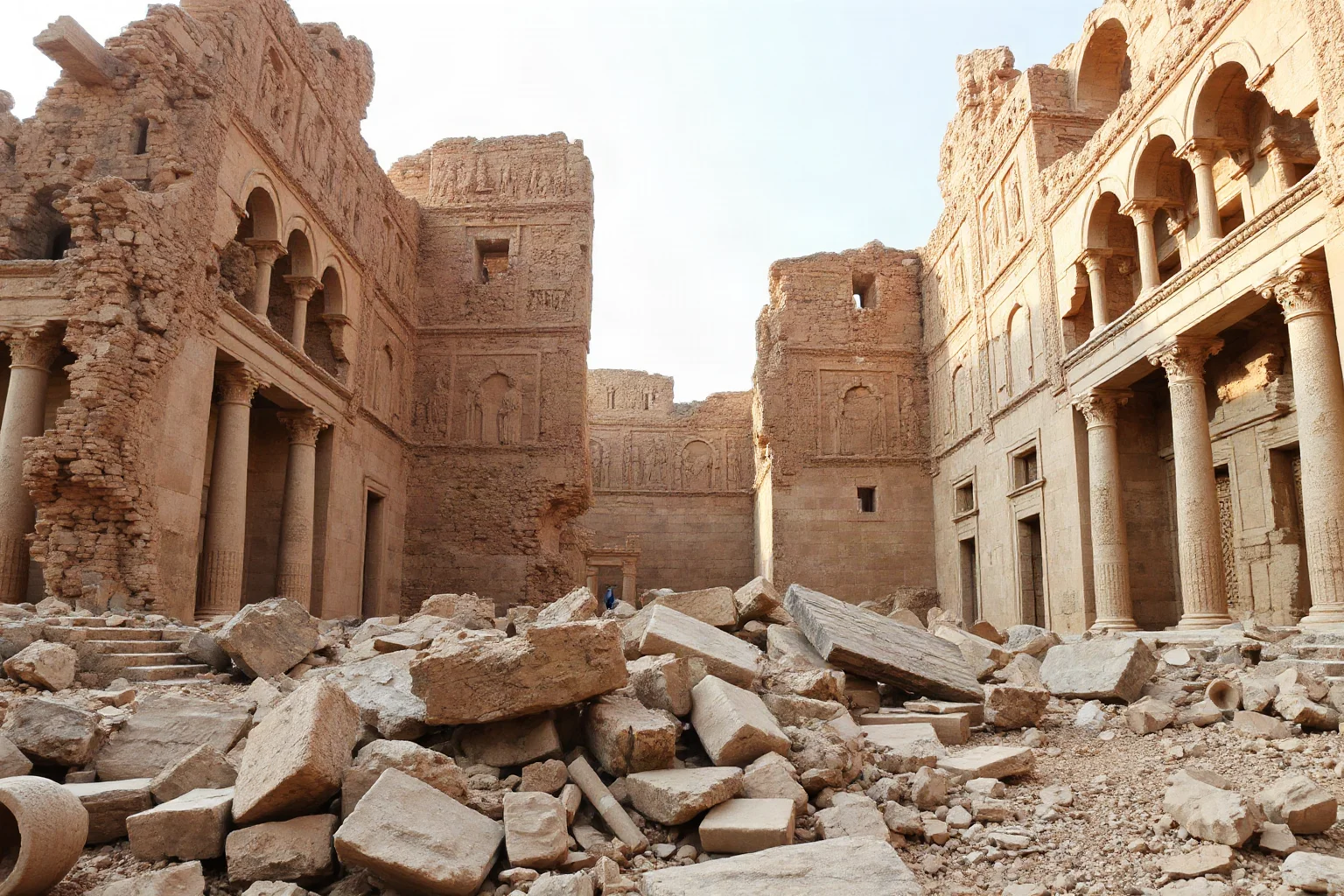
Nineveh was one of the greatest cities of the ancient Near East, capital of the mighty Assyrian Empire. In 612 BC, a coalition of Babylonians, Medes, and other allies stormed and destroyed it so thoroughly that it never functioned as a major city again. Its ruins near modern Mosul, Iraq, sat largely forgotten for over two thousand years before 19th-century archaeologists rediscovered them.
5. Persepolis — Torched by Alexander the Great
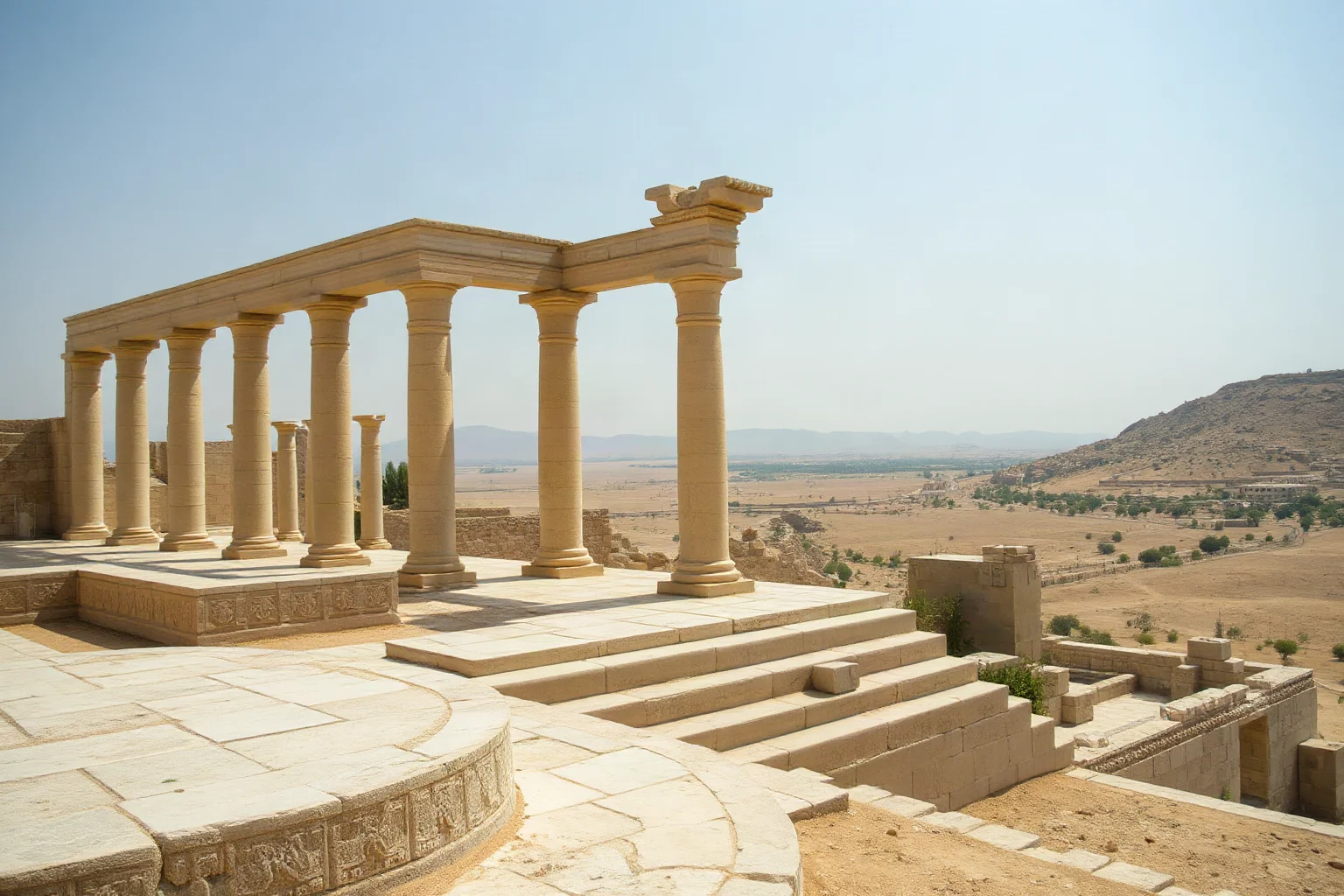
The ceremonial capital of the Persian Achaemenid Empire — in what is now Iran, one of the oldest countries in the world — Persepolis was famously burned in 330 BC during Alexander the Great’s campaign. Ancient sources disagree on whether it was deliberate revenge for Persian attacks on Greece or an accident that got out of hand during a celebration. Either way, the palace complex was never restored, and its stone terraces still stand as one of the world’s most photographed ruined cities.
6. Babylon — A Slow Fade, Not a Single Blow
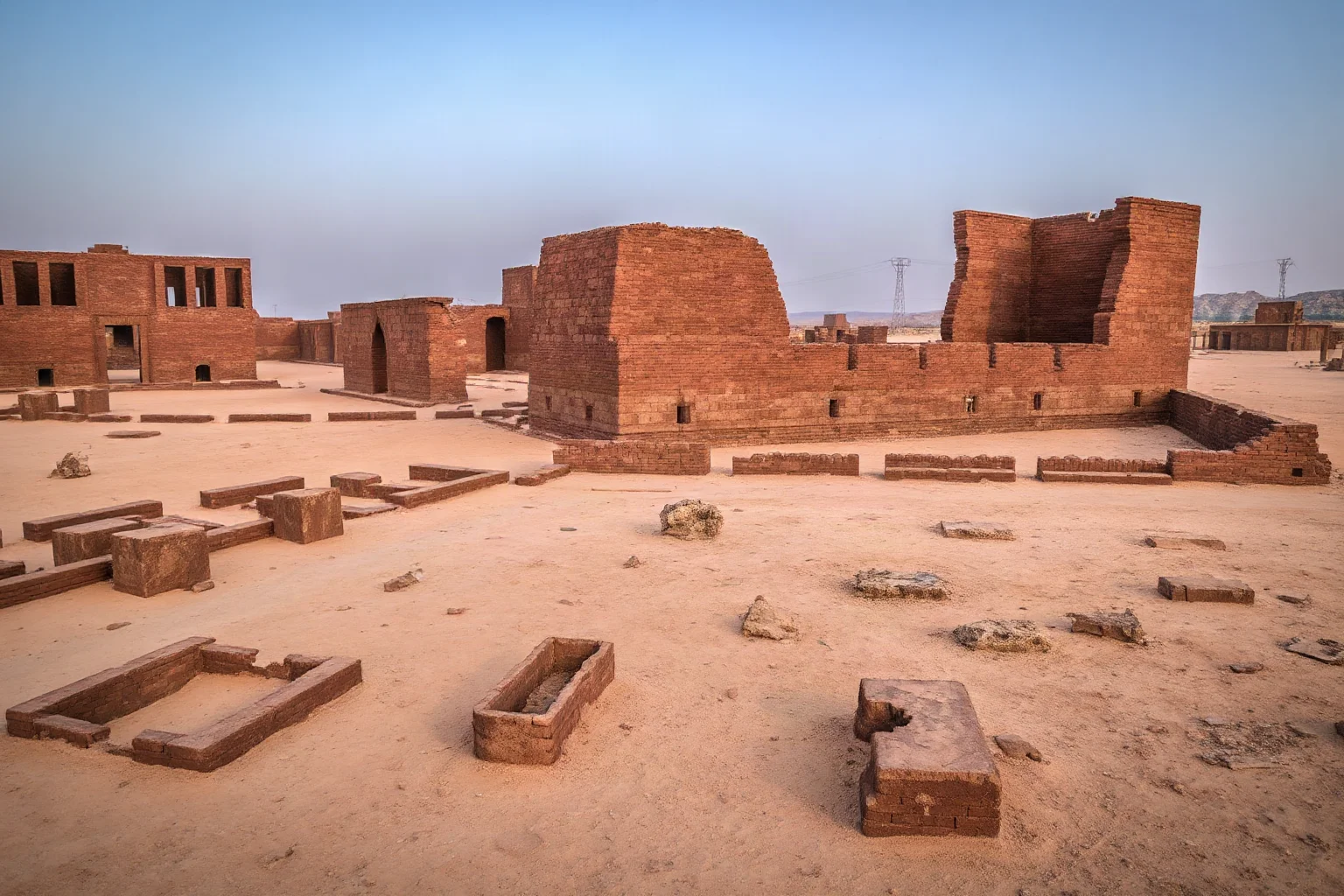
Babylon is often lumped in with “destroyed” ancient cities, but its real story is messier and worth setting straight. It survived conquest by the Persians, Alexander the Great, and others, and it wasn’t leveled in one dramatic event; instead it declined gradually as trade routes and administrative centers shifted elsewhere. By the early centuries AD, it had shrunk to a minor settlement and was eventually abandoned, making it more a case of slow desertion than a single destroyed cityscape moment.
7. Mohenjo-daro — A Bronze Age Mystery
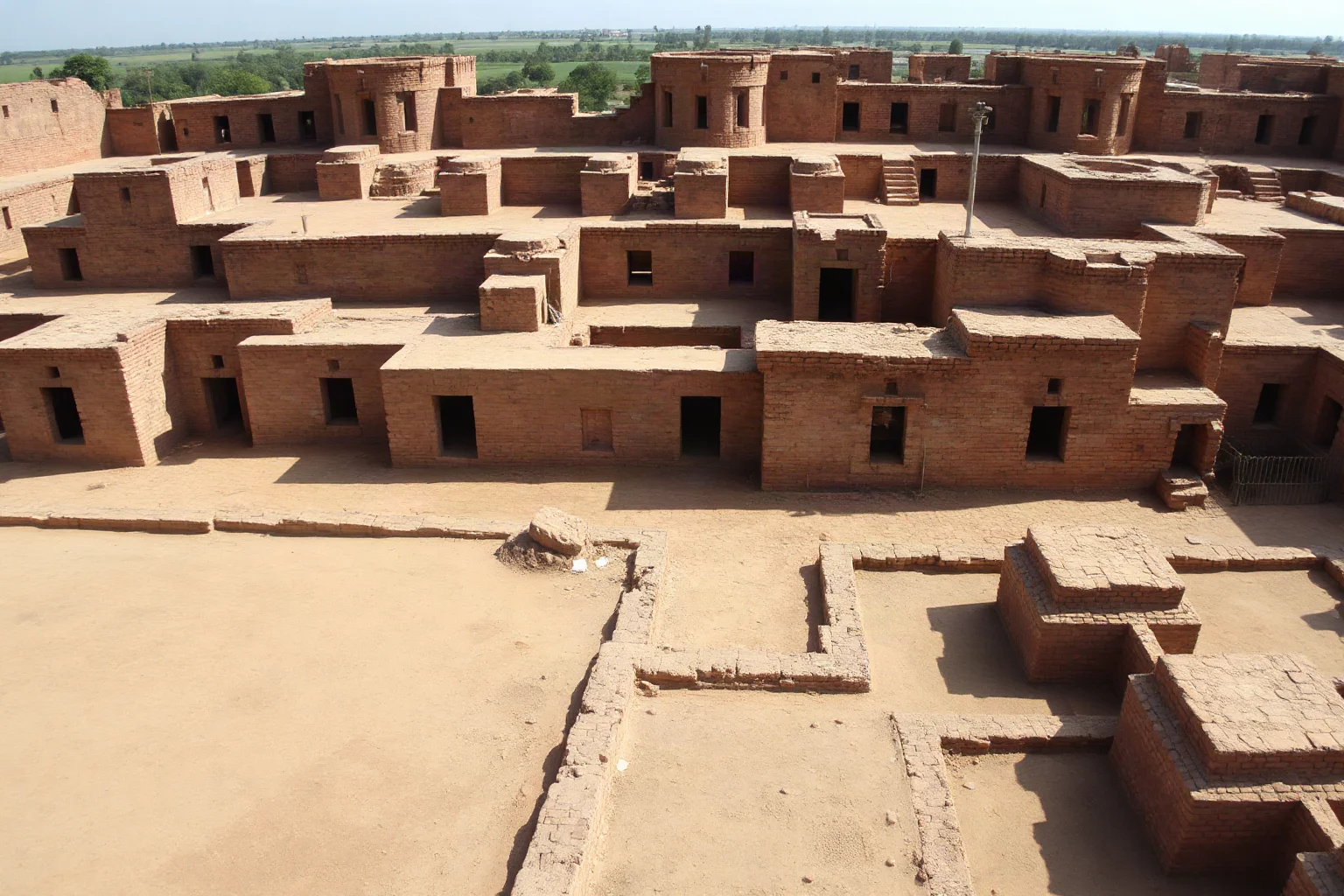
One of the largest cities of the Indus Valley Civilization, Mohenjo-daro flourished around 2500 BC with remarkably advanced urban planning and drainage systems. It was abandoned sometime around 1900 BC, and archaeologists still debate the causes, pointing to river flooding, climate shifts, or a decline in trade rather than any single war. Because the Indus script remains undeciphered, much of its history — including its end — is still genuinely uncertain.
Cities Swallowed by Nature
8. Helike — The Original “Greek Atlantis”
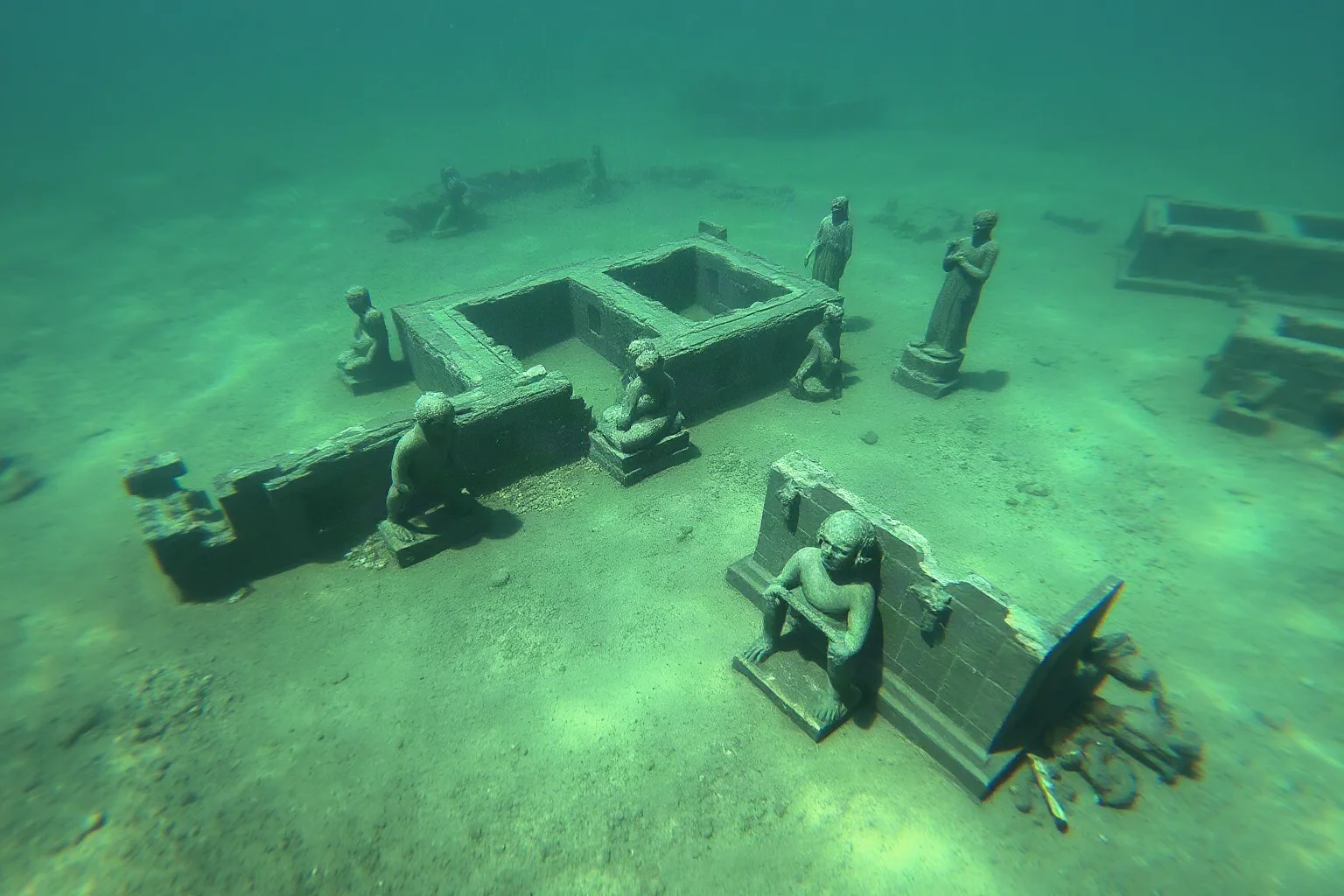
Helike was a prosperous Greek city on the Gulf of Corinth — the kind of place you’d expect to see among the most stunning ancient Greek landmarks — until 373 BC, when a massive earthquake and tsunami struck without warning. Ancient writers like Pausanias described the city sinking beneath the sea, and it inspired later comparisons to Plato’s Atlantis myth. Marine archaeologists eventually located submerged ruins near the coast in the late 20th century, confirming the destruction was real even if the details were exaggerated over time.
9. Thonis-Heracleion — Egypt’s Sunken Port City
Once a major port at the mouth of the Nile, Thonis-Heracleion slipped beneath the Mediterranean around the 8th century AD after centuries of earthquakes, rising sea levels, and soil liquefaction. It was rediscovered underwater off the coast of Egypt in 2000 by underwater archaeologist Franck Goddio. Statues, temples, and shipwrecks recovered from the site show it was once a genuinely significant city, not a minor outpost.
10. Petra — Not Destroyed So Much As Left Behind
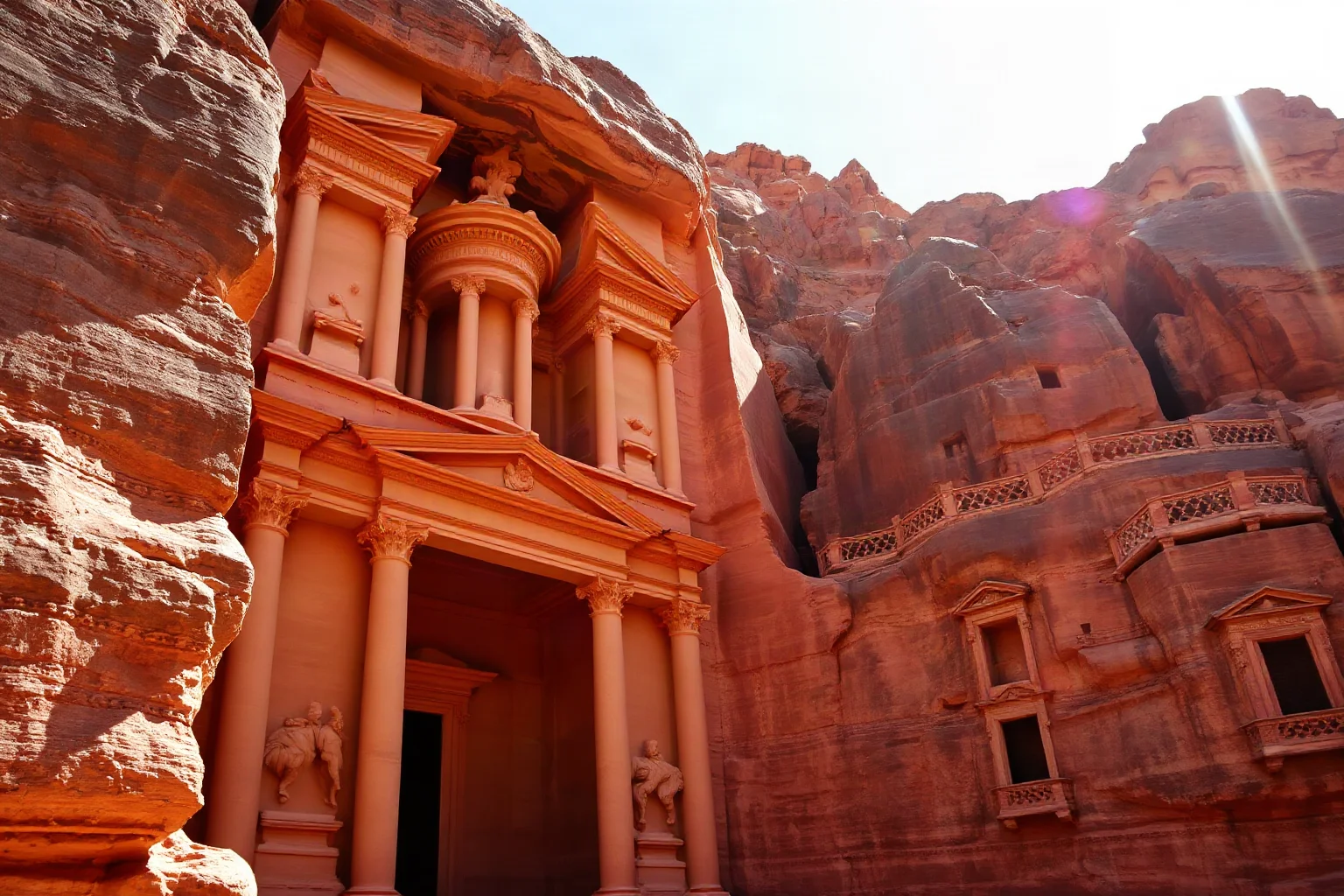
The rock-cut Nabataean city of Petra, in modern Jordan, thrived as a trading hub for centuries before a major earthquake in 363 AD damaged much of its infrastructure. Trade routes later shifted toward sea lanes, and the city gradually emptied out rather than falling in one violent event. It remained known to local Bedouin communities the whole time, even though it was “rediscovered” for Western audiences in 1812.
Cities Erased in Medieval and Early Modern Conquests
11. Merv — One of the Biggest Cities on Earth, Gone in Weeks
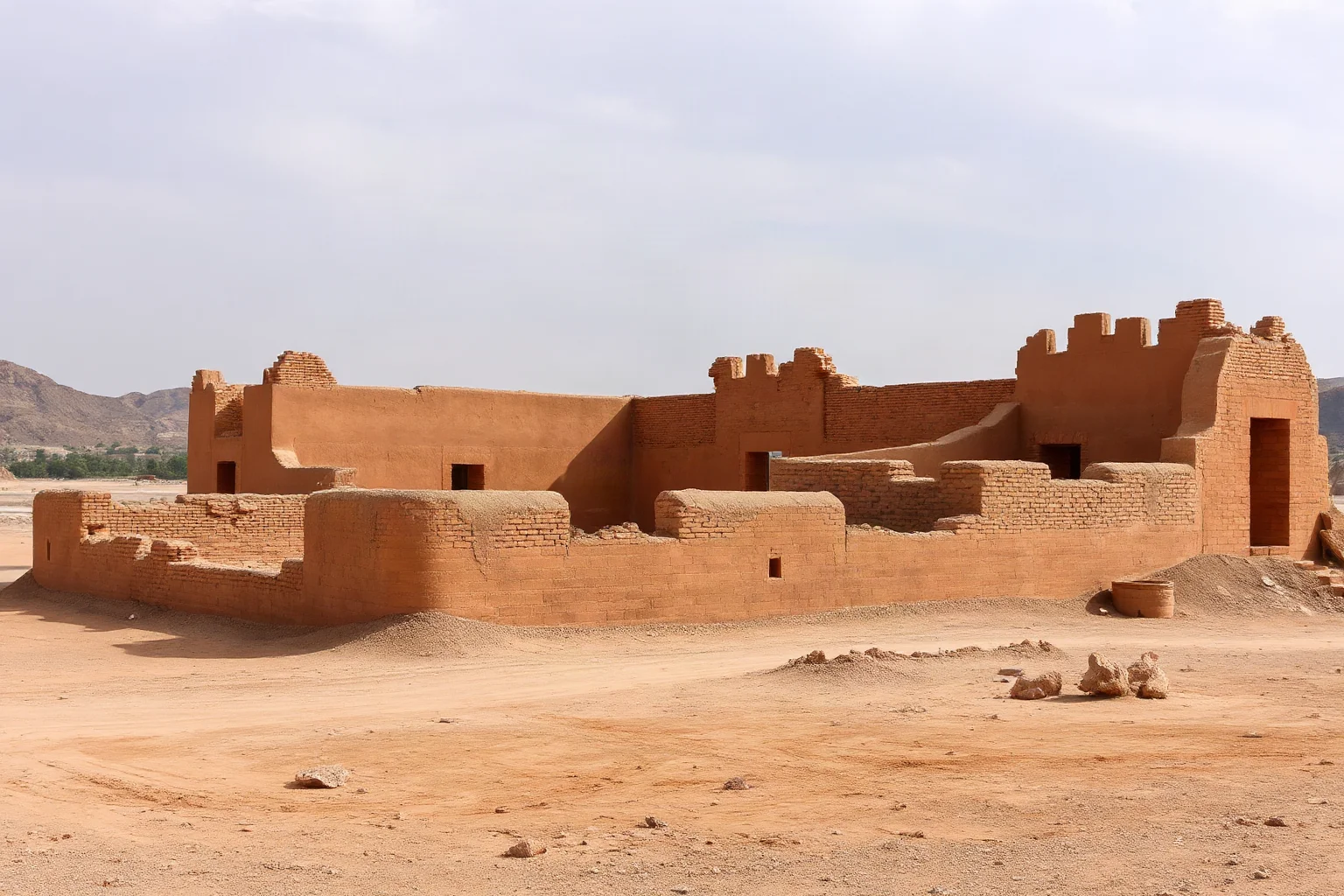
In the early 13th century, Merv (in modern Turkmenistan) may have been one of the largest cities in the world, a glittering center of Islamic scholarship and trade. In 1221, Mongol forces under Genghis Khan’s son destroyed it during their conquest of Central Asia, and medieval chroniclers describe massive loss of life, though exact numbers are impossible to verify. Merv never recovered its former scale, and its ruins now sit largely empty in the desert.
12. Great Zimbabwe — A Kingdom’s Capital Abandoned
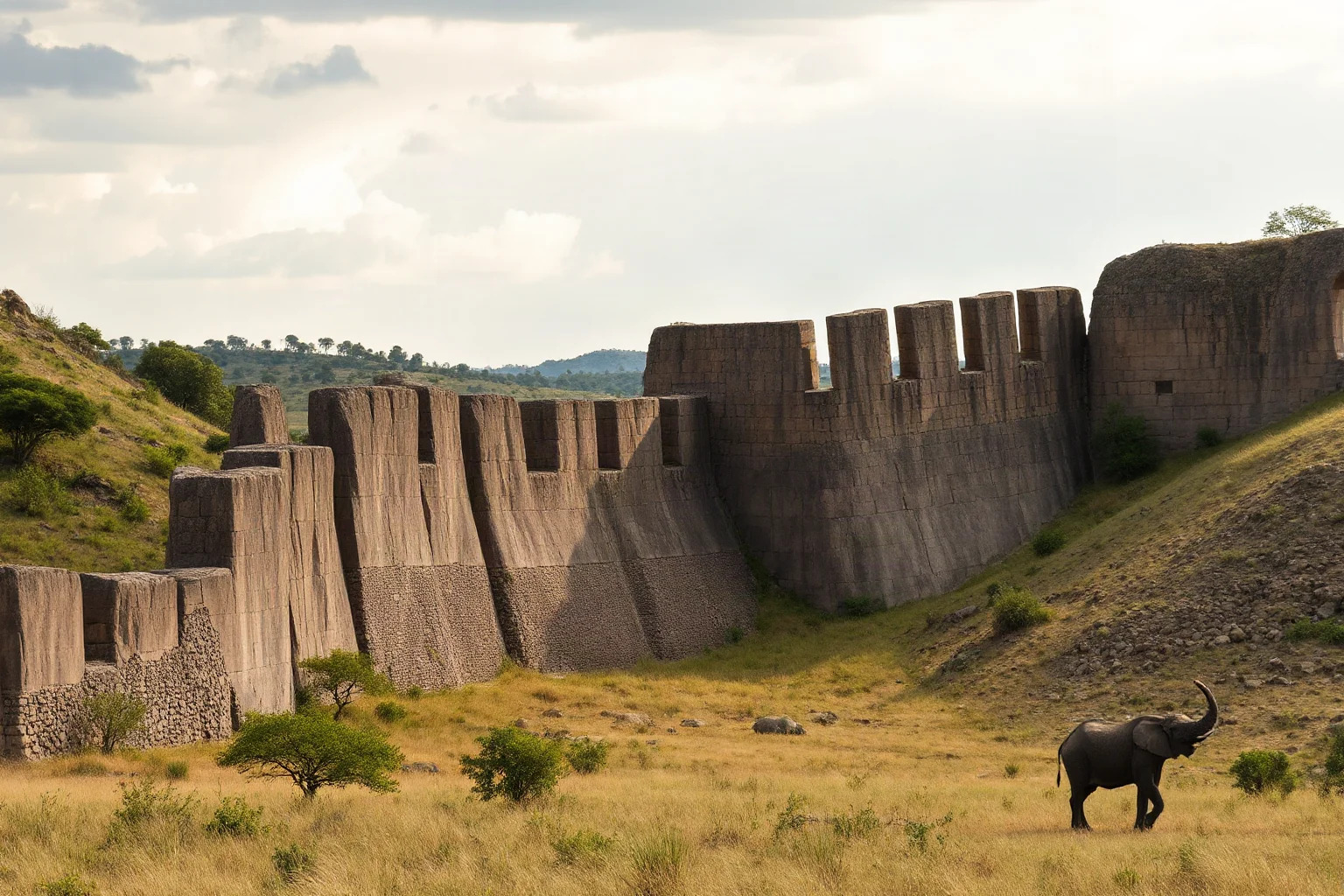
Great Zimbabwe was the capital of a powerful trading kingdom between roughly the 11th and 15th centuries, known for its massive dry-stone walls built without mortar. It wasn’t destroyed by an invading army; it was gradually abandoned, likely due to resource depletion, drought, or shifting trade patterns. The stone ruins survive today as one of sub-Saharan Africa’s most important archaeological sites.
13. Vijayanagara (Hampi) — Sacked and Never Reoccupied
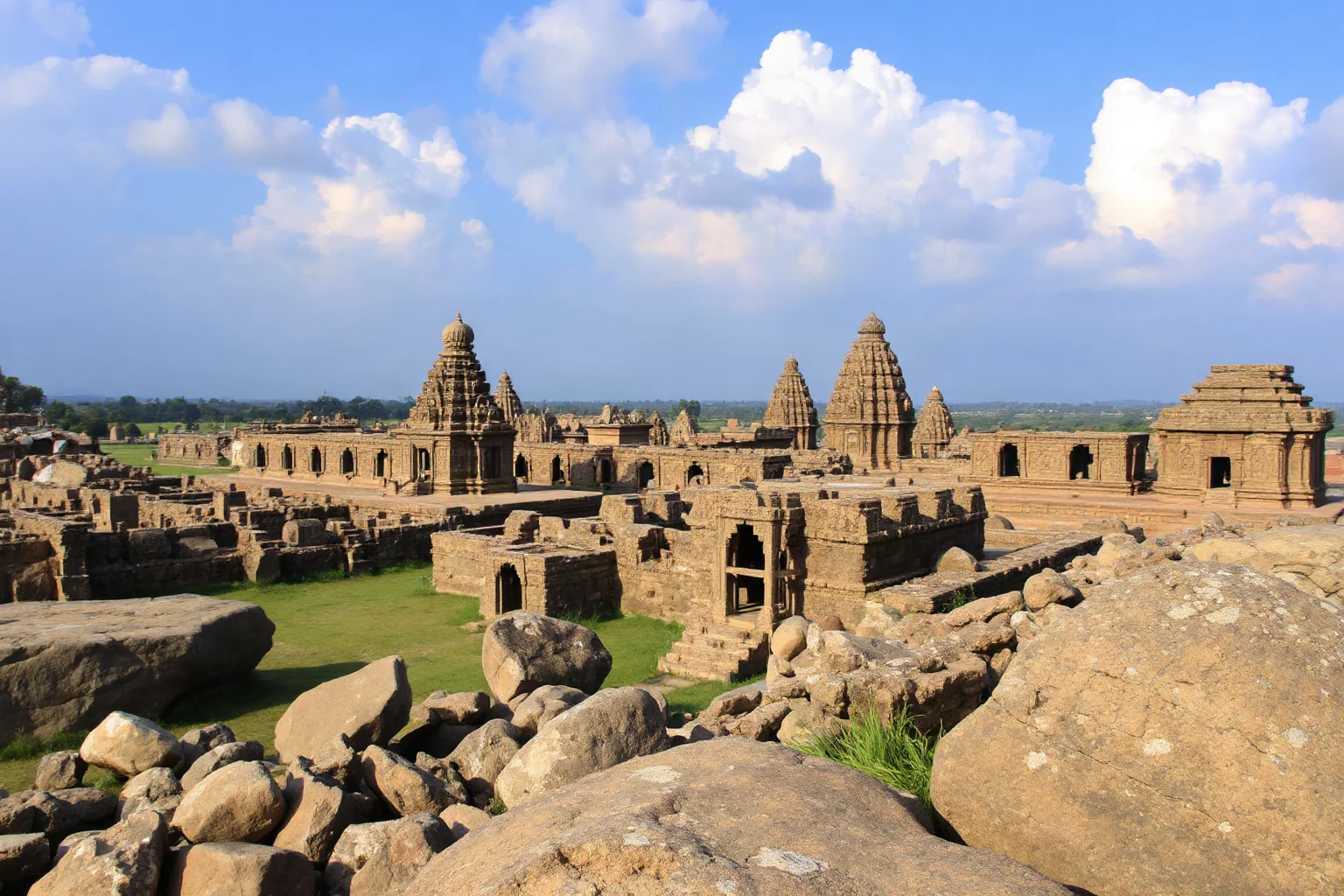
Vijayanagara was the capital of one of medieval India’s largest empires until a coalition of Deccan sultanates defeated it at the Battle of Talikota in 1565. The victors occupied and systematically destroyed the city over several months, and it was never rebuilt as a capital again. Today the ruins, near the modern village of Hampi, are a UNESCO World Heritage Site scattered across a dramatic boulder-strewn landscape.
14. Xanadu (Shangdu) — Marco Polo’s Lost Summer Capital
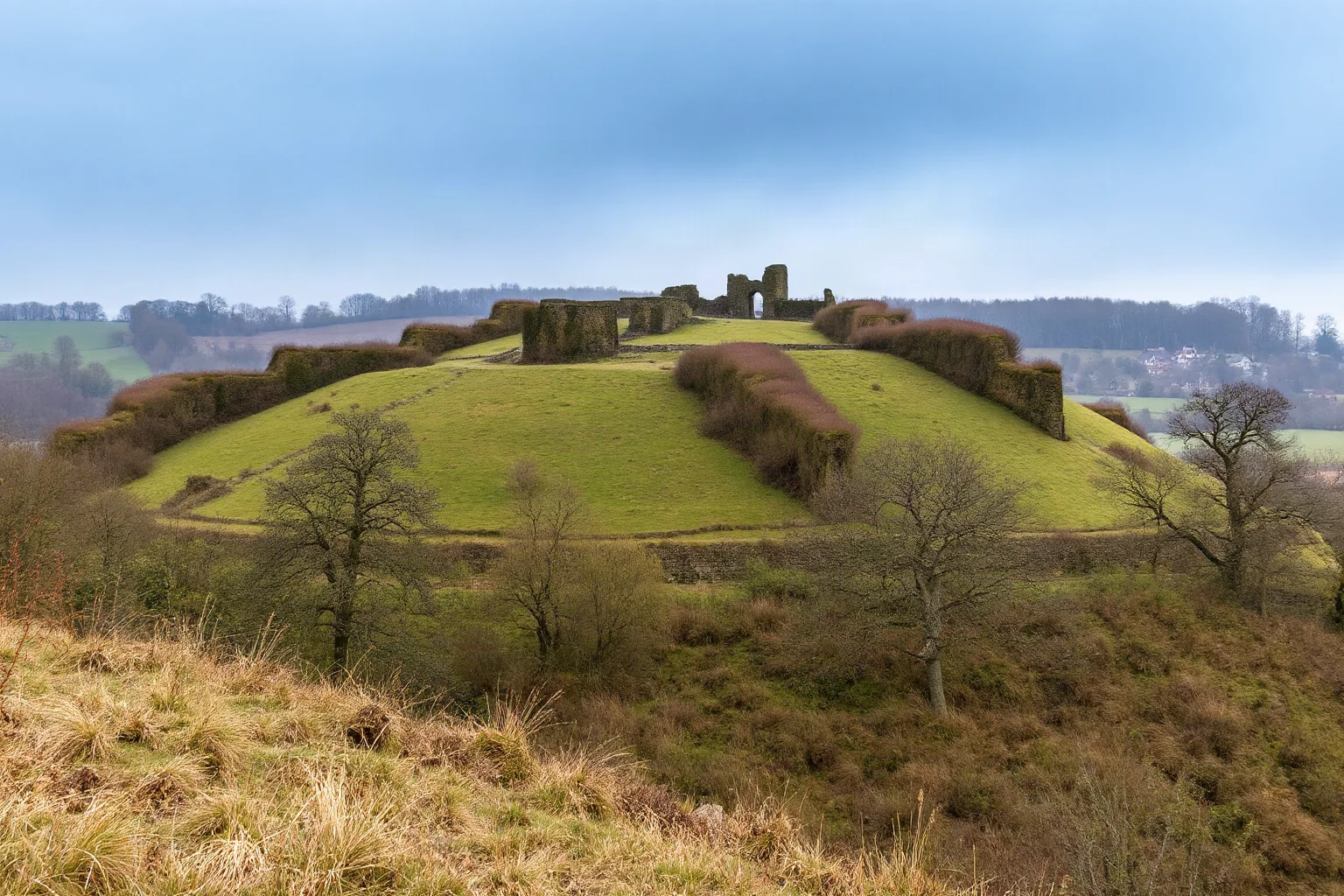
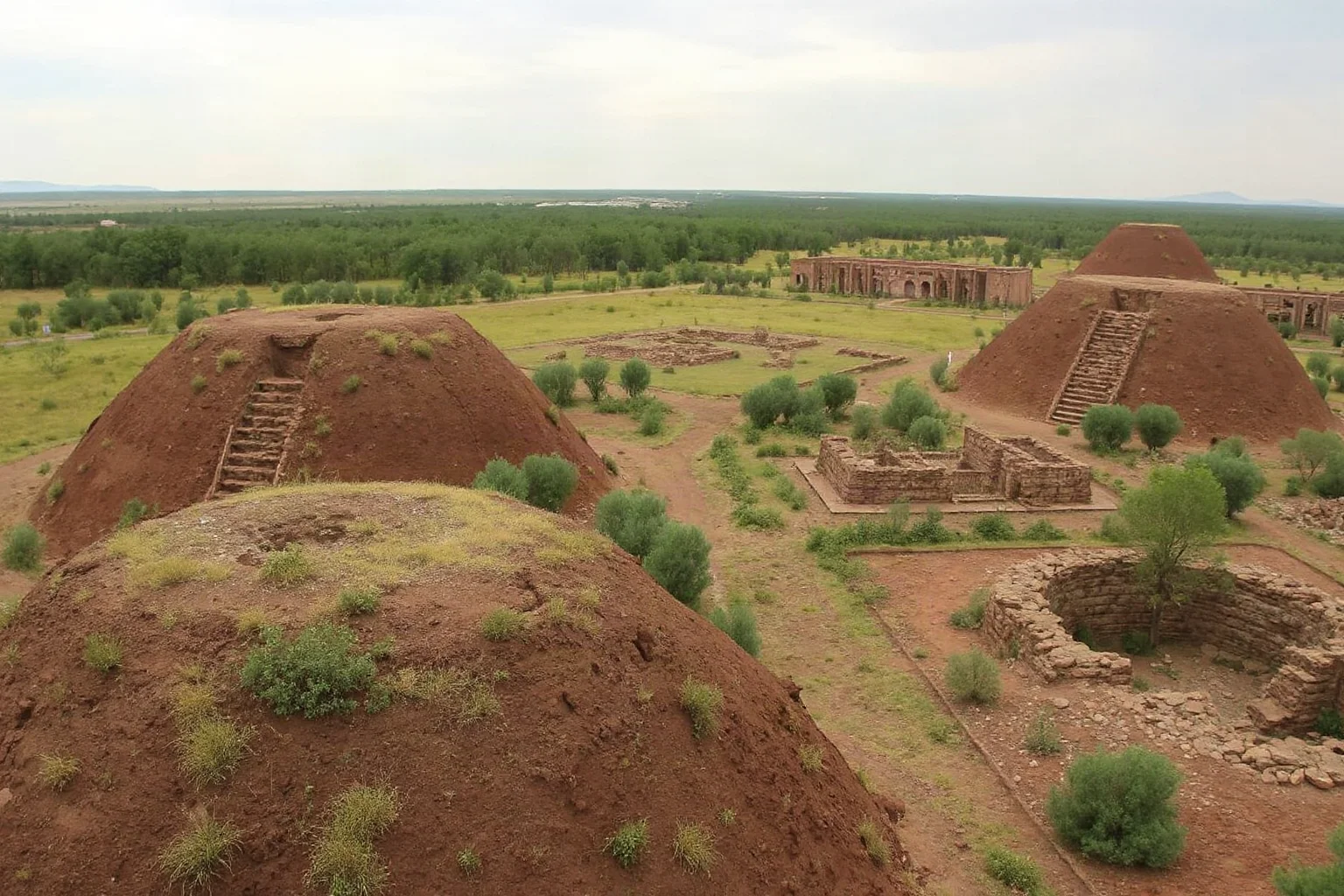
Shangdu, popularly known by its poetic name Xanadu, was Kublai Khan’s summer capital in the Mongol Yuan Dynasty, described by Marco Polo as a place of astonishing luxury. Chinese rebel forces destroyed it in 1369 as the Yuan Dynasty collapsed and the Ming Dynasty rose to power. Only earthen mounds and foundations remain today in Inner Mongolia, a far cry from the marble palaces of legend that once ranked among the biggest palaces in the world.
15. Old Sarum — England’s Abandoned Cathedral City
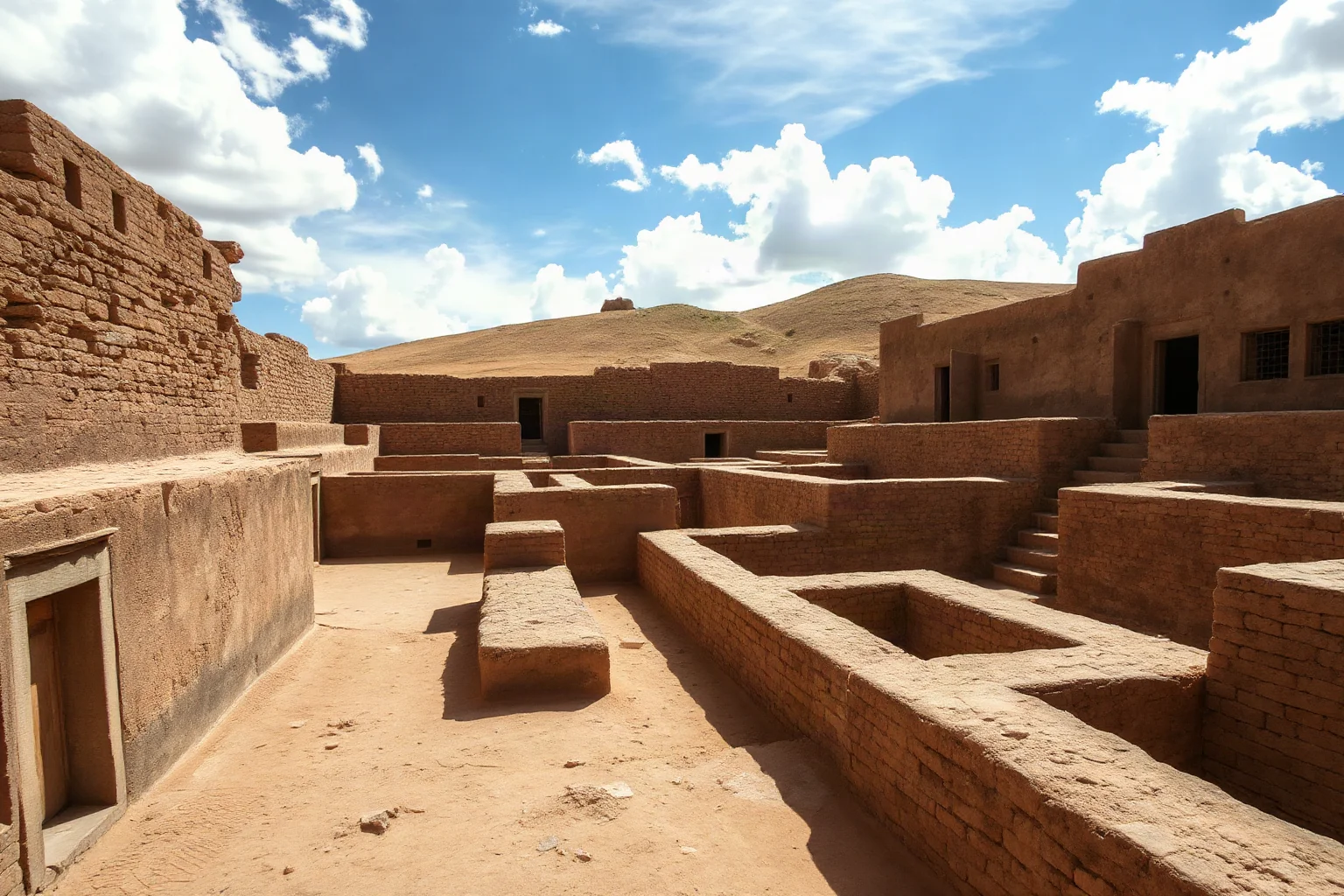
Old Sarum in England was a thriving Norman cathedral city and fortified hilltop settlement through the medieval period. Disputes between clergy and the military garrison, combined with a lack of water access, led residents to relocate to a new site nearby in the 13th century, founding what became modern Salisbury. Old Sarum was left to decay, and today it’s an empty earthwork mound rather than a rebuilt destroyed town, taking its place among other historical towns that vanished off the map.
Cities Lost in the Americas and the Pacific
16. Chan Chan — The Chimú Empire’s Adobe Capital
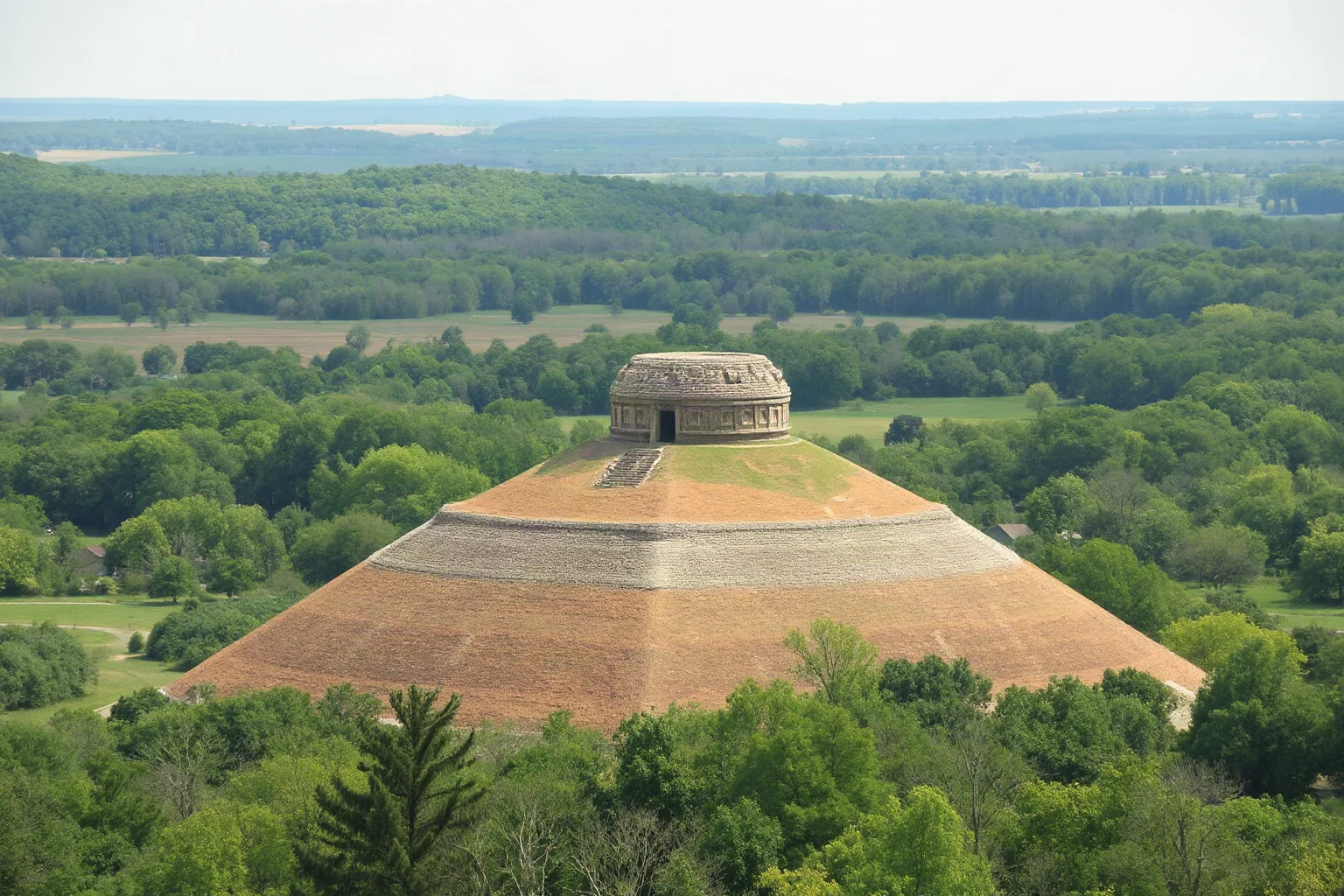
Chan Chan, in what is now Peru, was the largest adobe (mud-brick) city in the pre-Columbian Americas, capital of the Chimú Empire. The Inca conquered it in the 1470s, and Spanish colonization afterward finished off what remained of its political importance. Its labyrinth of adobe walls still stands, but as an archaeological site rather than a living rebuilt city.
17. Cahokia — North America’s Lost Metropolis
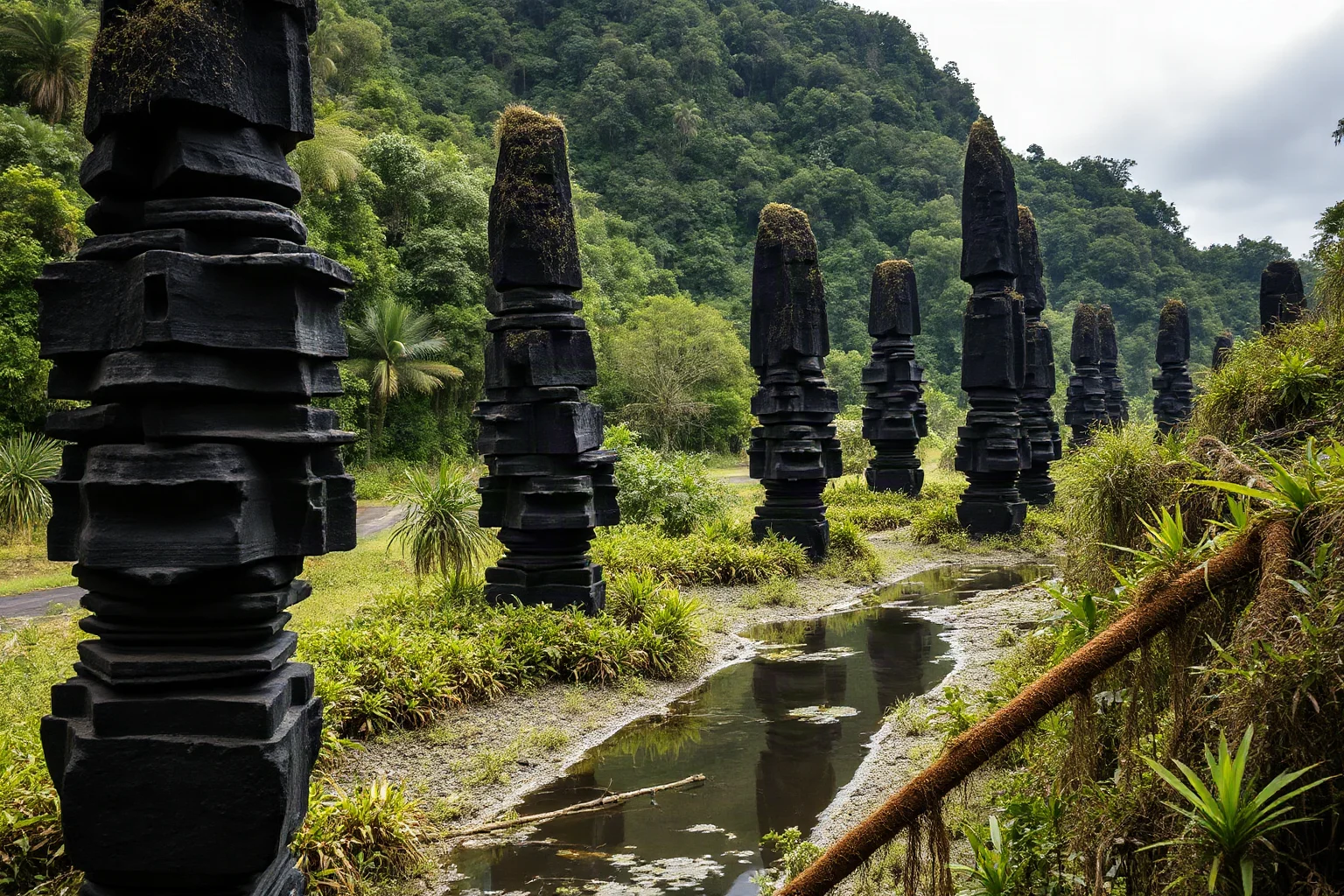
Near present-day St. Louis, Cahokia was once home to tens of thousands of people, making it larger at its peak than London was at the same time. By around 1350 AD, the city was abandoned, likely due to a combination of environmental strain, resource depletion, and social upheaval rather than a single destructive event. Its massive earthen mounds remain, but the city itself was never reoccupied at anything close to its former scale.
18. Nan Madol — The Abandoned Stone City of Micronesia
Built on the island of Pohnpei from massive basalt columns, Nan Madol served as the ceremonial and political seat of the Saudeleur dynasty for centuries. It was gradually abandoned after the dynasty’s fall in the 1600s, and today it sits as an overgrown ruin threaded with tidal canals. It remains one of the least-visited and most mysterious ruined cities on Earth, largely because of its remote Pacific location.
When “Destroyed” Meets Legend and Modern War
19. Skara Brae — Buried by a Storm, Not an Army
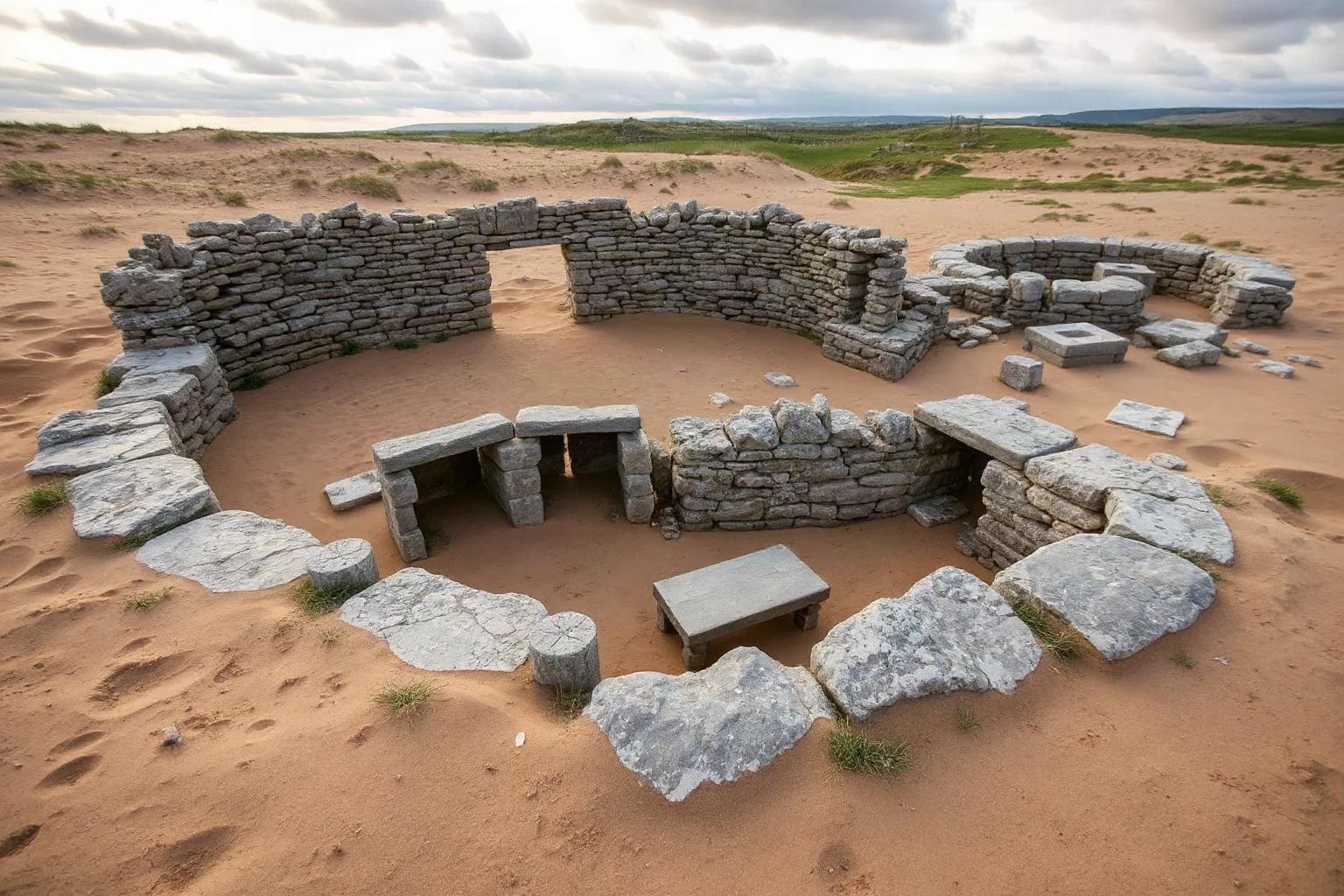
This Neolithic village on Orkney, Scotland, was inhabited around 3100–2500 BC and is remarkably well preserved for its age. It appears to have been abandoned rather suddenly, possibly due to a major storm, and was later buried under sand dunes for thousands of years. A storm in 1850 finally exposed the ruins again, revealing stone furniture and hearths untouched since prehistory.
20. Palmyra — Destroyed Twice, Centuries Apart
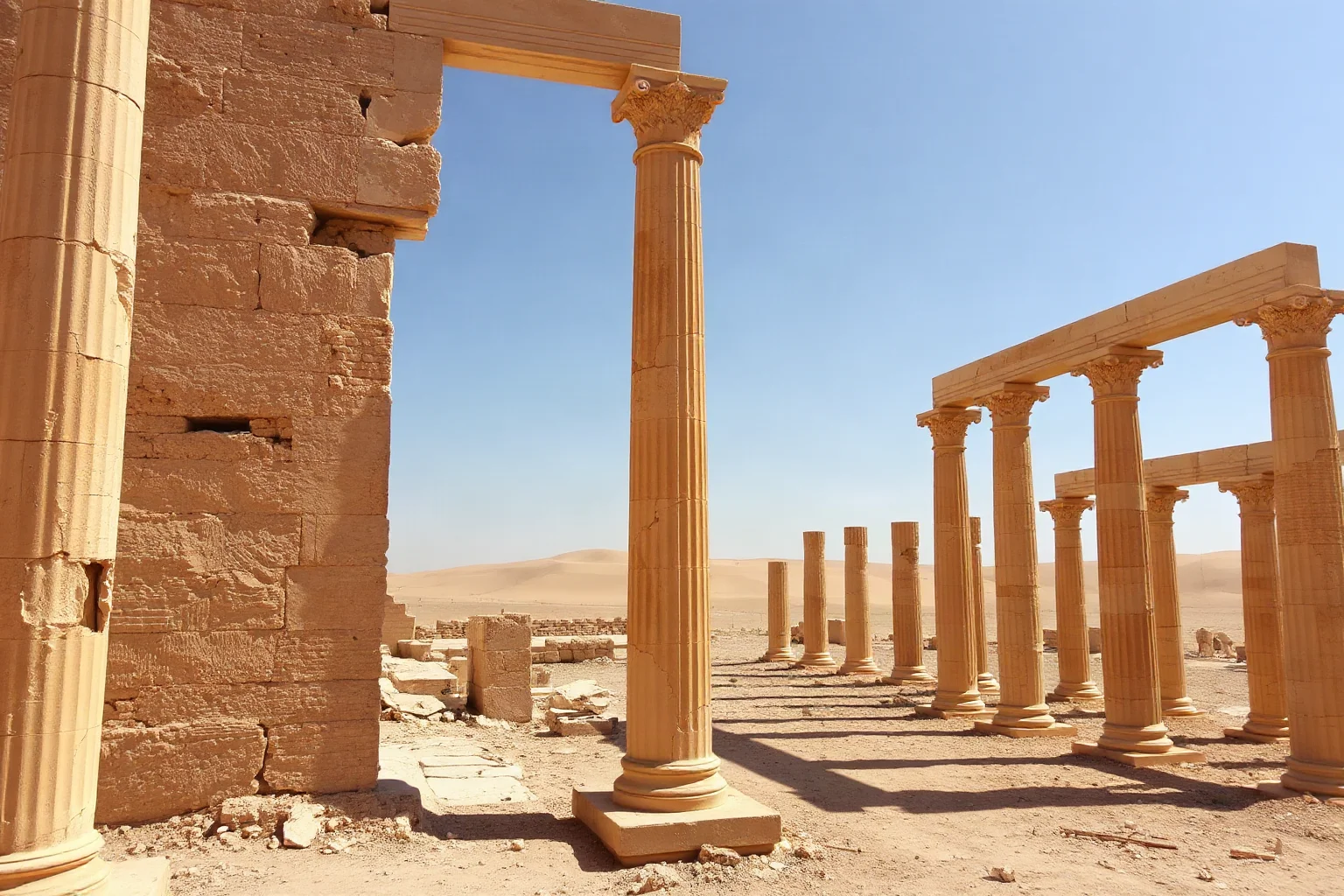
Ancient Palmyra, in modern Syria, was a wealthy caravan city that declined after Roman forces suppressed a rebellion there in the 3rd century AD, eventually fading into a minor town. Its ruins survived remarkably well for centuries — until the militant group ISIS deliberately destroyed several of its most famous monuments, including the Temple of Bel, between 2015 and 2017. It’s a rare case where the same site suffered two very different destroyed-city stories separated by more than 1,700 years.
21. Sodom and Gomorrah — Biblical Cities, Uncertain Locations
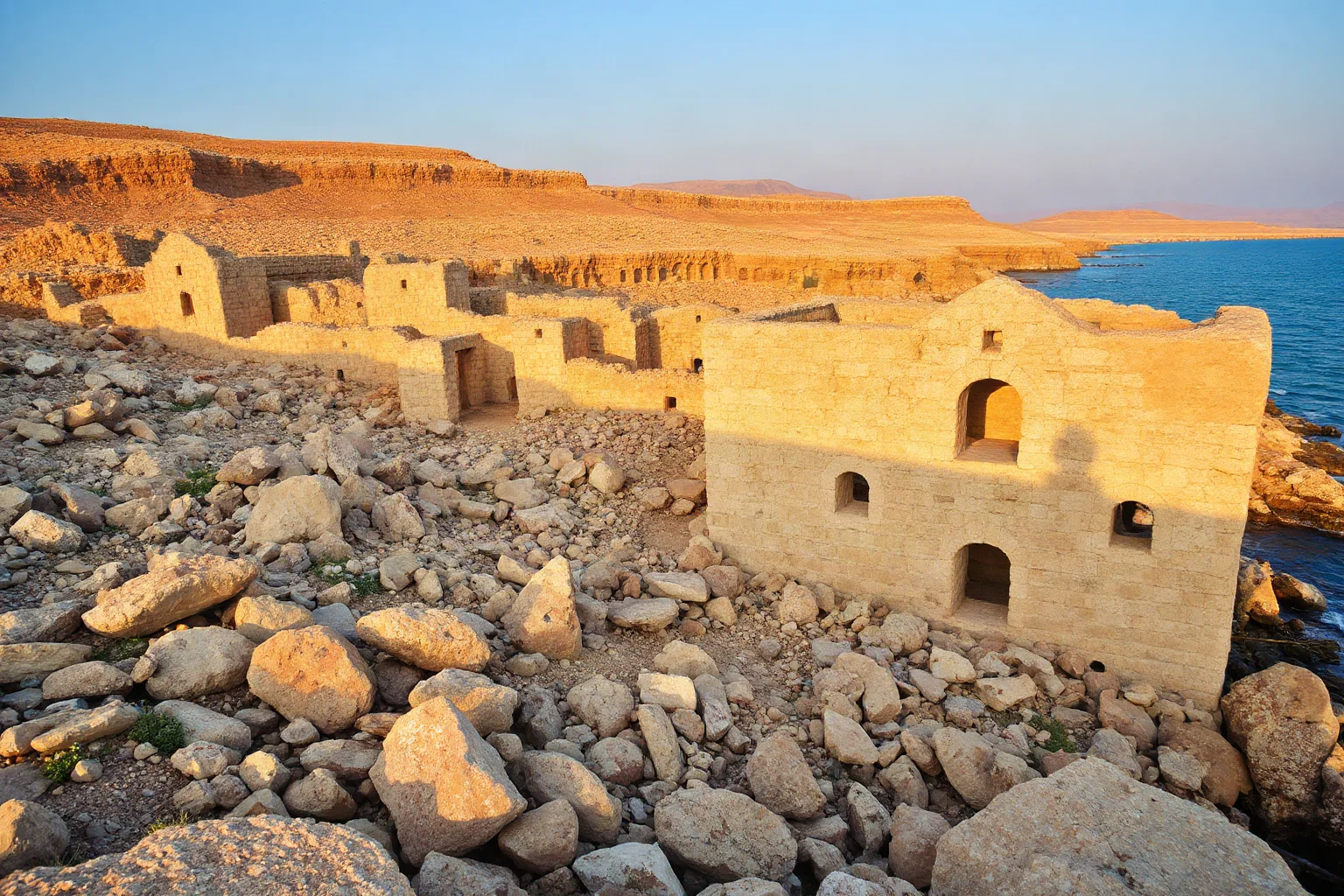
According to the Book of Genesis, Sodom and Gomorrah were destroyed by fire and brimstone as divine punishment, traditionally placed somewhere near the Dead Sea. No archaeological site has been conclusively identified and confirmed by mainstream scholars as the biblical Sodom or Gomorrah, though several Bronze Age sites in the region have been proposed over the years. It’s a good reminder that not every destroyed city from ancient texts has a settled, verified real-world location.
22. Kowloon Walled City — A Modern Ruined Cityscape
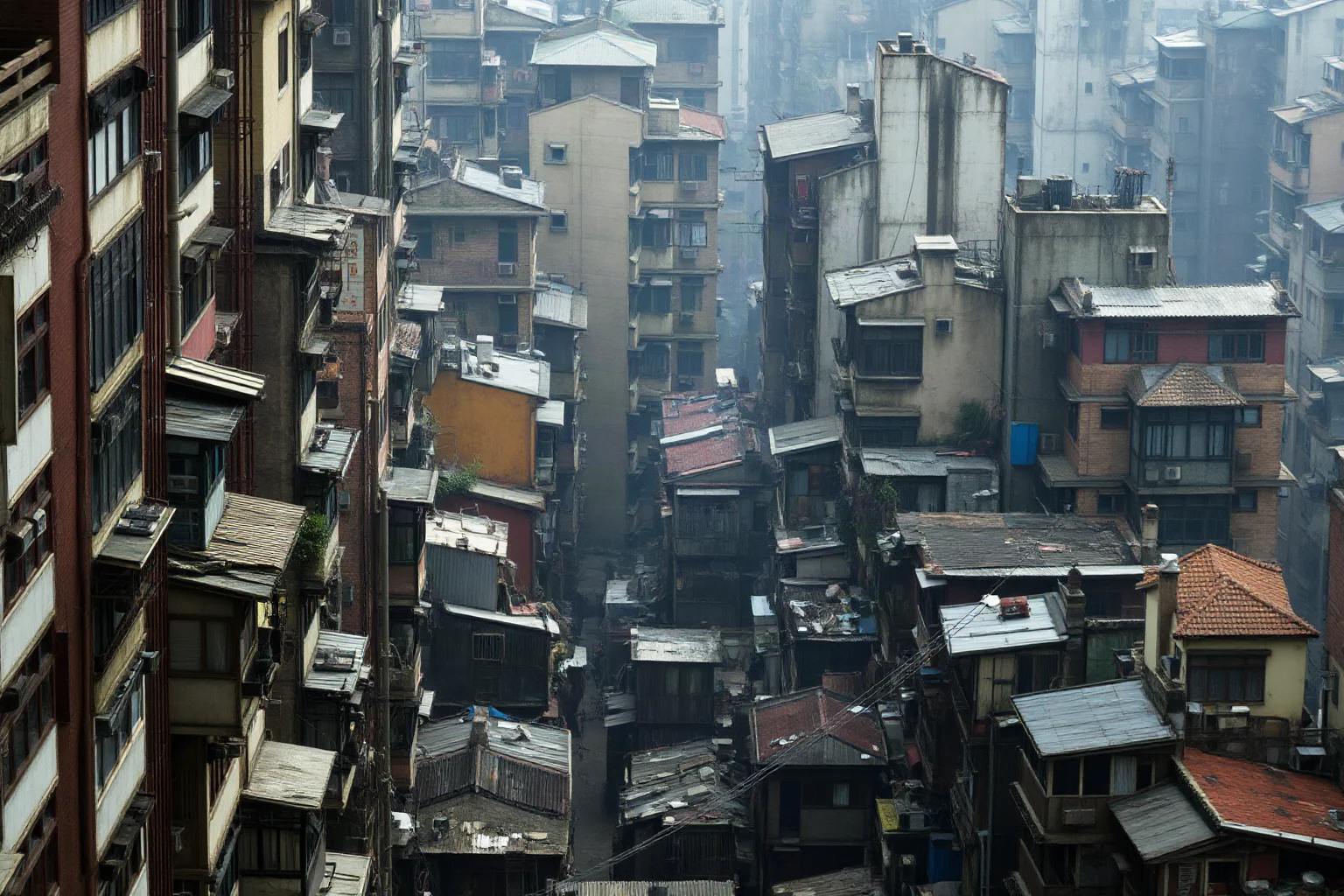
Not ancient at all, Kowloon Walled City in Hong Kong became one of the most densely populated places on Earth by the late 20th century, a chaotic maze of unlicensed high-rises. Hong Kong authorities demolished it in 1993–94 due to unsafe conditions and organized crime, and it was replaced with a public park rather than rebuilt. Its distinctive broken-down-city look has heavily influenced cyberpunk films, games, and art depicting dense, decaying urban landscapes ever since.
Why These Ruins Still Fascinate Us
There’s something oddly comforting about a city destroyed centuries ago that we can still walk through today. Ruined cities let us see the raw structure of daily life — streets, kitchens, temples — stripped of the noise of ongoing history layered on top. That’s a big part of why war-torn cities and abandoned towns show up so often in photography, video games, and films chasing that specific destroyed-cityscape aesthetic.
It’s also worth remembering that “destroyed” doesn’t always mean “conquered.” Plenty of the places on this list were finished off by earthquakes, rivers, storms, or simple economic decline rather than armies. Separating the dramatic legends from the documented archaeology is part of what makes studying these places so rewarding.
Final Thoughts
From the volcanic ash of Pompeii to the demolished towers of Kowloon Walled City, these 22 places show just how many different ways a city can meet its end. Some fell to war, some to nature, and some simply faded as the world moved on around them. What they share is that none of them got a second chance to be rebuilt on the same site, in the same form, as the same living city.
That permanence is exactly why they still draw archaeologists, historians, and curious travelers today. Standing among the ruins of a destroyed town or city gives you a rare, tangible link to a specific moment when everything changed. It’s history frozen mid-sentence, and that’s a far more powerful story than any myth built around it.
Frequently Asked Questions
Which cities destroyed in the Bible are historically documented?
The Bible describes several destroyed cities, but their historical documentation varies widely. Jericho and Ai are mentioned in archaeological debates tied to the Book of Joshua, while Sodom and Gomorrah's exact locations have never been conclusively confirmed by mainstream archaeology. Cities like Nineveh and Babylon, also referenced in biblical texts, are well documented outside the Bible through Assyrian, Babylonian, and Greek historical records.
What is the most famous destroyed city in history?
Pompeii is probably the most famous destroyed city, thanks to how well-preserved it was by the 79 AD eruption of Mount Vesuvius. Troy and Carthage are close contenders because of their legendary status in ancient literature and their genuine archaeological destruction layers.
Are any famous destroyed ancient cities being rebuilt today?
Most destroyed ancient cities on this list remain preserved as archaeological sites rather than being rebuilt, since rebuilding would destroy valuable historical evidence. Some war-damaged modern cities, like parts of Palmyra's surrounding modern town, have seen restoration efforts, but the ancient ruins themselves are generally conserved rather than reconstructed as living cities.
What’s the difference between a destroyed city and an abandoned city?
A destroyed city usually refers to one leveled by a specific violent event, like war, fire, or an earthquake. An abandoned city, by contrast, is often deserted gradually due to factors like resource decline, shifting trade routes, or environmental change, even though the buildings may remain mostly intact.
Can visitors actually see these ruined cities today?
Yes, many of them are open to the public, including Pompeii, Petra, Persepolis, and Hampi (Vijayanagara), which are popular archaeological tourist destinations. Others, like Nan Madol or Merv, are far more remote and receive very few visitors due to their location and limited infrastructure.

Alex Warren
Related Articles