
Statues have a strange power. A block of stone or cast bronze, shaped by human hands, can outlast empires, spark revolutions, or simply make millions of tourists stop and stare.
When people search for the most famous sculptures in history, they’re usually chasing that same feeling—the sense that a piece of art managed to capture something bigger than itself.
This list pulls together the statues and sculptures that have shaped art history, national identity, and pop culture, from ancient wonders carved thousands of years ago to modern giants built in the last two decades.
Along the way, we’ll separate the well-documented history from the myths and tourist legends that tend to stick to famous statues like moss.
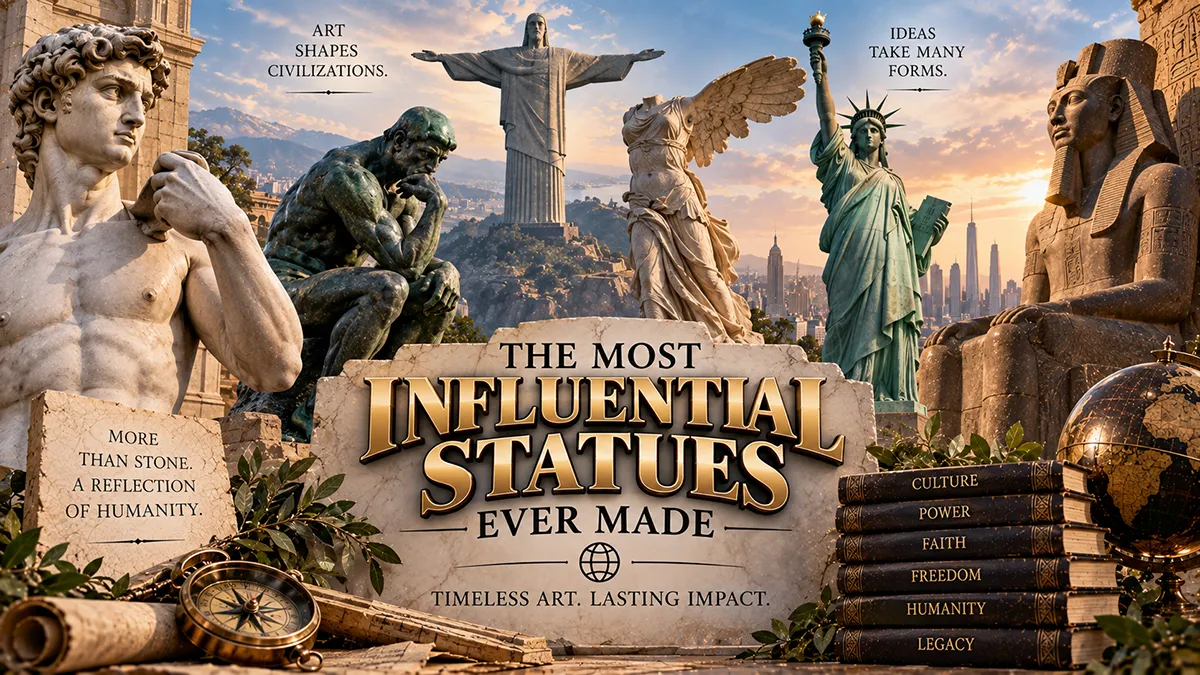
TL;DR: The world’s most influential statues—from the Great Sphinx to the Statue of Liberty—endure not just for their size or beauty, but for the histories, beliefs, and identities they were built to represent.
What Makes a Statue Truly Influential?
Not every well-known statue makes this kind of list. Influence usually comes down to a mix of factors: technical innovation, cultural or religious meaning, political symbolism, and sheer staying power in the public imagination.
Some of the sculptures below changed how artists approached the human body. Others became the visual shorthand for an entire country or belief system. A few are famous simply because they’re enormous, ancient, or both, and they’ve survived long enough to become icons.
1. The Great Sphinx of Giza
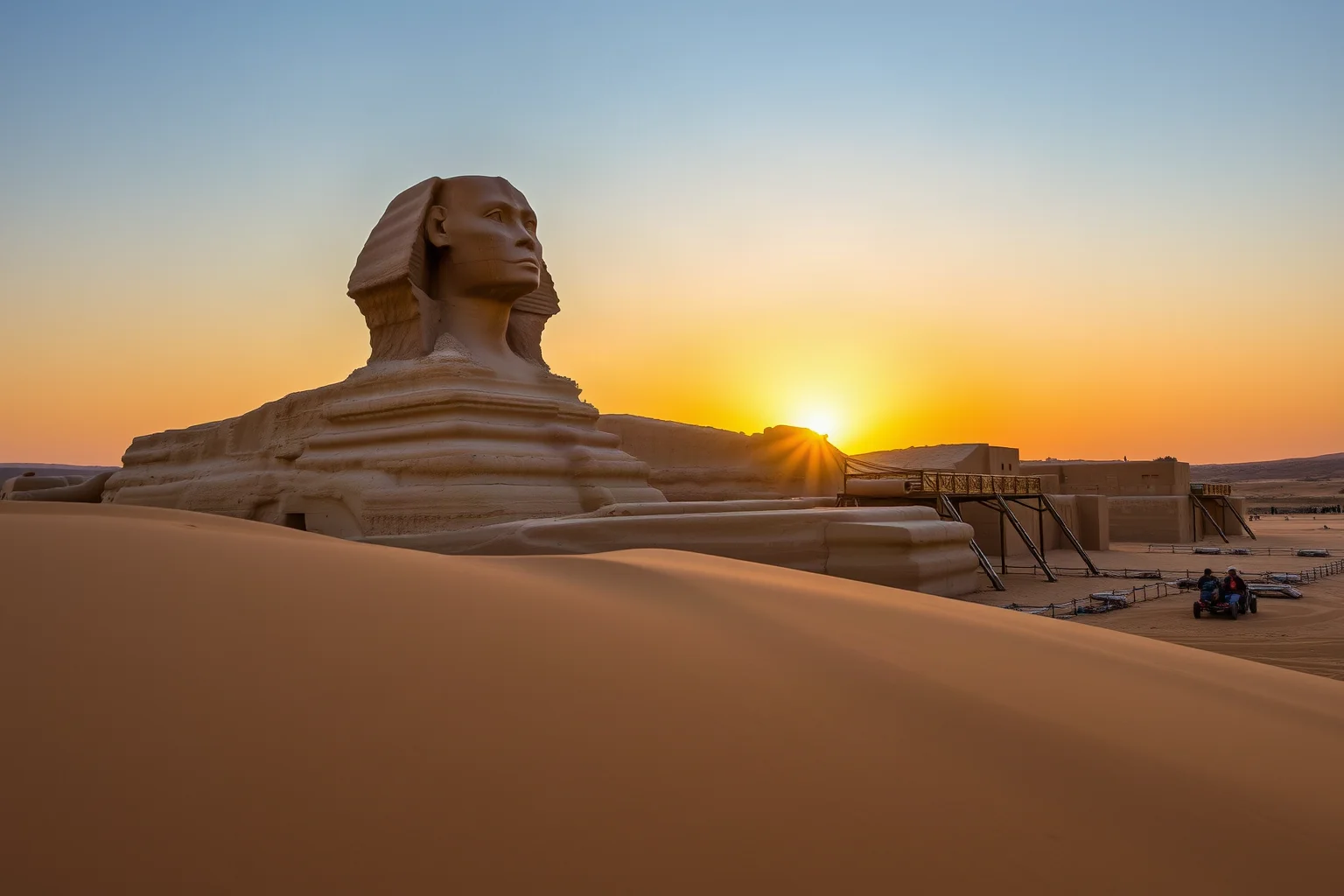
Carved from a single limestone outcrop on the Giza plateau in Egypt, the Great Sphinx is one of the oldest and largest monumental sculptures on Earth. Most archaeologists date it to the reign of Pharaoh Khafre, around 2500 BCE, making it roughly 4,500 years old.
Its human head and lion’s body were likely meant to project royal power fused with divine strength. Centuries of desert erosion, and some early, poorly documented attempts at excavation, have left plenty of gaps in what we actually know about its original purpose.
Popular legends claim its nose was blown off by Napoleon’s soldiers, but historical drawings from before Napoleon’s 1798 expedition already show the nose missing. The real cause remains uncertain, likely deliberate damage centuries earlier.
2. Statues of Ramesses II at Abu Simbel
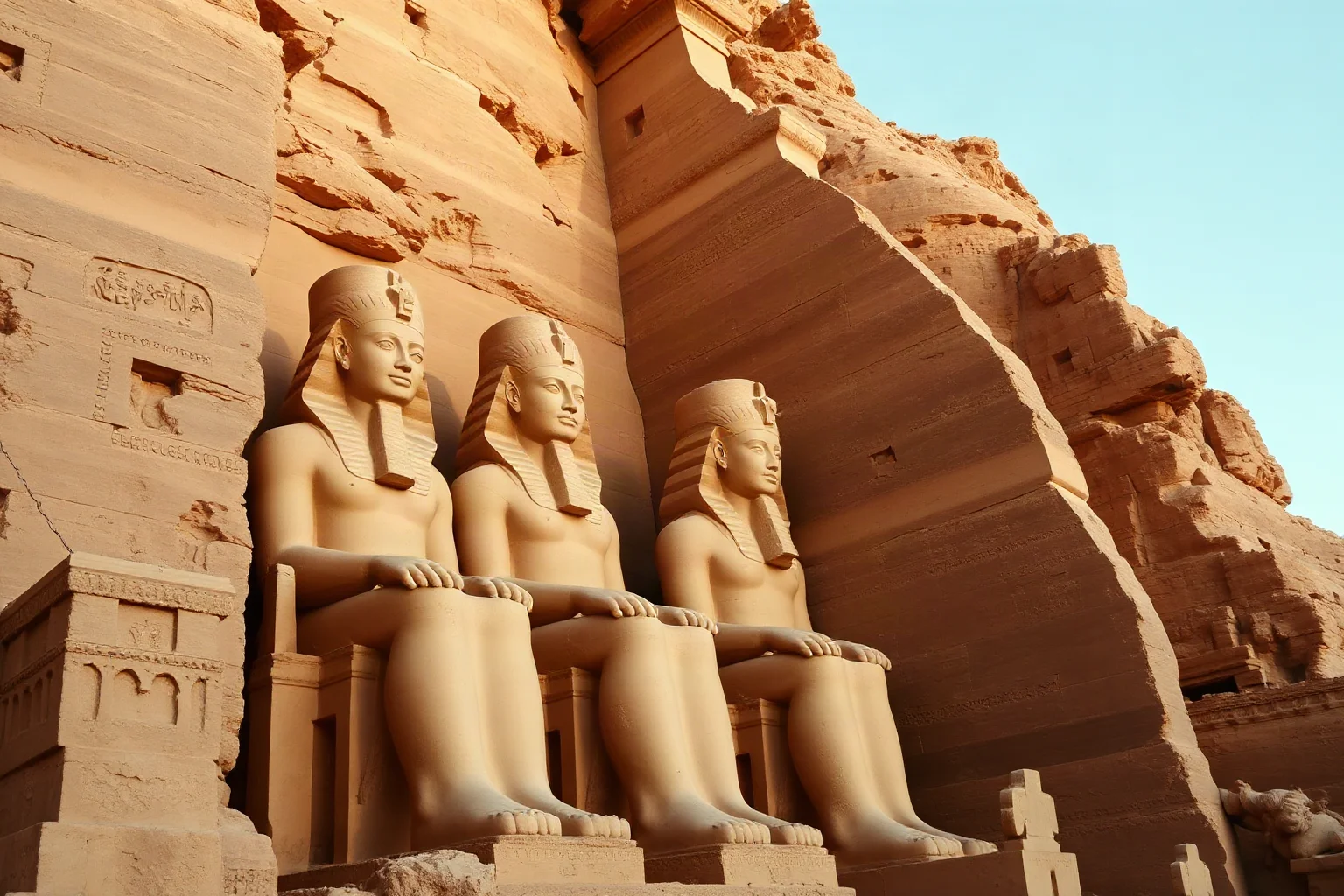
The four seated colossi of Ramesses II at Abu Simbel, each about 20 meters (65 feet) tall, were carved directly into a sandstone cliff around 1264 BCE. They were built to intimidate travelers approaching Egypt’s southern border and to glorify Ramesses as a living god.
In the 1960s, the entire temple complex was famously relocated to higher ground, statue by statue, to save it from the rising waters of Lake Nasser after the Aswan High Dam was built. It remains one of the most impressive feats of modern archaeological engineering.
3. The Terracotta Army
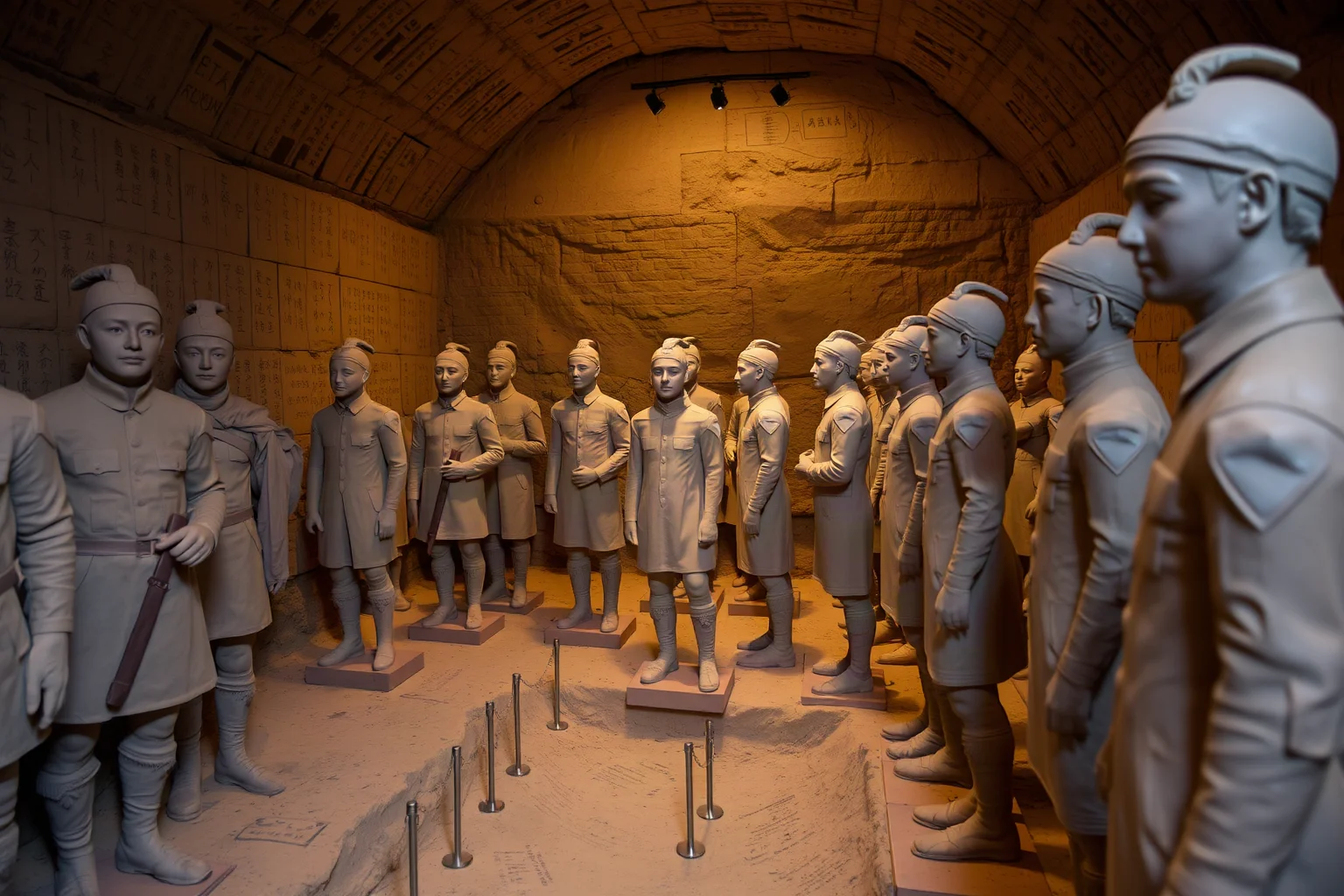
Buried near the tomb of China’s first emperor, Qin Shi Huang, the Terracotta Army consists of thousands of life-sized clay soldiers, horses, and chariots. It was discovered by farmers digging a well in 1974, and excavations are still ongoing today.
Each soldier has individualized facial features, suggesting a huge workshop of artisans rather than a single sculptor. The army was created to protect the emperor in the afterlife, reflecting how deeply sculpture was tied to belief systems in ancient China.
4. Venus de Milo
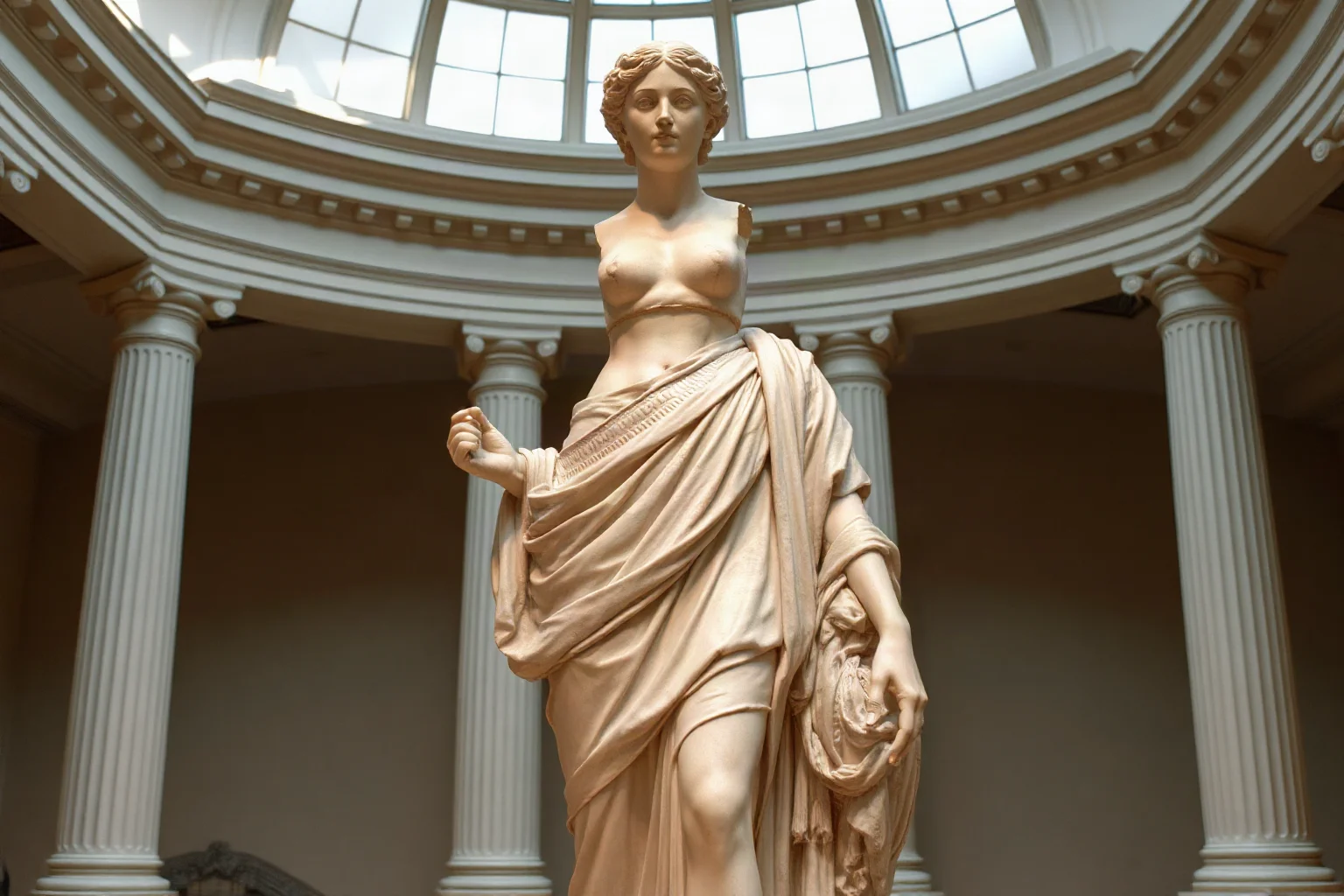
Discovered on the Greek island of Milos in 1820, the Venus de Milo is one of the most famous sculptures of the human body ever created. Believed to represent Aphrodite, the Greek goddess of love, it’s thought to date from around 100 BCE, during the Hellenistic period.
Her missing arms have fueled centuries of speculation, but no confirmed record exists of what she originally held. The statue now lives in the Louvre in Paris, where it remains one of the most visited sculptures in the world.
5. Discobolus (The Discus Thrower)
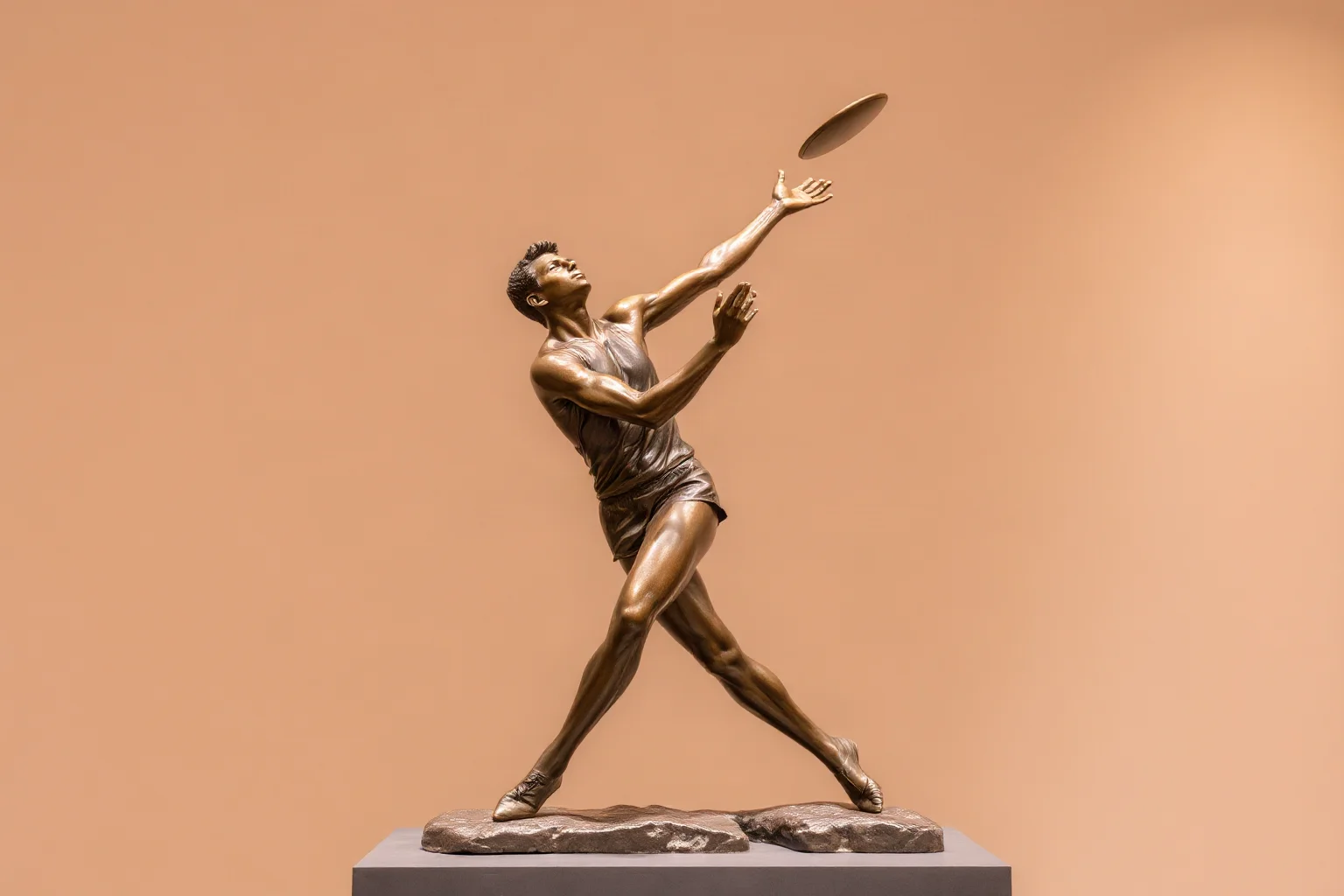
Originally created in bronze by the Greek sculptor Myron around 460–450 BCE, the Discobolus captures an athlete in mid-motion, frozen at the peak of his throw. The original bronze didn’t survive, but Roman marble copies preserved the composition for later generations.
It became a touchstone for how Western art approached the moving human body, influencing sculptors for more than two thousand years afterward. Its balance of tension and stillness is still studied in art schools today.
6. Laocoön and His Sons
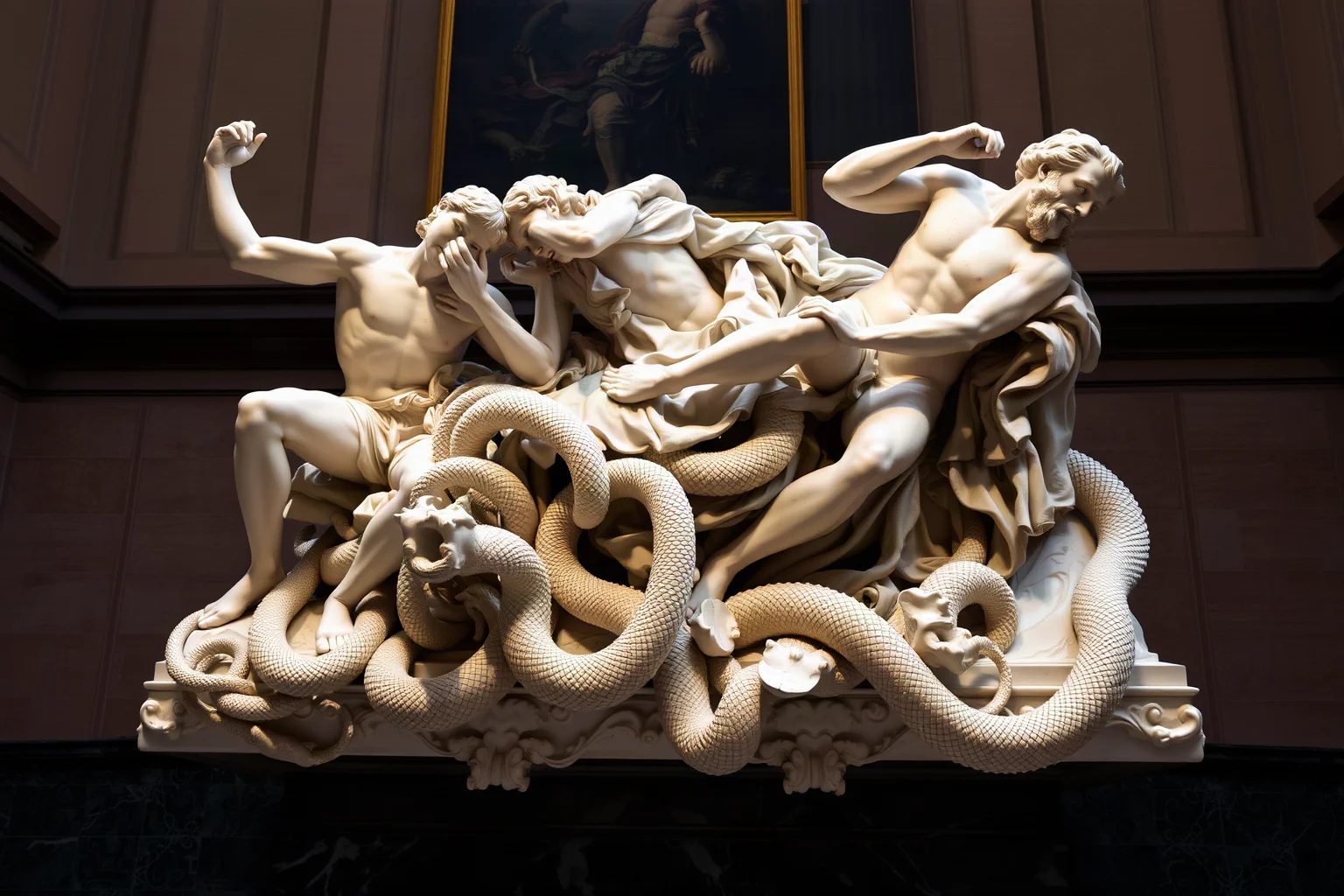
This dramatic marble sculpture depicts a Trojan priest and his two sons being attacked by sea serpents, a scene from Greek mythology referenced in Virgil’s Aeneid. It was rediscovered in Rome in 1506 and immediately influenced Renaissance artists, including Michelangelo.
Scholars still debate whether it’s an original Hellenistic Greek work or a Roman-era copy, since the exact dating remains unresolved. Either way, its raw emotional intensity made it one of the most studied sculptures in art history.
7. Winged Victory of Samothrace
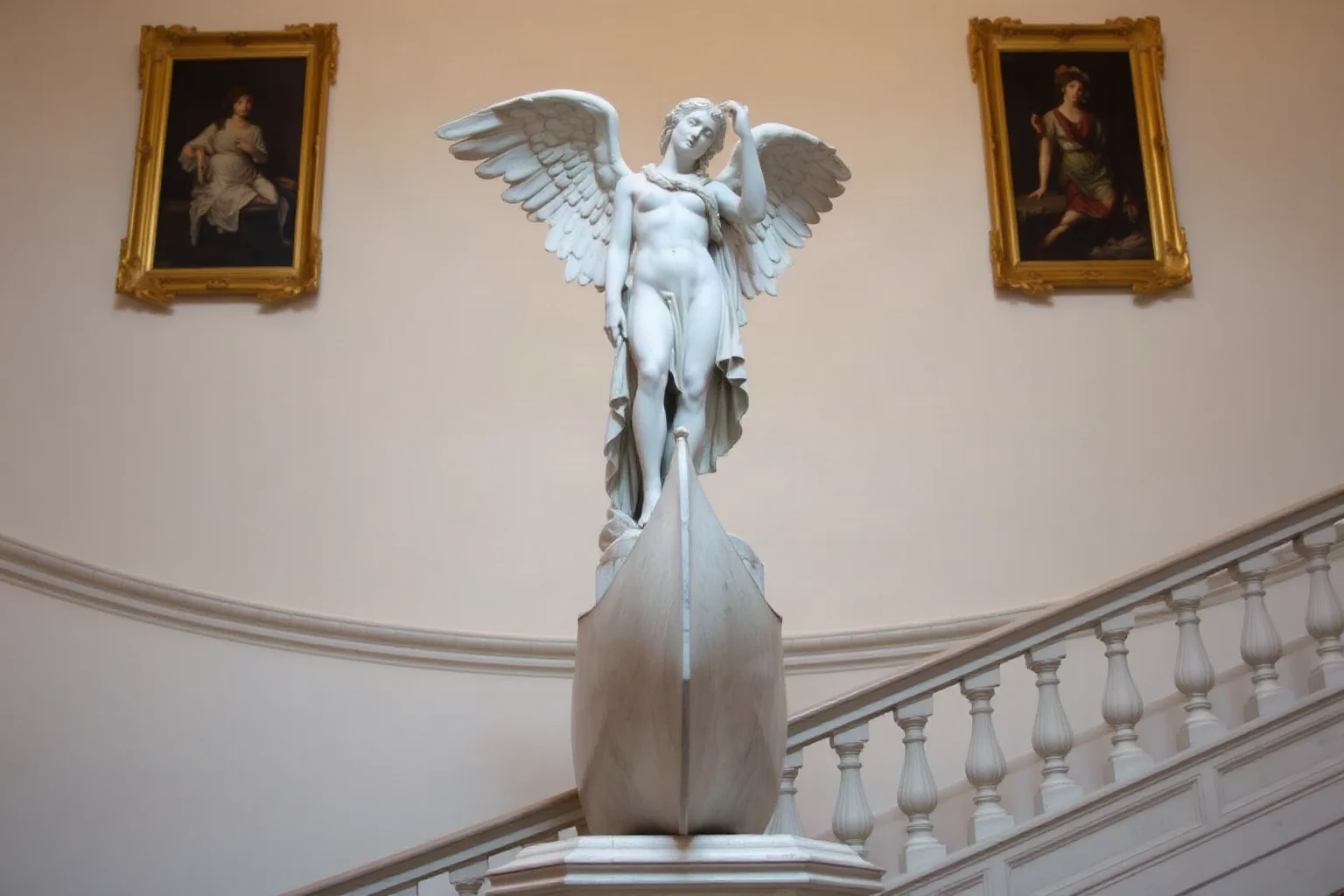
Carved around 200–190 BCE, this headless, armless marble figure of the goddess Nike still manages to convey powerful movement through its wind-swept drapery. It was discovered on the Greek island of Samothrace in 1863.
Displayed at the top of a staircase in the Louvre, it’s considered one of the greatest surviving examples of Hellenistic sculpture. Its sense of motion captured in stone was radical for its time.
8. Michelangelo’s David
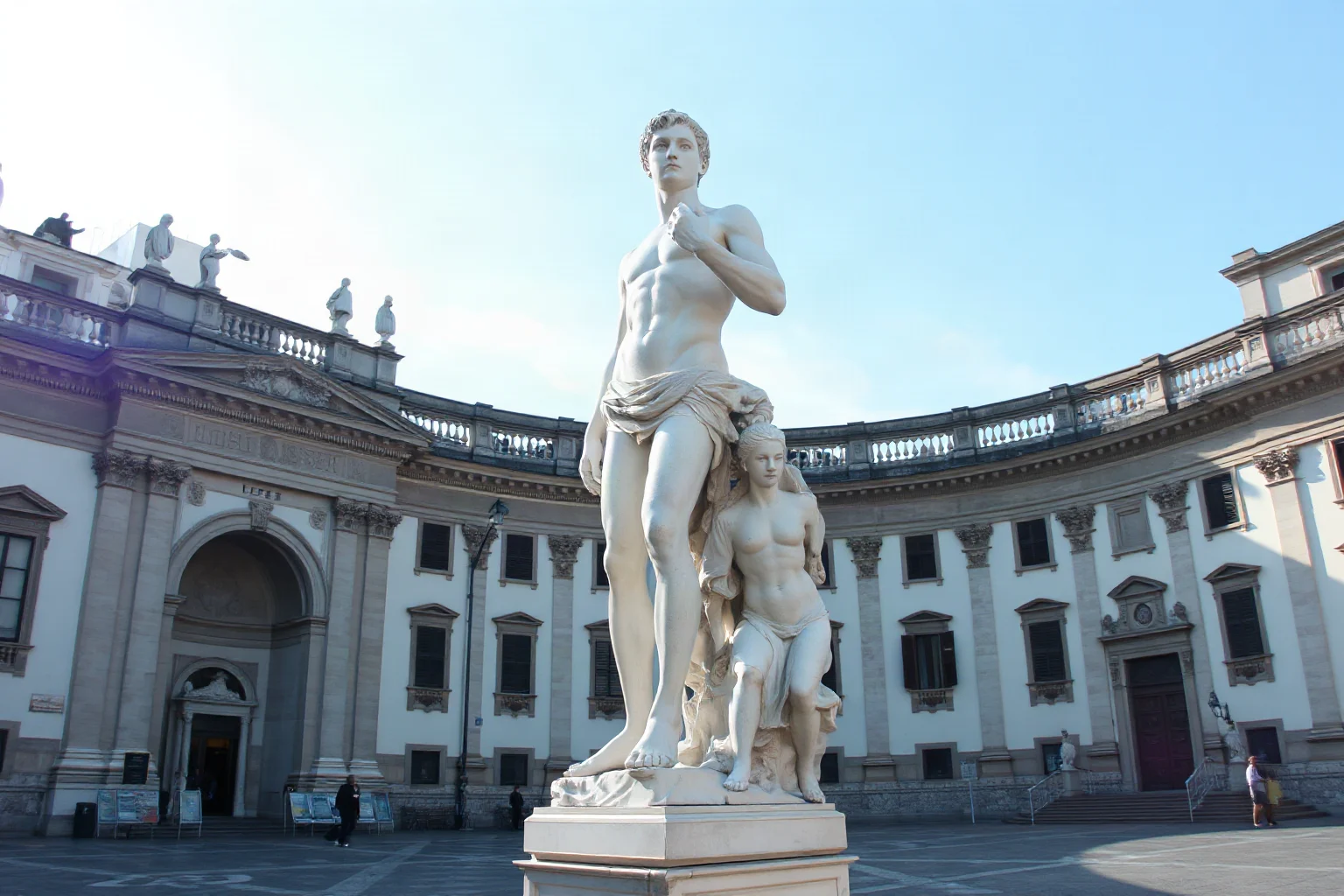
Completed in 1504, Michelangelo’s David stands over 5 meters (17 feet) tall and depicts the biblical hero moments before his battle with Goliath. It’s arguably the most famous sculpture of the human male form in Western art.
Michelangelo carved it from a single, flawed block of marble that other sculptors had already rejected as unworkable. The finished statue became a symbol of the city of Florence itself, representing civic strength against larger threats.
9. Michelangelo’s Pietà
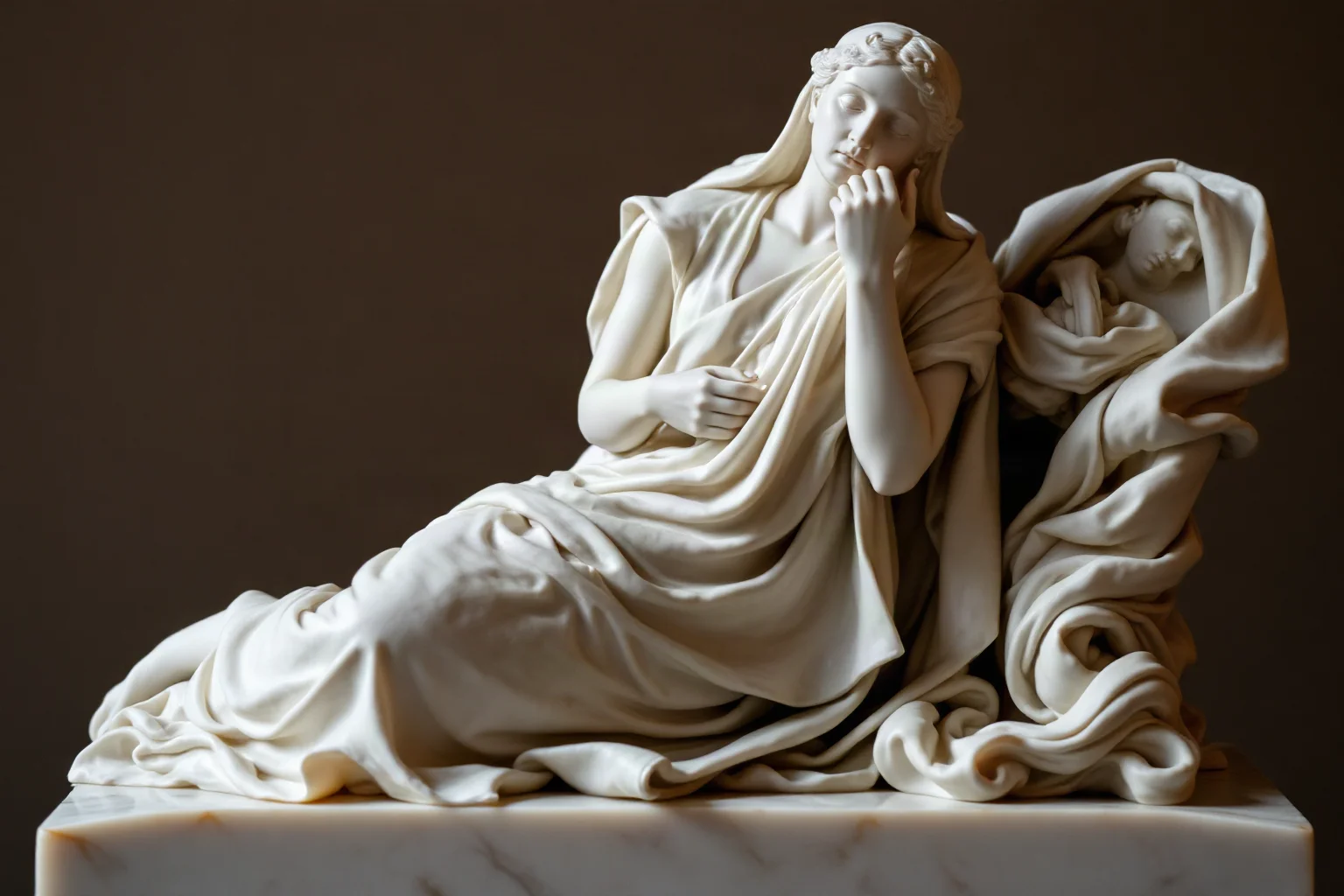
Finished around 1499, when Michelangelo was still in his early twenties, the Pietà shows the Virgin Mary holding the body of Jesus after the crucifixion. It’s housed in St. Peter’s Basilica in Vatican City.
It’s the only work Michelangelo ever signed, reportedly after overhearing someone credit it to another sculptor. The piece is often cited as one of the finest examples of emotional restraint and technical mastery in marble carving.
10. The Thinker by Auguste Rodin
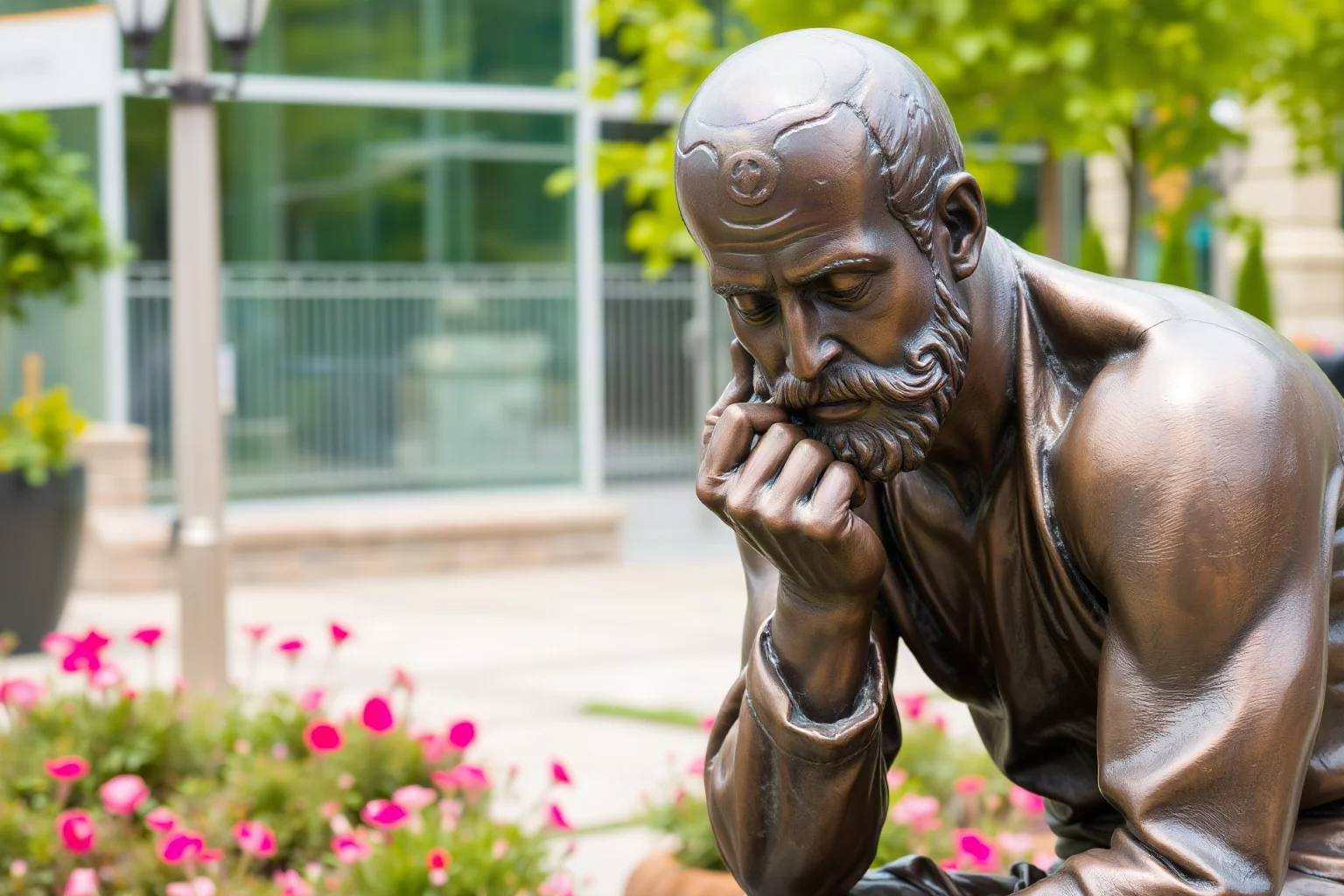
Originally conceived as part of a larger work called The Gates of Hell, The Thinker was later cast as a standalone bronze sculpture in the late 19th century. It’s since become one of the most recognizable symbols of philosophical contemplation in Western art.
Multiple authorized bronze casts exist in museums around the world, since Rodin’s studio produced several versions during and after his lifetime. That’s why you might see “the original” claimed in more than one country—technically, several are original casts.
11. The Statue of Liberty
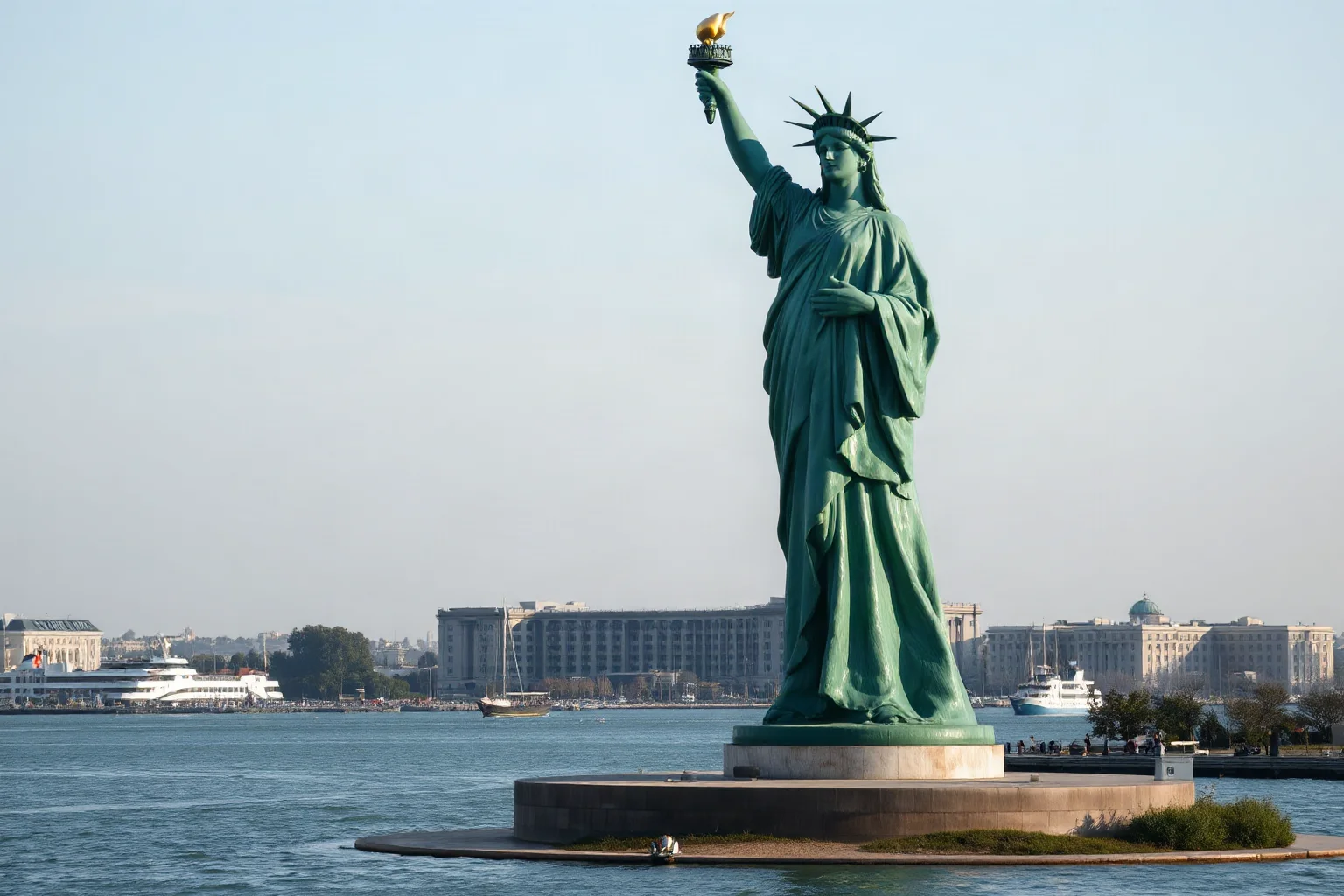
Gifted by France to the United States and dedicated in 1886, the Statue of Liberty is arguably the most famous statue in the world and a defining symbol of famous statues in the United States. Designed by sculptor Frédéric Auguste Bartholdi, with the internal metal framework engineered by Gustave Eiffel, she stands on Liberty Island in New York Harbor.
Her full official name is “Liberty Enlightening the World,” and she was intended to celebrate the friendship between France and the U.S. after the American Revolution. The tablet in her hand is inscribed with the date of the Declaration of Independence, July 4, 1776.
12. Christ the Redeemer
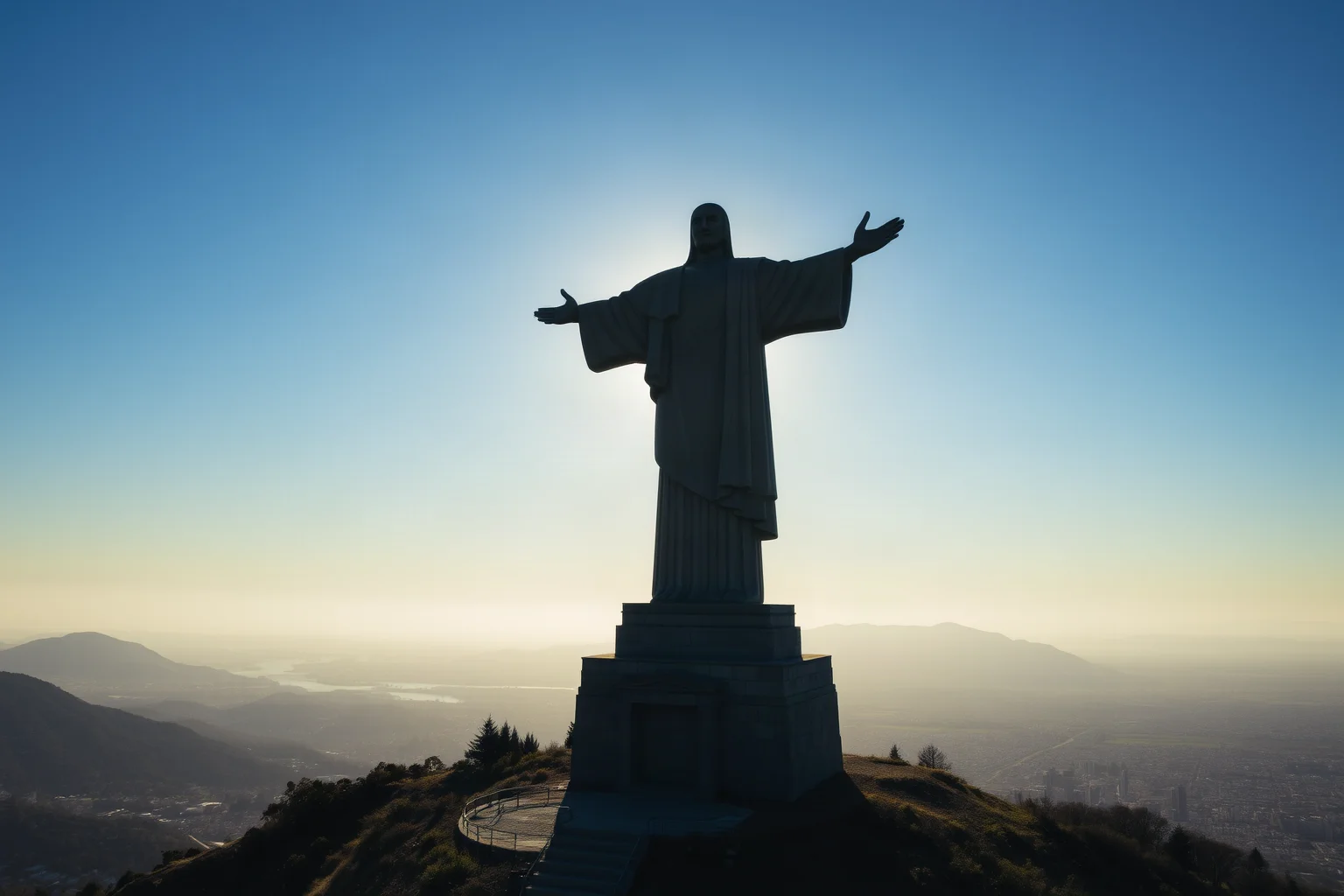
Overlooking Rio de Janeiro from the peak of Corcovado mountain, Christ the Redeemer was completed in 1931 after roughly nine years of construction. Standing about 30 meters (98 feet) tall including its pedestal, it was designed by Brazilian engineer Heitor da Silva Costa with French sculptor Paul Landowski shaping the figure.
It was funded partly through public donations and church contributions, reflecting its role as both a religious and national symbol. Today it’s one of the most photographed statues on Earth and a recognized New Seven Wonders of the World site.
13. Mount Rushmore
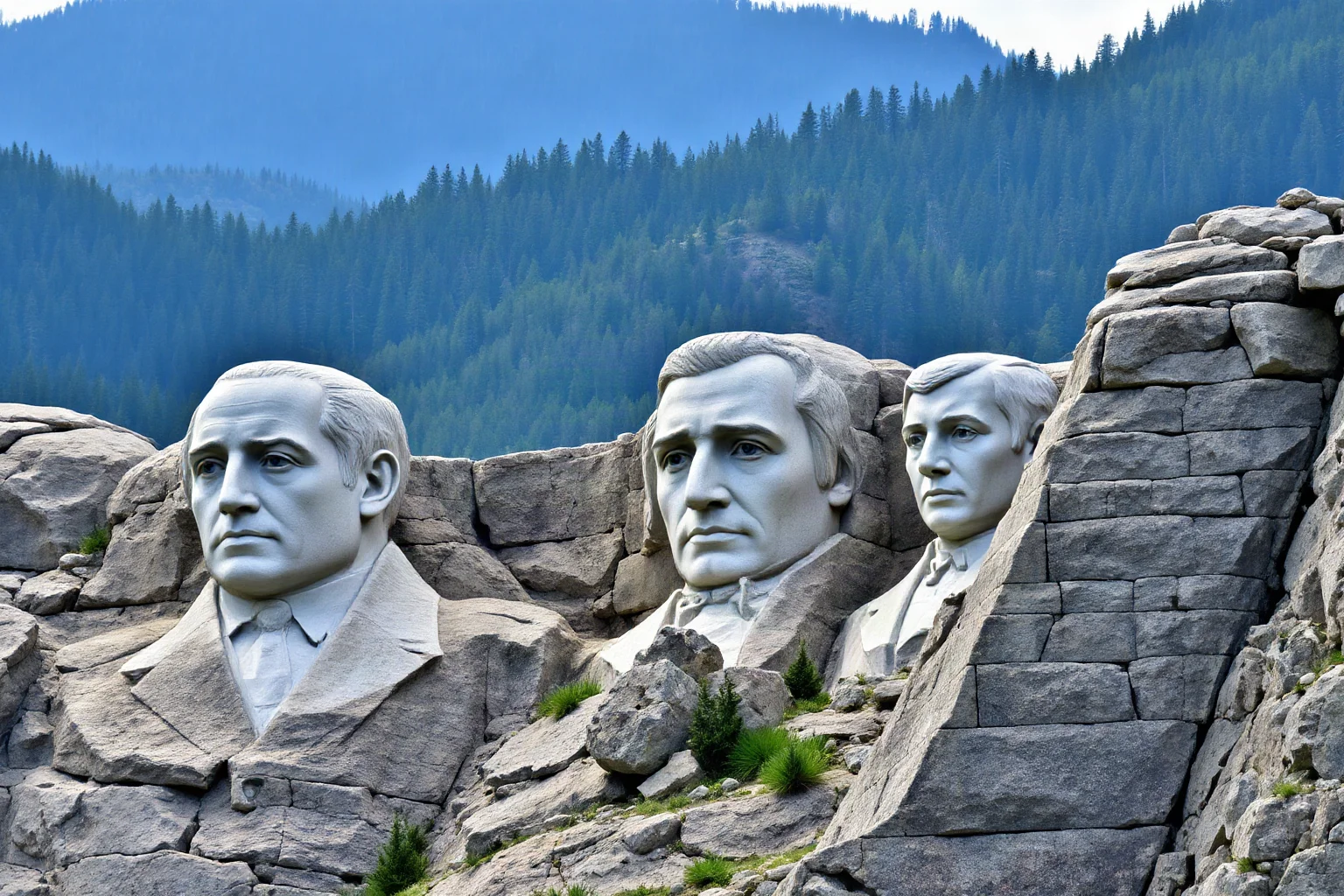
Carved into the granite of South Dakota’s Black Hills between 1927 and 1941, Mount Rushmore depicts the faces of Presidents George Washington, Thomas Jefferson, Theodore Roosevelt, and Abraham Lincoln. Sculptor Gutzon Borglum led the project, which used dynamite and jackhammers rather than traditional chisels.
The monument sits on land considered sacred by the Lakota Sioux, and its history includes real controversy over broken treaties tied to the Black Hills. It remains one of the most visited and most debated famous statues in the USA.
14. Abraham Lincoln, Lincoln Memorial
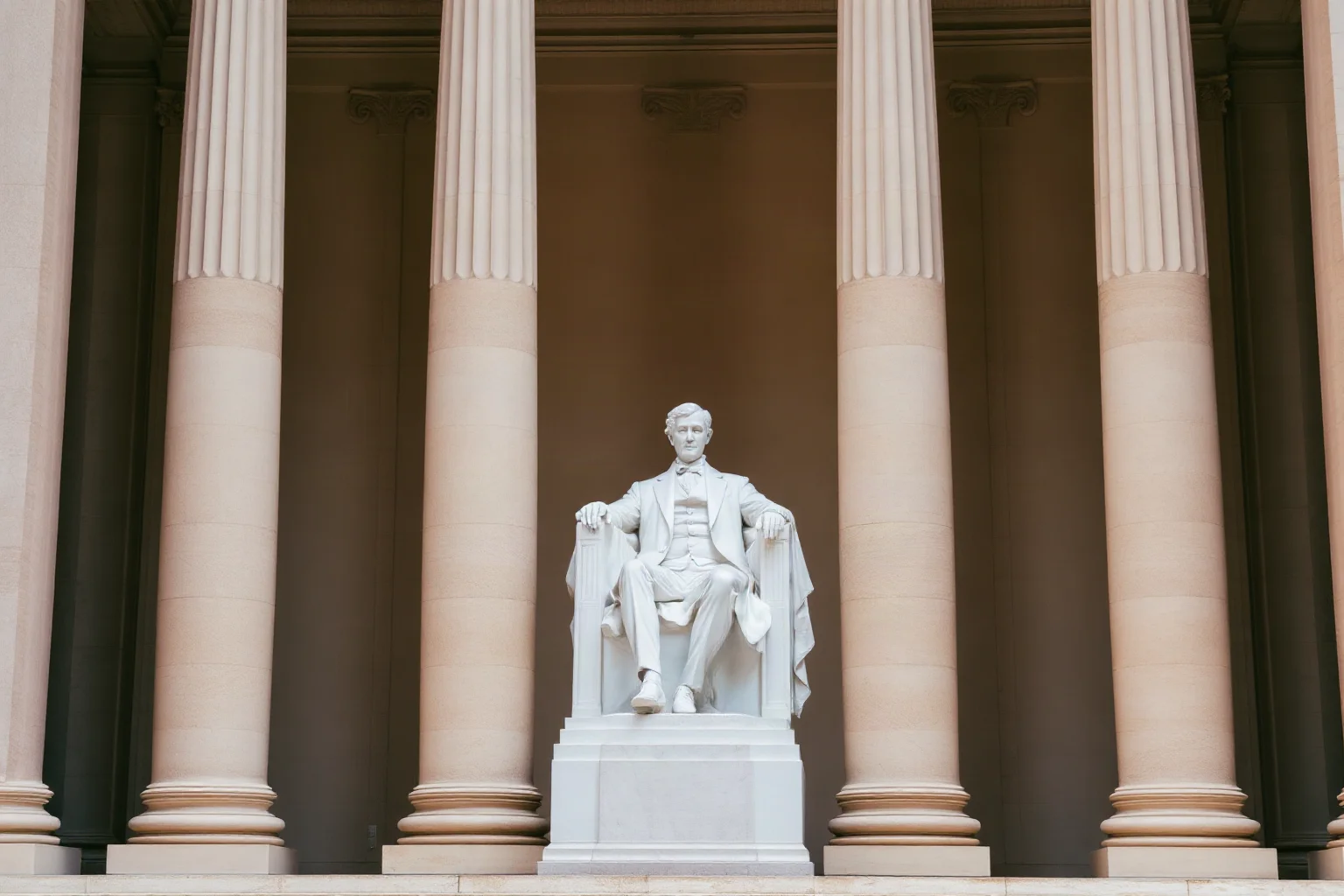
Sculpted by Daniel Chester French and dedicated in 1922, the seated statue of Abraham Lincoln inside the Lincoln Memorial in Washington, D.C. stands about 5.8 meters (19 feet) tall. It was carved from Georgia white marble in 28 separate pieces, assembled so seamlessly that the joints are barely visible.
The memorial became a landmark of the American civil rights movement, most famously as the backdrop for Martin Luther King Jr.’s “I Have a Dream” speech in 1963. It remains one of the defining famous statues of historical figures in the United States.
15. The Moai of Easter Island
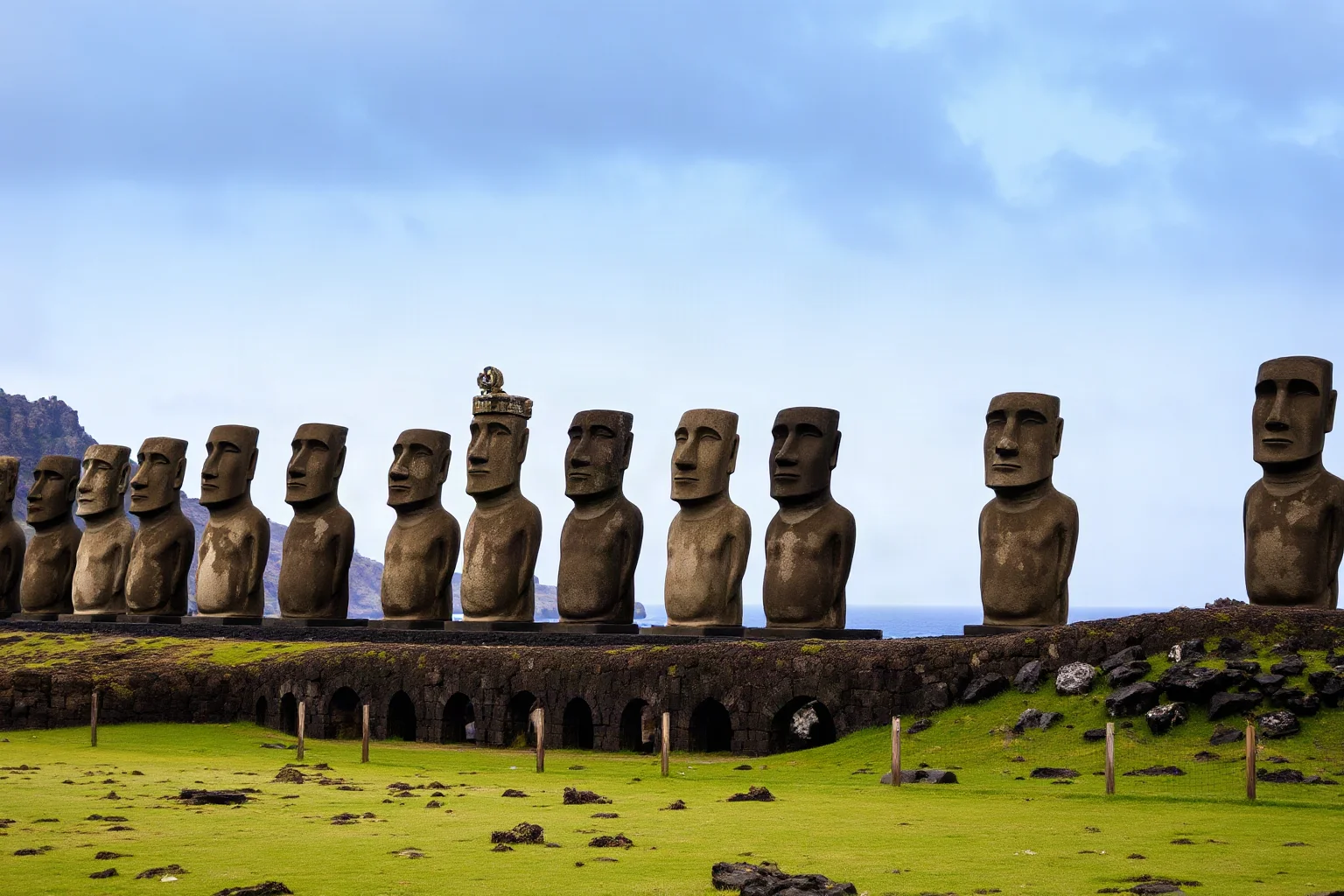
Carved by the Rapa Nui people between roughly 1250 and 1500 CE, the moai are nearly 900 monumental stone figures scattered across Easter Island (Rapa Nui) in the Pacific Ocean. Most represent ancestors and were believed to hold spiritual power for their communities.
How they were moved from the quarry to their platforms without modern machinery is still studied and debated by archaeologists. Popular theories involve wooden sledges or a rocking “walking” technique, but no single explanation is universally accepted.
16. Statue of Unity, India
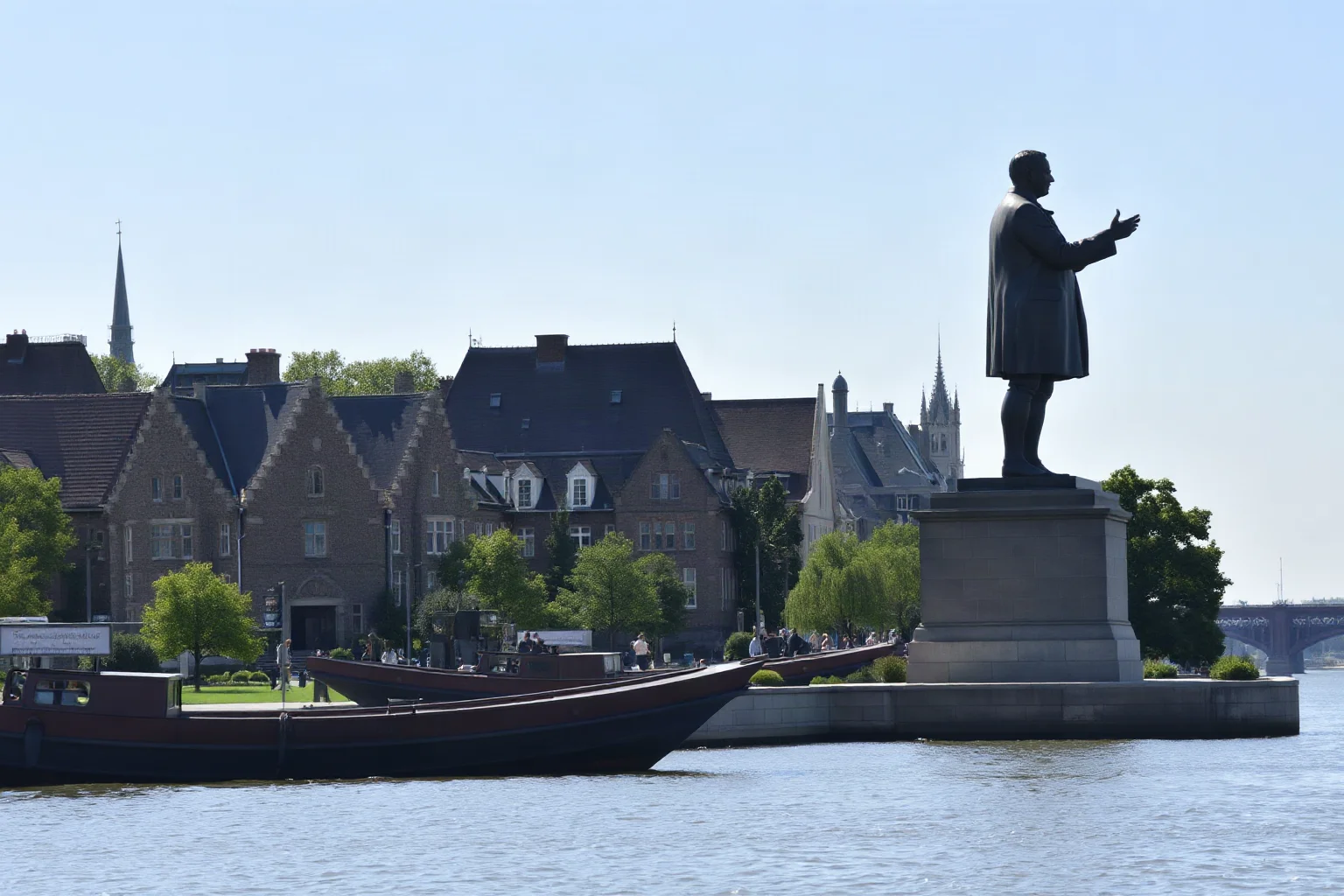
At 182 meters (597 feet) tall, the Statue of Unity in Gujarat, India, is currently the tallest statue in the world, dwarfing the Statue of Liberty many times over. Completed in 2018, it depicts Sardar Vallabhbhai Patel, a key leader in India’s independence movement and its first Deputy Prime Minister.
It was built using a mix of bronze cladding over a steel and concrete frame, a modern engineering approach very different from ancient stone carving. Its scale reflects a broader recent trend of countries building record-breaking giant statues as symbols of national pride.
17. Spring Temple Buddha, China
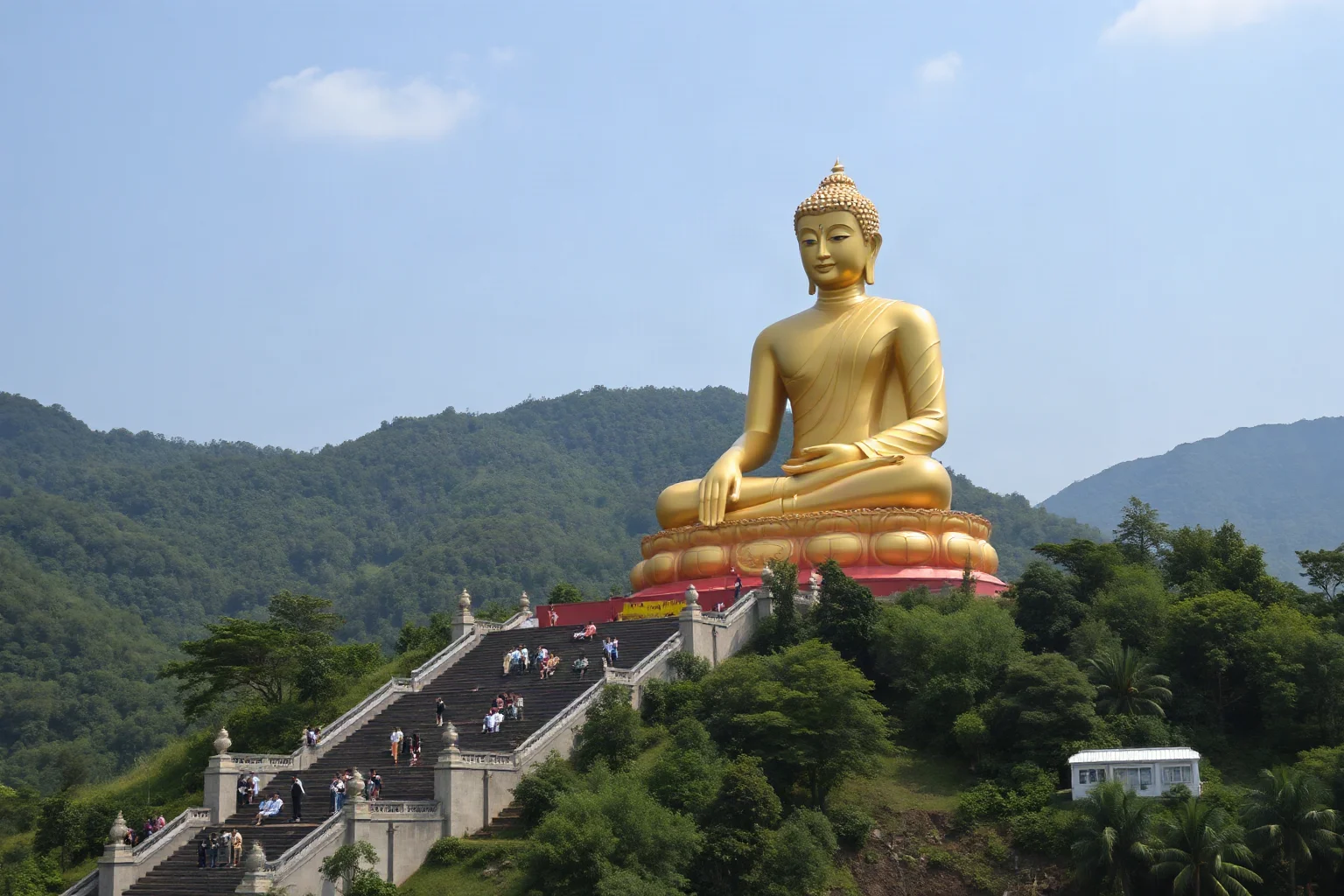
Standing around 128 meters (420 feet) tall including its base, the Spring Temple Buddha in Henan Province, China, was completed in 2008 and remains one of the tallest statues ever constructed. It depicts Vairocana Buddha and took over a decade to build.
Its sheer scale places it among the giant statues that have emerged worldwide in the last few decades, part of a global pattern of religious and national monuments competing for record heights. Height records among these modern giants have shifted several times since the early 2000s.
18. The Motherland Calls, Russia
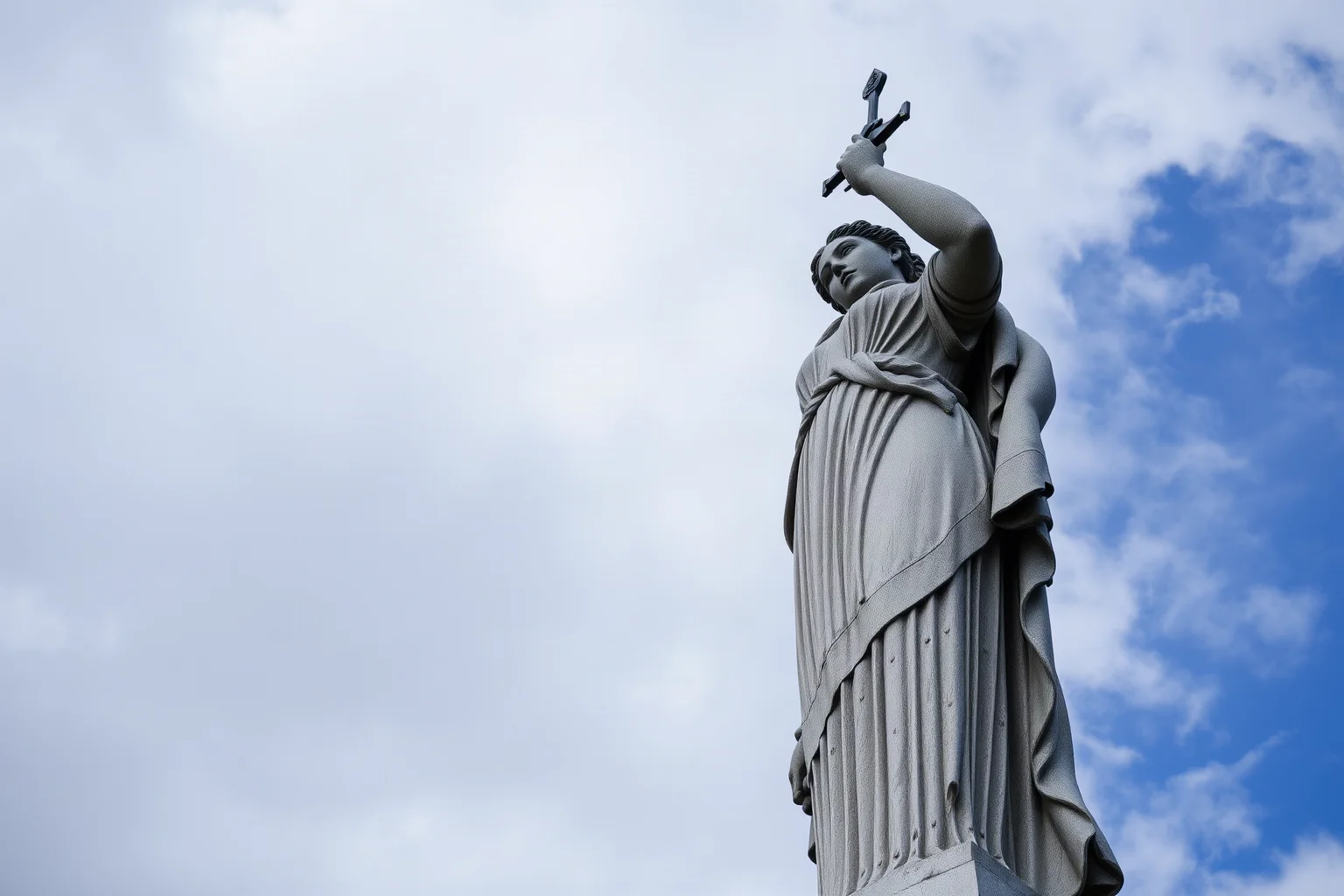
Built in Volgograd (formerly Stalingrad) and completed in 1967, The Motherland Calls commemorates the Battle of Stalingrad, one of the deadliest battles of World War II. At the time of its completion, it was the tallest statue in the world, standing about 85 meters (279 feet) tall including its sword.
The figure of a woman striding forward with a raised sword became a powerful symbol of Soviet resilience and sacrifice. It remains one of the most significant war memorials and sculptural monuments in Europe.
19. Charging Bull, New York City
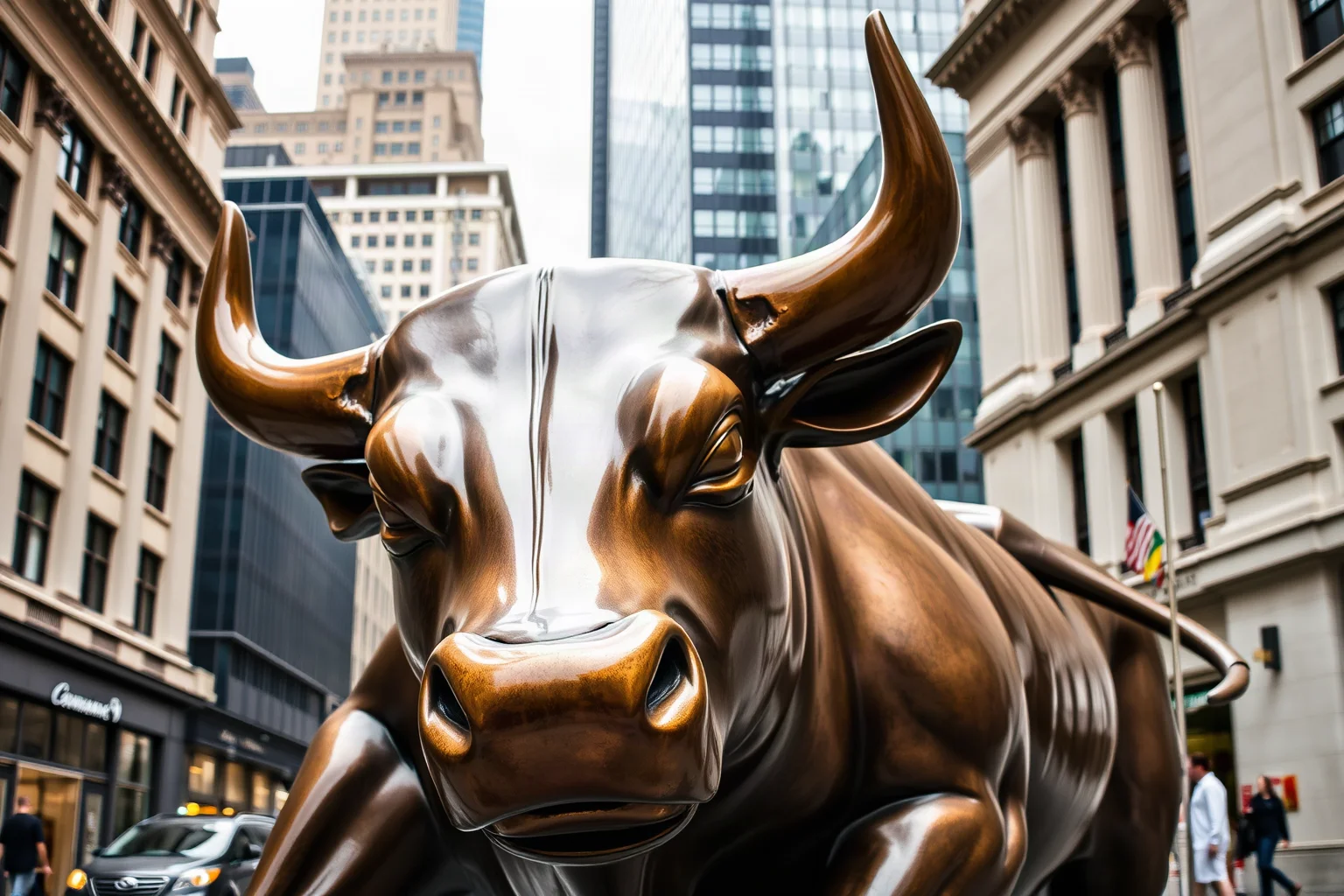
Installed by artist Arturo Di Modica in 1989 near Wall Street, the bronze Charging Bull was originally placed without official permission, as a guerrilla art piece meant to symbolize American financial optimism. City officials later allowed it to stay in a nearby location, and it’s since become one of the most photographed famous New York statues.
In 2017, the addition of the nearby “Fearless Girl” statue sparked public debate about how new sculptures can reshape the meaning of existing ones. Together, they show how quickly a modern popular sculpture can become part of a city’s identity.
20. The Little Mermaid, Copenhagen
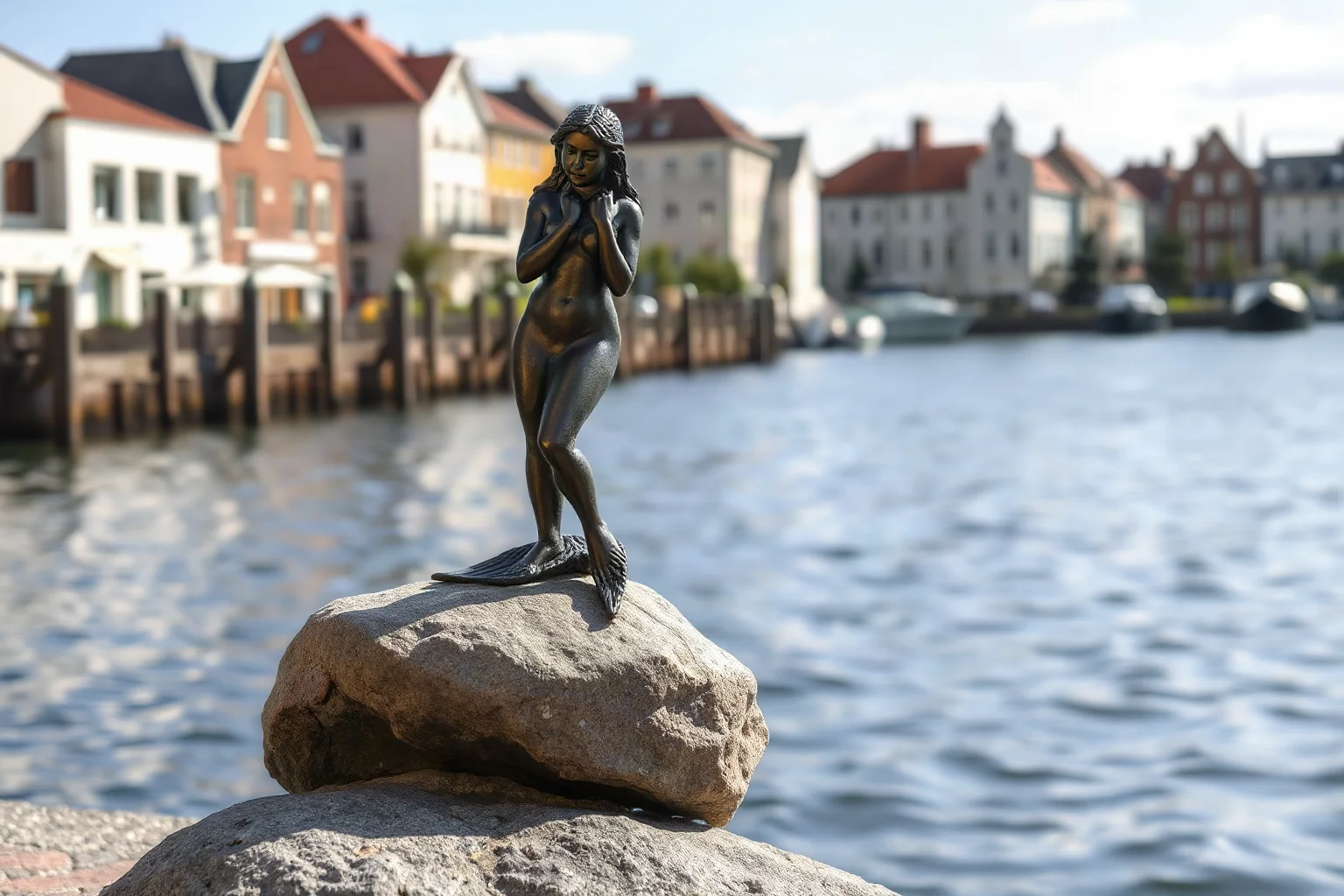
Installed in 1913 along Copenhagen’s harbor, this small bronze statue by sculptor Edvard Eriksen was inspired by Hans Christian Andersen’s fairy tale of the same name. Despite its modest size, it’s become one of Denmark’s most recognizable statues of famous fictional figures.
The statue has been vandalized and even beheaded more than once over the decades, often tied to political protests rather than random acts of destruction. It remains a major tourist draw and a case study in how a small, quiet sculpture can still achieve worldwide fame.
21. Genghis Khan Equestrian Statue, Mongolia
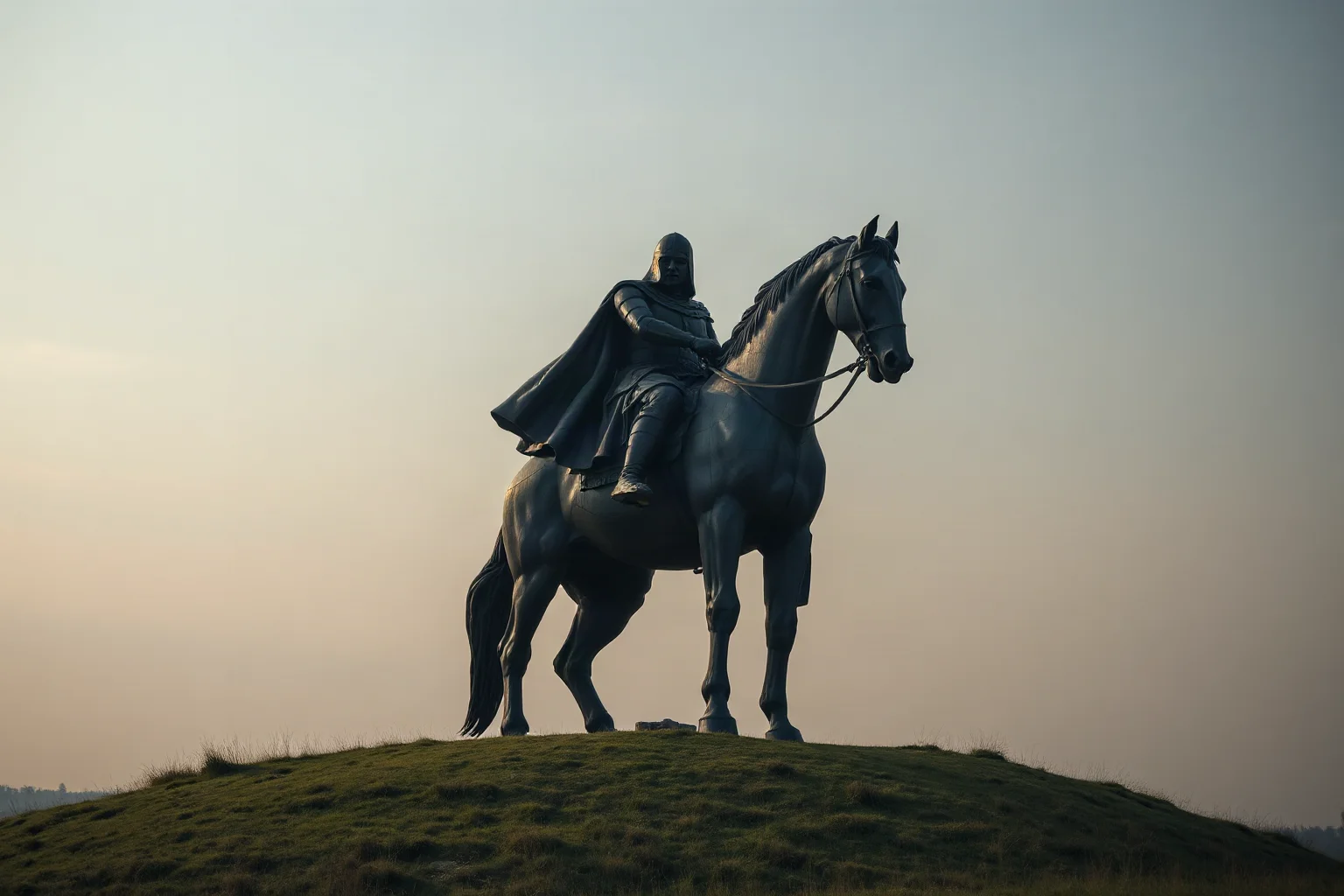
Completed in 2008 on the Mongolian steppe, this stainless steel statue of Genghis Khan on horseback stands about 40 meters (131 feet) tall, making it one of the largest equestrian statues on Earth. It sits atop a visitor center shaped like a museum base, allowing tourists to climb up to a viewing platform near the horse’s head.
The statue reflects a modern revival of Genghis Khan as a national symbol in Mongolia, following decades of Soviet-era suppression of his legacy. It’s a striking example of how famous statues of historical figures can be built centuries after their subject’s death.
22. Bust of Nefertiti
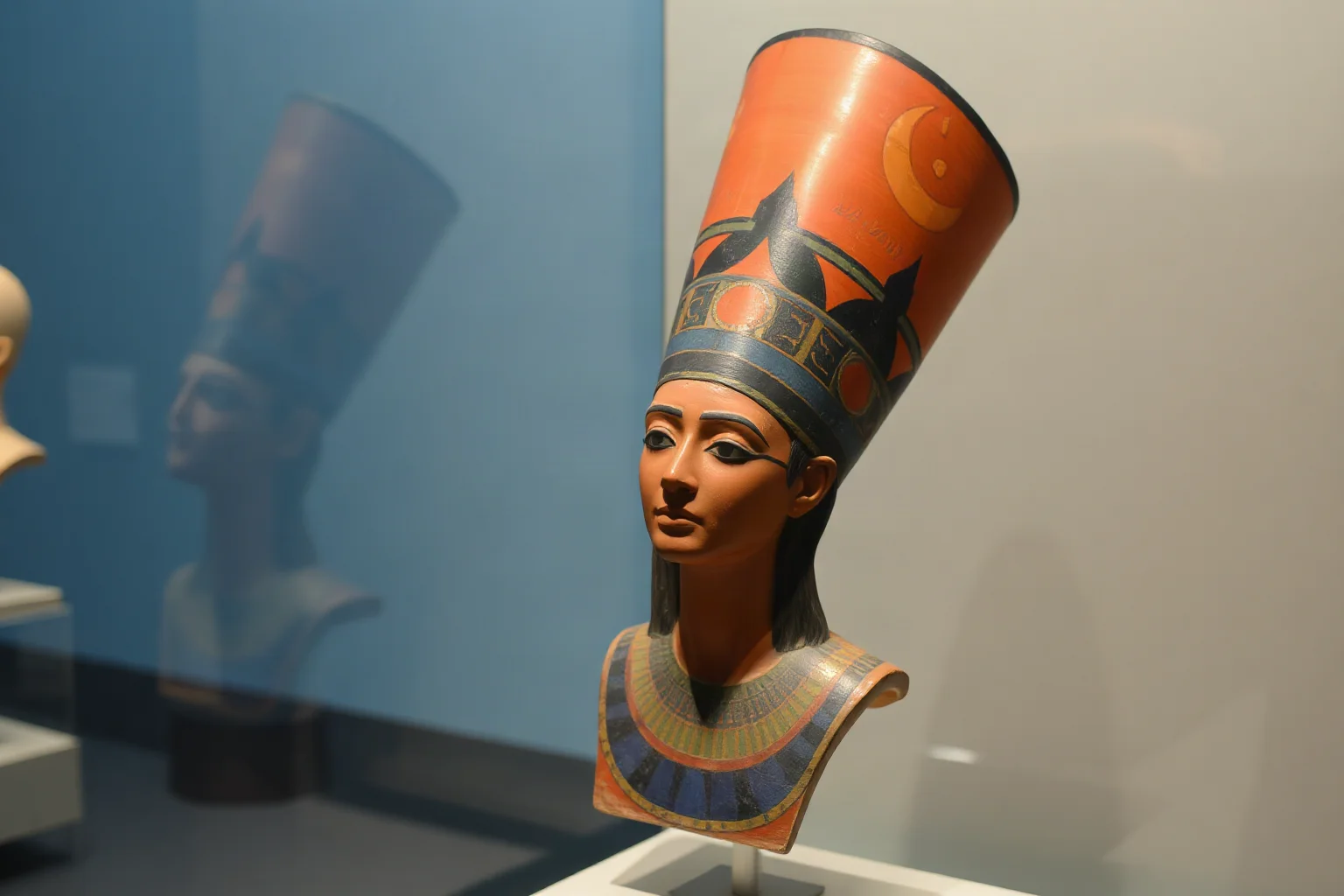
Discovered in 1912 in the workshop of the sculptor Thutmose in Amarna, Egypt, the painted limestone Bust of Nefertiti dates to around 1345 BCE. It depicts the Egyptian queen with striking symmetry and remains one of the most reproduced famous sculptures of historical figures from the ancient world.
The bust has been the subject of a long-running dispute between Egypt and Germany, where it’s housed in Berlin’s Neues Museum. Questions over how it left Egypt in the early 20th century remain a sensitive and unresolved topic in museum ethics discussions today.
23. The Kiss by Auguste Rodin
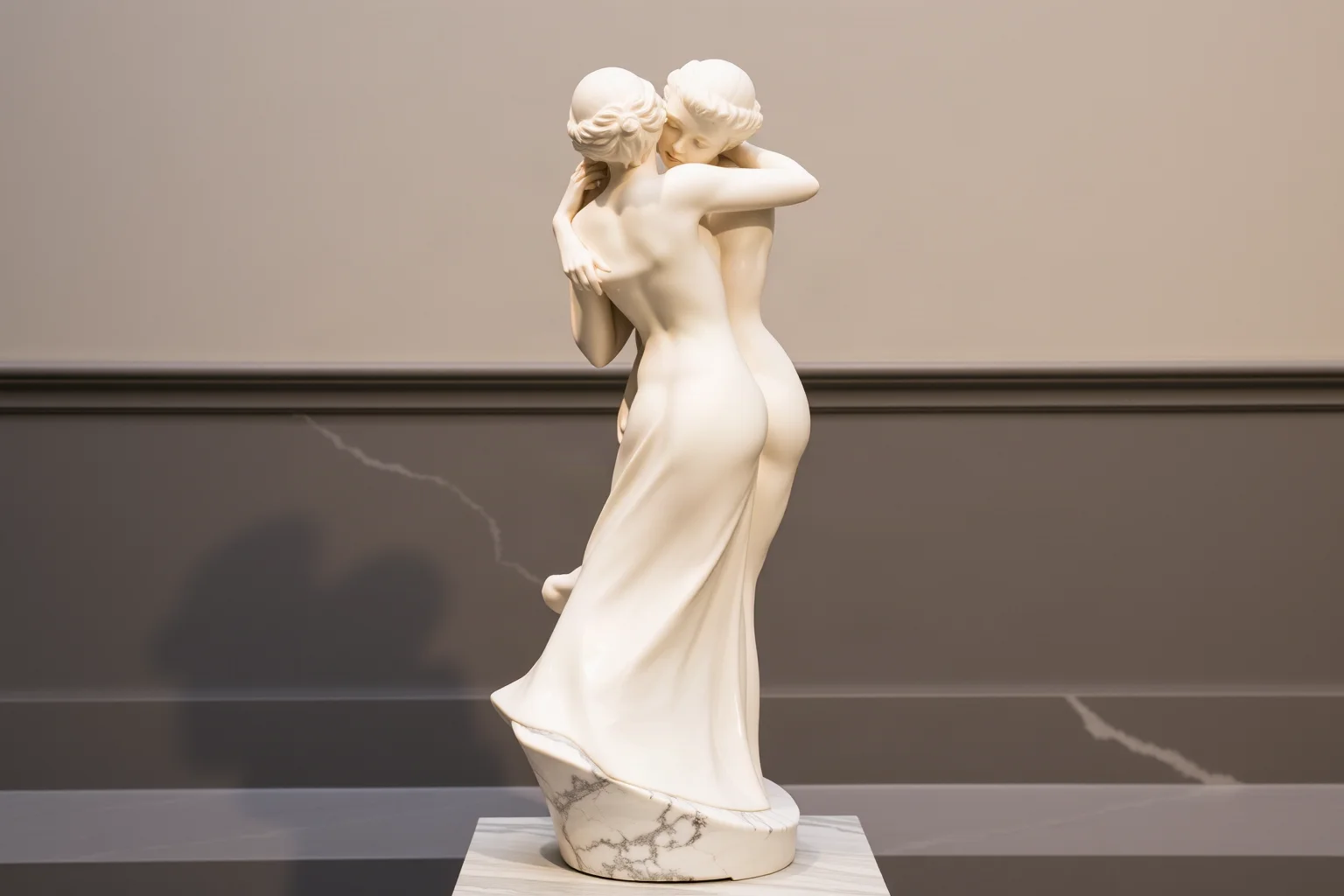
Carved in marble and completed in the 1880s, The Kiss shows two entwined lovers in an embrace, originally intended as part of Rodin’s larger Gates of Hell project. It quickly became one of the best-known sculptures with cultural themes of romantic love in Western art.
Like The Thinker, several authorized versions exist in different museums, since Rodin’s works were cast and carved in multiple editions. Its lasting popularity shows how a single sculptural idea about the human body and human emotion can echo across more than a century.
Statues That Shaped a Nation’s Identity
Many of the statues on this list weren’t built purely for artistic reasons. Mount Rushmore, the Statue of Unity, and The Motherland Calls were all created, at least in part, to tell a national story or reinforce a specific political message.
That’s worth keeping in mind when visiting or researching famous statues in the United States or elsewhere. The most popular statues in the world are rarely neutral objects; they’re usually reflections of the values, conflicts, and priorities of the people who built them.
How Ancient Techniques Compare to Modern Giants
Ancient sculptors like those behind the Great Sphinx or the Terracotta Army worked with hand tools, patience, and enormous labor forces, often over decades. Modern giant statues, like the Spring Temple Buddha or the Statue of Unity, rely on steel frameworks, bronze cladding, and industrial construction methods that let builders achieve record-breaking heights in a fraction of the time.
That contrast says a lot about how sculpture has evolved as both an art form and an engineering discipline. The core motivation, though, hasn’t changed much: people still want to build something permanent enough to outlast them.
Final Thoughts on the World’s Most Famous Sculptures
From a limestone lion-man watching over the Egyptian desert to a steel horseman rising above the Mongolian steppe, these statues span thousands of years and nearly every continent. What connects them isn’t style or material, but the way they capture a moment a civilization wanted to remember.
The next time you see a photo of one of these famous statues around the world, it’s worth asking why it was built and who it was really meant to speak to. That question tends to be far more interesting than the statue’s height or age alone.
Frequently Asked Questions
What are the most famous sculptures in history?
Depending on the era, top contenders usually include the Great Sphinx of Giza, Michelangelo's David and Pietà, the Venus de Milo, the Statue of Liberty, and Christ the Redeemer. Each became famous for a mix of artistic innovation, religious or political meaning, and sheer staying power in public memory.
What is the most famous statue in the world?
The Statue of Liberty is widely considered the most famous statue in the world, thanks to its global recognition and symbolic status. That said, the Great Sphinx of Giza and Michelangelo's David are close contenders depending on how 'famous' is measured, whether by cultural reach, age, or artistic influence.
What is the tallest statue in the world?
The Statue of Unity in Gujarat, India, is currently the tallest statue in the world at 182 meters (597 feet). It was completed in 2018 and depicts Sardar Vallabhbhai Patel, a leading figure in India's independence movement.
Who are considered the greatest sculptors of all time?
Michelangelo, Auguste Rodin, Gian Lorenzo Bernini, and the ancient Greek sculptor Myron are frequently named among history's greatest sculptors. Their works, from Michelangelo's David to Rodin's The Thinker, continue to shape how artists and the public think about sculpture today.
Why are so many famous statues missing arms or noses?
Many ancient statues, like the Venus de Milo and Winged Victory of Samothrace, lost limbs over centuries due to accidents, weathering, looting, or deliberate damage during conflicts. Popular legends about specific culprits, like the myth that Napoleon's soldiers shot off the Great Sphinx's nose, are often unproven or contradicted by earlier historical records.
What makes a statue historically or culturally significant?
Significance usually comes from a combination of artistic innovation, religious or political symbolism, and lasting public recognition. Statues like Christ the Redeemer or the Terracotta Army matter not just for their craftsmanship, but for what they reveal about the beliefs and priorities of the society that built them.

Alex Warren
Related Articles