

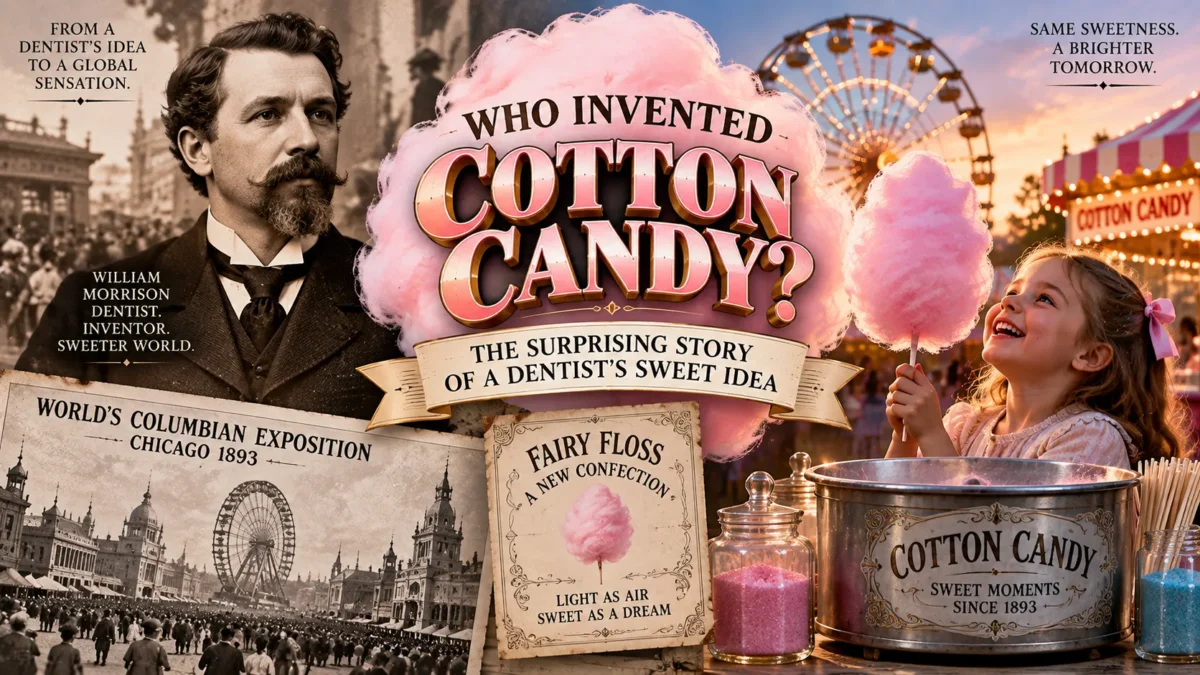
Picture a carnival midway: bright lights, the smell of popcorn, and a paper cone piled high with a cloud of spun sugar. It feels like the most whimsical, low-stakes invention in food history. So it's more than a little jarring to learn that the person credited with inventing the machine behind cotton candy spent his working life looking inside people's mouths.
This post digs into the real, documented history of cotton candy — who invented it, why, and how a dentist ended up mass-producing one of the sugariest treats on earth. We'll also bust a few myths along the way, because the popular version of this story has picked up some exaggerations over the last century.
TL;DR: Cotton candy's modern form was patented by a Tennessee dentist named William Morrison and confectioner John C. Wharton in the 1890s, and it debuted to the public as 'Fairy Floss' at the 1904 World's Fair.
The Short Answer: Who Really Invented Cotton Candy?
If you only want the quick version: the electric machine that spins sugar into fluffy threads was co-invented by William Morrison, a practicing dentist from Nashville, Tennessee, and John C. Wharton, a confectioner. Together they patented an 'electric candy machine' in the 1890s, with the patent granted in 1899.
That said, spun sugar itself predates them by centuries, and a second dentist later played a role in shaping the treat's American identity. So the full answer to 'cotton candy who invented' actually involves more than one person and more than one era, which is exactly what this list walks through.
1. The Inventor Was a Dentist, Not a Candy Maker
William Morrison practiced dentistry in Nashville, Tennessee, in the late 1800s, which makes him an odd fit for candy history at first glance. He wasn't a chef, a confectioner by trade, or even someone known for a sweet tooth in the historical record. His real contribution was mechanical and entrepreneurial rather than culinary.
Morrison was interested in machines and business opportunities outside his dental practice, which is how he ended up tinkering with sugar-spinning technology. It's a detail that keeps showing up in trivia lists precisely because it seems so contradictory: a man devoted to dental health helped popularize a treat that dentists usually warn patients about.
2. His Unlikely Business Partner: Confectioner John C. Wharton
Morrison didn't build the machine alone. He teamed up with John C. Wharton, a confectioner who brought the candy-making expertise Morrison lacked. This pairing of a dentist and a candy expert is really the heart of the invention story.
Wharton understood how sugar behaved when heated and melted, while Morrison appears to have contributed to the mechanical design and business side of the venture. Together, they solved a problem candy makers had wrestled with for a long time: how to turn liquid sugar into fine, airy threads quickly and consistently.
3. The Machine That Changed Sugar Forever
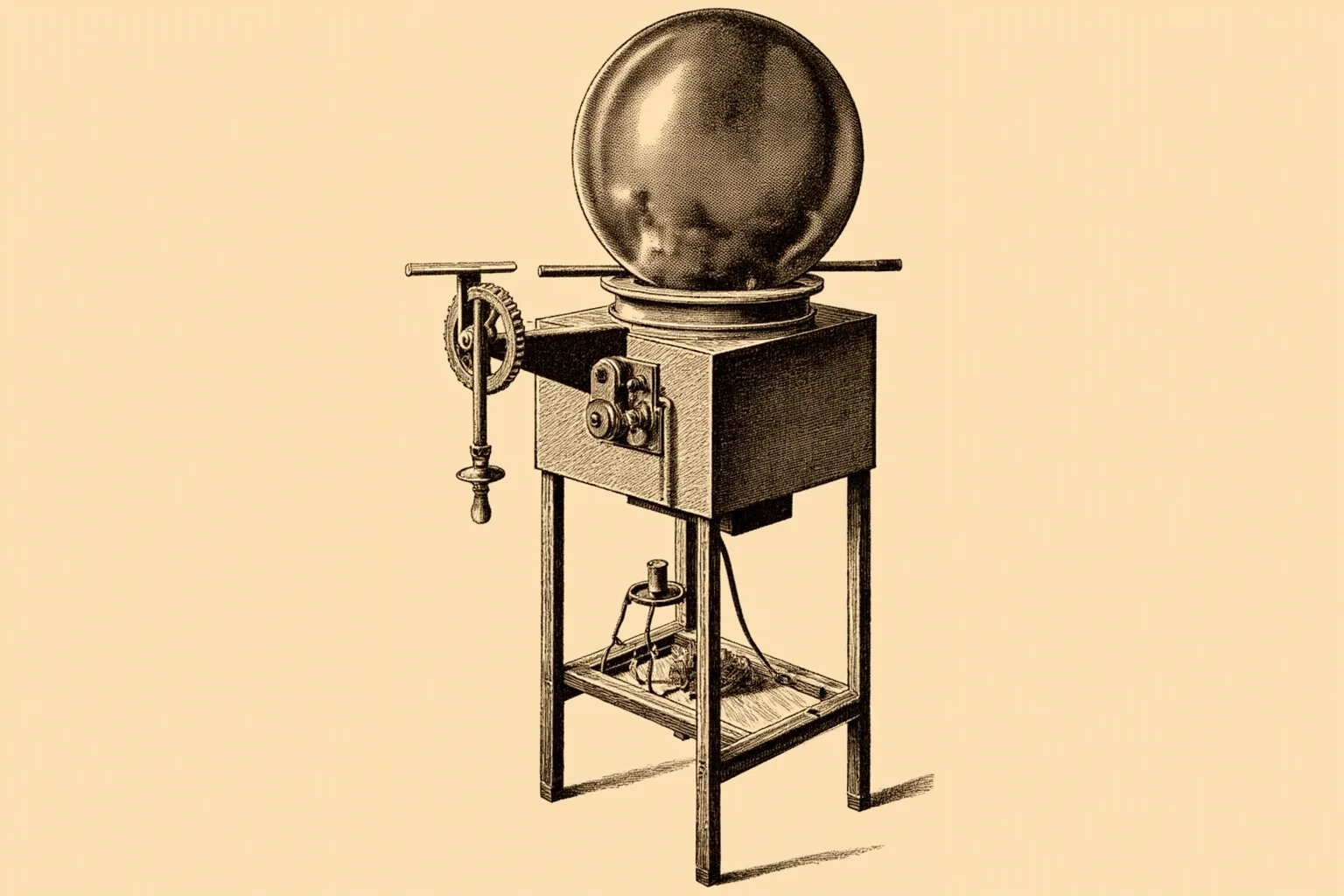
Before Morrison and Wharton, spun sugar had to be made by hand, a slow and skill-heavy process. Their breakthrough was an electric machine that used centrifugal force to fling melted sugar through tiny holes, where it cooled almost instantly into thin strands. Historical records indicate the pair filed for a patent on their 'electric candy machine' in the 1890s, and it was officially granted in 1899.
This mattered because it took a labor-intensive luxury treat and turned it into something that could be produced quickly and cheaply, in front of a paying crowd. That shift from artisanal to mechanized is really the moment cotton candy as we know it was born.
4. It Wasn't Called 'Cotton Candy' at First
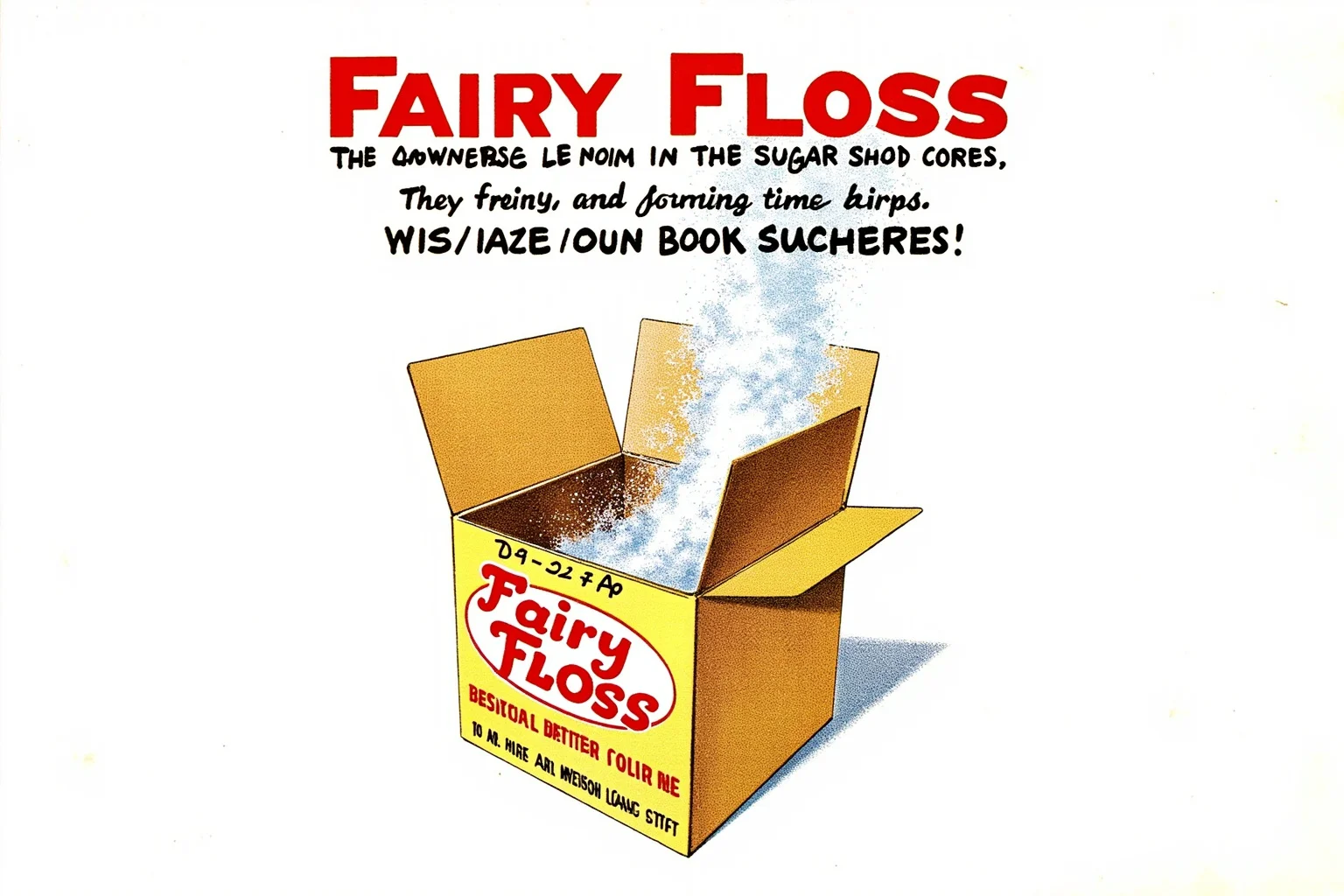
Here's a detail that surprises a lot of people: Morrison and Wharton didn't call their invention cotton candy. They marketed it as 'Fairy Floss,' a name that leaned into the treat's light, ethereal appearance. The name cotton candy wouldn't become standard in the United States until decades later.
So if you've ever wondered how invented cotton candy got its now-familiar name, the answer is that it evolved gradually rather than arriving all at once. Early audiences knew this treat by a completely different label.
5. The Big Debut: 1904 World's Fair in St. Louis
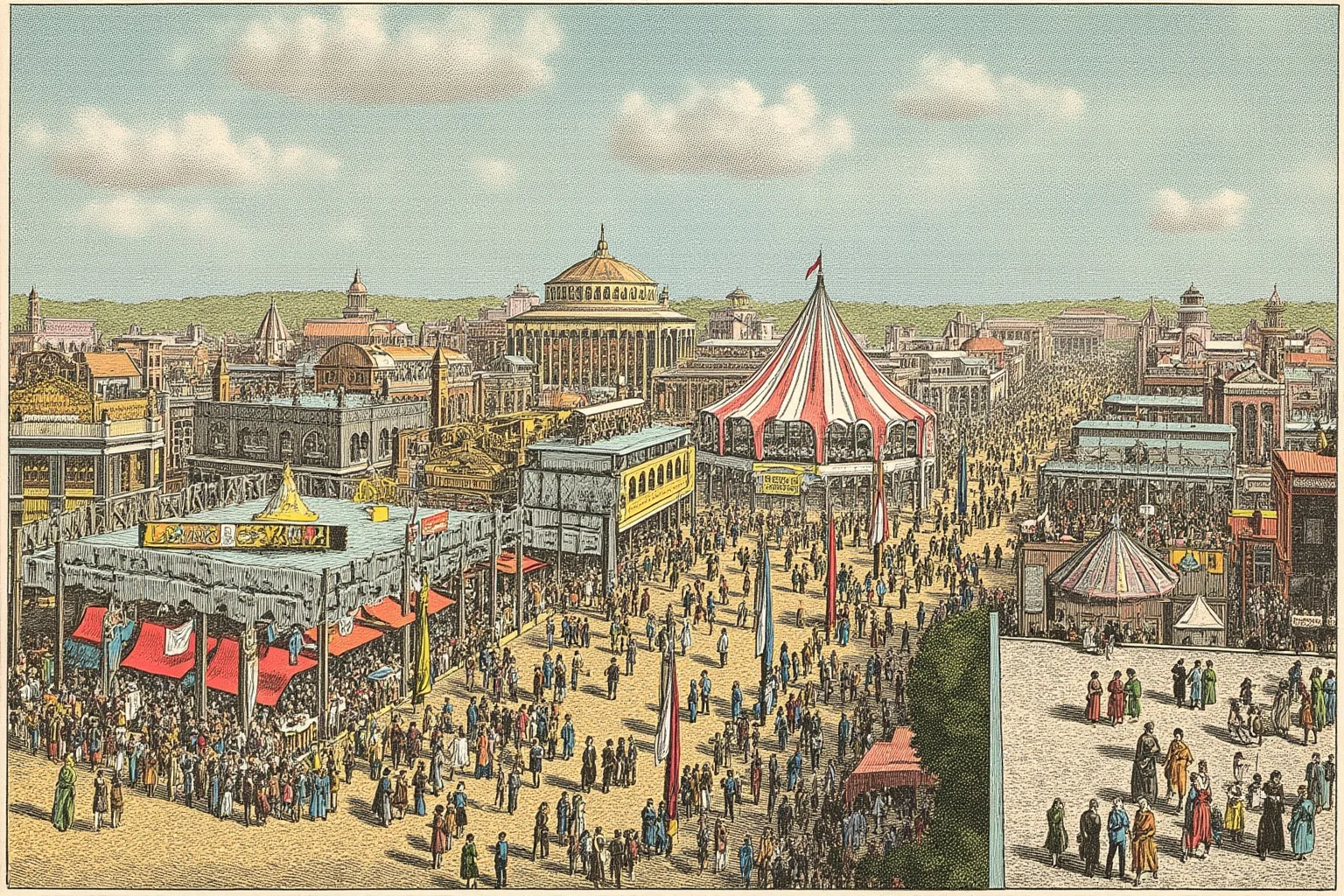
Fairy Floss made its public debut at the 1904 World's Fair, officially known as the Louisiana Purchase Exposition, held in St. Louis, Missouri. This was a massive event that introduced Americans to all sorts of novelties, and Fairy Floss became one of its standout food attractions.
Fairgoers had never seen anything quite like it: a machine spinning sugar into a fluffy pile right in front of them was as much a spectacle as it was a snack. That combination of visual novelty and sweetness helped it catch on quickly.
6. Fairy Floss Was a Pricey Novelty
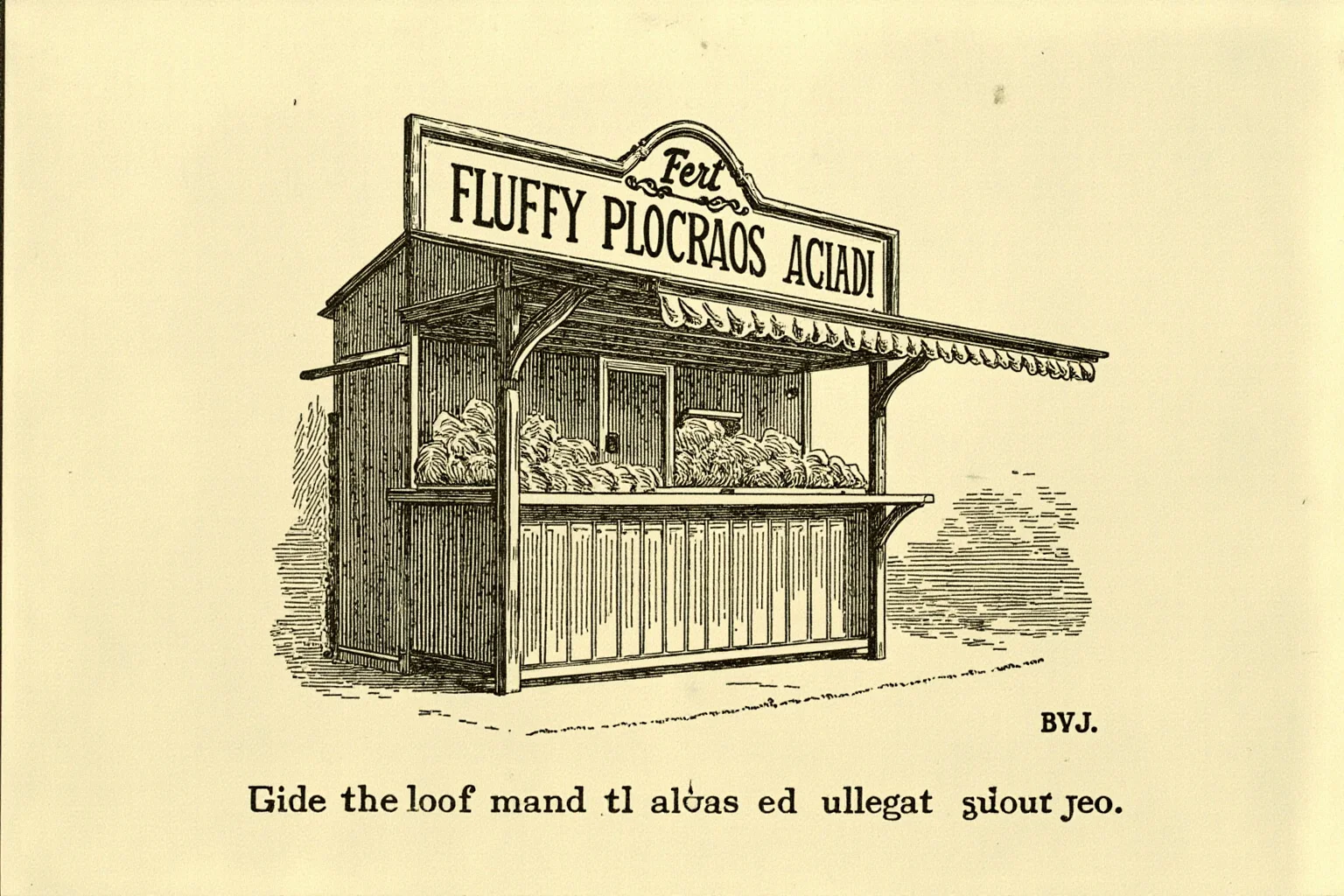
Fairy Floss wasn't cheap for its time. Boxes reportedly sold for 25 cents each, which was roughly half the price of general admission to the fair itself. That's a striking price point for what was essentially spun sugar and air.
The steep price reflected its status as a novelty rather than an everyday treat. It also shows how effectively the spectacle of the machine, not just the flavor, was being sold to fairgoers.
7. Thousands of Boxes Sold at the Fair

Despite the relatively high price, Fairy Floss reportedly sold extremely well during the fair's run, with historical accounts citing sales in the tens of thousands of boxes. That kind of demand suggested there was real commercial potential beyond a single fair.
It's worth noting that exact sales figures from over a century ago should be treated with some caution, since record-keeping and reporting from that era weren't always precise. Still, the consistent message across historical accounts is that Fairy Floss was a hit.
8. The Irony Nobody Talks About

There's a certain dark comedy in the fact that a dentist helped invent one of the most sugar-dense snacks at any fair or carnival. Cotton candy is essentially pure spun sugar, offering little nutritional value and a well-earned reputation for contributing to cavities.
There's no historical evidence that Morrison saw this as ironic or was motivated by anything other than business opportunity. But it's easy to see why 'was cotton candy invented by a dentist' has become such a popular trivia question — the irony practically writes itself.
9. A Second Dentist Enters the Story: Josef Delarose Lascaux
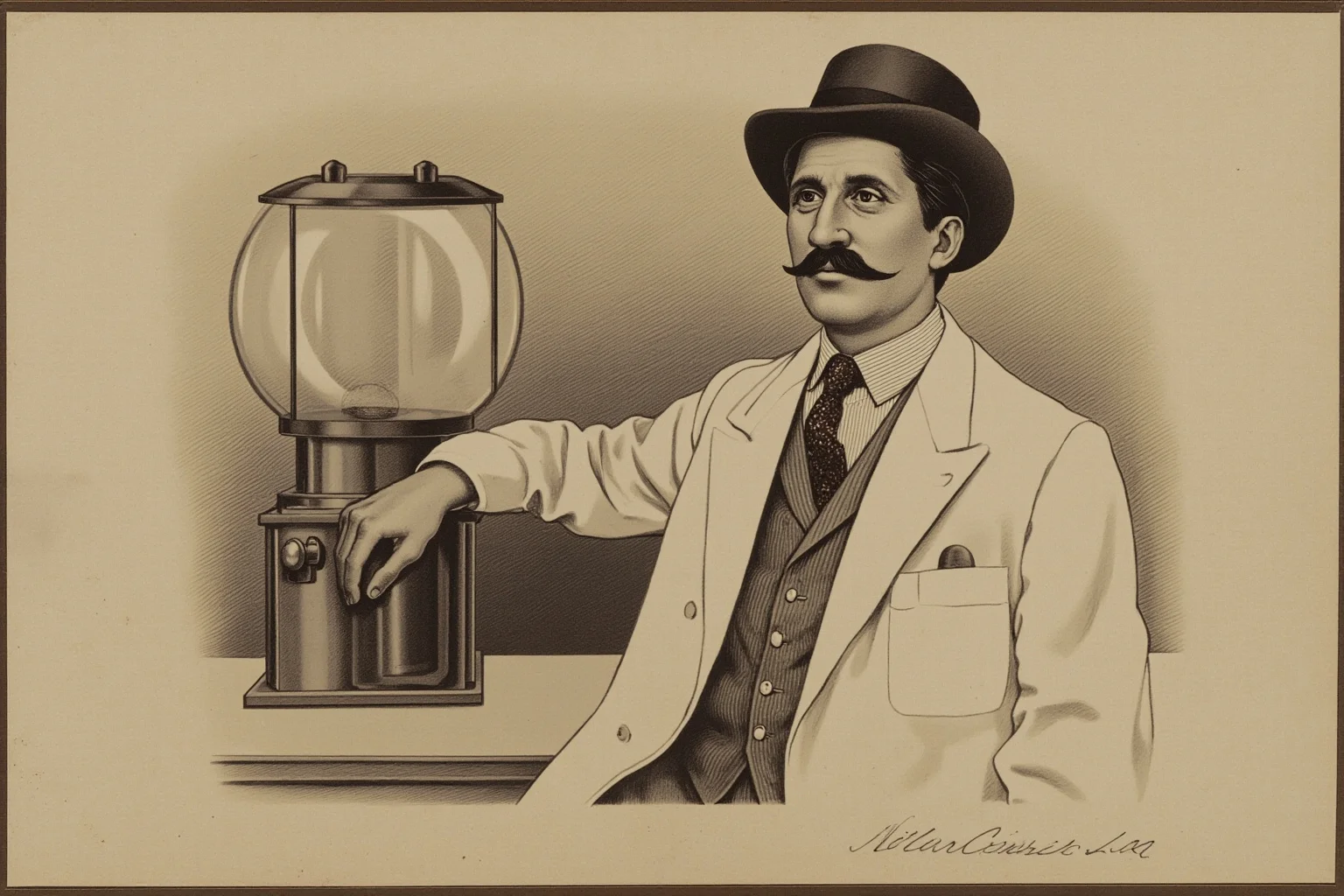
Morrison and Wharton weren't the only dental professionals connected to cotton candy's history. In the early 1920s, a New Orleans dentist named Josef Delarose Lascaux developed his own version of a cotton candy machine. Several historical accounts credit him with popularizing the actual term 'cotton candy' as we use it today.
So when people ask what type of doctor invented cotton candy, the honest answer involves two separate dentists across two different decades, not just one inventor working alone. That's a detail that often gets flattened in shorter, less careful retellings of this history.
10. How 'Cotton Candy' Got Its Modern Name
The shift from 'Fairy Floss' to 'cotton candy' happened gradually through the early 20th century. Lascaux's version and its branding are frequently cited as a turning point in that naming shift, based on multiple historical sources discussing the era.
By the time cotton candy machines became a fixture at American fairs, circuses, and carnivals in the mid-1900s, the name had stuck for good. It's the name that carried the treat into pop culture for the rest of the century.
11. Spun Sugar Existed Long Before Morrison
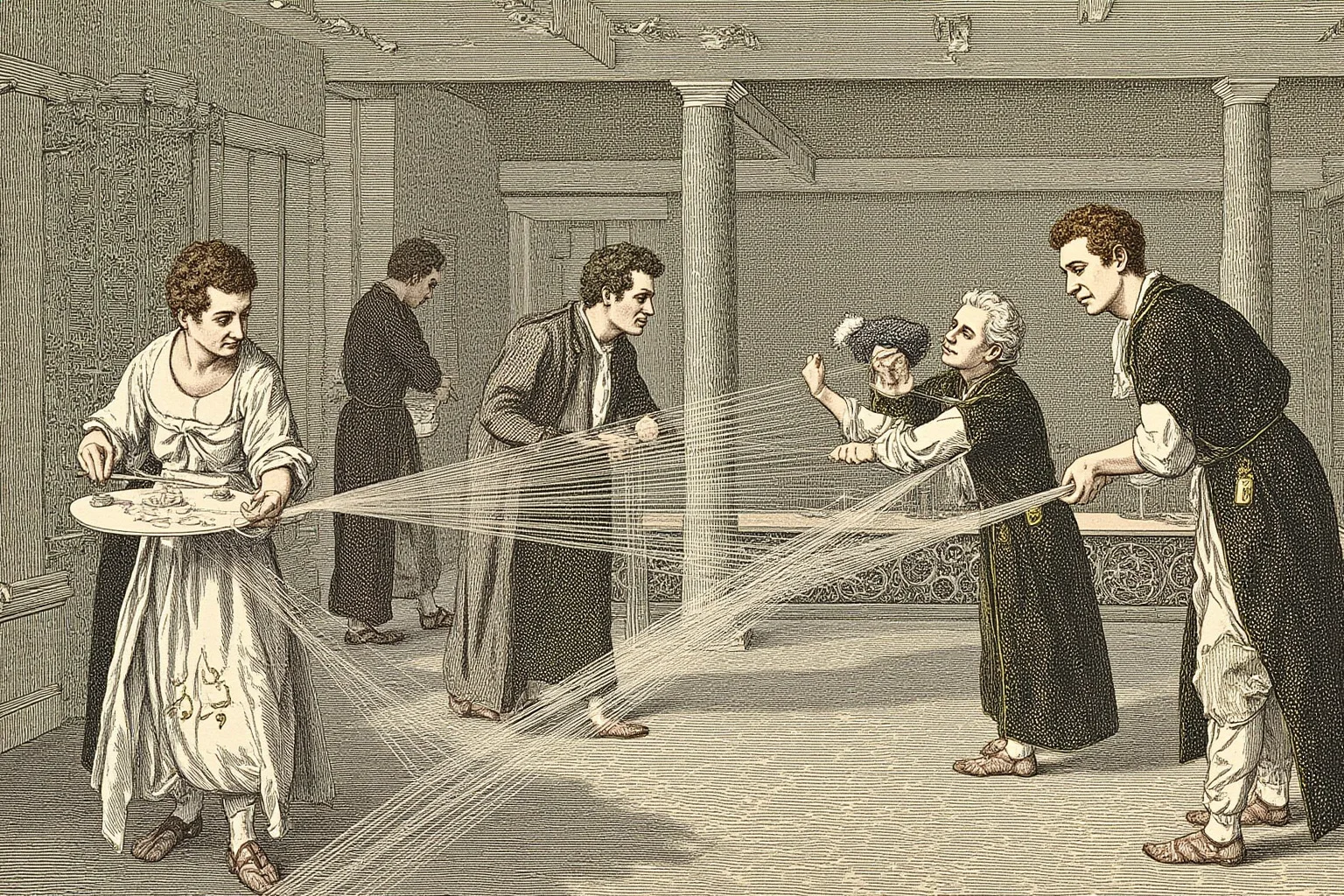
While Morrison and Wharton get credit for the machine, spun sugar as a concept goes back centuries earlier. European confectioners in the 17th, 18th, and 19th centuries created delicate spun-sugar decorations by hand, often for royal or upper-class tables.
This matters for anyone asking who made cotton candy in the broadest sense, because the underlying technique of pulling sugar into fine threads wasn't new. What Morrison and Wharton actually invented was the machine that automated and sped up a process people had already been doing manually for generations.
12. Why Hand-Spun Sugar Was Once a Luxury
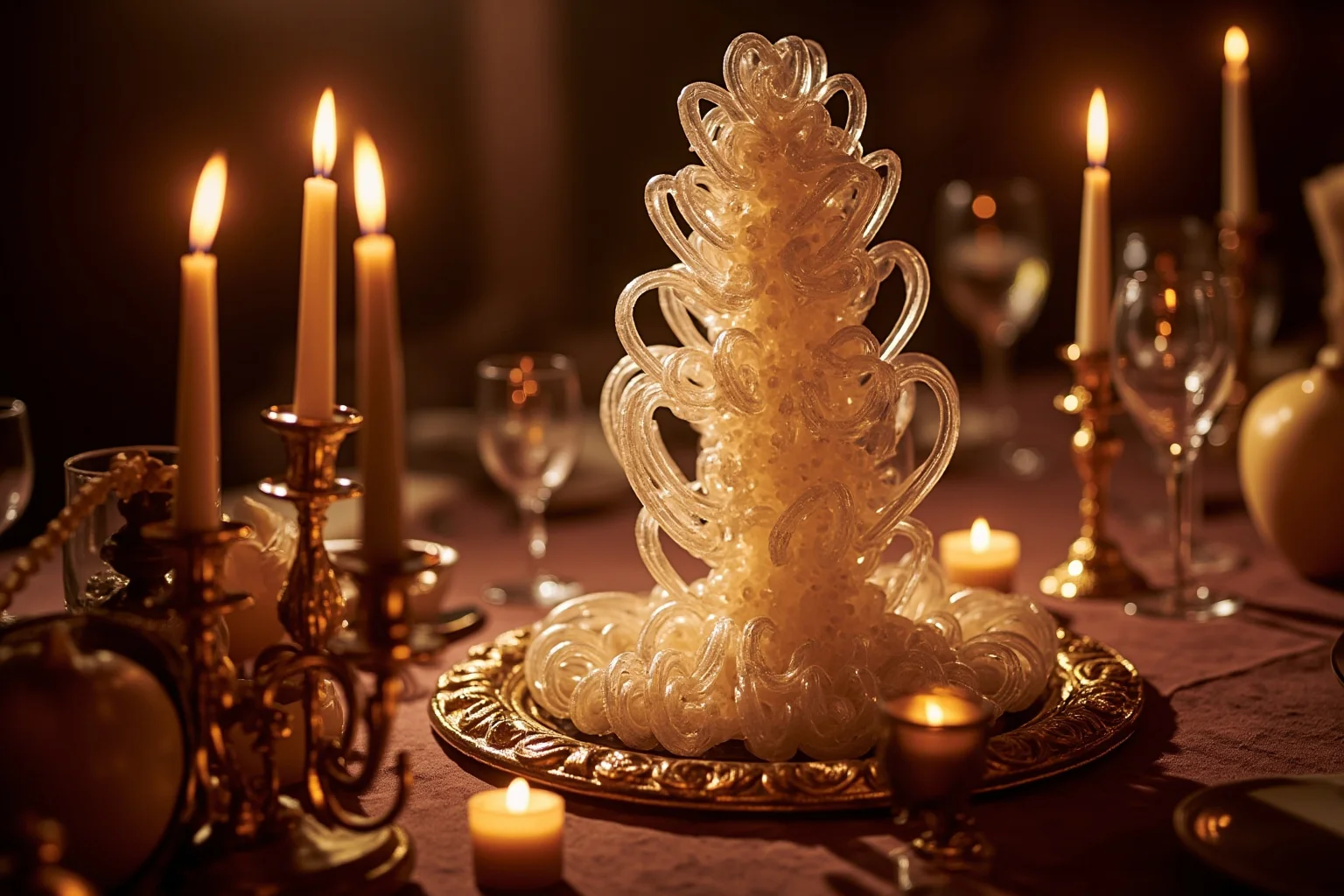
Before mechanization, spinning sugar into fine threads by hand required serious skill and a lot of time. Because of that, spun sugar treats were mostly reserved for wealthy households and special occasions rather than everyday snacking.
This context helps explain why Morrison and Wharton's machine was such a big deal. It didn't just create a new treat; it took something historically exclusive and made it accessible to ordinary fairgoers for a quarter a box.
13. The Real Reason Cotton Candy Was Invented

So why was cotton candy invented in the first place? The most historically supported answer is straightforward business opportunity. Wharton had confectionery expertise, Morrison had mechanical and entrepreneurial interests, and together they saw a chance to turn a labor-intensive luxury into a fast, sellable novelty for mass audiences.
There's no evidence this was some grand scientific pursuit or dental experiment gone sideways. It was, by most accounts, simply a smart business bet on spectacle food at a time when fairs and expositions were massive draws.
14. How the Machine Actually Works
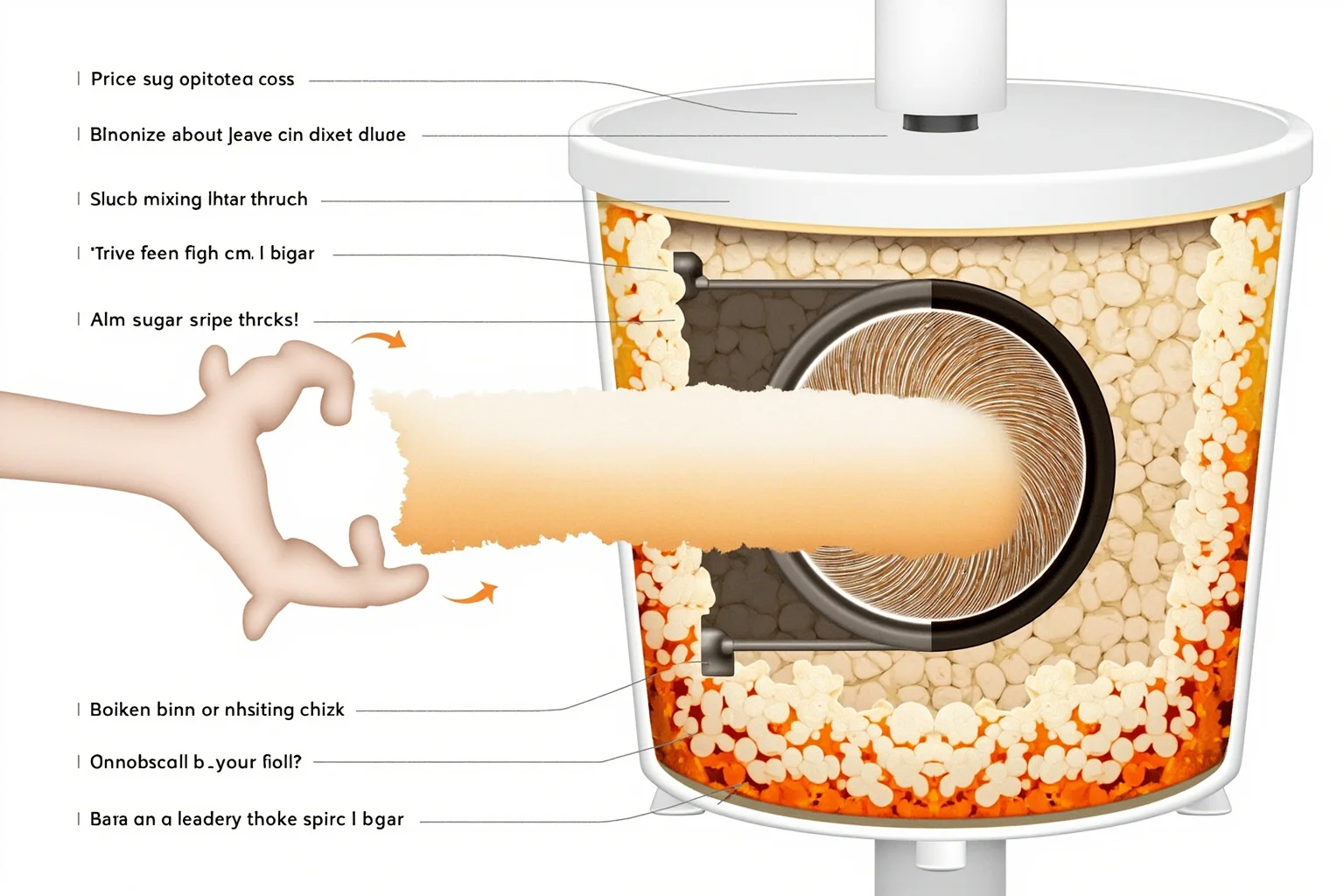
The basic mechanism behind cotton candy machines has stayed remarkably consistent since Morrison and Wharton's original design. Sugar is heated until it liquefies, then flung outward by centrifugal force through tiny holes or a spinning head. As it hits the cooler air, it instantly solidifies into thin threads that collect as a fluffy mass.
Modern machines are faster, safer, and more efficient than the 1890s original, but the underlying physics hasn't changed. That consistency is part of why cotton candy still looks and tastes basically the same as it did over a century ago.
15. From Novelty to Fairground Staple
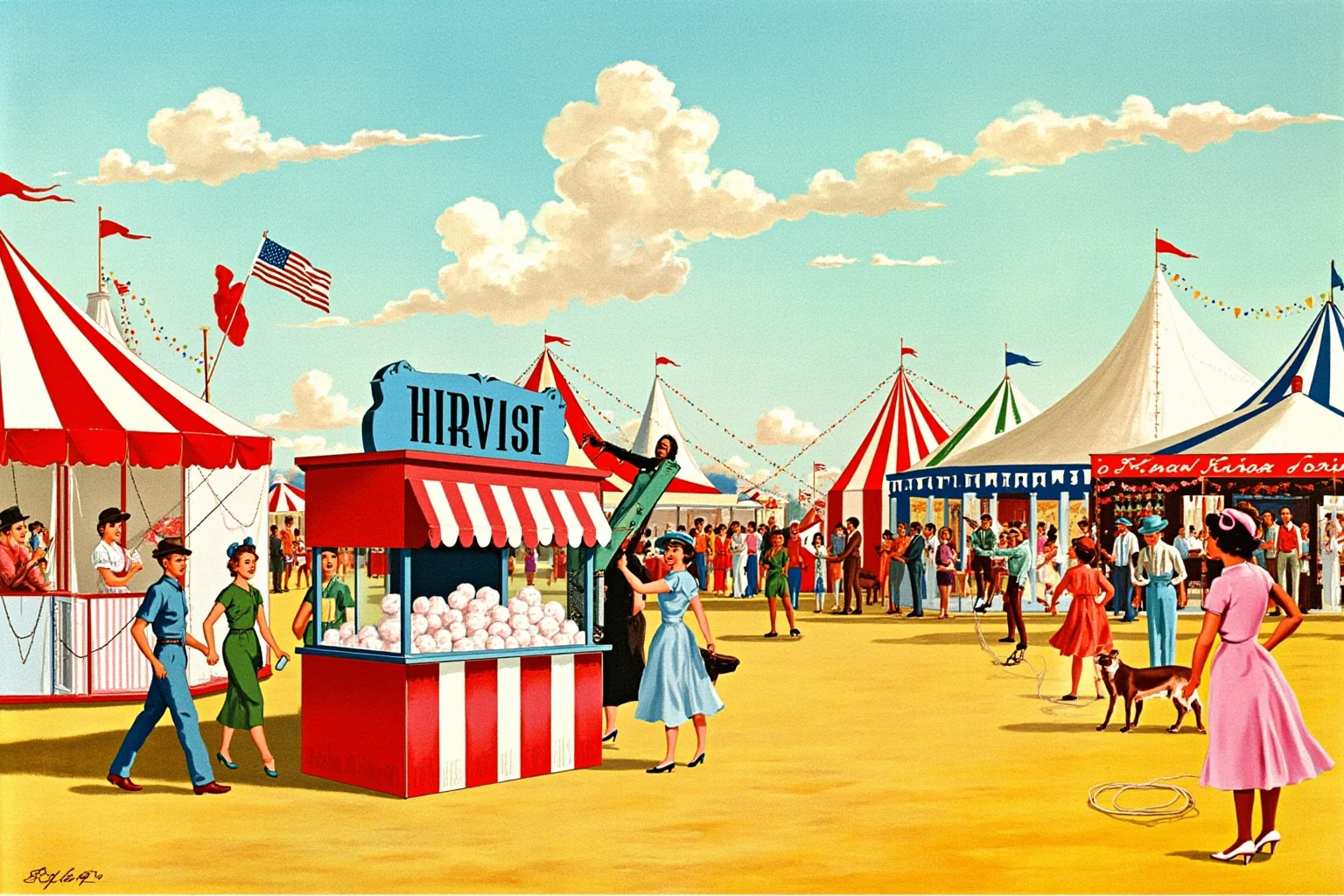
After its debut at the 1904 World's Fair, cotton candy machines gradually spread to circuses, carnivals, and county fairs across the country. By the mid-20th century, it had become one of the defining foods of the American fairground experience, right alongside popcorn and candy apples.
Its appeal was practical as much as flavor-based: it was cheap to produce, visually dramatic to make, and easy to sell to families walking by a booth. That combination kept it a staple long after the novelty of the machine itself wore off.
16. Cotton Candy Goes By Many Names Worldwide
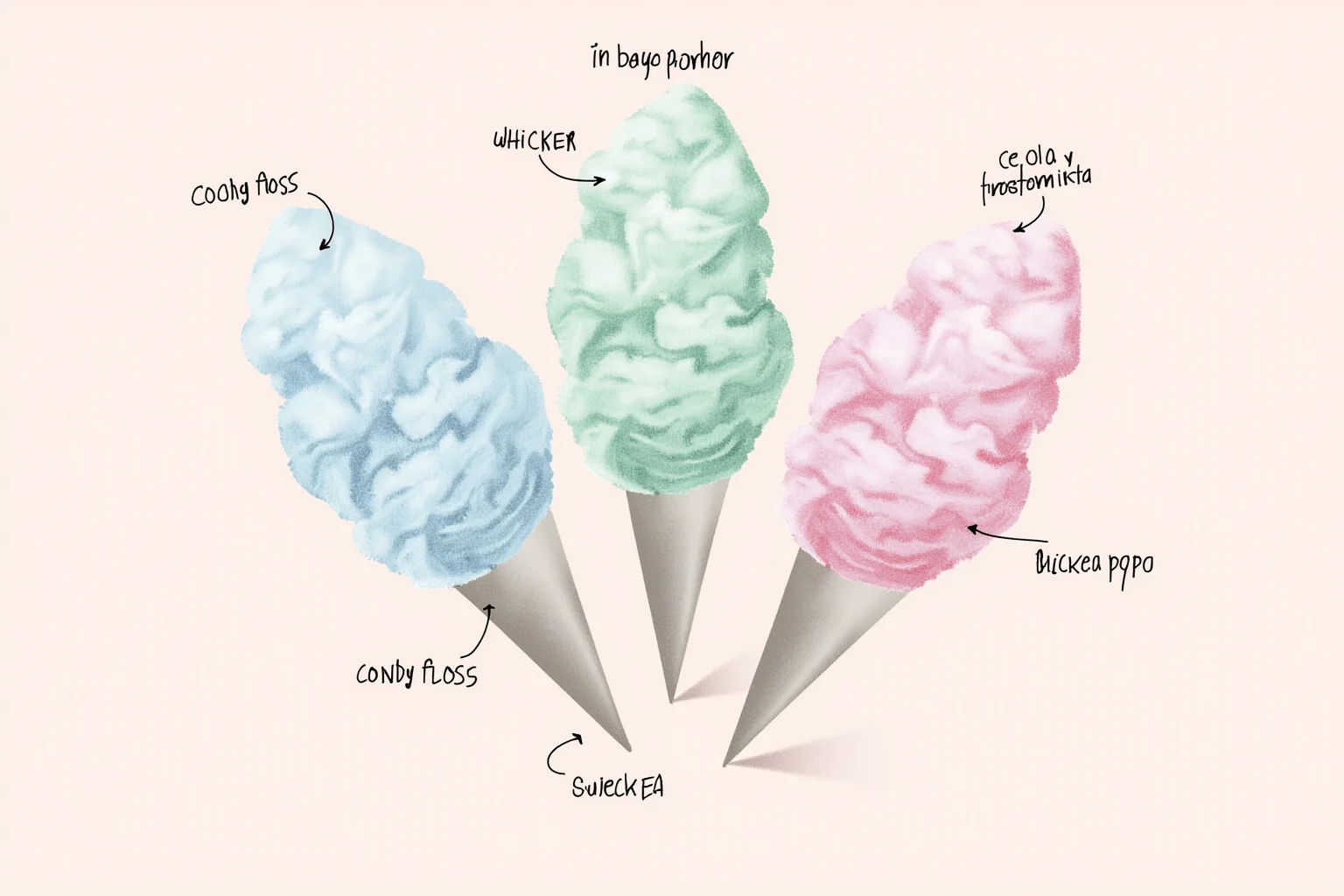
Outside the United States, this treat has picked up some delightfully different names. In the United Kingdom and several Commonwealth countries, it's commonly called candy floss. In France, it's known as barbe à papa, which translates to 'daddy's beard.'
In parts of India, it's sometimes referred to as buddhi ka baal, or 'old lady's hair,' a nod to its wispy texture. These regional names all point back to the same basic invention, just filtered through different cultural imaginations.
17. The 'Cotton Candy Guy' Internet Meme

If you've searched 'why does cotton candy guy never smile,' you've likely run into an internet meme rather than a documented piece of history. It generally refers to viral images or clips of cotton candy vendors caught with intensely focused, deadpan expressions while spinning sugar at a fair or carnival.
There's no verified historical figure behind this meme, and it isn't connected to Morrison, Wharton, or Lascaux. It's best understood as modern internet humor riffing on how seriously some vendors seem to take a fundamentally silly, fluffy job.
18. Cotton Candy Shows Up in Guinness World Records

Cotton candy has made multiple appearances in the world of record-breaking, with various attempts over the years at creating the largest single serving or the biggest cotton candy sculpture. These attempts tend to draw local and online attention precisely because of how visually dramatic an oversized cloud of spun sugar looks.
Exact records have shifted over time as new attempts break previous ones, so it's worth checking Guinness's official records directly if you want the current, verified figures rather than relying on outdated trivia claims.
19. National Cotton Candy Day

In the United States, December 7 is unofficially recognized as National Cotton Candy Day. Like many food-specific 'holidays,' it isn't a federally recognized observance, but it's widely used by candy brands, fair organizers, and food bloggers as a fun excuse to celebrate the treat.
It's a small but telling sign of how deeply cotton candy has embedded itself into American food culture, more than a century after its Fairy Floss debut in St. Louis.
20. Cotton Candy's Surprising Role in Modern Medical Science

In one of the more unexpected twists in this story, cotton candy machines have actually found a use in medical research. Scientists studying tissue engineering have used the fine, thread-like structure created by cotton candy machines as a template for building networks that mimic tiny blood vessels in lab-grown tissue.
Researchers, including teams working on vascular network models for artificial tissue, have pointed to the sugar strands' size and structure as a useful stand-in for capillary networks. It's a strange but well-documented example of carnival technology finding a serious scientific application.
21. The Rise of Gourmet and Artisanal Cotton Candy

In recent decades, cotton candy has moved well beyond the pink-and-blue fairground standard. Artisanal shops and dessert bars now offer flavors like lavender, matcha, bourbon, and various fruit blends, often dyed in elaborate colors and swirled into oversized, Instagram-friendly shapes.
This gourmet trend shows how a 19th-century invention can keep reinventing itself for new generations. The core machine and technique are still essentially what Morrison and Wharton patented, just dressed up for a modern dessert market.
22. The Legacy of a Dentist's Sweet Side Project

More than 120 years after its debut, cotton candy remains one of the most recognizable treats in the world, and its origin story remains one of history's better food trivia twists. A dentist and a confectioner set out to mechanize an old luxury treat, and they ended up creating something that's now inseparable from fairs, circuses, and childhood memories everywhere.
It's a reminder that some of the greatest American inventors in history didn't come from the field you'd expect. Sometimes the person who changes how we snack is the same person who spent their day job telling people to cut back on sugar.
The Bigger Picture
The cotton candy origin story is a good example of how popular history can get simplified over time. It's true, and well documented, that a dentist named William Morrison helped invent the modern cotton candy machine alongside confectioner John C. Wharton. It's also true that another dentist, Josef Delarose Lascaux, later helped shape the treat's name and popularity.
What gets lost in quick trivia versions is the nuance: spun sugar existed long before either dentist got involved, and the 'invention' in question was really about mechanization and branding rather than creating spun sugar from scratch. Keeping that nuance in mind makes the story more interesting, not less.
So the next time someone asks who invented cotton candy, you'll have more than a one-line answer ready. You'll have a dentist, a confectioner, a World's Fair, a name change, and even a detour into modern medical research, all tied together by one impossibly light, sugary treat.
Frequently Asked Questions
Cotton candy: who invented it?
The modern cotton candy machine was co-invented by William Morrison, a dentist from Nashville, Tennessee, and John C. Wharton, a confectioner. They patented their electric candy machine in the 1890s, with the patent granted in 1899, and introduced the treat as 'Fairy Floss' at the 1904 World's Fair in St. Louis.
Was cotton candy invented by a dentist?
Yes, in part. William Morrison, one of the co-inventors of the modern cotton candy machine, was a practicing dentist. A second dentist, Josef Delarose Lascaux, later developed his own version of the machine in the 1920s and is often credited with helping popularize the name 'cotton candy.'
Did a dentist invent cotton candy?
A dentist was directly involved, but not alone. William Morrison partnered with confectioner John C. Wharton to build and patent the electric candy machine, so the invention was really a joint effort between dental and confectionery expertise rather than the work of a dentist working solo.
What type of doctor invented cotton candy?
The 'doctor' most commonly credited with cotton candy's invention wasn't a medical doctor at all, but a dentist named William Morrison. A second dentist, Josef Delarose Lascaux, also contributed to the treat's history decades later, which is why dentistry keeps coming up in this particular food origin story.
How was cotton candy invented?
Cotton candy was invented when William Morrison and John C. Wharton developed an electric machine that used centrifugal force to spin melted sugar through tiny holes, where it cooled instantly into fine threads. This mechanized a process that confectioners had previously done slowly and by hand for centuries.
Why was cotton candy invented?
Cotton candy was invented primarily as a business opportunity. Morrison and Wharton saw a chance to turn a slow, labor-intensive luxury treat, hand-spun sugar, into something that could be produced quickly and sold cheaply as a novelty at fairs and public events.
Why does the cotton candy guy never smile?
This is a modern internet meme, not a documented piece of history. It typically refers to viral photos or videos of cotton candy vendors with an intensely focused, deadpan expression, and it isn't connected to William Morrison, John C. Wharton, or any other historical figure in cotton candy's invention.

Alex Warren
Related Articles





