

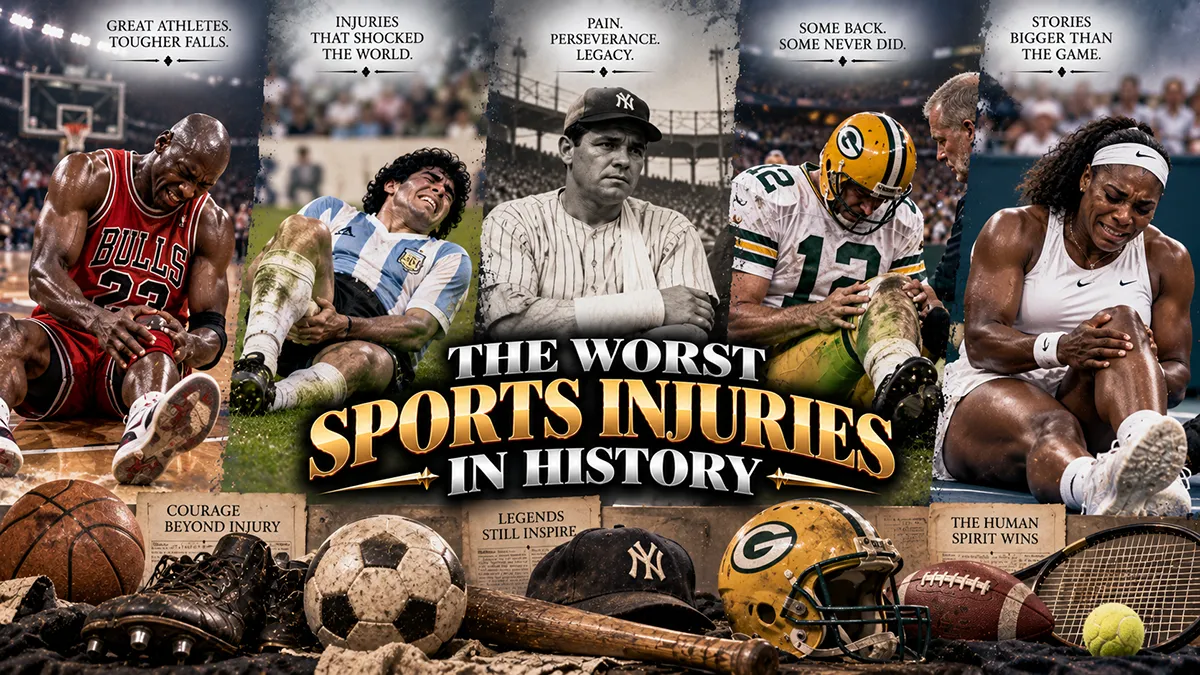
Sports fans love a comeback story, but every so often a single moment stops an entire stadium cold. A leg bends the wrong way, a pitch gets away from the mound, a car catches fire on a straightaway — and suddenly the game itself feels small compared to what just happened to the person playing it.
This list looks back at the worst sports injuries in history, the ones that made broadcasters go quiet and forced entire leagues to rewrite their rulebooks.
Some of these athletes recovered fully. Others never played again. A few didn’t survive. We’re covering all of it honestly, without exaggerating what’s documented or treating locker-room legend as settled fact.
TL;DR: The worst sports injuries in history — from Joe Theismann’s shattered leg to Ayrton Senna’s fatal crash — didn’t just end careers, they rewrote the safety rules of entire sports.
What Counts as the Worst Injury in Sports History?
People ask “what is the worst injury” more often than you’d think, and there’s no single scoreboard for it. Some injuries earn their reputation from sheer visual horror, the kind of compound fracture that makes announcers look away from the replay. Others earn it because they ended a Hall of Fame trajectory in a single second.
Then there’s a third category, the truly tragic one: injuries that took a life or left someone permanently paralyzed. When people search for the world’s worst injury or the worst injury of all time, they’re usually asking about all three types at once. This list includes examples of each, organized roughly by sport rather than by a strict ranking, since comparing a broken tibia to a fatal crash isn’t really an apples-to-apples exercise.
One more thing worth flagging before we dive in: what might confirm the worst for an athlete’s injury on the field is rarely the injury itself, it’s the reaction around it. Medical staff sprinting out, a cart being called for, teammates taking a knee and turning away — these are the signs that separate a bad sports injury from a truly nasty one.
1. Joe Theismann’s Career-Ending Leg Break (1985)
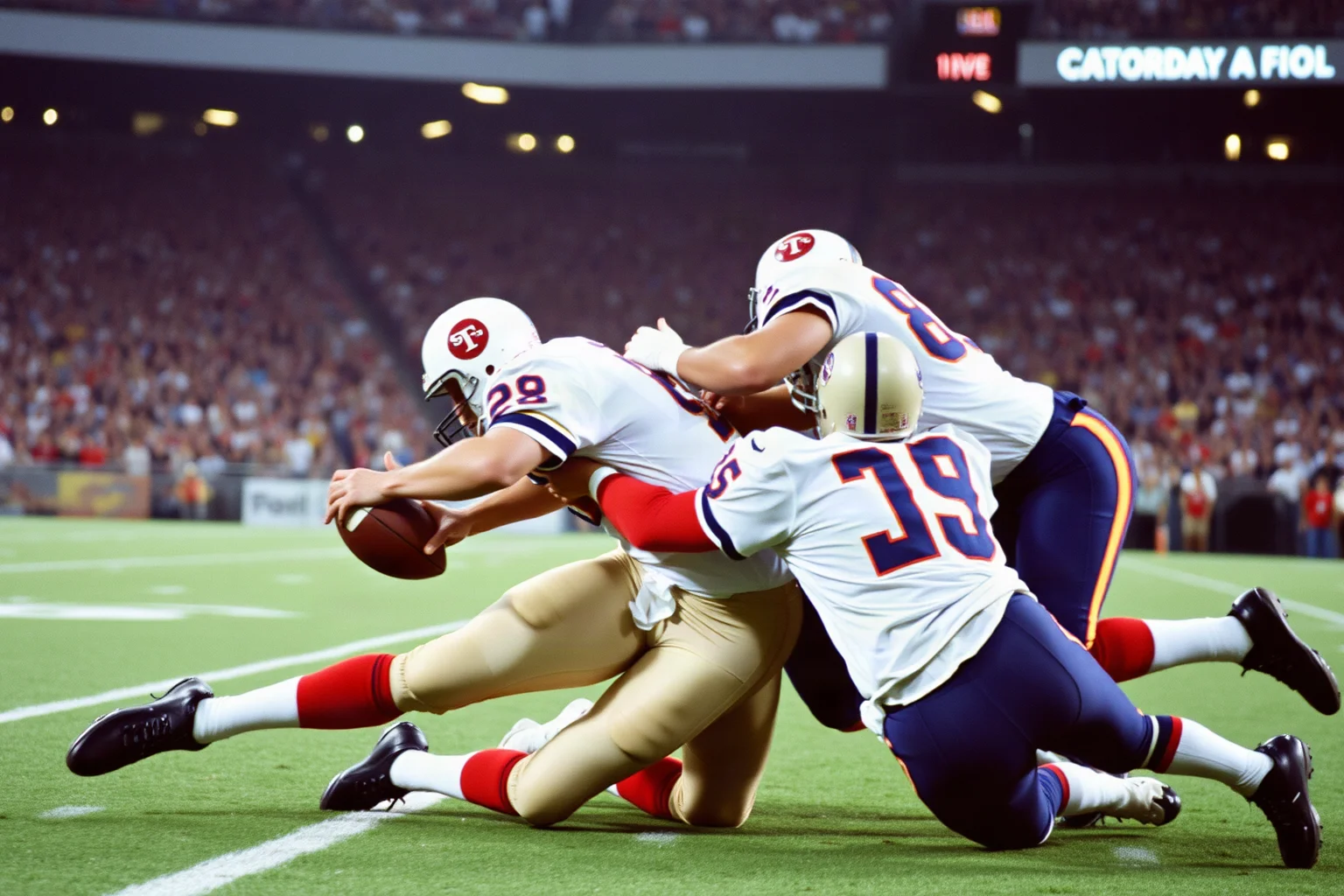
On Monday Night Football in November 1985, Washington quarterback Joe Theismann was sacked by New York Giants linebackers Lawrence Taylor and Harry Carson. Taylor’s hit snapped Theismann’s tibia and fibula so badly that the bone was visible on the broadcast, one of the first times a national TV audience saw an injury this graphic in real time.
Theismann never played another NFL down. Decades later, the moment is still cited as one of the nastiest sports injuries ever aired live, partly because ABC’s cameras didn’t cut away fast enough for squeamish viewers.
2. Kevin Ware’s Compound Leg Fracture (2013)
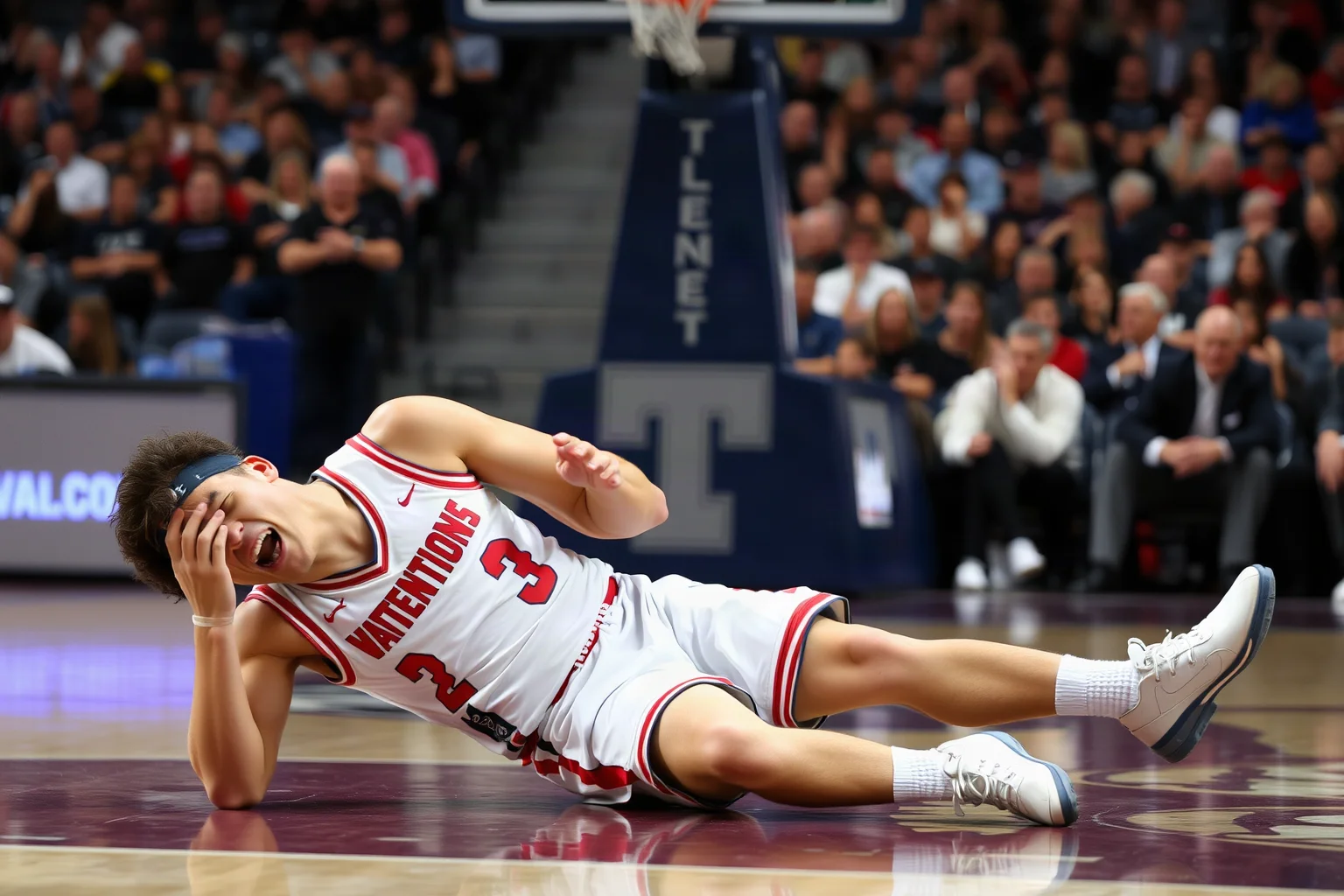
During Louisville’s Elite Eight game against Duke in March 2013, guard Kevin Ware landed awkwardly while contesting a shot and suffered a compound fracture of his tibia. Coach Rick Pitino later said the team used the injury as motivation, and Louisville went on to win the national championship that year.
Ware underwent multiple surgeries and remarkably returned to play college basketball again. His recovery is often mentioned alongside the injury itself as proof that even the grossest sports injuries don’t always end a career.
3. Gordon Hayward’s Opening-Night Fracture (2017)
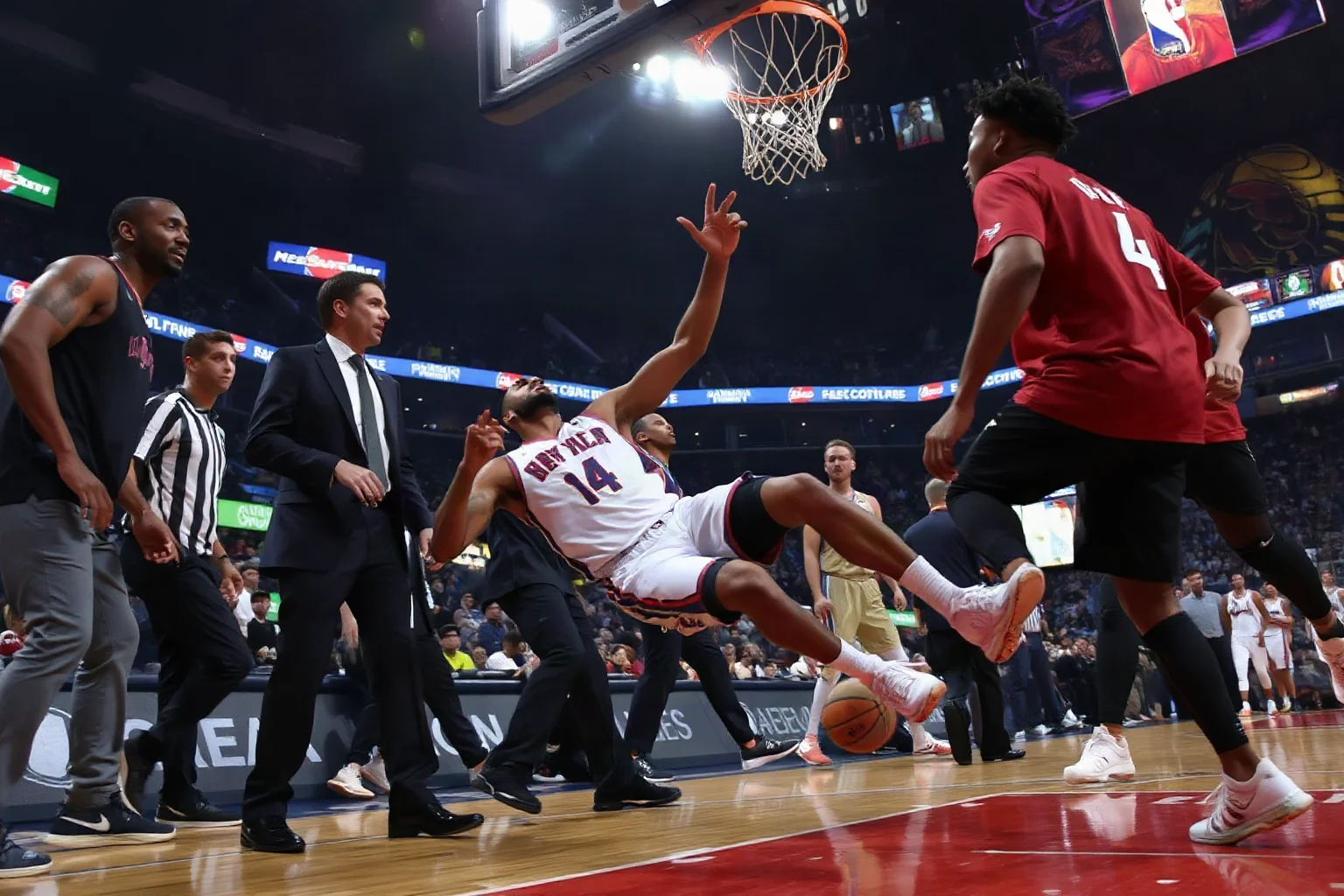
Just five minutes into his Boston Celtics debut in October 2017, Gordon Hayward landed awkwardly on a routine alley-oop attempt, dislocating his ankle and fracturing his tibia. The injury sidelined him for nearly the entire season and became an instant example cited whenever fans discuss the worst injuries in sports history involving a single, freak landing.
Hayward eventually returned to full health and continued his NBA career with other teams. The image of his ankle folding under him, though, remains one of the more replayed clips in basketball injury discussions.
4. Paul George’s Team USA Leg Fracture (2014)
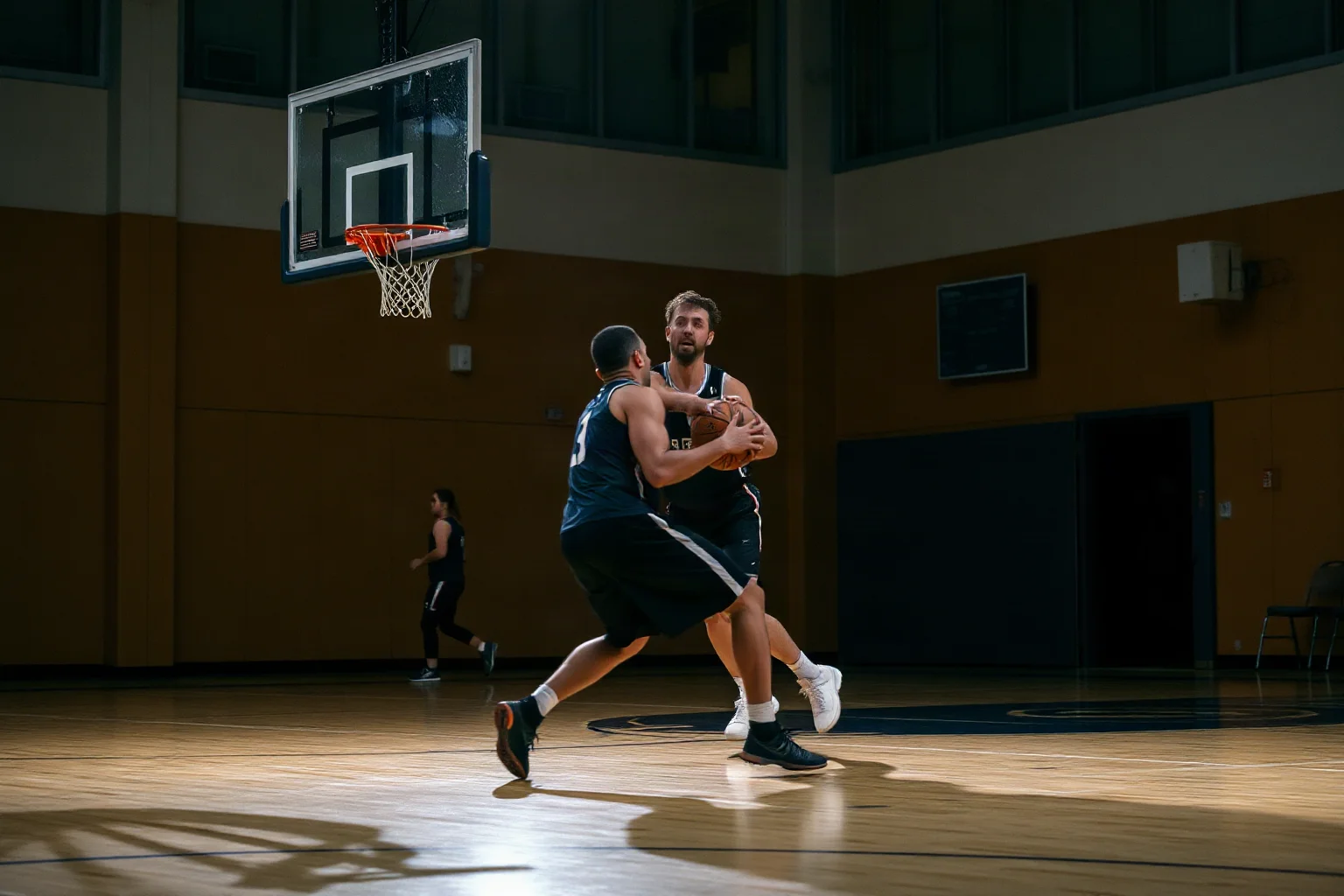
During a USA Basketball scrimmage in the summer of 2014, Indiana Pacers forward Paul George drove baseline and collided with the basket stanchion, suffering an open fracture of his tibia and fibula. The injury happened in a practice setting, not even a real game, which only added to how shocking it felt at the time.
George missed most of the following NBA season but returned to All-Star form afterward. It stands as a reminder that some of the worst sports injuries of all time don’t even occur during competitive play.
5. Clint Malarchuk’s Skate-Blade Throat Cut (1989)
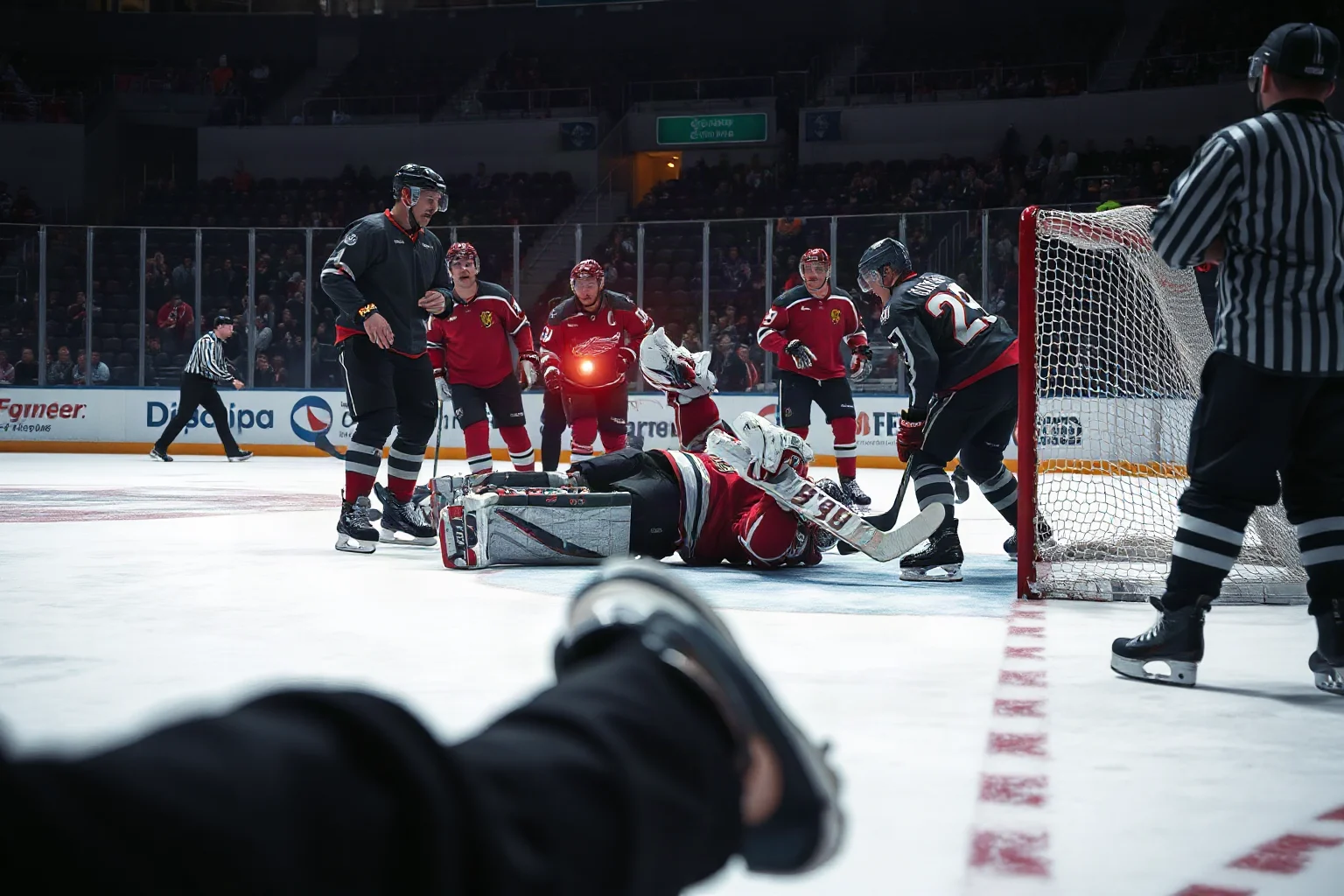
In a March 1989 NHL game, Buffalo Sabres goalie Clint Malarchuk had his throat sliced open by an opposing player’s skate blade during a collision in front of the net. The cut severed his carotid artery, and he lost a massive amount of blood on the ice before being rushed into surgery.
Malarchuk survived and returned to the crease that same season, but he later spoke publicly about the lasting psychological trauma, including PTSD and depression. His story is frequently cited among the nastiest sports injuries ever because of how close it came to being fatal on live television.
6. Ray Chapman’s Fatal Beaning (1920)
Cleveland Indians shortstop Ray Chapman was struck in the head by a pitch from New York Yankees pitcher Carl Mays in August 1920. Chapman died the next day, and he remains the only player in Major League Baseball history to die from an injury sustained during a game.
His death eventually contributed to rule changes around doctored and discolored baseballs, and it’s part of the long history that led to the batting helmets players wear today. It’s still referenced as one of the worst injuries in sports history precisely because of that lasting legacy.
7. Tony Conigliaro’s Devastating Beaning (1967)
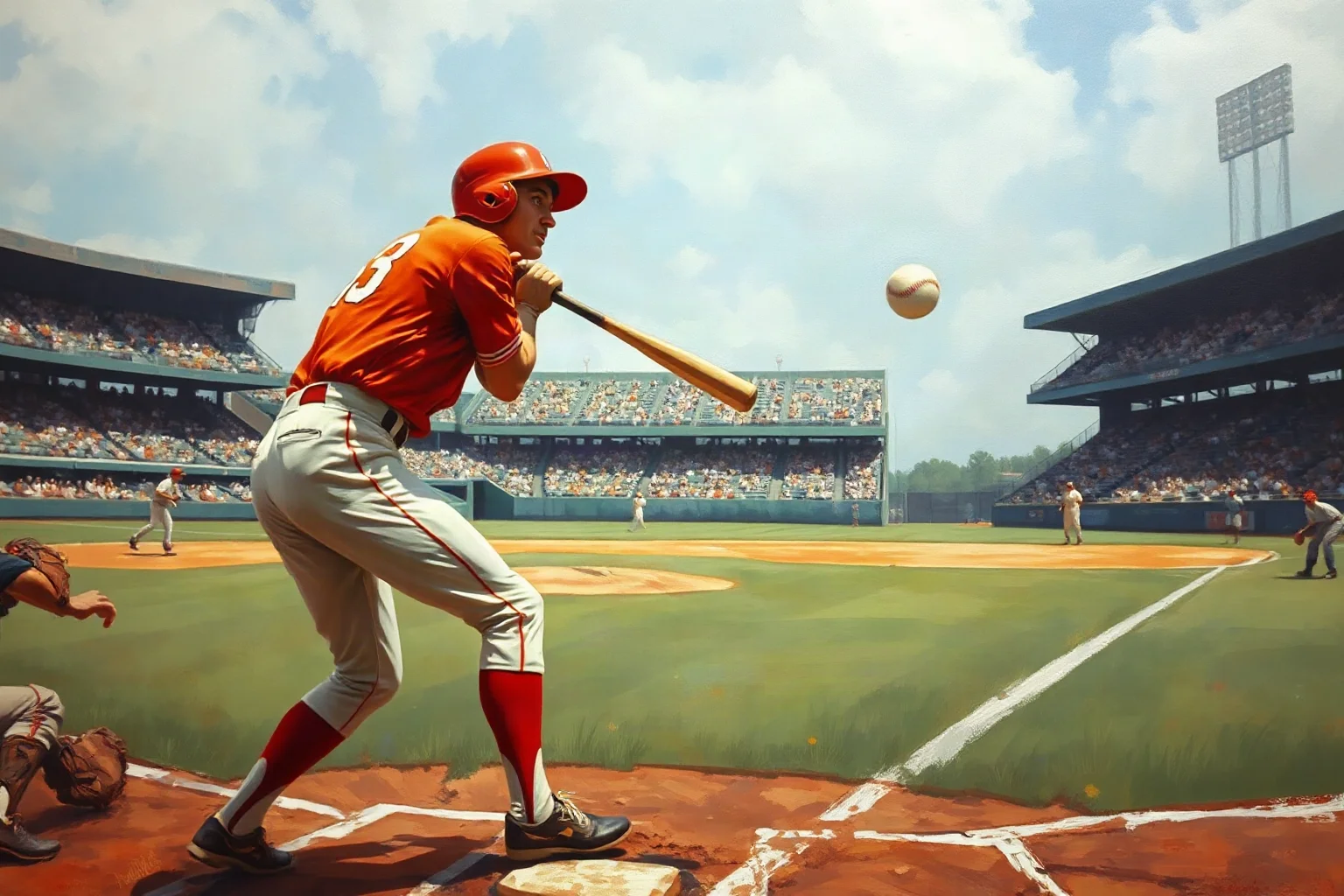
Boston Red Sox outfielder Tony Conigliaro was hit in the face by a pitch from Jack Hamilton in August 1967, fracturing his cheekbone and severely damaging his left eye. He missed the rest of that season and all of the next, and though he attempted a comeback, his vision problems never fully resolved.
Conigliaro’s injury is often discussed alongside Ray Chapman’s as proof of how dangerous an unprotected batter’s box once was. Both cases pushed baseball, slowly, toward better head protection.
8. Bo Jackson’s Career-Altering Hip Injury (1991)
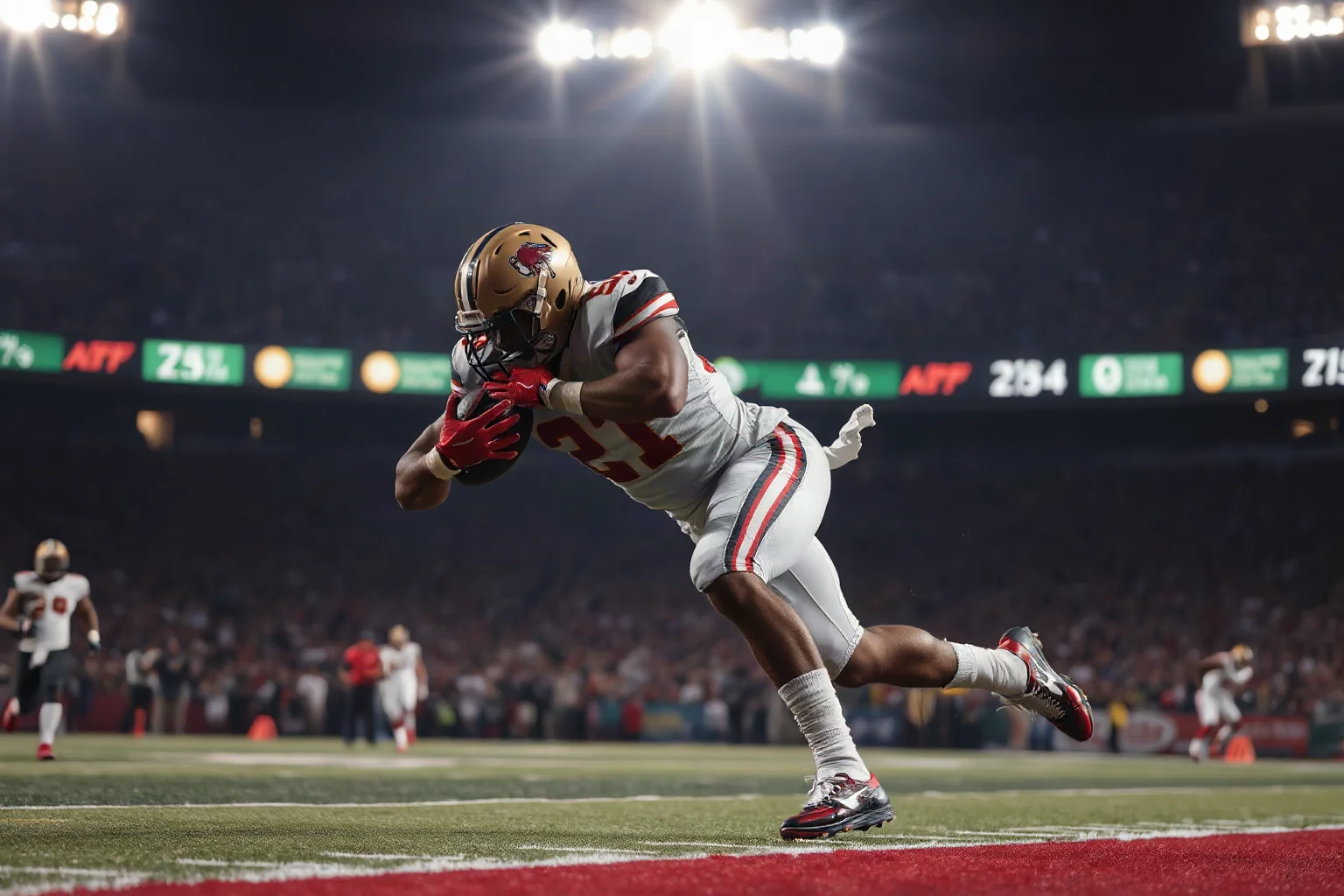
In a January 1991 NFL playoff game, Oakland Raiders running back Bo Jackson was tackled awkwardly and suffered a hip dislocation. The injury led to avascular necrosis, a condition where blood supply to the bone is cut off, and it ended his football career entirely.
Jackson underwent hip replacement surgery and, remarkably, continued playing Major League Baseball for a few more seasons afterward. His story is often used as a case study in how one bad sports injury can permanently close one athletic door while barely leaving another ajar.
9. Willis McGahee’s Triple Ligament Tear (2003)
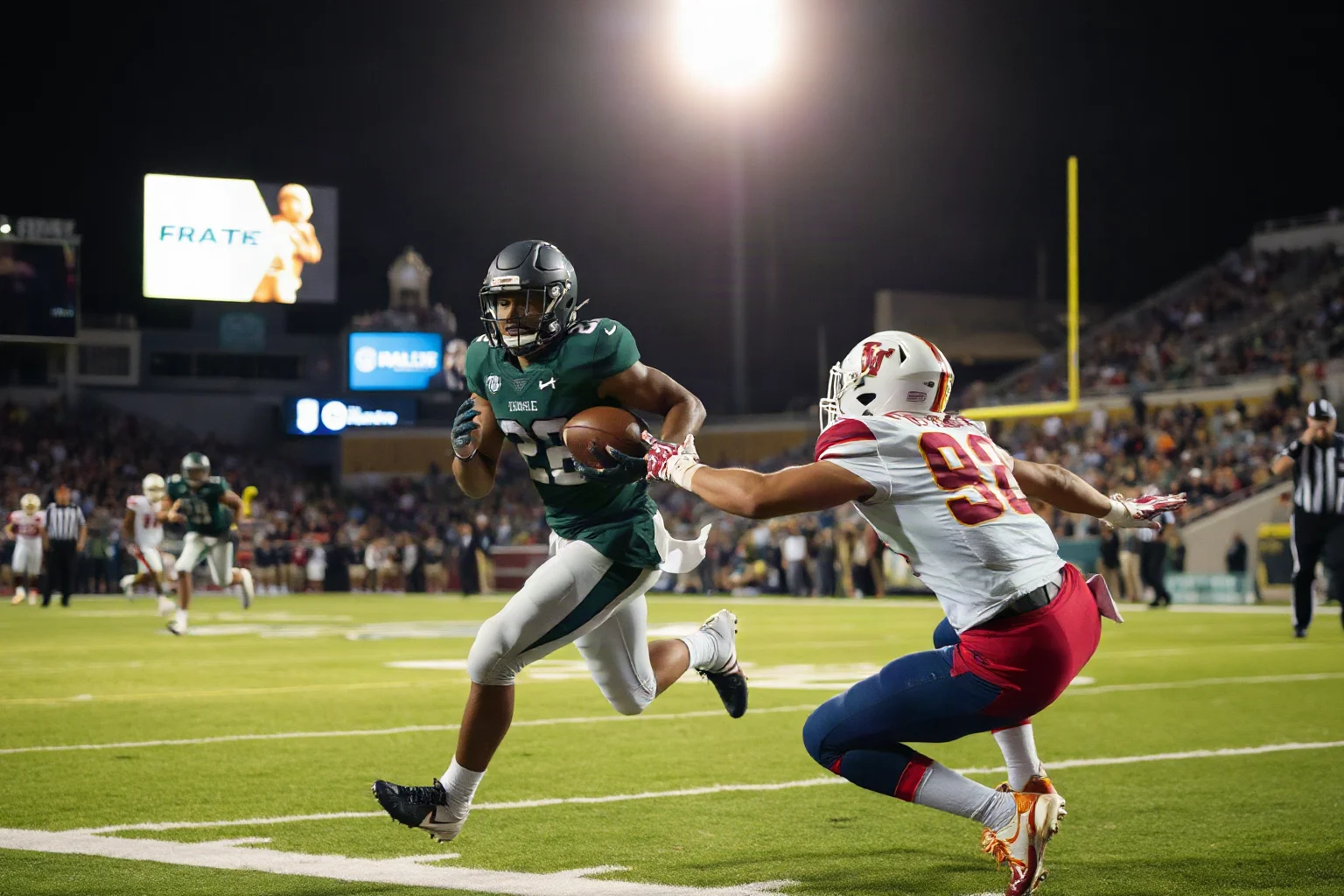
In the 2003 Fiesta Bowl, Miami running back Willis McGahee tore his ACL, MCL, and PCL in a single hit late in the national championship game. It was considered one of the most severe knee injuries ever seen on a football field up to that point.
Despite the severity, McGahee was still drafted in the first round of the NFL draft a few months later and went on to have a long professional career. His recovery timeline became a benchmark for orthopedic surgeons treating similar multi-ligament injuries.
10. Marc Buoniconti’s Paralyzing Tackle (1985)
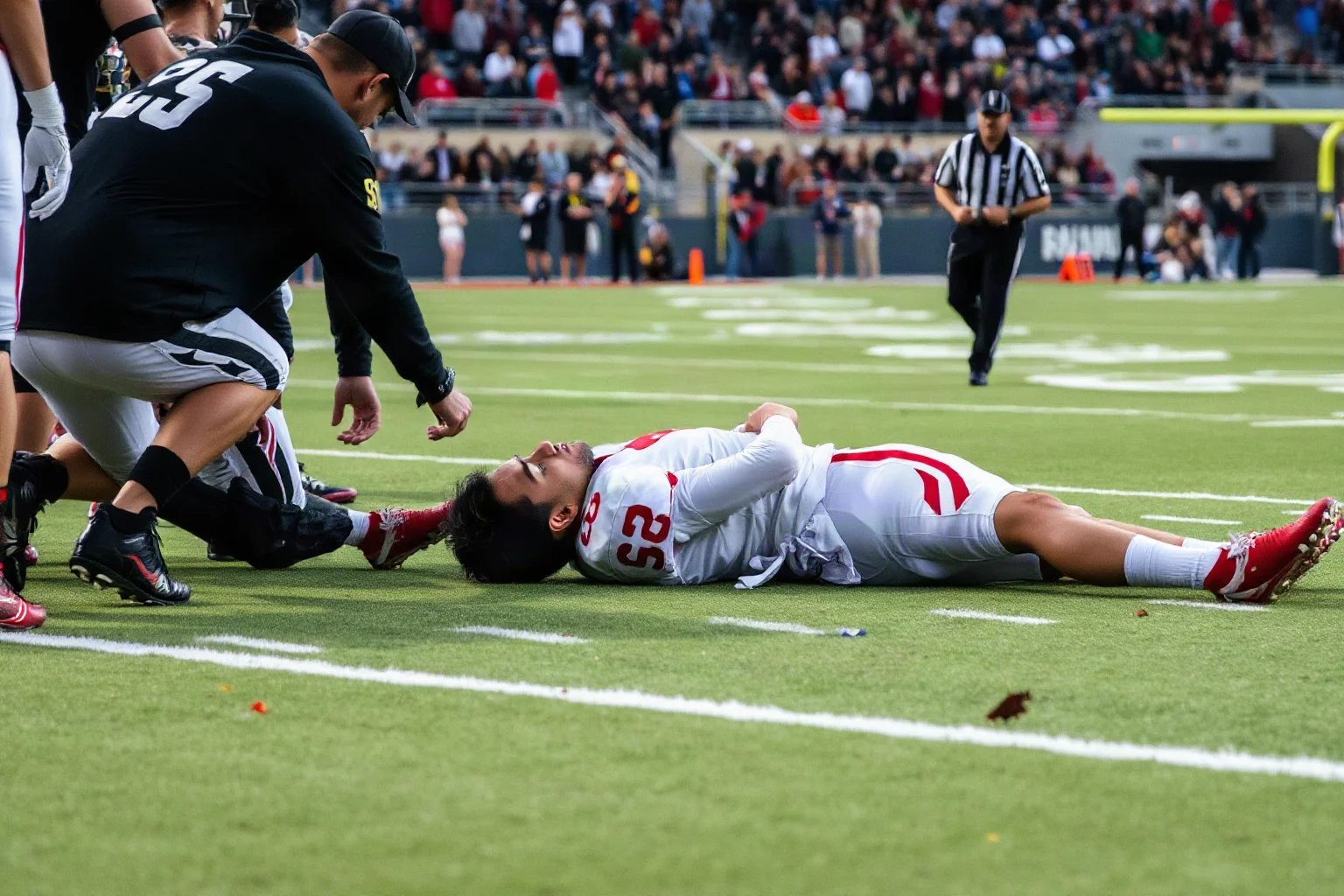
During a college football game in October 1985, The Citadel’s Marc Buoniconti made a tackle that left him paralyzed from the neck down. His father, NFL Hall of Famer Nick Buoniconti, helped found The Miami Project to Cure Paralysis shortly afterward.
The organization has since become one of the most significant spinal cord research institutions in the world. It’s a rare example of one of the worst injuries in the world directly fueling decades of medical progress.
11. Eric LeGrand’s Spinal Cord Injury (2010)
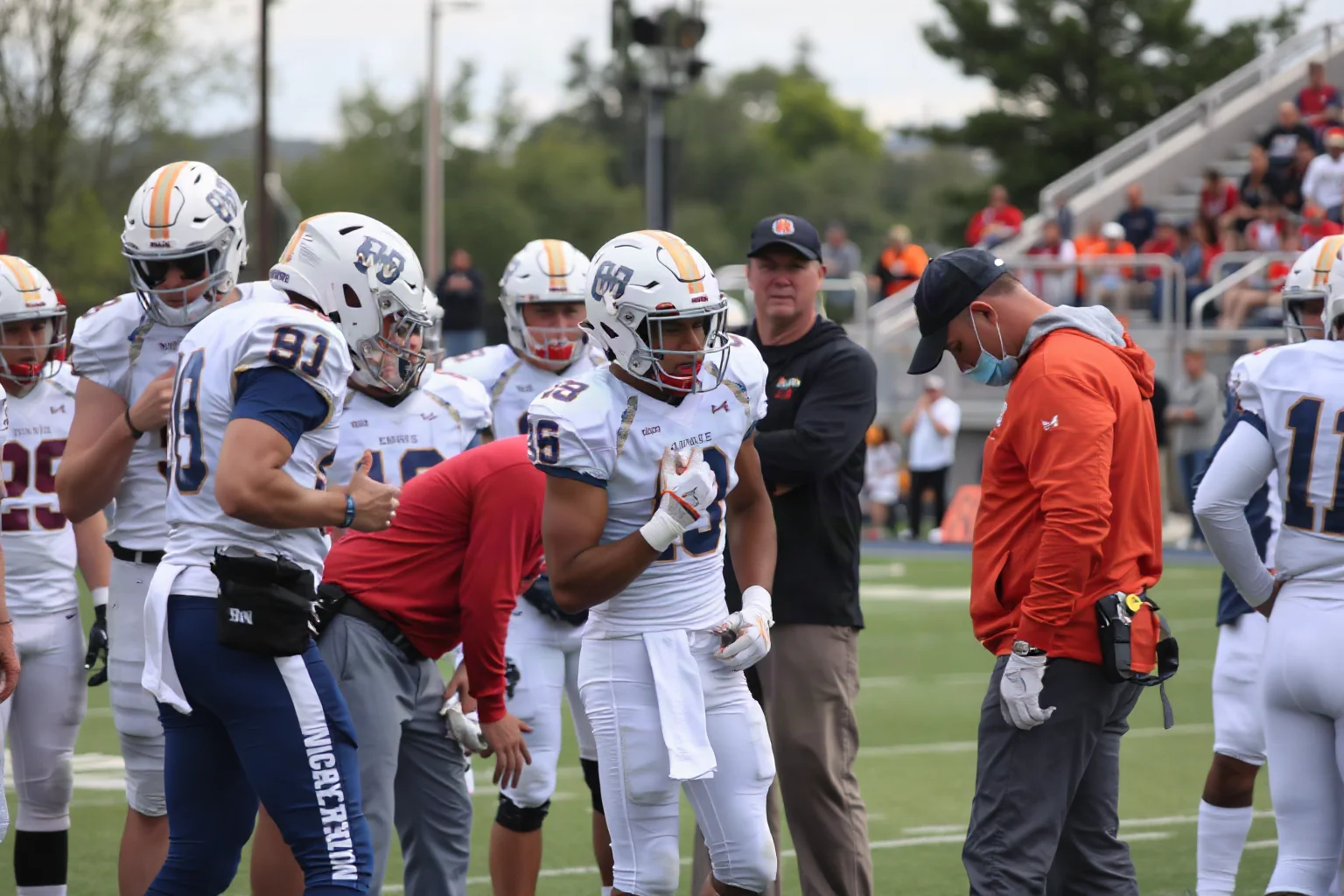
Rutgers defensive tackle Eric LeGrand suffered a spinal cord injury making a tackle on a kickoff against Army in October 2010, leaving him paralyzed from the neck down. Doctors initially gave him little chance of regaining any movement.
LeGrand went on to regain some sensation and became a broadcaster and motivational speaker. His story is often cited in conversations about the worst injuries in history that still produced an inspiring second act.
12. Kevin Everett’s Near-Catastrophic Collision (2007)
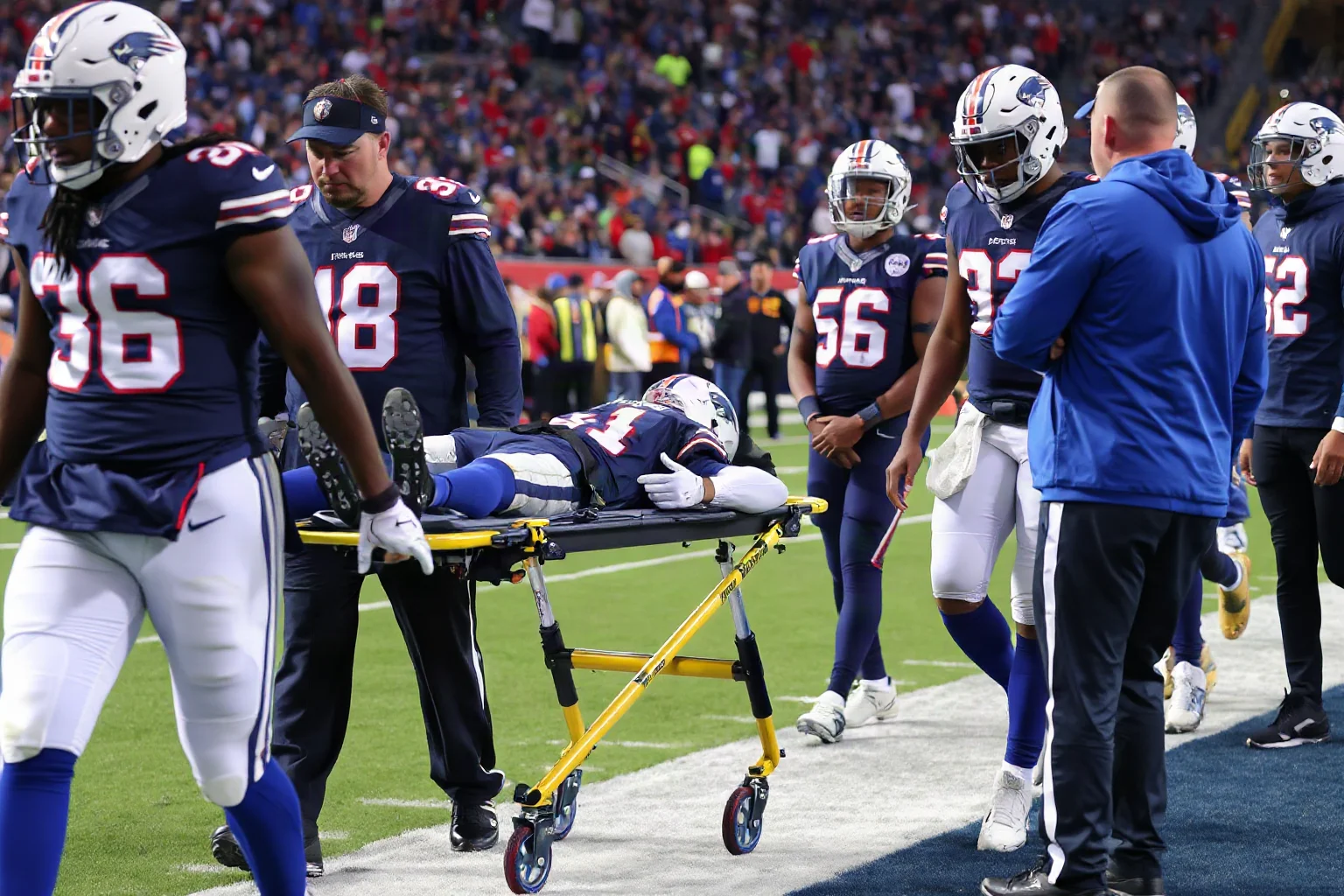
Buffalo Bills tight end Kevin Everett suffered a spinal cord injury making a tackle on a kickoff in September 2007, and doctors initially feared he would never walk again. Team doctors used an experimental hypothermia treatment to reduce swelling around his spine almost immediately after the injury.
Everett made a partial recovery that surprised much of the medical community and was able to walk again within months. His case is frequently referenced in sports medicine discussions about rapid-response treatment for spinal trauma.
13. David Busst’s Horrific Compound Fracture (1996)
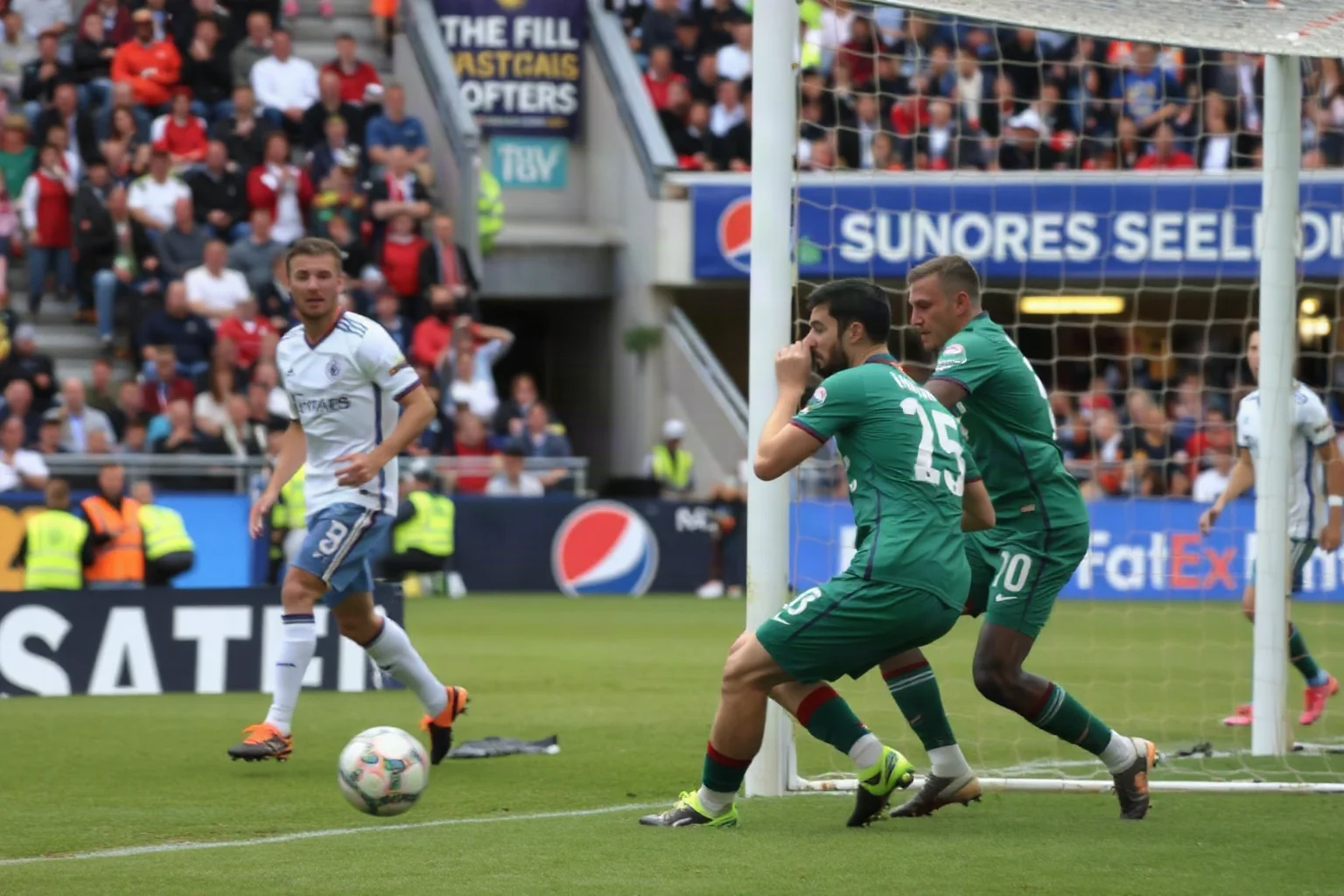
Coventry City defender David Busst suffered one of the most graphic injuries English soccer has ever broadcast in April 1996, breaking his leg in a collision with a goalpost during a match against Manchester United. Players on the field, including opponents, reportedly became physically ill watching the aftermath.
Busst never played professional soccer again after the injury. It’s still referenced today whenever fans debate the grossest sports injuries caught live on camera.
14. Luke Shaw’s Double Leg Break (2015)
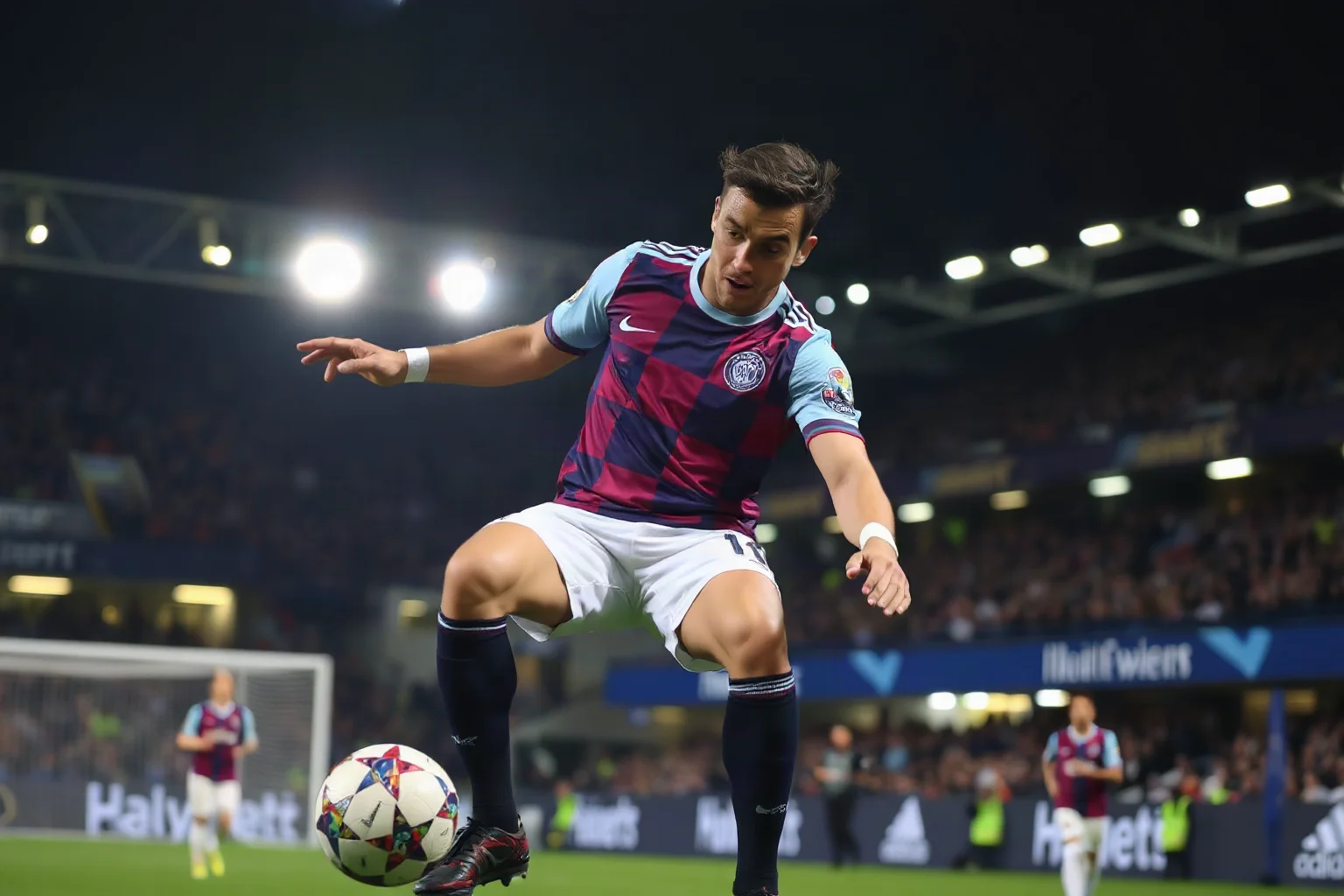
Manchester United defender Luke Shaw suffered a double leg fracture during a Champions League match against PSV Eindhoven in September 2015 following a challenge from an opposing player. The injury required lengthy surgery and an extended recovery period that kept him out for the better part of a year.
Shaw eventually returned to full fitness, later playing for both Manchester United and the England national team. His recovery is often held up as an example of modern sports medicine handling what once would have been a career-ending break.
15. Petr Čech’s Skull Fracture (2006)
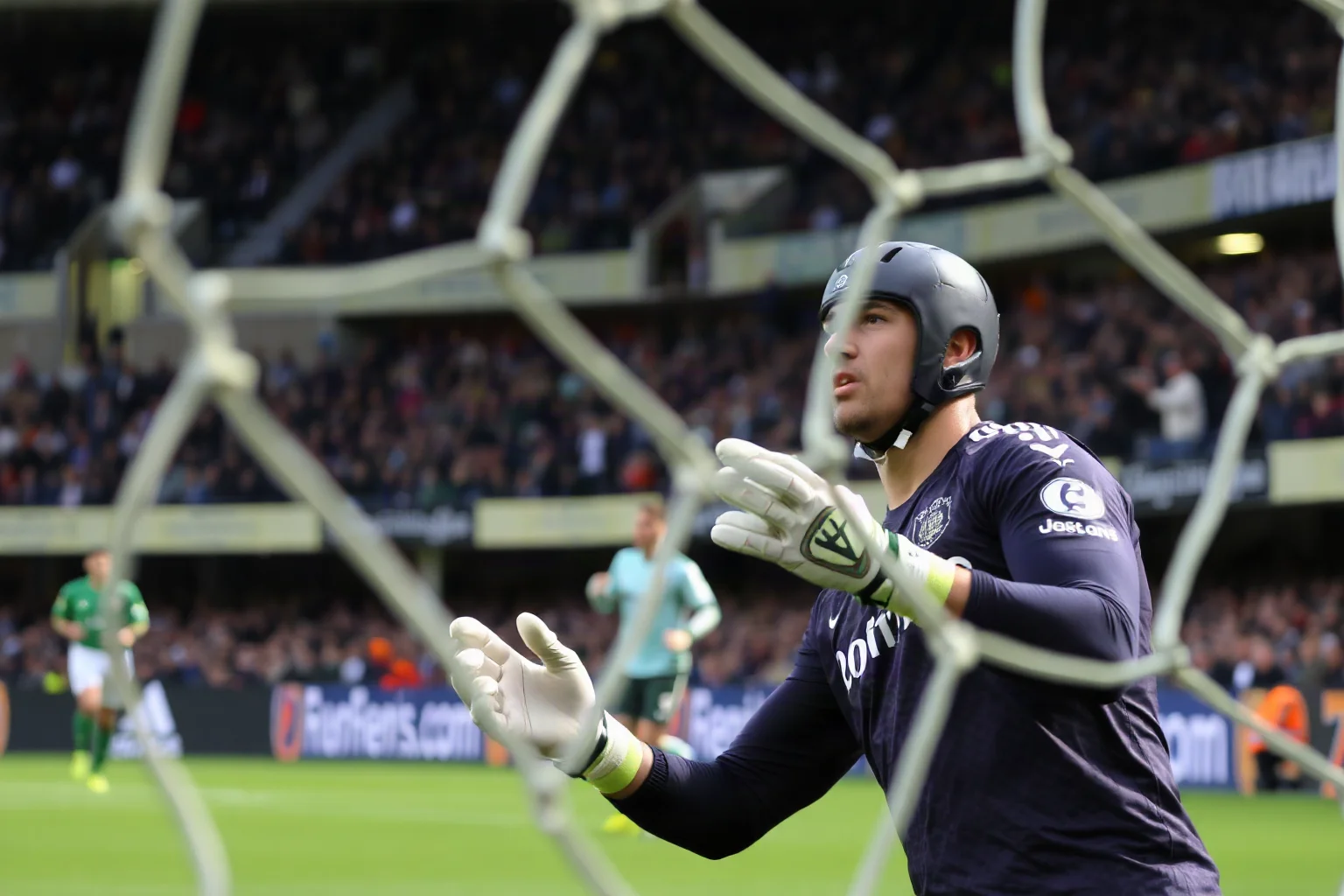
Chelsea goalkeeper Petr Čech suffered a depressed skull fracture after a knee-to-head collision with Reading’s Stephen Hunt during a 2006 match. The injury required emergency surgery and permanently altered his career.
Čech wore a padded protective helmet for the rest of his playing days as a result. It remains one of the most cited examples of famous injuries in sports leading directly to a permanent change in an athlete’s equipment.
16. Alf-Inge Håland’s Career-Ending Tackle (2001)
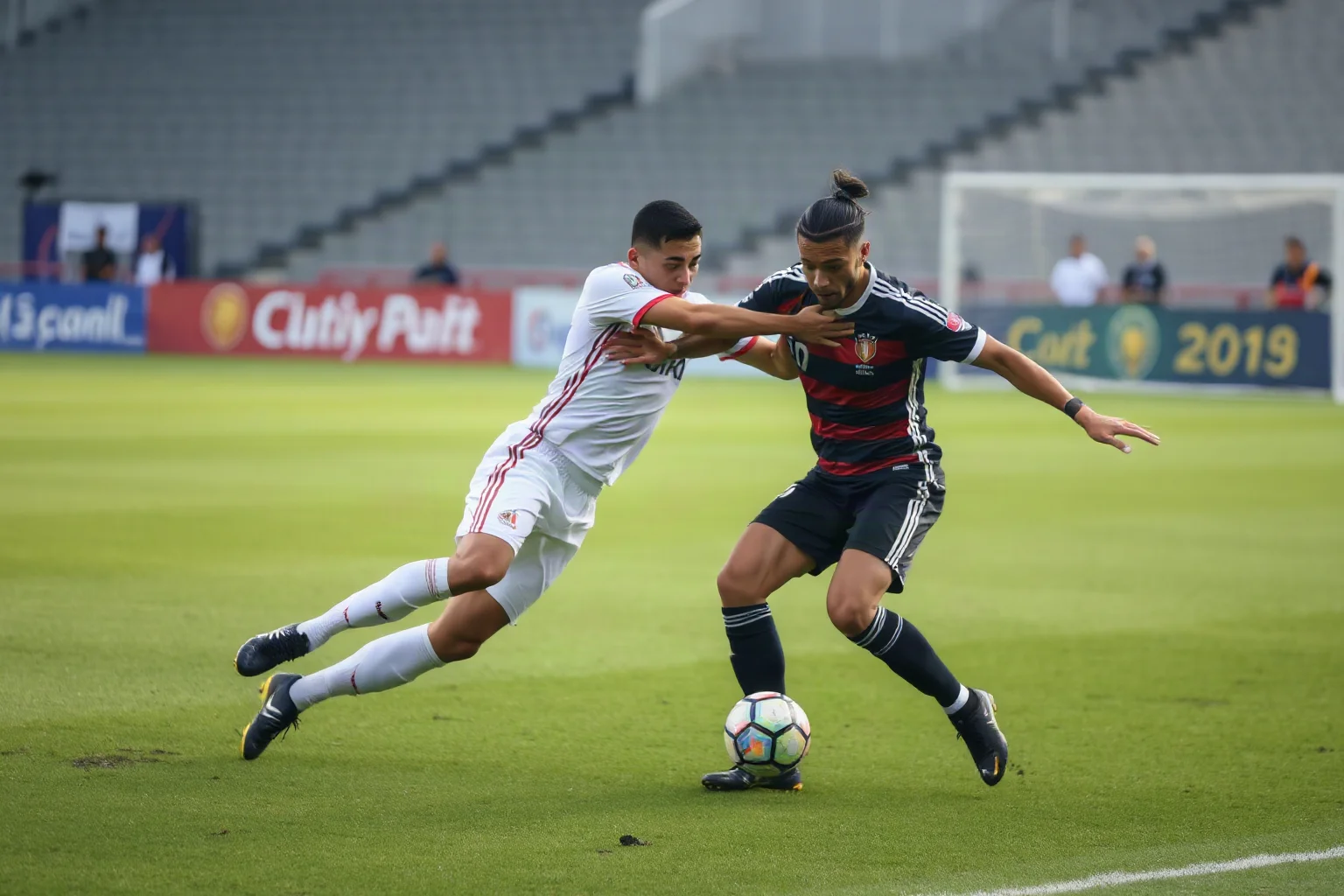
In April 2001, Manchester United’s Roy Keane made a tackle on Manchester City’s Alf-Inge Håland that effectively ended Håland’s career due to lasting knee damage. The tackle came years after a previous on-field incident between the two players, and Keane’s later comments about the challenge sparked significant controversy in English football.
Håland retired from professional soccer not long afterward. The incident remains one of the more debated examples of how a single tackle can be considered among the worst injuries in sports history, both for the physical damage and the drama surrounding it.
17. Phillip Hughes’ Fatal Bouncer (2014)
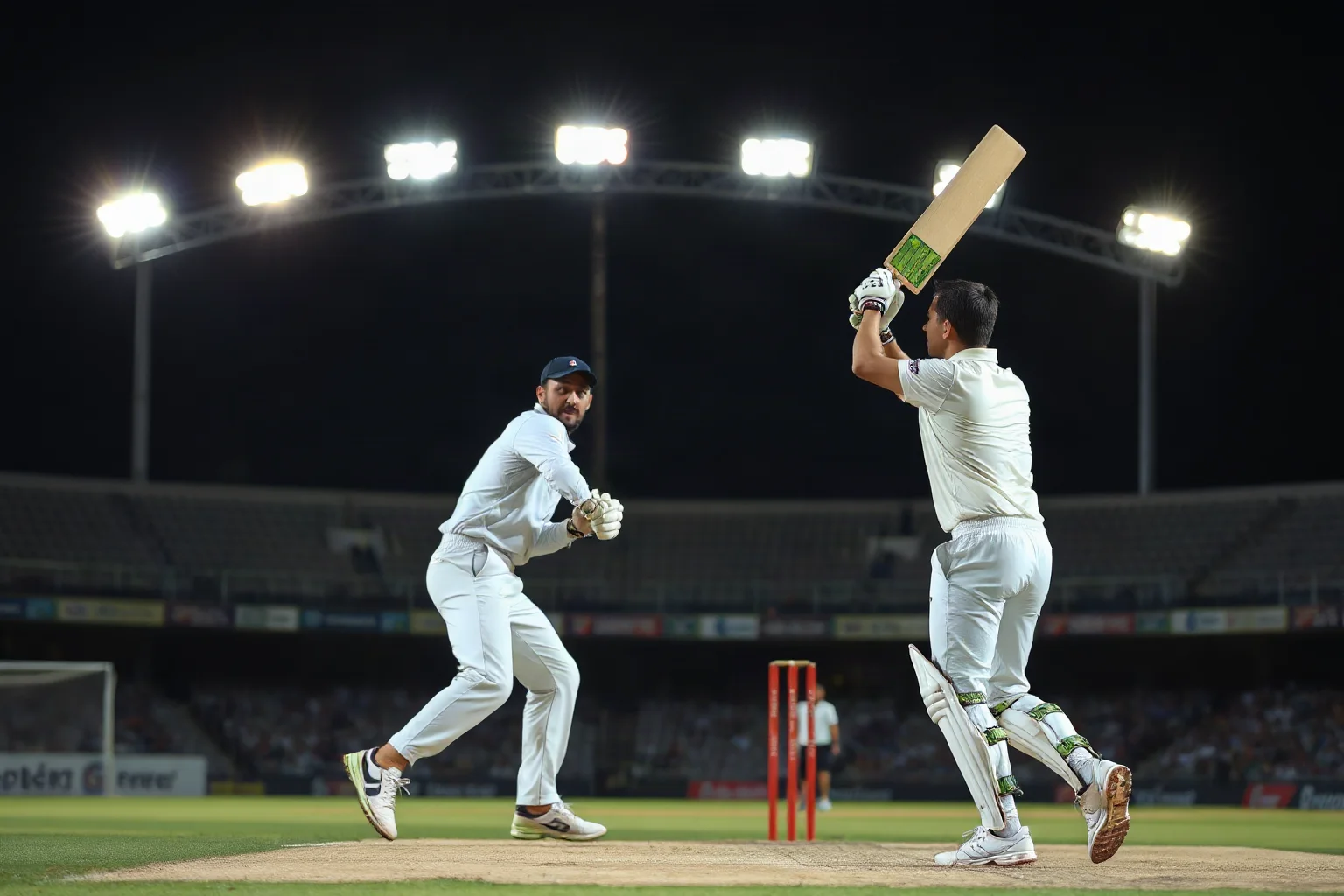
Australian cricketer Phillip Hughes was struck in the neck by a bouncer during a Sheffield Shield match in November 2014, just below the base of his helmet. He died two days later from the injury, sending shockwaves through the cricket world.
His death led to updated helmet safety standards and renewed conversations about neck protection in cricket. It’s frequently cited as one of the worst sports injuries of all time specifically because it exposed a gap in equipment that had gone largely unaddressed for decades.
18. Niki Lauda’s Fiery Crash (1976)

Formula 1 driver Niki Lauda crashed and caught fire during the 1976 German Grand Prix at the Nürburgring, suffering severe burns and lung damage from smoke inhalation. He was given last rites at one point, according to widely reported accounts from that era.
Remarkably, Lauda returned to racing just six weeks later, visible scarring and all. His crash remains one of the most significant moments in motorsport safety history, prompting changes to circuit design and driver rescue protocols.
19. Ayrton Senna’s Fatal Crash (1994)

Three-time Formula 1 world champion Ayrton Senna died from injuries sustained in a crash during the 1994 San Marino Grand Prix at Imola. His death, alongside other serious incidents that same race weekend, triggered one of the most sweeping safety overhauls in motorsport history.
The FIA introduced stricter cockpit protection standards, redesigned dangerous circuit sections, and formed dedicated safety research institutes in the years that followed. Senna’s crash is still widely regarded as one of the worst injuries in the world to ever occur in professional racing.
20. Dale Earnhardt’s Fatal Daytona Crash (2001)

NASCAR legend Dale Earnhardt died from injuries sustained in a crash on the final lap of the 2001 Daytona 500. His death led NASCAR to mandate the HANS device, a head and neck safety restraint, along with SAFER barriers at tracks across the sport.
Earnhardt’s crash is considered a turning point for stock car racing safety, similar to what Senna’s crash meant for Formula 1. Both incidents remain grim but essential reference points in any honest account of the worst sports injuries in history.
21. Gerald McClellan’s Brain Injury (1995)
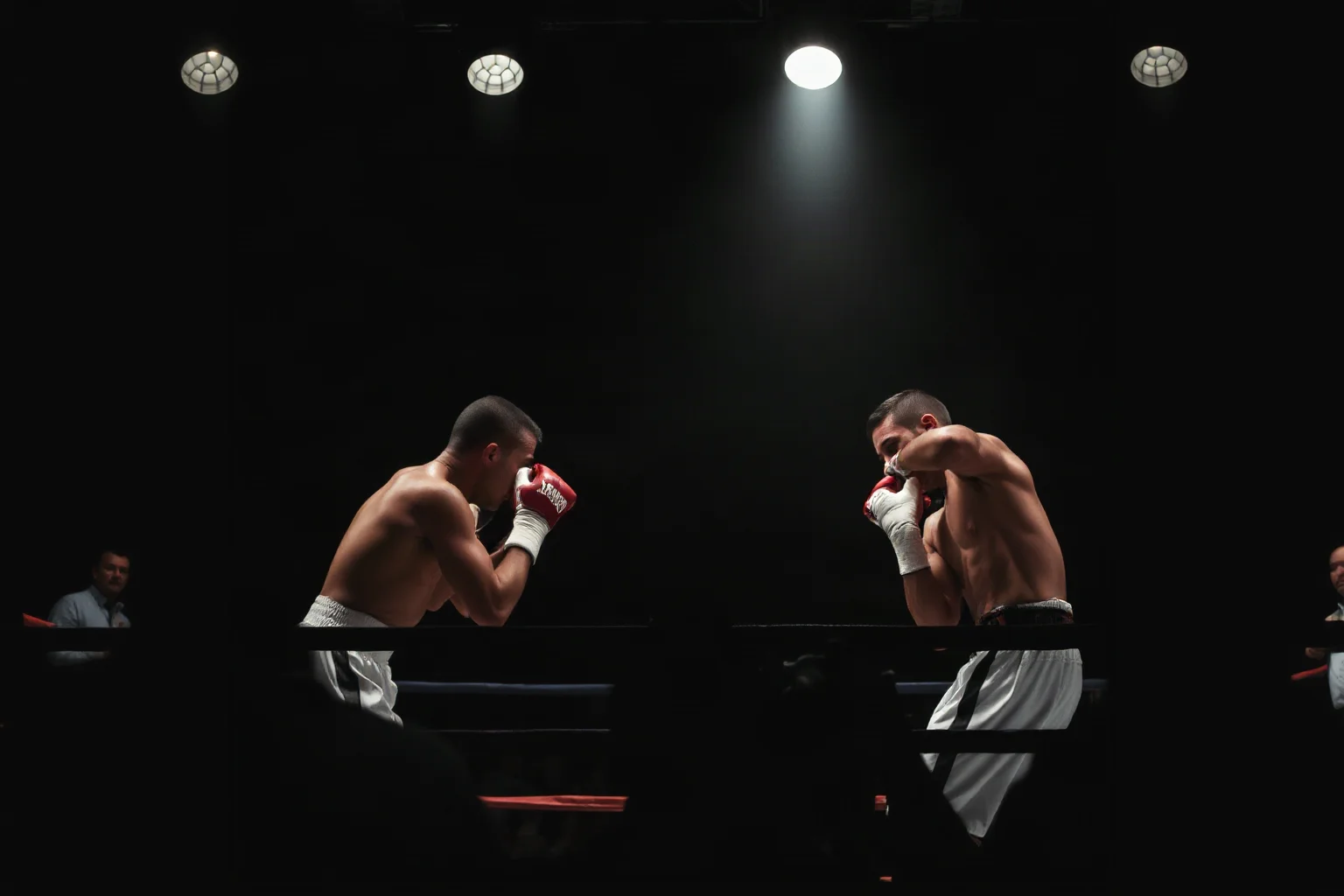
Boxer Gerald McClellan collapsed after the tenth round of a title fight against Nigel Benn in London in February 1995. He suffered severe and permanent brain damage, leaving him blind, largely deaf, and requiring full-time care for the rest of his life.
His case remains one of the starkest examples of the long-term risks in combat sports, far beyond the visible cuts and knockdowns fans typically associate with a bad night in the ring. It’s often brought up whenever people ask what is the worst injury a professional athlete can suffer and still survive.
22. Stone Cold Steve Austin’s Neck Injury (1997)

At WWF’s SummerSlam in August 1997, wrestler Steve Austin suffered a serious neck injury after a piledriver from Owen Hart didn’t go as planned. Austin famously finished the match despite the injury, later revealing that he had lost feeling in his arms and legs for a terrifying stretch immediately afterward.
The injury caused lasting nerve damage that contributed to Austin’s earlier-than-expected retirement from full-time wrestling years later. It’s a frequently cited example in discussions of famous injuries in sports where the athlete’s instinct to finish the show overrode the severity of what had just happened.
The Lasting Legacy: How the Worst Injuries Changed the Rules
A pattern shows up again and again on this list: tragedy leads to reform. Baseball’s batting helmets trace back to beanings like Ray Chapman’s and Tony Conigliaro’s. Cricket’s helmet redesigns followed directly from Phillip Hughes’ death.
Motorsport is maybe the clearest example of all. Niki Lauda’s crash reshaped rescue protocols in the 1970s, and Ayrton Senna’s death two decades later triggered an even bigger wave of cockpit and circuit safety standards that F1 still builds on today. Dale Earnhardt’s fatal crash did something similar for NASCAR just a few years later.
Even in team sports, spinal injuries to college athletes like Marc Buoniconti and Eric LeGrand pushed serious money and research attention toward paralysis treatment. None of these athletes set out to change their sport through injury, but collectively, their worst moments quietly rewrote how safely everyone who came after them got to play.
Final Thoughts
It’s worth remembering that most professional athletes never experience anything close to what’s on this list. These cases stand out precisely because they’re rare, and because each one forced a sport to confront a risk it had been ignoring.
Whether it’s a compound fracture on Monday Night Football or a fatal crash at Imola, the worst sports injuries in history share one thing in common: they made the games safer for everyone who plays them next. That’s a strange kind of silver lining, but it’s a real one, backed by rule changes that still protect athletes today.
Frequently Asked Questions
What is the worst injury an athlete has ever suffered in competition?
There's no single agreed-upon "worst" injury because severity depends on whether you're measuring visual shock, career impact, or loss of life. Fatal incidents like Ray Chapman's beaning, Ayrton Senna's crash, and Phillip Hughes' fatal bouncer are usually considered the most severe, since they cost athletes their lives rather than just their careers.
What might confirm the worst for an athlete’s injury on the field?
Certain signals tend to confirm a serious injury before any diagnosis is announced: medical staff sprinting onto the field rather than jogging, a stretcher or cart being called immediately, teammates turning away or taking a knee, and broadcasters going quiet or cutting away from a replay. These reactions are often a faster indicator of severity than anything said on air.
What is the worst sports injury of all time?
Among survivable injuries, Joe Theismann's 1985 leg break and Clint Malarchuk's 1989 skate-cut throat are among the most commonly cited due to how graphic and dangerous they were. Among fatal incidents, Ayrton Senna's 1994 Formula 1 crash and Dale Earnhardt's 2001 Daytona crash are frequently ranked as the most consequential, since both led to major sport-wide safety reforms.
Are these called the grossest sports injuries because of how they looked or how serious they were?
Both factors usually play a role. Injuries like Kevin Ware's or David Busst's compound fractures earned their reputation largely from how visually disturbing they were on live broadcast, while injuries like spinal cord damage or fatal crashes are considered severe mainly because of their lasting or permanent consequences, regardless of how they looked.
Have athletes ever suffered fits or seizures as a result of a sports injury?
Seizures can occur after severe head trauma or concussions in contact sports, though they're generally treated as a medical emergency symptom rather than the injury itself. It's a less common category than the fractures, spinal injuries, and crashes covered on most worst-injury lists, and any specific case should be evaluated by medical professionals rather than compared casually to other injury types.
Did any of these injuries actually change the rules of their sport?
Yes, several did. Ray Chapman's fatal beaning contributed to eventual batting helmet rules in baseball, Phillip Hughes' death led to updated cricket helmet standards, and both Ayrton Senna's and Dale Earnhardt's fatal crashes prompted major safety overhauls in Formula 1 and NASCAR respectively.
What is the most severe injury a professional athlete can survive and still return to competition?
Multi-ligament knee tears, compound leg fractures, and severe spinal cord injuries are among the most severe injuries athletes have returned from, though recovery varies enormously by case. Willis McGahee, Kevin Ware, and Luke Shaw are commonly cited examples of athletes who came back from injuries that once would have ended a career outright.
Why do people still talk about these old sports injuries decades later?
Many of these injuries were broadcast live to huge audiences, which made them instantly memorable in a way that off-camera incidents rarely are. They're also frequently referenced because they led to real, lasting changes in equipment or rules, so they keep coming up whenever a sport revisits its safety standards.

Alex Warren
Related Articles