
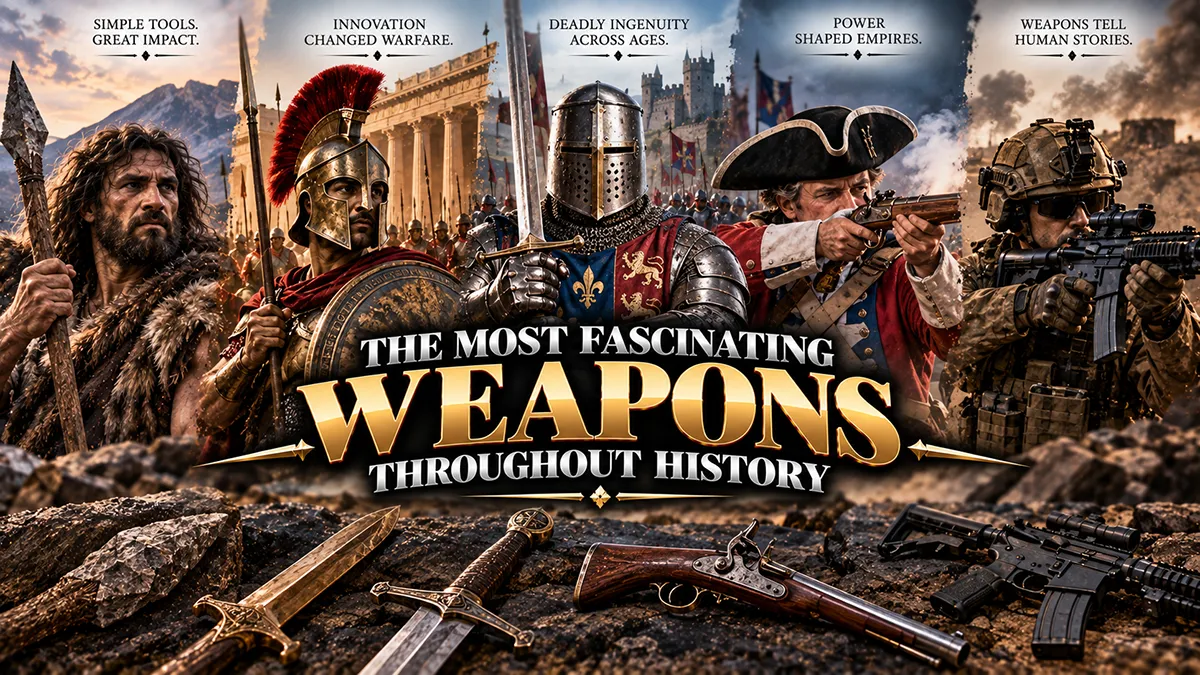
Human beings have always been remarkably creative when it comes to figuring out new ways to hit, stab, slice, or blast each other.
Long before modern firearms, blacksmiths, engineers, and battlefield tacticians dreamed up an astonishing range of cool weapons designed to solve very specific problems — piercing armor, disarming an opponent, or striking fear into an enemy before a single blow landed.
This list dives into some of the most unique melee weapons, exotic firearms, and downright weird medieval weapons ever devised.
Some are proven battlefield workhorses backed by solid archaeological and historical evidence. Others sit closer to legend, and we’ll be upfront about which is which, because separating myth from military history is half the fun.
TL;DR: From Aztec obsidian clubs to duck’s foot pistols, history’s strangest and most unconventional weapons reveal just how creative — and desperate — humans have been in the art of combat.
What Makes a Weapon ‘Unique’ or ‘Unconventional’?
Before jumping into the list, it helps to understand what separates an ordinary sword or spear from history’s truly unusual weapons. Most traditional weapons evolved slowly, refined over centuries into reliable, mass-producible tools of war like the longsword or the standard infantry spear.
The weapons on this list, by contrast, usually solved a very narrow problem — cavalry, armor, ambushes, or assassination — and many never spread far beyond the culture that invented them.
That narrow specialization is exactly what makes them so memorable today. Whether you’re searching for cool weapons for a story, curious about the coolest weapon names in military history, or just love a good rabbit hole of obscure weapons, this list has something for you.
Let’s get into the weapons of history that still make historians and weapons enthusiasts do a double take.
1. Macuahuitl — The Aztec Obsidian Sword
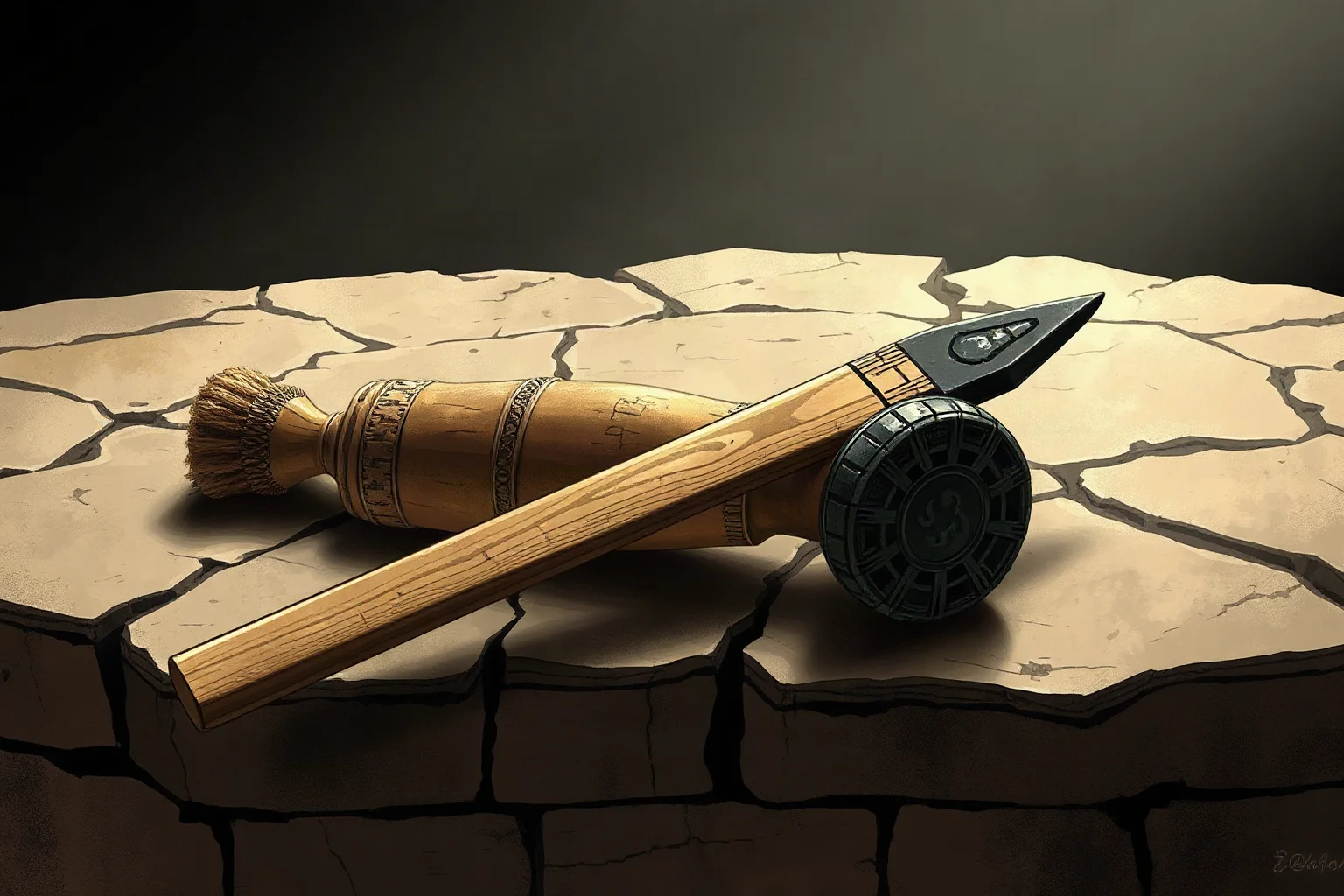
The macuahuitl was a wooden club edged with rows of razor-sharp obsidian blades, used by Aztec warriors in Mesoamerica. Spanish accounts from the conquest era describe it as capable of decapitating a horse in a single blow, though modern historians treat those specific claims with some caution since they come from secondhand colonial sources.
What’s well documented is that obsidian can be flaked sharper than steel, even if it’s far more brittle. That combination made the macuahuitl a devastating close-combat weapon and one of the coolest ancient weapons from the pre-Columbian world.
2. Urumi — India’s Whip Sword
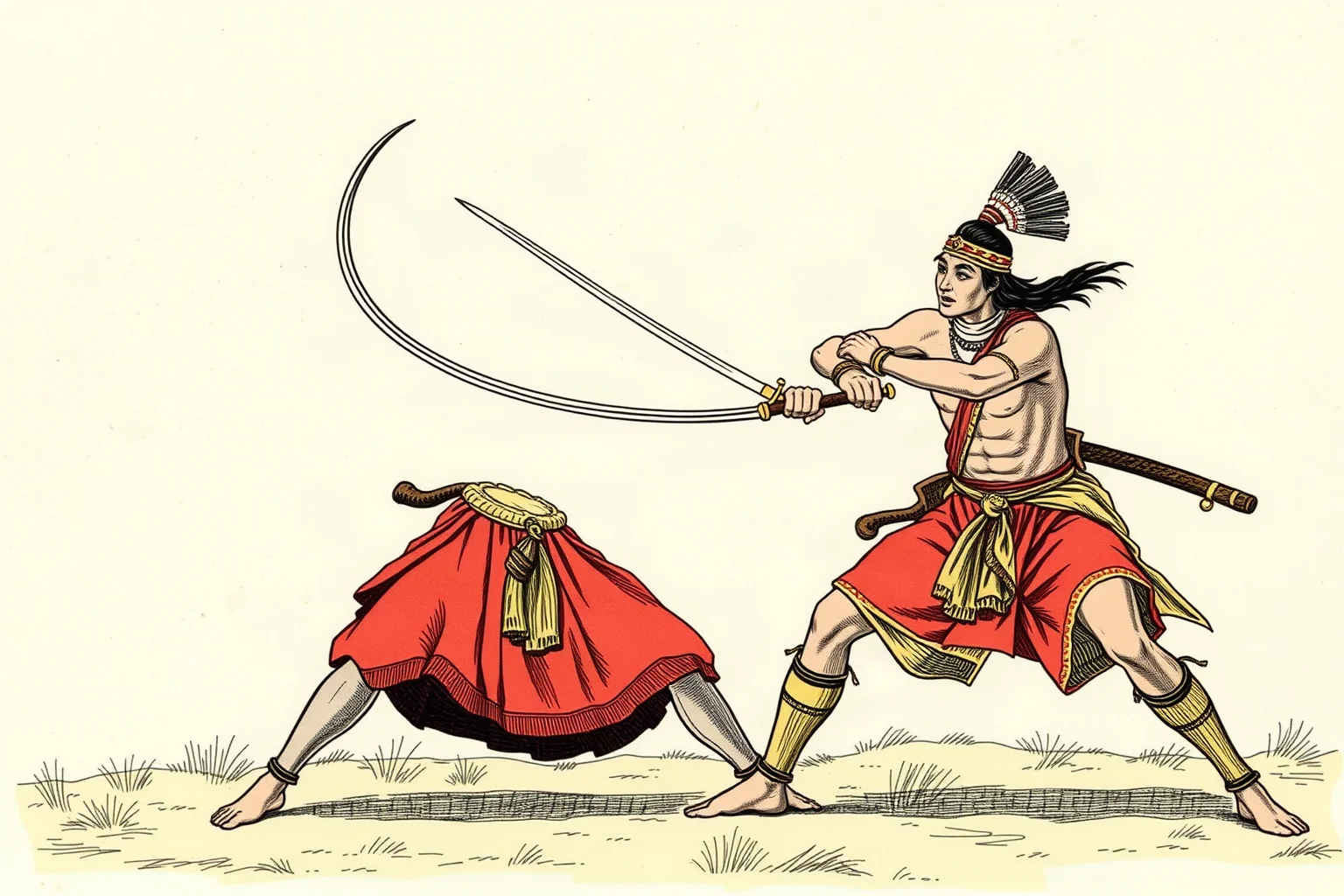
The urumi is a flexible, multi-bladed sword from South India, sometimes called a “whip sword” because its metal strips flex like a fabric whip when swung. It was closely associated with Kalaripayattu, one of the oldest martial arts traditions in the world.
Handling one safely required years of training, since a poorly controlled swing could injure the wielder as easily as an opponent. It remains one of the more unique blade weapons ever developed, prized more for its difficulty than its practicality on an open battlefield.
3. Chu Ko Nu — China’s Repeating Crossbow
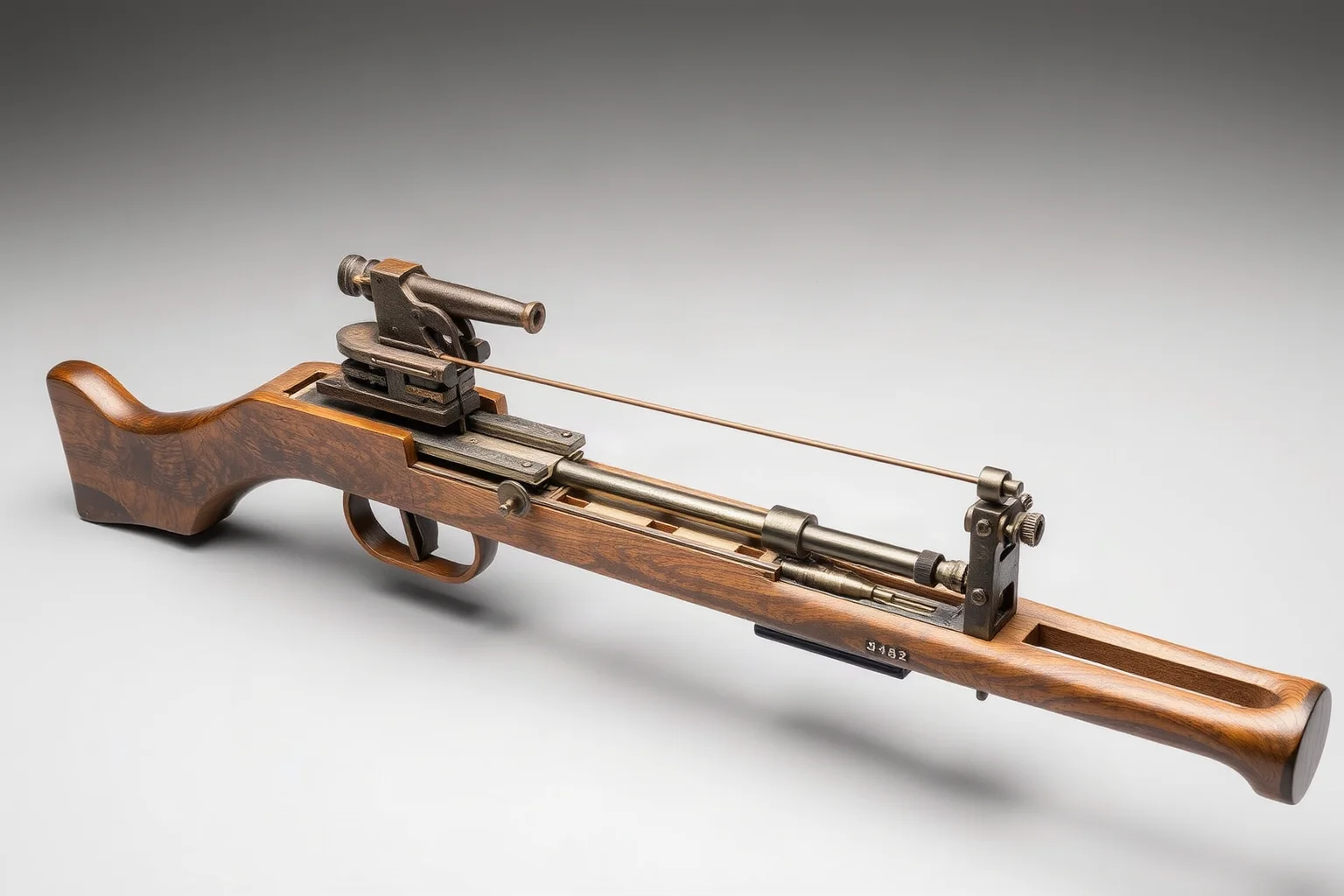
The Chu Ko Nu, or repeating crossbow, let a soldier fire multiple bolts in rapid succession without manually reloading between shots, using a lever-action magazine system. Historical records trace variations of this design back over two thousand years in China.
It sacrificed power and range for speed, making it less effective against heavy armor but useful for suppressing fire or defending fortifications. It’s a favorite among fans of interesting weapons precisely because it looks almost too modern for its era.
4. Zulfiqar — The Legendary Twin-Bladed Sword
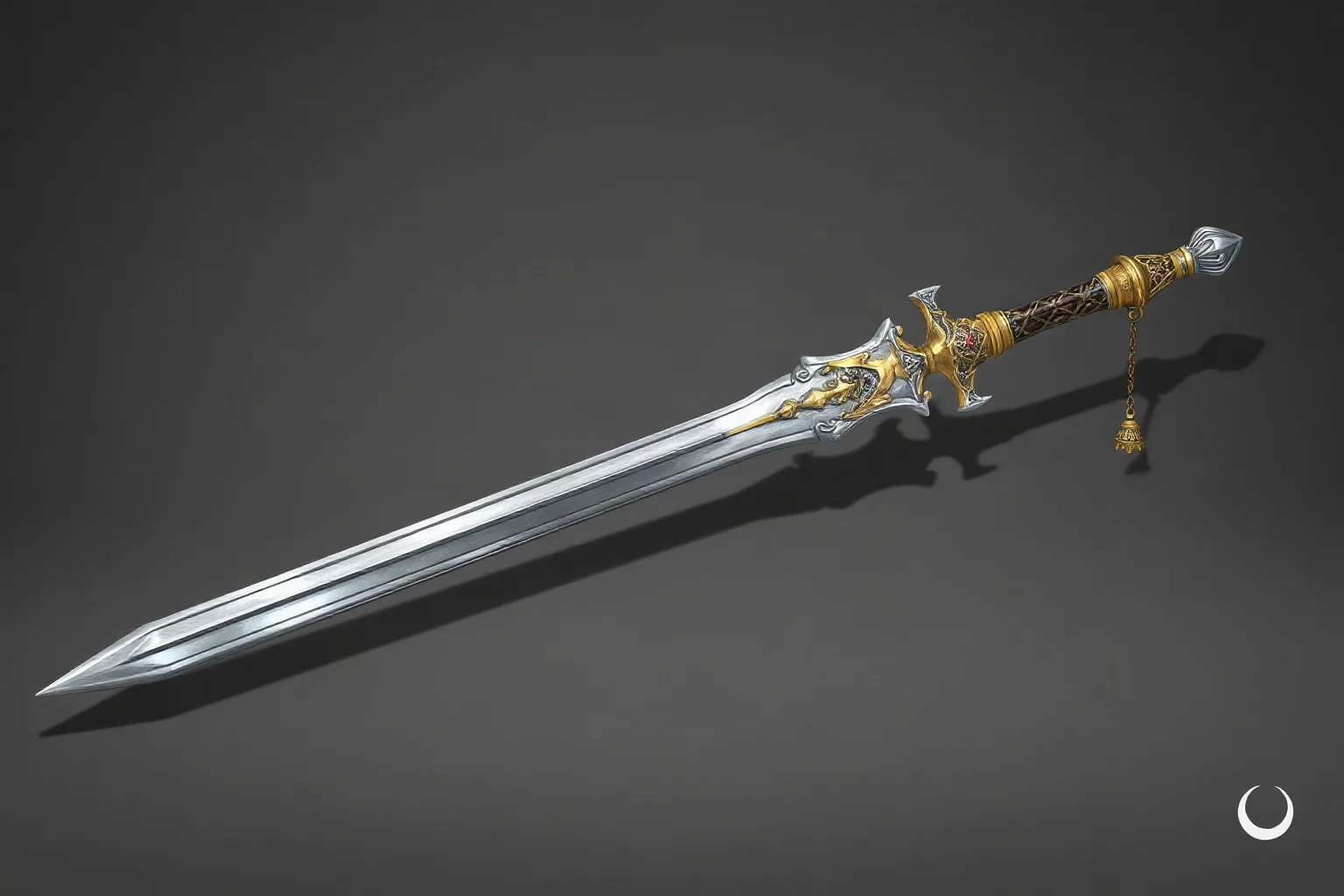
Zulfiqar is described in Islamic tradition as the sword of Ali, cousin and son-in-law of the Prophet Muhammad, and is often depicted with a distinctive split or forked tip. No verified physical example survives, and its exact original appearance is debated among historians.
Over the centuries, artistic depictions of Zulfiqar — often shown as a twin-pointed blade — became a powerful symbol in Islamic art and Shia iconography. It’s a genuine entry among legendary weapons from history where symbolism has outlasted any surviving physical object.
5. Greek Fire — The Ancient Incendiary Weapon
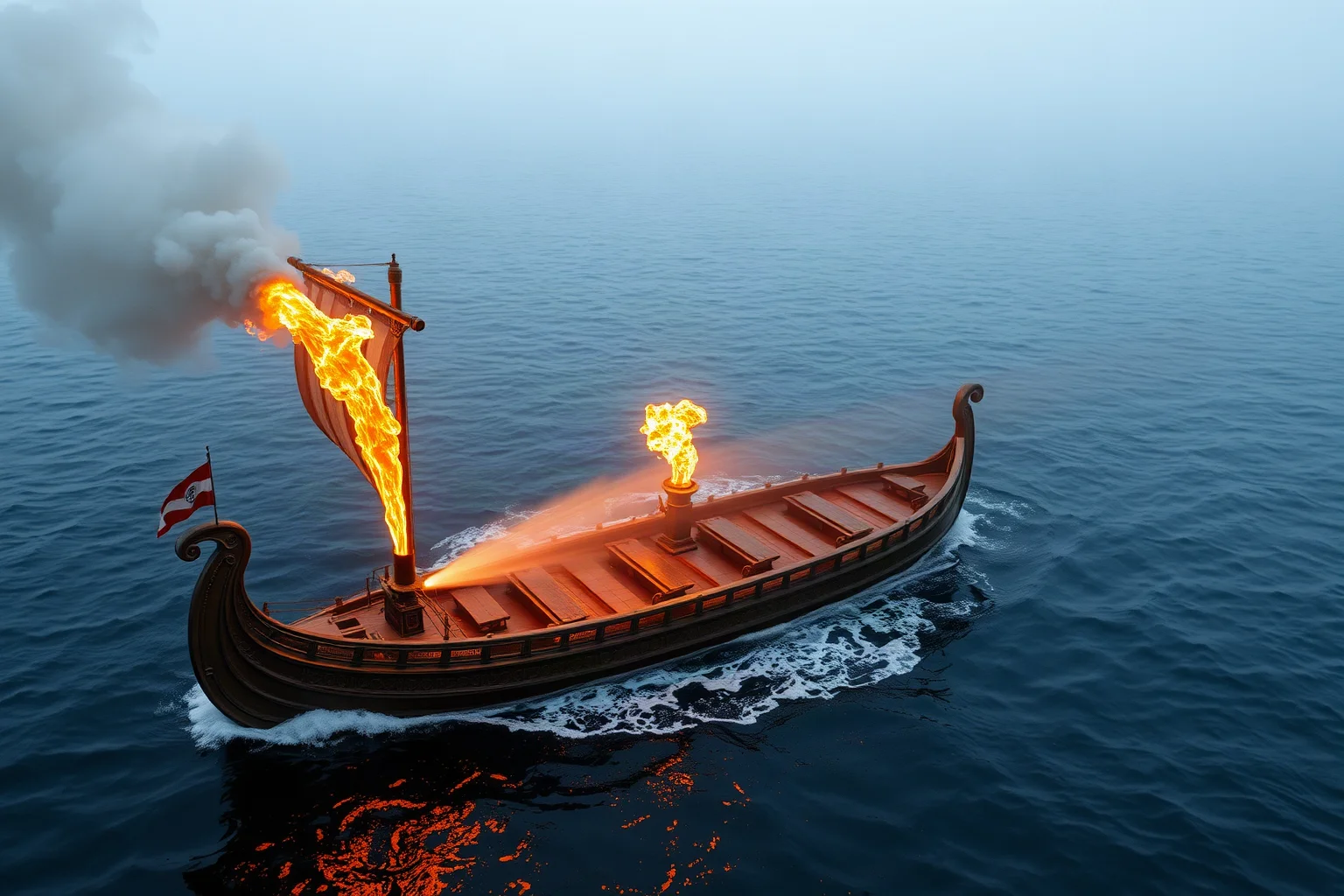
Greek Fire was a mysterious incendiary substance used by the Byzantine Empire starting around the 7th century, capable of burning even on water. It was typically sprayed from ships using pressurized tubes, giving the Byzantines a devastating naval advantage for centuries.
The exact formula was a closely guarded state secret and was eventually lost to history entirely. Modern chemists have proposed various recipes involving naphtha, quicklime, or sulfur, but none has been definitively confirmed, making it one of the truly unsolved mysteries among ancient weapons — right up there with other historical events that sound too crazy to be true.
6. Mancatcher — The Medieval Capture Pole
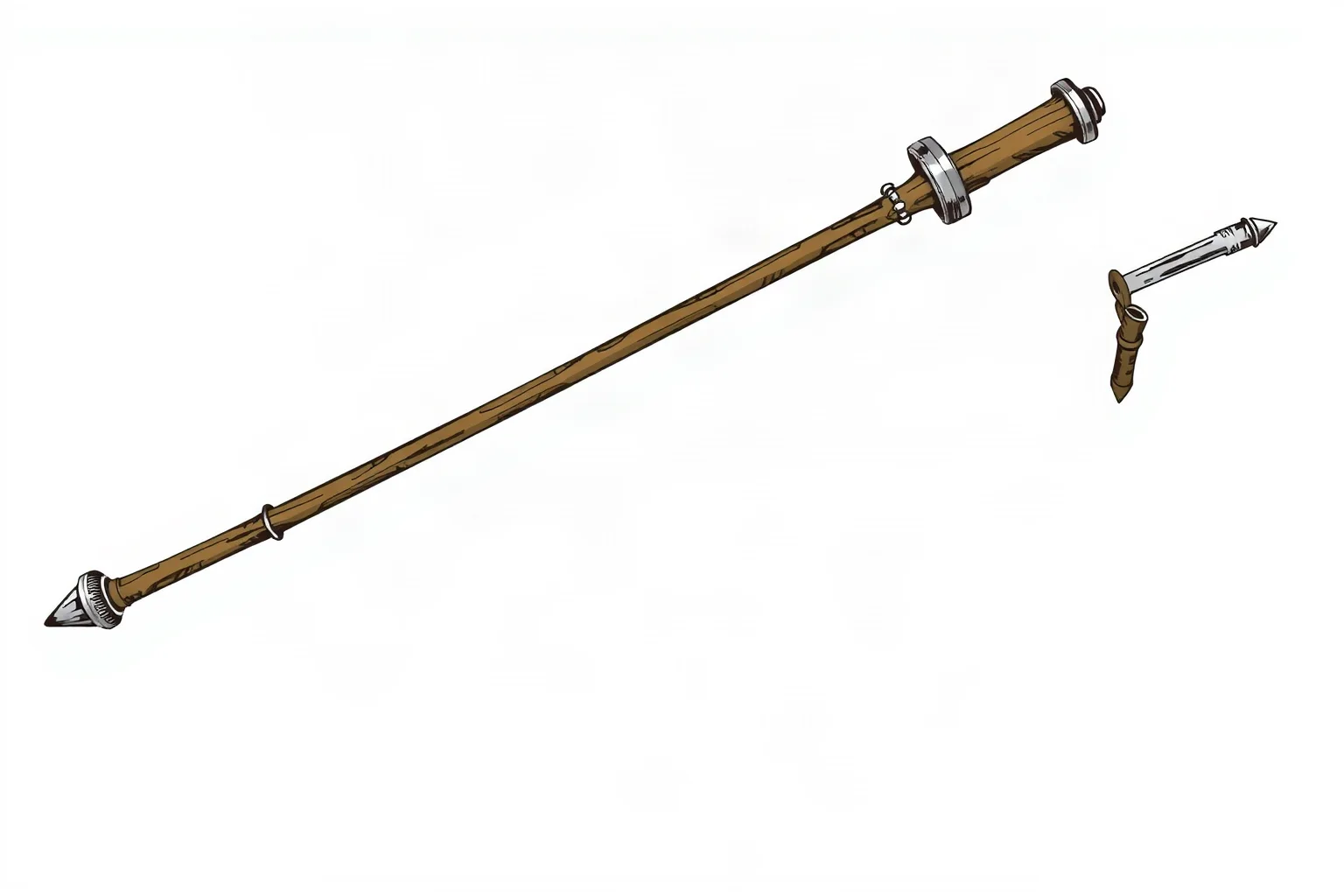
The mancatcher was a long pole weapon topped with a hinged, semicircular metal collar designed to close around a target’s neck or limb. Rather than killing outright, it was built to capture high-value prisoners like nobles or officers alive.
Versions appear in both European and Asian military history, showing that the need to subdue rather than kill wasn’t limited to one culture. It’s a strange, oddly humane entry among unusual medieval weapons built for a battlefield generally associated with brutality.
7. Sword Breaker — The Main Gauche Dagger
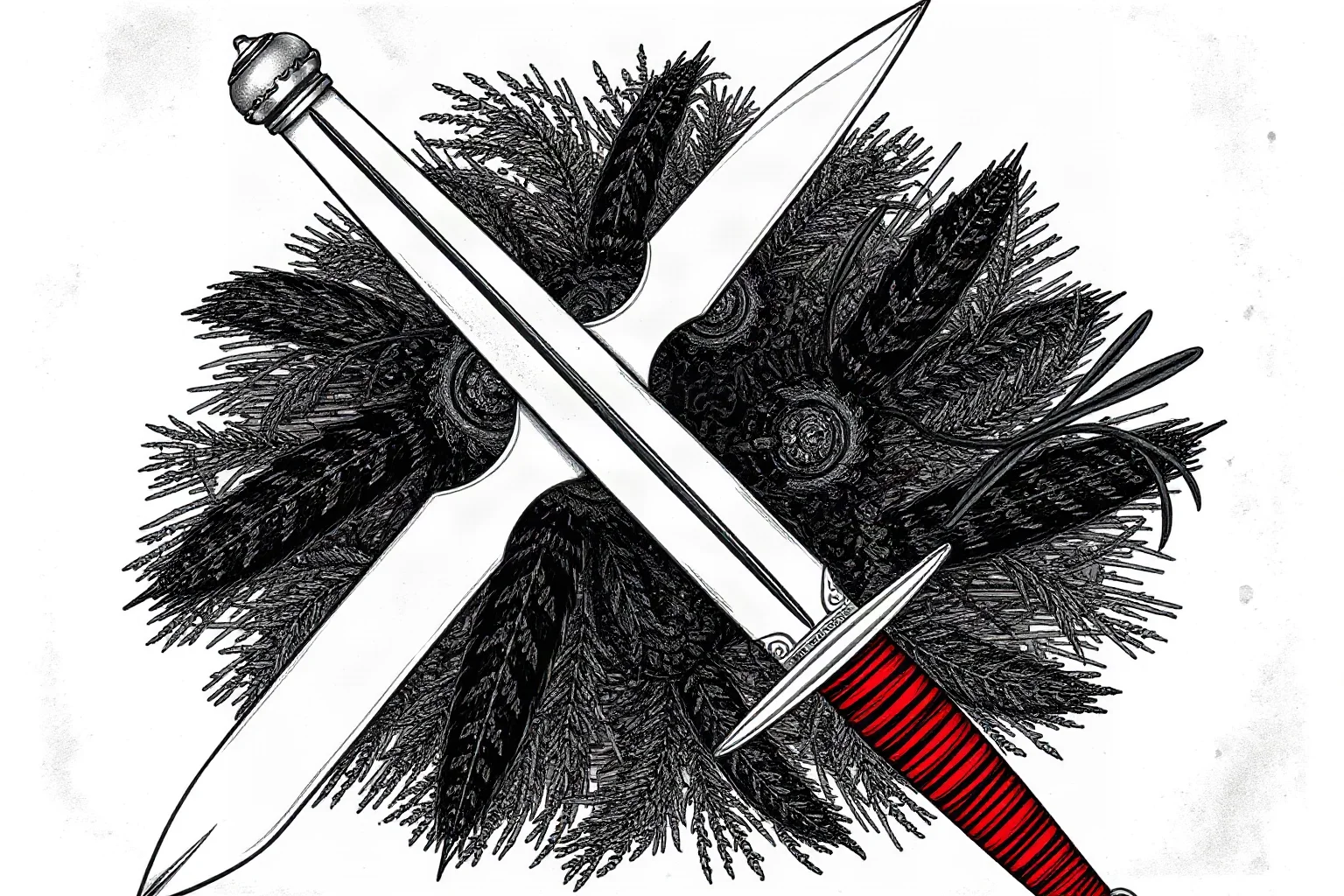
The sword breaker, a style of main gauche dagger, featured a saw-toothed spine designed to trap and potentially snap an opponent’s blade during a parry. It was typically used as a companion weapon alongside a rapier in European dueling traditions.
While the tooth-like notches could catch a blade, actually snapping quality steel was far harder in practice than dueling manuals sometimes implied. Still, it remains one of the coolest bladed weapons purely for its ingenious, if optimistic, design concept.
8. War Flail — The Peasant’s Nightmare Weapon
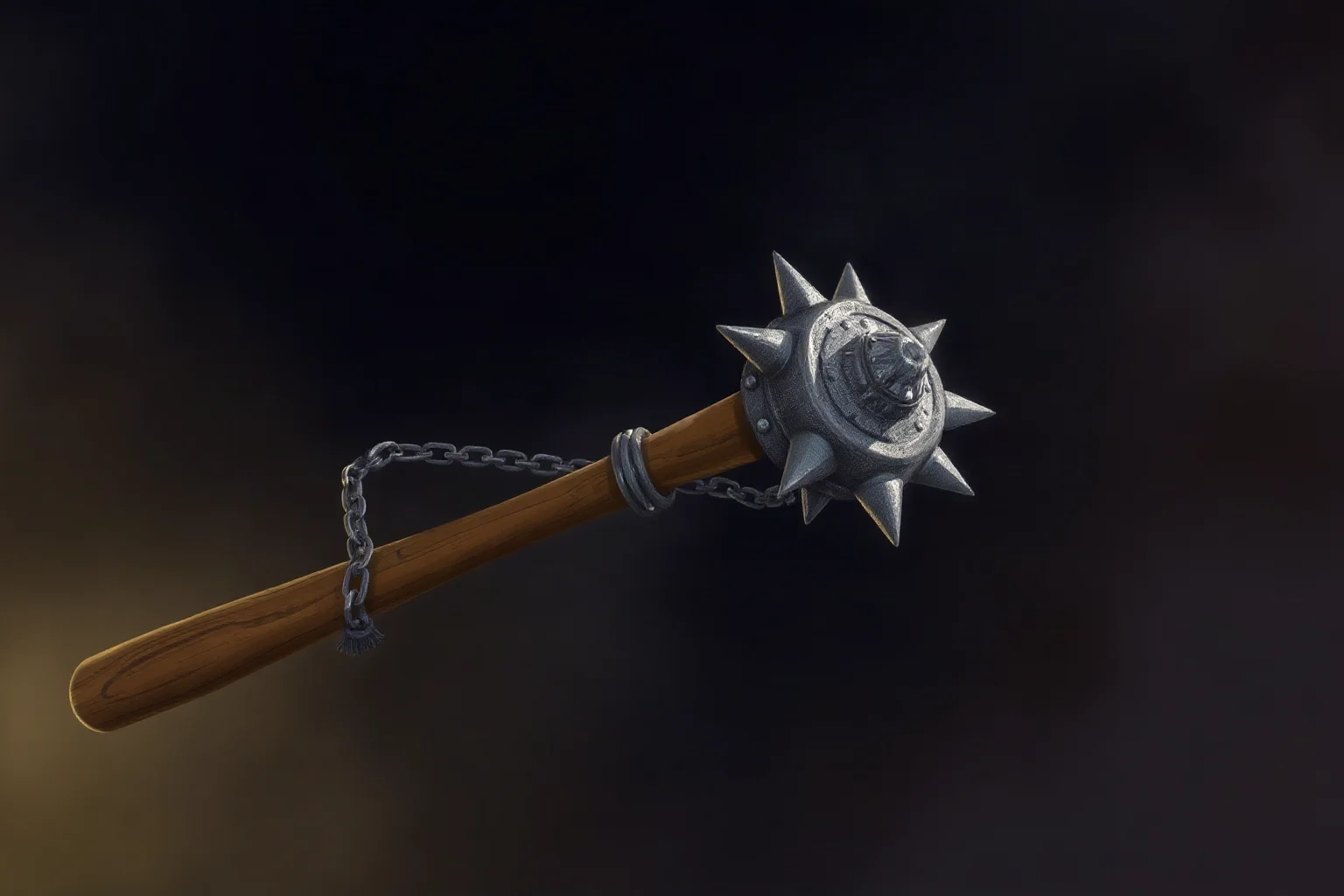
The war flail evolved from agricultural threshing tools into a hinged weapon with a wooden or metal head swinging freely from a handle via a chain. Its unpredictable arc made it notoriously difficult to block with a shield, which was both its strength and its danger to the user.
Military flails were less common on organized battlefields than popular culture suggests, largely because they were awkward and risky to wield in tight formation. Still, they remain a staple of odd medieval weapons discussions thanks to their brutal, improvised origins.
9. Katar — India’s Push Dagger
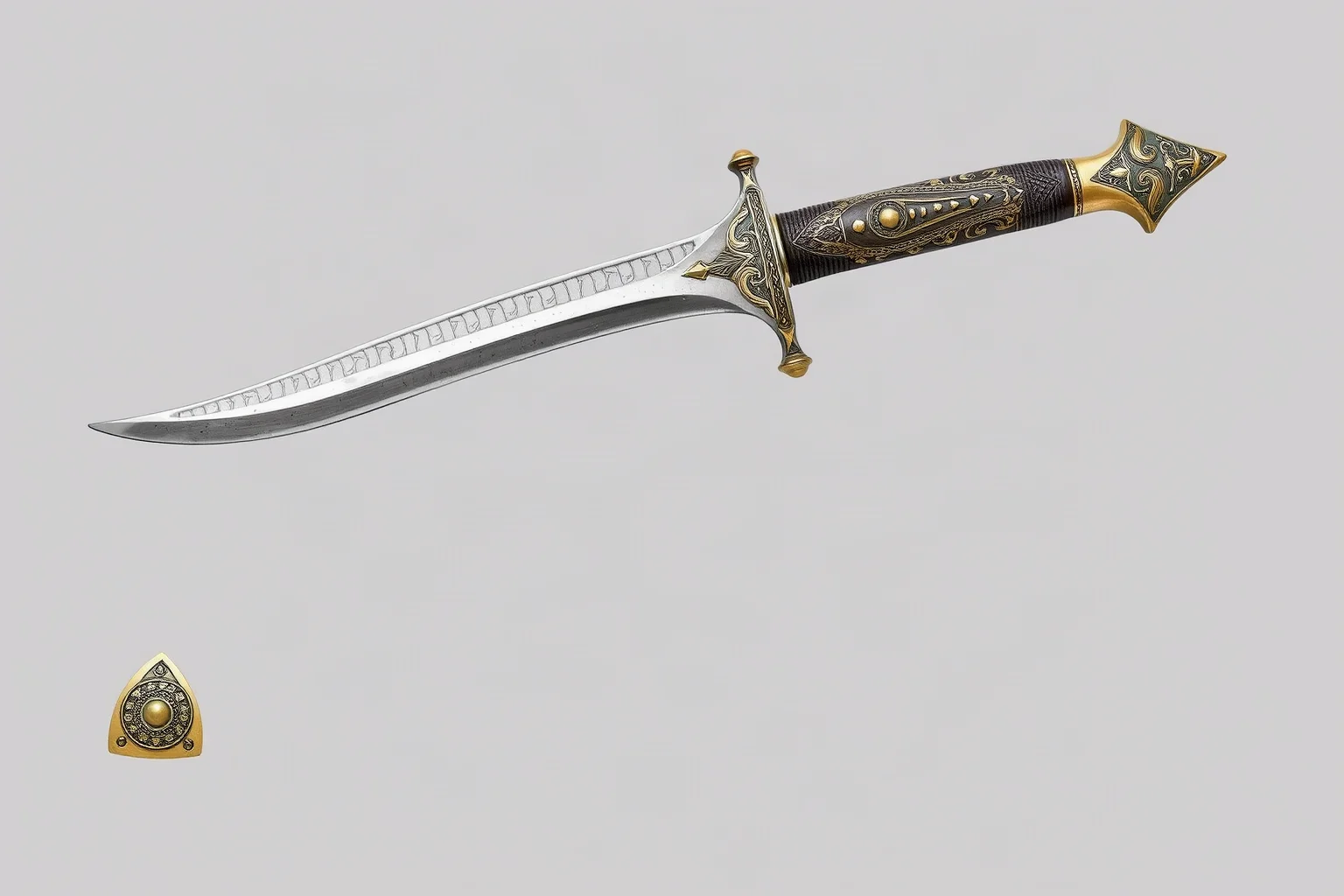
The katar is a distinctive push dagger from the Indian subcontinent, gripped with a horizontal handle so the blade extends directly from the fist rather than the wrist. This design allowed for powerful, direct thrusting strikes that could punch through mail armor.
Some elaborate versions even featured triple blades that sprang open on impact. It’s a striking example of a unique weapon shaped entirely by regional armor and fighting styles rather than European sword-making traditions.
10. Kpinga — Africa’s Multi-Bladed Throwing Knife
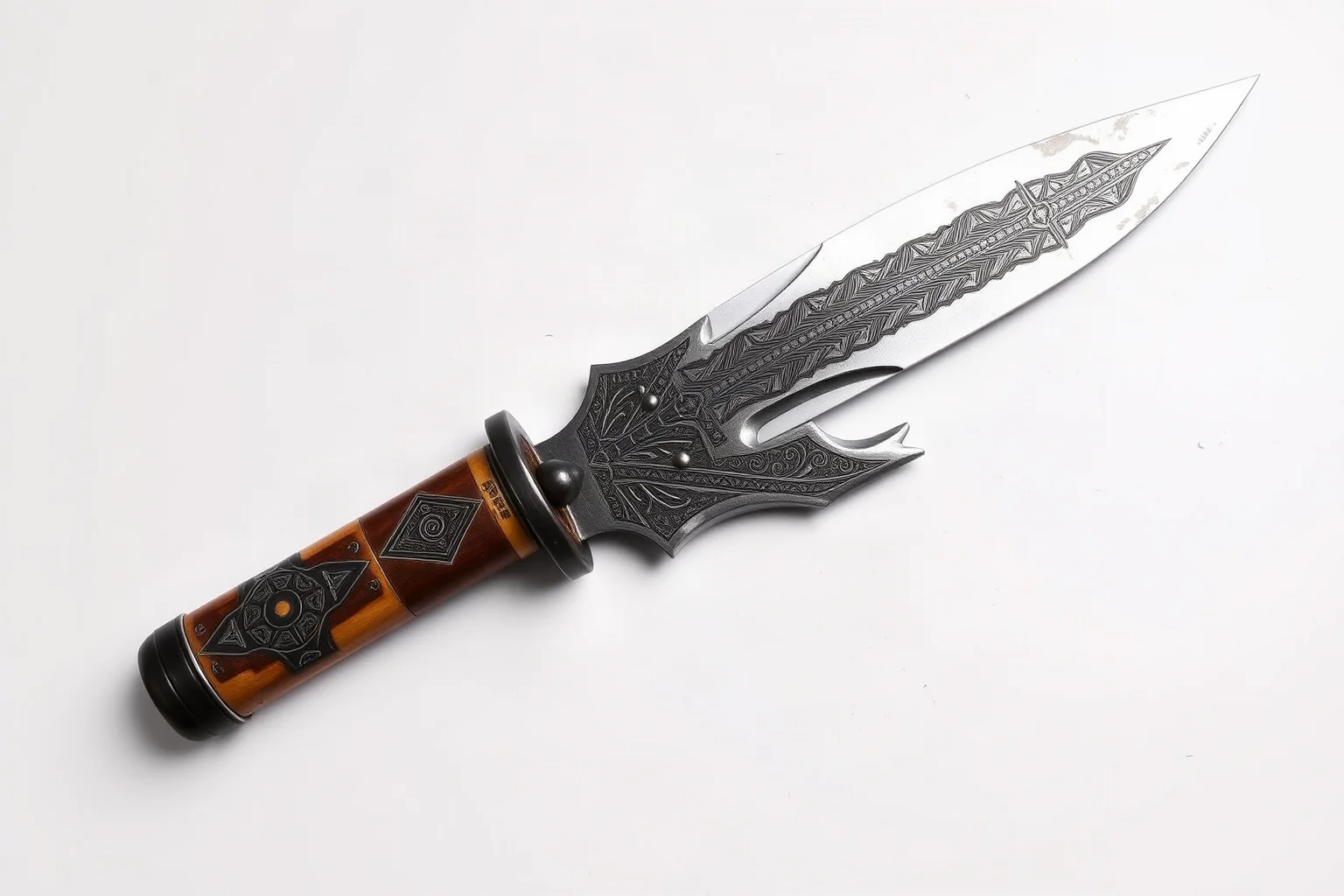
The kpinga was a multi-pointed iron throwing knife used by the Azande people of Central Africa, valued for both combat and as a symbol of status. Its irregular, branching blade shape meant it was likely to cause a wound no matter which angle it struck.
Beyond warfare, kpinga were also exchanged as bridal gifts and prestige items, showing how a single weapon could carry deep cultural meaning. It stands out among exotic weapons for blending lethal engineering with genuine artistry.
11. Chakram — The Sikh Throwing Ring
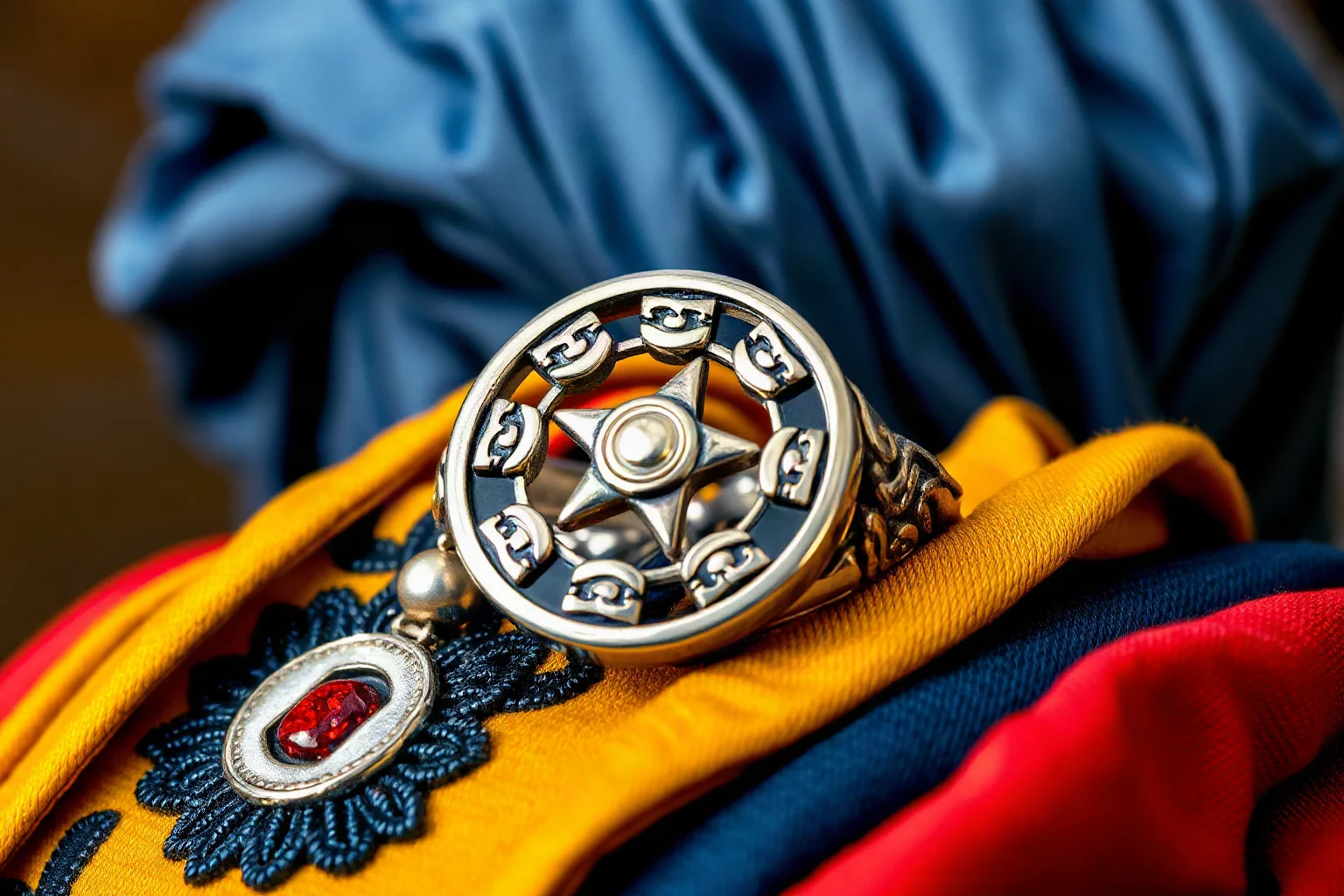
The chakram is a flat, sharpened steel ring associated with Sikh warriors in India, thrown with a spinning motion or worn stacked on a turban for ready access. Skilled practitioners could reportedly throw them with impressive accuracy at moderate range.
Beyond battlefield use, the chakram holds spiritual significance in Sikh tradition as a symbol of the eternal, unbroken nature of God. It’s a rare case of a weapon carrying as much religious meaning as martial function.
12. Puckle Gun — The Early ‘Machine Gun’
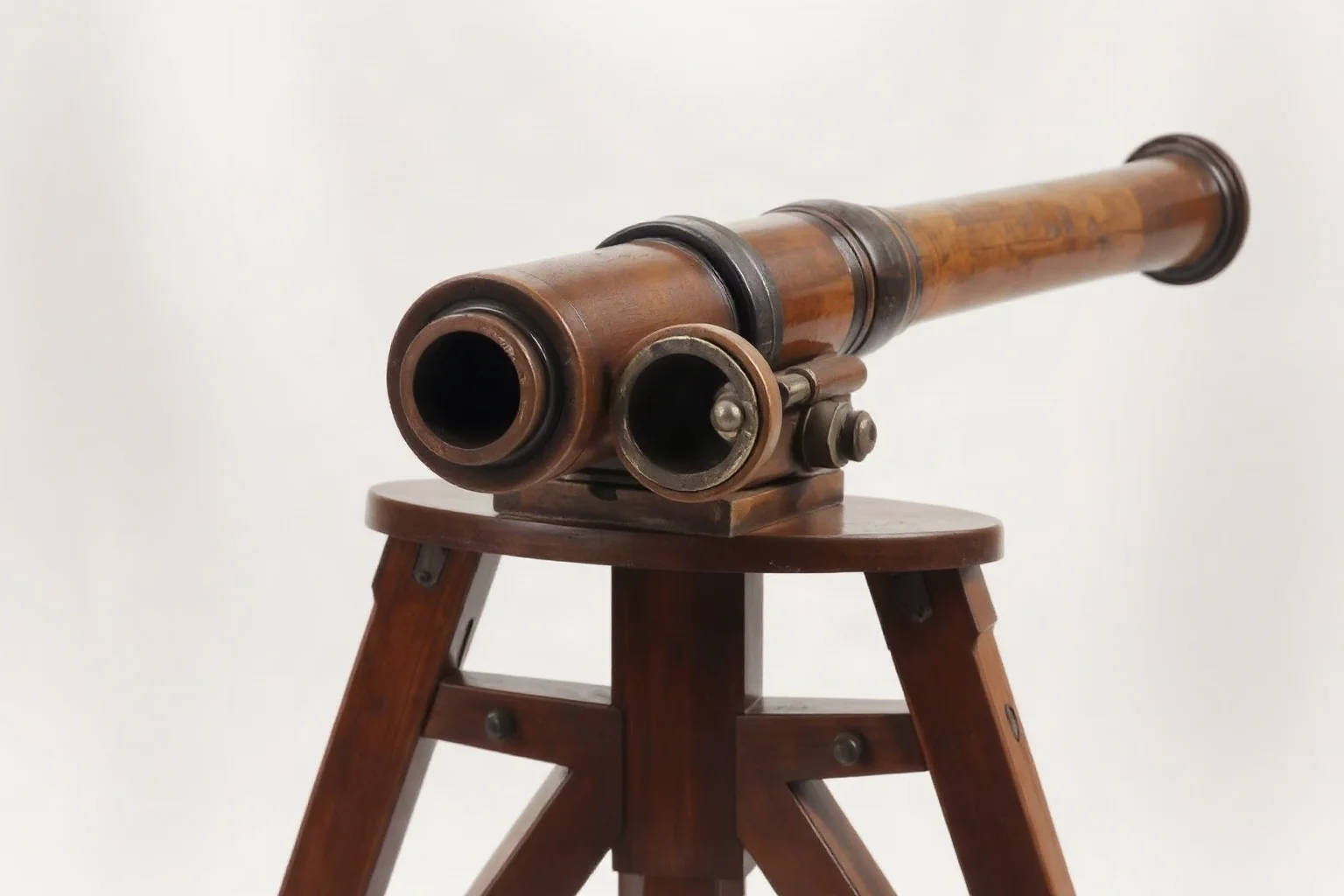
The Puckle Gun was a flintlock revolving cannon patented in England in 1718, designed with a rotating cylinder of chambers to allow faster repeat firing than standard cannons of the era. It never saw significant combat use and only a handful were ever built.
Its ambition, however, was remarkable for the early 18th century, decades before reliable revolvers or machine guns existed. It’s a favorite among fans of weirdest guns in history for being centuries ahead of the metallurgy needed to make it truly practical.
13. Duck’s Foot Pistol
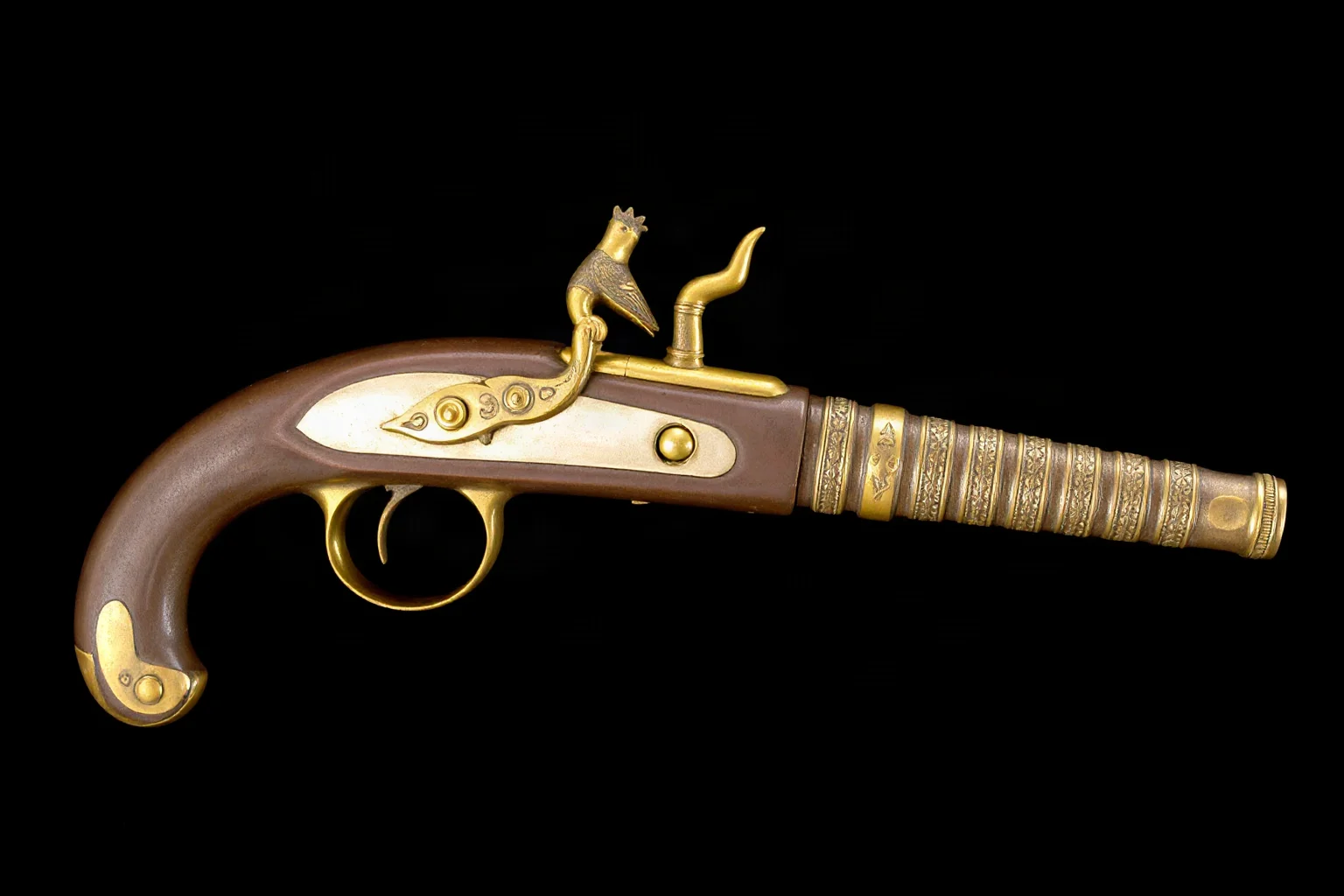
The duck’s foot pistol was an 18th and 19th century firearm featuring four splayed barrels designed to fire simultaneously in a spread pattern. It was reportedly favored by ship captains and bank guards for close-quarters defense against multiple attackers at once.
The spread-fire design traded accuracy entirely for coverage, making it useless at range but intimidating up close. It remains one of the most recognizable unusual weapons in early firearm history simply because of its bizarre silhouette.
14. Apache Revolver — The Ultimate Combo Weapon
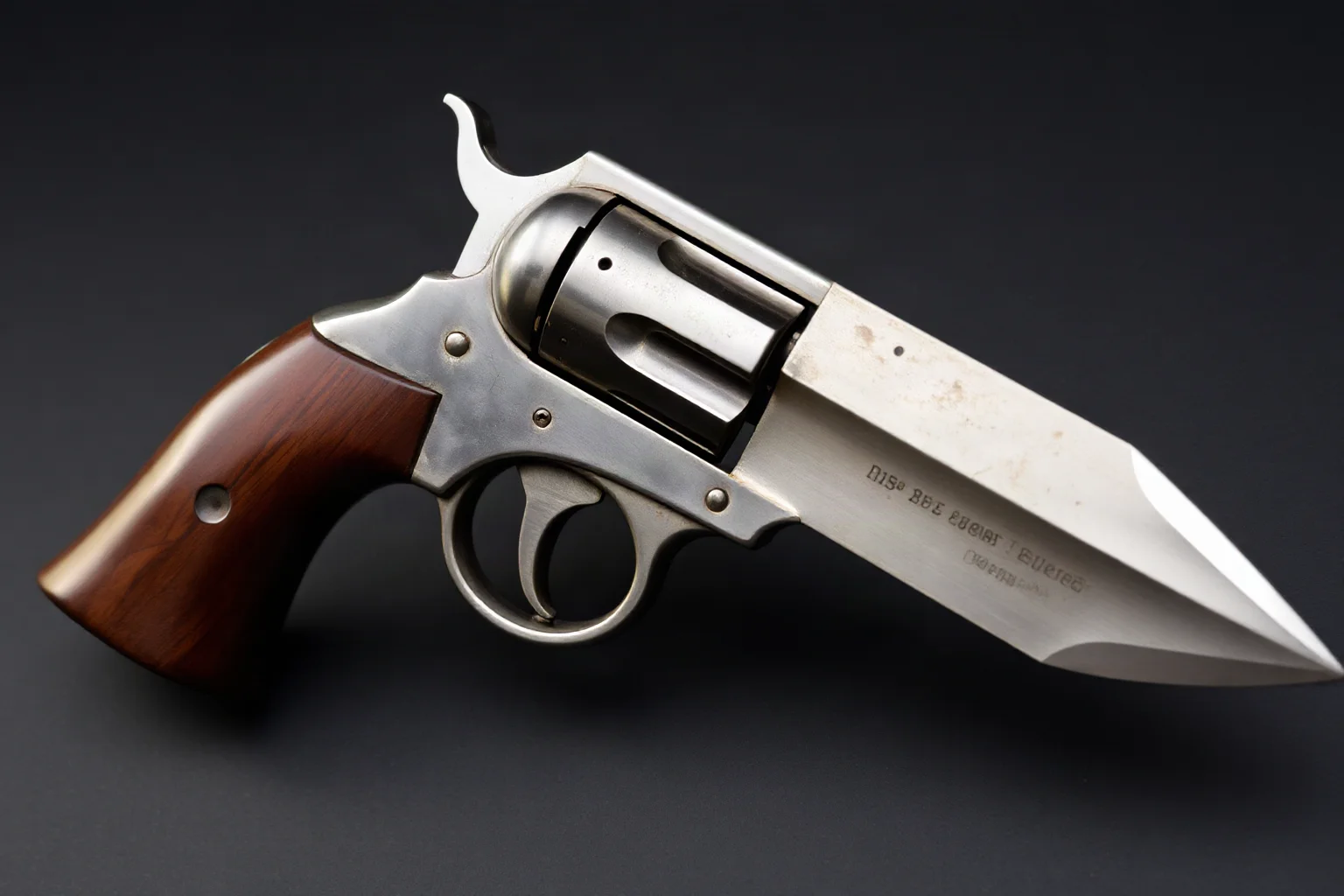
The Apache revolver, produced in France in the late 19th century, combined a small pinfire revolver, a folding dagger blade, and brass knuckles into a single compact object. It had no real barrel to speak of, meaning it was as likely to injure the shooter as the target.
Despite its impracticality, it has become a favorite among collectors and museums for its sheer audacity. It’s frequently cited as one of the coolest weapon names and designs in firearm history precisely because nothing else looks quite like it.
15. Gun Shield — Henry VIII’s Combo Weapon
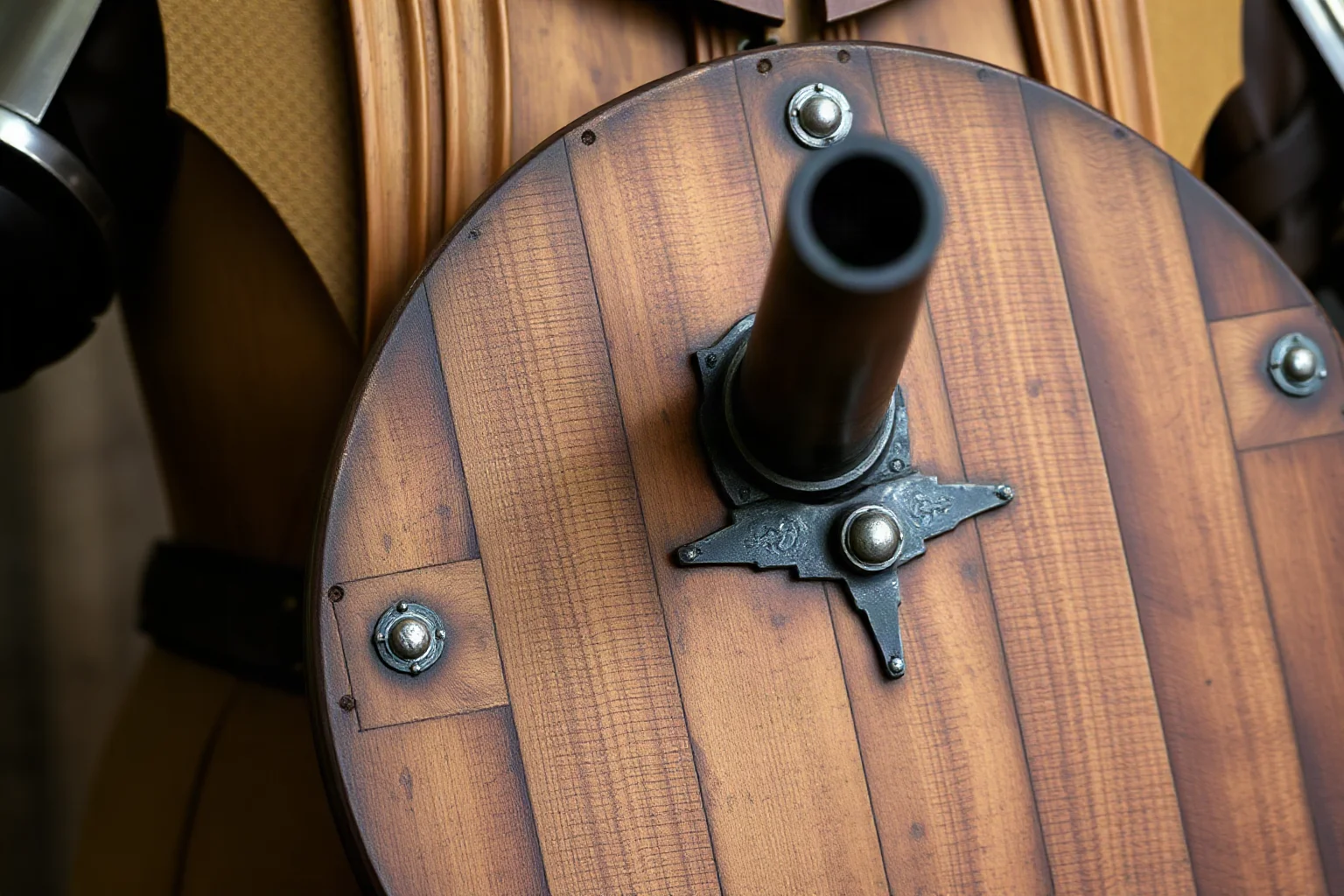
Gun shields were combat shields fitted with a small firearm barrel, and a surviving set is closely associated with the armory of England’s King Henry VIII in the 1540s. The idea was to let a soldier defend and attack simultaneously without switching equipment.
In practice, the guns were slow to reload and the added weight made the shields clumsy, so they never became standard military issue. They’re preserved today mainly as fascinating curiosities of Renaissance weapons in history rather than proven battlefield successes.
16. Bec de Corbin — The Medieval War Hammer
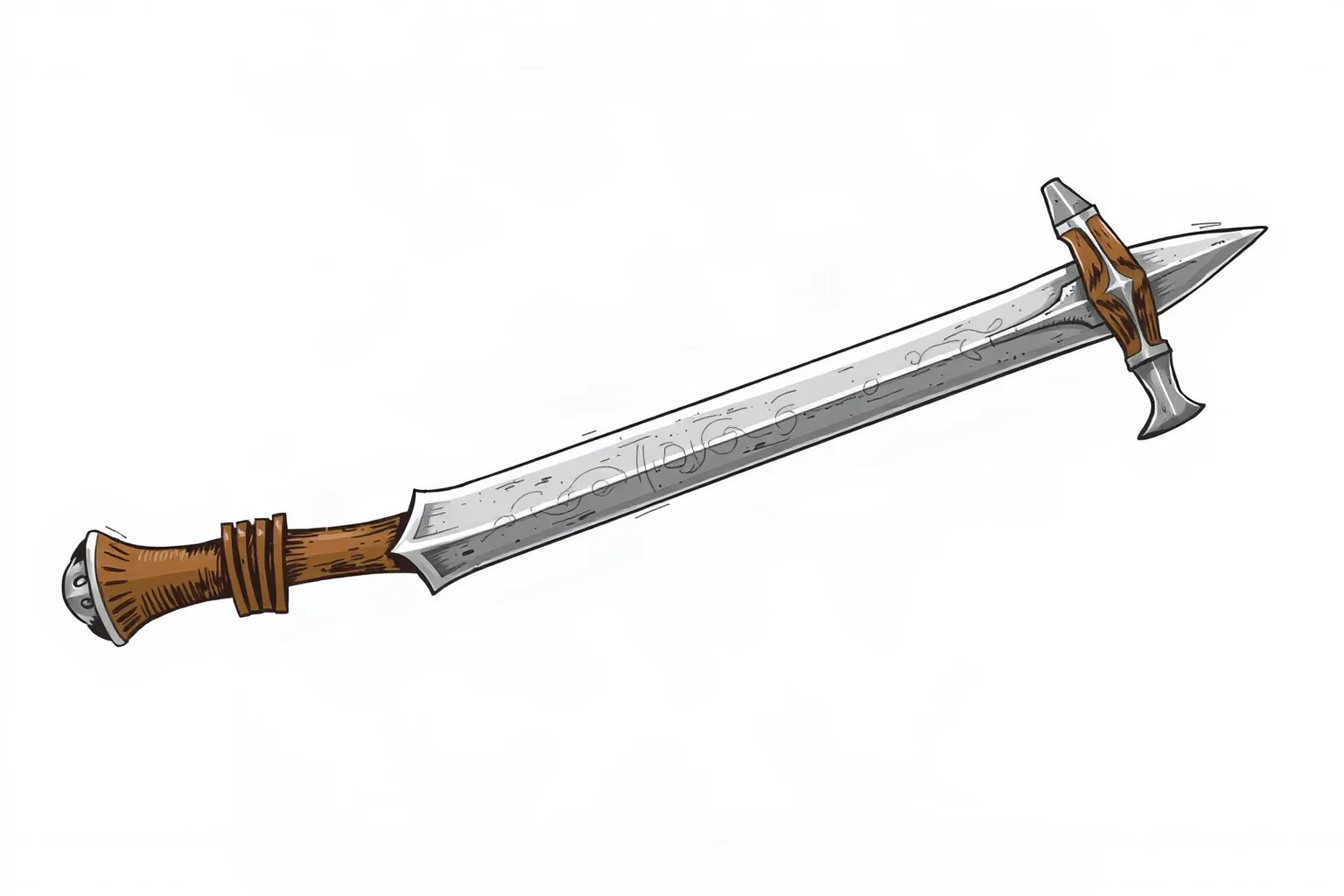
The bec de corbin, French for “crow’s beak,” was a polearm combining a hammer head, a curved beak-like spike, and often a top spike, purpose-built to defeat plate armor. Rather than slicing through steel, it was designed to crush, puncture, or lever a knight off his horse.
It reflects a broader arms race of the late medieval period, where better armor forced weapon designers to get creative. It’s a textbook example of unusual medieval weapons built to solve a very specific armored-combat problem.
17. Kris — The Wavy Dagger of Southeast Asia
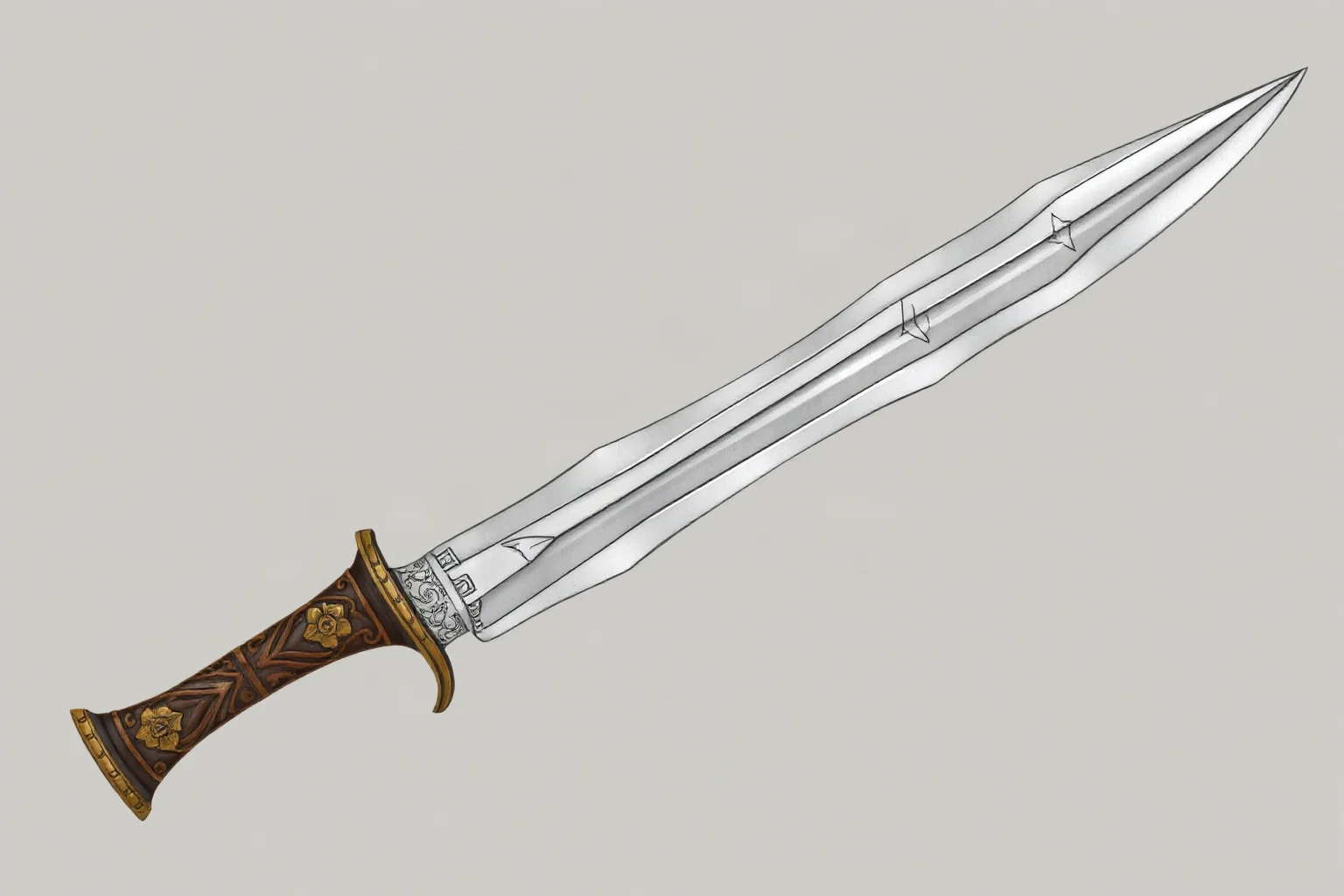
The kris is a dagger from Indonesia, Malaysia, and the Philippines, often instantly recognizable by its undulating, wave-patterned blade. Beyond combat, a kris was frequently believed to hold spiritual power, and its forging involved ritual practices in many communities.
The wavy blade design isn’t purely decorative — some historians suggest it reduced the contact area needed to cut, while also serving as a mark of the smith’s skill. It remains one of the most recognizable traditional weapons in Southeast Asian history.
18. Bagh Nakh — Tiger Claws
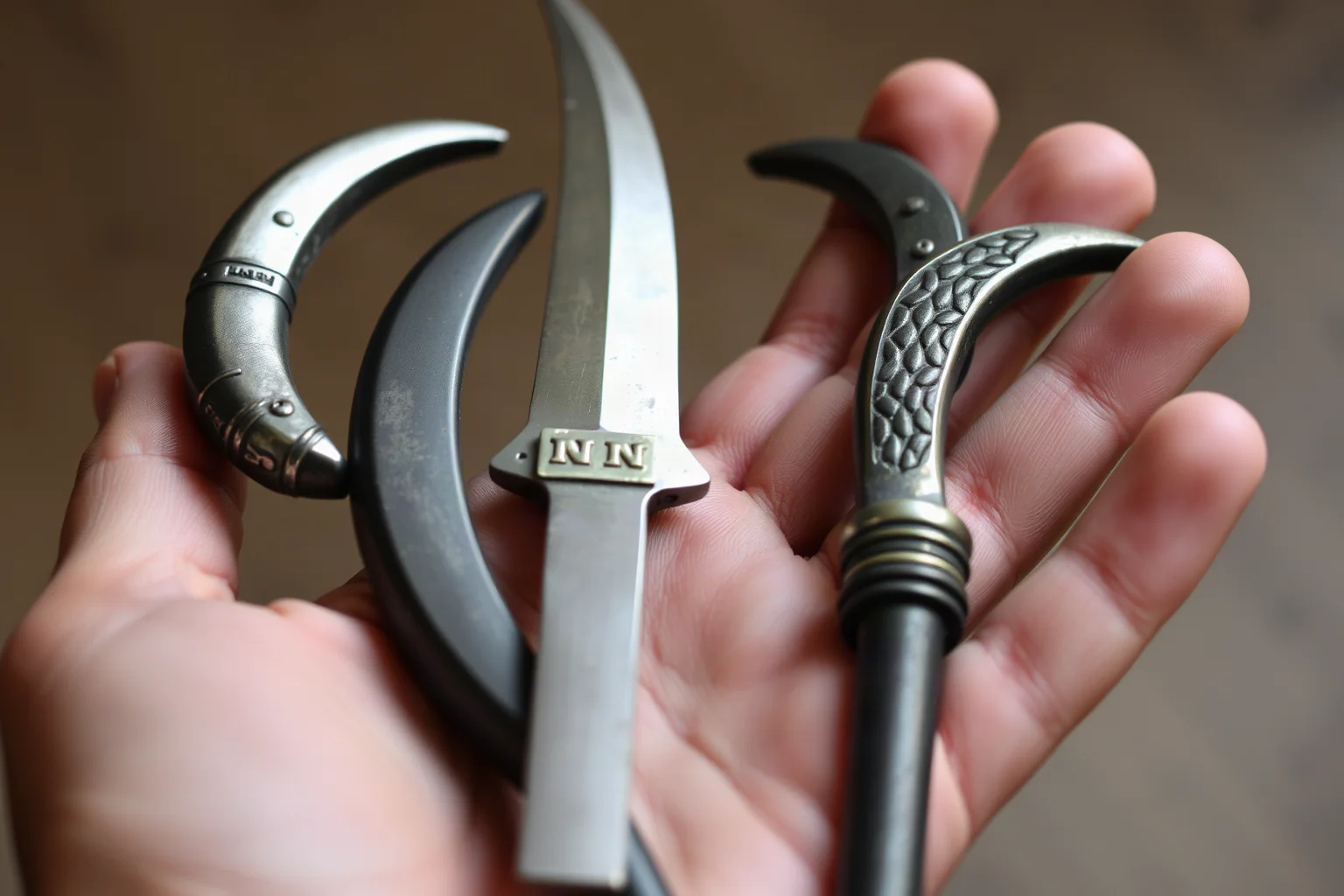
The bagh nakh, meaning “tiger claws” in Hindi, is a set of curved metal claws worn across the knuckles or concealed in the palm, designed for close, brutal slashing attacks. It’s most famously tied to a 17th-century account involving the Maratha ruler Shivaji, though the exact details of that specific historical episode — like many other historical events that sound too crazy to be true — are debated by historians.
Its main advantage was concealment, since the compact claws could be hidden in a fist far more easily than a blade. It’s a genuinely unconventional weapon built around ambush and surprise rather than open combat.
19. Hwacha — Korea’s Rocket Launcher Cart
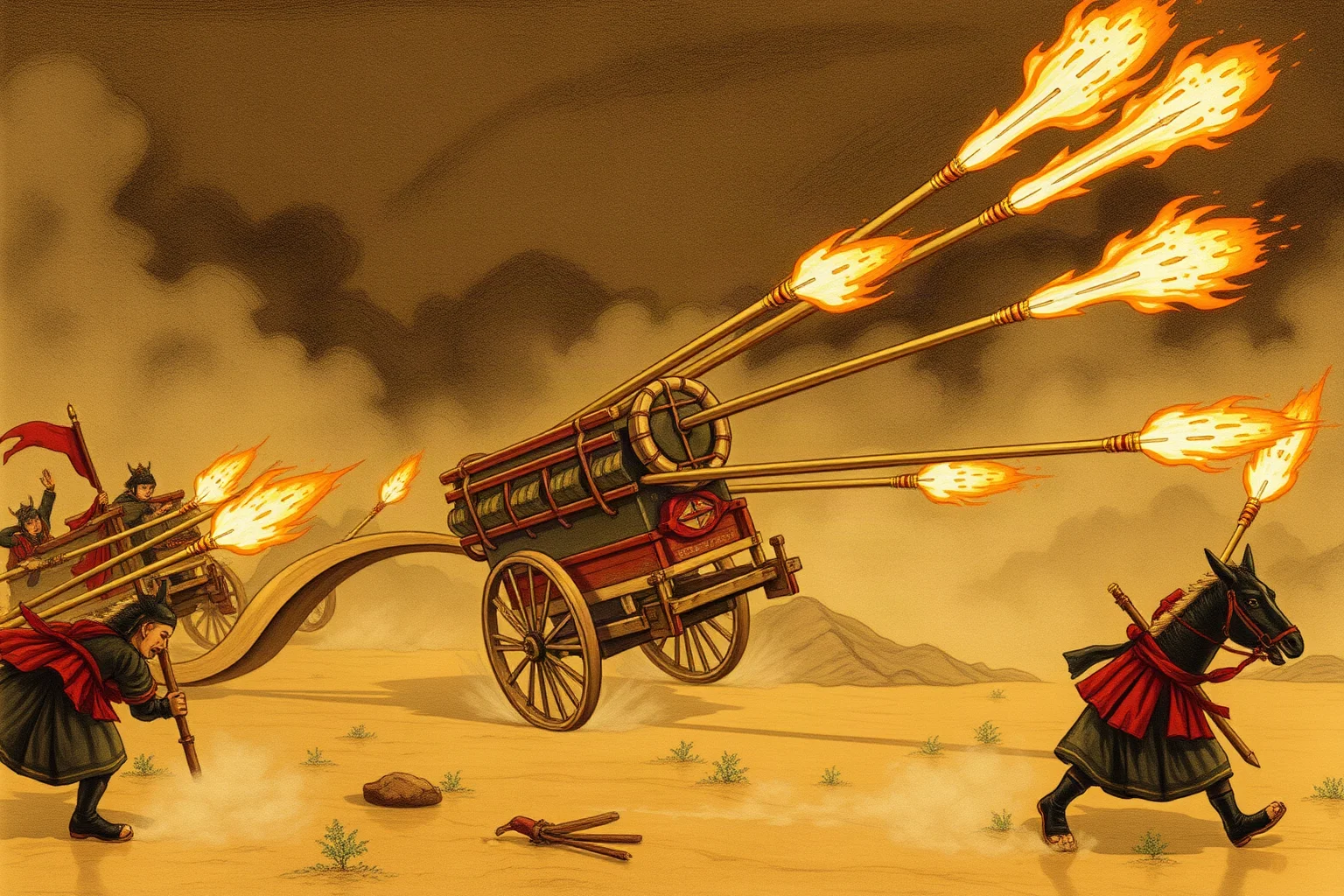
The hwacha was a Korean multiple rocket launcher developed in the 15th century, capable of firing dozens of fire-arrow rockets from a single wheeled cart. It saw real combat use, including during the Japanese invasions of Korea in the 1590s, one of the most historic battles in American and world history.
While individual rockets weren’t especially accurate, the sheer volume of simultaneous projectiles made it devastating against massed infantry. It’s one of the clearest examples of genuinely effective, and often underappreciated, historical weapons from East Asia.
20. Estoc — The Armor-Piercing Thrusting Sword
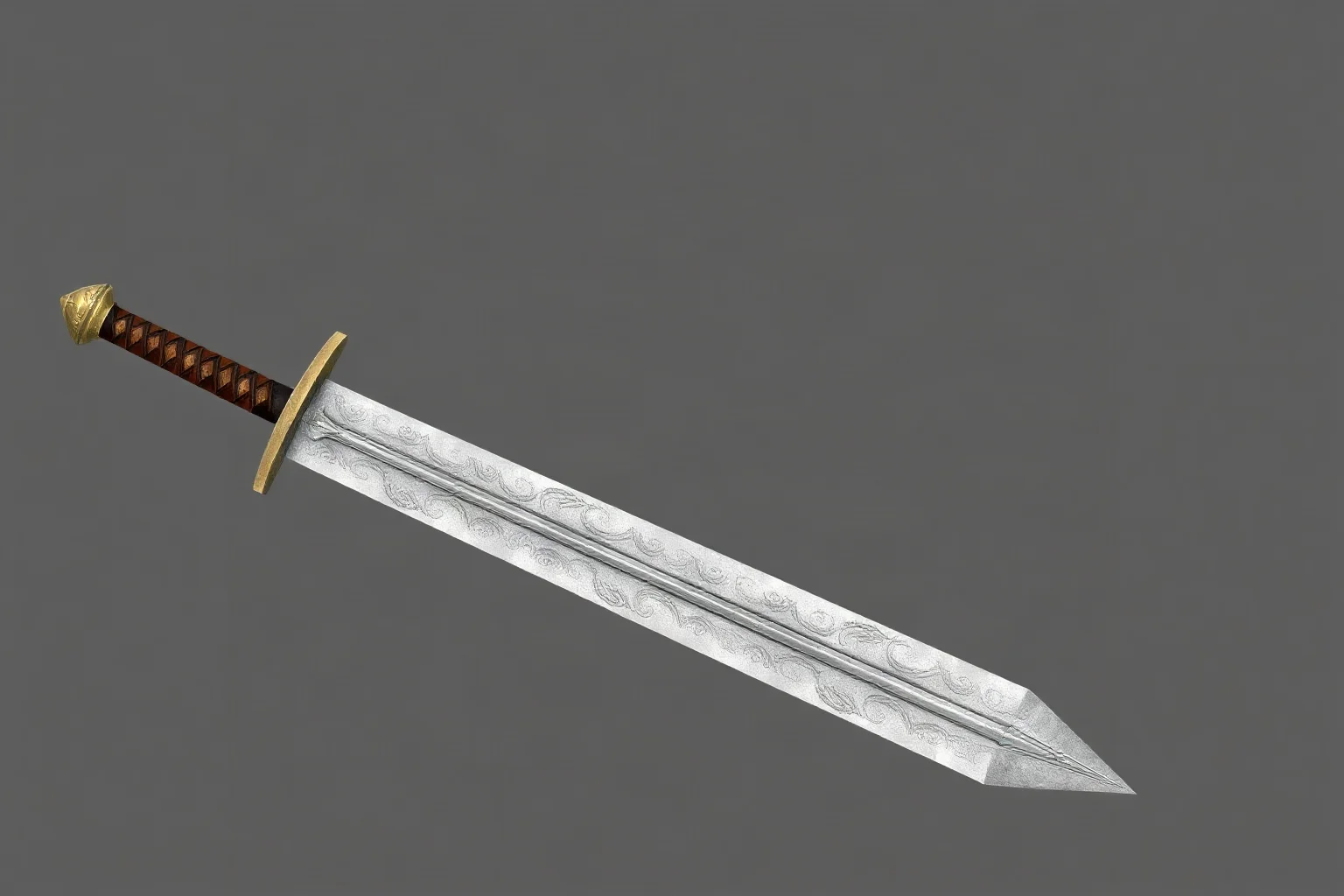
The estoc was a long, rigid, pointed sword with little to no cutting edge, designed purely for thrusting into the gaps of plate armor. Its stiff, often triangular or square cross-section blade concentrated force into a narrow point rather than a slicing edge.
Knights would often carry an estoc alongside a primary sword, drawing it once close combat made piercing armor gaps more valuable than a wide, edged swing. It’s a strong answer for anyone specifically searching for old pointed weapons from the late medieval period.
21. Zweihander — The Two-Handed Giant Sword
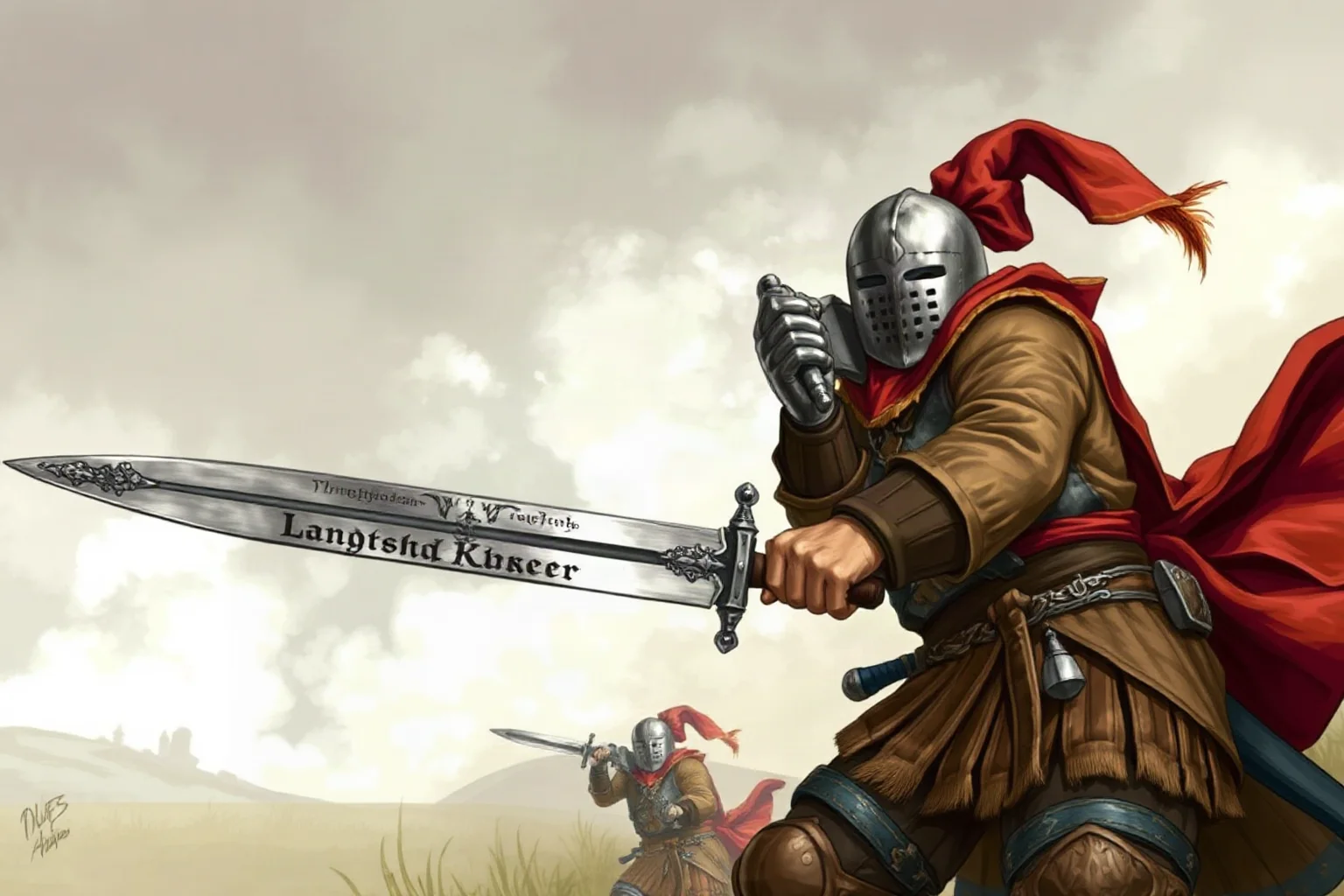
The Zweihander was a massive two-handed sword used primarily by German and Swiss mercenaries known as Landsknechts in the 16th century, often exceeding five feet in length. Some soldiers used it to hack apart enemy pike formations, clearing space in the front lines.
Despite popular imagination, it wasn’t clumsy in trained hands — its size demanded serious skill and physical strength rather than brute swinging. It remains one of the most famous weapons of the Renaissance battlefield and a favorite whenever people picture cool weapons real armies actually fielded.
22. Excalibur — The Legendary Sword of Myth
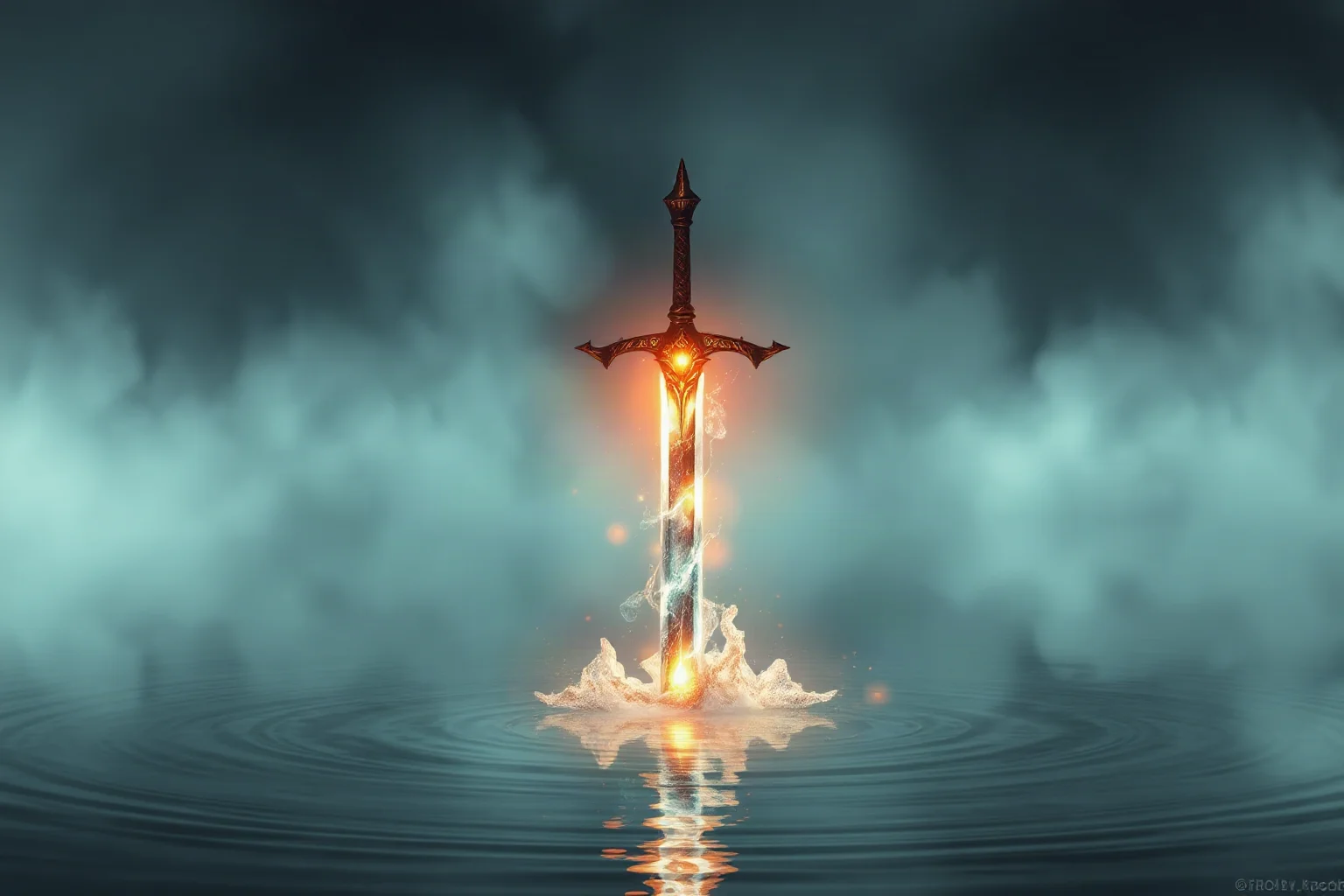
Excalibur is the legendary sword of King Arthur, first appearing in medieval Welsh and later French Arthurian literature rather than in any verified historical record. No archaeological evidence supports Excalibur as a real, physical object, and Arthur himself remains a semi-legendary figure debated by historians.
That hasn’t stopped Excalibur from becoming one of the most recognizable legendary weapons from history in Western storytelling, taking its place alongside other weird mythical creatures from around the world that continue to capture the popular imagination. It’s a great reminder that not every entry on a “historical weapons” list needs to be verifiably real to be culturally important.
23. Trident and Net — The Retiarius Gladiator’s Kit
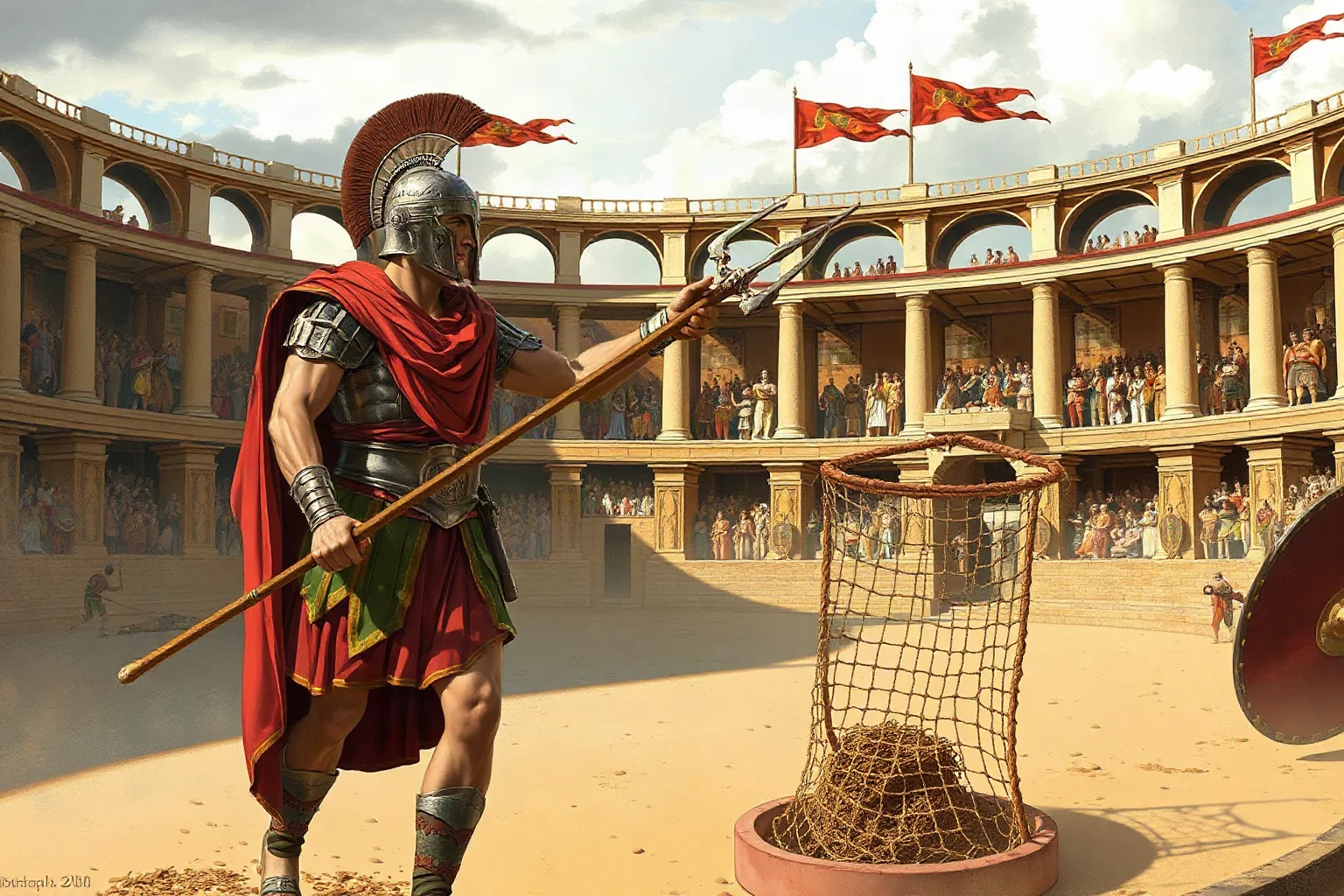
In ancient Rome, the retiarius was a type of gladiator equipped with a trident, a dagger, and a weighted net instead of a sword and shield. The net was used to entangle an opponent before finishing them off with the trident or dagger at close range.
This combination made the retiarius one of the more theatrical and unpredictable gladiator types in the arena. It’s a genuinely well-documented example of unique melee weapons designed specifically for spectacle as much as lethality.
24. Hook Sword — China’s Twin Crescent Blades
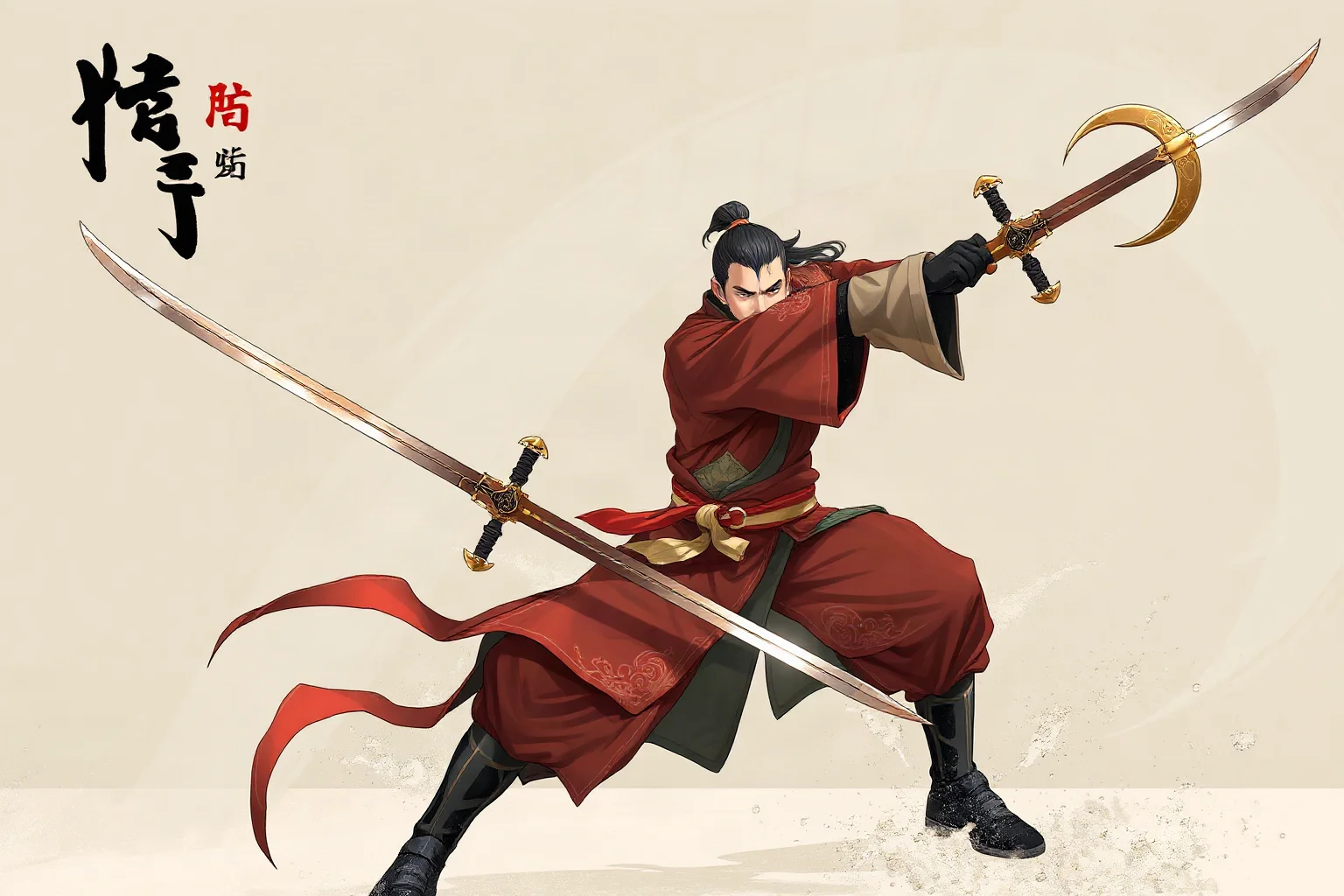
The hook sword, or shuang gou, is a Chinese weapon featuring a blade that ends in a curved hook, often paired with a crescent-moon guard near the handle for trapping or blocking. Practitioners typically wielded two at once, allowing them to link the hooks together to form an improvised staff or chain weapon.
It’s closely associated with certain Chinese martial arts traditions rather than mainstream battlefield use. Its complex, multi-function design makes it a standout among unorthodox weapons built for versatility over simplicity.
25. Caltrops — The Ancient Anti-Cavalry Spike
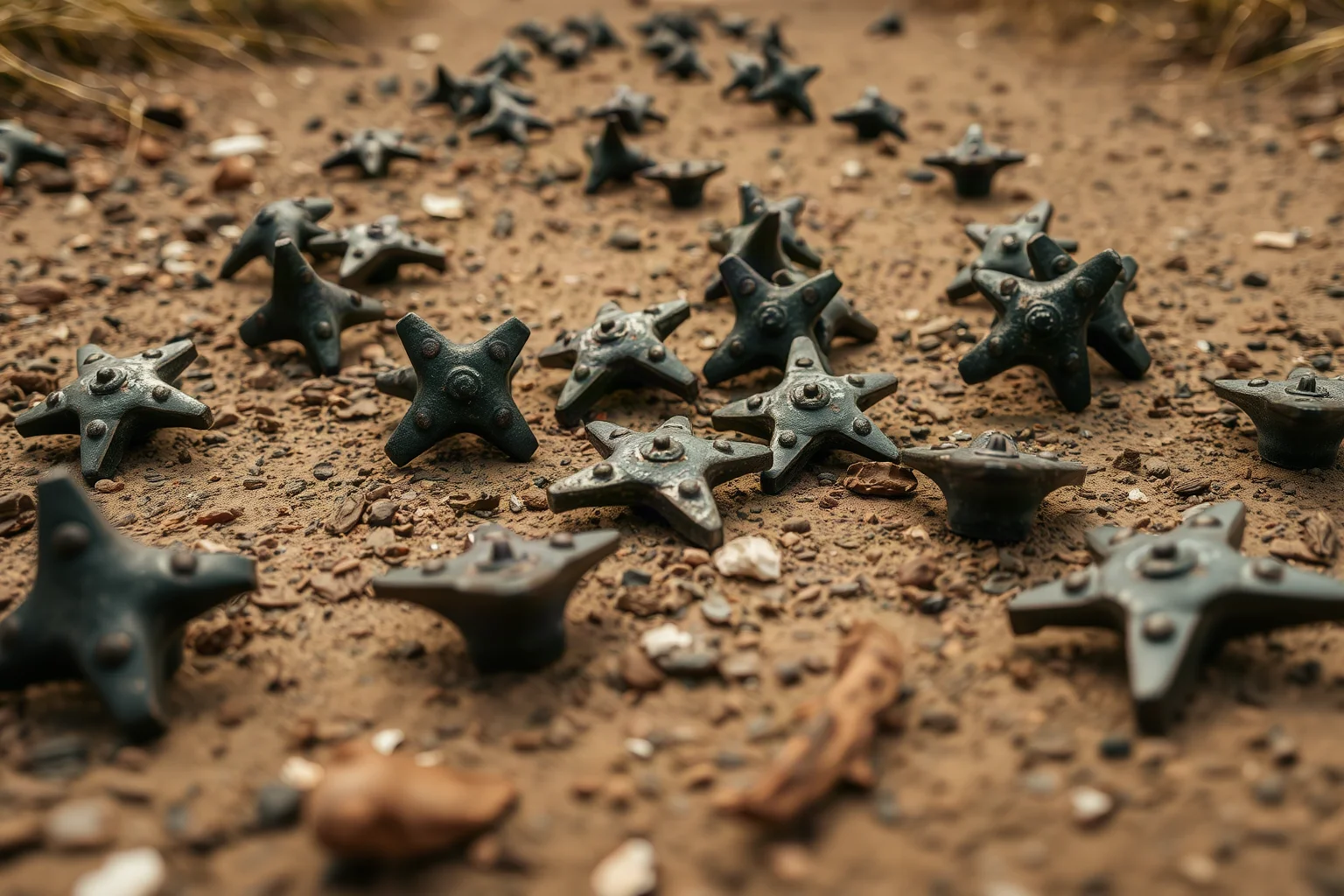
Caltrops are simple four-pointed metal spikes designed so that one point always faces upward no matter how they land, used since antiquity to injure horses’ hooves and infantry feet. Roman, Persian, and later medieval armies all used variations of this deceptively simple device.
Unlike most entries on this list, caltrops required no skill to use — just scattering them across a path was often enough to slow an advancing force. It’s proof that some of the most effective weapons throughout history were also the least glamorous.
Why These Weapons Still Fascinate Us Today
Part of the enduring appeal of unusual weapons is that they reveal how differently cultures approached the same basic problem: how to disable an enemy while protecting yourself. Armor drove polearm and thrusting sword design, cavalry drove caltrops and flails, and assassination fears drove concealable tools like the bagh nakh.
Modern pop culture, from video games to fantasy films, has also kept many of these obscure weapons alive in public imagination, sometimes exaggerating their power far beyond what the historical record actually supports. That’s exactly why a myth-busting approach matters when exploring weapons of history — it’s easy to blur the line between documented battlefield tools and the legends that grew around them.
Whether you’re drawn to the engineering of the Chu Ko Nu, the symbolism of the Zulfiqar, or the sheer weirdness of the duck’s foot pistol, these weapons throughout history remind us that innovation in combat was never limited to just swords and shields. Every unusual design was someone’s answer to a very real, very specific problem, even if it only worked for a few decades or a single culture.
Final Thoughts
History’s strangest and most unique weapons aren’t just curiosities for museum cases — they’re physical evidence of how differently people have approached conflict, status, and survival across centuries. Some, like the hwacha and Greek Fire, were genuinely effective tools of war backed by real military records. Others, like Excalibur, live on primarily as legend, valuable for what they tell us about culture and storytelling rather than combat engineering.
Either way, exploring these cool and unconventional weapons offers a genuinely fun way to connect with the past. The next time someone mentions historical weapons, you’ll have a lot more to talk about than just swords and muskets.
Frequently Asked Questions
What are considered the most legendary weapons from history?
Weapons like Excalibur, the Zulfiqar, and Greek Fire are often cited among the most legendary weapons from history. Excalibur and the Zulfiqar are tied more to myth, religious tradition, and storytelling than to confirmed archaeological evidence, while Greek Fire was a real, documented Byzantine weapon whose exact formula was eventually lost to history.
What is the weirdest weapon ever used in history?
Candidates for the weirdest weapon in history include the duck's foot pistol, with its four splayed barrels, and the Apache revolver, which combined a gun, a knife, and brass knuckles into one object. Both were real 18th and 19th century firearms, though neither was especially practical compared to standard weapons of their era.
Were medieval weapons really as brutal as they’re often shown?
Many medieval weapons, such as the bec de corbin and war flail, were genuinely designed to crush or puncture plate armor rather than simply cut, which does look brutal by modern standards. That said, popular culture often exaggerates how common some of these weapons actually were on real battlefields compared to more standard swords, spears, and polearms.
What is the oldest weapon type still recognized today?
Simple projectile and impact weapons like spears, clubs, and caltrops date back to prehistoric and ancient times, making them among the oldest weapon types in human history. Caltrops in particular were used by Roman and Persian armies and remain conceptually similar to anti-vehicle spike strips used today.
Are any unusual historical weapons still used today?
Some, like the kris dagger and urumi, are still preserved and practiced within traditional martial arts and cultural ceremonies rather than modern combat. Others, like caltrops, have modern descendants still used by law enforcement and military units to disable vehicles or slow down foot traffic.

Alex Warren
Related Articles