


Dragons show up almost everywhere. Chinese emperors carved them into thrones, European knights swore they slew them, and sailors from Scandinavia to Southeast Asia logged encounters with serpentine beasts in the deep sea. For a creature that supposedly never existed, dragons left an awfully large footprint on human history.
So were dragons real, or just a really persistent story we all told ourselves? The honest answer sits somewhere in between: no fire-breathing reptile ever soared over a castle, but the myth wasn’t built from nothing either.
Let’s look at the sightings and “evidence” people genuinely believed, and then the reasons historians and scientists are confident dragons never actually existed.
TL;DR: There’s no verified proof that dragons ever existed as living animals, but centuries of fossil finds, misidentified wildlife, and exaggerated storytelling explain exactly why so many cultures were convinced they had.
Why Dragon Legends Appear in Almost Every Culture
Before diving into the list, it helps to understand why this myth is so universal. Ancient people across Europe, Asia, the Americas, and the Middle East had no contact with each other, yet they independently developed stories about giant scaled serpents or reptilian beasts, joining a long list of weird mythical creatures from around the world. That’s not a coincidence—it’s a clue.
Humans everywhere encountered the same basic ingredients: big bones sticking out of cliffs, dangerous reptiles and snakes, and a natural fear of things that slither or breathe smoke and fire in campfire tales. Those ingredients got combined, again and again, into the same basic shape. Understanding that pattern is the key to answering whether dragons were ever real.
1. Chinese Dragon Bones That Were Actually Dinosaur Fossils

For over 2,000 years, Chinese apothecaries sold “dragon bones” (long gu) as medicine, grinding up what we now know were fossilized remains of dinosaurs and ancient mammals. Entire regions of China, particularly Henan and Sichuan provinces, are rich in Mesozoic fossil beds. Farmers regularly unearthed massive bones and teeth with no other explanation available to them.
Given the size and strange shape of these fossils, attributing them to a dragon made perfect sense at the time. Paleontologists in the 20th century eventually traced many documented “dragon bone” sites to genuine dinosaur fossil beds, joining the ranks of the most incredible artifacts ever uncovered. This is one of the clearest, most concrete pieces of evidence of dragons in the historical record—evidence that dragons were a fossil-driven myth, not a fossil-proven animal.
2. The Piasa Bird Petroglyph Along the Mississippi River
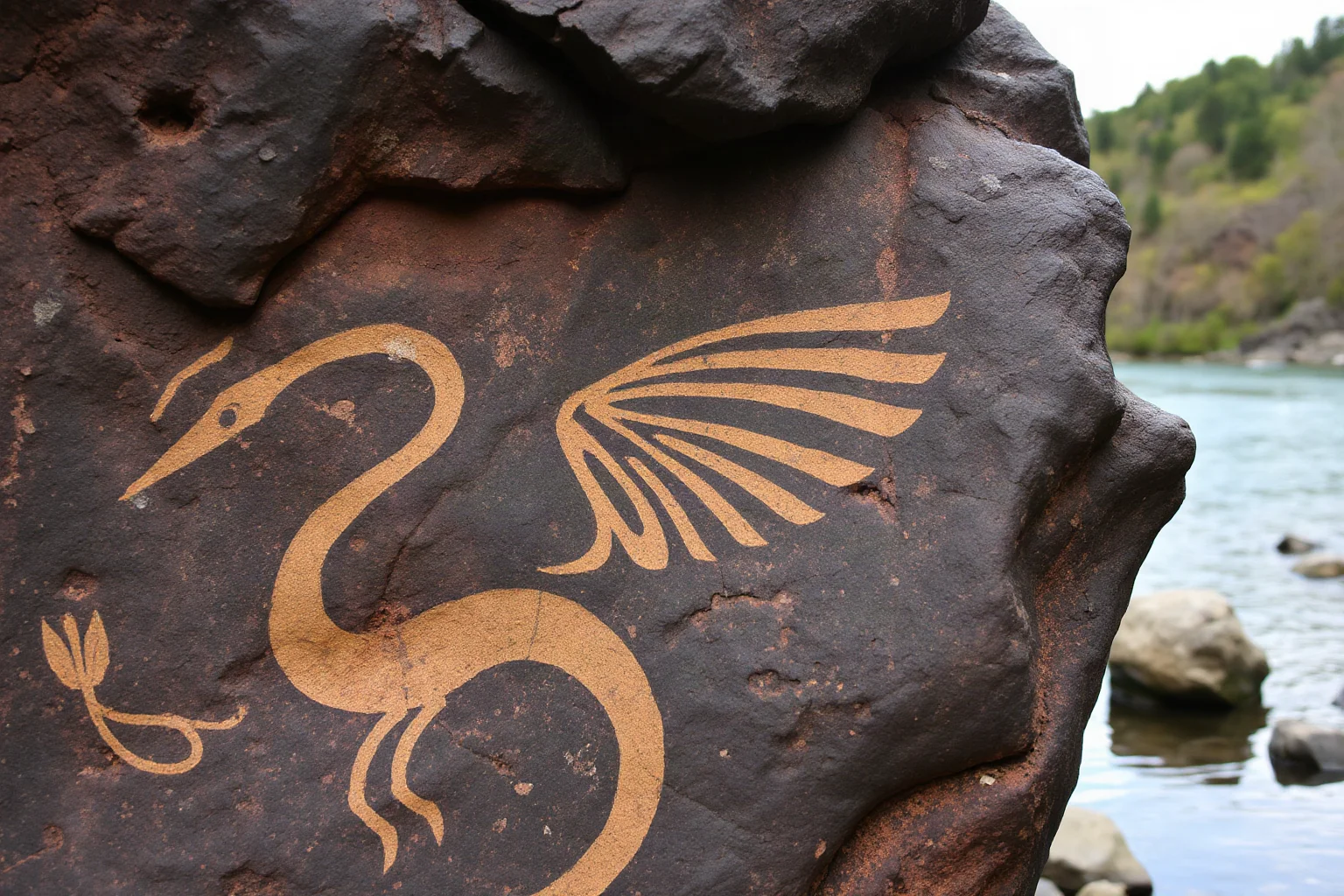
French explorers in the 1670s recorded seeing a painted image on a bluff near present-day Alton, Illinois, depicting a horned, scaled, winged creature with a long tail. Local Native American oral traditions described it as a monstrous being that terrorized the region. European chroniclers quickly labeled it dragon-like in their journals.
Modern historians view the Piasa as an Indigenous artistic and spiritual symbol, not a literal zoological record. It’s a useful reminder that dragon imagery isn’t only a European or Asian phenomenon. Cultures across the Americas produced their own serpent-and-beast iconography long before contact with the Old World’s dragon stories.
3. Saint George and the Dragon-Slaying Legends of Medieval Europe
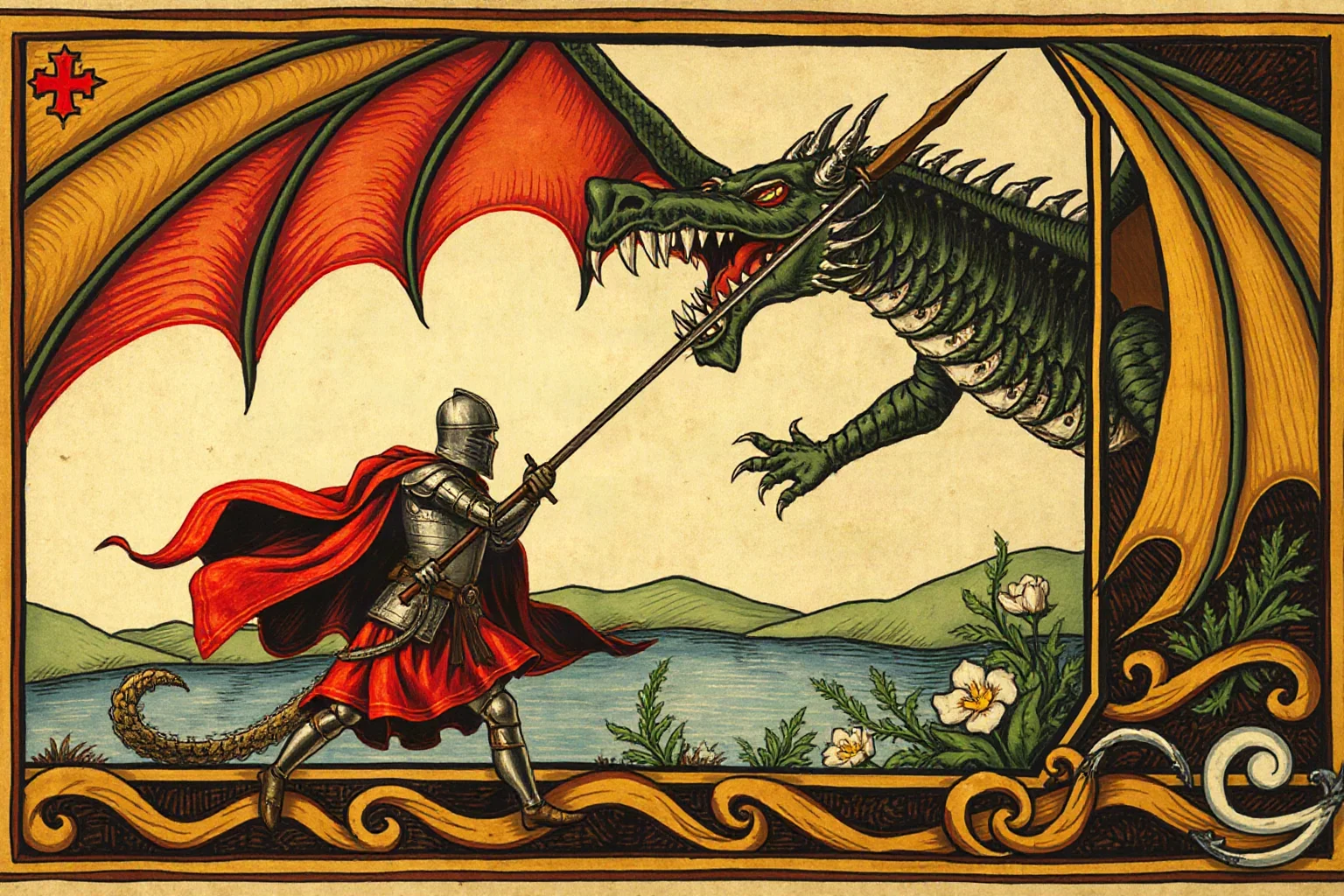
The legend of Saint George slaying a dragon to save a princess dates to around the 11th and 12th centuries, though George himself was a real Roman soldier from the 3rd century. The dragon story was added centuries after his death, most famously spreading through the medieval text “The Golden Legend.” It became one of the most retold dragon narratives in Western history.
Historians widely treat this as religious allegory representing the triumph of faith over evil, rather than a factual account. It was taken seriously as inspirational storytelling and moral instruction, not as literal proof that dragons existed. Still, its staying power shows how deeply dragon symbolism was woven into medieval European identity.
4. The Lambton Worm of County Durham, England

According to English folklore first recorded in written form in the 1600s, a young heir named John Lambton caught a strange worm-like creature and threw it down a well. Years later it grew into a giant serpent that terrorized the countryside until Lambton returned to slay it. The tale was passed down through generations and even inspired a well-known folk song in the 19th century.
Local wells and hills associated with the legend became genuine tourist attractions, treated by some Victorians as having a kernel of historical truth. Folklorists now classify it as a moral fable warning against broken promises. It remains one of Britain’s most enduring dragon sightings in local legend, if not in fact.
5. Herodotus and the Winged Serpents of Arabia

The Greek historian Herodotus, writing around 440 BCE, described winged serpents living in Arabia that guarded frankincense trees. He claimed the creatures were driven off by burning storax incense, and he reported seeing their skeletal remains himself. Herodotus is often called the “Father of History,” and his accounts were taken seriously for centuries.
Modern scholars believe he was likely describing exaggerated tales of venomous snakes, or possibly recounting secondhand fossil sightings from desert regions. It’s an early example of a respected historical proof of dragons claim that doesn’t hold up under scrutiny. Even careful ancient historians could be fooled by travelers’ tall tales.
6. Pliny the Elder’s Natural History Dragon Accounts

The Roman naturalist Pliny the Elder catalogued dragons in his sprawling encyclopedia Natural History, completed around 77 CE. He described dragons as real animals capable of fighting elephants, and he placed them geographically in Ethiopia and India. For centuries, Pliny’s writings were treated as legitimate zoological reference material across Europe.
Historians now recognize that Pliny frequently blended firsthand Roman knowledge with secondhand traveler reports and outright legend. His dragon entries likely stemmed from garbled descriptions of large snakes, crocodiles, or even elephants and pythons locked in real combat. It’s a striking example of how ancient “scientific” texts helped cement dragon belief as scholarly fact.
7. Imperial Chinese Dragon Worship and Symbolism

In Chinese tradition dating back to at least the Shang Dynasty (roughly 1600–1046 BCE), the dragon (long) was a symbol of imperial power, water, and cosmic balance rather than a literal predator. Emperors used dragon imagery on robes, thrones, and architecture to represent divine authority. Dragon worship and dragon dances became central to festivals still celebrated today.
This wasn’t really a claim of biological existence in the way European dragon-slaying tales sometimes were. It was a spiritual and political symbol taken extremely seriously across thousands of years of continuous cultural practice. That long unbroken tradition is part of why Chinese dragons remain the most recognizable dragon imagery in the world.
8. The Wawel Dragon Legend of Krakow, Poland

Polish legend holds that a dragon once lived in a cave beneath Wawel Hill in Krakow, terrorizing the city until a clever cobbler tricked it into eating a sulfur-stuffed sheep. The story dates back to medieval chronicles, with versions recorded by the 12th-century chronicler Wincenty Kadłubek. The cave, called Dragon’s Den, is a real, physical tourist site people can visit today.
Even now, a metal dragon sculpture outside the cave breathes real fire for visitors, blending folklore with modern showmanship. City records and chronicles treated the tale as founding history for centuries, tying civic identity to the legend. It’s a good example of how a local dragon story became embedded in a city’s actual historical self-image.
9. Sea Serpent Sightings Logged by 19th-Century Sailors
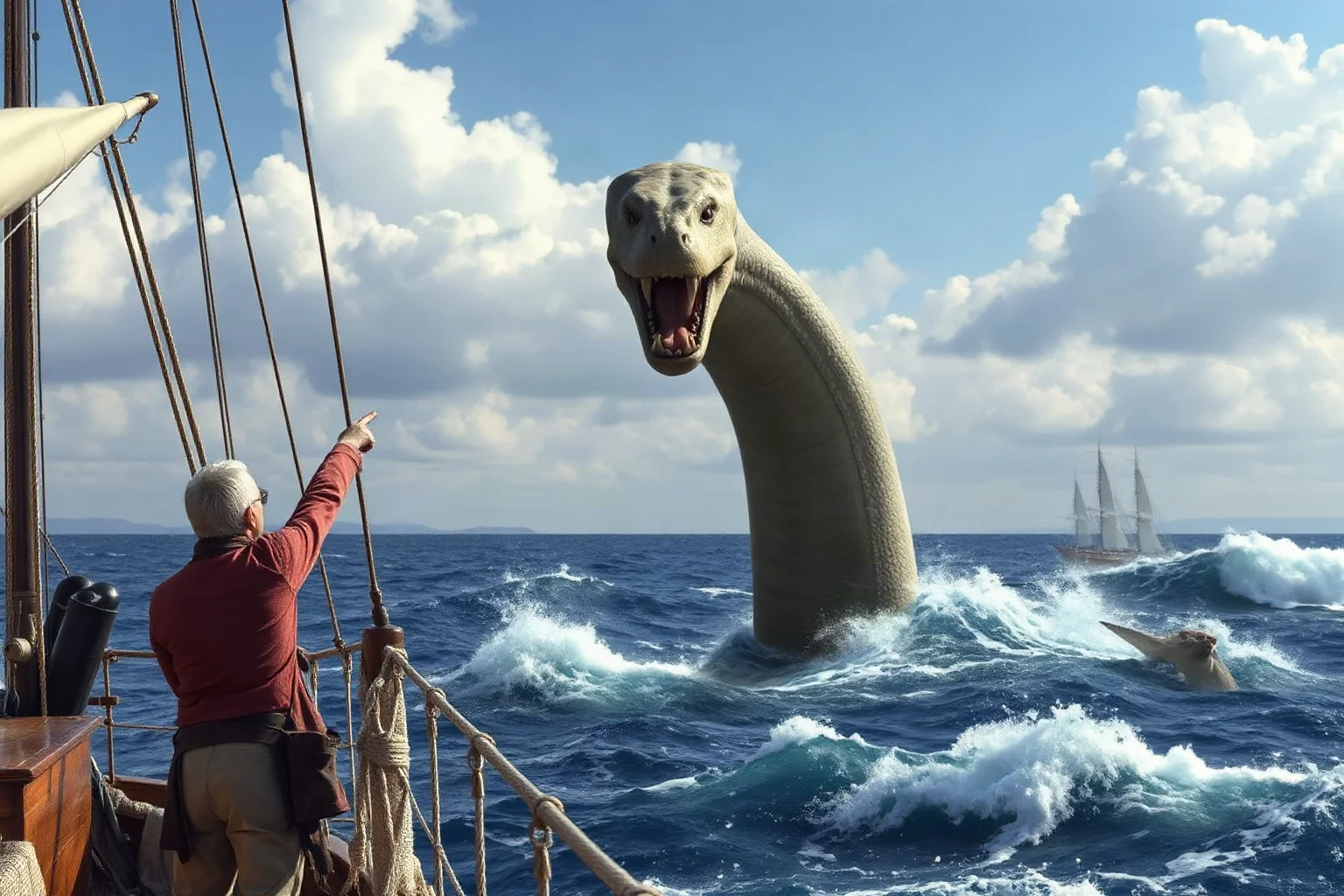
Throughout the 1800s, ship captains and crews filed genuine reports of massive serpentine creatures in the open ocean, some detailed enough to reach naval records and newspapers. The most famous, the 1848 sighting from the HMS Daedalus, described a huge serpent-like animal off the coast of South Africa. Officers and the ship’s captain stood by their account, and it was taken seriously enough to be debated in scientific journals of the time.
Most historians and marine biologists now attribute these sightings to oarfish, basking sharks, whales, or optical effects from waves and debris at a distance. These weren’t dragons in the medieval sense, but they show how easily a sea creature can be reinterpreted through a dragon-shaped cultural lens. It’s part of why “evidence of real dragons” claims keep resurfacing in maritime history discussions.
10. The Komodo Dragon’s Real-World Discovery

When Dutch colonial officials first received reports of a giant “land crocodile” on the Indonesian island of Komodo in the early 1900s, the stories sounded exactly like dragon folklore. In 1910, Lieutenant Steyn van Hensbroek led an expedition that confirmed the animal was real: a massive monitor lizard now known as the Komodo dragon. It was formally described scientifically in 1912.
This is one of the rare cases where a “dragon” rumor turned out to have a genuine, verifiable animal behind it. It’s also a helpful reminder of scale: even the real Komodo dragon, the largest living lizard, tops out around 10 feet long and has no wings and no fire breath. It’s proof that dragons in the loosest folkloric sense sometimes described real, if much smaller, animals.
11. There Is No Fossil Record of a Fire-Breathing Reptile

Despite thousands of years of dragon lore, no fossil ever recovered matches an animal capable of the winged, fire-breathing, house-sized creature described in myth. Paleontologists have cataloged an enormous range of prehistoric reptiles, and none combine those specific traits. If such an animal had existed at any point in Earth’s history, it’s extraordinarily unlikely the fossil record would have missed it entirely.
This absence is one of the strongest reasons scientists reject the idea of literal dragons. Fossilization isn’t perfect, but large-bodied animals tend to leave enough trace evidence over millions of years that we’d expect at least fragmentary proof by now. So far, that proof of dragons existing has never materialized.
12. Fire Breath Isn’t Biologically Plausible
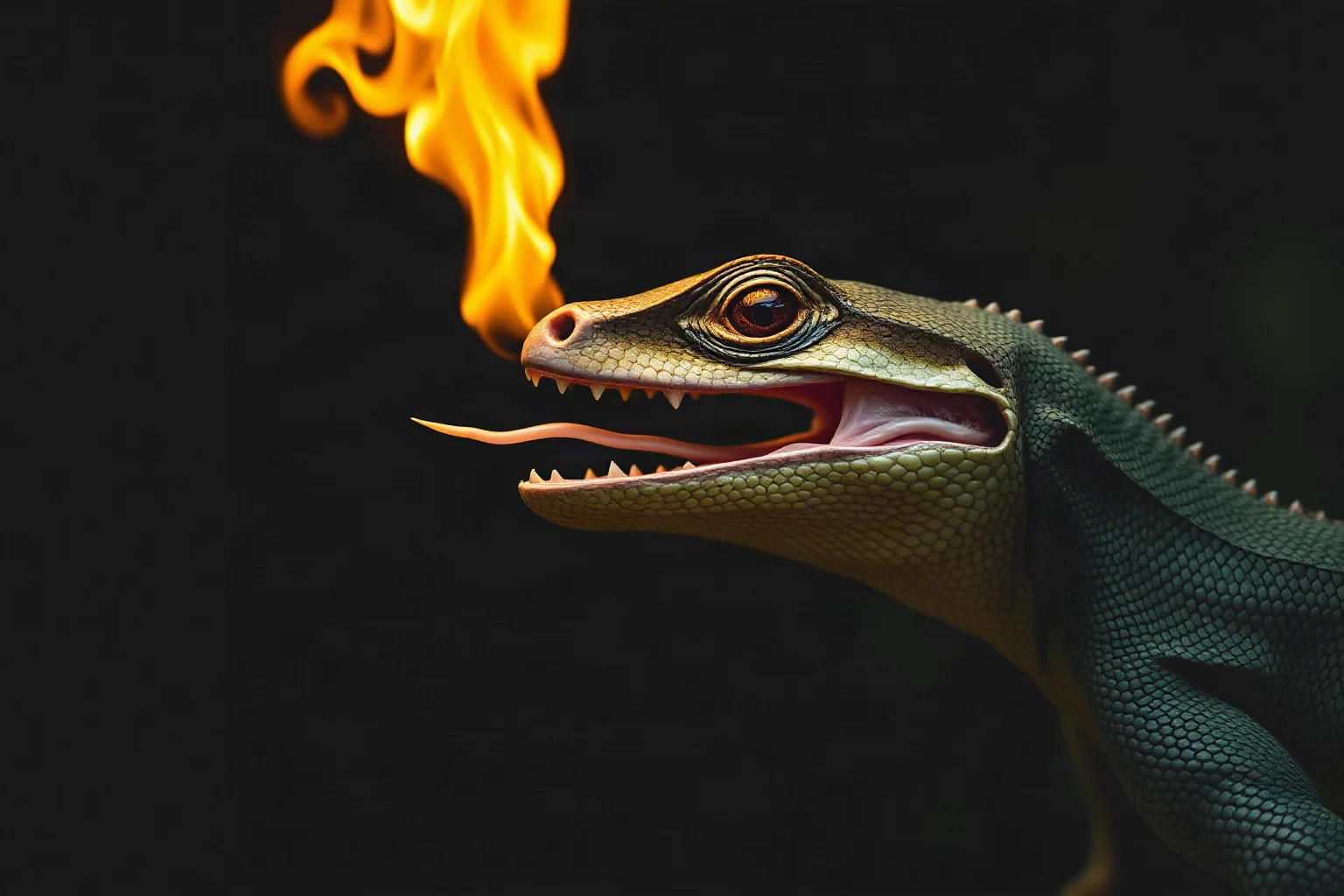
Producing and safely expelling fire requires a combustible fuel source, an ignition mechanism, and tissue that can withstand extreme heat without being destroyed. No known biological process in any animal, living or extinct, does this. Even creatures with genuinely unusual chemical defenses, like the bombardier beetle, only manage a brief hot chemical spray rather than sustained flame.
A reptile large enough to be called a dragon would need enormous evolutionary pressure to develop this trait, and there is zero anatomical evidence it ever happened. This single biological hurdle is one of the most cited reasons dragons never existed in the way legends describe them. It’s a fun idea, but biology draws a hard line here.
13. Flight Physics Don’t Support a Giant Scaled Body
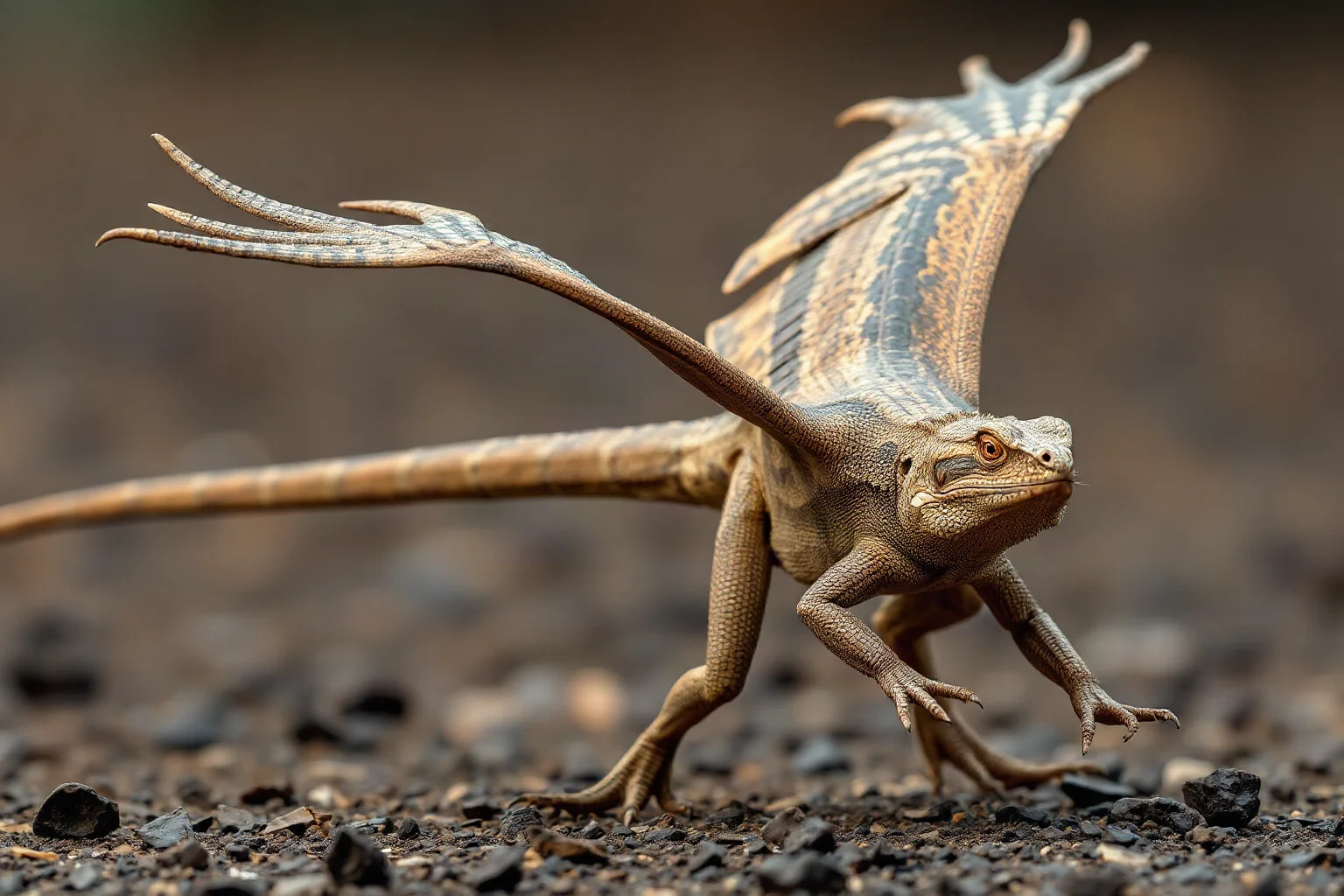
Flying animals need an extremely favorable ratio of body weight to wing surface area, which is why the largest flying creatures in Earth’s history, like the pterosaur Quetzalcoatlus, had lightweight, hollow-boned frames rather than thick armored scales. A heavily built, scaled dragon body of the size described in most legends would be far too heavy for any wing structure to lift. This isn’t a minor technicality; it’s a fundamental constraint of aerodynamics and biology.
That’s why paleontologists studying real flying reptiles emphasize how specialized and lightweight their skeletons were. A dragon built like most artistic depictions simply couldn’t get off the ground. It’s one more piece of evidence that dragons exist only in imagination, not in flight-capable biology.
14. Dragon Myths Emerged Independently, Which Points to Convergent Explanation
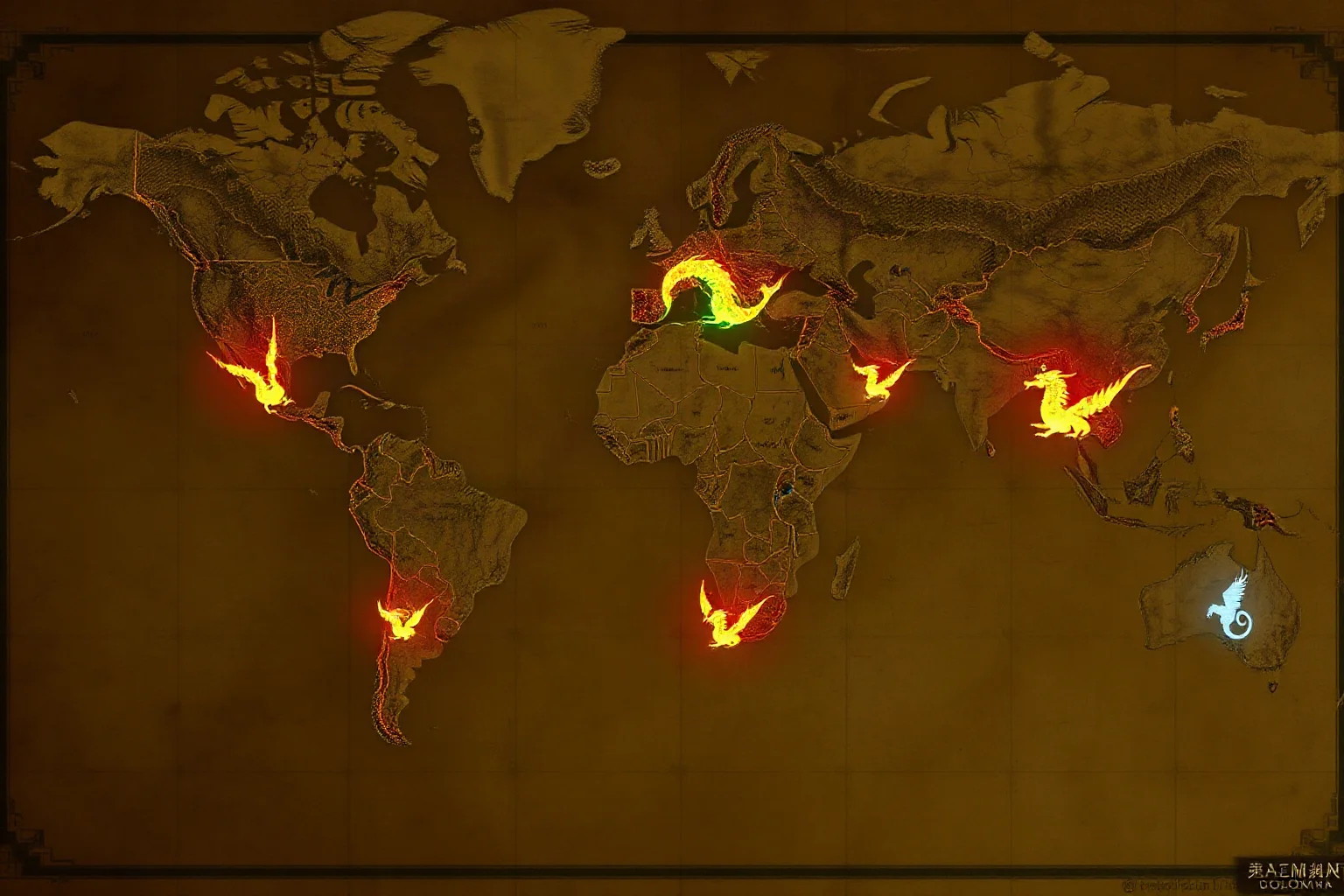
If dragons were real animals encountered directly, you’d expect the descriptions to cluster around one real creature’s traits. Instead, dragon myths appear independently in cultures with no historical contact, from ancient Mesopotamia to pre-Columbian Mesoamerica to feudal Japan, and their descriptions vary wildly. Some breathe fire, some control water, some have four legs, some have none.
That kind of independent, inconsistent reinvention is a classic sign of convergent mythology rather than convergent zoology. Humans everywhere faced similar fears, similar fossil discoveries, and similar dangerous reptiles, and they arrived at broadly similar monster archetypes. It’s compelling evidence that dragons are a product of shared human psychology, not shared exposure to one real species.
15. Real Animals Were Frequently Mistaken for Dragons
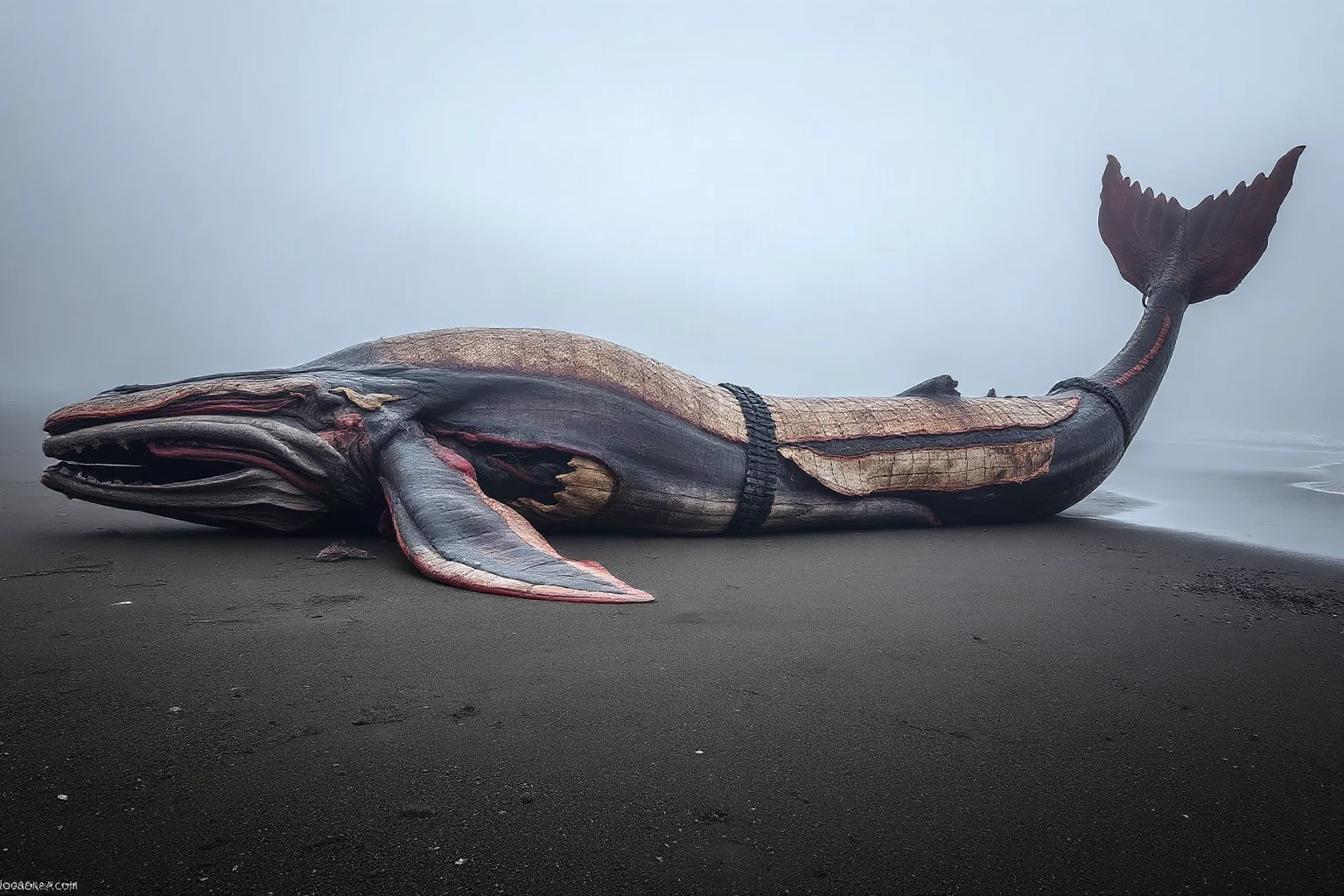
Crocodiles, large monitor lizards, pythons, and even whale carcasses have all been documented as sources of dragon-like reports throughout history. A decomposing whale washed ashore, with its exposed ribs and elongated shape, can look remarkably serpentine and monstrous to someone without modern anatomical knowledge. Sailors and travelers with limited reference points often reached for the most dramatic explanation available.
This pattern repeats across centuries and continents, which strongly suggests dragon reports were driven by animal misidentification rather than an undiscovered species. It doesn’t mean people were lying or foolish; it means they were doing their best to explain something unfamiliar with the only framework their culture provided. That framework, almost everywhere, included dragons.
16. Pre-Scientific Societies Had No Framework for Fossils

Before paleontology developed as a formal discipline in the 18th and 19th centuries, there was no widely accepted scientific explanation for why giant bones periodically emerged from cliffs, riverbanks, and quarries. Dragons, giants, and other mythical beasts filled that explanatory gap for thousands of years across nearly every literate culture. This wasn’t a fringe belief; it was the mainstream, reasonable interpretation available at the time.
Once comparative anatomy and geology matured, scholars like Georges Cuvier in the early 1800s began correctly identifying fossils as extinct animals rather than mythical creatures. That shift effectively dismantled the fossil-based half of dragon belief within a couple of generations. It’s a rare case where we can pinpoint almost exactly when a piece of “proof of dragons existence” was scientifically reclassified.
17. Oral Tradition Naturally Exaggerates Over Generations

Stories told aloud across generations tend to grow more dramatic with each retelling, a well-documented pattern in folklore studies. A large snake encounter might become a story about a monstrous serpent, which becomes a story about a fire-breathing beast a few generations later. Without written record-keeping to anchor the original details, exaggeration compounds quickly.
This explains why so many dragon legends share a similar arc: a real, frightening but mundane encounter gradually inflated into something supernatural. It’s a natural, well-understood process in cultural anthropology, not a mysterious phenomenon. It also explains why so few dragon accounts include specific, physical, testable details.
18. Dragons Often Functioned as Symbols, Not Claimed Sightings
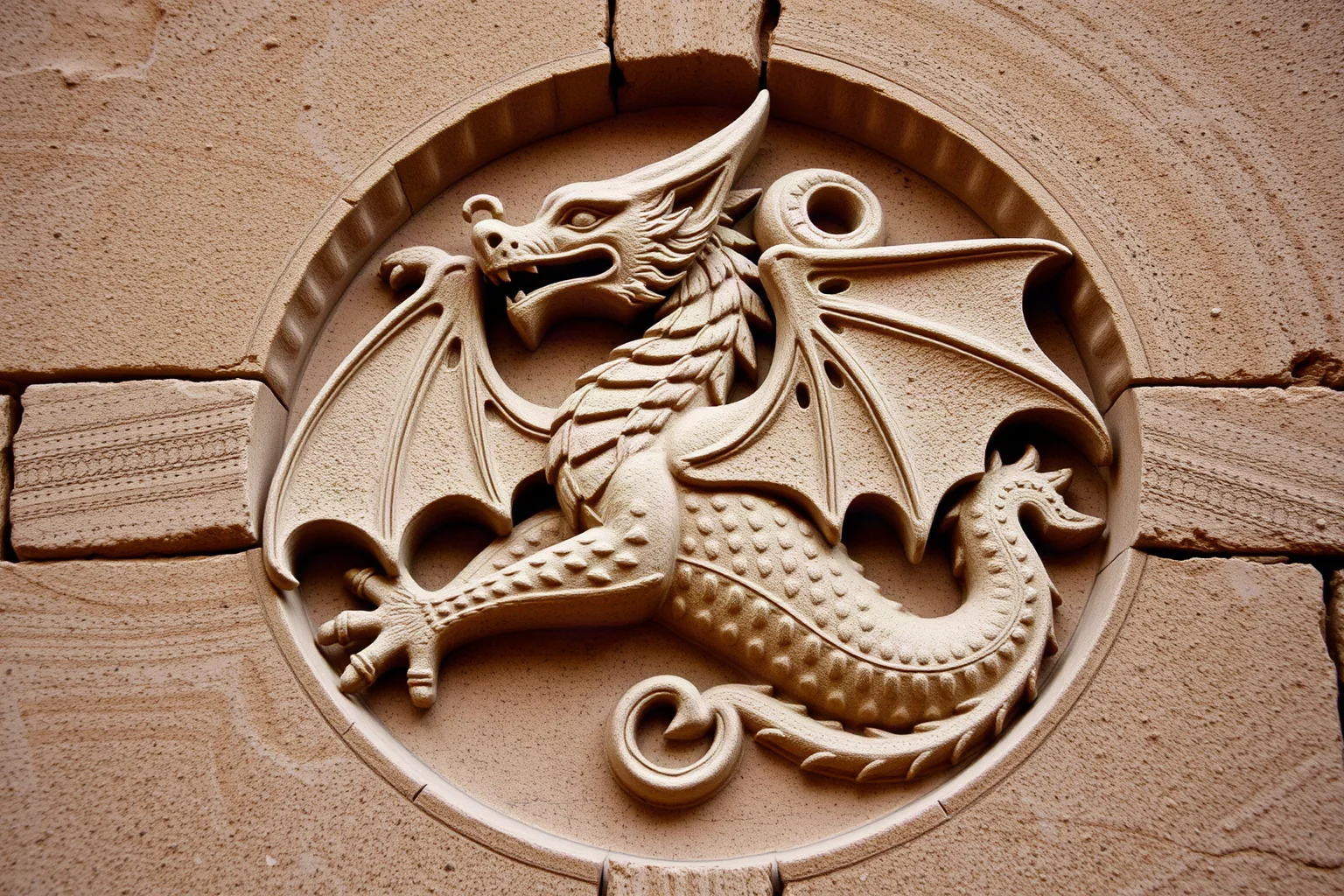
In many traditions, the dragon was never meant to be taken as a literal animal in the first place. Chinese imperial dragons represented cosmic authority, biblical dragons often represented chaos or evil, and dragons in heraldry represented strength and protection. Treating every dragon reference as an eyewitness claim misreads the intent of the source material.
This matters because a huge share of “dragon evidence” people cite from religious or literary texts was never presented as zoological fact by the original authors. Separating symbolic dragons from claimed physical encounters is essential to answering the question honestly. Much of what looks like proof that dragons exist is really just rich, intentional metaphor.
19. No Physical Remains Have Ever Been Verified as Dragon Material
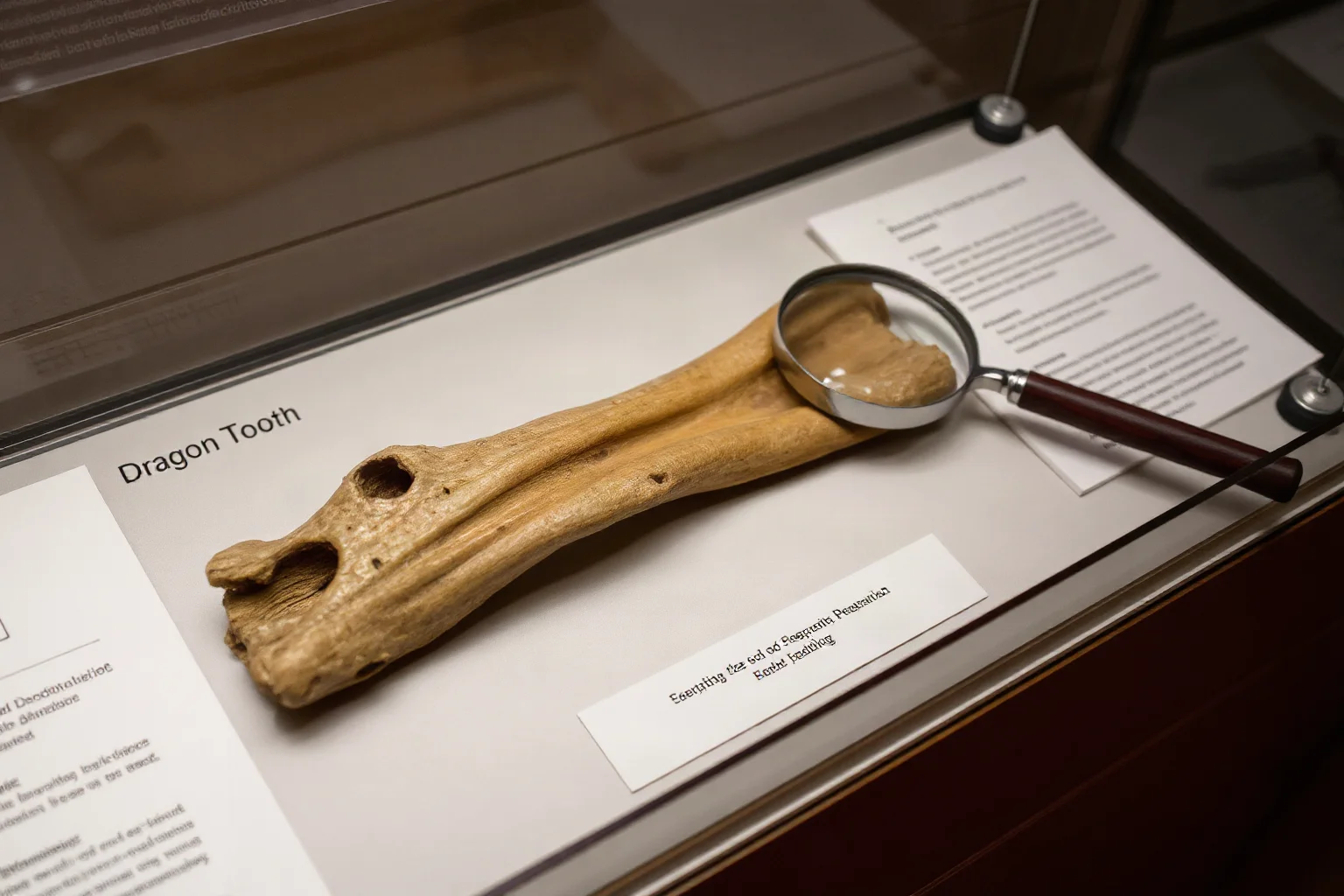
Despite centuries of alleged dragon bones, teeth, skin, and eggs kept in temples, museums, and private collections, every single specimen subjected to modern scientific testing has been identified as something else. Chinese “dragon bones” turned out to be dinosaur and mammal fossils. Alleged dragon teeth in various European relic collections have been identified as narwhal tusks, shark teeth, or other animal remains.
No museum, university, or research institution anywhere holds a specimen that has withstood rigorous scientific examination and been confirmed as dragon in origin. This is the most direct, testable form of proof dragons existed that skeptics ask for, and it has never been produced. Extraordinary claims still require extraordinary evidence, and that evidence simply doesn’t exist.
20. Cryptozoology Has Never Produced a Verified Specimen

Modern cryptozoologists, researchers who investigate reports of legendary creatures, have spent decades chasing leads on dragons, lake monsters, and similar cryptids. Despite widespread public interest and no shortage of eyewitness claims, not a single verified body, bone, or DNA sample has ever confirmed a dragon-like species. Photography, drone footage, and genetic testing have only made verification standards higher, not lower.
If dragons existed anywhere on Earth today, or had survived into recorded history in any hidden population, the modern tools available to researchers would have almost certainly found solid evidence by now. Instead, every serious investigation ends the same way: intriguing folklore, but no confirmed proof of real dragons. That consistent outcome is itself a meaningful answer to the question.
What the Historical Record Actually Tells Us
Putting all of this together, dragons look less like a hidden species waiting to be discovered and more like a shared human response to fossils, fear, and storytelling. Nearly every culture on Earth built a version of the same basic myth using local materials, local animals, and local anxieties. That consistency is a feature of human psychology, not zoology.
None of this makes the dragon myth less fascinating. If anything, understanding how a fossil bed in Sichuan, a beached whale in the North Sea, and a religious parable in medieval Europe could all feed the same archetype makes dragons more interesting, not less. The legend survived because it was useful, adaptable, and emotionally resonant, not because it was biologically accurate.
Final Thoughts on Whether Dragons Were Ever Real
So, were dragons real at any point in history? Based on everything the fossil record, biology, and historical scholarship can tell us, the answer is no, not as the fire-breathing, flying reptiles of legend. What was real is the fear, wonder, and genuine confusion that led ancient people to build such a vivid and consistent myth out of bones, reptiles, and half-remembered stories.
That’s arguably a more remarkable story than an actual dragon would have been. It shows just how powerfully human imagination can take scattered, real clues and weave them into something that felt true enough to shape art, religion, and identity across thousands of years and dozens of independent cultures.
Frequently Asked Questions
Were dragons ever real?
No credible historical or scientific evidence shows that dragons were ever real animals. The myth almost certainly grew from misidentified dinosaur and mammal fossils, encounters with real reptiles like crocodiles and large snakes, and exaggerated storytelling passed down over centuries.
Is there any real proof that dragons existed?
No verified specimen, fossil, or physical remain has ever been scientifically confirmed as belonging to a dragon. Items historically labeled as dragon bones or teeth have consistently turned out to be dinosaur fossils, narwhal tusks, or other known animal remains once properly tested.
What animals inspired dragon legends?
Historians point to crocodiles, large monitor lizards, pythons, whale carcasses, and dinosaur fossils as likely inspirations. Sailors' encounters with oarfish and other large marine animals also contributed to sea serpent and dragon-adjacent legends throughout history.
Why do dragon myths appear in cultures that never had contact with each other?
Independent cultures faced similar experiences, including finding large fossilized bones and encountering dangerous reptiles, which led them to develop broadly similar monster archetypes on their own. This pattern of independent, inconsistent reinvention is a strong sign of convergent mythology rather than a single shared species.
Did dragons ever exist in real life in any form?
Not as the fire-breathing, flying creatures of legend, but real animals like the Komodo dragon show how folklore about 'dragons' sometimes described genuine, if far less dramatic, species. The word 'dragon' has also been loosely applied throughout history to real reptiles that simply seemed monstrous at the time.
Why did ancient scholars like Pliny the Elder write about dragons as real animals?
Ancient naturalists often combined firsthand knowledge with secondhand travelers' tales and folklore, without modern tools to verify claims. Writers like Pliny the Elder recorded dragon accounts as factual because there was no scientific framework yet to distinguish exaggerated reports from verified zoology.

Alex Warren
Related Articles