
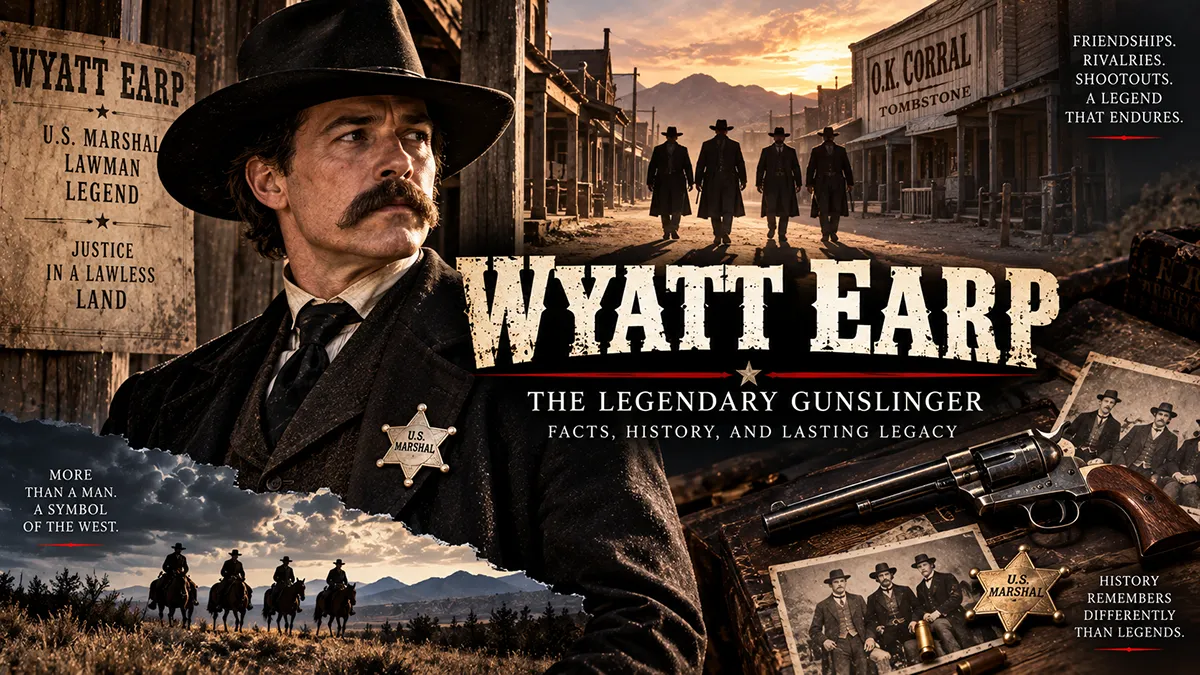
Few names conjure up the Old West quite like Wyatt Earp. Say it out loud and you probably picture a lean, mustached figure in a long coat, striding toward a dusty street corner with a Colt revolver at his hip. But who was Wyatt Earp, really — and how much of what we “know” about him came from Hollywood rather than history?
You’ll also see his name misspelled in about a dozen different ways online — Wyat Earp, Wyatt Urp, Whyatt Earp, Wyatt Eerp, Wayet Erp — proof of just how deeply this frontier figure has burrowed into pop culture, even if people aren’t always sure how to spell him. This post sorts fact from fiction, one chapter of his wild life at a time.
TL;DR: Wyatt Earp was a real 19th-century lawman, gambler, and gunfighter whose legend — built on Dodge City, Tombstone, and the O.K. Corral — is equal parts documented history and later Hollywood myth-making.
1. Who Was Wyatt Earp? A Quick Overview
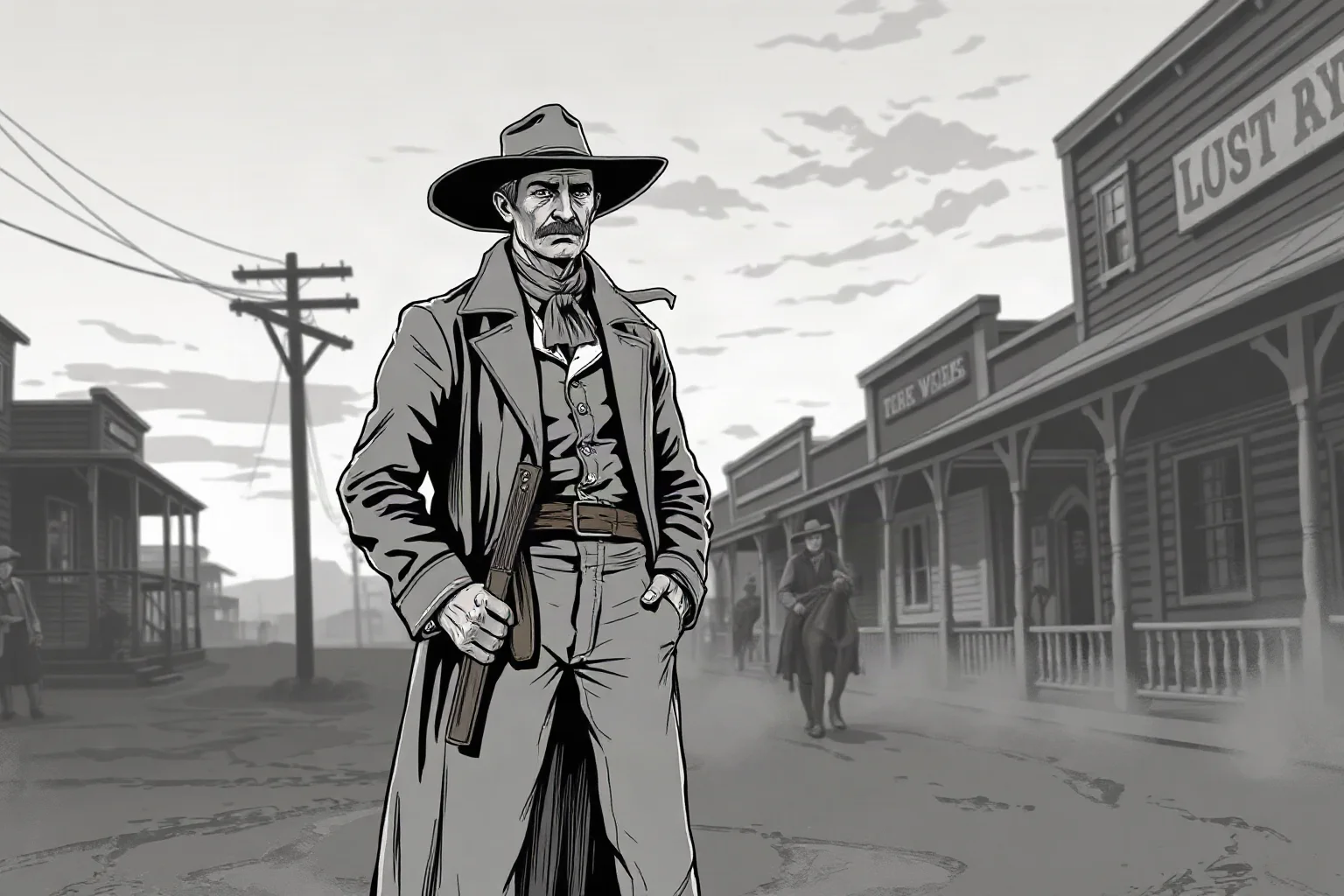
Wyatt Earp was an American frontiersman who worked at various points as a buffalo hunter, lawman, gambler, saloon owner, and boxing referee across the American West in the late 1800s. He’s best remembered for his role in law enforcement in Dodge City, Kansas, and for the infamous 1881 shootout near the O.K. Corral in Tombstone, Arizona.
He wasn’t a single-purpose “gunslinger” in the movie sense. Earp drifted between legal and legally gray occupations his whole life, which is exactly why his reputation has always been so hotly debated.
2. He Was Born in Illinois in 1848
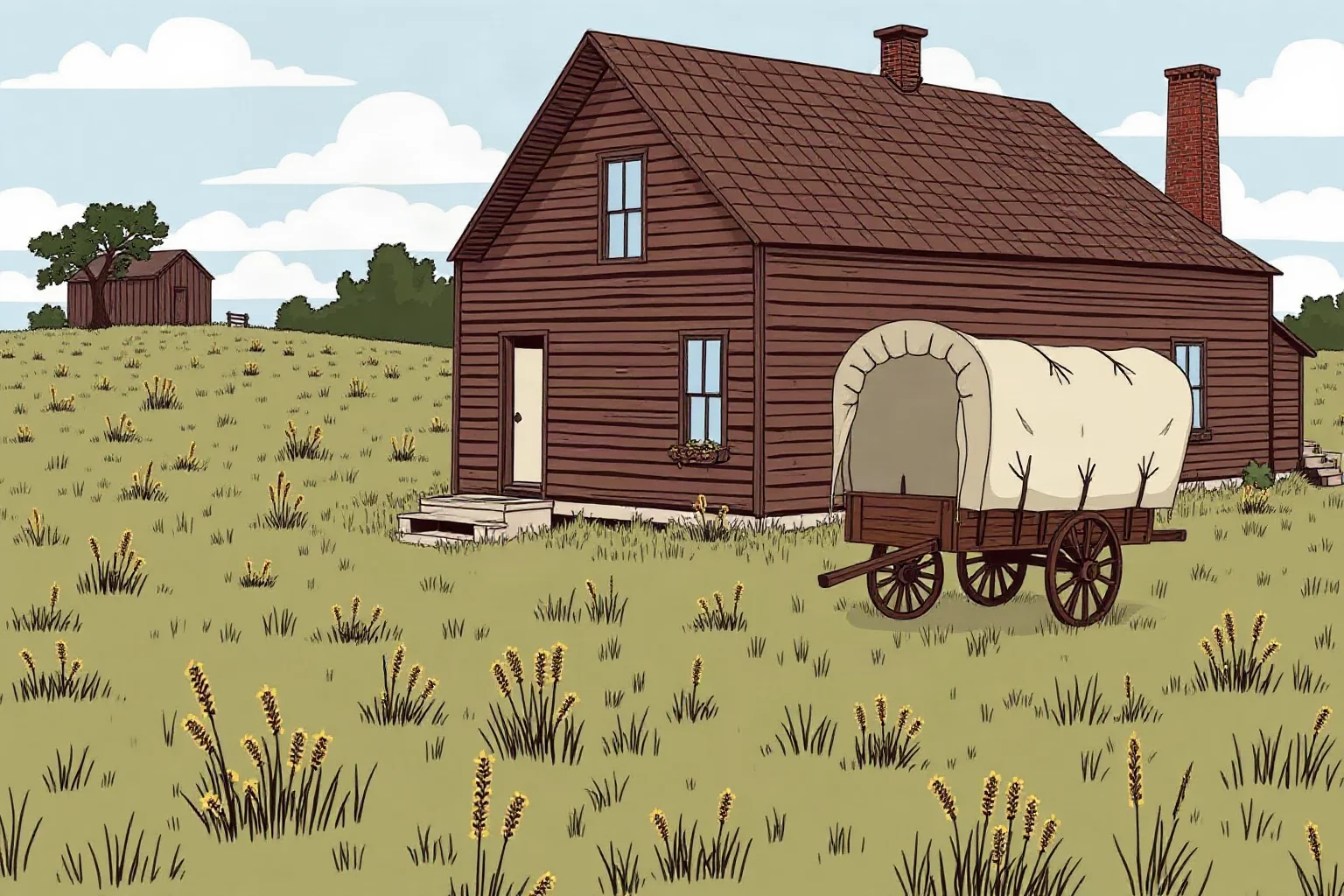
Wyatt Berry Stapp Earp was born on March 19, 1848, in Monmouth, Illinois, to Nicholas and Virginia Earp. He was named after his father’s commanding officer from the Mexican-American War, Captain Wyatt Berry Stapp.
He was the fourth of what would eventually be several Earp brothers, including Virgil, Morgan, James, and Warren — brothers who would later play major roles in his most famous adventures. The Earp family had a restless streak, and young Wyatt inherited it early.
3. His Family Moved West Multiple Times
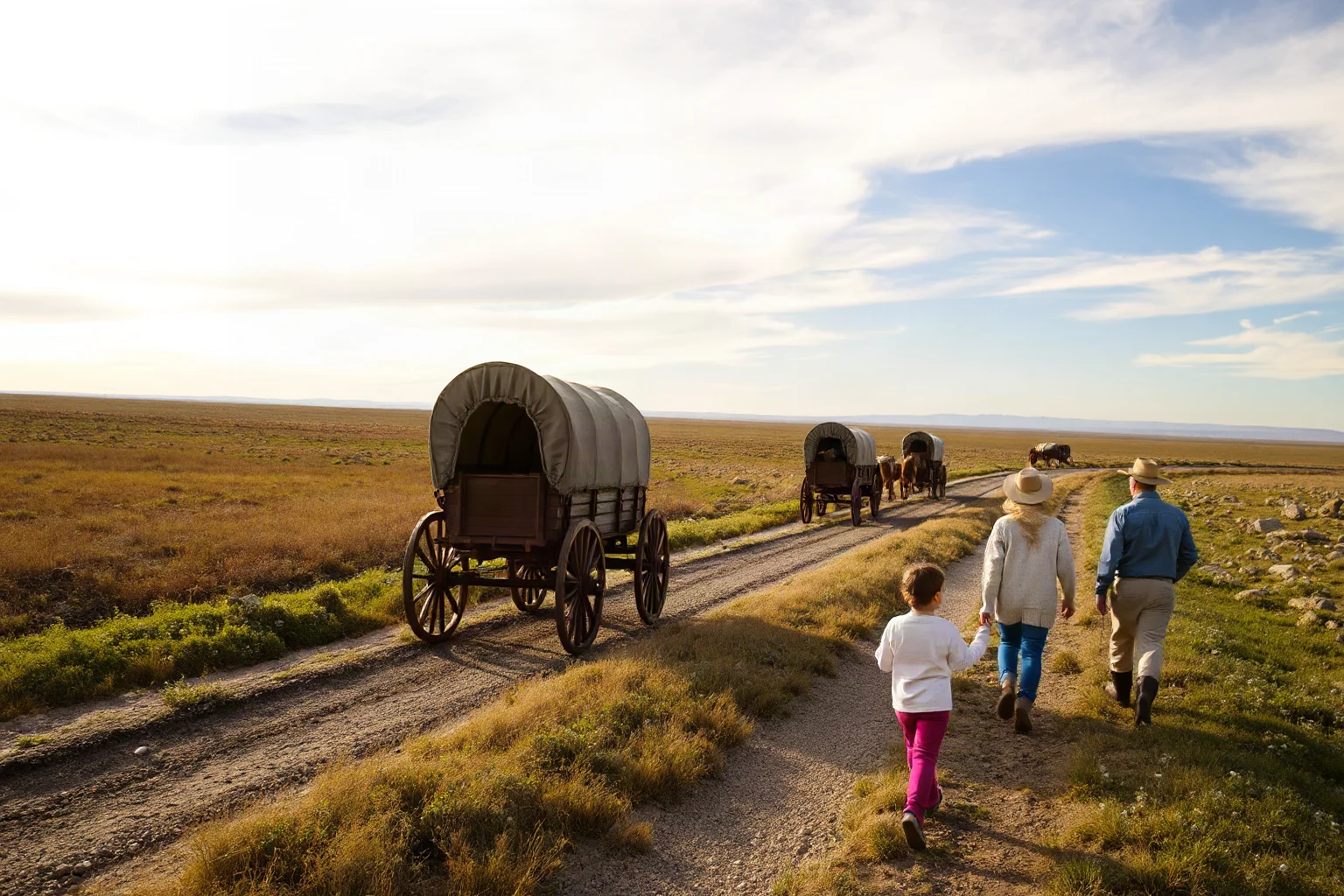
The Earps relocated frequently during Wyatt’s childhood, first to Pella, Iowa, and later toward California along the wagon trails. This constant movement gave Wyatt an early taste of frontier life, from wagon trains to rough-and-tumble boomtowns.
By his teens, Wyatt had already seen more of the country than most adults of his era. That rootlessness would define the rest of his life, as he rarely stayed anywhere for more than a few years.
4. Young Wyatt Was Once Accused of Horse Theft
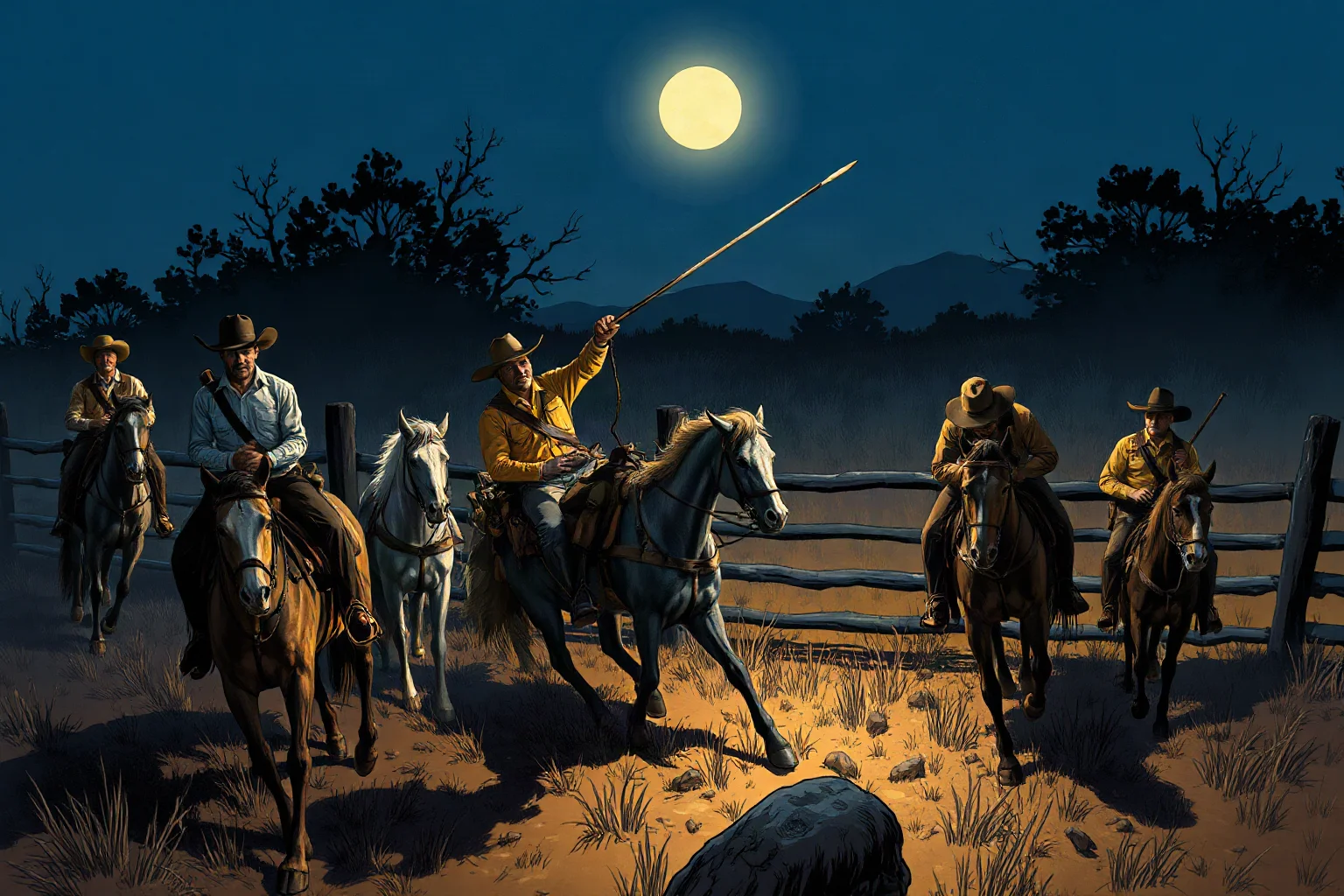
One question that pops up a lot is whether Wyatt Earp stole a horse — and the answer, based on historical court records, is complicated but real. In 1871, Earp was arrested in Indian Territory (present-day Oklahoma) for allegedly helping steal horses, a serious crime on the frontier that could carry severe penalties.
He reportedly escaped custody before the case was resolved, and the charges were never formally settled in court. It’s one of several early brushes with the law that make his later career as a lawman more ironic than most Wild West legends admit.
5. He Worked as a Buffalo Hunter Before Lawman Life
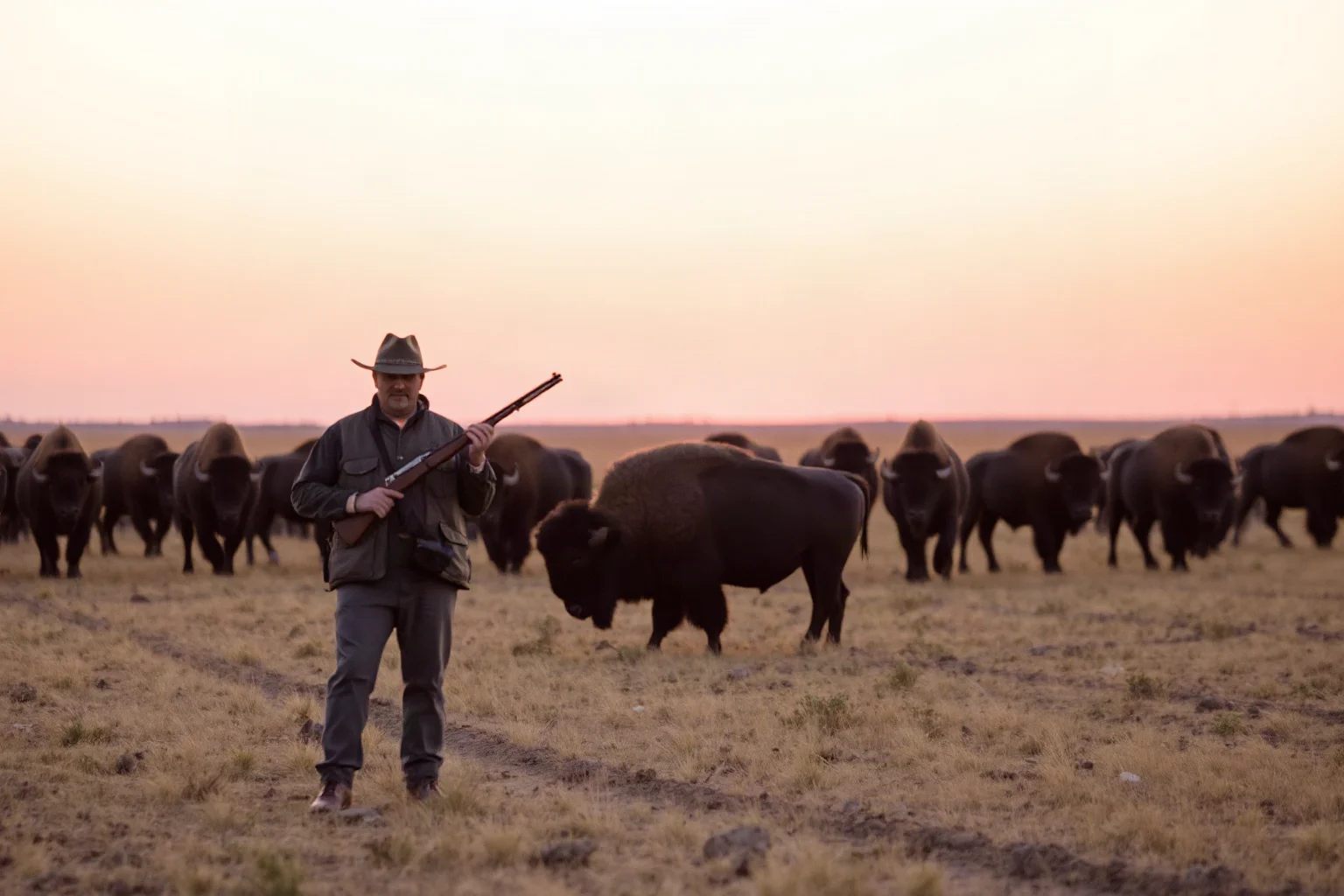
Before he ever pinned on a badge, Earp spent time hunting buffalo on the southern plains during the boom years of the hide trade in the early 1870s. It was grueling, dangerous work that put him in contact with rough characters, seasonal boomtowns, and the kind of frontier economy that thrived on gambling halls and saloons.
This period helped shape the network of gamblers and lawmen he’d rely on for the rest of his life. It also gave him the frontier toughness that later fed his gunslinger reputation.
6. Dodge City, Kansas Made Him a Household Name
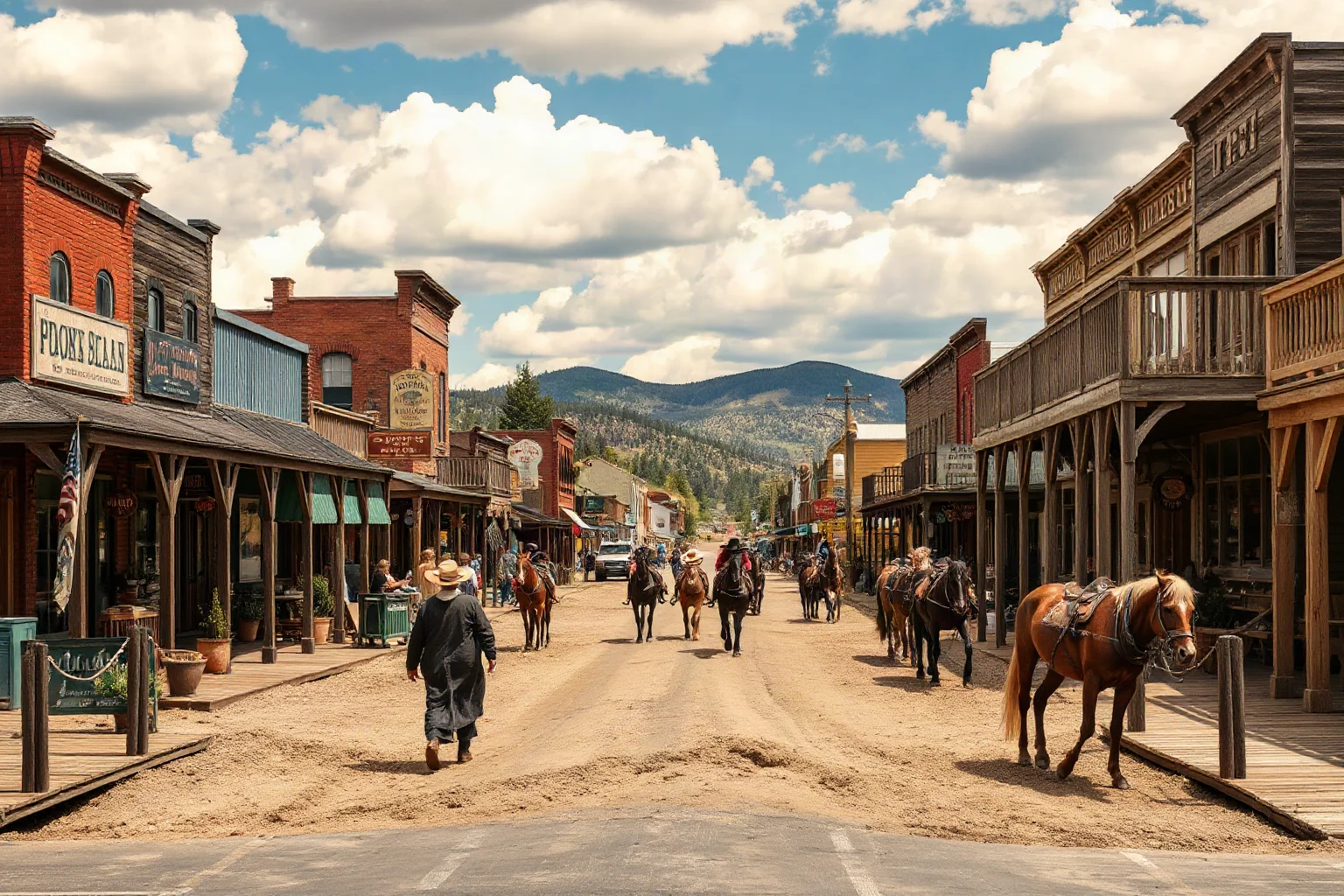
Dodge City, Kansas, is where Wyatt Earp first built a real reputation for keeping order. He served as an assistant city marshal there in the mid-to-late 1870s, a period when Dodge City was one of the rowdiest cattle towns in the country.
His job mostly involved disarming drunk cowboys, breaking up bar fights, and enforcing local ordinances rather than dramatic shootouts. Still, the Dodge City years cemented his image as a steady, no-nonsense lawman years before Tombstone made him famous.
7. He Was a Deputy, Not Always a Full “US Marshal”
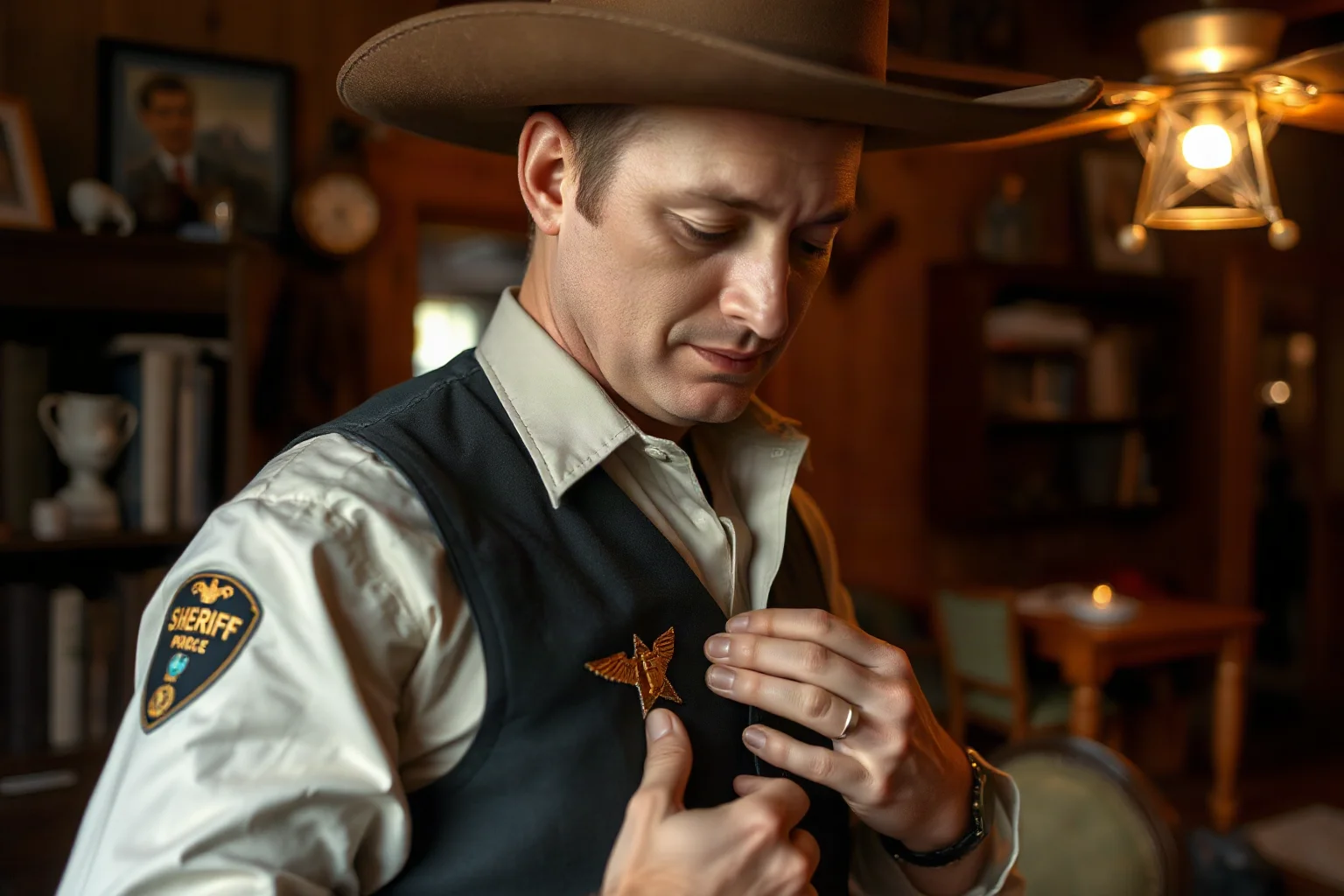
A common mix-up is calling Wyatt Earp “US Marshal” as if it were his primary title his whole career. In reality, Earp held a range of law enforcement roles over the years — assistant city marshal, deputy sheriff, and at times a deputized federal officer — rather than serving as a commissioned United States Marshal in the formal, ongoing sense.
In Tombstone specifically, his older brother Virgil held the town marshal position, while Wyatt worked under various deputy commissions and even briefly as a Wells Fargo shotgun guard. It’s a small but important distinction historians like to clarify.
8. Tombstone, Arizona Changed Everything
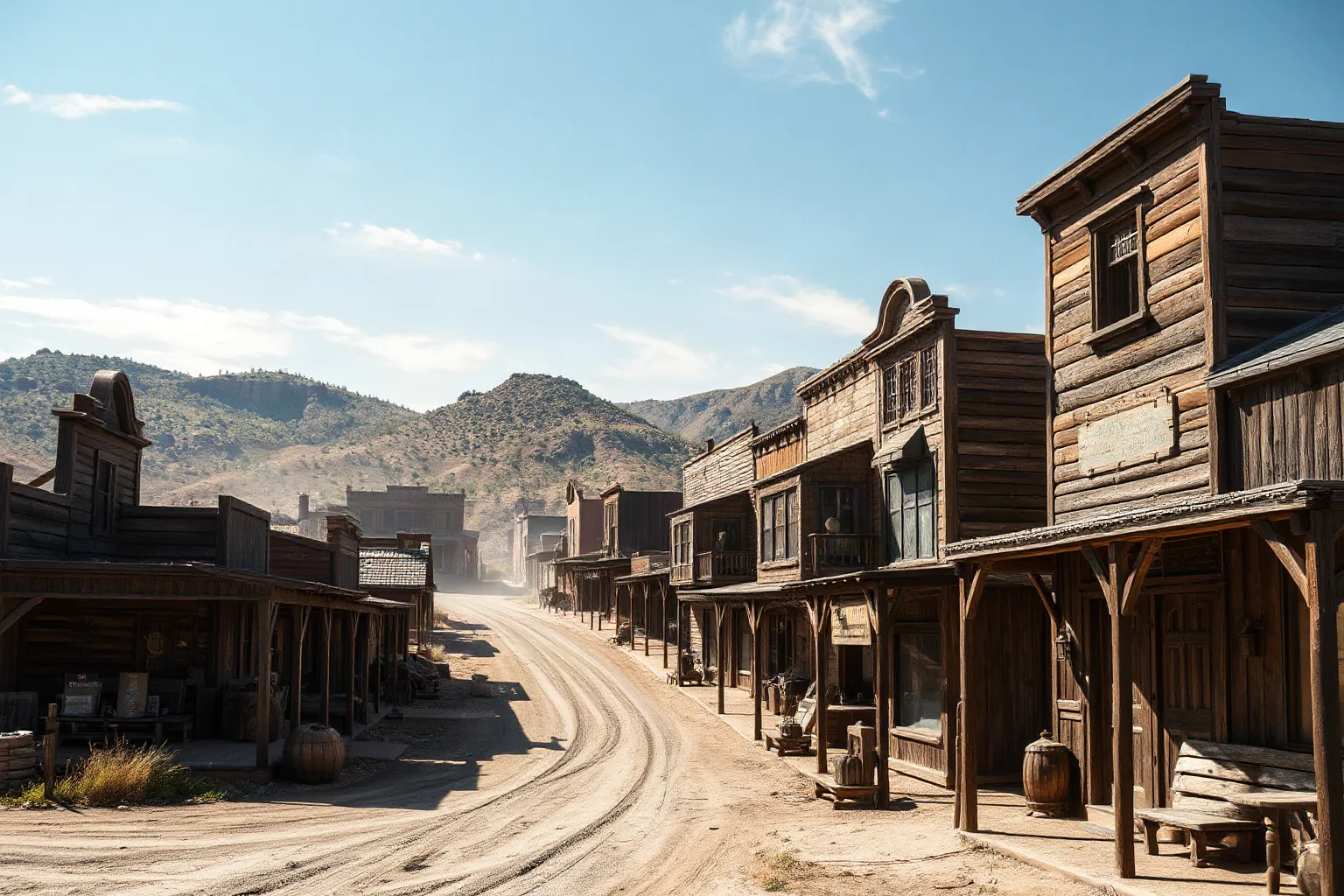
In 1879, Wyatt Earp moved to the booming silver-mining town of Tombstone, Arizona, along with several of his brothers. Tombstone was flush with silver money, saloons, and simmering tension between local ranchers — some allegedly involved in cattle rustling — and the business-and-law faction the Earps aligned with.
This rivalry, often boiled down to “Earps versus the Cowboys,” set the stage for the event that would make Wyatt Earp a legend forever. Without Tombstone, it’s likely his name would be a footnote rather than a household word.
9. The Earp-Holliday Alliance
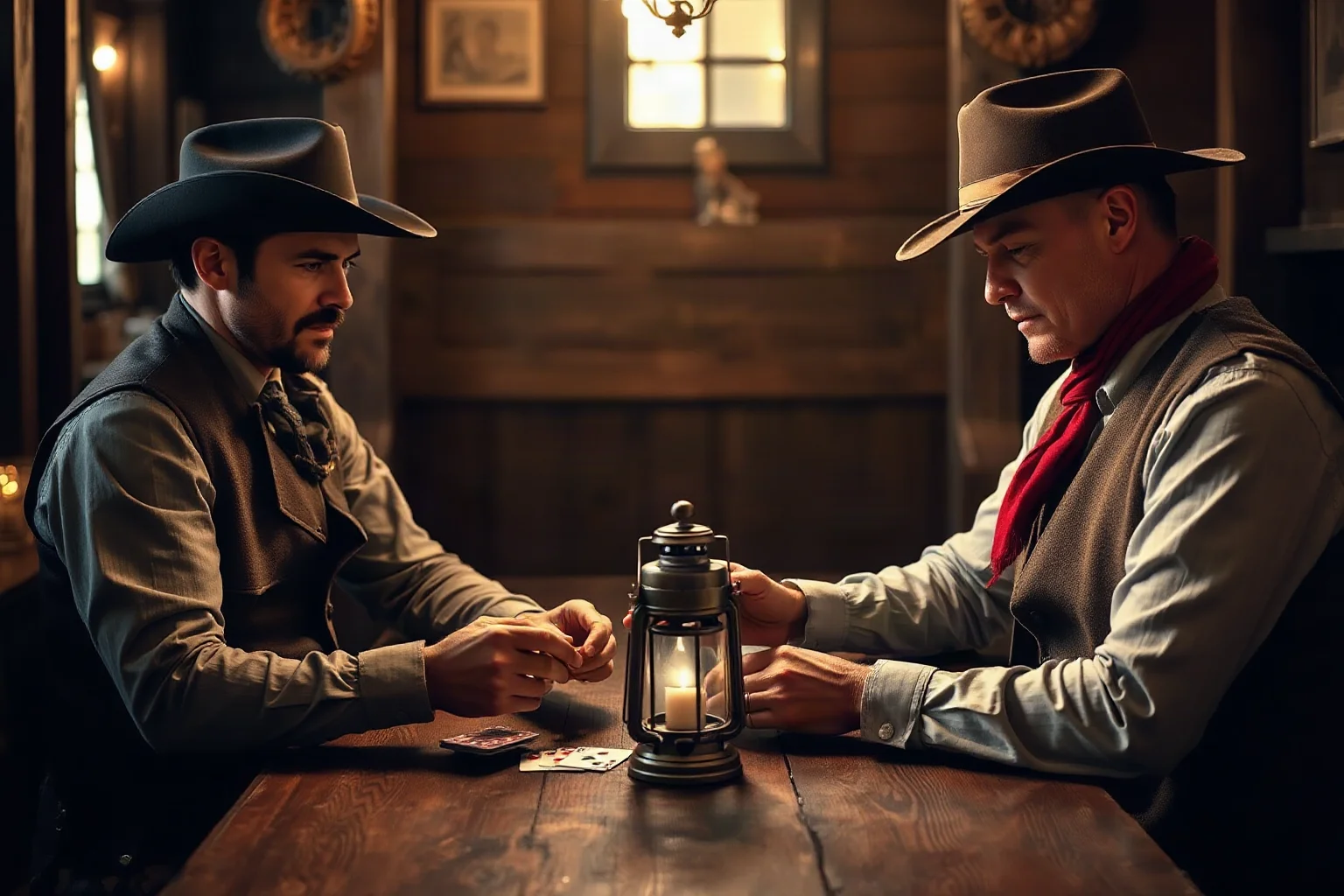
Wyatt Earp’s friendship with dentist-turned-gambler John Henry “Doc” Holliday is one of the most famous partnerships in Western lore. The two reportedly met in Kansas and grew close over shared interests in gambling and card games, with Holliday later following the Earps to Tombstone.
Holliday’s loyalty to Wyatt proved decisive during the tensions of 1881. Their bond has been dramatized in countless films, though the real relationship was almost certainly less theatrical than the movies suggest.
10. The Gunfight at the O.K. Corral
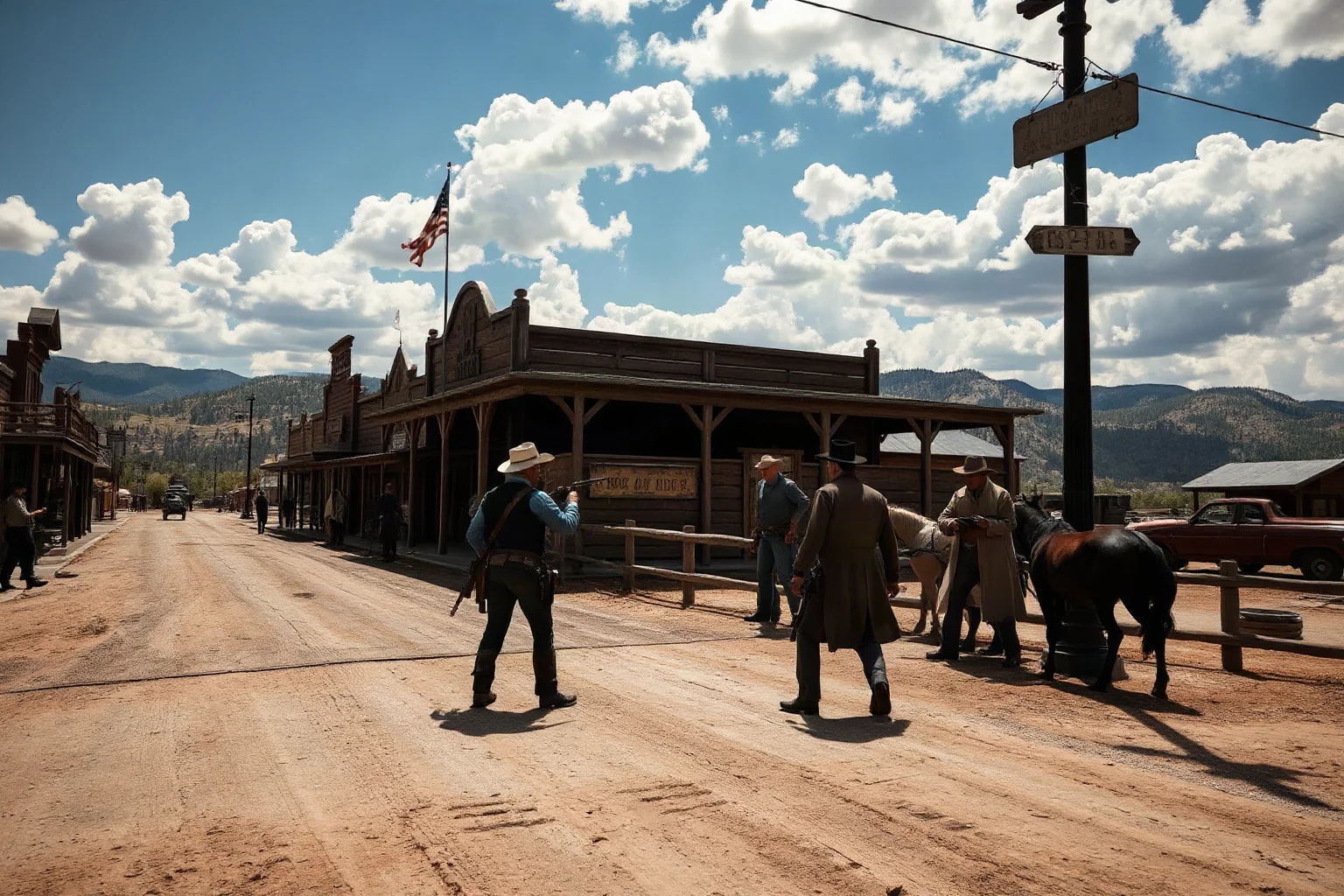
On October 26, 1881, Wyatt Earp, his brothers Virgil and Morgan, and Doc Holliday confronted a group of men — including Billy Clanton and Frank and Tom McLaury — near the O.K. Corral in Tombstone. The shootout lasted roughly thirty seconds, and three men on the opposing side were killed.
So how old was Wyatt Earp at the O.K. Corral? Since he was born in March 1848, he was 33 years old on the day of the gunfight. Despite its fame, the confrontation was actually a fairly small, chaotic street fight rather than the drawn-out cinematic duel later films portrayed.
11. The Earp Vendetta Ride
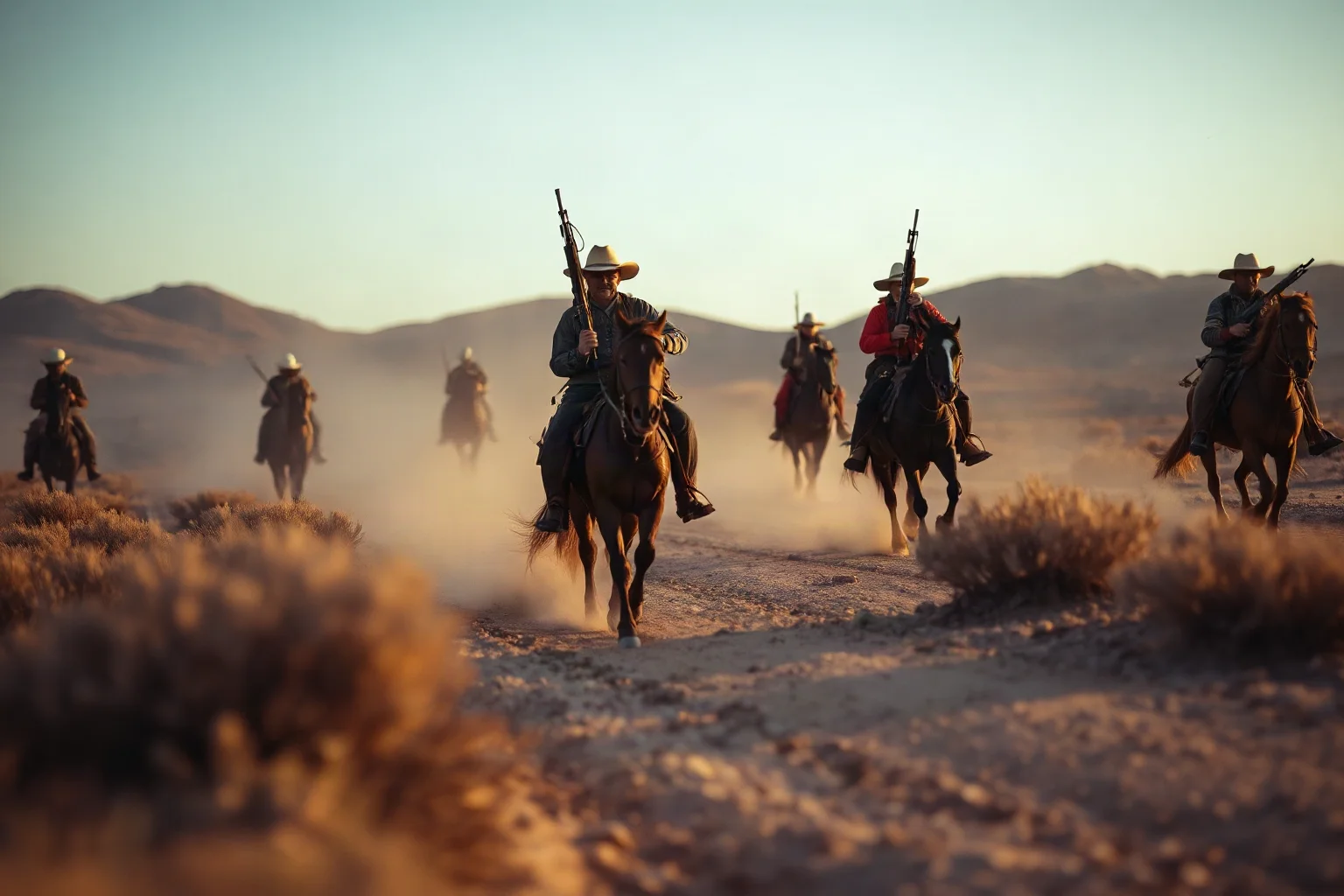
The O.K. Corral gunfight didn’t end the conflict — it escalated it. In the months that followed, Virgil Earp was ambushed and maimed, and Morgan Earp was assassinated, prompting Wyatt to lead an armed posse in pursuit of those he believed responsible.
This campaign, known as the Earp Vendetta Ride, resulted in several more deaths, including that of Frank Stilwell. It remains one of the most legally and morally debated chapters of Wyatt Earp’s life.
12. Was Wyatt Earp an Outlaw? The Complicated Truth
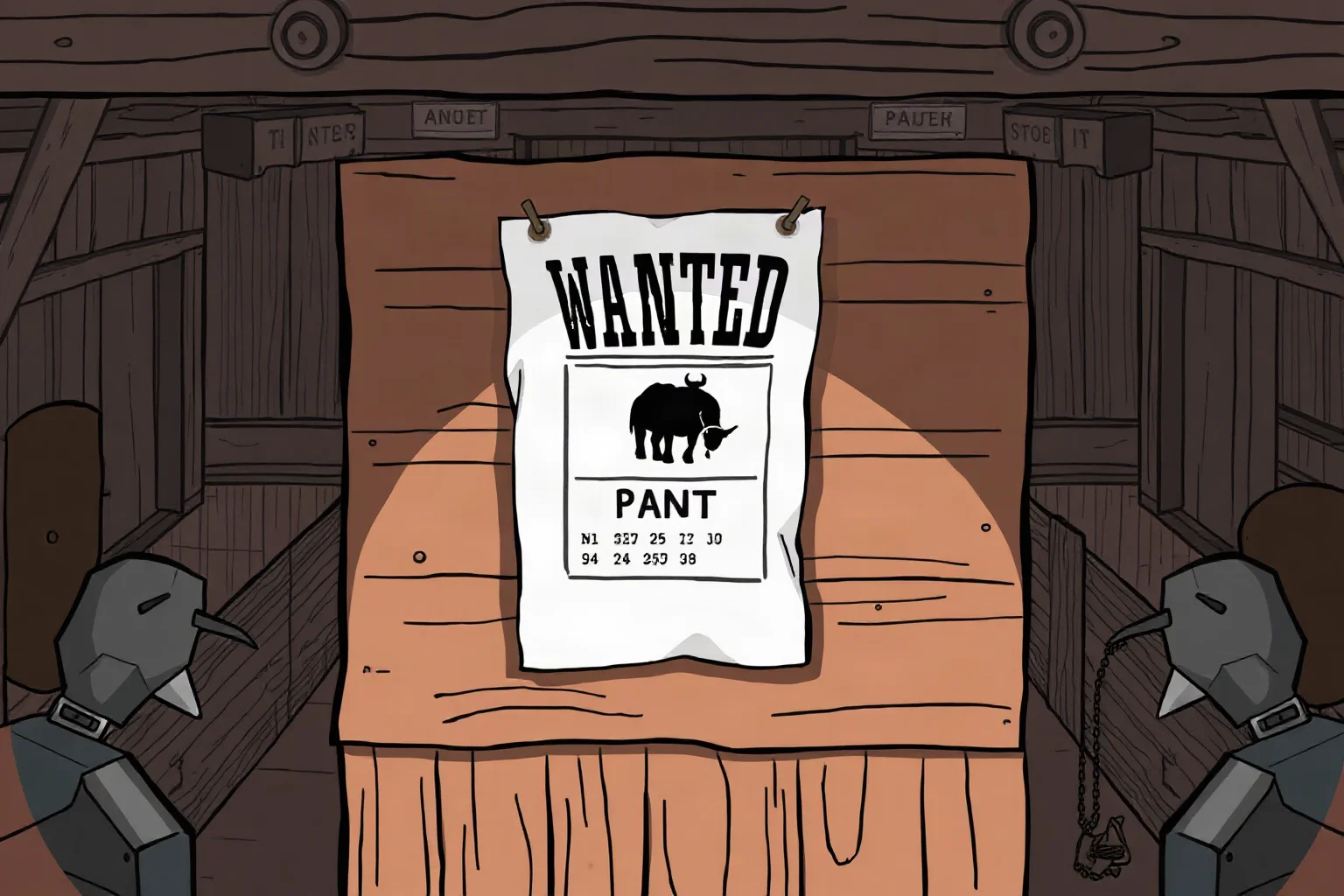
This is one of the most searched questions about him, and it deserves an honest answer: it depends on how you define “outlaw.” Earp worked plenty of legitimate law enforcement jobs, but he also faced an arrest warrant for murder after the Vendetta Ride and had earlier run-ins with the law, including the 1871 horse theft case.
Most historians land somewhere in the middle — Earp operated in the gray zone common to many frontier lawmen, where enforcing order and breaking the law sometimes overlapped, not unlike the ongoing debates over whether Ivan the Terrible deserved his own fearsome reputation. He was never a full-time bandit or robber, but he wasn’t a spotless hero either.
13. Why Did Wyatt Earp Leave Tombstone?
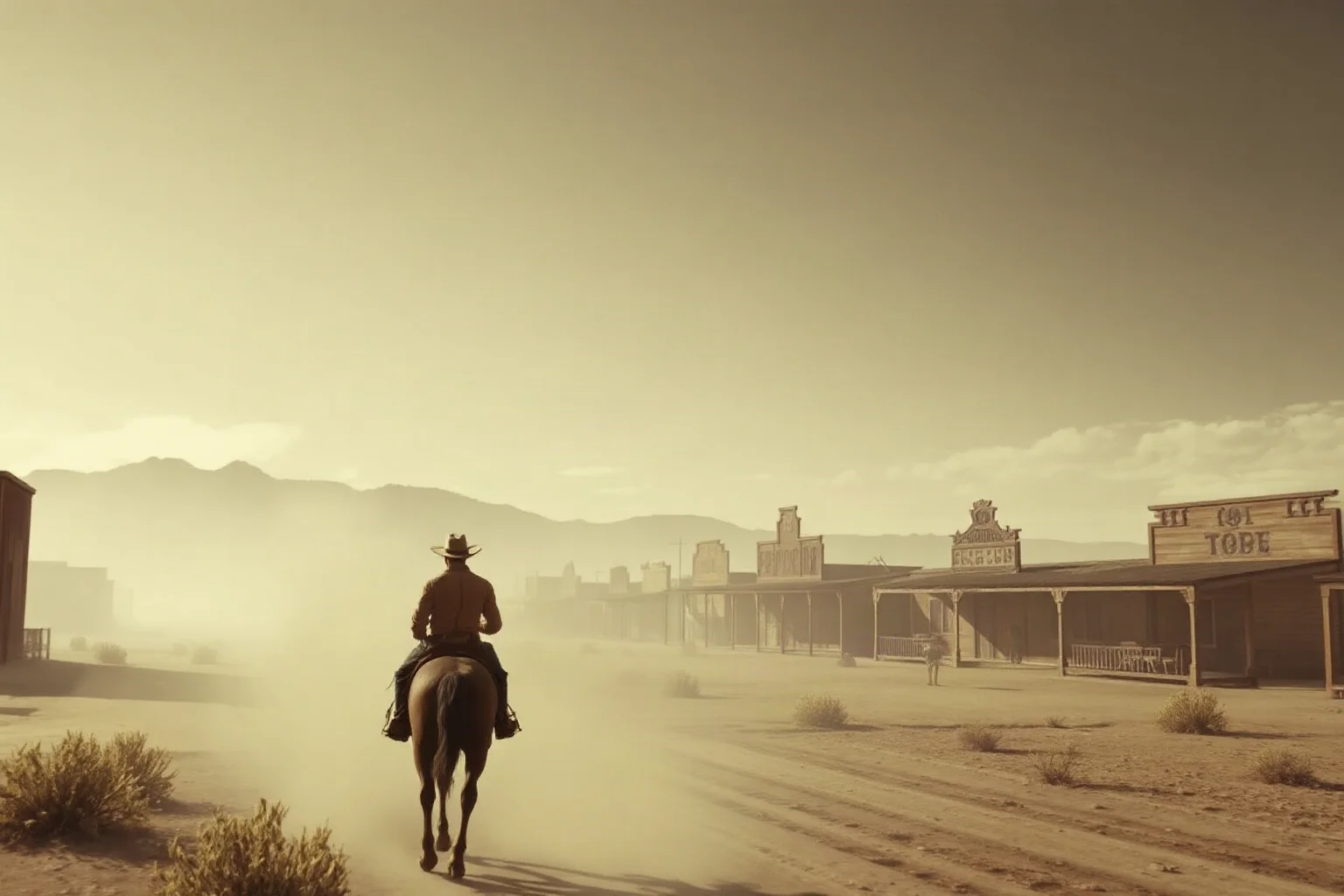
After the Vendetta Ride, Arizona authorities issued a warrant for Wyatt Earp’s arrest in connection with Stilwell’s killing. Rather than face trial in a town still bitterly divided over the Earp-Cowboy conflict, Wyatt and his remaining allies left Arizona Territory in the spring of 1882.
He never returned to live in Tombstone again. From there, he became something of a perpetual drifter, moving through Colorado, California, and eventually much farther afield.
14. His Personal Life and Three Wives
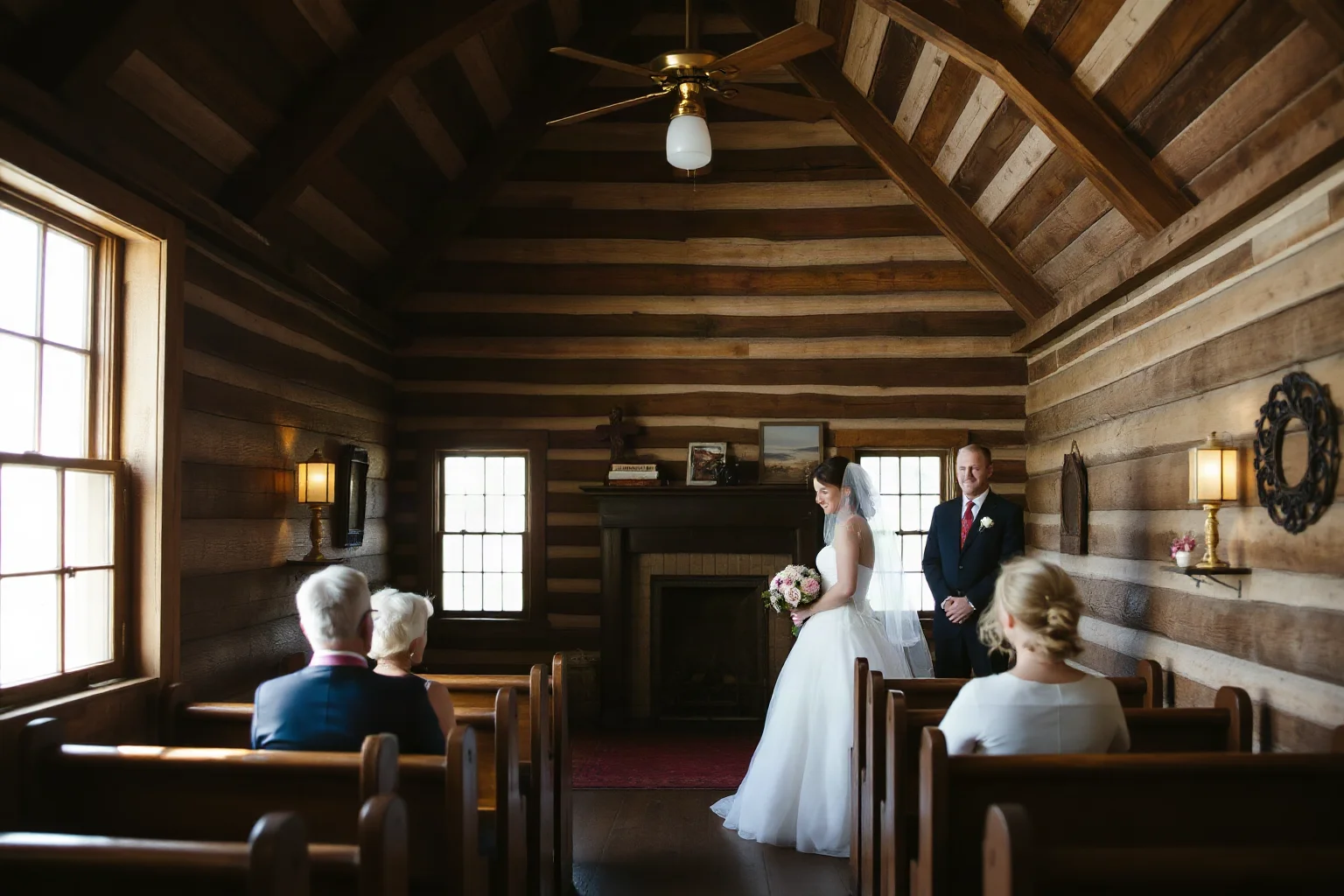
Wyatt Earp’s romantic life was almost as eventful as his career. His first wife, Urilla Sutherland, died in 1870 not long after their marriage, likely from typhoid fever or complications related to childbirth.
He later had a long common-law relationship with Mattie Blaylock, who struggled with addiction and separated from Wyatt before her own tragic death years later. His final and longest-lasting partner was Josephine “Josie” Marcus, who stayed by his side from the Tombstone years until his death, though whether they ever formally married remains debated by historians.
15. The Legendary “Peacemaker” Colt
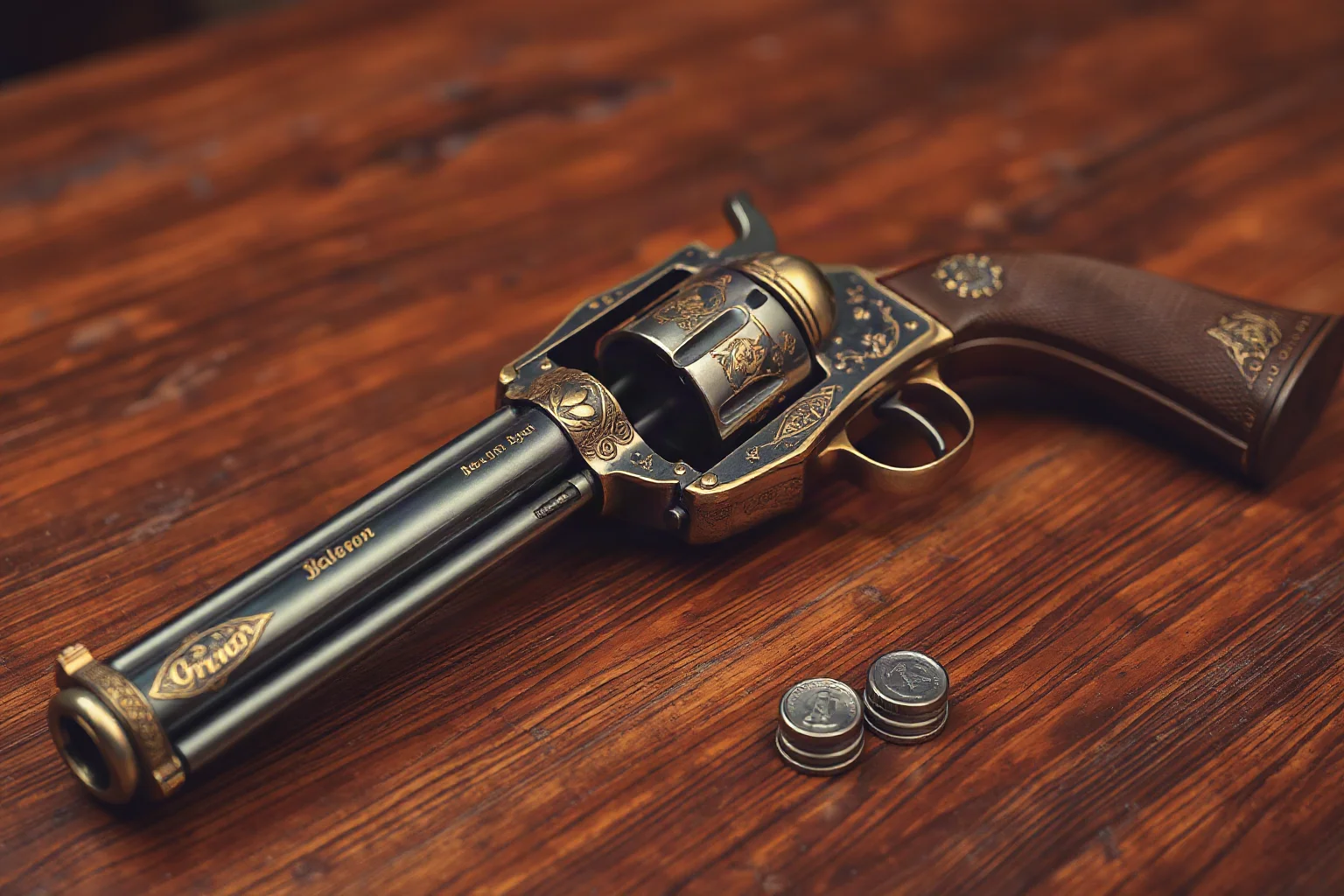
Wyatt Earp is closely associated with the Colt Single Action Army revolver, nicknamed the “Peacemaker” — a firearm that became a symbol of frontier justice throughout the Old West. The idea of Earp carrying an extra-long “Buntline Special” version, however, comes largely from Stuart Lake’s romanticized 1931 biography rather than solid documentary evidence.
That single detail is a great example of how quickly myth and reality blended in Earp’s story. The gun itself was real and common on the frontier; the legendary version of it is mostly Hollywood polish.
16. Wyatt Earp Wasn’t Just a Gunslinger — His Many Careers
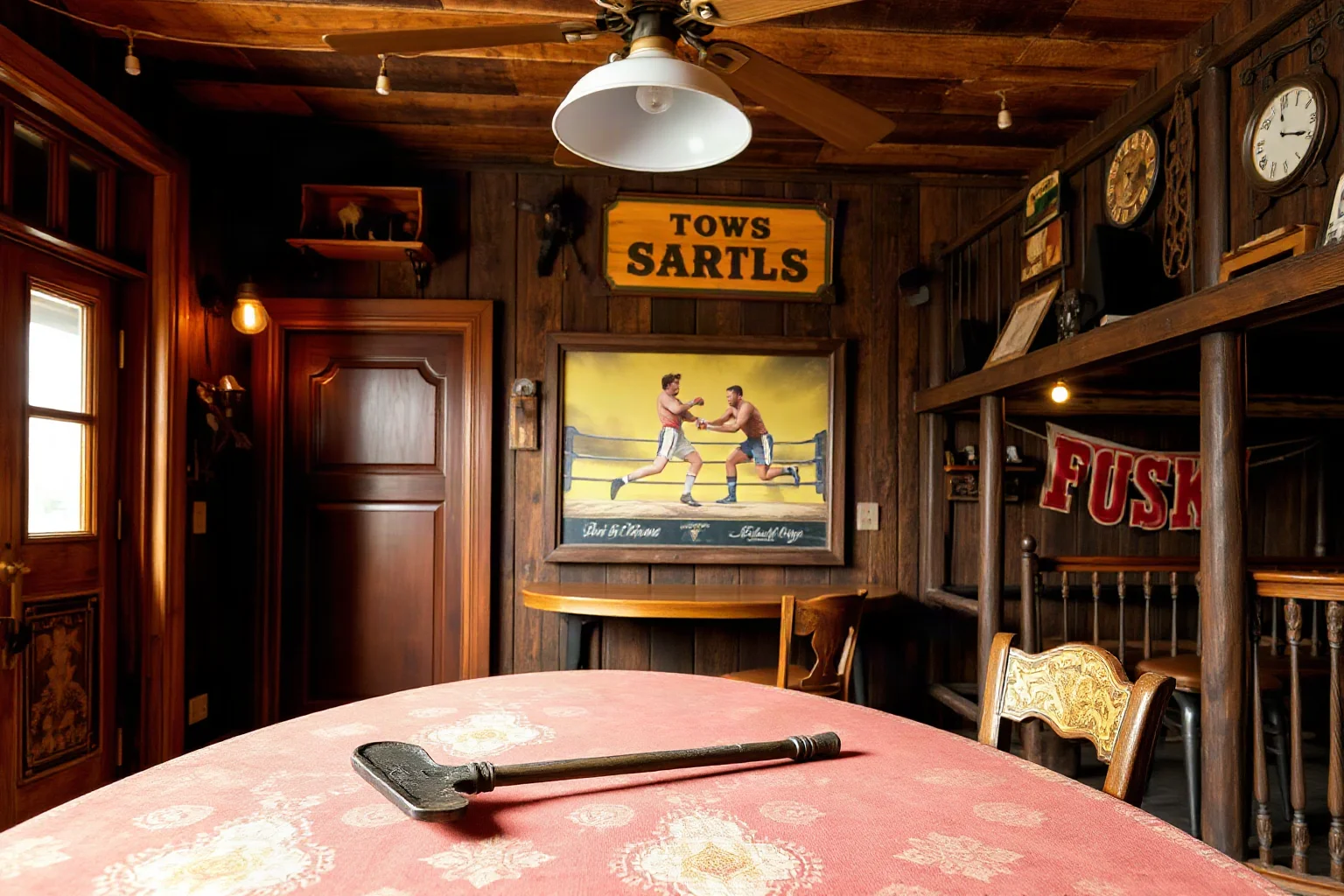
Calling Earp simply a “gunslinger” undersells how varied his working life actually was. Beyond law enforcement, he worked as a professional gambler, a saloon and gaming-hall investor, a miner, and even a boxing referee — most famously overseeing a controversial 1896 heavyweight fight in San Francisco.
He bounced between these trades depending on where the money was, which was fairly typical for ambitious men on the frontier. It’s part of why his legacy feels so much bigger than any one job title.
17. Lamar, Missouri and His Early Law Career
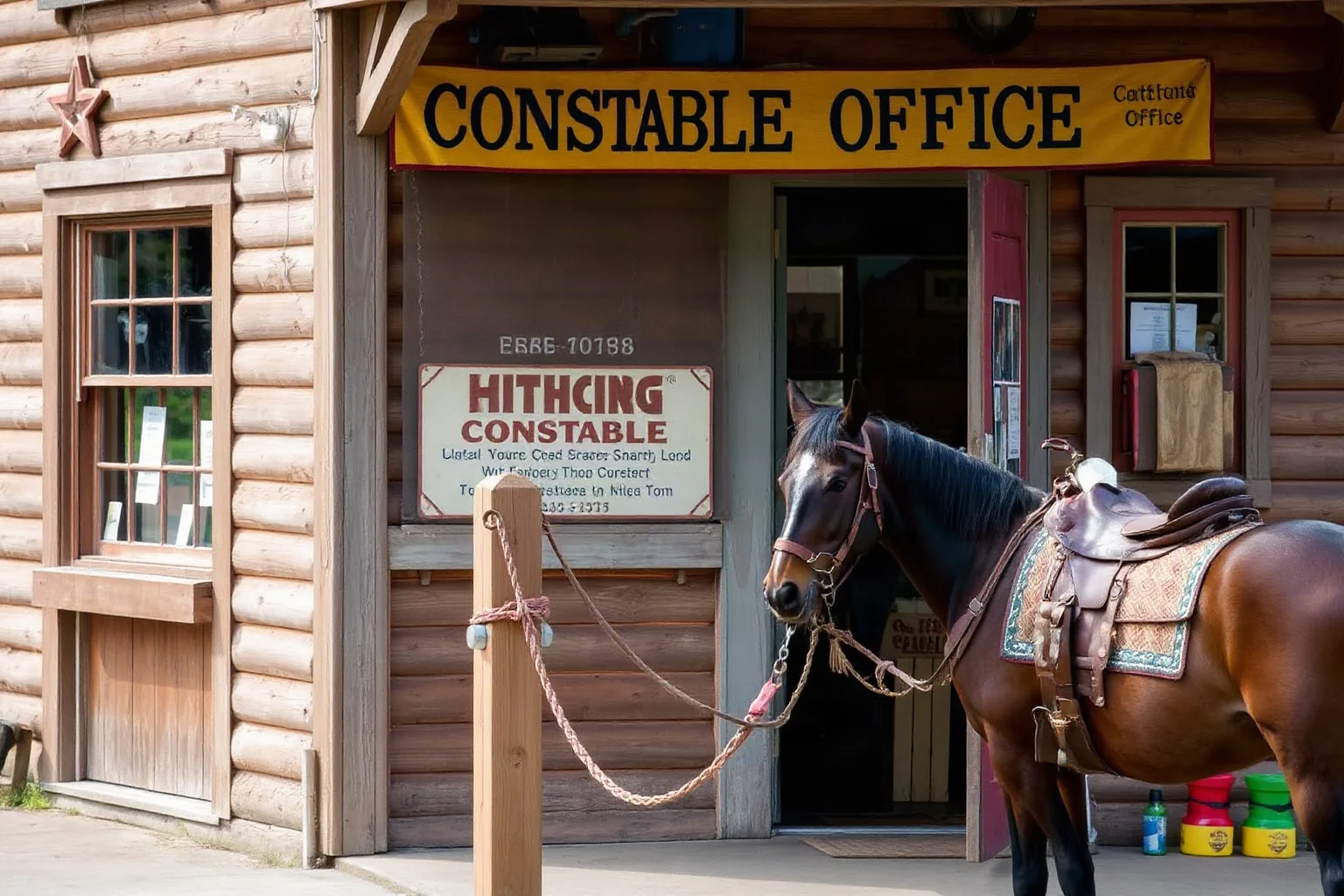
Before Dodge City or Tombstone ever entered the picture, Wyatt Earp got his first taste of law enforcement as a constable in Lamar, Missouri, in the early 1870s. It was also in Lamar that he married his first wife, Urilla Sutherland.
Her death shortly afterward, combined with his brush with the horse-theft charge, seems to have pushed him out of Missouri entirely. Lamar remains a small but meaningful stop in the map of his early life.
18. Later Years in California and the Klondike
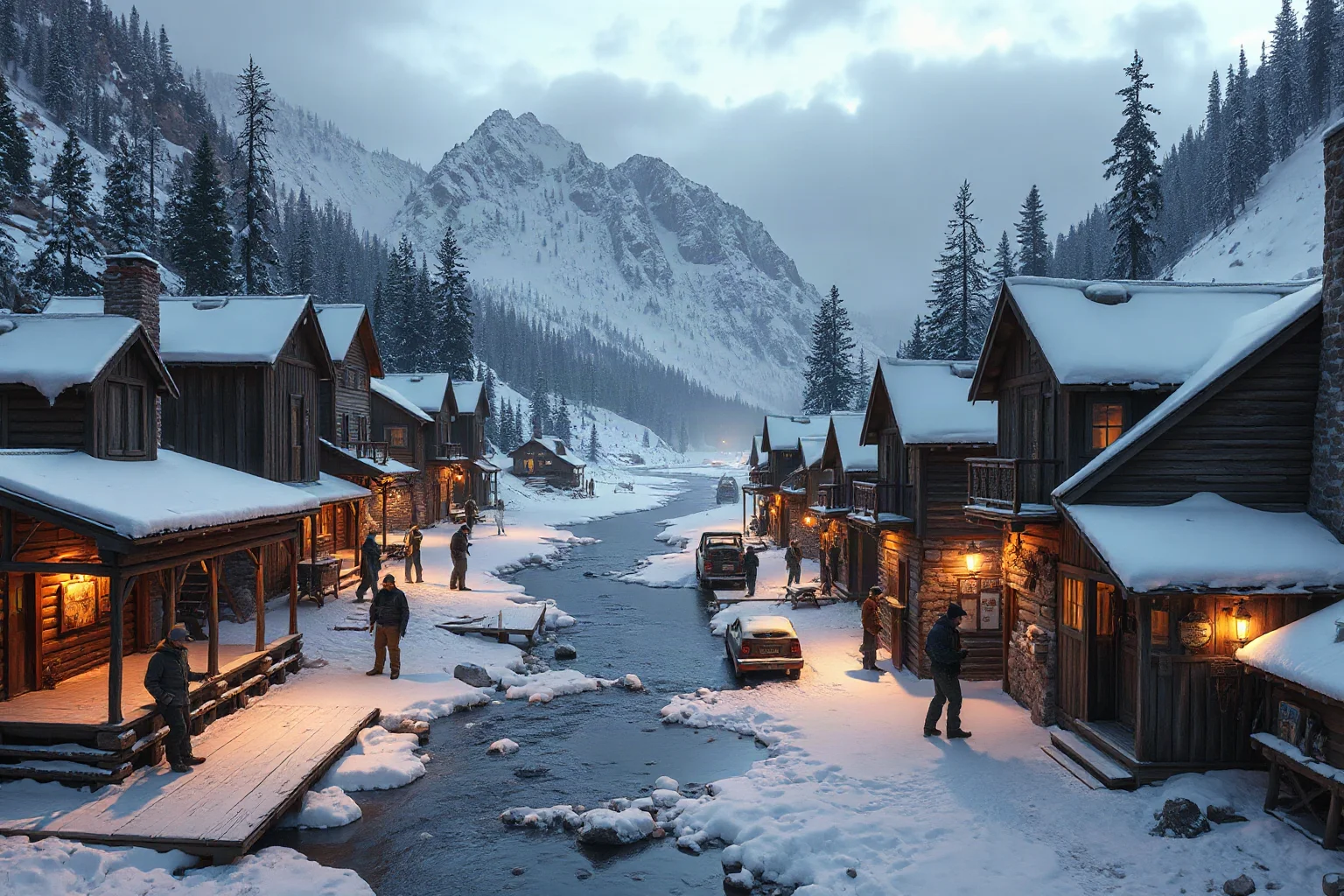
After leaving Arizona, Wyatt Earp spent years chasing new opportunities across the West, including mining claims in Idaho, Colorado, and Nevada. In the late 1890s, he and Josephine even joined the Alaska-Yukon Gold Rush, running a popular saloon in Nome, Alaska, for a few profitable years.
Eventually, the couple settled in Southern California, where Wyatt dabbled in mining consultancy and reportedly advised early Western film productions. It was a far quieter final chapter than his Tombstone years.
19. Death and Burial
Wyatt Earp died on January 13, 1929, in Los Angeles at the age of 80, from complications related to chronic health issues rather than a fight or gunshot. He was buried at Hills of Eternity Memorial Park in Colma, California, in the Jewish section tied to Josephine’s family, since Josephine was Jewish and arranged his resting place there.
It’s a quiet, almost anticlimactic ending for a man whose name became synonymous with frontier violence. By the time he died, much of the American West he’d known had already vanished under railroads and cities.
20. Was Wyatt Earp Real? Separating Man From Myth

Yes — Wyatt Earp was absolutely a real historical figure, documented in court records, newspapers, and census data across several states and territories. It’s the same kind of question people ask about Joan of Arc or the real Saint Patrick — larger-than-life figures whose legends have grown well past the historical record. But the version of him most people know comes largely from Stuart Lake’s 1931 biography “Frontier Marshal,” which leaned heavily into flattering, sometimes exaggerated storytelling that Earp himself reportedly helped shape in his later years.
Hollywood took it from there, with films and TV shows adding drama, longer gunfights, and cleaner morality than the historical record supports. The real Wyatt Earp was messier, more human, and far less certain than the legend.
21. Wyatt Earp Net Worth: Then and Now

Despite popular curiosity about Wyatt Earp’s net worth, there’s no reliable historical documentation showing he died wealthy. He chased profit through mining claims, saloons, and gambling throughout his life, and while some ventures paid off temporarily — especially during the Alaska gold rush — he spent his final years in relatively modest circumstances in California.
His estate at death was far from a fortune, and most biographers agree he was more “comfortable” than rich in his later years. Any big “net worth” figures you see online for a 19th-century figure like Earp should be treated as rough estimates at best, since precise financial records from that era are incomplete.
22. His Legacy in Hollywood and Pop Culture
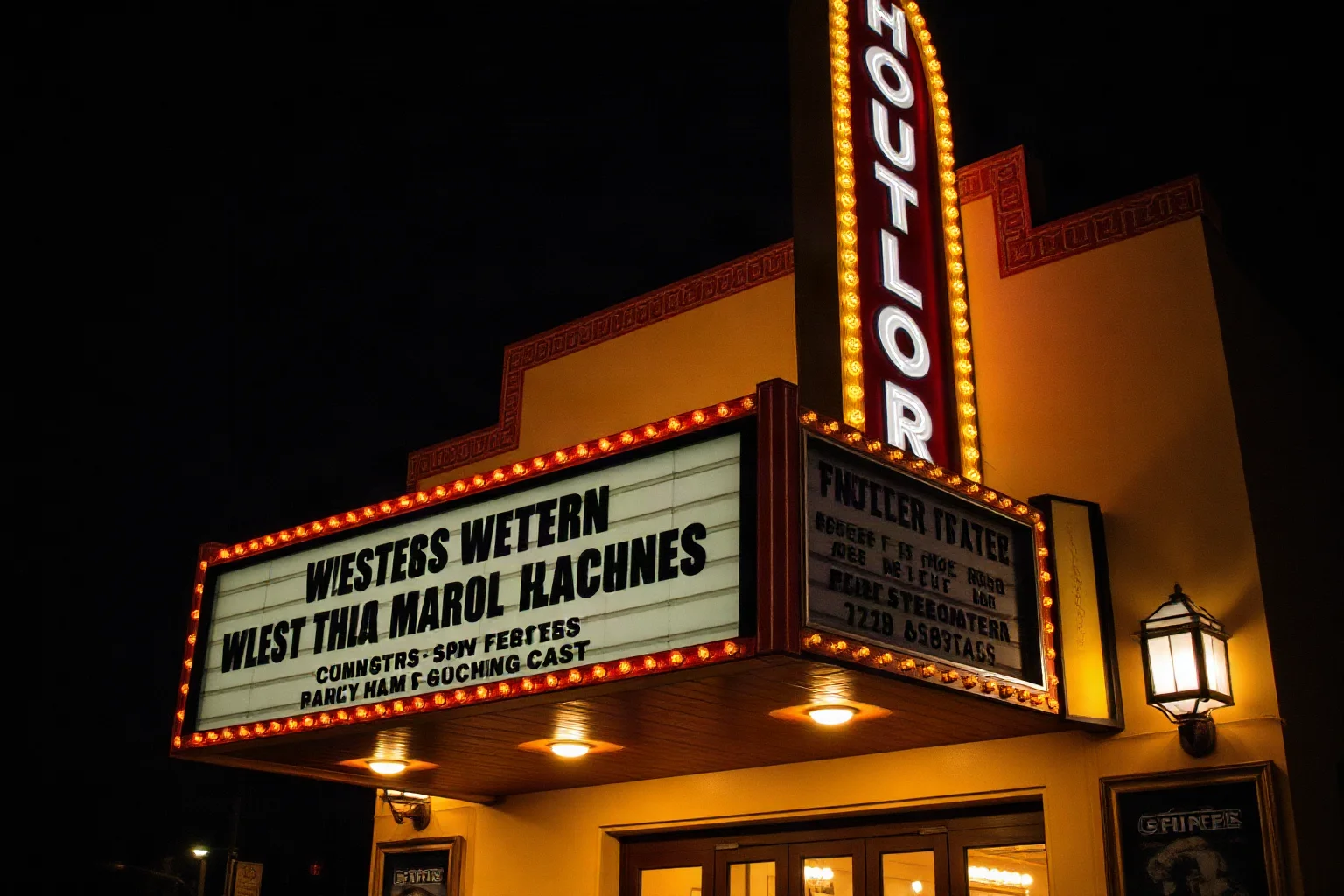
Wyatt Earp’s afterlife in pop culture has arguably outshined his actual biography. From the 1950s TV series “The Life and Legend of Wyatt Earp” to blockbuster films like “Tombstone” (1993) and “Wyatt Earp” (1994), his story has been retold, reshaped, and reimagined for generations of audiences.
Each version tends to swing between portraying him as a heroic peacekeeper or a morally gray gunfighter, depending on the era’s taste. That flexibility is exactly why, love him or hate him, Wyatt Earp remains one of the most recognized historical figures in American frontier history.
The Verdict: Hero, Villain, or Both?
So, love him or hate him, what do we actually make of Wyatt Earp? He was a real man who worked real jobs, made real mistakes, and got swept into one of the most famous thirty-second gunfights in American history. He wasn’t a flawless hero, and he wasn’t a straightforward outlaw either.
He was something messier and more interesting: a frontier survivor who drifted between the law and its edges, depending on the year and the opportunity. That complexity, more than any single gunfight, is probably why his story still fascinates people well over a century later.
Frequently Asked Questions
Who was Wyatt Earp?
Wyatt Earp was an American frontiersman born in 1848 who worked as a buffalo hunter, lawman, gambler, and saloon owner across the Old West. He's best known for his law enforcement roles in Dodge City, Kansas, and Tombstone, Arizona, and for his involvement in the 1881 gunfight near the O.K. Corral.
Was Wyatt Earp real?
Yes, Wyatt Earp was a real historical figure documented in court records, census data, and newspaper accounts. Much of his modern legend, however, comes from a heavily romanticized 1931 biography and later Hollywood films, which added drama beyond the historical record.
What was Wyatt Earp famous for?
Wyatt Earp is most famous for the Gunfight at the O.K. Corral in Tombstone, Arizona, in October 1881, where he, his brothers, and Doc Holliday clashed with a rival faction. He's also known for his earlier lawman work in Dodge City, Kansas.
How old was Wyatt Earp at the O.K. Corral?
Wyatt Earp was 33 years old at the time of the Gunfight at the O.K. Corral, which took place on October 26, 1881. He was born on March 19, 1848.
Why did Wyatt Earp leave Tombstone?
After leading the Earp Vendetta Ride to avenge his brothers Virgil and Morgan, Wyatt Earp faced an arrest warrant for murder in Arizona Territory. Rather than stand trial in a divided town, he left Tombstone for good in the spring of 1882.
Did Wyatt Earp steal a horse?
In 1871, Wyatt Earp was arrested in Indian Territory on charges related to horse theft, a serious frontier crime. He reportedly escaped custody before the case was resolved in court, so the matter was never formally settled.
Was Wyatt Earp an outlaw?
Wyatt Earp isn't easily labeled a clear-cut outlaw or hero. He held several legitimate law enforcement jobs, but he also faced serious legal trouble, including a murder warrant after the Earp Vendetta Ride and an earlier horse theft arrest.
What was Wyatt Earp’s net worth?
There's no reliable historical record showing Wyatt Earp died wealthy. He pursued mining, gambling, and saloon ventures throughout his life with mixed financial success, and by most accounts he lived modestly, not richly, in his final years.
What did Wyatt Earp do besides law enforcement?
Beyond his lawman roles, Wyatt Earp worked as a buffalo hunter, professional gambler, saloon investor, miner, and even a boxing referee. He moved between these trades throughout his life depending on opportunity and location.

Alex Warren
Related Articles