
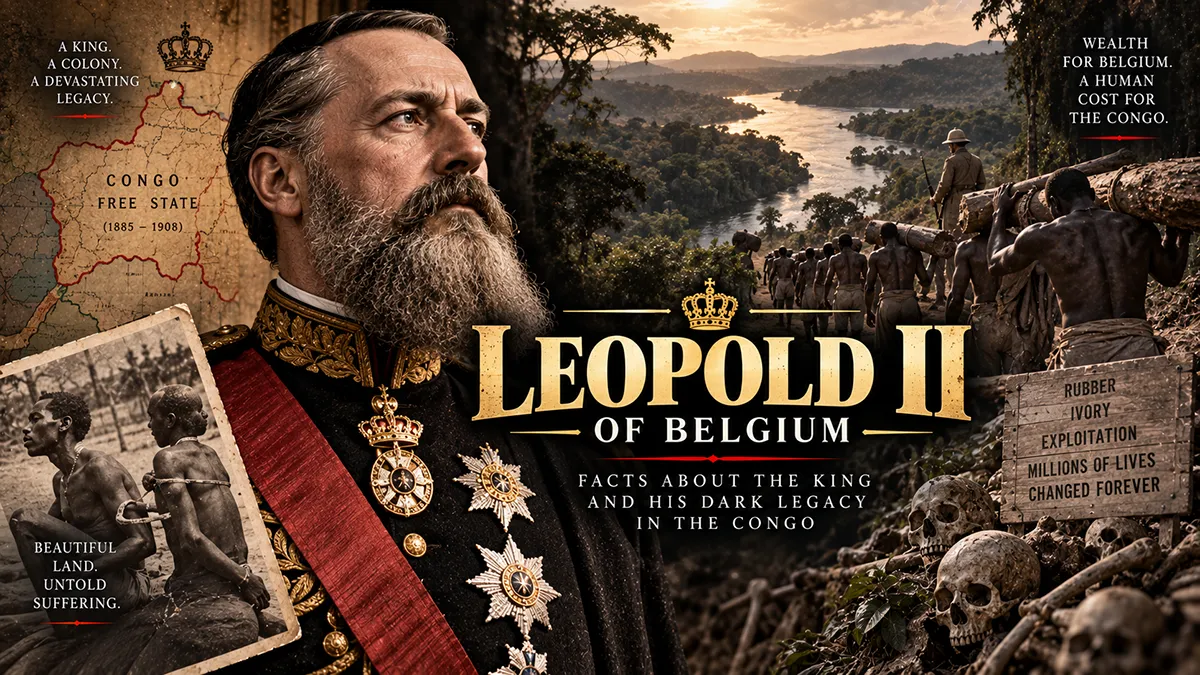
Few European monarchs carry a legacy as heavy and as debated as Leopold II of Belgium, rivaled perhaps only by other infamously brutal rulers like Ivan the Terrible.
To some he was a canny statesman who turned a small European kingdom into a colonial power. To historians and the descendants of his victims, he’s remembered as the architect of one of the most brutal exploitation systems in modern history.
So who was Leopold, really? (You’ll sometimes see his name misspelled online as “Lleopold” — but the correct spelling is Leopold.) Below, we untangle the myths from the documented record, fact by fact.
TL;DR: Leopold II, King of the Belgians from 1865 to 1909, personally owned and ruthlessly exploited the Congo Free State, building grand Belgian landmarks with profits from a forced-labor system that killed enormous numbers of Congolese people.
1. He Was Born a Belgian Prince in 1835
Leopold II was born on April 9, 1835, in Brussels, just five years after Belgium became an independent nation. He was the second child and eldest surviving son of Leopold I, the country’s first king, and Queen Louise-Marie.
Growing up in a brand-new monarchy meant Leopold was raised with a strong sense of duty toward establishing Belgium’s prestige on the world stage. That ambition would later define, and distort, the rest of his life.
2. He Became King of the Belgians in 1865
When his father died in December 1865, Leopold ascended the throne as the second King of the Belgians. The title itself is notable: Belgian monarchs are officially “King of the Belgians,” not “King of Belgium,” reflecting a constitutional monarchy tied to the people rather than the land.
So if you’ve searched for “Leopold king of the Belgians” or “Leopold king of Belgium,” both refer to the same man and the same historical title, just phrased differently. He would reign for 44 years, one of the longest reigns in Belgian history.
3. He Was Obsessed With Colonies Before He Even Became King

Long before his coronation, Leopold was fixated on the idea that Belgium needed overseas colonies to become a truly great power. As a young prince, he traveled extensively and studied colonial ventures in places like Egypt, India, and the Dutch East Indies.
He reportedly believed Belgium’s small size and lack of natural resources doomed it to irrelevance unless it acquired territory abroad. This conviction became the driving obsession of his adult life.
4. He Personally Owned the Congo Free State
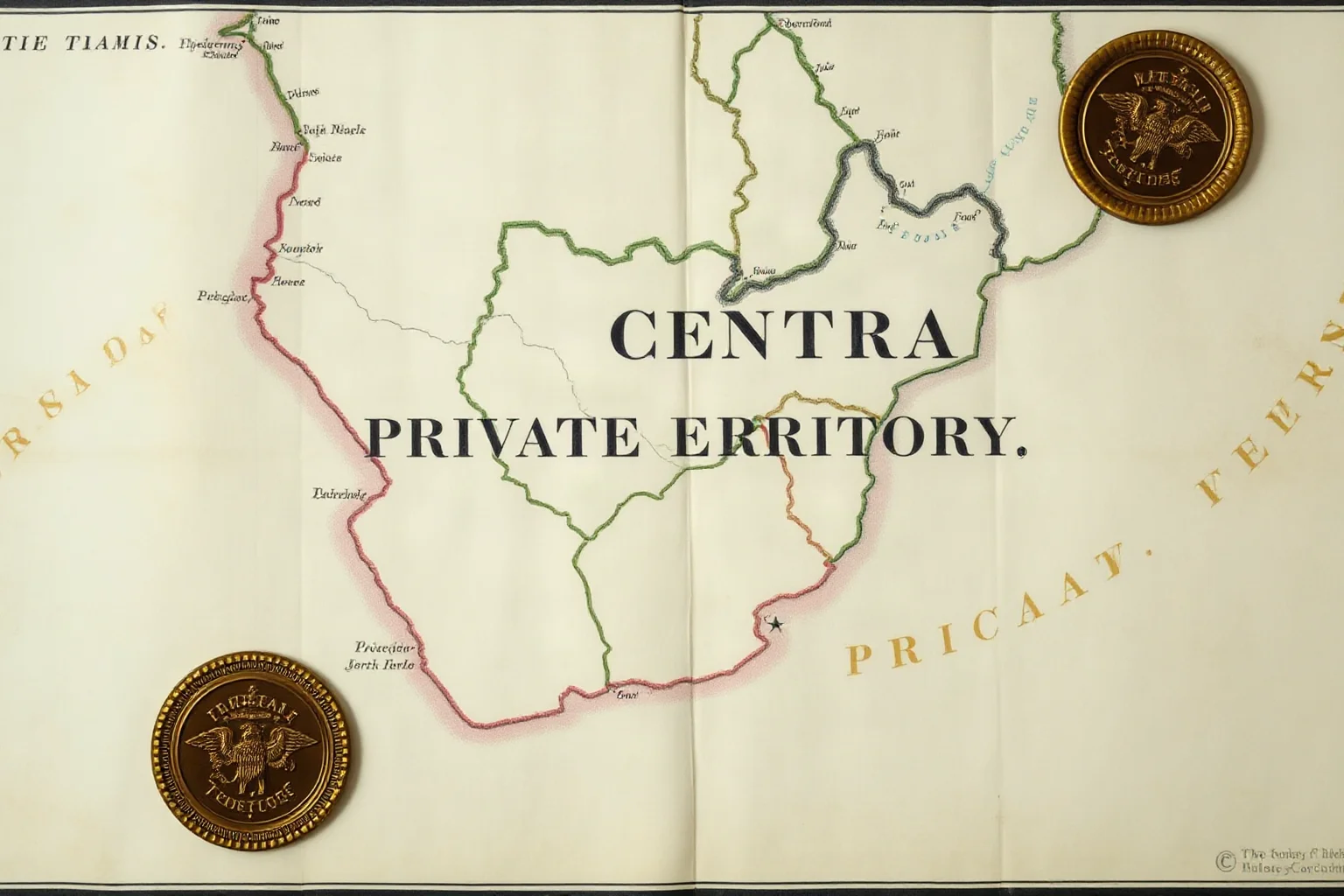
This is one of the most important and often misunderstood facts about Leopold. The Congo Free State, established in 1885, was not a Belgian colony administered by the government. It was Leopold’s personal property, a private empire roughly 76 times the size of Belgium itself.
He ran it not through the Belgian parliament but through his own appointed officials and private companies. Profits from the territory went directly into his own accounts and pet building projects, not the Belgian treasury.
5. He Used Explorer Henry Morton Stanley to Stake His Claim
Leopold hired the famous explorer Henry Morton Stanley, best known for his Africa expeditions, to help negotiate treaties with local Congolese chiefs. Many of these agreements were signed by leaders who had little understanding of the legal and political implications in European terms.
Stanley’s work gave Leopold’s newly formed International Association of the Congo a foothold that European powers would later recognize as a legitimate claim. It was framed publicly as a humanitarian and scientific mission rather than a land grab.
6. The Berlin Conference Legitimized His Claim
At the Berlin Conference of 1884–1885, European powers carved up Africa’s territory among themselves with little regard for African societies or borders. Leopold skillfully lobbied to have his Congo Free State recognized as a sovereign entity under his personal control.
He promised free trade, humanitarian protections, and an end to the East African slave trade within his territory. Those promises were almost entirely abandoned once the world’s attention moved elsewhere.
7. He Never Actually Set Foot in the Congo
Despite ruling the Congo Free State for over two decades, Leopold never once traveled there. He governed his colony entirely from Belgium, relying on distant officials, army officers, and company agents to enforce his policies.
This distance likely made it easier for him to remain detached from the human cost of his rule. He experienced the Congo only through reports, maps, and the wealth it generated.
8. Rubber and Ivory Fueled a Brutal Economic System
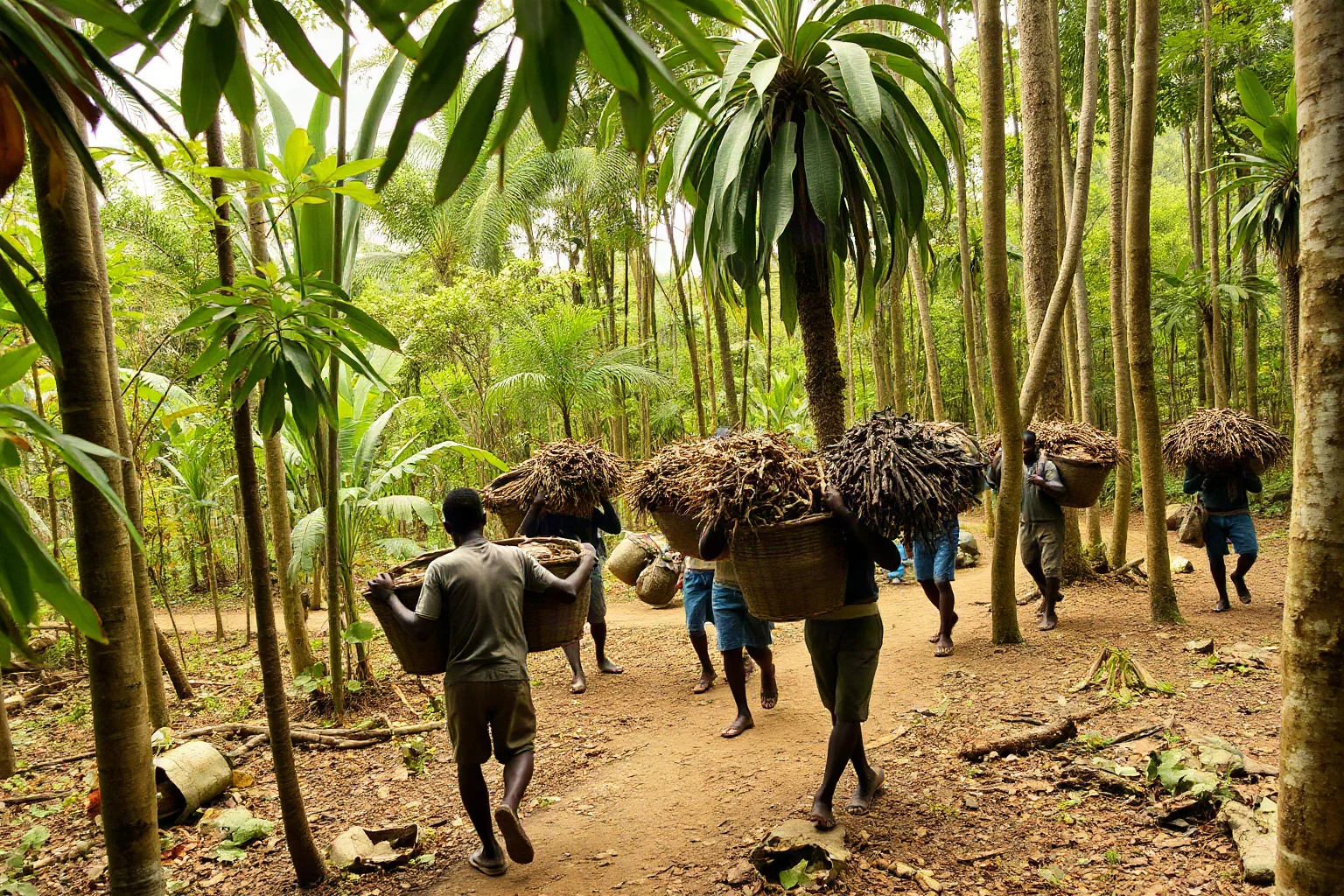
When global demand for rubber exploded in the 1890s due to the bicycle and automobile industries, Leopold’s agents imposed strict rubber-collection quotas on Congolese villages. Ivory extraction operated under similarly harsh demands earlier in his rule.
Villagers who failed to meet quotas faced violent punishment from the Force Publique, the colonial army Leopold created to enforce his economic system. Hostages, including women and children, were sometimes taken to guarantee compliance.
9. Forced Labor Led to Documented Mutilations
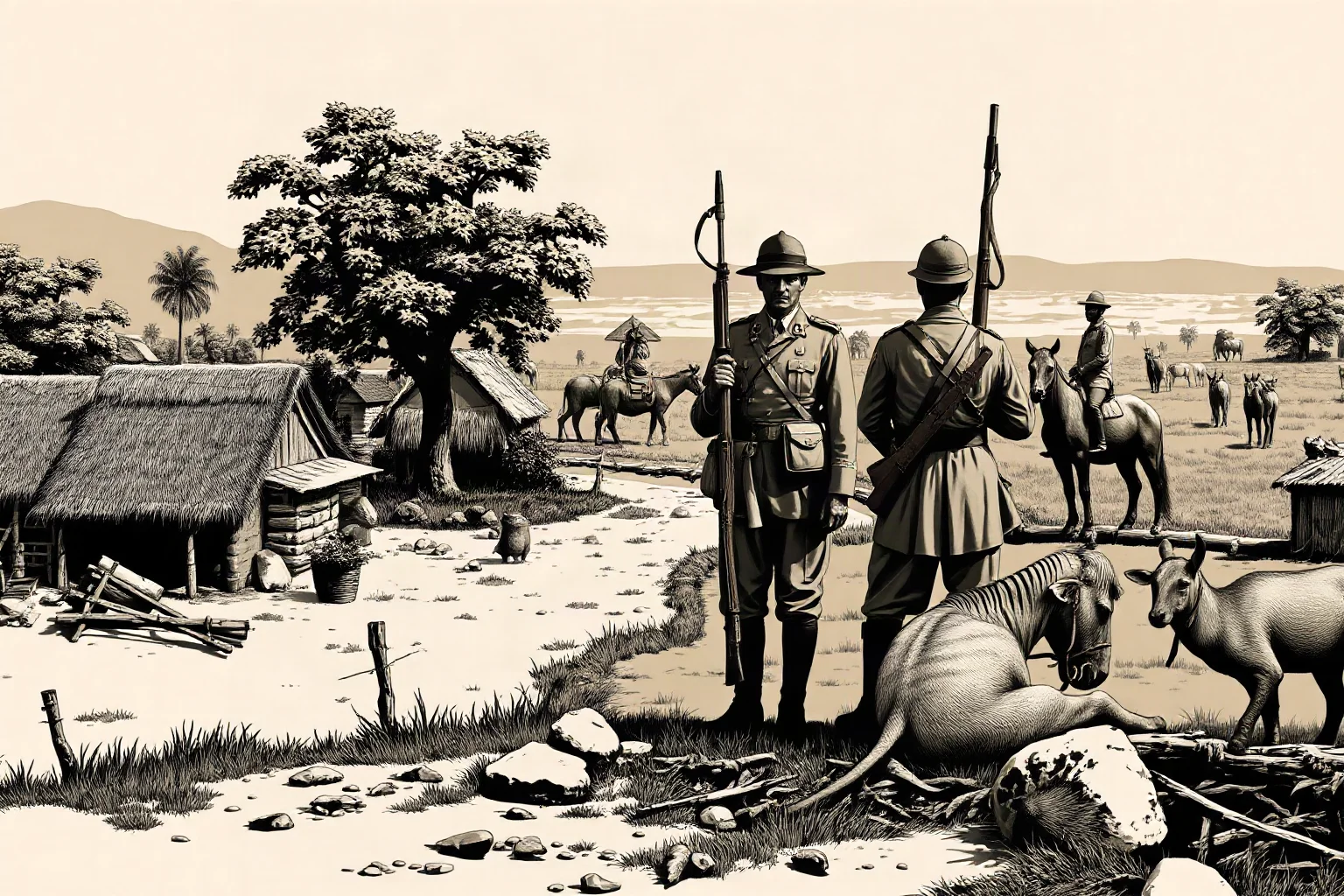
One of the most disturbing and well-documented aspects of Leopold’s Congo Free State involved the severing of hands as proof that soldiers had used their ammunition on laborers rather than wasting it. Missionaries, officials, and photographers at the time recorded numerous accounts and images of these mutilations.
It’s important to note that historians debate the exact scale and frequency of specific atrocities, since record-keeping was inconsistent and often self-serving for colonial administrators. What is settled among historians is that systemic violence and terror were core features of how the territory was run.
10. The Death Toll Remains Debated but Was Almost Certainly Massive
Estimates for the population loss in the Congo Free State during Leopold’s rule vary widely among historians, ranging from roughly 1 million to as many as 10 million deaths, from violence, disease, starvation, and the collapse of communities under forced labor. The most commonly cited figure in popular histories is around 10 million, a number originally proposed by historian Jan Vansina and popularized by writer Adam Hochschild.
Other scholars argue the true number is impossible to verify given the lack of reliable census data from the period. Regardless of the exact figure, virtually all historians agree the demographic collapse was severe and directly tied to Leopold’s economic policies.
11. Edmund Dene Morel Blew the Whistle
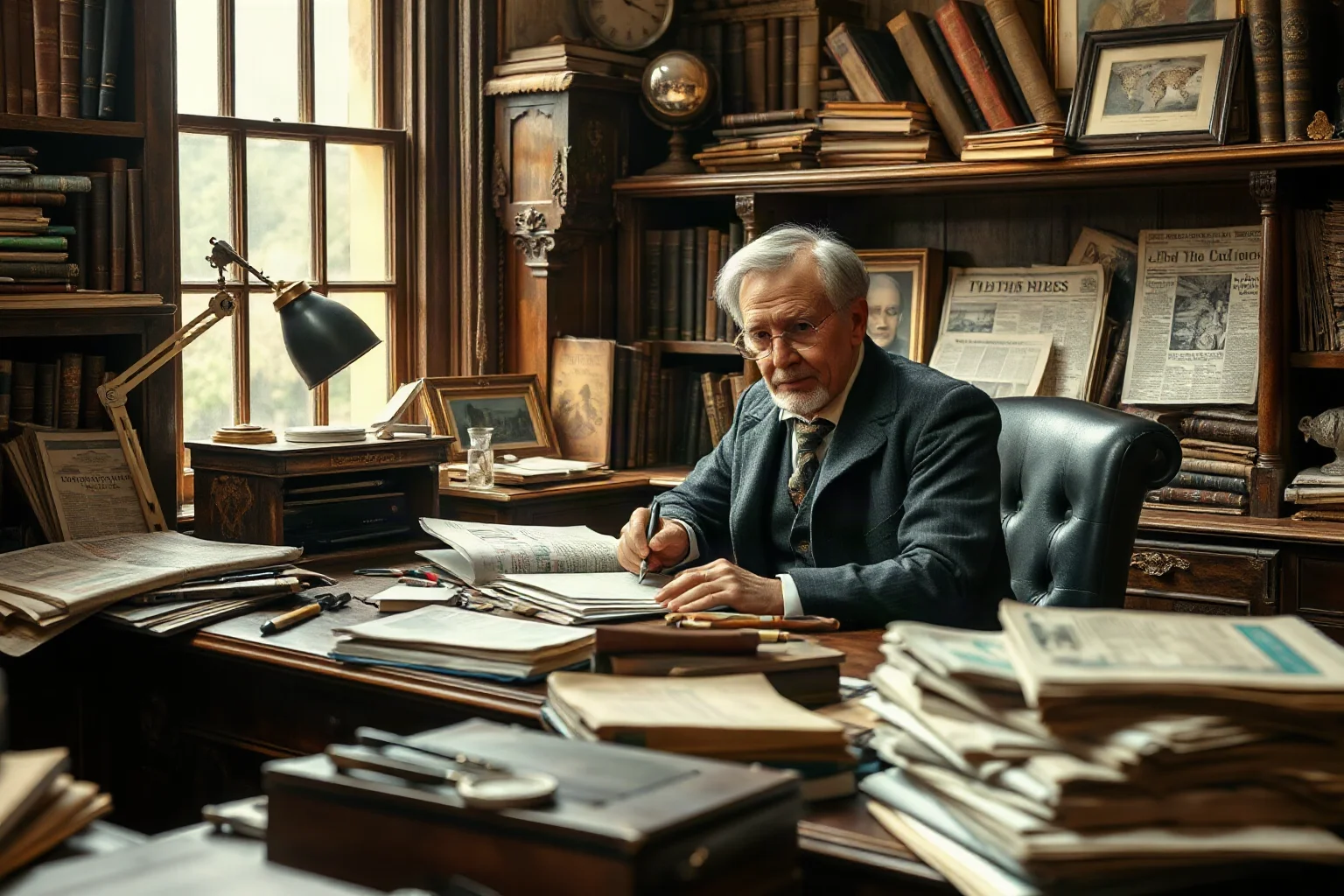
Edmund Dene Morel, a British shipping clerk, noticed a suspicious pattern: ships leaving the Congo were loaded with valuable rubber and ivory, but ships heading there carried mostly guns and ammunition rather than trade goods. He concluded that the Congo’s wealth was being extracted through force, not fair commerce.
Morel left his job to become a full-time journalist and activist, founding the Congo Reform Association in 1904. His writings became one of the first major international human rights campaigns of the modern era.
12. Roger Casement’s Report Shocked the World
British diplomat Roger Casement was sent to investigate conditions in the Congo Free State and produced a detailed report in 1904 documenting forced labor, violence, and mutilation based on firsthand testimony. The Casement Report became one of the most influential pieces of evidence against Leopold’s regime.
It was widely circulated in Britain and the United States, fueling public outrage and diplomatic pressure. Casement would later become a controversial figure himself, executed in 1916 for his role in Irish nationalist activities.
13. International Pressure Eventually Forced Change

As word of the atrocities spread through Morel’s and Casement’s work, along with missionary testimony and photographic evidence, governments and the public in Britain, the United States, and elsewhere demanded action. Leopold attempted to defend himself by commissioning his own inquiry, which ultimately still confirmed many of the abuses.
The mounting diplomatic embarrassment made it increasingly difficult for Leopold to maintain personal control over the territory. By the mid-1900s, his grip on the Congo Free State was politically untenable.
14. He Was Forced to Sell the Congo to Belgium in 1908
In 1908, under intense international and domestic pressure, Leopold ceded the Congo Free State to the Belgian government, which reorganized it as the Belgian Congo. He negotiated a substantial payment for himself in the process, ensuring he still profited even as he lost personal control.
This transfer did not immediately end the exploitation or violence in the region, but it did remove Leopold’s direct personal ownership. Belgian colonial rule over the Congo would continue for another 52 years, until independence in 1960.
15. Congo Profits Built Landmarks Across Belgium

Back home, Leopold earned the nickname “the Builder King” for the ambitious architectural projects he funded across Belgium, many financed directly by Congo profits. These include grand structures like the Royal Museum for Central Africa, triumphal arches, parks, and expansions to royal palaces.
Many of these landmarks still stand today as popular tourist sites in Brussels and Ostend. Increasingly, plaques and museum exhibits at these sites now acknowledge the human cost behind their construction.
16. His Marriage to Marie Henriette Was Deeply Unhappy

Leopold married Marie Henriette of Austria in 1853, when he was 18 and she was 16, in a match arranged for political reasons rather than affection. Their relationship grew increasingly cold over the decades, and the couple largely lived separate lives by the later years of his reign.
They had four children together, though Leopold’s relationship with his surviving daughters became notoriously strained, especially over inheritance disputes later in his life.
17. His Only Son Died Young, Leaving No Direct Heir
Leopold’s only son, Prince Leopold, Duke of Brabant, died in 1869 at just nine years old after a childhood illness following an accident. This left Leopold without a male heir for the rest of his reign, a succession crisis reminiscent of the one that followed Richard the Lionheart, England’s own childless crusader king.
The throne would eventually pass not to his daughters, due to Belgium’s succession rules at the time, but to his nephew, Albert I. This succession dispute added to the bitterness between Leopold and his daughters in his final years.
18. He Had a Controversial Late-Life Relationship With Caroline Lacroix

In his later years, Leopold’s relationship with a young woman named Caroline Lacroix became a public scandal in Belgium. He showered her with gifts, titles, and property, causing outrage among his family and the Belgian public who saw it as an embarrassing use of royal and colonial wealth.
He reportedly married her in a religious ceremony shortly before his death, though it was never recognized as a valid civil marriage under Belgian law. This relationship further damaged his already fraught relationship with his daughters.
19. He Died in 1909, Just Months After Losing the Congo

Leopold II died on December 17, 1909, at his palace in Laeken, less than two years after being forced to cede the Congo Free State to the Belgian state. His funeral procession reportedly received a notably cool public reception, a striking contrast to the pageantry usually afforded to monarchs.
He was succeeded by his nephew, Albert I, who inherited a colonial system still grappling with the aftermath of Leopold’s rule.
20. His Statues Remain a Flashpoint in Belgium Today

Statues and monuments honoring Leopold II are scattered across Belgian cities, and many have become focal points for protest in recent decades. Activists have vandalized, defaced, or called for the removal of numerous statues, particularly since global reckonings with colonial history intensified in the 2020s.
Several Belgian cities have removed or relocated Leopold statues in response, while others remain, sometimes with added plaques providing historical context. The debate over how to memorialize him remains unresolved and politically sensitive.
21. Belgium Has Slowly Begun Reckoning With This History

For decades, Leopold’s colonial record received relatively little critical attention in Belgian schools and public life. That has changed significantly since the early 2000s, spurred by works like Adam Hochschild’s “King Leopold’s Ghost” and later by renewed activism around racial justice.
The Royal Museum for Central Africa underwent a major renovation, reopening in 2018 with exhibits explicitly addressing colonial violence rather than celebrating it. Belgian institutions, including the government, have taken incremental steps toward formal acknowledgment, though full reparative action remains a subject of ongoing debate.
22. Historians Still Debate How to Judge His Legacy

Some point to Leopold’s role in Belgium’s infrastructure and international standing as evidence of shrewd, if ruthless, statecraft, echoing similar debates over the greatest rulers in ancient history, whose achievements are frequently weighed against their brutal methods. The overwhelming majority of historians, however, view his Congo Free State as a defining example of colonial exploitation at its most extreme, distinguished even among his era’s brutal colonial norms.
What’s clear is that Leopold’s story isn’t a simple one of a single villain acting alone. It also implicates the broader European colonial system, corporate greed, and the era’s racial ideologies that made such exploitation possible in the first place.
The Bottom Line on Leopold II
Leopold II’s life is a reminder that historical legacies are rarely tidy. He built grand monuments and expanded Belgium’s global profile, yet he did so by presiding over a system responsible for immense suffering in Central Africa.
Understanding who Leopold really was means holding both truths at once: the ambitious modernizer at home, and the man whose personal colonial venture became synonymous with some of the worst atrocities of the colonial age. That complicated, uncomfortable legacy is exactly why he remains one of history’s most controversial monarchs.
Frequently Asked Questions
Who was Leopold II of Belgium?
Leopold II of Belgium was the second King of the Belgians, reigning from 1865 to 1909. He is best known for personally owning and ruthlessly exploiting the Congo Free State in Central Africa, a private colonial venture separate from the Belgian government that became infamous for forced labor and widespread violence against the Congolese population.
Who was King Leopold II?
King Leopold II was a Belgian monarch and the son of Leopold I, Belgium's first king. He's remembered both for funding major building projects in Belgium and for his brutal personal rule over the Congo Free State, which he controlled as private property rather than as an official Belgian colony until 1908.
What did Leopold II do to the Congo?
Leopold II ran the Congo Free State as his personal territory, forcing local populations into harvesting rubber and ivory under violent quota systems enforced by his private army, the Force Publique. This system led to widespread atrocities, including documented mutilations, and contributed to a massive population decline before international pressure forced him to cede the territory to Belgium in 1908.
How many people died under Leopold II’s rule in the Congo?
Estimates vary widely, ranging from roughly 1 million to around 10 million deaths from violence, disease, starvation, and social collapse tied to forced labor. The exact figure is debated among historians due to a lack of reliable population records at the time, but most agree the demographic toll was severe.
Why did Leopold II give up the Congo?
Leopold II ceded the Congo Free State to the Belgian government in 1908 after years of mounting international pressure sparked by investigations from figures like Roger Casement and campaigners like Edmund Dene Morel, whose reports exposed the atrocities happening under his personal rule.

Alex Warren
Related Articles