

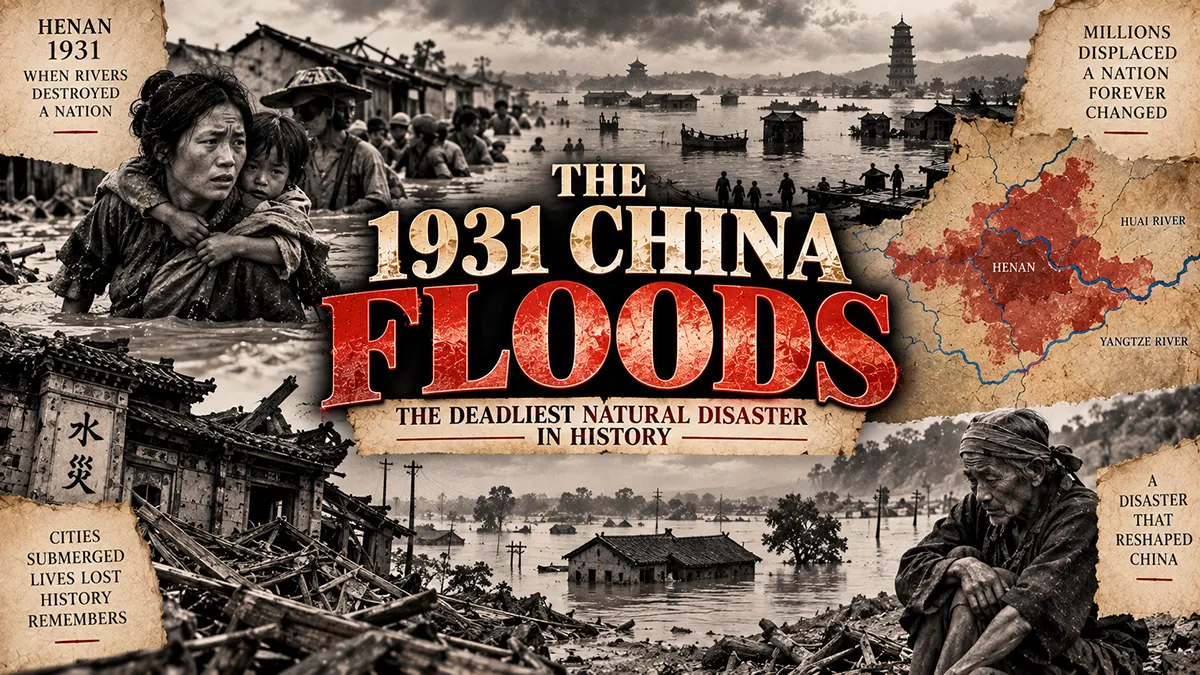
When people talk about the worst natural disasters ever recorded, the 1931 China floods rarely get the name recognition of earthquakes or hurricanes that dominate modern headlines. Yet by almost every measure of human loss, this event dwarfs them. It's a disaster so vast that historians still argue over exactly how many people it killed.
The flood of China 1931 wasn't a single event but a cascading catastrophe that hit the Yangtze, Yellow, and Huai River basins almost simultaneously, drowning cities, wiping out harvests, and triggering famine and disease across central China. Below, we break down what actually happened, what caused it, and why it still deserves a place among history's deadliest disasters.
TL;DR: The 1931 China floods, driven by extreme weather along the Yangtze and Yellow Rivers, killed an estimated 1 to 4 million people and rank among the deadliest natural disasters ever recorded.
1. It Struck the Heart of China's River Systems
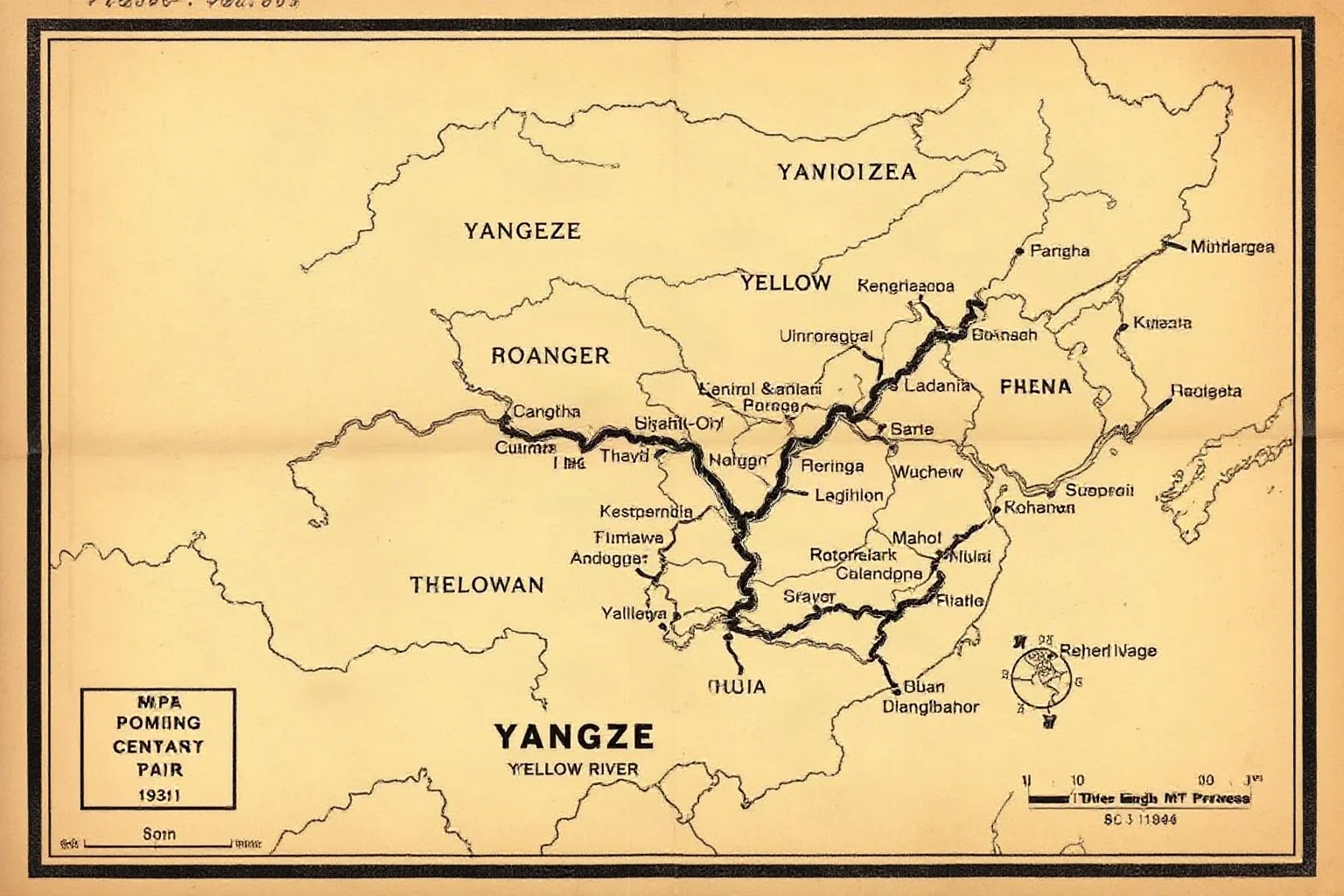
The 1931 China floods weren't confined to one river. The Yangtze, the Yellow River (Huang He), and the Huai River all overflowed catastrophically within the same year, an almost unheard-of alignment of disasters.
These three river systems drain a huge portion of central and eastern China, meaning the flooding affected an area roughly the size of England. Millions of people who depended on these rivers for farming, transport, and drinking water suddenly found their homes underwater.
2. It Followed Years of Drought and a Brutal Winter
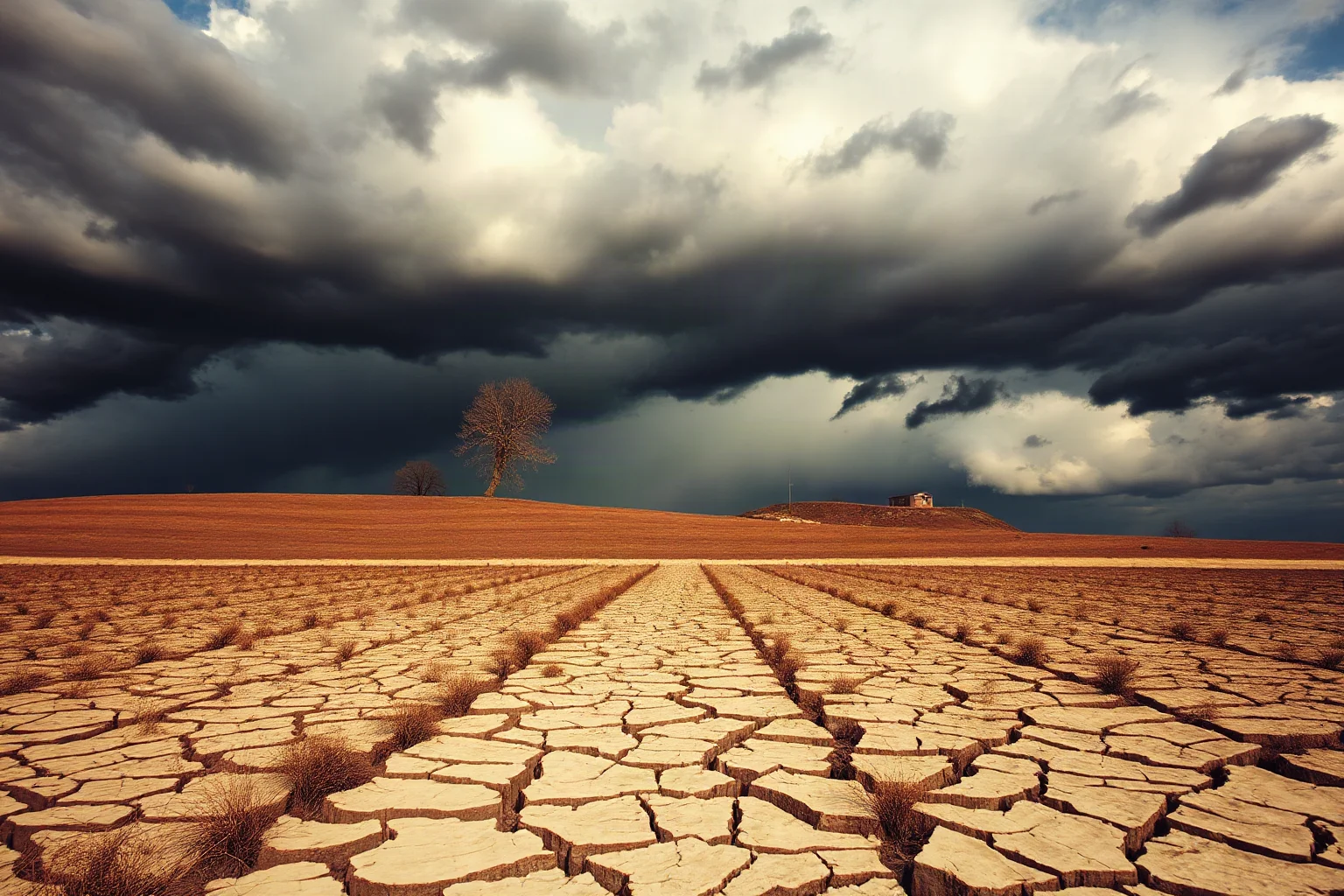
Before the flooding began, central China had endured a punishing drought through much of the late 1920s. Paradoxically, this set the stage for disaster, since dried-out riverbanks and depleted vegetation reduced the land's ability to absorb sudden heavy rainfall.
The winter of 1930 into 1931 also brought unusually heavy snowfall in the upper river regions. When that snowpack melted rapidly in spring, it added a huge surge of water to rivers that were about to receive record rainfall anyway.
3. Unprecedented Rainfall Triggered the Disaster
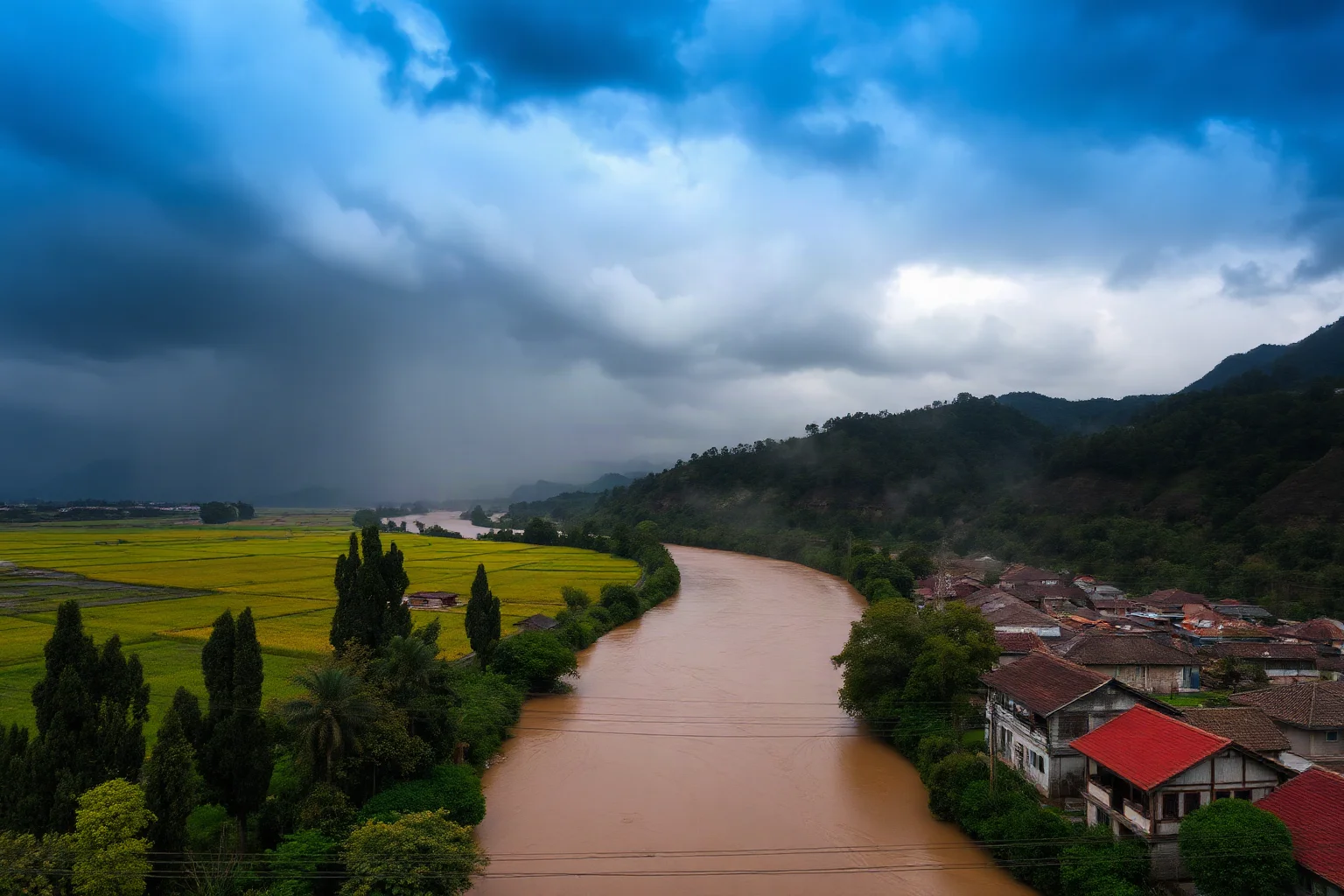
Starting in July 1931, China experienced an extraordinary run of storms. Some regions recorded more than double their average rainfall for the summer season, with several cyclones striking in quick succession.
This is central to understanding what caused the China floods of 1931. It wasn't one storm but a relentless sequence of them, arriving faster than saturated land and swollen rivers could handle.
4. The Yangtze River Flood of 1931 Overwhelmed Ancient Dikes
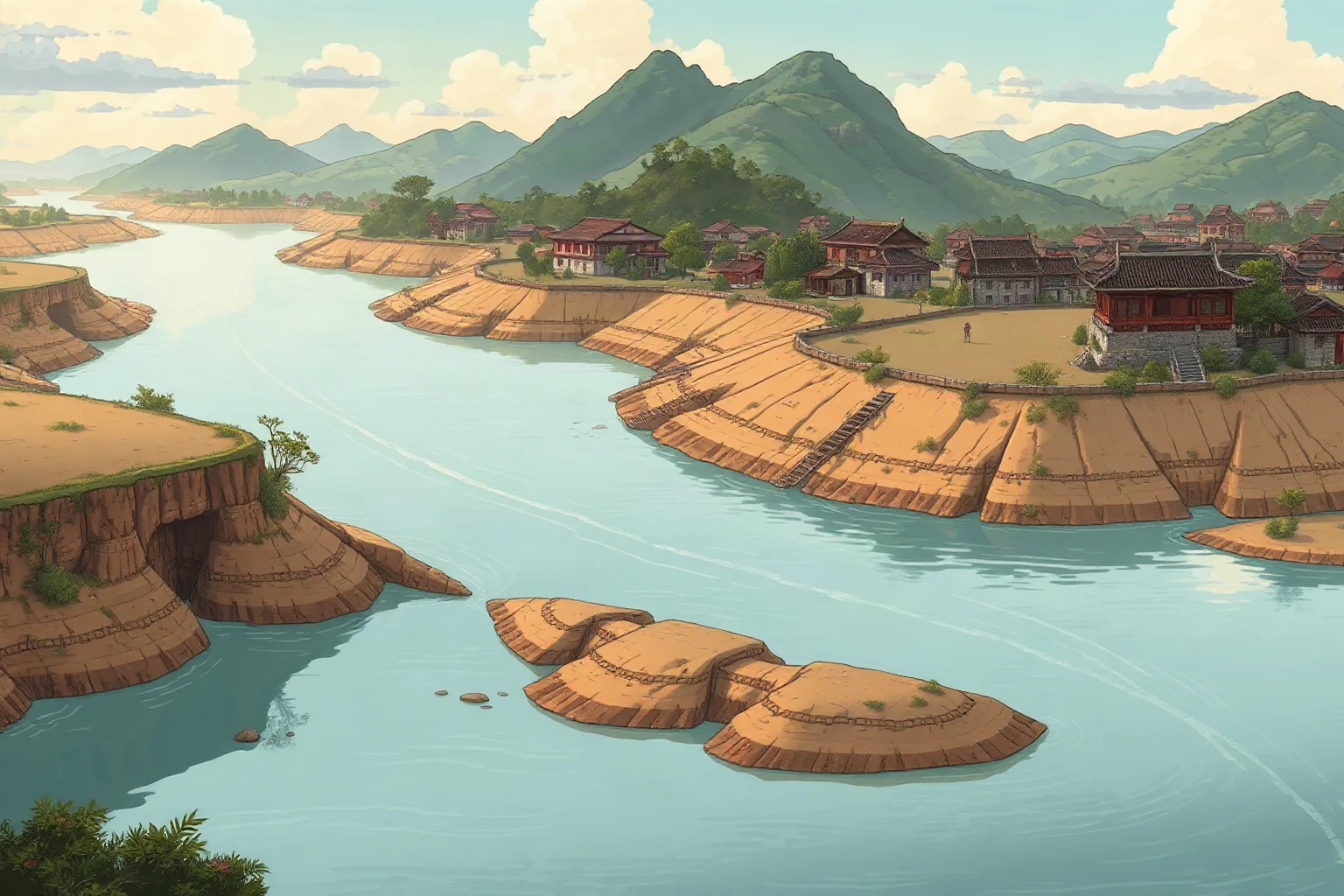
The Yangtze River flood 1931 is often considered the most destructive single component of the disaster. Water levels in some stretches rose more than 16 meters above normal, breaching dikes and levees that had protected farmland for centuries.
Cities like Wuhan and Nanjing, both sitting along the Yangtze, were partially submerged for weeks. The 1931 Yangtze River flood in China destroyed entire neighborhoods and forced hundreds of thousands of urban residents to flee to higher ground or rooftops.
5. The Yellow River 1931 Flood Added a Second Catastrophe
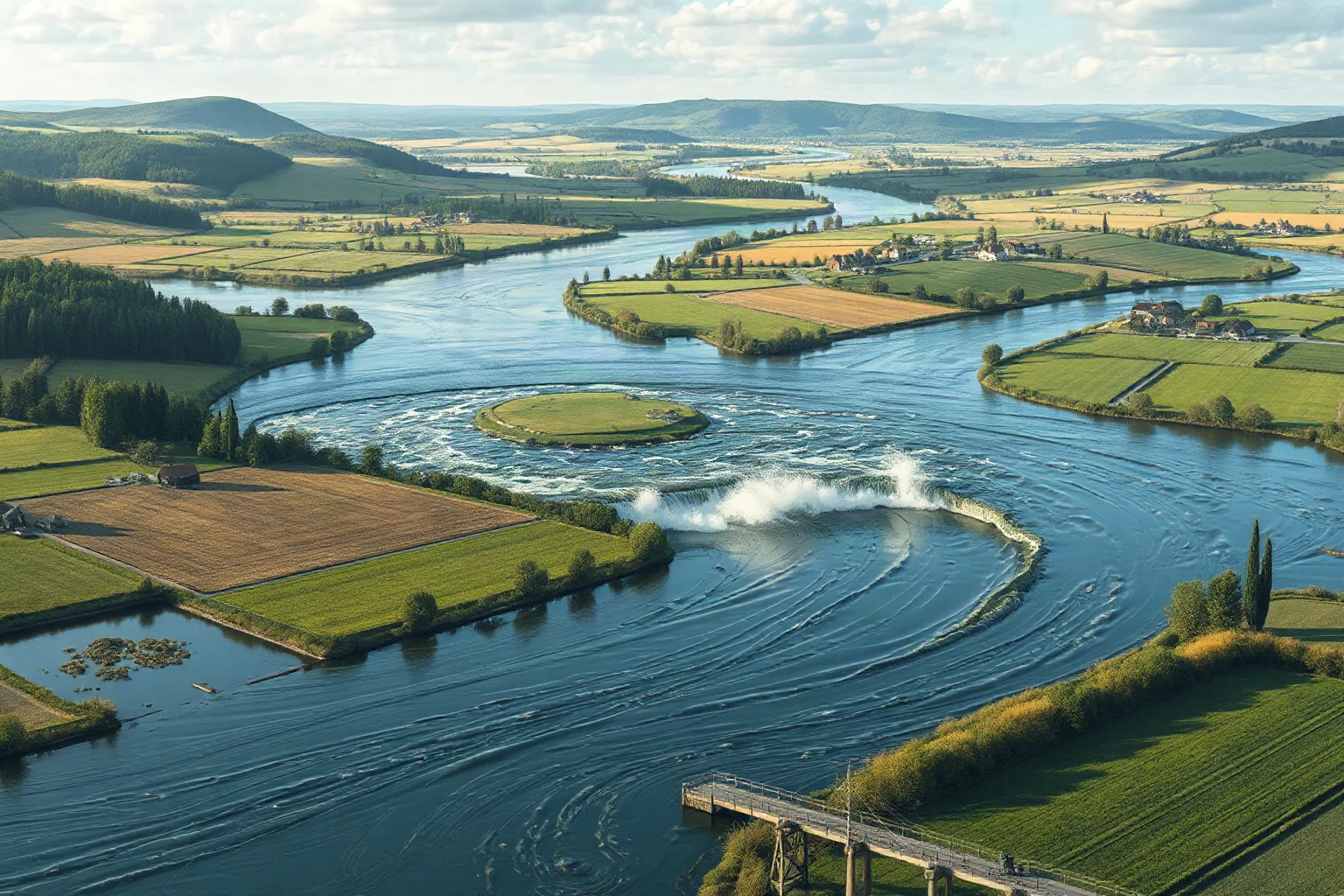
While the Yangtze disaster gets much of the attention, the Yellow River 1931 flood was devastating in its own right. Known historically as "China's Sorrow" for its long history of catastrophic flooding, the Yellow River burst its banks across Henan and Shandong provinces.
The Yellow River flood 1931 facts that historians point to most often involve the sheer speed of the water's spread across flat farmland, leaving little time for warning or evacuation. Combined with the Yangtze disaster, it meant two of China's most important rivers were flooding out of control at the same time.
6. The Huai River Basin Also Flooded Catastrophically
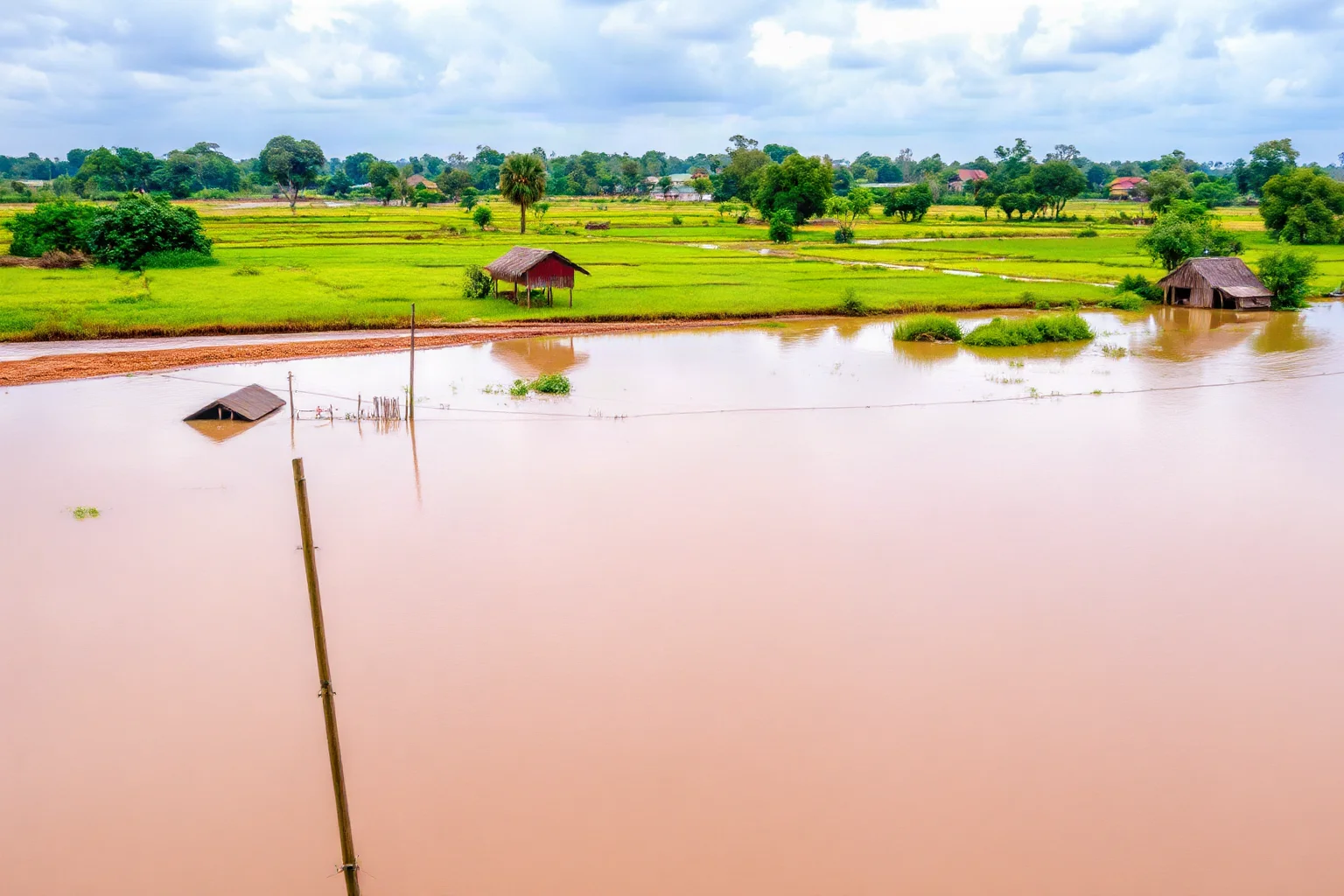
A third major river, the Huai, situated between the Yellow and Yangtze basins, also overflowed severely in 1931. This central China flood compounded the misery, since the Huai basin was already a densely farmed and populated region.
Together, the Yangtze, Yellow, and Huai disasters are why historians often refer to the whole event as the Central China floods of 1931 rather than treating them as separate, unrelated storms.
7. Nanjing and Wuhan Were Submerged for Weeks

Nanjing, then serving as China's capital under the Nationalist government, saw floodwaters breach its walls. Government buildings, streets, and residential districts sat under water for an extended stretch of the summer.
Wuhan, a major commercial hub further up the Yangtze, fared even worse. Reports from the period describe residents living on rooftops and makeshift rafts, with normal city life effectively suspended for over a month.
8. Death Toll Estimates Range Wildly
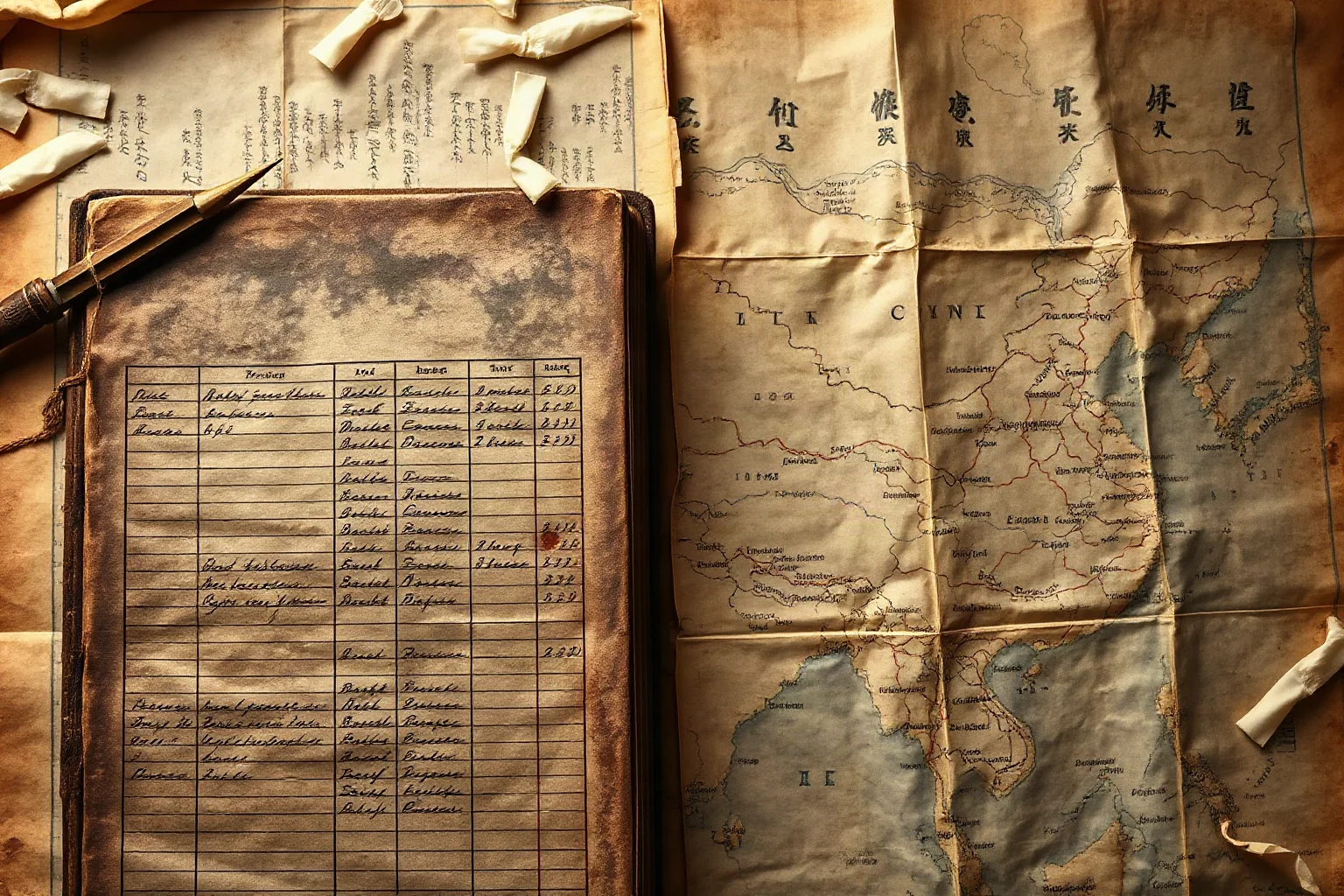
One of the trickiest parts of covering this disaster honestly is the 1931 China floods death count itself. Estimates from different sources and later historical reviews range from around 1 million to as high as 4 million deaths.
This wide range exists because record-keeping across rural China in 1931 was inconsistent, and deaths from drowning were mixed together with deaths from the famine and disease that followed. Modern historians generally treat figures toward the middle to lower end of that range as more defensible, while acknowledging the true number will likely never be known precisely.
9. Starvation and Disease Killed More People Than Drowning
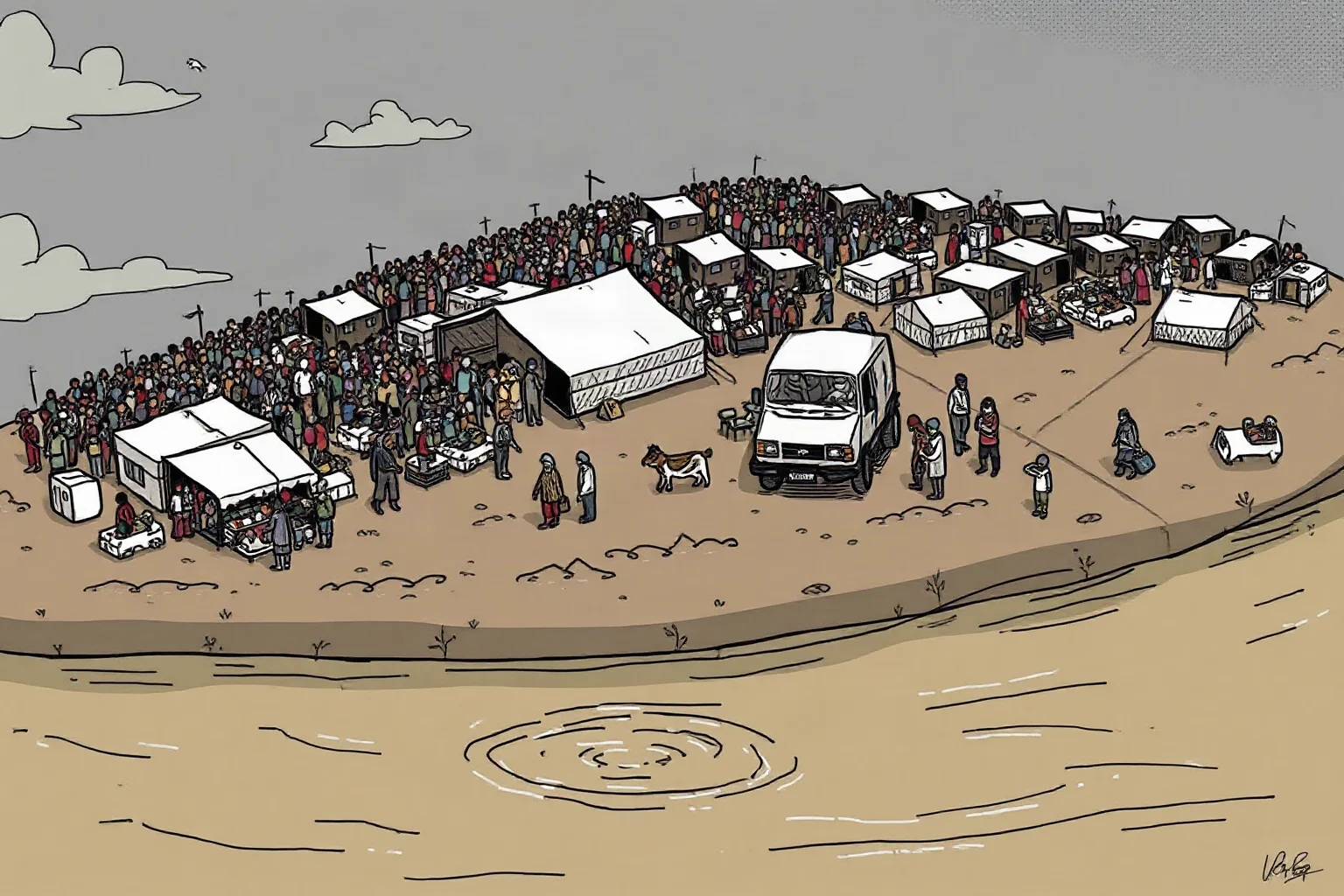
Drowning accounted for a portion of the deaths, but the bigger killers came afterward. Floodwaters destroyed standing crops and stored grain reserves just before harvest season, triggering a severe famine across the affected provinces.
Stagnant water also created ideal conditions for cholera, typhoid, and other waterborne diseases to spread through refugee camps. Many historians argue that disease and starvation, not the initial flooding, caused the majority of the disaster's total deaths.
10. It's Considered One of the Deadliest Natural Disasters in Recorded History
When ranked against other catastrophes, the 1931 China floods are frequently cited as the deadliest natural disaster of the 20th century, and among the deadliest in all of recorded history. Few events, aside from certain famines and pandemics, come close in terms of raw human toll.
Calling it the deadliest disaster ever in 1931 isn't an exaggeration for that specific year, and depending on which death toll estimate you accept, it may rank above far more famous disasters like the 1976 Tangshan earthquake or the 2004 Indian Ocean tsunami.
11. What Caused the China Floods of 1931, Exactly
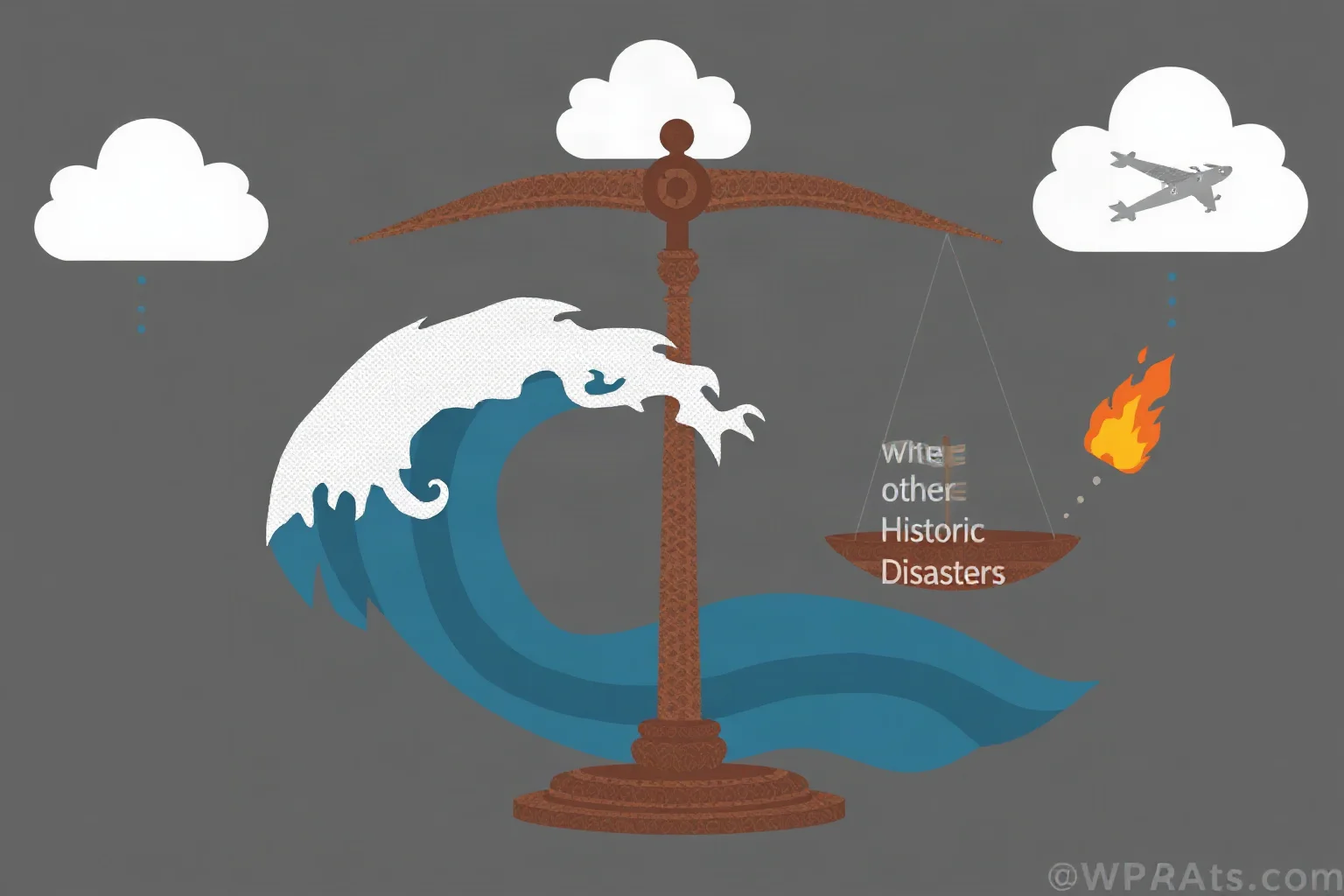
Putting it all together, the china flood of 1931 resulted from a perfect storm of factors: a preceding drought that degraded natural water absorption, heavy winter snowmelt, and an unusually intense monsoon season with repeated cyclones. No single cause is sufficient on its own to explain a disaster of this scale.
Environmental factors were made worse by decades of deforestation and soil erosion along the upper river basins, which reduced the land's natural capacity to slow runoff. Aging levee systems, many built centuries earlier, simply weren't designed to withstand water levels this extreme.
12. Political Instability Made the Crisis Worse
1931 was a turbulent year in China's political history. The Nationalist government under Chiang Kai-shek was still consolidating control after years of warlordism, and tensions with Communist forces and regional militarists complicated any coordinated response.
Japan's invasion of Manchuria later that same year further stretched the government's attention and resources. This political backdrop meant the flood response had to compete with pressing military and administrative crises happening at the exact same time.
13. International Relief Efforts Mobilized
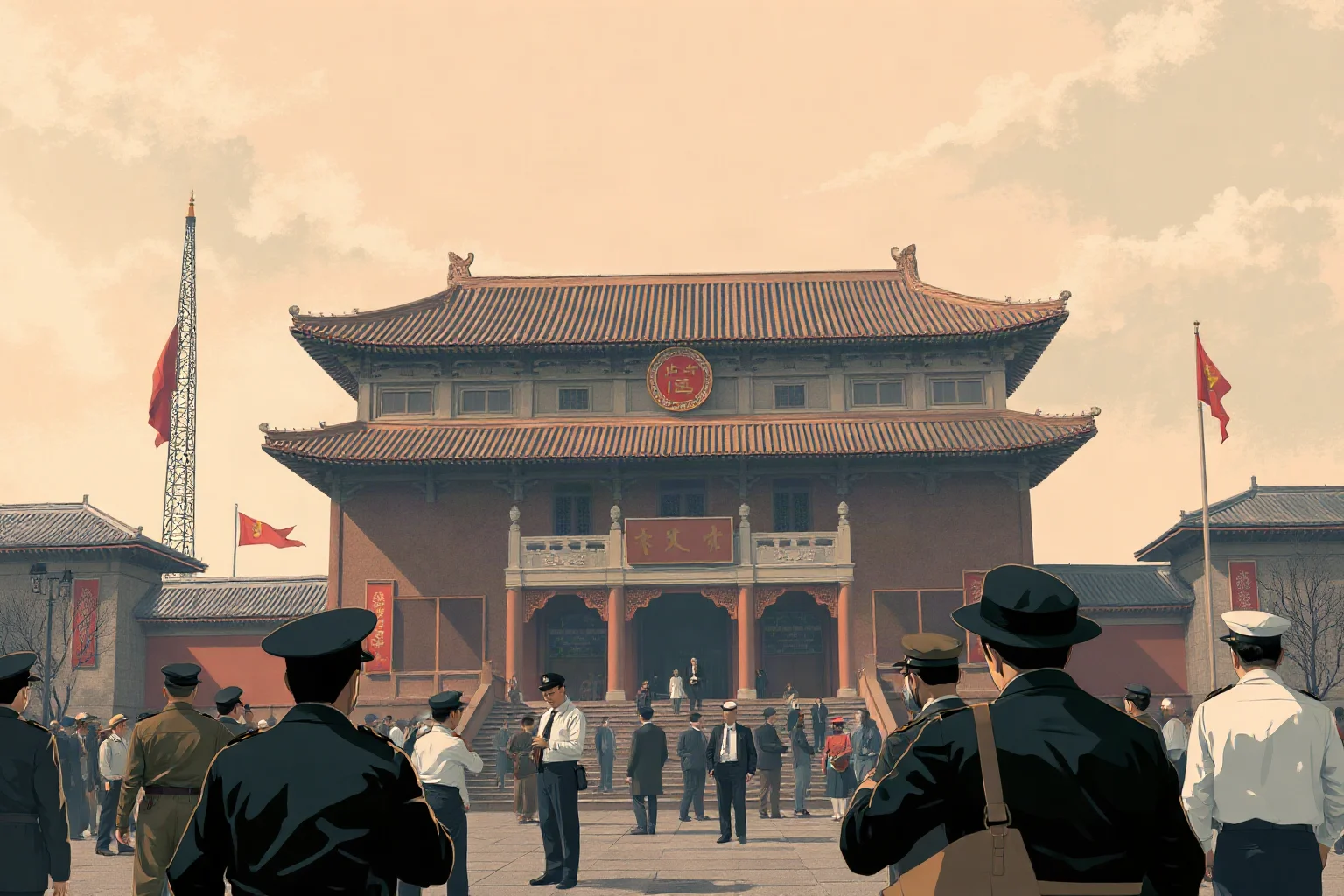
News of the disaster spread abroad, and international relief organizations, along with foreign governments, contributed funds and supplies. The United States, Britain, and other nations sent donations, while missionary networks already operating in China helped distribute aid on the ground.
This international response, while meaningful, was ultimately limited compared to the scale of need. Tens of millions of people required food, shelter, and medical care, far outpacing what outside relief could realistically supply.
14. The China National Flood Relief Commission Led the Response
The Chinese government established the National Flood Relief Commission to coordinate relief work, often with international advisors assisting. The commission organized food distribution, tried to rebuild levees, and worked to resettle displaced families.
Despite genuine effort, the commission faced enormous logistical hurdles. Roads and rail lines were themselves flooded, making it difficult to move supplies into the worst-hit interior regions quickly enough.
15. Refugees Numbered in the Tens of Millions

Beyond the death toll, the sheer number of people displaced by the 1931 Chinese floods was staggering. Estimates suggest that as many as 40 to 80 million people were affected in some way, whether displaced, injured, or economically ruined.
Refugee camps sprang up on higher ground throughout central China, often overcrowded and under-supplied. Many families never returned to their original homes, since floodwaters had destroyed both the land and the structures they depended on.
16. Farmland Losses Triggered a Long-Term Famine
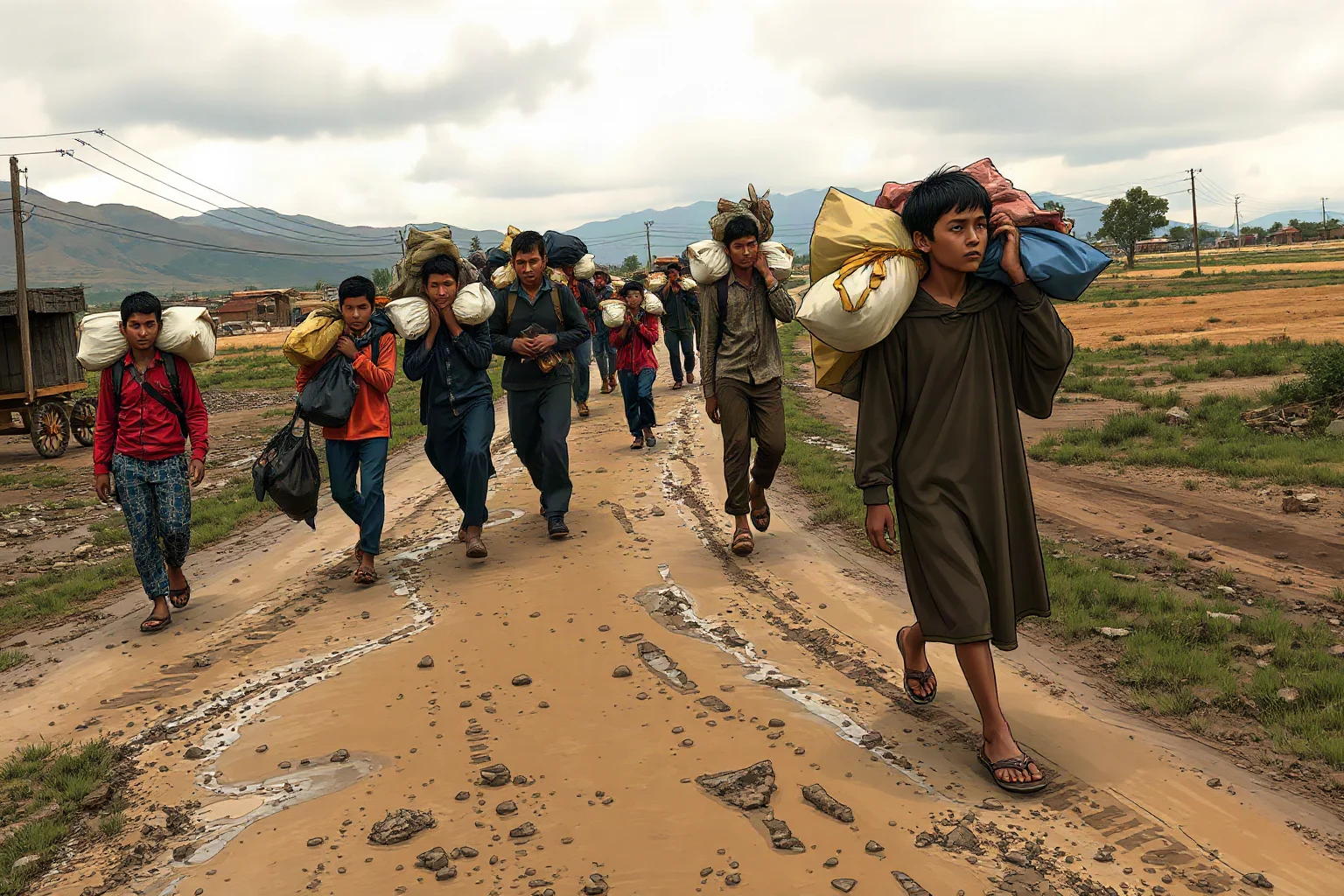
Central China's economy in 1931 was overwhelmingly agricultural, and the flooding hit at the worst possible time in the growing season. Rice, wheat, and other staple crops were wiped out just before harvest, erasing an entire year's food supply for millions of farming families.
The resulting famine extended the disaster's death toll well into 1932 and beyond. Even after floodwaters receded, many communities faced months of food scarcity before agricultural production could recover.
17. The Flood Coincided With Rising Political Tensions

The timing of the 1931 china floods, arriving in the same year as Japan's invasion of Manchuria, meant China was managing a humanitarian catastrophe and a national security crisis simultaneously. Some historians argue this dual crisis weakened the Nationalist government's ability to respond effectively to either problem.
The strain on national resources during this period also fed into broader instability that would shape Chinese politics for years afterward, including the ongoing conflict between Nationalist and Communist forces.
18. Media Coverage Brought the Disaster to World Attention
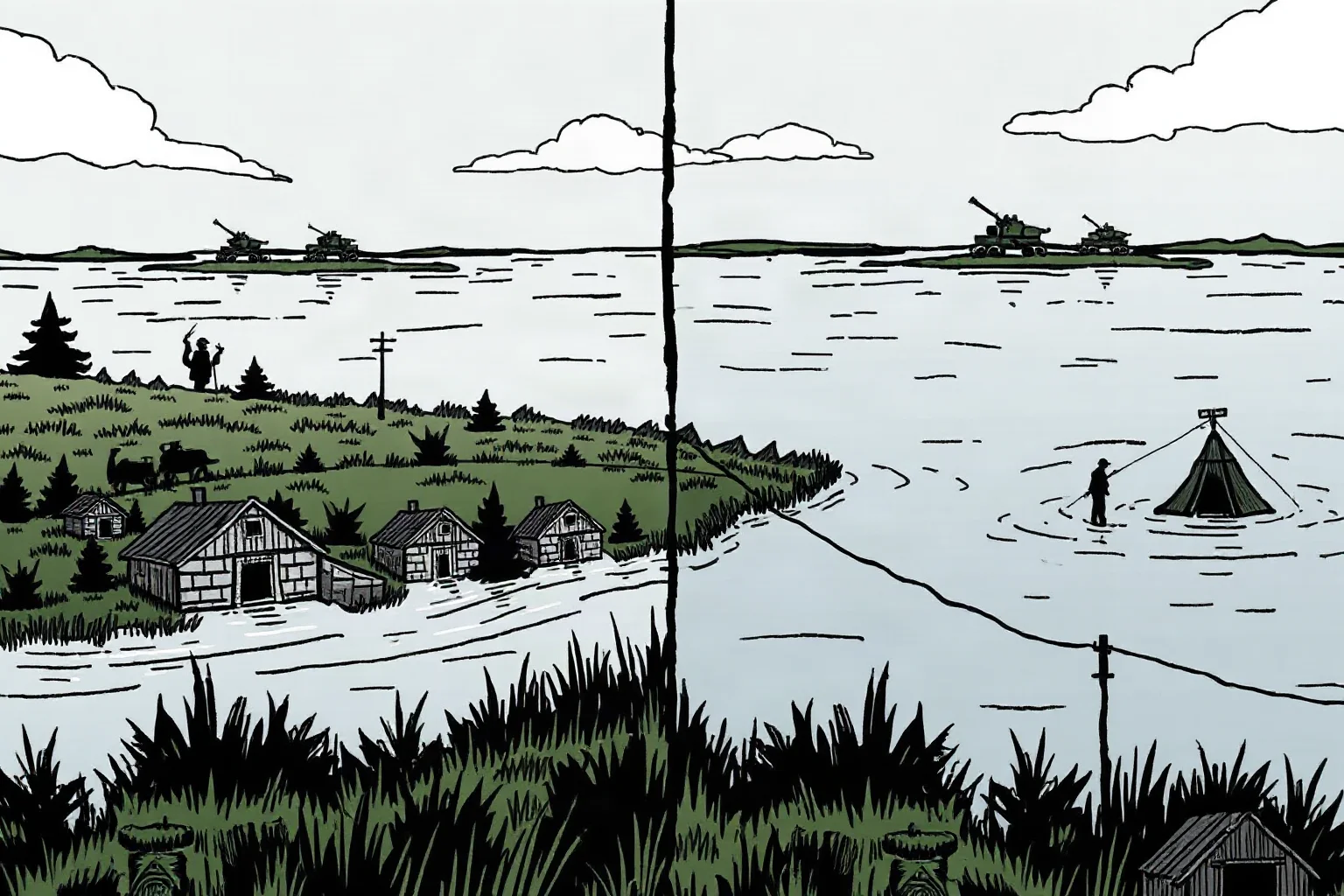
Foreign journalists and photographers documented the flooding, and images of submerged cities and refugee camps circulated in newspapers abroad. This coverage helped generate the international relief donations that did arrive, even if it couldn't fully convey the scale of suffering in rural areas far from major cities.
Still, compared to how thoroughly modern disasters get documented, records from 1931 are relatively sparse. This is part of why exact facts about the 1931 china floods, especially death toll figures, remain difficult to pin down with certainty today.
19. The 1935 Yangtze Flood Was a Grim Reminder Four Years Later

Just four years after the 1931 disaster, the Yangtze flooded severely again. The 1935 Yangtze flood killed an estimated 145,000 people, a horrific toll on its own, though smaller in scale than 1931's catastrophe.
The recurrence underscored a hard truth: the underlying vulnerabilities that caused the earlier disaster, aging levees, deforested watersheds, and inadequate flood infrastructure, hadn't been meaningfully fixed in the intervening years.
20. Modern Engineers Point to the Flood as a Case Study

Water management specialists and historians studying Chinese flood control frequently reference 1931 as a textbook example of cascading environmental failure. It illustrates how drought, snowmelt, and storm timing can combine to overwhelm even long-established flood defenses.
Engineering schools and disaster researchers still use the event to model how multiple river systems can fail in tandem, a scenario that remains relevant to flood planning in China and other river-delta nations today.
21. The Three Gorges Dam's Origins Trace Partly Back to This Disaster
The idea of building a massive dam on the Yangtze to control flooding predates 1931, but disasters like this one, along with the 1935 flood, gave the concept renewed urgency among Chinese engineers and officials. Decades later, that vision eventually became the Three Gorges Dam, completed in the 2000s.
While it would be inaccurate to say the 1931 flood directly caused the dam's construction, it's fair to say the disaster became part of the long historical argument for large-scale flood control on the Yangtze.
22. Comparisons to Other Deadly Disasters in History

When people search for the deadliest disaster ever in 1931, the China floods usually top the list for that specific year, and often rank among the top handful of deadliest disasters across all of recorded history. Only a small number of events, such as certain historic famines and pandemics, are estimated to have caused more deaths.
It's worth comparing this humbly rather than competitively. The scale of the 1931 china flood shows how vulnerable dense agricultural societies were, and in some places still are, to compounding natural and infrastructural failures.
23. Long-Term Effects on Chinese Society and Governance
The disaster exposed weaknesses in China's flood infrastructure and administrative capacity, lessons that later governments would try to address through large infrastructure projects. It also fed public frustration with the Nationalist government's ability to manage domestic crises, a frustration that had lasting political consequences.
Rebuilding efforts in the affected provinces stretched on for years, with some communities never fully returning to their pre-flood population levels or agricultural output.
24. The Flood Is Still Studied by Historians and Climatologists

Contemporary researchers continue to revisit the 1931 china floods to better understand extreme monsoon behavior and river basin vulnerability. Climate historians in particular use tree-ring and rainfall records from the period to reconstruct just how anomalous that year's weather really was.
This ongoing research matters beyond academic interest. Understanding the exact combination of factors behind the flood of china 1931 helps modern flood forecasters recognize similar warning signs before disaster strikes again.
25. Its Memory Faded Outside China Despite Its Scale
Despite likely being one of the deadliest natural disasters in human history, the 1931 chinese floods remain relatively unknown outside China compared to disasters with lower death tolls but more lasting cultural footprint. Part of this is due to limited photographic and film documentation compared to later 20th-century disasters.
Inside China, however, the flood remains an important historical touchpoint, referenced in discussions of river management, national resilience, and the human cost of underestimating nature's extremes.
Why This Disaster Still Matters Today
The 1931 China floods deserve a bigger place in how we talk about history's worst disasters. The combination of drought, snowmelt, and relentless monsoon rains overwhelmed three major river systems at once, killing somewhere between one and four million people depending on which historical estimate you trust.
It's a sobering reminder that natural disasters rarely have a single cause. Environmental extremes, aging infrastructure, and political instability combined to turn a severe weather event into one of the deadliest disasters ever recorded, and its lessons about river management still echo in flood planning today.
Frequently Asked Questions
What caused the Yellow River 1931 flood?
The Yellow River 1931 flood was caused by an unusually intense combination of factors: a preceding drought that dried out and weakened riverbanks, heavy winter snowmelt flowing into the river basin, and then repeated, unusually intense summer storms that pushed water levels far beyond what levees could contain. This happened at the same time as similarly severe flooding on the Yangtze and Huai Rivers, making 1931 an exceptionally destructive year across central China.
How many people died in the 1931 China floods?
Death toll estimates vary widely, ranging from roughly 1 million to as high as 4 million people. The wide range exists because many deaths came from the famine and disease that followed the flooding rather than drowning alone, and record-keeping in affected rural areas at the time was inconsistent.
Was the 1931 China flood the deadliest natural disaster in history?
It's frequently cited as one of the deadliest natural disasters ever recorded and the deadliest of the 20th century, though it's difficult to say definitively it was the single deadliest given how much death toll estimates vary. Depending on which figures are used, it likely ranks above most other well-known disasters in terms of total lives lost.
What’s the difference between the Yellow River and Yangtze River floods of 1931?
They were two separate but simultaneous disasters. The Yangtze River flood 1931 hit central and eastern China, submerging cities like Wuhan and Nanjing, while the Yellow River flood struck further north across Henan and Shandong provinces. Both, along with flooding on the Huai River, are often grouped together as the Central China floods of 1931.
Did China experience another major flood after 1931?
Yes. The 1935 Yangtze flood struck just four years later and killed an estimated 145,000 people. While smaller in scale than the 1931 disaster, it showed that many of the underlying vulnerabilities, including weak levees and deforested watersheds, hadn't been resolved.
How did the Chinese government respond to the 1931 floods?
The Nationalist government established the National Flood Relief Commission to coordinate food distribution, levee repairs, and resettlement efforts, and it received support from international donors and relief organizations. However, the response was strained by the sheer scale of the disaster, damaged transportation infrastructure, and competing political crises happening at the same time, including tensions leading up to Japan's invasion of Manchuria.

Alex Warren
Related Articles