Type 'abandoned asylum' into any search bar and you will get thousands of photographs of peeling corridors, rusted bed frames, and wheelchairs left in the dark. The images are undeniably atmospheric, but they flatten a complicated human story into a haunted-house backdrop. These were workplaces, communities, and above all homes for people who often had nowhere else to go.
Below are 24 institutions from the United States, Britain, continental Europe, and Australia, each with a genuinely dark chapter in its past. Some were built with the best intentions of the nineteenth century, and others became warehouses of neglect. What they share is a history worth telling honestly, without the invented ghost stories.
TL;DR: Abandoned asylums are remembered as horror-show ruins, but their real history is one of hopeful reform, chronic underfunding, and human cost — which is far more unsettling than any ghost story.
Why Deserted Asylums Loom So Large in Our Imagination
Part of the fascination is architectural. Many American asylums followed the Kirkbride plan, named for Philadelphia psychiatrist Thomas Story Kirkbride, whose 1854 book set out long, staggered wings designed to flood every ward with light and fresh air. In an era when people with mental illness were sometimes chained in cellars, that design was a genuine act of optimism.
Part of it is the sheer scale of abandonment. Hundreds of campuses across the industrial world emptied within a few decades as psychiatric care shifted toward community settings, leaving buildings too large to demolish easily and too expensive to maintain. A deserted asylum is a very visible monument to a policy change most people never learned about in school.
And part of it is what the buildings suggest rather than show. We know in general terms that bad things happened inside them, and the imagination fills in the rest, which is exactly why urban legends flourish where records are thin. Asylums were also never only an American or British phenomenon; comparable institutions rose in Canada, Australia, New Zealand, Germany, France, Italy, Japan, and across Latin America.
What These Places Were Actually Called
Asylum names changed as often as the thinking behind them. In the 1800s, institutions across the English-speaking world were typically called lunatic asylums, hospitals for the insane, retreats, or sanitariums, and each word carried a slightly different claim about the care inside.
Many of the most famous insane asylums in the United States were named after their state and then renamed repeatedly as terminology shifted. Georgia's institution went from the Georgia Lunatic Asylum to the Georgia State Sanitarium to Milledgeville State Hospital and finally to Central State Hospital. In Wales, the North Wales Hospital in Denbigh began life in 1848 as the North Wales County Lunatic Asylum.
One distinction is worth keeping straight: an asylum housed people with psychiatric conditions or intellectual disabilities, while a sanatorium treated infectious disease such as tuberculosis. The abandoned sanatorium, with its open-air balconies and sun porches, is a cousin of the asylum rather than the same building type.
1. Bethlem Royal Hospital, London — The Original 'Bedlam'
The word bedlam is not a metaphor; it is a place name. Bethlem Royal Hospital was founded as a religious house in London in 1247 and was caring for people with mental illness by the early fifteenth century, making it one of the oldest psychiatric institutions in Europe.
Its reputation was built over centuries rather than from a single scandal. By the eighteenth century, paying visitors could view patients at its Moorfields and later Southwark sites, and conditions exposed at parliamentary inquiries in 1815 and 1816 became a national embarrassment that helped drive reform.
Despite appearing on practically every list of famous insane asylums, Bethlem was never abandoned. It moved to a suburban site in 1930 and still provides mental health care today, and its archives are among the most important records of institutional life anywhere.
2. South Carolina State Hospital, Columbia — The Mills Building
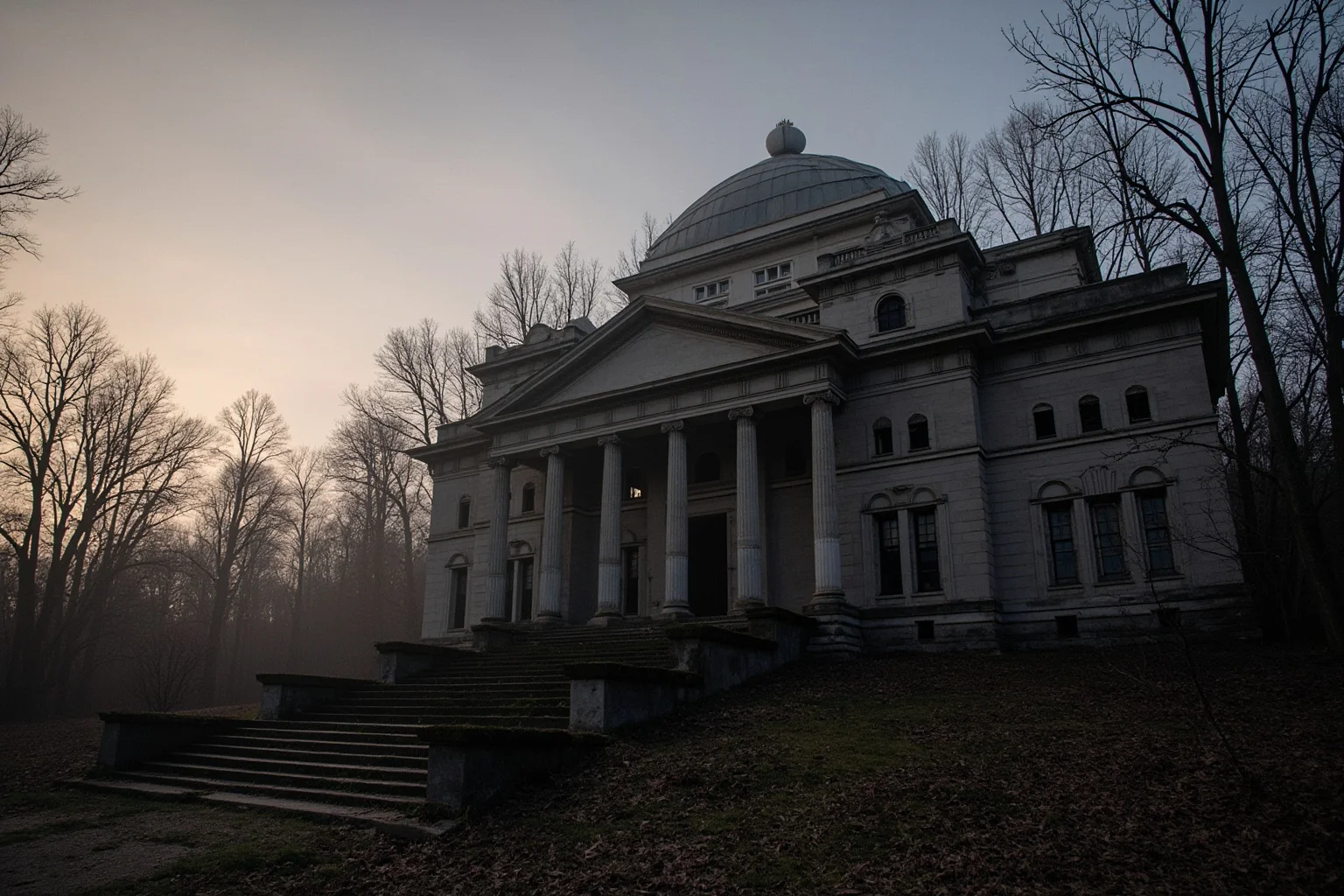
The Robert Mills Building opened in 1828 as the South Carolina Lunatic Asylum and is one of the earliest surviving purpose-built mental hospitals in the United States. Mills, who also worked on the Washington Monument and the U.S. Treasury, gave it a domed classical front that looks more like a governor's mansion than an institution.
Over the twentieth century the Bull Street campus grew into a small self-contained city of wards, kitchens, and laundry buildings. The hospital closed in the 1990s and sat derelict for years before redevelopment began, though the Mills Building survives as a National Historic Landmark.
3. New Jersey State Hospital at Trenton — Henry Cotton's Experiments
Trenton opened in 1848 and is a reminder that the worst things done in asylums were sometimes done in the name of cure. From 1907, superintendent Henry Cotton argued that mental illness was caused by untreated infection, so patients had teeth pulled, tonsils removed, and in some cases sections of colon or stomach cut away.
Mortality was high and outcomes were no better than ordinary care, yet the theory persisted for years before being quietly abandoned. The site still operates as Trenton Psychiatric Hospital in newer buildings, which makes it a useful corrective to the idea that every asylum story ends in an empty ruin.
4. Trans-Allegheny Lunatic Asylum, Weston, West Virginia
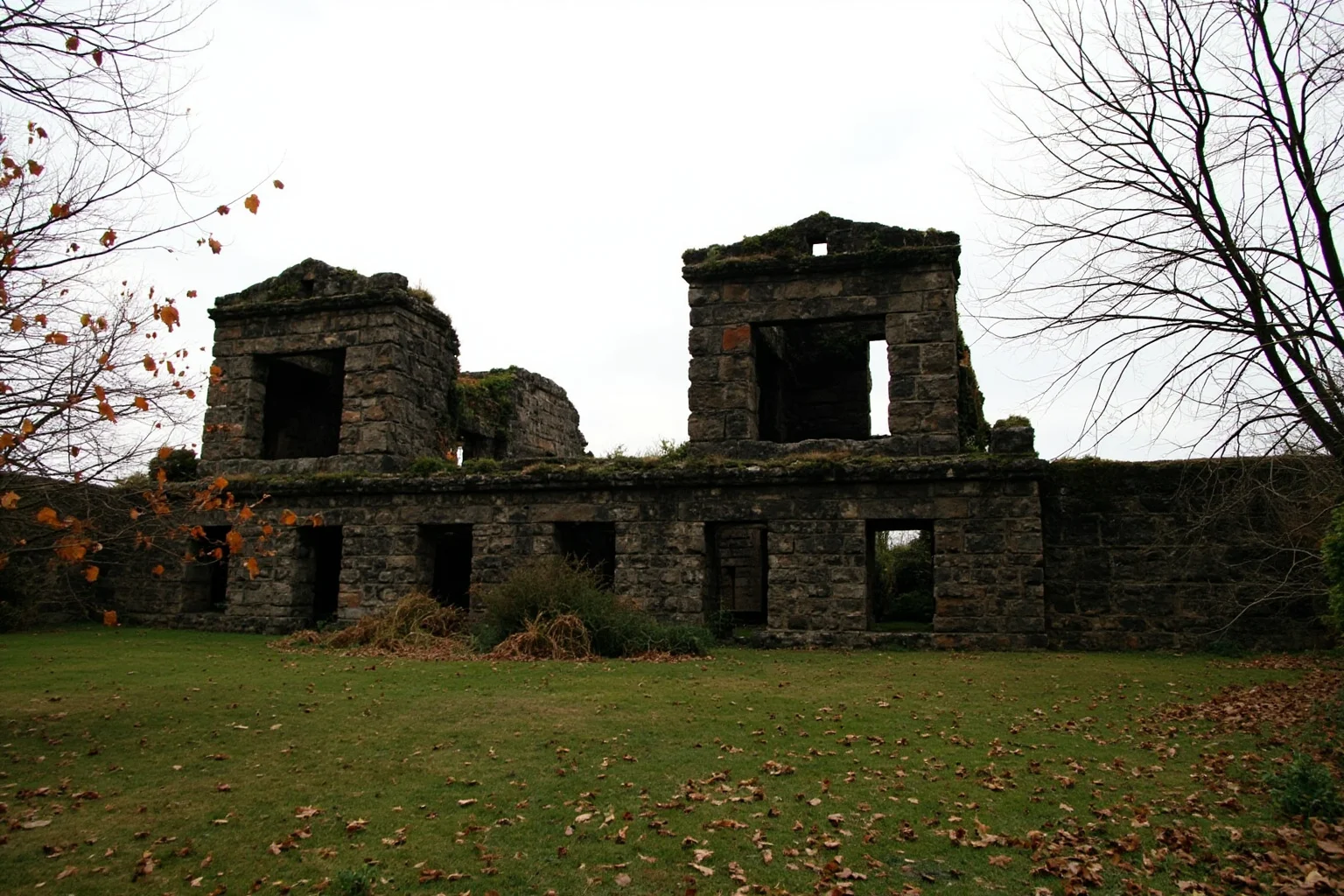
Designed by architect Richard Snowden Andrews and built between 1858 and 1881, this is one of the largest hand-cut stone buildings in the United States. It was conceived for around 250 patients under the Kirkbride plan but held far more than that during the twentieth century, when crowding became the norm.
The hospital finally closed in 1994 and later passed into private hands. Today it runs historical tours and paranormal events, and it is a National Historic Landmark.
5. Danvers State Hospital, Massachusetts
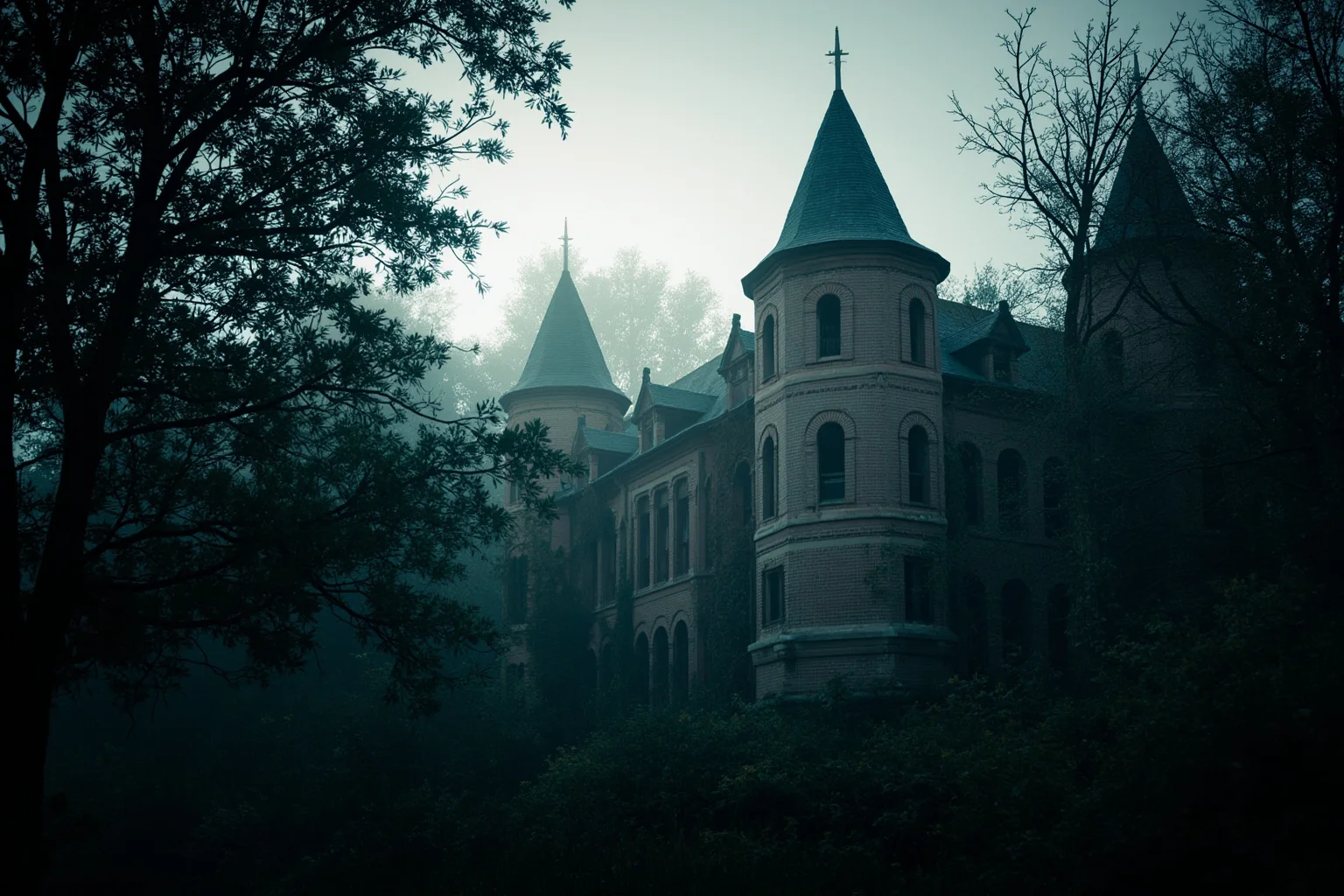
Danvers opened in 1878 as the Danvers State Insane Asylum, a Kirkbride building designed by Nathaniel Jeremiah Bradlee on a hill above the Ipswich River valley. It is often said to have inspired H. P. Lovecraft's fictional Arkham Sanitarium, though Lovecraft never confirmed the connection and the claim should be treated as legend.
The hospital closed in 1992 and most of the main building was demolished in 2006 to make way for housing. Its eerie towers had a final moment of fame as the filming location for the 2001 horror film Session 9.
6. Willard State Hospital, New York
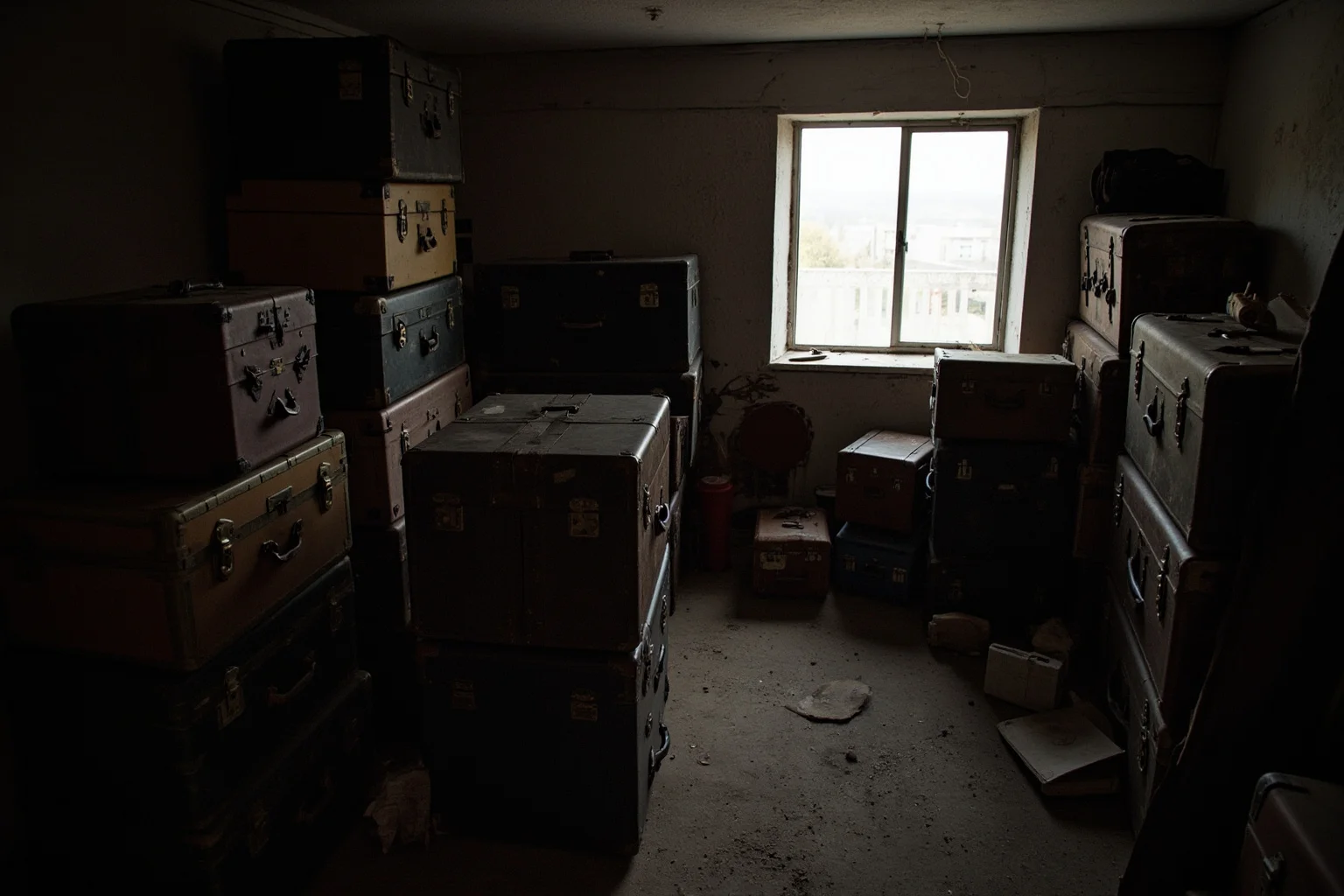
Willard opened in 1869 as the Willard Asylum for the Chronic Insane and closed in 1995. During the shutdown, workers found hundreds of suitcases in an attic, each belonging to a patient who had been admitted and never reclaimed them.
The contents became the basis of an exhibition at the New York State Museum and the 2008 book The Lives They Left Behind. It is one of the rare cases where the objects of institutional life were preserved rather than dumped, and they humanize a place usually known only for decay.
7. Hudson River State Hospital, Poughkeepsie, New York
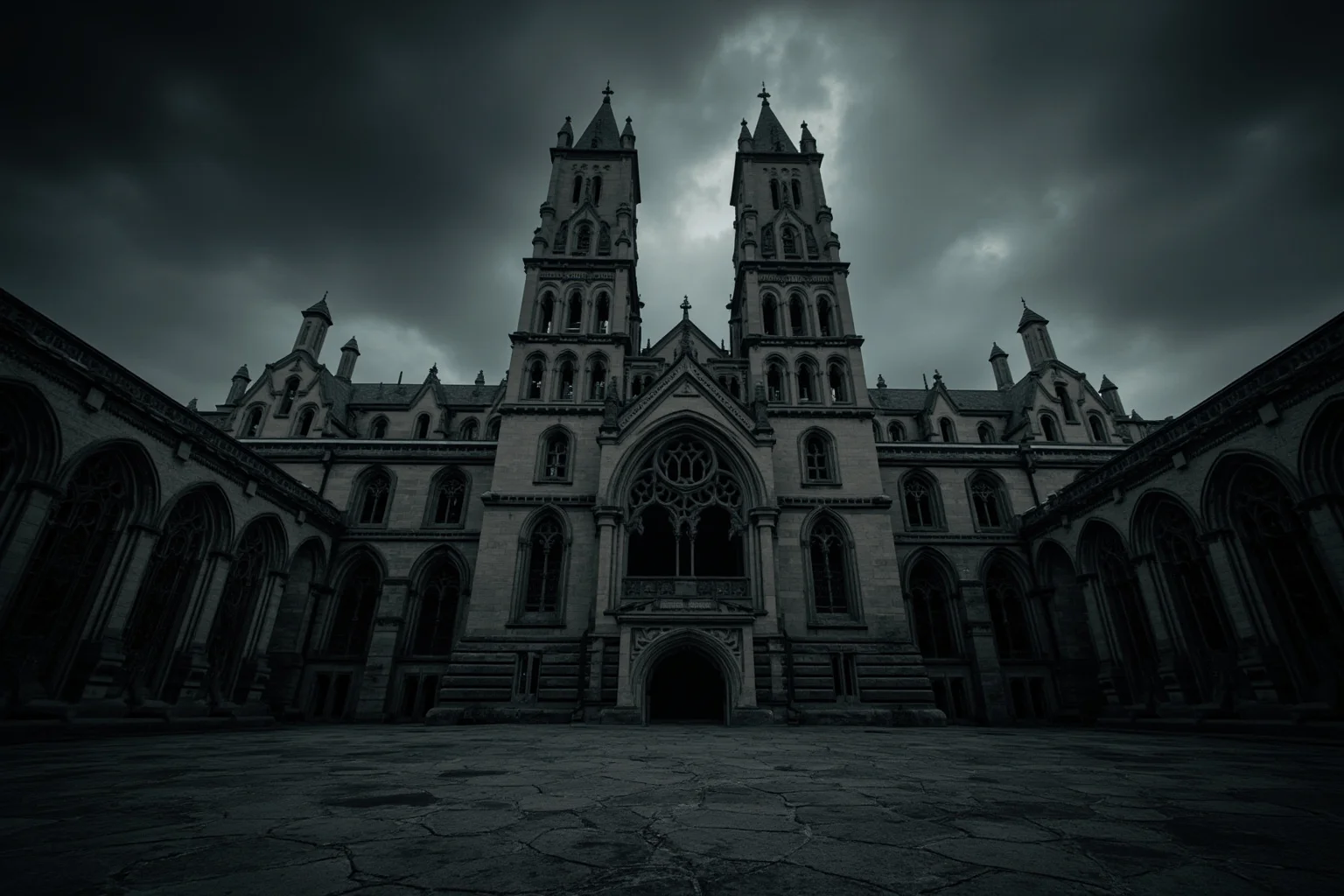
Opened in 1871, Hudson River was designed by Frederick Clarke Withers with grounds laid out with input from Calvert Vaux, the landscape architect behind parts of Central Park. High Victorian Gothic towers made it one of the most photographed asylums in the country long before it was abandoned.
The hospital closed in 1994 and then suffered years of fires, vandalism, and stalled redevelopment plans. Much of the historic core was demolished in the early 2020s, leaving mostly photographs and preservation arguments behind.
8. Greystone Park Psychiatric Hospital, New Jersey
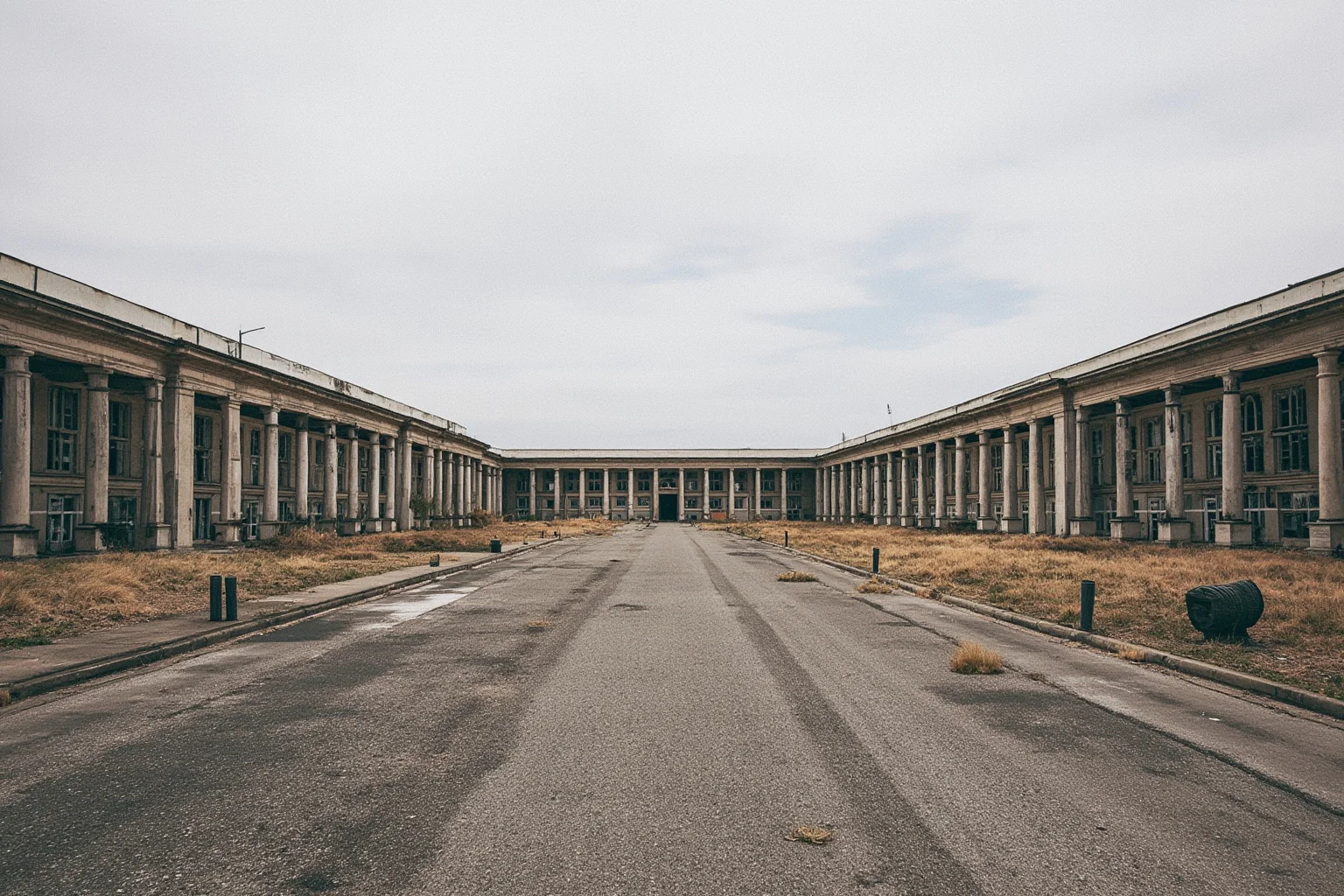
Greystone opened in 1876 as the New Jersey State Lunatic Asylum at Morristown and grew into one of the largest Kirkbride buildings ever constructed. At its peak it housed thousands of patients in a single connected structure, which is exactly the model that later reformers wanted to dismantle.
A new hospital opened in 2008 and the old building was demolished in 2015 after preservation efforts failed. The loss became a rallying point for people trying to save other Kirkbride sites.
9. Kings Park Psychiatric Center, Long Island, New York
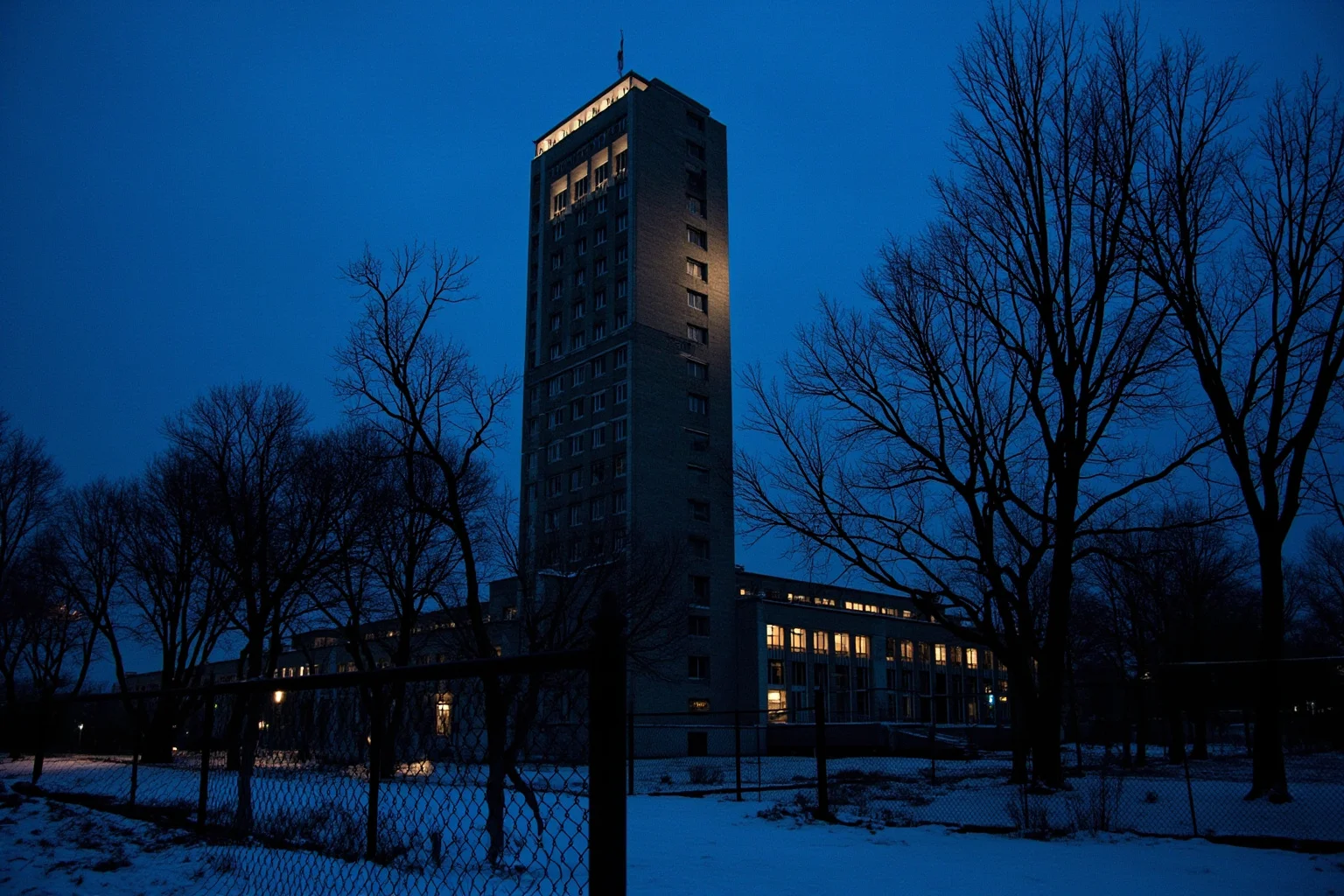
Kings Park opened in 1885 as the Kings County Asylum and grew into a vast campus with its own railroad spur, farm, and power plant. The towering Building 93, completed in the early 1930s, became the defining image of the site and one of the most recognizable asylum facades in America.
The hospital closed in 1996, and large parts of the grounds are now state parkland. Some buildings have been stabilized, while others remain fenced and visible from the trails.
10. Byberry State Hospital, Philadelphia
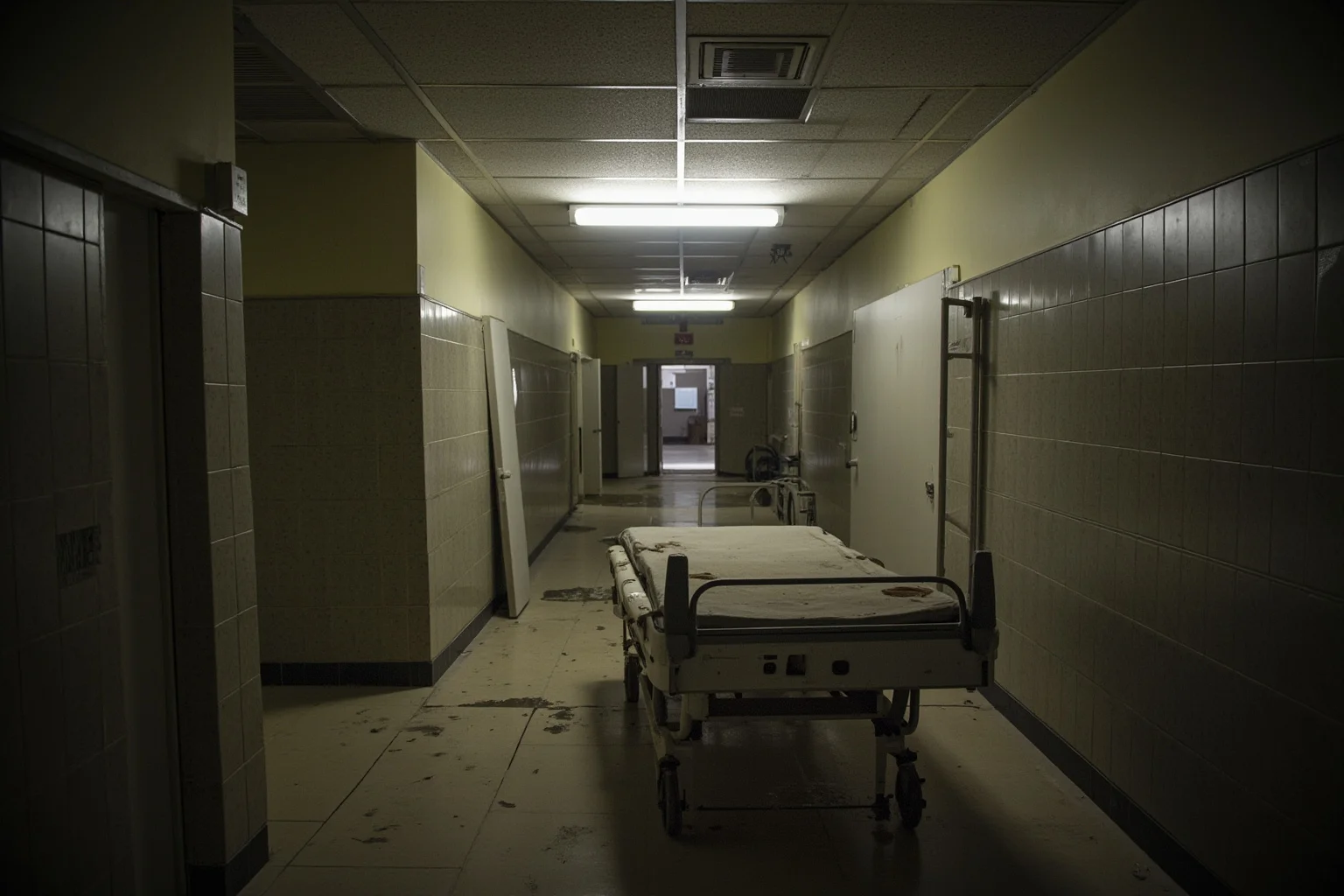
Philadelphia State Hospital at Byberry opened in stages in the early 1900s and became notorious for overcrowding, understaffing, and squalid wards. Journalist Albert Deutsch's 1946 exposé, later expanded in his book The Shame of the States, described patients warehoused in conditions that shocked readers.
The hospital limped on for decades before closing in 1990. It was demolished in the 2000s, and the site is now industrial and commercial land.
11. Pennhurst State School and Hospital, Pennsylvania
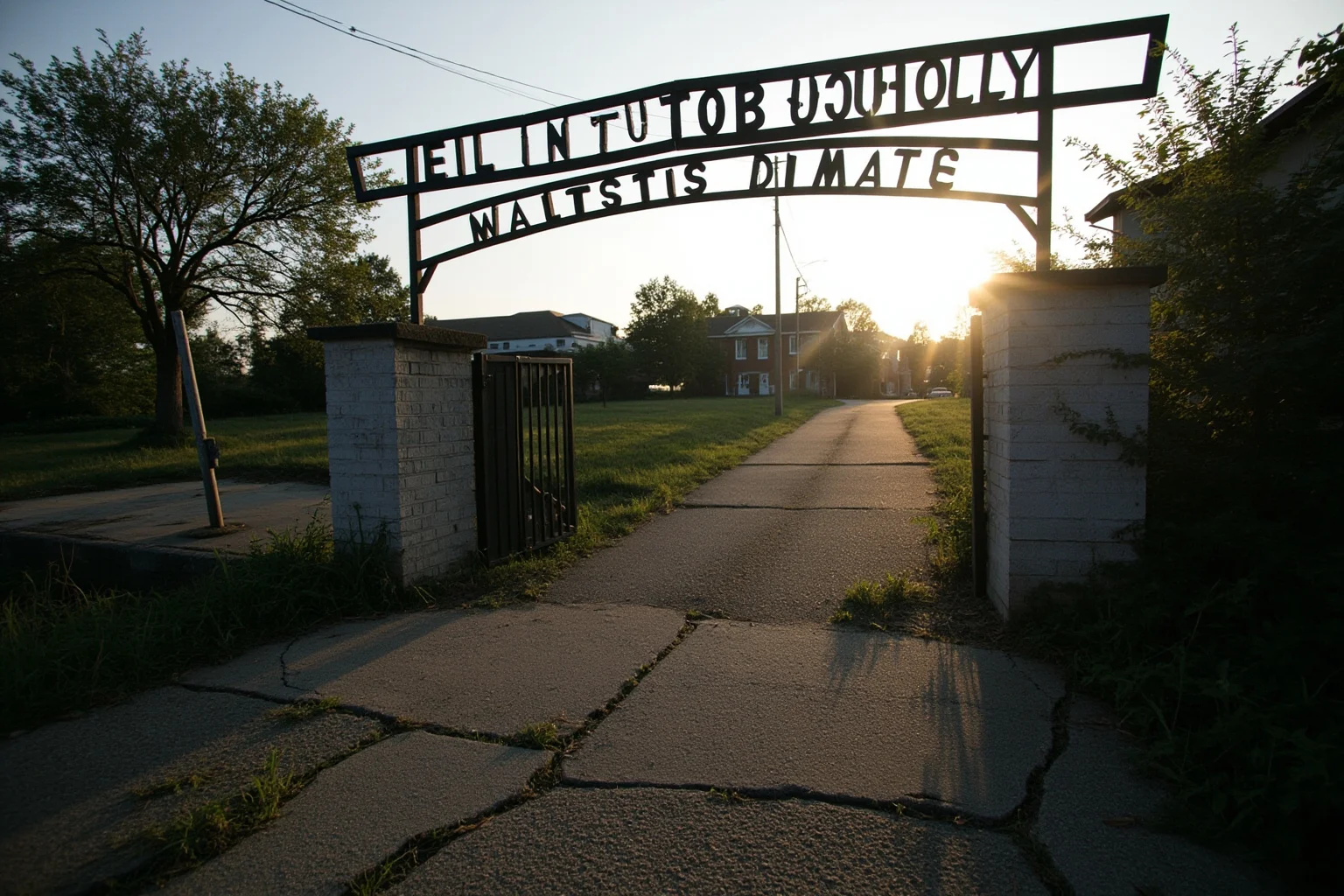
Pennhurst opened in 1908 as the Eastern Pennsylvania State Institution for the Feeble-Minded and Epileptic, and it was overcrowded almost from the start. A 1968 television report by Bill Baldini, titled Suffer the Little Children, brought the conditions into Pennsylvania living rooms.
A federal judge ruled in 1977 that residents had a right to treatment in the least restrictive setting, a decision later narrowed by the Supreme Court but still a landmark. Pennhurst closed in 1987, and its later use as a haunted attraction drew protests from disability advocates.
12. Central State Hospital, Milledgeville, Georgia
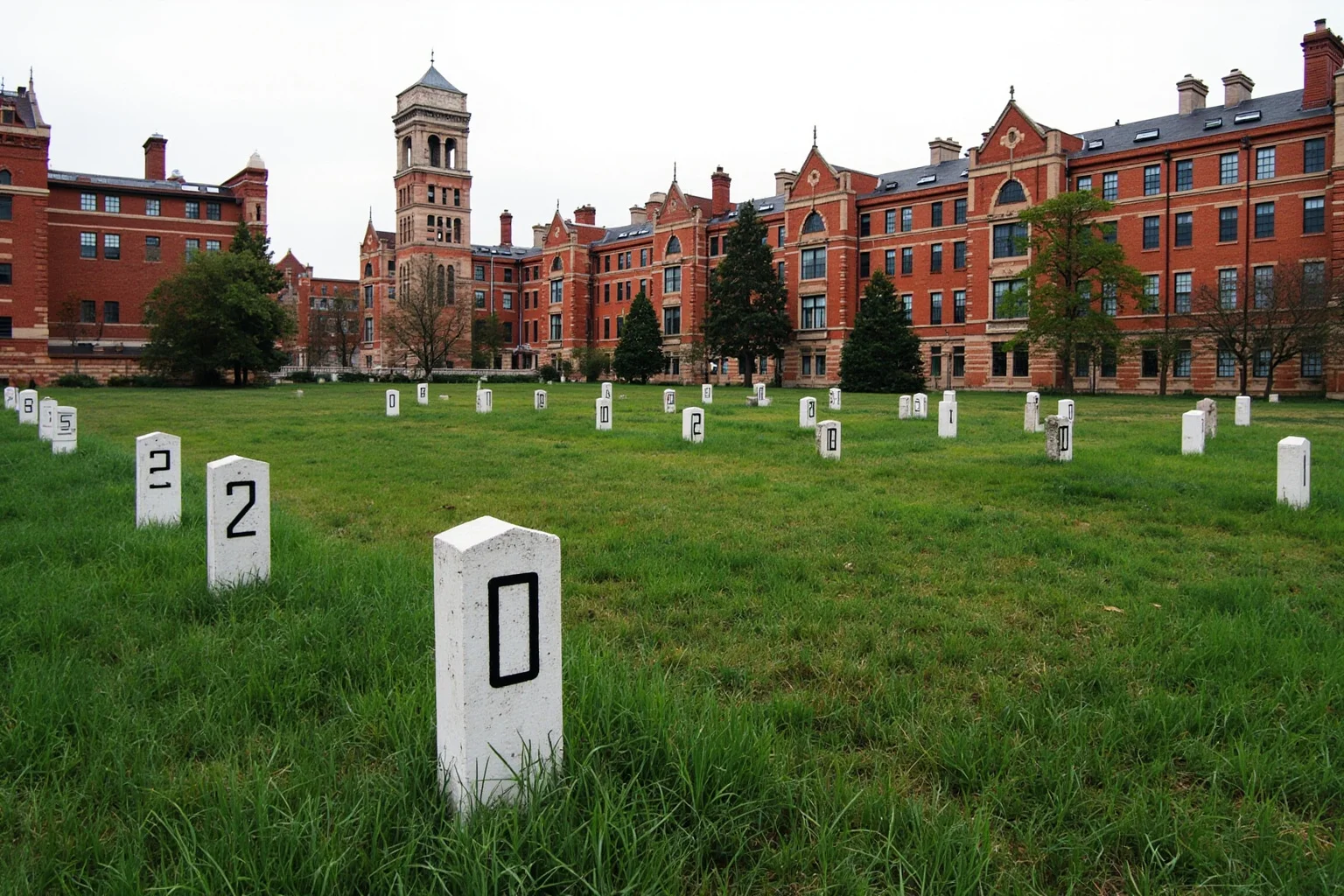
Chartered in 1837 and opened in 1842 as the Georgia Lunatic, Idiot, and Epileptic Asylum, this campus eventually became one of the largest mental institutions in the world. At its mid-twentieth-century peak it held more than 12,000 patients across hundreds of buildings.
The hospital downsized in stages and most of the vast campus has closed, leaving cemeteries where graves are marked with numbers rather than names. Those numbered markers are among the most sobering artifacts any former asylum has produced.
13. Bryce Hospital, Tuscaloosa, Alabama
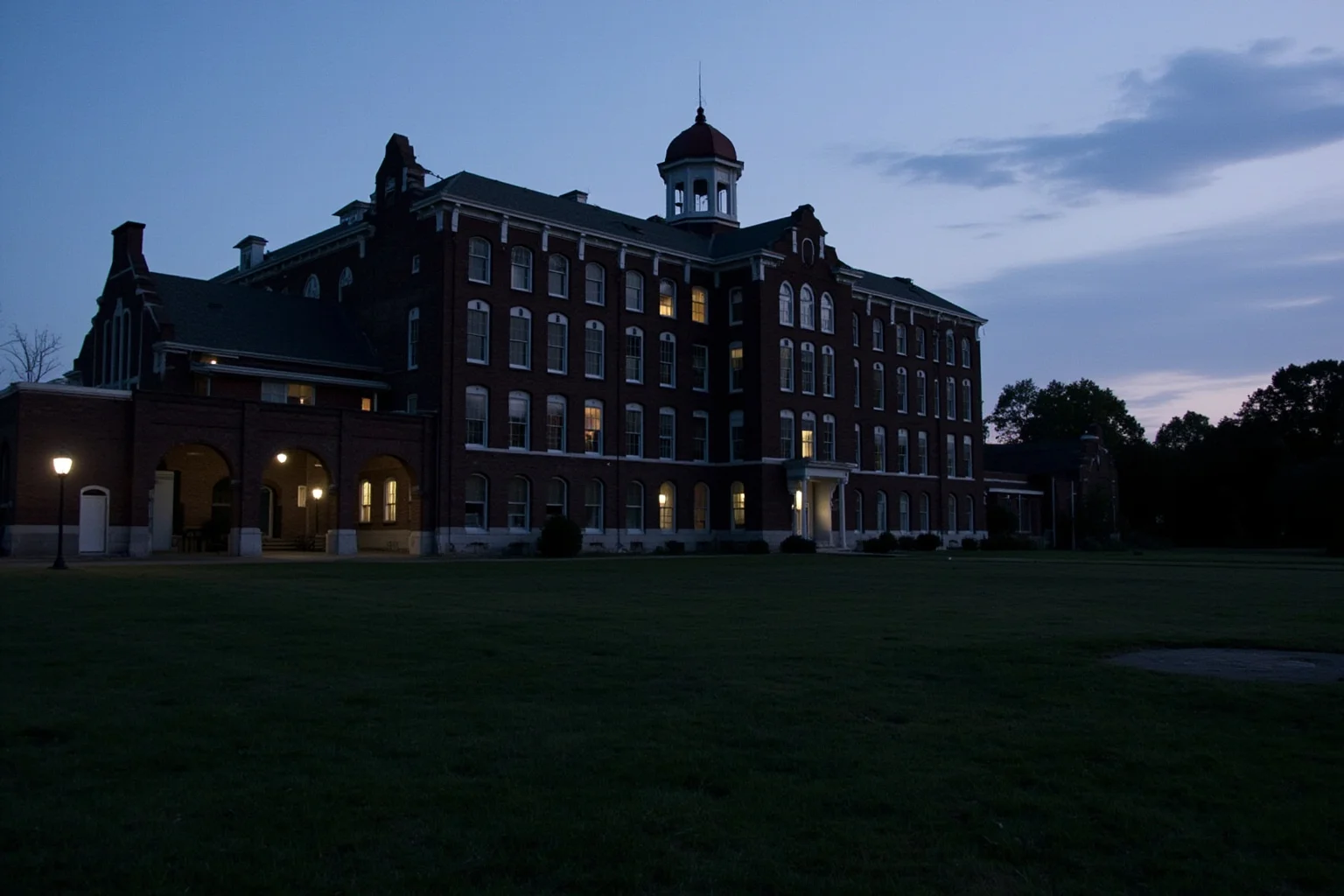
Bryce opened in 1861, and its existence owed a great deal to Dorothea Dix, the reformer who lobbied state legislatures to fund humane institutions. Architect Samuel Sloan designed the original building in a Kirkbride-style plan, and it anchored the campus for more than 150 years.
Patients moved to a new hospital in 2014, and the historic building was transferred to the University of Alabama. Preservationists have worried ever since about how much of the interior will survive renovation.
14. Dorothea Dix Hospital, Raleigh, North Carolina
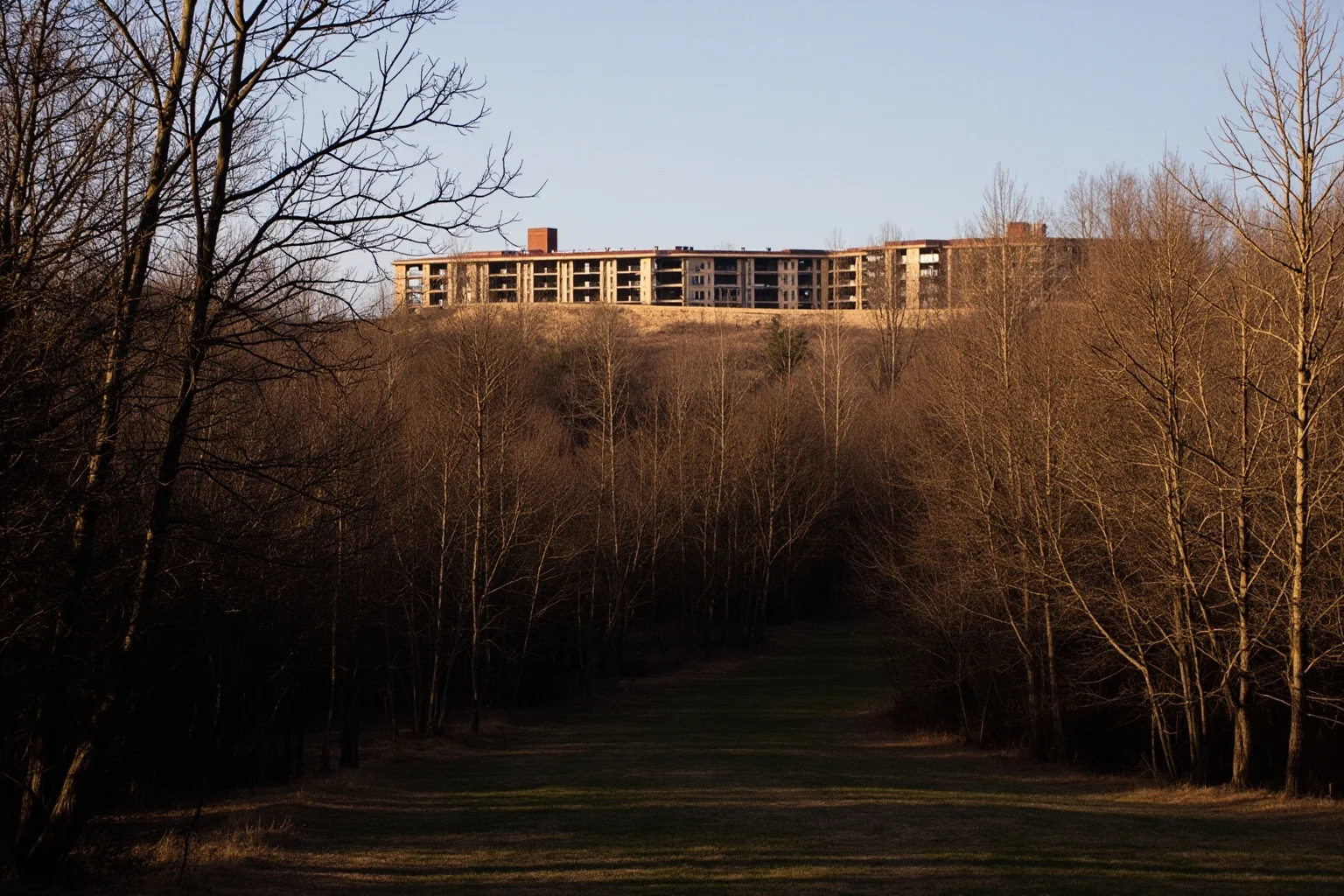
Opened in 1856 as the North Carolina Insane Asylum, this was the state's first psychiatric hospital and was renamed for Dix in 1959. It sat on a large wooded ridge that became increasingly valuable as Raleigh grew around it.
The hospital closed in 2012, and the land became Dorothea Dix Park, now one of the largest urban parks in the South. It is a rare example of an asylum campus converted into public green space rather than condominiums.
15. Traverse City State Hospital, Michigan
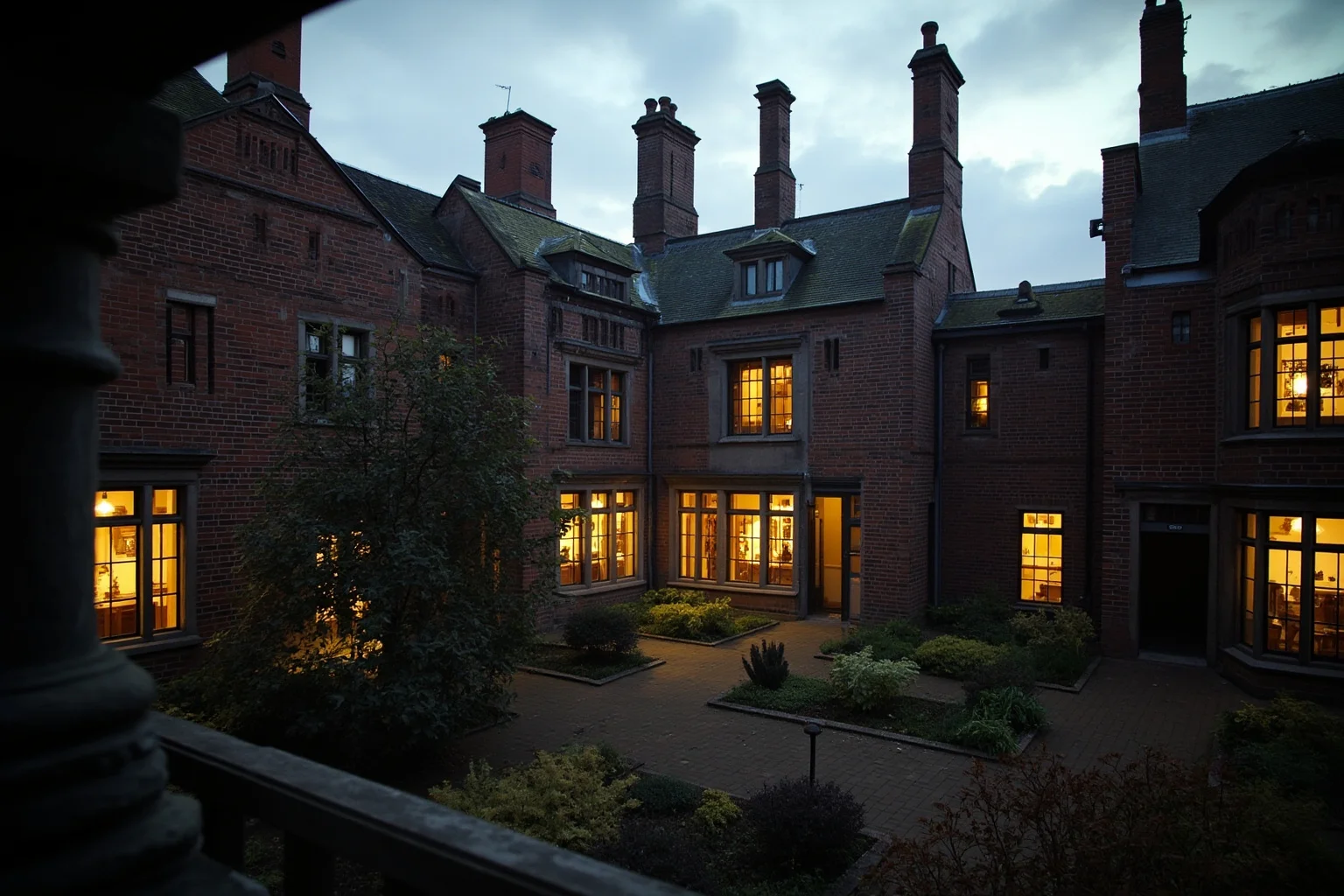
Opened in 1885 as the Northern Michigan Asylum, this Kirkbride complex was designed by Gordon W. Lloyd with grounds intended to be therapeutic. Patients worked on a farm and in workshops, which reflected the era's belief that routine and fresh air could heal.
The hospital closed in 1989, and the site was redeveloped as the Village at Grand Traverse Commons. It is the best-known American example of an asylum saved through adaptive reuse rather than demolition.
16. Athens Lunatic Asylum, Ohio — The Ridges
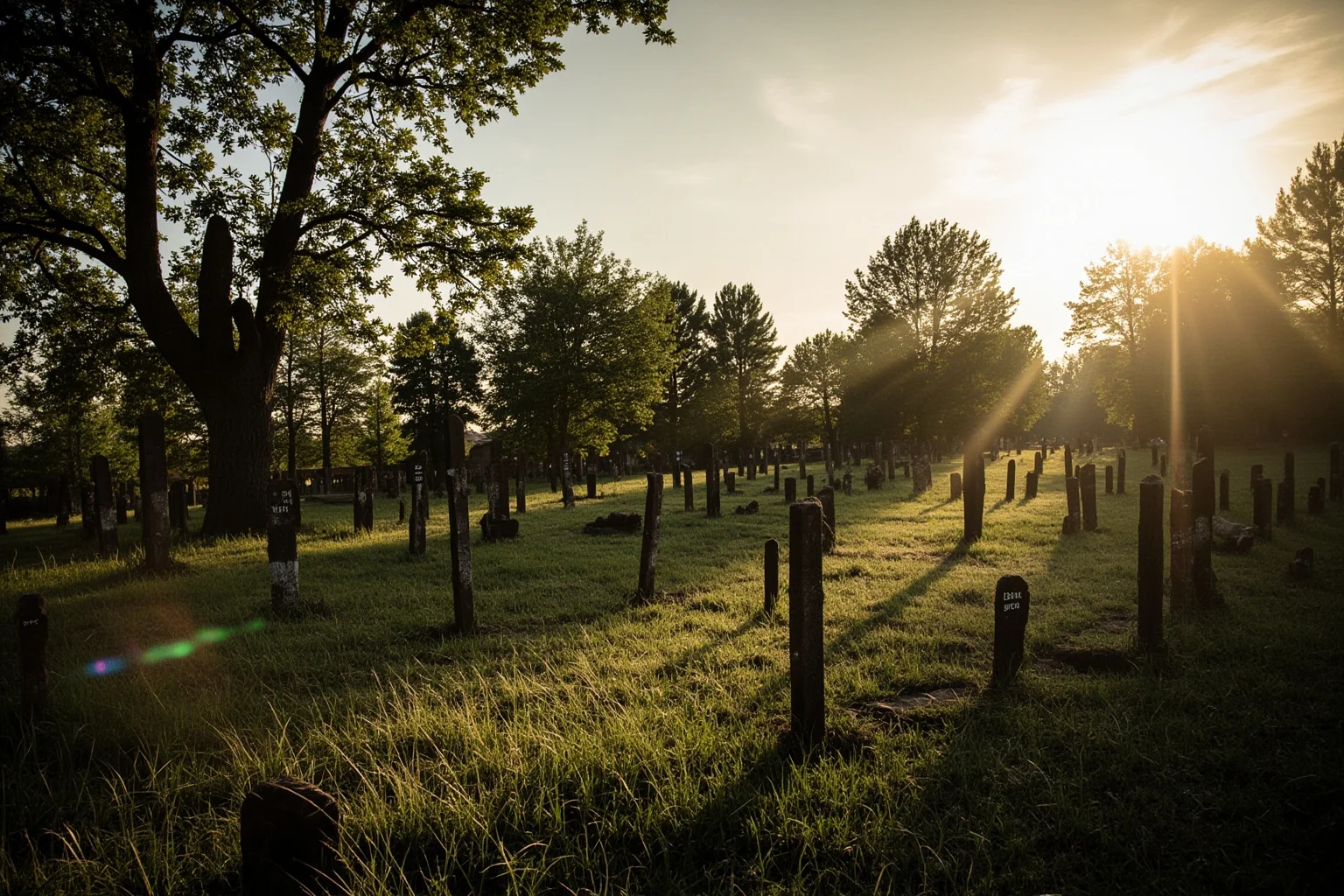
Opened in 1874, the Athens Lunatic Asylum later became Southeastern Ohio Regional Psychiatric Hospital before closing in 1993. The grounds sit on a ridge above the town and passed to Ohio University, which inherited buildings, a cemetery, and a great many local legends.
The most repeated story concerns a patient whose body was found in a locked room, leaving a stain on the floor that supposedly resisted cleaning. Whether or not every detail holds up, the numbered graves in the asylum cemetery are real and remain the most affecting part of the site.
17. Waverly Hills Sanatorium, Kentucky
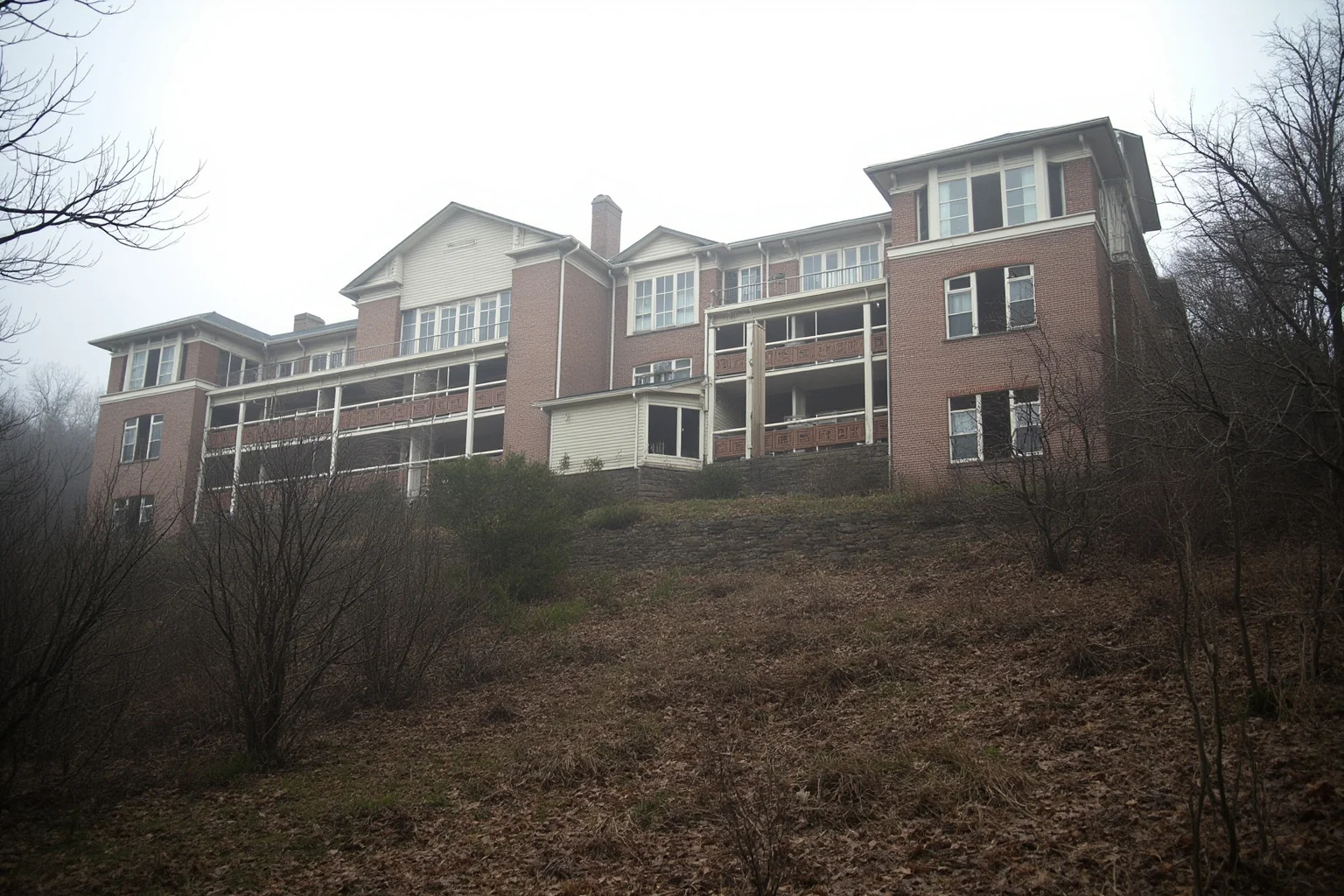
Waverly Hills opened near Louisville in 1910 to treat tuberculosis, and its enormous 1926 building became one of the most photographed abandoned sanatoriums in the world. Before antibiotics, TB killed a large share of the people admitted, so the site's grim reputation has a real foundation.
The 'death tunnel' or 'body chute' is the most exaggerated part of the legend. The inclined tunnel was used to move supplies and, in some accounts, bodies discreetly, but the popular idea that thousands of corpses were secretly ferried out is not supported by the record. The facility closed as a TB hospital in 1961 and later operated briefly as a nursing home before shutting in 1981.
18. Denbigh Hospital, Wales
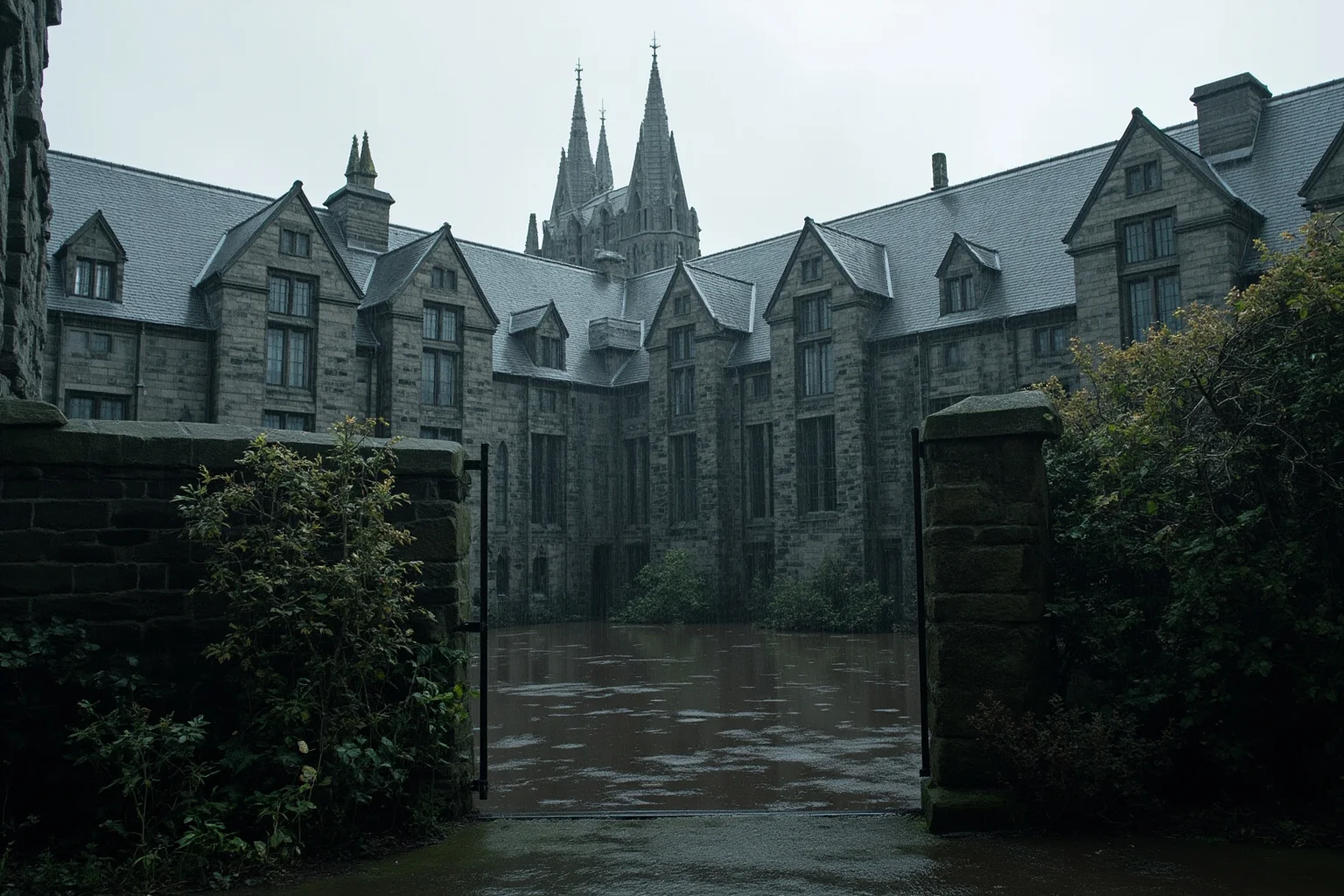
Denbigh opened in 1848 as the North Wales County Lunatic Asylum, designed in a Gothic style that made it look more like a stately home than a hospital. It closed in 1995 after nearly 150 years of use and then became one of Britain's most photographed derelict sites.
Years of fires, theft, and stalled redevelopment took a heavy toll, and parts of the site were demolished in the 2020s. The long gap between closure and any plan is a pattern repeated across the United Kingdom.
19. Cane Hill Hospital, South London
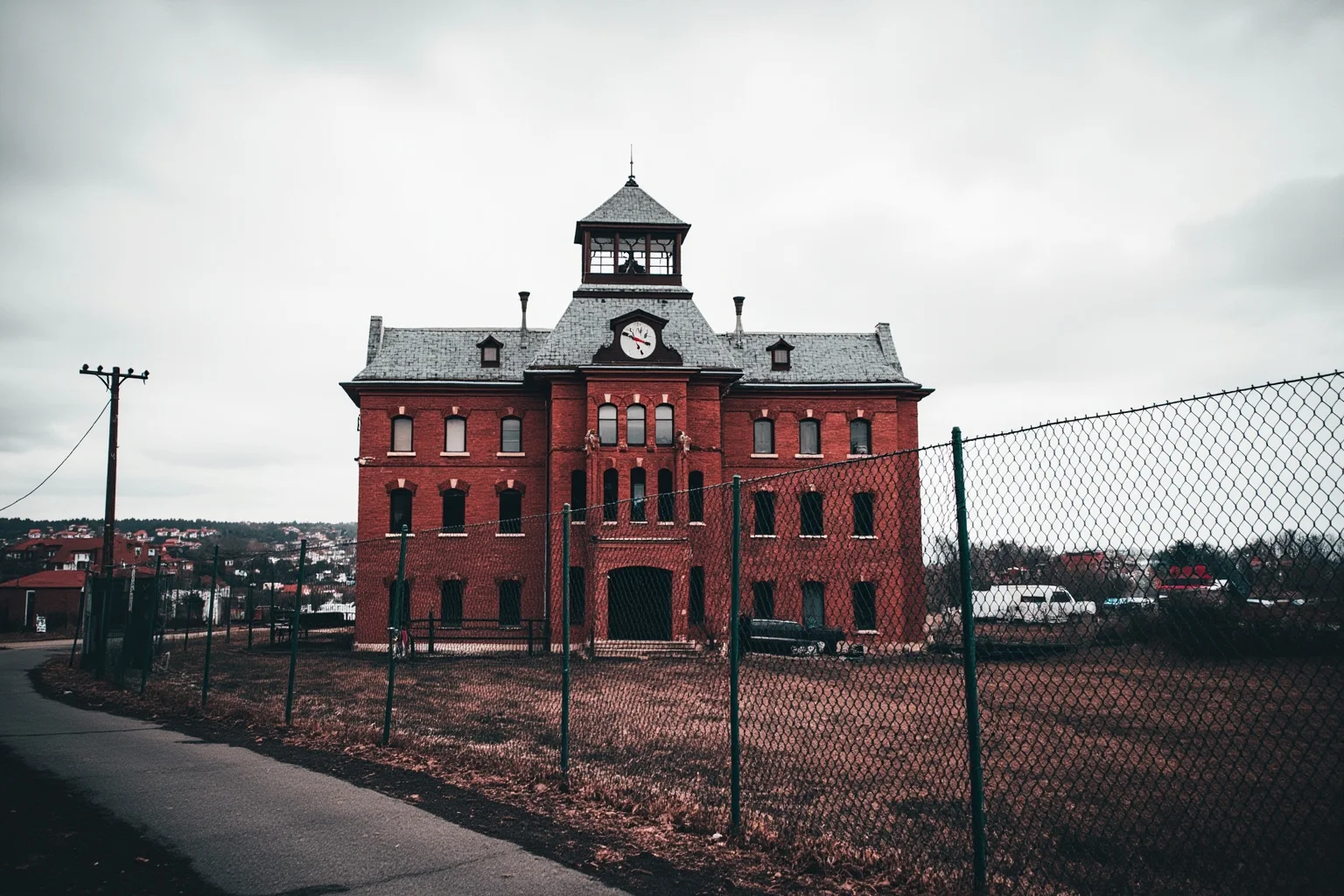
Cane Hill opened in 1882 as the Third Surrey County Lunatic Asylum and was designed to be largely self-sufficient, with a farm, reservoir, and its own gasworks. It closed in 1991 and spent nearly two decades as a playground for urban explorers.
Demolition was completed around 2010 and the site is now housing. For a generation of photographers, Cane Hill was the definitive insane asylum abandoned in plain sight on the edge of London.
20. High Royds Hospital, West Yorkshire
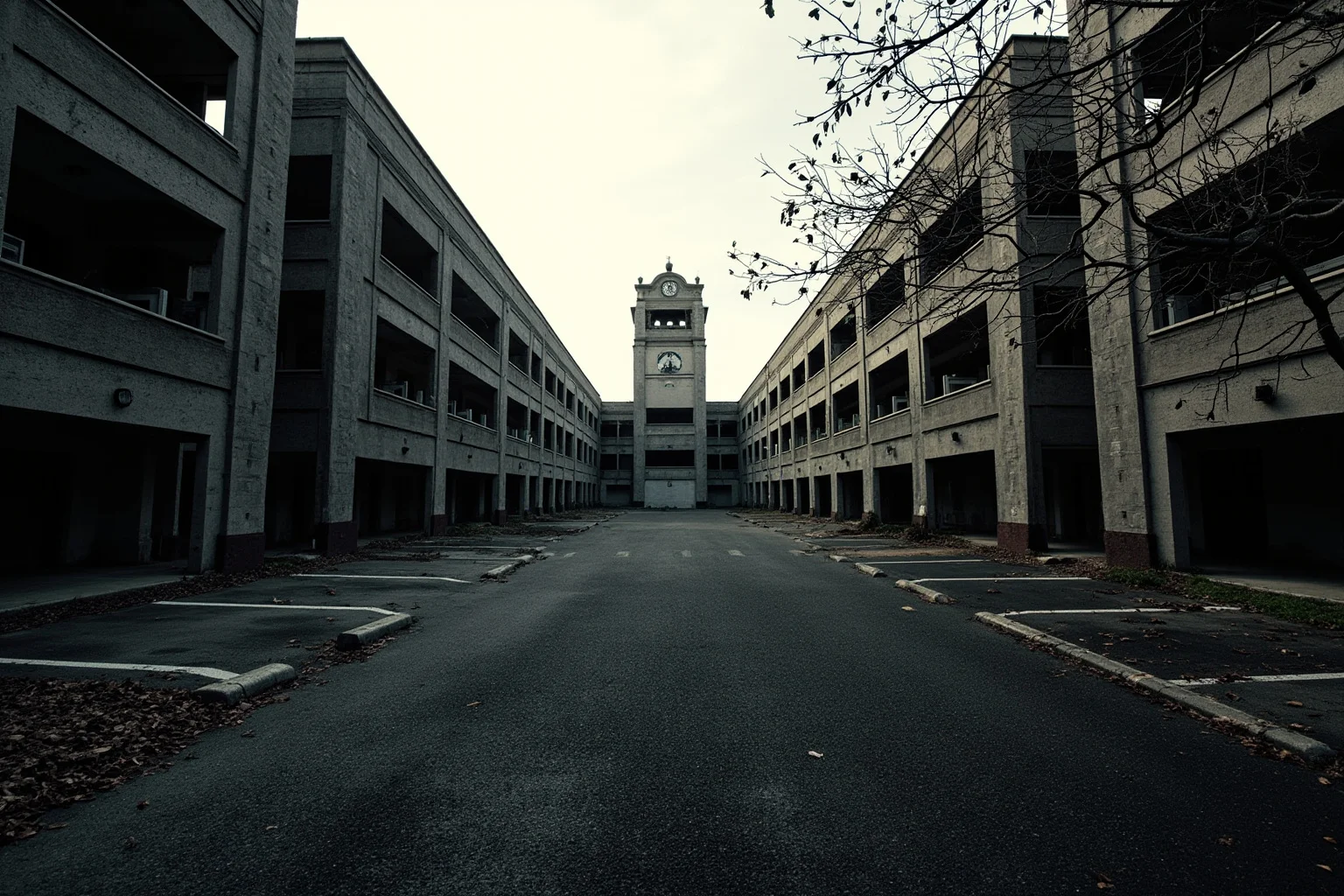
High Royds opened in 1888 as the West Riding Pauper Lunatic Asylum at Menston, built to a corridor plan rather than Kirkbride's staggered wings. It was designed to hold more than a thousand patients, which says a lot about how nineteenth-century counties planned for demand.
The hospital closed in 2003 and was converted into a housing development that kept the clock tower and chapel. It is one of the more successful rescues of a British asylum, even if the result feels nothing like a hospital.
21. Aradale Asylum, Victoria, Australia
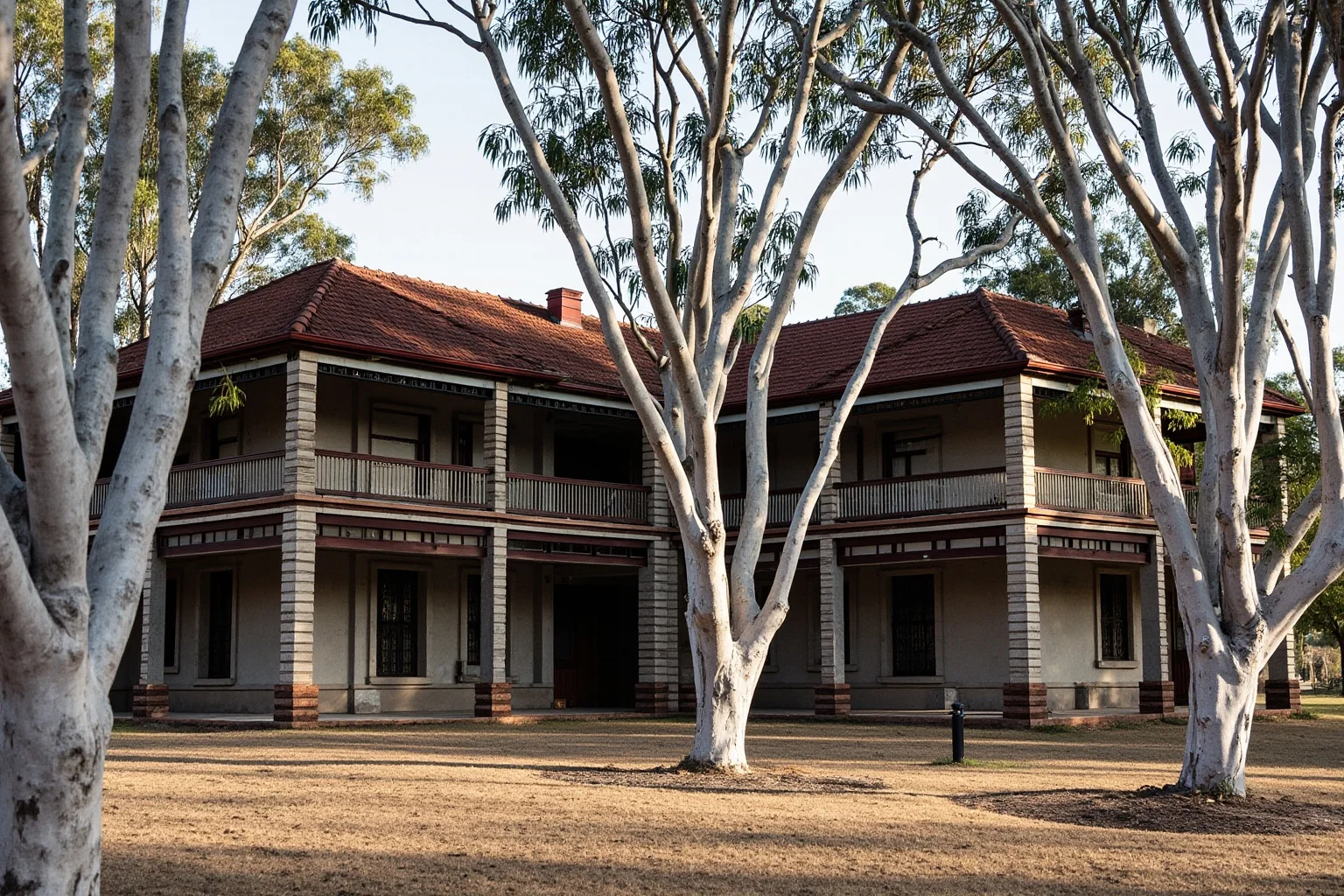
Aradale opened in 1867 as the Ararat Lunatic Asylum and grew into one of the largest psychiatric complexes in Australia. The separate J Ward, housed in the former Ararat gaol, held people deemed criminally insane from 1887 until 1991.
The main institution closed in 1993, and the site now runs historical and ghost tours. Aradale is the best-known abandoned asylum in Australia and a rare case where public access is part of the business model.
22. Riverview Hospital, British Columbia
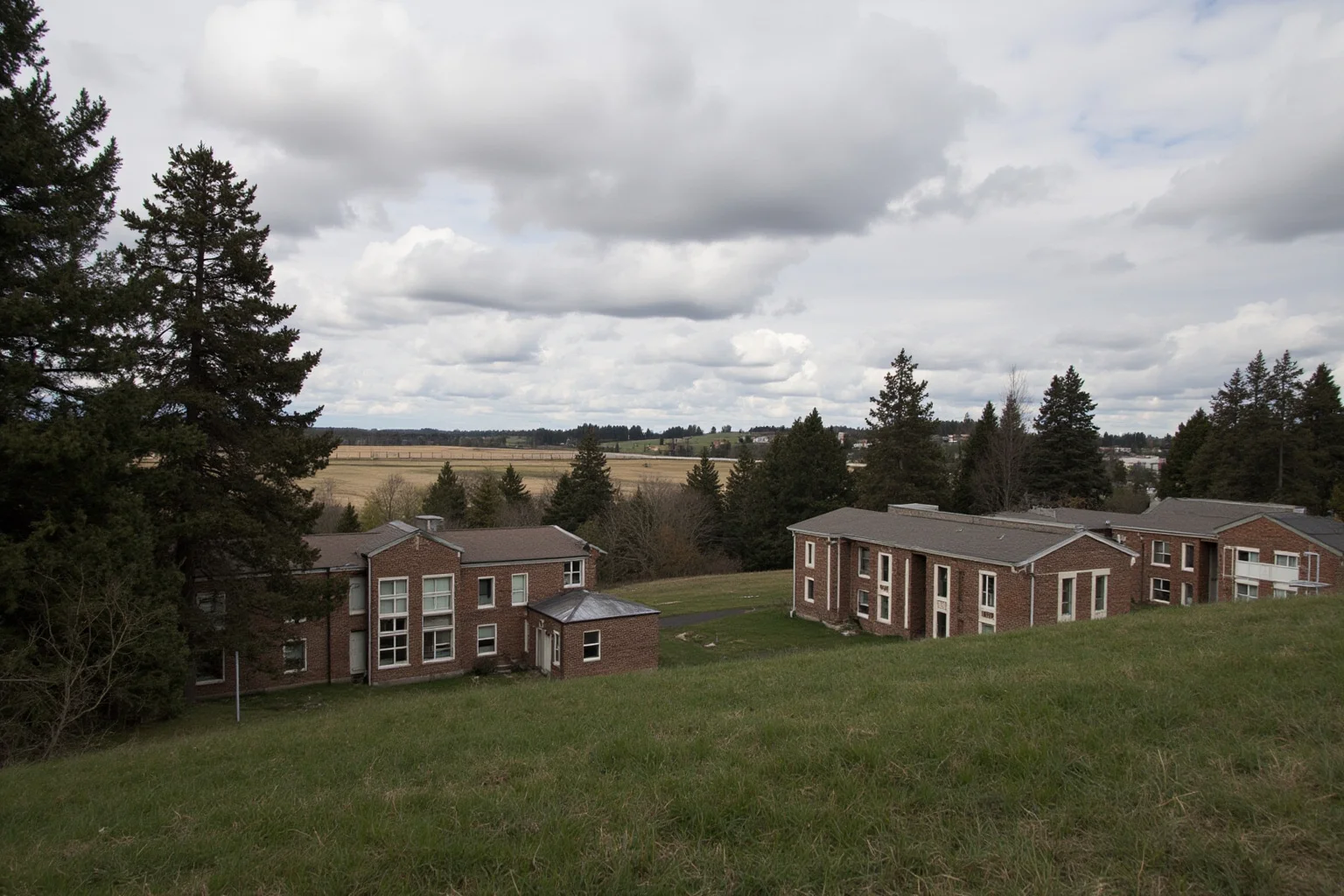
Riverview opened in 1913 as the Provincial Hospital for the Insane on a large site in Coquitlam, complete with its own farm colony. It grew into a campus of imposing brick buildings set among mature trees, and it served as the province's main psychiatric facility for much of the century.
The province announced its closure in 2012 and services wound down over the following years. The site remains heavily secured, with debates continuing over whether to preserve, redevelop, or partly demolish the historic buildings.
23. Beelitz-Heilstätten, Germany
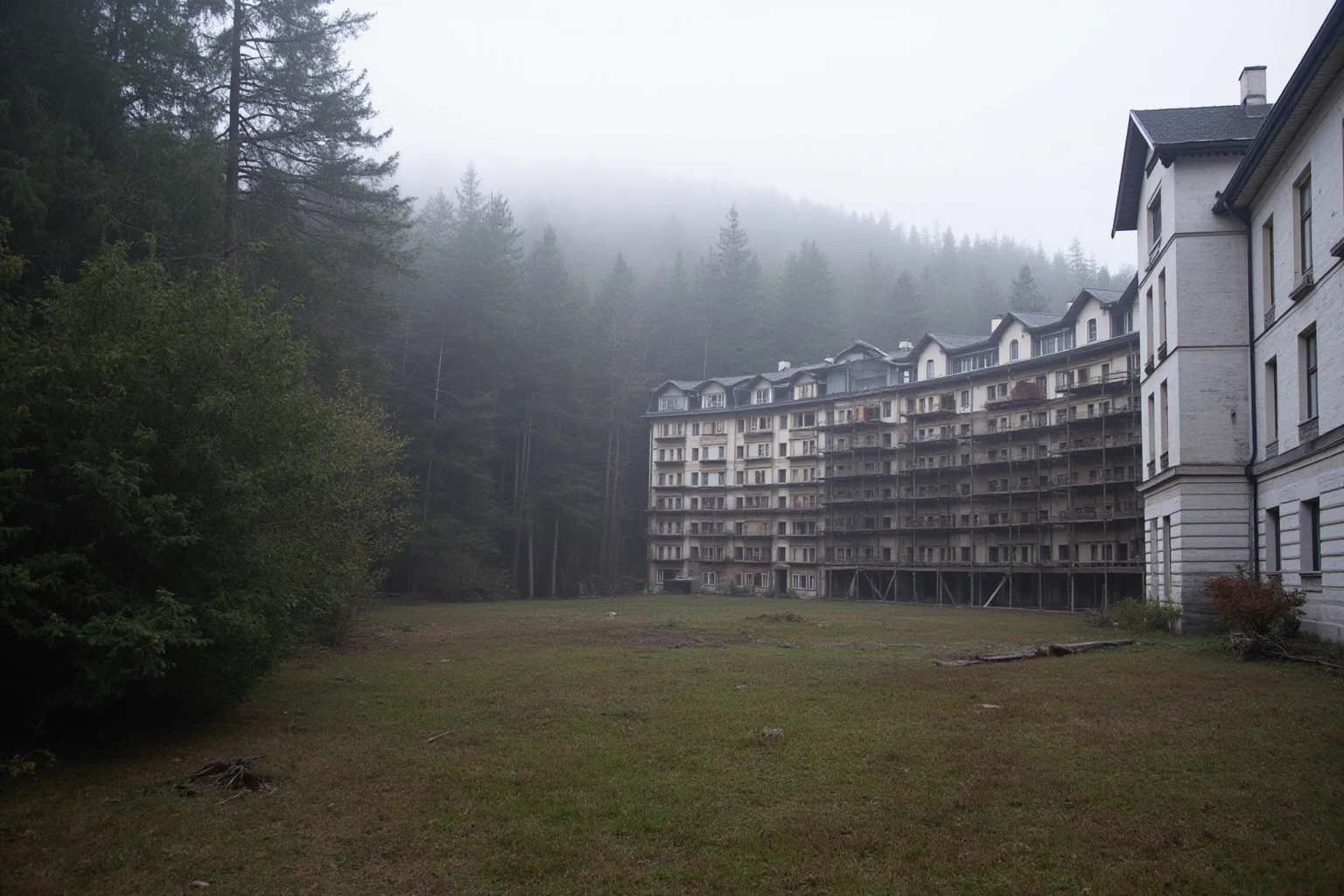
Beelitz-Heilstätten was built between 1898 and 1915 as a tuberculosis sanatorium for Berlin's insured workers, a sprawling complex of pavilions in pine forest. During the First World War it became a military hospital, and a wounded Adolf Hitler was treated there in 1916.
After the Second World War it served as a Soviet military hospital until 1994, then largely emptied. Parts are now a museum, hotel, and treetop walkway, while other wards remain closed and decaying, making it the definitive abandoned sanatorium on the continent.
24. San Girolamo, Volterra, Italy — The Asylum That Was Legally Closed

Italy did something no other country had done: in 1978, Law 180, named for psychiatrist Franco Basaglia, ordered the gradual closure of psychiatric hospitals. Basaglia's work in Gorizia and Trieste had already shown that patients could be treated in the community rather than behind walls.
The former San Girolamo hospital in Volterra is among the sites left behind by that reform, and like many Italian ex-asylums it has been partially reimagined as a cultural space while other wings wait for funding. Its story matters because it shows that asylums did not simply fade away everywhere; in some countries they were deliberately dismantled.
What Happened in Insane Asylums — and Why It Still Matters
If you want the short version of what happened in insane asylums, it is this: institutions built as an act of mercy became overcrowded, underfunded, and often cruel. The nineteenth-century 'moral treatment' model assumed small patient populations, fresh air, and meaningful activity, and it collapsed under waves of admissions that state legislatures never funded properly.
Abuse was documented repeatedly, not inferred. Restraint, seclusion, neglected medical care, and forced sterilization occurred in various jurisdictions, and experimental treatments such as insulin coma therapy, lobotomy, and later drug trials were applied with limited consent and uneven oversight. Exposés by journalists and inquiries by legislators pushed reform, but change was usually slow and often driven by scandal rather than planning.
Deinstitutionalization from the 1950s onward moved most patients out of large hospitals, driven by new medications, cost, and genuine idealism about community care. The problem was that community services were rarely funded at the level promised, which is why homelessness and prison populations in many countries now include large numbers of people with untreated mental illness.
Why These Places Are Not Ghost Stories
The most respectful way to approach a deserted asylum is to treat it as evidence rather than entertainment. The numbered graves, the suitcase collections, the patient art in Bethlem's archives, and the lawsuits that closed Pennhurst are all pieces of a record that can be studied.
That record is more disturbing than any invented haunting, because the people involved were real and the decisions were made by ordinary administrators, doctors, and legislators. Ghost tours can be fun, but they should not be the only story a site tells.
And as for countries, institutions like these existed almost everywhere that industrialised, from Scandinavia to Japan to South America. The question of what countries have insane asylums today often has a more uncomfortable answer than people expect, since large psychiatric institutions still operate in many parts of the world even as wealthy nations closed theirs.
Visiting These Places Today
Some of the sites above welcome the public, including Trans-Allegheny, Aradale, Beelitz-Heilstätten, and the Dorothea Dix and Traverse City grounds. Others are private property, active construction sites, or sealed for safety reasons, and entering them is trespassing regardless of how open the fence looks.
Derelict hospitals are also genuinely hazardous, with asbestos, rotten floors, and unstable structures that have injured and killed explorers. If you want to see one, book a legitimate tour or visit a preserved site, and leave the breaking-and-entering to the movies.
Frequently Asked Questions
What happened in insane asylums?
Most were founded in the 1800s on the hopeful 'moral treatment' model, but overcrowding and poor funding turned many into warehouses. Patients faced restraint, seclusion, neglected medical care, and sometimes experimental procedures such as insulin coma therapy or lobotomy. Exposés and lawsuits drove reform, and from the 1950s onward most large hospitals were closed in favour of community care that was often underfunded.
What are some famous asylum names?
Well-known names include Bethlem Royal Hospital (Bedlam) in London, Trans-Allegheny Lunatic Asylum in West Virginia, Danvers State Hospital in Massachusetts, Willard State Hospital in New York, Pennhurst in Pennsylvania, Central State Hospital in Georgia, Aradale in Australia, Denbigh in Wales, and Beelitz-Heilstätten in Germany. Many changed names several times as terminology shifted.
Are there abandoned asylums you can actually visit?
Yes, but only a handful. Trans-Allegheny in West Virginia, Aradale in Victoria, and parts of Beelitz-Heilstätten in Germany run guided tours, while sites such as the former Dorothea Dix Hospital and Traverse City State Hospital are open as parks or mixed-use developments. Most other former asylums are private property, demolition sites, or too dangerous to enter legally.
What countries have insane asylums?
Purpose-built psychiatric institutions appeared across Europe, North America, Australia, New Zealand, Latin America, and Japan during the nineteenth and twentieth centuries. Wealthy countries mostly closed their large hospitals between the 1970s and 2000s, while some nations still rely on large institutions. Italy is notable for ordering hospital closure outright through the 1978 Basaglia Law.
Why were asylums abandoned?
Deinstitutionalization is the main reason. New psychiatric drugs, the high cost of maintaining enormous Victorian buildings, and genuine idealism about community-based care led governments to empty and close campuses from the 1950s onward. Many buildings then sat empty for decades because demolition was expensive and redevelopment plans kept failing.
Was Bedlam really as bad as people say?
Bethlem had documented abuses, including patients being displayed to paying visitors and conditions criticised in parliamentary inquiries around 1815 and 1816. But it is also a working hospital with more than 700 years of history rather than an abandoned ruin, and its archives are a major resource for understanding how attitudes to mental illness changed.
Is it legal to explore abandoned asylums?
Usually not. Entering a derelict hospital without permission is trespassing in most jurisdictions, even when the building looks abandoned, and security patrols are common at well-known sites. Beyond the legal risk, these buildings contain asbestos, unstable floors, and live electrical hazards, which is why guided tours and preserved sites are the safer option.

Alex Warren
Related Articles