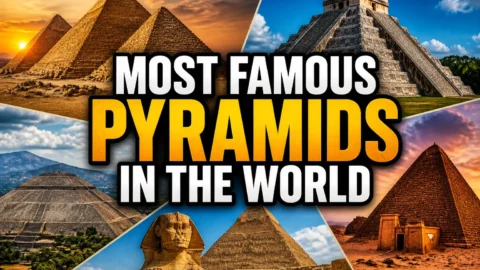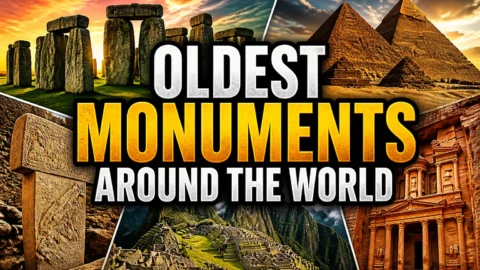
Ask ten travelers to name the world's great cultural landmarks and you'll get ten different answers, and that disagreement is part of the appeal. Every region built its own monuments to memory, power, and faith, so any honest list of historical places in the world has to hop between continents rather than linger in one. This guide covers 24 cultural heritage sites worth planning a trip around, with the documented history and the common myths attached to each.
Some are household names that draw millions of visitors a year. Others are quieter, harder to reach, and just as revealing about how people once lived. What ties them together is that each one survives as physical evidence of a civilization's choices, not just a pretty backdrop for photographs.
TL;DR: The world's most rewarding cultural heritage sites span six continents and 5,000 years, and the best way to enjoy them is to know the myths before you go.
Why Cultural and Heritage Sites Still Matter
Preservation isn't nostalgia so much as evidence-keeping. A cultural heritage site holds physical proof of how people solved problems like water, defense, worship, and trade, and that proof rarely survives without deliberate care. Once a monument is gone, the arguments about it become stories instead of measurements.
These places are also economic engines for the communities around them, which is both an opportunity and a risk. Tourism money can fund conservation, but it can also push out the residents who kept a site meaningful for generations. The best-managed sites try to balance the two deliberately.
Finally, the world's historical places are unusually good at correcting us. Standing in Pompeii or at Great Zimbabwe tends to dissolve whatever tidy story you arrived with, which is exactly what good history should do.
How This List Was Chosen
UNESCO World Heritage status was one filter, since it signals international recognition and a formal management plan. It wasn't the only filter, because plenty of remarkable culture heritage sites sit outside the list, and inscription is a political process as much as a technical one.
The 24 entries below span six continents and roughly 4,500 years, and each carries enough documented history to justify the trip. Several are also places where popular myths run wild, so every entry flags the exaggeration along with the facts.
1. The Pyramids of Giza, Egypt

The Great Pyramid of Khufu went up around 2560 BCE and stood roughly 146 meters tall when its casing stones were intact, making it the tallest human-made structure for nearly four millennia. The plateau also holds the pyramids of Khafre and Menkaure plus the Great Sphinx, carved from a leftover limestone outcrop.
The persistent myth that enslaved people built these monuments doesn't match the archaeology. Excavations at the workers' village and the Wadi al-Jarf papyri, which log limestone deliveries, point to organized, fed, and housed labor crews rather than a chattel workforce.
2. Petra, Jordan
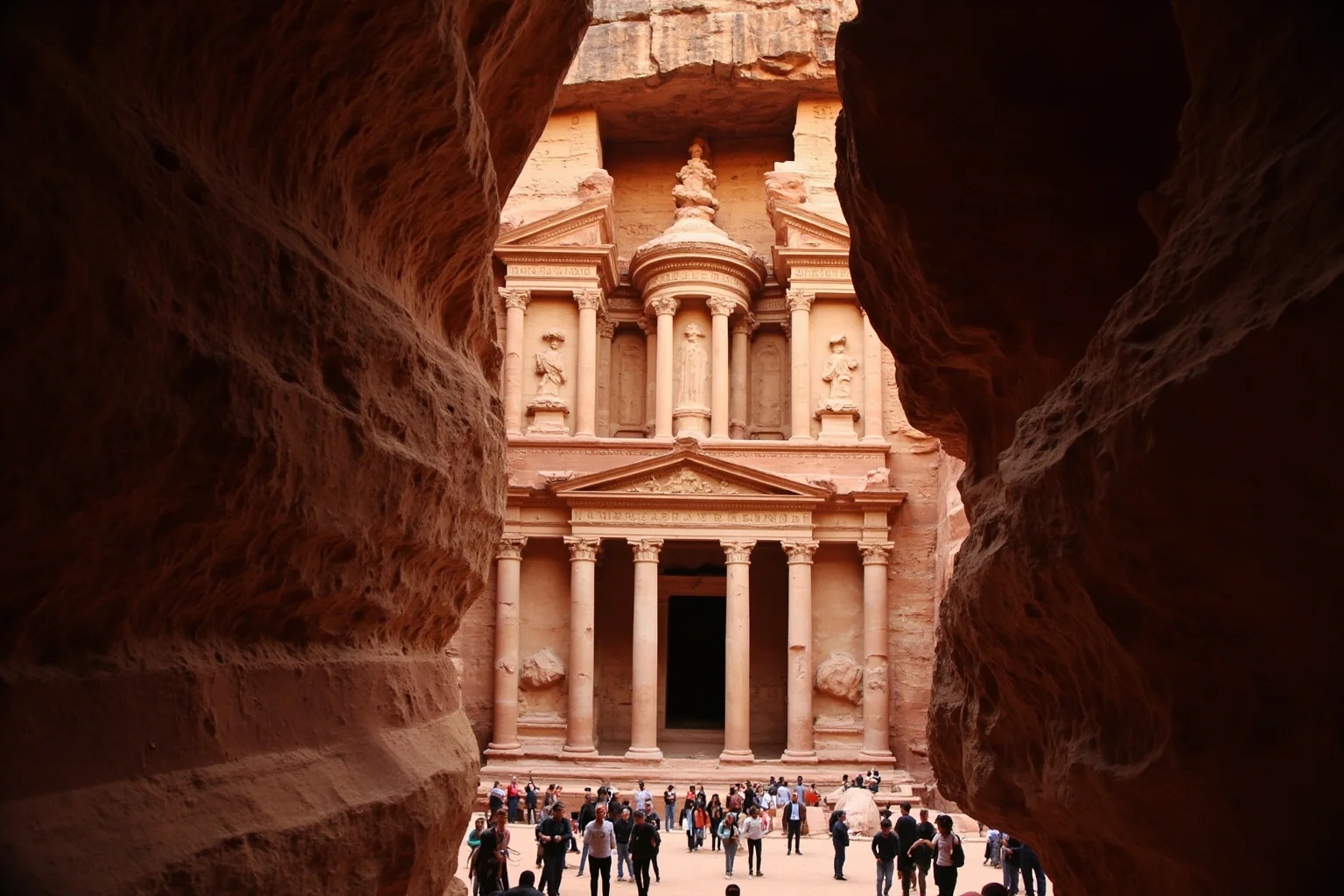
Carved into sandstone cliffs in southern Jordan, Petra served as the Nabataean capital from around the 4th century BCE and grew rich taxing incense and spice caravans. Its most photographed facade, Al-Khazneh, is popularly called the Treasury, though archaeologists think it was most likely a royal tomb.
The poet John William Burgon gave Petra its famous 'rose-red city' line in 1845, and here's the twist: he never actually visited. The pink hue is real, but it comes from iron-rich sandstone that shifts color with the light rather than from any uniform stone.
3. Persepolis, Iran
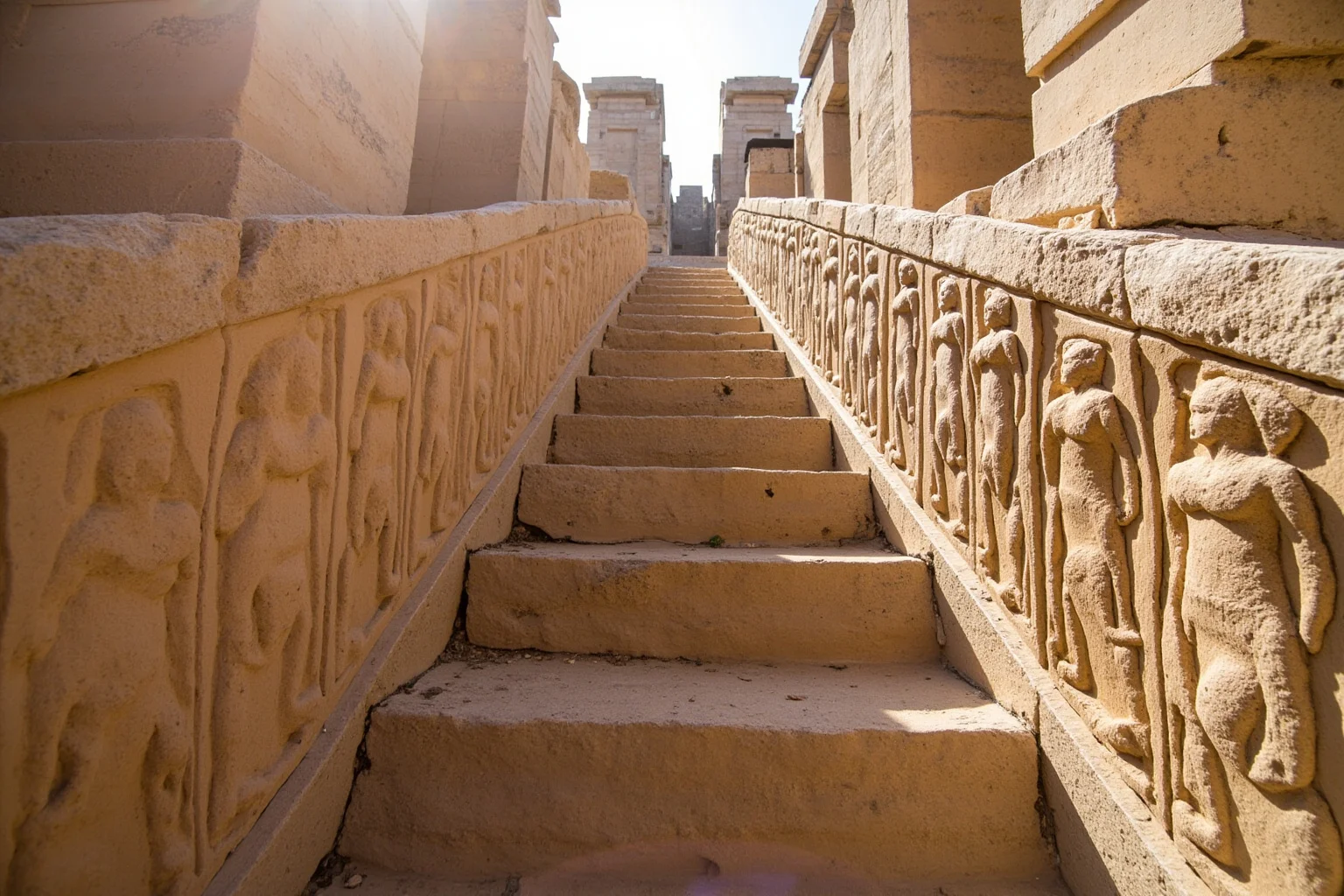
Darius I began Persepolis around 518 BCE as a ceremonial capital for the Achaemenid Empire, and its reliefs still show delegates from across the empire arriving with tribute. The site was burned in 330 BCE during Alexander the Great's campaign, though ancient writers disagree on whether the fire was deliberate revenge or an accident.
Modern visitors often arrive expecting a ruined city and find something closer to a stage set for imperial ritual. That's not a flaw in the site; it's evidence of how the Achaemenids used architecture to dramatize rule.
4. Mohenjo-daro, Pakistan
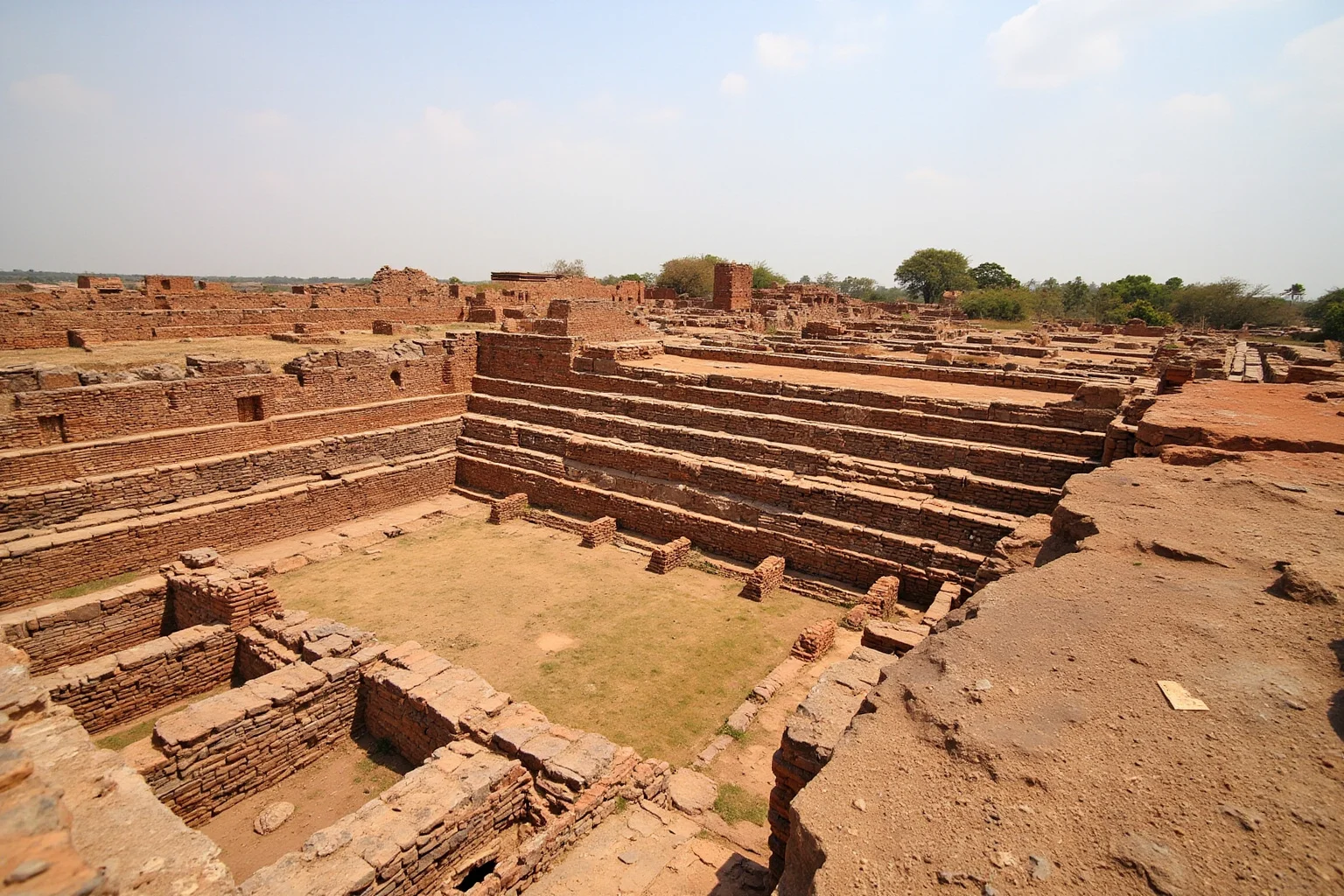
Mohenjo-daro rose around 2500 BCE as one of the largest cities of the Indus Valley Civilization, with grid streets, covered drains, and a Great Bath that still holds water. Its script has never been deciphered, which means almost everything about its politics and religion remains inference rather than record.
One common claim is that the city had no rulers because archaeologists found no grand palace or royal tomb. Absence of evidence isn't evidence of absence, though, and the scale of civic planning hints at some strong central authority.
5. The Taj Mahal, India
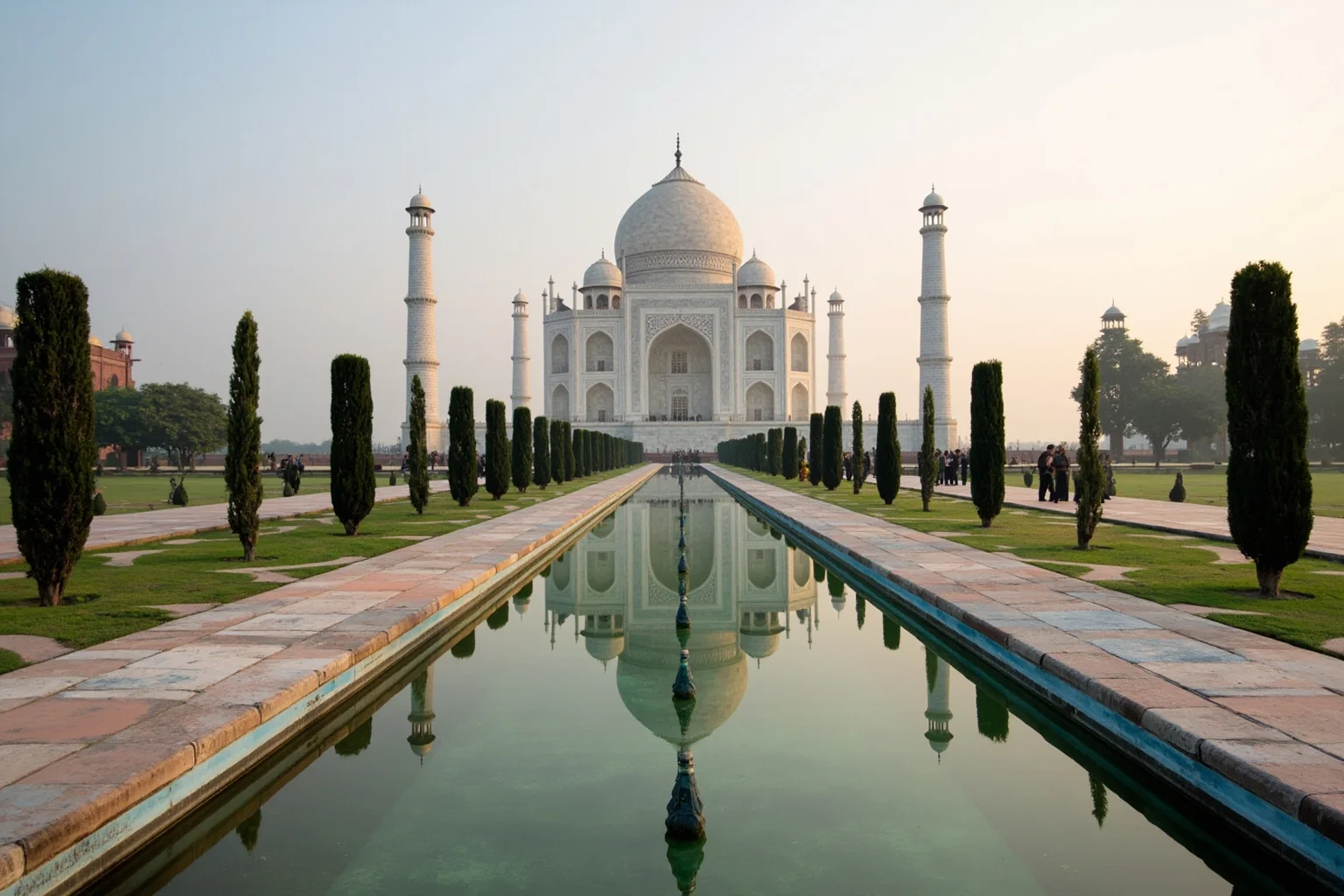
Shah Jahan commissioned the Taj Mahal as a mausoleum for his wife Mumtaz Mahal, and the main tomb was completed around 1648 with the wider complex finished a few years later. Its white marble comes from Makrana in Rajasthan, inlaid with semi-precious stones in patterns that reward close looking.
The story that Shah Jahan had the artisans' hands cut off so they could never build anything comparable has no contemporary evidence. It's a good example of how romantic legends attach themselves to famous monuments, and the Archaeological Survey of India has also rejected claims that the Taj was originally a Hindu temple.
6. Sigiriya, Sri Lanka
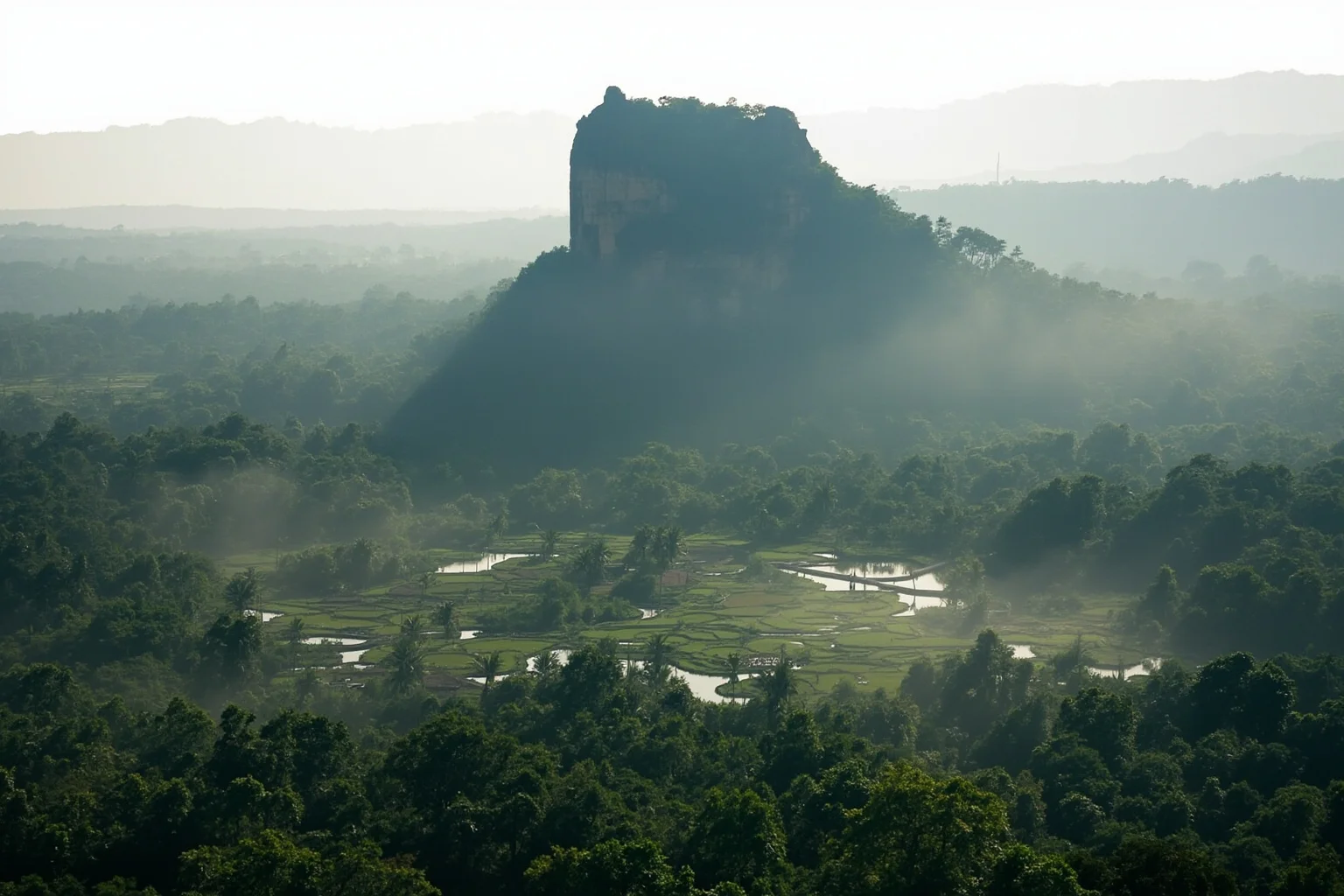
Sigiriya is a 5th-century rock fortress built under King Kassapa I, with water gardens at the base and frescoes painted high on the rock face. Its mirror wall once held polished plaster so reflective that visitors could see themselves, and centuries of graffiti scratched into it survive as some of the oldest Sinhala poetry.
Climbing to the summit takes roughly an hour and a half round trip in the heat, so an early start is worth the alarm. The site is small enough to see in half a day, which makes it an easy pairing with the ancient city of Polonnaruwa nearby.
7. Angkor Wat, Cambodia
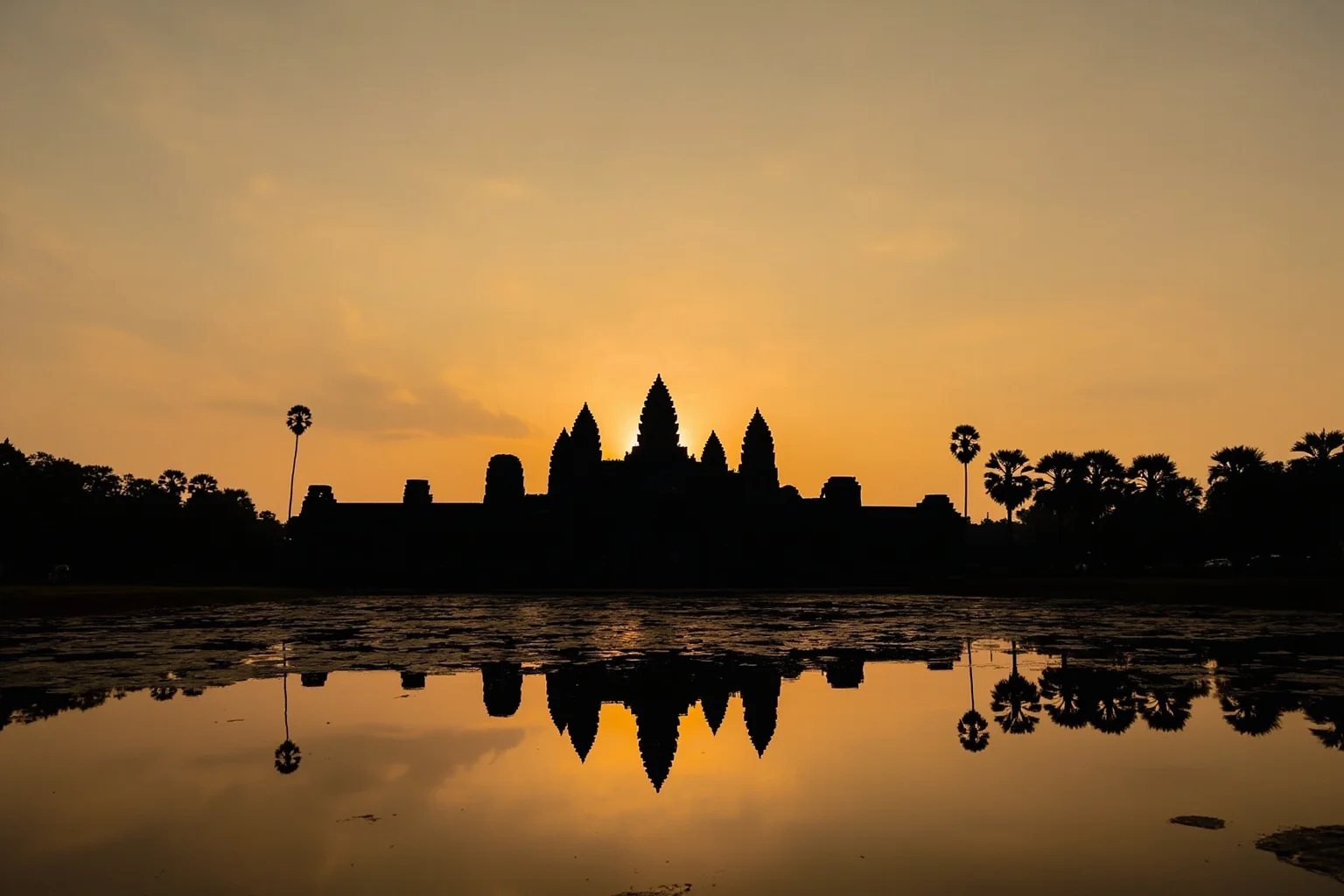
Suryavarman II built Angkor Wat in the 12th century as a Hindu temple dedicated to Vishnu, and it later shifted to Buddhist use without ever being abandoned. Covering roughly 162 hectares, it's generally described as the largest religious monument in the world.
The 'lost city swallowed by jungle' narrative sells books but misleads. Local people knew the temple and kept it functioning, and the wider Angkor region was one of the largest pre-industrial urban complexes on Earth, sustained by an enormous water management system.
8. Bagan, Myanmar
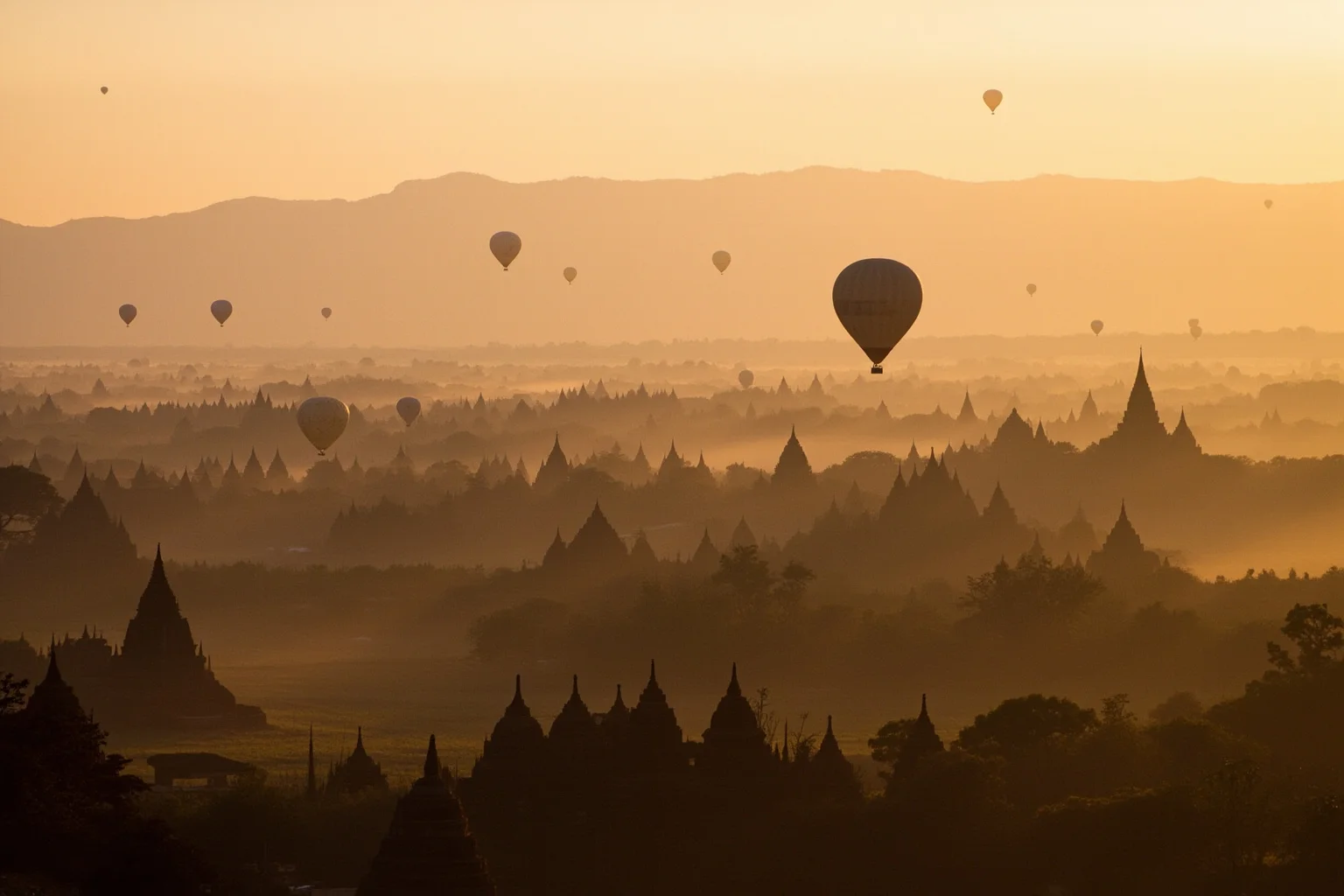
Between the 11th and 13th centuries, Bagan's rulers sponsored thousands of temples and stupas across the plain beside the Irrawaddy River. Around 2,200 survive today after centuries of earthquakes, including a damaging 1975 quake and another in 2016.
Restoration has been controversial, because some 1990s rebuilding used modern materials and invented details. That's a useful reminder for anyone visiting culture heritage sites: what you see is often a negotiation between preservation, politics, and tourism.
9. Borobudur, Indonesia
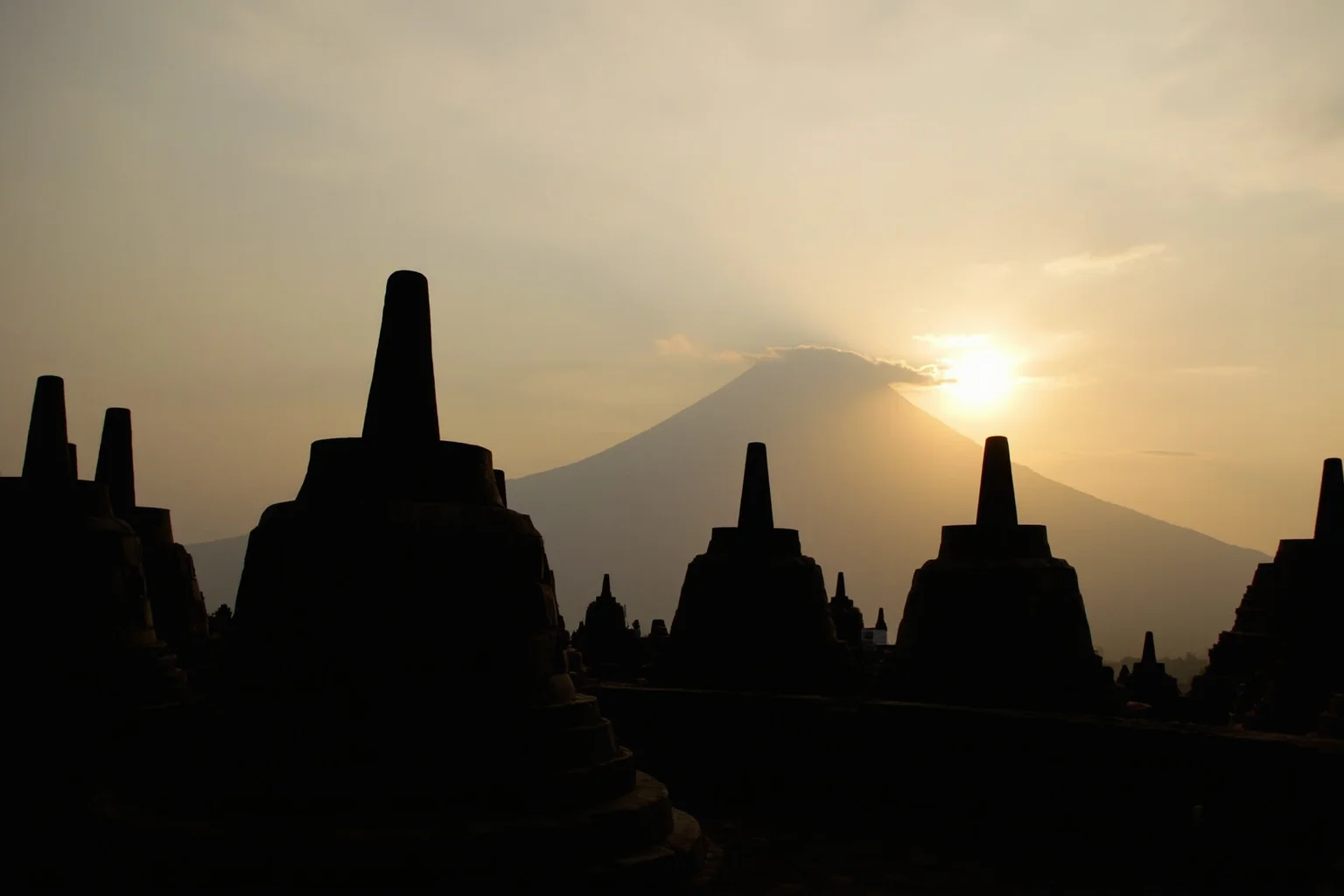
Built in the 9th century under the Sailendra dynasty, Borobudur in Java is the world's largest Buddhist temple, with roughly 2,670 relief panels and 504 Buddha statues arranged as a physical pilgrimage route. It drew wider attention after 1814 under British administration and was restored in a major UNESCO-backed project between 1973 and 1983.
Locals never really lost track of it, so the 'rediscovery' story needs a caveat. What changed in the 19th century was outside attention, not local memory.
10. The Great Wall, China
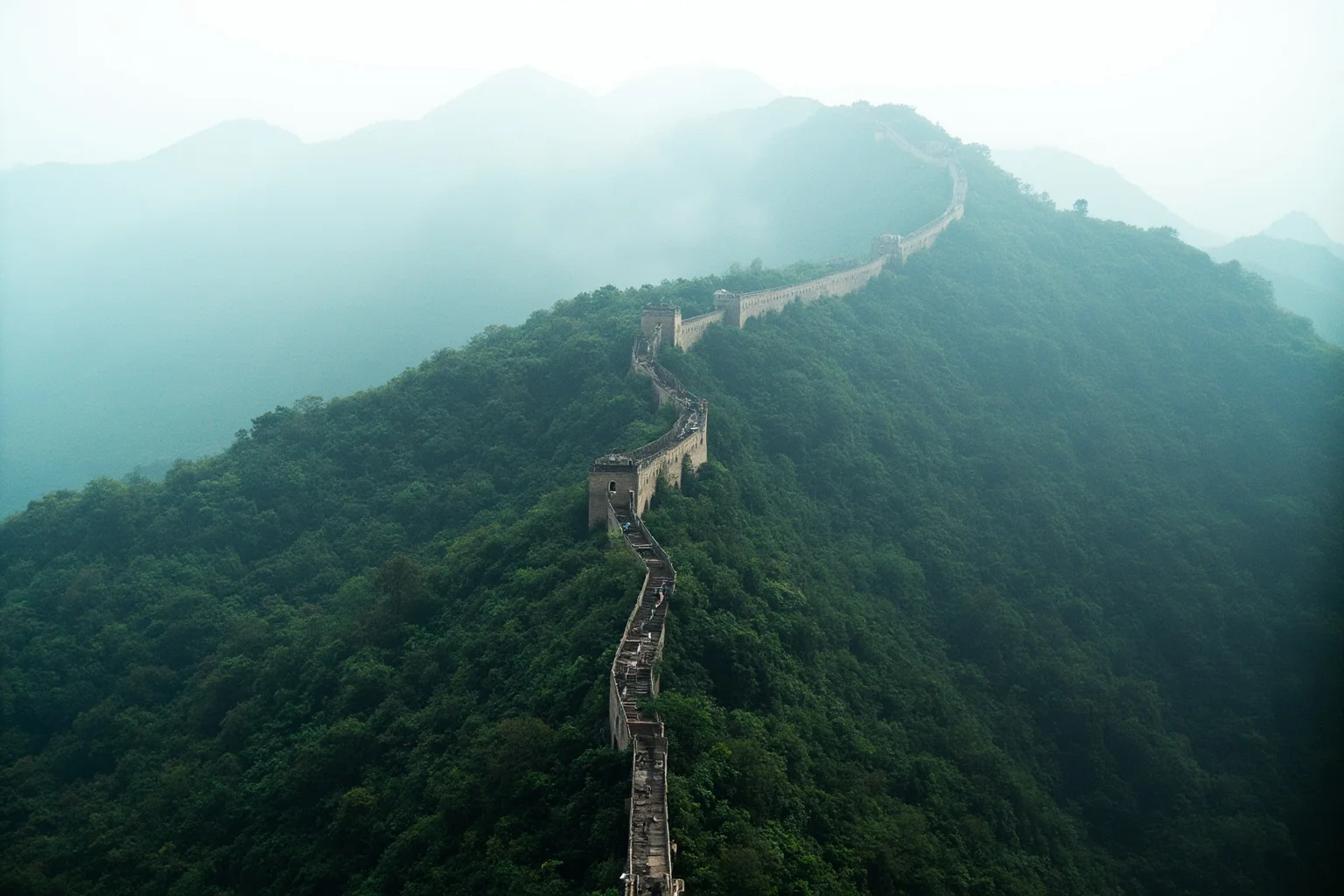
The Great Wall isn't one wall but a network built and rebuilt across more than 2,000 years, with the most familiar brick-and-stone sections dating to the Ming dynasty. A 2012 state survey counted around 21,196 kilometers of wall and trench across all periods.
The claim that it's visible from space with the naked eye is false, and astronauts have been saying so for decades. It's also worth remembering that many 'Great Wall' photos show heavily restored sections near Beijing rather than the weathered, crumbling stretches elsewhere.
11. The Historic Monuments of Kyoto, Japan
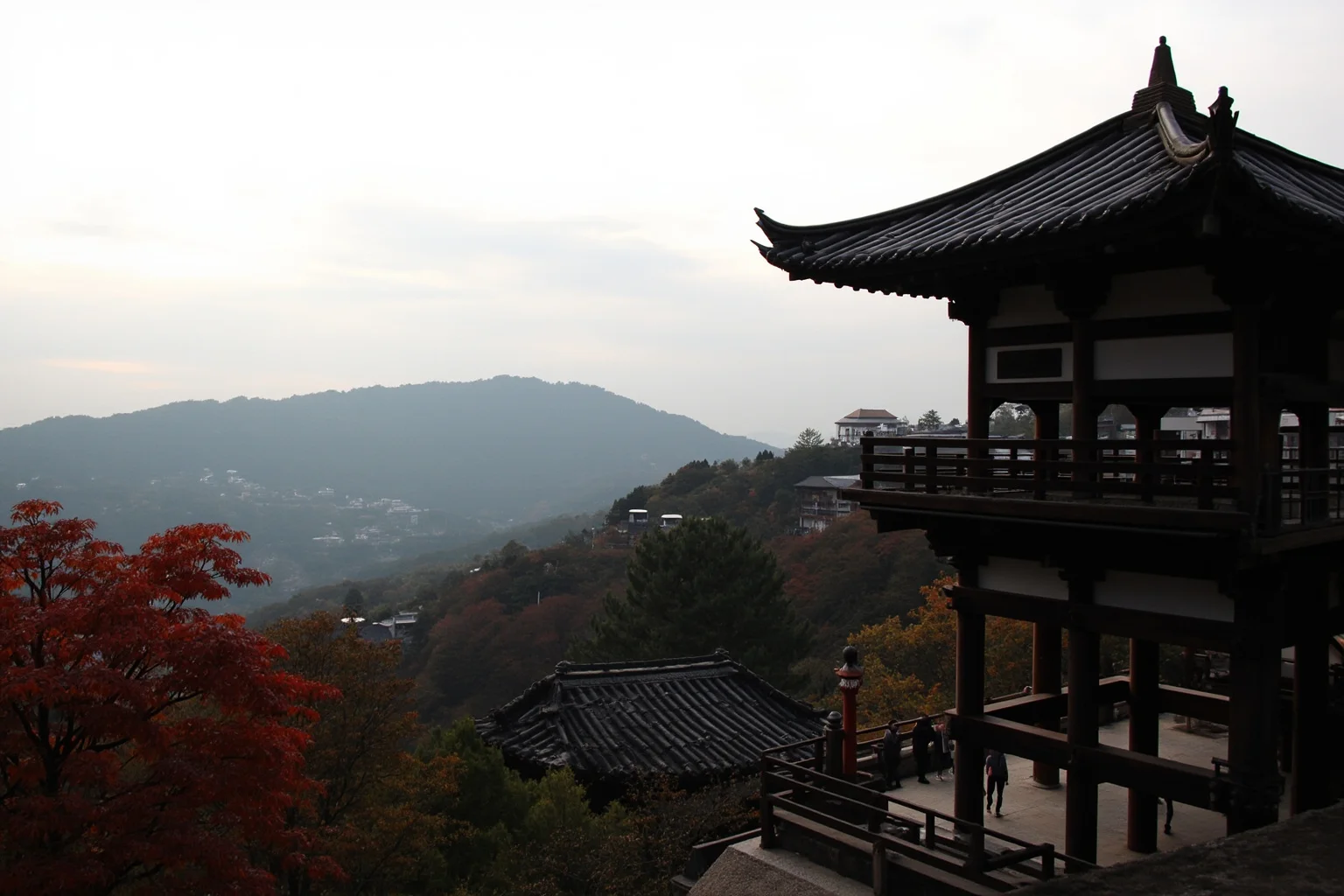
Kyoto served as Japan's imperial capital from 794 until the late 19th century, and 17 of its temples, shrines, and castles were inscribed together as a single World Heritage listing in 1994. Highlights include Kiyomizu-dera's wooden stage, the gold-leafed Kinkaku-ji, and the thousands of vermilion torii at Fushimi Inari Taisha.
Reading up on Shinto and Buddhist practice before you arrive changes the experience. Otherwise you risk seeing a blur of beautiful buildings without understanding what any of the rituals are for.
12. The Acropolis, Greece
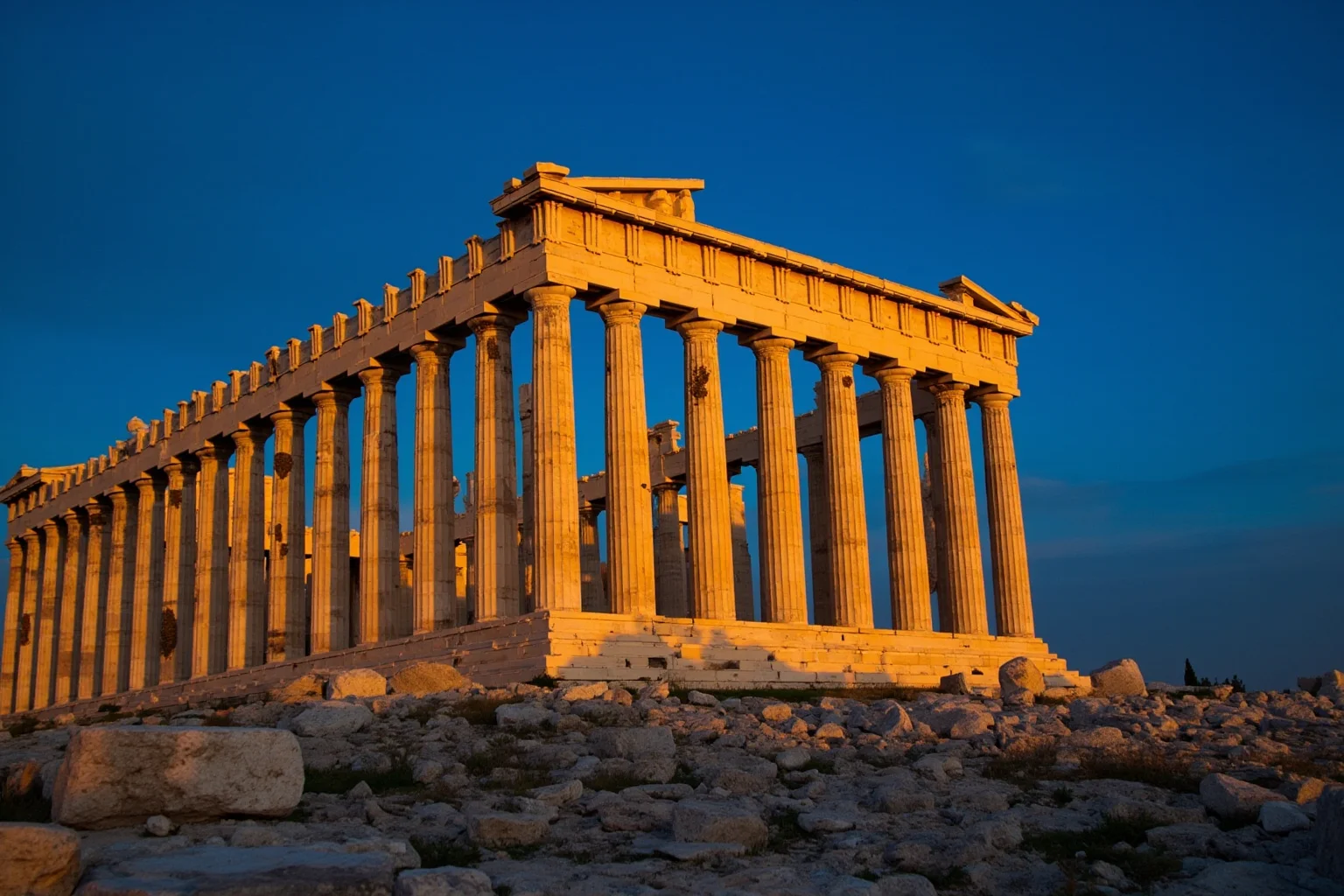
The Parthenon was built between 447 and 432 BCE under Pericles, designed by Iktinos and Kallikrates with sculpture overseen by Phidias. The building later served as a church, a mosque, and an Ottoman ammunition store before a Venetian shell in 1687 triggered an explosion that destroyed much of it.
One of the most persistent myths is that Greek temples were meant to be plain white marble. Traces of pigment show they were originally painted in bright blues, reds, and yellows, which would have made them look far more vivid than the ruins we admire today.
13. The Colosseum, Italy
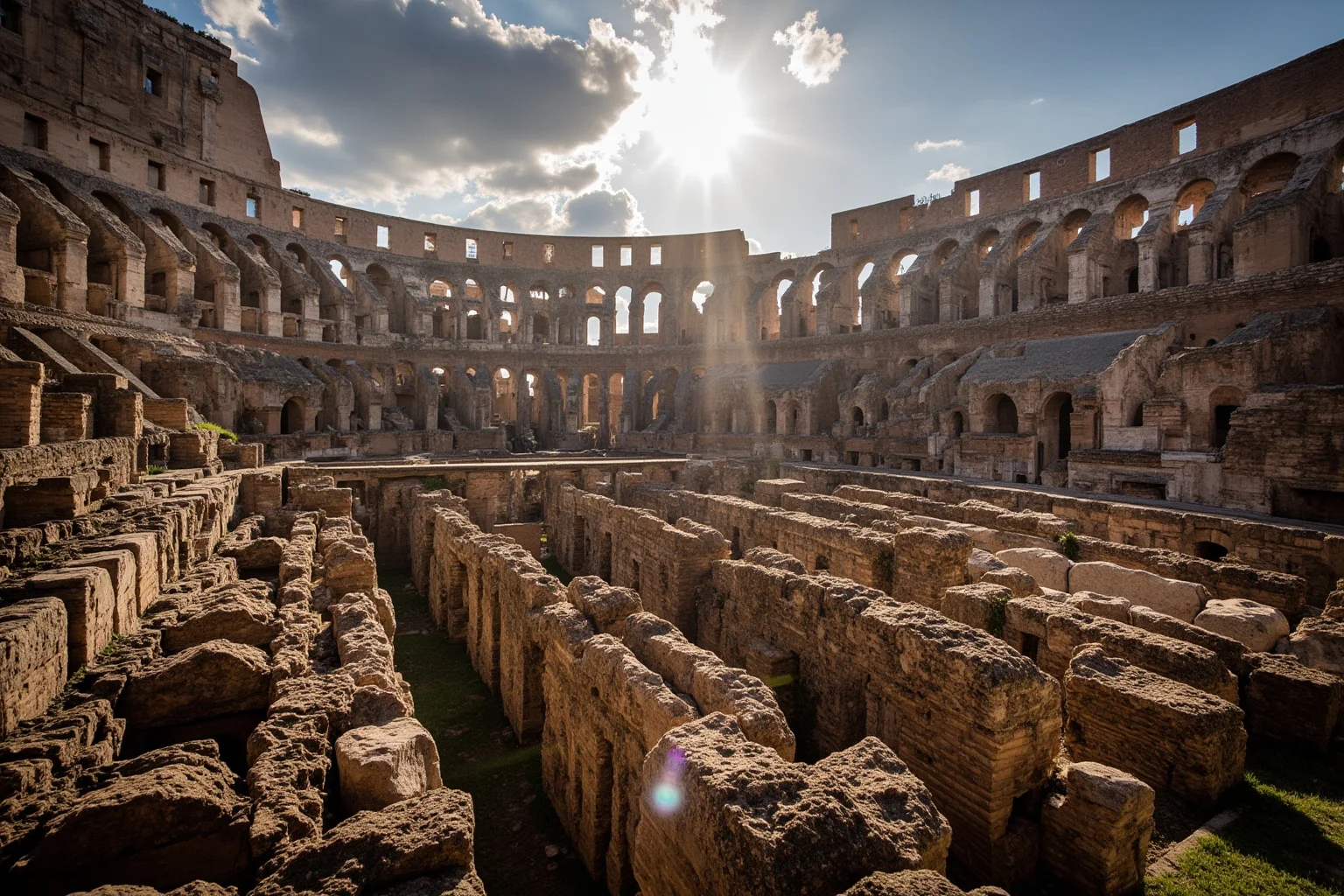
The Colosseum opened in 80 CE under Titus, with construction begun by Vespasian, and it held an estimated 50,000 to 80,000 spectators for gladiatorial games, hunts, and executions. Its partial ruin is largely the work of later earthquakes and stone-robbing, not the games themselves.
You may have heard that Christians were routinely fed to lions there. While some Christian martyrdoms in Rome are documented, there's no reliable evidence tying them specifically to the Colosseum, and the popular image owes more to later art than to ancient sources.
14. Pompeii, Italy
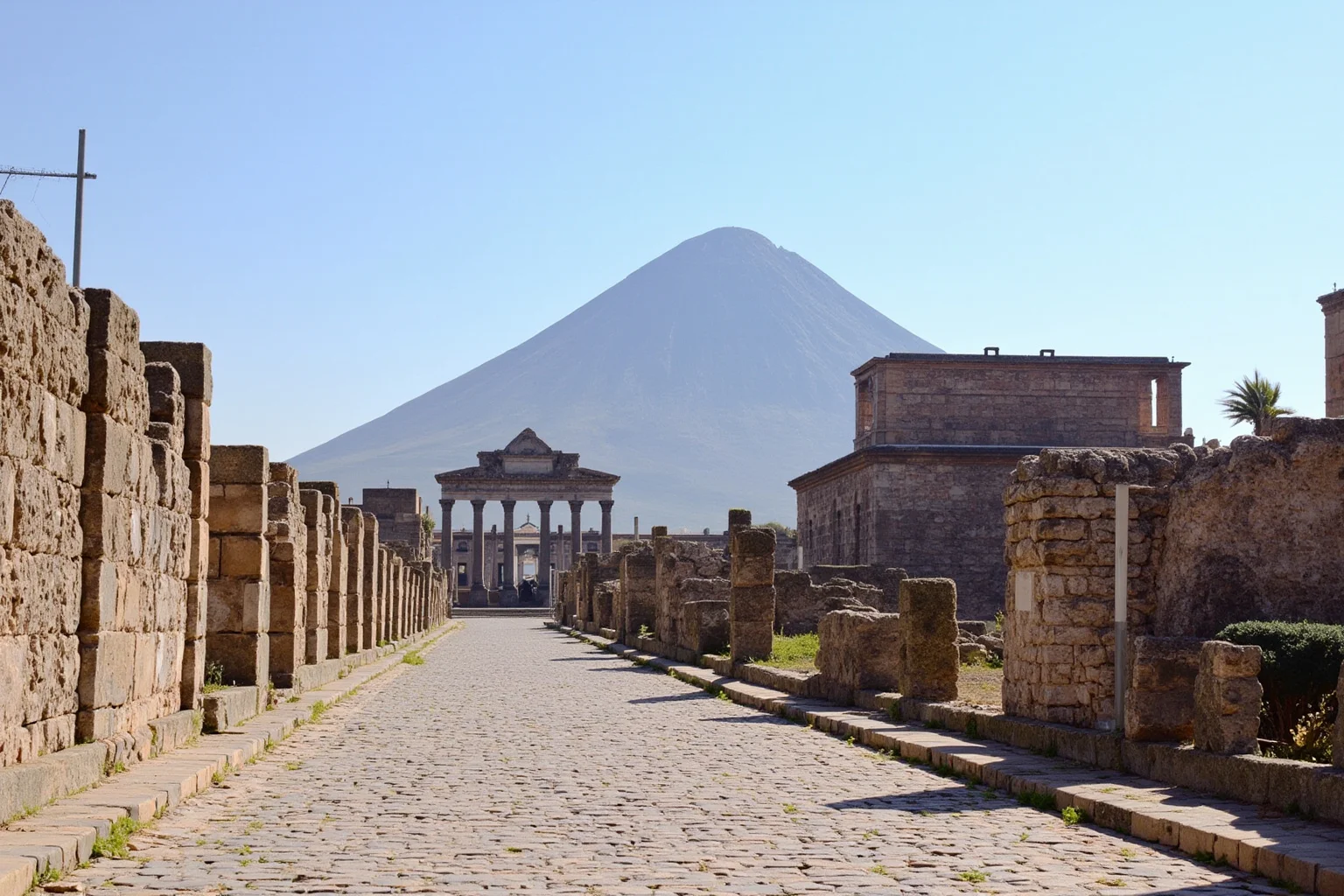
Vesuvius buried Pompeii in 79 CE, and Pliny the Younger's letters to Tacitus remain the closest thing we have to an eyewitness account. Plaster casts of the victims made the site famous, but many residents escaped before the pyroclastic flows arrived.
Even the date is debated. The traditional date of 24 August rests on later manuscripts, while charcoal inscriptions and seasonal finds suggest the eruption may have happened in autumn, with some scholars arguing for October or November.
15. Hagia Sophia, Turkey
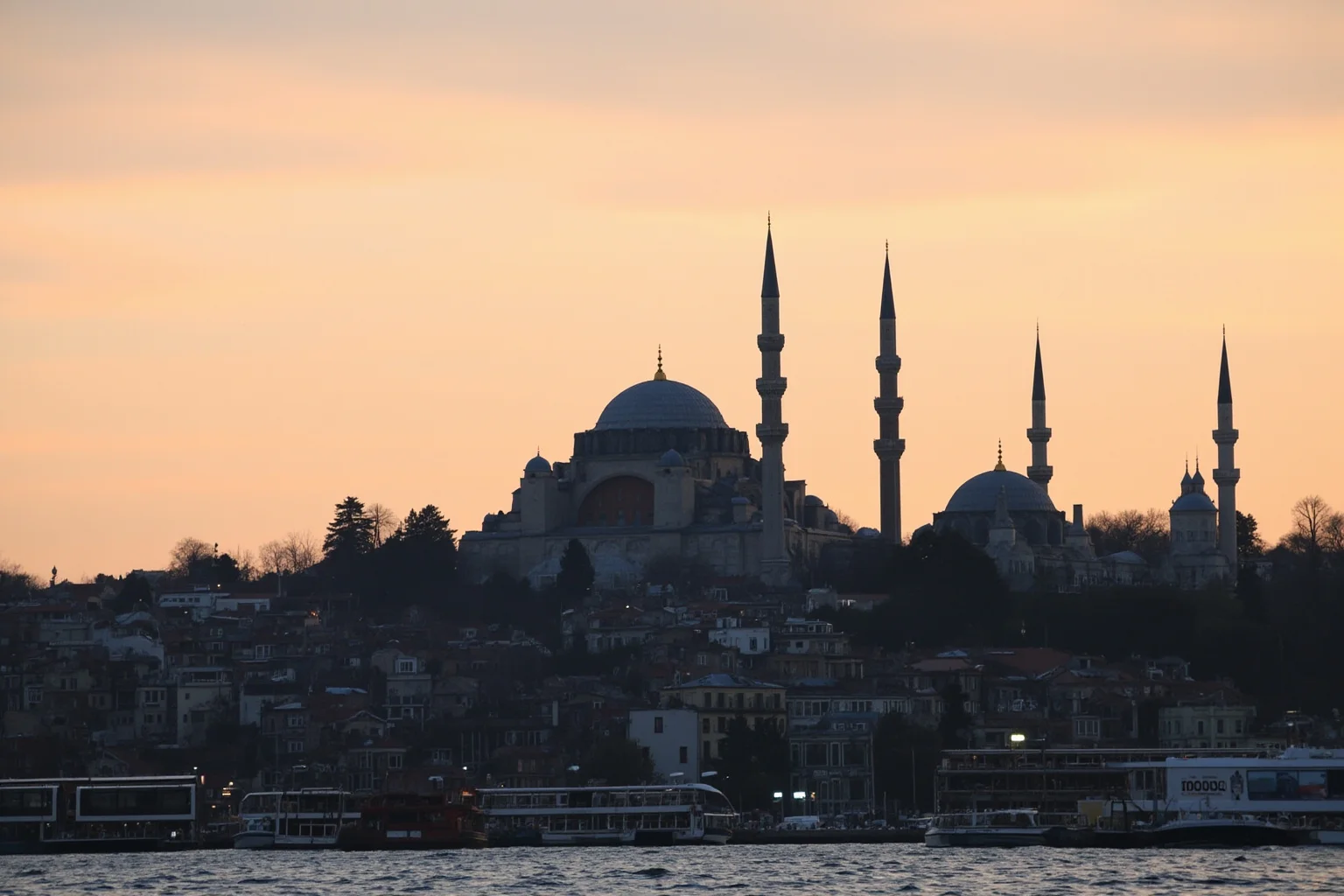
Justinian's architects Anthemius of Tralles and Isidore of Miletus completed Hagia Sophia in 537, and its dome, roughly 31 meters across, remained the largest cathedral in the world for nearly a millennium. The building has since served as a church, a mosque, a museum, and again a mosque since 2020.
Its mosaics and structure are extraordinary, but its public meaning has shifted repeatedly, and visitors should check current access rules before traveling. Nothing about this landmark is politically neutral, and pretending otherwise helps no one.
16. The Alhambra, Spain
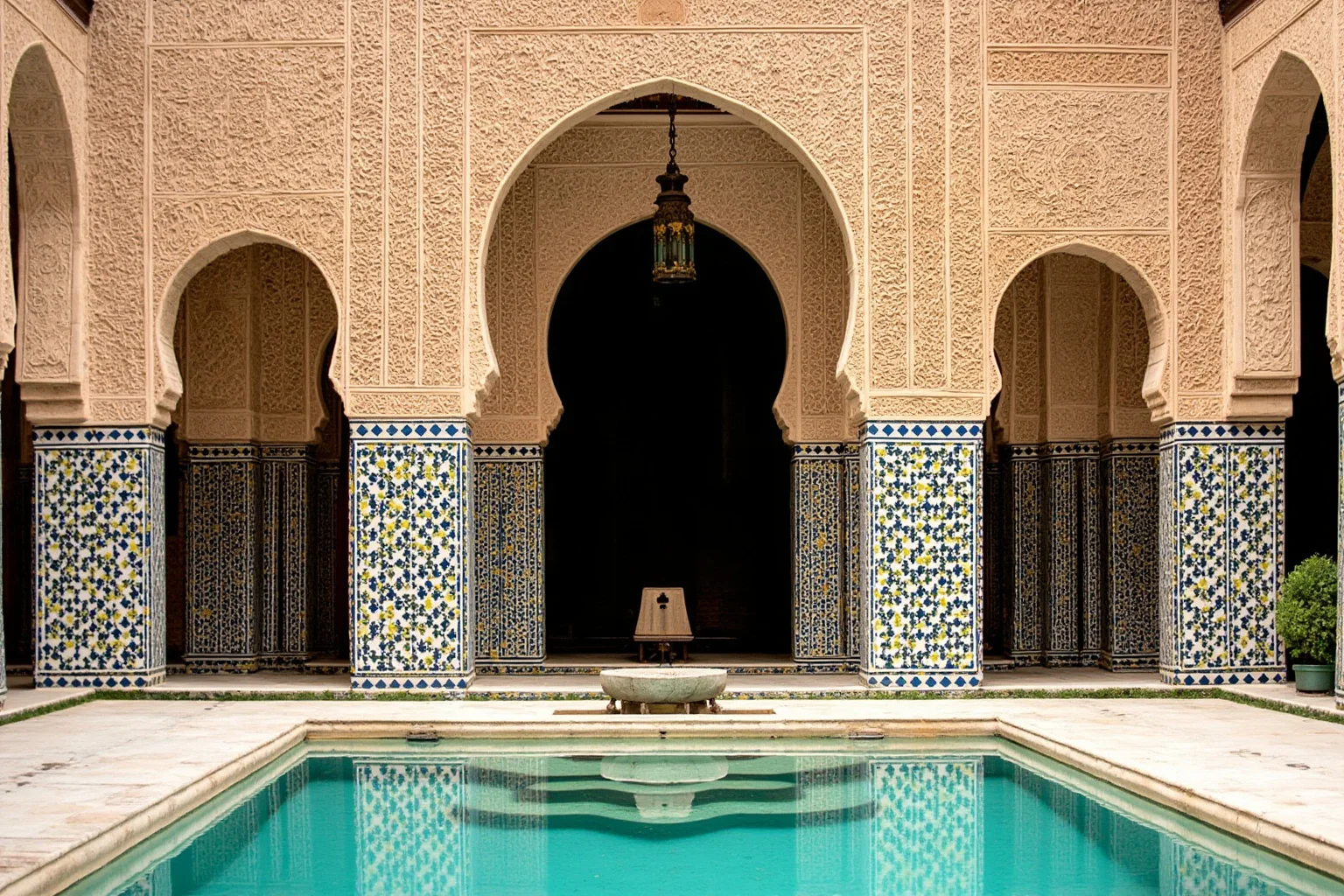
The Alhambra above Granada was the palace and fortress of the Nasrid dynasty from the 13th century until 1492, when the last Muslim ruler surrendered to Ferdinand and Isabella. The same complex contains Charles V's Renaissance palace, so you walk through layered centuries in a single visit.
Washington Irving stayed there in 1829 and published Tales of the Alhambra, which helped turn a neglected site into a Romantic icon. His book also seeded plenty of legends, so treat the romantic stories as literature rather than history.
17. Stonehenge, England
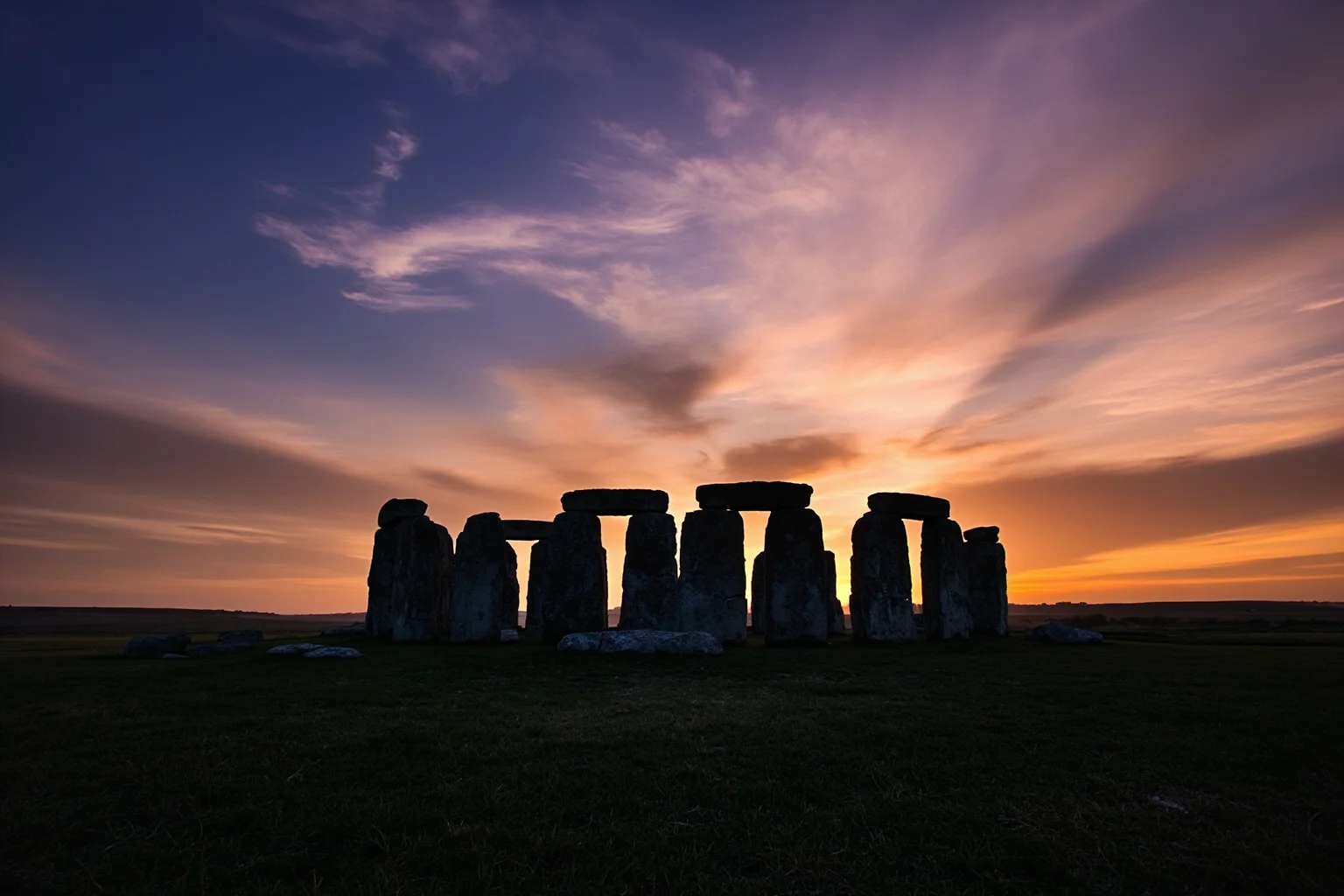
Stonehenge was raised in stages between roughly 3000 and 2000 BCE, with the large sarsens hauled from the Marlborough Downs about 25 kilometers away and smaller bluestones brought from the Preseli Hills in Wales, some 250 kilometers off. Its solstice alignments are real and measurable.
The popular idea that druids built Stonehenge doesn't hold up. The monument predates the Celtic druids by roughly two millennia, and the 'ancient computer' framing outruns what the evidence can actually support.
18. The Rock-Hewn Churches of Lalibela, Ethiopia
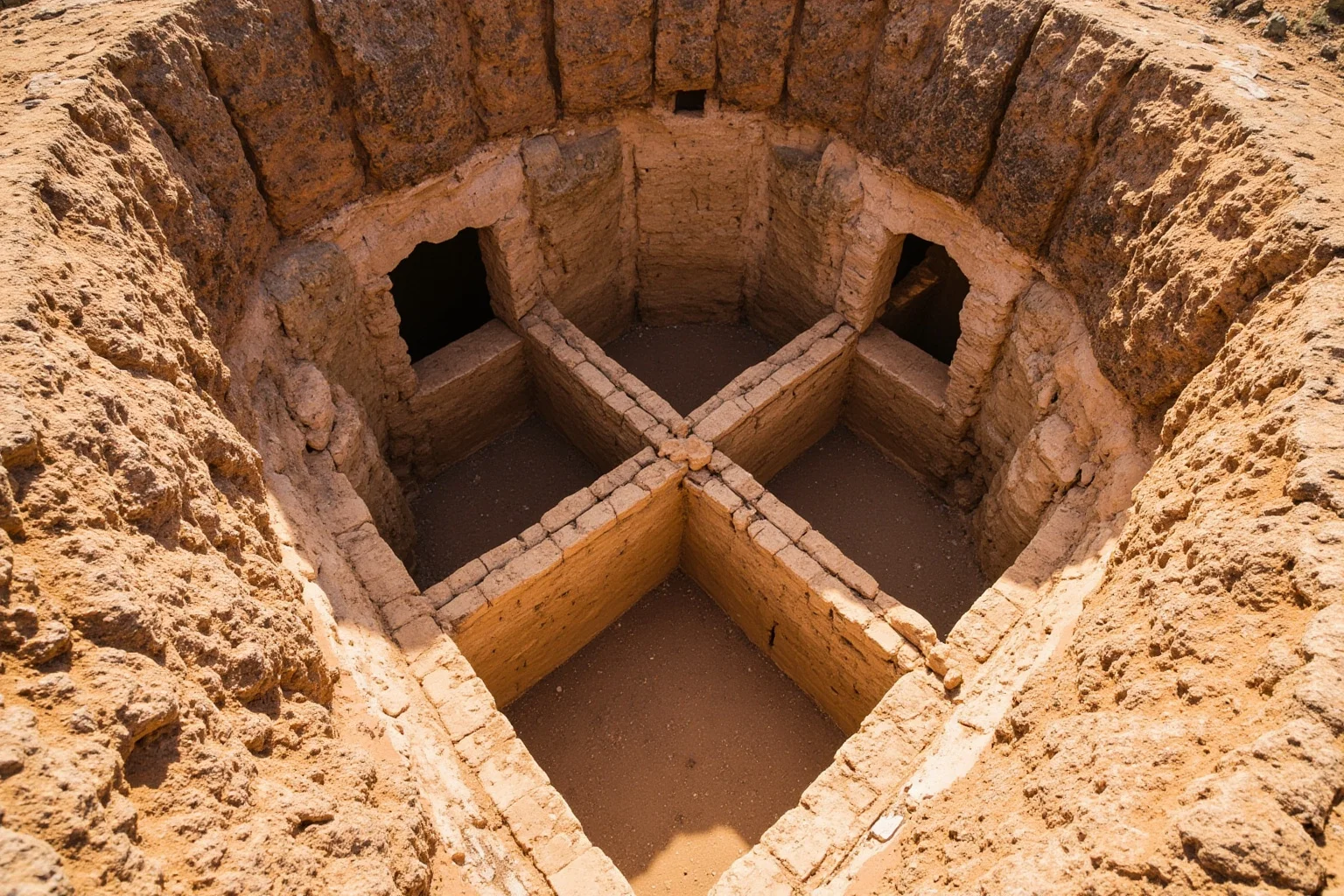
Ethiopia's churches at Lalibela were carved downward out of solid volcanic rock in the 12th and 13th centuries, each one a single piece of stone rather than a structure assembled from blocks. Bete Giyorgis, the Church of St. George, is the most famous, shaped like a cross in a deep pit.
Tradition holds that angels helped with the construction, which is a statement of faith rather than an engineering report. Lalibela remains an active pilgrimage site, so visitors should expect worshippers and dress accordingly.
19. Timbuktu, Mali
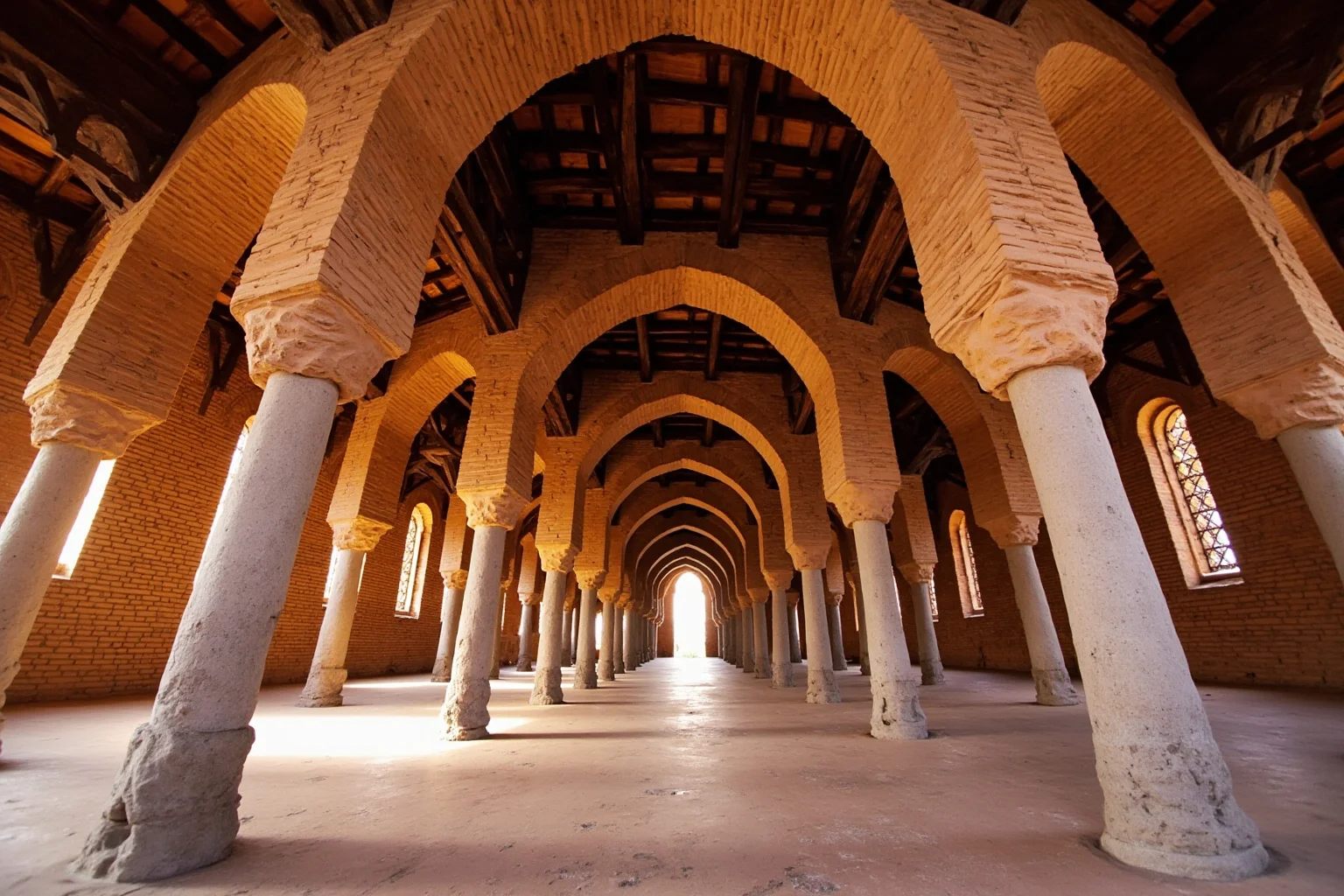
Timbuktu was a major center of trade and scholarship between the 13th and 16th centuries, home to the Djinguereber Mosque and the Sankore madrasa. Its libraries held hundreds of thousands of manuscripts covering astronomy, law, medicine, and poetry.
When armed groups threatened the collections in 2012 and 2013, librarians and volunteers smuggled huge numbers of manuscripts to safety in Bamako. The city's reputation as a byword for 'the middle of nowhere' badly undersells its intellectual history.
20. Great Zimbabwe
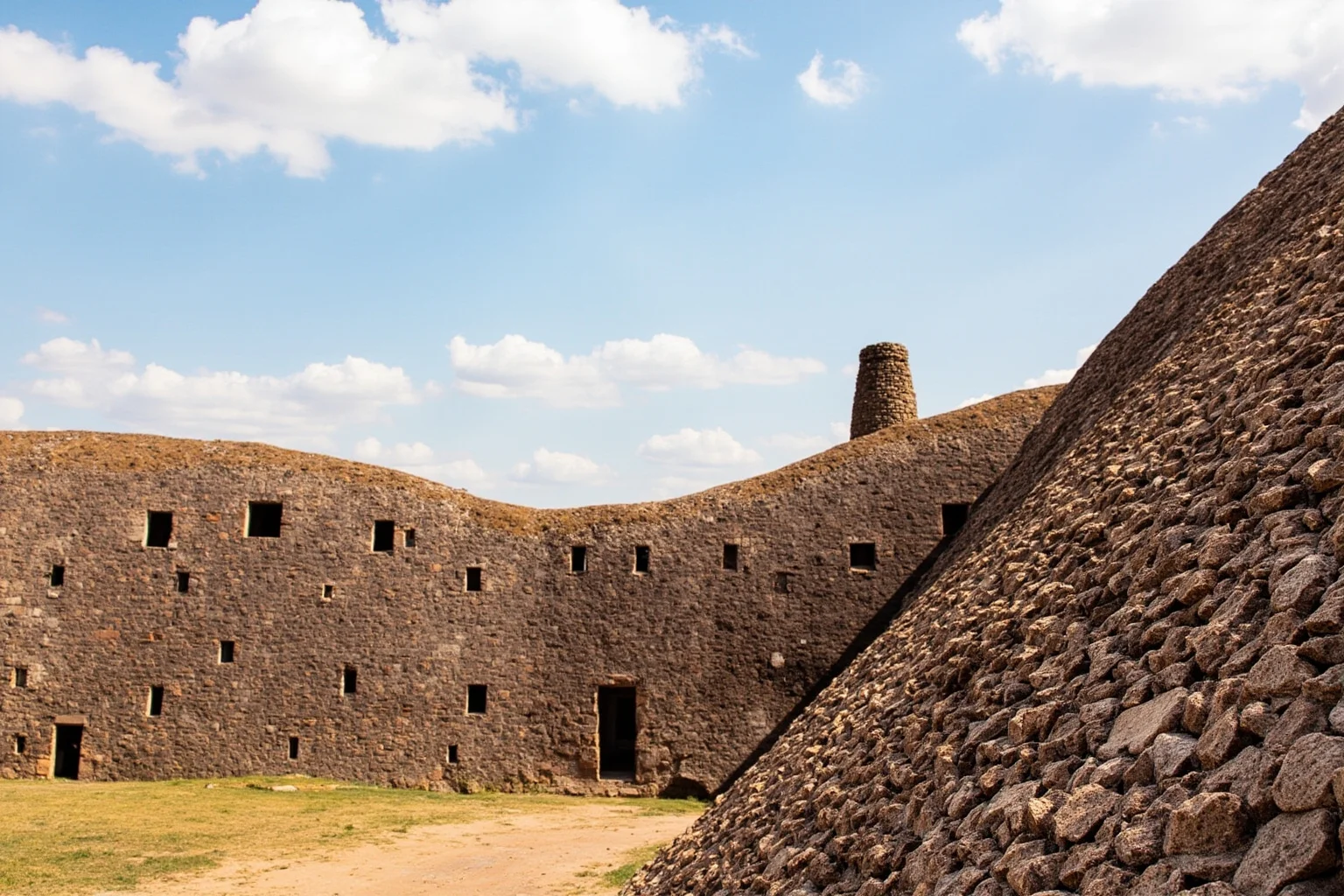
Great Zimbabwe was the capital of a Shona kingdom between roughly the 11th and 15th centuries, and its mortarless granite walls include a structure nearly 11 meters tall. The name means 'houses of stone' in Shona, and the site anchored a trading network reaching the Swahili coast and beyond.
Colonial-era writers spent decades trying to attribute the walls to outsiders, resisting the obvious conclusion. Archaeologists David Randall-MacIver and later Gertrude Caton-Thompson demonstrated the African origin of the site, and that finding is now beyond serious dispute.
21. Machu Picchu, Peru
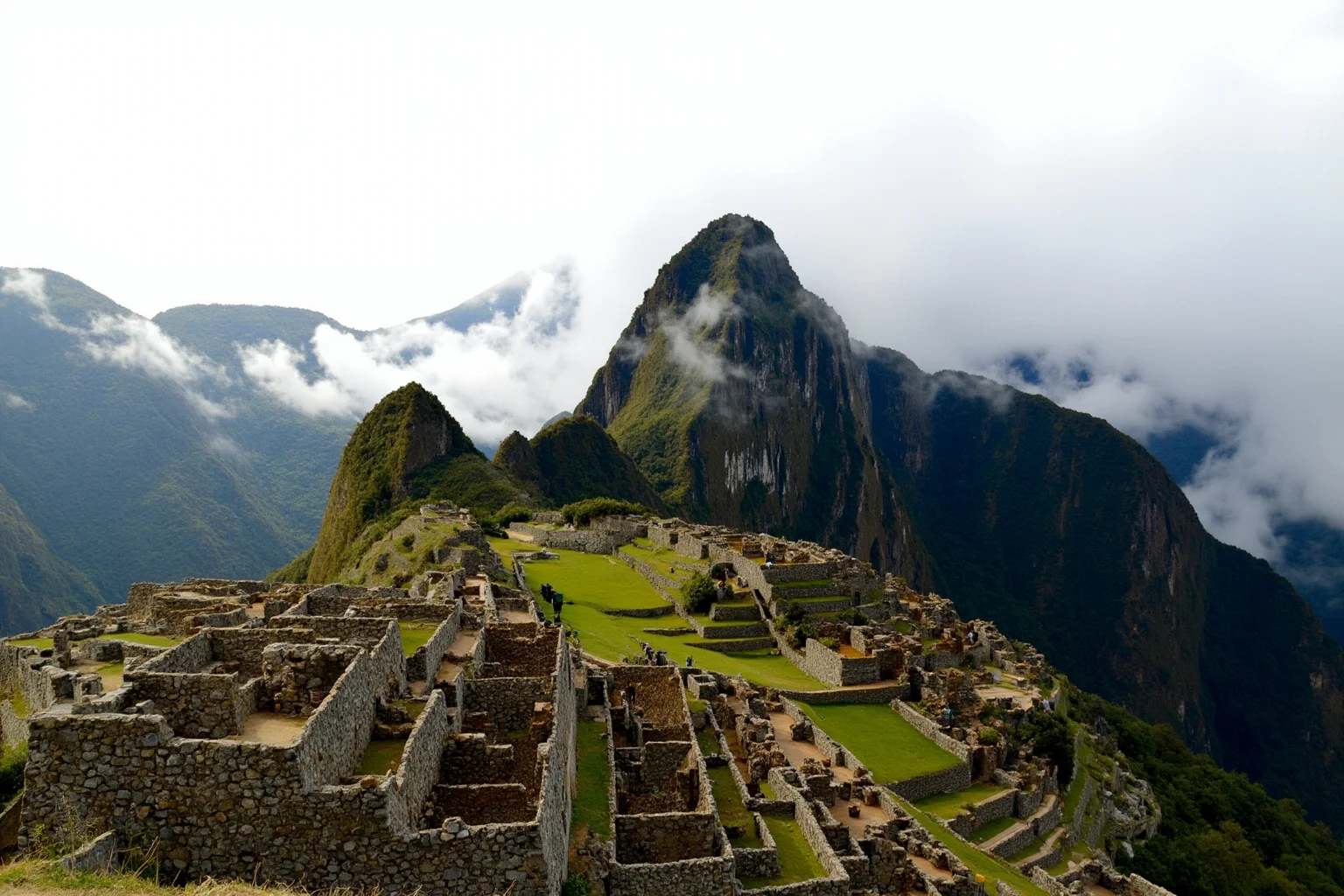
Machu Picchu was built around 1450 under the Inca ruler Pachacuti and sits at roughly 2,430 meters above sea level on a ridge above the Urubamba Valley. It was abandoned within about a century, during the upheaval of the Spanish conquest.
Hiram Bingham brought it to global attention in 1911, but he wasn't the first outsider to arrive, and farmers were living nearby. Calling it the 'lost city' is a marketing phrase; locals knew exactly where it was.
22. Chichén Itzá, Mexico
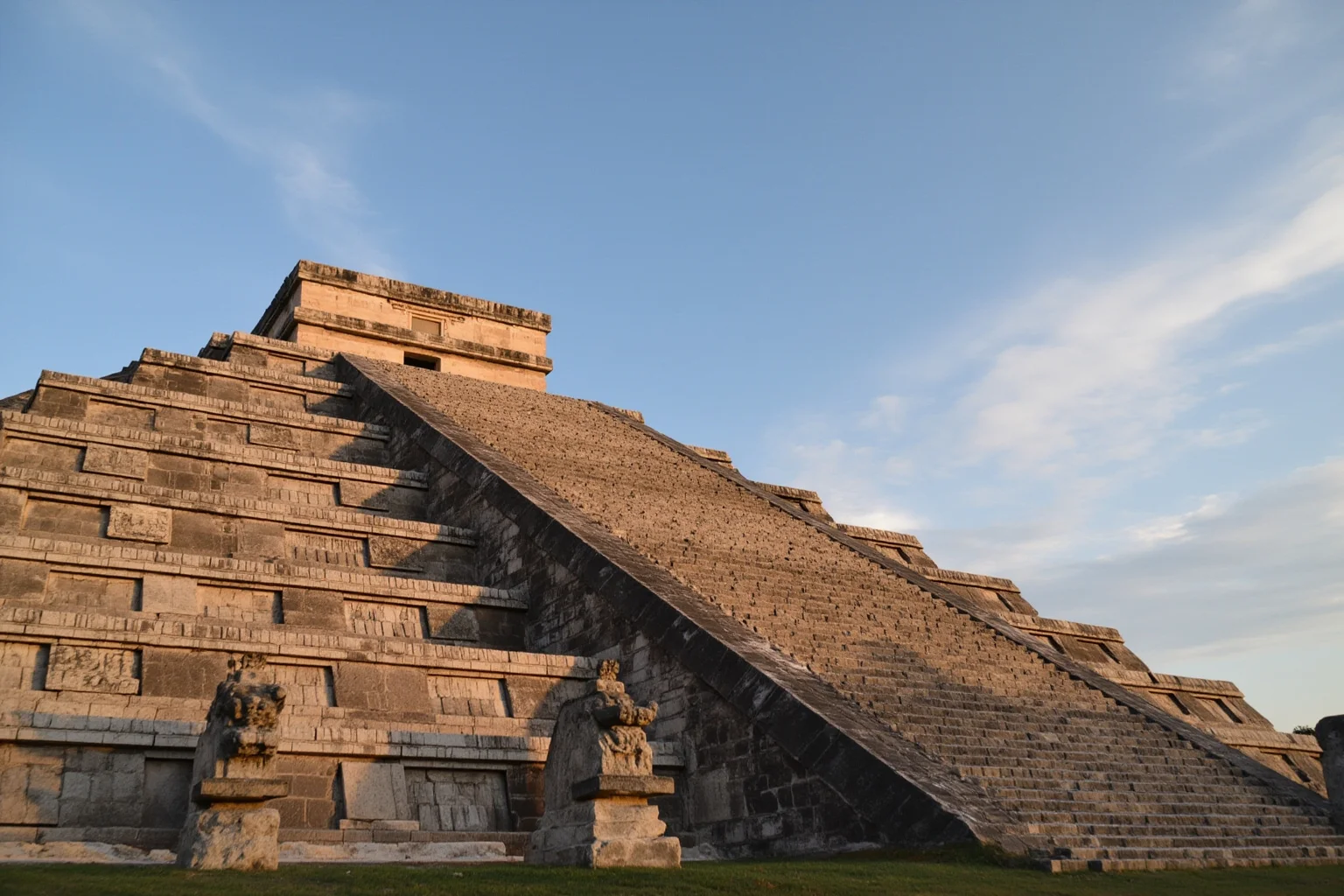
Chichén Itzá flourished between roughly the 9th and 12th centuries and combines Maya and Toltec-influenced styles, with El Castillo as its centerpiece. The pyramid's stairways total 365 steps, and at the equinoxes a shadow pattern resembling a serpent slides down its north side.
The site's Sacred Cenote yielded human remains and offerings, which undercuts the popular idea of the Maya as a purely peaceful ceremonial culture. The acoustics are a genuine treat too: a clap near El Castillo produces a strange, chirping echo.
23. Mesa Verde, United States
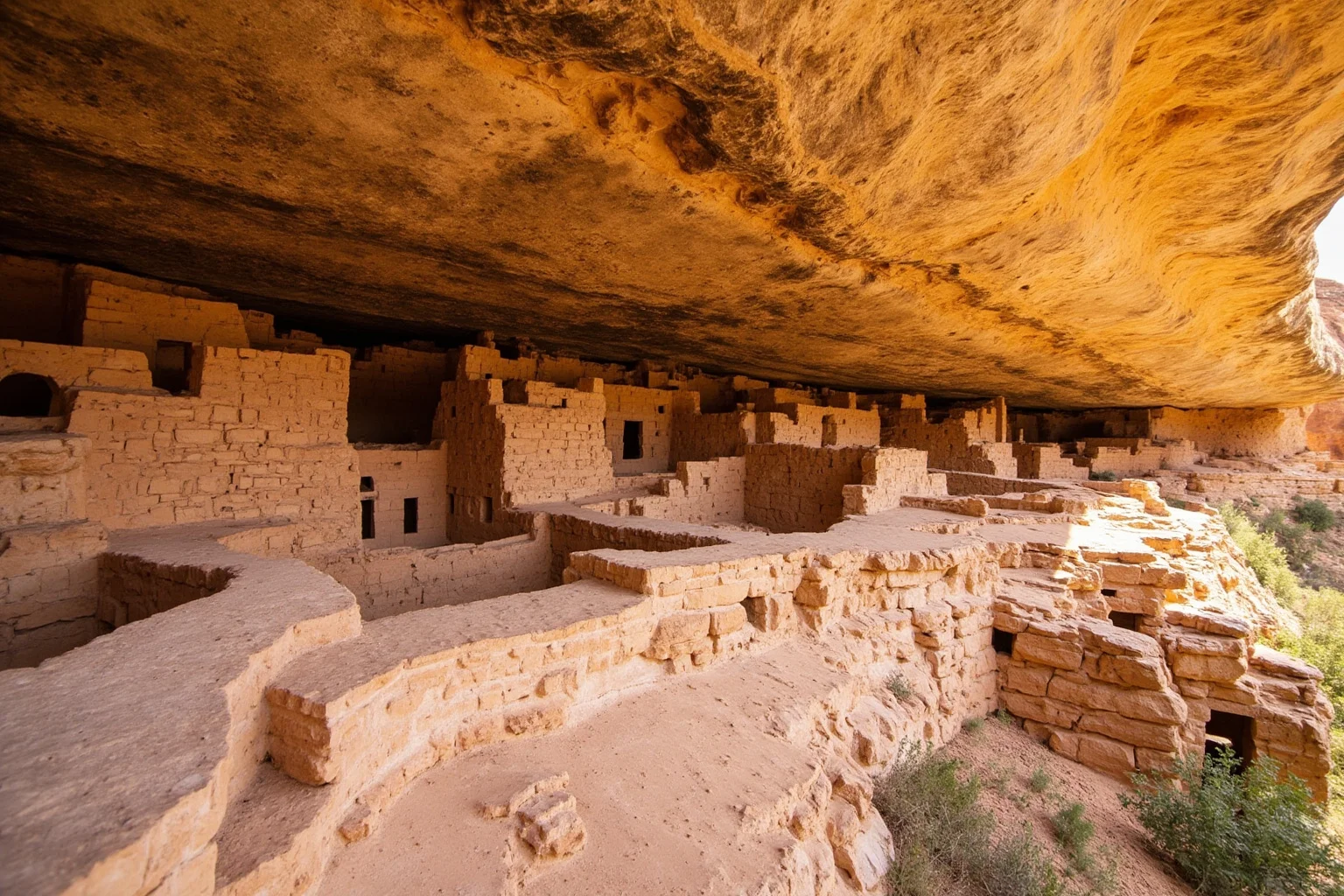
Mesa Verde in Colorado preserves cliff dwellings built by Ancestral Puebloans between roughly 600 and 1300 CE, including Cliff Palace with its 150-odd rooms. The alcoves offered shelter, shade, and defensible positions, though daily life meant climbing hand-and-toe holds to reach fields above.
By around 1300 the dwellings were abandoned, likely due to a mix of prolonged drought, resource strain, and social change, not a single dramatic event. That nuance is worth remembering, since collapse narratives tend to be tidier than reality.
24. Rapa Nui (Easter Island), Chile
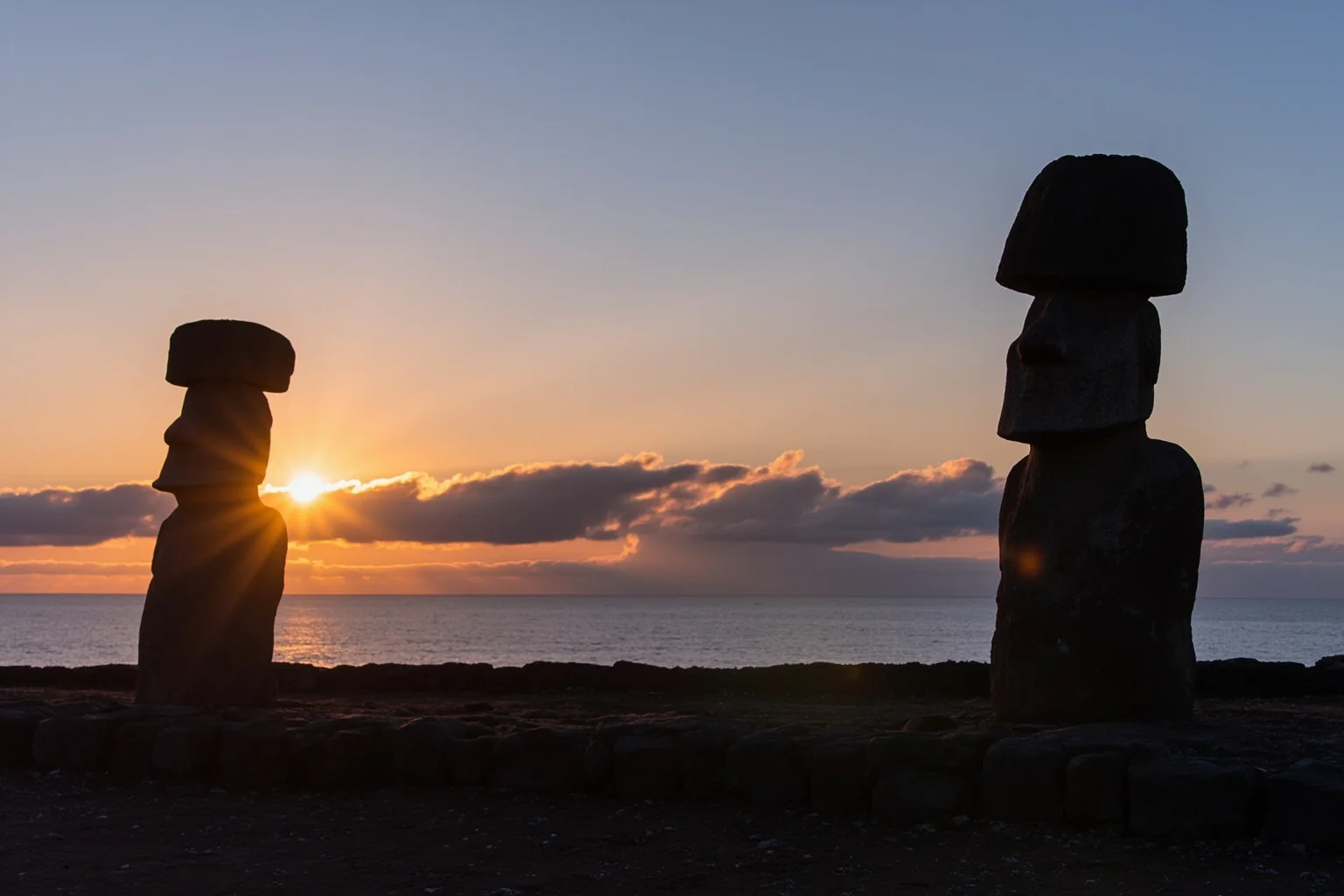
Rapa Nui is home to nearly 900 moai, monolithic figures carved mostly between 1250 and 1500 and set on stone platforms called ahu. Many remain at the quarry of Rano Raraku, unfinished and half-buried.
The question of how the statues were moved is still debated, and experimental archaeologists have shown that upright hauling with ropes works. The older 'ecocide' story that islanders destroyed their own environment has also come under serious challenge, so treat dramatic collapse tales with caution.
Practical Tips for Visiting Historic Places Around the World
Go early, both in the day and in the season. Most famous sites hit peak crowds between 10 a.m. and 2 p.m., and shoulder months mean shorter lines and gentler heat.
Book timed tickets directly with the official operator whenever possible, since resellers add fees and occasionally sell entries that don't exist. If you're planning a trip built around historic places to visit in the world, lock in the headline sites first and let the smaller ones fill the gaps.
Hire local guides at places like Angkor, Lalibela, and Persepolis, where context turns a pile of stone into a narrative. Ask about credentials at the ticket office rather than accepting the first offer outside the gate.
Respect dress codes at active religious sites and stay on marked paths, since erosion from foot traffic is a real conservation problem. Carry water and prepare for altitude at Machu Picchu and steep climbs at Sigiriya.
Finally, spend locally where you can, because the communities living beside these sites are part of their story rather than scenery. A guidebook bought from a village shop keeps more value in the neighborhood than the same money spent at an airport.
A Final Word on the World's Historical Places
There's no correct number of cultural landmarks to see, and no ranking that survives contact with a good trip. What matters is arriving with some history in your head and leaving with better questions.
Pick a handful from this list, read up before you go, and give each site more than the twenty minutes a tour bus allows. The world historical sites that stay with people are usually the ones they slowed down for.
And if you can only manage one, choose the one nearest to a story you already care about. Curiosity is the only ticket that never sells out.
Frequently Asked Questions
What are the most famous historical places in the world?
The most recognized include the Pyramids of Giza, the Great Wall of China, the Taj Mahal, the Colosseum, Machu Picchu, and Angkor Wat. Each draws millions of visitors annually and appears on the UNESCO World Heritage List. Fame doesn't always equal the best experience, though, since crowds concentrate heavily at these six.
How many cultural heritage sites are there worldwide?
The UNESCO World Heritage List contains more than 1,200 properties, and the majority are classified as cultural rather than natural. Inscription requires a state party nomination plus an evaluation by advisory bodies, which is why the list grows slowly. Many important sites remain outside it for political or administrative reasons.
When is the best time to visit a cultural heritage site?
Shoulder seasons usually offer the best balance of weather, crowds, and price, and early morning is almost always quieter than midday. For hot destinations like Bagan or Sigiriya, start at opening time to avoid the worst heat. Check local holidays too, since domestic tourism can fill sites unexpectedly.
Do I need a guide at international heritage sites?
At complex sites such as Angkor, Persepolis, or Lalibela, a good local guide adds context you won't get from signage alone. At smaller or heavily signposted sites, an audio guide is often enough. Always confirm credentials at the official ticket office rather than hiring at the gate.
Are cultural heritage sites always protected?
No, protection varies enormously by country and is often underfunded. Sites in conflict zones have been deliberately damaged, as happened in Timbuktu in 2012, and others face pressure from development, looting, and climate change. UNESCO listing raises the profile but doesn't guarantee physical security.
What should I wear when visiting culture heritage sites?
Comfortable shoes matter most, since many sites involve uneven stone, stairs, and long walks in heat. At active religious sites like Lalibela or Hagia Sophia, modest clothing covering shoulders and knees is expected. A light scarf is the easiest way to adapt on the spot.
What is the difference between a cultural landmark and a natural one?
UNESCO separates cultural properties, which reflect human creativity and history, from natural properties valued for geology, ecology, or scenery. Some sites are listed as mixed properties because they qualify on both counts. The distinction matters for how a site is managed and funded.

Alex Warren
Related Articles