
Every year around Halloween, the internet fills up with lists claiming to have the “most terrifying story ever.” Most of it is recycled campfire folklore with no real receipts. But history doesn’t need embellishment — it has plenty of true horror stories that are disturbing enough on their own, no ghosts required.
This list separates fact from fiction. Some entries are grim historical tragedies. Others are unsolved mysteries that still baffle investigators. A few are the real events hiding underneath your favorite horror movies and shows. All of them are scary stories that are true, really scary, and worth understanding in their proper historical context.
TL;DR: From polar expeditions gone catastrophically wrong to unsolved deaths and the real cases behind horror classics, these 22 stories prove that documented history is often scarier than fiction.
What Makes a True Story Actually Scary?
Fiction relies on jump scares and monsters. Real horror stories work differently — they unsettle because they happened to actual people, in places you can still visit, with documents and death certificates to prove it. That’s the difference between a scary story and a terrifying real story.
Throughout this list, we’ve tried to separate confirmed historical fact from legend that grew up around it later. Some cases, like the Salem Witch Trials, are extensively documented. Others, like the Bell Witch, rest mostly on stories written down decades after the fact. Where the record is thin, we say so.
Historical Disasters That Read Like Horror Novels
1. The Donner Party’s Winter in the Sierra Nevada
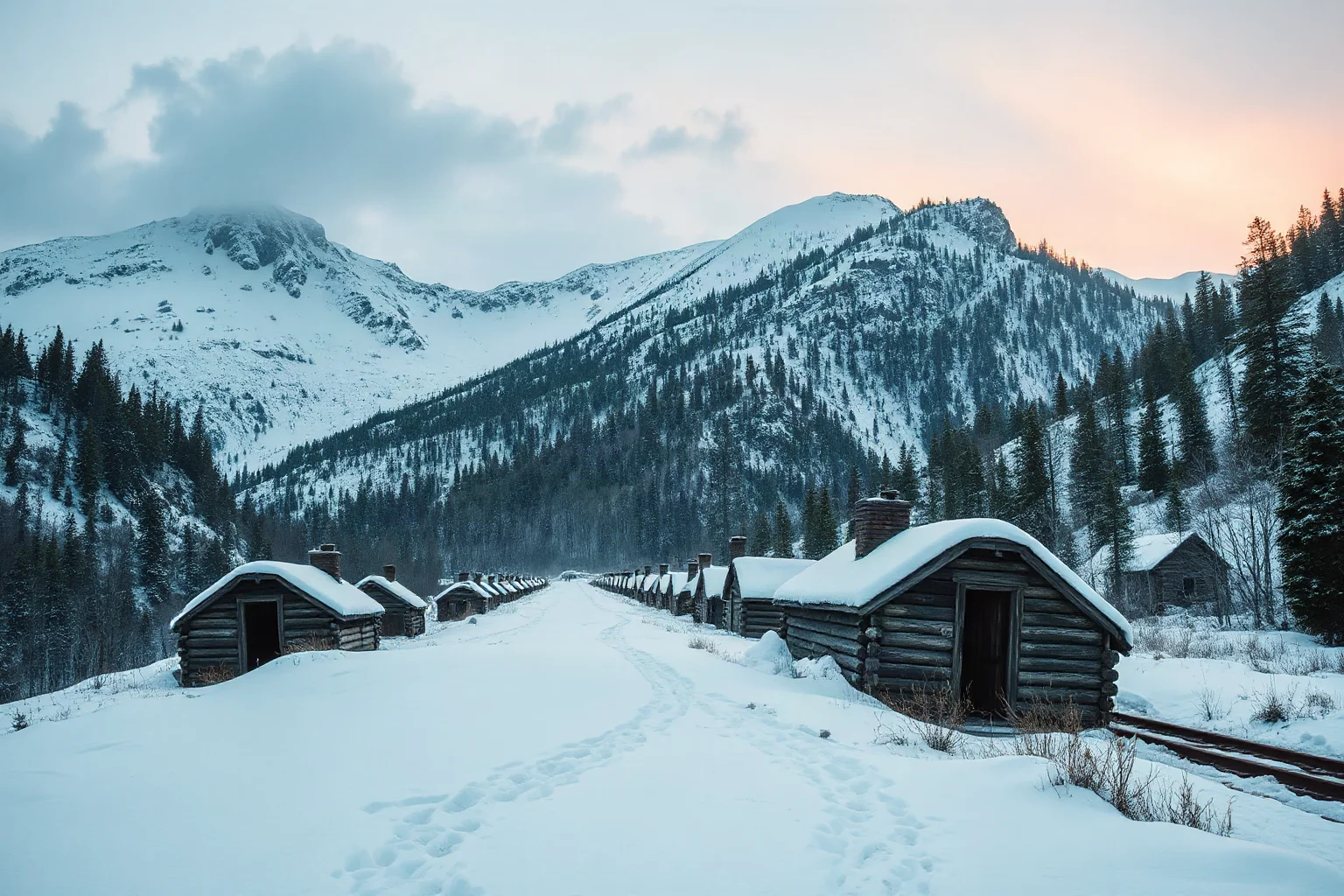
In the winter of 1846–47, a group of American pioneers heading to California got trapped by early, brutal snowfall in the Sierra Nevada mountains. Roughly half of the 87 members of the Donner Party died of starvation and exposure over several months. Survivors later admitted that some of the group resorted to eating the bodies of those who had already died, a detail confirmed by multiple firsthand accounts and later archaeological work at the campsites.
2. The Franklin Expedition (Yes, “The Terror” Is a True Story)

If you’re wondering, “is The Terror a true story,” the answer is largely yes. In 1845, Sir John Franklin led 129 British sailors aboard HMS Erebus and HMS Terror to find the Northwest Passage. Every single crew member died, and the wrecks weren’t located until 2014 and 2016.
Forensic analysis of recovered bones showed signs of lead poisoning, scurvy, and cutting marks consistent with cannibalism among the starving survivors. The AMC series added a fictional supernatural creature drawn from Inuit folklore, but the disappearance, the suffering, and the deaths were tragically real.
3. The Whaleship Essex and the Real Story Behind Moby-Dick
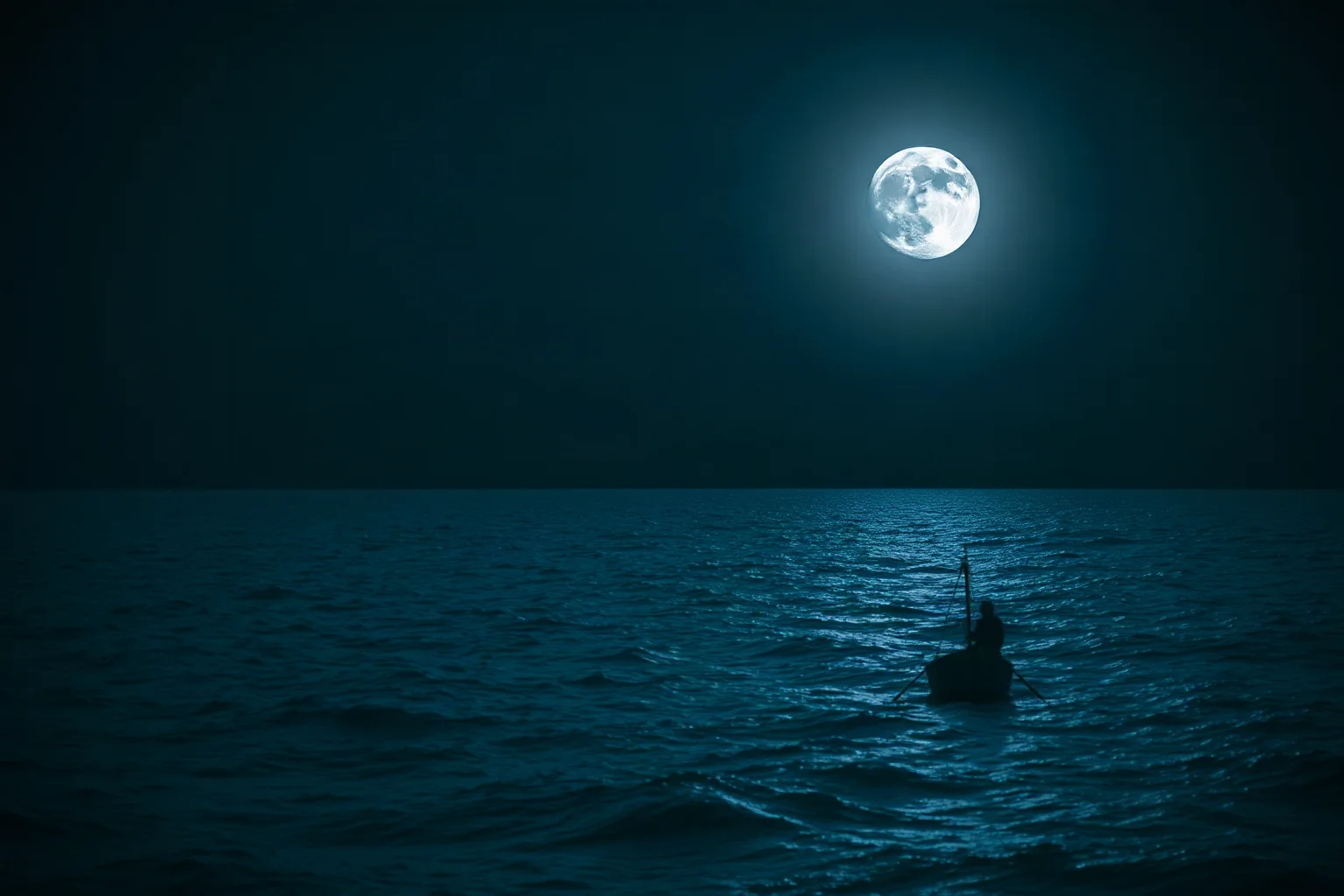
In 1820, a sperm whale rammed and sank the whaling ship Essex in the middle of the Pacific Ocean. The 20 survivors drifted for months in small boats, eventually resorting to cannibalism and drawing lots to decide who would be sacrificed to keep the others alive. Only eight men survived, and the account directly inspired Herman Melville’s Moby-Dick.
4. The Halifax Explosion
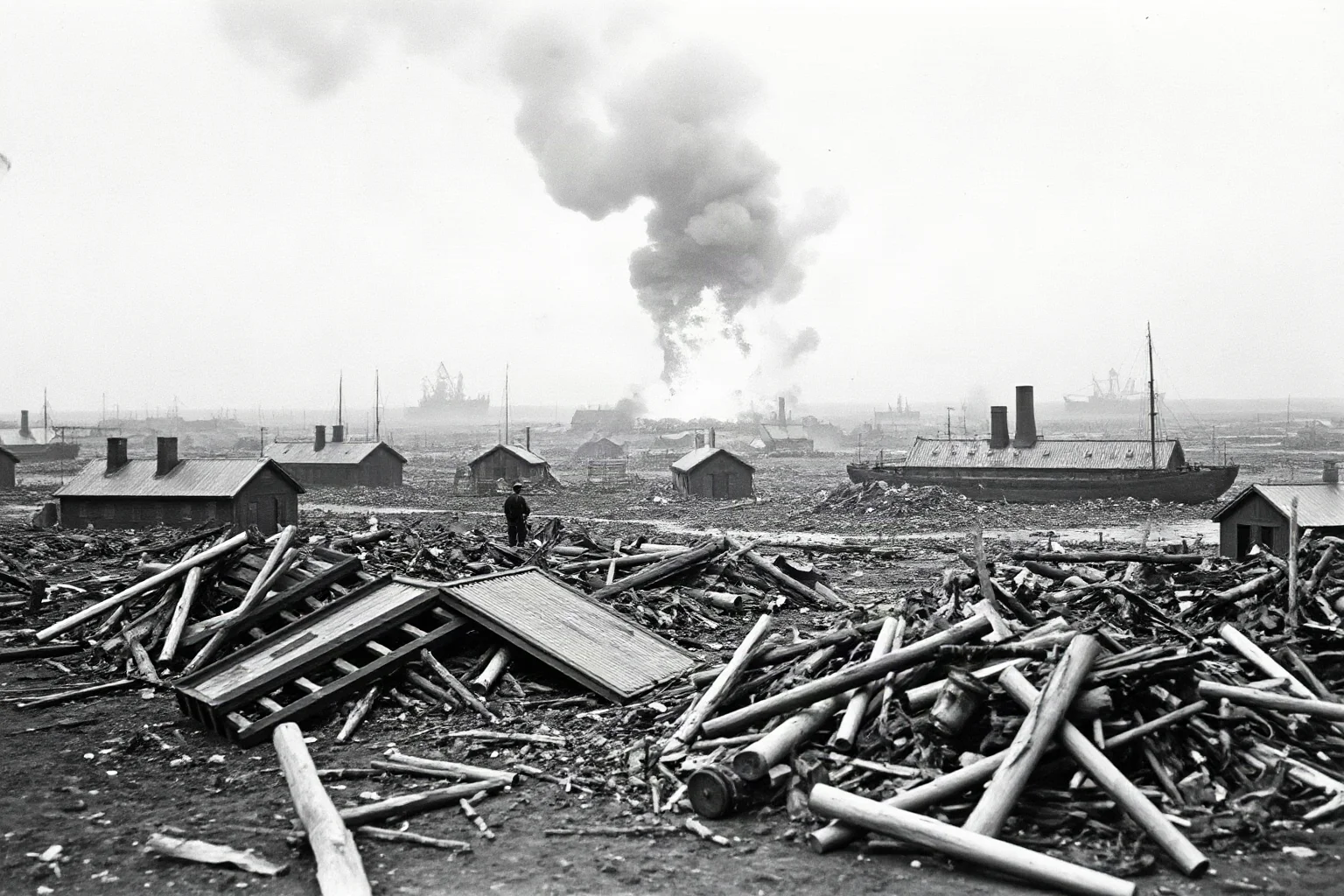
On December 6, 1917, a French cargo ship carrying wartime explosives collided with another vessel in Halifax Harbour, Nova Scotia. The resulting blast was the largest human-made explosion before the atomic bomb, killing around 2,000 people and flattening entire neighborhoods in seconds. It remains one of the deadliest accidental disasters in North American history.
5. The Siege of Leningrad
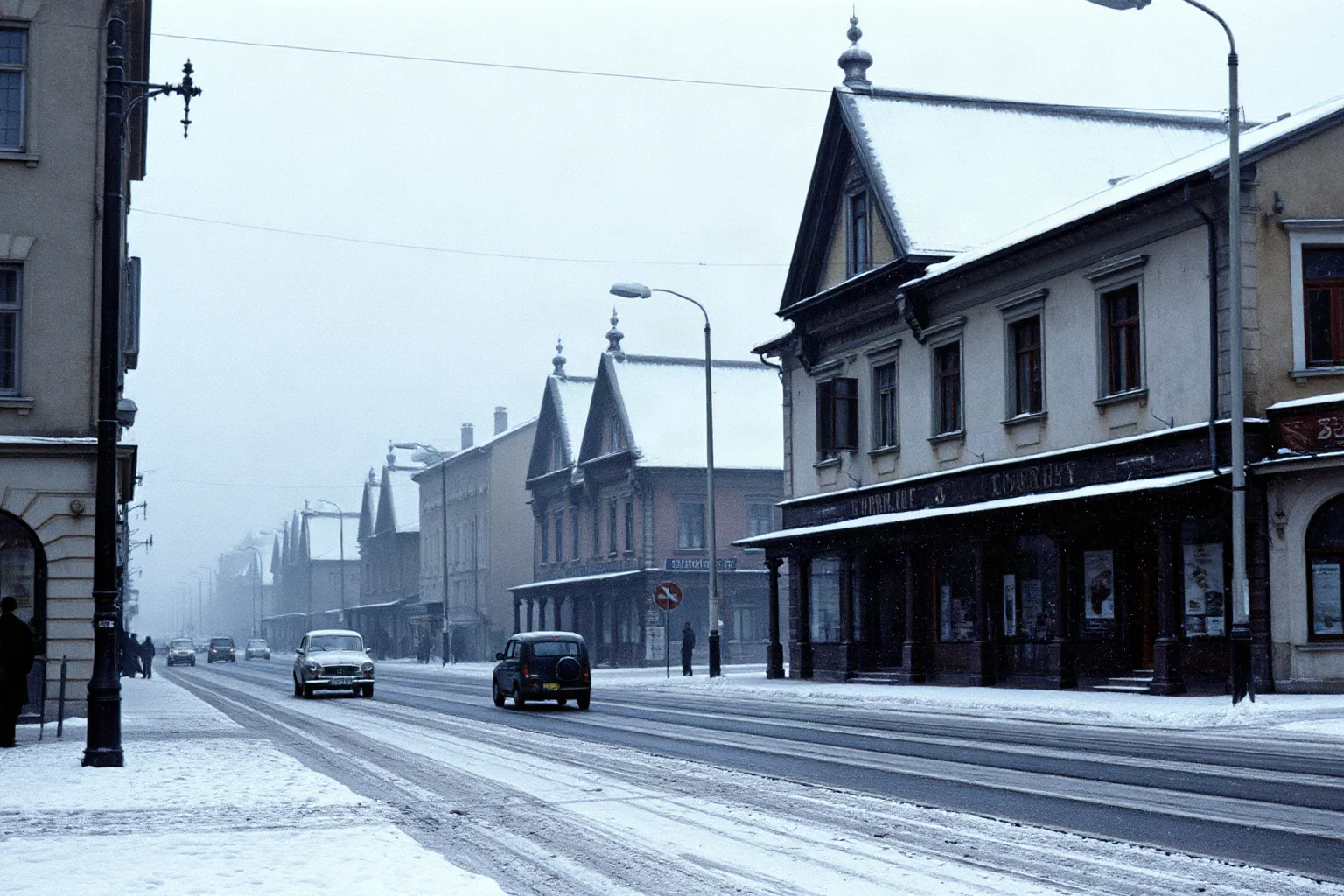
During World War II, Nazi Germany besieged the Soviet city of Leningrad for roughly 872 days, from 1941 to 1944. More than a million civilians died, mostly from starvation, and documented accounts describe residents eating wallpaper paste, pets, and in extreme, well-recorded cases, resorting to cannibalism to survive. It stands as one of the true horror incidents of the 20th century, grounded entirely in verified wartime records.
6. The Dancing Plague of 1518
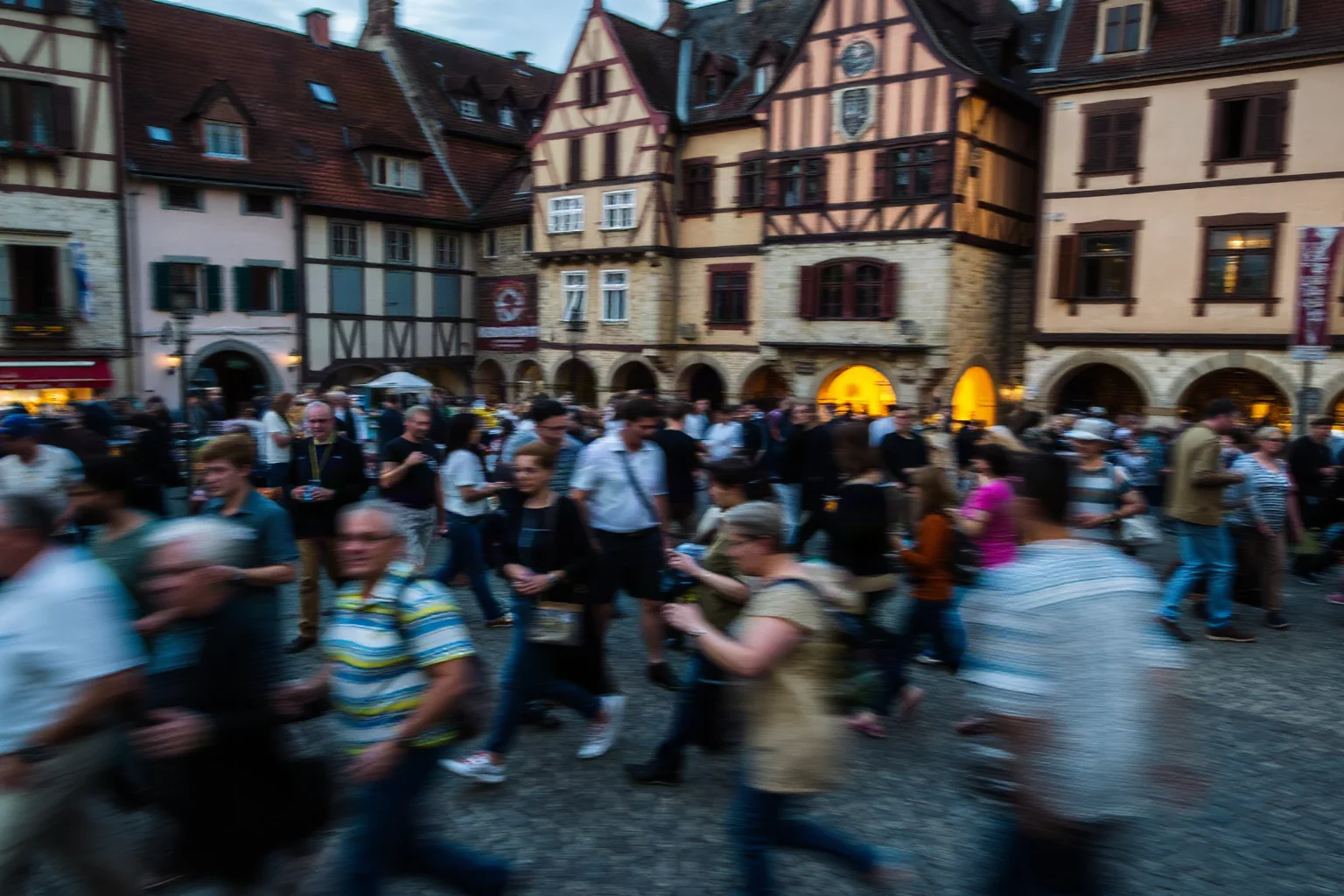
In Strasbourg in the summer of 1518, a woman reportedly began dancing uncontrollably in the street, and within a month dozens of others joined her, some dancing until they collapsed from exhaustion, injury, or heart failure. Historians still debate the cause, with theories ranging from mass psychogenic illness driven by stress and famine to (a now largely disputed) ergot fungus poisoning. Whatever the trigger, contemporary town records confirm the event actually occurred.
7. The Radium Girls

In the early 20th century, factory workers, mostly young women, were hired to paint watch dials with glow-in-the-dark radium paint. Told the substance was harmless, they were instructed to lick their brushes to keep a fine point. Many later developed horrific bone decay, tumors, and jaw disintegration, a condition nicknamed “radium jaw,” and their subsequent lawsuits helped establish modern workplace safety law.
Unsolved Mysteries That Still Haunt Historians
8. The Dyatlov Pass Incident

In February 1959, nine experienced Soviet hikers died in the Ural Mountains under circumstances that remain disputed to this day. Their tent was found cut open from the inside, and several bodies showed severe internal injuries with no matching external wounds, while others were found partially undressed in freezing conditions. Leading theories point to a slab avalanche or extreme katabatic winds, but no explanation has been universally accepted, making it one of the scariest true stories in history precisely because it isn’t fully solved.
9. The Isdal Woman
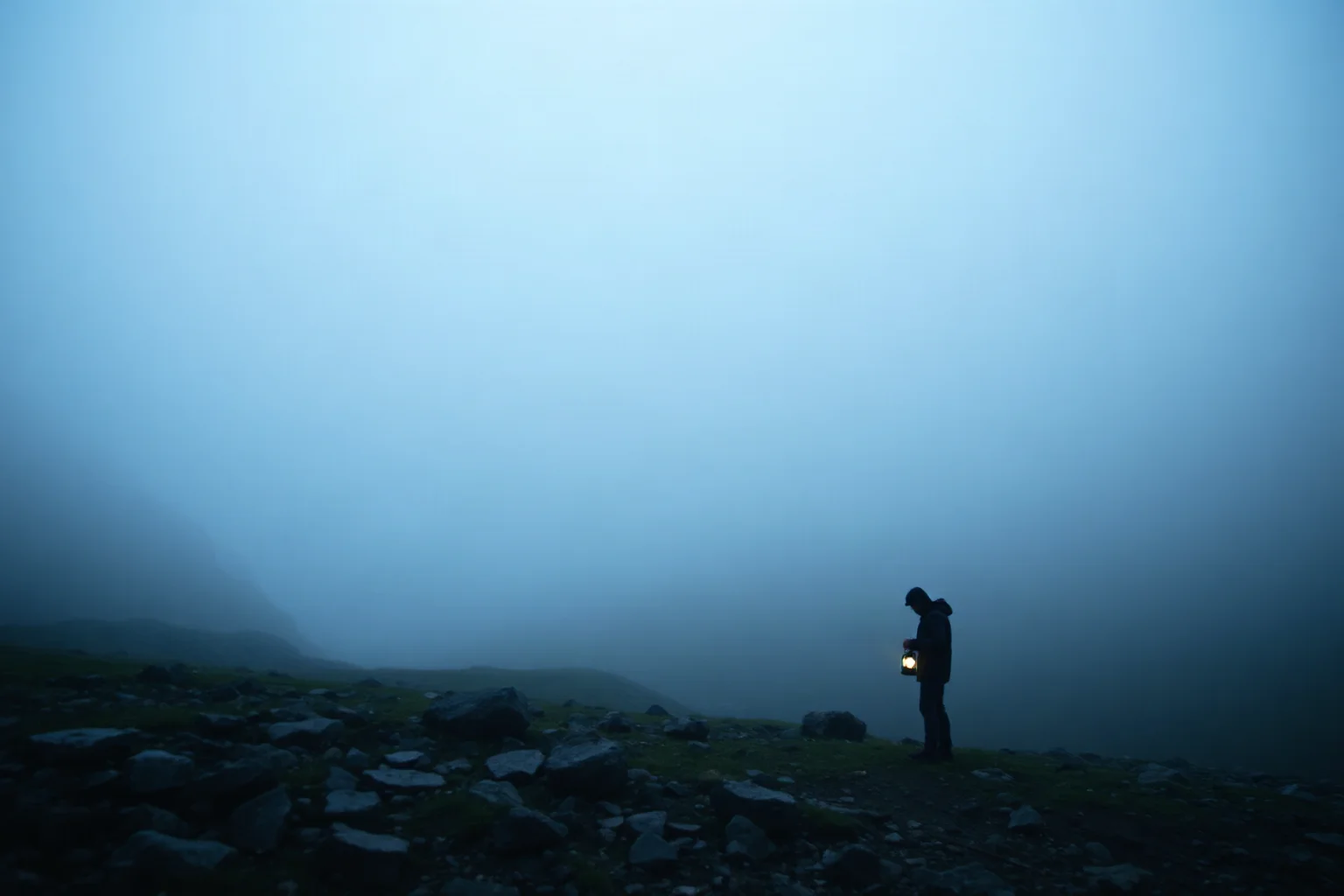
In 1970, hikers discovered the burned body of an unidentified woman in Isdalen valley near Bergen, Norway. Investigators found she had traveled under several false identities and had filed the labels off all her clothing. Despite renewed forensic efforts using modern isotope analysis, her true identity remains unknown, and the case is still officially unsolved.
10. The Tunguska Event

In 1908, an enormous explosion flattened roughly 800 square miles of Siberian forest, flattening an estimated 80 million trees. Scientists believe it was caused by an airburst from a meteor or comet fragment that disintegrated before impact, since no crater has ever been found. Had it occurred a few hours later, given Earth’s rotation, it could have devastated a major city instead of remote wilderness.
11. Elisa Lam and the Cecil Hotel
In 2013, 21-year-old Elisa Lam disappeared from Los Angeles’s Cecil Hotel, a building with a genuinely dark history that once housed serial killer Richard Ramirez. Surveillance footage showing her behaving erratically in an elevator went viral, and her body was later found in a rooftop water tank. The Los Angeles County coroner ruled the death accidental drowning with bipolar disorder listed as a contributing factor, though online conspiracy theories continue to circulate well beyond what the evidence supports.
True Crime Stories Scarier Than Fiction
12. H.H. Holmes and the Murder Castle
During the 1893 World’s Fair in Chicago, Herman Webster Mudgett, known as H.H. Holmes, ran a hotel reportedly fitted with hidden passages, trapdoors, and soundproof rooms. He was convicted of one murder and confessed to many more, though historians note his confessions were inconsistent and likely exaggerated for sensational effect. He is nonetheless widely regarded as one of America’s earliest documented serial killers.
13. The Villisca Axe Murders
On the night of June 9, 1912, in Villisca, Iowa, an entire family of six along with two young houseguests were killed with an axe while they slept. Despite an extensive investigation and multiple suspects, the case was never conclusively solved and remains open more than a century later.
14. The Salem Witch Trials
Between 1692 and 1693, hysteria in colonial Massachusetts led to the execution of 20 people accused of witchcraft, with many more imprisoned. Modern historians attribute the panic to a mix of religious extremism, political tension, and possibly ergot-contaminated grain, though that theory is disputed. It’s a real horror story rooted entirely in human fear rather than the supernatural.
15. The Batavia Shipwreck Massacre
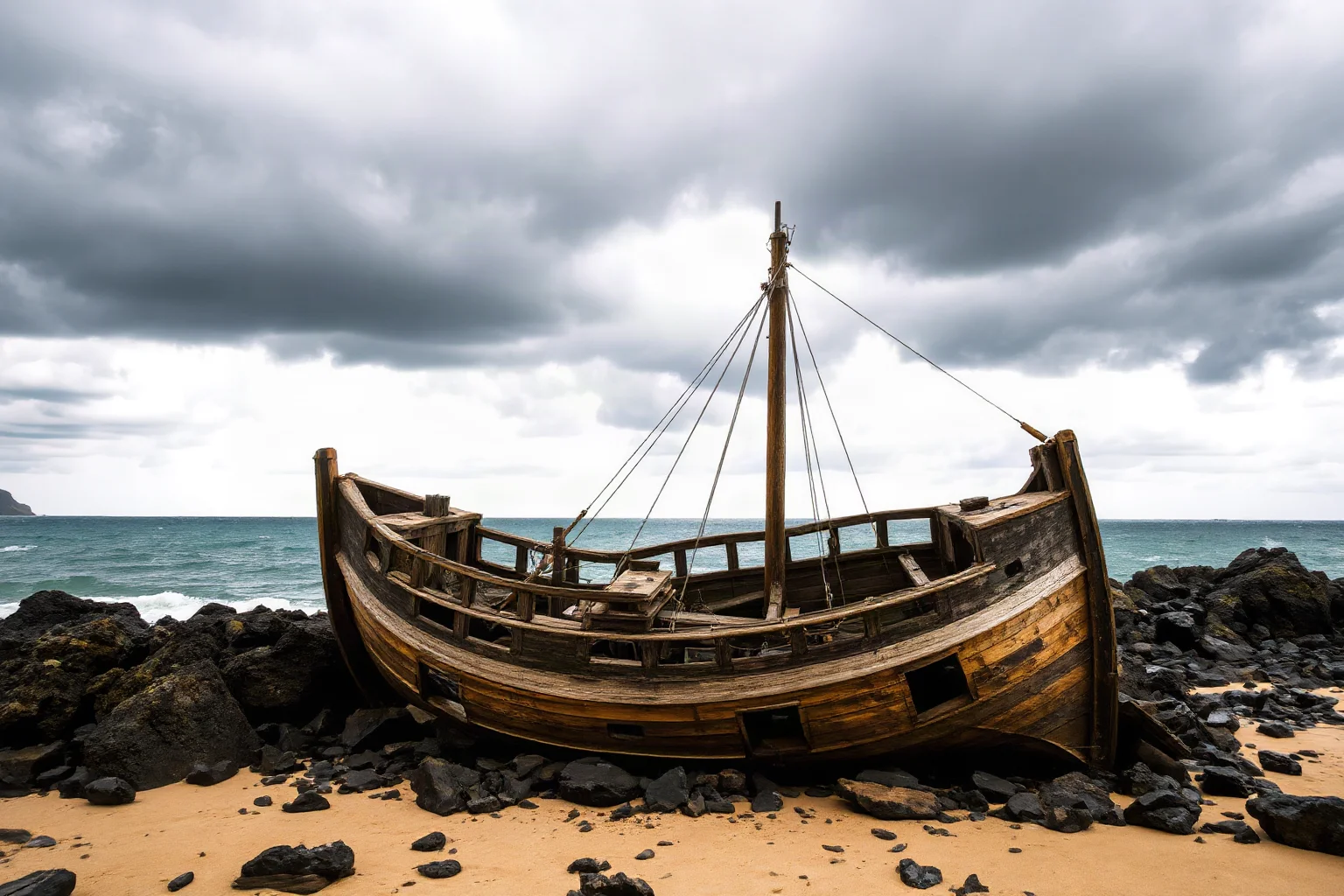
In 1629, the Dutch East India Company ship Batavia wrecked off the coast of Western Australia. In the chaos that followed, a group of mutineers led by Jeronimus Cornelisz murdered more than 100 survivors, including women and children, on the small islands where they’d taken shelter. It remains one of the most horrifying documented mutinies in maritime history.
Haunted Legends With Real Historical Roots
16. The Bell Witch of Tennessee
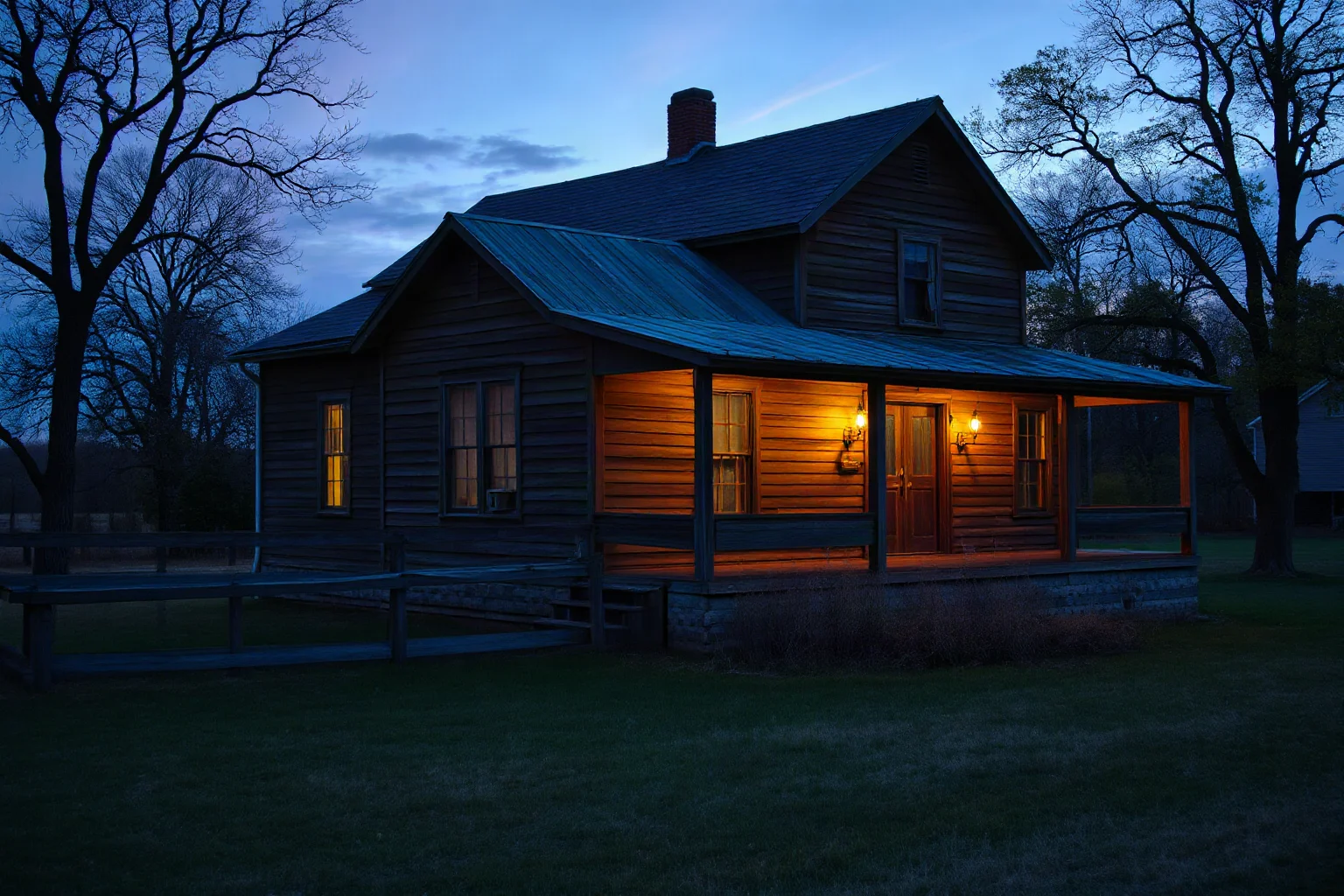
Between roughly 1817 and 1821, the Bell family of Robertson County, Tennessee, reportedly experienced disturbances attributed to an invisible entity nicknamed the Bell Witch. Popular legend claims even future president Andrew Jackson encountered it, though no contemporary documentation from that period survives. Most of the story was written down decades after the fact, making it a case where the folklore has outgrown the verifiable history.
17. The Enfield Poltergeist

Between 1977 and 1979, the Hodgson family of Enfield, London, reported poltergeist activity investigated by paranormal researchers and covered extensively in the British press. Some witnesses, including police officers, reported unexplained phenomena, while skeptics later pointed to evidence that at least some incidents were staged by the children involved. The case inspired The Conjuring 2 and remains genuinely disputed rather than definitively debunked or confirmed.
18. The Amityville Horror
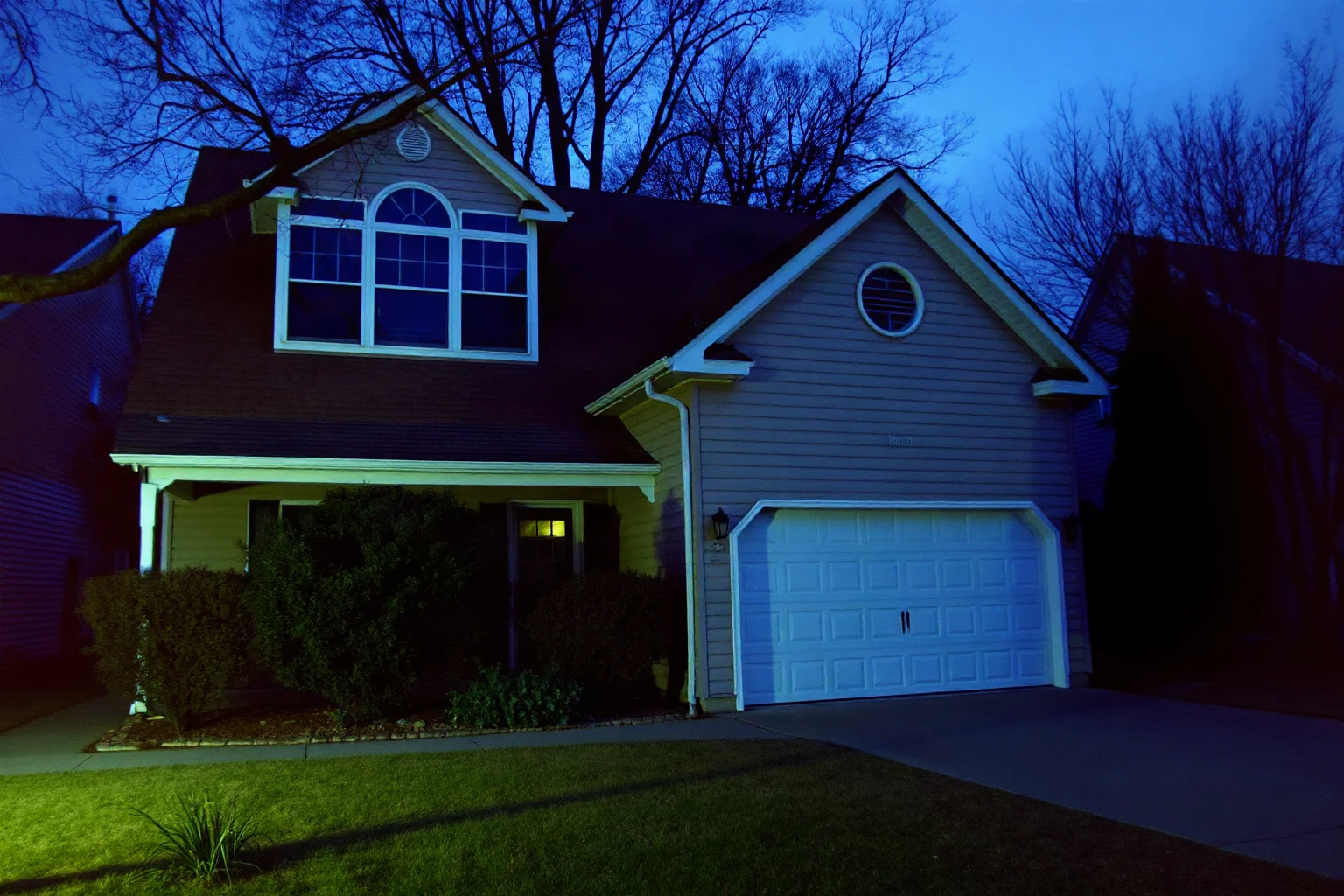
The real story begins with tragedy: in 1974, Ronald DeFeo Jr. murdered six members of his own family in their Amityville, New York, home. When George and Kathy Lutz moved in the following year, they claimed the house was haunted, and their story became a bestselling book and film franchise. Investigators and even the Lutzes’ own lawyer later stated much of the haunting was fabricated for profit, making this one of the clearest examples of horror based on a true story that veered heavily into fiction.
19. The Sedlec Ossuary
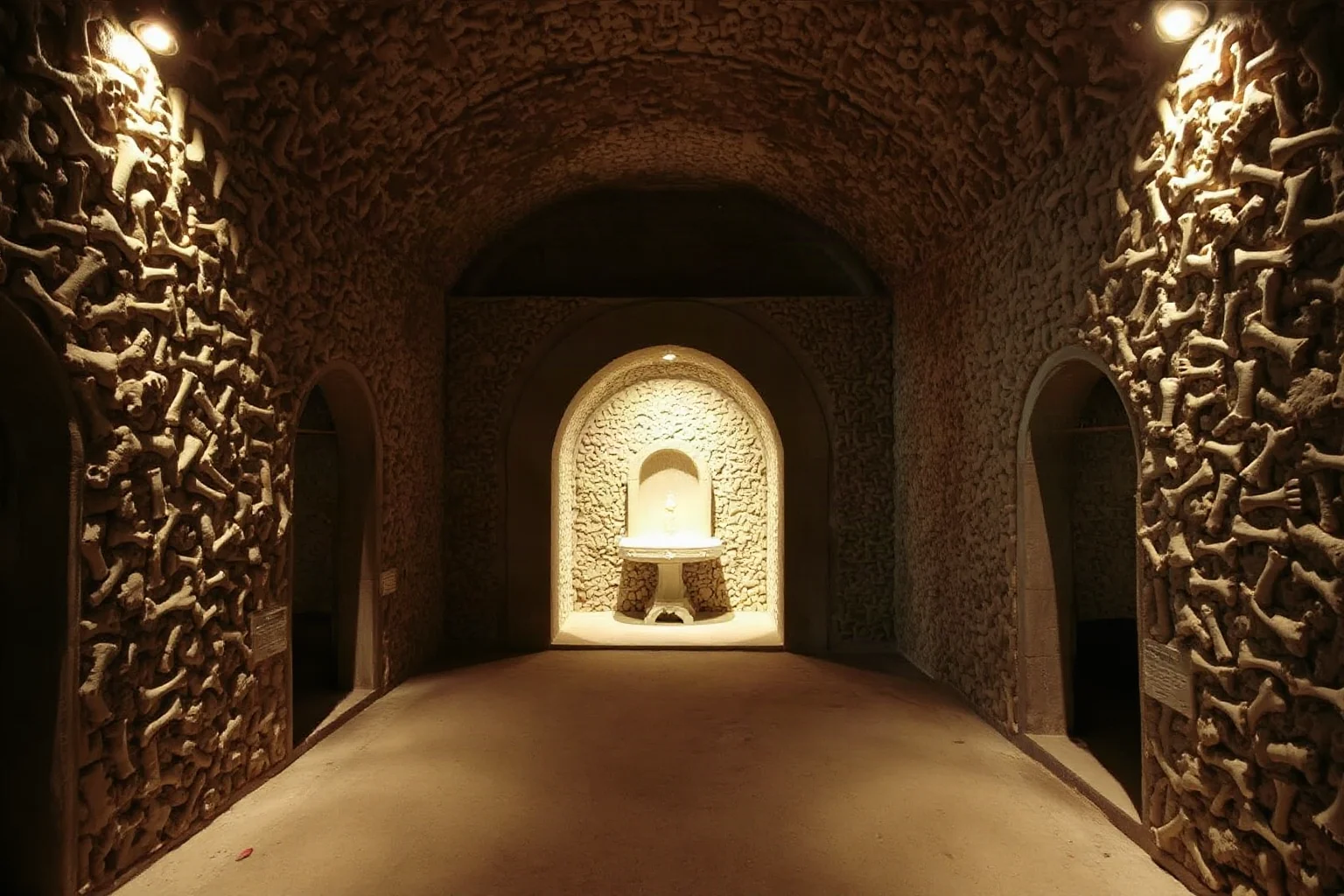
Beneath a small chapel in the Czech Republic lies the Sedlec Ossuary, decorated with the bones of an estimated 40,000 to 70,000 people, many of them victims of the Black Death and the Hussite Wars. Unlike other entries on this list, there’s no mystery here, just a genuinely unsettling and fully documented monument to medieval mass death.
Horror Movies and Shows Based on True Events
20. American Horror Story’s Real-Life Inspirations
For anyone curious about the true stories in American Horror Story, several seasons draw directly on documented history. Asylum referenced Nellie Bly’s undercover exposé of asylum abuse and the real conditions at Willowbrook State School, while Coven wove in both the Salem trials and Delphine LaLaurie, a real New Orleans socialite who fled the city in 1834 after horrific abuse of enslaved people in her home was discovered. Hotel borrowed heavily from the Cecil Hotel’s dark history, and Freak Show was loosely inspired by the real sideshow community once centered in Gibsonton, Florida.
21. The Exorcism of Roland Doe
In 1949, a Maryland boy known publicly by the pseudonym Roland Doe reportedly underwent a series of Catholic exorcism rites after his family and priests became convinced he was possessed. Church records confirm the rites took place, though many of the dramatic details that later circulated were added or exaggerated over time. The case became the basis for William Peter Blatty’s novel and film The Exorcist.
22. The Conjuring’s Perron Family Farmhouse
In the 1970s, the Perron family lived in a Rhode Island farmhouse they claimed was plagued by disturbing paranormal activity, eventually calling in investigators Ed and Lorraine Warren. Their story became the basis for The Conjuring. The Perron family has continued to stand by their account in interviews, while skeptics note the Warrens’ broader career included cases later criticized for lacking independent verification.
How to Separate Real Horror From Legend
The stories above split roughly into three categories: fully documented tragedies, genuinely unsolved mysteries, and folklore that grew well beyond its factual origins. Good historical research means checking which bucket a story actually belongs in before repeating it as fact. That’s especially true for scary stories that are true and short enough to spread quickly online without much scrutiny attached.
When a case has court records, coroner’s reports, or physical evidence like the Franklin expedition’s wrecks, it belongs firmly in documented history. When a story relies mainly on secondhand retellings written decades after the fact, like the Bell Witch, it’s fairer to call it legend with a historical seed rather than settled fact.
Final Thoughts
Real history doesn’t need supernatural embellishment to be disturbing. Shipwrecks, sieges, unsolved deaths, and the true crime cases behind modern horror franchises already carry more weight than invented ghost stories ever could. That’s exactly why terrifying true stories keep getting retold, adapted, and searched for generation after generation.
If you’re looking for scary true stories to read that hold up under scrutiny, start with the well-documented cases here and follow the primary sources, court records, expedition logs, coroner’s reports, rather than the retellings that have picked up extra flourishes over the years. The real stories are unsettling enough exactly as they happened.
Frequently Asked Questions
Are scary stories that are true really scary, or do they get exaggerated over time?
Both happen. Some documented cases, like the Donner Party or the Halifax Explosion, are supported by strong physical and written evidence and are genuinely as horrifying as described. Others, like the Amityville Horror, started with a real tragedy but picked up fabricated details over decades of retelling, so it's worth checking primary sources before treating every detail as fact.
What is considered the most terrifying true story in history?
There's no single agreed-upon answer since "terrifying" is subjective, but cases frequently cited among the scariest true stories in history include the Donner Party's winter cannibalism, the Franklin Expedition's total loss of 129 men, and the Siege of Leningrad, all of which are extensively documented by historical and forensic records.
Is The Terror a true story?
Yes, in its foundation. The AMC series is based on the real 1845 Franklin Expedition, in which two British ships and all 129 crew members were lost searching for the Northwest Passage. The supernatural creature featured in the show is a fictional addition drawn loosely from Inuit folklore, not a historical element.
Which true stories inspired American Horror Story?
Several seasons pull from real history: Asylum references Nellie Bly's asylum investigation and the Willowbrook State School abuses, Coven draws on the Salem witch trials and New Orleans socialite Delphine LaLaurie, and Hotel borrows from the real dark history of LA's Cecil Hotel.
Are the events in The Conjuring and The Exorcist actually real?
Both films are based on real documented cases, the Perron family's reported haunting in Rhode Island and the 1949 exorcism rites performed on a Maryland boy known as Roland Doe. In both instances, the core events are documented, but many of the more dramatic cinematic details were added for the film adaptations.
What’s the difference between a true horror story and a ghost legend?
A true horror story is typically backed by contemporary records, court documents, or forensic evidence, such as the Villisca Axe Murders or the Salem Witch Trials. A ghost legend, like the Bell Witch, often relies on accounts written down long after the alleged events, making it folklore built around a historical kernel rather than a fully verified incident.

Alex Warren
Related Articles