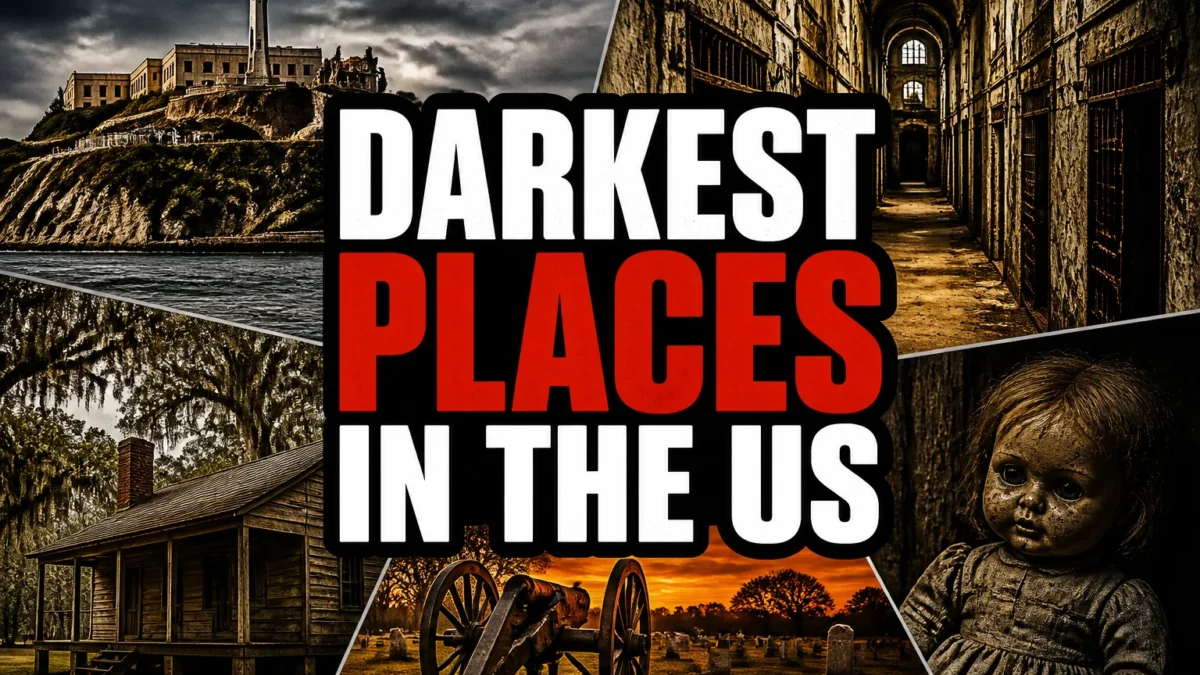
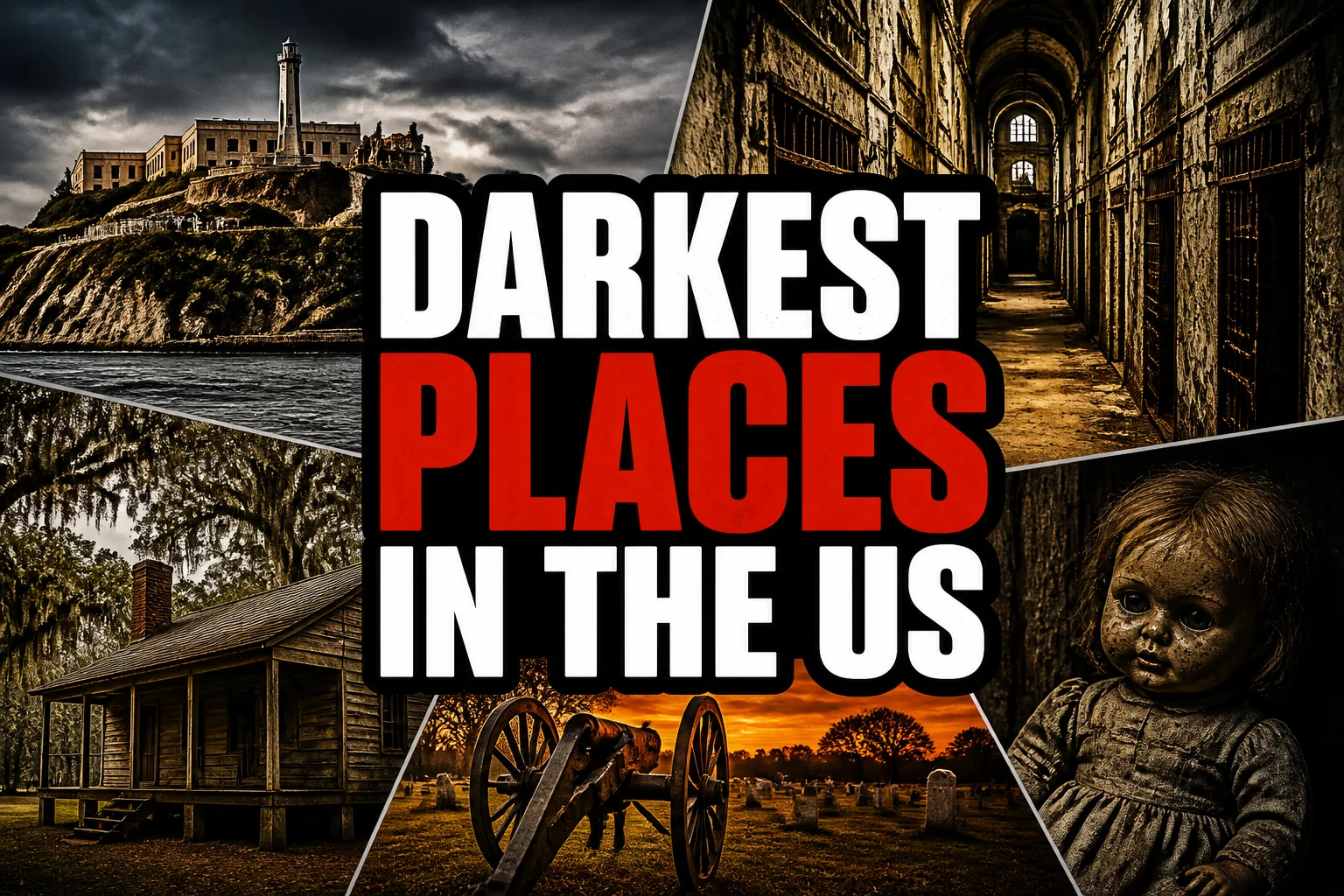
America's postcards show sunny beaches, amber waves of grain, and purple mountain majesties. But tucked between the scenic overlooks and gift shops are places where the past sits heavier than the air. These are the darkest places in the US — sites of witch trials, massacres, forced removals, and institutional abuses that most textbooks mention only in passing.
Visiting them isn't morbid tourism for its own sake. It's a way to confront the parts of American history that are uncomfortable, complicated, and often misunderstood. This list isn't a ranking of evil — measuring suffering is a fool's errand — but a tour through places that have earned their dark reputations through documented history, not legend.
TL;DR: From Salem's witch trials to Wounded Knee and beyond, the darkest places in the US reveal how fear, greed, and prejudice shaped American history — and why the real stories are often more complex than the myths.
What Makes a Place "Dark" — and What Doesn't
The label "dark" gets thrown around a lot. A creaky old house isn't historically dark just because it looks spooky on Instagram. The places on this list earned their reputations through documented events: mass deaths, judicial injustices, forced displacement, or institutional cruelty.
That doesn't mean every ghost story about them is true. In fact, one of the biggest myths is that these sites are somehow cursed or evil. Historians generally reject supernatural explanations, focusing instead on the human choices and social forces that led to tragedy.
Understanding why these events happened matters more than shivering at them. When we call a place one of the darkest places in the US, we're really asking what it says about us — and what we've learned since.
1. Salem, Massachusetts — The Witch Trials That Weren't About Witches
Salem is practically synonymous with dark American history. In 1692, more than 200 people were accused of witchcraft, and 20 were executed — 19 by hanging and one pressed to death under stones. The trials lasted barely a year but left a scar that still defines the town.
The myth-busting part? Almost none of the accused were practicing any kind of witchcraft. The real drivers were property disputes, a recent smallpox outbreak, fears of Indigenous attacks, and a Puritan legal system that accepted "spectral evidence" — testimony that a person's spirit had attacked someone in a dream.
Salem today leans into its reputation with museums and witch-themed shops. But the memorial to the victims, built in 1992 for the 300th anniversary, quietly reminds visitors that real people died here because of fear and flawed justice.
2. Wounded Knee, South Dakota — A Massacre Buried for Generations
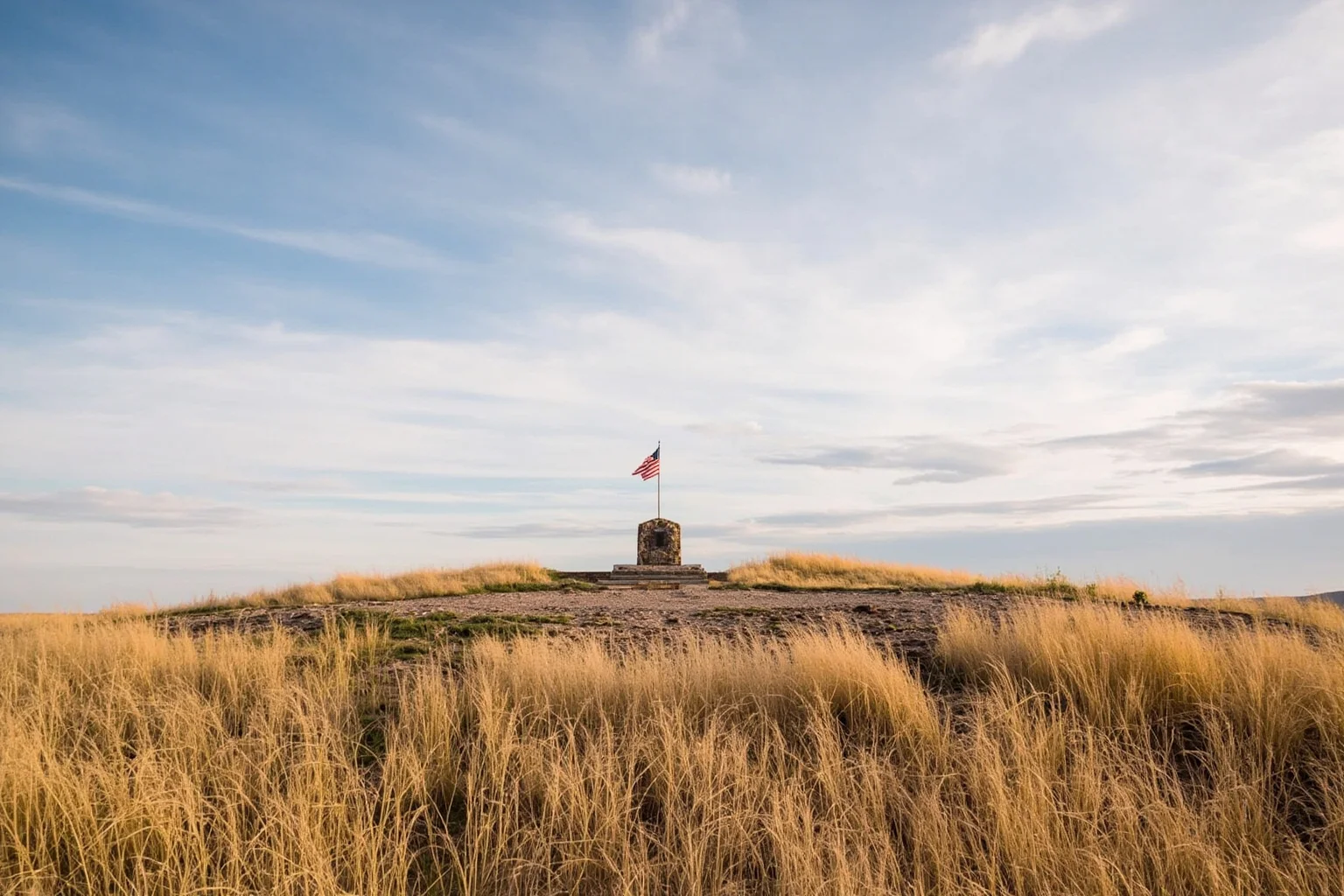
On December 29, 1890, the U.S. 7th Cavalry killed an estimated 250 to 300 Lakota men, women, and children near Wounded Knee Creek. Many were fleeing after the death of Sitting Bull; the army had come to disarm them. A single gunshot — it's still unclear from which side — triggered chaos.
Twenty U.S. soldiers received the Medal of Honor for their actions that day. Congress formally apologized for the massacre in 1990, a century later, but the medals have never been rescinded despite decades of advocacy.
Wounded Knee isn't a polished national park. It's a windswept hilltop with a small memorial and mass grave. That starkness is fitting for a place that remains one of the darkest places in the US — and one of the least taught in schools.
3. Andersonville, Georgia — America's Deadliest Prison Camp
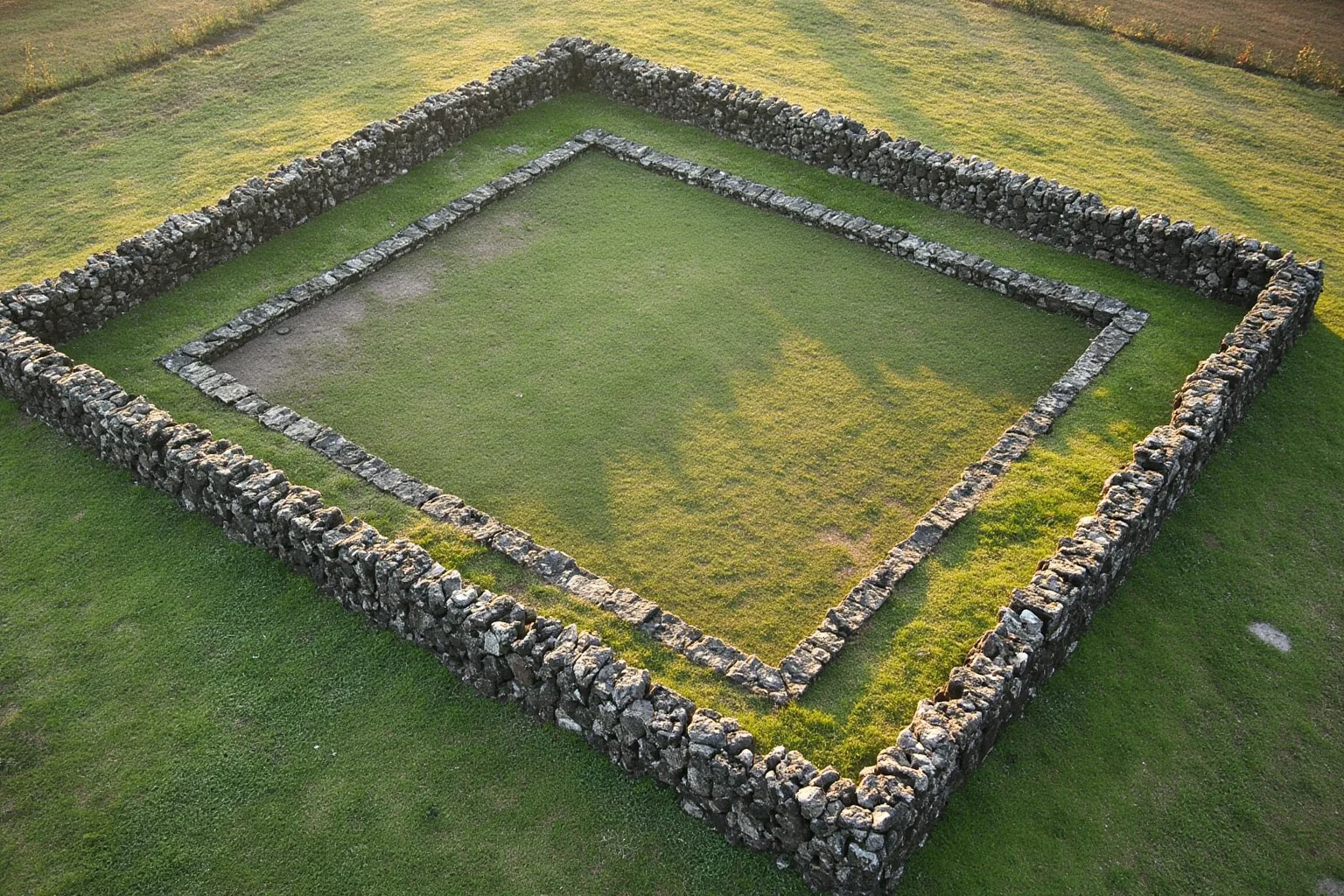
During the Civil War, the Confederacy opened Camp Sumter near Andersonville to hold Union prisoners of war. The 26-acre stockade was built for about 10,000 men. At its peak, it held more than 32,000.
Starvation, disease, exposure, and contaminated water killed nearly 13,000 prisoners in just 14 months. The camp commandant, Henry Wirz, was tried and executed for war crimes after the war — the only Confederate official to meet that fate.
Andersonville National Historic Site now includes the National Prisoner of War Museum. It's a somber place that honors all American POWs, not just those who suffered in the Civil War.
4. The Trail of Tears — A Forced March Across Nine States
The Trail of Tears isn't one spot but a network of routes. After the Indian Removal Act of 1830, the U.S. government forced roughly 60,000 members of the Cherokee, Muscogee, Seminole, Chickasaw, and Choctaw nations from their homelands in the Southeast to present-day Oklahoma.
An estimated 4,000 Cherokee died along the way from disease, starvation, and exposure. They traveled by foot, wagon, and boat through brutal winter conditions. The name itself comes from a translated Cherokee phrase: "Nunna daul Isunyi" — "the trail where they cried."
Today, the Trail of Tears National Historic Trail passes through nine states. Walking even a short section of it is a reminder that some of the darkest places in the US aren't buildings at all, but the routes between them.
5. Manzanar, California — An American Concentration Camp on American Soil
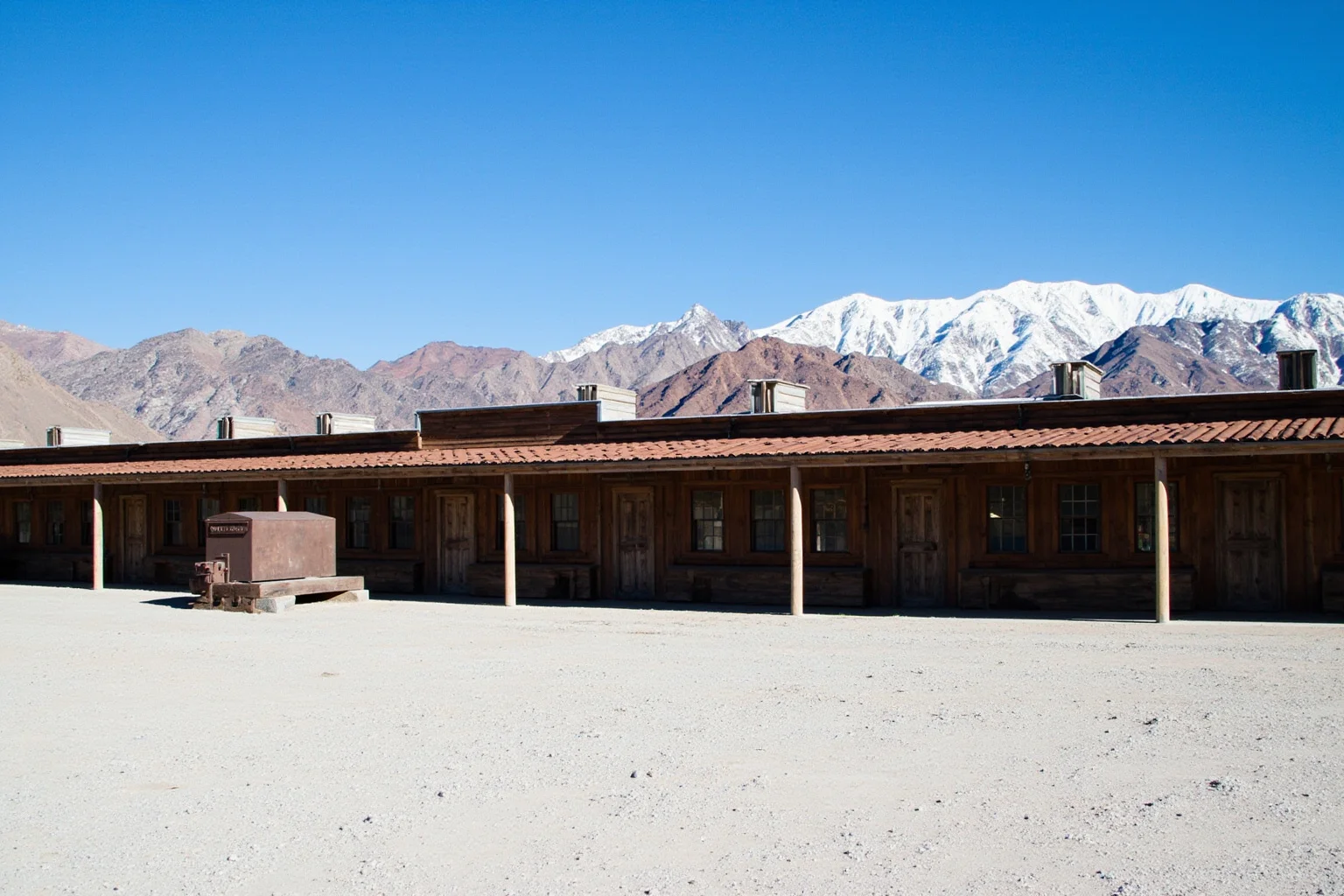
During World War II, the U.S. government forcibly relocated about 120,000 Japanese Americans, most of them citizens, into remote camps. Manzanar, in the Owens Valley of California, held more than 10,000 people behind barbed wire from 1942 to 1945.
The official justification was "military necessity" after Pearl Harbor. No Japanese American was ever convicted of espionage or sabotage during the war. The policy was driven by racism, wartime hysteria, and economic jealousy, particularly from white farmers who wanted Japanese American land.
Manzanar National Historic Site preserves the camp's barracks, mess hall, and cemetery. Congress apologized and paid reparations in 1988, but the site remains a stark monument to what fear can do to a democracy.
6. Alcatraz Island, California — The Rock That Broke Men
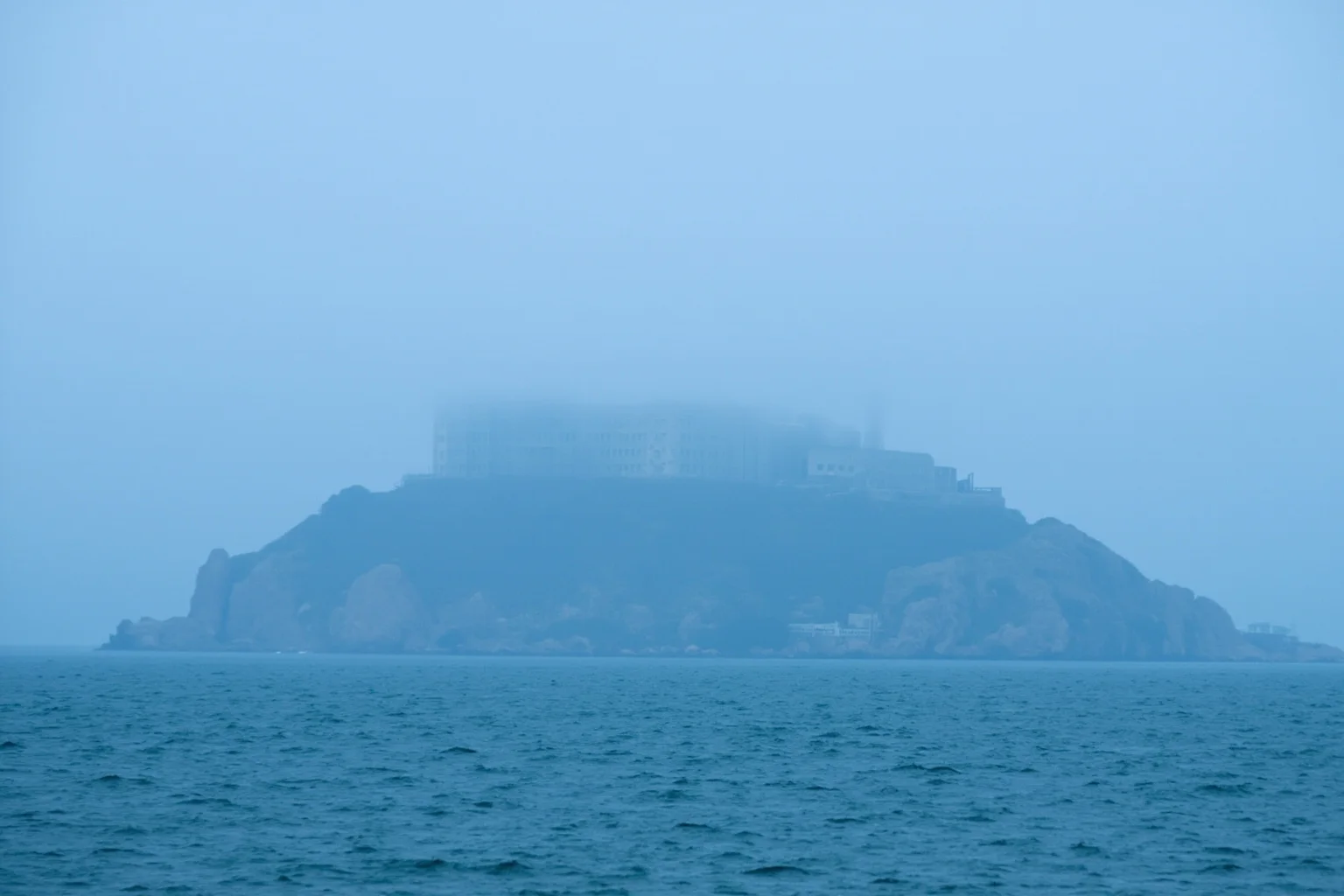
Alcatraz operated as a federal penitentiary from 1934 to 1963, housing some of America's most notorious criminals. But its dark history goes deeper. The island's isolation in San Francisco Bay made it a perfect prison — cold water, strong currents, and fog made escape nearly impossible.
Life inside was brutal. Inmates were subjected to strict silence rules, solitary confinement in "the Hole," and psychological isolation. The famous 1962 escape attempt by Frank Morris and the Anglin brothers remains officially unsolved, though most evidence suggests they drowned.
Before the prison, Alcatraz was a military fort and a site where Native American activists staged a 19-month occupation from 1969 to 1971. That protest, which sought to reclaim the island for Indigenous people, ultimately influenced federal Indian policy. The Rock's layers of history make it far darker than any Hollywood movie suggests.
7. Eastern State Penitentiary, Pennsylvania — The Birthplace of Solitary Confinement
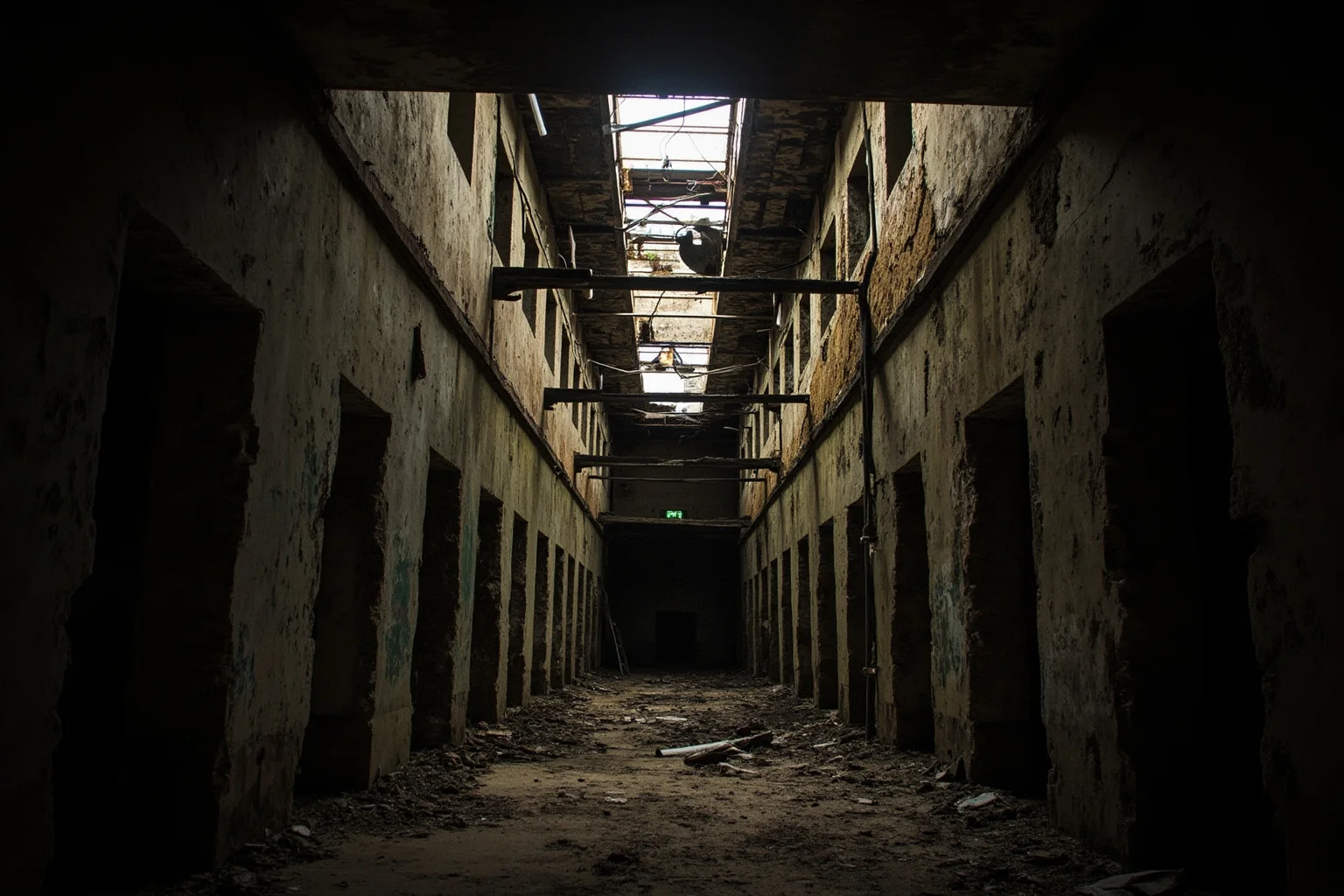
When Eastern State opened in 1829, it was the most expensive building in America. Its design was radical: prisoners lived in complete isolation, each in a cell with a skylight meant to inspire divine reflection. The system was called the "Pennsylvania System," and it was meant to be humane reform.
It was anything but. Inmates went mad from the silence and isolation. Guards used brutal punishments, including the "mad chair" and ice-cold showers. Charles Dickens visited in 1842 and wrote that the system was "rigid, strict, and hopeless" and that its prisoners were "buried alive."
Eastern State closed in 1971 and now operates as a museum. Its crumbling cellblocks are a haunting reminder that good intentions can curdle into cruelty when no one is watching.
8. The My Lai Memorial Site, Vietnam — Wait, That's Not in the US
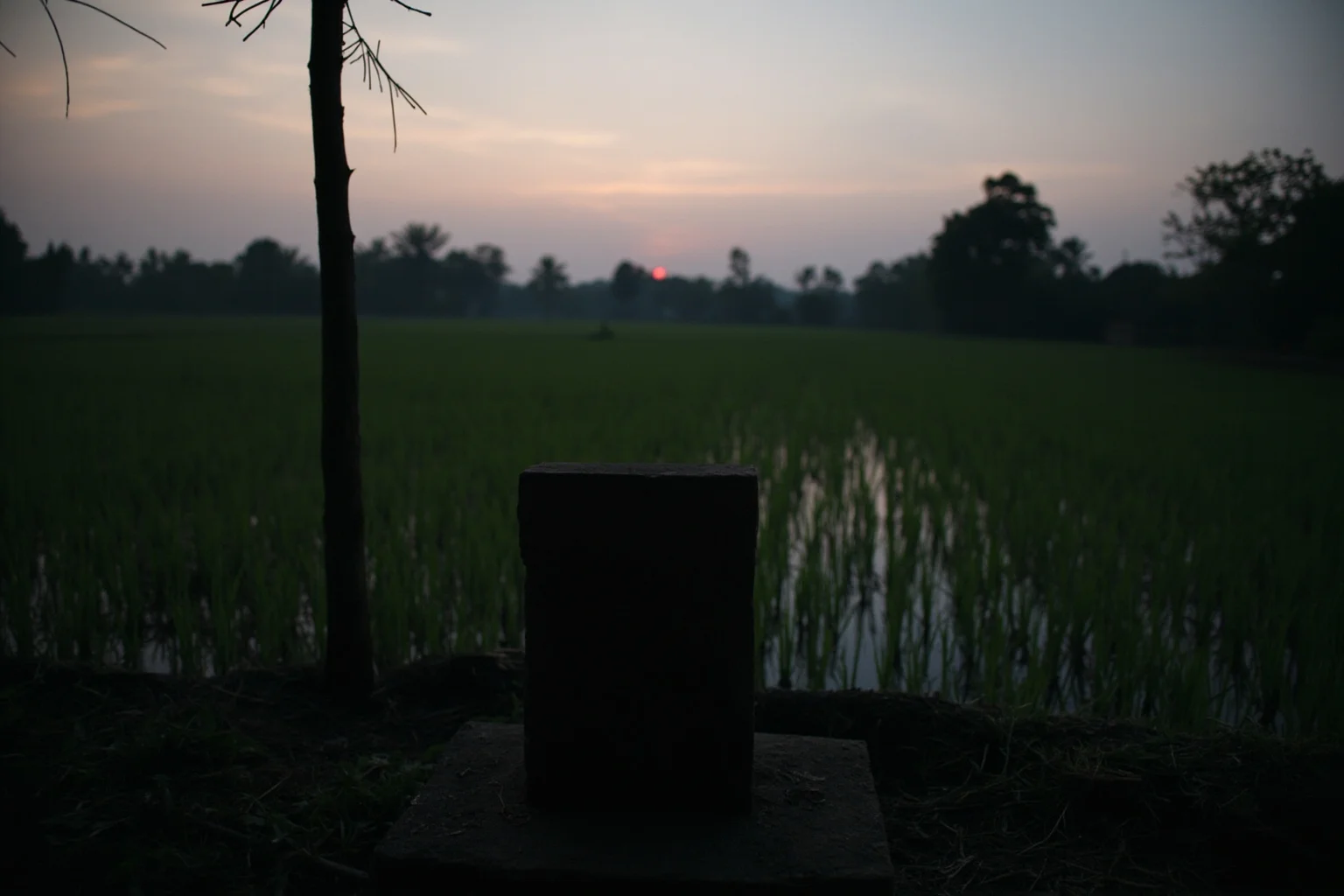
You're right — My Lai is in Vietnam, not the United States. But it belongs on a list of America's darkest places because the massacre there in 1968 was committed by American soldiers. On March 16, 1968, troops from Charlie Company killed between 347 and 504 unarmed Vietnamese civilians, mostly women, children, and elderly men.
The massacre was covered up for more than a year. When journalist Seymour Hersh broke the story in 1969, it shattered public trust in the war effort. Only one soldier, Lieutenant William Calley, was convicted, and he served just three and a half years under house arrest.
My Lai isn't a U.S. historic site, but it haunts American history nonetheless. It's included here because the darkest places in the US aren't always on a map — sometimes they're in a nation's conscience.
9. The Sand Creek Massacre Site, Colorado — A Betrayal of Peace
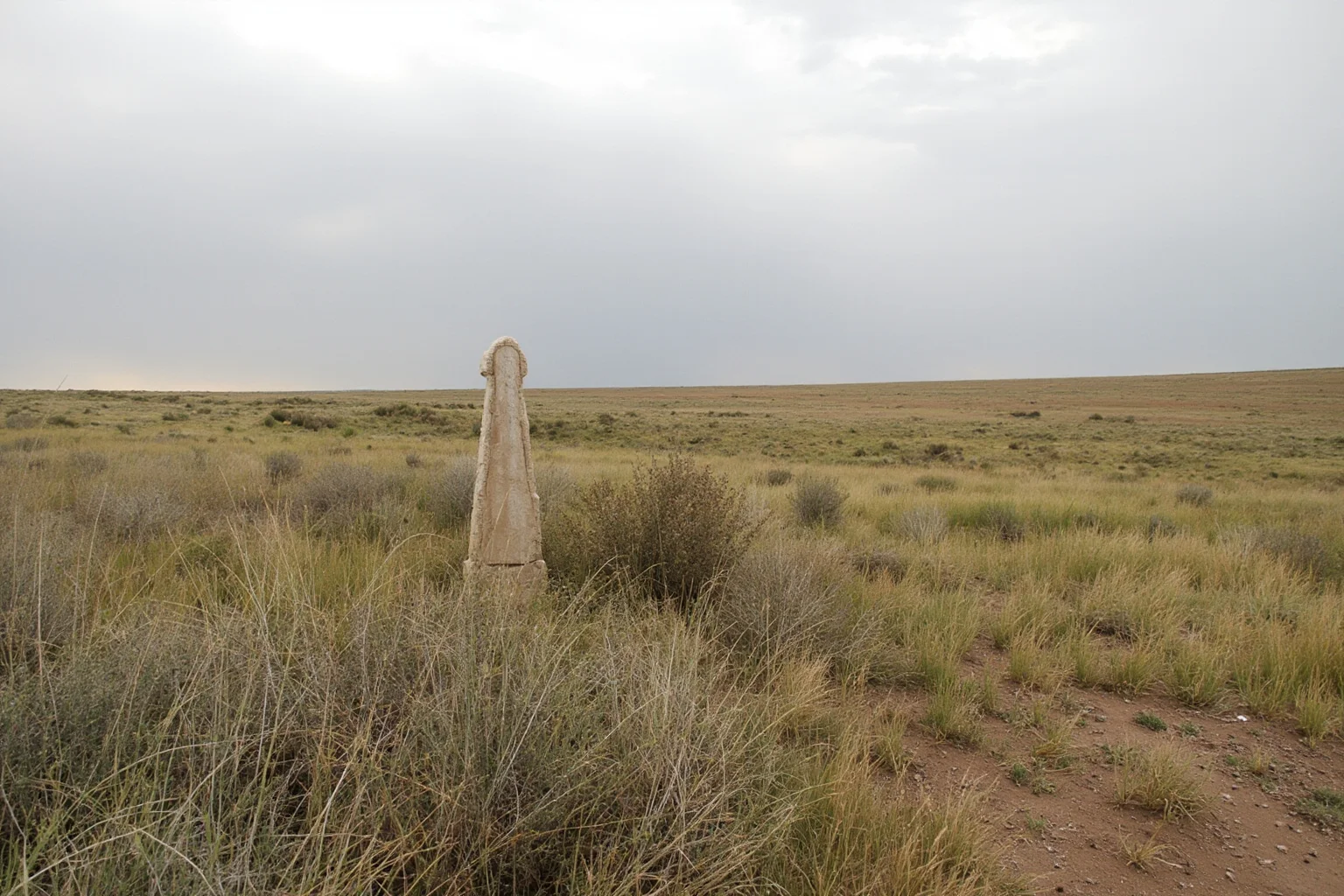
On November 29, 1864, Colorado volunteer soldiers attacked a village of Cheyenne and Arapaho people who had been promised safety. Chief Black Kettle flew both an American flag and a white flag of truce. The soldiers killed roughly 230 people, mostly women, children, and elders.
The soldiers then mutilated the dead, taking body parts as trophies. They paraded their "victory" through Denver. A subsequent congressional investigation condemned the massacre, but no one was ever punished.
The Sand Creek Massacre National Historic Site, established in 2007, is one of the most remote and least visited units of the National Park System. It's also one of the most important places for understanding the violent reality of westward expansion.
10. Tulsa's Greenwood District, Oklahoma — Black Wall Street Burned
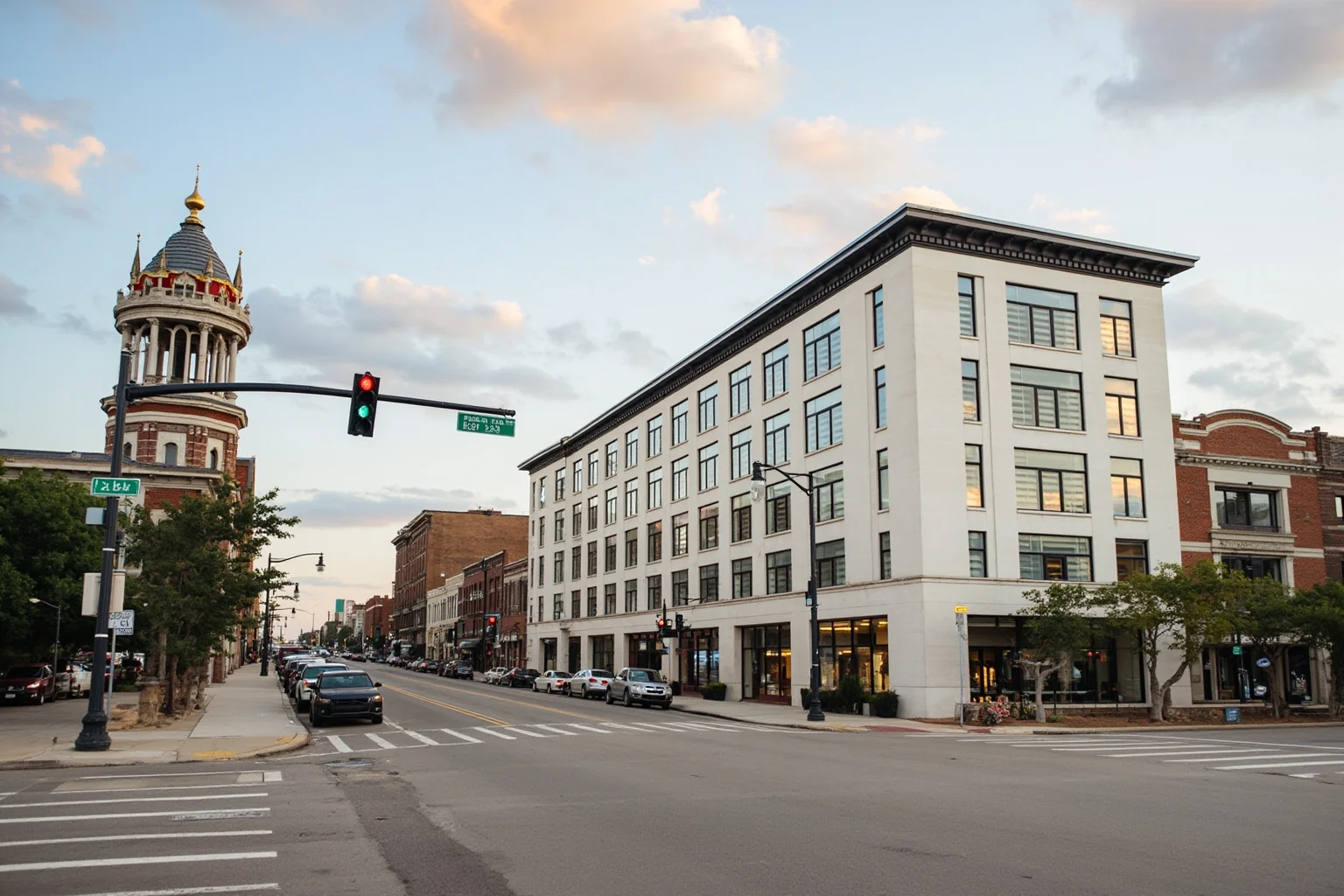
In 1921, the Greenwood District of Tulsa was one of the wealthiest Black communities in America. It was called "Black Wall Street" for its thriving businesses, theaters, schools, and hospitals. Then, over two days starting May 31, a white mob destroyed it.
The violence began after a young Black man, Dick Rowland, was accused of assaulting a white woman in an elevator. The accusation was likely fabricated or based on a misunderstanding. A white mob, armed and supported by law enforcement, burned 35 square blocks and killed an estimated 100 to 300 Black residents.
For decades, Tulsa buried the story. Textbooks didn't mention it, and survivors were silenced. The Greenwood Rising history center, opened in 2021, finally tells the full story — including the uncomfortable truth that some of the "deceitful people" in this history weren't criminals, but city officials who covered up the massacre.
11. The Donner Party Campsite, California — Starvation and Desperation
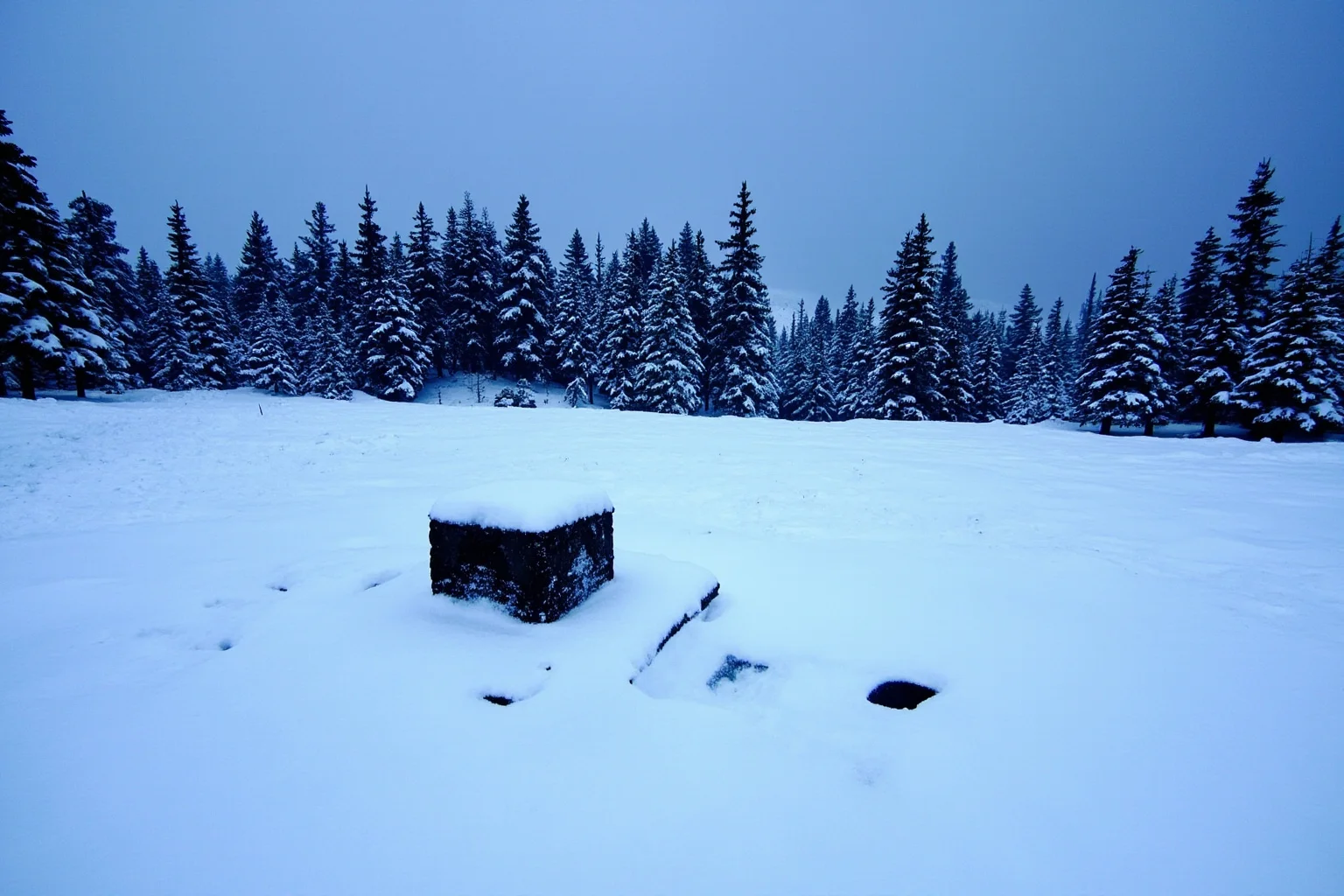
The Donner Party story is often reduced to a punchline about cannibalism. The reality is far more tragic and complicated. In 1846, a wagon train of about 87 pioneers took a "shortcut" that cost them weeks of travel time, leaving them trapped in the Sierra Nevada by early snow.
They were stranded for months with almost no food. Nearly half the party died. Some survivors did resort to eating the dead — a fact confirmed by both survivors and archaeology. But it was an act of utter desperation, not villainy.
At Donner Memorial State Park, the height of the memorial's pedestal — 22 feet — marks the depth of that winter's snow. It's a quiet place that strips away the jokes and reveals the human cost of bad decisions and worse luck.
12. The Trans-Allegheny Lunatic Asylum, West Virginia — Where Care Became Cruelty
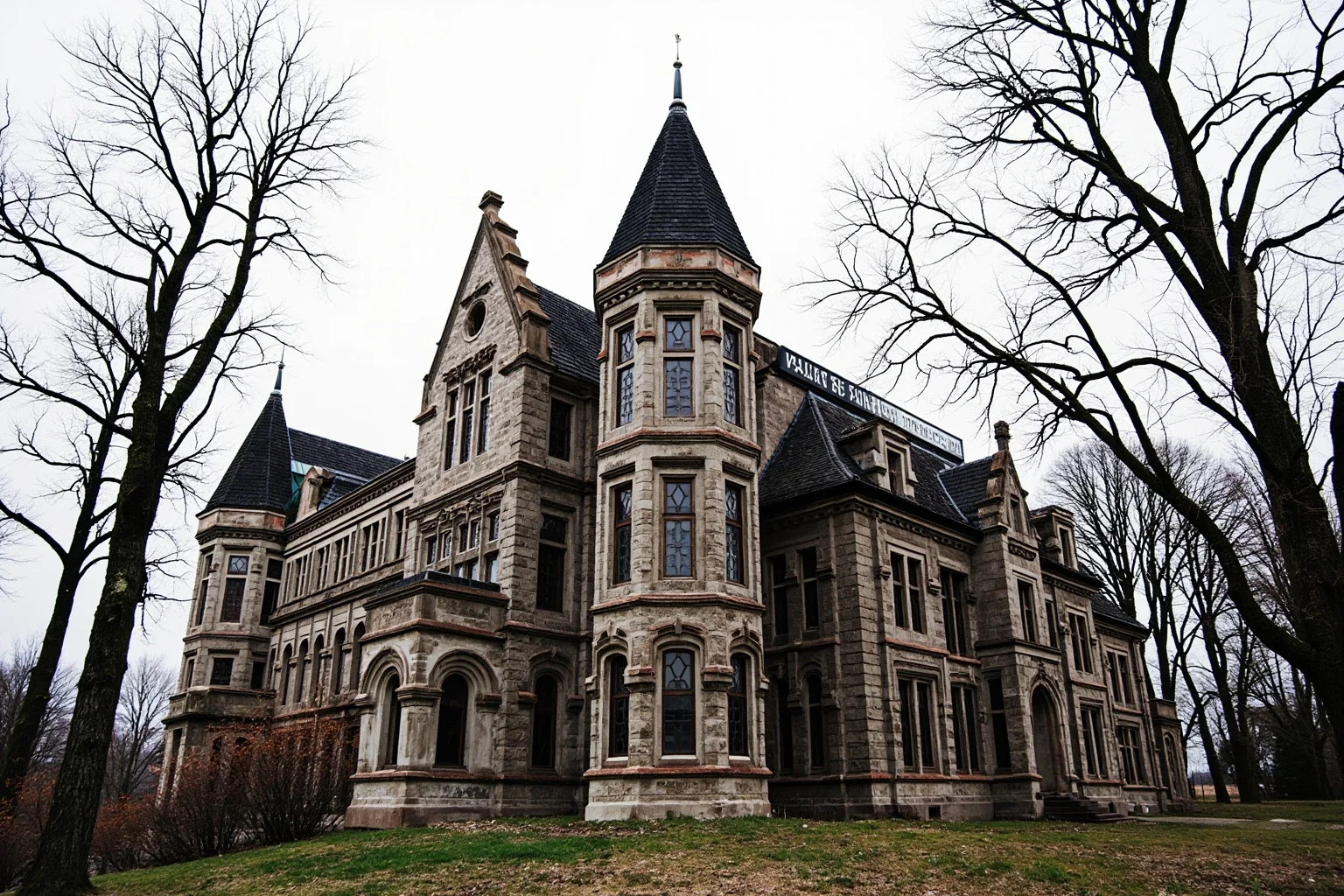
The Trans-Allegheny Lunatic Asylum in Weston, West Virginia, opened in 1864 with noble intentions. It was designed as a therapeutic sanctuary where patients could work, walk the grounds, and recover in peace. By the 1950s, it held more than 2,400 patients in a building designed for 250.
Overcrowding turned the asylum into a warehouse. Patients were kept in cages, subjected to lobotomies and electroshock therapy, and left to rot. The hospital didn't close until 1994. Former patients have described it as a place of profound loneliness and neglect.
The building now offers historical tours and ghost hunts. But the real horror isn't supernatural. It's the story of a mental health system that failed its most vulnerable people — a theme that echoes in abandoned asylums across the country.
13. The Triangle Shirtwaist Factory, New York — Death Behind Locked Doors
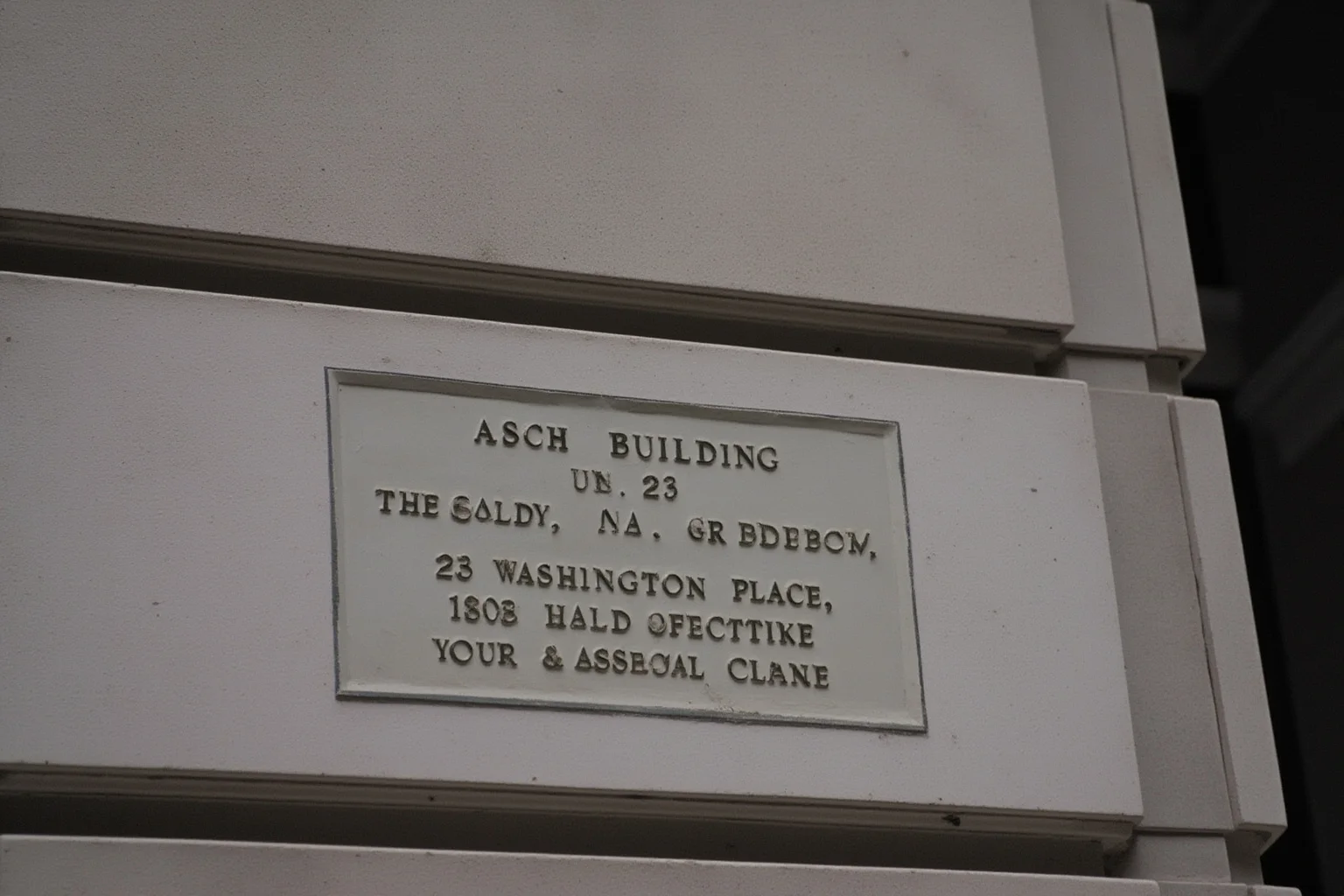
On March 25, 1911, a fire broke out at the Triangle Shirtwaist Factory in Manhattan. It spread through the eighth, ninth, and tenth floors of the Asch Building in minutes. The workers — mostly young immigrant women, some as young as 14 — found the exit doors locked.
The factory owners had locked the doors to prevent theft and unauthorized breaks. The fire escape collapsed. Firefighters' ladders couldn't reach the upper floors. In the end, 146 people died — many jumping from windows to escape the flames.
The disaster galvanized the labor movement. It led directly to workplace safety laws that protect American workers to this day. The building still stands at 23 Washington Place, now part of NYU. The site is a reminder that progress often comes at a terrible price.
14. The Mississippi Delta — Where the Blues Were Born from Suffering
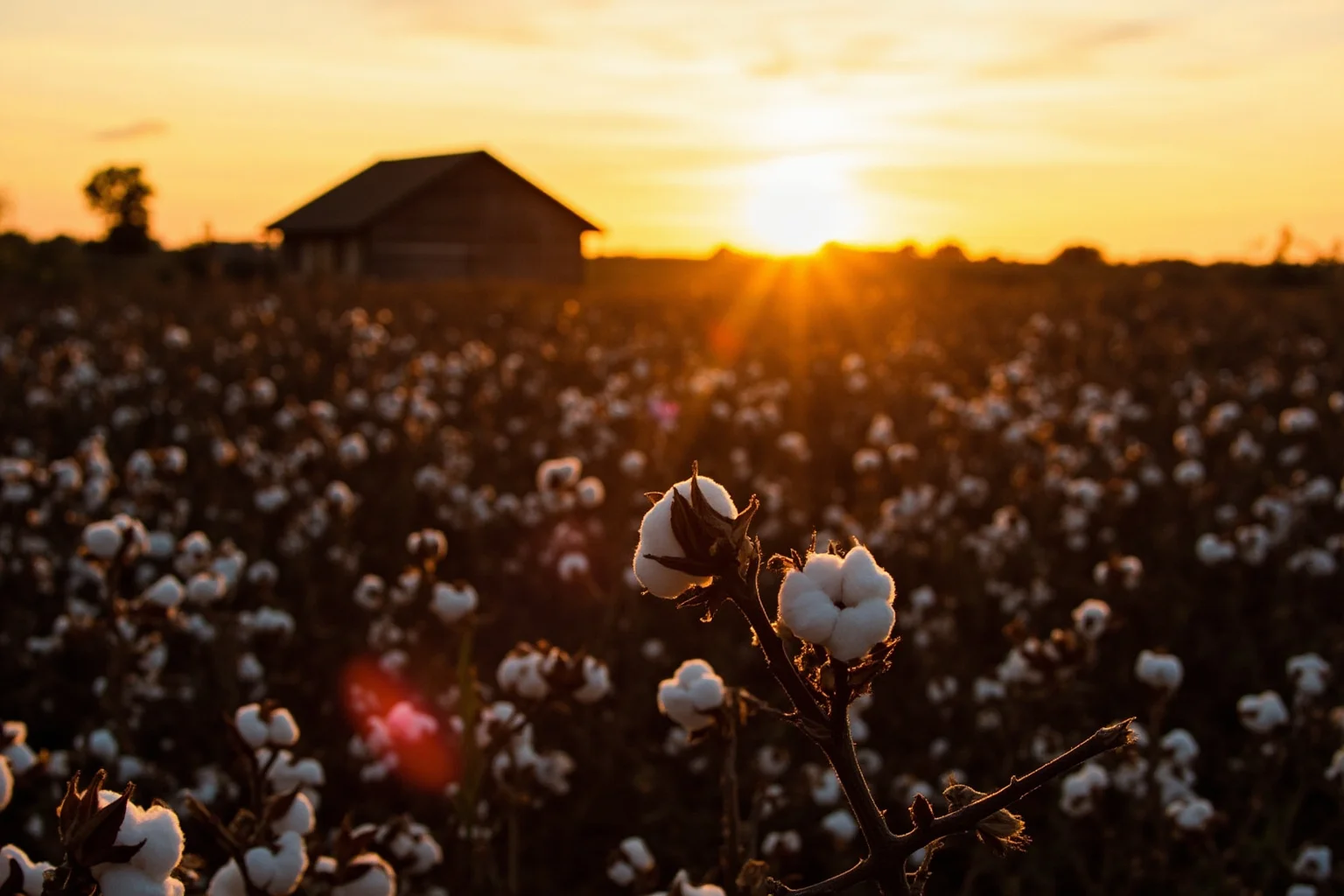
The Mississippi Delta isn't a single site, but a region with a deeply layered history. It was the heart of the cotton economy, built on the labor of enslaved people. After emancipation, sharecropping and tenant farming kept Black families in a system that was often slavery by another name.
The Delta was also ground zero for the Jim Crow South's worst violence. Emmett Till, a 14-year-old from Chicago, was lynched near Money, Mississippi, in 1955 after being accused of whistling at a white woman. His murderers confessed in a magazine interview but were never convicted.
The Delta's darkness is inseparable from its beauty. It gave the world the blues, gospel, and some of America's greatest literature. Visiting the region's civil rights museums and memorials is a journey through both profound suffering and extraordinary resilience.
15. The Pine Ridge Reservation, South Dakota — Generations of Broken Promises
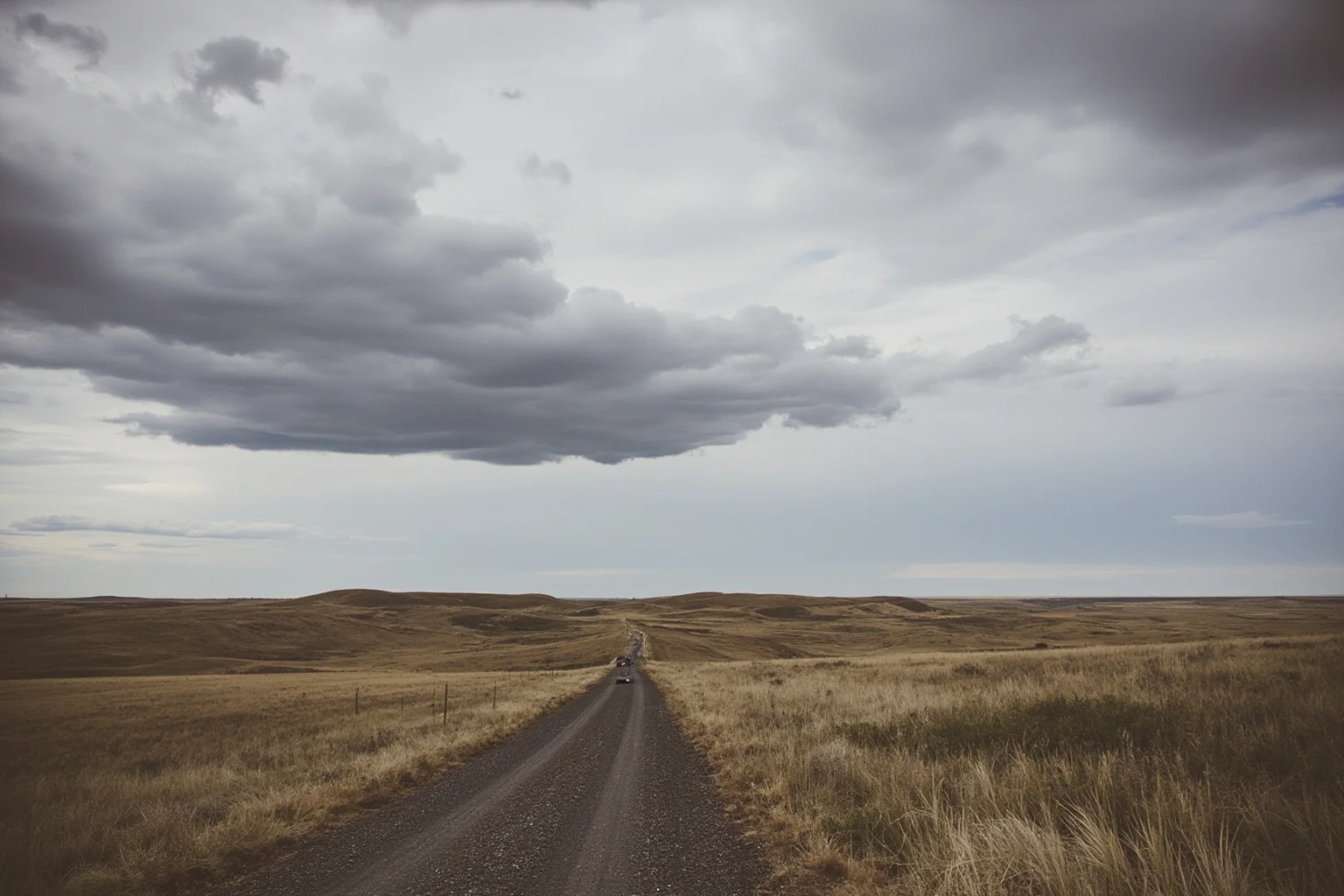
Pine Ridge is home to the Oglala Lakota Nation and has one of the highest poverty rates in the United States. Its darkness isn't a single event but a long accumulation: broken treaties, forced assimilation, land theft, and federal policies designed to destroy Indigenous cultures.
In 1973, Pine Ridge became the site of the Wounded Knee Occupation, when AIM activists and Lakota residents occupied the town for 71 days to protest tribal government corruption and federal failures. The siege ended in a standoff, with two activists killed.
Today, Pine Ridge faces severe challenges: unemployment, health disparities, and a suicide rate among young people that is among the highest in the nation. It's a place where the darkest chapters of U.S. history aren't past tense — they're still being written, and still being resisted.
Why These Places Matter More Than Ghost Stories
It's tempting to frame these sites as haunted or cursed. Ghost tours and paranormal TV shows have built an entire industry on that framing. But reducing them to spooky attractions does a disservice to the real people who suffered there.
The truth is harder to hear: these places aren't anomalies. They're the product of systems, policies, and prejudices that operated openly for decades or centuries. The darkest places in the US aren't dark because of ghosts — they're dark because of choices made by real people, often with widespread public support.
That's why historians push back on supernatural narratives. The more we focus on ghosts, the less we focus on the actual causes: racism, greed, fear, and the abuse of power. Those are the real demons.
How to Visit These Sites Respectfully
Visiting a dark historic site isn't like visiting a theme park. These are places of mourning, memory, and ongoing pain for many communities. A little preparation goes a long way.
Research the history before you go. Read firsthand accounts, watch documentaries, and understand the context. Dress appropriately, keep your voice down, and don't take selfies at memorials. Many of these sites have cultural protocols — at Wounded Knee, for example, visitors are asked not to photograph the mass grave without permission.
Above all, listen. The descendants of survivors still live in these communities. Their stories aren't just history — they're living memory. The most respectful thing you can do is treat them as teachers, not attractions.
Conclusion: Confronting the Dark to Find the Light
America loves a redemption story. But redemption requires honesty first. These darkest places in the US force us to confront the gap between the nation's ideals and its actions. That's uncomfortable, and it should be.
The good news is that these sites also tell stories of resilience. Salem's victims were exonerated. Japanese Americans won reparations. The Greenwood District is being rebuilt. Wounded Knee's descendants are still fighting for justice. The darkness isn't the whole story — but ignoring it means missing the most important parts.
So go. Visit these places. Read the plaques, walk the grounds, and sit with the discomfort. History isn't just something that happened to other people. It's the ground we're all still standing on.
Frequently Asked Questions
Which places in the US have the most deceitful people?
This phrasing is often used in online searches, but the framing is misleading. The darkest places in the US aren't defined by deceitful individuals, but by systems and institutions that failed. That said, certain sites are associated with documented deception: Salem's witch trials relied on false accusations, the My Lai massacre was covered up for over a year, the Tulsa Race Massacre was deliberately omitted from official records for decades, and the Trail of Tears followed treaties that the U.S. government repeatedly broke. Rather than focusing on "deceitful people," historians emphasize how fear, racism, and institutional cover-ups enabled these tragedies. The real lesson is that systems — not just bad individuals — can deceive and harm.
What is the darkest historic site in the United States?
There is no single "darkest" site, since measuring suffering is impossible and disrespectful. However, several places are frequently cited for their profound historical weight: Wounded Knee in South Dakota, the site of an 1890 massacre of Lakota people; Andersonville in Georgia, where nearly 13,000 Union prisoners died; and the Trail of Tears, a forced removal route where thousands of Cherokee and other Indigenous people died. Each site represents a different kind of tragedy — massacre, imprisonment, and forced displacement — and each matters for different reasons.
Are these dark historic sites safe to visit?
Yes, most of the sites on this list are managed by the National Park Service, state parks, or historical societies and are safe for visitors. Some, like the Sand Creek Massacre site, are remote and require planning. Others, like Alcatraz or Eastern State Penitentiary, are popular tourist destinations. The key is to visit respectfully, follow posted guidelines, and remember that many of these places are sacred or memorial sites for descendant communities.
Why do some of these places have ghost tours if the history is so serious?
Ghost tours are a commercial phenomenon, not a historical one. Sites like Eastern State Penitentiary and the Trans-Allegheny Lunatic Asylum offer ghost tours because they generate revenue that funds preservation. Historians generally avoid supernatural explanations and emphasize documented history instead. The tension is real: ghost tours can trivialize suffering, but they also keep these places open and introduce visitors to history they might otherwise never encounter. The best approach is to take a historical tour first, then decide if the ghost tour is appropriate for you.

Alex Warren
Related Articles