
When you picture the oldest prison in the world, you probably imagine damp stone cells, iron shackles, and maybe a skeleton or two. The real story is stranger, older, and often less grim than the legends suggest. Prisons as we know them are a surprisingly modern invention, but humans have been locking each other up for thousands of years.
Ancient jails were rarely meant for long-term punishment. Most held people awaiting trial, execution, or enslavement — not convicted criminals serving sentences. That distinction matters when we look at the first prison in the world and the buildings that followed.
TL;DR: The oldest known purpose-built prison is Egypt's 4,000-year-old 'Great Prison' at Thebes, but many ancient jails — from Rome's Mamertine Prison to the Tower of London — survive today as monuments to changing ideas about crime and punishment.
What Counts as an Ancient Prison?
Before we rank the oldest prisons, we need to define what a prison actually is. A dungeon, a holding cell, and a penal colony are not the same thing. For this list, a prison is a secure structure used to detain people against their will, usually under state or temple authority.
Many early jails were attached to palaces, temples, or city gates. They held debtors, prisoners of war, and political rivals rather than everyday lawbreakers. The idea of prison as punishment only took hold in the 18th and 19th centuries.
That caveat helps explain why so many candidates for the oldest jail in the world are archaeological sites rather than operating facilities. Some are ruins. Others still function, in one form or another, centuries after their first stones were laid.
The Oldest Known Prison: Egypt's 'Great Prison' at Thebes
The strongest archaeological candidate for the oldest prison in the world sits on the west bank of the Nile at Thebes, modern Luxor. Known as the 'Great Prison,' it dates to the Middle Kingdom, roughly 2000–1700 BCE. It appears in administrative records as a place where laborers and criminals were confined under state control.
Egyptologists have identified the structure at Deir el-Bahri as a walled enclosure with guard posts and internal cells. Papyri mention prisoners being sent there for crimes like tomb robbing and tax evasion. It was not a modern penitentiary, but it was purpose-built for detention.
The Great Prison challenges the popular assumption that ancient societies only used dungeons or slave pens. Here was an institutional jail with records, staff, and procedures. For anyone asking what the first jail in the world was, this is the most defensible answer.
How Ancient Prisons Differed From Modern Ones
Modern prisons isolate people from society as punishment. Ancient prisons mostly isolated people from society while they waited for something else to happen. That could be a trial, a ransom payment, a public execution, or sale into slavery.
Confinement itself was rarely the sentence. Roman law, for example, explicitly stated that prison was for custody, not punishment. A judge might order someone held until their case was heard, but not sentenced to years behind bars.
That philosophical difference shaped the buildings. Ancient jails were often small, cramped, and insecure by modern standards. They were not designed for long-term habitation, which is why so few complete examples survive.
1. The Great Prison at Thebes (Egypt, c. 2000 BCE)

The Great Prison at Thebes is the earliest documented purpose-built jail in the archaeological record. It served the pharaonic state during the Middle Kingdom, detaining laborers, debtors, and criminals. Its remains include thick mudbrick walls and internal chambers that match descriptions in administrative papyri.
This site matters because it pushes the history of incarceration back nearly 4,000 years. It also shows that imprisonment was already institutionalized in ancient Egypt. Guards, records, and work assignments were all part of the system.
For historians, the Great Prison is the strongest candidate for the first prison in the world. It predates the famous Roman and Greek jails by more than a millennium.
2. The Citadel of Aleppo Prison (Syria, c. 1200 BCE)
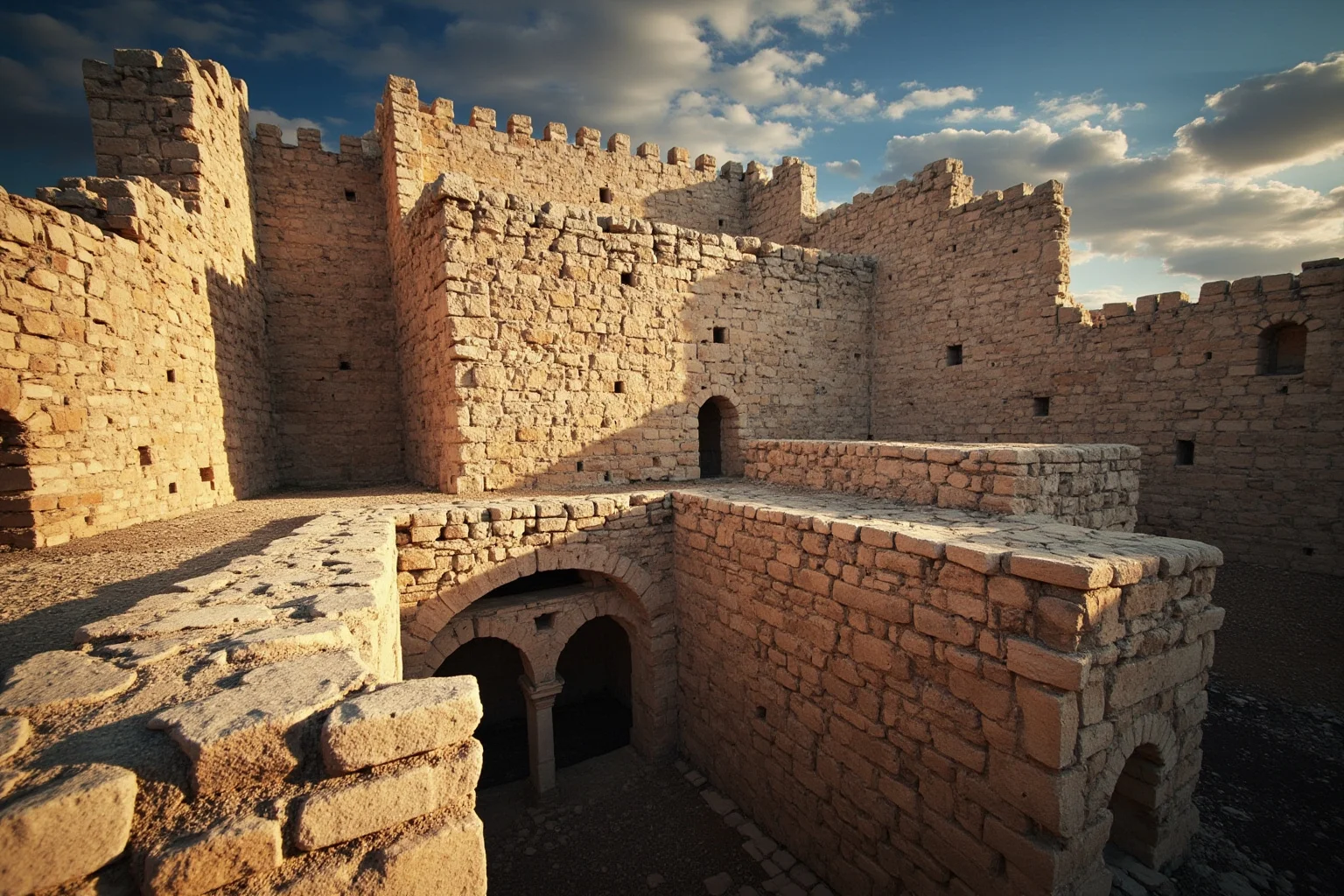
The citadel hill at Aleppo has been fortified since at least the third millennium BCE, but its use as a jail crystallized under successive empires. Hittite, Assyrian, and later Islamic rulers all used the citadel's underground chambers to hold captives. The stone dungeons there are among the oldest continuously used detention spaces in the world.
Aleppo's citadel prison was not a single building but a complex of cells carved into the hill. Prisoners included political rivals, captured soldiers, and hostages. The site remained in use as a prison into the modern era.
Its longevity makes it a remarkable example of an ancient prison that evolved with the city around it.
3. The Prison of Socrates (Athens, Greece, c. 5th century BCE)
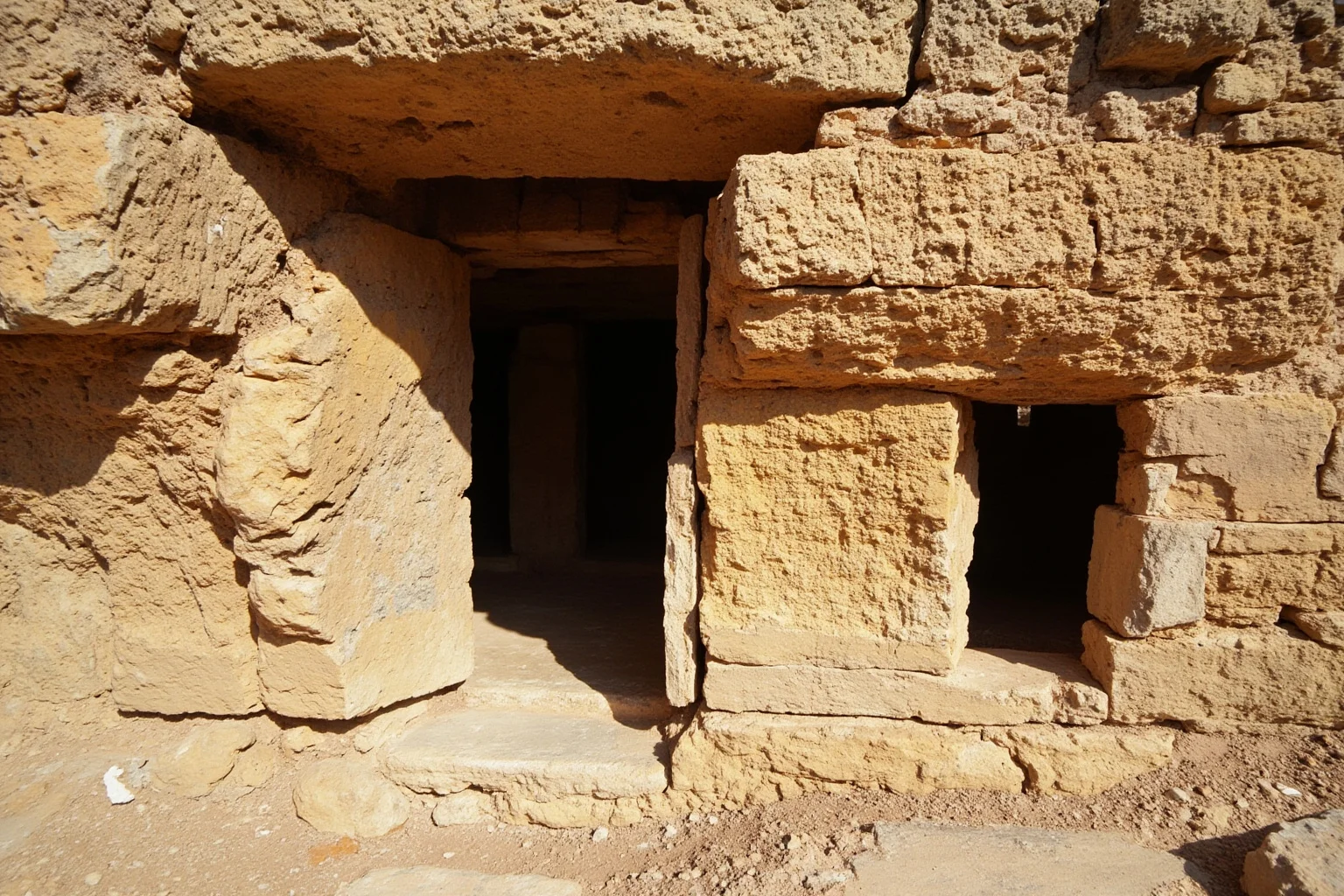
The so-called Prison of Socrates sits on the slopes of the Hill of the Muses in Athens. Tradition holds that Socrates spent his final days here before drinking hemlock in 399 BCE. Archaeologists have identified the rock-cut chambers as part of the ancient Athenian state prison.
Excavations found small rooms carved into bedrock, along with pottery and a small statuette of Socrates. The identification is not universally accepted, but it is widely taught. Even skeptics agree the site was a public jail in classical Athens.
This is the most famous ancient prison in the Western philosophical tradition. Its association with Socrates makes it a pilgrimage site for anyone interested in law, justice, and dissent.
4. The Mamertine Prison (Rome, Italy, c. 7th century BCE)
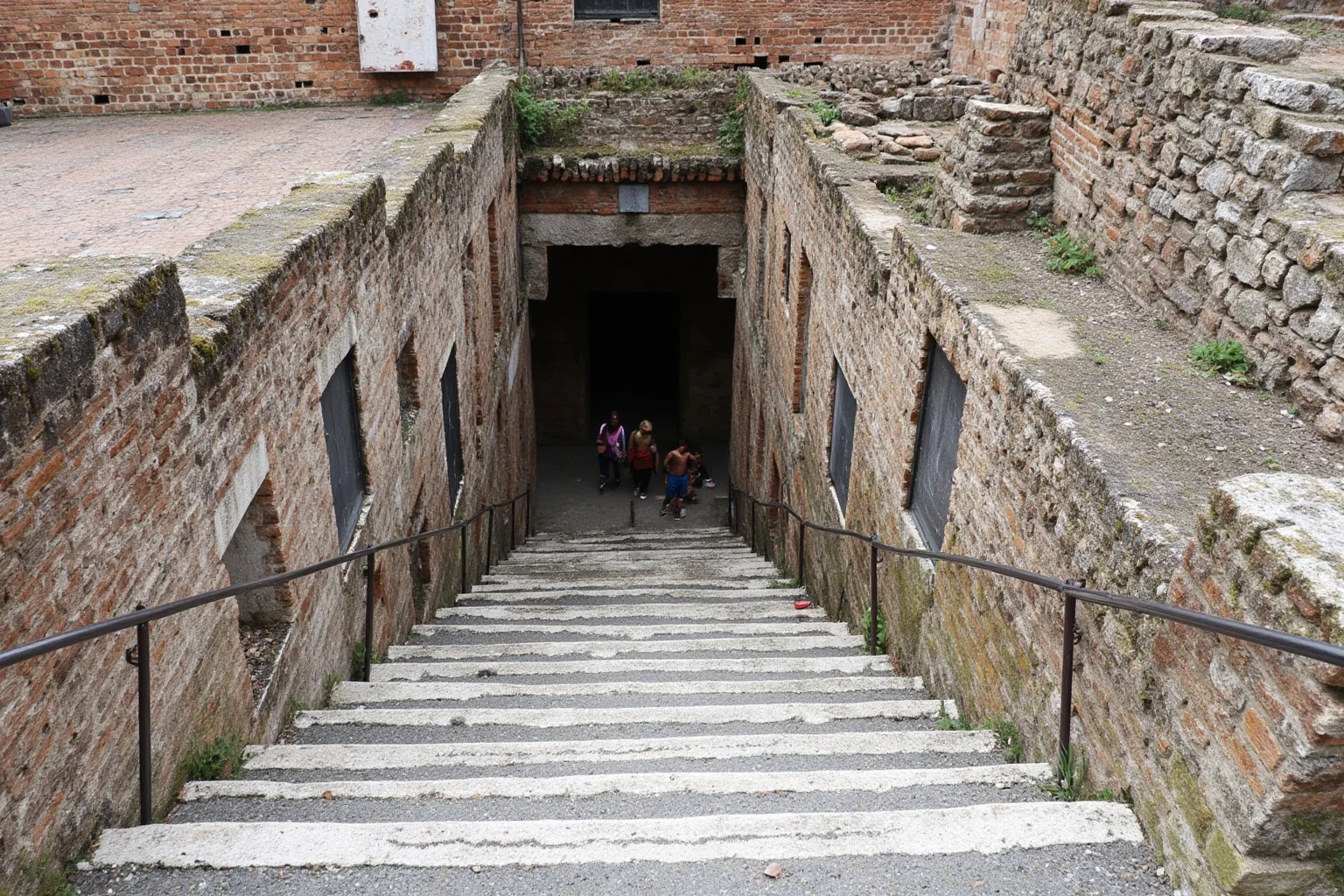
The Mamertine Prison, or Carcer Tullianum, is often called the oldest jail in the world still standing. It sits at the foot of the Capitoline Hill in Rome, next to the Roman Forum. Tradition dates its lower chamber, the Tullianum, to the seventh century BCE under King Ancus Marcius.
The prison held high-profile captives awaiting execution, including defeated enemy leaders like Jugurtha and Vercingetorix. Christian tradition also places Saints Peter and Paul here, though evidence is thin. The structure is a grim, circular stone chamber reached by a narrow staircase.
Today the Mamertine Prison is a museum and chapel. It offers one of the most visceral glimpses into the harsh reality of Roman custody.
5. The Lautumiae (Rome, Italy, c. 4th century BCE)
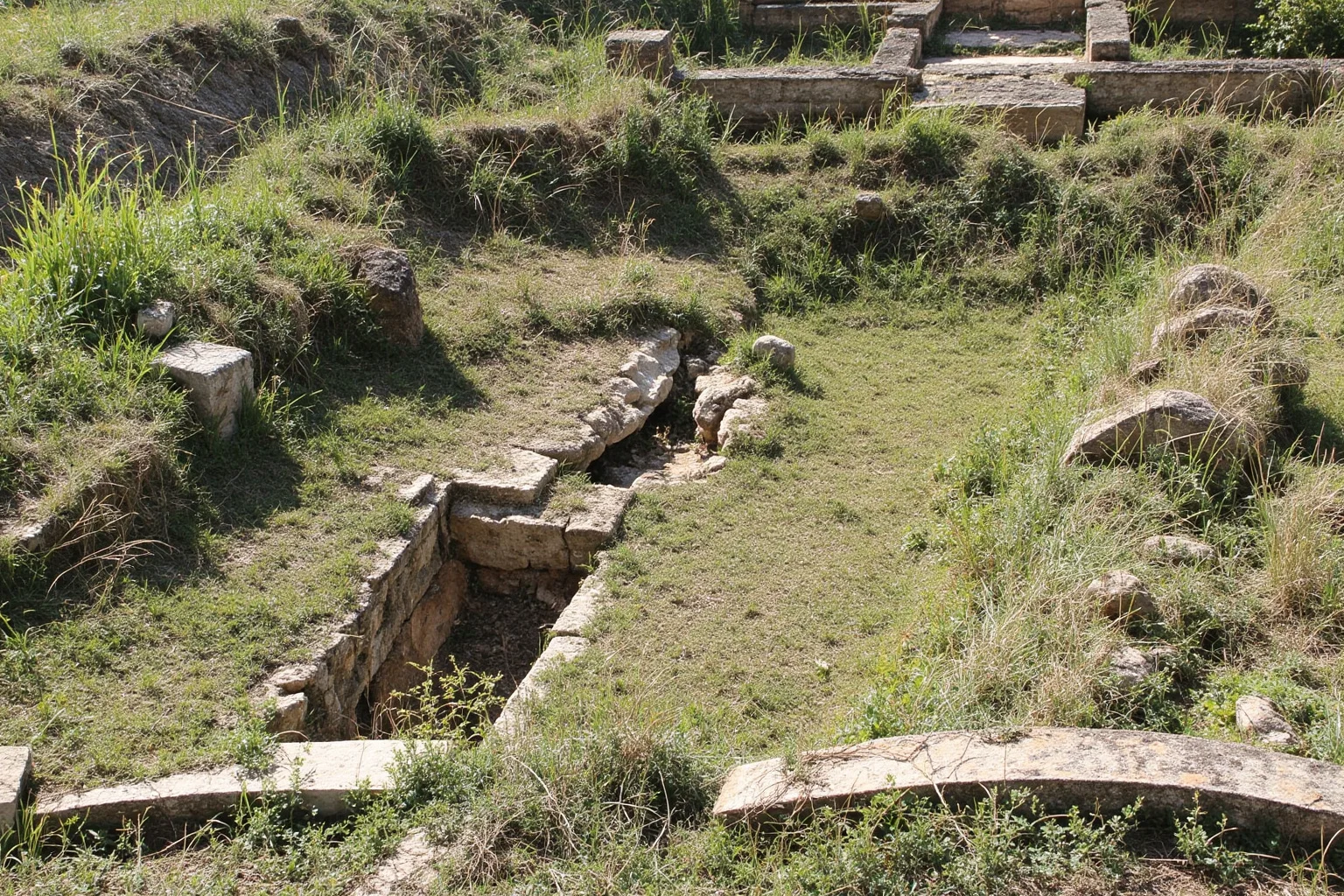
The Lautumiae was a quarry-prison on the Capitoline Hill, later converted into a state jail. It held slaves, debtors, and political prisoners during the Roman Republic. Its name comes from the stone-cutting works that originally occupied the site.
Ancient sources mention the Lautumiae as a place of detention rather than punishment. It was crowded, unsanitary, and feared. The jail was eventually replaced by more purpose-built facilities elsewhere in the city.
Though little remains of the Lautumiae, its role in early Roman law is well documented.
6. The Tullianum (Rome, Italy, c. 7th century BCE)
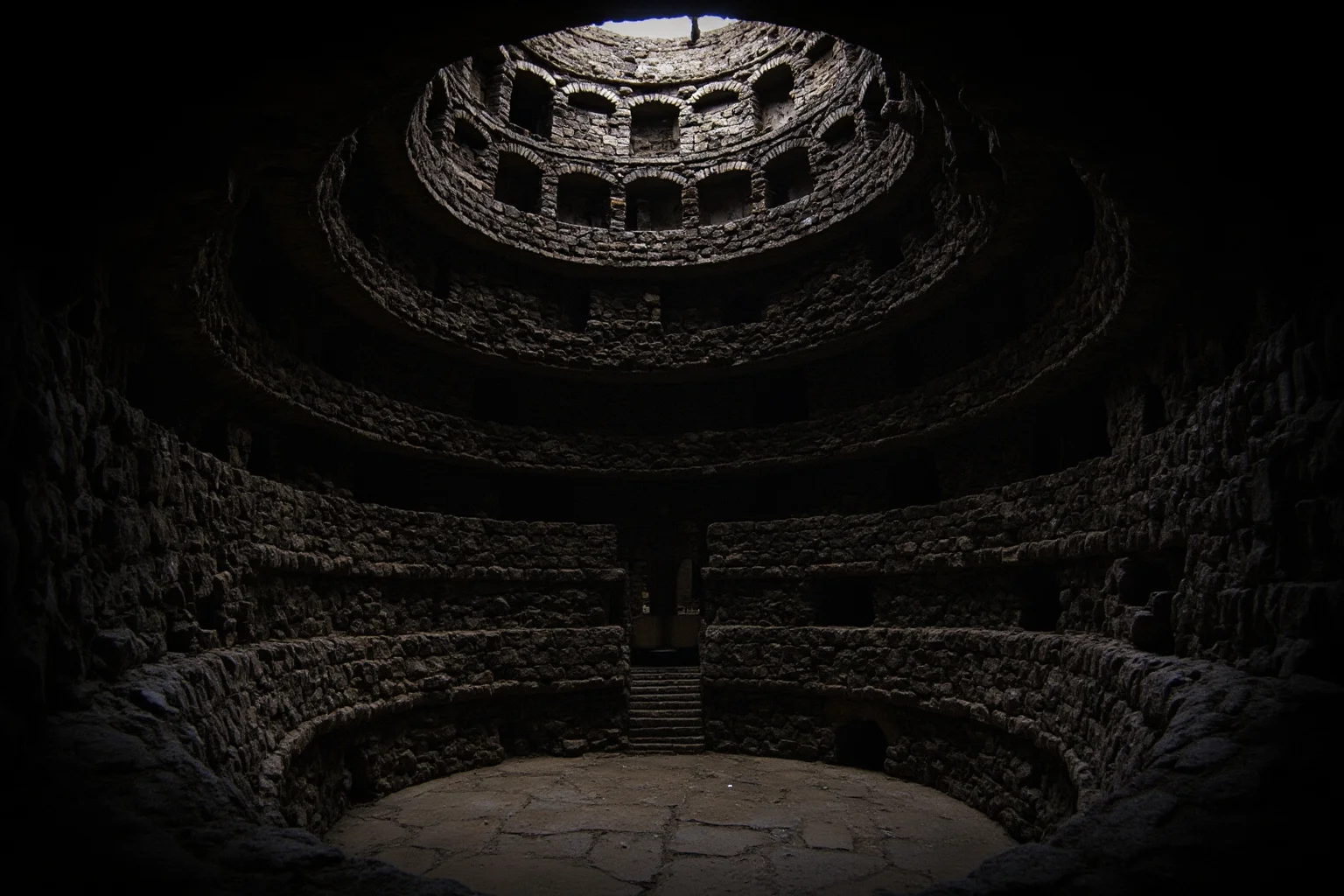
The Tullianum is technically the lower chamber of the Mamertine Prison, but it deserves separate mention because of its age. This circular, beehive-shaped stone room is one of the oldest intact prison cells in the world. It was originally a spring house or cistern before being converted into a dungeon.
Prisoners were lowered into the Tullianum through a hole in the ceiling. The room is about 6.5 meters in diameter and has no windows. Its isolation and darkness made it a place of despair.
Visitors today can descend into the Tullianum and feel the weight of nearly 2,700 years of confinement.
7. The Ergastulum (Rome, Italy, c. 2nd century BCE)
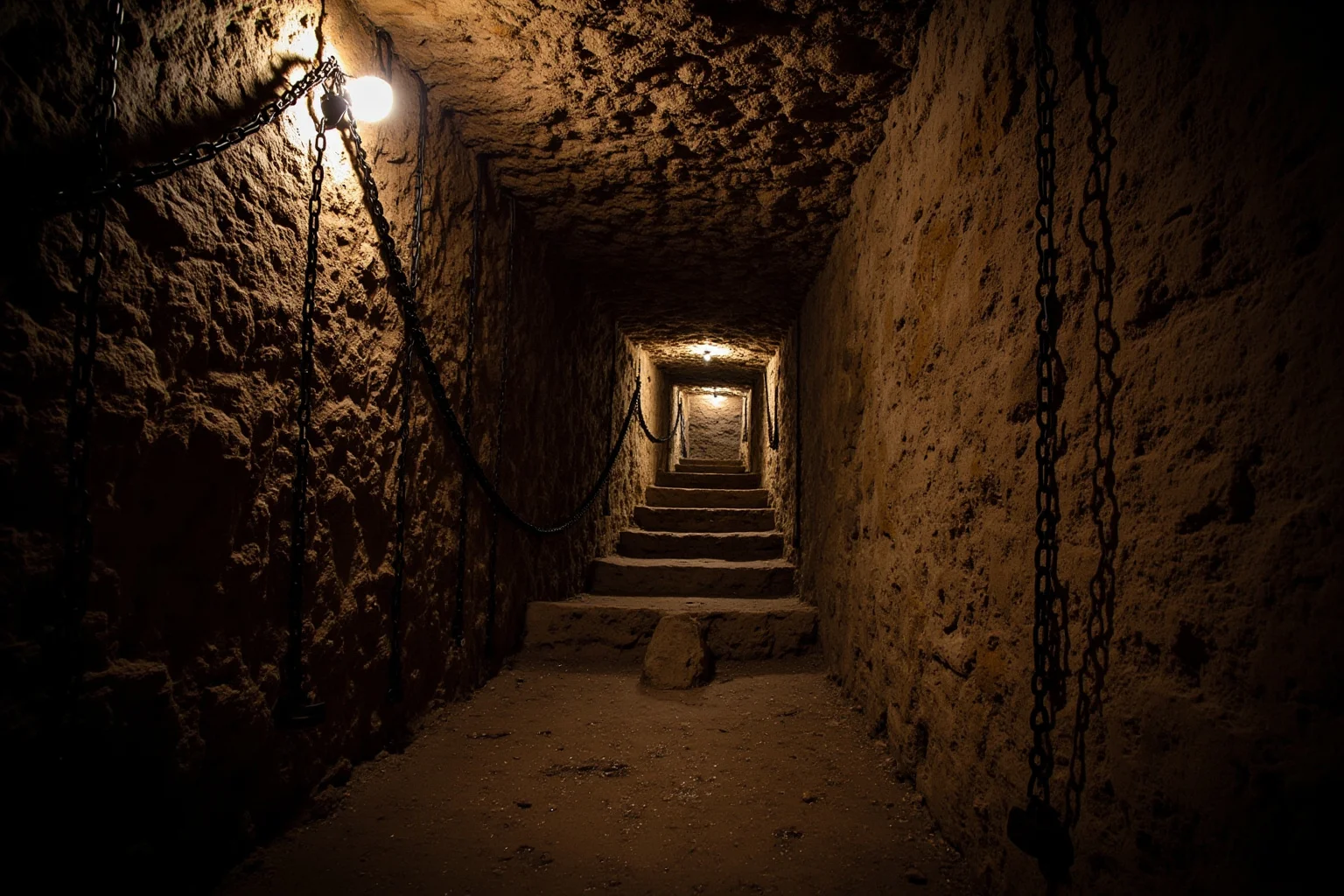
The ergastulum was a private prison on Roman estates used to confine enslaved workers. These underground cells were common across the Roman world, though few survive. The term itself became synonymous with harsh, forced labor.
Wealthy landowners used ergastula to punish and control their enslaved workforce. Runaways, resisters, and those deemed lazy were chained inside. The conditions were brutal even by ancient standards.
The ergastulum matters because it shows that ancient prisons were not always state institutions. Private jails were a significant part of the Roman economy.
8. The Prison of Anemas (Istanbul, Turkey, c. 12th century CE)
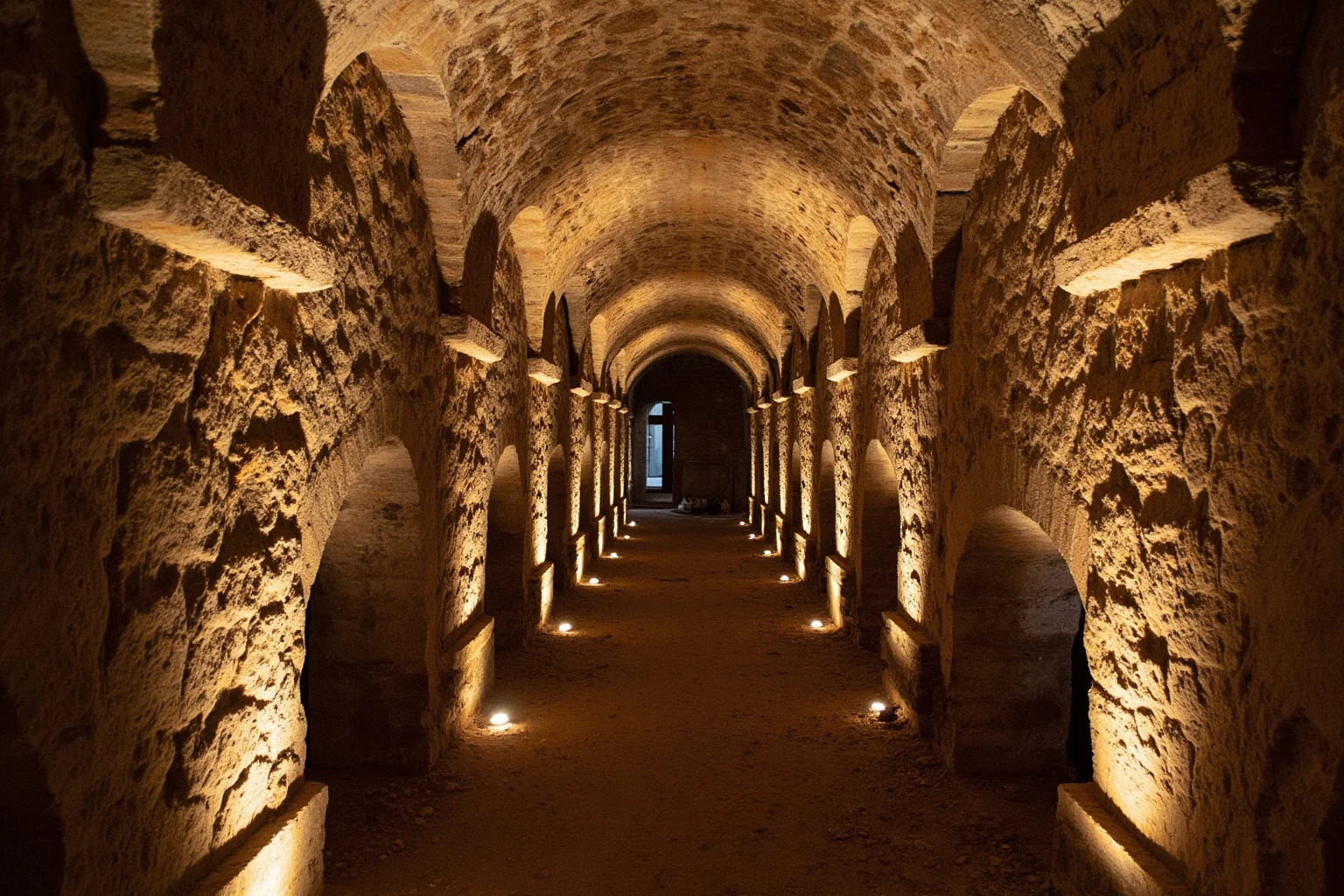
The Prison of Anemas is part of the Blachernae Palace complex in Constantinople, now Istanbul. Byzantine emperors used it to imprison rivals, rebels, and deposed rulers. The prison takes its name from Anemas, a general who plotted against Emperor Alexios I Komnenos in 1106.
The prison is a series of subterranean chambers beneath the palace walls. Several Byzantine emperors were blinded or executed after being held here. The cells are still visible today, built into the massive land walls.
The Prison of Anemas offers a rare glimpse into Byzantine political imprisonment. It is one of the best-preserved medieval jails in the world.
9. The Tower of London (London, England, 1078 CE)
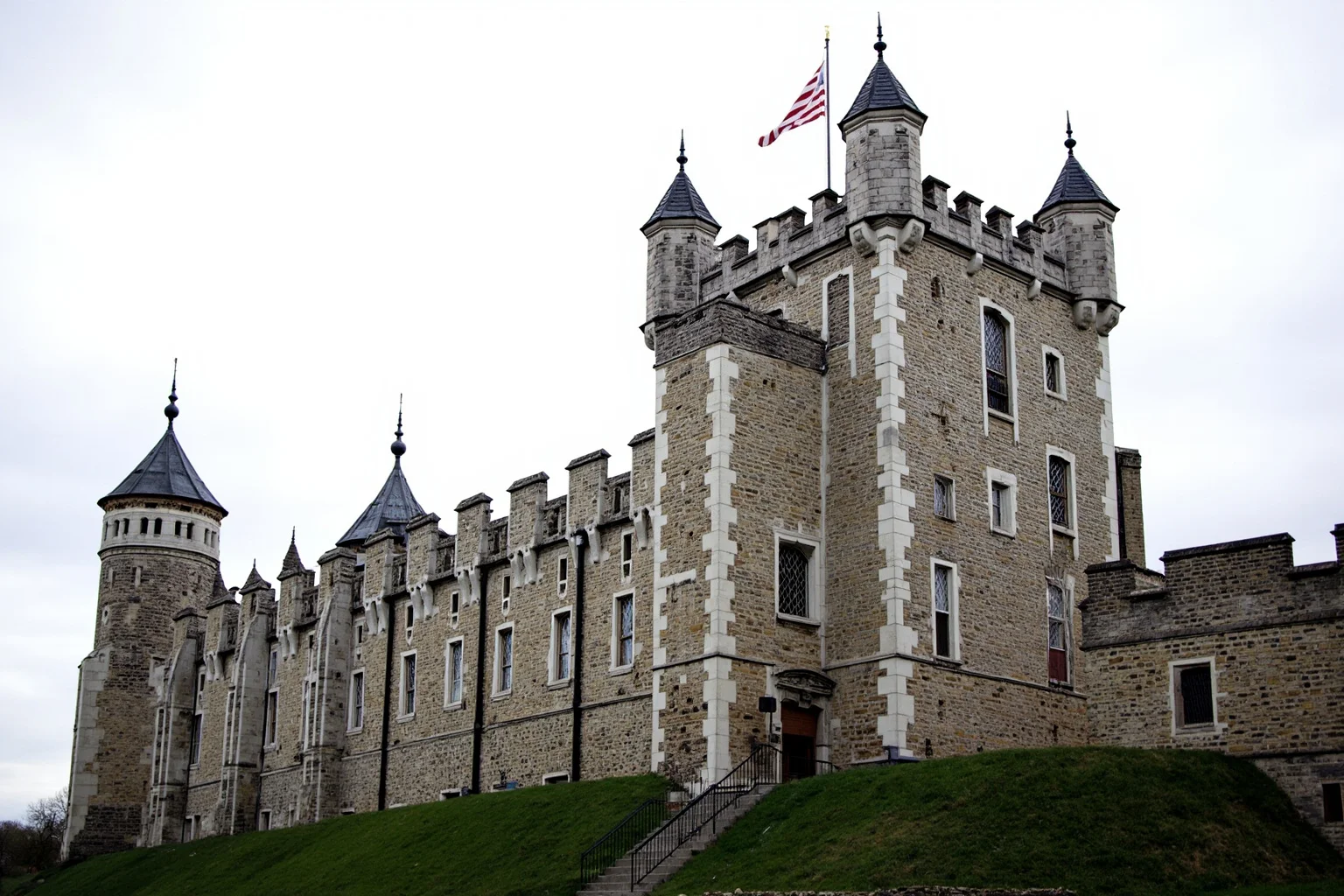
The Tower of London is one of the most famous old prisons in the world, though it began as a royal fortress. William the Conqueror built the White Tower in 1078. Over the centuries, the Tower held everyone from Anne Boleyn to Rudolf Hess.
The Tower was never a prison in the modern sense. It held high-status prisoners, often in relative comfort. But its dungeons and execution sites earned it a fearsome reputation.
The Tower remains a working royal palace, fortress, and museum. Its prison history is only one layer of a complex story.
10. The Clink Prison (London, England, 1144 CE)
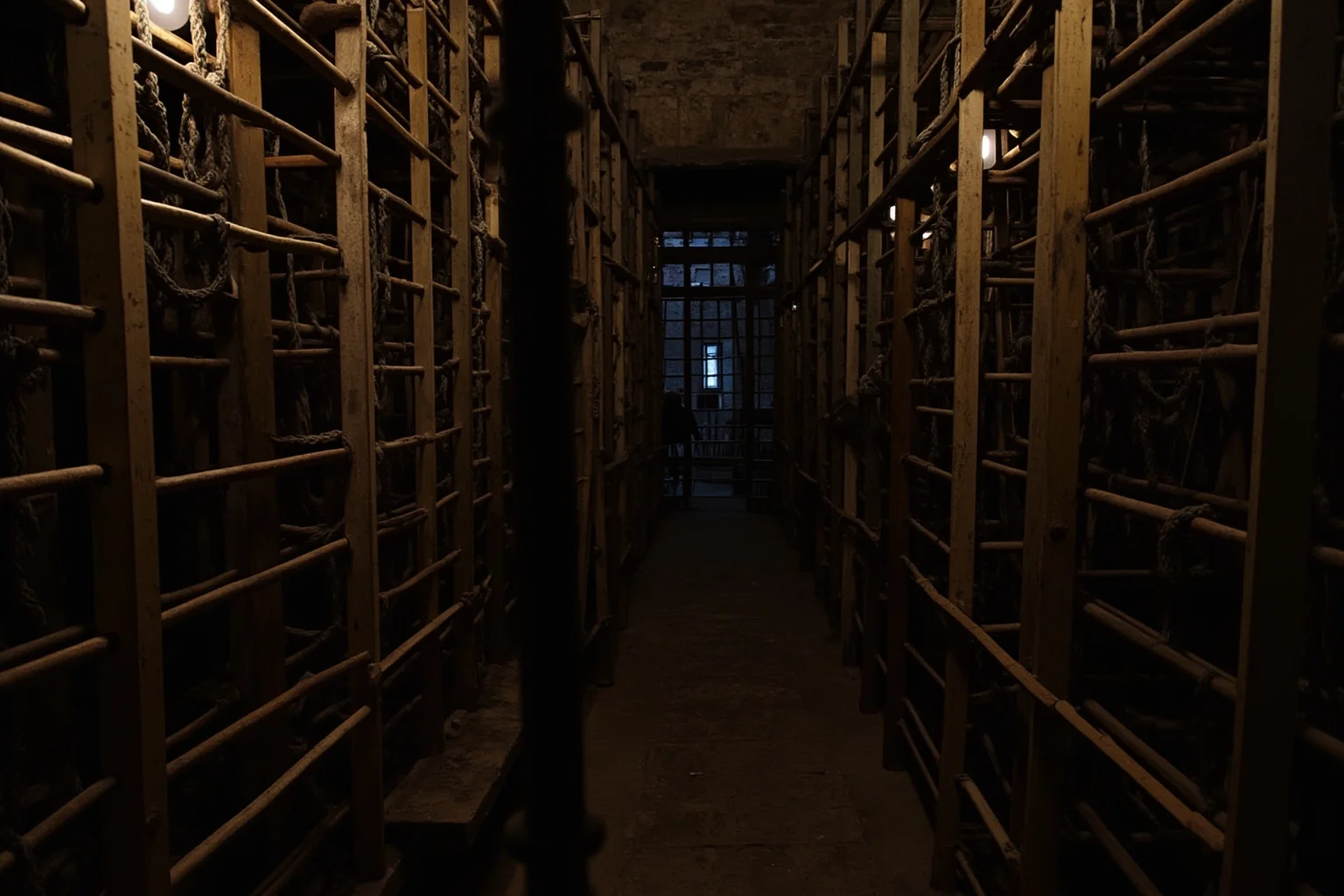
The Clink was a prison in Southwark, London, owned by the Bishop of Winchester. It operated from 1144 until 1780, making it one of the longest-running jails in English history. The name 'Clink' became slang for any prison.
The Clink held debtors, heretics, and religious dissidents. Conditions were notoriously poor, and prisoners had to pay for food and bedding. The prison was burned down during the Gordon Riots in 1780.
Today the Clink Prison Museum stands near the original site. It recreates the grim experience of medieval incarceration.
11. The Bargello (Florence, Italy, 1255 CE)
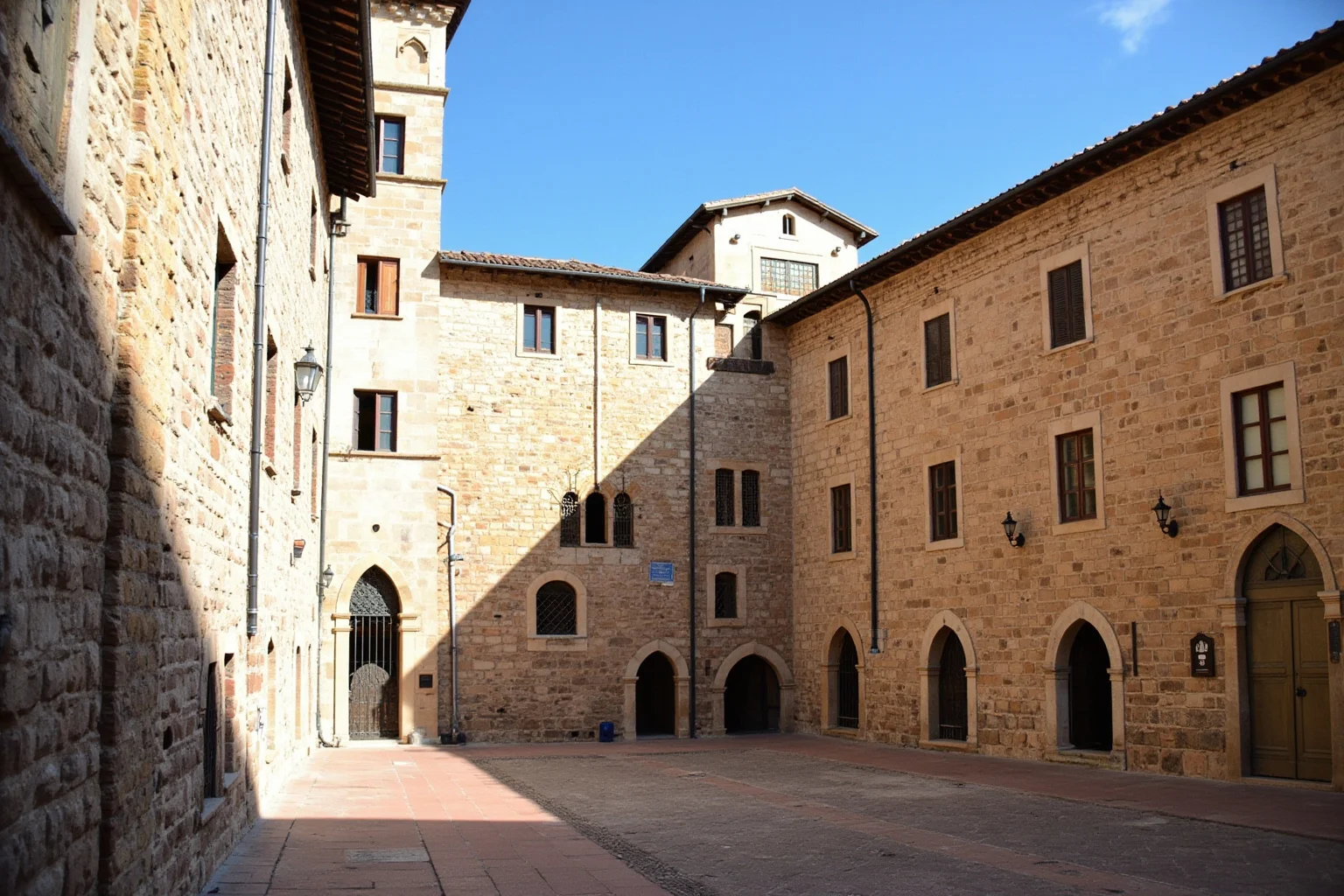
The Bargello in Florence began as the palace of the chief magistrate, the Podestà. It later served as a prison and execution site. The building dates to 1255 and is one of the oldest surviving civic structures in Florence.
The Bargello's prison held political prisoners, debtors, and condemned criminals. Executions took place in the courtyard. The building later became a police barracks and then a museum.
Today the Bargello houses an outstanding collection of Renaissance sculpture. Its prison past is visible in the austere stone architecture.
12. The Doge's Palace Prisons (Venice, Italy, c. 14th century CE)
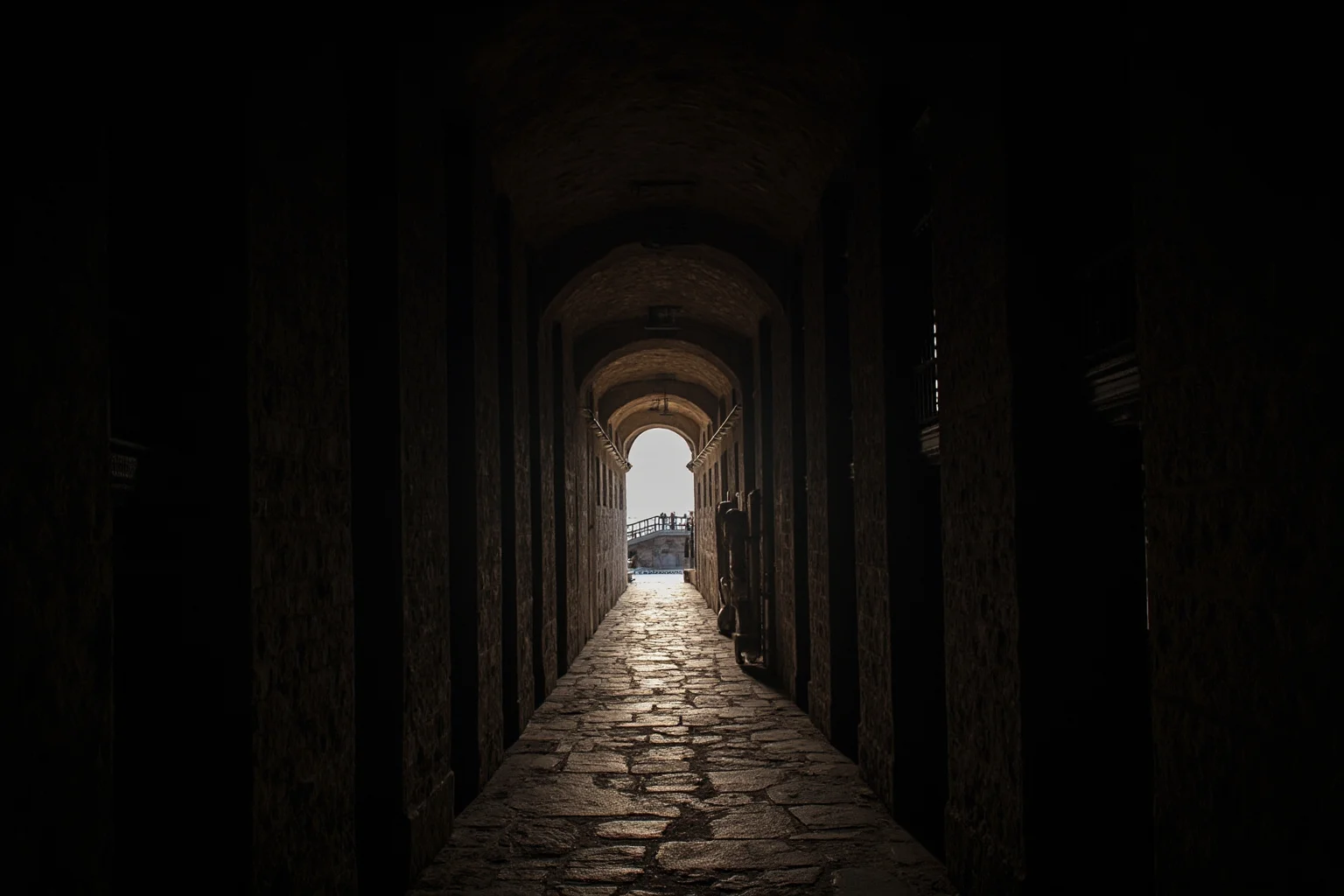
The Doge's Palace in Venice included a network of prisons known as the Piombi and the Pozzi. The Piombi, or 'leads,' were attic cells under the palace roof, unbearably hot in summer. The Pozzi, or 'wells,' were damp, dark cells at water level.
Casanova's famous escape from the Piombi in 1756 made these prisons legendary. The cells held political prisoners, spies, and those who offended the Venetian state. The famous Bridge of Sighs connects the palace to the newer prison building.
Visitors can walk through both sets of cells today. The contrast between the palace's gilded halls and the grim prisons is unforgettable.
13. Newgate Prison (London, England, 1188 CE)
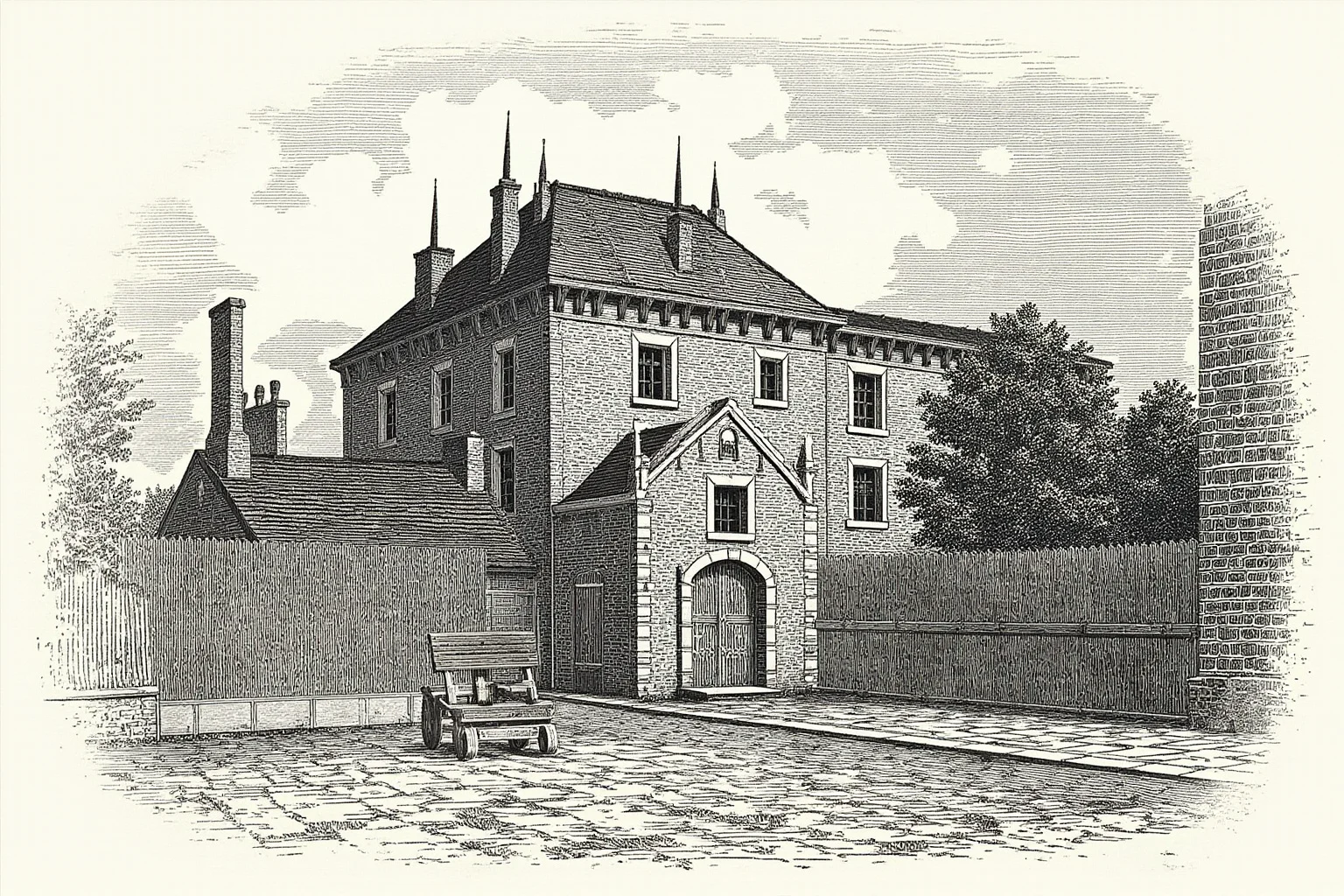
Newgate Prison was one of London's most notorious jails. It stood at the site of a gate in the old Roman wall from 1188 until 1902. The prison held felons, debtors, and those awaiting execution at Tyburn.
Newgate was rebuilt several times, most famously by architect George Dance in the 1770s. His severe, windowless design became a symbol of prison reform and its limits. Public hangings outside Newgate drew huge crowds until 1868.
The prison was demolished in 1902 to make way for the Old Bailey. Its name lives on in literature and London folklore.
14. The Château d'If (Marseille, France, 1524 CE)
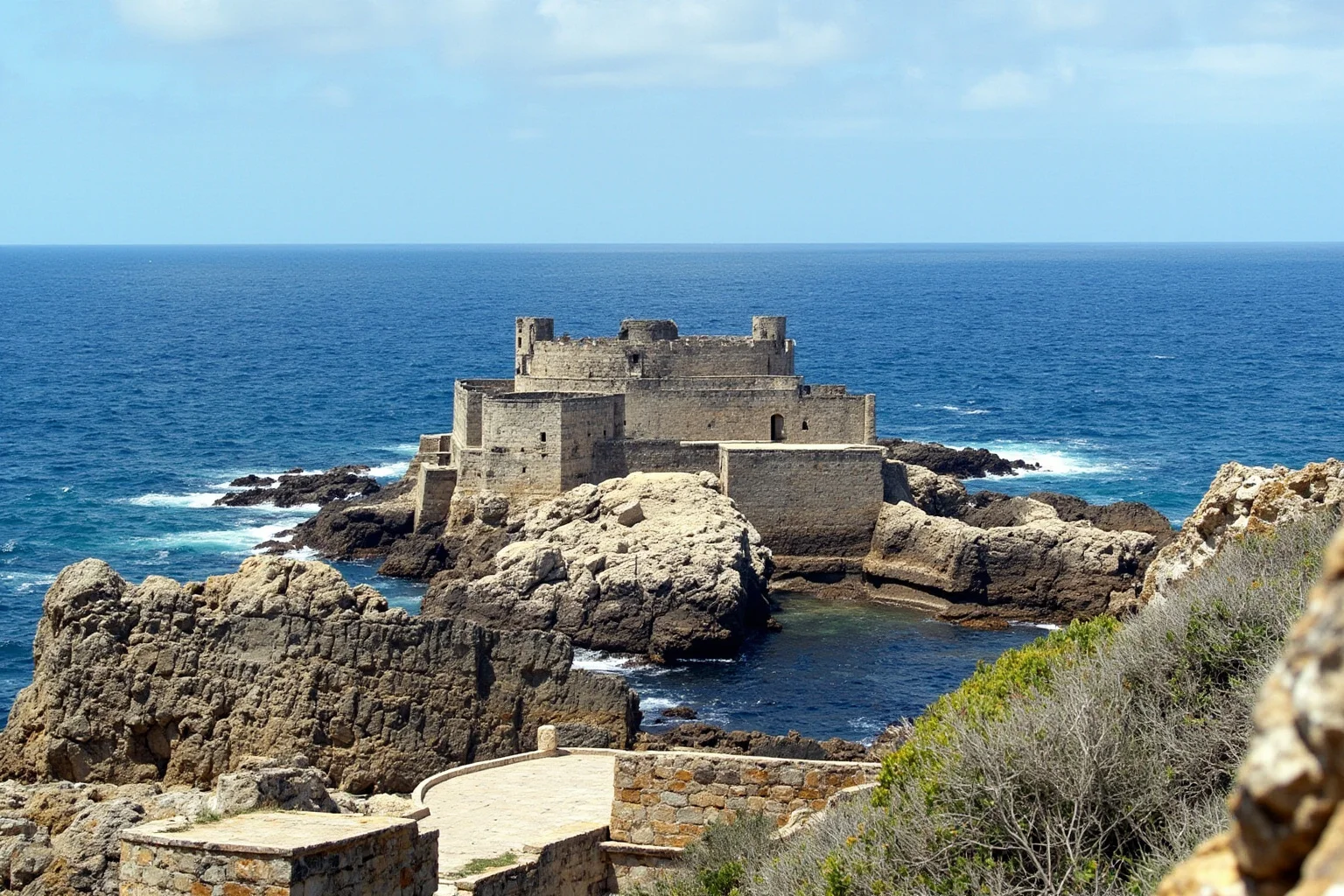
The Château d'If is a fortress-prison on a small island off Marseille. King Francis I ordered its construction in 1524. It was never attacked, so it quickly became a prison for political and religious detainees.
Alexandre Dumas made the Château d'If world-famous in 'The Count of Monte Cristo.' His hero Edmond Dantès is imprisoned there for fourteen years. The real prison held Huguenots, republicans, and others deemed dangerous.
The Château d'If is now a museum. It is one of the most visited historic prisons in Europe.
15. Kilmainham Gaol (Dublin, Ireland, 1796 CE)
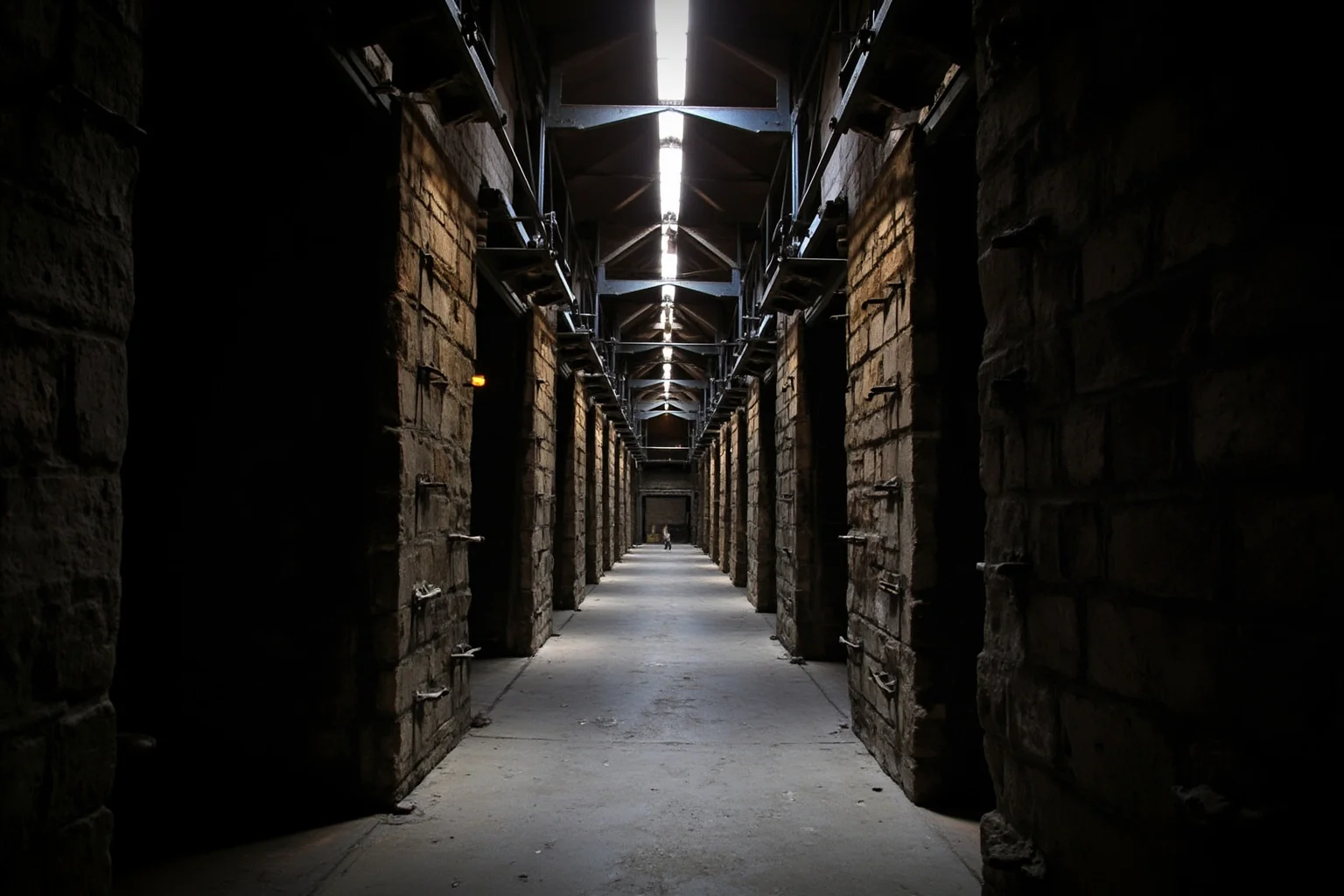
Kilmainham Gaol in Dublin opened in 1796 and operated until 1924. It is a relative newcomer compared to Roman dungeons, but it played an outsized role in Irish history. Leaders of the 1916 Easter Rising were held and executed here.
The prison was also notorious for holding ordinary men, women, and children in appalling conditions. Debtors, petty thieves, and famine-era offenders crowded its cells. The gaol fell into ruin after closing but was restored as a museum.
Kilmainham is now one of Ireland's most important historic sites. It shows how a relatively modern prison can carry deep national significance.
16. The Peter and Paul Fortress Prison (St. Petersburg, Russia, 1703 CE)
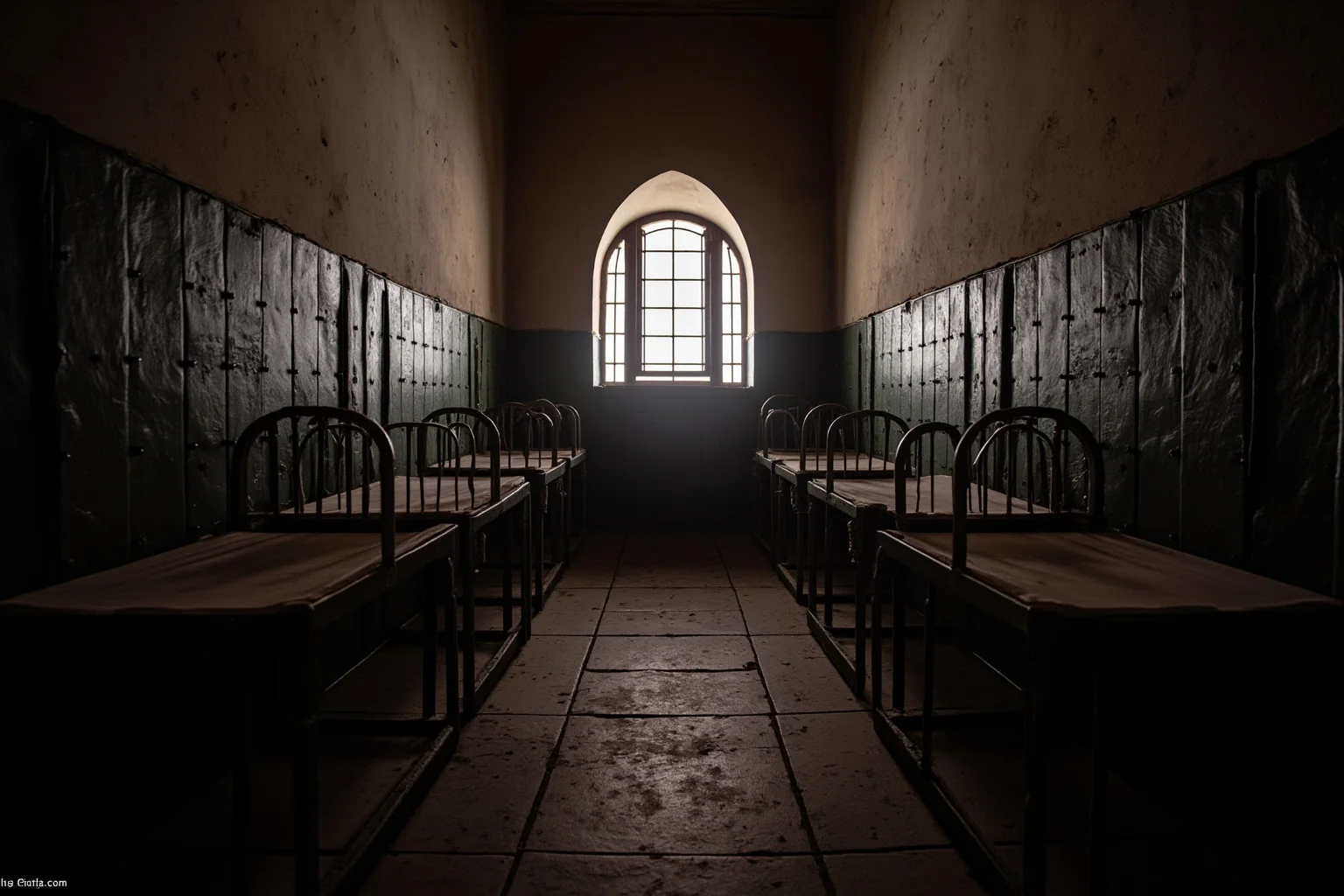
The Peter and Paul Fortress in St. Petersburg was founded by Peter the Great in 1703. Its Trubetskoy Bastion became a political prison in the 1870s. Before that, the fortress held prisoners in various casemates and cells.
Famous inmates included Fyodor Dostoevsky, who was held here before his mock execution and exile. The prison also held anarchists, revolutionaries, and later Bolshevik opponents. The cells are stark, narrow, and chilling.
The fortress is now part of the State Museum of the History of St. Petersburg. Its prison exhibits draw visitors from around the world.
17. The Bastille (Paris, France, 1370 CE)
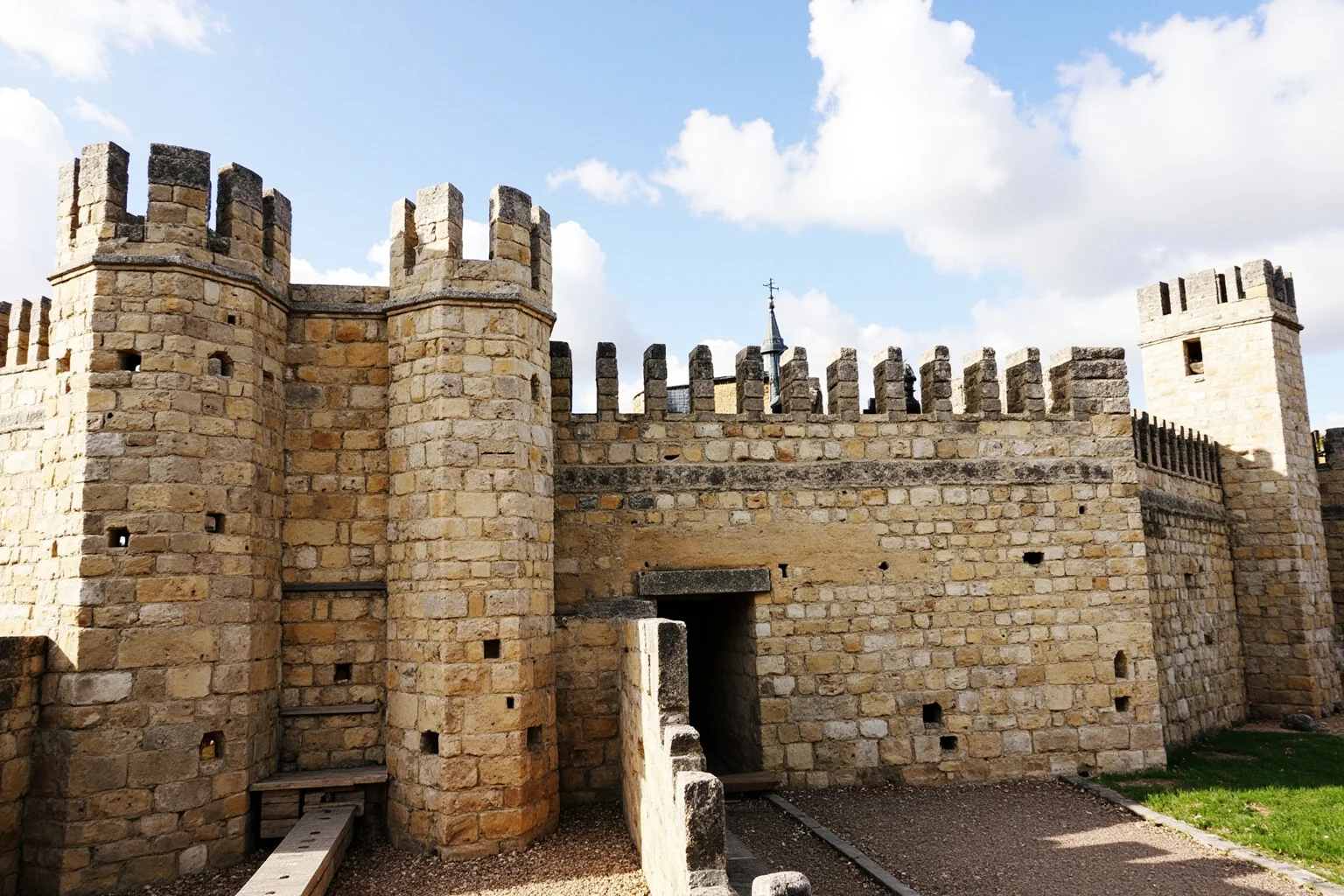
The Bastille began as a fortress defending Paris's eastern gate in 1370. It became a state prison under Cardinal Richelieu in the 17th century. The prison held political prisoners, often held without trial under royal lettres de cachet.
Contrary to popular myth, the Bastille was not a torture dungeon. Most prisoners were aristocrats, writers, and others who offended the crown. They lived in relative comfort, with furniture, servants, and visitors.
The storming of the Bastille on July 14, 1789, made it the most famous prison in the world. It was demolished soon after, but its legacy shapes French national identity to this day.
18. Alcatraz (San Francisco, USA, 1934 CE)
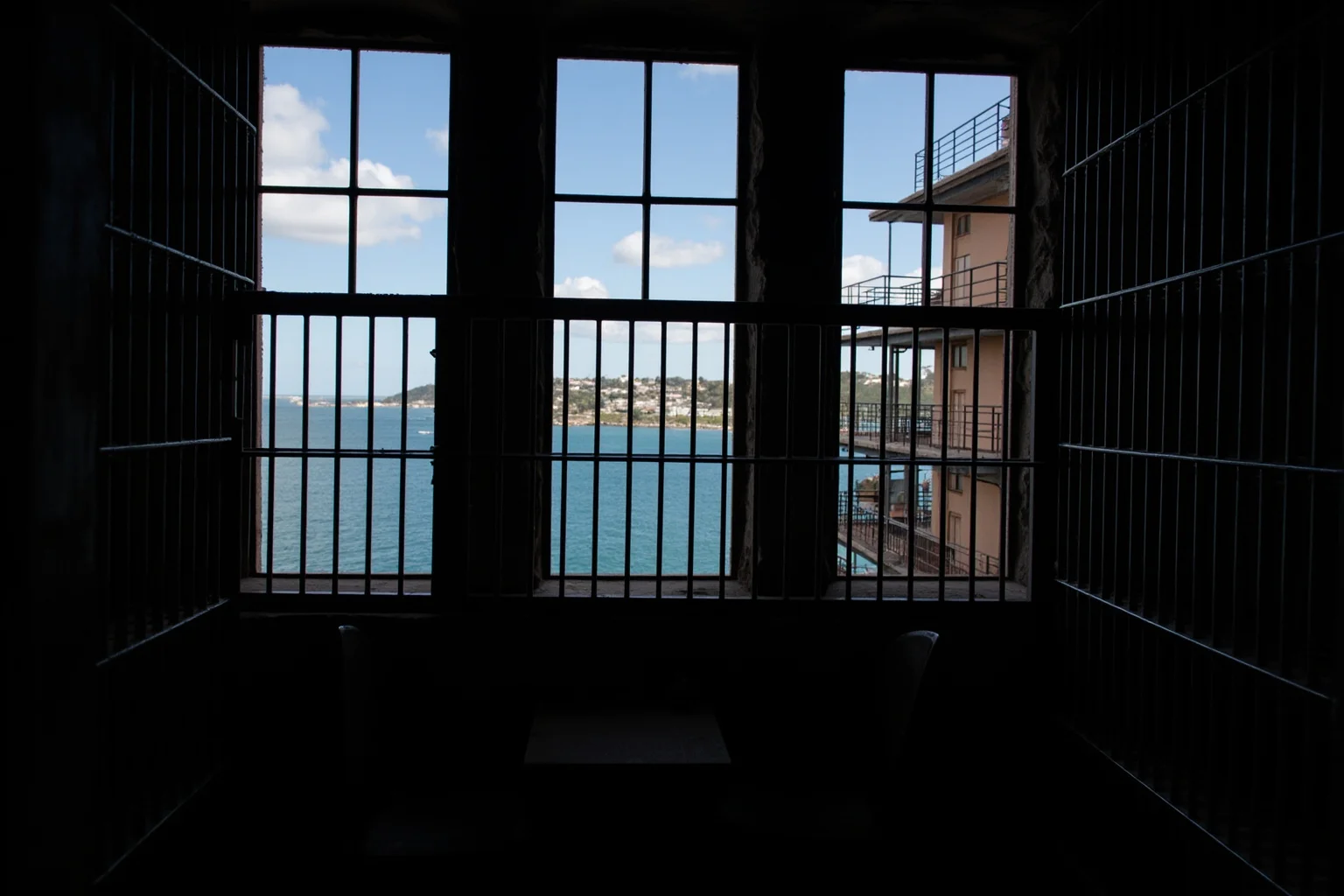
Alcatraz is not ancient by any measure, but it belongs on a list of historic prisons because of its global fame. The island in San Francisco Bay served as a federal penitentiary from 1934 to 1963. It held some of America's most notorious criminals, including Al Capone and George 'Machine Gun' Kelly.
The prison was designed to be escape-proof, surrounded by cold, rough water. Fourteen escape attempts were recorded, and none were officially successful. The island had been a military prison before becoming a federal one.
Alcatraz is now part of the Golden Gate National Recreation Area. It is one of the most visited historic prisons in the world.
19. The Old Melbourne Gaol (Melbourne, Australia, 1845 CE)
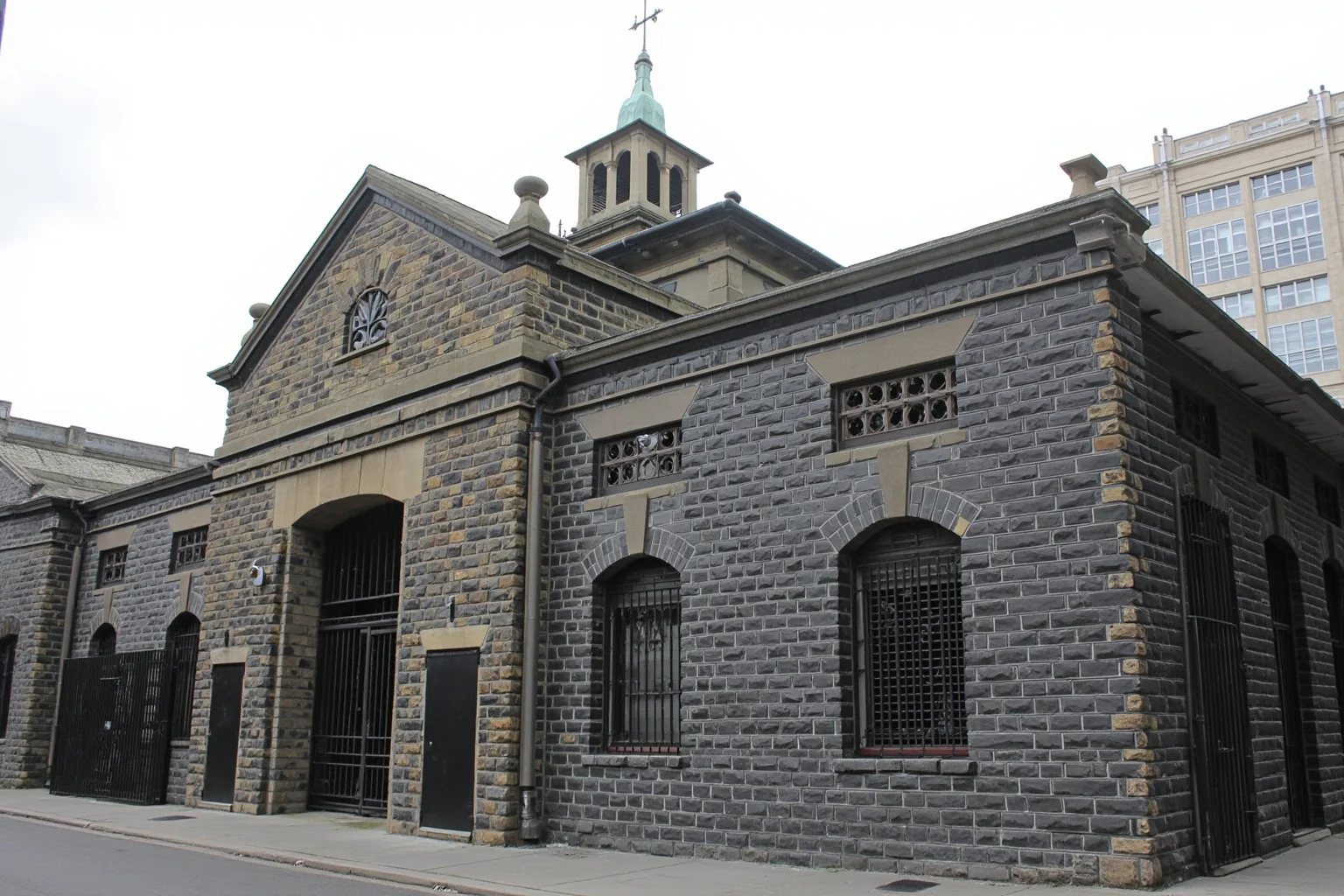
The Old Melbourne Gaol opened in 1845 and operated until 1929. It held both men and women, including the famous bushranger Ned Kelly, who was hanged here in 1880. The prison's bluestone walls and gallows remain intact.
The gaol was the site of 133 executions. It also housed children, some as young as three, in its early years. Conditions were harsh, and the prison became a focus of reform efforts.
Today the Old Melbourne Gaol is a museum. Its night tours and Ned Kelly exhibits make it a popular destination.
20. The Robben Island Prison (Cape Town, South Africa, 17th century CE)
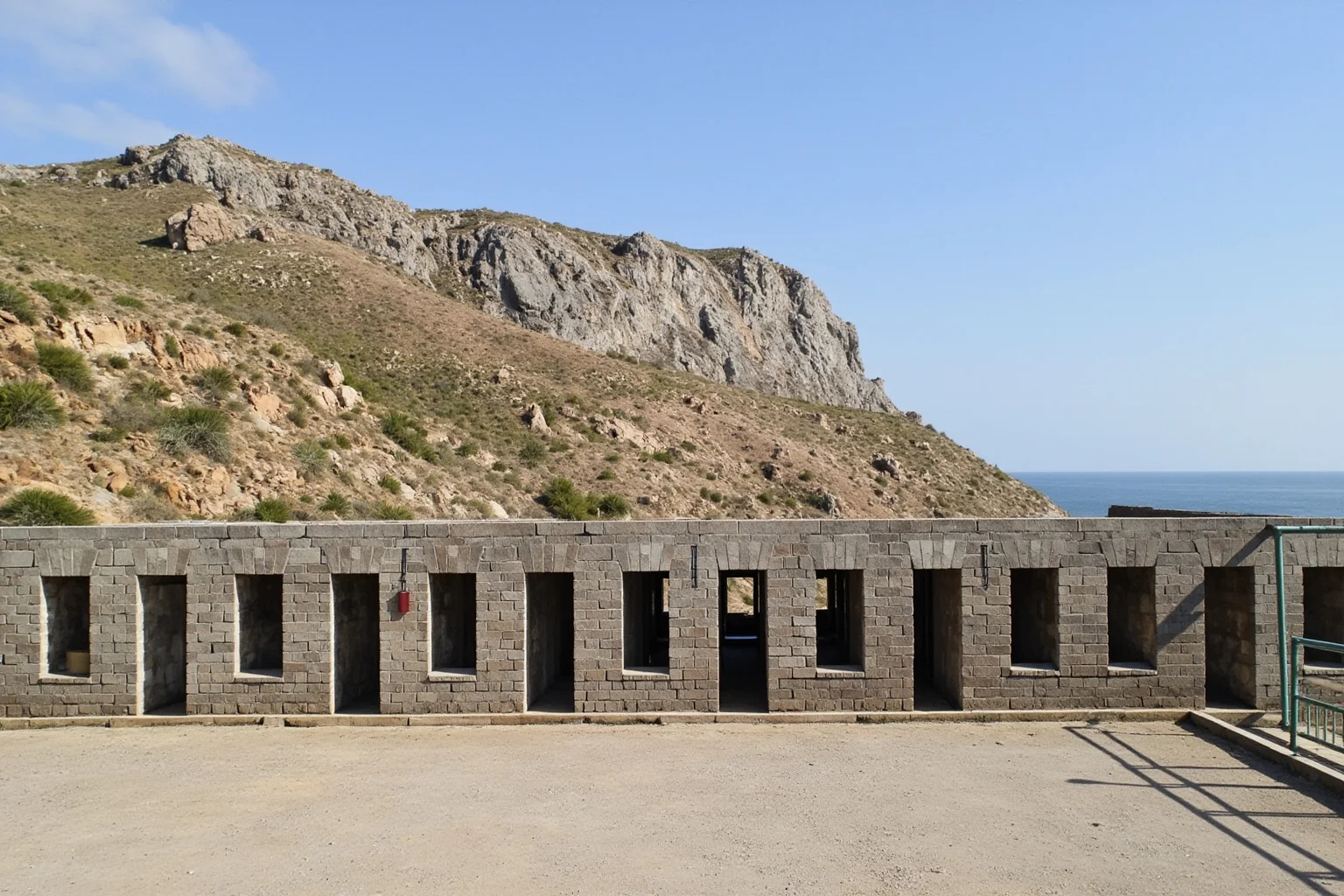
Robben Island has been used as a prison since the Dutch settled the Cape in the 17th century. It later held lepers, the mentally ill, and political prisoners under apartheid. Nelson Mandela spent 18 of his 27 years of imprisonment here.
The island's maximum-security prison closed in 1996. It is now a museum and UNESCO World Heritage Site. Former inmates lead tours, sharing firsthand accounts of life inside.
Robben Island shows how prisons can serve as instruments of oppression and, paradoxically, as symbols of resistance and hope.
What Is the Oldest Prisoner in the World?
When people search for the 'oldest prisoner in the world,' they usually mean one of two things. They might be asking about the oldest person ever incarcerated, or they might mean the longest-serving prisoner. Both questions have surprising answers.
The oldest living prisoner on record is difficult to verify across jurisdictions. Several countries have held inmates into their 90s and beyond. One widely cited case is that of Francis Clifford Smith, who was 94 when released from a Connecticut prison in 2020 after more than 70 years behind bars.
The longest-serving prisoner is generally considered to be Paul Geidel, who served 68 years in New York prisons from 1911 to 1980. He entered prison at 17 and left at 85. His case is often cited in debates about parole and rehabilitation.
Why Ancient Prisons Still Fascinate Us
Ancient prisons endure in the popular imagination because they embody our deepest anxieties about power, justice, and confinement. They are physical reminders that the line between order and cruelty has always been thin. Touring an old jail is a way of confronting those fears in a controlled setting.
These sites also challenge the myth of progress. We assume modern prisons are more humane than ancient ones, but the record is mixed. Overcrowding, disease, and abuse have plagued jails in every era.
The oldest prisons in the world are not just architectural relics. They are documents in stone, recording how different societies defined crime and punishment.
How Historians Date Ancient Prisons
Dating an ancient prison is harder than it sounds. Many sites have multiple layers of construction, reuse, and destruction. A cell that looks medieval might sit on Roman foundations, or vice versa.
Historians use a combination of methods. Stratigraphy, pottery analysis, carbon dating, and written records all play a role. Inscriptions and administrative documents are especially valuable because they can name a structure and its function.
Even with good evidence, certainty is rare. Many identifications, like the Prison of Socrates, rest on tradition and probability rather than proof.
The Oldest Continuously Operating Prison
Several prisons claim to be the oldest still in operation. HM Prison Shepton Mallet in England, which closed in 2013, dated to 1610. It was often cited as the oldest working prison in the UK.
The title of oldest continuously operating prison is contested. Some point to the Carceri Nuove in Rome, built in 1655 and still used in some capacity. Others cite prisons in China or the Middle East whose records are less accessible.
What is clear is that very few prisons from before 1600 remain in active use. Most have become museums, ruins, or offices.
Myths About Ancient Prisons
Many popular beliefs about ancient prisons are wrong. The Bastille was not a torture chamber. The Tower of London did not routinely starve prisoners. The Mamertine Prison probably did not hold Saint Peter.
These myths persist because they make for dramatic stories. Tour guides, films, and novels all contribute to the distortion. The truth is often less lurid but more interesting.
Ancient jails were brutal in their own ways, but they were not all dungeons of horror. Some were administrative holding centers. Others were relatively comfortable places for elite detainees.
The Legacy of the First Prisons
The first prisons in the world shaped everything that followed. They established the idea that the state could confine people as a legal act. They created roles for guards, jailers, and magistrates.
They also embedded inequality into the justice system. The rich often received better treatment, even in ancient jails. That pattern has proven remarkably persistent.
Understanding the oldest jails in the world helps us see the roots of modern mass incarceration. The questions ancient societies faced — who to lock up, for how long, and under what conditions — are still with us.
Visiting Ancient Prisons Today
Many of the prisons on this list are open to visitors. The Mamertine Prison, the Tower of London, and the Château d'If all offer tours. Some, like Kilmainham Gaol and Robben Island, are deeply moving national monuments.
If you plan to visit, book ahead where possible. Popular sites fill up quickly in peak season. Guided tours often provide historical context that signage alone cannot.
Visiting an ancient prison is a powerful experience. It connects you to the lives of people who, centuries ago, looked at the same stone walls and wondered if they would ever leave.
Conclusion: The Oldest Prisons Tell a Human Story
The oldest prison in the world is not a single building but a category of human experience that spans four millennia. From the Great Prison at Thebes to Robben Island, these jails record how societies have dealt with rule-breakers, rivals, and the powerless. They are monuments to authority, fear, and the enduring hope of freedom.
The next time you see a crumbling dungeon or a fortress cell, remember the people who passed through it. Their stories are the real history of incarceration. And that history is still being written.
Frequently Asked Questions
What is the oldest prison in the world?
The oldest known purpose-built prison is the 'Great Prison' at Thebes in Egypt, dating to around 2000 BCE during the Middle Kingdom. Archaeological remains and administrative papyri confirm it was used to detain laborers, debtors, and criminals under state authority.
What is the oldest jail in the world still standing?
The Mamertine Prison in Rome, also known as the Carcer Tullianum, is often cited as the oldest jail still standing. Its lower chamber, the Tullianum, may date to the 7th century BCE, making it roughly 2,700 years old.
What was the first prison in the world?
The earliest documented purpose-built prison is the Great Prison at Thebes in ancient Egypt, around 2000 BCE. Before that, detention spaces existed in Mesopotamia and elsewhere, but they were typically part of temples or palaces rather than dedicated jails.
Did ancient prisons hold people as punishment?
Most ancient prisons did not use confinement as punishment. They held people awaiting trial, execution, ransom, or enslavement. The idea of prison as a sentence in itself only became common in the 18th and 19th centuries.
Who is the oldest prisoner in the world?
The oldest living prisoner on record is hard to verify, but Francis Clifford Smith was 94 when released from a Connecticut prison in 2020 after more than 70 years behind bars. The longest-serving prisoner is generally considered to be Paul Geidel, who served 68 years in New York prisons from 1911 to 1980.

Alex Warren
Related Articles