
The Louvre is often treated as a hushed temple of high art, but behind the velvet ropes and bulletproof glass it is gloriously weird. It began as a defensive fortress, survived revolutions, lost its most famous painting for two years, and now holds so many objects that the numbers feel like a math problem. These fun facts about the Louvre show a place that is equal parts palace, crime scene, time capsule, and pop-culture icon.
Some stories below are funny because history has a strange sense of humor. Others are surprising because the museum’s public image hides its messy, accidental origins. All are grounded in documented museum records, architectural history, and reliable reporting—not gift-shop myth.
TL;DR: The Louvre is a medieval fortress turned palace turned museum, and its weirdest true stories—a stolen Mona Lisa, a buried castle, a 673-pane pyramid, and a 3,500-year-old law code—are more entertaining than the myths.
From Medieval Fortress to Royal Palace
1. It Was Built to Keep Invaders Out, Not to Display Art
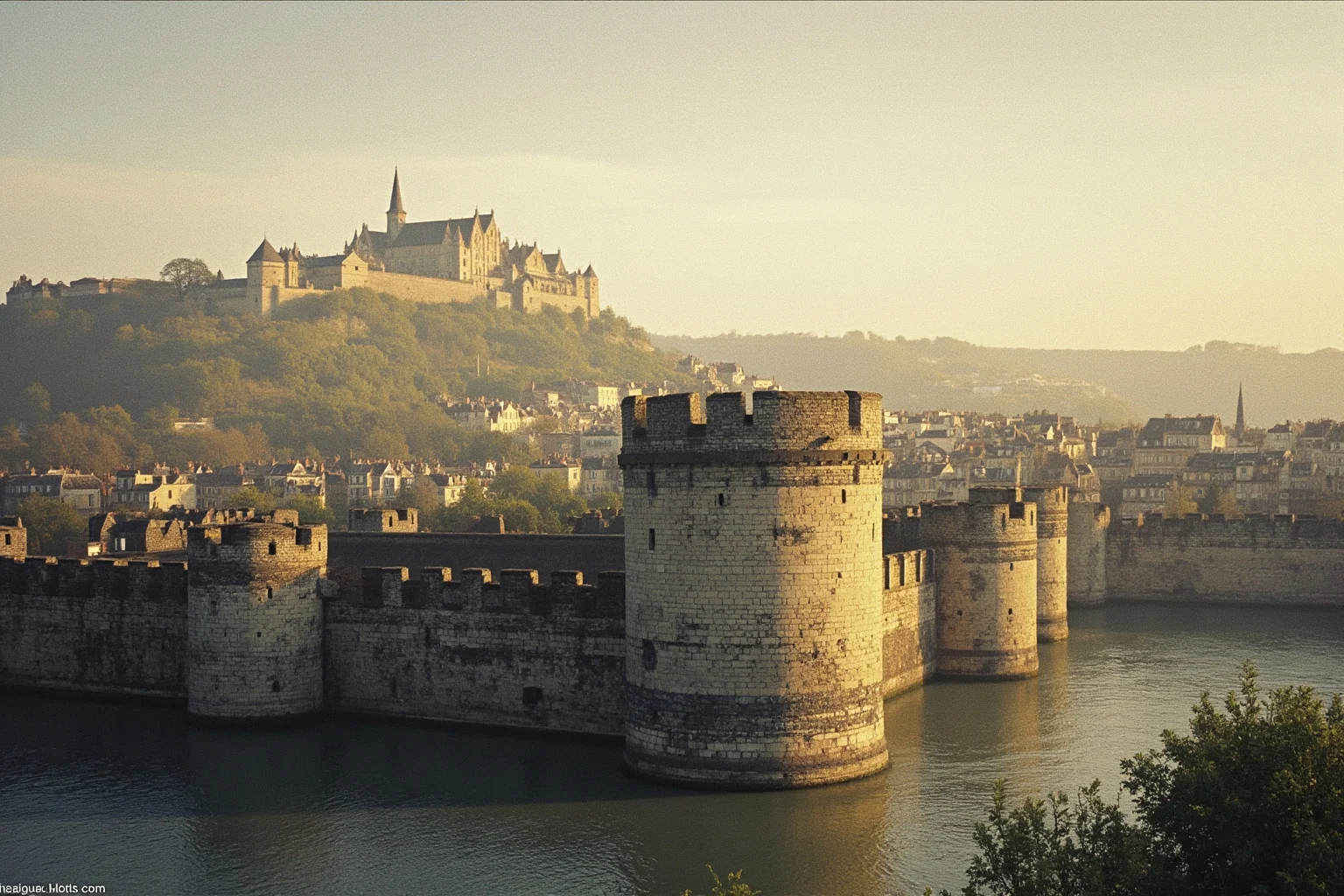
The Louvre that visitors photograph today began around 1190 as a defensive fortress for King Philip II. Its job was to guard the western edge of Paris against attacks along the Seine. Art collecting was not part of the original design; the moat, drawbridge, and round towers were strictly military architecture.
Those medieval defenses were meant to protect a growing city, not to welcome crowds. The idea of a public collection would not arrive for another six hundred years. Paris was expanding, and the king wanted a barrier that could survive a siege.
You can still see the base of that medieval stronghold beneath the museum. The remains sit in the Sully Wing, where the museum has peeled back later construction to reveal the original stone foundations. This is one of the most overlooked Louvre interesting facts: the world’s most famous gallery has a castle hiding in its basement.
2. Nobody Is Completely Sure Where the Name “Louvre” Comes From

The origin of the name is a genuine historical puzzle, not a settled story. One long-standing theory links it to the Latin word lupus, meaning wolf, because the area may have once been known as wolf-hunting ground. Another suggestion connects it to an old Frankish word for a fortified dwelling.
Historians continue to debate the etymology, so any explanation you hear should come with a careful “probably.” Language changes over eight hundred years, and medieval Paris did not leave clean records for every place name. The uncertainty is a useful reminder that even the world’s most famous museum began with basic questions unanswered.
What seems certain is that the fortress gave its name to the palace, which then gave it to the museum. Beyond that, the word’s true root remains an open research question. It is a rare case where not knowing is the historically accurate answer.
3. You Can Walk Through the Original 800-Year-Old Moat
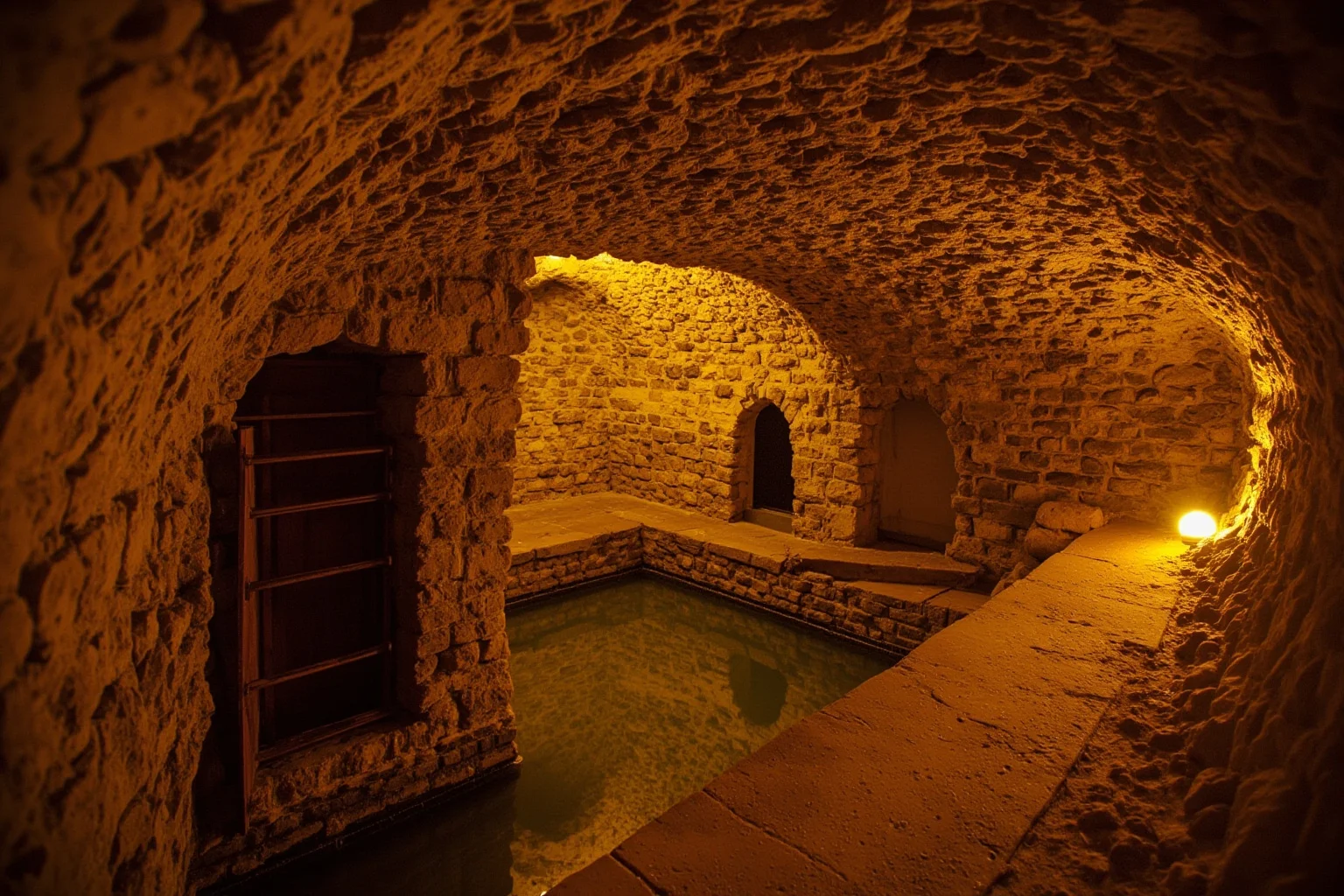
Visitors who only climb toward the Mona Lisa often miss one of the best fun facts about the Louvre: the medieval moat is still there. In the Sully Wing’s lower level, the museum preserves the restored stone walls, waterless moat, and foundations of Philip II’s fortress. Walking through it feels more like entering a castle dungeon than a modern art museum.
The moat is a rare chance to stand inside the structure that started the whole institution. It also shows how much Paris has risen around the old palace, since the medieval ground level now sits below the modern street. Originally, the moat was filled with water and made direct assault much harder.
Today it is dry and softly lit, which turns a defensive feature into an atmospheric display. You can look up at the base of old towers and understand why this spot was chosen for a royal stronghold. It is one of the few places in Paris where the medieval city feels physically present.
4. It Was a Royal Palace Far Longer Than It Has Been a Public Museum
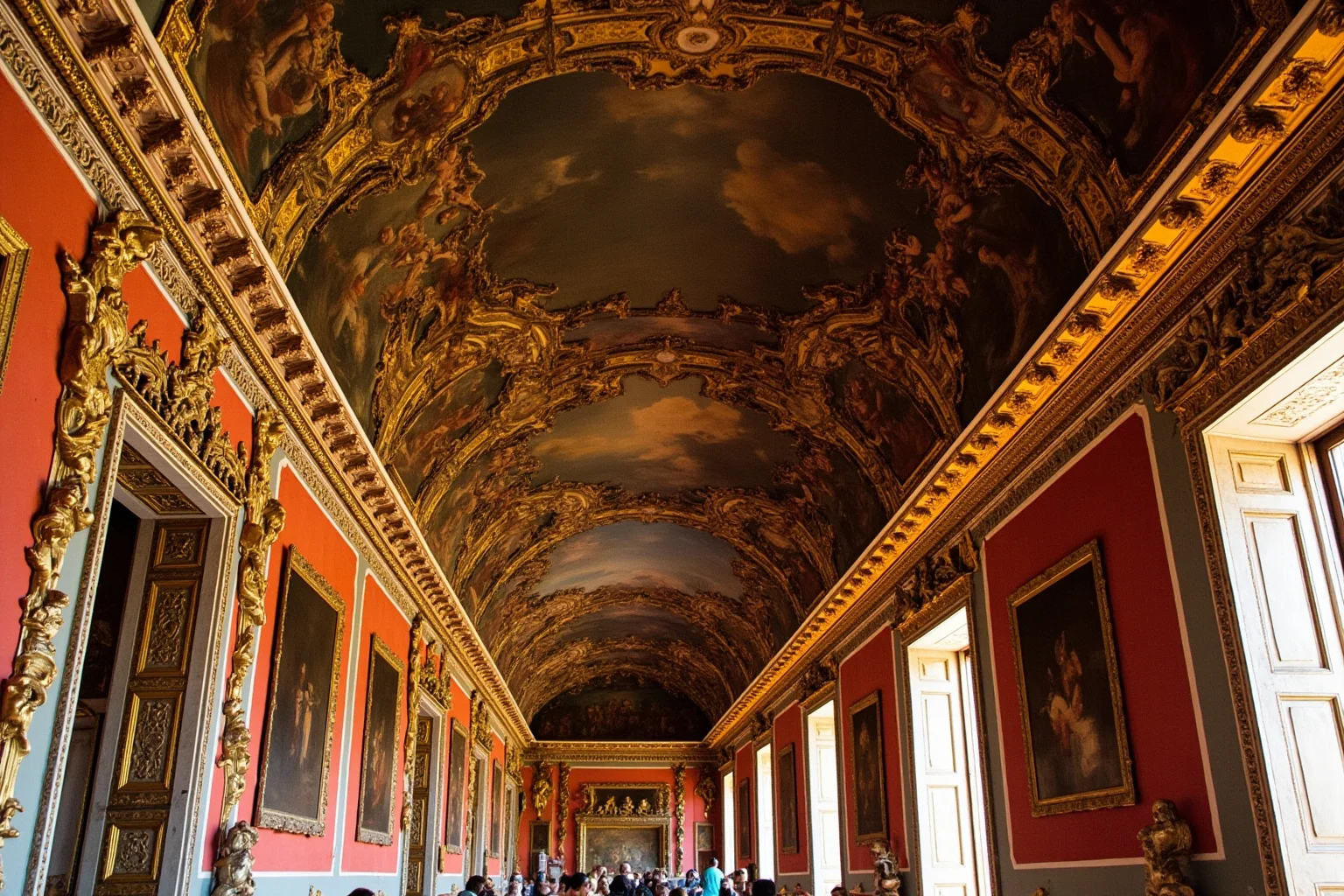
Before the Louvre opened as a public museum in 1793, it had already spent centuries as a royal residence and power center. French kings expanded, remodeled, and redecorated the complex repeatedly, adding wings, galleries, and ceremonial spaces. The building’s identity as a palace shapes its layout today, because paintings hang in rooms designed for court life rather than gallery display.
That is why some wings feel like a gilded maze. A visitor is not simply walking through a neutral exhibition hall; they are passing through layers of royal ambition. Each monarch left a mark, from Renaissance rebuilding to Baroque expansion.
The shift to a public museum did not erase those earlier lives. Instead, the palace absorbed its new role while keeping its old bones. The result is a museum that still behaves like a palace in its staircases, salons, and sightlines.
5. Louis XIV Basically Left It for Versailles, and Artists Took Over
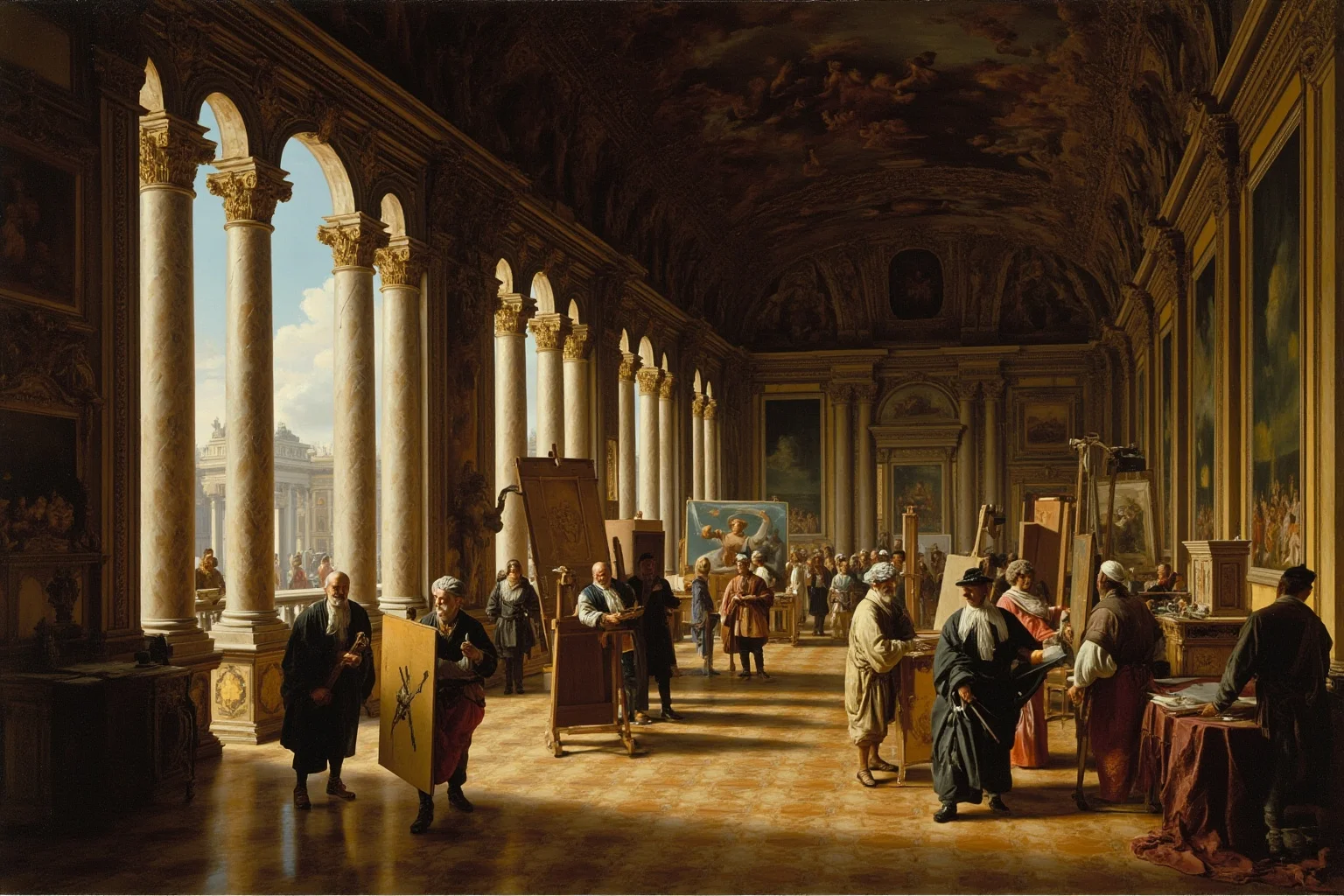
By the late 1600s, Louis XIV had shifted the royal household to Versailles, leaving the Louvre without a full-time monarch. The empty palace became a home for royal academies, artists’ studios, and courtiers who had stayed behind. This accidental repurposing helped lay the groundwork for the museum it would become.
What looks like a grand royal strategy was partly a monarch losing interest in an old house. The palace’s practical second life as an artists’ compound is often left out of glossy histories. Artists worked, taught, and sometimes lived in spaces once meant for court ceremony.
That creative occupation kept the building active when it could have been abandoned. It also gave the future museum a sense of living craft rather than frozen luxury. A palace without a king turned out to be an ideal workshop.
Heists, Scandals, and Star Paintings
6. The Mona Lisa Only Became a Superstar After It Was Stolen
Before 1911, the Mona Lisa was admired by art lovers but was not the global celebrity it is today. Vincenzo Peruggia, an Italian handyman who had worked at the Louvre, stole the painting from its spot in the Salon Carré. The theft itself was shocking, but the public reaction turned a quiet portrait into front-page news.
The two-year manhunt and avalanche of newspaper coverage gave the painting a notoriety it had never known. In an odd way, the theft did more for the painting’s fame than any art critic ever could. By the time it returned, it had become a symbol of mystery rather than a work to study.
That transformation helps explain the crowds today. Many visitors arrive wanting to see the famous story, not just the painting. Fame, it turns out, can be created by a crime.
7. The Thief Didn’t Use a Fancy Ocean’s Eleven Plan
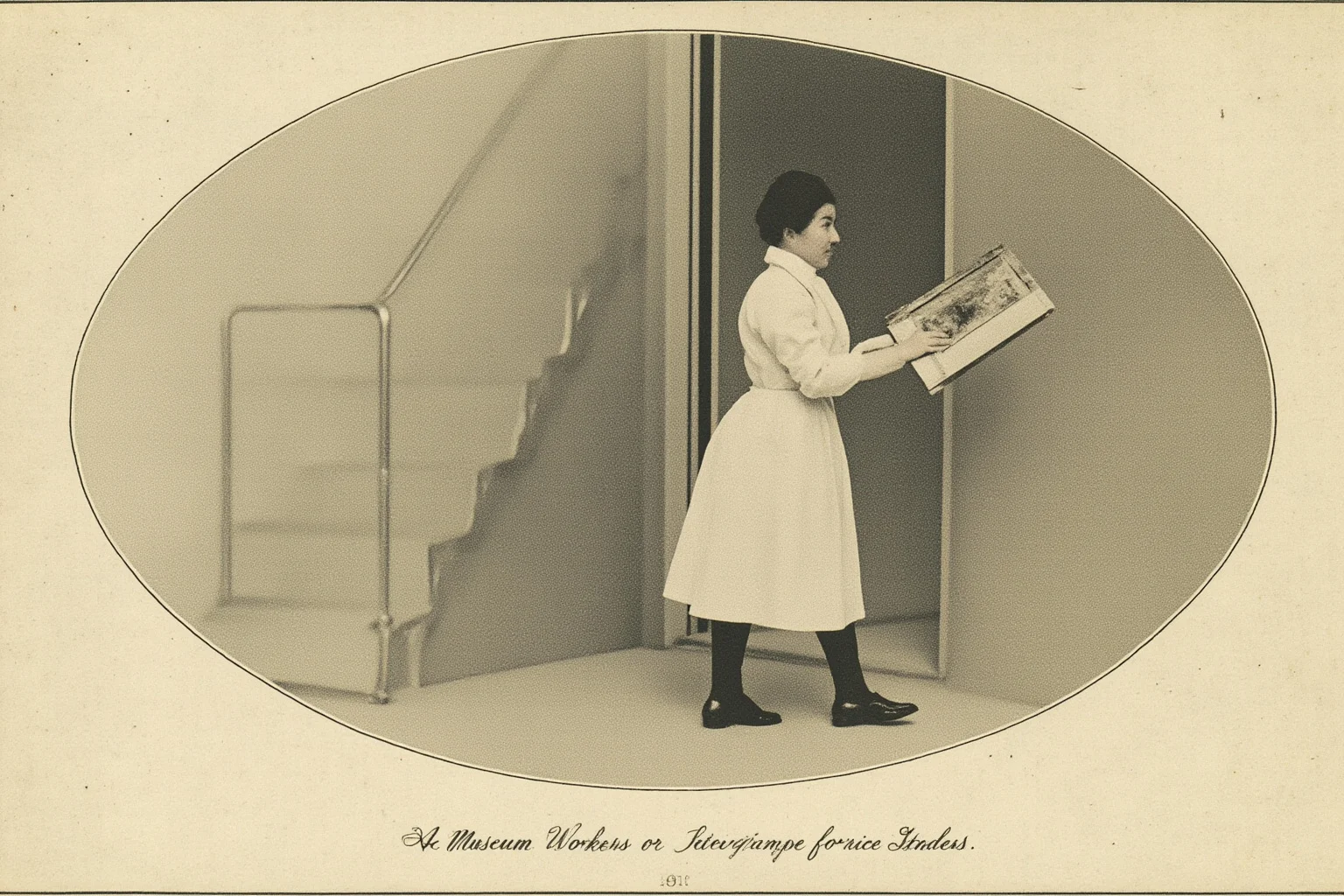
Peruggia did not rappel through glass or hack a laser grid. He entered the museum during closing hours, wore a worker’s smock, lifted the painting from the wall, and walked out through a service staircase. The elaborate security we associate with the Mona Lisa today did not exist in 1911.
The painting was simply gone when the museum reopened. The low-tech nature of the heist made the loss even more embarrassing for the Louvre. A handyman, some basic knowledge of the building, and a moment of inattention were enough.
That weakness forced the museum to rethink how it protected its collection. Over time, the Mona Lisa became a test case for modern museum security. What began as a simple theft ended up changing how galleries guard their most valuable objects.
8. The World’s Most Famous Painting Is Smaller Than You Think
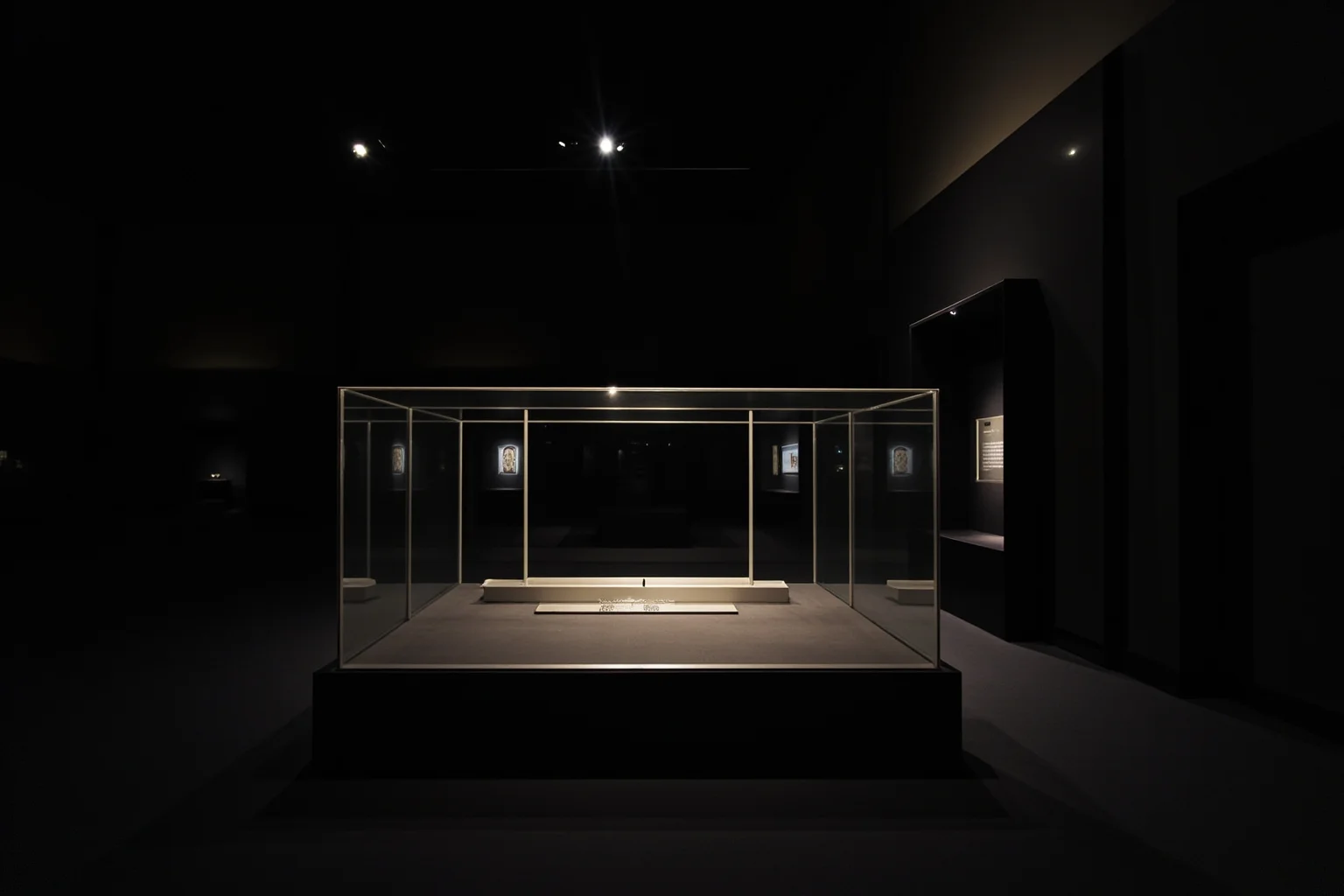
Most first-time visitors expect the Mona Lisa to be huge, and then they find it behind glass at just 30 inches by 21 inches (77 cm by 53 cm). Part of the surprise comes from the crowd, the barriers, and the oversized mythology around the work. The painting itself is closer in size to a modest domestic portrait than a blockbuster movie poster.
That modest scale is one of the most reliable fun facts about the Louvre Museum, because it never fails to start a whispered debate in the room. Visitors often wonder whether they missed the “real” one or whether there is a larger version somewhere else. There is not; Leonardo’s panel is famously compact.
The small size also changes how people look at the painting. You must stand back, wait, and observe rather than absorb a huge image at a glance. In that sense, the crowd is partly a result of its fame, not its format.
9. The Mona Lisa Now Has Its Own Climate-Controlled, Bulletproof World

After a series of theft attempts and attacks in the 20th century, the Louvre placed the portrait in a protective case with climate control and bulletproof glass. In 2022, a visitor smeared cake on the protective glass, but the painting was unharmed. The incident looked absurd in viral videos, yet it showed why the security is extreme.
The climate-controlled case keeps temperature and humidity stable while protecting the fragile poplar panel from shock. Curators also manage light exposure carefully, because an oil painting this old cannot sit in bright spotlights all day. The Mona Lisa’s calm smile now sits behind one of the most famous barriers in art history.
That security is not an overreaction. Past attacks included thrown objects and attempted damage, which hardened the museum’s approach over decades. A small painting can generate enormous risk when it becomes a global symbol.
10. The 1911 Theft Tangled Pablo Picasso and Guillaume Apollinaire in the Case
In a bizarre side plot, police investigating stolen art from the Louvre questioned poet Guillaume Apollinaire and eventually pulled Pablo Picasso into the affair. A former associate of Apollinaire had stolen small statuettes from the museum and sold them to Picasso, which created suspicion during the Mona Lisa panic. The connection was real enough to draw intense police attention.
Both men were eventually cleared of involvement in the Mona Lisa theft, but the episode became one of the strangest footnotes in modern art. It is a reminder that early 20th-century Paris was a small, gossipy world. Avant-garde artists moved around the same quarrels and collections.
The case also shows how the Mona Lisa investigation cast a wide net. Police were not only hunting for one painting; they were looking at a network of petty thefts and questionable purchases. Modernism’s early circles were suddenly under a spotlight meant for a portrait.
11. The Louvre Emptied Itself Before Paris Fell in World War II
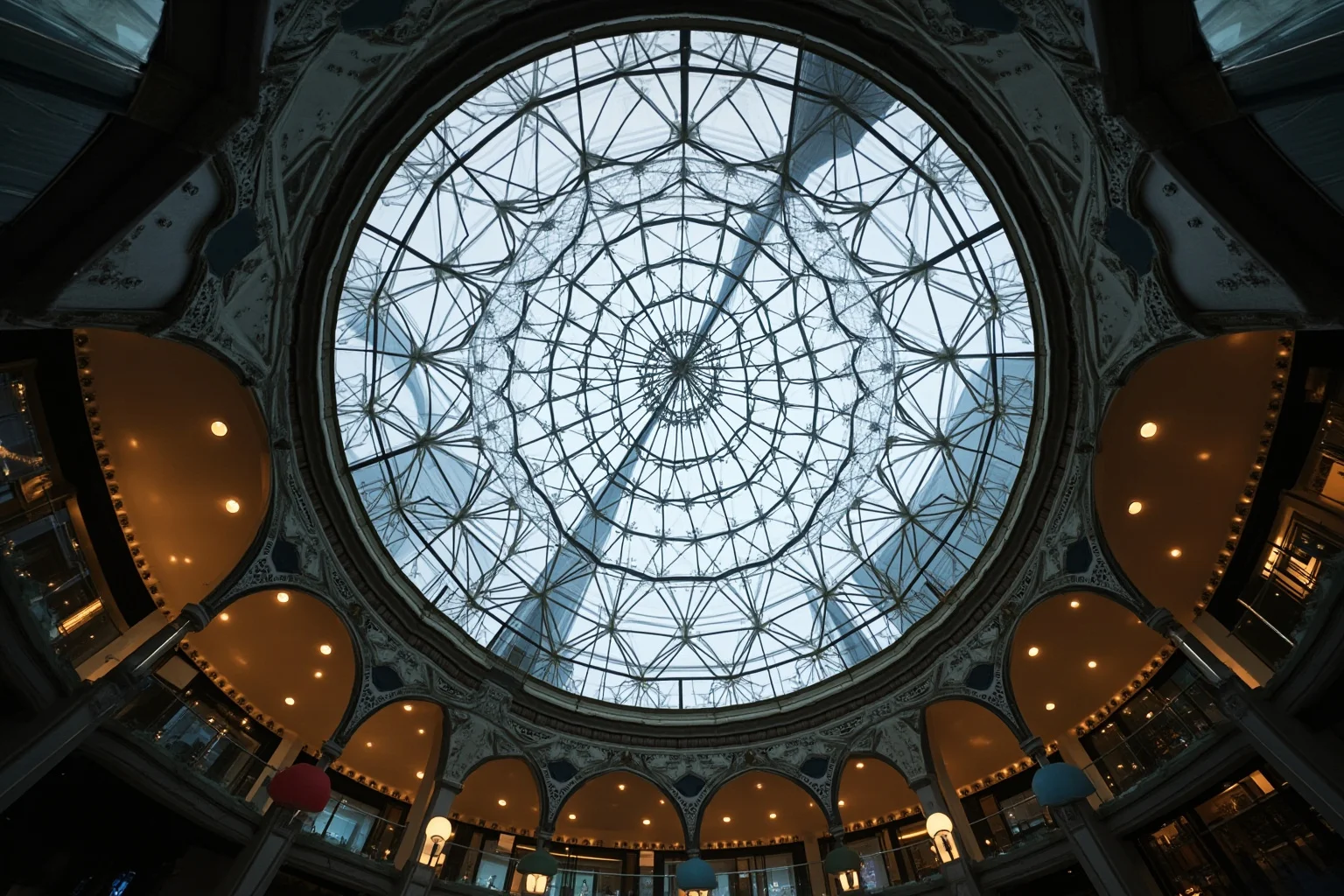
Before German forces reached Paris in 1940, museum staff evacuated thousands of artworks to châteaux and remote estates across France. The Mona Lisa was moved repeatedly during the war, sometimes in an ambulance or private case, to keep it one step ahead of danger. The operation was quiet, coordinated, and surprisingly effective.
By the time the occupiers arrived, the museum was largely a hollow palace of empty frames and sculpture cases. Some pieces were too large or fragile to move easily, but the most famous works were scattered across the countryside. This quiet logistics operation remains one of the great unsung stories of cultural protection.
It required curators, drivers, and local caretakers to protect the collection without attracting attention. The Mona Lisa became a kind of secret traveler, always just beyond the next threat. After the war, the works returned, but the memory of the evacuation stayed with the institution.
Myths, Hidden Corners, and Overlooked Rooms
12. The Pyramid Does Not Have 666 Glass Panes
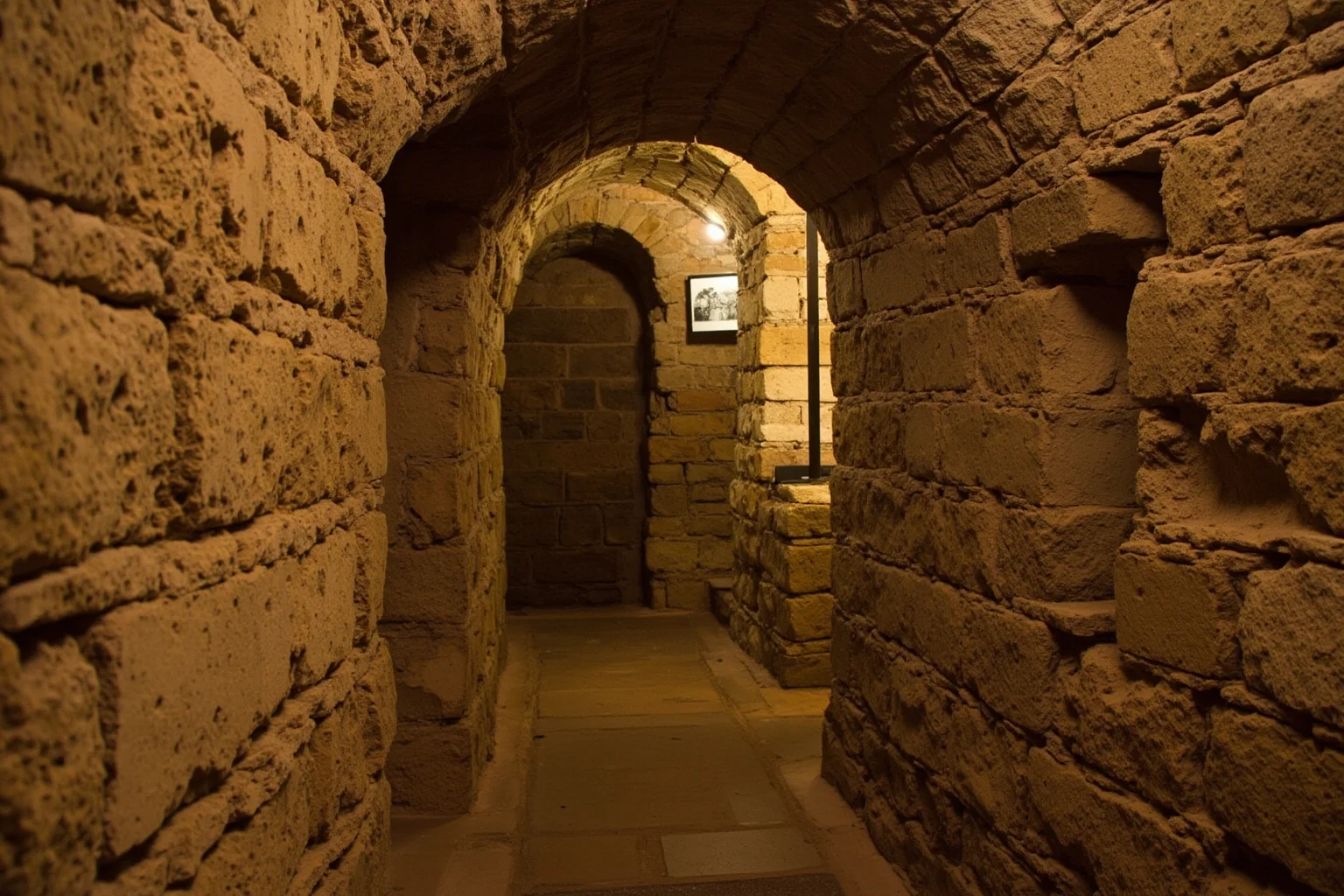
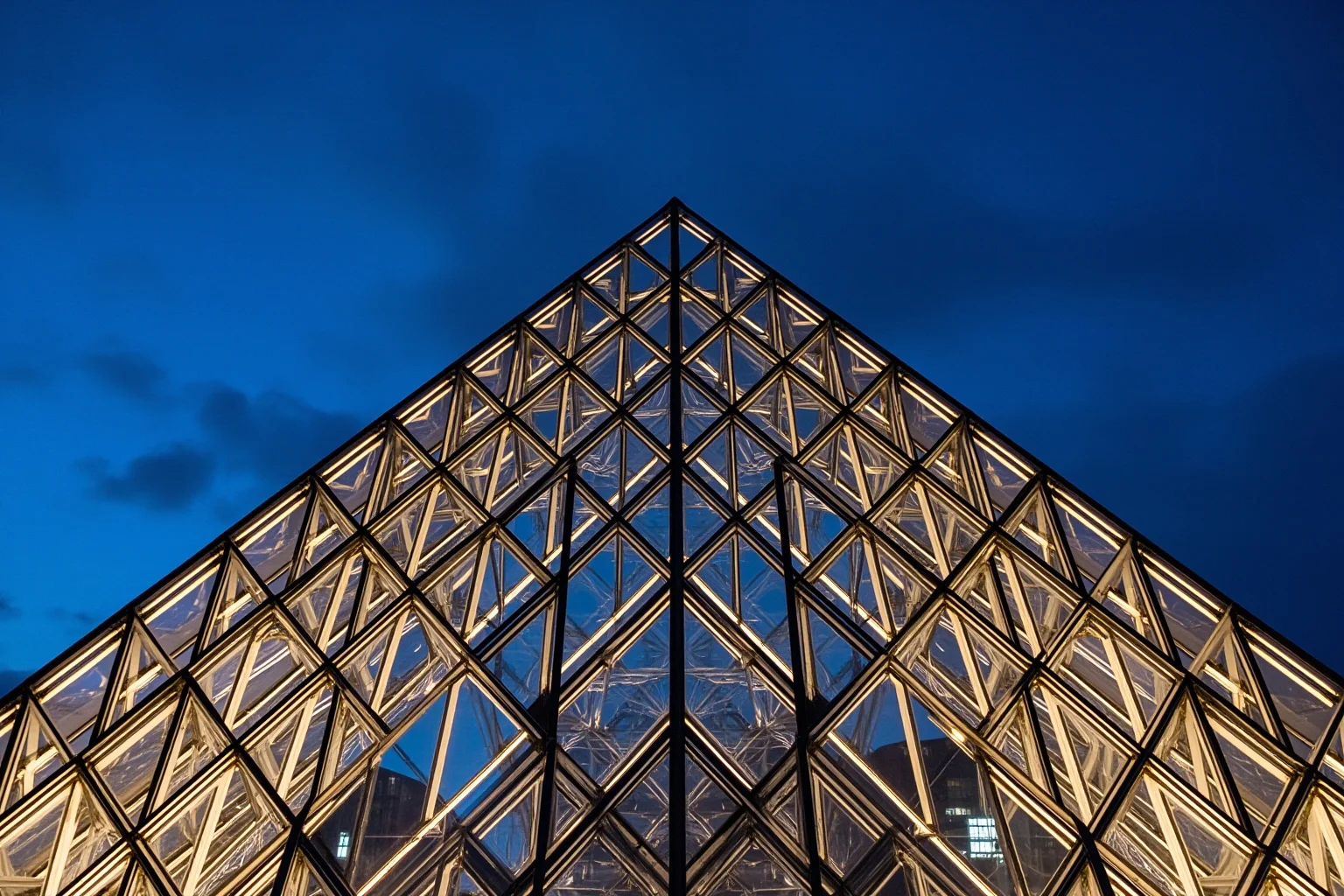
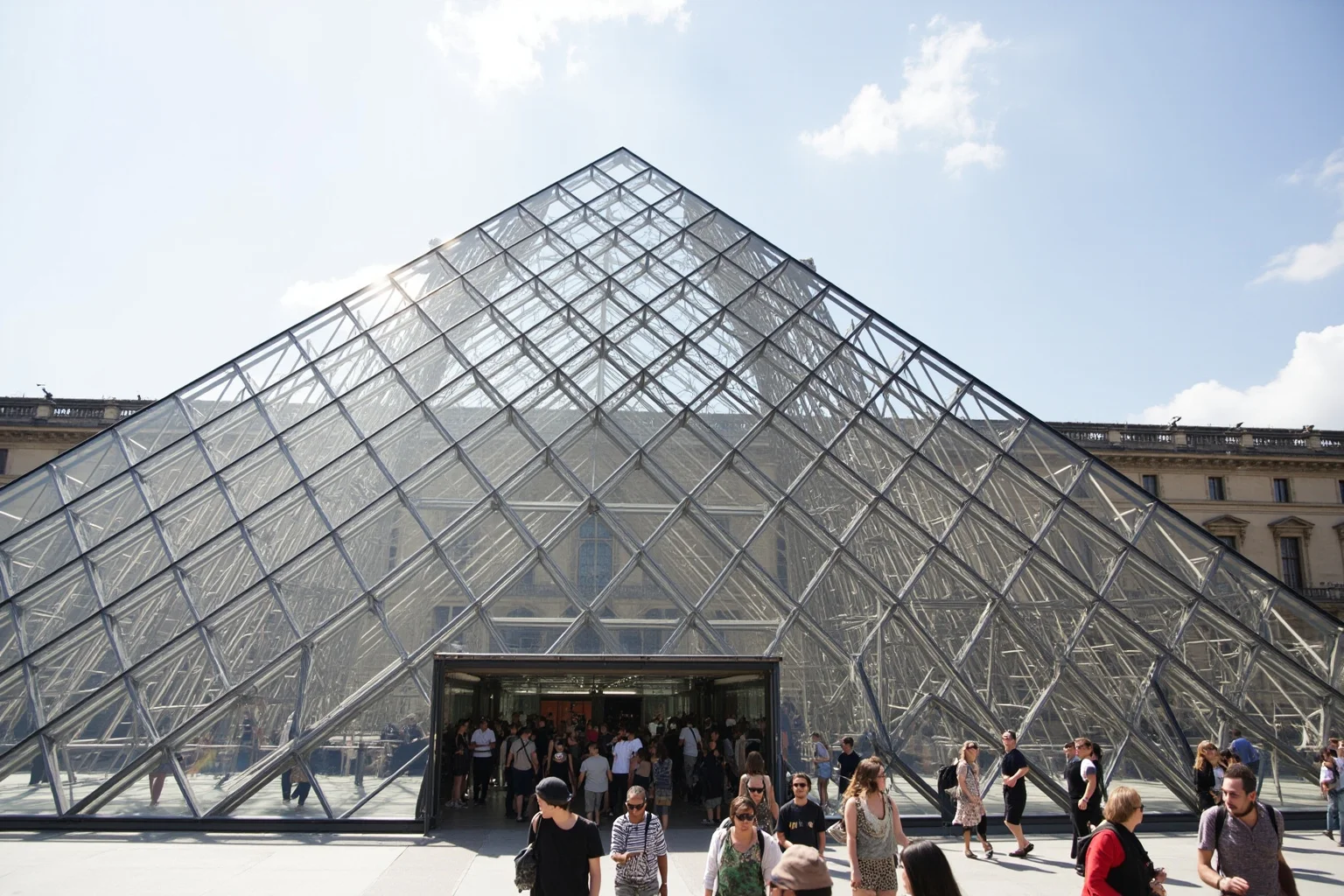
A popular urban legend claims the Louvre Pyramid has exactly 666 panes, a number loaded with ominous symbolism. The official count is 673 panes, made up of 603 rhombus-shaped and 70 triangular glass pieces. That small numerical difference is enough to keep the myth alive.
The 666 story keeps circulating because it sounds deliciously scandalous, but it is not supported by the structure’s actual design. The pyramid’s panes were arranged for structural and visual reasons, not to encode a hidden message. This is one of the Louvre fun facts that doubles as a myth-buster.
Still, the myth has proved difficult to kill. It appears in novels, websites, and late-night conversations as if it were secret knowledge. The real story is less demonic: architecture is just more complicated than a single symbolic number.
13. The Inverted Pyramid Starred in “The Da Vinci Code”
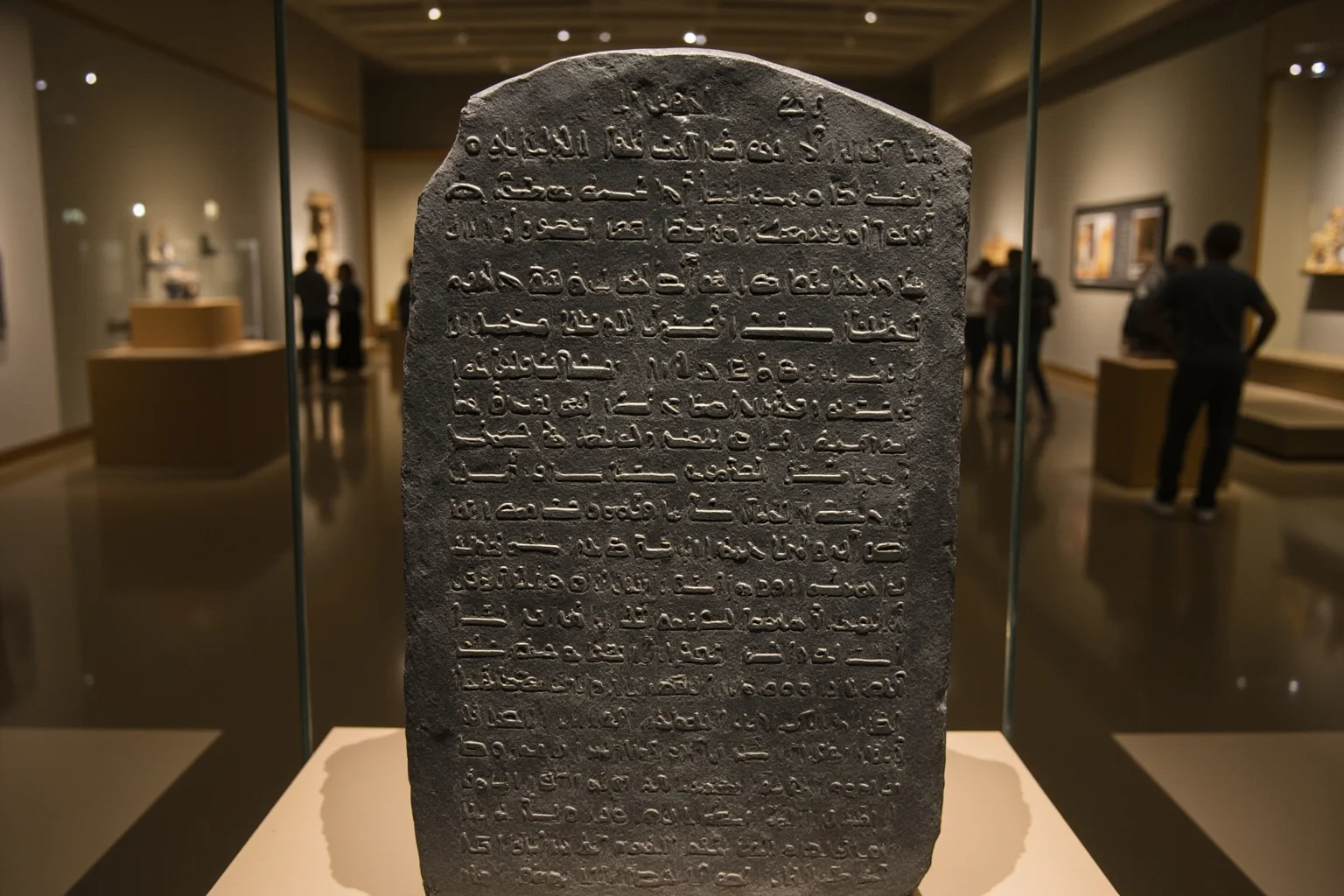
The glass pyramid above ground gets most of the attention, but a smaller inverted pyramid hangs in the underground Carrousel du Louvre complex. It became a pop-culture landmark after Dan Brown’s novel “The Da Vinci Code” used it as a symbolic final location. The real structure is a skylight designed to bring daylight into the underground space.
The Louvre has leaned into that association carefully, but the pyramid itself is a real architectural feature, not a Hollywood invention. Millions of visitors now pause there for a very specific photo angle. The book and film added a layer of mystery to a functional piece of modern design.
That pop-culture fame brought new audiences to the museum, even if some arrived looking for fictional clues. The space beneath the pyramid now feels like a modern pilgrimage site. A skylight became a story.
14. A Whole Medieval Castle Hides Beneath the Museum
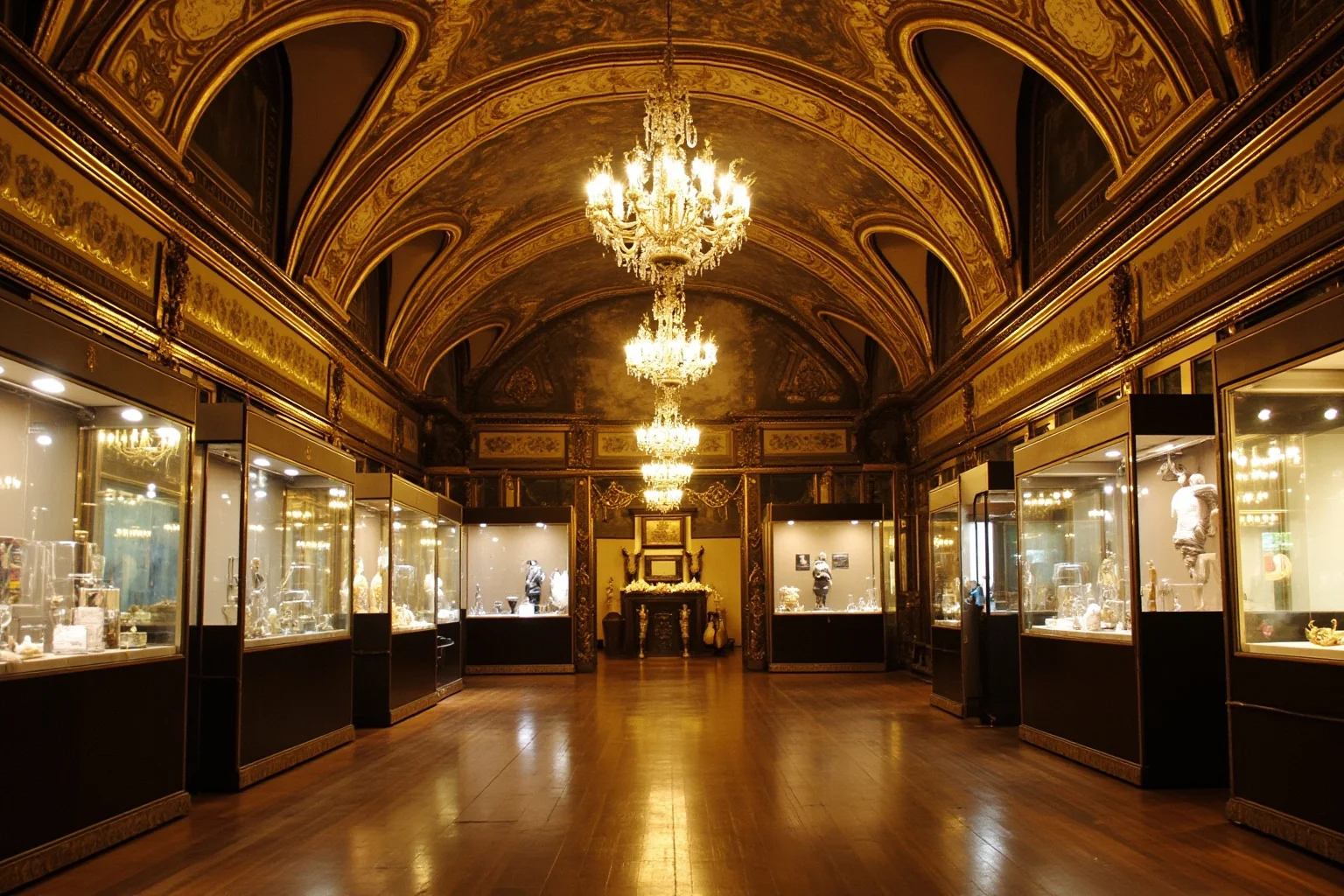
The excavation of the original fortress in the 1980s uncovered walls, towers, and a moat that had been buried for centuries. The museum now preserves this underground medieval Louvre as an archaeological walkway. It is one of the most surprising Louvre interesting facts for visitors who assume the building began in the Renaissance.
You can stand on the original foundation stones and still see traces of the defensive architecture. The room displays stone fragments and diagrams that reconstruct how the fortress once looked. It is not a re-creation; it is the actual surviving fabric of a 12th-century castle.
That archaeological layer changed how historians understood the museum. The Louvre was not simply a royal palace built on an empty site; it grew out of a serious military installation. Those old stones are the museum’s oldest residents.
15. The Code of Hammurabi Lives in Paris, Not Babylon
One of the most important legal documents in history, the Babylonian Code of Hammurabi, is carved onto a black basalt stele about 7.4 feet tall. It dates to roughly 1750 BCE and contains 282 laws covering trade, family life, and punishment. The stone was discovered in Susa, in present-day Iran, and entered the Louvre’s collection in the early 20th century.
Seeing it in person is a reminder that the museum’s “art” includes ancient law, not just paintings. The stele is displayed as both a legal text and a sculptural monument. Its cuneiform script looks dense and orderly, like an ancient official document set in stone.
Many visitors are surprised to find this cornerstone of legal history in Paris. It has become one of the most fascinating objects in the Near Eastern Antiquities galleries. The law may be old, but its presence in the Louvre is entirely current.
16. The Apollo Gallery Is the Louvre’s Dazzling Answer to Versailles
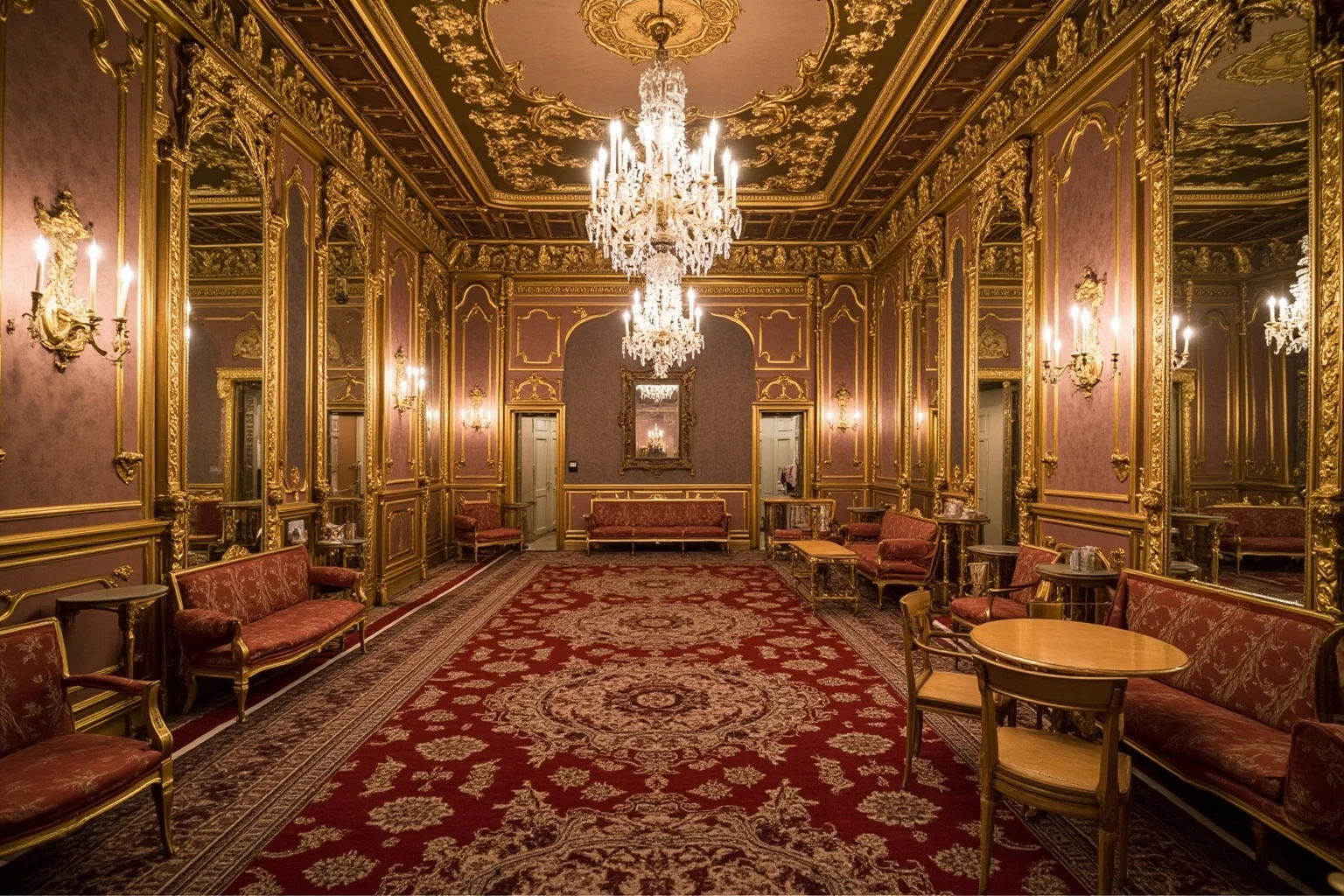
The Galerie d’Apollon is a golden, painted barrel-vaulted room that influenced the Hall of Mirrors at Versailles. Rebuilt after a fire in 1661, it showcases royal French decorative art at maximum intensity. Its walls and ceilings are packed with stucco, paintings, and gilding that can feel overwhelming after hours of quieter galleries.
Many visitors skip the gallery, which is ironic because it explains a lot about French royal taste. The Apollo Gallery served as a laboratory for the kind of decorative excess that later defined Louis XIV’s palace. It also houses pieces from the French crown jewels, including the Regent diamond.
Walking through the room is like stepping into a gilded jewel box. Every surface seems designed to prove that the monarchy could command money, light, and craft. The gallery is a spectacle, but it is also a historical blueprint.
17. The Napoleon III Apartments Are the Louvre’s Gilded Hidden Rooms
Tucked into the Richelieu Wing, the Napoleon III apartments preserve the extravagant state rooms of the Second Empire. They feature chandeliers, painted ceilings, and furniture that look more like a period drama set than a museum gallery. These rooms are often empty compared with the crowds two floors away.
They reveal that the Louvre was not always about viewing art; it was also about performing power. The apartment rooms were used for official entertaining and demonstrated the splendor of the emperor’s court. They survived later renovations because they were simply too impressive to strip.
Visitors who find them get a break from the main galleries and a crash course in 19th-century French luxury. The gilding is thick, the fabrics are rich, and the scale feels theatrical. It is one of the museum’s best quiet surprises.
18. The Venus de Milo’s Missing Arms Are Still an Active Debate
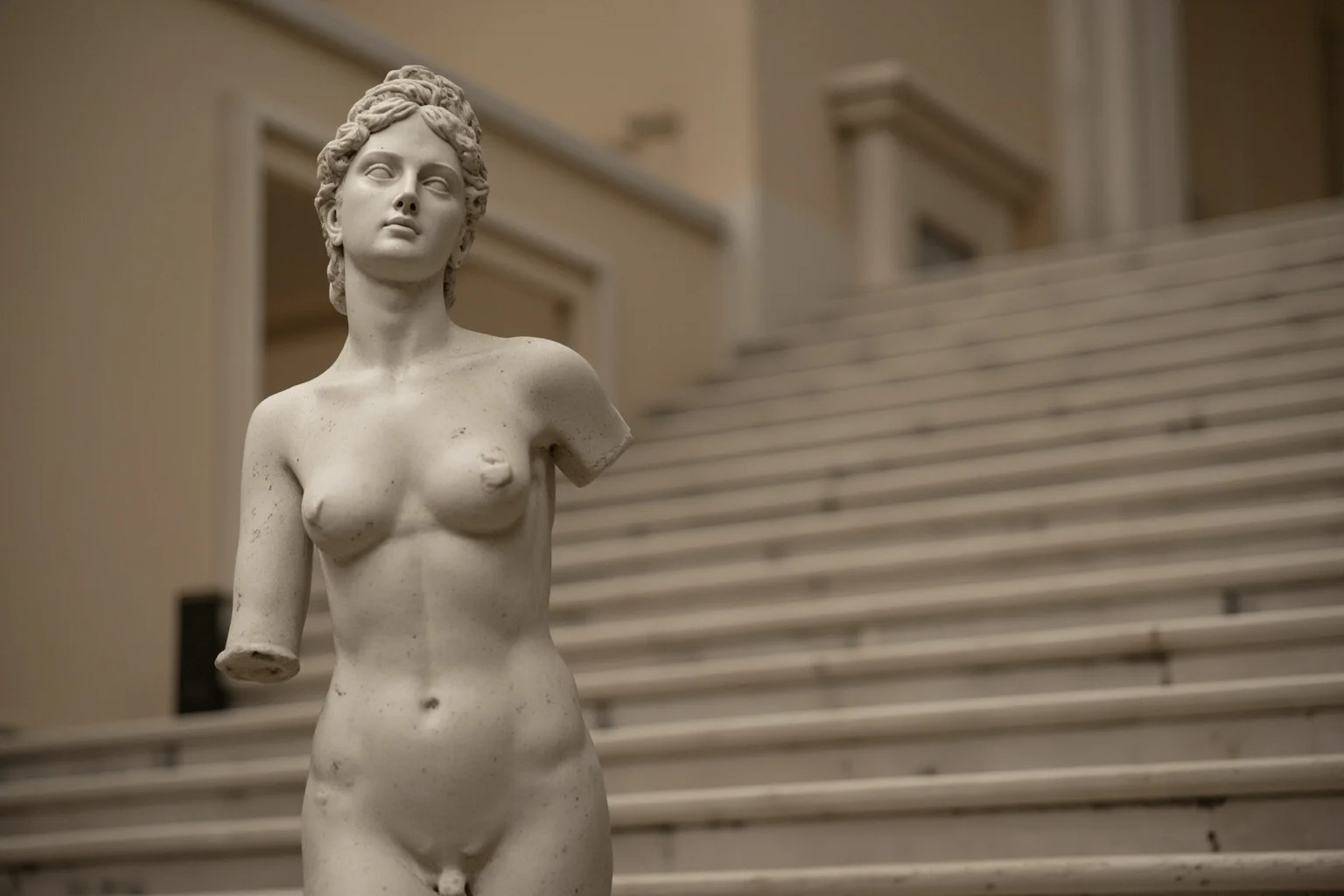
The Venus de Milo was discovered on the Greek island of Milos in 1820 and has puzzled viewers ever since. Her arms were already missing when she was found, and the original pose and identity remain uncertain. Scholars still debate whether she represented Aphrodite, Amphitrite, or another figure, and how her arms were positioned.
That mystery is part of why she became one of the Louvre’s most recognized sculptures. The missing limbs invite visitors to imagine the pose, which keeps the statue alive in the public imagination. A complete figure might not have generated the same curiosity.
The sculpture’s name may itself be a convenient label rather than a proven identification. Curators present her as an icon of Greek art while acknowledging the open questions. The debate continues, and the arms remain absent.
Records, Numbers, and Practical Surprises
19. The Louvre Is Usually the Most-Visited Museum on Earth

In the years before the pandemic, the Louvre welcomed around 10 million visitors annually, far more than most other museums. In 2023, attendance was still a massive 8.9 million, despite efforts to manage crowding. Those numbers make it a record-holder, but they also explain why the galleries near the Mona Lisa feel like a rush-hour metro.
The museum has introduced timed entry to cope with its own popularity. Visitors are now encouraged to book a slot, which spreads crowds throughout the day. That system is a modern response to an old problem: everyone wants to see the same handful of icons.
Popularity also creates pressure on conservation and visitor experience. A museum built for courtiers now receives millions of people a year. Managing that flow is part of the institution’s daily work.
20. Glancing at Every Displayed Work Would Take More Than a Month
The Louvre holds more than 500,000 objects, with about 35,000 on display at any one time. If you spent 30 seconds on each displayed work without stopping, that would still take around 292 hours. At a realistic eight-hour museum day, you would need more than a month just to glance at everything on view.
That math is one of the most humbling fun facts about the Louvre. It also explains why most visitors make lists and focus on a few galleries. The museum is not a sprint; it is a series of strategic choices.
The collection includes paintings, sculpture, decorative arts, archaeology, and drawings. Many masterpieces are stored off view and rotated through exhibitions. There is always more in the archive than any single visit can reveal.
21. The Louvre Has Expanded to Other Countries
The brand has traveled far beyond Paris: the Louvre Abu Dhabi opened in 2017 as a separate museum built through a partnership with the United Arab Emirates. There is also Louvre-Lens in northern France, which puts rotating works from the Paris collection in a different setting. These projects show how the institution now operates as a global cultural network.
A night at the Louvre is no longer only possible on the Seine. Abu Dhabi’s dome and Lens’s low-rise galleries offer different versions of the museum idea. They also export curatorial expertise, lending practices, and the Louvre name.
For the Paris museum, these partnerships provide revenue and international reach. They have also sparked debate about cultural diplomacy and museum branding. The old palace is now part of a much larger institutional identity.
22. There’s a Lesser-Known Lion Gate That Can Save Your Day
Most visitors line up at the main Pyramid entrance, but the Porte des Lions on the south side is often quieter. The entrance is not always open, so it is worth checking current museum information before you go. Using it can feel like knowing a local secret in one of the world’s most crowded museums.
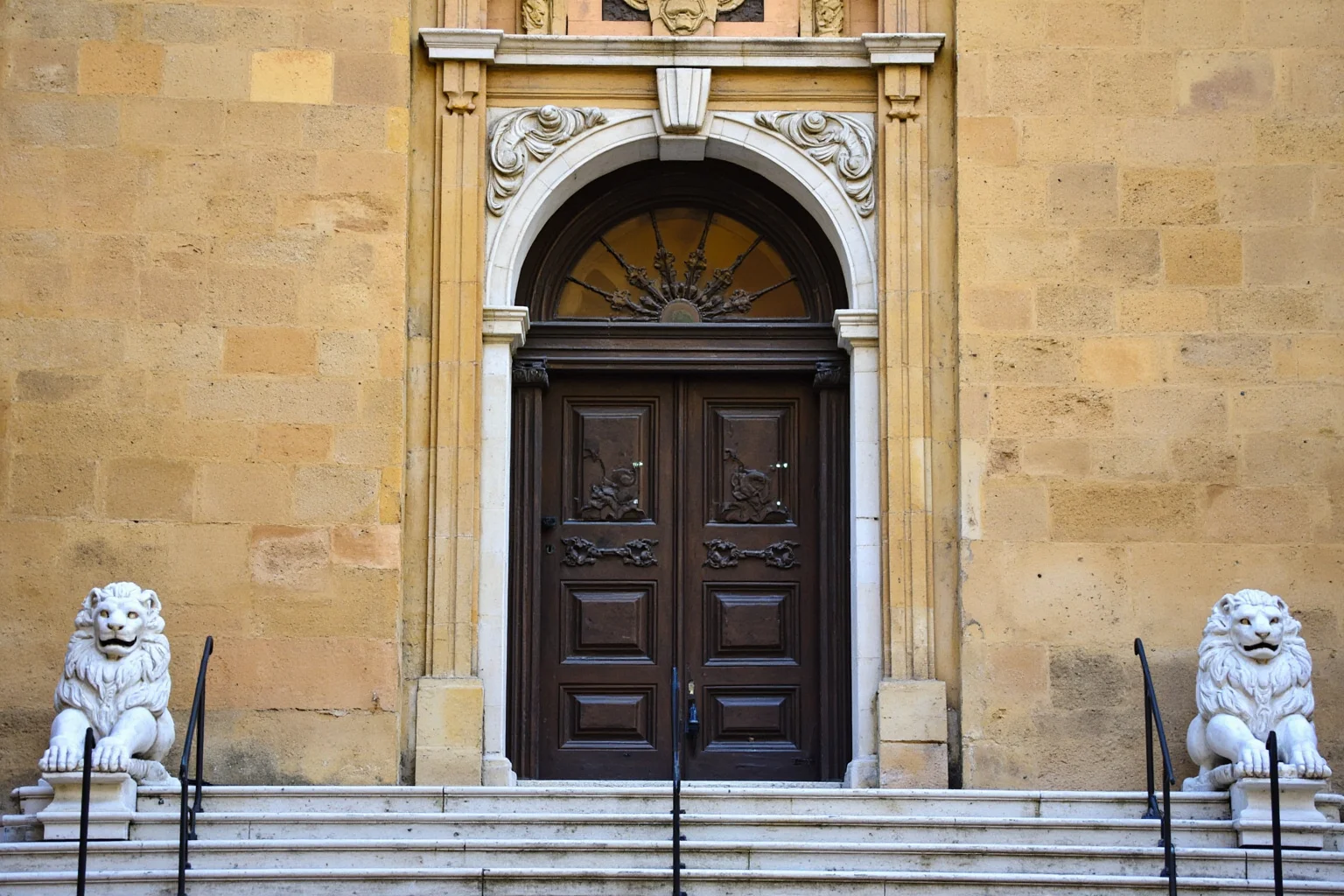
The gate is named for the stone lions that decorate its facade. It was once a ceremonial palace entrance, but today it serves as an alternative access point for groups and informed visitors. On a busy day, the shorter line can feel like a small miracle.
It is a practical surprise, not a historical one, but it may be the best fact you learned when your feet hurt. The Louvre rewards people who do a little homework before arriving. Sometimes the quietest entrance is the smartest path into a noisy institution.
Why These Weird Details Matter
The Louvre’s official image is elegant, orderly, and slightly intimidating, but its real history is messy, accidental, and full of strange detours. A fortress became a palace, a palace became a museum, and a stolen portrait became the most famous painting in the world. Paying attention to these fun facts about the Louvre changes the way you move through the building, because every wing contains a ghost of a different purpose.
The next time someone describes the Louvre as just a big art museum, you can offer the pyramid’s real pane count, the medieval moat, or the heist that made the Mona Lisa a star. Those stories are not trivia; they are the actual history of a place that never followed a tidy plan. The Louvre is not only a collection of masterpieces but also a monument to happy accidents, colossal egos, and extremely patient security staff.
Frequently Asked Questions
What are some fun facts about the Louvre?
Some of the best fun facts about the Louvre include that it began as a 12th-century fortress, the Mona Lisa became world-famous only after its 1911 theft, and the glass pyramid has 673 panes rather than the mythic 666. You can also visit the original medieval moat beneath the museum.
How many glass panes are in the Louvre Pyramid?
The Louvre Pyramid has 673 glass panes: 603 rhombus-shaped panes and 70 triangular panes. The widely repeated claim that it has 666 panes is a myth.
Why is the Mona Lisa so famous?
The Mona Lisa was well regarded before 1911, but it became a global celebrity after Vincenzo Peruggia stole it from the Louvre. The two-year manhunt and nonstop newspaper coverage turned the painting into front-page news and a popular mystery.
Can you visit the medieval foundations under the Louvre?
Yes. In the Sully Wing, visitors can walk through the preserved remains of the original 12th-century fortress, including stone walls, towers, and the medieval moat. It is one of the most surprising parts of the museum.
How long would it take to see everything in the Louvre?
With about 35,000 works on display at any time, spending 30 seconds on each would take around 292 hours. At eight hours per day, that means more than a month just to glance at everything on view.

Alex Warren
Related Articles