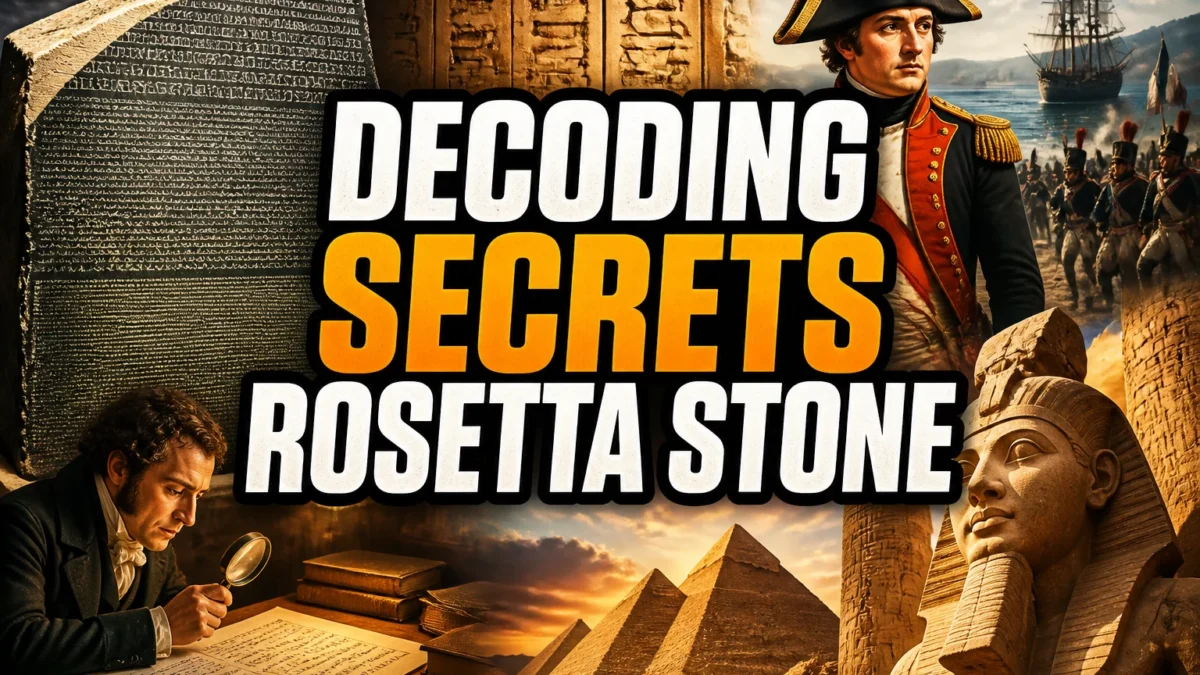
Most people know the Rosetta Stone as the object that unlocked ancient Egyptian hieroglyphs. Far fewer understand why the Rosetta Stone is so important beyond that single breakthrough. The stone preserved the same decree in three scripts, which made a lost writing system suddenly readable.
After it was discovered in 1799, French and British scholars spent more than two decades racing to decode its message. Their success transformed archaeology, changed how historians read Egyptian temples, and opened an entire civilization to modern eyes. Here are 20 decoding secrets that reveal what the stone actually says, how it was cracked, and what archaeologists learned from it.
TL;DR: The Rosetta Stone mattered because it carried the same Egyptian decree in Greek, Demotic, and hieroglyphs, allowing scholars to finally decipher hieroglyphs in 1822.
A Quick Primer: The Riddle of the Rosetta Stone
Before diving into the numbered discoveries, it helps to know the basic facts. The stone is a slab of dark gray granodiorite, about 112 centimeters tall and 75 centimeters wide at its longest point. It was carved in 196 BCE during the reign of Ptolemy V Epiphanes.
The inscription is not a secret message or religious prophecy, but a Memphis decree issued by a council of priests. It affirms royal support for temples and records tax privileges granted to the priesthood. The same text was written in three scripts precisely because Egypt's administration used more than one language.
1. The Stone Was Found by Accident in 1799
French soldiers were rebuilding a fort near the Nile Delta town of Rosetta, called Rashid in Arabic, when they hit a slab in the ground. The discovery happened in July 1799 during Napoleon Bonaparte's military campaign in Egypt. Lieutenant Pierre-François Bouchard recognized the stone's three bands of writing and reported it to his superiors.
The slab had been reused as building material, probably in an old wall or foundation. Its original temple or administrative setting remains unknown. That accidental find, however, soon became one of the most famous archaeological discoveries ever made.
2. It Wasn't Created as a Translation Key at All
It is tempting to imagine the stone as an ancient tourist dictionary or classroom translation aid. In reality, it was never designed to teach anyone Egyptian. The inscription celebrated the coronation and generosity of King Ptolemy V.
Priests gathered at Memphis issued the decree to honor the young king and advertise his support for temples. The Greek, Demotic, and hieroglyphic versions were meant to reach different readers in a multicultural kingdom. So the riddle of the Rosetta Stone is not why it was made, but why it survived.
3. The Stone Is Granodiorite, Not Basalt

Many guidebooks once described the Rosetta Stone as black basalt. Scientific analysis later showed it is granodiorite, a granular igneous rock with quartz, feldspar, and dark minerals. That distinction matters because granodiorite can weather and fracture differently than basalt.
Scholars generally suggest it came from a quarry in the Aswan region, though the exact source is not documented. The corrected identification is a small myth-busting detail that reminds us to read old museum labels carefully.
4. What Is Written on the Rosetta Stone? A Priestly Decree
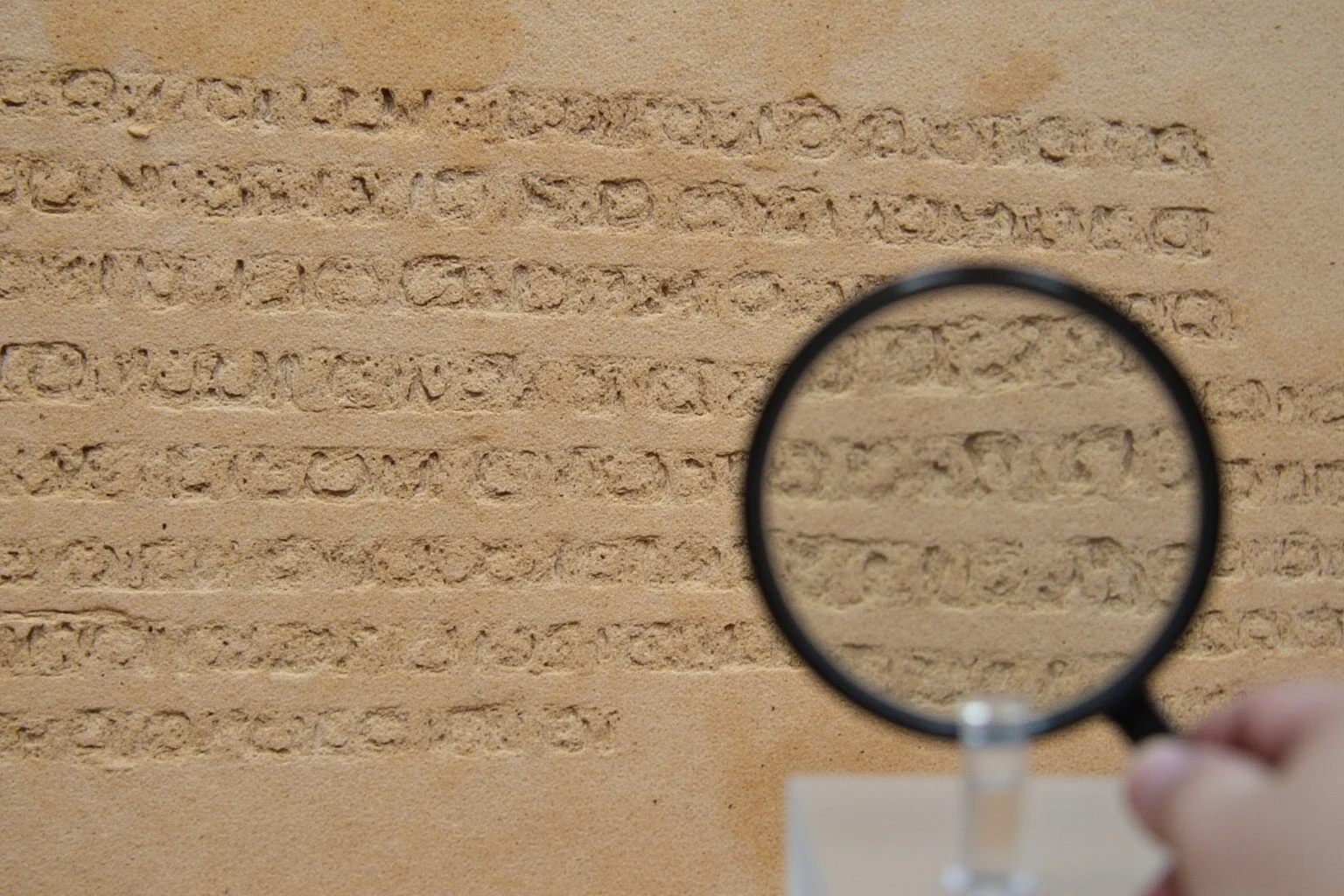
What is written on the Rosetta Stone, exactly? The text is a decree issued at Memphis on March 27, 196 BCE, by a council of priests. It honors Ptolemy V Epiphanes and announces benefits he granted to Egyptian temples.
The decree abolishes certain debts, reduces taxes, and confirms the privileges of priests. It also describes how statues of the king should be placed in temples and how festivals should honor him. In other words, it is official royal communication, not myth or literature.
5. Three Scripts, One Message: Hieroglyphs, Demotic, and Greek
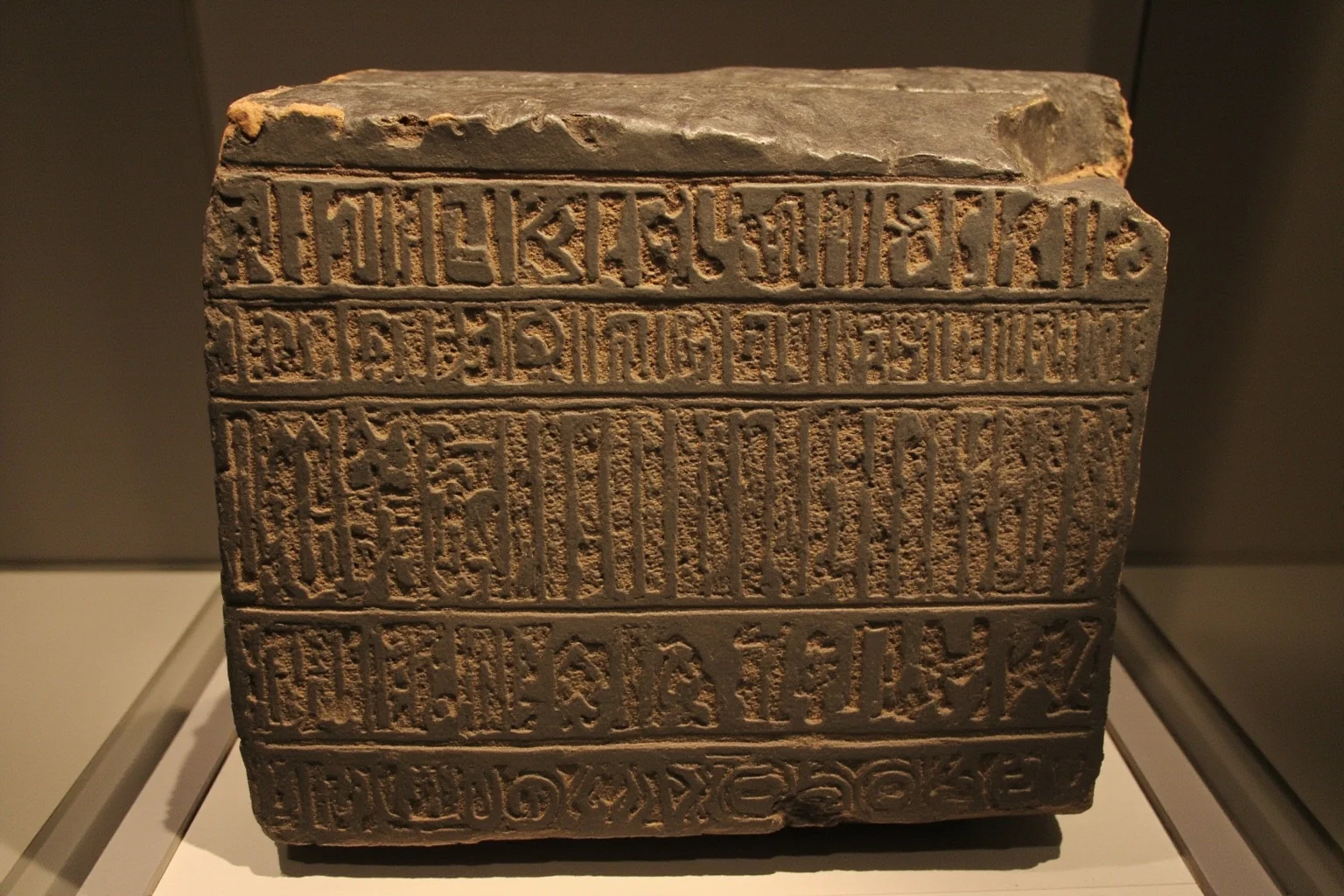
The stone's most famous feature is its three scripts. The top section, now badly damaged, was written in Egyptian hieroglyphs, the script used for sacred and monumental texts. The middle section uses Demotic, a later cursive script for daily and administrative writing.
Despite this built-in advantage, deciphering the Rosetta Stone was still brutally hard. The texts are not perfectly identical word for word, and the top hieroglyphic section was incomplete. Scholars still had to work from broken lines and uncertain equivalents.
6. The Missing Top Is the Heart of the Riddle
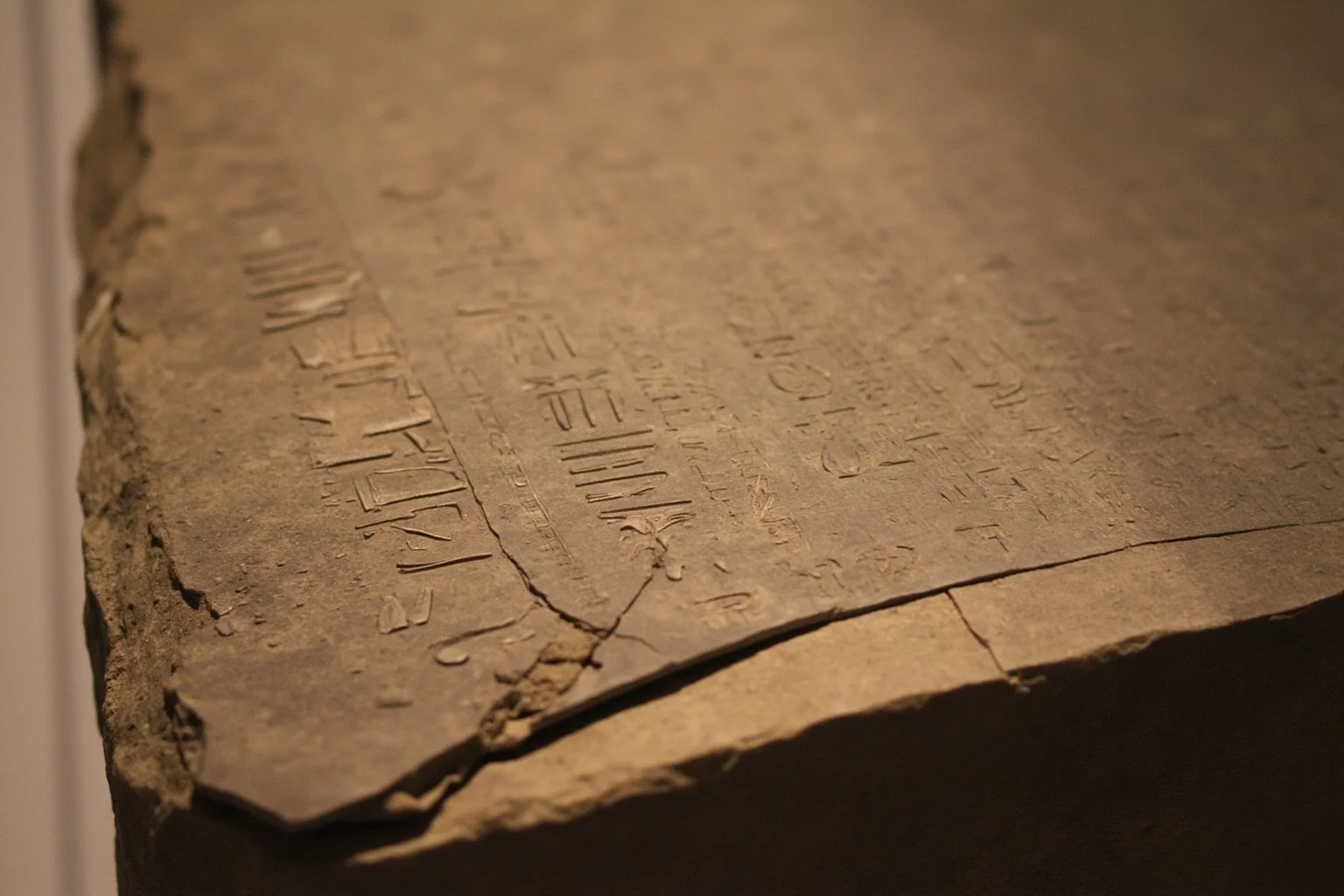
The hieroglyphic portion at the top suffered the most damage before the stone was found. Only about 14 lines of hieroglyphic text survive, and many are broken at the edges. By contrast, the Demotic middle and Greek bottom sections are far more complete.
This imbalance shaped the decipherment story. Because the Greek text was almost fully legible, researchers could use it as the starting point for the other two scripts. Yet the missing hieroglyphic lines meant they could not simply align every passage.
The riddle of the Rosetta Stone therefore involved reconstruction as much as translation. Scholars had to guess what the lost hieroglyphic text might have said based on the surviving Greek and Demotic. That is one reason the breakthrough took more than twenty years.
7. Scholars Already Could Read Ancient Greek
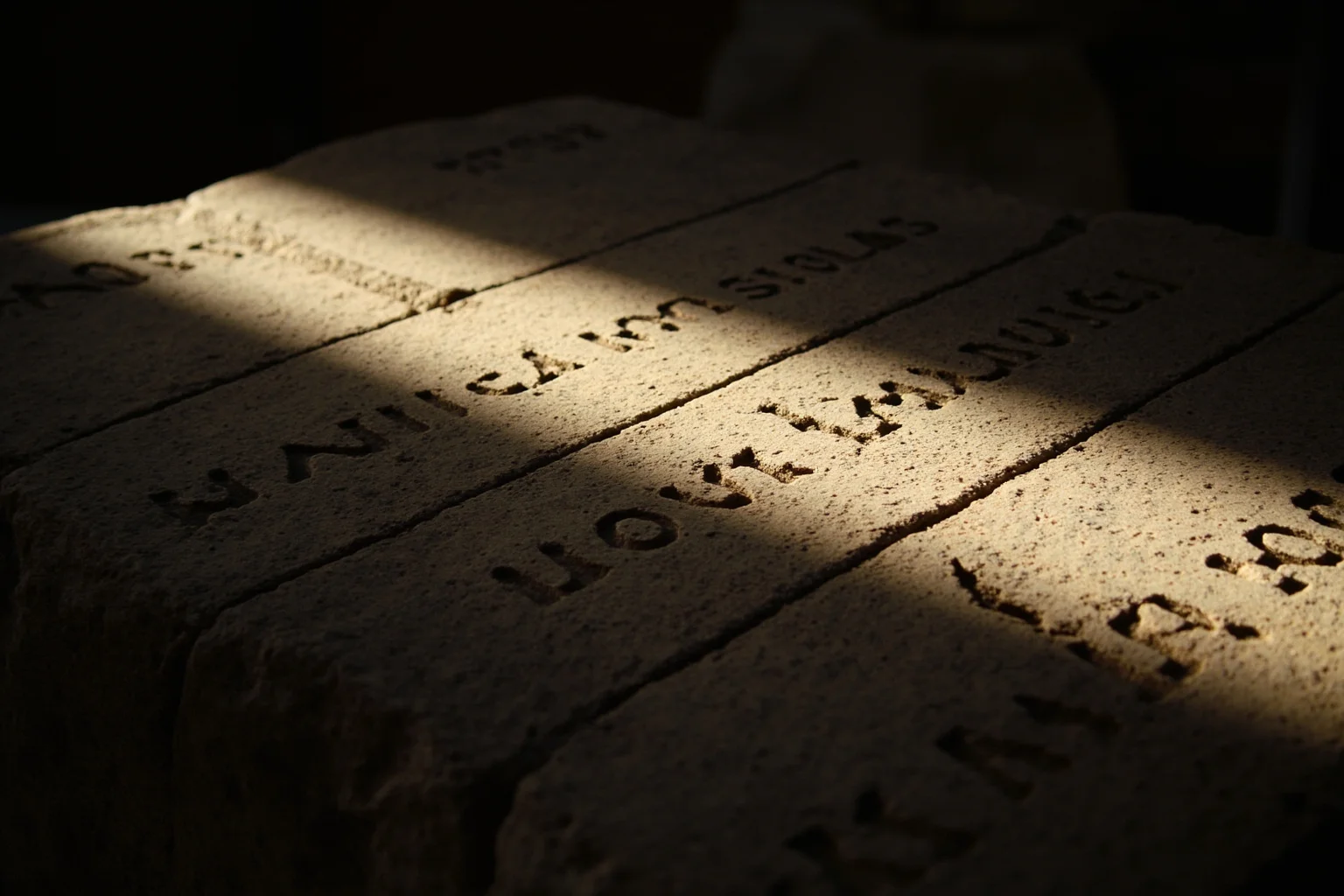
Before the stone arrived in Europe, ancient Greek was a well-known language among scholars. The bottom Greek text could be read almost immediately. It revealed that the inscription was a decree from the reign of Ptolemy V.
Knowing what the Greek said did not automatically explain the hieroglyphs. Scholars still disagreed about whether hieroglyphs were purely symbolic or partly phonetic. But the Greek version gave them a reliable controlling text for regular names and dates.
The ability to read Greek was the quiet foundation of the whole project. Without that known element, the Rosetta Stone might have remained just a curious trilingual slab. With it, the race to crack the other two scripts could begin.
8. The First Real Crack Was Thomas Young's Royal Name
Although the Rosetta Stone is often linked to Jean-François Champollion, he did not start from zero. English polymath Thomas Young made an important early breakthrough around 1814-1818. Young noticed that certain hieroglyphic groups inside oval rings, called cartouches, corresponded to royal names.
He proposed that the name Ptolemy appeared phonetically in the cartouches, sign by sign. That insight was partial and sometimes inconsistent, but it showed that some hieroglyphs represented sounds, not just ideas.
Young's work helped narrow the problem. However, he did not produce a full, correct system for reading Egyptian. The final decipherment would require a scholar with deep knowledge of Coptic, the late form of the Egyptian language.
9. When Was the Rosetta Stone Deciphered? 1822
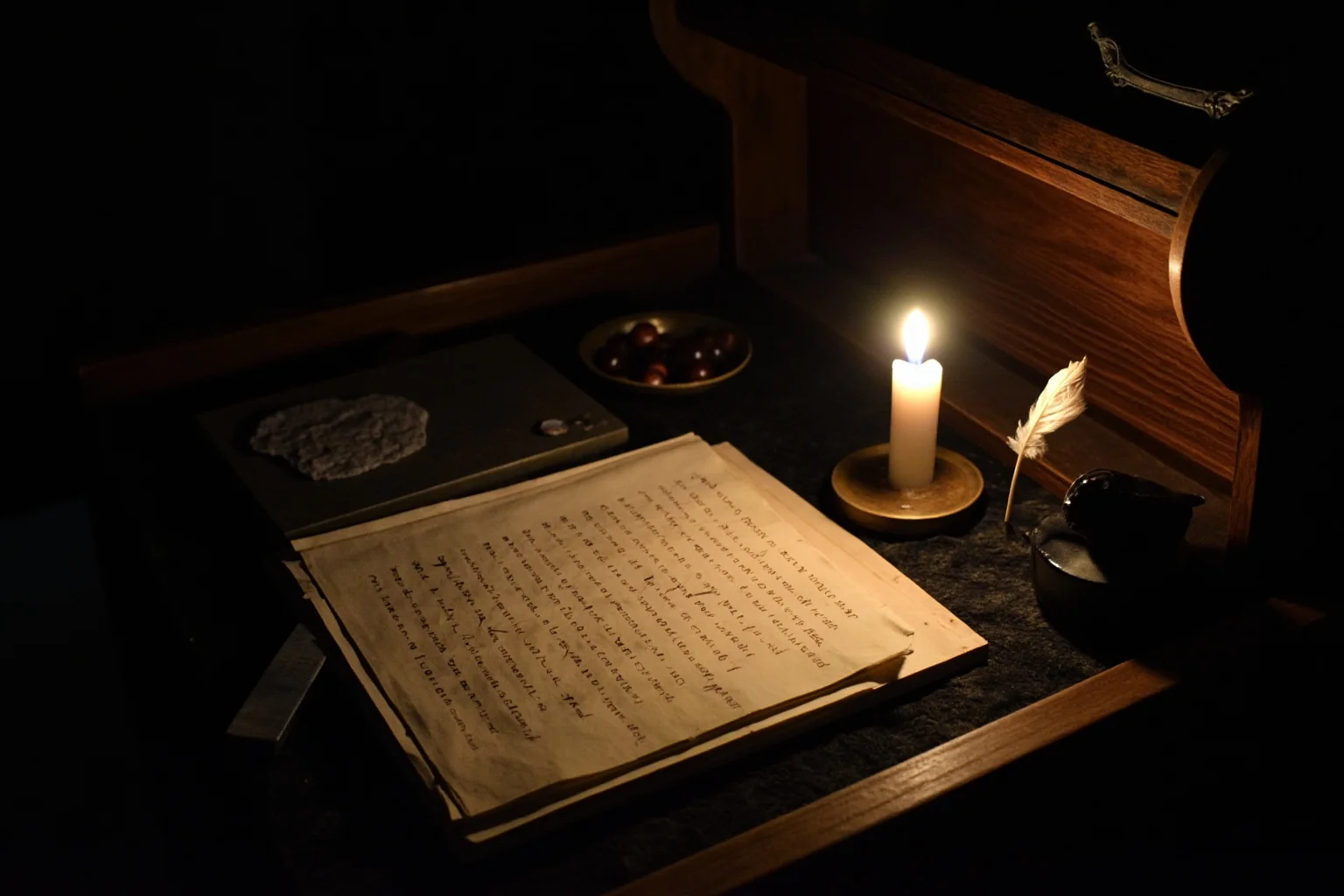
So when was the Rosetta Stone deciphered? The decisive breakthrough came in September 1822. Jean-François Champollion announced his reading of hieroglyphic names and his early phonetic system in a letter to the secretary of the French Academy.
This is the standard date historians give for the decipherment of hieroglyphs. Champollion did not solve every detail on that day, but he established the core principle. Later work refined the grammar, vocabulary, and chronology of the ancient Egyptian language.
The Rosetta Stone decipherment was therefore not a single day of inspiration, despite popular legend. It was a process that stretched from Young's partial identifications to Champollion's systematic proof. Still, 1822 remains the turning point.
10. Champollion Used the Cartouche as the Key
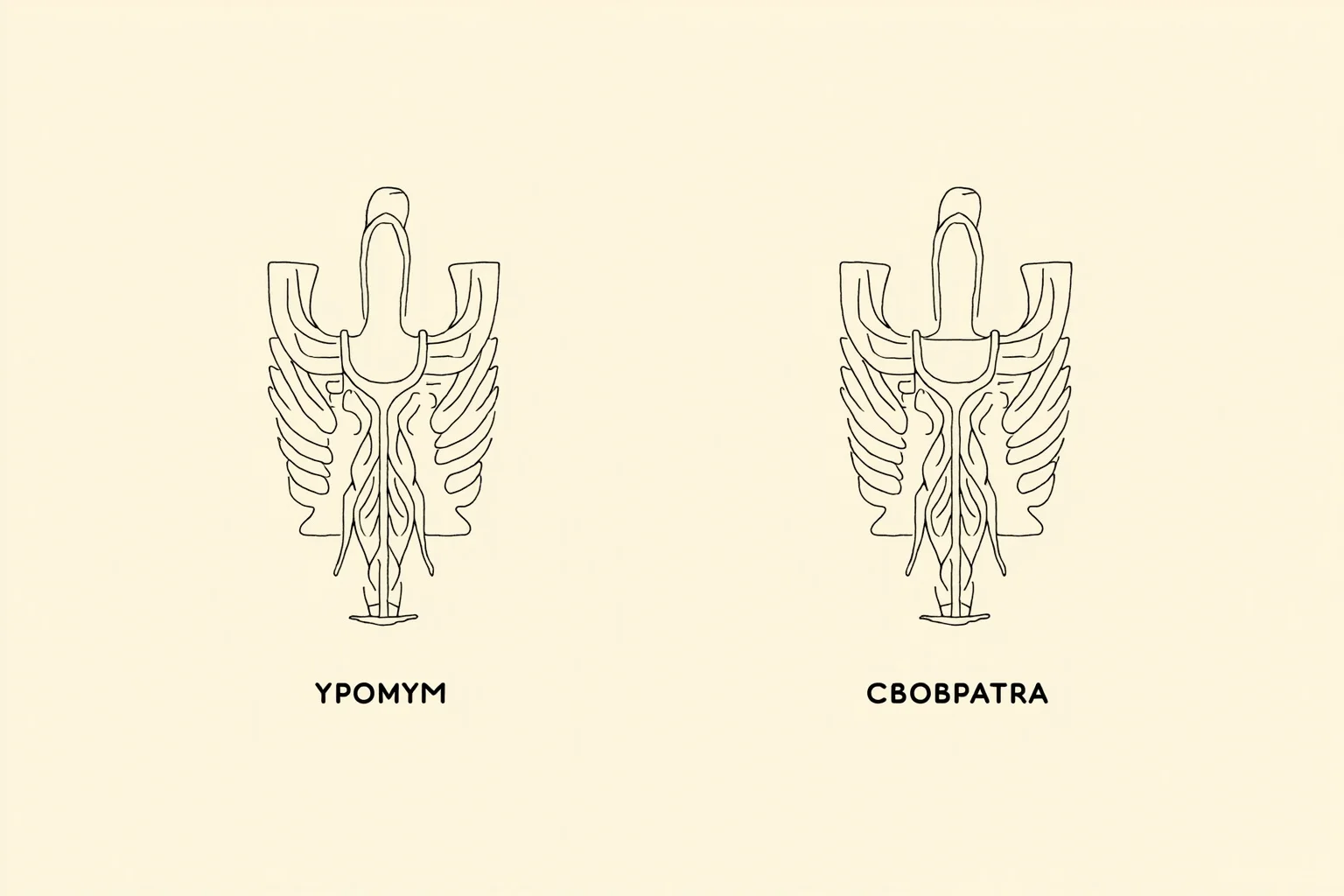
Champollion's key weapon was the cartouche, the oval ring enclosing royal names. He compared the cartouches for Ptolemy on the Rosetta Stone with those for Cleopatra on an obelisk from Philae. The repeated signs allowed him to test which hieroglyph represented which consonant.
Using known names let him build a small phonetic alphabet. He then applied it to other cartouches and eventually to non-royal words. This proved that hieroglyphs were not merely symbolic pictures, but a writing system with sound values.
That is how the Rosetta Stone helped decipher hieroglyphics. It supplied repeated royal names in a known language next to the unknown script, giving scholars a controlled comparison. The cartouche method turned otherwise arbitrary signs into testable readings.
11. The Decipherment Was Announced in the Lettre à M. Dacier
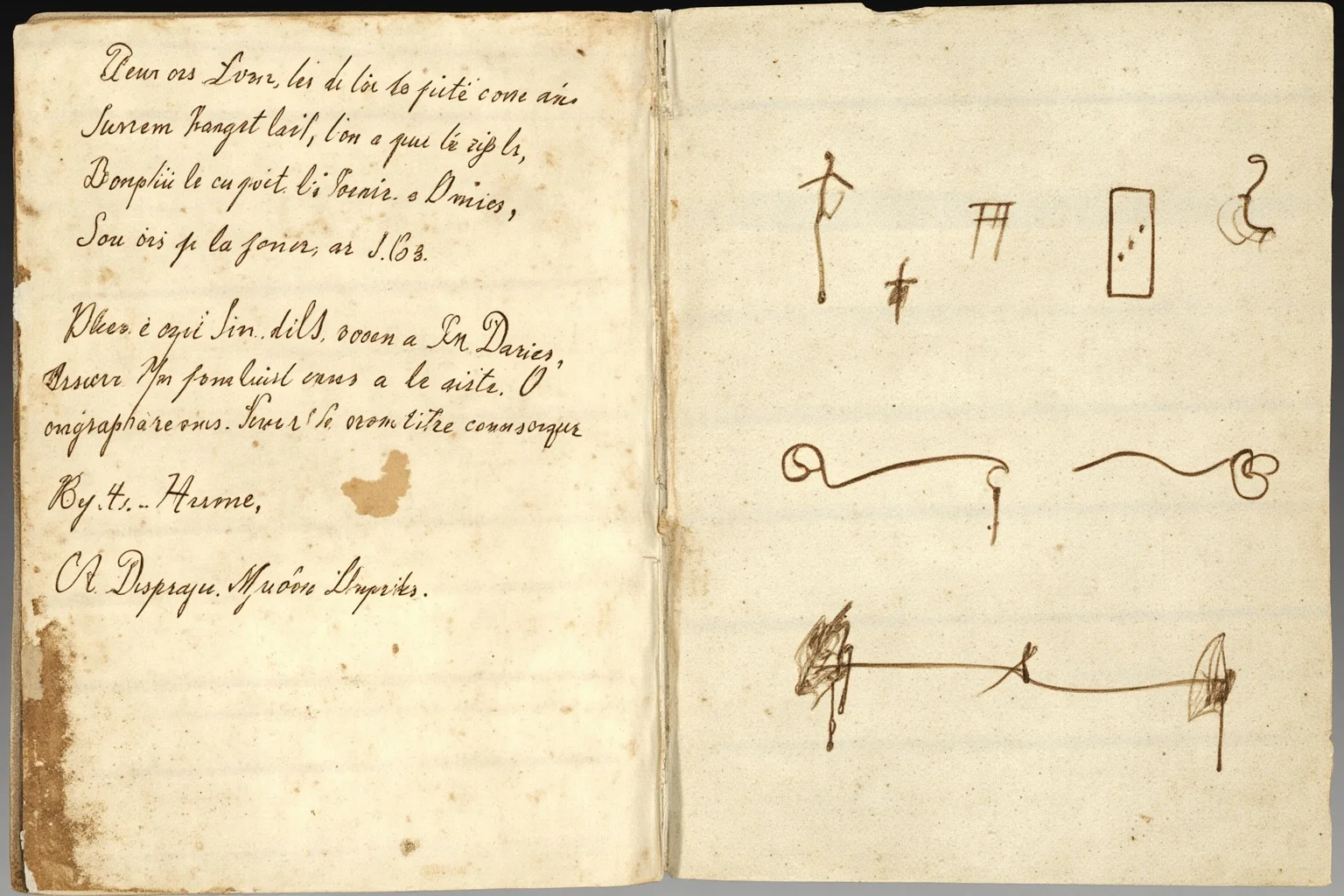
Champollion presented his findings in the Lettre à M. Dacier on September 27, 1822. The letter was addressed to Bon-Joseph Dacier, secretary of the Académie des Inscriptions et Belles-Lettres. In it, Champollion laid out the alphabet of hieroglyphs and explained how the system worked.
The letter did not yet contain a complete grammar, but it made a convincing case. It showed that Egyptian hieroglyphs combined phonetic signs with ideographic signs. This mixed nature had confused earlier scholars who expected either pure symbols or pure letters.
Champollion's announcement triggered excitement and skepticism across Europe. Some rivals, including Thomas Young, felt their earlier work had been under-credited. The academic rivalry, however, did not stop the decipherment from being accepted and expanded.
12. How the Rosetta Stone Helped Historians Understand Hieroglyphics
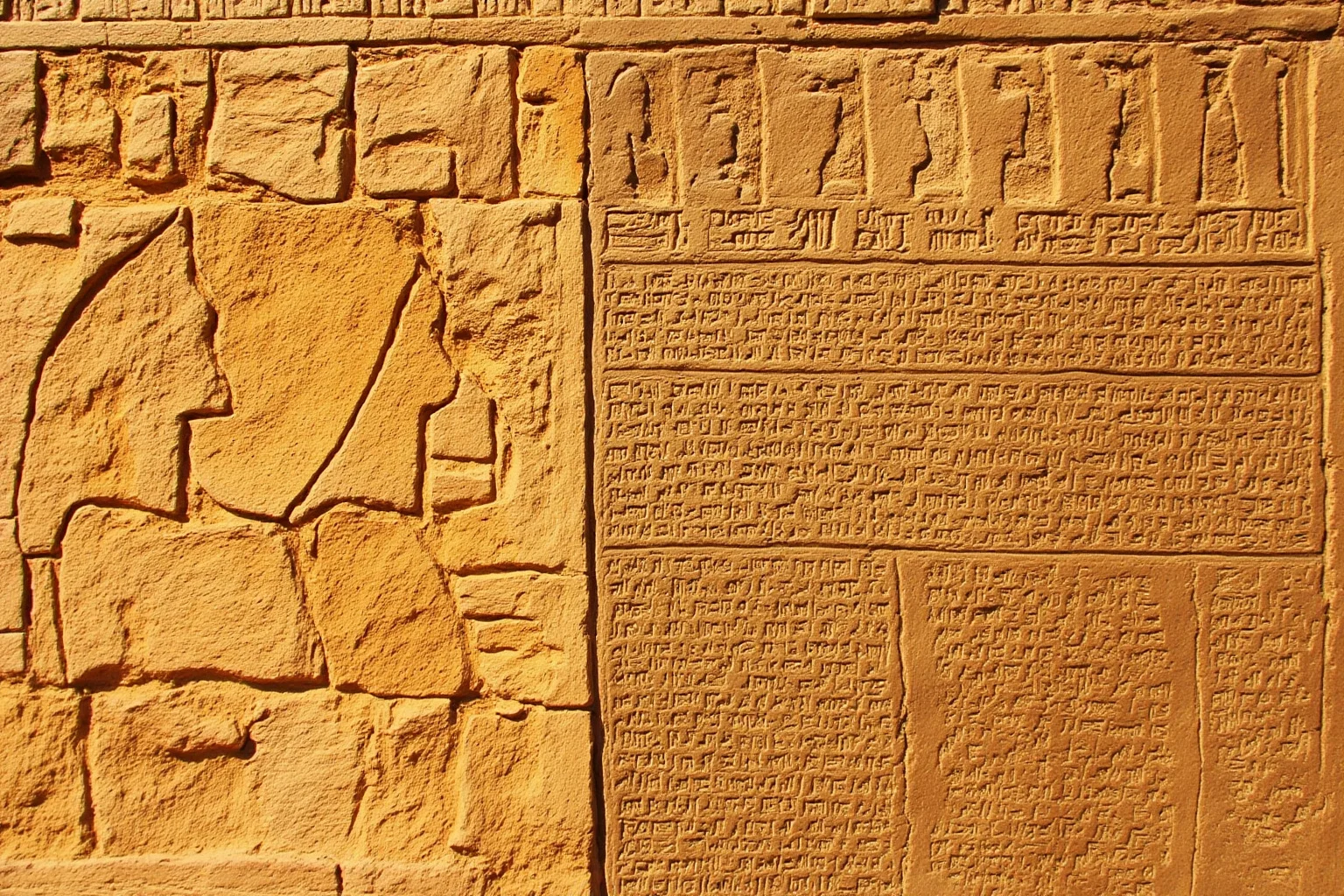
How did the Rosetta Stone help historians understand hieroglyphics? It gave them a fixed bilingual anchor. Because the Greek text was readable, scholars could compare known words with their hieroglyphic counterparts.
Before this, European scholars had debated for centuries whether hieroglyphs were secret symbols, religious emblems, or a real language. The stone showed that hieroglyphs could spell foreign royal names phonetically. That discovery cracked the mental block that had held back reading for so long.
After Champollion, historians could read temple inscriptions, royal annals, funerary texts, and administrative documents. The stone did not teach them every Egyptian word, but it gave them the code. From that point, Egyptian history stopped being silent archaeology.
13. It Was Not the First Attempt to Explain Hieroglyphs
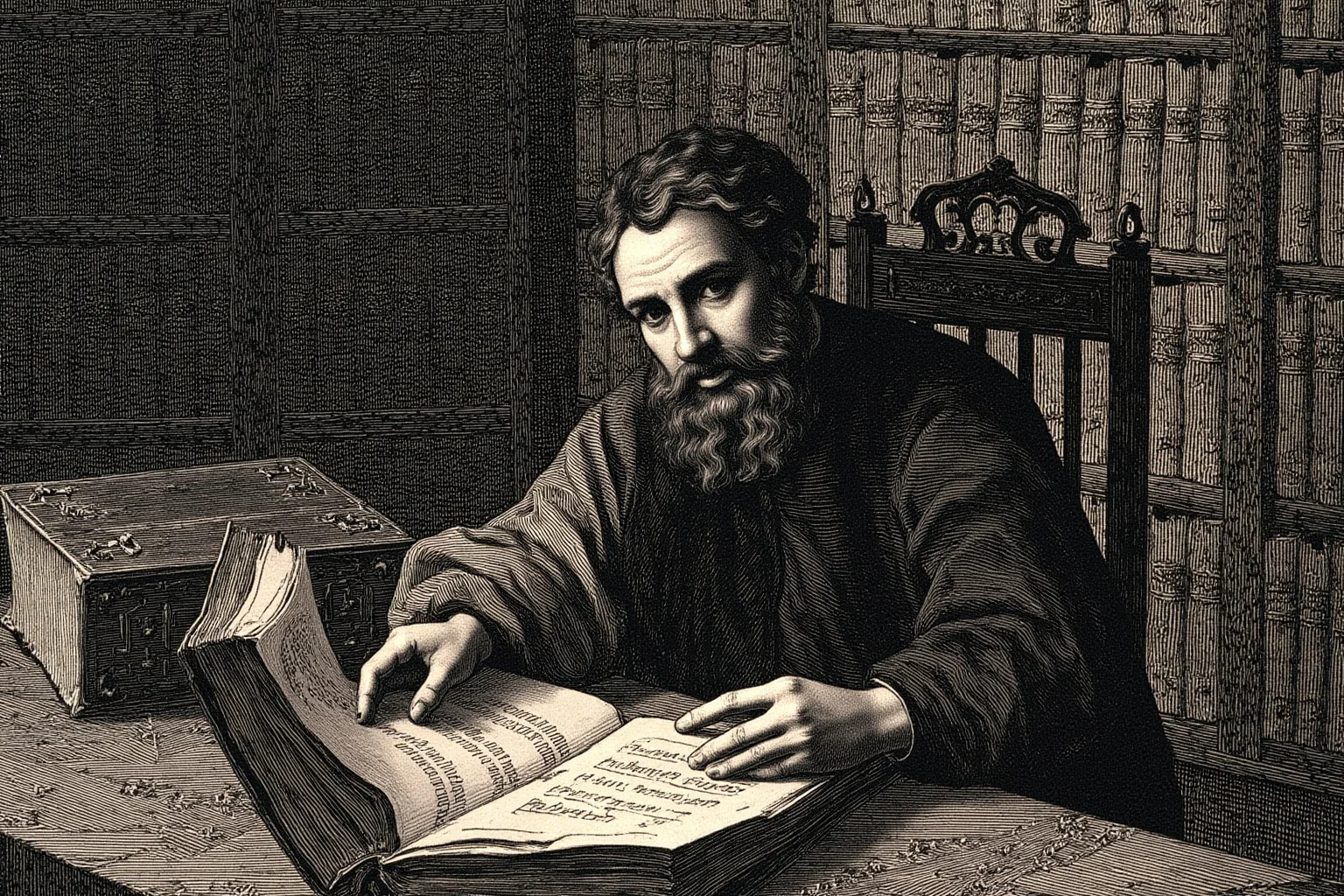
The Rosetta Stone was not the first object to spark attempts at reading hieroglyphs. Ancient writers like Horapollo wrote allegorical guides to hieroglyphs, but their explanations were often fanciful and misleading. Renaissance and early modern scholars built elaborate theories on those shaky foundations.
Athanasius Kircher in the 17th century believed hieroglyphs were mystical symbols and produced translations that were almost entirely wrong. His failures show that the problem was not only the lack of a bilingual text. It was also the wrong assumption that hieroglyphs had no phonetic component.
The Rosetta Stone disproved that assumption by preserving royal names phonetically. That is what archaeologists learned from the Rosetta Stone at the deepest level: writing in ancient Egypt was practical and linguistic, not purely magical. Once the phonetic principle was accepted, accurate decipherment finally became possible.
14. Demotic Script Was Decoded Alongside the Hieroglyphs
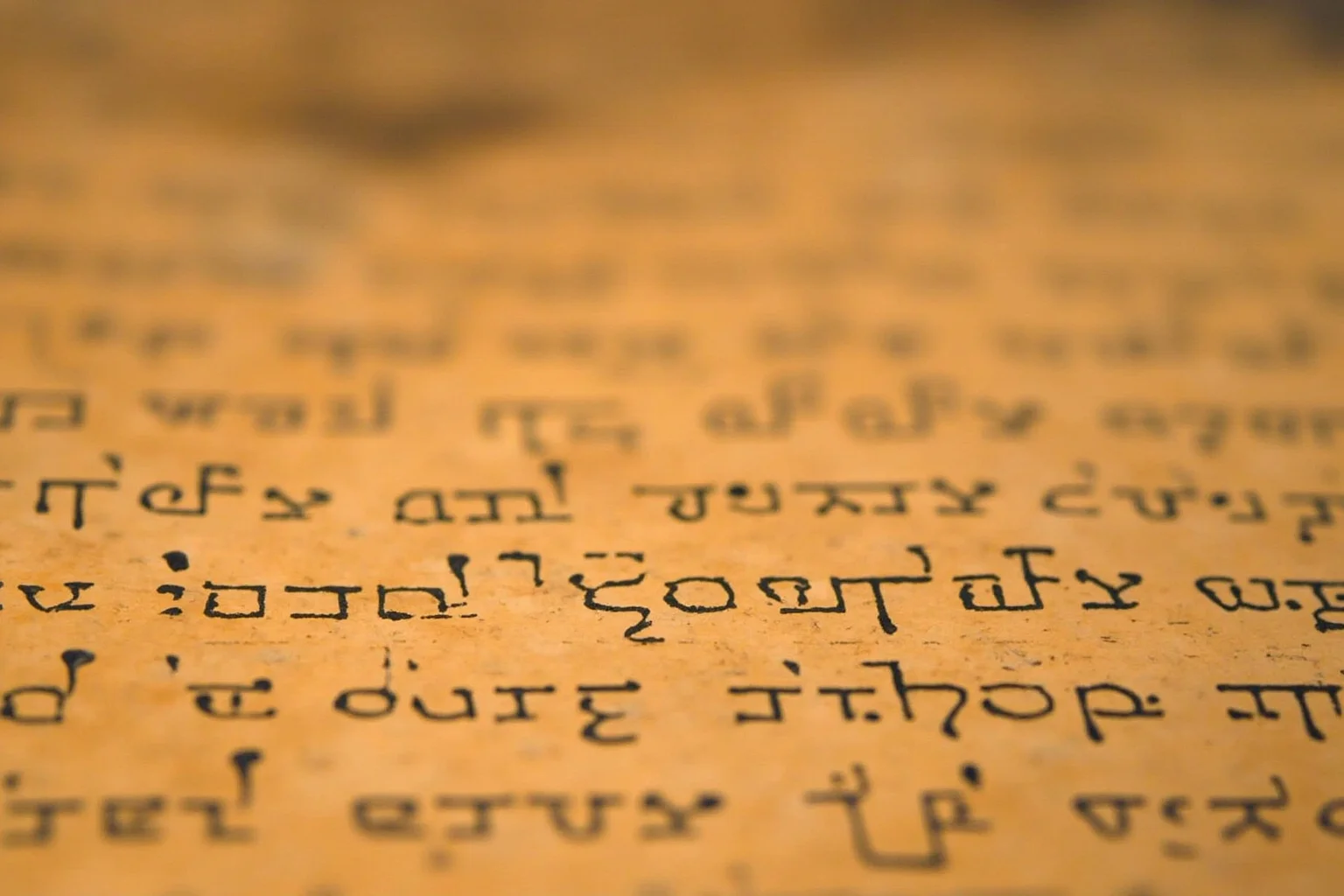
Demotic, the middle script on the stone, was itself a major challenge. It was not simply a cursive form of hieroglyphs, though the two scripts are related. Demotic developed later and was used for legal, economic, and literary texts.
Scholars had long called it enchorial Egyptian and knew it from papyri, but they could not read it systematically. The Rosetta Stone gave them a Demotic text next to a Greek translation. This allowed scholars such as Silvestre de Sacy and Thomas Young to identify groups and words.
Demotic decipherment proceeded alongside hieroglyphic decipherment and cross-checked the same names. It eventually opened up hundreds of papyrus archives from daily life. Without the Rosetta Stone, Demotic would have remained a frustrating tangle of loops and strokes.
15. The Stone Records Political Propaganda, Not Just Religion
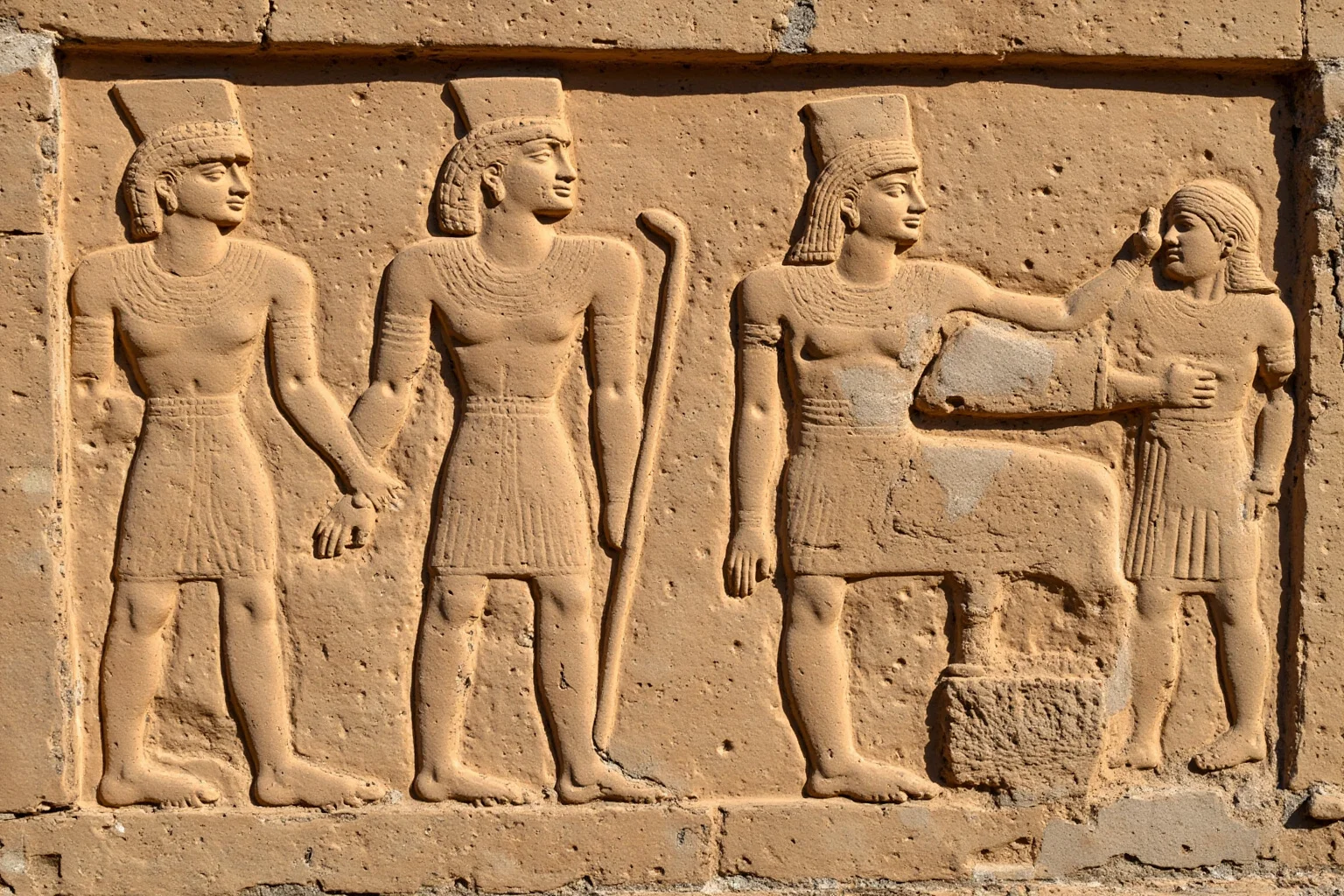
The decree itself is a masterclass in ancient political messaging. It presents Ptolemy V as a generous and pious ruler who defended Egypt and supported temples. The priests, in turn, honored him with statues, festivals, and temple inscriptions.
That is why the stone existed in multiple copies. It was a piece of state propaganda designed to be displayed in temples across Egypt. The Rosetta Stone is only one surviving copy of the same Memphis decree.
Reading the decree helped historians understand how Greek-speaking kings negotiated with Egyptian priests. It also revealed the economic pressures behind temple privileges and tax relief. The stone is therefore a political document as much as a linguistic key.
16. It Traveled Across Empires and Nearly Got Lost at Sea
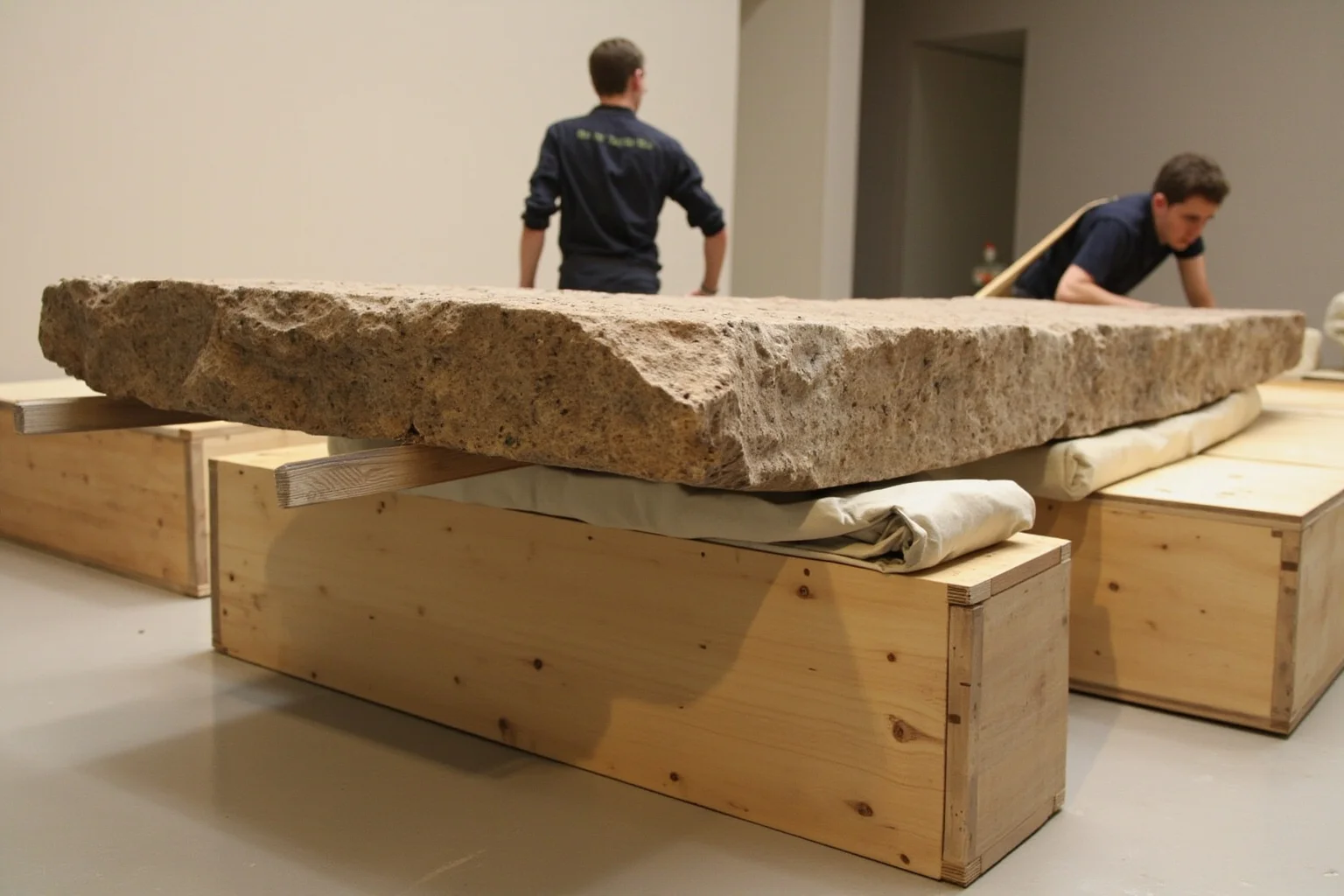
After its discovery, the stone became a prize of imperial competition. When British forces defeated the French in Egypt, the stone was transferred under the 1801 Treaty of Alexandria. It arrived in England in 1802 and was placed in the British Museum.
During World War I, curators moved the stone to safety underground because of bombing fears. It also survived periods of poor housing, cleaning attempts, and the wear of millions of visitors. The stone's survival is nearly as remarkable as its discovery.
Copies and casts were made early on, allowing scholars across Europe to study it. The original, however, has remained in London almost continuously since 1802. That fact is central to the modern debate about its ownership.
17. It Created a Very British-Egyptian Rivalry

The rival narratives of the decipherment often pit British Thomas Young against French Jean-François Champollion. In reality, both scholars contributed in different ways. Young isolated royal names and phonetic values, while Champollion built a grammatical system rooted in Coptic.
This national rivalry reflected the larger Napoleonic context. France and Britain competed for Egypt's antiquities, as well as for intellectual glory. The Rosetta Stone decipherment became a diplomatic and academic trophy in that larger contest.
Today most historians take a balanced view. Champollion is credited with the decisive breakthrough, but Young's earlier work is acknowledged as valuable. The riddle of the Rosetta Stone was solved by accumulated insight, not one isolated genius.
18. The Stone Transformed Archaeology and Egyptology
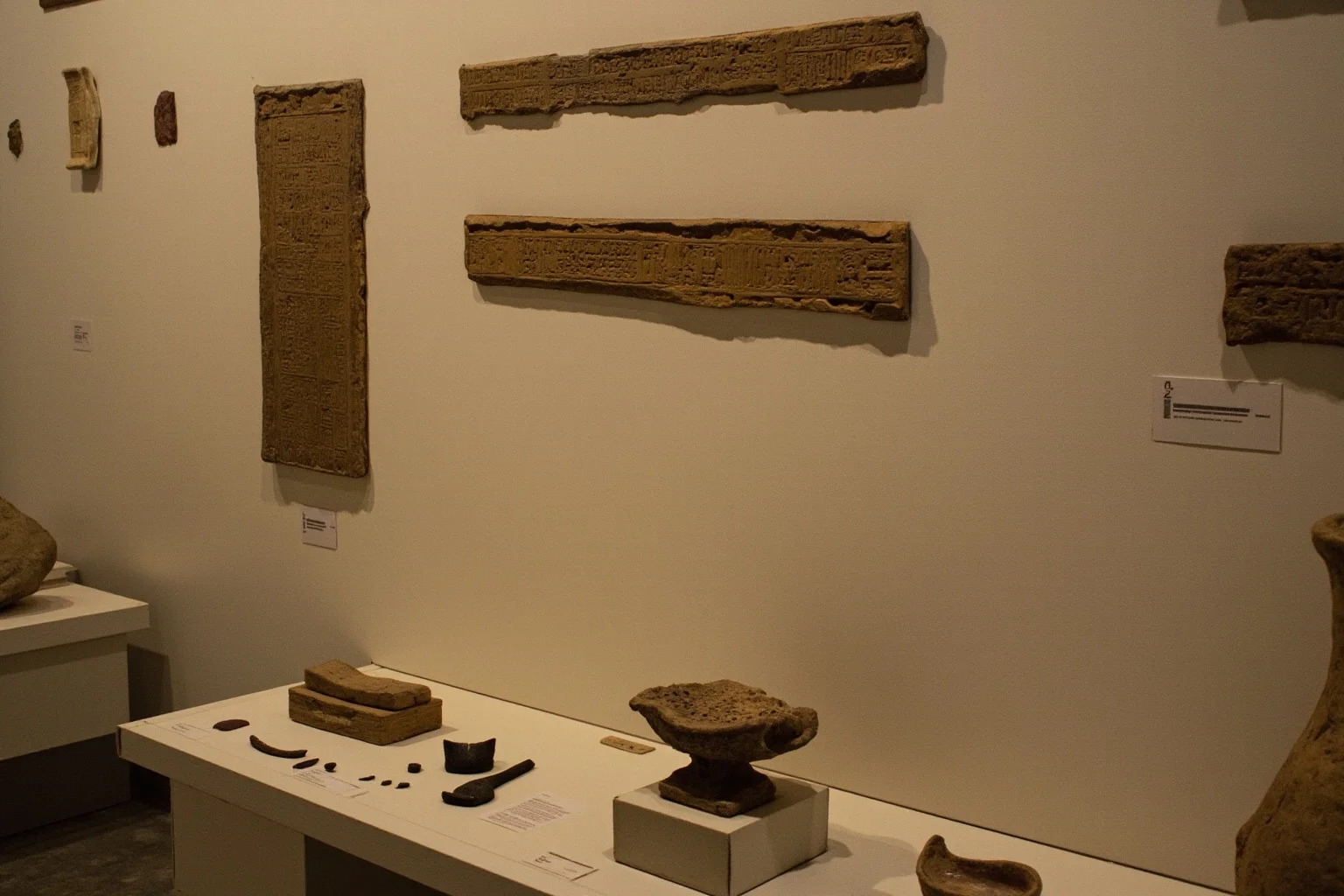
The decipherment turned Egyptology into a modern historical discipline. Before 1822, much of ancient Egyptian culture was known through Greek and Roman sources or through unreadable monuments. Afterward, priests, kings, workers, and officials could speak in their own words.
Temple inscriptions, tomb biographies, legal papyri, and religious texts became accessible. This transformed what archaeologists learned from the Rosetta Stone into a cascade of knowledge. It also allowed scholars to reconstruct Egyptian chronology, religion, and daily life.
The stone itself did not reveal all of that directly. But it unlocked the writing system that made those discoveries possible. That is why museums and textbooks call it one of the most important archaeological objects ever found.
19. Its Name Now Describes Any Decipherment Key

Modern scientists use the phrase Rosetta Stone metaphorically. It can mean any key that helps researchers decode a complex system. Examples include the Rosetta Stone of immunology, the Rosetta Stone of ancient DNA, or the Rosetta Stone of lost scripts.
Computer scientists and linguists also borrow the term when one known language helps them interpret an unknown code. This linguistic legacy is a direct result of the stone's historical role. It shows how deeply the object has entered world culture.
But the metaphor can be misleading. The Rosetta Stone did not translate every Egyptian text automatically. It was one crucial piece of evidence in a long intellectual process. Recognizing that process matters when we celebrate the object.
20. Why Is the Rosetta Stone Important Today?
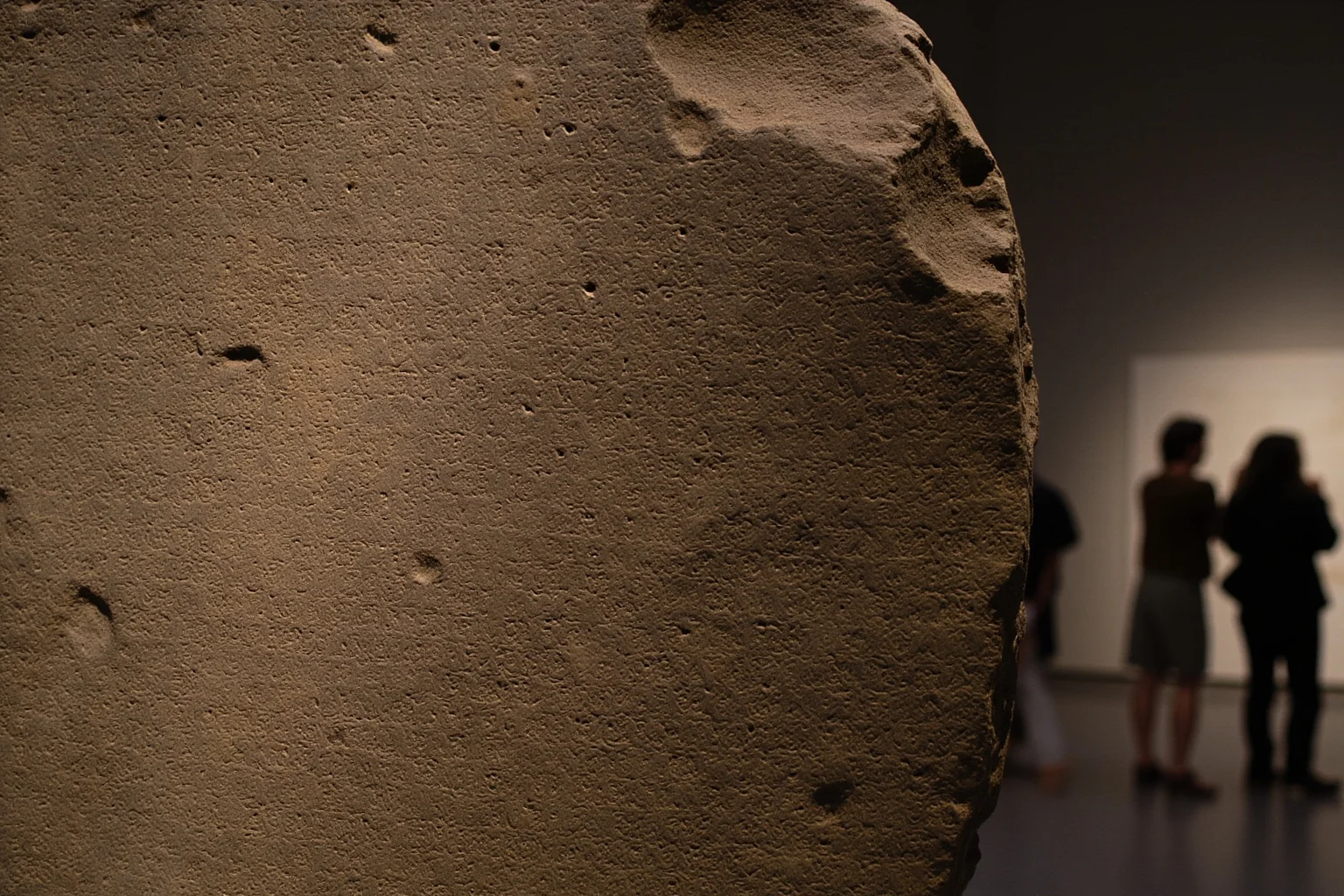
Ask why is the Rosetta Stone important and the simplest answer is: it unlocked a lost language. But its importance goes further. The stone revealed how multilingual ancient Mediterranean societies communicated and governed.
What archaeologists learned from the Rosetta Stone reshaped museums, history books, and national identities. Modern Egypt still claims the stone as part of its heritage, and officials have requested its return. The British Museum has not agreed to repatriation, citing its acquisition under a treaty and its global display context.
That debate is real and ongoing. It reminds us that decoding the past is never only about grammar. It also involves power, empire, and the question of who owns history.
More than two centuries after its discovery, the stone still stands as a bridge between lost Egypt and the modern world. Its cracked surface carries a lesson that no modern replica can replace. Some stones really do speak—once someone finds the key.
The Lasting Riddle of the Rosetta Stone
The Rosetta Stone's story is often simplified into a single aha moment. The truth is messier, more contested, and far more interesting. It involved war, imperial rivalry, damaged stone, stubborn scholars, and two different scripts waiting to be cracked.
When people ask why the Rosetta Stone is so important, they are really asking how a broken slab changed world history. The answer lies in its three scripts, its political decree, and the two decades of decipherment it inspired. It did not just decode a language; it restored a civilization to memory.
Next time you see an image of the stone or a replica in a classroom, look for the cartouches and the three bands of writing. They are not decoration. They are the surviving pieces of a puzzle that took the world twenty years to solve. And that puzzle still has missing pieces—literally. The top hieroglyphic section remains incomplete, a reminder that history rarely gives us every clue.
Frequently Asked Questions
Why is the Rosetta Stone important?
The Rosetta Stone is important because it preserved the same decree in three scripts: Egyptian hieroglyphs, Demotic, and Ancient Greek. Because scholars could read Ancient Greek, they gained a known comparison text that helped them crack the phonetic system of hieroglyphs. That breakthrough in 1822 allowed historians to read the written records of ancient Egypt.
What is written on the Rosetta Stone?
The Rosetta Stone carries a priestly decree issued in 196 BCE to honor King Ptolemy V Epiphanes. It records tax reductions, temple privileges, and royal support for Egyptian priests. The same message was repeated in hieroglyphs, Demotic, and Greek.
When was the Rosetta Stone deciphered?
The decisive decipherment of hieroglyphs was announced by Jean-François Champollion in September 1822. Earlier partial breakthroughs by scholars such as Thomas Young helped identify royal names in cartouches. Full understanding of Egyptian grammar continued to develop after 1822.
How did the Rosetta Stone help historians understand hieroglyphics?
The stone gave historians a bilingual anchor: a readable Greek text next to the same message in unknown scripts. Scholars used royal names such as Ptolemy and Cleopatra to identify phonetic hieroglyphs inside cartouches. That allowed them to move from guessing symbolic meanings to reading actual words.
How did the Rosetta Stone help decipher hieroglyphics?
It helped decipher hieroglyphics by providing repeated royal names in Greek next to hieroglyphic cartouches. Comparing signs for Ptolemy and Cleopatra allowed Champollion to build a phonetic alphabet. This proved that hieroglyphs worked as a real writing system, not just as mystical symbols.
What did archaeologists learn from the Rosetta Stone?
Archaeologists learned that ancient Egyptian hieroglyphs mixed phonetic and ideographic signs. They also learned how Ptolemaic rulers communicated with Egyptian priests through royal decrees. Most importantly, the decipherment unlocked temple inscriptions, papyri, and tomb texts for modern study.

Alex Warren
Related Articles