

Ever wonder why Iceland is covered in glaciers while Greenland is mostly barren rock and tundra? Or why a country in Europe shares its English name with the bird on a Thanksgiving table? Country names are rarely just labels — they’re fossilized bits of history, made from old languages, ambitious marketing, colonial mapmaking, and the occasional geographic hunch.
Some names describe the land itself. Others honor a person, a dynasty, or a hoped-for future. And a surprising number exist because of a translation error that nobody ever bothered to correct.
Below, we dig into 24 of the most fascinating, unusual, and downright odd country names on Earth — and separate the documented history from the popular legend.
TL;DR: Most country names trace back to geography, rulers, or old words for “our land” — but a few, like Iceland and Turkey, exist thanks to marketing spin and translation mix-ups rather than pure fact.
Where Do Country Names Actually Come From?
Linguists and historians who study toponyms — the technical term for place names — generally sort country names into a few recurring buckets. Many describe a physical feature: a mountain, a river, a coastline, or a body of water that early inhabitants or explorers found notable. Others are named after a person, a ruling family, or a religious figure, often to cement a claim or honor a leader.
A third group comes from myths, mistranslations, or outright marketing, where an explorer’s exaggeration or a linguistic mix-up stuck for centuries. Finally, some of the more recently independent nations chose aspirational names — words that translate to something like “our land forever” or “land of upright people” — as a way to define national identity on their own terms rather than through a colonial lens.
Keep these four categories in mind as we go through the list. Whether you’re hunting for cool country names for a trivia night, curious about the strangest country name you’ve never heard of, or just want solid name origins for a school project, the patterns below cover almost every country on the map.
Names Born from Nature and Geography
These are some of the oldest country names in the world, and they tend to be the most literal — early travelers simply described what they saw.
1. Iceland — The Ice That Wasn’t (Mostly) There
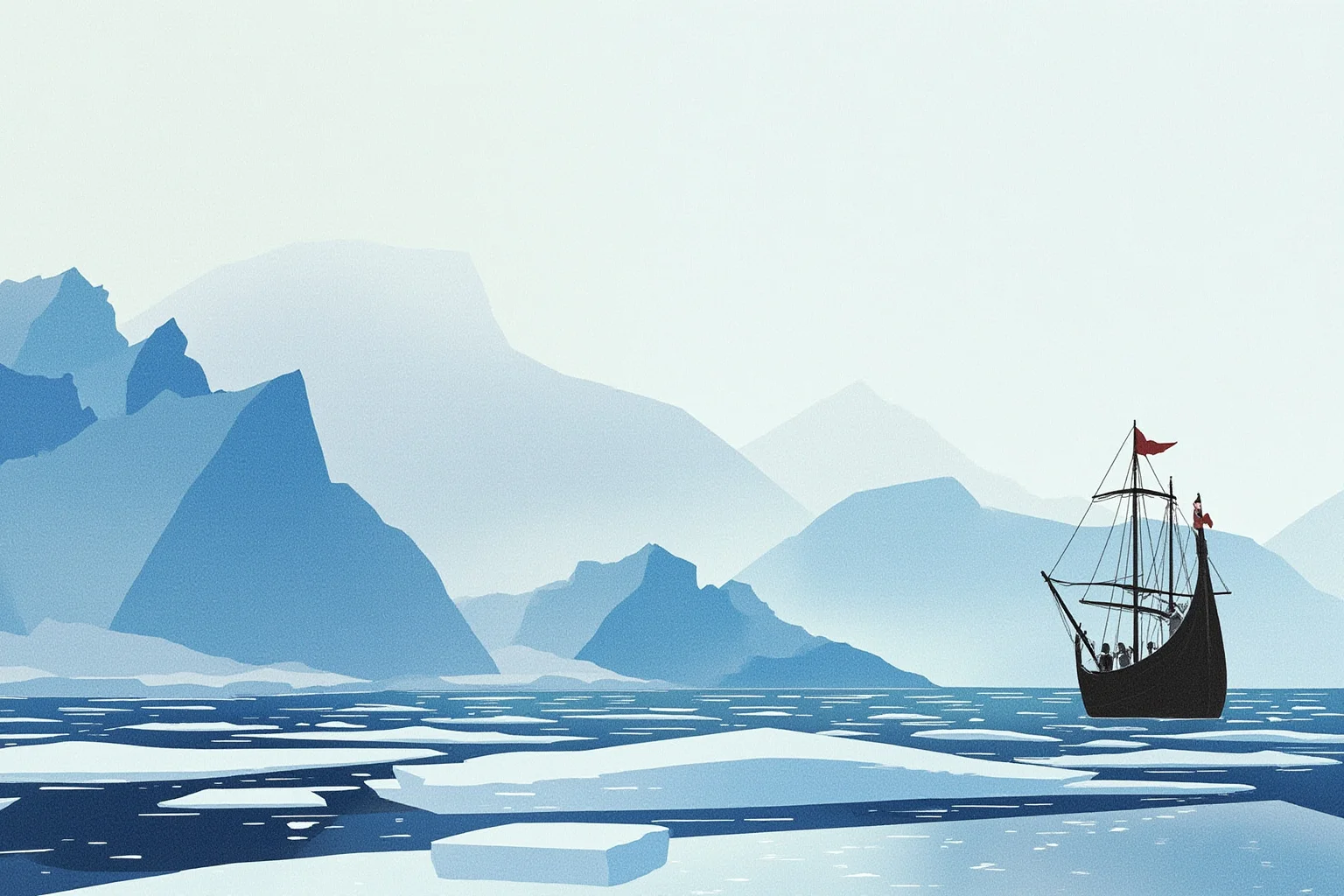
According to the medieval Icelandic sagas, a Norse sailor named Hrafna-Flóki Vilgerðarson spent a harsh winter on the island and later spotted drift ice filling a fjord. He supposedly named the land Ísland, or “ice land,” out of frustration before sailing home. It’s worth noting this story comes from sagas written centuries after the events, so it’s tradition more than verified fact.
Ironically, Iceland is mostly green, geothermally warm in places, and far less icy than its neighbor across the sea. The name has stuck for over a thousand years anyway, making it one of the more famously misleading old country names still in everyday use.
2. Greenland — A Real Estate Pitch That Worked
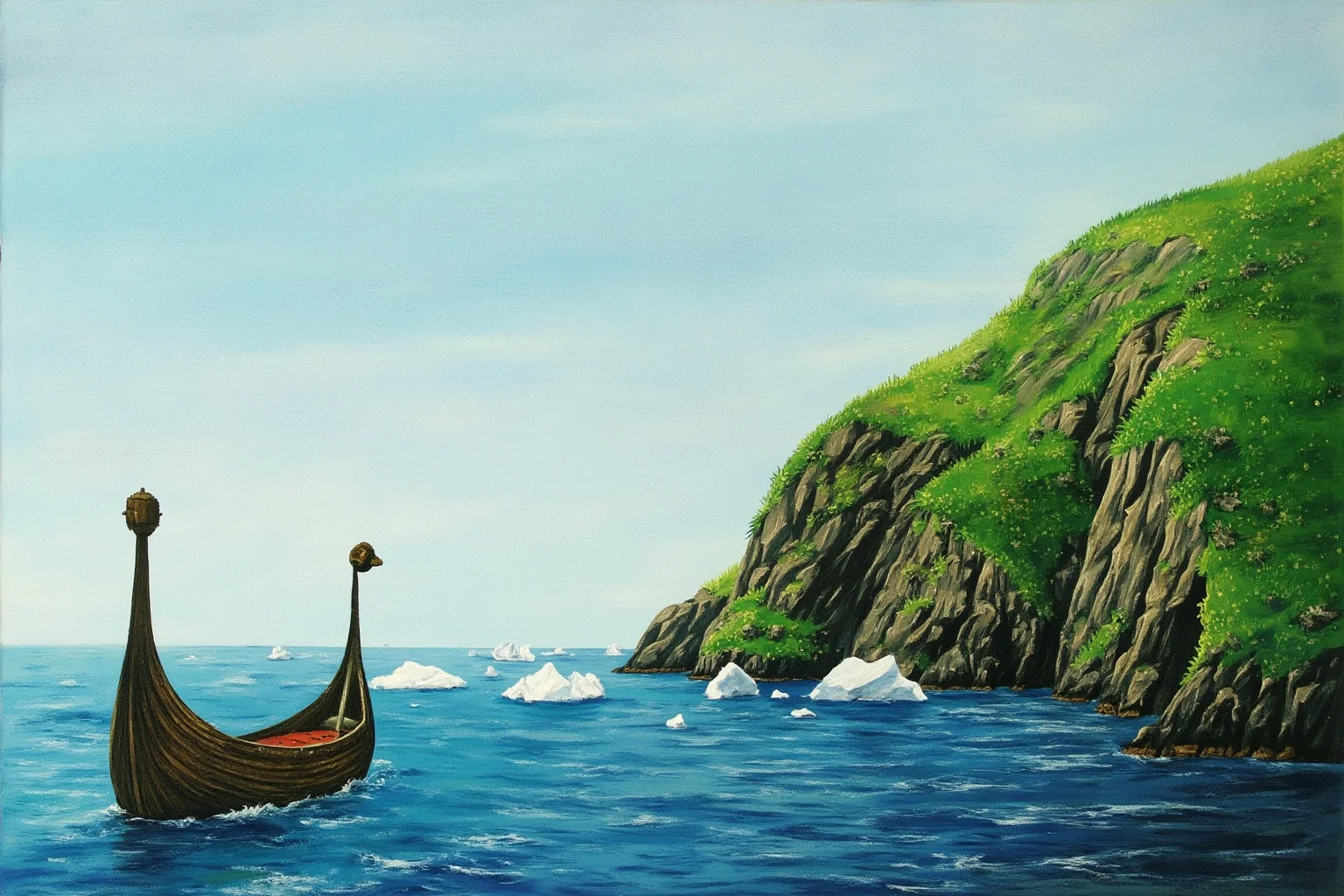
According to the Icelandic sagas, the Norse explorer Erik the Red named this ice-covered island “Greenland” around the late 10th century after being exiled from Iceland. The traditional explanation is that he wanted the name to sound appealing enough to attract settlers, essentially an early branding exercise.
Historians note that parts of southern Greenland were somewhat more habitable during a warmer medieval climate period, so the name wasn’t pure fiction. Even so, it remains one of history’s boldest examples of geographic optimism.
3. Chad — Named for a Vanishing Lake
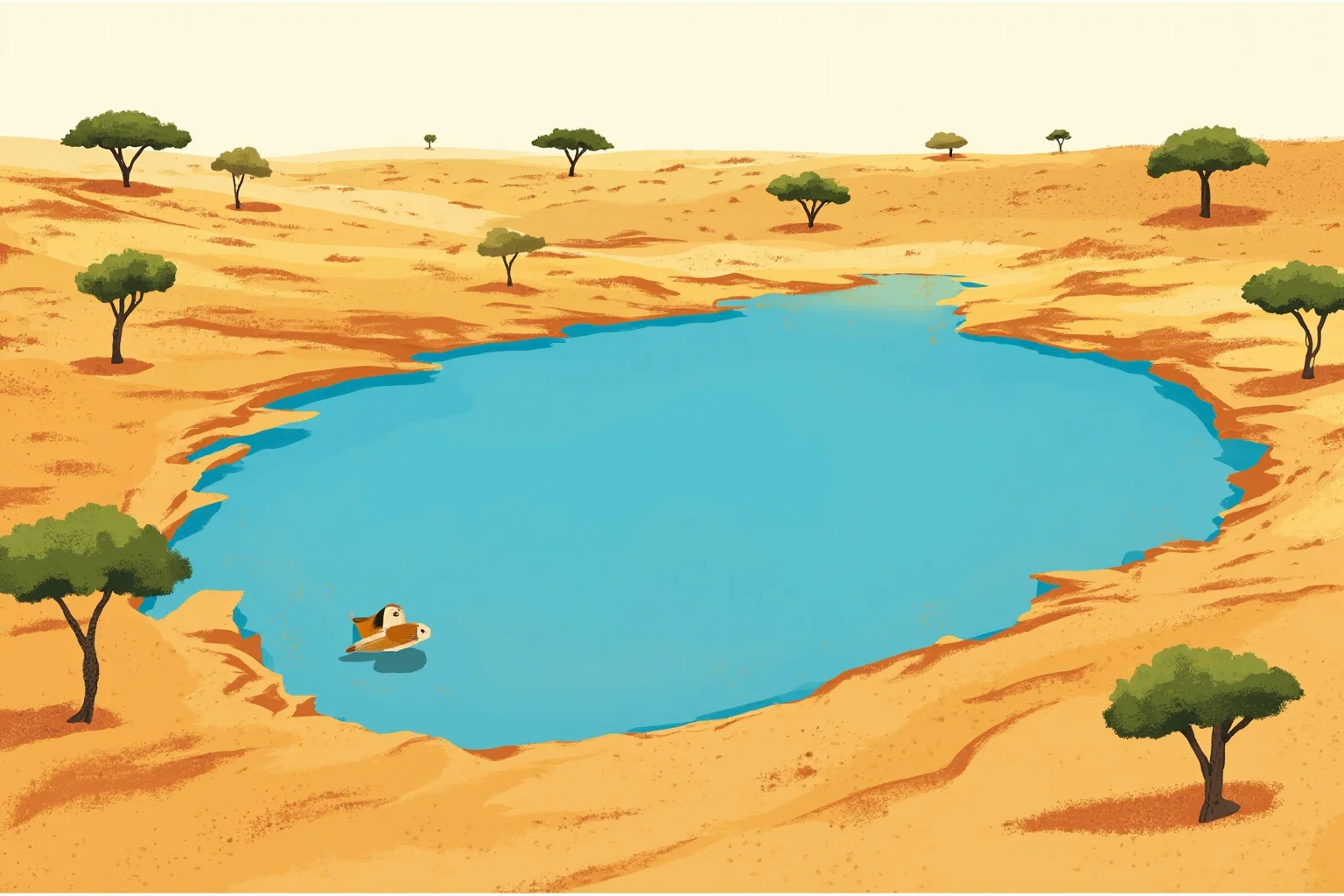
The Republic of Chad takes its name from Lake Chad, a once-vast body of water in the Sahel region. The word likely derives from the Kanuri term “tsade,” meaning a large expanse of water or lake.
Today, Lake Chad has shrunk dramatically due to climate shifts and water use, a stark contrast to the name’s original meaning. It’s a reminder that some country names freeze a moment in geography that no longer fully exists.
4. Cameroon — Land of the Shrimp River
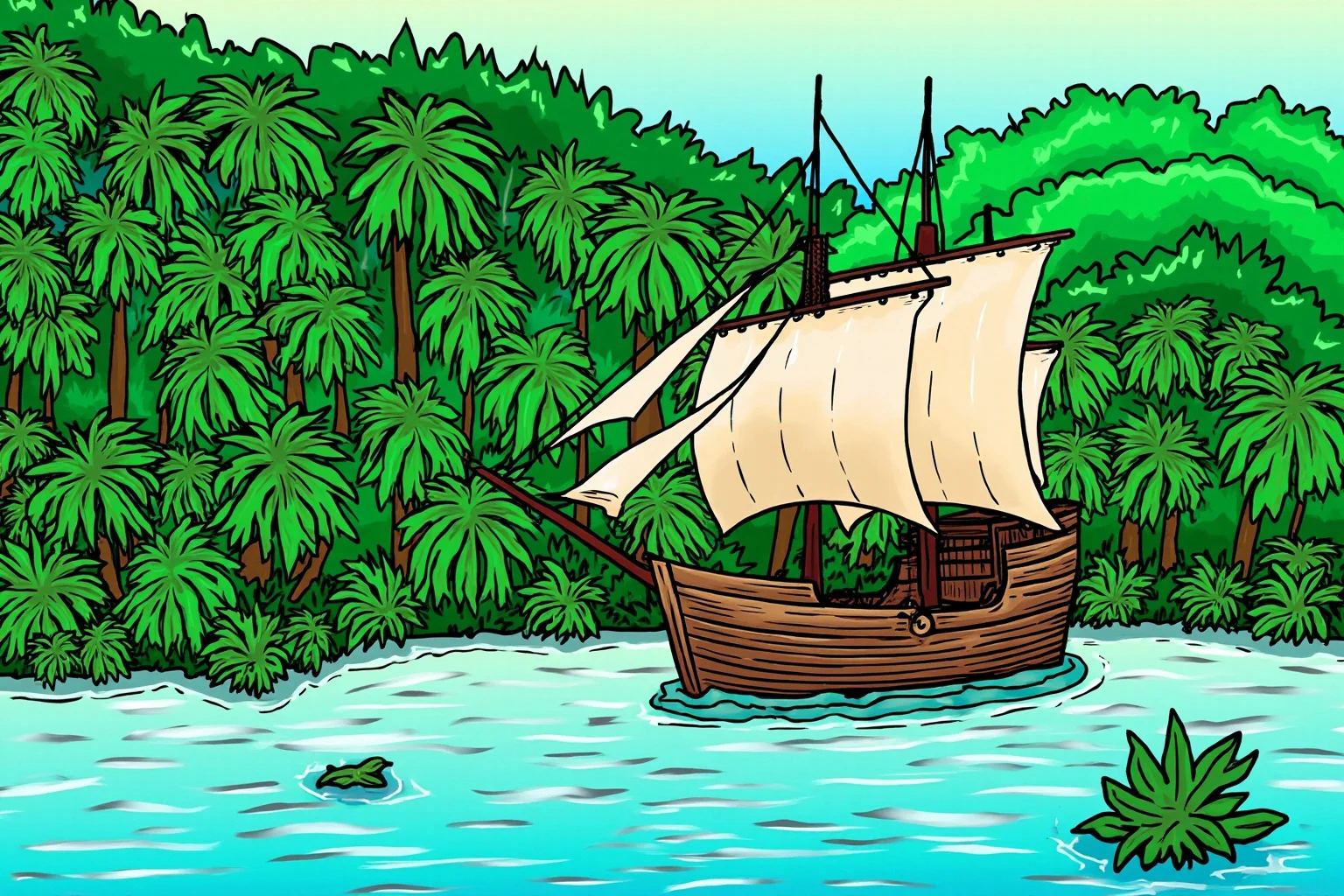
When Portuguese explorers sailed up the Wouri River in the 15th century, they found it teeming with prawns and named it “Rio dos Camarões,” or “River of Shrimp.” Over time, that name expanded to describe the surrounding coastline and eventually the entire country.
So while Cameroon sounds like it could honor a person or a kingdom, it’s actually one of the more unusual country names rooted entirely in seafood. It’s a fun trivia answer and a genuine piece of colonial-era cartography.
5. Sierra Leone — The Lion Mountains
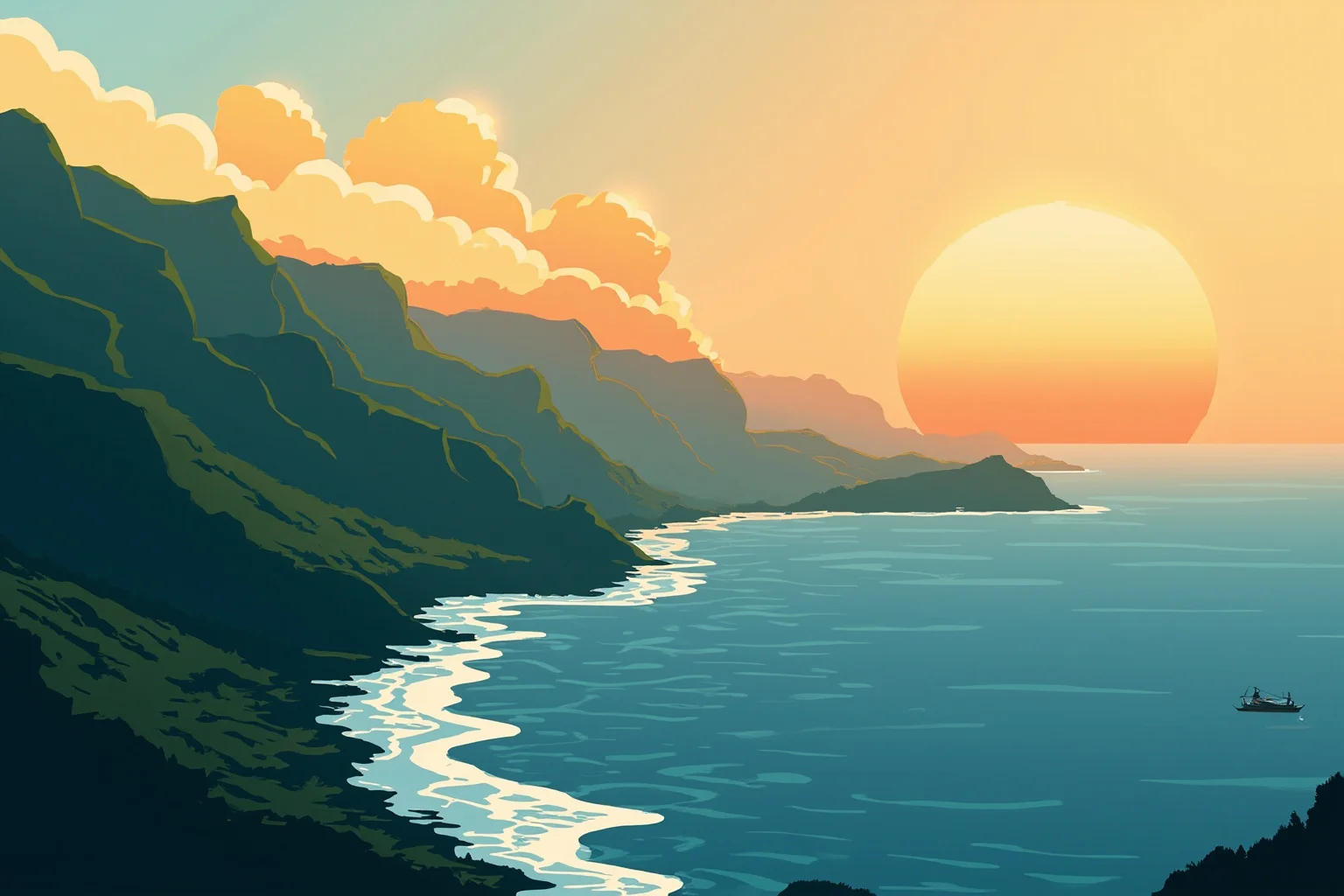
Portuguese navigator Pedro de Sintra named this West African coastline “Serra Leoa,” or “Lion Mountains,” in 1462. Historians aren’t fully certain why — theories include the shape of the coastal hills or the sound of thunder echoing like a roar.
Whatever the reason, the name survived Portuguese, then English colonization, landing in its current anglicized form. It remains one of the more evocative old country names still used on modern maps.
6. Ivory Coast — Named for a Trade, Not a Kingdom
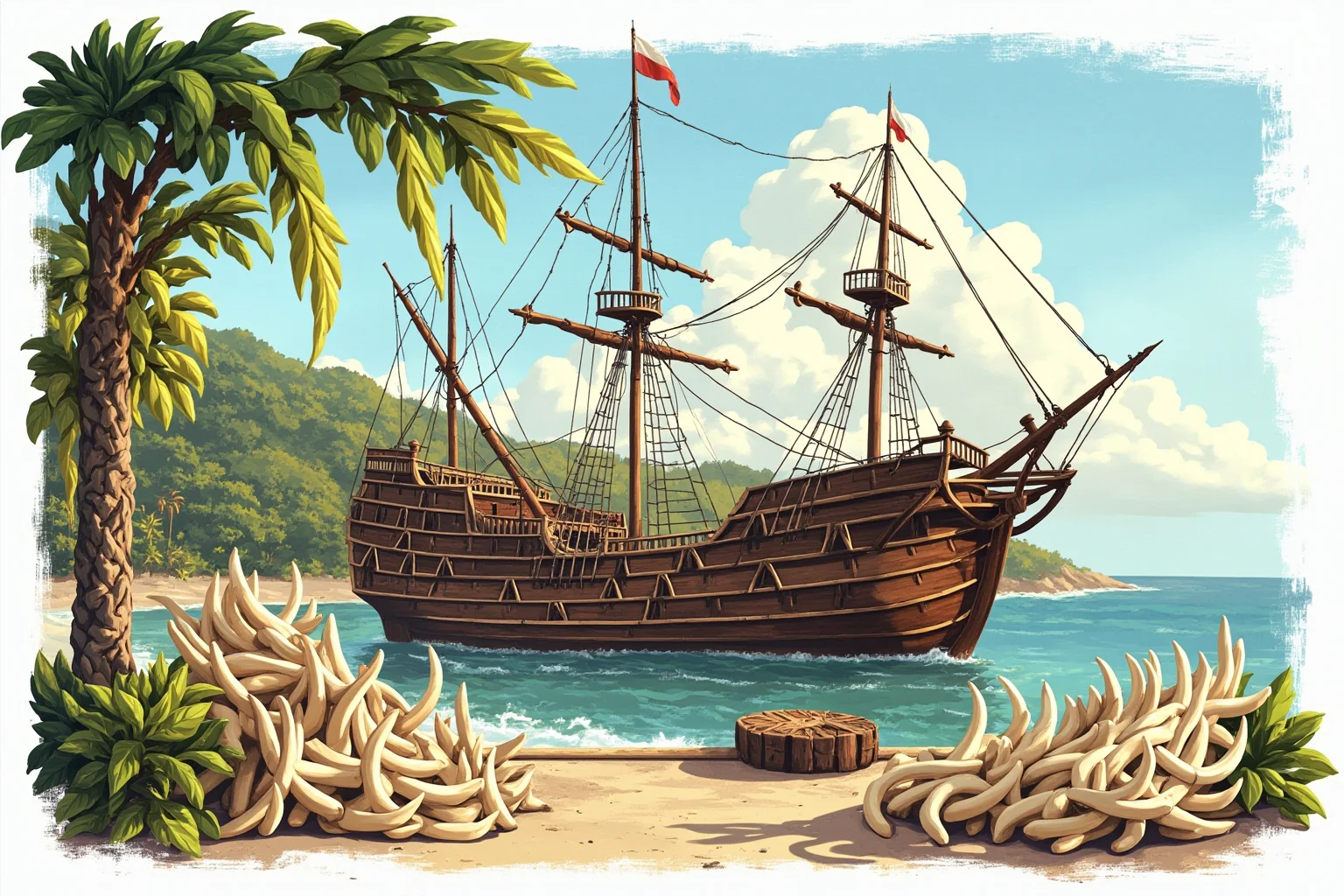
French traders named this stretch of West African coastline “Côte d’Ivoire” after the ivory trade that dominated commerce there from the 15th through 19th centuries. Neighboring regions were named the same way, including the historic Gold Coast and Grain Coast.
In 1986, the government formally requested that the country be referred to as Côte d’Ivoire in every language, rather than translated versions like “Ivory Coast.” It’s a name origin story tied directly to a commodity rather than a person or ruler.
7. Costa Rica — The Rich Coast That Wasn’t
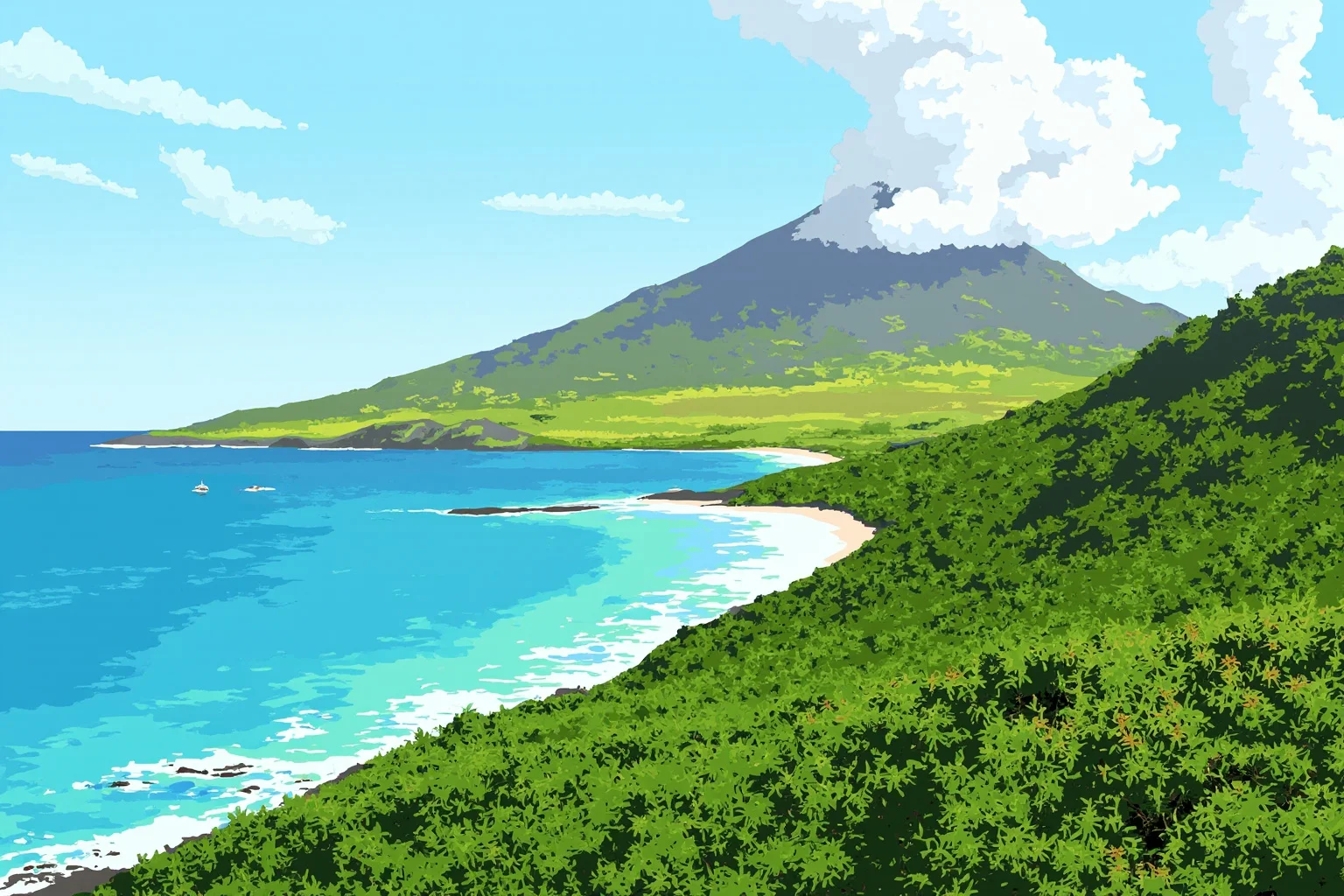
Spanish explorers who arrived in the early 1500s dubbed this Central American coastline “Costa Rica,” meaning “rich coast,” hoping to find abundant gold. The region ultimately held far less mineral wealth than Spanish colonizers expected.
The name endured anyway, now representing a different kind of richness in biodiversity and natural landscapes. It’s a good example of a country name shaped more by hope than by actual resources.
8. Ecuador — Simply “The Equator”
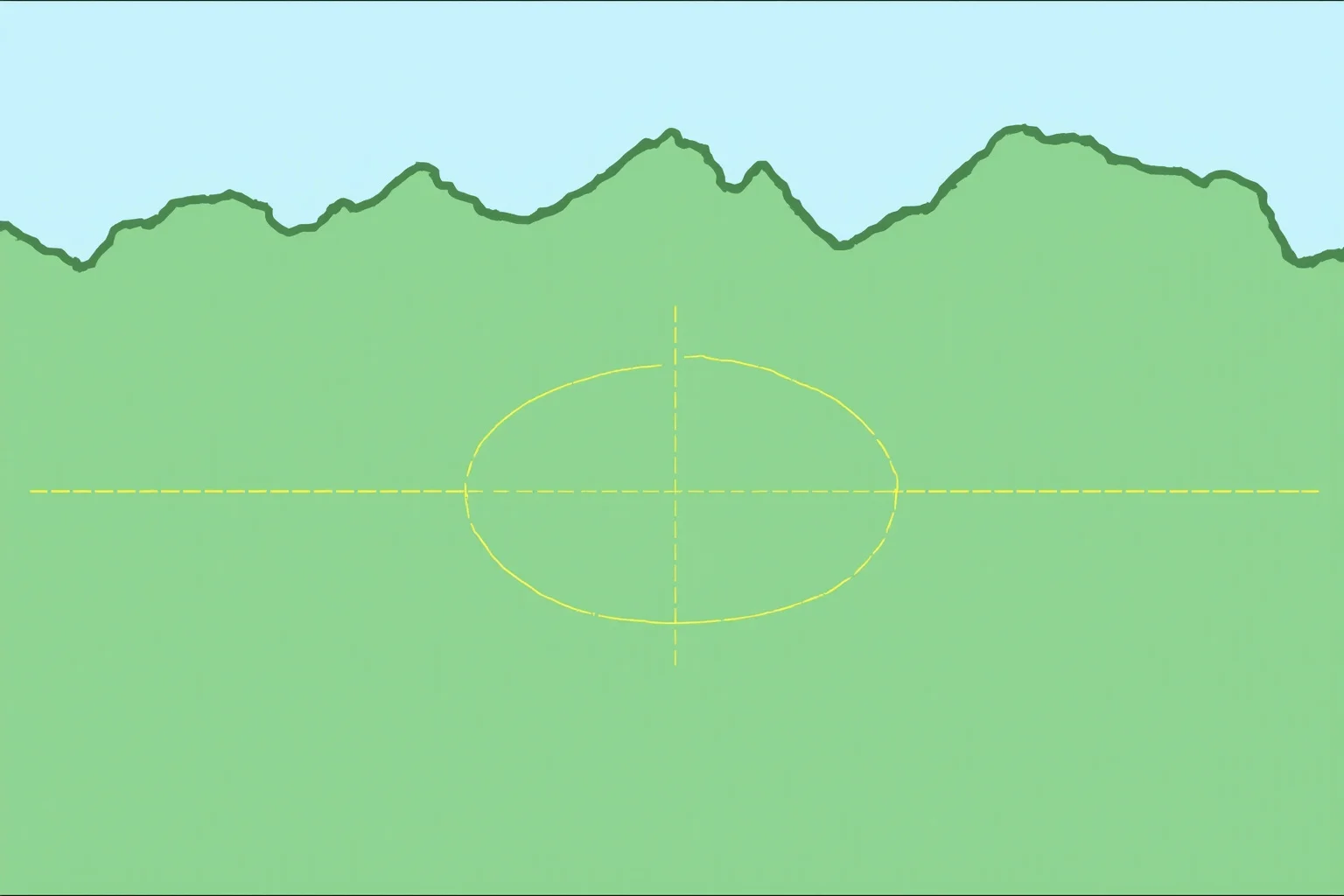
Ecuador’s name is refreshingly literal: it’s the Spanish word for “equator,” the imaginary line that runs directly through the country. The name was formally adopted after independence in 1830.
There’s no myth or mistranslation here — just a straightforward geographic fact turned into a national identity. Few countries name themselves after a line of latitude, which makes Ecuador one of the more unique country names on a technicality.
9. Montenegro — The Black Mountain
Montenegro’s name comes from Venetian Italian, combining “monte” (mountain) and “negro” (black), a reference to the dark, forested slopes of Mount Lovćen. The local Slavic name, Crna Gora, means exactly the same thing.
It’s a rare case where both the historical foreign name and the native name agree entirely on meaning. That consistency makes Montenegro one of the clearer, more transparent country name origin stories on this list.
Names That Honor People and Rulers
Some nations are essentially named after individuals, whether explorers, monarchs, or founding leaders. These names tell you a lot about who held power when the borders were being drawn.
10. Colombia — Named After a Man Who Never Set Foot There
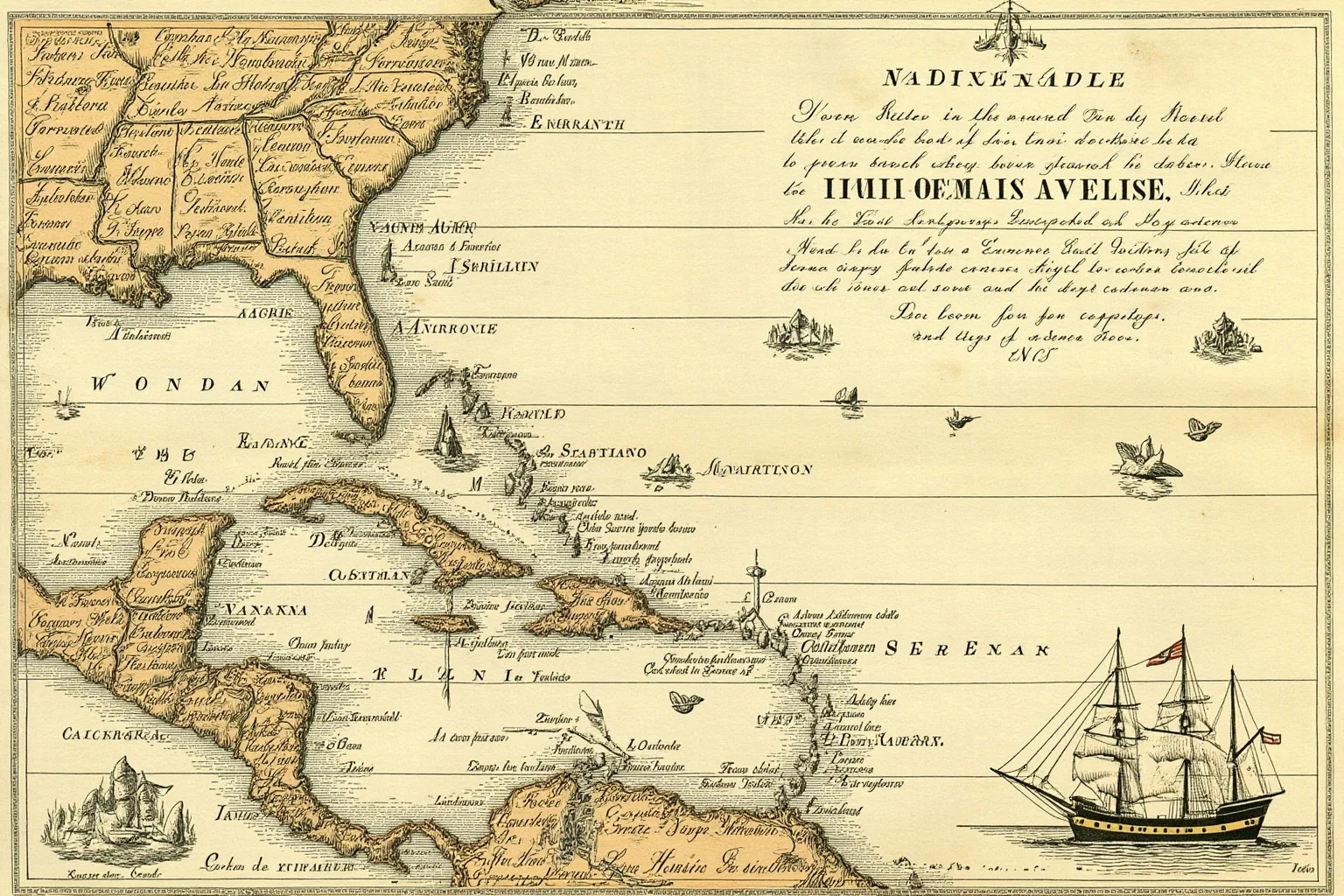
Colombia honors Christopher Columbus, even though Columbus never actually explored what is now Colombian territory during his voyages. Venezuelan revolutionary Francisco de Miranda proposed the name in the late 18th century as a tribute to the explorer, and it was formally adopted for Gran Colombia in 1819.
It’s one of history’s odder ironies: an entire country named for someone with no direct connection to its land. Still, the name stuck through independence and multiple republic reorganizations.
11. Bolivia — A Nation Named for Its Liberator
Bolivia is named directly after Simón Bolívar, the independence leader who helped liberate much of South America from Spanish rule. Following independence in 1825, the national assembly voted to name the country in his honor, reportedly at the urging of his fellow revolutionary Antonio José de Sucre.
Few countries name themselves after a still-living political figure, which made this a notably bold gesture at the time. Bolívar’s name lives on today in currencies, cities, and monuments across the continent as well.
12. The Philippines — Named for a Spanish Prince
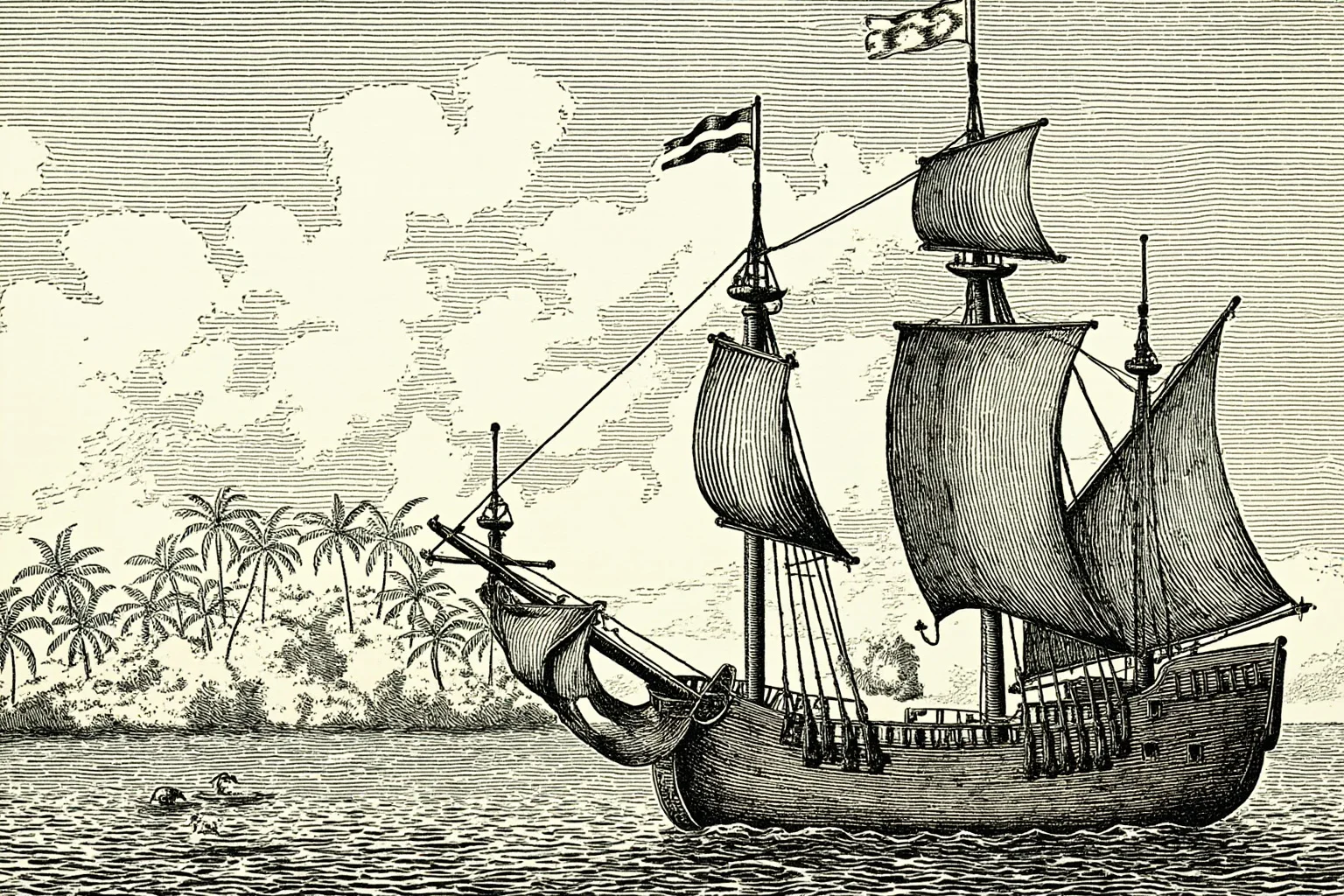
Spanish explorer Ruy López de Villalobos named the islands “Las Islas Filipinas” in 1543 in honor of Prince Philip, who later became King Philip II of Spain. The name persisted through Spanish colonization, the American colonial period, and into independence.
It’s one of the clearest examples of a country name serving as a political tribute rather than a geographic description. Today, the name has no connection to Spain politically, but it remains linguistically frozen in that 16th-century moment.
13. Saudi Arabia — Named After a Ruling Family
Saudi Arabia is one of the few modern nations named directly after its ruling dynasty, the House of Saud. When Abdulaziz ibn Saud unified the region and proclaimed the kingdom in 1932, the country was named to reflect that lineage.
This makes Saudi Arabia a genuinely unusual country name on the world stage, since most nations avoid naming themselves after a single family. It’s a naming convention more commonly seen in smaller principalities than large nation-states.
14. Liechtenstein — Bought and Named by a Family That Never Visited
This tiny European principality is named after the House of Liechtenstein, an Austrian noble family that purchased the territories of Vaduz and Schellenberg in 1719. Remarkably, family members reportedly had little direct connection to the land itself before acquiring it, buying it largely to gain a seat in the Holy Roman Empire’s council.
The purchased territories were then united and renamed after the family who owned them. It remains one of the more unique country name origin stories in Europe, since the nation is essentially named like a corporate acquisition.
15. El Salvador — Named for “The Savior”
Spanish conquistador Pedro de Alvarado named this Central American territory in the 1520s in honor of Jesus Christ, calling it “Provincia De Nuestro Señor Jesus Cristo, El Salvador del Mundo” — roughly, “The Savior of the World.” The name was eventually shortened to simply El Salvador.
It’s one of several Latin American countries whose names reflect Spanish colonial religious devotion rather than geography or local languages. The full ceremonial name has faded from use, but its shortened form remains the country’s identity today.
Names Lost in Translation (Myths and Mix-Ups)
This is where things get genuinely weird. These country names exist because of confusion, mistranslation, or a game of linguistic telephone that lasted centuries.
16. Turkey — The Bird Got It Backwards
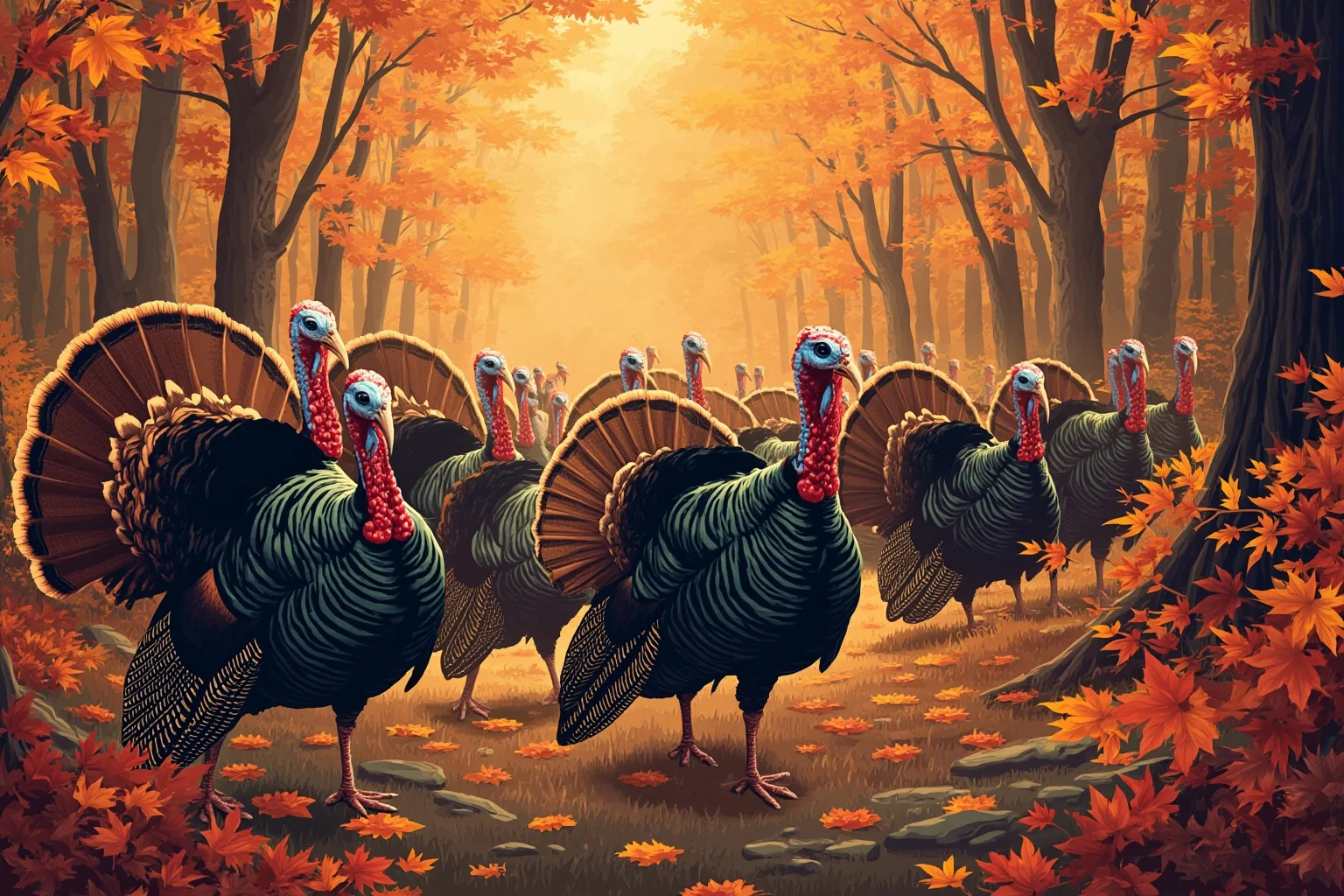
The English name “Turkey” comes from Medieval Latin terms for the land of the Turkic peoples, predating any connection to poultry by centuries. The bird, confusingly, was named after the country — not the other way around.
European traders originally imported guinea fowl through Turkish merchants and called the bird a “turkey,” and when colonizers encountered a similar-looking bird in the Americas, the name simply transferred over. In 2022, the Turkish government formally asked the international community to use “Türkiye” instead, partly to sidestep this centuries-old mix-up.
17. Brazil — Named After a Tree, Not the Other Way Around
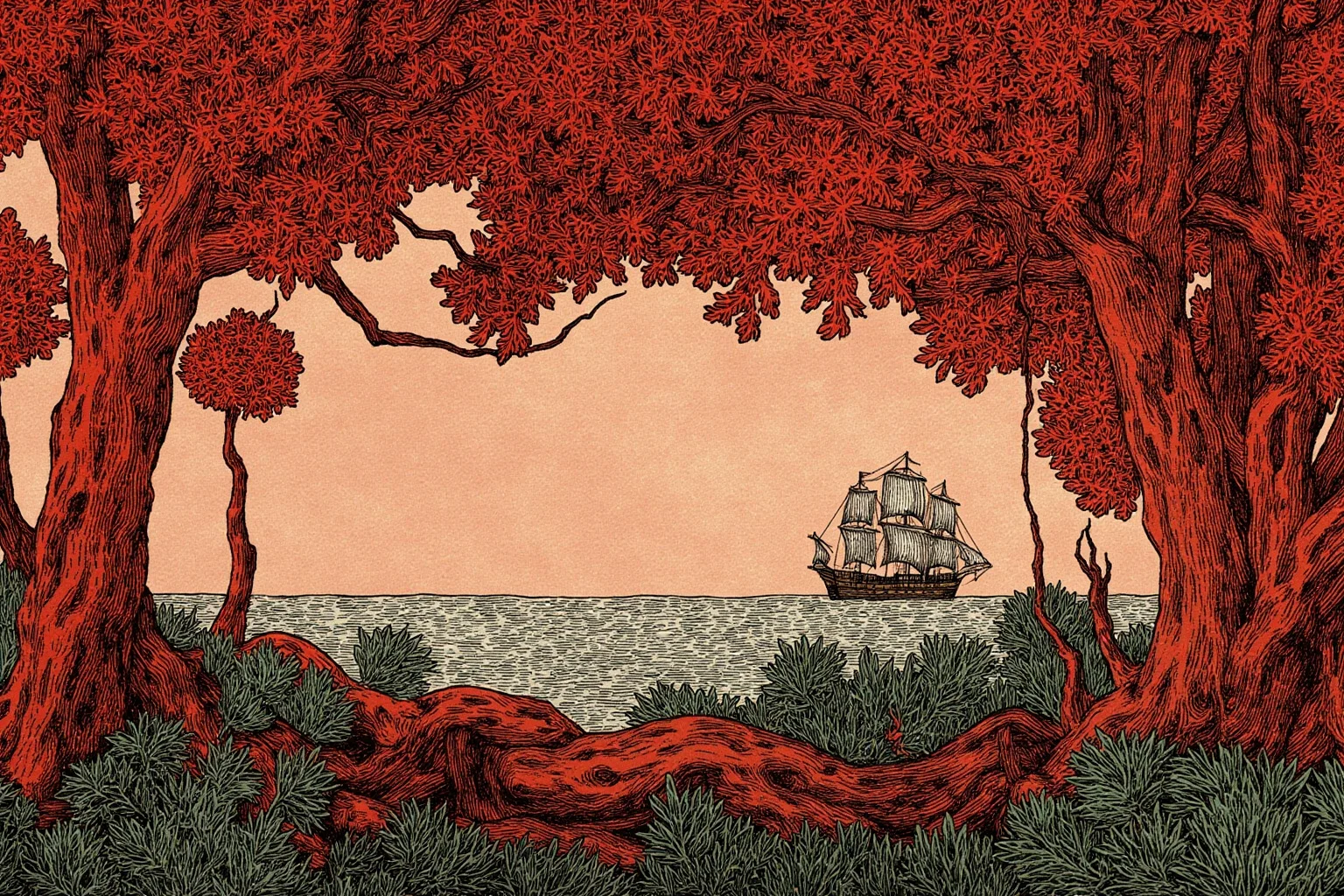
Brazil takes its name from “pau-brasil,” or brazilwood, a tree valued for producing a deep red dye that Portuguese traders exported heavily starting in the early 1500s. The word “brasil” itself likely comes from “brasa,” the Portuguese word for a glowing ember, referencing the wood’s rich color.
So the popular assumption that the wood was named after the country has it backwards. It’s a name origin rooted purely in colonial-era commerce rather than geography or royalty.
18. Argentina — A Silver Rush That Never Quite Happened
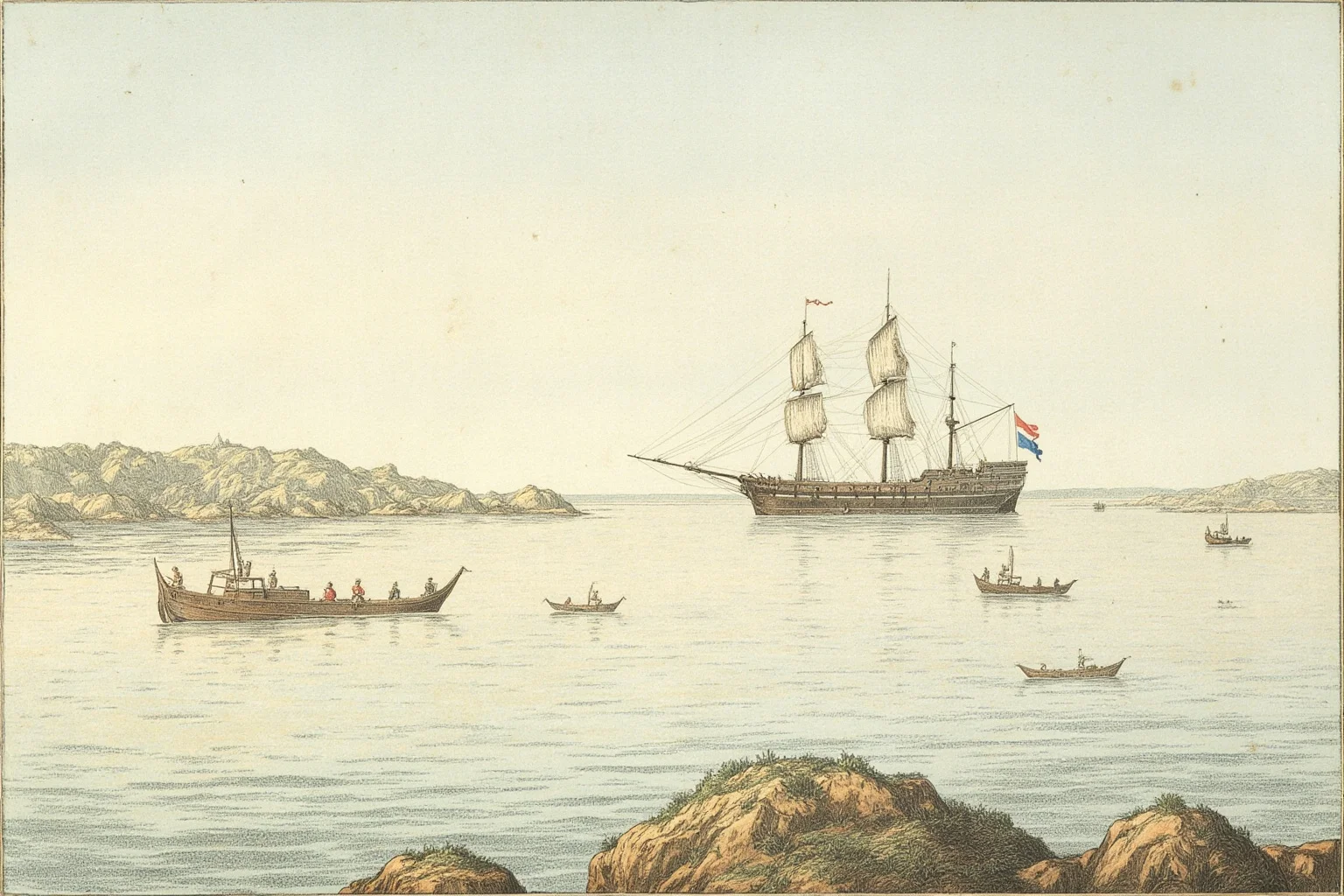
Argentina’s name comes from the Latin word “argentum,” meaning silver, tied to early explorers’ hopes of finding silver deposits near the Río de la Plata, or “River of Silver.” Guaraní legends of silver-rich mountains further fueled the association among Spanish and Italian arrivals.
In reality, Argentina never held major silver deposits of the kind explorers imagined. The name endured anyway, a permanent monument to a resource rush that mostly fizzled out.
19. Canada — One Village’s Name for an Entire Country
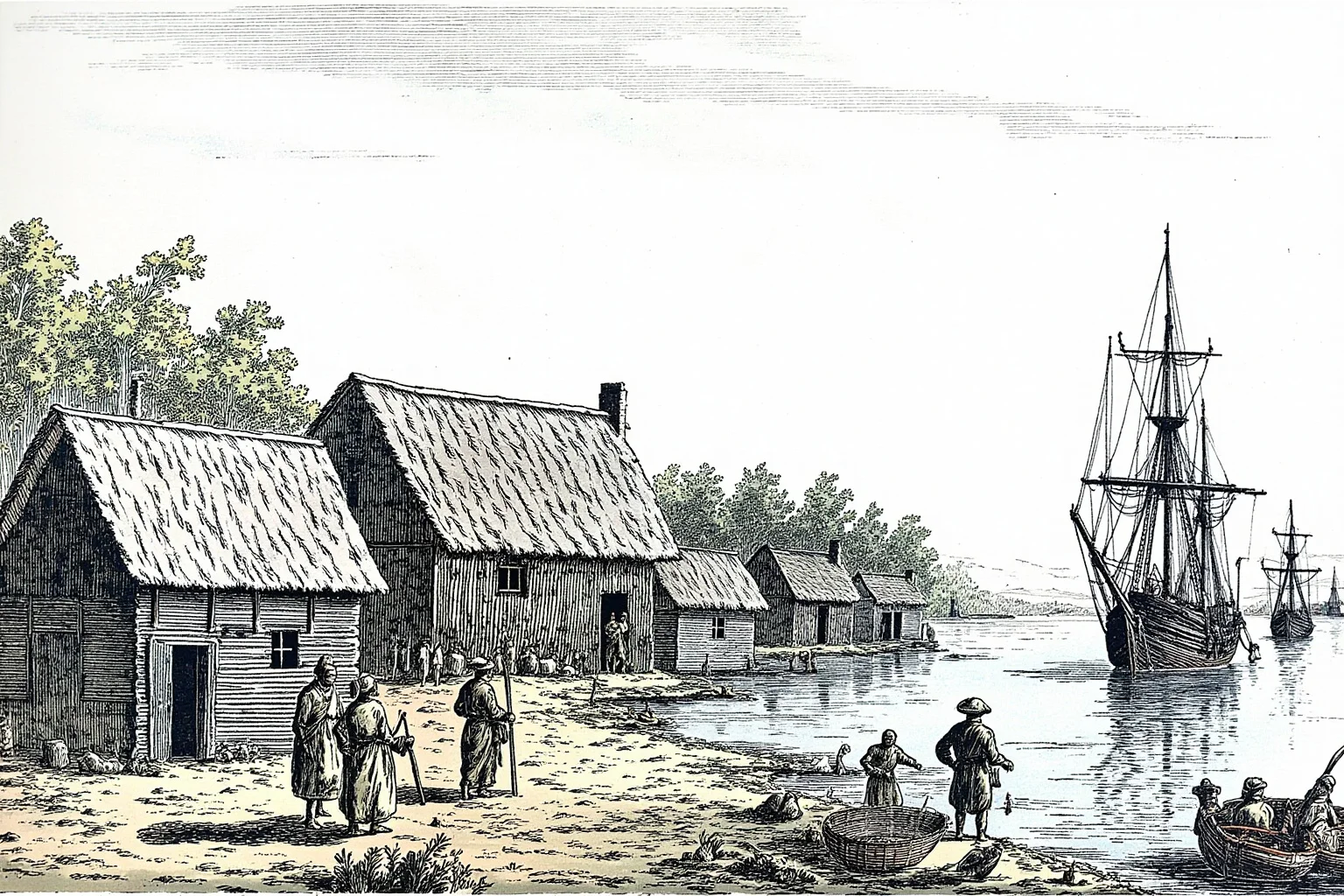
When French explorer Jacques Cartier arrived in 1535, local St. Lawrence Iroquoian speakers used the word “kanata,” meaning “village” or “settlement,” to refer to the town of Stadacona. Cartier mistakenly understood this to be the name for the entire surrounding region.
The misunderstanding stuck, and “Canada” eventually applied to a landmass roughly 4,000 times larger than the actual village it originally described. It’s one of the most famous translation errors in country name origin history.
20. Kiribati — A British Captain’s Name, Reflected Back
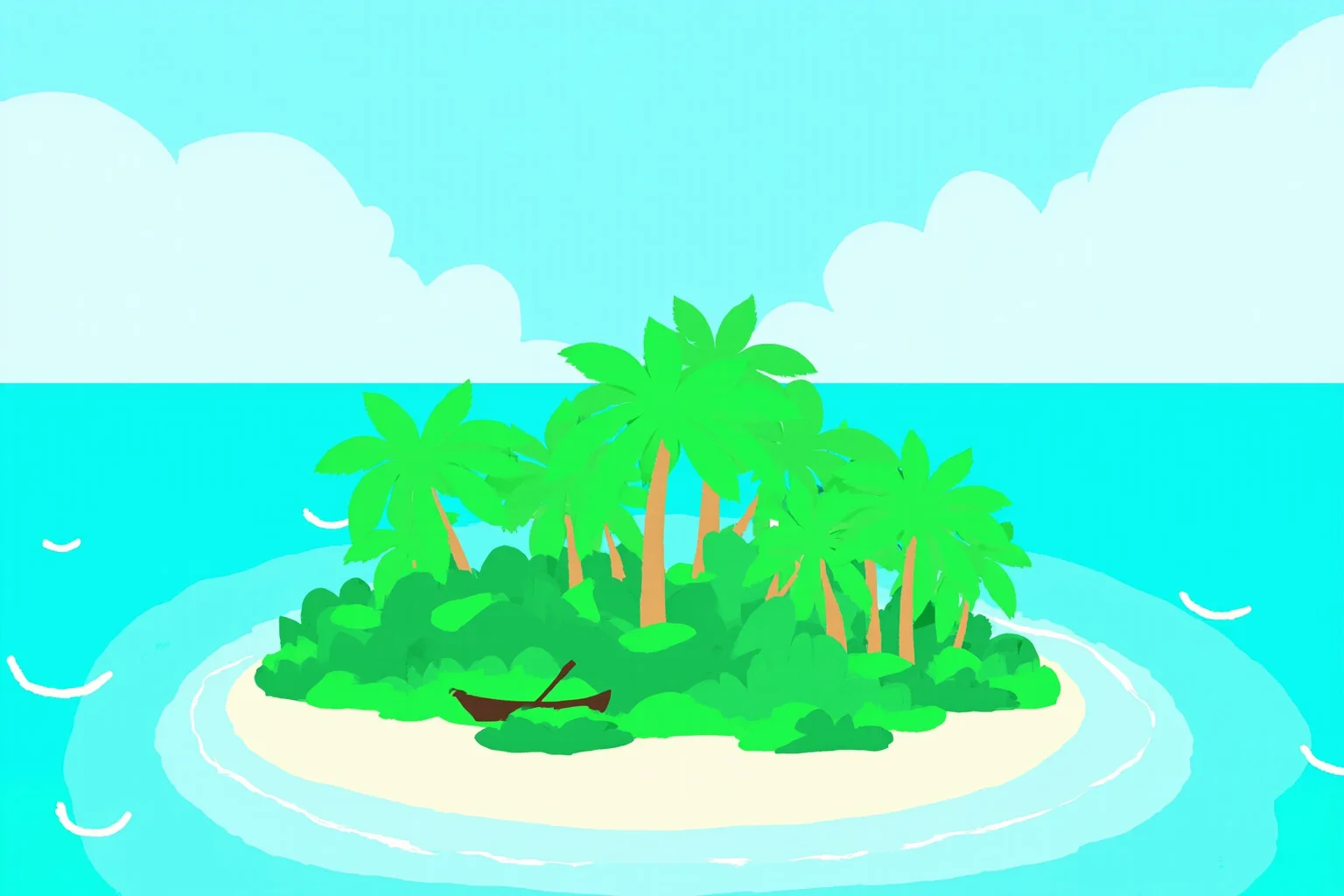
Kiribati (pronounced “KEE-ree-bahs”) comes from the local Gilbertese pronunciation of “Gilberts,” referring to the Gilbert Islands, which were named after British naval captain Thomas Gilbert in the 18th century. When the islands gained independence in 1979, leaders adopted the localized spelling as the new national name.
It’s a rare naming loop: a British surname became an island group’s colonial name, which then got phonetically reabsorbed into the local language. Few countries have a name origin quite that circular.
Invented and Aspirational Names
Not every country name comes from an old myth or a colonial explorer. Some of the newest nations deliberately chose names that express identity, values, or independence from their colonial past.
21. Pakistan — Possibly an Acronym, Possibly Not
Pakistan is often described as an acronym coined in a 1933 pamphlet by Choudhry Rahmat Ali, combining letters from Punjab, Afghania, Kashmir, and Sindh, plus the “-stan” suffix referencing Baluchistan. Historians note the word also reads naturally as Persian and Urdu for “land of the pure,” and scholars still debate how much the acronym theory versus the literal meaning drove the eventual adoption.
Either way, the name was formally adopted upon independence in 1947. It stands out as one of the more debated and layered country name origin stories in modern history.
22. Burkina Faso — Land of Upright People
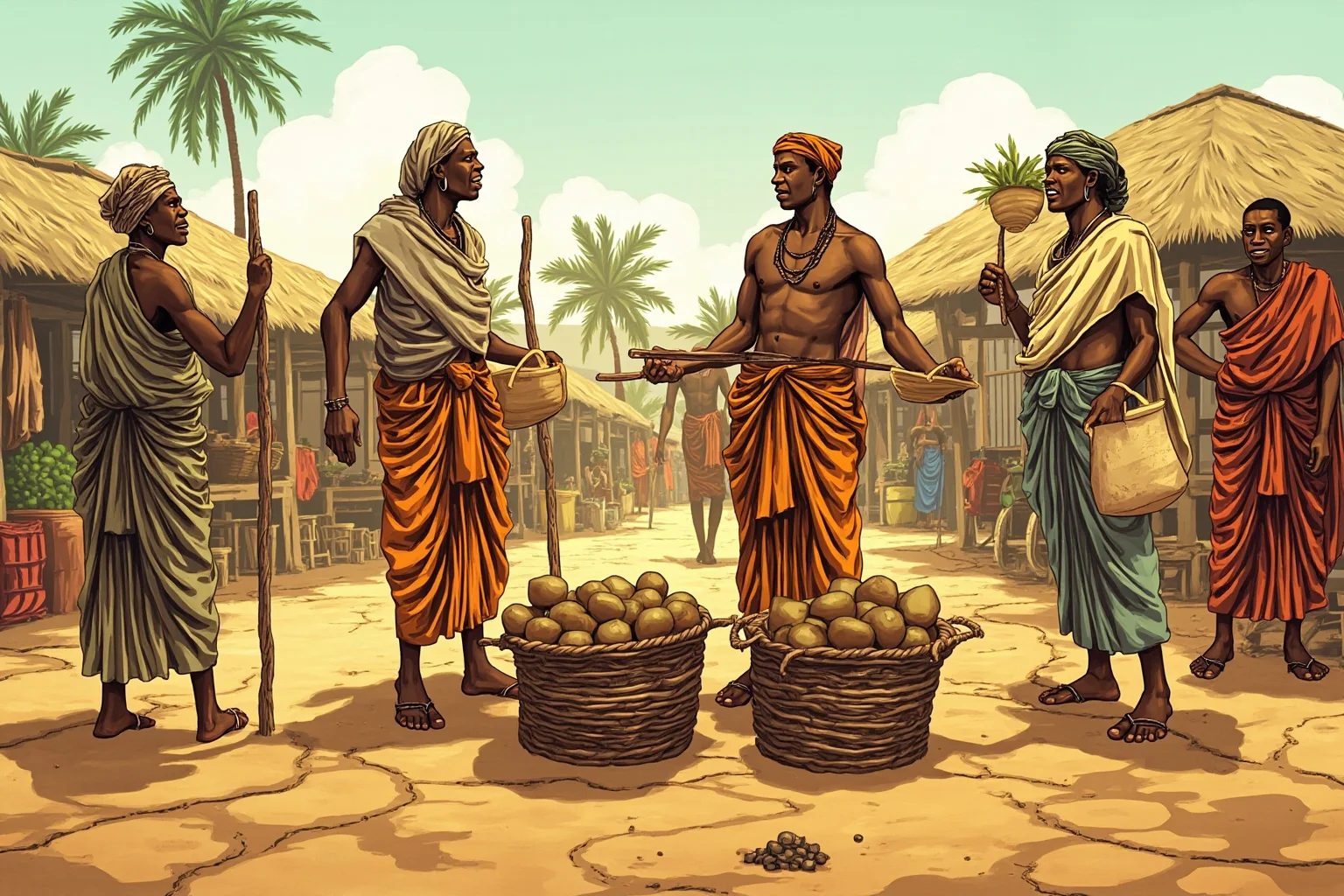
In 1984, revolutionary leader Thomas Sankara renamed the country from Upper Volta to Burkina Faso, combining the Mossi word “burkina” (honest or upright people) with the Dioula word “faso” (fatherland). The result translates roughly to “land of upright people” or “land of honest men.”
It’s a deliberate rejection of the colonial-era name, which had simply referenced the upper reaches of the Volta River. Few countries have renamed themselves with such a clear moral statement built into the translation.
23. Vanuatu — Our Land Forever
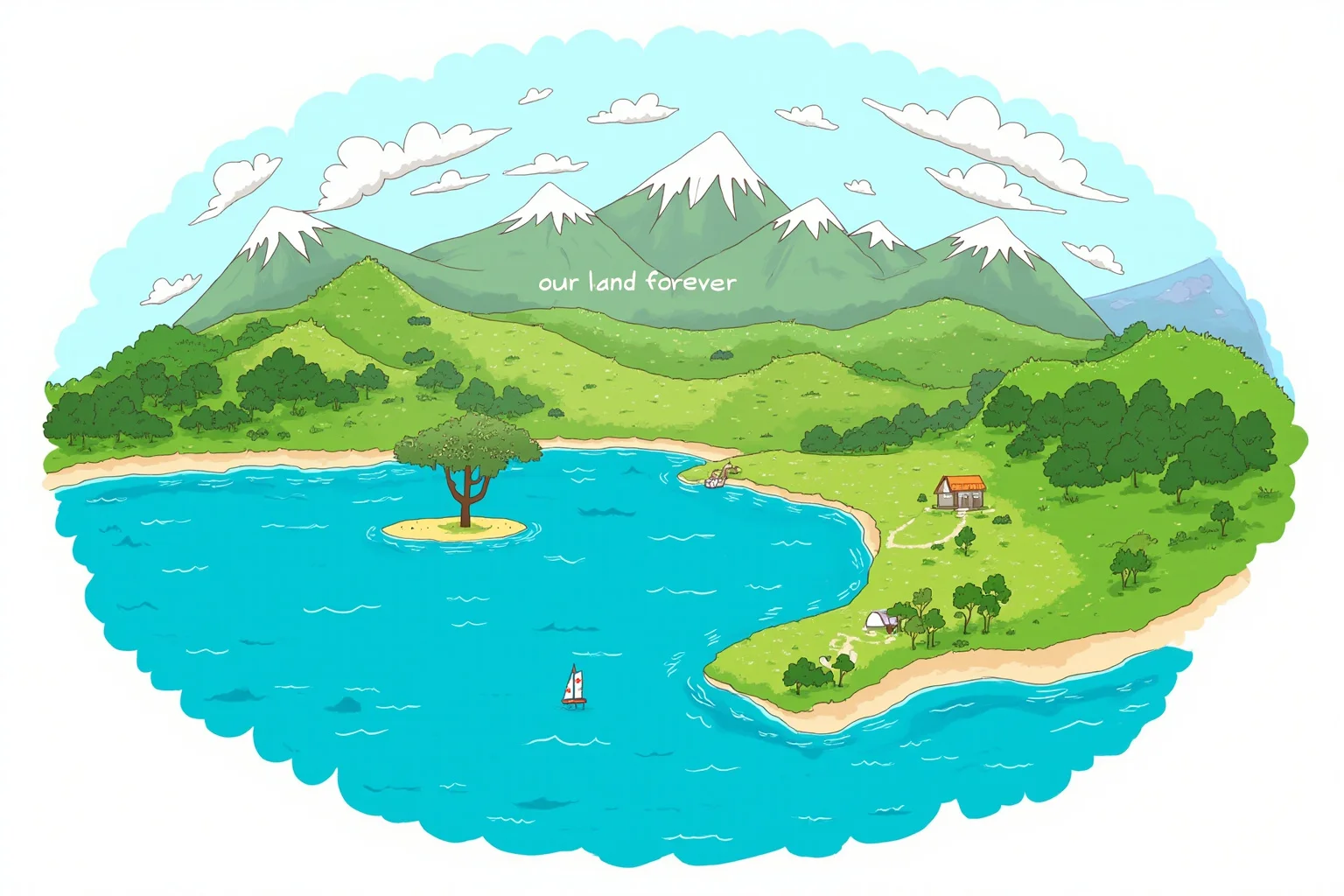
When this Pacific island nation gained independence from joint British-French rule in 1980, it dropped its colonial name, New Hebrides, in favor of Vanuatu. The word combines Austronesian roots meaning roughly “our land forever.”
It’s one of the more poetic entries on this list, chosen deliberately to express permanence and self-determination after decades of colonial administration. Many newly independent Pacific and African nations followed a similar pattern of reclaiming identity through naming.
24. Australia — A Guess That Became a Continent
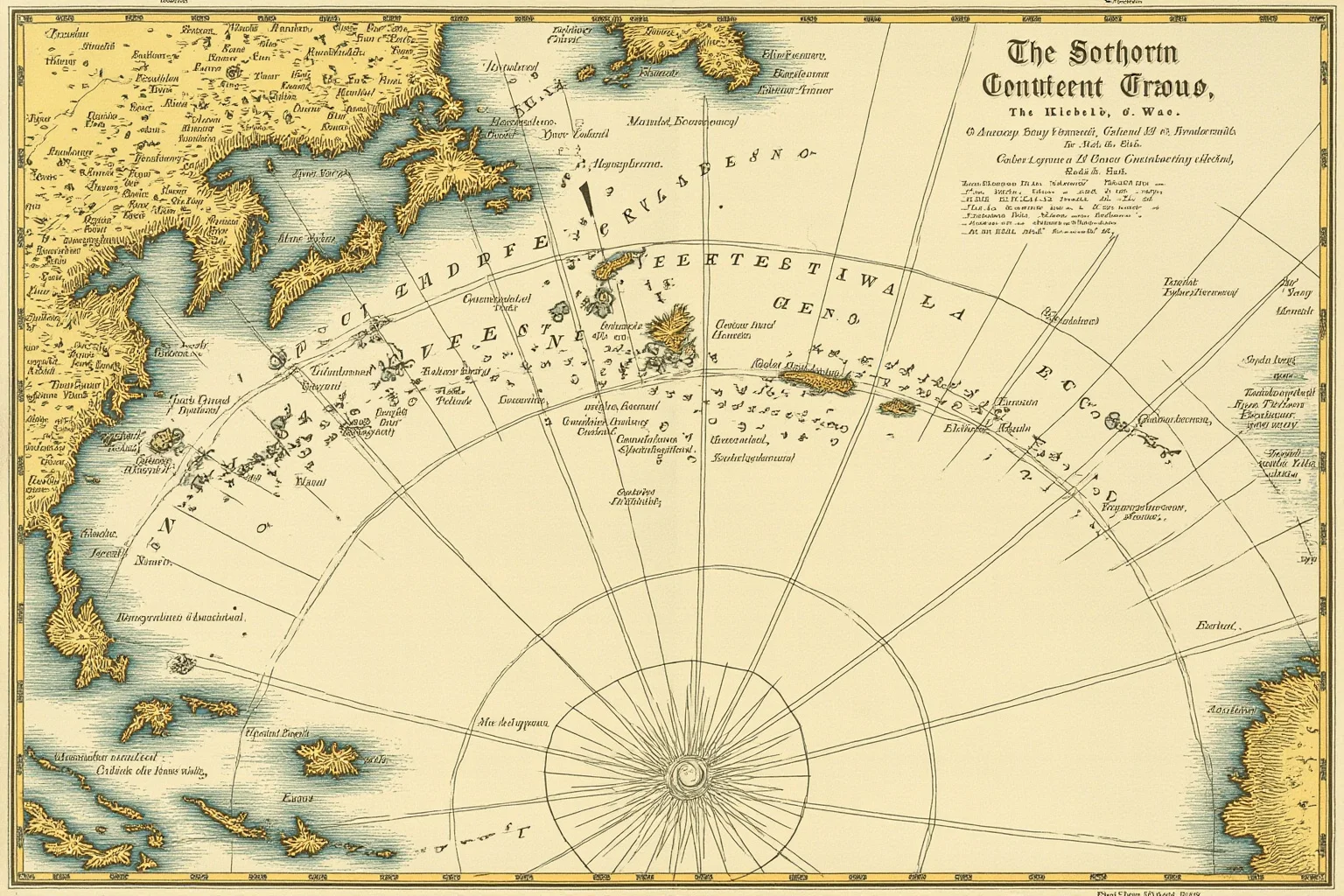
Long before Europeans reached it, ancient and medieval geographers theorized about a “Terra Australis,” or unknown southern land, believed necessary to balance the landmasses of the Northern Hemisphere. When explorers eventually mapped the continent, the name was adapted and popularized by navigator Matthew Flinders in the early 1800s.
The British Admiralty officially adopted “Australia” in 1824. It’s a striking case of a name existing in theory for centuries before the place it described was ever confirmed.
Old Country Names That Have Since Vanished
Not every name on this list survived to the present day. Several well-known nations quietly renamed themselves, often to shed colonial associations or reflect a change in government.
Persia became Iran in 1935, a name long used internally that reflects the land of the Aryan peoples. Siam became Thailand in 1939, roughly translating to “land of the free.”
Ceylon became Sri Lanka in 1972, and Burma officially became Myanmar in 1989, though usage of both names still varies internationally. Zaire reverted to the Democratic Republic of the Congo in 1997 after a change in government. Each shift shows how old country names often carry political weight well beyond simple geography.
So, What Actually Makes a Good Country Name?
If you’ve ever wondered what is a good name for a country, history suggests there’s no single formula. The most enduring names tend to be short, tied to a real geographic or cultural feature, and easy to translate across languages without losing meaning.
Names born from marketing spin, like Greenland, can survive for a thousand years purely on momentum. Meanwhile, names chosen deliberately, like Burkina Faso or Vanuatu, show how a country can use its name to assert identity rather than simply inherit one from explorers or colonizers.
Whether you consider Iceland’s icy irony, Cameroon’s shrimp, or Bolivia’s tribute to a revolutionary leader, every entry here is a country name example of how layered history really is. Good, cool, strange, and awesome are all in the eye of the beholder — but nearly every name has a documented reason behind it, even when that reason is stranger than fiction.
Final Thoughts
Country names are living artifacts, shaped by explorers’ guesses, traders’ commodities, revolutionaries’ ideals, and the occasional translation slip that never got corrected. Understanding these name origins doesn’t just make for great trivia; it offers a genuine window into how power, language, and geography have shaped the modern map.
The next time someone asks about the strangest country name you know, you’ll have more than one solid answer ready. And if you’re ever tasked with matching famous words or clues to their country of origin, you’ll already understand why the answer is rarely as simple as it first appears.
Frequently Asked Questions
Write the country which is associated with the following words: silver, tango, and Pampas.
Argentina. Its name comes from the Latin word "argentum" (silver), tied to early explorers' hopes of finding silver near the Río de la Plata. Tango and the Pampas grasslands are both closely associated with Argentine culture and geography.
Write the country which is associated with the following words: shrimp, Wouri River, and Central Africa.
Cameroon. Portuguese explorers named the Wouri River "Rio dos Camarões" (River of Shrimp) in the 15th century, and that name eventually applied to the entire surrounding country.
What is the strangest country name in the world?
There's no single official answer, but Burkina Faso, Kiribati, and Vanuatu are frequently cited as some of the most unusual country names because their meanings ("land of upright people," a phonetic rendering of a British surname, and "our land forever") are unfamiliar to most English speakers.
What is a good name for a country?
Historically, enduring country names tend to be short, reference a real geographic feature or cultural value, and translate clearly across languages. There's no single formula, though — names ranging from literal descriptions like Ecuador to aspirational choices like Burkina Faso have all proven equally lasting.
What does “what country is my name from” actually mean?
This phrase usually refers to surname or personal-name origin research (genealogy), which is a different topic from country-name etymology. Personal name origins are typically explored through genealogical databases and linguistic surname dictionaries, not the toponym history covered in this article.
Are there old country names that no longer exist today?
Yes. Persia became Iran in 1935, Siam became Thailand in 1939, Ceylon became Sri Lanka in 1972, Burma officially became Myanmar in 1989, and Zaire reverted to the Democratic Republic of the Congo in 1997.
Why is Turkey’s name being changed to Türkiye?
In 2022, Turkey's government formally asked the international community to use "Türkiye" instead of "Turkey," partly to distance the country's identity from the unrelated bird name, which arose from a centuries-old trade-route mix-up rather than any real connection to Turkey.

Alex Warren
Related Articles





