

Few historical epics have shaped popular imagination quite like Braveheart. Mel Gibson’s 1995 film gave us blue-faced warriors, kilted charges, and a rousing cry for freedom that still gets quoted decades later.
But how much of it actually happened, and what really became of the man who finished the fight that William Wallace started?
The answer is more complicated than Hollywood lets on. Robert the Bruce, the king who ultimately won Scotland’s independence, is portrayed in Braveheart as a hesitant, almost cowardly figure living in Wallace’s shadow.
The real Robert the Bruce was a far more ruthless, complicated, and historically significant figure, and his actual story is arguably even more dramatic than the movie version.
TL;DR: Braveheart is loosely inspired by real events in the Scottish Wars of Independence, but the real hero of that story, Robert the Bruce, was a far more complex and ruthless king than the film ever shows.
1. Is Braveheart Based on a True Story? The Short Answer
Yes, Braveheart is based on real historical events, but very loosely. The film draws from the Wars of Scottish Independence in the late 13th and early 14th centuries, and its central figures, William Wallace and Robert the Bruce, were real people who really fought against English rule.
However, the film compresses timelines, invents entire relationships, and gets major facts about Robert the Bruce badly wrong. Historians generally treat Braveheart as historical fiction inspired by a real conflict rather than an accurate account of what actually happened. If you’re asking whether Braveheart is a true story in the documentary sense, the honest answer is no, it’s a dramatized legend built on a real foundation.
2. Who Was Robert the Bruce, Really?
Robert the Bruce, born in 1274, was a Scottish nobleman who eventually became King Robert I of Scotland. He is remembered today as the king who secured Scottish independence from England, a status that took him nearly two decades of fighting, scheming, and surviving to achieve.
Unlike the movie’s portrayal of him as a background player watching Wallace do the hard work, the real Bruce was one of the most powerful and politically active nobles in Scotland long before Wallace’s rebellion even began. His journey from ambitious earl to national hero is arguably the true backbone of the Braveheart story, even though the film barely gives him credit for it.
3. Norman Nobility, Not Highland Rebel
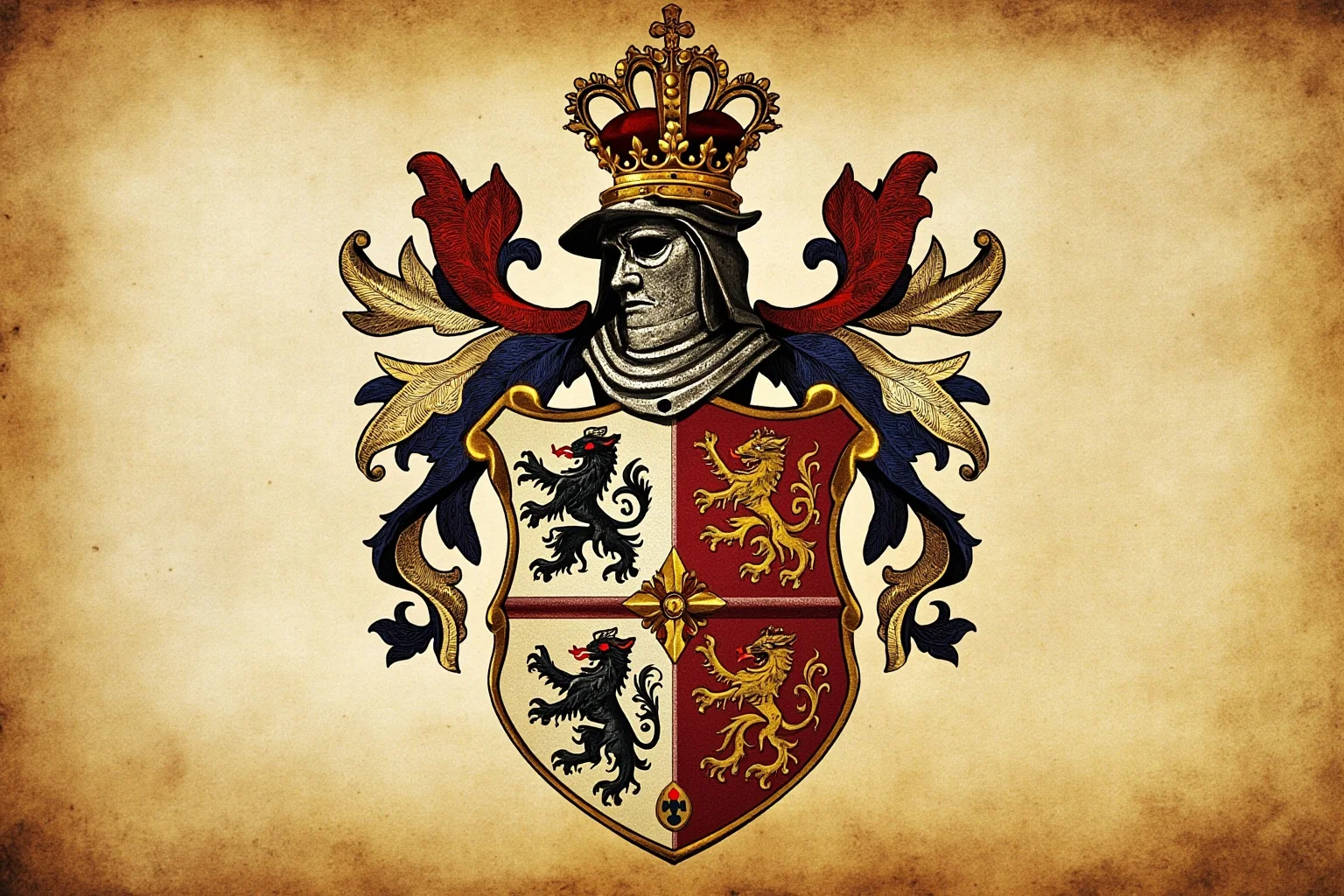
Braveheart’s imagery leans heavily on tartan-clad Highland warriors, but Robert the Bruce’s family background was nothing like that. The Bruces were of Anglo-Norman descent, with deep ties to both Scotland and England, including land holdings and political connections south of the border.
This mixed heritage is actually key to understanding his early, wavering loyalties. Robert the Bruce spent years moving between supporting and opposing English king Edward I, a reality that the film simplifies into a single dramatic betrayal for storytelling purposes.
4. The Scramble for the Scottish Crown
In 1286, the death of Scotland’s King Alexander III left no clear heir, triggering a succession crisis known as the “Great Cause.” Robert the Bruce’s grandfather was one of several claimants to the throne, and the Bruce family’s ambitions for the crown predate William Wallace’s rebellion entirely.
English king Edward I was invited to arbitrate the dispute, and he ultimately chose John Balliol as king in 1292. This decision set the stage for decades of conflict, since Edward treated his role as arbiter as an opportunity to assert overlordship over Scotland itself.
5. Robert the Bruce’s Complicated Loyalties
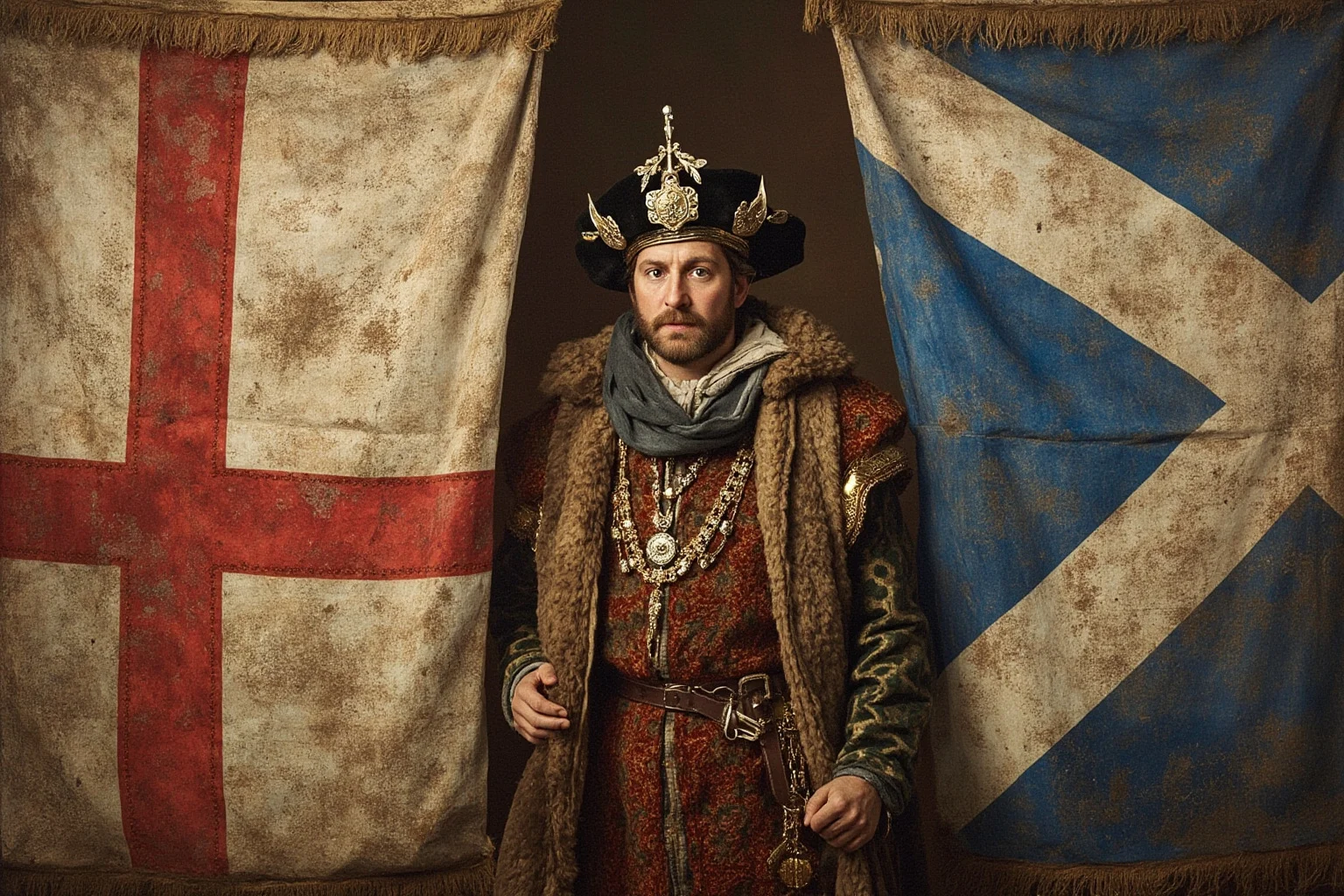
One of the most historically accurate things Braveheart hints at, even if it oversimplifies it, is that Robert the Bruce’s loyalties shifted multiple times. He swore fealty to Edward I on more than one occasion, fought alongside the English at times, and only gradually committed to the cause of Scottish independence.
This wasn’t cowardice so much as calculated survival. Bruce was balancing his family’s claim to the throne, his own lands in England, and the shifting tides of a brutal, unpredictable war, all while rival Scottish nobles, particularly the Comyn family, competed for the same crown.
6. The Killing of John Comyn at Greyfriars Kirk
In February 1306, Robert the Bruce met with his chief rival, John Comyn, at Greyfriars Kirk in Dumfries. An argument broke out, and Comyn was killed, allegedly by Bruce himself or his men, in what was almost certainly a sacrilegious act given the location was a church.
The full details of what happened remain historically murky, but the political consequences were immediate and enormous. Bruce was excommunicated by the Pope, and he had effectively burned every bridge that might have let him back away from claiming the throne.
7. Crowned King of Scots at Scone
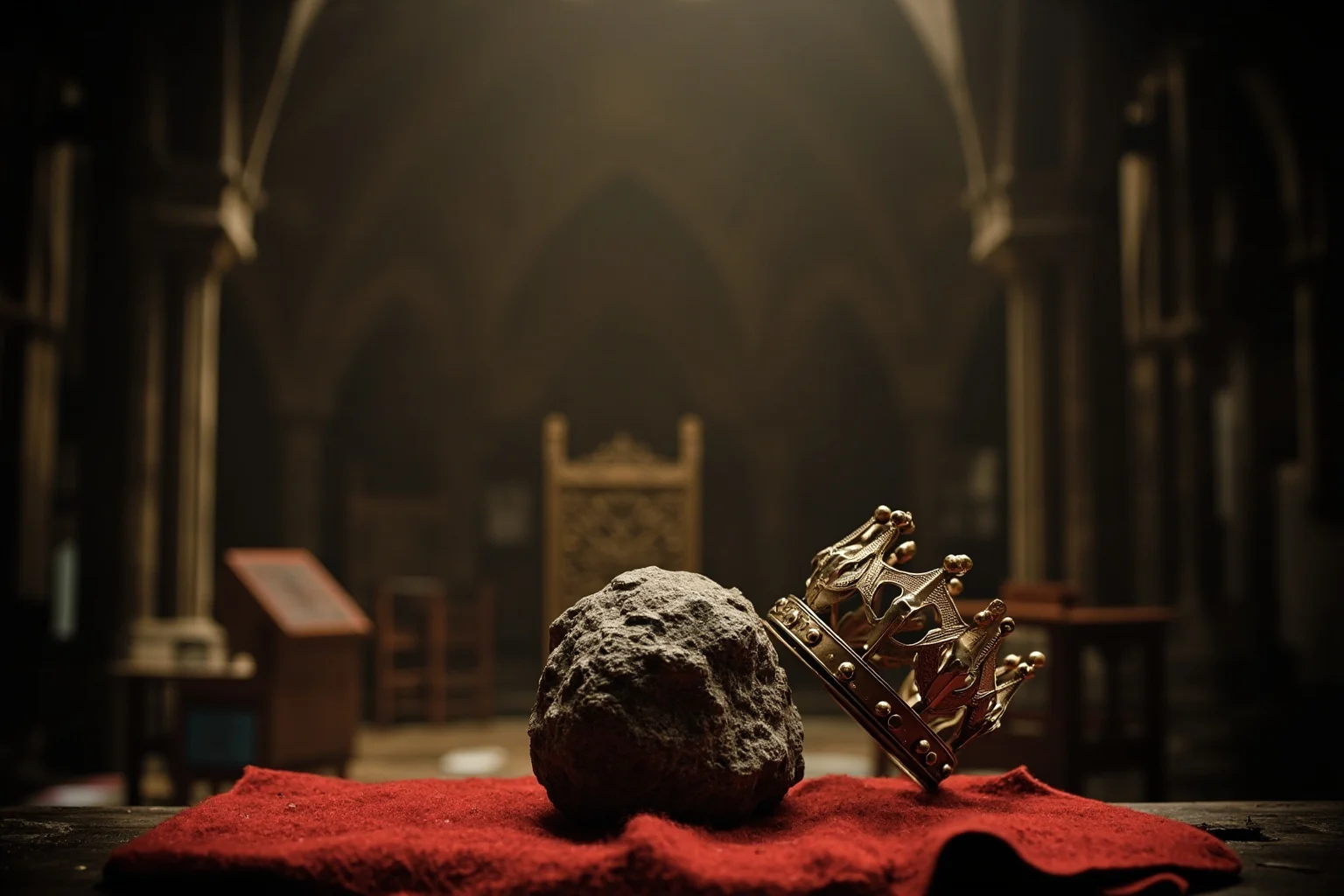
Just weeks after Comyn’s death, in March 1306, Robert the Bruce had himself crowned King of Scots at Scone, the traditional site of Scottish coronations. It was an audacious and dangerous move, made while he was excommunicated and hunted by both the English crown and Comyn’s powerful allies.
This is the point where Robert the Bruce truly becomes the central figure of Scottish independence, years before Braveheart gives him any real narrative weight. The film’s timeline compresses and distorts this period significantly.
8. Defeat, Flight, and the Legend of the Spider
Bruce’s early reign was a disaster militarily. He was defeated at the Battle of Methven in June 1306, and several of his family members were captured or executed by the English in brutal fashion, including having some female relatives imprisoned in cages displayed publicly.
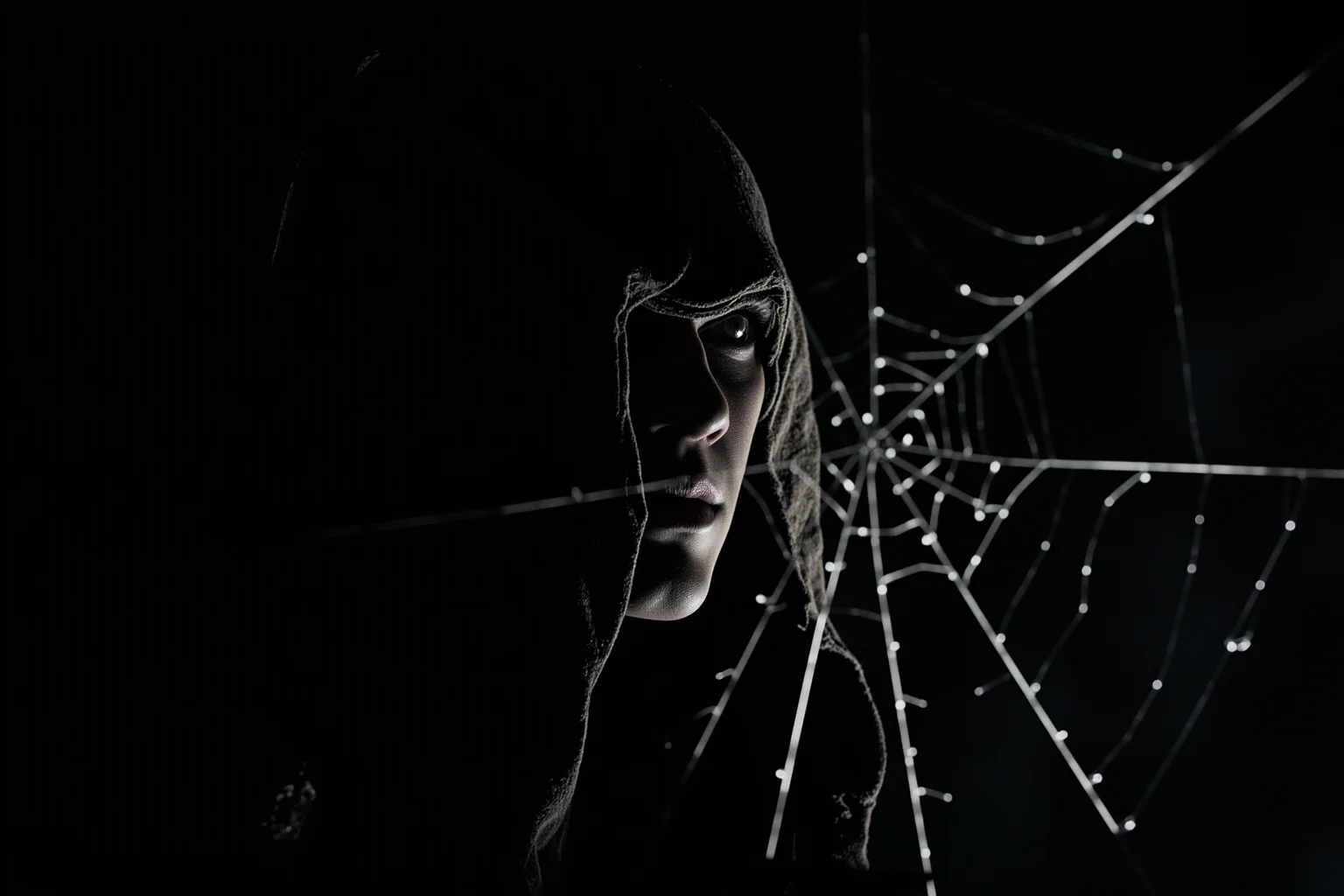
A popular legend claims that Bruce, hiding in a cave during this low point, watched a spider repeatedly fail and try again to spin its web, inspiring him to keep fighting. This story is almost certainly a later folk tale added to his legacy long after his death, and there’s no contemporary evidence it actually happened, though it remains a beloved piece of Scottish storytelling.
9. Guerrilla War and the Slow Road Back
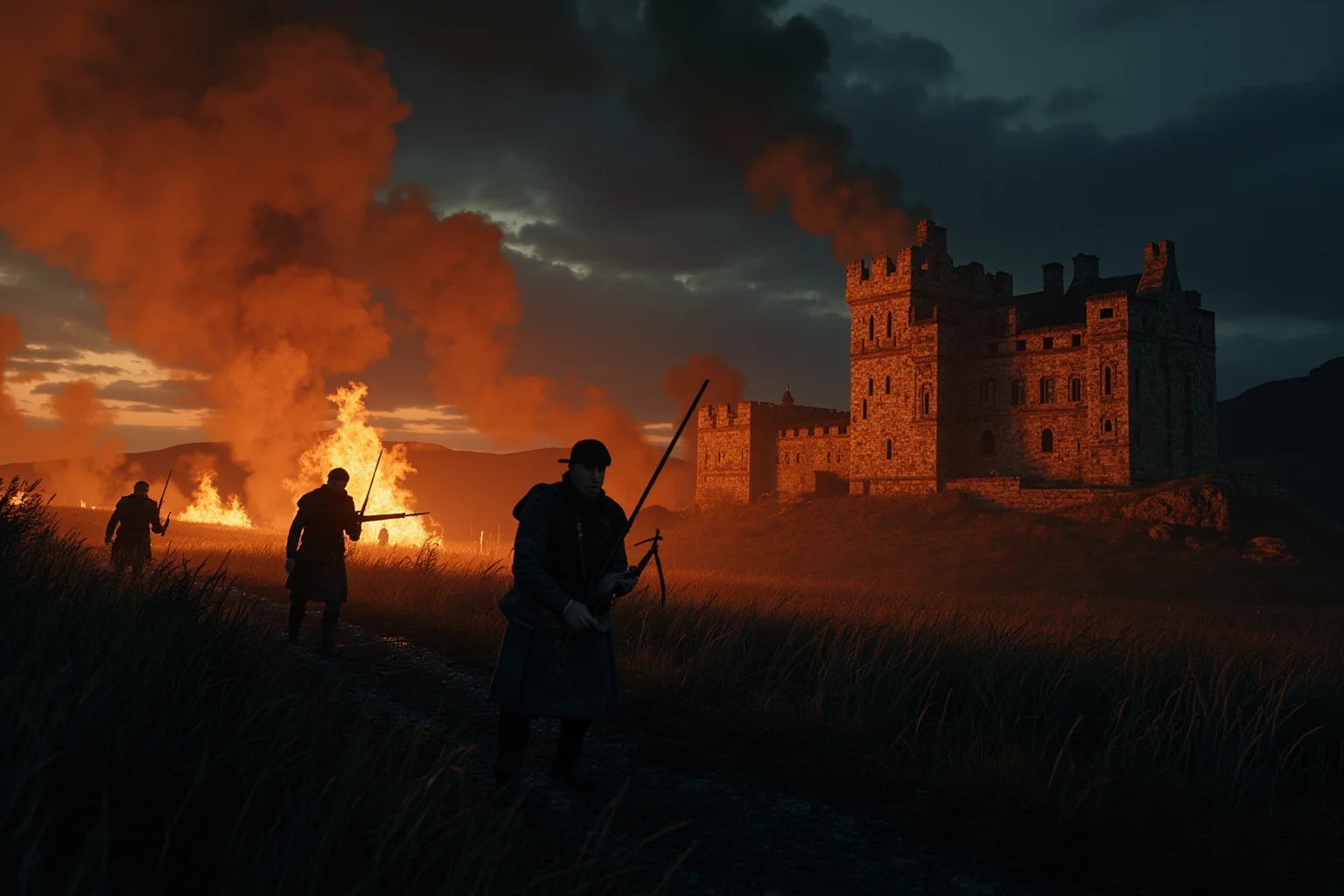
After his early defeats, Robert the Bruce adopted a guerrilla warfare strategy, avoiding large pitched battles and instead targeting castles, supply lines, and isolated English garrisons. This slower, more patient approach allowed him to gradually rebuild his power base across Scotland between roughly 1307 and 1314.
He also worked to eliminate domestic rivals, including remaining members of the Comyn faction, consolidating Scottish support behind his kingship. By the time of the war’s most famous battle, Bruce commanded a far more unified and battle-hardened Scottish force than he had in 1306.
10. The Battle of Bannockburn (1314)
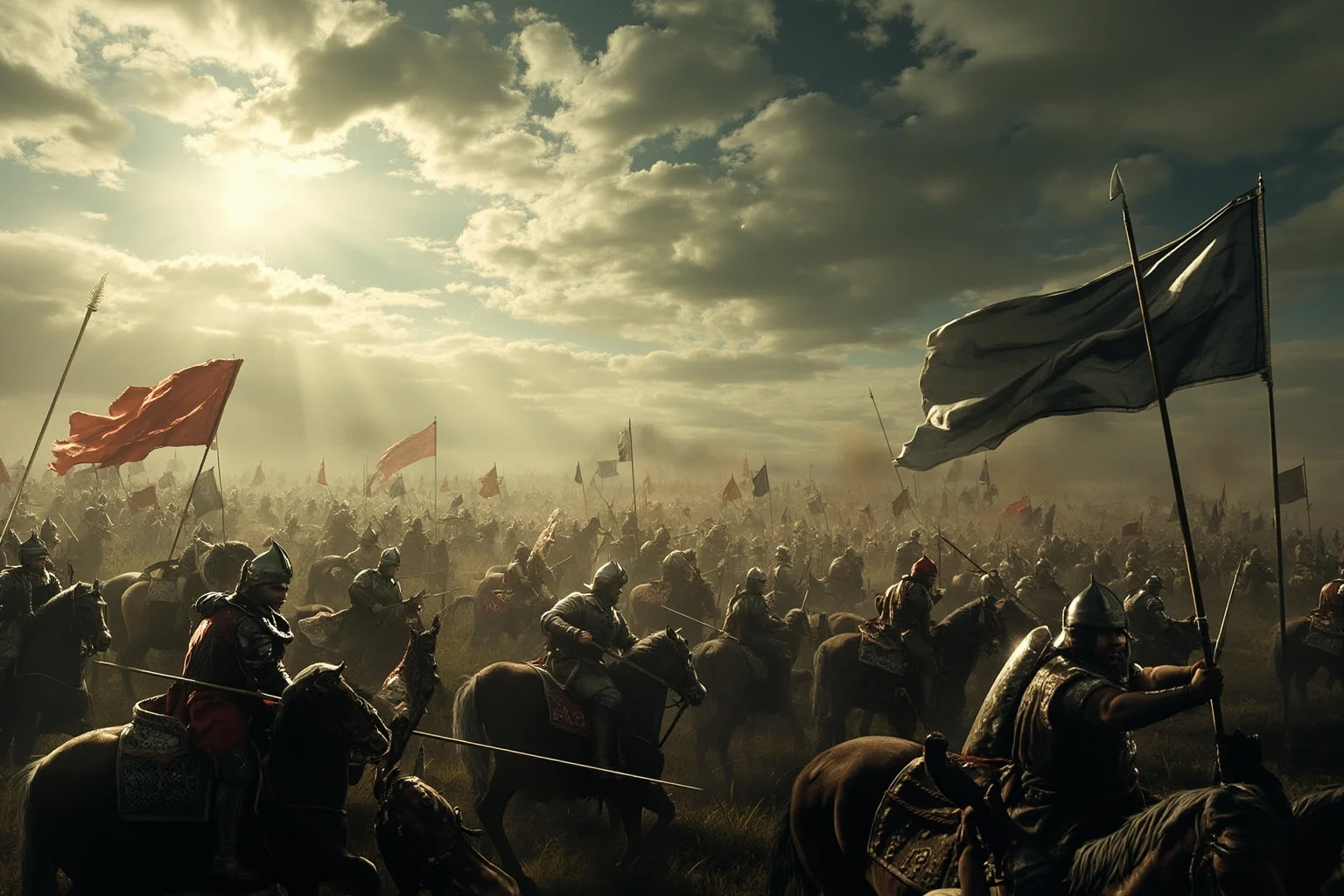
The Battle of Bannockburn, fought in June 1314, was Robert the Bruce’s defining military triumph. His forces decisively defeated a much larger English army led by Edward II, securing effective Scottish independence in practice even though formal recognition would take years longer.
Braveheart notably ends before this battle even happens, since Wallace was executed in 1305, nearly a decade earlier. This means the movie’s most stirring freedom cry actually comes before the war’s greatest Scottish victory, which was won under Robert the Bruce’s leadership, not Wallace’s.
11. Did Robert the Bruce Really Betray Wallace?
This is one of Braveheart’s most significant fictions. The film shows Robert the Bruce betraying Wallace at the Battle of Falkirk in 1298 by fighting alongside the English, then later feeling crushing guilt for it.
There is no solid historical evidence that Robert the Bruce fought against Wallace at Falkirk in this way. Bruce’s actual movements and allegiances in this period are debated by historians, but the dramatic, personal betrayal shown on screen appears to be an invention designed to give Bruce’s character an arc, not a documented historical event.
12. Did William Wallace and Robert the Bruce Actually Meet?
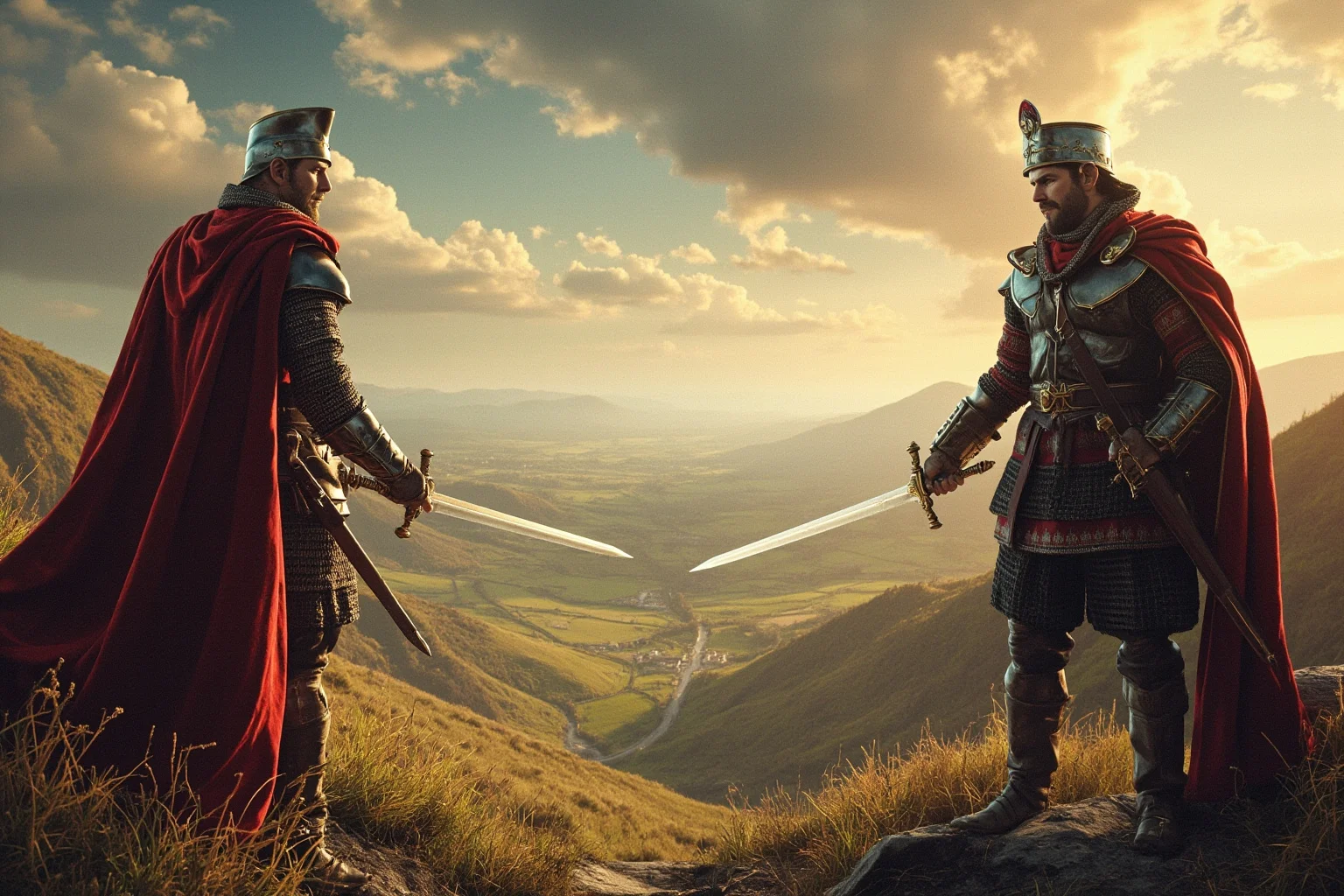
Braveheart is built around a close, evolving relationship between Wallace and Bruce, including private meetings and shared confidences. Historical records give no clear evidence that the two men ever met face-to-face at all.
They operated in overlapping conflicts and shared the same broad cause, but they moved in different circles for much of the rebellion. The intimate mentor-and-successor dynamic in the film is a screenwriting device rather than a documented historical relationship.
13. The Fictional Romance With Princess Isabella
One of Braveheart’s most memorable subplots involves Wallace’s romance with Princess Isabella of France, who is shown carrying his child. This is almost entirely fabricated and doesn’t hold up historically.
Isabella of France was only around nine or ten years old at the time Wallace was executed in 1305, and she didn’t even arrive in England to marry the future Edward II until 1308, three years later. The two could not have had any romantic relationship, making this one of the film’s clearest and most-cited historical inaccuracies.
14. Prima Nocta: A Myth Invented for the Movie
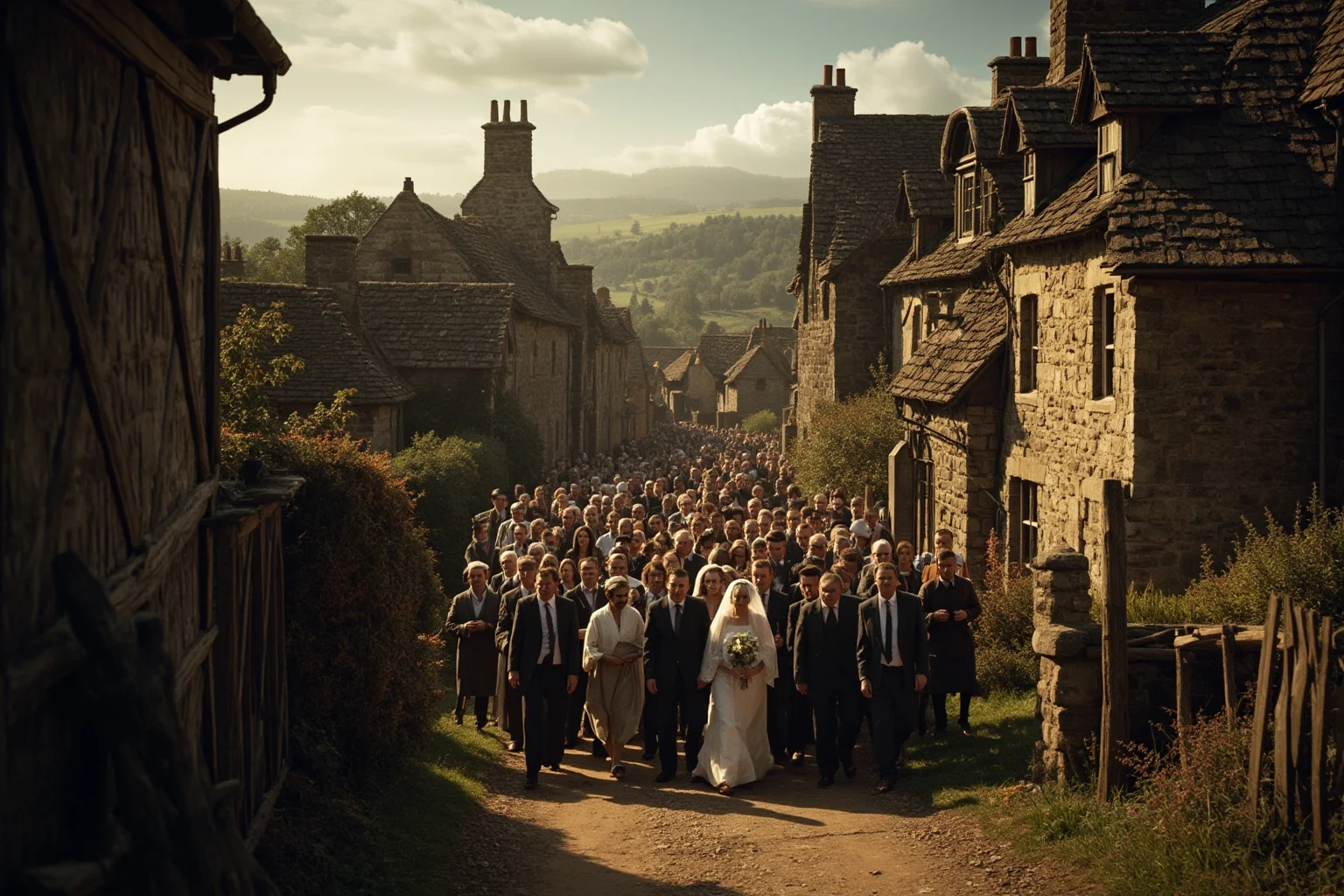
Braveheart opens with the claim that English lords held the “right of the first night,” or prima nocta, allowing them to sleep with a commoner’s new bride before her husband did. This is presented as a real, enforced law that helps justify Wallace’s rebellion.
Historians widely regard prima nocta as a myth with no solid evidence it was ever a genuine legal practice in medieval Scotland or England. It appears to be a dramatic invention meant to give Wallace’s personal motivations more emotional weight at the start of the film.
15. Costumes, Kilts, and Blue Face Paint
Braveheart’s visual style, including tartan kilts and blue woad face paint, has become iconic, but it’s largely anachronistic for the period. Belted plaid kilts as shown in the film didn’t exist in this form until centuries later, and blue face paint was associated with ancient Picts, not 13th and 14th century Scottish warriors.
These choices were made for visual drama and to clearly distinguish Scottish characters from English ones on screen. They reflect costume design decisions rather than genuine medieval Scottish military dress.
16. William Wallace’s Real Fate
William Wallace, the film’s central hero, was captured by the English in 1305 and executed in London in a brutal and public fashion, including being hanged, drawn, and quartered. This part of the film’s ending is broadly consistent with the historical record, even if some dramatic details are embellished.
Wallace’s death occurred nearly a decade before the Battle of Bannockburn, meaning he never lived to see Scotland’s greatest victory of the war. That triumph belonged entirely to Robert the Bruce and the forces he built in the years after Wallace’s execution.
17. The Declaration of Arbroath (1320)
Six years after Bannockburn, Scottish nobles sent a letter to the Pope known as the Declaration of Arbroath, asserting Scotland’s right to independence and its recognition of Robert the Bruce as king. It’s one of the most famous documents in Scottish history, containing a passage often paraphrased as a declaration that Scots would never submit to English rule while they still lived.
This document played a real role in eventually securing papal recognition of Scottish independence and lifting Bruce’s excommunication. It’s a genuine historical milestone that Braveheart doesn’t depict at all, since the film ends well before this period.
18. Robert the Bruce’s Death and His Heart’s Final Journey
Robert the Bruce died in 1329, reportedly in poor health for years beforehand. Before his death, he asked that his heart be carried on crusade to the Holy Land as an act of penance and devotion, since he had never managed to go on crusade during his lifetime.
His close friend and knight, Sir James Douglas, undertook this mission, but died fighting in Spain before reaching the Holy Land. Bruce’s heart was eventually returned to Scotland and buried at Melrose Abbey, where archaeologists confirmed the discovery of a buried heart casket in the 20th century.
19. Robert the Bruce’s Legacy in Scottish History
Robert the Bruce’s true legacy is that of a king who secured, through decades of war, negotiation, and political maneuvering, formal recognition of Scotland as an independent kingdom. The Treaty of Edinburgh-Northampton in 1328 finally saw England officially recognize Scottish independence and Bruce’s kingship, just a year before his death.
This achievement makes him arguably the single most consequential figure in medieval Scottish history, more so than Wallace, despite Wallace receiving far more attention in modern pop culture. Braveheart’s framing, which sidelines Bruce for most of its runtime, arguably shortchanges the man who actually won the war.
20. Beyond Braveheart: Are Only the Brave and Warrior Also True Stories?
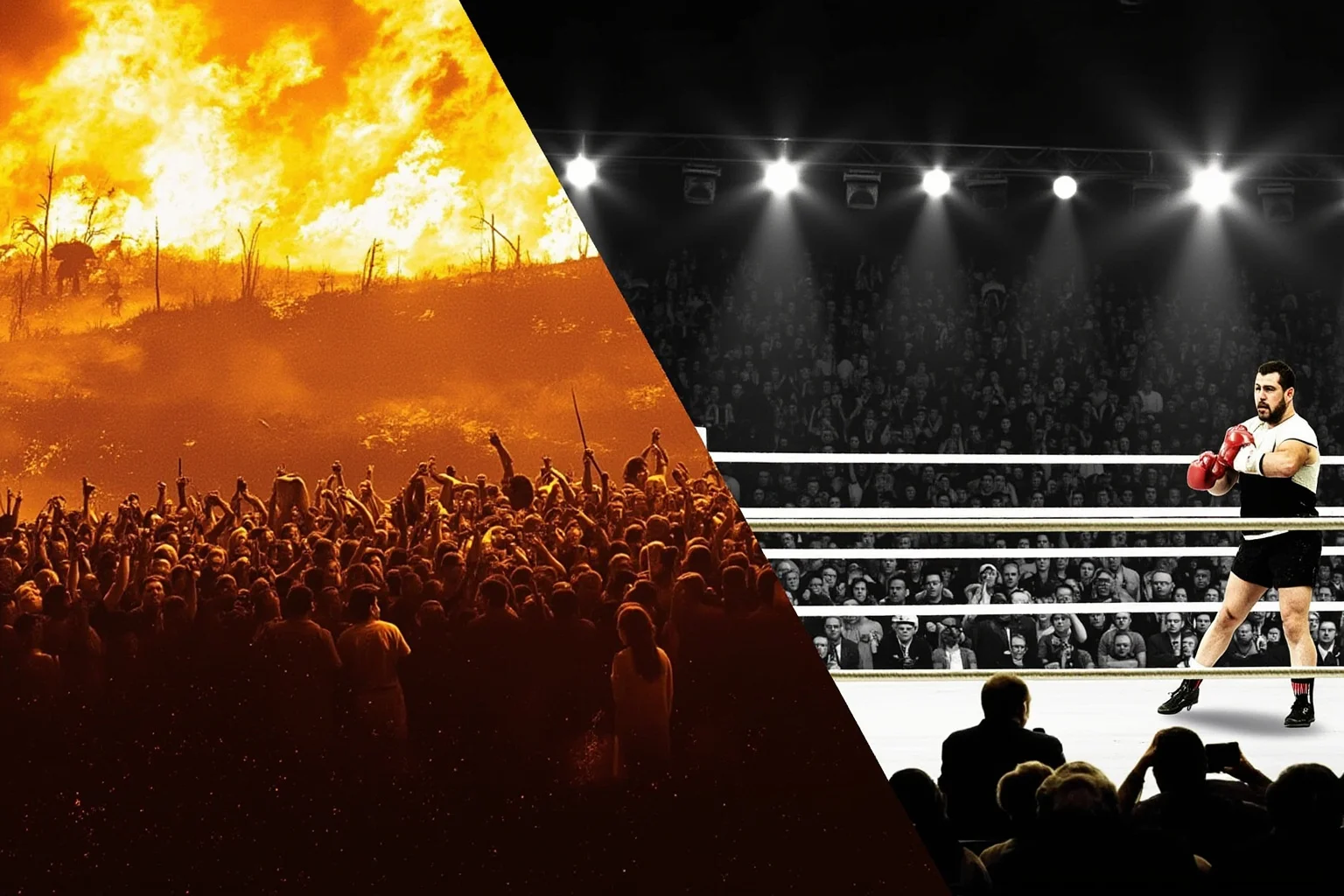
Braveheart isn’t the only acclaimed film that gets asked about its factual accuracy, and it’s worth briefly addressing two other frequently searched titles. Only the Brave, the 2017 film about the Granite Mountain Hotshots firefighting crew, is very much based on a true story, dramatizing the real 2013 Yarnell Hill Fire in Arizona that killed 19 members of the crew.
Warrior, the 2011 mixed martial arts drama starring Tom Hardy and Joel Edgerton, is a different case, as it is a fictional story rather than a true one, even though it draws on real themes from MMA culture and military family struggles. Unlike Braveheart and Only the Brave, Warrior isn’t based on any specific real people or documented events, making it historical fiction in spirit but not in fact. The same “was it real” question comes up constantly for other legendary historical figures too, from Robin Hood and Wyatt Earp to Pocahontas and Saint Patrick, each surrounded by centuries of myth layered over a genuine historical core.
The Bottom Line on Braveheart’s True Story
Braveheart captures the spirit of Scotland’s fight for independence, but it takes enormous liberties with the actual people and timeline involved. William Wallace was real, his execution was real, and the broader war against English rule was very real, but many of the film’s most emotional beats, from the romance with Isabella to Wallace and Bruce’s friendship, are invented.
The real hero of this story’s ending, in many ways, is Robert the Bruce, whose complicated, sometimes ruthless journey from wavering nobleman to independent Scotland’s first king is a genuinely remarkable piece of history. It’s a story that didn’t need Hollywood embellishment to be dramatic, it just needed a movie willing to tell it in full.
Frequently Asked Questions
Is Braveheart a real story?
Braveheart is inspired by real historical events, namely the Wars of Scottish Independence, and its two main figures, William Wallace and Robert the Bruce, were real historical people. However, the film invents major plot elements, including Wallace's romance with Princess Isabella and a personal betrayal by Robert the Bruce, so it should be treated as historical fiction rather than a factual account.
Was the movie Braveheart based on a true story?
Yes, in the sense that it's loosely based on real events from Scotland's late 13th and early 14th century fight against English rule. The core conflict is historical, but many specific scenes, relationships, and even the timeline of events were significantly altered or fabricated for dramatic effect.
How is Robert the Bruce portrayed in Braveheart compared to real history?
In Braveheart, Robert the Bruce is shown as a hesitant, somewhat cowardly noble who eventually betrays and then avenges William Wallace. In reality, Bruce was a shrewd, ambitious political operator who ultimately became King of Scots himself and won Scotland's decisive victory at the Battle of Bannockburn in 1314, an event Braveheart doesn't even depict.
Is Only the Brave based on a true story?
Yes, Only the Brave is a fairly faithful dramatization of the real 2013 Yarnell Hill Fire in Arizona, which killed 19 members of the Granite Mountain Hotshots firefighting crew. The film is based on real people and a documented tragedy, unlike Braveheart, which fictionalizes much of its central plot.
Was Only the Brave a true story down to the details, or were parts changed?
The broad events and outcome of Only the Brave are true, including the fire, the crew, and the tragic loss of life, but as with most biographical dramas, certain personal relationships, dialogue, and timelines were dramatized or compressed for the film. The core tragedy and the crew's heroism, however, are historically documented.
Is Warrior based on a true story?
No, Warrior is a fictional film rather than a true story. It doesn't depict real people or a specific documented event, though it draws on authentic themes from mixed martial arts culture and military family life to feel grounded and realistic.

Alex Warren
Related Articles





