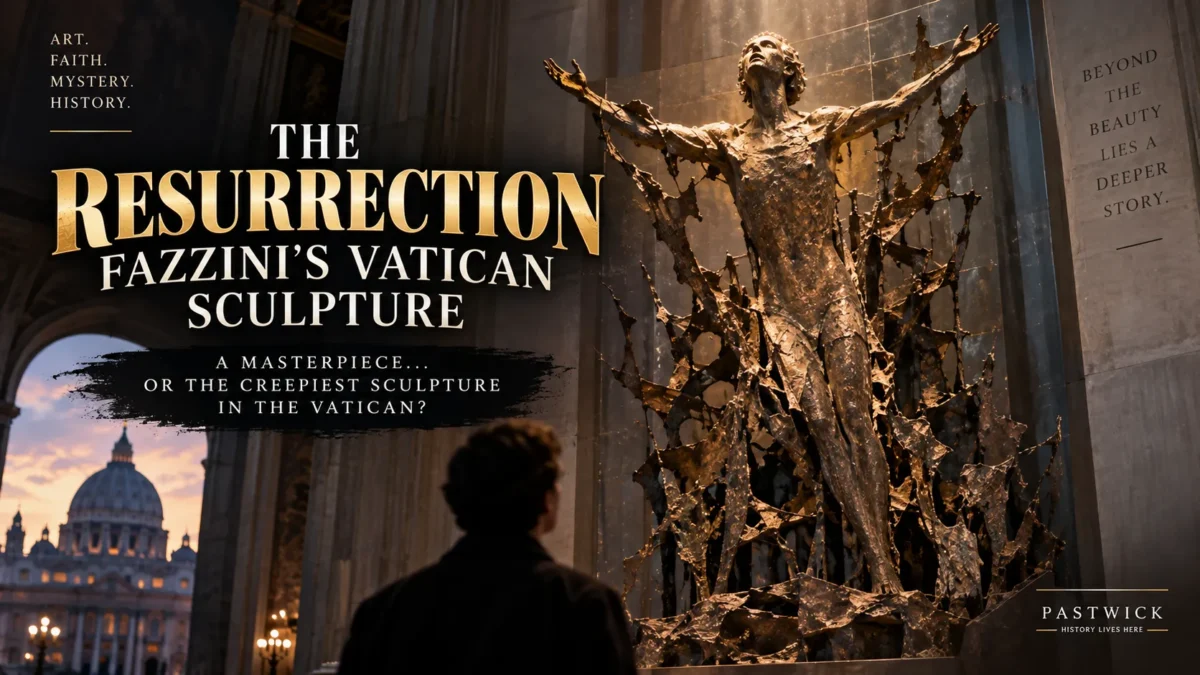
Tucked inside a hall most tourists never think to visit, there’s a bronze sculpture so strange, so massive, and so unsettling that it’s earned a permanent spot on lists of the Vatican’s weirdest art. It doesn’t look like the gentle, robed Christ of Renaissance paintings. It looks like something erupting out of the ground after a catastrophe.
This is Pericle Fazzini’s “The Resurrection,” and it sits directly behind the papal throne in the Paul VI Audience Hall, silently looming over every General Audience the Pope has held there since the 1970s. Let’s dig into what it actually is, who made it, and why it keeps unsettling visitors decades after it was unveiled.
TL;DR: Pericle Fazzini’s bronze sculpture “The Resurrection” dominates the Vatican’s Paul VI Audience Hall with a towering, crater-like depiction of Christ that’s inspired decades of myths, nuclear-bomb comparisons, and its reputation as the Vatican’s creepiest statue.
1. The Sculpture at the Heart of It All: Fazzini’s “La Resurrezione”
The piece officially known as “La Resurrezione” — The Resurrection — is a monumental bronze relief sculpture installed in the Vatican’s Paul VI Audience Hall. It shows the figure of Christ rising out of a jagged, cratered landscape, arms outstretched, surrounded by chaotic folds of bronze that some visitors read as an explosion and others read as an olive grove.
It’s one of the largest bronze sculptures in the world, and it’s also one of the most divisive pieces of religious art in Vatican City. Some pilgrims find it awe-inspiring. Others find it genuinely disturbing, which is exactly why it keeps showing up on lists of creepy Vatican statues.
2. Who Was Pericle Fazzini?
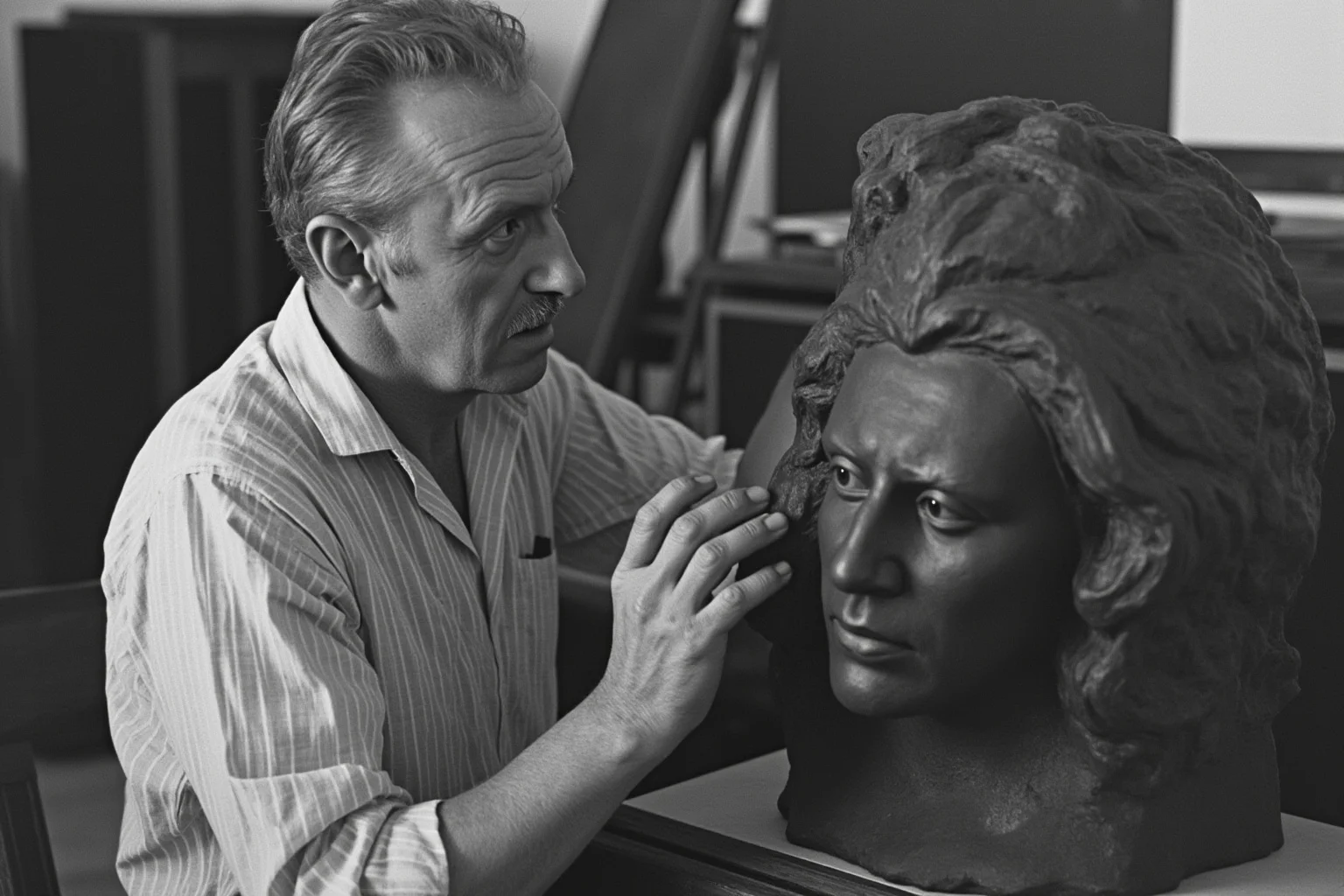
Pericle Fazzini (1913–1987) was an Italian sculptor born in Grottammare, a coastal town in the Marche region. He trained in Rome and became associated with 20th-century Italian modernism, moving away from classical realism toward more expressive, jagged forms.
Fazzini wasn’t a household name outside Italy, but within Italian art circles he was respected for his dynamic, almost violent modeling of bronze and clay. “The Resurrection” would become the defining, and most-viewed, work of his career simply because of where it ended up.
3. A Commission from Pope Paul VI
The sculpture was commissioned under Pope Paul VI, whose name is now permanently attached to the hall itself. Paul VI wanted a modern audience space and modern artwork to go inside it, a deliberate break from the ornate baroque style found elsewhere in Vatican City.
This was part of a broader mid-20th-century push within the Church to embrace contemporary art rather than only classical and Renaissance forms. Pericle Fazzini’s Resurrection became the centerpiece of that experiment, for better or worse depending on who you ask.
4. Ten Years in the Making
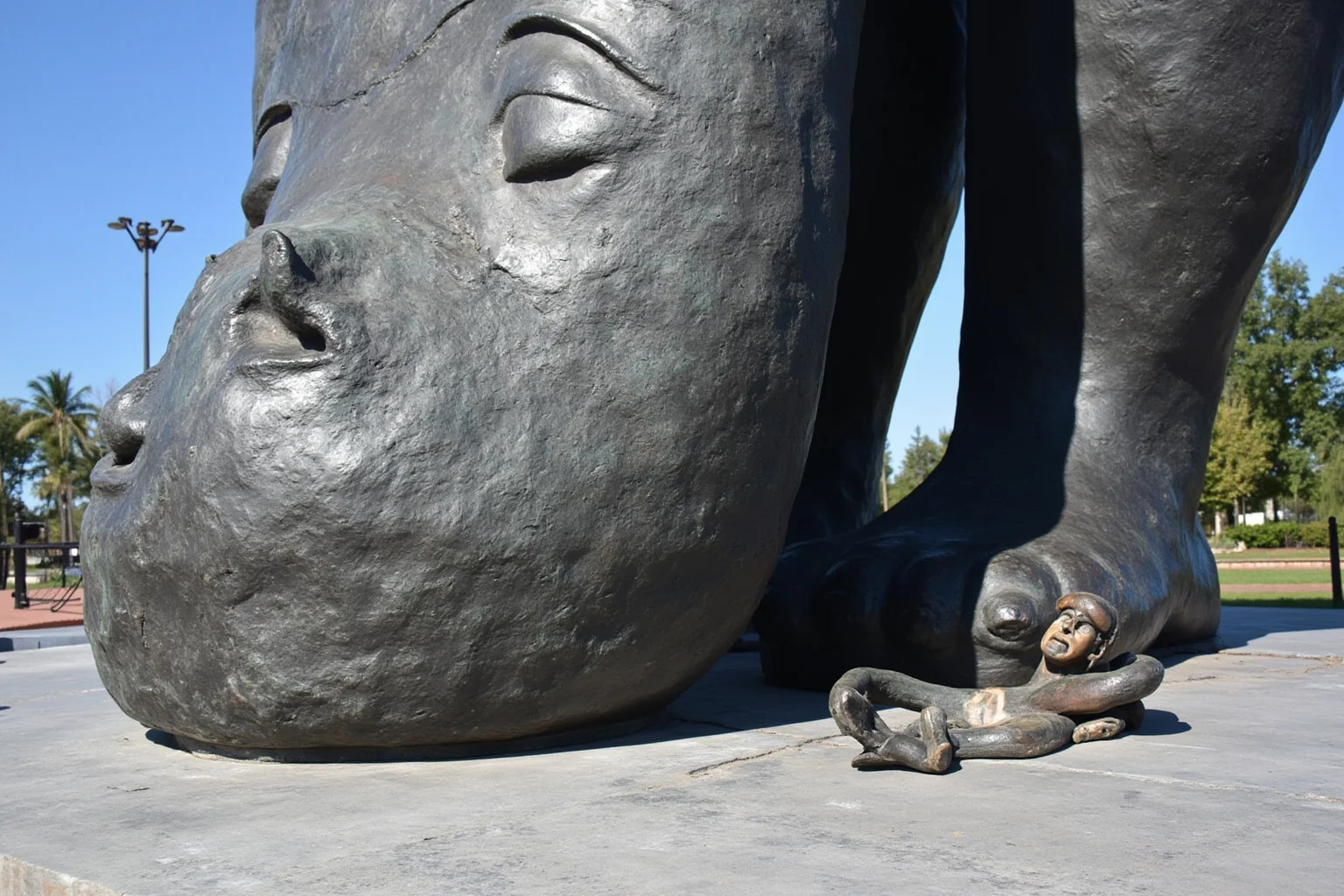
Fazzini reportedly spent close to a decade developing and finalizing the design before the finished bronze was installed. Large-scale bronze casting is a slow, technical process, and a sculpture of this size required extensive planning, modeling, and metalwork.
The finished piece was installed in the newly built hall and unveiled to the public in the late 1970s. By the time it was revealed, it had already been years in the making behind the scenes.
5. The Astonishing Size of the Bronze
What makes the sculpture so overwhelming in person is its scale. Descriptions of the piece put it at roughly 20 meters (about 66 feet) wide and several stories tall, weighing many tons of cast bronze.
It’s not a statue you glance at from across a room. It fills an entire wall of the hall, towering over the audience space below and dwarfing everyone standing near it, including the Pope himself.
6. Christ Emerging From a Crater
The central figure of Christ doesn’t stand calmly the way he does in most church art. He appears to be thrust upward and outward from a jagged, torn hole in the bronze, as though he’s bursting out of the earth itself.
The surrounding metal is twisted and fractured, giving the impression of debris, rubble, or shockwaves radiating outward. It’s this violent, kinetic composition that gives the piece its unsettling, otherworldly feel.
7. The Nuclear Explosion Theory
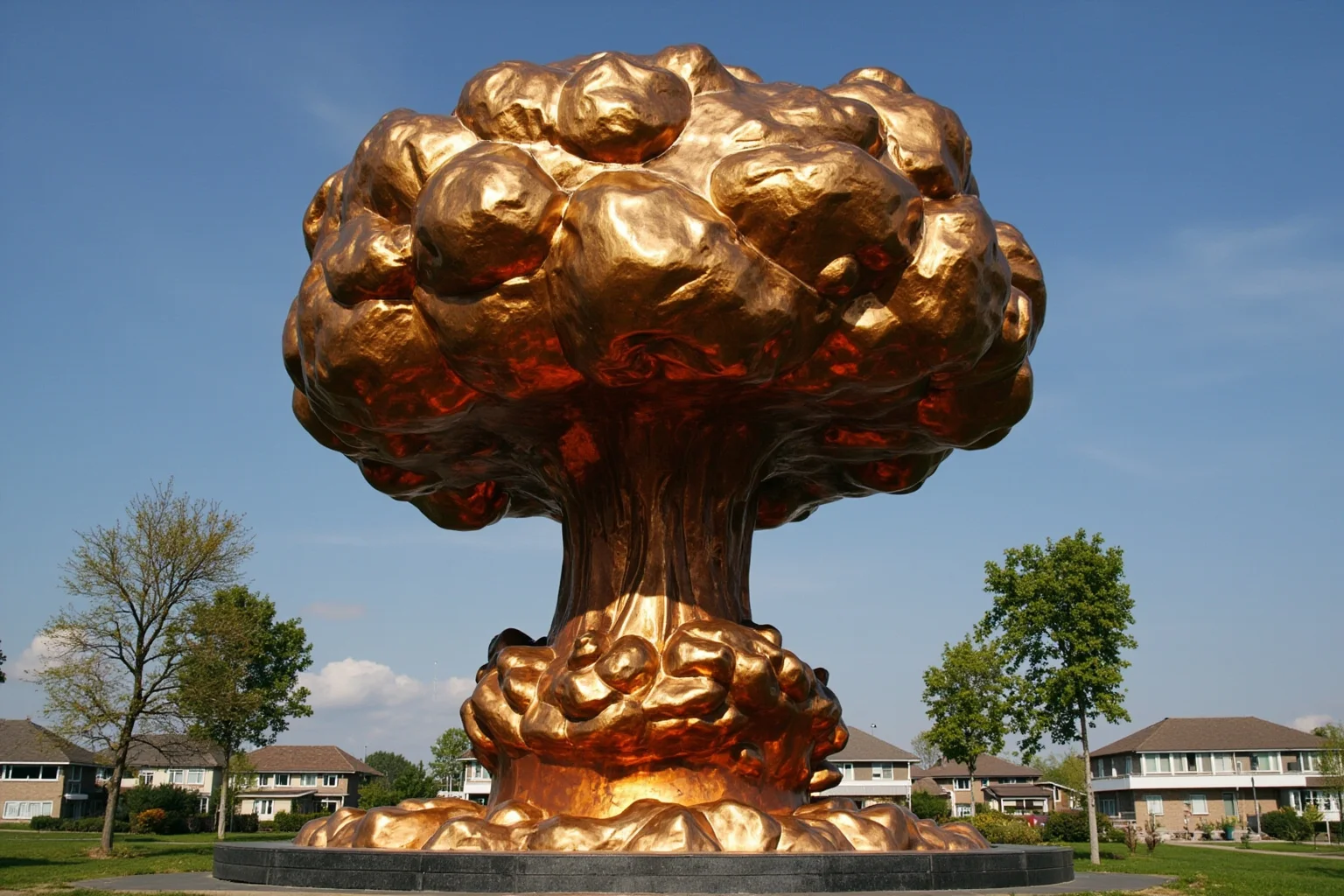
One of the most persistent stories about this sculpture is that Fazzini modeled the crater and blast-like folds after photographs of nuclear detonations, turning the Resurrection into a Cold War commentary on humanity’s capacity for self-destruction. Given the sculpture’s timeline, sandwiched between the atomic anxieties of the mid-20th century, this theory has understandable appeal.
However, this claim is largely circulated informally by tour guides and online articles rather than confirmed through Fazzini’s own documented statements. It’s worth treating it as an interpretation rather than a settled historical fact, since the artist’s own explanations focused on different symbolism.
8. The Real Inspiration: Gethsemane’s Olive Grove
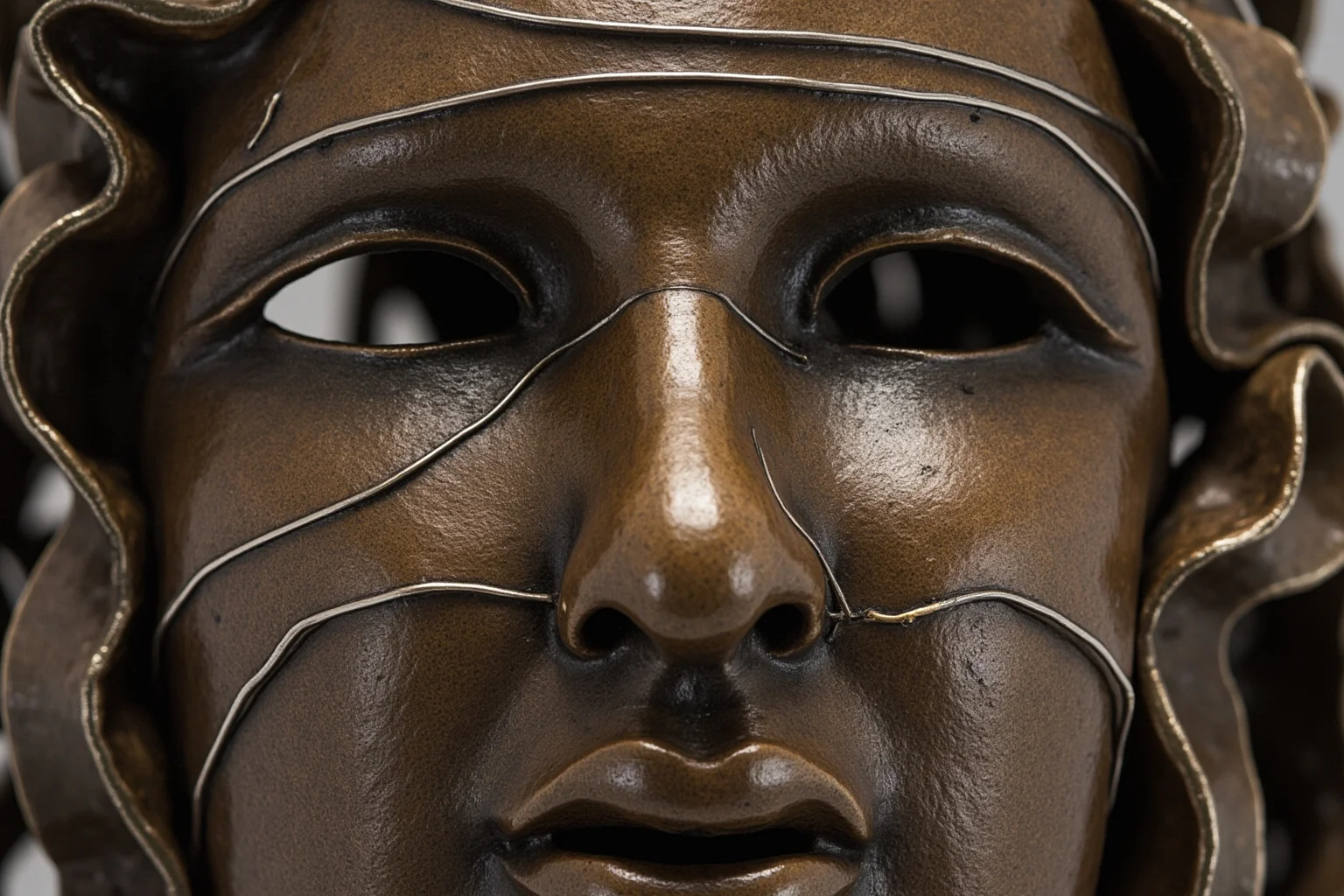
According to accounts of the sculpture’s intended meaning, Fazzini was depicting the Garden of Gethsemane, the olive grove where, according to the Gospels, Jesus prayed the night before his crucifixion. The twisted bronze shapes are meant to evoke gnarled olive trees rather than explosion debris.
Read this way, the sculpture isn’t a warning about nuclear war at all. It’s a scene of spiritual anguish transforming into triumphant rebirth, with the crater representing the tomb and the trauma of death rather than a bomb blast.
9. The Face That Unsettles Visitors
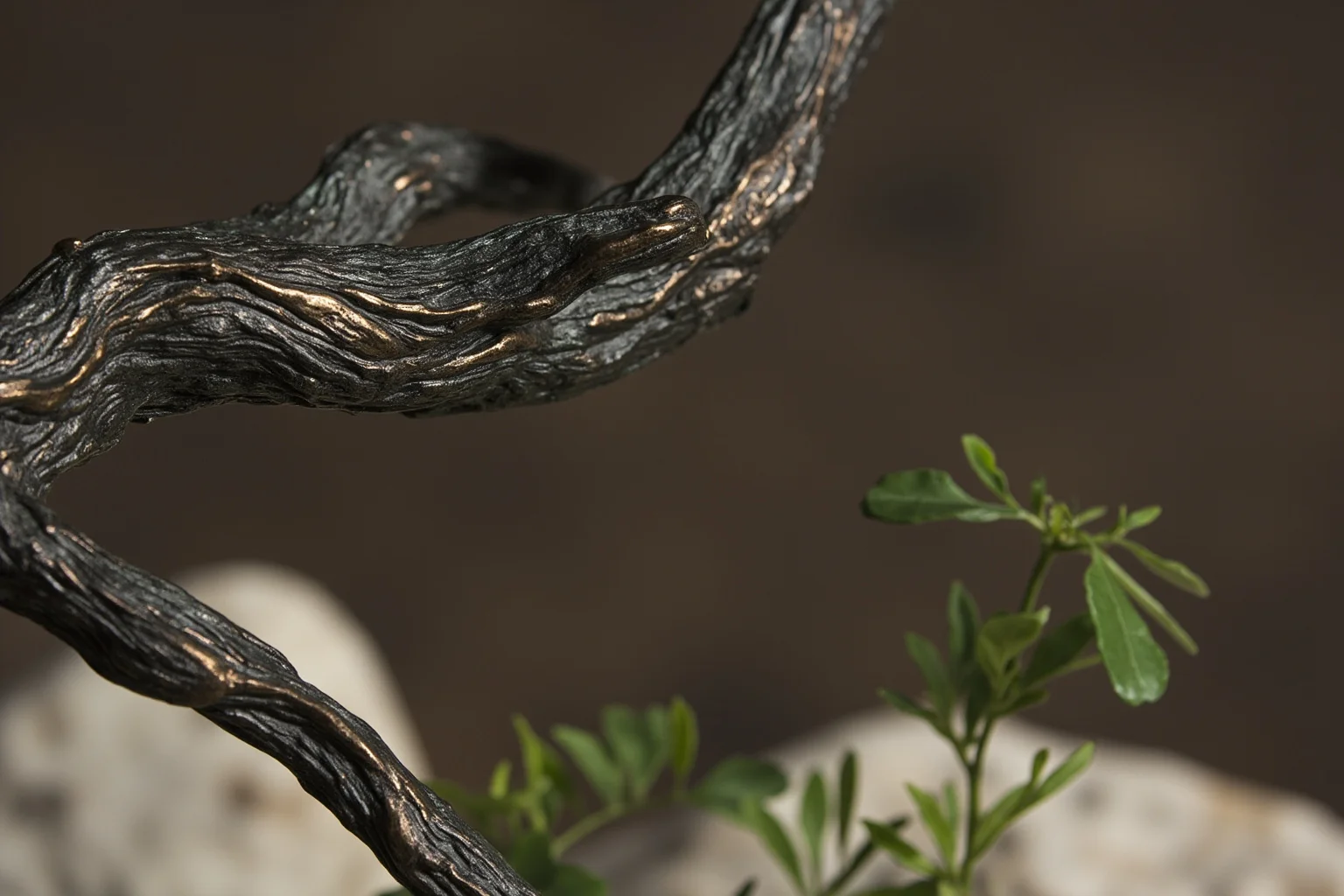
Part of what makes this Vatican statue of Jesus so eerie is the face of Christ itself. Rather than a serene, clearly rendered expression, the features are abstracted, elongated, and partially obscured by the surrounding bronze folds.
From certain angles and lighting conditions, the face can look almost skeletal or ghostly rather than triumphant. That ambiguity is intentional in modernist sculpture, but it’s also exactly the kind of detail that makes visitors describe the whole piece as nightmarish rather than uplifting.
10. The Dead Branches and the Sign of New Life
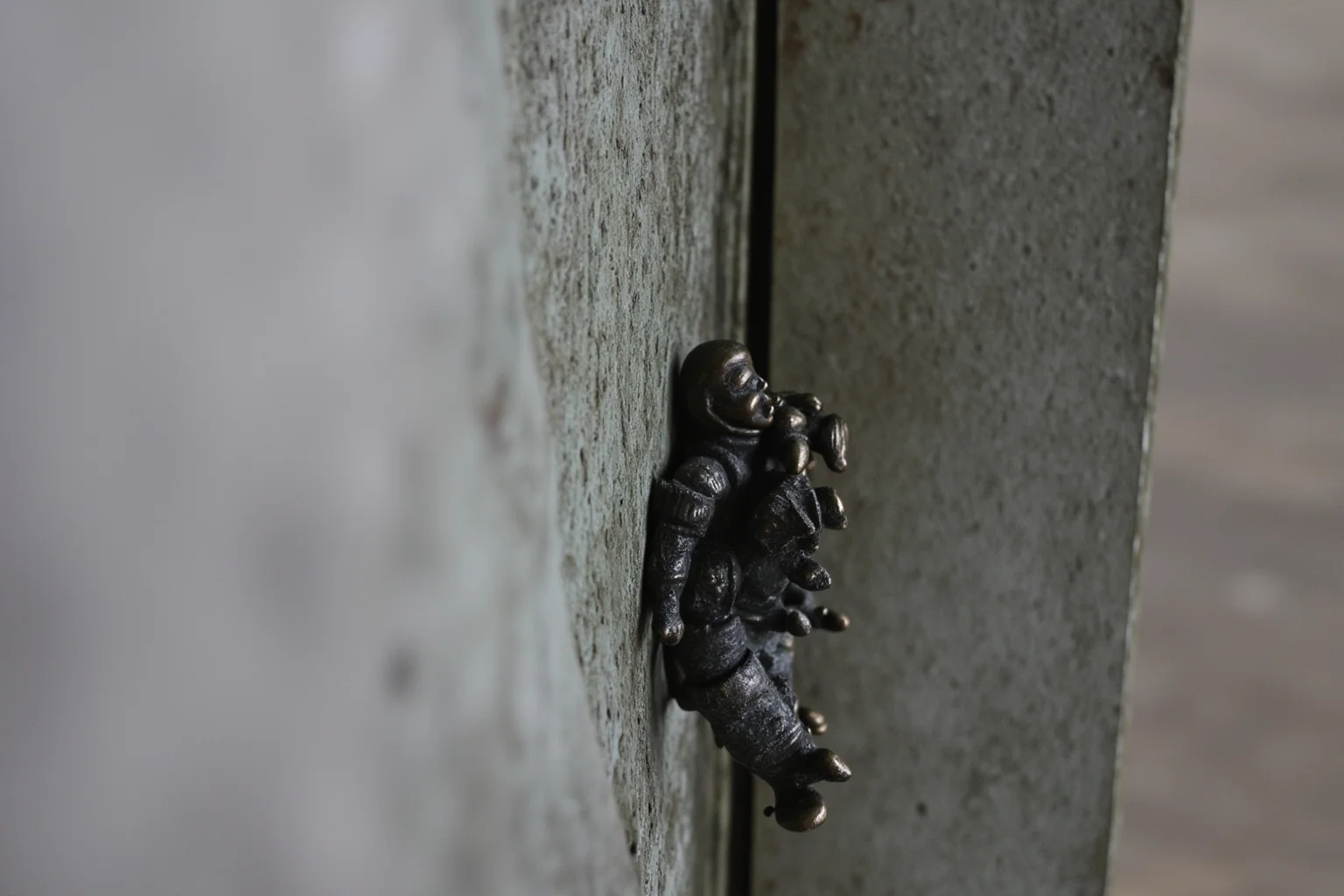
Look closely at the base of the sculpture and you’ll notice a dead, broken tree trunk positioned near a small living branch or sprout. This detail is generally interpreted as a deliberate symbol of death giving way to renewed life, mirroring the Resurrection theme.
It’s an easy detail to miss given how much visual chaos surrounds it, but it’s one of the clearer intentional symbols in the entire composition. It ties the abstract, violent imagery back to a more traditional message of hope.
11. The Astronaut Figures Hidden in the Background
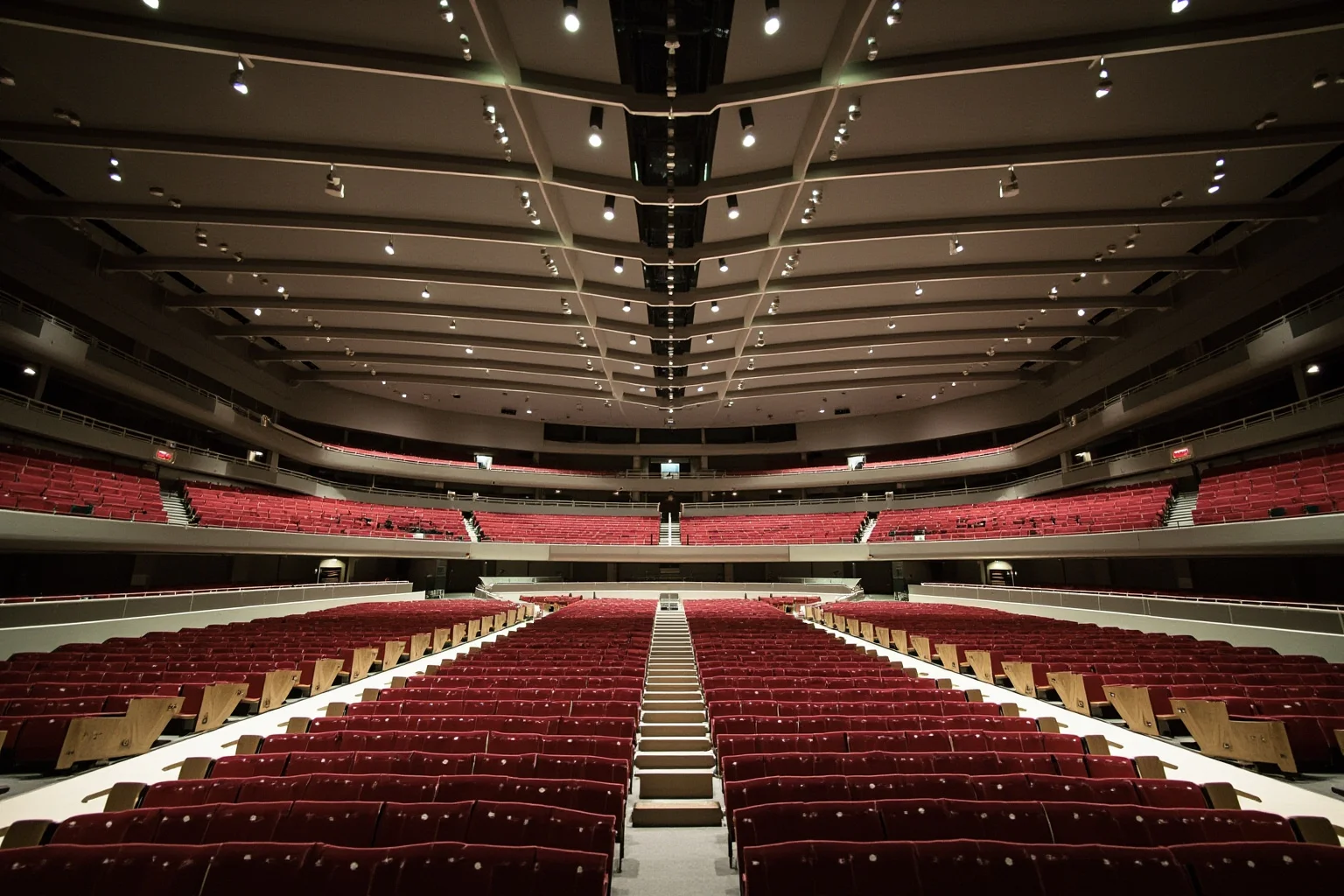
If you scan the upper corners of the sculpture, you’ll spot small figures that many visitors and guides describe as astronauts. The piece was completed not long after the Apollo moon landings, and some interpretations suggest Fazzini included these figures to represent humanity’s own leap into a new, unknown frontier alongside Christ’s resurrection into new life.
This detail adds another layer to the sculpture’s strange, almost science-fiction atmosphere. It’s a reminder that this is very much a 20th-century artwork engaging with 20th-century anxieties and achievements, not a medieval or Renaissance piece.
12. The Hall Built to Hold It: Paul VI Audience Hall
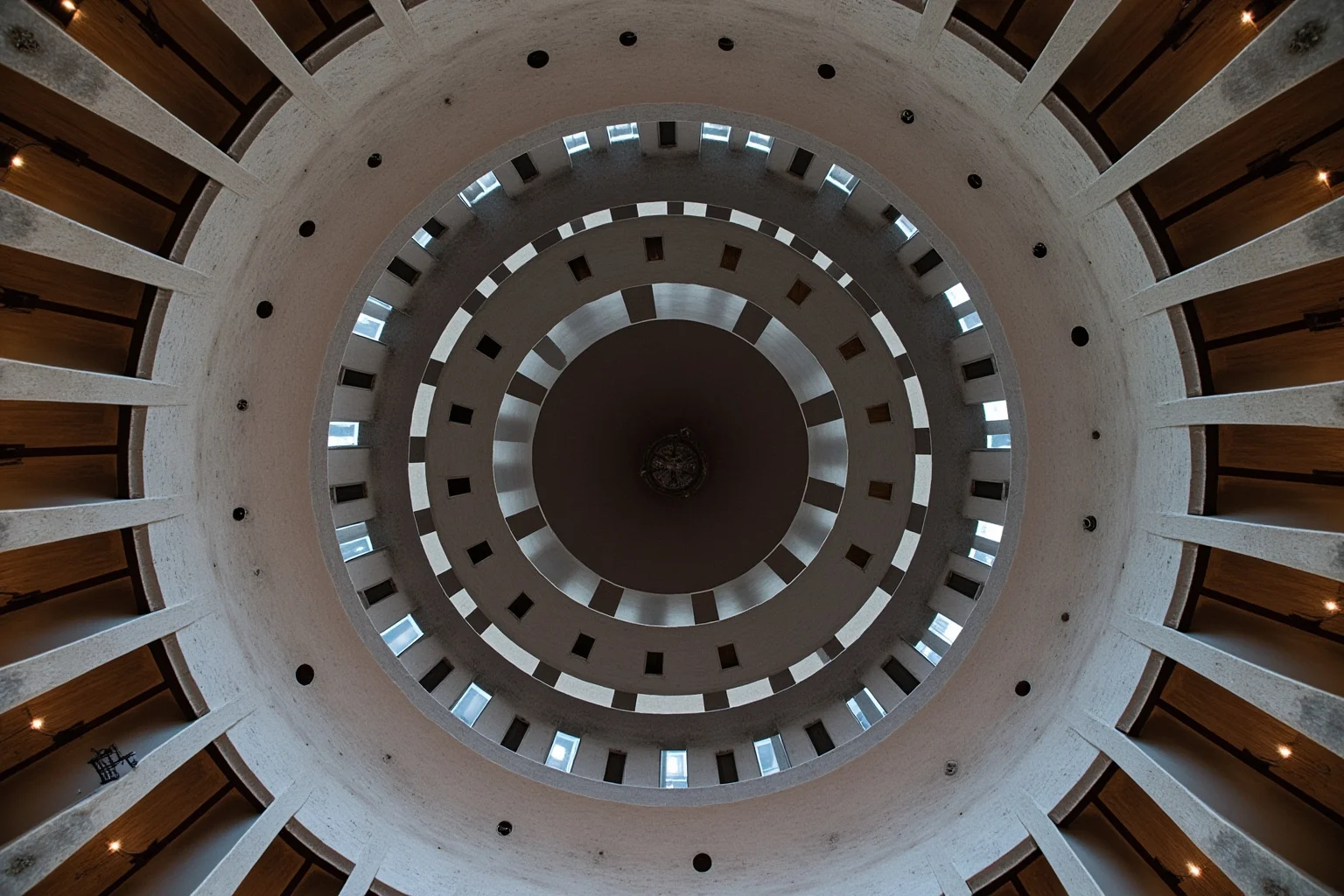
The sculpture doesn’t exist in isolation. It’s the visual anchor of the Paul VI Audience Hall, also known as the Sala Nervi, a large indoor auditorium within Vatican City used for papal general audiences, especially during bad weather or winter months.
The hall can seat thousands of people and functions almost like a modern auditorium, a stark contrast to the ornate basilicas most people associate with the Vatican. It’s one of the more overlooked spaces on a typical Vatican visit, despite hosting some of the Pope’s largest regular public appearances.
13. Pier Luigi Nervi’s Futuristic Design
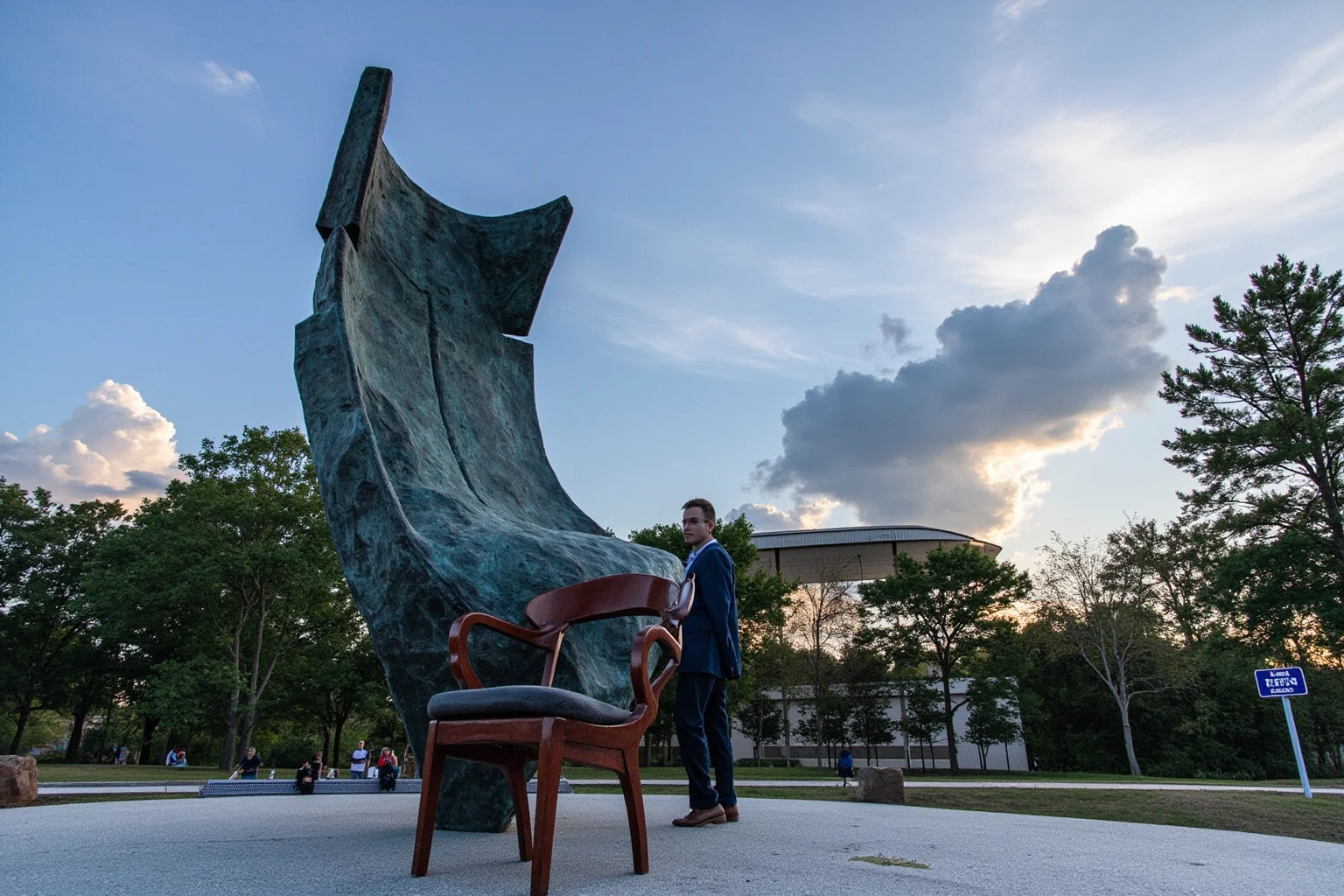
The hall itself was designed by Italian architect and engineer Pier Luigi Nervi, completed in 1971. Nervi was known for his innovative use of reinforced concrete, and the hall’s curved, almost skeletal ceiling structure reflects that engineering-forward approach.
The building’s minimalist, futuristic lines were a deliberate departure from Vatican tradition, which made it the perfect setting for an equally unconventional piece of religious art. Together, the architecture and the sculpture form one of the most modern spaces in all of Vatican City.
14. The Pope’s Throne Directly Beneath the Bronze
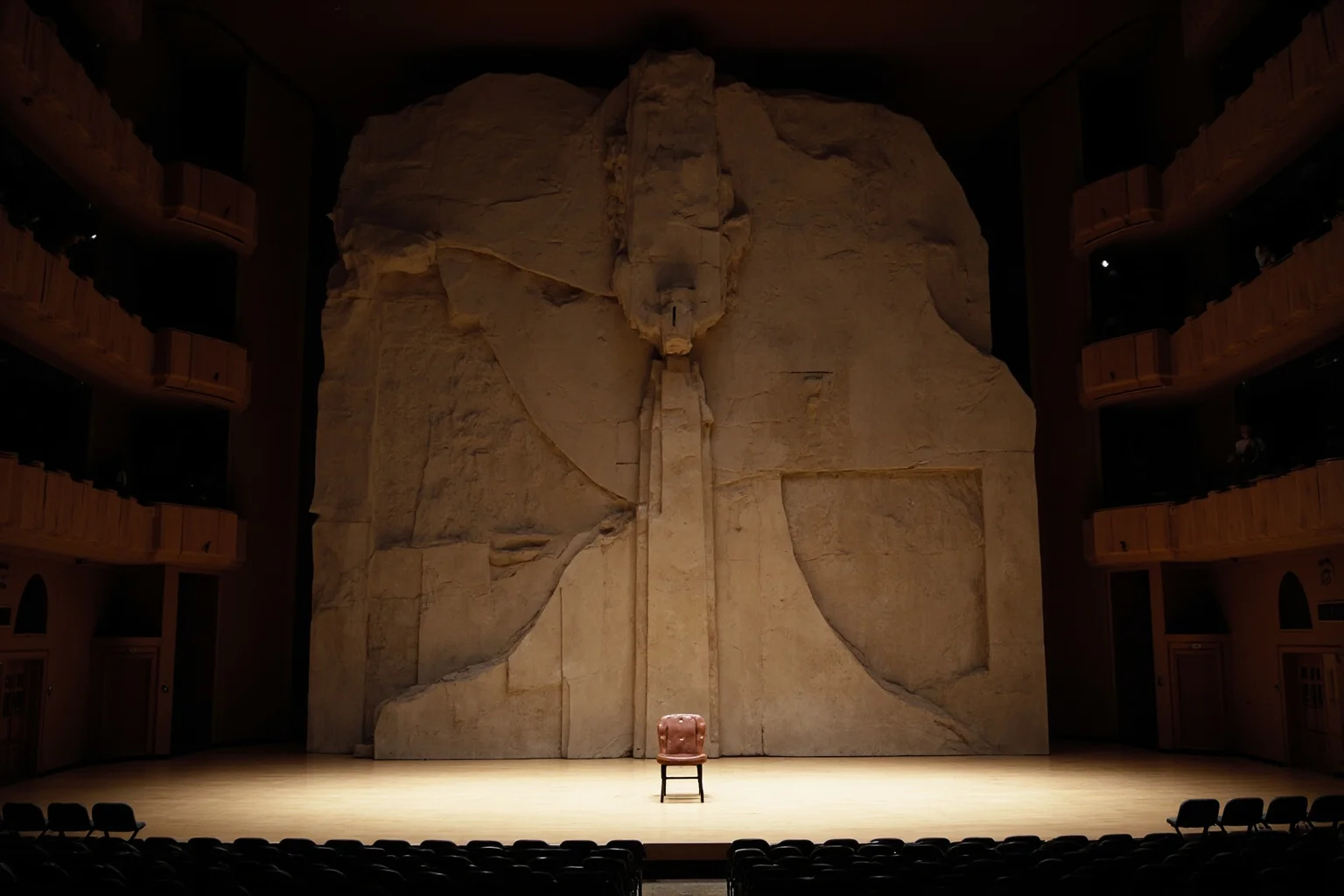
Here’s the detail that turns this from an interesting sculpture into a genuinely striking scene: the papal throne sits directly at the base of the sculpture, meaning the Pope delivers audiences with this enormous, chaotic bronze looming directly overhead. It’s often referred to informally as a Vatican throne room sculpture because of this positioning.
Photographs and video from papal audiences frequently capture this dramatic backdrop, whether intentionally or simply because it’s impossible to avoid. The scale difference between the human figure of the Pope and the towering bronze behind him is part of what makes the imagery so memorable.
15. Why It’s Called the Statue Behind the Pope
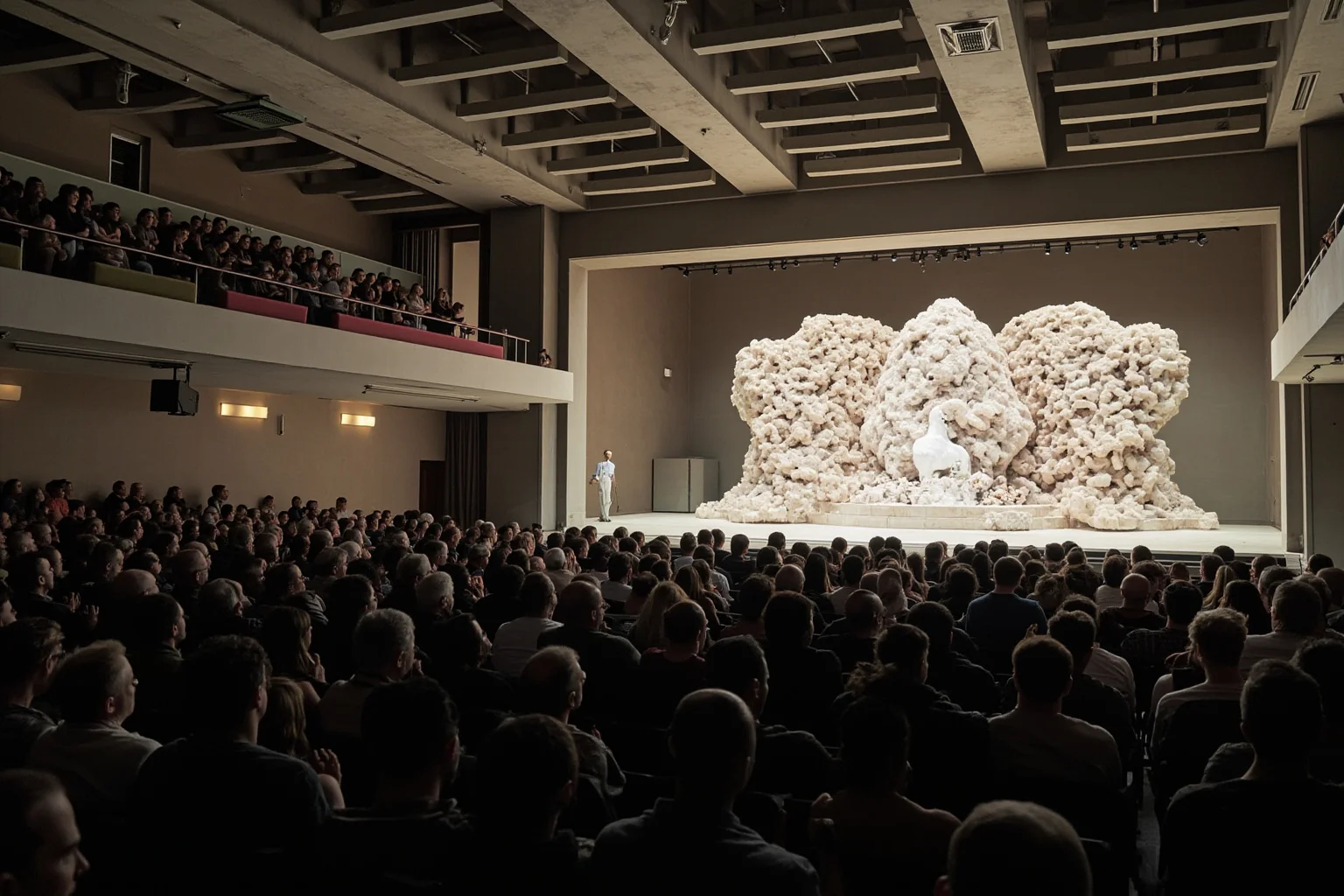
Because of its placement, many casual observers who don’t know the sculpture’s actual name simply search for the “statue behind the pope” or “sculpture behind the pope” after seeing it in a broadcast. It’s become something of an accidental icon purely through repeated television appearances during audiences and events.
This is also why the piece is sometimes mistaken for being inside St. Peter’s Basilica itself. In reality, it’s in a separate, purpose-built hall adjacent to the basilica, not within the main church.
16. How Audiences Have Reacted Over the Decades
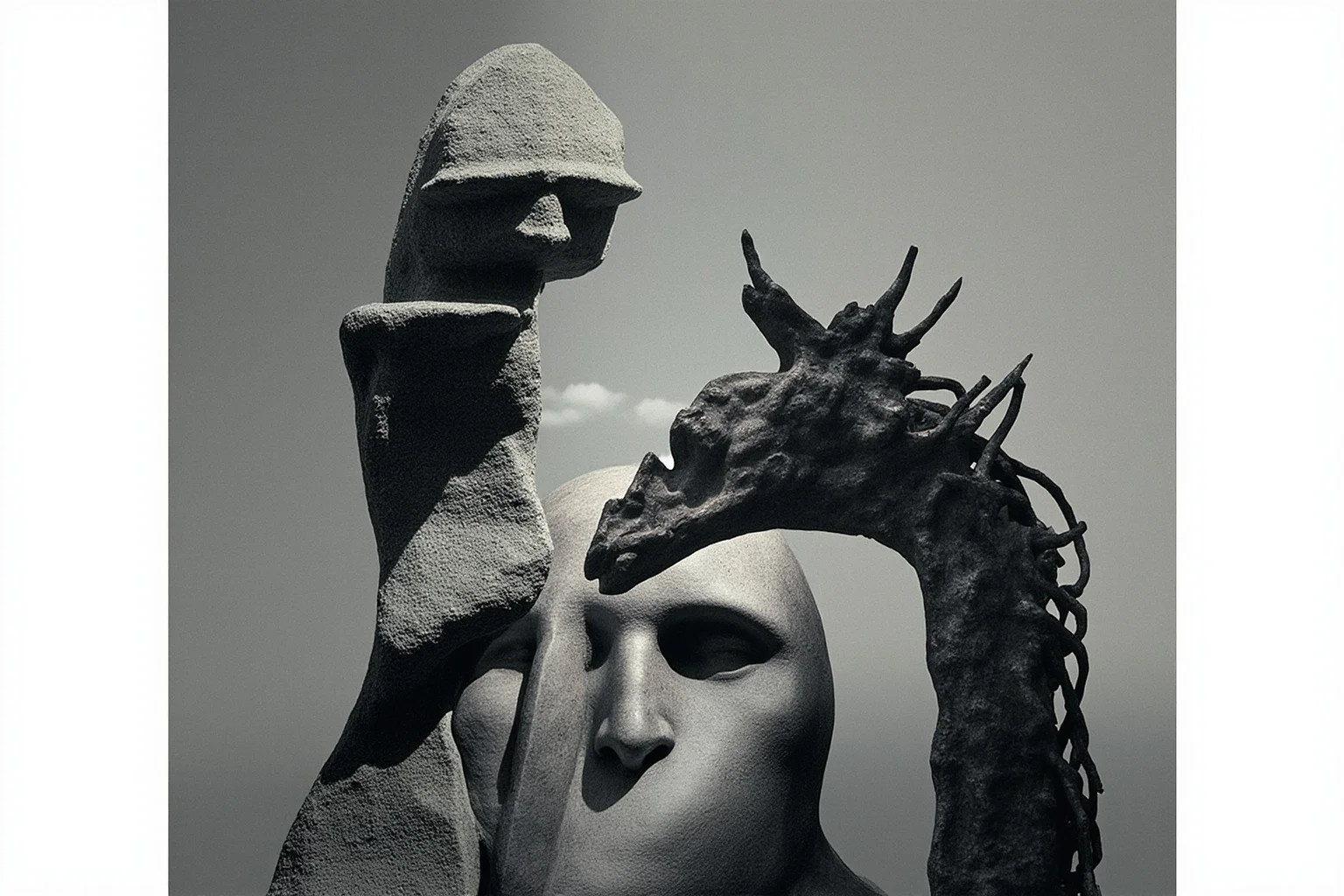
Reactions to the Resurrection sculpture have been mixed since its unveiling. Some critics and visitors praised it as a bold, honest piece of modern religious art that avoided sentimentalizing the crucifixion and resurrection story.
Others found it jarring next to the classical grandeur of the rest of Vatican City, and plenty of everyday visitors simply find it unsettling to look at, especially up close. That tension between admiration and discomfort is a big part of why it keeps getting rediscovered online as one of the creepiest Vatican statues.
17. Is It Really the Vatican’s Creepiest Statue?
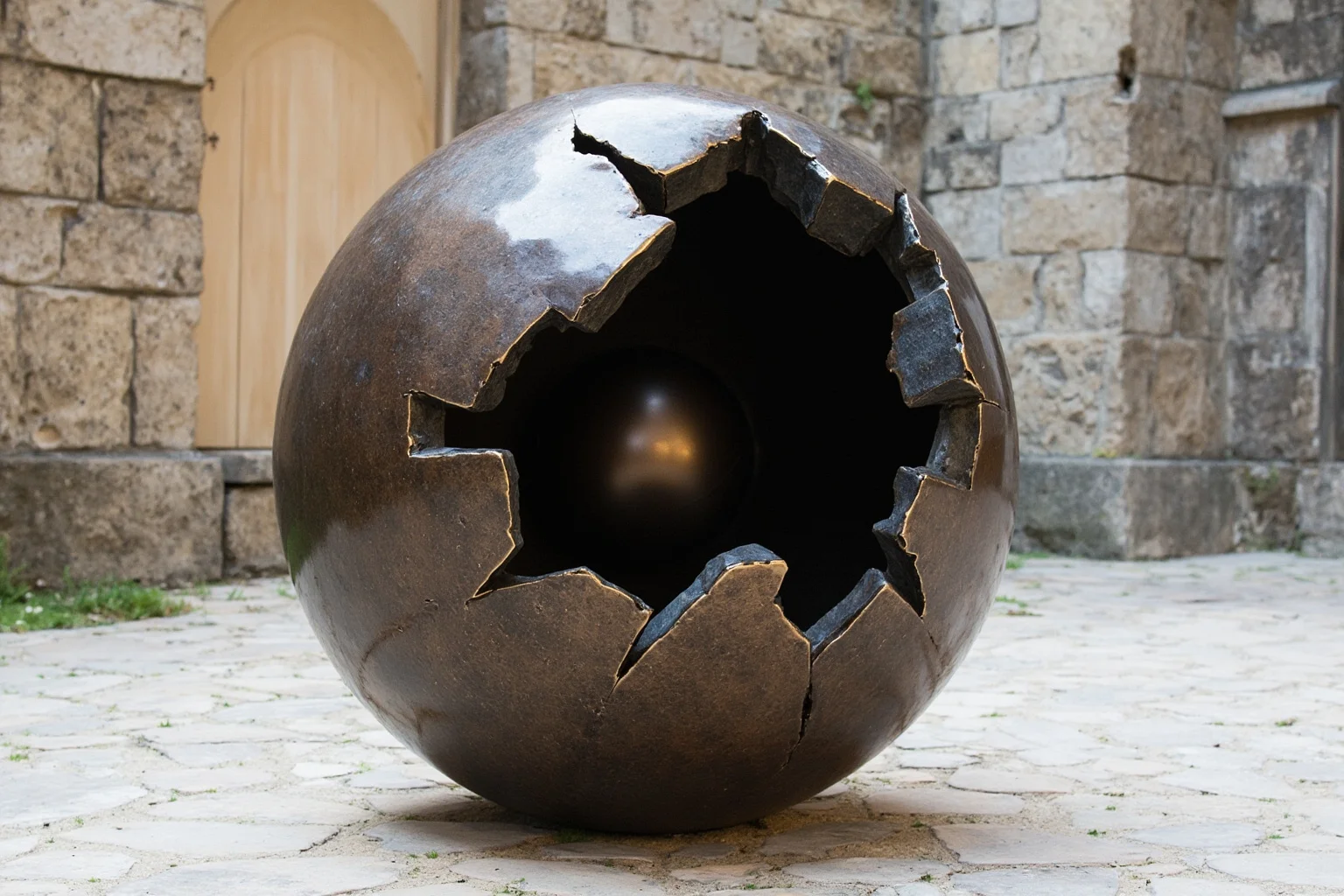
Whether it deserves the “creepiest” title is subjective, but it’s easy to see why the label sticks. The combination of massive scale, abstract violence in the bronze folds, an obscured face, and its position looming over the Pope creates a genuinely eerie atmosphere that’s rare among Vatican sculpture.
It helps that most Vatican statues people expect are classical, marble, and centuries old, which makes this jagged 20th-century bronze feel especially out of place. That contrast is exactly what makes it memorable rather than simply another religious sculpture blending into the background.
18. Other Unusual Sculptures Around the Vatican
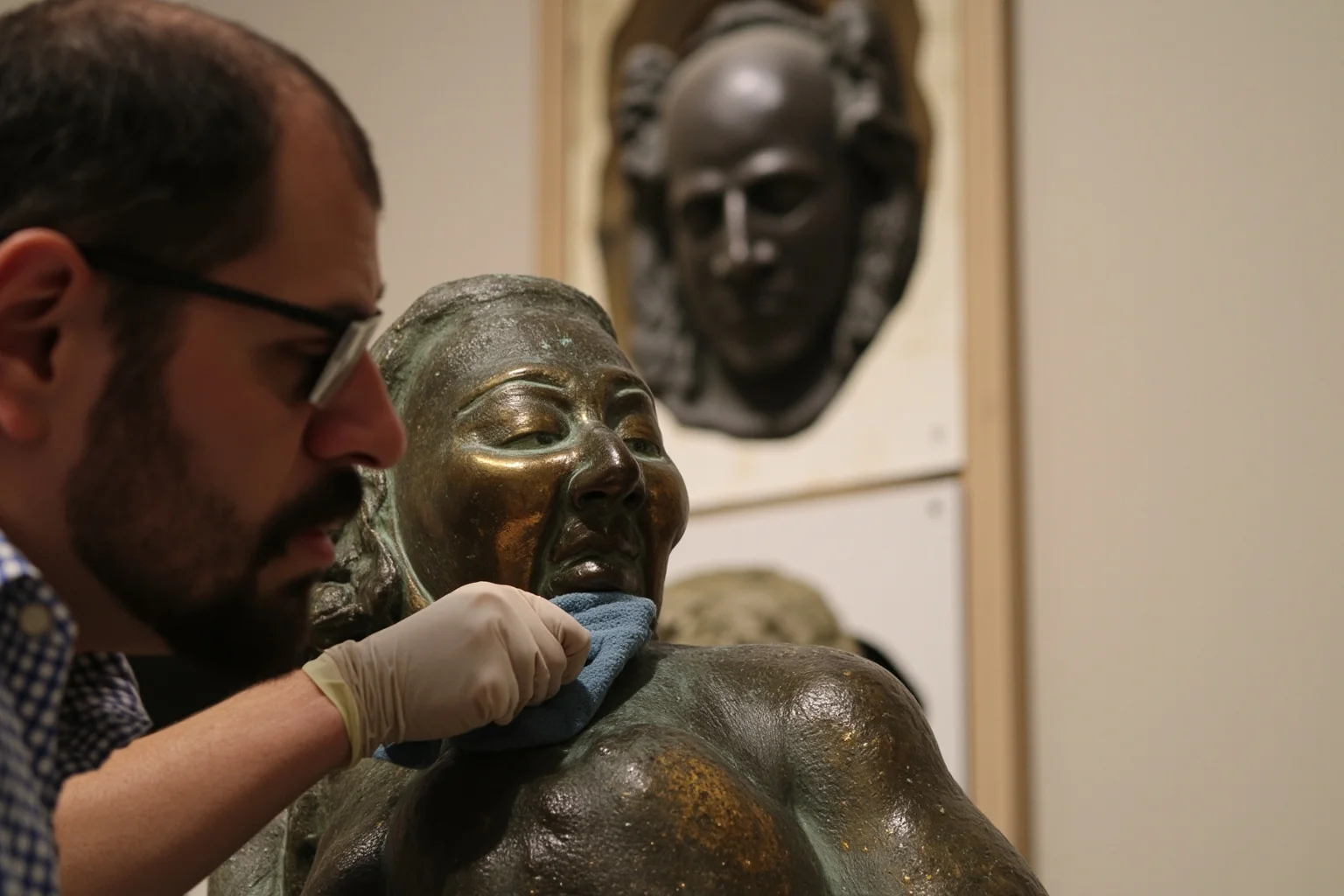
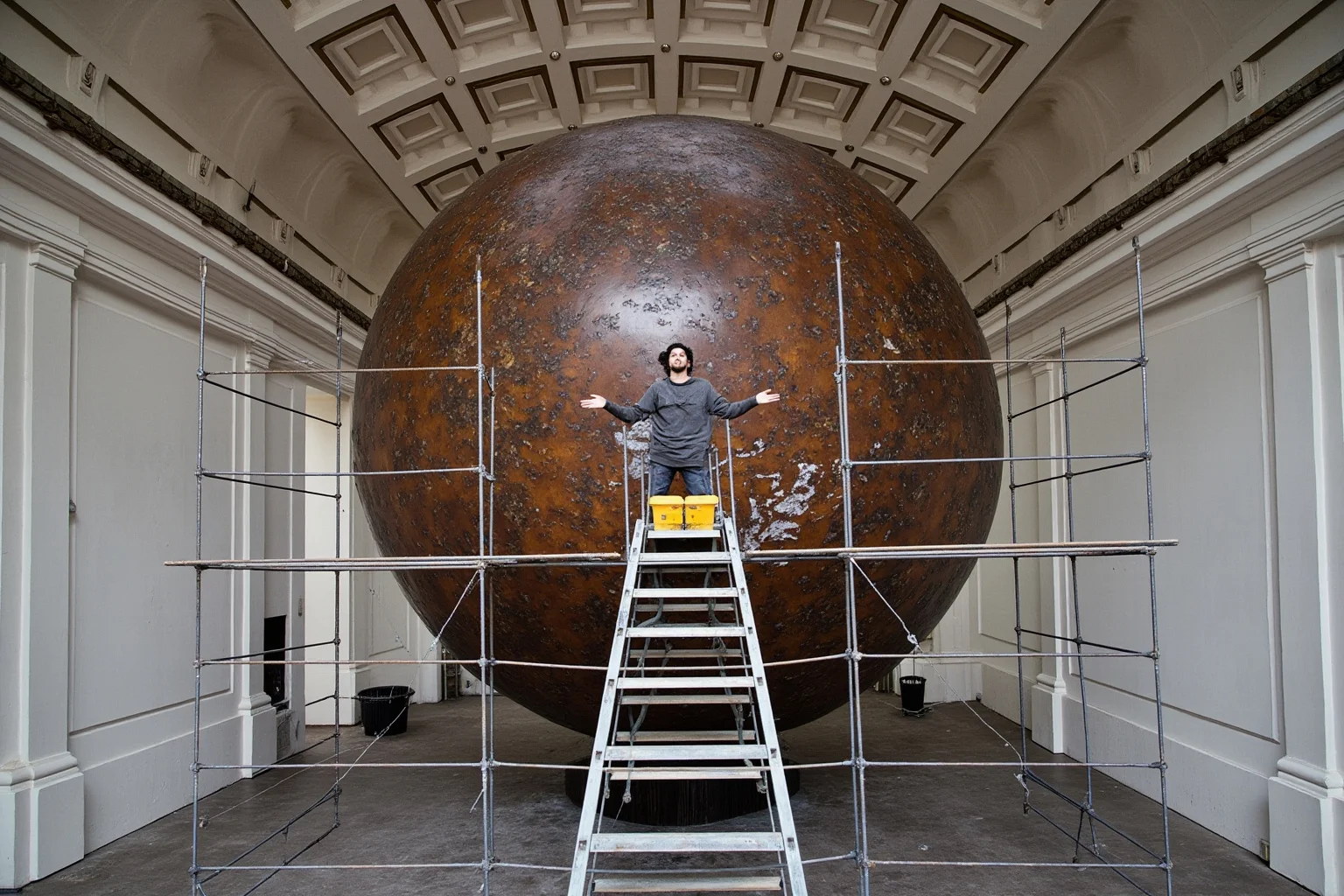
Fazzini’s Resurrection isn’t the only unconventional piece of art hiding inside Vatican City. Just outside the Paul VI Audience Hall, in the Cortile della Pigna, stands Arnaldo Pomodoro’s “Sfera con Sfera” (Sphere within Sphere), a cracked bronze globe revealing a second fractured sphere inside it, another modern piece that unsettles visitors expecting classical statues.
Inside the Vatican Museums, the ancient “Laocoön and His Sons” depicts a father and his children being crushed and bitten by serpents, frozen in visible agony. St. Peter’s Basilica itself contains several papal tomb monuments featuring skeletal figures, including one associated with Bernini’s workshop where a bronze skeleton holds an hourglass beneath a pope’s tomb. Together, these pieces suggest that unsettling sculpture inside the Vatican is more common than most visitors expect, and if you want to see how these compare to other legendary works across history, our roundup of the most influential statues ever made is worth a look.
19. Caring for the Bronze: Conservation Efforts
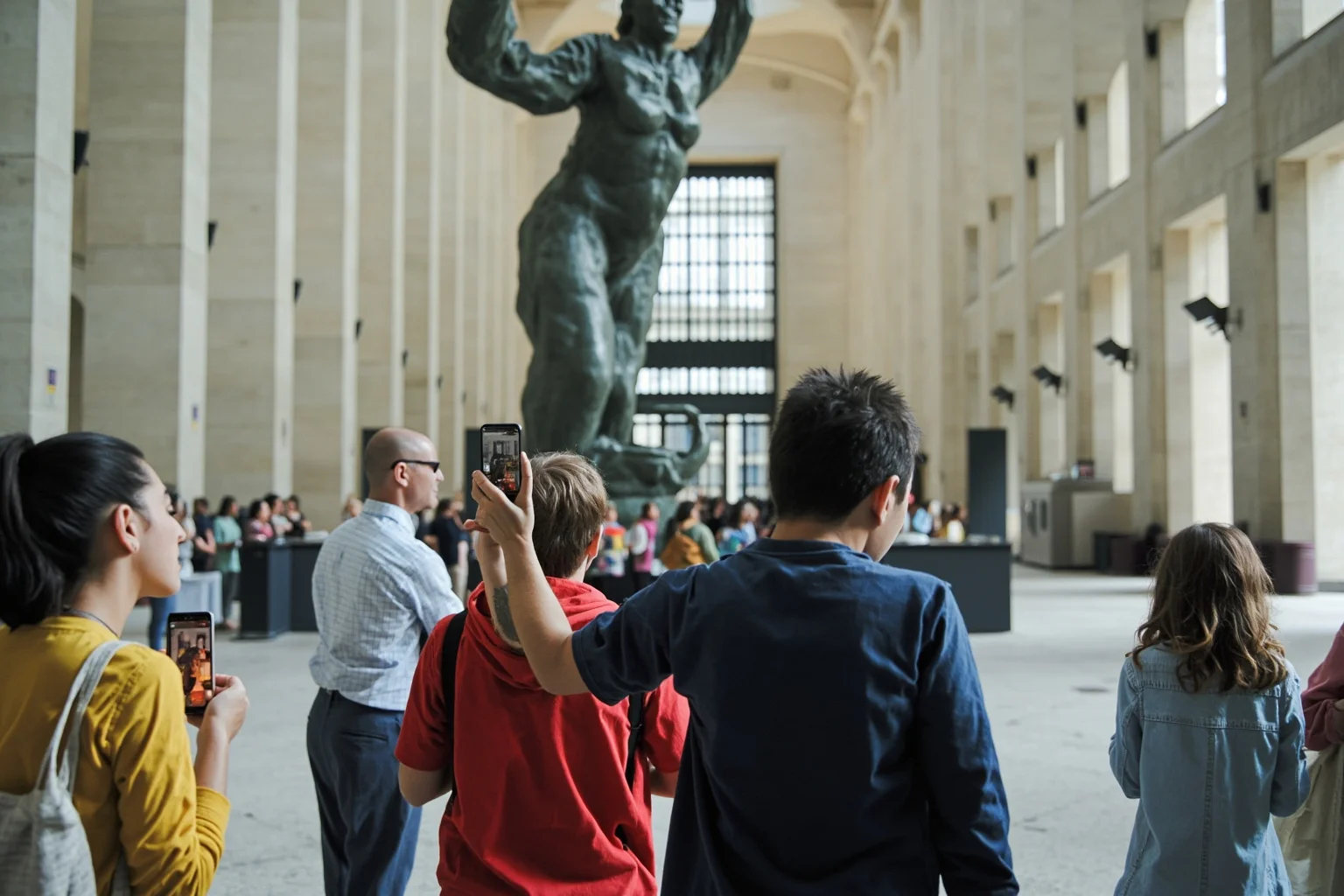
A sculpture of this size and age requires ongoing maintenance to prevent bronze corrosion and structural wear, especially given how frequently the hall is used for large public events. Vatican conservation teams periodically clean and inspect the piece as part of broader efforts to maintain the museums and surrounding structures.
Because the sculpture is both an artwork and a functional backdrop for papal events, its upkeep tends to happen quietly, without the kind of public restoration campaigns given to more famous Vatican artworks like the Sistine Chapel ceiling. Even so, its condition remains a genuine ongoing conservation consideration.
20. Visiting the Resurrection Today
The Paul VI Audience Hall is generally open to the public, and visitors can view the sculpture up close outside of scheduled papal audiences, though access can vary depending on the Vatican’s events calendar. It’s often included as a stop for visitors attending a general audience, since the hall is used specifically for that purpose during colder months or bad weather.
If you’re planning a Vatican City trip and want to see this sculpture inside the Vatican in person, it’s worth checking the Vatican’s official audience schedule ahead of time. Seeing it in person, with its true scale towering overhead, tends to leave a much stronger impression than any photograph can.
Final Thoughts on Fazzini’s Resurrection
Whatever you make of the nuclear-blast comparisons or the ghostly face, there’s no denying that Pericle Fazzini’s Resurrection is unlike almost anything else in Vatican City. It’s a modern, unsettling, deeply symbolic piece of art sitting in one of the most historically traditional institutions on earth.
That contrast is exactly why it keeps getting rediscovered by new visitors and internet searchers every year. Creepy or not, it remains one of the most fascinating pieces of religious sculpture hiding in plain sight behind the Pope.
Frequently Asked Questions
What is The Resurrection by Pericle Fazzini?
The Resurrection by Pericle Fazzini is a massive bronze sculpture installed in the Vatican's Paul VI Audience Hall. It depicts Christ emerging from a jagged, crater-like landscape, and it's considered one of the largest and most unusual pieces of modern religious art in Vatican City.
Why is the Vatican’s Resurrection sculpture considered creepy?
Visitors often describe it as creepy because of its enormous scale, the abstract and violent-looking bronze folds surrounding Christ, and the obscured, ghostly rendering of his face. Its stark contrast to the classical marble statues typically found in Vatican City adds to the unsettling effect.
Where can you see the Resurrection sculpture in Vatican City?
The sculpture is located inside the Paul VI Audience Hall, also known as the Sala Nervi, which sits adjacent to St. Peter's Basilica within Vatican City. It's positioned directly behind the papal throne used during general audiences.
Is it true the sculpture was inspired by a nuclear explosion?
This is a popular theory circulated by guides and online sources, but it isn't confirmed as the artist's stated intent. Fazzini's imagery is more commonly linked to the Garden of Gethsemane and themes of death giving way to new life, rather than a literal depiction of nuclear war.
What is the Paul VI Audience Hall used for?
The Paul VI Audience Hall is a large auditorium within Vatican City used for papal general audiences, particularly during winter months or bad weather. It was designed by architect Pier Luigi Nervi and completed in 1971.
Why is the statue positioned behind the pope during audiences?
The papal throne in the Paul VI Audience Hall was placed directly beneath Fazzini's Resurrection sculpture, making it a constant visual backdrop during papal appearances. This placement is why it's often searched for simply as the 'statue behind the pope.'

Alex Warren
Related Articles