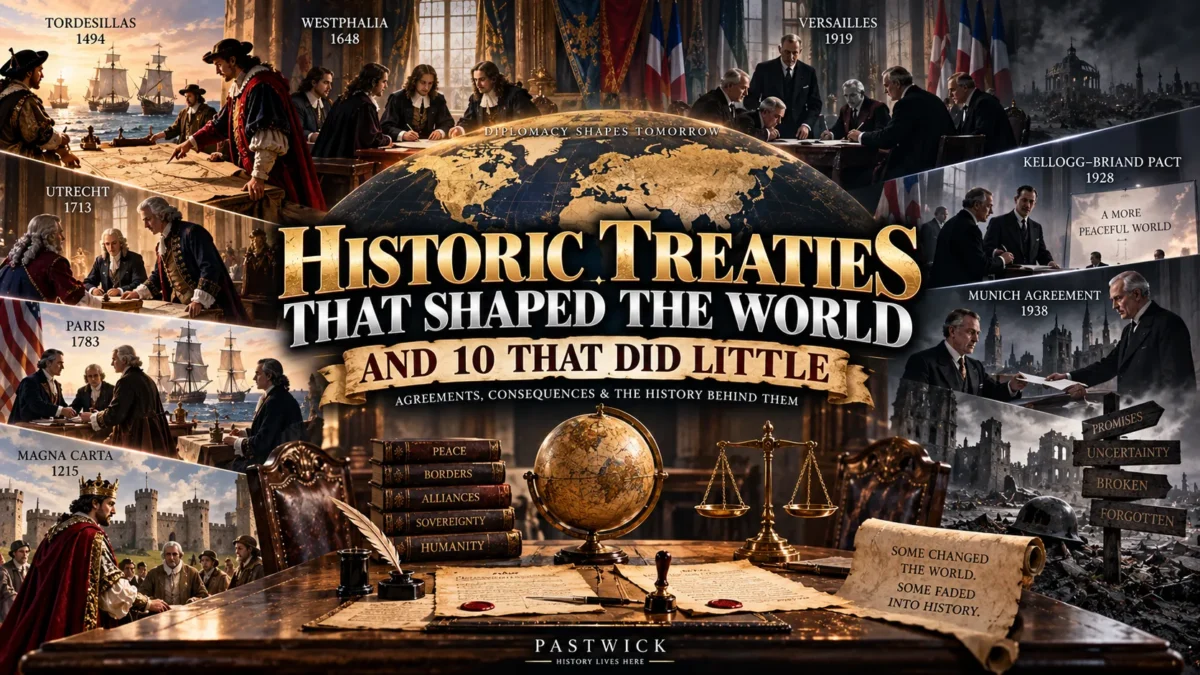
Treaties are basically history’s paperwork. But some of that paperwork ended empires, redrew continents, and set the rules the modern world still runs on, while other treaties were signed with great fanfare and then quietly forgotten within a decade.
In this guide, we’re walking through the history of treaties from the age of empires to the modern era, looking at 20 historic treaties that genuinely changed the course of events. Then, for balance, we’ll look at 10 famous treaties in history that got the headlines and the handshakes but never really delivered on their promises.
TL;DR: Some of the most famous treaties in history redrew maps and ended wars for good, while others—despite grand signing ceremonies—collapsed within years or were ignored from the start.
What Exactly Counts as a Treaty?
A treaty, in the simplest sense, is a formal written agreement between two or more sovereign states or international bodies. Examples of a treaty range from a short peace agreement ending a single war to sprawling multilateral documents like the United Nations Charter, which involve dozens of nations and touch nearly every aspect of international law.
The history of treaties stretches back further than most people realize. Historians often point to the Treaty of Kadesh between Egypt’s Ramesses II and the Hittite Empire, dated to around 1259 BCE, as one of the earliest surviving peace agreements, though plenty of treaties in history from Mesopotamia and beyond likely predate written record.
Like some treaties that ended wars in a single afternoon of signing, others took years of grinding negotiation before anyone put pen to paper.
Modern examples of international treaties include everything from trade pacts and climate accords to arms-control agreements, and the names of treaties themselves often become shorthand for entire eras—say “Versailles” or “Yalta” to a historian and they’ll know exactly what period you mean.
Not every treaty earns that kind of staying power, though. Some genuinely reshaped borders and institutions for generations, and some just weren’t worth the ink. Here’s a rundown of both.
Treaties That Actually Shaped the World
1. Peace of Westphalia (1648)
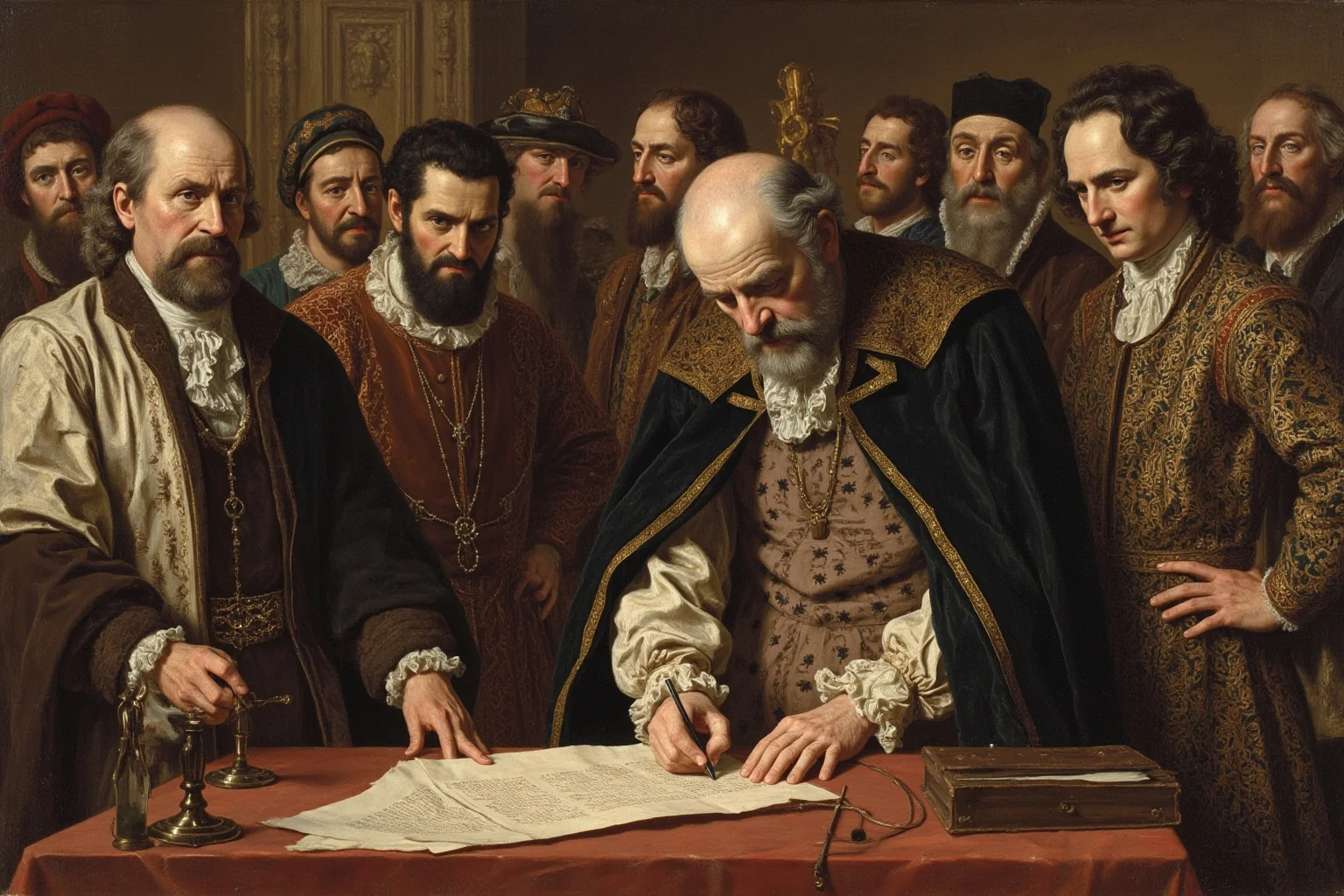
Ending the brutal Thirty Years’ War in Europe, the Peace of Westphalia is widely credited with establishing the modern concept of state sovereignty. It’s often cited as the starting point of the modern international system, where states—not empires or the Church—became the primary actors in global politics.
2. Treaty of Tordesillas (1494)
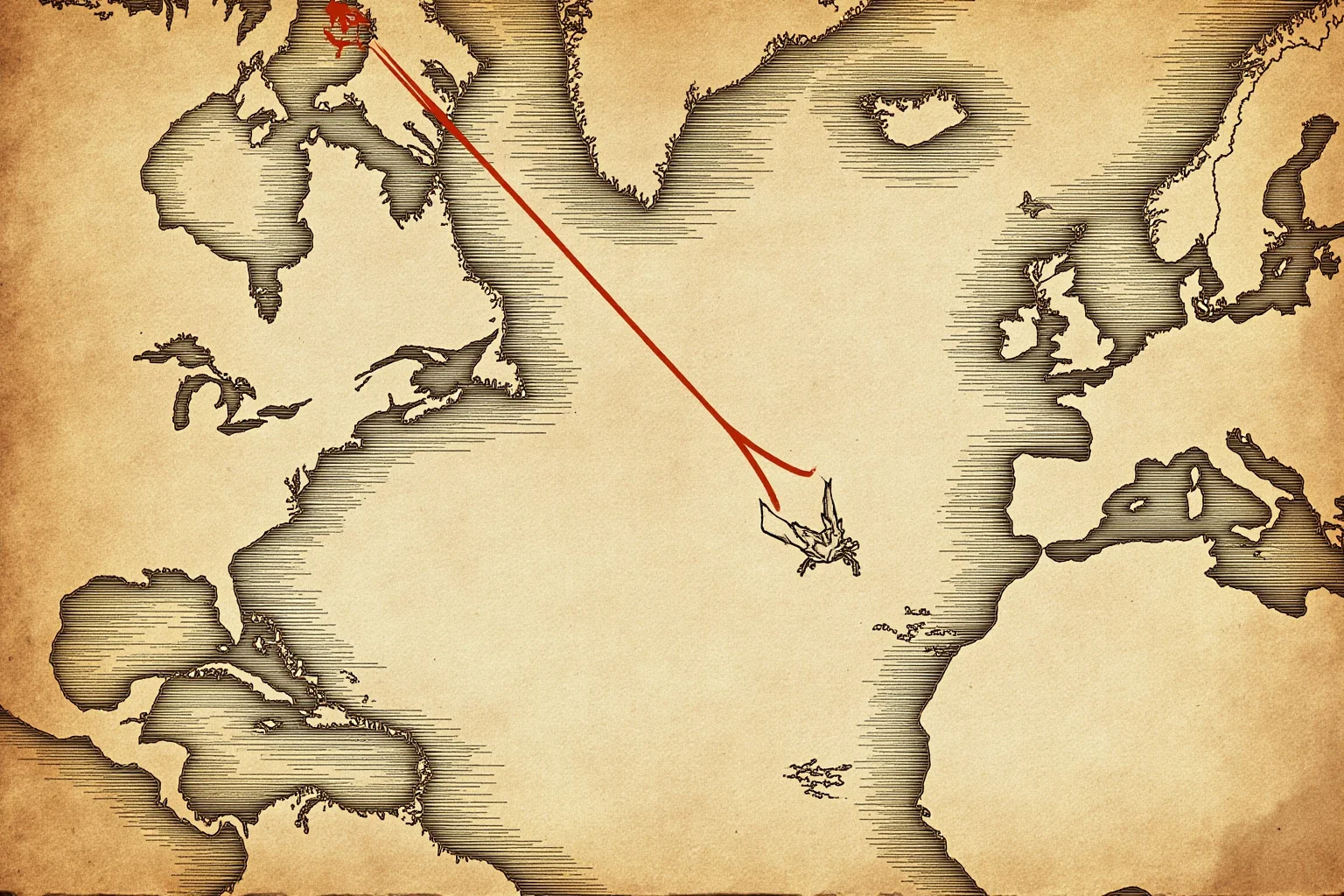
Signed by Spain and Portugal with papal backing, this treaty literally split the unexplored world in half along a north-south line in the Atlantic. It’s a striking early example of how treaties in history could divide up territory that the signing parties barely understood, let alone controlled.
3. Treaty of Paris (1783)

This is the treaty that formally ended the American Revolutionary War and saw Great Britain recognize the independence of the United States. It’s one of the clearest treaties that ended wars with a decisive, lasting outcome rather than a temporary pause in fighting.
4. Congress of Vienna (1814–1815)
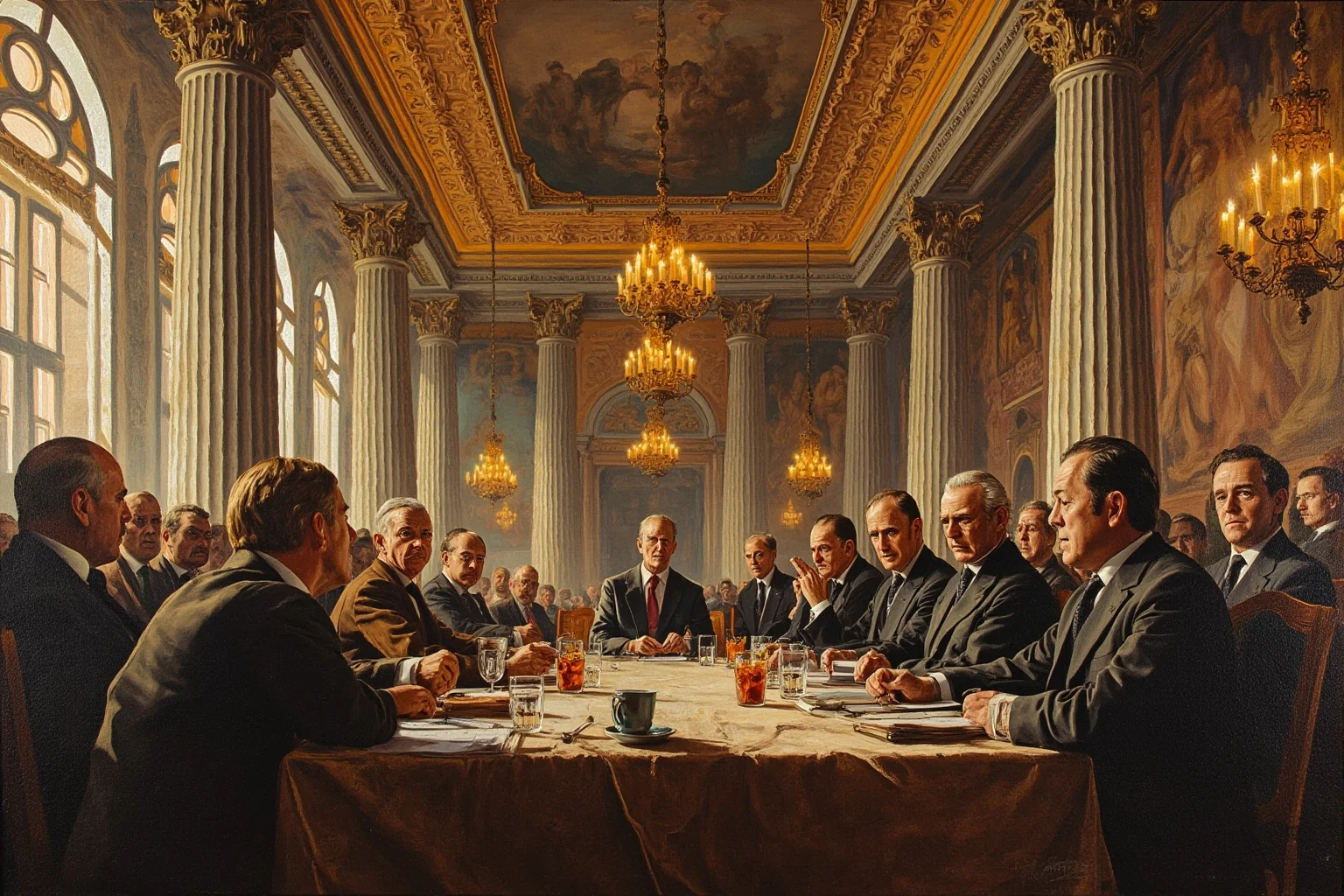
After Napoleon’s defeat, European powers gathered in Vienna to redraw the continent’s map and restore a balance of power. The resulting settlement helped keep large-scale European war at bay for roughly a century, making it one of the most consequential diplomatic gatherings in history.
5. Treaty of Nanking (1842)
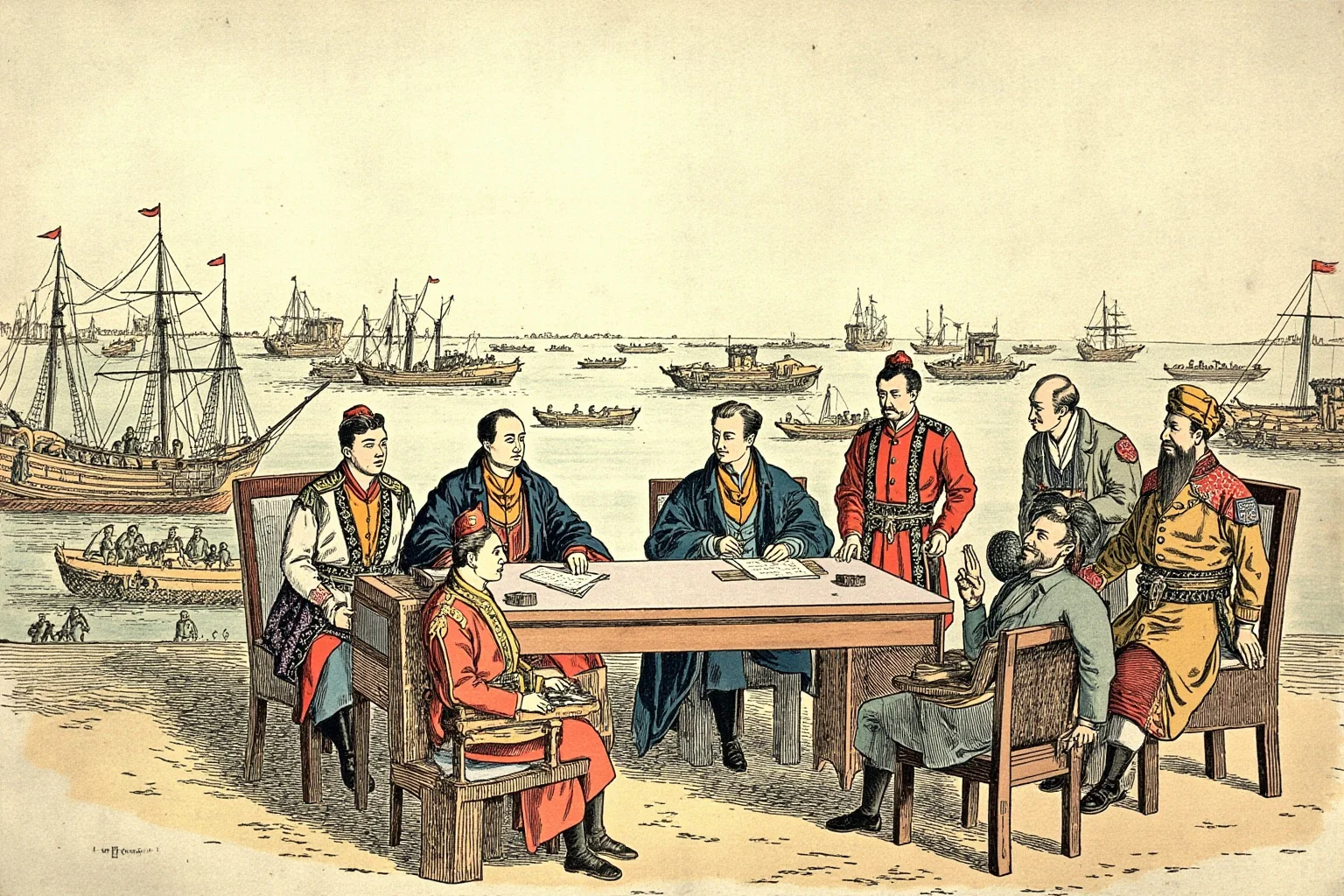
Ending the First Opium War between Britain and Qing China, this treaty forced China to cede Hong Kong and open ports to foreign trade. It’s often remembered as the first of the so-called “unequal treaties” that reshaped China’s relationship with Western powers for the next century.
6. Treaty of Kanagawa (1854)
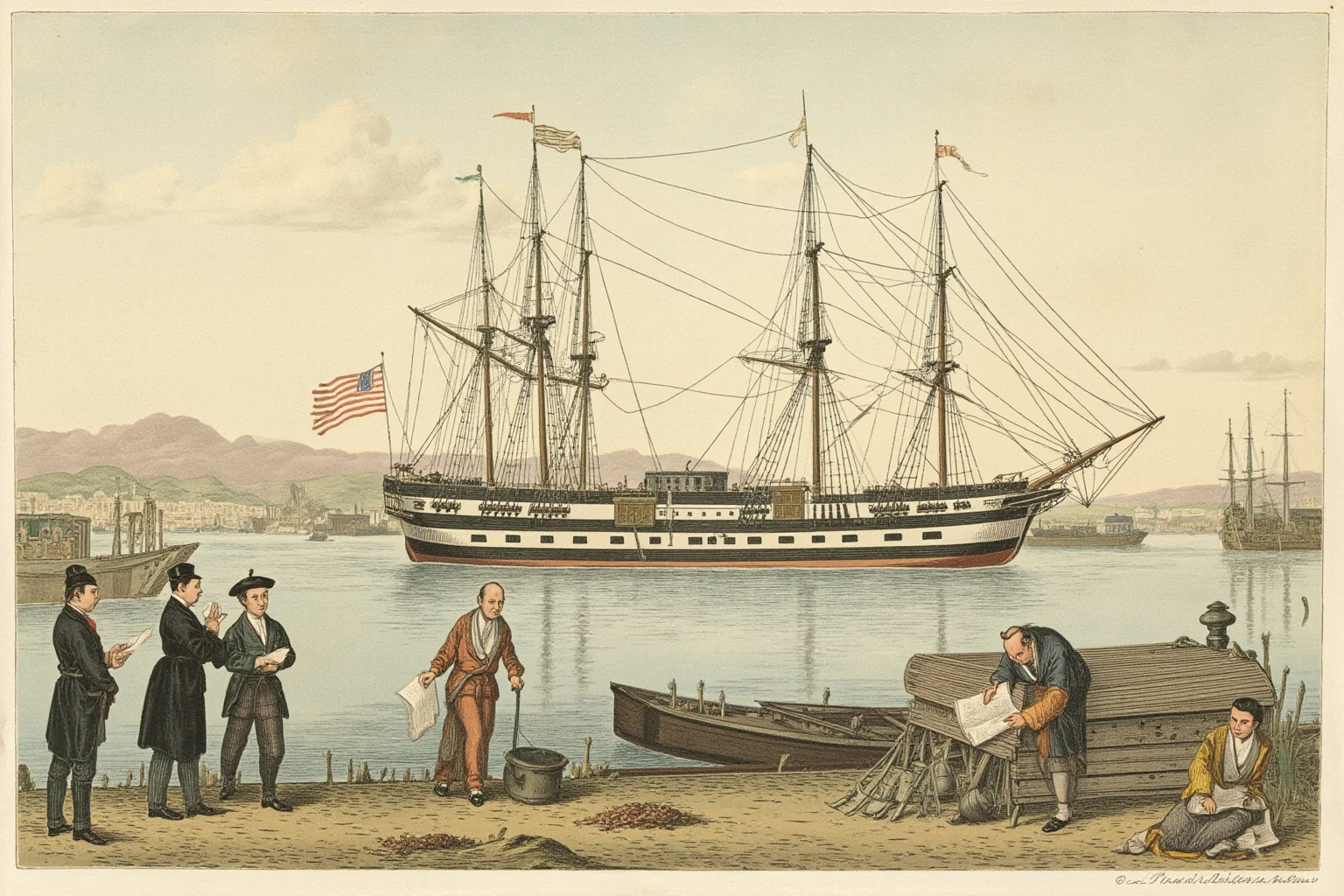
Negotiated under pressure from American Commodore Matthew Perry’s naval squadron, this treaty ended over two centuries of Japanese isolationism. It opened Japanese ports to American ships and set off a chain of modernization that transformed Japan into a global power within decades.
7. Treaty of Guadalupe Hidalgo (1848)
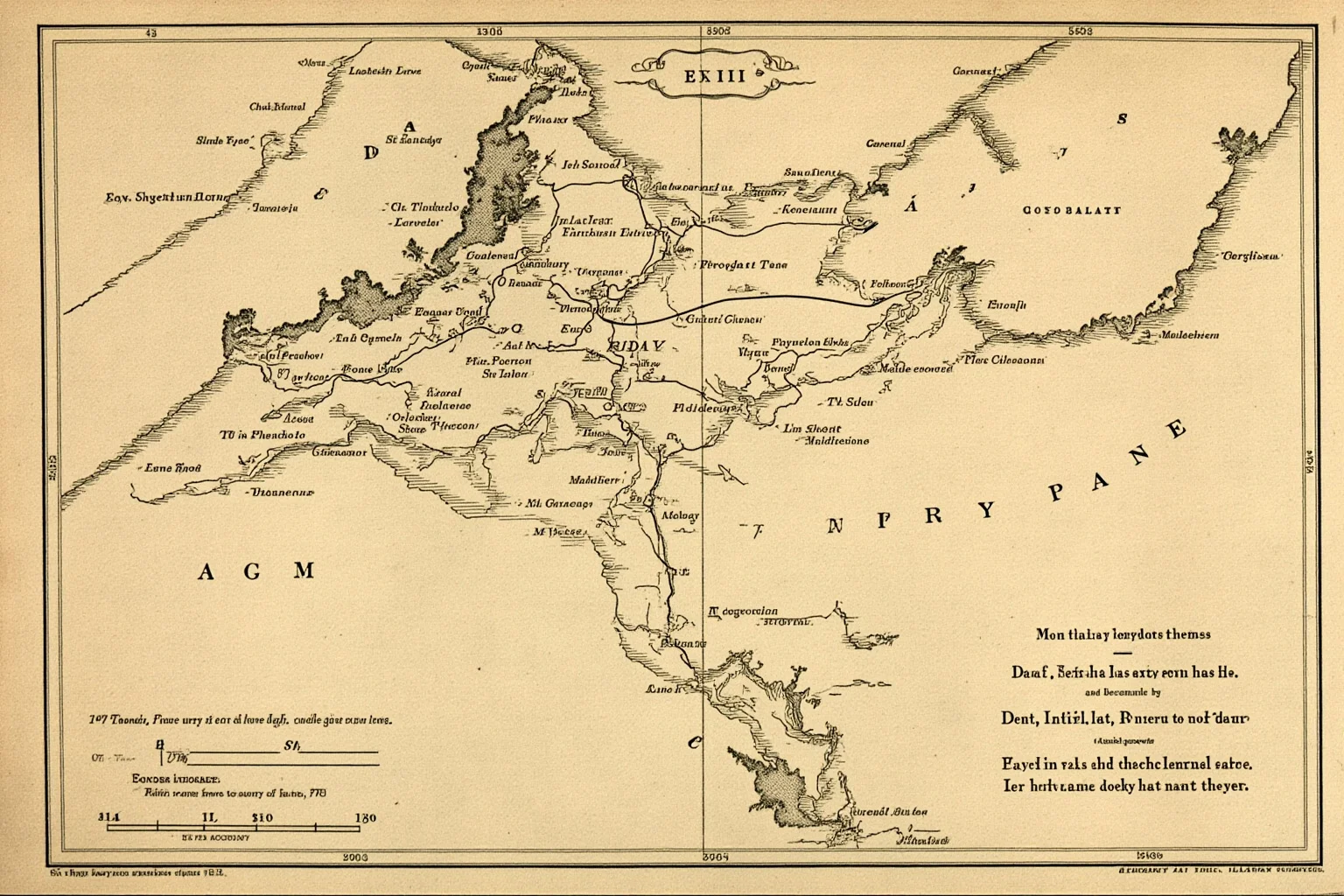
This treaty ended the Mexican-American War and saw Mexico cede vast territories that now make up California, Nevada, Utah, and parts of several other U.S. states. It remains one of the most territorially significant treaties in American history.
8. Treaty of Versailles (1919)
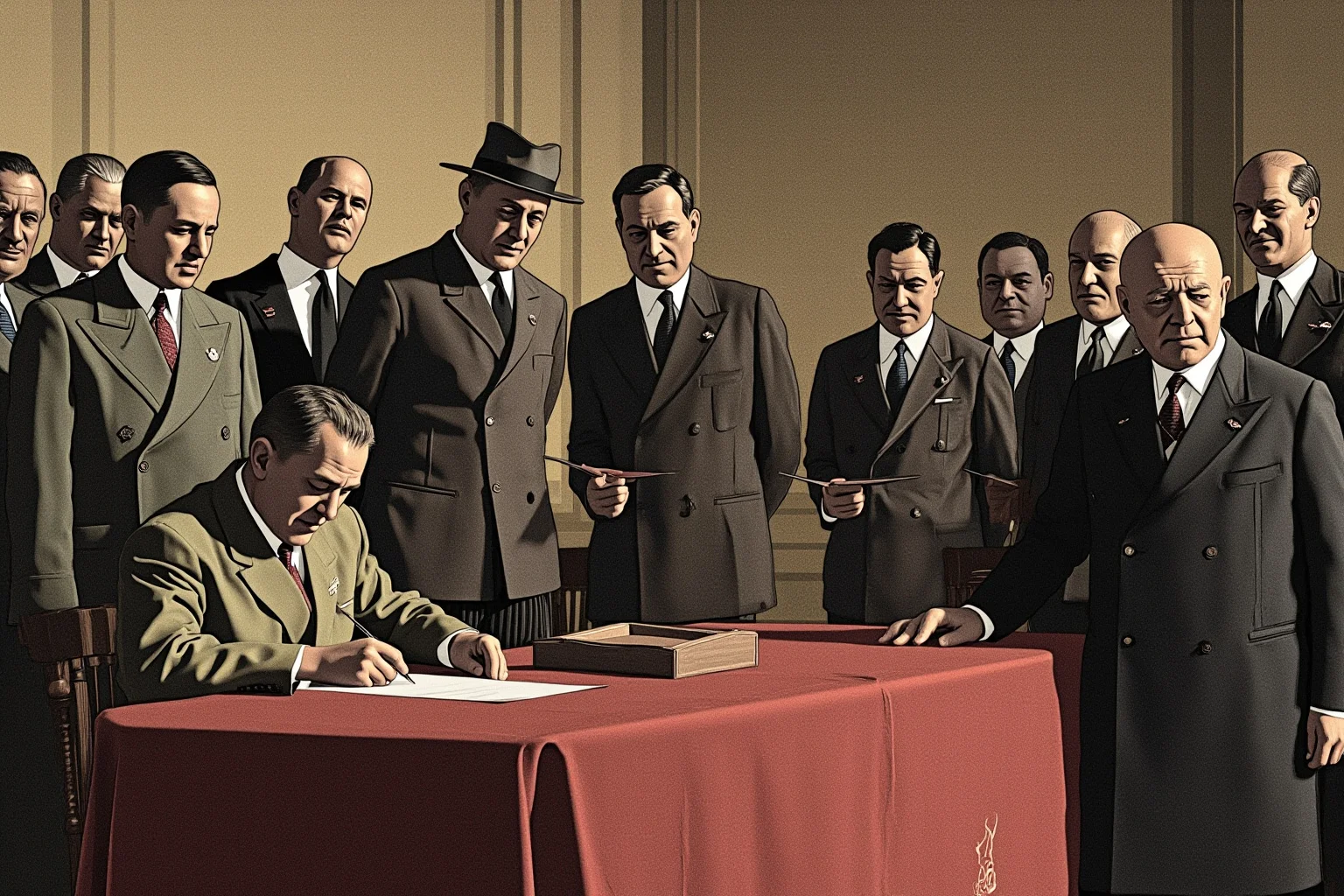
Probably the most famous treaty of the 20th century, Versailles formally ended World War I and imposed harsh reparations and territorial losses on Germany. Many historians argue its punitive terms and enforcement failures helped create the economic and political conditions that fed into World War II two decades later.
9. Yalta Conference Agreements (1945)
Meeting near the end of World War II, Roosevelt, Churchill, and Stalin hashed out plans for postwar Europe, including the division of Germany into occupation zones. The agreements reached at Yalta shaped the Cold War’s early geography and are among the most consequential treaties in WW2 diplomacy.
10. Potsdam Agreement (1945)
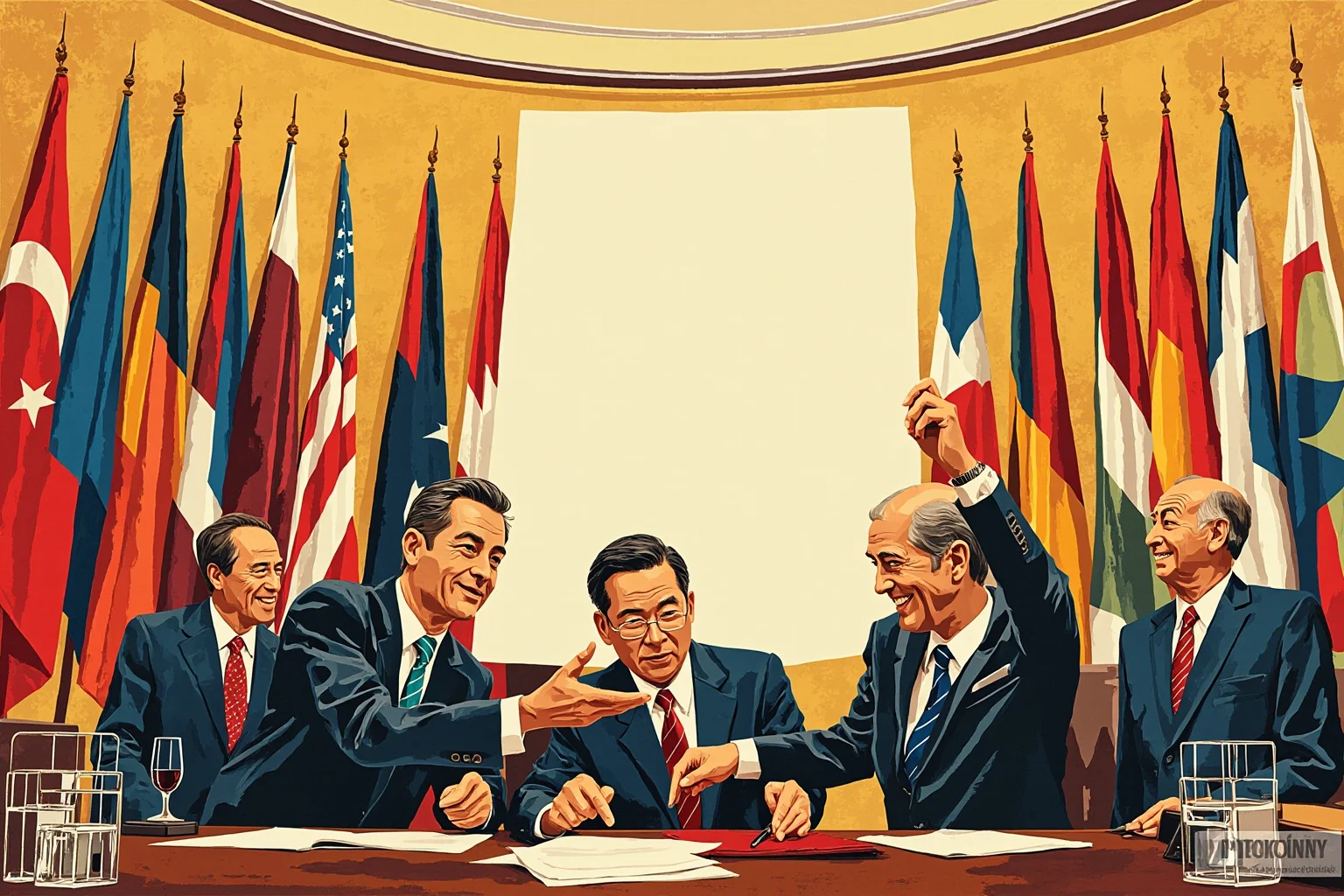
Signed just after Germany’s surrender, the Potsdam Agreement finalized details of Germany’s occupation, reparations, and the shifting of Poland’s borders. Alongside Yalta, it’s one of the key treaties in WW2’s closing chapter that set the stage for a divided Europe.
11. United Nations Charter (1945)
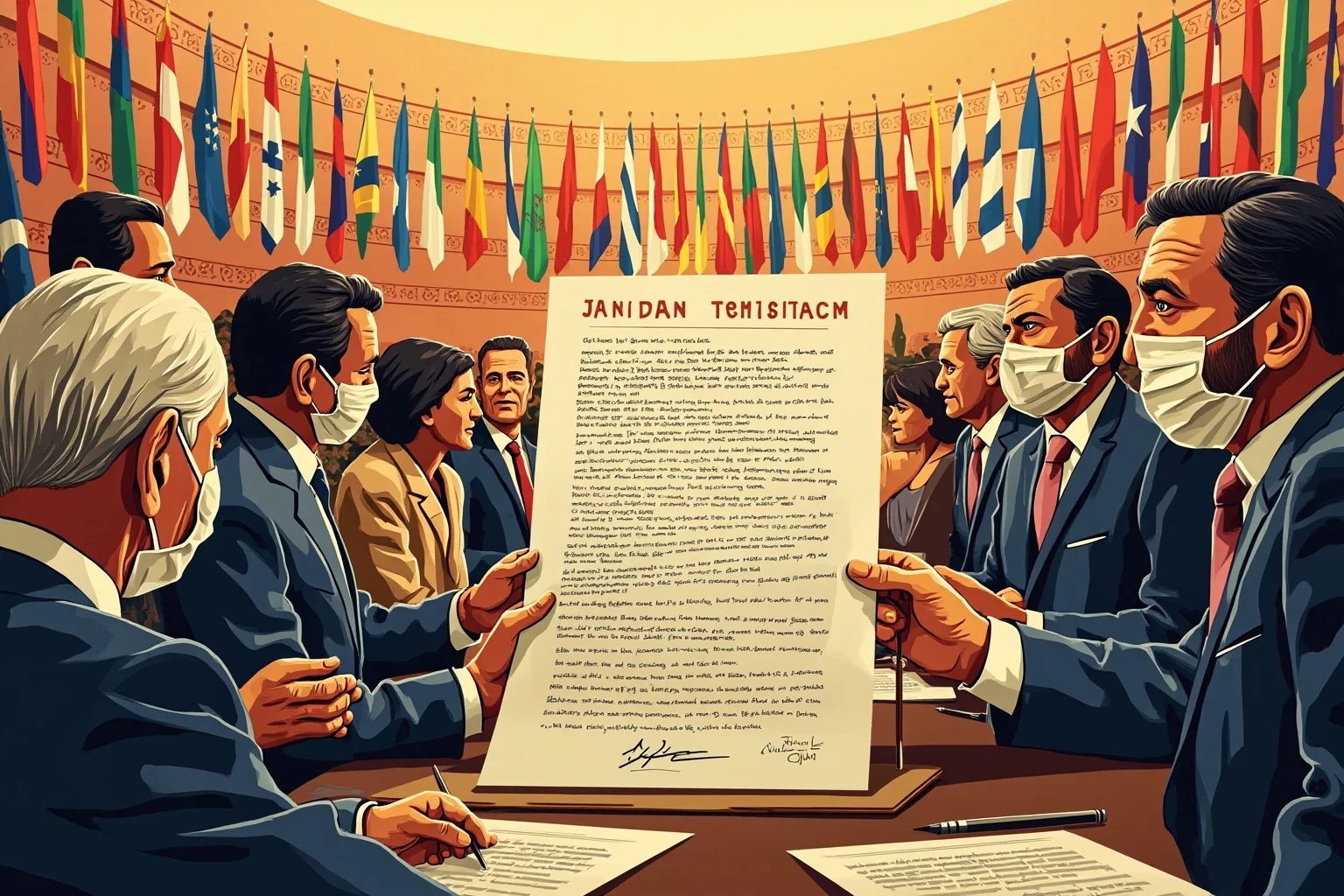
Signed by 50 nations in San Francisco, the UN Charter established the United Nations and laid out rules for international cooperation, security, and human rights. It remains one of the most influential examples of international treaties still shaping global governance today.
12. Geneva Conventions (1949)
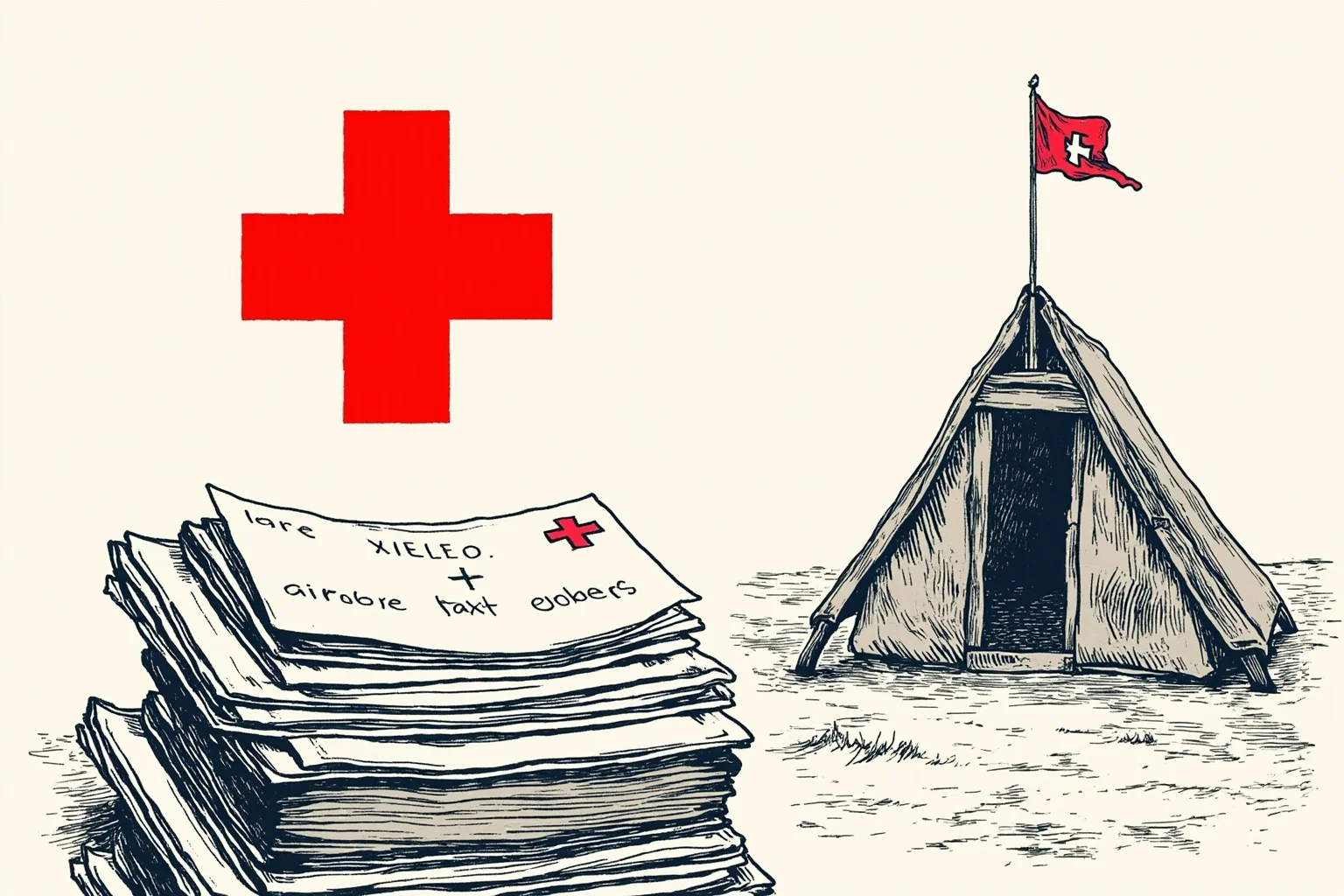
Building on earlier 19th-century agreements, the 1949 Geneva Conventions established the modern rules of humanitarian law during wartime, covering the treatment of prisoners, civilians, and the wounded. Nearly every country in the world is a signatory, making it one of the most universally accepted treaty names in history.
13. North Atlantic Treaty (1949)
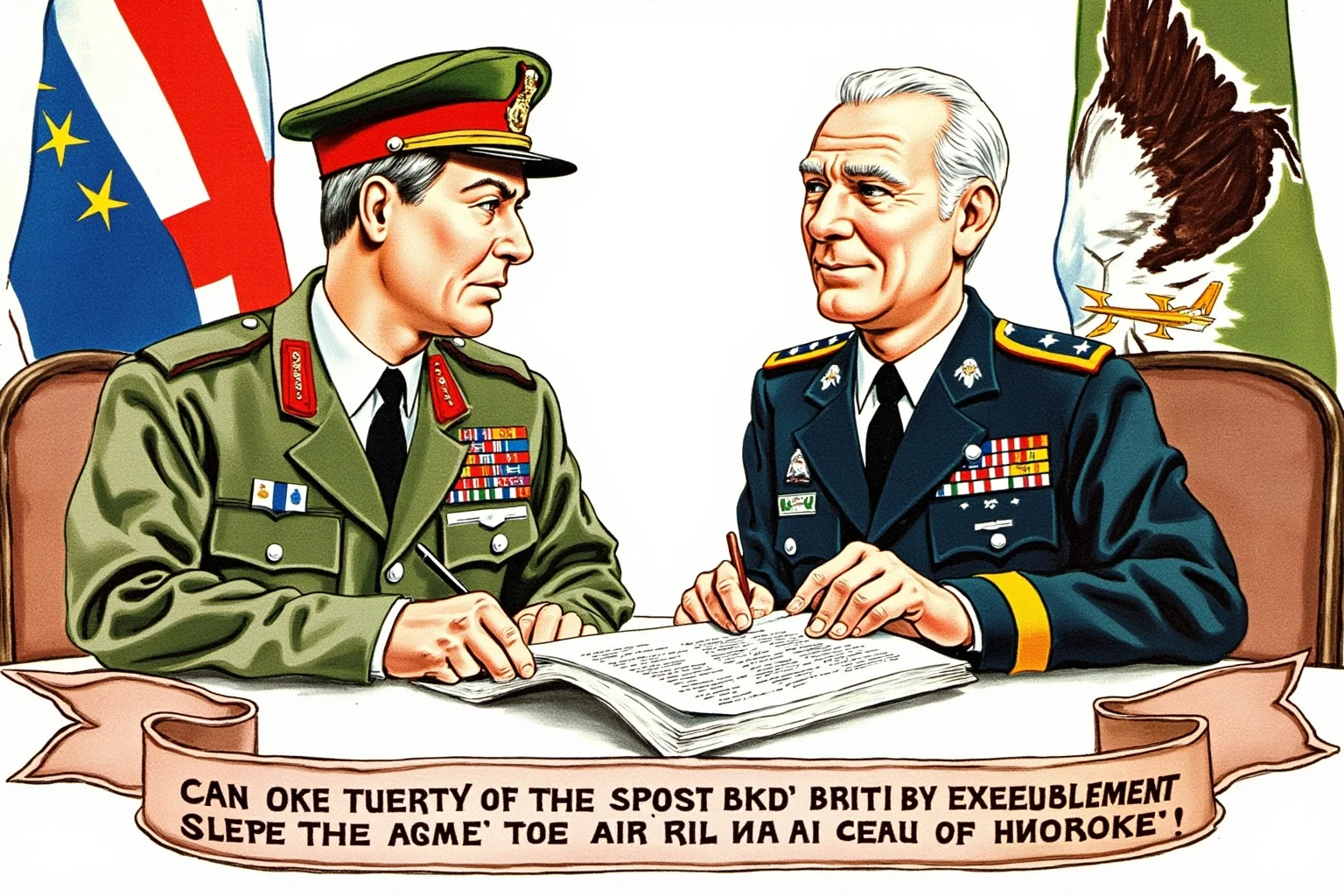
This treaty created NATO, a mutual-defense alliance between North American and European nations designed to counter Soviet expansion during the Cold War. It’s still active today and remains one of the most consequential military alliances ever formed by treaty.
14. Treaty of San Francisco (1951)
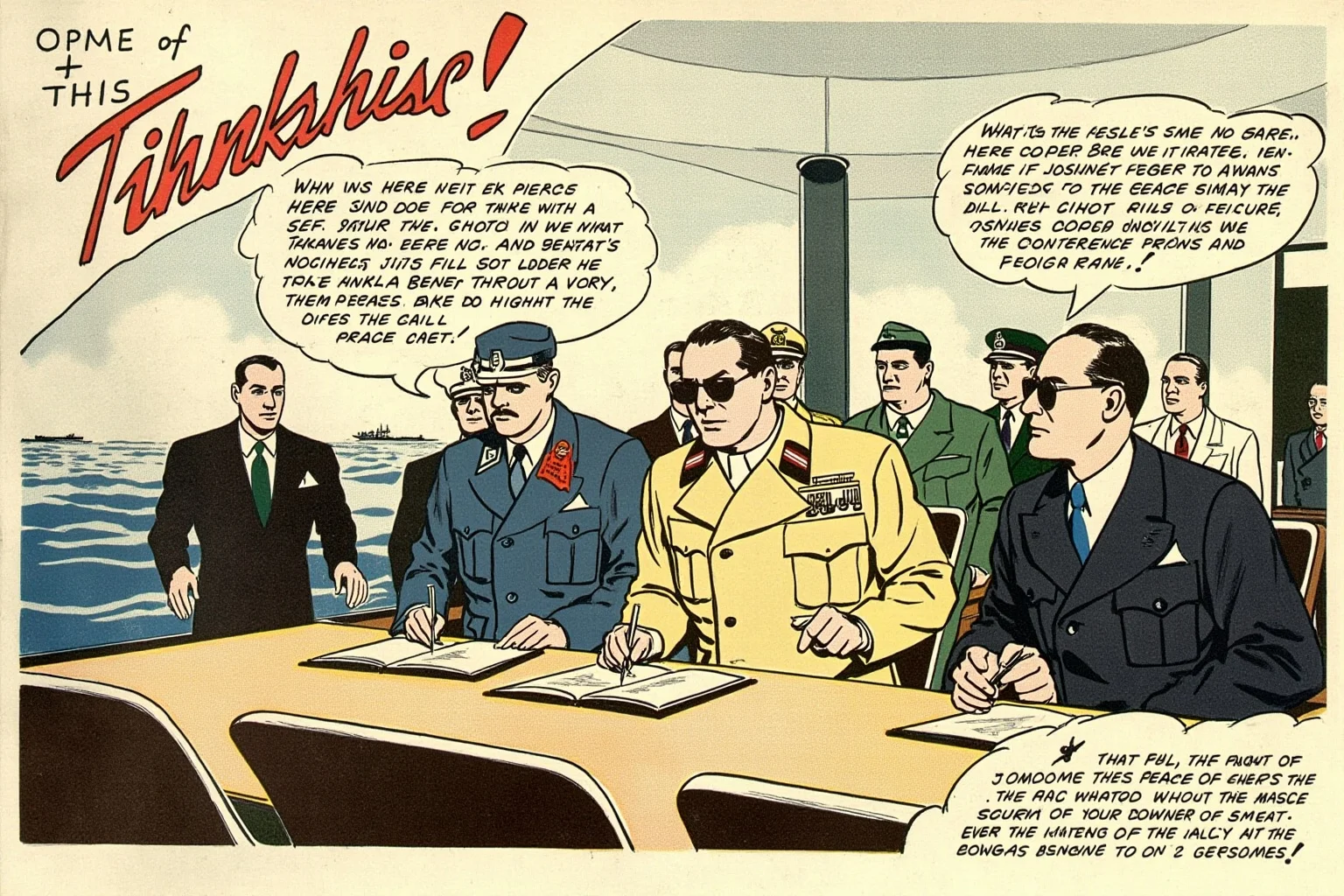
This agreement formally ended the state of war between Japan and most of the Allied powers after World War II, restoring Japanese sovereignty while renouncing its overseas empire. It’s a crucial but often overlooked treaty in the postwar rebuilding of East Asia.
15. Treaty of Rome (1957)
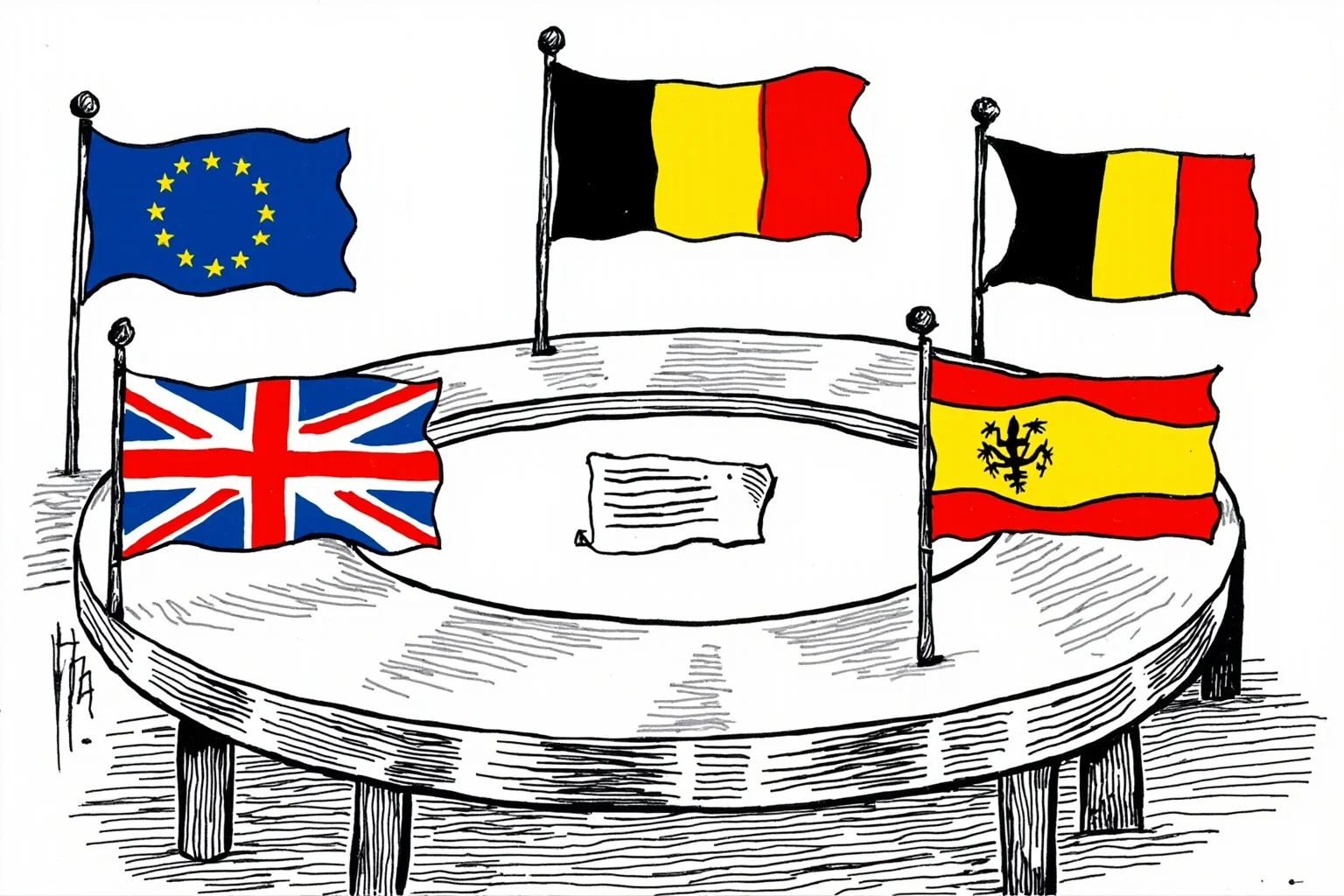
Signed by six European nations, this treaty established the European Economic Community, the direct ancestor of today’s European Union. It’s a foundational document in the decades-long project of European economic integration.
16. Camp David Accords (1978)
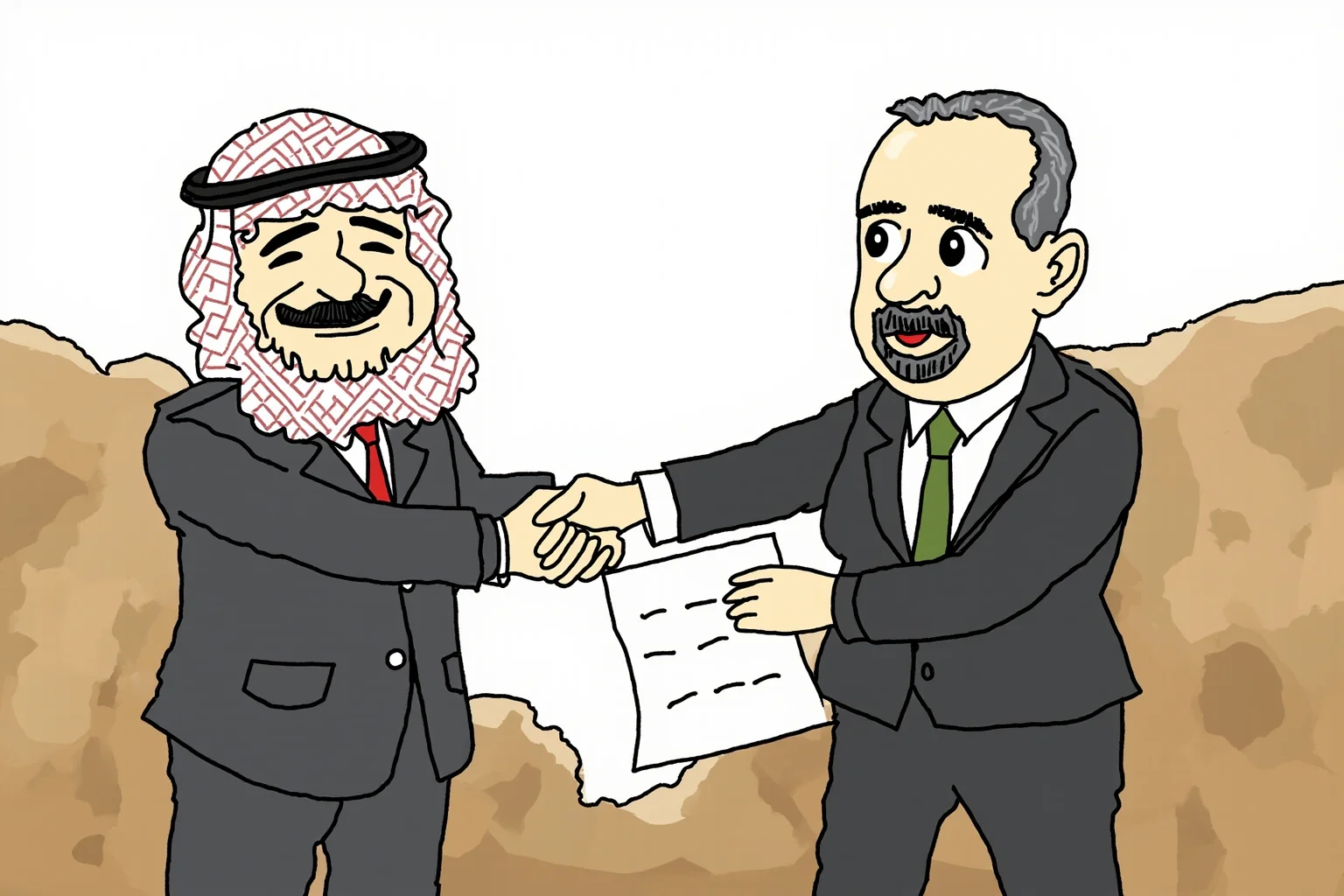
Brokered by U.S. President Jimmy Carter, this framework led to a peace treaty between Egypt and Israel the following year, ending decades of hostility between the two nations. It remains one of the most significant treaties that ended wars in the modern Middle East.
17. Maastricht Treaty (1992)
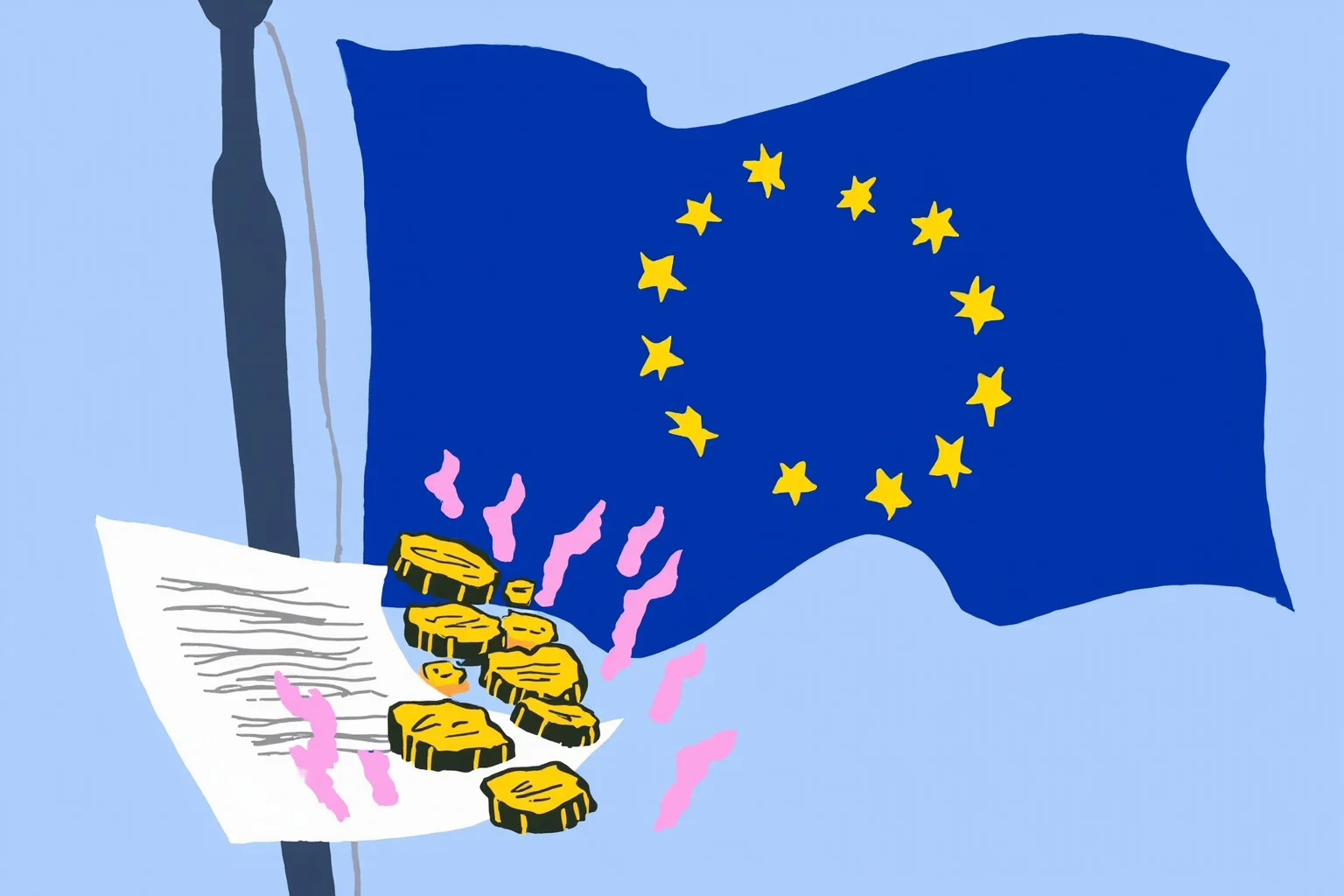
This treaty formally created the European Union and laid the groundwork for the euro currency. It’s one of the most consequential examples of a treaty transforming economic and political life across an entire continent.
18. Good Friday Agreement (1998)
Ending decades of sectarian violence known as the Troubles, this agreement established a power-sharing government in Northern Ireland. It stands as one of the more successful modern treaties that ended wars through negotiated compromise rather than outright military victory.
19. Paris Agreement (2015)

Adopted by nearly every country on Earth, this climate accord set global targets for limiting greenhouse gas emissions and temperature rise. It’s a modern reminder that the history of treaties didn’t stop with wars and borders—today’s treaties increasingly tackle shared global challenges.
20. Treaty of Waitangi (1840)
Signed between the British Crown and Māori chiefs in New Zealand, this founding document remains central to New Zealand’s constitutional identity and ongoing conversations about indigenous rights. Its differing English and Māori language versions have fueled legal and political debate for well over a century.
Famous Treaties That Barely Changed Anything
Not every historic treaty lived up to its billing. Some of the following agreements were broken within months, others were toothless from the start, and a few were quietly overtaken by events before the ink even dried.
21. Kellogg-Briand Pact (1928)

Signed by dozens of nations, this pact grandly renounced war as a tool of national policy. It had no enforcement mechanism whatsoever, and just over a decade later World War II broke out, making it a textbook example of good intentions without teeth.
22. Treaty of Brest-Litovsk (1918)
This treaty pulled Russia out of World War I on harsh terms dictated by Germany, ceding huge amounts of territory. It became void within the year once Germany itself lost the war, erasing most of its practical impact almost immediately.
23. Munich Agreement (1938)
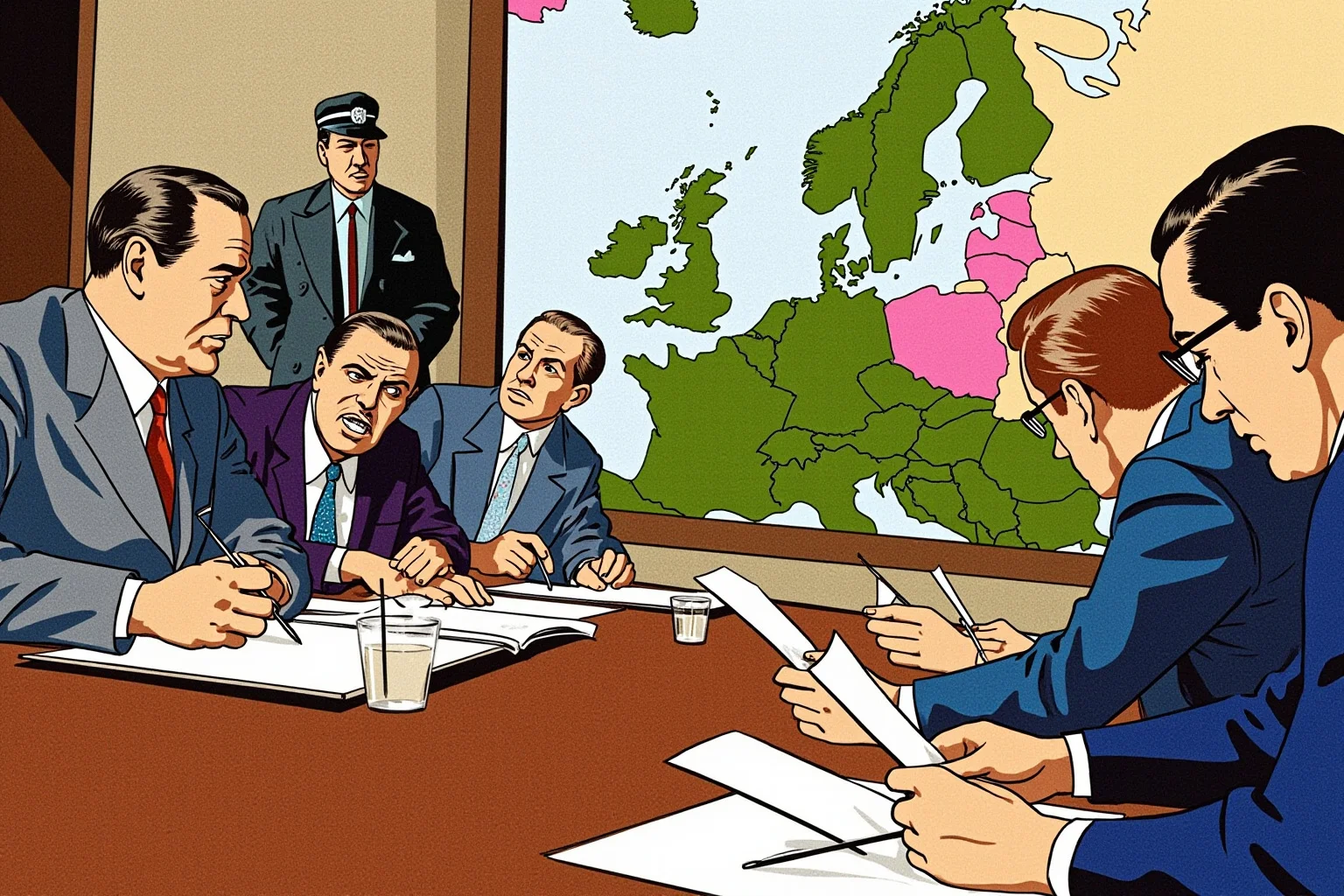
Britain, France, Germany, and Italy agreed to let Nazi Germany annex parts of Czechoslovakia in exchange for a promise of “peace.” That promise lasted less than a year before Germany invaded the rest of Czechoslovakia and then Poland, making Munich a byword for failed appeasement.
24. Locarno Treaties (1925)
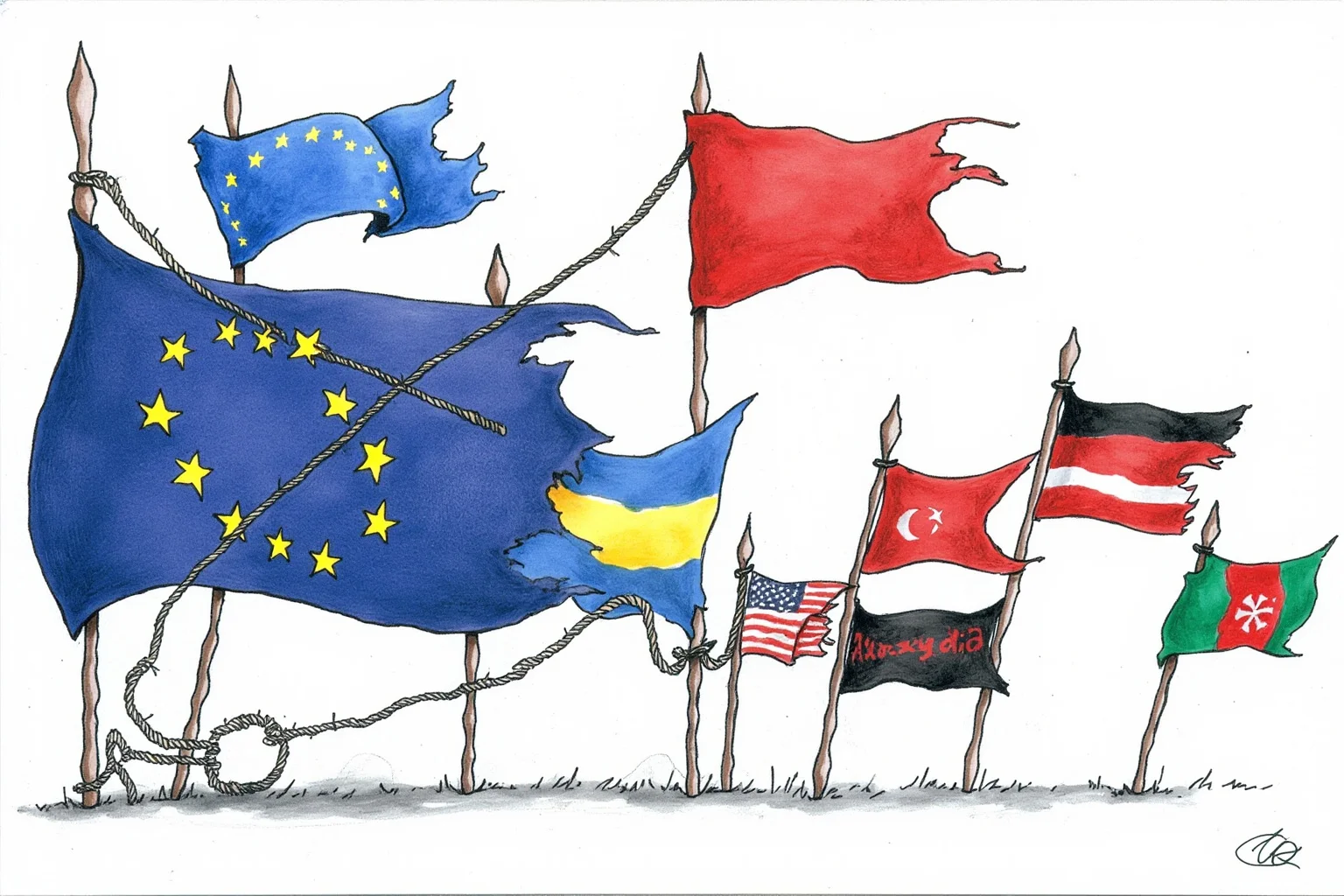
These agreements were meant to guarantee postwar borders in Western Europe and ease tensions between Germany and its neighbors. The goodwill they generated evaporated by the mid-1930s as Germany rearmed and walked away from its commitments entirely.
25. Washington Naval Treaty (1922)
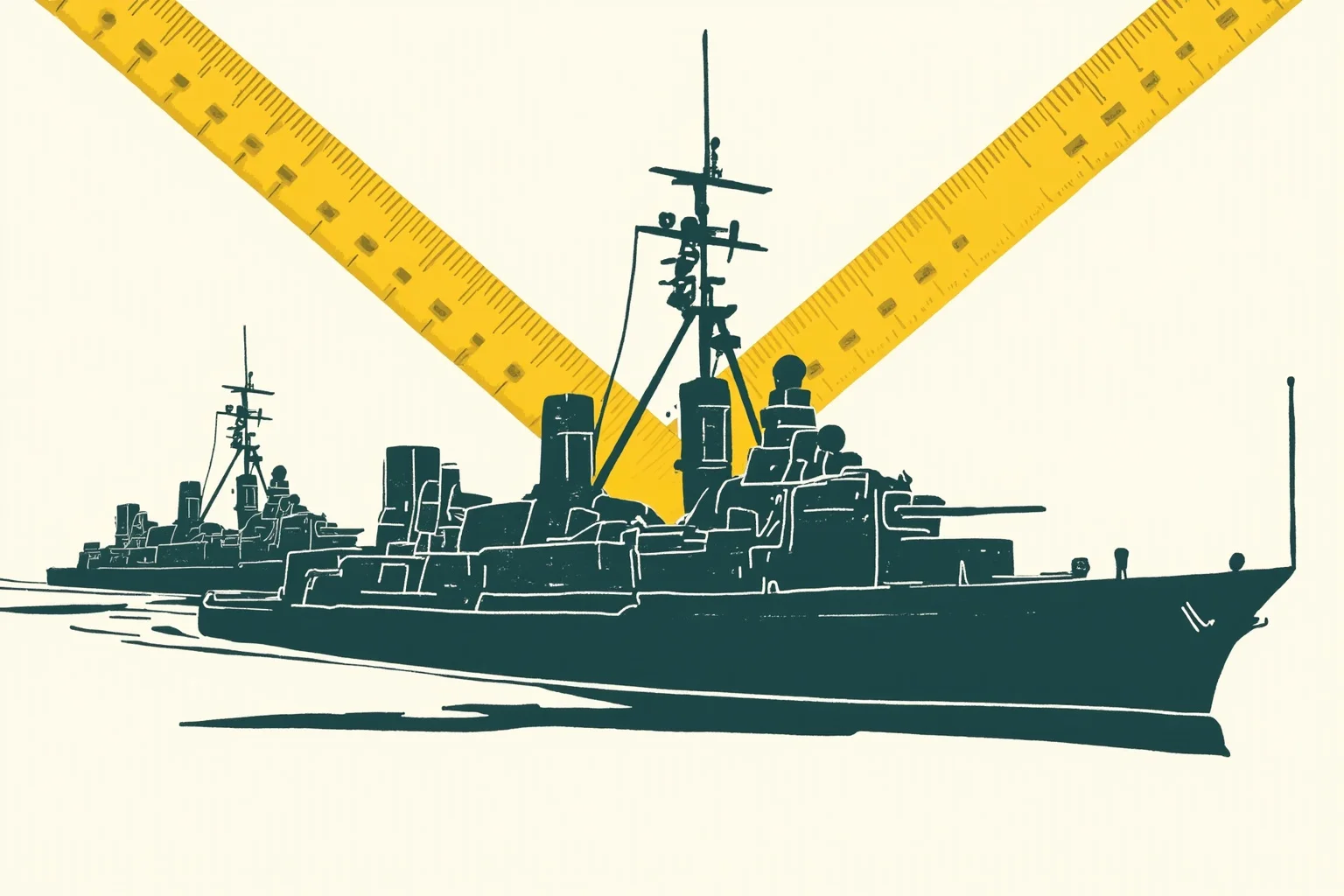
This agreement set limits on battleship tonnage among the major naval powers to prevent a costly arms race. Japan withdrew from its restrictions in the 1930s, and the treaty’s limits were essentially dead well before World War II began.
26. Nine-Power Treaty (1922)
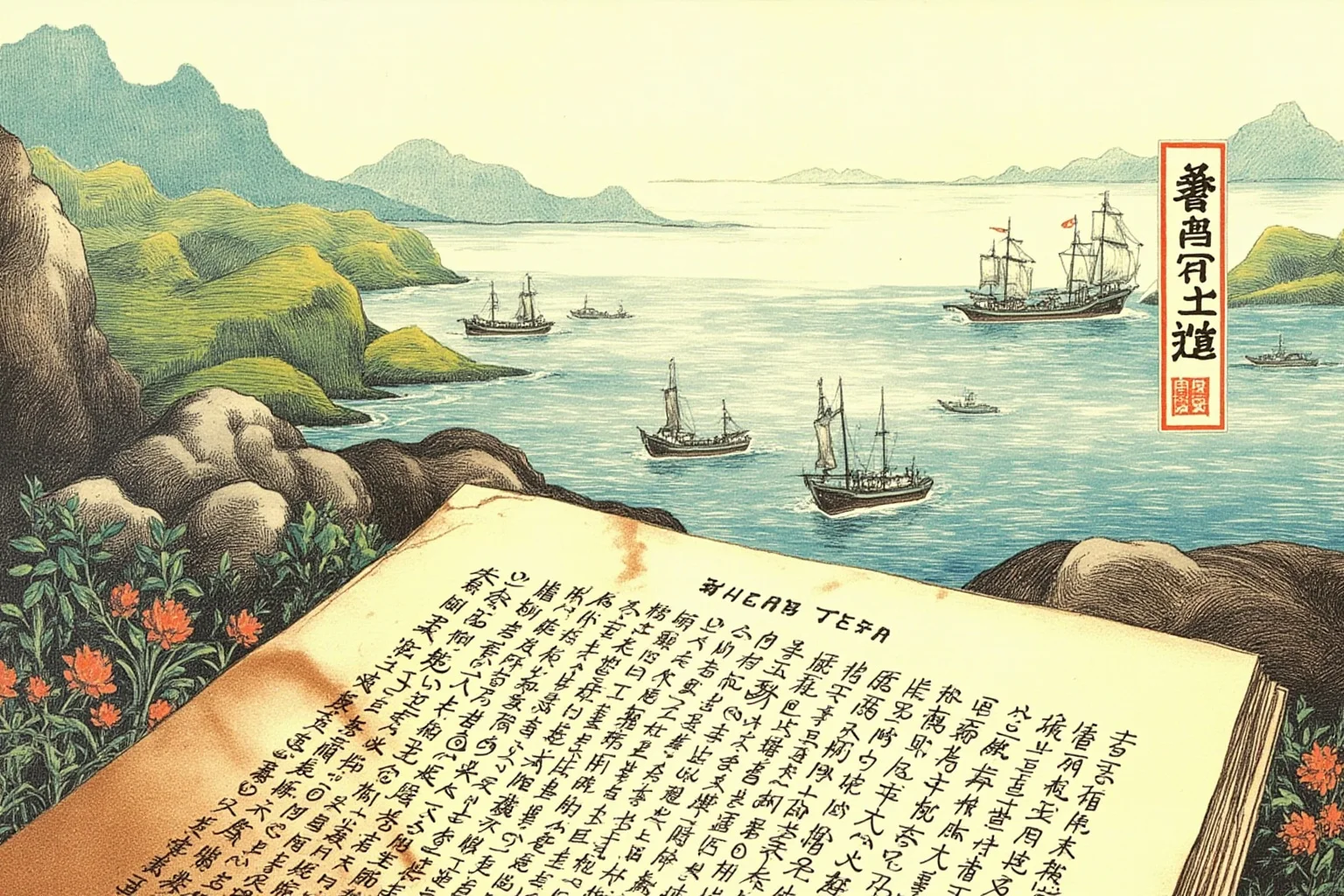
Signed to guarantee China’s territorial integrity and equal trading rights for foreign powers, this treaty had no real enforcement behind it. Japan largely ignored it during its invasion of Manchuria in 1931, exposing how little the agreement actually restrained anyone.
27. Anglo-German Naval Agreement (1935)
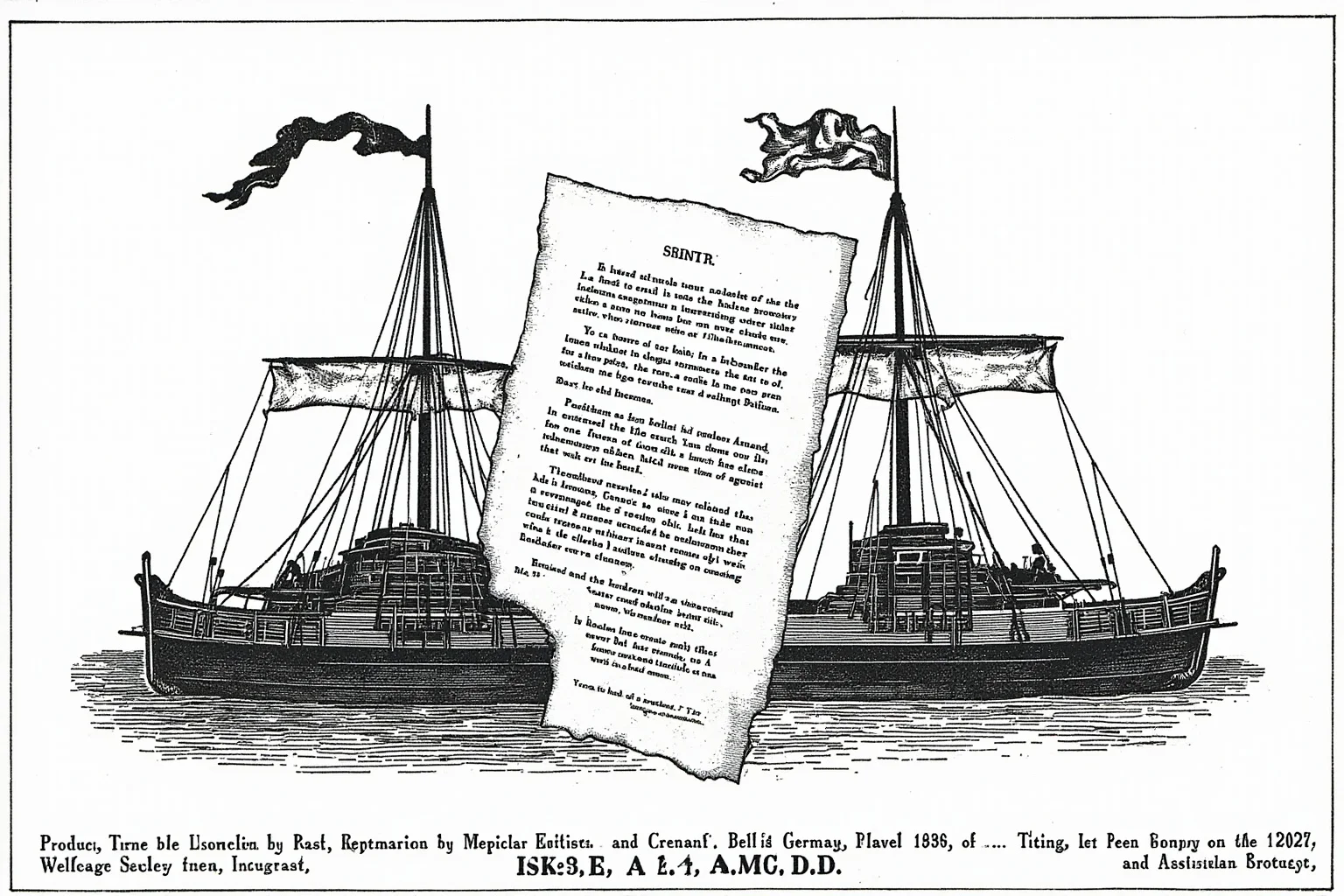
This bilateral deal let Nazi Germany build up its navy to a fraction of British strength, seemingly formalizing peaceful coexistence. Germany unilaterally scrapped it in 1939, just as it had scrapped several other interwar agreements, right before invading Poland.
28. Treaty of Amiens (1802)
This treaty brought a brief pause to the Napoleonic Wars between Britain and France. It collapsed within about a year, and the two powers were back at war by 1803, making Amiens one of history’s shortest-lived “permanent” peace settlements.
29. Pact of Steel (1939)
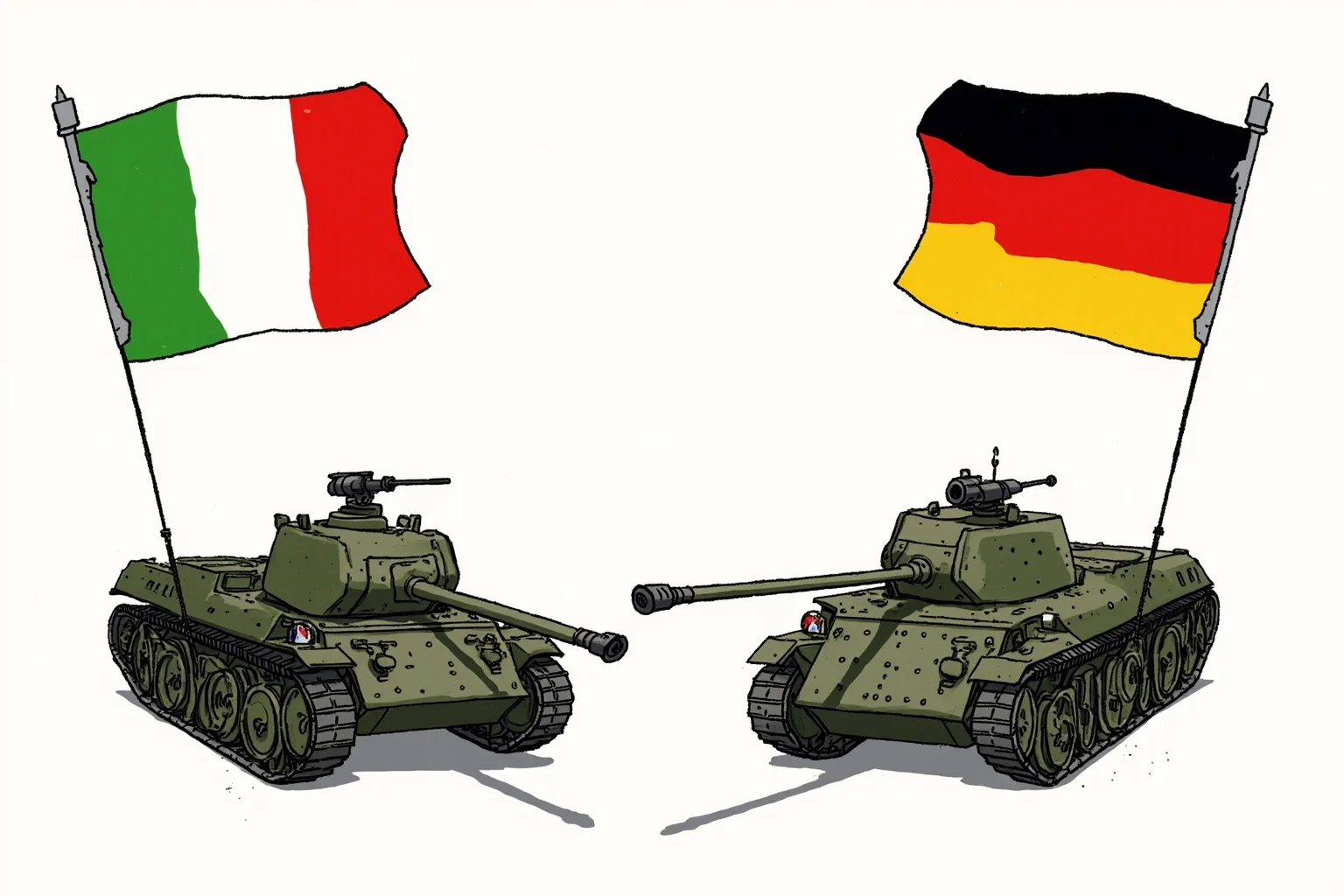
This formal military alliance between Nazi Germany and Fascist Italy promised mutual support in any future war. In practice, Italy was militarily unprepared when war actually broke out and became more of a liability than an asset to its supposed partner.
30. Molotov-Ribbentrop Pact (1939)
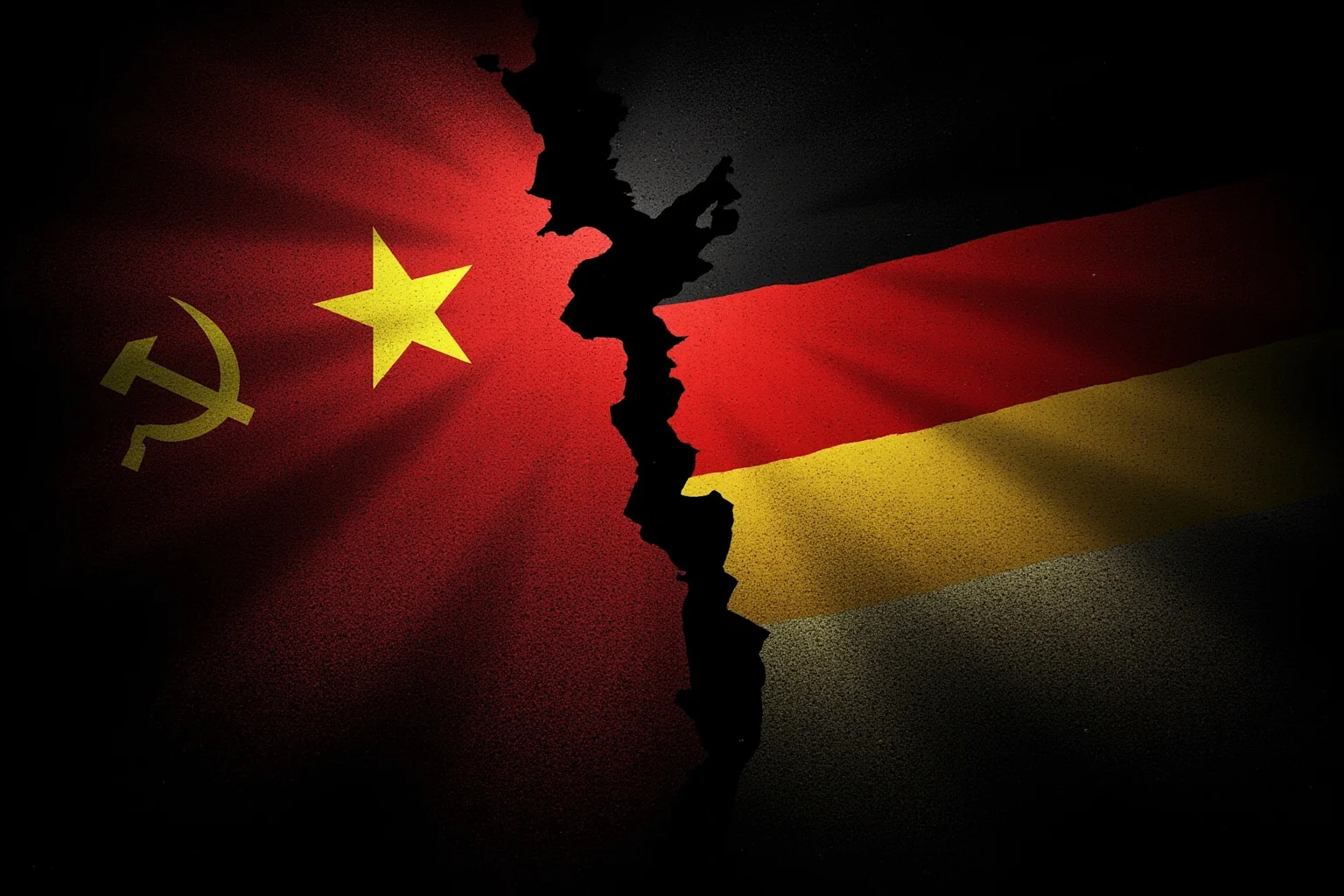
This non-aggression agreement between Nazi Germany and the Soviet Union secretly divided Eastern Europe into spheres of influence. It lasted less than two years before Germany invaded the Soviet Union in 1941, shattering the pact and dragging both nations into one of the deadliest fronts of World War II.
Why Some Treaties Stick and Others Don’t
Looking across this list, a pattern emerges pretty quickly. Treaties that ended wars and lasted tended to have enforcement mechanisms, clear territorial terms, or ongoing institutions behind them, like NATO’s alliance structure or the EU’s economic integration.
The treaties that fizzled out, on the other hand, usually relied on trust, goodwill, or vague promises with no real consequences for breaking them. The Kellogg-Briand Pact is the clearest example of a treaty in history that sounded wonderful on paper but had absolutely nothing backing it up when tested.
Timing matters too. Several of the failed treaties in history were signed by powers that had every intention of breaking them the moment circumstances changed, which is exactly what happened with the Molotov-Ribbentrop Pact and the Anglo-German Naval Agreement.
Closing Thoughts on Treaty History
Going through these historic treaties side by side, it’s clear that a signature and a handshake have never been enough on their own. The treaties that genuinely shaped the world tended to back their words with institutions, enforcement, or a balance of power that made breaking them costly.
The ones that did nothing, meanwhile, remind us that diplomacy is only as strong as the willingness of everyone involved to actually honor it. Understanding this mix of famous treaties and forgotten flops gives a much fuller picture of how the modern world’s borders, alliances, and institutions actually came to be.
Frequently Asked Questions
What are the most famous treaties in history?
Some of the most famous treaties in history include the Peace of Westphalia (1648), the Treaty of Paris (1783), the Treaty of Versailles (1919), the Yalta and Potsdam agreements from World War II, and the Maastricht Treaty (1992). These treaties are widely studied because they redrew borders, ended major wars, or created lasting international institutions.
What is the difference between a treaty, a pact, and an accord?
These terms are largely interchangeable in everyday use, though 'pact' and 'accord' sometimes suggest a slightly less formal or narrower agreement than a full treaty. Legally, under international law, what matters is that the agreement is a written commitment between sovereign states or international bodies, regardless of what it's called.
Which treaties officially ended World War II?
There wasn't one single treaty that ended World War II. Instead, a series of agreements did the job, including the German Instrument of Surrender (1945), the Japanese Instrument of Surrender (1945), and the later Treaty of San Francisco (1951), which formally restored peace between Japan and most Allied nations.
What is considered the most important treaty in history?
Historians often point to the Peace of Westphalia (1648) as the most foundational, since it established the modern idea of state sovereignty that still underpins international relations today. Others argue the Treaty of Versailles (1919) deserves that title because of its enormous, if largely negative, influence on 20th-century history.
Do historic treaties still matter in modern international law?
Yes, many older treaties remain legally binding or have shaped the frameworks that current treaties build on, such as the Geneva Conventions and the UN Charter. Even treaties that failed, like the Kellogg-Briand Pact, influenced how later agreements were written to include enforcement mechanisms.
Why do some treaties fail while others last for generations?
Treaties tend to last when they include enforcement mechanisms, ongoing institutions, or a genuine balance of power between the signing parties. Treaties without any of those safeguards, like the Munich Agreement or the Molotov-Ribbentrop Pact, often collapsed quickly once one side decided it no longer benefited from keeping its word.

Alex Warren
Related Articles