
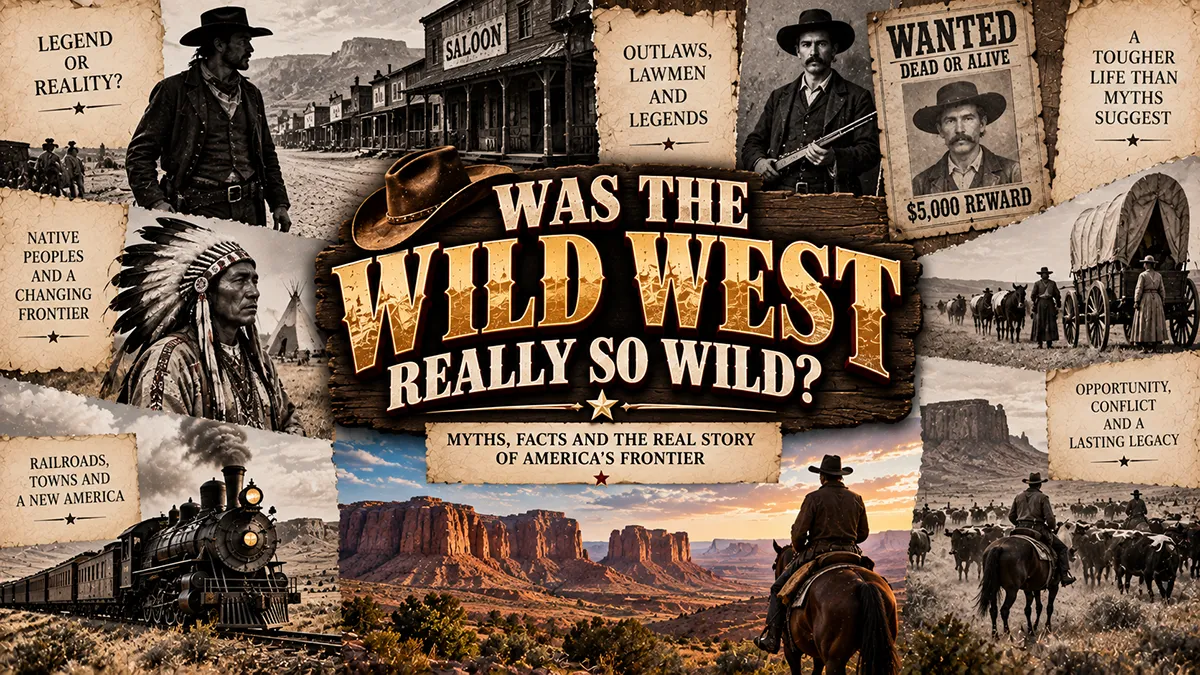
Saloon doors swinging open, a lone gunslinger squinting into the sun, a showdown at high noon while the whole town watches from behind shuttered windows. That’s the Wild West most of us grew up with, courtesy of a century of movies, dime novels, and TV reruns. But how much of it actually happened, and how much was invented long after the dust settled?
The real story of the American frontier is stranger, messier, and in some ways tamer than the legend. It’s also more interesting once you strip away the Hollywood varnish. Let’s look at what the Wild West actually was, when it happened, and just how wild it really got.
TL;DR: The Wild West was a real, brief period of American frontier expansion, but its everyday violence and chaos were exaggerated far beyond reality by pulp fiction, Hollywood, and 20th-century marketing.
What Was the Wild West, Really?
The phrase “Wild West” refers to the American frontier during the era of westward expansion, roughly the decades after the Civil War through the early 1900s. It covers the vast stretch of land west of the Mississippi River, including territories that later became states like Kansas, Texas, Arizona, Montana, and California.
So when was the Wild West period, exactly? Most historians place it between roughly 1865 and 1895, though some stretch the window from the 1850s to as late as 1912, when Arizona became the last of the contiguous states admitted to the Union. That’s actually a fairly short window, just a few decades, even though pop culture treats it like a timeless, sprawling era.
During that period, a wave of settlers, ranchers, miners, railroad workers, and speculators pushed into land that had long been home to Native American nations. Towns sprang up almost overnight around railheads, mining strikes, and cattle trails. Formal law enforcement often lagged behind the population boom, which is part of why the era earned its wild reputation in the first place.
Was the Wild West Real? Separating Fact from Legend
Yes, the Wild West was real in the sense that westward expansion, cattle drives, mining booms, and frontier towns genuinely existed. Figures like Wyatt Earp, Billy the Kid, and Calamity Jane were real people who lived real, if often exaggerated, lives. The real Wild West just looked less like a movie set and more like hard, dusty, unglamorous frontier life.
Most residents of frontier towns were farmers, shopkeepers, laborers, and families trying to build stable lives, not outlaws or gunslingers. Violence did occur, and some towns genuinely earned dangerous reputations, but daily existence usually revolved around backbreaking work, unpredictable weather, and economic survival. The dramatic gunfights we associate with the era were rare enough that when one did happen, it often became local legend precisely because it was unusual.
Much of the “Wild West” as we picture it was manufactured after the fact. Wild West shows, like the traveling spectacle run by Buffalo Bill Cody starting in the 1880s, dramatized frontier life for paying audiences even while the real frontier was still active. Dime novels and later Western films built on that foundation, turning a handful of real incidents into an entire genre of mythology.
How Violent Was the Wild West, Really?
This is where the myth-busting gets interesting, because historians have actually studied the numbers. Researchers like Robert Dykstra, who examined records from Kansas cattle towns such as Dodge City and Abilene, found that homicide rates were far lower than popular imagination suggests. Some of these towns recorded only one or two killings per year during their busiest cattle-driving seasons.
Other studies, including Roger McGrath’s research on the mining towns of Bodie and Aurora, found that certain boomtowns really did have elevated violence, particularly among young, single, armed men involved in mining disputes or personal feuds. Even so, this violence was usually targeted rather than random, and ordinary residents, especially women, children, and merchants, were rarely victims. So how violent was the Wild West compared to today? By some measures, homicide rates in a few rough boomtowns were higher than modern American cities, but violence was concentrated in specific hotspots rather than spread evenly across the whole frontier.
How violent was the Old West outside those hotspots, then? Considerably calmer. Many frontier towns, especially farming and railroad communities, saw levels of violence closer to, or even below, what you’d find in an average American city today. The image of constant chaos owes more to a small number of infamous incidents than to typical frontier life.
What Was the Old West Really Like Day to Day?
Strip away the gunfights and you get a picture that’s honestly a lot more mundane, and arguably more impressive. Life in the Old West was dominated by physical labor: farming, ranching, mining, and building the infrastructure of new towns from scratch. Disease, accidents, and harsh weather posed far bigger threats to life than outlaws ever did.
Communities relied heavily on cooperation. Barn raisings, shared harvests, and mutual aid societies were common because isolated settlers genuinely needed each other to survive. Churches, like many of the oldest churches in America, schools, and local newspapers appeared in frontier towns astonishingly fast, often within a year or two of a town’s founding, showing how quickly settlers tried to recreate familiar social structures rather than embrace lawlessness.
20 Wild West Myths, Busted
Now let’s get into the specifics. These are some of the most persistent legends about the Wild West, and what the historical record actually shows.
1. Gunfights Erupted on Main Street Every Day
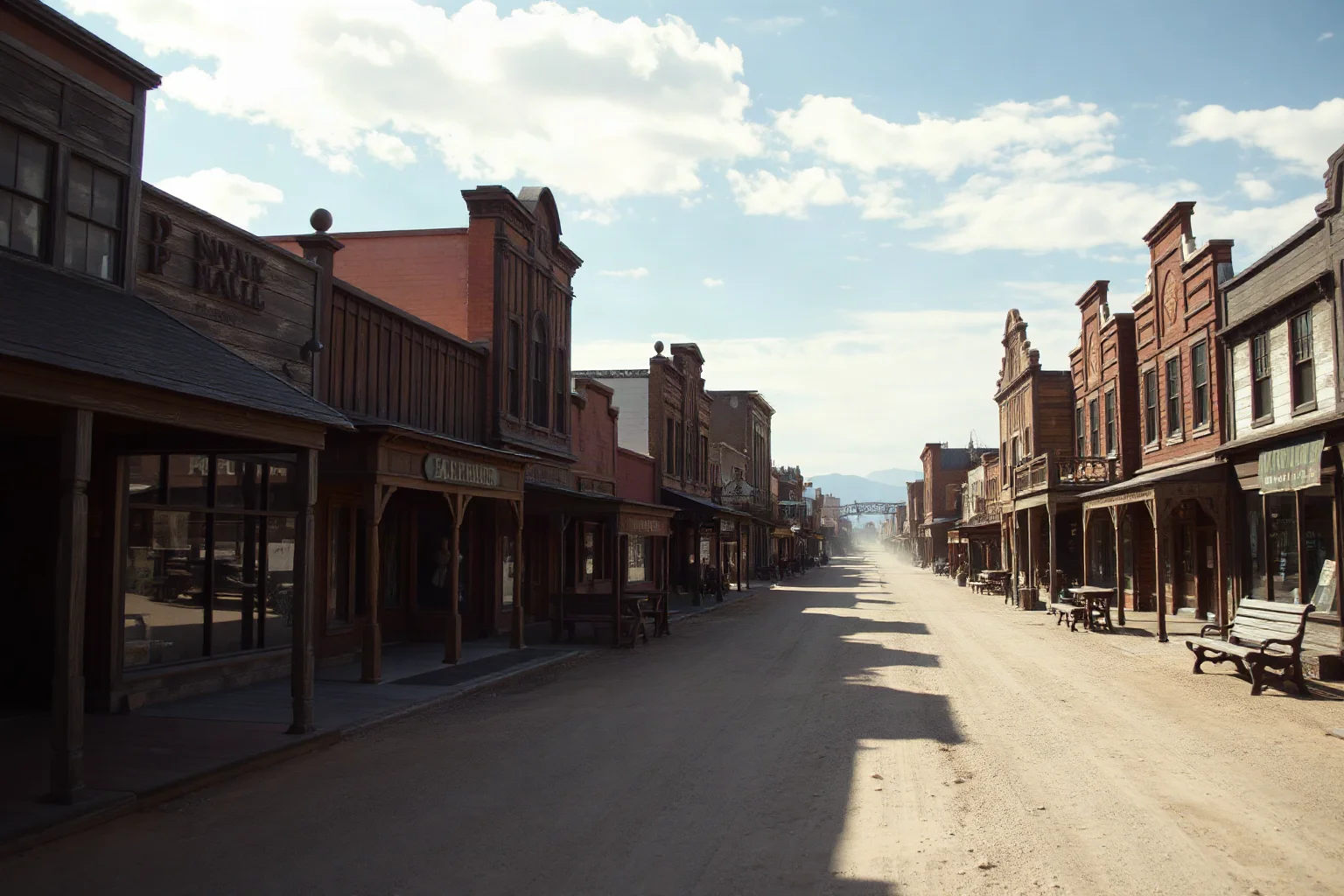
Hollywood loves a daily showdown, but real gunfights were genuinely rare events even in rough towns. Most disputes were settled with fists, lawsuits, or simply avoiding the other person, not drawn revolvers.
When shootouts did happen, they were often disorganized, chaotic, and over in seconds rather than the tense, stylized duels of film. Witnesses to real incidents frequently described confusion and poor aim rather than precision marksmanship.
2. Everyone Walked Around Armed to the Teeth
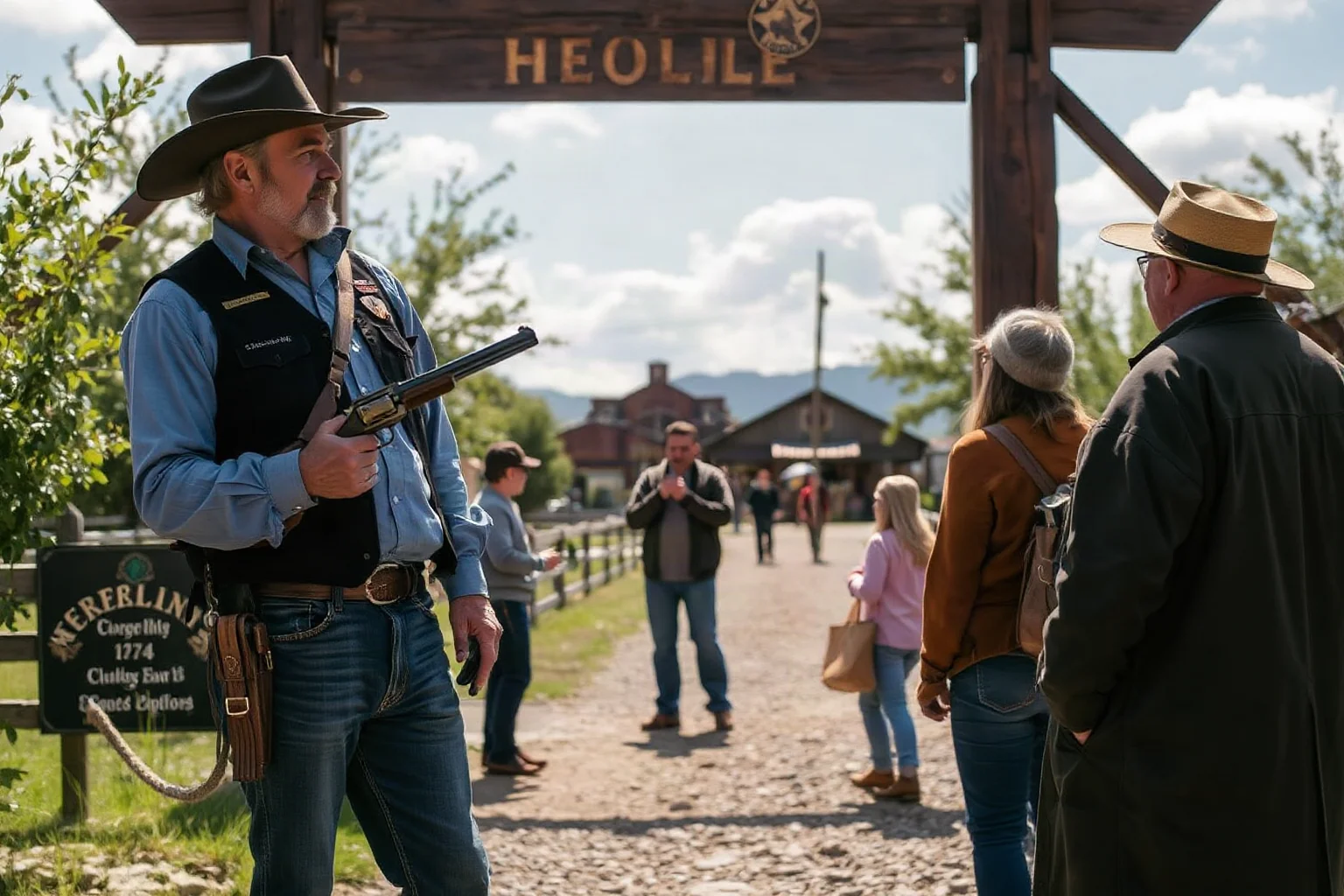
Many frontier towns actually had strict gun control ordinances, especially Dodge City and Tombstone, which required visitors to check firearms with the local sheriff upon entering town. This was a practical measure to reduce exactly the kind of violence the movies later glamorized.
Ranch hands and travelers on the open trail were more likely to carry weapons for practical reasons like protection from wildlife. Inside town limits, though, walking around openly armed was often illegal, not just discouraged.
3. Bank and Train Robberies Were Constant
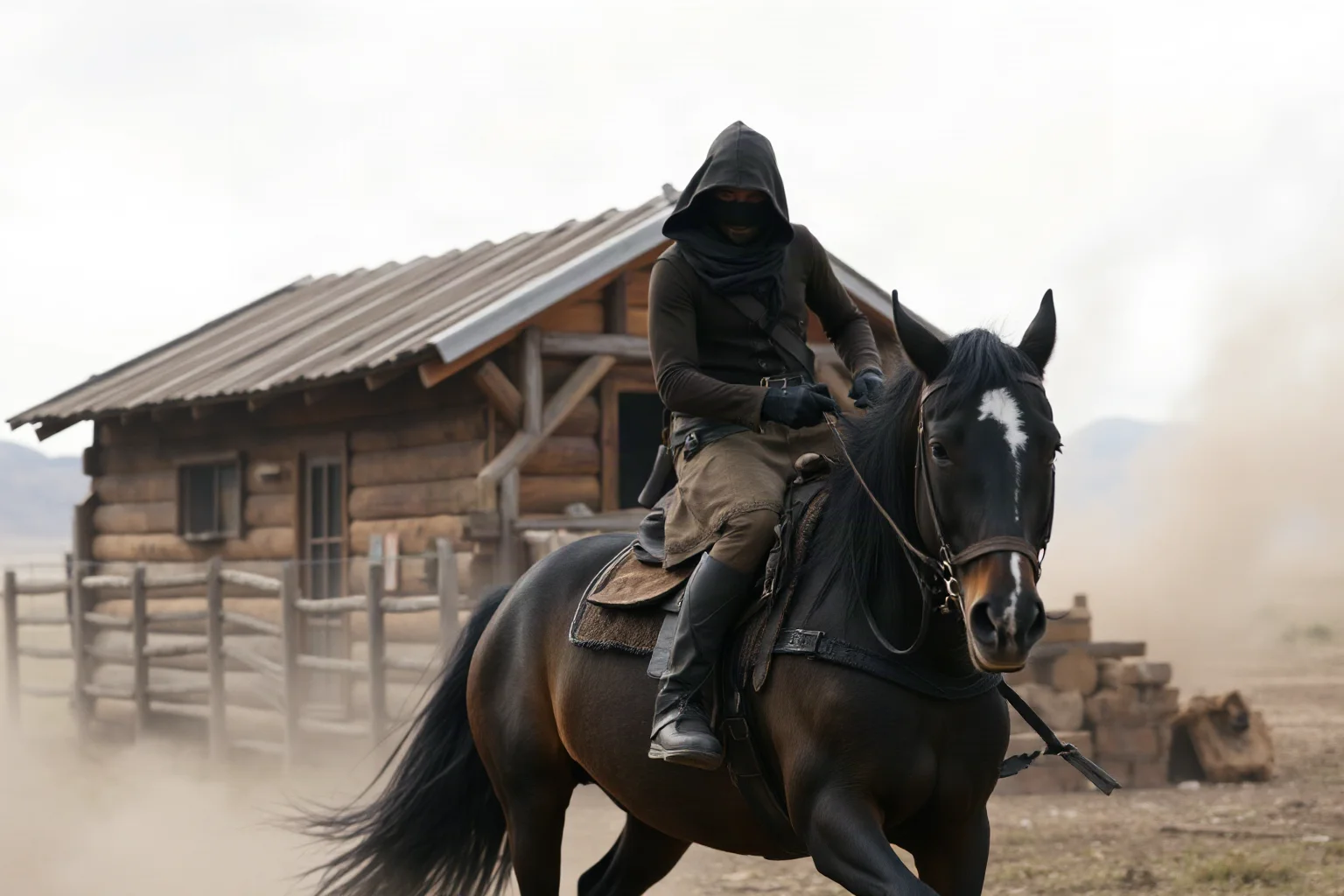
Robberies did happen, and outlaws like Jesse James and Butch Cassidy built real reputations around them, but they were far less frequent than fiction implies. Banks were relatively well-protected, and successful heists required planning, insider knowledge, or sheer luck.
Most famous robberies are famous precisely because they were exceptional, not typical. A single successful train robbery could generate newspaper coverage across the country, which helped cement its place in legend far beyond its actual frequency.
4. Saloons Were Nightly Battlegrounds
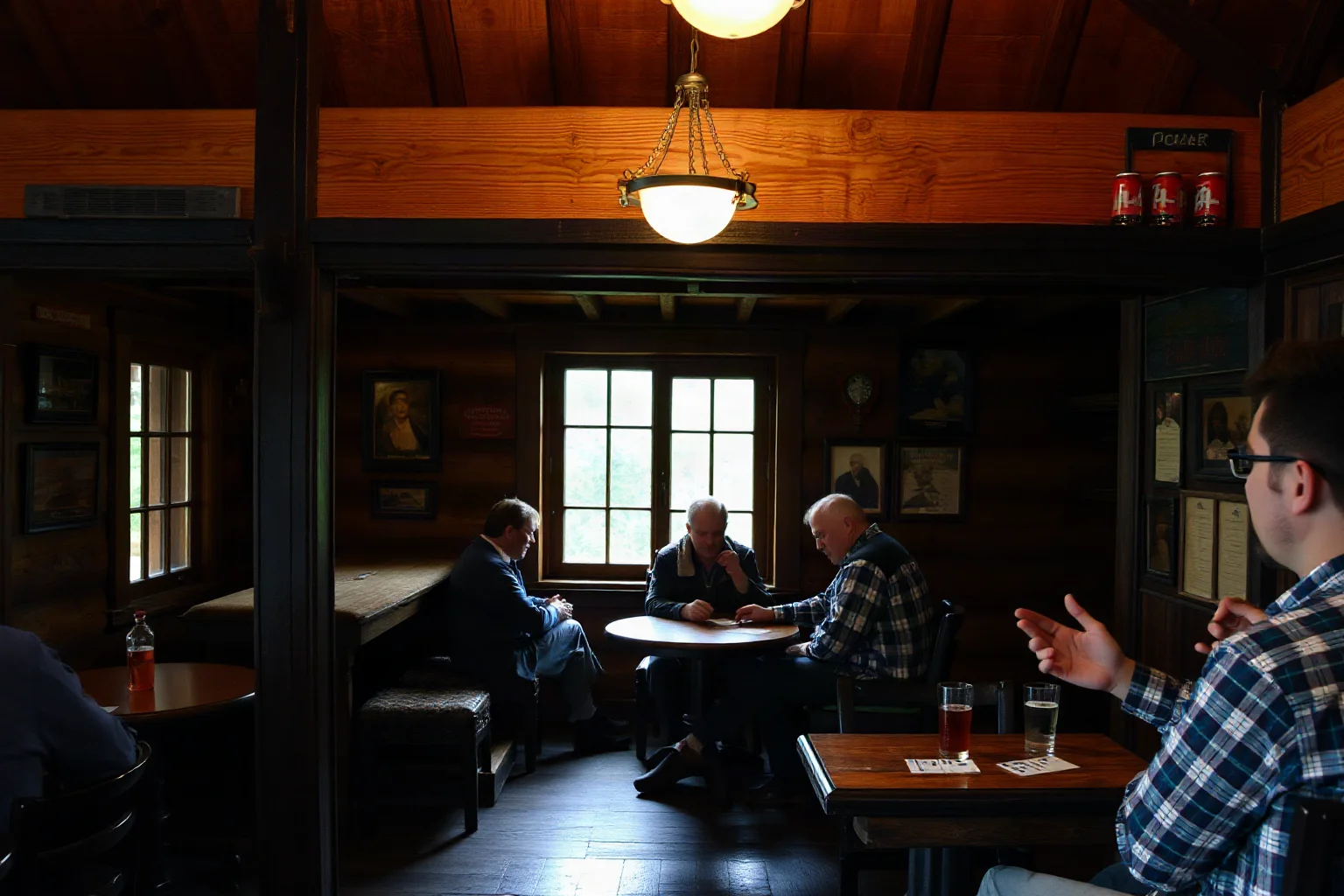
Saloons were genuinely central to frontier social life, but they mostly functioned as social hubs, not combat arenas. People gathered there for drinks, card games, conversation, and news, much like a modern bar or community center.
Fights did break out, especially involving alcohol and gambling disputes, but full-scale brawls with furniture flying were the exception, not the nightly routine depicted on screen.
5. There Was No Law West of the Mississippi
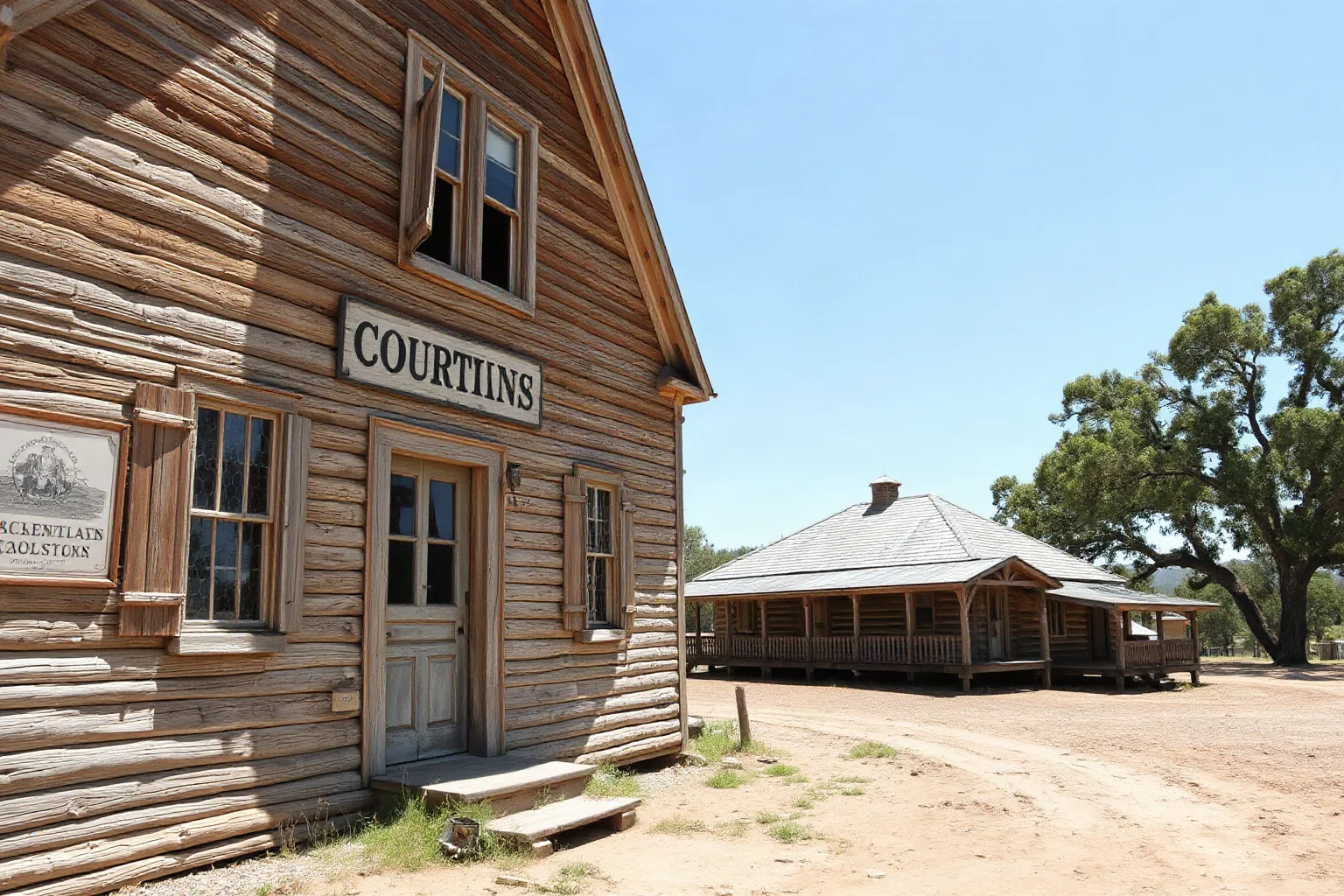
The frontier definitely had law enforcement gaps, especially in newly formed settlements before formal government arrived. But once towns established themselves, they typically brought in sheriffs, marshals, judges, and courts fairly quickly.
Territorial governments, federal marshals, and circuit judges extended a surprising amount of legal structure across the West well before statehood. Lawlessness was a real problem in specific boomtowns and transitional periods, not a permanent condition across the whole region.
6. Cowboys Were Almost All White
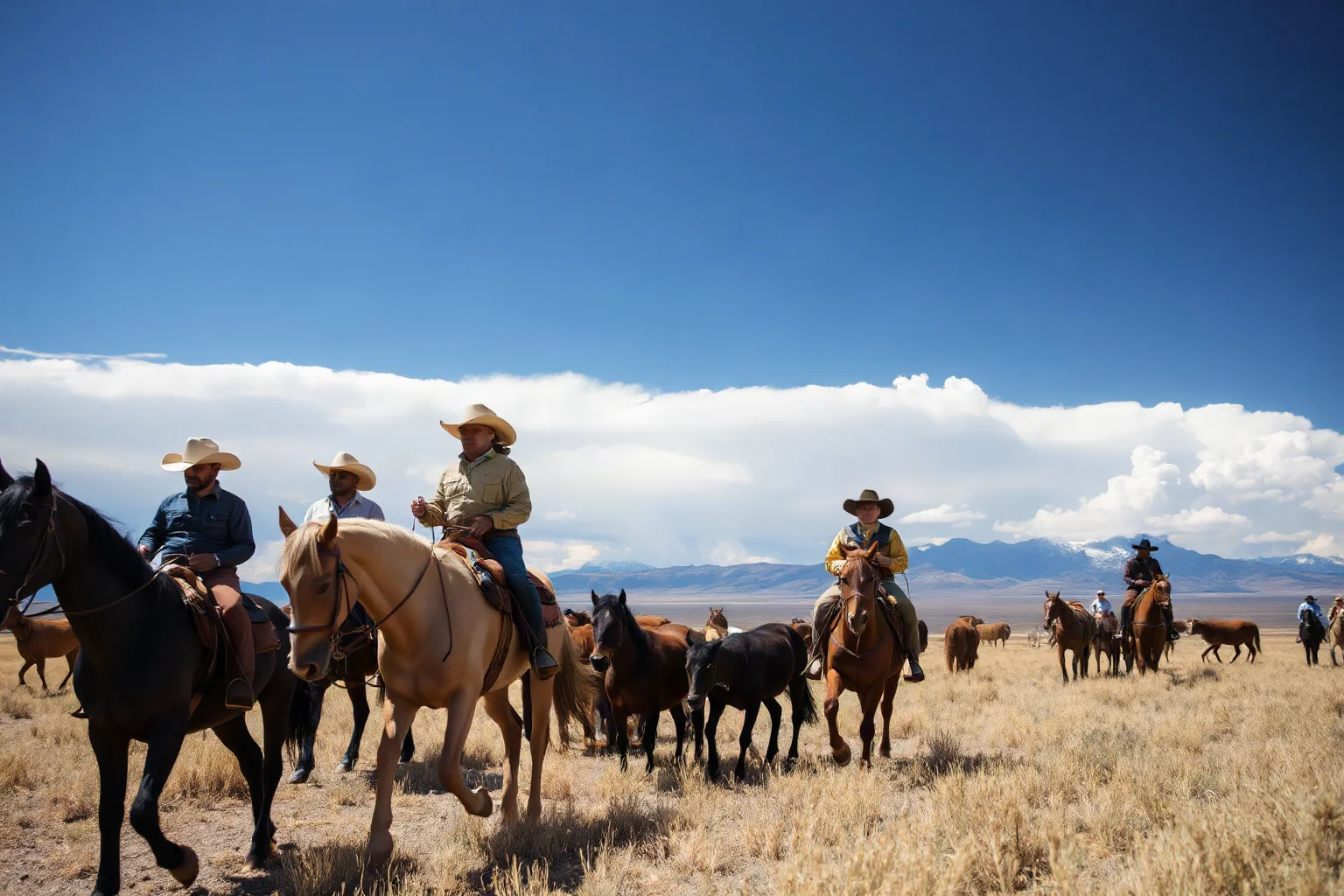
This is one of the biggest gaps between myth and reality. Historians estimate that roughly one in four cowboys on cattle drives were Black, Mexican, or Native American, reflecting the diverse workforce that actually built the cattle industry.
Vaqueros, Mexican cattle herders, had developed many of the techniques and equipment, including the lasso and saddle styles, that American cowboys later adopted. Their contribution was largely erased from popular Western imagery for decades.
7. Settlers and Native Americans Were Always at War
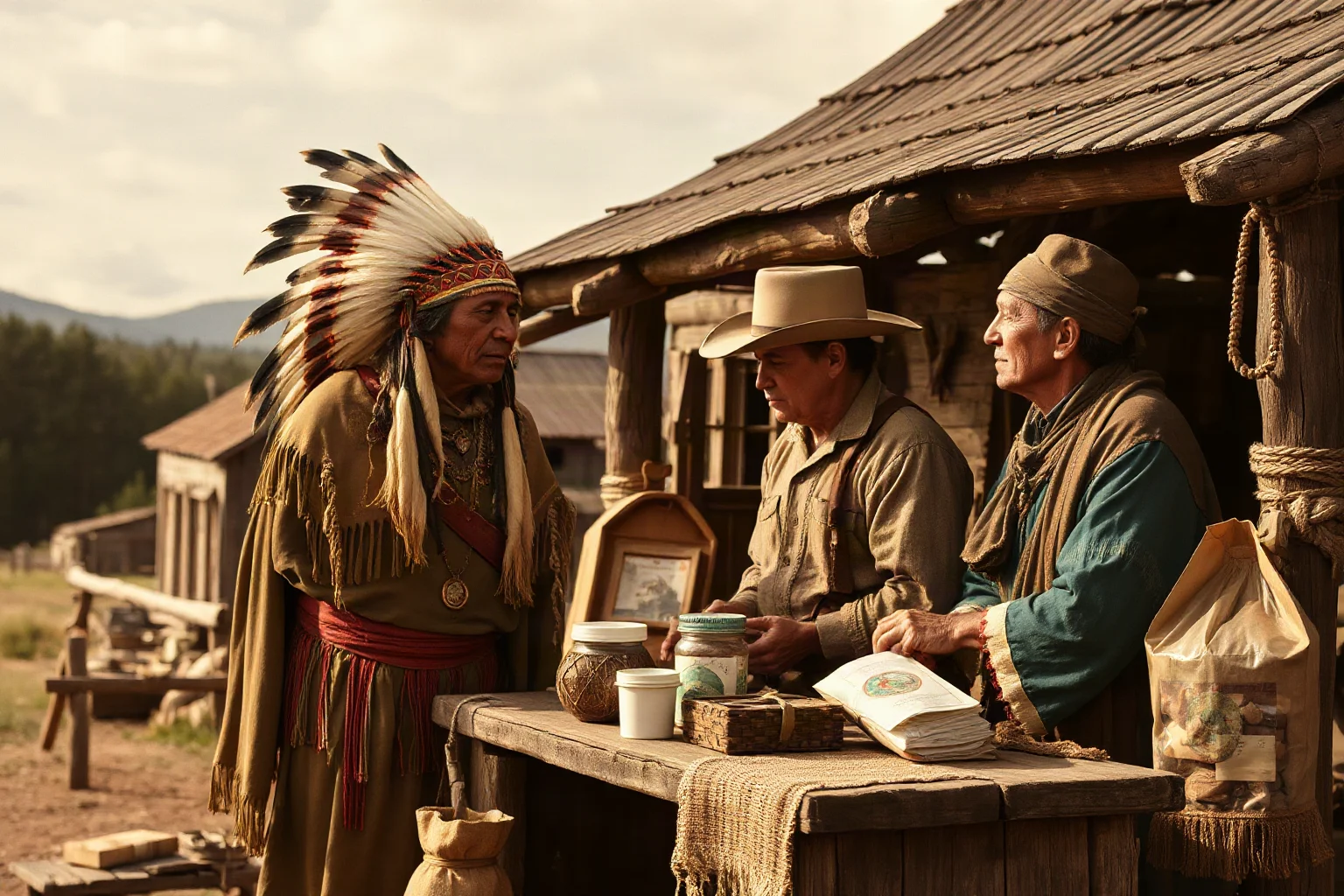
Conflict between settlers and Native American nations was real, tragic, and often brutally one-sided due to disease, broken treaties, and forced relocations. But constant, ongoing warfare wasn’t the daily reality across the whole frontier.
Many interactions involved trade, negotiation, and periods of uneasy coexistence alongside the well-documented violent clashes and forced removals. The overall history is one of systemic displacement and injustice, which is a more accurate and important story than the simplified “constant war” trope.
8. Outlaws Always Died in a Blaze of Glory
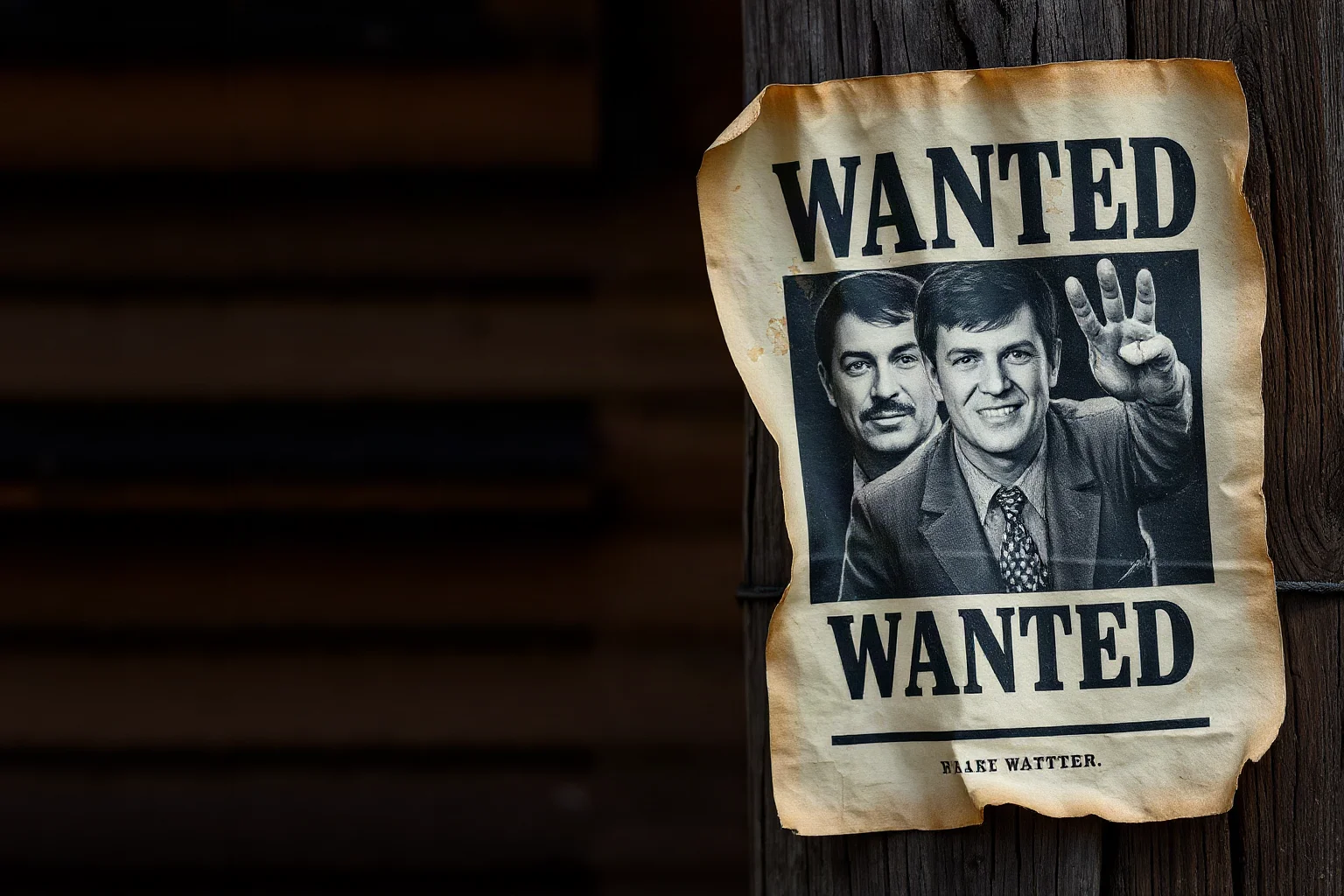
Some famous outlaws did meet violent ends, but plenty lived far less dramatic lives than legend suggests. Some were captured and served long prison sentences, while others simply faded into obscurity or relocated under new identities.
The dramatic death was often added or embellished afterward by newspapers and later biographers looking for a satisfying ending. Real life rarely wraps up as neatly as a movie script.
9. The Gunfight at the O.K. Corral Was an Epic Battle
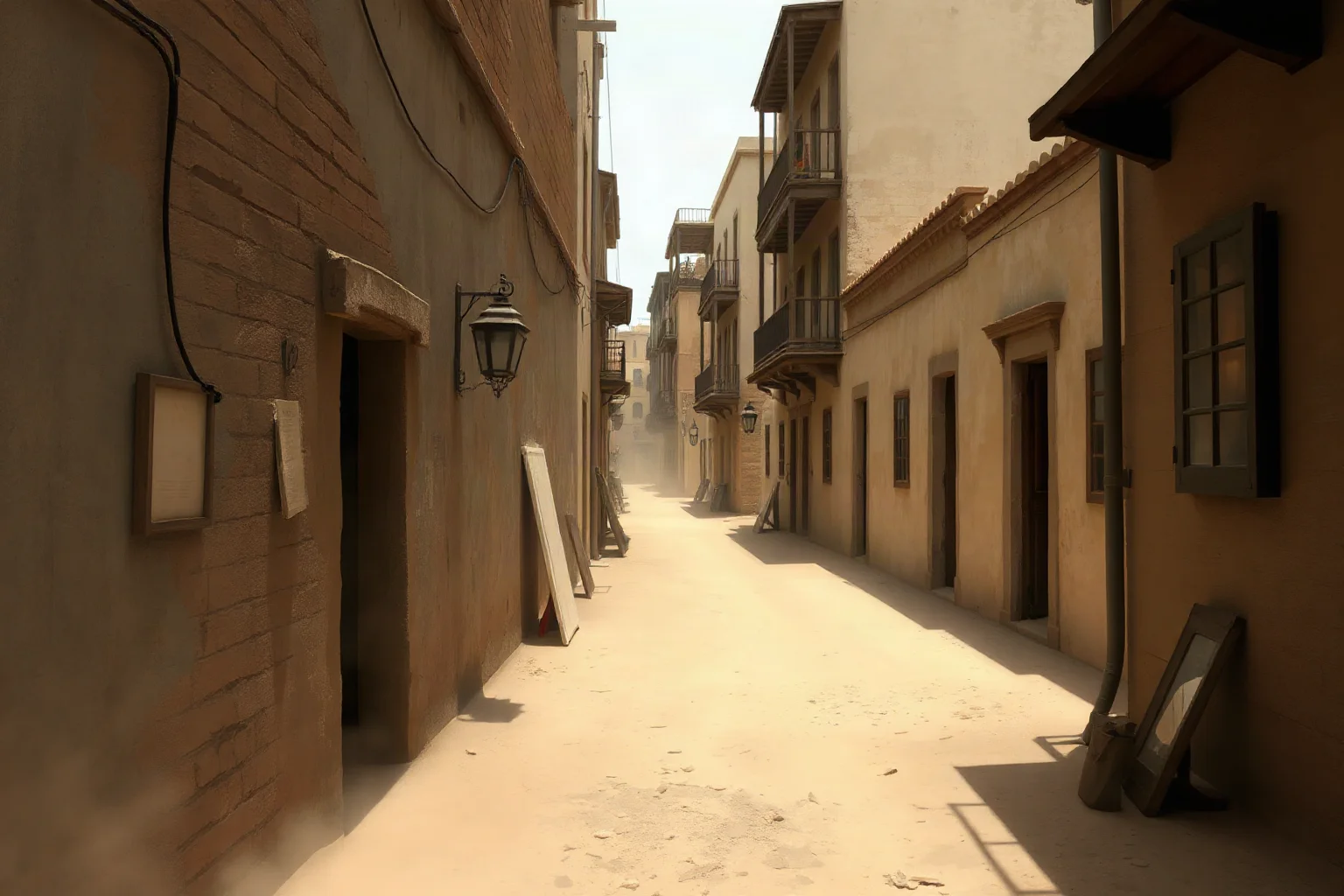
The famous 1881 shootout in Tombstone, Arizona, involving Wyatt Earp and associates, is one of the most mythologized events of the era. In reality, it lasted roughly thirty seconds and took place in a narrow lot, not a sprawling street duel.
Only a handful of shots were fired before it was over, and the aftermath involved legal hearings, not a triumphant ride into the sunset. Its fame grew enormously in the decades after, fueled by books and films rather than its actual scale.
10. Every Sheriff Was a Fearless Gunslinger
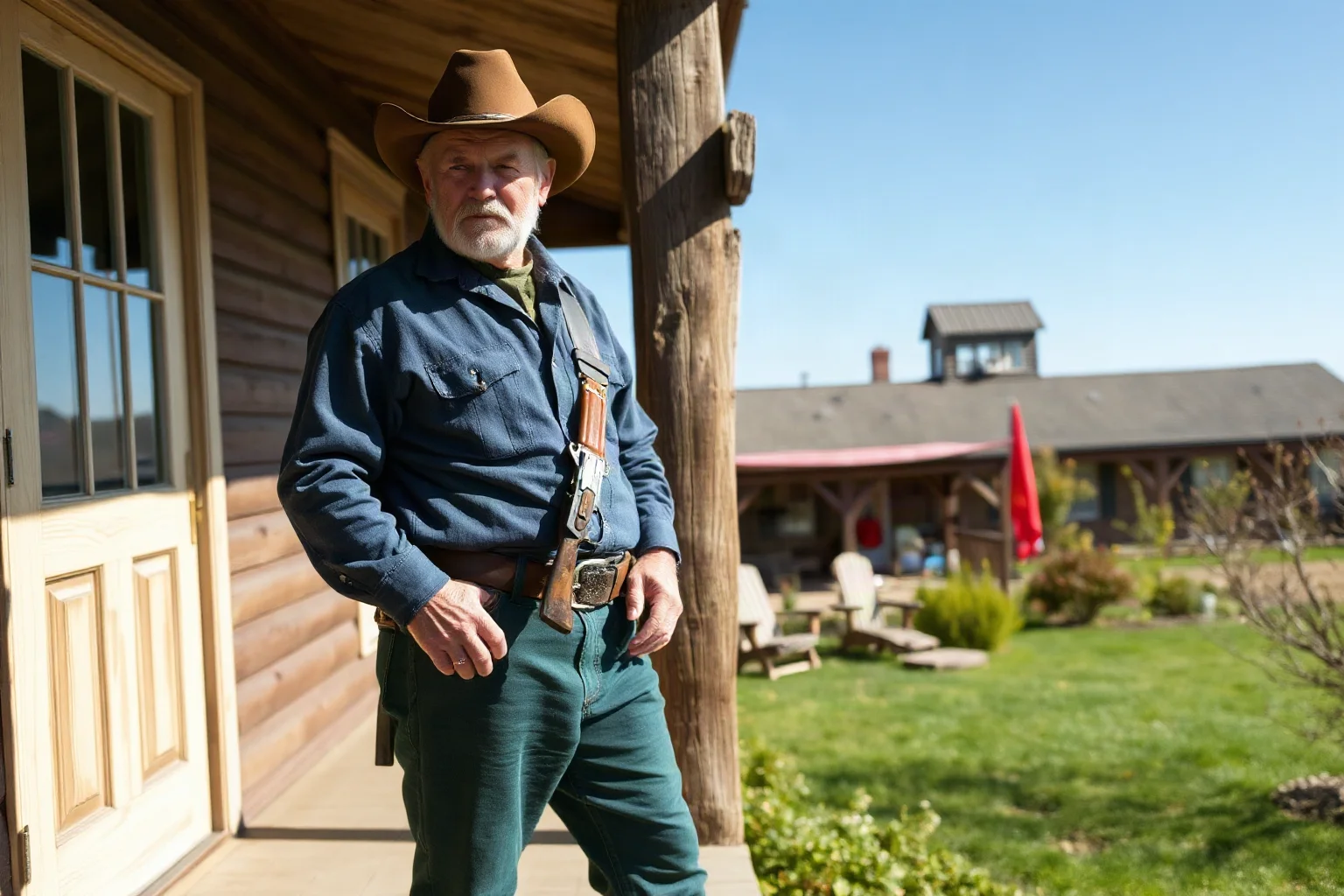
Many real lawmen relied more on negotiation, reputation, and community relationships than on quick-draw skills. Being a good sheriff often meant knowing how to defuse a situation before it escalated to gunfire.
Some lawmen also had complicated pasts as former outlaws or gamblers themselves, blurring the line between law and lawlessness that Westerns usually present as clear-cut.
11. Women Only Kept House

Women on the frontier ran ranches, owned businesses, worked as teachers and journalists, and in some territories gained voting rights decades before the rest of the country. Wyoming Territory granted women suffrage in 1869, long before the national 19th Amendment in 1920.
Figures like Calamity Jane became famous for defying conventional roles entirely, but countless ordinary women also managed farms, stores, and households through sheer necessity and resilience.
12. Towns Were Empty, Dusty, and Deserted
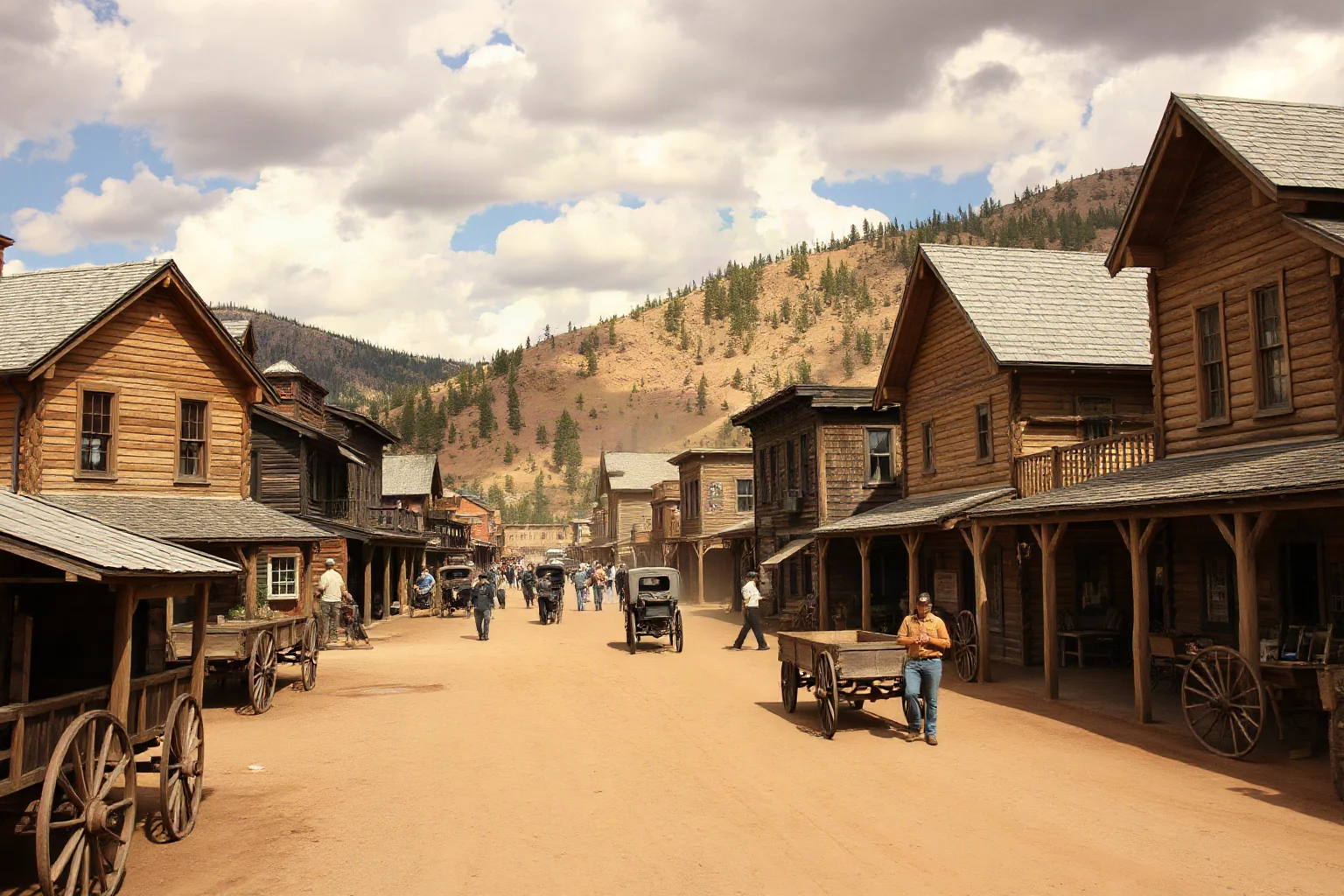
Boomtowns could grow from empty land to thousands of residents within months of a mining strike or railroad arrival. Streets were often crowded with merchants, laborers, families, and travelers rather than the eerie emptiness shown in films.
Of course, some towns did become genuine ghost towns once resources ran out or railroads bypassed them, which is part of where that dusty, abandoned image comes from in the first place.
13. Horse Thieves Got Off Easy
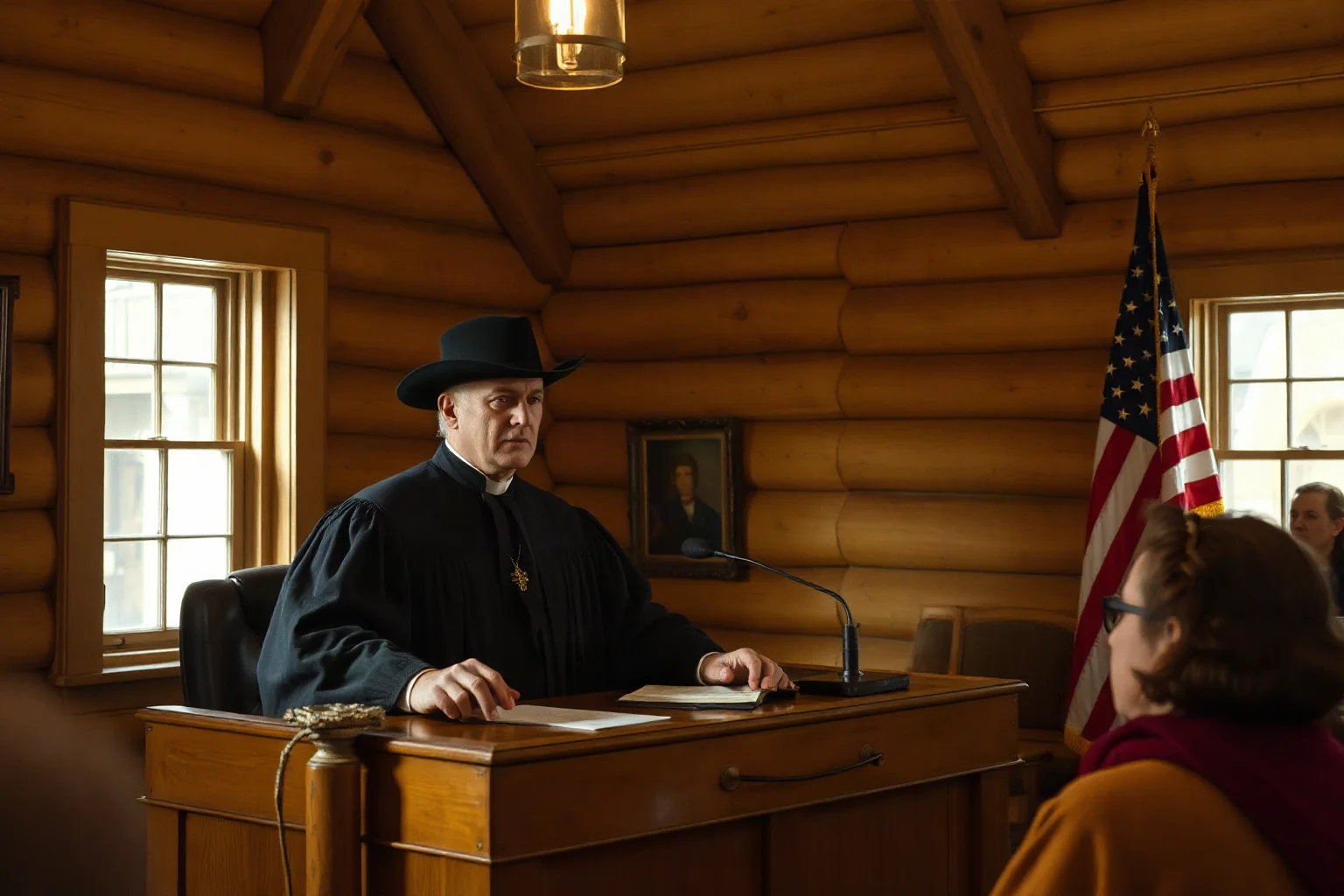
Horse theft was actually treated as an extremely serious crime, since a stolen horse could threaten someone’s livelihood or even survival on the frontier. In many territories, convicted horse thieves faced harsh sentences, and vigilante justice against them was disturbingly common.
This contrasts sharply with the more lenient treatment horse theft sometimes receives in lighthearted Western fiction. Frontier communities took it as seriously as they took violent crime.
14. There Were No Courts or Prisons
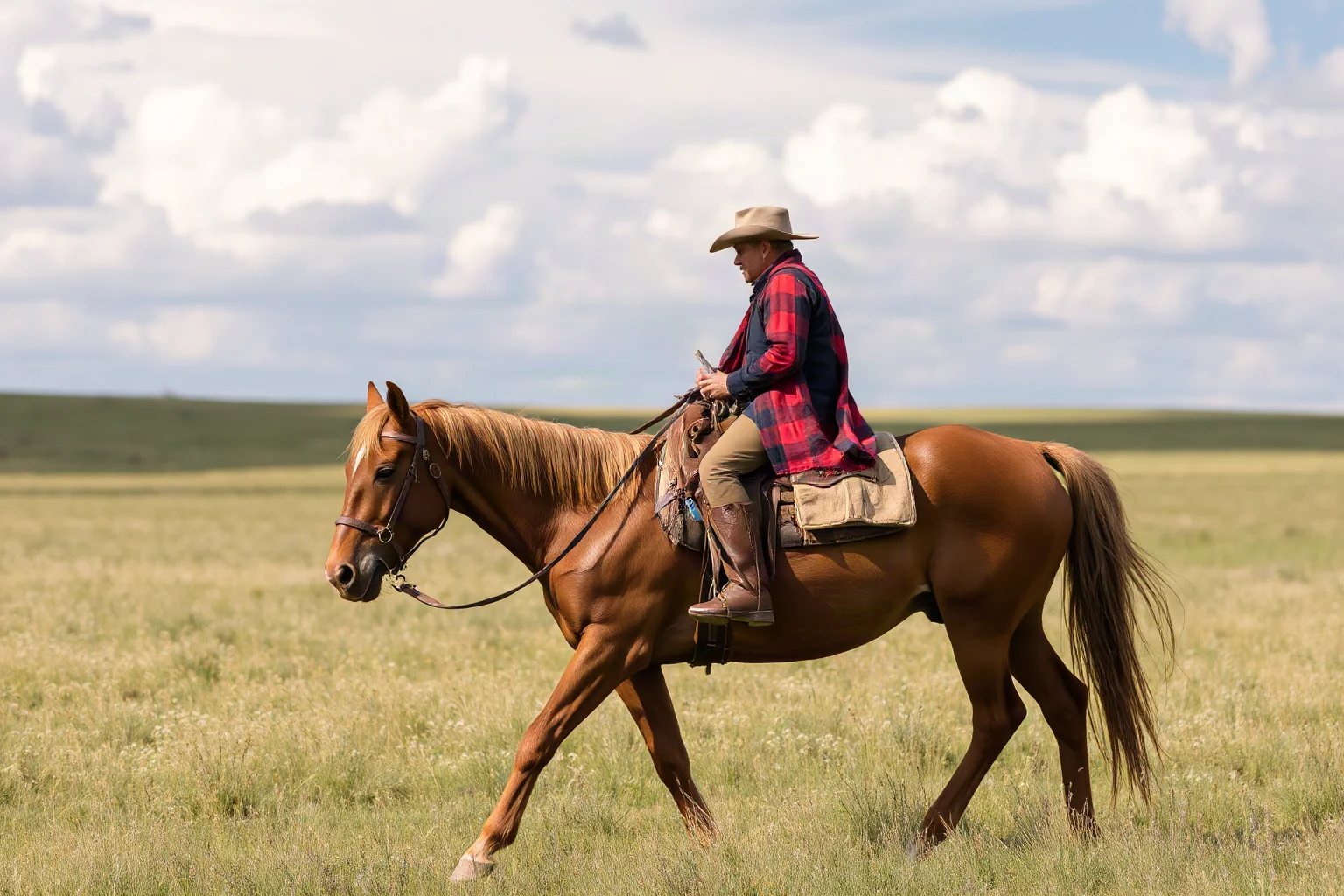
Territorial court systems developed quickly, and traveling judges, sometimes called circuit judges, covered huge distances to hold trials in newly settled areas. Federal marshals also worked alongside local sheriffs to enforce order across vast territories.
Prisons and jails existed in most established towns, even if they were sometimes rudimentary compared to Eastern facilities. The system was imperfect and unevenly applied, but it existed far more than the “total lawlessness” myth suggests.
15. The Wild West Ended in One Dramatic Moment
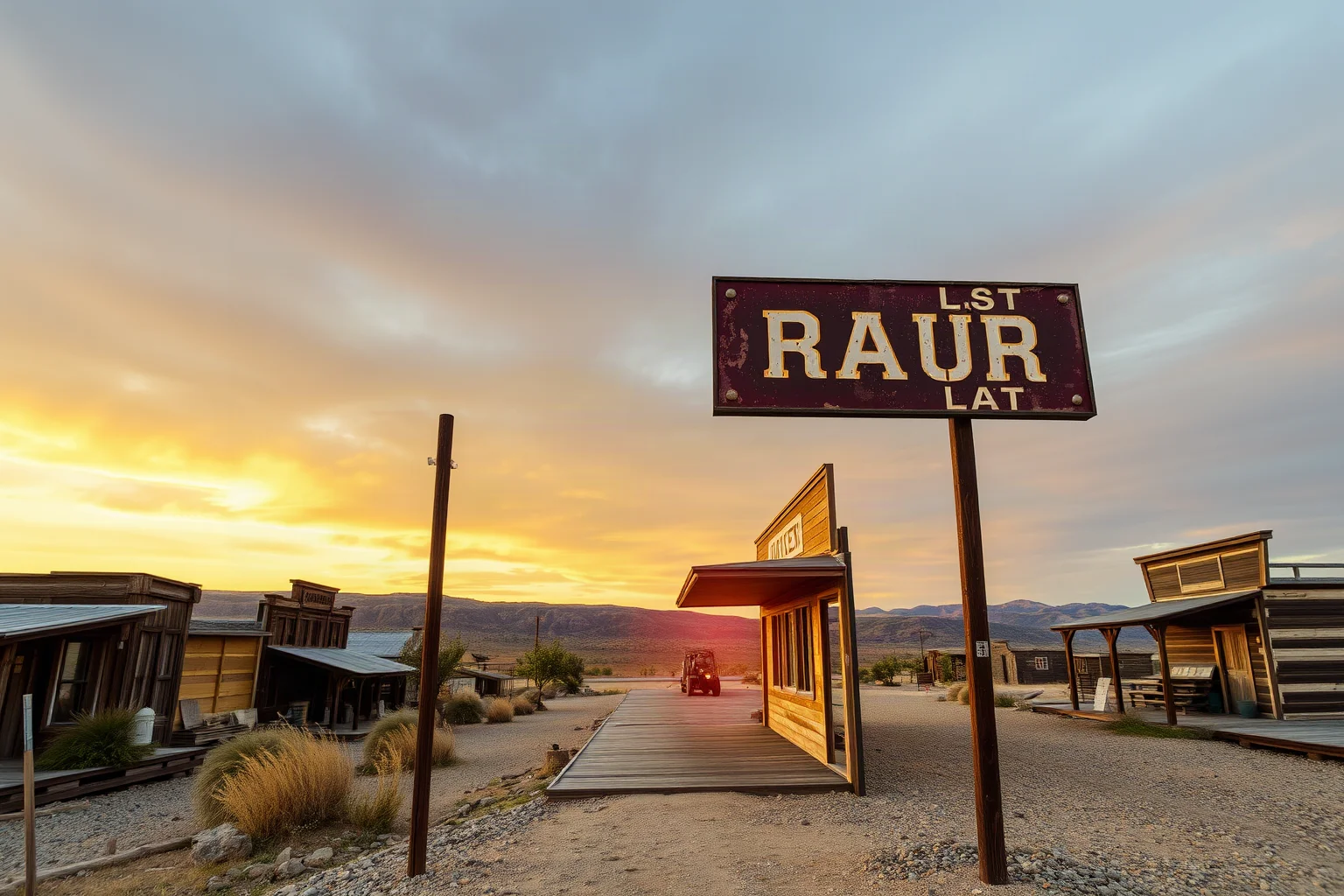
There was no single date when the Wild West “ended.” Its decline was gradual, driven by the spread of railroads, telegraph lines, barbed wire fencing, and formal statehood across former territories.
By the early 1900s, most of the region had courts, police forces, and infrastructure resembling the rest of the country. The frontier didn’t vanish overnight; it was absorbed into modern America piece by piece.
16. Vigilante Mobs Ran Every Town
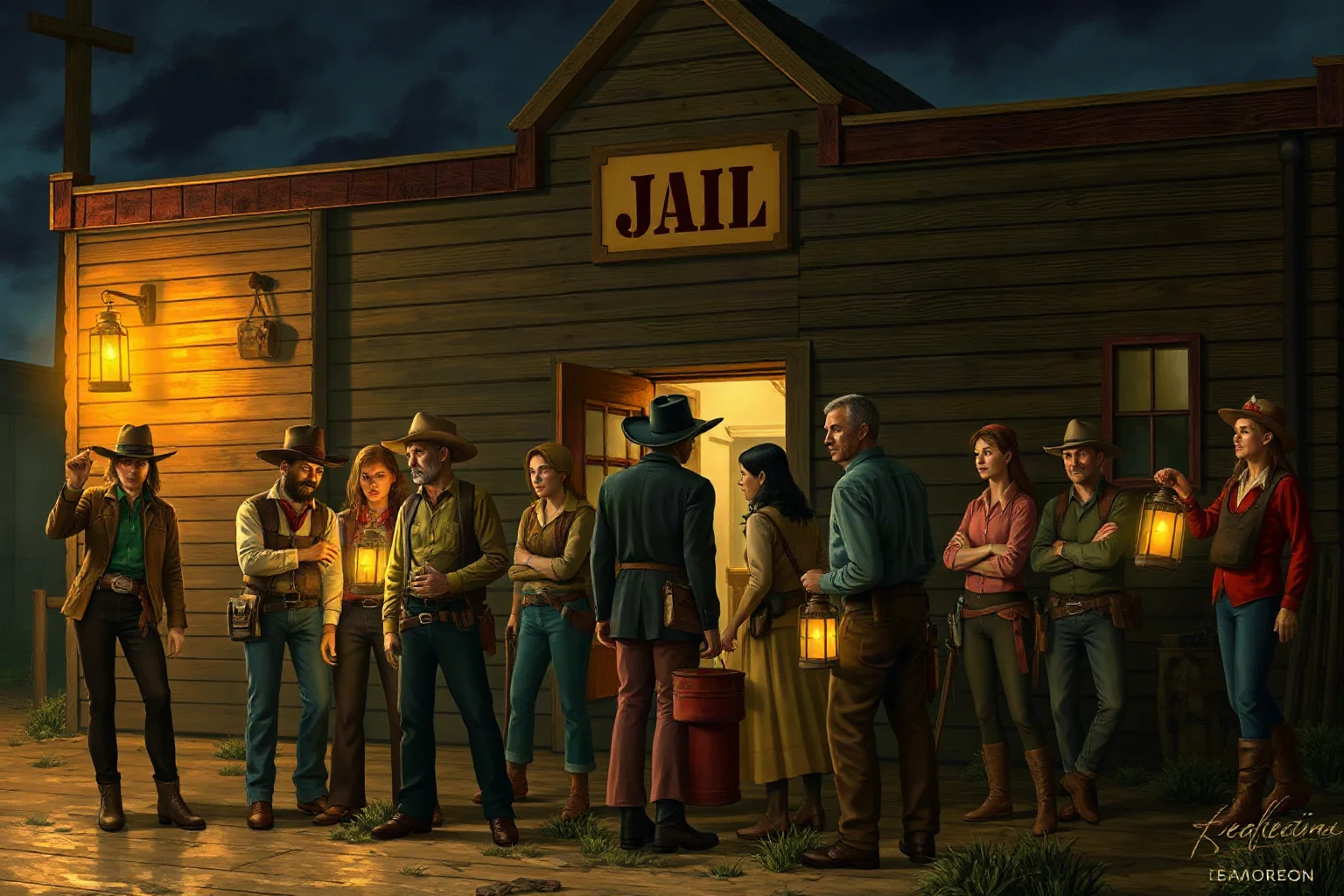
Vigilante justice did occur, particularly in mining camps and areas without established courts, and it’s a genuinely dark chapter of frontier history. But it wasn’t the default system everywhere, and many communities actively worked to establish formal courts specifically to move away from mob justice.
Where vigilante action did happen, it was often controversial even at the time, with newspapers and residents debating its legitimacy rather than universally celebrating it.
17. Nobody Lived Past Forty
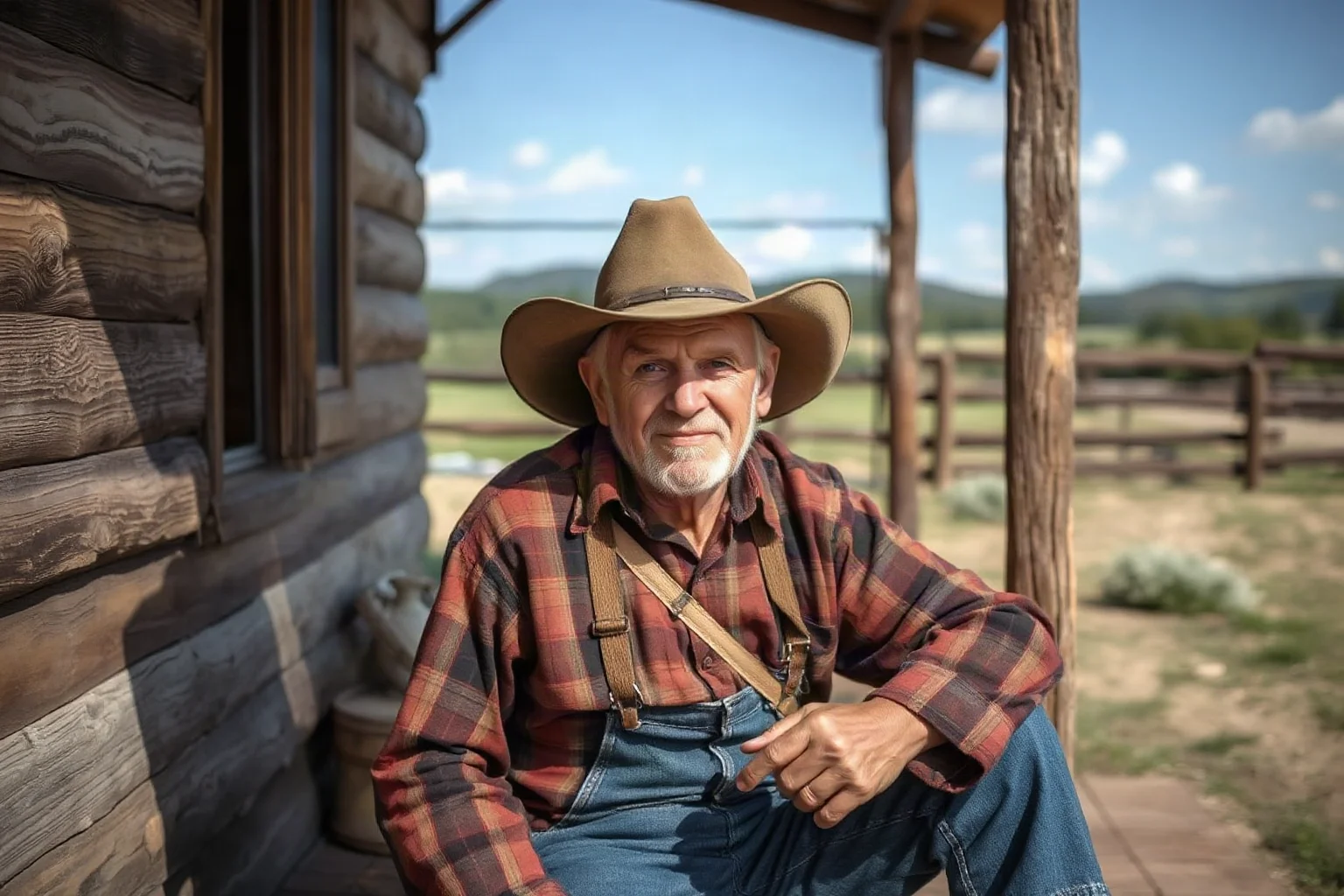
Frontier life was undeniably harder on the body than modern life, with limited medicine and physically demanding work. But adults who survived childhood illnesses often lived into their fifties, sixties, or beyond, similar to broader national averages of the era.
Low average life expectancy statistics from this period are heavily skewed by high infant and childhood mortality, not by adults dying young from gunfights or barroom brawls.
18. Every Town Was Crawling with Outlaws
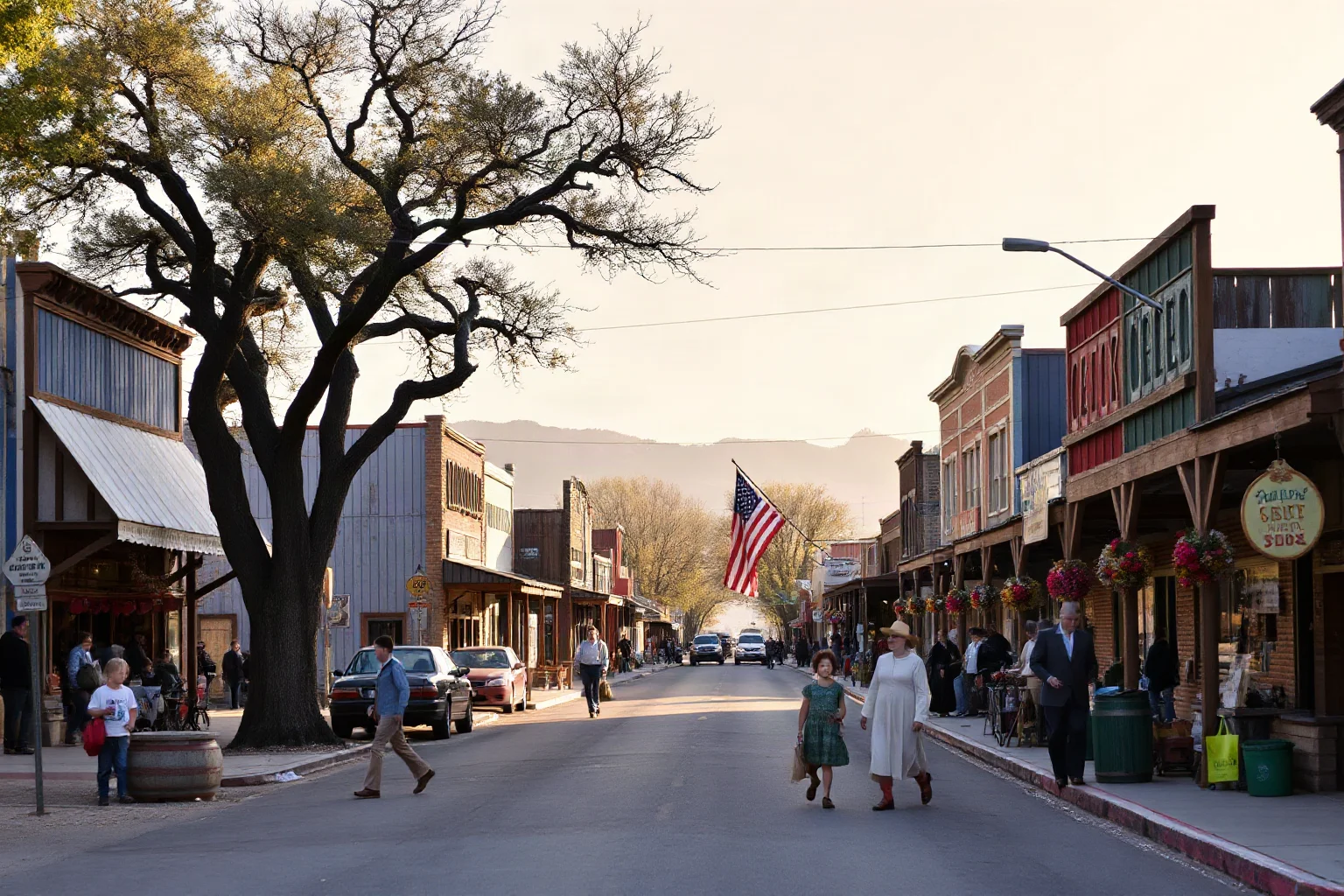
Most frontier residents were ordinary working people: farmers, ranchers, merchants, railroad workers, and their families. Outlaws made up a tiny fraction of the population, even in towns famous for lawlessness like Tombstone or Deadwood.
The outsized fame of a small number of criminals created a lasting impression that outlaws were everywhere, when in reality most residents never encountered one in their entire lives.
19. Whiskey Fueled Constant Chaos
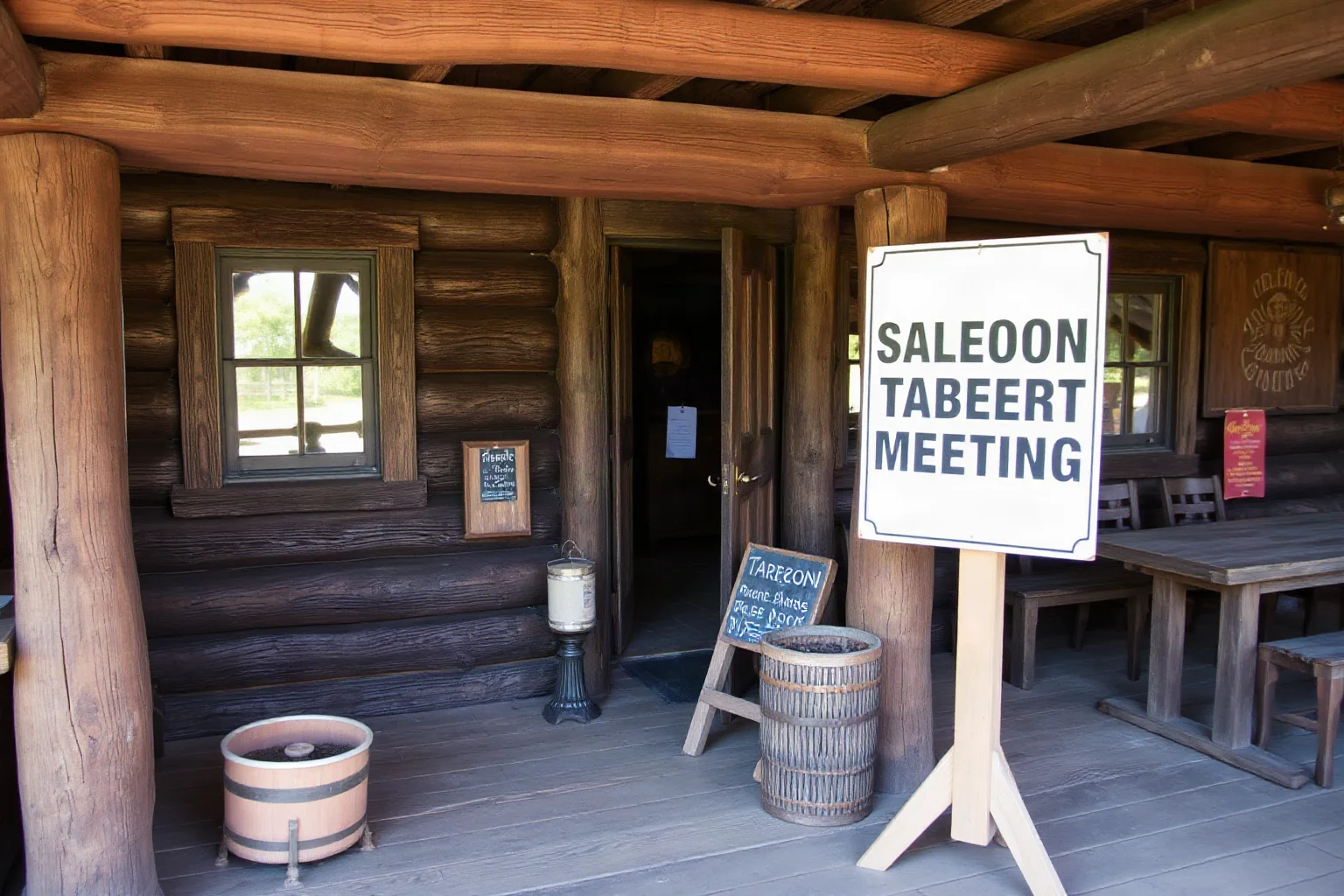
Alcohol was certainly part of frontier social life, and it did contribute to some conflicts, but saloons functioned more like community gathering spaces than nonstop chaos generators. Many towns also had temperance movements and religious communities actively pushing back against heavy drinking culture.
The “drunk cowboy causing mayhem” trope reflects real incidents, but it was far from a universal daily occurrence across the frontier.
20. The Frontier Was Wilder Than Eastern Cities
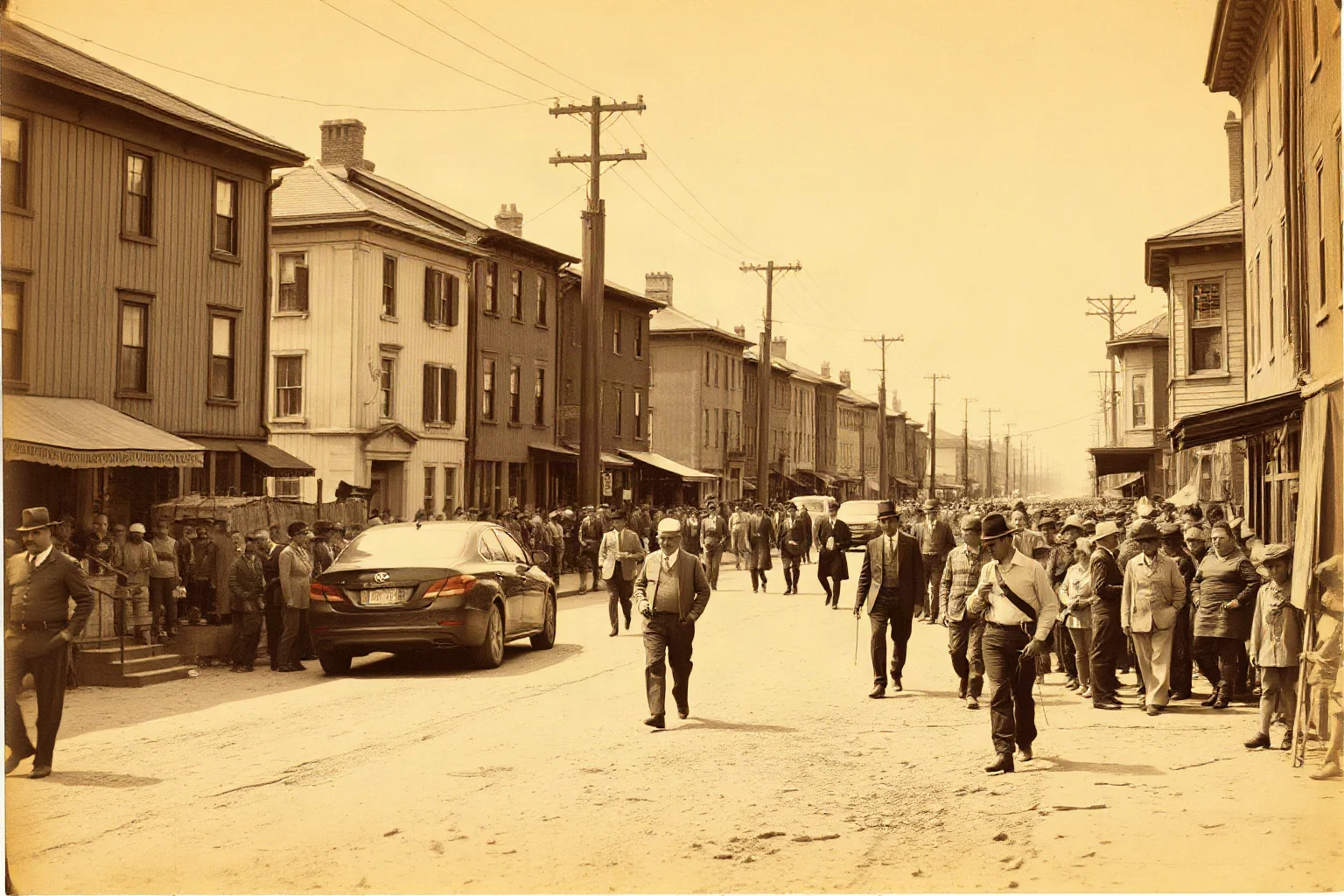
Some of the era’s most notorious violence, including organized crime, gang warfare, and police corruption, actually occurred in booming Eastern and Midwestern cities like New York and Chicago. In some statistical comparisons, certain Eastern urban areas had higher violent crime rates than many frontier towns.
The “Wild” West’s reputation for danger often overshadowed the fact that rapid, chaotic urban growth back East could be just as rough, if not rougher, in certain neighborhoods and decades.
21. Hollywood Got It Basically Right
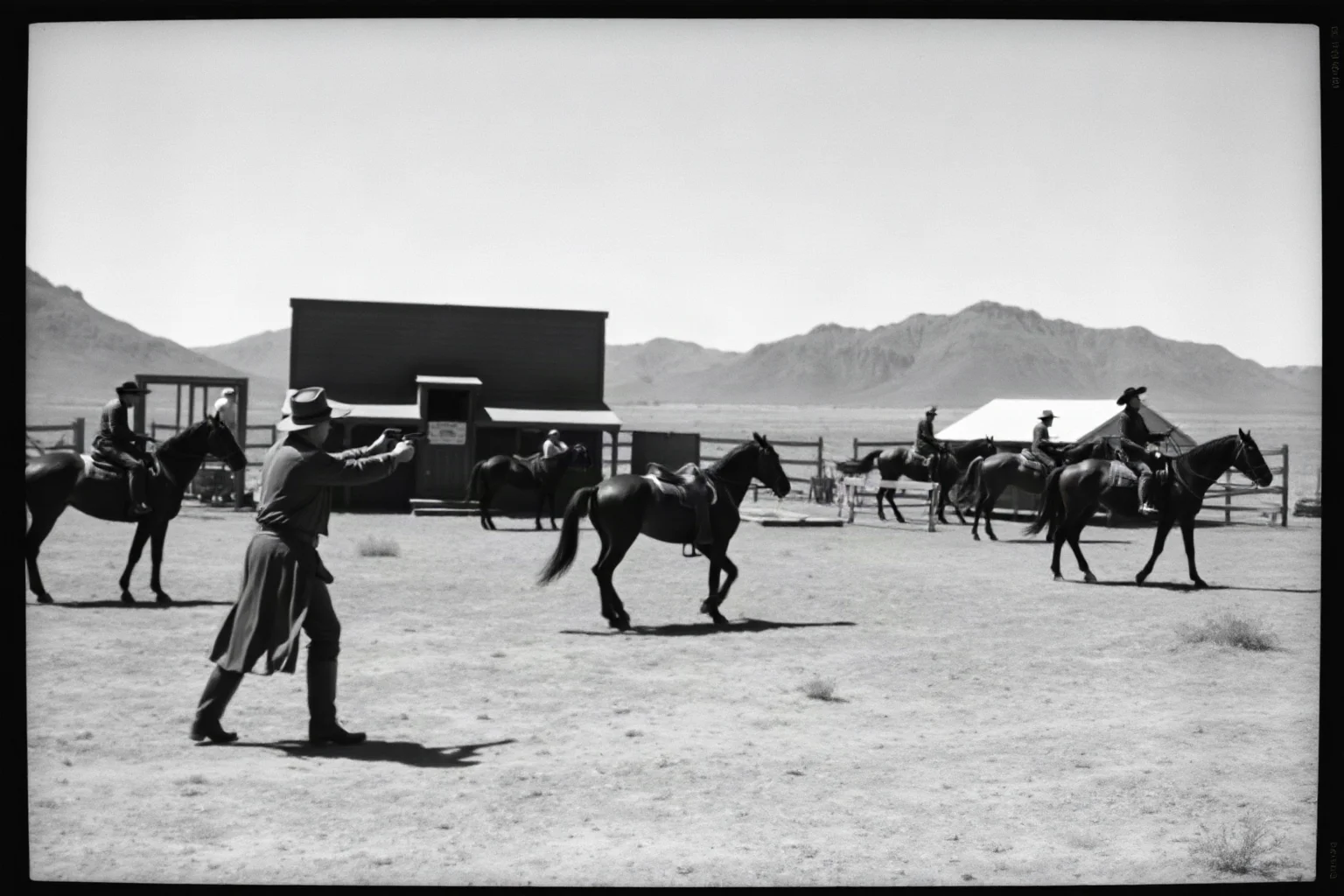
Most Western films were made decades after the actual frontier era closed, often filmed in the 1930s through 1960s using stylistic conventions borrowed from earlier stage shows and dime novels. Filmmakers prioritized drama and pacing over historical accuracy, which is completely understandable for entertainment but not a reliable history lesson.
Even costume choices, like the iconic wide-brim hats and low-slung gun belts, were often exaggerated or standardized for visual effect rather than accurately reflecting typical frontier dress. The Wild West of the movies is really its own separate cultural creation, layered on top of, but distinct from, the actual historical period.
So, Was the Wild West Really So Wild?
The honest answer is: partly, and unevenly. Certain boomtowns and specific years genuinely saw elevated violence, particularly where young, armed, transient populations clashed over mining claims, cattle disputes, or personal feuds. Those hotspots are real, well-documented, and worth taking seriously as history.
But the sweeping image of a frontier drenched in constant gunfire and lawlessness doesn’t hold up against the historical record. Most people who lived through this era spent their days farming, building towns, raising families, and trying to make a hard life a little easier, not dodging bullets. The wild of the West was real, but it was concentrated, brief, and far more complicated than the legend lets on.
Understanding the gap between myth and reality doesn’t make the Wild West less fascinating. If anything, it makes it more interesting, because the true story involves diverse communities, remarkable resilience, and genuine hardship that a simple shootout narrative could never fully capture.
Frequently Asked Questions
Was the Wild West real?
Yes, the Wild West refers to a real historical period of American westward expansion, roughly from the 1860s to the early 1900s. Real towns, settlers, lawmen, and outlaws existed, though popular culture later exaggerated daily violence and lawlessness far beyond what historical records support.
What was the Wild West, exactly?
The Wild West describes the American frontier during the era of rapid westward settlement following the Civil War, covering territories that became states like Kansas, Texas, Montana, and Arizona. It involved cattle ranching, mining booms, railroad expansion, and the displacement of Native American nations.
When was the Wild West period?
Most historians place the Wild West period between roughly 1865 and 1895, though some extend the timeframe from the 1850s through 1912, when Arizona became the last contiguous U.S. state admitted to the Union.
What period of time was the Wild West, and why did it end?
It spanned roughly three to five decades in the second half of the 19th century. It gradually ended as railroads, telegraph lines, barbed wire, and formal statehood brought infrastructure and law enforcement to the frontier, rather than ending at any single dramatic moment.
How violent was the Wild West compared to today?
It varied enormously by location. Some mining boomtowns had homicide rates higher than modern American cities, while many cattle towns and farming communities recorded only a handful of killings per year, sometimes fewer than comparable modern populations.
What was the Old West really like day to day?
For most residents, daily life centered on physical labor, farming, ranching, and building new communities from scratch, rather than gunfights. Disease, harsh weather, and accidents posed far greater dangers than outlaws for the average settler.
What is meant by the ‘wild of the West’?
The phrase generally refers to the untamed, rapidly changing frontier landscape and society of the American West during its expansion era. It captures both the genuine hardships and dangers of frontier life and the exaggerated legend that grew up around it in later popular culture.
Was the West really wilder than cities back East?
Not necessarily. Some Eastern and Midwestern cities experiencing rapid industrial growth in the same era had comparable or even higher rates of violent crime and organized gang activity than many frontier towns.

Alex Warren
Related Articles