

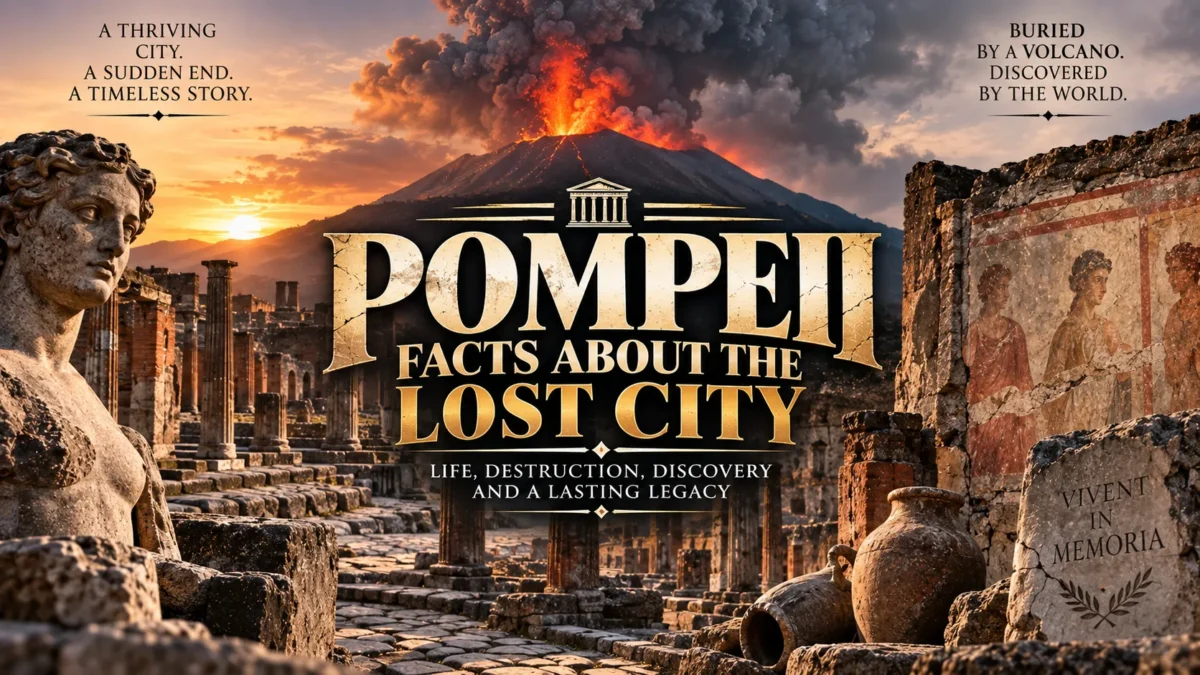
Pompeii is one of those places that seems to shrink the distance between us and the ancient world. Walk down its rutted streets today and you can still see wheel ruts, painted political slogans, and half-eaten loaves of bread frozen in time.
It’s a city that died in a single catastrophic event, yet somehow feels more alive than almost any other Roman ruin on earth.
That strange contradiction is exactly why Pompeii fascinates so many people, from casual travelers to serious historians. Below are more than 20 facts about Pompeii and Mount Vesuvius that go beyond the textbook basics, covering the eruption itself, the city’s daily life, and the long, sometimes messy story of its rediscovery.
TL;DR: Pompeii was a bustling Roman city frozen in time by the 79 AD eruption of Mount Vesuvius, and its ash-preserved streets, homes, and even bread still reveal astonishing details about everyday Roman life.
1. Pompeii Was a Real, Thriving City — Not Just a Disaster Site
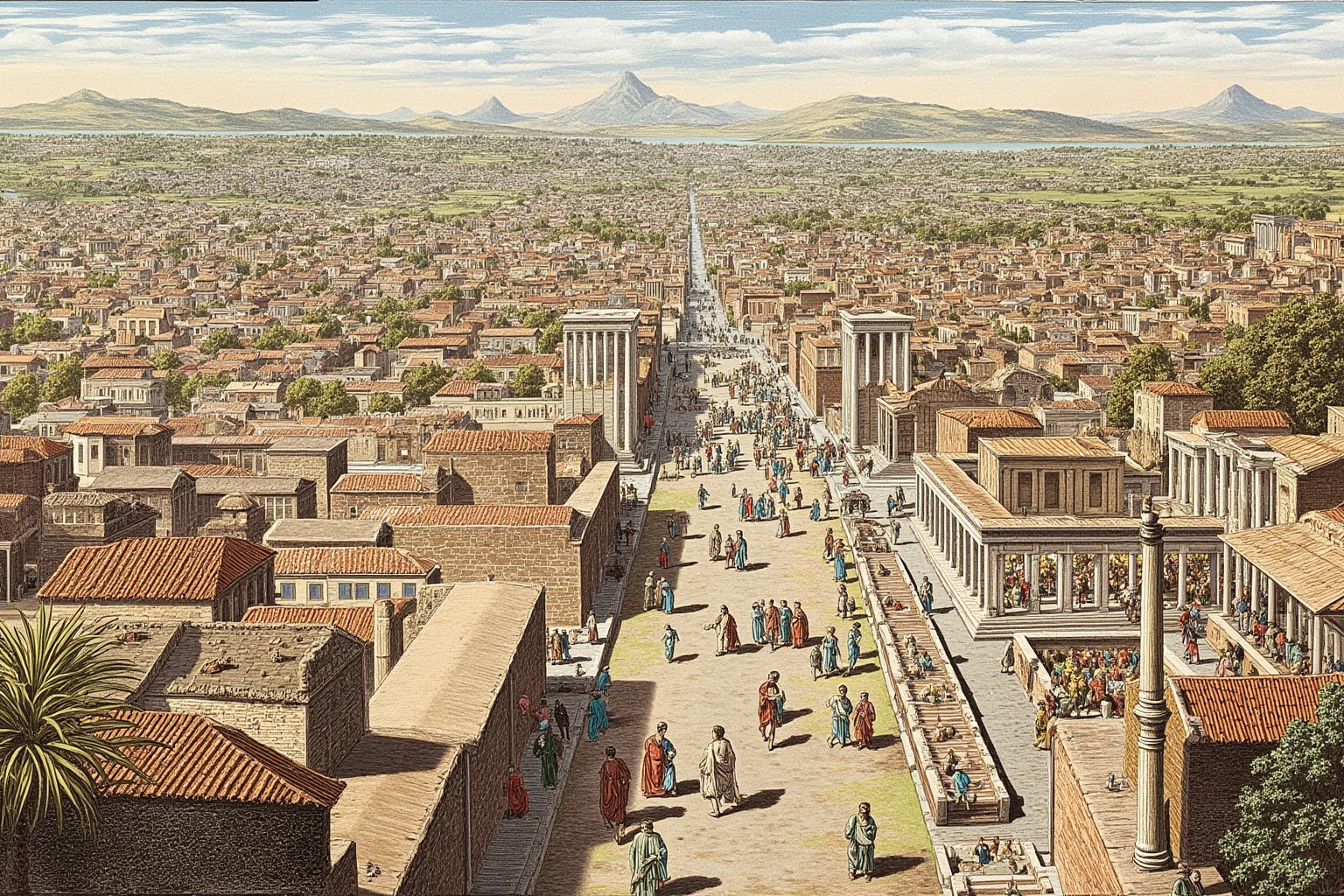
It’s easy to think of Pompeii only as “the place buried by a volcano,” but before 79 AD it was a genuinely prosperous Roman town.
Estimates suggest a population somewhere between 11,000 and 20,000 people, supported by trade, agriculture, and its handy position near the Bay of Naples. It had temples, a forum, theaters, bathhouses, and bustling shopping streets, much like any other mid-sized Roman city sitting within one of the greatest empires in history.
This matters because what makes Pompeii famous isn’t just its destruction, it’s that the destruction preserved an ordinary working city rather than a monument built to impress. That is a big part of what Pompeii is known for among archaeologists: an unfiltered snapshot of daily Roman life, not a curated one.
2. Mount Vesuvius Erupted in 79 AD — But the Exact Date Is Debated
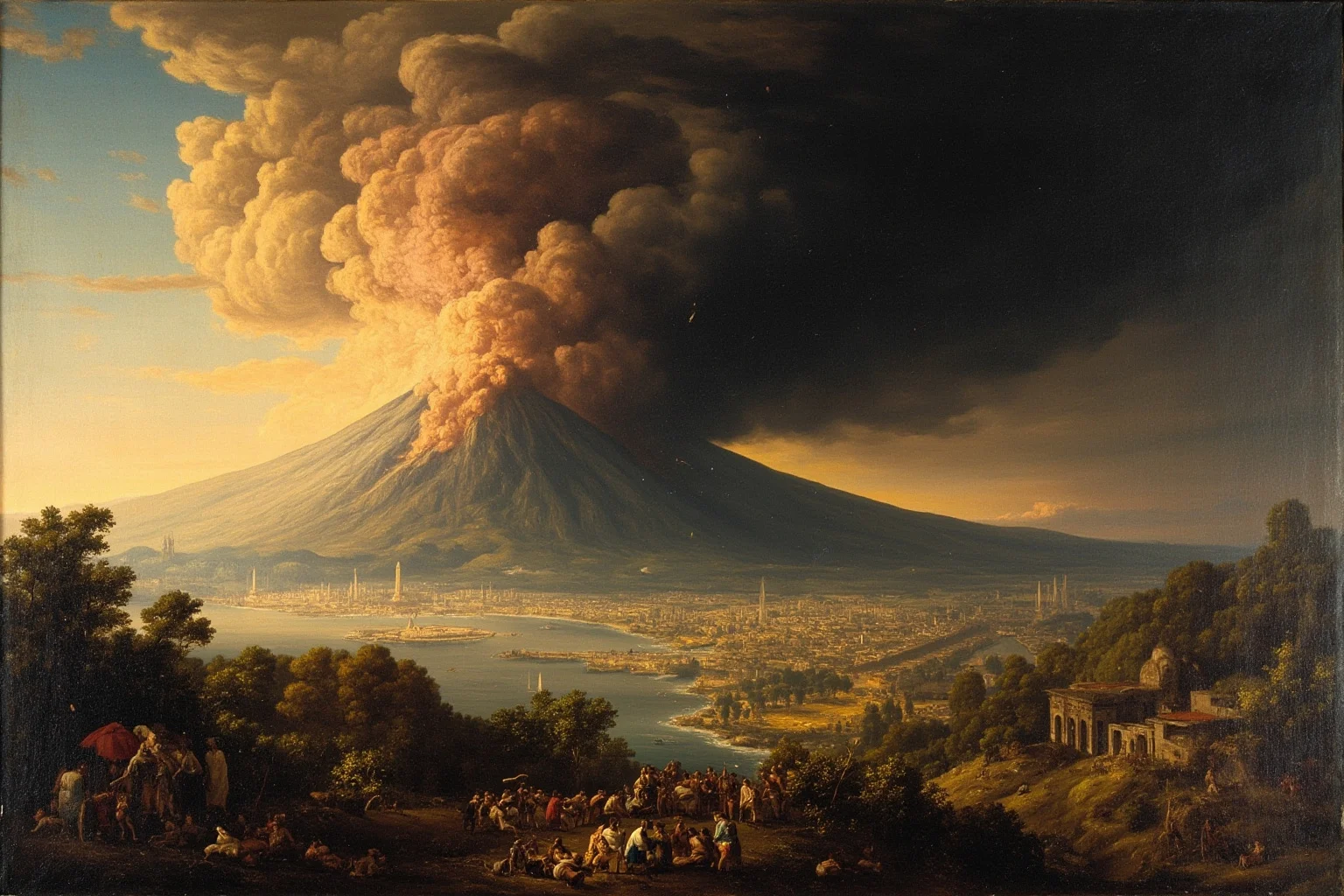
Most popular sources cite August 24, 79 AD as the eruption date, a tradition based on later copies of a letter from the Roman writer Pliny the Younger.
However, archaeological evidence, including autumn fruits and warm-weather clothing found at the site, has led many historians to argue the eruption more likely happened in October or even November of that year. Some ancient manuscript versions of Pliny’s letter actually give a date consistent with autumn, not late summer.
This is one of those classic history mysteries where the popular date has stuck around in culture even as scholarship shifts. Either way, the eruption of the Pompeii volcano remains one of the best-documented natural disasters of the ancient world.
3. The Eruption Unfolded Over Roughly Two Days
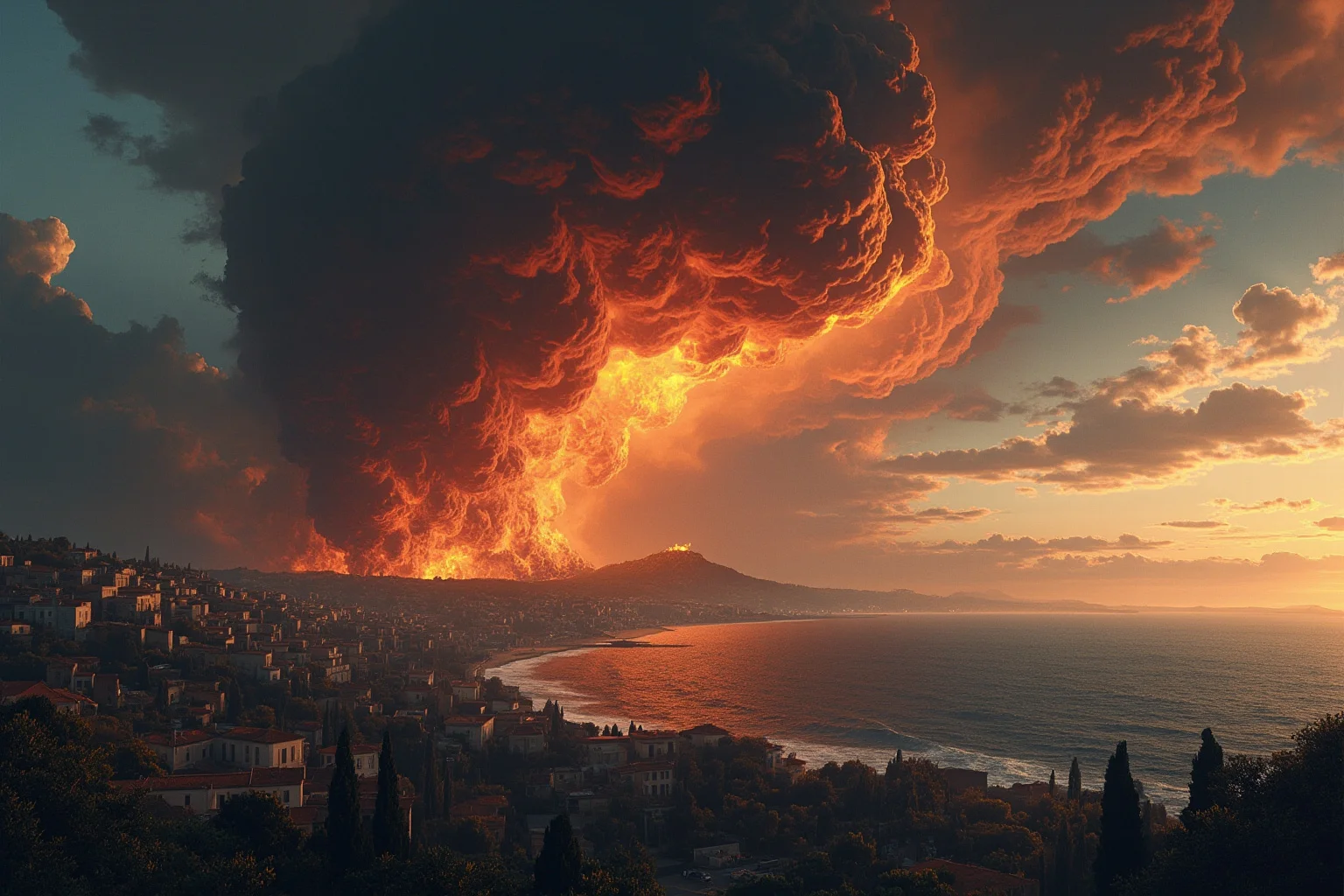
Vesuvius didn’t destroy Pompeii in one single blast. Instead, the eruption is generally split into two main phases: an initial period of falling pumice and ash that piled up on roofs and streets, followed by a series of deadly pyroclastic flows, fast-moving clouds of superheated gas and volcanic debris. Many Pompeians who died were killed in these later surges, not by the initial ashfall.
This two-stage sequence is one of the more important facts about the Pompeii volcano, because it explains why some residents had time to flee while others did not. Nearby Herculaneum, closer to the volcano, was hit by the pyroclastic flows earlier and more directly.
4. Pliny the Younger Left Us the Only Eyewitness Account
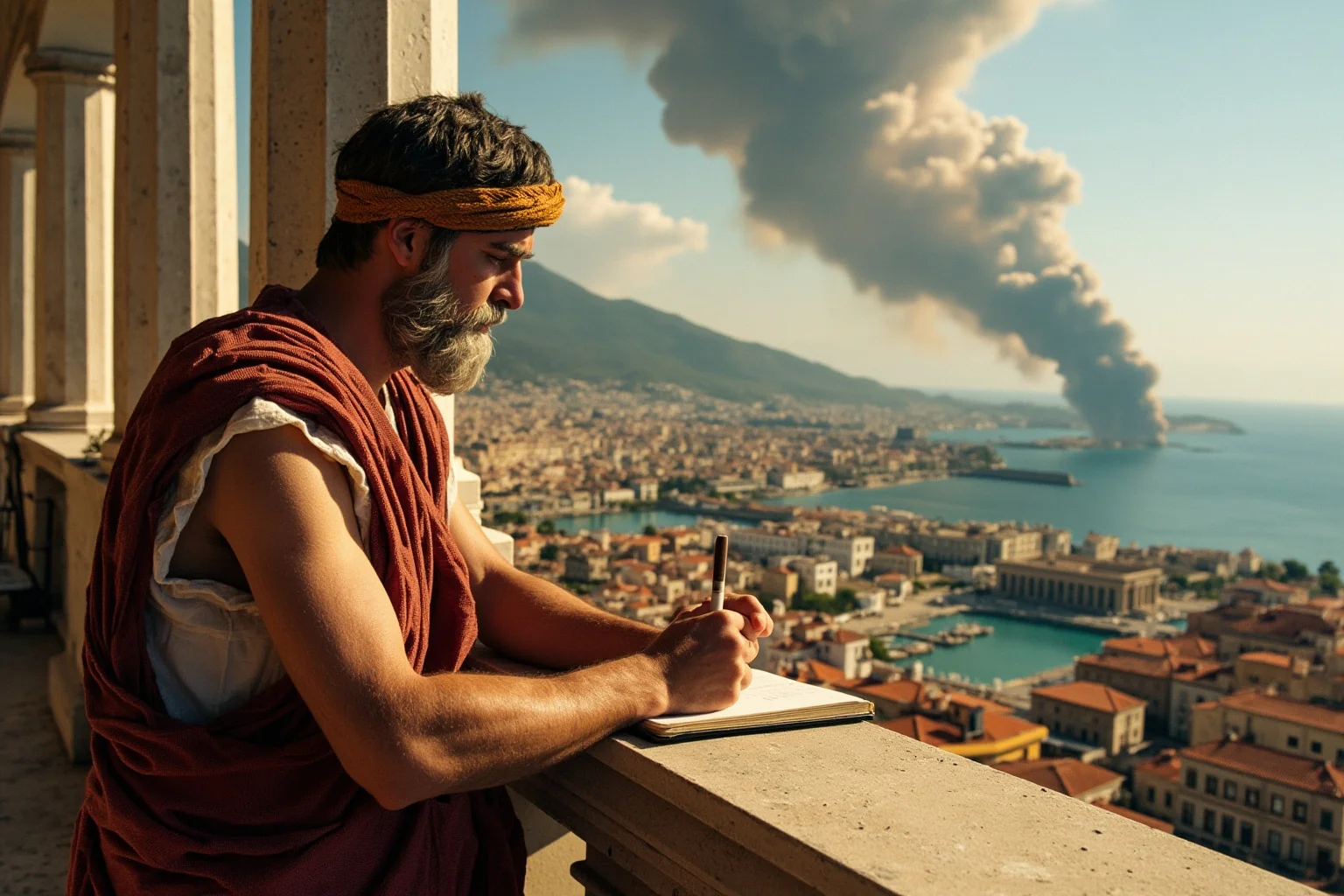
Our best written record of the disaster comes from Pliny the Younger, a Roman lawyer and writer who watched the eruption from across the Bay of Naples.
He later described the event in letters to the historian Tacitus, detailing a column of ash “like an umbrella pine” rising into the sky. His uncle, Pliny the Elder, sailed toward the disaster to help evacuate people and died during the rescue attempt.
Because of this account, volcanologists now use the term “Plinian eruption” to describe similarly explosive volcanic events worldwide. It’s a rare case where one ancient writer’s personal letters shaped an entire branch of modern scientific vocabulary.
5. Pompeii Was Buried Under Several Meters of Ash and Pumice
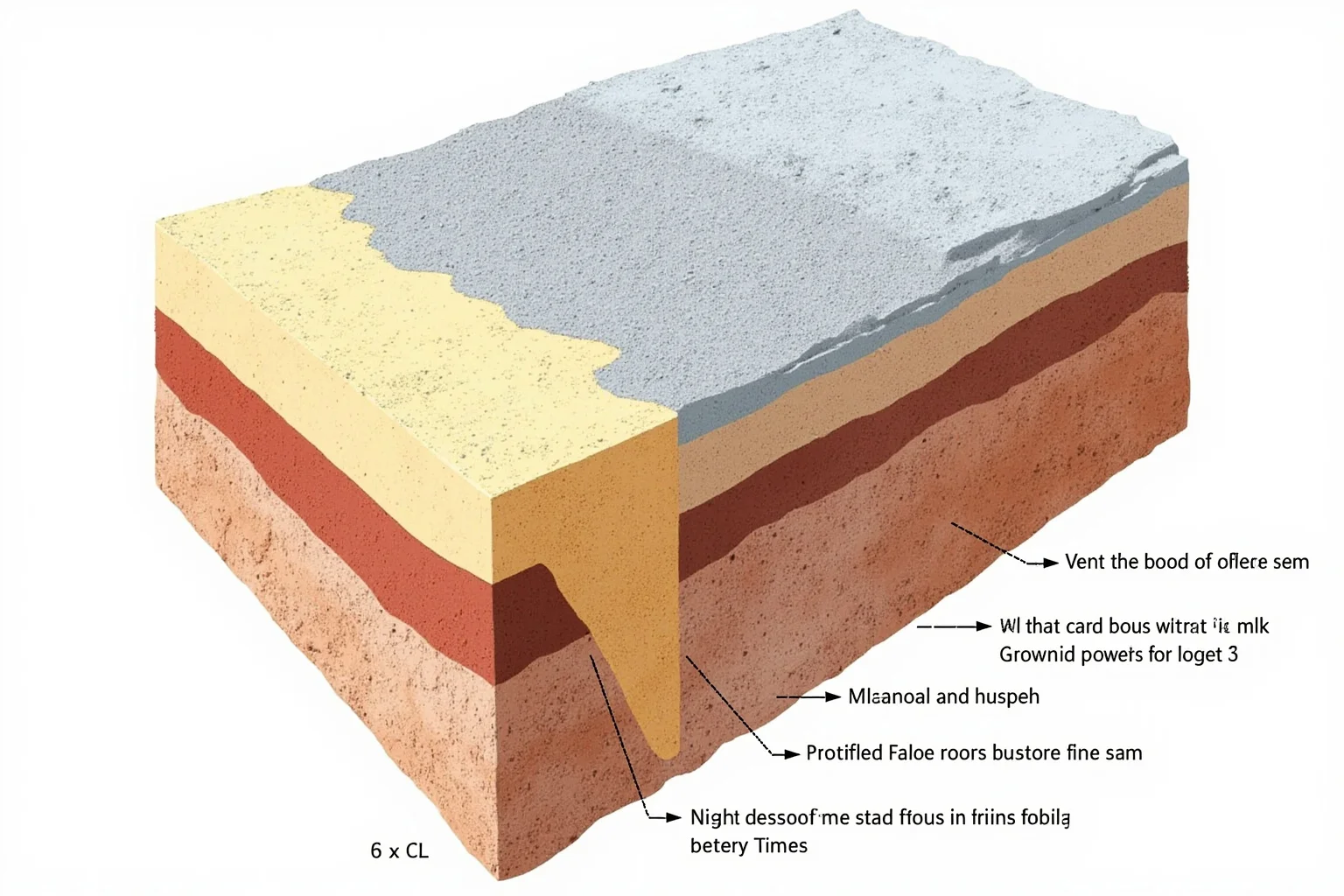
By the time the eruption ended, Pompeii lay under an estimated 4 to 6 meters (roughly 13 to 20 feet) of volcanic material. This thick blanket of ash and pumice is precisely why so much of the city survived: it sealed buildings, artwork, and everyday objects away from weather, looting, and decay for centuries.
Herculaneum, buried by different volcanic material, was preserved even more completely in some respects, including wooden furniture and food.
The depth of debris also explains why rediscovery took so long. Pompeii wasn’t just hidden, it was effectively entombed under a small hill’s worth of compacted volcanic rock.
6. The City Was Lost for Over 1,500 Years
After the eruption, Pompeii essentially vanished from common knowledge. The land above it was eventually farmed and built upon, with locals seemingly unaware of the intact city lying beneath their feet.
Some ancient writers referenced the general location, but the precise site of Pompeii was effectively forgotten for well over a millennium.
That long gap is part of what makes the eventual rediscovery so dramatic. An entire Roman city sat almost perfectly preserved, waiting undisturbed for roughly 1,700 years.
7. Rediscovery Began Almost by Accident in the 1700s
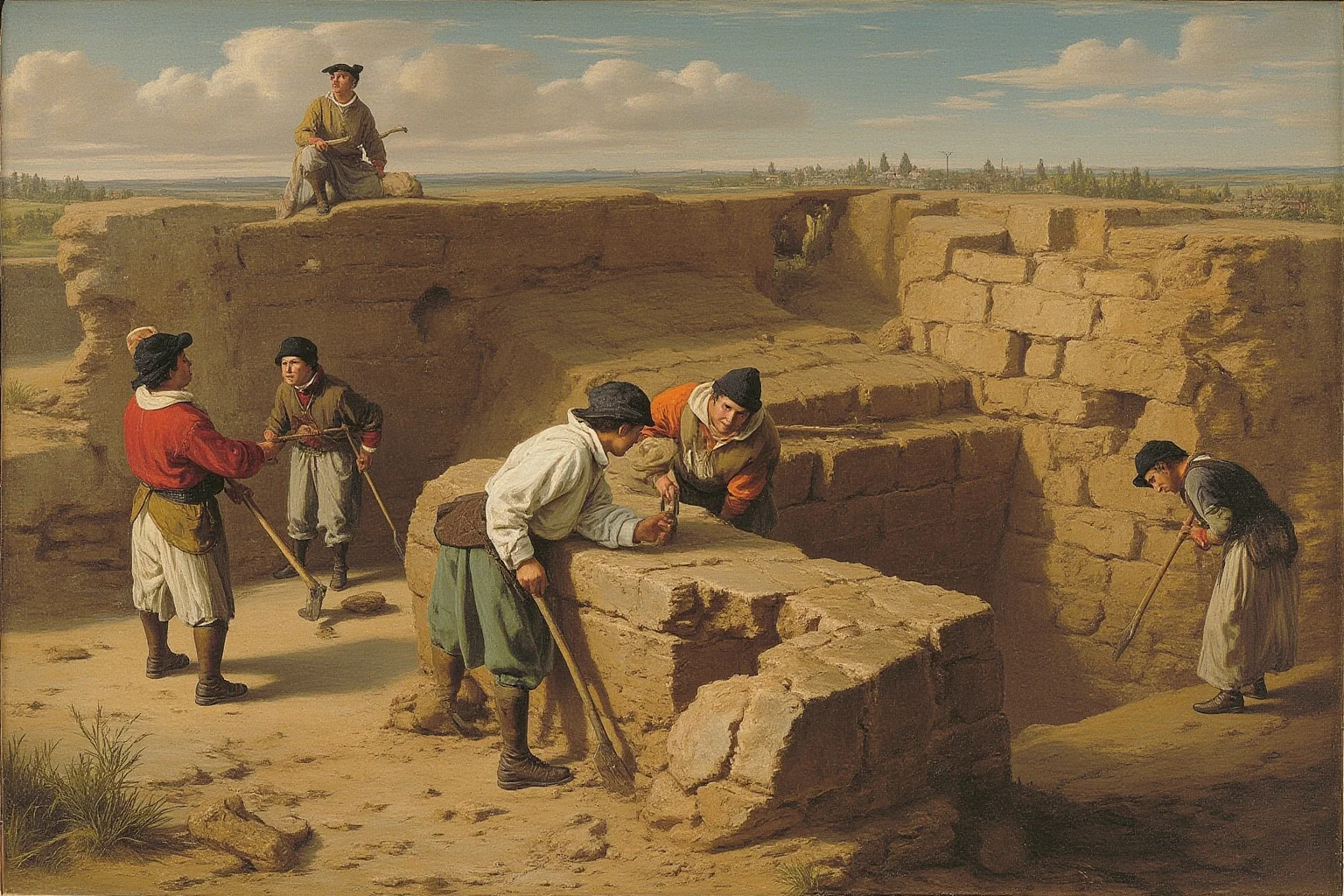
Organized excavation of Pompeii is generally traced to 1748, when workers digging in the area (under the direction of Spanish military engineer Roque Joaquín de Alcubierre) began uncovering walls, artifacts, and eventually recognizable buildings.
This came shortly after similar digging had already begun at nearby Herculaneum in 1738. News of intact frescoes, mosaics, and streets spread quickly across Europe.
These early digs weren’t always careful by modern standards; some were closer to treasure hunting than archaeology. Still, they kicked off nearly three centuries of ongoing excavation that continues today.
8. The Famous Plaster Casts Aren’t Actual Preserved Bodies
One of the most striking sights at Pompeii is the collection of human-shaped plaster figures, seemingly capturing victims in their final moments.
It’s a common myth that these are the actual mummified remains of the people who died. In reality, the bodies decomposed over time, leaving voids in the hardened ash exactly the shape of the person at death.
Starting in 1863, archaeologist Giuseppe Fiorelli pioneered the technique of pouring plaster into these cavities, capturing the outline of bodies, clothing, and even facial expressions in remarkable detail.
Modern archaeologists now sometimes use clear resin instead, which allows skeletal remains inside to be studied without destroying the cast.
9. The Casts Reveal How People Actually Died
Studying the postures preserved in these casts has taught researchers a lot about the eruption’s final, deadly phase. Many victims appear to be covering their mouths or curled defensively, consistent with the extreme heat and asphyxiating gases of the pyroclastic surges.
Despite dramatic popular retellings, historians are cautious about reading too much specific emotion or narrative into any single cast.
It’s worth being skeptical of viral claims about specific casts capturing dramatic love stories or scandalous scenes; many of these stories are romanticized modern additions rather than confirmed history. The genuine scientific value lies in what the casts reveal about the eruption’s physical effects, not embellished tales.
10. Pompeii’s Streets Had Built-In Pedestrian Crossings
Pompeii’s roads featured large raised stepping stones set into the street at intervals, spaced so pedestrians could cross without stepping in mud, water, or waste that collected in the roadway.
The gaps between stones were wide enough for cart wheels to pass through, showing a surprisingly thoughtful bit of urban design. Deep grooves worn into the stone by cart wheels are still visible today.
This is one of those small fun facts about Pompeii that always surprises visitors, since it shows Roman city planners thinking about very practical, everyday problems. It’s essentially an ancient version of a modern pedestrian crosswalk.
11. The Walls Are Covered in Preserved Graffiti
Pompeii’s walls have yielded thousands of examples of ancient graffiti, ranging from political endorsements to insults, love notes, and crude jokes.
Because the ash preserved these scrawled messages so well, historians have an unusually intimate window into how ordinary Romans actually talked and joked with each other. This is dramatically different from the formal, polished Latin found in literature and inscriptions.
Some graffiti even records simple boasts or complaints, the kind of casual chatter you might see scratched into a modern bathroom stall. It’s a reminder that ancient Romans were far more relatable, and occasionally crude, than their marble statues suggest.
12. Political Campaign Slogans Were Painted on Public Walls
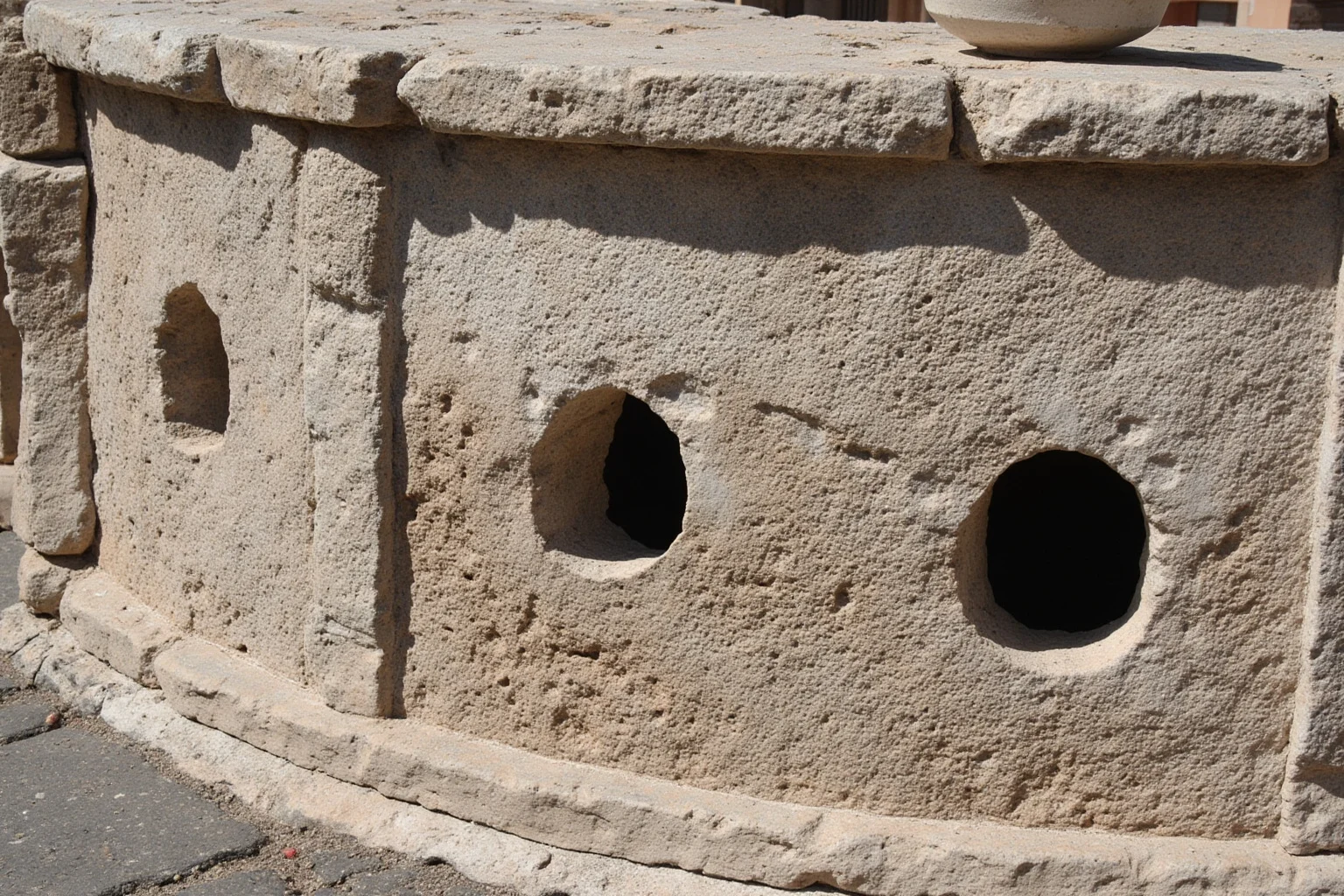
Among the graffiti, one particularly interesting category stands out: painted electoral notices supporting local candidates for office.
Supporters (and sometimes entire trade guilds, like fruit-sellers or goldsmiths) would publicly endorse candidates by having their names painted prominently on walls near busy streets. This practice offers a rare, direct look at local Roman politics in action, well outside the marble halls of the Senate in Rome.
It shows that grassroots political campaigning, complete with public endorsements, isn’t a modern invention at all. Pompeii’s walls essentially functioned as a very early form of campaign advertising.
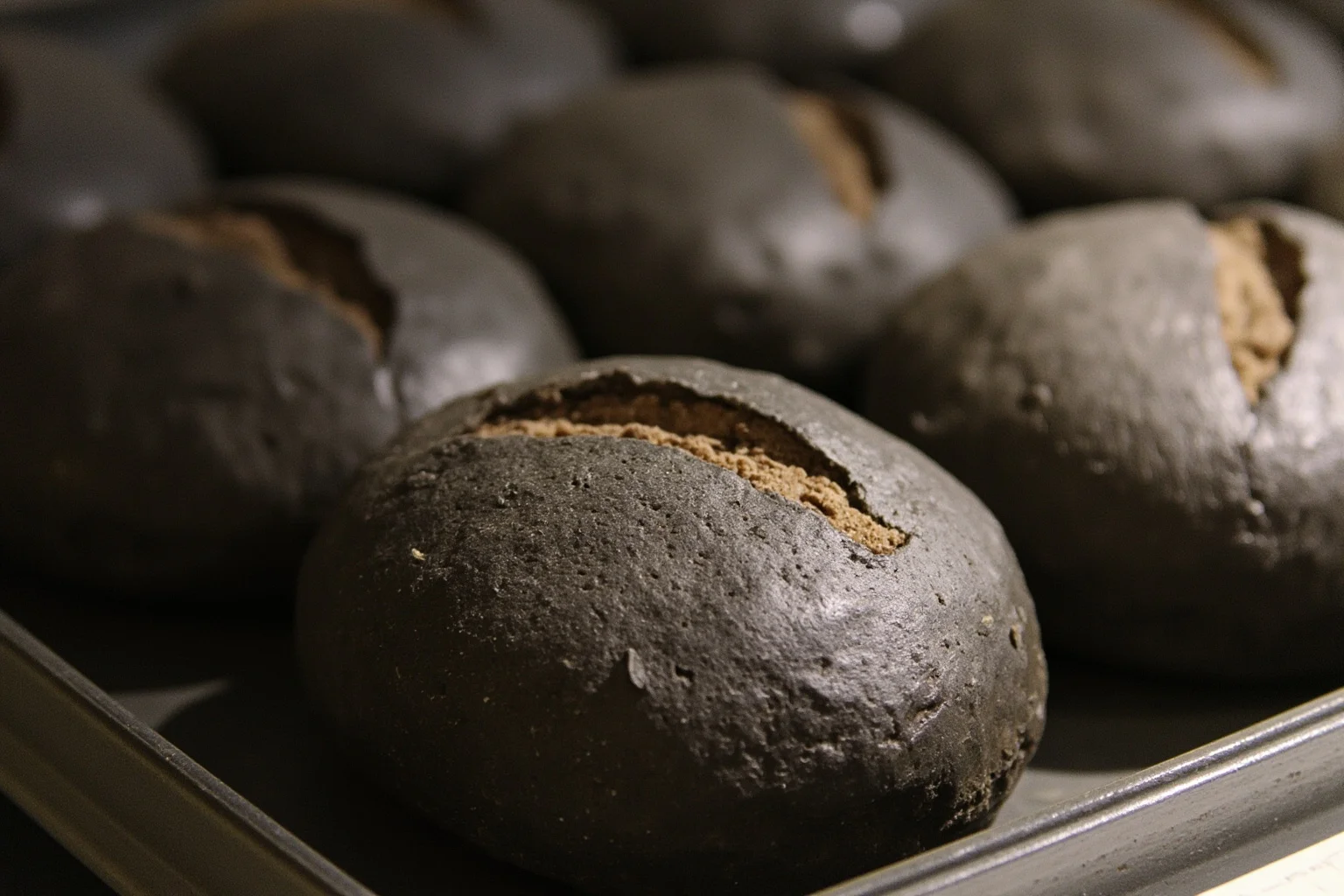
13. Carbonized Bread Survived Almost 2,000 Years
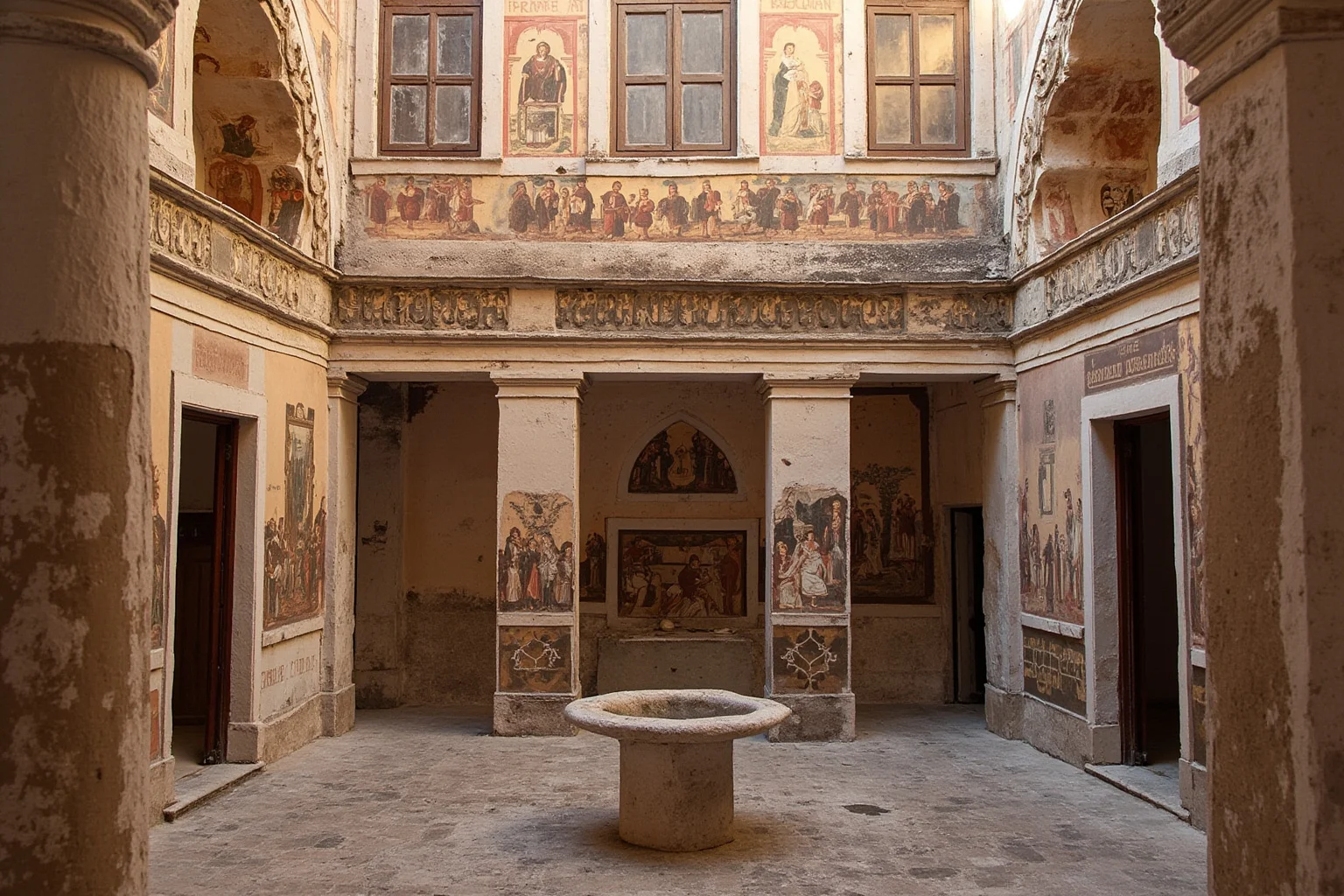
One of the most oddly moving discoveries at Pompeii is carbonized loaves of bread, preserved by the extreme heat and ash right where bakers left them.
Some loaves even retain the stamped mark of the bakery that made them, a Roman equivalent of a brand label. Whole bakeries with intact millstones and ovens have been excavated in the city.
This is a favorite among fun facts about Pompeii precisely because it’s so relatable: a piece of bread from nearly two thousand years ago, essentially frozen mid-bake. Few artifacts connect us to daily Roman routines as directly as food itself.
14. Fast Food Existed in Ancient Pompeii, Too
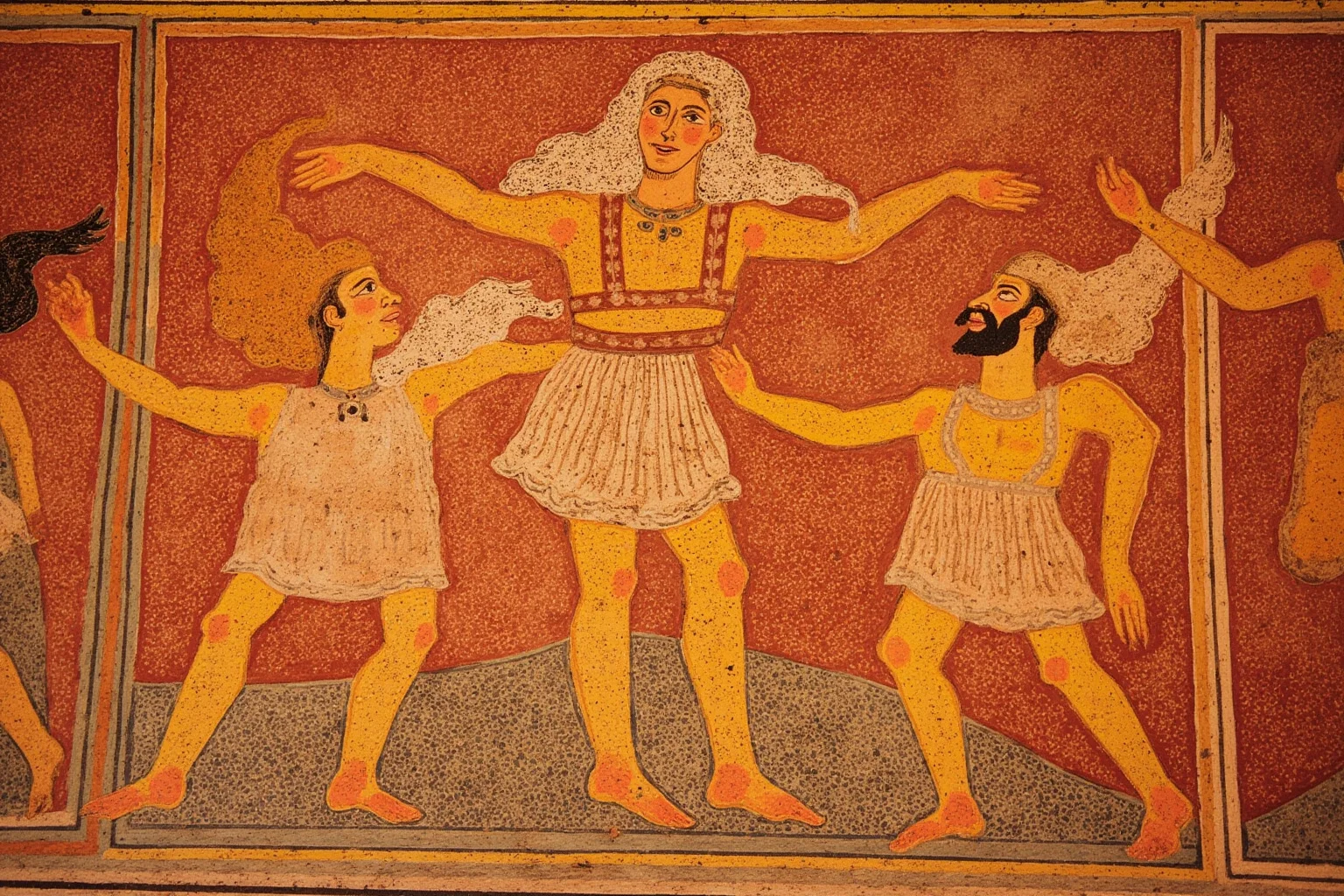
Archaeologists have identified dozens of thermopolia, small counter-service shops where Pompeians could grab hot food and drink without cooking at home.
These shops had built-in terracotta containers set into stone counters, used to hold and serve food much like a modern buffet counter. One particularly well-preserved thermopolium, excavated more fully in 2020, even had traces of duck, pork, fish, and snail in its containers.
This discovery reshaped how historians think about Roman urban life, since not everyone cooked elaborate home meals the way villa frescoes might suggest. For many working Pompeians, grabbing a quick hot meal on the street was simply part of daily life.
15. Pompeii Had a Red-Light District — With Surprisingly Explicit Art
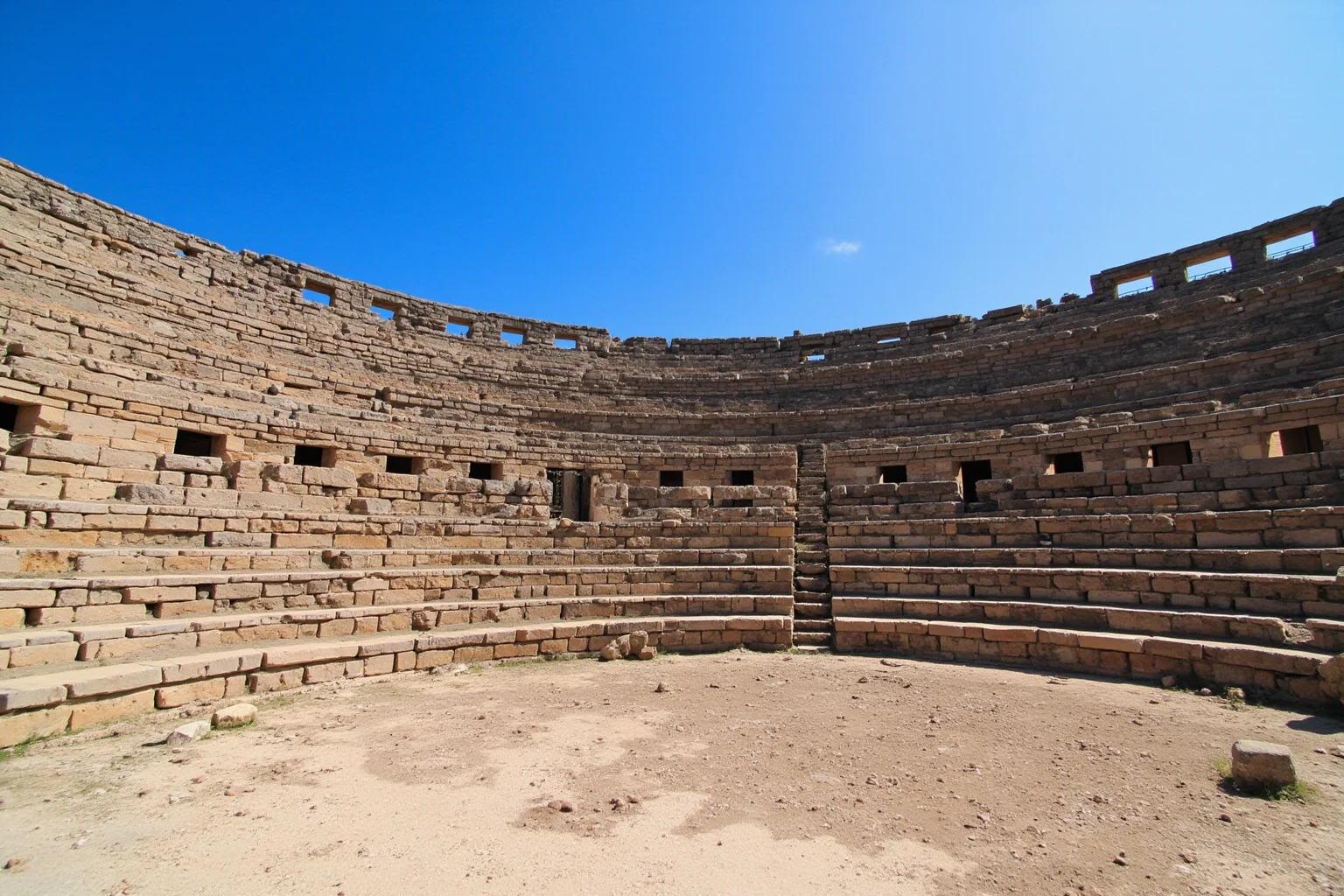
Pompeii is well known among historians for its collection of sexually explicit frescoes and artifacts, found in buildings including a dedicated brothel near the forum.
This art wasn’t necessarily scandalous by Roman standards; depictions of sexuality appeared in everyday domestic contexts too, including household shrines and dining rooms. Much of this material was hidden from public view for long stretches of the 19th and 20th centuries, considered too explicit for general audiences.
Today, the material is displayed more openly, including in Naples’ Museo Archeologico Nazionale’s “Secret Cabinet.” It offers valuable insight into Roman attitudes toward sexuality, which were often far less restrained than later European norms.
16. The Villa of the Mysteries Holds Some of the Finest Roman Paintings Ever Found
Just outside Pompeii’s city walls sits the Villa of the Mysteries, named for a large, vividly painted frieze believed to depict rituals connected to the cult of Dionysus.
The fresco cycle is considered one of the best-preserved examples of Roman wall painting anywhere in the world. Scholars still debate the precise meaning of several scenes within it.
The villa’s survival, largely intact, gives a rare glimpse into elite Roman religious life and domestic luxury. It stands as one of Pompeii’s most visually stunning, if lesser-known, attractions.
17. Pompeii’s Amphitheater Is One of the Oldest Surviving in the Roman World
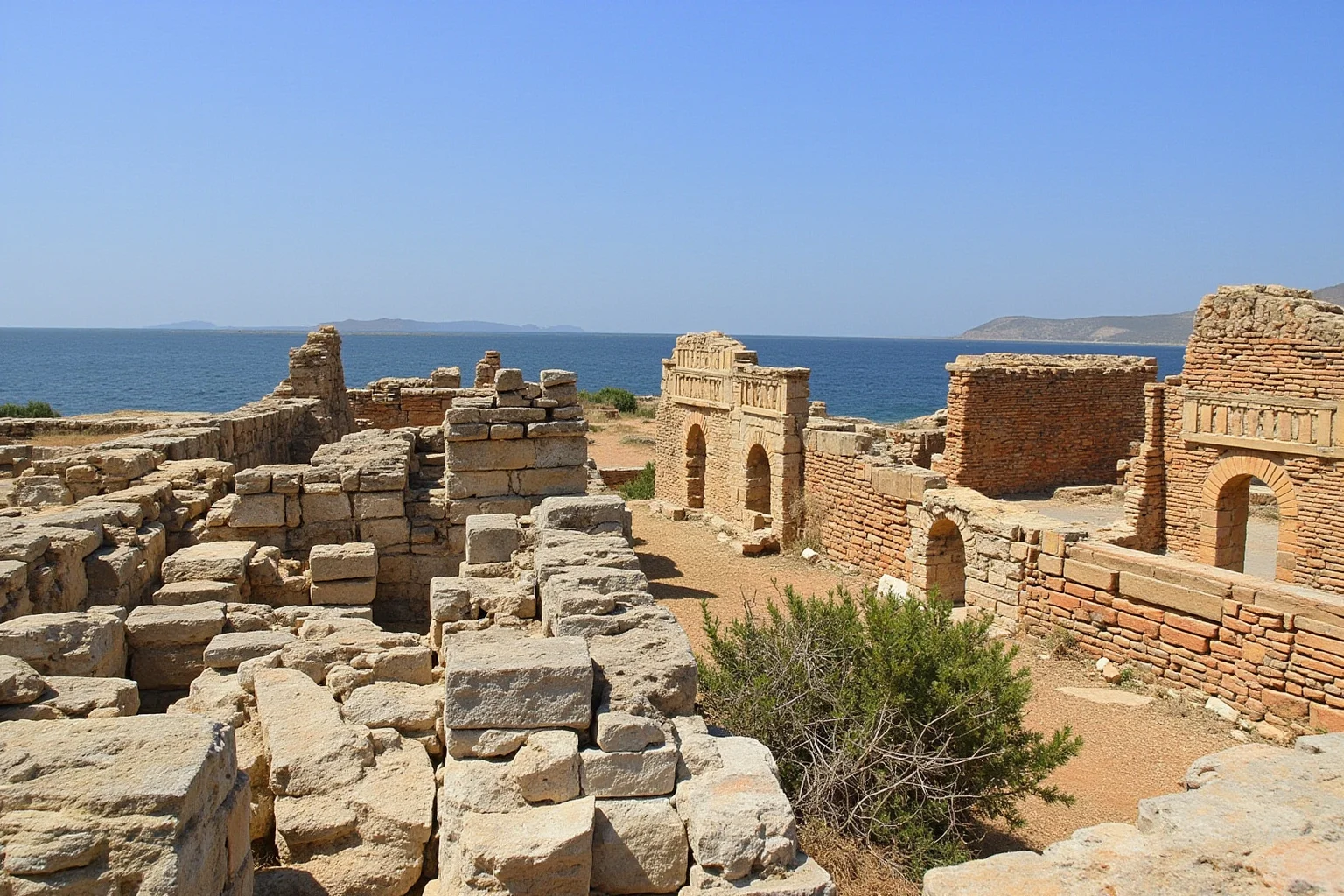
Built around 70 BC, Pompeii’s amphitheater predates Rome’s famous Colosseum by roughly 150 years, making it one of the earliest stone amphitheaters known to survive.
It could hold roughly 20,000 spectators, a striking number given the city’s own population estimates. Gladiatorial games and public spectacles were held here long before Pompeii’s final destruction.
Its survival also gives historians valuable evidence for how amphitheater design evolved before later, grander structures like the Colosseum were built. In many ways, Pompeii’s arena is an architectural stepping stone in Roman entertainment history.
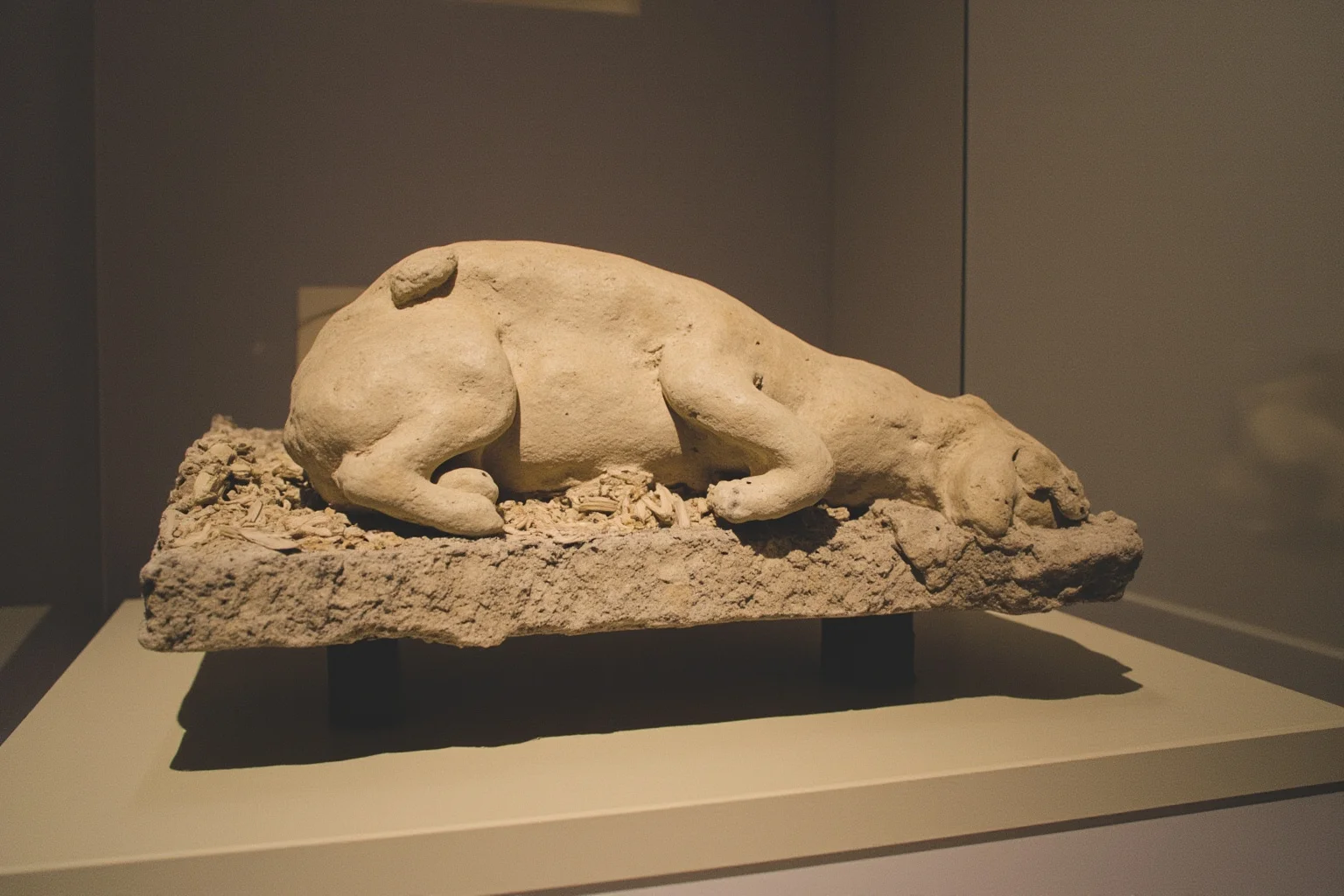
18. A Loyal Dog Was Found Frozen in Its Final Moment
Among the plaster casts, one of the most emotionally affecting is that of a dog, found curled and contorted, apparently still chained near a doorway when the pyroclastic flow arrived.
Its collar was reportedly found alongside the remains, suggesting it had been a guard dog unable to escape. This particular cast has become one of the most widely reproduced images associated with Pompeii’s destruction.
While it’s tempting to build a dramatic narrative around this single find, historians caution against overstating what can be concluded from one cast alone. Still, it remains one of the most human (and humane) details preserved from the disaster.
19. Herculaneum, Pompeii’s Neighbor, Was Preserved Very Differently
Pompeii wasn’t the only town destroyed that day. Herculaneum, a smaller coastal town closer to Vesuvius, was buried by pyroclastic material that preserved organic materials, like wood, food, and even papyrus scrolls, in ways ash-covered Pompeii generally couldn’t. Together, the two sites give researchers complementary pictures of the same catastrophic event.
Comparing the two has been essential for understanding the full timeline of the eruption. Where Pompeii shows more of the ashfall phase, Herculaneum offers a dramatic window into the pyroclastic flows that followed.
20. Not Everyone in Pompeii Died — Many Residents Escaped
It’s a common misconception that the entire population of Pompeii perished in the eruption. In reality, historians estimate that a significant portion of residents fled during the early stages, when ash and pumice were falling but the deadlier pyroclastic flows had not yet arrived.
Roughly 1,500 to 2,000 sets of remains have been found within the ruins, out of a city that likely held well over 10,000 people.
This means the true story of Pompeii isn’t only about mass death, but also about survival and displacement. Many refugees likely resettled in nearby towns, carrying the memory of the disaster with them.
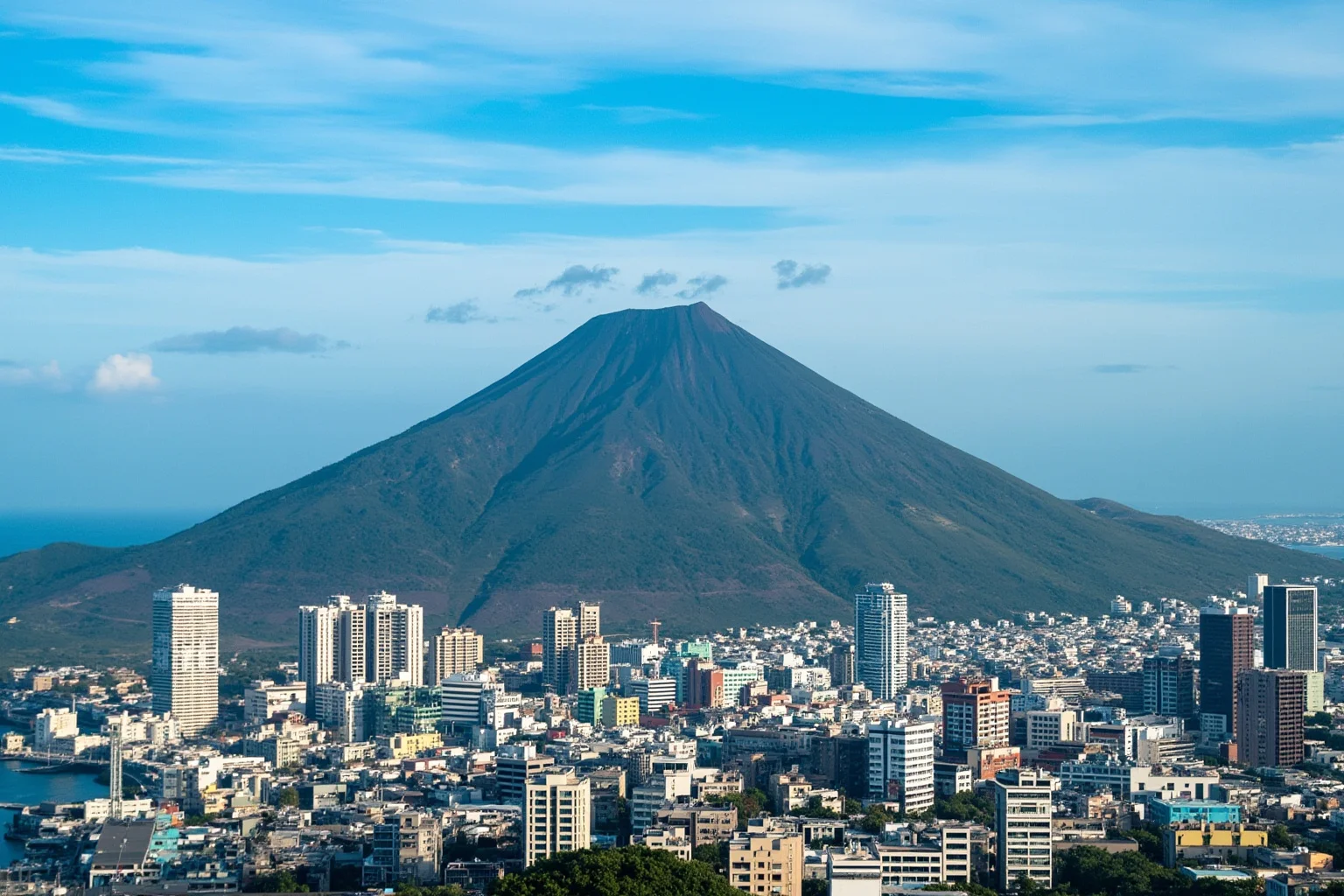
21. Mount Vesuvius Is Still an Active Volcano Today
Vesuvius didn’t stop being dangerous after 79 AD. It has erupted many times since, including a notable eruption in 1631 and its most recent eruption in 1944, during World War II. Today, roughly 3 million people live in the surrounding area, making it one of the most densely populated volcanic regions on Earth.
Italian authorities maintain evacuation plans given the volcano’s continued activity and its history of catastrophic eruptions. It’s a sobering fact about Mount Vesuvius that often gets lost next to the ancient history: the danger it posed in 79 AD hasn’t actually gone away.
22. Archaeologists Are Still Making New Discoveries
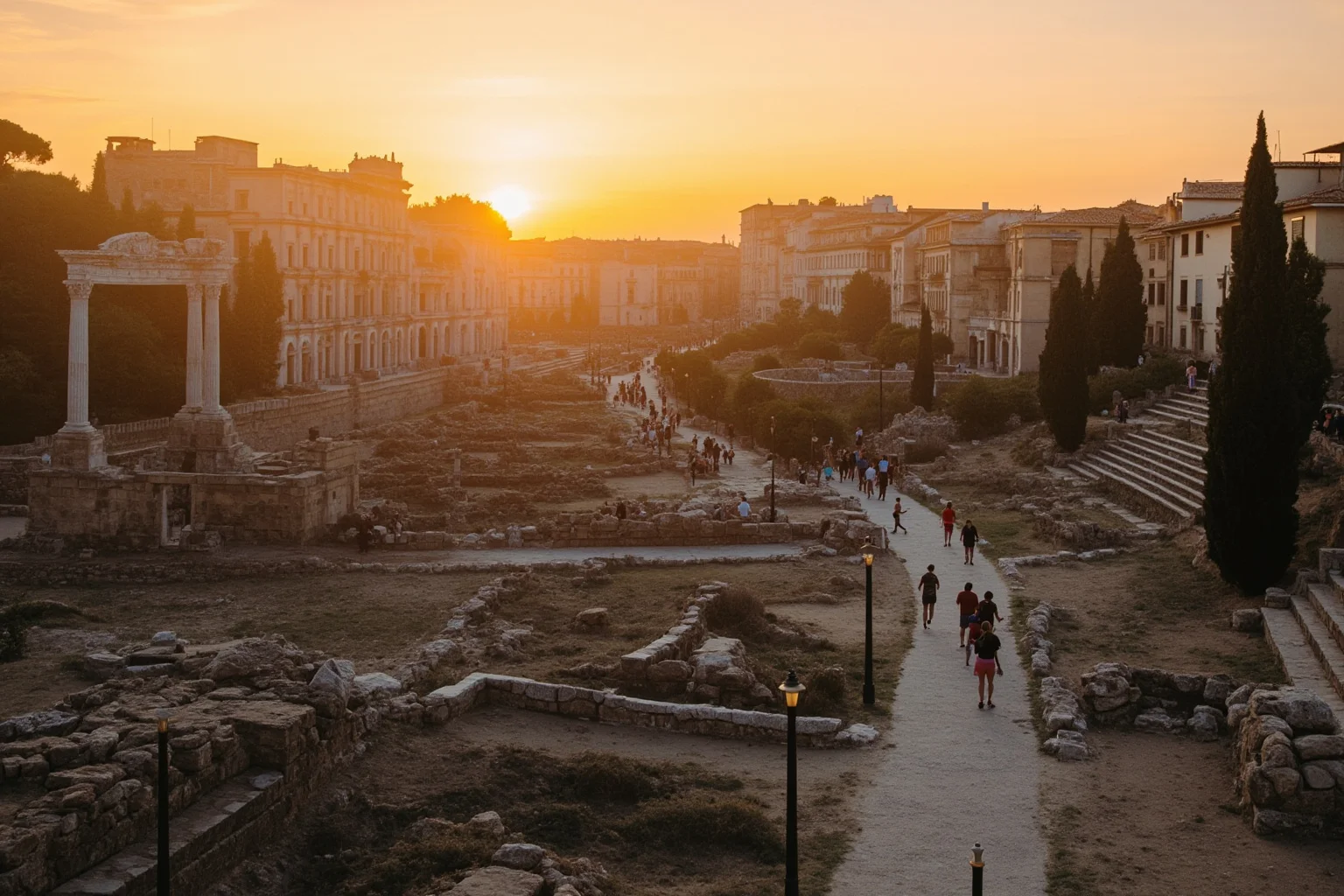
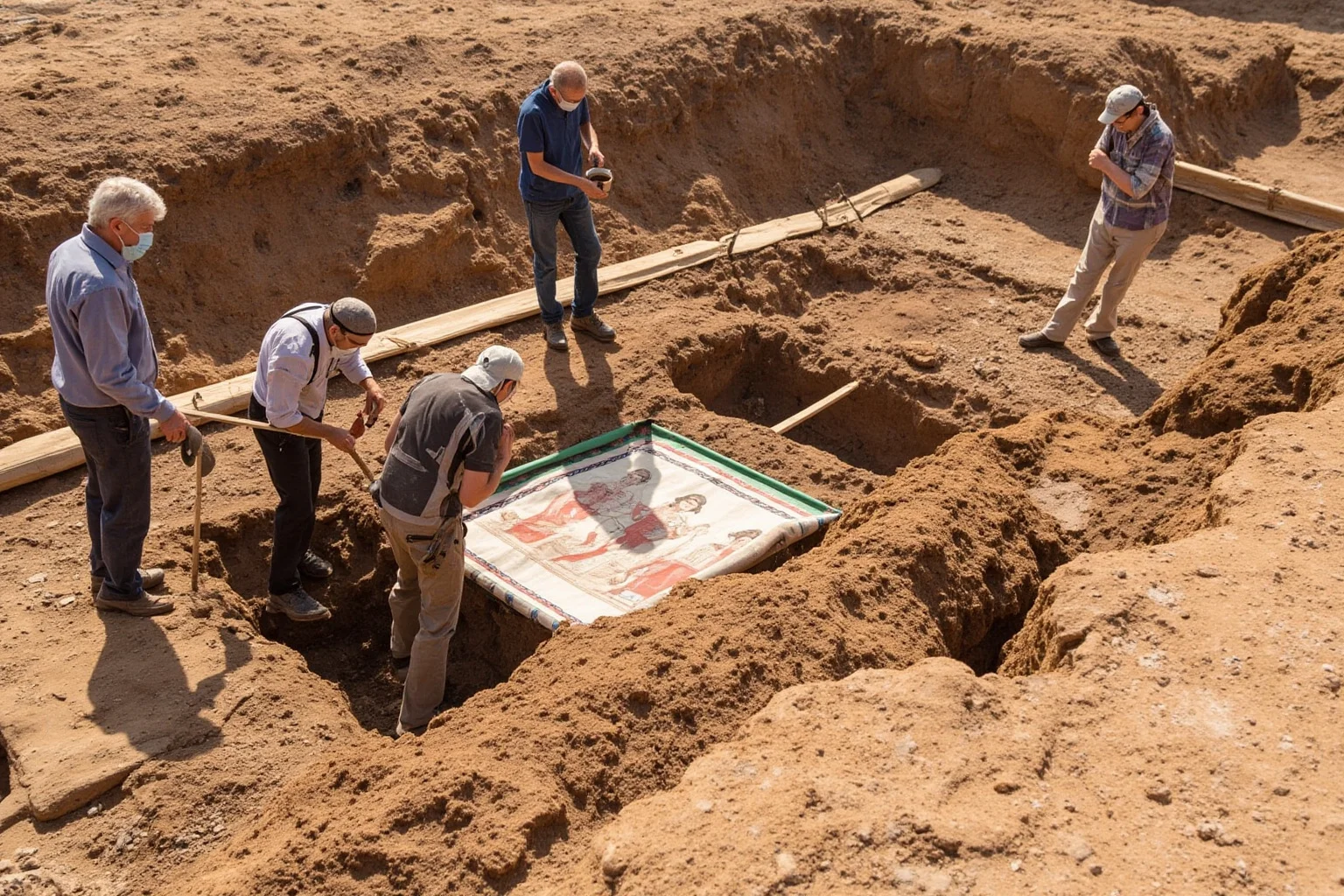
Excavation at Pompeii is far from finished. A significant portion of the ancient city, particularly in an area known as Regio V, has only been explored in recent years, revealing new frescoes, skeletal remains, and even snack-bar countertops.
Modern techniques, including CT scanning and DNA analysis, are giving researchers far more precise information than 18th and 19th century excavators ever had.
This ongoing work means our understanding of Pompeii keeps evolving, sometimes overturning long-held assumptions. It’s genuinely one of the rare archaeological sites where major new findings still make international news on a regular basis.
23. Some Popular “Facts” About Pompeii Are Actually Myths
Pompeii’s dramatic story has attracted plenty of embellishment over the centuries. Claims that specific plaster casts depict a single dramatic love affair, or that every victim was caught in a literal scream frozen forever, tend to oversimplify or romanticize what the physical evidence can actually support.
Historians generally urge caution with viral claims that aren’t tied to peer-reviewed archaeological publications, a pattern that shows up again and again at famous historical sites, from Pompeii to the Taj Mahal’s creation.
This doesn’t make Pompeii any less remarkable; if anything, the verified facts about the city of Pompeii are dramatic enough on their own. It’s simply worth separating genuine archaeological findings from the sensational stories that sometimes attach themselves to famous historical sites.
24. Pompeii Is Now One of Italy’s Most Visited Archaeological Sites
Today, Pompeii draws millions of visitors annually, making it one of the most popular archaeological attractions in the world. It’s a UNESCO World Heritage Site, recognized for its exceptional and largely intact record of Roman urban life.
Conservation is an ongoing challenge, since exposure to weather, tourism, and time continues to threaten fragile structures that survived nearly two millennia underground.
Italian authorities and international organizations have invested heavily in preservation projects in recent decades to protect what remains. Visiting today means walking through a city that has now survived two very different kinds of threats: a volcanic eruption, and the slow wear of modern popularity.
Final Thoughts on Pompeii’s Enduring Fascination
Pompeii endures in popular imagination because it collapses the usual distance we feel from the ancient past. Instead of imagining Roman life through fragments and educated guesses, visitors and researchers can walk actual streets, read actual graffiti, and see actual loaves of bread from a single, terrible day in history. That immediacy is rare in archaeology, and it’s exactly why new discoveries at the site still make headlines.
At the same time, Pompeii is a good reminder to approach viral “facts” with a healthy dose of skepticism. The real, verified history is dramatic and moving enough without embellishment, and ongoing excavation means there’s likely still more to learn. Nearly 2,000 years later, this lost city is still teaching us new things about how ordinary Romans actually lived.
Frequently Asked Questions
What are some fun facts about Pompeii?
Some fun facts about Pompeii include its preserved fast-food counters called thermopolia, carbonized loaves of bread still bearing a bakery's stamp, painted political campaign slogans on public walls, and raised stepping stones built into streets to help pedestrians cross without stepping in mud or waste.
What was Pompeii known for?
Pompeii was a prosperous Roman city known for its trade, villas, theaters, and public baths before being buried by the eruption of Mount Vesuvius in 79 AD. Today it is known primarily as one of the best-preserved windows into everyday ancient Roman life anywhere in the world.
When did Mount Vesuvius erupt and destroy Pompeii?
Vesuvius erupted in 79 AD, traditionally dated to August 24th based on ancient letters from Pliny the Younger. However, archaeological evidence such as autumn produce found at the site has led many historians to argue the eruption more likely occurred in October or November of that year.
Are the plaster casts at Pompeii real bodies?
No, the plaster casts are not the actual remains of victims. The bodies decomposed over time, leaving voids in the hardened ash in the exact shape of the person, and archaeologists starting in 1863 began pouring plaster into these cavities to recreate their final forms.
How many people died in the eruption of Pompeii?
Around 1,500 to 2,000 sets of remains have been discovered within Pompeii's ruins, out of a city that likely held well over 10,000 residents. This suggests a significant number of people managed to flee during the earlier stages of the eruption.
Is Mount Vesuvius still active today?
Yes, Mount Vesuvius remains an active volcano and last erupted in 1944. It sits near roughly 3 million people today, making it one of the most closely monitored volcanic regions in the world.

Alex Warren
Related Articles





