
Few surnames spark as much curiosity, confusion, and conspiracy chatter as Rothschild. Type “who are the Rothschilds” into a search bar and you’ll get everything from serious economic history to wild internet rumors, which makes it genuinely hard to separate fact from fiction.
This guide sticks to the historical record. We’ll walk through where the Rothschild family actually came from, how they built one of the richest and most powerful families in history, what happened to that fortune over two centuries, and where the family stands today — myths debunked along the way.
TL;DR: The Rothschilds were a German-Jewish banking family who built a multinational financial empire in the 1800s, and while they’re no longer a single unified fortune, their descendants remain influential in banking, wine, and philanthropy today.
1. Who Are the Rothschilds?
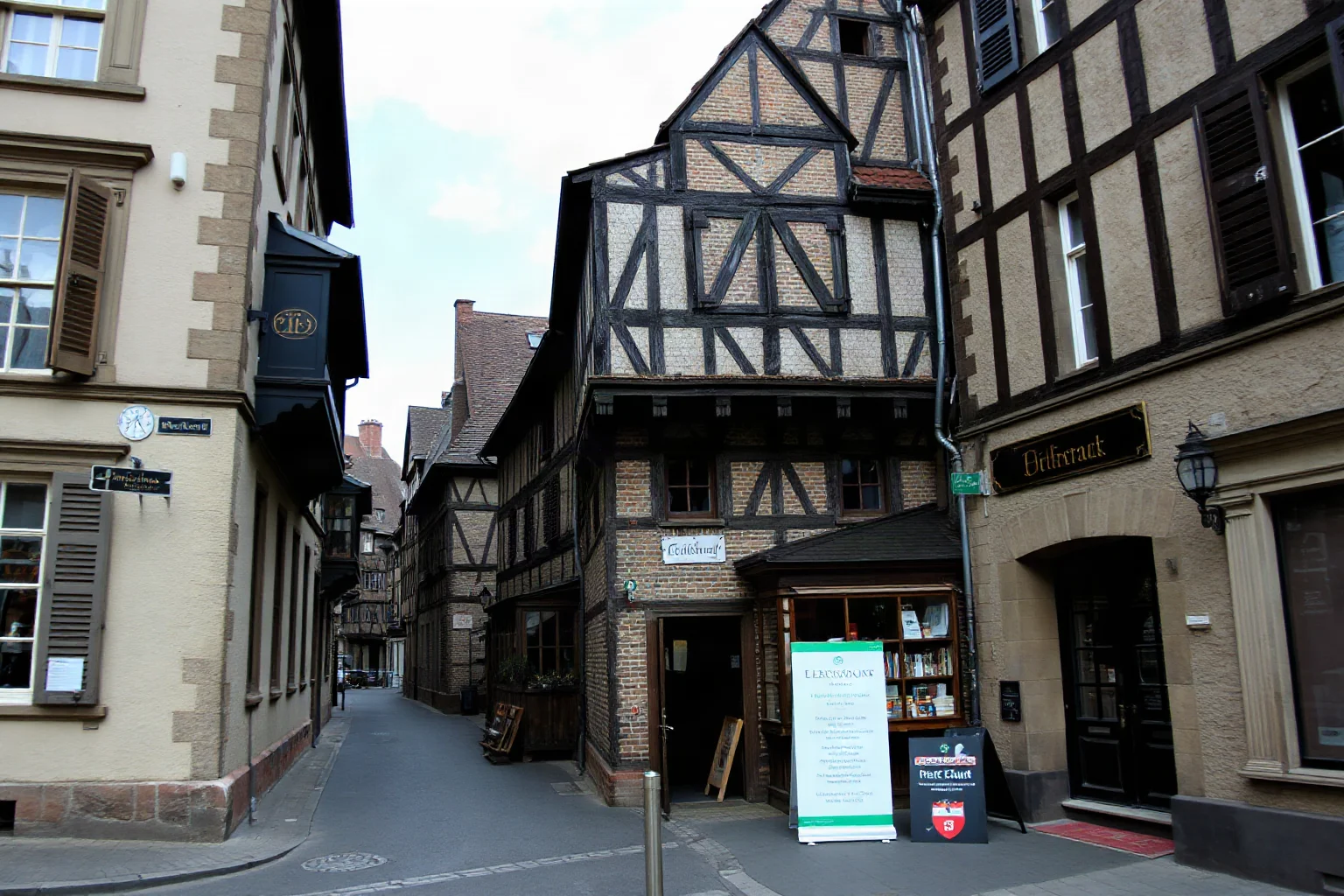
The Rothschild family is a European banking dynasty that began in 18th-century Frankfurt, Germany, and grew into arguably the most powerful financial network of the 19th century. At their peak, the Rothschilds financed governments, wars, railways, and canals across Europe.
So what is a Rothschild, in practical terms? It’s a descendant of Mayer Amschel Rothschild, the Frankfurt merchant whose sons spread across Europe to found banking houses that operated almost like a private, family-run multinational corporation long before that was a common business model.
You’ll also see the name spelled in a lot of different ways online — Rothchild, Rothchilds, Rosschild, Rotchild, Rothshield, and other variations. The correct spelling is Rothschild, a German name that we’ll explain in the next section.
2. The Rothschild Surname Comes From a Red Shield
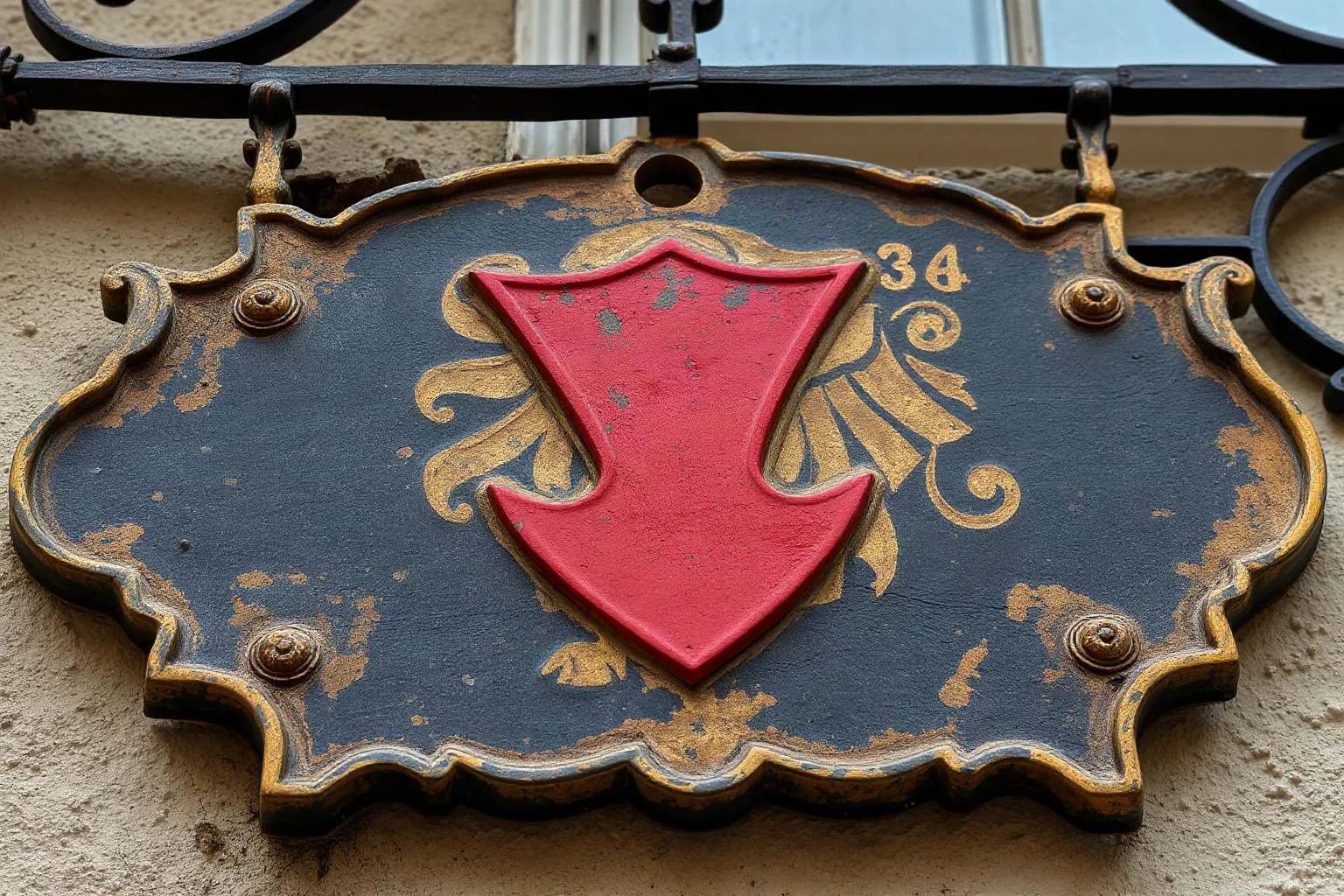
The Rothschild surname literally translates to “red shield” in German. It comes from a red shield or sign that hung outside a house in Frankfurt’s Jewish quarter, the Judengasse, where an earlier generation of the family lived.
In 18th-century Central Europe, many Jewish families adopted surnames based on house signs, occupations, or locations, since surnames weren’t always fixed the way they are today. The Rothschild origin story is a good example of that broader naming tradition rather than anything mysterious.
This is also where the popular “Bauer Rothschild” search comes from — some sources claim the family briefly used the surname Bauer before settling on Rothschild, though the documented and widely accepted history centers on the red-shield house name in Frankfurt.
3. Mayer Amschel Rothschild Founded the Dynasty
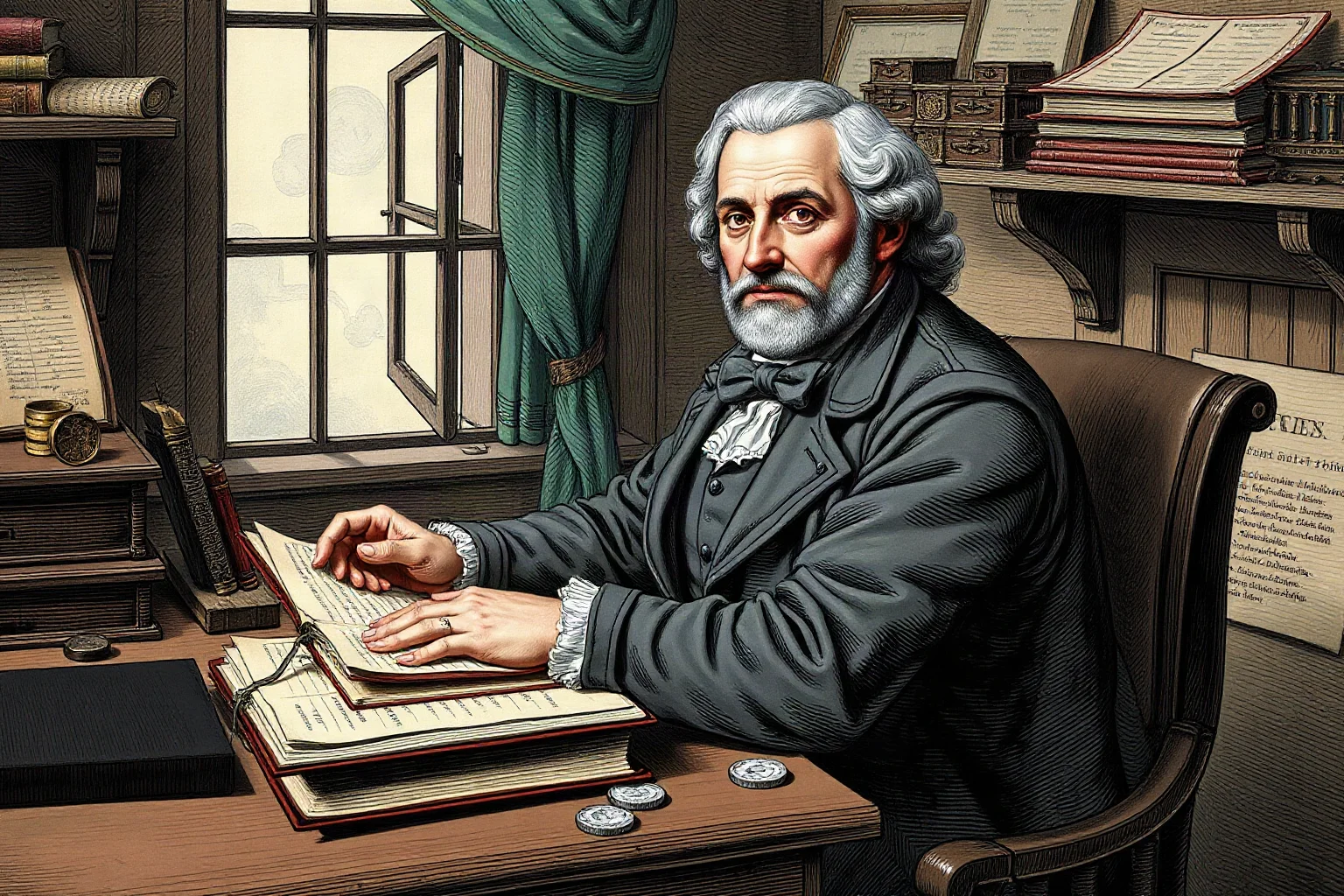
The family’s rise began with Mayer Amschel Rothschild, born in Frankfurt in 1744. He started as a coin dealer and gradually built relationships with German nobility, most notably the House of Hesse-Kassel, eventually becoming a court factor who handled financial business for wealthy clients.
Mayer Amschel Rothschild’s real innovation wasn’t a single lucky deal — it was strategy. He built a reputation for reliability in an era when trust between banking houses across borders was scarce and hard-won.
He also had an idea that would define the family for generations: keep the business in the family, and spread trusted family members across different countries to build an international network no single competitor could easily replicate.
4. Five Sons, Five Cities: The Birth of a Banking Empire
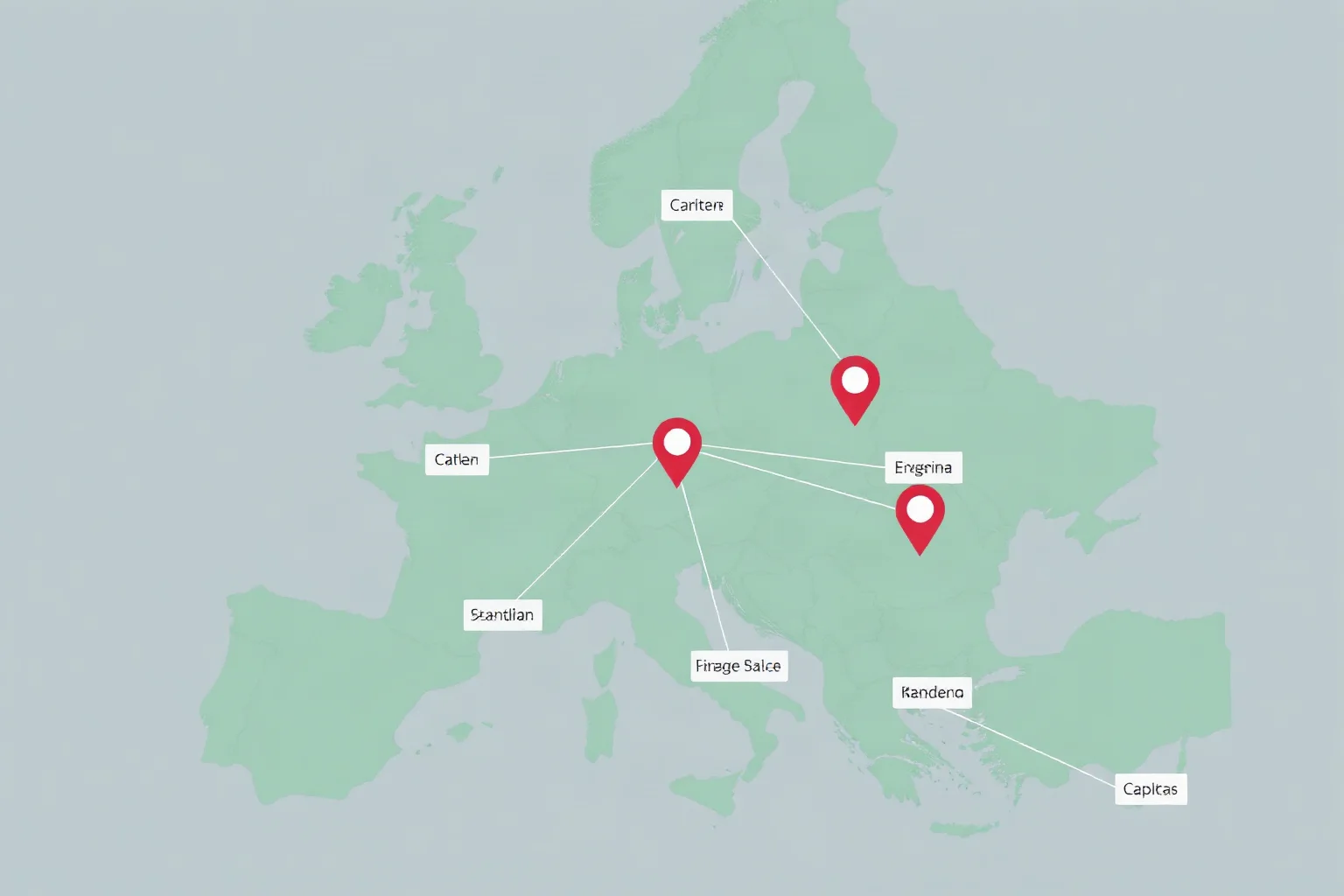
Mayer Amschel Rothschild had five sons, and he sent each of them to establish banking houses in different European financial centers. Amschel stayed in Frankfurt, Salomon went to Vienna, Nathan settled in London, Carl moved to Naples, and James established the family in Paris.
This arrangement — sometimes referenced online as “Amschel, Mayer, James Rothschild” and the other brothers — meant the family had real-time financial intelligence and trusted representatives in five major capitals simultaneously. That was almost unheard of at the time.
It’s this five-branch structure that historians point to when explaining how the Rothschilds got rich so quickly compared to other banking families of the era. Coordinated information and capital across borders gave them a genuine competitive edge.
5. Nathan Rothschild Built the London Powerhouse
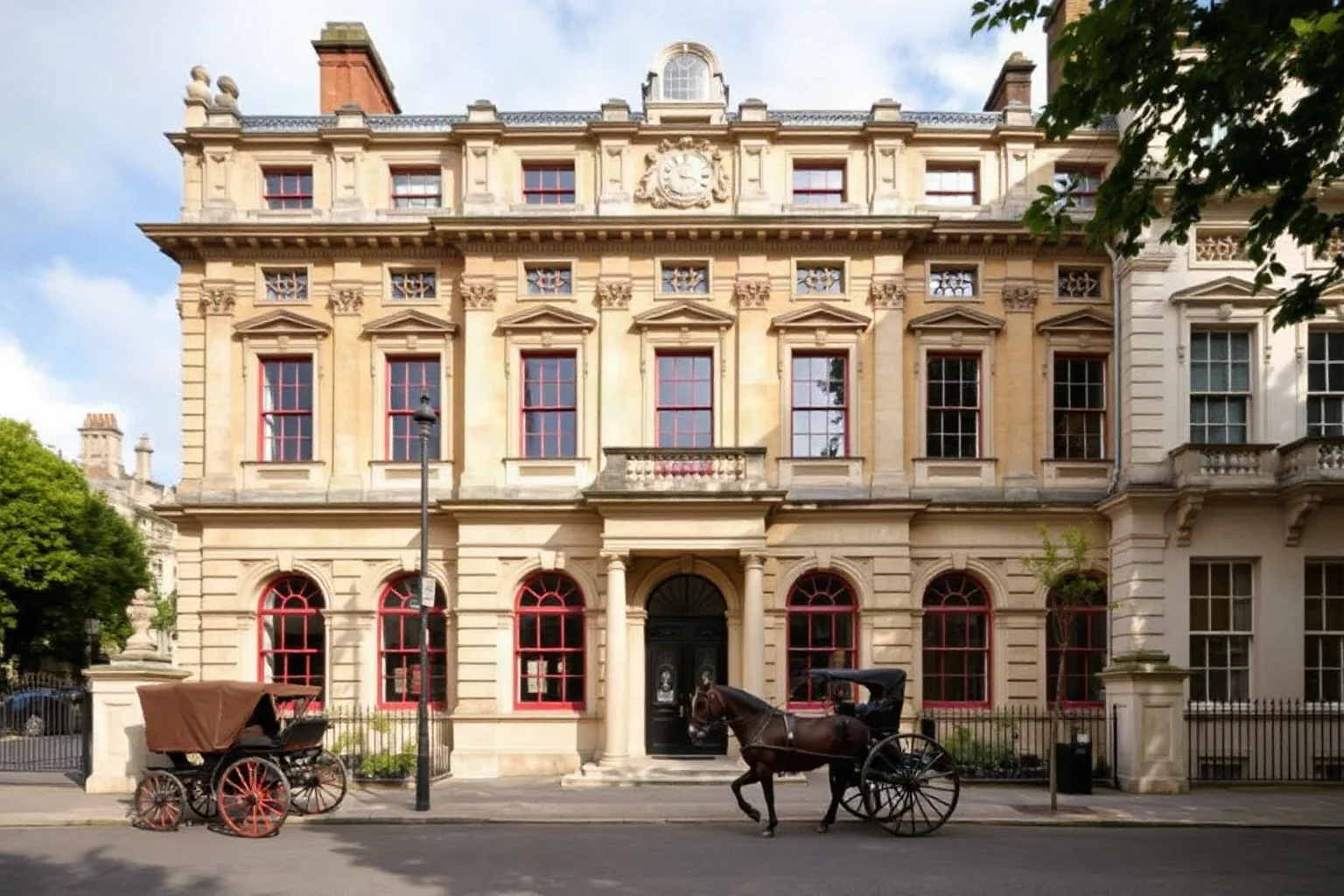
Of the five brothers, Nathan Mayer Rothschild’s London branch, N M Rothschild & Sons, became the most famous and arguably the most powerful. Nathan arrived in England in the early 1800s and quickly became a dominant force in British government bond markets.
Rothschild & Sons went on to help finance the British government during and after the Napoleonic Wars, underwriting loans that funded military campaigns. That role in state finance is central to any serious history of the Rothschild family in Britain.
By the mid-1800s, N M Rothschild & Sons was one of the most important banks in the world, and the London branch remained active in finance for two centuries afterward.
6. The Legendary (and Unproven) Waterloo Story

One of the most repeated Rothschild legends claims Nathan Rothschild made a fortune by getting early news of the Battle of Waterloo’s outcome in 1815 and using it to manipulate British bond markets. This story has been told and retold for generations.
Historians who have examined the claim in detail generally consider it exaggerated or unsupported by solid evidence. Nathan Rothschild did have an efficient information network, and the family did profit from wartime finance, but the dramatic “secret advance knowledge” version of the story is not well documented in contemporary records.
This is a good example of why a myth-busting approach matters with Rothschild family history — the real story of wartime bond trading is interesting enough without needing embellishment.
7. The French Branch: Rothschild Frères
James Mayer de Rothschild established the Paris branch, which became known as Rothschild Frères (Rothschild Brothers). It grew into one of the most important banking houses in France during the 19th century.
The French branch financed major infrastructure projects, including railways across France and other parts of Europe, at a time when rail was transforming how goods, people, and capital moved across the continent. This made the Rothschilds central figures in the industrial buildout of 19th-century Europe.
The Paris house also became deeply intertwined with French political and economic life, surviving multiple changes of government throughout the 1800s.
8. They Helped Finance the Suez Canal Purchase
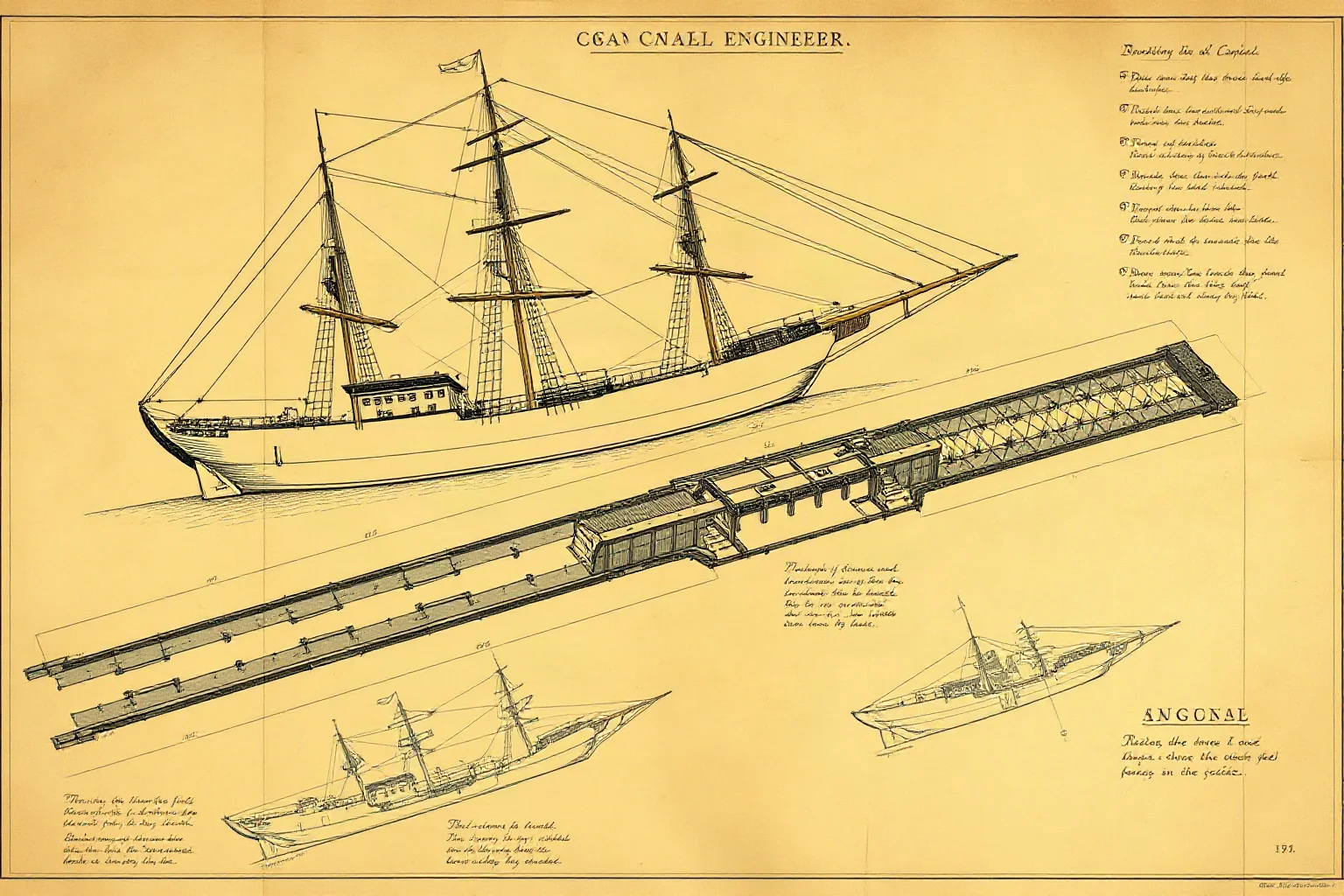
One of the more well-documented Rothschild achievements involves Egypt’s shares in the Suez Canal. In 1875, the British government wanted to buy a large stake in the canal but needed the funds quickly, and Parliament wasn’t in session to approve the spending.
Lionel de Rothschild, of the London branch, reportedly provided the loan that let the British government secure the shares on short notice. This deal is one of the clearest, best-documented examples of the family’s direct influence on major geopolitical events.
It’s also a useful case study for understanding how the Rothschilds got so rich: not through secrecy or scheming, but by being positioned — with capital and relationships already in place — to act faster than anyone else when opportunity appeared.
9. Their Wealth Funded Railways, Mines, and Industry
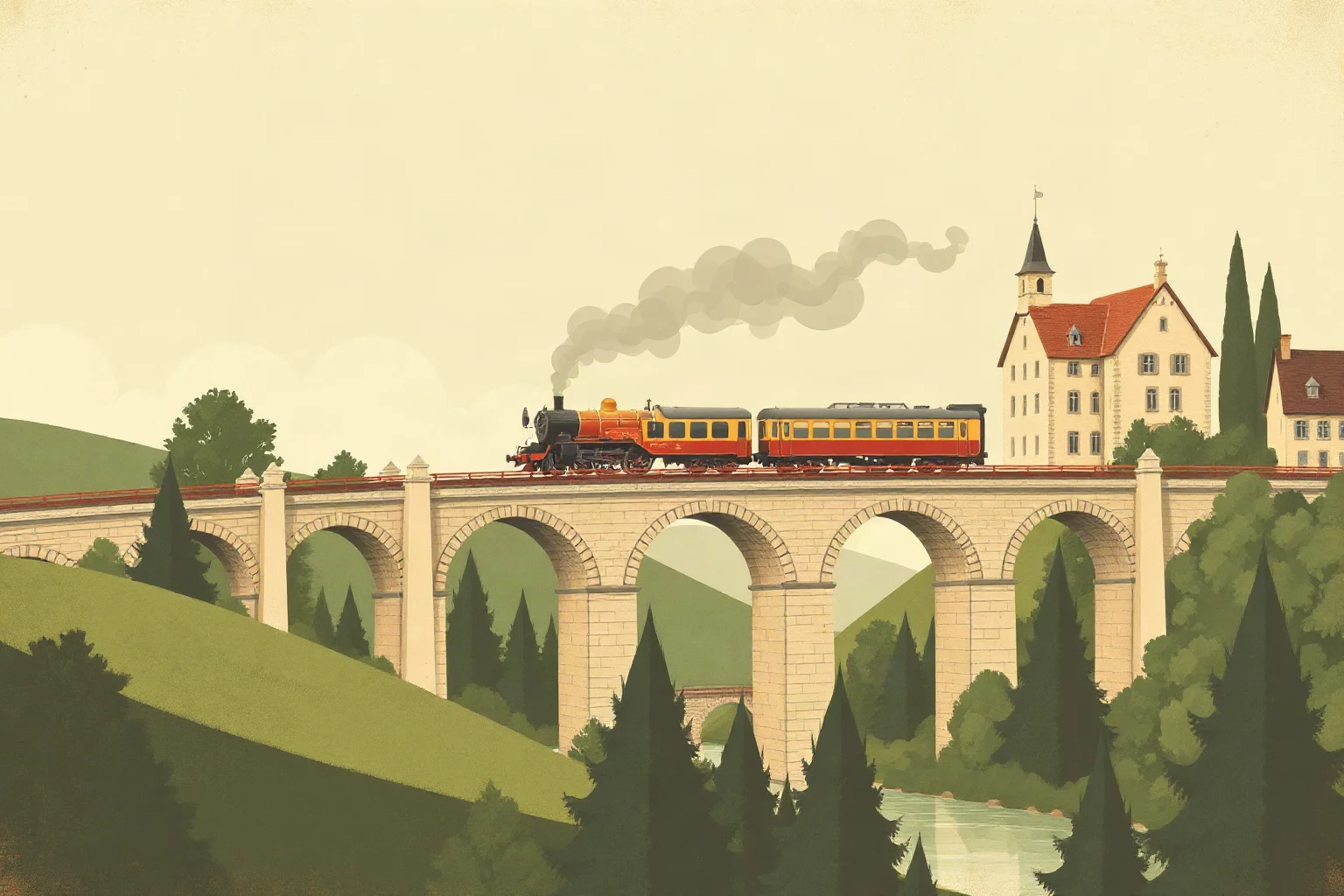
Beyond government bonds, the Rothschild banking family poured capital into railways, mining, and industrial ventures across Europe. They backed rail lines in France, Austria, and elsewhere, helping build the transportation backbone of the industrial revolution.
They also invested in mining ventures, including interests connected to precious metals and, later, oil exploration through related banking activities. This diversification beyond pure government lending helped the family fortune grow well beyond its original banking base.
By the second half of the 19th century, the Rothschild banking family had financial fingerprints on an enormous share of European infrastructure.
10. How Did the Rothschilds Get Rich? A Quick Recap

People often ask how the Rothschilds got rich as if there must be one dramatic secret. The honest answer is less cinematic: a combination of early trust-building with European nobility, a coordinated multinational network of five sons in five cities, and aggressive but calculated investment in government debt, railways, and industry.
They also benefited enormously from timing. The Rothschild banking family’s expansion coincided with the Napoleonic Wars and the early industrial revolution, two periods when governments and industries desperately needed large-scale financing that few institutions could provide.
In short, it was strategy, networking, and being in the right financial seat at the right historical moment — not some singular secret formula.
11. Just How Wealthy Were the Rothschilds at Their Peak?
Estimating the historical wealth of the Rothschild family is notoriously difficult, and you should be skeptical of any single confident number floating around online. Some historians and economists have argued that, relative to the size of the world economy at the time, the family’s 19th-century fortune may have been among the largest ever assembled by a private family — a claim explored further in this look at the richest and most powerful families throughout history.
Part of the challenge is that Rothschild wealth was spread across five separate branches and multiple countries, with no single consolidated balance sheet. Unlike a modern public company, there was no simple way to add it all up, and the family itself didn’t publish net worth figures.
This is why claims that the Rothschilds are “the richest family in the world” today, with trillions in hidden assets, should be treated with real caution — that kind of claim isn’t supported by verifiable evidence.
12. Antisemitism and the Rothschilds: Myths vs. Reality

As a prominent Jewish family in 19th-century Europe, the Rothschilds faced significant antisemitism, including caricatures and conspiracy theories that painted them as secretly controlling world events. Some of this hostility was explicit and well documented in the political cartoons and pamphlets of the era.
Understanding what ethnicity the Rothschilds are matters here: they were, and their descendants largely remain, a Jewish family with roots in the Frankfurt Jewish community. That Jewish identity made them a convenient target for antisemitic conspiracy theories that long predate the modern internet.
Recognizing this history is important context for evaluating the many claims about the family that circulate today, many of which recycle much older antisemitic tropes rather than presenting new evidence.
13. Conspiracy Theories: Separating Fact From Fiction

The Rothschild name is one of the most common targets in modern conspiracy culture, often linked to claims about secret global control, hidden central bank ownership, or orchestrating major world events. These claims circulate widely, but they are not backed by credible historical evidence.
What is factually documented is more modest, though still remarkable: a 19th-century banking family that built genuine wealth and influence through government finance and industrial investment, then saw that influence diffuse across many descendants and eventually decline relative to modern global finance. That’s a very different story than the one told in conspiracy circles.
A good rule of thumb: if a claim about the Rothschild family sounds like it belongs in a thriller movie rather than an economic history book, it’s worth checking the sourcing before repeating it.
14. The Nazi Era Devastated the Family’s European Holdings
The 20th century was brutal for the family’s European branches. When Nazi Germany annexed Austria in 1938, the Vienna branch of the family, led by Louis Nathaniel de Rothschild, had its assets seized, and family members were forced to flee or were detained.
The French branch also suffered under Nazi occupation, with businesses and property confiscated during World War II. Some assets were later recovered or restituted after the war, but the disruption permanently changed the shape and scale of the family’s European operations.
This period is a crucial and often overlooked chapter in Rothschild family history — the fortune wasn’t just divided by inheritance over generations, it was actively attacked and diminished by 20th-century political catastrophe.
15. How Wealthy Is the Rothschild Family Today?
This is one of the most searched questions about the family, and the honest answer is: nobody outside the family has a precise, verified figure. The Rothschild fortune was split across branches and generations for over 200 years, diluting individual family members’ wealth far below the mythical single-fortune image many people imagine.
Modern Rothschild-linked businesses, such as Rothschild & Co, are publicly known financial institutions with disclosed corporate value, but that is not the same thing as one family’s private net worth. Estimates of individual Rothschild family members’ wealth in recent decades have generally placed them as wealthy, prominent business figures — not uniquely dominant on a global “richest people” scale.
So is the Rothschild family the richest family in the world today? Based on publicly available evidence, no — modern rich lists are typically topped by families or individuals tied to tech, retail, or manufacturing fortunes, not the historical Rothschild banking network.
16. The Fortune Split Across Many Generations
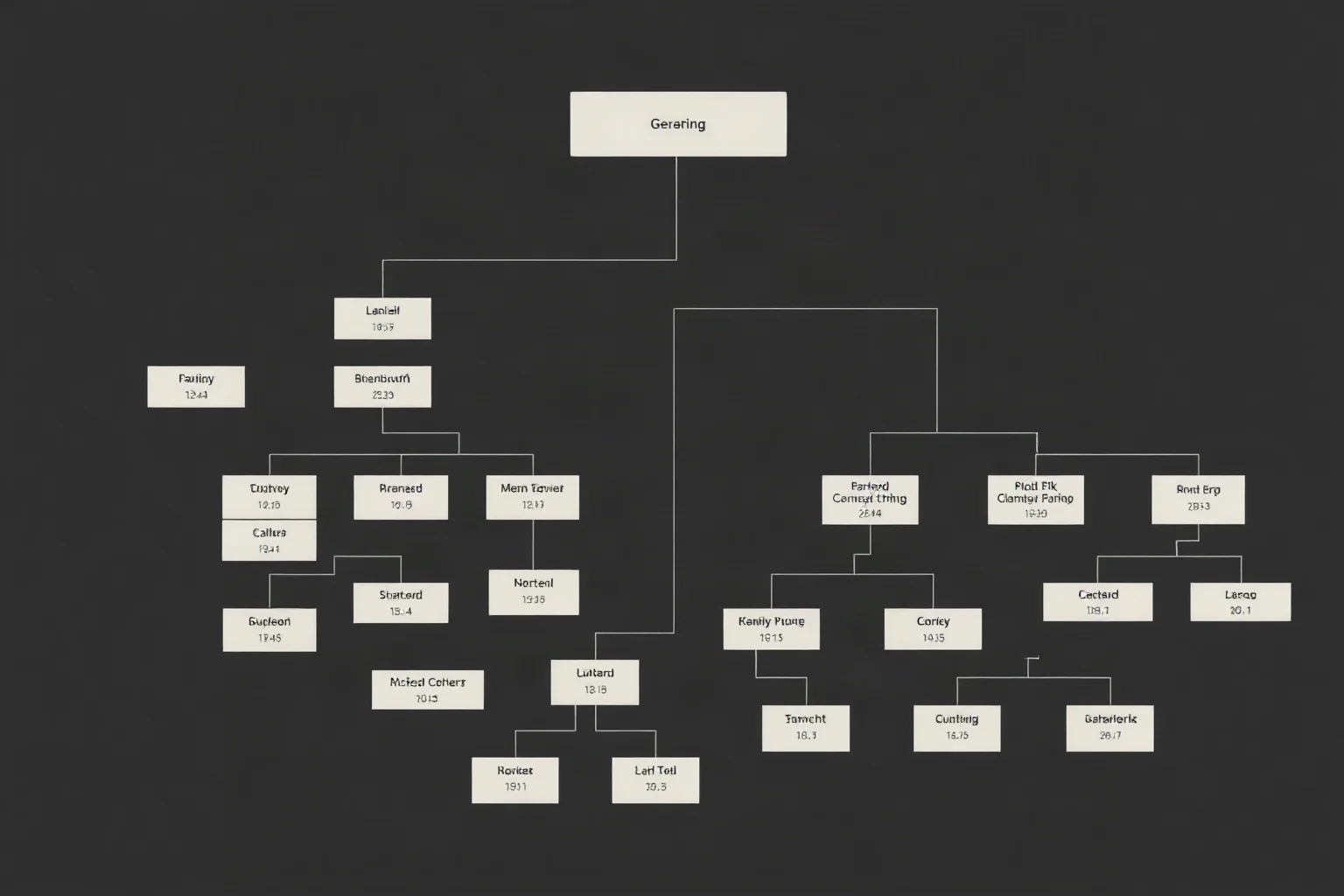
One of the simplest explanations for why the modern Rothschild family isn’t a single record-breaking fortune is basic math. A 19th-century fortune divided among five branches, then divided again among children and grandchildren for six or seven generations, naturally becomes far less concentrated over time.
Inheritance laws, taxes, marriages outside the family, and the normal costs of maintaining large estates and art collections also chipped away at concentrated wealth over the decades. This is a common pattern for old-money dynasties generally, not something unique to the Rothschilds.
By the time you reach the current Rothschild family in the 21st century, you’re looking at dozens of individuals with varying careers, assets, and levels of involvement in finance — not one unified treasury.
17. What Do the Rothschilds Own Today?

A frequent question is what the Rothschild family actually owns now. The most direct answer involves Rothschild & Co, a public, multinational financial advisory and merchant banking group with roots tracing back to the original London and Paris houses, though it operates as a modern public company rather than a private family fund.
Family members and related trusts also hold interests in vineyards, real estate, and various private investments across Europe. Some Rothschild descendants remain active in finance and banking, while others have built careers entirely outside the family’s traditional business.
It’s worth being clear that “what does the Rothschild family own” is very different today than it was in the 1800s — there’s no single centralized empire, but rather a wide, loosely connected set of individual family members’ careers and holdings.
18. Rothschild Wine: A Surprising Modern Legacy
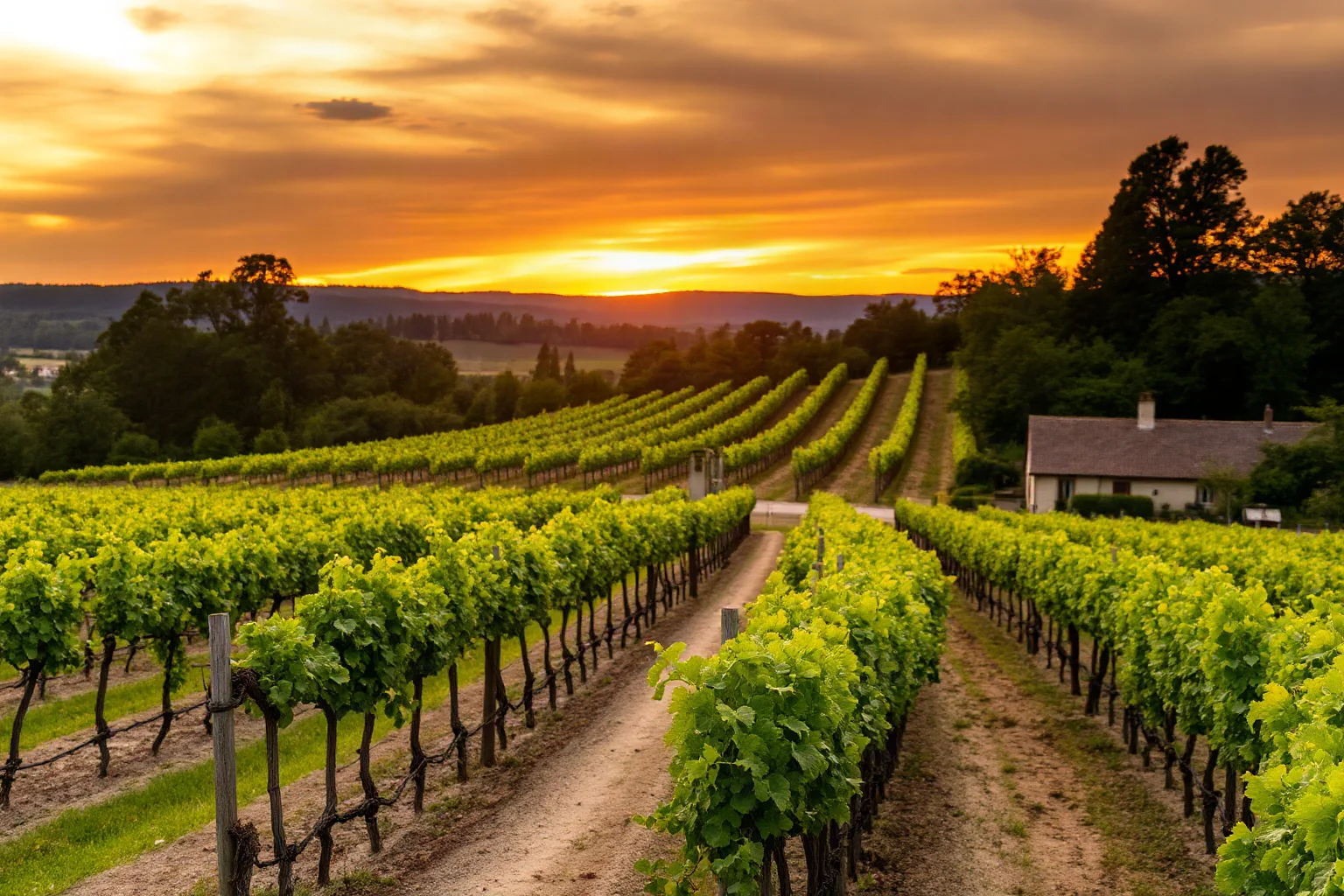
One of the family’s most visible modern legacies has nothing to do with banking at all: wine. Branches of the family own or have owned some of the most prestigious vineyards in the world, including Château Lafite Rothschild and Château Mouton Rothschild in France’s Bordeaux region.
These wine estates are internationally recognized among the finest in the world and are a genuinely well-documented, thriving part of the family’s business interests today. It’s a much less controversial legacy than the banking mythology, and arguably one of the family’s most successful modern ventures.
If you’ve ever seen a bottle labeled “Rothschild” at a high-end wine shop, there’s a good chance it traces back to this branch of the family’s estate holdings.
19. Where Does the Rothschild Family Live Today?
The modern Rothschild family is spread across multiple countries, reflecting the same multinational pattern the family established in the 1800s. Descendants and family members live in the United Kingdom, France, Switzerland, Israel, and elsewhere, often connected to the specific historical branch their ancestors founded.
There isn’t one single “Rothschild family estate” that the whole family lives in or operates from today. Individual family members maintain their own homes, businesses, and, in many cases, entirely separate careers unrelated to the family name’s banking history.
This geographic spread is really a continuation of Mayer Amschel Rothschild’s original five-city strategy, just without the centralized family business holding it all together the way it once did.
20. Famous Rothschild Family Members Today

Among the more publicly known living Rothschild family members are individuals connected to Rothschild & Co’s leadership and banking operations, as well as family members involved in philanthropy, the arts, and the wine industry. The family has historically been fairly private compared to other wealthy dynasties, which has arguably fueled more speculation rather than less.
It’s worth noting that because the family has spread across so many branches and generations, “living Rothschild family members” today number in the dozens if not more, spanning multiple countries and professions. There isn’t a single patriarch or figurehead representing the whole family the way Mayer Amschel Rothschild once did for his five sons.
For accurate, current information about specific living family members, business and financial news coverage of Rothschild & Co is generally a more reliable source than viral social media claims.
21. Rothschild Philanthropy and Public Institutions
Across generations, various Rothschild family members have funded hospitals, museums, universities, and cultural institutions across Europe and Israel. The Rothschild Foundation and related charitable trusts have supported everything from medical research to historic preservation projects.
In Israel, the Rothschild family — particularly Baron Edmond de Rothschild — played a significant historical role in funding early settlement and agricultural development, a legacy still referenced in Israeli history today. Streets and institutions bearing the Rothschild name reflect this long philanthropic footprint.
This charitable legacy is one of the more consistently documented and less mythologized aspects of the family’s 200-year history.
22. The Genealogy of the Rothschild Family Is Genuinely Complex
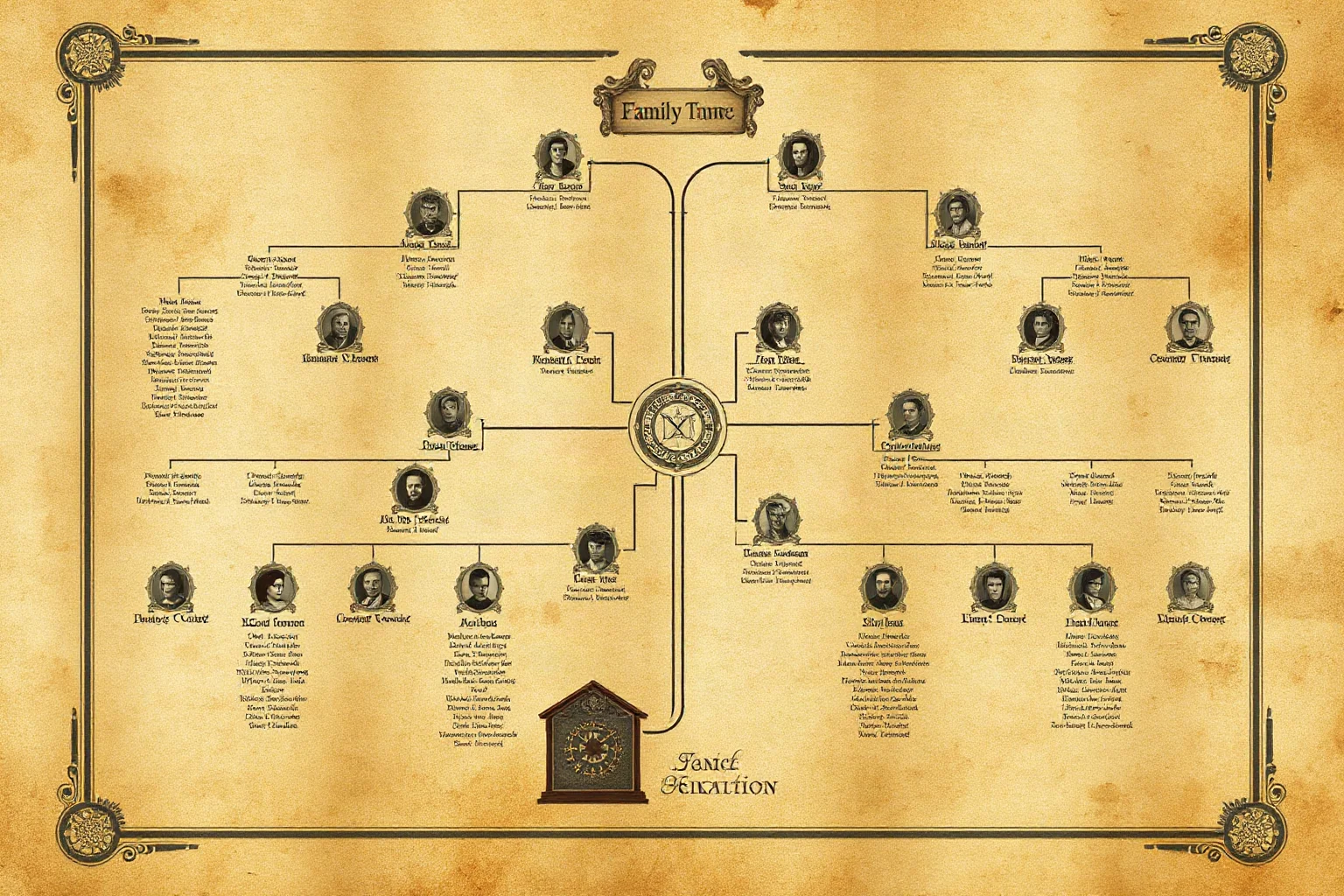
Tracing the full genealogy of the Rothschild family is a serious undertaking, given that it spans more than seven generations across five original branches and countless intermarriages, some of them between cousins within the family itself in earlier generations, a common practice among elite European families at the time. Genealogical charts of the family tree can look more like a small forest than a simple tree.
Historians and genealogists who study the Rothschild family lineage generally rely on archival banking records, family correspondence, and institutional histories published by the family’s own banks, since the family itself has not always been eager to make private records public.
If you’re researching Rothschild family genealogy for historical interest, university and financial history archives tend to be far more reliable than casual family-tree websites making unverified claims.
23. How Long Have the Rothschilds Been Around?
Counting from Mayer Amschel Rothschild’s early banking activities in Frankfurt in the late 1700s, the Rothschild family has been an identifiable banking dynasty for roughly 250 years. That makes it one of the longest continuously documented banking family names in modern history.
Few banking families from that era still have a recognizable, active corporate presence today, which is part of what keeps public fascination with the name alive. Rothschild & Co’s continued operation is a genuinely rare example of institutional longevity in the financial world.
So when people ask how old the Rothschild name is in a financial sense, two and a half centuries is a fair, well-documented answer.
24. Why the Rothschild Name Still Captures the Public Imagination

Part of what makes the Rothschild family such an enduring subject is the genuine, documented history: a family that really did help finance wars, canals, and railways, and really did build one of the most significant fortunes of the 19th century. That’s a compelling story without any need for exaggeration.
The rest of the fascination comes from the gap between that real history and the exaggerated, often antisemitic conspiracy narratives that have attached themselves to the name over two centuries. Separating the two is exactly why myth-busting, source-based history matters here.
Understood accurately, the Rothschild family’s story is really a story about early globalization, family strategy, and the rise and diffusion of private wealth over time — arguably a far more interesting story than the myths that surround it.
Final Thoughts
The real history of the Rothschild family is impressive enough on its own merits: five brothers, five cities, and a banking network that helped shape the economic map of 19th-century Europe. That’s a genuinely remarkable business story.
What it isn’t, based on the actual historical record, is evidence of a single secretive family quietly controlling world events today. The fortune that once flowed through five tightly connected branches has been divided, taxed, and dispersed across generations for over two centuries, just like most old family fortunes eventually are.
Understanding the Rothschilds means holding both truths at once — a family whose real 19th-century influence was extraordinary, and whose modern reputation has been inflated far beyond what verified evidence actually supports.
Frequently Asked Questions
Who are the Rothschilds?
The Rothschilds are a European banking family that originated in Frankfurt, Germany, in the 18th century. Founded by Mayer Amschel Rothschild, the family built one of the most influential banking networks in 19th-century Europe by establishing branches in Frankfurt, Vienna, London, Naples, and Paris.
How did the Rothschilds get rich?
The Rothschilds built their wealth through banking, government bond financing, and industrial investment, particularly during and after the Napoleonic Wars. Their multinational network across five European cities gave them an information and capital advantage that few competitors could match at the time.
How wealthy is the Rothschild family today?
There is no single verified net worth figure for the modern Rothschild family, since their historical fortune was split across multiple branches and generations over more than 200 years. Family members today are generally wealthy and prominent in finance, wine, and philanthropy, but not documented as the world's single richest family.
Are the Rothschilds the richest family in the world?
No, based on publicly available evidence. While the family's 19th-century fortune may have been among the largest ever assembled at the time, modern global rich lists are typically topped by families tied to technology, retail, or manufacturing fortunes rather than the Rothschild banking legacy.
Where does the Rothschild family live today?
Modern Rothschild family members are spread across countries including the United Kingdom, France, Switzerland, and Israel, often based near the historical branch their ancestors established. There is no single family estate that unites the whole family today.
Is the Rothschild family still alive today?
Yes, the Rothschild family has many living descendants across several countries and generations. Some remain involved in banking through Rothschild & Co, while others work in entirely unrelated fields.
What do the Rothschilds own today?
Rothschild family members and related entities are connected to Rothschild & Co, a public financial advisory and banking group, as well as well-known Bordeaux wine estates like Château Lafite Rothschild and Château Mouton Rothschild. Individual family members also hold private real estate and investment interests.
What ethnicity are the Rothschilds?
The Rothschild family is of German-Jewish heritage, originating from the Jewish community of Frankfurt, Germany, in the 18th century. This Jewish identity is also central to understanding the antisemitic conspiracy theories that have long targeted the family's name.
When did the Rothschild family start?
The Rothschild banking dynasty traces back to Mayer Amschel Rothschild's financial activities in Frankfurt starting in the late 1700s, making the family roughly 250 years old as an identifiable banking name.

Alex Warren
Related Articles