
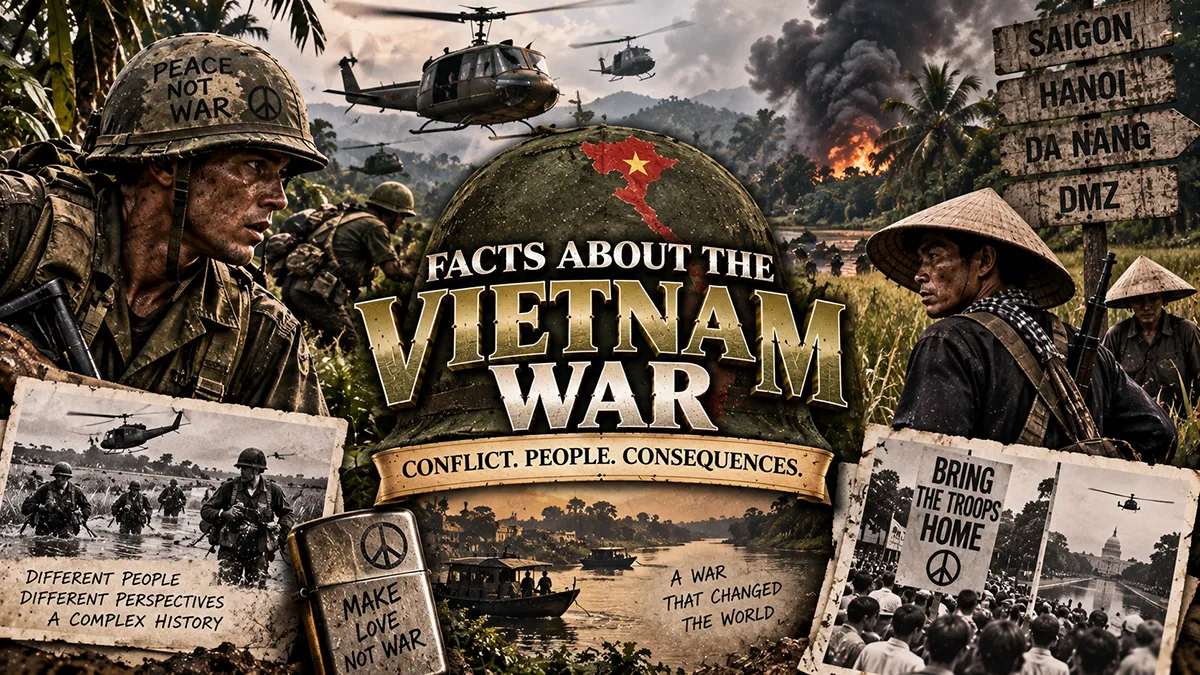
Ask most people what they know about the Vietnam War, and you’ll usually get a handful of half-remembered images: jungle helicopters, protest marches, maybe a scene from an old movie. The reality is far more complicated, and honestly, more interesting than the popular version.
Sorting through decades of Hollywood dramatization and political spin reveals a conflict full of surprising turns, uncomfortable truths, and a few stubborn myths that just won’t die, one that stands alongside other historical events that changed the world more than people realize.
This list pulls together some of the most important and genuinely surprising facts about the Vietnam War, along with a few fun facts on the Vietnam War that tend to get left out of textbooks. Whether you’re brushing up for a class, settling a bar debate, or just curious, these are the details worth knowing.
TL;DR: The Vietnam War was longer, bloodier, and more controversial than most people realize, and separating the myths from the documented history changes how the whole conflict looks.
Quick Snapshot: Vietnam War Basic Facts
Before diving into the list, it helps to have the basic facts about the Vietnam War straight. The conflict is generally dated from 1955 to 1975, though American ground troops weren’t deployed in large numbers until 1965. It pitted communist North Vietnam and the Viet Cong against South Vietnam, backed heavily by the United States and a handful of allied nations.
At its core, this was a Cold War proxy fight layered on top of a Vietnamese civil and anti-colonial war. Keeping that dual nature in mind makes many of the following vietnam conflict facts click into place.
1. The War Lasted Far Longer Than Most People Assume
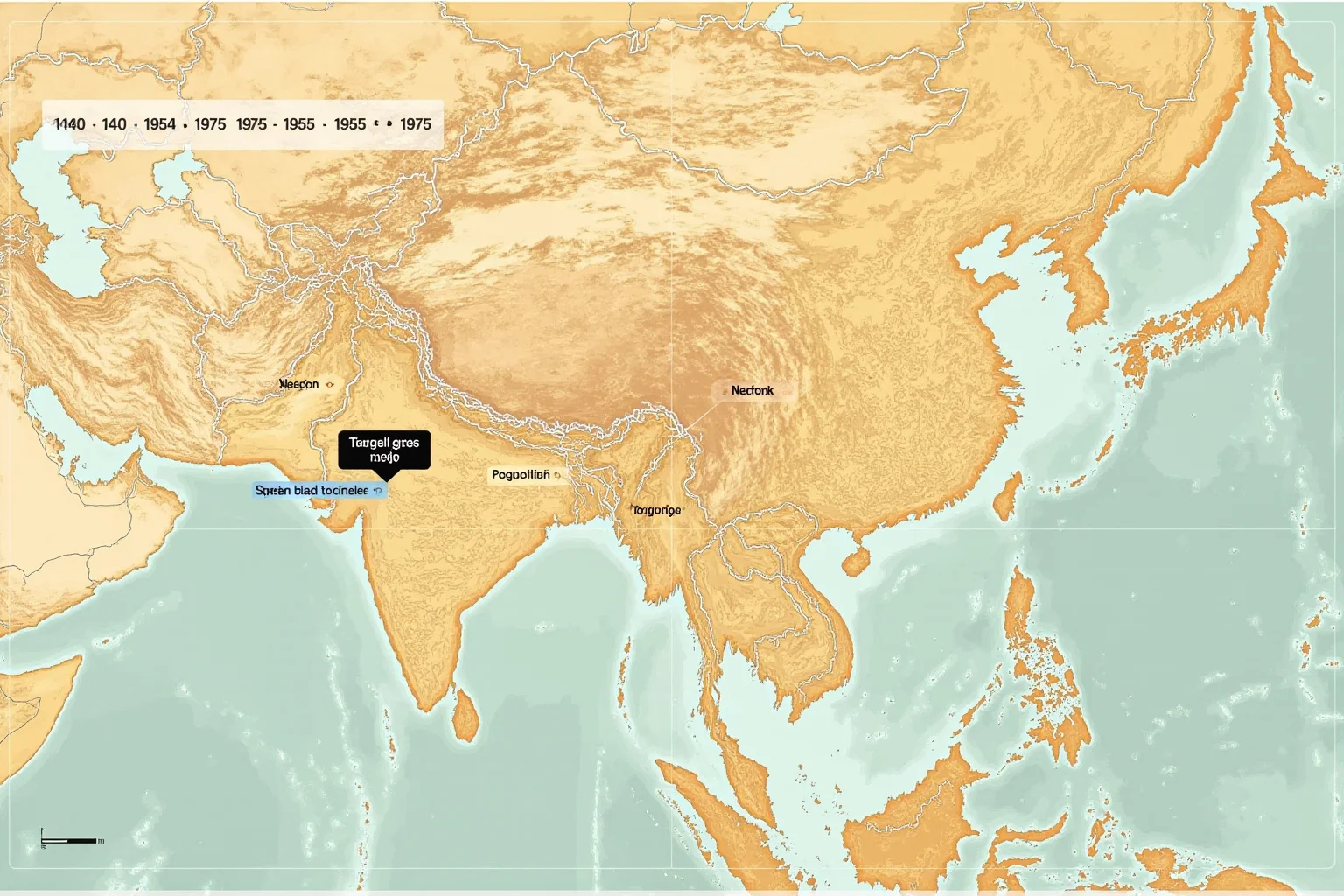
When people picture the Vietnam War, they usually think of the mid-to-late 1960s. In reality, the conflict’s roots stretch back to the First Indochina War against French colonial rule, which ended in 1954.
American military advisors were already in Vietnam by the mid-1950s, years before combat troops arrived in 1965. By the time Saigon fell in 1975, the broader conflict had run for roughly two decades, making it one of the longest wars in modern history and one of the biggest events in American history.
2. It Was Also a Vietnamese Civil War
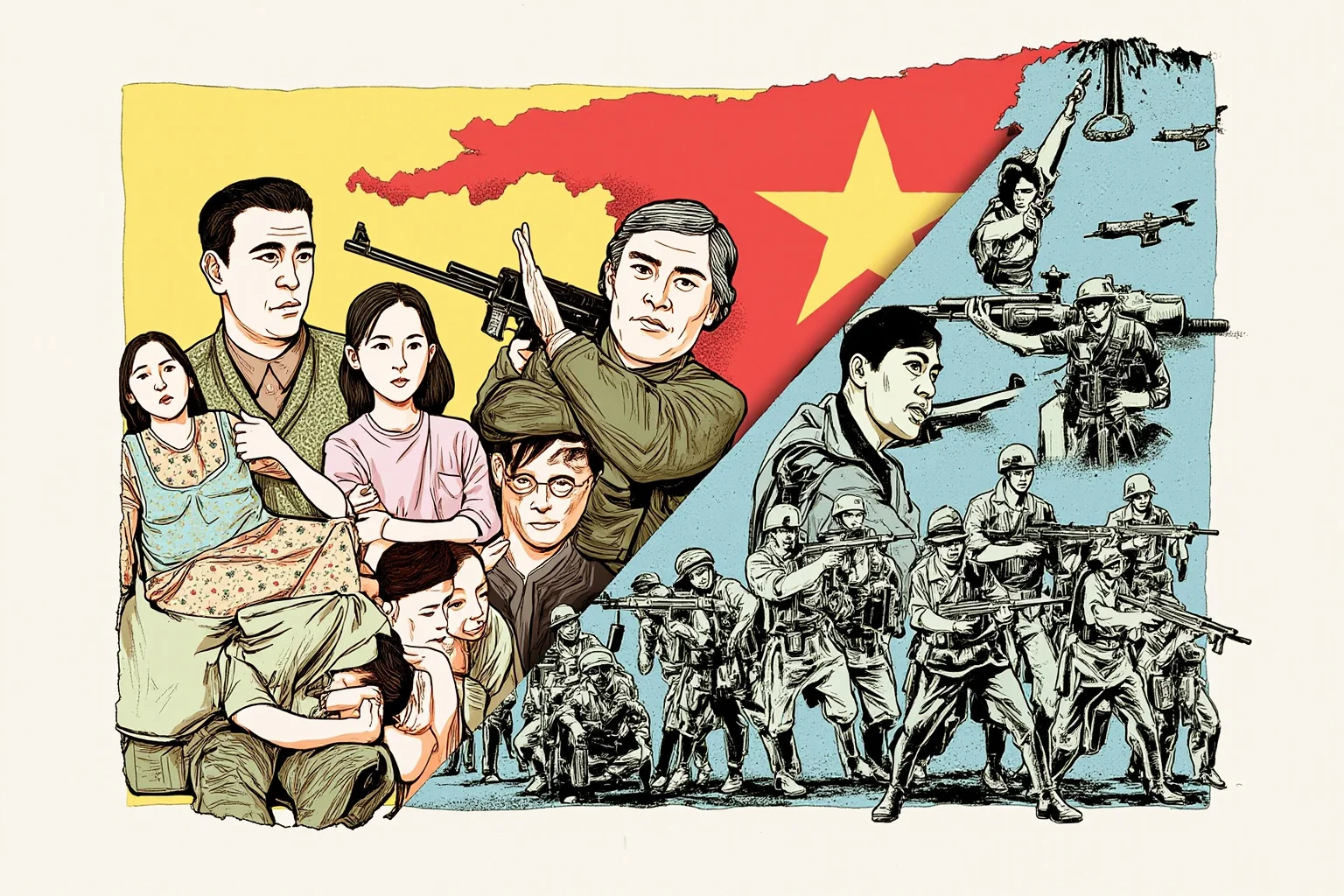
One of the most overlooked facts of the Vietnam War is that it wasn’t purely a US-versus-communism story. It was also a civil war between North and South Vietnam, two governments with genuinely different visions for the country’s future.
The United States framed its involvement around stopping the spread of communism, but for millions of Vietnamese people on both sides, this was a fight over national identity, independence, and who would govern a reunified Vietnam. That dual identity is key to understanding the war’s complexity.
3. More Bombs Fell on Vietnam Than in All of World War II
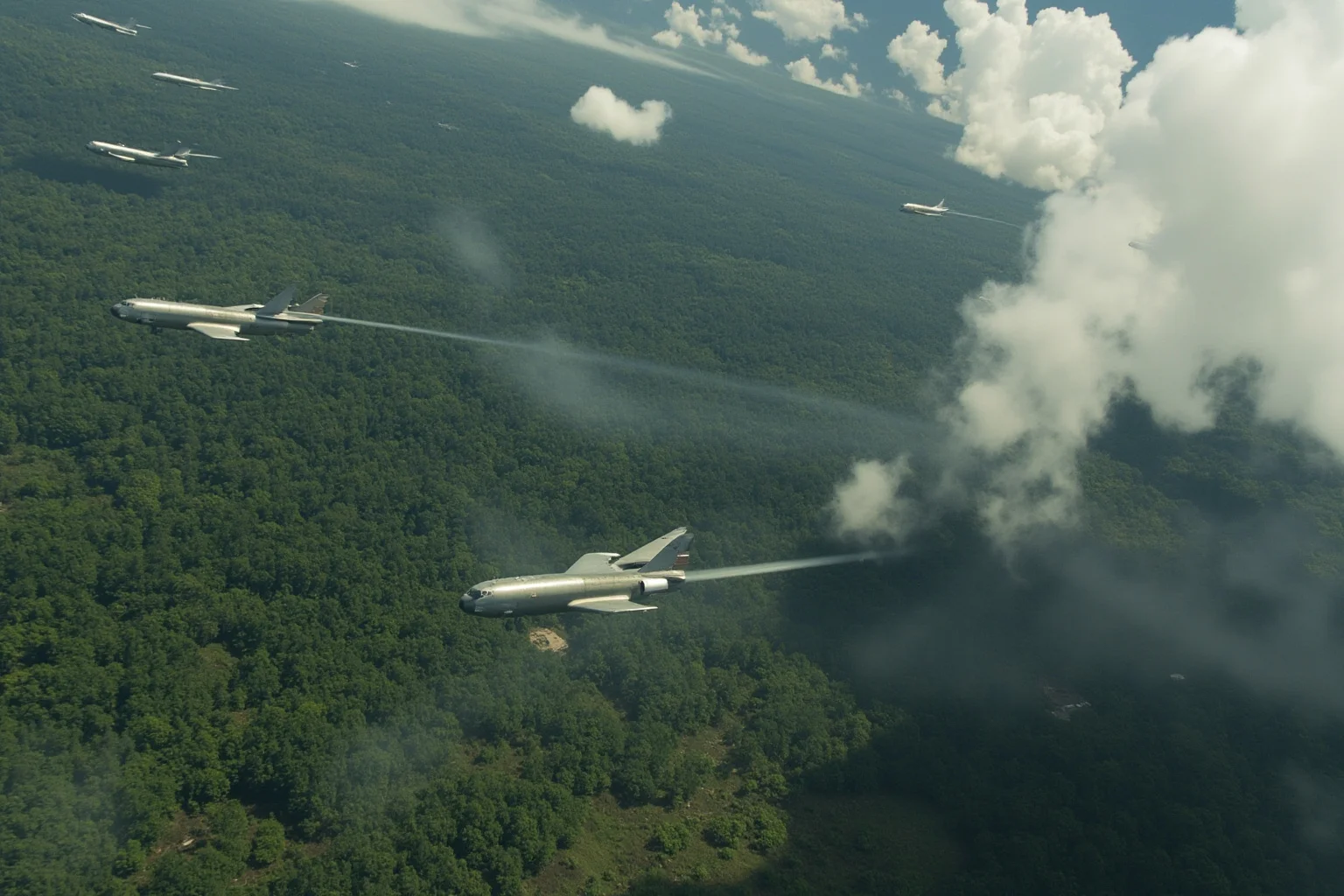
This is one of those war in Vietnam facts that shocks people every time. The United States dropped more than 7 million tons of bombs on Vietnam, Laos, and Cambodia combined, a total that exceeds the tonnage dropped by all combatants during the entirety of World War II.
Much of this bombing targeted supply routes, jungle cover, and suspected troop concentrations rather than cities. The sheer scale still stands as one of the most staggering statistics of the entire conflict.
4. The Ho Chi Minh Trail Was an Engineering Marvel
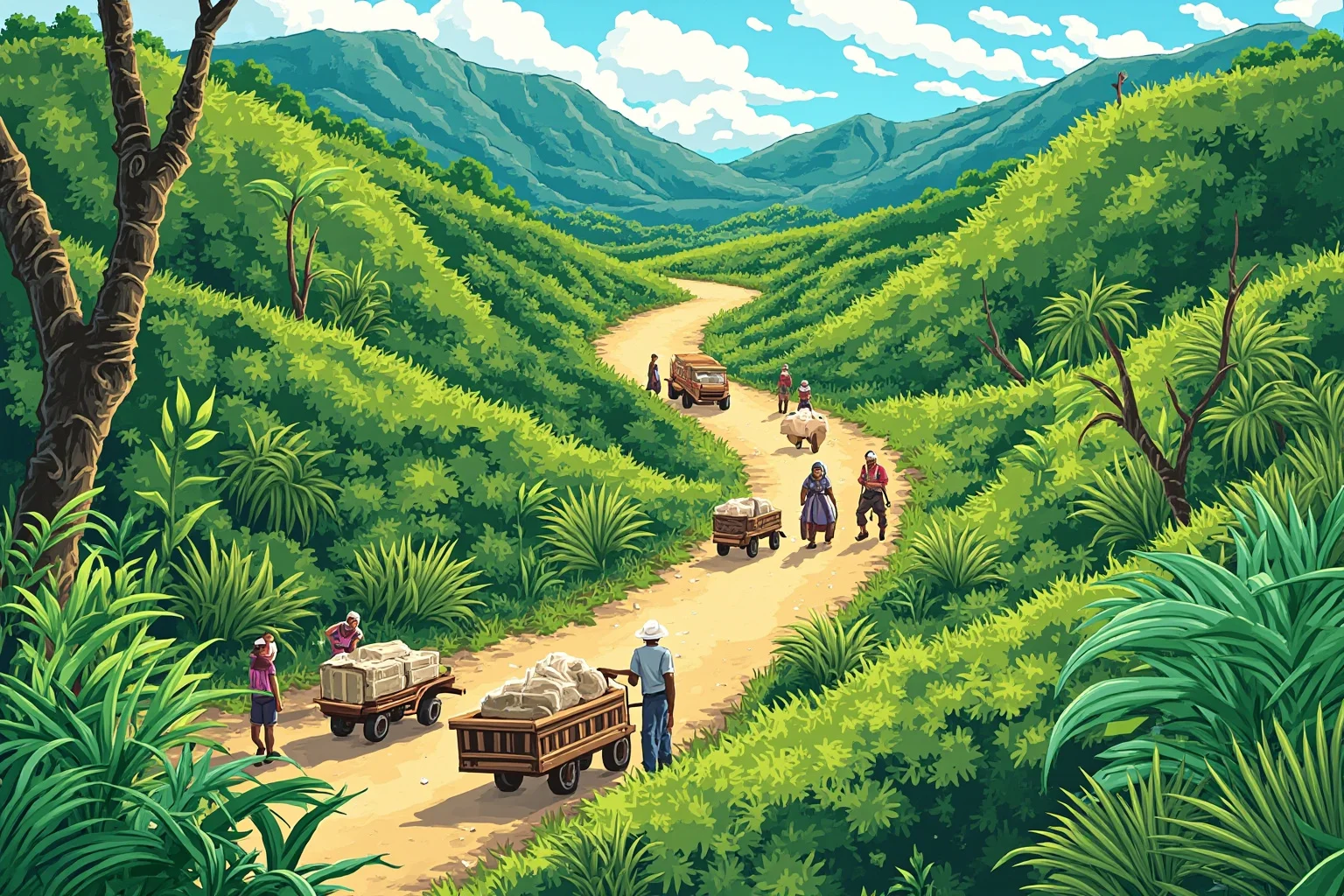
The Ho Chi Minh Trail wasn’t a single road. It was a sprawling network of paths, roads, river crossings, and tunnels running through Laos and Cambodia that let North Vietnam move troops and supplies south.
Despite relentless American bombing campaigns aimed at cutting it off, workers and soldiers rebuilt damaged sections almost as fast as they were destroyed. It remains one of the most impressive logistical achievements of any 20th-century conflict.
5. Agent Orange’s Effects Are Still Felt Today
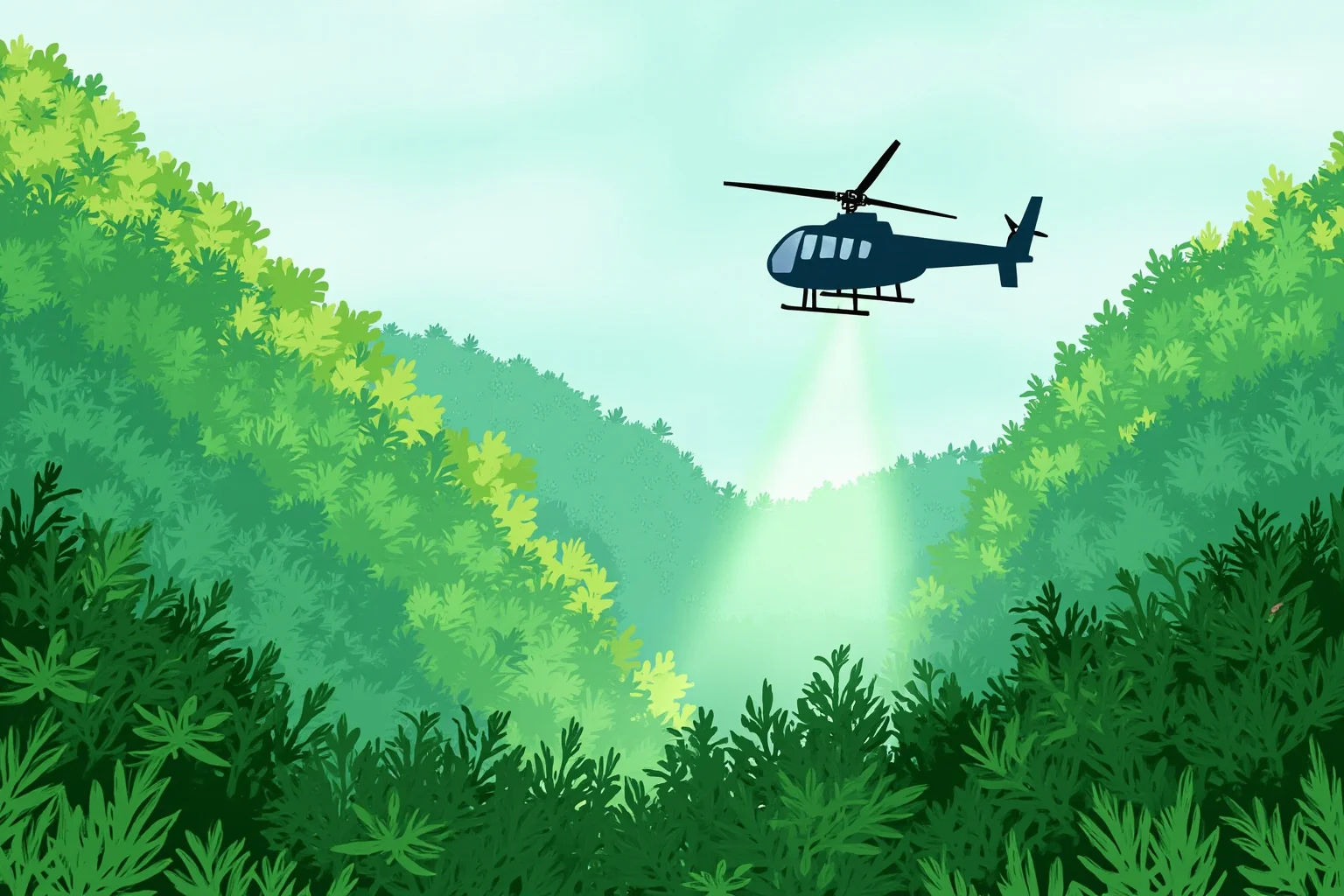
The US military sprayed roughly 20 million gallons of herbicides, most notoriously Agent Orange, to strip away jungle cover and destroy crops. The chemical contained dioxin, a compound linked to serious long-term health problems.
Decades later, Vietnamese communities and American veterans alike continue to deal with health issues tied to this exposure. Cleanup and compensation efforts are still ongoing in both countries today.
6. The Draft Hit Working-Class Americans Hardest
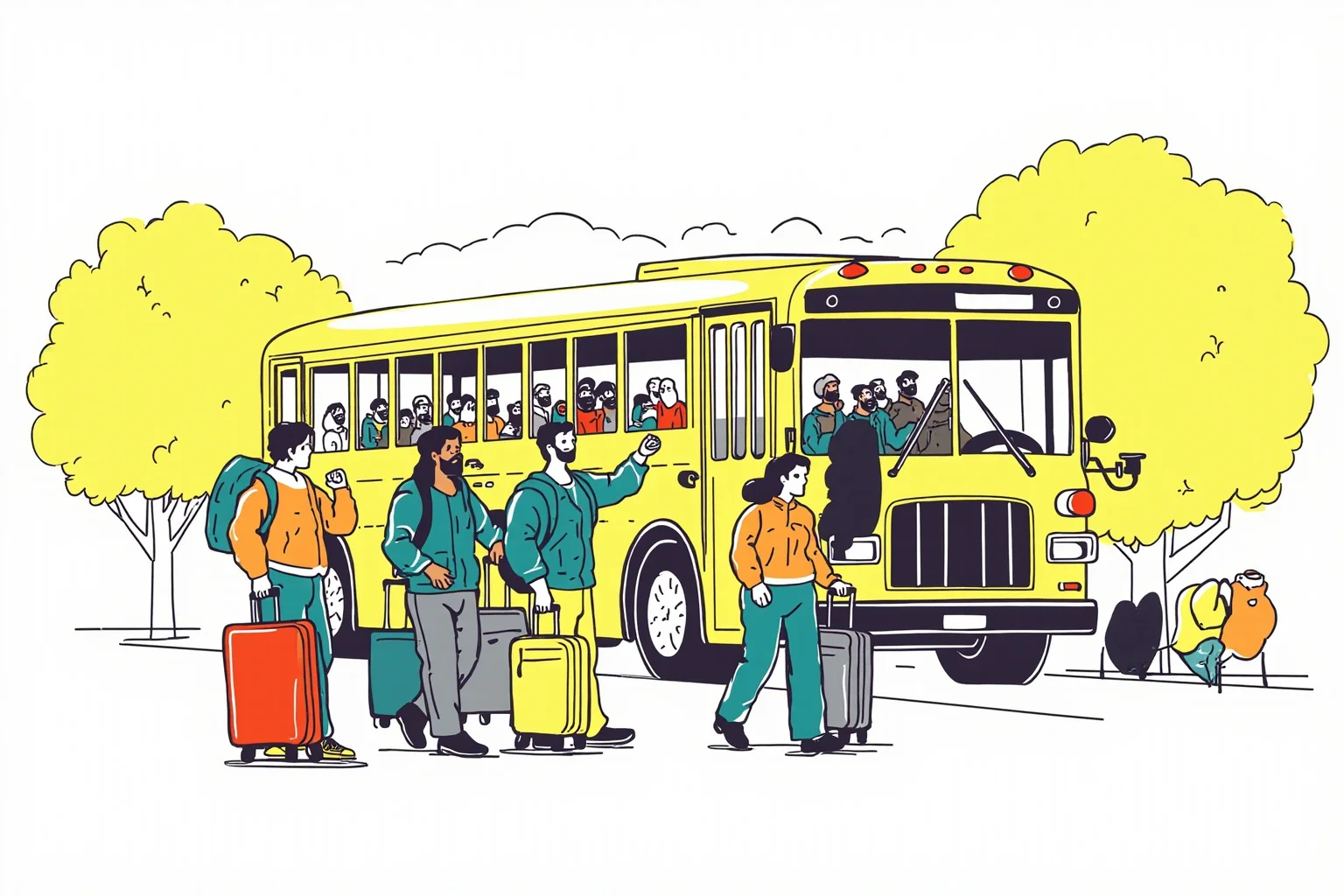
The Selective Service draft system technically applied to all eligible young men, but deferments for college students and certain occupations meant wealthier Americans could often avoid combat duty. Working-class and minority communities were disproportionately represented among draftees sent to Vietnam.
This imbalance fueled much of the domestic anger over the war. It also became one of the more enduring controversies of the Vietnam War, shaping debates about fairness in military service for decades afterward.
7. American Soldiers Were Remarkably Young
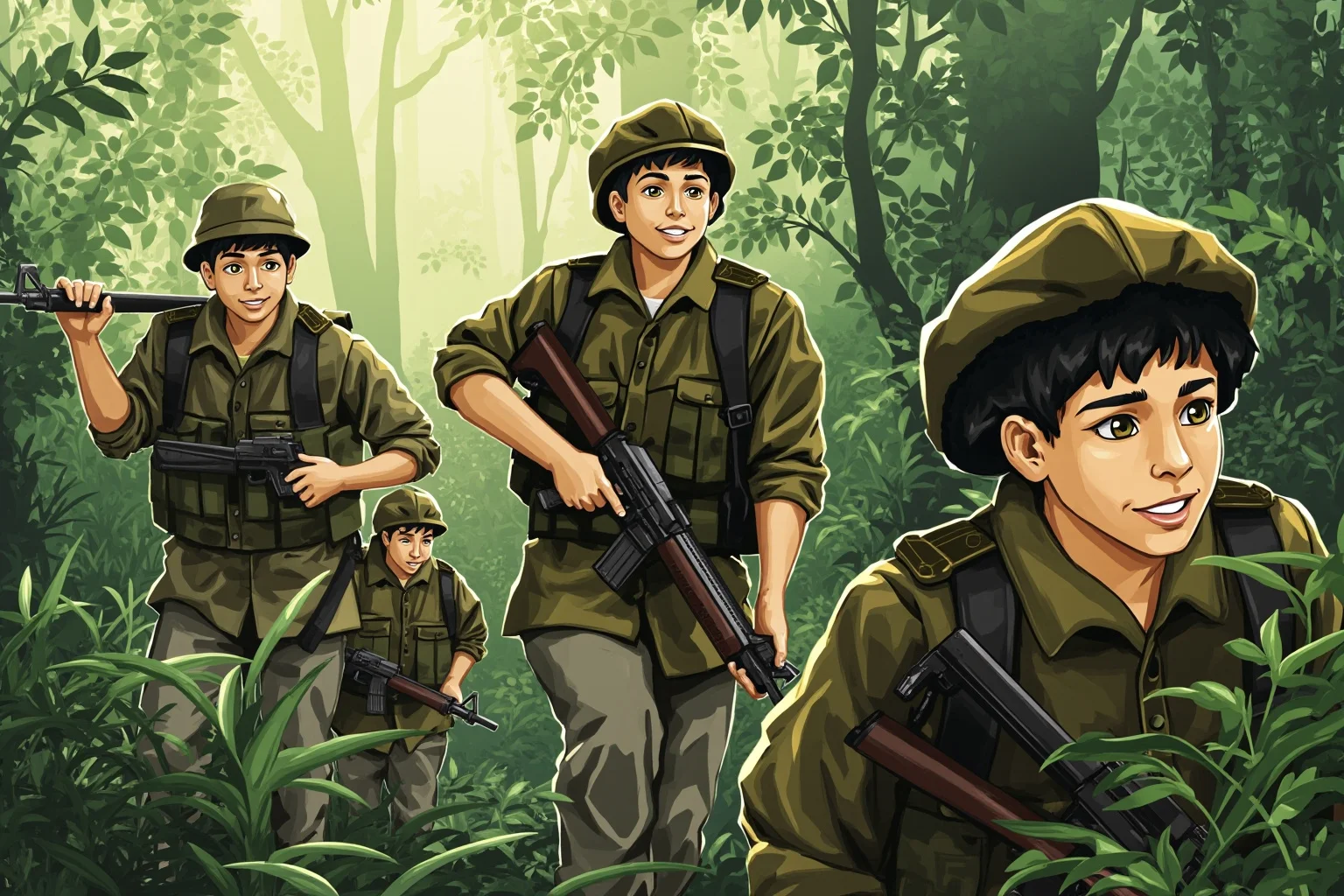
It’s often noted that the average age of American soldiers in Vietnam was around 19, compared to roughly 26 during World War II. While exact averages are debated by historians, there’s no question that Vietnam-era combat units skewed younger overall.
Many servicemen were fresh out of high school when they arrived in-country. That youth shaped everything from morale to how veterans processed their experiences once they came home.
8. Congress Never Formally Declared War
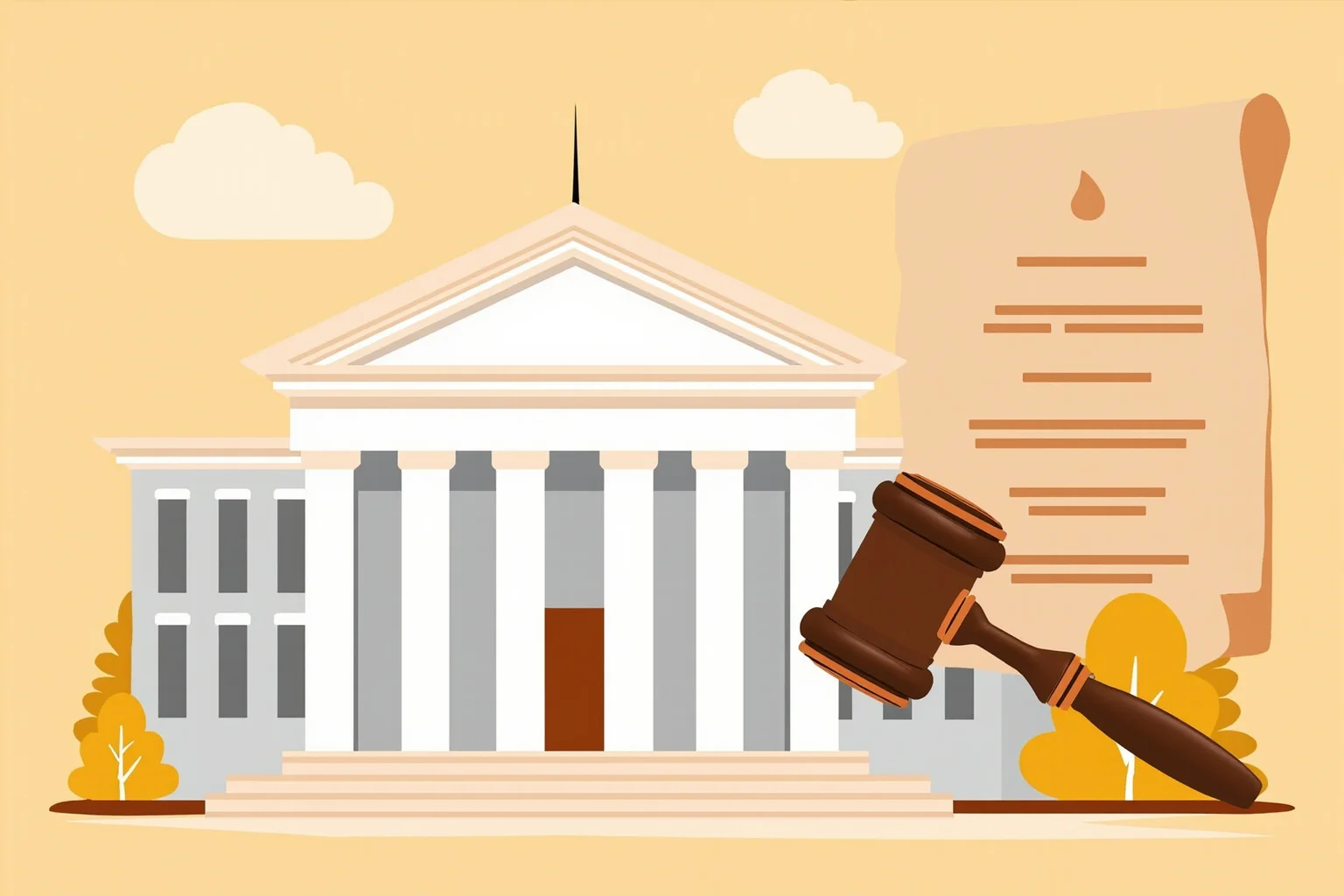
Here’s a fact about the Vietnam War that surprises a lot of people: the United States never issued an official declaration of war. Instead, Congress passed the Gulf of Tonkin Resolution in 1964, granting the president broad authority to escalate military action without a formal declaration.
This legal technicality became a major point of controversy. It also directly influenced the later War Powers Resolution of 1973, which aimed to limit unchecked presidential military authority.
9. The Gulf of Tonkin Incident Still Raises Questions
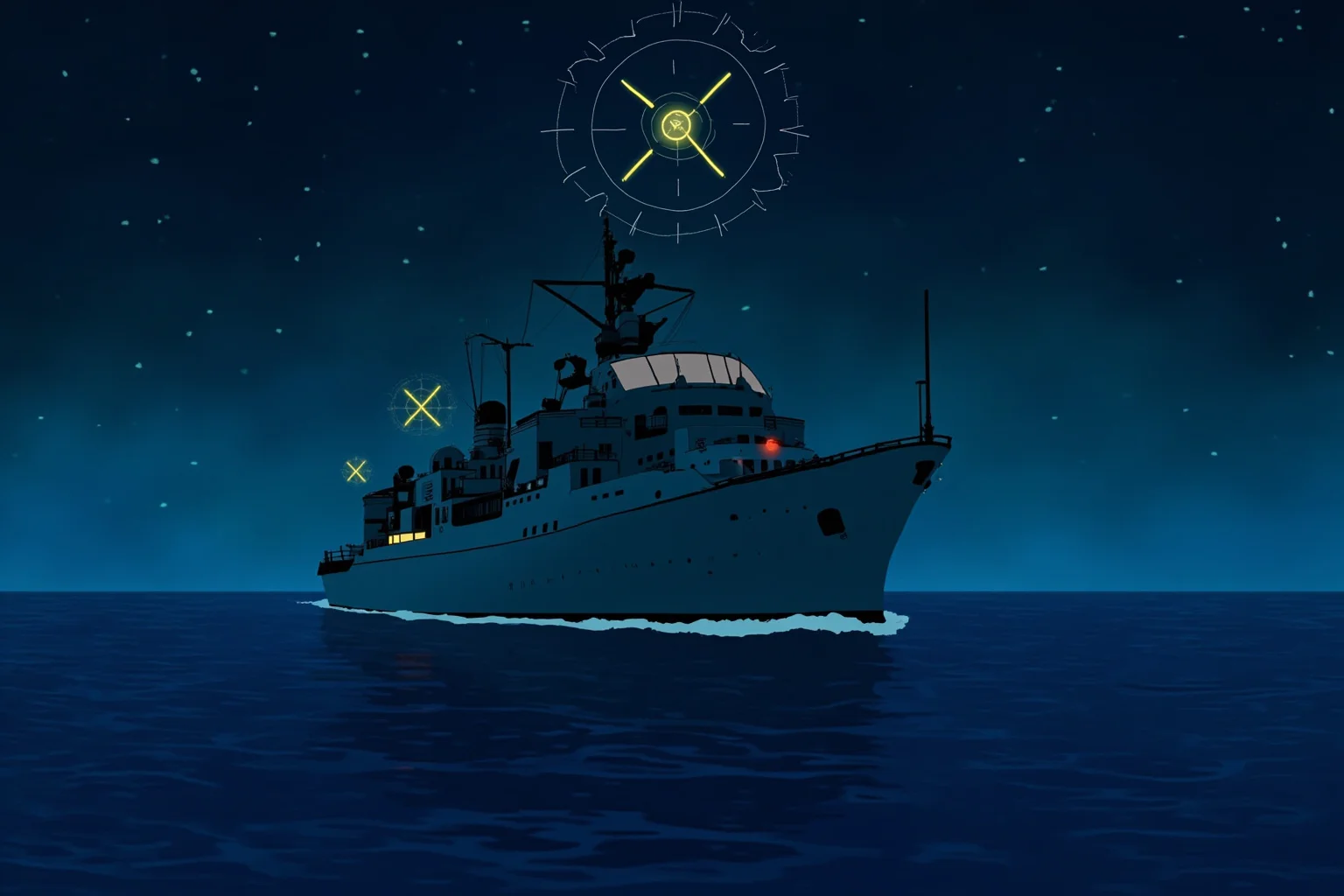
The Gulf of Tonkin incident, involving alleged attacks on US Navy ships in August 1964, was the trigger for that resolution. Declassified documents released decades later suggested that the second reported attack likely never happened as initially described, possibly the result of confused radar readings.
Historians still debate exactly what happened and what officials knew at the time. It remains one of the most scrutinized and disputed episodes tied to America’s entry into the war.
10. The My Lai Massacre Was Covered Up for Over a Year
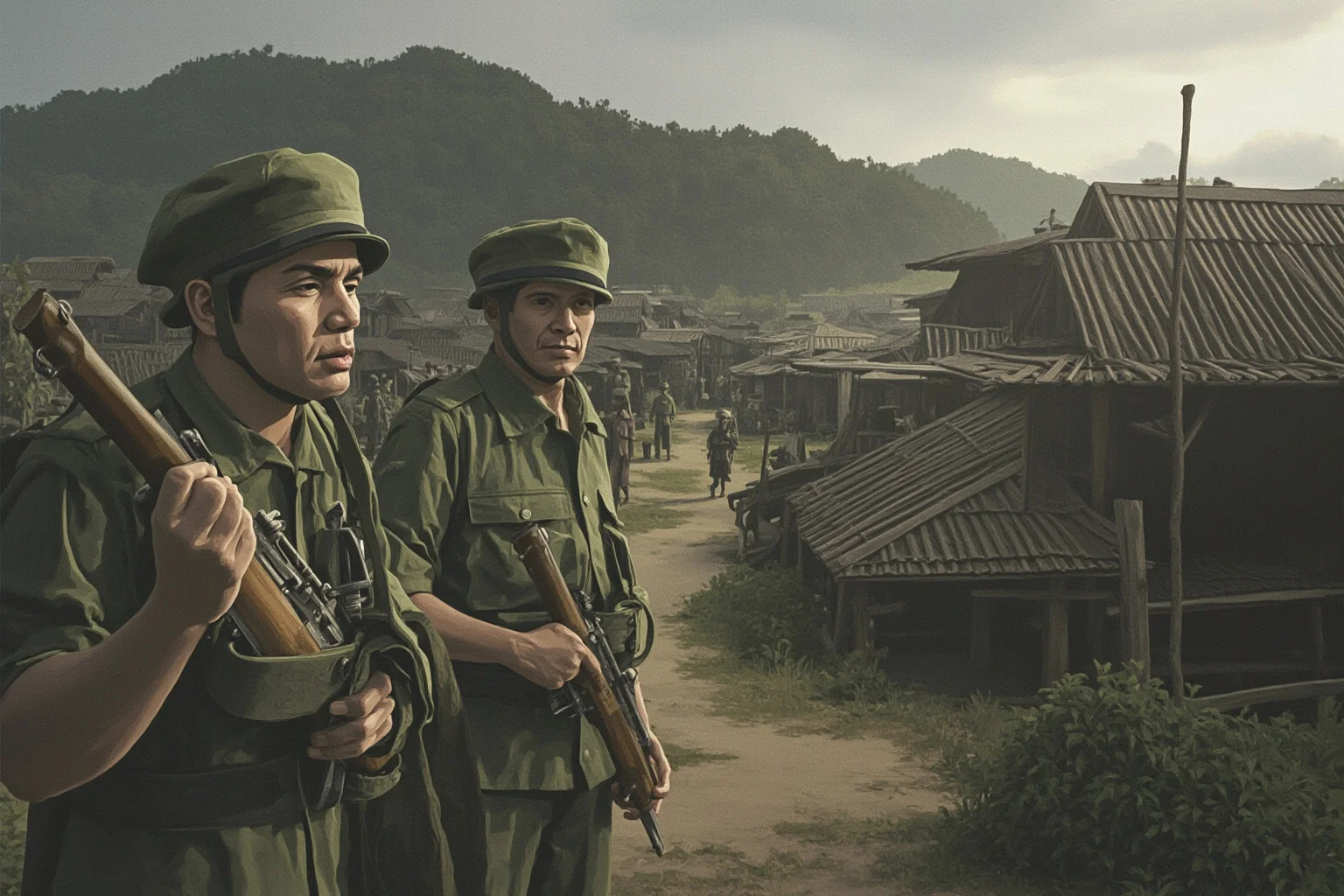
In March 1968, American soldiers killed several hundred unarmed Vietnamese civilians in the hamlet of My Lai. The massacre was concealed by military leadership until journalist Seymour Hersh exposed it publicly in late 1969.
The revelation devastated American public trust in the war effort and the military’s honesty about it. It remains one of the darkest and most-cited controversies of the Vietnam War.
11. The Tet Offensive Was a Battlefield Loss and a Political Turning Point
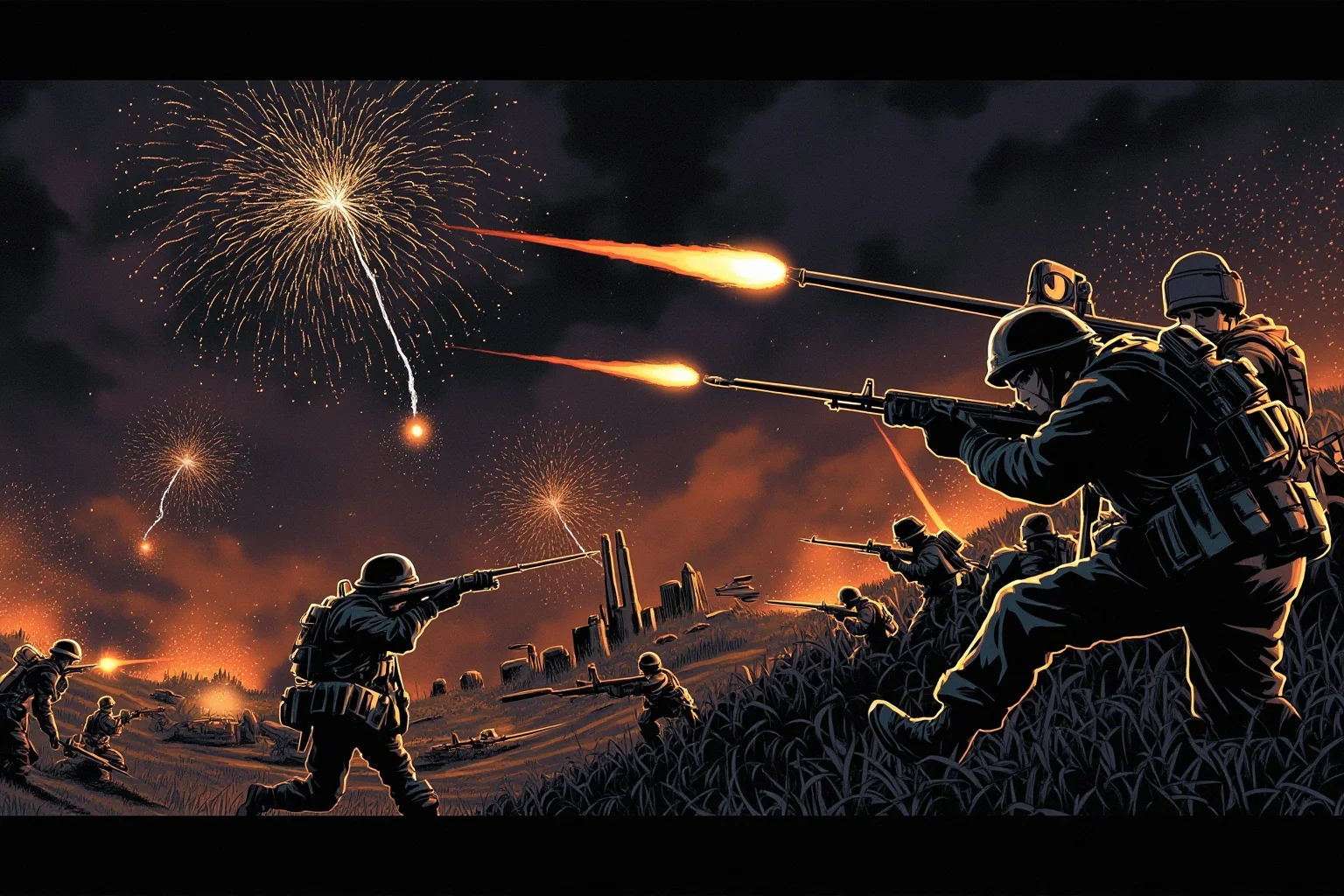
In January 1968, North Vietnamese and Viet Cong forces launched coordinated surprise attacks across South Vietnam during the Tet holiday truce. Militarily, the offensive failed, and communist forces suffered heavy losses.
But the scale and audacity of the attacks shocked the American public, who had been told the enemy was nearly beaten. Tet is widely considered the moment US public opinion decisively turned against the war.
12. Vietnam Wasn’t a Two-Country Fight
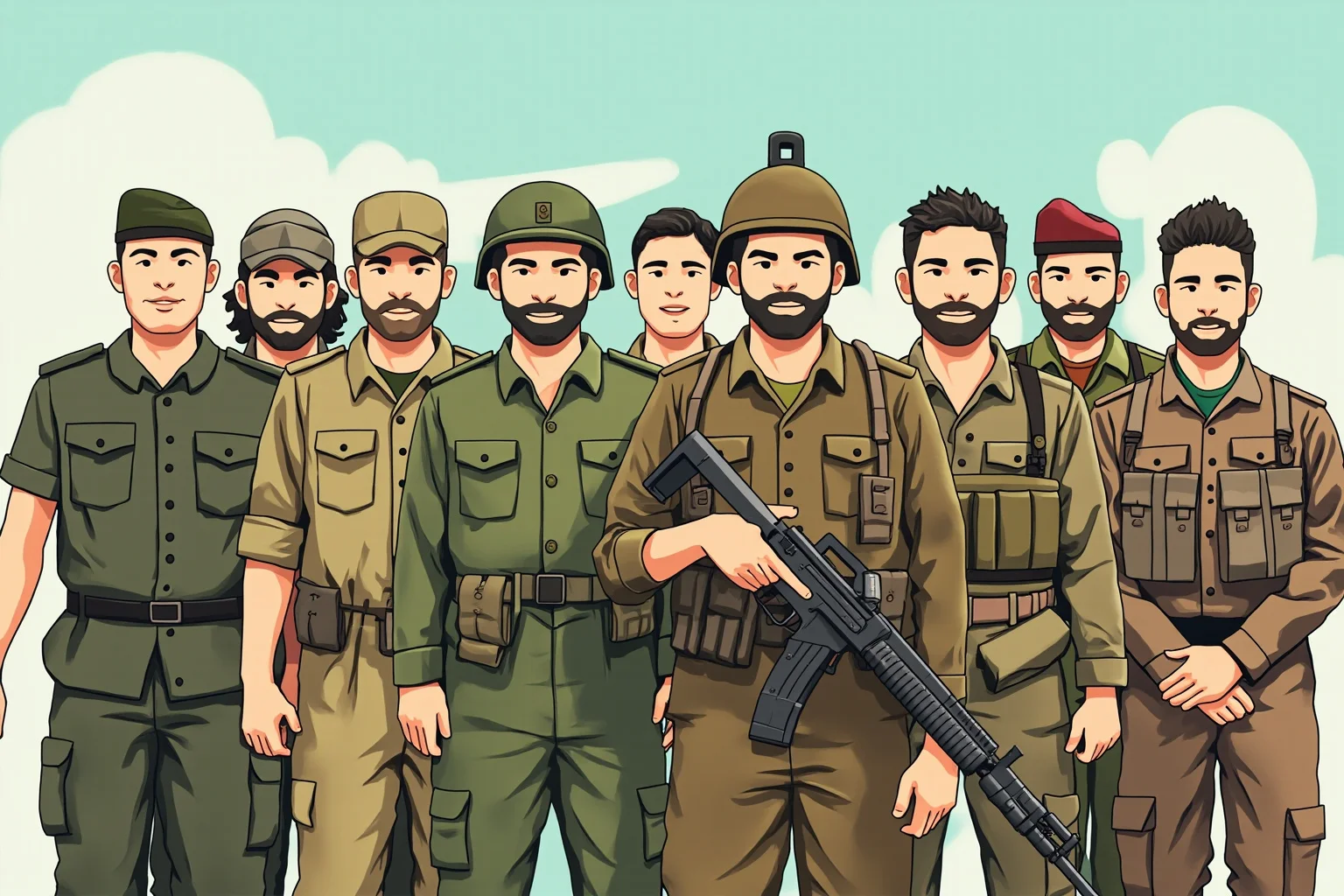
Among the more surprising vietnamese war facts is just how international the conflict became. South Korea sent hundreds of thousands of troops over the course of the war, while Australia, New Zealand, Thailand, and the Philippines also contributed forces under what was called the “Free World Military Forces.”
Meanwhile, the Soviet Union and China provided extensive weapons, training, and material support to North Vietnam. The war’s characteristics were shaped as much by these outside players as by the Vietnamese combatants themselves.
13. Women Served in Combat and Support Roles on Both Sides
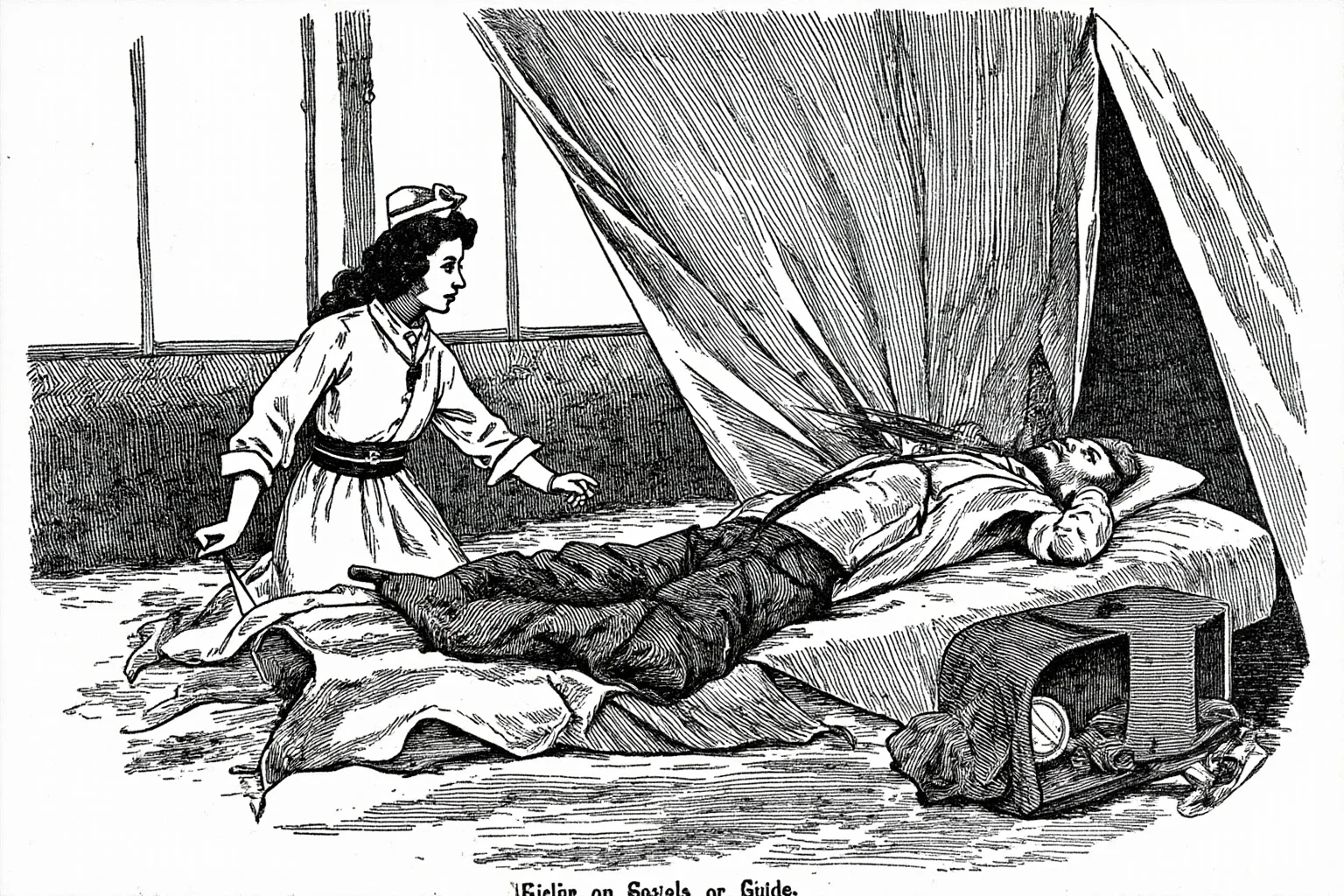
Thousands of American women served in Vietnam, primarily as military nurses treating wounded troops under grueling conditions. On the Vietnamese side, women fought directly in both regular North Vietnamese Army units and Viet Cong guerrilla forces.
Their contributions were historically underreported for decades. Only later did memorials, like the Vietnam Women’s Memorial in Washington, D.C., begin to properly recognize their service.
14. The Domino Theory Drove US Strategy
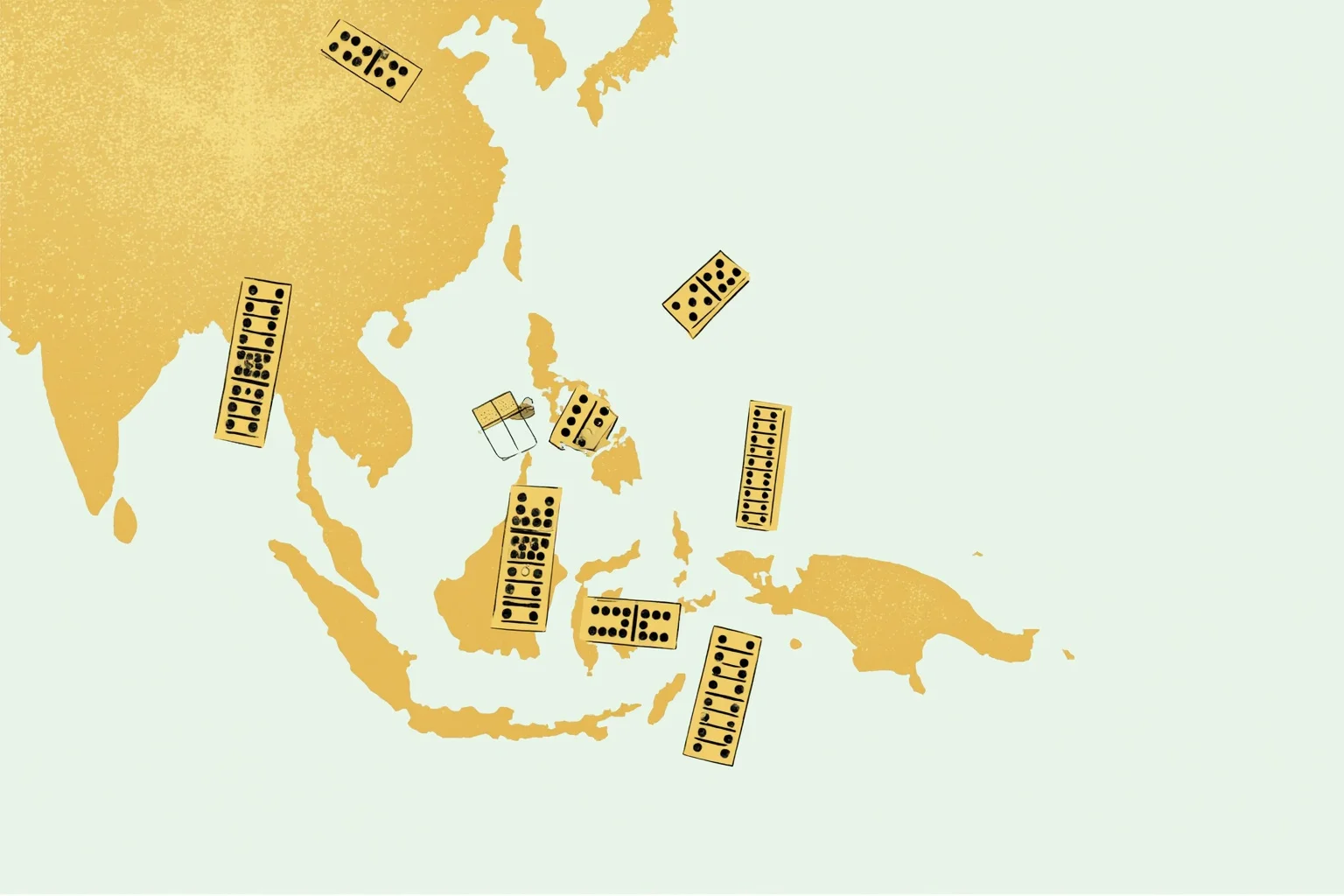
American policymakers justified escalating involvement using the “domino theory,” the idea that if South Vietnam fell to communism, neighboring countries would follow in a chain reaction. This theory, championed under President Eisenhower and carried forward by later administrations, shaped nearly every major US decision in the region, echoing the broader anti-communist anxieties that also drove the Red Scare back home.
Critics at the time and historians since have questioned whether the theory ever reflected reality. Still, it remains essential to understanding why the US committed so heavily to the conflict.
15. Guerrilla Warfare Defined the Battlefield
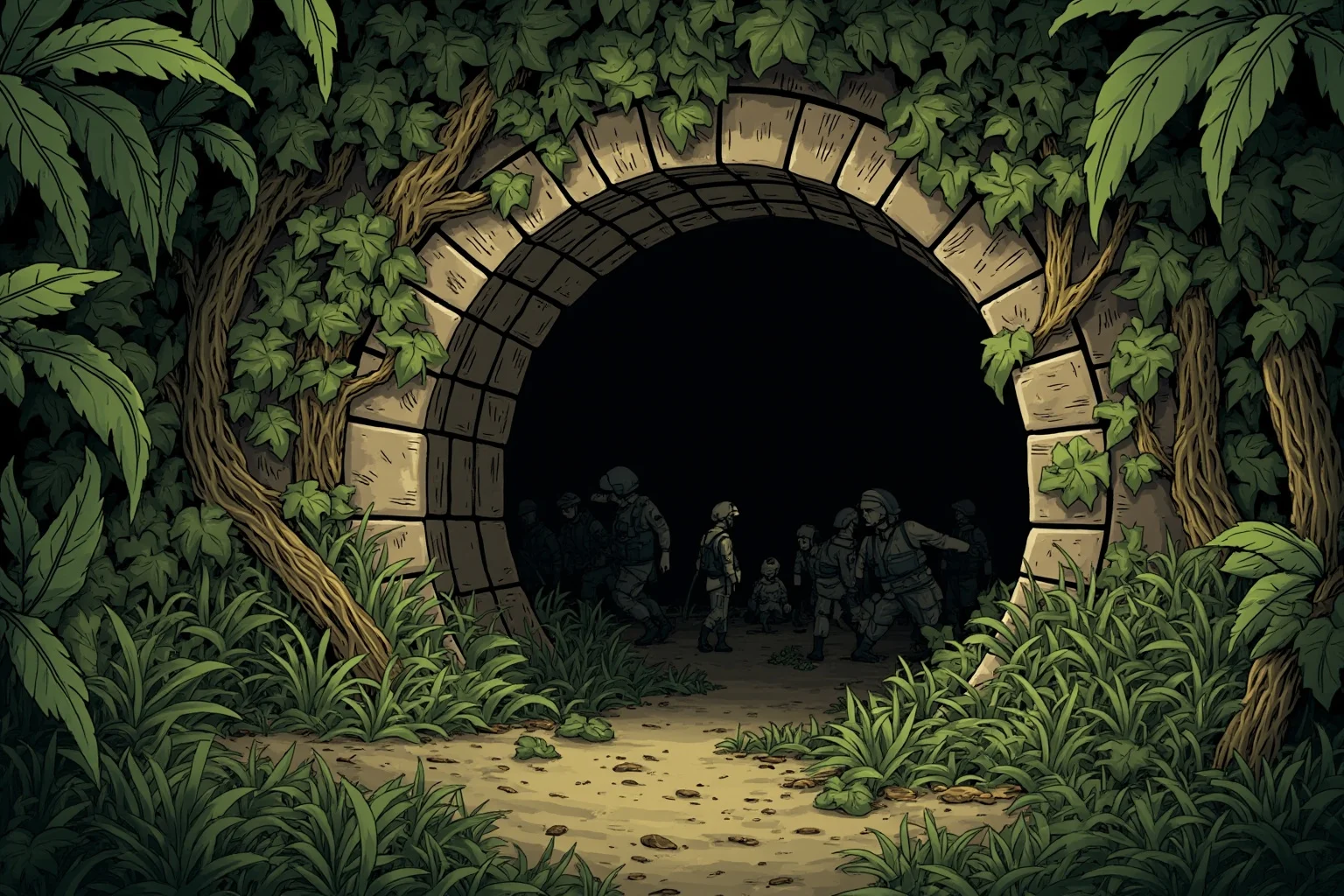
Unlike the large, set-piece battles of earlier wars, much of the fighting in Vietnam involved ambushes, booby traps, and hit-and-run tactics in dense jungle terrain. The Viet Cong made extensive use of underground tunnel networks, like the famous Cu Chi tunnels, to move troops, store supplies, and evade detection.
This guerrilla-style warfare was one of the defining vietnam war characteristics that made conventional American military tactics far less effective than they had been in prior conflicts. It also contributed heavily to the war’s frustrating, inconclusive feel for US troops on the ground.
16. POWs and MIAs Are Still Being Accounted For
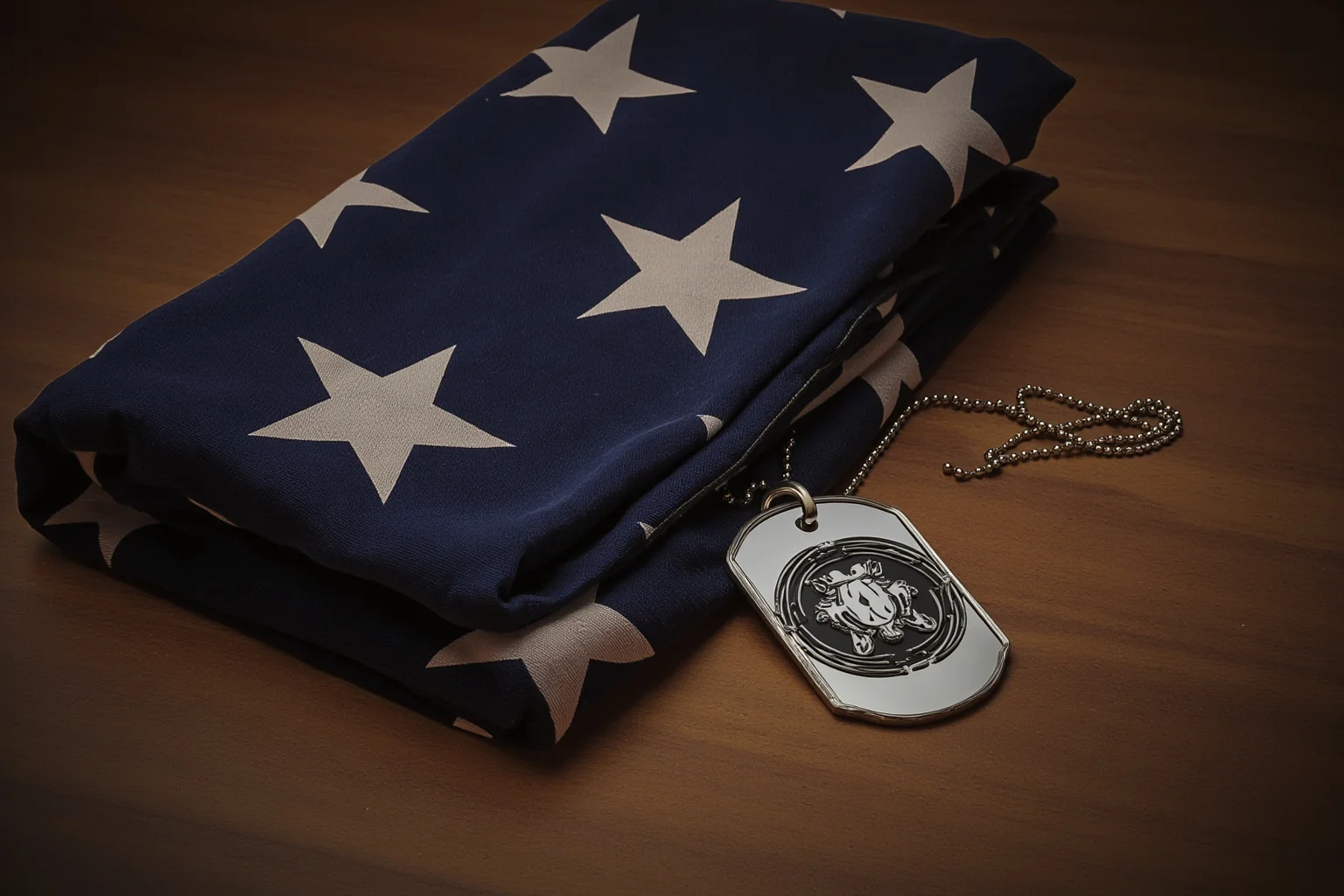
When prisoners of war returned home during Operation Homecoming in 1973, it was a major moment of relief and closure for many families. But thousands of American service members remained classified as missing in action after the war ended.
The US government’s Defense POW/MIA Accounting Agency continues identification efforts to this day, decades later. It’s a sobering reminder that some chapters of this war are technically still open.
17. The Fall of Saigon Ended the War in Chaos
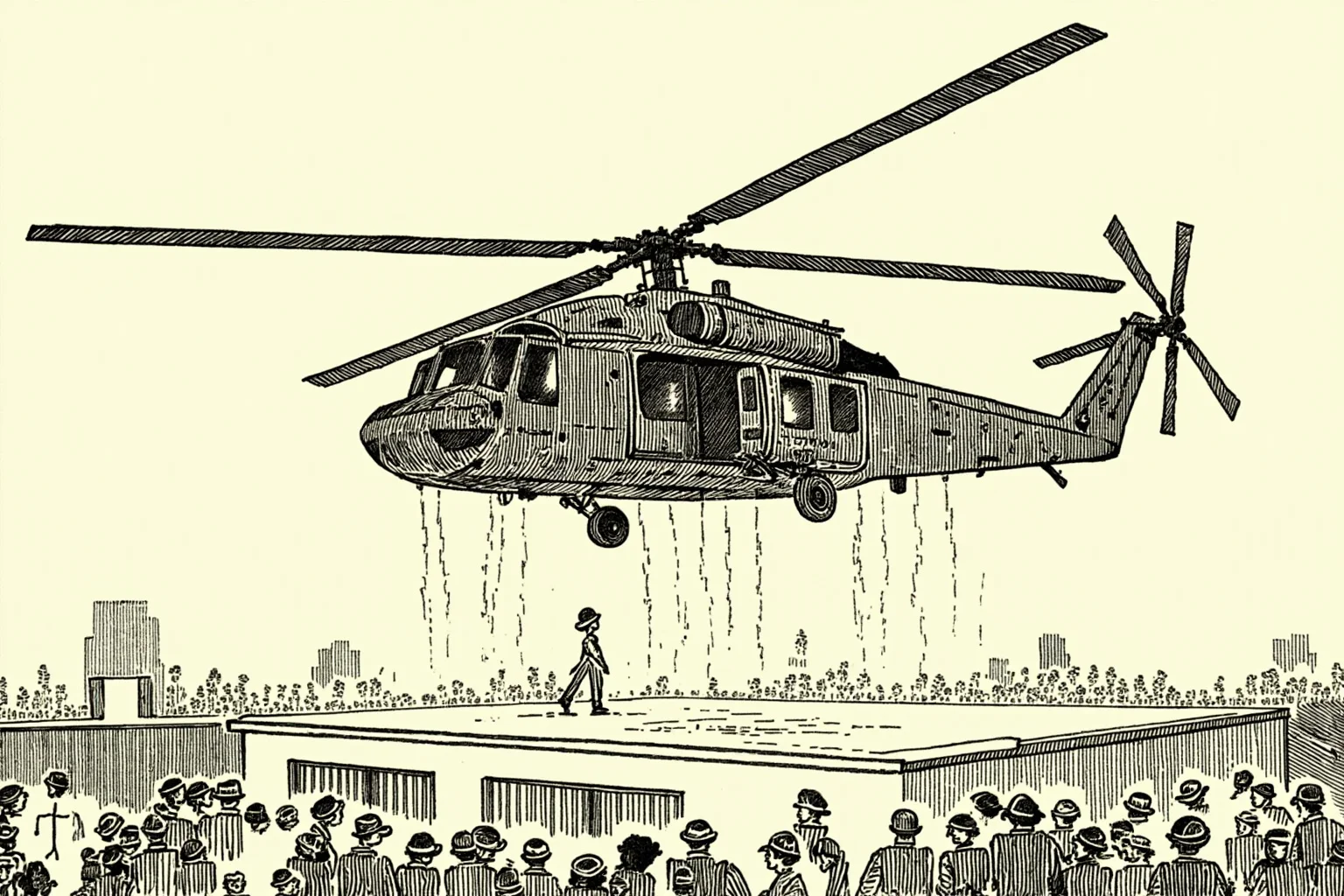
On April 30, 1975, North Vietnamese forces captured Saigon, effectively ending the war. In the frantic hours beforehand, the US carried out Operation Frequent Wind, using helicopters to evacuate American personnel and thousands of South Vietnamese allies from rooftops and the US embassy.
Images of overloaded helicopters and desperate crowds became some of the most iconic footage of the entire conflict. The fall marked a dramatic and painful end to two decades of fighting.
18. Vietnamese Casualties Vastly Outnumbered American Losses
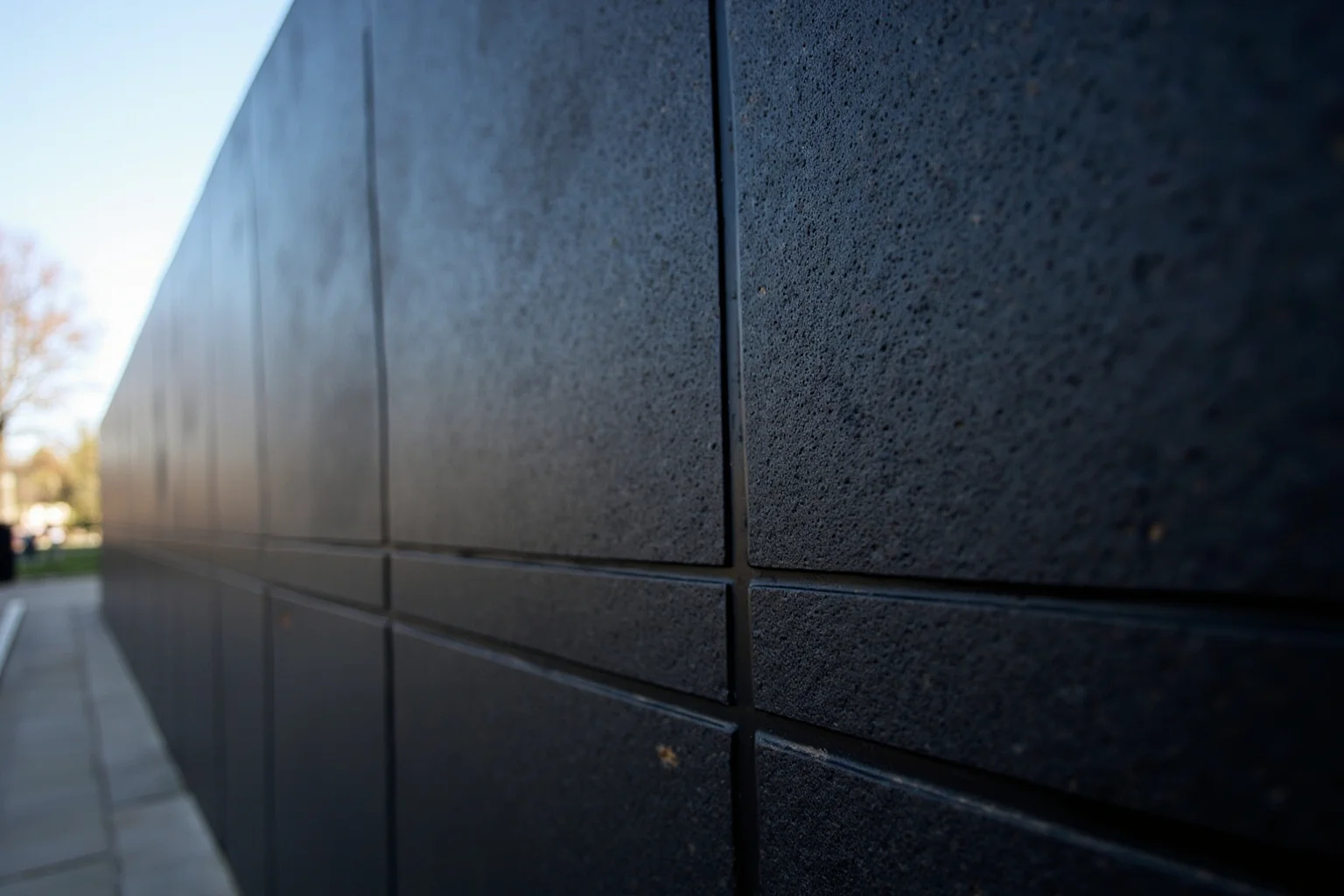
American deaths totaled just over 58,000, a devastating toll that reshaped a generation. But Vietnamese losses were far higher; estimates for total Vietnamese deaths, combining military and civilian casualties on both sides, range from roughly 1.5 million to more than 3 million, depending on the source and methodology, dwarfing the losses of America’s own Civil War, which remain staggering in their own right.
Civilians bore an enormous share of that toll, caught between bombing campaigns, ground fighting, and forced displacement. Any honest accounting of vietnam conflict facts has to center this staggering human cost.
19. The Anti-War Movement Became a Mass Phenomenon
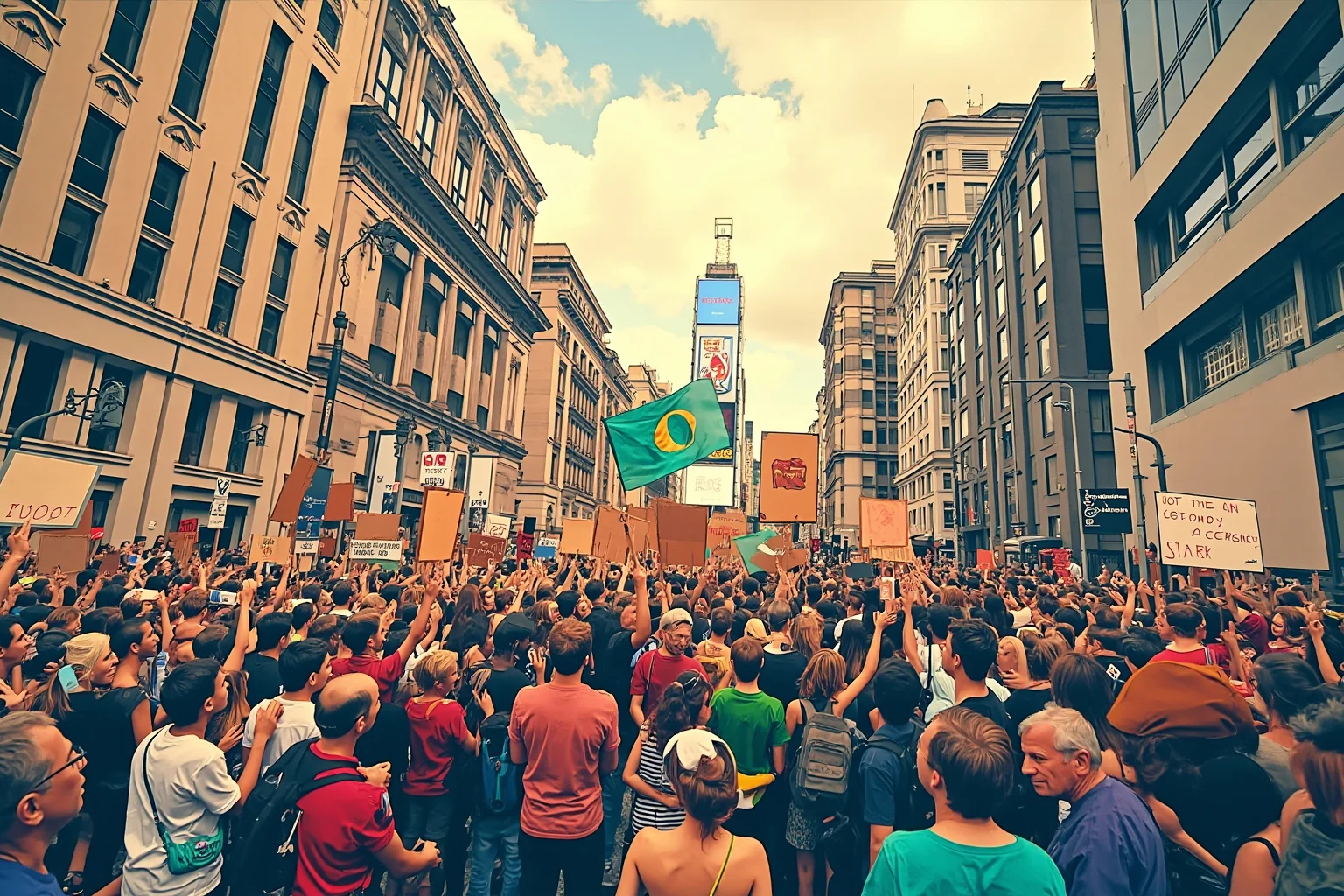
Opposition to the war grew from small campus protests into a massive national movement involving students, veterans, clergy, and everyday citizens. The 1969 Moratorium to End the War in Vietnam drew hundreds of thousands of participants in demonstrations across the country.
This wasn’t a fringe reaction. It represented one of the largest sustained protest movements in modern American history, and it fundamentally changed how Americans related to their government.
20. Kent State Turned Protest Into Tragedy
On May 4, 1970, Ohio National Guard troops opened fire on unarmed student protesters at Kent State University, killing four students and wounding nine others. The shootings were a direct response to campus unrest following the US invasion of Cambodia.
The event triggered a nationwide wave of student strikes and further galvanized the anti-war movement. It remains one of the most sobering domestic consequences tied to the war.
21. Photography Changed Public Perception of the War
A handful of photographs did more to shape public opinion than almost any government statement. Nick Ut’s 1972 photo of a young girl fleeing a napalm attack, and Eddie Adams’s 1968 photo of a street execution in Saigon, brought the war’s brutality into sharp, undeniable focus.
These images circulated worldwide and are still studied today as some of the most influential war photography ever produced. They’re a big reason Vietnam is remembered so viscerally, even by people born long after it ended.
22. Television Made It “The Living Room War”
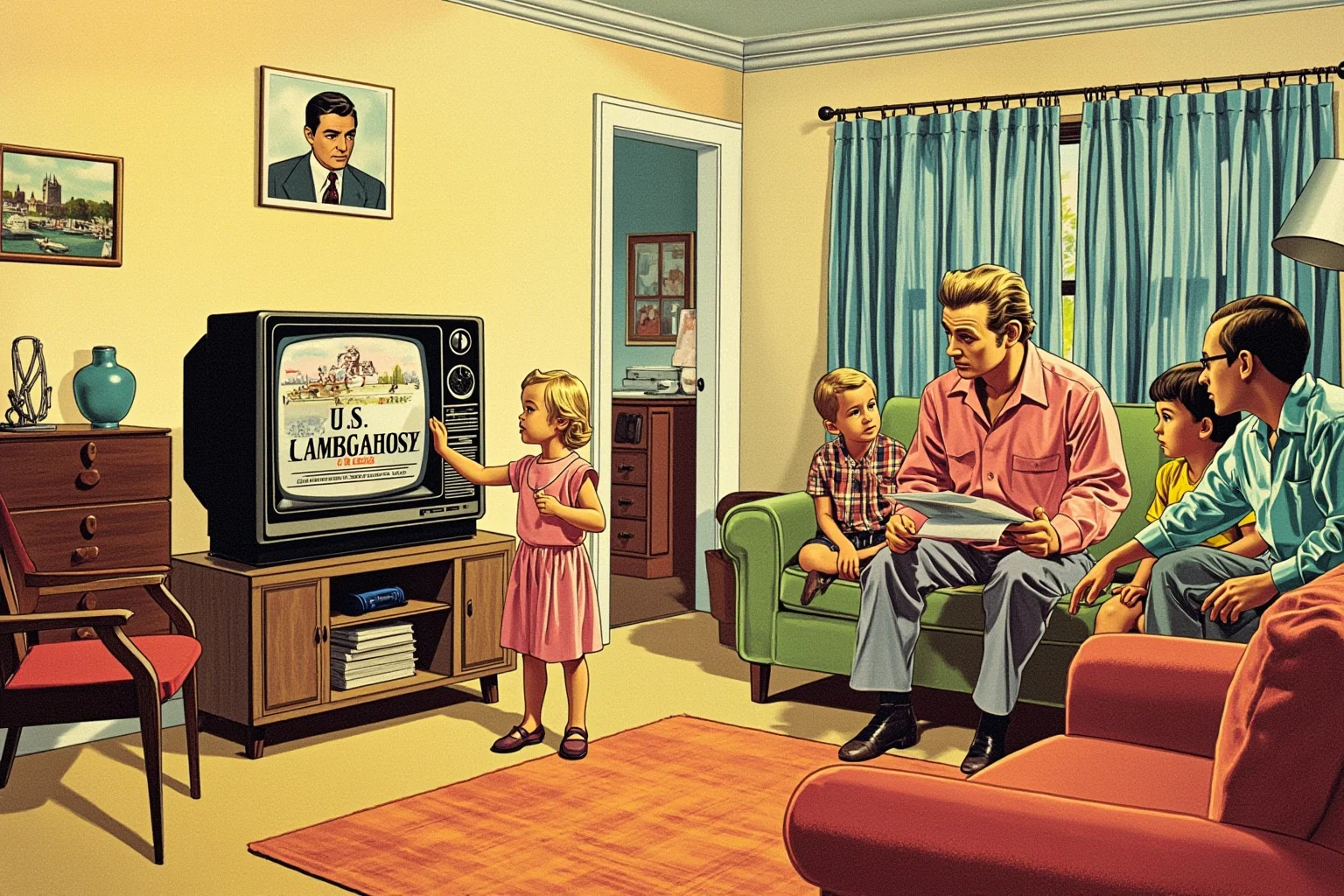
Vietnam was the first major conflict extensively covered on television, with nightly news broadcasts bringing combat footage directly into American homes. Journalists and historians later dubbed it “the living room war” because of how immediate and unfiltered the coverage often felt compared to earlier conflicts.
This constant visibility is credited with accelerating shifts in public opinion. It also set a precedent for how future wars would be reported and consumed by the public.
23. The “Spat-On Veteran” Story Is More Myth Than Fact
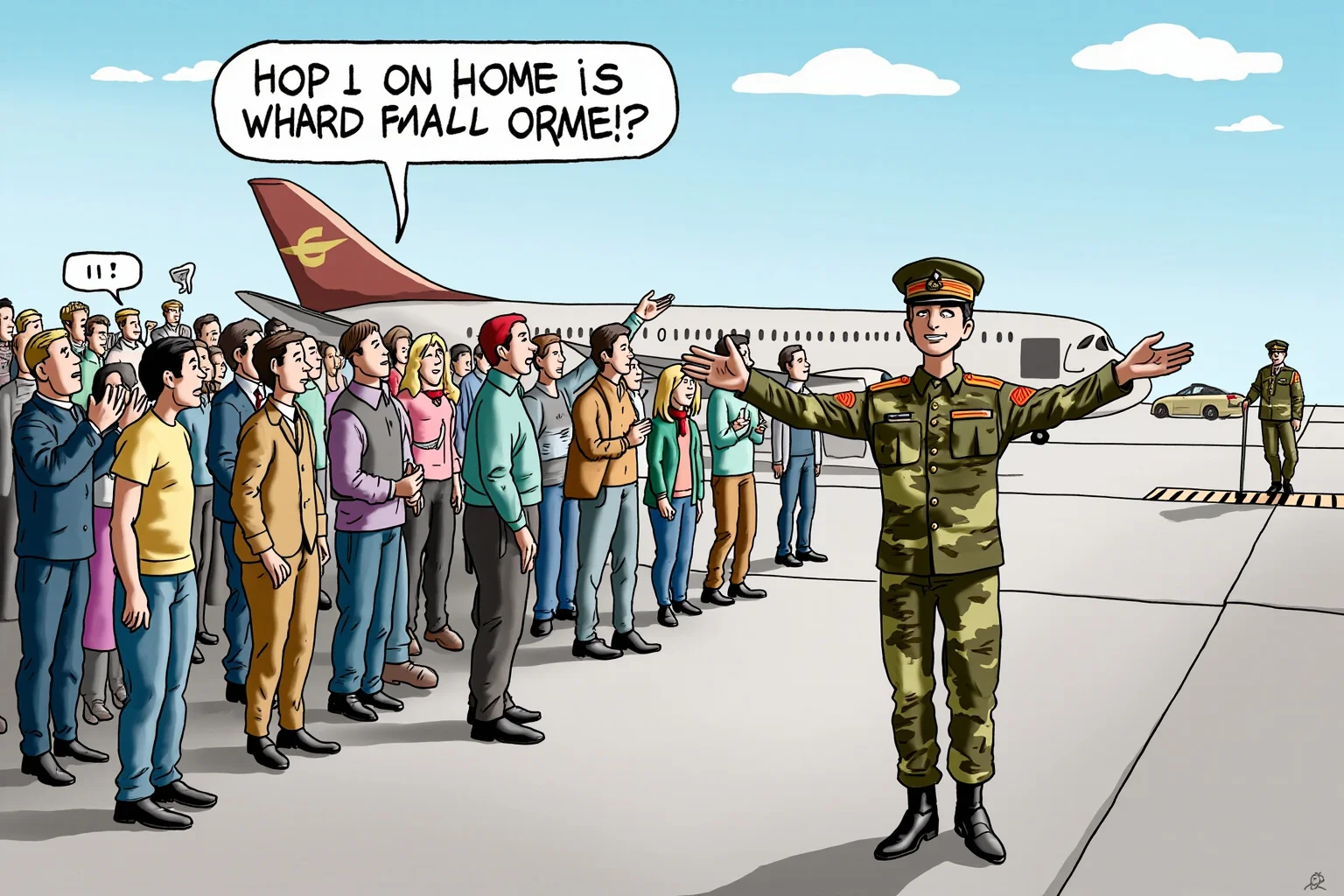
Here’s where some real myth-busting matters. The widespread story of Vietnam veterans being routinely spat on by anti-war protesters upon returning home has been closely examined by historians, notably sociologist Jerry Lembcke, who found little verifiable documentation from the era itself.
That doesn’t mean veterans had an easy homecoming; many faced genuine indifference, confusion, or a lack of support systems. But the specific spitting narrative appears to have grown mostly after the fact, making it one of the more persistent truths and myths about the Vietnam War worth reexamining.
24. The War’s Price Tag Was Enormous
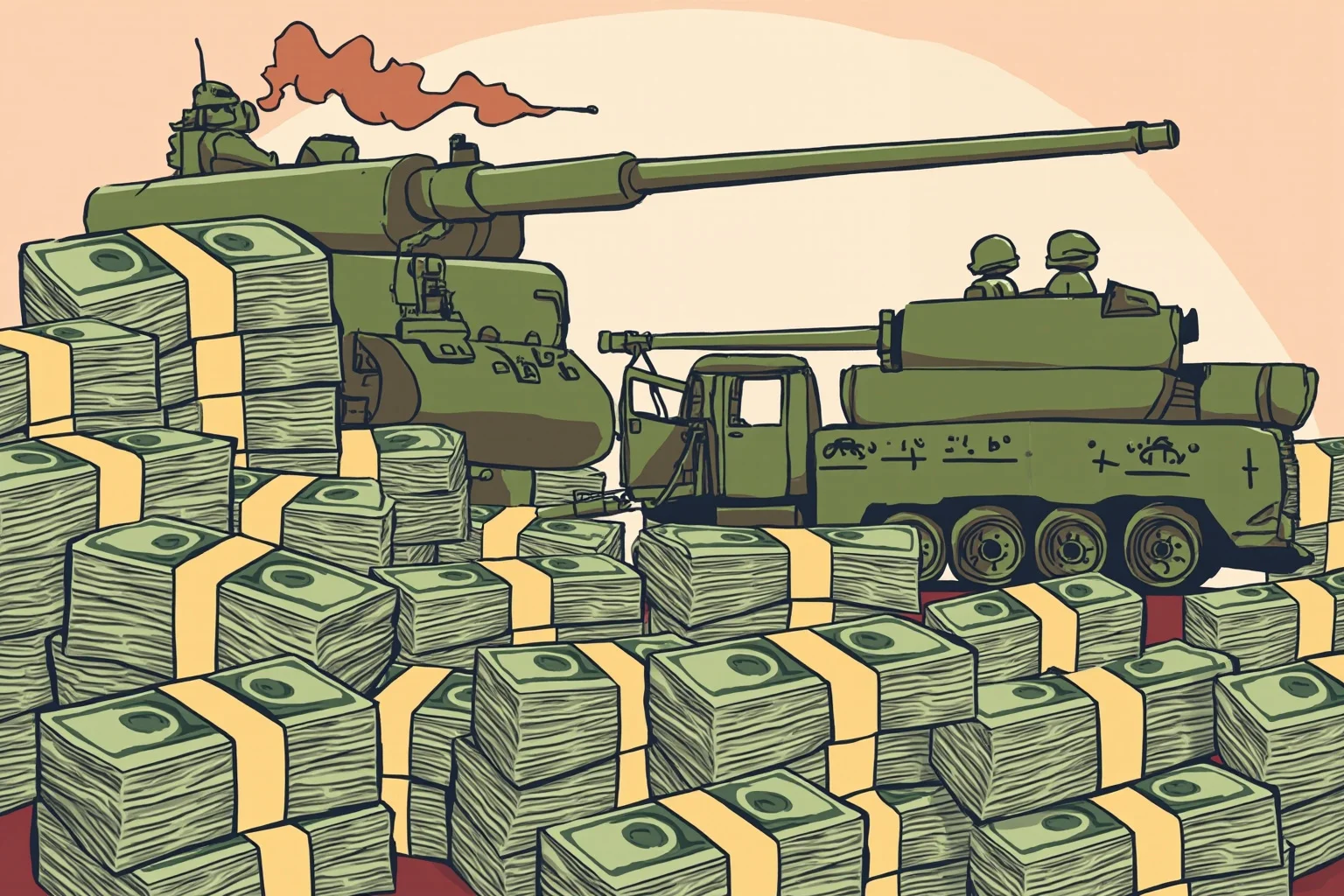
Estimates put the direct cost of the Vietnam War to the United States at around $168 billion in contemporary dollars, a figure that balloons past $1 trillion when adjusted for inflation and long-term veteran benefits. That financial burden contributed to economic strain throughout the late 1960s and 1970s.
Beyond dollars, the war’s cost also included massive infrastructure destruction across Vietnam, Laos, and Cambodia. Rebuilding efforts in the region continued for decades after the fighting stopped.
25. Vietnam Reunified, and Relations With the US Eventually Normalized
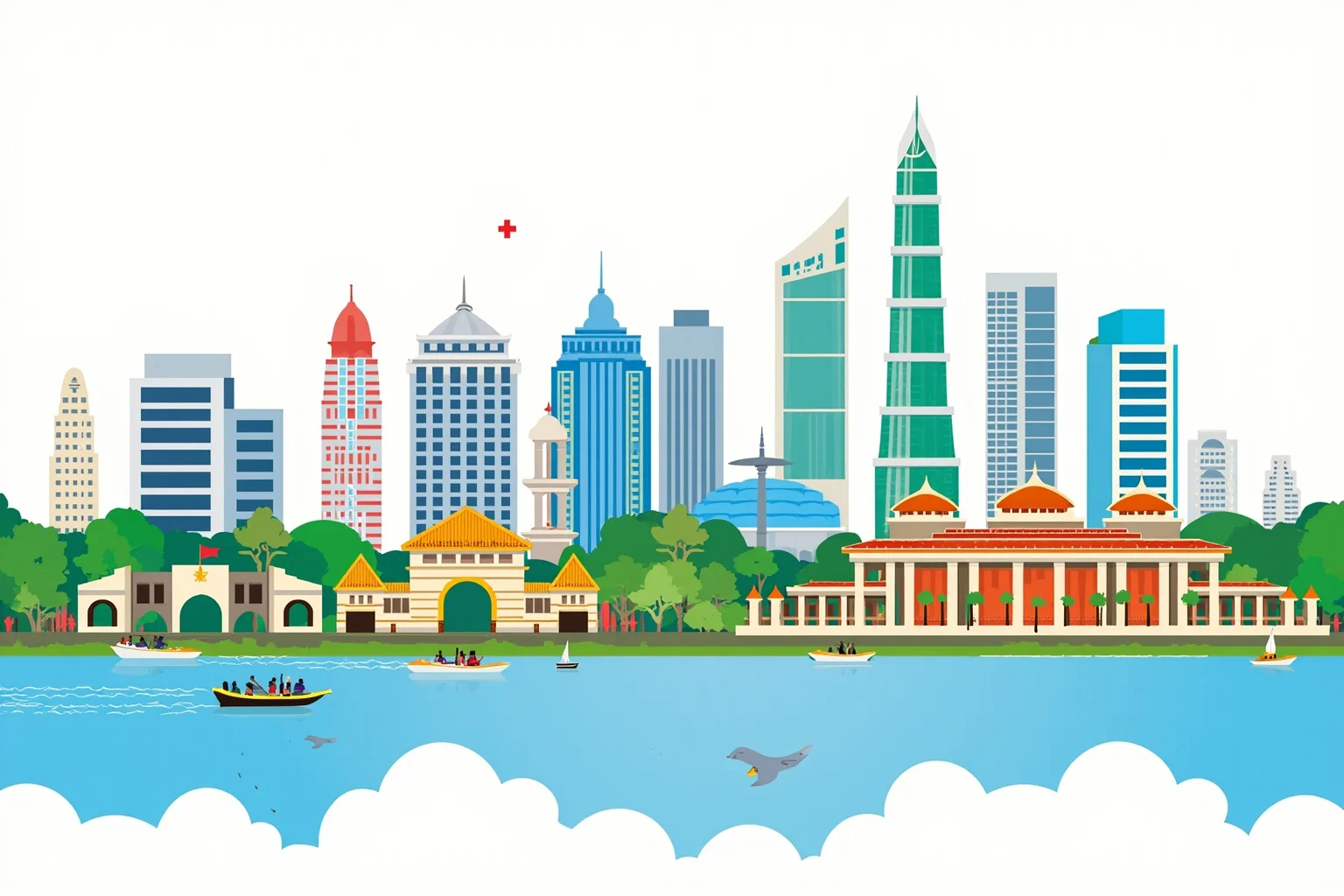
After the fall of Saigon, Vietnam was officially reunified as the Socialist Republic of Vietnam in 1976, and Saigon was renamed Ho Chi Minh City in honor of the revolutionary leader. For nearly two decades afterward, the US maintained no formal diplomatic relations with the country.
That changed in 1995, when the United States and Vietnam normalized diplomatic ties. Today the two nations maintain trade and diplomatic relationships that would have seemed unthinkable to those living through the war itself.
The Bottom Line on Vietnam War Facts
The Vietnam War resists easy summary, and that’s exactly why it still generates so much discussion and disagreement decades later. From the scale of the bombing campaigns to the persistence of myths like the spitting-veteran story, separating documented history from popular legend takes real effort.
What’s clear is that this conflict reshaped Vietnam, the United States, and global Cold War politics in ways that are still felt today. Understanding these important facts about the Vietnam War isn’t just an academic exercise; it’s a way of honoring the millions of lives the conflict touched.
Frequently Asked Questions
What are some important facts about the Vietnamese War?
The Vietnam War lasted roughly two decades, involved massive bombing campaigns that exceeded WWII tonnage, and resulted in over 58,000 American deaths alongside millions of Vietnamese military and civilian casualties. It also never received a formal US declaration of war, relying instead on the Gulf of Tonkin Resolution to authorize military escalation.
What are 5 facts about the Vietnam War everyone should know?
Five essential facts: the war spanned roughly 1955 to 1975; the US dropped more bombs on Vietnam than were dropped during all of World War II; Congress never formally declared war; the 1968 Tet Offensive was a military defeat for communist forces but a political turning point in the US; and Vietnam officially reunified in 1976 after the fall of Saigon.
What is a fun fact about the Vietnam War?
One surprising fun fact is that the Ho Chi Minh Trail wasn't a single road but a vast, constantly rebuilt network of paths and tunnels through Laos and Cambodia, allowing North Vietnamese forces to move supplies despite relentless American bombing.
What are common myths about the Vietnam War?
One widely repeated myth is that anti-war protesters routinely spat on returning veterans; historians have found little verified documentation supporting this specific claim from the era. Another myth is that the US lost most major battles, when in fact American forces won the vast majority of direct engagements but still lost the broader political and strategic war.
What were the main controversies of the Vietnam War?
Major controversies included the disputed Gulf of Tonkin incident used to justify escalation, the My Lai Massacre and its cover-up, unequal draft policies that burdened working-class Americans, and the long-term health effects of Agent Orange on both Vietnamese civilians and US veterans.
How many people died in the Vietnam War?
US deaths totaled just over 58,000, while total Vietnamese casualties, combining military and civilian deaths on both sides, are estimated at anywhere from 1.5 million to more than 3 million depending on the source and methodology used.

Alex Warren
Related Articles