
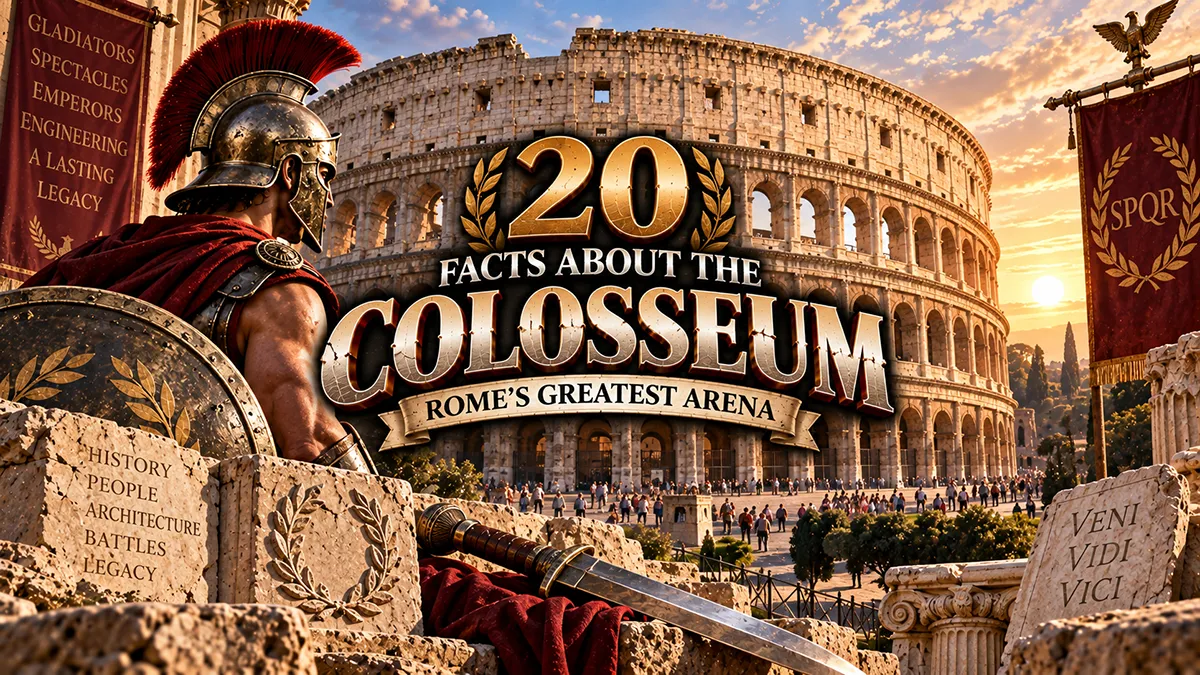
Few buildings on Earth carry as much myth, blood, and marble dust as the Colosseum in Rome, Italy. Nearly two thousand years after it opened, it still shapes how we imagine ancient Rome, from gladiator battles to roaring crowds packed onto stone tiers.
But separating the real history of the Colosseum from Hollywood invention takes a closer look at the archaeology and the ancient sources.
This guide pulls together the most reliable and genuinely interesting facts about the Colosseum, covering its construction, its purpose, and the strange afterlife it lived once the games finally stopped.
Whether you’re researching for school, planning a trip to Rome, or just love a good ancient history rabbit hole, these facts about the Roman Colosseum will give you the real story.
TL;DR: The Colosseum was a Flavian-dynasty engineering triumph built for mass entertainment, and its true history is stranger and more layered than the myths suggest.
Quick Snapshot: What Was the Colosseum Used For?
Before diving into the full list, it helps to answer the question people search for most: Colosseum, what was it used for? At its core, it was an amphitheater built for public spectacles funded by the emperor, including gladiator combat, staged animal hunts, and large-scale public executions tied to Roman law and religion.
It also hosted mock battles and processions, making it less a single-purpose arena and more the ancient equivalent of a massive multi-use stadium.
1. It Was Built to Legitimize a New Dynasty
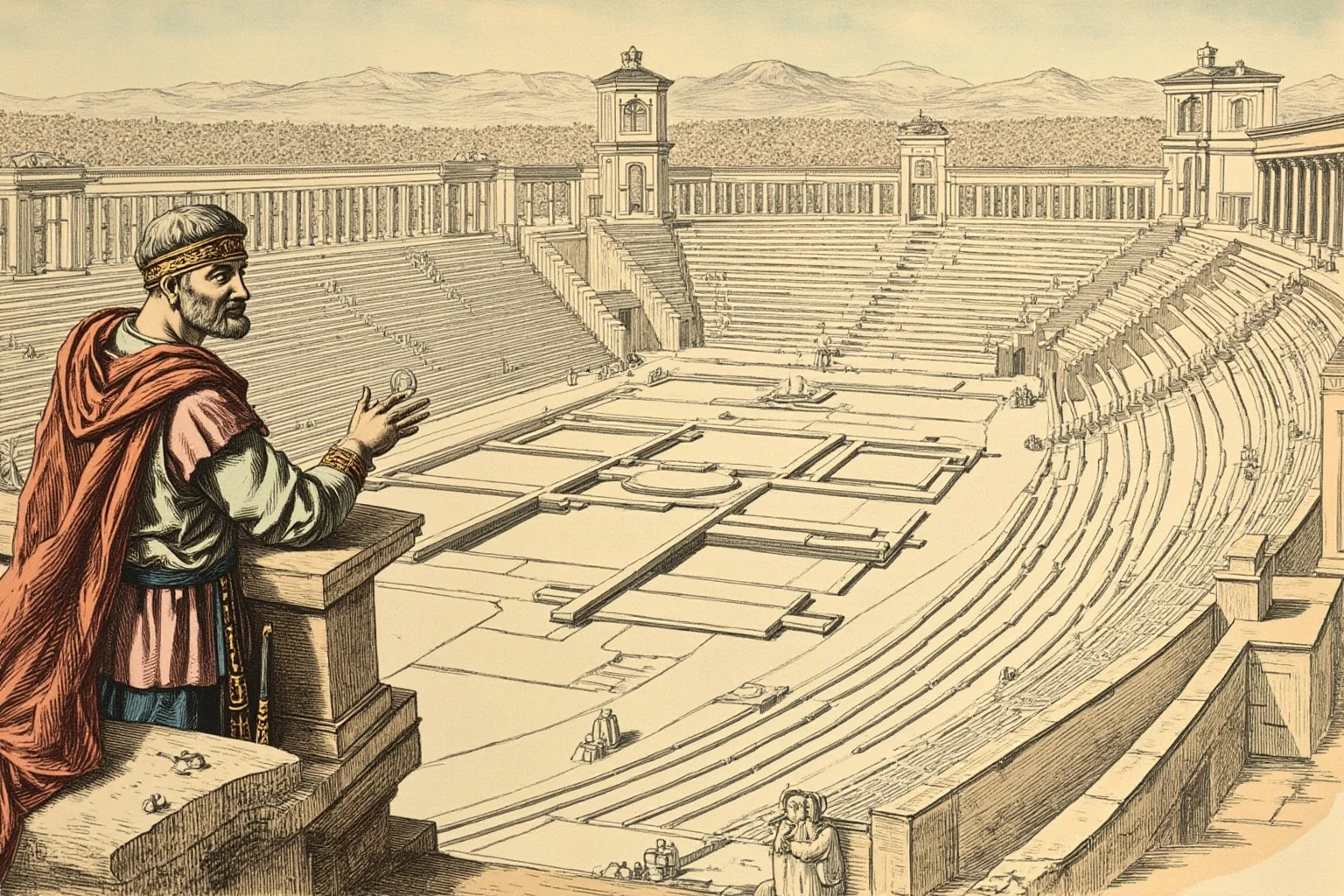
The Colosseum was commissioned around 70-72 CE by Emperor Vespasian, founder of the Flavian dynasty, after the chaos of the Year of the Four Emperors. Vespasian needed a way to win public favor and prove his family deserved the throne. A massive free entertainment venue, open to ordinary Romans, was a powerful piece of political messaging.
This is why historians often call it by its original name, the Flavian Amphitheatre, rather than the Colosseum. It was as much a statement of stability and generosity as it was a building project.
2. Construction Took Less Than a Decade
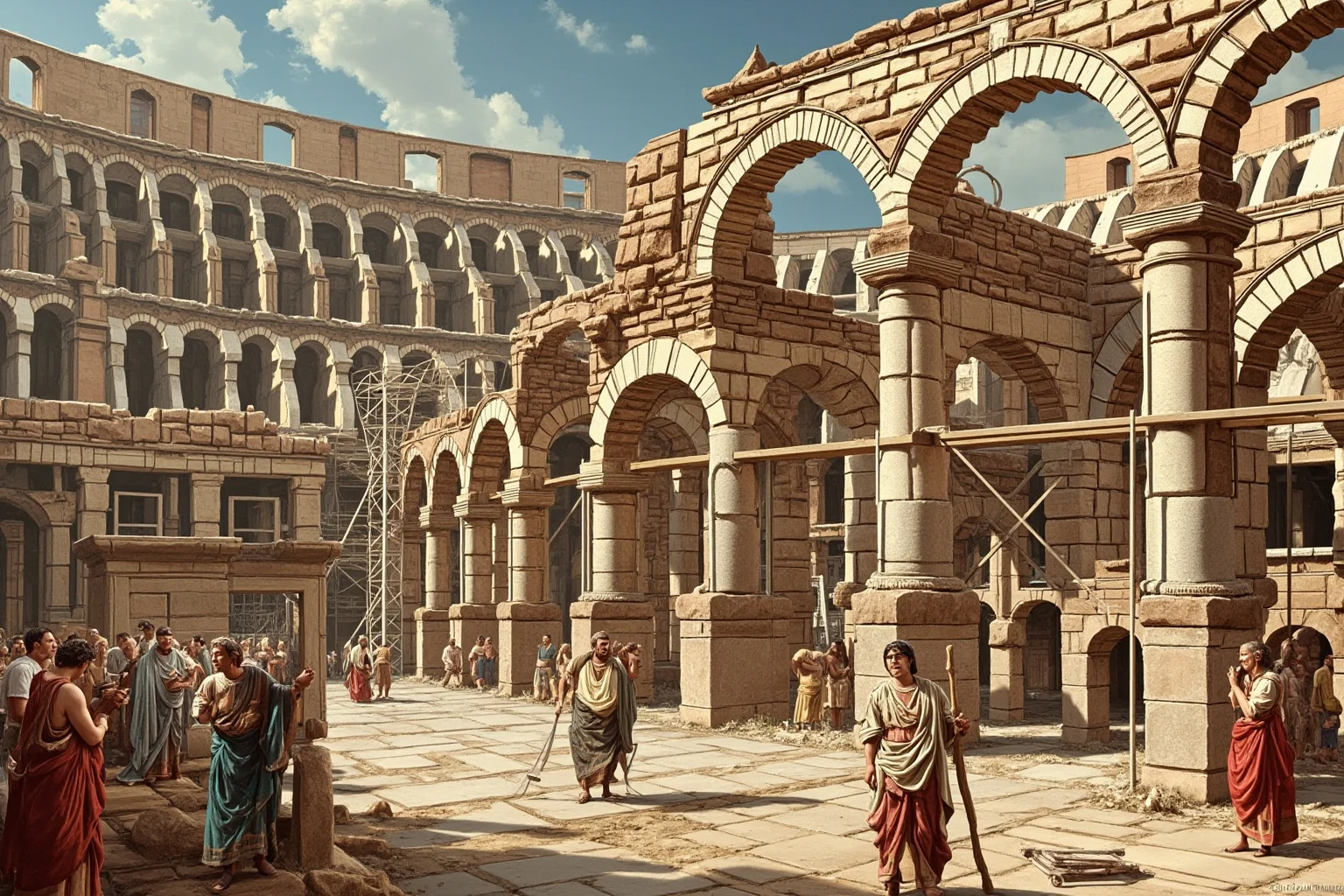
Given its size, the speed of construction is genuinely astonishing. Building began under Vespasian around 72 CE and the structure was substantially finished and formally opened by his son, Emperor Titus, in 80 CE. Some finishing work, including upper-level modifications, continued under Emperor Domitian into the 80s CE.
That means the bulk of this enormous stone amphitheater went up in roughly eight years, using Roman concrete, travertine stone, and a small army of laborers and engineers. It remains a benchmark for ancient construction speed.
3. It Was Funded by the Spoils of War
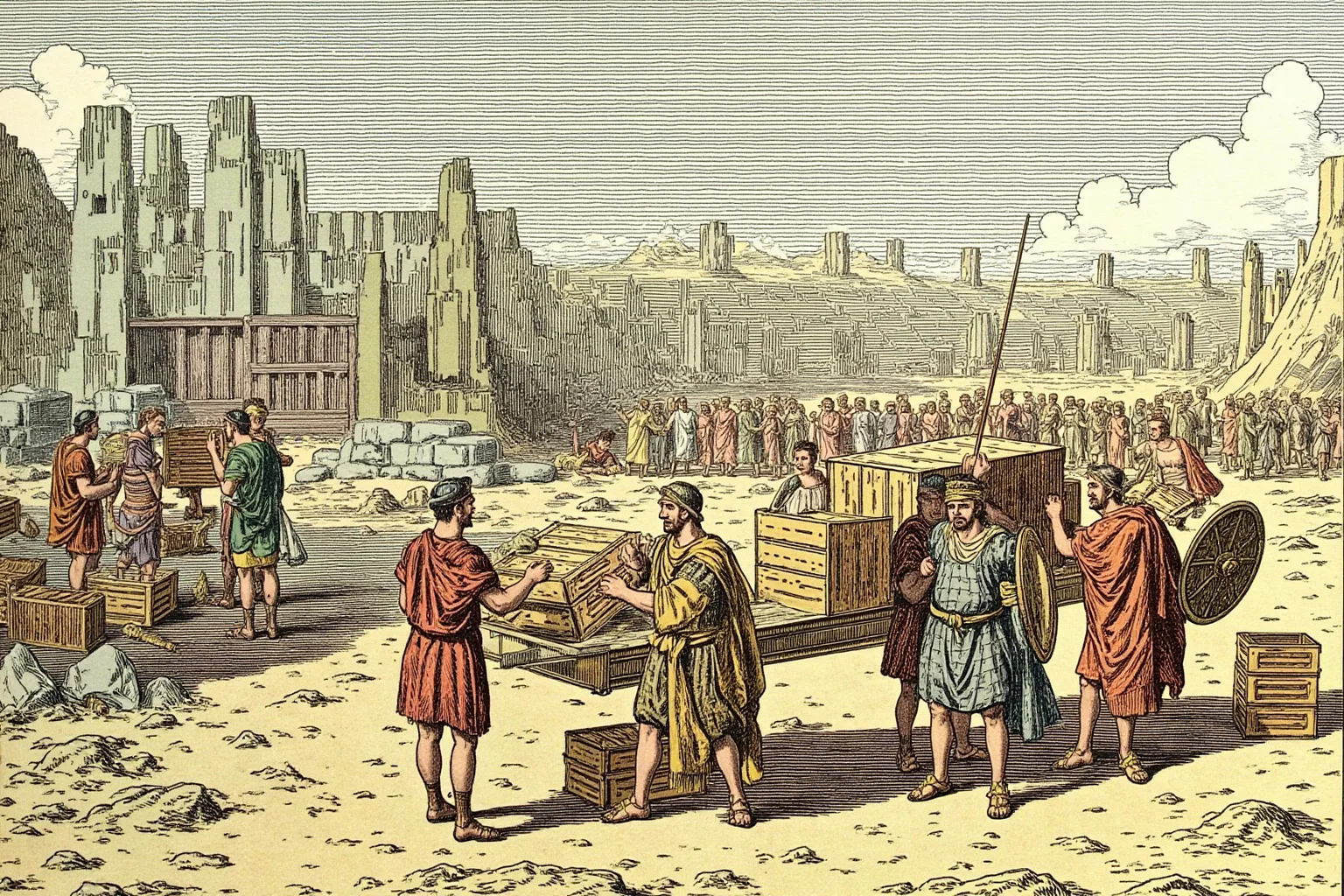
Ancient sources connect the Colosseum’s funding to the spoils from the Roman siege of Jerusalem in 70 CE, during the First Jewish-Roman War. A famous rediscovered inscription at the site references funding tied to this military campaign. This helps explain how Vespasian could afford such an ambitious project so soon after taking power.
It also reflects a common Roman practice: using conquest wealth to fund public works back home. The Colosseum was, in part, built on the proceeds of one of the greatest empires in history.
4. “Colosseum” Wasn’t Its Original Name
When it opened, Romans knew it as the Amphitheatrum Flavium, or Flavian Amphitheatre, named for the ruling dynasty that built it. The name “Colosseum” doesn’t appear in connection with the building until many centuries later, well into the medieval period. So technically, ancient Romans attending a show there weren’t calling it the Colosseum at all.
5. The Nickname Likely Comes from a Giant Statue
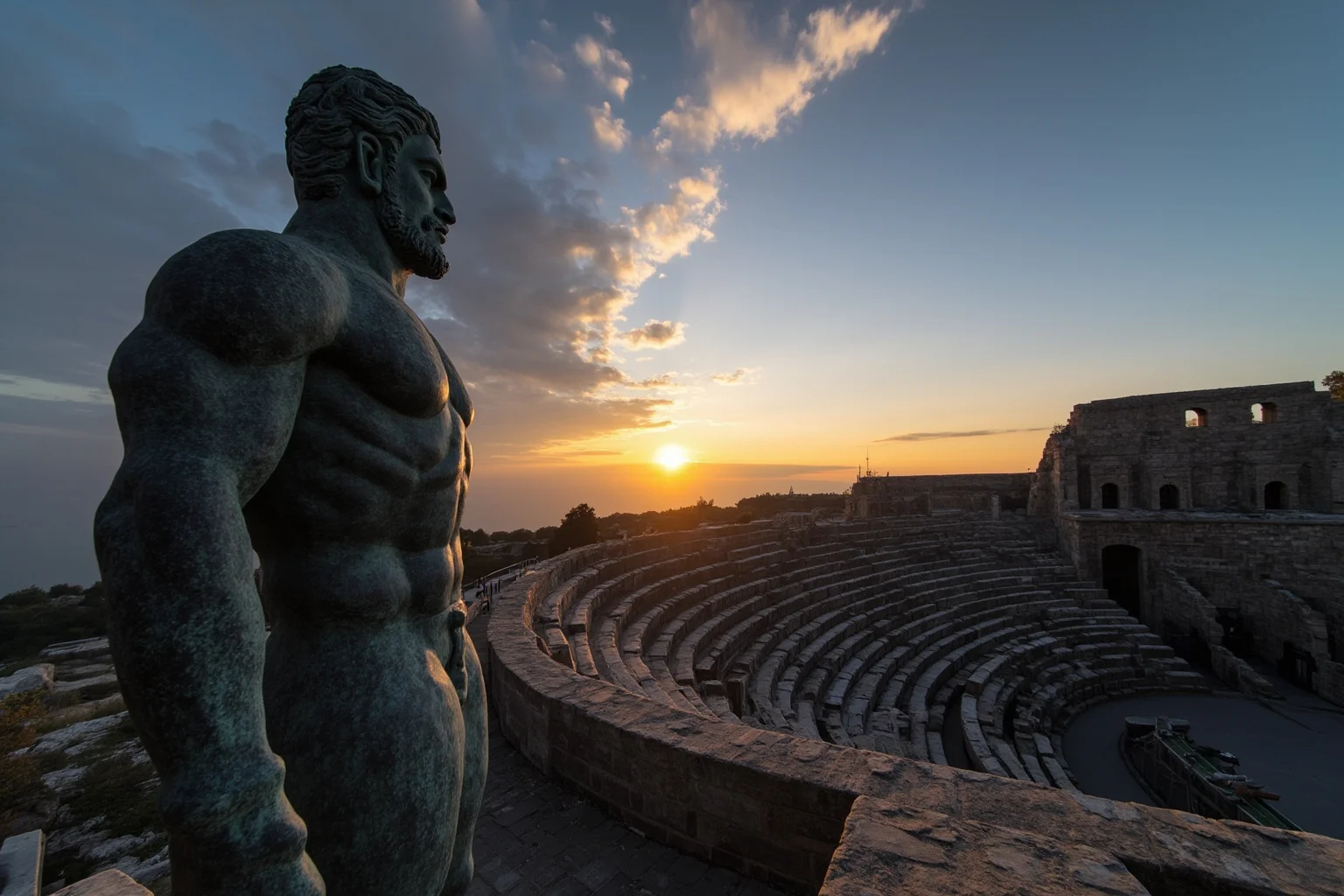
The most widely accepted explanation for the name “Colosseum” points to the Colossus of Nero, a giant bronze statue often ranked among the most influential statues ever made, that once stood near the site.
The statue was enormous, reportedly over 30 meters tall, and later modified and moved by subsequent emperors. Medieval writers began referring to the nearby amphitheater as “Colosseum,” likely inspired by that colossal statue rather than the building’s own size.
It’s a fun fact about the Colosseum that surprises a lot of people: its most famous name has nothing to do with gladiators at all.
6. A Massive Elliptical Structure Built to Impress
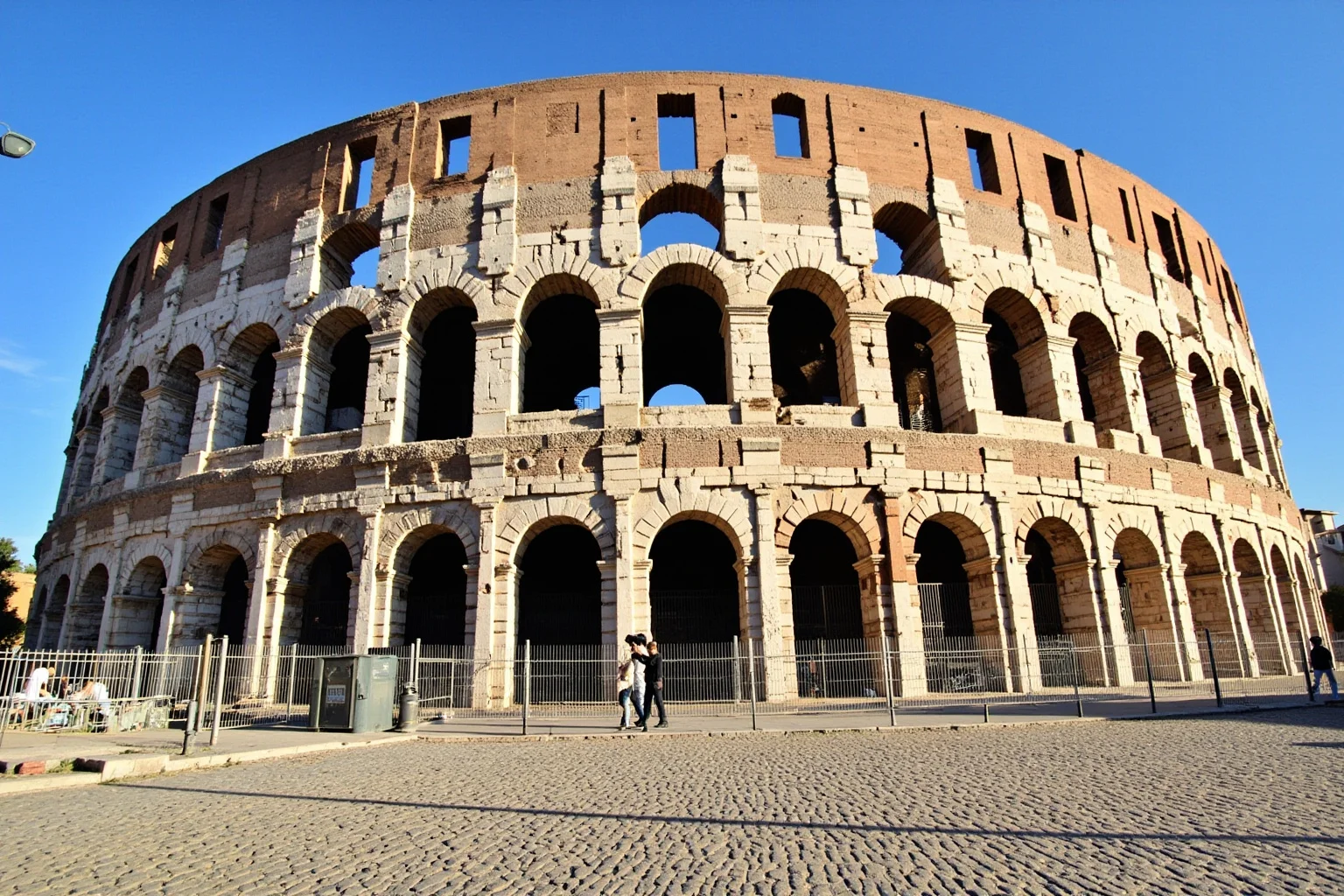
Any good description of the Colosseum starts with its scale. It’s an elliptical amphitheater roughly 189 meters long and 156 meters wide, standing about 48-50 meters tall, making it the largest amphitheater ever built in the Roman world.
Its outer wall used three tiers of arches topped by a fourth solid level, built from travertine limestone, volcanic tuff, and Roman concrete.
Each tier used a different classical architectural order, Doric, Ionic, and Corinthian, on the way up, a detail that influenced Western architecture for centuries. Stadiums and arenas built today, from sports venues to concert halls, still echo this basic tiered, elliptical design.
7. It Could Hold Tens of Thousands of Spectators
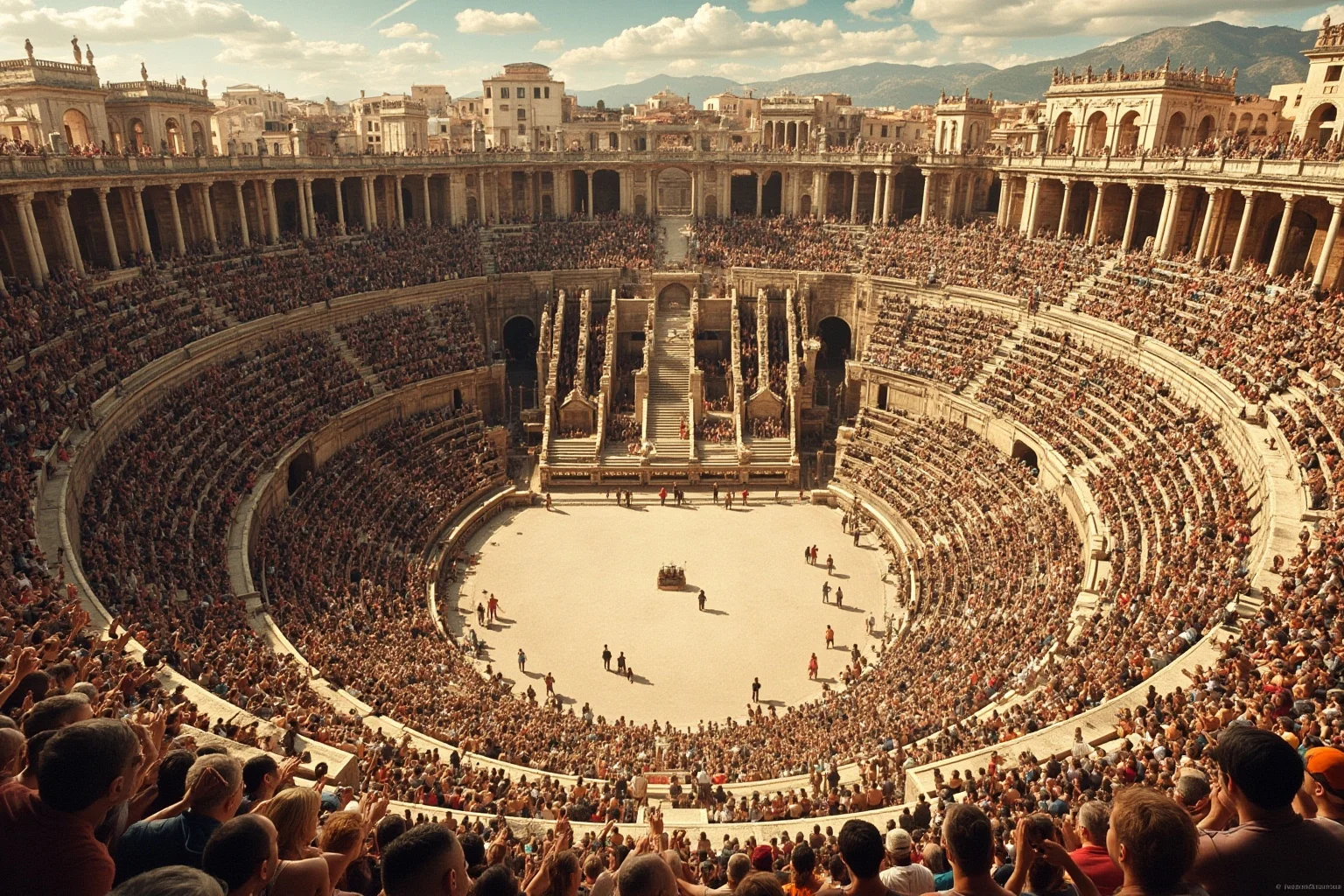
Estimates of the Colosseum’s capacity generally range between 50,000 and 80,000 spectators, depending on the source and how seating is calculated.
That’s comparable to many modern major sports stadiums, an impressive figure for a structure built without any powered machinery.
A sophisticated system of numbered entrances and staircases, called vomitoria, allowed the crowd to enter and exit remarkably quickly.
8. Seating Was Strictly Organized by Social Class
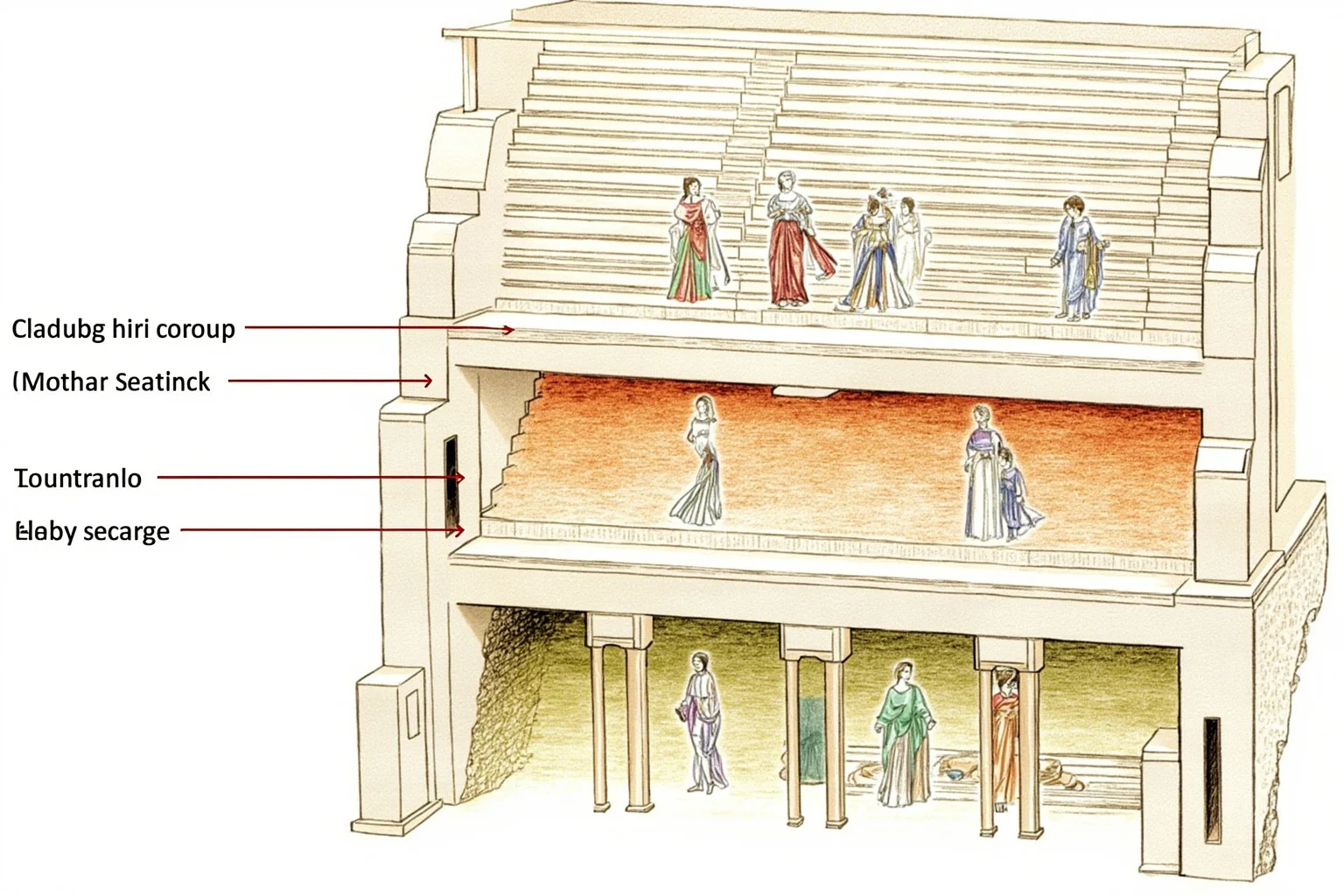
Roman society was deeply hierarchical, and the Colosseum’s seating plan made that hierarchy physically visible. The emperor and senators sat closest to the arena floor in prime marble seating, while equestrians, ordinary citizens, and finally women and the poorest Romans were seated progressively higher up.
This tiered arrangement meant everyone could attend, but exactly where you sat instantly signaled your status in Roman society.
9. A Retractable Awning Shaded the Crowd
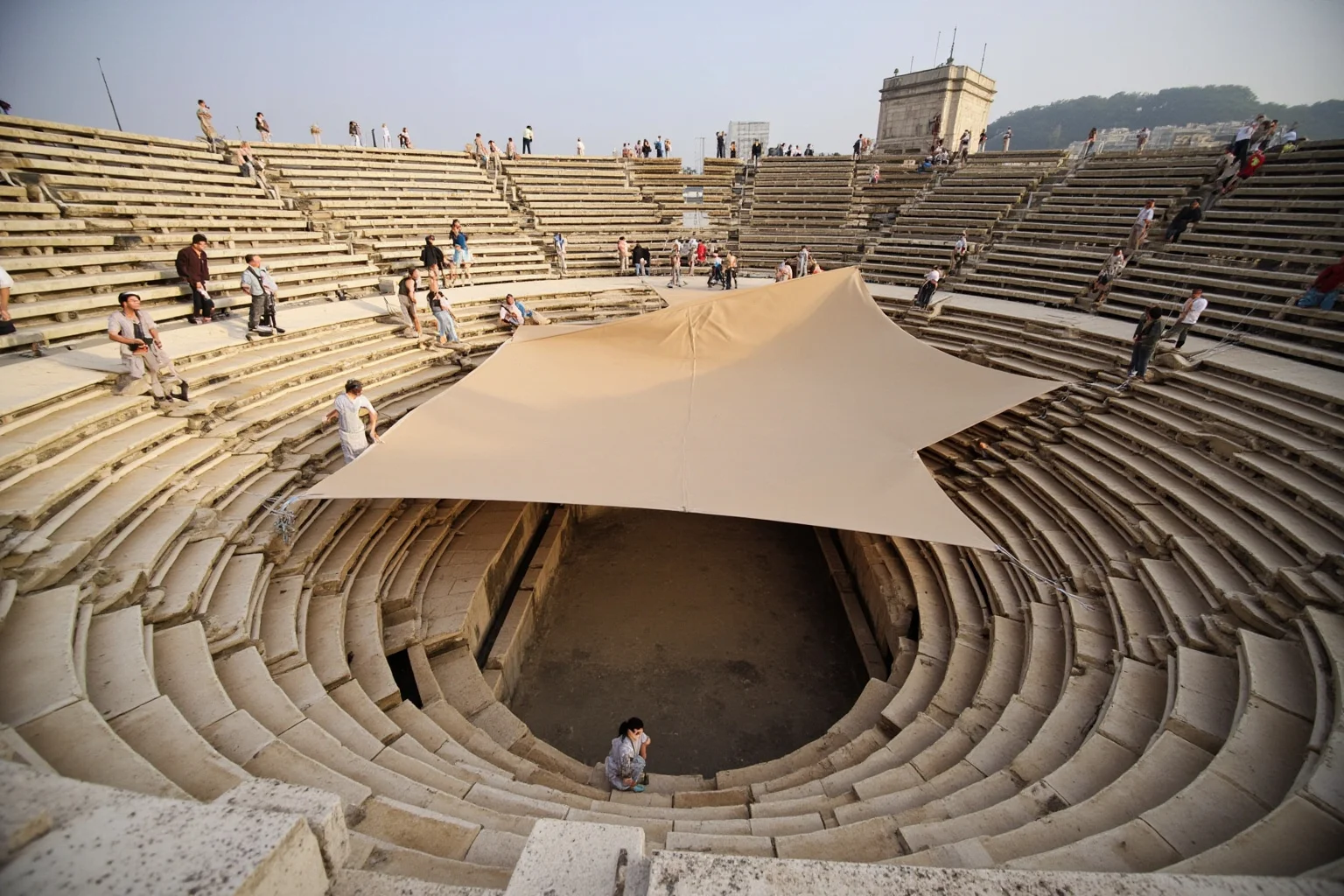
Roman engineers installed a canvas awning system called the velarium, which could be extended over sections of the seating to provide shade from the intense Italian sun.
It was operated by sailors from the Roman navy, who were skilled with the ropes and rigging needed to manage such a large canopy.
While it likely didn’t cover the entire arena at once, it was still an impressively advanced piece of ancient crowd comfort technology.
10. The Arena Floor Hid a Complex Underground World
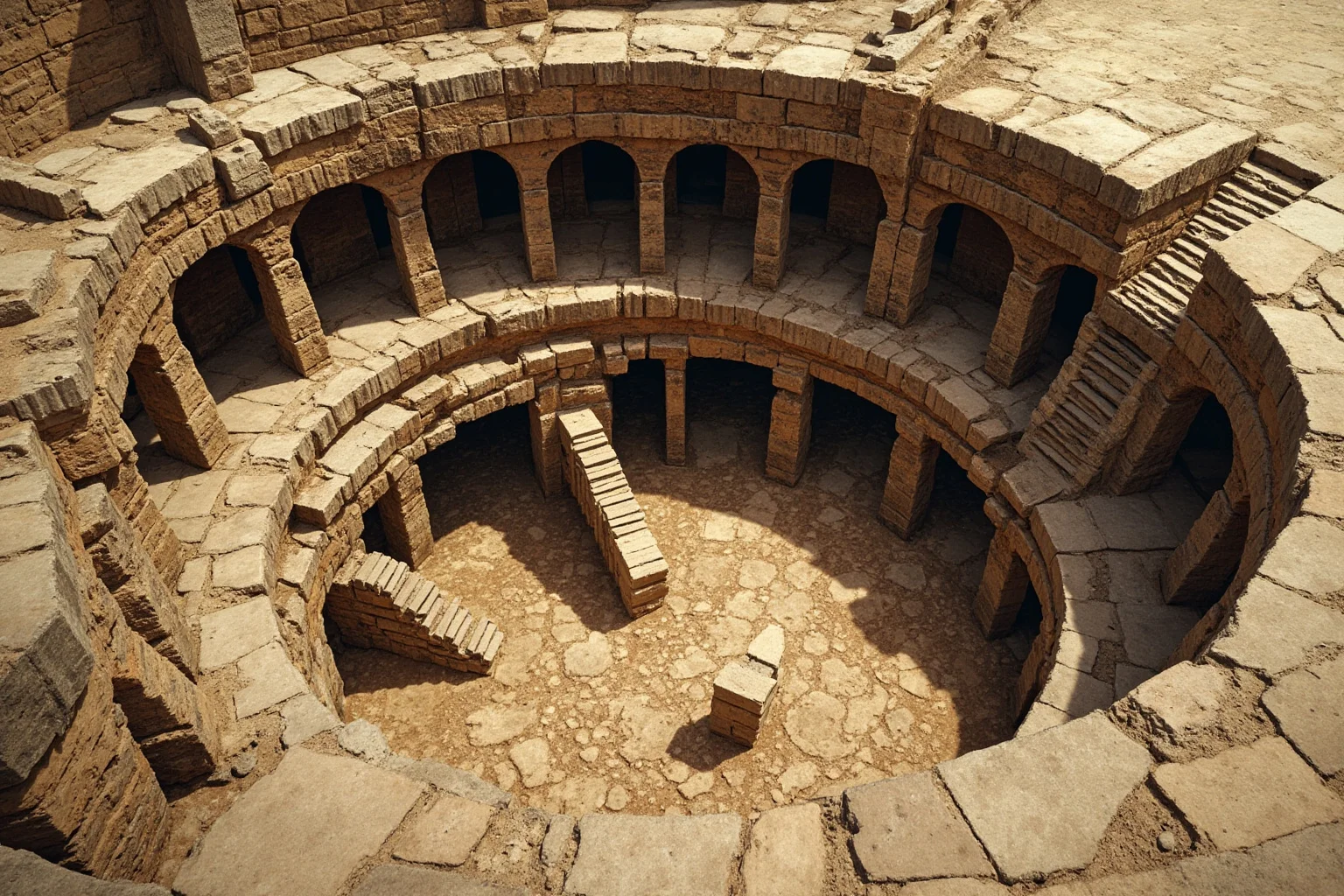
Beneath the sand-covered arena floor lay the hypogeum, a two-level network of tunnels, cages, and lift shafts, an underground world not unlike the eerie tunnels beneath the Paris Catacombs.
This underground area housed animals, gladiators, and elaborate stage machinery used to create dramatic entrances. Trapdoors and pulley-operated platforms could make performers or animals appear to rise straight up out of the arena floor, a surprisingly theatrical touch for a 1st-century venue.
11. It May Have Hosted Mock Naval Battles
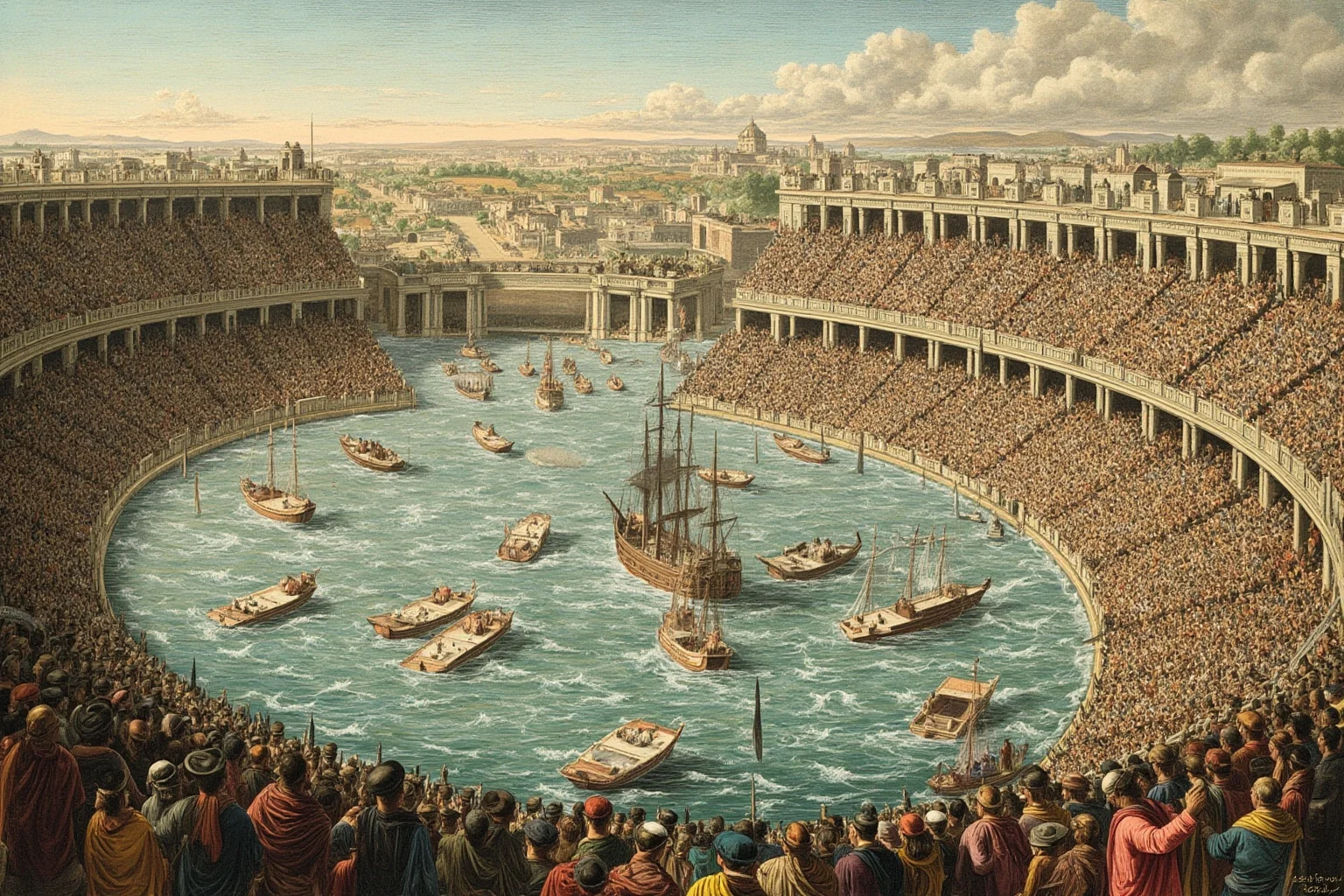
Ancient writers describe early staged sea battles, known as naumachiae, taking place in the Colosseum, possibly by flooding the arena floor before the hypogeum was fully built.
Whether this actually happened at the Colosseum specifically, or only at earlier purpose-built basins, is genuinely debated among historians. It’s a claim worth repeating with caution rather than presenting as settled fact, since the engineering logistics would have been extraordinary.
12. Gladiator Fights Were the Main Draw, But Not the Only Show
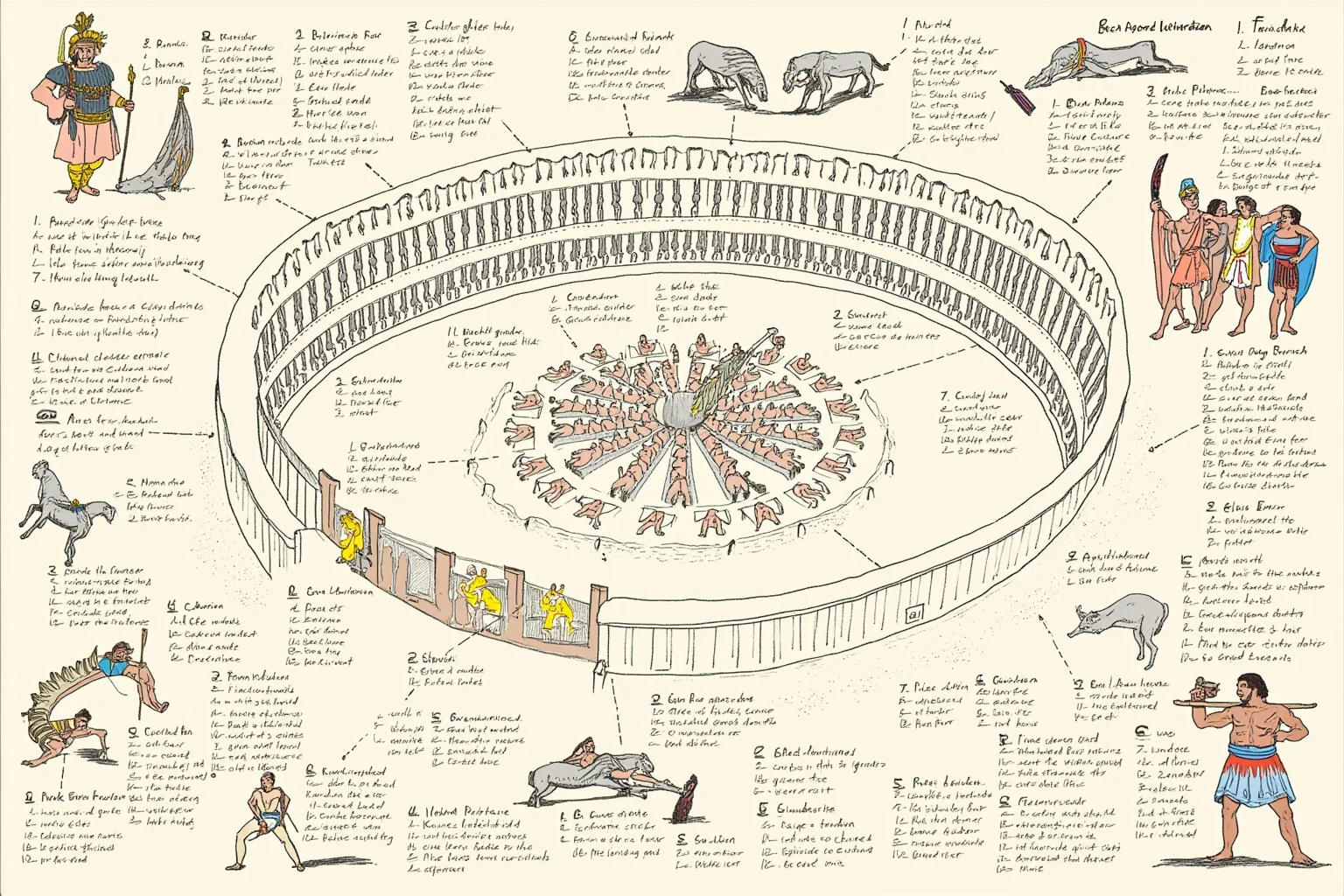
Gladiator combat is the image most people associate with the Colosseum, and it was indeed a central attraction. But a typical day of games, called munera, often followed a set structure: animal hunts in the morning, executions around midday, and gladiator bouts in the afternoon.
This variety is central to understanding what the Colosseum was actually used for beyond the gladiator myth alone.
13. Animals from Across the Empire Were Killed by the Thousands
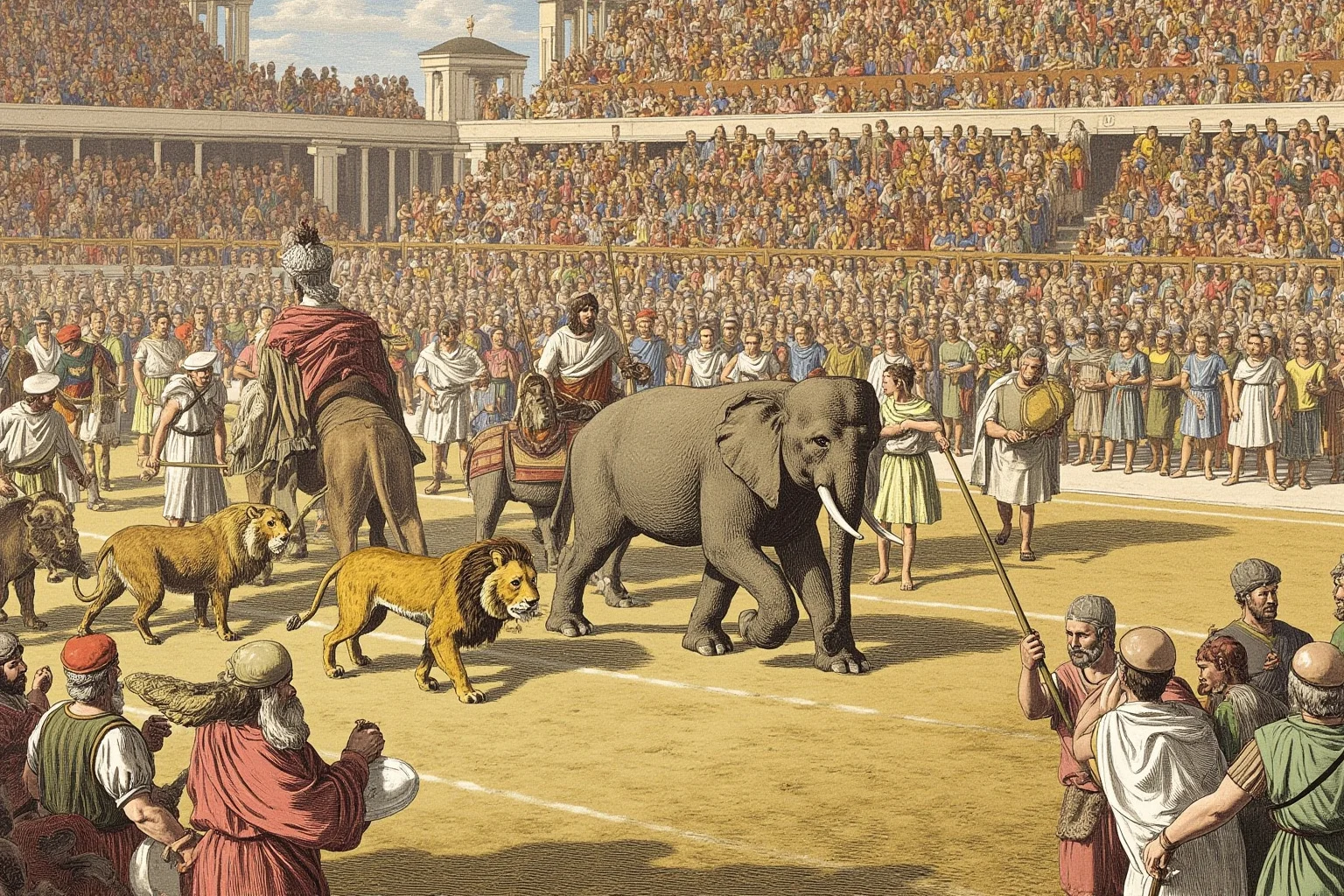
Staged hunts, called venationes, featured exotic animals brought from across the Roman Empire, including lions, elephants, bears, and ostriches.
Ancient sources describe opening ceremonies in which thousands of animals were killed over a period of days.
This practice had a real ecological impact, and some historians argue it contributed to the decline of certain wild animal populations in North Africa and the Near East.
14. Not Every Gladiator Fight Ended in Death
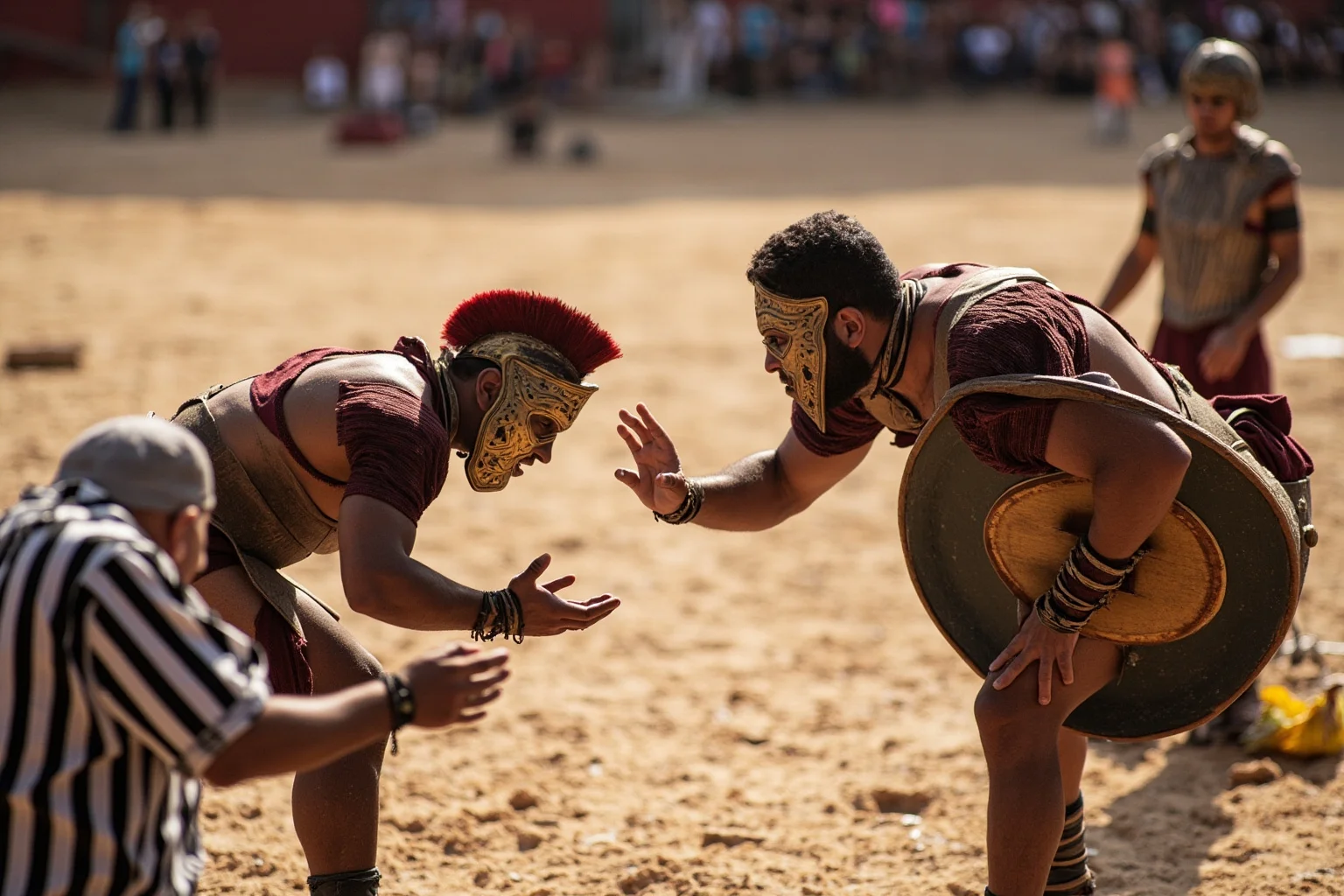
Popular culture often assumes every gladiator match ended in a kill, but that wasn’t the economic or practical reality. Gladiators were expensive to train, and skilled fighters were valuable investments for their owners, so many bouts ended with one combatant yielding rather than dying. Referees oversaw matches, and an appeal to the crowd or the emperor could spare a defeated gladiator’s life.
15. Some Gladiators Were Volunteers, Not Just Slaves or Prisoners
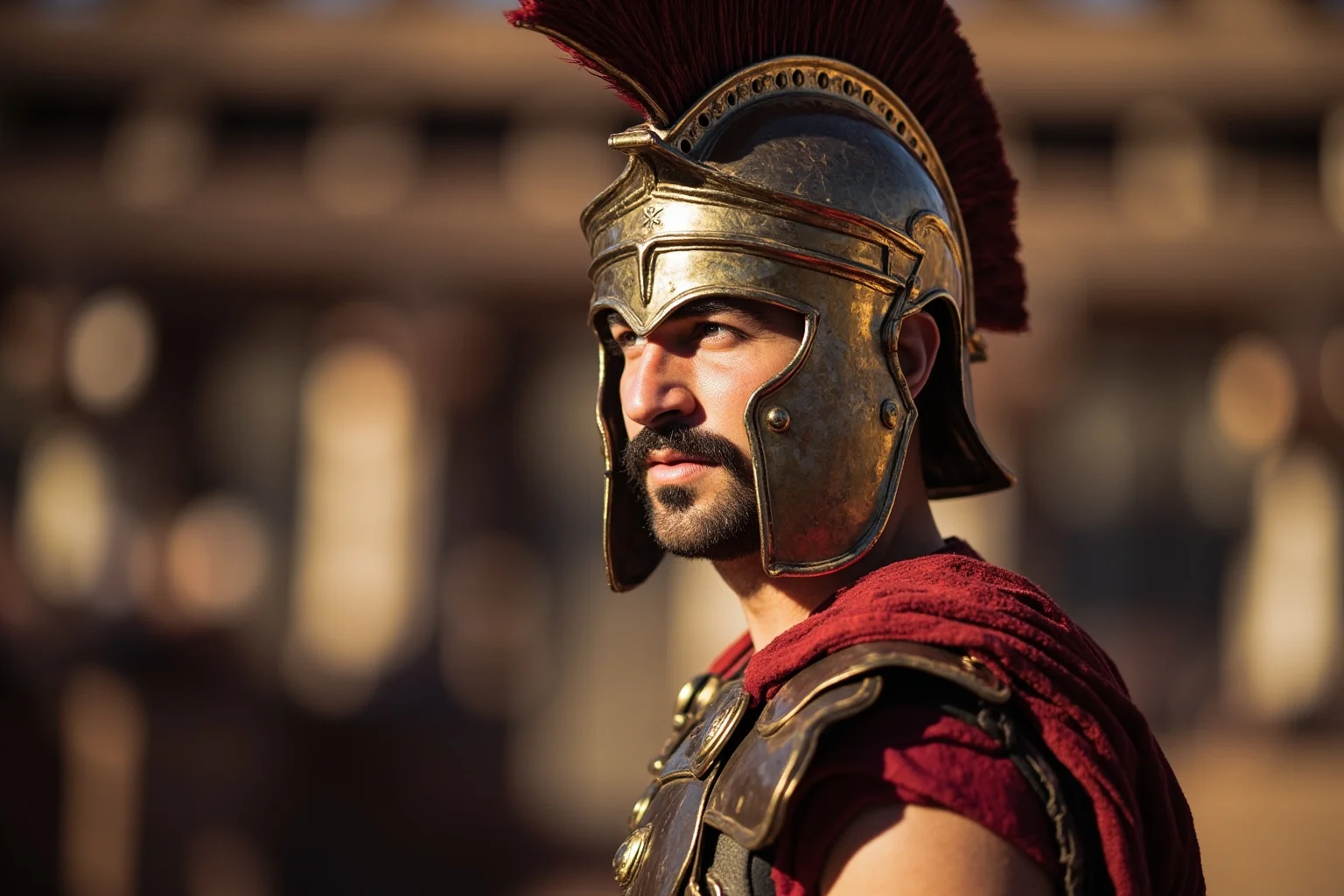
While many gladiators were enslaved people, prisoners of war, or condemned criminals, some were free Roman citizens who volunteered for the arena. These volunteers, called auctorati, might be drawn by the fame, the pay, or simple desperation. It’s a detail that complicates the simple “slaves forced to fight” narrative that dominates modern pop culture.
16. Women Fought in the Arena Too
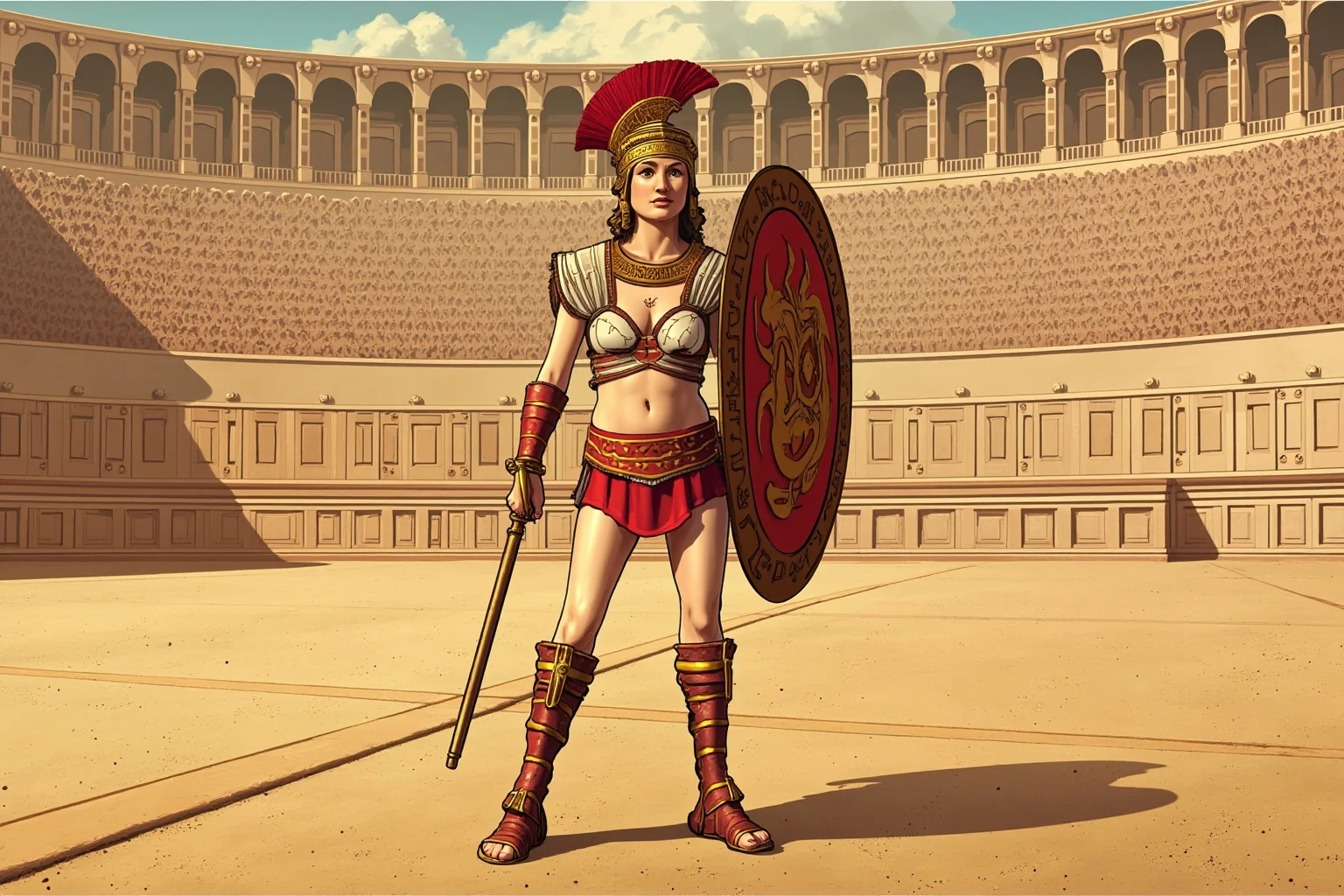
Historical and archaeological evidence, including a famous relief from Halicarnassus, indicates that female gladiators did exist, though they were far less common than male fighters. Roman writers occasionally mention women fighting in the arena, sometimes as a novelty act.
Emperor Septimius Severus reportedly banned women from gladiatorial combat in the early 3rd century CE, which itself suggests the practice was real enough to need banning.
17. The Games Were Free to Attend
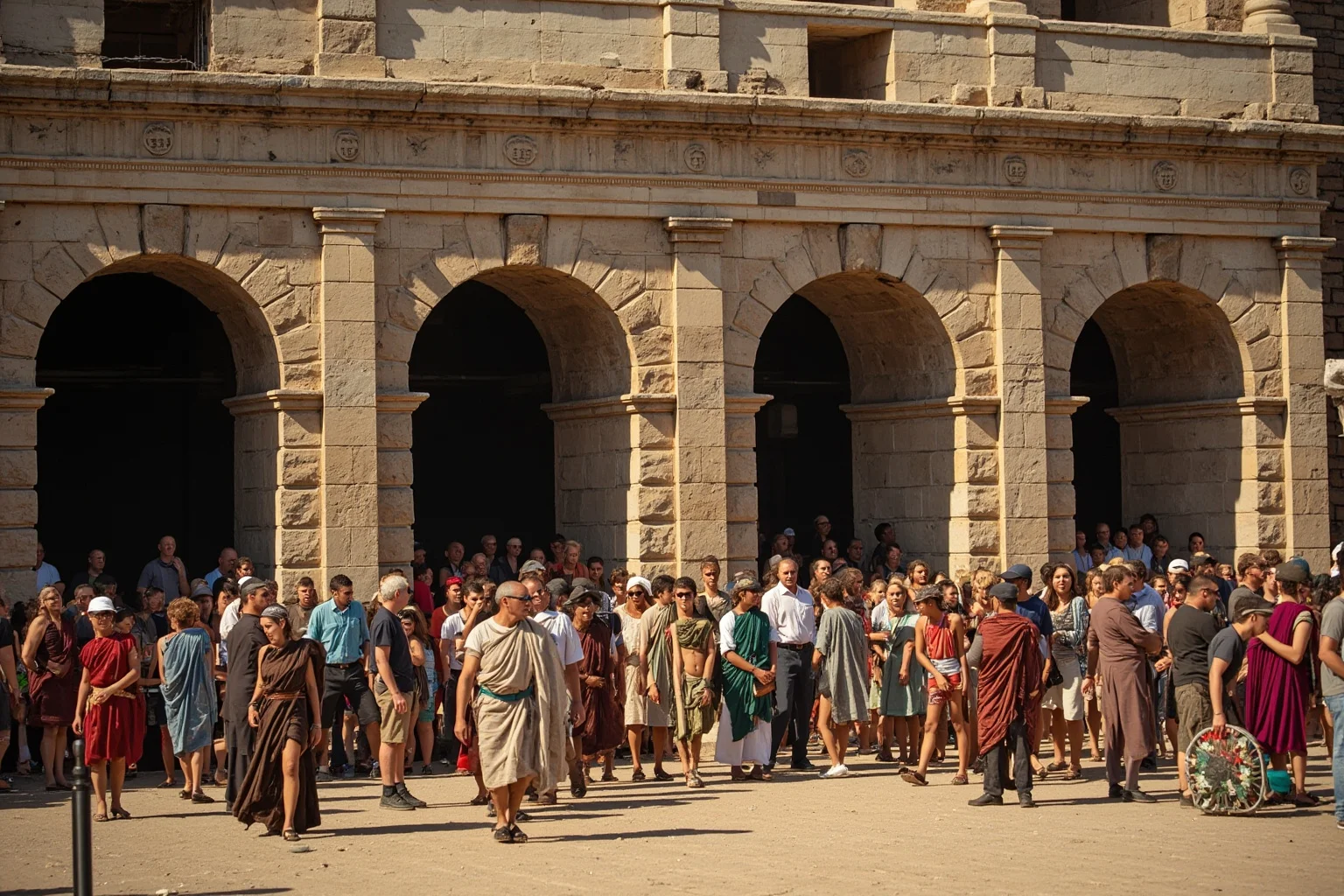
Unlike many entertainment venues today, admission to the Colosseum’s games was free for Roman citizens, funded by the emperor or wealthy sponsors as a form of public generosity.
This system, sometimes summarized by the phrase “bread and circuses,” served a political purpose: keeping the population entertained and loyal. Seating location, not ticket price, was what separated the elite from everyone else.
18. The Colosseum Hosted Events for Nearly 500 Years
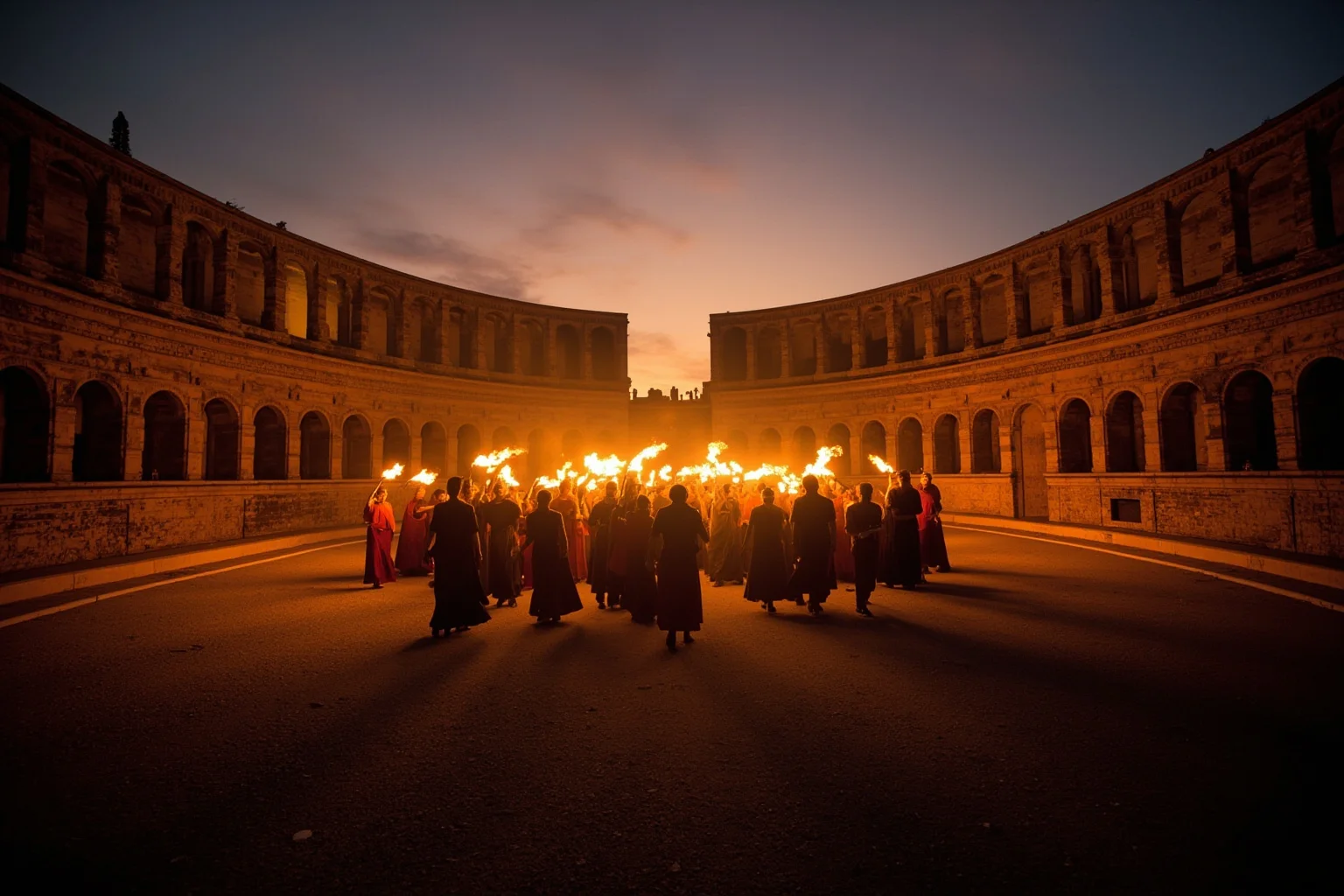
The Colosseum opened in 80 CE and continued to host gladiatorial games for centuries, with the last known gladiatorial combats recorded in the early 5th century.
Animal hunts and other spectacles continued somewhat longer, into the 6th century, before the tradition faded along with the Western Roman Empire itself. That’s an extraordinarily long operational run for any entertainment venue, ancient or modern.
19. Earthquakes Reshaped the Structure Forever
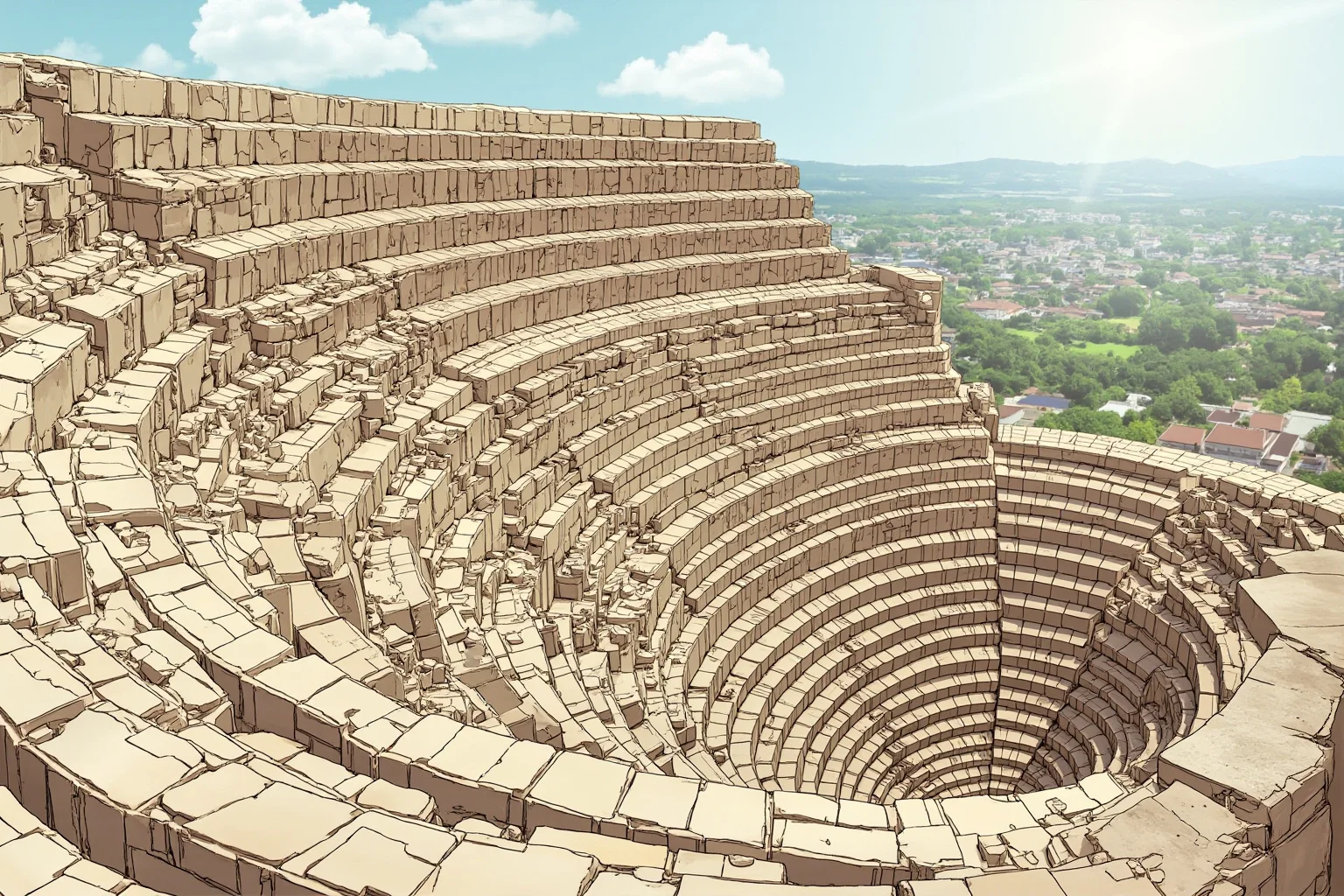
The Colosseum we see today is missing large sections of its original outer wall, and earthquakes are largely to blame. Major tremors, particularly in 847 CE and 1349 CE, caused significant collapses, especially on the south side where the ground was less stable.
What looks like a dramatically “broken” ruin today is really the result of centuries of seismic damage on top of the original design.
20. It Became a Quarry for Other Roman Buildings
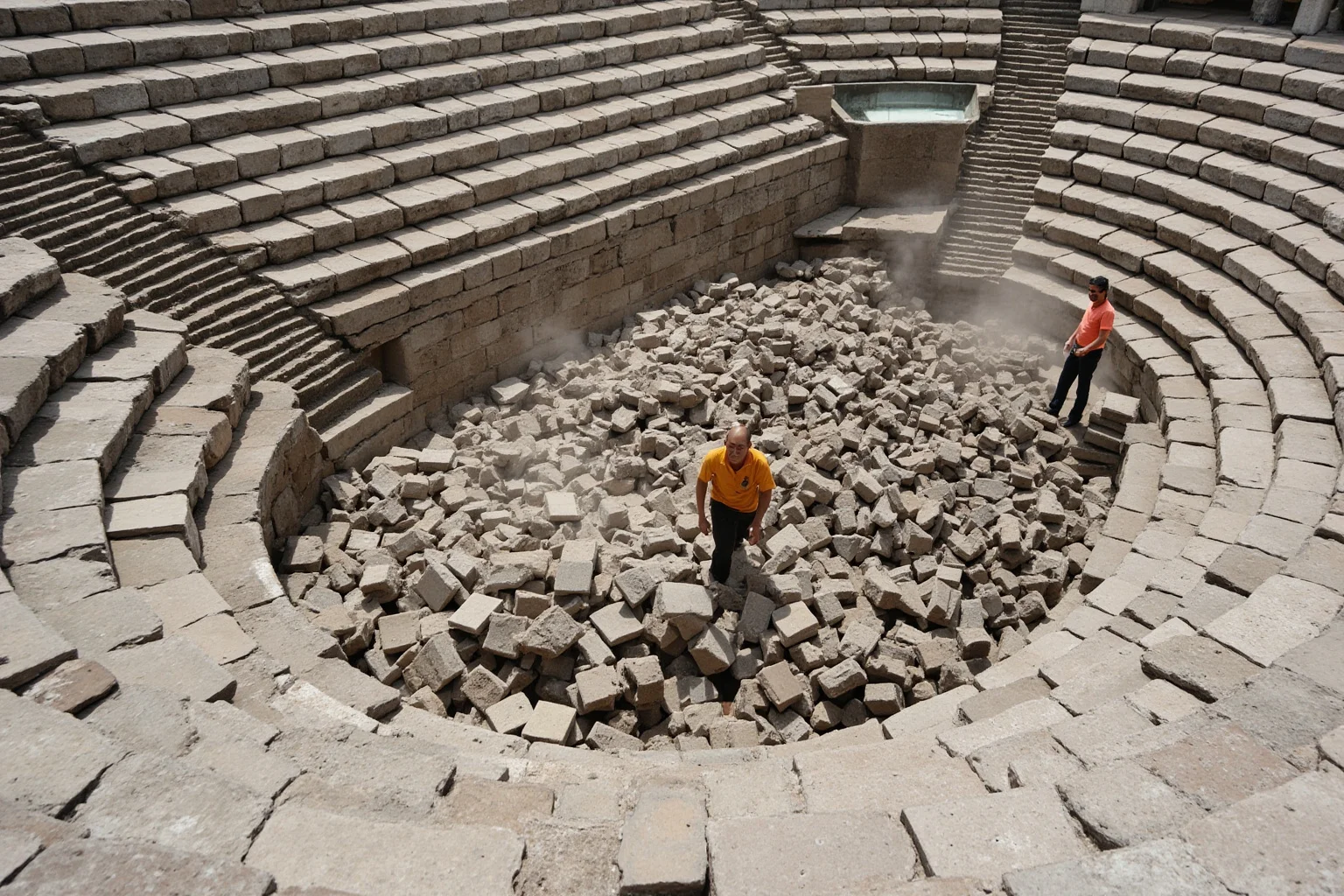
After the games ended and the empire declined, the Colosseum wasn’t preserved as a monument, it was treated as a convenient source of building material. Collapsed stone and marble were stripped away and reused in other Roman structures, including several churches and palaces built during the Renaissance.
This recycling, while damaging to the original structure, is part of why so much of ancient Rome’s stone survives scattered throughout the modern city.
21. The Colosseum Had a Life After the Games Ended
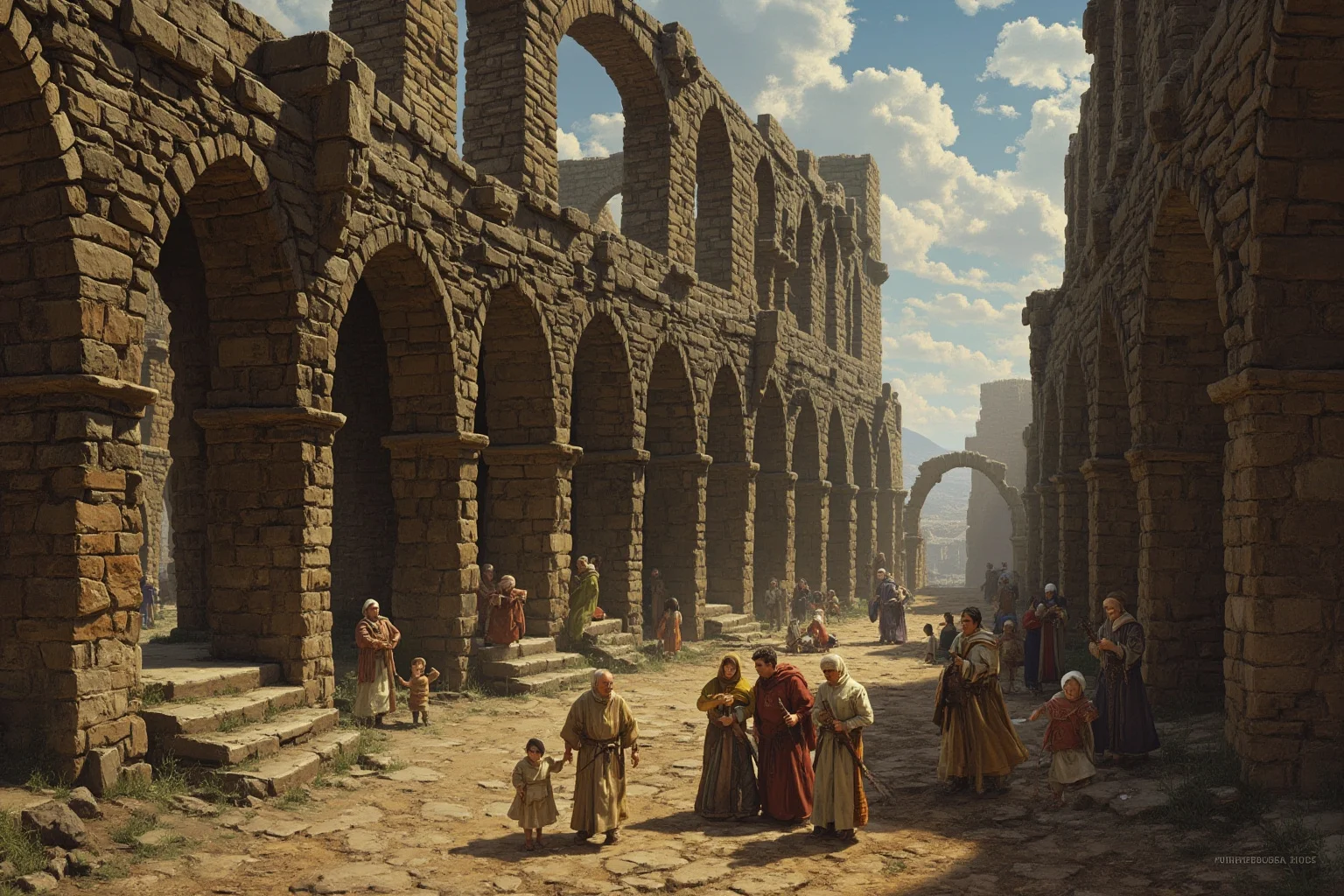
Once spectacles stopped, the Colosseum didn’t just sit empty. Over the medieval and Renaissance periods it served as housing, workshops, a fortress for Roman noble families, and even briefly held a Christian cemetery and small chapel.
This long, messy afterlife is a key part of the Colosseum’s history that often gets overlooked in favor of its more dramatic ancient story.
22. Restoration Work Continues to This Day
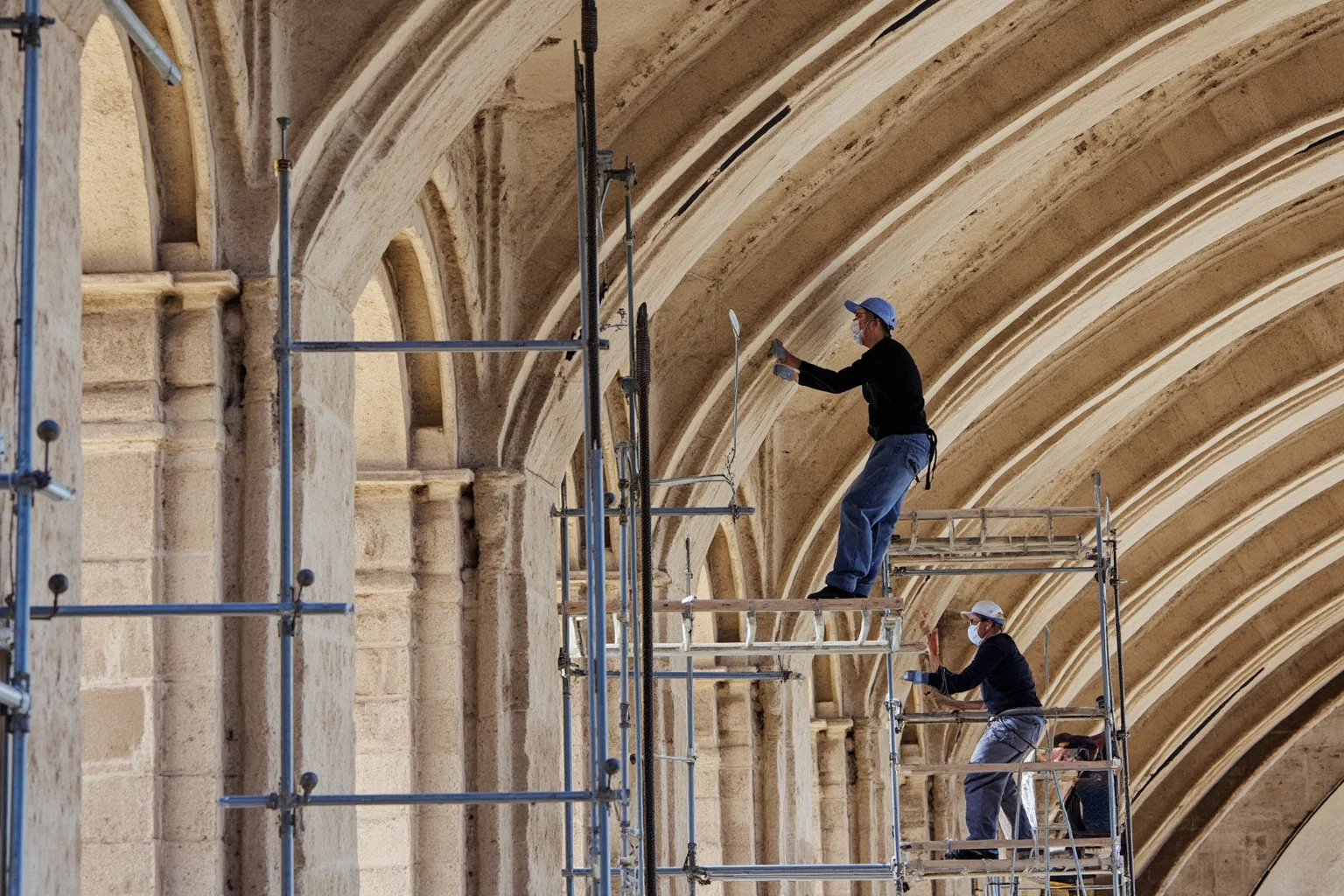
Modern conservation efforts have worked for decades to stabilize and restore the Colosseum, including major cleaning projects and structural reinforcement completed in the 2010s.
Ongoing restoration has also focused on the underground hypogeum, parts of which are now open to visitors on special tours. These projects rely on a mix of historical research, modern engineering, and careful funding, often through public-private partnerships.
23. It’s One of the New Seven Wonders of the World
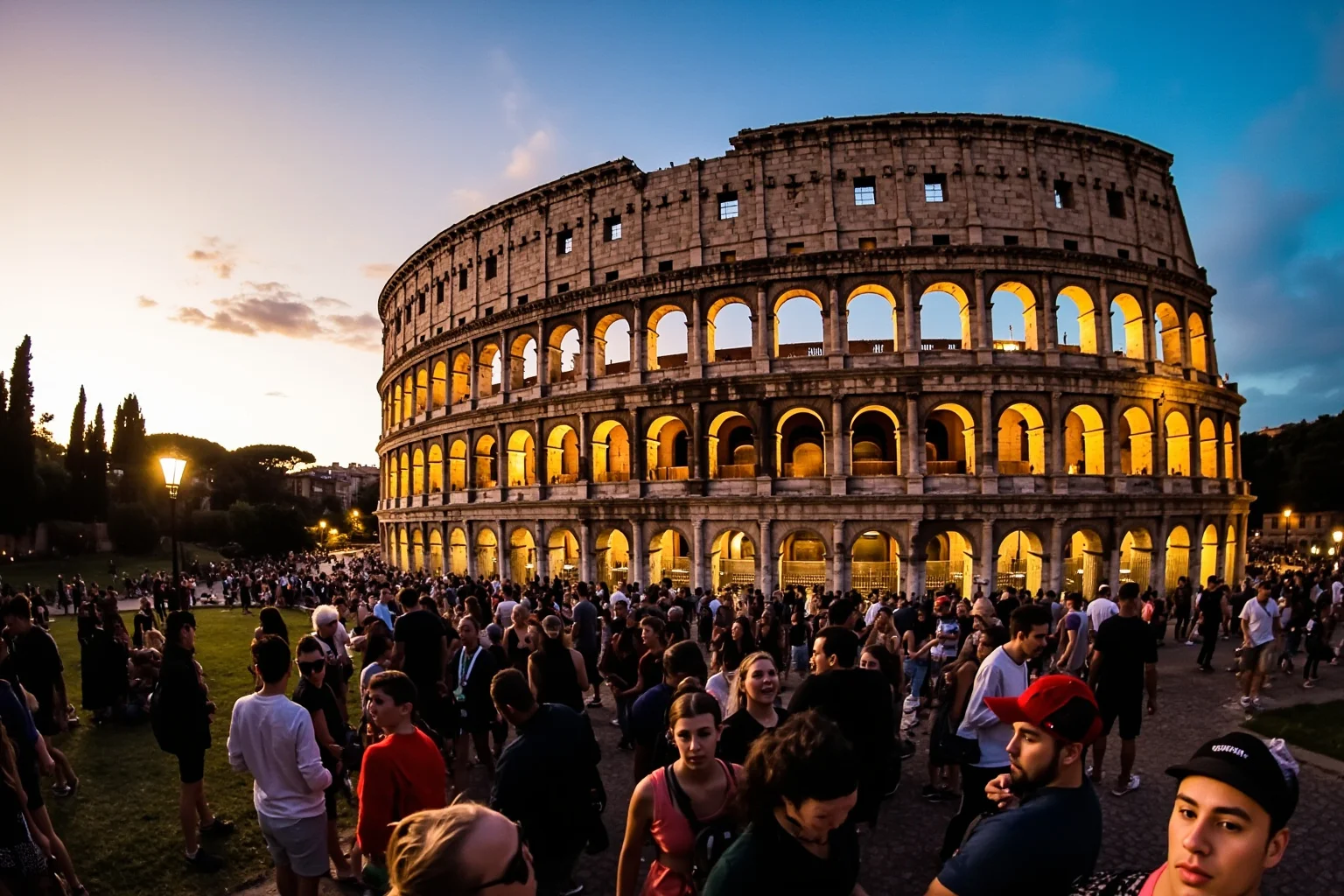
In 2007, the Colosseum was named one of the New7Wonders of the World in a global public poll, alongside sites like Machu Picchu and the Great Wall of China.
It’s also a UNESCO World Heritage Site, recognized as part of the historic center of Rome. Today it’s one of the most visited monuments on the planet, drawing millions of tourists each year who come to see this manmade marvel in person.
The Real Legacy of the Colosseum
The Colosseum endures because it tells so many stories at once: political ambition, engineering ingenuity, brutal entertainment, and centuries of slow decay and reinvention.
It was never just a backdrop for gladiator movies, it was a working piece of Roman civic life for nearly five hundred years. Understanding facts about the Colosseum of Rome means holding both truths together, the genuine engineering marvel and the difficult history of violence it hosted.
Whether you’re drawn in by the architecture, the gladiators, or the sheer staying power of a 2,000-year-old building, the Colosseum rewards a closer look. Next time you see a photo of its worn arches, hopefully a few of these facts come to mind instead of just the movie version of ancient Rome.
Frequently Asked Questions
What are some interesting facts about the Roman Colosseum?
Among the most interesting facts about the Roman Colosseum: it was built in less than a decade starting around 72 CE, its original name was the Flavian Amphitheatre, it could hold an estimated 50,000 to 80,000 spectators, and it featured a retractable canvas awning called the velarium operated by Roman sailors.
What was the Colosseum used for?
The Colosseum was used for large public spectacles funded by the emperor, including gladiator combat, staged animal hunts, public executions, and possibly early mock naval battles. A typical day of games often combined all of these into a single event lasting from morning to evening.
How many people could the Colosseum hold?
Historians generally estimate the Colosseum's capacity at somewhere between 50,000 and 80,000 spectators, seated according to social rank, with the emperor and senators closest to the arena floor and ordinary citizens seated higher up.
How long did it take to build the Colosseum?
Construction began around 72 CE under Emperor Vespasian and the amphitheater officially opened in 80 CE under his son Titus, meaning the main structure was built in roughly eight years, with some finishing work continuing afterward under Emperor Domitian.
Why is it called the Colosseum instead of its original name?
The building was originally called the Amphitheatrum Flavium, or Flavian Amphitheatre. The name Colosseum emerged centuries later in the medieval period, most likely inspired by the nearby Colossus of Nero, a giant bronze statue that once stood close to the site.
Is the Colosseum still standing today?
Yes, though not fully intact. Large portions of the original outer wall collapsed over the centuries due to earthquakes, particularly in 847 CE and 1349 CE, and stone was later removed for reuse in other buildings, which is why the structure looks partially ruined today.
Did every gladiator fight end in death?
No. Gladiators were costly to train, so many fights ended with a defeated fighter yielding rather than being killed. Referees oversaw matches, and appeals for mercy were sometimes granted, especially for skilled or popular gladiators.

Alex Warren
Related Articles