

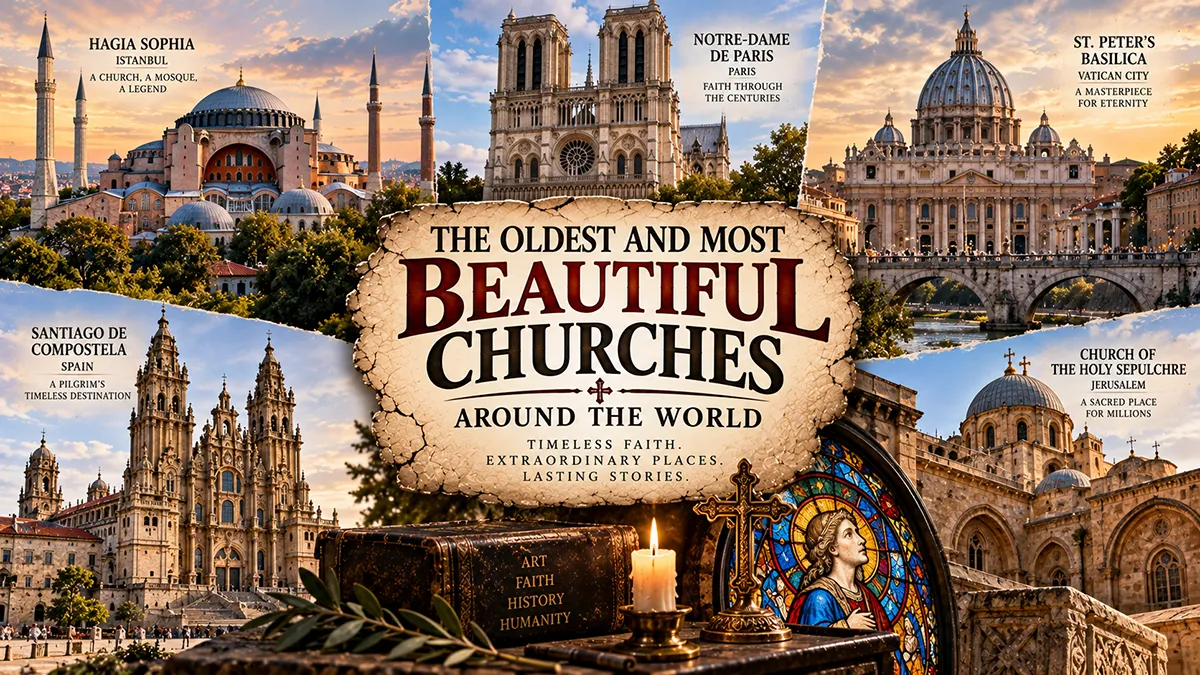
Ask ten historians what the oldest church in the world is, and you’ll probably get ten different answers. That’s not because anyone is wrong — it’s because “oldest church” can mean several different things, depending on whether you’re counting a purpose-built structure, a converted house, a continuously used holy site, or the oldest cathedral as opposed to the oldest church of any kind.
In this guide, we’re going to walk through the real contenders for the title of world’s oldest church, the oldest cathedral in the world, and then move on to some of the most beautiful, ornate, and historically important churches across Europe and beyond. Along the way, we’ll gently myth-bust a few claims that get repeated online without much evidence behind them.
TL;DR: There’s no single, universally agreed “oldest church in the world” — it depends on your definition — but Dura-Europos, the Megiddo mosaic, and the Cathedral of Etchmiadzin are the strongest historical contenders, alongside dozens of breathtaking historic churches still standing today.
What Do We Actually Mean By “Oldest Church”?
Before diving into the list, it’s worth pausing on a question that trips up almost every article on this topic: what is the oldest church in the world, really? The honest answer is that it depends on how you define “church.”
Do you mean the oldest surviving purpose-built church building? The oldest known Christian meeting place of any kind, even if it was a converted home? The oldest cathedral (a church that serves as the seat of a bishop)? Or the oldest site that has been used continuously for Christian worship, even though the building itself has been rebuilt many times?
Each definition points to a different answer, and serious archaeologists and historians are careful to say “among the oldest known” or “the earliest identified” rather than making absolute claims. Early Christians worshipped in private homes for the first two centuries after Jesus’s death, largely because Christianity wasn’t legally recognized in the Roman Empire until the Edict of Milan in 313 AD.
That means the earliest Christian gathering spaces often weren’t purpose-built churches at all — they were repurposed rooms in ordinary houses, which makes pinpointing a single “first church” genuinely difficult.
With that caveat in mind, here’s how historians generally group the strongest contenders, followed by some of the most famous, historic, and visually stunning churches around the world today.
The Oldest Churches in the World: Top Contenders
These are the sites most frequently cited by historians and archaeologists when discussing the earliest churches in the world. Some are humble converted rooms; others are grand, continuously operating cathedrals.
1. The Megiddo Mosaic (Megiddo, Israel)
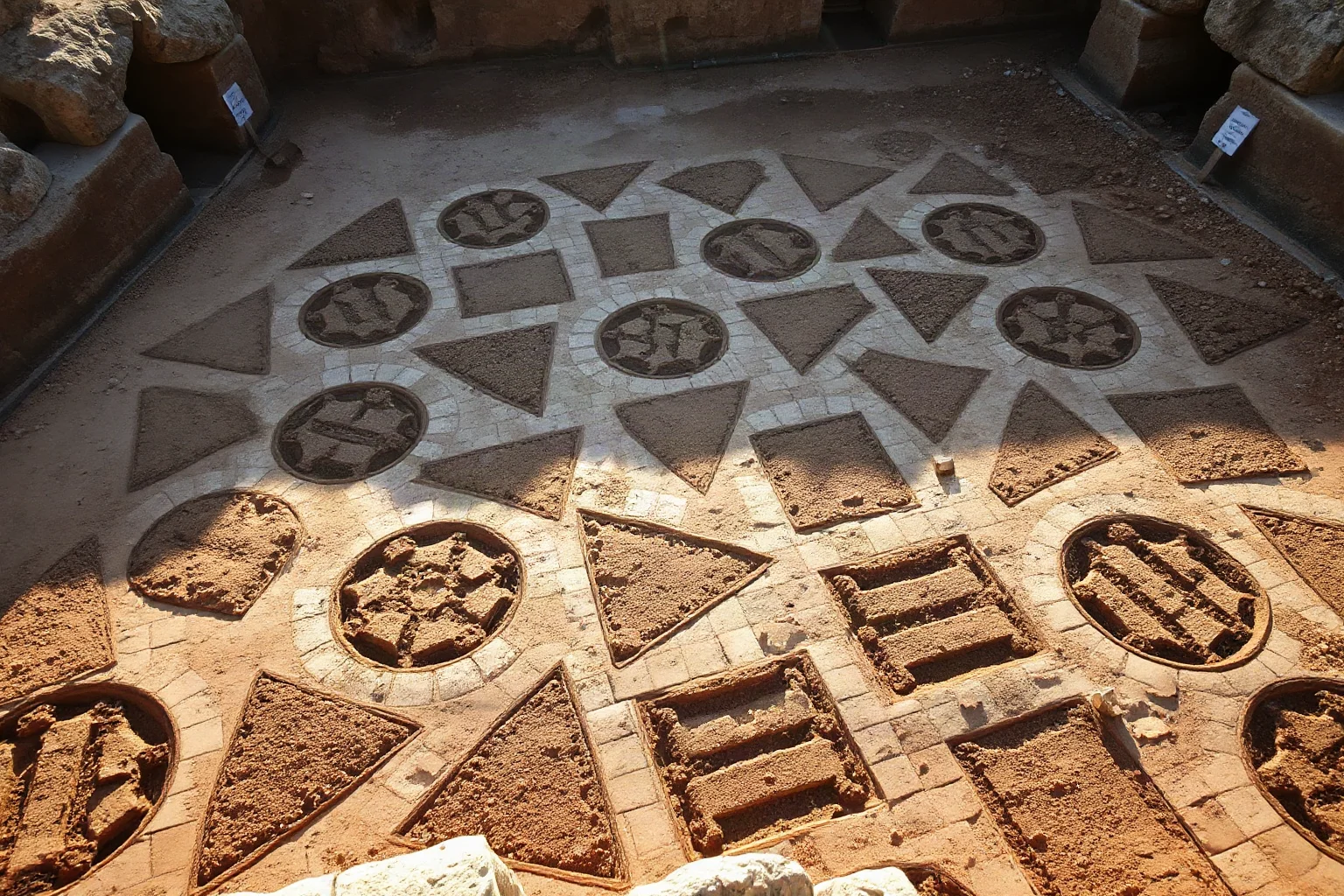
Discovered in 2005 near Tel Megiddo in northern Israel, this mosaic floor dates to around 230 AD and sits inside what appears to have been a Roman-era hall used for Christian prayer. It includes an inscription dedicating a table to “God Jesus Christ,” making it one of the earliest physical pieces of evidence for organized Christian worship anywhere in the world.
It’s important to be precise here: this wasn’t a freestanding church building in the way we’d picture one today. It was a room within a larger structure, likely tied to a Roman military camp, which is why many historians describe it as the earliest known Christian prayer hall rather than the world’s first church building outright.
2. Dura-Europos Church (Syria)
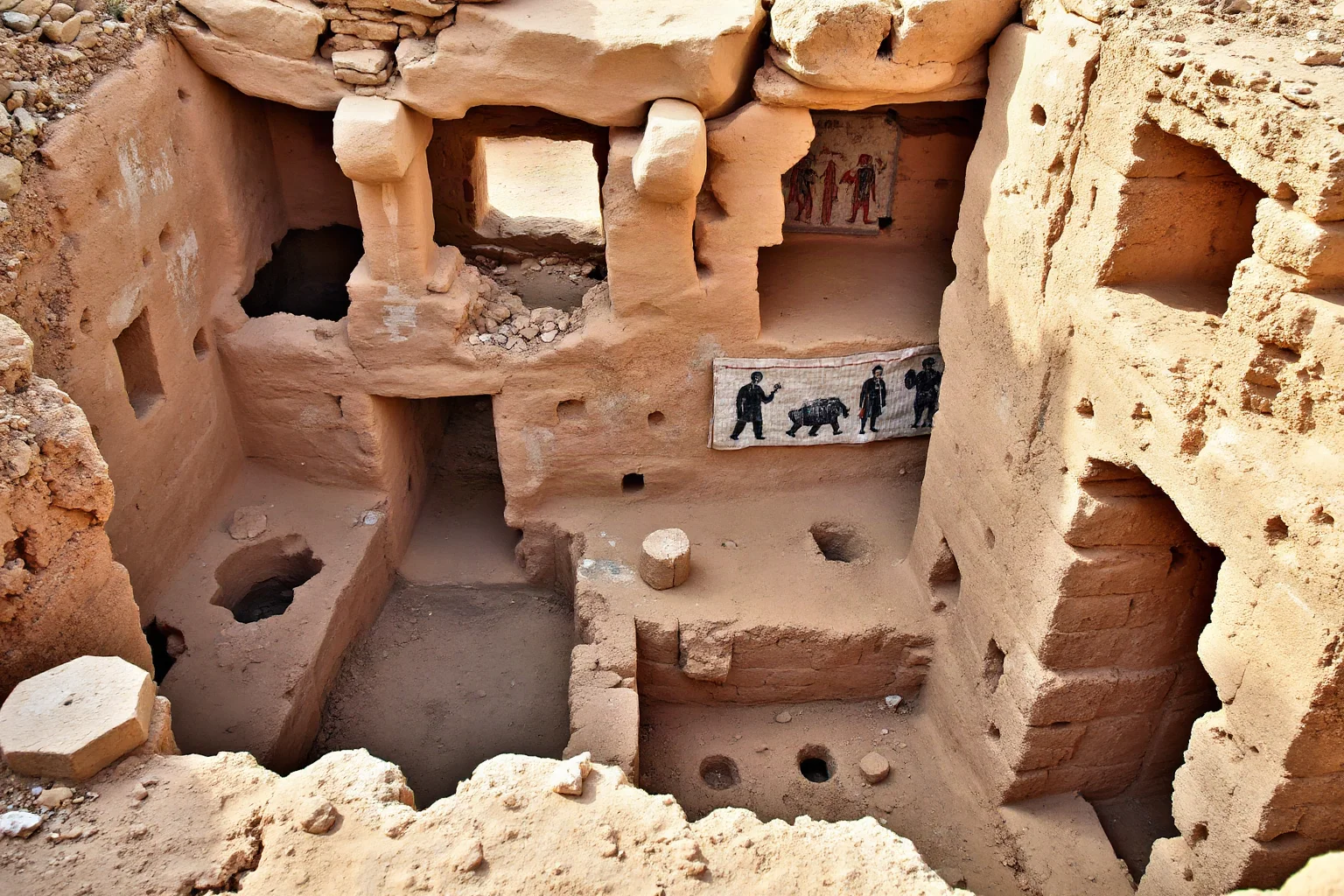
Often cited as the oldest identified church building anywhere, the Dura-Europos house-church was converted from a private home around 232-256 AD in a Roman garrison town on the Euphrates. Remarkably, the site was buried and preserved when the city was abandoned in the mid-3rd century, protecting its wall paintings for over 1,600 years.
Archaeologists excavated it in the 1920s and 1930s, and its baptistery frescoes — among the earliest surviving Christian art — are now held at Yale University. Because it began life as an ordinary house before being adapted for worship, some scholars distinguish it from “purpose-built” churches, but it remains the best-preserved early Christian meeting place discovered to date.
3. Aqaba Church (Jordan)
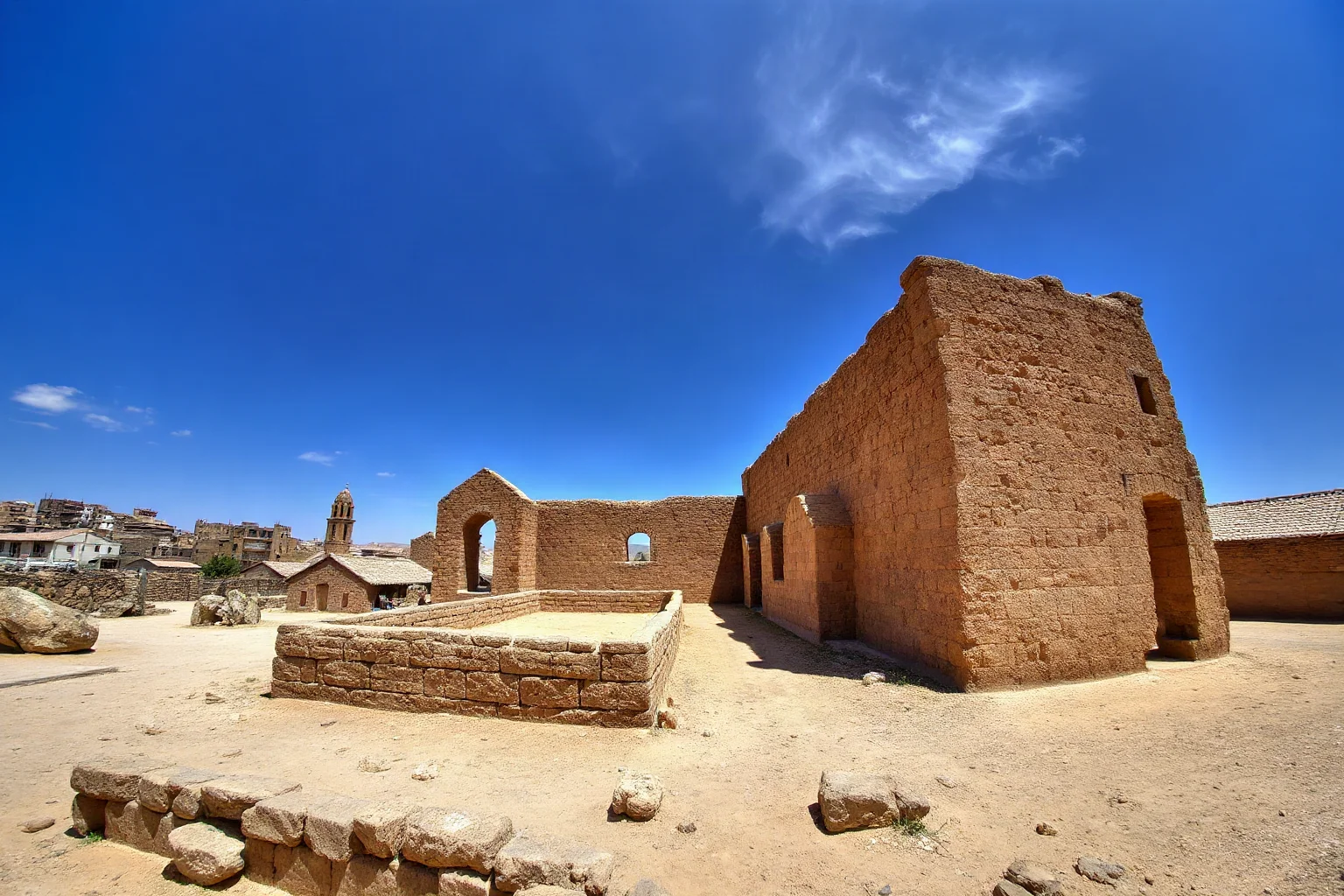
Excavated in the Jordanian port city of Aqaba, this mudbrick structure has been dated to roughly 293-303 AD, which would place it before Christianity’s legalization under Constantine. Unlike Dura-Europos, archaeologists believe this building was constructed from the ground up specifically to function as a church, rather than adapted from an existing home.
That distinction is why some historians point to Aqaba, rather than Dura-Europos, as the oldest purpose-built church building ever identified. As with most claims this old, the dating relies on pottery and structural analysis rather than written records, so it’s treated as a strong possibility rather than settled fact.
4. Cathedral of Etchmiadzin (Armenia)
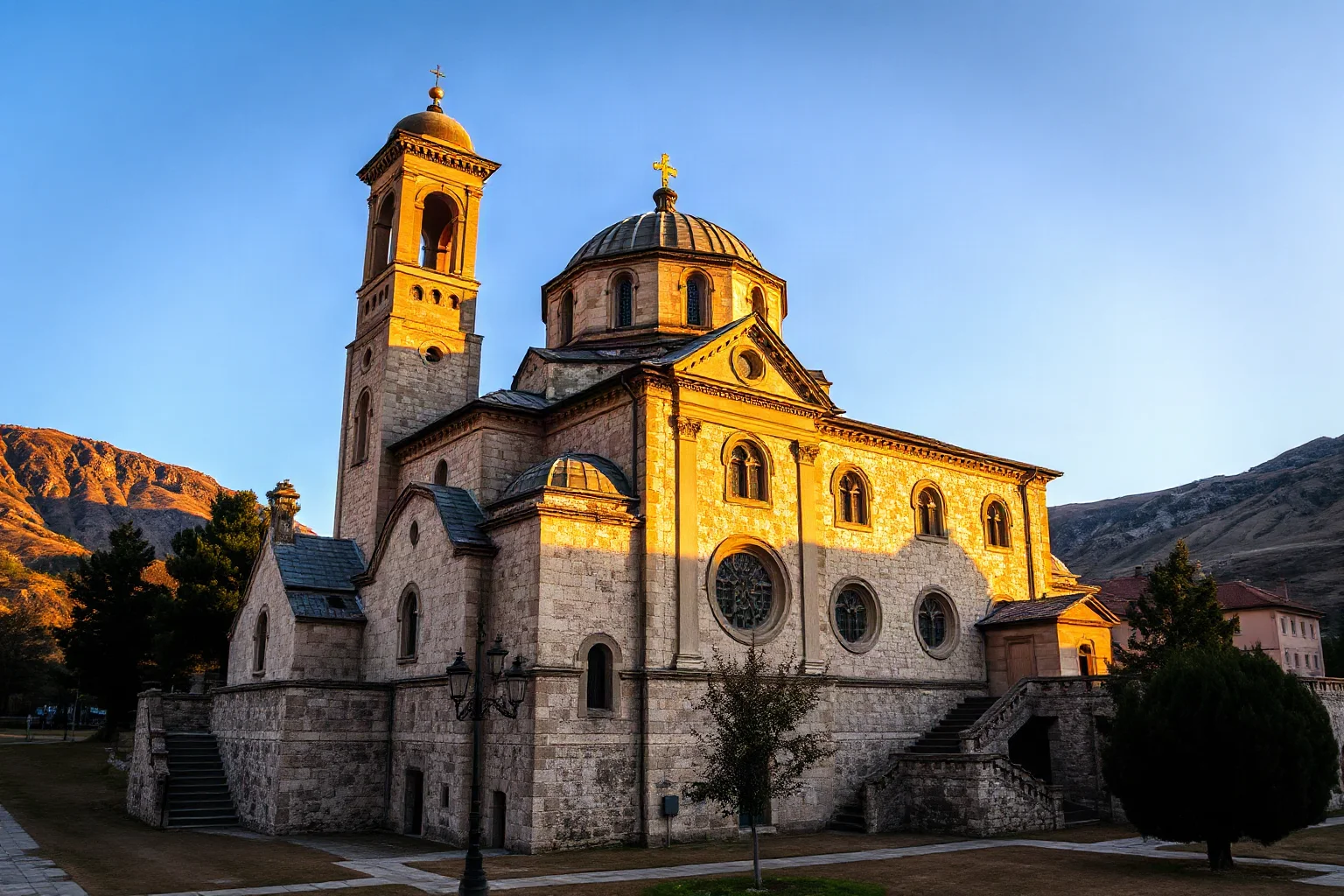
When it comes to the oldest cathedral in the world, Etchmiadzin in Armenia is usually the answer historians give. Armenia became the first nation to adopt Christianity as its state religion around 301 AD, and the original cathedral at Etchmiadzin was founded shortly afterward by Saint Gregory the Illuminator.
The current structure has been rebuilt and renovated many times over the centuries, so the stones you’d see today aren’t all original. Still, the site’s continuous use as the seat of the Armenian Apostolic Church gives it a strong claim to being the earliest cathedral in the world in terms of institutional history.
5. Church of the Nativity (Bethlehem)
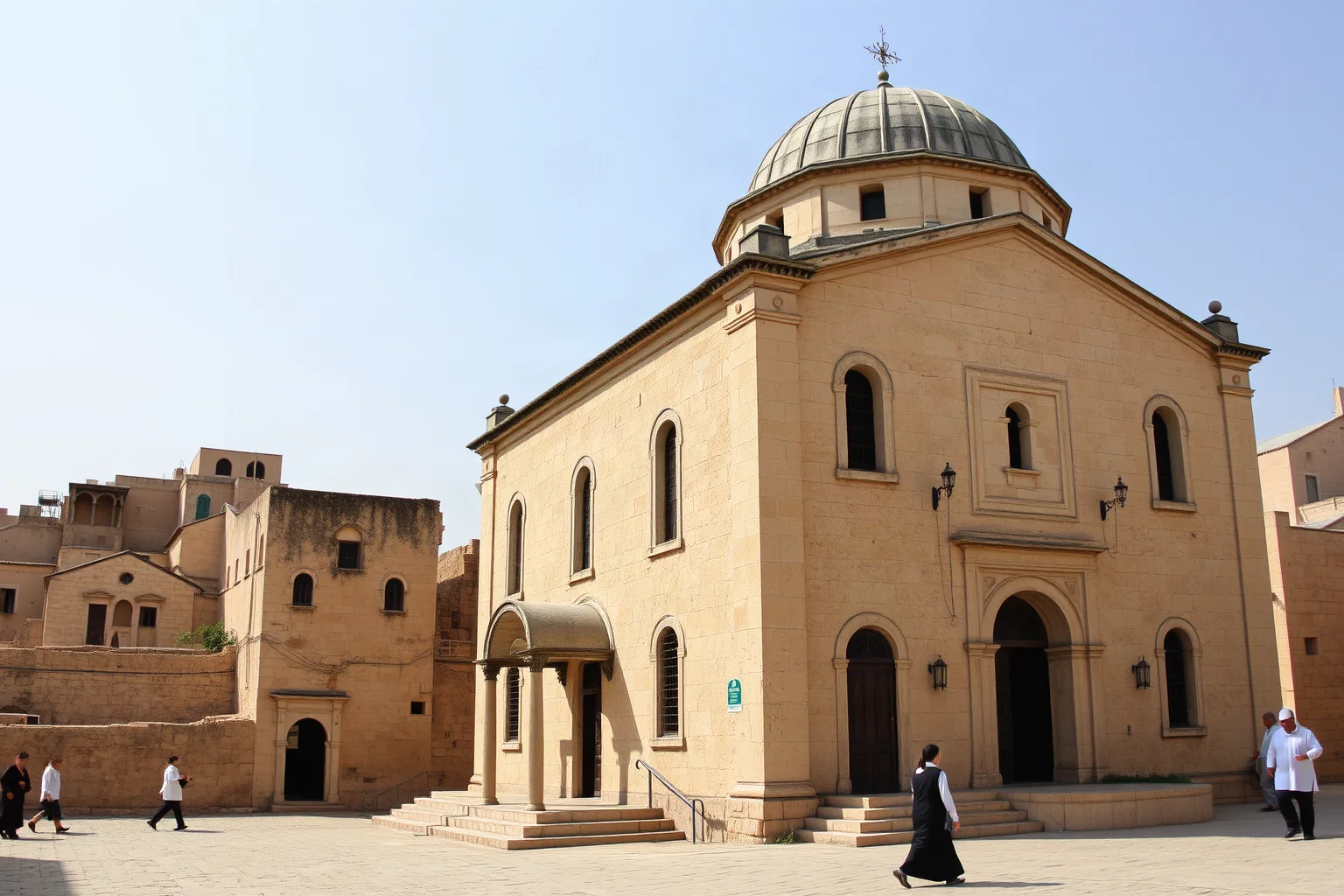
Built on the site traditionally identified as Jesus’s birthplace, the original Church of the Nativity was constructed under Emperor Constantine in the 4th century and rebuilt by Emperor Justinian in the 6th century after a fire. It’s widely regarded as the oldest continuously operating church in Christendom, having survived Persian invasions, Crusader battles, and Ottoman rule.
The building is a UNESCO World Heritage Site and remains an active pilgrimage destination for Christians worldwide. Its survival for over 1,500 years, largely intact in its Justinian-era form, makes it one of the most historically significant church buildings anywhere.
6. Church of the Holy Sepulchre (Jerusalem)
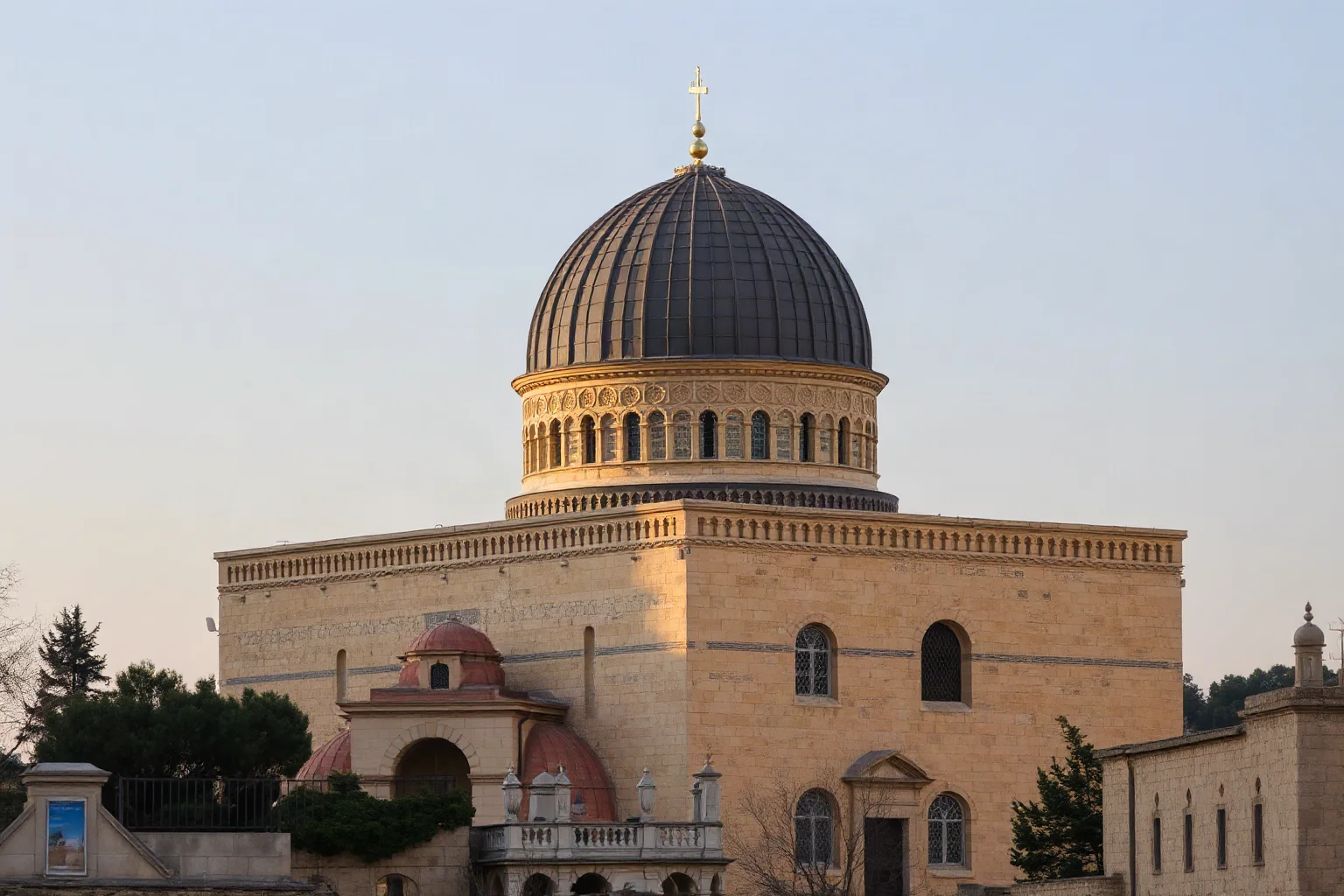
Built in the 4th century over the site that tradition holds to be the location of Jesus’s crucifixion and resurrection, the Church of the Holy Sepulchre has been destroyed, rebuilt, and expanded multiple times across sixteen centuries. Today it’s jointly managed by several Christian denominations, including Greek Orthodox, Roman Catholic, and Armenian Apostolic communities.
While the current structure dates largely from Crusader-era reconstruction in the 12th century, the site itself has been venerated as sacred ground since Constantine’s original basilica was completed around 335 AD. It remains one of the most visited historic churches in the world.
7. Saint Catherine’s Monastery (Sinai, Egypt)
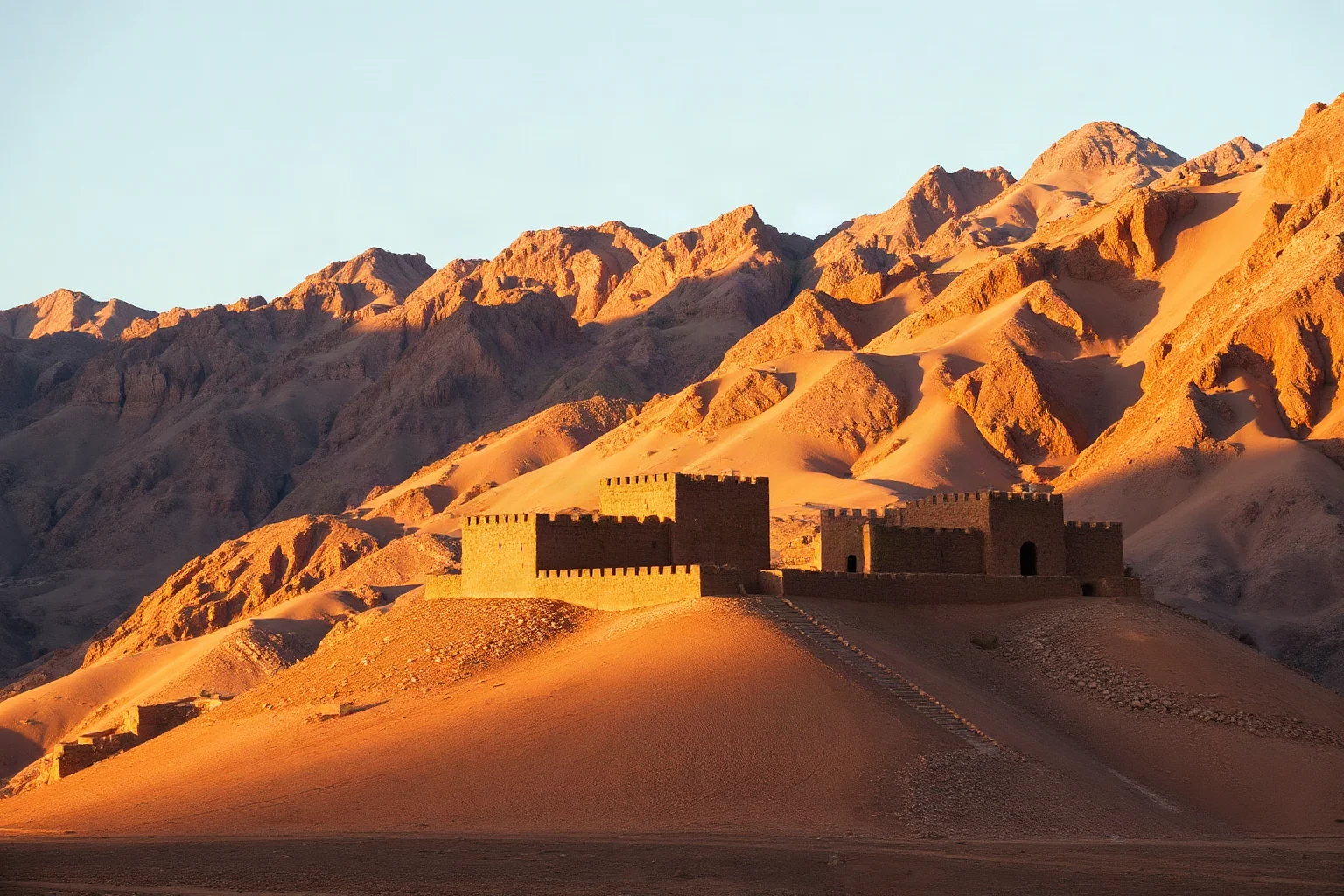
Built around 565 AD under Emperor Justinian I, Saint Catherine’s Monastery in the Sinai desert is widely considered the oldest continuously inhabited Christian monastery in the world. It has never been abandoned or destroyed, which is almost unheard of for a building this old in such a historically contested region.
Its library holds one of the most important collections of early Christian manuscripts and icons anywhere, second only to the Vatican in historical significance. The monastery is a UNESCO World Heritage Site and a genuine bucket-list destination for anyone interested in ancient churches.
8. Basilica of Saint Neophytos, or Enkleistra (Paphos, Cyprus)
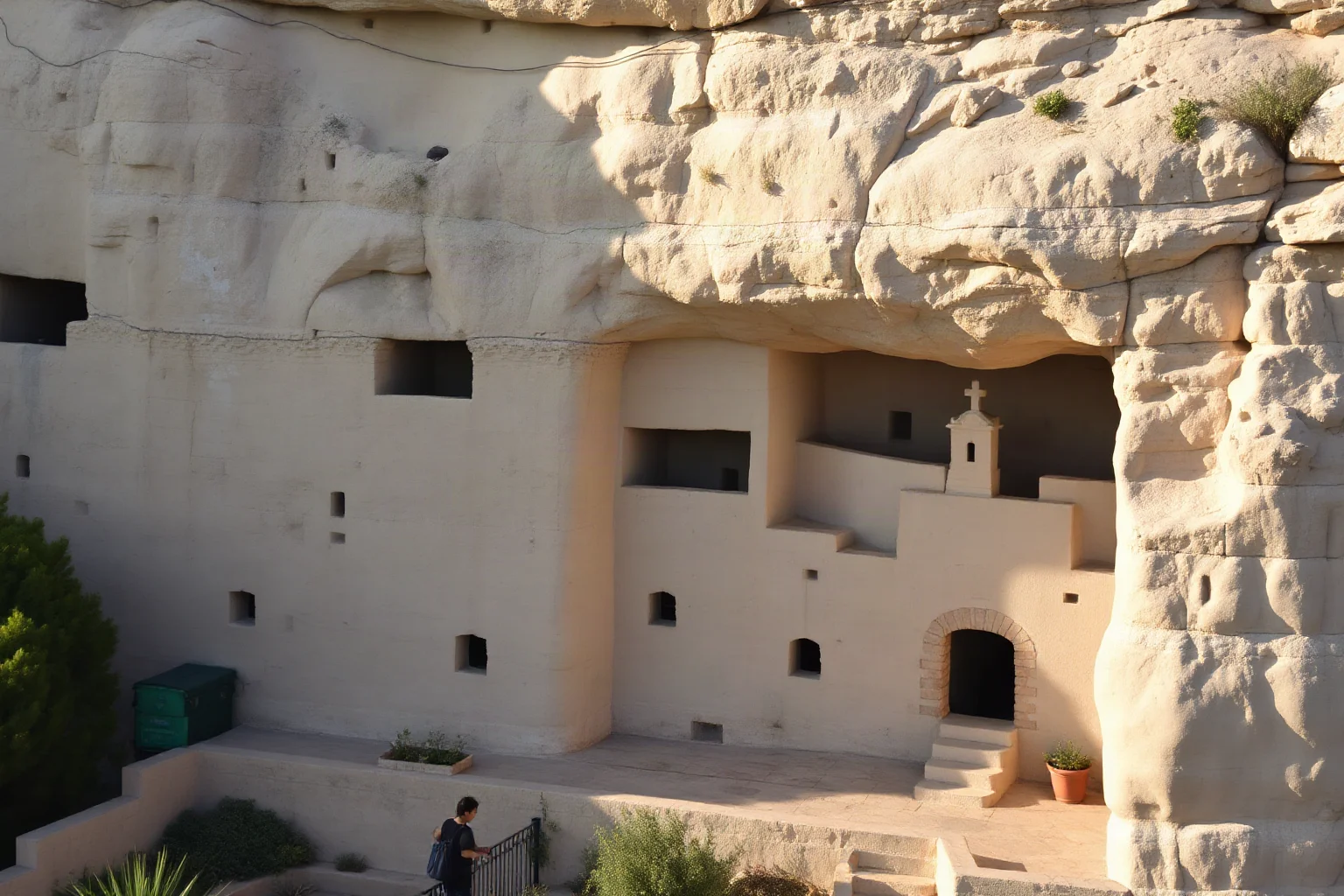
The Basilica of Saint Neophytos, more precisely known as the Enkleistra of St. Neophytos, is a hermitage and monastery carved directly into a rock cliff near Paphos, Cyprus. It was founded in 1159 by the hermit monk Neophytos, who literally dug his own cell out of the rock before the site grew into a fuller monastic complex.
It’s younger than the other entries on this list, but its rock-cut chapels are covered in remarkably well-preserved Byzantine frescoes. The site is part of the Paphos UNESCO World Heritage designation and remains one of Cyprus’s most visited historic churches.
Old European Churches and Cathedrals That Shaped History
Moving from the earliest Christian sites in the Middle East to Europe, this next group covers some of the oldest churches in Europe still in active use — buildings that shaped medieval architecture, politics, and art for centuries afterward.
9. Hagia Sophia (Istanbul, Turkey)
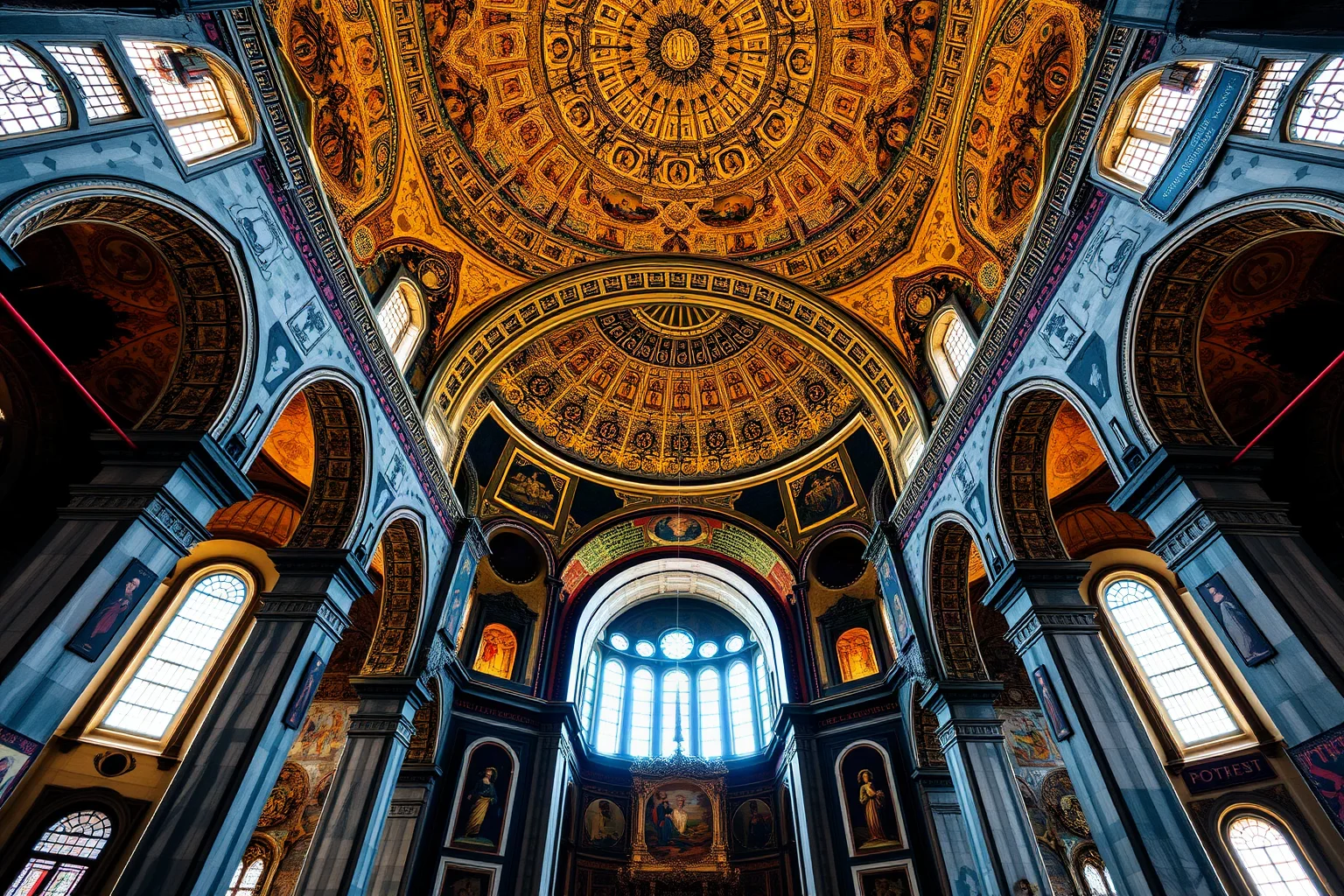
Completed in 537 AD under Emperor Justinian I, Hagia Sophia was the largest cathedral in the world for nearly a thousand years. Its massive dome was an engineering marvel that architects still study today, and its interior mosaics represent some of the finest surviving Byzantine art anywhere.
The building has had a genuinely unusual history: cathedral, then mosque after the Ottoman conquest in 1453, then secular museum in 1935, then mosque again in 2020. Few famous church buildings anywhere have changed religious identity so many times while remaining structurally intact.
10. Basilica of San Vitale (Ravenna, Italy)
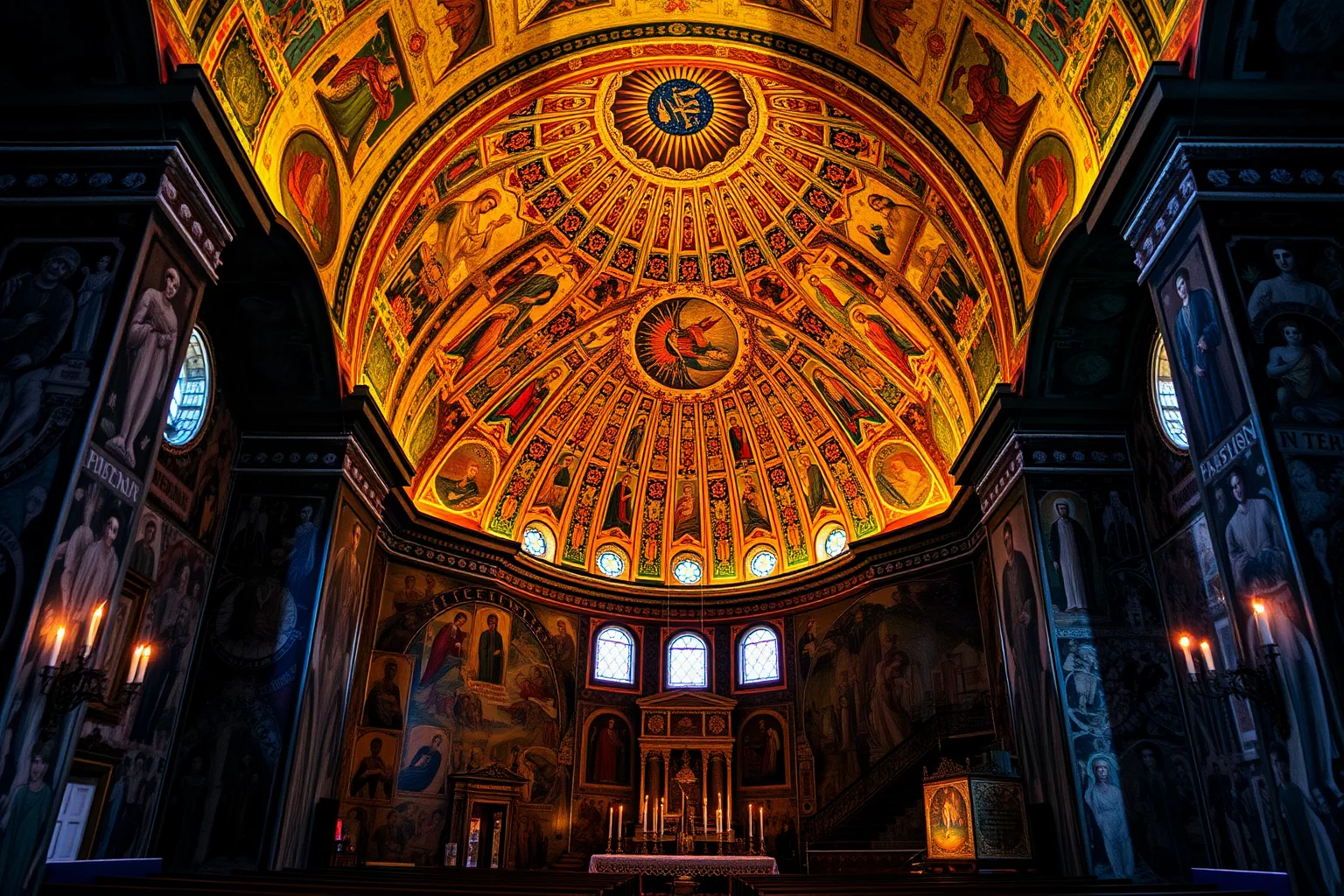
Completed in 547 AD, San Vitale in Ravenna is celebrated for its dazzling Byzantine mosaics, including famous depictions of Emperor Justinian and Empress Theodora. It’s a UNESCO World Heritage Site and one of the best-preserved examples of early Byzantine art in Western Europe.
Unlike many grand European cathedrals, San Vitale is relatively compact, which makes its mosaic-covered interior feel almost overwhelming up close. It’s a favorite stop for anyone specifically hunting for old church photos worth taking.
11. Aachen Cathedral (Germany)
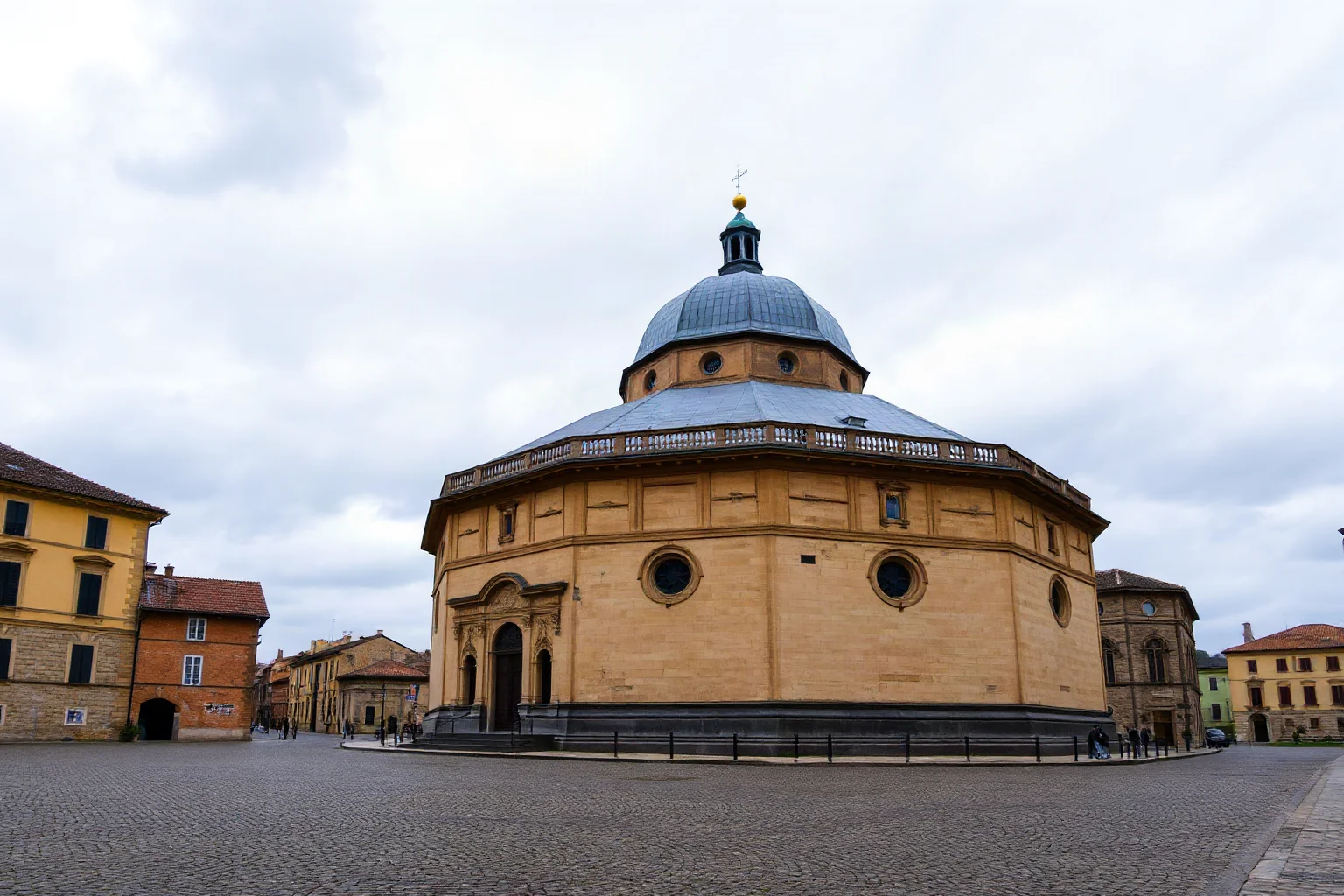
Commissioned by Charlemagne and completed around 796-813 AD, Aachen Cathedral is the oldest cathedral north of the Alps and was the first German site added to the UNESCO World Heritage list. Charlemagne was buried there, and for centuries it served as the coronation church for Holy Roman Emperors.
Its octagonal core, inspired by Byzantine architecture, was a striking design choice for its era. The cathedral has been expanded many times since, but that original Carolingian core remains one of the most important surviving pieces of early medieval European architecture.
12. Durham Cathedral (England)
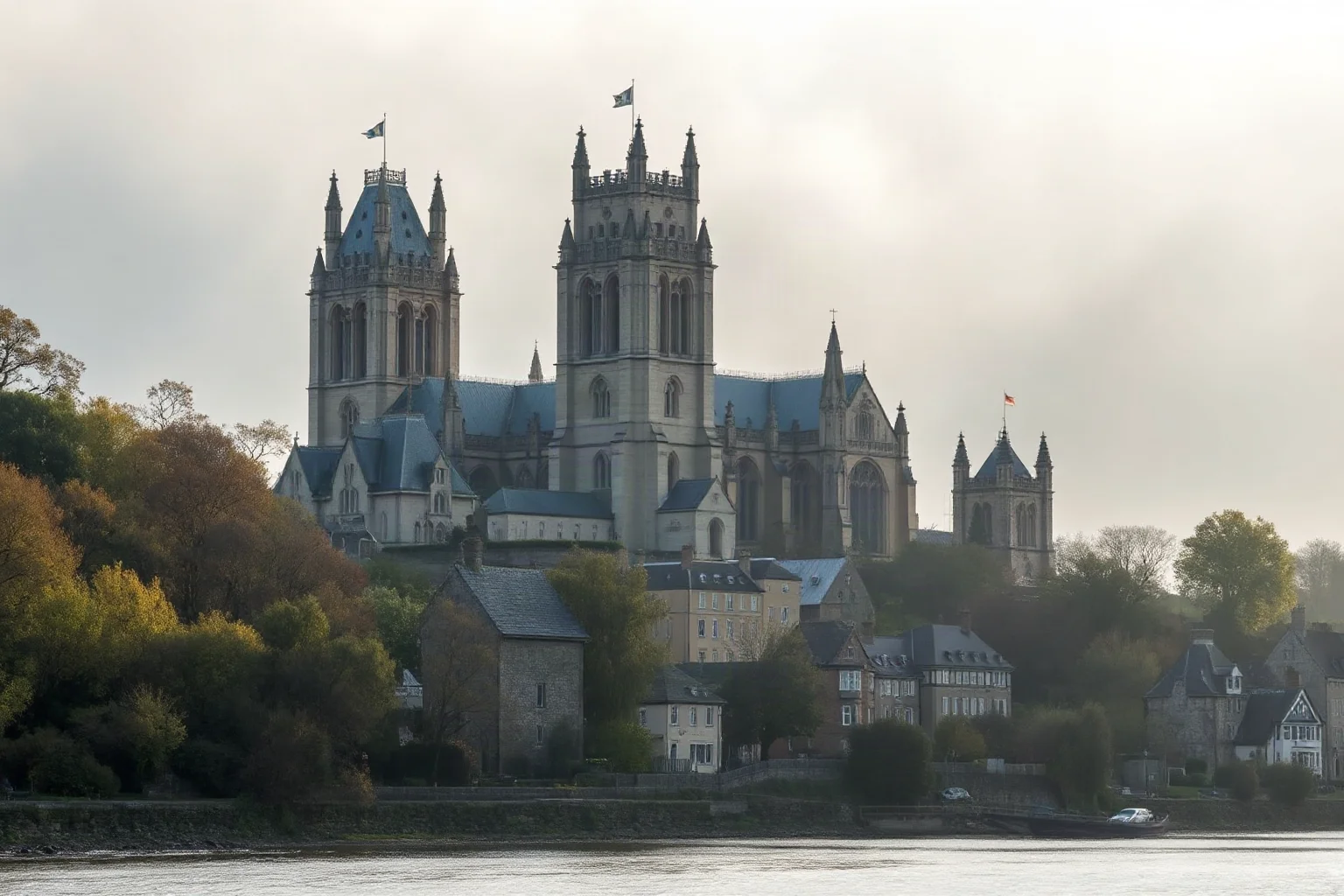
Construction began in 1093, and Durham Cathedral is often held up as one of the finest examples of Norman architecture anywhere in Europe. It houses the tomb of the Venerable Bede and the shrine of St. Cuthbert, making it a major pilgrimage site throughout the medieval period.
Its massive ribbed vaulting was genuinely innovative for its time and influenced Gothic architecture across England. Today it’s also known to modern audiences as a filming location, but its real claim to fame is nearly a thousand years of continuous religious use.
13. Chartres Cathedral (France)
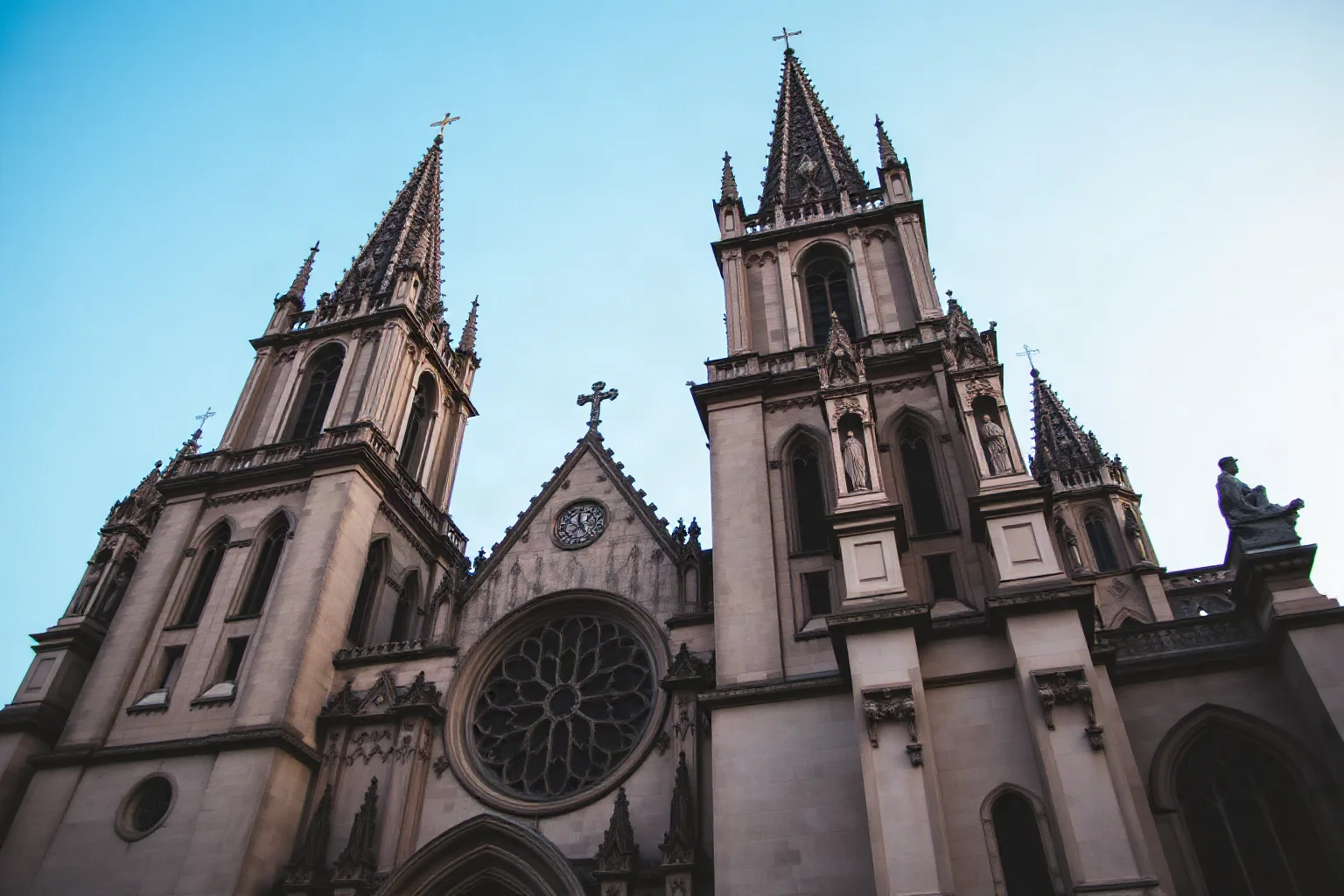
Built mostly between 1194 and 1220 after a fire destroyed an earlier church on the site, Chartres Cathedral is considered one of the finest surviving examples of French Gothic architecture. Its stained glass windows, largely original, are famous for a specific shade of blue that medieval glassmakers achieved through techniques still not fully understood.
The cathedral survived both World Wars largely undamaged, which is remarkable given the destruction across northern France during that period. It remains a working cathedral and a UNESCO World Heritage Site.
14. Christchurch Priory (Dorset, England)
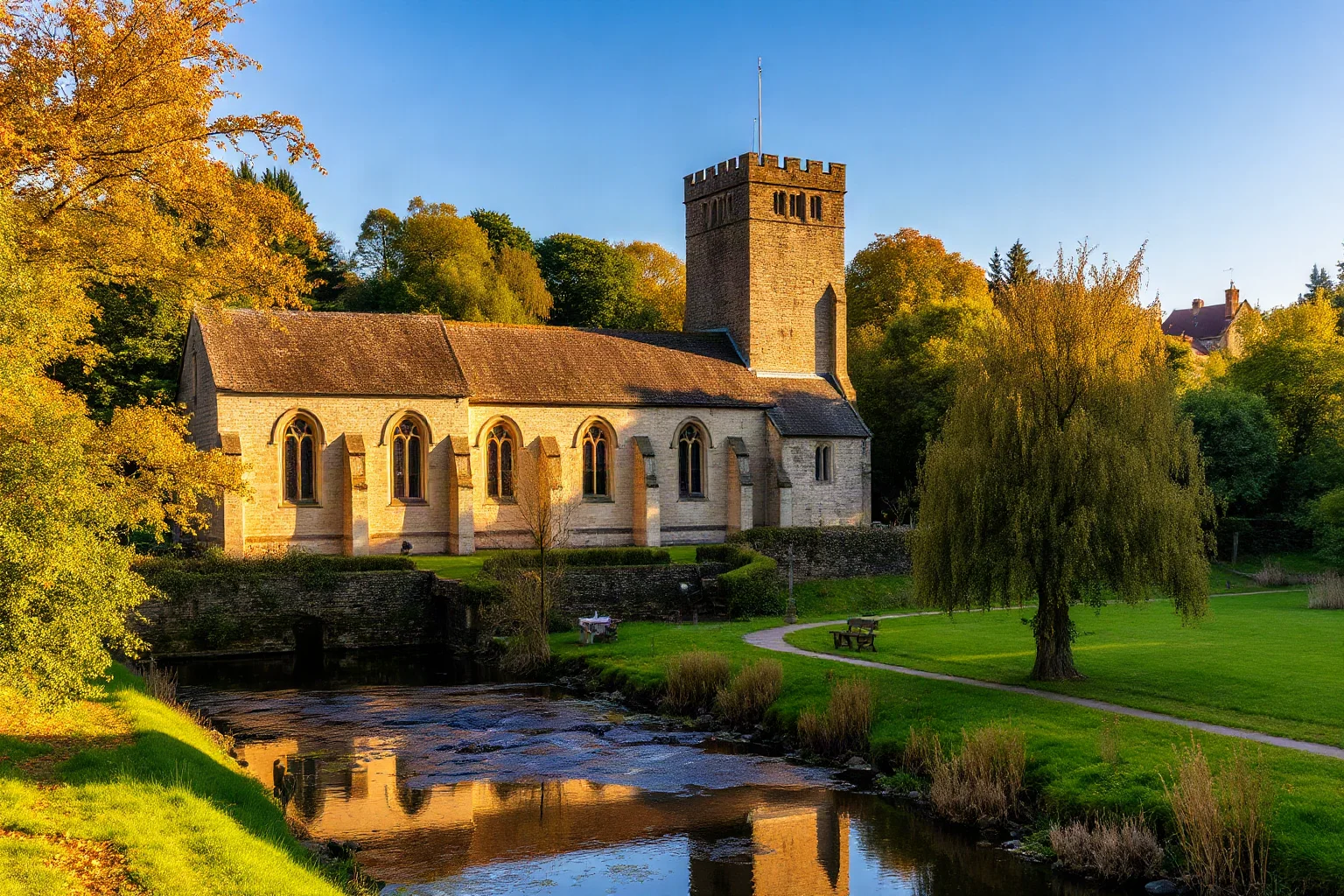
Founded in the Saxon era and rebuilt in Norman style starting in 1094, Christchurch Priory is one of the longest parish churches in England. Its name reflects its origin as a priory church — a church attached to a monastery led by a prior — which is where the search term “prior church” often points people.
After the Dissolution of the Monasteries in the 16th century, the priory building survived because local townspeople successfully petitioned to keep it as their parish church, sparing it from demolition. That’s part of why it remains so architecturally intact today.
15. Wells Cathedral (Somerset, England)
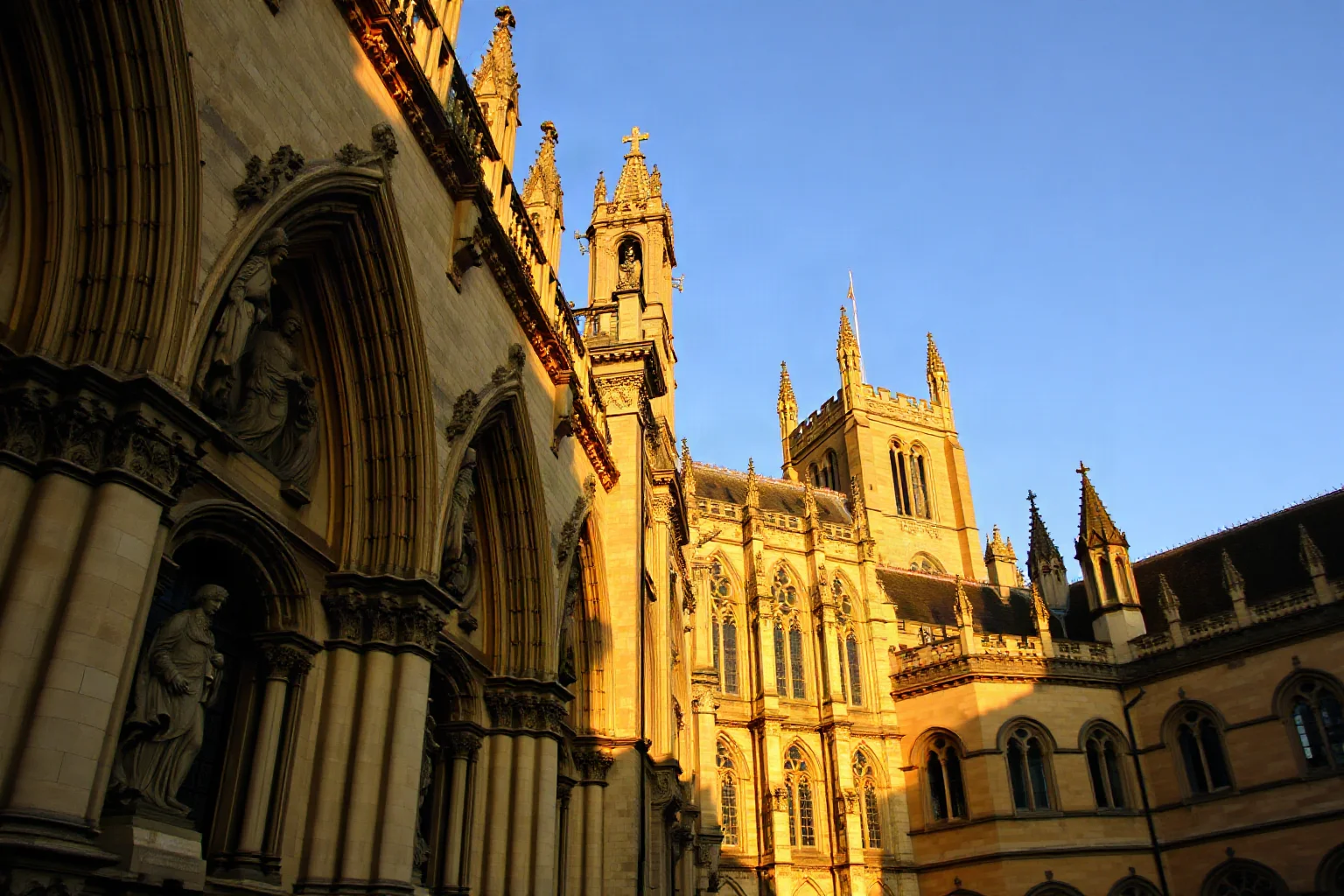
Built primarily between 1175 and 1490, Wells Cathedral is widely regarded as one of the most beautiful of England’s Somerset churches, and one of the country’s finest Gothic cathedrals overall. Its West Front holds one of the largest collections of medieval sculpture in Europe, with nearly 300 original figures still in place.
The cathedral’s scissor arches, added in the 14th century to stabilize the tower, are a striking and unusual architectural solution that’s still visible today. It remains a working cathedral and a major stop for anyone touring historic churches in the West of England.
Famous and Beautiful Churches Around the World
While the sites above matter mostly for their age, this next group is about scale, artistry, and sheer visual impact — the churches most people picture when they think of the world’s most famous churches.
16. St. Peter’s Basilica (Vatican City)
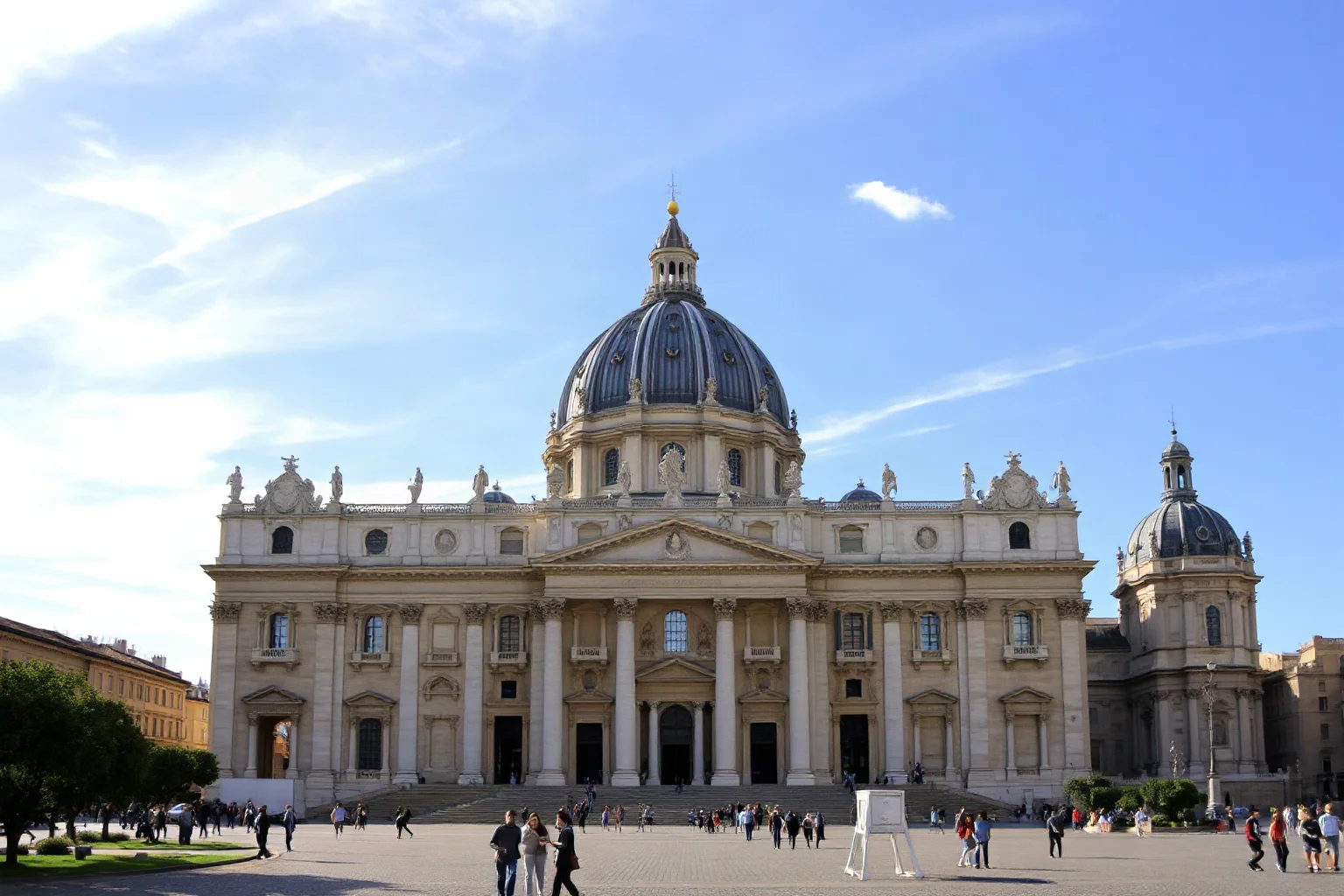
The current St. Peter’s Basilica was built between 1506 and 1626, replacing an earlier 4th-century basilica on the same site, traditionally believed to be the burial place of Saint Peter. It’s the largest church in the world by interior volume and one of the most recognizable famous church buildings on Earth.
Designed with contributions from Renaissance giants including Bramante, Michelangelo, and Bernini, it’s as much an art museum as a place of worship. Michelangelo’s dome remains one of the most studied feats of engineering in architectural history.
17. Notre-Dame de Paris (France)
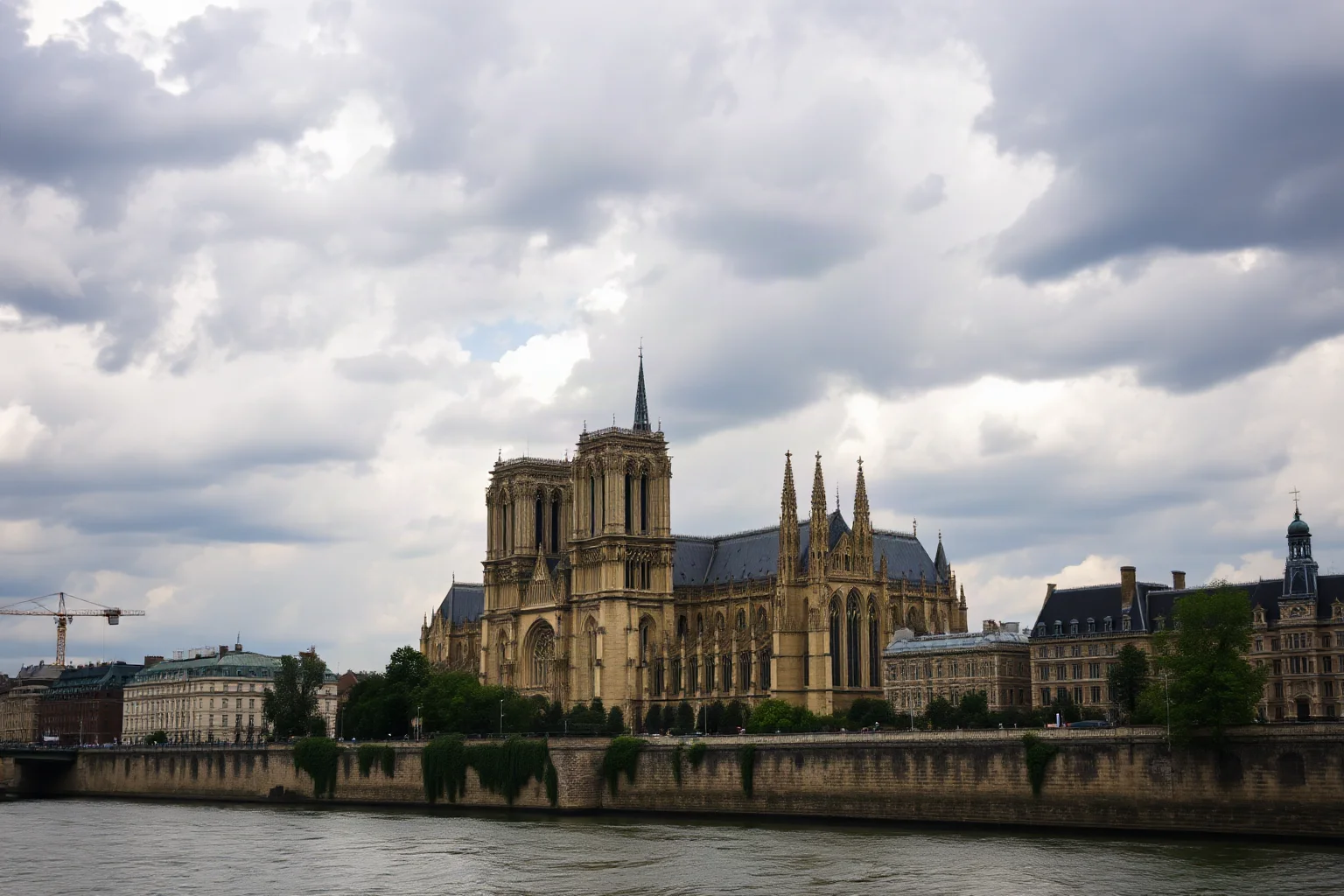
Built between 1163 and 1345, Notre-Dame is one of the defining examples of French Gothic architecture, with flying buttresses that were genuinely revolutionary for their era. The 2019 fire that destroyed its spire and much of its roof shocked people worldwide, given the cathedral’s status as one of the most famous churches in the world.
Restoration work was completed and the cathedral reopened to the public in December 2024, drawing on centuries-old techniques alongside modern engineering. It remains a working cathedral and a symbol of Parisian identity.
18. St. Basil’s Cathedral (Moscow, Russia)
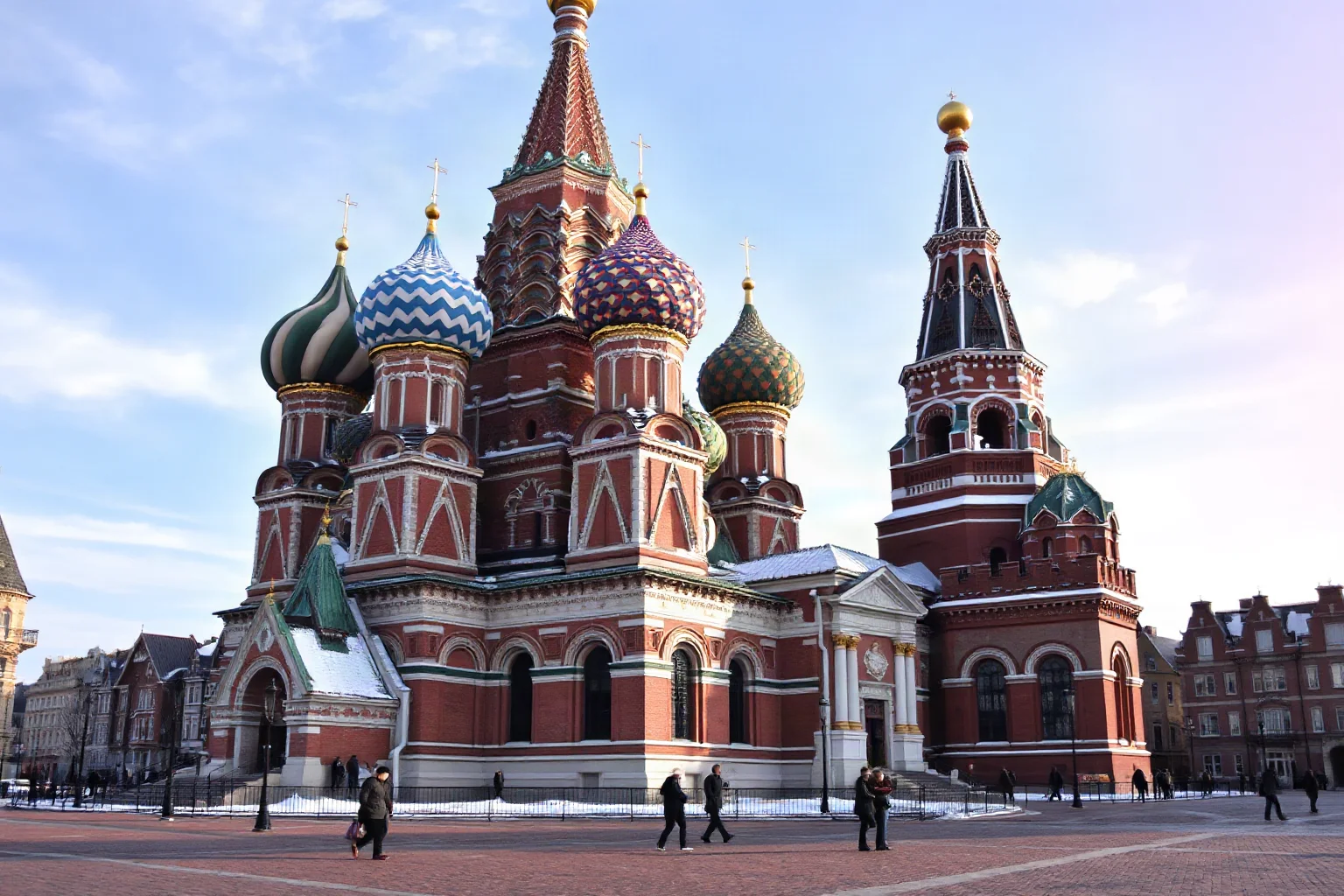
Commissioned by Ivan the Terrible and built between 1555 and 1561 to commemorate military victories, St. Basil’s Cathedral is instantly recognizable for its swirling, colorful onion domes. It’s less a single cathedral than a cluster of individual chapels joined together, each dedicated to a different saint or feast day.
Despite the name, it hasn’t functioned as a true cathedral (the seat of a bishop) for most of its history. It’s now managed primarily as a museum, though it remains one of the most photographed and beautiful churches in the world.
19. Sagrada Família (Barcelona, Spain)
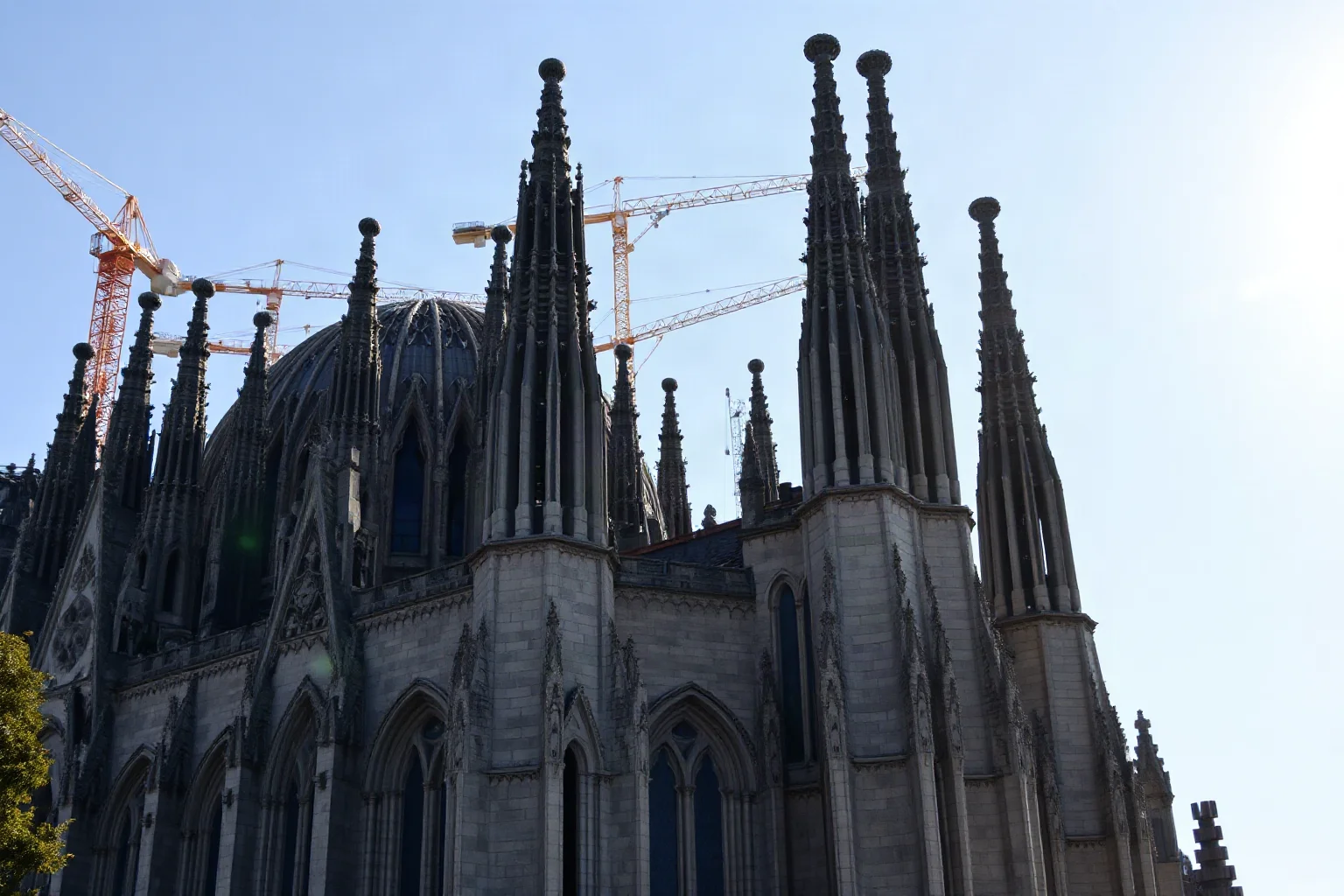
Antoni Gaudí began designing the Sagrada Família in 1882, and construction is still ongoing more than 140 years later, funded largely through private donations and ticket sales. It’s not remotely one of the oldest churches on this list, but it’s consistently named among the most beautiful churches in the world for its unconventional, nature-inspired design.
Gaudí himself is buried in the crypt, and construction is currently targeted for substantial completion in the coming years, though exact dates have shifted many times before. It was consecrated as a minor basilica in 2010, even while still under construction.
20. Milan Cathedral, or Duomo di Milano (Italy)
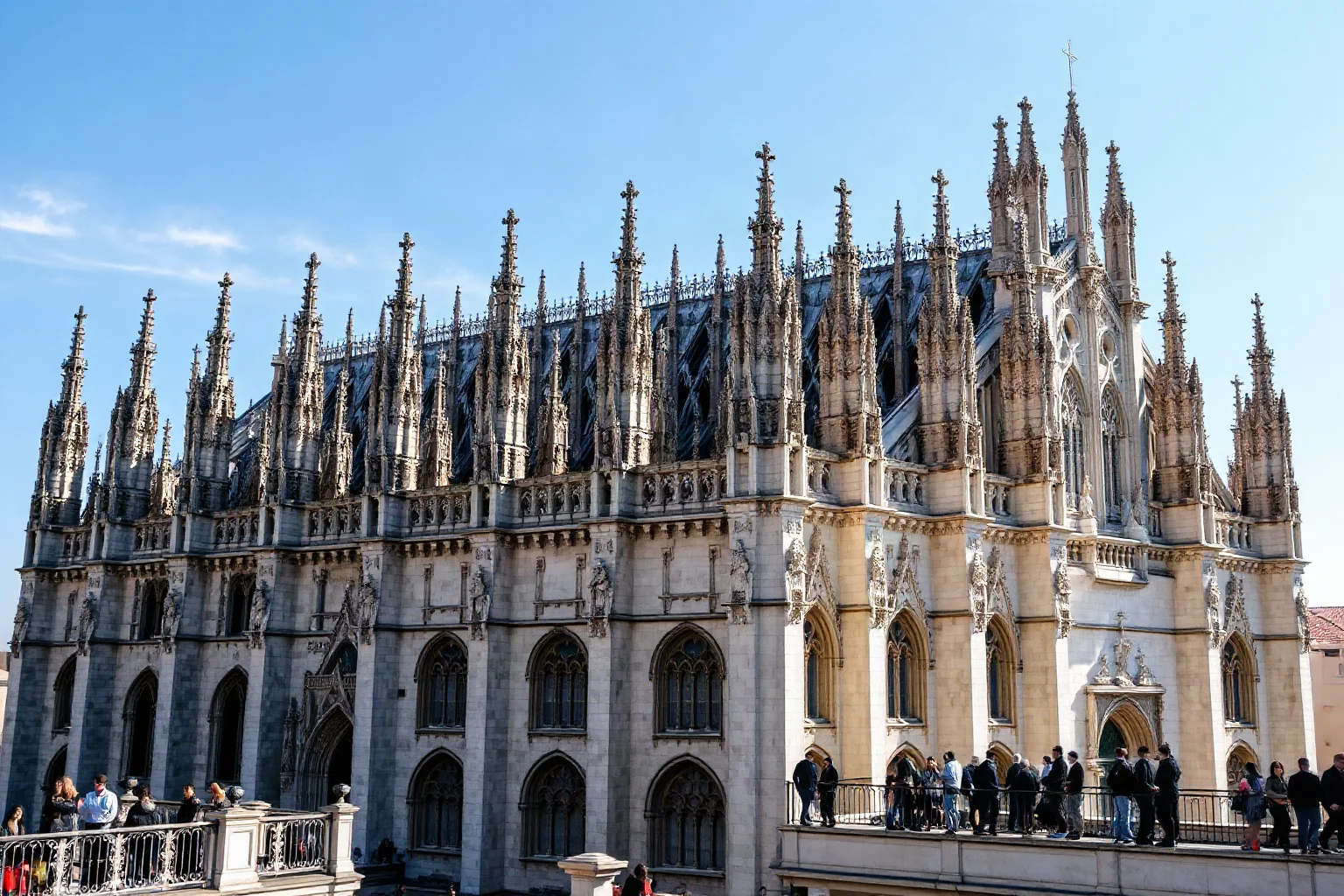
Construction on the Duomo di Milano began in 1386 and wasn’t fully completed until the early 20th century, making it one of the slowest cathedral builds in European history. Its roof, covered in thousands of marble statues and spires, is famously walkable and offers close-up views of Gothic stonework rarely seen from ground level.
It’s the largest church in Italy after St. Peter’s Basilica and one of the largest Gothic cathedrals anywhere in the world. Its sheer scale and ornamentation make it a strong contender whenever people debate the best cathedrals in the world.
Beautiful Small, Victorian & Ornate Churches Worth Seeking Out
Not every historic church needs to be enormous to be memorable. This final group includes smaller, quirkier, and more recently built churches that still rank among the prettiest churches anywhere, including a genuine Victorian cathedral.
21. Truro Cathedral (Cornwall, England)
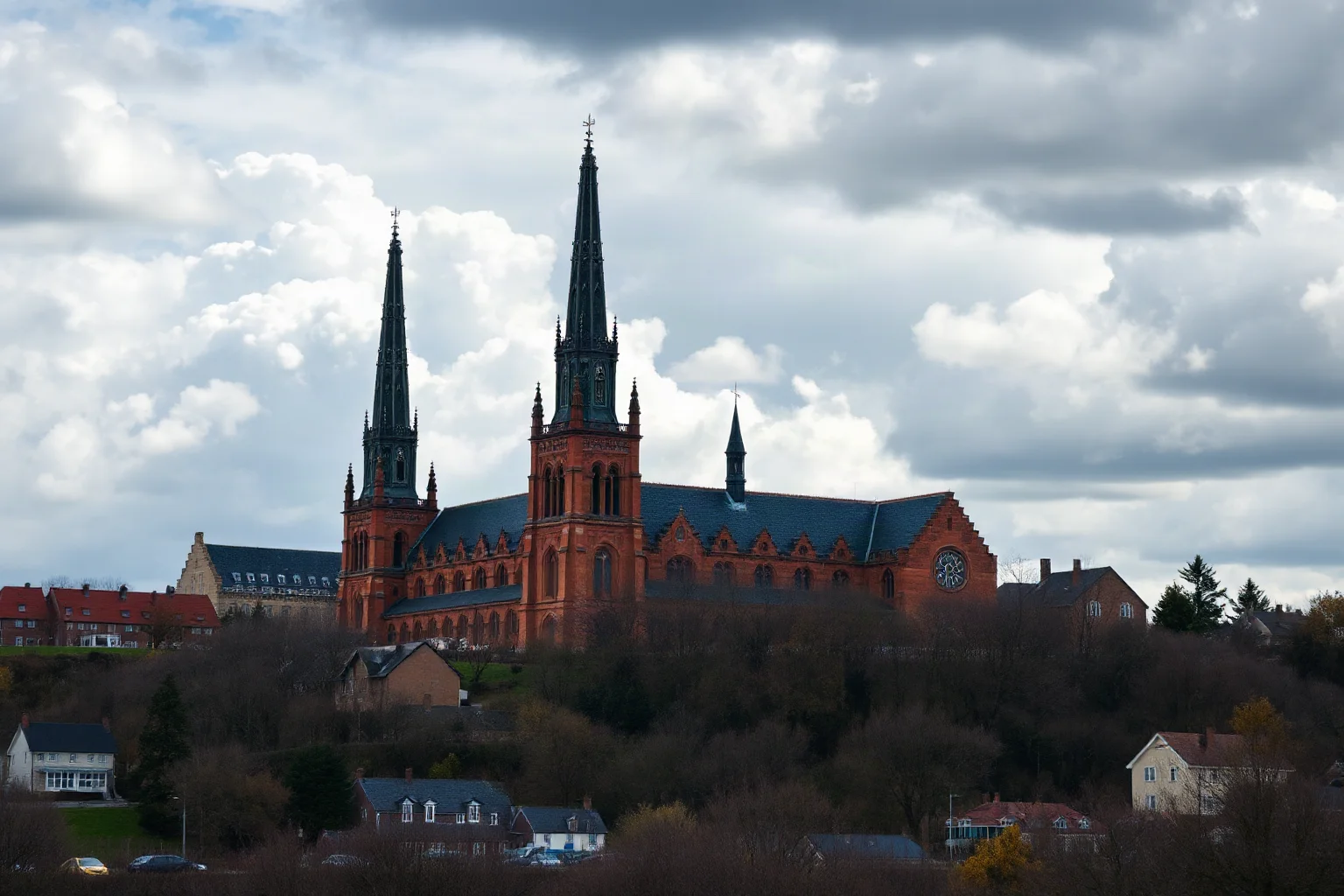
Built between 1880 and 1910, Truro Cathedral is one of the few genuinely Victorian churches in Britain built in a full Gothic Revival style, at a time when most English cathedrals were already centuries old. It was one of only a handful of new Anglican cathedrals constructed in England since the medieval period.
Its three spires make it instantly recognizable on the Cornish skyline. For anyone specifically curious about Victorian churches rather than medieval ones, Truro is one of the clearest and most complete examples still standing.
22. Rosslyn Chapel (Scotland)
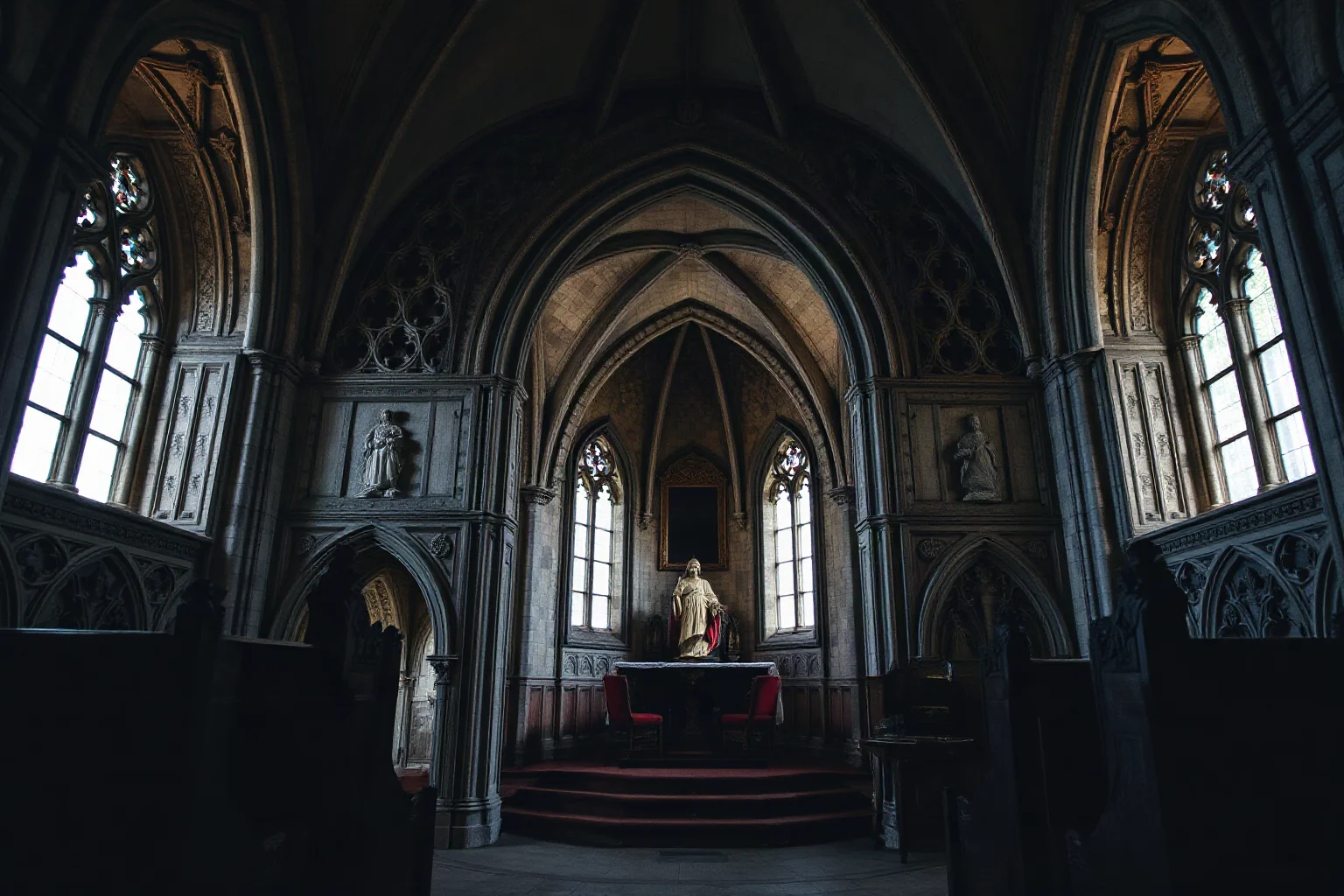
Founded in 1446 by William Sinclair, Rosslyn Chapel is famous for its extraordinarily dense stone carvings, covering nearly every surface with biblical, botanical, and symbolic imagery. Some of the carvings remain genuinely unexplained, which has fueled centuries of speculation and, more recently, a surge of popular interest tied to modern fiction.
It’s worth being clear-eyed here: claims linking the chapel to specific secret societies or hidden treasures are popular legends rather than documented history. What is well documented is that it remains one of the most ornate small churches in the United Kingdom.
23. The Rock Churches of Cappadocia (Turkey)
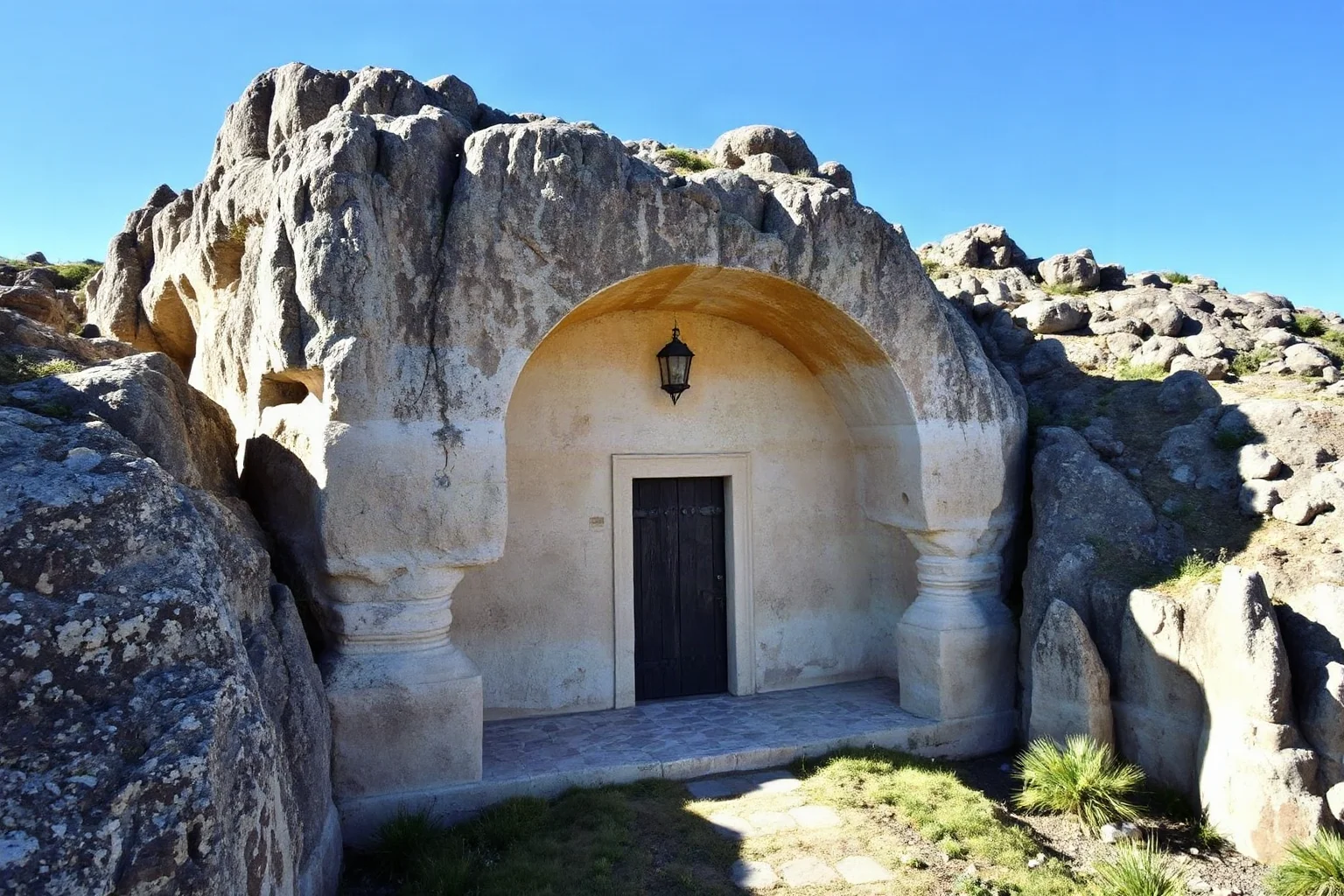
Scattered across the volcanic landscape of Cappadocia, dozens of small churches were carved directly into soft rock formations starting as early as the 4th century, with many more added through the 11th century. The Göreme Open Air Museum preserves the highest concentration of these, complete with painted frescoes protected for centuries inside the rock itself.
Because they’re carved rather than built, they’ve survived earthquakes and weather that would have destroyed conventional stone churches. They’re among the most unusual ancient churches anywhere in the world, and a genuinely striking stop for anyone touring historic churches in Turkey.
24. The Painted Monasteries of Bukovina (Romania)
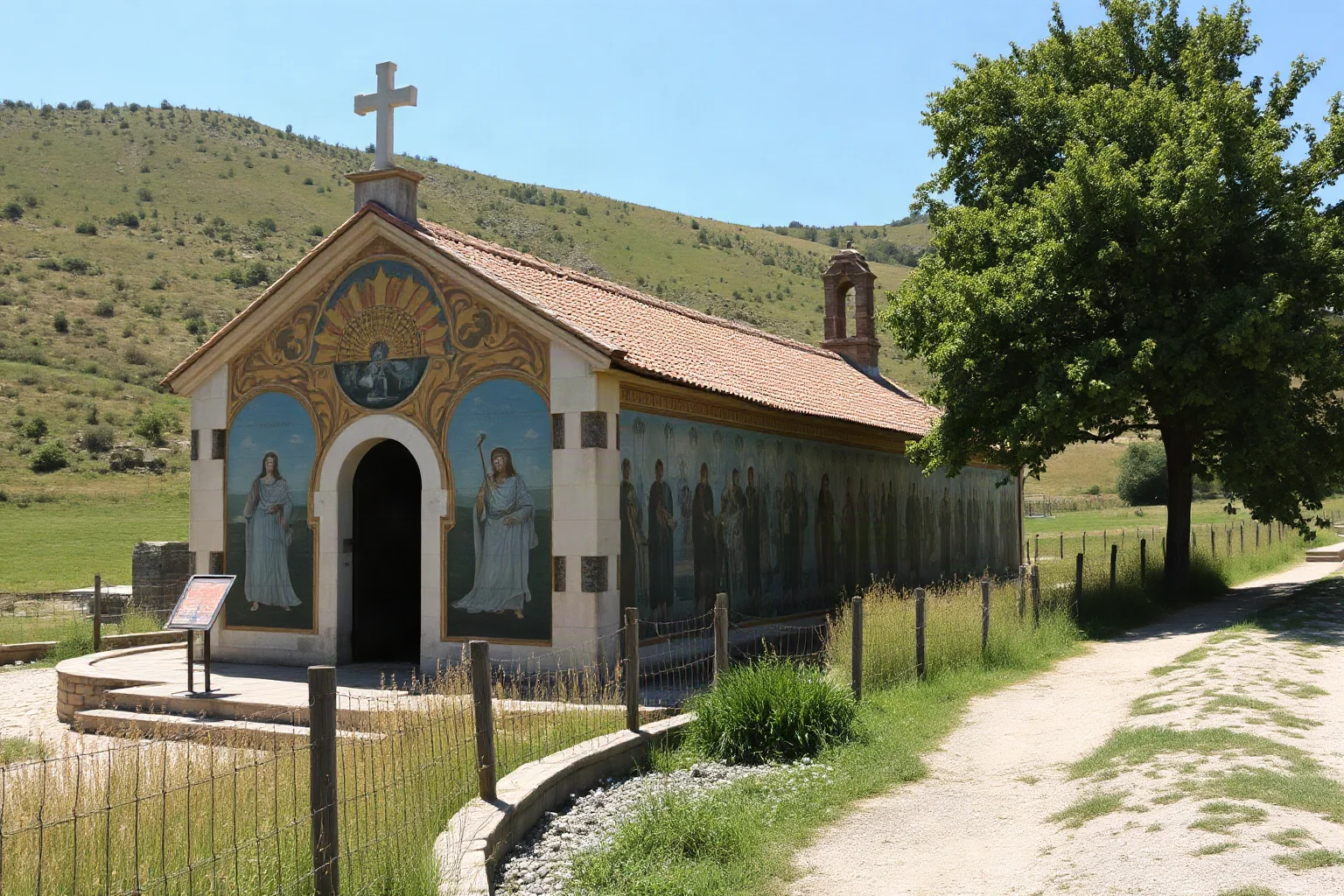
A cluster of monastery churches in northern Romania, built mainly between the 15th and 17th centuries, are famous for exterior walls covered almost entirely in vivid biblical frescoes. Voroneț Monastery, in particular, is known for a distinctive shade of blue so associated with the site that it’s sometimes called “Voroneț blue.”
Seven of these painted churches are collectively recognized as a UNESCO World Heritage Site. They’re a favorite among travelers looking for pretty churches and beautiful small churches that go beyond the more famous Western European cathedrals.
Why These Churches Still Matter
What’s striking when you line these buildings up side by side is how differently “old” and “beautiful” can be defined. A humble converted house in Syria and a still-unfinished basilica in Barcelona both earn a place in any serious conversation about churches of the world, just for very different reasons.
If you’re planning your own tour of cathedrals around the world, it’s worth remembering that age and beauty don’t always overlap, and that a lot of the most confident-sounding claims about “the earliest cathedral” or “the first church ever built” deserve a healthy dose of skepticism. Archaeology is an evolving field, and new discoveries occasionally reshuffle what we thought we knew.
What doesn’t change is the pull these buildings have on people, whether you’re a historian, a photographer chasing old church photos, or just someone who appreciates a genuinely well-built dome. From Dura-Europos to the Sagrada Família, these are buildings that were built to outlast their builders, and so far, most of them have.
Frequently Asked Questions
What is the oldest church in the world?
There's no single settled answer, because it depends on definition. Dura-Europos in Syria (c. 232-256 AD) is often cited as the oldest identified church building, but it started as a converted house rather than a purpose-built structure. The Megiddo mosaic in Israel (c. 230 AD) may be even earlier evidence of Christian worship, though it was a room within a larger building rather than a standalone church.
What’s the oldest church in the world if we mean purpose-built structures?
Many historians point to the Aqaba Church in Jordan, dated to roughly 293-303 AD, as the oldest church built from the ground up specifically for Christian worship, rather than adapted from an existing home. This predates Christianity's legal recognition in the Roman Empire in 313 AD.
What is the oldest cathedral in the world?
The Cathedral of Etchmiadzin in Armenia is generally considered the oldest cathedral in the world, founded around 301-303 AD after Armenia became the first nation to adopt Christianity as its state religion. The current building has been rebuilt many times, but the site has served as the seat of the Armenian Apostolic Church continuously since that period.
What is the oldest continuously operating church still in use today?
The Church of the Nativity in Bethlehem is widely regarded as the oldest continuously operating church in Christendom. Built under Constantine in the 4th century and rebuilt by Justinian in the 6th century, it has remained in active use as a pilgrimage site for roughly 1,500 years.
What is generally considered the most beautiful church in the world?
This is subjective, but St. Peter's Basilica in Vatican City, the Sagrada Família in Barcelona, and St. Basil's Cathedral in Moscow are among the churches most frequently named the most beautiful in the world, thanks to their scale, artistry, and architectural ambition.
Are there oldest churches in Europe that predate the medieval period?
Yes. Hagia Sophia in Istanbul (completed 537 AD) and the Basilica of San Vitale in Ravenna (completed 547 AD) both predate the medieval period usually associated with famous European cathedrals like Chartres or Durham, which came several centuries later.
What is the Basilica of Saint Neophytos?
The Basilica of Saint Neophytos, also called the Enkleistra of St. Neophytos, is a 12th-century monastery near Paphos, Cyprus, carved partly into a rock cliff by the hermit monk Neophytos. It's known for its well-preserved Byzantine frescoes and is part of the Paphos UNESCO World Heritage Site.
Why do so many articles disagree about which is the oldest church in the world?
Because definitions vary. Some sources mean the oldest surviving building, others mean the oldest identified Christian meeting place regardless of building type, and others mean the oldest cathedral specifically. Reputable historians and archaeologists tend to qualify their claims carefully rather than declaring one absolute winner.

Alex Warren
Related Articles