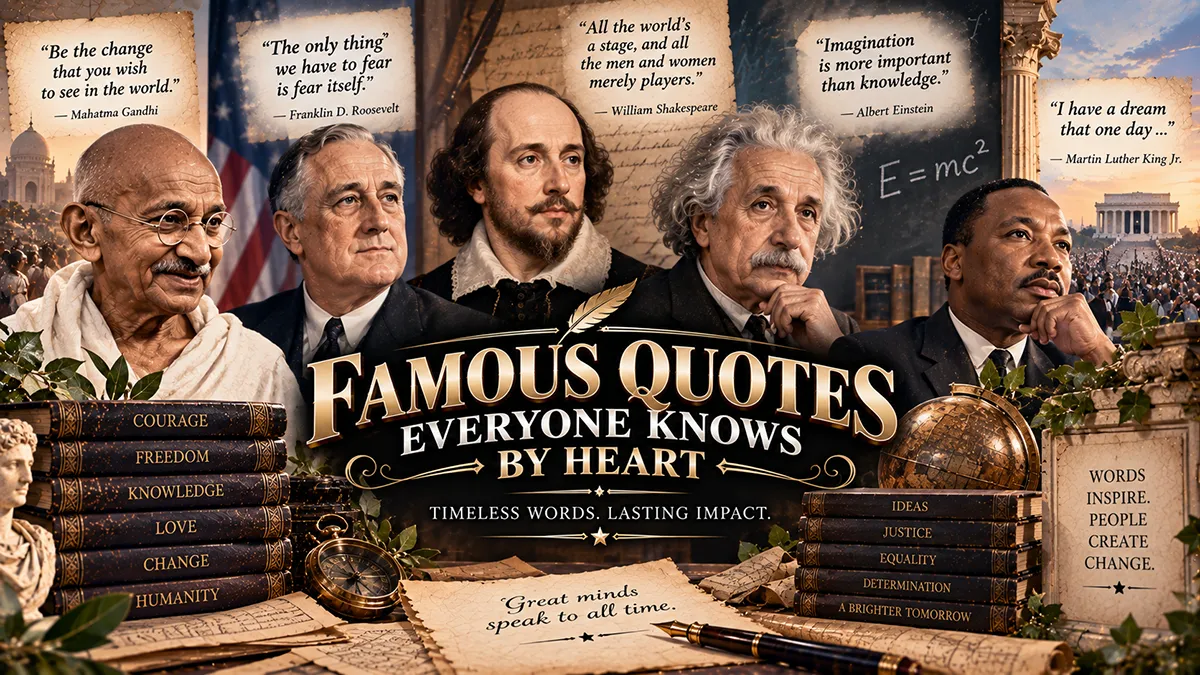
Some lines of history are so familiar that we forget they were ever actually said by a real person, in a real moment, under real pressure.
We repeat them at graduations, in movies, and in arguments online without ever asking who first spoke them, or whether they were even spoken the way we think. That’s the strange power of a truly famous quote — it outlives its context and becomes something closer to folklore.
This list gathers some of the most famous quotes of all time, the ones woven so deeply into culture that most people could finish them after hearing just the first few words. But we’re not just listing them.
We’re digging into where each one actually came from, who really said it, and — in more cases than you’d expect — whether the popular version is even accurate.
TL;DR: Many of history’s most famous quotes are real, well-documented, and genuinely powerful — but a surprising number of the most iconic quotes were altered, misattributed, or invented long after the fact.
What Makes a Quote Famous in the First Place?
Not every clever sentence survives the centuries. The quotes that do tend to share a few traits: they’re short, rhythmic, and emotionally loaded, and they were usually delivered at a moment of real historical weight. A line said during a war, a courtroom trial, or a moon landing carries built-in drama that a quiet diary entry never will.
Repetition matters just as much as the original moment. Textbooks, movies, political speeches, and now social media all recycle the same handful of lines until they feel like common knowledge. That repetition is also exactly how errors creep in, since a slightly cleaned-up version of a quote often spreads faster than the messy, accurate original.
Why So Many Historical Quotes Get Distorted
Before audio recording existed, quotes survived through handwritten notes, secondhand retellings, and memory — none of which are perfectly reliable. A witness might paraphrase a speech decades later for a biography, smoothing out the wording without realizing it. Over time, that paraphrase gets treated as the original.
Even in the recorded era, editing plays tricks. Films and news broadcasts often trim or polish a real statement for drama, and the polished version becomes the one everyone remembers. This is genuinely common, so a healthy dose of skepticism is a good habit whenever a quote seems a little too perfectly worded for the moment it supposedly came from.
With that context in mind, here are some of the best-known statements in history — the real stories, the real sources, and the occasional myth hiding in plain sight.
1. “I have a dream.” — Martin Luther King Jr.
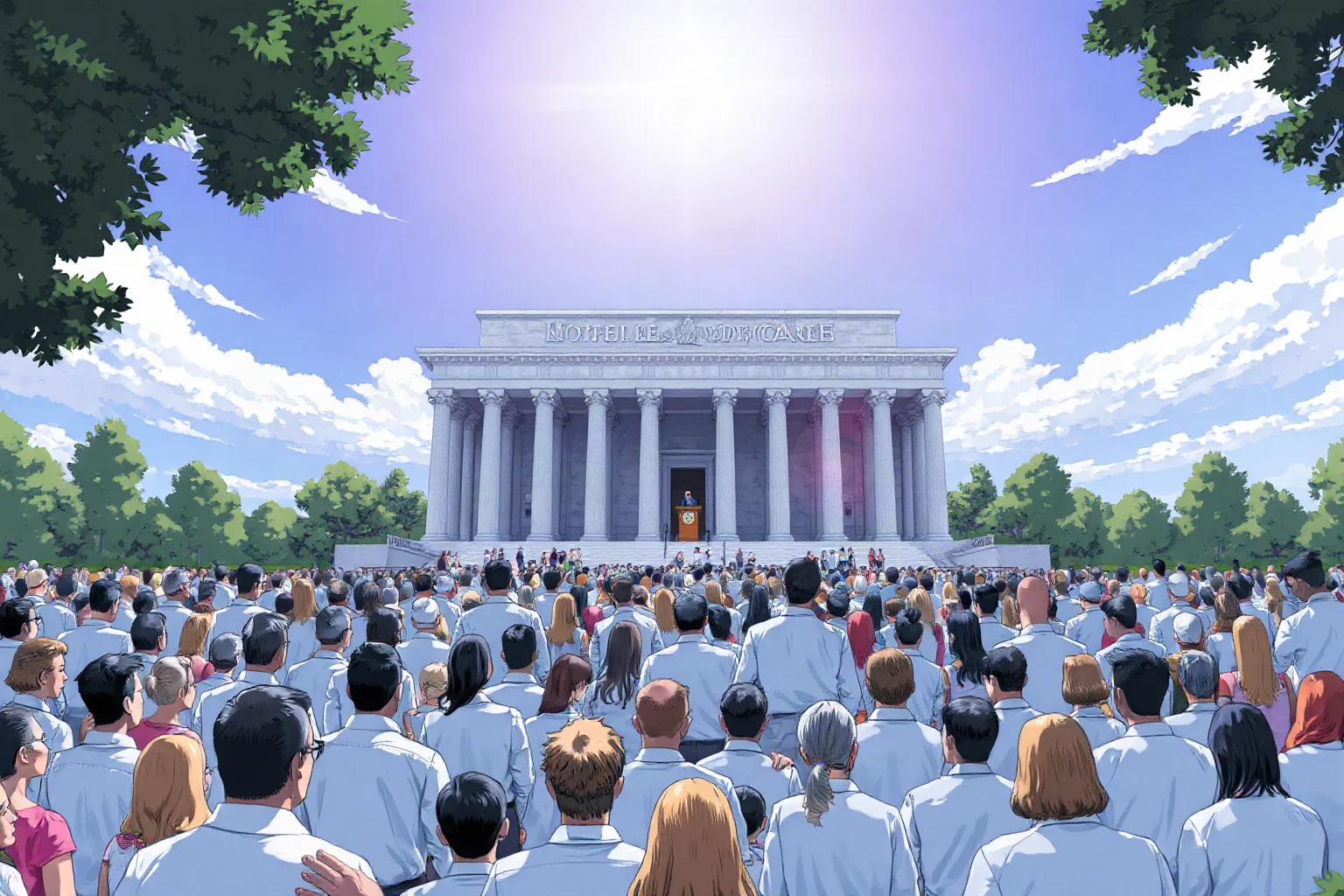
King delivered this line during his address at the March on Washington on August 28, 1963, standing on the steps of the Lincoln Memorial. According to widely reported accounts, the “I have a dream” refrain was not fully part of his prepared remarks and grew out of the moment as he spoke.
The speech is one of the most studied pieces of American oratory, and for good reason. It remains one of the most famous historical quotes precisely because it captured a specific movement while still speaking to something universal.
2. “Ask not what your country can do for you — ask what you can do for your country.” — John F. Kennedy
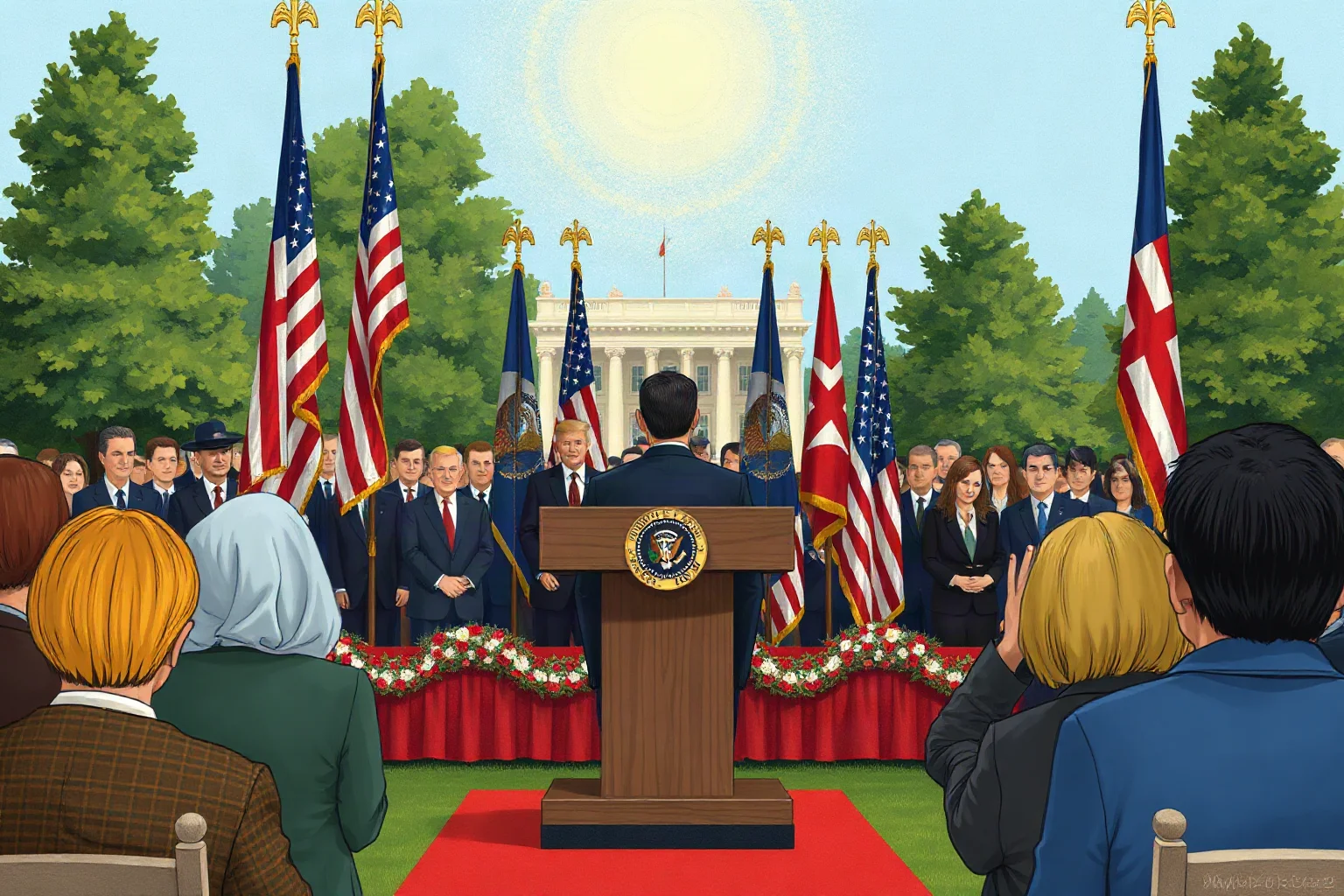
Kennedy said this during his inaugural address on January 20, 1961. The line was carefully crafted by Kennedy and his speechwriter Ted Sorensen, and it deliberately used a rhetorical mirror structure to make the sentence stick in memory.
It worked. Decades later, it’s still cited as a textbook example of a famous political quotation built for maximum quotability.
3. “That’s one small step for man, one giant leap for mankind.” — Neil Armstrong
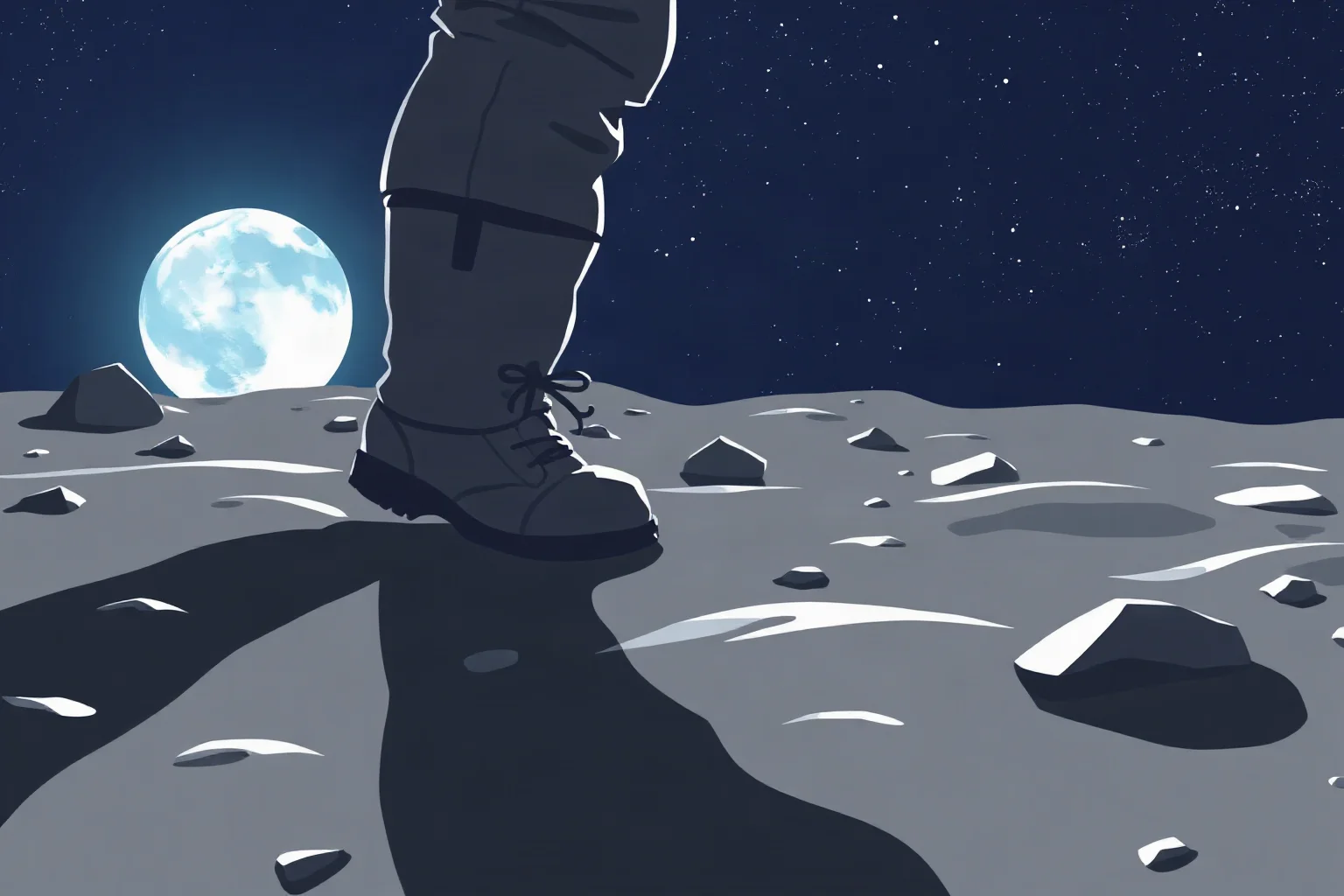
Armstrong spoke these words on July 20, 1969, as he stepped onto the lunar surface during Apollo 11. There’s genuine, long-running debate about whether he actually said “one small step for a man,” since he insisted for years that he intended to include the article “a.”
Audio analysis has never definitively settled the question, and Armstrong himself acknowledged the ambiguity. It’s a rare case where the most famous quote of the space age is also mildly disputed by the very person who said it.
4. “I think, therefore I am.” — René Descartes
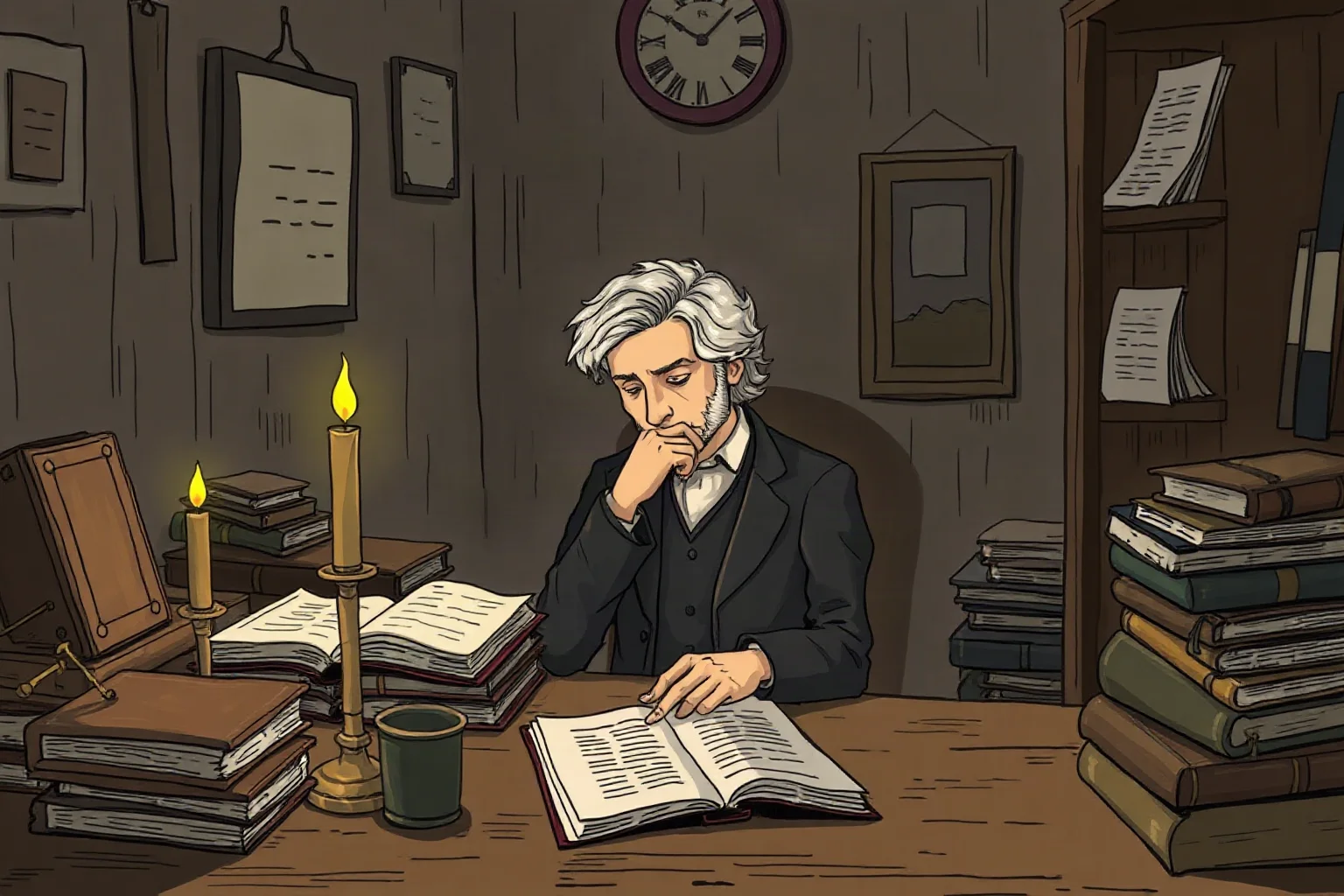
This line comes from Descartes’ 1637 work “Discourse on the Method,” originally written in French as “Je pense, donc je suis.” It later appeared in Latin as “Cogito, ergo sum” in his 1644 “Principles of Philosophy.”
The phrase became a foundation stone of modern philosophy because it tried to find one fact a thinker could be absolutely certain of. Few quotes have had this much influence on how people talk about consciousness and identity.
5. “To be, or not to be, that is the question.” — William Shakespeare
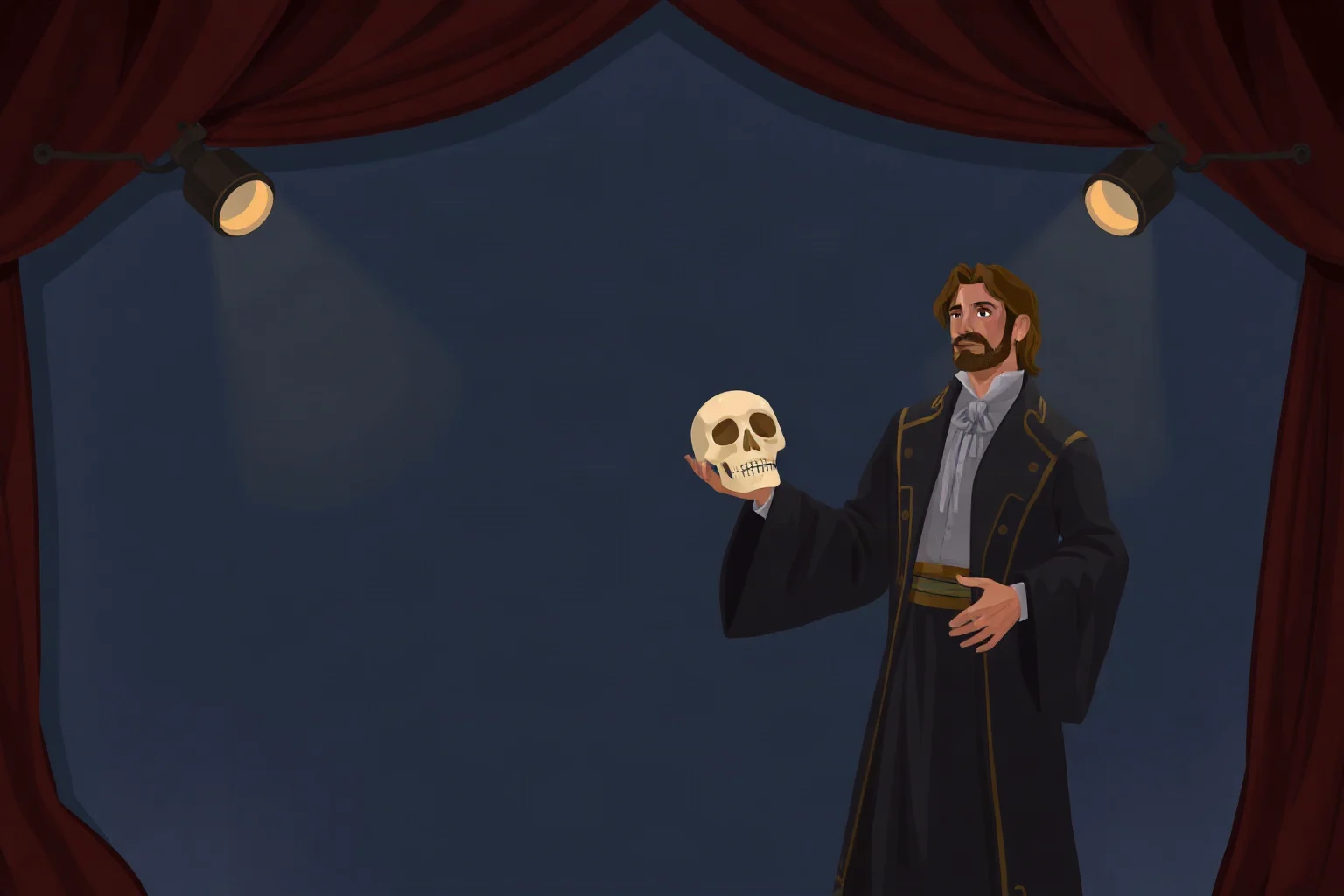
This is Hamlet’s soliloquy from Act 3, Scene 1 of Shakespeare’s play, believed to have been written around 1600–1601. It’s spoken by the character Hamlet, not by Shakespeare himself, which is worth remembering since fictional lines get treated as real-world wisdom all the time.
It remains one of the most quoted lines in the English language, and arguably the most famous sentence in all of theater, penned by a writer often ranked among the greatest poets of all time.
6. “Let them eat cake.” — attributed to Marie Antoinette
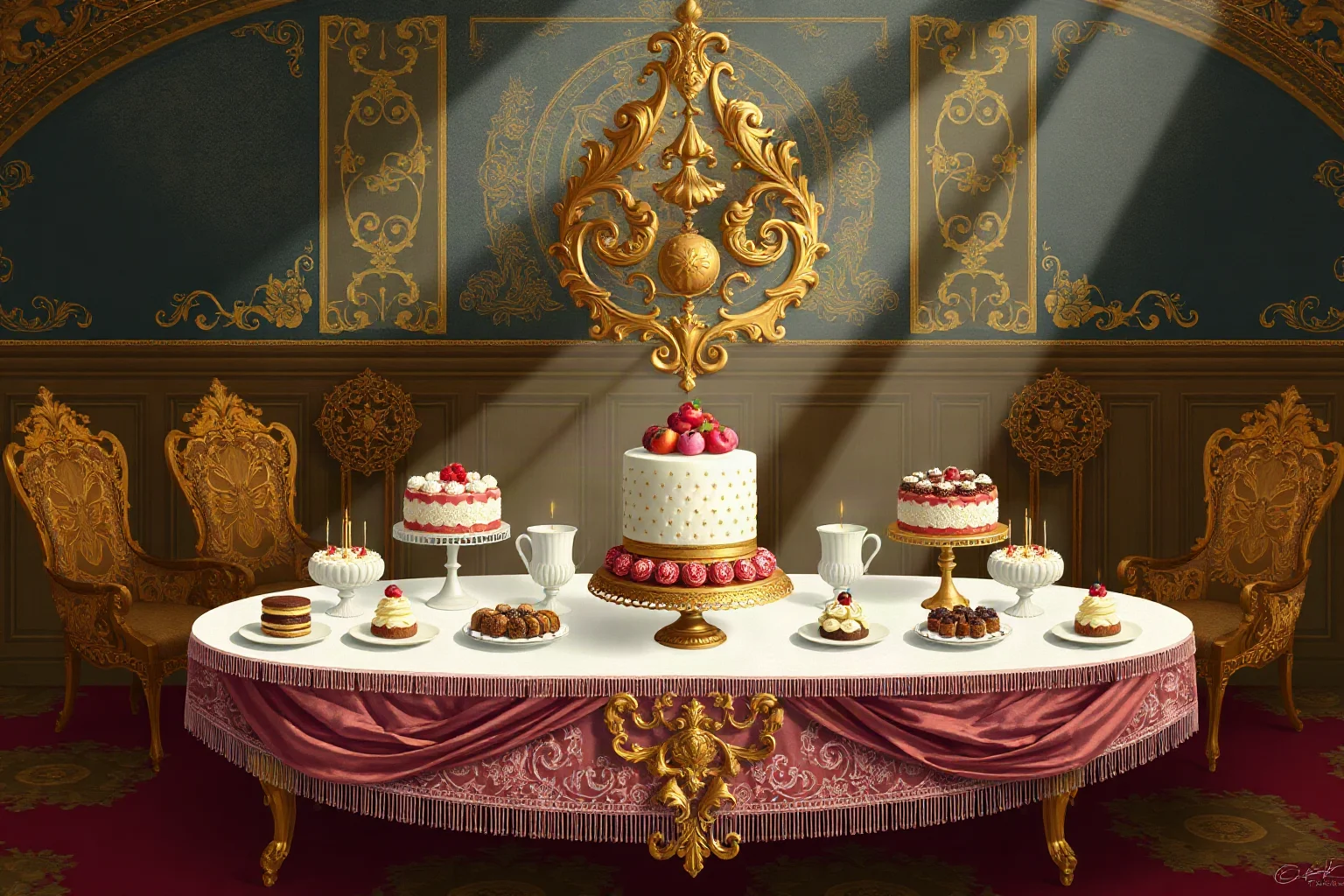
This is one of history’s most famous misattributions. The phrase (in French, “Qu’ils mangent de la brioche”) actually appears earlier in Jean-Jacques Rousseau’s “Confessions,” attributed vaguely to an unnamed “great princess,” and Rousseau was writing about events from before Marie Antoinette even became queen of France.
Most historians view the attribution to her as a later smear used to paint her as callously out of touch. It’s a great example of how a famous quote can become historical “fact” simply through repetition.
7. “I came, I saw, I conquered.” — Julius Caesar
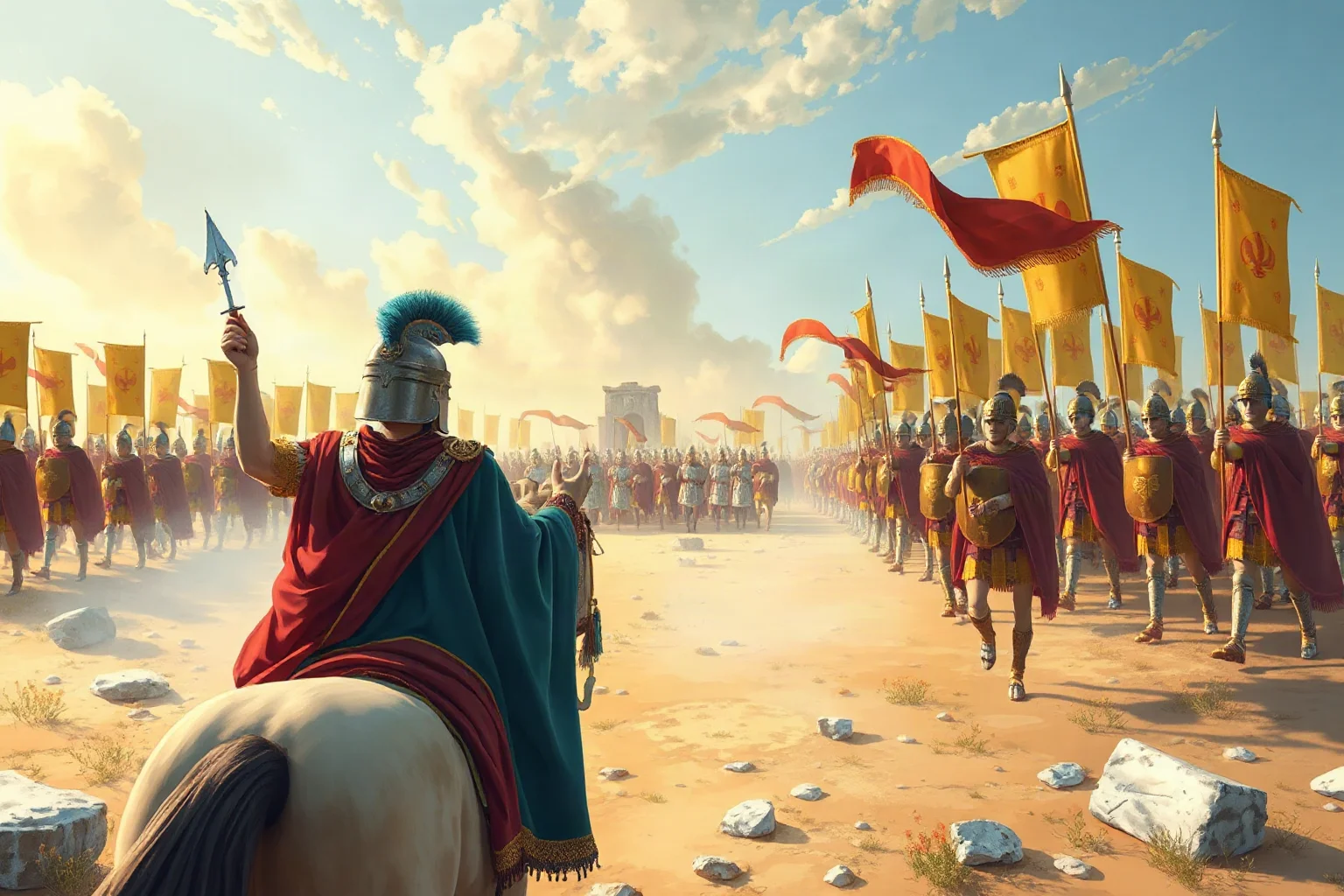
The original Latin, “Veni, vidi, vici,” was reportedly used by Caesar to describe his swift 47 BC victory at the Battle of Zela, according to the Roman historian Suetonius. The phrase’s punchy three-beat rhythm made it memorable even in translation.
It’s one of the oldest surviving examples of a leader crafting a soundbite, long before the term existed. Caesar, still regarded as one of history’s most influential military leaders, clearly understood the value of a good, quotable line.
8. “The only thing we have to fear is fear itself.” — Franklin D. Roosevelt
Roosevelt spoke this during his first inaugural address on March 4, 1933, in the depths of the Great Depression. The line was meant to steady a country gripped by bank failures and mass unemployment.
It endures as one of the greatest quotes of all time from American politics because it distilled a national mood into a single, reassuring sentence.
9. “Give me liberty, or give me death!” — Patrick Henry
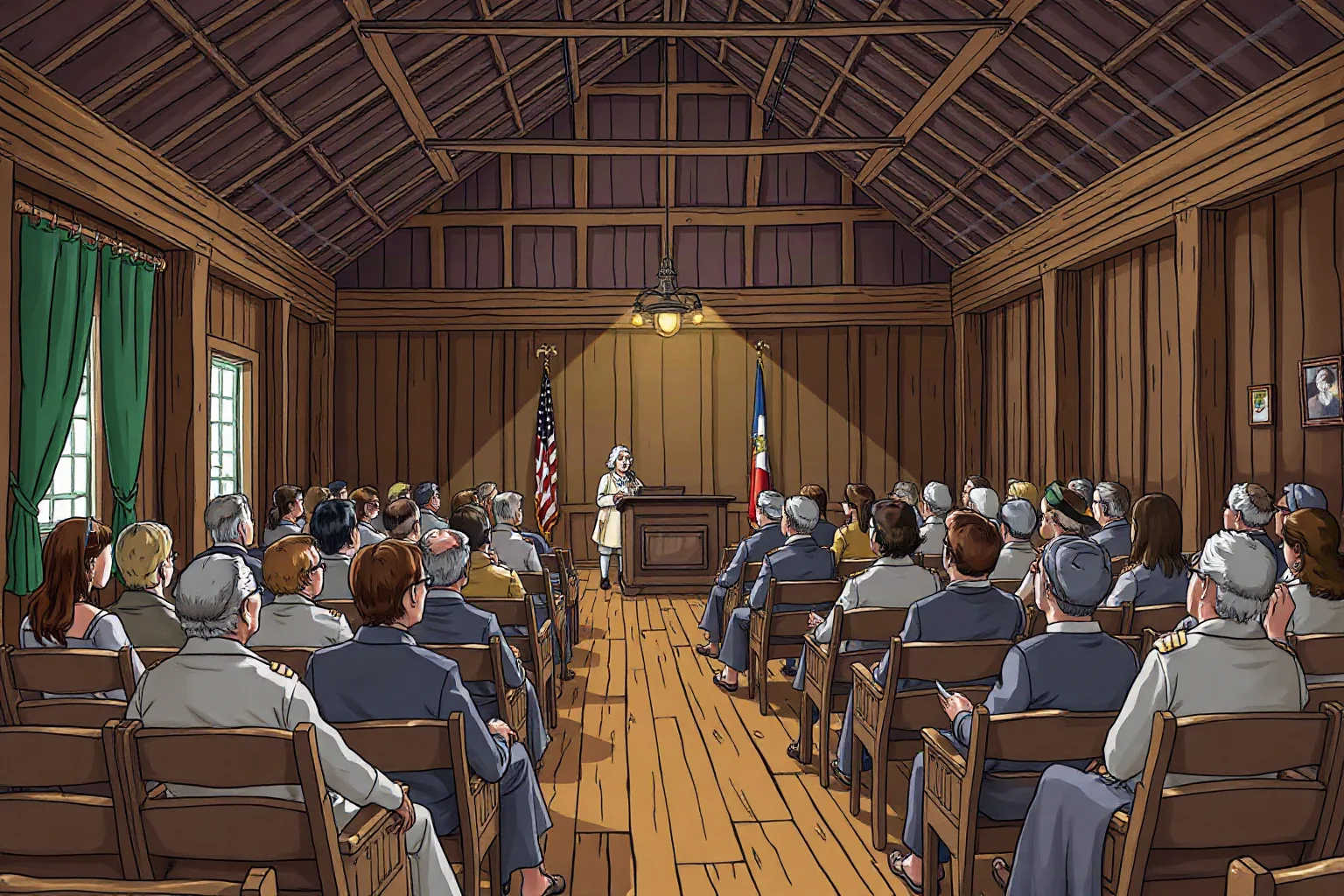
Henry is said to have delivered this line during a speech to the Virginia Convention on March 23, 1775. There’s an important historical caveat here: no verbatim transcript exists, and the wording we know today was reconstructed decades later by biographer William Wirt based on the recollections of elderly witnesses.
That doesn’t mean the sentiment is fabricated, but the exact phrasing should be treated as a respected reconstruction rather than a word-for-word recording.
10. “Elementary, my dear Watson.” — Sherlock Holmes
Here’s a myth worth busting directly: this exact phrase never appears in Arthur Conan Doyle’s original Sherlock Holmes stories. Holmes says “Elementary” on its own and separately calls Watson “my dear Watson,” but the two were never combined in Doyle’s text.
The famous pairing was popularized by early 20th-century stage and film adaptations. It’s a textbook case of a fictional quote becoming “famous” in a form the original author never wrote.
11. “We shall fight on the beaches.” — Winston Churchill
Churchill delivered this speech to the House of Commons on June 4, 1940, as British forces completed the evacuation from Dunkirk. The speech built to a defiant list of places Britain would resist a Nazi invasion, ending with the vow to “never surrender.”
It’s frequently cited among the best examples of oratorical quotes in history because of its escalating, almost musical structure. Churchill was a master of pacing a sentence for maximum emotional weight.
12. “Houston, we have a problem.” — Apollo 13

The real 1970 transmission was slightly different: astronaut Jack Swigert first said, “Okay, Houston, we’ve had a problem here,” and commander Jim Lovell then repeated, “Houston, we’ve had a problem.” The now-famous present-tense version was popularized by the 1995 film “Apollo 13.”
It’s a good reminder that Hollywood often tightens real history into cleaner, punchier lines. The movie version is the one that stuck in public memory, even though it isn’t quite what was said.
13. “Eureka!” — Archimedes
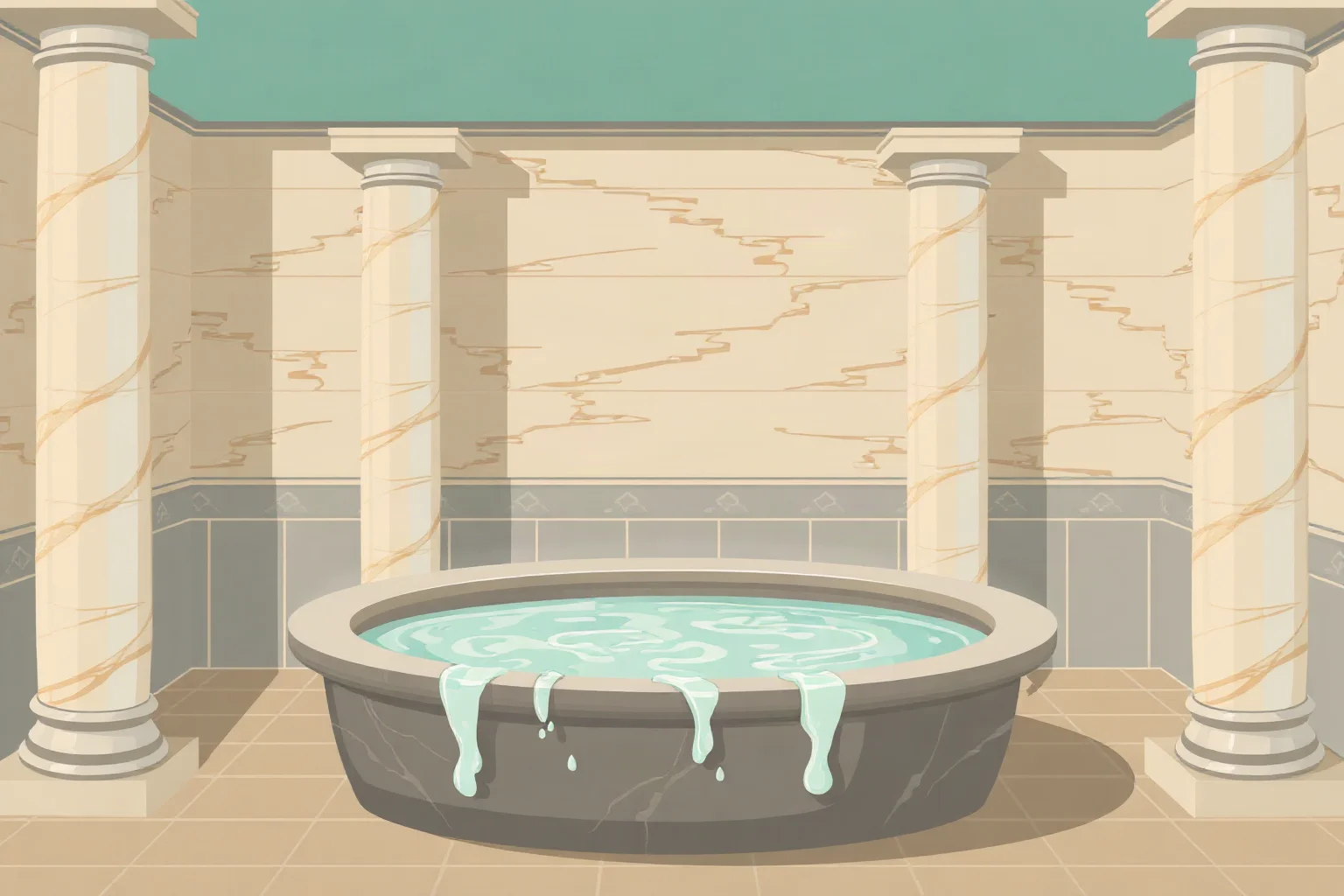
The story goes that Archimedes shouted this after realizing, in his bath, how to measure an object’s volume through water displacement. The trouble is that this account comes from the Roman architect Vitruvius, writing roughly two centuries after Archimedes lived, with no surviving contemporary source confirming it.
The underlying scientific principle is real and still taught today. The dramatic bathtub moment, however, falls into the category of a great story that historians can’t verify firsthand.
14. “The pen is mightier than the sword.” — Edward Bulwer-Lytton
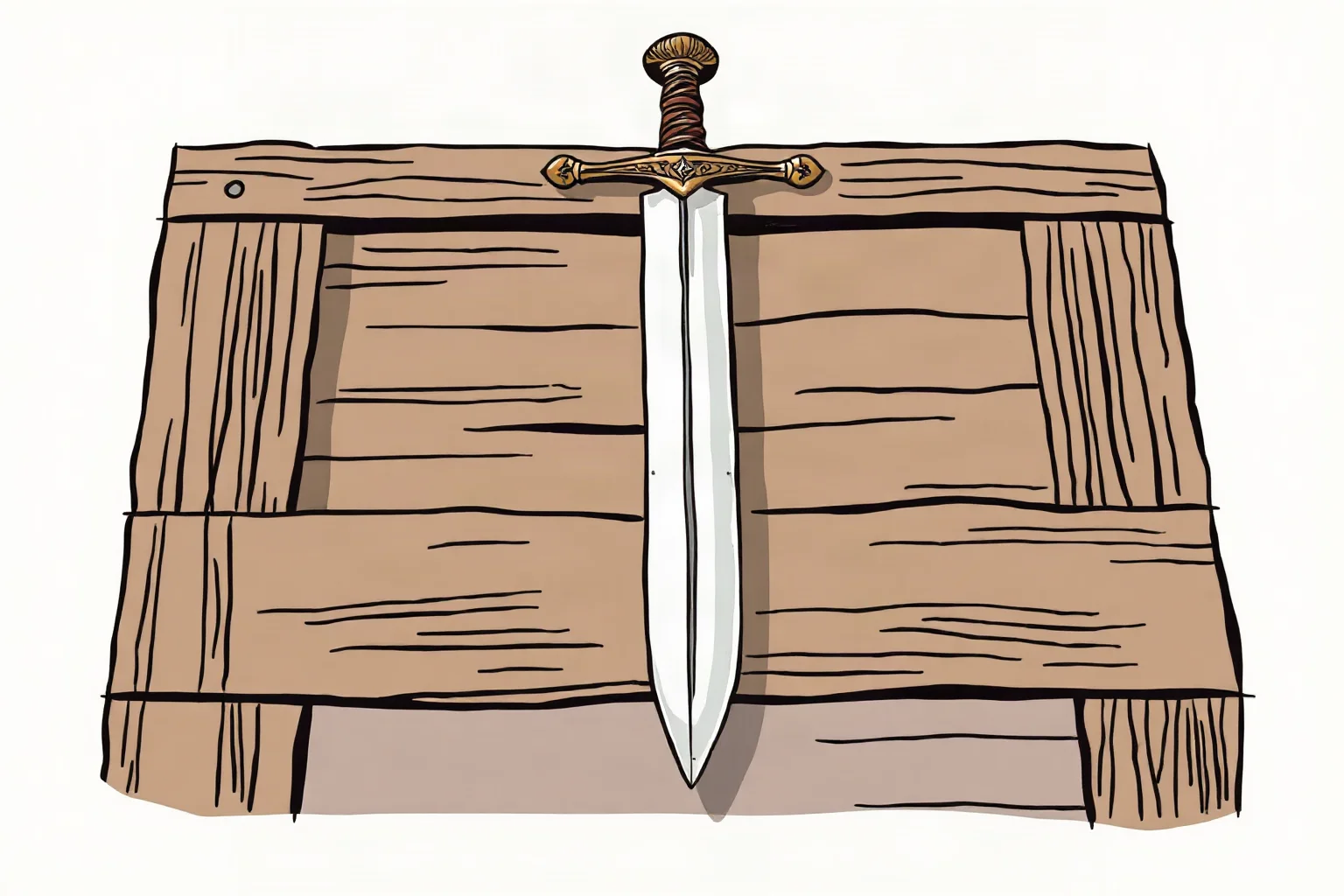
This line comes from Bulwer-Lytton’s 1839 play “Richelieu; Or the Conspiracy,” not from any ancient source, despite how old the phrase feels. It reflects a much older idea found in various forms across classical writing, but this specific wording is 19th-century.
It’s now one of the most famous phrases of all time about the power of writing and ideas over brute force. Ironically, Bulwer-Lytton himself is now more often remembered for this one line than for the play it came from.
15. “Speak softly and carry a big stick.” — Theodore Roosevelt
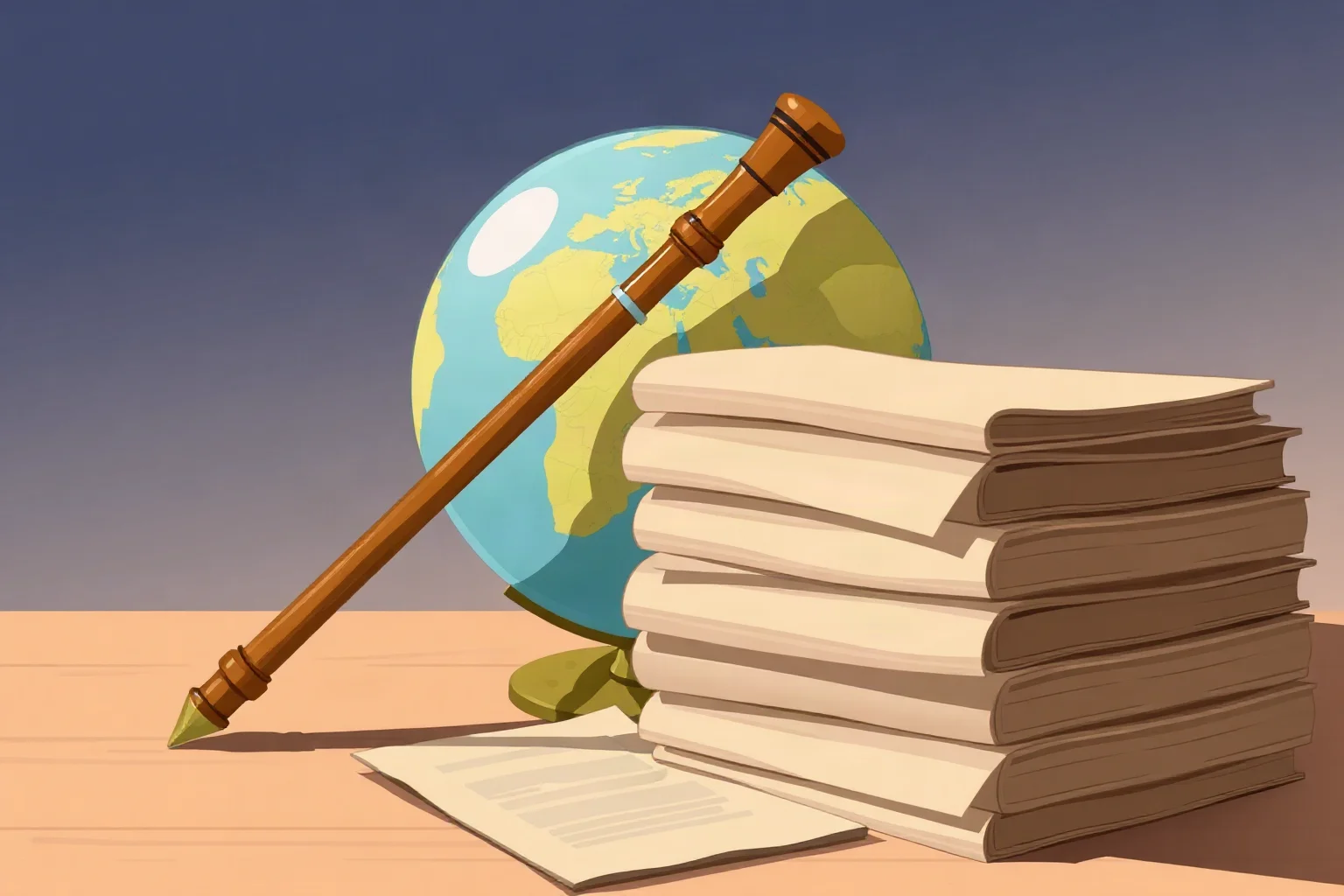
Roosevelt used this phrase publicly around 1901 to describe his approach to foreign policy, favoring quiet diplomacy backed by credible strength. He referenced it as a proverb he’d heard, rather than claiming to have invented it himself.
The phrase became shorthand for an entire foreign policy doctrine associated with his presidency. Few quotes have described a governing philosophy so efficiently in just seven words.
16. “Float like a butterfly, sting like a bee.” — Muhammad Ali
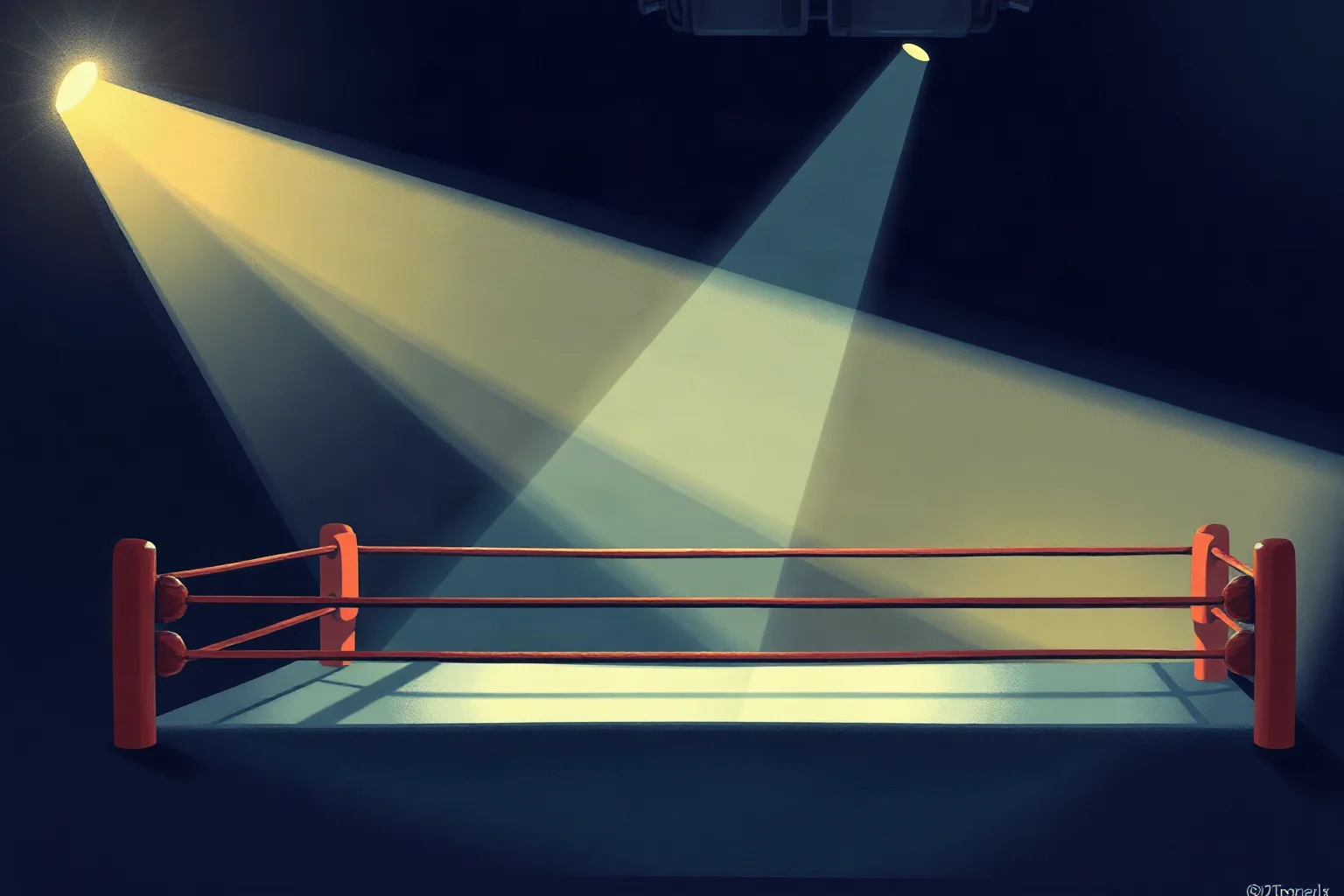
Ali popularized this phrase in the early-to-mid 1960s as part of his pre-fight showmanship, though it’s often credited as a collaborative creation with his cornerman and hype man, Drew “Bundini” Brown. The line captured Ali’s unusual fighting style: fast footwork paired with sudden, sharp punches.
It became one of the most quoted lines in sports history. Ali understood, much like Caesar and Churchill before him, that a fight could be remembered as much for its words as for its outcome.
17. “I have not yet begun to fight!” — John Paul Jones
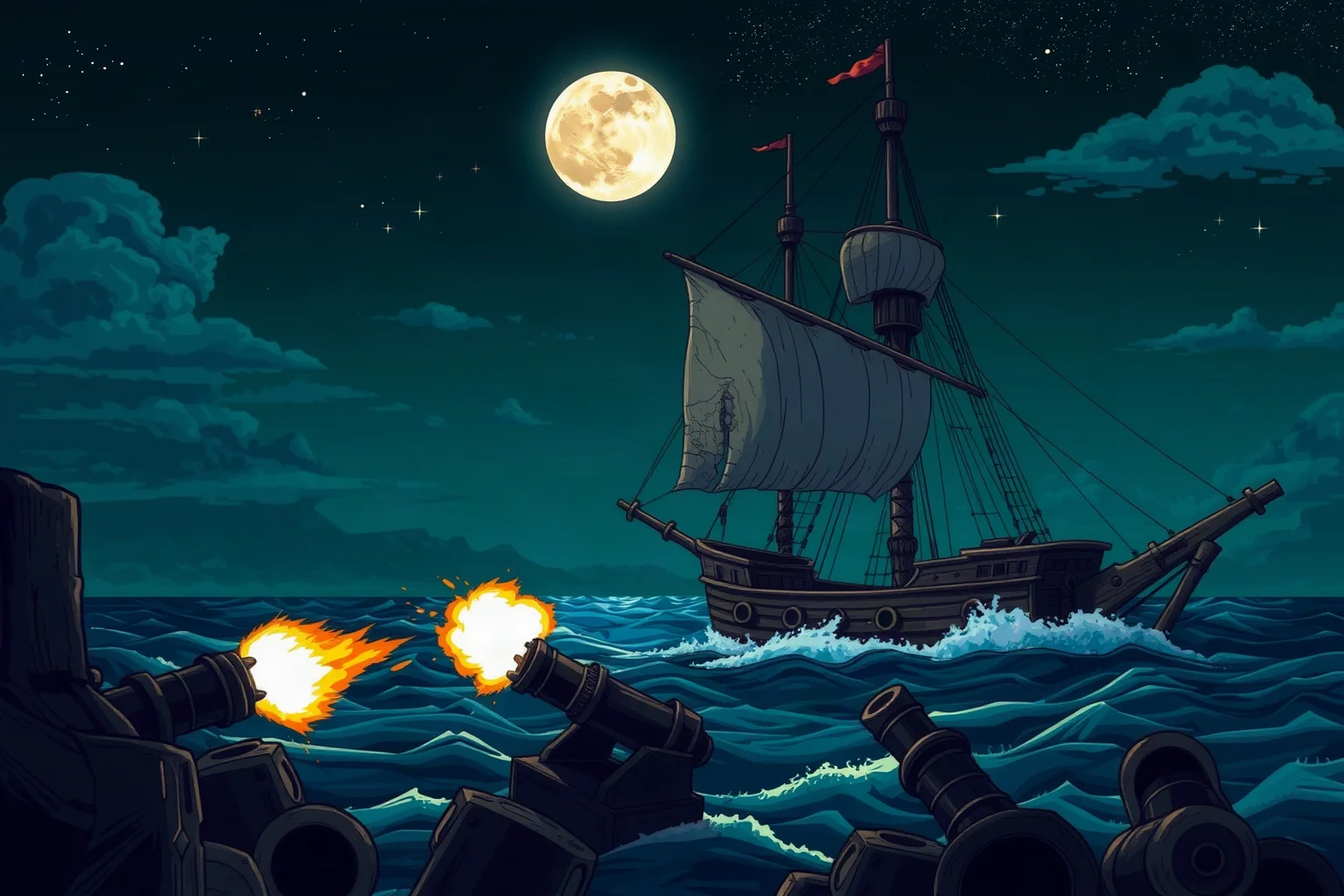
Jones is said to have shouted this during the Battle of Flamborough Head in 1779, while commanding the heavily damaged Bonhomme Richard against a British warship. As with Patrick Henry’s speech, the precise wording wasn’t recorded at the time and comes down to us through later secondhand accounts.
Whatever the exact phrasing, Jones did go on to win that battle against the odds. The line has since become a rallying cry associated with American naval tradition.
18. “Power tends to corrupt, and absolute power corrupts absolutely.” — Lord Acton
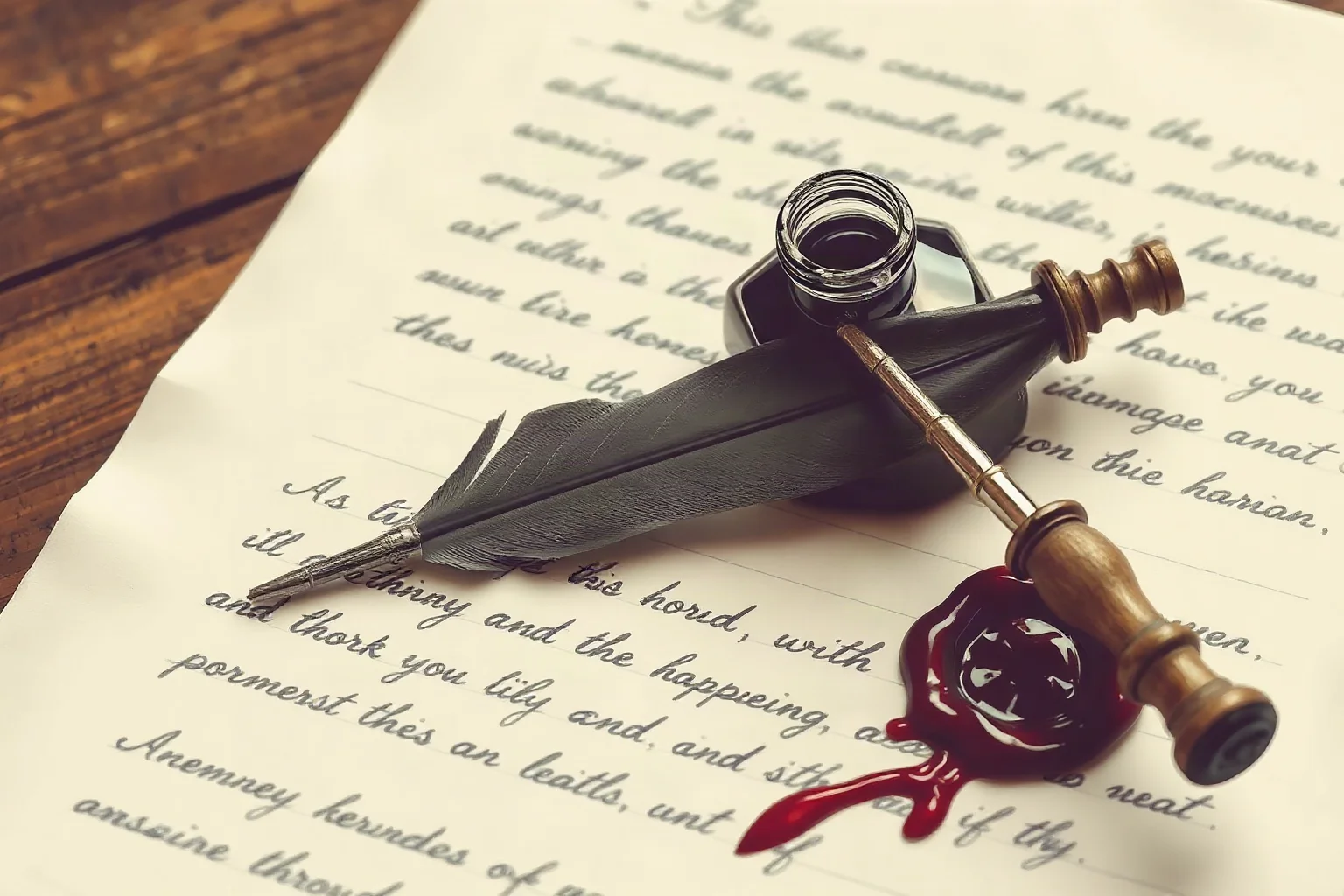
This often-quoted warning comes from a letter the British historian Lord Acton wrote to Bishop Creighton in 1887. Acton was specifically discussing how historians should judge powerful rulers and religious leaders, not offering a vague abstract slogan.
The line has since been detached from that original context and applied to just about every discussion of power ever since. It remains one of the most cited political quotations in the English language.
19. “That government is best which governs least.” — often misattributed to Thomas Jefferson

This phrase is commonly slapped onto Thomas Jefferson quote collections, but there’s no solid evidence he ever wrote or said it. It’s most closely associated with the opening of Henry David Thoreau’s 1849 essay “Civil Disobedience,” which itself may have echoed even earlier political writing of the period.
This is one of the clearest examples of a well-known quote drifting toward whichever famous name sounds most fitting. Jefferson said plenty about limited government elsewhere, just apparently not this specific sentence.
20. “Imagination is more important than knowledge.” — Albert Einstein
This quote comes from a 1929 interview titled “What Life Means to Einstein,” published in the Saturday Evening Post. Einstein was making a point about scientific creativity, arguing that imagining new possibilities mattered as much as accumulating known facts.
It’s frequently shared out of context as a general endorsement of imagination over education, which slightly oversimplifies what he meant. Even so, it remains one of the most famous quotes associated with modern science, fitting for someone widely regarded as one of the smartest people in history.
21. “Four score and seven years ago…” — Abraham Lincoln
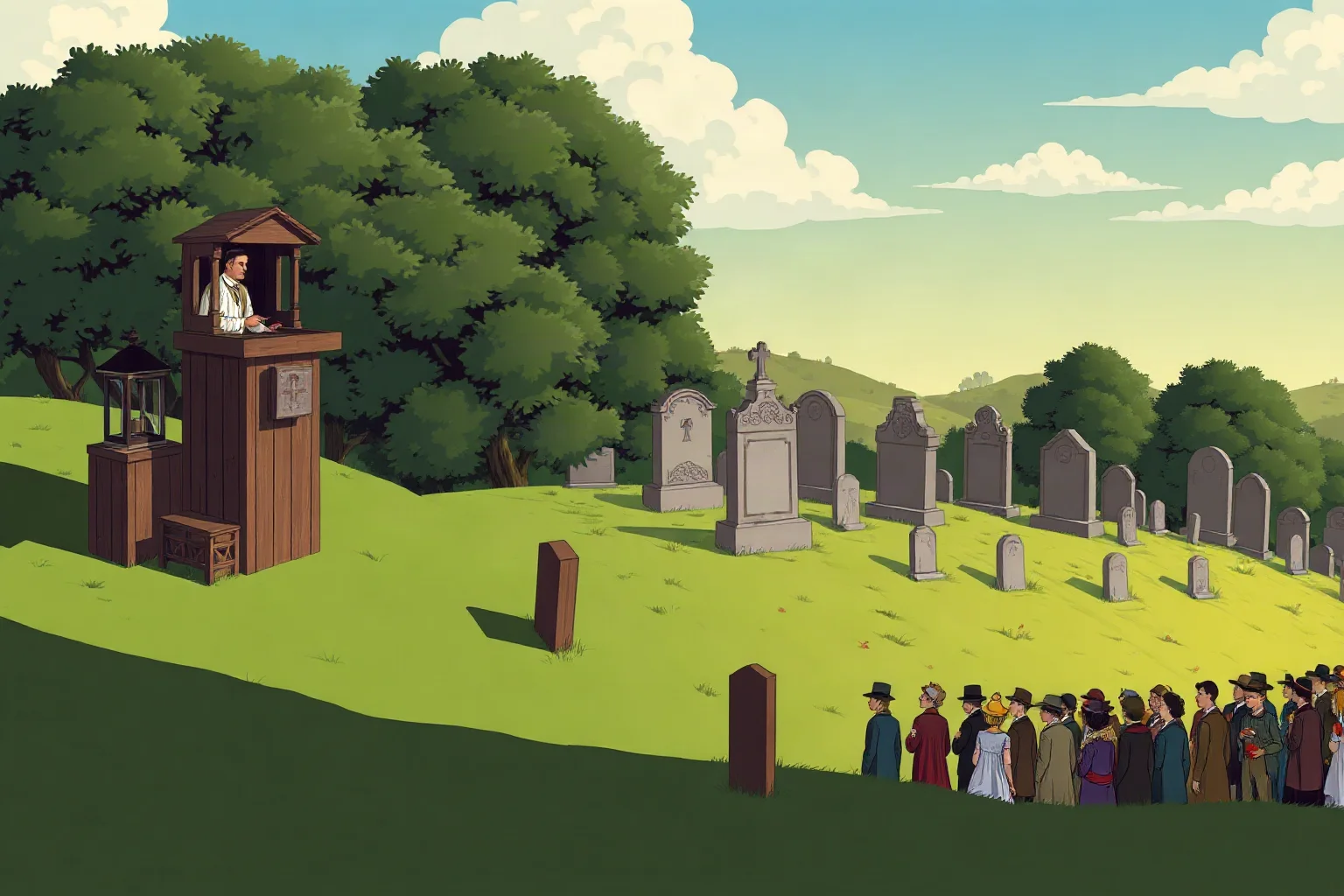
Lincoln delivered the Gettysburg Address on November 19, 1863, at the dedication of the Soldiers’ National Cemetery in Pennsylvania. A popular legend claims he scribbled the speech on the back of an envelope during the train ride there, but historians generally agree this is a myth; Lincoln drafted and revised the speech in advance.
At just over two minutes long, it’s proof that a famous statement doesn’t need to be lengthy to become historically monumental. It’s still taught as one of the finest examples of concise, purposeful writing in American history, delivered by a man who remains among the most recognized historical figures of all time.
22. “I disapprove of what you say, but I will defend to the death your right to say it.” — attributed to Voltaire
Despite being one of the most famous quotes associated with free speech, Voltaire never actually wrote this exact sentence. It was coined by British writer Evelyn Beatrice Hall in her 1906 biography of Voltaire, written under the pen name S. G. Tallentyre, as a paraphrase summarizing his views on tolerance.
The sentiment does genuinely reflect Voltaire’s beliefs, which is likely why the misattribution spread so easily. It’s a near-perfect example of a famous quotation that’s more of a well-meaning tribute than a direct transcript.
Why These Words Still Matter
What ties all of these famous quotes together isn’t just fame. It’s that each one, accurate or slightly embellished, tells us something real about the moment it came from — a nation in crisis, a scientist chasing an idea, a soldier refusing to quit. That’s why they’ve survived long after the original speakers are gone.
The myth-busting matters too, though, not to strip these lines of their power but to respect the real history underneath them. Knowing that Marie Antoinette probably never said “let them eat cake,” or that Sherlock Holmes never technically said “elementary, my dear Watson,” doesn’t make history less interesting. If anything, it makes it richer, because the real story of how a quote got twisted is often just as compelling as the quote itself.
Next time you see one of history’s most famous quotes floating around online with a name attached, it’s worth pausing for a second. A little healthy skepticism is, in its own way, one of the best tributes you can pay to the people who actually said the things they said.
Frequently Asked Questions
What are the greatest quotes of all time?
There's no single official ranking, but the quotes most historians and cultural critics repeatedly cite include Martin Luther King Jr.'s "I have a dream," Winston Churchill's "We shall fight on the beaches," Neil Armstrong's Apollo 11 line, and Julius Caesar's "Veni, vidi, vici." These endure because they combine a historically significant moment with short, memorable phrasing.
What is the most famous quote in the world?
It's genuinely hard to crown just one, since fame varies by country and language, but Neil Armstrong's "That's one small step for man, one giant leap for mankind" and Martin Luther King Jr.'s "I have a dream" are consistently ranked among the most universally recognized quotes in modern history.
Why are so many famous historical quotes misattributed or altered?
Before audio recordings existed, most quotes survived through secondhand retellings, letters, or biographies written years after the fact, which left plenty of room for paraphrasing. Films, books, and even textbooks have also cleaned up or shortened real statements over time, and the polished version often becomes the one people remember.
How can I find out who really said a famous quote?
Look for the original primary source, such as a speech transcript, letter, or first edition of a book, rather than relying on quote-collection websites. Reputable quotation reference works, like the Yale Book of Quotations, are specifically built to trace a quote back to its earliest verifiable appearance.
Is ‘Let them eat cake’ really the most famous misattributed quote in history?
It's certainly one of the most cited examples. The phrase appears in Jean-Jacques Rousseau's writing before Marie Antoinette became queen, and most historians doubt she ever said it, making it a classic case study in how a quote can get pinned to a famous name simply because it fits the popular narrative about them.

Alex Warren
Related Articles