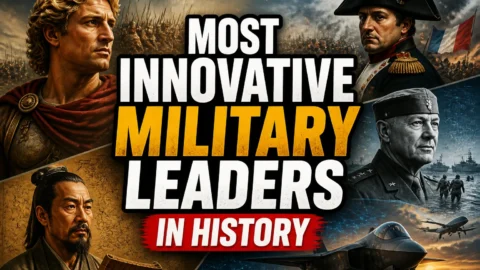

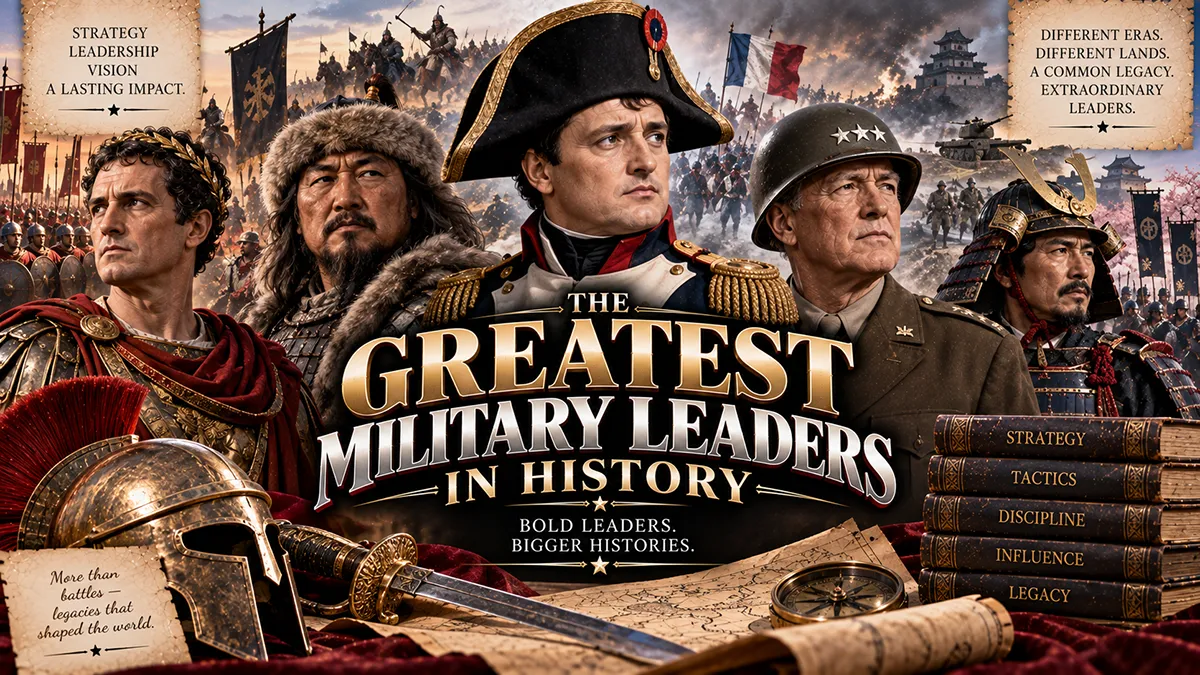
Ask ten historians who the greatest general of all time was, and you’ll likely get ten different answers. Some will point to a Macedonian king who never lost a battle.
Others will argue for a Carthaginian general who terrified Rome for over a decade, or a Mongol khan who built the largest contiguous land empire ever known. There’s no single scoreboard for military genius, but there are patterns that separate the truly influential commanders from the merely competent.
This guide walks through the historical leaders, war generals, and famous commanders whose decisions changed the map of the world, many of whom rank among the most recognized historical figures of all time.
We’ll look at ancient tacticians, medieval conquerors, and the generals of the World Wars, while also untangling some commonly confused military terms along the way, like what “CDR” actually means or who technically outranks whom.
TL;DR: From Alexander the Great to Dwight Eisenhower, history’s greatest military leaders won wars not just through bravery but through logistics, adaptability, and the ability to inspire loyalty under pressure.
What Actually Makes a Great Military Leader?
It’s tempting to rank military genius the way we rank sports records, but warfare doesn’t work that way. A commander in 1200 BCE had entirely different tools, terrain, and technology than one in 1944, which makes head-to-head comparisons more myth than science.
What historians generally agree on is that the most effective leaders in the military shared a few traits. They understood logistics as well as tactics, because armies that starve don’t win battles. They adapted quickly when a plan fell apart, and they knew how to keep soldiers loyal even during brutal campaigns far from home.
It’s also worth busting a common myth upfront: winning every battle doesn’t automatically make someone the greatest general in history. Some of the most influential military leaders lost key engagements but still reshaped history through strategy, endurance, or political skill after the fighting ended.
Ancient Commanders Who Shaped Warfare
The ancient world produced some of the most studied military minds ever recorded, and several of their principles are still taught in officer training today.
1. Sun Tzu
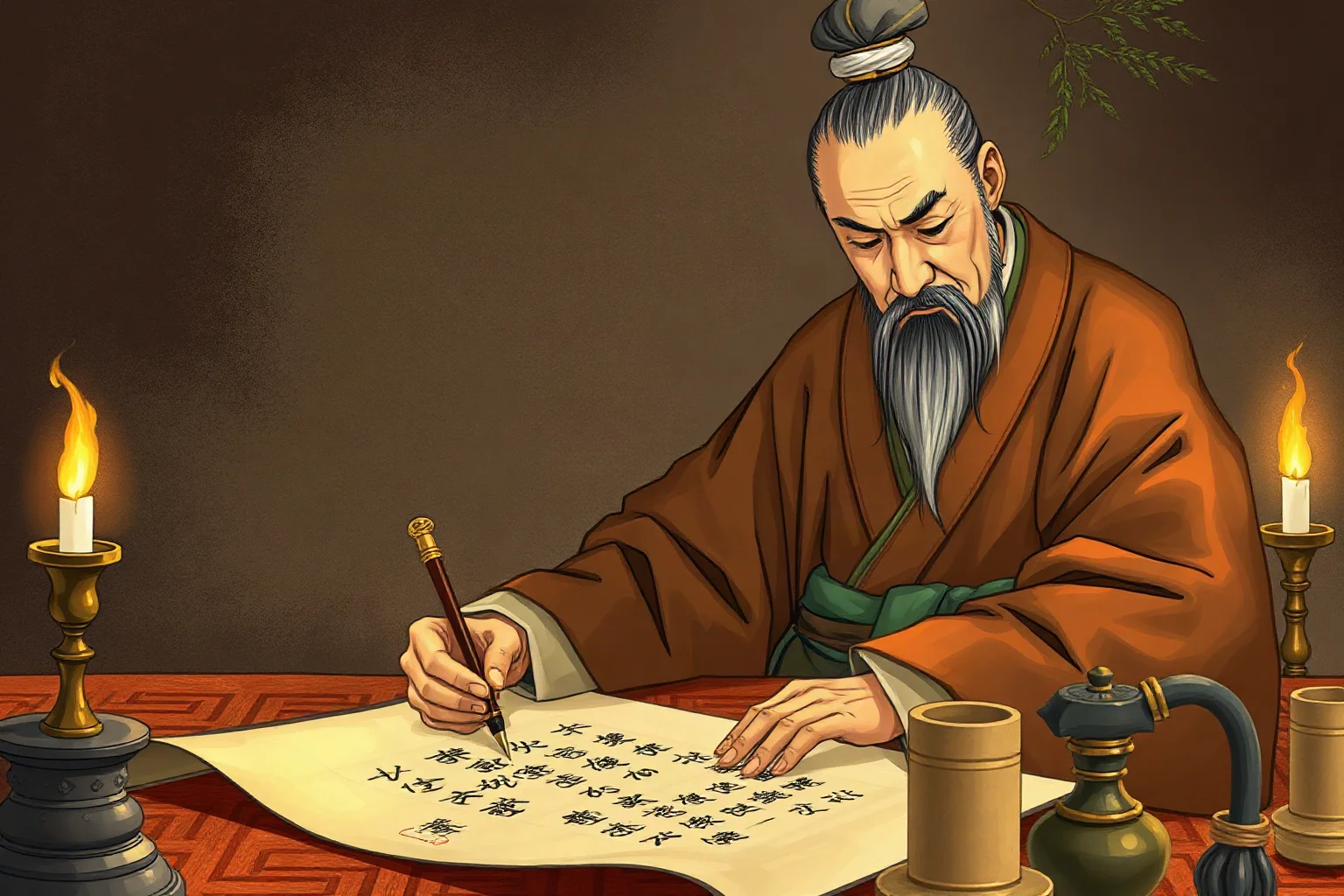
Sun Tzu is traditionally credited as the author of “The Art of War,” a Chinese military treatise believed to date to around the 5th century BCE. Historians still debate how much of it reflects one real general versus a compiled military tradition, but its influence on strategic thinking is undeniable.
His core idea, that the supreme skill is winning without fighting at all, still shapes modern military and business strategy alike. Few names appear as often in lists of the greatest military minds of all time as his does.
2. Alexander the Great
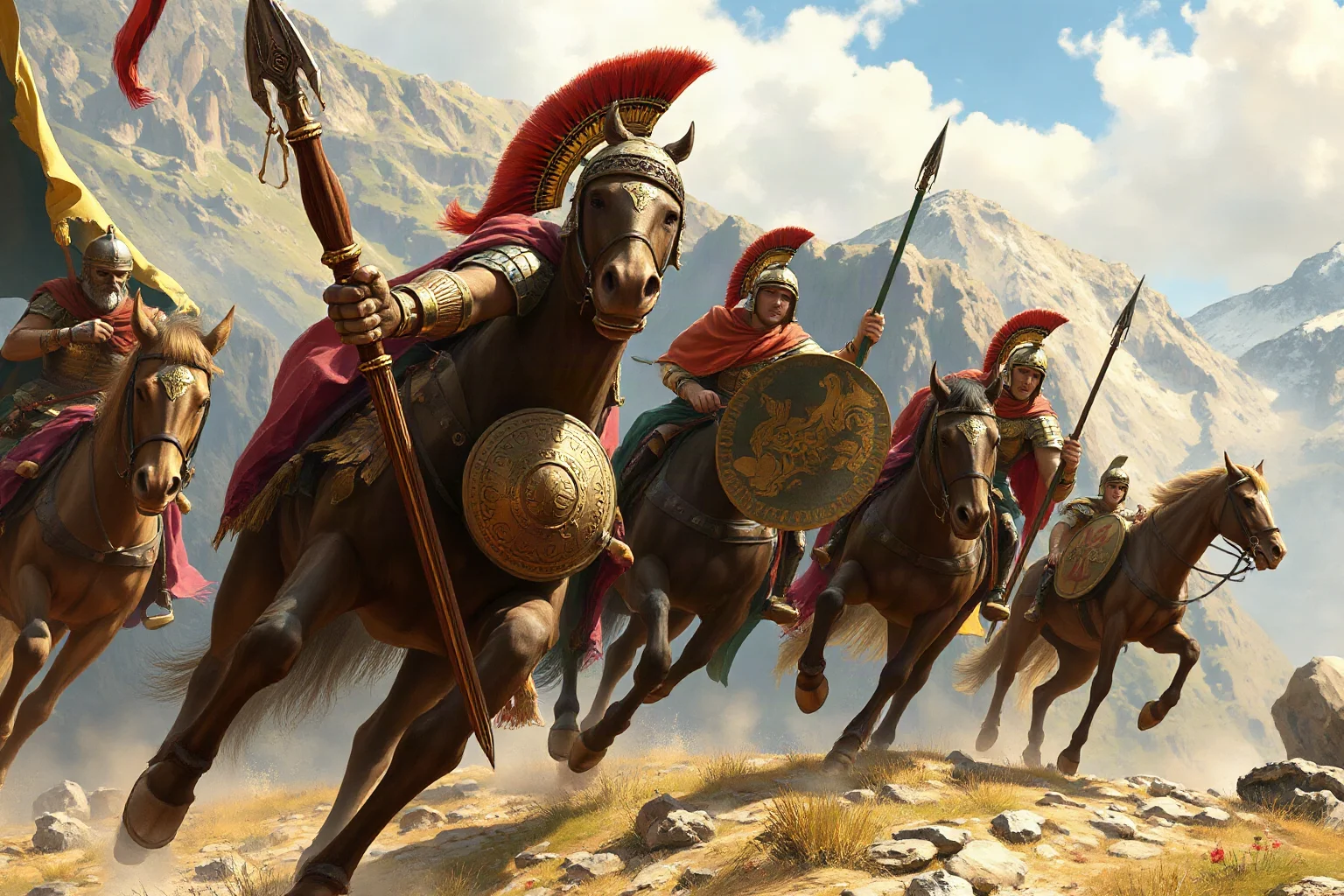
Alexander of Macedon built an empire stretching from Greece to northwestern India before his death at just 32. He never lost a major battle, using combined-arms tactics that blended heavy infantry phalanxes with fast cavalry strikes.
His empire fractured almost immediately after he died, since he left no stable succession plan. That’s part of why historians debate whether he was the greatest general of all time or simply the most successful gambler in military history.
3. Hannibal Barca
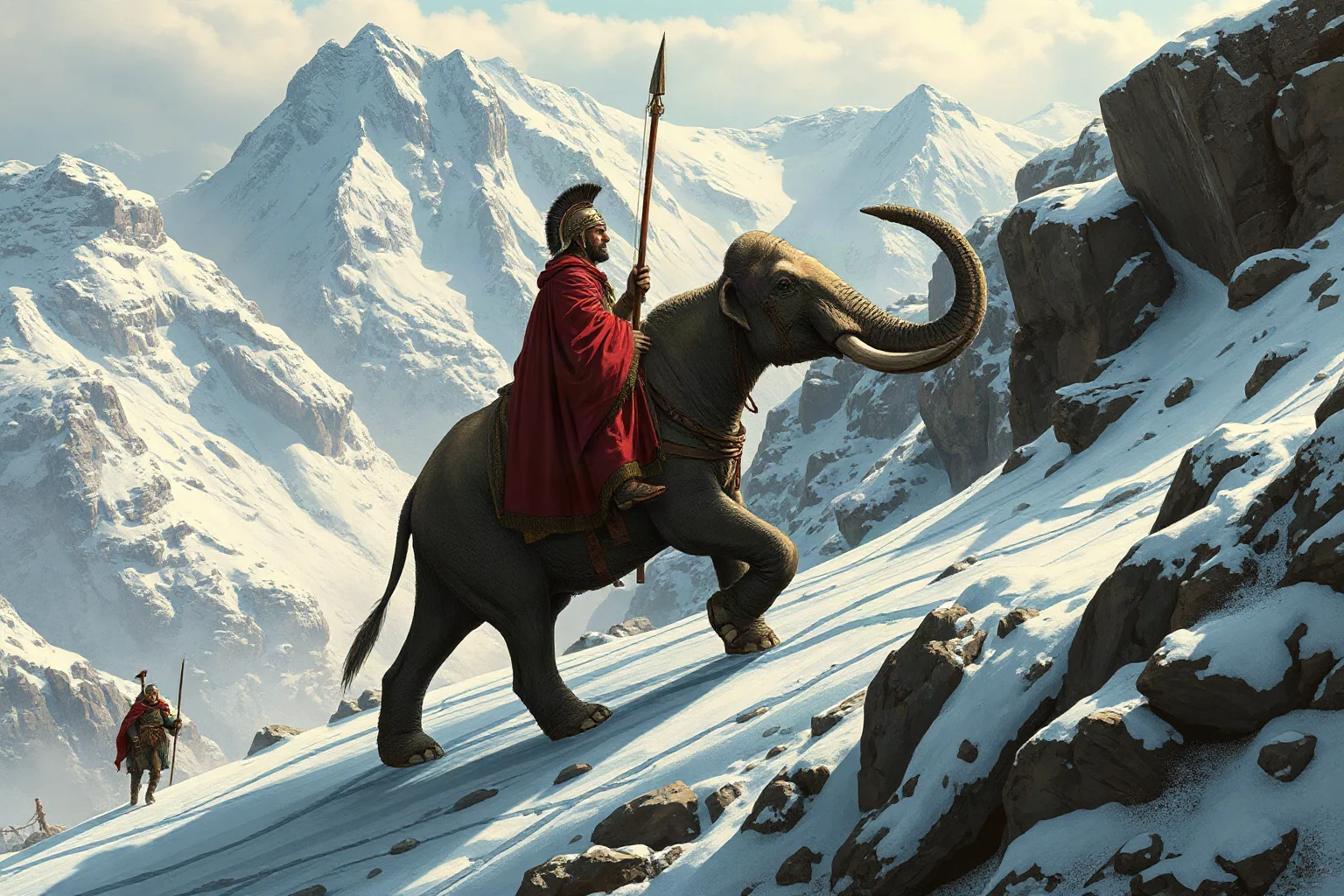
Hannibal remains one of the most famous generals in history for a single, audacious move: marching an army, including war elephants, across the Alps to invade Italy directly. He handed Rome catastrophic defeats at Trebia, Lake Trasimene, and Cannae.
Despite his brilliance on the battlefield, Hannibal ultimately lost the Second Punic War because Rome refused to surrender and out-lasted him strategically. It’s a classic example of tactical genius not always translating into final victory.
4. Scipio Africanus
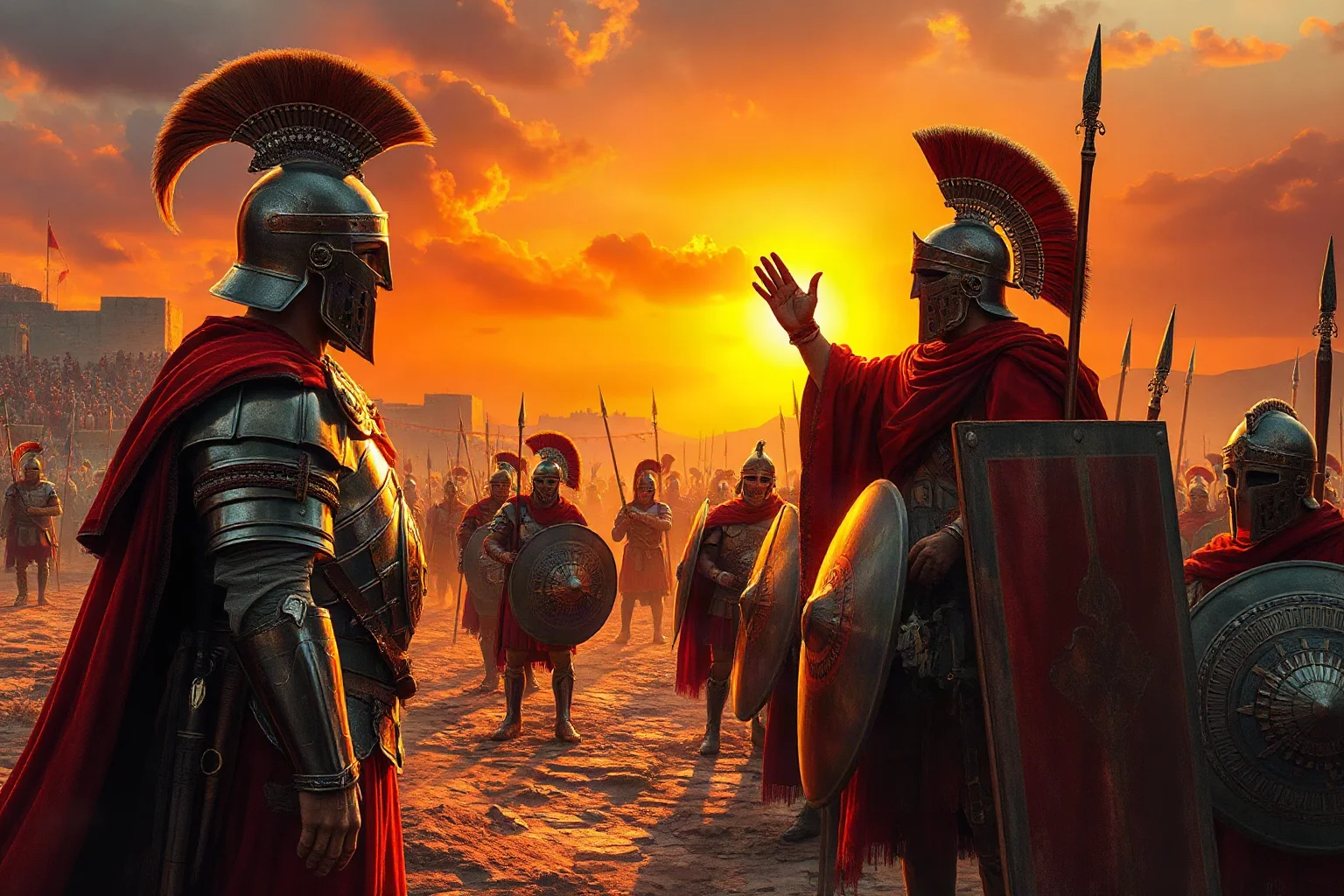
Scipio is often overshadowed by Hannibal, but he’s the general who actually beat him. At the Battle of Zama in 202 BCE, Scipio adapted Hannibal’s own tactics against him and ended the Second Punic War in Rome’s favor.
His willingness to study and copy his enemy’s methods shows a kind of intellectual flexibility that’s rare even among celebrated war generals. Many historians rank him among the most underrated commanders of the ancient world.
5. Julius Caesar
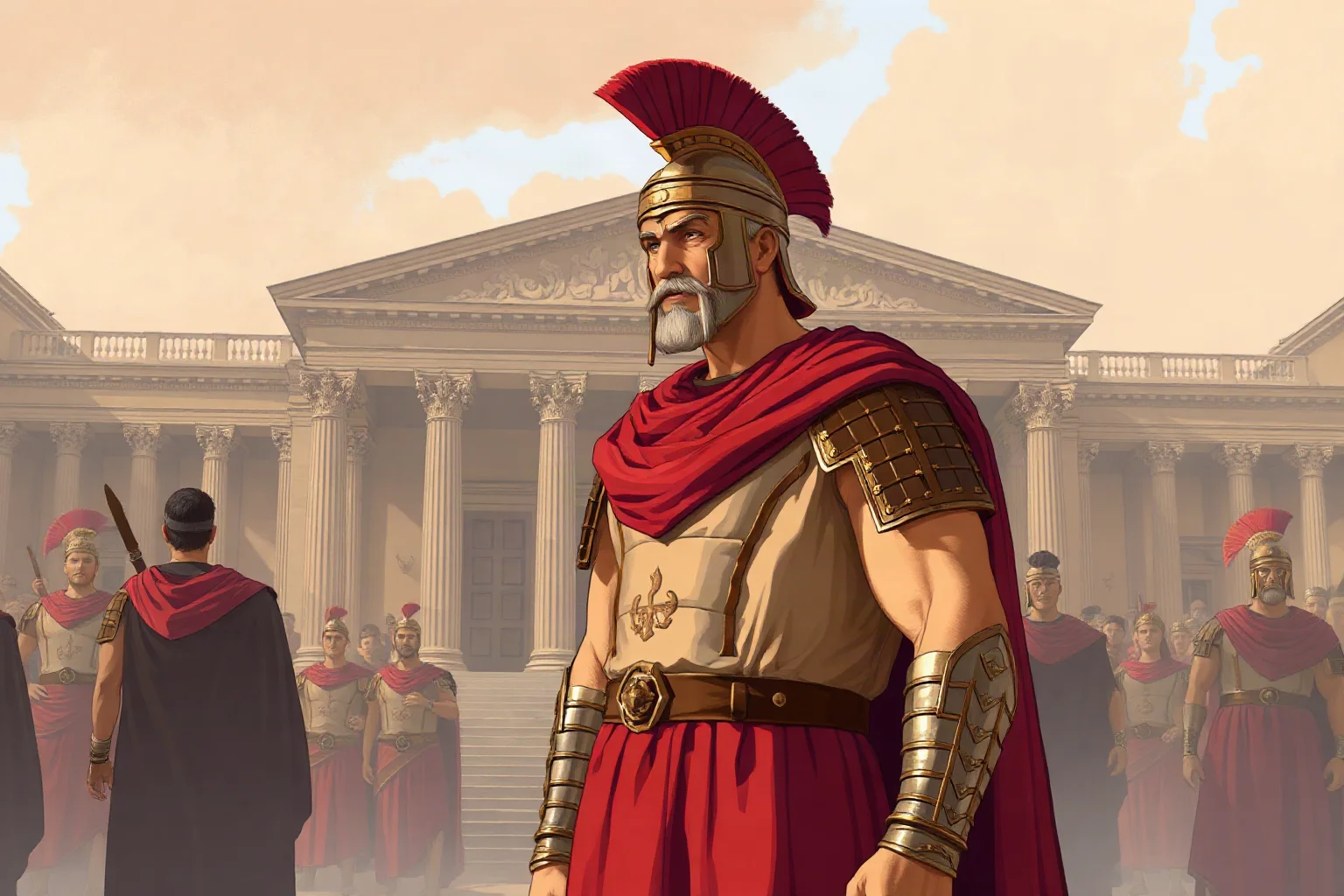
Caesar’s conquest of Gaul and his swift civil war campaigns made him one of history’s most famous military leaders, and also one of its most consequential politicians. His own written accounts, the “Commentarii,” remain key primary sources on Roman warfare.
His military success fed directly into his political rise, ending the Roman Republic and setting the stage for imperial rule. Few commanders have blurred the line between general and head of state as completely as he did.
Medieval Warlords and Conquerors
The medieval period is packed with commanders who built or shattered empires, often through sheer speed and unconventional tactics.
6. Genghis Khan
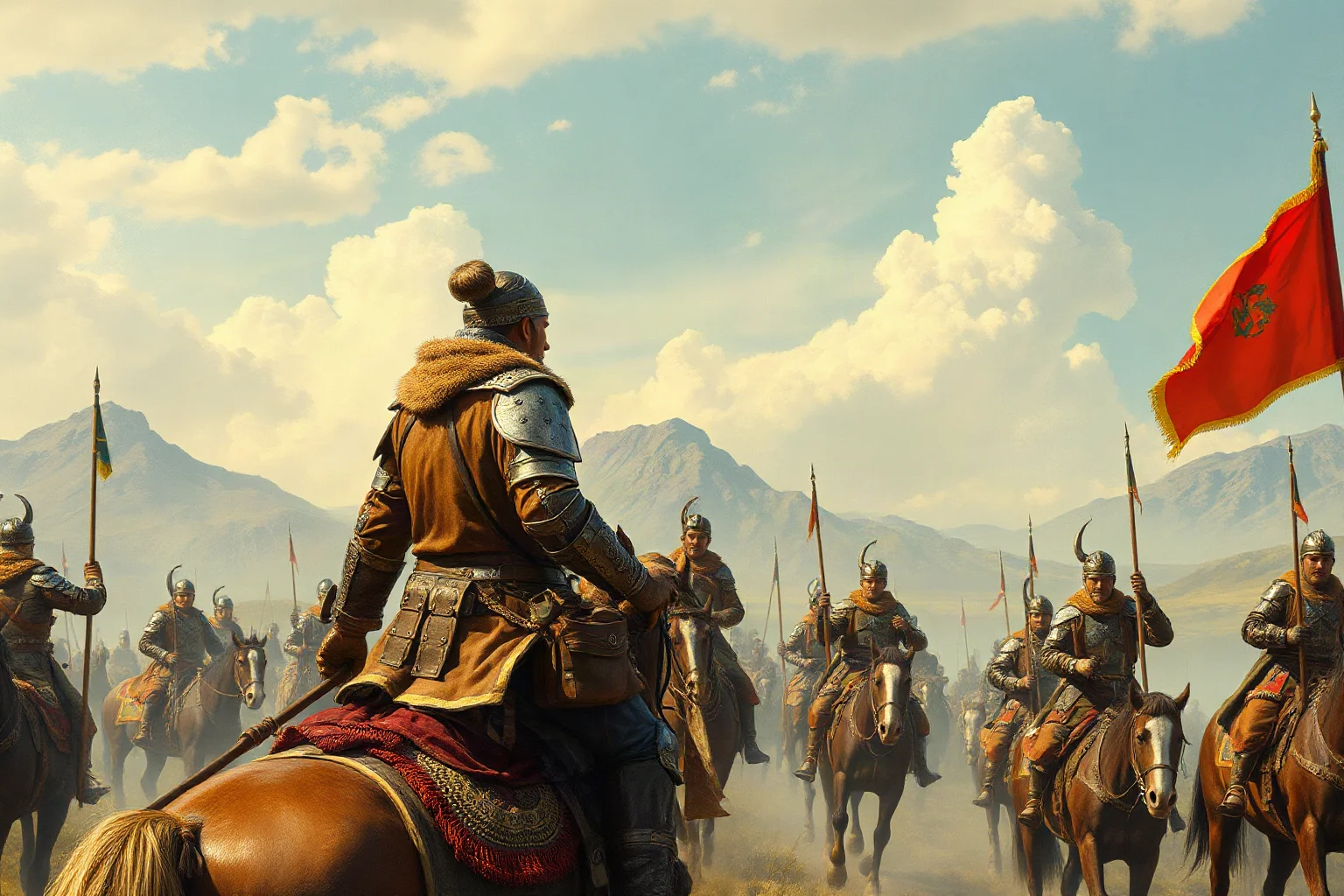
Genghis Khan unified the Mongol tribes and built the largest contiguous land empire in history, stretching from East Asia to Eastern Europe. His armies used coordinated cavalry, psychological warfare, and an unusually merit-based command structure for the time.
His reputation for brutality is well documented, but so is his surprising record of religious tolerance and support for trade along the routes his empire controlled. He’s frequently cited among the greatest military leaders of all time precisely because his influence outlasted his own life by centuries.
7. Khalid ibn al-Walid
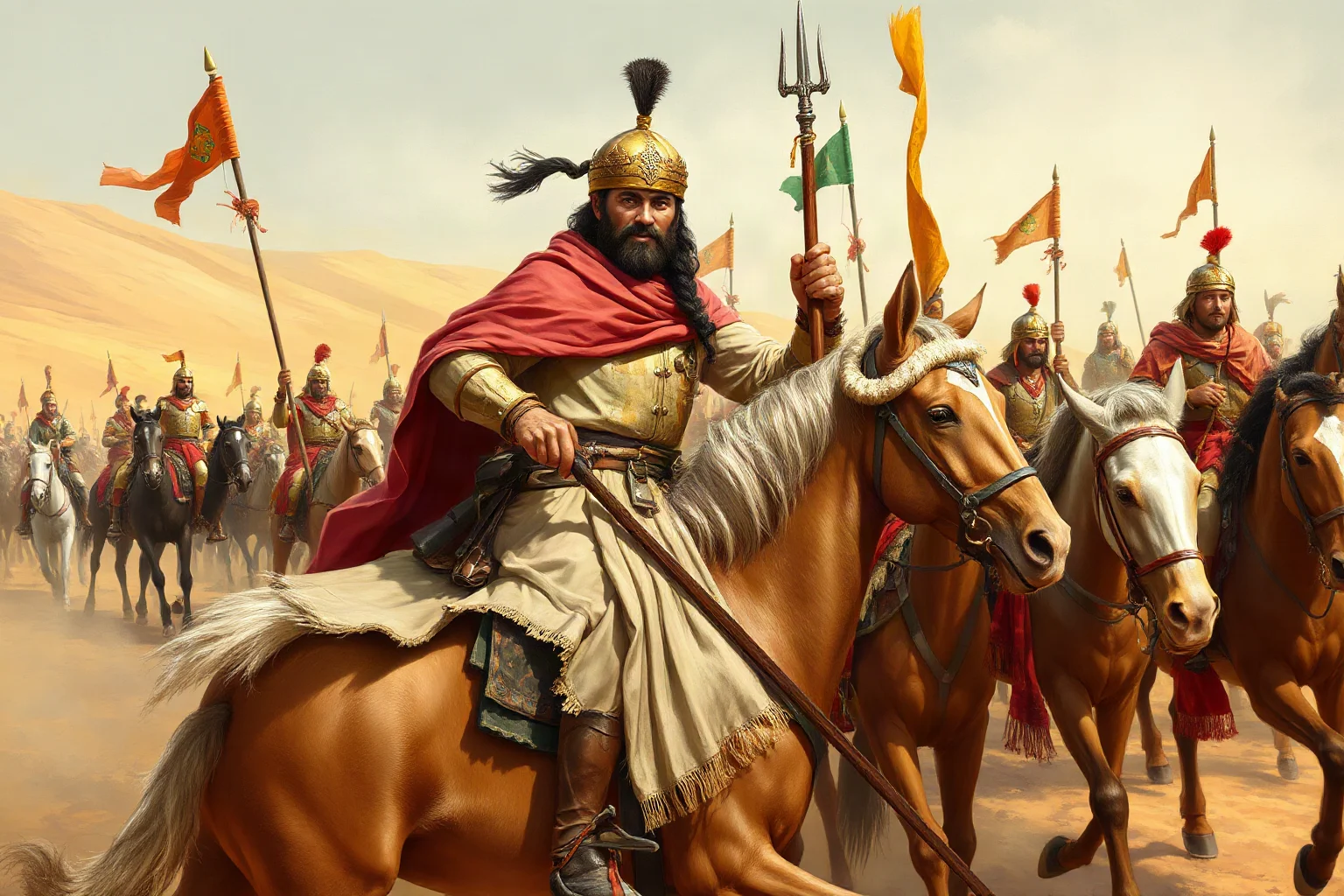
Khalid ibn al-Walid was a 7th-century Arab commander who is traditionally said to have never lost a battle across dozens of engagements during the early Islamic conquests. He served under both the Prophet Muhammad and the early caliphs, playing a central role in campaigns across Arabia, the Levant, and Persia.
His nickname, “Sword of God,” reflects his reputation among later Muslim historians as a near-unbeatable tactician. He remains one of the most respected names on any list of history’s greatest military leaders, particularly in the Islamic world.
8. Charlemagne
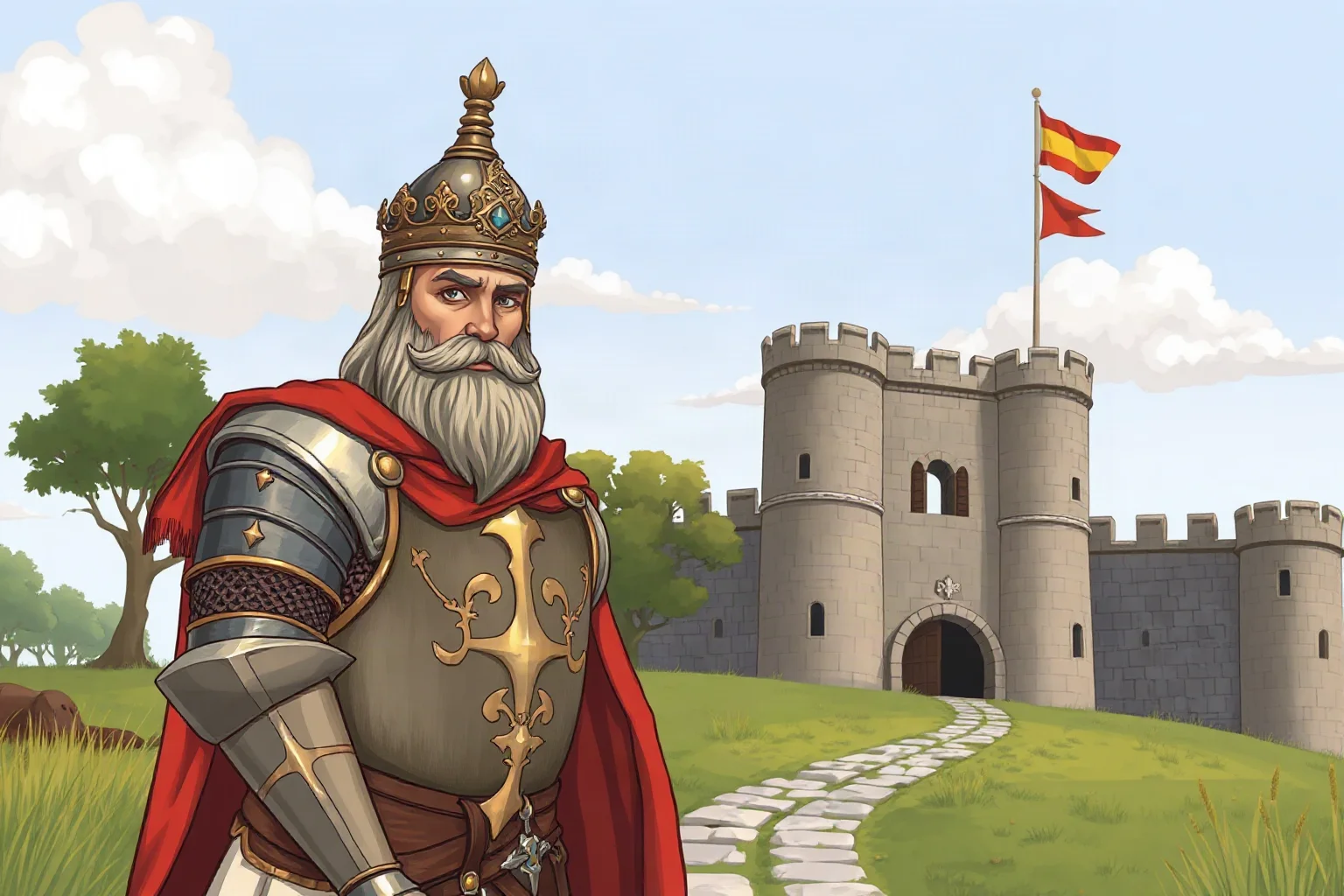
Charlemagne spent decades campaigning to expand and consolidate the Frankish kingdom, eventually being crowned Holy Roman Emperor in 800 CE. His military campaigns against the Saxons and Lombards were as much about political consolidation as pure conquest.
He’s remembered less for battlefield brilliance and more for building durable institutions out of military success. That combination of soldier and statesman is part of why he’s still studied among history’s most powerful leaders.
9. William the Conqueror
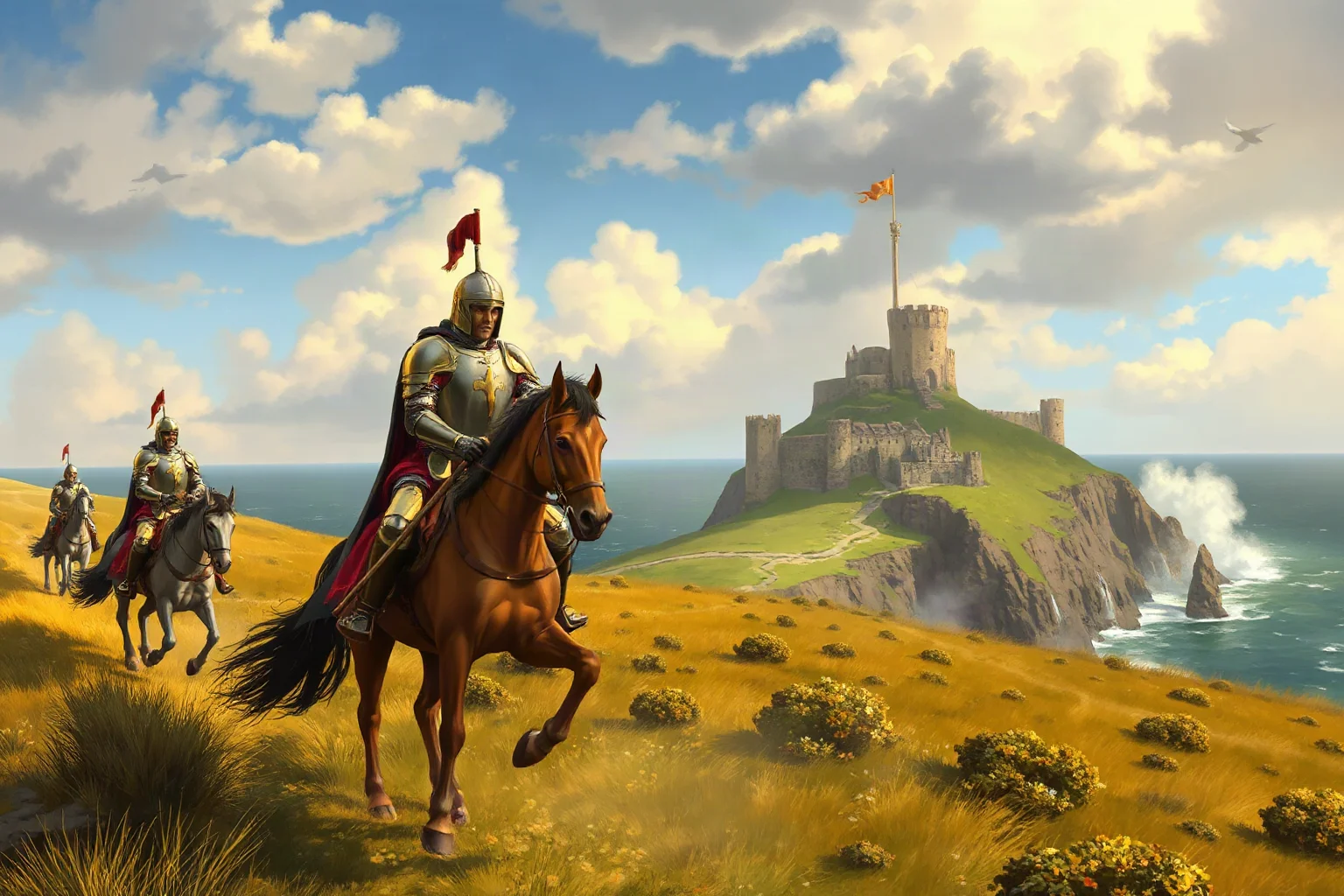
William, Duke of Normandy, changed the course of English history in a single day at the Battle of Hastings in 1066. His victory over King Harold II reshaped English language, law, and land ownership for centuries afterward.
What’s often overlooked is the sheer logistical challenge of assembling an invasion fleet and army in the 11th century. That planning, as much as the battle itself, is why he’s remembered as one of the great military names of the medieval era.
10. Saladin
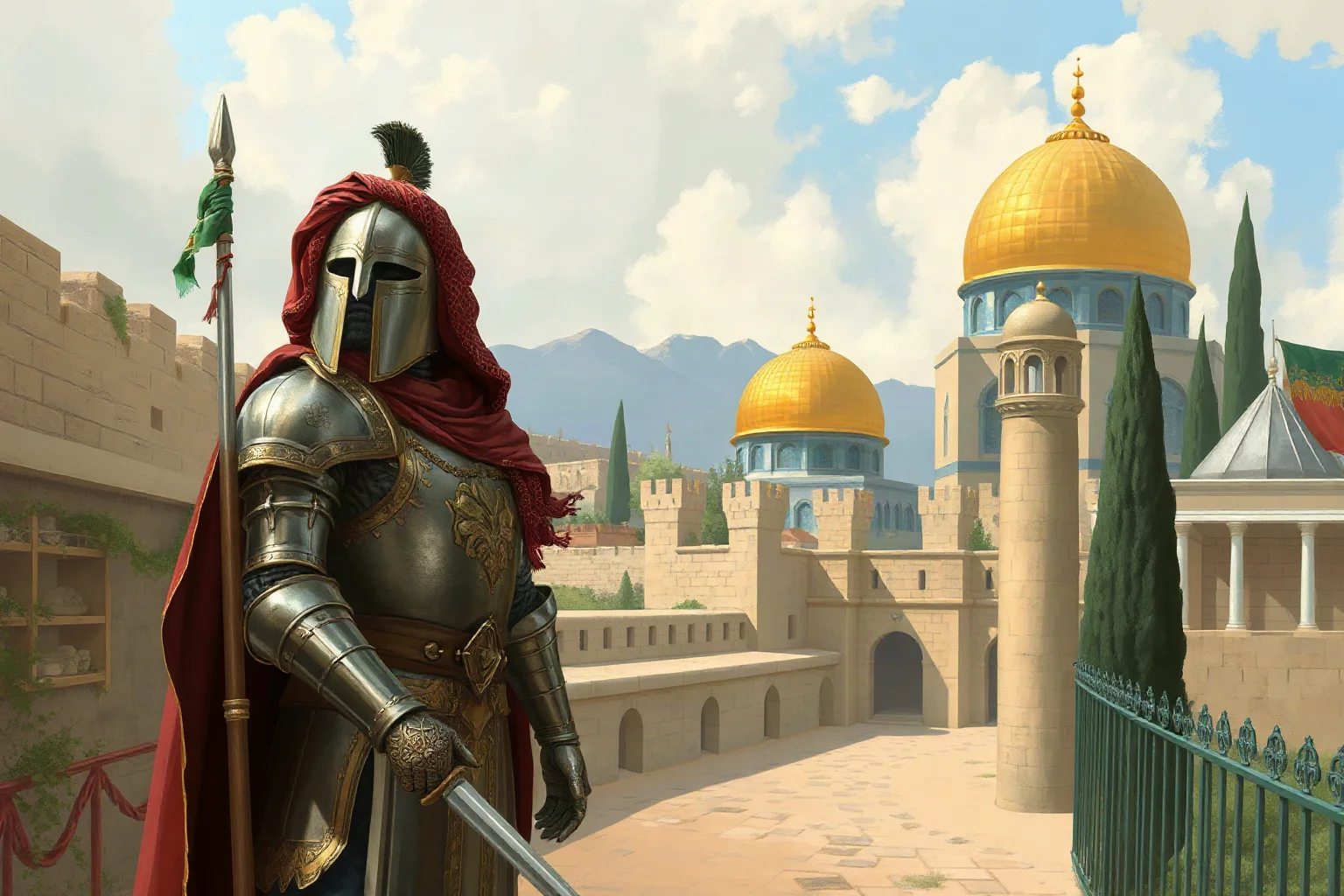
Saladin unified Muslim territories across Egypt and Syria and famously recaptured Jerusalem from Crusader forces in 1187. He was also widely respected, even by his Christian adversaries, for his comparatively merciful treatment of defeated enemies.
His campaigns against the Crusader states demonstrated that political unity often mattered as much as battlefield tactics. Contemporary European chroniclers, despite being his enemies, still described him as a model of chivalry.
11. Joan of Arc
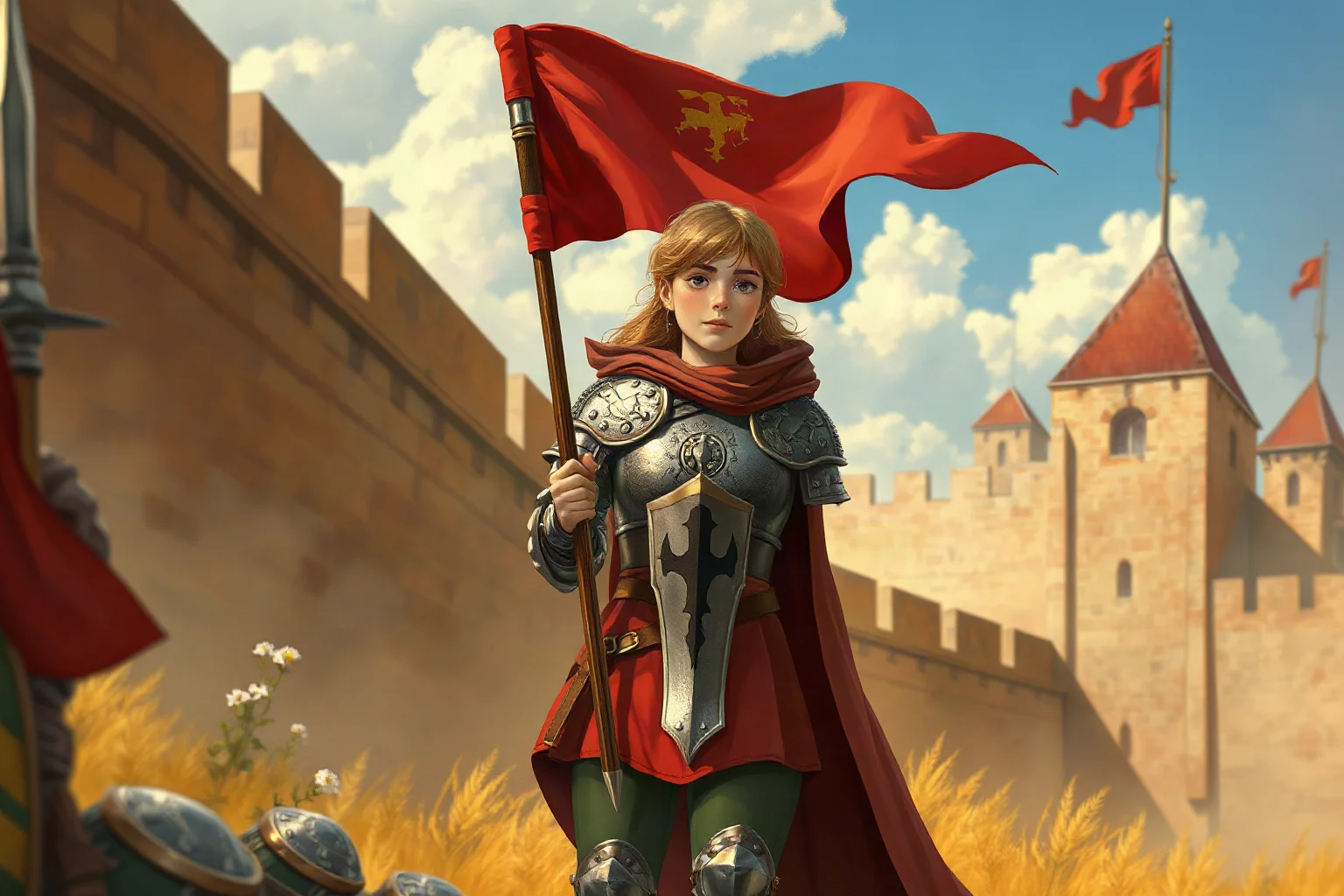
Joan of Arc is an unusual entry on any list of famous war leaders, since she was a teenage peasant girl who never held formal military rank. Yet she led French troops to decisive victories during the Hundred Years’ War, most notably breaking the Siege of Orléans in 1429.
Her story blends verified military history with religious and legendary elements that historians still carefully separate. Regardless, her impact on French morale and the war’s outcome is well documented in surviving trial records and chronicles.
12. Timur (Tamerlane)
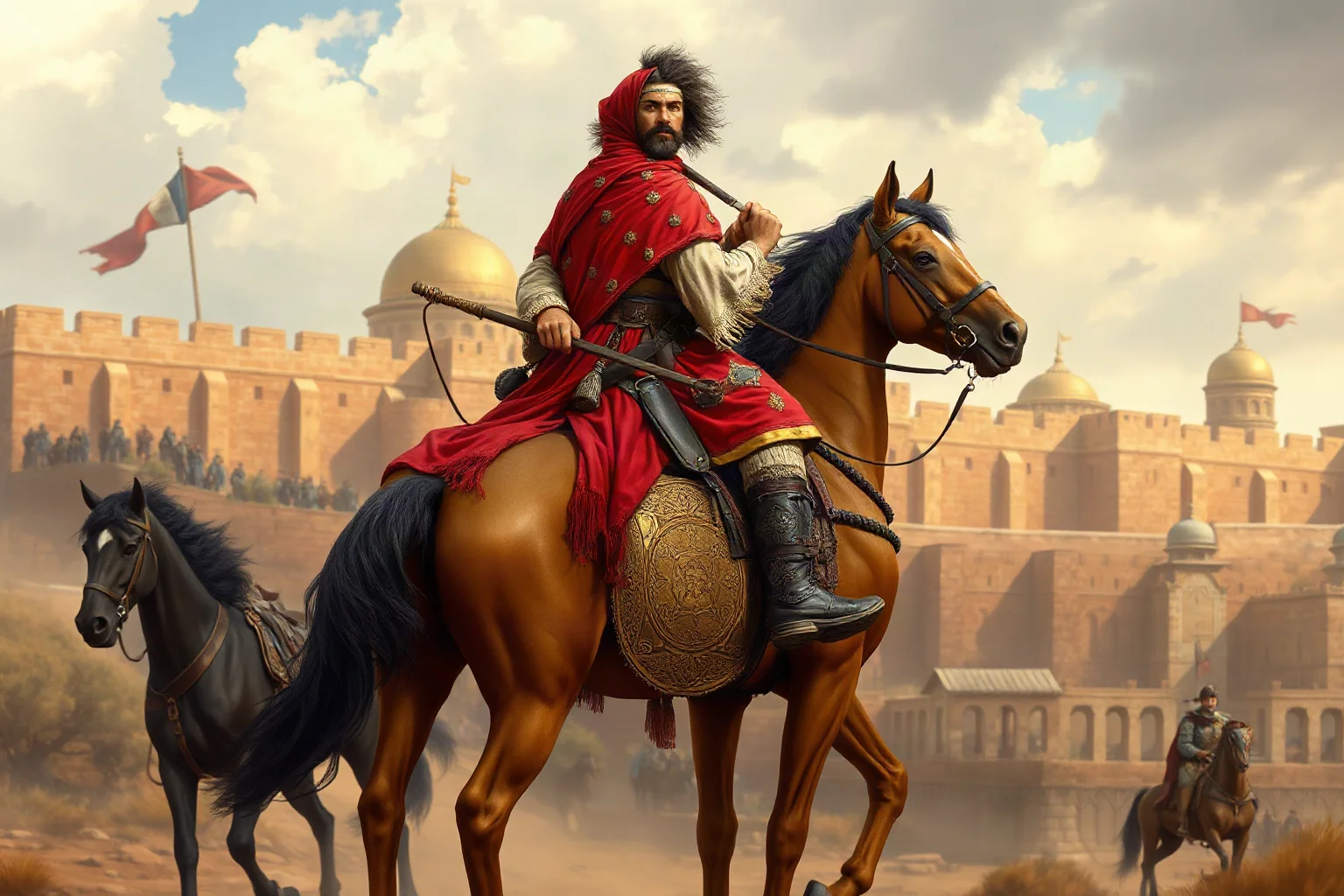
Timur, often known in the West as Tamerlane, built a vast empire across Central Asia in the late 14th century. He modeled himself explicitly on Genghis Khan and combined brutal military campaigns with active patronage of art and architecture in cities like Samarkand.
His military record includes victories over the Delhi Sultanate, the Mamluks, and the Ottomans, making him one of the most feared commanders of his era. His empire didn’t outlast his successors for long, but his military reputation certainly did.
Early Modern Commanders and Nation-Builders
As firearms and centralized states reshaped warfare, a new kind of commander emerged: part general, part nation-builder.
13. Suleiman the Magnificent
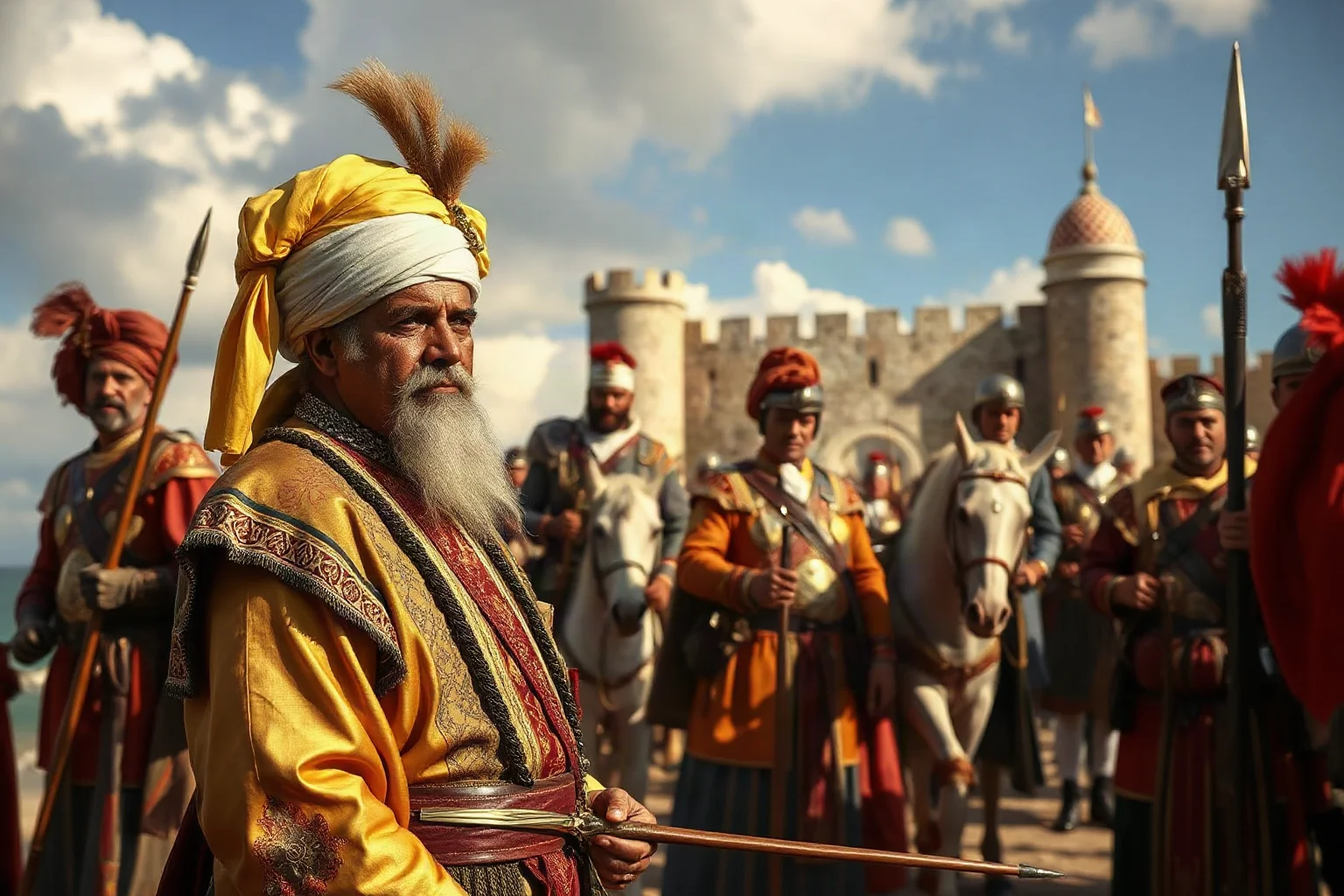
Suleiman led the Ottoman Empire through its territorial peak during the 16th century, personally commanding campaigns into Hungary and the Mediterranean. His reign combined military expansion with major legal and administrative reforms, which is why Ottoman chroniclers called him “Lawgiver” as often as “Magnificent.”
His siege of Vienna in 1529 ultimately failed, showing that even the most powerful commanders of the era faced real limits. Still, his decades of campaigning made the Ottoman military one of the most feared forces in Europe and the Middle East.
14. Oda Nobunaga
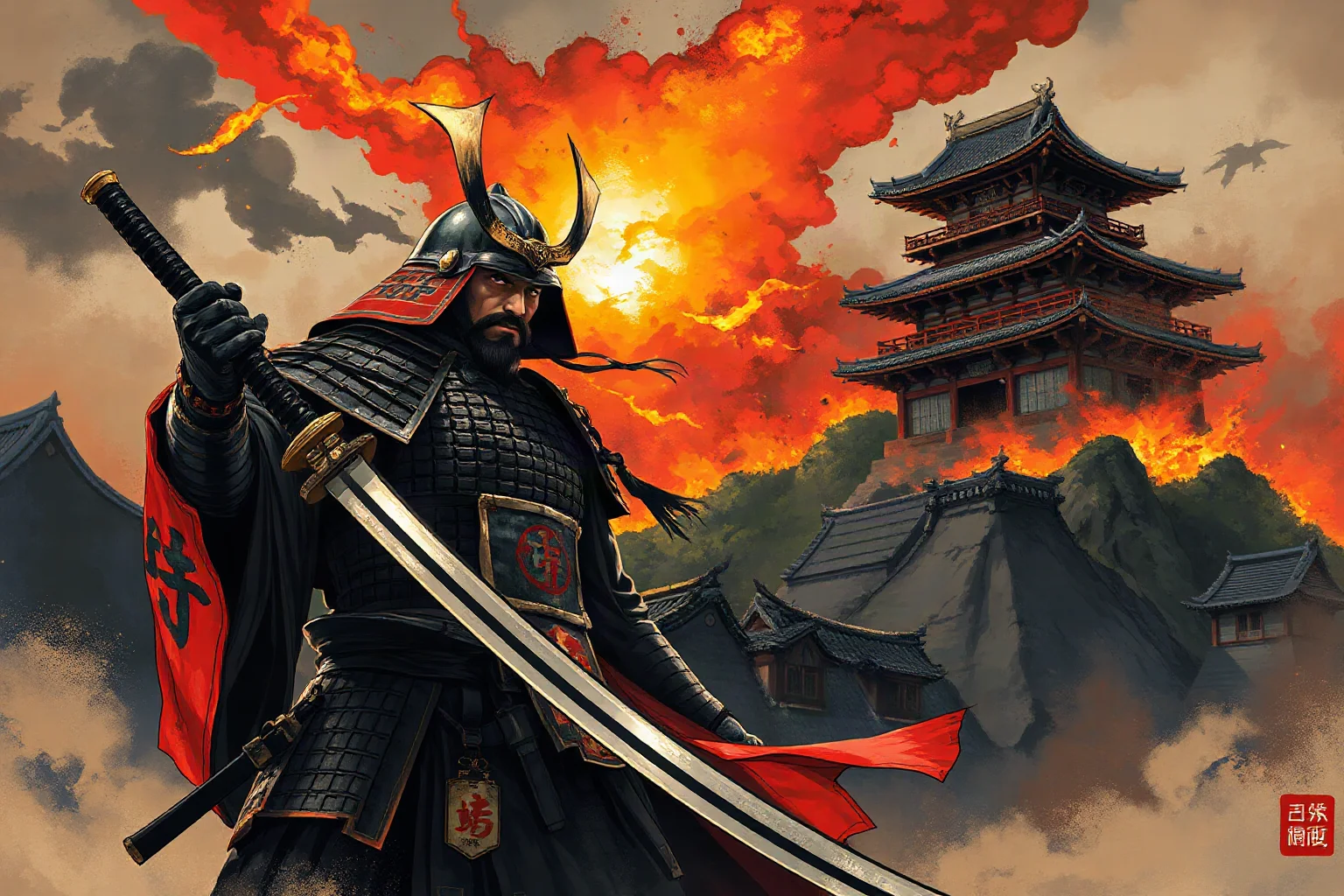
Oda Nobunaga began the process of unifying feudal Japan in the 16th century after centuries of civil war between rival daimyo. He was notably willing to adopt new technology, including early firearms, faster than many of his rivals.
He never completed the unification himself, being assassinated by one of his own generals, but his groundwork was carried on by successors like Toyotomi Hideyoshi and Tokugawa Ieyasu. His career is a good reminder that influential military leaders don’t always live to see their own legacy finished.
15. Frederick the Great
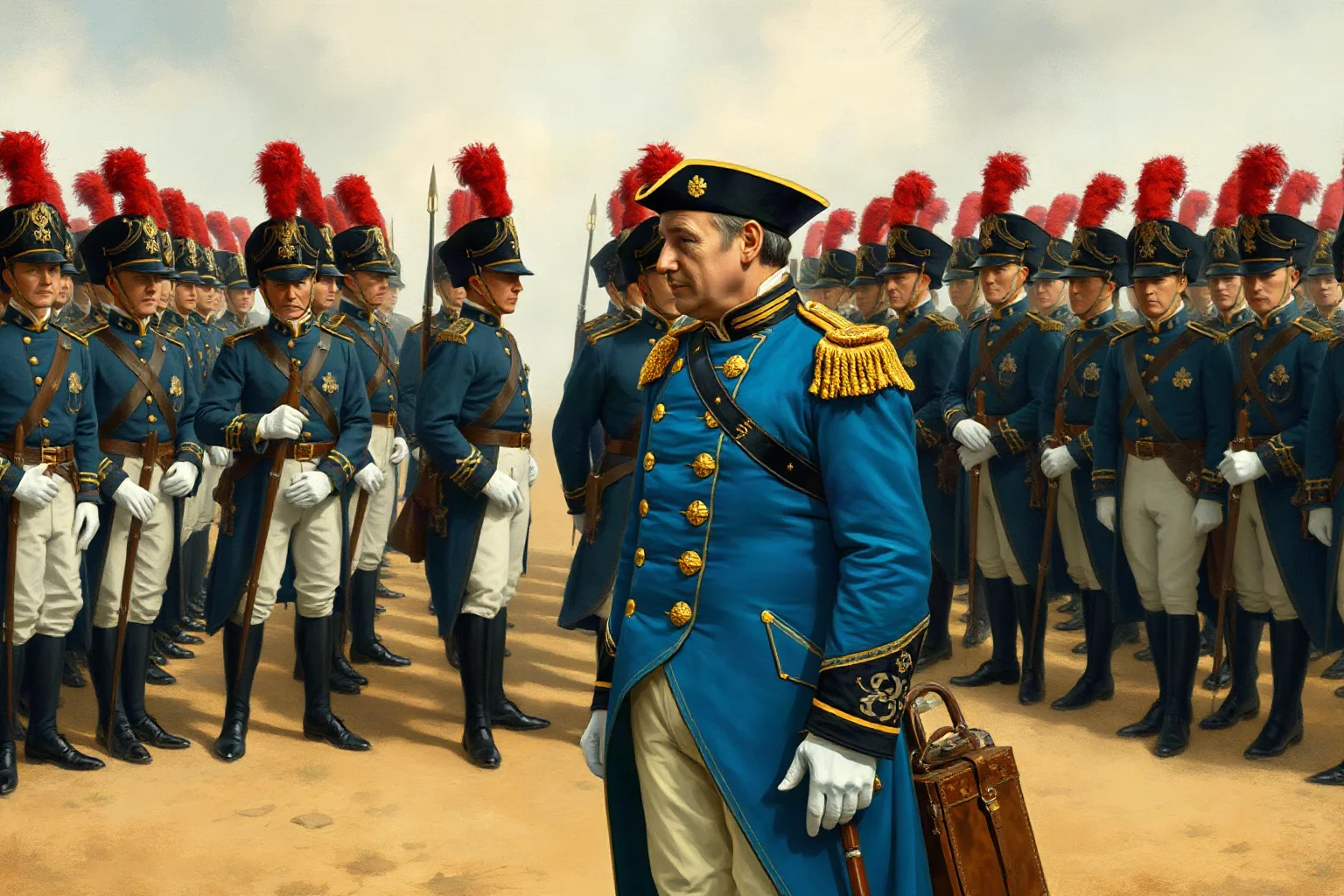
Frederick II of Prussia turned a relatively small kingdom into a major European military power through disciplined infantry drills and bold tactical risk-taking. His victories during the Seven Years’ War, often against numerically superior forces, became case studies in European military academies for generations.
Napoleon himself reportedly studied Frederick’s campaigns closely. That kind of cross-generational influence is exactly what separates a merely successful general from one considered among the greatest military generals of all time.
16. George Washington
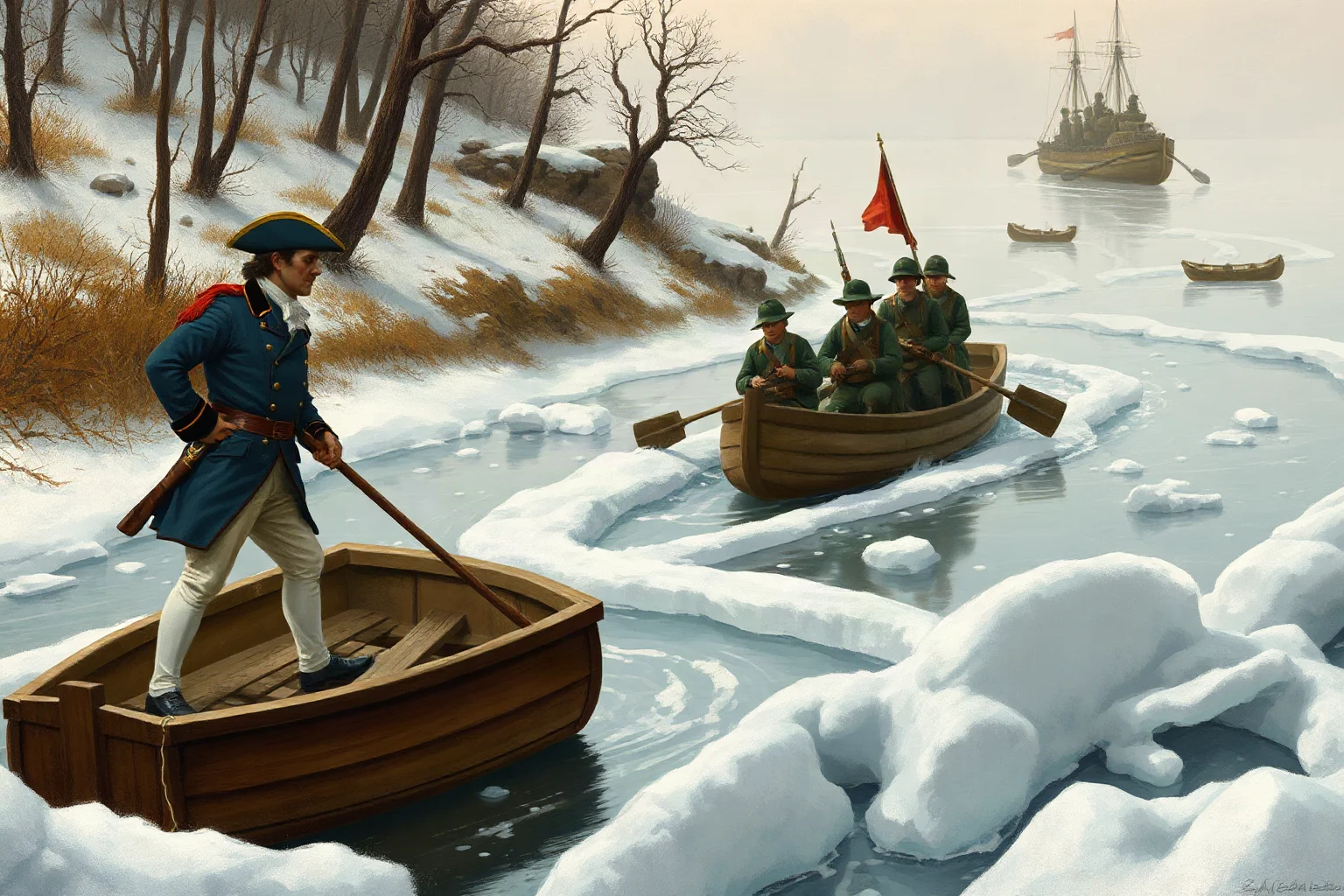
George Washington’s military record includes plenty of losses, yet he’s remembered as one of history’s most important commanders for a different reason: he held the Continental Army together long enough to outlast the British. His earlier role is also historically significant, since a young Washington’s clash with French forces at Jumonville Glen in 1754 helped trigger the French and Indian War.
After independence, Washington voluntarily gave up military power to become the first U.S. president, setting a precedent for civilian control of the military that still defines American government. That choice arguably had more long-term influence than any single battlefield victory.
17. Napoleon Bonaparte
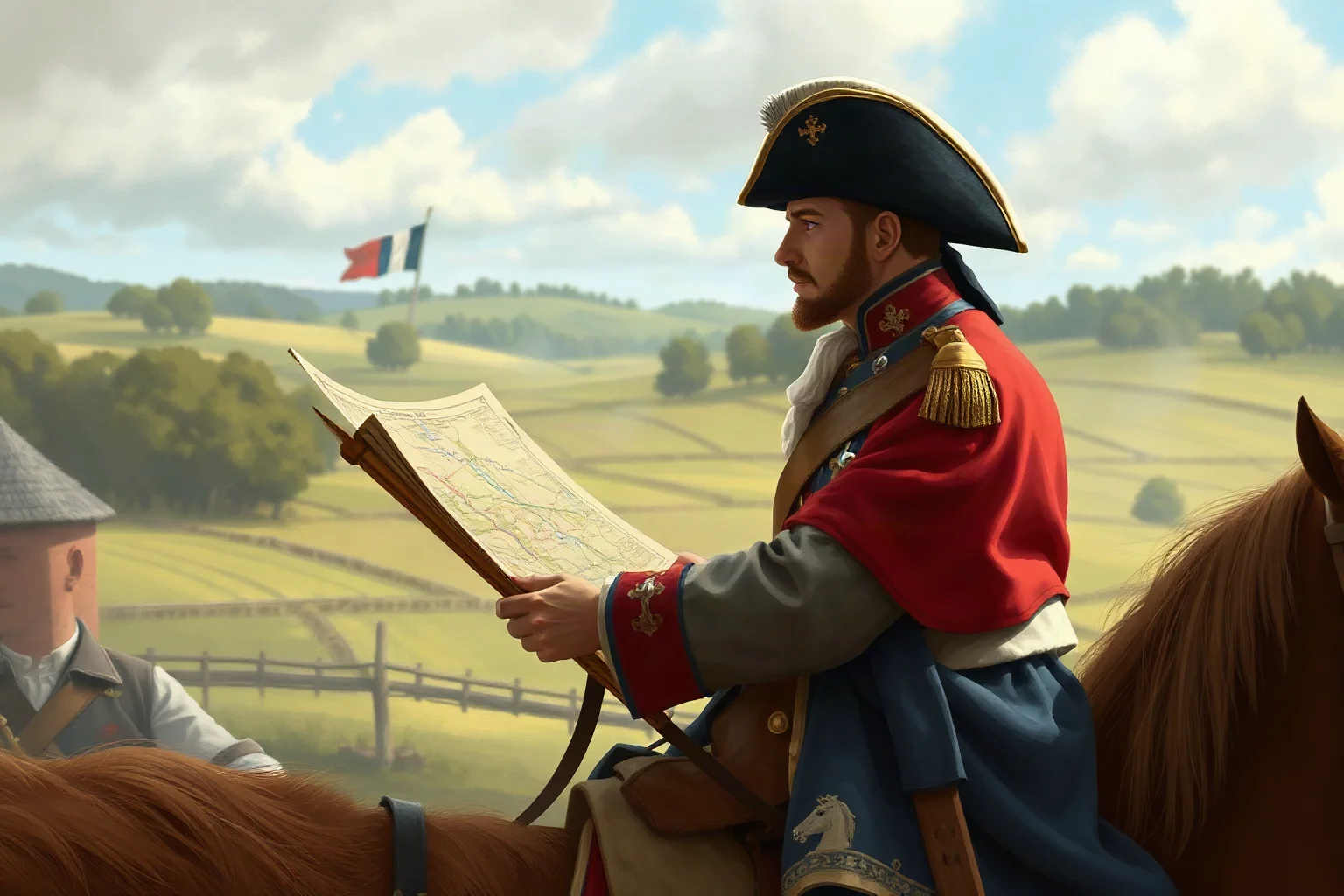
Napoleon Bonaparte is one of the most-studied commanders in military history, known for rapid troop movements, decisive artillery use, and an unusual talent for inspiring loyalty across an enormous army. He rose from a minor Corsican noble family to Emperor of France, largely on the strength of his early military campaigns in Italy and Egypt.
His eventual defeat at Waterloo in 1815 is a reminder that even legendary generals can be undone by combined opposing forces and overreach. Discussions about who is the greatest general of all time almost always include his name, precisely because his career shows both the heights and limits of military genius.
18. Duke of Wellington
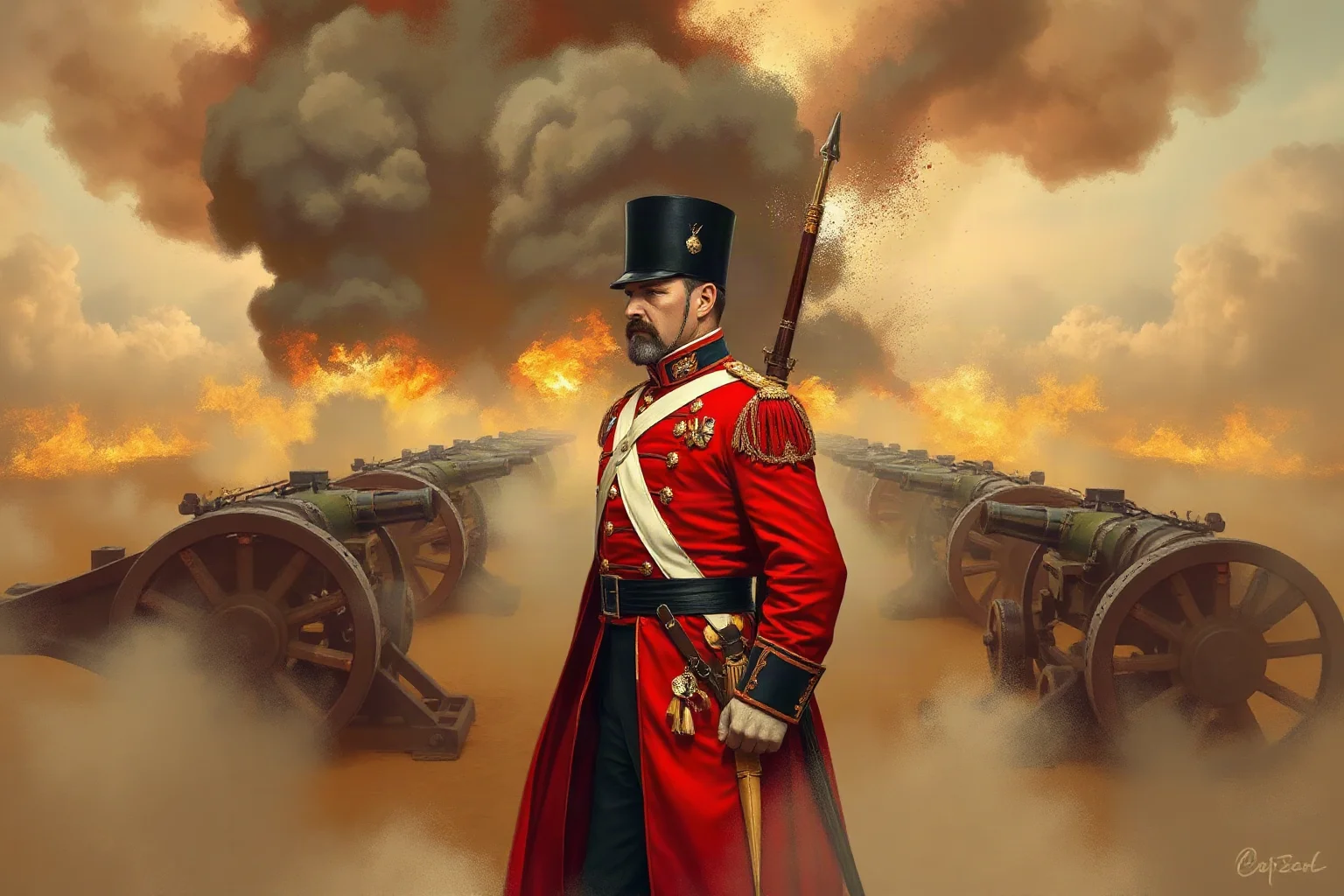
Arthur Wellesley, the Duke of Wellington, built his reputation fighting Napoleonic forces in the Peninsular War before famously defeating Napoleon at Waterloo alongside Prussian forces under Blücher. He was known for defensive discipline and careful use of terrain rather than flashy maneuvers.
His famous description of Waterloo as “the nearest run thing you ever saw” is a useful corrective to the idea that great commanders always win comfortably. Sometimes the greatest military leaders simply outlast the chaos better than their opponents do.
Modern War Generals and 20th-Century Commanders
Industrialized warfare changed the scale of conflict entirely, and the commanders of this era had to manage millions of troops, complex supply chains, and rapidly evolving technology.
19. Ulysses S. Grant
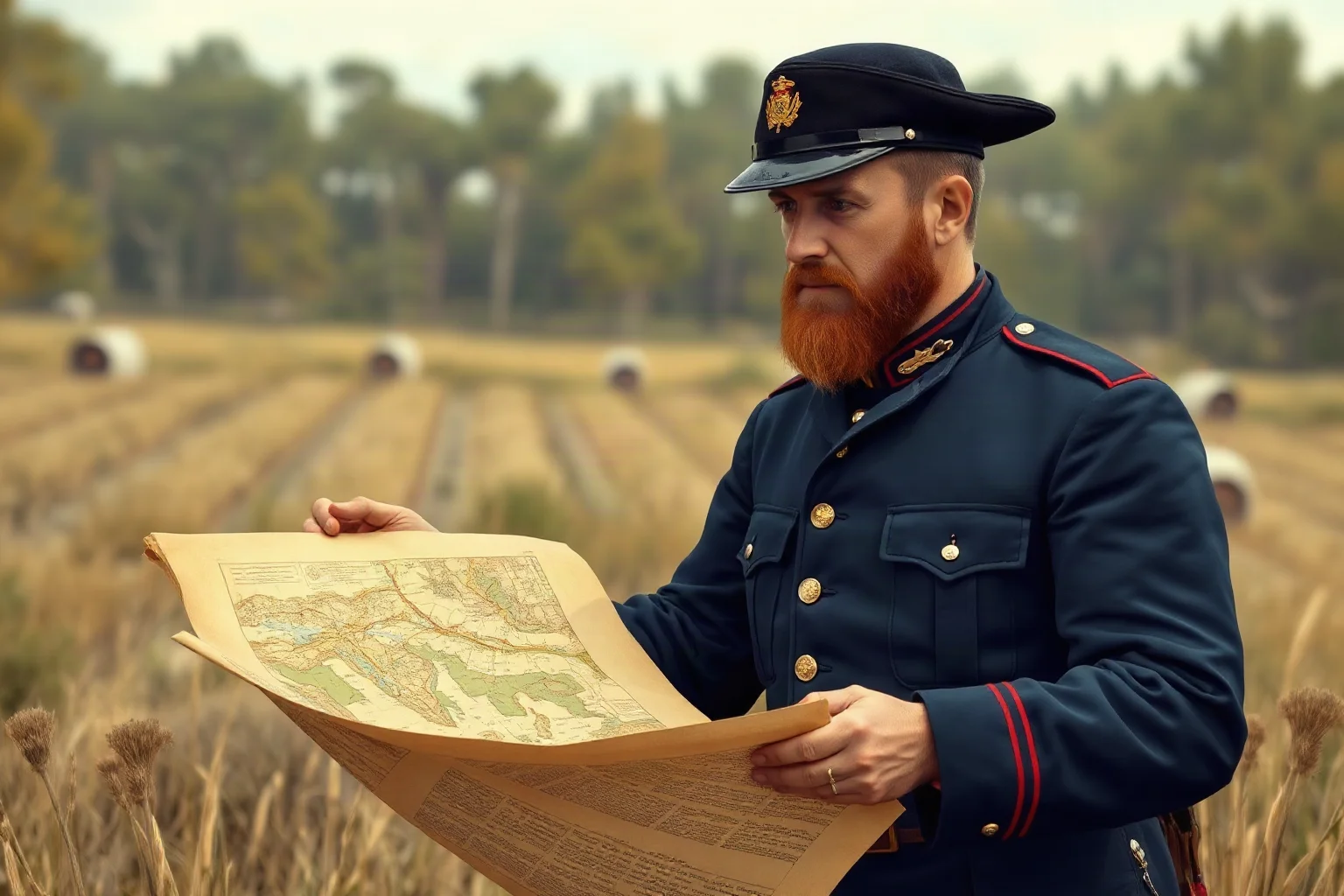
Grant commanded Union forces to victory in the American Civil War, using a strategy of coordinated, simultaneous pressure across multiple fronts that his predecessors had failed to execute. Critics called his approach costly, but it reflected a clear understanding that the Union’s manpower and industrial advantage would win a war of attrition.
He later served as U.S. president, joining a short list of military leaders in the American Revolution and Civil War eras who transitioned directly into national politics. His partnership with Lincoln is often cited as a model of effective civilian-military coordination during wartime.
20. Robert E. Lee
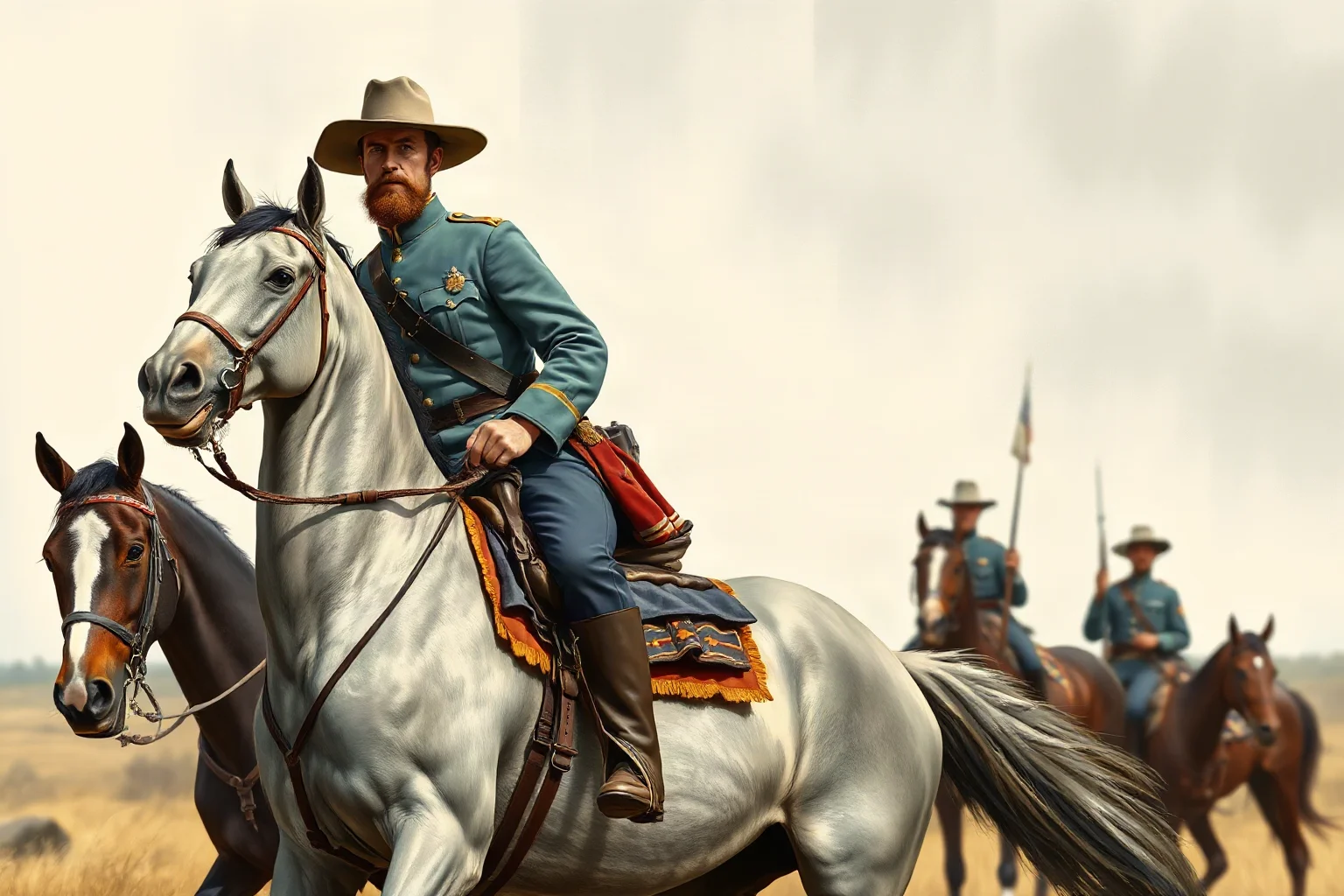
Robert E. Lee commanded the Confederate Army of Northern Virginia and is still frequently studied for his tactical skill, including his audacious moves at Chancellorsville. It’s important to be clear-eyed here: Lee fought to preserve a Confederacy built around the institution of slavery, and his legacy is rightly viewed very differently today than it often was in the decades following the war.
Militarily, historians still analyze his aggressive maneuver tactics, but his ultimate defeat also reflects the same resource limitations that doomed the Confederacy more broadly. He remains one of the most debated figures among Civil War military leaders.
21. Simón Bolívar
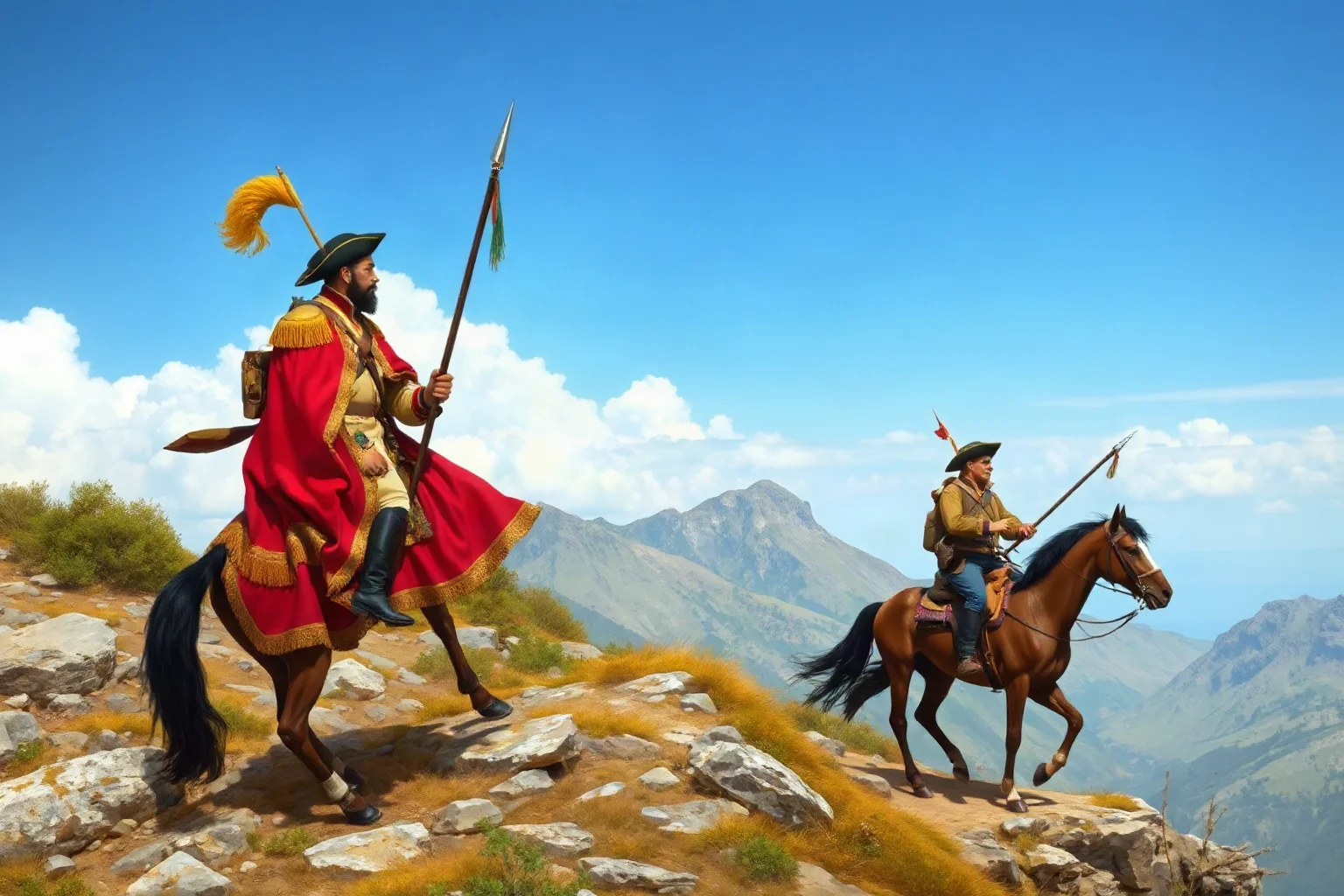
Simón Bolívar led military campaigns that liberated much of South America from Spanish colonial rule in the early 19th century, including present-day Venezuela, Colombia, Ecuador, and Bolivia. His campaigns often required moving armies across brutal mountain terrain, including a famous crossing of the Andes.
He combined military command with a genuine political vision for a unified South America, though that political dream fractured after independence was won. He’s still honored across Latin America as one of the historical figures celebrated during Hispanic Heritage Month and remains one of history’s most influential war leaders.
22. Georgy Zhukov
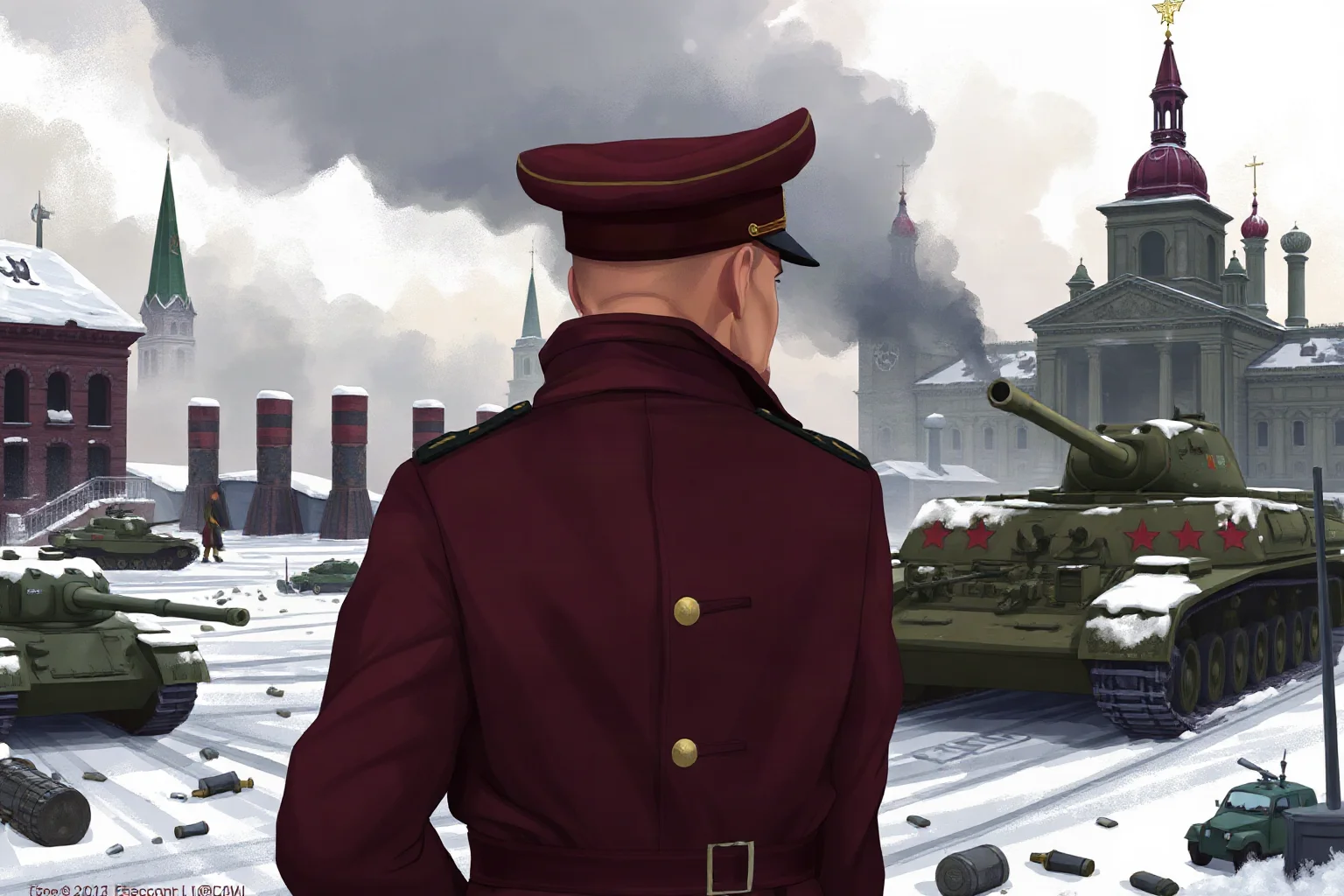
Georgy Zhukov was the leading Soviet military commander of World War II, playing a central role in the defense of Moscow, the victory at Stalingrad, and the eventual fall of Berlin in 1945. His campaigns involved staggering casualties on both sides, reflecting the brutal scale of the Eastern Front.
His reputation was somewhat suppressed under Stalin, who was wary of any general becoming too popular. Since the Cold War ended, Western historians have increasingly recognized him as one of the greatest military commanders of the 20th century.
23. Dwight D. Eisenhower
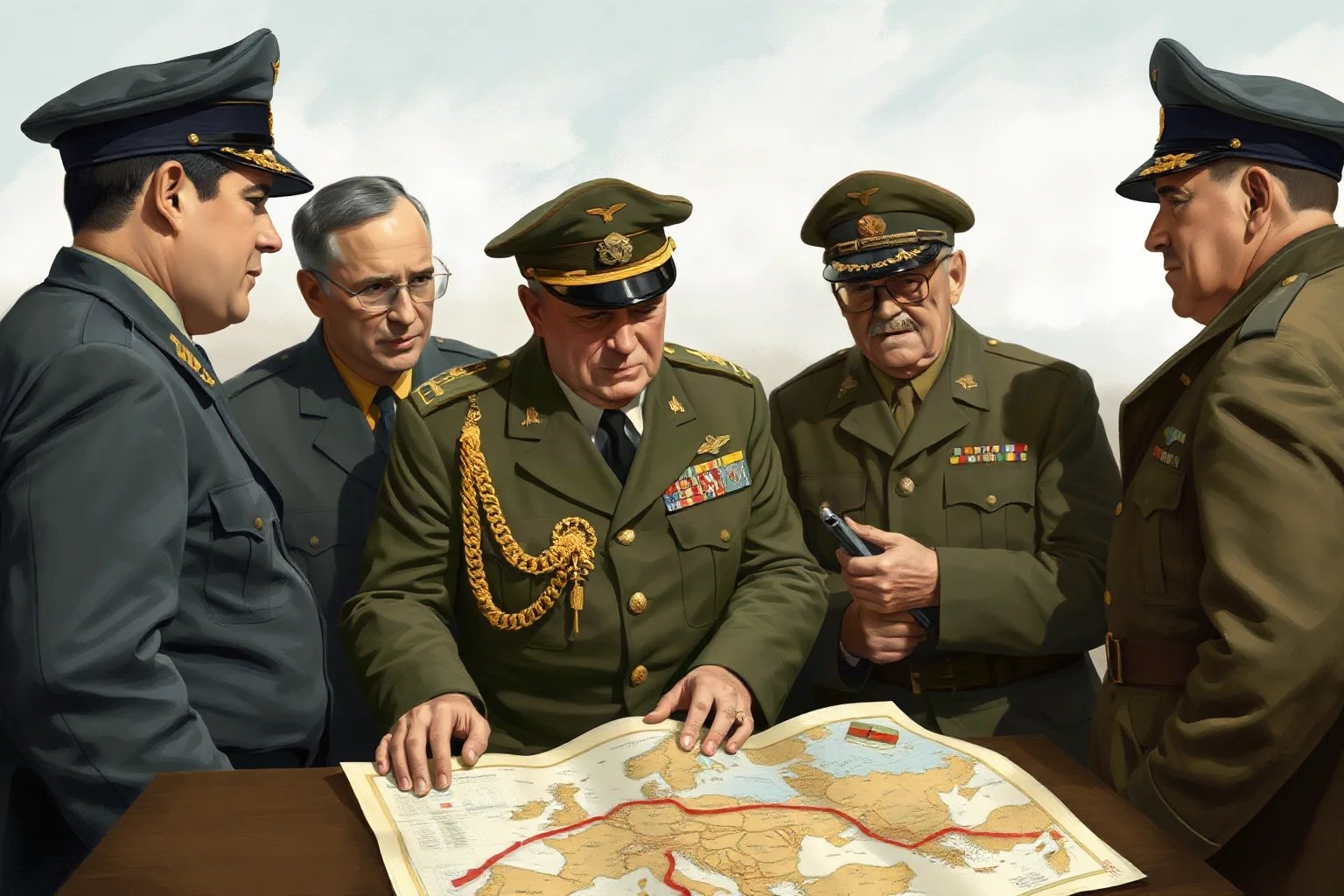
Eisenhower’s genius wasn’t primarily tactical, it was organizational. As Supreme Commander of Allied forces in Europe, he had to coordinate American, British, and other Allied units, egos, and strategies into a single, workable invasion plan culminating in D-Day.
His diplomatic skill in managing famously difficult subordinates like Patton and Montgomery was arguably as important as any battlefield decision he made. He later became U.S. president, continuing the long American tradition of successful commanders in chief moving directly from military to political leadership.
24. Erwin Rommel
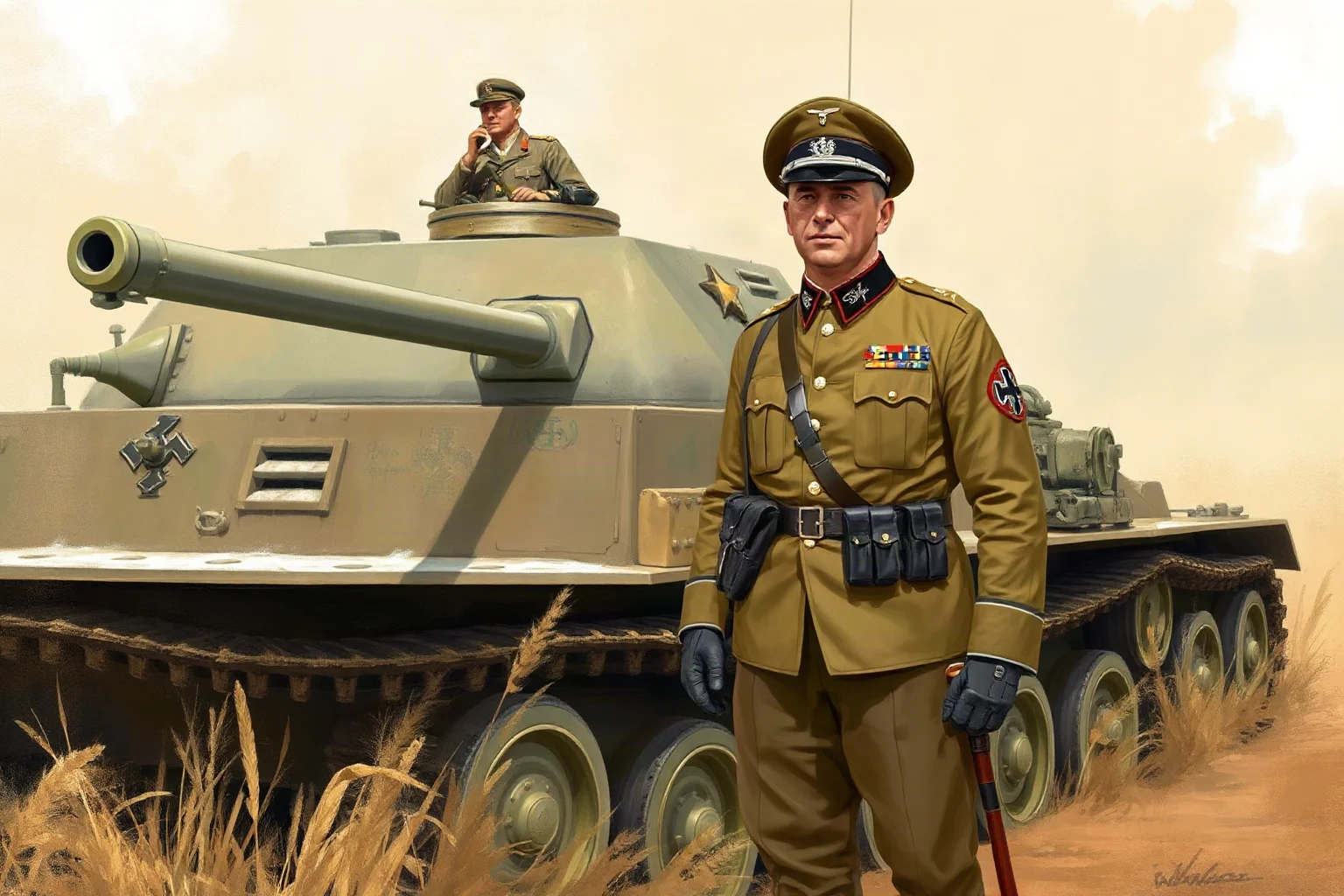
Erwin Rommel, nicknamed the “Desert Fox,” earned respect from both German and Allied forces for his mobile tank tactics during the North African campaign. His reputation for battlefield fairness stands in stark contrast to the broader atrocities of the regime he served.
He was later implicated in, or at least aware of, the 1944 plot against Hitler, and was forced to take his own life rather than face a public trial. His career is a reminder that individual battlefield skill doesn’t exist separately from the political cause a commander serves.
25. George S. Patton
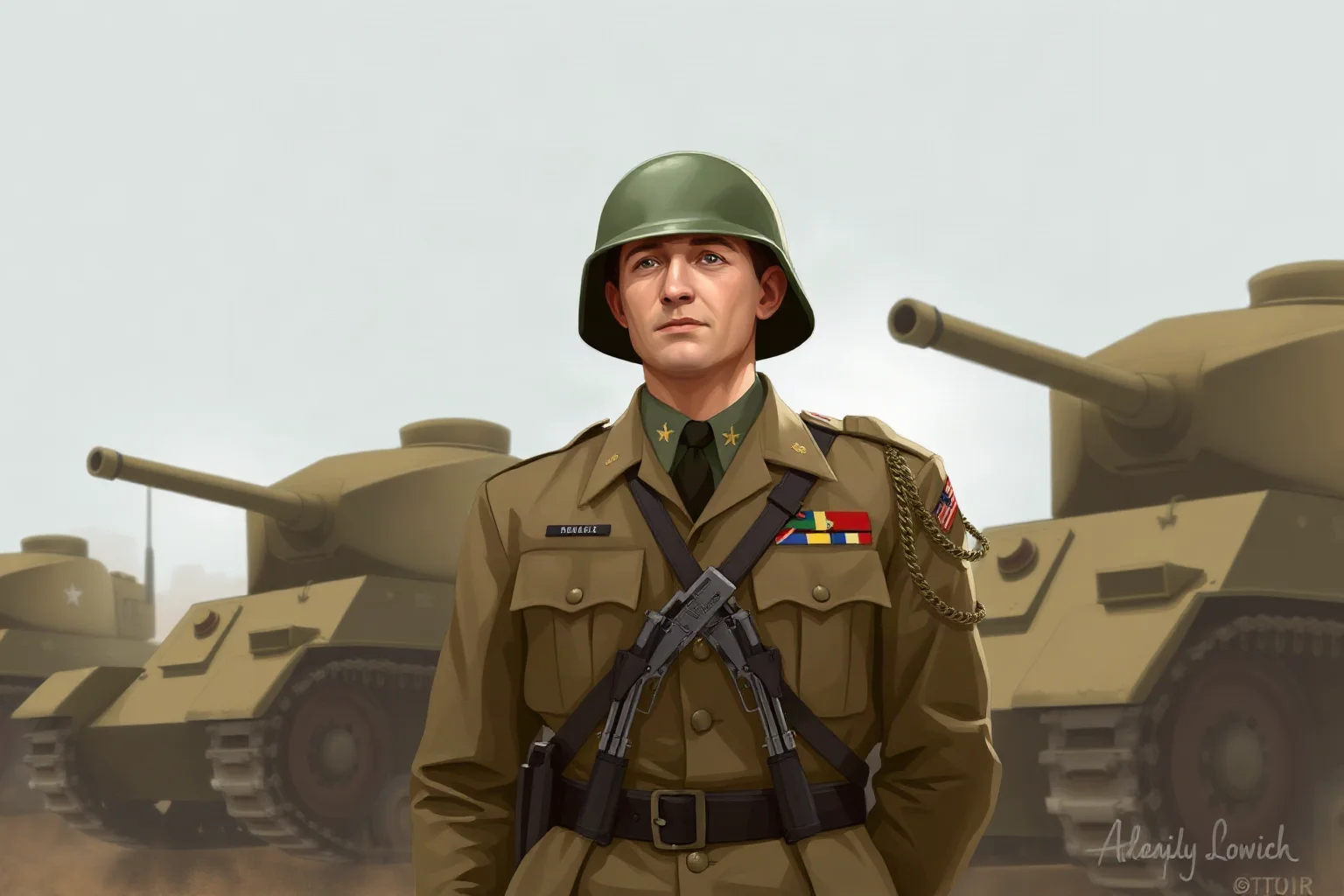
George S. Patton was one of the most aggressive American commanders of World War II, known for fast-moving armored campaigns across France and Germany. His Third Army’s rapid advance after the Normandy breakout is still studied as a model of exploiting battlefield momentum.
His blunt, sometimes controversial personality made him a difficult subordinate, but few doubted his tactical instincts under pressure. He remains one of the most quoted and most debated famous military generals of the modern era.
Understanding Military Ranks: Commander, CDR, and Commander in Chief
The word “commander” gets used loosely, but it actually has specific meanings depending on context. In everyday language, a commander is simply anyone giving orders to troops, but in most modern militaries it’s also a formal officer rank.
In the U.S. Navy and Coast Guard, “Commander” (abbreviated CDR) is a specific rank that sits between Lieutenant Commander and Captain, roughly equivalent to a Lieutenant Colonel in the Army, Air Force, or Marine Corps. It’s a mid-level officer role, not the top of the chain of command, which surprises people who assume “commander” always means the person in charge overall.
In several Spanish-speaking militaries, “Comandante” is a similar mid-level rank, often equivalent to Major, though the title has also been used more loosely as an honorific for revolutionary or rebel leaders. That historical, informal use is part of why the term shows up so often outside strict military rank charts.
“Commander in Chief” is a different concept entirely, referring to the person with ultimate authority over a nation’s armed forces. In the United States, the president holds this role as a civilian, which is a deliberate constitutional choice meant to keep military power under elected civilian control. Historical examples of commanders in chief include U.S. presidents from Washington onward, as well as monarchs and heads of state in other countries who hold similar constitutional authority over their armed forces.
So who is technically in charge of the military day to day? In the U.S. system, the president sets overall policy as commander in chief, the Secretary of Defense oversees the Department of Defense, and the Chairman of the Joint Chiefs of Staff serves as the top military advisor coordinating the Army, Navy, Air Force, Marine Corps, and other service branches. Below that sits a large structure of four-star, three-star, and lower generals and admirals, and the exact number of active general officers is set by law and fluctuates over time, generally numbering in the low hundreds across all branches in the U.S. military.
The Highest Honors in Military History
Across most modern militaries, the highest recognition typically goes to those who show extraordinary bravery in combat, often at great personal risk. In the United States, that top honor is the Medal of Honor, awarded for valor above and beyond the call of duty, and it’s exceptionally rare, with only a small number awarded per major conflict.
Other countries have their own equivalents, such as the United Kingdom’s Victoria Cross or France’s Légion d’Honneur, each with its own history and criteria. What they share is a recognition that individual courage, not just command-level strategy, has always been central to military history.
Famous Quotes From Legendary Military Leaders
Quotes from famous military leaders get repeated so often that some end up more legend than verified fact, so it’s worth treating especially widely-circulated lines with a little healthy skepticism unless they’re clearly sourced. That said, several documented statements do capture how these commanders actually thought about leadership.
Sun Tzu’s writings emphasize knowing yourself and your enemy as the foundation of strategy, a line still quoted in military and business contexts alike. Wellington’s own remark that Waterloo was “a damned nice thing, the nearest run thing you ever saw” is well documented and reflects a refreshing honesty about how close that victory actually was.
When exploring quotes attributed to Napoleon, Patton, or ancient generals, it’s worth checking primary sources where possible, since many popular “historical” quotes were embellished or invented decades or centuries later. That skepticism is part of studying history responsibly, rather than just collecting inspirational one-liners.
Why These Leaders Still Matter
What connects Sun Tzu, Genghis Khan, and Eisenhower isn’t a shared nationality, era, or even a shared moral record, since some of these commanders fought for causes modern readers rightly view with real discomfort. What they share is outsized influence, the ability to change the direction of entire nations, empires, or civilizations through military decisions.
Studying great leaders through history, including the military ones, isn’t really about crowning a single “best” commander. It’s about understanding how strategy, logistics, morale, and sheer circumstance combine to shape outcomes that still echo in today’s borders, institutions, and cultures.
Whether you’re drawn to ancient tacticians like Hannibal, empire-builders like Genghis Khan, or 20th-century organizers like Eisenhower, the throughline is the same. Command, at its core, has always been less about personal glory and more about the impossible task of making thousands of other people move, fight, and survive together.
Frequently Asked Questions
Who are considered the greatest generals of all time?
There's no single agreed-upon ranking, but names that consistently appear on lists of the greatest generals of all time include Alexander the Great, Hannibal Barca, Julius Caesar, Genghis Khan, Napoleon Bonaparte, and Dwight D. Eisenhower. Historians tend to weigh not just battlefield wins but also logistics, adaptability, and long-term historical impact.
Who was the greatest general of all time?
There's genuine historical debate here rather than a settled answer. Alexander the Great is often cited for never losing a battle, while others favor Hannibal, Genghis Khan, or Napoleon for their strategic influence, so the honest answer is that it depends heavily on which criteria you value most.
What is the CDR rank in the military?
CDR is the abbreviation for Commander, a mid-level officer rank used in the U.S. Navy and Coast Guard. It ranks above Lieutenant Commander and below Captain, and is roughly equivalent to a Lieutenant Colonel in the Army, Air Force, or Marine Corps.
What is the highest honor in the military?
In the United States, the highest military honor is the Medal of Honor, awarded for extraordinary valor in combat above and beyond the call of duty. Other countries have their own top honors, such as the United Kingdom's Victoria Cross, each with its own strict eligibility standards.
How many generals are in the U.S. military?
The exact number changes over time and is set by law, but the U.S. military typically has a few hundred active general and flag officers across all branches at any given time. This includes ranks from one-star Brigadier General up to four-star General or Admiral.
What famous military leader started the French and Indian War?
A young George Washington is closely associated with the outbreak of the French and Indian War, particularly through his role in the 1754 skirmish at Jumonville Glen while serving as a Virginia militia officer. That clash between British colonial and French forces helped escalate broader tensions into full-scale war.
Who is in charge of the U.S. military?
The President of the United States serves as Commander in Chief, holding ultimate constitutional authority over the armed forces as a civilian official. Below the president, the Secretary of Defense oversees policy and the Chairman of the Joint Chiefs of Staff serves as the top military advisor coordinating the service branches.
What are some examples of a commander in chief?
In the United States, every president since George Washington has served as Commander in Chief of the armed forces. Other countries have similar roles, sometimes held by a president or prime minister, and sometimes by a monarch, depending on that nation's constitutional structure.

Alex Warren
Related Articles