
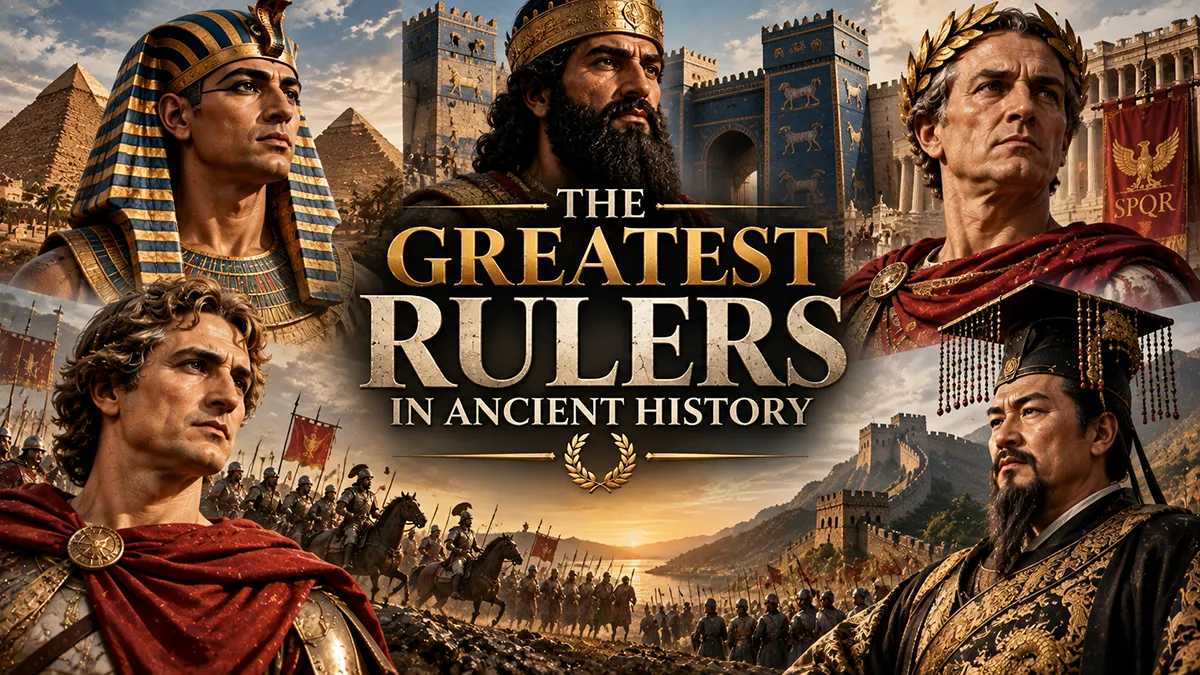
You’ve probably hummed the line “I used to ruuuuuuuuuuule the world” without ever wondering which real-life ruler could actually say that and mean it. Turns out, quite a few could — and their stories are wilder, messier, and more human than the legends suggest.
This isn’t a list of flawless heroes; it’s a look at the ancient kings, emperors, and conquerors whose decisions still echo through our laws, borders, languages, and even our pop culture.
We’re covering famous kings from Mesopotamia to Egypt, ancient Greek kings and emperors, Indian and Chinese dynasts, Roman emperors, and the “barbarian” leaders who terrified them all.
Along the way, we’ll bust a few myths, because ancient history has a habit of getting exaggerated in translation — and sometimes on purpose, by the rulers themselves.
TL;DR: History’s greatest rulers earned their titles through conquest, law, or culture — often all three — and studying them separates real achievement from centuries of propaganda and legend.
What Actually Makes a Ruler “Great”?
Before ranking anyone, it helps to ask what “greatest” even means. Historians generally weigh a few things: how much territory a ruler controlled, how long their systems of law or governance lasted, and how much cultural or technological legacy they left behind.
Military conquest matters, but it isn’t everything. Some of the best rulers in history are remembered less for battles won and more for the laws, infrastructure, or religious tolerance they left behind.
Others earned their reputation purely through the sword, which is why this list mixes kings, emperors, and conquerors rather than ranking them on a single scale.
It’s also worth remembering that most of what we know about ancient rulers comes from inscriptions, court historians, or propaganda carved into stone. Many “great” titles were self-awarded. Keeping that skepticism in mind is part of doing history right.
1. Sargon of Akkad
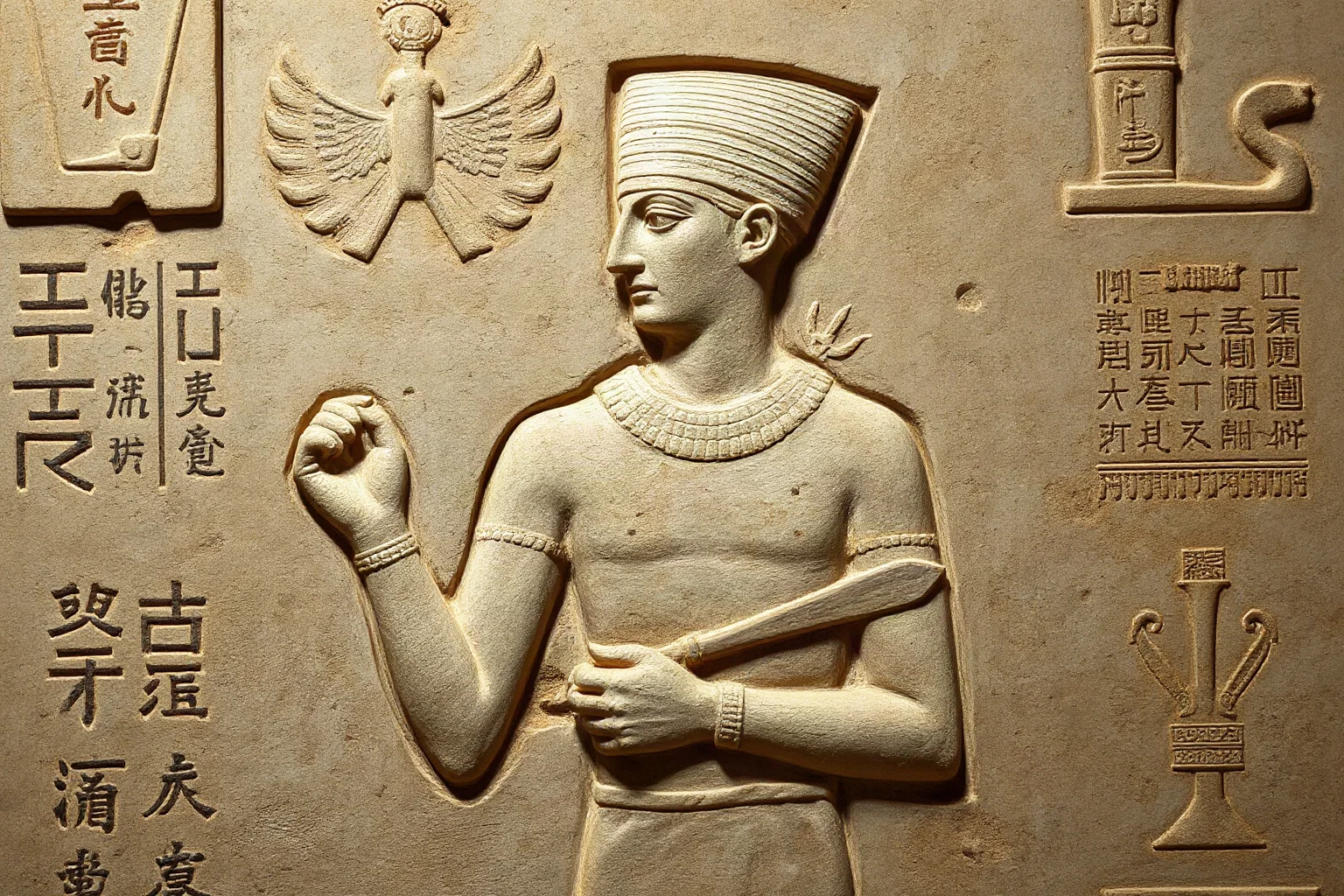
Sargon of Akkad is often called the first emperor in recorded history, ruling Mesopotamia around 2334–2279 BCE. He built the Akkadian Empire by uniting Sumerian city-states under one administration, a genuine first for organized, multi-city rule.
His empire eventually collapsed, but the model he created — centralized bureaucracy governing conquered regions — became the blueprint for empires that followed. Much of what we know comes from later legendary accounts, so some details are more myth than record.
2. Hammurabi of Babylon
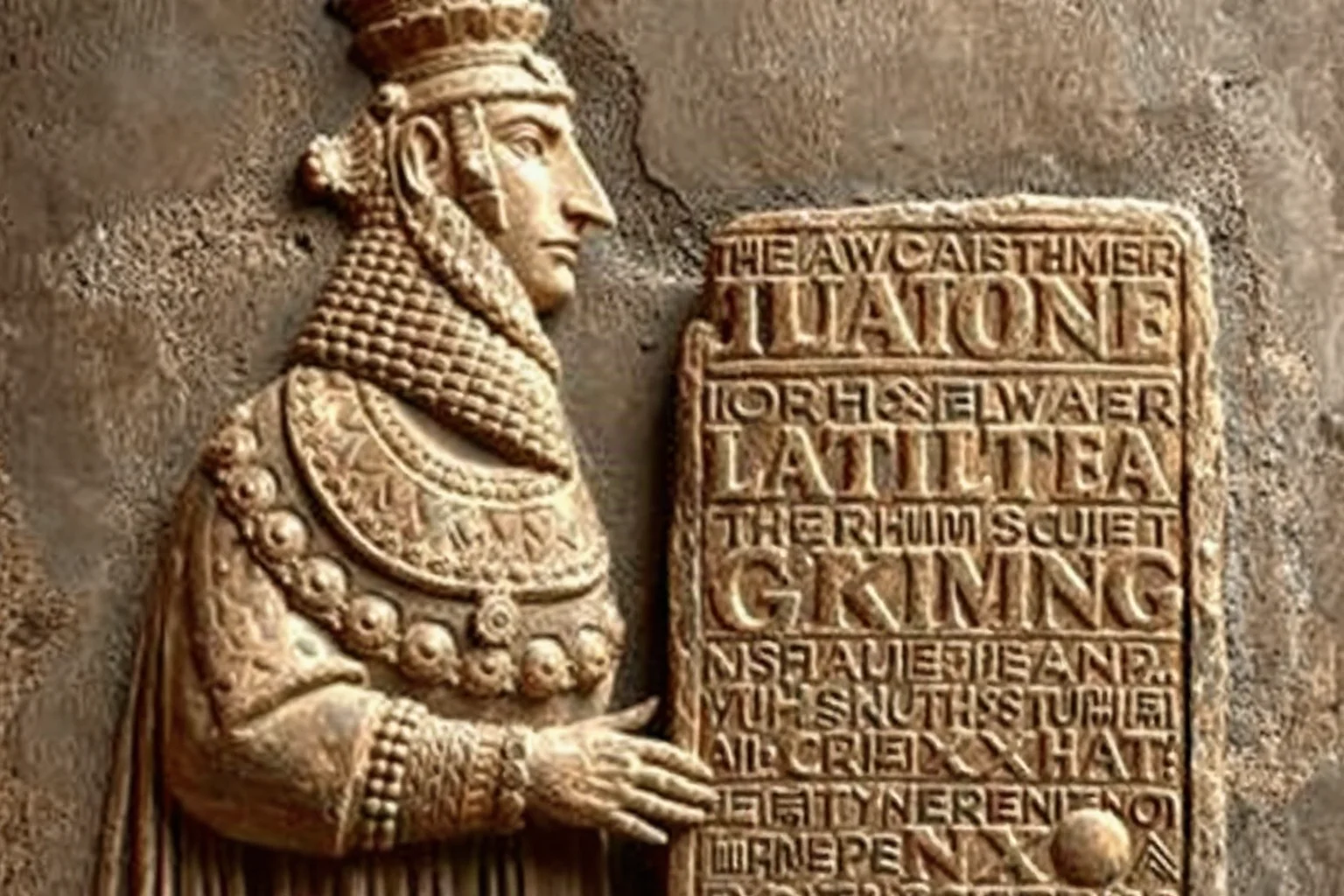
Hammurabi ruled Babylon from around 1792 to 1750 BCE and is best known for the Code of Hammurabi, one of the earliest written legal codes we still have. It covered everything from property disputes to criminal punishment, carved onto a stone stele for all to see.
What made Hammurabi notable among ancient rulers wasn’t just conquest — he unified much of Mesopotamia through a mix of military campaigns and diplomacy. His legal legacy influenced legal thinking across the ancient Near East for centuries.
3. Narmer
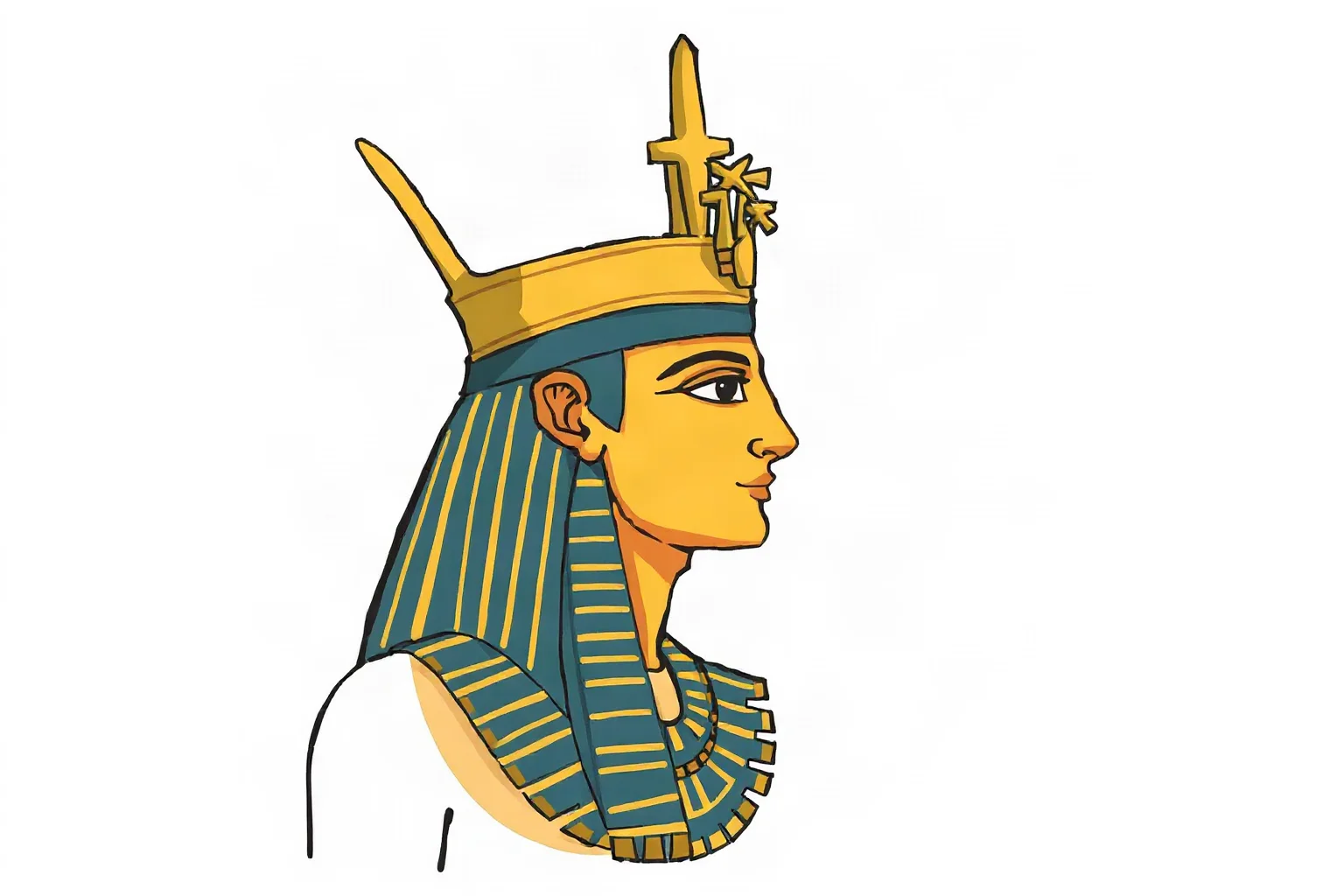
Narmer is widely credited with unifying Upper and Lower Egypt around 3100 BCE, making him one of the earliest known leaders in ancient Egypt and a strong candidate for “first king” status anywhere in the world. The Narmer Palette, a carved stone artifact, depicts him wearing both crowns of Egypt as a symbol of this unification.
Whether Narmer was truly the first king of a unified nation or one of several early unifiers is still debated by Egyptologists. Either way, he set the template for over 3,000 years of pharaonic rule.
4. Khufu
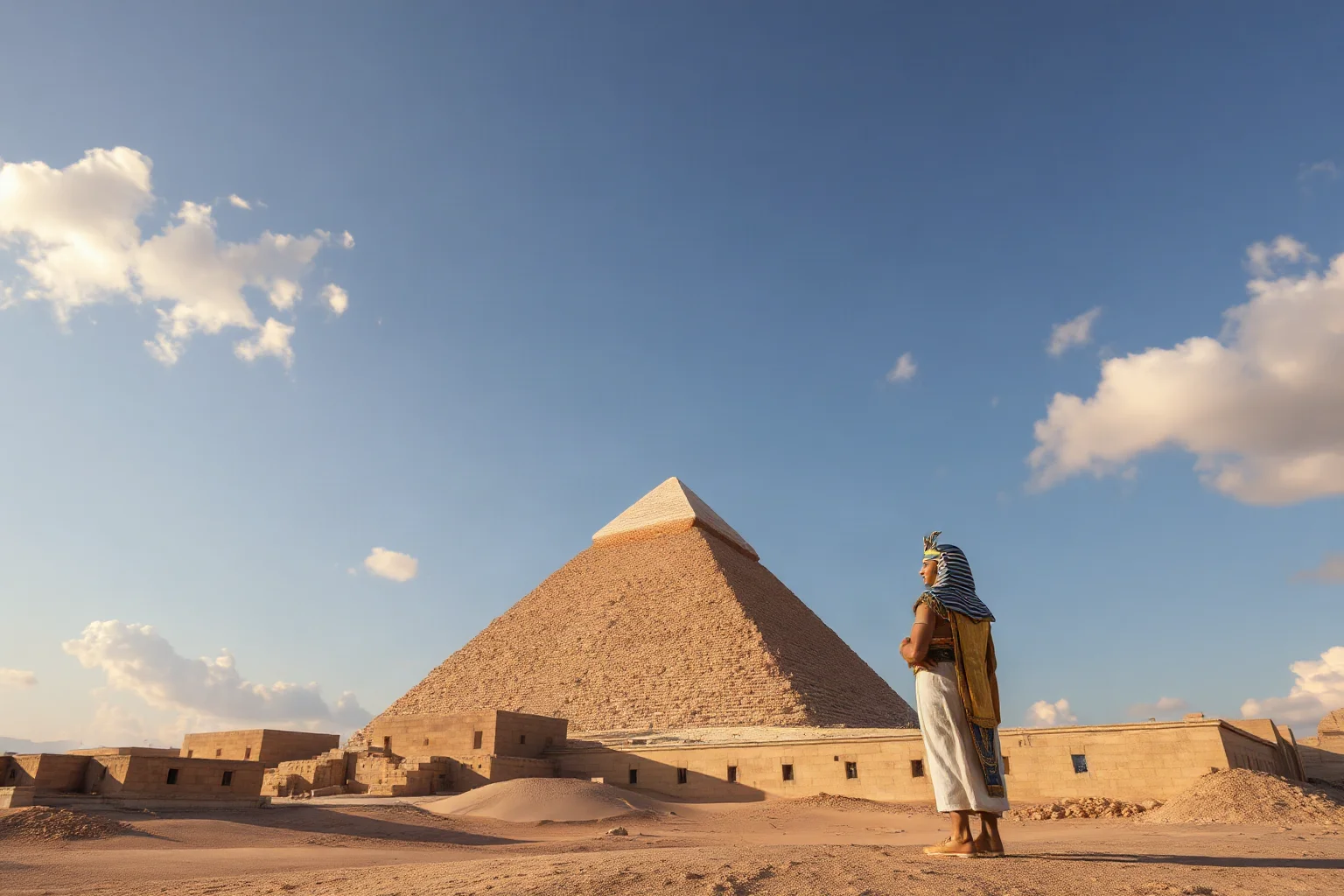
Khufu, a Fourth Dynasty pharaoh, commissioned the Great Pyramid of Giza around 2560 BCE, one of the most staggering engineering feats of the ancient world. Contrary to old Hollywood imagery, most evidence suggests the pyramid was built primarily by paid laborers and skilled workers, not enslaved masses.
Relatively little is known about Khufu’s personal reign beyond the pyramid and a few inscriptions. His legacy is almost entirely architectural, which says a lot about how ancient Egyptian leaders were remembered.
5. Hatshepsut
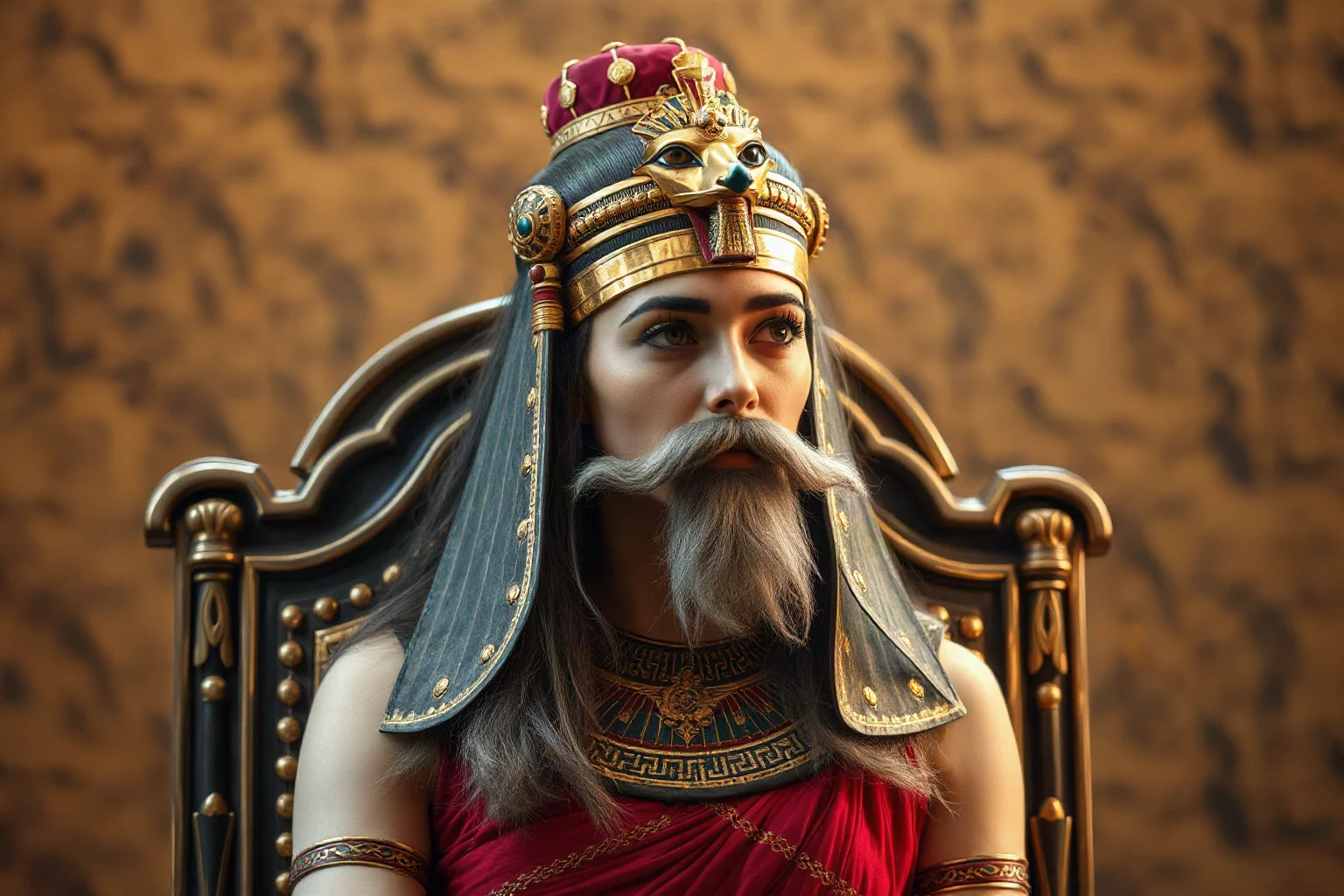
Hatshepsut ruled as pharaoh of Egypt around 1479–1458 BCE, one of the few women to hold the full title and authority of king rather than queen consort. She oversaw a peaceful, prosperous reign marked by extensive trade expeditions and monumental building projects, including her mortuary temple at Deir el-Bahari.
After her death, some of her monuments were defaced, likely by her successor, which fueled centuries of speculation about political rivalry. Modern historians view her as one of ancient Egypt’s most effective rulers, full stop.
6. Thutmose III
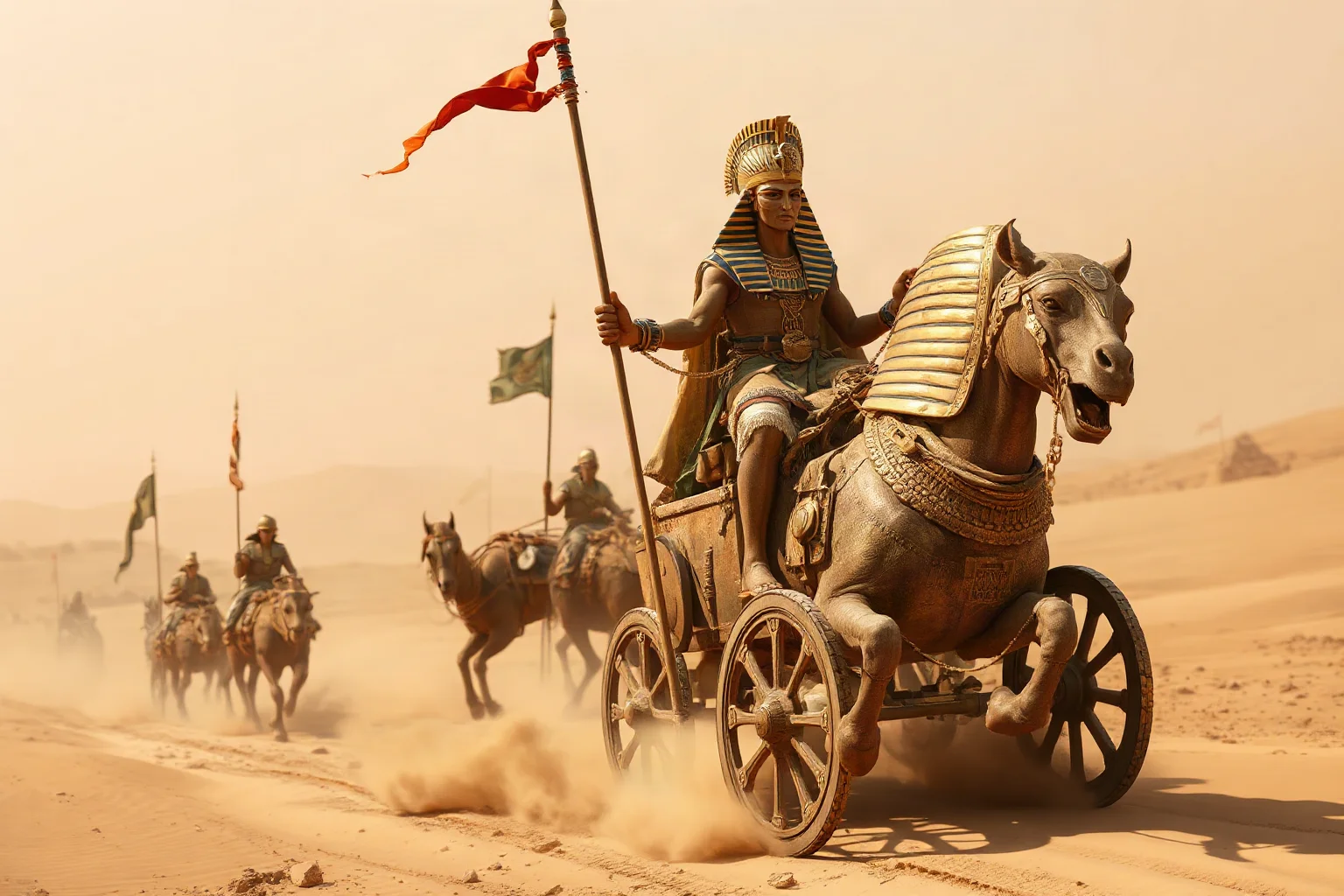
Often called the “Napoleon of Egypt,” Thutmose III expanded Egyptian territory further than almost any pharaoh before or after him. His military campaigns, including the famous Battle of Megiddo, pushed Egyptian influence deep into the Levant.
He ruled during the 15th century BCE and left behind detailed military records inscribed at Karnak, giving historians rare insight into ancient battle tactics. His reign marks the high point of the Egyptian New Kingdom’s military power.
7. Ramesses II
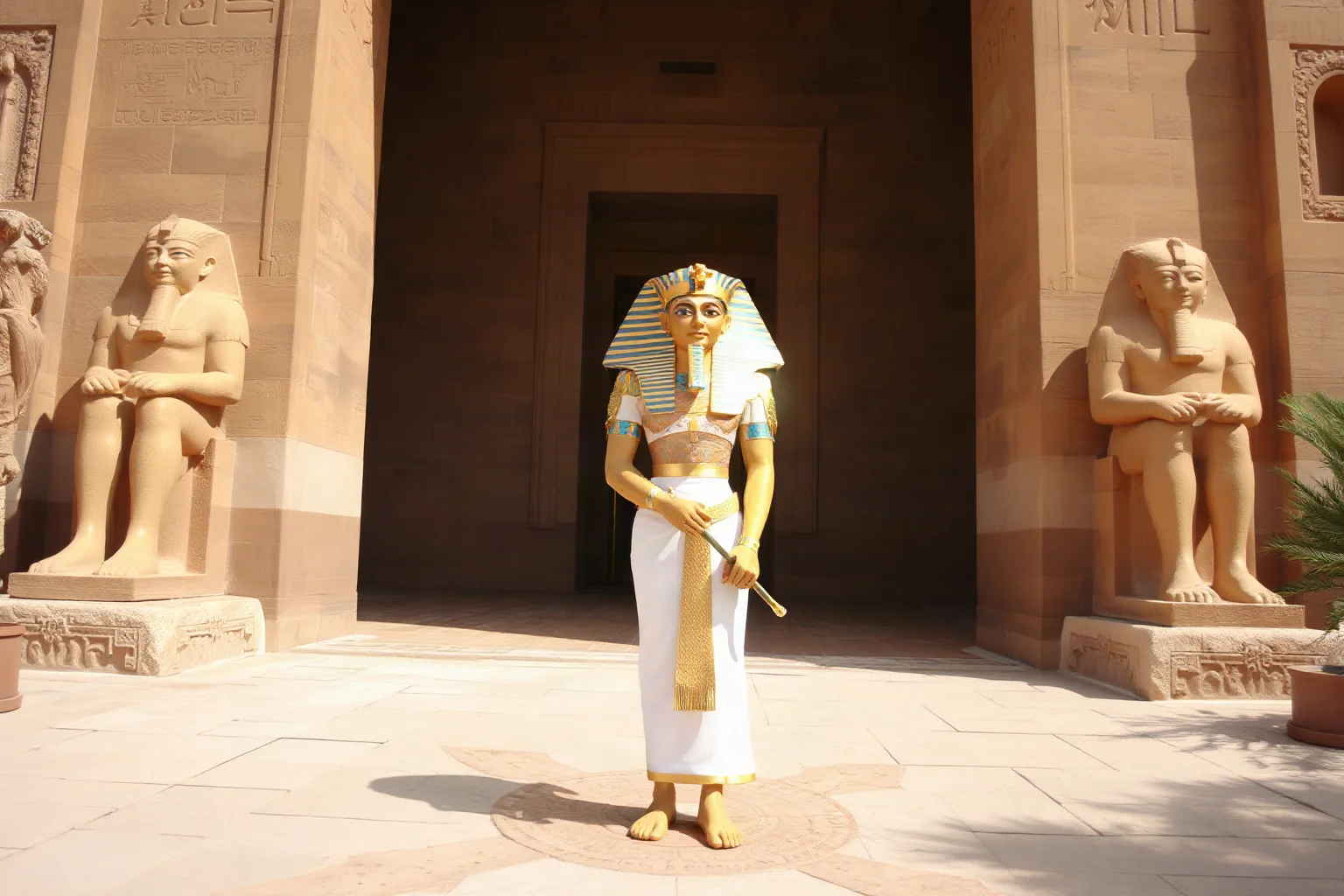
Ramesses II, or Ramesses the Great, ruled Egypt for roughly 66 years in the 13th century BCE, longer than almost any other pharaoh. He’s famous for the Battle of Kadesh against the Hittites, which he claimed as a victory even though the actual outcome was closer to a stalemate.
His reign also produced the world’s earliest known peace treaty, still preserved in fragments today. Ramesses commissioned massive building projects, including Abu Simbel, cementing his image as one of ancient Egypt’s most famous rulers.
8. Ashurbanipal
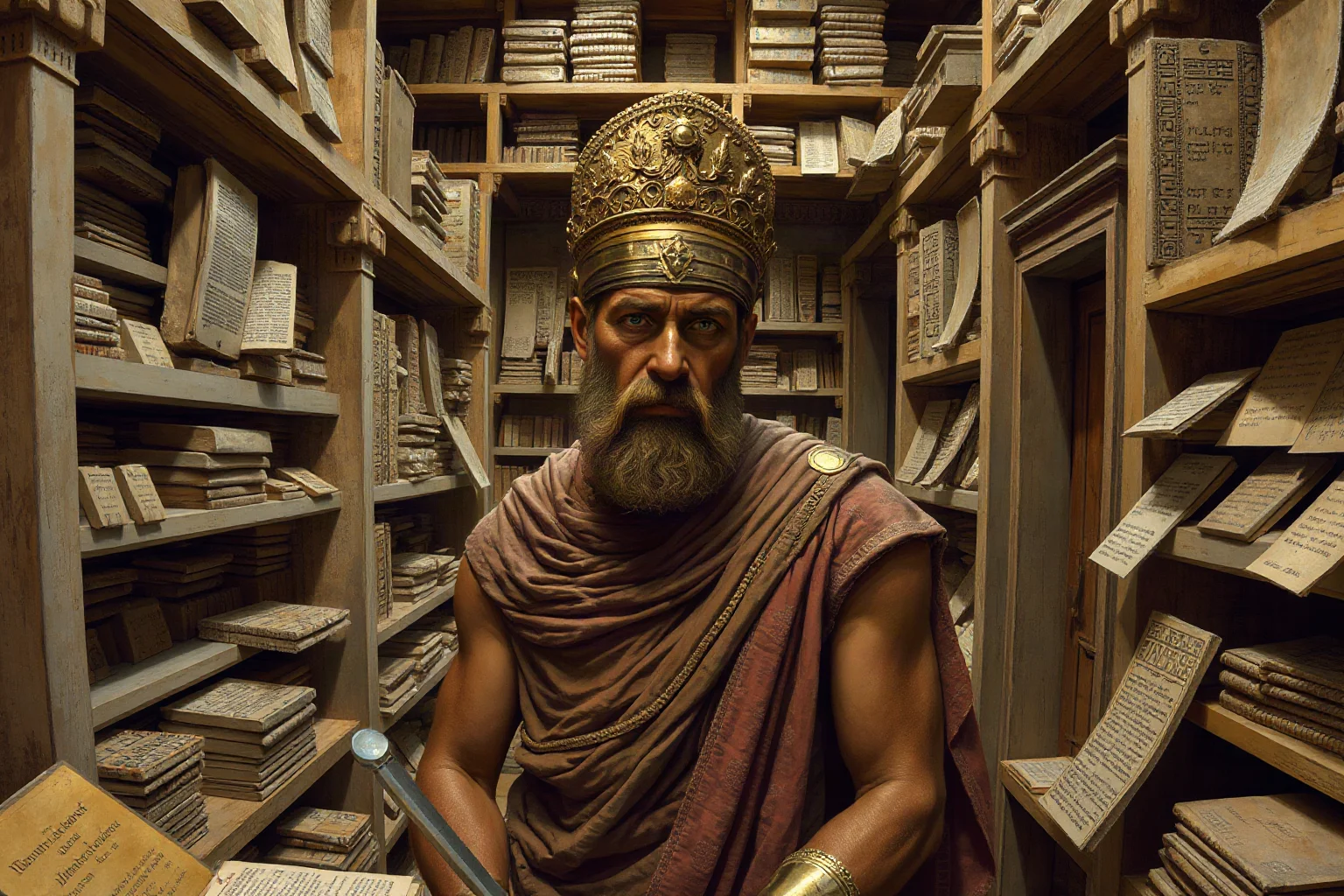
Ashurbanipal ruled the Neo-Assyrian Empire from 669 to around 631 BCE and built one of the ancient world’s greatest libraries at Nineveh. His collection included thousands of clay tablets, among them the Epic of Gilgamesh, preserved by pure archaeological luck.
Assyrian rule was known for brutal military campaigns, and Ashurbanipal was no exception on the battlefield. But his patronage of scholarship makes him one of the more intellectually significant leaders in Mesopotamia’s long history, arguably deserving a place among history’s smartest people.
9. Cyrus the Great
Cyrus the Great founded the Achaemenid Persian Empire around 550 BCE, eventually ruling the largest empire the world had yet seen. He’s often praised for relative religious tolerance, based partly on the Cyrus Cylinder, though modern historians caution against overstating this as a modern-style human rights charter.
His empire stretched from the Balkans to the Indus Valley at its height. Cyrus’s administrative system, dividing the empire into satrapies, influenced imperial governance for centuries afterward.
10. Darius I
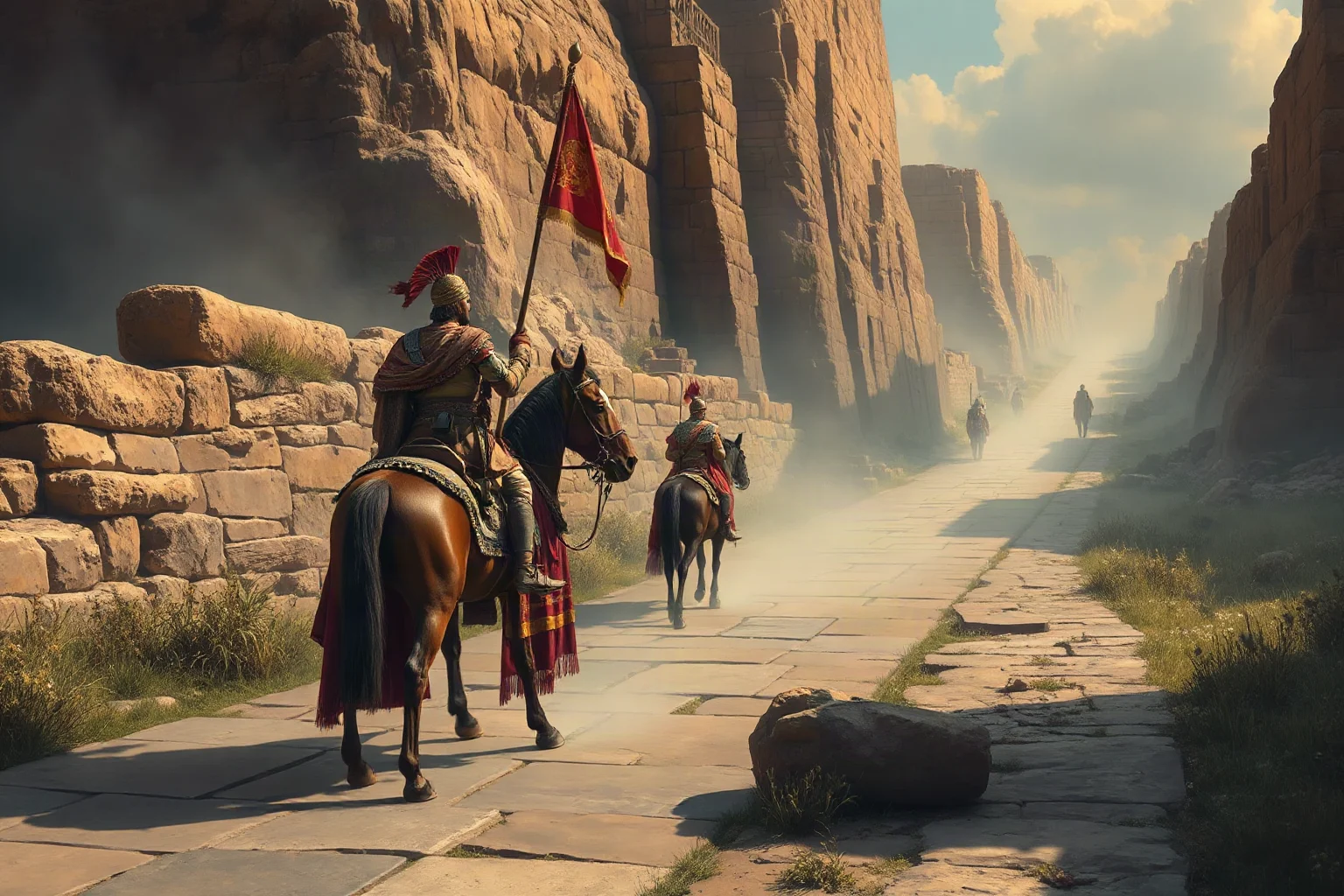
Darius I took the Persian Empire Cyrus built and turned it into a genuine superpower between 522 and 486 BCE. He standardized currency, built the Royal Road for faster communication, and organized one of the most efficient bureaucracies of the ancient world.
His attempted conquest of Greece ended in defeat at the Battle of Marathon, a rare check on Persian expansion. Still, his domestic reforms had a far longer-lasting impact than that single battlefield loss.
11. Leonidas I
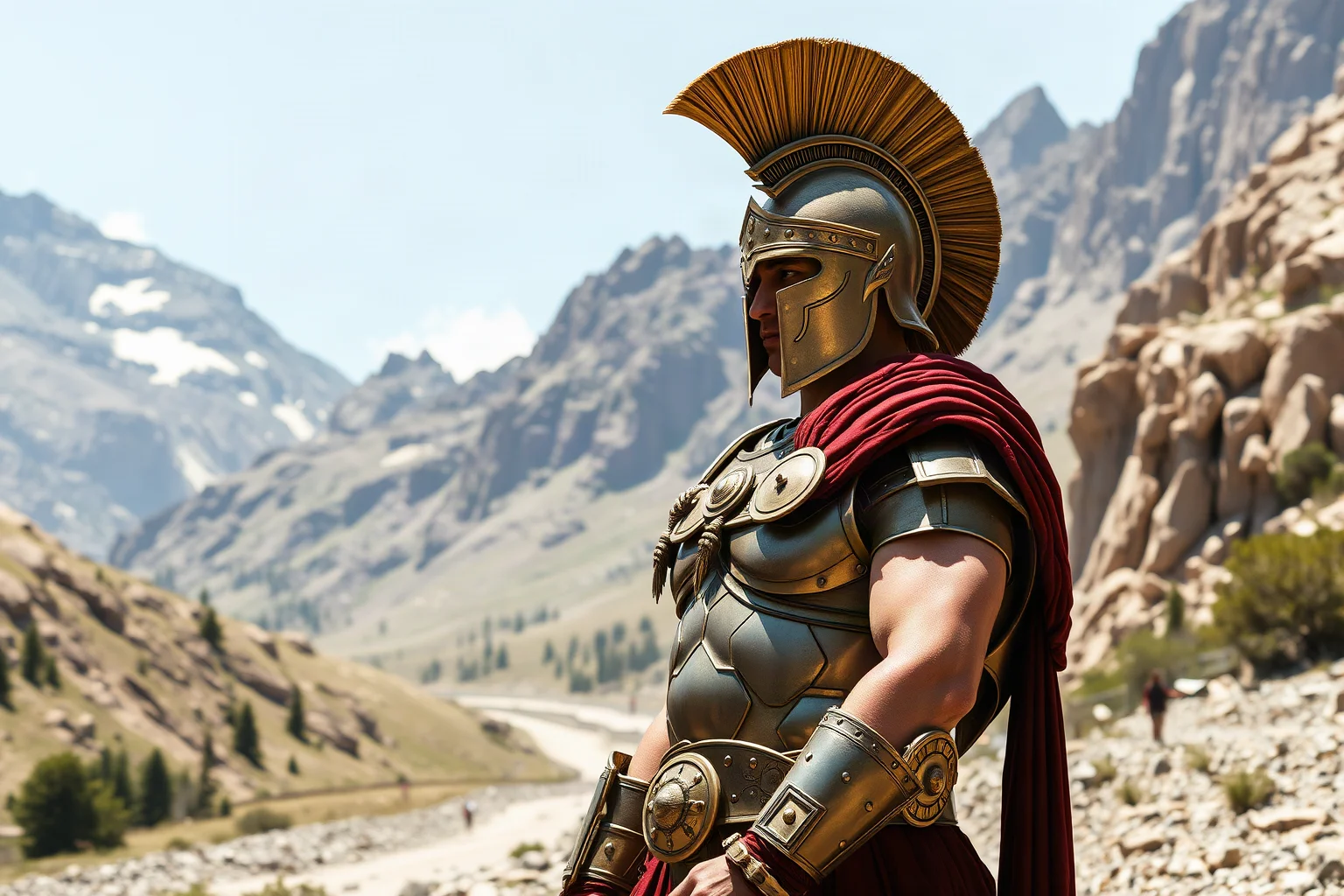
Leonidas I was king of Sparta, one of several ancient Greek kings who ruled a genuine warrior society. He’s remembered for leading roughly 300 Spartan soldiers (alongside thousands of other Greek allies, often left out of the popular retelling) at the Battle of Thermopylae in 480 BCE.
The battle was a military defeat, but it became a legendary symbol of resistance against overwhelming odds. Sparta’s dual-king system, with two royal houses ruling simultaneously, made it one of the more unusual government structures among ancient Greek rulers.
12. Philip II of Macedon
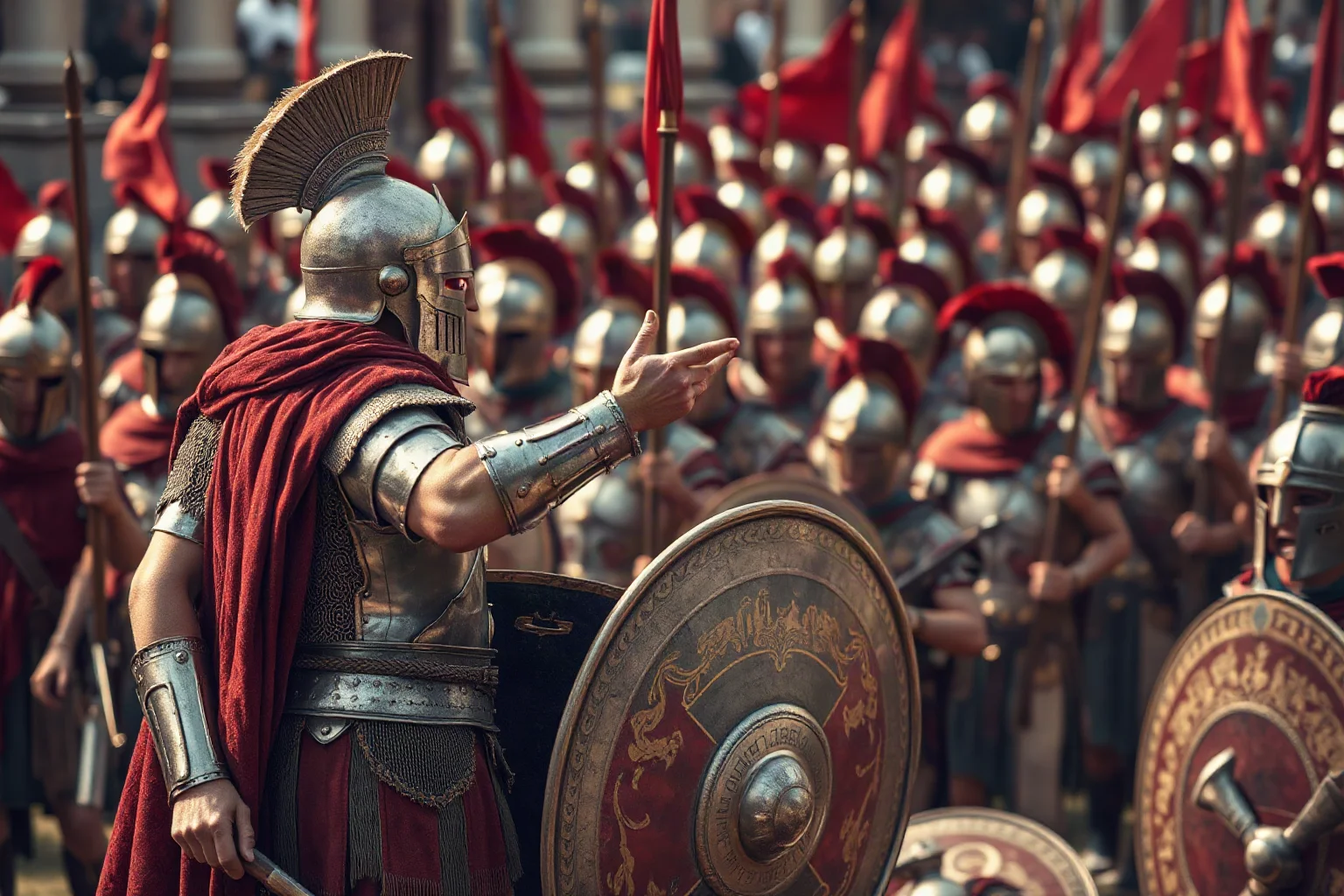
Philip II transformed Macedon from a peripheral kingdom into the dominant power in Greece during the 4th century BCE. He reorganized the Macedonian army with the phalanx and combined arms tactics that his son would later use to conquer most of the known world.
Philip unified the fractious Greek city-states under Macedonian leadership after the Battle of Chaeronea in 338 BCE. His assassination in 336 BCE cut short his own ambitions but cleared the way for an even more famous successor.
13. Alexander the Great
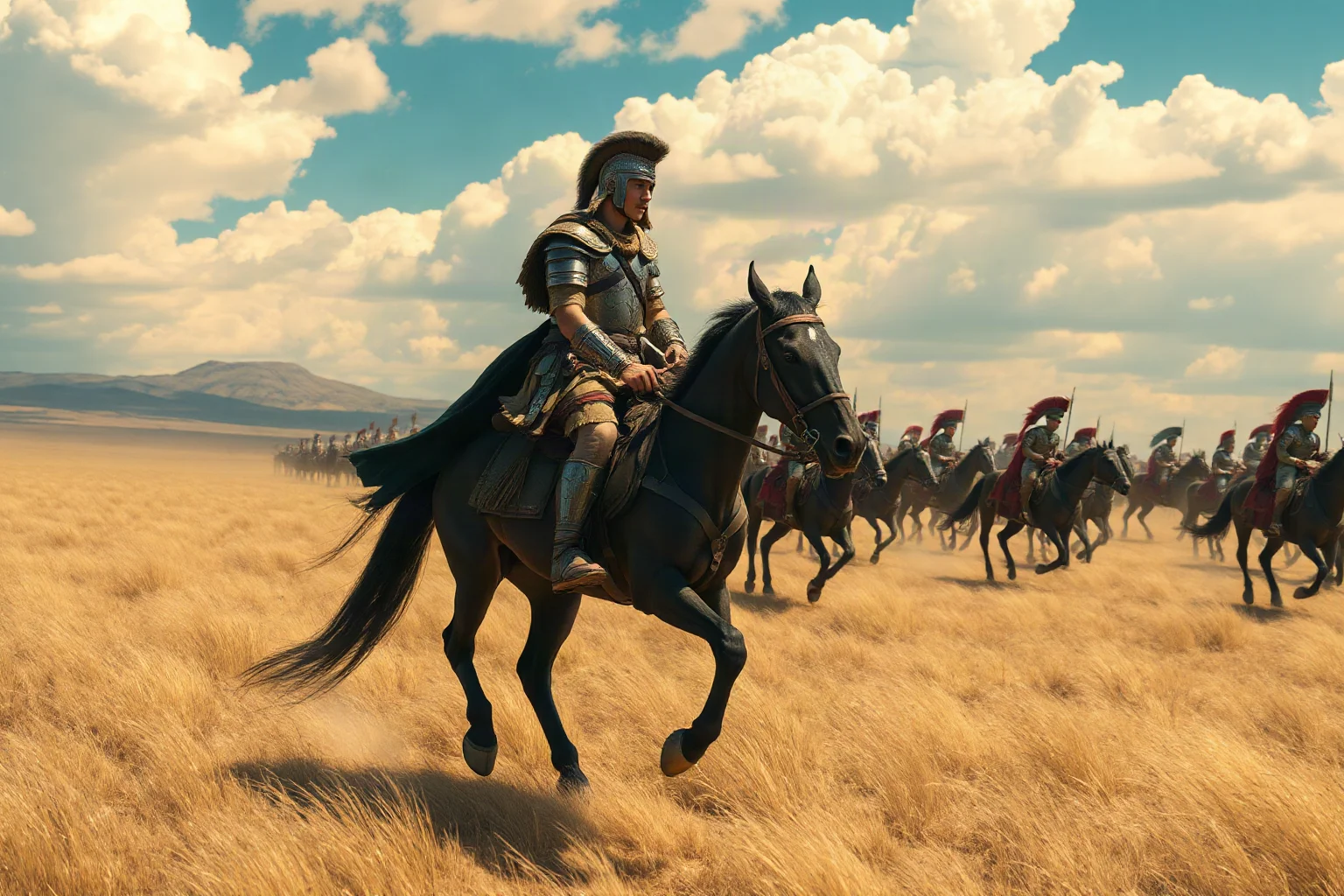
Alexander the Great is arguably the most famous conqueror in history, building an empire from Greece to northwestern India by his death in 323 BCE at just 32 years old. He never lost a major battle, a genuinely remarkable military record by any era’s standards.
The epithet “the Great” was added by later historians, not something Alexander used himself during his lifetime. His empire fractured almost immediately after his death, but Greek culture, language, and art spread across the regions he conquered for centuries — a process historians call Hellenization.
14. Ashoka the Great
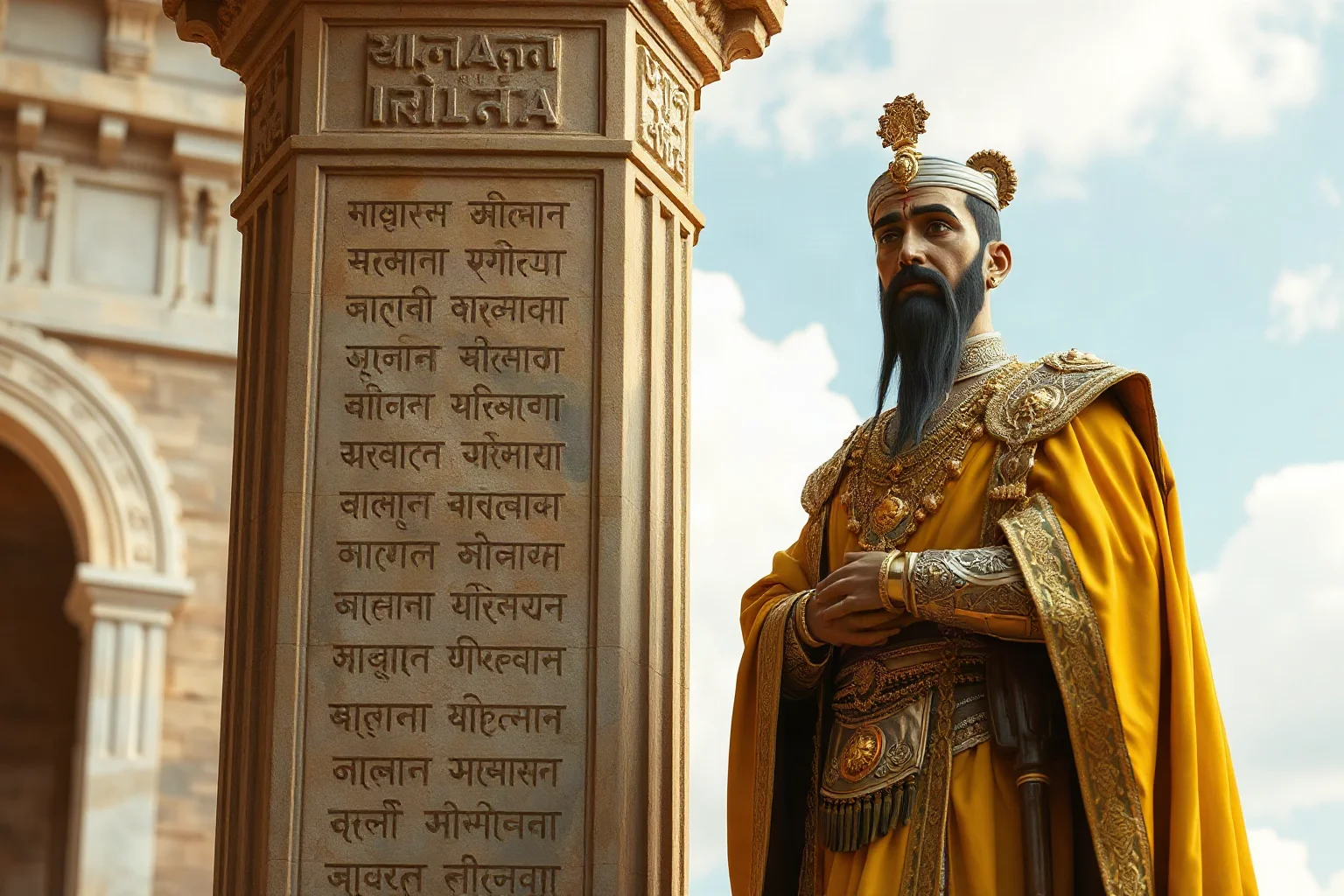
Ashoka ruled the Maurya Empire in India from around 268 to 232 BCE and stands out among ancient rulers for a genuine change of heart. After a brutal conquest of Kalinga, he converted to Buddhism and spent the rest of his reign promoting nonviolence, religious tolerance, and public works.
His edicts, carved on pillars and rocks across the Indian subcontinent, are some of the earliest surviving political texts in world history. Many historians consider Ashoka one of India’s greatest kings precisely because he used his power to reduce suffering rather than expand it further.
15. Chandragupta Maurya
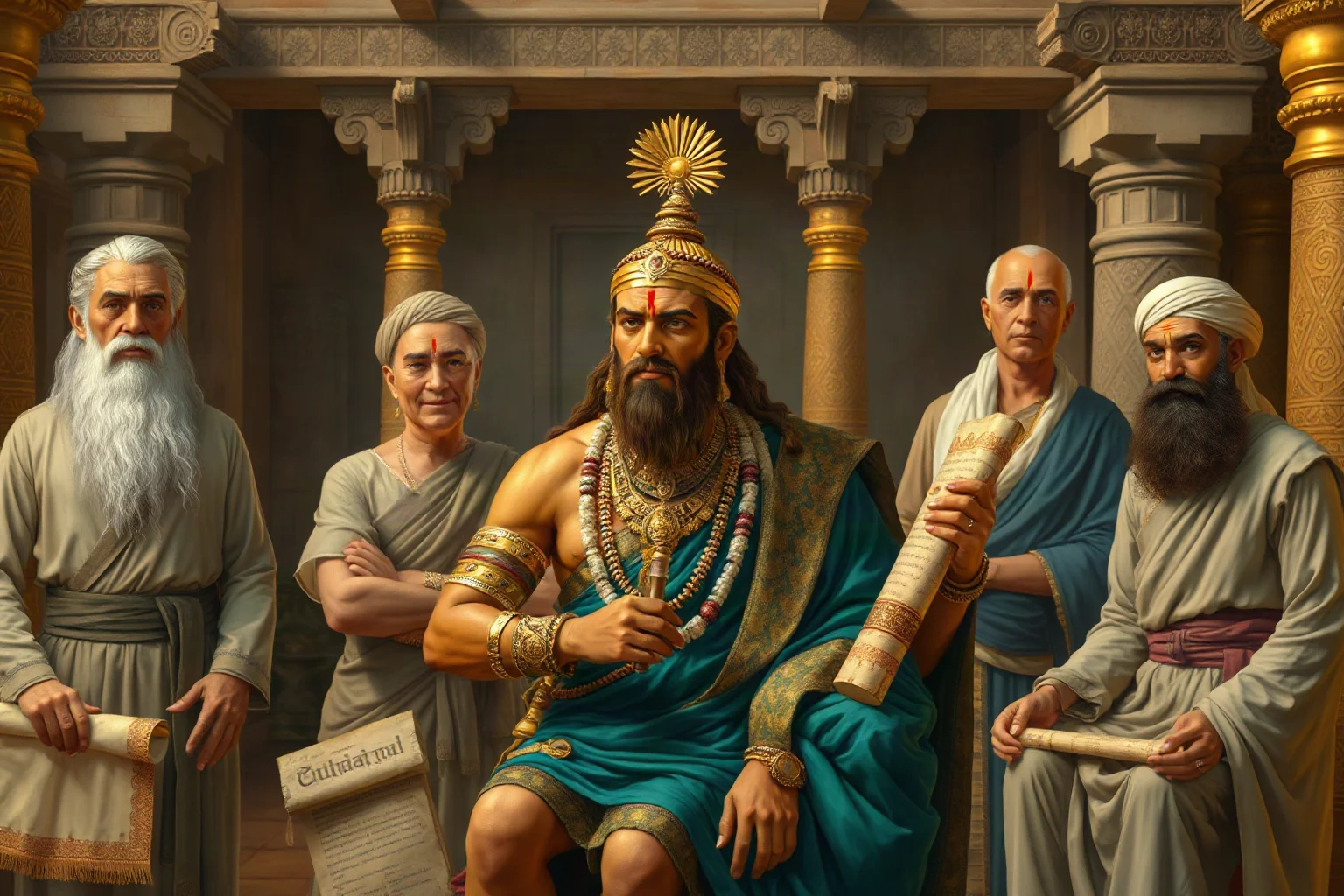
Chandragupta Maurya founded the Maurya Empire around 322 BCE, unifying much of the Indian subcontinent for the first time under one ruler. He built a sophisticated administrative system, reportedly guided by the political strategist Chanakya, whose treatise on statecraft remains influential in Indian political thought.
His empire laid the groundwork for the golden age his grandson Ashoka would later preside over. Among leaders in ancient India, Chandragupta is frequently cited as the true architect of large-scale Indian statehood.
16. Qin Shi Huang
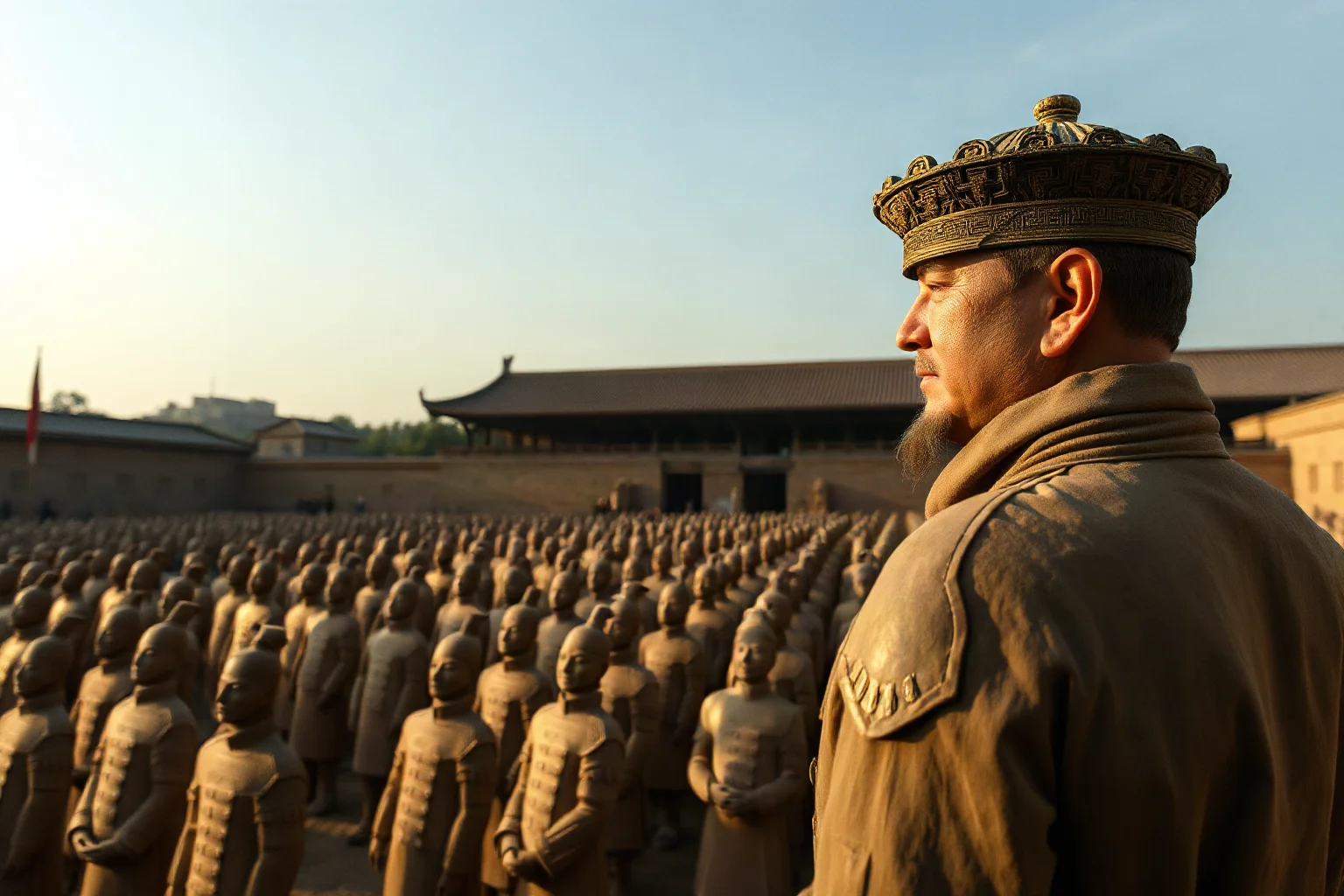
Qin Shi Huang became the first emperor of a unified China in 221 BCE, ending centuries of warring states. He standardized writing, currency, and measurements across his territory and began construction of what would eventually become the Great Wall.
His rule was also notoriously harsh, drawing comparisons to some of history’s most evil dictators, with forced labor, book burnings, and brutal punishments for dissent. He’s buried with the famous Terracotta Army, an enormous funerary guard discovered only in 1974, underscoring just how much ancient history is still being unearthed.
17. Julius Caesar
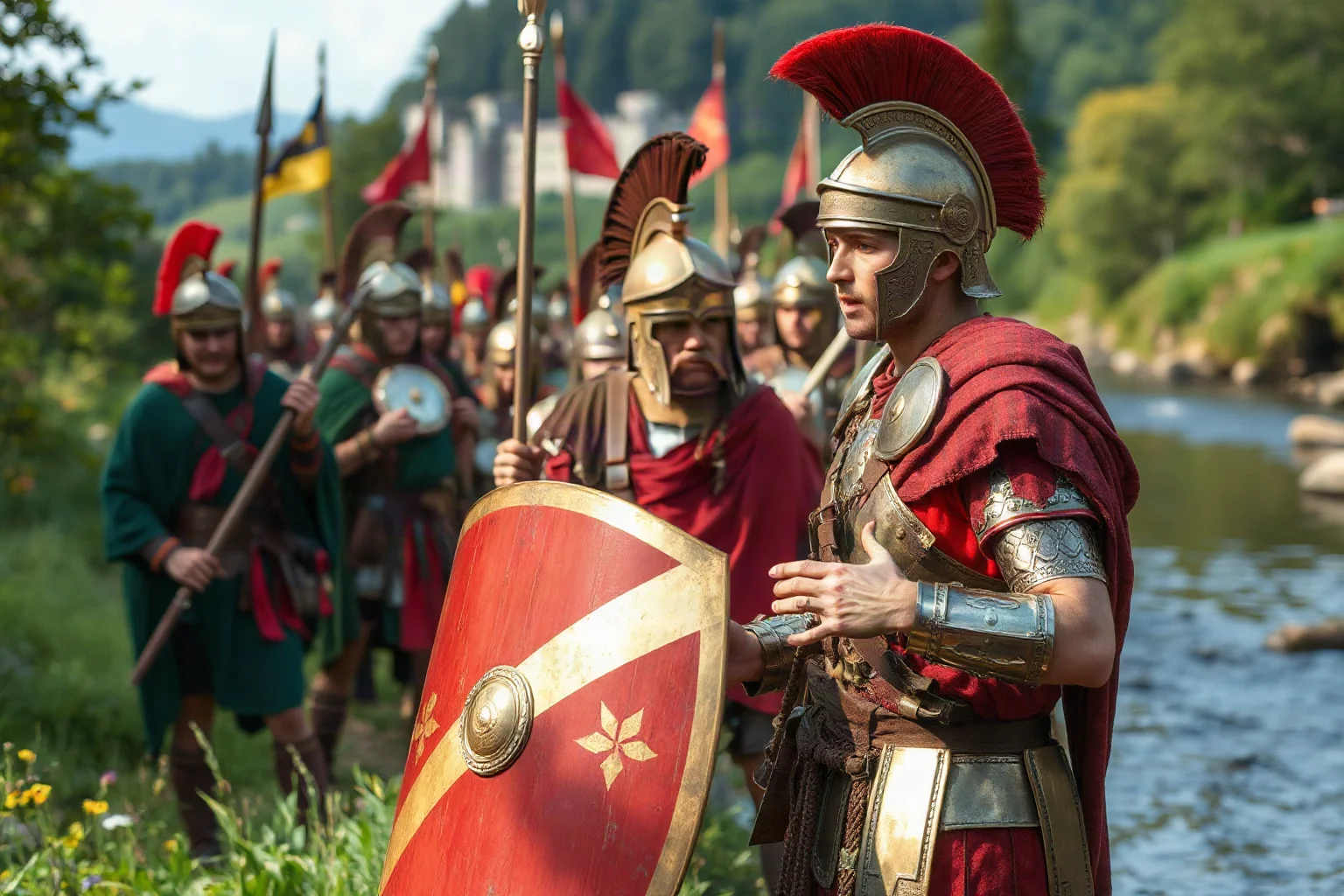
Julius Caesar was never technically an emperor — Rome was still a republic during his lifetime — but his conquest of Gaul and role in ending the Roman Republic make him impossible to leave off any list of history’s greatest conquerors. His assassination in 44 BCE was a direct reaction to fears he intended to make himself king, a title Romans deeply distrusted after centuries without one.
Caesar’s military campaigns, detailed in his own writings, remain studied for their tactical clarity today. His name literally became the root of the word “emperor” in several languages, including the German “Kaiser” and Russian “Tsar.”
18. Augustus
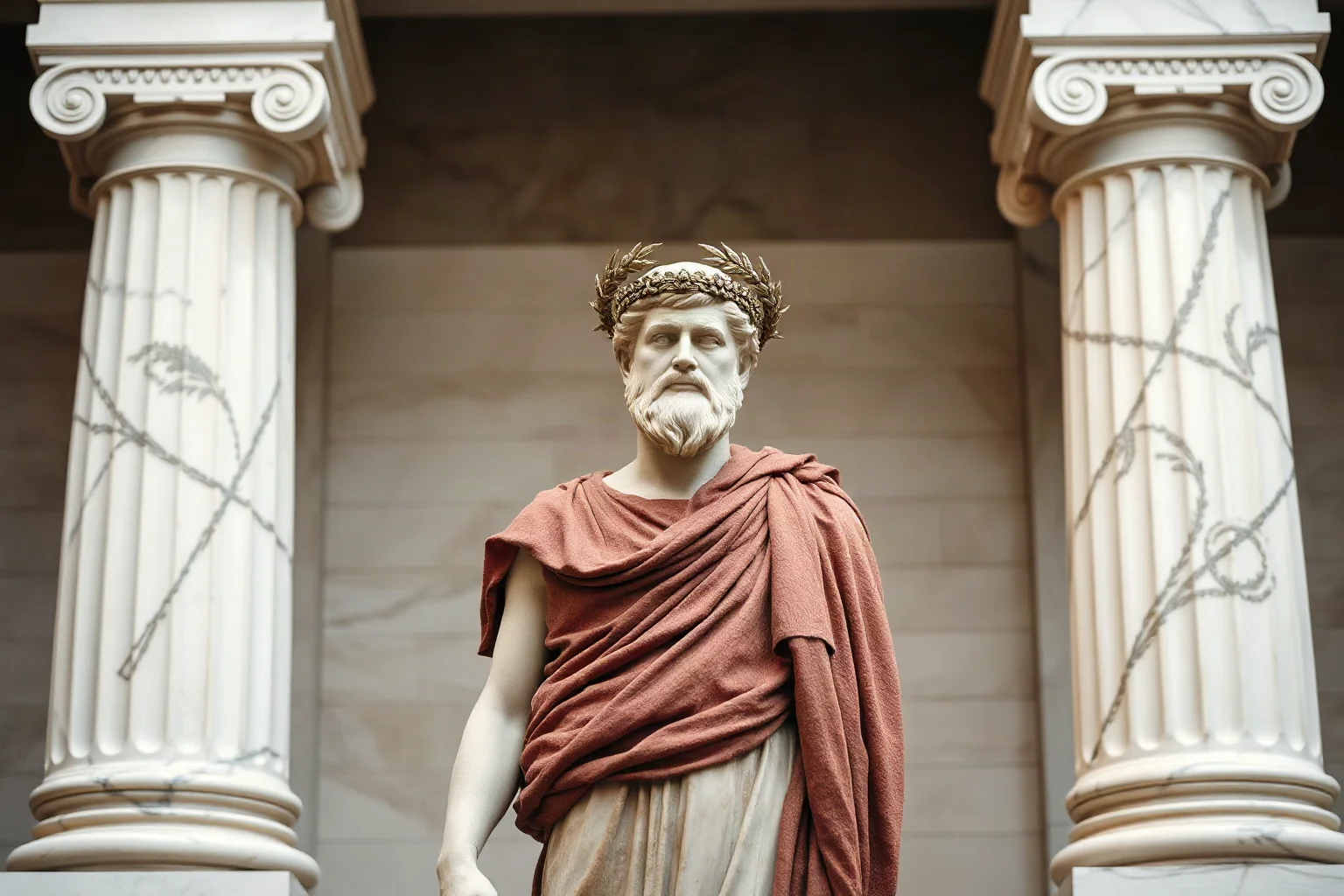
Augustus became Rome’s first true emperor in 27 BCE, transforming a crumbling republic into a stable empire that would last for centuries. He avoided the title “king,” which Romans still despised, instead crafting the more subtle title “princeps,” or “first citizen.”
His reign, known as the Pax Romana, brought roughly two centuries of relative peace and stability across the Mediterranean world. Among famous emperors, Augustus is remembered less for battlefield glory and more for institution-building that outlasted him by generations.
19. Trajan
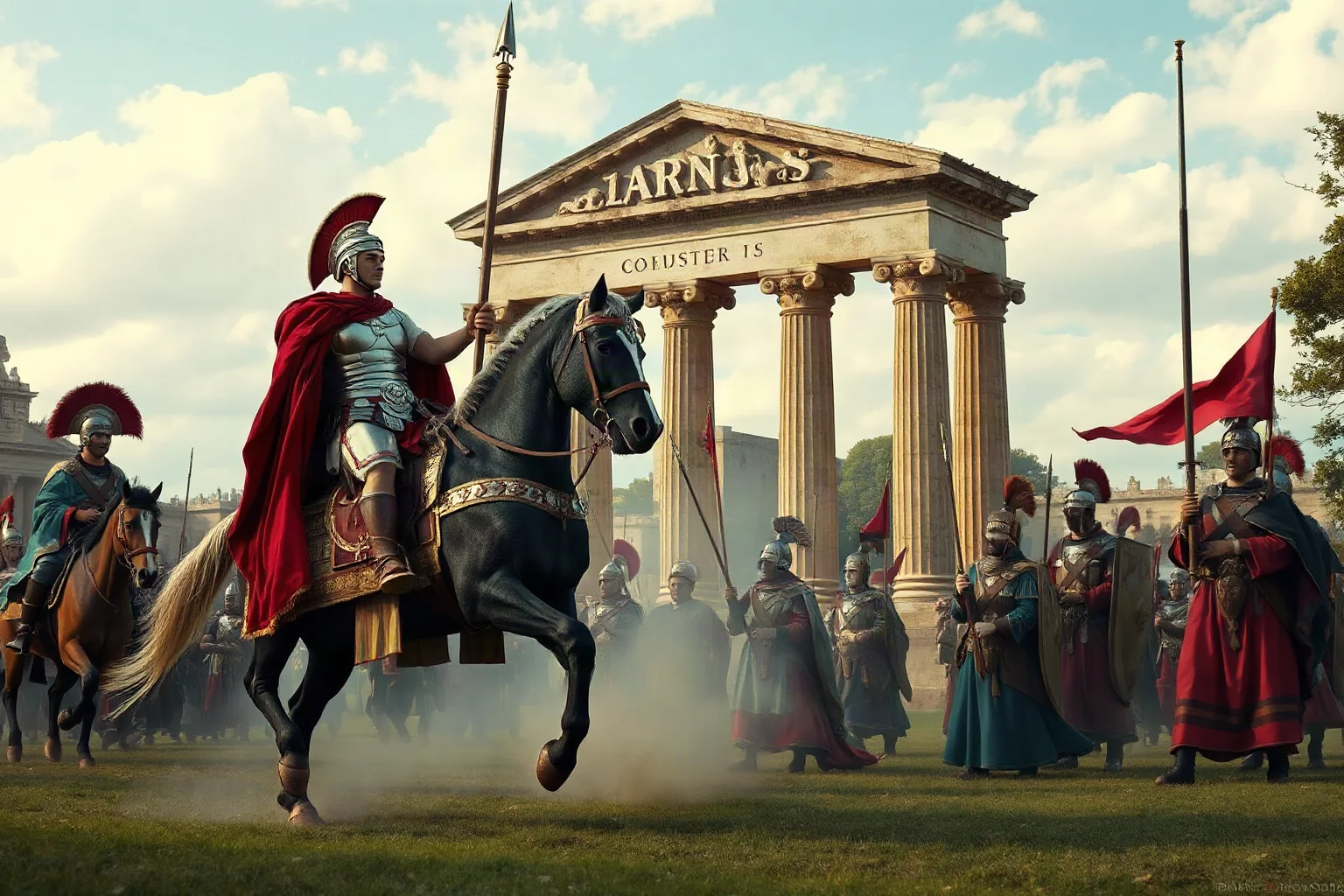
Trajan ruled Rome from 98 to 117 CE and pushed the empire to its largest territorial extent, stretching from Britain to Mesopotamia. His military campaigns in Dacia and Parthia were commemorated in detailed relief carvings on Trajan’s Column, which still stands in Rome today.
He was also known for extensive public infrastructure, including roads, aqueducts, and welfare programs for poor citizens. Later Roman emperors were formally wished to be “better than Trajan” in a phrase used at imperial coronations for centuries.
20. Constantine the Great
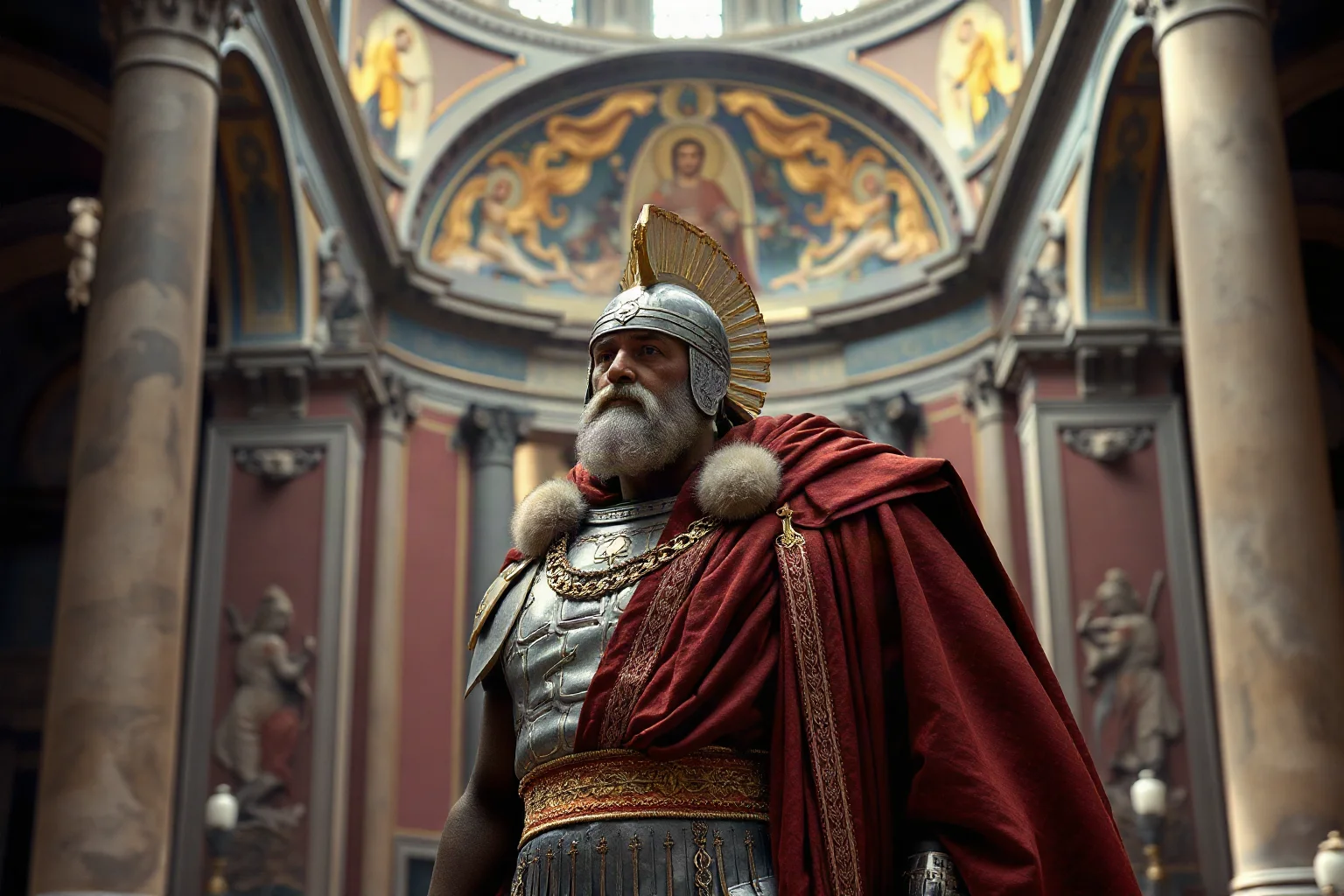
Constantine the Great reunified the Roman Empire in 324 CE and fundamentally changed its religious direction by legalizing and eventually favoring Christianity. He also founded Constantinople, a new capital that would remain a major world city for over a thousand years under Roman, then Byzantine, then Ottoman rule.
Historians debate how personally devout Constantine actually was versus how politically motivated his religious shift was. Either way, his decisions reshaped the religious map of Europe and the Mediterranean for the rest of history.
21. Attila the Hun
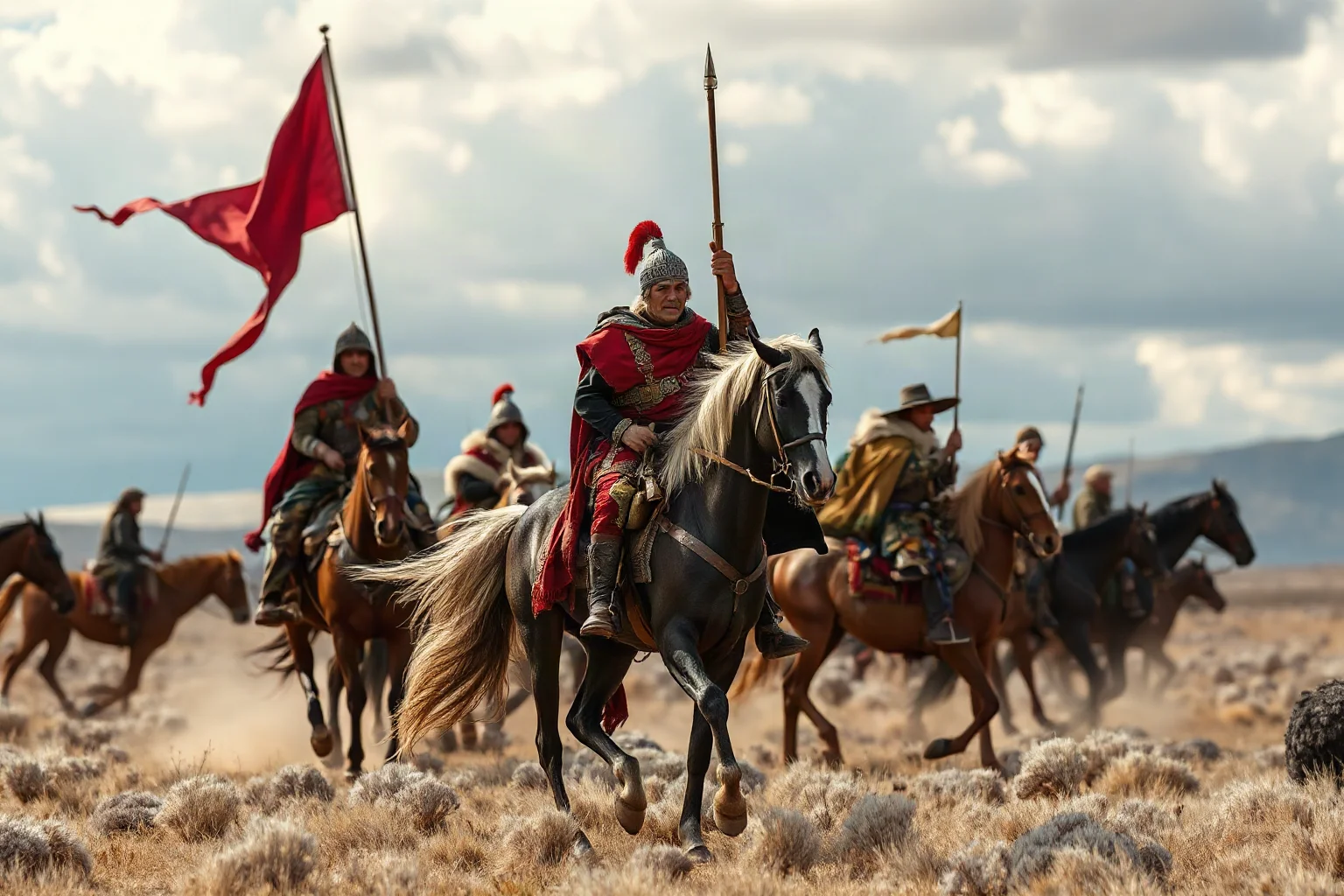
Attila led the Hunnic Empire during the 5th century CE and became one of the most feared names among famous barbarians in Roman accounts. His campaigns into the Eastern and Western Roman Empires extracted massive tribute and territory concessions from terrified Roman leadership.
Much of Attila’s fearsome reputation comes from Roman sources with obvious bias against him, so separating fact from wartime propaganda is genuinely difficult. What’s certain is that his death in 453 CE triggered the rapid collapse of the Hunnic Empire, since it depended heavily on his personal leadership.
22. Charlemagne
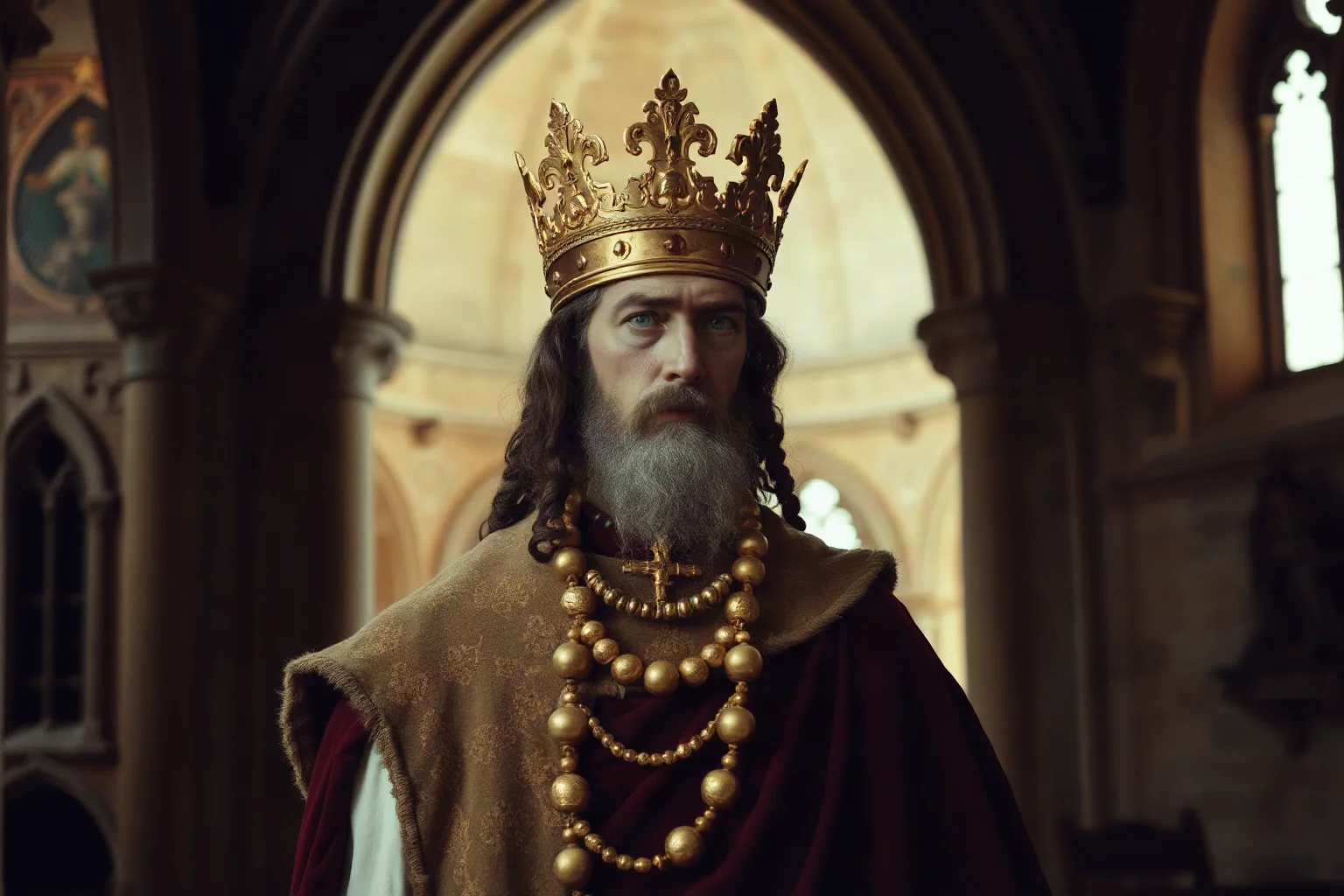
Charlemagne, king of the Franks, was crowned Holy Roman Emperor by Pope Leo III in 800 CE, reviving the idea of a unified Christian empire in Western Europe. His reign is often cited as the answer to which Holy Roman Emperor is known as “the Great,” since his name literally translates to “Charles the Great.”
He promoted a revival of learning and literacy known as the Carolingian Renaissance, even though historical accounts suggest Charlemagne himself may never have fully mastered writing — an oddity that puts him in good company among history’s weird and eccentric figures. His empire didn’t survive intact after his death, but the idea of a unified European Christian realm influenced politics for centuries.
23. Genghis Khan
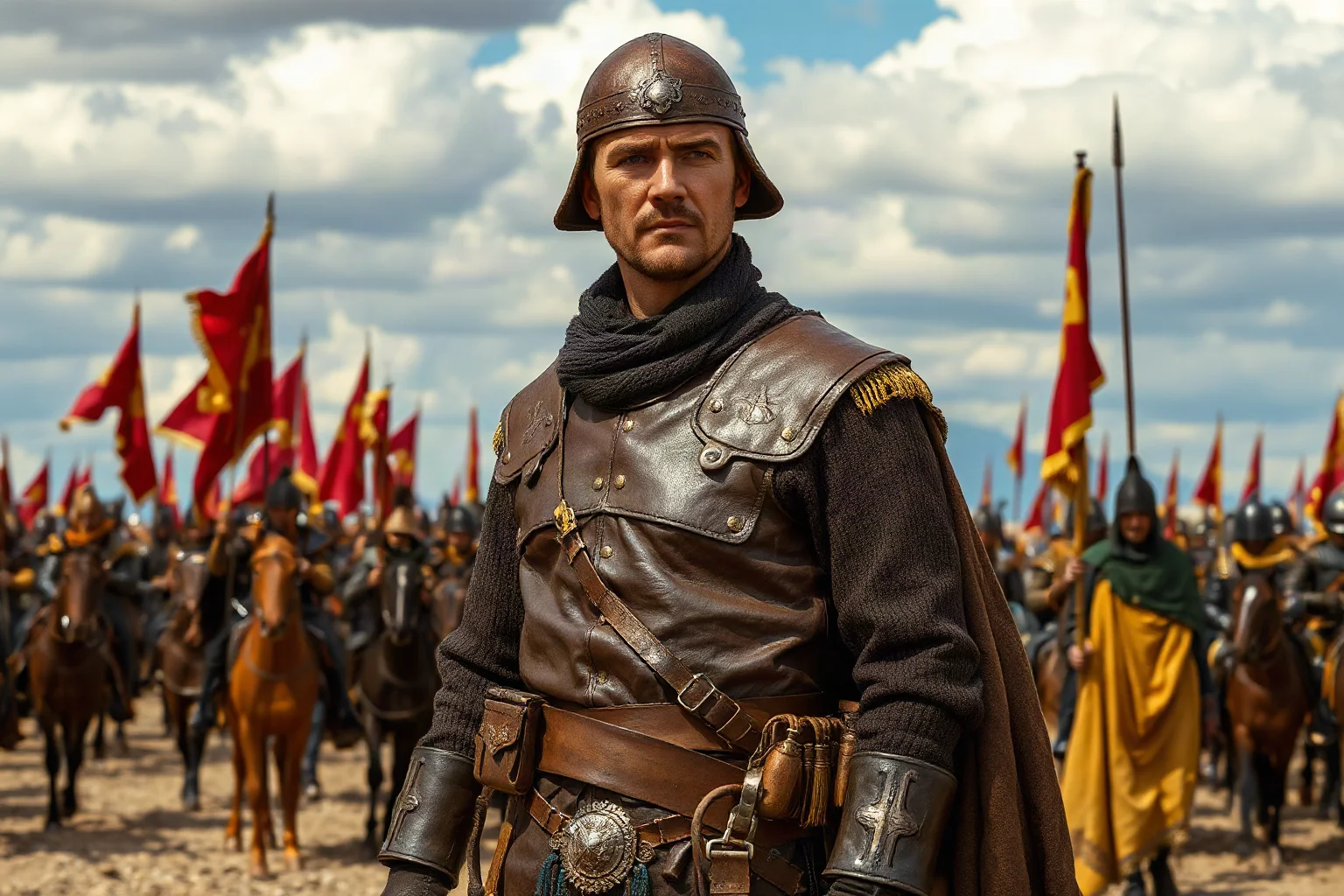
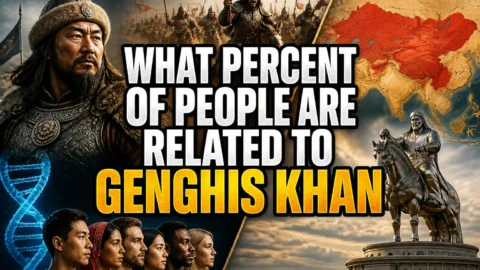
Genghis Khan built the largest contiguous land empire in human history during the early 13th century, uniting the Mongol tribes before expanding across Asia and into Eastern Europe. His campaigns were devastating for many conquered cities, but his empire also enabled unprecedented trade and cultural exchange along the Silk Road.
Genghis Khan implemented meritocratic promotion in his military, religious tolerance across his vast territory, and a written legal code called the Yassa. Among conquerors in history, few match the sheer scale of what he and his successors controlled at the empire’s height.
24. Akbar the Great
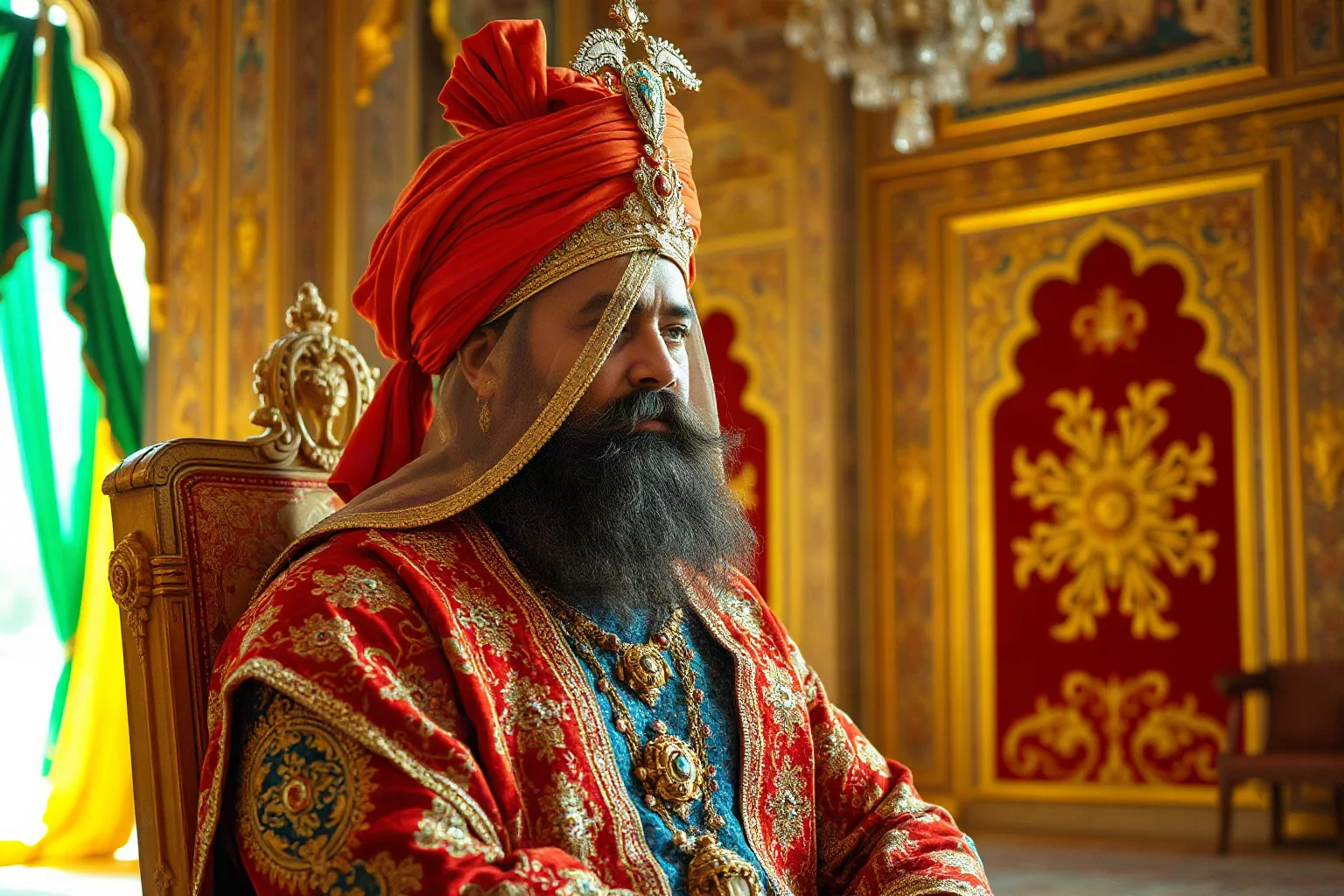
When people ask who is considered the greatest Mughal emperor, Akbar the Great is usually the answer historians give first. Ruling from 1556 to 1605, he expanded Mughal India’s territory dramatically while pursuing policies of religious tolerance toward Hindus, including abolishing certain discriminatory taxes.
Akbar also reformed taxation, encouraged art and architecture, and fostered a famously multicultural court. Later Mughal emperors like Shah Jahan and Aurangzeb are notable too, but Akbar’s blend of conquest and inclusive governance still sets him apart among India’s great kings.
25. Suleiman the Magnificent
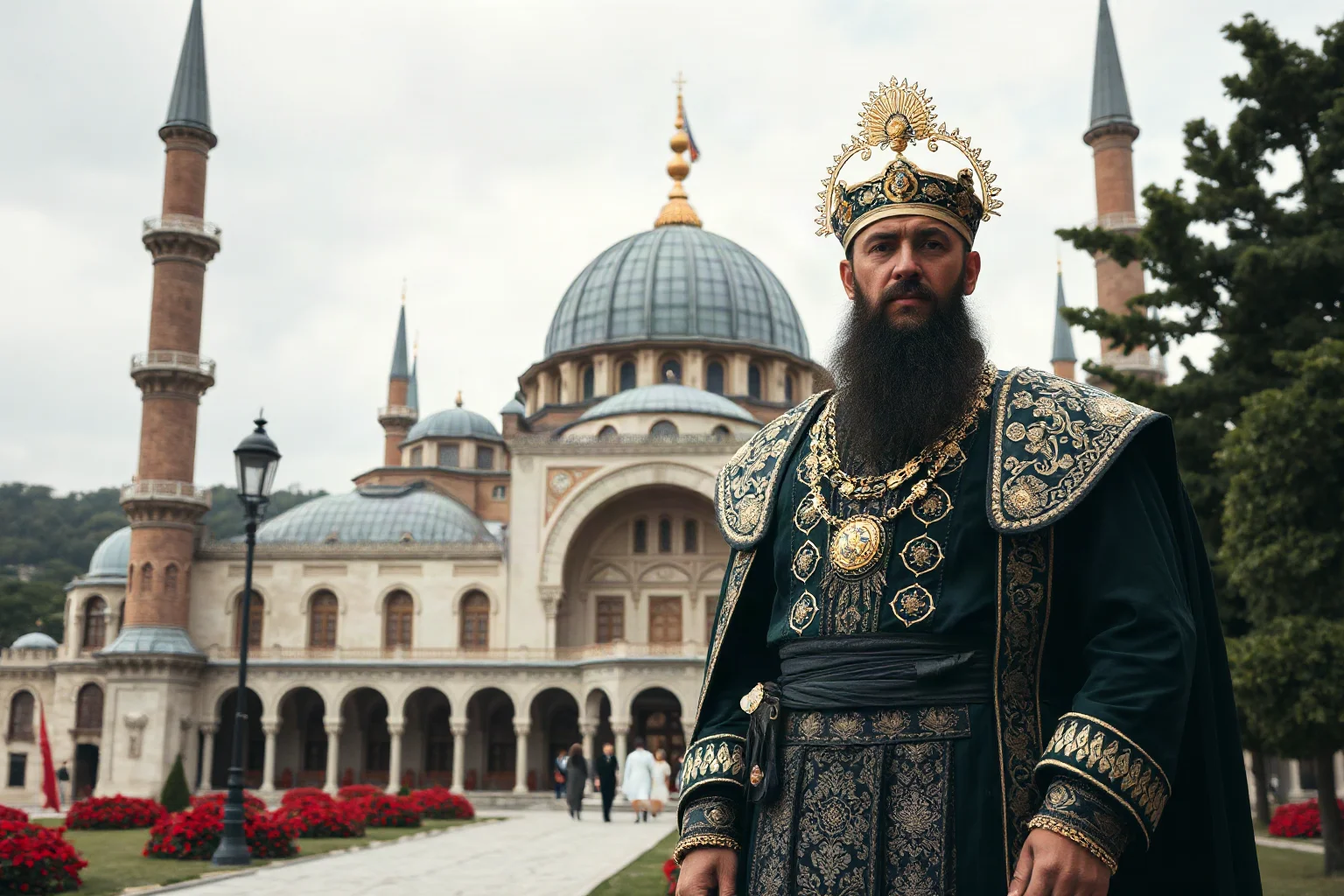
Suleiman the Magnificent ruled the Ottoman Empire from 1520 to 1566, overseeing its greatest territorial extent and cultural flourishing. He’s remembered among significant leaders of the Ottoman Empire for major legal reforms, earning him the Ottoman title “Kanuni,” meaning “the Lawgiver.”
His reign also saw extraordinary achievements in architecture, poetry, and administration, blending Islamic law with local customs across a vast multiethnic empire. Suleiman’s military campaigns pushed deep into Central Europe, making the Ottoman Empire a dominant force European rulers had to reckon with for generations.
Kings, Emperors, and Conquerors: What’s the Difference?
It’s easy to lump these titles together, but they meant different things historically. A king typically ruled a single kingdom or people, often through hereditary succession, while an emperor ruled over multiple territories, peoples, or former kingdoms under one authority.
A conqueror isn’t necessarily a formal title at all — it describes anyone who expanded territory through military force, whether or not they ever claimed a crown. Julius Caesar, for example, was a legendary conqueror who never held the title of king or emperor during his own lifetime.
These distinctions blurred constantly in practice. Many ancient rulers used whichever title best justified their power at the time, and translators across languages and centuries haven’t always been consistent either.
Ancient Rulers by Region: A Quick Reference
Mesopotamia gave us some of the earliest recorded rulers, including Sargon of Akkad and Hammurabi, whose innovations in law and bureaucracy shaped the region for a thousand years. Ancient Egypt’s leaders, from Narmer to Ramesses II, built a continuous tradition of pharaonic rule lasting more than three millennia.
Ancient Greek kings and city-state leaders, including Sparta’s dual monarchy and Macedon’s Philip and Alexander, show just how varied Greek governance actually was. Ancient India produced towering figures like Chandragupta Maurya and Ashoka, while later Mughal rulers like Akbar added another layer of remarkable leadership to the subcontinent’s history.
Rome moved from republic to empire across figures like Caesar, Augustus, Trajan, and Constantine, each reshaping what “Roman” leadership meant. Meanwhile, leaders often labeled “barbarian” by Roman writers, like Attila, and later medieval figures like Charlemagne and Genghis Khan, remind us that history’s most influential rulers weren’t confined to any single empire or region.
Who Was Really the First King?
People often ask who was the first king in history, and the honest answer is that we don’t fully know. Before written records, communities were likely led by chiefs or tribal leaders — a role sometimes called “the leader before the king” — long before anyone used a formal royal title.
Narmer in Egypt and early Sumerian rulers in Mesopotamia are the earliest figures we can point to with actual archaeological and written evidence, both dating to roughly 3100 BCE. Anything earlier than that falls into prehistory, where leadership almost certainly existed but wasn’t recorded in a way historians can verify.
Why These Rulers Still Matter
It’s tempting to think of ancient kings and emperors as characters from a myth, somewhere between historical fact and Lion King-style legend about “great kings of the past.” But the laws, borders, calendars, and even alphabets we use today were shaped by real decisions these rulers made, for better and often for worse.
Studying them honestly means resisting the urge to turn them into flawless heroes or cartoon villains. Ashoka renounced violence after mass slaughter; Augustus built peace on the back of a bloody civil war; Genghis Khan enabled trade even as his armies devastated cities. Greatness in ancient history was rarely simple, and that complexity is exactly what makes it worth studying.
The next time someone jokes about “ruling the world,” you’ll know there’s a real, complicated, thousands-of-years-long story behind that idea. These 25 rulers didn’t just rule world — in very real ways, they built the one we still live in.
Frequently Asked Questions
What did prehistoric leaders wear?
We don't have written records from prehistory, so historians rely on archaeology to guess. Evidence suggests early tribal leaders likely wore animal hides, furs, and jewelry made from shells, bone, or teeth, sometimes used to visually signal status within a group. There's no confirmed evidence of formal 'royal' clothing before organized kingdoms emerged around 3100 BCE in Egypt and Mesopotamia.
Who was the first king in history?
There's no single confirmed answer, but Narmer of Egypt and early Sumerian rulers in Mesopotamia, both dating to around 3100 BCE, are the earliest figures supported by archaeological and written evidence. Before that, communities were likely led by chiefs or tribal leaders, but no formal 'king' title has been verified that far back.
Who is considered the greatest Mughal emperor?
Akbar the Great is usually named the greatest Mughal emperor, thanks to his territorial expansion, administrative reforms, and policies of religious tolerance during his reign from 1556 to 1605. Shah Jahan and Aurangzeb are also frequently discussed, but Akbar's balance of conquest and inclusive governance is most often cited as unmatched.
Who was the greatest conqueror of all time?
There's no objective way to crown a single 'greatest,' since it depends on the measure used. Genghis Khan built the largest contiguous land empire in history, while Alexander the Great never lost a battle and spread Greek culture across three continents, making both strong contenders depending on your criteria.
Which Holy Roman Emperor is known as ‘the Great’?
Charlemagne, crowned in 800 CE, is the ruler most associated with the title, since his very name translates to 'Charles the Great.' He's credited with reviving centralized rule and learning in Western Europe after the fall of Rome.
Who were the leaders of ancient Greece?
Ancient Greece wasn't ruled by one king; it was a collection of independent city-states with different systems. Sparta had two kings ruling jointly, Athens was largely governed by elected archons, and Macedon was a hereditary kingdom that produced rulers like Philip II and Alexander the Great.
What were the significant leaders and accomplishments of the Ottoman Empire?
Suleiman the Magnificent is the Ottoman Empire's most celebrated leader, ruling from 1520 to 1566 during its greatest territorial and cultural peak. He's remembered for major legal reforms, earning the title 'Kanuni' or 'the Lawgiver,' as well as significant achievements in architecture and administration.
Who was the most powerful human in history?
This is genuinely subjective and depends on how you define power. Contenders include Genghis Khan for territorial control, Augustus for lasting institutional stability, and Cyrus the Great for the sheer scale of the empire he founded, but no single ruler holds an uncontested claim.

Alex Warren
Related Articles