

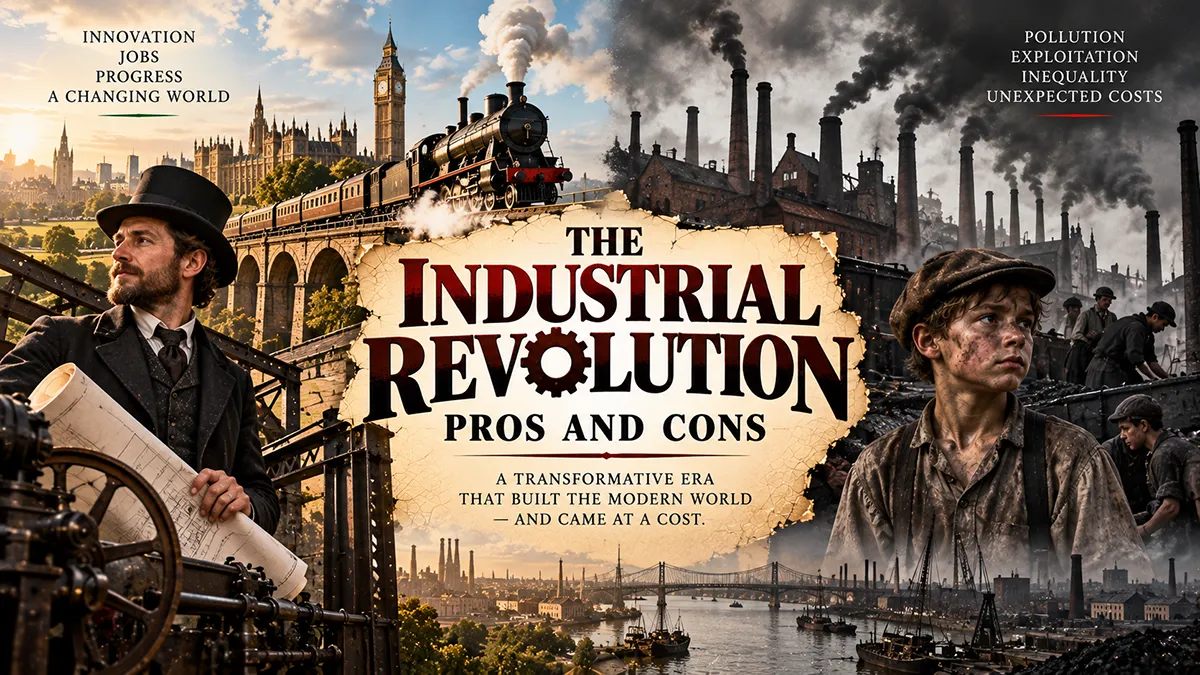
Few events reshaped human life as dramatically as the Industrial Revolution. Starting in Britain around the 1760s and spreading through Europe, North America, and eventually the world, it swapped hand tools and farm labor for steam engines, factories, and mass production in the space of just a few generations.
But was this transformation a triumph or a tragedy? The honest answer is both — and untangling the positive effects of the Industrial Revolution from its very real costs is exactly what this guide sets out to do, myths and all.
TL;DR: The Industrial Revolution delivered massive gains in wealth, technology, and living standards over the long run, but it also caused brutal working conditions, pollution, and inequality that took generations to fix.
Quick Facts About the Industrial Revolution
Before diving into the pros and cons, here are some quick facts about the Industrial Revolution and its impact to set the stage. These are useful context for understanding just how far-reaching the industrial age really was.
- It’s generally dated from around 1760 to 1840, beginning in Britain before spreading to Belgium, Germany, France, and the United States.
- The textile industry, especially cotton spinning and weaving, was the first sector transformed by mechanization.
- James Watt’s improved steam engine, patented in 1769, became the power source that made factories possible almost anywhere.
- Britain’s population roughly tripled between 1750 and 1850, driven partly by industrial-era food and economic changes.
- Railways expanded explosively in the 1830s–1850s, cutting travel times from days to hours.
- A “Second Industrial Revolution” followed from roughly the 1870s onward, bringing steel, electricity, and chemicals into the mix.
- Factory work pulled millions of families from rural farms into rapidly growing industrial cities.
- Child labor was common in early factories and mines, though the exact scale varied by country and industry.
- Reform movements and early labor unions emerged directly in response to industrial working conditions.
- The Industrial Revolution laid the groundwork for the modern global economy, including today’s supply chains and consumer goods.
The Positive Effects of the Industrial Revolution (The Pros)
It’s easy to focus only on smokestacks and sweatshops, but the positive effects of the Industrial Revolution were profound and long-lasting. Here are ten of the most significant benefits historians point to when explaining why industrialization ultimately reshaped the world for the better.
1. Explosive Economic Growth
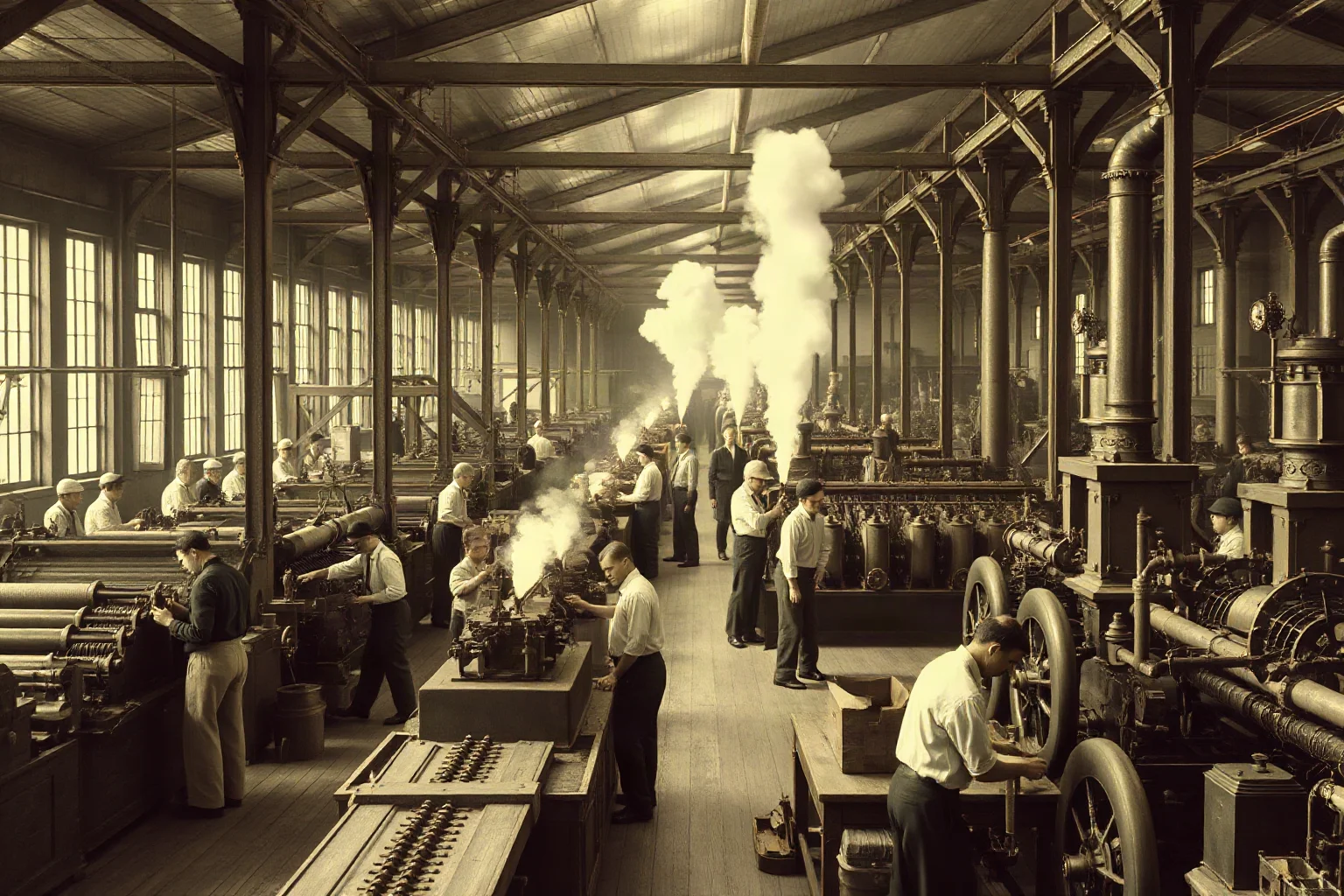
Before industrialization, most economies grew slowly, tied to the limits of farmland and human muscle. The Industrial Revolution broke that ceiling, driving sustained economic growth that compounded decade after decade in ways no previous era had seen.
This growth eventually funded better infrastructure, public services, and rising average incomes. It’s one of the clearest positive consequences of the Industrial Revolution, even though the gains were distributed very unevenly at first.
2. Technological Innovation and New Machinery
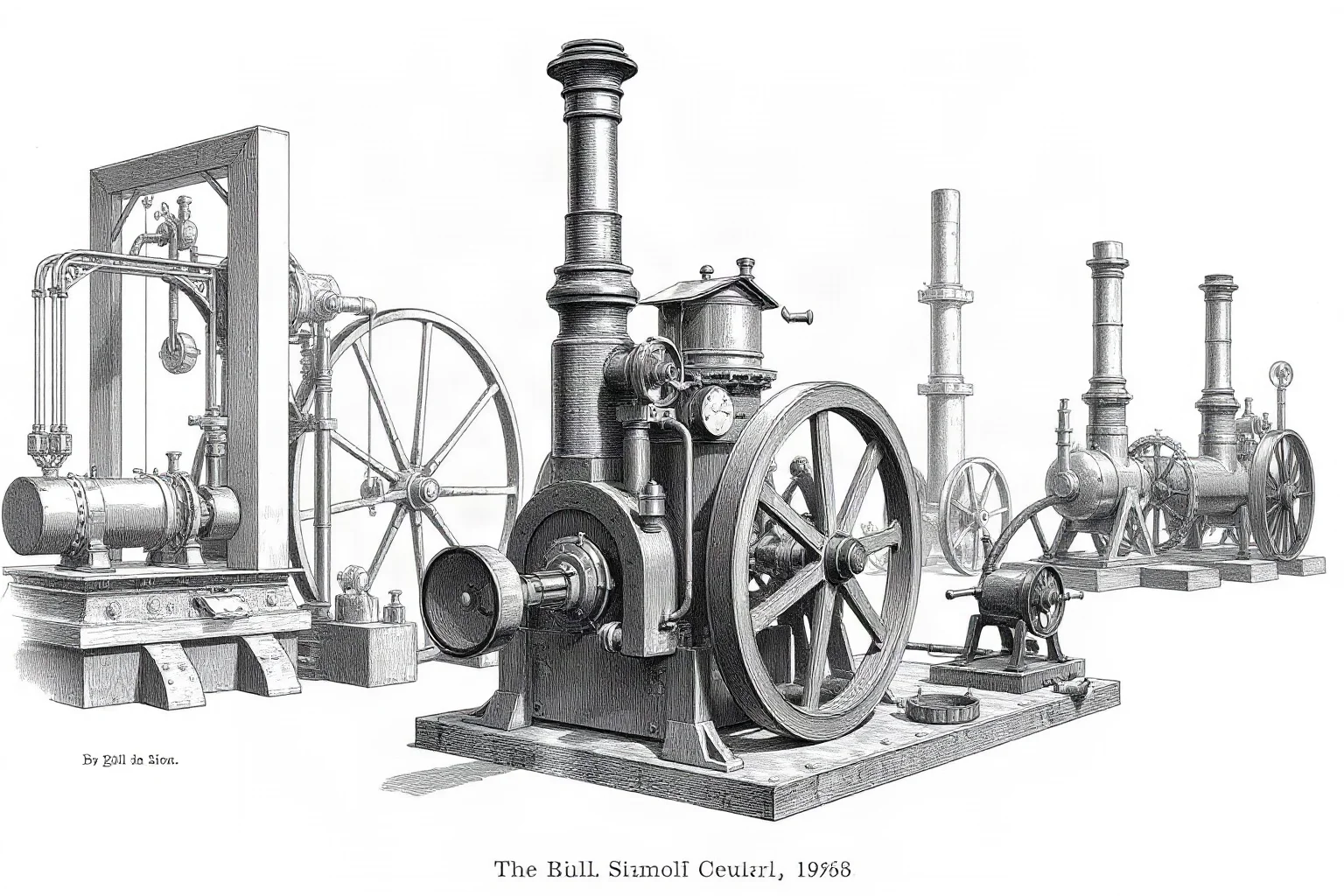
Steam power, mechanized spinning, and later electricity and internal combustion engines all trace their roots to this era. These innovations didn’t just change factories — they eventually transformed farming, medicine, communication, and everyday household life.
The habit of continuous technological improvement that industrial societies developed is arguably as important as any single invention. It set the template for the pace of innovation we still take for granted today.
3. Urbanization and City Growth
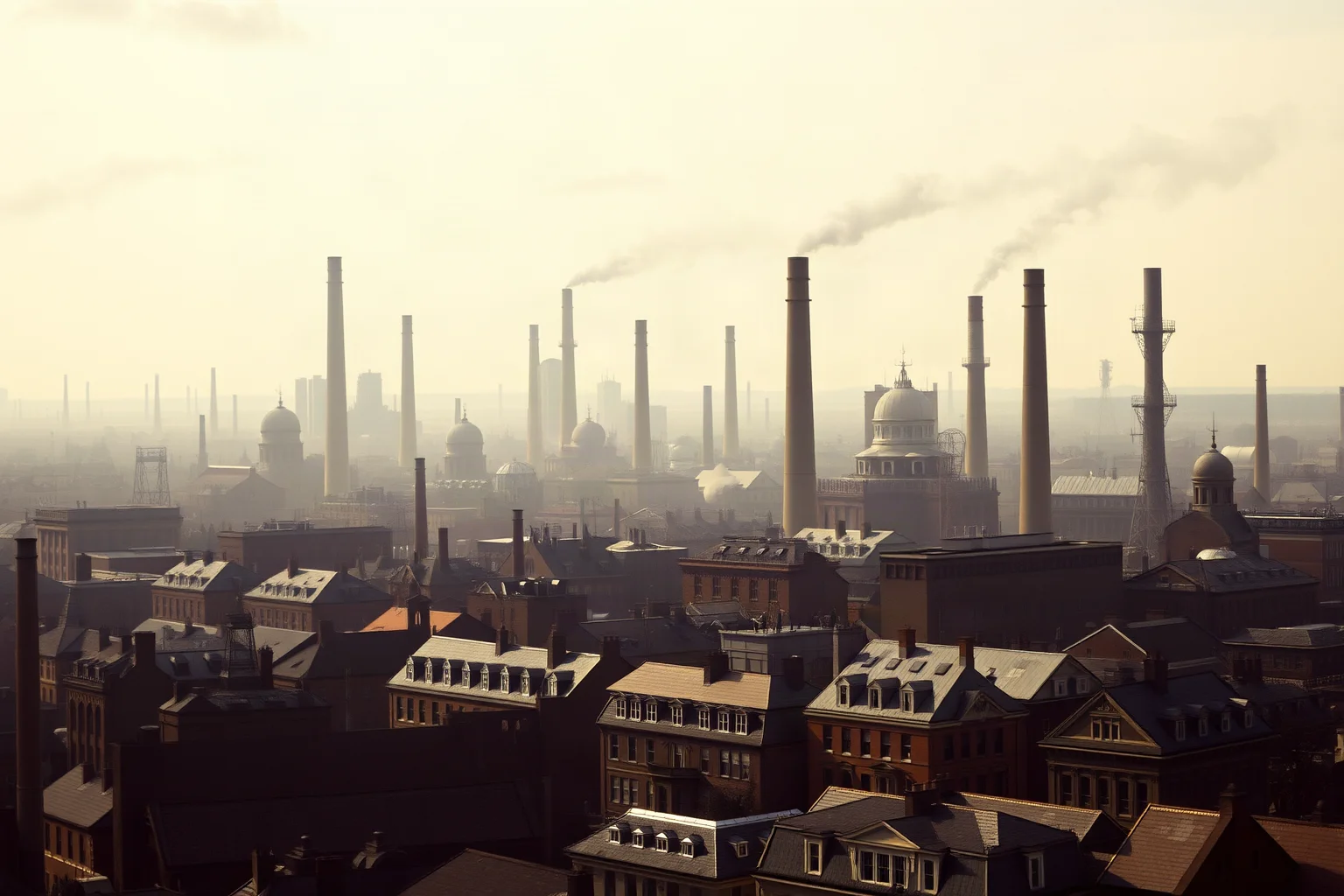
As factories concentrated jobs in specific locations, cities grew at astonishing speed. Manchester, Birmingham, and later cities across the U.S. and continental Europe became bustling hubs of commerce, culture, and opportunity.
This urbanization eventually brought conveniences that rural life couldn’t offer, including piped water, gas and electric lighting, and organized policing and fire services. It took time, but cities became engines of modern civic life.
4. New Job Opportunities and a Growing Middle Class

Factory and commercial jobs created entirely new categories of employment, from machine operators to clerks, engineers, and shopkeepers. Over time, this helped give rise to a genuine middle class with disposable income and social mobility that simply hadn’t existed at scale before.
This is one of the clearest answers to “which was a main benefit of industrialization” — it diversified how people could earn a living. Work was no longer almost entirely tied to farming or inherited trades.
5. Faster, Cheaper Transportation
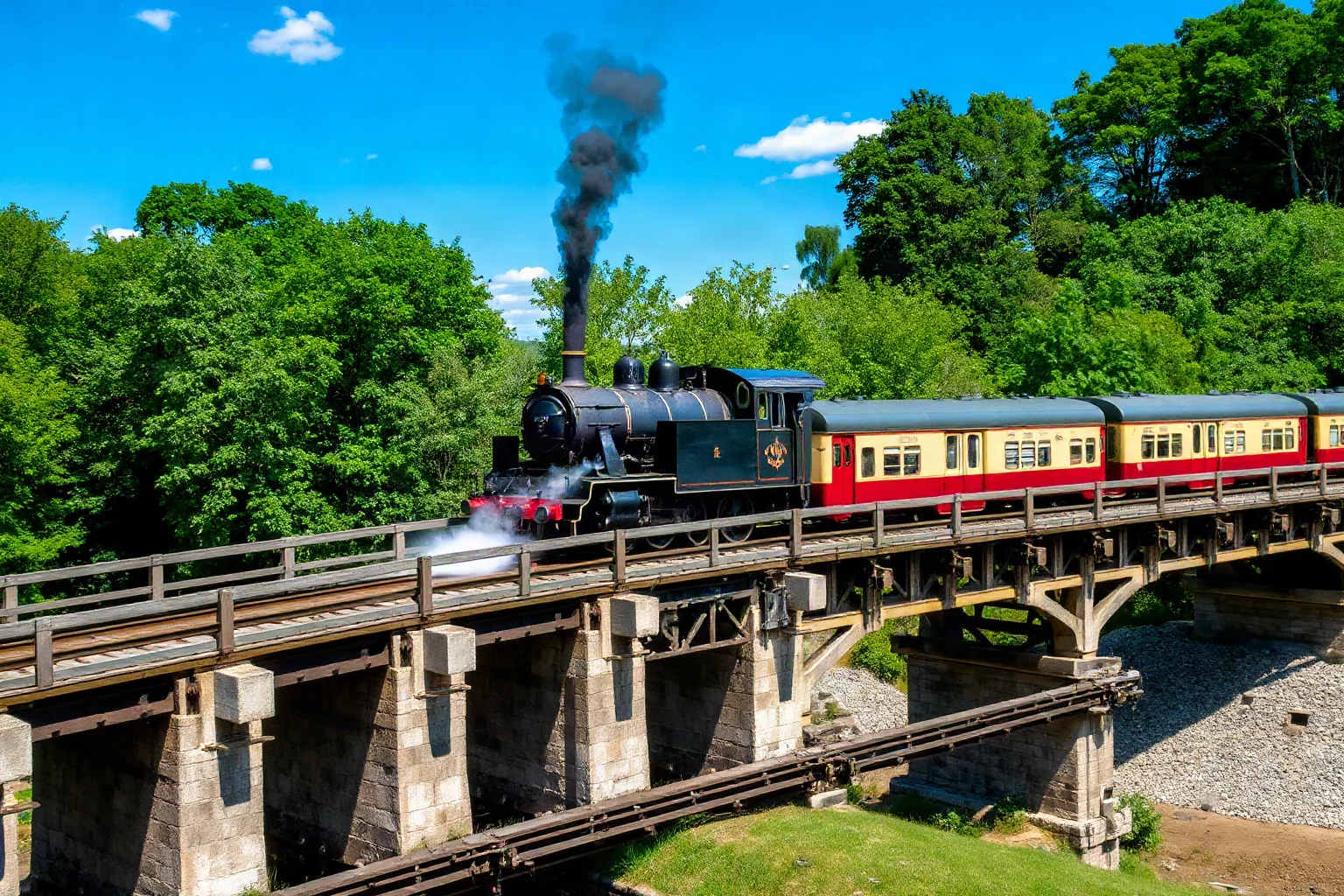
Railroads and steamships revolutionized how people and goods moved. A trip that once took weeks by horse-drawn wagon could be completed in a single day by rail, opening up national and international markets.
This transportation revolution shrank distances both physically and economically. It made regional specialization possible, since raw materials and finished goods could travel efficiently to wherever they were needed.
6. Mass Production and Cheaper Goods
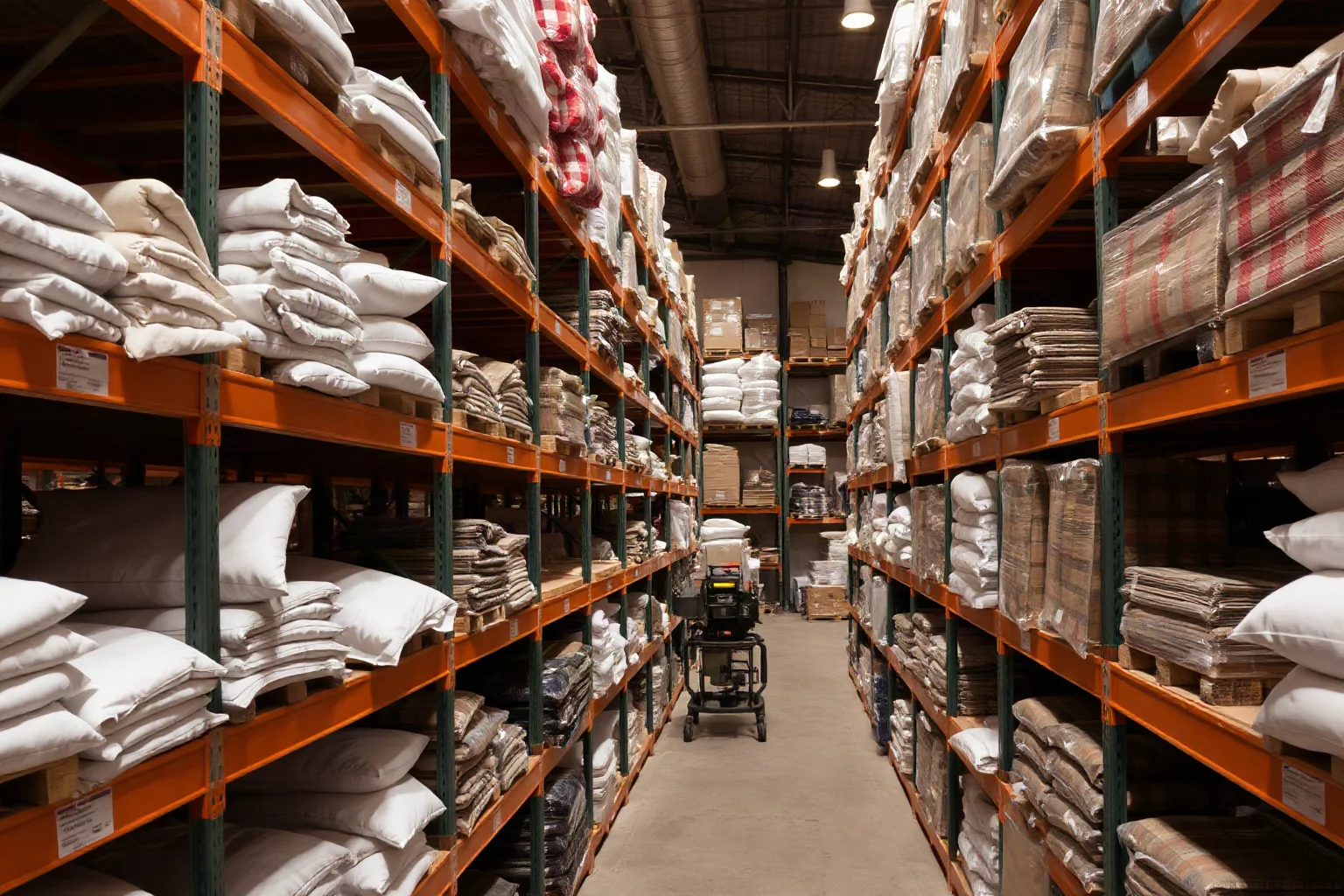
Before factories, most goods were handmade, slow to produce, and expensive. Mass production techniques made clothing, tools, and household items dramatically cheaper and more widely available to ordinary families.
This is one of the most tangible benefits of the Industrial Revolution for everyday people. Items that were once luxuries for the wealthy gradually became affordable staples for the working and middle classes alike.
7. Advances in Medicine and Public Health
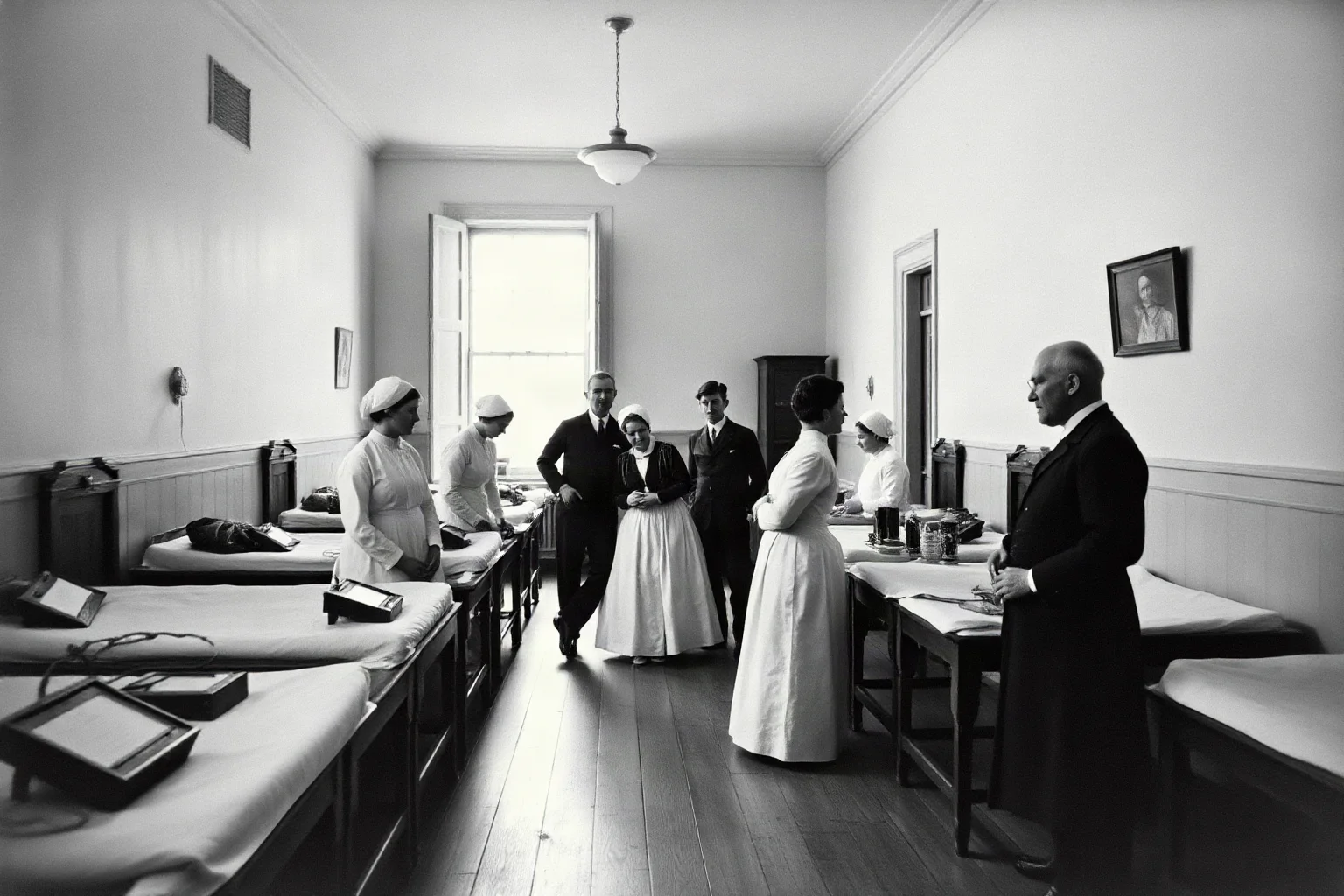
While early industrial cities were often unhealthy, the long-term relationship between industrialization and medicine turned strongly positive. Industrial wealth funded scientific research, hospitals, and later breakthroughs like vaccines, anesthesia, and sanitation engineering.
Governments also began investing in public health infrastructure, like clean water systems and sewage treatment, partly in response to industrial-era health crises. These reforms significantly increased life expectancy over the following century.
8. Growth of Global Trade
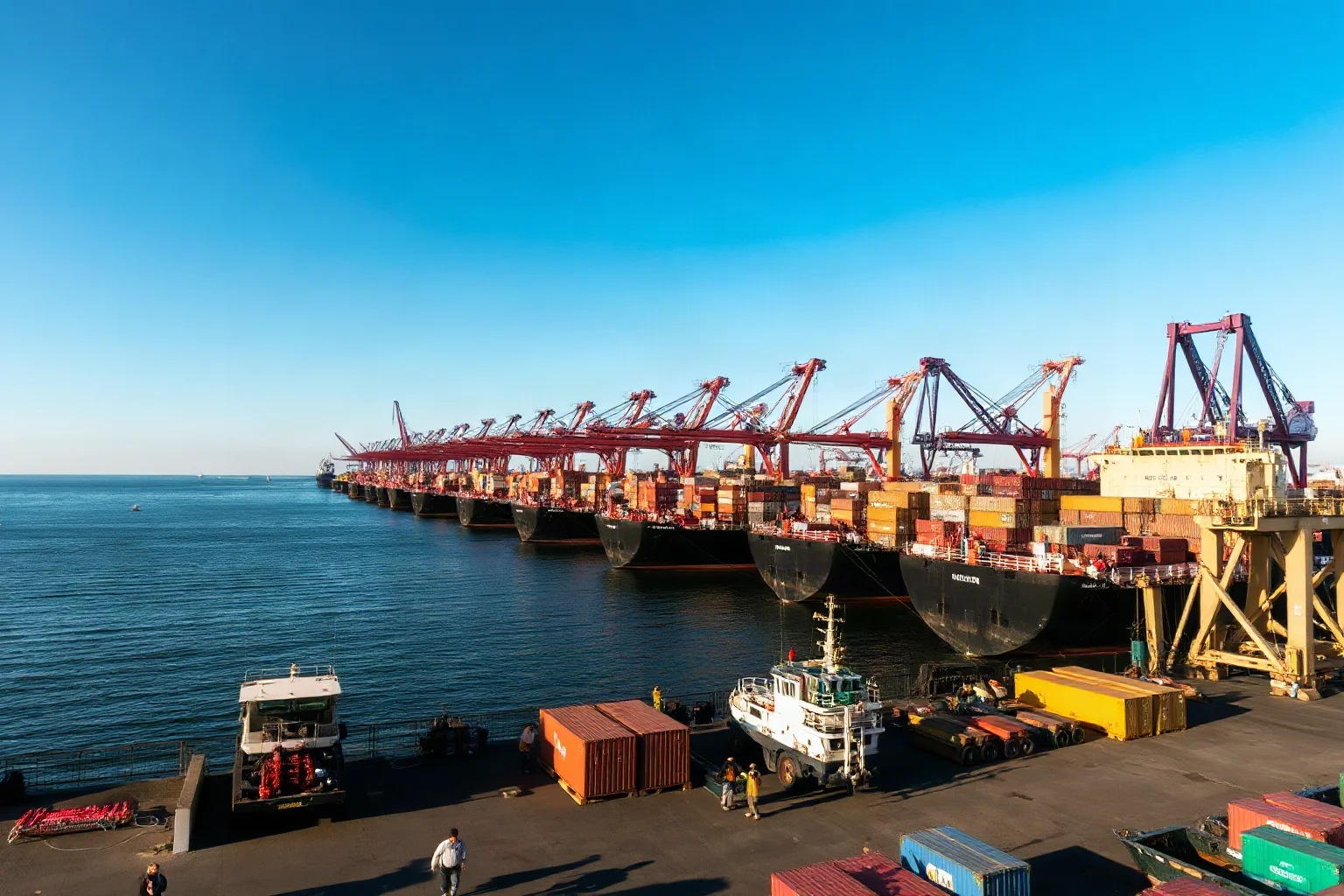
Industrial production created surplus goods that needed markets, which accelerated international trade networks. Steamships, telegraphs, and later trade agreements connected economies across continents in ways that previous centuries never managed.
This interconnected global economy, for all its later complications, is a direct legacy of the industrial age. It’s part of why the impact of the industrial age still shapes international relations and commerce today.
9. Educational Expansion and Rising Literacy
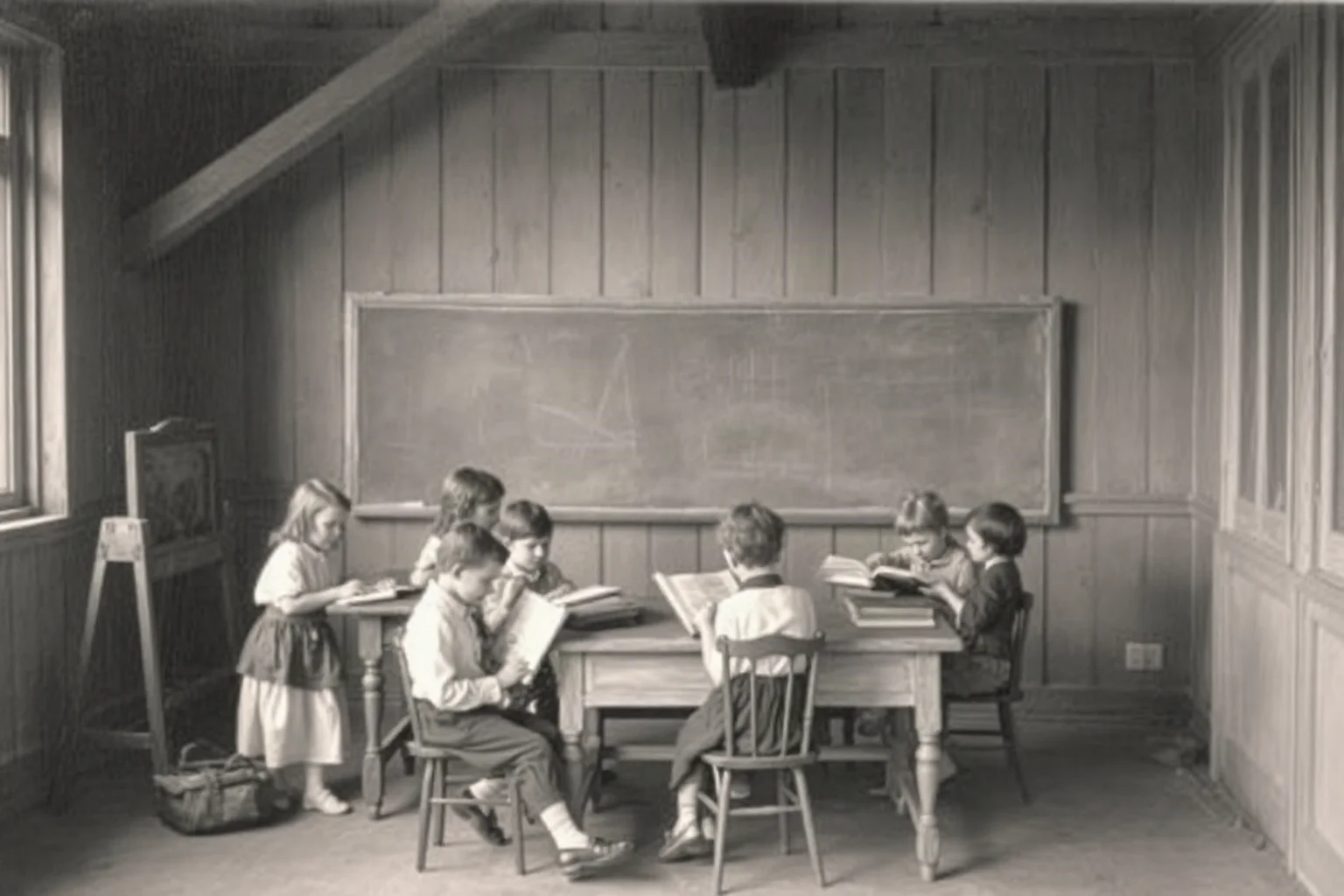
Industrial economies increasingly needed literate, numerate workers who could read instructions, keep records, and operate complex machinery. This demand helped drive the expansion of public education systems across Europe and North America through the 19th century.
Rising literacy rates, in turn, fed back into further innovation and civic participation. It’s a good example of how positive impacts of industrialization often reinforced each other over time.
10. A Boost to Agricultural Productivity
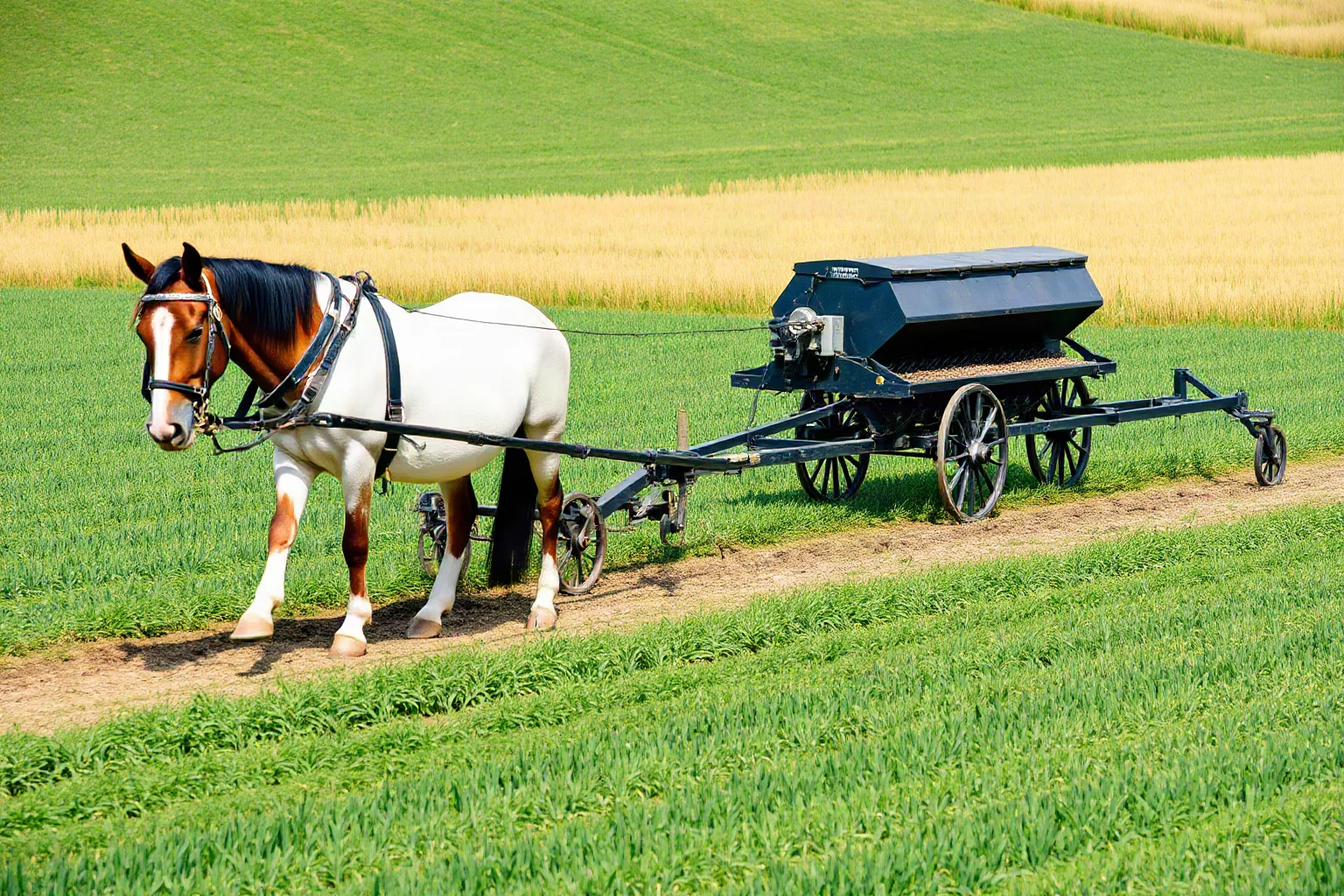
The Industrial Revolution didn’t happen in isolation — it built on and accelerated an earlier Agricultural Revolution that introduced crop rotation, selective breeding, and new farm equipment. Mechanized tools like the seed drill and later the mechanical reaper let far fewer farmers feed far more people.
Weighing the agricultural revolution’s pros and cons alongside the industrial one matters, since freed-up farm labor is part of what fueled the industrial workforce in the first place. Together, they represent one of the most consequential one-two punches in economic history.
The Negative Effects of the Industrial Revolution (The Cons)
The negative effects of the Industrial Revolution were just as real as the benefits, and they fell hardest on working-class families. These problems eventually sparked major reform movements, but not before enormous human cost.
11. Harsh Factory Working Conditions
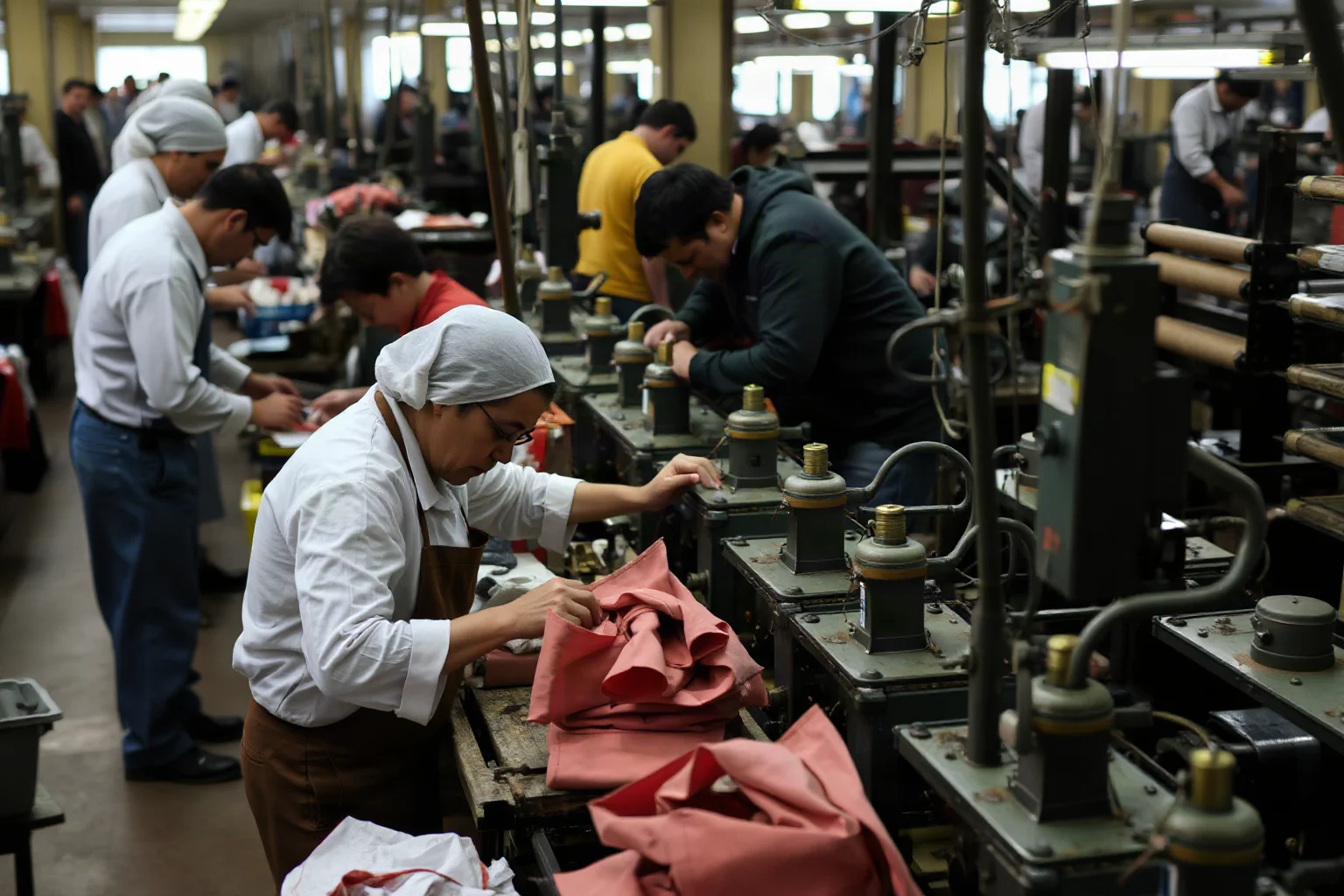
Early factories were often loud, poorly lit, and dangerous, with workers standing for 12- to 16-hour shifts near unguarded machinery. Injuries were common, and there was little to no compensation or safety regulation in the earliest decades of industrialization.
This is consistently cited as one of the biggest problems with the Industrial Revolution. It took decades of activism and legislation before meaningful workplace safety standards became the norm.
12. Child Labor
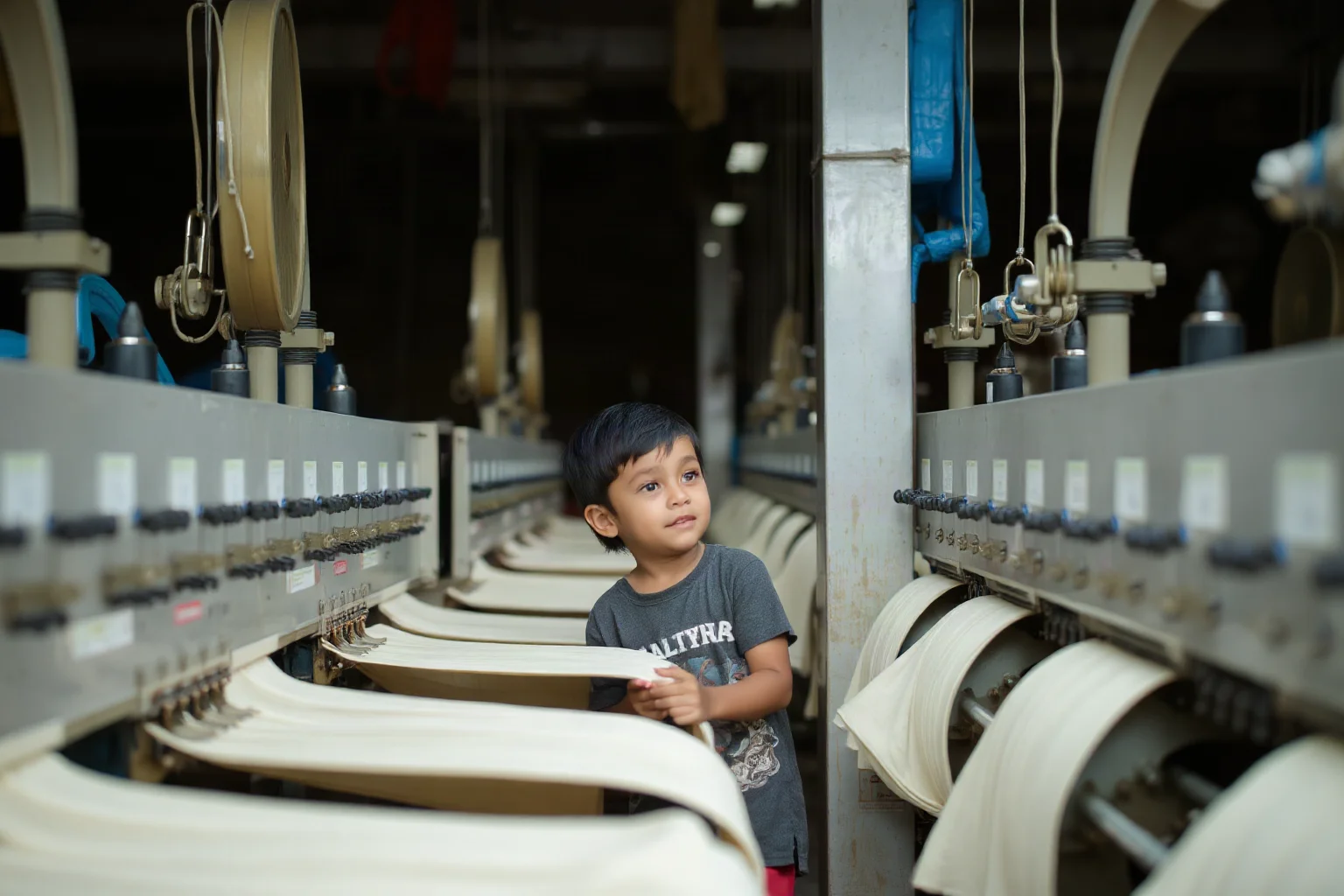
Children as young as five or six worked in textile mills and mines in parts of Britain and elsewhere, often doing dangerous tasks precisely because their small size suited cramped machinery. Reformers documented these conditions extensively, and public outcry eventually led to laws like Britain’s Factory Acts, which gradually restricted child labor.
It’s worth noting that child labor existed before industrialization too, especially on farms and in domestic workshops. What changed was the scale, visibility, and often the danger involved once children worked around industrial machinery.
13. Overcrowded, Unsanitary Slums

Rapid urban growth outpaced housing and sanitation infrastructure in most early industrial cities. Families often crowded into cramped tenements with poor ventilation, inadequate waste disposal, and minimal access to clean water.
These slum conditions bred disease and misery for millions of workers. Reform-minded writers and social investigators of the era documented these conditions in detail, helping push eventual public health reforms.
14. Pollution and Environmental Damage
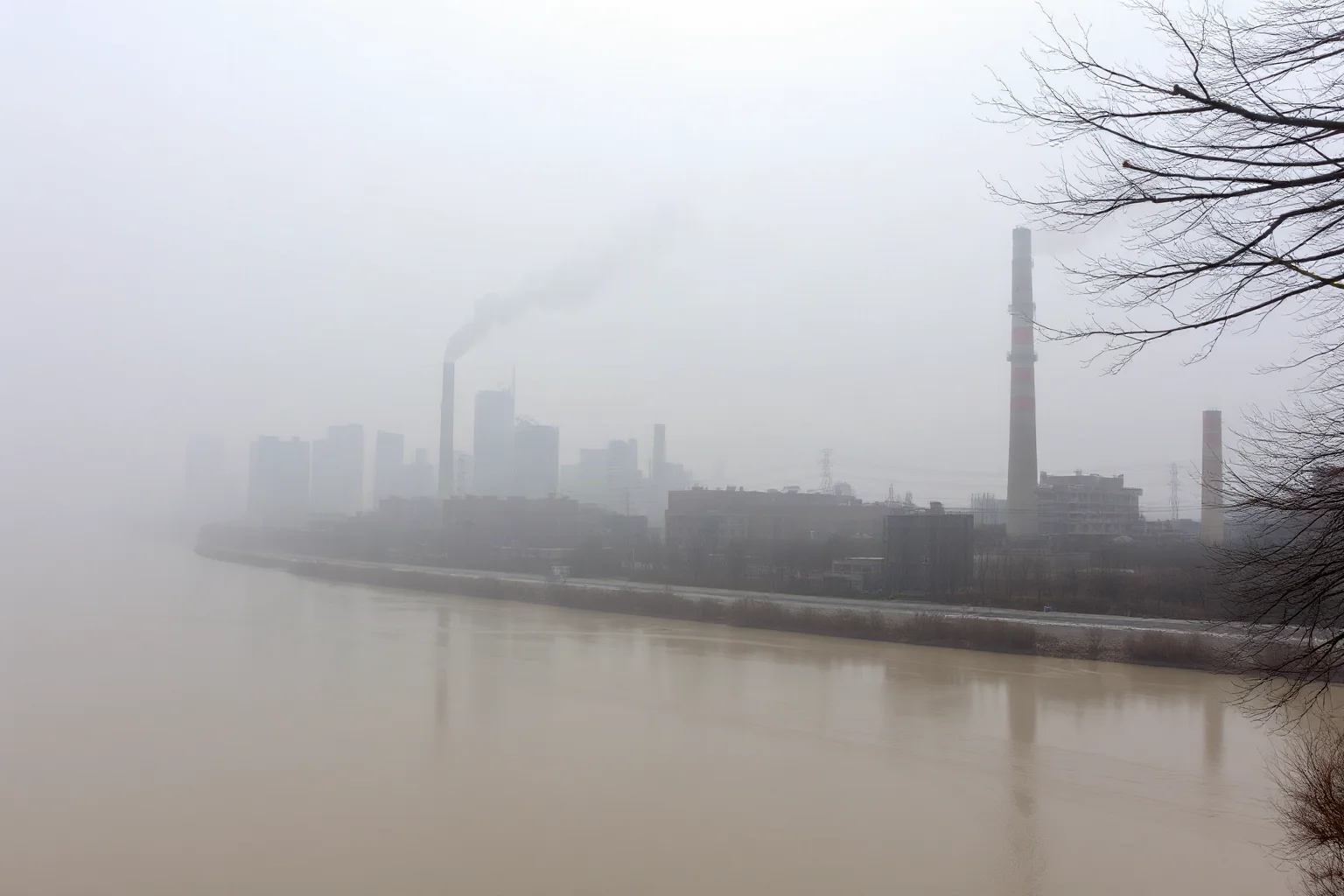
Coal-powered factories filled industrial cities with thick smoke and soot, while unregulated waste often flowed directly into rivers. This environmental degradation damaged both public health and local ecosystems for generations.
The environmental costs of industrialization didn’t get serious legal attention until well into the 20th century in most countries. In many ways, we’re still managing the long-term environmental effects of the industrial age today.
15. Widening Wealth Inequality

While industrial economies grew rapidly, the wealth generated was distributed extremely unevenly at first. Factory owners and investors often accumulated enormous fortunes while the workers producing that wealth lived in poverty.
This gap between industrial capitalists and laborers became one of the defining social tensions of the 19th century. It also directly inspired new economic and political ideologies that debated how industrial wealth should be shared.
16. Loss of Traditional Skilled Trades

Machines could produce textiles and goods faster and cheaper than skilled artisans working by hand, which put many traditional craftspeople out of work. Handloom weavers, for example, saw their livelihoods collapse as mechanized mills took over textile production.
This disruption fueled real social unrest, including the Luddite movement of the 1810s, whose members famously smashed industrial machinery in protest. Their frustration reflected a genuine economic displacement, not simply fear of technology itself.
17. Long Hours With Few Protections

Before labor laws existed, there was essentially nothing stopping employers from demanding extremely long shifts, six or seven days a week, from adult and child workers alike. Wages were often barely enough to cover basic living costs, leaving little room for rest, education, or family time.
This lack of protection is a core reason labor unions began organizing in the 19th century. Their efforts eventually won shorter workdays, minimum wage standards, and the right to collective bargaining in many industrial nations.
18. Disease Outbreaks in Crowded Cities
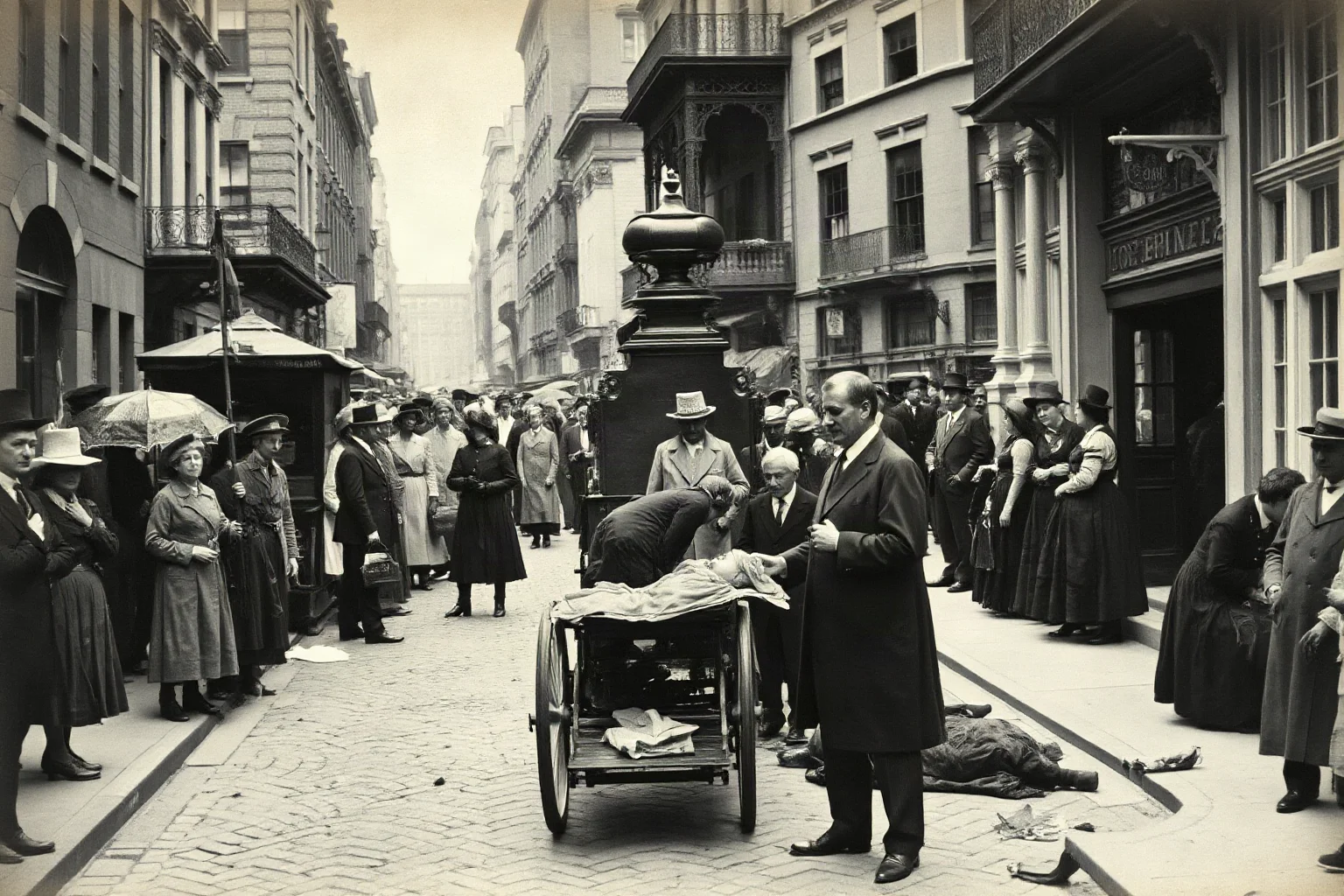
Overcrowding, poor sanitation, and contaminated water supplies made industrial cities hotbeds for diseases like cholera, typhoid, and tuberculosis. Major cholera outbreaks in cities like London during the 19th century killed thousands and exposed just how inadequate urban infrastructure had become.
These public health crises were genuinely tragic, but they also became catalysts for change. They pushed governments toward the sanitation and water-treatment reforms that eventually became one of the era’s unexpected long-term positives.
19. Social Unrest and Labor Conflict
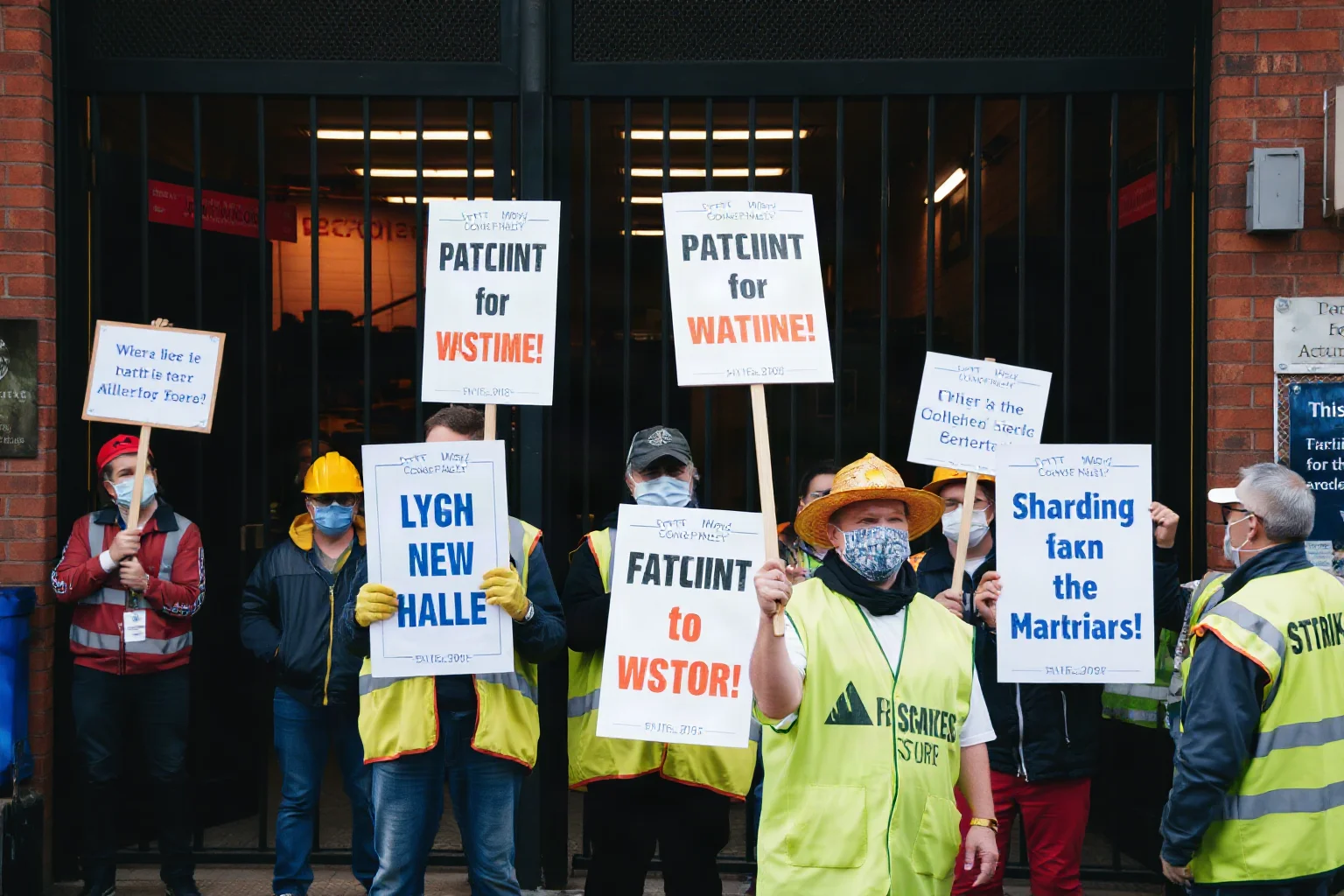
As conditions worsened, strikes, protests, and sometimes violent confrontations between workers and factory owners became common across industrializing nations. Governments often responded with harsh crackdowns before eventually shifting toward negotiation and regulation.
This unrest reflects a genuine problem of the Industrial Revolution: rapid economic change outpaced the social and legal systems meant to manage its consequences. It took organized labor movements, sometimes spanning decades, to force meaningful reform.
20. Colonial Exploitation and Global Inequality
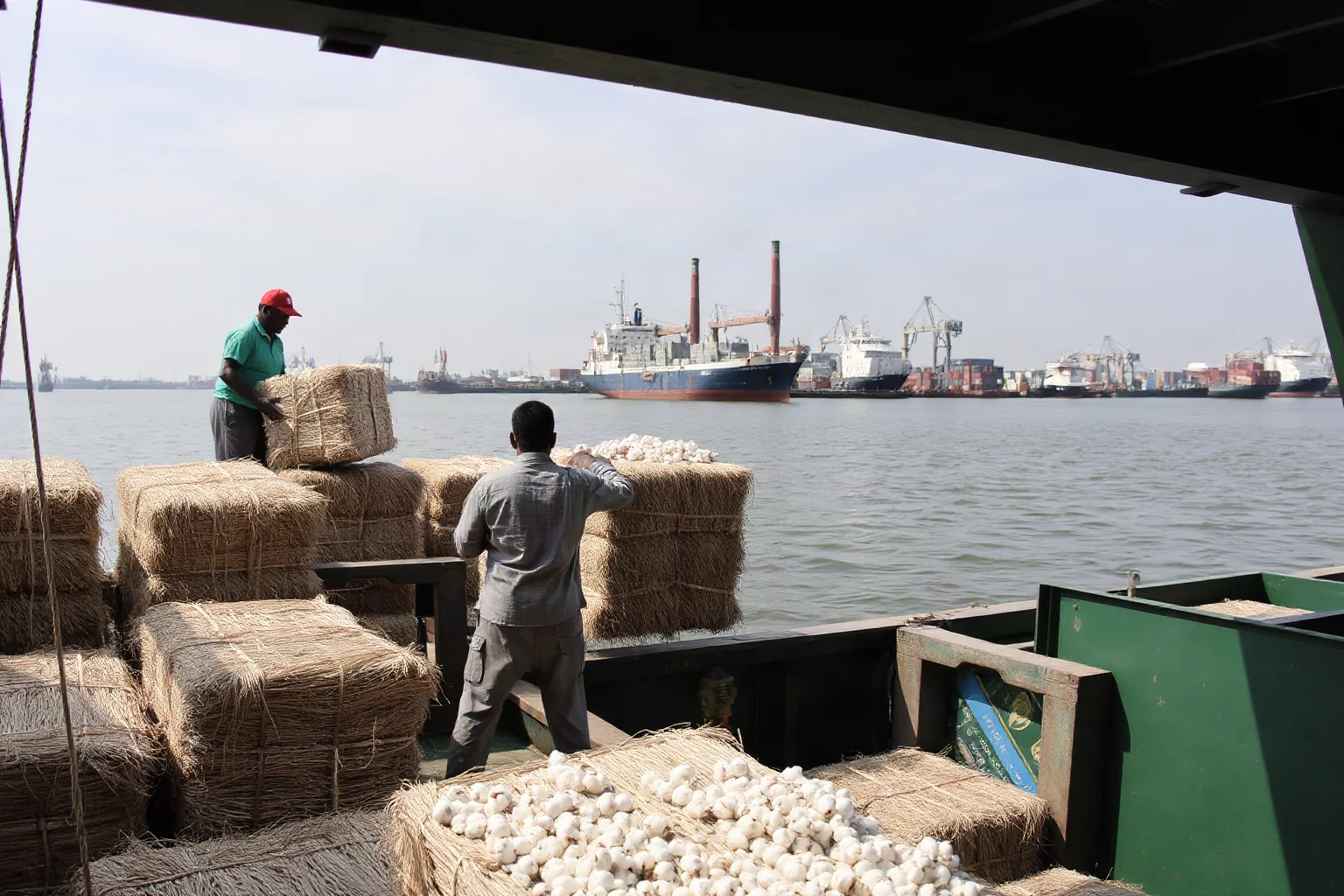
Industrializing nations needed enormous quantities of raw materials like cotton, rubber, and minerals, and many sourced them through colonial systems that exploited land and labor overseas. This demand intensified colonial expansion and, in many regions, worsened existing inequalities between industrial powers and the territories they controlled.
This global dimension is often underemphasized in discussions of industrial progress. The benefits of industrialization in Europe and North America were frequently built, at least in part, on resource extraction and labor systems elsewhere that offered little benefit to local populations.
So, Was the Industrial Revolution Good or Bad? Weighing the Balance
Asking whether the Industrial Revolution was simply “good or bad” oversimplifies a process that unfolded over more than a century and touched nearly every aspect of human life. The honest, historically grounded answer is that it was a mix of extraordinary progress and serious human cost, and the balance between the two shifted significantly over time.
In the short term, for the first generations of factory and mine workers, life often got harder, not easier. Wages were low, hours were brutal, and cities were unhealthy places to live.
But over the following decades, reform movements, labor organizing, and new technologies gradually converted industrial wealth into broader public benefits. Public education, modern medicine, workplace safety laws, and rising living standards all trace back to this same industrial foundation.
Any fair conclusion about the Industrial Revolution has to hold both realities at once. It was a period of genuine hardship and exploitation, and also the launching point for the modern standard of living that followed.
Understanding both sides isn’t about picking a winner between progress and suffering. It’s about recognizing how deeply intertwined they were — and using that history to think more carefully about the technological and economic revolutions still unfolding today.
Frequently Asked Questions
What were the positive effects of the Industrial Revolution?
The positive effects of the Industrial Revolution included rapid economic growth, new technologies like the steam engine, the rise of cities, cheaper mass-produced goods, expanded trade networks, and long-term gains in public health, education, and living standards. Many of these benefits took decades to fully materialize for ordinary workers.
What were the negative effects of the Industrial Revolution?
The negative effects included harsh factory working conditions, widespread child labor, overcrowded and unsanitary urban slums, pollution, growing wealth inequality, and the decline of traditional skilled trades. These problems eventually spurred labor movements and reform legislation across industrializing countries.
Which was a main benefit of industrialization?
One of the clearest benefits of industrialization was the creation of new kinds of jobs and economic opportunities beyond farming, which helped give rise to a growing middle class and, over time, higher average living standards.
Did the benefits of industrialization outweigh the costs?
Historians generally agree the long-term benefits, including modern medicine, technology, and rising living standards, eventually outweighed the initial costs, but this took many decades and required significant labor and social reforms to achieve. For the first generations of factory workers, the costs were often severe and immediate.
What were three effects of the Industrial Revolution?
Three major effects were rapid urbanization as people moved to cities for factory work, technological innovation that transformed production and transportation, and significant social change, including the emergence of labor unions and reform movements in response to poor working conditions.
What was a negative consequence of the Industrial Revolution?
One major negative consequence was the widespread use of child labor in factories and mines, where children often worked long hours in dangerous conditions for very low pay before child labor laws were enacted.
Was the Industrial Revolution good or bad overall?
It was both. The Industrial Revolution caused serious harm to early factory workers through poor conditions, pollution, and inequality, while also laying the foundation for modern technology, medicine, and living standards that developed over the following generations.
What are the pros and cons of the Agricultural Revolution in relation to industrialization?
The Agricultural Revolution's pros included higher crop yields and more efficient farming through new tools and techniques, which freed up labor for factory work; its cons included the displacement of small farmers and rural laborers, many of whom were pushed into crowded industrial cities to find new work.

Alex Warren
Related Articles