
Heists occupy a strange place in the public imagination: they are crimes, but the good ones get remembered like capers. A vault emptied through a sewer, a famous painting walked out under a coat, a warehouse full of gold found by accident — these stories endure because they combine planning, nerve and a twist of luck.
This list runs from a 1671 attempt on the English Crown Jewels to a 2019 raid on a Dresden museum, and it separates what is documented from what has been mythologised. Along the way it answers the question that always comes up: what actually was the biggest heist in history?
TL;DR: The biggest heist in history depends on how you measure it — the Isabella Stewart Gardner Museum theft tops art losses at around $500 million, while the Dunbar Armored robbery remains the largest cash robbery in US history at $18.9 million.
What Was the Biggest Heist in History?
The honest answer is that there is no single record, because biggest can mean cash taken, insured value, cultural importance or sheer audacity. Measured by raw cash, the £53 million Securitas depot robbery in Kent and the roughly $70 million Banco Central job in Brazil are strong contenders, while the Dunbar Armored robbery holds the US cash record at $18.9 million.
Measured by value, art theft wins by a wide margin. The Gardner Museum's 13 missing works are usually valued at around $500 million, which makes that 1990 raid the largest heist in history by most conventional measures. Jewellery cases such as Antwerp and Schiphol are harder to rank, because the figures come from insurance claims and estimates rather than counted banknotes.
Then there is the question of success. If a heist is judged by whether the thieves actually kept the money, the Brazilian tunnel robbers and the Antwerp crew score higher than the Gardner thieves, who took paintings they could never sell openly. On almost any reading, though, the most successful heist in history is one that stayed unsolved — and several on this list still are.
Why Do the Most Famous Heists Still Fascinate Us?
Most of these crimes are, financially speaking, modest compared with corporate fraud or tax evasion. What makes them memorable is the shape of the story: a plan, an obstacle, a moment of nerve, and then either escape or humiliation. The Great Train Robbery gang became folk antiheroes in Britain partly because the robbery felt like a clever prank against institutions nobody loved.
There is also the reassurance of order being restored, or not. Heists give us a rare glimpse of the machinery behind wealth — vaults, armoured cars, alarms, insurance — and then show it failing. When the crime is never solved, that glimpse never closes.
Finally, heist legends are unusually self-reinforcing. Films, memoirs and tabloid retellings remake these events every generation, adding detail that the court records never contained. Sorting the documented from the invented is half the fun.
The Most Infamous Heists Throughout History
What follows is a chronological run through the most famous raids in history, from the seventeenth century to the present day. Each entry notes what was taken, how it happened, and how much of the story survives as verified fact.
1. Colonel Blood's Raid on the Crown Jewels (1671)

On 9 May 1671 an Irish adventurer named Thomas Blood talked his way into the Tower of London by posing as a clergyman with an interest in the royal regalia. Once inside, he and his accomplices attacked the keeper, flattened St Edward's Crown with a mallet and sawed at the Sovereign's Sceptre. He was caught at the Tower gate with treasure stuffed into his clothes, making this one of the most famous raids in history — and one of the least successful.
What happened next is stranger than the crime itself. Charles II, apparently amused by the audacity, pardoned Blood and even granted him land in Ireland. The episode set a template later heists would follow: nerve, disguise and insider access matter more than brute force.
2. The Great Gold Robbery (1855)

In May 1855, gold bars and coins bound for British troops in the Crimea were loaded onto a boat train running from London to Folkestone. Using wax impressions of the keys, the gang swapped the contents of three locked boxes for lead shot before the train departed, and the theft was not discovered until the shipment reached Paris. Roughly £12,000 in gold vanished, an enormous sum at the time.
It took years to unravel. Edward Agar, one of the conspirators, turned informer after being convicted of a separate fraud, and his testimony led to convictions in 1857. The case became an early lesson in how a supposedly perfect heist usually collapses through human weakness rather than police genius.
3. The Theft of the Irish Crown Jewels (1907)
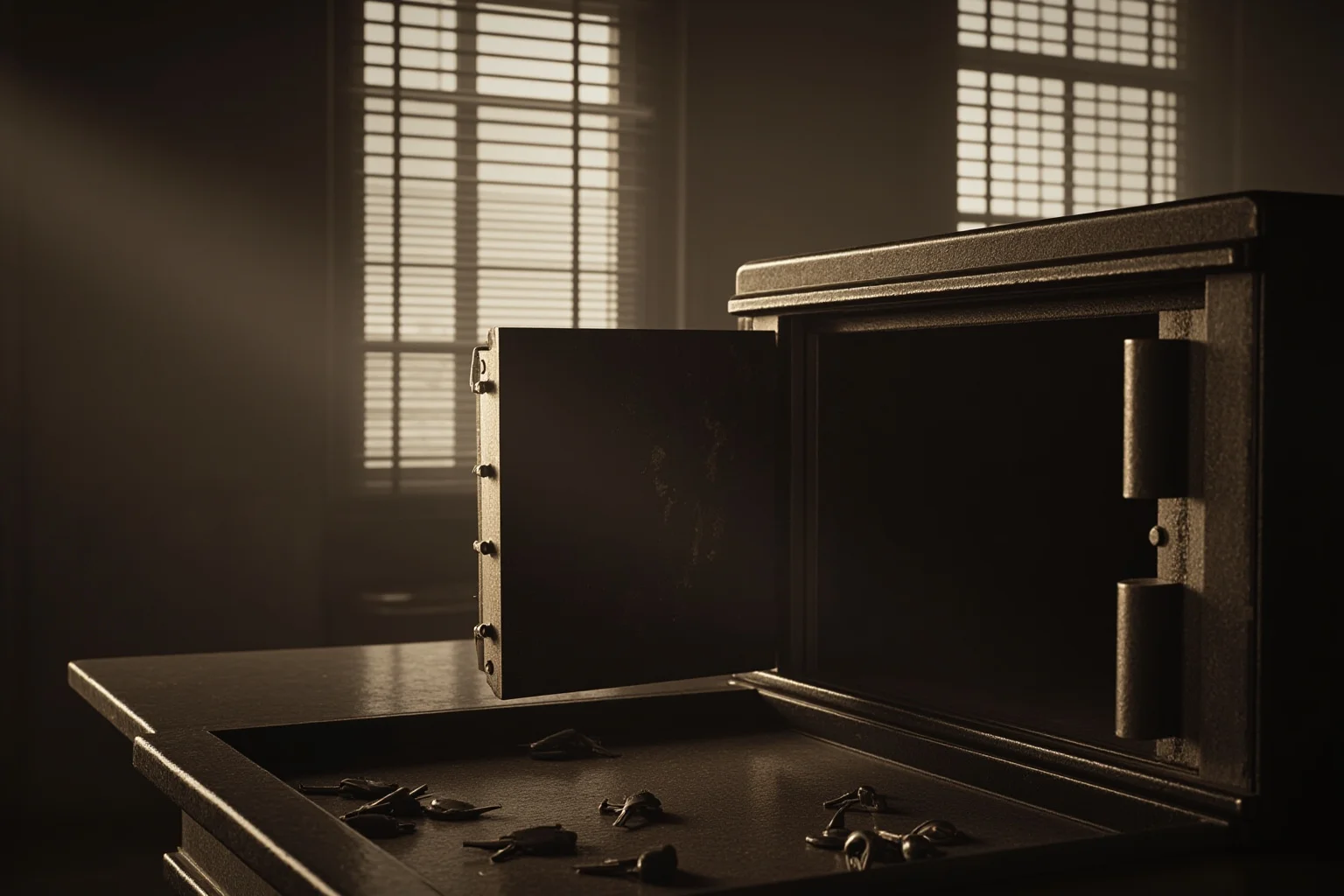
The so-called crown jewels of Ireland — the star and badge of the Order of St Patrick — were kept in a safe inside Dublin Castle, then the administrative heart of British rule in Ireland. On 6 July 1907 they were found missing, along with the keys to the outer door, and neither the jewels nor a definitive answer about who took them has ever surfaced. The case fed decades of conspiracy theories involving loyalist plots, cover-ups and personal scandal.
Its most lasting legacy is procedural. The investigation exposed how casually priceless objects were guarded, and the embarrassment helped push reform of state and museum security. It remains one of the most tantalising unsolved thefts in Irish history, and the cold case shows no sign of closing.
4. The Theft of the Mona Lisa (1911)
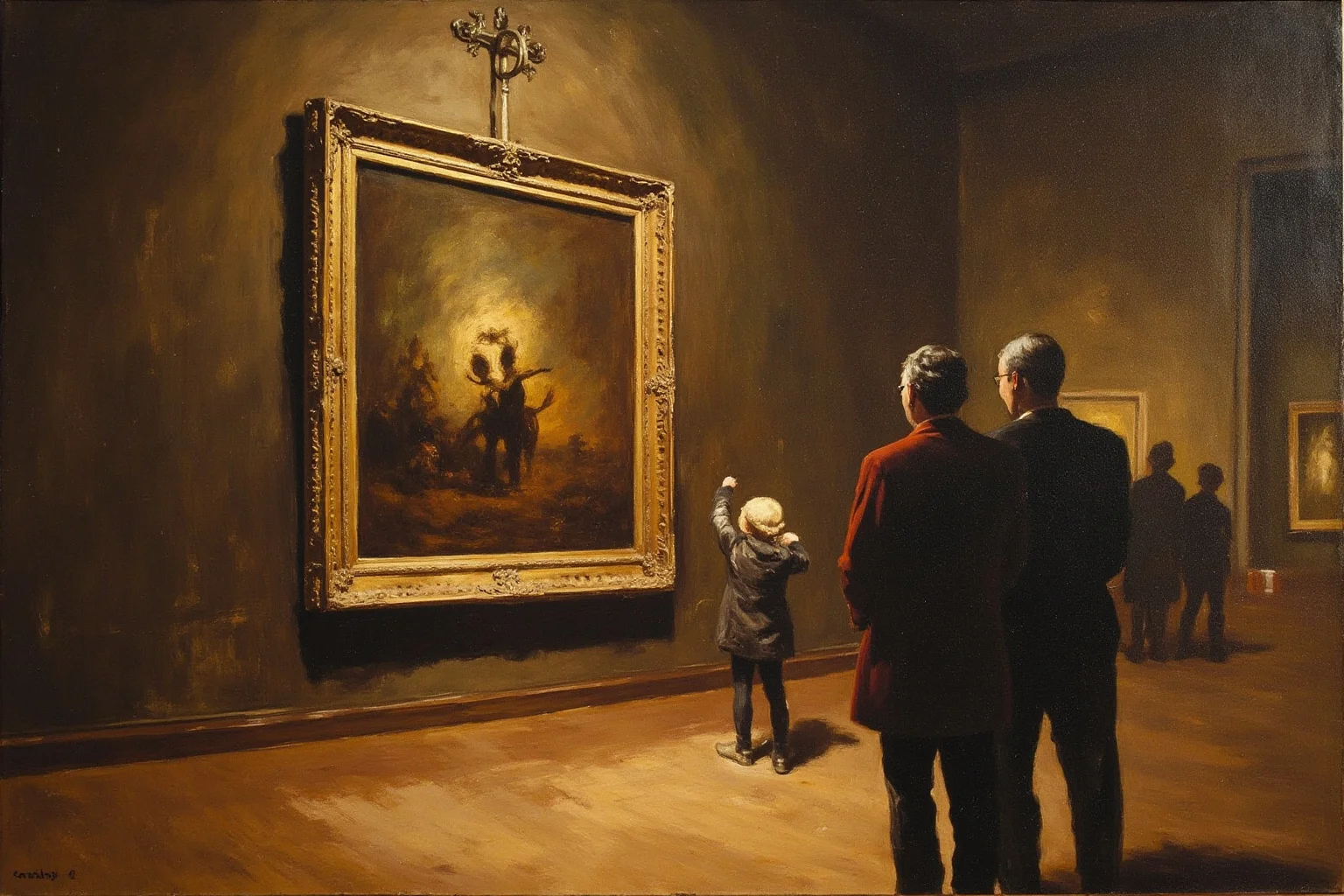
On 21 August 1911, a former Louvre employee named Vincenzo Peruggia walked out of the museum with Leonardo da Vinci's Mona Lisa hidden under his work smock. The disappearance caused a sensation: crowds queued to stare at the empty wall, and Pablo Picasso was questioned in connection with the case. Peruggia, an Italian who believed the painting belonged in Italy, kept it in his Paris apartment for more than two years.
He was caught in December 1913 after trying to sell it to a Florence dealer. The heist turned a respected Renaissance portrait into the most famous painting on earth, a useful reminder that reputation is often manufactured by publicity rather than by artistry alone.
5. The Missing Panel of the Ghent Altarpiece (1934)

One panel of Jan van Eyck's Ghent Altarpiece, The Just Judges, was taken from St Bavo's Cathedral on the night of 10 April 1934. A series of ransom notes followed, and a stockbroker named Arsène Goedertier reportedly confessed on his deathbed — but he died before revealing where the panel was hidden. It has never been found, though copies and rumours of its location circulate to this day.
This is art crime's strangest subgenre: the theft nobody can profit from. The panel is far too famous to sell openly, so it may simply be waiting in an attic, a crypt or a cellar for someone to stumble onto it.
6. The Looting of the Amber Room (1941)
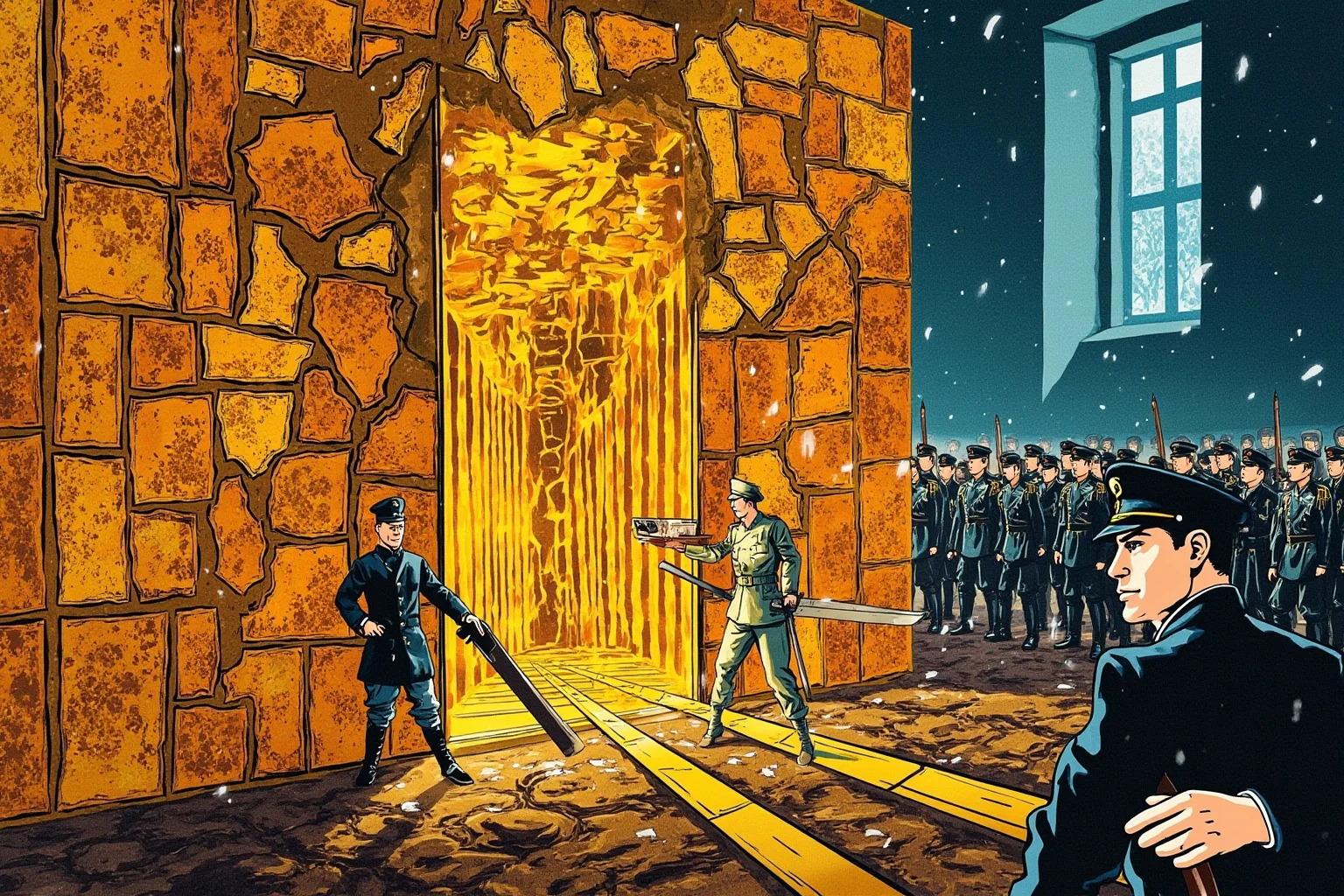
The Amber Room, an entire chamber of carved amber panels gifted to Peter the Great and installed at the Catherine Palace near St Petersburg, was dismantled by German troops in 1941 and shipped to Königsberg. It was displayed there until 1945, then vanished amid the collapse of the Third Reich. Curators, treasure hunters and historians have searched for it for eight decades without success.
Because the room was taken by a state rather than by criminals, it sits at the intersection of heist and war crime. Whatever survives is probably in fragments, scattered across private collections and museum stores, and its fate remains one of the great unsolved mysteries of the Second World War.
7. The Great Brink's Robbery, Boston (1950)
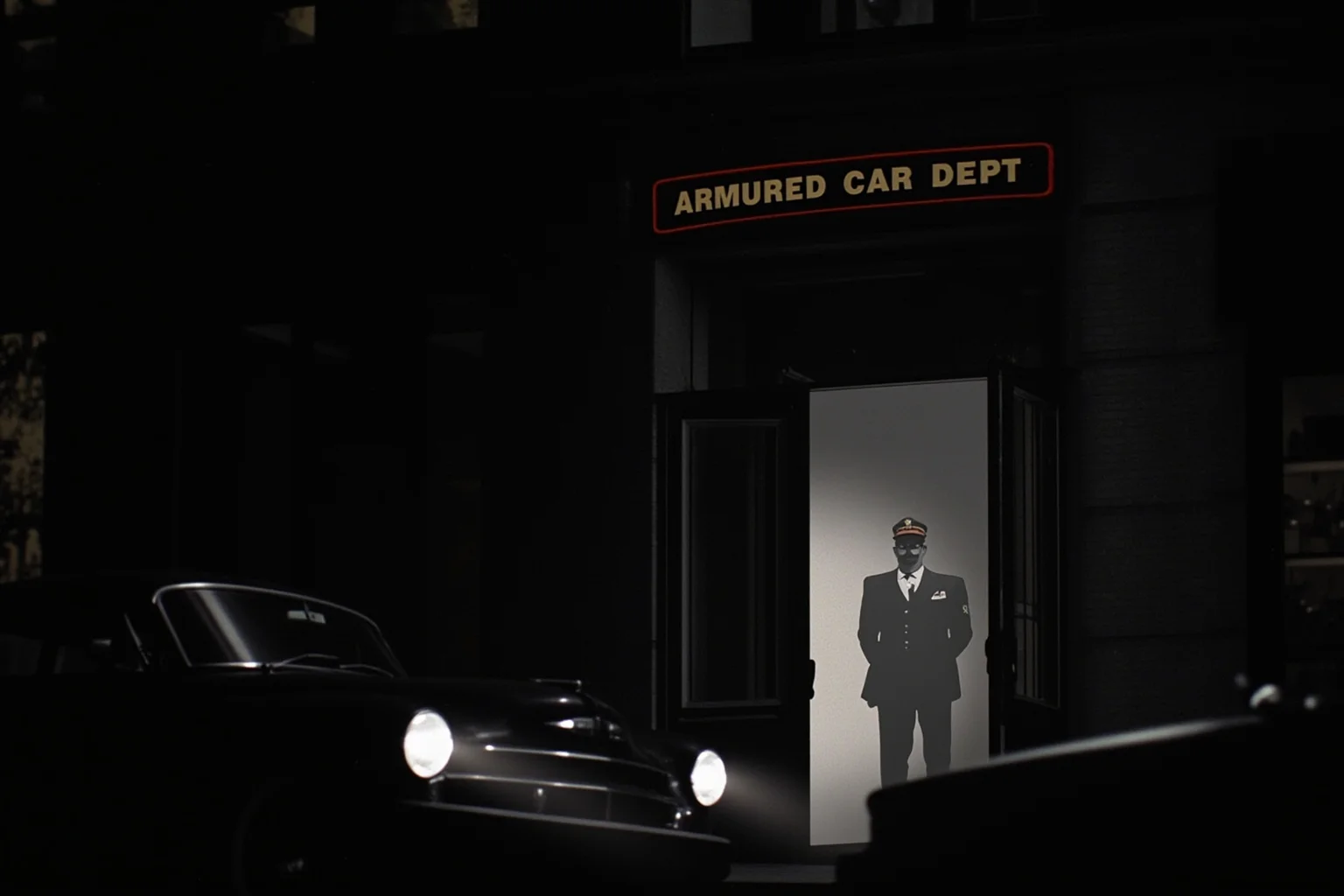
On 17 January 1950, eleven masked men walked into a Brink's armoured car depot in Boston's North End, tied up the staff and left with about $1.2 million in cash plus another $1.5 million in checks and securities. It was then the largest robbery in US history, and it was carried out with almost comic efficiency in under half an hour. The gang had spent months studying the depot's routines.
The aftermath was messier. An informant and a string of arrests unravelled the crew, and most members were convicted in 1956. The case became a template for Hollywood: meticulous planning, a huge score, and then betrayal.
8. The Great Train Robbery (1963)
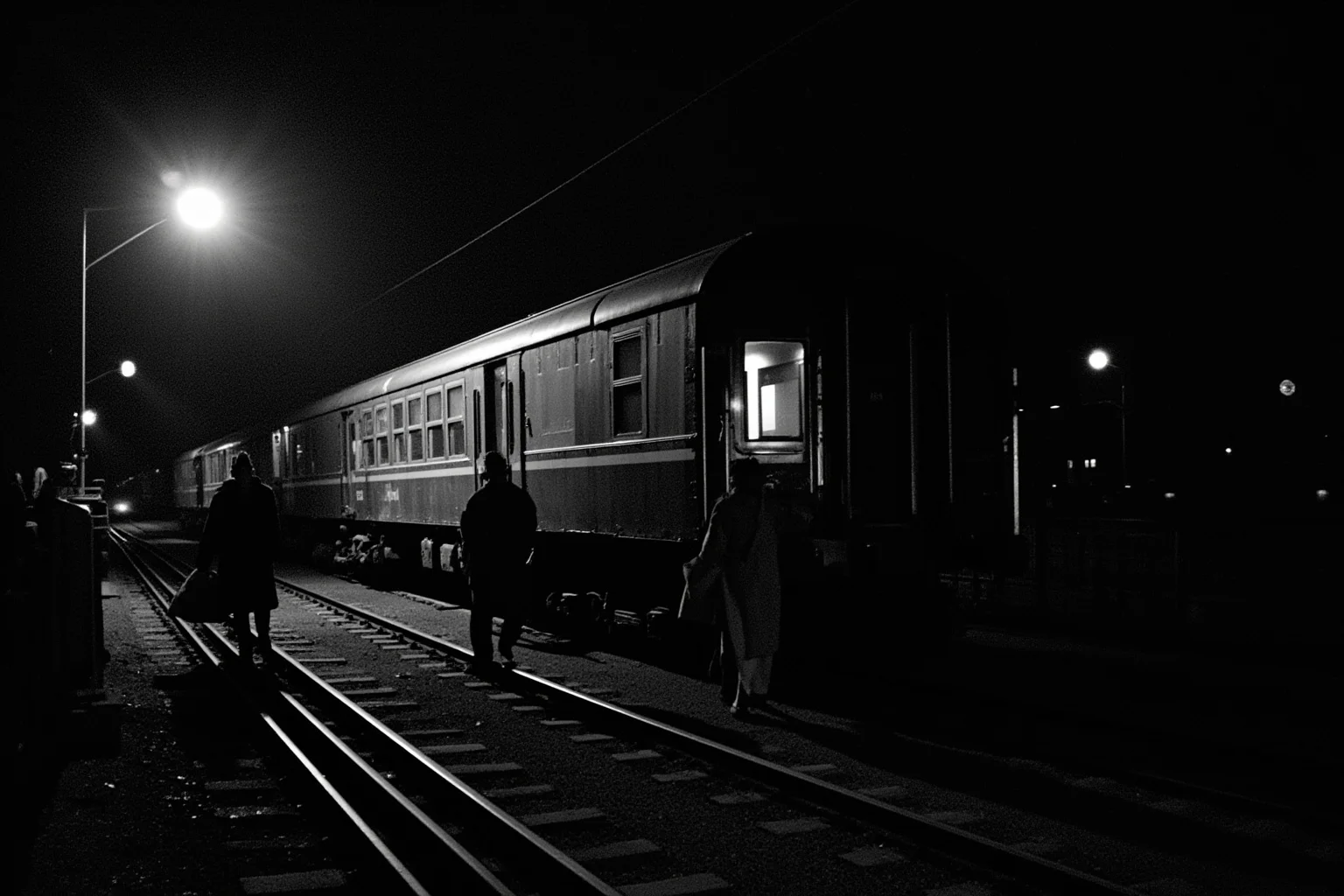
On 8 August 1963, a gang led by Bruce Reynolds stopped the Glasgow-to-London mail train at Bridego Bridge in Buckinghamshire by tampering with a signal. They overpowered the crew and made off with £2.6 million in used banknotes, worth tens of millions in today's money. It remains the most famous raid in British criminal history.
The gang's downfall came through forensic luck and loose talk. Most were caught, though Ronnie Biggs escaped from prison in 1965 and spent decades abroad before returning voluntarily in 2001. The robbery's cultural footprint — books, films, folk songs — far outstripped its financial one.
9. The Sewer Heist at Société Générale, Nice (1976)
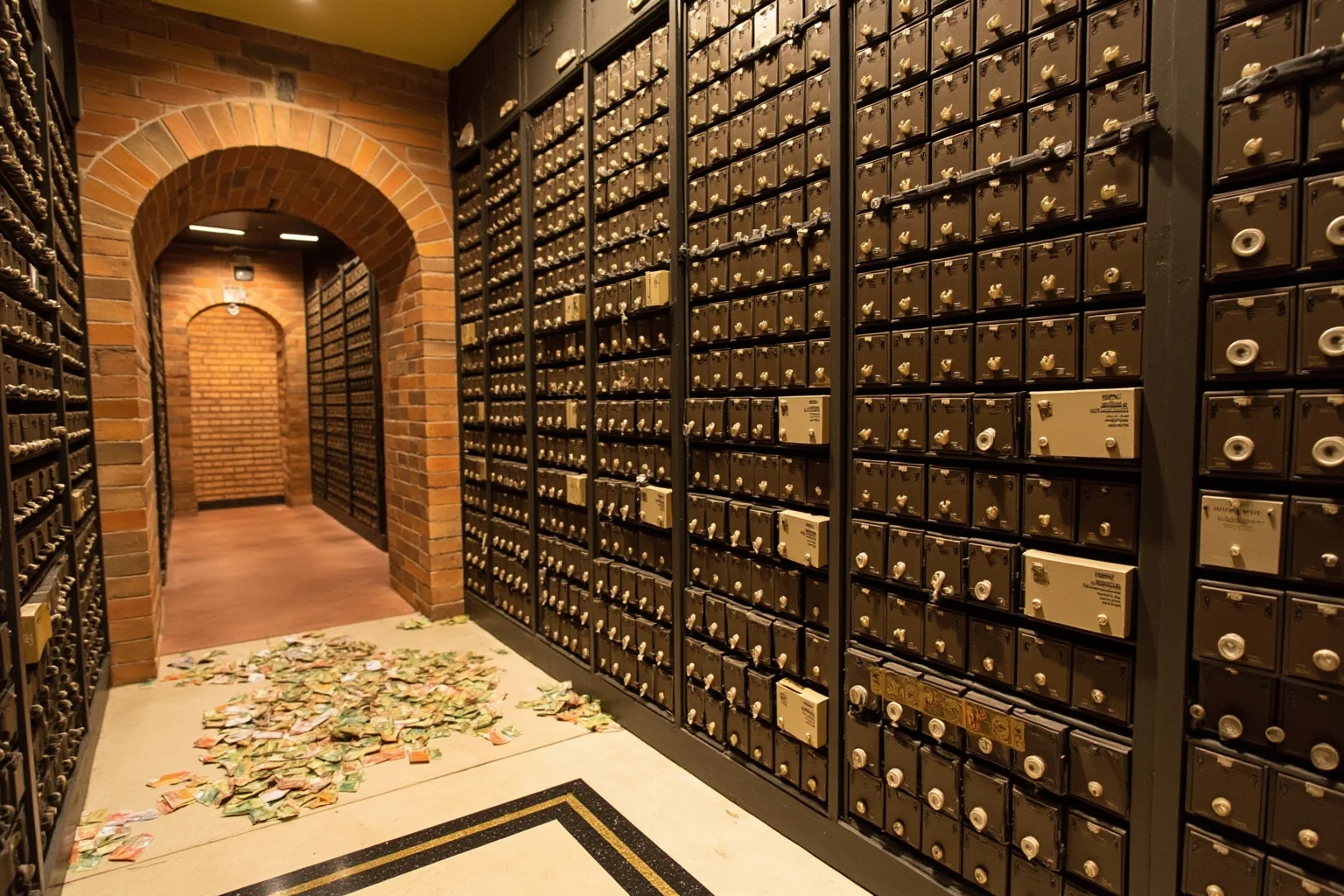
Albert Spaggiari and his crew spent two months digging a tunnel from the city's sewer system into the vault of a Société Générale branch in Nice. Over the Bastille Day weekend of 1976 they emptied hundreds of safe deposit boxes, netting roughly 30 million francs. Spaggiari was later arrested, then escaped by leaping from a courthouse window into a waiting car.
He never served his sentence and died in 1989, still a folk hero to some in France. A slogan he reportedly left on the vault wall — no weapons, no violence, no hatred — made him the archetype of the gentleman thief.
10. The Lufthansa Heist (1978)

On 11 December 1978, armed men walked into the Lufthansa cargo terminal at JFK Airport and took around $5 million in cash and nearly $1 million in jewels. The raid was an inside job, arranged with the help of a Lufthansa employee and organised through the Lucchese crime family. It inspired the film Goodfellas and became the definitive American airport heist.
The violence that followed was almost more notorious than the crime. A string of killings among the participants made the Lufthansa case a cautionary tale about what happens when a big score meets greed and paranoia.
11. The Brink's-Mat Robbery (1983)
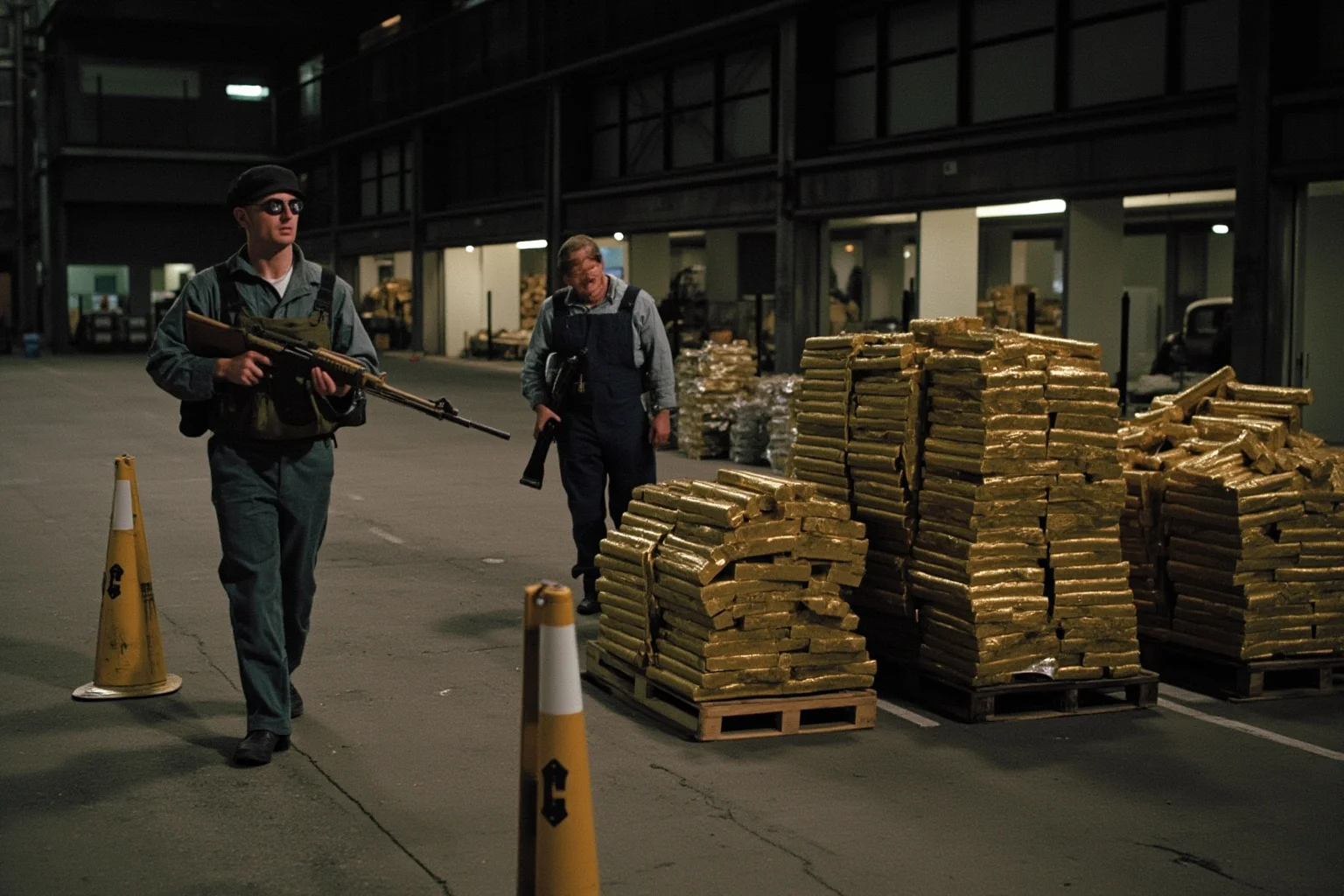
Six armed men entered the Brink's-Mat warehouse near Heathrow on 26 November 1983 expecting about £3 million in cash. Instead they found three tonnes of gold bullion, along with diamonds and travellers' cheques, worth roughly £26 million. It was, at the time, the largest robbery in British history.
The gold proved hard to move and the money left a trail. Much of the bullion was laundered through jewellers and property deals, and several participants were murdered. The case reshaped British policing of organised crime and fed the legend of a golden mile of criminal finance.
12. The Knightsbridge Security Deposit Robbery (1987)
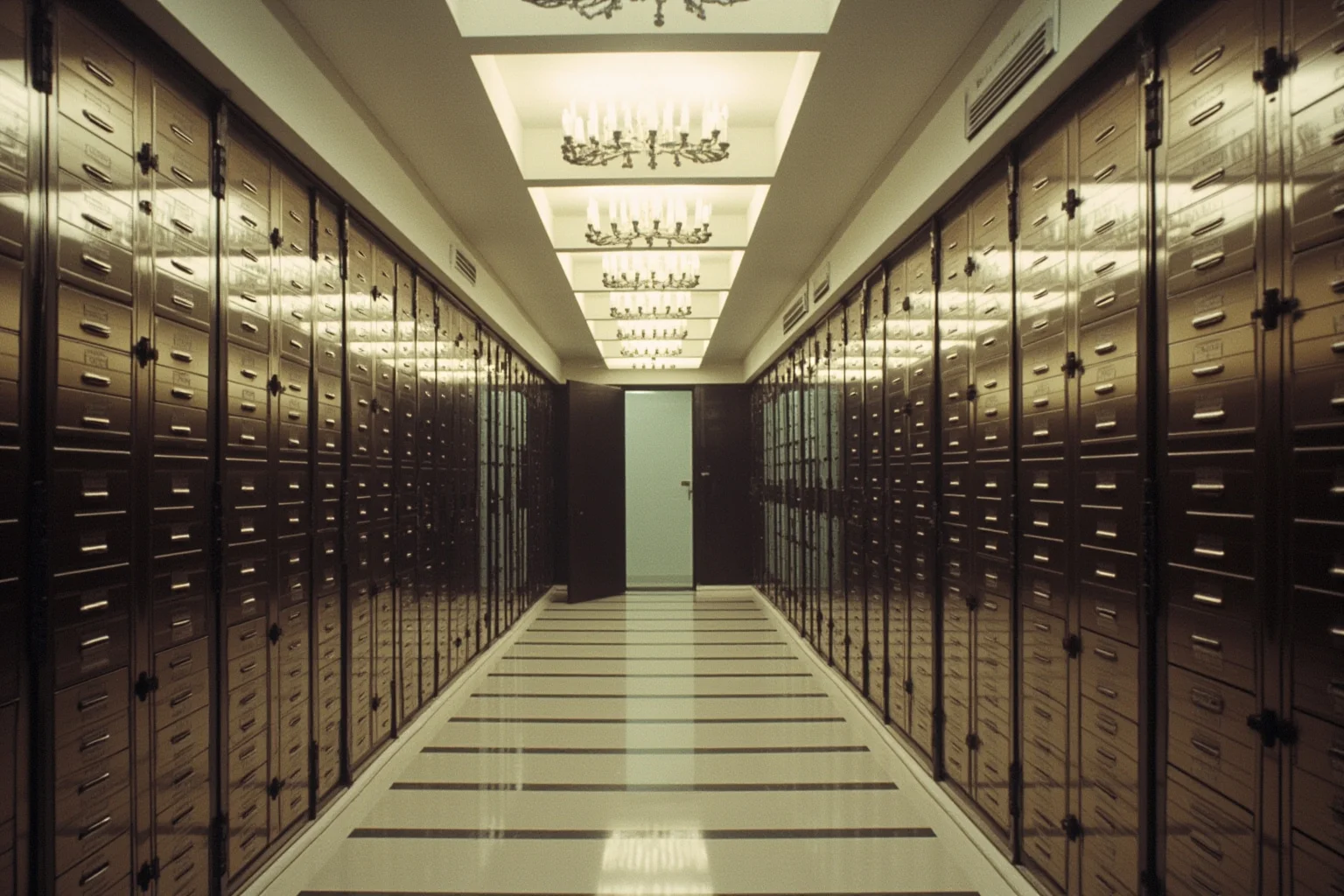
In July 1987, Italian criminal Valerio Viccei and his gang walked into a Knightsbridge safe deposit centre, posed as customers and took control at gunpoint. They emptied around a hundred boxes, with losses estimated in the tens of millions of pounds and often quoted at about £60 million. At the time it was billed as Britain's biggest robbery.
Viccei was caught after fleeing to Italy, extradited, and while in prison wrote a memoir that made him briefly famous. He was shot dead in the Philippines in 2000. The case is remembered less for the money than for showing how vulnerable private vaults were.
13. The Isabella Stewart Gardner Museum Heist (1990)

In the early hours of 18 March 1990, two men dressed as Boston police officers talked their way into the Isabella Stewart Gardner Museum. They spent 81 minutes inside, cutting 13 works from their frames, including Vermeer's The Concert and Rembrandt's Storm on the Sea of Galilee. The FBI calls it the largest art theft in history, with estimates around $500 million.
No one has ever been charged and none of the works has been recovered. The museum still leaves the empty frames hanging on its walls, a quiet and effective reminder that the greatest heists of all time are often the ones still open.
14. The Two Thefts of The Scream (1994 and 2004)

Edvard Munch's The Scream has been stolen twice, which is remarkable even by the standards of famous heists. In 1994, thieves took a version from Oslo's National Gallery and reportedly left a note thanking the gallery for its poor security; the painting was recovered after a sting operation. In 2004, armed men walked into the Munch Museum in daylight and took another version, along with Madonna.
Both thefts were amateurish and both ended badly for the thieves. The 2004 works were recovered in 2006 and several men were convicted. The lesson is that unstealable art simply does not exist; security is a deterrent, never a guarantee.
15. The Dunbar Armored Robbery (1997)

In September 1997, a group led by Allen Pace, a Dunbar Armored employee, hit the company's Los Angeles depot and escaped with $18.9 million in cash. Because the money was ordinary currency in circulation, it left almost no paper trail. It is still widely regarded as the biggest cash robbery in US history.
Pace's insider knowledge made the plan work, and his subsequent mistakes made it fail. He was convicted and sentenced to a lengthy prison term, and around half of the money was eventually recovered. The case neatly illustrates the difference between planning a heist and surviving one.
16. The Antwerp Diamond Heist (2003)

In February 2003, a team led by Leonardo Notarbartolo entered the Antwerp Diamond Centre, bypassed its detection systems and emptied 123 of the 160 safe deposit boxes. Investigators found the vault's alarms, heat sensors and magnetic fields had all been neutralised, and the gang had left a partly eaten meal behind. Estimates of the haul range from around $100 million to far higher.
That range is the story. The heist-of-the-century label came partly from alleged insurance valuations, and some investigators have questioned whether the recorded losses were inflated. What is certain is that the gang's preparation — months of reconnaissance and a clever approach to the sensors — set a new benchmark for diamond crime.
17. The Schiphol Airport Diamond Heist (2005)

In February 2005, a gang in stolen KLM uniforms drove an armoured car onto the apron at Amsterdam's Schiphol Airport and forced their way into a cargo aircraft being loaded with diamonds. The haul was estimated at roughly $118 million, making it one of the largest diamond robberies ever recorded. The operation took minutes and involved threats of violence rather than shots.
Several suspects were arrested, but most of the stones were never recovered. The case is a reminder that the riskiest link in any high-value supply chain is usually not the vault but the journey between vaults.
18. The Banco Central Burglary, Fortaleza (2005)

In August 2005, thieves in the Brazilian city of Fortaleza rented a house near a Banco Central branch and spent months digging an 80-metre tunnel to reach the vault. They cut through a metre-thick concrete floor and removed roughly 164 million reais, then tried to cover their tracks by flooding the tunnel. It is one of the biggest bank robberies ever recorded, and certainly the largest in Brazilian history.
Around 30 people were eventually convicted, but the operation's mastermind and much of the money were never fully accounted for. The image of a heist built with shovels, wheelbarrows and patience captured the public imagination far more than any inside job.
19. The Securitas Depot Robbery (2006)

In February 2006, a gang in police uniforms stopped a Securitas cash depot manager, took his family hostage, and then used him to get inside the depot in Tonbridge, Kent. They loaded £53 million into a truck, making it the largest cash robbery in British history. The operation was brutal, clinical and over within hours.
Most of the leading figures were caught and convicted, and a substantial sum was recovered, though tens of millions remain missing. The case changed how cash-in-transit firms protect senior staff and their families.
20. The Harry Winston Boutique Heist, Paris (2008)
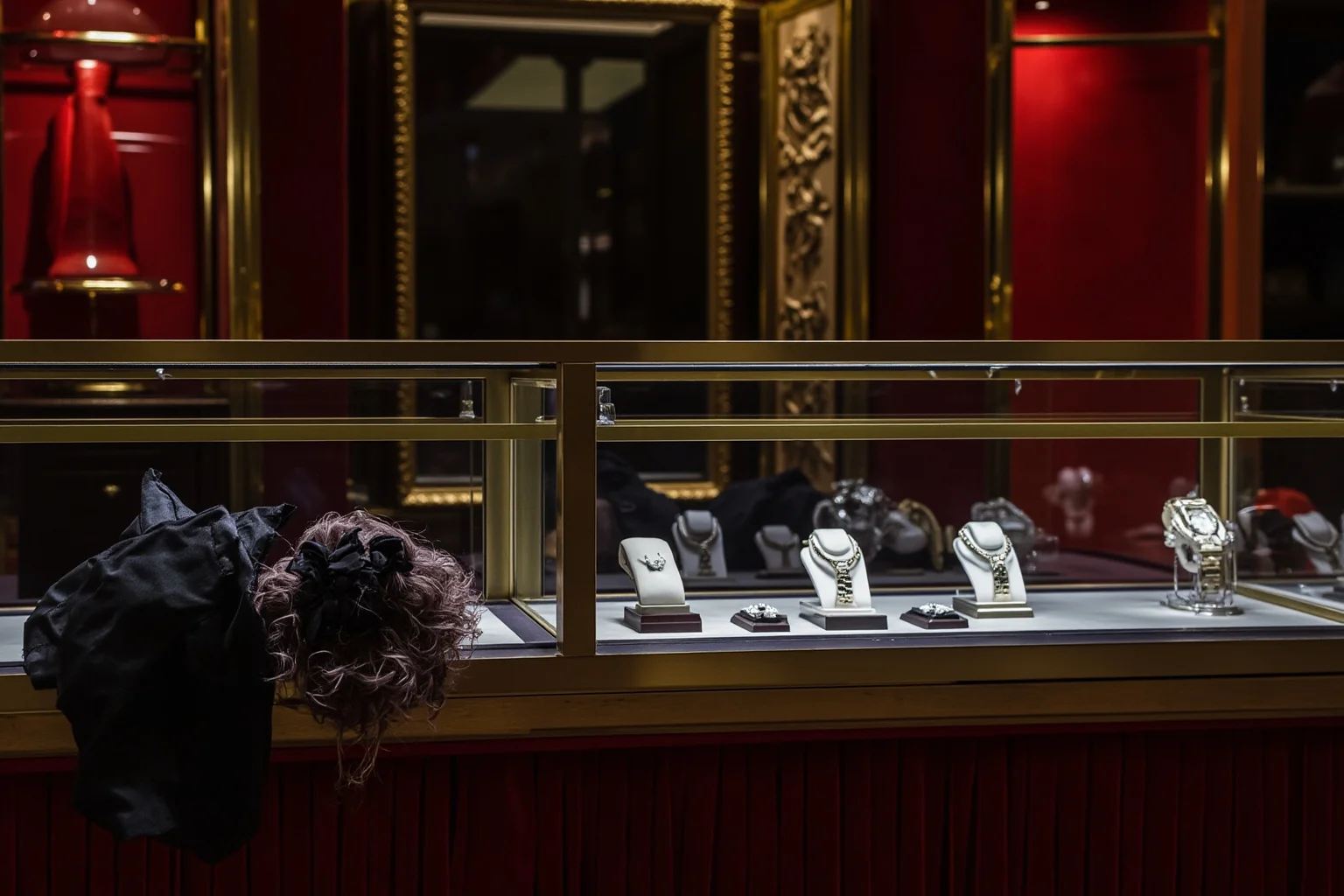
In December 2008, four men — reportedly dressed in women's clothing and wigs — entered the Harry Winston boutique on Avenue Montaigne in Paris and emptied the display cases at gunpoint. The haul was valued at around €80 million, mostly in diamonds and high-end watches. At the time it was one of the largest jewellery heists ever recorded in Europe.
Police recovered some of the merchandise, and several suspects were arrested in the following years. The case became a favourite example of social camouflage — the idea that a simple disguise often beats the most sophisticated alarm.
21. The Musée d'Art Moderne Heist, Paris (2010)

In May 2010, a lone intruder broke into the Musée d'Art Moderne de la Ville de Paris through a window, removed five paintings from their frames and walked out. The works included Picasso's Le Pigeon aux Petits Pois and Matisse's La Pastorale, with a combined value estimated at up to €100 million. The alarm system had been out of order for weeks and nobody had fixed it.
A man later nicknamed the Spider-Man was convicted for his role, but the paintings have never been found. He claimed he had panicked and destroyed them, a story many in the art world refuse to accept.
22. The Great Canadian Maple Syrup Heist (2011-2012)
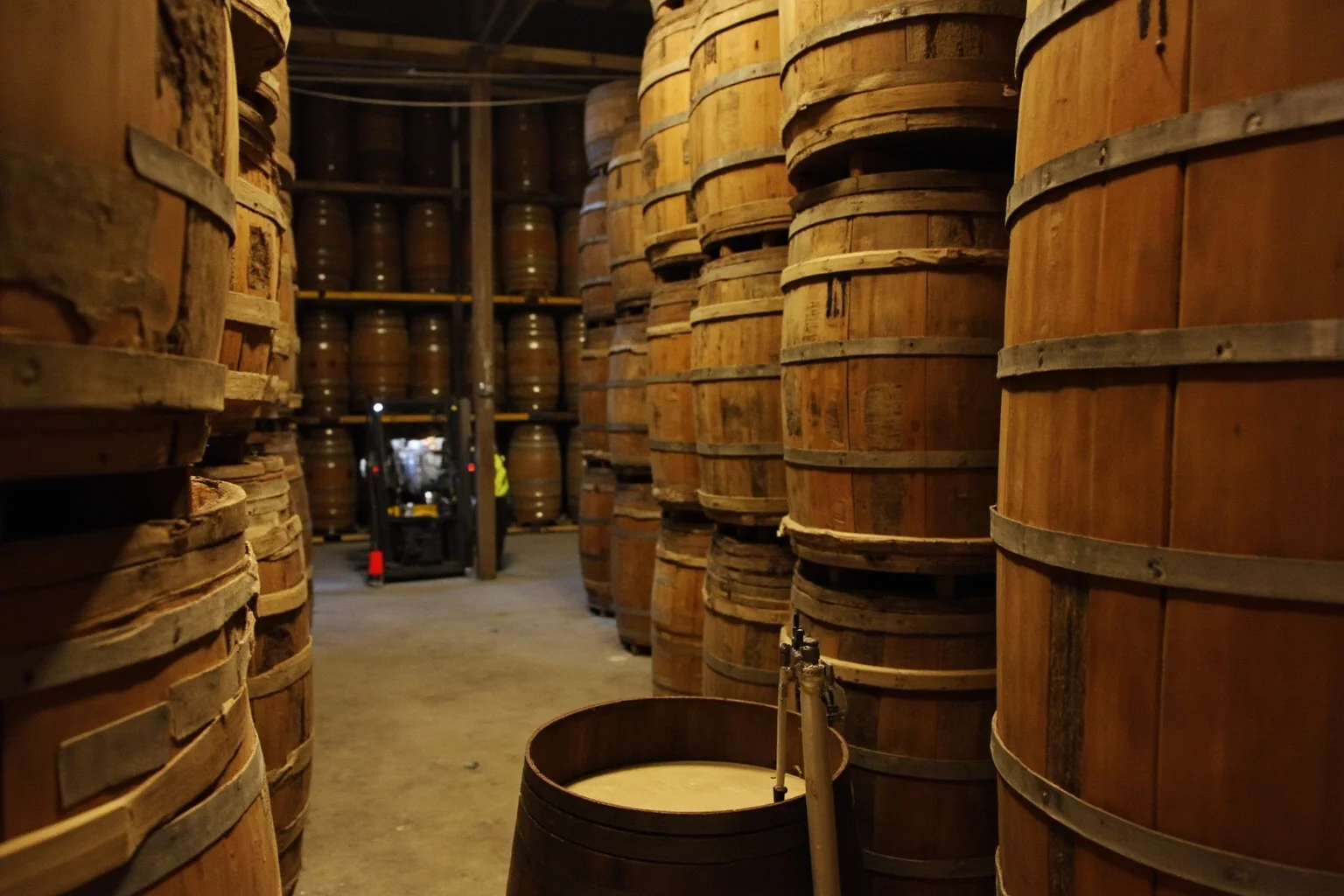
Unlike almost everything else on this list, this one is genuinely sweet. Between 2011 and 2012, a group siphoned off roughly 3,000 tonnes of maple syrup from a warehouse in Quebec belonging to the Federation of Quebec Maple Syrup Producers, topping up barrels with water to hide the loss. The stolen syrup was worth around C$18.7 million, and much of it was smuggled across the border into the United States.
The plot unravelled when the barrels were weighed during an inventory. Around two dozen people were charged, in what is often called the sweetest heist in history — proof that the biggest heists in the world are not always about cash in a vault.
23. The Carlton Hotel Jewellery Heist, Cannes (2013)

In July 2013, a man wearing gloves stayed inside the Carlton InterContinental hotel in Cannes after a jewellery exhibition closed, then walked out with a suitcase of diamonds and other pieces. Estimates of the haul ranged wildly, from about $50 million to $136 million, with the higher figure most often repeated in headlines. That spread is a useful reminder to treat record-breaking heist numbers with care.
Investigators later linked suspects to a string of jewellery crimes on the Côte d'Azur. The case belongs to a long Riviera tradition that has made the region one of the world's most targeted luxury markets.
24. The Brussels Airport Diamond Heist (2013)

In February 2013, eight men dressed as police officers drove onto the tarmac at Brussels Airport and intercepted a Helvetic Airways flight being loaded with diamonds bound for Zurich. They took an estimated $50 million worth of stones in minutes and drove away without firing a shot. It is one of the boldest airport raids ever staged.
Investigators made arrests across Belgium, France and Switzerland, and some diamonds were recovered, but much of the haul remains missing. The heist exposed how much valuable freight still moves through airports with relatively light protection.
25. The Hatton Garden Burglary (2015)
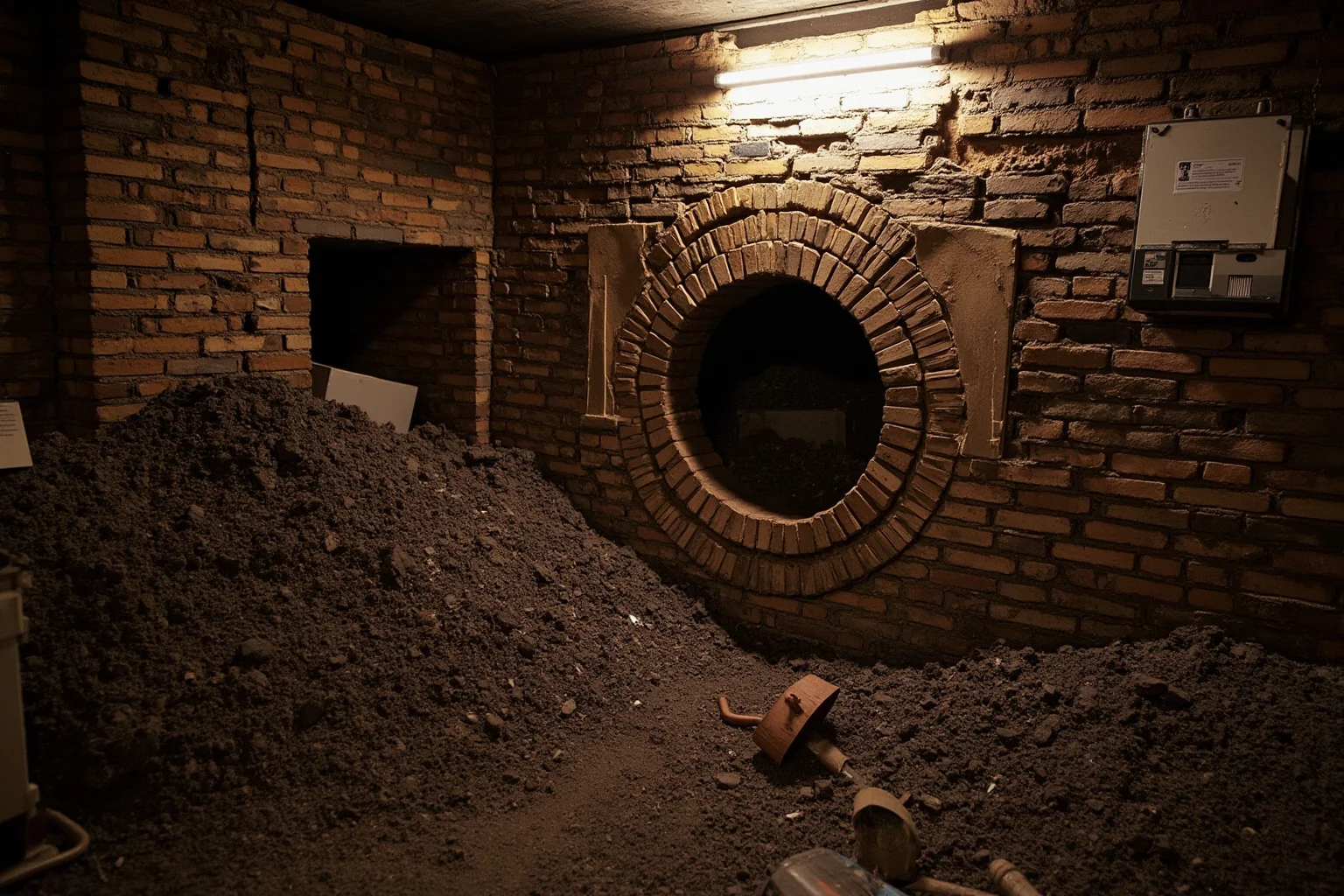
Over the Easter weekend of 2015, a group of experienced London criminals — several in their sixties and seventies — drilled through a wall into a Hatton Garden safe deposit vault and emptied dozens of boxes. The haul was officially valued at around £14 million, though victims claimed it was far higher. The press dubbed them the Bad Grandpas, and the story of elderly men with industrial drills became a national obsession.
Naturally, they were caught. Police recovered some of the goods, and most of the crew were convicted. The case is definitive proof that a heist does not need high technology — just patience, a drill and a very good knowledge of the building.
26. The Green Vault Heist, Dresden (2019)
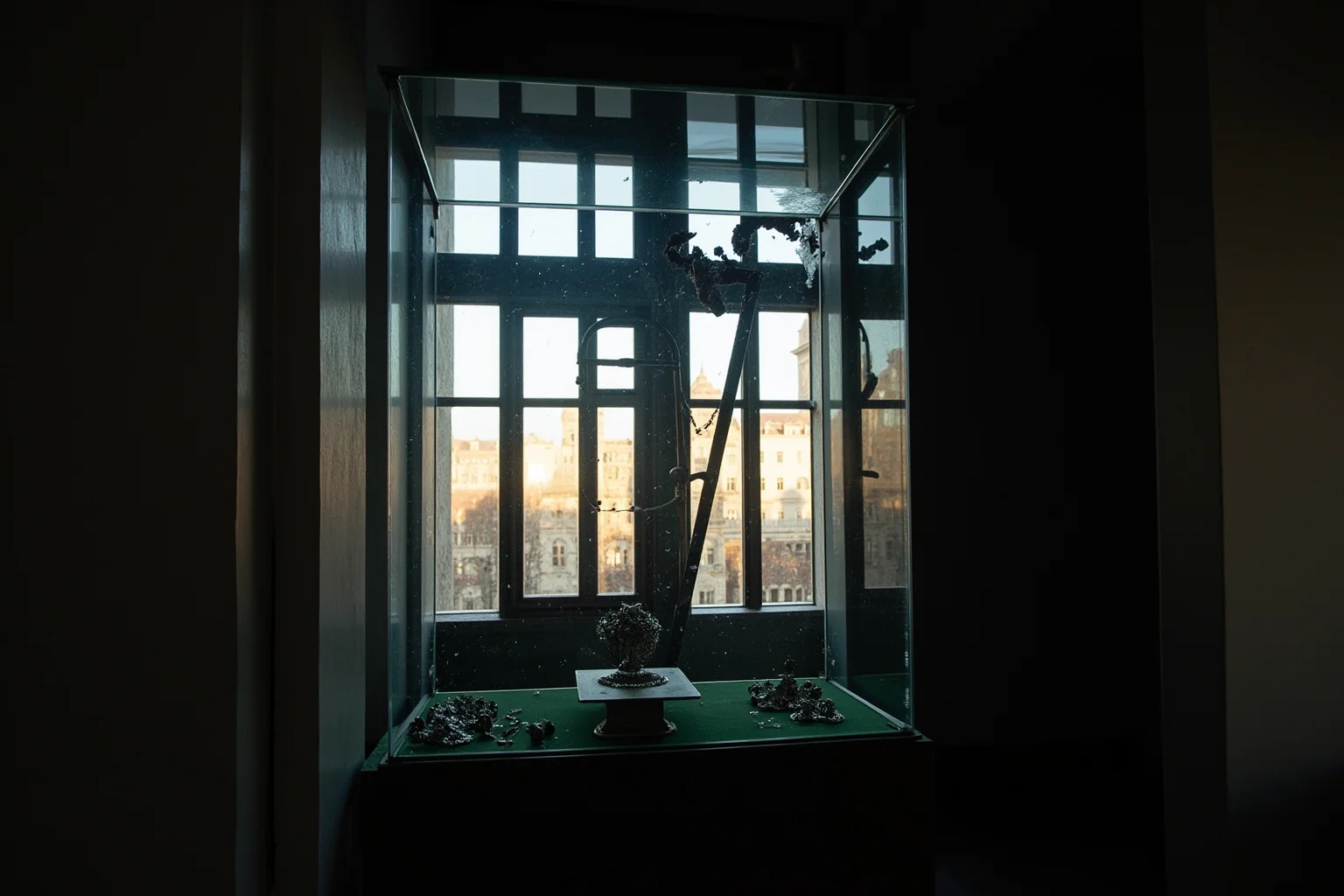
In the early hours of 25 November 2019, thieves broke into Dresden's Green Vault museum after cutting power and setting fire to a nearby utility box. They smashed cabinets and took historic jewels worth around €113 million, including 18th-century diamond sets. It was one of the largest art thefts in modern German history.
Police later recovered part of the haul and, in 2023, five men were convicted for their roles. The case also raised uncomfortable questions about how a museum holding some of Europe's most important royal treasure could be entered with a ladder, a window and a hydraulic cutter.
How Heist Legends Get Inflated
Almost every entry above has a disputed number attached to it, and the disputes usually follow the same pattern. Victims and insurers have an incentive to claim the maximum, while police and courts prefer provable figures. The Hatton Garden case is a clean example: the official estimate was around £14 million, while some victims' claims ran into the hundreds of millions.
Memoirs are another source of distortion. Spaggiari, Viccei and Notarbartolo all produced or inspired first-person accounts that made their crews sound more brilliant than the evidence supports. These are valuable sources, but they are also self-serving, and good historians read them the way they read any confession: carefully.
Finally, there is the Hollywood effect. Once a robbery becomes a film, the cinematic version tends to replace the factual one in public memory. The Lufthansa job is remembered as a Goodfellas set piece, even though the real investigation was a slow grind of informants and forensic accounting.
The Heists Nobody Has Solved
The Gardner Museum theft, the Irish Crown Jewels, the Ghent panel and the Amber Room share a defining feature: none of them can be converted into spendable money easily. That is precisely why they remain open. A painting or a jewelled star is only worth its price if someone can be found to buy it quietly, and the market for world-famous stolen objects is tiny and heavily policed.
This creates the odd situation where the boldest crimes become the least profitable. The thieves who took the Gardner works may have discovered within days that they were holding something closer to a liability than a fortune. Eight decades after Ghent, five decades after Dublin and three decades after Boston, the objects are still out there somewhere — or they are gone.
The Bottom Line
What the greatest heists of all time have in common is not brilliance so much as preparation and a willingness to accept enormous risk. The ones that succeeded usually exploited a mundane weakness — a broken alarm, a predictable delivery, a bored guard, a sewer line nobody had mapped. The ones that failed usually failed because of people, not technology.
So if you ask what the biggest heist in history was, the best answer is a qualified one. By value, the Gardner Museum theft stands alone; by cash, the Dunbar and Securitas jobs lead their countries; by audacity, a tunnel under Nice or a hole in a Hatton Garden wall takes some beating. And by the only measure that really counts for a criminal, the sweetest and most successful heist is still the one that got away.
Frequently Asked Questions
What was the biggest heist in history?
By value, the biggest heist in history is usually considered to be the 1990 robbery at the Isabella Stewart Gardner Museum in Boston, where 13 works — including a Vermeer and a Rembrandt — were taken. Estimates put the loss at around $500 million, and nothing has ever been recovered. By raw cash, the record holders are smaller but easier to measure, such as the £53 million Securitas depot robbery in Britain in 2006.
What is the biggest robbery in US history?
The Dunbar Armored robbery in Los Angeles in September 1997 is widely cited as the biggest cash robbery in US history, with $18.9 million taken from a company depot. The 1950 Great Brink's Robbery in Boston was the previous record holder at about $2.7 million in cash and securities. By total value rather than cash, the Gardner Museum art theft in 1990 is far larger.
Was the Hatton Garden heist the biggest in British history?
No. The Hatton Garden burglary of 2015 was officially valued at around £14 million, while the 2006 Securitas depot robbery in Tonbridge took £53 million in cash. The 1983 Brink's-Mat robbery involved about £26 million in gold at the time, which is worth far more today. Hatton Garden is famous for its cast of veteran criminals rather than for the size of the haul.
What happened to the paintings stolen from the Isabella Stewart Gardner Museum?
None of the 13 works has ever been recovered, and nobody has been charged. The museum still displays empty frames where the paintings hung and offers a reward of $10 million for information leading to their return. The FBI has said it believes the artworks changed hands several times in the years after the theft.
Why do so many famous heists stay unsolved?
The most famous cases usually involve objects that are extremely hard to sell, such as major paintings, historic jewels or gold with a known origin. That makes them difficult to convert into money, which discourages the kind of informant testimony that often breaks ordinary robbery cases. When nobody can profit easily, the trail tends to go cold.
What is meant by the sweetest heist in history?
The phrase usually refers to the Great Canadian Maple Syrup Heist of 2011 to 2012, when roughly 3,000 tonnes of syrup worth about C$18.7 million were drained from a Quebec warehouse. Thieves refilled the barrels with water to conceal the loss, and the scheme collapsed when the barrels were weighed. It is the rare heist that is both enormous and genuinely about something sweet.
How much was the Great Train Robbery worth today?
The 1963 gang took about £2.6 million in used banknotes, which converts to tens of millions of pounds at modern values. Most of the money was never recovered, and most of the gang was caught within months. Its lasting value has been cultural rather than financial, thanks to films, books and the long pursuit of Ronnie Biggs.
Are heist films based on real events accurate?
Usually only loosely. Films compress timelines, invent dialogue and often lean on the memoirs of people with an interest in appearing more clever than they were. The broad outlines are sometimes right, as with the Lufthansa case behind Goodfellas, but the details of planning, investigation and sentencing are typically dramatised. Court records and contemporary reporting are far more reliable than the screen version.

Alex Warren
Related Articles