
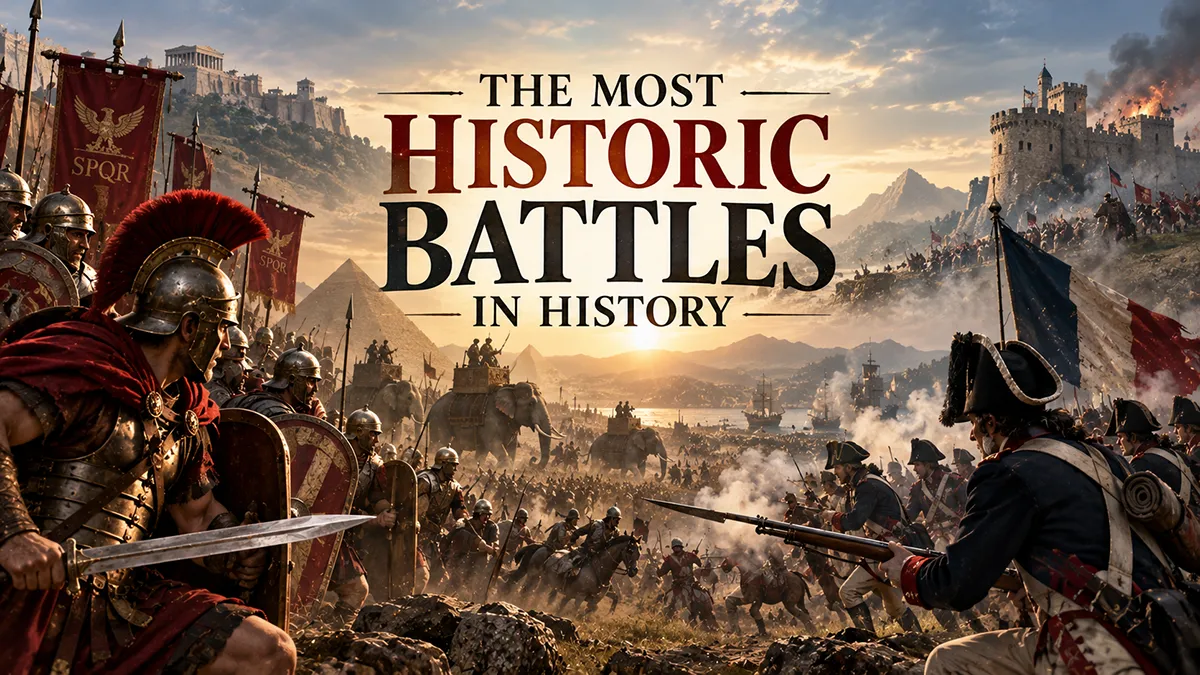
Wars have shaped borders, toppled empires, and decided which languages, laws, and ideas would dominate the centuries that followed. But not every battle carries the same weight. Some clashes were tactical footnotes, while a handful of engagements genuinely rerouted the course of human history.
This list pulls together the most historic battles in American and world history, from ancient Greece to the beaches of Normandy.
We’ve mixed global turning points with the American battles that most people search for, including the Revolutionary War fights that won independence and the Civil War battle that remains the deadliest single day in U.S. history.
TL;DR: From Marathon to D-Day, the battles on this list didn’t just decide wars — they decided which civilizations, nations, and ideas got to shape the modern world.
What Makes a Battle “Historic”?
A lot of battles are famous simply because they were huge or bloody. That’s part of the story, but it’s not the whole picture. The battles that truly earn a spot in the history books usually changed the political map, ended or created an empire, or altered the trajectory of a nation that still exists today.
Size matters too, which is why this list includes some of the deadliest and largest battles ever fought. But we’ve also included smaller engagements — like a scrappy nighttime raid on Trenton — because their consequences far outweighed their body count.
Ancient Battles That Set the Stage
1. Battle of Marathon (490 BC)
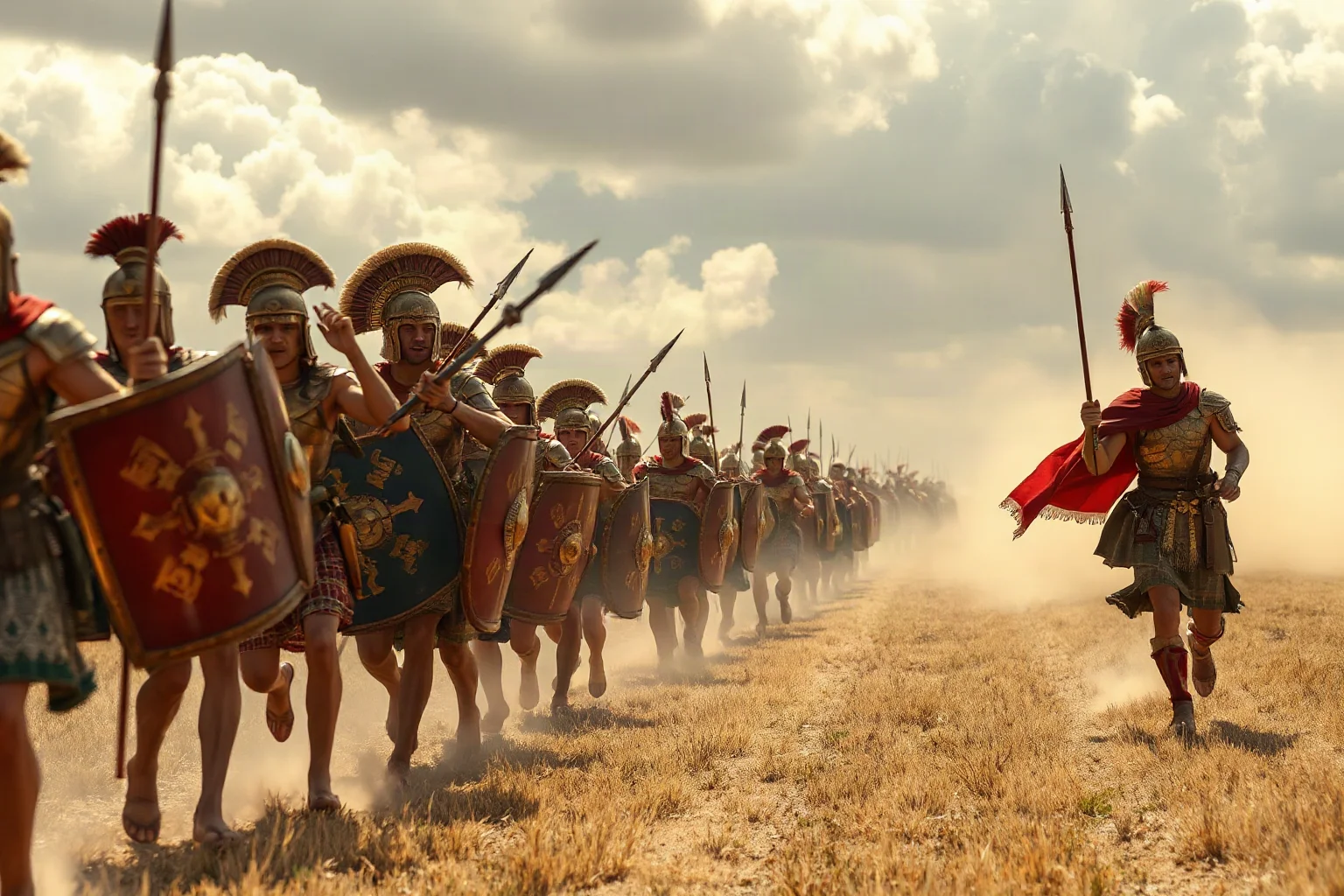
When a Persian invasion force landed on the plain of Marathon, a heavily outnumbered Athenian army charged them head-on rather than waiting to be surrounded. The Athenians won a decisive victory that halted the first Persian invasion of Greece.
The legend of a messenger running to Athens to announce the win, only to collapse and die, is a popular story — but historians widely regard it as a later embellishment rather than a confirmed historical fact. What’s certain is that Marathon helped preserve the independent Greek city-states whose culture and politics still influence the West today.
2. Battle of Thermopylae (480 BC)
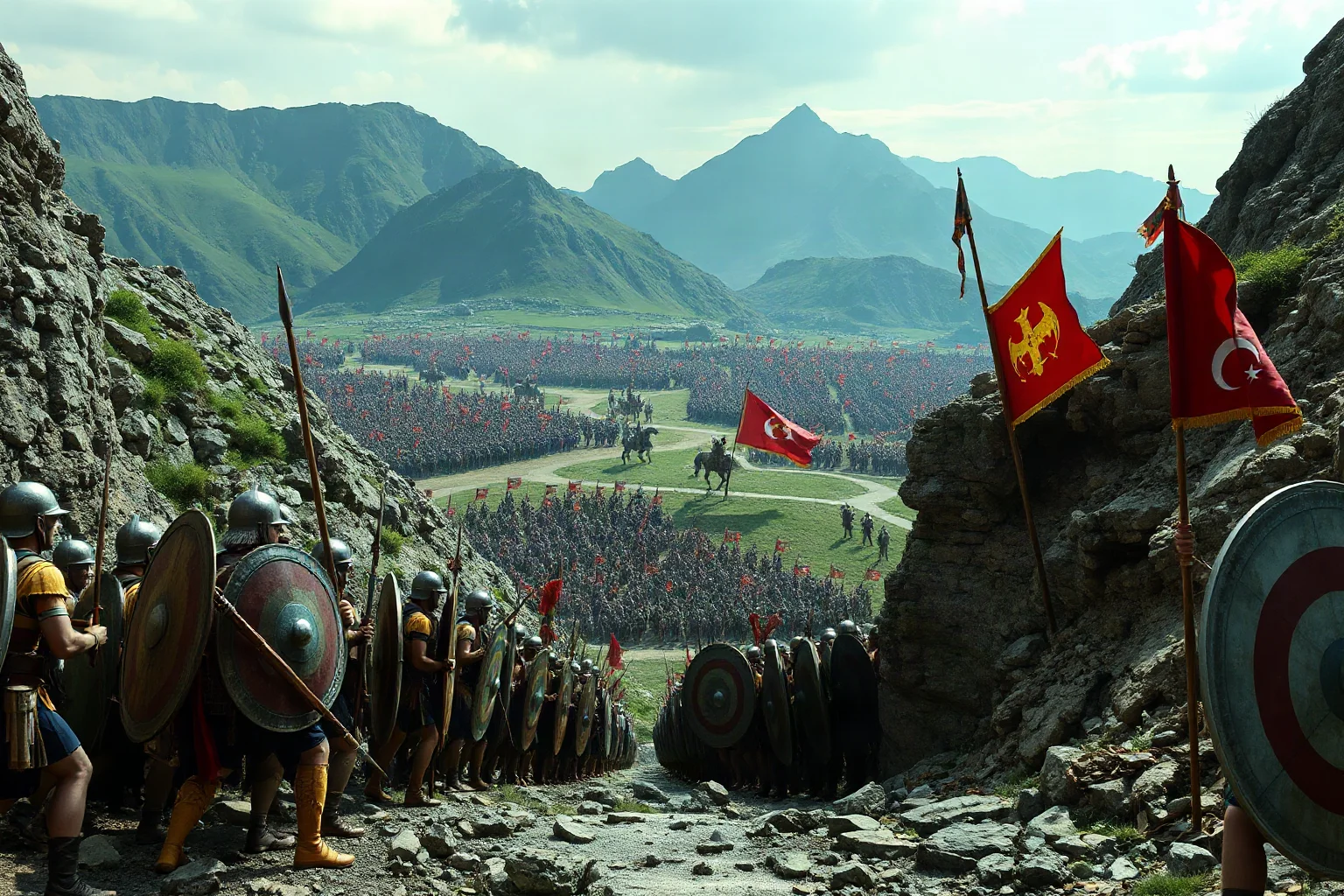
Ten years later, a small force of Greek soldiers, famously including 300 Spartans, held a narrow mountain pass against a vastly larger Persian army led by Xerxes I. The defenders were ultimately overwhelmed and killed, but they bought critical time for the rest of Greece to organize its defense.
Thermopylae is often romanticized in film and fiction, but the real story is more complicated than a simple last stand. Greek allied forces, not just Spartans, fought and died there, and the battle’s real significance lies in the strategic delay it created for the Greek navy.
3. Battle of Gaugamela (331 BC)
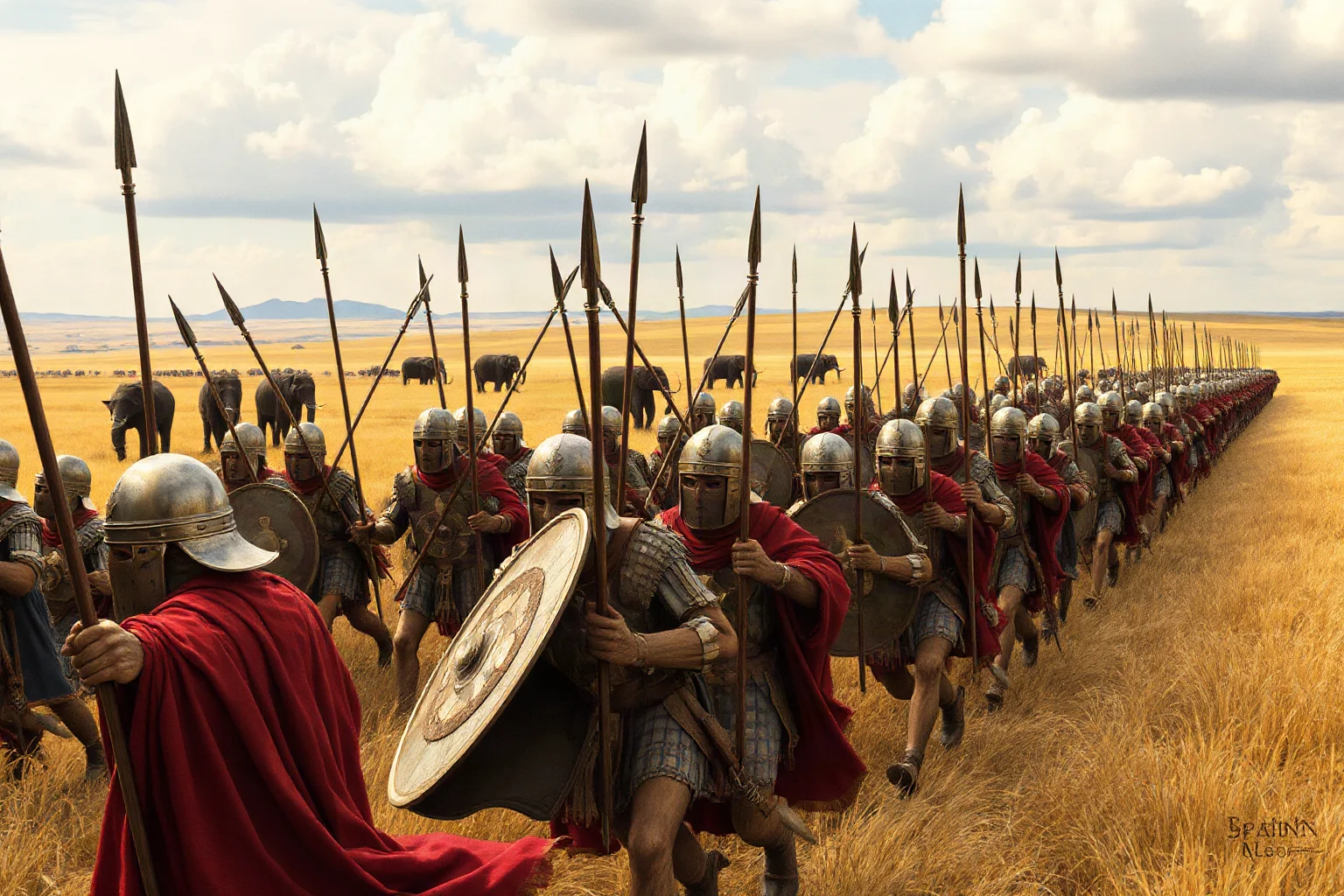
Alexander the Great faced the Persian King Darius III on an open plain in modern-day Iraq, commanding a force badly outnumbered by Persian troops and war elephants. Alexander’s tactical brilliance and disciplined phalanx formations broke the Persian lines and effectively ended the Achaemenid Empire.
This victory opened the door for Alexander to push into Central Asia and eventually India, spreading Hellenistic culture across a huge swath of the ancient world. Few single battles have redrawn a map as thoroughly as this one did.
4. Battle of Cannae (216 BC)
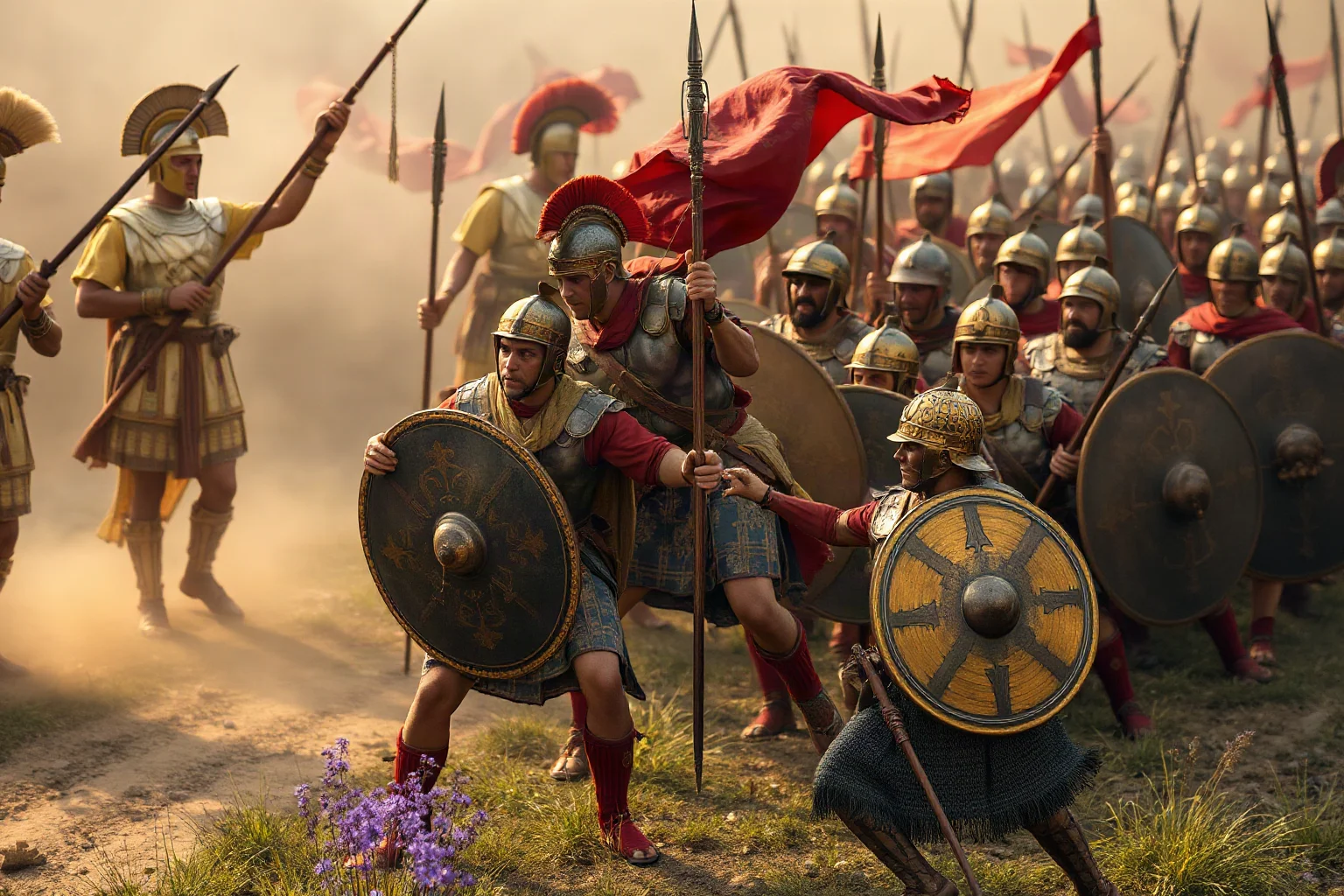
During the Second Punic War, the Carthaginian general Hannibal used a double-envelopment tactic to encircle and annihilate a much larger Roman army in southern Italy. Roman casualties were catastrophic, and Cannae is still studied in military academies as a model of tactical encirclement.
Despite the crushing defeat, Rome refused to negotiate and eventually turned the war around, which says as much about Roman resilience as it does about Hannibal’s genius. It remains one of the most analyzed battles in military history.
5. Battle of the Teutoburg Forest (9 AD)
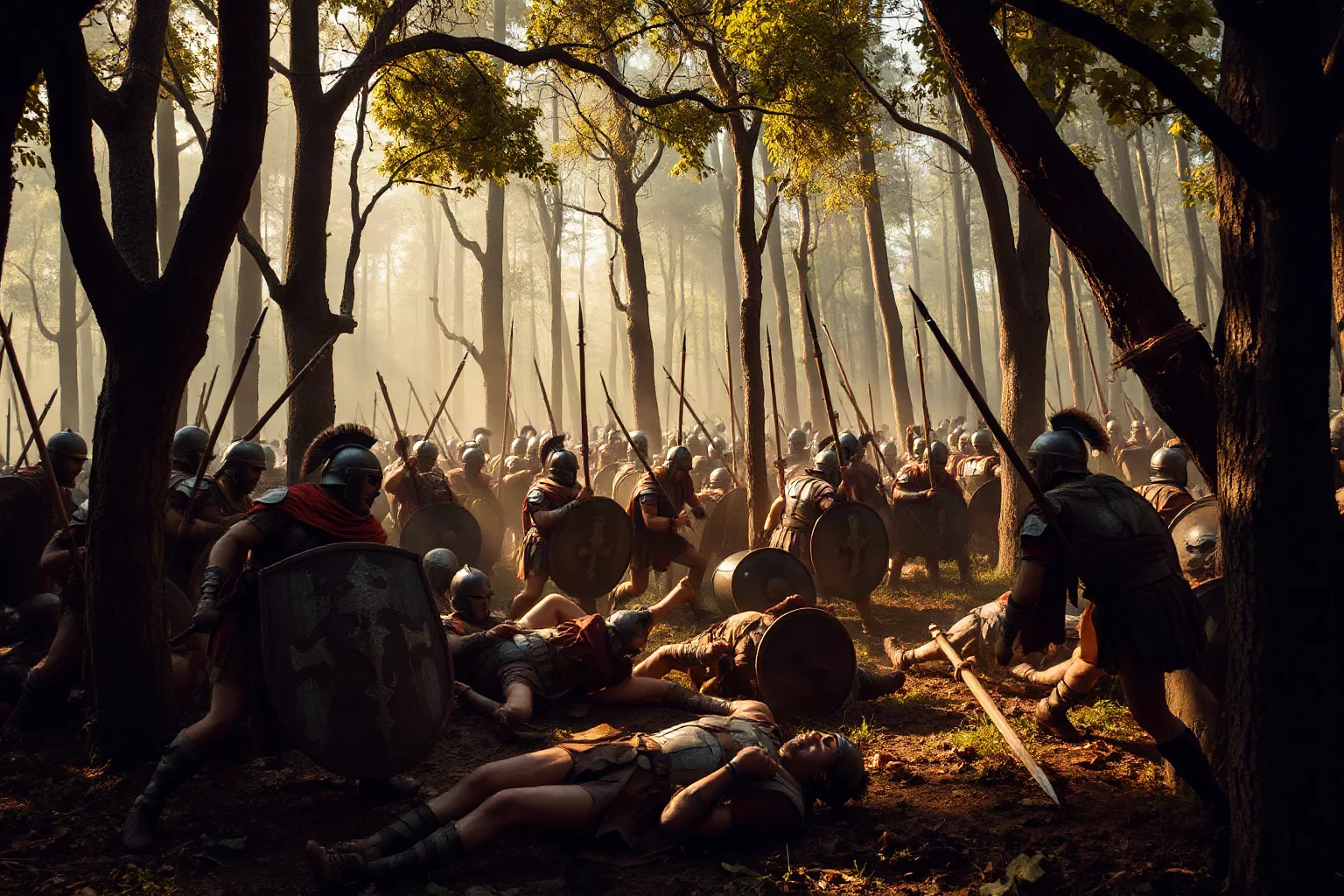
Germanic tribes led by Arminius ambushed and destroyed three Roman legions in dense forest terrain, wiping out roughly 15,000 to 20,000 Roman soldiers. The defeat was so severe that Rome largely abandoned its ambitions to conquer territory east of the Rhine River.
That decision had lasting consequences, effectively drawing a cultural and linguistic line through Europe that persists in some form to this day. It’s a reminder that a single battle can shape a continent’s borders for centuries.
Medieval and Early Modern Turning Points
6. Battle of Tours (732)
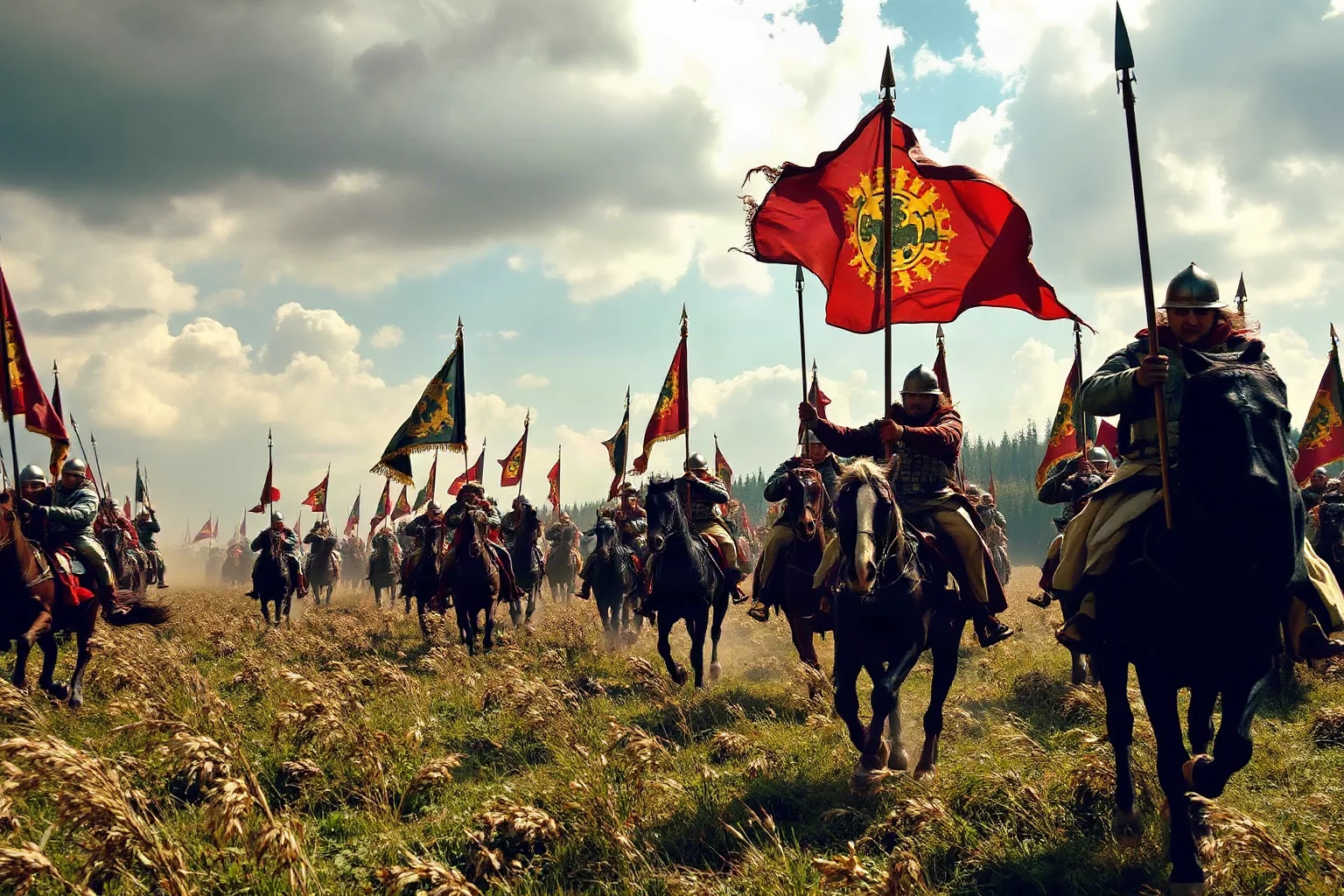
Frankish forces under Charles Martel stopped an Umayyad invasion force in what is now central France, a fight often cited as a key moment in halting the northward expansion of the Umayyad Caliphate into Western Europe. Historians continue to debate exactly how close the caliphate actually came to further conquest, so it’s worth treating the “saved Europe” framing with some caution.
What isn’t in dispute is that the battle boosted the Frankish Carolingian dynasty, setting the stage for Charlemagne’s later empire. That empire became a foundation stone for medieval Western Europe.
7. Battle of Hastings (1066)
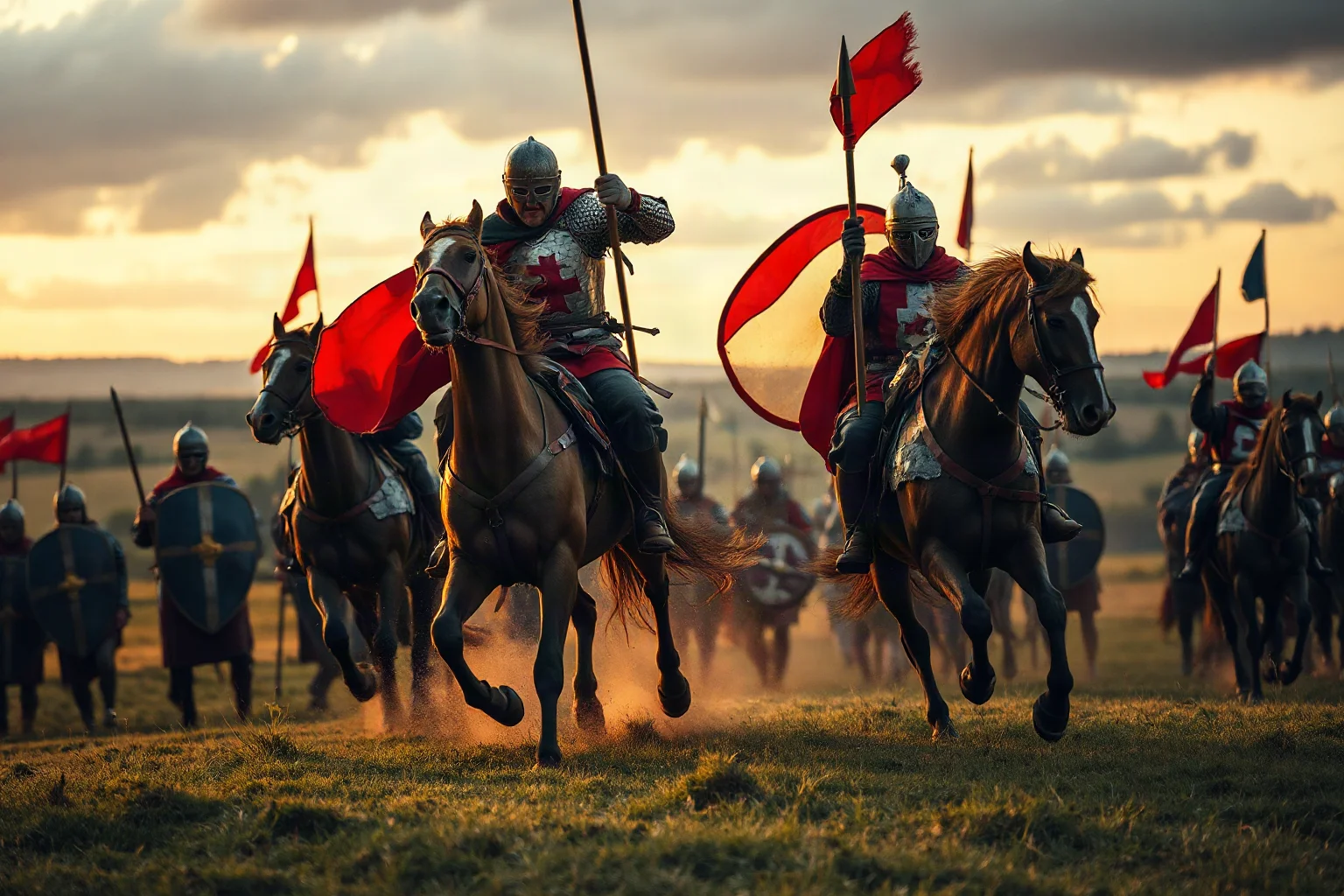
William of Normandy defeated King Harold II’s English forces in a single brutal day of fighting, a victory that ended Anglo-Saxon rule in England for good. William’s coronation as king kicked off the Norman Conquest, which reshaped English language, law, and land ownership.
Many English words, legal terms, and even the structure of the aristocracy trace directly back to this battle. Few single-day engagements in history battles have had such a durable cultural footprint.
8. Fall of Constantinople (1453)
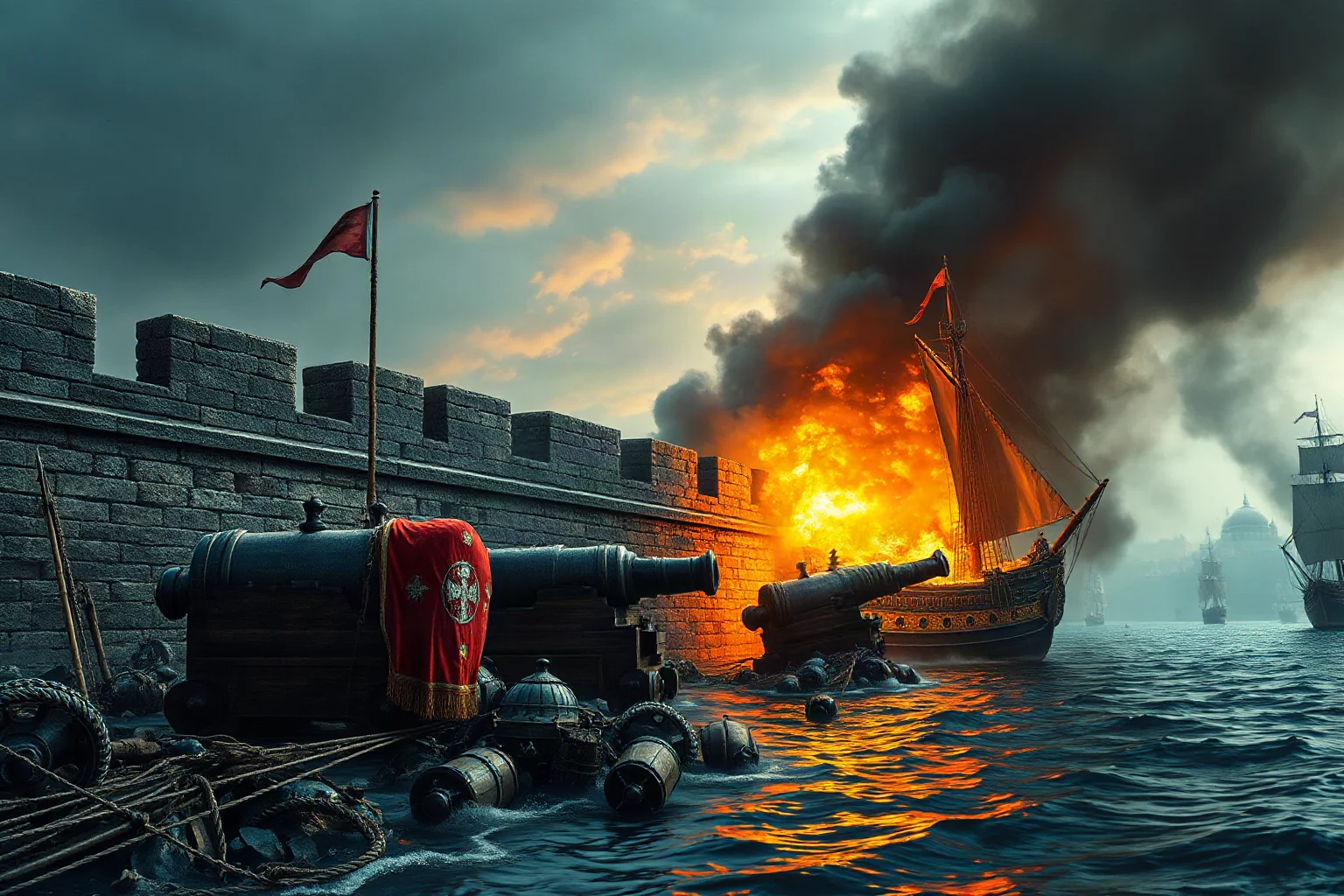
The Ottoman Empire’s siege and capture of Constantinople ended the nearly 1,500-year-old Byzantine Empire and gave the Ottomans control of a critical trade crossroads between Europe and Asia. The city’s fall is often used by historians as a marker for the end of the medieval period in Europe.
It also pushed European powers to seek new trade routes to Asia, indirectly fueling the Age of Exploration. In that sense, this battle helped set off a chain of events that eventually led to European contact with the Americas.
9. Battle of Agincourt (1415)
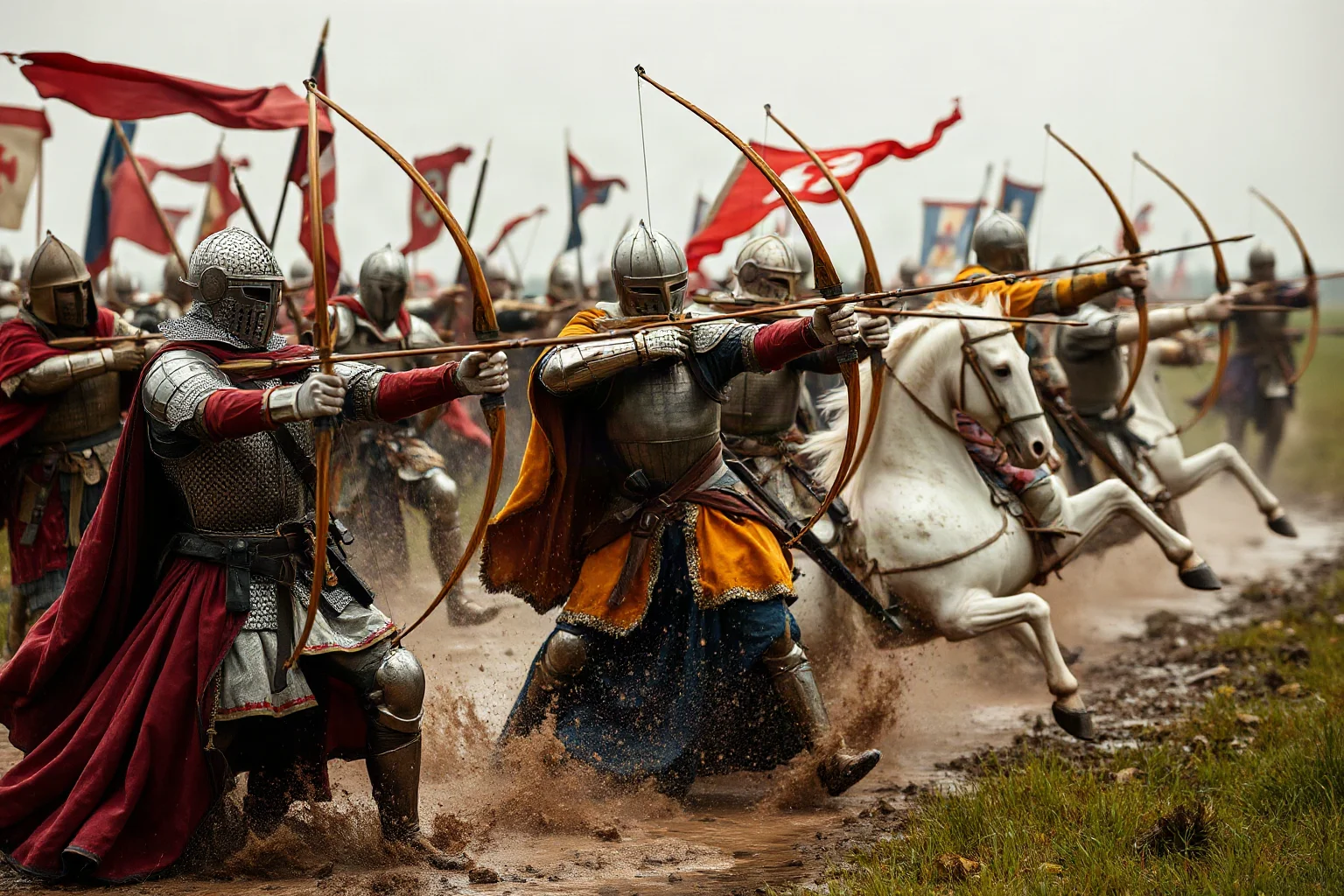
English King Henry V’s badly outnumbered army, worn down by disease and a long march, still managed to defeat a much larger French force during the Hundred Years’ War. English longbowmen, wielding one of the most fascinating weapons throughout history, played a decisive role, cutting down French knights bogged down in muddy terrain.
The victory is immortalized in Shakespeare’s Henry V, though the play’s dramatic flourishes shouldn’t be mistaken for a precise historical record. The real battle remains a case study in how terrain and technology can offset a numbers disadvantage.
10. Battle of Lepanto (1571)
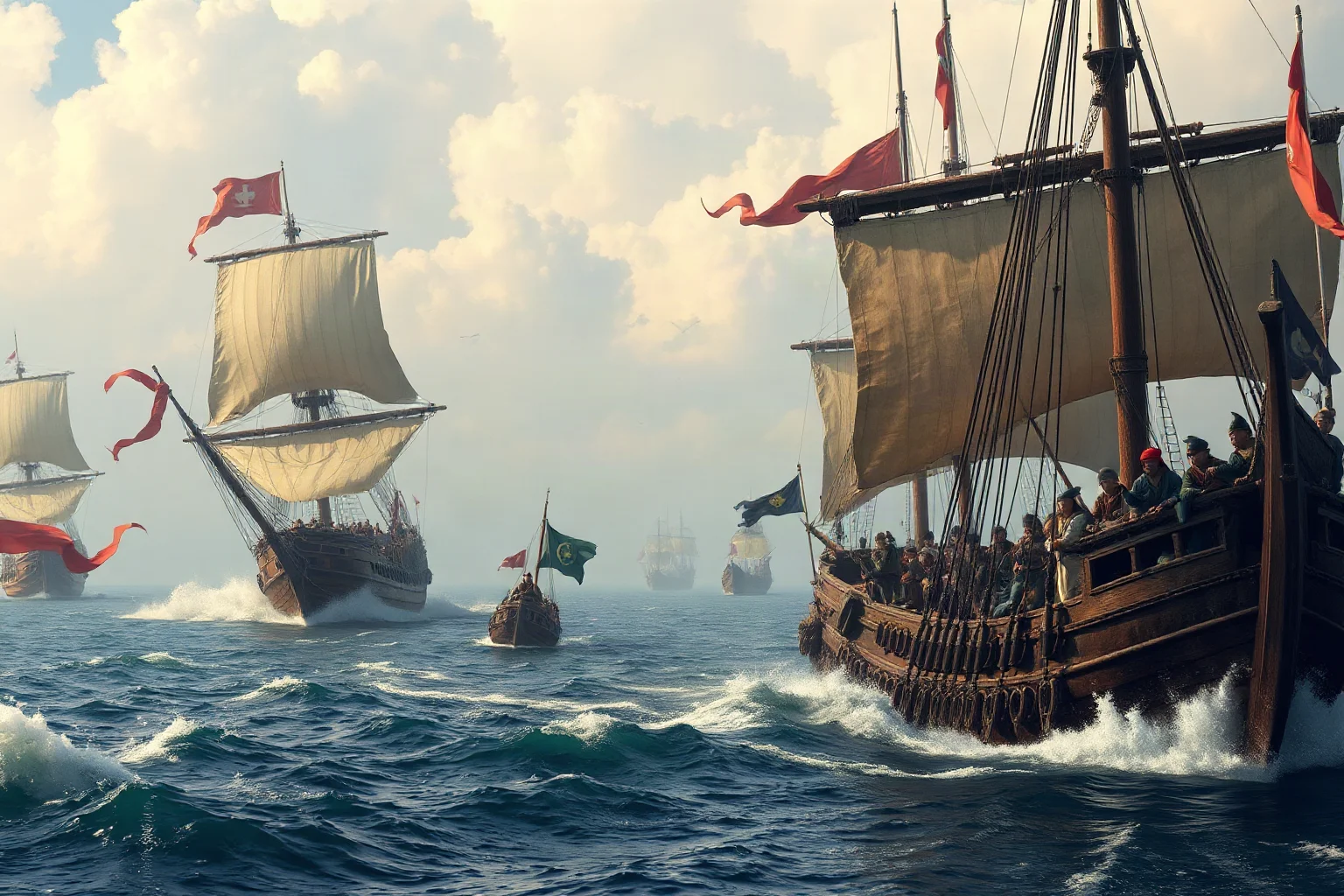
A coalition of Catholic European states, known as the Holy League, crushed the Ottoman navy in a massive galley battle in the Gulf of Patras. It was one of the largest naval battles in history up to that point and halted Ottoman naval expansion in the western Mediterranean.
While it didn’t end the Ottoman Empire’s power, it did mark a symbolic turning point in the balance of naval strength between Europe and the Ottomans. Lepanto is still considered one of the greatest naval battles of all time.
The American Revolutionary War: Battles That Won Independence
Among the biggest battles of the Revolutionary War, a handful stand out as the true hinge points of the conflict. These are also frequently searched as examples of battles won by the Americans, so we’ve grouped the most important ones together here alongside the important figures of the American Revolution who led them.
11. Battle of Bunker Hill (1775)
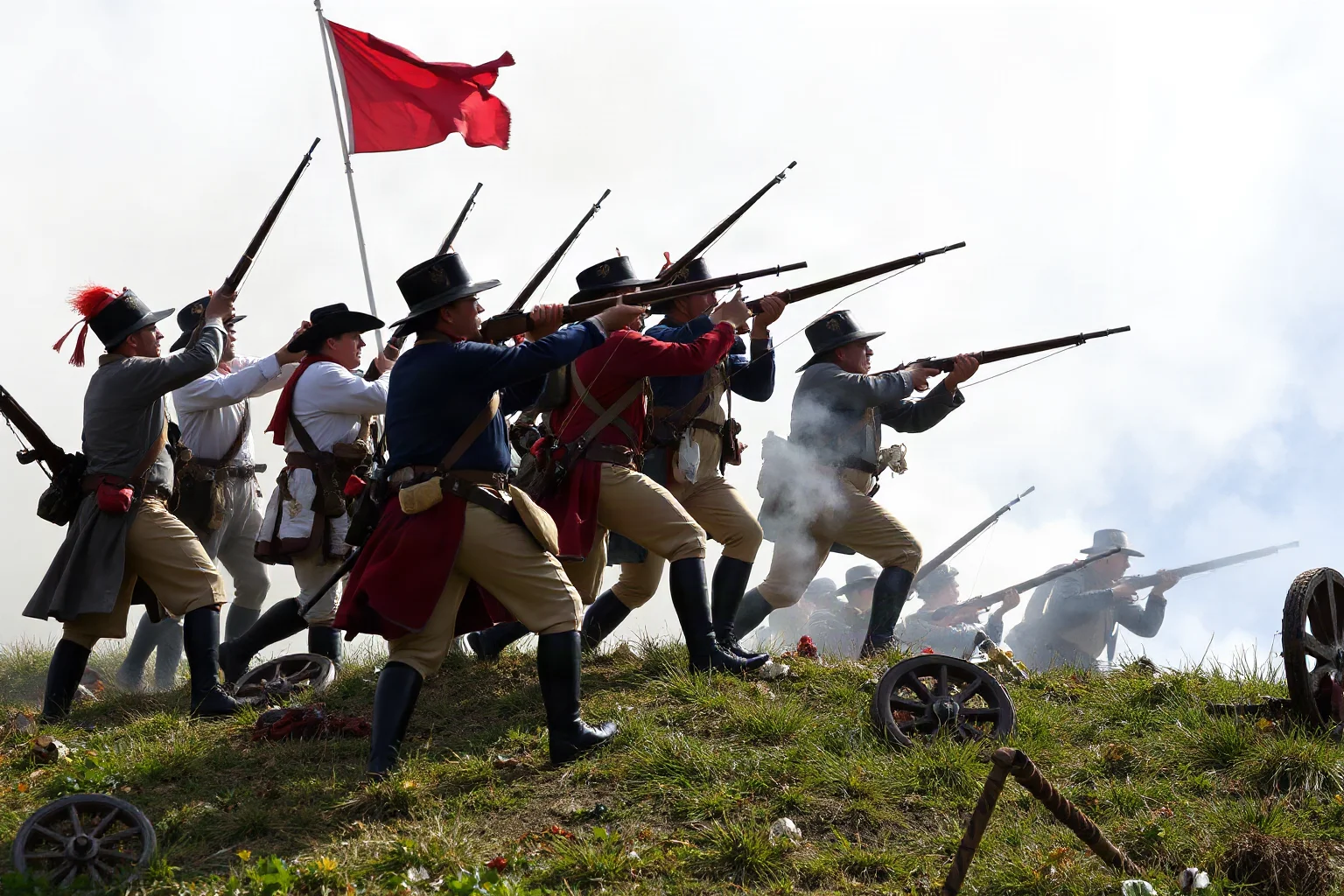
Technically fought mostly on nearby Breed’s Hill, this early Revolutionary War battle saw colonial militia inflict heavy casualties on British regulars before ultimately being forced to retreat. The British technically won the ground, but at a devastating cost that stunned London.
The battle proved that colonial forces could stand up to professional British troops, which was a massive morale boost. It’s still one of the most important Revolutionary War battles for that reason alone.
12. Battle of Trenton (1776)
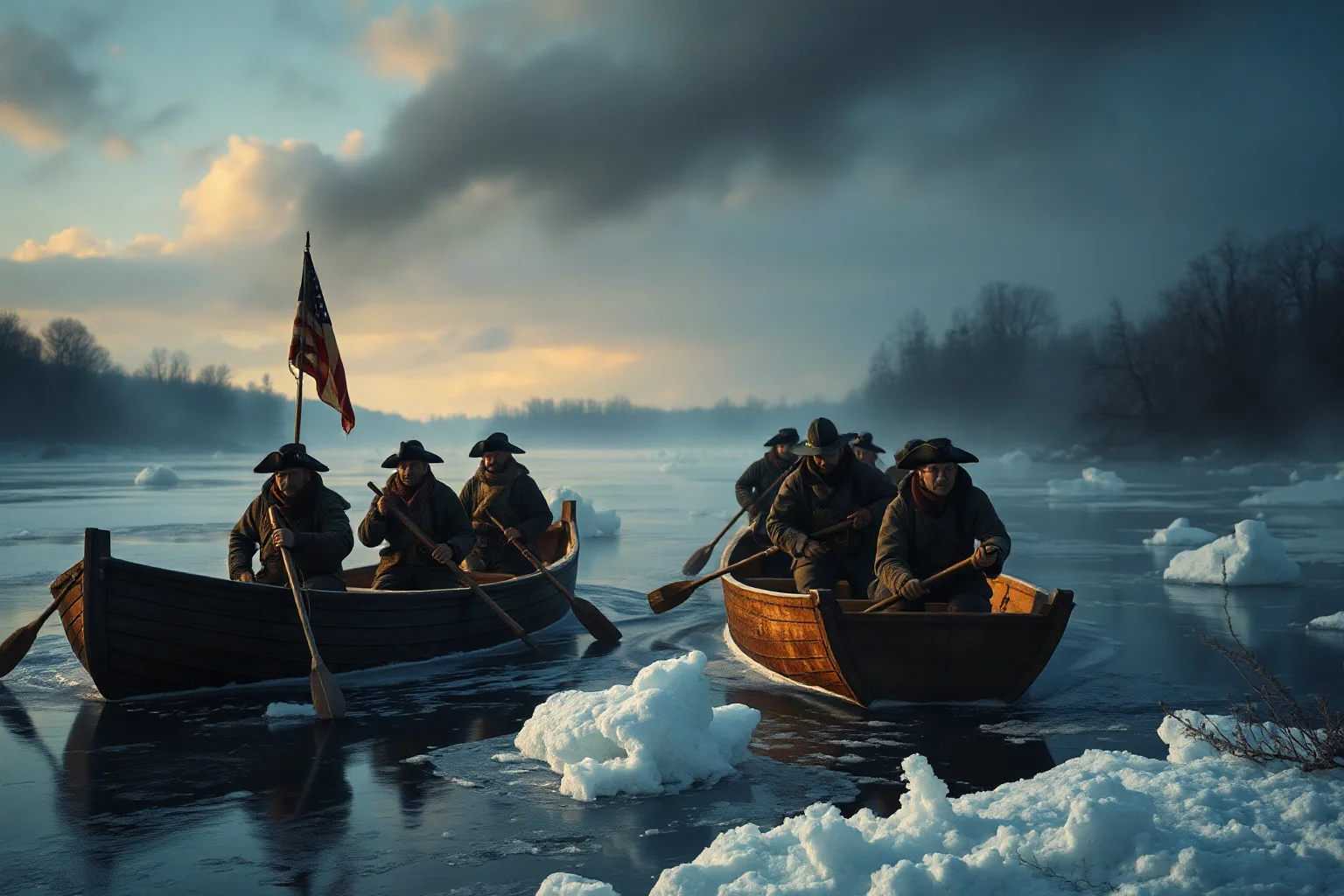
After a string of demoralizing losses, George Washington led his troops across the icy Delaware River on Christmas night and launched a surprise attack on Hessian forces garrisoned at Trenton, New Jersey. The Americans won a quick, decisive victory that revived flagging support for the war.
This is one of the clearest examples of a small but pivotal battle won by the Americans, and it arguably saved the Continental Army from collapse. Morale, not just territory, was the real prize here.
13. Battle of Saratoga (1777)
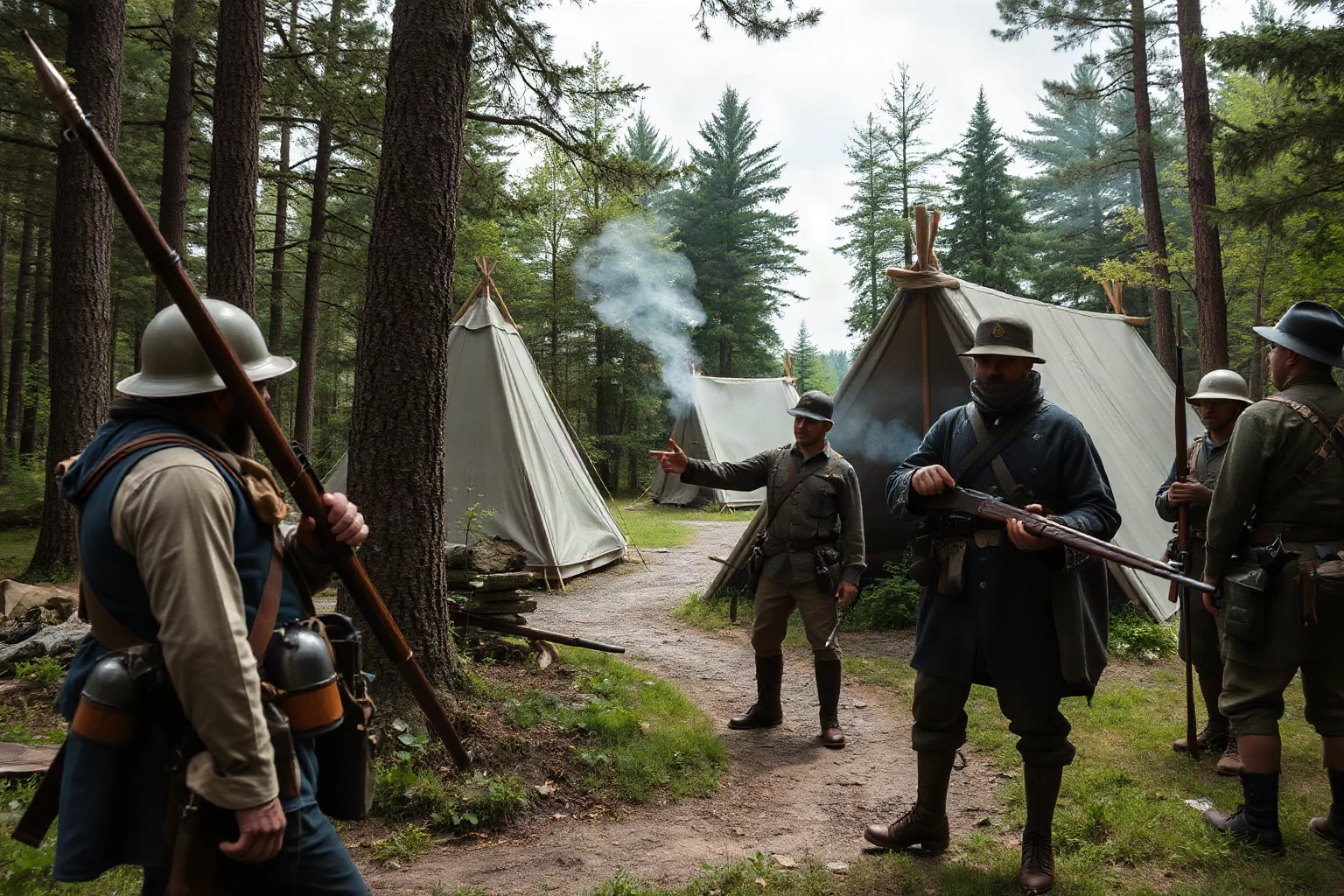
American forces surrounded and forced the surrender of a major British army under General John Burgoyne in upstate New York. Saratoga is widely considered the turning point of the Revolutionary War because it convinced France to formally ally with the American cause.
French military and financial support that followed was crucial to the eventual American victory. Among the most important Revolutionary War battles, Saratoga’s diplomatic ripple effects may be its most lasting legacy.
14. Battle of Yorktown (1781)
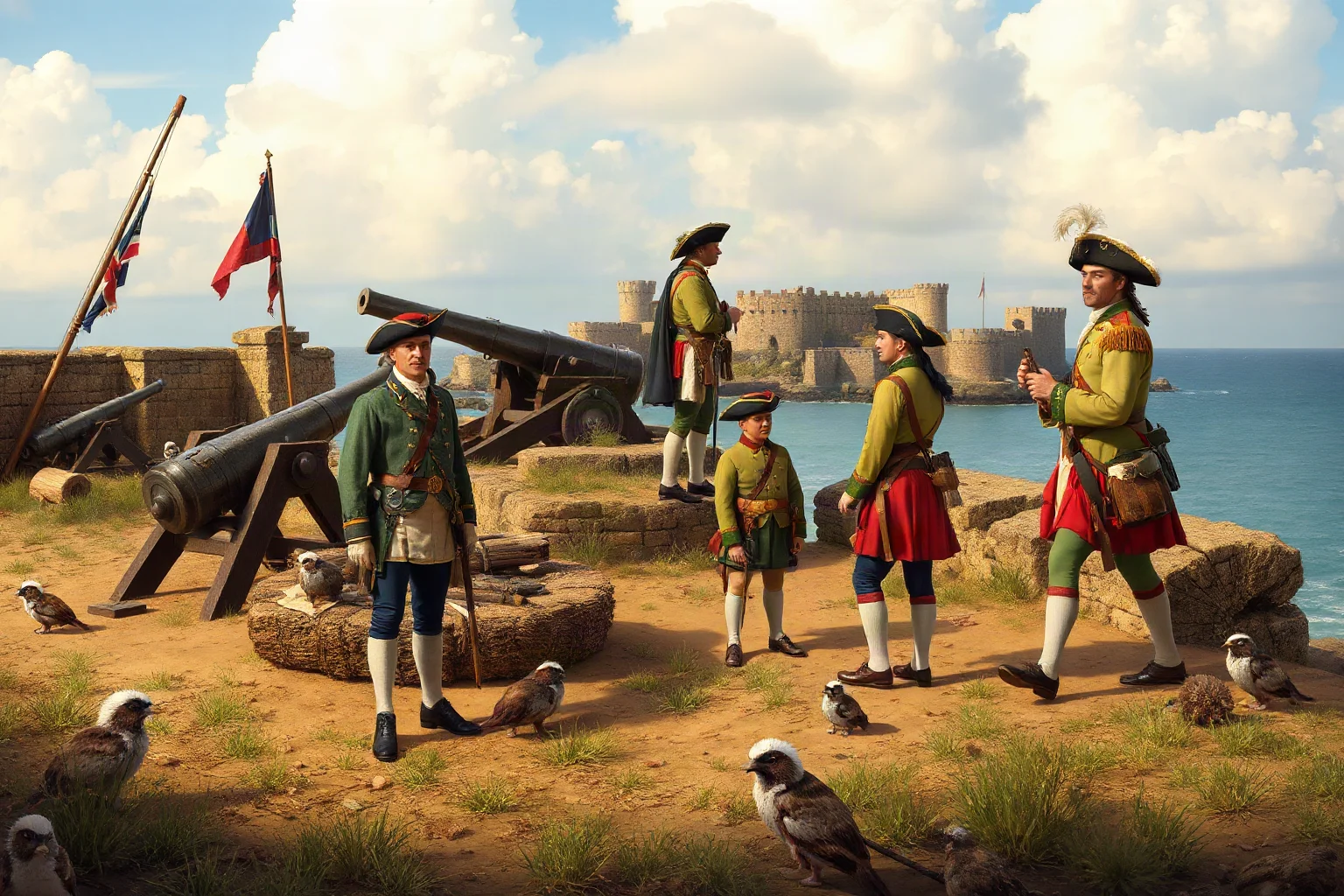
A combined American and French force trapped British General Cornwallis’s army against the Virginia coastline, with French naval power cutting off any hope of evacuation or resupply. Cornwallis’s surrender effectively ended major fighting in the Revolutionary War.
This victory, another clear example of a battle won by the Americans, led directly to the Treaty of Paris in 1783 and formal recognition of American independence. It’s hard to overstate how much the French alliance forged after Saratoga mattered here.
The Civil War: America’s Deadliest Battles
No discussion of the biggest events in American history is complete without the Civil War, which produced some of the bloodiest fighting in U.S. history. Two battles in particular stand out as the deadliest and most consequential.
15. Battle of Antietam (1862)
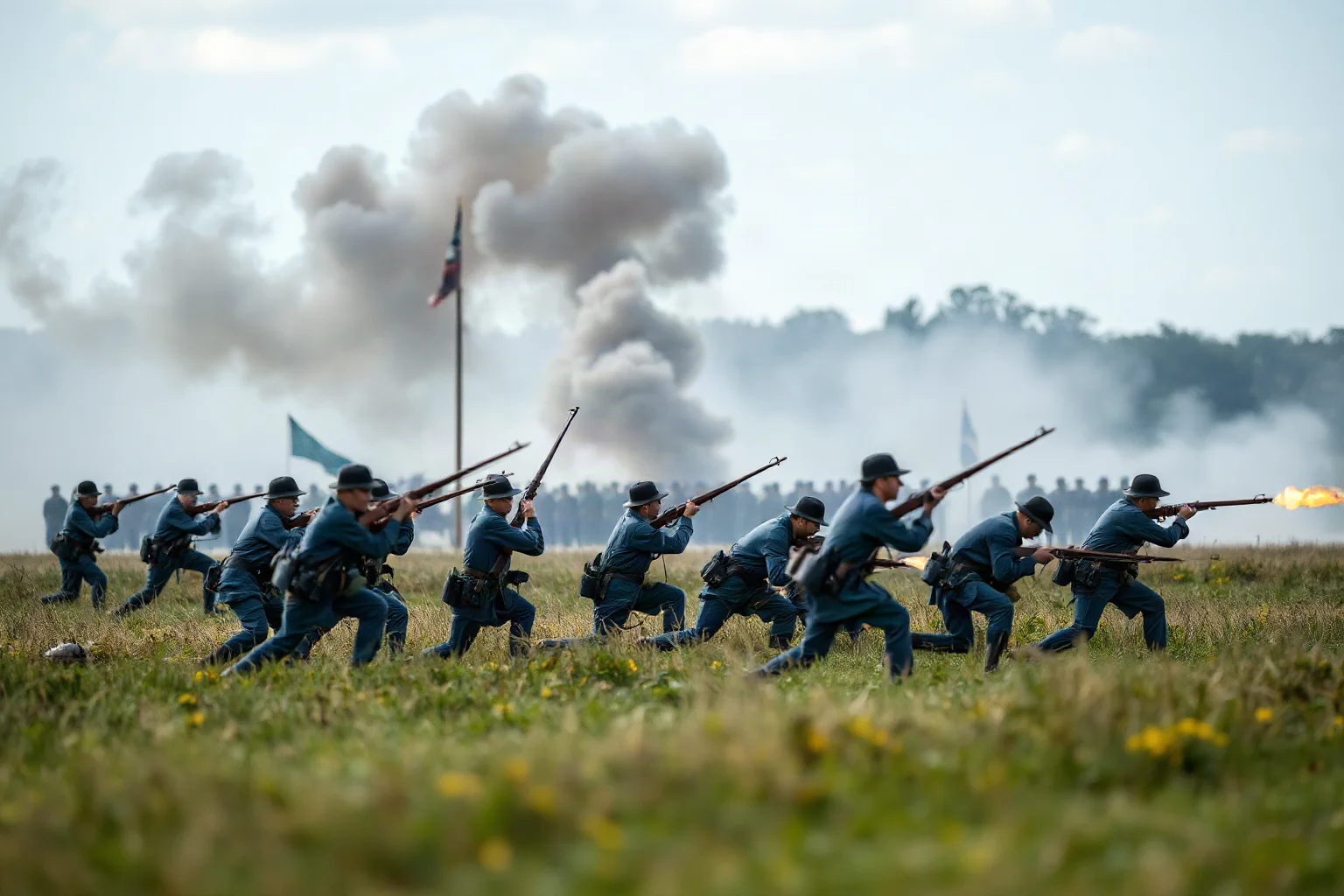
Fought near Sharpsburg, Maryland, Antietam remains the deadliest single day in American military history, with combined casualties estimated at around 22,000 killed, wounded, and missing in roughly 12 hours of fighting. When people search for the deadliest battle in U.S. history, this is usually the one historians point to for single-day carnage.
The tactical outcome was close to a draw, but the strategic result mattered enormously. It gave President Lincoln the political opening to issue the Emancipation Proclamation shortly afterward.
16. Battle of Gettysburg (1863)
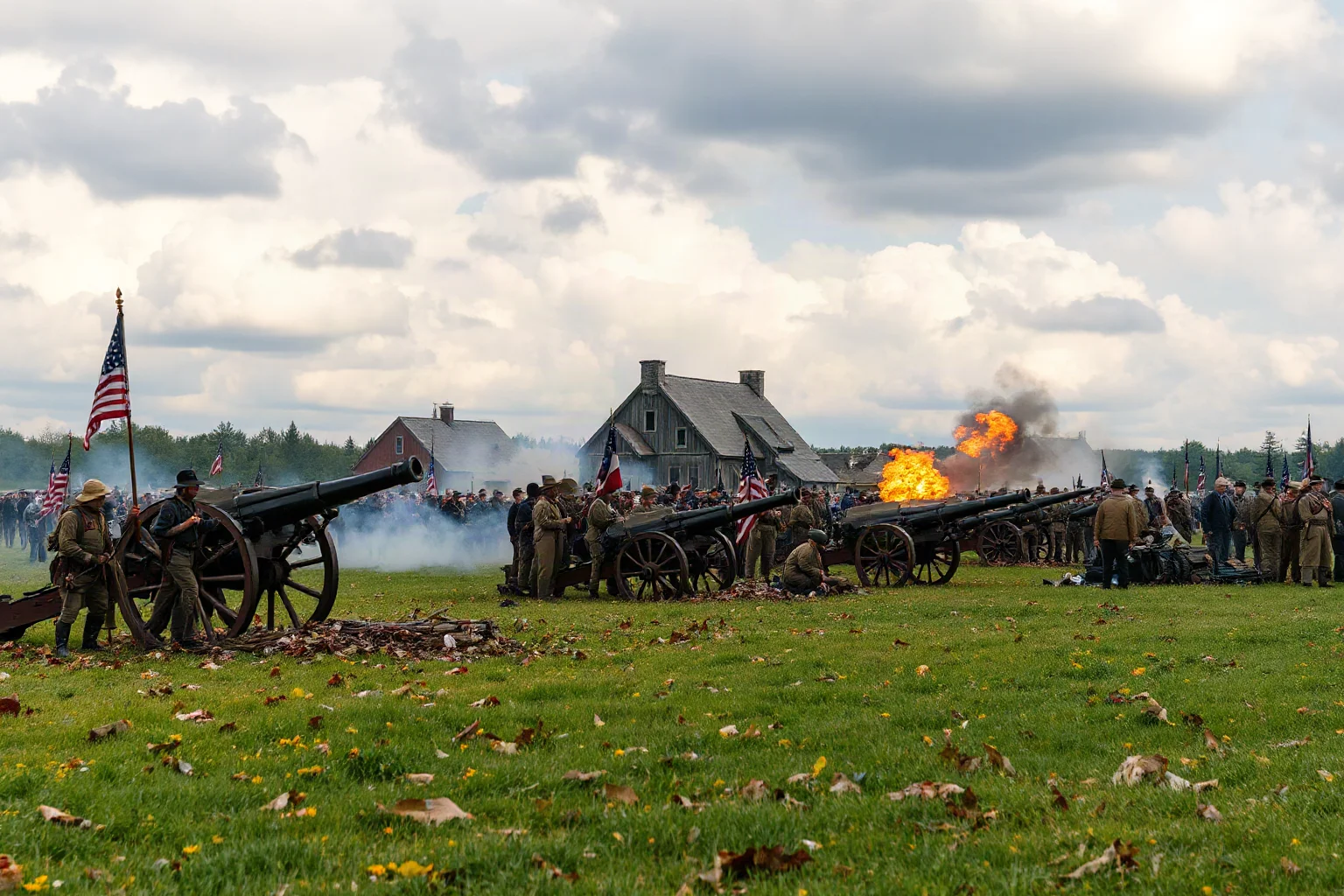
Over three brutal days in Pennsylvania, Union forces repelled General Robert E. Lee’s invasion of the North, inflicting losses from which the Confederate army never fully recovered. Total casualties over the three days exceeded those of any single day at Antietam, making Gettysburg the costliest battle of the entire war in overall numbers.
It’s often called the turning point of the Civil War, alongside the Union’s capture of Vicksburg around the same time. President Lincoln’s Gettysburg Address, delivered months later at the battlefield’s dedication, cemented the site’s place in American memory.
World Wars: Battles That Reshaped the Globe
17. Battle of the Somme (1916)
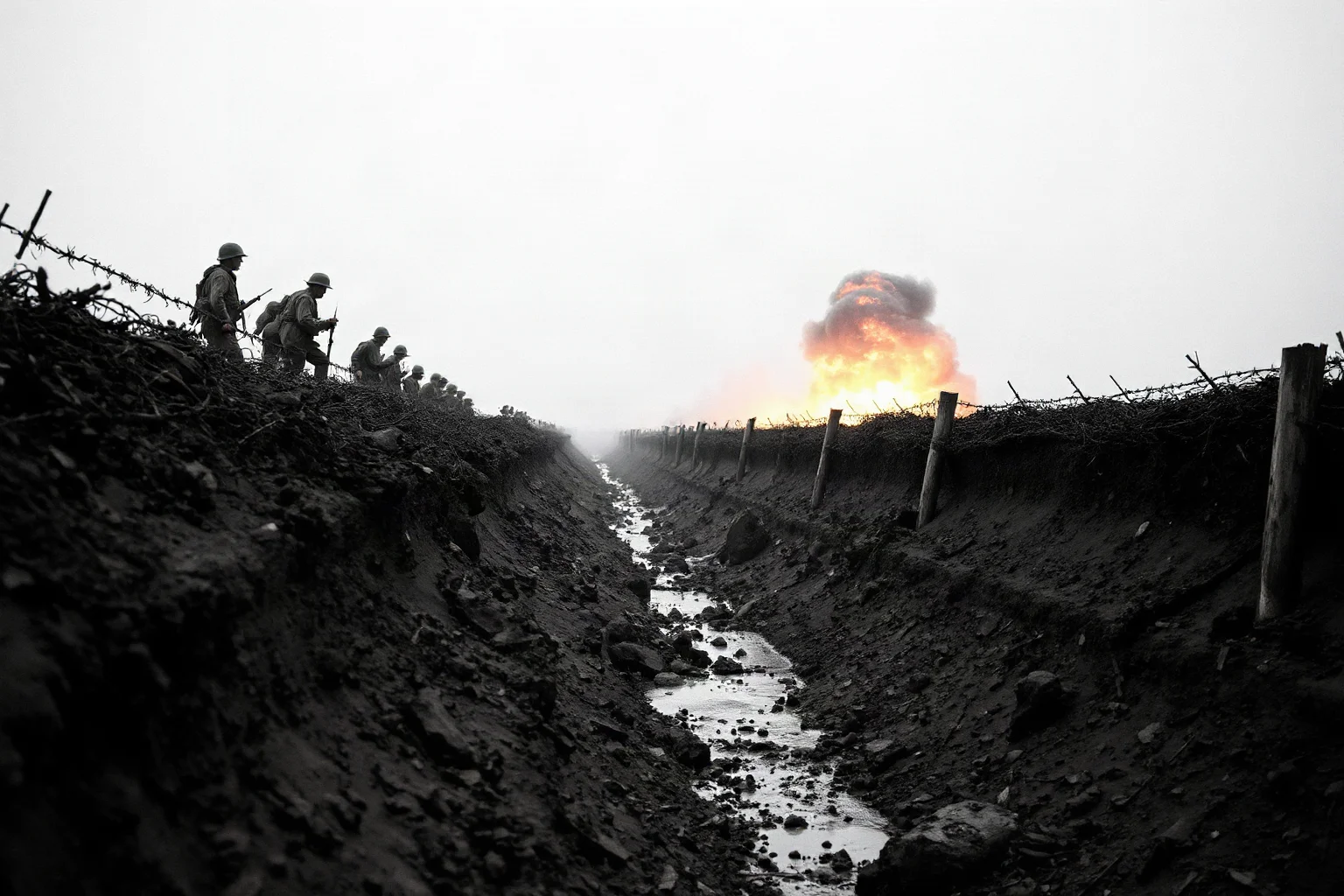
One of the largest and bloodiest of the major battles of WWI, the Somme offensive on the Western Front produced over a million combined casualties on both sides over roughly four and a half months. It became a grim symbol of the industrialized slaughter and static trench warfare that defined much of the war.
Territorial gains were minimal compared to the human cost, which is a big part of why the Somme is remembered as a cautionary tale rather than a triumph. It reshaped how military leaders and the public alike thought about modern warfare.
18. Battle of Stalingrad (1942–1943)
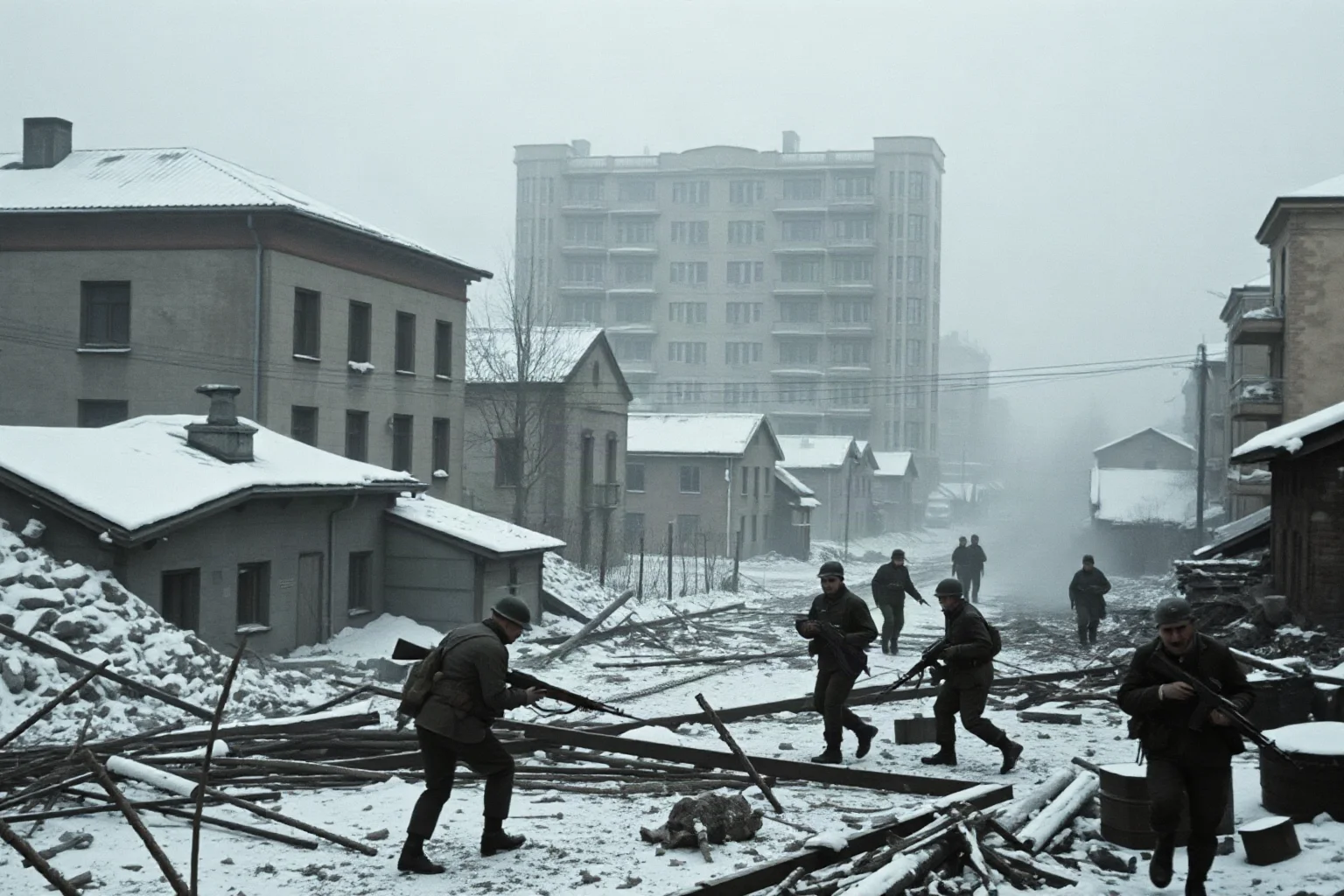
This brutal, months-long urban battle between Nazi Germany and the Soviet Union is widely regarded as one of the turning points of World War II in Europe. Soviet forces encircled and eventually forced the surrender of the German Sixth Army, a loss from which Germany’s Eastern Front never recovered.
Casualty estimates vary, but most historians place total losses from both sides well into the hundreds of thousands to over a million when civilians are included. Stalingrad marked the beginning of the Soviet push westward that would eventually reach Berlin.
19. Battle of Midway (1942)
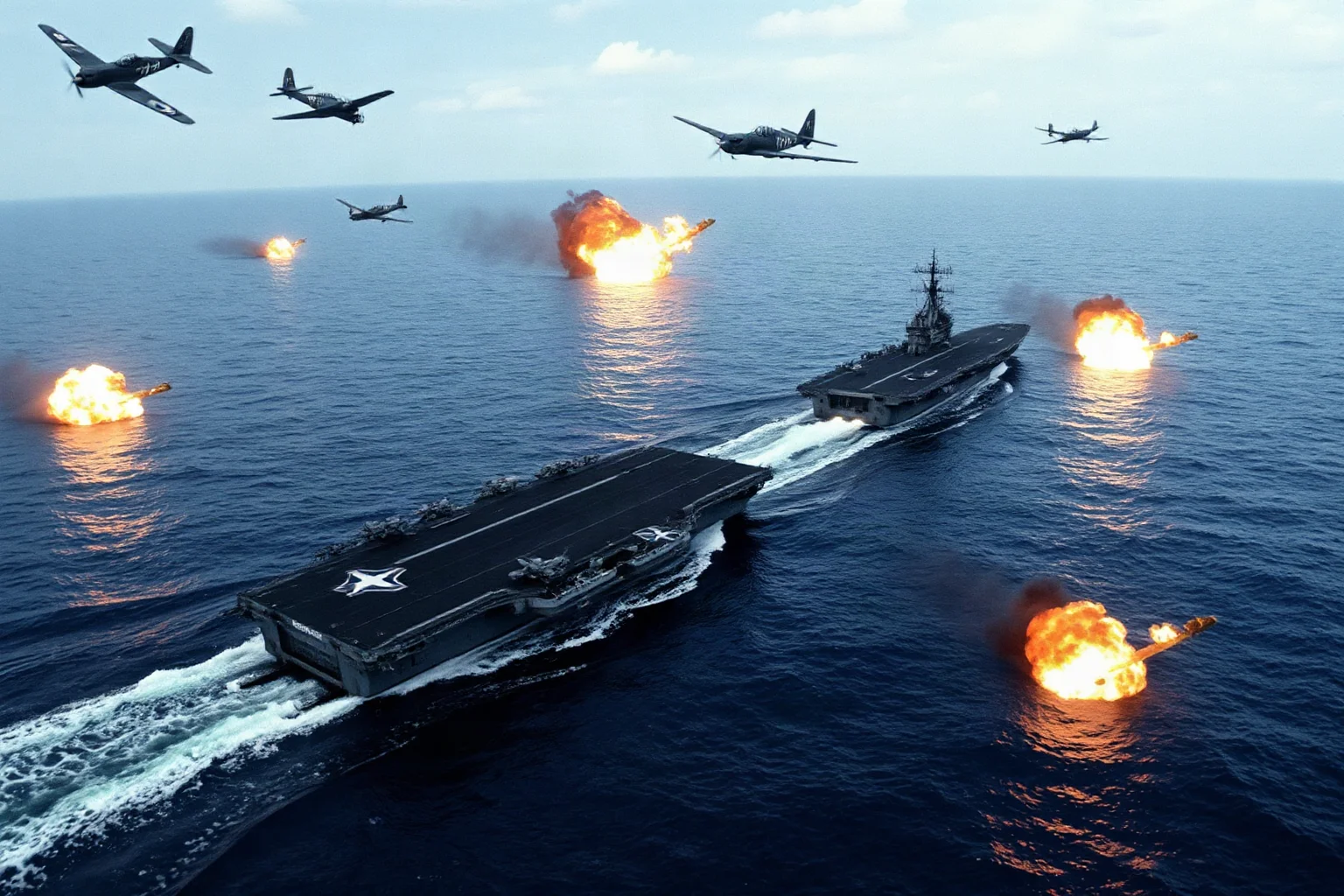
Just six months after Pearl Harbor, U.S. Navy forces used cracked Japanese codes and a mix of skill and luck to sink four Japanese aircraft carriers in the Pacific. This decisively shifted naval power away from Japan and toward the United States for the rest of the Pacific War.
Midway is frequently cited among the greatest naval battles of all time because of how thoroughly it reversed the momentum of the Pacific theater in a matter of days. It also demonstrated the growing importance of aircraft carriers over traditional battleships.
20. Battle of Normandy / D-Day (1944)
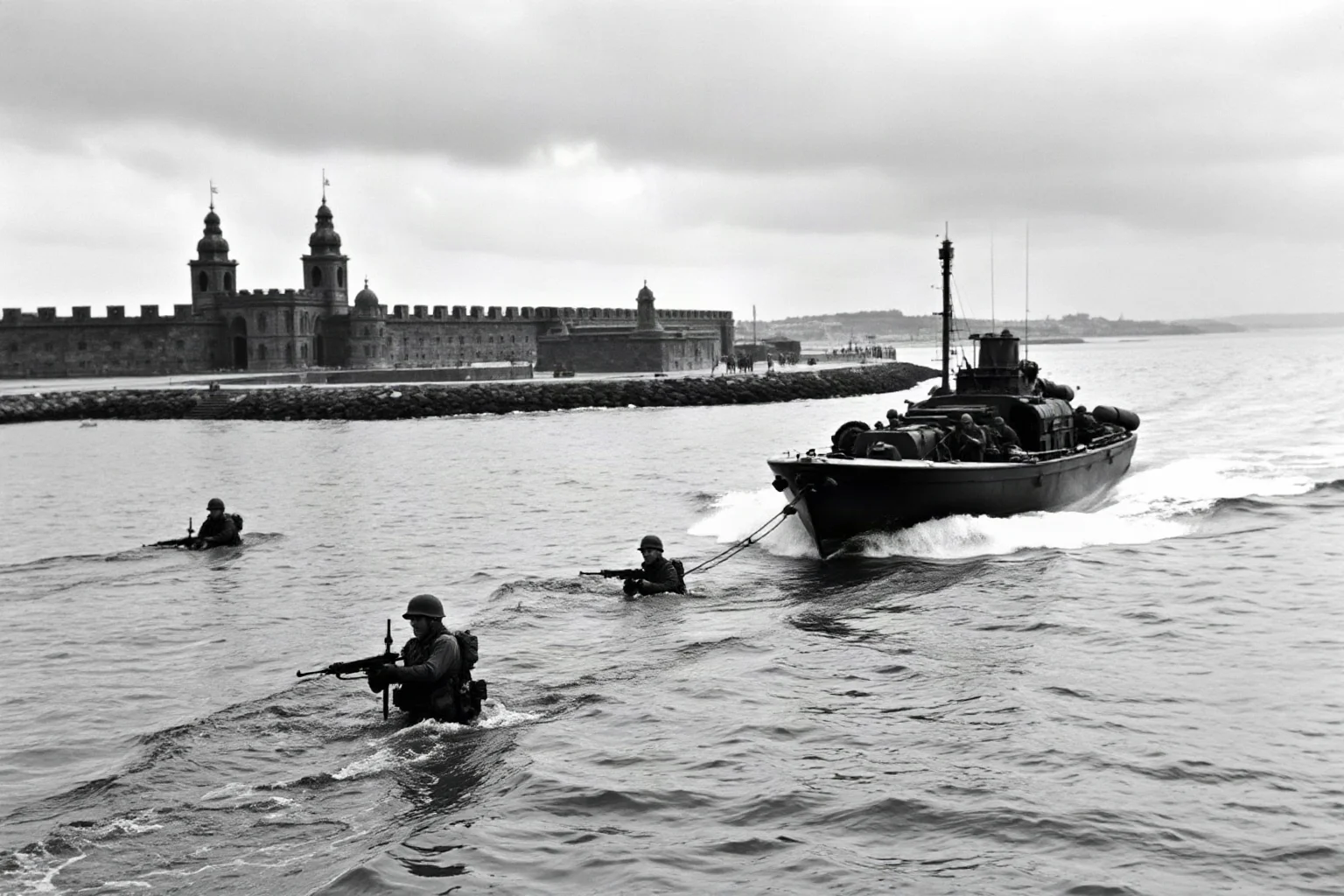
On June 6, 1944, Allied forces launched the largest amphibious invasion in history along the beaches of Normandy, France, opening a crucial second front against Nazi Germany in Western Europe. Tens of thousands of troops from the United States, Britain, Canada, and other Allied nations stormed heavily fortified beaches under intense fire.
The operation’s success set in motion the liberation of Western Europe over the following year. D-Day remains one of the most studied and commemorated military operations of the 20th century.
21. Battle of Iwo Jima (1945)
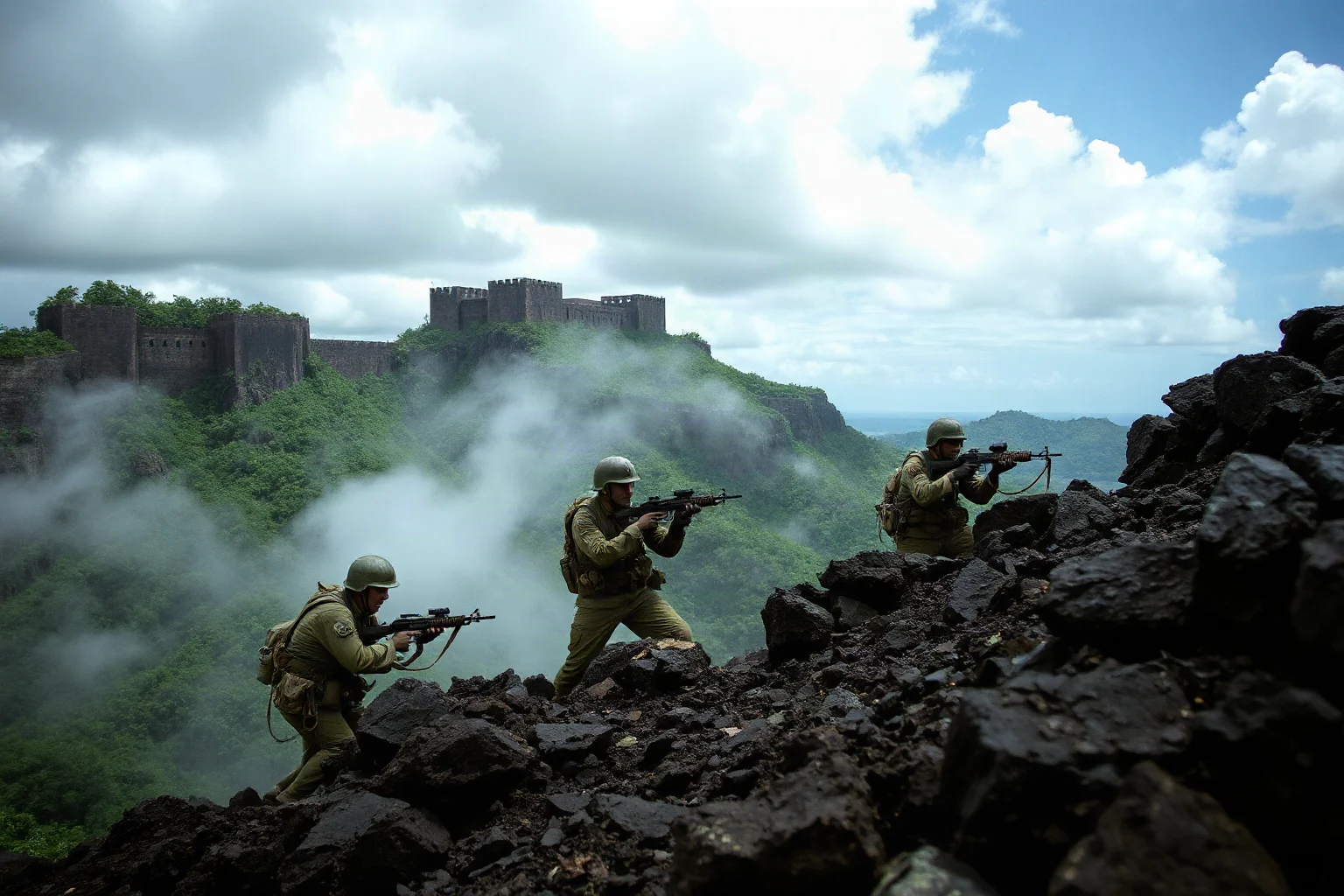
U.S. Marines fought for over a month to capture a small volcanic island considered critical for staging bomber operations against mainland Japan. The battle produced extremely high casualty rates on both sides relative to the size of the island itself, reflecting the fierce Japanese defense of fortified positions.
The iconic photograph of Marines raising the American flag on Mount Suribachi became one of the most reproduced images of World War II. Iwo Jima is often remembered as a preview of the difficult fighting expected had a full invasion of Japan become necessary.
22. Battle of Waterloo (1815)
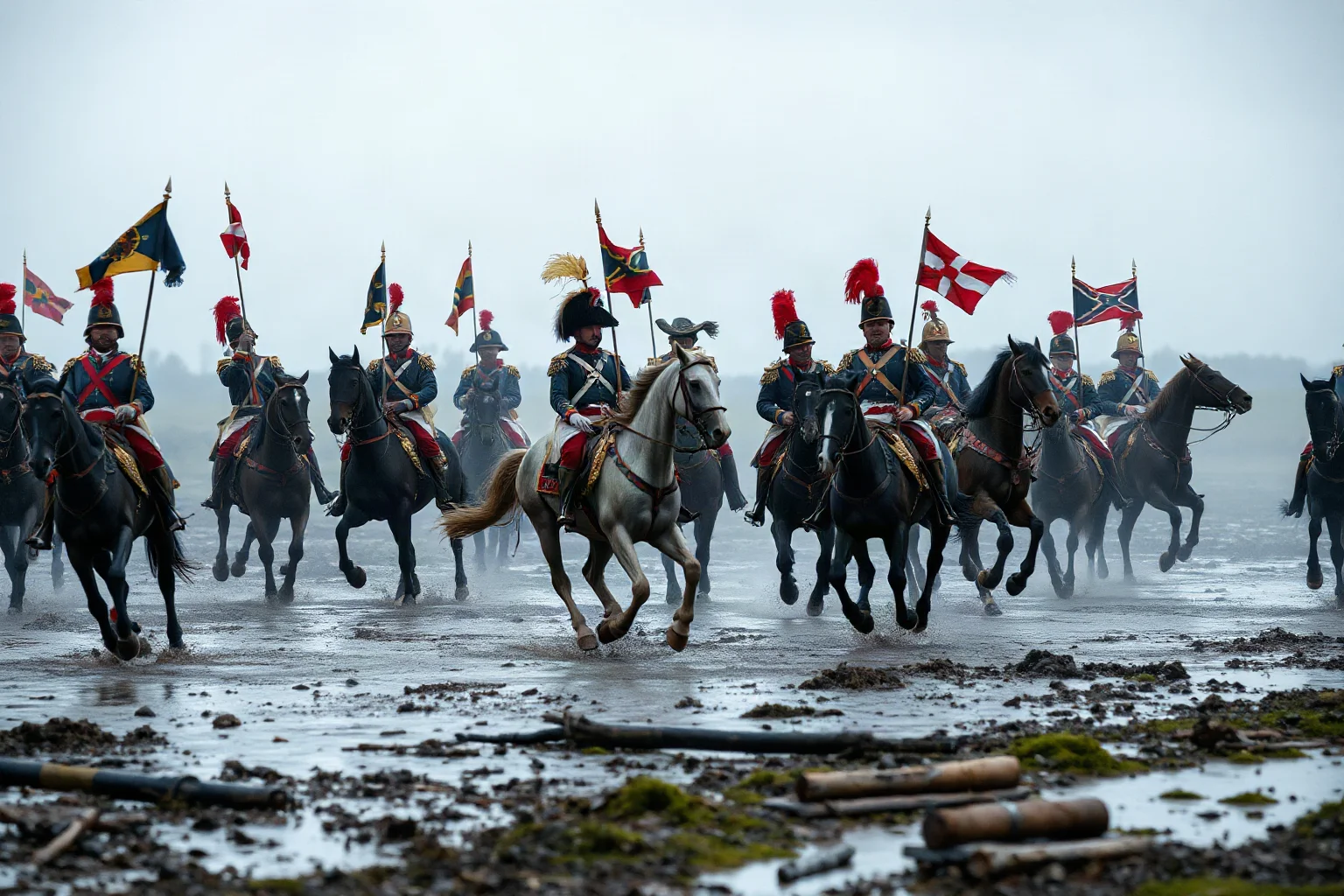
A coalition of British, Dutch, and Prussian forces under the Duke of Wellington and Field Marshal Blücher decisively defeated Napoleon Bonaparte’s French army in Belgium. The defeat ended Napoleon’s brief return to power, known as the Hundred Days, and led to his final exile to the island of Saint Helena.
Waterloo effectively closed out more than two decades of near-constant warfare across Europe tied to the French Revolution and Napoleonic era. Few battles have given the English language a phrase — “meeting your Waterloo” — quite as durable as this one did.
Why These Battles Still Matter
Looking across this list of battles, a pattern emerges: the ones we remember longest tend to be the ones that changed what came next, not just who won on the day. Marathon and Tours shaped which cultures dominated ancient and medieval Europe. Saratoga and Yorktown decided whether the United States would exist as an independent nation at all.
Antietam and Gettysburg determined whether that nation would survive intact and, ultimately, whether slavery would end. Stalingrad, Midway, and D-Day decided the outcome of the deadliest conflict in human history. Each battle name on this list represents a hinge point where history could plausibly have gone another way.
A Note on Sources and Certainty
Casualty figures and even some battlefield details for ancient and medieval battles are often estimates rather than precise counts, since record-keeping from those eras was inconsistent at best. Where historians disagree or where a popular story (like the Marathon messenger legend) lacks solid historical backing, we’ve tried to flag that rather than present it as settled fact.
Modern battles, especially from the 19th and 20th centuries, tend to have far more reliable documentation, though even these can involve disputed casualty estimates depending on the source. When in doubt, treat big round numbers in older accounts with a healthy dose of skepticism.
Final Thoughts
Ranking the single “greatest” battle in history is ultimately a matter of perspective, since the criteria — biggest, bloodiest, most consequential — can all point to different winners. What’s clear is that the battles on this list, from ancient Greece to the beaches of Normandy, didn’t just fill history books with dates to memorize.
They redirected the paths of nations and, in the case of the American Revolutionary War and Civil War battles here, they directly shaped the country many of us call home today. That’s what separates a truly historic battle from just another footnote in a war.
Frequently Asked Questions
What are considered the most famous battles in history?
Among the most famous battles in history are Marathon, Hastings, Waterloo, Gettysburg, Stalingrad, and D-Day. These battles are widely studied because they didn't just decide a single conflict — they reshaped empires, nations, and the broader course of world events that followed.
What is the deadliest battle in U.S. history?
The Battle of Antietam, fought on September 17, 1862, is generally considered the deadliest single day in American military history, with roughly 22,000 combined casualties. The Battle of Gettysburg had a higher total casualty count, but that was spread across three days rather than one.
What were the biggest battles of the Revolutionary War?
The most significant Revolutionary War battles include Bunker Hill, Trenton, Saratoga, and Yorktown. Saratoga is often viewed as the turning point because it convinced France to formally ally with the American colonies, while Yorktown effectively ended major fighting in 1781.
Can you list three battles won by the Americans during the Revolutionary War?
Three clear Revolutionary War victories for the Americans are the Battle of Trenton (1776), the Battle of Saratoga (1777), and the Battle of Yorktown (1781). Each played a distinct role, from reviving army morale at Trenton to securing French support after Saratoga and forcing British surrender at Yorktown.
What makes a battle historically significant rather than just large or bloody?
A battle earns lasting historical significance when its outcome changes political borders, topples or preserves an empire, or alters a nation's future trajectory. Size and casualty counts matter, but the true measure is the ripple effect a battle has on the decades or centuries that follow.
What was the largest naval battle in history?
Candidates often mentioned include the Battle of Lepanto (1571) and the Battle of Leyte Gulf (1944), depending on whether you measure by number of ships, personnel involved, or strategic scale. Midway is frequently cited as the most consequential naval battle of World War II due to its dramatic shift in Pacific naval power.

Alex Warren
Related Articles