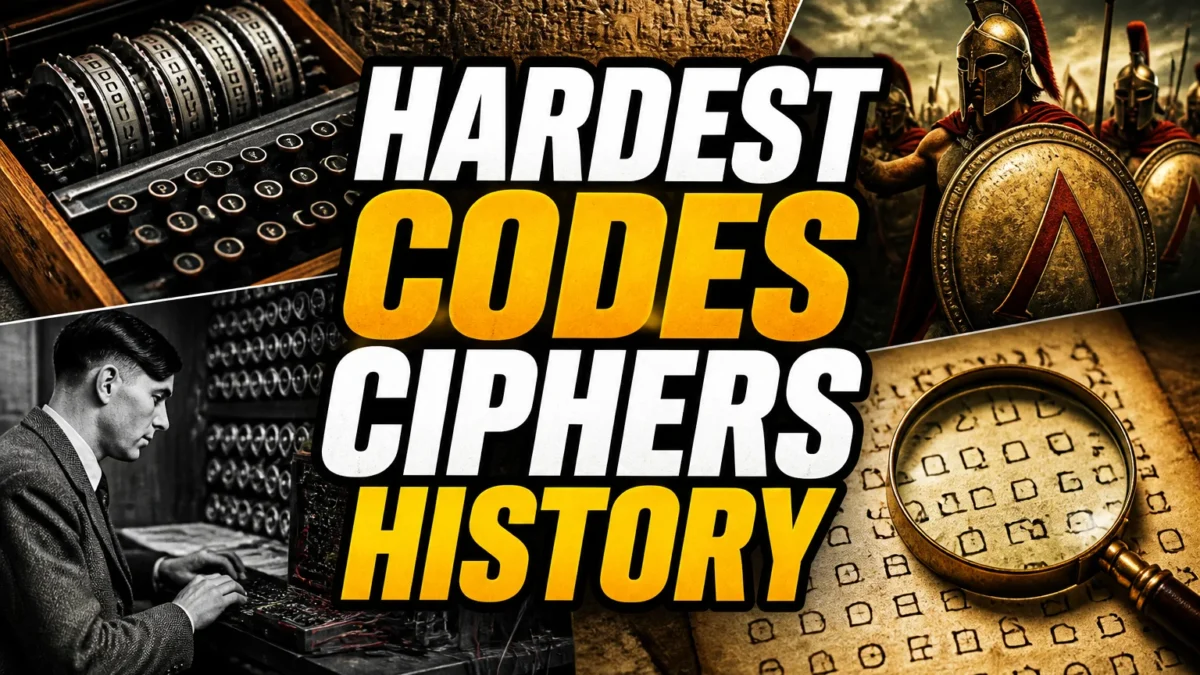
People often search for history's hardest secret codes with the word mangled as "cispher" or "cioher," but the standard spelling is cipher. That small confusion is fitting, because these systems are designed to hide meaning from anyone who does not possess the key. A cipher converts readable text into a secret form, while a code replaces whole words or phrases with symbols.
Some of the hardest ciphers in history were never designed to be impossible, only difficult enough to outlast a war or a lifetime. Others remain famous unsolved ciphers because no accepted solution has ever emerged. This list covers ancient scripts, wartime machines, and mathematical systems that still define what an impossible code looks like.
TL;DR: The hardest codes and ciphers in history range from still-unsolved ancient scripts to wartime machines and the mathematically unbreakable one-time pad.
What Makes a Cipher Hard to Decode?
A cipher’s strength depends on its key space, the way it hides patterns, and the skill of the people who use it. A large key space alone does not guarantee security if the system leaks repetitive structures. Many historical ciphers looked unbreakable but fell once analysts found a single statistical clue.
Some systems, such as the one-time pad, can be mathematically impossible to crack when used correctly. Others remain hard only because the surviving text is short, damaged, or written in an unknown language. The hardest cipher to decode is often not the most complex one but the one with the least context.
Ancient Scripts That Still Refuse to Yield
Some famous ciphers are not messages from a single person but entire writing systems that lost their key. Their difficulty comes from forgotten languages, short samples, and the absence of bilingual inscriptions.
1. The Voynich Manuscript
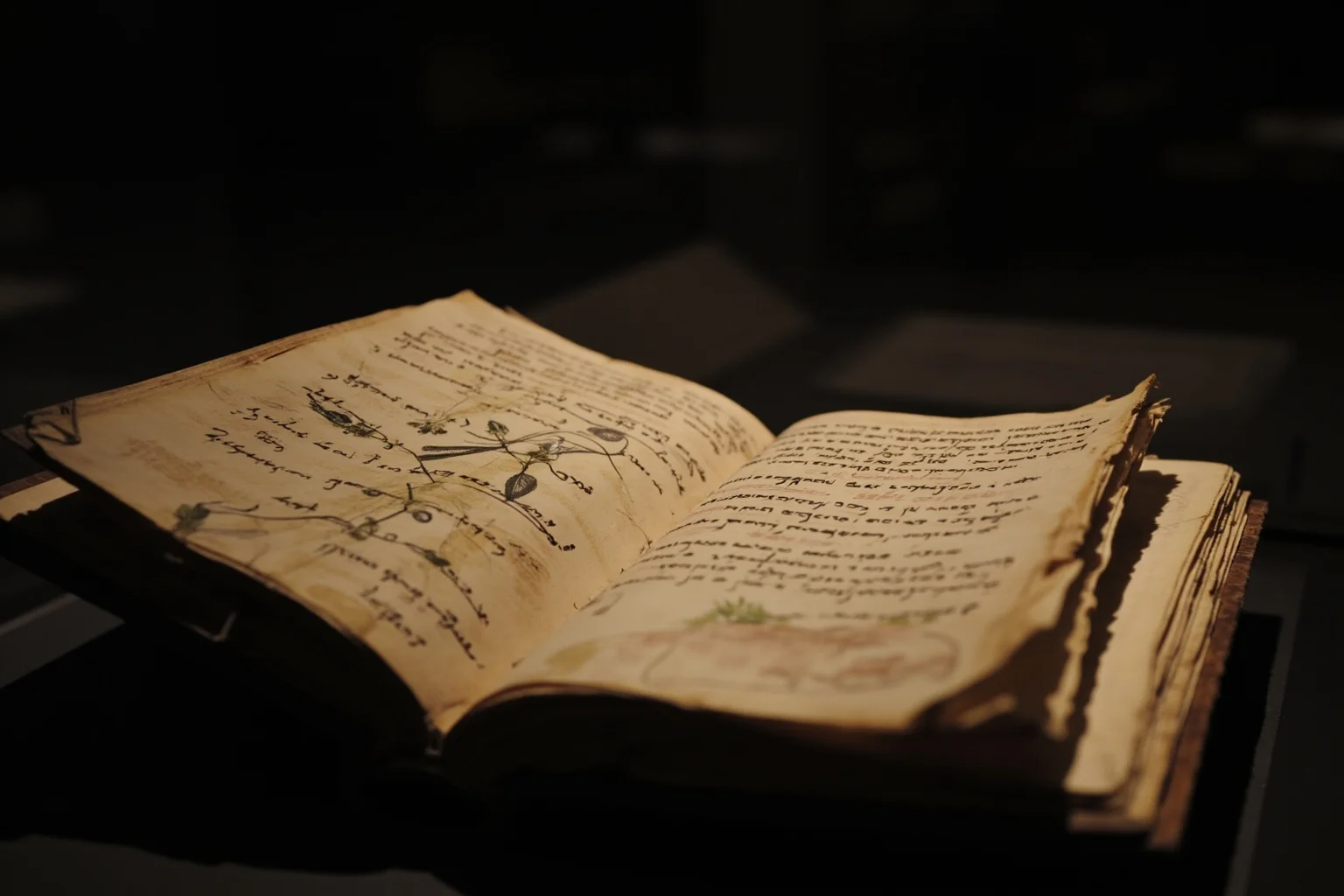
The Voynich Manuscript is a fifteenth-century illustrated book written in an unknown script that no one has convincingly read. Its pages combine botanical drawings, astronomical diagrams, and bathing figures with a flowing text that defies every standard attack. Carbon dating places the vellum in the early 1400s, but authorship remains disputed.
Over the years, amateur and professional cryptanalysts have claimed solutions, yet none has won broad acceptance. Because the manuscript contains no obvious key and may encode an invented language or a lost cipher, it is usually treated as one of the hardest ciphers to decode in history. It still sits in Yale University’s Beinecke Library as a standing challenge.
2. The Phaistos Disc
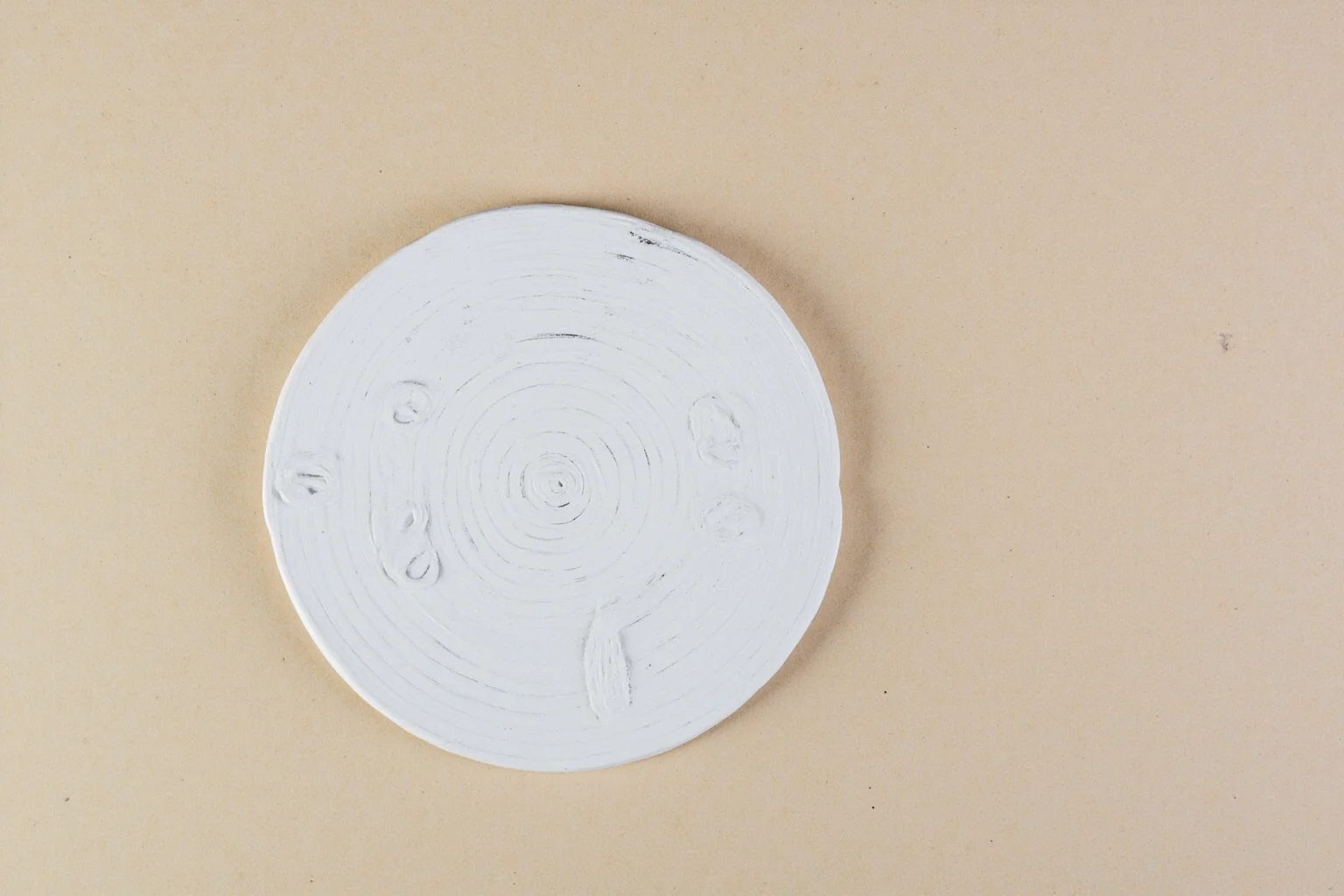
The Phaistos Disc is a fired clay disk from Crete, dated to the second millennium BCE, stamped with 45 different symbols arranged in a spiral. Unlike Linear B, it has no bilingual text or parallel inscription to guide a decipherer. Many scholars suspect it is a syllabic or logographic script, but no translation is accepted.
Its symbols were impressed with movable stamps, which some researchers call an early printing technique. Because the text is unique and short, the Phaistos Disc remains one of the most famous unsolved ciphers from the ancient world. Every proposed reading, from prayers to administrative records, remains speculative.
3. Linear A
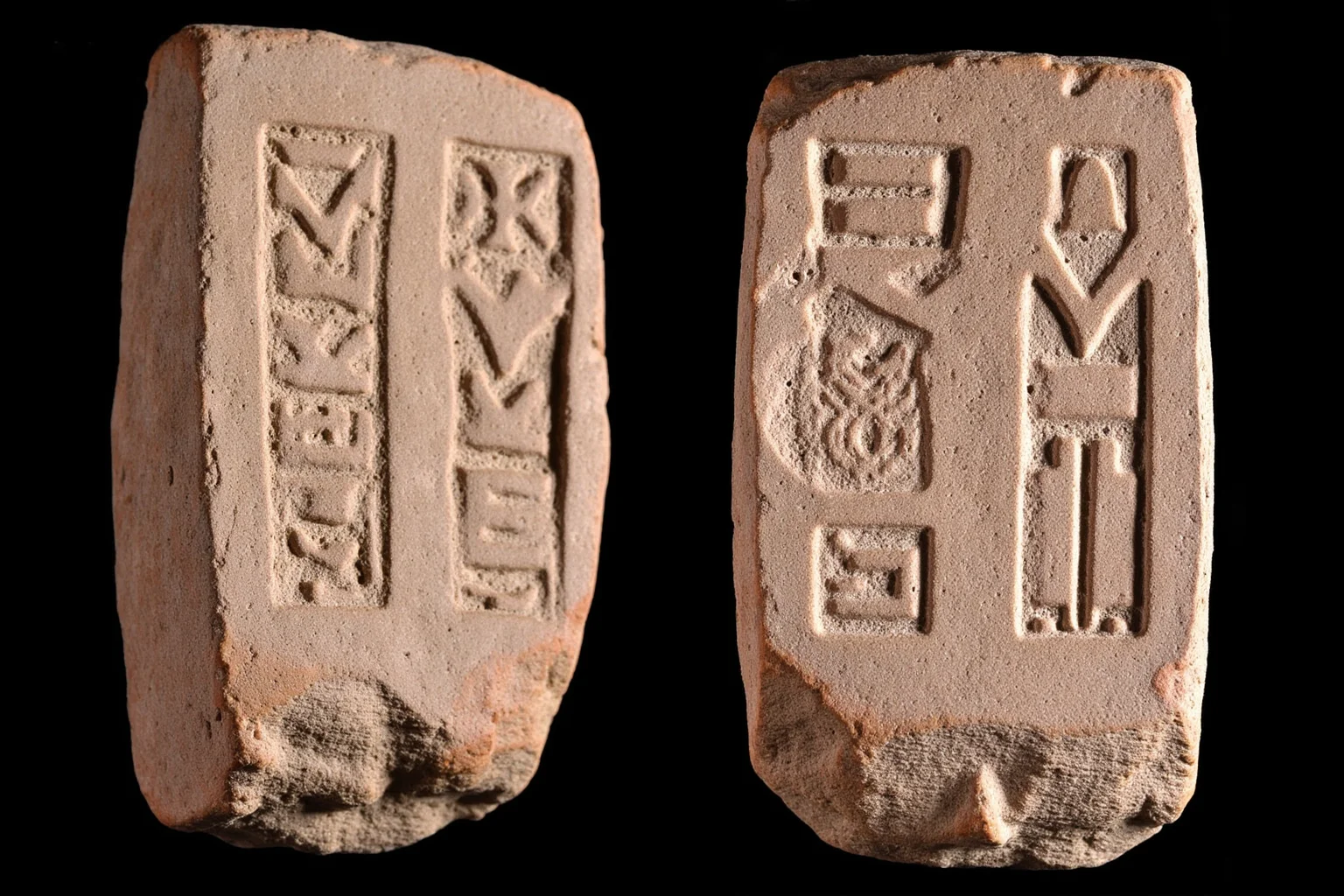
Linear A is the undeciphered script of the Minoan civilization on Crete, used roughly between 1800 and 1450 BCE. It is related visually to Linear B, which Michael Ventris deciphered in the 1950s as an early form of Greek. That relationship, however, did not unlock Linear A because the underlying language appears to be unrelated to Greek.
Scholars can identify numbers and some place names, but the bulk of the script remains opaque. The small corpus of surviving tablets limits statistical analysis, making Linear A arguably the hardest code to decipher from antiquity. Until more inscriptions surface, its meaning will likely stay hidden.
4. Rongorongo
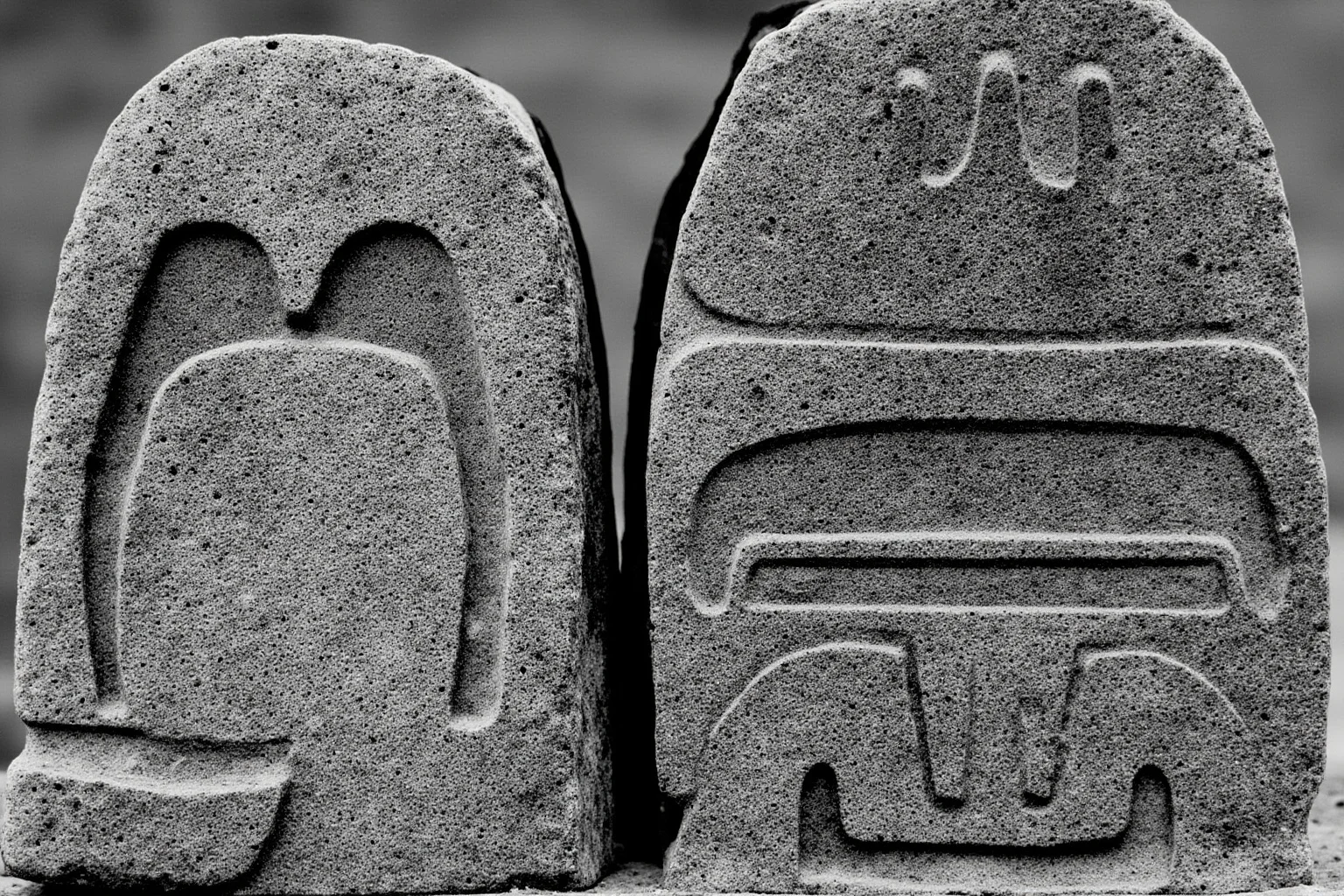
Rongorongo is a system of glyphs carved into wooden tablets from Easter Island, first documented in the nineteenth century. The glyphs include birds, human figures, and geometric shapes, but no living person could read them after the island’s population was devastated by disease and slave raids. As a result, the phonetic or symbolic key died with its last literate users.
Some researchers have proposed links to Polynesian languages, but no reading has gained consensus. The surviving tablets are scattered across museums, and many are scorched or weathered. Rongorongo remains one of the hardest ciphers in history because it may encode a language family that changed after colonization.
5. The Rohonc Codex
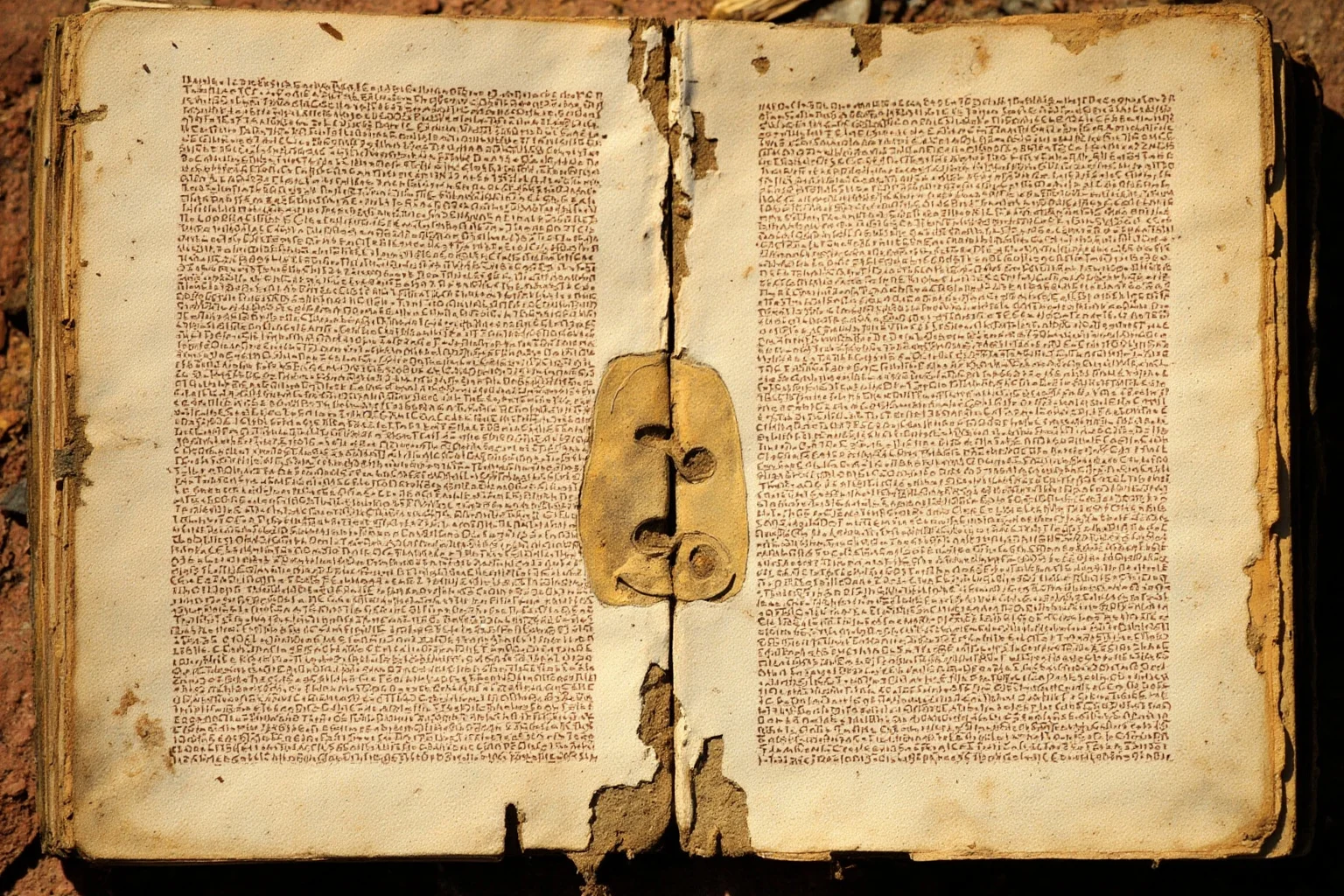
The Rohonc Codex is a nineteenth-century manuscript from Hungary, filled with an unknown script and simple religious-looking illustrations. Its alphabet appears to have hundreds of symbols, and the text repeats certain patterns in ways that frustrate standard decipherment. Some scholars argue the codex is a hoax, while others treat it as a genuine cryptographic cipher.
No proposed translation has been accepted, and the debate over its authenticity makes the mystery even harder. The high symbol count and uncertain language place the Rohonc Codex among the most puzzling unsolved ciphers in Europe. Until better historical context emerges, it will remain a cautionary tale about judging a book by its unreadable cover.
Famous Unsolved Ciphers That Baffled Experts
Some famous ciphers are not ancient scripts but messages from crimes, secrets, and personal puzzles. Their brevity often makes them harder to break than long encrypted books.
6. The Beale Ciphers
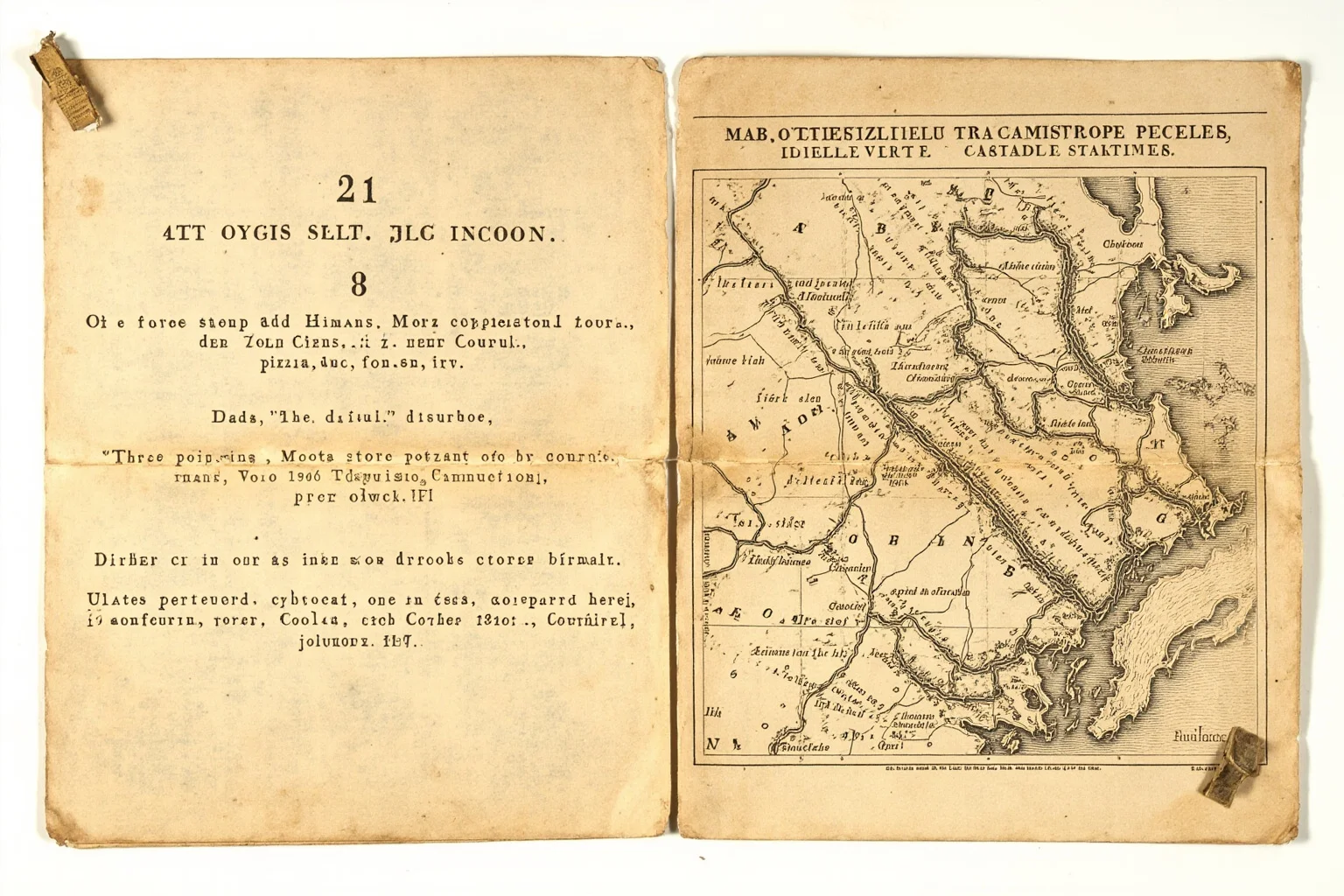
The Beale Ciphers are three encoded documents that allegedly describe a buried treasure in Bedford County, Virginia. One of the three, known as C2, was decoded using the Declaration of Independence and lists the contents of the treasure. The other two supposedly give the location and heirs, but they have never been solved.
The entire story may be a nineteenth-century hoax, and many historians caution against treating the treasure as real. Even so, the Beale Ciphers remain one of the most famous unsolved ciphers in American folklore. The unsolved pages are too short to allow reliable statistical attack, and any solution depends on an unknown key text.
7. The Dorabella Cipher
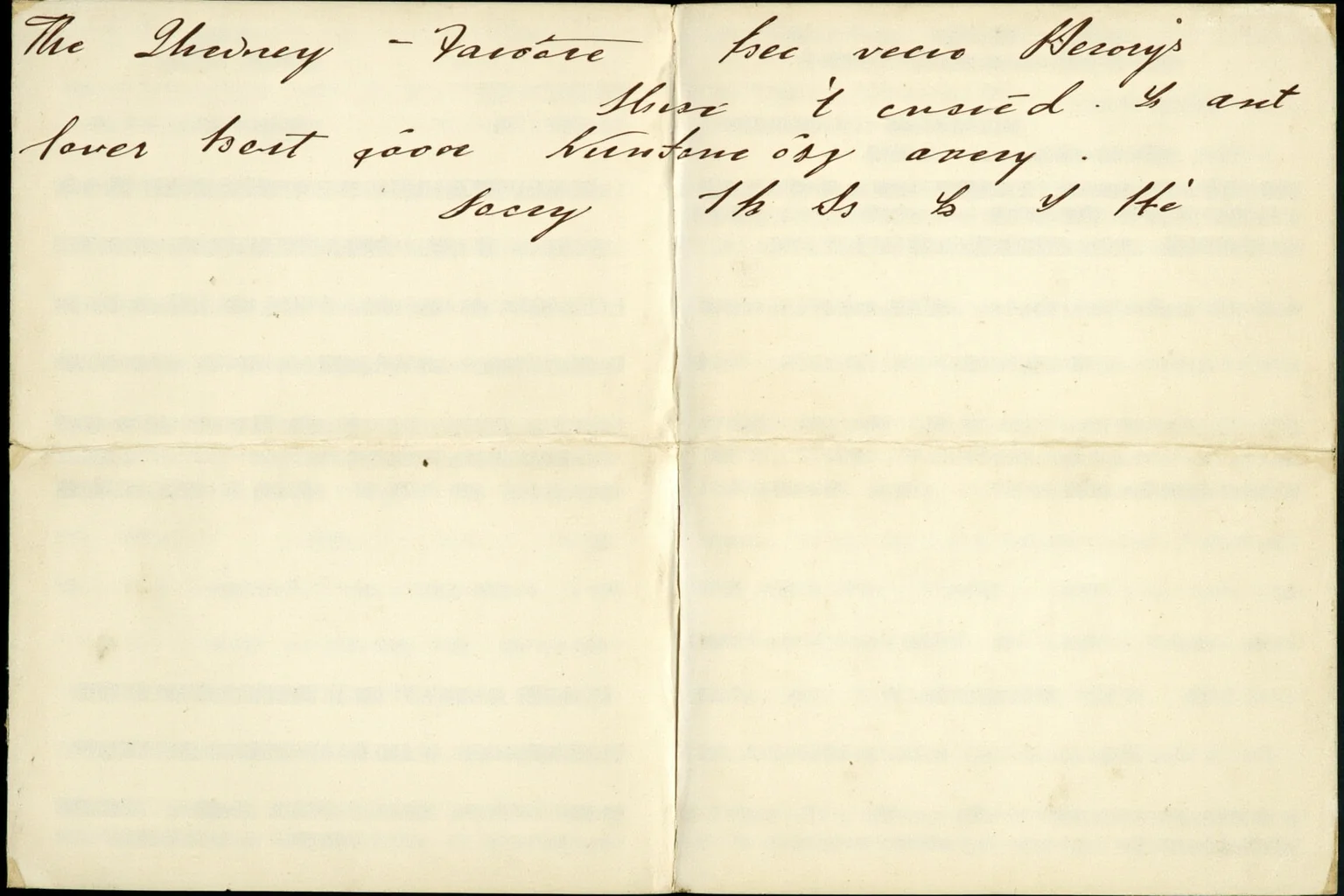
The Dorabella Cipher is a short encrypted note that composer Edward Elgar sent to Dora Penny in 1897. It consists of 87 symbols arranged in three lines, using curves and loops that resemble a private alphabet. Elgar loved codes, but he never explained this one.
Many proposed solutions have appeared, yet none has been accepted by cryptographers or historians. The note is so short that almost any key can produce a plausible-sounding message. That is exactly why the Dorabella Cipher remains one of the hardest ciphers to decode: without more ciphertext or a known method, certainty is nearly impossible.
8. The Shugborough Inscription
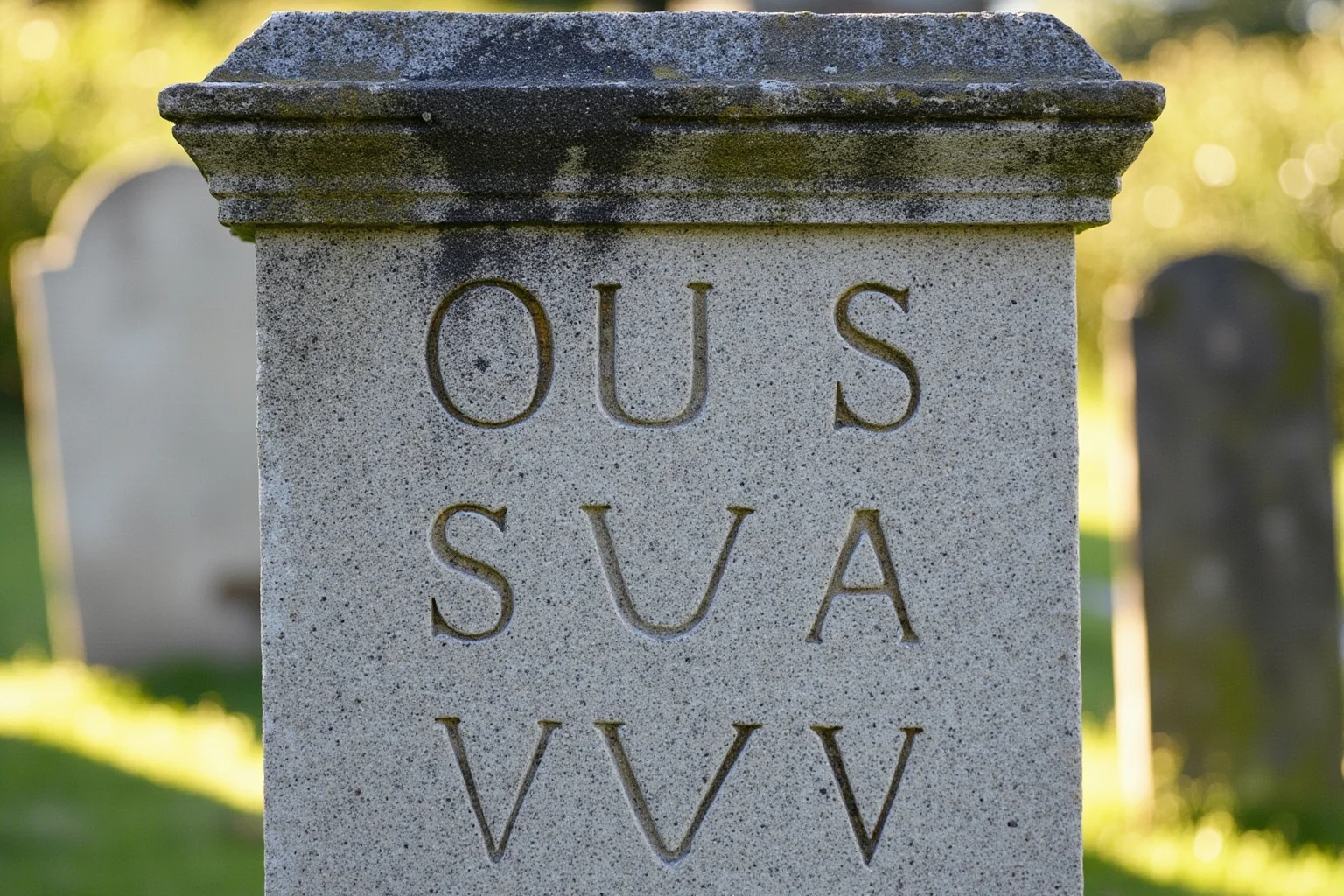
The Shugborough Inscription is a sequence of letters carved on the Shepherd’s Monument at Shugborough Hall in England: O-U-O-S-V-A-V-V, with a D and M below. It has been linked to the Holy Grail, the Knights Templar, and private family memorials. The monument dates to the mid-eighteenth century and likely reflects the interests of the Anson family.
No one has proven what the letters mean, and the many theories often conflict. Because the carving is not a long encrypted text, it may simply be a quotation or anagram rather than a true cipher. Still, it has become one of the most famous unsolved ciphers in English garden history.
9. The Tamám Shud Code
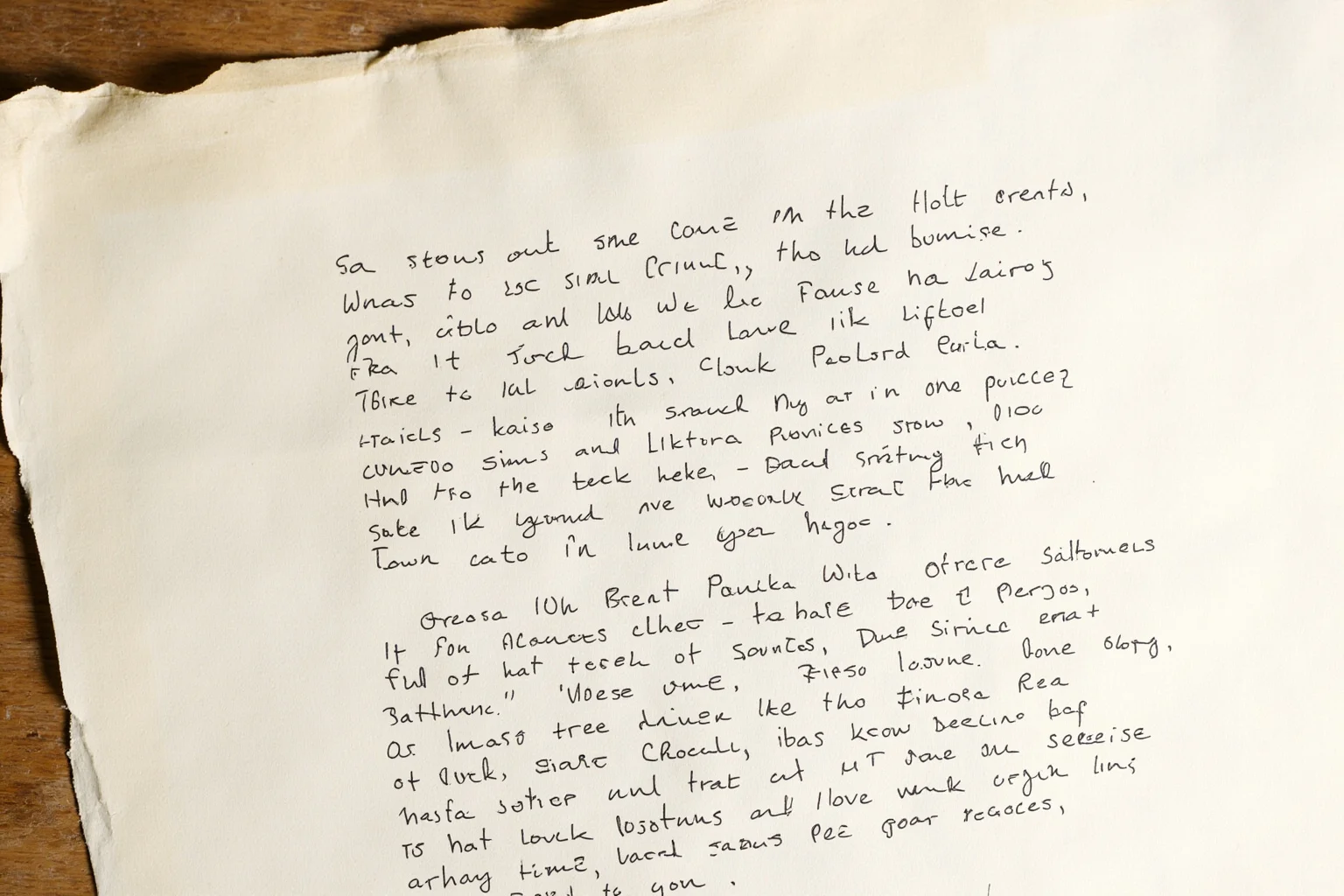
In 1948, an unidentified man was found dead on Somerton Beach in South Australia with a scrap of paper reading “Tamám Shud,” or “it is finished,” in his pocket. The scrap came from a rare book that contained a handwritten sequence of letters, now known as the Somerton Man code. The man’s identity and cause of death were never firmly established.
The code has no accepted solution, and its connection to the man’s death remains unclear. Some investigators think it may be a list of initials or a coded message, while others doubt it is a cipher at all. The Tamám Shud case remains one of Australia’s hardest codes to crack because every lead dead-ends in more mystery.
10. The D'Agapeyeff Cipher
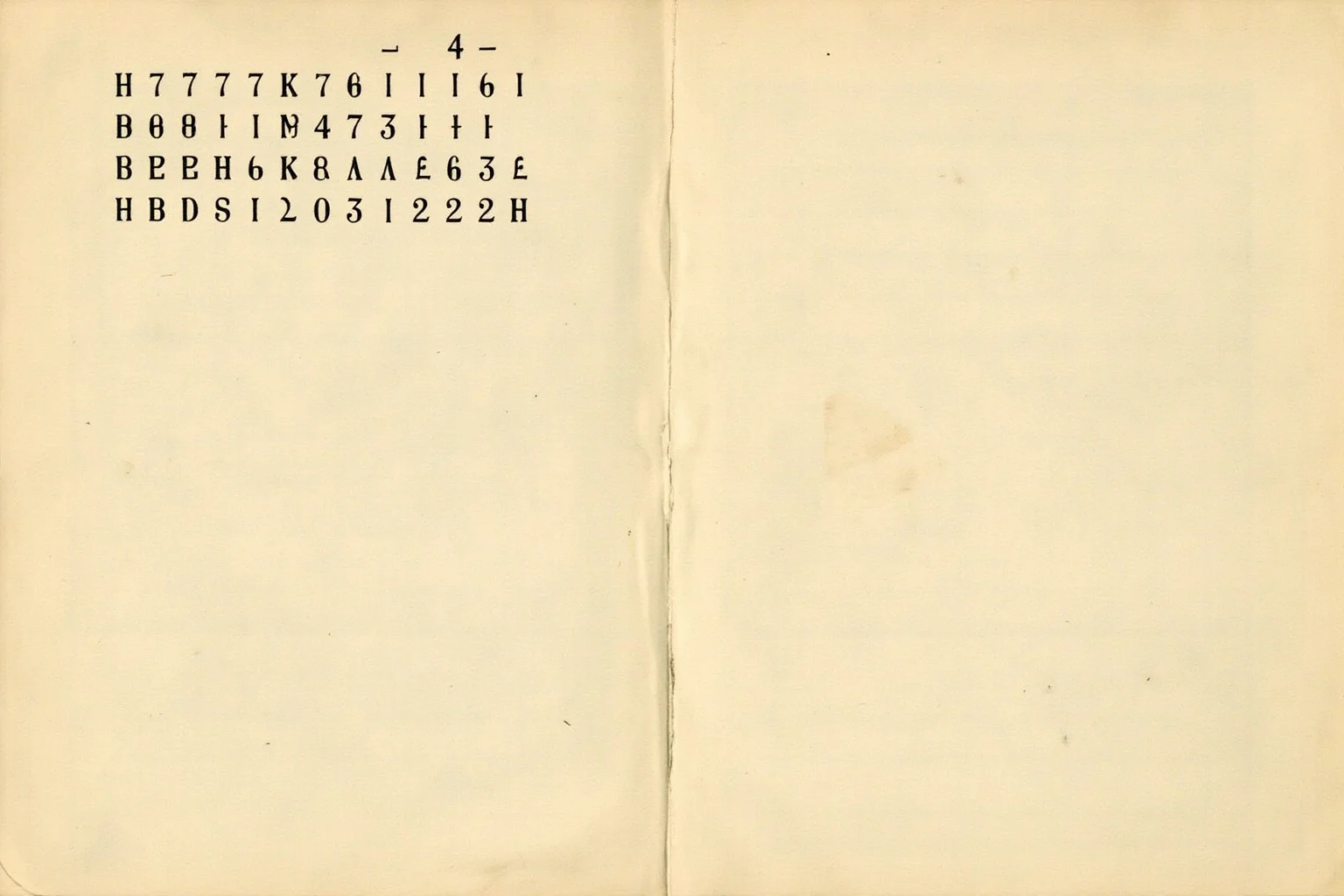
The D'Agapeyeff Cipher is a short numeric sequence published by Alexander D’Agapeyeff in his 1939 book Codes and Ciphers as a challenge to readers. It was meant to demonstrate a polyalphabetic method, but the author may have made an error during encryption. Because of that possible mistake, the cipher has resisted solution for decades.
The sequence is only 14 lines long and is full of odd digit pairings that do not fit the method he described. This makes it one of the hardest ciphers to decode for modern hobbyists, since the original key may be corrupted. It also shows how a single encryption mistake can turn a classroom example into an unintentional impossible code.
11. Kryptos
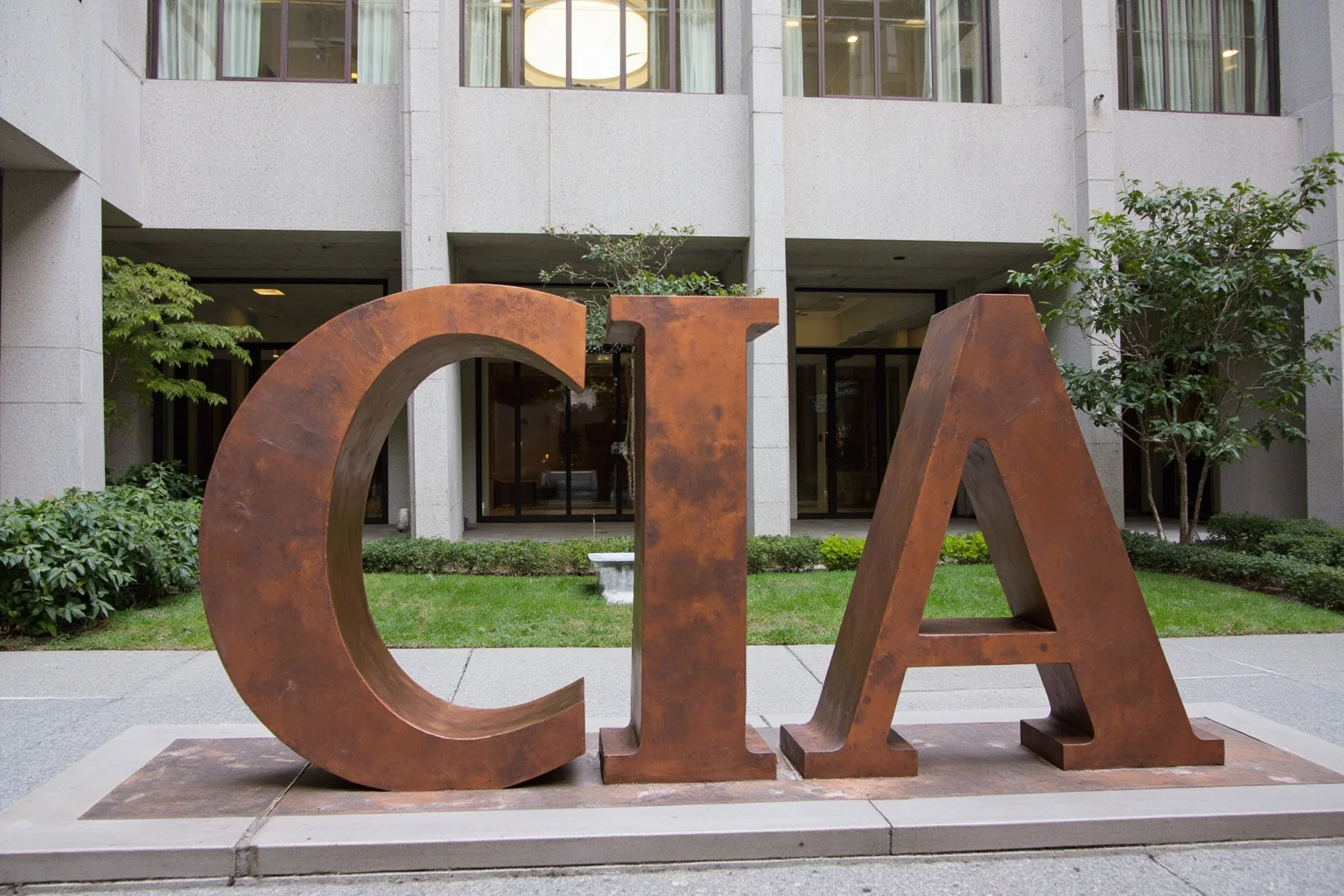
Kryptos is a sculpture at CIA headquarters in Langley, Virginia, created by artist Jim Sanborn and installed in 1990. It contains four encrypted passages, three of which have been solved by codebreakers and the public. The fourth passage, known as K4, remains unsolved despite decades of intense effort.
The solved sections include references to buried objects and historical secrets, but K4 still guards its final riddle. Sanborn has released a few clues over the years, yet no one has produced the full text. Kryptos is a modern masterpiece among famous ciphers because it sits in plain sight and still resists the world’s best analysts.
12. The Zodiac Killer Ciphers
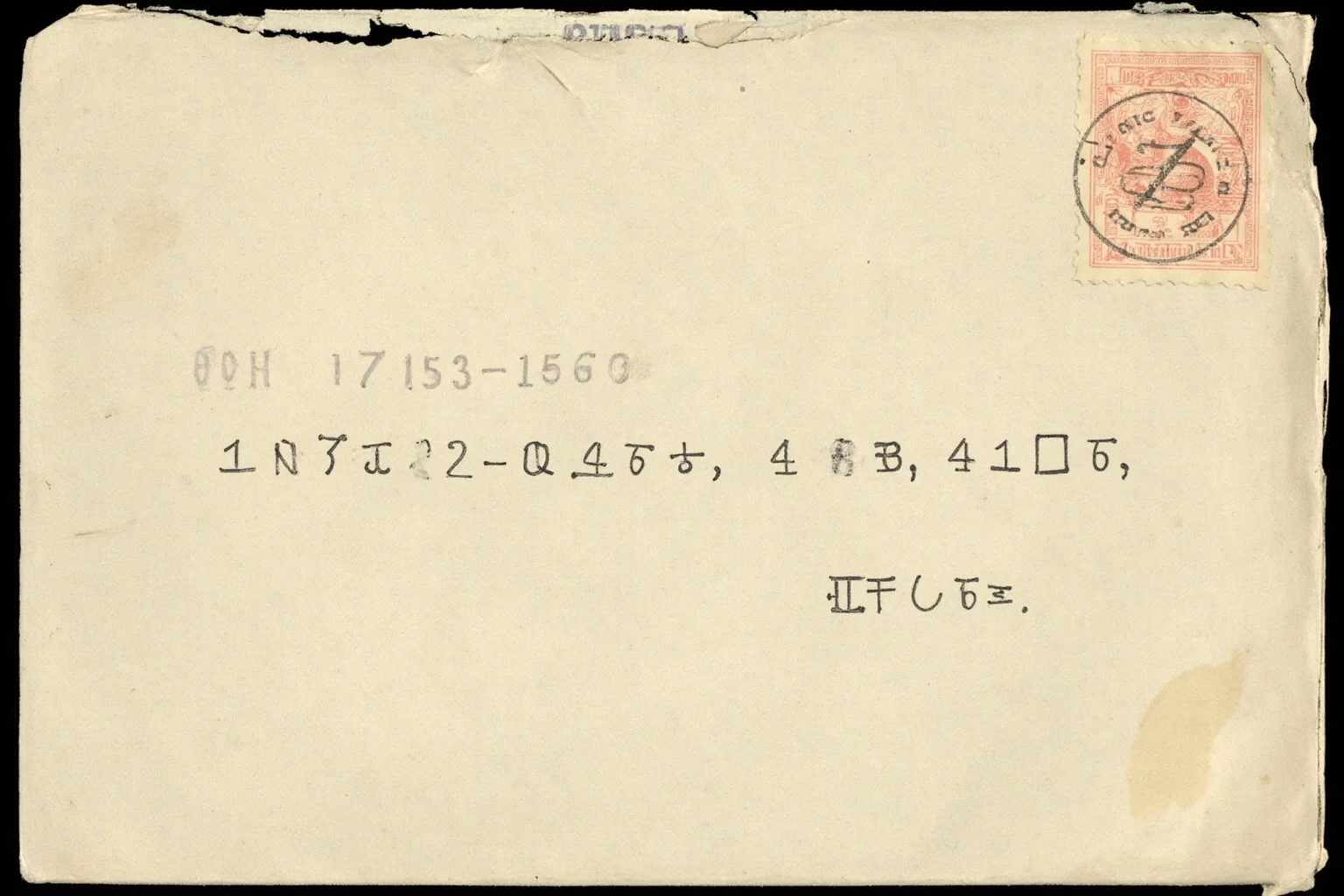
The Zodiac Killer sent a series of taunting letters and ciphers to California newspapers in the late 1960s and early 1970s. The first cipher, Z408, was solved by a schoolteacher and his wife within days. A later cipher, Z340, was not solved until 2020, when an international team used computer software to reveal a rambling message.
Two short ciphers, Z13 and Z32, remain unsolved, and the killer’s identity is still unknown. Their brevity makes them brutally difficult because there is not enough text to confirm a unique solution. The Zodiac ciphers remain among the most studied unsolved ciphers in true crime history.
Wartime and Mathematical Powerhouses
Some of the hardest ciphers in history were built for war, diplomacy, or mathematical certainty. These systems show that a code does not have to be ancient to be legendary.
13. The Copiale Cipher
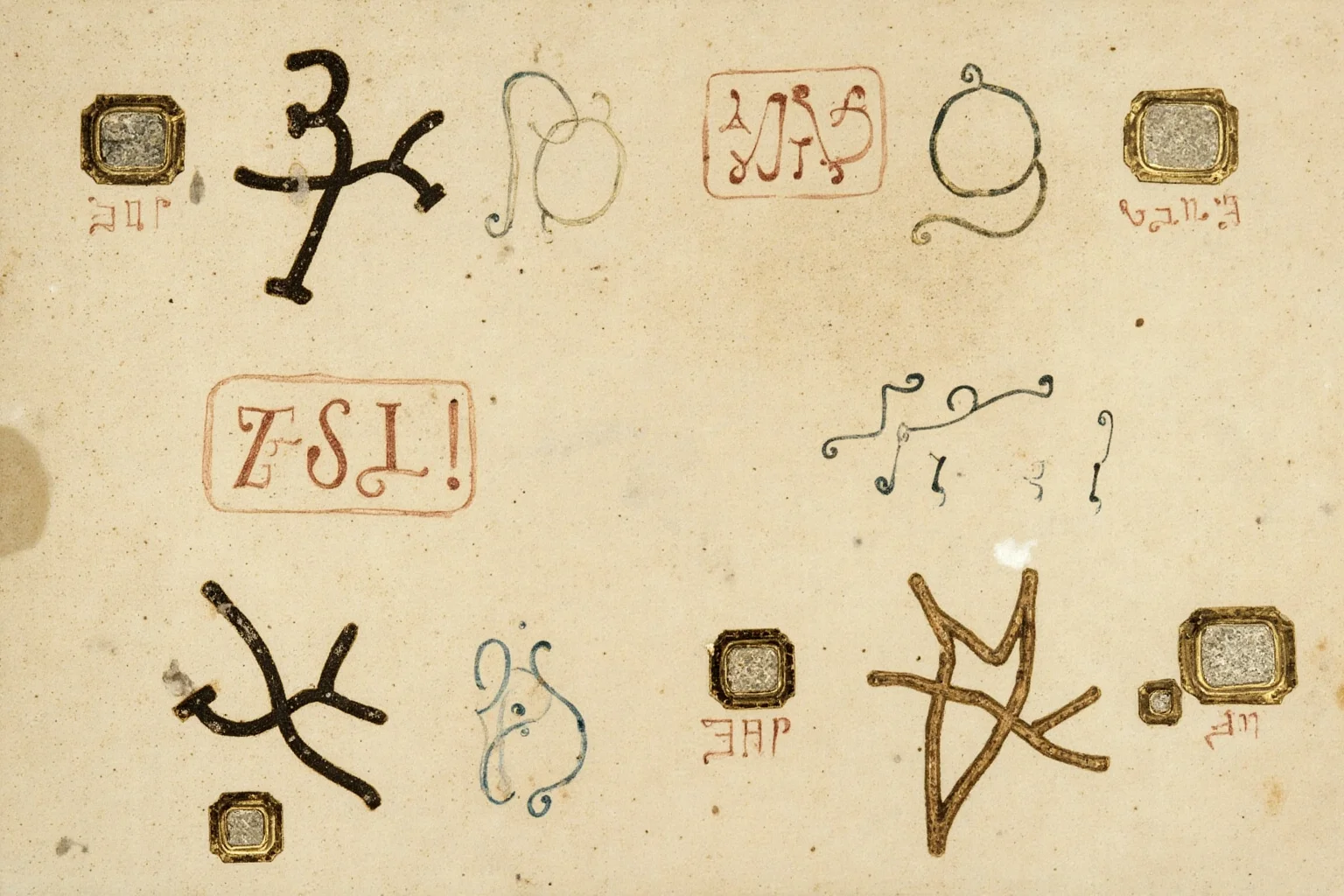
The Copiale Cipher is an eighteenth-century manuscript from a German secret society, written in abstract symbols and some Greek and Roman letters. It was finally solved in 2011 by a team that combined computer analysis with knowledge of German phrase patterns. The decrypted text revealed rituals and political notes from a group called the Oculist Order.
Before that breakthrough, the cipher had resisted translation for decades because it used homophonic substitutions, with multiple symbols for the same letter. The Copiale Cipher is a reminder that some famous ciphers are hard only until the right linguistic and computational tools align. Its solution also unlocked new methods for attacking other mystery documents.
14. The Vigenère Cipher
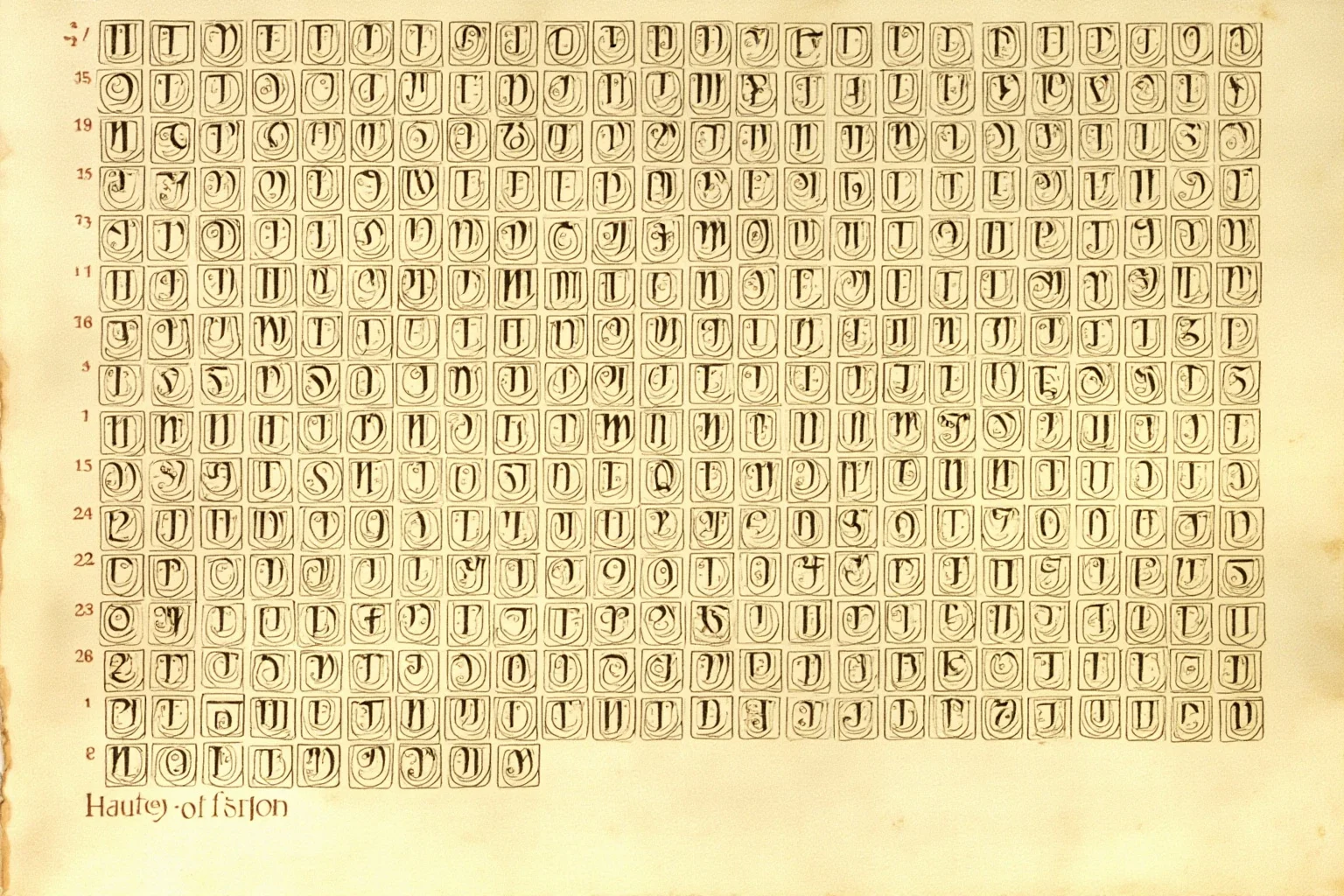
The Vigenère Cipher is a polyalphabetic substitution system first described in the sixteenth century, though it is named after Blaise de Vigenère. For centuries it was called “le chiffre indéchiffrable,” the indecipherable cipher, because it defeated simple frequency analysis. It uses a repeating keyword to shift each letter by a different amount, which hides normal letter patterns.
The cipher was eventually broken in the nineteenth century through the work of Charles Babbage and Friedrich Kasiski. Their methods looked for repeated sequences to deduce the keyword length and then solved the message as multiple simple ciphers. The Vigenère Cipher remains one of the most famous ciphers in history because it was considered an impossible code until patient pattern analysis proved otherwise.
15. The ADFGVX Cipher
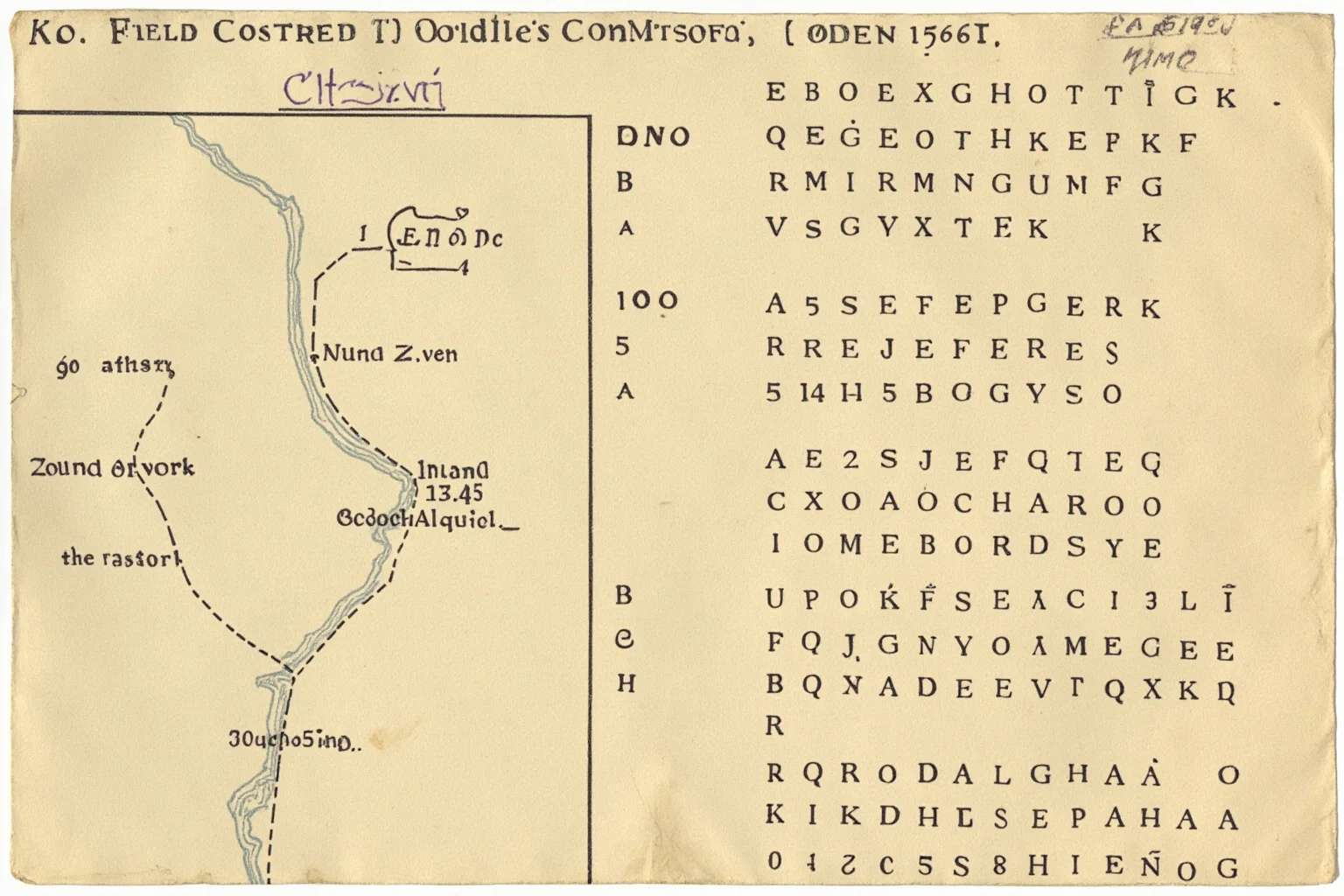
The ADFGVX Cipher was a field cipher used by the German army during the final years of World War I. It was named for the six letters that appeared in its output and combined a substitution table with a columnar transposition. The two-step process produced ciphertext that looked like a meaningless string of A, D, F, G, V, and X.
French cryptanalyst Georges Painvin cracked the system in 1918 after a grueling analysis of multiple messages. His breakthrough gave the Allies advance warning of German offensive plans. The ADFGVX Cipher shows how the hardest wartime codes often fall not to a single lucky guess but to weeks of disciplined traffic analysis.
16. The Enigma Machine
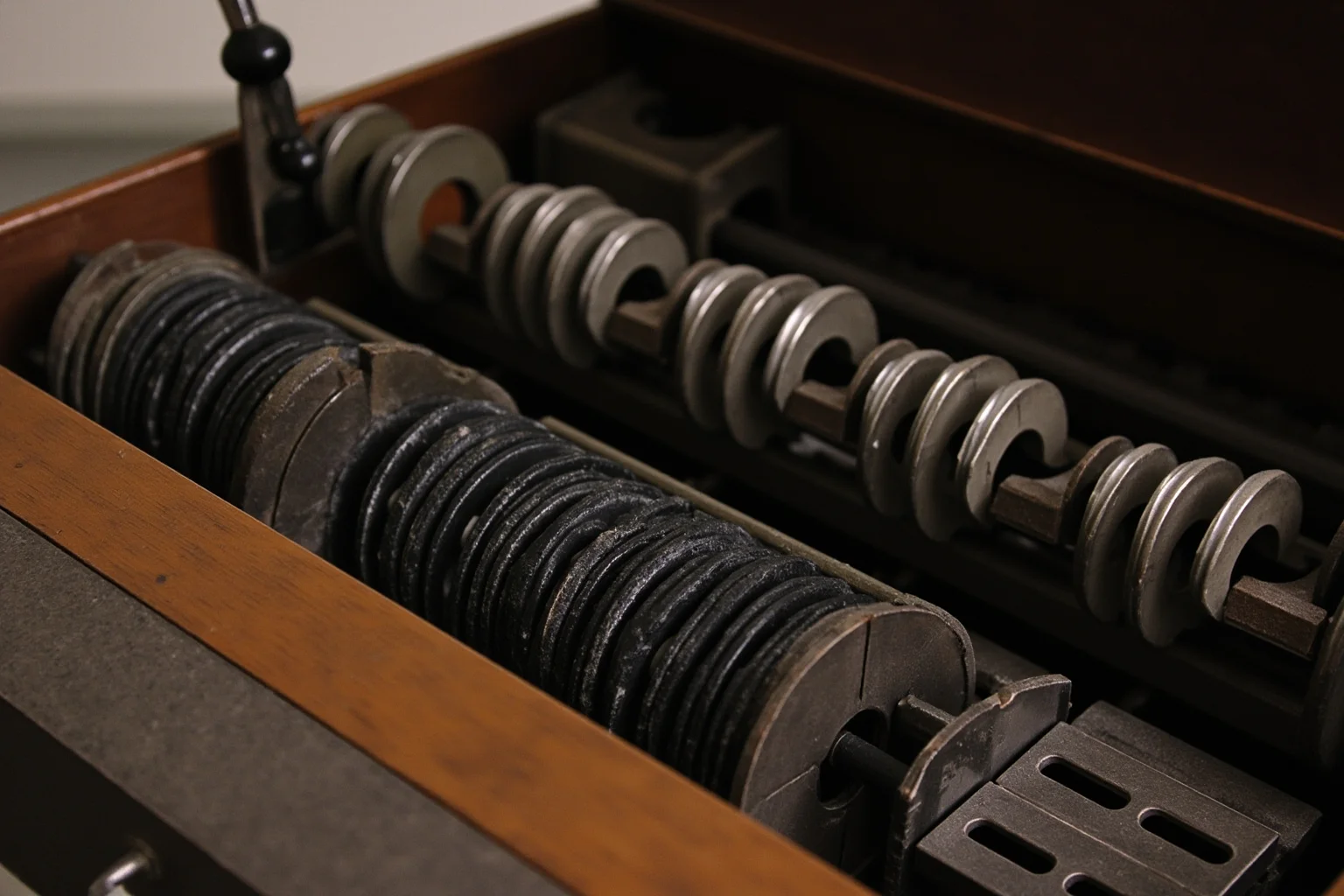
The Enigma machine was the German military’s electromechanical cipher device during World War II. Its rotors and plugboard created an enormous key space that changed daily, making brute-force solution impossible by hand. However, operator errors, captured codebooks, and brilliant work by Polish and British cryptanalysts gradually broke the system.
At Bletchley Park, Alan Turing and others built machines that automated the search for daily settings. The Enigma story is often told as a single impossible code, but in reality it was a family of related systems with different strengths. Some naval Enigma keys remained unbroken for long periods, which shows how close the hardest cipher can come to winning a war.
17. The Lorenz Cipher
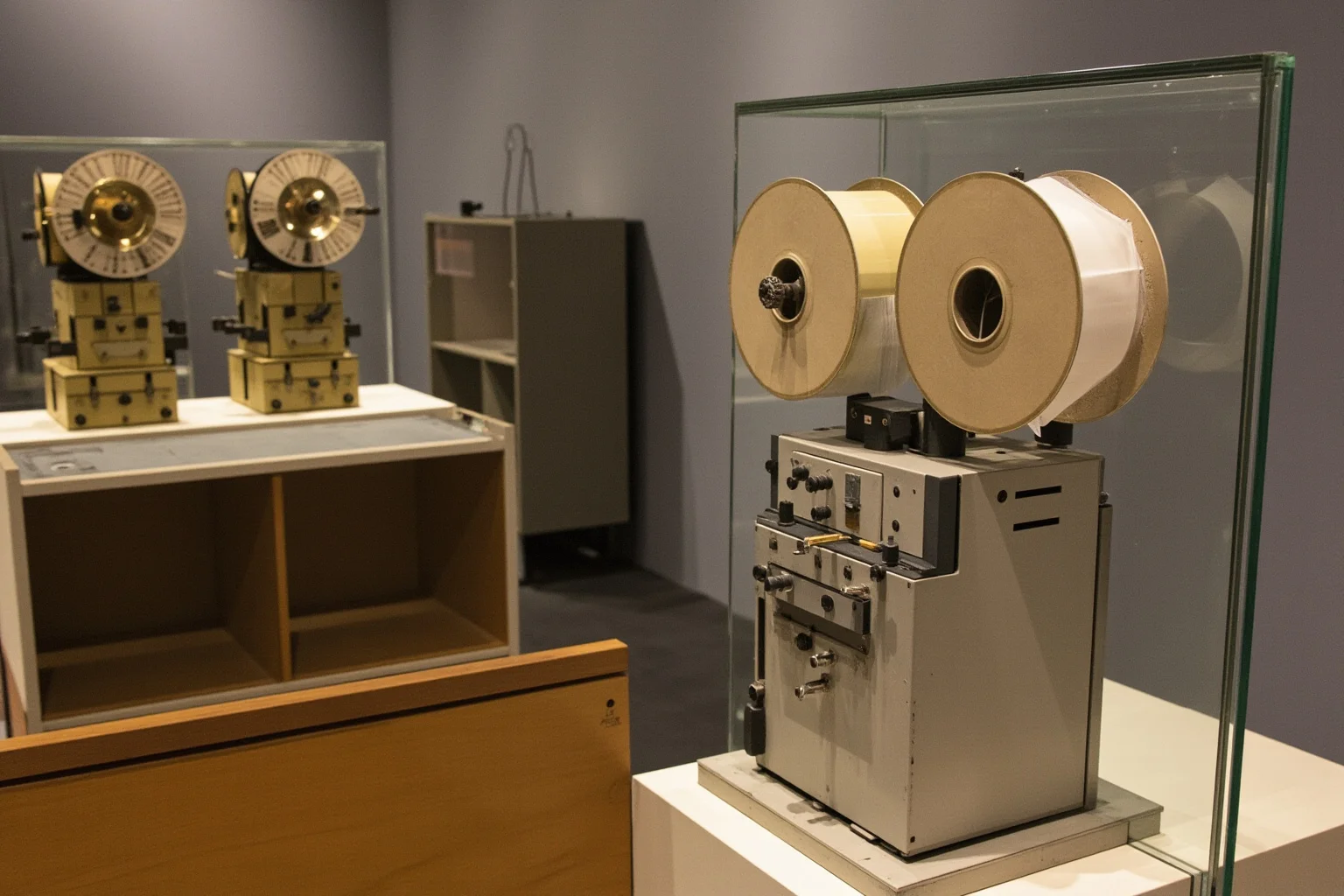
The Lorenz SZ40 and SZ42 were teleprinter cipher machines used by the German high command in World War II. Unlike Enigma, Lorenz encrypted messages in binary code for high-level strategic communication. British analysts at Bletchley Park deduced the machine’s structure without ever seeing one, a feat known as cryptanalysis from depth.
The effort to break Lorenz led to Colossus, one of the first programmable electronic computers. Lorenz messages were far harder to crack than Enigma, and the system protected some of the war’s most sensitive plans. Its defeat was a triumph of mathematical insight, engineering, and the growing power of automated computation.
18. The Purple Cipher
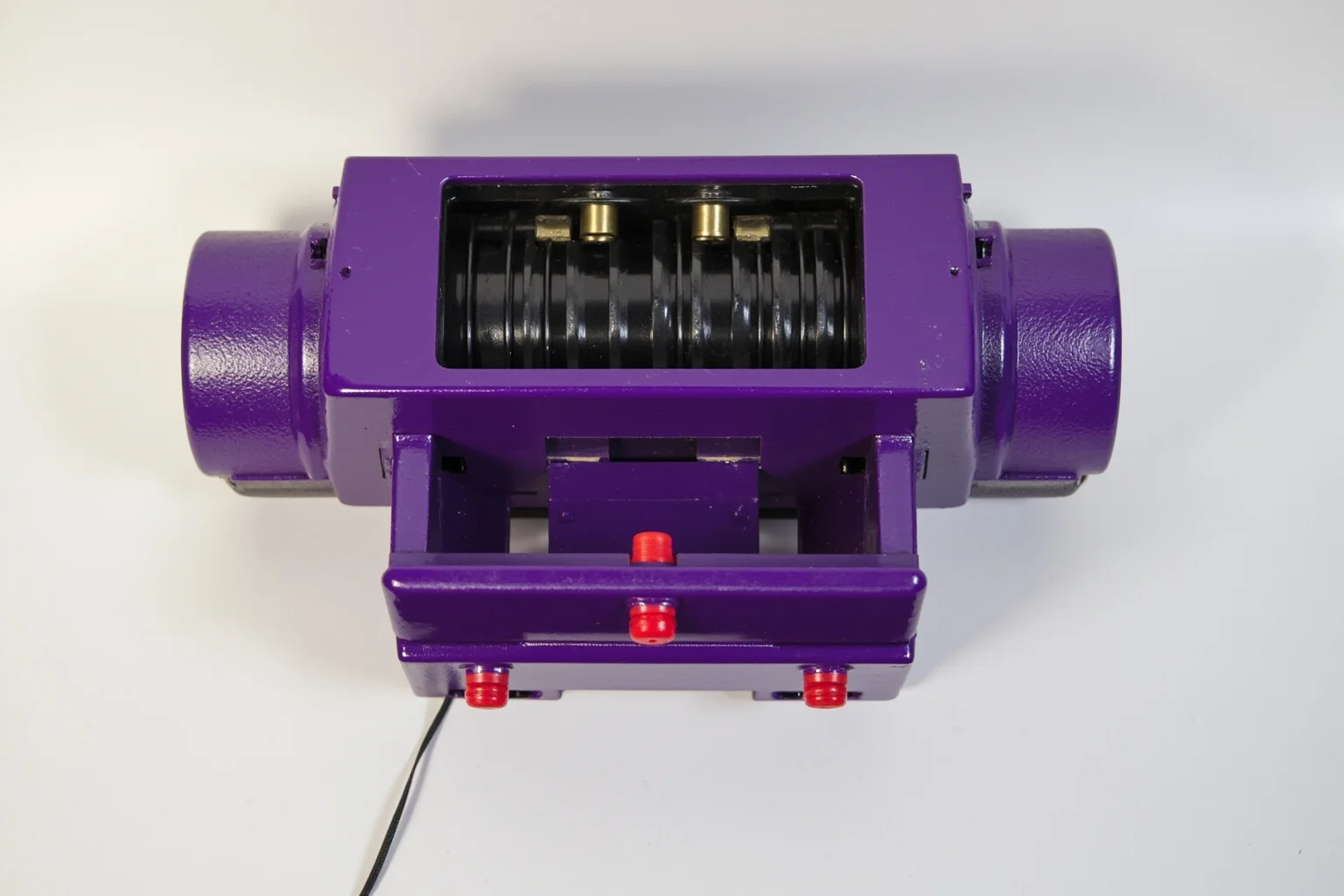
The Purple Cipher was the name American cryptanalysts gave to Japan’s most sophisticated diplomatic encryption machine before and during World War II. It used telephone stepping switches to encipher messages, and no machine was available to US codebreakers when they began. William Friedman’s team reconstructed its logic through analysis of intercepted traffic.
By 1940, the US was reading Japanese diplomatic messages, a breakthrough that influenced wartime decisions. Purple was not a simple substitution cipher; it was a complex electromechanical system that could have remained secure far longer if its design had not been duplicated. It stands as one of the hardest ciphers in diplomatic history to break by pure reasoning.
19. The Navajo Code Talker Code
The Navajo Code Talkers used their native language, not a written cryptographic cipher, to transmit battlefield messages in the Pacific theater during World War II. Japanese forces intercepted the transmissions but never broke the code.
The code was fast, spoken aloud, and relied on a language that was unwritten and almost unknown outside the United States. Its security came from linguistic isolation and careful training, not from mathematical complexity. The Navajo code is often called one of the hardest codes to crack in warfare because it survived the entire war intact.
20. The One-Time Pad
The one-time pad is a cipher system in which a random key, as long as the message itself, is used once and then destroyed. If the key is truly random, never reused, and kept secret, the ciphertext gives an attacker no information about the plaintext. That property makes it the strongest cryptographic cipher known in information theory.
In practice, one-time pads are hard to use well because generating and distributing long random keys is cumbersome. Security failures happen when pads are reused or when keys are not truly random. Even so, the one-time pad remains the one true impossible code in the mathematical sense, and it still influences modern encryption design.
Why the Hardest Codes Still Matter
These codes in history matter because they reveal how humans think about secrecy, language, and trust. A cipher is not just a puzzle; it is a snapshot of the technology and fear of its time. The hardest cipher to decode may be an ancient script with no known key or a wartime machine with a million possible settings.
Studying famous ciphers also teaches humility. Systems once called indecipherable eventually fell, while some short, flawed, or context-free messages still resist every attack. The line between an impossible code and a solvable one is often a single mistake, a damaged page, or a lost language.
Frequently Asked Questions
What is the hardest cipher to decode in history?
There is no single definitive hardest cipher because difficulty depends on context. The Voynich Manuscript, Kryptos's unsolved K4 passage, and the one-time pad are often cited: the first two resist solution due to unknown language or short text, while the one-time pad is mathematically unbreakable when used correctly.
What is the difference between a code and a cipher?
A code replaces whole words or phrases with symbols, while a cipher transforms individual letters or bits using a rule. Many historical systems mixed both, which is why the terms are often used loosely.
Why do some famous ciphers remain unsolved?
Many famous unsolved ciphers are too short, written in an unknown language, damaged, or based on a lost key. In some cases, the surviving text may not be a cipher at all, which makes confident decipherment impossible.
Are the Beale Ciphers real?
The Beale Ciphers describe a buried treasure, but only one page has been solved, and the whole story may be a hoax. Historians caution against treating the treasure as verified fact.

Alex Warren
Related Articles